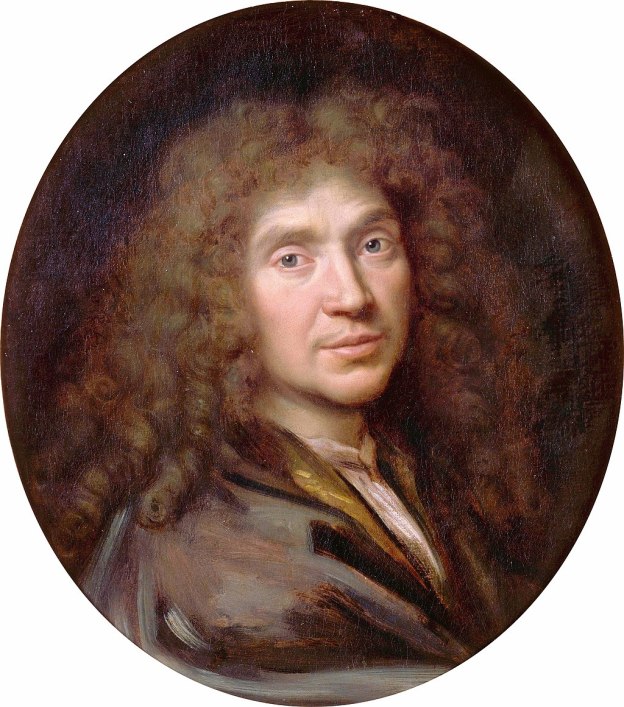

FEATURE image: Portrait of Molière, c. 1658, Pierre Mignard (1612-1695), Château de Chantilly. Pierre Mignard is one of the major classic French portrait artists. When the artist crossed paths with Molière in Avignon in 1658, after having worked in Orange and Saint-Rémy, a great friendship started between the two men, until the death of Molière in 1673. The portrait of Molière in Chantilly probably dates from this Avignon meeting, as the writer appears to be under forty years old.
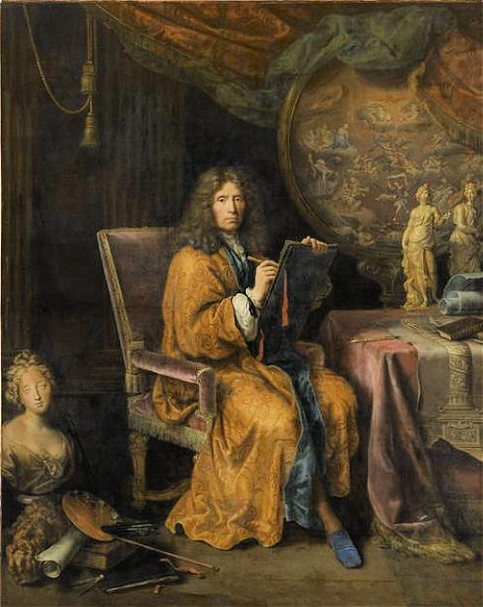
Molière was born into a well-to-do family on January 15, 1622 at Rue St. Honoré in Paris and grew up near the Bastille at Rue Saint-Antoine. The greatest genius of the French theater was baptized at St. Eustache as Jean-Baptiste Poquelin. He adopted the stage name of Molière in the mid1640s after he founded his first theater troupe.


Known as the “Shakespeare of France,” Molière was a profound theater actor, writer and poet. His plays’ wit and characters are timeless, including Tartuffe (1664), Don Juan (1665), and The Misanthrope (1666).
In 2007 French film, “Molière,” Romain Duris is Molière and Laura Morante is Elmire
The fictional film is told in flashback to 1645. It is a conflation of different periods in Molière’s life into one earlier period. In 1645, 23-year-old bachelor Molière was bailed out of debtor’s prison. Molière was married and much older when his great, controversial play, Tartuffe, appeared in the mid1660s.
In the film, Molière poses as “Monsieur Tartuffe” (a priest) who serves as tutor for Orgon’s children. In history, older Molière played the part of the householder and trusting husband, Orgon, in his play, Tartuffe. In the film, a young Molière as Tartuffe, as in the play, falls in love with Elmire, Orgon’s neglected wife of the household.
In this scene Molière delivers a letter to Elmire from her secret admirer which, unknown to her, was written by the debonaire M. Tartuffe (Duris as young Molière).
Today any type of true romance can be heart-warming, but in the 17th century romance was viewed through the lens of means and ends, either of which could be scandalous.
Molière’s great plays Don/m Juan and Tartuffe were halted in their tracks by French religious and royal authorities who were concerned that their characters and plots could provoke popular scandal. In the mid1660s, the Archbishop of Paris condemned Molière’s work -– and the libertine Molière himself — and then turned to the highest state authority, the king, with whom the top bishop was privileged to be closely aligned, to carry out his sentence. For Molière, the Ancien Régime was alive and well: the American and French Revolutions a distant century in the future.
“But I ought to warn you, strictly between the pair of us, that in Don Juan my master you see the greatest scoundrel that ever walked on Earth. He is a madman, a dog, a devil, a Turk. He is a heretic who believes in neither Heaven, nor saint, nor God, nor the bogeyman. He lives the life of an absolute brute beast. He is an Epicurean hog, a regular Sardanapalus who is deaf to every Christian remonstrance, and looks on all that we others believe as nothing but old wives’ tales. You say he has married your mistress. He would have done far more than that to gratify his desires. He would have married you, and her dog and cat as well. It costs him nothing to marry. That is the best baited trap he has.” – Sganarelle, servant of Don Juan, played by Molière. From Don Juan (1665).
“Oh, you scoundrel! At last I see you as you really are. But, unhappily, the knowledge comes too late; and it can only serve to drive me to desperation. But, be sure, your villainy will not remain unpunished. The Heaven you mock will avenge me for your faithlessness.“ – Donna Elvira, wife of Don Juan, played by Madmoiselle du Parc. From Don Juan (1665).
“Constancy is only fit for idiots.” – Don Juan, played by La Grange. From Don Juan (1665).
“You see him as a saint. … I see right through him. He’s a fraud.” – Dorine, played by Madeleine Béjart, Act 1, Scene 1. From Tartuffe (1664).
“It’s true – those whose private conduct is the worst,/Will mow each other down to be the first/To weave some tale of lust, and hearts broken/Out of a simple kiss that’s just a token/Between friends.” – Dorine, played by Madeleine Béjart, Act 1, Scene 1. From Tartuffe (1664).
“See, I revere/Everyone whose worship is sincere./Nothing is more noble or beautiful/Than fervor that is holy, not just dutiful.“ – Cléante, played by La Thorillière, Act I, Scene 4. From Tartuffe (1664).
“What good would it do to dissent? A father’s power is great.” – Mariane, played by Mlle de Brie, Act 2, Scene 3. From Tartuffe (1664).
“Don’t be deceived by hollow shows; / I’m far … from being what men suppose.“ – Tartuffe, played by Du Croisy, Act 3, Scene 6. From Tartuffe (1664).
“There’ll be no sins for which we must atone,/Because evil only exists when it’s known.” – Tartuffe, played by Du Croisy, Act 4, Scene 5. From Tartuffe (1664).
“Ah! Ah! You are a traitor and a liar!/Some holy man you are, to wreck my life, / Marry my daughter? Lust after my wife?” – Orgon, played by Molière, Act 4, Scene 7. From Tartuffe (1664).
“Damn all holy men! They’re filled with deceit!/I now renounce them all, down to the man.” – Orgon, played by Molière, Act 5, Scene 1. From Tartuffe (1664).
“All that we most revere, he uses/To cloak his plots and camouflage his ruses.” – Dorine, played by Madeleine Béjart, Act 5, Scene 7. From Tartuffe (1664).
While “mixing it up” in politics has shown itself to be the Church’s normal path, it was Molière’s irreligious observations of such that proved a major theme in his wittiest dramas and brought him into trouble with the authorities. While a young King Louis XIV (1638-1715) approved orders that banned some of Molière’s farces, the royal personage was reluctant to do so. It had been the priests who were stung by Molière’s popular ridicule with its social risk of being overthrown by its witty truths. Yet the church’s well-connected desires to cancel Molière proved only partly successful in the mid-17th century and, afterwards, hardly at all.

Molière and His Times: Writers of 17th Century French Literature
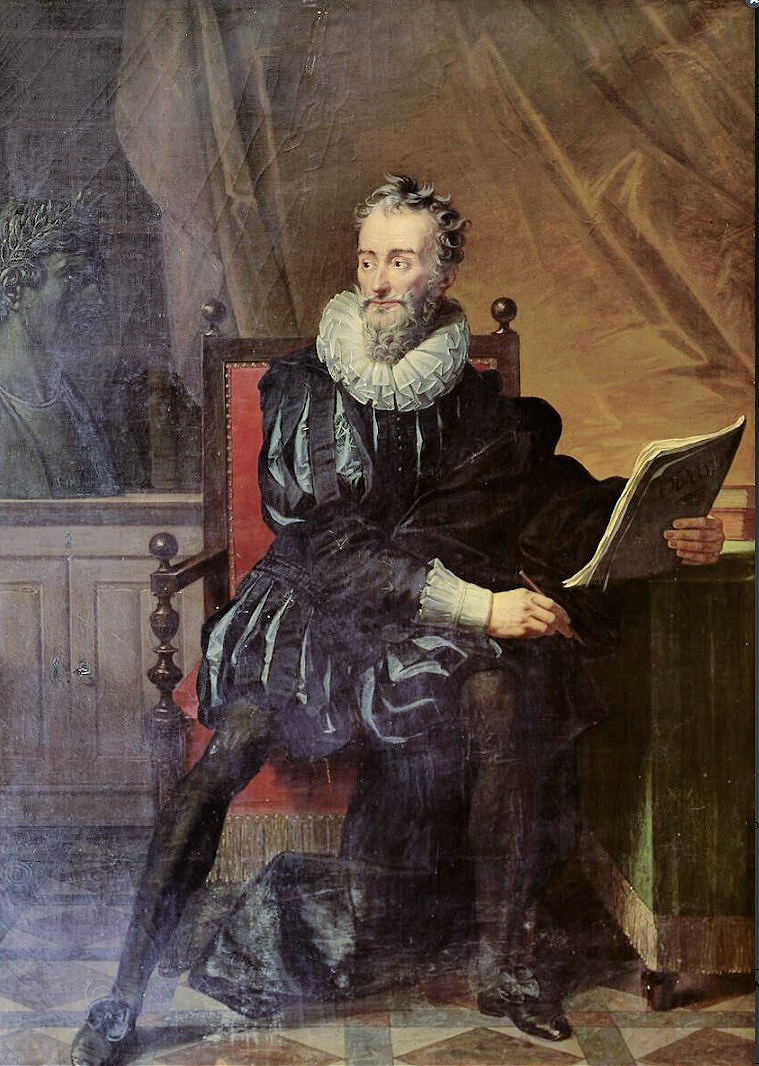
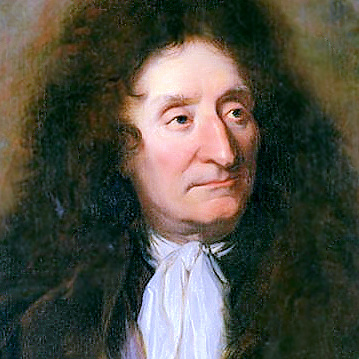
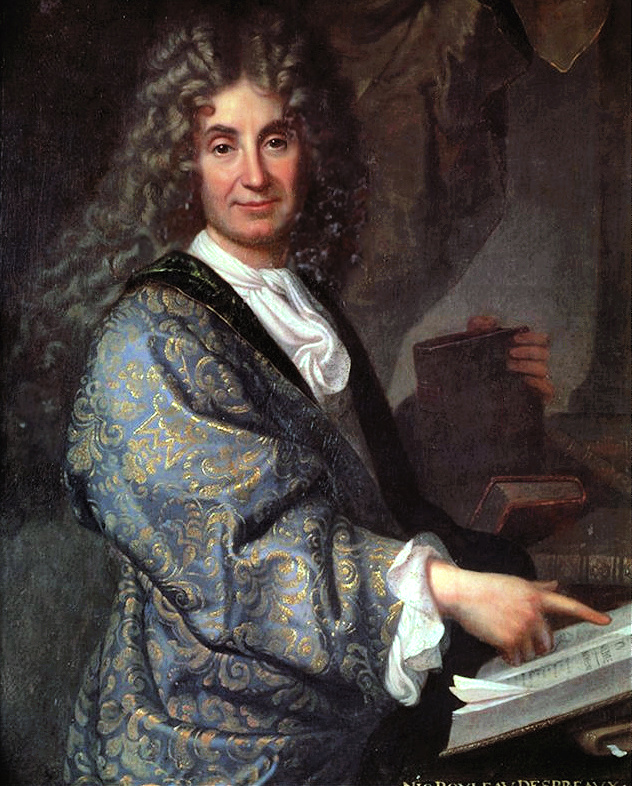
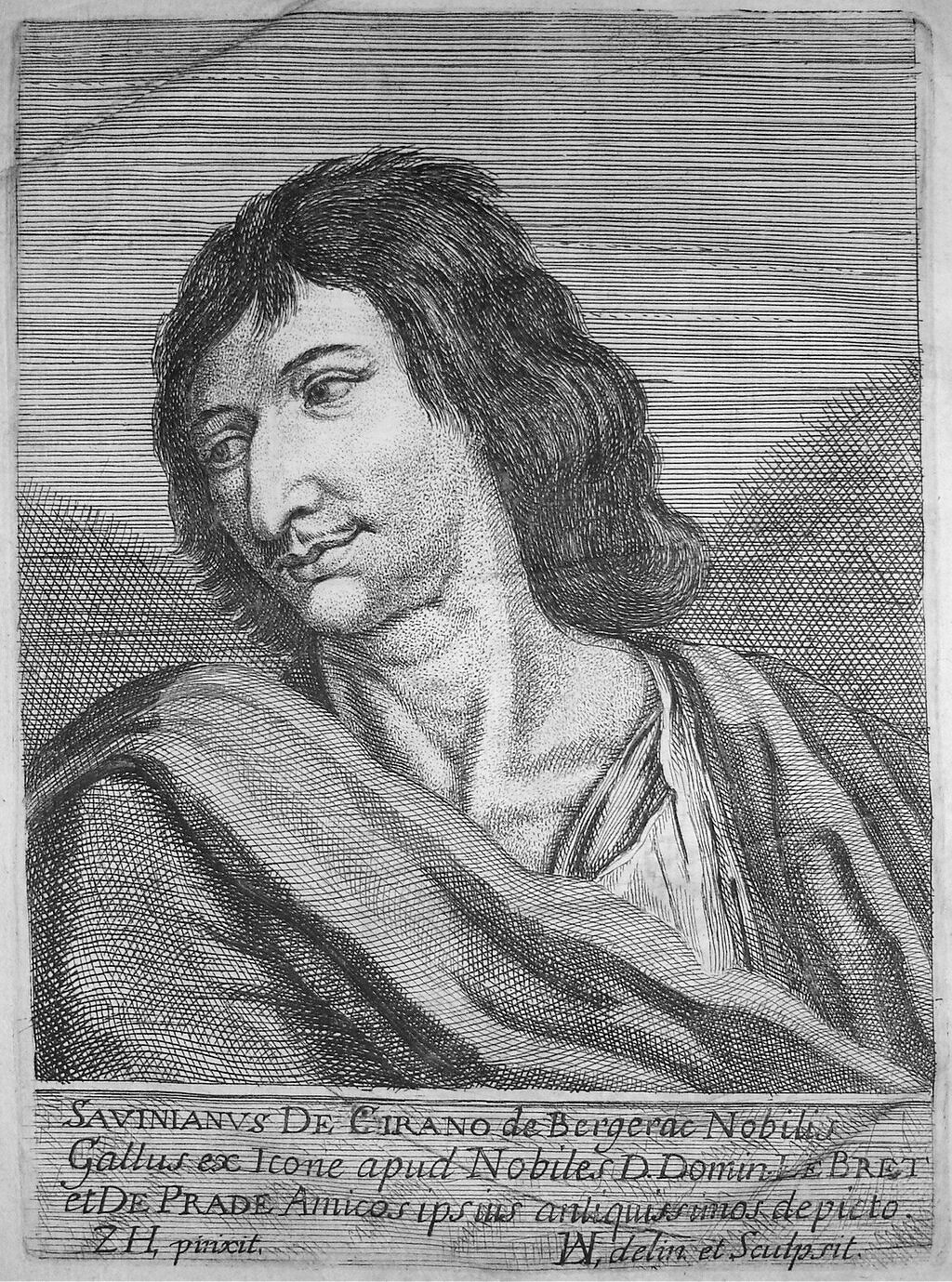
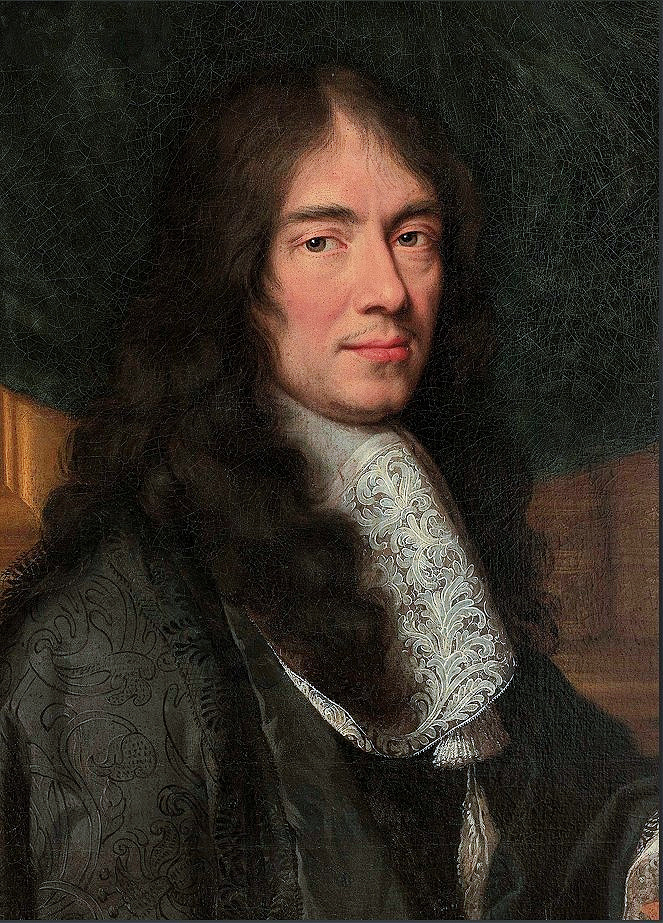
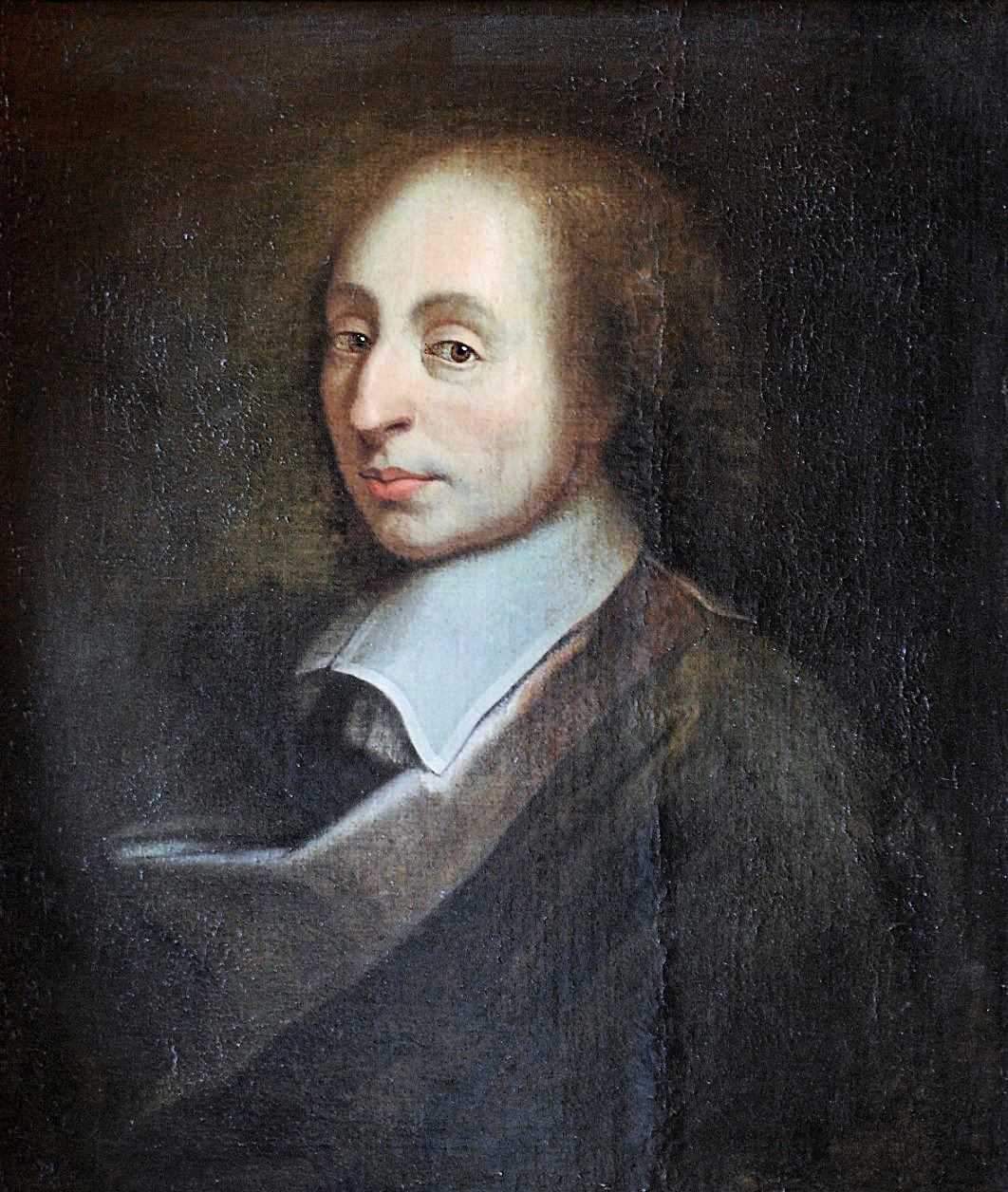
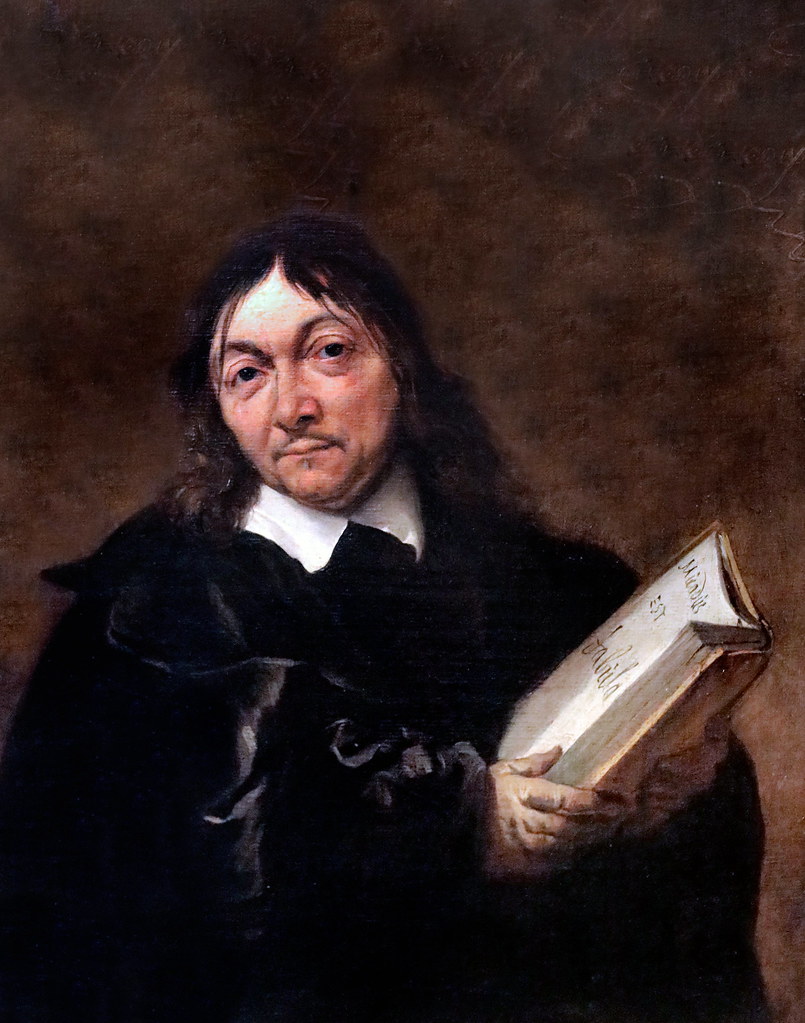
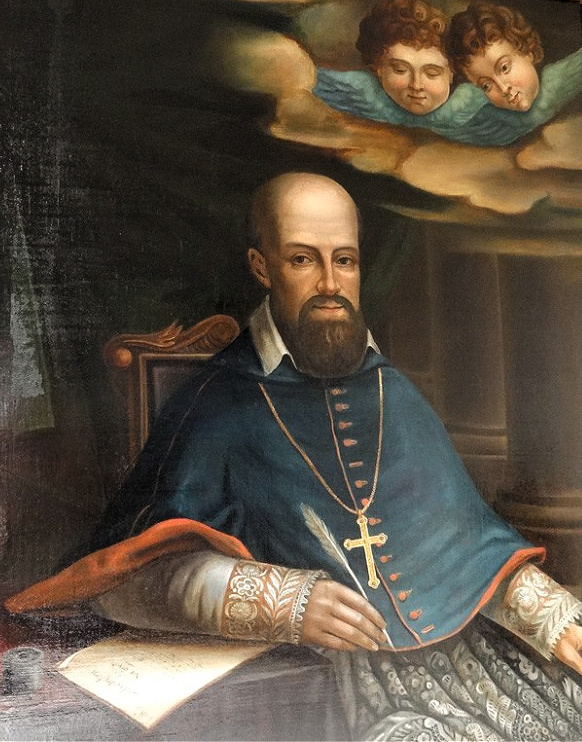
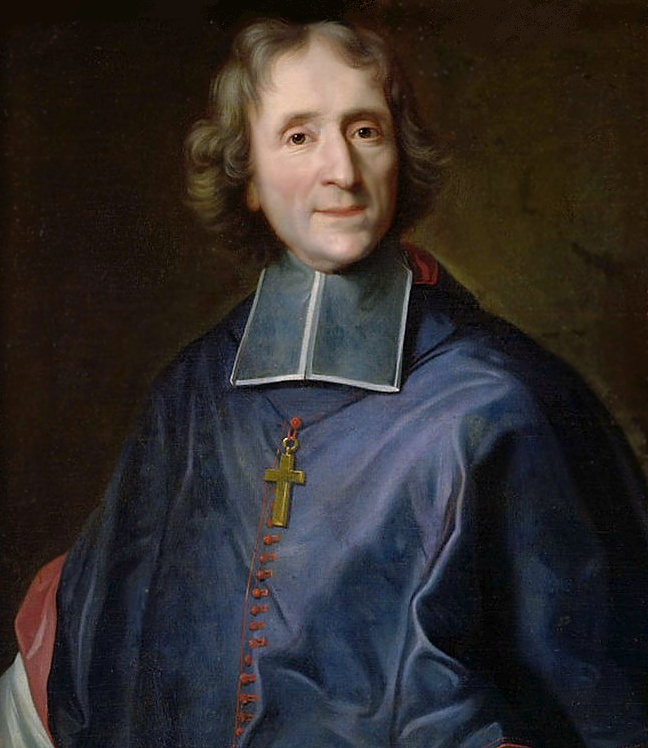
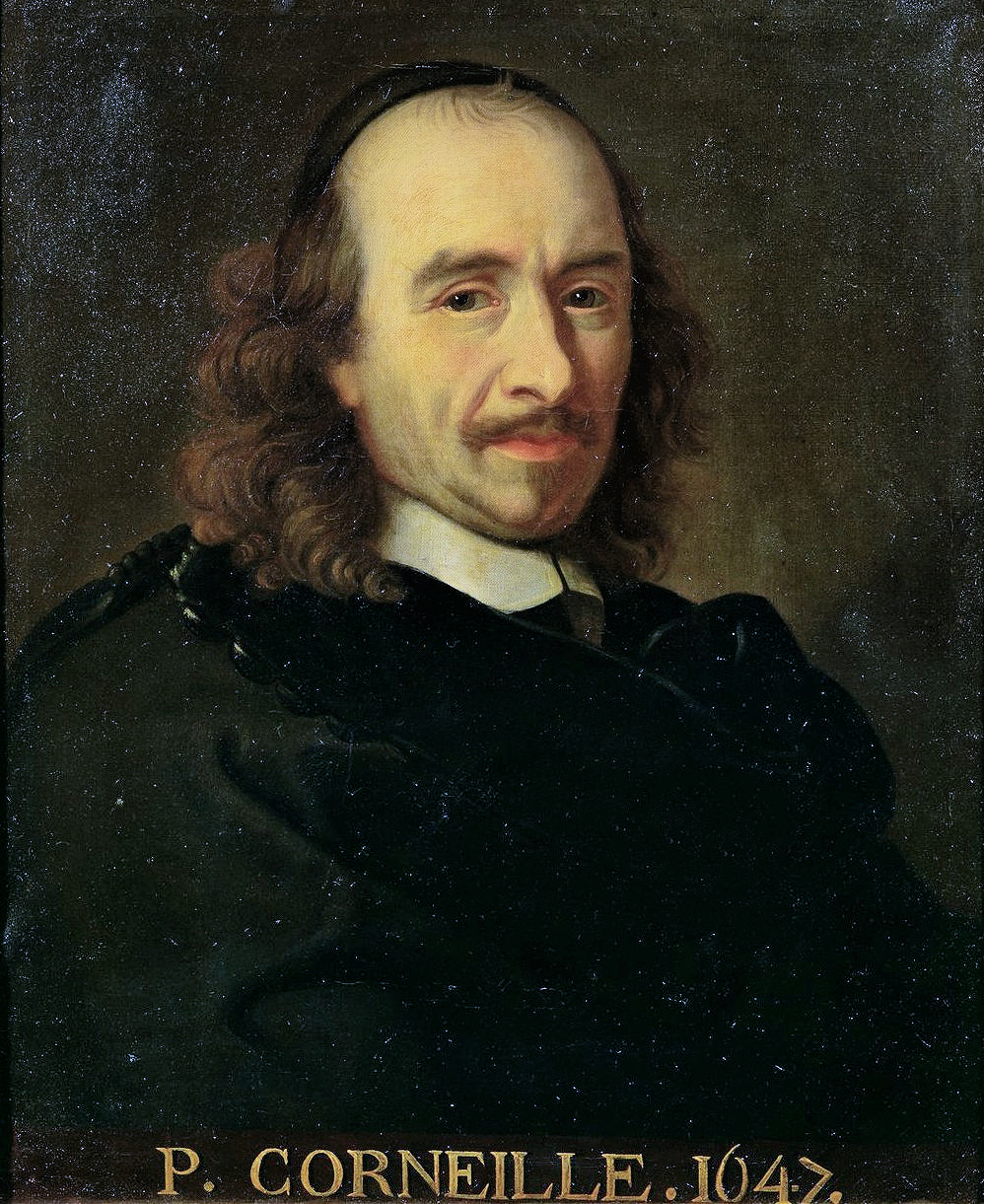
The 17th century contained and continued the wealth of French literature in its many genres including these literati, among others, in poetry, novels, fairty tales, essays. philosophy, theology, and drama.
POETRY
NOVELS AND FAIRY TALES
ESSAYS


PHILOSOPHY
THEOLOGY

DRAMA

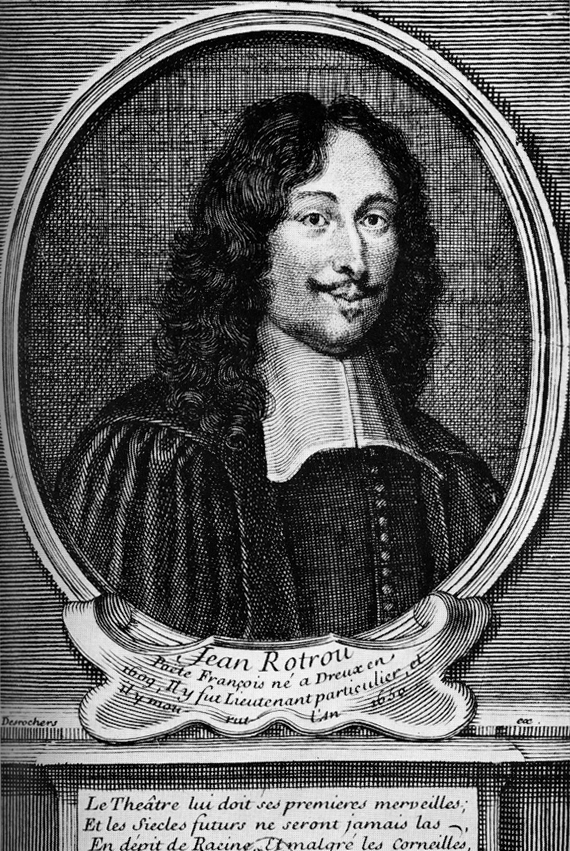

Molière’s Comedy: Wit And Types
Molière wrote drama based on actual facts of society and human nature. Using ludicrous incidents, he headed straight to a moral purpose. His plays were very instructive and had all the makings of high comedy. Molière attracted his audience as a premier dramatist of wit.
His characters are not individuals but types which are intense. This comic form is mainly indigenous to France and contrasted to Italy’s dramatic form of tragedy.
The City of Paris Plays a Role
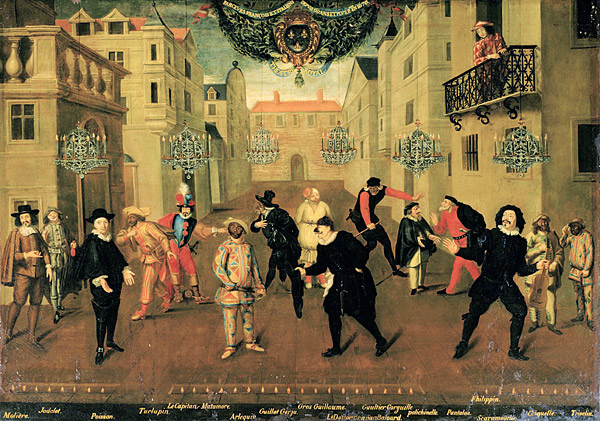
Paris is a theatrical city. Similar to today’s Beaubourg in fine weather, there were outdoor performances at the Pont Neuf and Place Dauphine. The Hotel de Bourgogne on Rue Etienne Marcel was used in the 16th century by the Confraternité de la Passion for passion plays. In the mid1620s when America was wilderness there were street parades of comedians in Paris to lure spectators into the theatre. Stock farce characters included Aurlupin (a mean-spirited school teacher), Gros Guillaume (dressed in a flour sack), and Captain Fracasse (breaking plates and things). At the permanent flea market of St. Germain de Prés, spectacles were put on stage. Goods were sold, some of it junk, because, as Daumier observed, “people are always fooled.”
Molière’s mother died when he was 10 years old and he was raised by a nurse maid. In his later plays there are often such maids and servant girls.


Molière Schools in Paris and Orléans; penniless for 15 years
Molière was a commuter student at the Collège de Clermont behind the Sorbonne. Founded in the 1560s by the Jesuits who had a tremendous hold on educating the young in this period, it was renamed Lycée Louis-le-Grand in the 1680s. Nobility and the well-to-do bourgeois schooled together though segregated by a so-called “golden barrier” of identity (an illiberal, reactionary practice). Molière received a strict, excellent education and was a Latinist. He went to Orléans to study law but didn’t pursue it. His father sent him to Narbonne to become a royal tapestry maker (the family business) but Molière was idealistic and chose to be in theater. Following his bliss, twenty-something Molière, around the time of the 2007 film included above, was virtually penniless for the next 15 years.
In the shadow of the queen of the sciences (theology), cultural authorities of church and state officially ordered the boycott of theater as immoral. But the people in Paris mostly ignored these bans and theater life thrived.

Molière’s first theater production flops and he is bailed out of debtor’s prison by a street contractor
By the 17th century the Renaissance social fad of tennis had faded away and Molière rented empty courts for the theater. He joined Madeliene Béjart, four years older and from a family of actors, and established his first theater in June 1643 called Illustre Théâtre (“Illustrious Theater”). The first performances in the tennis court featuring the 22-year-old Molière and the others opened on January 1, 1644.
To build the theater, Molière fell into debt in 1644. The first performances were a complete flop and Molière was thrown into debtor’s prison for 3 days in July 1645. A paving contractor paid the bail to release the young actor/writer, a remarkable historical fact.

In Paris in the 1640s there were two official theatre troupes and Molière’s Illustre Théâtre was not one of them. The troupe did have a royal protector, the king’s brother. But no financial bailout was provided by Gaston d’Orléans (1608-1660) and Molière’s first theater had to be auctioned off with proceeds going to creditors.

In 1646 Molière and Mme. Béjart joined a troupe led by Charles Dufresne (1611-1684) and left for the provinces, specifically to Nantes and points south. Success as an actor was fleeting, and Molière was very close to returning to his father’s business as a tapestry maker. Molière, like his fellow actors, could not afford costumes and wore street clothes on stage. His was just one theatre troupe among the 1,000 or so in France. Others in the defunct Illustre Théâtre joined Molière in 1648. Dufresne handed over the direction of the troupe to Molière in 1650 who rechristened the troupe Comédiens de SAR le prince de Conti. The prince de Conti (1629-1666), fifth in line to be king, was Molière’s new patron and friend. At the domaine de la Grange des Prés at Pézenas in Languedoc, the actor-playwright discussed plays and theater with the prince.


In the 1650s, Molière’s troupe became moderately successful performing all over southern Mediterranean France. Though Molière kept a notebook to record his ideas and character types these personal items have been lost.

The prince de Conti, Languedoc governor, was the king’s cousin, and, upon marrying Anne-Marie Martinozzi (1637-1672) in 1654, an in-law of sorts to Cardinal Mazarin (Anne-Marie was Mazarin’s niece). The prince de Conti, however, lived with his mistress at Pézenas among Molière’s free-spirited actors. In 1655 the prince, being engaged in military campaigns in Spain and experiencing failing health, had a religious awakening. He discarded the mistress, returned to his wife and banished the theatre. Molière had, overnight, been cancelled.
Allowance of theater in society based on moral grounds would continue to evolve as audiences continued to enjoy its entertainment value. Finding a need and filling it, Molière sold drama as morality and used witty plot and dialogue that slayed his subject close to the bone.

After being cancelled by the prince de Conti who became an implacable enemy of the theater until his death in 1666, the reputation of Molière’s traveling troupe was being critically appreciated at the highest levels. In 1658, the king’s brother, 18-year-old Philippe d’Orléans, le Monsieur (1640-1701), arranged an audition for Molière and his troupe in Paris. The result was that King Louis XIV approved the Troupe de Monsieur to share the royal theater, the Petit-Bourbon. Molière immediately premiered there on November 2, 1658. The troupe soon had to build up its cast and repertoire to meet the Paris audience’s expectations and Molière looked to provide them with original comedies. This was notably aided by the addition, in 1659, of 24-year-old La Grange, who would play young romantic lead roles.
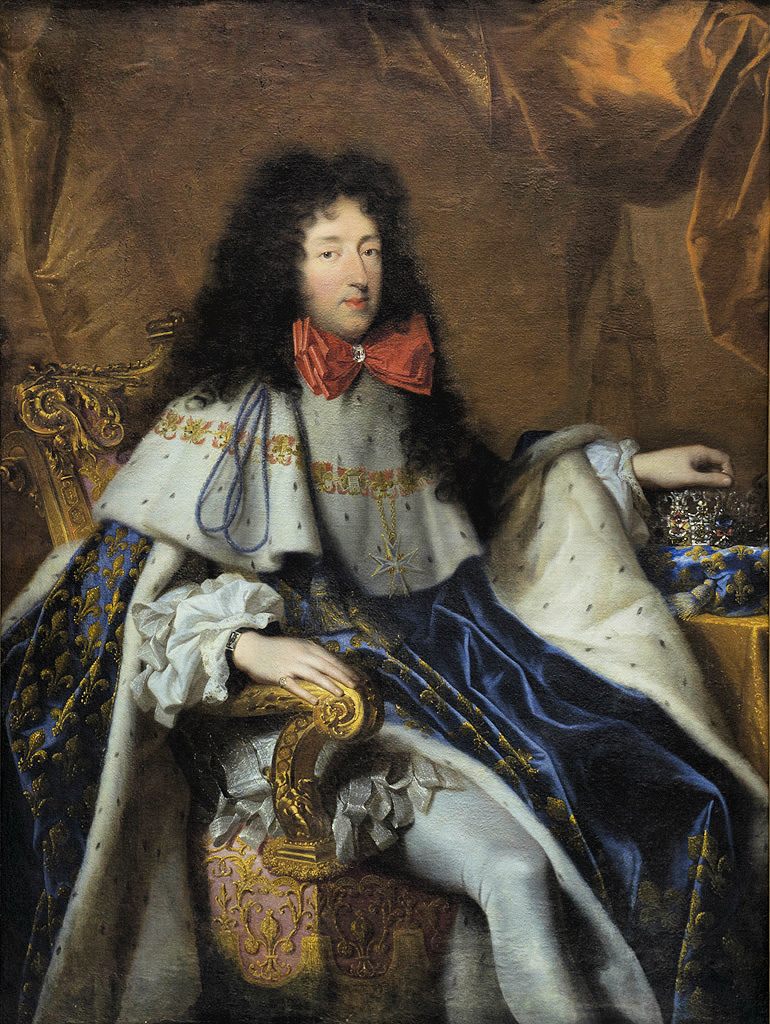
Also in 1659, having acquired the king’s favor, Molière set about to write the first of his great works: Précieuses Ridicules. In 1662 he married Madeleine Béjart’s younger sister (possibly daughter), Armande. The king was godfather to their child as Molière now performed at the Palais Royal for the king and the royal family. In the next years, Molière wrote plays about marriage, jealousy, and adultery, including The Imaginary Cuckold in 1660; Don Garcie de Navarre and The School for Husbands in 1661; and, a great success, The School for Wives in 1662. Opening in December 1662, by the end of May 1663, audiences filled the theatre to watch The School for Wives, a play whose scheming plot is more straightforward than its characters, in over 60 performances. It was afterward attacked by critics who expressed outrage for its sexual references and irreligiosity, but also, possibly, envy for its newness and blatant success. A flurry of artful broadsides between Molière and the King’s Actors at The Hôtel de Bourgogne followed in pamphlets and on their respective stages.
“People of quality know everything without ever having learned anything.” (Les gens de qualité savent tout sans avoir jamais rien appris.) – Mascarille, played by Molière, Act 1, Scene 8. From Précieuses Ridicules (1659).
“A man’s not simple to take a simple wife. Your wife, no doubt, is a wise, virtuous woman. But brightness, as a rule, is a bad omen. And I know men who’ve undergone much pain because they married girls with too much brain. I want no intellectual, if you please.” – Arnolphe, Act 1, Scene 1. From School For Wives (1662).
“It must be confessed that love is a skillful instructor. It teaches us to be what we never were before. By its lessons a complete change in our manners is often the work of a moment. It overcomes obstacles in our very nature, and its sudden effects seem like miracles. It makes misers liberal in an instant, cowards become heroes, and, dear gentlemen, it turns the most inexperienced mind into a nimble wit, as it gives understanding to the most simple.” – Horace, Act 3, Scene 4. From School For Wives (1662).

Jean-Baptiste Lully (1632-1687): Italian-born French composer to “The Sun King” King Louis XIV, and collaborator with Molière on comédies-ballets whcih culminated in 1670 with Le bourgeois gentilhomme.
In 1664 famous French composer J.B.- Lully (1632-1687) began a series of 13 comedy-ballets with Molière including La Princesse d’Élide (1664); Le Mariage forcé (1664), L’Amour médecin, (1665), George Dandin ou le mari confondu (1668), Monsieur de Pourceaugnac (1669), Le Bourgeois gentilhomme (1670), and Psyché (1671). Their collaboration, which was sometimes stormy, ended in 1671. Lully was born as G.B. Lulli in Florence, Italy. He was brought from Florence to Paris in 1646 by the Duc de Guise and placed in the service of La Grande Mademoiselle, Mlle. De Montpensier (1627-1693), the duke’s niece, at her court in the Tuileries. She despised Cdl. Mazarin and was involved in the Fronde (1648-1653) which was defeated by Louis XIV. Following Mlle de Montpensier’s exile to her château at Saint-Fargeau in Burgundy, Lully, who had been learning the best of French and Italian music, was released from her service and in 1653 was made Louis XIV’s court composer (“compositeur de la music instrumentale”) where he was in charge of the king’s personal violin orchestra. An innovative composer, Lully employed his skills and talents to ballet, theater, and opera while ascending the ranks at court. In 1661 Lully became “surintendant de la music et compositeur de la musique de la chambre” which gave Lully, not yet 30 years old, greater responsibilities for the king’s music.

In 1662 Lully became a naturalized Frenchman, married Madeleine Lambert, and was appointed “maître de la musique de la famille royale.” In these early years, as he wrote operas and theatre music for Molière, the ostentatious Lully was envied by other musicians as his success at court continued unabated. In 1681, Lully was made sécretaire de Roi, an ennobling position, signed Monsieur de Lully, escuyer, conseiller, Secrétaire du Roy, Maison, Couronne de France & de ses Finances, & Sur-Intendant de la Musique de sa Majesté. In the 1680’s, the last decade of his life, Lully turned to writing religious music. In January 1687, while beating time during a performance with his cane on the floor, Lully injured his foot which became infected and he died soon after. Lully is the epitome of the French royal composer having written almost everything to the taste and service of the king. Lully’s three sons – Louis, J.B. and Jean-Louis -also became court composers in the king’s service. Louis XIV died in 1715.
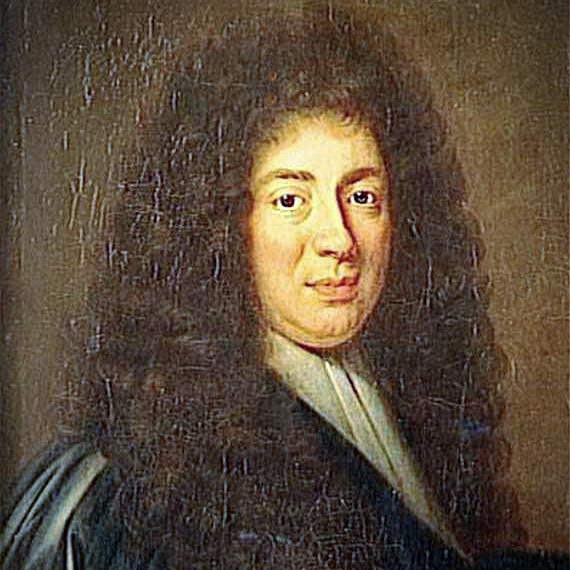
1660’s: High point for Molière’s plays
The middle 1660s was a high point for Molière’s plays: Tartuffe; Festin de Pierre (Don Juan) and Le Misanthrope were all written in two or three years (1664-1666). These great comedies of genius, however, were not well received in their day as audiences continued to follow diktats of church and state who condemned the theater and this mocking satire of the authorities (themselves). In May 1664, Molière staged the first three acts of his developing Tartuffe at Versailles. Called The Hypocrite, the play was immediately banned by Louis XIV. When it opened again in 1667 as The Imposter, it was again immediately banned. Any future performance adventured excommunication with the threat extended to its audience. It was not until February 1669 that Louis XIV finally allowed the performance of Tartuffe in its complete five-act form where it instantly became the hottest ticket in Paris.
Molière: Last years
A now prosperous man wanting to continue to practice his theory of the stage as layman’s pulpit and yet retain his hard-earned social position, Molière in his final years turned to light and innocuous spectacles to teach and entertain French society. In 1665 Don Juan ran for 15 performances though it, too, was censored and its financial proceeds had to go to the Church.
“I expect you to be sincere and as an honourable man never to utter a single word that you don’t really mean.” – Alceste, played by Molière, Act 1, Scene 1. From The Misanthrope (1666).
“There’s a season for love and another for prudishness, and we may consciously choose the latter when the hey-day of our youth has passed—it may serve to conceal some of life’s disappointments.” – Célimène, played by Armande Béjart-Molière, Act 3, Scene 4. From The Misanthrope (1666).
“I’ll confront her in no uncertain terms with her villainy, confound her utterly, and then bring to you a heart entirely freed from her perfidious charms.” – Alceste, played by Molière, Act , Scene . From The Misanthrope (1666).
“The failings of human nature in this life give us opportunities for exercising our philosophy, which is the best use we can put our virtues to. If all men were righteous, all hearts true and frank and loyal, what purpose would most of our virtues serve?” – Philinte, played by La Grange, Act 5, Scene 1. From The Misanthrope (1666).
“You shall observe me push my weakness to its furthest limit and show how wrong it is to call any of us wise and demonstrate that there’s some touch of human frailty in every one of us.” – Alceste, played by Molière, Act 5, Scene 4. From The Misanthrope (1666).
Denied Catholic burial at his death in 1673, Molière is at rest in Père Lachaise Cemetery in Paris since 1817
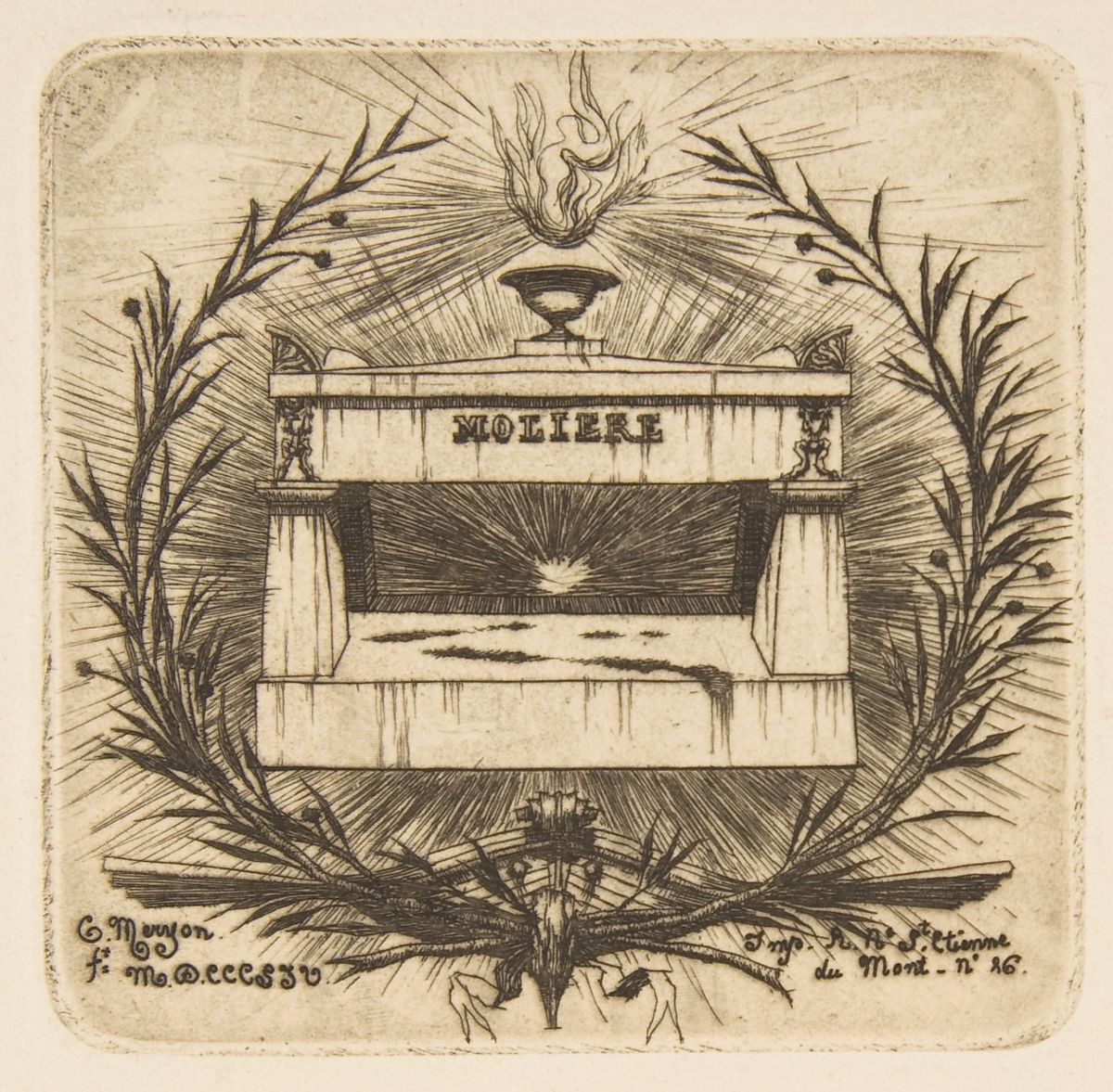
A baptized Catholic, Molière died in 1673 at 51 years old. He was denied a religious burial because he was a theater actor. The Catholic Church impugned Molière’s work. Educated by the Jesuits, Molière never renounced his Catholicism, and was probably not an atheist. He was secretly buried in a Catholic cemetery in a section of unbaptized infants. In 1792, during the French Revolution, Molière’s remains were transferred to the museum of French Monuments. In 1817, Molière was placed in Père Lachaise Cemetery where he resides today.
Molière’s legacy
Though he disguises himself as a virtuous man, Tartuffe is a hypocrite. As the French and the world celebrate Molière’s 400th birth anniversary they can reflect on the relevance of Molière’s drama for today. Molière would have sufficient material today to write and perform another of his witty comedy and drama for the 21st century. Any ridicule of contemporary types of recognized hypocrites would likely face the menace of cancellation similar to what Molière faced in the 1660s. Yet as antagonized power and interest look to lower the curtain on such work, its actors on stage with its original music, brilliant costume and witty plot and dialogue would meet with the roaring laughter and hand clapping of audiences indicating their approval that the show must go on.

FURTHER READING:
https://www.gradesaver.com/tartuffe/study-guide/quotes in MLA Format Osborne, Kristen. Cedars, S.R. ed. “Tartuffe Quotes and Analysis”. GradeSaver, 8 January 2013 Web.
https://www.britannica.com/biography/Moliere-French-dramatist#ref362537
https://www.comedie-francaise.fr/fr/la-troupe-a-travers-les-siecles
https://www.comedie-francaise.fr/fr/histoire-de-la-maison#
https://www.comedie-francaise.fr/fr/artiste/armande-bejart
https://www.sparknotes.com/drama/misanthrope/quotes/
Molière, Tartuffe and Other Plays, trans. Donald M. Frame, New York: Signet Classics, 2015.
Molière, The Misanthrope, trans. Henri van Laun (1876), New York: Dover Publications, Inc., 1992.
http://theatre-classique.fr/pages/pdf/MOLIERE_PRECIEUSESRIDICULES.pdf
George Saintsbury, A Short History French Literature, Oxford: Clarendon Press, 1901.