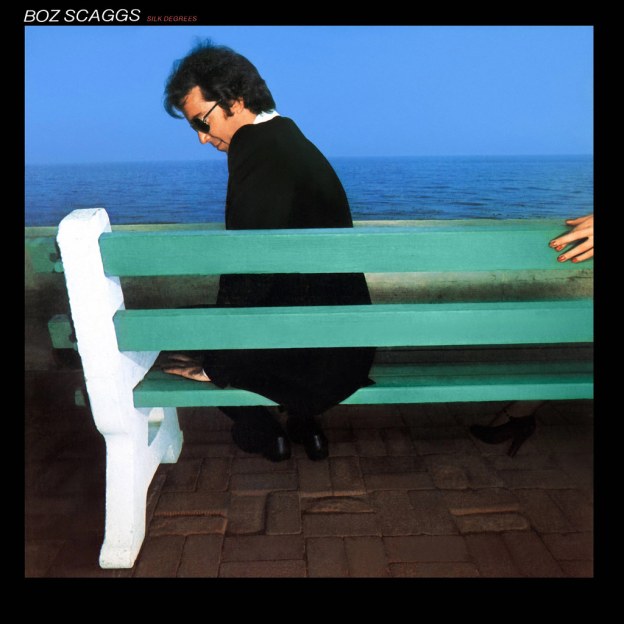

Feature Image: The 1976 cover of Boz Scaggs’ Silk Degrees, photographed by Moshe Brakha at Casino Point in Avalon, California, presents a stylish and contemplative Scaggs seated on a green-and-white seaside bench overlooking the Pacific. Dressed in a light suit and tie, he appears against a sunlit coastal backdrop while the partial view of a woman’s hand and high-heeled shoe introduces an element of mystery and cinematic intrigue. The image’s polished elegance perfectly complements the album’s sophisticated blend of soul, jazz, R&B, and pop, helping make Silk Degrees one of the most memorable record sleeves of the 1970s. “Silk Degrees – Boz Scaggs” by Brett Jordan is licensed under CC BY 2.0.
Silk Degrees was Boz Scaggs’ career-defining breakthrough album, a landmark fusion of blue-eyed soul, R&B, jazz, funk, and pop whose commercial success, enduring hit singles, and influence on the future members of Toto secured its place as one of the most important albums of the mid-1970s.
The song about a hustler looking for his next big score, Lido Shuffle was the fourth and final single released from Boz Scaggs’ 1976 album, Silk Degrees, in February 1977, about one year after the album’s February 1976 release. It’s Over (No. 38), Lowdown (No. 3) and What Can I Say (No. 42) already had been released as singles from an album that debuted in March 1976 on the Billboard 200 and peaked at no. 2 on September 18, 1976. Though Silk Degrees spun off the chart in May 1978, 115 weeks after it first appeared, Scaggs’ 7th studio album had best-selling staying power, remaining in the top 20 (no. 17) at the end of 1976 and higher at no. 8 at the end of 1977. Before its chart departure, Silk Degrees had been certified Platinum by the RIAA and is certified 5x multi-Platinum today. see – Boz Scaggs | Biography, Music & News | Billboard – retrieved February 18, 2026.
Lido Shuffle is a breezy, upbeat number that hit no. 11 on the Hot 100 in 1977.
LYRICS Lido missed the boat that day he left the shack
But that was all he missed and he ain’t comin’ back
At a tombstone bar in a jukejoint car, he made a stop
Just long enough to grab a handle off the top
Next stop Chi town, Lido put the money down and let it roll
He said one more job ought to get it
One last shot ‘fore we quit it
One more for the road
Lido, whoa-oh-oh-oh
He’s for the money, he’s for the show
Lido’s waitin’ for the go
Lido, whoa-oh-oh-oh
He said one more job ought to get it
One last shot ‘fore we quit it
One more for the road
Lido be runnin’, havin’ great big fun, until he got the note
Sayin’ toe the line or blow, and that was all she wrote
He be makin’ like a beeline, headin’ for the borderline
Goin’ for broke
Sayin’ one more hit ought to do it
This joint ain’t nothin to it
One more for the road
Lido, whoa-oh-oh-oh
He’s for the money, he’s for the show
Lido’s waitin’ for the go
Lido, whoa-oh-oh-oh
One more job ought to get it
One last shot and we quit it
One more for the road
Lido, whoa-oh-oh-oh
He’s for the money, he’s for the show
Lido’s waitin’ for the go
Lido, whoa-oh-oh-oh…
While inspiration for the unmistakably contemporary “Lido Shuffle” can be drawn from Carl Perkins’ energetic rockabilly style and Fats Domino’s infectious rhythm-and-blues groove, Boz Scaggs and David Paich fashioned a modern tale of a gambler forever chasing the next big win.

The idea for, and beat of, pop-rock Lido Shuffle was inspired by songs by Carl Perkins (1932-1988) and Fats Domino (1928-2017) and whose lyrics are about a gambler who left home to chase bets (even to Chicago) and ends up losing more winning.
Though promising to do better, the big gambler gets wrapped up in bets, so that each time is the last time – until the next time. “He’s for the money, he’s for the show, Lido’s waitin’ for the go.” Spending wildly and getting deeper and deeper into debt, he’s having fun. That is, until the note finally comes due and the big gambler has to go for broke running for the border – or that’s the plan. Because he can neither escape his gambling addiction nor his debts he goes for one more gambling hit “goin’ for broke” expecting a bailout that won’t be coming. Like the American buffalo hunted to extinction so ends up the gambling Lido Shuffle.
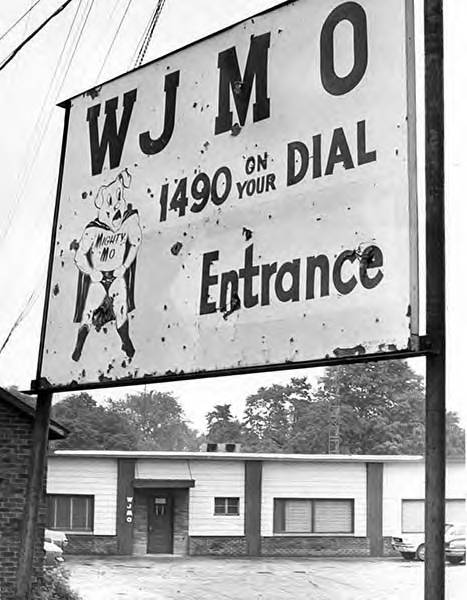
A sales turnaround for Silk Degrees started in Cleveland, Ohio. It’s Over, the album’s first, and up to that point, only single, had modest top 40 success and Scaggs had no plans to release anything more. But an enterprising Cleveland R&B radio DJ at WJMO- AM started playing the Steely-Dan-styled Lowdown right off the album to Ohio’s North Coast – and the public response was massively positive. Scaggs’ label, Columbia, sent the song around to other R&B and Top 40 radio stations across the country and released Lowdown as a single in June 1976. By October 1976 Lowdown was no. 3 on the Billboard Hot 100 and, always having had crossover appeal, was no. 5 on the Hot Soul Singles chart. Lowdown was no. 1 on the Cash Box Top 100 and sold over one million copies to be certified Gold. It also won that year’s Grammy Award for Best R & B song making 32-year-old Boz Scaggs the first white musical artist to ever win in that award category.
The success of “Lowdown” was pivotal, becoming the album’s breakthrough hit and winning a Grammy for Best R&B Song.
Lowdown is the standout hit on Silk Degrees. Released on June 4, 1976, the smooth, jazzy R&B ballad became the breakthrough hit of the album, peaking at no. 3 on the Billboard Hot 100 and winning the 1977 Grammy for Best R&B Song.
LYRICS Baby’s into runnin’ around, hangin’ with the crowd
Puttin’ your business in the street, talkin’ out loud
Sayin’ you bought her this and that
And how much you done spent I swear she must believe it’s all heaven sent
Hey, boy
You better bring the chick around
To the sad, sad truth
The dirty lowdown
(Oohooohooohooo
I wonder, wonder, wonder, wonder who)
Taught her how to talk like that
(Oohooohooohooo
I wonder, wonder, wonder, wonder who)
Gave her that big idea
Nothin’ you can’t handle, nothin’ you ain’t got Put your money on the table and drive it off the lot Turn on that old lovelight and turn a “Maybe” to a “Yes” Same old schoolboy game got you into this mess
Hey son
Better get on back to town
Face the sad old truth
The dirty lowdown
(Oohooohooohooo
I wonder, wonder, wonder, wonder who)
Put those ideas in your head
(Oohooohooohooo
I wonder, wonder, wonder, wonder who)
Yeah
Come on back down, little son
Dig the low, low, low, low, lowdown!
You ain’t got to be so bad, got to be so cold
This dog eat dog existence sure is getting old
Got to have a jones for this, jones for that This runnin’ with the Joneses, boy, just ain’t where it’s at, no, no…
You gonna come back around
To the sad, sad truth
The dirty lowdown
(Oohooohooohooo)
I wonder, wonder, wonder, wonder who)
Got you thinking like that, boy
(Oohooohooohooo
I wonder, wonder, wonder, wonder who)
I wonder, wonder, wonder, wonder who
Said I wonder, wonder, wonder, I wonder who
Oh, look out for that lowdown
(I wonder, wonder, wonder, wonder who)
That dirty, dirty, dirty, dirty lowdown
(Ooohooohooohooo)
I wonder, wonder, wonder, wonder who
Ooohooohooohooo
I wonder, wonder, wonder, wonder who
Got you thinkin’ like that
Got you thinkin’ just like that
(Ooohooohooohooo)
(I wonder, wonder, wonder, wonder who)
Lookin’ that girl in the face is so sad I’m ashamed of you
I wonder, wonder, wonder, wonder who
The album served as a creative incubator for musicians such as David Paich, Jeff Porcaro, and David Hungate, who would soon form Toto.
It was Silk Degree’s producer, Joe Wissert, who introduced Scaggs and David Paich of the future Toto, and Lowdown was the first song on the album they wrote together. The song came about when Scaggs and Paich took off to a weekend getaway spot outside L.A. and pounded out song ideas. When they returned to the city, they immediately recorded funk-disco Lowdown with the band. To talk about “the lowdown” is a slang term for “what’s really going on” – what’s factual and not just fancied. In Scaggs’s Lowdown, the singer looks to convey to the man in the song that he face “the sad, sad truth” about his woman. “The dirty lowdown” is that she is “into runnin’ around, hangin’ with the crowd” and not appreciating him or what he gives to her. Though she is “Puttin’ your business in the street,” the singer understands and is sympathetic to what the man wants. He seems to identify with the man’s hope that there’s “Nothin’ you can’t handle, nothin’ you ain’t got, Put your money on the table…Turn a Maybe to a Yes.” But the singer concludes that the man’s rosy outlook, born of overconfidence or desperation, is missing the mark: “Same old schoolboy game got you into this mess…” The singer could legitimately wonder “who got you thinking’ like that” but then iterates the lowdown: “Lookin’ that girl in the face is so sad I’m ashamed of you…”
The album transformed Scaggs from a respected cult artist into a major commercial star, reaching No. 2 on the Billboard 200 and eventually earning multi-platinum status.
Following this success that Scaggs admitted was the pure “accident” of a chain of events that had Lowdown released as a single, Lido Shuffle landed on the pop chart within a couple of weeks in March 1977, peaking at no. 11 on the Billboard Hot 100 in May 1977 (no. 6 on Cash Box) and remaining on the pop chart throughout that summer. Like Lowdown, Lido Shuffle was co-written with David Paich who was featured on keyboards. The track also featured drummer Joe Porcaro and bassist David Hungate, all of whom formed the band Toto later in 1977. Of Silk Degrees Robert Christgau of the Village Voice gave the album a “B PLUS (Later A-)” observing: “Scaggs is criticized for his detachment, but I say it’s subtlety and I say thank god for it. In the past, he’s sometimes bought (not to mention sold) his own lushness, but this collection is cooled by droll undercurrents–white soul with a sense of humor that isn’t consumed in self-parody. Inspirational Verse [from Lowdown]: “Gotta have a jones for this/Jones for that/This runnin’ with the joneses, boy/Just ain’t where it’s at.” See – Robert Christgau: Consumer Guide July 12, 1976 – retrieved February 18, 2026.
“Lido Shuffle,” “Lowdown,” and “It’s Over” demonstrated the album’s blend of sophisticated musicianship and mainstream appeal. Its longevity on the charts and continued reputation illustrate its lasting cultural significance.
It’s Over is the second track on side two of Boz Scaggs’ 1976 album, Silk Degrees, and was its lead single released in March 1976. Co‑written by Scaggs and David Paich, the track distills Silk Degrees into one smooth hit — a blue-eyed soul, tight R&B, soft-rock glide. Paich, Jeff Porcaro, and David Hungate anchor the groove, the same trio that would launch Toto later that year. It’s Over cracked the top 40 at no. 38 on the Billboard Hot 100.
LYRICS Your baby doesn’t love you any more
Golden days before they end
Whisper secrets to the wind
Your baby won’t be near you anymore
Tender nights before they fly
Send falling stars that seem to cry
Your baby doesn’t want you any more
It’s over
It breaks your heart in two
To know she’s been untrue
But, oh, what will you do?
When she says to you
There’s someone new
We’re through, we’re through
It’s over, it’s over, it’s over
All the rainbows in the sky
Start to weep, then say goodbye
You won’t be seeing rainbows anymore
Setting suns before they fall
Echo to you that’s all that’s all
But you’ll see lonely sunsets after all
It’s over, it’s over, it’s over
It’s over