Monthly Archives: May 2024

Three Films for Memorial Day: The Crossing (2000), Gettysburg (1993) and The (Fighting) Sullivans (1944).

Memorial Day Ceremony – North Africa American Cemetery and Memorial – May 31, 2010. “Memorial Day Ceremony – North Africa American Cemetery and Memorial – May 31, 2010” by US Army Africa is licensed under CC BY 2.0.

The first national observance of Memorial Day occurred on May 30, 1868 following the U.S. Civil War. Commander in Chief John A. Logan of the Grand Army of the Republic issued General Order Number 11 designating May 30 as a day of memorial “for the purpose of strewing with flowers or otherwise decorating the graves of comrades who died in defense of their country during the late rebellion, and whose bodies now lie in almost every city, village, and hamlet churchyard in the land.” (see – https://www.loc.gov/item/today-in-history/may-30/ – retrieved May 27, 2024). It is a day for visiting cemeteries and memorials to mourn the military personnel who died in the line of duty.

Films, music and literature about the people, places and events in history where military personnel as individuals and as a unit are asked to pay the ultimate price and make the greatest sacrifice for freedom are among some of the greatest stories ever told.

THE CROSSING. The American Revolutionary War (1775-1783)

Directed by Robert Harmon and adapted by Howard Fast from his novel of the same name, The Crossing stars Jeff Daniels as George Washington.

In December 1776 — barely six months after the Declaration of Independence — Washington’s Continental Army was collapsing. Starved of men, artillery, and supplies, the revolution hung by a thread. So Washington made the most dangerous decision of the war: he would gamble everything on a surprise strike at Trenton, where more than a thousand feared Hessian mercenaries held the town.

To reach them, his exhausted army would have to force a night crossing of the ice‑choked Delaware River and march toward what looked like a hopeless fight. Instead, the attack became the stunning, against‑all‑odds victory Washington had scarcely dared imagine.

Washington’s surprise attack on the Hessian garrison at Trenton on December 26, 1776, produced a stunningly one‑sided American victory. The Continental Army suffered almost no combat losses — none killed in action, two men who froze to death during the night march, and only five wounded, including a young James Monroe, later of Monroe Doctrine fame, who took a musket ball in the shoulder.

The Hessians, by contrast, were effectively destroyed as a fighting force: 22 killed (among them their commander, Colonel Johann Rall), 92 wounded, and about 920 captured.

Detail. NYC – Metropolitan Museum of Art: Washington Crossing the Delaware. “NYC – Metropolitan Museum of Art: Washington Crossing the Delaware” by wallyg is licensed under CC BY-NC-ND 2.0.

GETTYSBURG. The U.S. Civil War (1861-1865)

Directed by Ronald F. Maxwell whose screenplay is based on The Killer Angels, a novel by Michael Shaara, Gettysburg starred an ensemble cast including Martin Sheen, Tom Berenger, Jeff Daniels, Stephen Lang and Sam Elliott.

One of the Union army’s most respected senior commanders during the American Civil War was 42-year-old General John F. Reynolds (John Rothman) who was killed on the first day of the Battle of Gettysburg at the very start of it. Reynolds was in command of the “left wing” of the Army of the Potomac commanded by Gen. George C. Meade and which included the cavalry division of 37-year-old Brig. Gen. John Buford (Sam Elliott).

Buford had occupied the town of Gettysburg, Pennsylvania, with his “headquarters” atop the cupola of the Lutheran seminary. With light defensive lines he resisted superior numbers of Confederate infantry brigades along the Chambersburg Pike who were blind to the Union Army’s smaller numbers because Major General J. E. B. Stuart had gone missing.

When Reynolds’ I Infantry Corps arrived, he rode out ahead, met with Buford, and then accompanied some of his soldiers into the fighting. As Reynolds was supervising the placement of the 2nd Wisconsin, he shouted: “Forward men! Forward for God’s sake! and drive those fellows out of those woods.” At that moment Reynolds was shot by a sniper and fell off his horse to the ground with a mortal wound to the back of the head.

The death of Reynolds impacted his troops and fellow commanders deeply. At that particular moment, they realized that any one leader (and the Union army had been through several at the top), even if he had the necessary zeal, vision, and sense of purpose, would not be enough to win the fight to save the Union. It must be a coordinated effort. Reynolds, by supporting Buford’s decision to set up defensive resistance as well as engaging his infantry, even in death effectively chose Gettysburg as that hallowed battleground for the next three days.

Since Confederate numbers were superior on that first day, Union troops eventually retreated through town and rallied on Cemetery Ridge where General Meade and Maj. Gen. Winfield S. Hancock, with many others, entrenched on the high ground. They faced Confederate Gen. Robert E. Lee (Martin Sheen), and Lieutenant Generals Longstreet, Ewell, and A.P. Hill, among others. In the 1993 film, Confederate Major General Henry Heth is played by Warren Burton who was born and grew up in Chicago and attended The School of the Art Institute of Chicago. Heth was from a coal mining area near Richmond, Virginia.

At the Battle of Gettysburg the two armies suffered between 46,000 and 51,000 casualties. Union casualties amounted to 3,155 killed, 14,531 wounded, and 5,369 captured or missing. Reynolds’ body was immediately transported to his home-town of Lancaster, PA, where he was buried on July 4, 1863. Buford died 5 months later possibly of typhus in Washington, D.C. and was buried at West Point Cemetery in New York. Like Lincoln, Buford was born in Kentucky and grew up in Illinois (Rock Island). His father was a leading politician, but as a Democrat supported Stephen A. Douglas and opposed Abraham Lincoln.

Lutheran Seminary, Gettysburg. “Lutheran Seminary, Gettysburg” by josullivan.59 is licensed under CC BY-NC-SA 2.0.

THE (FIGHTING) SULLIVANS. World War II (1941-1945)

Directed by Lloyd Bacon based on a story by Edward Doherty, Mary C. McCall Jr., and Jules Schermer, The (Fighting) Sullivans starred Anne Baxter, Thomas Mitchell, Selena Royle, Edward Ryan, John Campbell, James Cardwell, John Alvin, George Offerman, Ward Bond and Trudy Marshall.

Released as The Sullivans in 1944, this 20th-Century-Fox drama film tells the true story of five brothers – George, Frank, Matt, Joe and Al Sullivan – who grew up in Waterloo, Iowa, and who were all killed in World War II when their ship, Juneau, was sunk in combat at Guadalcanal in November 1942.

The film is a tearjerker not so much because it is sentimental but that it is honest. The final scene where the naval officer who recruited the five brothers (Ward Bond) comes to the boys’ house to tell the tragic news to their parents (Thomas Mitchell and Selena Royle) and the youngest brother’s widow (Anne Baxter) and mother of his child is one of cinema’s best conveyances of the price paid in a world war that claimed 420,000 American lives.

Memorial Day Ceremony – North Africa American Cemetery and Memorial – May 31, 2010. “Memorial Day Ceremony – North Africa American Cemetery and Memorial – May 31, 2010” by US Army Africa is licensed under CC BY 2.0.

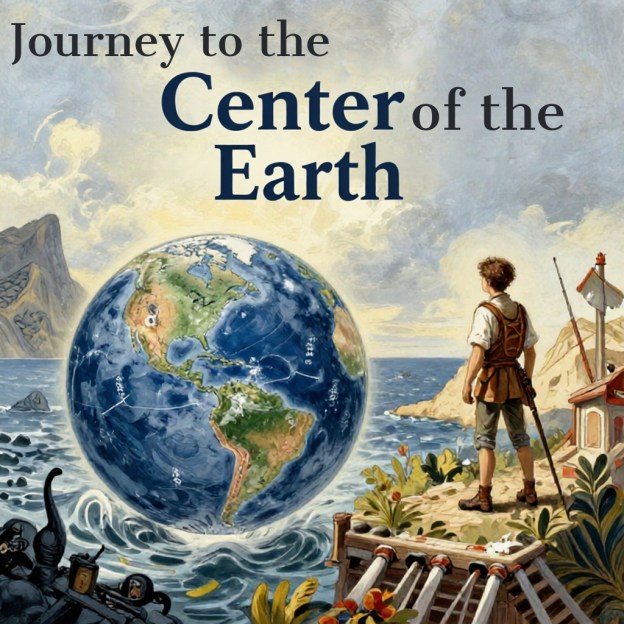
Jules Verne’s Journey to the Center of the Earth: 19th-Century Sci-Fi, Modern Appeal.

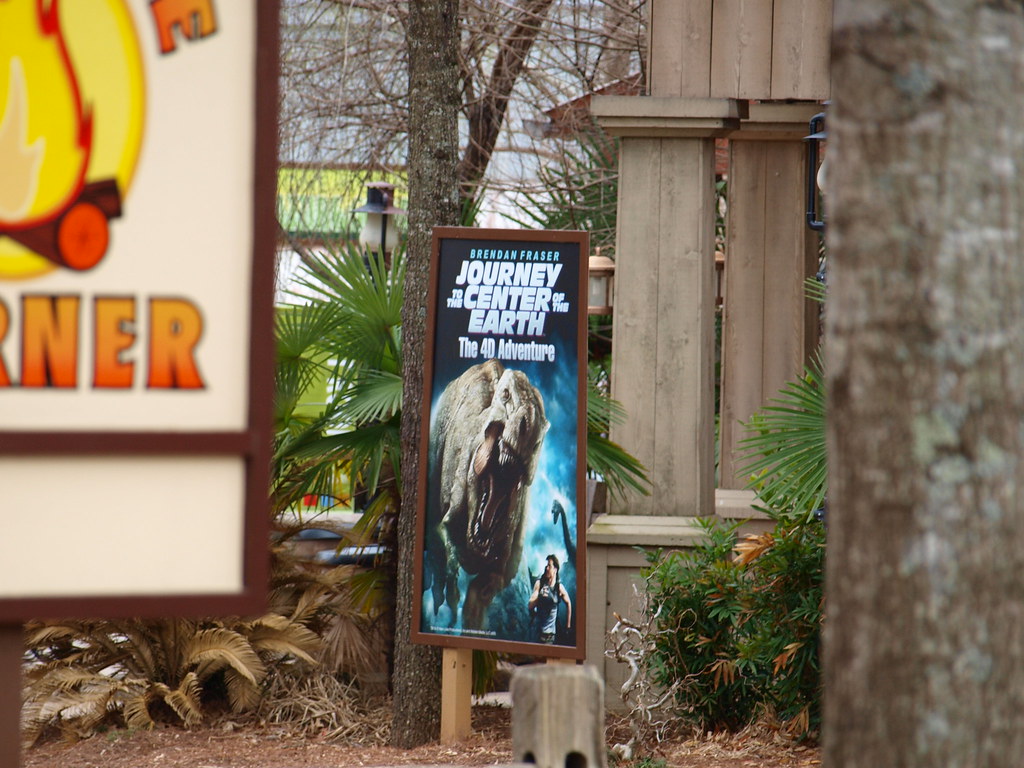
Feature Image: Promotion of a 2008 film adaptation of Journey to the Center of the Earth in 4D. “Journey to the Center of the Earth 4D Movie Sign” by rmanoske is licensed under CC BY-NC-ND 2.0.

Neon lights, warm marquee glow, and a line out the door—opening night at the Roxy as moviegoers queue for the 4D plunge into Journey to the Center of the Earth. “Warner Bros. Movie World – Journey to the Center of the Earth 4-D Adventure” by Mohd Fazlin Mohd Effendy Ooi is licensed under CC BY 2.0.

In this 3D science‑fantasy action‑adventure, Brendan Fraser stars as volcanologist Trevor Anderson, who sets out on a dangerous quest to uncover what happened to his missing brother. He’s joined by his 13‑year‑old nephew, Sean (Josh Hutcherson), and an Icelandic mountain guide, Hannah (Anita Briem). Their search plunges them into a vast, hidden world beneath the Earth’s crust—a luminous, prehistoric landscape filled with strange ecosystems, volcanic hazards, and living prehistoric creatures, including dinosaurs. Directed by Eric Brevig, the film takes a loose approach to Jules Verne’s 1864 novel, treating the book as an in‑story roadmap rather than a strict adaptation. The emphasis is on family‑friendly spectacle and immersive 3D effects, including early use of the 4DX format, which added motion, wind, water sprays, and other sensory elements in select theaters. Released on July 11, 2008, the movie earned $244.2 million worldwide on a $60 million budget. Critics admired its visual energy and inventive 3D sequences but found the plot predictable and Fraser’s trademark quips a bit on the cheesy side. Even so, the film became a reliable family favorite and spawned a sequel, Journey 2: The Mysterious Island (2012)—though Fraser did not return.

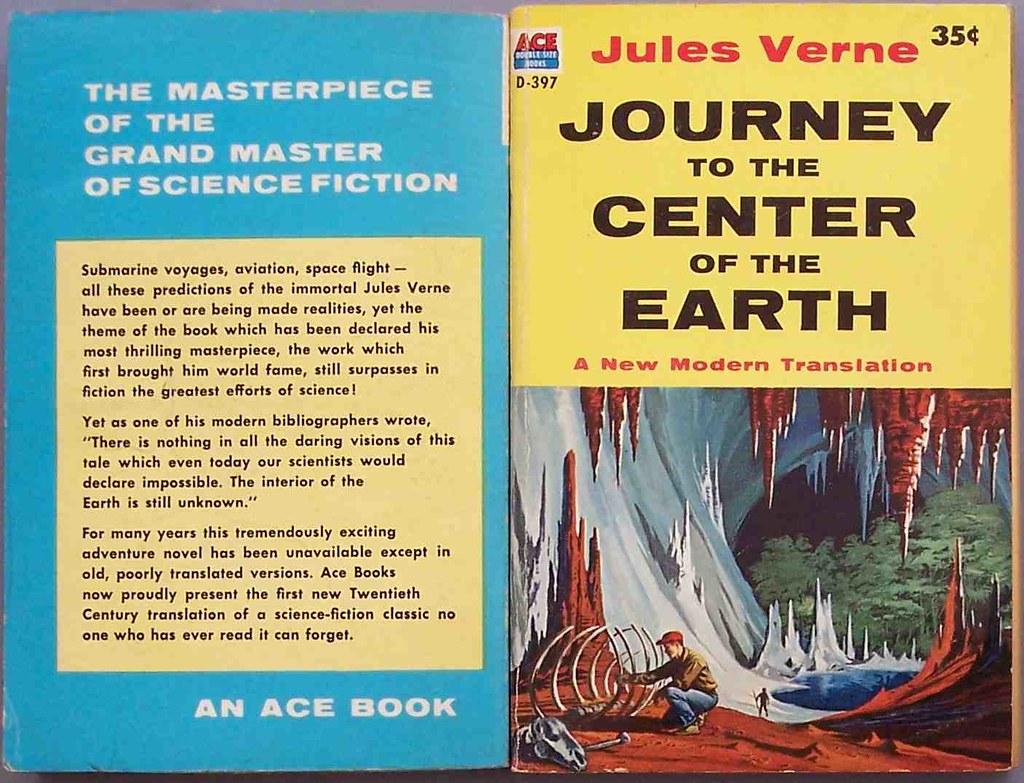
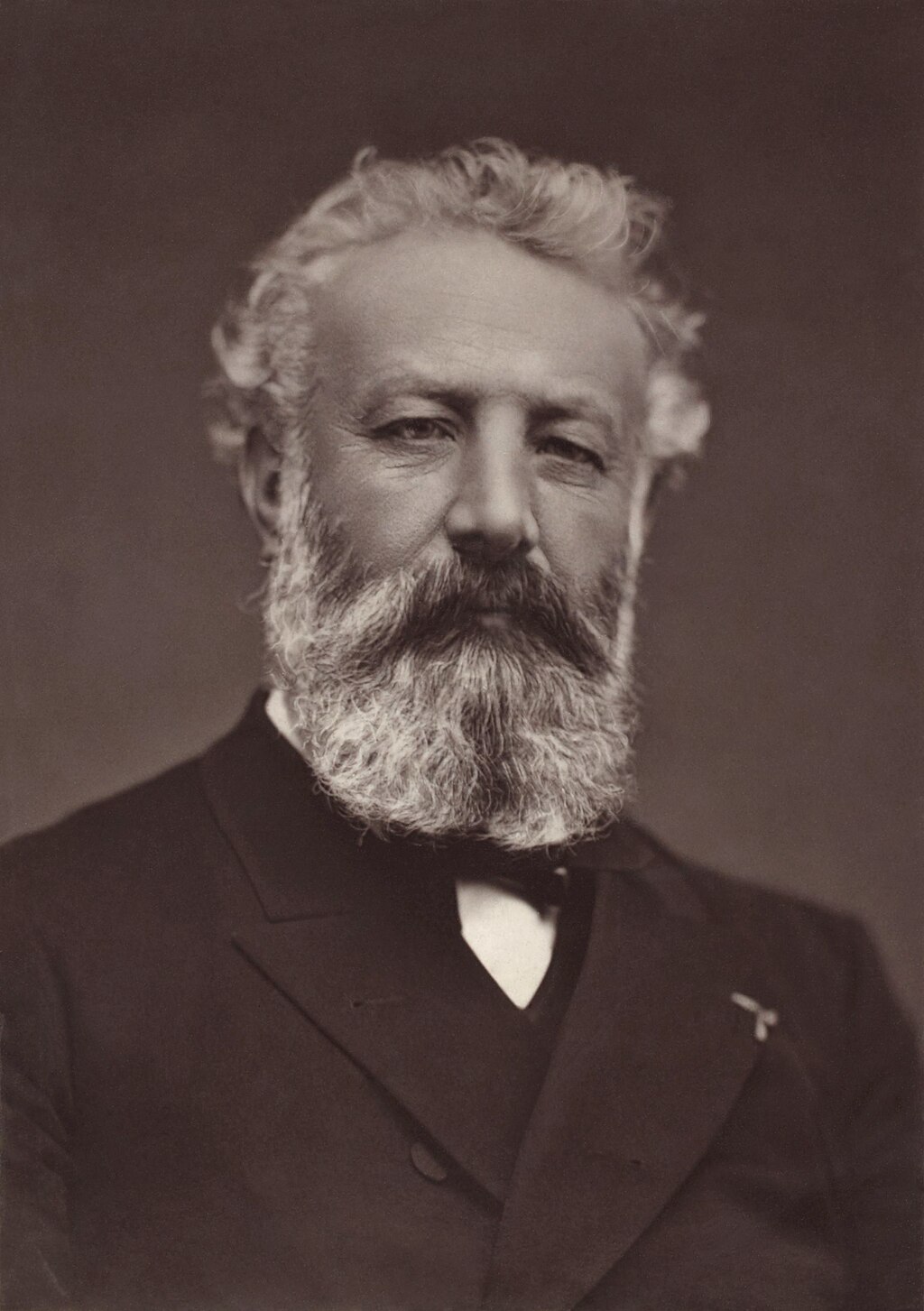
Journey to the Center of the Earth began as a science‑fiction novel published in 1864, 160 years ago, by Jules Verne (1828–1905). Verne’s story follows the fiery German geologist Professor Otto Lidenbrock, his anxious nephew Axel, and their unflappable Icelandic guide Hans Bjelke as they descend into the planet’s interior. Their expedition leads them through vast caverns, prehistoric landscapes, and encounters with living creatures long thought extinct.

Across three centuries, Verne’s subterranean adventure has proven irresistible. The novel has inspired multiple film, television, and radio adaptations, along with theme‑park attractions and reinterpretations that keep its blend of science, imagination, and danger alive for new generations.
Photograph of Jules Verne in Nantes by Étienne Carjat (1828-1906). In Société de Géographie. Public Domain.

The story has been revisited many times, most famously in the 1959 20th Century‑Fox film starring James Mason, featuring a bold, atmospheric score by Bernard Herrmann. For a new generation, the tale resurfaced as a 1967 Saturday‑morning cartoon series, voiced by Ted Knight, Pat Harrington, and Jane Webb—a nostalgic favorite for many who grew up with weekend television. The enduring appeal of Verne’s adventure was underscored again in 2008, when no fewer than three separate film adaptations of Journey to the Center of the Earth were released. In the wake of the heavy marketing campaign for the high-profile theatrical version starring Brendan Fraser, other studios produced their own versions of the classic subterranean odyssey., including a TV movie and a direct to DVD low budget feature, each capitalizing and offering its own spin on the Jules Verne tale.

Creatures of the Swamp,” the fourth episode of the 1967 animated Journey to the Center of the Earth series, originally aired on September 30, 1967, on ABC. In this 20‑minute adventure, Professor Lindenbrook builds a custom swamp buggy for Lars to navigate an underground marsh, but the mission quickly unravels when hostile moss creatures ambush and capture him. Count Saknussemm’s interference leads to Alec’s capture as well, forcing Lindenbrook and Cindy to enlist the help of the friendly local “swamp people” to mount a rescue. Ted Knight voiced both Professor Lindenbrook and the villainous Count Saknussemm.

The 1967 animated series wasn’t a direct adaptation of Jules Verne’s 1864 novel. Instead, it reworked the hit 1959 20th Century‑Fox film into a Saturday‑morning format. Co‑produced by Filmation Associates and 20th Century Fox Television, the show leaned into the movie’s commercially successful changes and added episodic, monster‑of‑the‑week fantasy adventures. As a result, the popular cartoon show followed Verne’s book only loosely, moving far from the novel’s harder science‑fiction tone.

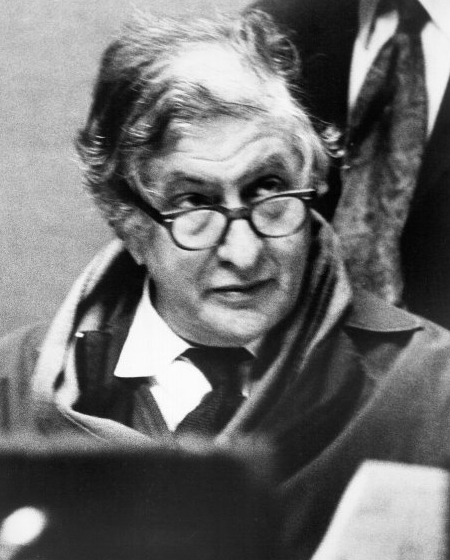
From the late 1950s to the mid-1960s, Bernard Herrmann scored a series of mythically-themed fantasy films, including 20th Century-Fox’s Journey to the Center of the Earth in 1959. Unknown photographer – Arlington Heights Herald, Arlington Heights, Illinois. Permission details: This work is in the public domain in the United States because it was published in the United States between 1929 and 1977, inclusive, without a copyright notice. For further explanation, see Commons:Hirtle chart as well as a detailed definition of “publication” for public art. Note that it may still be copyrighted in jurisdictions that do not apply the rule of the shorter term for US works (depending on the date of the author’s death), such as Canada (50 p.m.a.), Mainland China (50 p.m.a., not Hong Kong or Macao), Germany (70 p.m.a.), Mexico (100 p.m.a.), Switzerland (70 p.m.a.), and other countries with individual treaties.

Bernard Herrmann’s score for the 1959 film Journey to the Center of the Earth is often cited as one of the most inventive, audacious, and influential fantasy film scores of Hollywood’s Golden Age. Known for his iconic collaborations with Alfred Hitchcock (Psycho, Vertigo), Herrmann approached this project with a radical idea: he wanted to create, in his words, an “atmosphere with absolutely no human contact—the film had no emotion, only terror.”

To achieve that effect, Herrmann stripped the subterranean sequences of all stringed instruments, removing warmth and lyricism entirely. In their place, he built a massive, echoing wall of sound using five separate organs, evoking the scale and weight of vast underground chambers. For the lowest registers of the brass and woodwinds, he revived the serpent, a 16th‑century leather‑covered bass wind instrument whose raw, guttural tone added a primal edge. Its harsh, instinctive honks heighten the terror in scenes where the explorers are hunted by giant dimetrodons and lizards.

Of the three Journey to the Center of the Earth films released in 2008, the standout is easily Eric Brevig’s 4D adventure (below). Starring Brendan Fraser as the professor, Josh Hutcherson as his nephew, and Anita Briem as their guide, Hannah, it follows the spirit of Verne’s 1860s novel with surprising fidelity while delivering a lively, effects‑driven thrill ride.

Most journeys belong to the private realm—scribbled into diaries never meant to be read, then tucked away or forgotten. But some journeys break past the personal and become universal, the kind of adventures where the “I” disappears and larger‑than‑life protagonists take over. Jules Verne’s Journey to the Center of the Earth is one of those classics, a story that leaves the individual behind and invites everyone into its grand, imaginative descent.

The novel’s first English edition was published in London in 1871. Journey to the Center of the Earth has appeared in various other English translations and has never gone out of print.journey to the center of the earth” by cdrummbks is licensed under CC BY 2.0.

My Street Photography: CARS & TRUCKS II. FORD. MERCURY. PONTIAC. CADILLAC. OLDS. BUICK. Japanese. British.

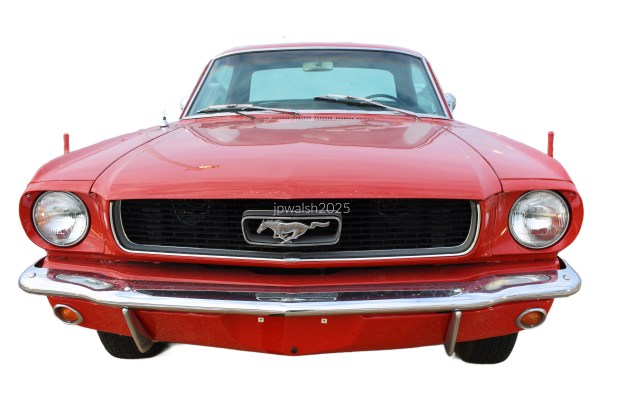
FEATURE Image: For the FORD MUSTANG in 1966 the only changes in its second model year was a new front grille, redesigned side emblems and a few trim modifications.

FORD Victoria

May 2022. 1934 Ford Victoria. 7.72mb 99%

FORD F-100 F-150 F-250 F-350

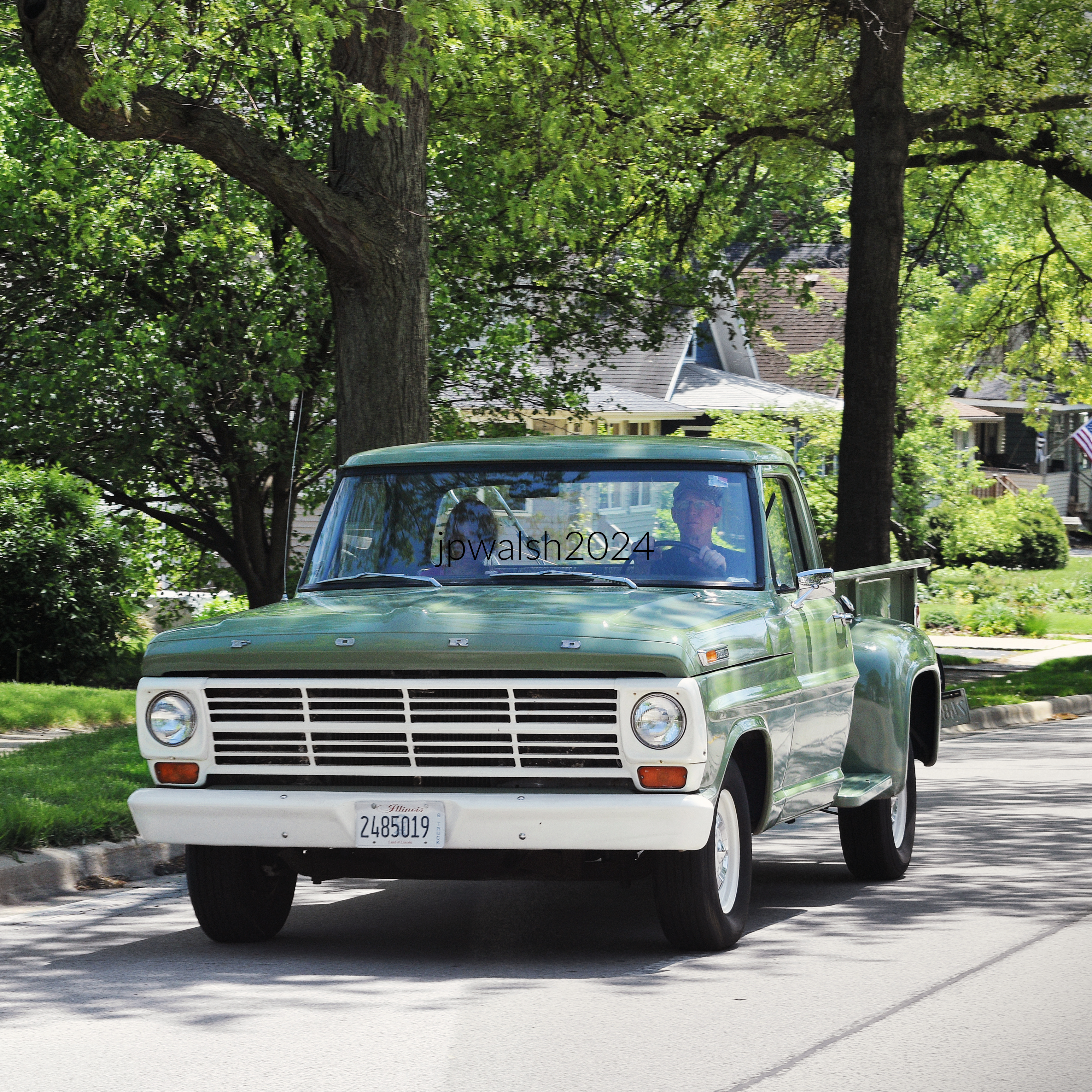
May 2024. 1967 Ford F-250. 5.75 mb
June 2017. 1984(?) Ford F-150. 6.71 mb The F-150 started in 1975 as a truck model between the F-100 and F-250 (there was also the F-350). By 1976 it quickly became America’s favorite truck. In towns across America even today, Ford trucks from the 1950s era still work alongside today’s newest models. In 1983, F-100 production ended. In addition to work loads, the F-150 offered an additional new focus on lifestyle and comfort. Starting in the 1980s, Ford truck customers could select custom paint packages and, for the first time, the blue-oval Ford emblem was affixed on the front grille.
August 2021. 2017(?) Ford F-150, 7.99mb 97%
The 2021 Ford F-150 ‘s solid performance and durability have few competitors in the modern truck market and is one of the most popular trucks. The XL is a more budget-friendly option compared to the XLT. The XL’s basic engine is the same as the XLT  3.3L Ti-VCT V6, 290 hp, and 265 lb-ft of torque. The F-150 XL offers first-rate amenities and excellent performance making for an incredible value.
June 2023. 1970 Ford F-100 Ranger XLT 7.89mb 93%
The F-100 and F-250 came in Styleside or Flareside although the Ranger XLT model was available in Styleside only. The combination two-tone option had the Regular Two-Tone (roof only) and the Deluxe where the lower body side and tailgate moldings were part of the paint option.
January 2025. Ford F-350 truck. 74% 7.76mb 6151 (1)
July 2023. 2003 Ford Ranger XLT 7.39mb 75%
May 2023. 1965 Ford F-100. 7.70 mb 87%
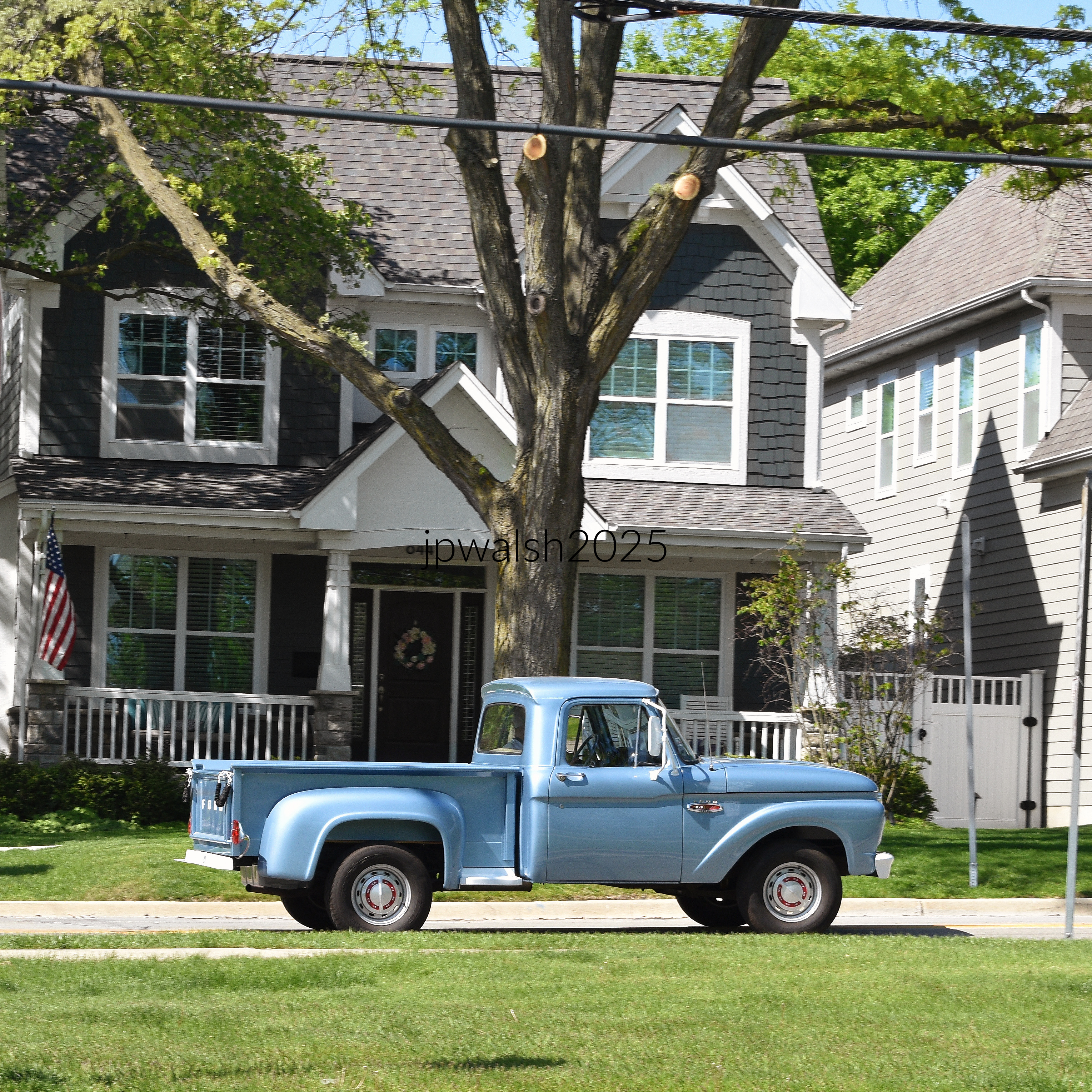
May 2025. 1964 Ford F-100. 5.71mb DSC_0002 (1)

FORD Expedition

June 1918. Ford Expedition (1997-present).7.88 mb 81%
The Ford Expedition was the first full-size Ford SUV sold with a four-door body introduced for the 1997 model year as the successor of the Ford Bronco. The Bronco was introduced in 1966 and discontinued after five generations in 1996 (a sixth generation of the Bronco was introduced in 2021). Since 1996, the Ford Expedition, which is sold in regular and extended lengths, has shared some body parts and mechanical components with the Ford F-150, the car market’s favorite truck. Like the F-150, the Ford Expedition is known as being one of the longest-lasting vehicles on the road with many vehicles with over 200,000 miles on the odometer.

FORD Escape

February 2023. Ford Escape (2000-). 9.53 mb

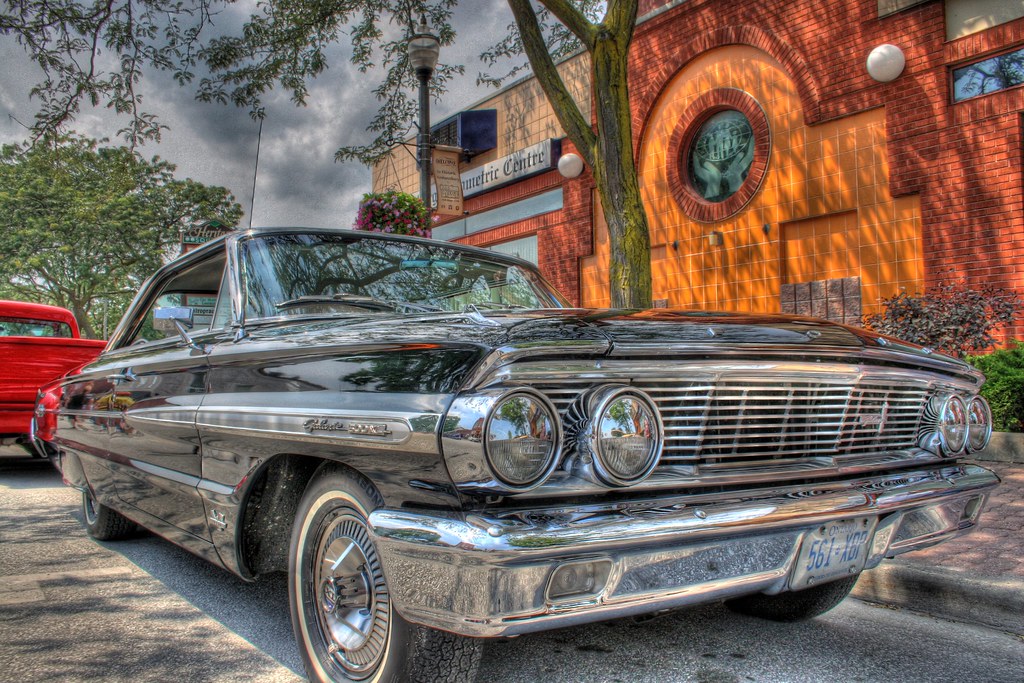
Ford Galaxie (1959-1974).

FORD GALAXIE HDR” by abux_77 is licensed under CC BY-NC 2.0.

The ad tag line for the Galaxie in 1960 was: ”Meet the aristocrats of the low-priced field.” In 1960 Robert McNamara was the new president of Ford Motor Company and he was an executive who in his career at Ford, thought like and fought for the consumer. Unlike other car industry execs he was passionate about providing a utilitarian car for the masses, a highly affordable and great car for the common man or woman. He was ahead of his time and might actually have been more useful or successful a decade and half later with the introduction of emissions standards and fuel economy where design and weight had to be taken into account to meet government mandates leading to the expensive boxes they build today. The Falcon, McNamara’s baby, at the average price point of $2100 (about $23,000 today) fulfilled McNamara’s vision and became America’s bestseller. The middling Ford Fairlane had an average base MSRP of less than $2300. The Ford Galaxie was next up the lower priced chain at a little over $2,700 MSRP ($29,500 today). In addition to a shiny nameplate, Galaxie included cloth/vinyl bench seating, chrome exterior trim on all windows and body sides and an aluminum rear quarter covering with upgrades available. Under McNamara, Ford took a heavy risk in 1960 when it introduced a totally revamped design on its bestseller compact Falcon as well as its line of full-sized cars. Fords were lighter and sleeker, with a body no longer sculpted but molded from fender to bumper trimmed in chrome. And for the first time in Ford history the full width grill had its headlights inset at each end instead of above. This design choice continued throughout Galaxie’s second generation into 1964. By 1974, things were very much changed. The Mustang II was that year’s Motor Trend Car of the Year – and it was Galaxie’s last model year. The Galaxie had essentially been co-opted by what started in 1965 as its highest trim level: namely Ford LTD. Strictly Galaxie production had in fact fallen from its peak in 1963 of nearly 650,000 vehicles to under 120,000 in 1974. see – J. “Kelly” Flory, Jr., American Cars, 1960 to 1965, McFarland & Company, Inc. pps. 41-45; J. “Kelly” Flory, Jr., American Cars, 1973 to1980, McFarland & Company, Inc. pps. 178-179.

FORD Thunderbird

June 2023. 1964 Ford T-bird 7.35mb (70)
1964 Ford Thunderbird Convertible with chrome headlights, grill, and bumper along with the Thunderbird hood script. The car is finished in “Rangoon Red” with black vinyl upholstery. Particular Thunderbirds were powered by a 390ci V8 engine joined with Ford’s 3-speed “Cruise-O-Matic” auto transmission. There are bucket seats upfront. The Ford T-bird was produced across 11 generations between 1955 to 1997 and 2002 to 2005. Originally produced as an upscale 2 seater it was expanded in 1958 with a rear seat and became a personal luxury car that after 1968 was often rebadged by Lincoln-Mercury.  
September 2023.1964 Thunderbird. 92,456 Thunderbird’s were produced in 1964. 7.66 mb 78%
March 2024. 1964 Thunderbird 87% 7.67mb
July 2025. 1960 Ford 2-door hardtop T-bird. The year 1960 was the first year that American manufacturers produced compact cars to counter the popularity of the VW Beetle and other European and Japanese brands. Though Ford had its Falcon and slightly larger and better trimmed Comet, the move to the compact arena would never be the Ford Thunderbird’s route. In 1960 Ford pushed aside the boxy upright models of the late 1950’s for an overall lighter and sleeker appearance although the current body style of the Ford Thunderbird continued from 1958. This was the second generation of T-Bird and followed by its third generation in 1961. As a personal luxury car, the term Ford used, the Thunderbird was of a car category all its own. What started as a two-seater in 1955, the Thunderbird added a backseat in 1958 as the model became successively larger with each generation over the next 19 years. The car only had its first downsize in the seventh generation in 1977. In 1960 the 2-door Thunderbird’s taillights and side trim were among its notable changes from 1959. The base price of a hardtop was $3755 ($41000 today) – but you couldn’t buy that today – with the convertible costing about 10% more.See – American Cars,1960 to 1965, J Kelly Flory Jr. , 2023. pp. 41 and 45. 83% 7.80 mb DSC_9180

FORD Mustang

June 2023. 1965 Ford Mustang. 7.78 mb 88%
September 2023. 1970 Ford Mustang. 6/2023 6.32mb
January 2025. The only changes for the 1966 Ford Mustang was its new front grille, redesigned side emblems and various trim modifications. The average price was $2,560 ($25,200 in 2025 dollars). 4.19mb DSC_6136 (1)
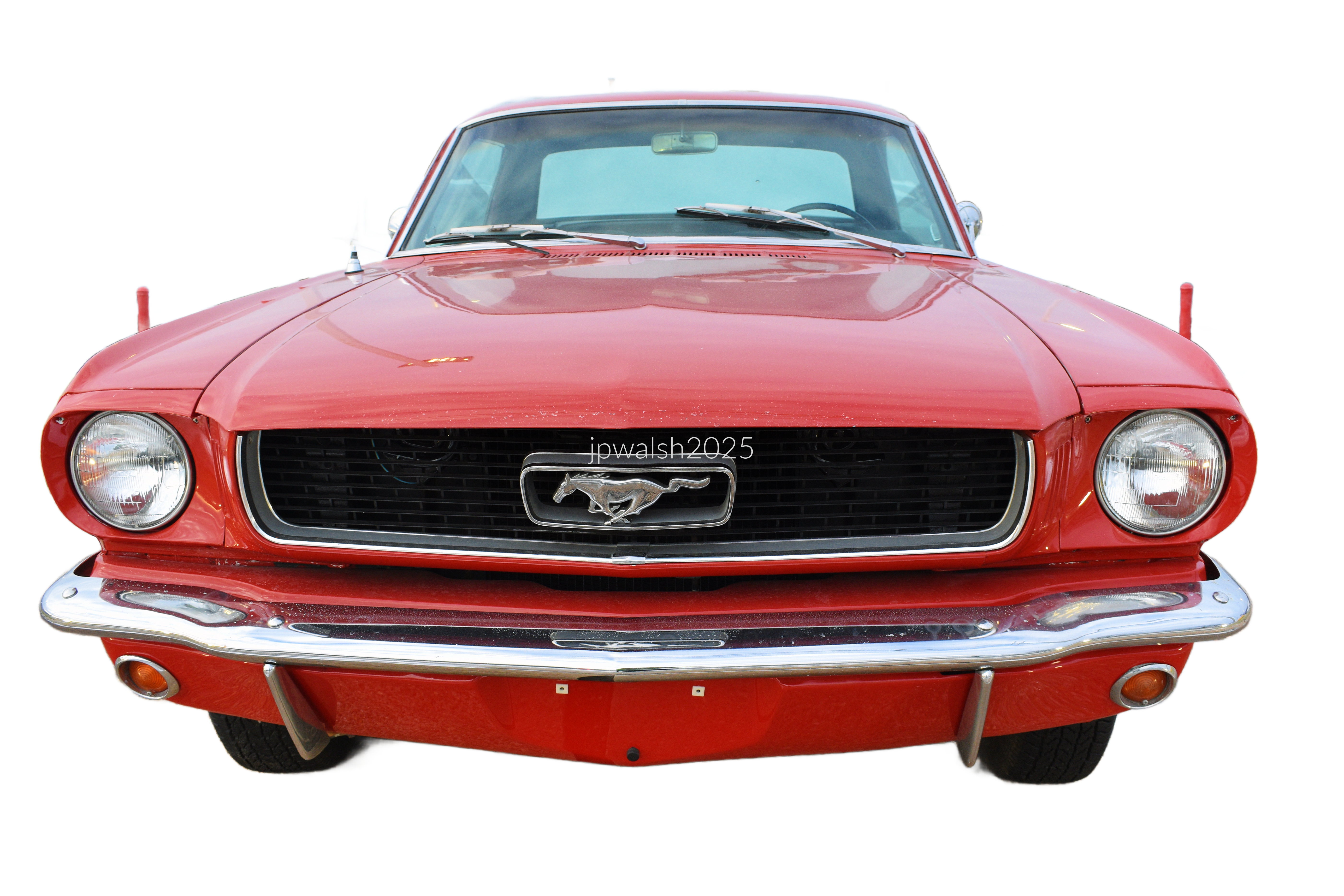
January 2025. In 1966 Ford was the largest car manufacturer in the nation. The 1966 Ford Mustang Coupe is an example of a mid-60’s pony car that changed the American automotive landscape forever. Starting in 2024 the Mustang is in its 7th generation. The first-generation Ford Mustang was manufactured from March 1964 until 1973 with modifications. 99% 6.64 mb_6134
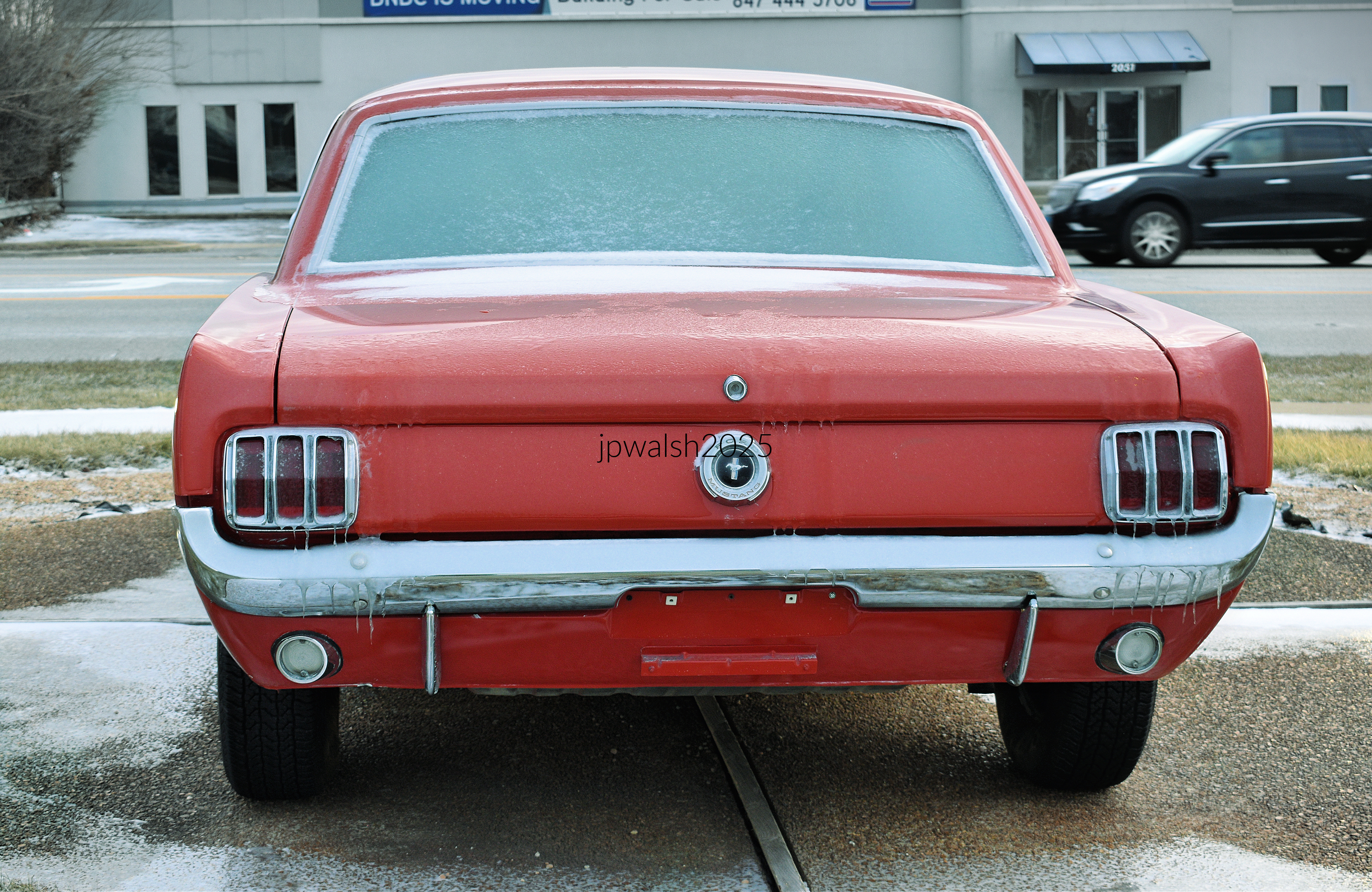
January 2025. Back end of 1966 Ford Mustang Coupe. Developed by Donald N. Frey (1923-2010) and styled by L. David Ash (d. 1991), along with Lee Iacocca (1924-2019) and others, the Mustang used chassis, suspension, and drivetrain components derived from the Ford Falcon and Fairlane to save costs. 83% 7.82mb DSC_6133
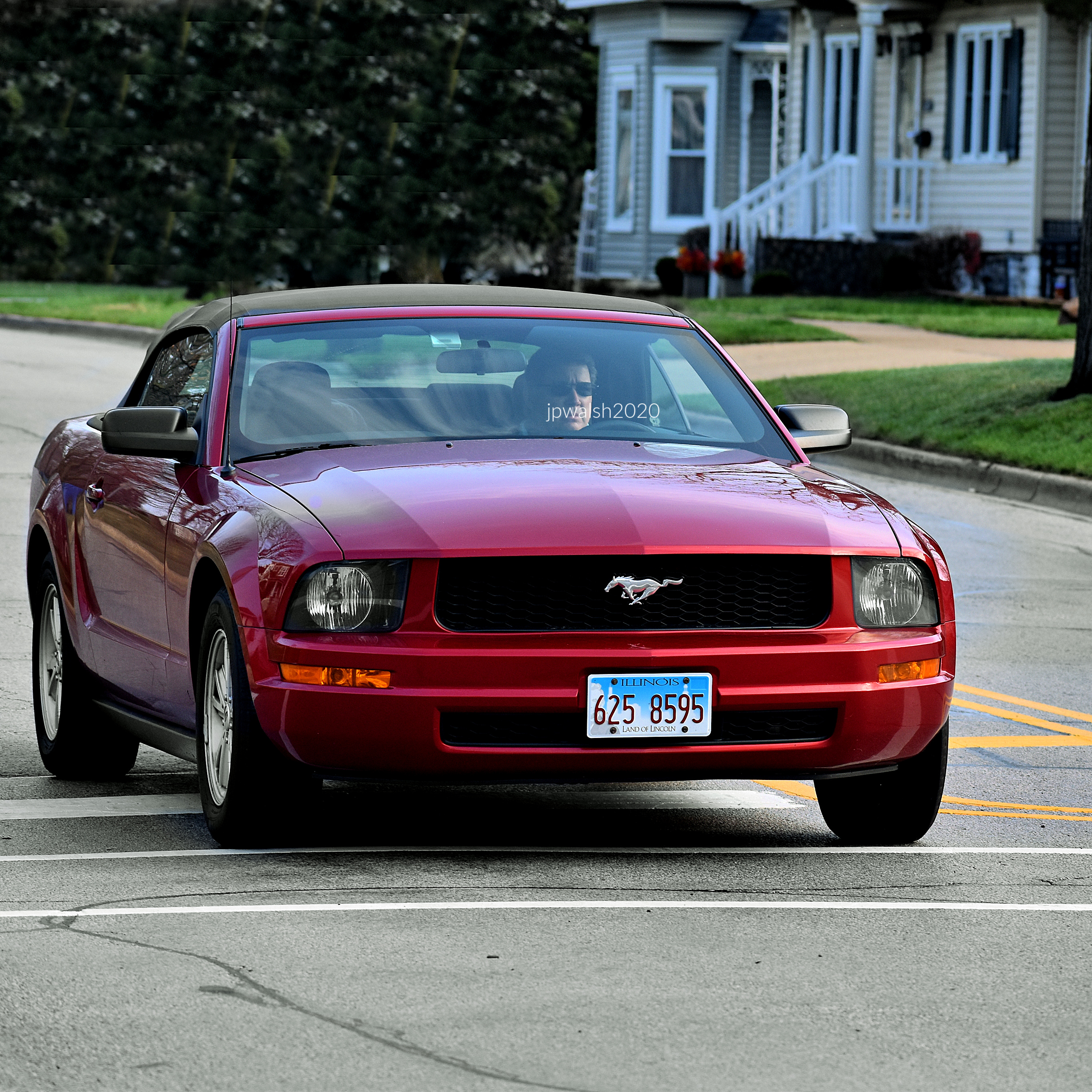
May 2022. (2008?) Ford Mustang GT 5/2022 7.60 mb 99%
April 2020. 2008(?) Ford Mustang. 3.38 mb
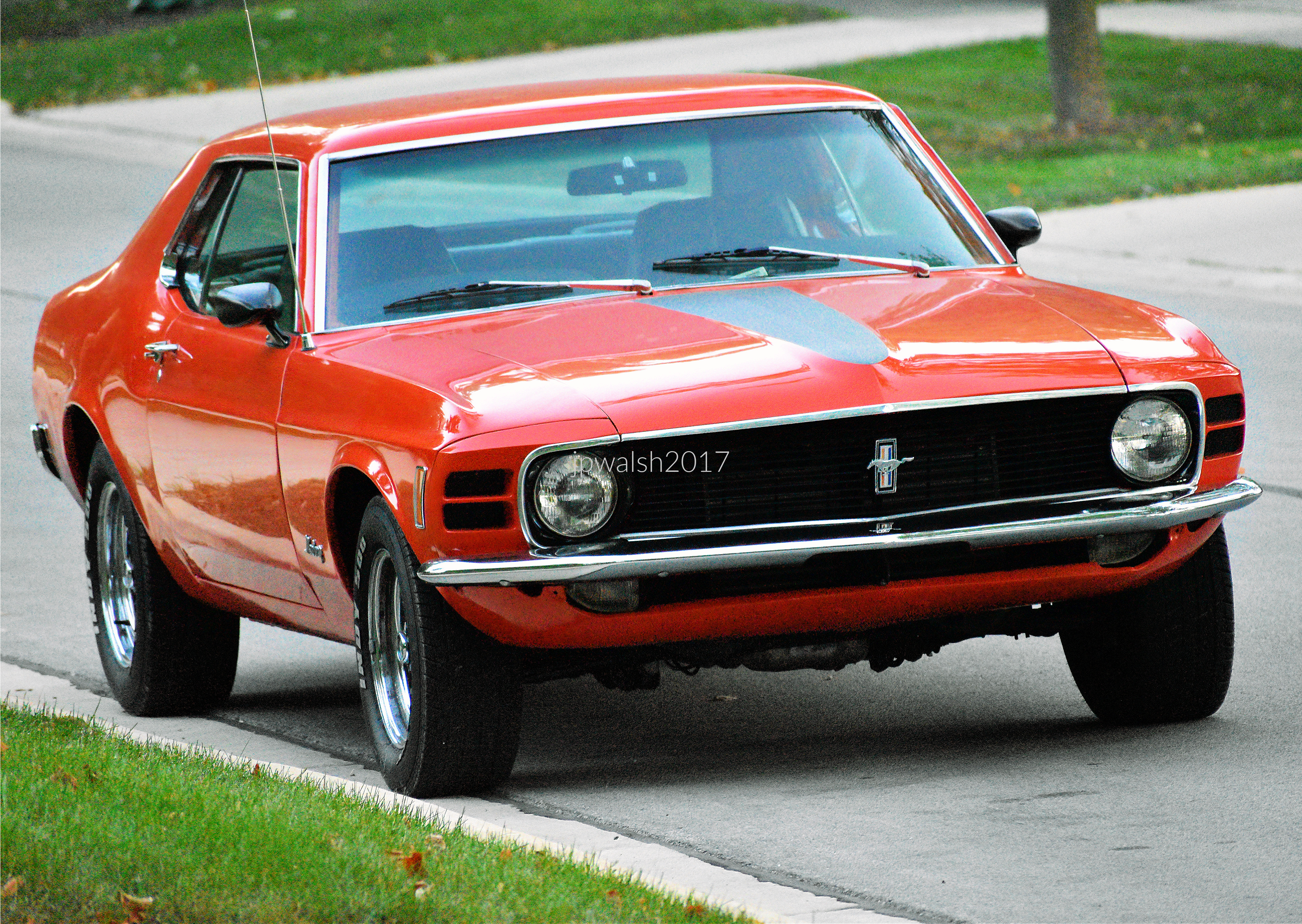
August 2017. 1970 Ford Mustang. It was the final model year for the horsepower race in the American auto industry. From 1971 onwards engines were required to run on unleaded fuel with more strict emissions that both reduced output. Ford, the second largest car manufacturer by volume, had made a lot of changes to its products in 1970. This included to the Mustang which received a facelift such as new headlamps and parking lights. For the first time since 1964 the original side scoop was eliminated in 1970. The average price for Mustangs was just over $3000 ($25,000 in 2025). 68% 7.68 mb DSC_1965
September 2022. 1970 Mustang Mach 1. 7.95 mb 93%
June 2023. 2014 Ford Mustang GT. 7.92 mb 79%

FORD Fairlane

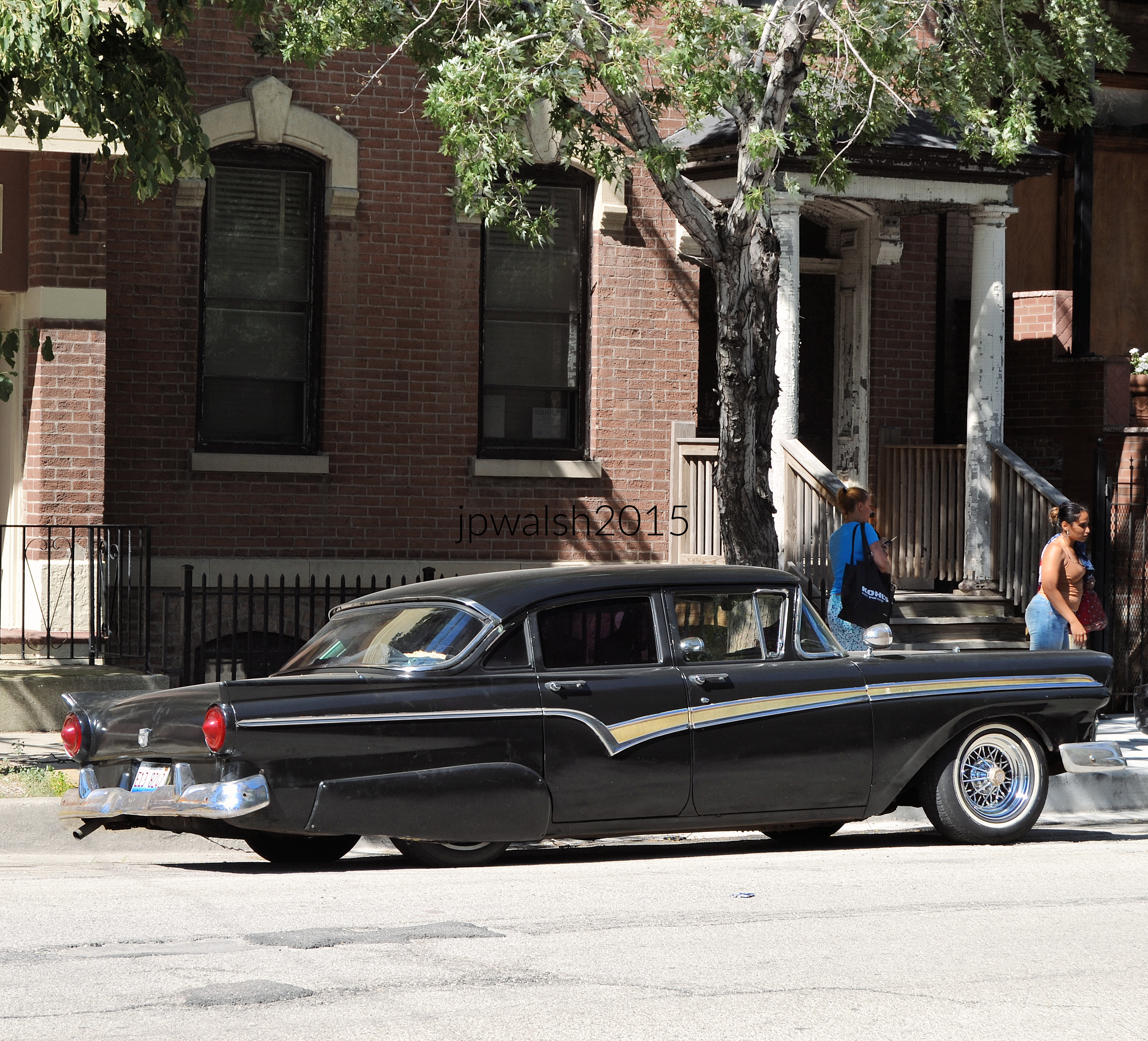
July 2015. 1957 Ford Fairlane 4.28mb_0949 (1)

MERCURY Comet

May 2024.1964 Mercury Comet. In 1964 Chevrolet and Ford were the largest car manufacturers (about 4 million units combined). Mercury, a smaller middling car producer (303,000 units) had been in business 25 years in 1964. The Comet, introduced in 1960, had a brand-new look in 1964. The Comet’s more powerful engine, grill and lines gave it an expensive pseudo-muscle car look. The average price was $2415 ($23,800 in 2025 dollars). 99% 7.77mb

MERCURY Grand Marquis

May 2018. The 1989 Mercury Grand Marquis. The Grand Marquis was the top of the model line produced in four generations from 1975 until 2011. It was assembled in Missouri until 1985 and then in Canada. From 1988, the Grand Marquis was available only as a four-door sedan. After the Mercury Cougar, the Grand Marquis was the second-best-selling Mercury (2.7 million units) and, with 36 years in production, the longest-running Mercury nameplate. First stand-alone generation (1979–1991), Second generation (1992–1997), Third generation (1998–2002), Fourth generation (2003–2011). 73% 7.78mb DSC_7179.

PONTIAC Solstice

September 2023. 2008 Pontiac Solstice. 7.83 mb 87%.
Concept car 2002. Production started in 2005 for 2006 model year. In the first year, Pontiac produced 10,000 cars that did not meet the unexpected orders demand. Due to the 2008 economic recession, GM discontinued the Pontiac division, a venerable American automobile brand founded in 1926. The last model year for the Pontiac Solstice was 2010. The car can do zero to 60 m.p.h in under 6 seconds.

PONTIAC Tempest

May 2023 1967 Pontiac Tempest. 7.57 mb 99%
1967 Pontiac Tempest interior. 7.37 mb 95%
The Pontiac Tempest was produced from 1960 to 1970 and from 1987 to 1991. The line offered the LeMans trim upgrade. By 1964 the Tempest, Tempest Custom, and LeMans were separate trim packages with, in 1964 and 1965, the GTO performance option upgrade available to the LeMans trim package. Beginning in 1966 the GTO was offered as a separate model line. There have been four generations of Pontiac Tempest, the 1967 model year the last of the second generation.

PONTIAC Grand Prix

July 2022. 1962 Pontiac Grand Prix 2-Door Hardtop (coupe). 7.93mb 80%
The Pontiac Grand Prix from GM was an all-new model in the 1962 model year. The performance-oriented coupe went through 4 generations until it was discontinued 40 years later in 2002. It was succeeded by the fifth generation Pontiac GTO. There was a much later sedan version of the Pontiac Grand Prix that was launched in 1988 and produced through 2008 after which that year GM discontinued its 82-year-old Pontiac division.

July 2022. 1962 Pontiac Grand Prix 2-Door Hardtop coupe (interior). 7.91 mb 67%

PONTIAC Firebird Trans Am

October 2024. 1978 Pontiac Firebird Trans Am 2-Door Coupe.In 1978 Pontiac’s theme was “The Best Year” based on the previous year’s sales increases achieved by models that that included the Trans Am. The Firebird Trans Am recorded another sales gain in 1978. The body style in 1978 was current since 1970 with minor trim and detail changes from 1977. With its Morrokide bucket seats and plush cut pile carpet and deluxe 3-spoke steering wheel it was 1970’s style with no primary competition. The average price for a Firebird was $5,228 ($25,585 in 2025 dollars) with the Trans Am topping model production at $5,889 ($28,869.09 in 2025 dollars). There were 187,285 Firebirds produced in 1978 with the Trans Am representing about half of them. 99% 7.84 mb DSC_3497 (1)

CADILLAC de VILLE

July 2023. 1964 Cadillac de Ville convertible. While the appearance is close to its immediate predecessors, the 1964 Cadillac had a new and improved automatic transmission (“Hydra-matic”) for smoother thrust. But in 1964 Cadillac’s quality of drivability and ride were being successfully challenged by the Ford Lincoln Continental and Chrysler Imperial Crown. The Cadillac de Ville had been in production since 1949 with this current body style in production from 1961 to 1964. The average price of a 1964 Cadillac de Ville was $5,582 ($57,434.76 in 2025 dollars). The last model marketed specifically as a de Ville was in 2005. 78% 7.92 mb 4022 (1)
January 2024. 1977 Cadillac Coupe de Ville. 7.77mb 68%
April 2025.1984 Cadillac de Ville. 91% 7.90mb DSC_8528

CADILLAC Escalade

OLDSMOBILE Cutlass

July 2015. 1970 Oldsmobile Cutlass Supreme 7.88 mb 99%
July 2015. 1970 Oldsmobile Cutlass Supreme 6.53 mb
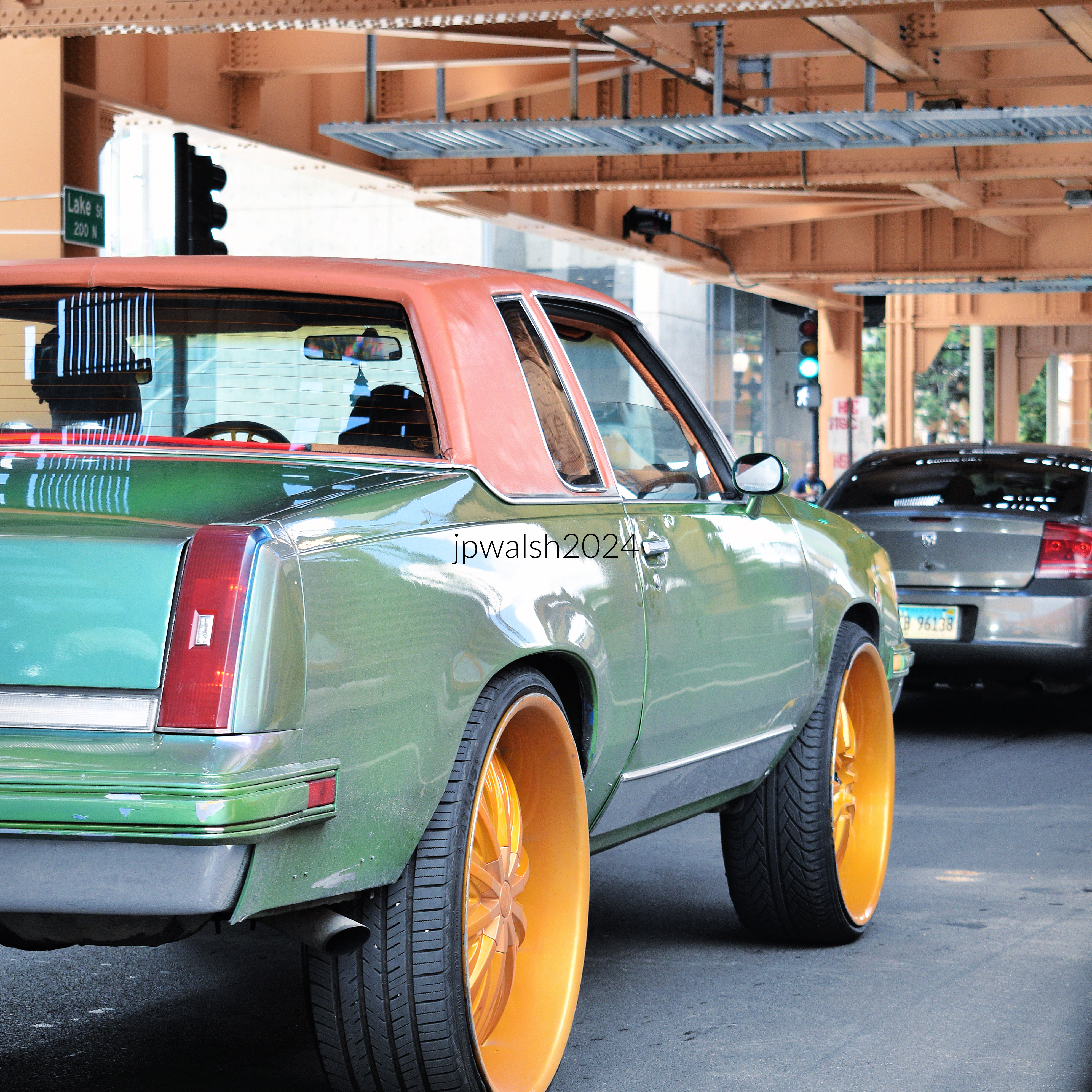
June 2023. 1983 Oldsmobile Cutlass Supreme (1961-1999). 3.49mb
August 2024. Cutlass Supreme 99% 6.98 mb 1469

OLDSMOBILE Delta 88

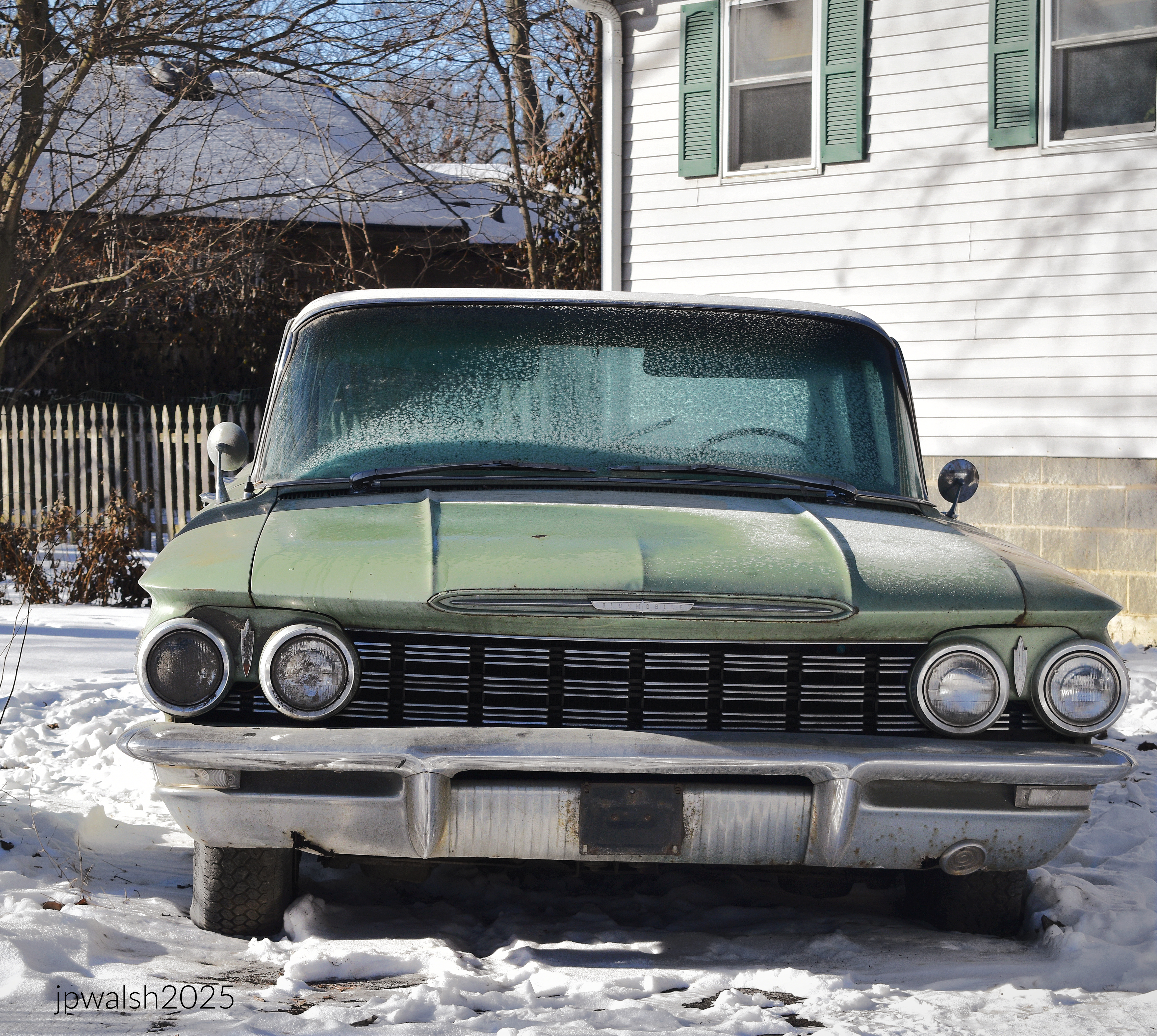
February 2025. 1960 Oldsmobile 88. Manufactured since 1949, the fourth generation in 1959 and 1960 was the shortest of its ten generations (until 1999). Critics and customers liked the 1959 Oldsmobile, buying close to 383,000 cars. So when in 1960 output slid to 347,141 it was not good news for Olds. Recently 4th in the industry rankings, Oldsmobile fell behind Dodge to seventh place. A big job lay ahead for the fifth generation (1961-1964) of Oldsmobiles which revived a performance image to go along with the traditional Oldsmobile reputation for easy motoring. The budget buy was the entry-level model Dynamic two-door sedan at $2,835 or $30,425.58 in today’s dollars. see – https://auto.howstuffworks.com/1960-oldsmobile.htm – retrieved February 21, 2025. 99% 7.62mb DSC_7216.
July 2022. 1970 Oldsmobile Delta 88 Convertible (lipstick red). 7.88 mb 93%

British

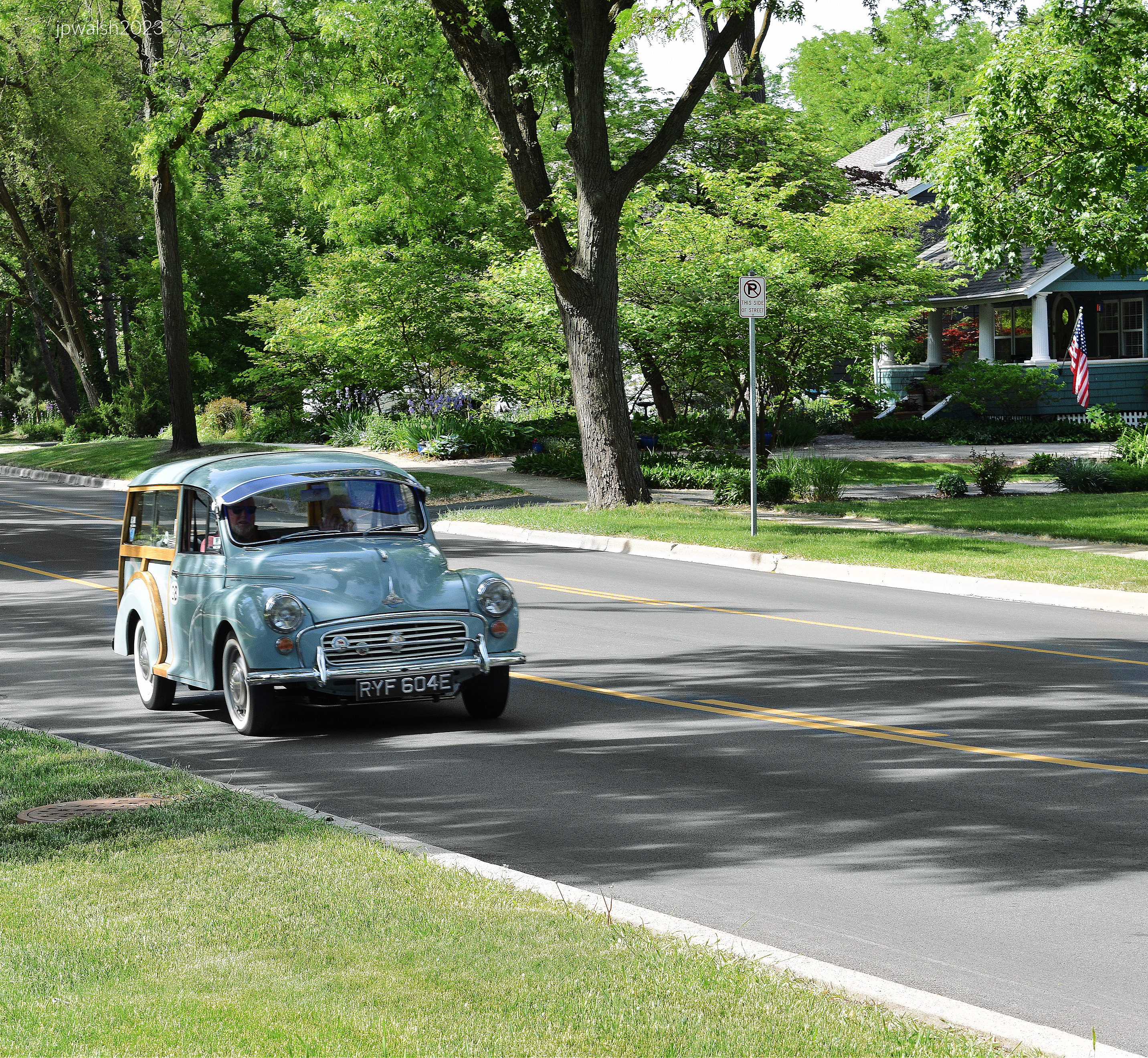
May 2023. Morris Minor (UK, 1948-1971). 7.77 mb 66%
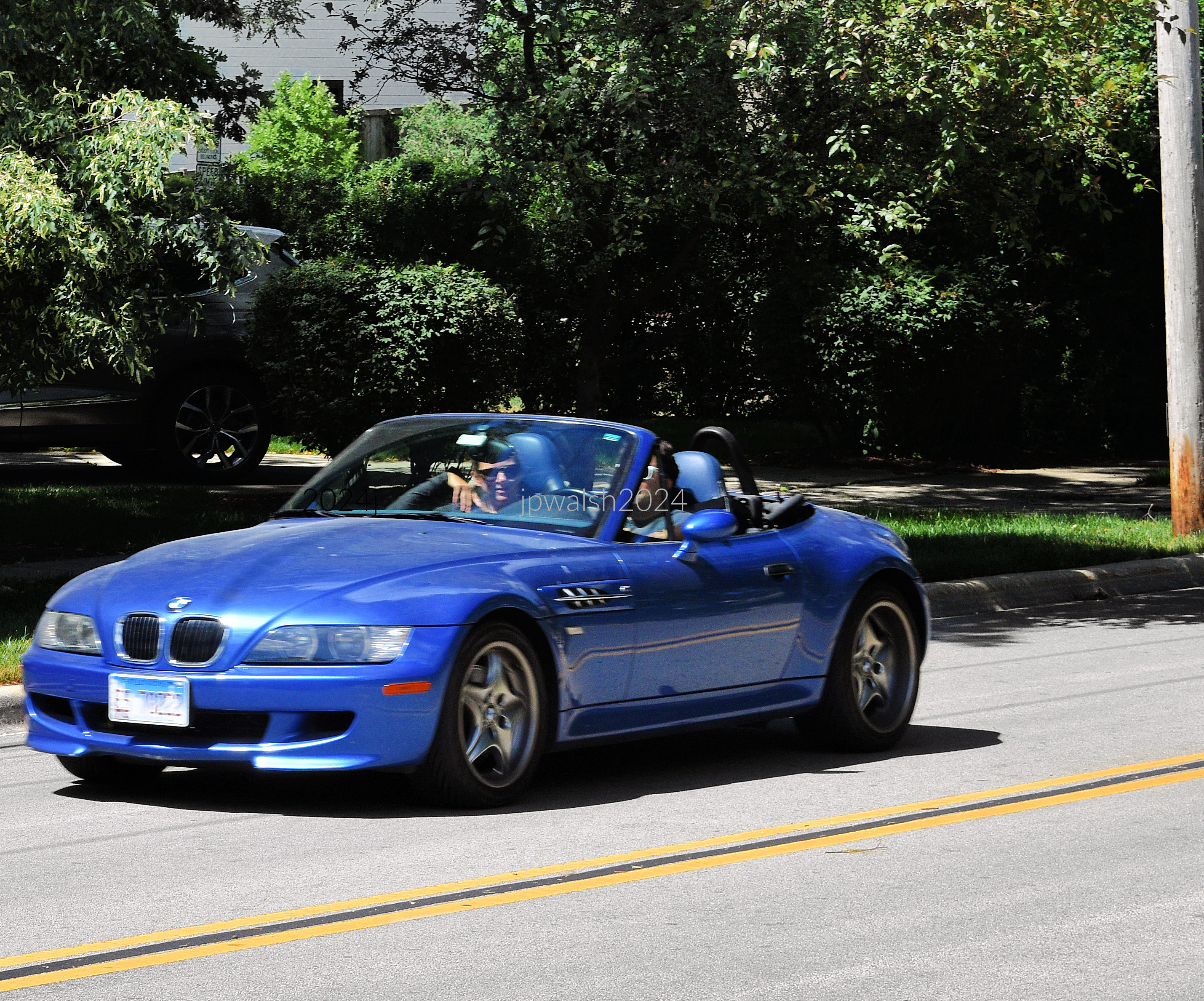
June 2024. 1999 BMW Z3 M Roadster with estoril blue glossy finish and 17-inch style 40 ”Roadstar” wheels. 3.82 mb.
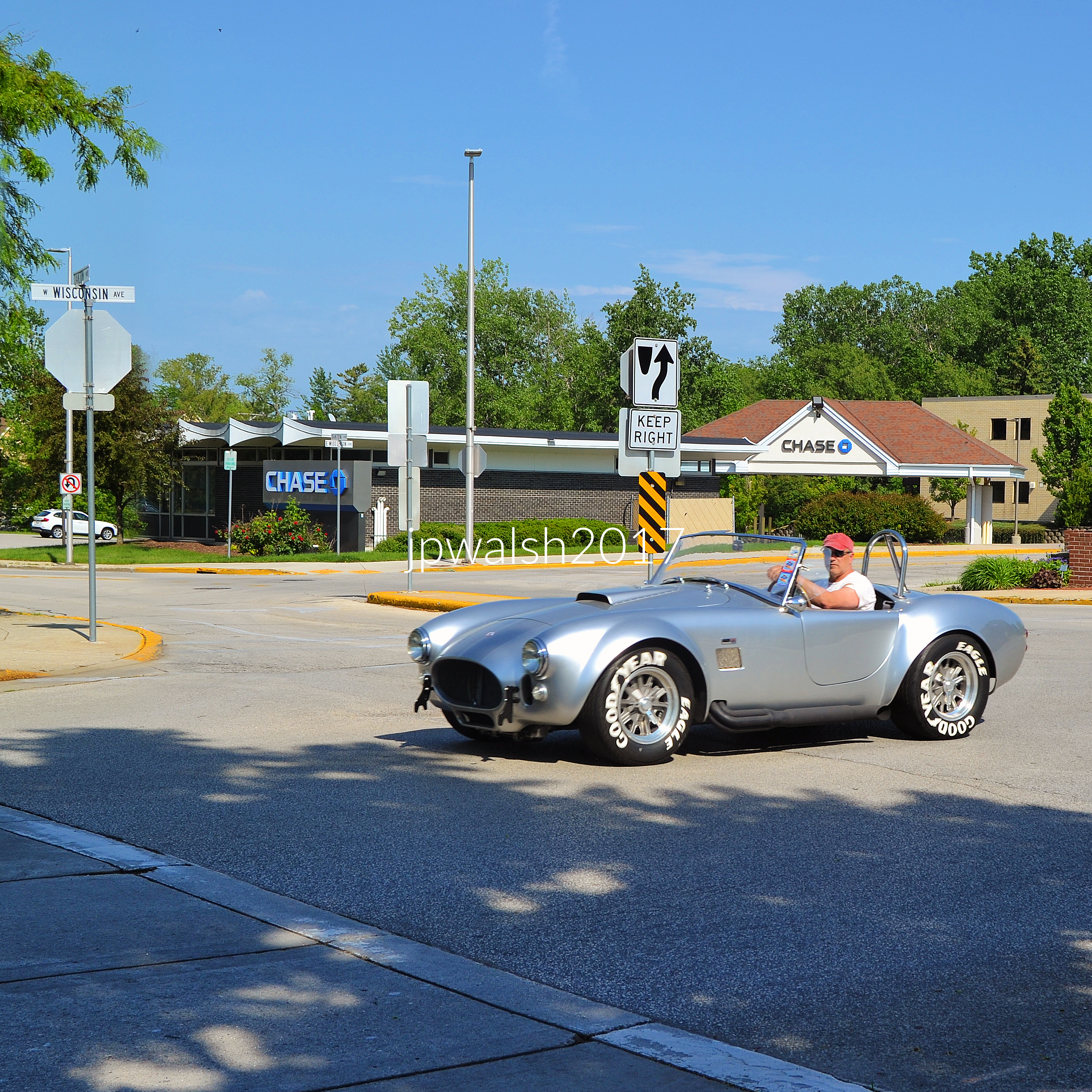
June 2017. Shelby Cobra. 4.40mb DSC_0318
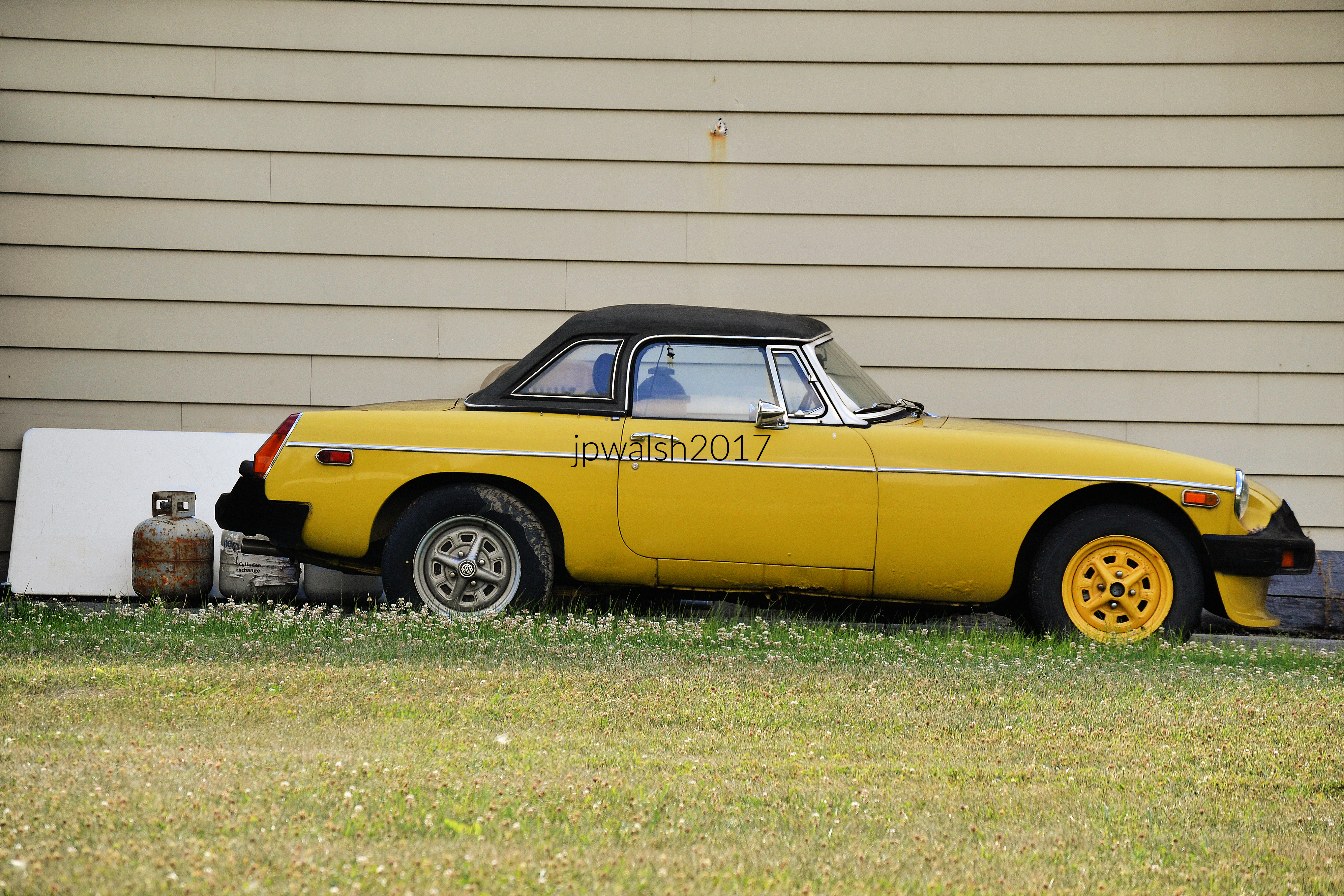
July 2017. 1978(?) MG MGB 2-door Roadster. From 1962 to 1968 the MGB two-door sports car was manufactured and marketed as a four-cylinder, soft-top sports car by the British Motor Corporation (BMC). It was produced by the Austin-Morris division of British Leyland from 1968 to 1980. Combined sales for the MGB and its variants MGC and MGB GT V8 was 523,836 cars. In 1992 the MGB re-entered limited production of 2000 cars as a MG RV8 before its final replacement in 1995 by the MG F. 99% 7.23mb DSC_0010
May 2025.1976 (?) MG MGB Roadster. 99% 7.50mb DSC_9942 (1)
 May 2018. 2006(?) BMW Mini Cooper Hatch. 3.24 mb

Japanese

August 2016. 2001 Toyota MR2 Spyder 2-door convertible. 94% 7.62mb 3824.
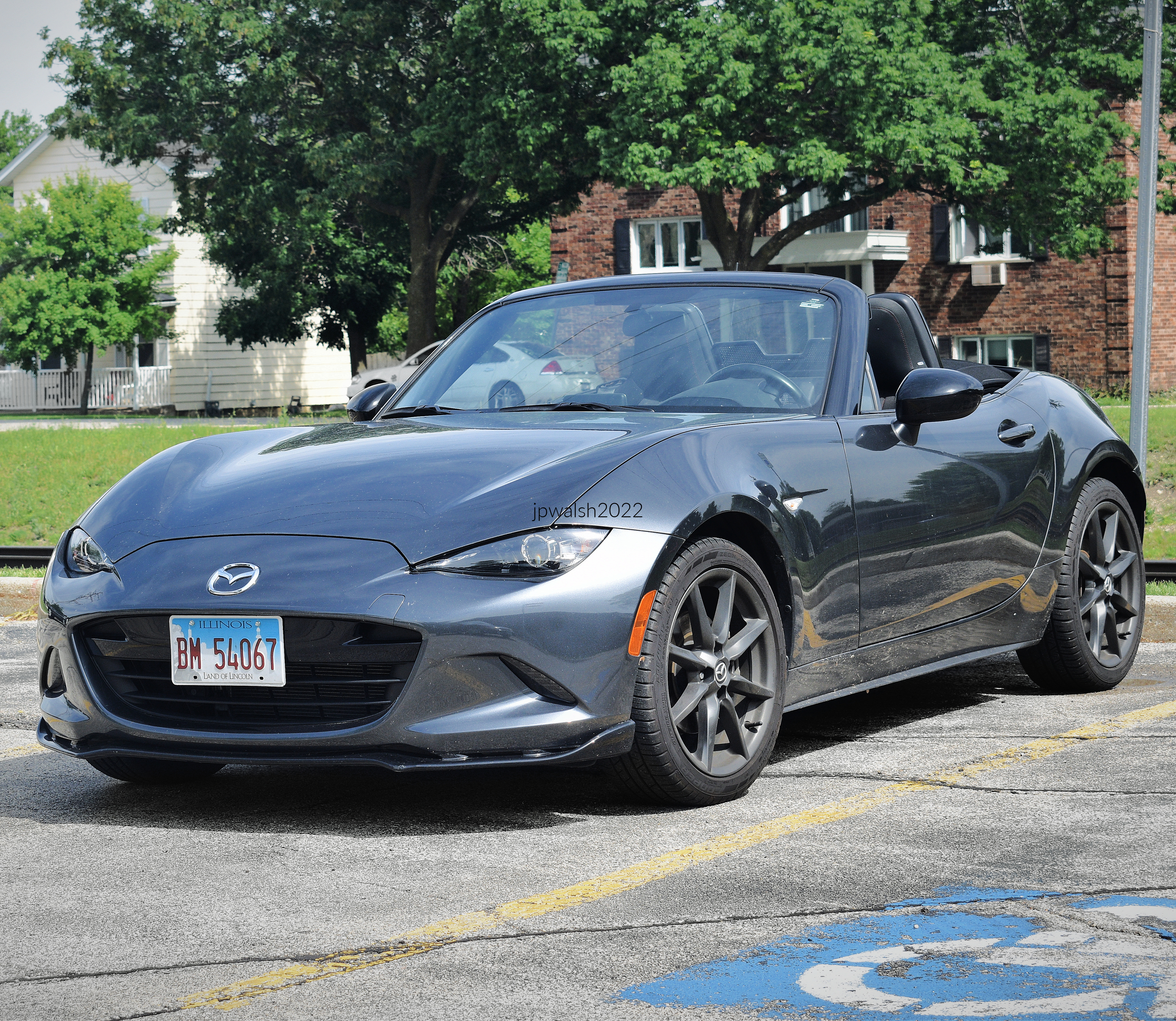
May 2016. 2015 Mazda MX-5 Miata GT 6.22mb DSCN2965 (1)
June 2022. Mazda MX-5 (1989-). 7.94 mb 90%
July 2021. Honda S2000 (1999-2009) 7.89 mb
August 2021. Mitsubishi 3000GT (1990-2000). 7.91 mb 86%
May 2025. Mazda MX-5 (NC). The Mazda MX-5 (NC) is the third generation of the Mazda MX-5 manufactured from 2005 to 2015. At its introduction in 2005, it won the Car of the Year Japan Award and made Car and Driver’s 10 Best list from 2006 to 2013. 65% 7.82mb DSC_0353
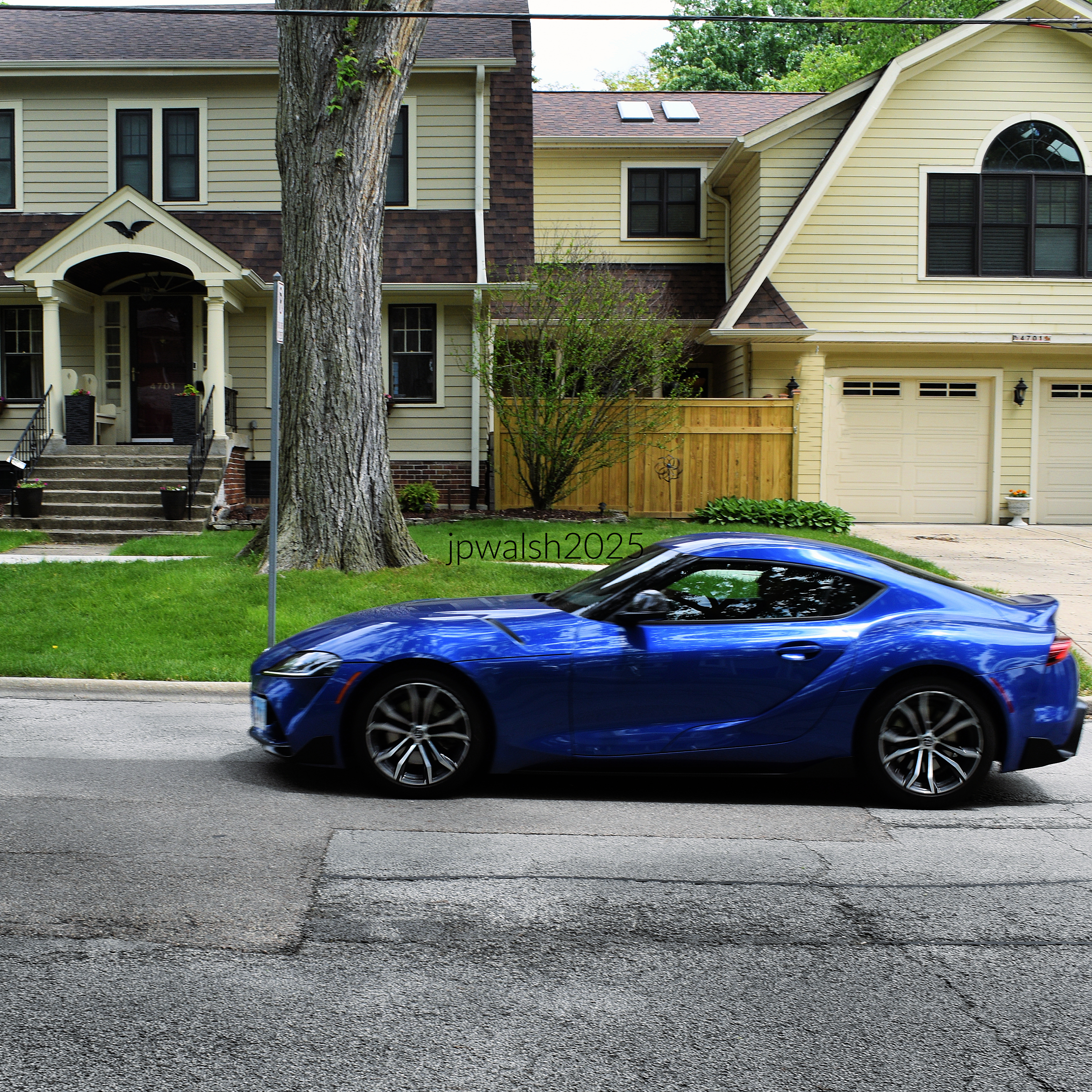
May 2025. 2024 Toyota GR Supra 99% 7.28mb DSC_1082

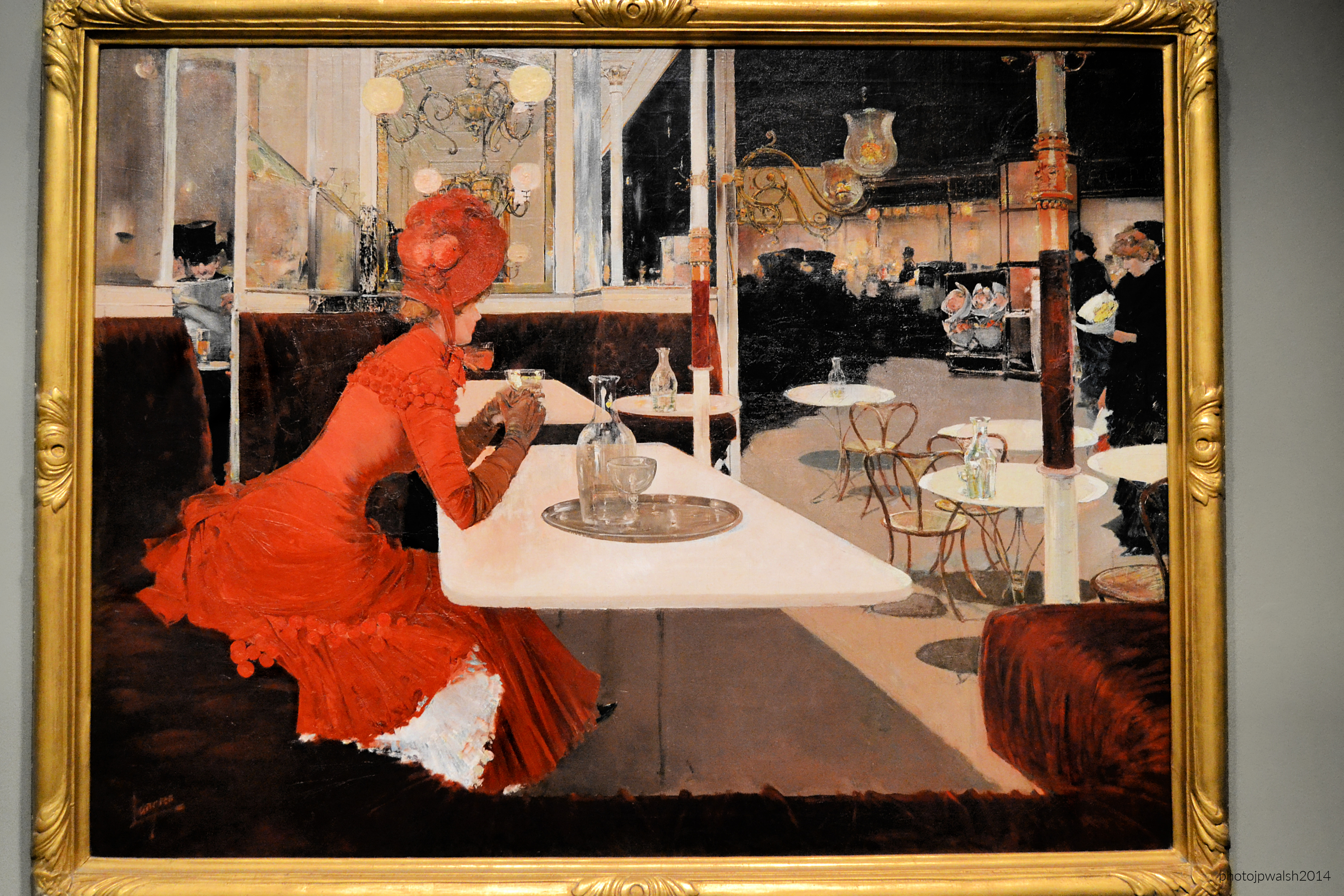
UNITED STATES. My Art Photography: FERNAND HARVEY LUNGREN (1857-1932), The Café, 1882/84, oil on canvas. The Art Institute of Chicago.

FEATURE Image: Fernand Harvey Lungren (1857-1932), The Café, 1882/84, oil on canvas. The Art Institute of Chicago. 9/2014.

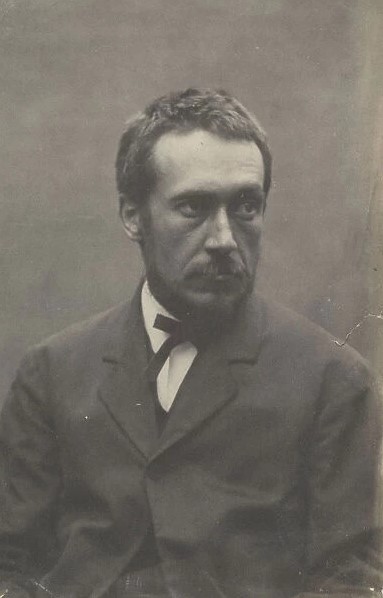
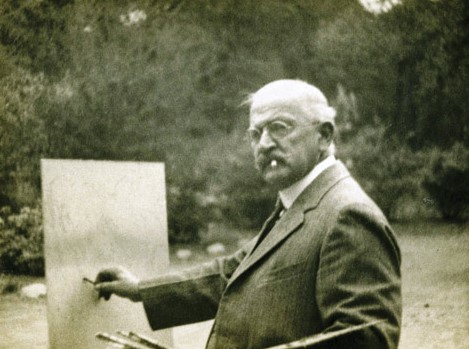
Fernand Lungren, not dated, c. 1900.

The artist, born in Sweden, moved with his family to Toledo, Ohio, as a child. Lungren wanted to be an artist but his father objected, wanting him to be a mining engineer. For a brief time, in 1874, Lungren attended the University of Michigan at Ann Arbor to study his father’s preferred subject. But after two years—Lungren’s father still opposed to his son being an artist— saw the younger Lungren rebel and prevail. In 1876 Lungren was able to study under Thomas Eakins (1844-1916) at the Pennsylvania Academy in Philadelphia and had Robert Frederick Blum (1857-1903), Alfred Laurens Brennan (1853-1921) and Joseph Pennell (1857-1926) as fellow students.

Thomas Eakins, self-portrait, c. 1880. The 19-year-old Lungren studied under Eakins at the Pennsyvania Academy in Philadelphia.

In winter 1877 the 20-year-old Lungren moved to New York City. With his first illustration published in 1879, he worked as an illustrator for Scribner’s Monthly (renamed Century in 1881) as well as for Nicholas (a children’s magazine) and as a contributor until 1903. He later worked for Harper’s BazaarMcClure’s and The Outlook. Lungren’s illustrations included portraits, and social and street scenes.

Paris in the 1880’s. Lungren was largely disappointed by his visit to Paris from June 1882 to December 1883 when he returned to New York.

In June 1882 Lungren sailed to Paris via Antwerp with a group of artists. In an 18-month stay in Paris he studied informally for two months at the Académie Julian, and viewed the latest French Impressionist artworks. He found his artistic purpose in Paris in direct observation and spent the balance of his time studying Parisian street scenes in the manner of the “new painting.”

Fernand Harvey Lungren (1857-1932), The Café, 1882/84, Dixon Gallery and Gardens, Memphis, Tennessee. Lungren depicts two women sitting at a dining table. The models and dresses share affinities with The Café from the same period. The cafe setting offered a myriad of elements to express modernity.
La France Élégante et Paris Élégant Réunis 1882.
Fernand Harvey Lungren (1857-1932), The Café, 1882/84, oil on canvas. The Art Institute of Chicago. 9/2014. Lungren paid special attention to the image presented by a woman in the details of her fashion from her hat with pom-poms, the size of her bustle, and even her shawl. Further, the bright electric lights above the woman’s head illustrate the intense competition and innovation of the late 1870’s and 1880’s in developing and marketing functional incandescent lamps. The contrast they provide to the dimmer gaslamps also depicted in the painting by Lungren are remarkable.
The Café, 1882/84, (detail). The architectural space of the café opens the street. The figure on the right holds a bouquet of yellow flowers while a coachman in the background is reflected by the light of a shop window with a carriage moving to the left.

Lungren returned to New York City in 1883 and, soon afterwards, established a studio in Cincinnati, Ohio. Sponsored by the Santa Fe Railroad which wished to commission images of the Southwest to entice eastern tourists, Lungren made his first excursions west in the early 1890s. In 1892 he visited Santa Fe, New Mexico for the first time and, in the following years painted artworks inspired by his contact with American Indian culture and the desert landscape. This was the start of his lifelong association with American West and Southwest. In 1899 he showed these American desert works at the American Art Galleries in New York and afterwards at the Royal Academy in London and the Walker Art Gallery in Liverpool.

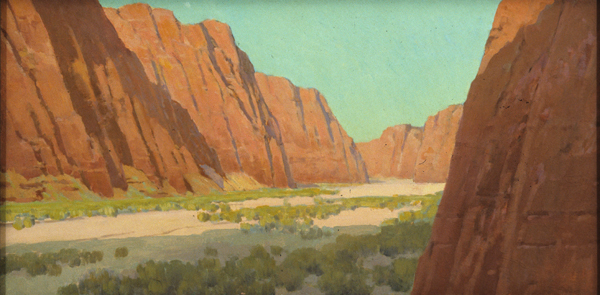
Fernand Harvey Lungren (1857-1932), Canyon de Chelly
oil on canvas
18 3 /16 x 36″, c. 1903-1906. AD&A Museum, Santa Barbara, CA.

When Lungren was in London he made pictures of street life and met several artists, including James Abbott McNeill Whistler (1834-1903). In late 1900 Lungren traveled to Egypt with American pharmaceutical entrepreneur Henry Solomon Wellcome (1853-1936) and returned to New York via London in the next year. Lungren had married Henrietta Whipple in 1898 and they eventually moved to California in 1903, settling in Mission Canyon above Santa Barbara in 1906.

Theodore Roosevelt in 1906. The U.S. president and conservationist was one of the admirers of Lungren’s artwork.
Fernand Harvey Lungren (1857-1932), Afterglow: Painted Desert
oil on canvas
25 1/4 x 45 in.; framed: 29 3/4 x 49 3/4 x 2 in. AD&A Museum 

Lungren lived and work in California—including several notable trips to Death Valley starting in 1909 —until his death in 1932. After Lungren’s wife died in 1917, the artist helped found the Santa Barbara School of the Arts in 1920 and remained on its board until his death in 1932. He became a charter member of the Santa Barbara Art League and executed two works for dioramas at the Santa Barbara Museum of Natural History. Most of Lungren’s artwork, including hundreds of his paintings (some 300 works), were bestowed to Santa Barbara State Teachers College, which became the University of California, Santa Barbara, and are part of the University Art Museum

Lungren in later life.

SOURCES:

J.A. Berger, Fernand Lungren: A Biography, Santa Barbara, 1936.

http://art-collections.museum.ucsb.edu/collections/show/44 – retrieved May 1, 2024.

https://collection.sina.cn/zhuanlan/2022-03-11/detail-imcwipih7897380.d.html – retrieved May 1, 2024.

https://www.artic.edu/articles/960/fernand-lungren-illuminated-in-the-cafe-and-the-city-of-lights – retrieved May 1, 2024.

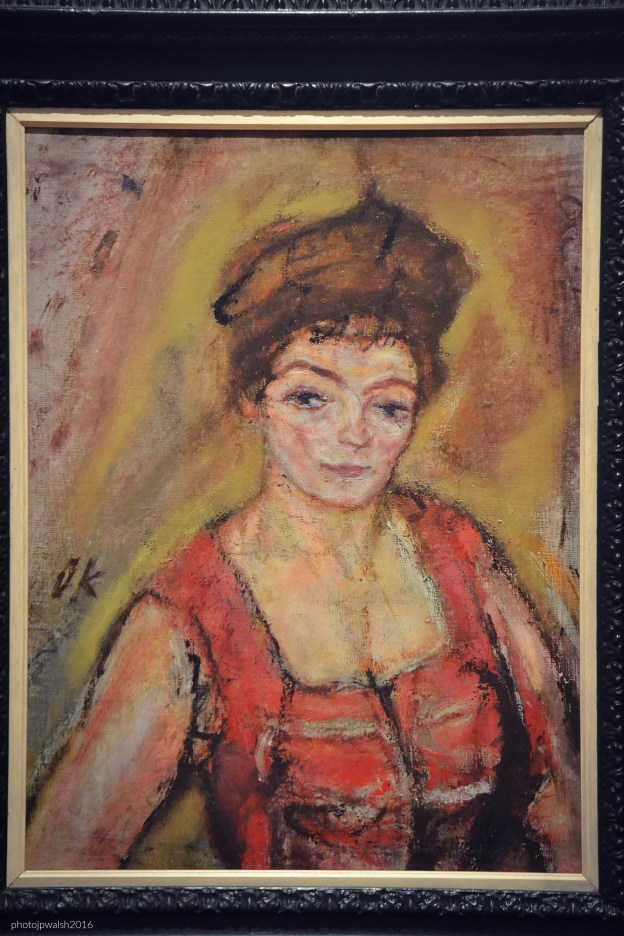
My Art Photography: OSKAR KOKOSCHKA (Austrian, 1886-1980), Lady in Red, 1911, oil on canvas, Milwaukee Art Museum.

Feature Image: Oskar Kokoschka (Austrian, 1886-1980), Lady in Red (Dame in Rot), 1911, oil on canvas, 21 11/16 × 16 in. (55.09 × 40.64 cm), Milwaukee Art Museum. Author’s photograph, 2016. see – Collection | Milwaukee Art Museum – retrieved June 5, 2026.

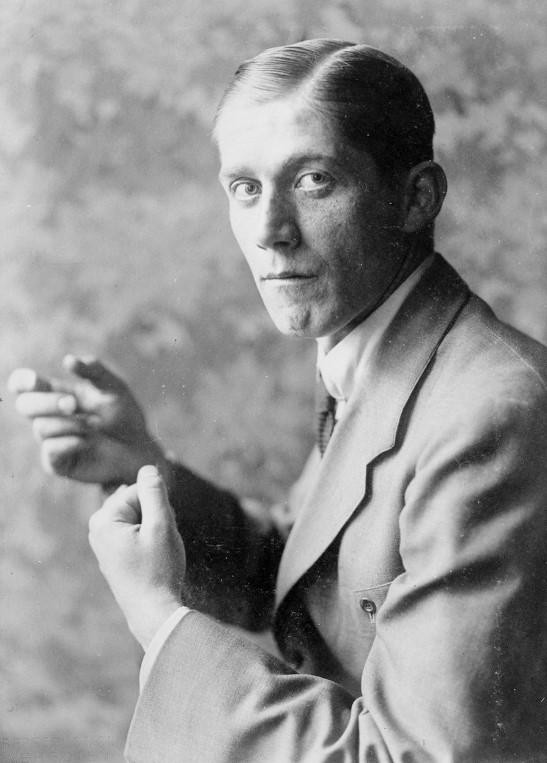
Oskar Kokoschka in 1916, photographed by Marta Wolff (1871–1942), a Berlin‑based portrait photographer. Wolff’s career—and life—were cut short under Nazi persecution. On September 1, 1942, she was deported from her last residence in Wiesbaden to Theresienstadt, where she died of pneumonia on September 22, 1942. see – https://oskar-kokoschka.ch/fr/1001/Biographie – retrieved May 1, 2024. Public Domain.

Early Berlin Years

When Austrian painter Oskar Kokoschka (1886–1980) created Lady in Red, now in the Milwaukee Art Museum, he was a struggling young artist living in Berlin. At just twenty‑four, he entered the city’s avant‑garde circles, moving among writers, painters, and theatre figures who were reshaping modern culture.

Connections to the Avant‑Garde

Kokoschka knew several members of Die Brücke as well as artists and writers associated with Der Sturm, the influential art and literary magazine. His visibility rose quickly: in June 1910, dealer Paul Cassirer organized Kokoschka’s first major exhibition, placing him in the center of Berlin’s experimental art world.

Independence from Expressionism

Despite these associations, Kokoschka’s involvement with the German Expressionists remained limited. He resisted being absorbed into any movement, insisting on developing his own artistic language. Reflecting on this independence, he later wrote that he was “not going to submit…to anyone else’s control. That is freedom as I understand it” (Oskar Kokoschka, My Life, translated from the German by David Britt, New York, Macmillan, 1974, p. 67).

Developing the Art of “Seeing”

As Kokoschka refined what he called the art of “seeing”—a method grounded in heightened depth perception and psychological intensity—the Berlin press seized on his volatility. Critics labeled him “the wildest beast of all,” a phrase that captured both his unpredictability and the raw emotional force of his early work.

Between 1900 and 1930, Berlin emerged as a world capital of modern art. Among its most influential figures was Paul Cassirer (1871–1926), a dynamic tastemaker with strong ties to the Paris market, particularly Galerie Durand‑Ruel. In 1910 he organized Oskar Kokoschka’s first major exhibition, the same year he mounted Berlin’s first significant show devoted to Édouard Manet. Cassirer also served as secretary of the Berlin Secession, the renegade association founded in 1898 in opposition to the academic and governmental constraints placed on contemporary art. Public Domain.

Exchanges with the Expressionists

Though Kokoschka studied the art of past masters to forge a distinct personal style, he remained in conversation with the artists of Die Brücke. Their shared debates over form, color, and the expressive possibilities of the figure helped create the artistic climate of Berlin and Vienna in the years before the First World War.

Lady in Red: A Key Early Statement

Painted around 1911, Lady in Red at the Milwaukee Art Museum stands at a pivotal moment in Kokoschka’s early career, when he was forging the fiercely independent artistic identity that would define his oeuvre. The portrait belongs to the same period in which he was debating formal problems with Die Brücke, resisting the codification of Expressionism, and articulating his belief that the artist’s task was existential rather than ideological. In this sense, Lady in Red is not simply a portrait—it is a declaration of Kokoschka’s emerging stance as a radically individual modernist.

Oskar Kokoschka (Austrian, 1886-1980), Lady in Red, c. 1911, oil on canvas, 21 11/16 × 16 in. (55.09 × 40.64 cm), Milwaukee Art Museum. Author’s photograph, 2016.

Within Kokoschka’s oeuvre, Lady in Red stands as an early, forceful articulation of the qualities that would define his mature work:

  • Psychological penetration rather than surface likeness
  • Expressive distortion used as a tool of revelation
  • Emotional aggression that challenges the viewer
  • A refusal to submit to any movement’s stylistic program

Psychological Intensity and the Art of “Seeing”

The painting exemplifies Kokoschka’s developing method of “seeing,” his term for a heightened perceptual and psychological engagement with the sitter. Rather than offering a flattering likeness, Lady in Red confronts the viewer with the sitter’s emotional presence—rendered through agitated brushwork, acidic color contrasts, and angular distortions that destabilize the composition. These qualities align with the emotionally aggressive canvases meant to unsettle, provoke, and force the viewer into an encounter with the subject’s inner life.

A Portrait That Defies the “-ism” and Shaped by Upheaval

Although the painting shares Expressionism’s interest in subjective intensity, Lady in Red resists the movement’s stylistic conventions. Kokoschka’s palette is harsher, his forms more fractured, his psychological probing more confrontational than those of his contemporaries.
Created just before his catastrophic affair with Alma Mahler and the wartime traumas that would scar him physically and psychologically, Lady in Red captures Kokoschka at a moment of intense personal searching. The painting’s emotional volatility anticipates the turbulence that would soon engulf his life.
It is a portrait that embodies the very independence that earned him the label “the wildest beast of all.”

The Alma Mahler Affair

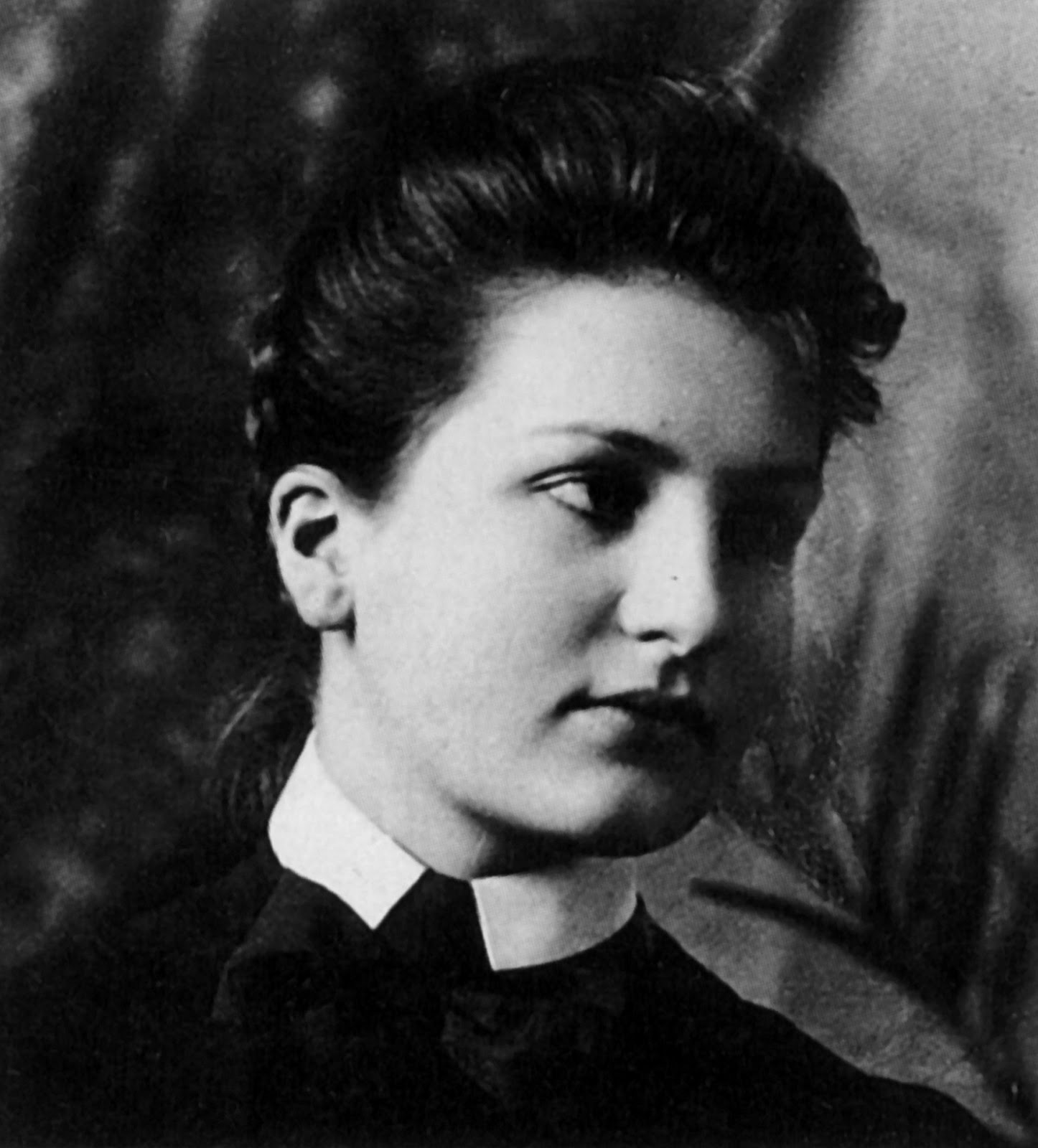
In 1912, Kokoschka entered a turbulent and ultimately destructive relationship with Alma Mahler (1879–1964), widow of composer Gustav Mahler (1860–1911). The affair consumed him emotionally and creatively. When it collapsed in 1915, the rupture was so profound that Kokoschka volunteered for frontline service in World War I.

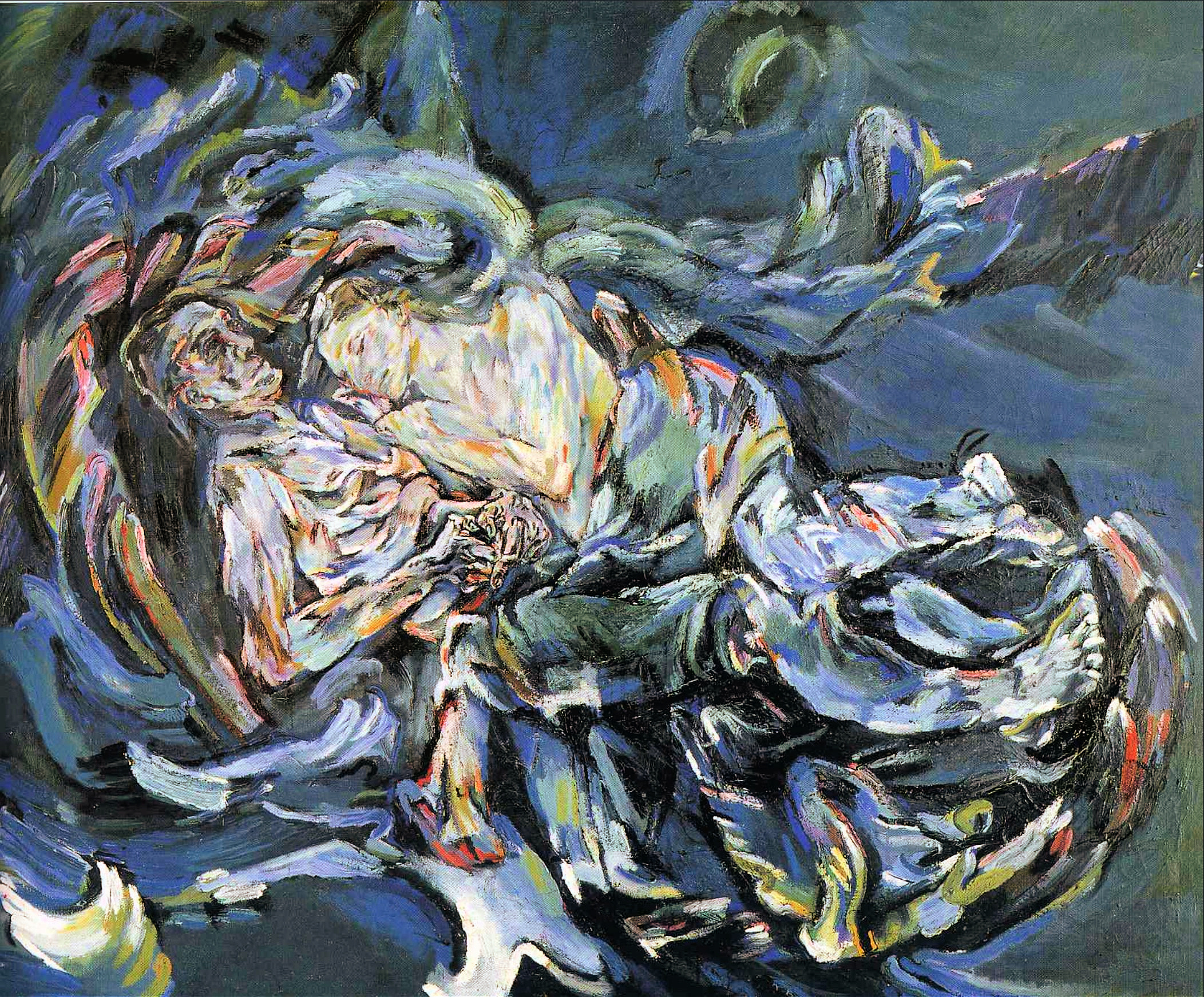
Alma Mahler, the young widow of composer Gustav Mahler (1860–1911), began a tumultuous affair with Kokoschka in 1912. During their 1913 trip to Italy, he cast their relationship into art, immortalizing them together in his 1914 masterpiece Die Windsbraut (Bride of the Wind), a swirling, dreamlike vision of passion and instability.

Oskar Kokoschka, Die Windsbraut (The Bride of the Wind), 1913. Oil on canvas, 180.4 x 220.2 cm, Kunstmuseum, Basel, Switzerland. see – Kunstmuseum Basel – Sammlung Online – Die Windsbraut – retrieved May 1, 2024. Often read as an autobiographical testament to Kokoschka’s relationship with Alma Mahler, the painting features portrait‑like evocations of both figures. Alma, widow of composer Gustav Mahler, had begun a turbulent affair with the artist in 1912. Upon completing the work, Kokoschka described it to Berlin dealer Herwarth Walden as his “Tristan und Isolde” (Spielmann 2003, p. 153), invoking the unfulfillable nature of a difficult love. Later in 1914, the title Die Windsbraut (Bride of the Wind) emerged in conversation with the poet Georg Trakl.

War Service and Wounds

Kokoschka enlisted in the 15th Austrian Dragoon Regiment, where he saw brutal combat. In 1915, on the Ukrainian front, he suffered a bullet wound to the head and a bayonet wound to the chest, injuries that nearly killed him. The following year, he was wounded again—this time by grenade fire on the Isonzo Front—adding to the physical and psychological scars that would shape his postwar work.

Expressionism and the Artist’s Role

The Expressionists’ intense engagement with the upheavals of their time influenced each artist’s creative process. Amid this turbulence, Kokoschka insisted that the artist’s vocation was not rooted in prefabricated ideologies or party programs, but in the existential task of forging a personal vision. For him, artistic identity was not a stylistic allegiance but a way of being in the world. “There is no such thing as a German, French, or Anglo‑American Expressionism!” he argued. “There are only young people trying to find their bearings in the world” (Kokoschka, My Life, p. 37).

Defying the “-ism”

Kokoschka’s fierce individualism made him one of the great masters of Expressionism precisely because he refused to be contained by it. His canvases—charged with harsh, clashing colors, fractured angles, and psychological intensity—were designed to unsettle. They confront the viewer, provoking discomfort, agitation, even rage. In rejecting the dominant currents of modernism to pursue his own path, Kokoschka became, like Max Beckmann, one of the major figures who often sits uneasily within the standard narratives of twentieth‑century art.

The Outsider as Master

This marginal position, however, aligns with Kokoschka’s self‑image. His refusal to conform—to movements, to expectations, to the tidy categories of art history—was central to his identity. For the artist once branded “the wildest beast of all,” exclusion from the mainstream was not a failure but a vindication of the independence he prized.

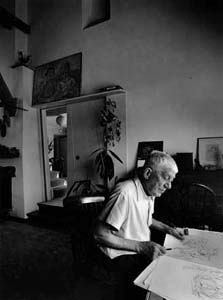
Oskar Kokoschka, 1963, © ERLING MANDELMANN ©,Oskar Kokoschka (1963) by Erling Mandelmann” by Erling Mandelmann is licensed under CC BY-SA 3.0. -Retrieved October 27, 2025.

SOURCES:

The Berlin Secession: Modernism and Its Enemies in Imperial Germany, Peter Paret, The Belknap Press of Harvard University Press, 1980, p. 208.

Oskar Kokoschka, My Life, translated from the German by David Britt, New York, Macmillan, 1974.

https://oskar-kokoschka.ch/fr/1001/Biographie – retrieved May 1, 2024.

Oskar Kokoschka: Letters I. 1905–1919, edited by Olda Kokoschka and Heinz Spielmann, Düsseldorf, Claassen, 1984.

http://www.jottings.ca/carol/kokoschka.html#3 – retrieved May 1, 2024.

https://www.theartstory.org/artist/kokoschka-oskar – retrieved May 1, 2024.

https://commons.wikimedia.org/wiki/Category:Marta_Wolff – retrieved May 1, 2024.

https://upclose.christies.com/restitution/kunstsalon-cassirer – retrieved May 1, 2024.

https://www.gallery-weekend-berlin.de/journal/simon-elson-pate/ – retrieved May 1, 2024.