FEATURE Image: July 2024. deer. St. Joseph Creek. 7.62mb 0479 (1)

















FEATURE Image: July 2024. deer. St. Joseph Creek. 7.62mb 0479 (1)

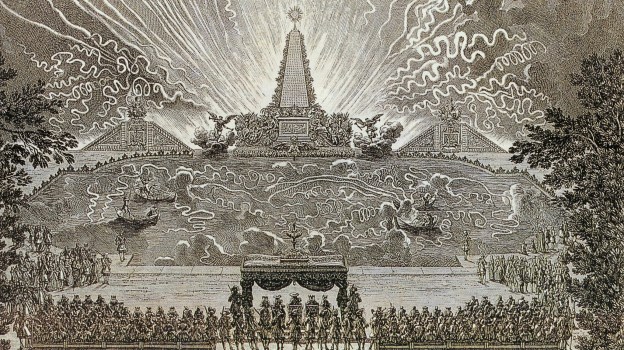
Feature image: 18 août 1674: feu d’artifice sur le Canal, 1676, by French Academy designer and engraver Jean Le Pautre (1618-1682). Flamboyant ephemeral architectures were erected at Versailles for a 17th century summer evening on the Canal that forms the base of elaborate pyrotechnics. Public Domain.
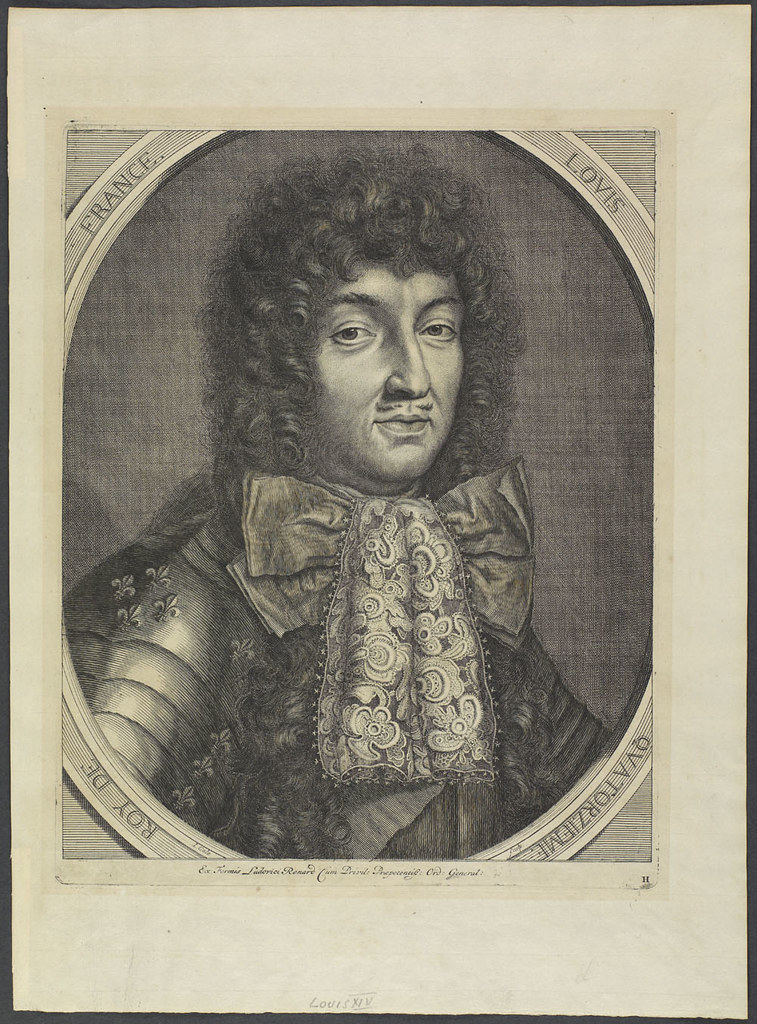
When the French Sun King, Louis XIV (reign, 1638-1715) made his decision to build a palace complex at Versailles, surrounded by the greatest gardens and waterworks the world had ever seen, fireworks (feux d’artifices), were an essential part of the grand entertainments which the king put on for the French court and the thousands of visitors who assembled to celebrate for various special occasions.
For the next century, Versailles became the premier stage for royal light shows — vast productions of fireworks, illuminations, and night‑time spectacle. Though fireworks were first invented in China, it was Rome that embraced them in the 14th century and launched Europe’s courtly tradition of celebratory rockets. France quickly followed, importing Italian artists, architects, and pyrotechnic masters whose displays soon surpassed anything on the continent.
A key reason Louis XIV moved his court out of cramped Paris and the Louvre was to gain the space required for these grand outdoor entertainments. At Versailles, the king could stage the full range of divertissements du Roi — not only fireworks and illuminations, but elaborate festivals of music, dance, and theater that turned the gardens into a glowing extension of royal power.
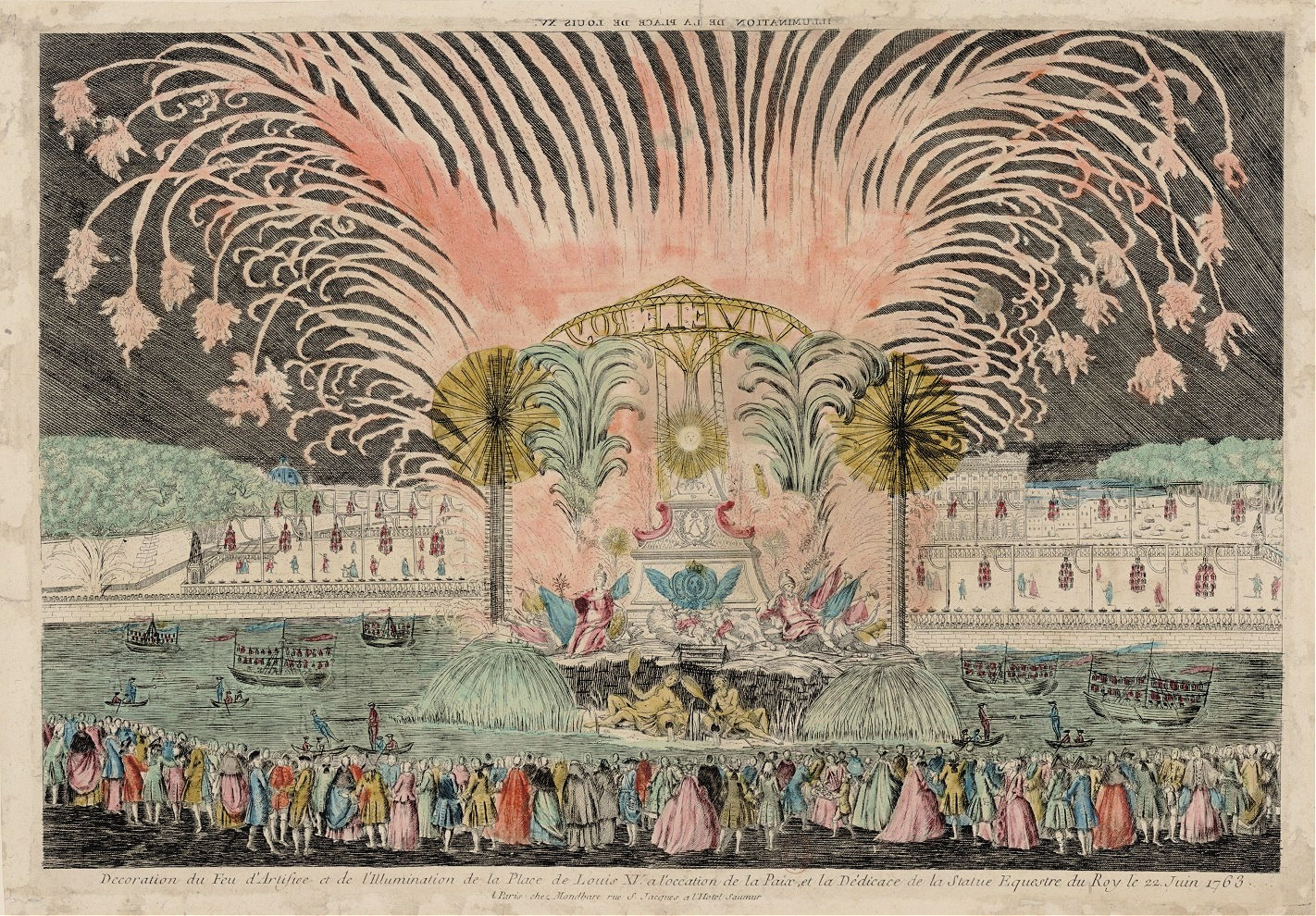
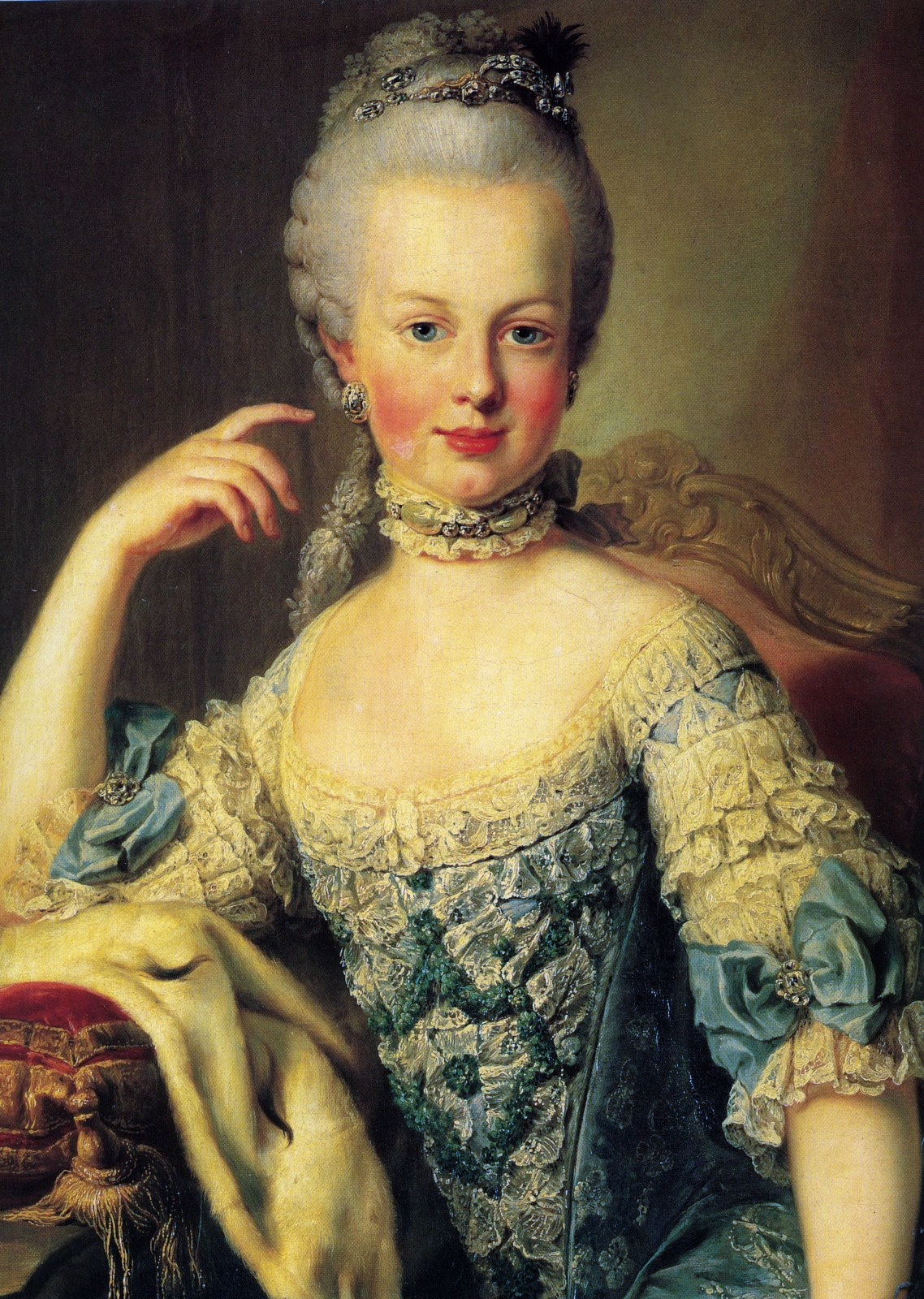
One of Versailles’ most spectacular celebrations came in 1770, when fourteen‑year‑old Marie Antoinette arrived from Austria to marry the heir to the French throne. Louis XV marked the occasion with days of festivities and a guest list numbering in the thousands. The scale was unprecedented: the French Academy of Sciences collaborated with the king’s bureau de Menus‑plaisirs to engineer a display capable of launching 20,000 rockets at once, followed by the coordinated illumination of 15,000 lanterns across the gardens. It was court spectacle elevated to scientific precision — a fusion of dynastic celebration, technological ambition, and the theatrical grandeur that defined Versailles.
Even today, crowds stream to Versailles just west of Paris, gathering to watch cutting‑edge pyrotechnics ignite the night above the palace. The modern displays play off the same elements that once dazzled the Sun King: the vast pools, canals, and fountains that mirror every burst of color and amplify the spectacle across the gardens’ sweeping geometry. In these moments, the waterworks and the fireworks merge into a single theatrical composition — a living continuation of the courtly entertainments that defined Versailles at its height.
SOURCES:
https://www.smh.com.au/entertainment/art-and-design/leading-lights-why-sydneys-nye-fireworks-pale-in-comparison-to-the-pyrotechnics-of-versailles-20161130-gt0dyj.html – retrieved July 11, 2024.
Les Jardins de Versailles, Pierre-André Lablaude, Editions Scala, 1998, pp. 38-39.





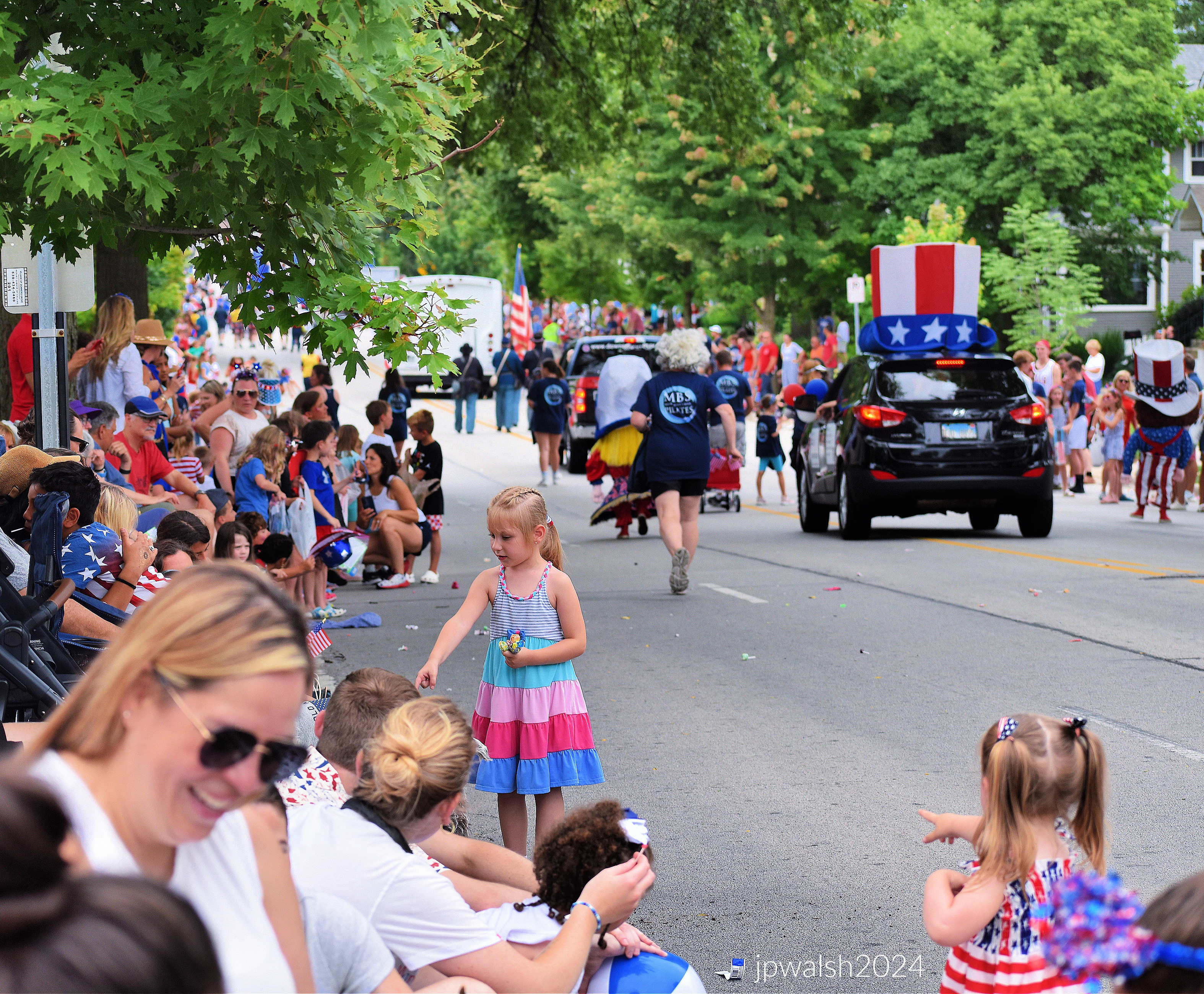
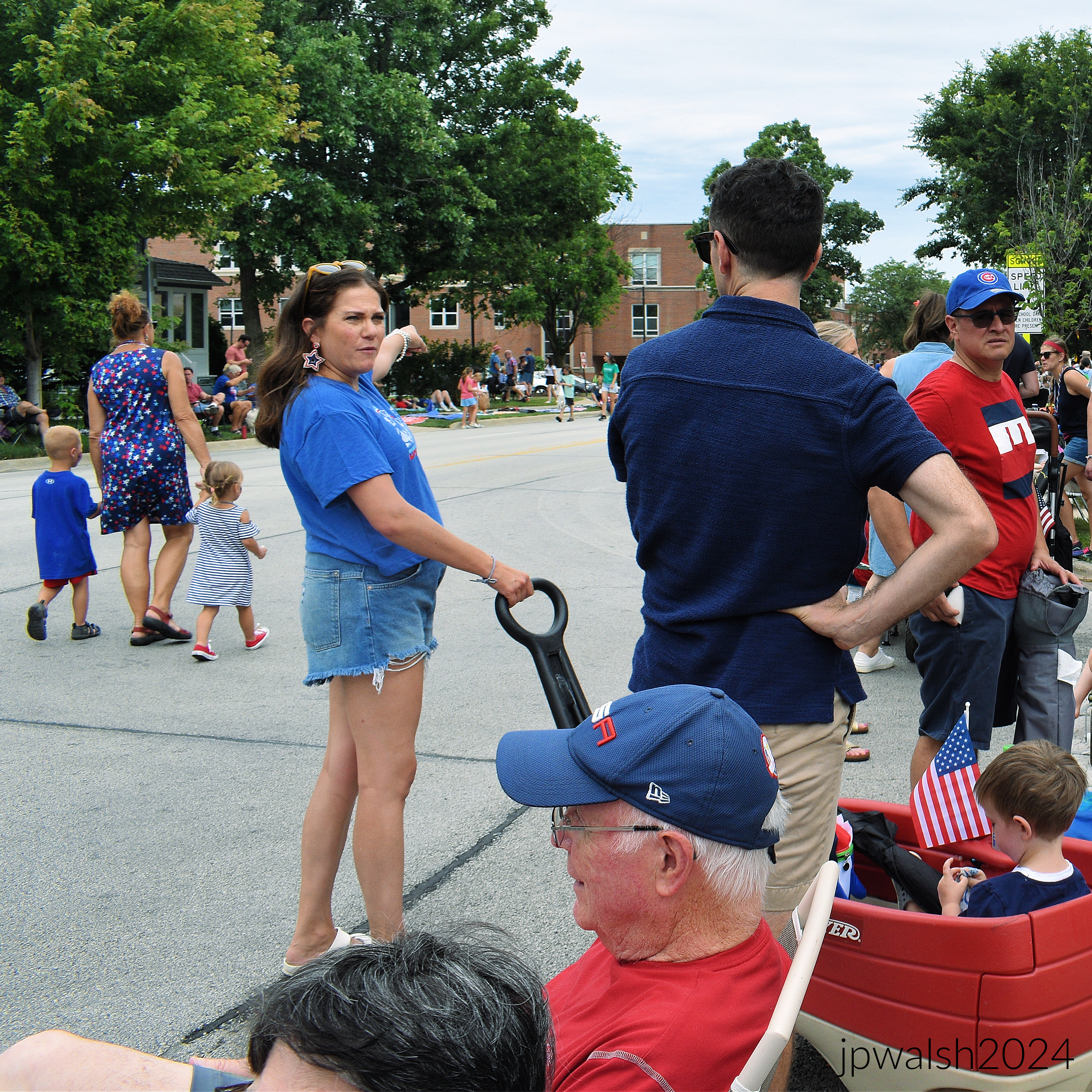
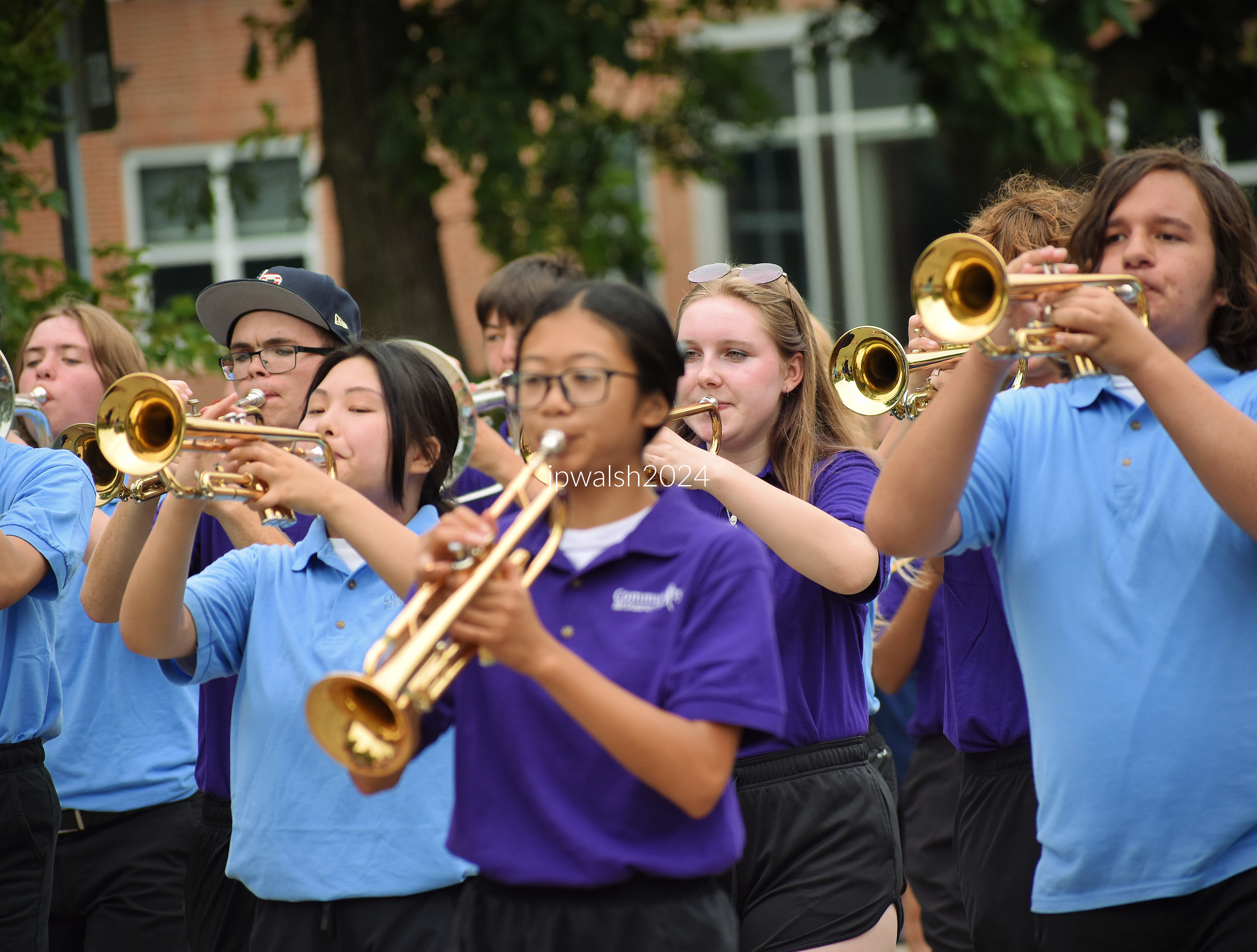
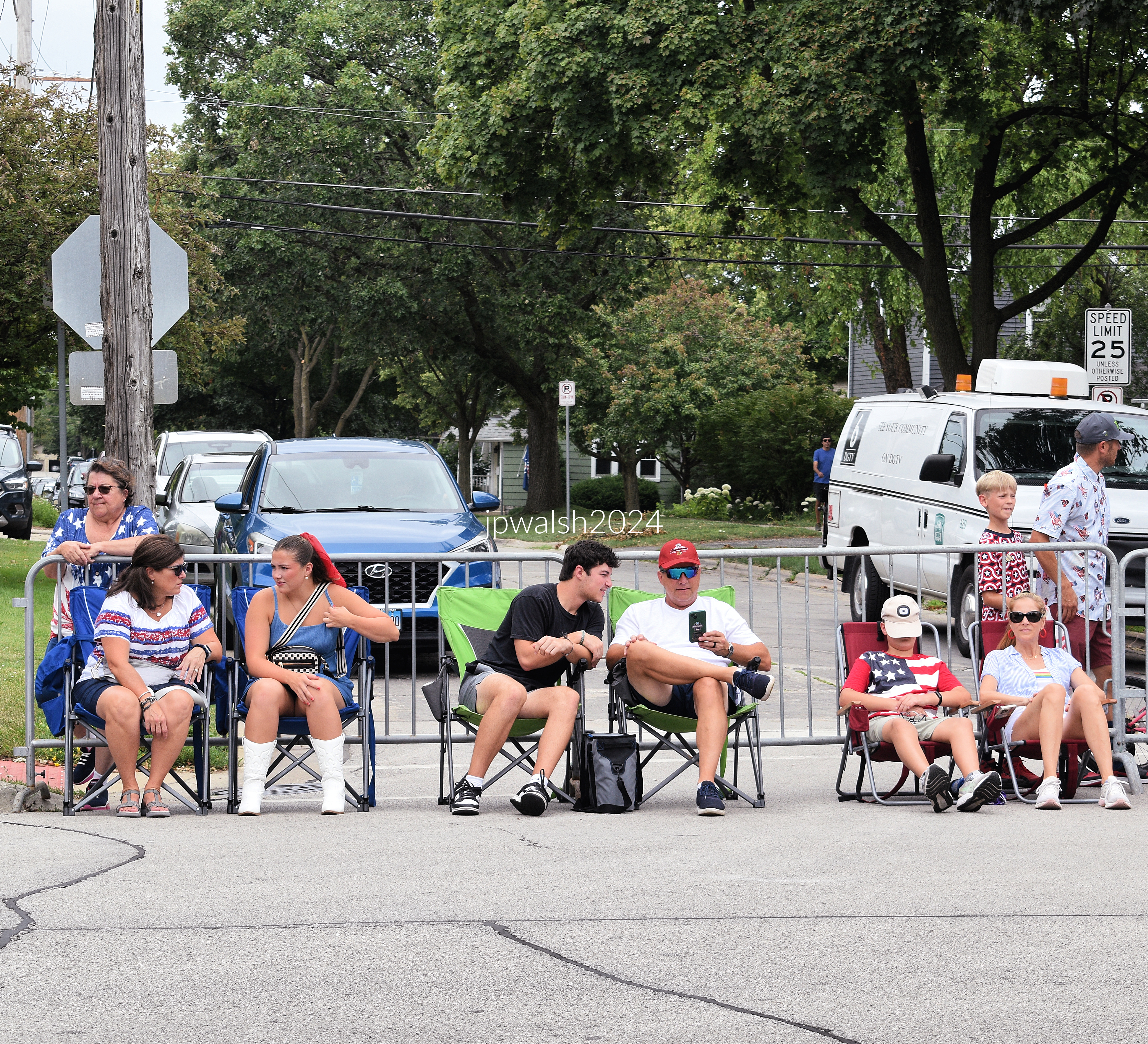
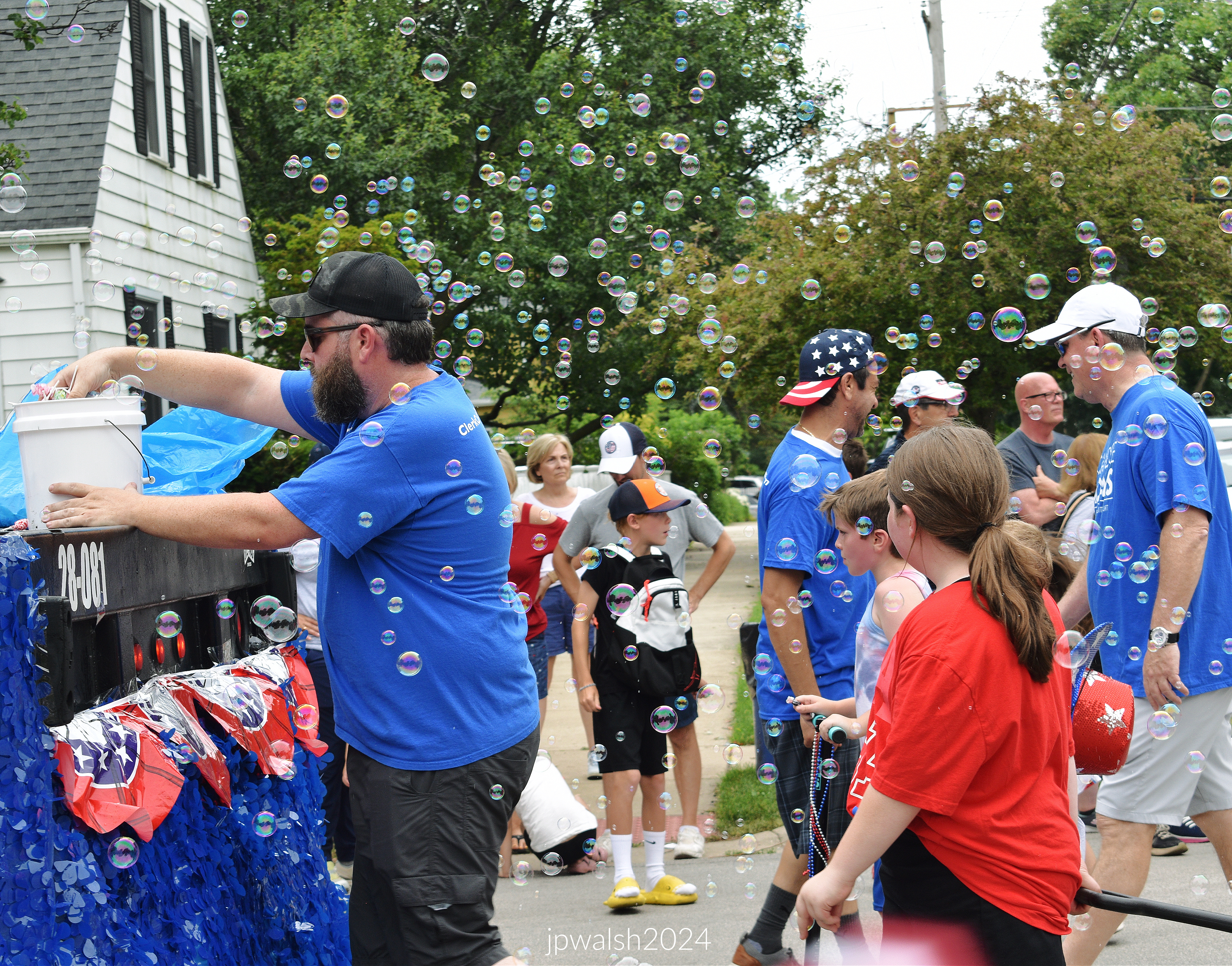
FEATURE image: Independence Day Parade 2024 was honored to have Kate, this year’s Illinois Miss Amazing Miss Queen, as the Grand Marshal. Miss Amazing, a national organization, provides opportunities for girls and women with disabilities across the nation to make for engagement at every level of society and that dismantles stereotypes and opens up pathways for personal growth and self-esteem.