

10 POSTS.
Feature Image: Paul Gauguin, Day of the Gods (Mahana No Atua), 1894, oil on canvas, 26 7/8 x 36 in. (68.3 x 91.5 cm), The Art Institute of Chicago. FRANCE. Tahitians Fishing/Tahitian Landscape/Tahitian Idol the Goddess Hina. Three monotypes produced in Paris inspired by Tahiti, 1893-1895, by PAUL GAUGUIN (1848-1903). – CORRIDORS│An Educational Website in the Arts and History. Featuring My Photography and Videos.
Part of modernism and avant-garde art movements in France from 1850 to 1900, IMPRESSIONISM is an art movement characterized by a focus on modern, often urban, life using the technique of broken brushwork and looking to capture the fleeting, immediate effects of light and color. Emerging in Paris in the 1860s and 1870s, it broke from traditional academic painting by prioritizing the artist’s subjective perception over precise, realistic detail. Its wide-ranging group of artists were among the first to transgress the governing rules of traditional art. POST-IMPRESSIONISM was a late 19th-century international art movement started in France that built upon Impressionism but rejected its focus on naturalistic forms, colors, and light and instead emphasized meaning through emotional expression and symbolism using bold and unnatural colors, distinctive and distorted forms, and varied techniques and styles to reflect the artist’s inner world. Its leading art figures included Vincent Van Gogh, Paul Gauguin, Georges Seurat, Paul Cézanne, Signac and Henri de Toulouse Lautrec, among others. SYMBOLIST ART is a late 19th-century international literary and artistic movement within Post-Impressionism that emphasized subjective experience and use of symbols to convey meanings, often exploring themes of spirituality, dreams, and the subconscious. Leading Symbolist artists included, in France, Gustave Moreau, Puvis de Chavannes, Odilon Redon, and Paul Gauguin; Gustav Klimt in Austria; Edvard Munch in Norway; and Arnold Böcklin in Switzerland, among many others.
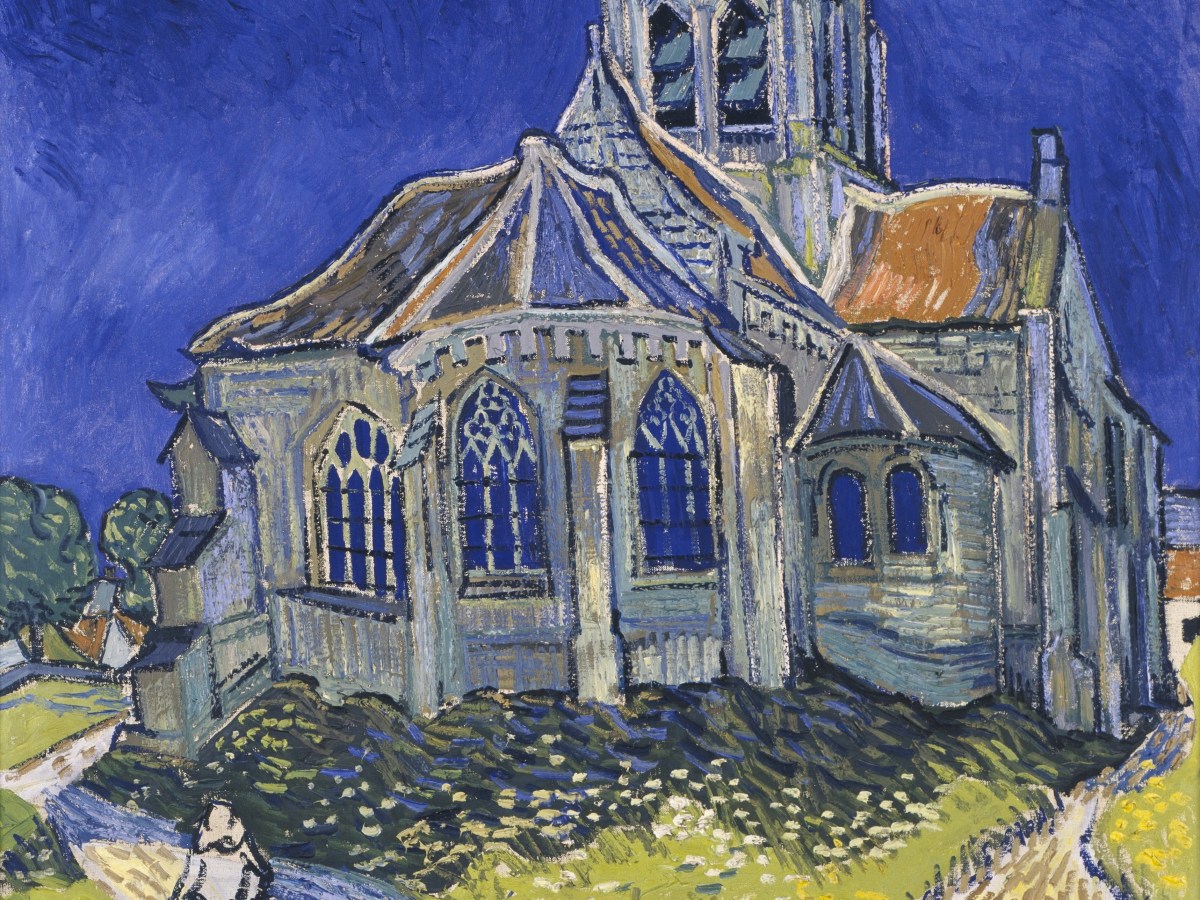
LOW COUNTRIES. POST-IMPRESSIONISM. My 2005 Visit to Auvers-Sur-Oise, France, where VINCENT VAN GOGH’s final paintings and drawings were made between May to July 1890 assuring his role in artistic modernism.
FEATURE Image: Vincent Van Gogh (1853-1890), L’église d’Auvers-sur-Oise, vue du chevet (“The Church at Auvers”), June 1890, oil on canvas, 94 cm x 74 cm (37 in x 29.1 in), Musée d’Orsay, Paris. Vincent Van Gogh (1853-1890), staying in Auvers starting on May 20, 1890 liked the country town with its artistic pedigree (Corot, Daubigny,…


FRANCE. IMPRESSIONISM. EUGÈNE BOUDIN (1824-1898) who Camille Corot called “King of The Skies!”
FEATURE image: Eugène Boudin, The Beach at Villerville, 1864, Oil on canvas, 18 × 30 1/16 in. (45.7 × 76.4 cm), National Gallery of Art, Washington, D.C. In 1893, in the last years of his long and successful art career, 69-year-old Eugène Boudin returned to the Normandy coast for which this French painter of skies…

FRANCE. POST-IMPRESSIONISM. Henri Toulouse-Lautrec (1864-1901): COMPLETE 31 Mass-Produced COLOR POSTERS, 1891-1900.
FEATURE image: Henri de Toulouse-Lautrec (1864-1901), La Revue Blanche, 1895, Paris. Lithograph in four colors. By John P. Walsh The nineteenth century in France brought about a radical transformation of the role of the artist. In place of artwork for aristocratic patrons, artists in all media were increasingly left to their own devices and began…
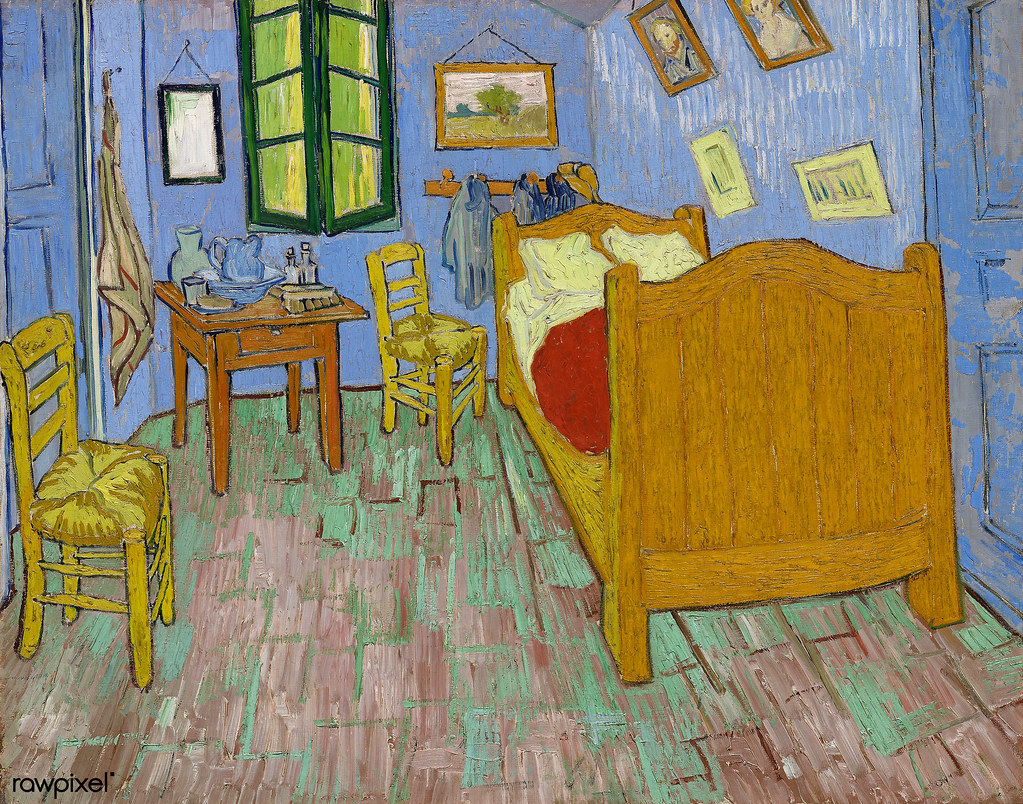
LOW COUNTRIES. POST-IMPRESSIONISM. All three versions of VAN GOGH’S BEDROOMS, The Art Institute of Chicago, February 14-May 10, 2016.
FEATURE image: The Bedroom (1889) by Vincent Van Gogh. Original from the Art Institute of Chicago. “The Bedroom (1889) by Vincent Van Gogh. Original from the Art Institute of Chicago. Digitally enhanced by rawpixel.” by Free Public Domain Illustrations by rawpixel is licensed under CC BY 2.0. The photograph above depicts the three versions of Van Gogh’s “Bedroom”…
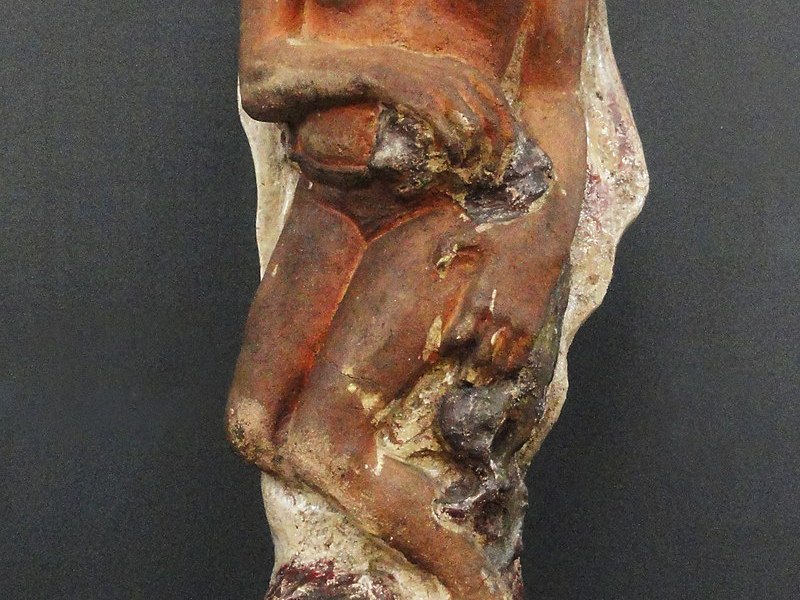
FRANCE. POST-IMPRESSIONISM. The mysterious she-wolf figure, OVIRI (SAVAGE), exhibited in Paris in 1895 by Paul Gauguin (1848-1903).
FEATURE image: Paul Gauguin, Oviri (Savage),1894, stone, 75 x 19 x 27 cm, Musée d’Orsay, Paris. Public Domain. By John P. Walsh By 1887 French Post-Impressionist artist Paul Gauguin (1848-1903) had created over 50 ceramic sculptures and carved several decorative panels. So it may be expected that during his interlude in Paris between 1893 and 1895 that…

FRANCE. POST-IMPRESSIONISM. Three MONOTYPES of Paul Gauguin (1848-1903) whose visual images and text reflect European Symbolism and Tahiti to create a new hybrid in Paris, 1893-1895.
FEATURE Image: Paul Gauguin, Tahitian Idol-The Goddess Hina, 1894/95 – woodcut in black ink, over ochre and red, with touches of white and green inks, on tan wove paper, 5.78 x 4.72 inches (147 x 120 mm). The Art Institute of Chicago, Edward McCormick Blair collection. Produced in Paris inspired by Tahiti: Tahitians Fishing -…

FRANCE. Savagery In Civilization: Tahiti-inspired graphic art in Paris, 1893-1895, by PAUL GAUGUIN (1848-1903).
FEATURE image: Gauguin, Self-Portrait with Palette, winter 1893-94 or 1894-95, 92 x 73 cm (35 7/8 x 28 1/2 in.), private collection. By John P. Walsh In May 1894 during a working visit to Brittany filled with nostalgia, a 45-year-old Paul Gauguin broke his leg above the ankle in a scuffle with sailors in broad daylight. In…

FRANCE. IMPRESSIONISM. The “Tricky Business” of the Caillebotte Bequest.
FEATURE image: Pierre-Auguste Renoir, The Swing, 1876, oil on canvas, 36 1/2 x 28 1/2 inches. Musée d’Orsay, Paris. By John P. Walsh Gustave Caillebotte (1848-1894) and Pierre-Auguste Renoir (1841-1919) exhibited together in the Second Impressionist Exhibition in 1876 and became lifelong friends. Just two years later, in 1878, Caillebotte appointed Renoir to be executor…
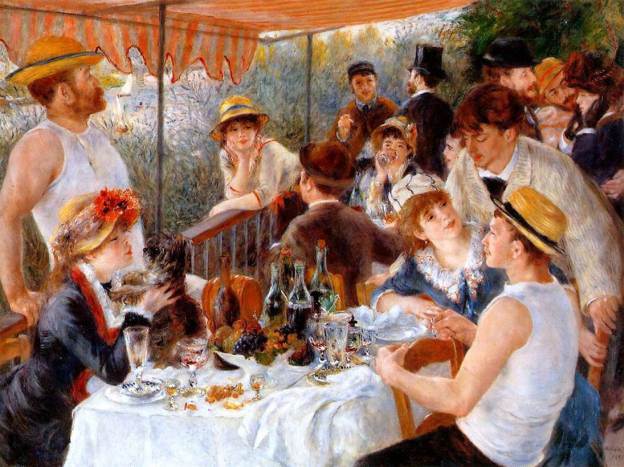
FRANCE. IMPRESSIONISM. Gustave Caillebotte (1848-1894) and the 4th, 5th, 6th and 7th IMPRESSIONIST ART EXHIBITIONS in Paris, 1879-1882.
FEATURE image: P.A.-Renoir, A Luncheon at Bougival, 1881, The Phillips Collection, Washington, D.C. The Seventh Impressionist Exhibition – 1882. By John P. Walsh In the five years between the “balanced and coherent” Third Impressionist Art Exhibition in April 1877 and the penultimate Seventh Impressionist Art Exhibition in March 1882 which included Gustave Caillebotte’s The Bezique Game, significant…

FRANCE. IMPRESSIONISM. Gustave Caillebotte (1848-1894) and the 2nd and 3rd IMPRESSIONIST ART EXHIBITIONS in Paris, 1876 and 1877.
FEATURE image: Gustave Caillebotte, Paris street; a rainy day (Rue de Paris, Temps de pluie), 1877, The Art Institute of Chicago. Caillebotte submitted his painting to the Third Impressionist Art Exhibition held in Paris in 1877. The first Impressionist exhibition was held in Paris in 1874. Gustave Caillebotte (1848-1894) did not exhibit with the Impressionists…
