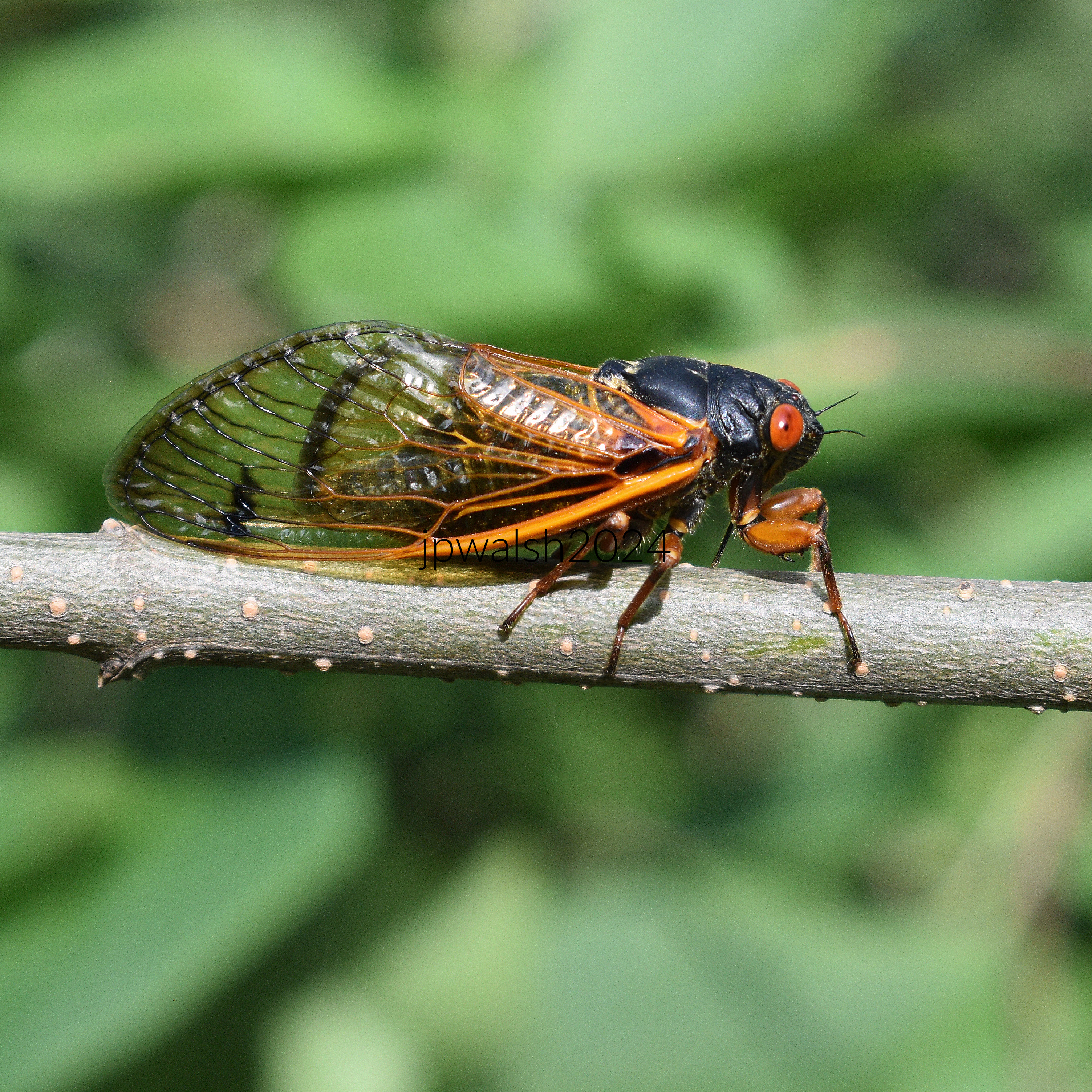
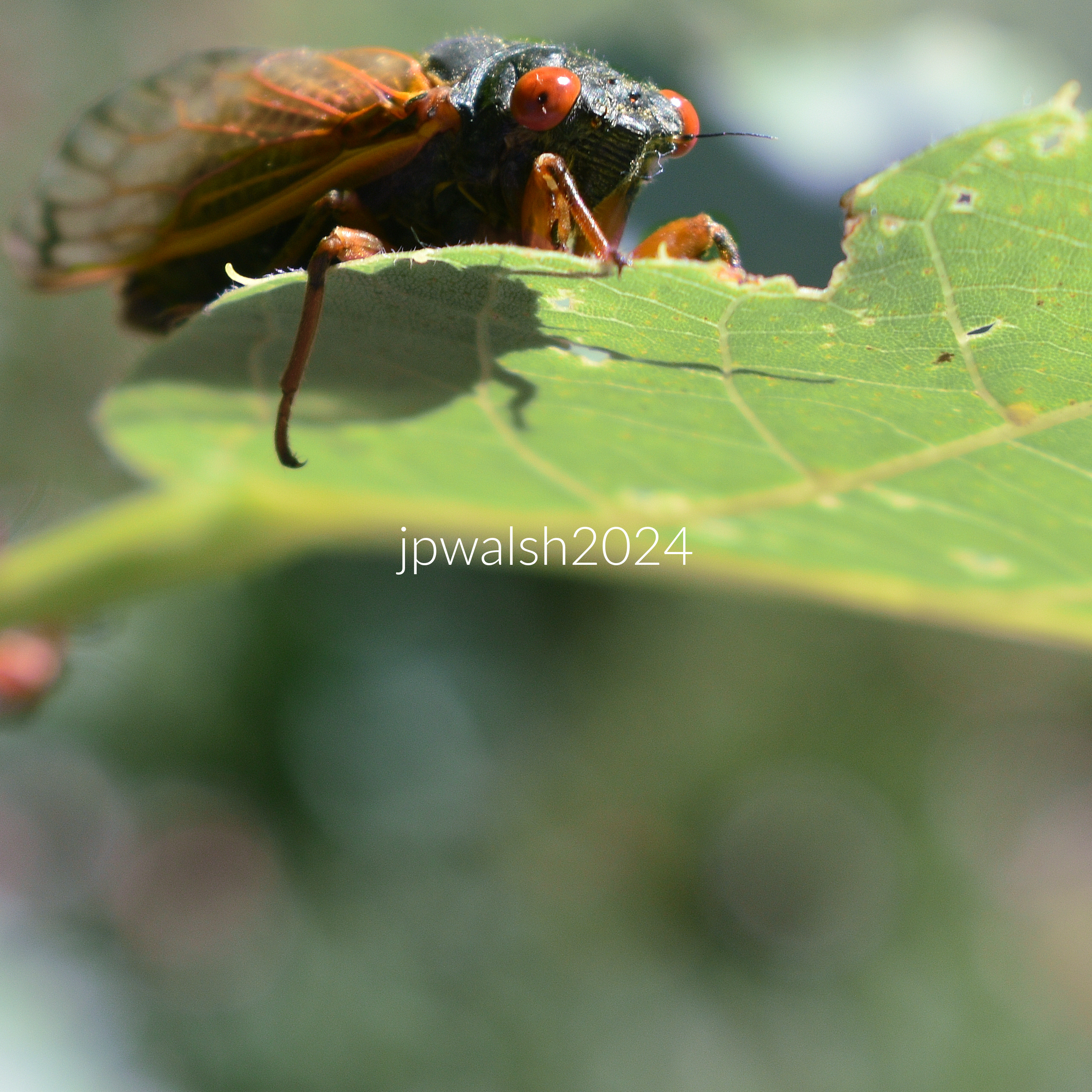
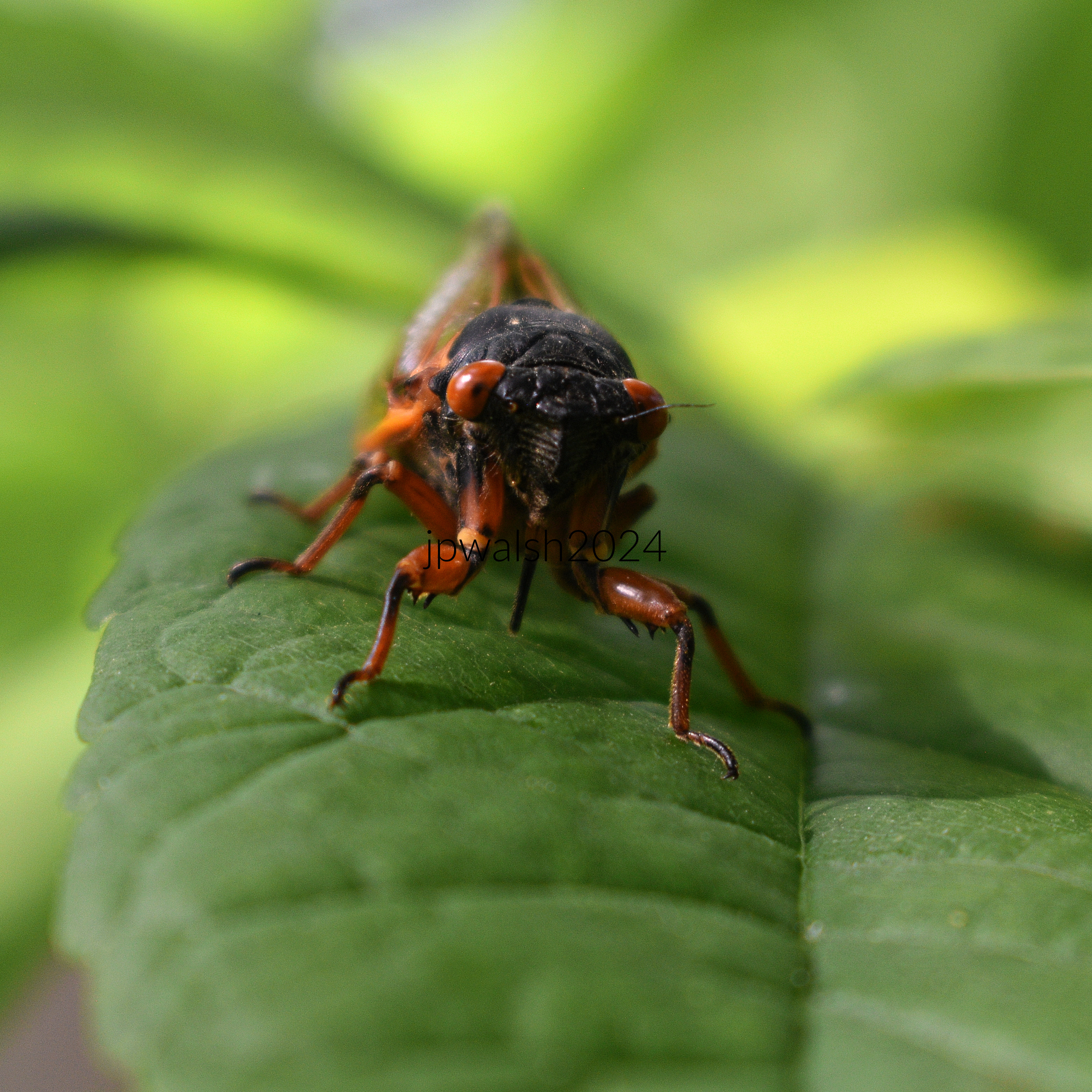
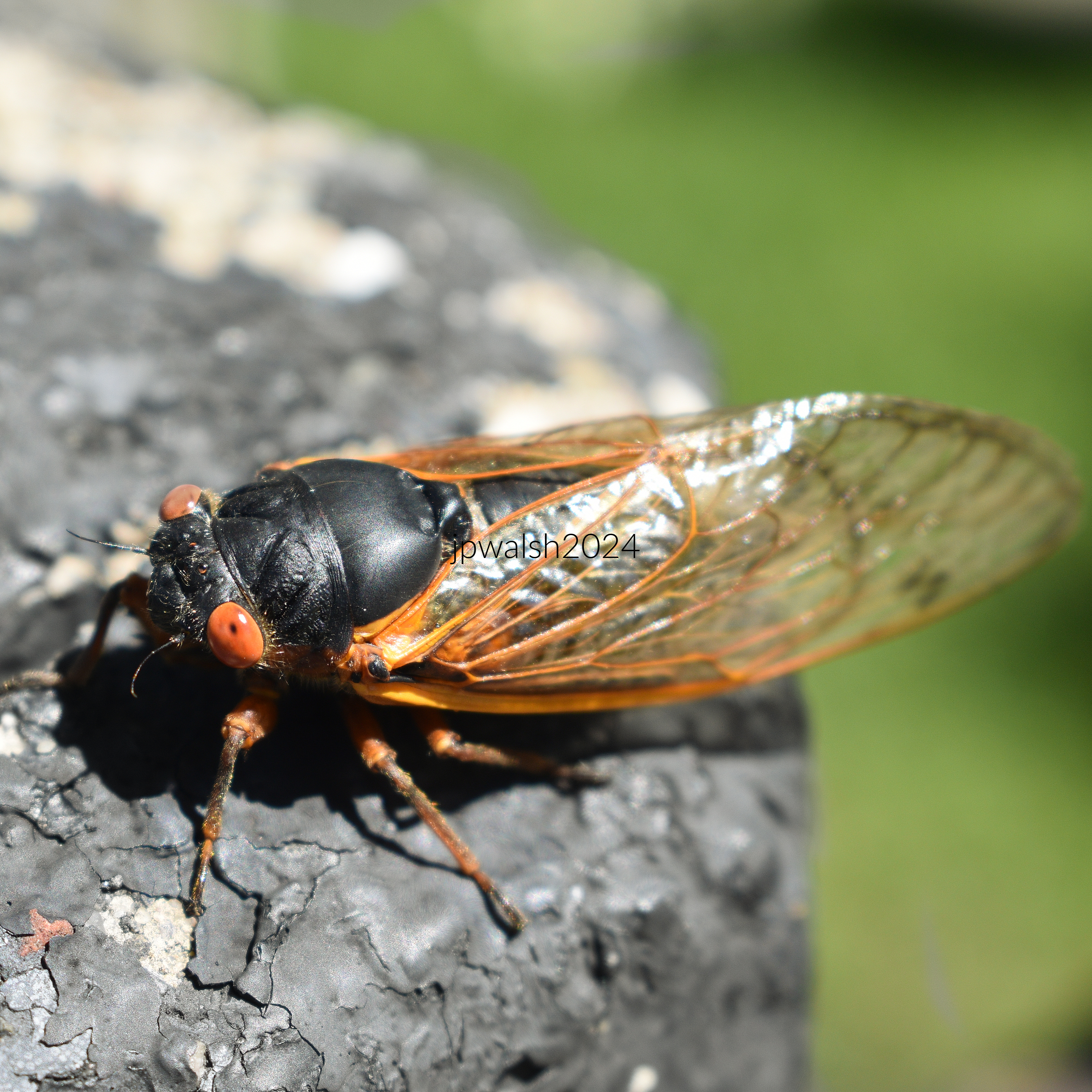
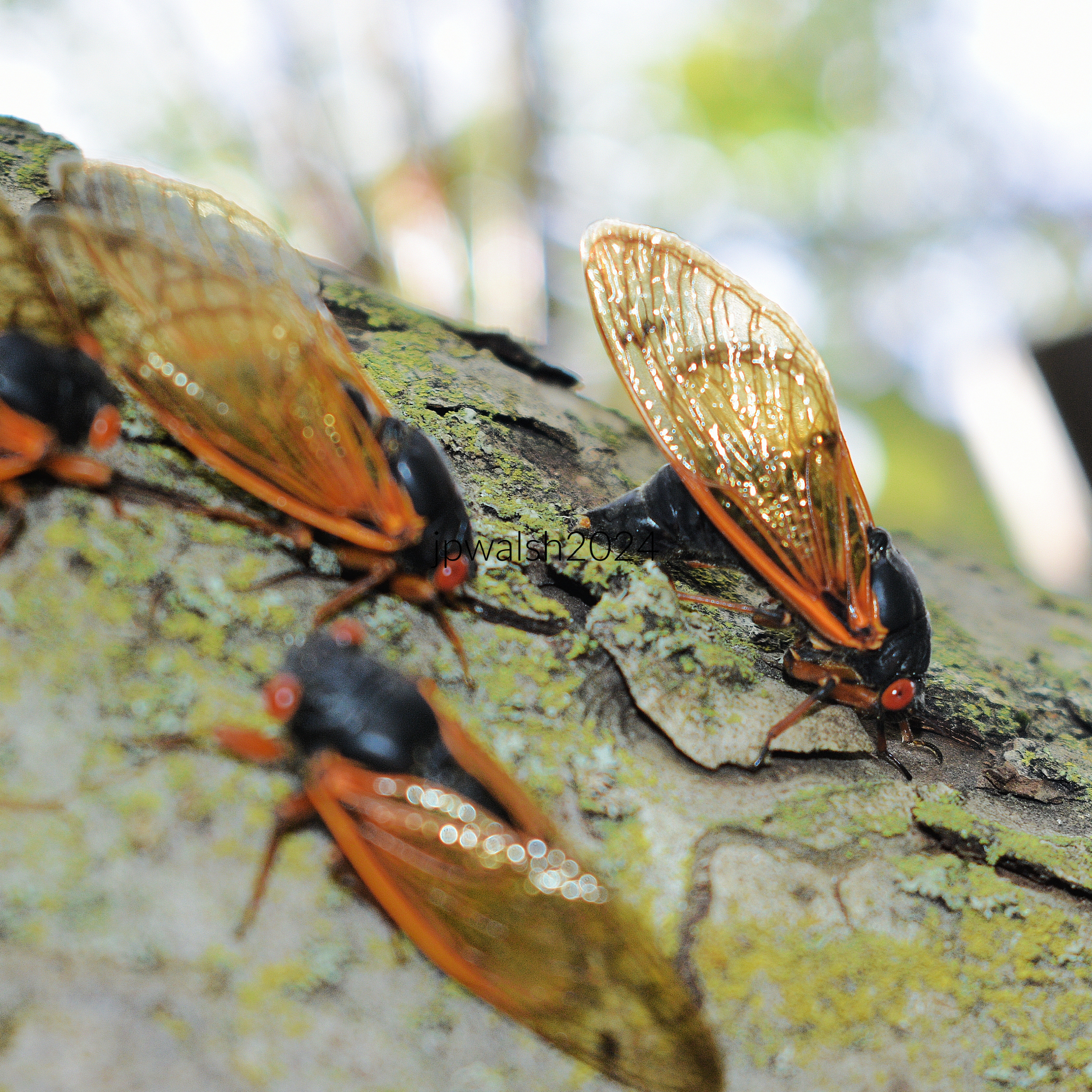
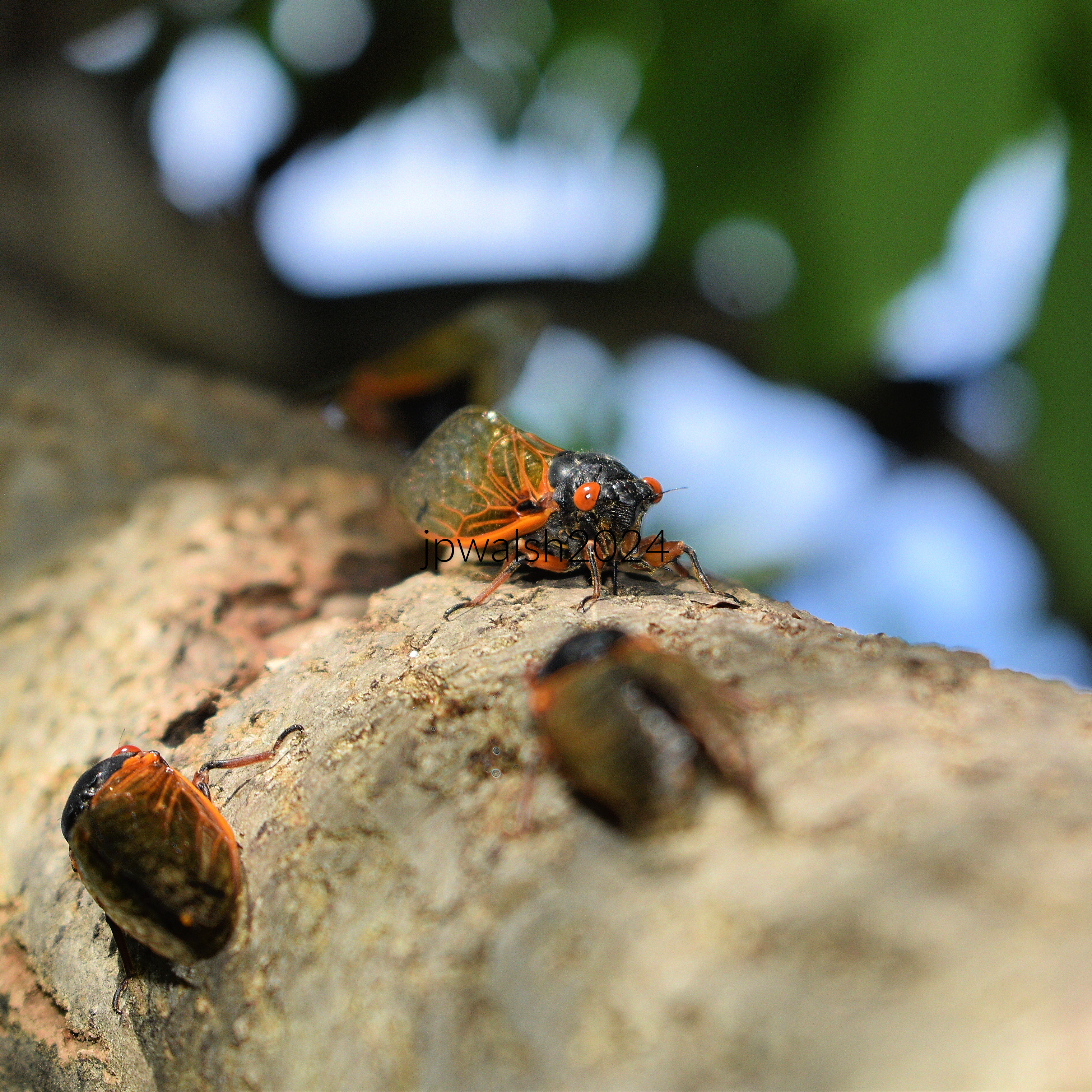
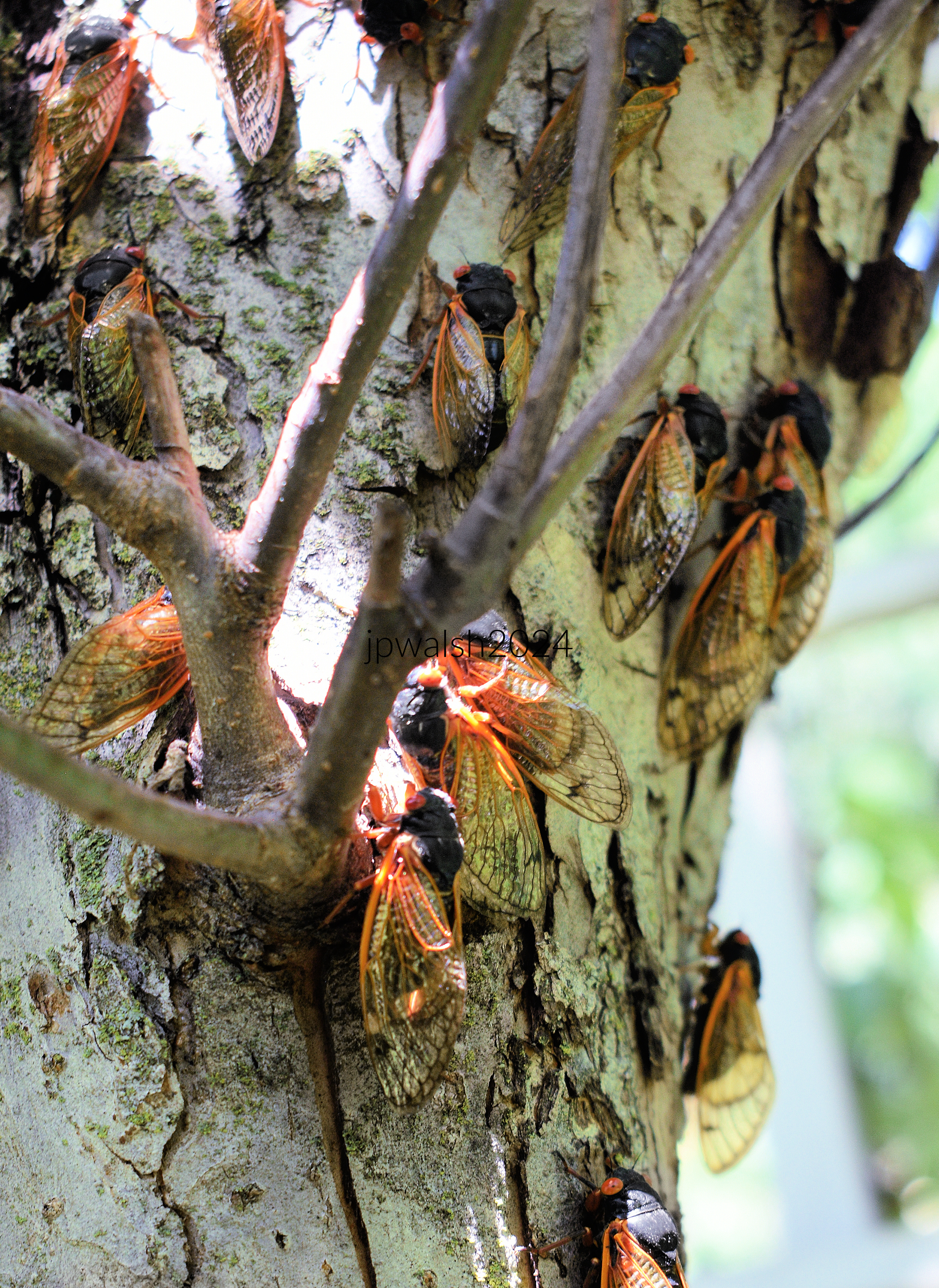
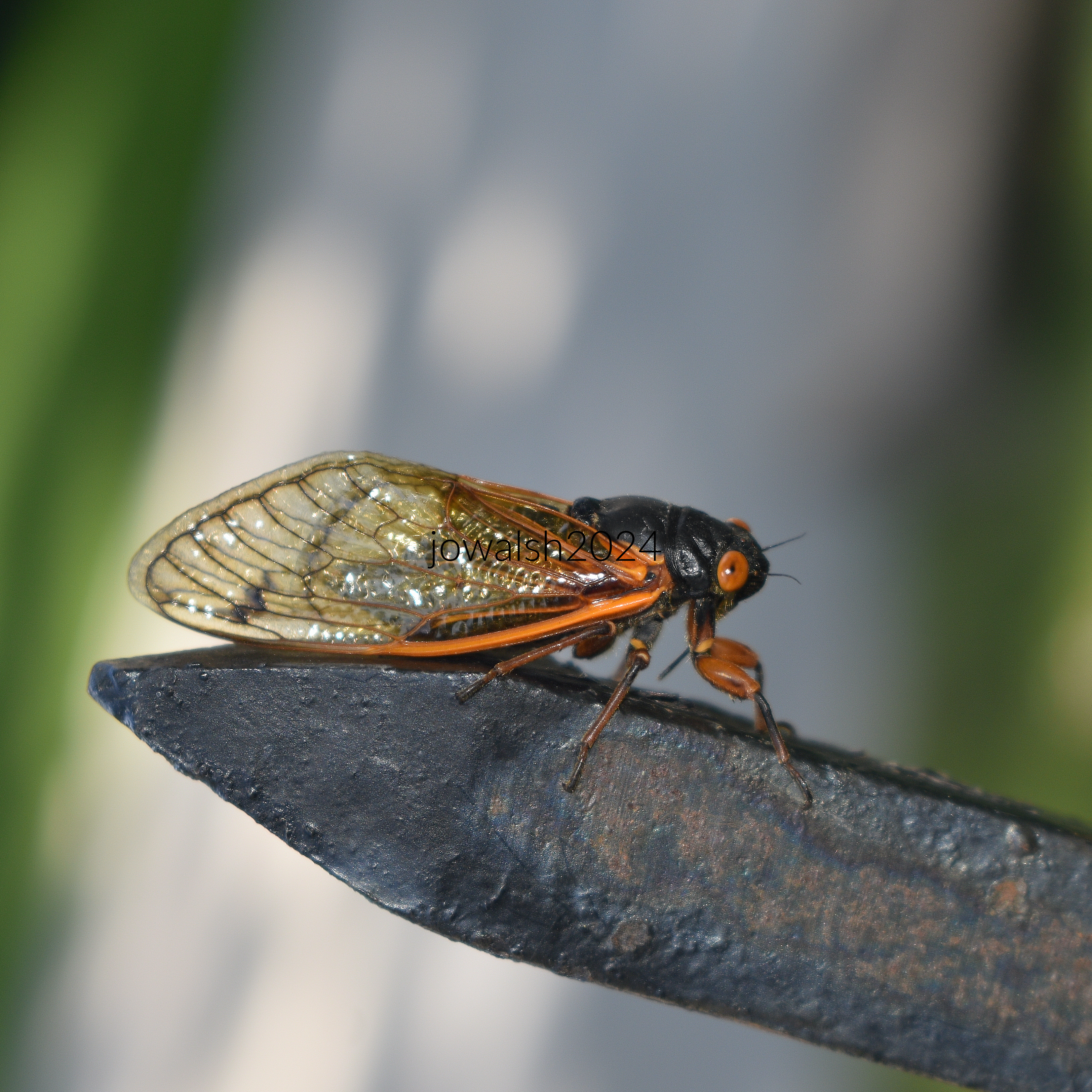
Since late May 2024 Illinois has been the epicenter of an historic emergence of two broods of trillions of cicadas whose buzzing presence is expected to continue into July. The Northern Illinois Brood (Brood XIII) came out of the soil on schedule during its 17-year cycle. In 2024 there is an adjacent emergence in the central United States occuring at the same time. It is the emergence of the Great Southern Brood (Brood XIX). It is this dual emergence of the two groups of cicadas that is historic since it has not happened since Thomas Jefferson was the third president of the U.S. in 1803.
Illinois is the epicenter of 2024’s historic cicada invasion.
According to a 2024 publication by the Ohio Biological Survey of “The 2024 Emergence of Periodical Cicada Broods XIII and XIX” by renowned cicada expert Dr. Gene Kritsky, Professor Emeritus of Biology and former Dean of the School of Behavioral and Natural Sciences at Mount St. Joseph University, the Brood XIII emergence extends from the center of the state of Illinois around Springfield and spreads as far north as southern Wisconsin. Brood XIX also extends from around Springfield, Illinois, to points south past Cairo, Illinois. “This is not just a cicada year,” Dr. Kritsky observed, “it’s an historic convergence of Broods XIII and XIX, making it a once-in-a-lifetime experience for enthusiasts and researchers alike” (See- https://www.msj.edu/news/2024/01/dr-gene-kritsky-releases-book-cicada-emergence.html – retrieved June 15, 2024). As trillions of cicadas mate and lay their eggs this year, the buzzing activity will gradually fade and 2024’s broods of adult cicadas die. Their offspring of 2024 will emerge, in the case of Brood XIII, during its next 17 year cycle in 2041.
While the cicada’s life is mostly spent under the soil, they use their legs to emerge from the soil where they molt and mate. Cicadas emerge after the soil temperature is higher than 64 degrees Fahrenheit. Their emergence from the ground turns over large amounts of soil, and after they die their decaying bodies contribute a massive amount of nutrients to the soil. June 15, 2024 79% 7.89 mb 8563
Ghost Trees.
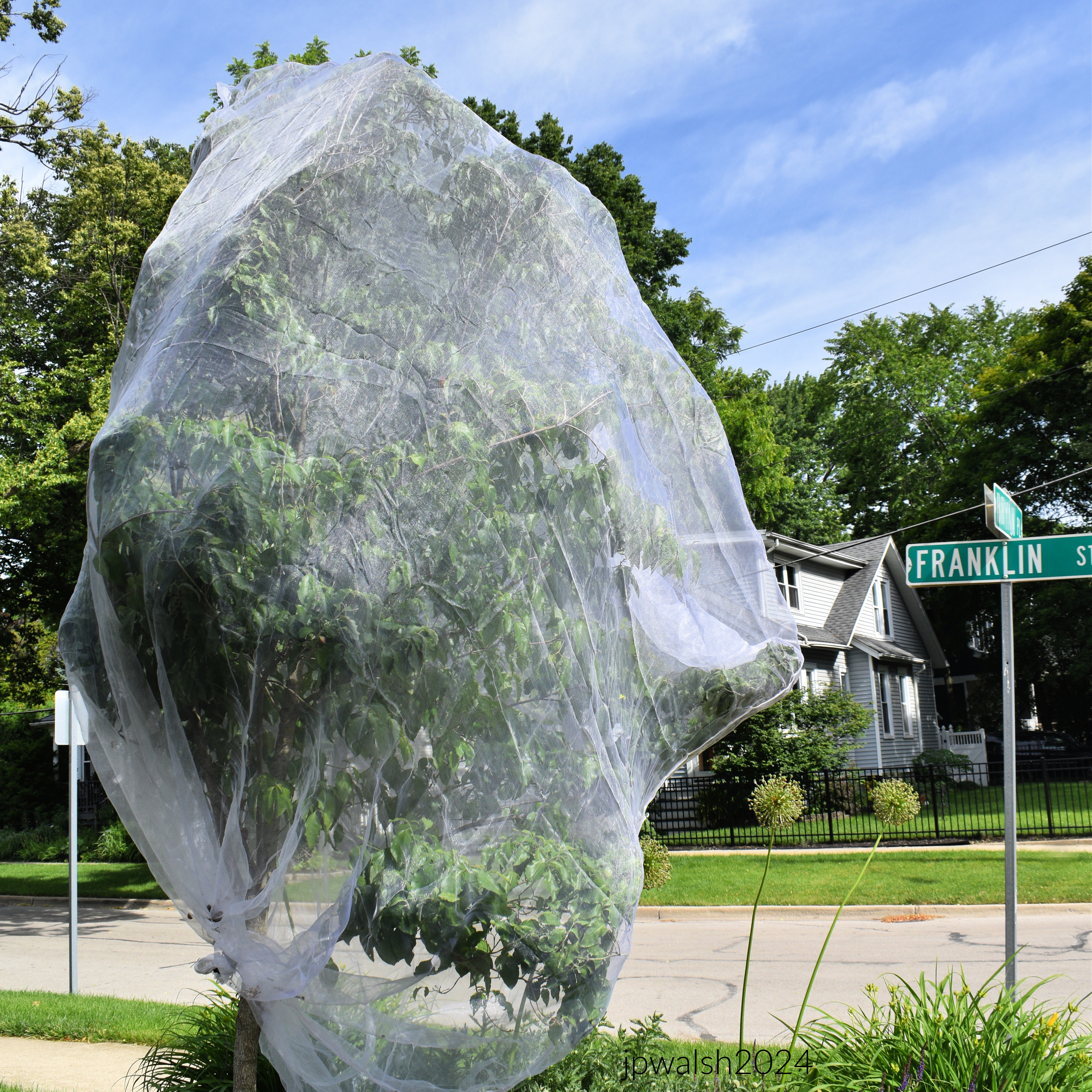
GHOST TREES.Homeowners in Chicago have wrapped their small trees with mesh netting in preperation of the arrival of trillions of molting mating cicadas. The wrapped mesh is to prevent cicadas from damaging young trees. Once cicadas molt and mate, female cicadas lay their fertilized eggs in the bark of trees. April 2024 7.46 mbGHOST TREES.Periodical cicada years are quite beneficial to the ecology of the region. Their egg-laying in trees is a natural pruning that results in increased numbers of flowers and fruits in the succeeding years. May 31, 2024 99% 6.92 mb 7779GHOST TREES. June 15, 2024 95% 7.66 mb 8565 (2)GHOST TREES.June 3, 2024 89% 7.80 mb 7917GHOST TREES. May 28, 2024 90% 7.69 mb 7588
During May and June 2024, the 17-year Northern Illinois Brood XIII emerged in and around Chicago, across northern Illinois and in portions of northwest Indiana, southern Wisconsin and eastern Iowa.
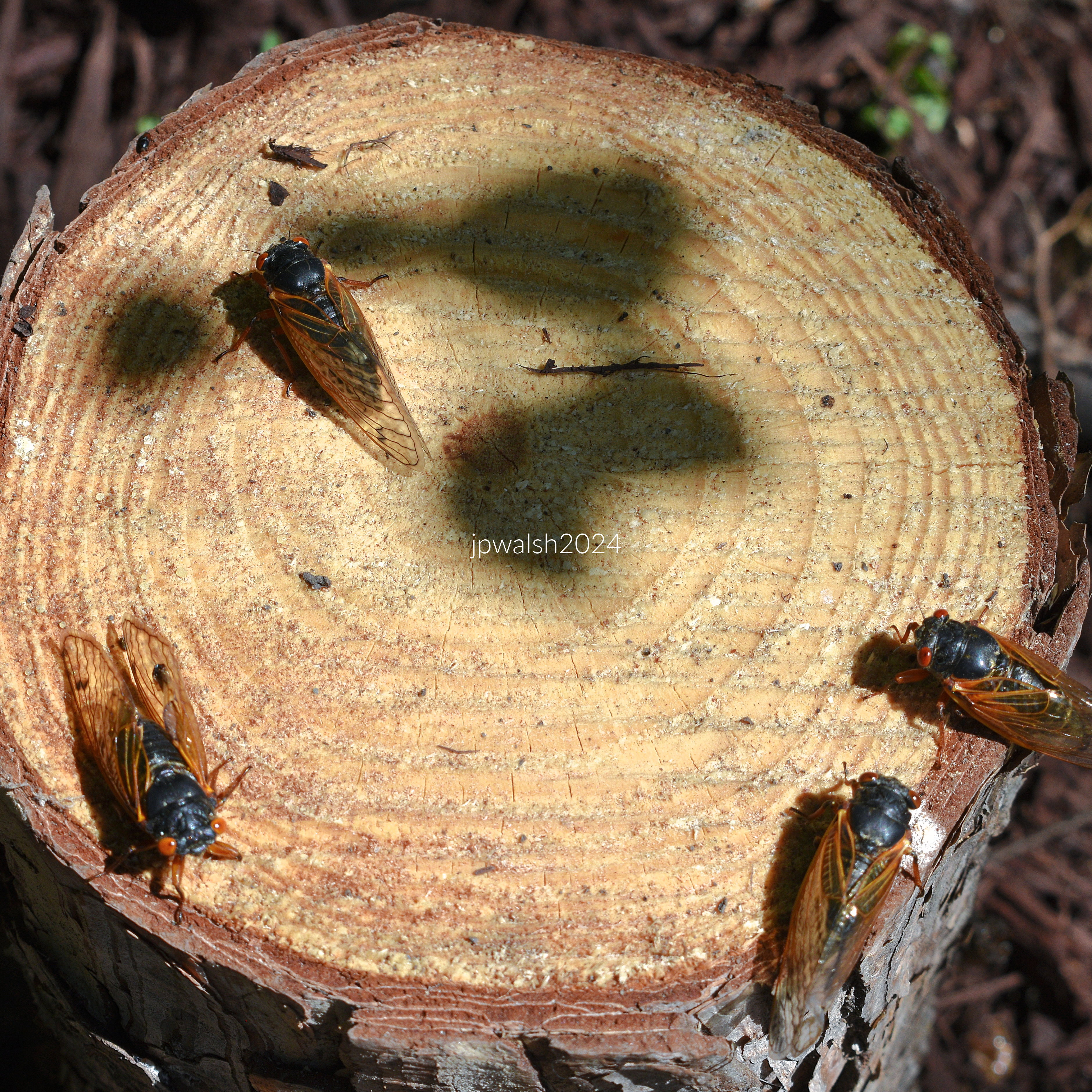
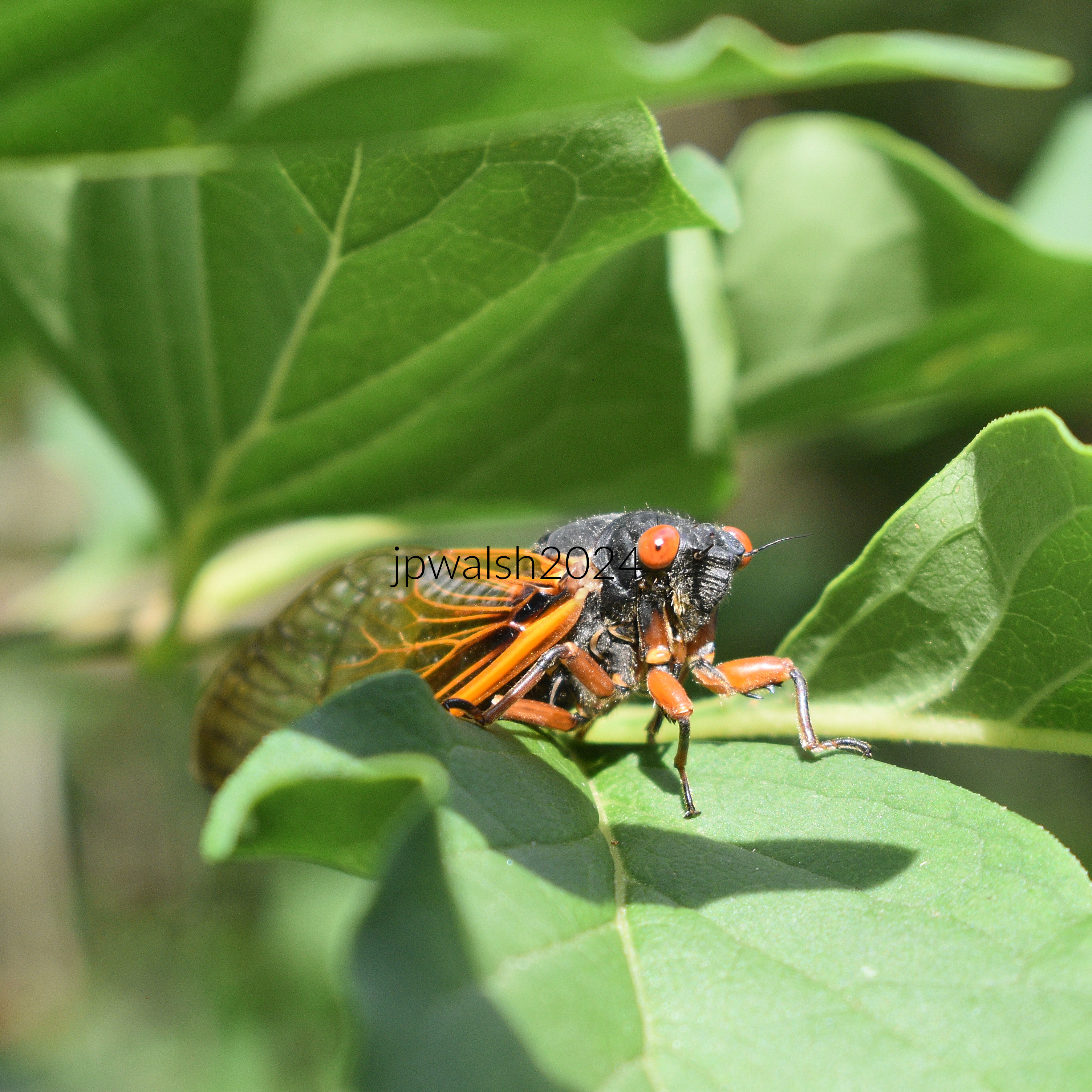
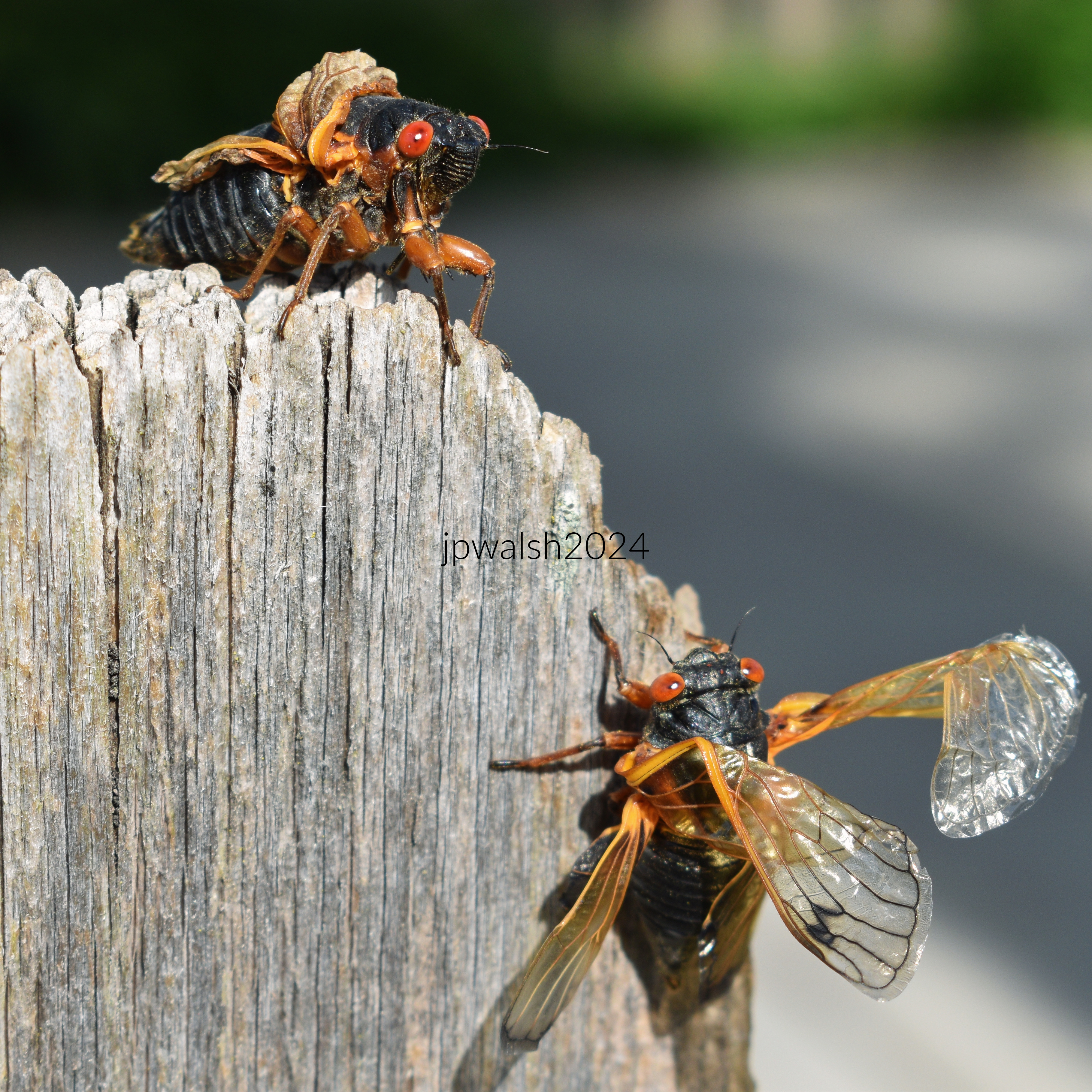
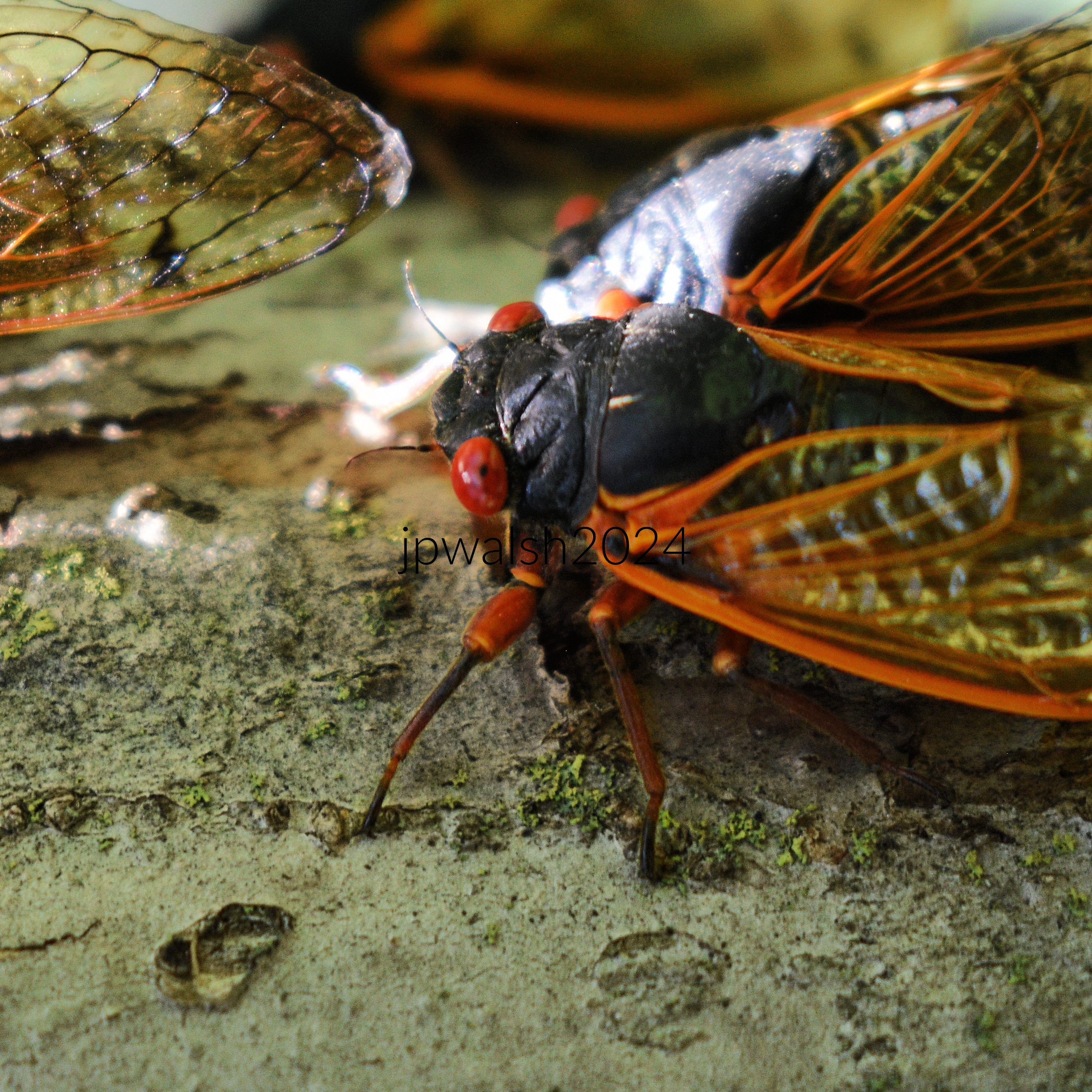
Cicadas converge on a backyard playset. Cicadas do not sting or bite, and do not carry diseases. May 28 2024 95% 7.69 mb 7557Cicadas emerging from their shell. Cicadas are more closely related to aphids (i.e., black flys) than grasshoppers. May 28 2024 95% 7.67 mb 7667Trillions of male cicadas sing through sound-producing structures called tymbals on either side of the abdomen under the wings. Their singing is a mating call to the female.
June 7, 2024 4.20mb 8117May 31, 2024 5.47mb 7700May 31, 2024 5.03mb 7719May 31, 2024 5.80mb 7801June 3, 2024 99% 6.40mb 7911Cicadas do not eat solid food, but do drink fluids to avoid dehydration. May 28, 2024 2.73mb 7563June 8, 2024 6.87mb 8154June 7, 2024 4.84mb 8111June 10, 2024 7.02mb 8473