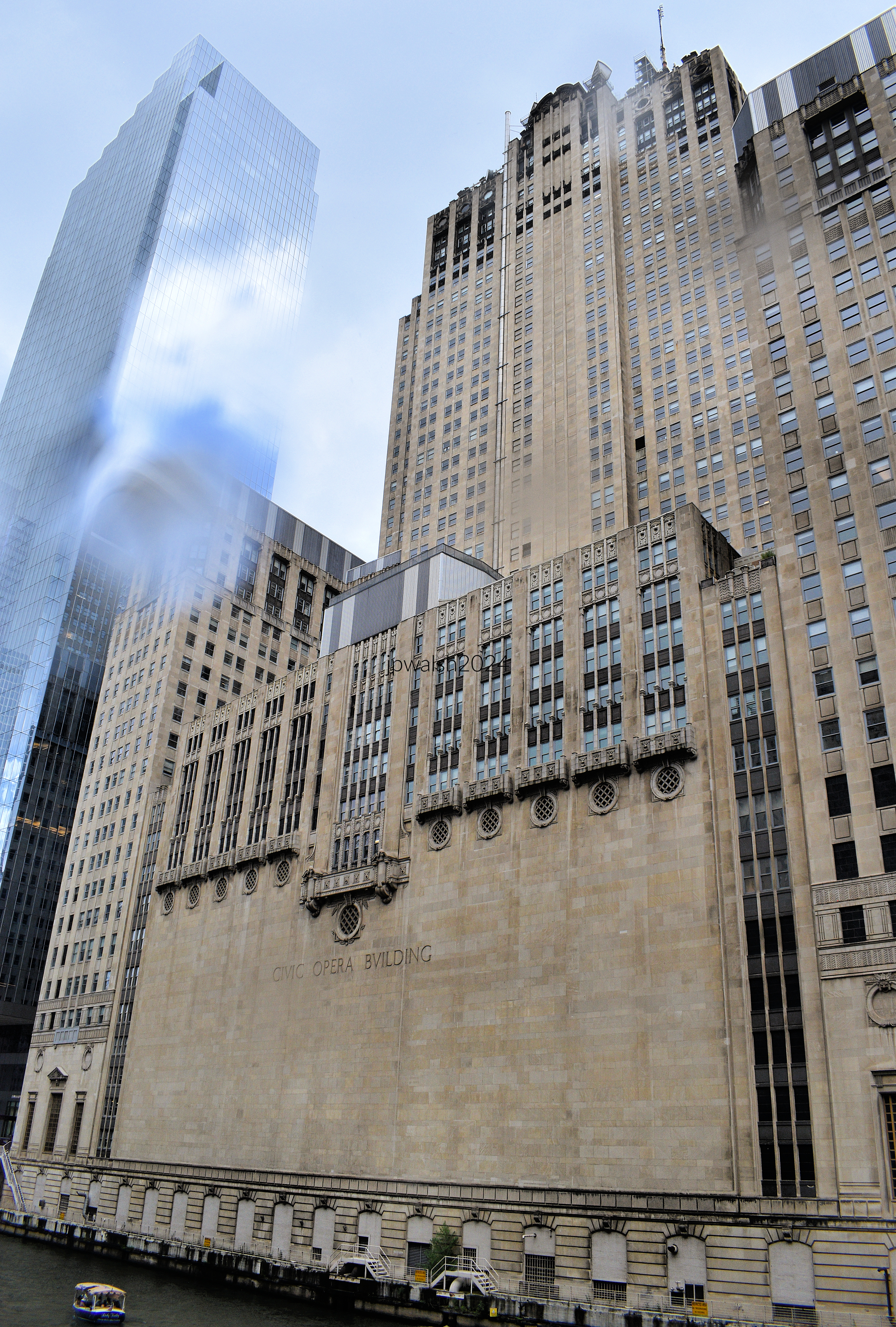
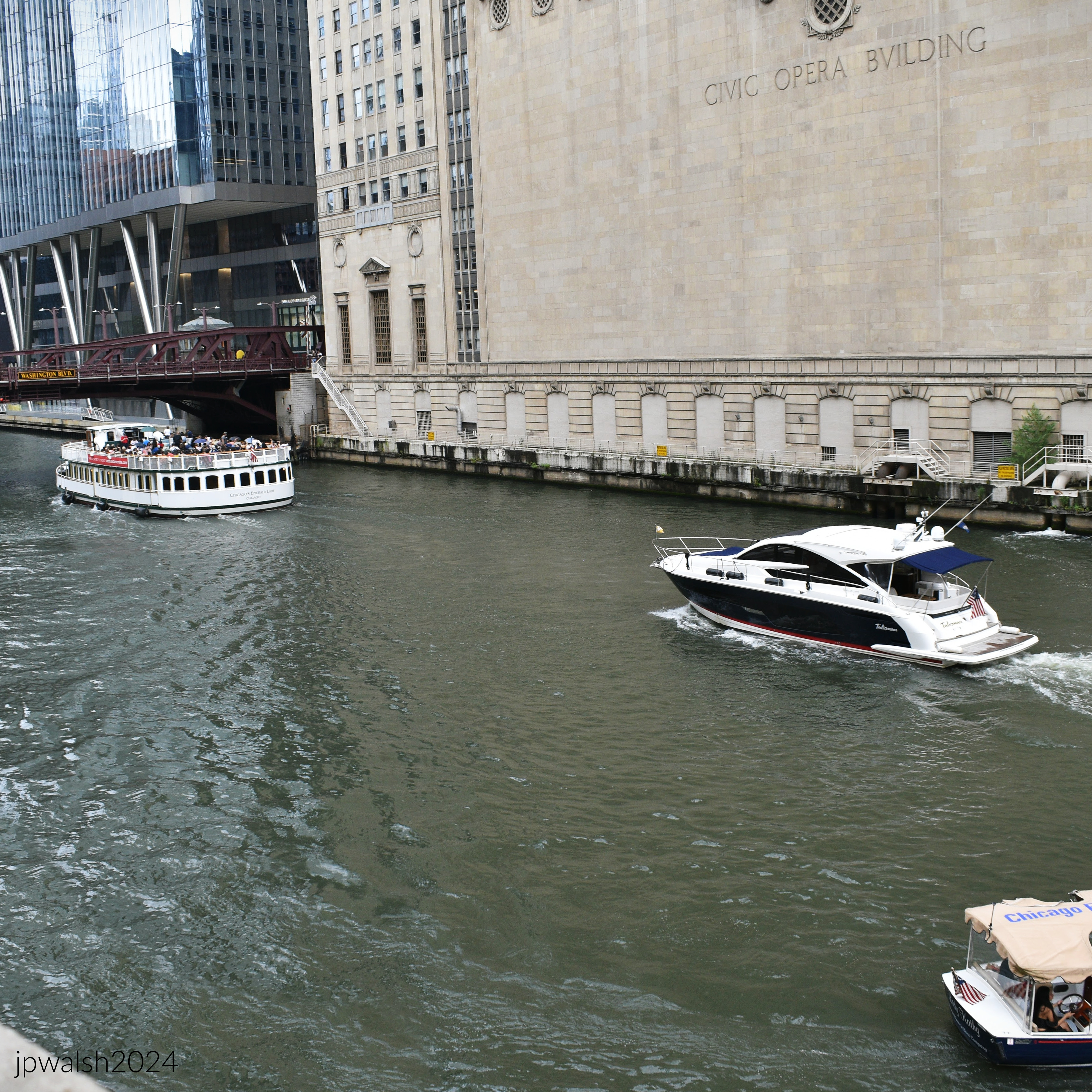
FEATURE image: CIVIC OPERA BUILDING, 20 N. Wacker Drive, Chicago. The world famous Lyric Opera of Chicago mounts its productions in one of North America’s most beautiful opera houses, the Civic Opera House at 20 North Wacker Drive in downtown Chicago, Illinois. Author’s photograph.


Plan of Chicago Authors:
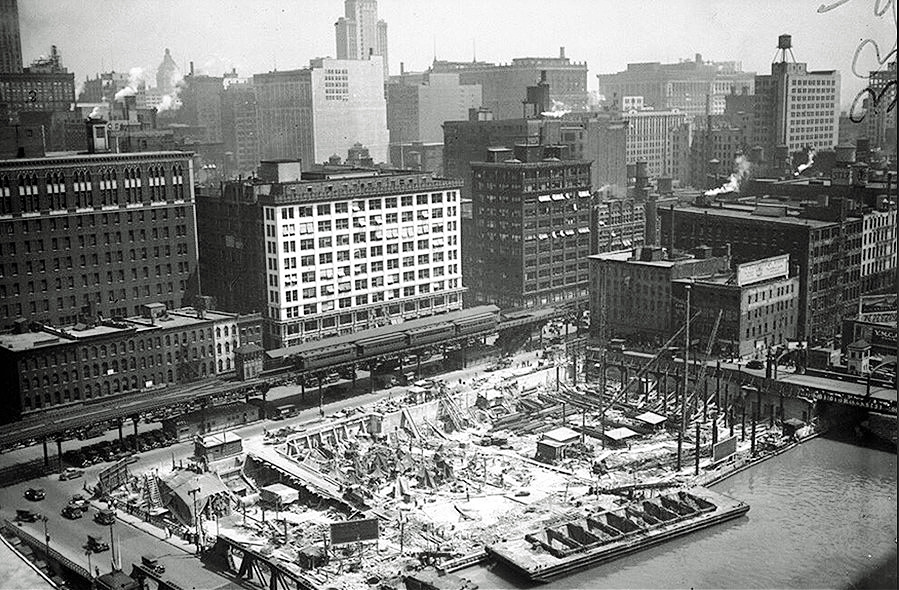
The Burnham Plan, co-authored by Daniel H. Burnham (1846-1912) and Edward H. Bennett (1874-1954) and published in 1909 encouraged making the Chicago River a focal point of building development. By 1929 massive projects including the Merchandise Mart, Chicago Daily News Building (2 N. Riverside Plaza) and Civic Opera Building (above) stood along the intersection of the three branches of the Chicago River that was part of the plan.


The Civic Opera Building is an office building wrapped around its theatres including a 3,563-seat opera house. It is the second-largest opera auditorium in North America after the Metropolitan Opera House in New York City. in 1996 the interior was named The Ardis Krainik Theatre in honor of Ardis Joan Krainik (1929-1997), an American mezzo-soprano opera singer and the former General Director for 15 years, who was responsible for its renovation after 1993.
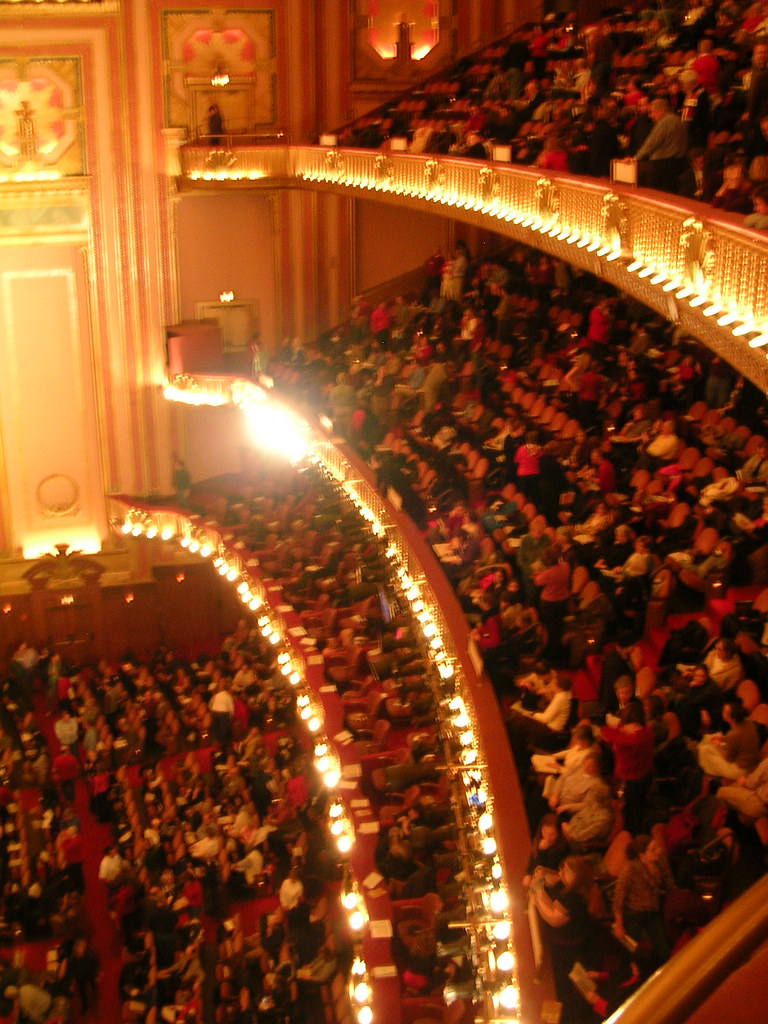
Chicago opera companies have included the Chicago Grand Opera Company (1910-1914), Chicago Opera Association (1915-1921), Chicago Civic Opera (1922-1932), Chicago Grand Opera Company (1933-1935), Chicago City Opera (1935-1939), Chicago Opera Company (1940-1946), Lyric Theatre (1954-1955), Lyric Opera of Chicago (1956-). see – https://chicagology.com/opera/chicagooperahistory/ – retrieved September 20, 2024.
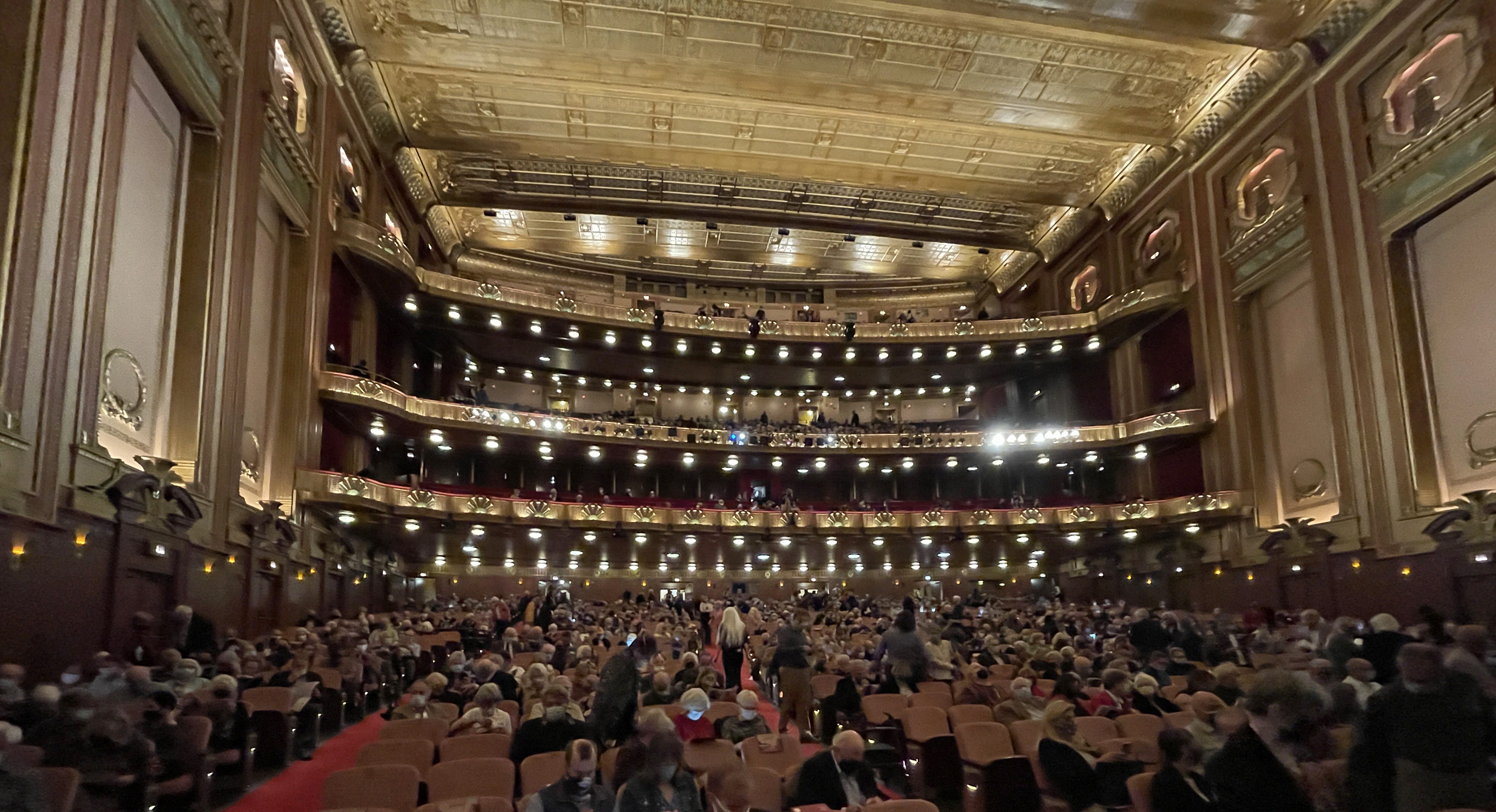
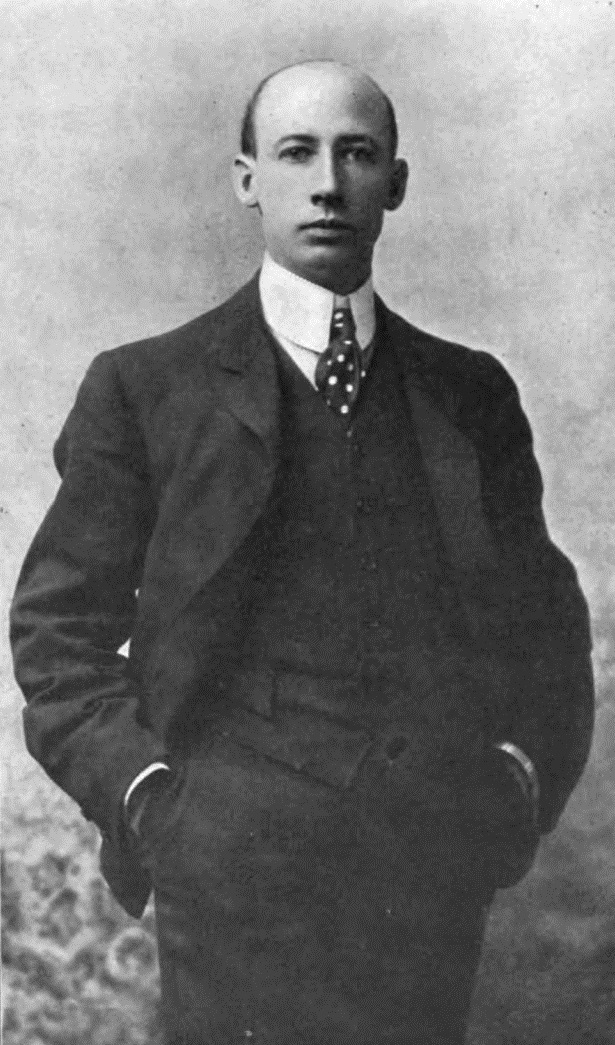


The impressive building and its ornamentation was the result of British-born business magnate and Chicago financier Samuel Insull (1859-1938) who was inspired by the concept of the Auditorium Building with its theatres and offices in a skyscraper-sized building designed by Adler & Sullivan in 1889 at 430 S. Michigan Avenue. Insull, the president of the Chicago Civic Opera Association, wanted to erect the new opera house as the new permanent home of the Chicago Civic Opera. The building itself is shaped like a chair and nicknamed “Insull’s Throne.”


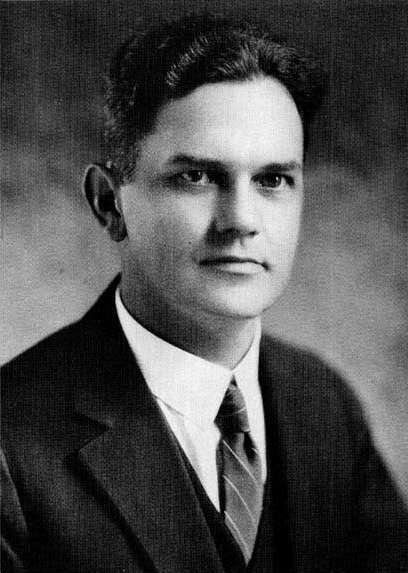
Great Depression had a devastating effect on Insull’s utilities and transportation empire, due to what became an overly leveraged financial position of his main holding company (by one accounting Insull had less than a 1% cash stake). Insull’s fortunes as well as his shareholders’ were in ruins overnight and Insull quickly became a despised figure. Born in the U.K., Insull became a U.S. citizen in 1896 and now fled to France and then Greece. In October 1932 Insull was brought up on charges in the U.S. of financial malfeasance – bankruptcy, embezzlement, and using the mails to defraud investors. When he was returned to the U.S. to stand trial Insull was defended by Chicago criminal lawyer and former Illinois Supreme Court justice Floyd E. Thompson (1887-1960) and found not guilty on all counts. Insull ended his days living in Paris on a small pension from his business interests. On July 16, 1938, in the summer heat, 78-year-old Insull died of a heart attack after descending the stairs accompanied by his wife into the Place de la Concorde Métro station. Insull was buried in London eight days later. The once-populist multi-millionaire dubbed the “Prince of Electricity” who had been president of 11 power and transportation companies and sat on 65 boards was, at his death, worse than broke. According to his 1932 will, Insull held $1,000 in assets and $14,000,000 in debts. See – “Fortune Shrank to $1,000, Samuel Insull Will Shows”. Reading Eagle. 12 August 1938 – retrieved June 29, 2024 and https://www.chicago-l.org/figures/insull/ – retrieved June 29, 2024.

SOURCES:
AIA Guide to Chicago, 2nd Edition, Alice Sinkevitch, Harcourt, Inc., Orlando, 2004, pages 14 and 90.
Chicago’s Famous Buildings, 5th Edition, Franze Schulze and Kevin Harrington, The University of Chicago Press, 2003, pp. 117-118.
History of Development of Building Construction in Chicago, Second Edition, Frank A. Randall, Revised and Expanded by John D. Randall, University of Illinois Press, Urbana and Chicago, 1999, p. 330-331.
Saliga, Pauline A., editor, The Sky’s The Limit A Century of Chicago Skyscrapers, Rizzoli New York, 1990, p. 152-153.
FURTHER READING: Forty Years of Opera in Chicago, Edward C. Moore, 1930.
Opera in Chicago, Ronald Davis, 1966.