In a recording career that spanned over five decades, the singer, actress, environmentalist and animal rights activist, won 4 Grammy Awards, had 5 no.1 hit singles and several Platinum-selling singles and albums.
In 1978 Olivia Newton-John starred in Grease which grossed over $150 million worldwide (more than $680 million in 2022 dollars). The movie musical produced three hit singles that year: You’re the One That I Want sung with John Travolta (no.1 – June 10), Hopelessly Devoted to You (no.3 – September 23) and Summer Nights (no. 5 – September 30). Newton-John also appeared in 1978 in the film Xanadu, whose soundtrack went Double Platinum. With Totally Hot released in November 1978, Newton-John had a top-ten album (no.7) and single, A Little More Love (no.4). As Totally Hot reinforced the singer’s new sexier image, it reached No. 4 on the Billboard Country Albums chart.
A Little More Love is a song recorded and released as a single in October 1978 by Olivia Newton-John. It was her follow-up to her latest hit single Summer Nights, released in August 1978, which reached no.5 on the Billboard Hot 100. The single A Little More Love anticipated the release of Newton-John’s 10th studio album, Totally Hot, on November 21, 1978 where the song appeared as the lead track on side 2. .
A Little More Love became a worldwide top-ten hit single in 1979. Both the new album and single were another wildly successful collaboration for Olivia Newton-John and John Farrar, her record producer and songwriter, in the 1970’s and 1980’s.
A Little More Love peaked at no.4 on the Billboard Hot 100 in February 1979 and Totally Hot became Newton-John’s first top-ten album (no.7) on the Billboard 200 chart since Have You Never Been Mellow in 1975.
In the course of 1979, when My Sharona by The Knack, Y.M.C.A. by Village People, Ring My Bell by Anita Wood, Too Much Heaven by the Bee Gees, and Heart Of Glass by Blondie were some of Billboard’s year-end top 20 singles, Olivia Newton-John’s A Little More Love ranked no. 17.
Note: British-Australian singer Olivia Newton-John died of cancer on Monday, August 8, 2022. Newton-John was 73 years old.
FEATURE image: “Supertramp – Crime of the Century” by vinylmeister is licensed under CC BY-NC 2.0. Crime of the Century was Supertramp’s third album released in September 1974. The album went Gold in the U.S., Diamond in Canada, and Platinum in France.
N.B. Rick Davies, co-founder, songwriter and lead singer of Supertramp died on Saturday, September 6, 2025. Rick Davies was 81 years old.
For an enterprising American traveler in the 1970’s, the acquisition of an album released only in Europe or the UK could add special purpose to an overseas trip. This proved true for me during various trips to England in the mid-to-late 1970’s. In addition to seeing plays, touring art museums, and visiting historic pubs, there was the hunt for releases and formats not yet available in the United States by the Rolling Stones, the Who, the Kinks, the Ramones, and many more. There were several such vinyl records I bought in London and elsewhere which I carefully packed into the carry-on bag for the flight home.
This was also true for the debut album of Supertramp. Though released in the UK in 1970, it did not appear in the U.S. until 1977 following the English progressive rock band’s ascent on the charts here.
Music for the album Supertramp was composed by Supertramp co-founders Rick Davies and Roger Hodgson. The lyrics were written by guitarist Richard Palmer-James. This was because no one else in the band wanted to write lyrics.
Rare film soundtrack in 1971
Along with Arc, Crucible, and other bands, Aubade/I Am Not Like Other Birds of Prey was featured as part of a rare soundtrack for a 1971 UK docufilm called Extremes. The film was directed by 19-year-old Tony Klinger and 21-year-old Mike Lytton and displayed the adventures and pursuits of young people of that era (it can be rediscovered in a 2017 DVD release).
1971: Indelibly Stamped (second studio album).
Album cover of Indelibly Stamped by Supertramp, the Prog-rock’s second release. The cover art copyright is believed to belong to A&M Records. Fair use.
6th track from Indelibly Stamped.
Despite band’s creativity and critical success, Supertramp’s first two albums flop commercially
The debut album received positive reviews. Supertramp’s musical innovations were moving ahead so quickly that the first album’s ten songs were dropped from their promotional live mega-tours almost as soon as they were recorded and released.
Indelibly Stamped, Supertramp’s second album in 1971, was a major change for the band to the rock sound. This was followed by the group’s multi-platinum albums, Crime of the Century in 1974 and Breakfast in America in 1979.
Despite their creativity and critical success, Supertramp’s first two albums were commercial flops. Its new rock sound was also a commercial flop. Crisis? What Crisis?
Supertramp never returned to its first days’ output as musician-poets. Yet hit songs such as Dreamer in 1974 and Give A Little Bit in 1977 were written in this earlier period around 1970. Their high level of creativity adds to the debut album’s appeal. Supertramp’s other first songs also make for worthwhile listening.
Music critics in 1970 and (50 years later) in 2020 react to Supertramp’s first songs
Even after Supertramp was world famous, critics still had somewhat harsh words for Supertramp, their debut album.
Critics, both in 1970 and today, acknowledge that the 1970 album Supertramp offers almost 50 minutes of enjoyable melodies. They especially cite Surely, its lead track, and Words Unspoken, Nothing to Show and Try Again, a 12-minute track. Yet original and later critics continue to dismiss the album’s first songs overall.
Their main criticism is that Supertramp‘s musical and lyrical effort was too loosely conceived and, according to a review in AllMusic, wanders “pretentiously.” Critics generally agree that Supertramp’s progressive pop music on their 1970 debut album is melodious and poetic yet –lacking this compositional rigor– rambles.
Mellow and lyrical Aubade/I Am Not Like Other Birds of Prey is the third track on their 1970 debut album, Supertramp. It is one of the best/worst examples of what critics see as the musical airiness and pretension that characterize the songs on Supertramp, their debut album. This song and the rest of the first album, the band quickly put in its rearview mirror. In 1971 they progressed completely to a solid rock sound for album number two.
Instrumentally meandering among pretty patches of subtle melody is not all bad. Appreciating the music from the viewpoint of a new group who seem to savor the pleasure of making music together for its own sake rather than attempting to make a powerfully cohesive statement, makes Supertramp’s first songs more enjoyable on its own terms.
Revamping Supertramp and the turning point to rock stardom
Following these commercial disasters—but before fame—Supertramp broke up. Co-founders Rick Davies and Roger Hodgson recruited new band-mates. Dougie Thompson replaced bassist Frank Farrell, Bob “C.” Benberg replaced drummer Kevin Currie and pub rocker John Helliwell was added on saxophone.
1974: Crime of the Century (third studio album).
The revamped Supertramp’s third album, Crime of The Century, after being given a massive millionaire-bankrolled promotional campaign, soared to no.1 in the UK. This chart and air play success fueled a following in the U.S.
Crime of the Century was the third studio album by Supertramp. Released on September 16, 1974, it was Supertramp’s first Gold record in the U.S. The album produced Supertramp’s breakthrough Top 40 hit single in the U.S., Bloody Well Right written by Rick Davies and Roger Hodgson. “Supertramp – Crime of the Century” by vinylmeister is licensed under CC BY-NC 2.0.
“Bloody Well Right”: Supertramp’s breakthrough hit single in the U.S. in 1975.
Crime of the Century was recorded between February and June 1974. Released on September 16, 1974, it was Supertramp’s first Gold record in the U.S. The album also produced Supertramp’s first Top 40 hit single in the U.S. Bloody Well Right was written by Rick Davies and Roger Hodgson and became the breakthrough the band was working towards. With Crime of the Century Supertramp believed they had entered into its one of its most creative original periods. Sung by Davies who performs its opening keyboard bars, the song climbed to no. 35 on the Billboard Hot 100 in April 1975. It stayed on the chart until mid-summer 1975. The song features Hodgson’s and Thomson’s impressive guitar work that, at turns, is reverb, twangy and sustaining fuzz as well as John Helliwell’s smooth steady sax.
“Bloody Well Right” was their first U.S. hit. It was released on the single’s Side B with “Dreamer” on side A. But U.S. listeners in 1975 flipped the 45 r.p.m. and Bloody Well Right became Supertramp’s breakthrough hit in America.
Bloody Well Right was not Supertramp’s odds-on, or even favored, hit song from the album. Bloody Well Right appeared on the B-side of the single with “Dreamer” on side A written by Hodgson at 19 years old in 1970. But listeners in the U.S. flipped the 45 r.p.m. and Bloody Well Right became Supertramp’s first top-40 hit. Dreamer charted only in Canada.
So you think your schooling’s phony I guess it’s hard not to agree You say it all depends on money And who is in your family tree
Right (right), you’re bloody well right You got a bloody right to say Right, you’re bloody well right You know you got a right to say
Ha, ha, you’re bloody well right You know you’re right to say Yeah, yeah, you’re bloody well right You know you’re right to say Me, I don’t care anyway
Write your problems down in detail Take them to a higher place You’ve had your cry, no, I shouldn’t say wail In the meantime hush your face Right (quite right) you’re bloody well right
You got a bloody right to say Right, you’re bloody well right You know you got a right to say
Ha, ha, you’re bloody well right You know you’re right to say Yeah, yeah, you’re bloody well right You know you got a right to say
You got a bloody right to say You got a bloody right to say You got a bloody right to say You got a bloody right to say, yeah
The lyrics by Rick Davies and Roger Hodgson present what appear to be a mysterious duo in conversation, with the narrator reiterating the other’s opinions and telling them, “Yeah, yeah, you’re bloody well right You know you got a right to say.” Though the precise problem or situation is not known nor explained its social (“schooling’s phony”), financial or class (“all depends on money”) and human (“family tree”) relationships are made plainer. Whether the narrator’s advice or assistance is being sought, or if he’s just haggling with the other, the conversation is a fragment or incoherent beyond the narrator acknowledging the other’s crying and that they are “bloody well right.” Whatever the situation, the narrator concludes with instructions to “write your problems down in detail” and, though not specific, “Take it to a higher place” and, finally, possibly more gently and personally, “hush your face.” It could be a break up. It could be some other kind of work or school or any problem. Who knows? Bloody Well Right may be the perfect synthesis of Supertramp’s writers and co-founders, Davies and Hodgson, who were originally and at heart musician poets and whose first hit song is brilliantly straightforward and authoritative, catchy, and a musical tour de force across band-mates. Its lyrics, evocative and opaque, blend to the whole.
Crime of the Century went Gold in the U.S., Diamond in Canada and Platinum in France. A Supertramp classic, Bloody Well Right remains a staple in the band’s live shows and over the airwaves and internet. During 1975, with singles from Crime of The Century charting, the bank-rolled group toured the U.S. and filled arenas by giving away most of the tickets.
Hide In Your Shell is a song from Supertramp’s third studio album, Crime of the Century. Released in late 1974, the album turned Gold in many countries, including the U.S., and Diamond in Canada and Platinum in France and New Zealand. Hide In Your Shell was written and sung by Roger Hodgson though credited, like other Supertramp songs, to Rick Davies and Hodgson. Having met and started collaborating in the late 1960’s, the initial Davies-Hodgson collaborations attracted the attention of A&M Records that stayed as Supertramp’s label until 1987 after their first album Supertramp was released in 1970. With Supertramp’s second album Indelibly Stamped in 1971, the pair began to write their songs separately. Hodgson wrote Hide in Your Shell in 1973 at 23 years old when Supertramp was in flux. Though the first two albums were creative and critical successes, they were also commercial flops. The band broke up and Davies and Hodgson searched to remake their line up with new pub-rockers and a new pop sound. Crime of the Century, their third studio album, was the first album following this shake-up. Hodgson typically wrote the music first followed by lyrics. He then brought a demo to the studio so the rest of the band learned the parts. In addition to the song’s musical tour de force across band-mates, its musical creativity in Hide in Your Shell includes a chorus or bridge accompanied by the unique and evocative sound of a bowed saw. Hodgson claimed the song was about his personal insecurities as, he wrote, “I was feeling very lonely – both in life and within the band – with no one who shared my spiritual yearnings. It’s a song that speaks to that place in all of us that feels alone or misunderstood, that place where we just want to hide from the world, that longs for connection yet doesn’t feel safe to reach out for help. Many people have written to me over the years saying how ‘Hide In Your Shell’ has comforted them, made them not feel so alone, and helped them through tough times in their life. It is my most requested song in concerts and to have written something so vulnerable and have it come to mean so much to so many is very fulfilling to me as an artist.” In 1983 Roger Hodgson left the band and Supertramp agreed that they would not play his songs in concert. In 2006 at a Roger Hodgson concert in Winnipeg, Canada, fans were treated to his distinctive voice for Hide In Your Shell and some expressed surprise to the press how angrily he shouted “We’re such damn fools,” during the climax of the song. Musically, Hodgson’s style blends progressive rock with introspective lyrics, creating a song that is melodious, exhilarating, and thought-provoking. see – https://www.rogerhodgson.com/documents/songlist.html , https://www.rogerhodgson.com/documents/bio.html and https://www.rogerhodgson.com/documents/whatsonwinnipeg.html – September 8, 2025.
LYRICS
Hide in your shell, ’cause the world is out to bleed you for a ride What will you gain making your life a little longer? Heaven or hell, was the journey cold that gave you eyes of steel? Shelter behind painting your mind and playing joker Too frightening To listen to a stranger Too beautiful To put your pride in danger You’re waiting for Someone to understand you But you’ve got demons in your closet (You’ve got demons in your closet) And you’re screaming out to stop it (And you’re screaming out to stop it) Saying life’s begun to cheat you Friends are out to beat you Grab on to what you can scramble for CHORUS Don’t let the tears linger on inside now ‘Cause it’s sure time you gained control If I can help you If I can help you If I can help you Just let me know Well, let me show you the nearest signpost To get your heart back and on the road If I can help you If I can help you If I can help you Just let me know All through the night as you lie awake and hold yourself so tight What do you need, a second-hand movie star to tend you? I as a boy, I believed the saying the cure for pain was love How would it be if you could see the world through my eyes? Too frightening The fire’s becoming colder Too beautiful To think you’re getting older You’re looking for Someone to give an answer What you see is just illusion (What you see is just illusion) You’re surrounded by confusion (You’re surrounded by confusion) Saying life’s begun to cheat you Friends are out to beat you Grab on to what you can scramble for CHORUS… I wanna know I wanna know I wanna know Oh I’ve got to know I wanna know you I wanna know you Well let me know you I wanna feel you Oh I wanna touch you Please let me near you Let me near you Can you hear what I’m sayin’? Well I’m hopin’, I’m dreamin’, I’m prayin’ I know what you’re thinkin’ See what you’re seein’ Never ever let yourself go Hold yourself down Hold yourself down Why d’ya hold yourself down? Why don’t you listen? You can trust me (So what you gonna take it to?) Oh there’s a place I know the way to (So what you gonna make it do?) A place there is no need to (So what’s he gonna) To feel you (So what’s he gonna) To feel that you are alone (So what’s he gonna do?) I wanna feel you (So what you gonna take it to?) I know exactly what you’re feelin’ (So what you gonna make it do?) ‘Cause all your troubles are within you (So what’s he gonna) So begin to (So what’s he gonna) See that I’m just bleeding too (So what’s he gonna do?) Oh, love me, love you, loving is the way to (So what you gonna take it to?) Help me, help you (So what you gonna make it do?) Why must we be so cool? (So what’s he gonna) Oh so cool (So what’s he gonna) Oh, we’re such damn fools (So what’s he gonna do?)
1975: Crisis? What Crisis? (fourth studio album).
Rushing success, Crisis? What Crisis? was released to capitalize on Crime of the Century’s success. But Supertramp’s fourth album was a critical flop. “SUPERTRAMP : Crisis? What Crisis?” by vinylmeister is licensed under CC BY-NC 2.0.
Crisis? What Crisis? is the fourth album by the English progressive-rock band. Recorded in the summer of 1975 in London and Los Angeles, it was released on November 29, 1975. Hastily assembled from second-hand discards of Crime of the Century to capitalize quickly on the third album’s success, Rolling Stone magazine panned the album. Though the album contains some pleasant melodies, Supertramp came to see it as a low point of their career.
“Easy Does It” is the lead track from Supertramp’s 1975 album, “Crisis? What Crisis?” The song is written by the band’s co-founders Rick Davies and Roger Hodgson.
1977: Even in the Quietest Moments… (fifth studio album).
Even in the Quietest Moments…, Supertramp’s fifth studio album, was a major comeback for the band. Recorded between November 1976 and January 1977, it was released on April 10, 1977 and contained Give A Little Bit another song that Roger Hodgson wrote in 1970. Written years earlier when Supertramp was just starting out and in their “musical poets” stage, the single Give A Little Bit became their second top 40 hit in the U.S. (no.15) and in Canada (no. 8) and reached no.2 in the Netherlands and no. 29 in the UK.. Even in the Quietest Moments… repeated Crime of the Century‘s success and became Supertramp’s second U.S. Gold record. During this period, Supertramp relocated permanently to Los Angeles.
Give A Little Bit appears on Even in the Quietest Moments…, Supertramp’s fifth studio album released in April 1977.
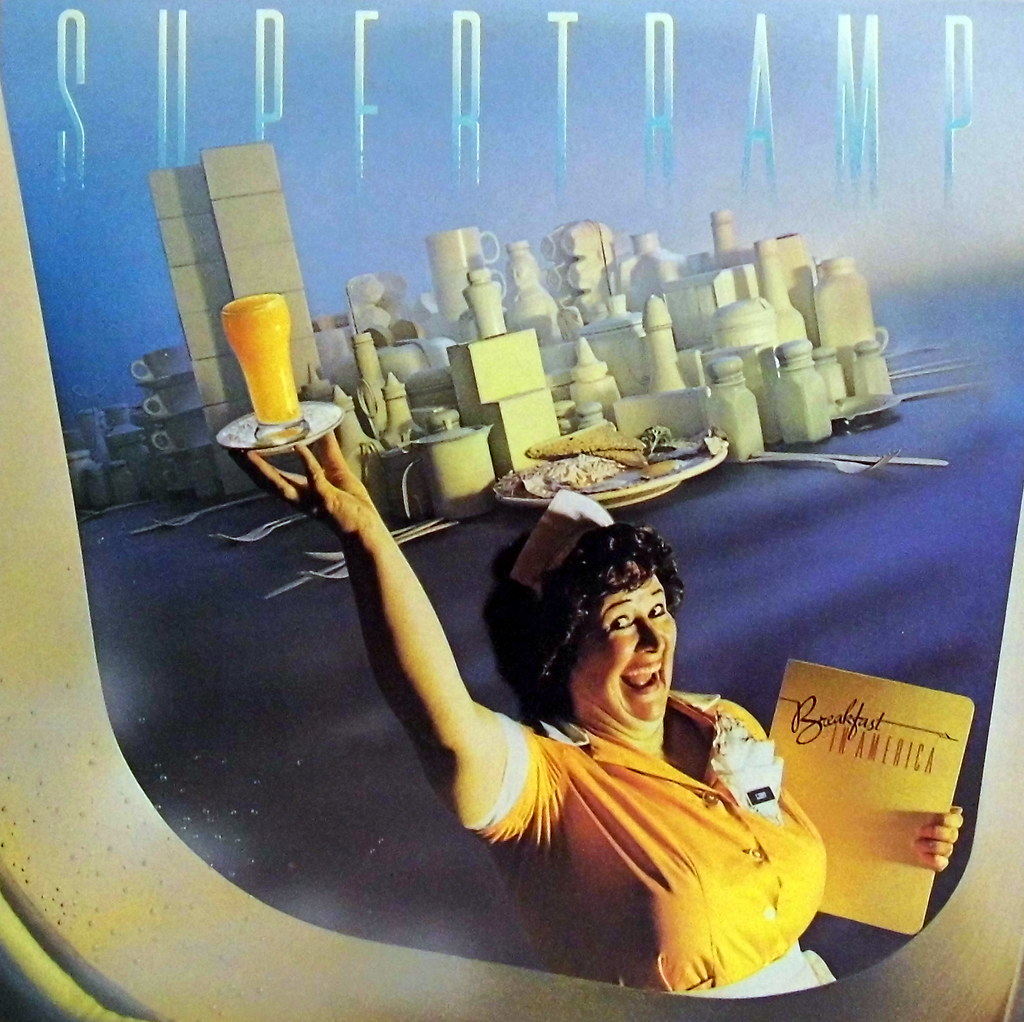
Breakfast in America became the no.1 LP around the world and went 4x Platinum in the U.S., selling over 4 million copies. Recorded from May to December 1978, Supertramp’s sixth album was released on March 29, 1979. The album produced four singles and three U.S. top-40 hits that year: The Logical Song (no. 6), Goodbye Stranger (no. 15), and Take the Long Way Home (no. 10). Breakfast in America went Platinum in Europe and (4x) in the U.S. The Logical Song written and sung by Roger Hodgson became Supertramp’s biggest hit.
Supertramp’s Breakfast in America produced three top-40 hits including The Logical Song. Written by Roger Hodgson, it became Supertramp’s biggest hit.
Melody, vocal mix, and musical tour de force across band-mates with a feature of guitar and Wurlitzer that characterized the best of Supertramp’s work, is on full display in “Goodbye Stranger” from 1979. Written and sung by Rick Davies, “Goodbye Stranger” was one of the four singles released from their no.1 album that year, “Breakfast in America.” Following their 1977 Platinum album Even in the Quietest Moments…, Supertramp relocated permanently to Los Angeles and which marked a shift towards a more pop-oriented sound. According to the July 14, 1979 issue of Record World the epic lyrics from “one of the hottest groups around” present the musician poet’s “optimistic view from a drifter.” https://www.worldradiohistory.com/Archive-All-Music/Record-World/70s/79/RW-1979-07-14.pdf – retrieved September 8, 2025.
Goodbye stranger it’s been nice Hope you find your paradise Tried to see your point of view Hope your dreams will all come true
Goodbye Mary, goodbye Jane Will we ever meet again Feel no sorrow, feel no shame Come tomorrow, feel no pain
SOURCES: The Rolling Stone Encyclopedia of Rock & Roll, Third Edition, edited by Holly George Warren and Patricia Romanowski, New York: A Rolling Stone Press Book, 2001.
Inner City Blues (Make Me Wanna Holler)—often abbreviated to Inner City Blues—is a song by Marvin Gaye (1939-1984) who released it as the third and final single from his 1971 album, What’s Going On. PHOTO CREDIT: MARVIN GAYE WHAT’S GOING ON – FR by richbedforduk.
R&B’s AND SOUL’S FIRST “CONCEPT” ALBUM
What’s Going On is one of rhythm and blues and soul’s first “concept” albums and is considered by many to be not just one of the great albums of all time but the greatest.
What’s Going On produced three hit singles. All top ten chart bestsellers addressed diverse issues affecting a complicated time—including the war in Vietnam (What’s Going On, #2, 1971), the global biophysical environment (Mercy Mercy Me (The Ecology), #4, 1971) and civil rights and justice (Inner City Blues (Makes Me Want to Holler), #9, 1971).
MARVIN GAYE (LIKE STEVIE WONDER) GAINED COMPLETE CONTROL OVER HIS MOTOWN RECORDS
The 32-year-old Gaye, who had his first hit song in 1962, had entered into a new and distinct stage of his musical career by the early 1970’s. Like Stevie Wonder, Gaye was one of the Motown artists to first gain complete control over his records.
THE LYRICS OF INNER CITY BLUES WERE WRITTEN BY MARVIN GAYE AND JAMES NYX AND RECORDED IN DETROIT, MICHIGAN
Gaye’s Inner City Blues revealed the conditions of America’s black ghettos and America’s attitude and (lack of) response to them — Make me wanna holler. To those in society wielding predominant power, Gaye unflinchingly depicts the conditions of America’s inner-city ghettos and the attitudes of the men, women and children who live there.
A NATION RULED BY “HAVES” OVER “HAVE NOTS” — GAYE WRITES: This ain’t livin’, this ain’t livin’, No, no baby, this ain’t livin’.
Relentlessly bleak economic conditions of these cities’ slums—”Crime is increasing, trigger happy policing, panic is spreading, God knows where we’re heading”— perpetrate denizens’ lives. In a prosperous period in U.S. history such is offset by endless war, spiraling inflation, and an economy geared for permanently and grossly augmenting “haves” and “have nots.”
In Marvin Gaye’s mellifluous tenor voice which had a tremendous three-octave range, the singer relates soulfully and passionately—the multi-track background vocals were also sung by Gaye—his conclusion about “The way they do my life” which makes him “wanna holler and throw up my hands.” The writers’ conclusion about inner-city ghetto conditions in the United States, a rich country that ceaselessly spends its money on “rockets, moon shots,” is that insofar as the ghetto resident: “This ain’t livin’, this ain’t livin’, No, no baby, this ain’t livin’.“
GAYE’S MUSIC STOOD UP TO THE PREDOMINANT CULTURAL FORCES OF HIS TIME AND FREELY EXPLORED ALL MANNER OF CONTEMPORARY POLITICS AND SOCIETY, INCLUDING THE SEXUAL– GAYE WRITES:“Everybody thinks we’re wrong Who are they to judge us.”
PHOTO: Películas Marvin Gaye y Al Green by Soul Portrait.
Gaye had his first hit at 23 years old and died one day before his 45th birthday after he was shot to death by his father following a violent verbal altercation in 1984. In a career that exemplified the maturation of romantic black pop of the 1960’s, 1970’s, and 1980’s Gaye’s music developed into a popular artistic form that openly explored contemporary society and all manner of politics, including sexual.
In Inner City Blues the talented singer relates his harrowing subject matter and that which it implies by way of a sophisticated and mellow funk style. Detroit-based session musicians, particularly Eddie “Bongo” Brown and Bob Babbitt on bass, who were part of The Funk Brothers that performed on most Motown recordings of the period—added to the record’s sound.
Inner City Blues (Make Me Wanna Holler) Music and lyrics by Marvin Gaye and James Nyx
Rockets, moon shots Spend it on the have nots Money, we make it ‘Fore we see it you take it
Oh, make you wanna holler The way they do my life Make me wanna holler The way they do my life
This ain’t livin’, this ain’t livin’ No, no baby, this ain’t livin’ No, no, no Inflation no chance
To increase finance Bills pile up sky high Send that boy off to die Oh, Make me wanna holler
The way they do my life Make me wanna holler The way they do my life Hang ups, let downs Bad breaks, set backs
Natural fact is I can’t pay my taxes Oh, make me wanna holler And throw up both my hands
Gaye in the 1970’s and 1980’s. PHOTO CREDIT: Marvin Gaye – Symphony (70´s / 1985) by Soul Portrait.
Yeah, it makes me wanna holler And throw up both my hands Crime is increasing Trigger happy policing
Panic is spreading God knows where we’re heading Oh, make me wanna holler They don’t understand
Mother, mother Everybody thinks we’re wrong Who are they to judge us Simply cause we wear our hair long
How Deep Is Your Love (1977) by the Bee Gees ranks number 375 on Rolling Stone’s list of the 500 Greatest Songs of All Time.1 It sits between White Room (1968) by Cream and Unchained Melody (1965) by The Righteous Brothers. Barry Gibb, the lone surviving Bee Gee today, reportedly said that How Deep Is Your Love is his favorite Bee Gees song. 2 In 2011 it was voted in a TV poll as the UK’s favorite.3 Recorded in the spring of 1977 in anticipation of the album and film Saturday Night Fever to be released later that year— How Deep Is Your Love was released in the U.S. as a single in September 1977. Three months later, after the smash-hit film Saturday Night Fever starring John Travolta was released, How Deep Is Your Love became the number one song in the U.S. on Christmas Eve 1977 and stayed in the top spot for three weeks. Although the song had started on the charts in October 1977, when it reached number one it stayed in the top 10 for four months until April 1978 which, at that time, set a longevity record. There are two official music videos for How Deep Is Your Love featuring the Bee Gees.4
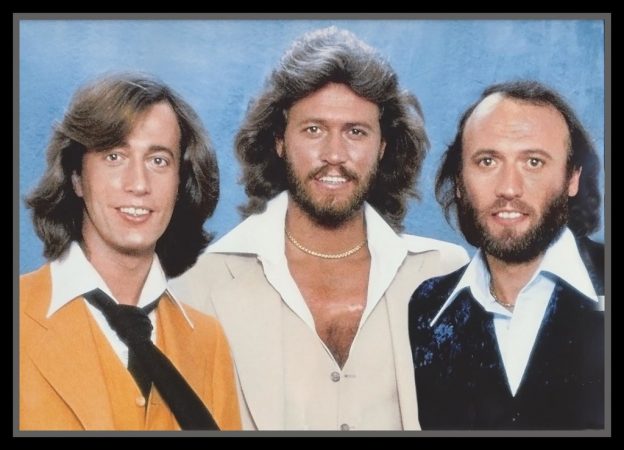
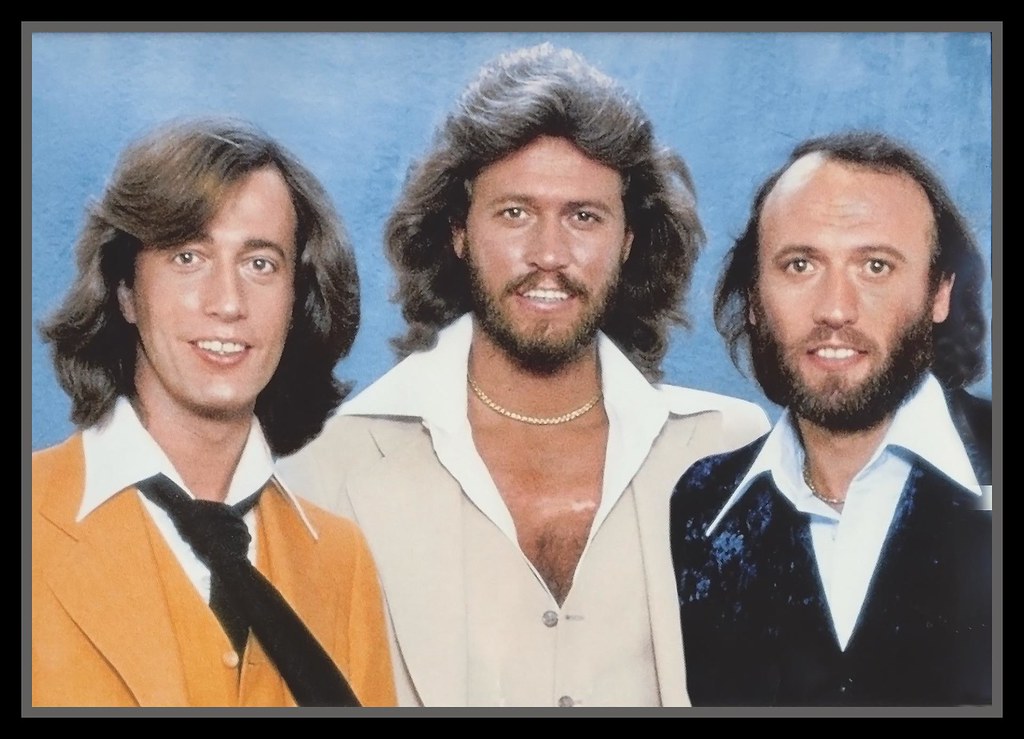
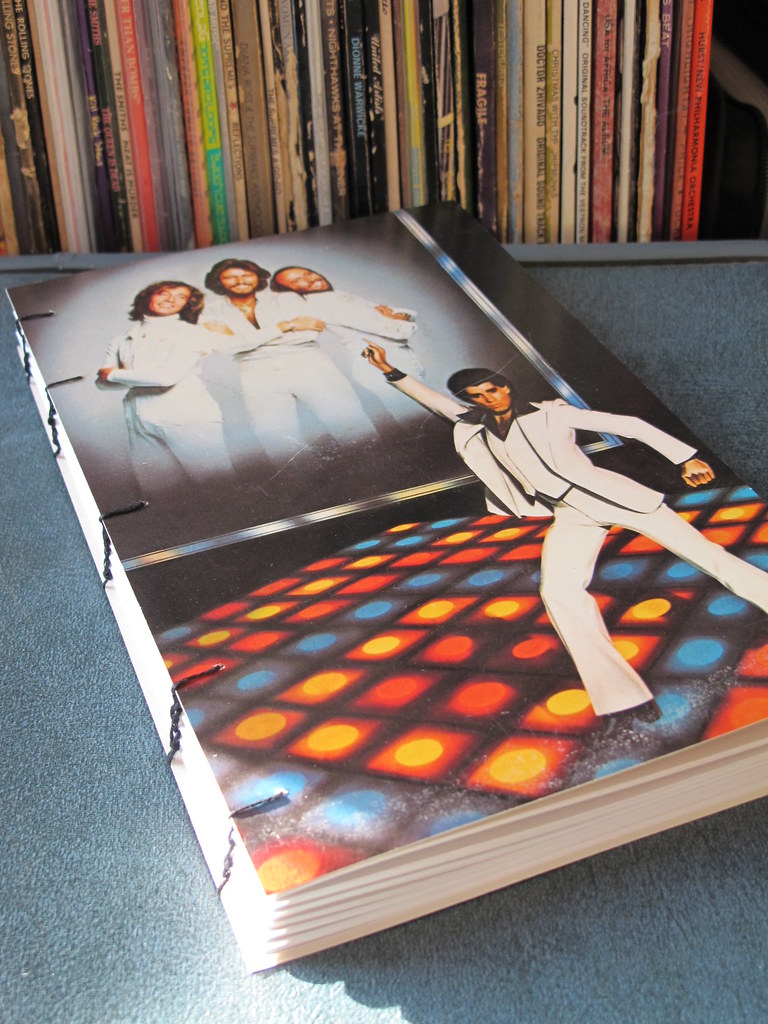
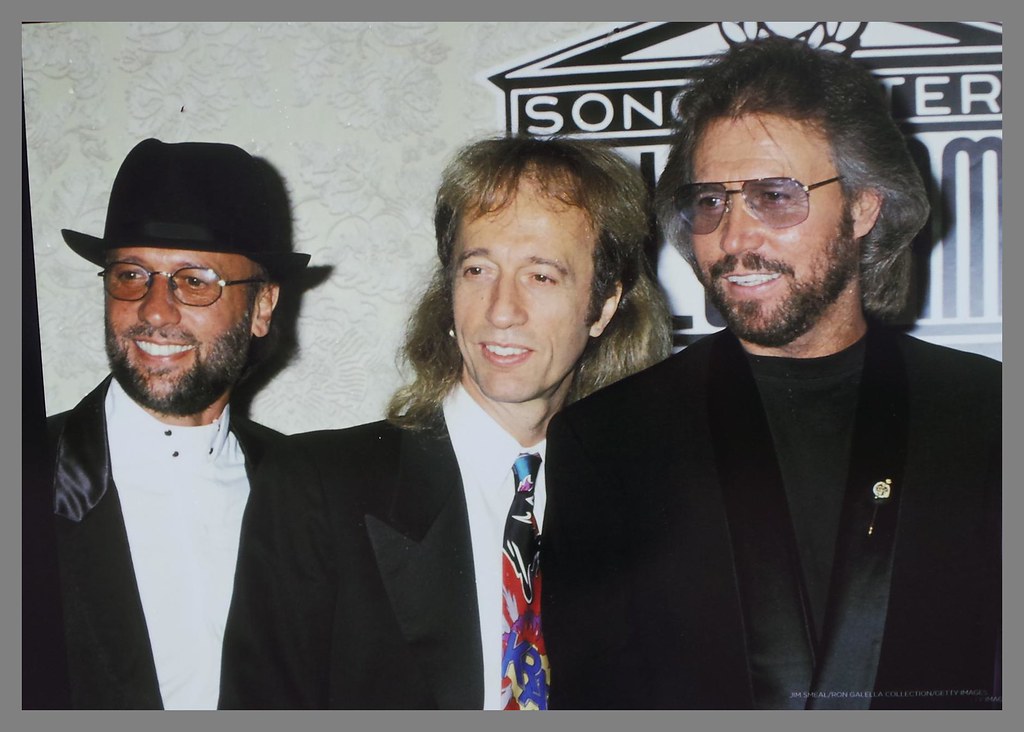
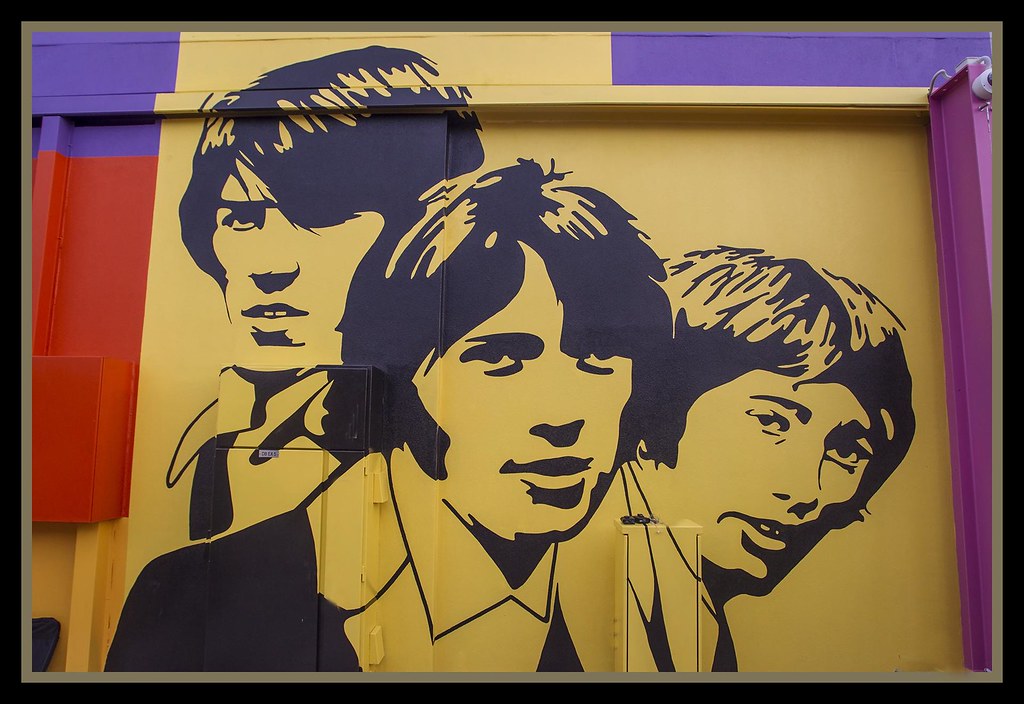
Fig. 1. There are two official music videos performed by the Bee Gees of How Deep is Your Love. The music of the Bee Gees (left to right: Robin, Barry, and Maurice Gibb) and the 1977 film Saturday Night Fever starring John Travolta breathed fire into the disco music craze and helped define the disco era in the late 1970’s.
Fig 2. A huge international pop music hit starting in late 1977, How Deep is Your Love written and performed by the Bee Gees made its way into the Saturday Night Fever: The Original Movie Sound Track album that went Platinum on January 3, 1978 and was certified 16x Multi-Platinum on November 16, 2017. It remains one of the top ten-selling albums of all time.
When the Bee Gees were asked by film producer Robert Stigwood to provide five songs for a film tentatively titled Tribal Rites of the New Saturday Night based on the 1975 New York magazine fiction article about the urban disco scene, they didn’t want to compose music specifically for a film (although Barry did write the title song for Stigwood’s follow-up picture, Grease). It didn’t help that the Bee Gees were given neither a script nor told what the movie plot was about. They offered Stigwood, their longtime manager, songs that they were already working on: Stayin’ Alive, Night Fever, If I Can’t Have You (later sung by Yvonne Elliman), More Than A Woman, and How Deep is Your Love.5 At one early screening that included John Travolta and director John Badham, the Bee Gees were pleased though a little surprised that their songs, while demo cuts, meshed perfectly with the film’s scenes now re-titled Saturday Night Fever. To be added to the Bee Gees’ astonishment— and anyone else’s attending that night’s rough cut— was that no one had any idea that they were embarking on a motion picture that would be a milestone in film history and forever define the disco age.
Stayin’ Alive was released in December 1977 as the second single from the soundtrack and it, too, climbed to no. 1 on the Billboard Hot 100 in February 1978. It stayed in the top spot for four consecutive weeks. One year later, in February 1979, Stayin’ Alive won the Grammy Award for Best Vocal Arrangement for Two or More Voices.
Fig. 3. John Travolta attended the London premiere of Saturday Night Fever on March 22, 1978 with Kay Edwards.
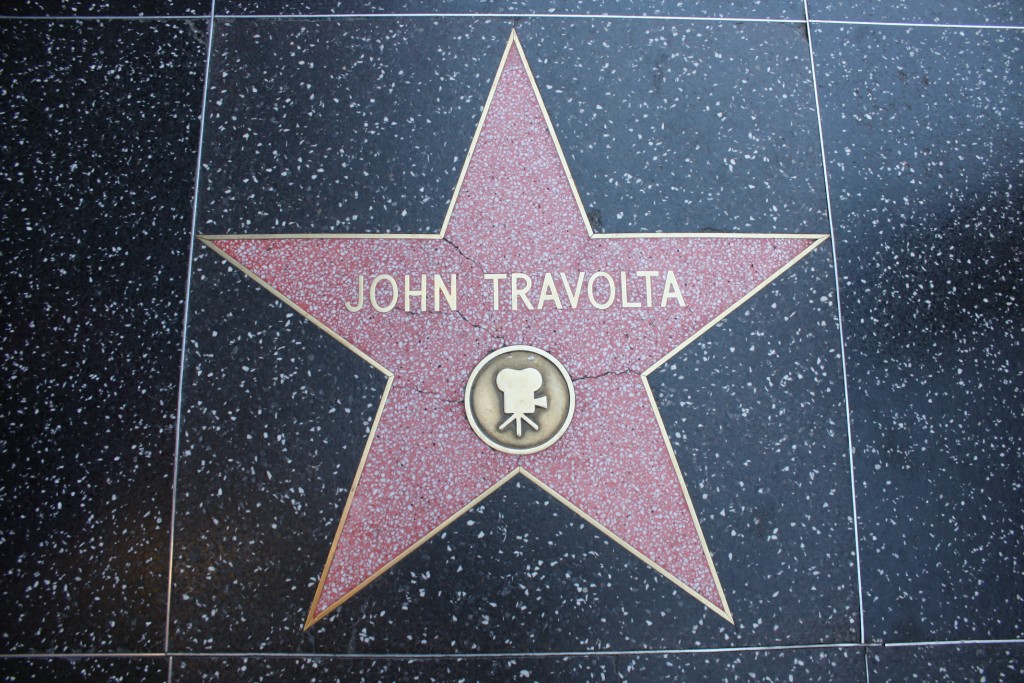
Following its world premiere in Hollywood on December 7, 1977, Saturday Night Fever became an enormous success. It became Chicago film critic Gene Siskel’s favorite film—soon after, Siskel famously bought Tony Manero’s white suit at a charity auction in 1978 for $2,000. Colleague and friend Roger Ebert writing shortly after Siskel’s death in 1999, believed that Saturday Night Fever had struck Siskel mainly on an emotional level but also for its themes that had impressed him. Other influential film critics were similarly praiseworthy of the film’s subject matter. At the 50th Academy Awards on April 3, 1978 Saturday Night Fever had received only one nomination (John Travolta for Best Actor) in a year where Annie Hall and Star Wars dominated the competition.Robin Gibb later observed that Saturday Night Fever was made on a very low budget, released very late in the year and had no expensive promotion. The film’s word of mouth was good, however, which even included its star, John Travolta, who at its world premiere at then-Mann’s Chinese Theatre admitted watching the musical film on the big screen as if seeing a fantasy or dream for the first time.6
Fig. 4. Tony Manero’s shiny white polyester suit — bought off the rack in Brooklyn for the making of the film Saturday Night Fever— has been compared to a symbol of aspiration and hope in what is otherwise a dark movie.
Conceptually the song How Deep Is Your Love materialized when, working with collaborator Blue Weaver, Barry Gibb’s instigating question to him in beginning to compose it was: “What is the most beautiful chord that you know?”7 It was the first song the Bee Gees composed that ended up in the film Saturday Night Fever. After a creative hit-and-miss process at the piano – and further collaboration with Robin and Maurice – the song was put together in the middle of night in about four hours at the Château d’Hérouville studios in France.8 This was part of the Bee Gees’ usual working process – arriving into the studio around three o’clock in the afternoon and ending their workday near or after midnight – resulting in all of the film’s songs written quickly, with the lyrics finished later and the disco music taking longer.9 The Bee Gees’ falsetto singing had always been emotional, and it was often by way of collaborating with industry talent— other musicians, producers, and the like—that their music developed in new directions. By the time How Deep is Your Love came about, the Bee Gees had a reputation for being open to suggestions, including the personally emotional piano chords Blue Weaver offered the Brothers Gibb that night.10 The creation of How Deep Is Your Love followed a course already prevalent in the Bee Gees musical career – an attitude of collaboration and creativity in the studio that allowed ideas to be suggested, and beautiful melodies to quickly emerge as the result. Though How Deep is Your Love was composed in one sitting, its arrangement and production took longer which changed some of the song’s original structure. The title was based on what the Bee Gees simply maintained was the variety of connections listeners could make with the phrase How Deep is Your Love – and so providing the song with further universal appeal.11 Following the film’s U.S. release by Paramount Pictures on December 14, 1977 Maurice Gibb believed its ultimate success was the combination of its phenomenal 23-year-old star John Travolta and the music soundtrack whose album had already been certified Gold on November 22, 1977 and certified Platinum on January 3, 1978. The combination of star power and music – along with stunning word of mouth and critical acclaim – created a record-shattering synergy for both film and soundtrack album featuring Bee Gees songs making the cultural impact of Saturday Night Fever swift and enduring. How Deep is Your Love remains one of the most anthologized love songs of the modern era. As recently as November 16, 2017, the soundtrack album was certified 16x Multi-Platinum.12
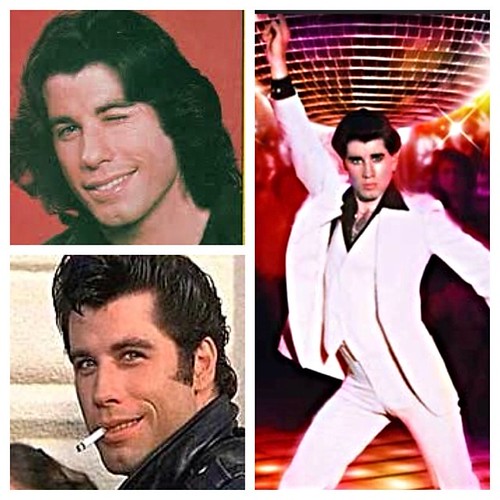
Fig. 5. John Travolta in the 1970’s. Playing 19-year-old Tony Manero in Saturday Night Fever about a teen with a good job at the local hardware store in Brooklyn who is trying to dance his way to a better life. His performance earned the 23-year-old Travolta an Academy Award nomination for Best Actor in a Leading Role that year.
Fig. 6. Brooklyn-born Donna Pescow was a newcomer and played Annette in Saturday Night Fever. Annette is Tony’s former dance partner and would-be girlfriend.
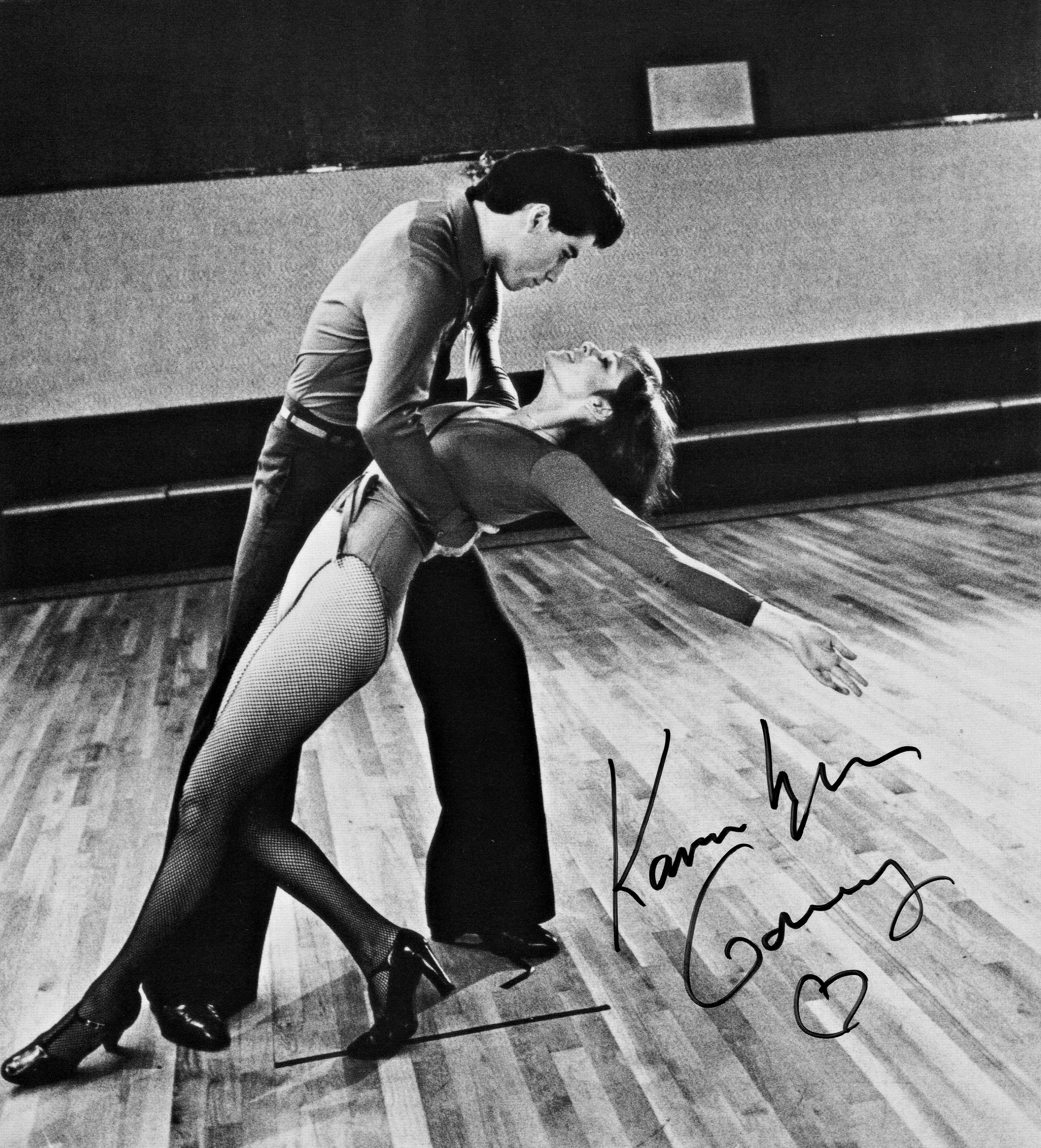
Fig 7. Like Donna Pescow and others in the cast of Saturday Night Fever, co-star Karen Lynn Gorney, John Travolta’s love interest in the film, was a newcomer. Even Travolta who had a swelling fan base because of his ongoing role as Vinnie Barbarino in the popular late 1970’s TV sitcom Welcome Back, Kotter, was not seen as a dance man. Hungry to take his acting career to the next level, Travolta’s energetic dance scenes had critics praising his performance as among the best ever filmed.
Fig. 8. A two-minute scene of disco dancing by John Travolta thrust his energetic performance and the new star into the annals of film history. (This is a portrayal of Travolta as Danny Zuko in Grease.)
Fig. 9. “Robert Stigwood explained to the Bee Gees about this young guy, who every weekend blows his wages at a disco in Brooklyn. He’s got a really truly Catholic family, and he’s got a good job, but he blows his wages every Saturday night. He has his mates with him. Then he comes back and starts the week again, and this goes on every Saturday night. But it’s just this one Saturday night that’s filmed. So that’s what we knew (about a film we were writing music for) except it was John Travolta playing the part…” Maurice Gibb in Bee Gees: The Authorized Biography.
How Deep Is Your Love quickly reached number one internationally in countries such as Canada, Brazil, Finland, Chile, and France. In the Bee Gees’ native England it reached number three which delighted the newly–resurgent pop music group in that they had a top five hit in a country that by the mid-to-late 1970’s saw Punk and New wave rock in the ascendant.13 The Sex Pistols’ God Save the Queen, also released in 1977, was banned on the airwaves by the BBC for its “gross bad taste” though today it ranks number 175 on the Rolling Stone’s Greatest Hits list – 200 slots higher than the Bee Gees’ disco ballad, How Deep Is Your Love. How Deep Is Your Love and the Saturday Night Fever album provided superstar momentum for the Bee Gees’ next projects, but like their careers up to that point, the English-Australian pop-rock band simply continued their readiness to create music. In The Ultimate Biography of the Bee Gees, Blue Weaver understood the Bee Gees’ success during this period was not due to their “virtuosity,” although their falsetto vocals were “brilliant,” but their collaborative working method which they pursued until reaching the final product that satisfied them – and clearly satisfied some part of the rest of the world.14
Fig. 10. In 1978 Barry Gibb observed about Robin and Maurice and himself: “When we were kids, we’d sit on each other’s beds all night and plan our careers. We decided that when we got to the top, we’d have our own office. We wanted to get to a point where we wouldn’t have to ever work again so we could sit back and enjoy everything we had accomplished. A few years ago that seemed forever out of reach. Sometimes I think I’m living that dream now. We’ve never really made it before. If this is indeed the top, then it’s better than what we imagined. It’s a lot of fun.” Bee Gees: The Authorized Biography.As the Bee Gees, Barry and twins Maurice and Robin became one of the world’s biggest bands ever selling more than 220 million records. In 1997 they were inducted into the Rock and Roll Hall of Fame. Maurice died in 2003 and Robin in 2012. In 2017 Barry told CBS News: “So when I lost them all, I didn’t know whether I wanted to go on. ”
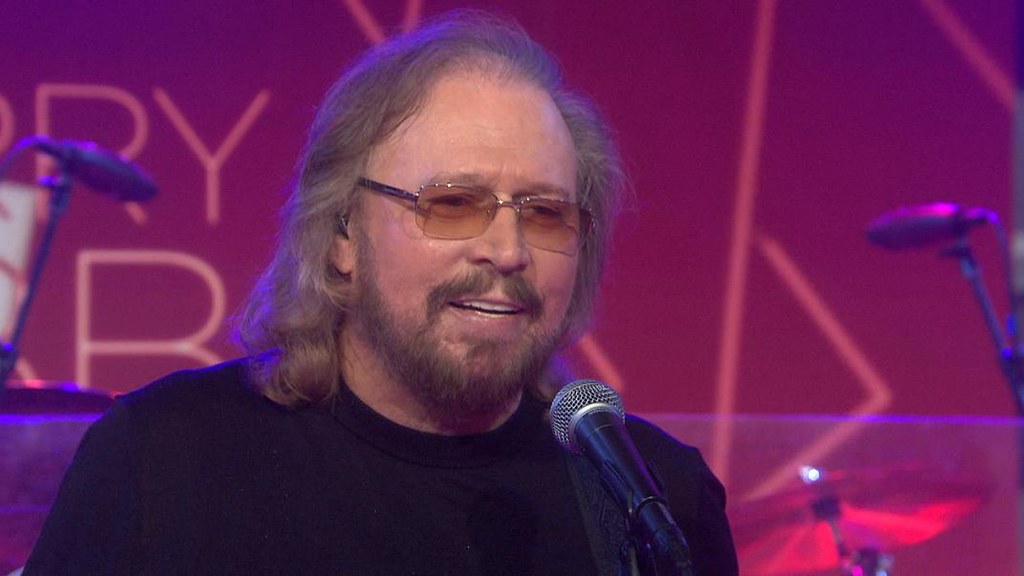
Fig. 11. 70-year-old Barry Gibb was honored during Stayin’ Alive: A Grammy Salute to the Music of the Bee Gees in April 2017 where he got up on stage to close out the show to perform a few hit songs.
During one visit to the hospital while Robin was in a coma, Barry sang a song that he had written for him called The End Of The Rainbow.
Song’s recording and release dates – Bee Gees Anthology (songbook) by the Bee Gees, Hal Leonard (1991) and Bee Gees The Authorized Biography, Barry, Robin and Maurice Gibb (as told to David Leaf), Delilah Communications/A Delta special, 1979, p.116.
Didn’t want to compose music for a film – The Ultimate Biography Of The Bee Gees: Tales Of The Brothers Gibb, By Melinda Bilyeu, Hector Cook, Andrew Môn Hughes, 2001, Omnibus Press, London, pp. 411; Hardly told the film plot – Bee Gees The Authorized Biography, Barry, Robin and Maurice Gibb (as told to David Leaf), Delilah Communications/A Delta special, 1979, p.110.
Surprised music with unseen film meshed – Bee Gees The Authorized Biography, Barry, Robin and Maurice Gibb (as told to David Leaf), Delilah Communications/A Delta special, 1979, p.111; Ebert on Siskel’s favorite film – https://www.rogerebert.com/reviews/great-movie-saturday-night-fever-1977 – Retrieved January 24, 2018; other critics’ praise of film- see Pauline Kael, “Nirvana,” The New Yorker, December 26, 1977, pp. 59-60; film low budget, released late- The Ultimate Biography Of The Bee Gees: Tales Of The Brothers Gibb, By Melinda Bilyeu, Hector Cook, Andrew Môn Hughes, 2001, Omnibus Press, London, pp. 411. Regarding the white suit that had been bought off the rack in Brooklyn for the film, its symbolism in Saturday Night Fever has been postulated. Professor Deborah Nadoolman Landis, a designer and historian of film costume stated that the white suit was a symbol of aspiration and hope in an otherwise “dark little movie” – see https://www.theguardian.com/artanddesign/2012/aug/06/john-travolta-white-suit-v-and-a – retrieved January 25, 2018.
Song’s musical concept – The Ultimate Biography Of The Bee Gees: Tales Of The Brothers Gibb, By Melinda Bilyeu, Hector Cook, Andrew Môn Hughes, 2001, Omnibus Press, London, pp. 411-412.
First song composed for Saturday Night Fever, Château d’Hérouville – Bee Gees The Authorized Biography, Barry, Robin and Maurice Gibb (as told to David Leaf), Delilah Communications/A Delta special, 1979, p.109.
Songs written quickly – Ibid., p.109; lyrics later – The Ultimate Biography Of The Bee Gees: Tales Of The Brothers Gibb, By Melinda Bilyeu, Hector Cook, Andrew Môn Hughes, 2001, Omnibus Press, London, p. 415.
Open to suggestions – Bee Gees The Authorized Biography, Barry, Robin and Maurice Gibb (as told to David Leaf), Delilah Communications/A Delta special, 1979, p.107. emotional piano chords – The Ultimate Biography Of The Bee Gees: Tales Of The Brothers Gibb, By Melinda Bilyeu, Hector Cook, Andrew Môn Hughes, 2001, Omnibus Press, London, p. 411-12.
song composing, arrangement, and production – The Ultimate Biography Of The Bee Gees: Tales Of The Brothers Gibb, By Melinda Bilyeu, Hector Cook, Andrew Môn Hughes, 2001, Omnibus Press, London, pp. 409 and 412. Title chose Ibid. p. 412.
Movie’s ultimate success – Bee Gees The Authorized Biography, Barry, Robin and Maurice Gibb (as told to David Leaf), Delilah Communications/A Delta special, 1979, p.112. Costing $3.5 million to make, Saturday Night Fever earned an impressive $237.1 million –see “Saturday Night Fever, Box Office Information”. Box Office Mojo – retrieved May 26, 2014. Soundtrack album certified God and Platinum -http://www.beegees-world.com/bio_gplat.html -Retrieved February 1 , 2018. certified 16x Multi-Platinum on November 16, 2017 – see https://www.riaa.com/gold-platinum/- retrieved January 24, 2018.














.jpg)