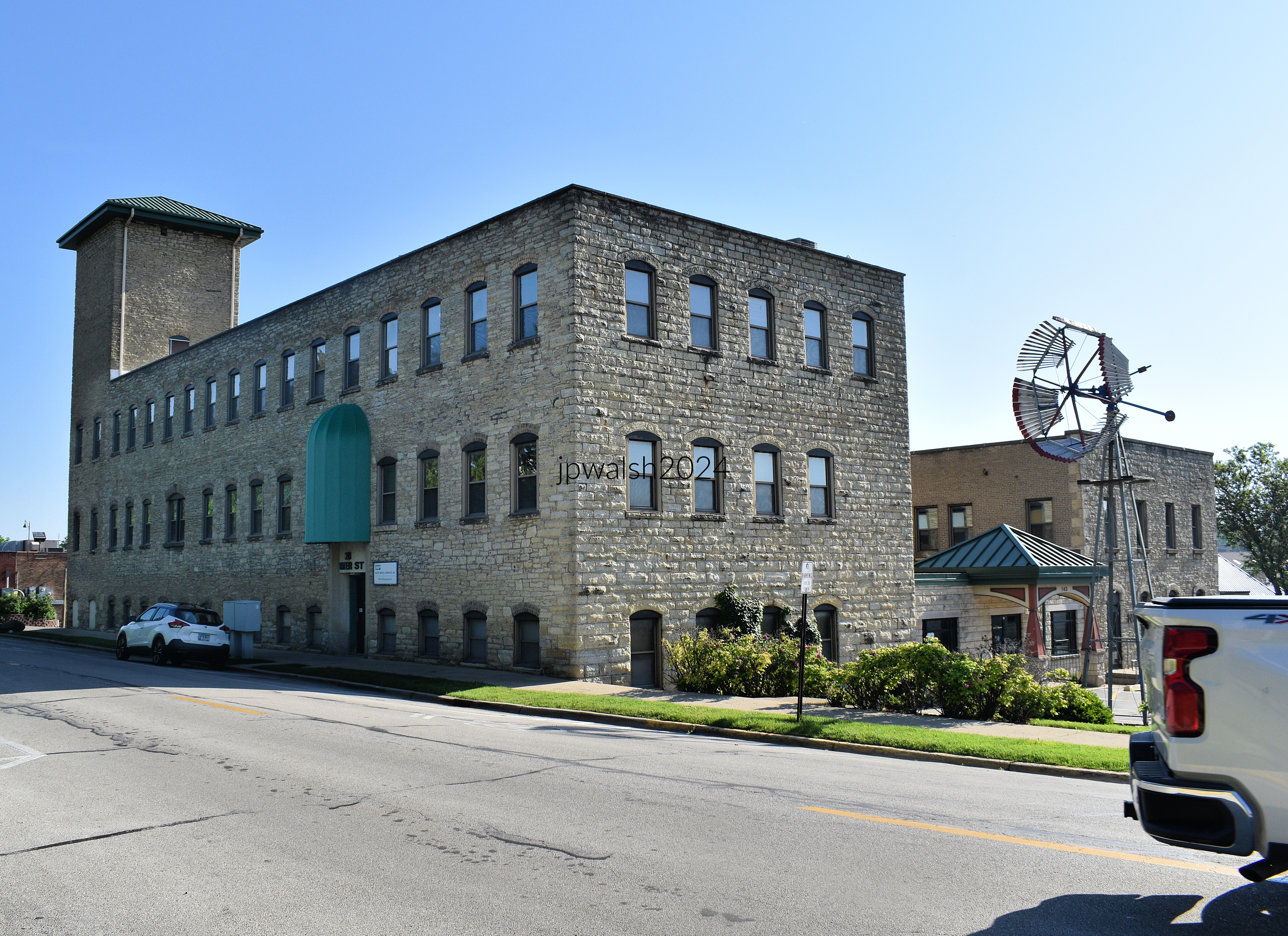
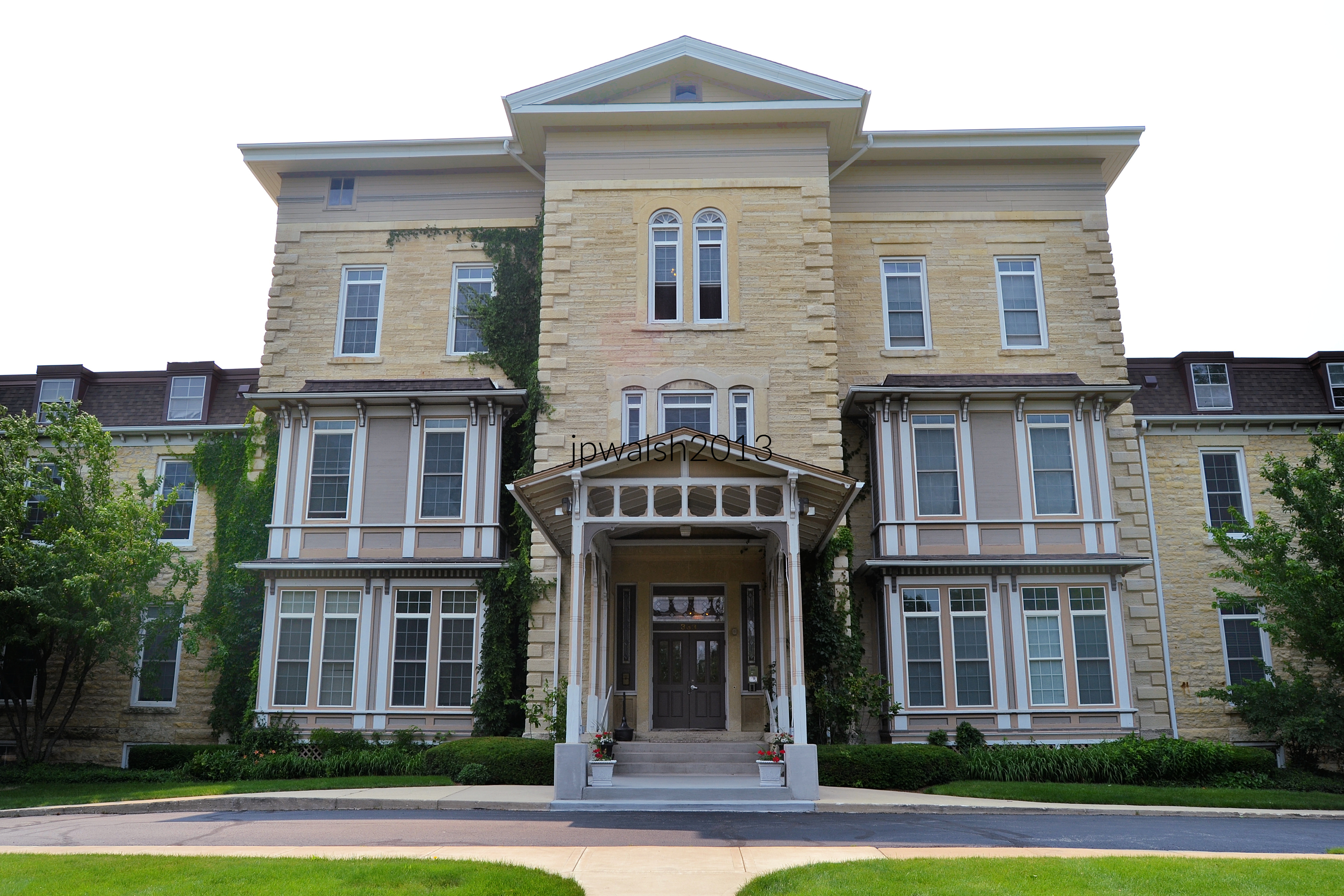
FEATURE Image: May 2024. 143 First Street, c. 1863. 7.52 mb_6360. Since the 19th century Batavia, Illinois, 40 miles west of Chicago, was a railroad and manufacturing center in addition to its farmsteads. This mid-19th century limestone factory building is testament to Batavia’s industrial heritage. After the U.S. Civil War, Batavia was a major manufacturer of Conestoga wagons used in the country’s westward expansion.
Text & Photographs John P. Walsh.
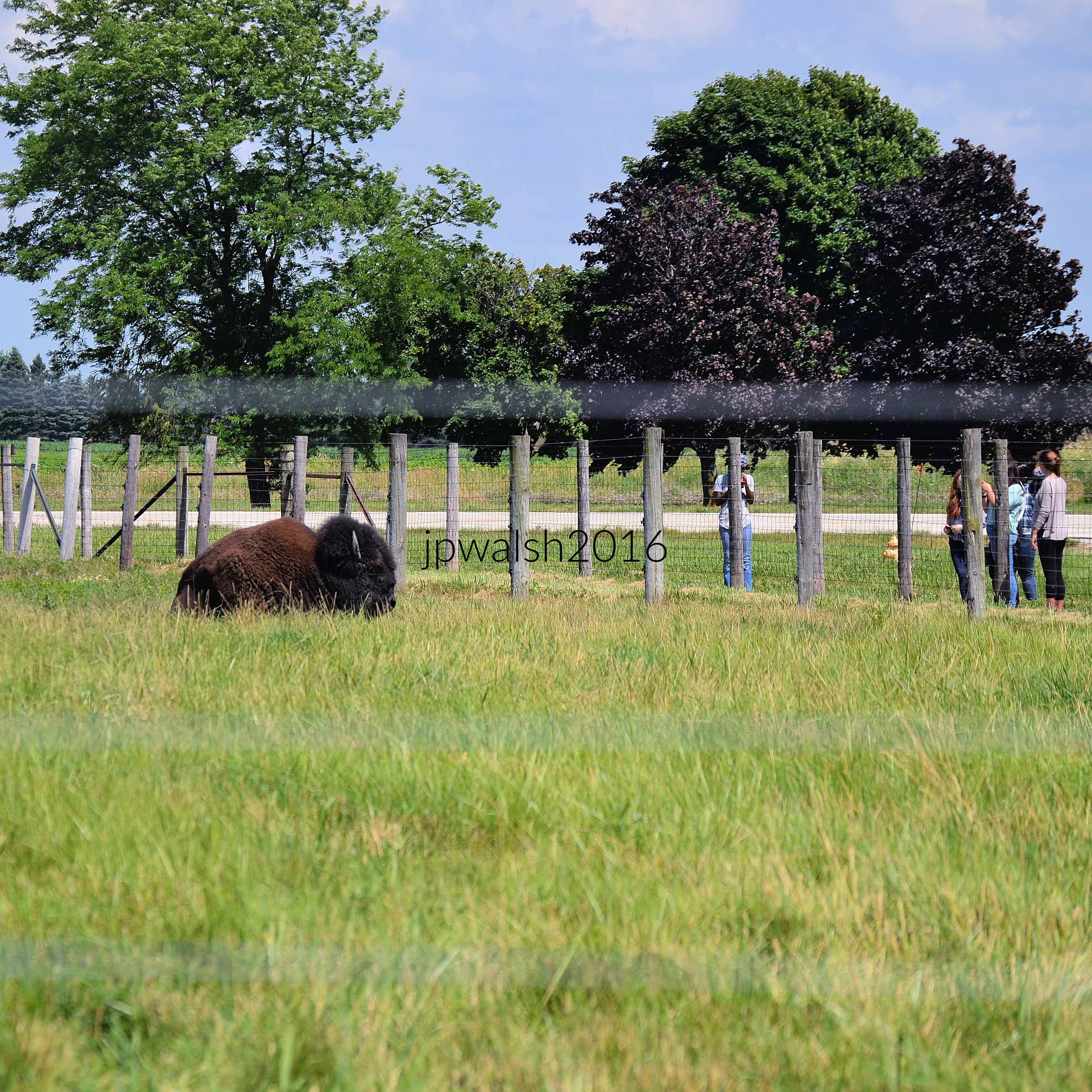
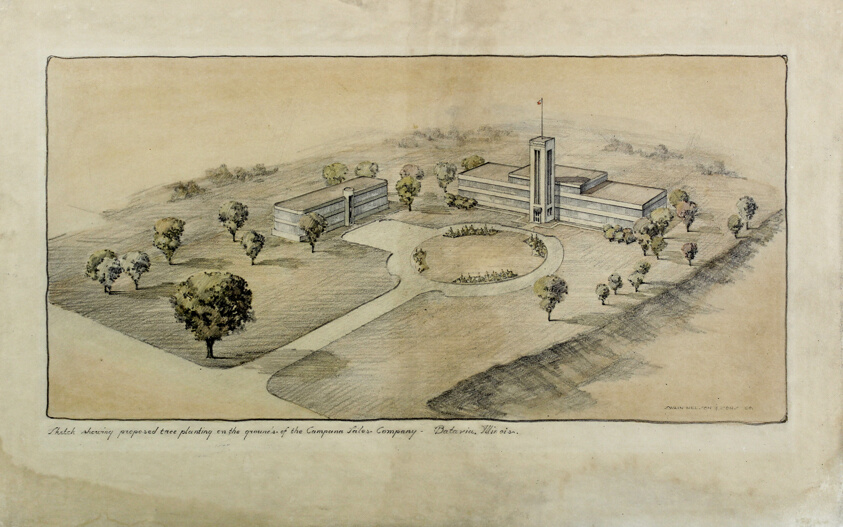
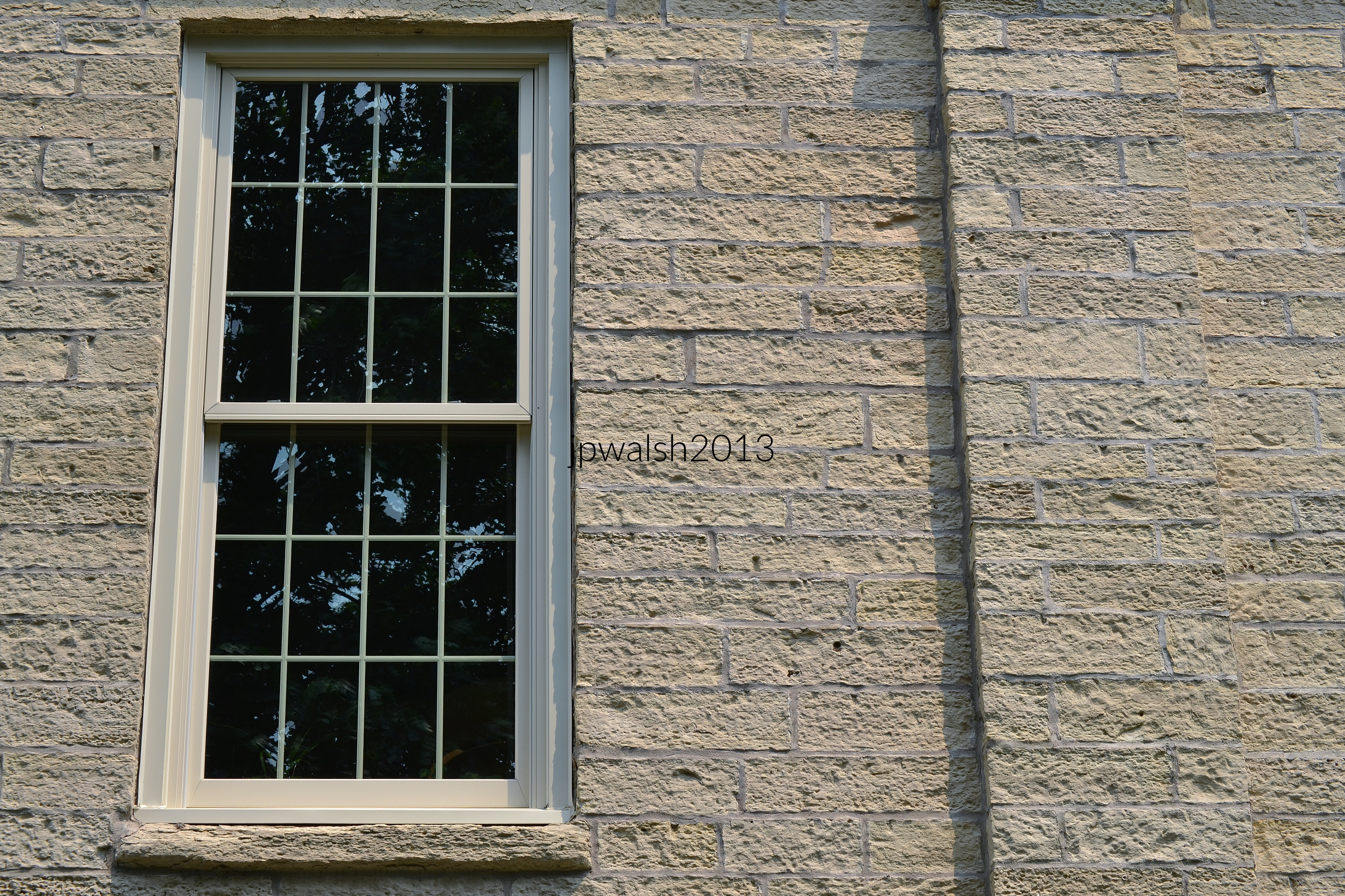
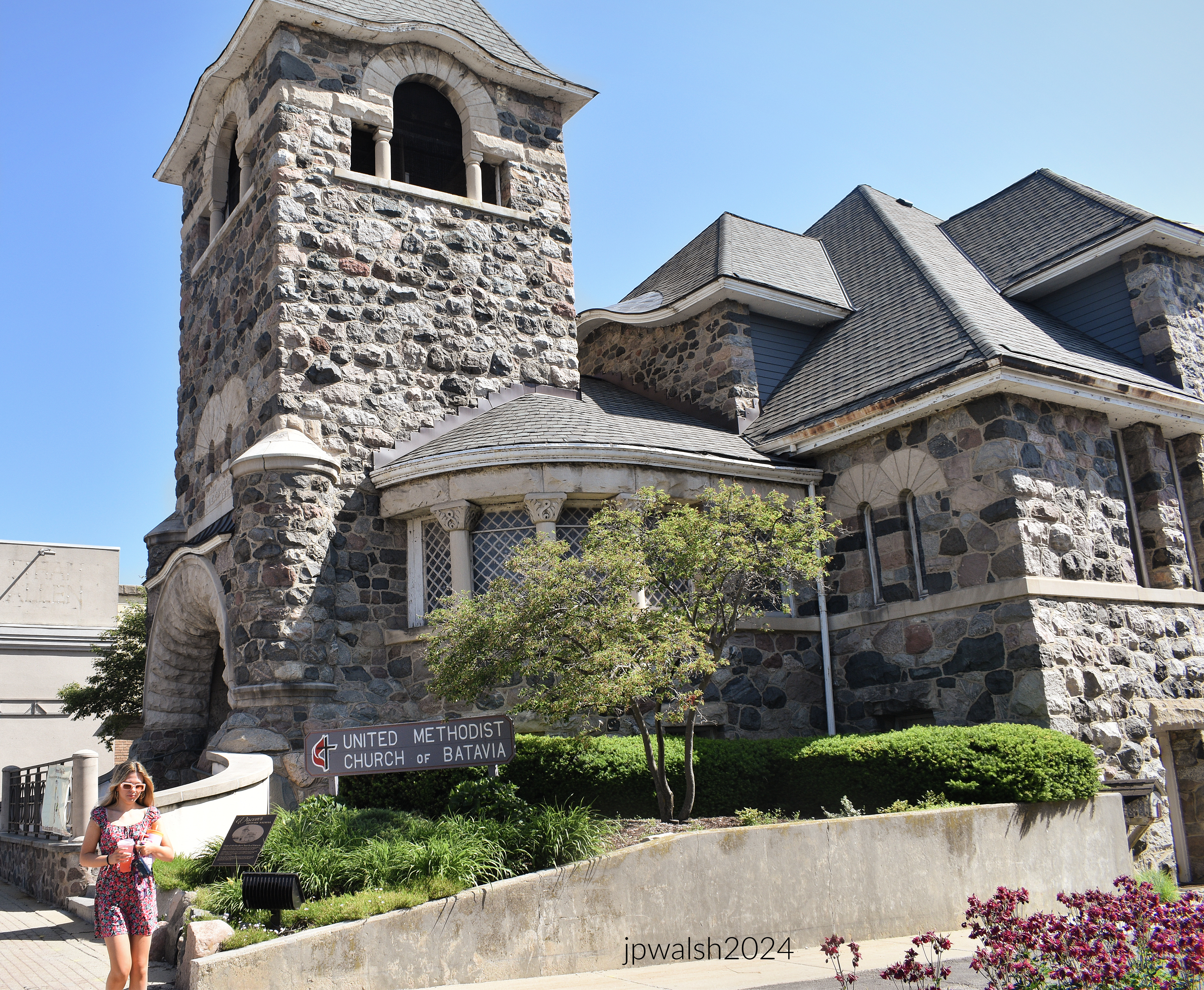
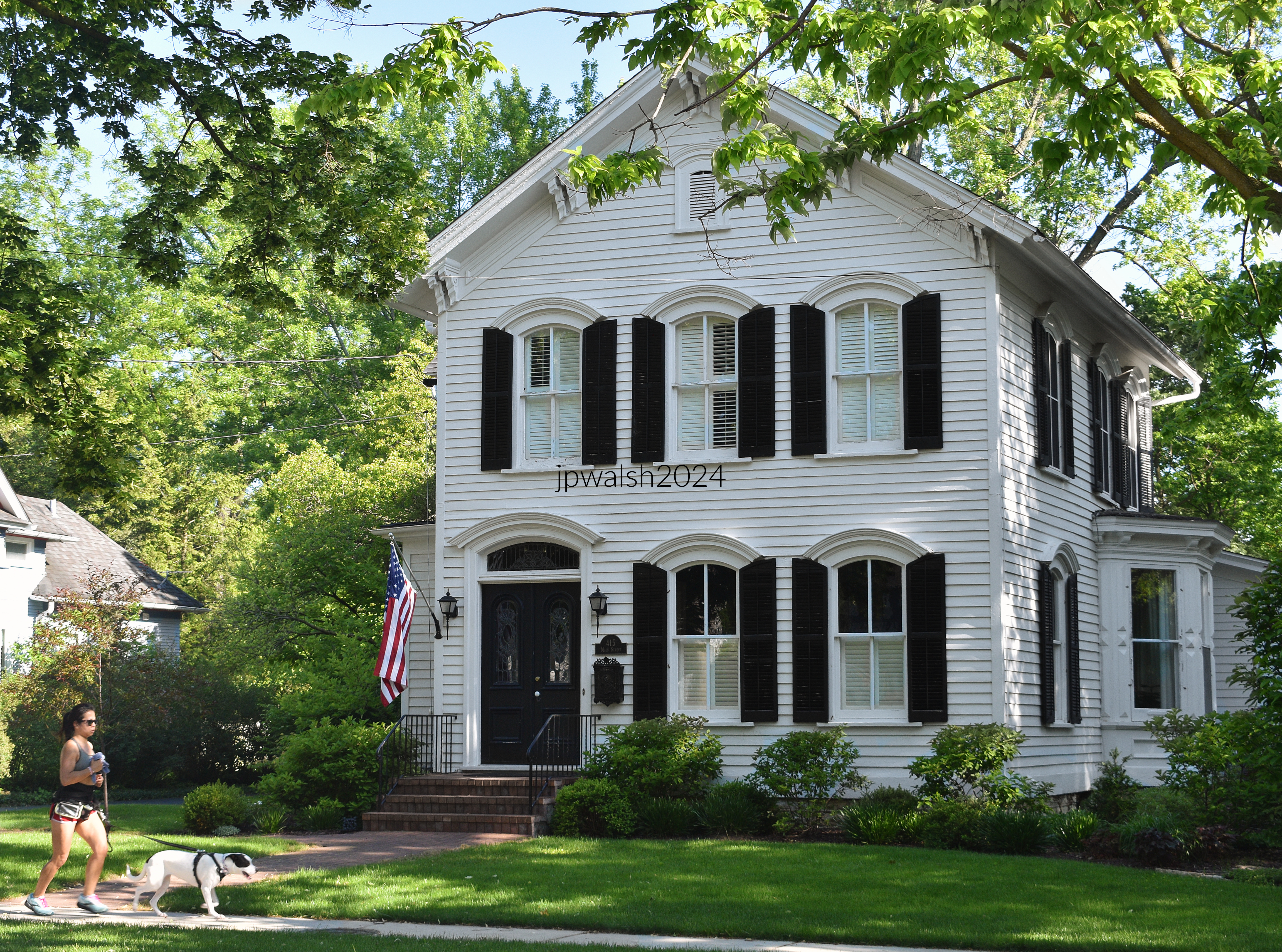
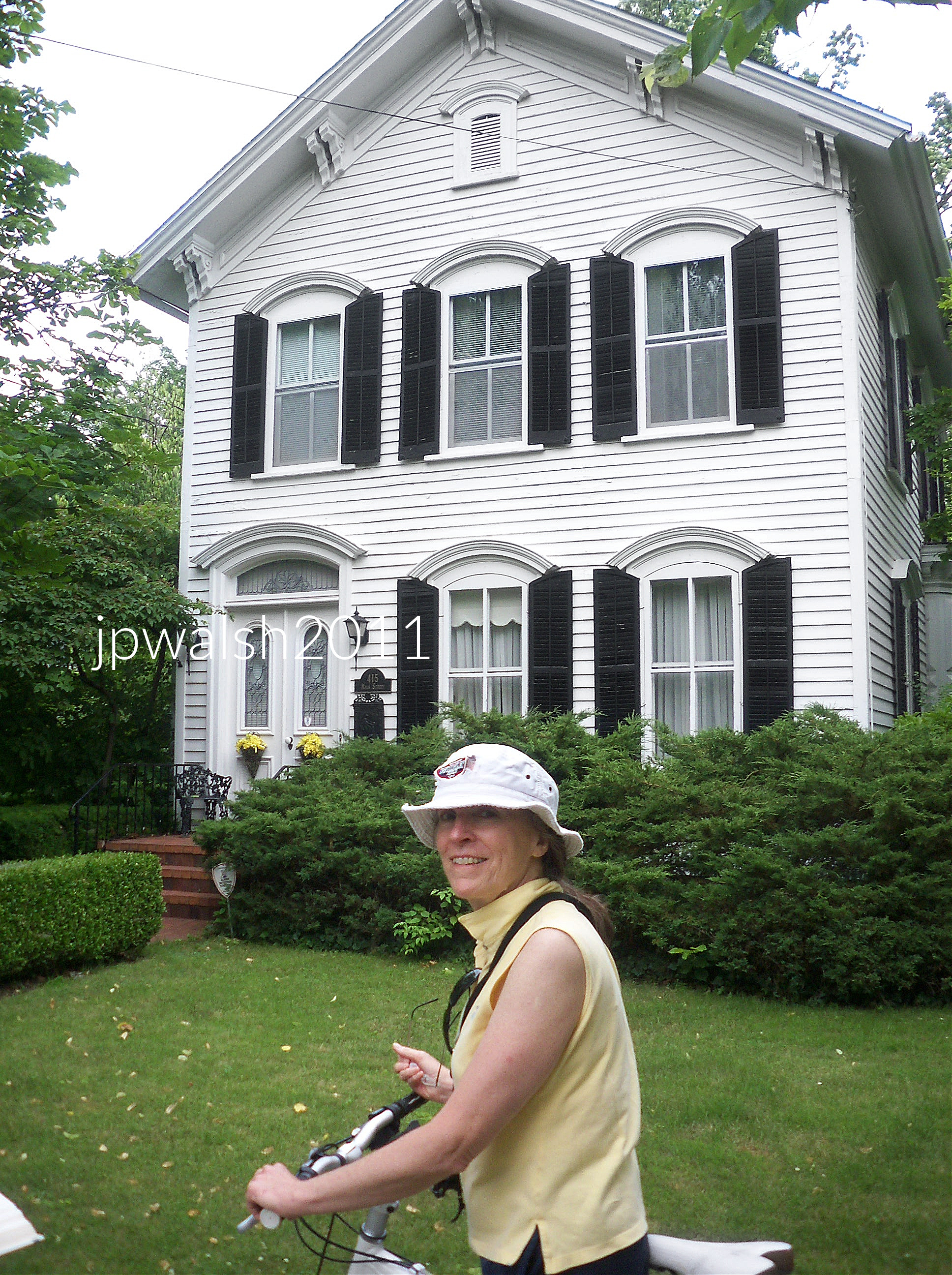
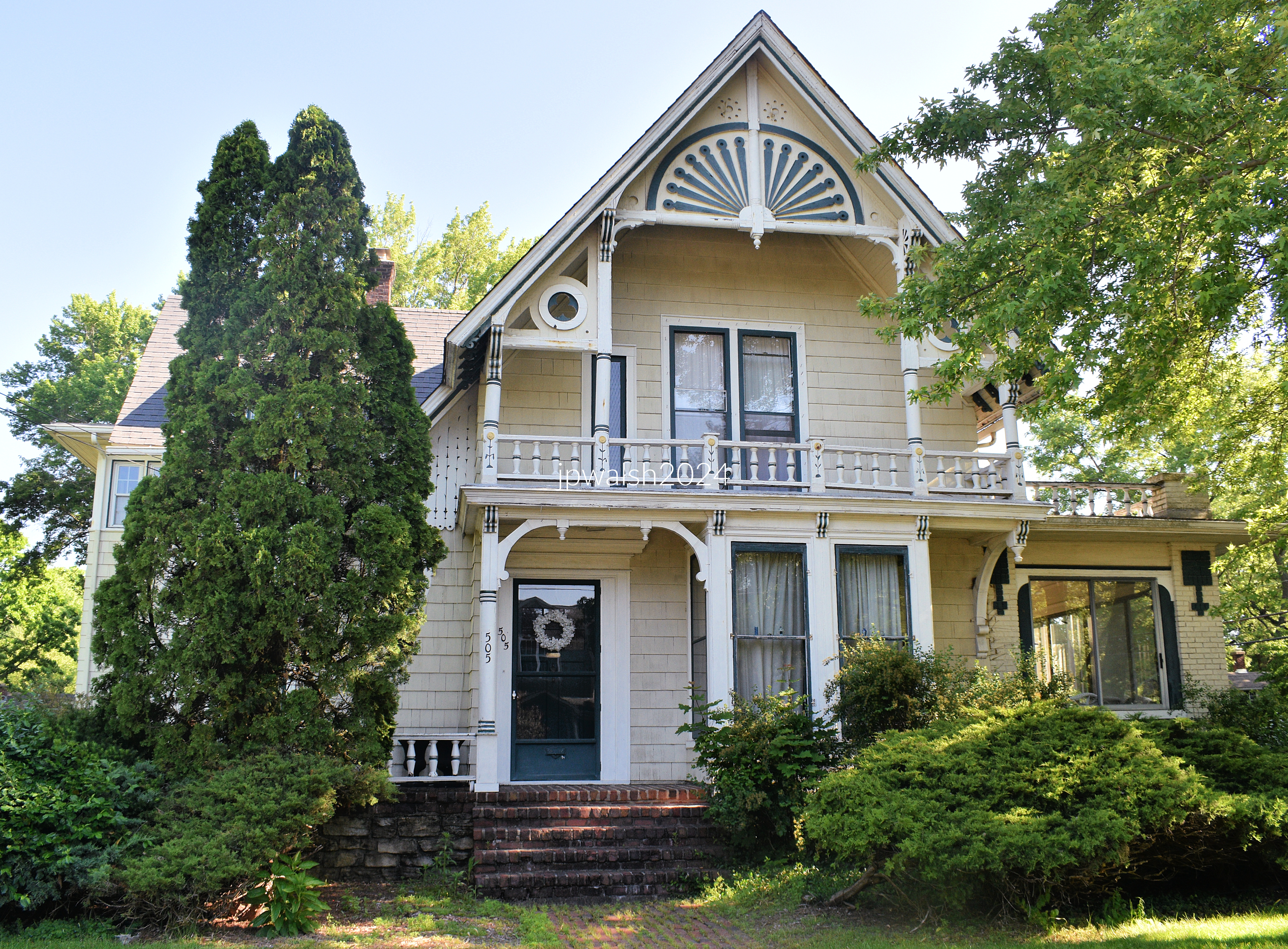
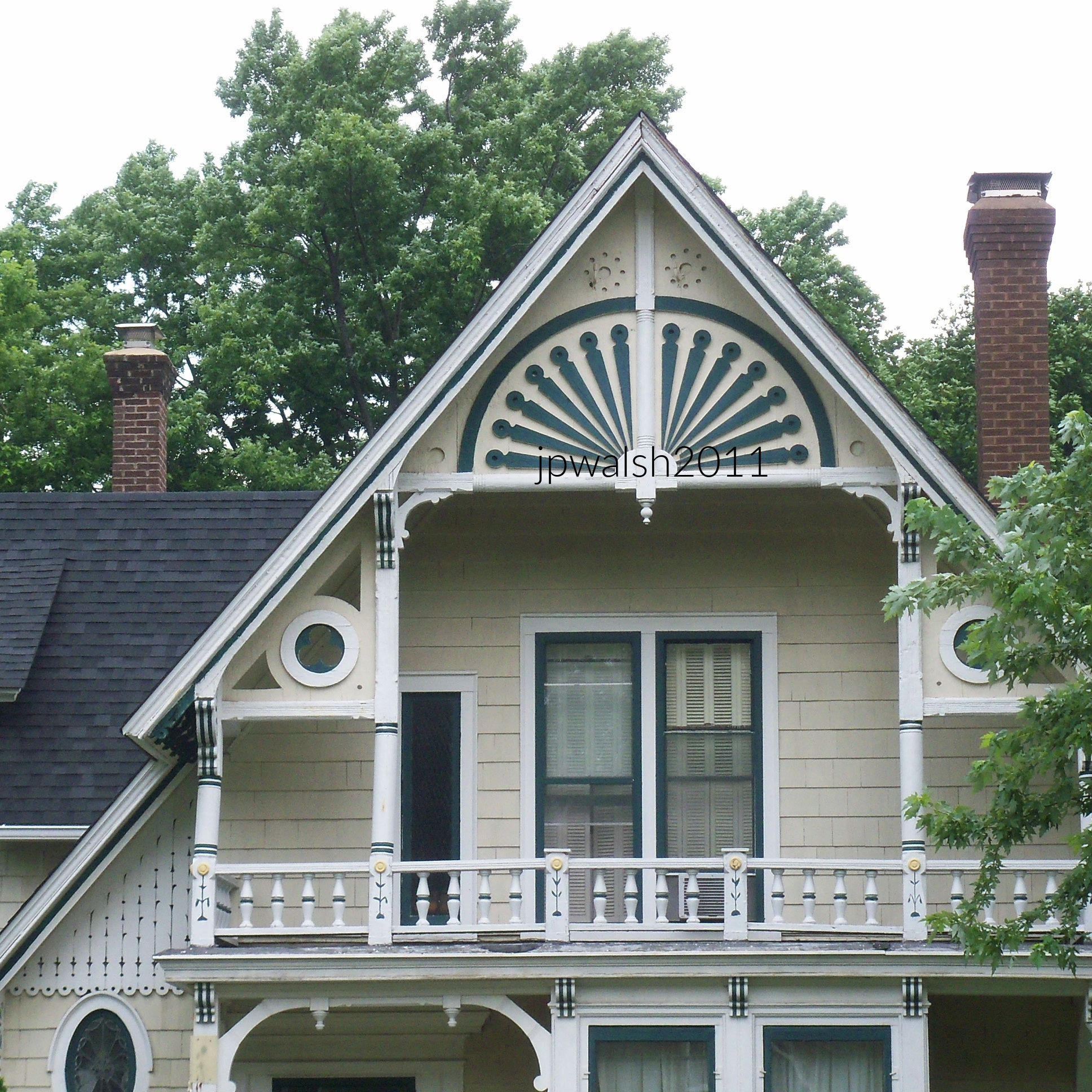
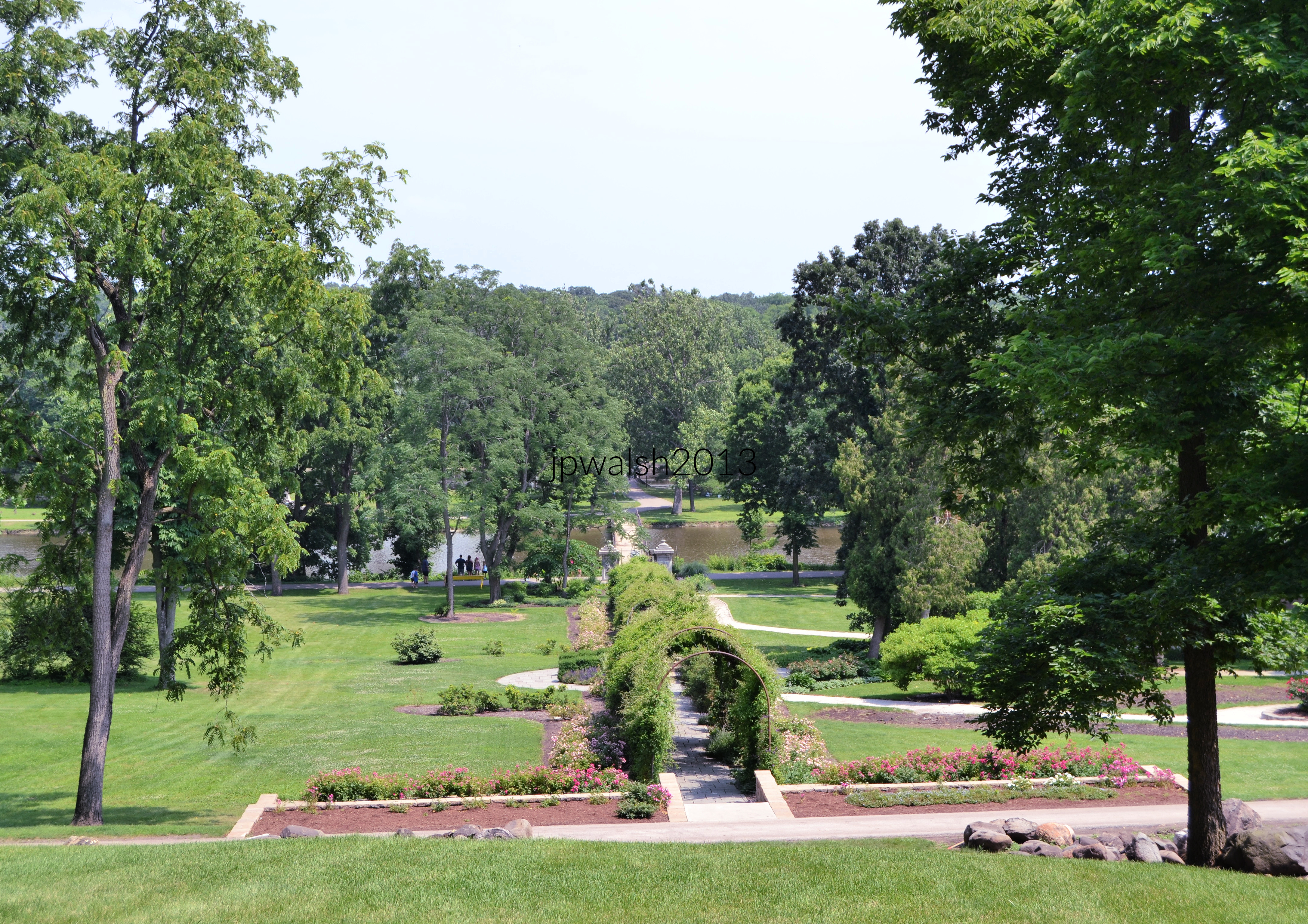
May 2024. 143 First Street, c. 1863. 7.52 mb_6360. The square shaped south façade’s stone cut is more grandiose than the longer west side indicating that it is the front face of the building. The tower at the north end likely held the building’s water tank and added more room and height for pulleys and other equipment.May 2024. Batavia is one of the towns along the Fox River settled in the 1830’s between Geneva and St. Charles to the north and larger Aurora to the south. 95% 7.75 mb DSC_6350.July 2016. Fermilab is to the east and adjacent to Batavia. Since 1969 it has housed a herd of bison when Fermilab’s first director, Robert Wilson, established the herd as a symbol of the history of the Midwestern prairie and the laboratory’s pioneering research at the frontiers of particle physics. Each spring new calves are born signaling the herd’s rejuvenation. 4.70mb _0577 see – https://www.fnal.gov/pub/about/bisoncam/ – retrieved 1.24.25.May 2024. Campana Sales Company Factory, Batavia, Illinois, East Elevation, 1936-1937. The Campana Factory was built in the International Style to manufacture cosmetics for The Campana Company. At the time Campana’s “Italian Balm,” heavily promoted on the radio, was the nation’s best-selling hand lotion. The building was designed by Frank D. Chase & Company (founded in 1913) with Childs and Smith in Chicago. Frank David Chase (1877-1937) built newspaper plants in St. Louis, Milwaukee and Oklahoma City and a number of important buildings in Chicago including hospitals and office buildings. The central tower reflects the 19th-century heritage of Batavia’s limestone factories. The one story wings on the extremity of the building were added in the late 1940’s. The factory was purchased by the laundry detergent brand Purex who later closed Campana operations in 1982. 77% 7.72mb _6437.https://www.artic.edu/artworks/102112/campana-sales-company-factory-batavia-illinois-east-elevation – retrieved January 22, 2025.https://www.artic.edu/artworks/102113/campana-sales-company-factory-batavia-illinois-landscape-perspective – retrieved January 22, 2025.May 2024. At the bottom of the tower of Campana Sales Company Factory the main entrance is stainless steel set into black polished marble. 7.48mb _6446.May 2024. The Congregational Church, 21 S. Batavia Avenue, 1856. 89% 7.73mb _6372. The locally quarried limestone central section dates to September 1856. The church displays the eclecticism of New England Colonial and Classical styles. Though the building’s classical detailing of capitals and pilasters is mostly missing, the precisely cut and laid stone are original. These cut ashlar blocks include neatly finished arches, sills, and entablatures. The church’s design is attributed to architect Elijah Shumway Town (1804-1890) who built Batavia’s Bellevue Place Sanitarium in 1853 where Mary Todd Lincoln was committed for 4 months in 1875. When the original steeple was knocked down in a storm in 1877 it wasn’t replaced until 97 years later in 1974 and is the tallest steeple in Kane County. There have been subsequent additions to the church in the last 60 years. Established in Thompson Paxton’s cabin in 1835 as “Church of the Big and Little Woods” and affiliated with the Presbyterians, the church relocated to Batavia Avenue in 1841. Sharing a common belief in the anti-slavery doctrine, the church was supported by church members and the community-at-large so that the church changed its name to “Congregational Church and Society of Bavaria” in 1843.May 2024. 355 First Street, 1852. 96% 7.83mb DSC_6389. This was the Methodist church built in the Greek Revival. The pilasters are Doric order that meet the main beam resting across the tops of columns (architrave), blank frieze, cornice, and classical pediment. After 1886 the building was used as a schoolhouse in the Batavia school system. Today it is law offices. In 1836 a group meeting in William Van Nortwick’s home in Batavia organized the “First Methodist Class” which marked the establishment of the Methodist church in Batavia.July 2013. West wall stone work and window of former Methodust Church built in 1852. 7.02mb _0004Born in Maine, Elijah Gammon (1819-1891) was a spiritual and business powerhouse. After he moved to Illinois he was the Methodist church’s first preacher in 1854. Having to give up preaching because of health in 1858, he changed careers to the manufacture of harvesting machinery. As he substantially contributed to the industry’s development and earned a fortune, his business responsibilities and success in no way limited his spiritual vision.https://aaregistry.org/story/elijah-gammon-supported-black-ministry/ – retrieved January 23, 2025.May 2024. United Methodist Church of Batavia, 8 N. Batavia, 1887. 87%7.91mb _6498. United Methodist Church of Batavia, 8 N. Batavia Avenue, Batavia, Illinois was built in 1887. The rugged eclectic Richardsonian Romanesque-type building was designed by Solon Spencer Beman (1853 –1914) and inspired by a church in France that its donors had admired. The structure was almost entirely the gift of abolitionist Elijah J. Gammon (1819-1891), the church’s first preacher and local businessman, and Captain Don Carlos Newton (1832-1893), another active local businessman who had a house investment property across the street. Beman was an architect of note as he designed the planned Pullman community and adjacent Pullman Company factory complex in Chicago as well as Chicago’s Fine Arts Building (1884) on Michigan Avenue. At the top of the tower is a Palladian window under a pyramidal roof while in the back are hipped roofs. The building’s boulders were taken from the contractor’s farm about a mile from the building site. The new church building replaced the first Methodist church in Batavia built in 1853 in Greek Revival and which still stands today.Born in New York, Captain Newton was a very active businessman. He died unexpectedly at his home in Batavia after attending the Chicago World’s Fair for a week with his family in 1893. He was described as ”a persevering, self-made man.” https://www.findagrave.com/memorial/16849480/don-carlos-newton – retrieved January 23, 2025.Chicago-based architect Solon Spencer Beman designed the United Methodist Church of Batavia in 1887. Beman is an architect of note as he designed the planned Pullman community and adjacent Pullman Company factory complex as well as Chicago’s Fine Arts Building (1884) on Michigan Avenue. Several of his largest commissions, including the Pullman Office Building, Pabst Building in Milwaukee (1891), and the Romanesque Revival Grand Central Station (1890) in Chicago, have since been demolished.A number of architects trained with Beman, including Prairie School architect William L. Steele (1875-1949), church architect Charles Draper Faulkner (1890-1979) and Spencer Solon Beman (1887-1952).May 2024. 415 Main Street, 1860. Eclectic Gothic Revival with Italianate features including scroll-cut square brackets tailored to the pitched roof line, segmental arches above the windows, and the heavy outlines of the door entrance. A polygonal bay and wings are informal features found in the Italianate that balances a formal façade. 89% 7.87mb. July 2011. 415 Main Street (1860). The door is larger than the windows and offset by the small ventilating window at the top in the gable. 2.54mb100_3328 (1)May 2024. 360 Main Street, 1855. 74% 7.72mb DSC_6409. The house is an example of the evolving transition from Greek Revival to Gothic Revival to Italianate. May 2024. 33 S. Lincoln Street, 1850. 73% 7.85mb DSC_6520. The lengthy 1850 Greek Revival is formal and simple. There are four pairs of windows and an architrave, frieze and cornice characteristic of the type as well as its corner pilasters. May 2024. 505 Main Street, 1858. The house is in the Swiss style and has a peacock feather spread motif above the second floor balcony. There are also trifoils set in circles in the gable. The brick sun room was added to the east around 1910. 92% 7.81mb DSC_6426 (1) July 2011. 505 Main Street’s in-vogue late 1850’s peacock feather motif was made by scroll cut boards nailed to a backing and long tubes made by a lathe. To the left under the roof extension there is incised ornamentation with a tall thistle plant motif. 1.54mb 100_3331 (1) May 2024. 356 First Street, c. 1850. 62% 7.80mb DSC_6395. Greek Revival frame clapboard house. May 2024. 637 N. Batavia Avenue, 1906. The Prairie style house was designed by Frank Lloyd Wright (1867-1959) in 1906. It is frame and stucco with massive chimneys. With its horizontals, low pitched roof, casement windows and thin eaves, it is the Prairie style fully developed. Frank Lloyd Wright in 1903, likely a self-portrait. Public Domain.July 2013. Fabyan Villa was the home of George and Nelle Fabyan from 1908 to 1939. A mid-19th century farmhouse was acquired by the Fabyans in 1905 and extensively remodeled by Frank Lloyd Wright in 1907. The house, on a hilltop looking east to the Fox River was the centerpiece of the Fabyans country estate called “Riverbank.” In 1914, the Fabyans purchased a windmill (photo below) that was located on a farm near Oakbrook, Illinois, and had it relocated opposite Riverbank on acreage that they acquired that same year.May 2024. 111 S. Lincoln Street, c. 1850 92% 7.84mb DSC_6396. Though obscured by modern adaptations, the severe cube of the structure indicates its Greek Revival roots. May 2024. 125 S. Lincoln, 1852. The Greek Revival style with the central section temple like with matching side pilaster ascending to a pediment as an incomplete entablature as one side is merely suggested by returns at the top of each pilaster. The wings include a one-story entrance and a two-story addition with cornice and dormers with window arches and tiny pitched roofs. 88% 7.78 mb DSC_6400May 2024. 432 Main Street, c. 1850. The front porch may or may not be original but befits the broad formal mid-19th century Greek Revival structure. 93% 7.82mb DSC_6431 (1)July 2011. Between Batavia and Geneva, Illinois, The Fabyan Windmill is an authentic, working Dutch windmill dating from the 1850s. It was built by a German craftsman, Louis Blackhaus, and moved to this location next to the Fox River from its original site near Oakbrook, Illinois, in July 1915. 2 mb 100_3357July 2011. 333 S. Jefferson Street, Batavia Institute, Bellevue Mental Hospital, 1853. Following the assassination of her husband, President Abraham Lincoln, Bellevue became the residence of Mary Todd Lincoln briefly in 1875. 2.87mb 100_3332 Mary Todd Lincoln in 1846. Mary Todd was 23 years old when she married 33-year-old Abraham Lincoln in Springfield, Illinois on November 4, 1842. Their four sons were all born in Springfield. In 1875 Robert Todd Lincoln (1843-1926), her eldest son, had her institutionalized following a jury trial. She was committed to this private asylum in Batavia on May 20, 1875. Estranged from her finances and her son, she fell into a deep depression in the mental institution. Making contact with her lawyer and the press, the former First Lady got the wheels of justice and public opinion on her side. The resulting bad publicity for Robert Lincoln prompted the asylum director to pre-emptively change his opinion of Mary’s mental fitness so that in September 1875 she was released into the care of her sister Elizabeth Todd Edwards (1813-1888) with whom she was close and moved to Springfield. Following a second jury trial on June 19, 1876 that declared Mary “restored to reason,” Mary Todd Lincoln was back in charge of her money and freedom and promptly fled the country. She lived in France for the next four years. When she returned to Springfield in poor health in 1880, she lived again with her sister in Springfield. On July 16, 1882. Mary Todd Lincoln died of a stroke in Elizabeth’s home. Mary was 63 years old. Before her burial in Oak Ridge Cemetery next to her slain husband, her funeral was held at First Presbyterian Church in Springfield. Just steps from the Lincoln home, this was the church Abraham Lincoln started attending in 1850 after the death of their second son, four-year-old Eddie. The present church building was dedicated in 1868 and remains standing at 7th Street and Capitol Avenue today. see – https://www.nps.gov/features/liho/25/25.htm – retrieved January 23, 2025. Elizabeth Todd Edwards. She and Mary were long close both in Springfield in the 1830’s and, later, at the White House. In 1875 Elizabeth accommodated her sister and the 64 trunks of her possessions with two rooms in her Springfield mansion. see – https://web.archive.org/web/20171201042129/https://www.civilwarwomenblog.com/elizabeth-todd-edwards/ – retrieved January 23, 2025.July 2013. 333 S. Jefferson Street, Batavia Institute, Bellevue Mental Hospital, 1853. The monumental Italianate structure was designed by Elijah Shumway Town (1804-1890) who built Batavia’s Congregational Church. Projecting two story wings with Mansard roof containing a third story is built of slightly cruder stone and added before 1870. July 2013. details. July 2013. details. 5.11mb 0479 July 2013. 419 Union Street, 1863. The exuberance of the Italianate style is manifest in a soaring polygonal bay on the facade’s one side and a cupola on the other. Large windows are characteristic of the Italianate as are multiple curved brackets. Contrasting textures of stucco and heavy stone provide interest and work to suggest the appearance of more expensive materials and construction than actually used. This was the residence of one of the doctors at the Batavia Institute across the street. 4.77mb _0092 (1)
Sources:
A Guide to Chicago’s Historic Suburbs on Wheels and on Foot, Ira J. Bach, Swallow Press/Ohio University Press, 1981, pp. 304-319.
FEATURE image: Detail of 804 Forest Avenue, Wilmette, Illinois. The Prairie style house was built in 1906 by architect George Washington Maher (1864-1926) whose influence on the Midwest was profound and prolonged and, in its time, as great as Frank Lloyd Wright’s. Author’s photograph. 6/2014 3.95mb
5 – 1231 Forest Avenue, 1898. A two-story clapboard with a flared hipped roof with three dormers, one each in the front and on the sides. The façade-length porch also has a hipped roof. The first floor has a projecting polygonal bay window and a front door and separate square vestibule window. 6/2014 4.76mb6 – 1215 Forest Avenue, c. 1909. The two-story home is built of finely dressed (cut, worked) ashlar stone. The home has a hipped roof and steep pitched pediment with a broken cornice and a false balcony with rounded attic window. In a rigidly centralized composition, there is a slight projecting bay above the entrance that is sheltered by a large porch with a massive projecting pediment held by a masonry pier with short bulging columns. 6/2014 5.67mb 11 – 1041 Forest Avenue, 1873. Masked by later additions, this house was originally Italianate whose hooded windows and small square attic window remain on the façade. 6/2014 4.20mb12- 1020 Forest Avenue, Community Church of Wilmette, 1920, has massing of large rubble ashlar walls with broad arches and a porch. 6/2014 3.57mb12- 1020 Forest Avenue, Community Church of Wilmette, 1920, was a pioneer for a large building tucked unobtrusively onto a residential street that in terms of stance was replicated by other churches that were built later in the suburb. 6/2014 6.05mb
13 – 932 Forest Avenue, 1890s. A grand two-story Classical Revival house with a high hipped roof and ionic pilasters at the corners as well as sides and pediment of the projecting entrance. Ionic columns also support the porch. 6/2014 4.86mb14 – 922 Forest Avenue pre-1873 and c. 1900. The house was originally built in the Italianate style evident in the cornice with double brackets in the front and single brackets on the side of the house along with pedimented windows. The third-floor gables were added around 1900 as well as the broad bow façade. These changes worked to add space and mask the original style. The front porch is even more recent. 6/2014 5.61mbGeorge Washington Maher (1864-1926), born in West Virginia, was an American architect in the Prairie School style who was known for blending with the Arts& Crafts style. According to H. Allen Brooks in The Prairie School – Frank Lloyd Wright and his Midwest Contemporaries (1972) “[Maher’s] influence on the Midwest was profound and prolonged and, in its time, was certainly as great as was [Frank Lloyd] Wright’s. Compared with the conventional architecture of the day, his work showed considerable freedom and originality, and his interiors were notable for their open and flowing…space.” By the time of his death, G.W. Maher had designed over 270 projects; from houses to parks to public buildings. Public Domain. 15 – 804 Forest Avenue, 1906. The Prairie style house was built in 1906. The architect was George Washington Maher (1864-1926). 6/2014 3.95mb15 – 804 Forest Avenue, 1906, by G.W. Maher is a solid 4-square house that is modest compared to a similar-styled project the Prairie-school architect completed in 1899 in Oak Park, IL , known as Pleasant Home. 6/2014 4.85mb
Sources:
A Guide to Chicago’s Historic Suburbs on Wheels and on Foot, Ira J. Bach, Swallow Press/Ohio University Press, 1981, pp. 534-547.
The Prairie School – Frank Lloyd Wright and his Midwest Contemporaries. Brooks, H. Allen New York: W.W. Norton and Company, 1972, p. 330.