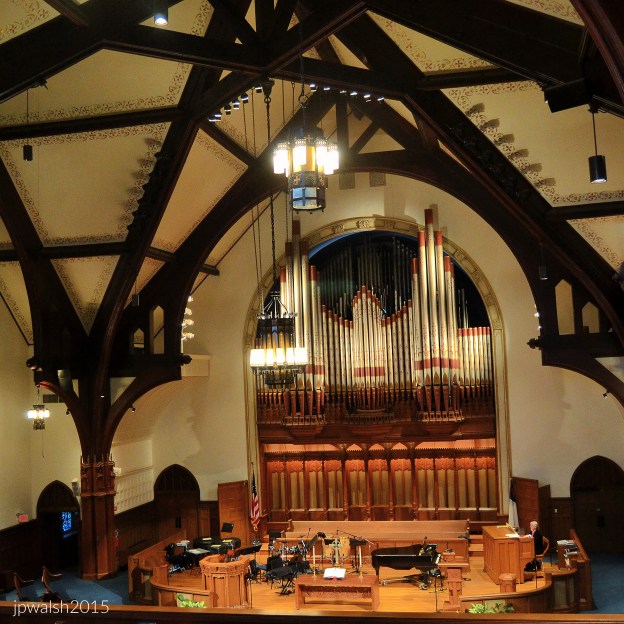
FEATURE image: Aeolian Skinner organ, sanctuary, 10/2015 6.27mb. Text and Photographs by John P. Walsh.
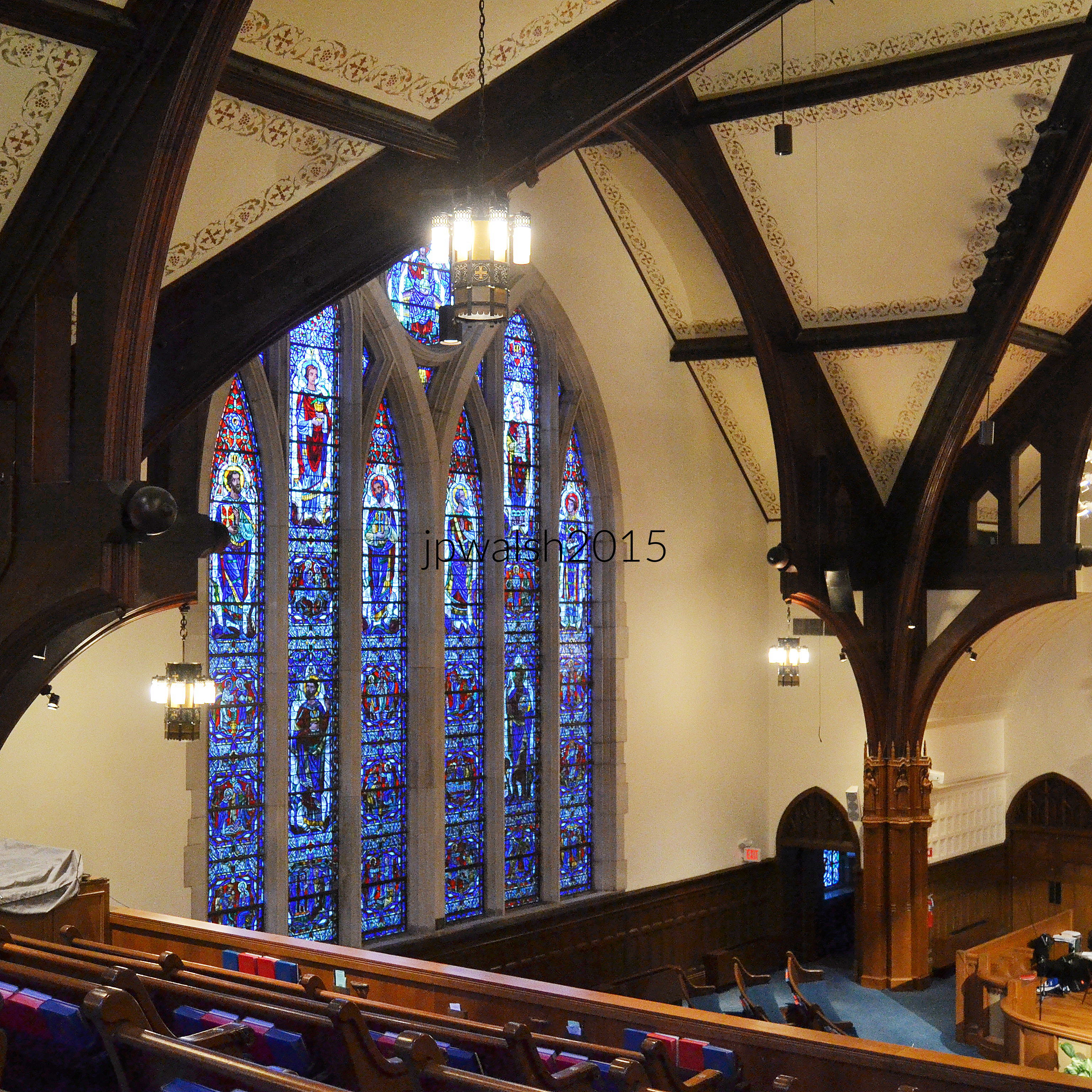
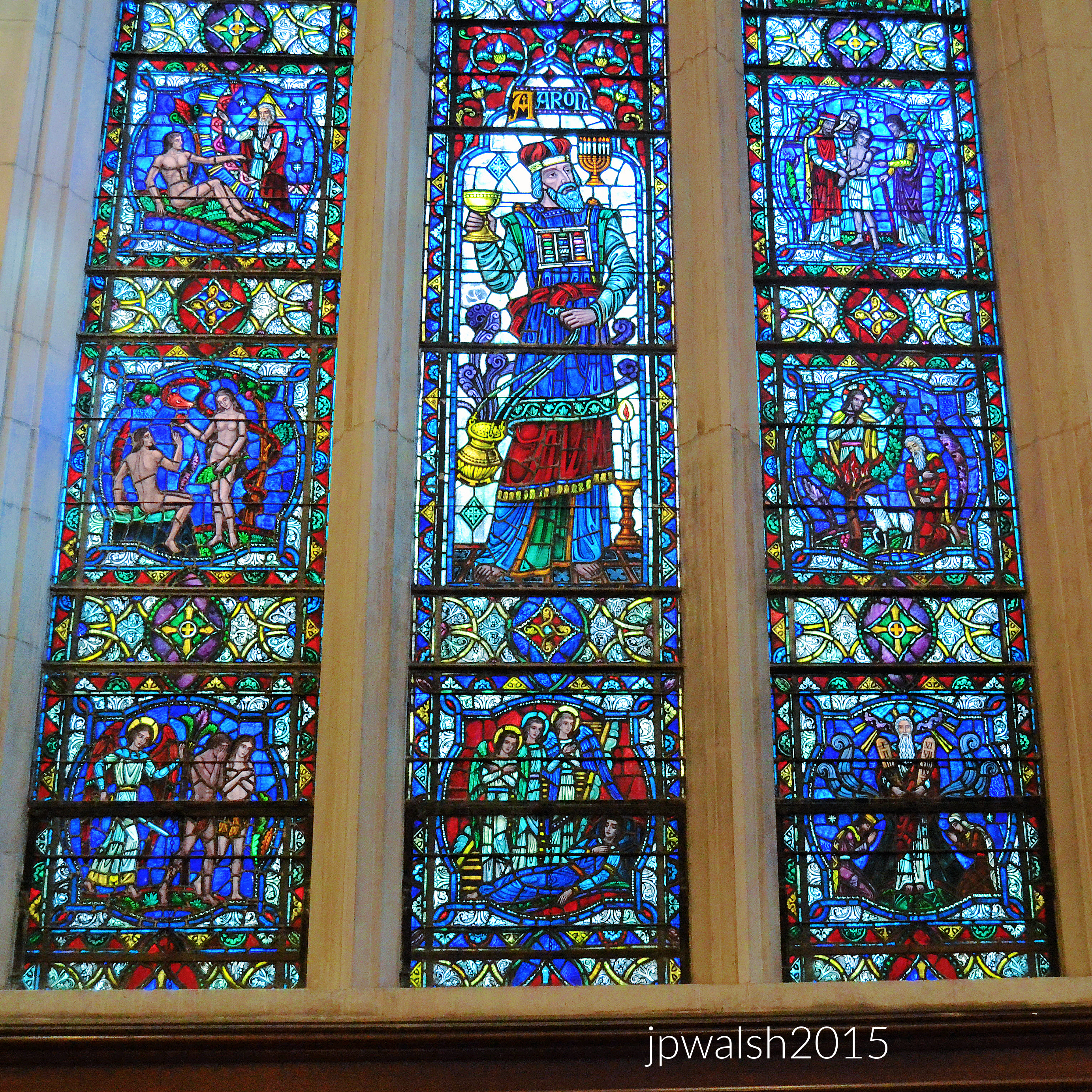
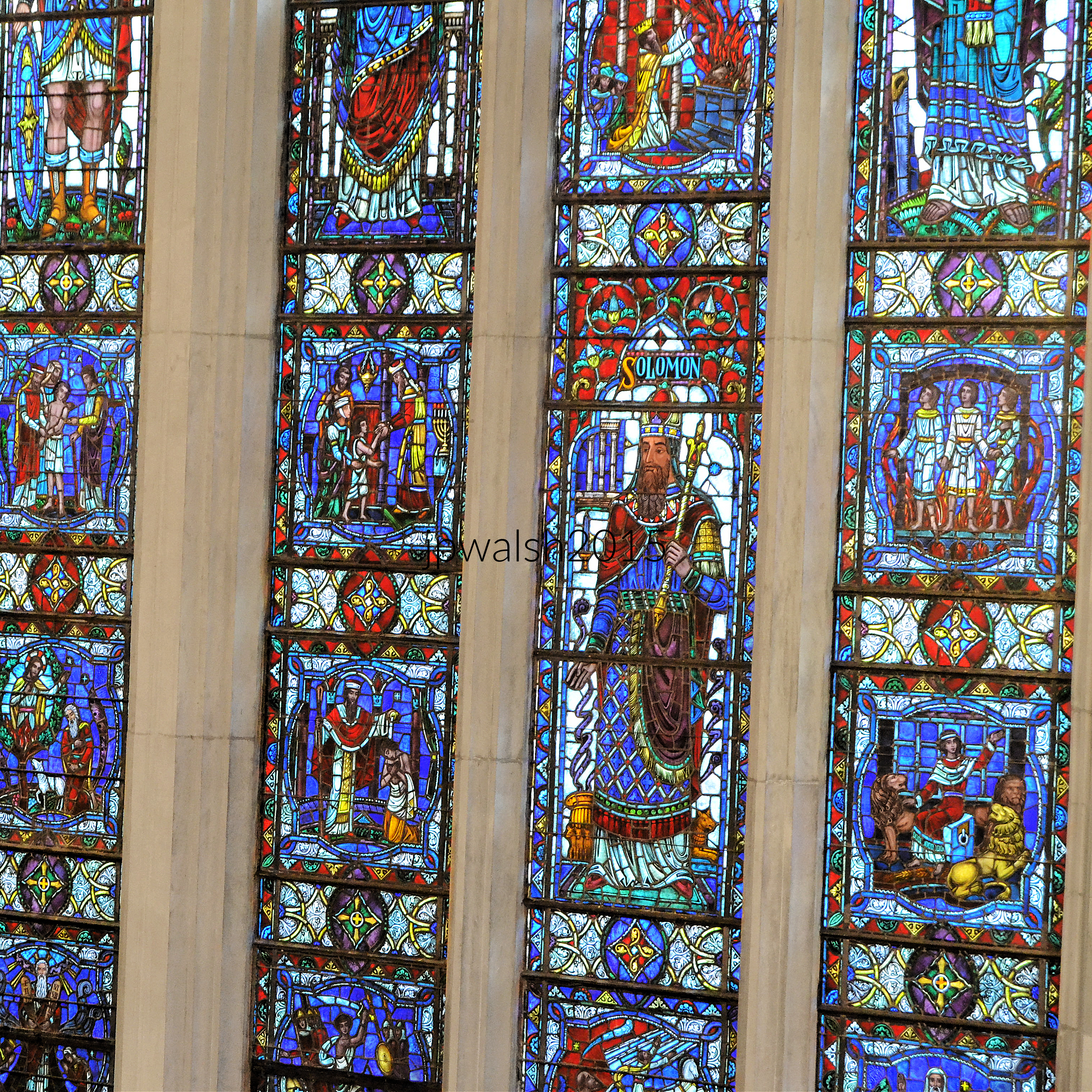
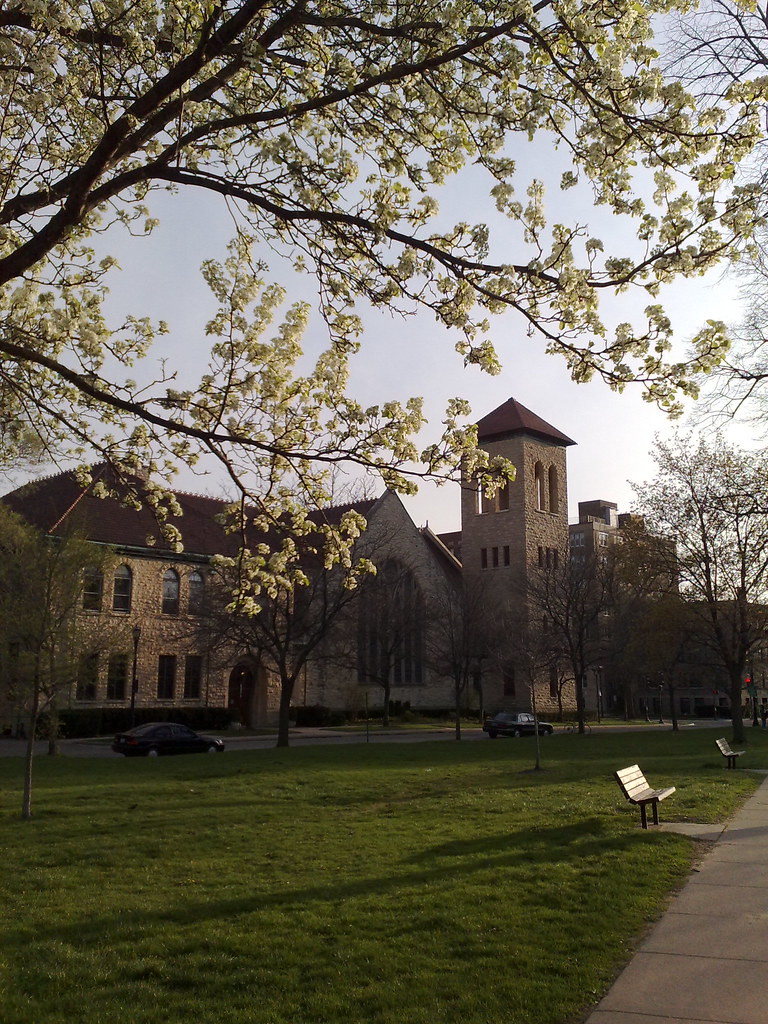
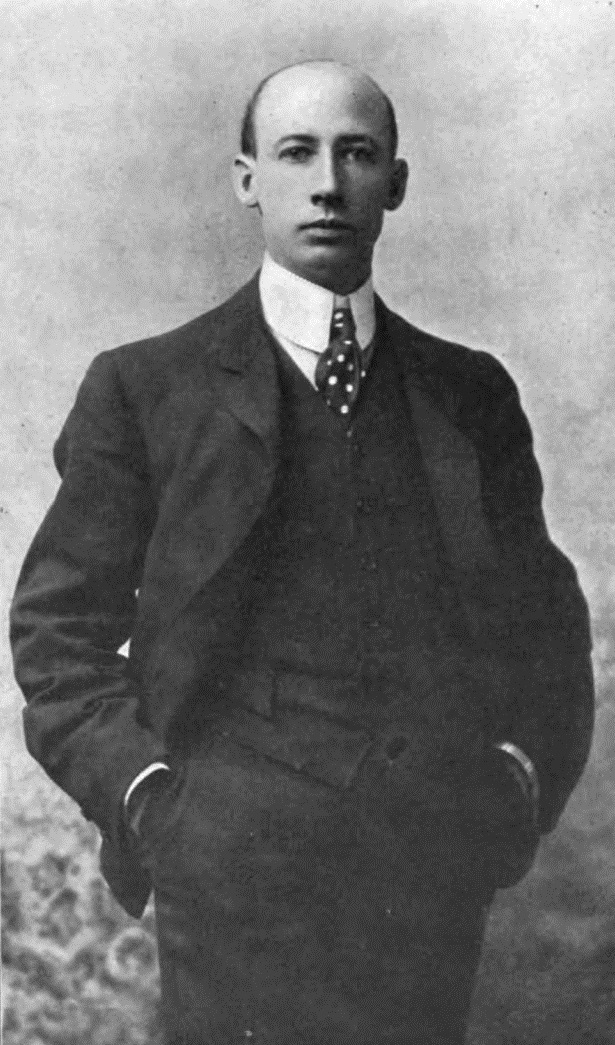
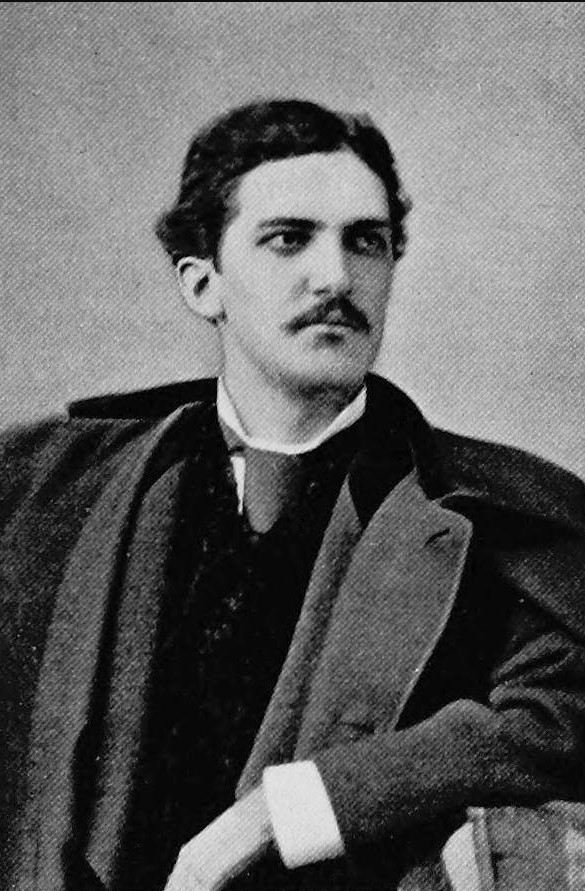
Daniel Hudson Burnham, c. 1890. The First Presbyterian of Evanston church building was designed in 1895 by architect Daniel Burnham (1846-1912) who lived in Evanston.The sanctuary seats over 1,000 worshippers. It has a vaulted roof with Nordic-style timber trusses for support instead of major columns that might obstruct views as well as retains an inclusive worship space. “PA02.2018 – 101” by Presbytery of Chicago is licensed under CC BY-NC-SA 2.0.Music is enhanced by First Presbyterian Church of Evanston’s Aeolian Skinner organ, portions of which date to the 1890s, and is one of Chicago’s finest organs. Wall-filling arched stained-glass windows tell Old and New Testament stories. 10/2015 6.81mbFirst Presbyterian Church, 1427 Chicago Ave, Evanston, IL One of the historic church’s dramatic wall-filling stained-glass windows.10/2015 7.79mb 80%Creation of Adam; Fall of Adam and Eve; Expulsion from the Garden; Priest Aaron and brother of Moses; three angelic visitors to Abraham; the story of Moses. 10/ 2015 7.87mb 90%Burt J. Denman, born in Toledo, Ohio, was an engineering graduate of the University of Michigan who was vice president and general manager of the United Light Power Company. Denman was for a while a leading Methodist layman and trustee of Northwestern University. 10/2015 2.76mbFrom Raymond Park, stained glass window and limestone walls. 10/2015 5.35 mbKing Solomon. 10/2015 7.81mb 98%Adjacent to Raymond Park, the 1895 Gothic Renaissance building is made of Lemont limestone with a tile roof and 120-foot-tall bell tower with open belfry. Raymond Park, which is part of the Evanston parks system, is named for Rev. Dr. Miner Raymond (1811-1897). Rev. Miner Raymond was born in New York City and began his career as a cobbler. Following his matriculation at Methodist Wesleyan Academy in Wilbraham, Massachusetts, Raymond became a teacher at the school starting in 1833 and its principal from 1848 to 1864. In 1837 he married Elizabeth Henderson in Webster, Massachusetts, and they had 8 children together. In 1864 Rev. Miner Raymond with his family relocated to Illinois where he became professor of systematic theology at Garrett Biblical Institute in Chicago. In 1884 he received his LL.D. from Northwestern University. Mrs. Raymond died in 1877 and the widower married Isabella (Hill) Binney in 1879 though she died after 1880. Dr. Rev. Miner Raymond died in 1897 and is buried in historic Rosehill Cemetery. “First Presbyterian Church of Evanston” by Marit & Toomas Hinnosaar is licensed under CC BY 2.0.
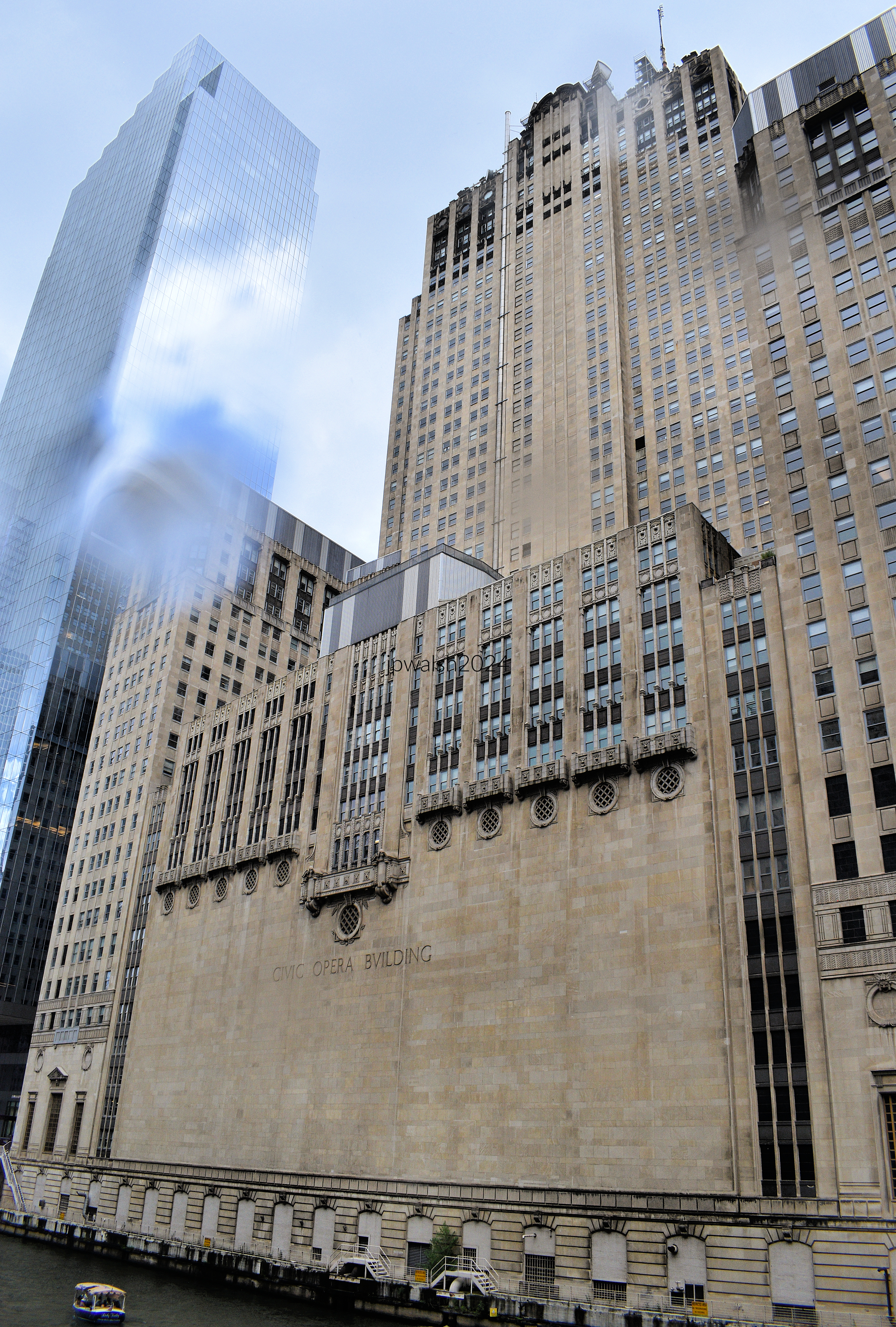
FEATURE image: CIVIC OPERA BUILDING, 20 N. Wacker Drive, Chicago. The world famous Lyric Opera of Chicago mounts its productions in one of North America’s most beautiful opera houses, the Civic Opera House at 20 North Wacker Drive in downtown Chicago, Illinois. Author’s photograph.
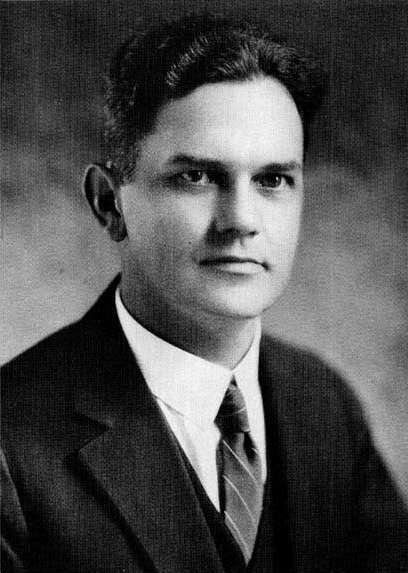
Graham, Anderson, Probst & White was one of the largest architectural firms in the first half of the twentieth century. Founded in 1912, the firm was the successor to D. H. Burnham & Co. by way of partner, Ernest R. Graham (1868-1936), and Burnham’s sons, Hubert and Daniel Jr. Five years later the Burnhams left to form their own firm (Burnham Brothers) and Graham partnered with others of the firm’s members: William Peirce Anderson (1870-1924), Edward Mathias Probst (1870-1942), and Howard Judson White (1870-1936).Pediment sculpture by Henry Hering (1874-1949). Ernest R. Graham (1868-1936)William Peirce Anderson (1870-1924)Edward Mathias Probst (1870-1942)Howard Judson White (1870-1936)
Plan of Chicago Authors:
The Burnham Plan, co-authored by Daniel H. Burnham (1846-1912) and Edward H. Bennett (1874-1954) and published in 1909 encouraged making the Chicago River a focal point of building development. By 1929 massive projects including the Merchandise Mart, Chicago Daily News Building (2 N. Riverside Plaza) and Civic Opera Building (above) stood along the intersection of the three branches of the Chicago River that was part of the plan.
Daniel Hudson Burnham, c. 1890. Burnham was a great collaborator and invited architect Edward Bennett to move to Chicago to collaborate on the comprehensive plan for San Francisco, and afterwards, the Plan of Chicago. While Burnham raised money and visibility for the Chicago Plan, Bennett created the actual layouts and drawings which are so well known today. Public Domain. The architect Edward Herbert Bennett (1874–1954) is best known as the co-author (with Daniel H. Burnham) of the Plan of Chicago, published in 1909. Bennett moved to Chicago from New York City in 1903 when he was 29 years old. Public Domain.
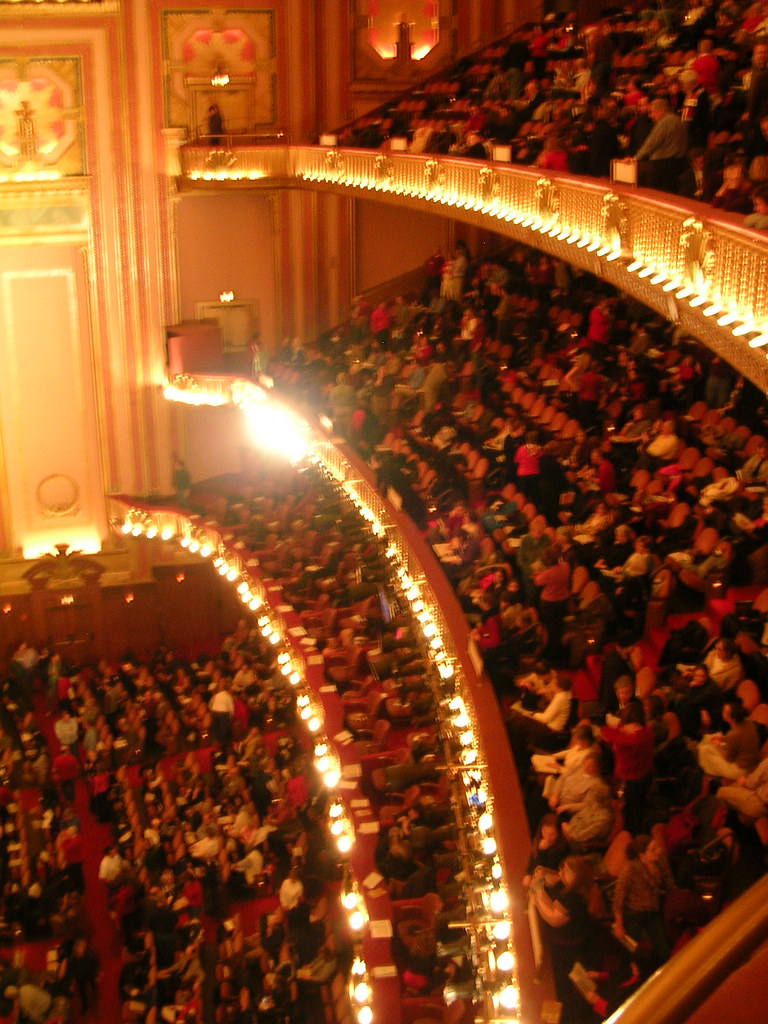
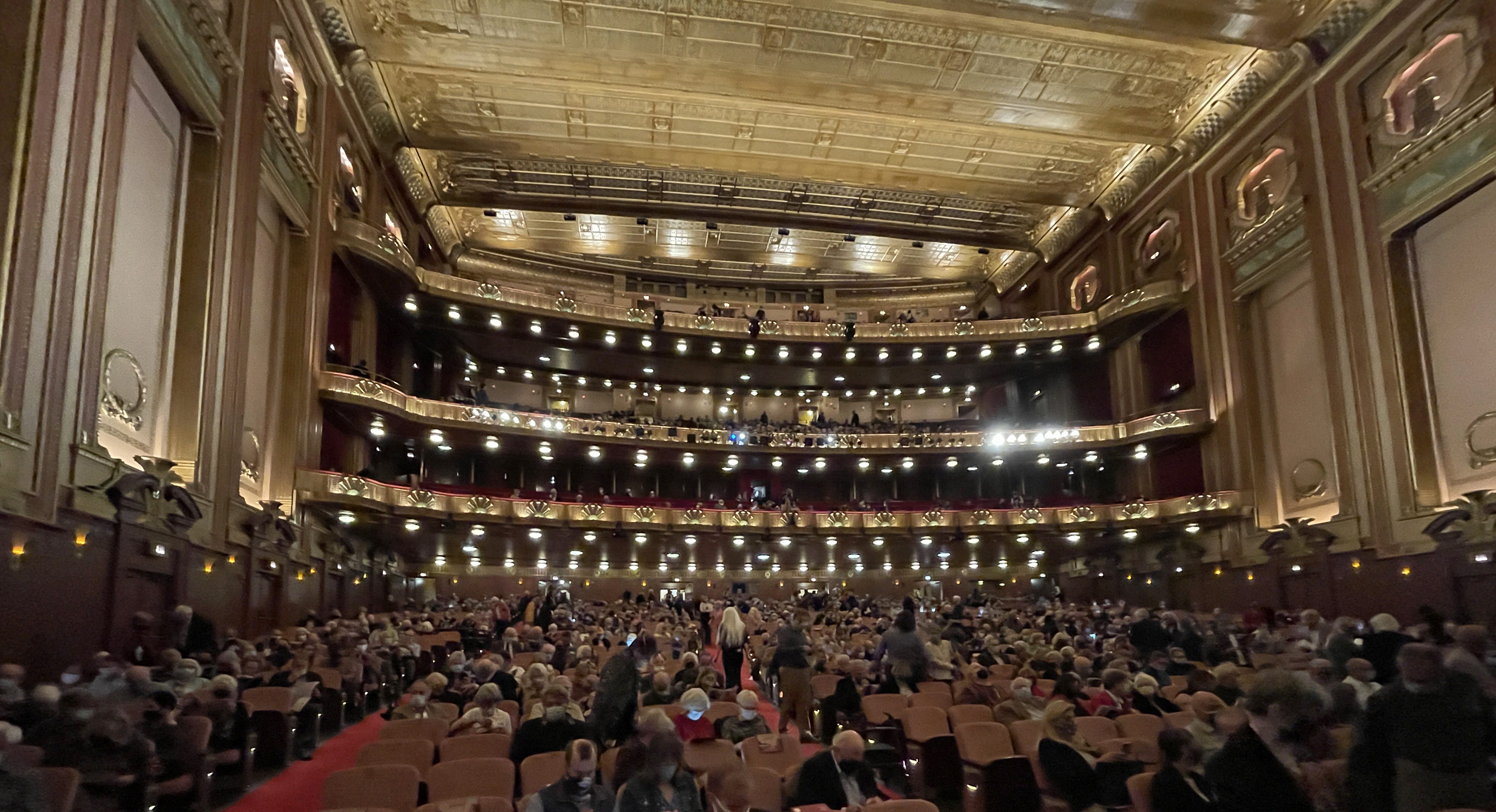
The Civic Opera Building is an office building wrapped around its theatres including a 3,563-seat opera house. It is the second-largest opera auditorium in North America after the Metropolitan Opera House in New York City. in 1996 the interior was named The Ardis Krainik Theatre in honor of Ardis Joan Krainik (1929-1997), an American mezzo-soprano opera singer and the former General Director for 15 years, who was responsible for its renovation after 1993.
The Ardis Krainik Theatre in the Civic Opera Building has 3,563 seats and is the second-largest opera auditorium in North America. “Civic Opera House, Chicago” by notmargaret is licensed under CC BY-NC-ND 2.0.
Chicago opera companies have included the Chicago Grand Opera Company (1910-1914), Chicago Opera Association (1915-1921), Chicago Civic Opera (1922-1932), Chicago Grand Opera Company (1933-1935), Chicago City Opera (1935-1939), Chicago Opera Company (1940-1946), Lyric Theatre (1954-1955), Lyric Opera of Chicago (1956-). see – https://chicagology.com/opera/chicagooperahistory/ – retrieved September 20, 2024.
Masks of Comedy and Tragedy and motifs of music (lyre and trumpet) and poetry (palm leaf and laurel leaf) which appear in terra cotta on the exterior of the building are repeated in the auditorium. Jules Guérin (1966-1946) known for his watercolors of the Plan of Chicago and murals for other skyscrapers supervised the interior design. “Civic Opera House (Chicago)” by Jeffrey Beall is licensed under CC BY 4.0.Jules Guérin (1866-1946) in 1898. The artist was born in St Louis, Missouri and with his family moved to Chicago in 1880. The American muralist and interior designer was educated at the School of the Art Institute of Chicago and gained prominence for his architectural work such as his paintings for the Plan for Chicago in 1906. Guérin was noted for the large murals he painted for famous public structures such as for the Lincoln Memorial In Washington, D.C. For the Civic Opera Building Guérin supervised interior design. Public Domain. Chicago. Civic Opera House (1929). The east elevation facting North Wacker Drive presents long and enormous covered colonnade. May 2014 2.79 mb Author’s photograph.August 2021.The Civic Opera House main auditorium seats 3,563 and is the second largest opera house in the country after New York City’s Metropolitan Opera House that seats 3,850. 7.94 mb_9304 (1). Author’s photograph.
The impressive building and its ornamentation was the result of British-born business magnate and Chicago financier Samuel Insull (1859-1938) who was inspired by the concept of the Auditorium Building with its theatres and offices in a skyscraper-sized building designed by Adler & Sullivan in 1889 at 430 S. Michigan Avenue. Insull, the president of the Chicago Civic Opera Association, wanted to erect the new opera house as the new permanent home of the Chicago Civic Opera. The building itself is shaped like a chair and nicknamed “Insull’s Throne.”
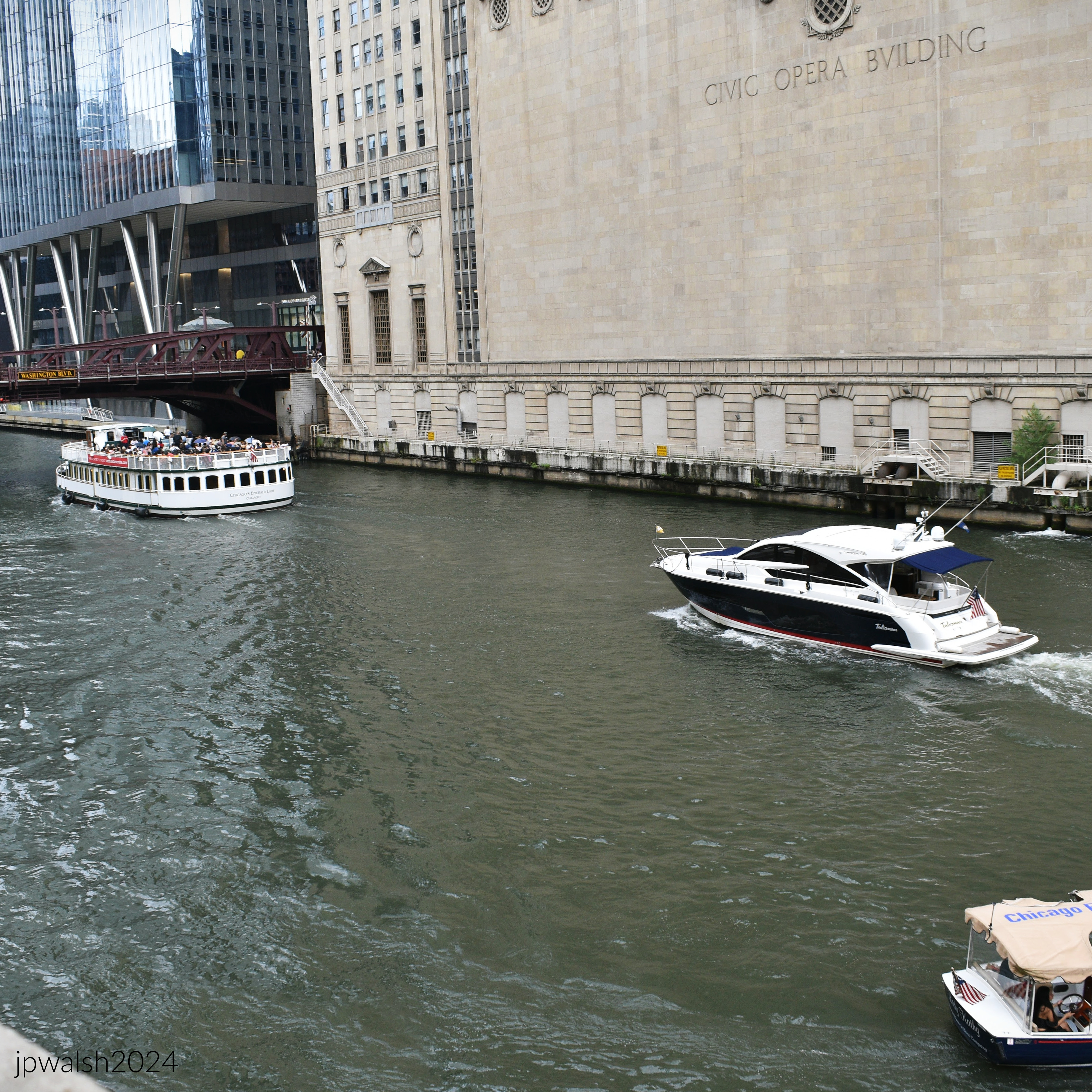
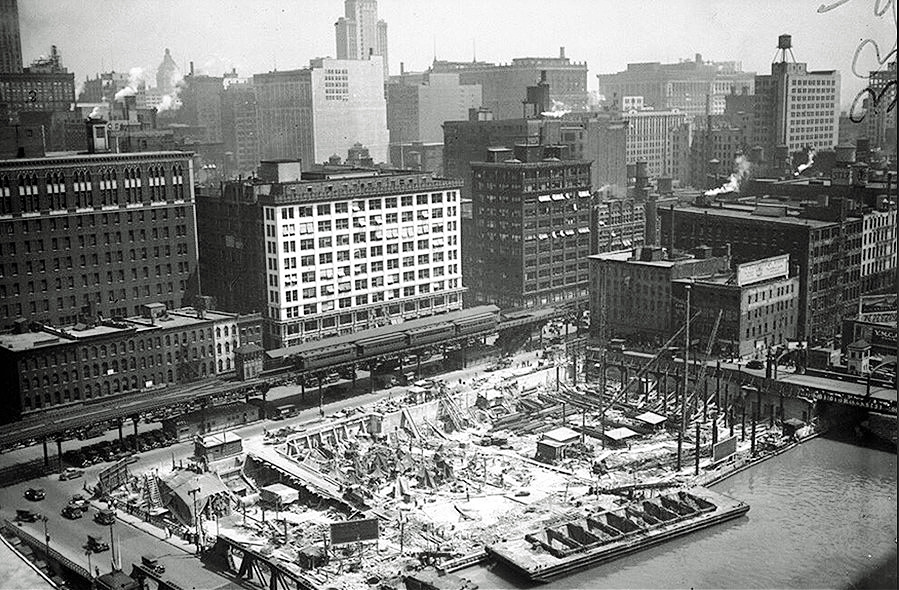
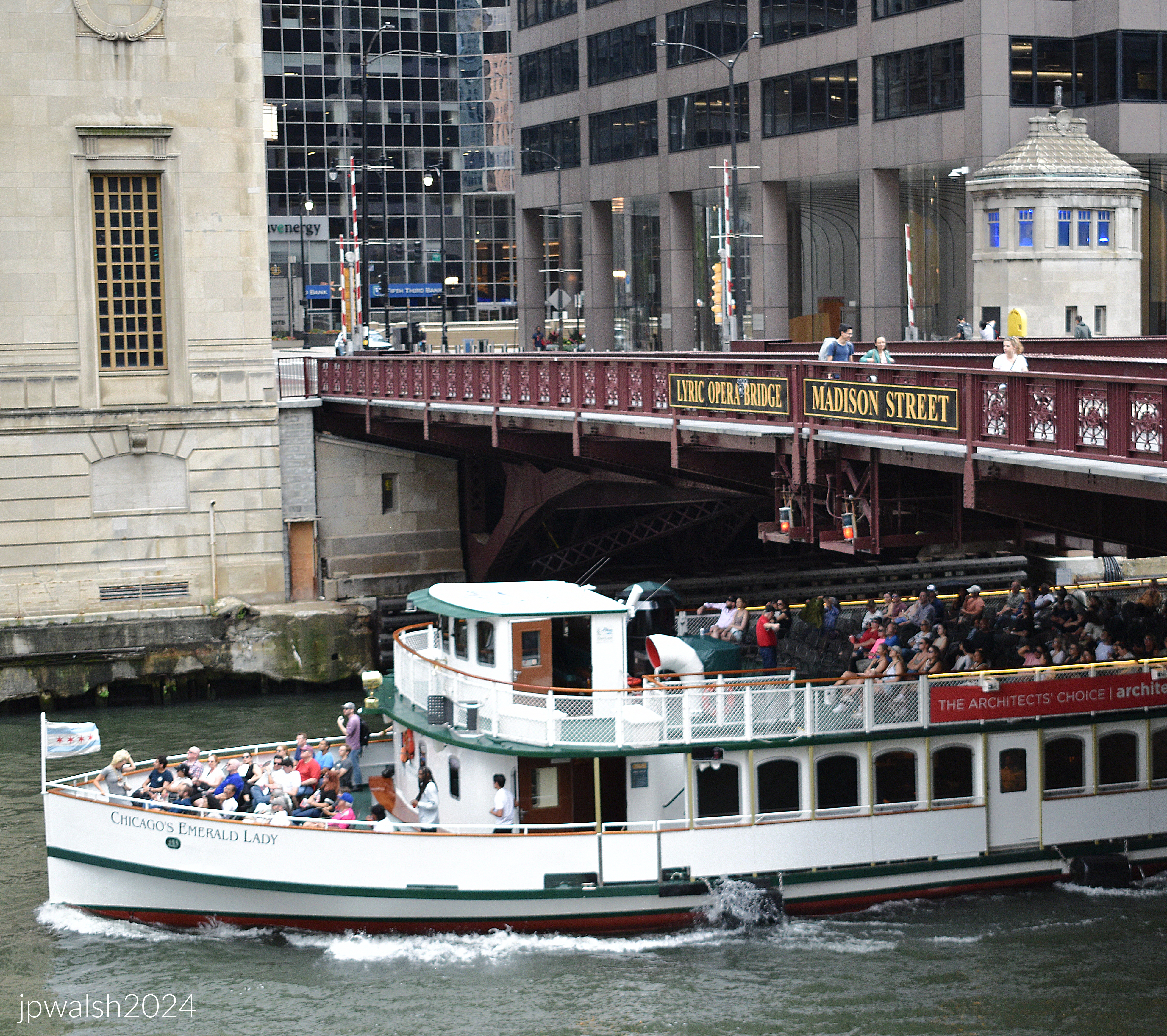
The Art Deco/Classical building’s ambition is multi-faceted – an opera house, a smaller theater, and enough office space to fill a skyscraper. The theatres are surmounted by a central tower 45 stories high flanked by two wings with the west elevation facing the Chicago River resembling a throne. August 2024 77% 7.81mb_1566. Author’s photograph. Civic Opera Building under construction in Chicago in 1928. Public Domain. Samuel Insull was the founder of Commonwealth Edison Company in Chicago. The Great Depression had a devastating effect on Insull’s utilities and transportation empire, due to what became an overly leveraged financial position of his main holding company (by one accounting Insull had less than a 1% cash stake). Insull’s fortunes as well as his shareholders’ were in ruins overnight and Insull quickly became a despised figure. Born in the U.K., Insull became a U.S. citizen in 1896 and now fled to France and then Greece. In October 1932 Insull was brought up on charges in the U.S. of financial malfeasance – bankruptcy, embezzlement, and using the mails to defraud investors. When he was returned to the U.S. to stand trial Insull was defended by Chicago criminal lawyer and former Illinois Supreme Court justice Floyd E. Thompson (1887-1960) and found not guilty on all counts. Insull ended his days living in Paris on a small pension from his business interests. On July 16, 1938, in the summer heat, 78-year-old Insull died of a heart attack after descending the stairs accompanied by his wife into the Place de la Concorde Métro station. Insull was buried in London eight days later. The once-populist multi-millionaire dubbed the “Prince of Electricity” who had been president of 11 power and transportation companies and sat on 65 boards was, at his death, worse than broke. According to his 1932 will, Insull held $1,000 in assets and $14,000,000 in debts. See – “Fortune Shrank to $1,000, Samuel Insull Will Shows”. Reading Eagle. 12 August 1938 – retrieved June 29, 2024 and https://www.chicago-l.org/figures/insull/ – retrieved June 29, 2024.Floyd E. Thompson was an Illinois lawyer and newspaper publisher who became an Illinois Supreme Court justice (term, 1919-1928) who defended Samuel Insull on charges of financial malfeasance in the 1930’s in a case that returned a verdict of “not guilty” on all counts. August 2024. Civic Opera Building’s west elevation faces the Chicago River. 5.11 mb _1562 (1). Author’s photograph. Civic Opera Building under construction, 1927. Public Domain. August 2021. The 1929 building occupies a block bounded by W. Madison Street (above), N. Wacker Drive, W. Washington Street and N. Wacker Drive. 99% 7.89 mb_9300. Author’s photograph. The Civic Opera building’s Classical window casement is evident facing west at the Chicago River. The building rises 555 feet on hardpan caissons, a soil layer above bedrock. August 2024 87% 7.90mb_1560 (1). Author’s photograph.
SOURCES:
AIA Guide to Chicago, 2nd Edition, Alice Sinkevitch, Harcourt, Inc., Orlando, 2004, pages 14 and 90.
Chicago’s Famous Buildings, 5th Edition, Franze Schulze and Kevin Harrington, The University of Chicago Press, 2003, pp. 117-118.
History of Development of Building Construction in Chicago, Second Edition, Frank A. Randall, Revised and Expanded by John D. Randall, University of Illinois Press, Urbana and Chicago, 1999, p. 330-331.
Saliga, Pauline A., editor, The Sky’s The Limit A Century of Chicago Skyscrapers, Rizzoli New York, 1990, p. 152-153.
FURTHER READING: Forty Years of Opera in Chicago, Edward C. Moore, 1930.
FEATURE image: FISHER BUILDING, 343 S. Dearborn Street, view from the south. Author’s photograph, December 2017.
The success of the Reliance Building at 32 N. State Street built by Daniel H. Burnham (1846-1912) and John Wellborn Root (1850-1891) in 1890-91 and Burnham & Co. in 1894-95 led directly to the construction of the Fisher Building in 1895.
Daniel Hudson Burnham, c. 1890. In 1873 Burnham and Root entered into partnership in Chicago. In 1894 Burnham reorganized his office to include, among other partners, Charles B. Atwood who designed the Fisher Building.
The Fisher Building was also designed for Burnham & Co. by Charles B. Atwood (1849-1895). The Fisher Building was three stories taller than the Reliance Building and possessed even more flamboyant Gothic detailing as it is sheathed in golden terra cotta on its visible façades.
Charles B. Atwood c.1880. Public Domain.
The Fisher Building’s façade with its depictions of sea creatures in homage to the building’s namesake, Lucius G. Fisher (1843-1916), an Illinois paper company magnate and architect, was painstakingly restored and adapted for contemporary use in 2001. The rectangular prism with its Gothicized ornamentation sits on 25-foot piles under spread foundations engineered by Edward Clapp Shankland (1854-1924).
Ed Shankland was Daniel Burnham’s structural engineer through 1898 and worked on the Reliance Building and the Fisher Building.
In the mid 1890’s, the skyscraper was erected quickly with pride. The steel frame’s first 13 stories were erected in two weeks. The building has oriel windows and engaged colonettes at its corner piers. In 1907, a 20-story addition was built to the north by architect Peter J. Weber with Shankland also as structural engineer.
Lucius Fisher (1843-1916). Born in Wisconsin, Fisher was an Illinois paper magnate who commissioned the Daniel Burnham and Company to build the 20 story, 275 foot tall Fisher Building in the Chicago Loop in 1895. Completed in 1896, the landmark Fisher Building is the oldest extant 20 story building in Chicago. Public Domain. In 2002 the main entries on Dearborn Street and Plymouth Court were recreated. At the same time, over 1000 wood-frame windows were replaced or repaired and over 6000 terra-cotta pieces were replaced. Author’s photograph, May 2015. Fisher Building (1895-1896), looking east. To the left is Burnham & Root and Holabird & Roche’s Monadnock Building (1891-1893) and to the right is Holabird and Roche’s Old Colony Building (1893-1894). In the background is Graham, Anderson, Probst & White’s bright red international style CNA Center (1972). Author’s photograph, September 2015.Fisher Building (1895-86) at Plymouth Court and Van Buren Street, looking northwest. Author’s photograph, October 2017.
SOURCES:
AIA Guide to Chicago, 2nd Edition, Alice Sinkevitch, Harcourt, Inc., Orlando, 2004, pps. 62-63.
The Sky’s The Limit: A Century of Chicago Skyscrapers, Jane H. Clarke, Pauline A. Saliga, John Zukowsky, New York: Rizzoli, 1990, pps. 33-35.
Chicago’s Famous Buildings, 5th Edition, Franze Schulze and Kevin Harrington, The University of Chicago Press, 2003, pp. 82-83.
Frank A. Randall, History of Development of Building Construction in Chicago, Second Edition, Revised and Expanded by John D. Randall, University of Illinois Press, Urbana and Chicago, 1999, pps. 37 and 164-65.