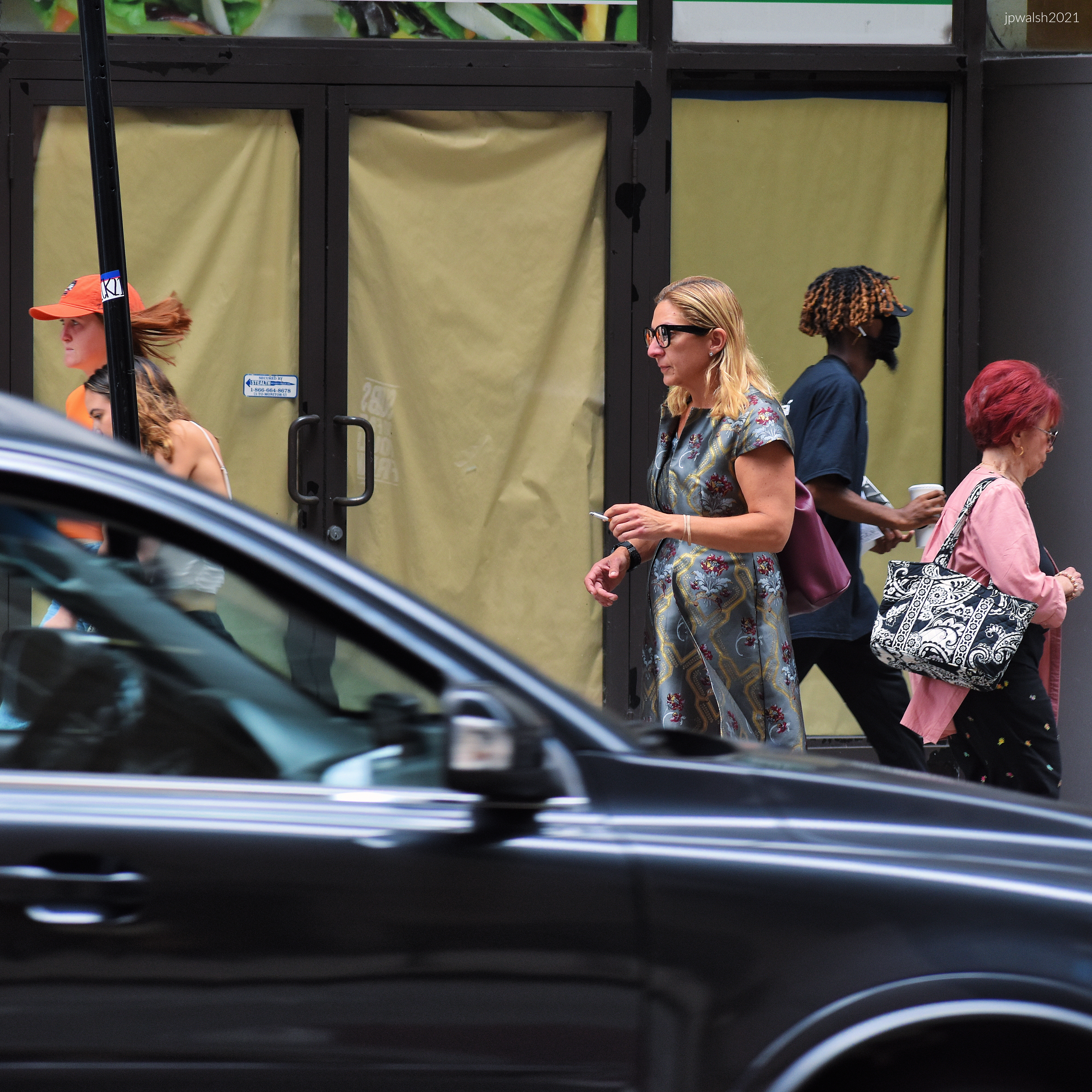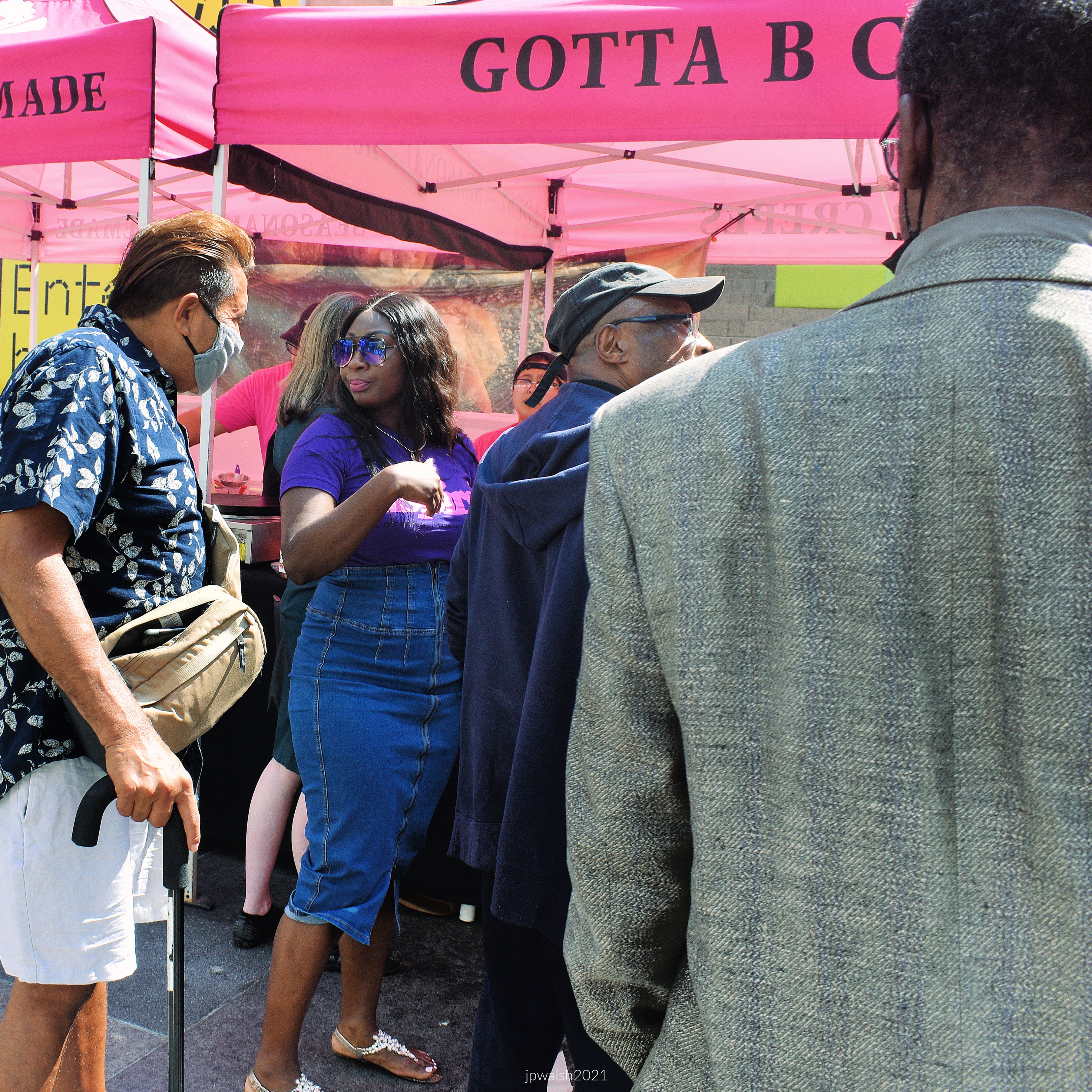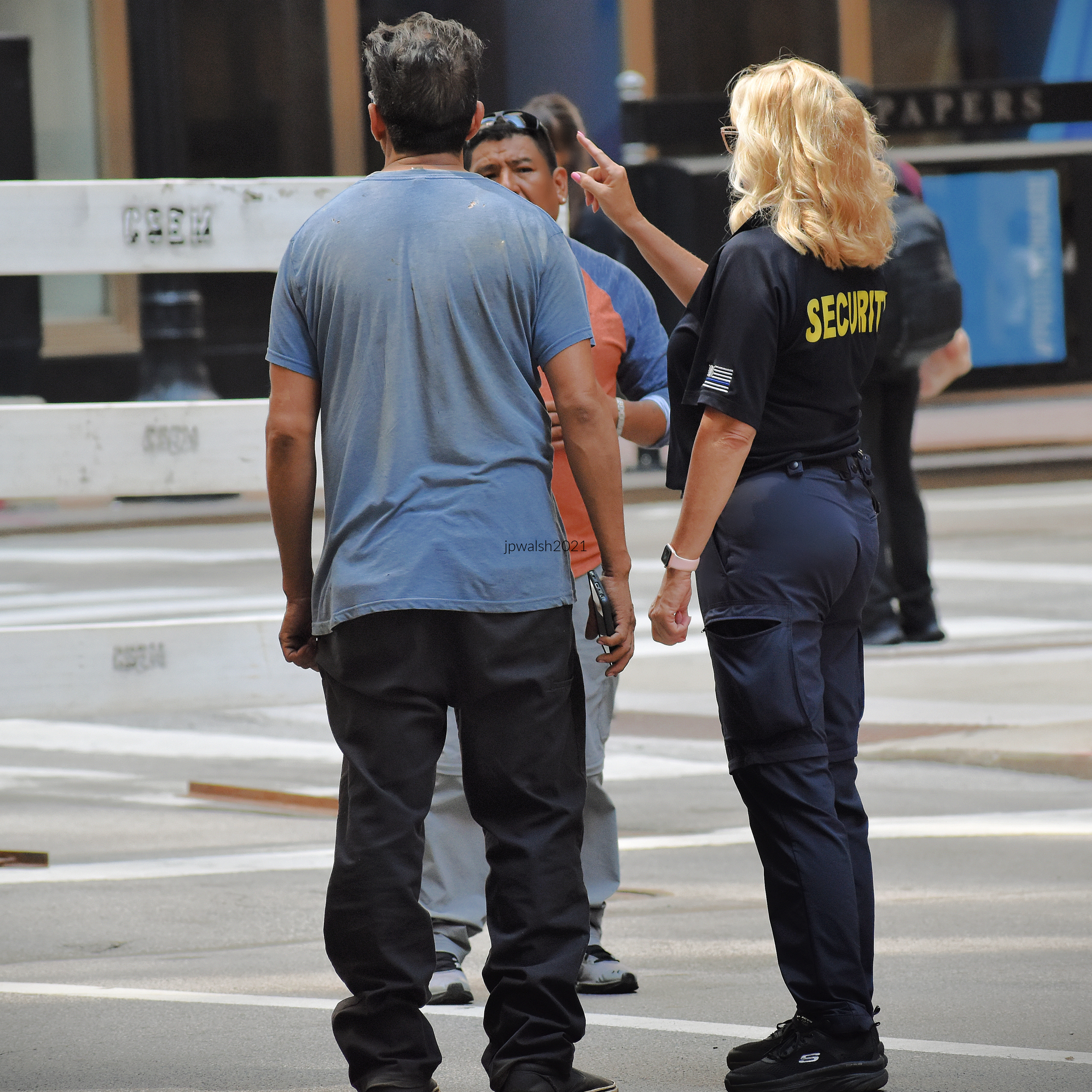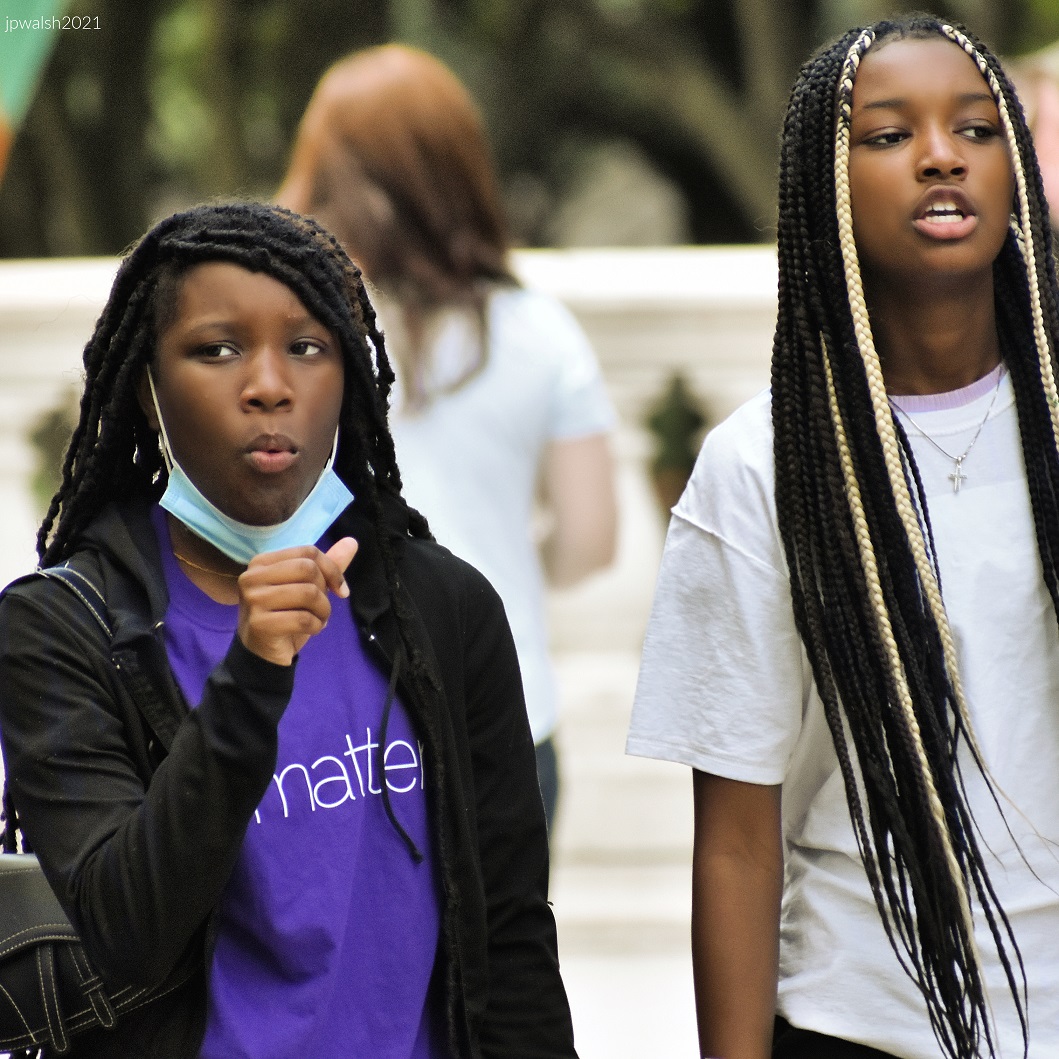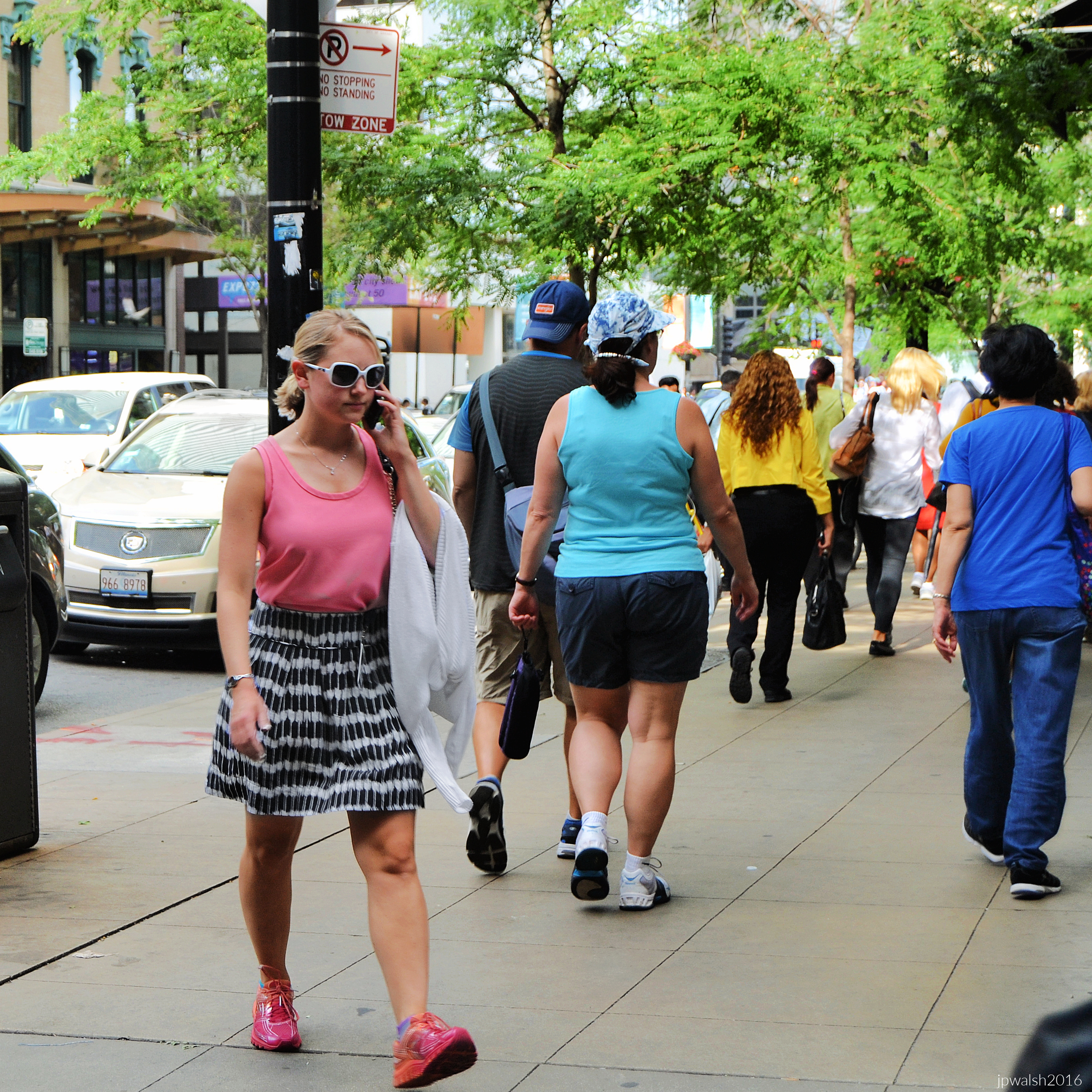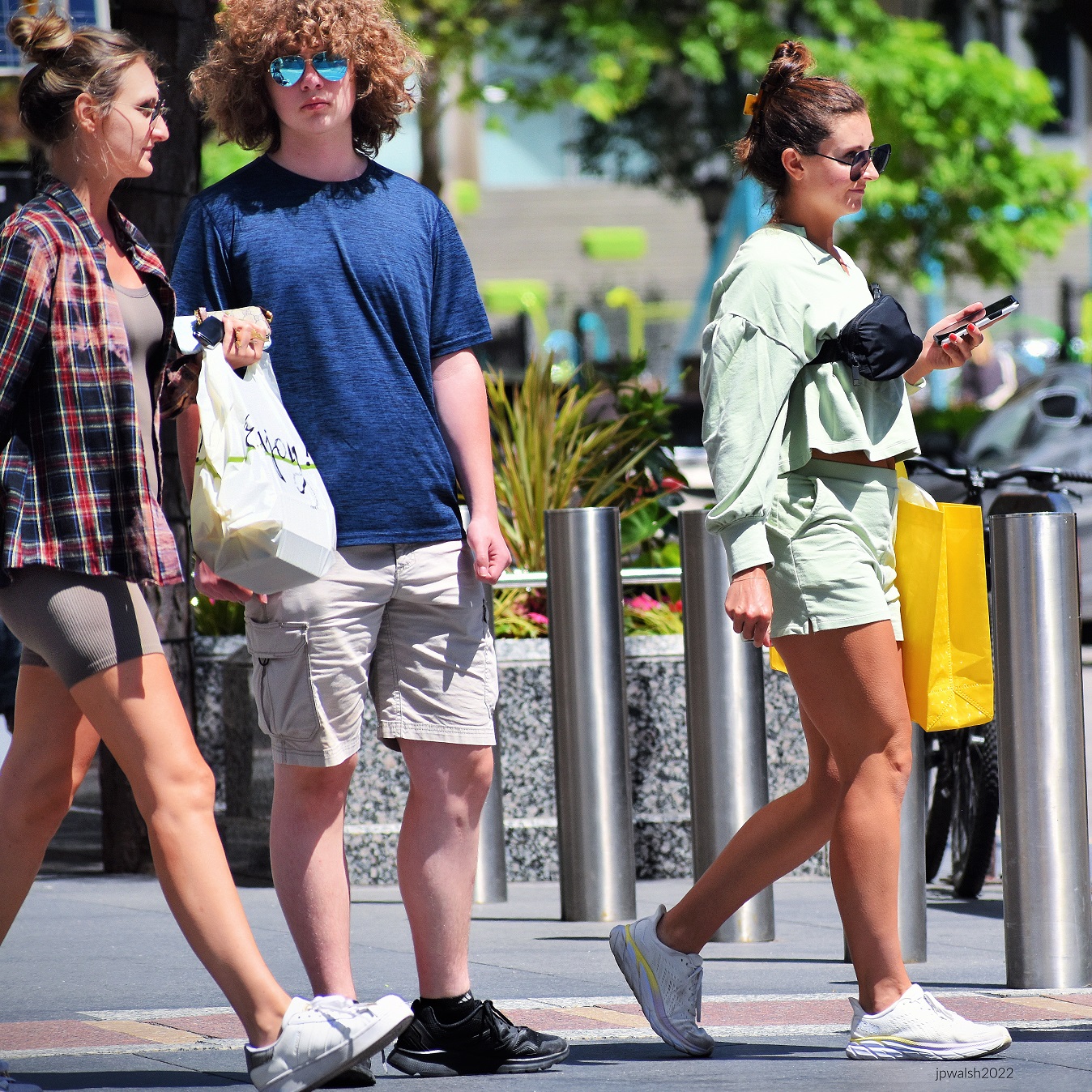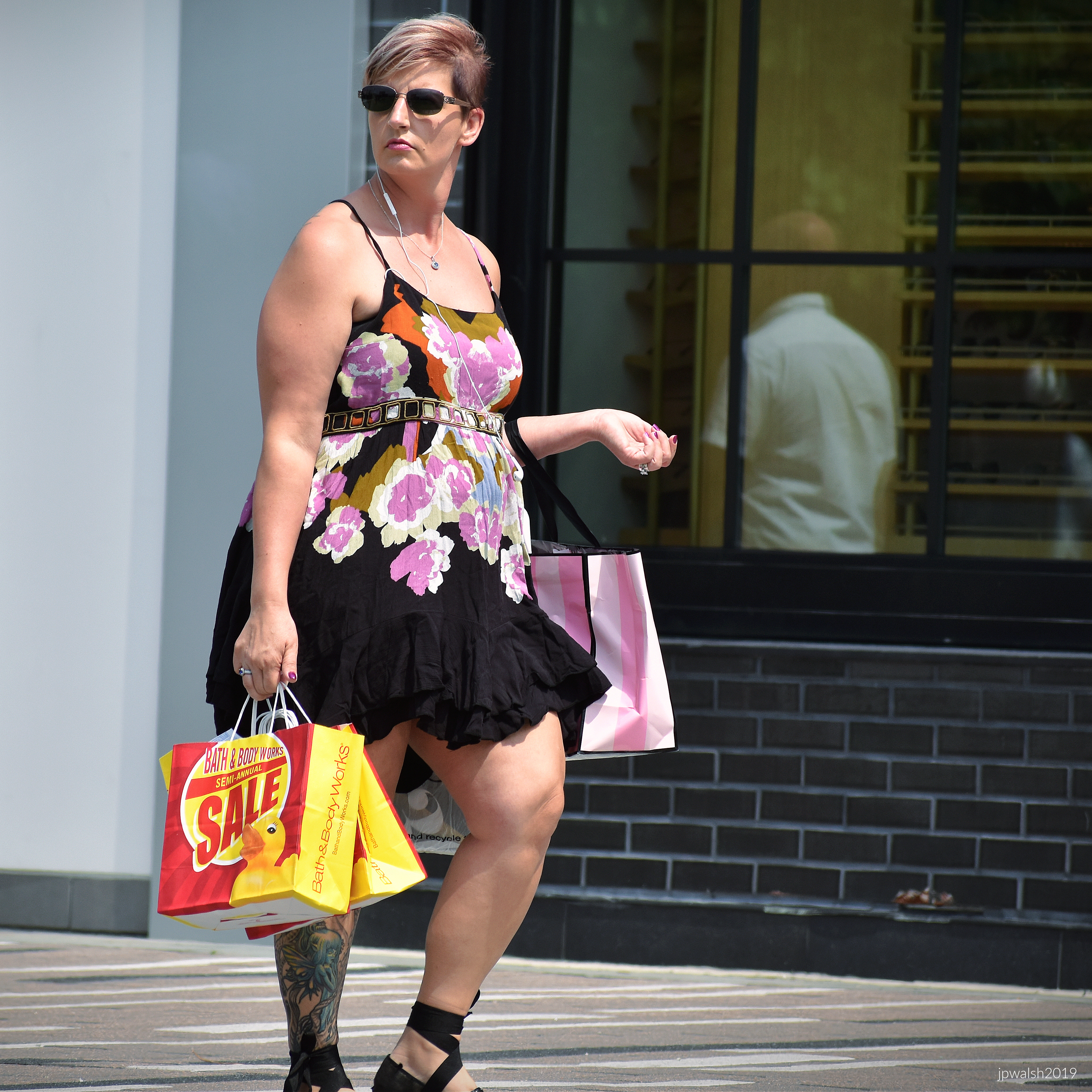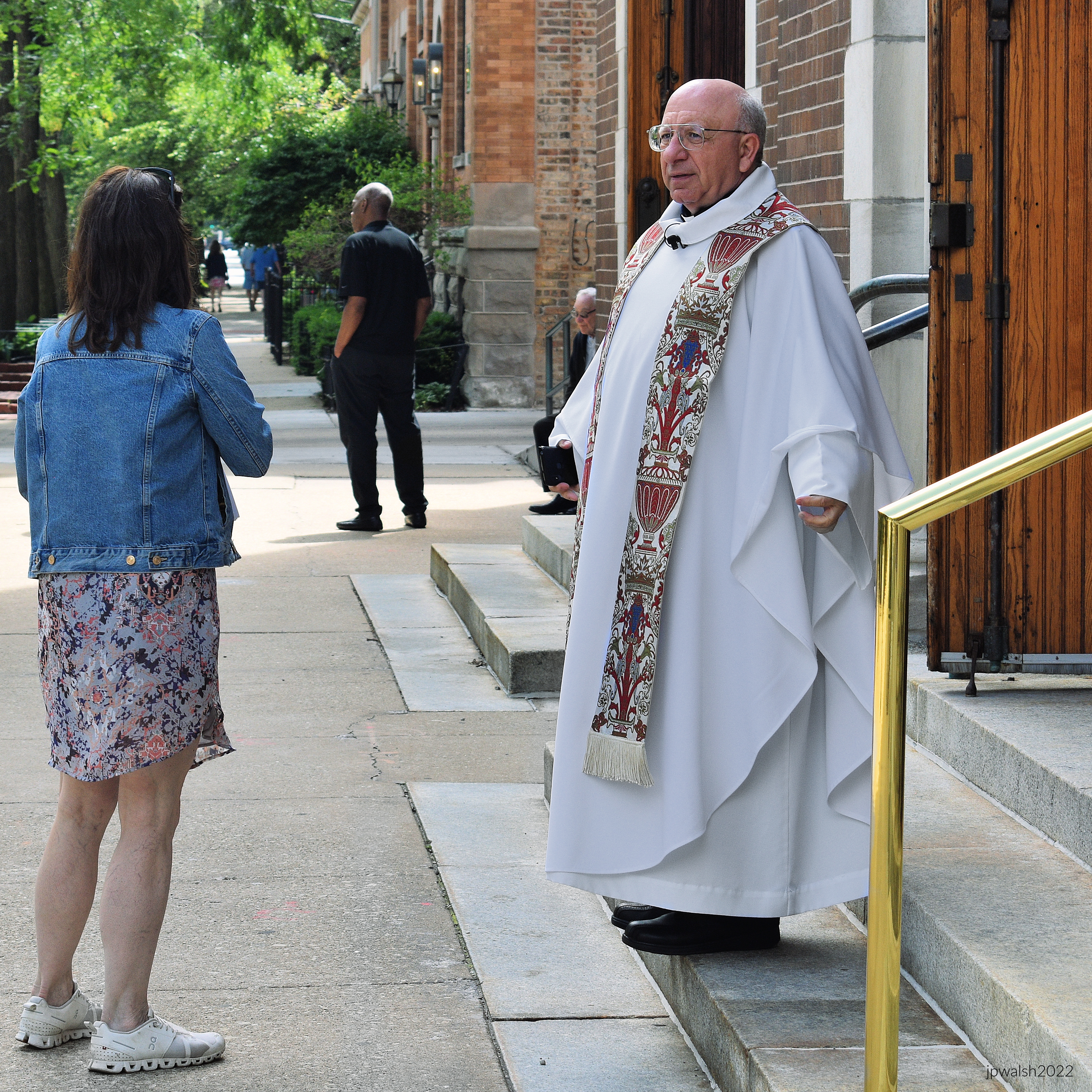
Category Archives: Chicagoland

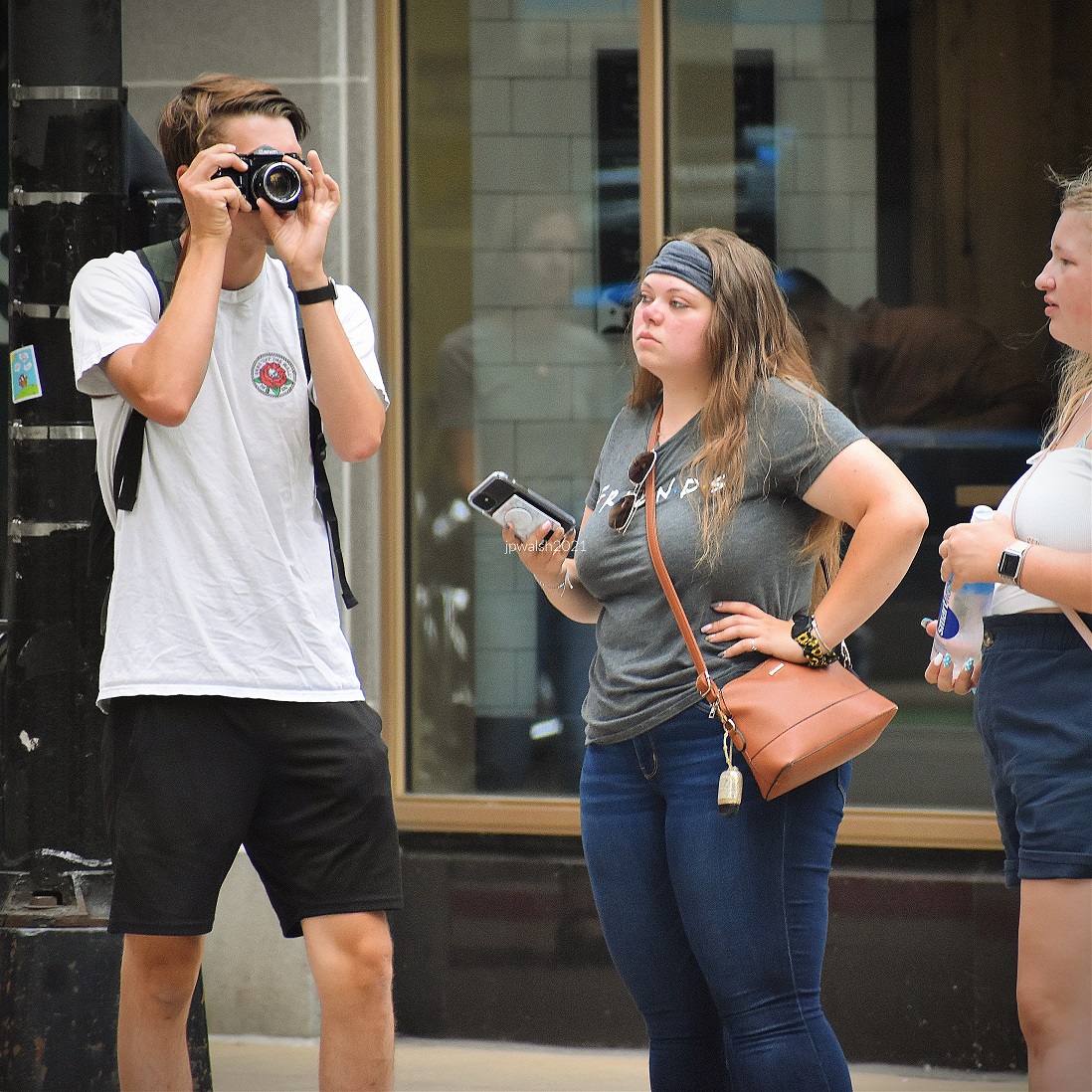
My Architecture & Design Photography: Founded in pioneer Hanover Township in 1852 for German settlers, Immanuel United Church of Christ on Old Church Road in Streamwood, Illinois is today in the Chicago suburbs. (4 Photos & Illustrations).

FEATURE Image: March 2016. Immanuel United Church of Christ, 1500 Old Church Road, Streamwood, Illinois. Built in 1868, it is the congregation’s second house of worship on the site and remains the congregation’s active sanctuary. 7.49mb _0979

IMMANUEL UCC in Streamwood, Illinois, has a unique history within the context of the similar histories of other early settlers in Northern Illinois beginning in the 1820’s. Though diverse settlement throughout this part of the state was feverish (Chicago incorporated as a city in 1837), the prairie landscape expanse remained sparsely populated into the 1830’s and 1840’s with its mixture of farms, industry, and trade. The Streamwood church and burial grounds were founded in 1852 when W.G. Hubbard donated its five acres of land for “the sole and exclusive use of erecting a house thereon for religious worship and a burying ground.”

March 2016. Immanuel UCC is today part of a complex that includes newer church-related buildings. https://streamwoodiucc.org/home/about-us/church-history/ – retrieved January 30, 2025.

It was a group of 13 farmers who organized the church and chose its name: Deutsche Vereingigte, Evangelische Lutherische Immanuael’s Germeinde. Apparently, as Illinois was the edge of the Western frontier, in those days there wasn’t anyone around, or very many, to enjoin them to state it in English. Of course, it translates as “United Evangelical Lutheran Immanuel Congregation.” Today, Streamwood is in Cook County and sits just on the other side of DuPage County to the south that broke off from Cook and was established in its own right in February 1839. The original relatively open site today is surrounded by tract housing and other modern development for as far as the eye can see or vehicle drives with Elgin about 9 miles to the west.

1851 map of Cook and Dupage Counties. Hanover is between Elgin and Schaumburg Townships. Public Domain.

Streamwood, incorporated in 1957, is one of three communities that comprise the so-called “Tri Village” area that includes Bartlett and Hanover Park. This part of Northern Illinois had served as a seasonal hunting and camping ground for the Cherokee, Miami, Potawatomi, and Ottawa Indians. In their turn, the land had been claimed by France, England, Spain, Virginia, and the Northwest Territory before it became part of the State of Illinois in 1818.

March 2016. The ImmanuelUCC church and burial ground were created in 1852 for German settlers in Hanover Township in today’s northwest DuPage/Cook Counties. Three U.S. Civil War veterans are buried here, including from the 127th Illinois Infantry; Volunteer 5th Calvary Illinois Regiment; and U.S. Calvary Co. H, 3rd Regiment. All three died and were buried in the cemetery decades after the war had ended. Author’s photograph.

While the church started out as Evangelical Lutheran, over time the congregation moved towards becoming part of the United Church of Christ. In 1959 the members changed its name to reflect that reality. The first church building that was completed in 1853 was replaced in 1868 and is the present one. Among other buildings added to the church complex, the same historic sanctuary remains this Chicago suburban congregation’s house of worship today.

March 2016. Landscape and grounds near ImmanuelUCC church in Streamwood. Hanover Township was an expansive area of farmland settled by mid-19th century German settlers to Illinois. Author’s photograph.

Sources:

DuPage Roots, Richard A. Thompson, editor, DuPage County Historical Society, 1985.

My Architecture & Design Photography: LOUIS BOURGEOIS (1856–1930), Baháʼí Temple (1912-1953), 100 Linden Avenue, Wilmette, Illinois. (10 Photos & Illustrations).

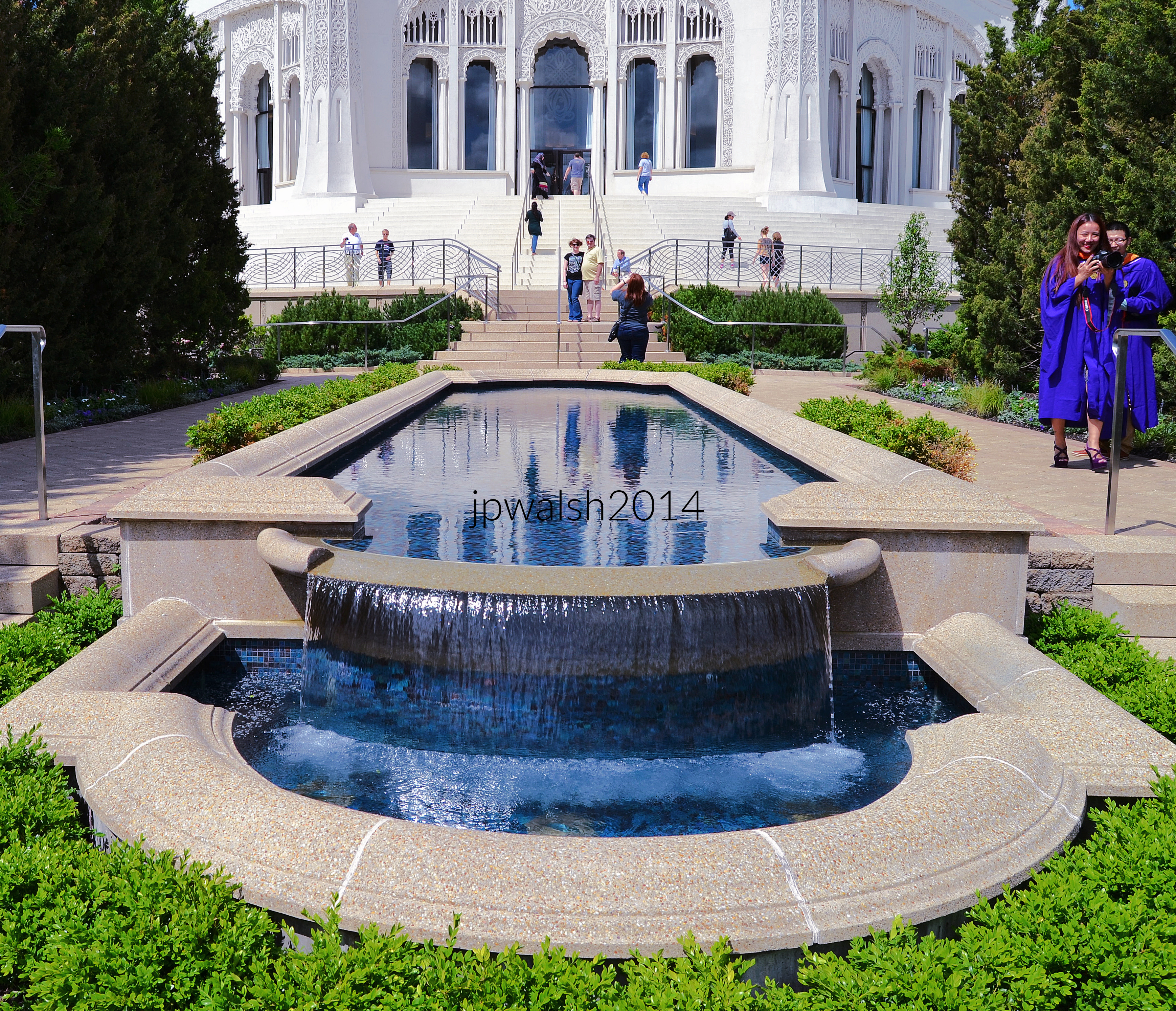
FEATURE image: To convey the Baháʼí principle of the unity of religion, architect Louis Bourgeois incorporated a variety of religious architecture and symbols including for Hindus, Buddhists, Native Americans, Jews, Christians and Muslims.

Text & Photographs by John P. Walsh.

The temple was designed by French-Canadian architect Louis Bourgeois (1856–1930). Bourgeois and his wife joined the Baháʼí faith by winter 1906. Photo c. 1922, Public Domain.

The Chicago Baháʼí Temple House of Worship is the second such house of worship constructed and the oldest one that is still standing. The popular destination along Lake Michigan on Chicago’s Northshore attracts visitors from around the world today for its amazing architecture, beautiful gardens, and message of religious unity in prayer and for peace.

The temple was designed by French-Canadian architect Louis Bourgeois (1856–1930). After studying and traveling in Paris, Italy, Greece, Egypt, and Iran, Bourgeois settled in Chicago in 1896 where he worked with Louis Sullivan. Bourgeois moved to Southern California and, in 1898, designed in Hollywood a landmark Mission Revival style house for painter Paul de Longpré (1855-1911) whose architecture and gardens became a tourist attraction.

The nine sides of the building represent the largest single digit number which stands for the Baháʼí belief  in the unity and oneness of humankind. 6/2014 6.55mb

The idea for the construction of the first Baháʼí Temple in the Western world began in Chicago in 1903. When there was a call for designs, Louis Bourgeois’ plans were the most promising. He worked on the complex design from 1909 to 1917. Before that time, Louis Bourgeois and his wife had joined the Baháʼí faith after having come into association with the Baha’i Faith through Boston’s Baháʼí community. In that time Bourgeois constructed a plaster model of his completed vision and in the 1920’s until his death in 1930 worked on the temple’s construction in Wilmette, Illinois.

While building activity was delayed though the Great Depression of the 1930’s and into World War II, temple construction began again in earnest in 1947 and the temple was dedicated in 1953.

Abdu’l-Bahá (1844-1921), eldest son of Baháʼu’lláh (1817-1892), the founder of the Baháʼí Faith, participated in the ground-breaking ceremony in 1912 of Baháʼí Temple. Construction began in earnest in the 1920s. It is four stories of reinforced concrete. 6/2014 4.11mb
Money for the building was raised entirely by the temple congregants as their gift to the people of the world. 6/2014 6.30mb
The temple rises 191 feet from its base to its ribbed dome’s peak. The main story pylons are 45 feet high each. The building’s surfaces are teeming with carved lacelike ornamentation. 6/2013 4.50mb
The Baháʼí Temple has a highly traditional appearance whose architectural reputation in an age of orthodox modernism has only grown more positive with the years. 6/2013 4.85 mb
Interior. “The forbidden temple.” by kern.justin is licensed under CC BY-NC-ND 2.0.
The temple’s main prayer room seats 1,200 people. In the Baháʼí faith there are no clergy, no sermons and no rituals. Scriptures are read from various faith traditions with song provided by a cappella choir. 12/2017 5.31mb
“The Source of All Learning is the Knowledge of God – Exalted Be His Glory.” There are an equal number of entrances each with a quotation above it by Baháʼu’lláh  (1817-1892), founder of the Baháʼí faith. 6/2013 5.94mb
The Baháʼí temple is open year-round presenting its unique beauty through the seasons. 2/2021 7.97mb

SOURCES:

Chicago Churches and Synagogues: An Architectural Pilgrimage, George Lane, S.J., and Algimantas Kezys, Loyola University Press, Chicago, 1981, pp. 160-161.

Chicago’s Famous Buildings, Fifth Edition, Franz Schulze and Kevin Harrington, Chicago and London: University of Chicago Press, 2003, pp. 267-269.

A Guide to Chicago’s Historic Suburbs on Wheels and on Foot, Ira J. Bach, Swallow Press/Ohio University Press, 1981, p. 535.

The building is on the National Register of Historic Places situated on a broad, landscaped site that looks towards Lake Michigan.Wilmette, 2015” by gregorywass is licensed under CC BY-NC-SA 2.0.

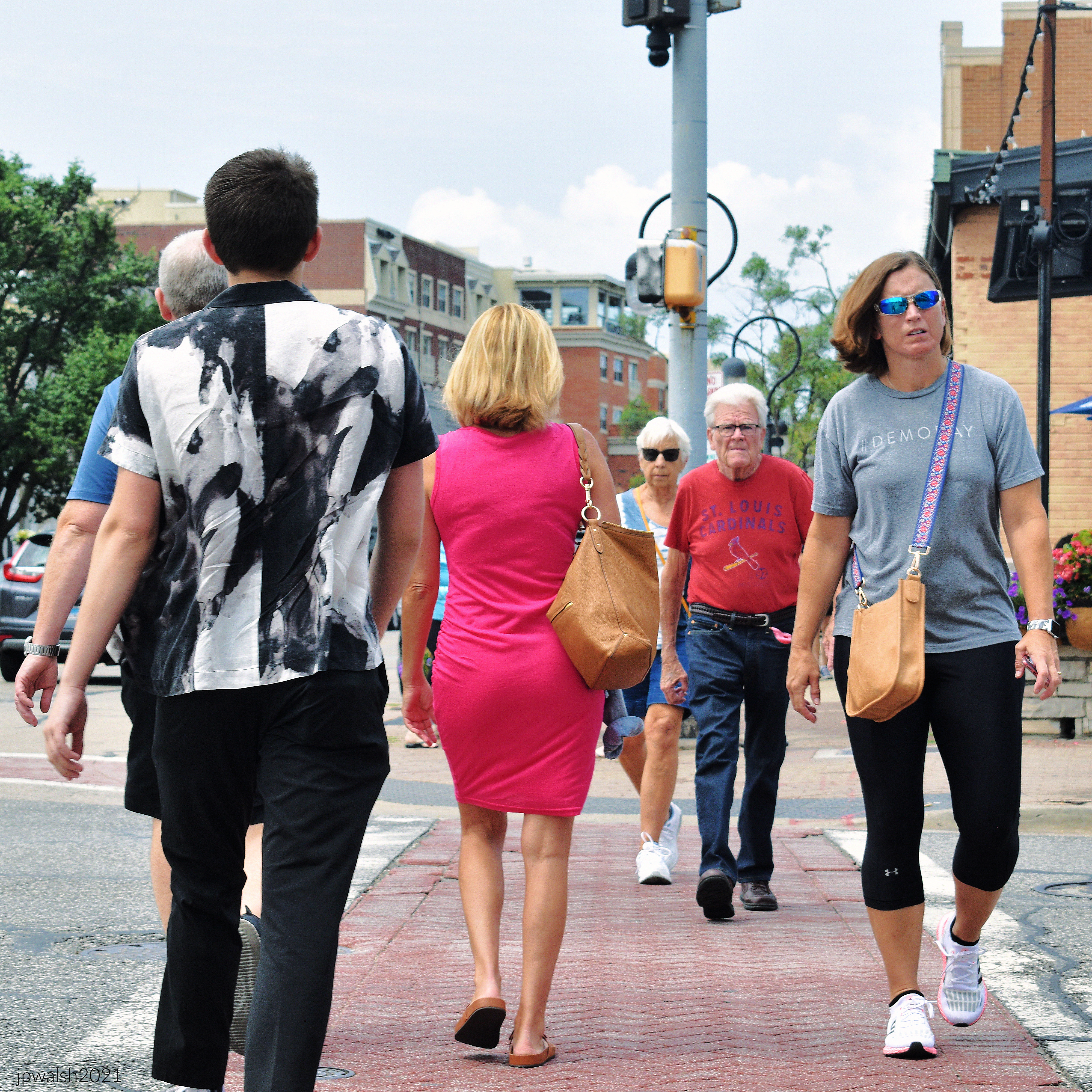
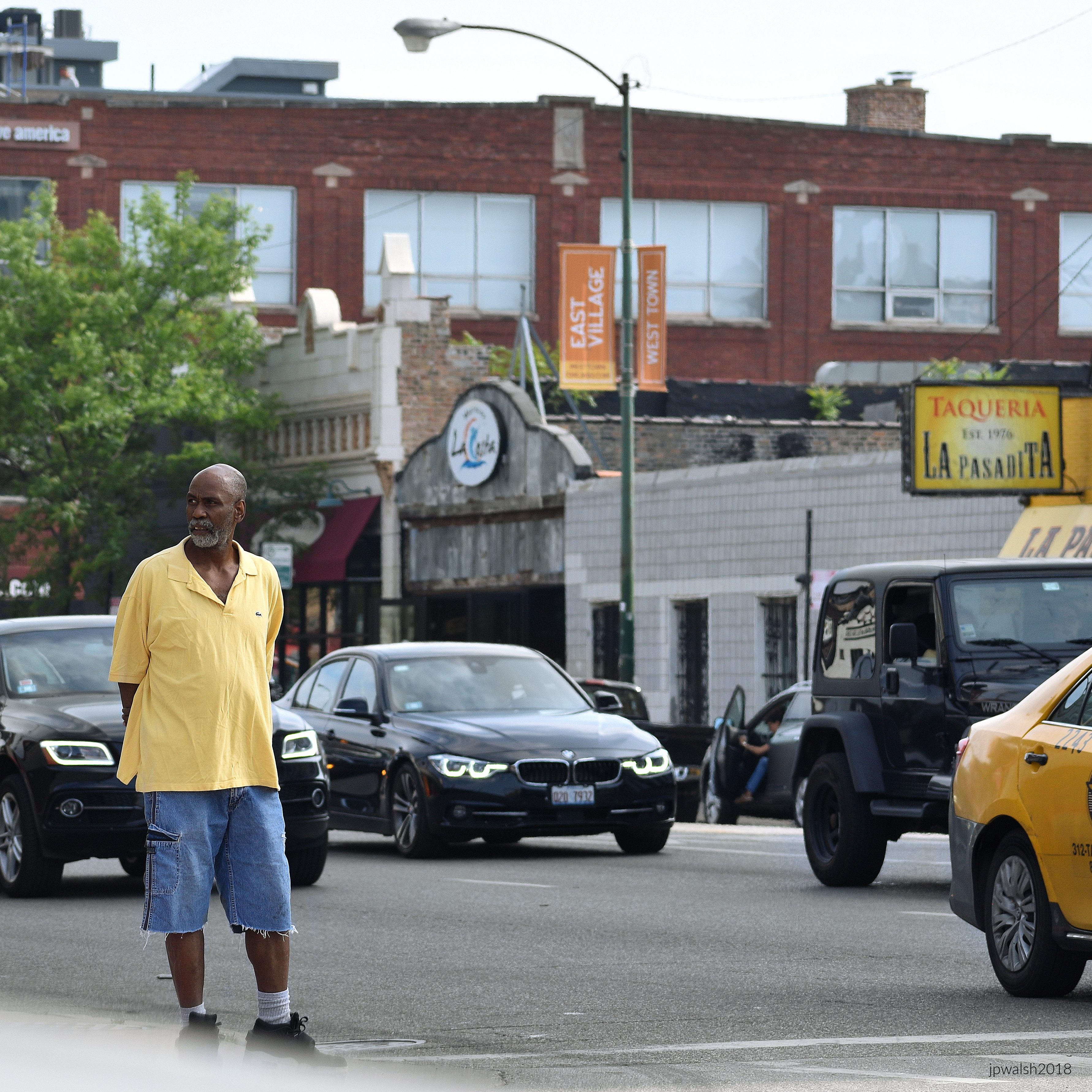
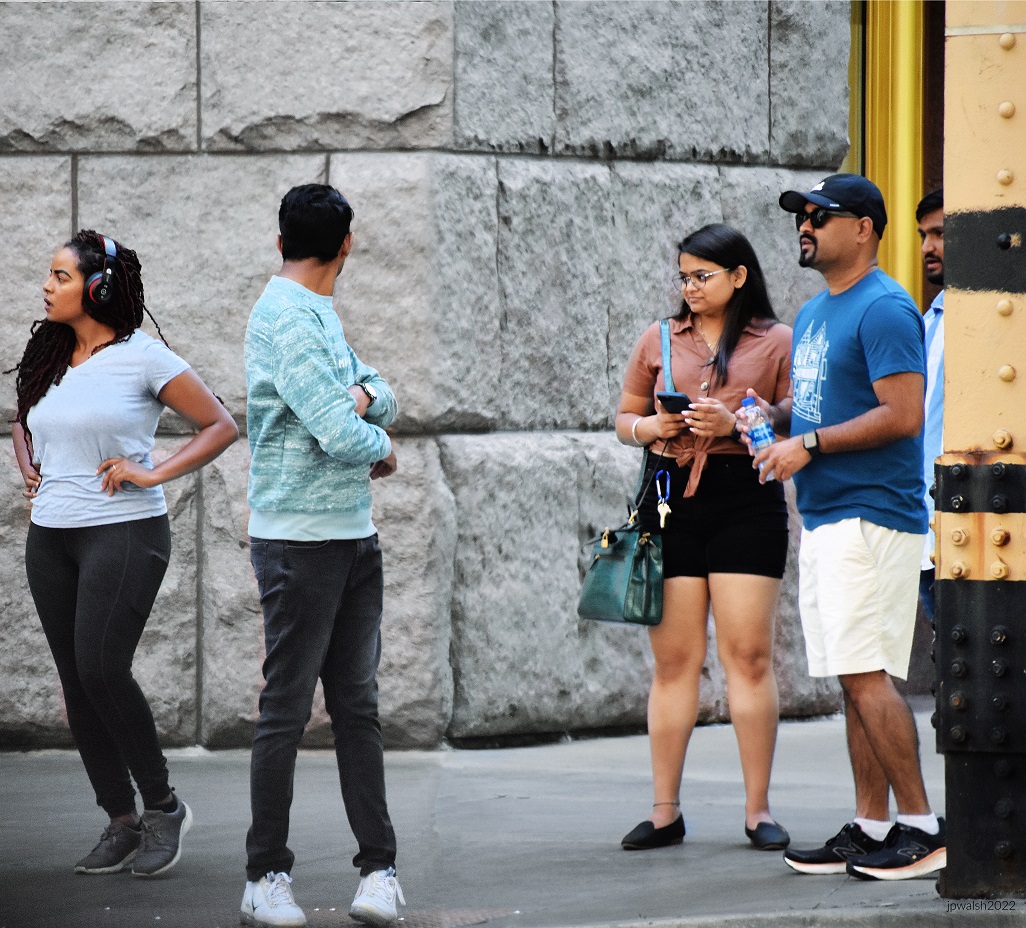
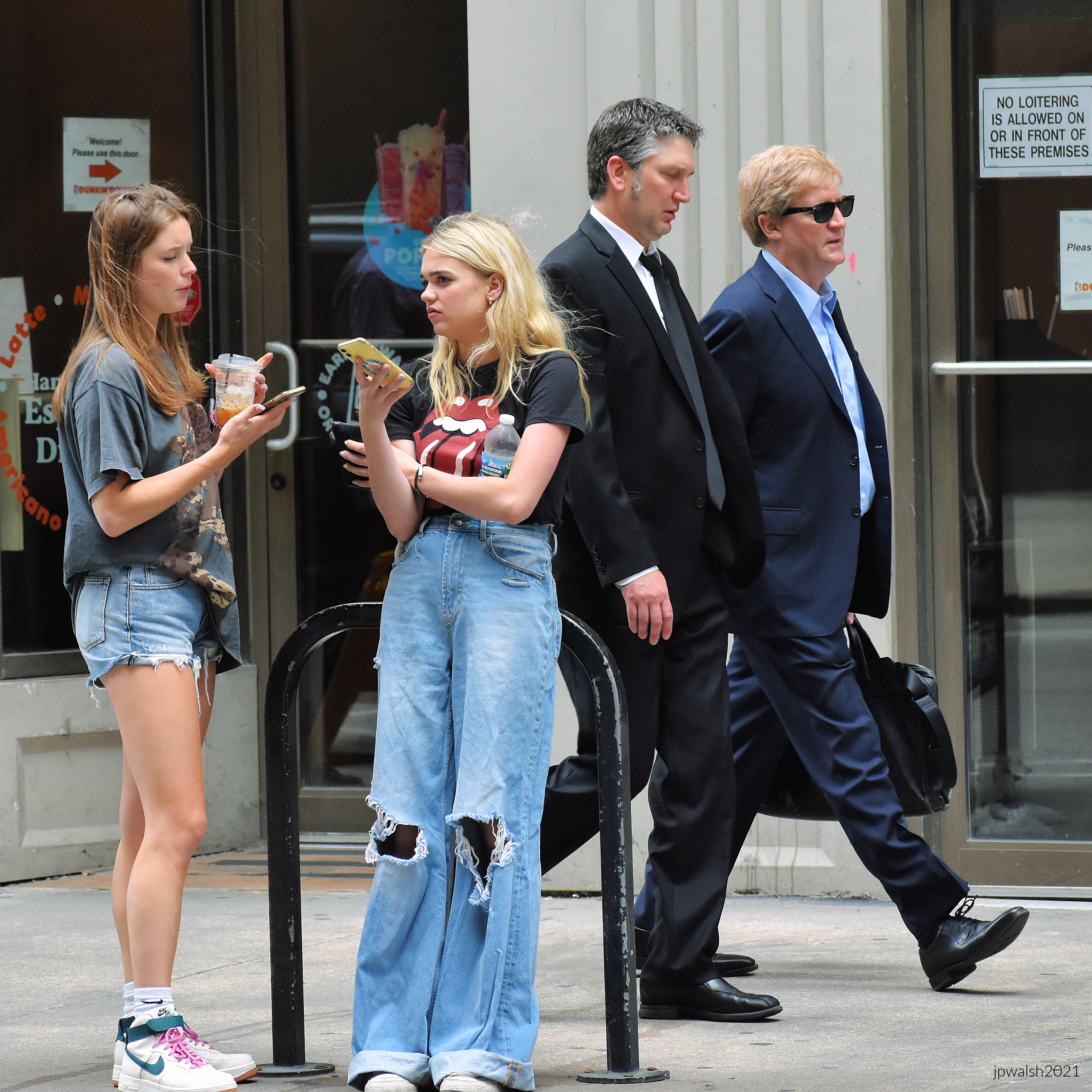
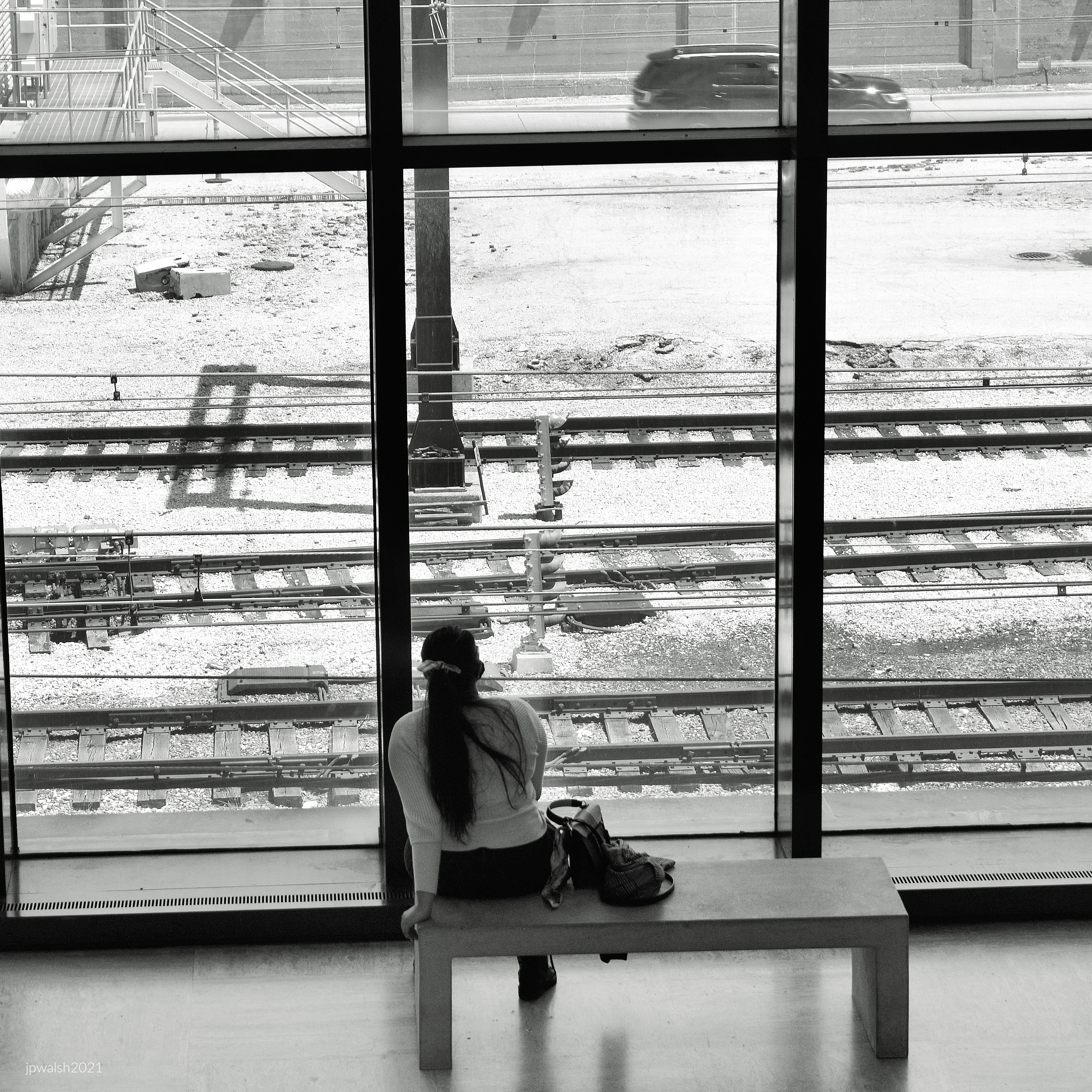
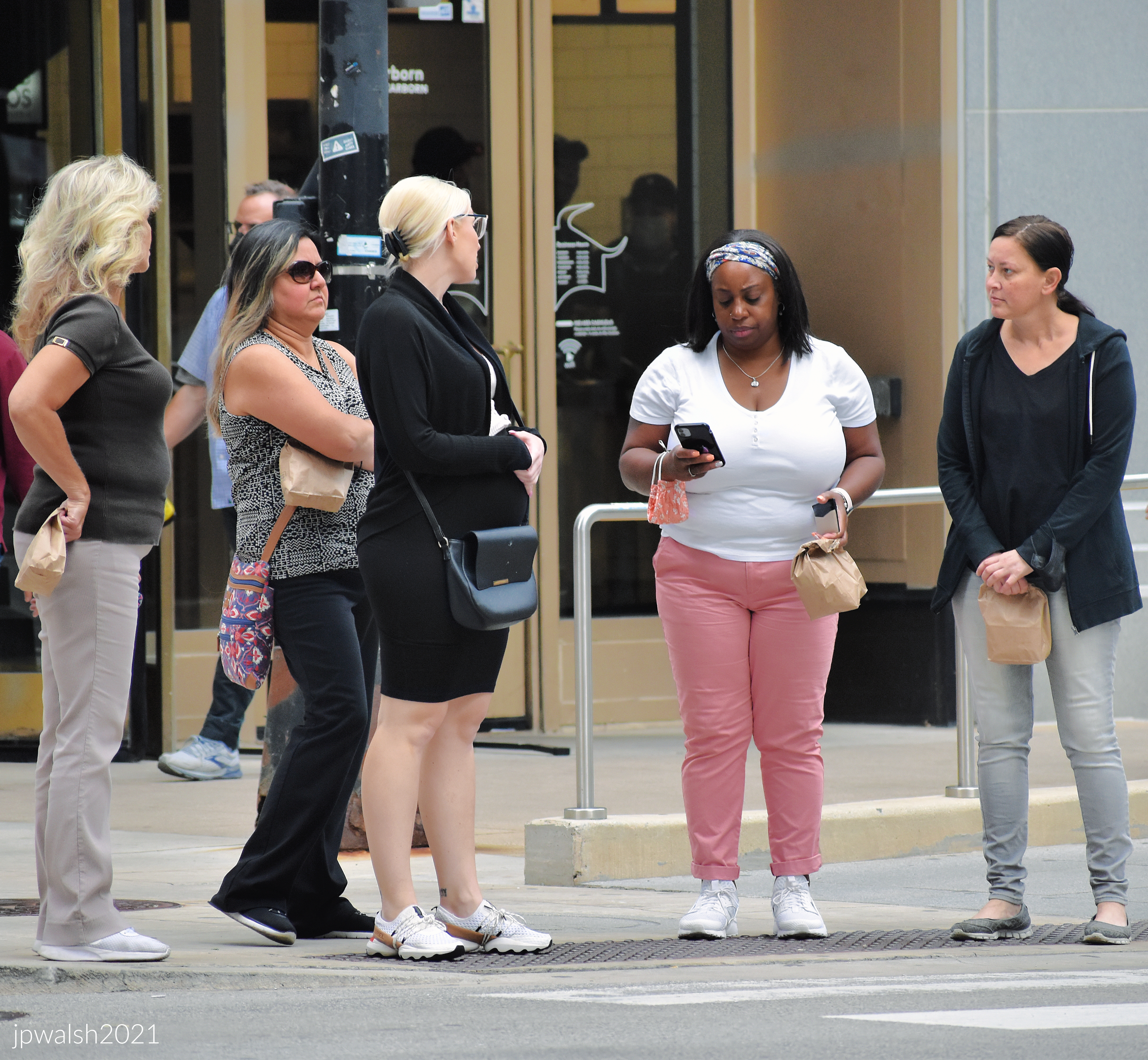
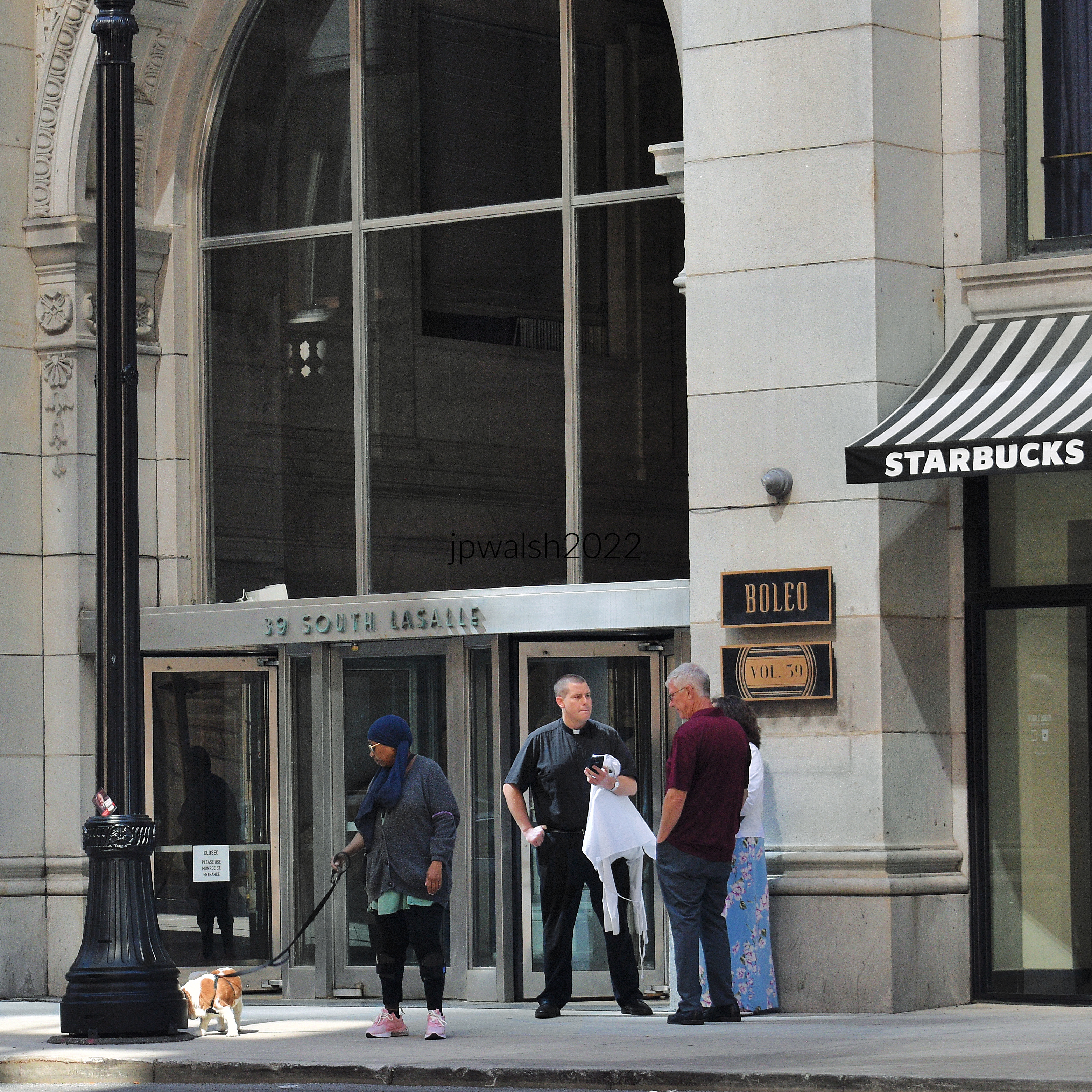
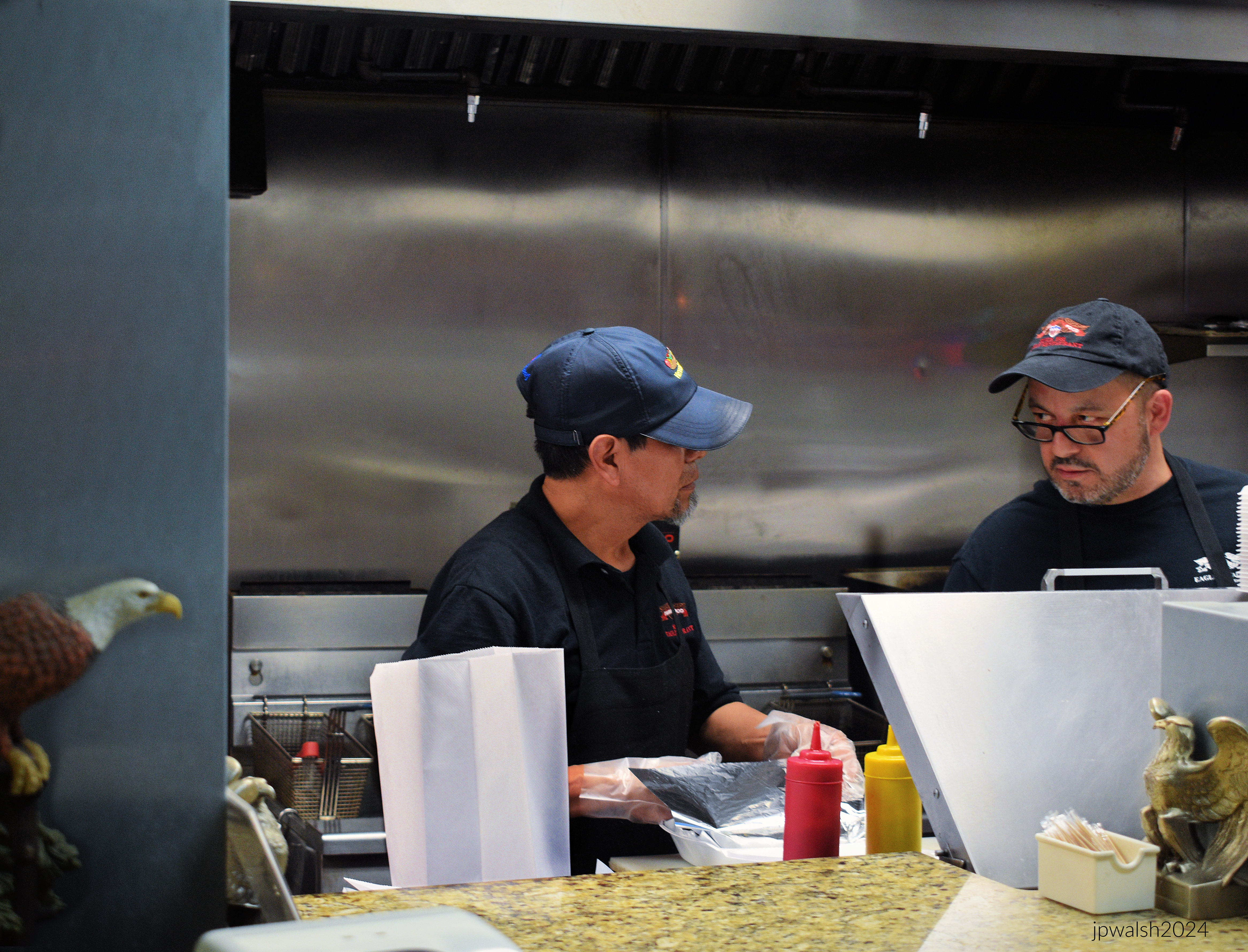
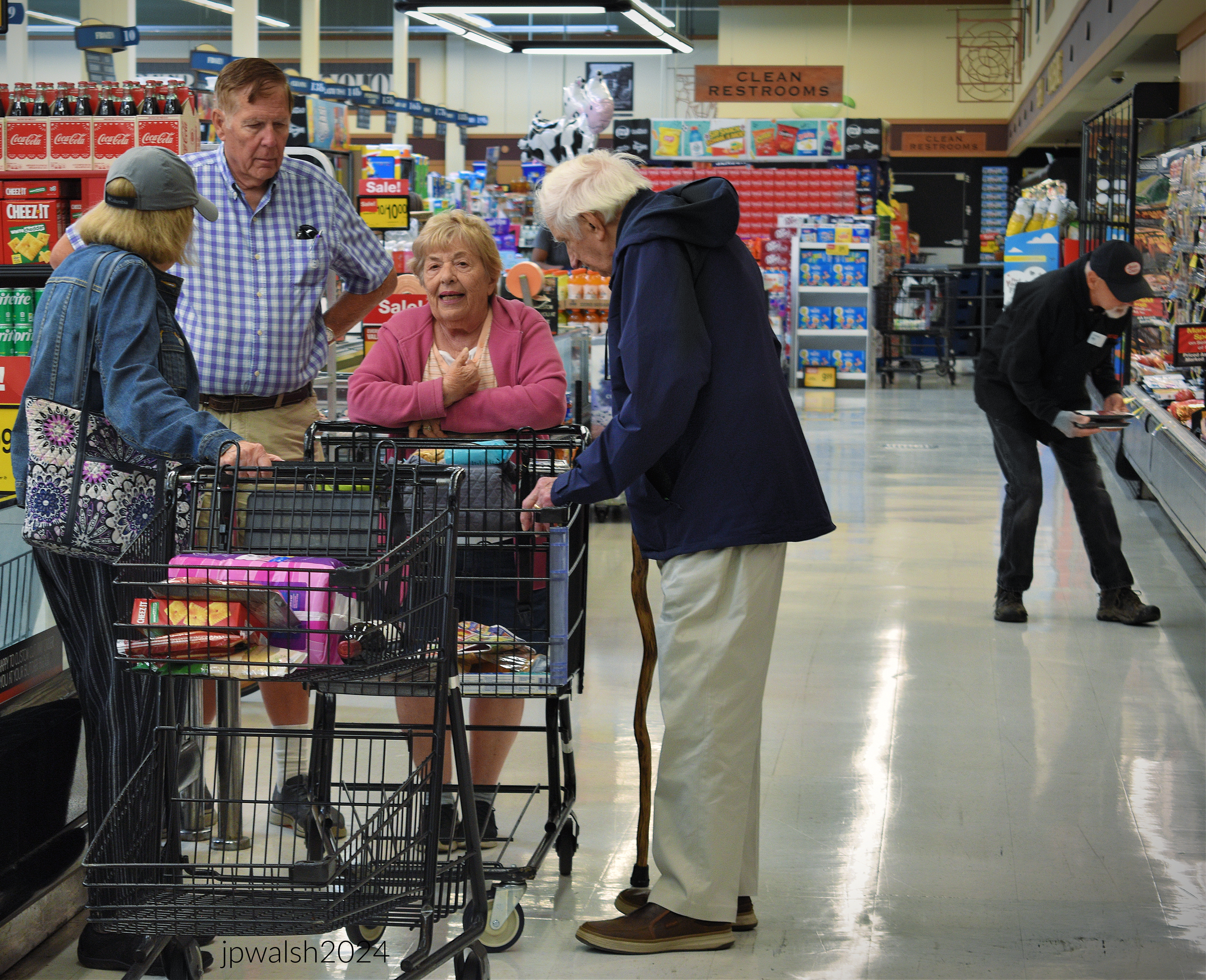
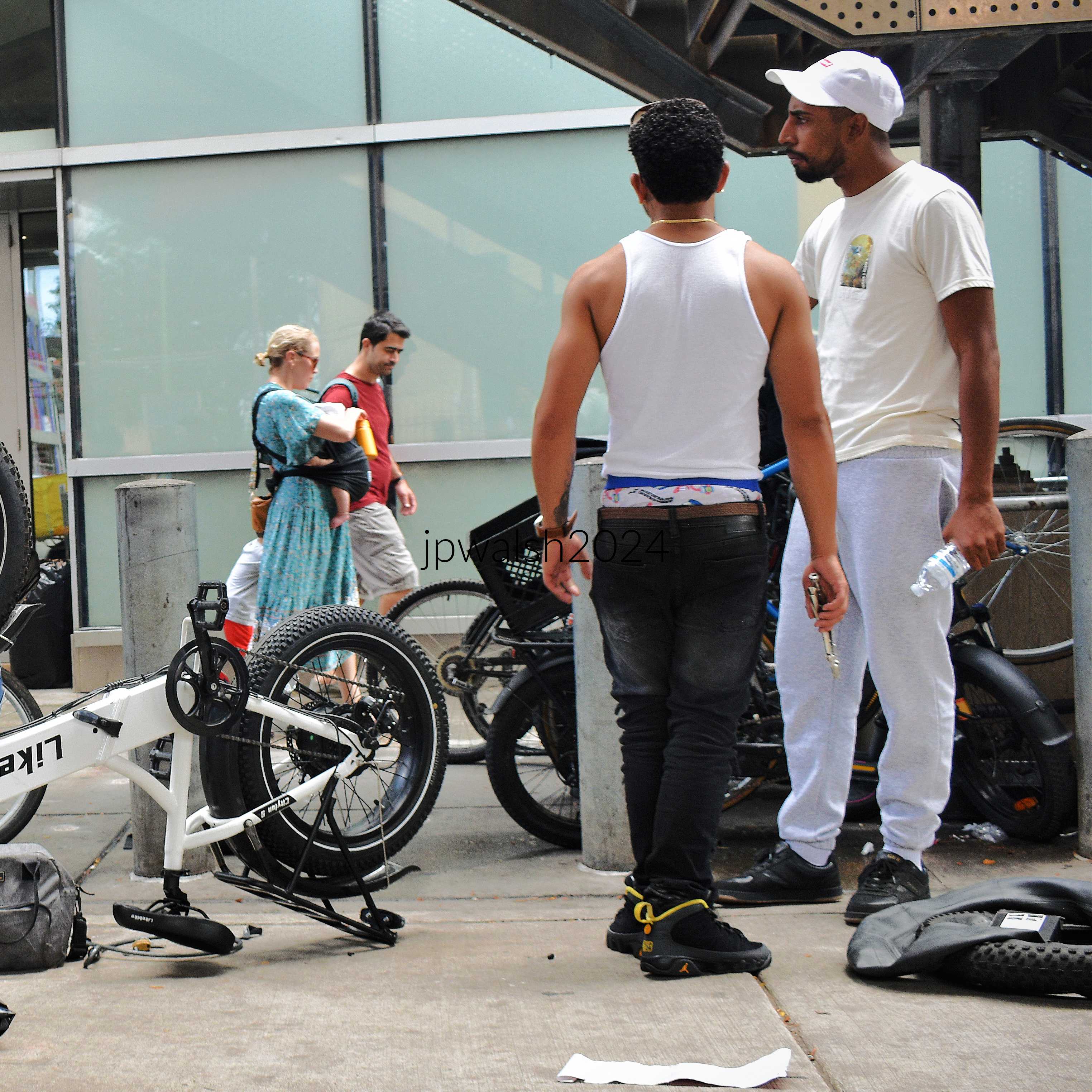
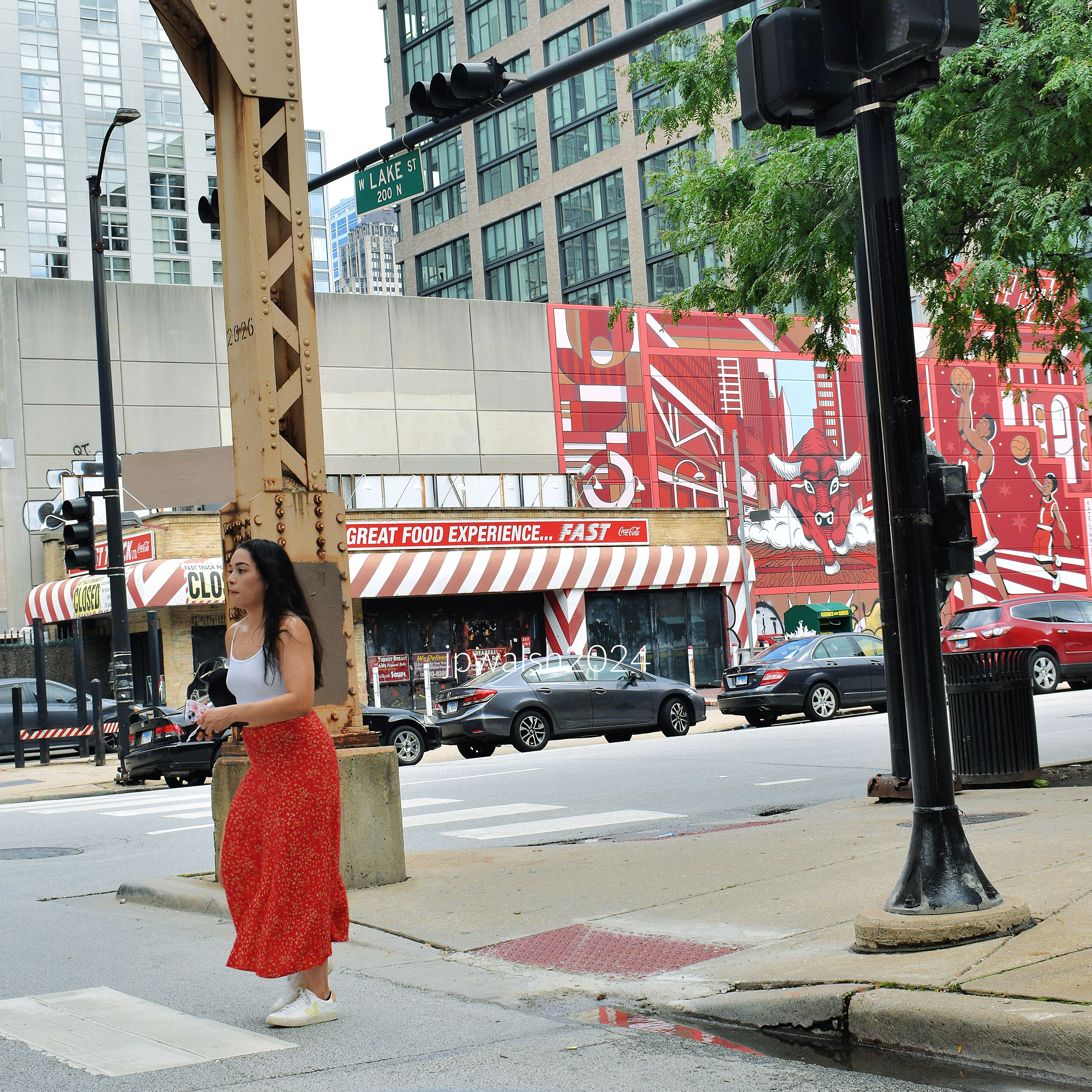
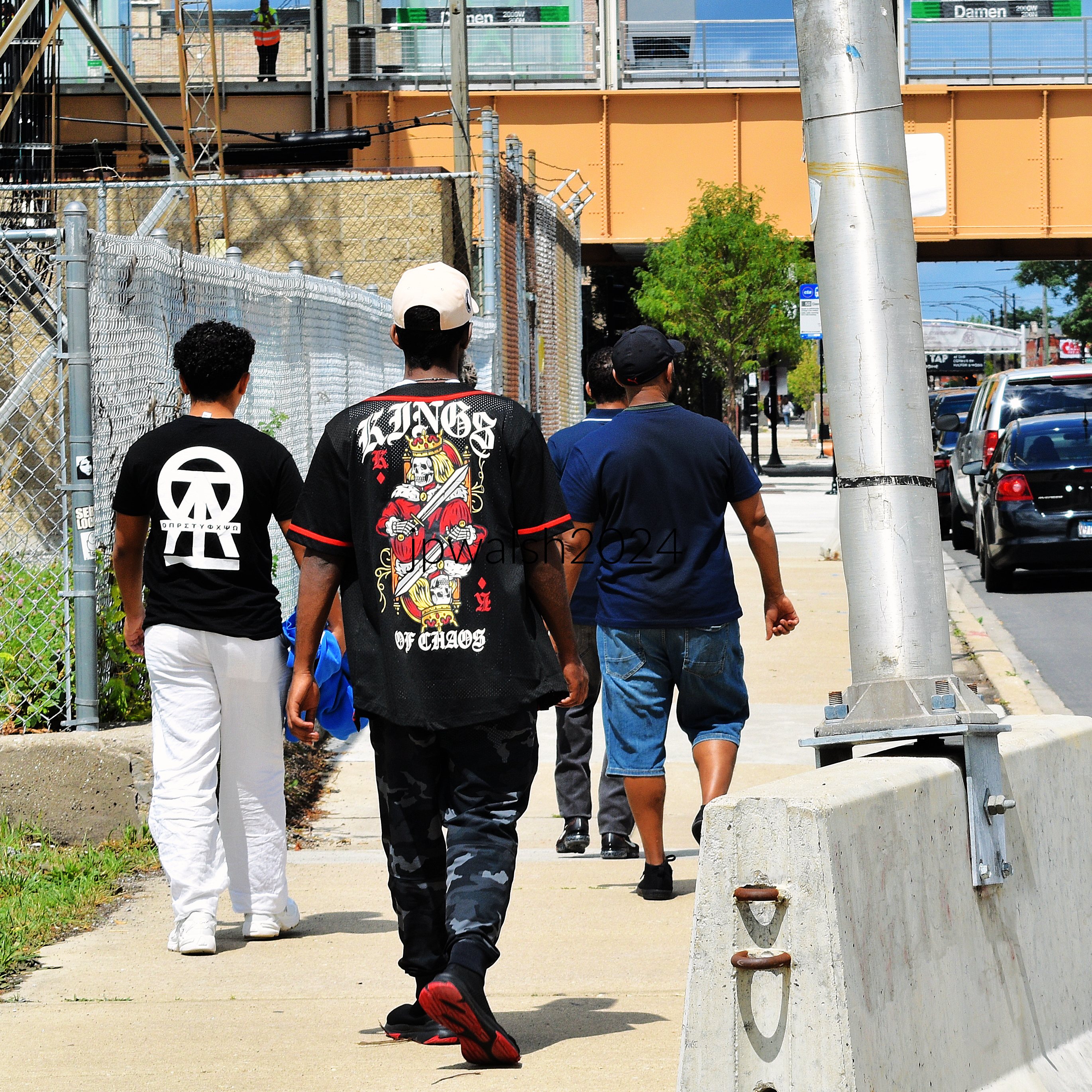
My Street Photography: STREET I. (83 Photos).

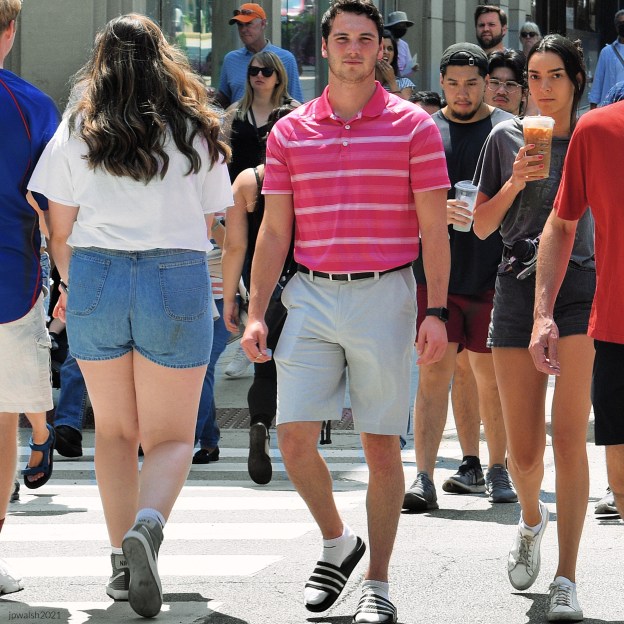
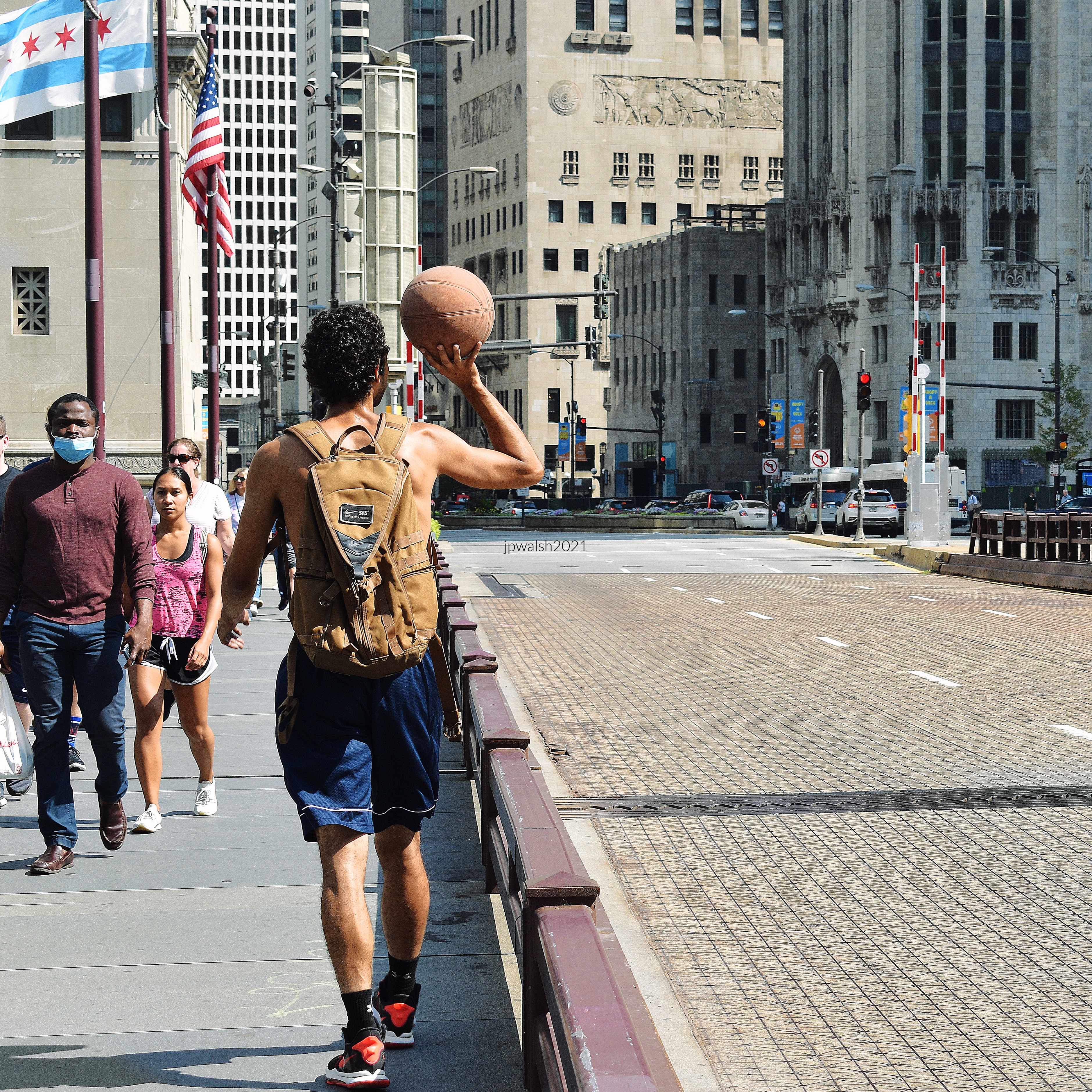
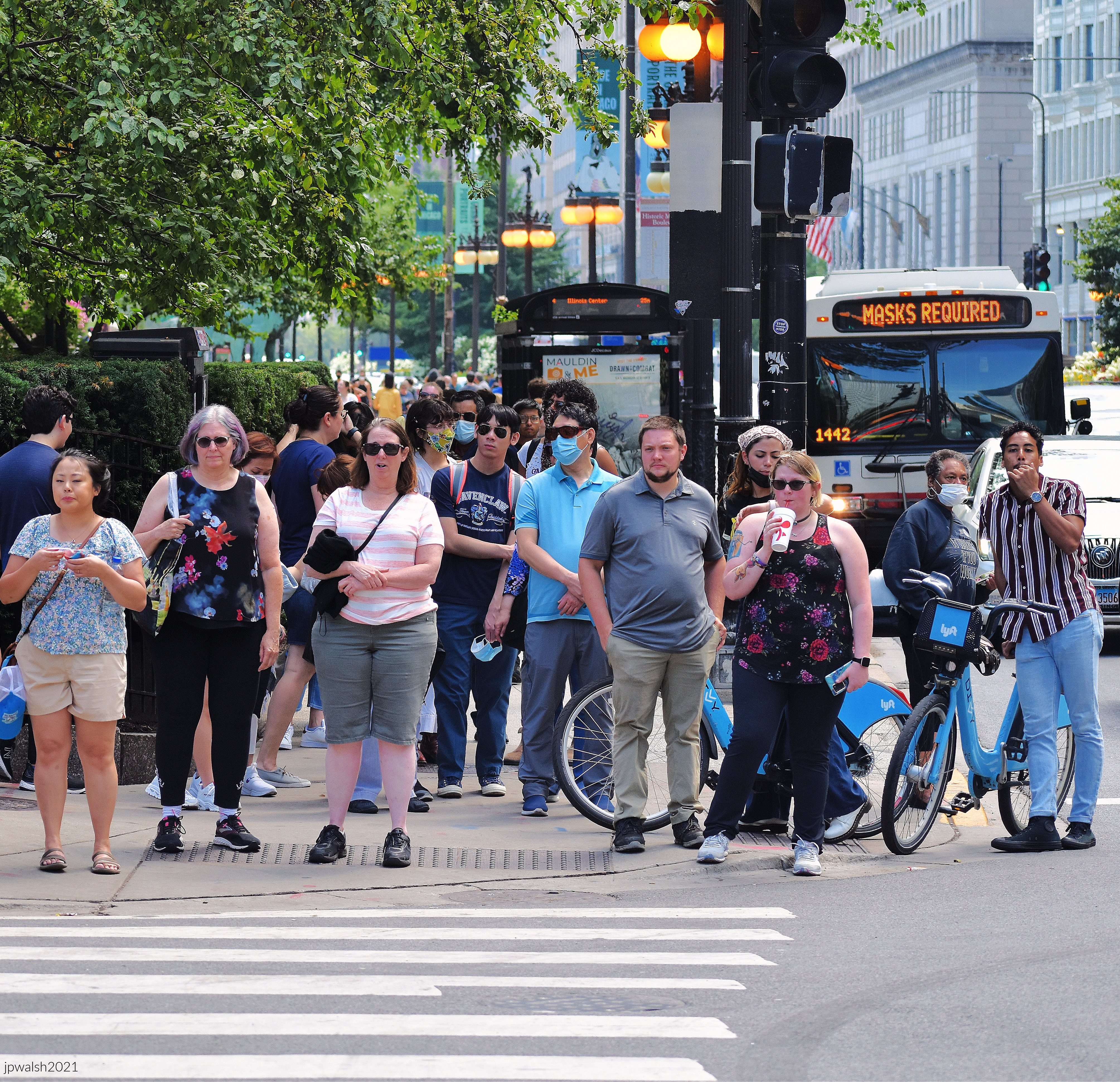
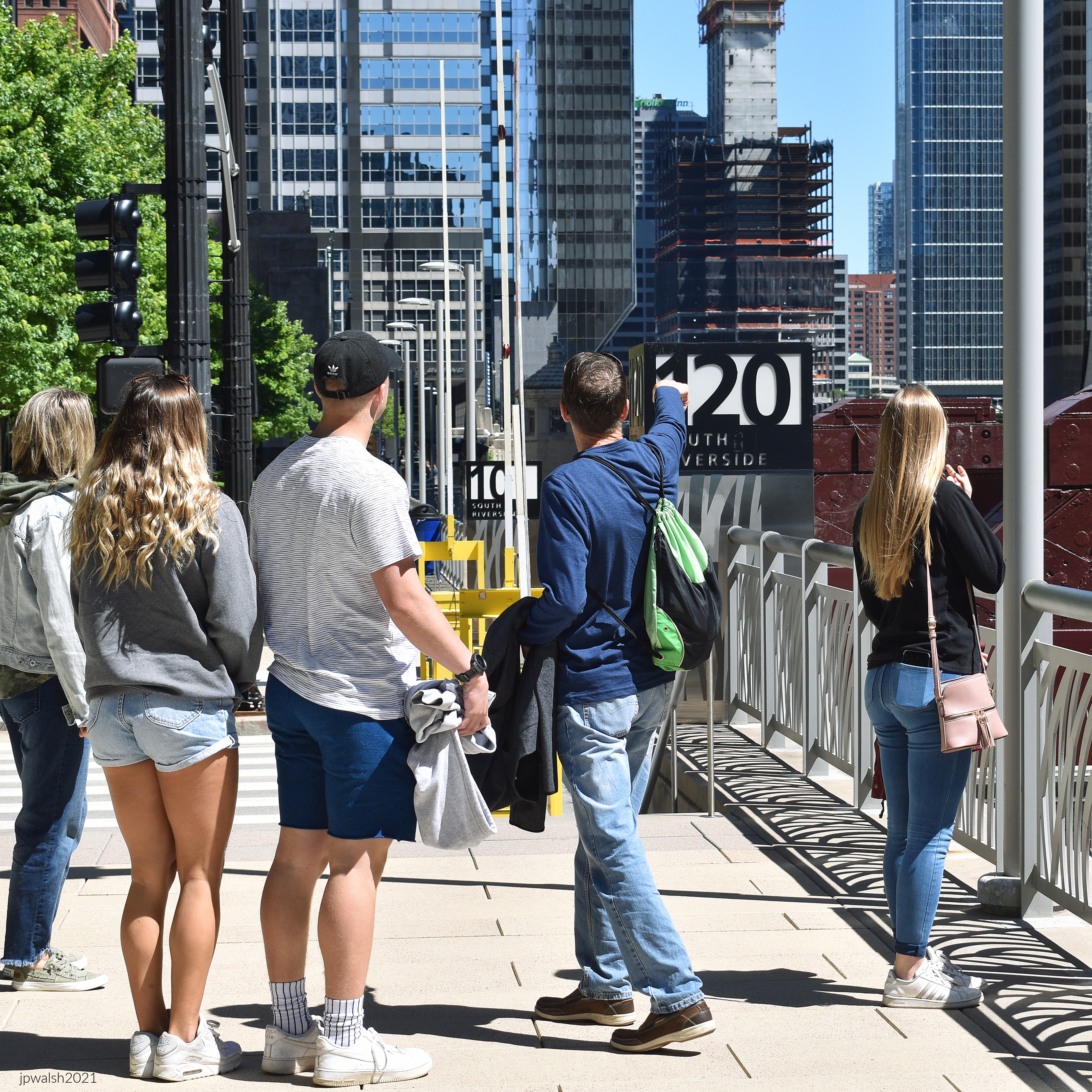
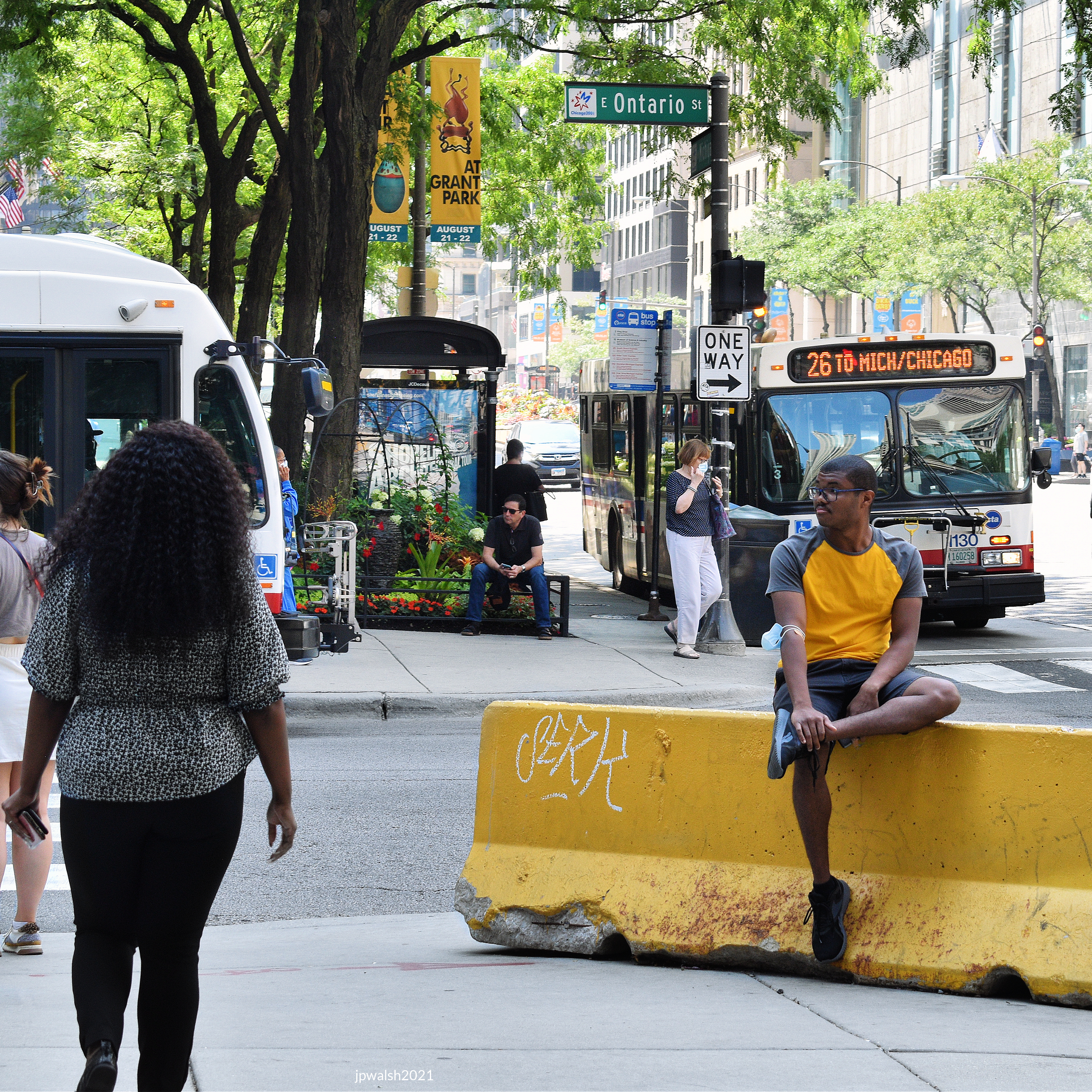
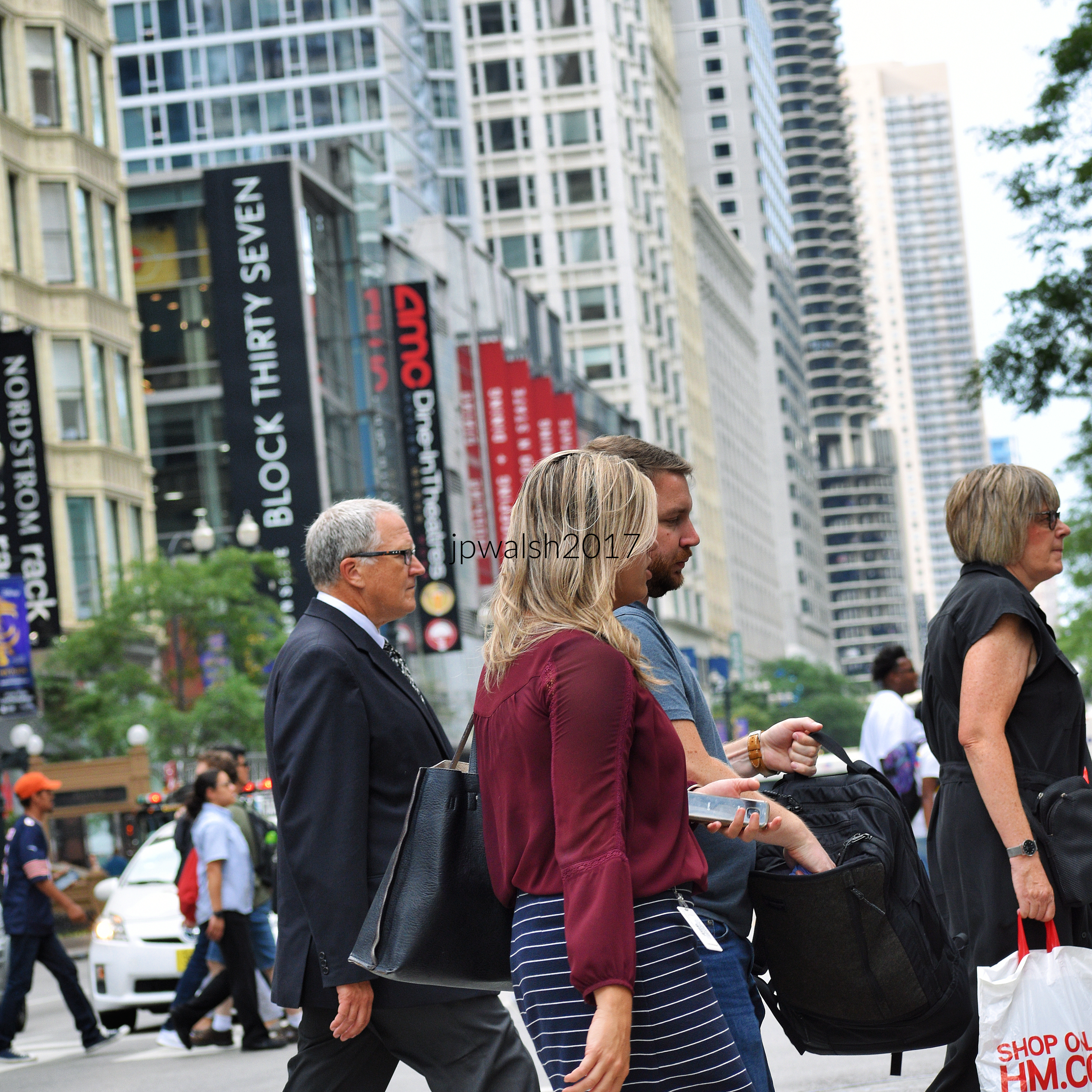
Feature Image: August 2021. Chicago, Michigan Avenue. 1.68mb Photographs ©John P. Walsh

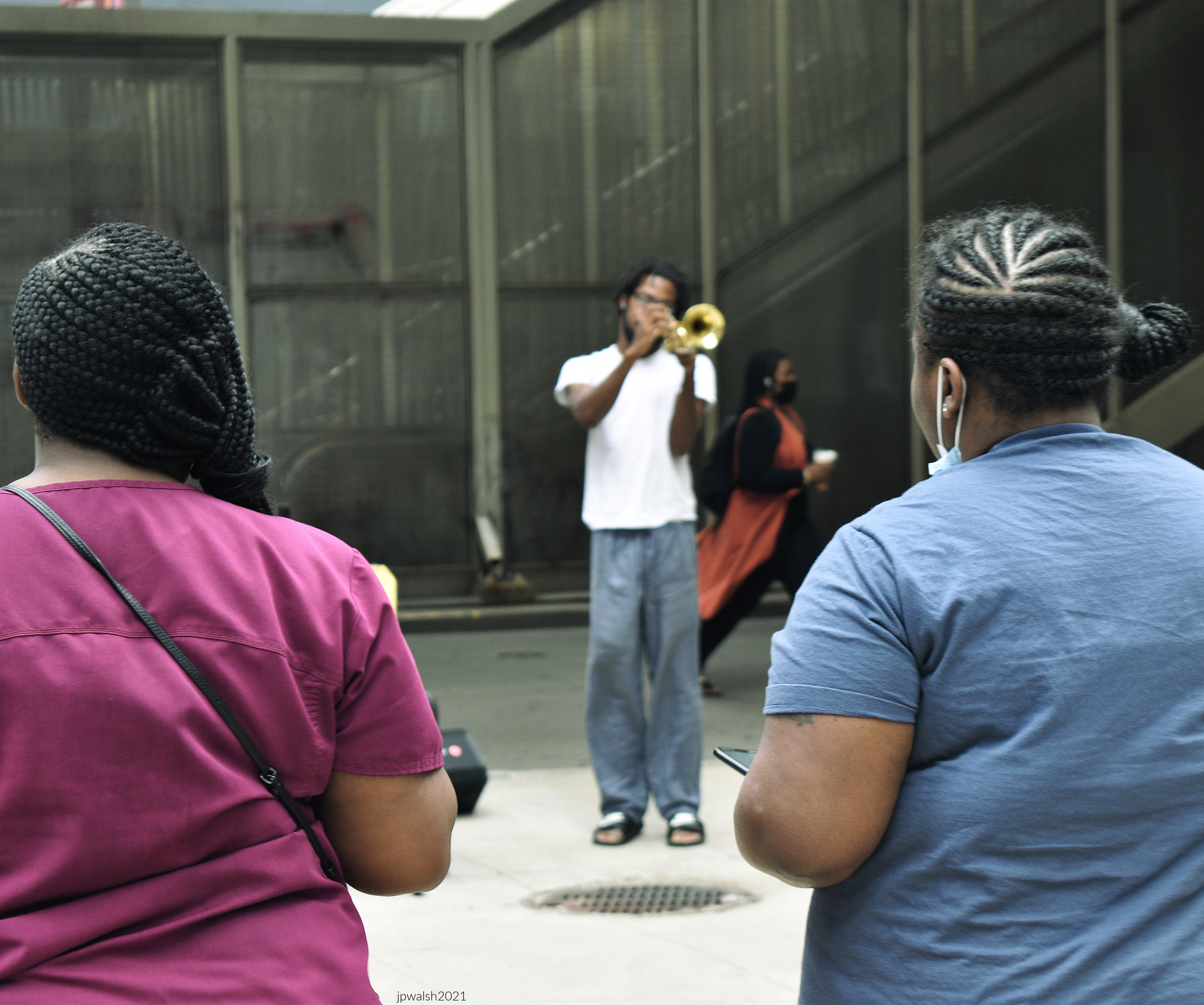
May 2021. Chicago. 5.63 mb
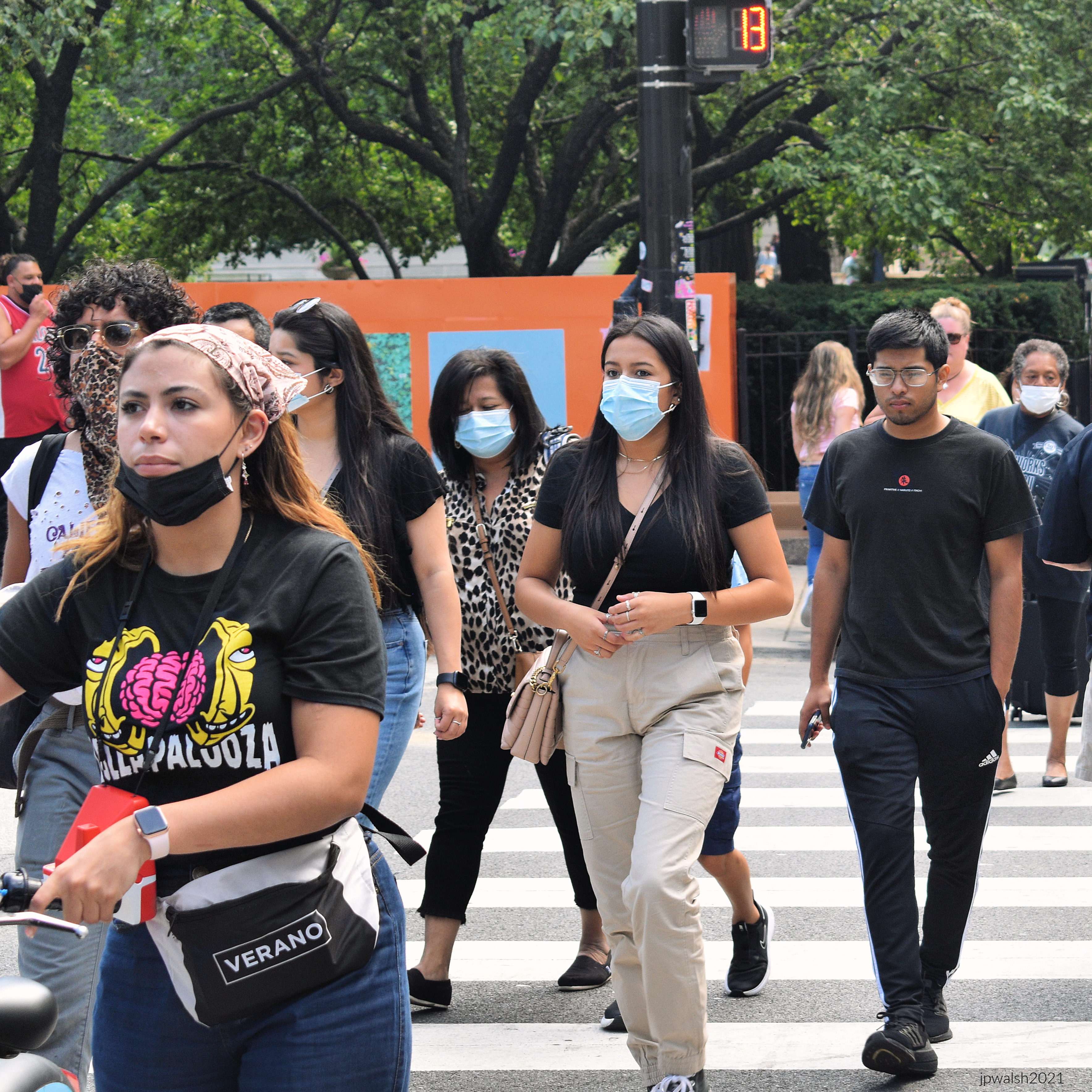
August 2021. Chicago. DuSable Bridge. 7.23 mb. 95%
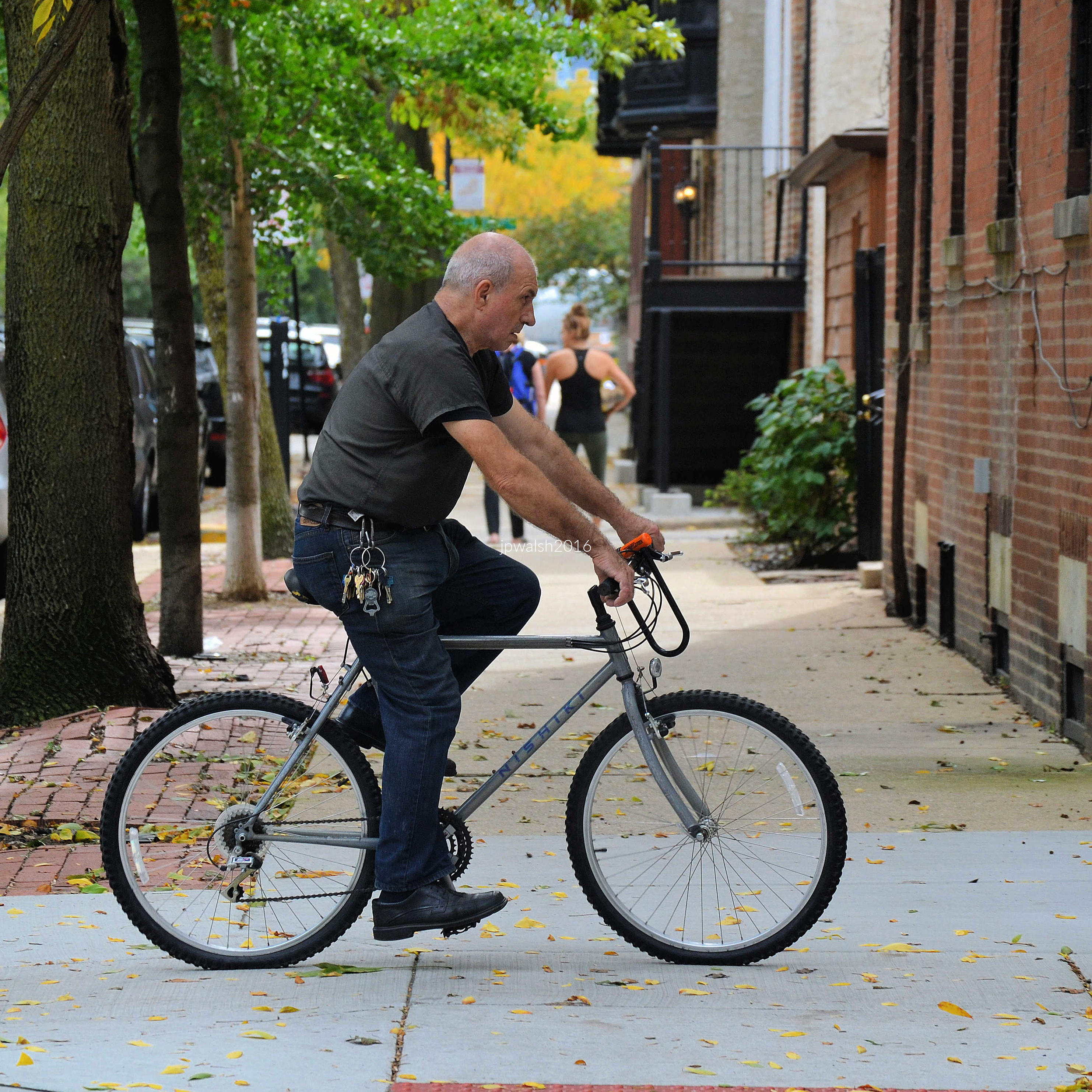
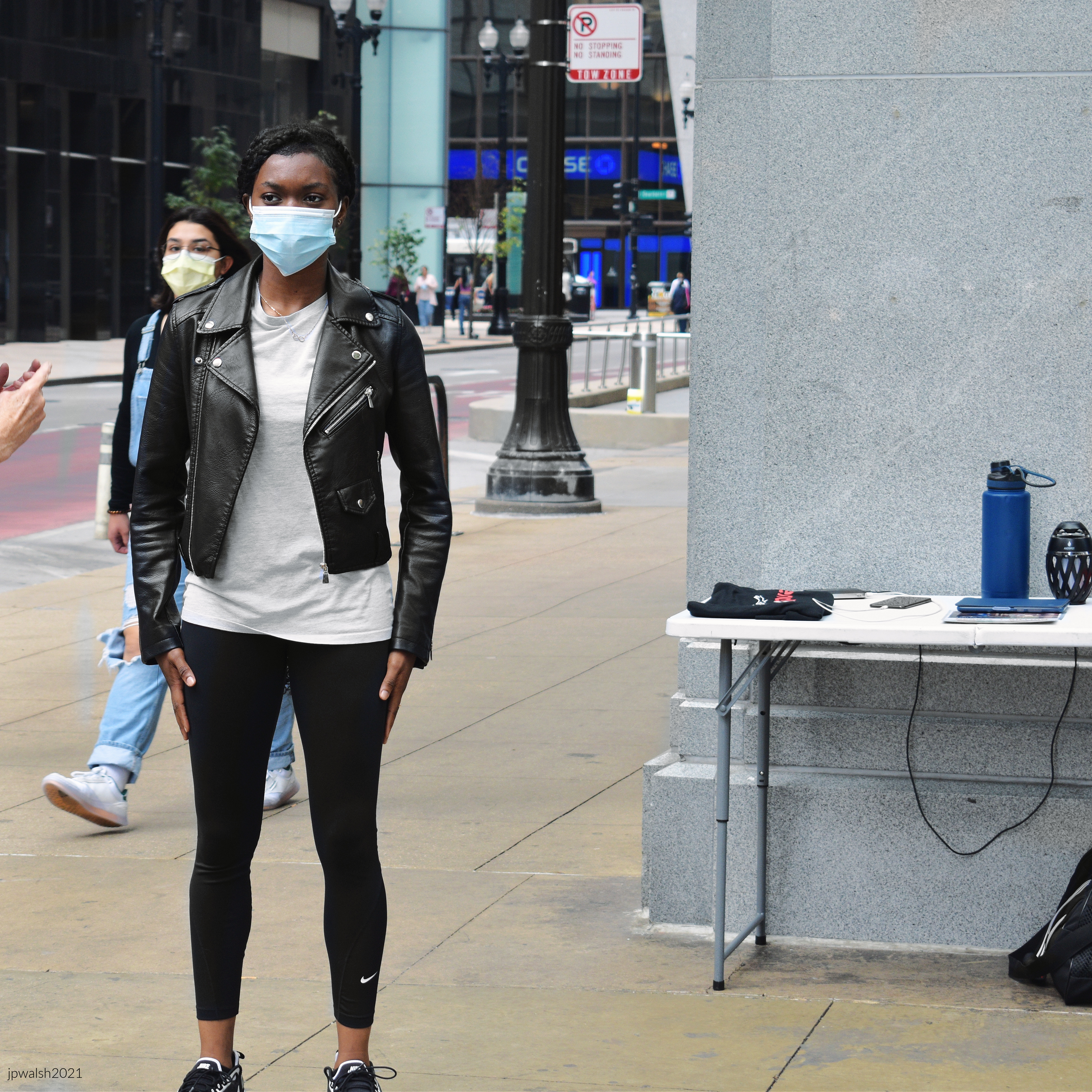
October 2016. Chicago. Old Town. 3.89 mb
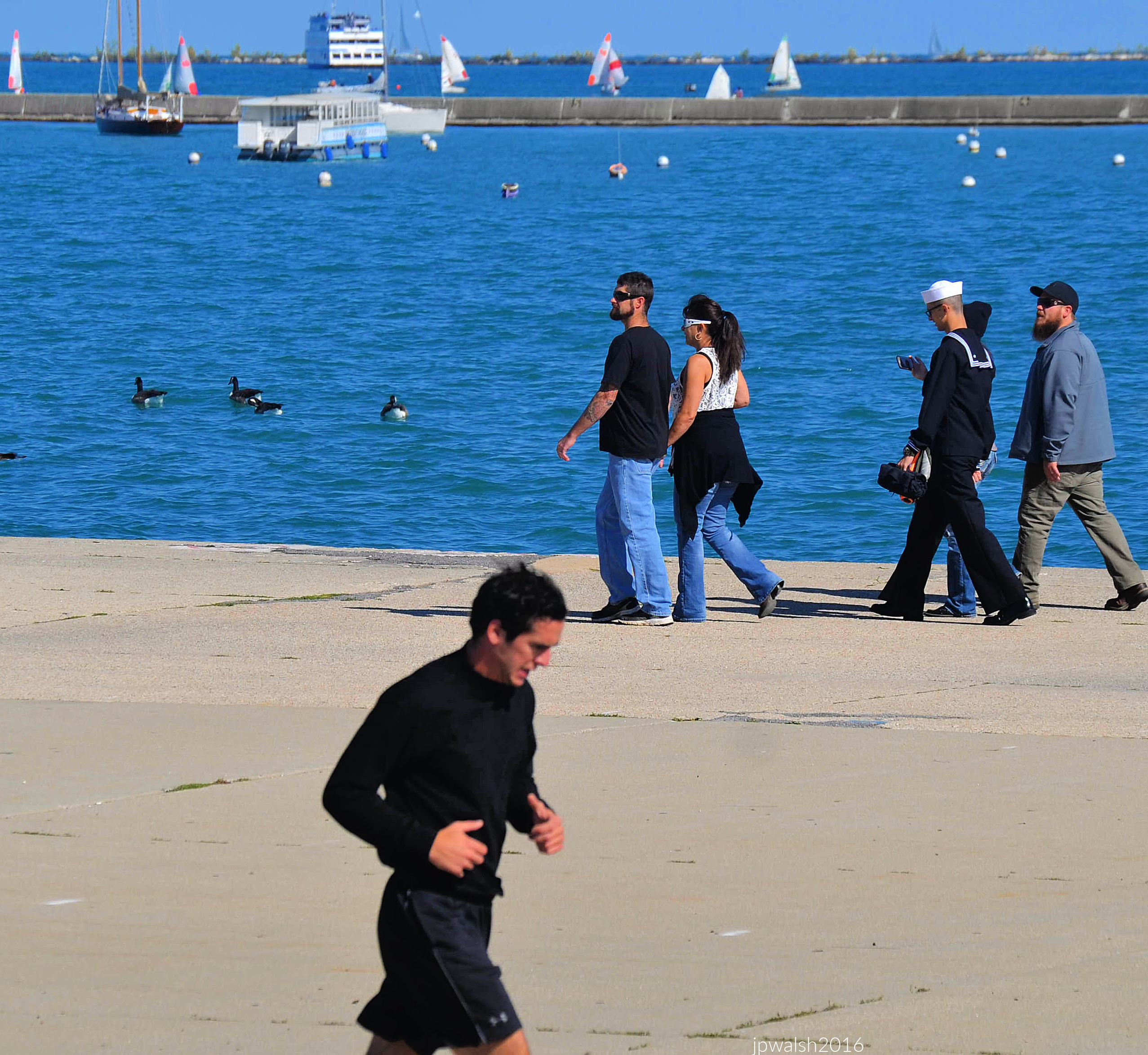
October 2016. Chicago. Lakefront Park. 2.35 mb
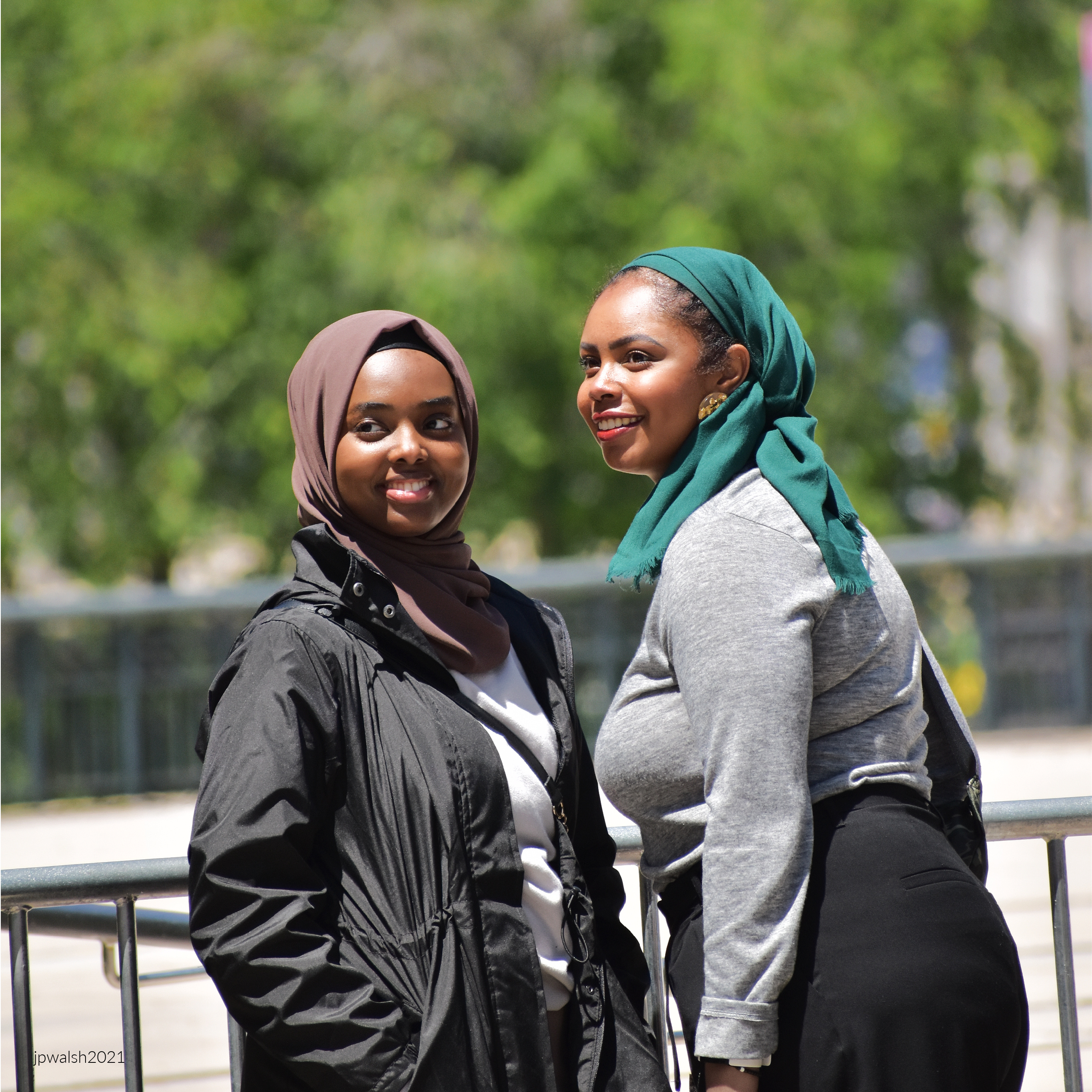
May 2021. Chicago. Millennium Park. 2.85 mb
July 2021. Naperville, IL. 10.6 mb
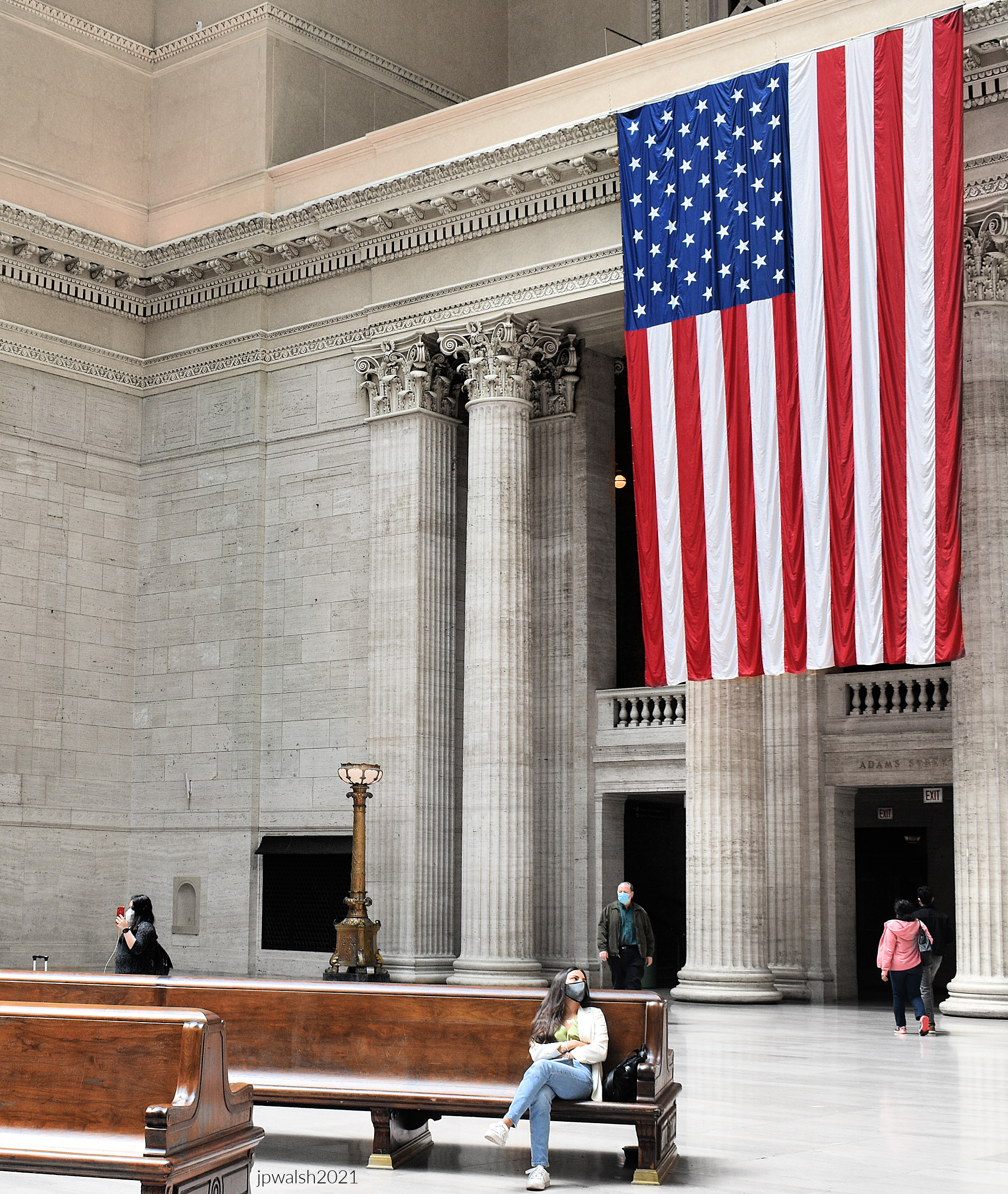
May 2021. Chicago. Union Station. 2.98 mb
August 2021. Chicago. Michigan Avenue. 7.7 mb 97% (10)
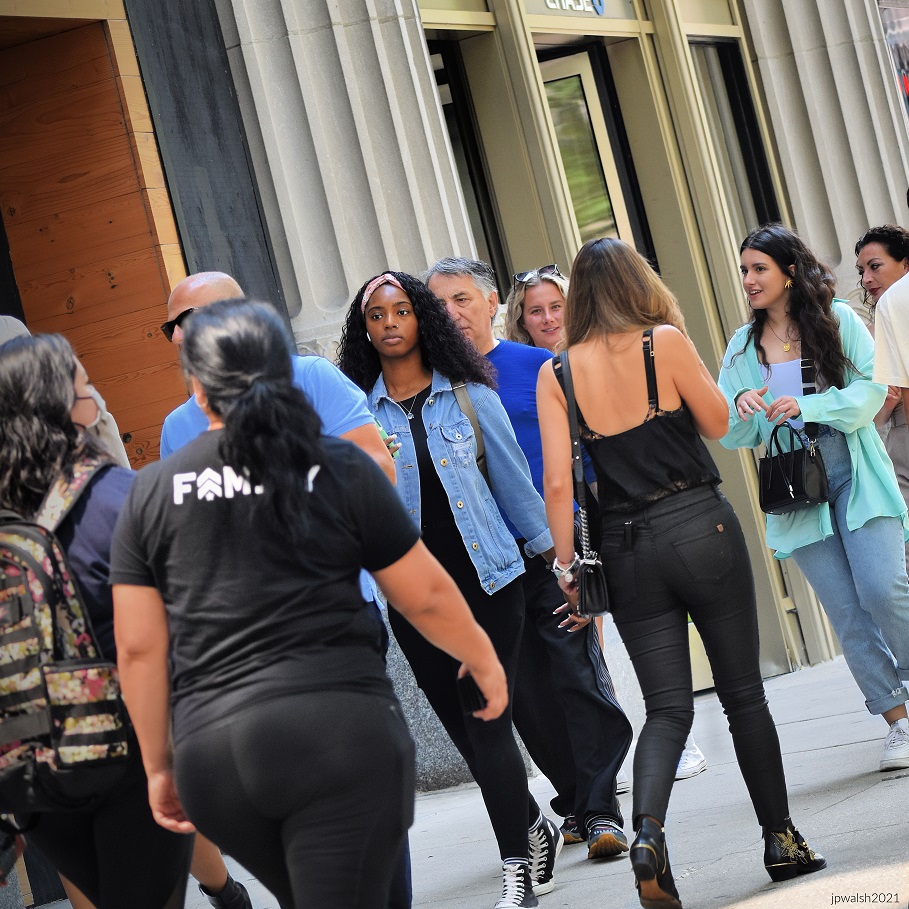
August 2021 Chicago. Mag Mile. 316 kb 25%
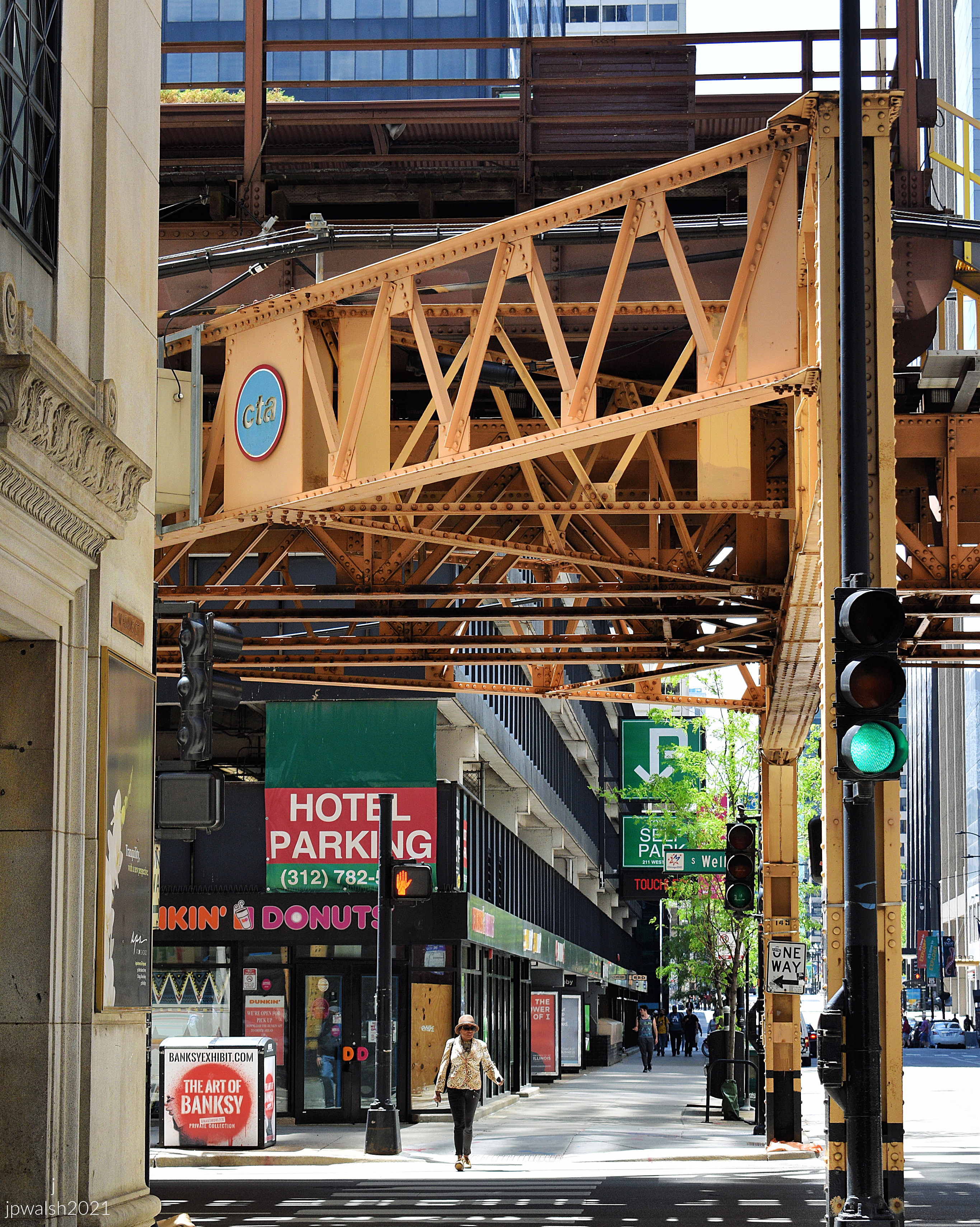
August 2021. Chicago. Loop. 7.97 mb
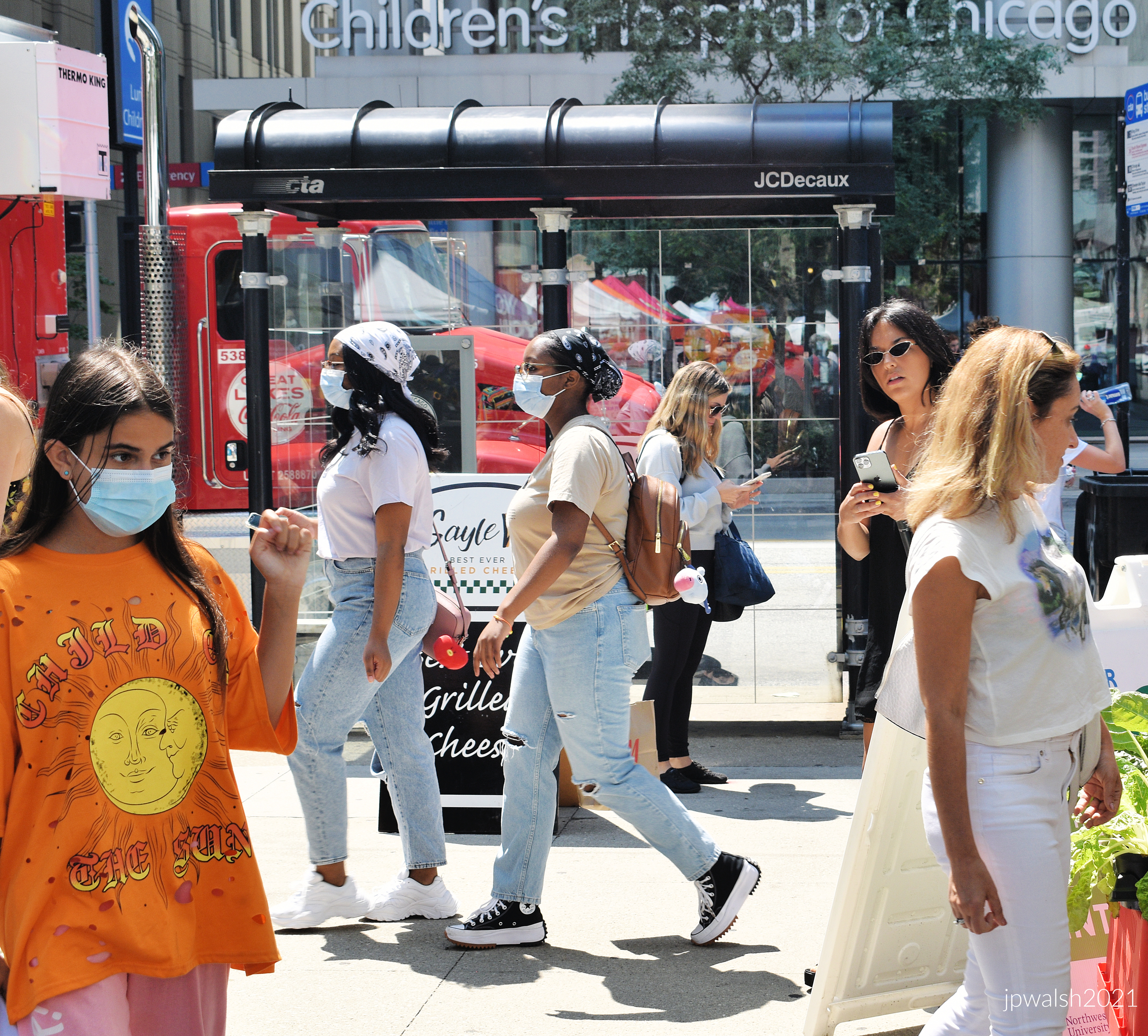
August 2021. Farmers’ Market Chicago Streeterville. 5.32 mb 99% – *
August 2021. Chicago. 5.58 mb
July 2016. Chicago. 3.87 mb
August 2021. Chicago. 384kb 35%
August 2021. Chicago. 540kb 30%
June 2022. Ogden Avenue. 7.63mb
June 2022. Chicago. 5.02mb 99%
June 2022. Chicago. 5.79 mb 98% (20)
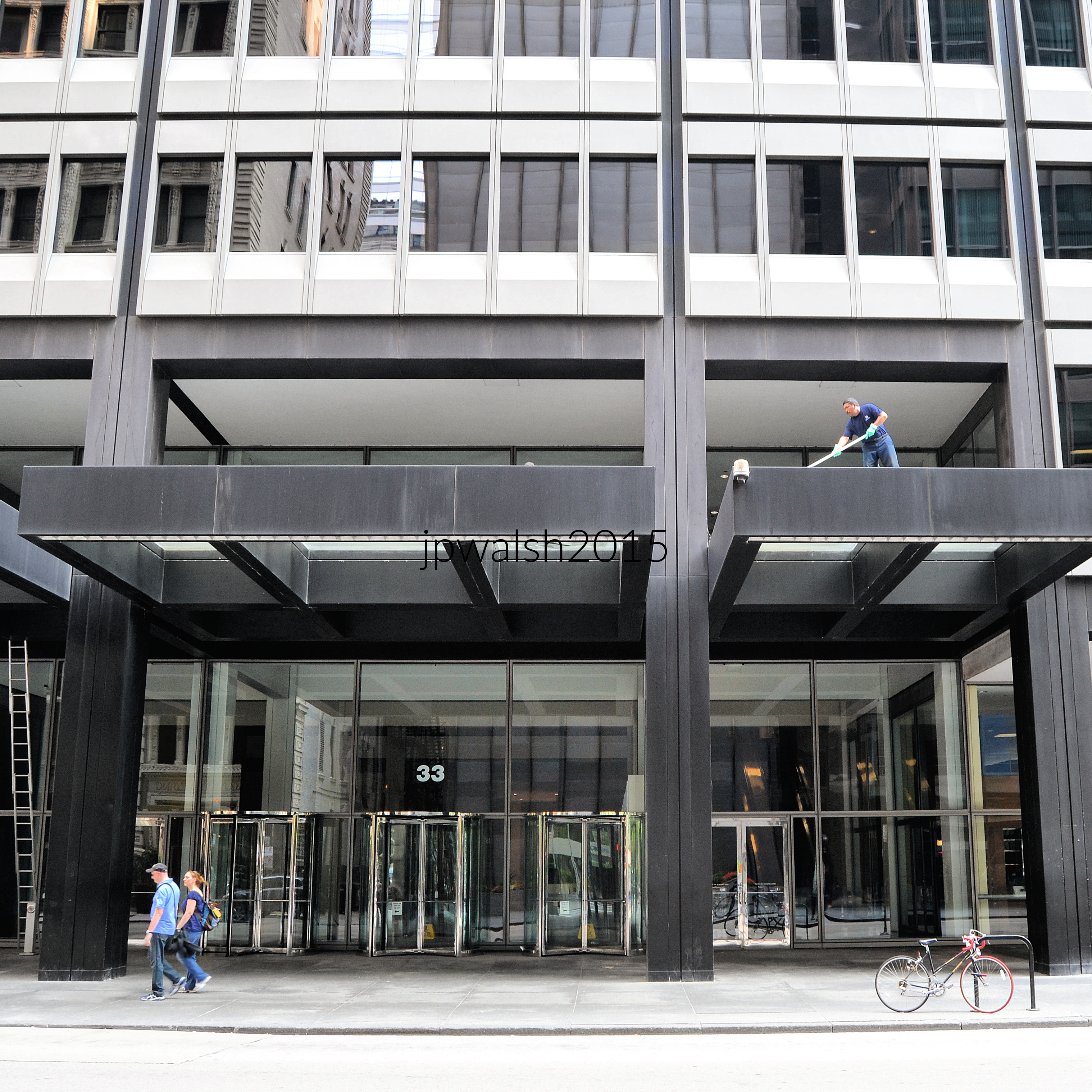
July 2015. Chicago. 3.47 mb
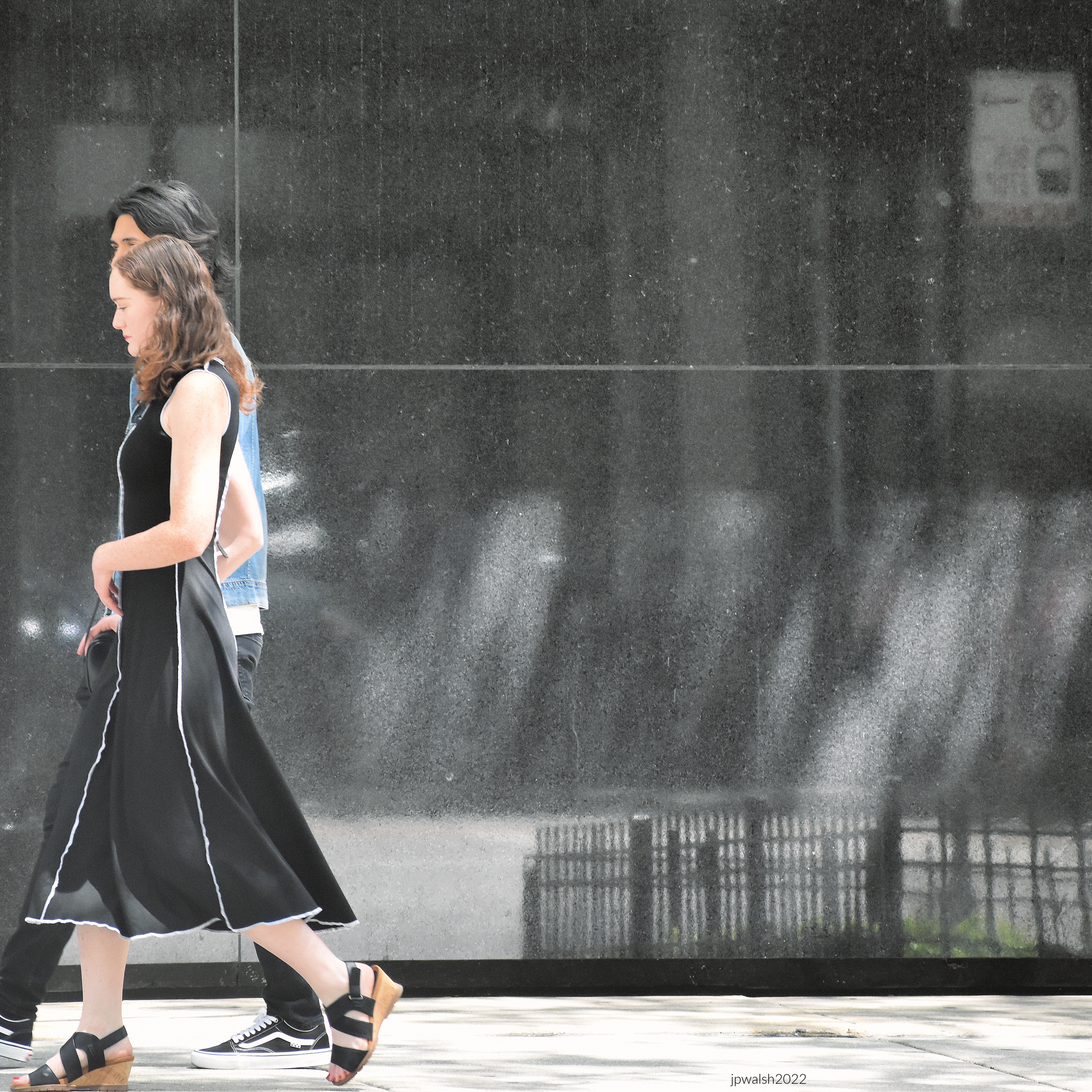
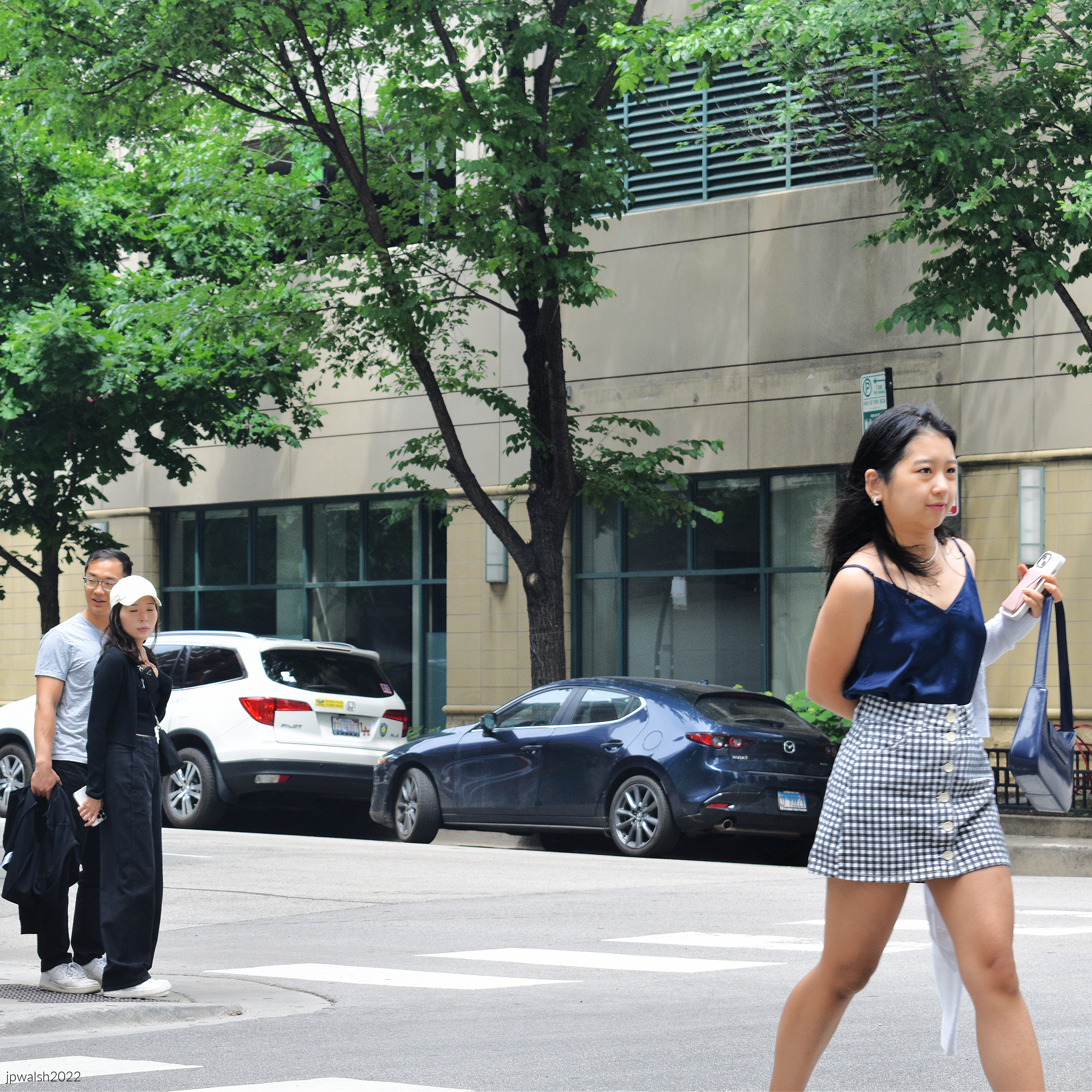
July 2016. Chicago. 3.52mb
June 2022. Chicago. 820kb 35%
June 2019. Oakbrook. 6.90mb 99%
June 2022. Chicago. 6.85 mb
May 2021. Chicago. 6.54 mb
June 2022 Chicago. 300kb 80%
August 2021. Chicago. 7.36 mb 99%
August 2021. Chicago. 5.22 mb
August 2021. Chicago. 7.65 mb
August 2021. Chicago. 7.72 mb
August 2021. Chicago. 5.20 mb
June 2022. Chicago. 7.93mb 99%
June 2022 Chicago. 7.89 mb 87%
June 2022 Chicago. 6.41 mb
June 2022 Chicago. 7.80 mb 90%
June 2022 Chicago. 7.97 mb 96%
August 2021. Chicago. 7.45 mb 99%
June 2022. Chicago. 7.01mb 99%
June 2018. Chicago. 6.07 mb 99%
June 2022. Chicago. 388 kb 25%
August 2021. Chicago. 6.09mb
May 2021. Chicago. 7.96 mb
August 2021. Chicago. 7.84 mb 90%
August 2021. Chicago. 7.75 mb 88%
September 2015. Chicago. 4.70 mb
June 2022. Chicago. 7.85 mb 95%
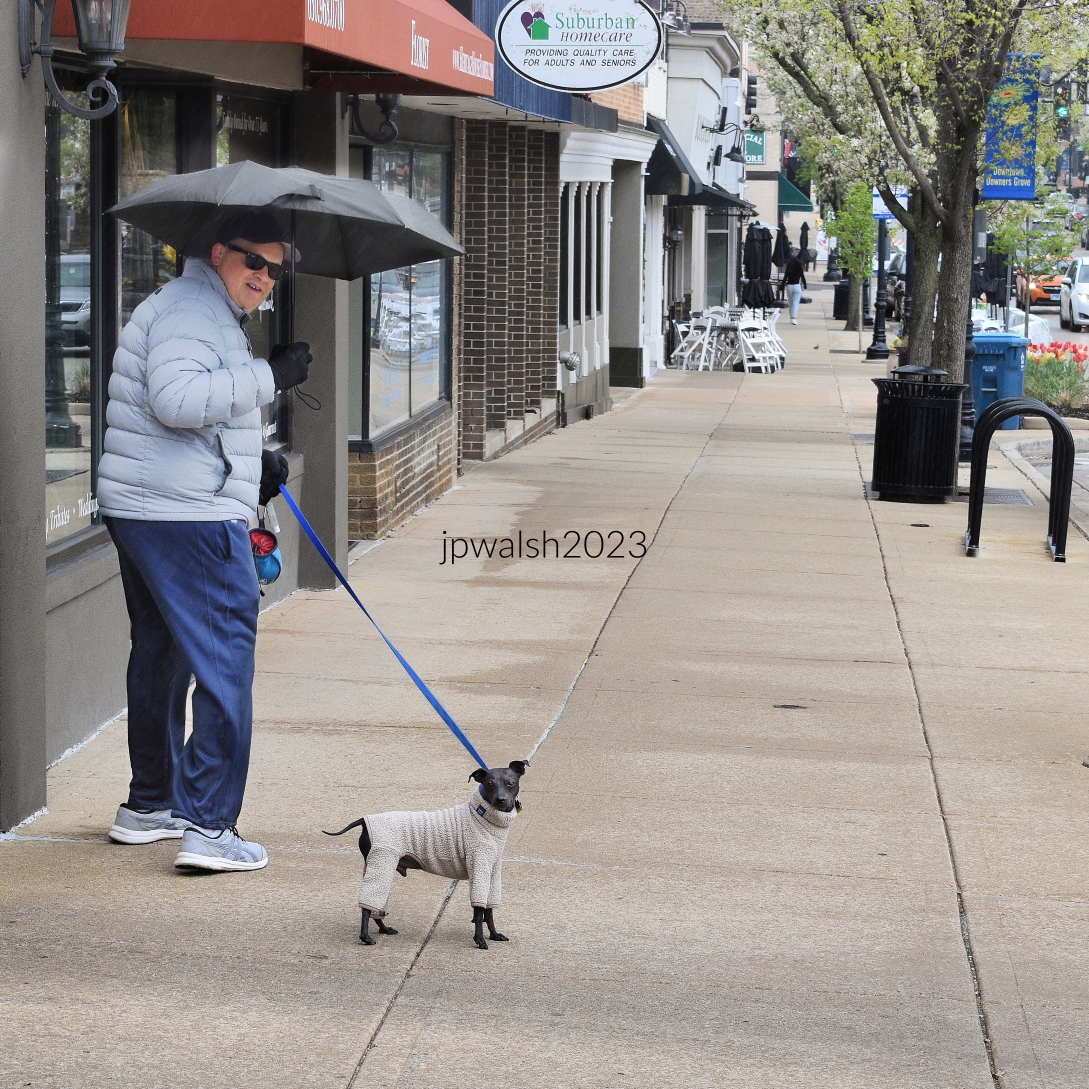
April 2023 Downers Grove, IL 1.14mb 30%
May 2023 Naperville IL. 6.08 mb
May 2022. Naperville IL. 4.91 mb
June 2023. Hinsdale, IL 3.95 mb
June 2023 7.56 mb
June 2023 Father’s Day. 6.16mb
June 2023 Hinsdale, IL 7.75mb 73%
June 2023 Hinsdale, IL 40%
August 2021. Chicago. 7.84mb 94%
July 2023 Westchester IL. 7.87 mb 86%
July 2023. July 4. 5.44 mb
June 2023 7.68 mb 74%
July 2023 6.48mb
July 2023 7.87 mb 80%
July 2023 7.81 mb 94%
August 2023. Wheaton IL. 7.86mb 59%
September 2023. Downers Grove, IL. 4.39mb
June 2023 Naperville, IL. 3.76 mb
May 2023 6.66 mb
August 2021. Chicago. 7.02mb
August 2021. Chicago. 6.60mb 99%
August 2021. Chicago. 6.77mb
June 2022. Chicago. 5.44mb
February 2024. 70% 7.83 mb
May 2024 5.49mb
May 2024 3.77mb
August 2021 Chicago 99% 7.20mb
August 2021 Chicago 80% 7.96mb
August 2024 81% 7.87mb 0938
August 2024 Chicago. 5.72mb _1510
August 2024 Chicago. 7.58 mb _1522 (1) (90)
August 2024 Chicago. 4.35.mb 1466 (1)
November 2024. 85% 7.92mb _4977
April 2015. 5.43 mb_0819 (1)
August 2016. Chicago 5.03mb DSC_0500
August 2016. Chicago 5.07mb DSC_0425
August 2017. Chicago 99% 6.58 mb DSC_1814
July 2015. 3.38mb DSC_0362 (1)