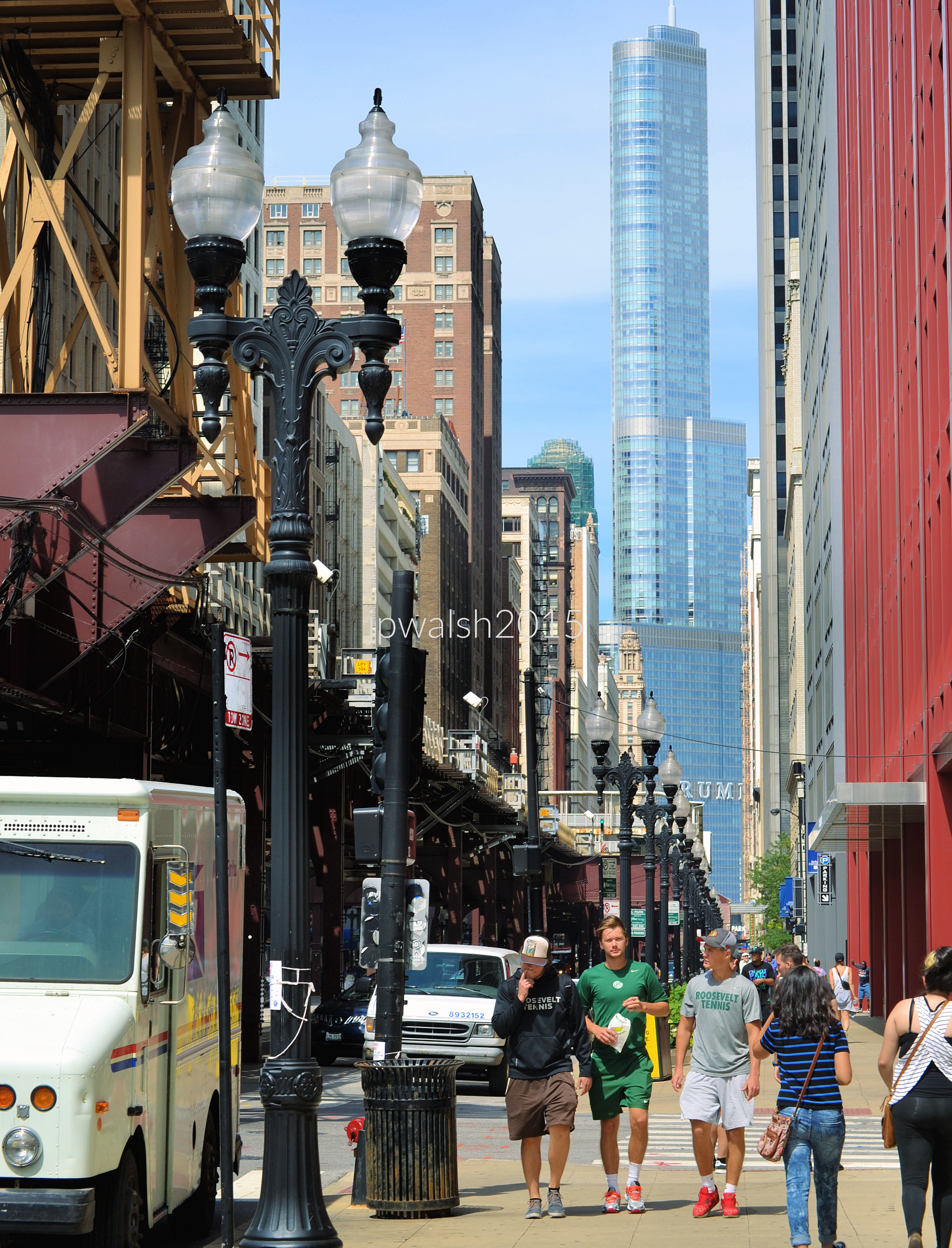
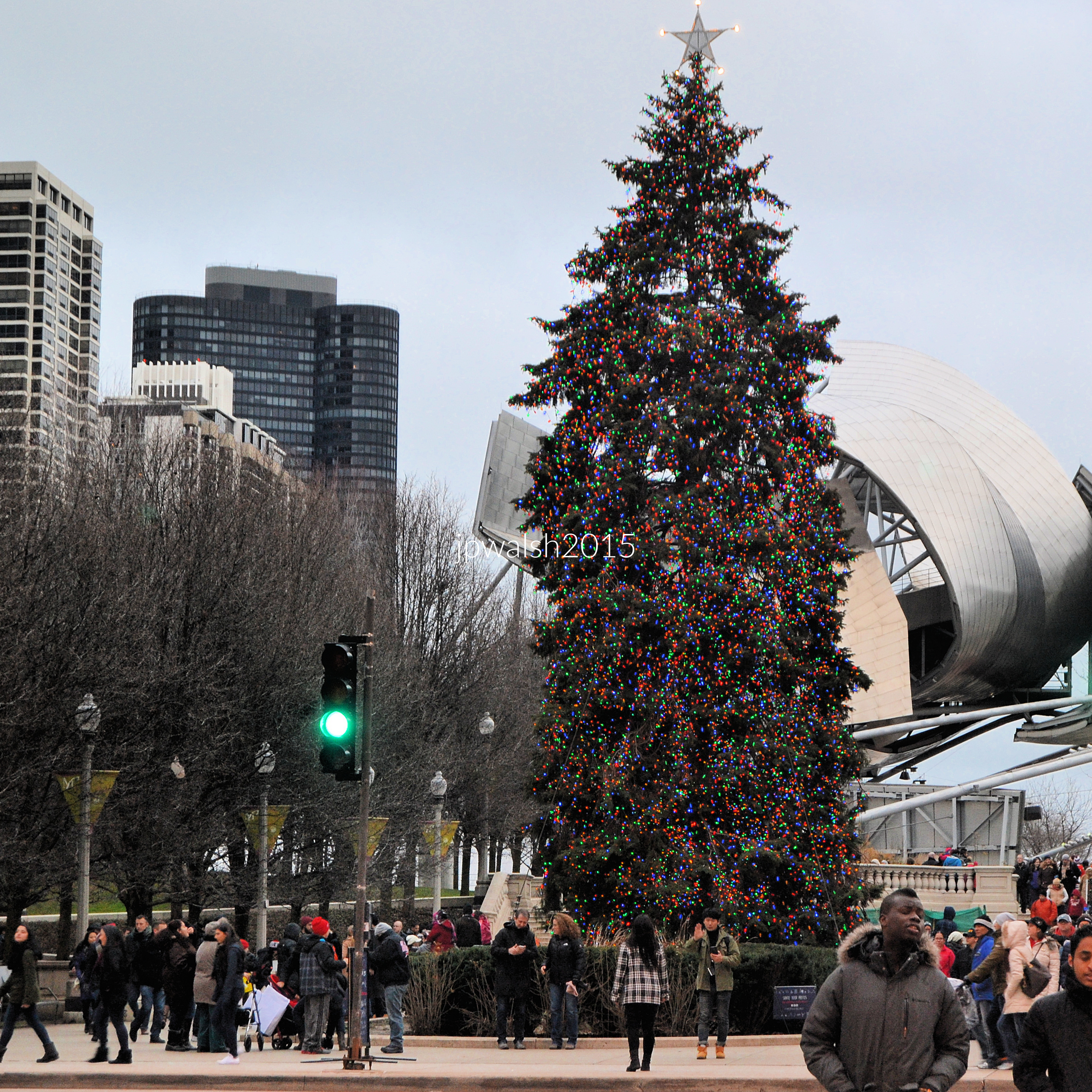
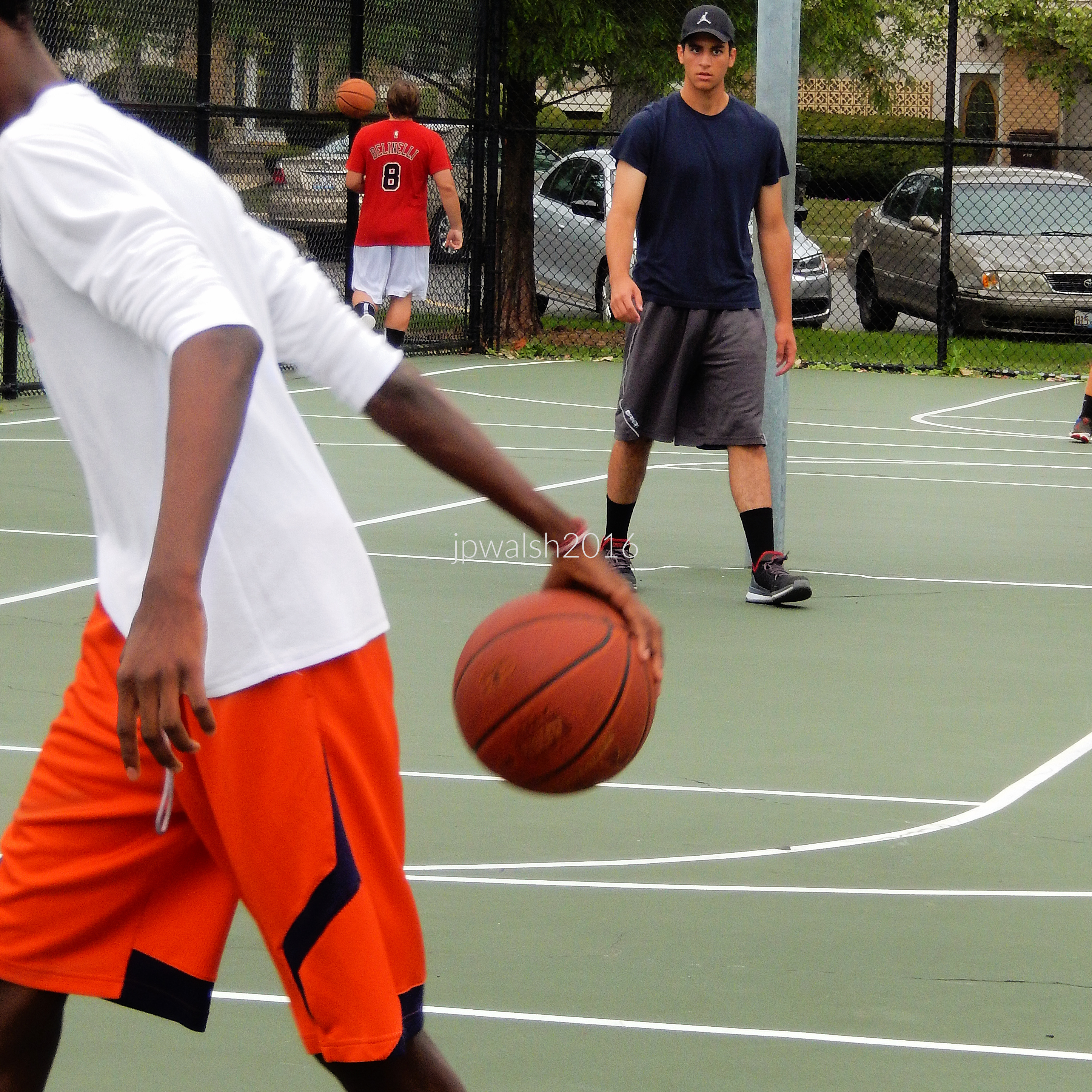
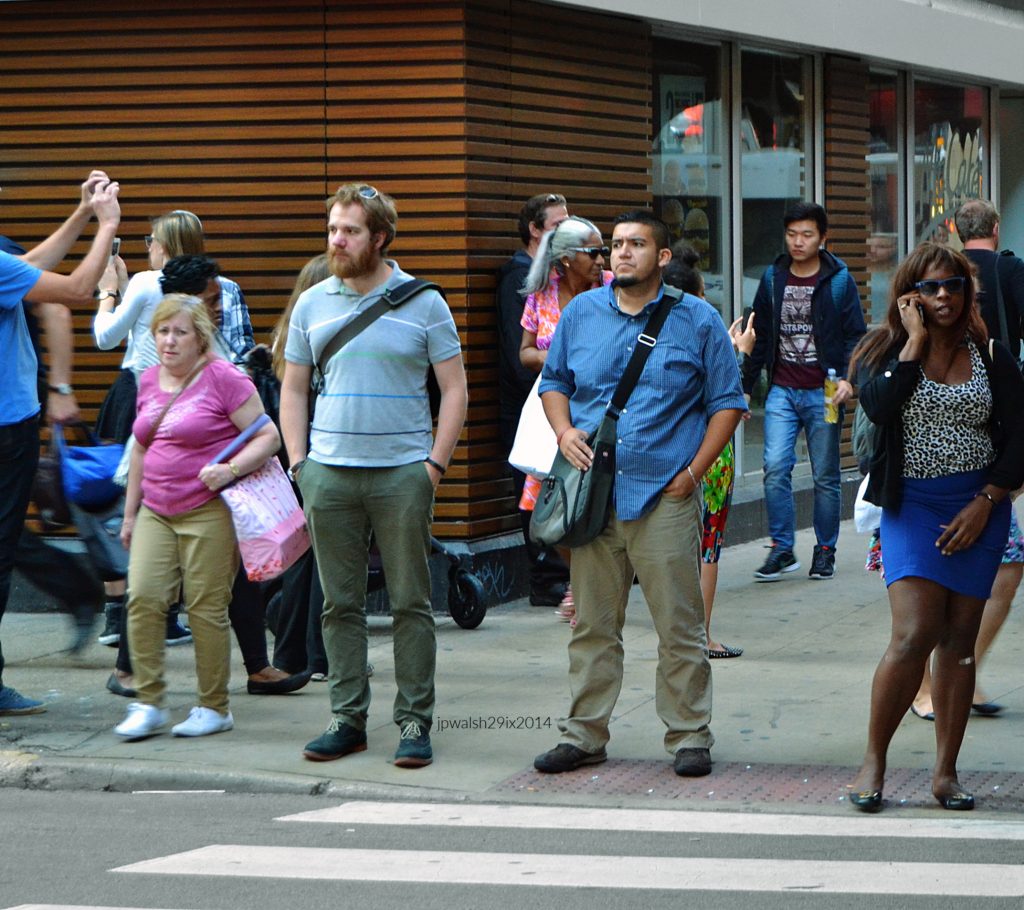
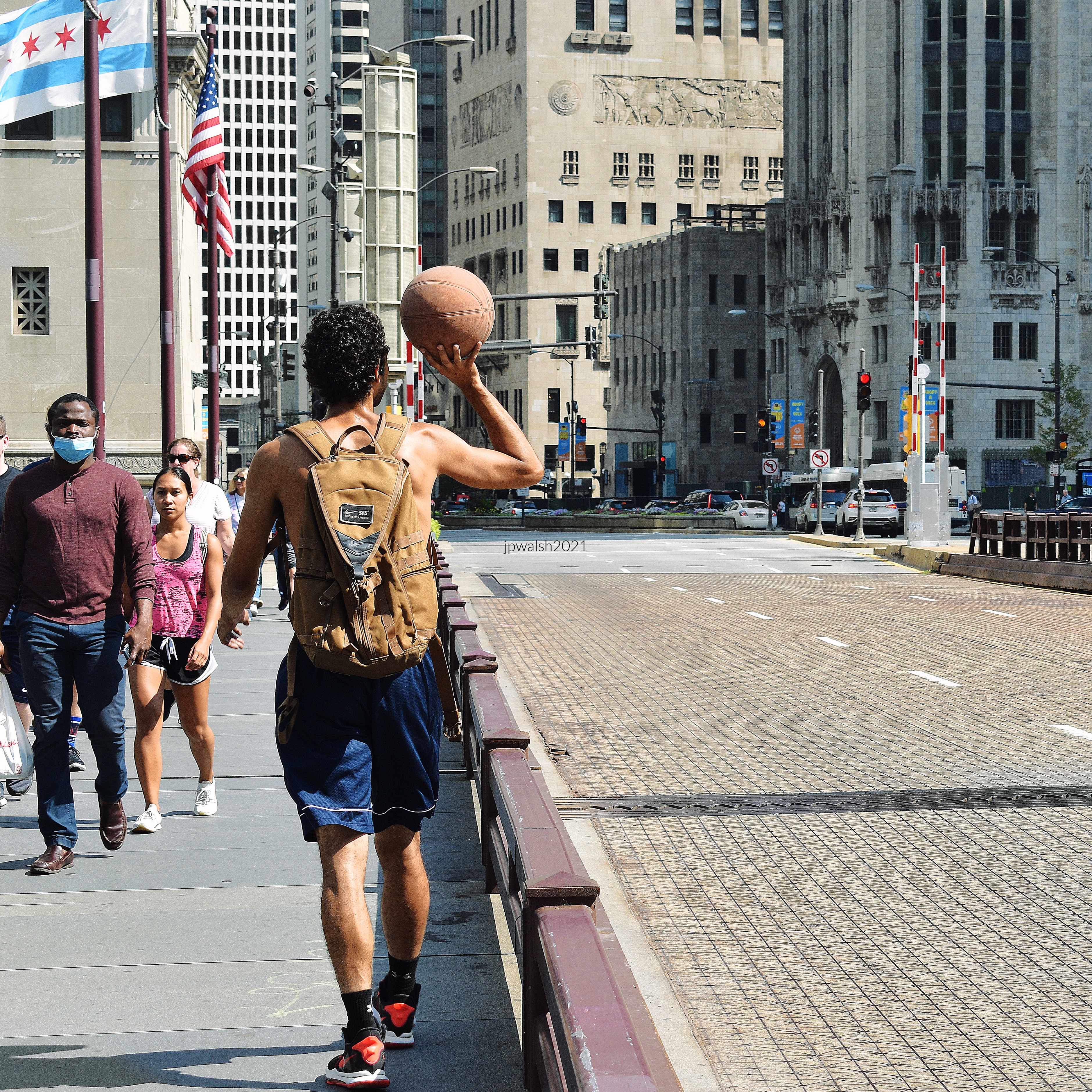
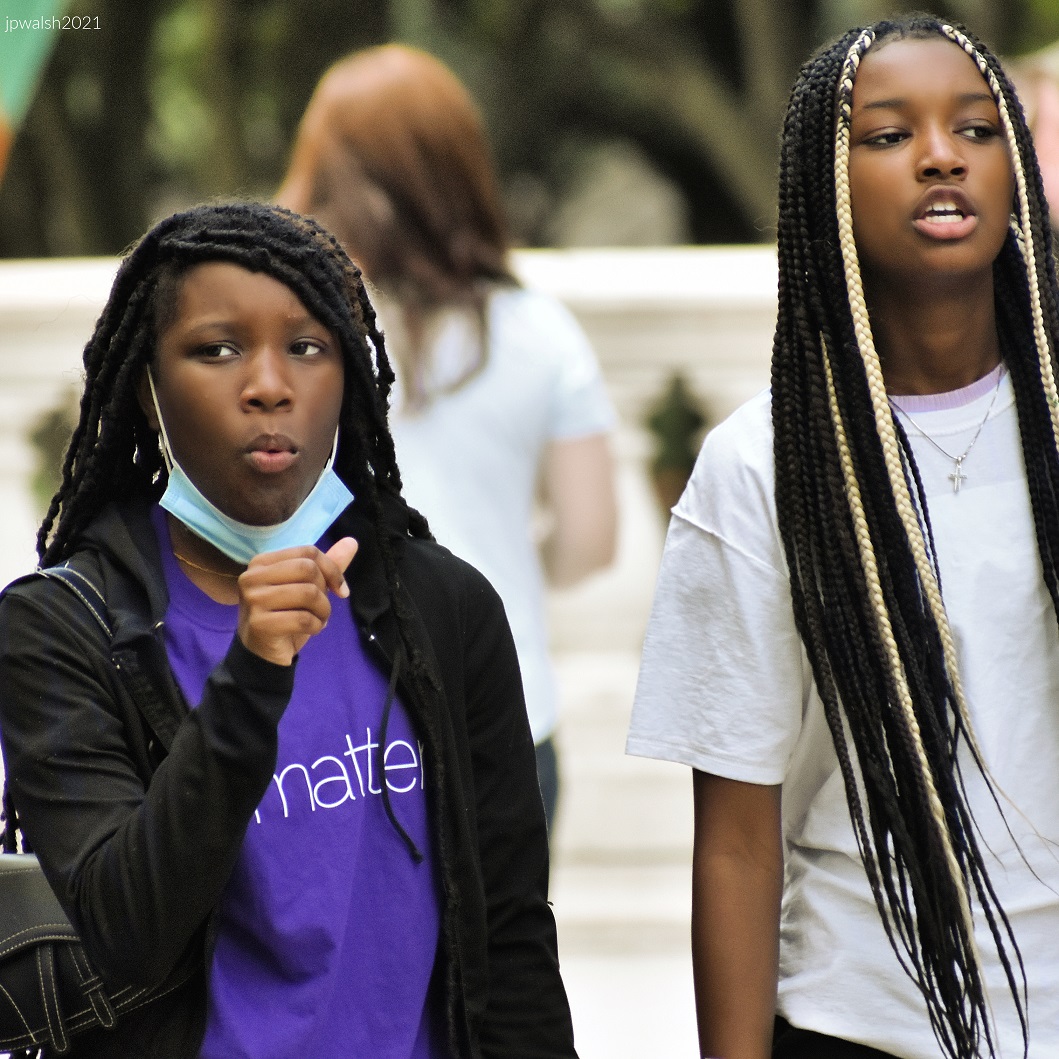
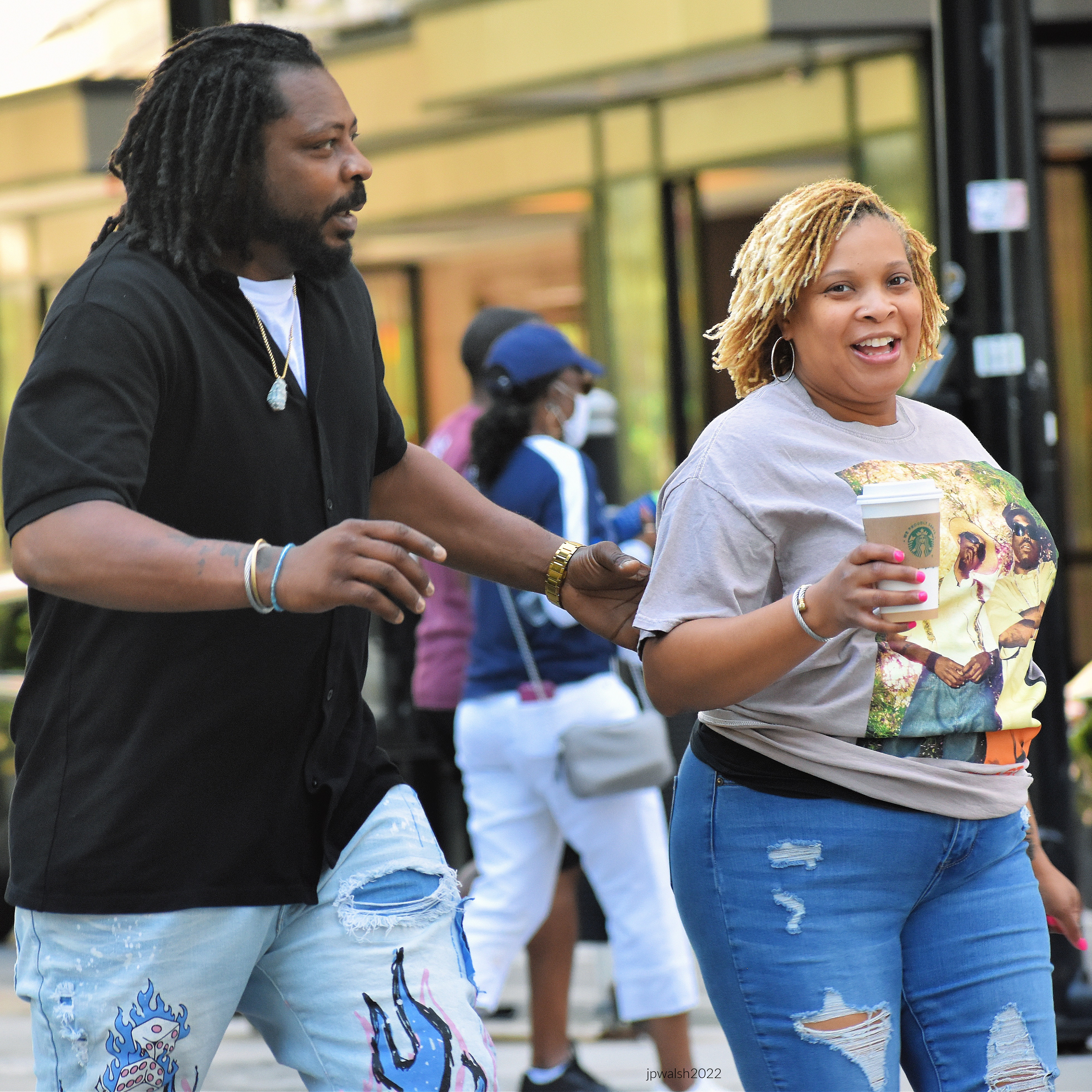
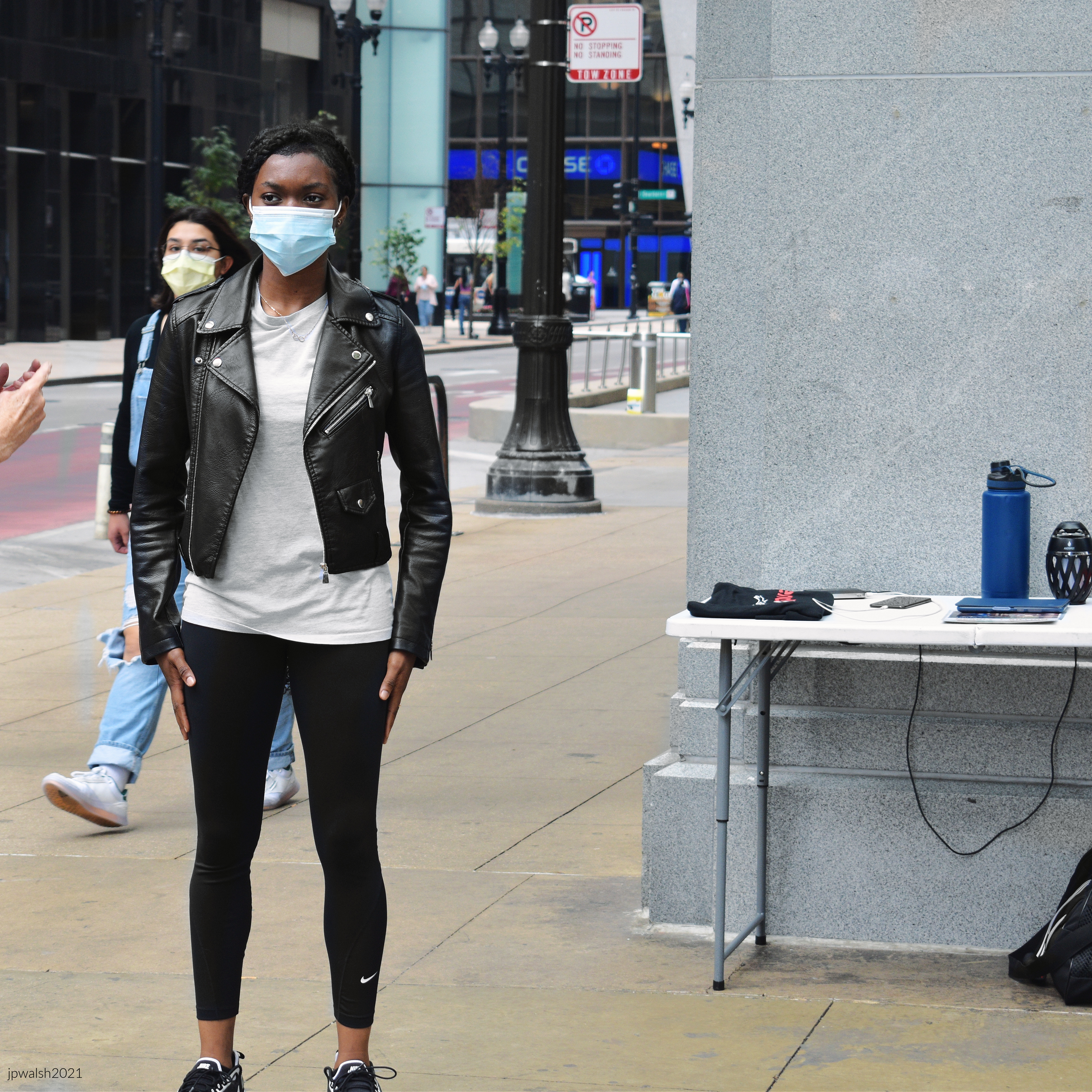
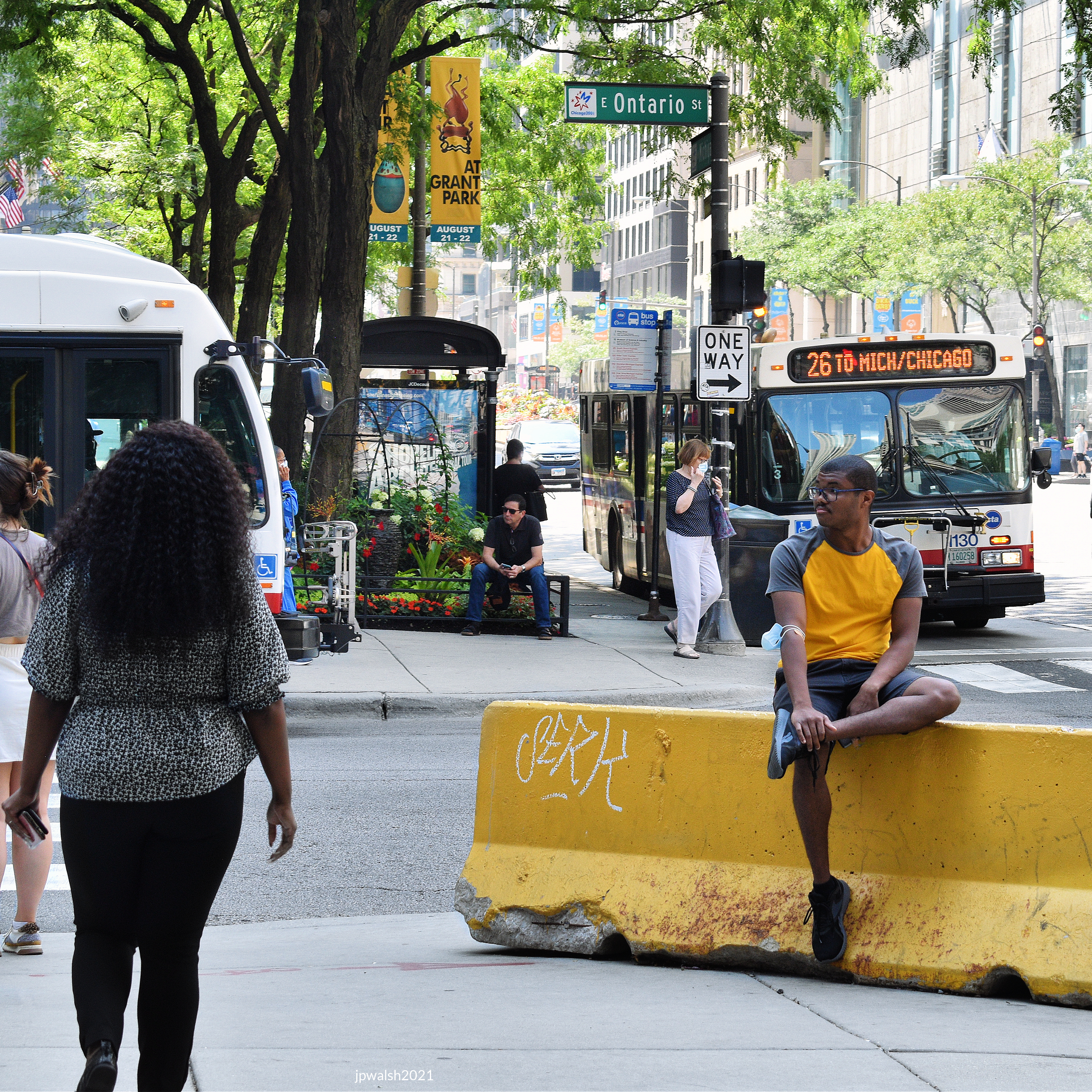
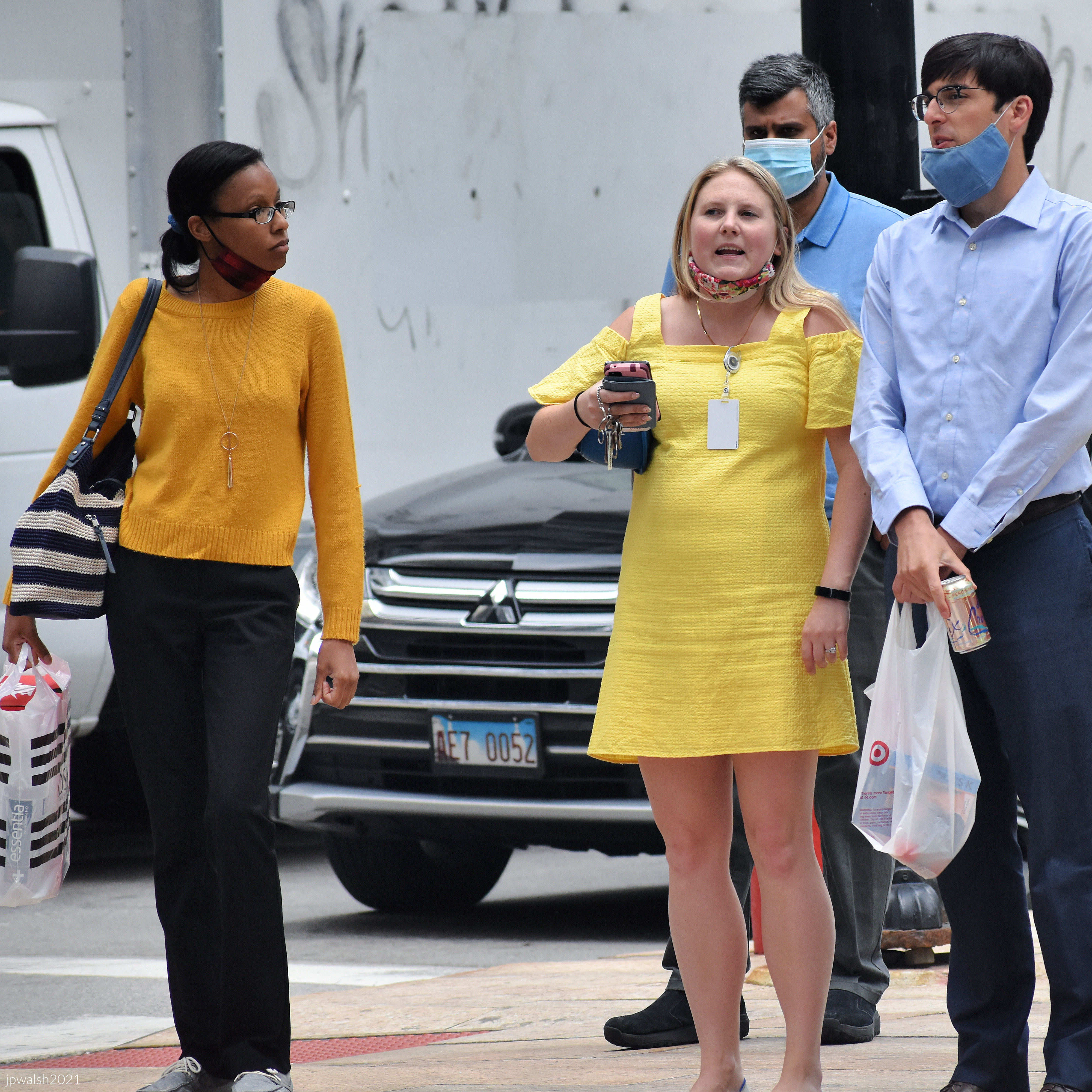
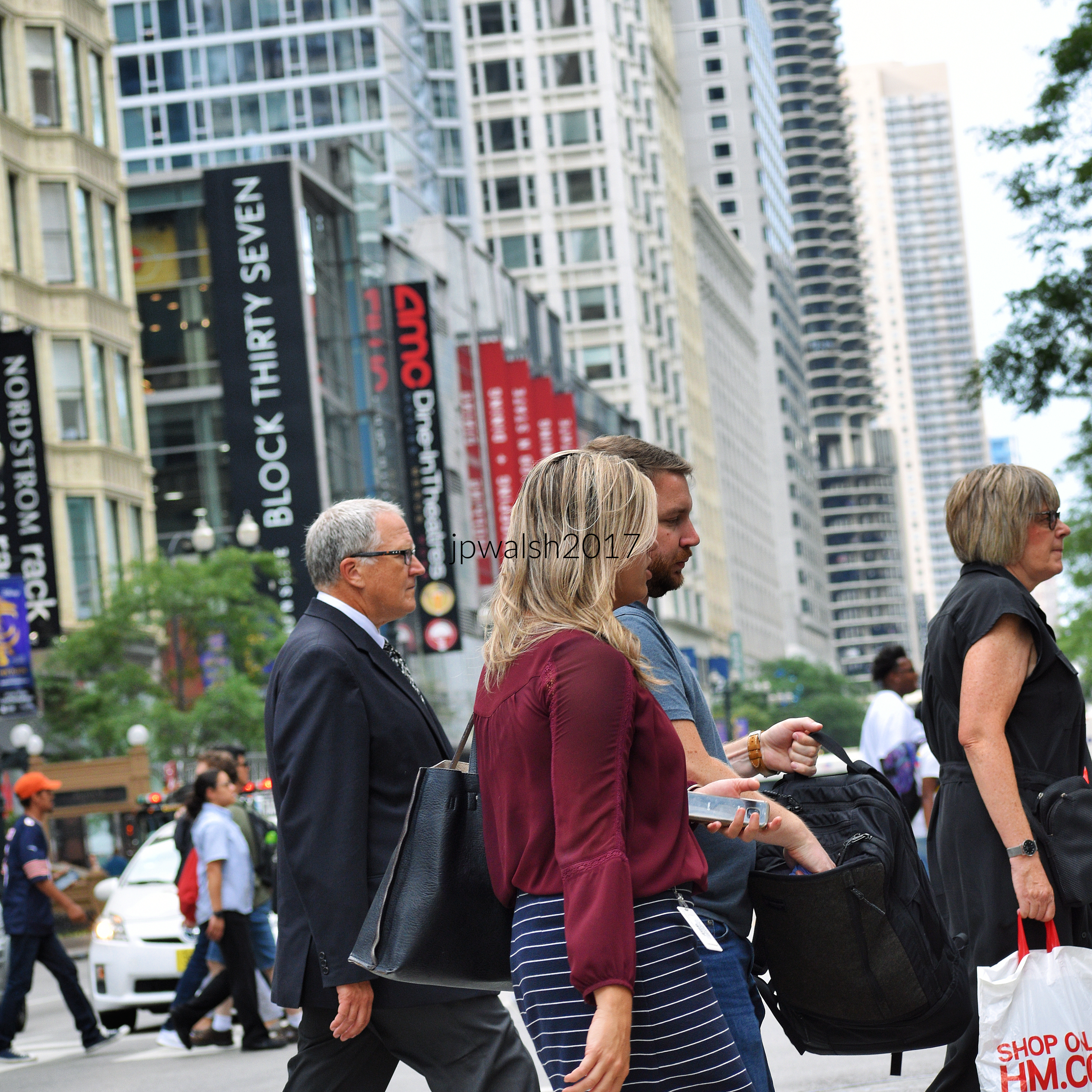
FEATURE Image: November 2017. Michigan-based Saints basketball team visiting in downtown Chicago.
August 2021.July 2016. Chicago. September 2015. Chicago. Michigan Avenue. July 2019. Oakbrook, IL. November 2017. Chicago.June 2022. Chicago. 948 kb 30% July 2018. Downers Grove, Illinois. February 2013. 1.70mb 101_6378 (1)
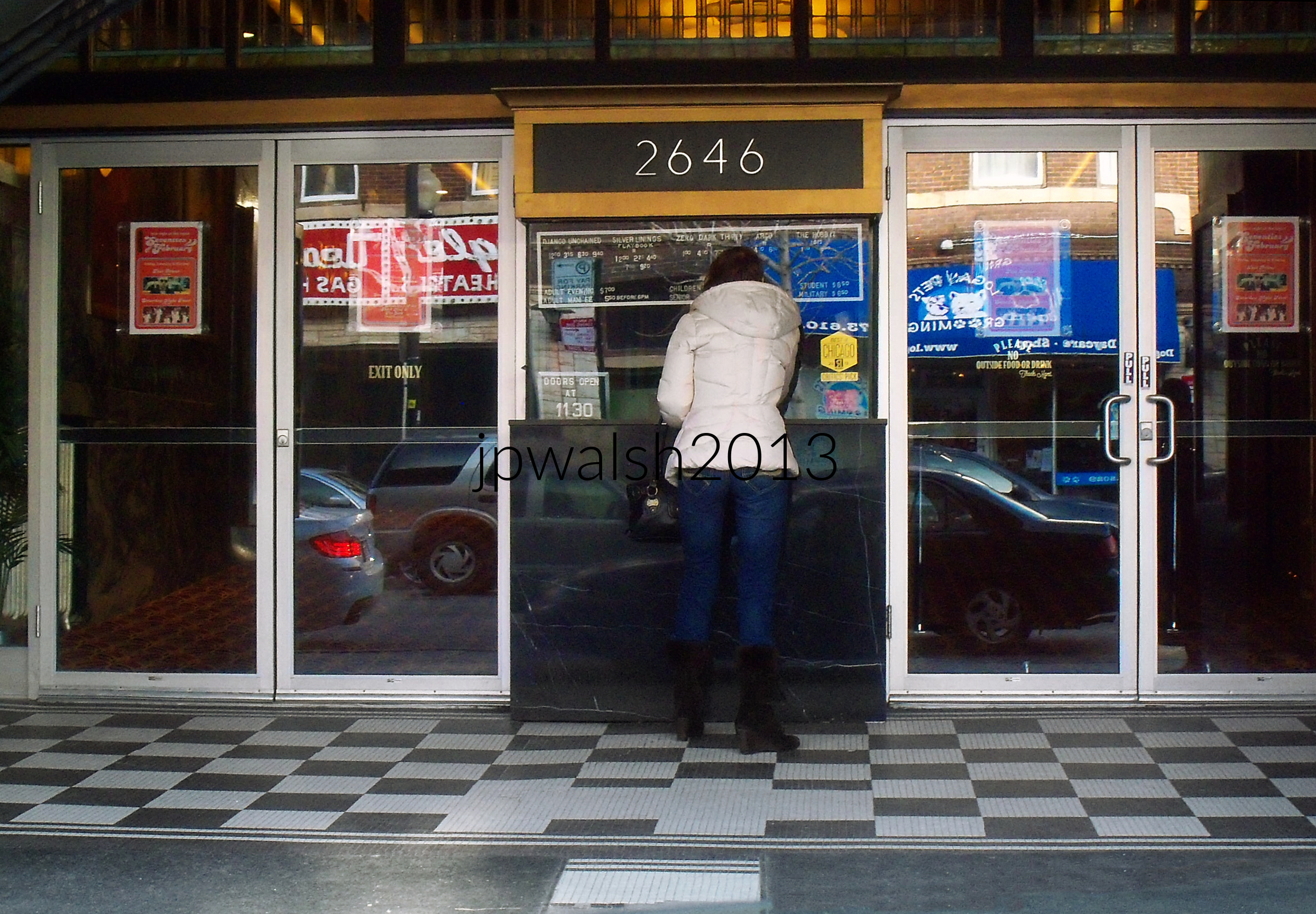
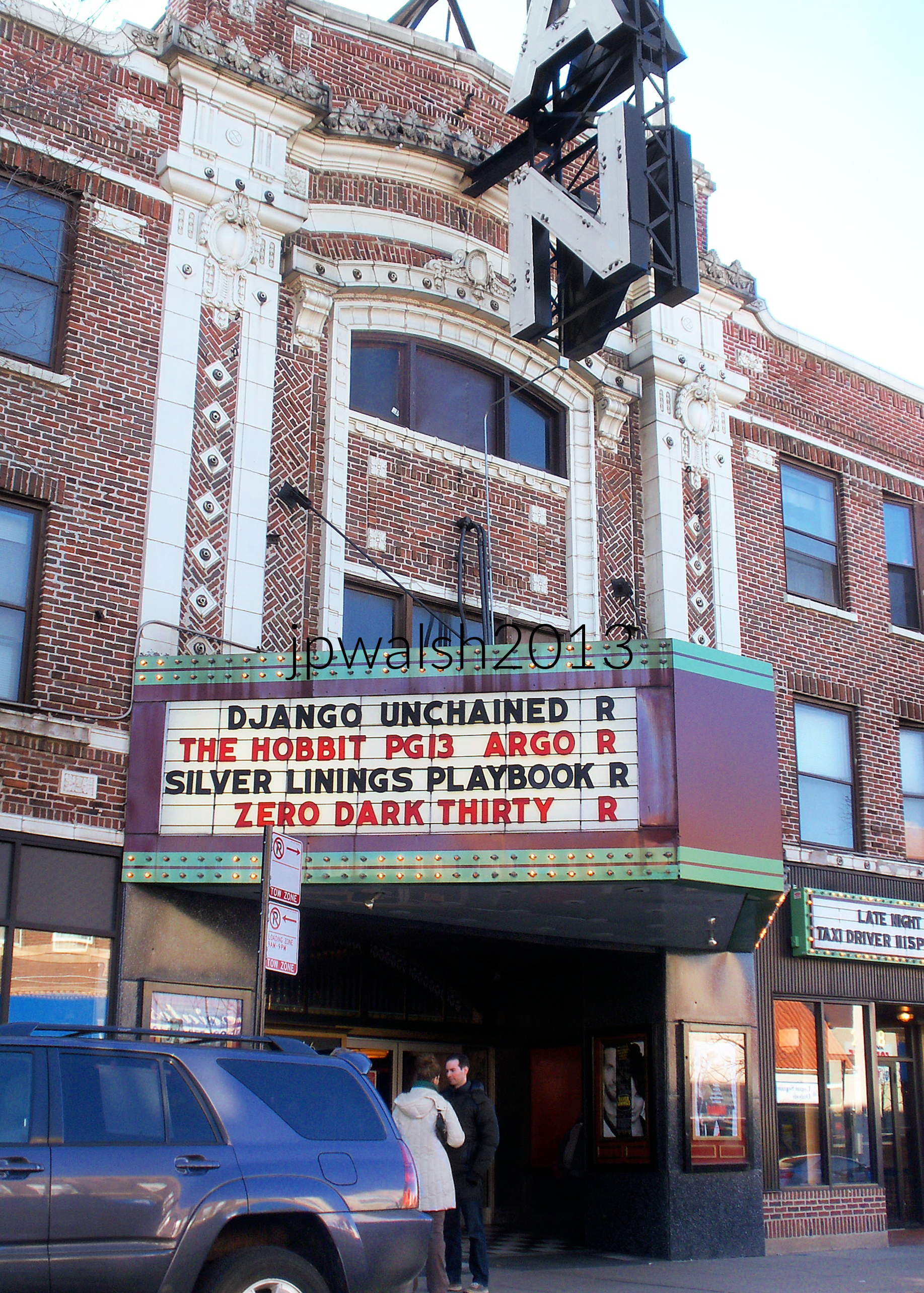
The Logan Theatre at 2646 N. Milwaukee in Chicago opened in November 1915 as The Paramount Theatre. It was operated by Lubliner & Trinz that started operating movie theaters in Chicago around 1914. At their peak, Lubliner & Trinz operated about nineteen theaters and leased or built about 36 theaters until 1934. The Paramount had seating for 988 in orchestra level and was equipped with a Weickhardt organ, based in Milwaukee, Wisconsin. It was renamed the Logan Theatre in 1929 when it was taken over by Essaness, a Chicago-based movie theater chain. The company owned and operated 33 theaters in the Chicago area, including the Pantheon and Biograph theaters. see – Lubliner & Trinz Theater History – The Clark Theater ; Logan Theatre in Chicago, IL – Cinema Treasures – retrieved January 18, 2026.
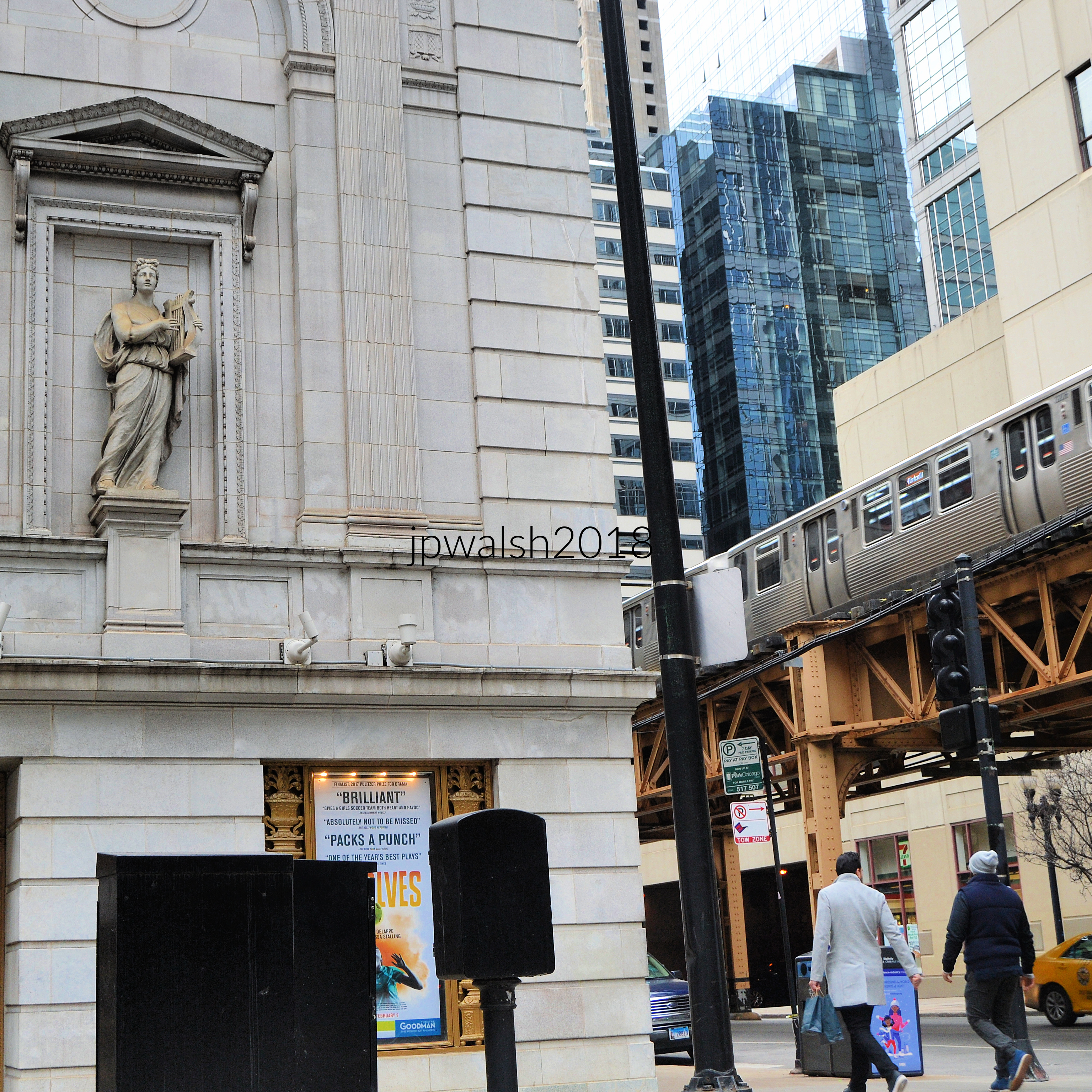
February 2013. 2.48mb 101_6324 (1)October 2017. Chicago. 315kb 20%December 2017 Chicago Downtown. 3.79 mb May 2014. Chicago. Michigan Avenue. July 2016. Chicago.July 2016. Chicago. July 2016. Chicago. July 2015, Chicago. September 2016. Chicago. Navy Pier. October 2016. Chicago. West Loop/East Garfield Park. September 2016. Chicago. Millennium Park. (20)September 2016. Chicago (Grand Boulevard/Bronzeville). Mount Pisgah Missionary Baptist Church, 4600 S. King Drive. Built by German Jewish immigrants whose synagogue was founded in 1861, the neo-Classical building was home to Chicago Sinai Congregation from 1912 until the 1940s. The church moved into the building in 1961. With a commitment to social justice, the church played an instrumental role in bringing Dr. Martin Luther King Jr.’s Southern Christian Leadership Conference to Chicago in the 1960’s. September 2015. Chicago. Navy Pier.May 2019. Downers Grove, IL.June 2020. Downers Grove, IL.June 2018. Milwaukee, WI. June 2014. Chicago. July 2019 Oakbrook, IL. July 2019 Oakbrook, IL.May 2016. Chicago. Magnificent Mile.June 2014. Chicago. North Rush Street. August 2017. Chicago. September 2015. Chicago. 30%September 2015. Chicago. August 2017. Chicago. Old Town. August 2017. Chicago. Downtown. August 2017. Chicago. Downtown. September 2015. Chicago. Downtown.August 2015. Chicago. (40)September 2015. Chicago.1.88 mbJune 2016. Wilmette, IL. June 2019. Oakbrook, IL.October 2017 Chicago. 6.39 mbOctober 2017. Chicago. 3.93 mbDecember 2017. Chicago. 5.87 mbJuly 2016. Chicago. 3.86 mb (50)October 2016. Chicago. Ukrainian Village. 332 kb 27%September 2015. Chicago. 5.02 mbJanuary 2016. Chicago. 4.74 mbJuly 2016. Chicago. 2.60 mbAugust 2021. Chicago. 6.75 mbOctober 2021. Chicago. 3.99mbDecember 2015. Chicago. 1.52 mb 35%October 2015. Chicago. 6.53 mb (70)October 2015. Chicago. 1.21 mb 35%October 2015. Chicago. 1.18 mb 35%October 2015. Chicago. 7.81 mbOctober 2015. Chicago. 6.25 mbMay 2021. Chicago. 7.82 mbJune 2022. Chicago. 4.13 mbJuly 2016. Chicago. 2.23 mbOctober 2015. Chicago. 5.59 mbJuly 2021. Wheaton, IL. 3.92mbMay 2013 4.06mbOctober 2015. Chicago. 5.90 mbJuly 2022. Chicago. 4.17 mbSeptember 2015. Chicago. 25%August 2016. Chicago. 5.07 mbMay 2024. Chicago. 5.82 mbMay 2024 Chicago. 99% 7.12 mbMay 2024. Chicago. 5.75 mb June 2018 852 kb October 2015. Chicago (Garfield Park). 6.80 mb N1733 (1) (2)August 2016. Chicago. 6.21 mb DSC_0507August 2016. Chicago (Logan Square). 6.63 mb DSC_0482 (1)August 2016. Chicago (Pilsen). 3.91mb DSC_0684February 2018. Goodman Theatre, Chicago. Opened in 1922 by New York theatrical producer Sam H. Harris and brothers Archie and Edgar Selwyn, the Harris and Selwyn Theatres were the Chicago home to some of the most famous plays and performers of the Broadway stage. 4.25mb DSC_0897 January 2016. Chicago Lawn (Marquette Park). 7.99mb DSCN2030February 2013. Chicago (Logan Square). 2.85mb101_6385 (1)April 2013. Chicago (Pilsen). 3.58mb 102_0007 (1)April 2013. Chicago (Pilsen). 4.48mb 102_0042 (1)August 2015. Chicago (Edgewater). 2.76mb DSC_0042 (2)August 2015. Chicago. 2.01 mb DSC_0576 (2)August 2015. 3.87mb DSC_0732 (1)June 2014. Chicago. 3.65mb DSC_0407 (1)May 2015. Chicago. 3.67mb DSC_0454 (1)August 2015. Chicago.1.85mb DSC_0958 (1)August 2015. Chicago. 4.32mb DSC_0955 (1)August 2015. Chicago. 7.03mb DSC_0950 (1)August 2015. Chicago. 2.08mb DSC_0526 (3)August 2015. Chicago. 5.71 mb DSC_0479 (1)September 2015. Chicago 3.35mb DSCN1222 (1)October 2015. Chicago. 2.87mb tDSCN1443 (1)October 2015. Chicago. 4.62mb DSC_0117 (2)October 2015. Chicago. 5.81 mb DSCN1680 (1)November 2015. Chicago. DSC_0060 (1)November 2025. Chicago. 2.75mb DSC_0425 (1)December 2015. Chicago. 12 S. Michigan. 4.11mb DSC_0696 (1)
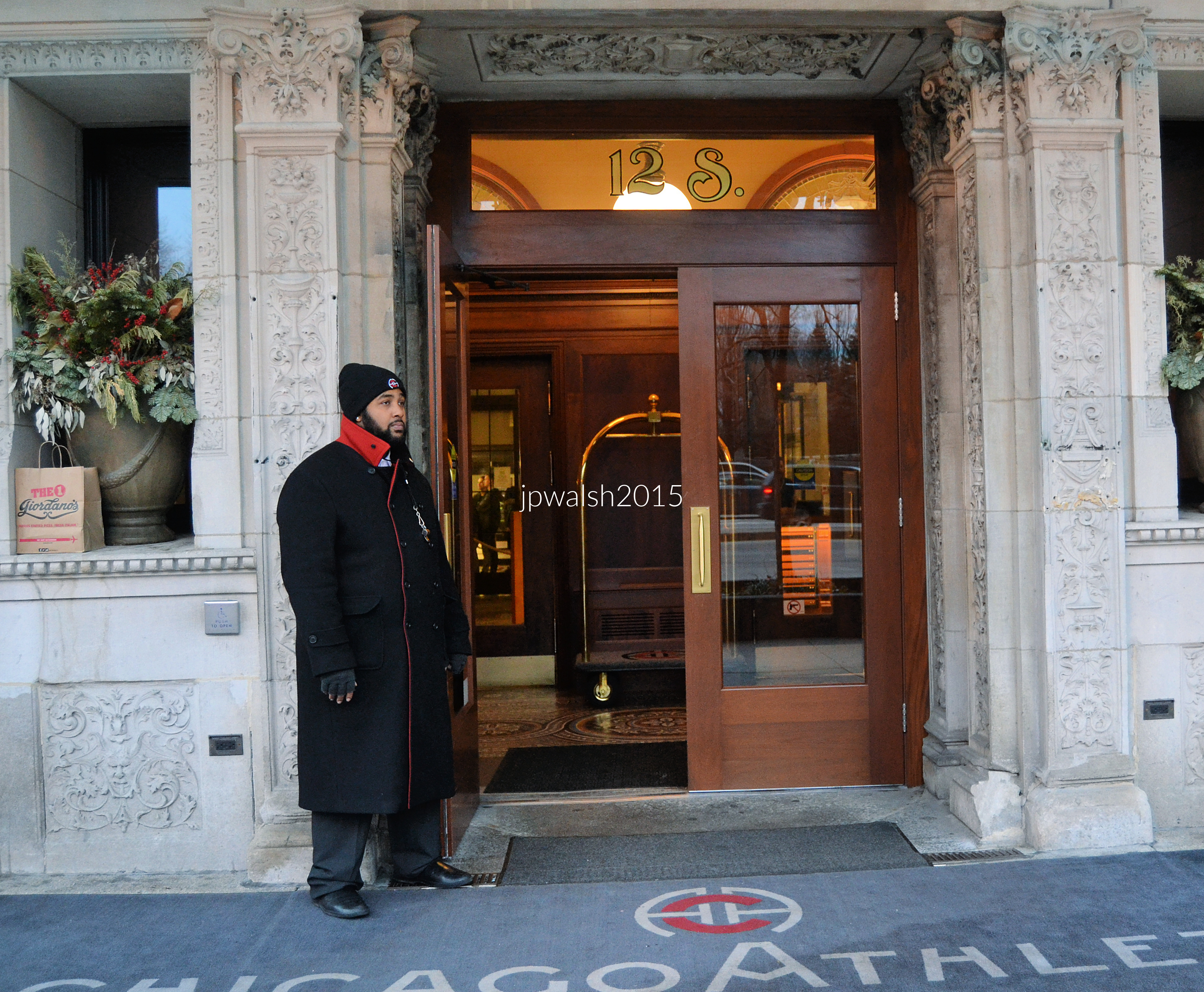
The Chicago Athletic Association (CAA) was a historic men’s club and athletic team based in Chicago, Illinois, formed in 1890 and closed in 2007. The 1893 building was designed by prolific architect Henry Ives Cobb (1859-1931). Transformed into the Chicago Athletic Association Hotel, it opened as a boutique hotel, welcoming the public and preserving its rich history.
December 2015. Chicago. 1.91mb DSC_0689 (1)
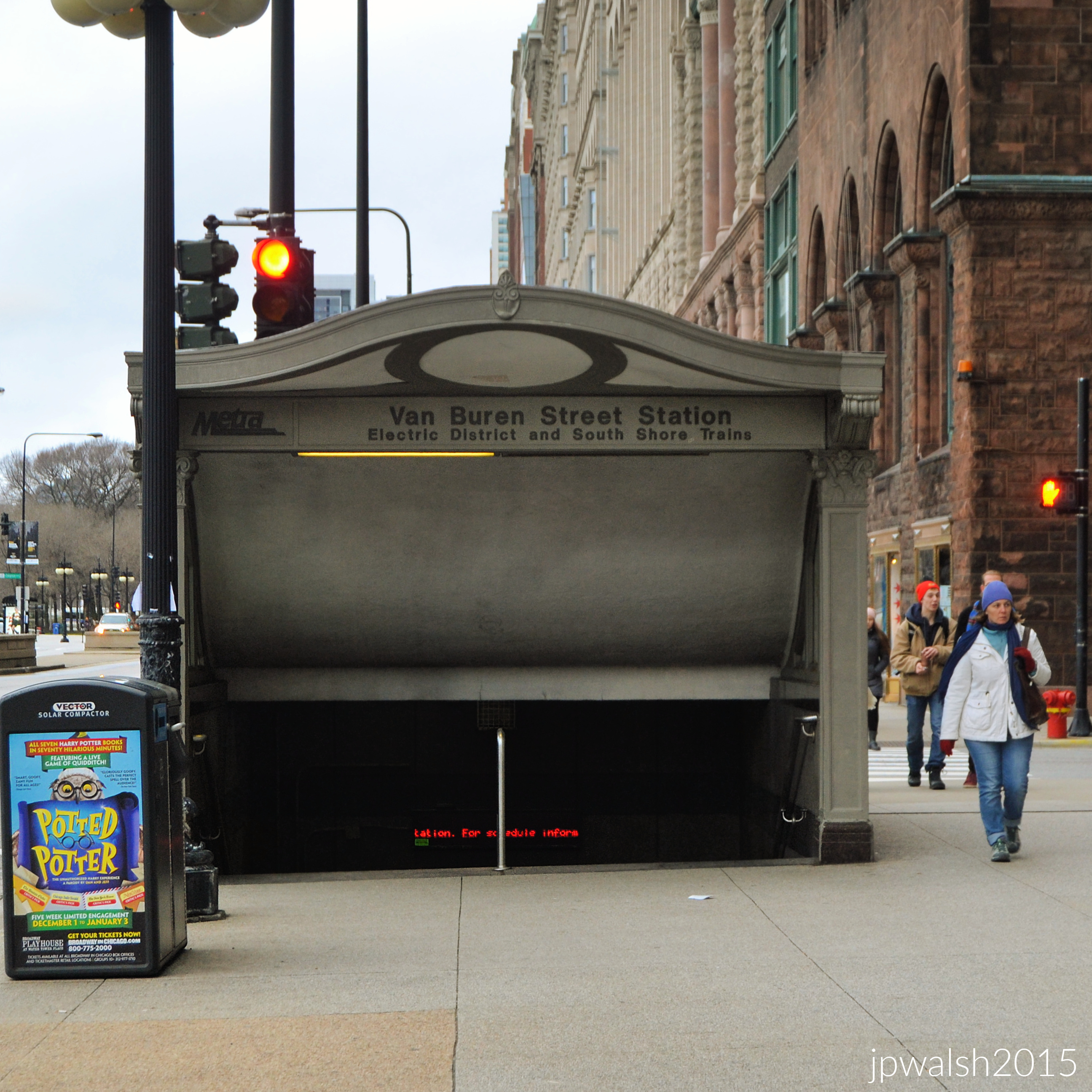
Van Buren Street Station is a commuter rail station in downtown Chicago that serves the Metra Electric Line to University Park, Blue Island, and South Chicago neighborhood and the South Shore Line to Gary and South Bend, Indiana.
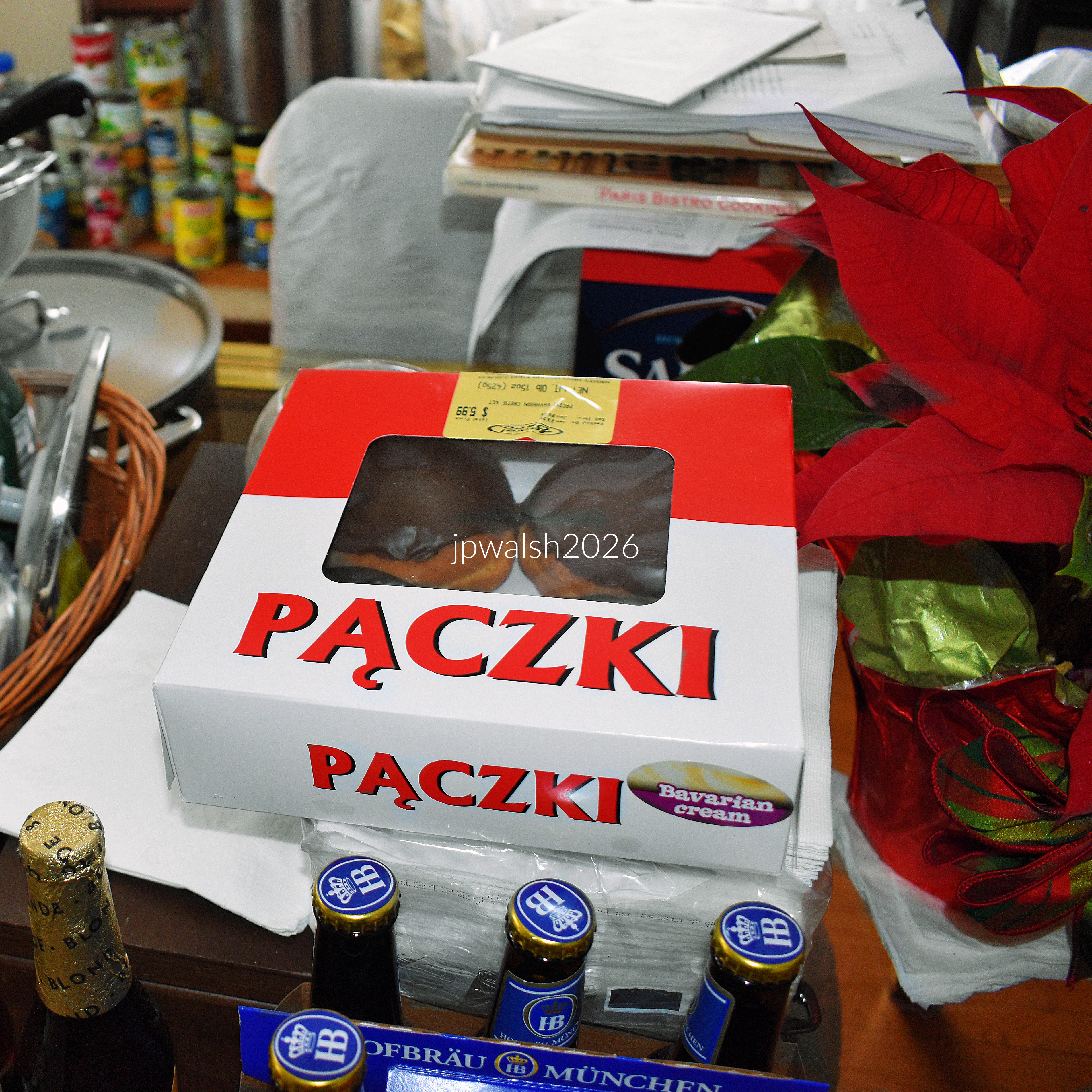
In U.S. cities and states with a large population of Polish and Polish Americans, mainly in the Midwest and Northeast – including Chicago, Milwaukee, Detroit, Toledo, Cleveland, Buffalo, Pittsburgh, Philadelphia/Scranton, New Jersey, Massachusetts and Connecticut – pączki (pronounced “punch-key”) are rich, sweet traditional Polish doughnuts whose tradition stretches back to the Middle Ages. These sweet treats are fried dough filled with flavored creams and fruit jellies and preserves and slathered on top with icings, glazes, or powdered sugar. Pączki are a festive and delicious pre-Lenten indulgence that are notably eaten on Pączki Day which aligns with Mardi Gras (“Fat Tuesday”), the day before Ash Wednesday and the start of Lent, a 40-day period of Christian fasting before Holy Week. Pączki Day is celebrated annually by immigrants and locals alike. In Chicago, with its sizeable Polish population (the largest outside Poland), pączki are eaten in the pre-Lenten season and on both Fat Thursday (the last Thursday before Ash Wednesday) and on Fat Tuesday.
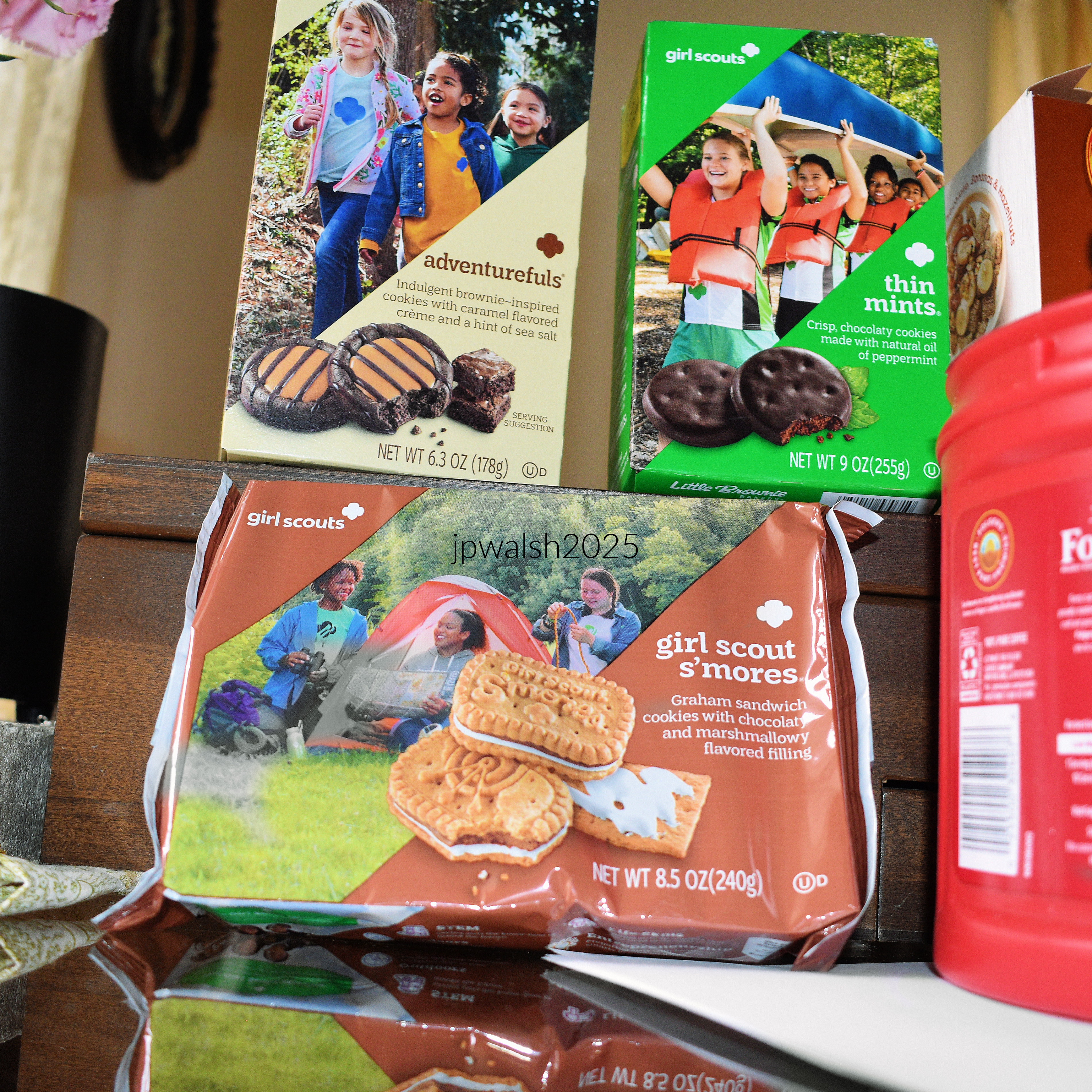
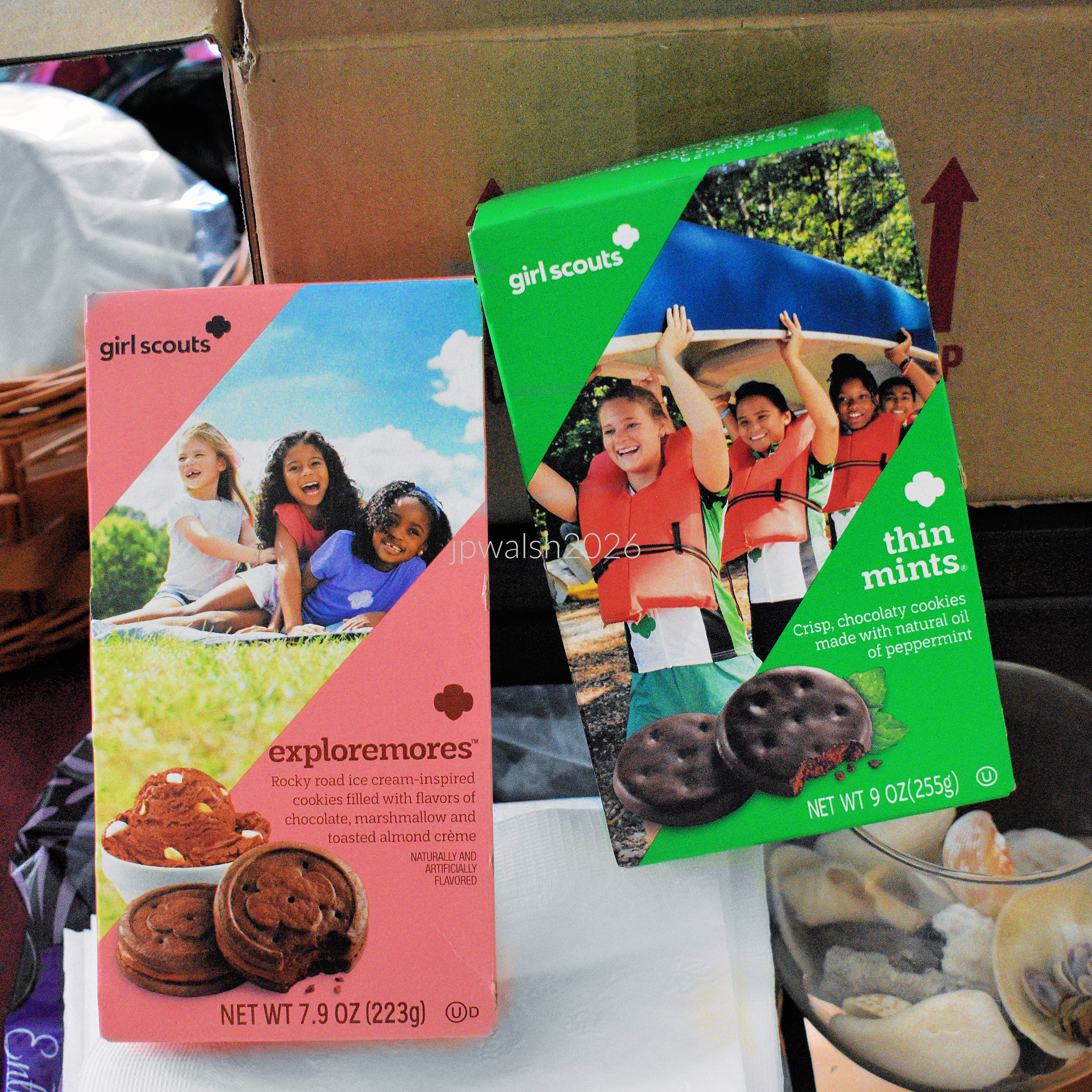
Exploremores are the Girl Scouts’ newest cookie introduced in 2026. Exploremores are cookies with the Rocky Road ice cream-inspired flavors of chocolate, marshmallow, and toasted almond crème. Thin Mints are a classic Girl Scout cookie. They have been selling a version of this cookie for 88 years – since “Cooky-Mints” in 1938. Firmly established as a popular brand by 1951, it was officially named “Thin Mints” in 1959. The oldest, continuously sold, and original style of Girl Scout cookie, is the Shortbread (or Trefoils), introduced in 1934!
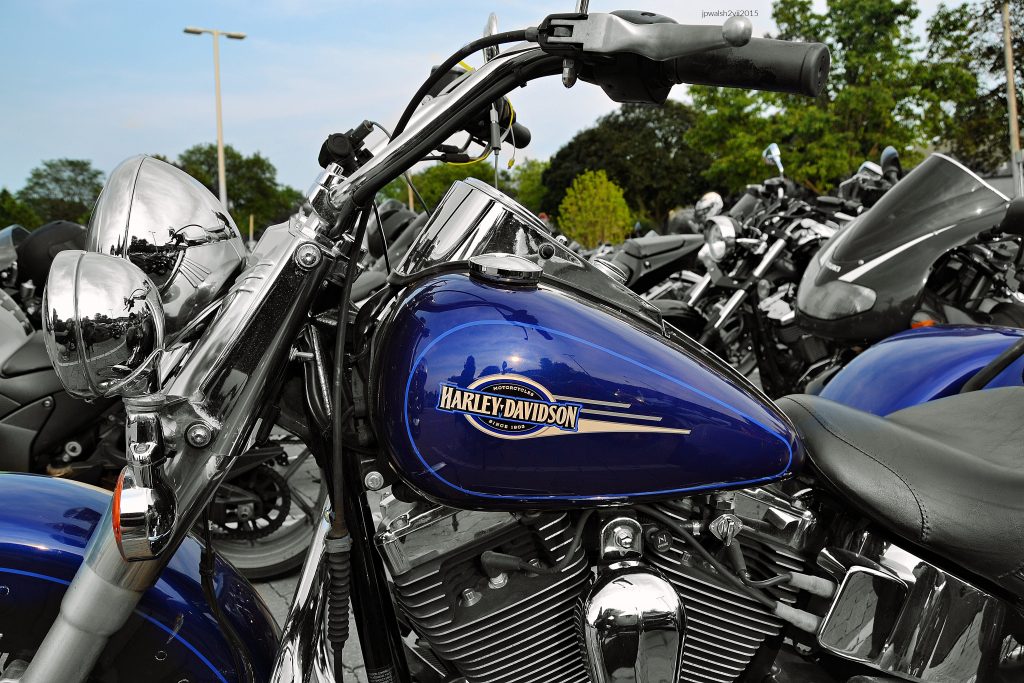
Four days after recording Heartbreak Hotel in January 1956 for RCA records in Nashville, Tennessee, 21-year-old Elvis Presley went out and bought a brand-new red-and-white 1956 Harley Davidson KH. Elvis was not yet famous but had already developed a signature style for which this motor bike formed a part. Having affinities with the 1952 KRTT Road Racer OHV V-Twin owned by famed H-D racer Brad Andres, Elvis’ H-D KH had plenty of style.
Within two months, in mid-March 1956, Heartbreak Hotel, a song co-written by Presley, was climbing the charts and Elvis was on his way to becoming one of rock ‘n’ roll’s first superstars. For the rest of his life and career, Presley remained a Harley-Davidson enthusiast as he helped forge that connection between motorcycles and rock ‘n roll which seemed to be instinctive and permanent.
6/20187/2015Warrenville, IL. 7/2018 Milwaukee, WI. 1932 Model G Servi-Car Side-Valve V-Twin. Harley-Davidson Museum. 6/2018
The 1932 Model G Servi-Car Side-Valve V-Twin ran for 41 years and offered high crown fenders and a cargo hold that packed 500 pounds.
FEATURE image: July 2015. Chicago. 134 S Wabash Ave, Chicago 60603. According to their website, Miller’s Pub was established as a bar in 1935 which was bought in 1950 by Pete, Nick and Jimmy Gallios, three brothers of Greek descent. A fourth brother, Vannie, worked his way into a stake in the business in 1953. Miller’s Pub thrived in the same location until 1989 when they moved around the corner into another of their restaurants they owned located at 134 S. Wabash. Over the years entertainers, politicians and sports figures have patronized Miller’s Pub in Chicago’s Loop including Chicago mayors, Jimmy Durante, Marilyn Monroe, Bill Veeck, Harry Caray, Tony Bennett and Bob Fosse’s dancers who came for an after-show nightcap. 3.68 mb
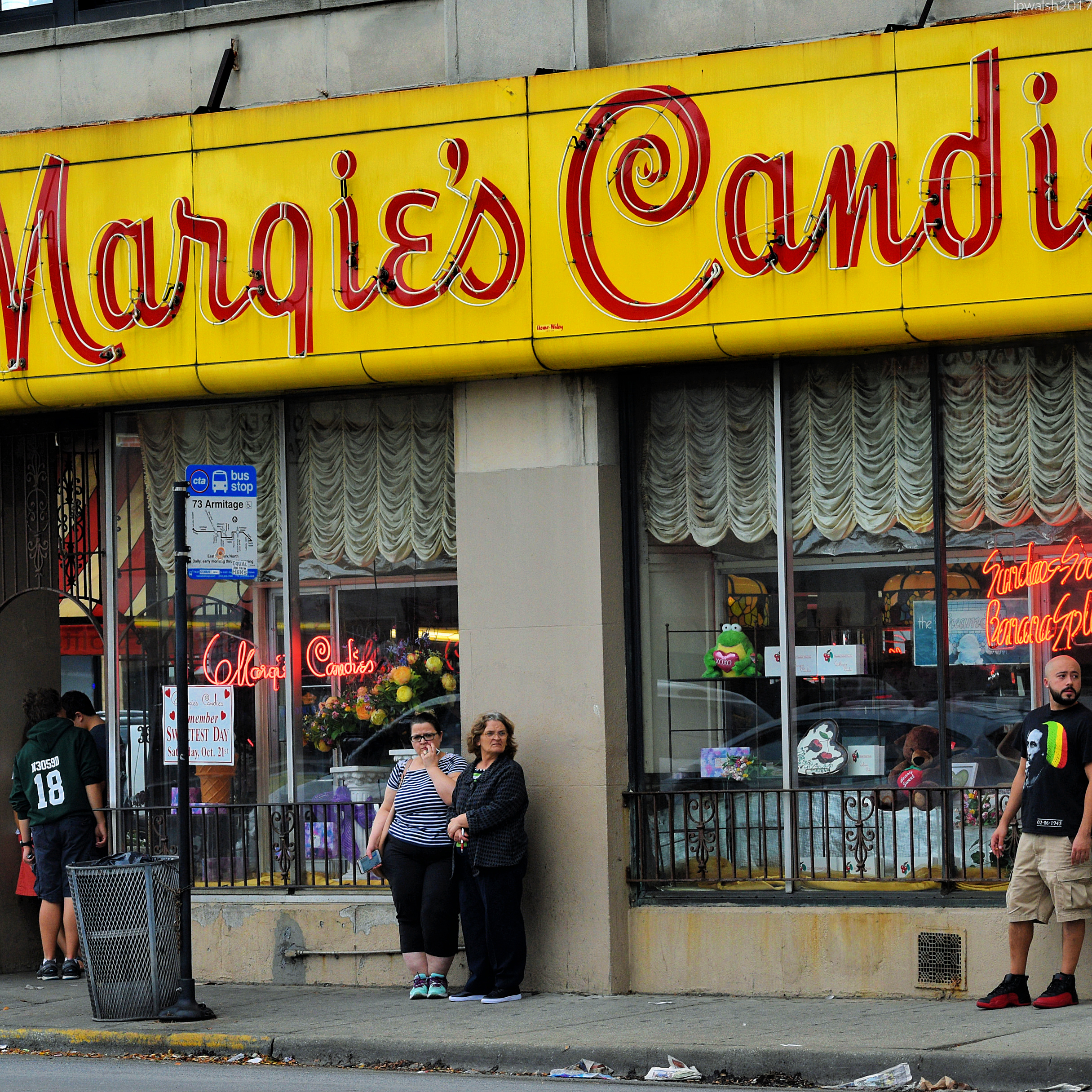
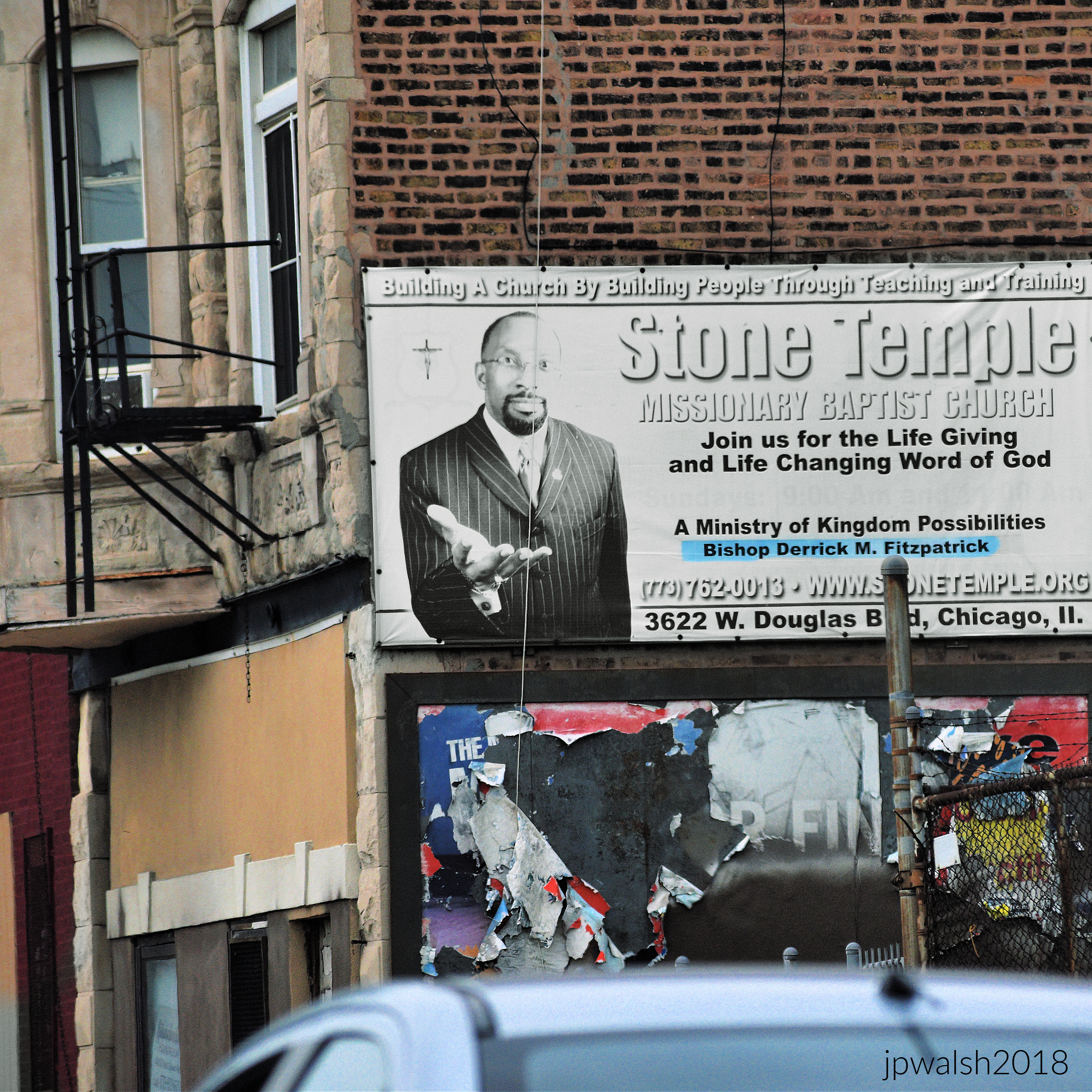
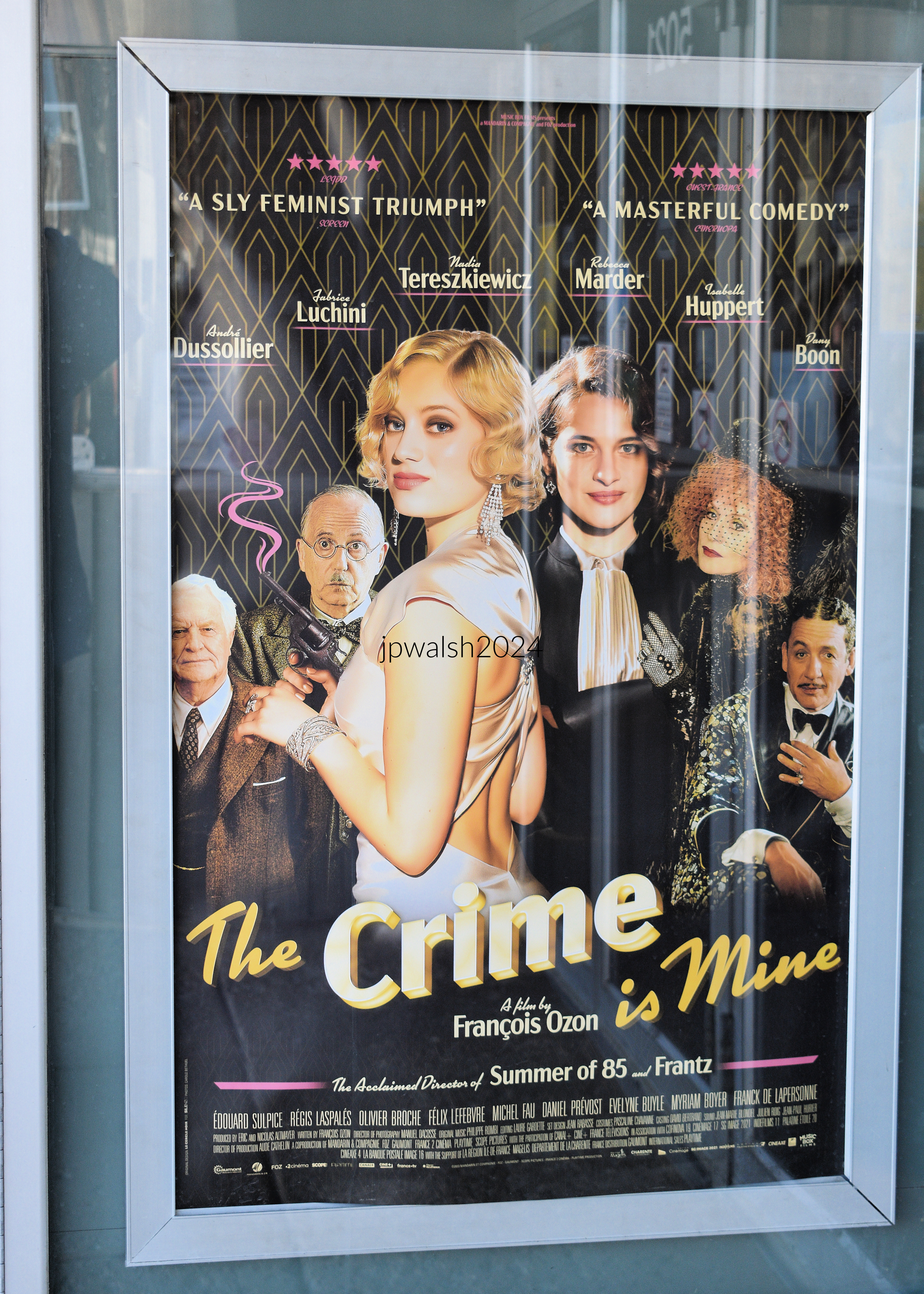
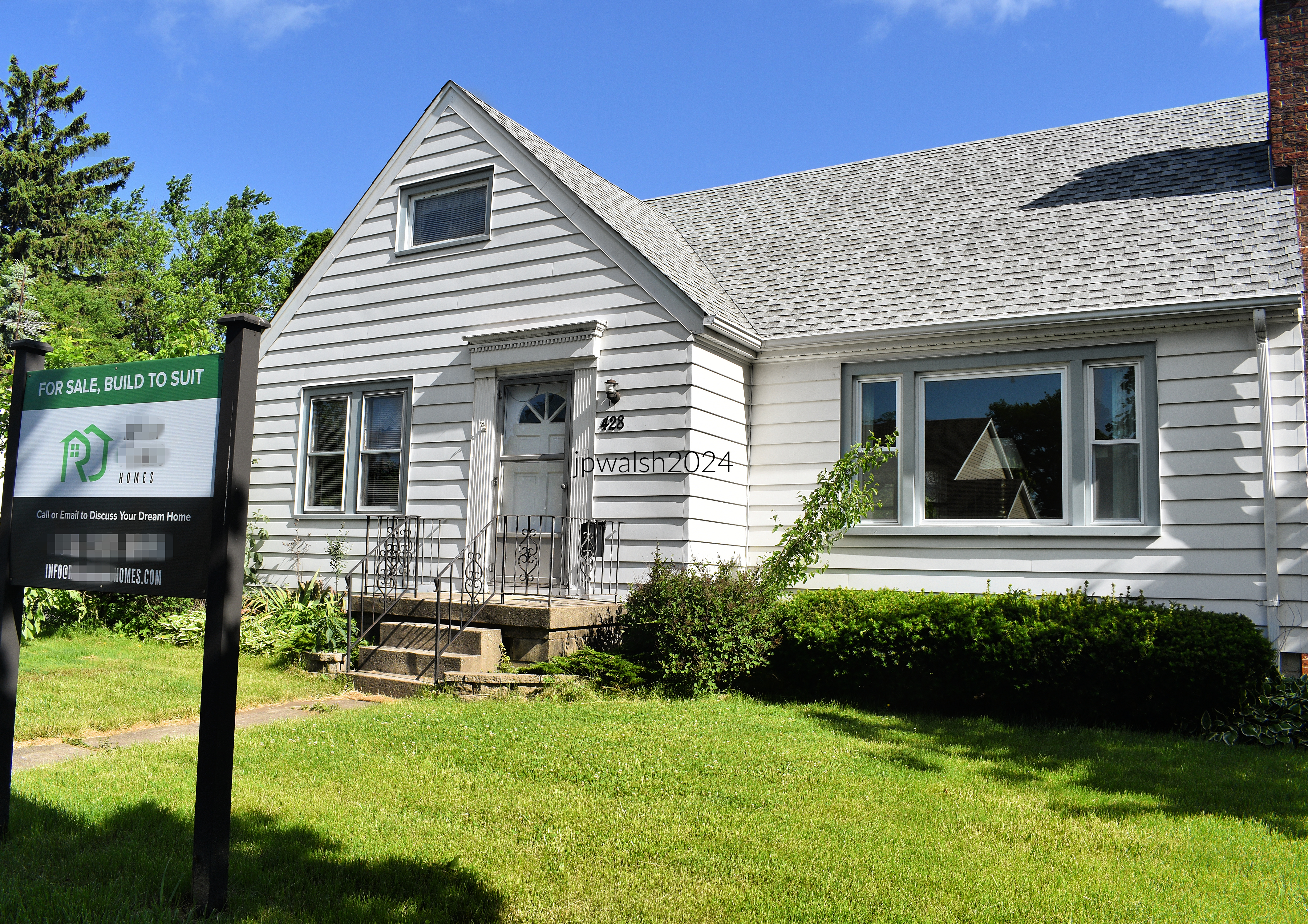
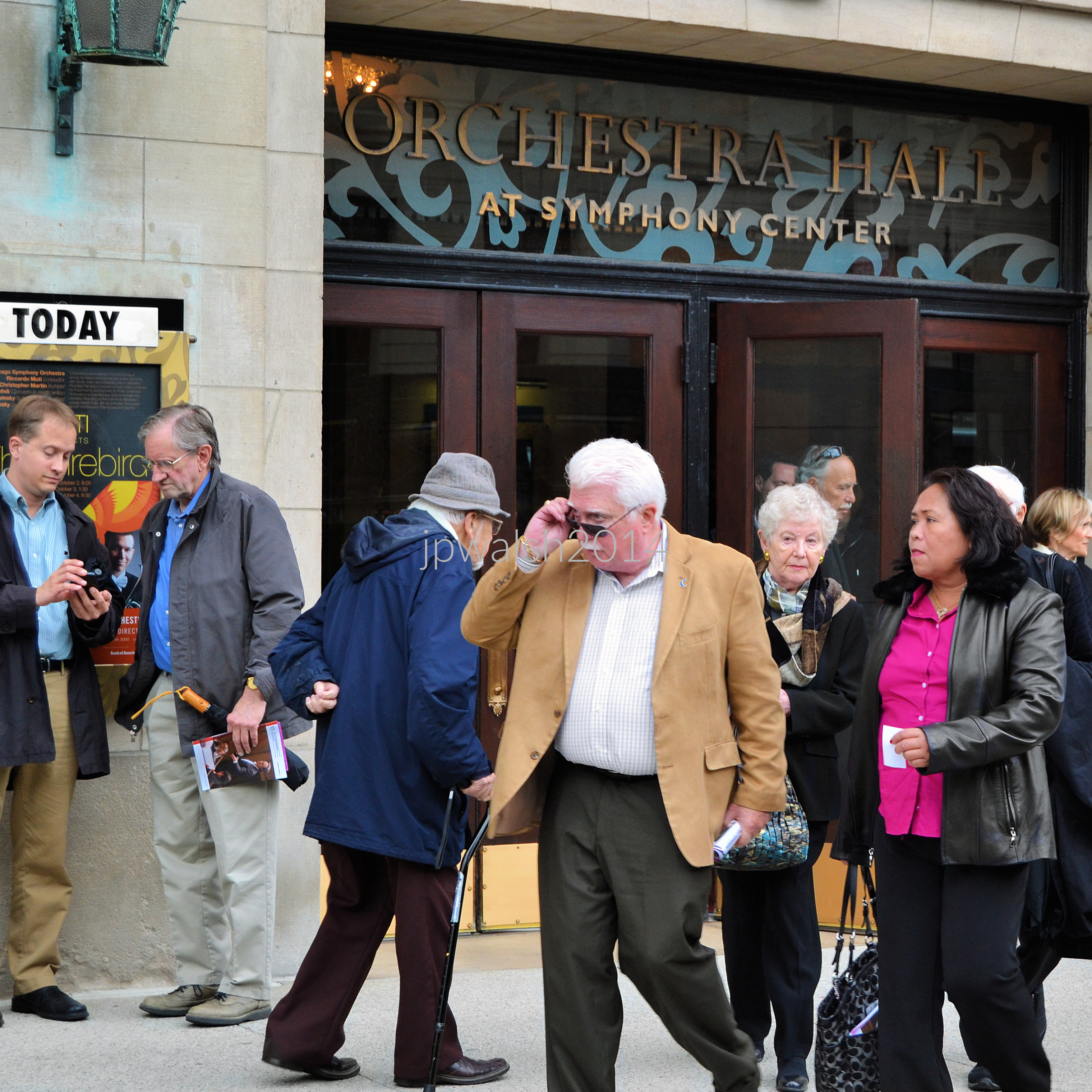
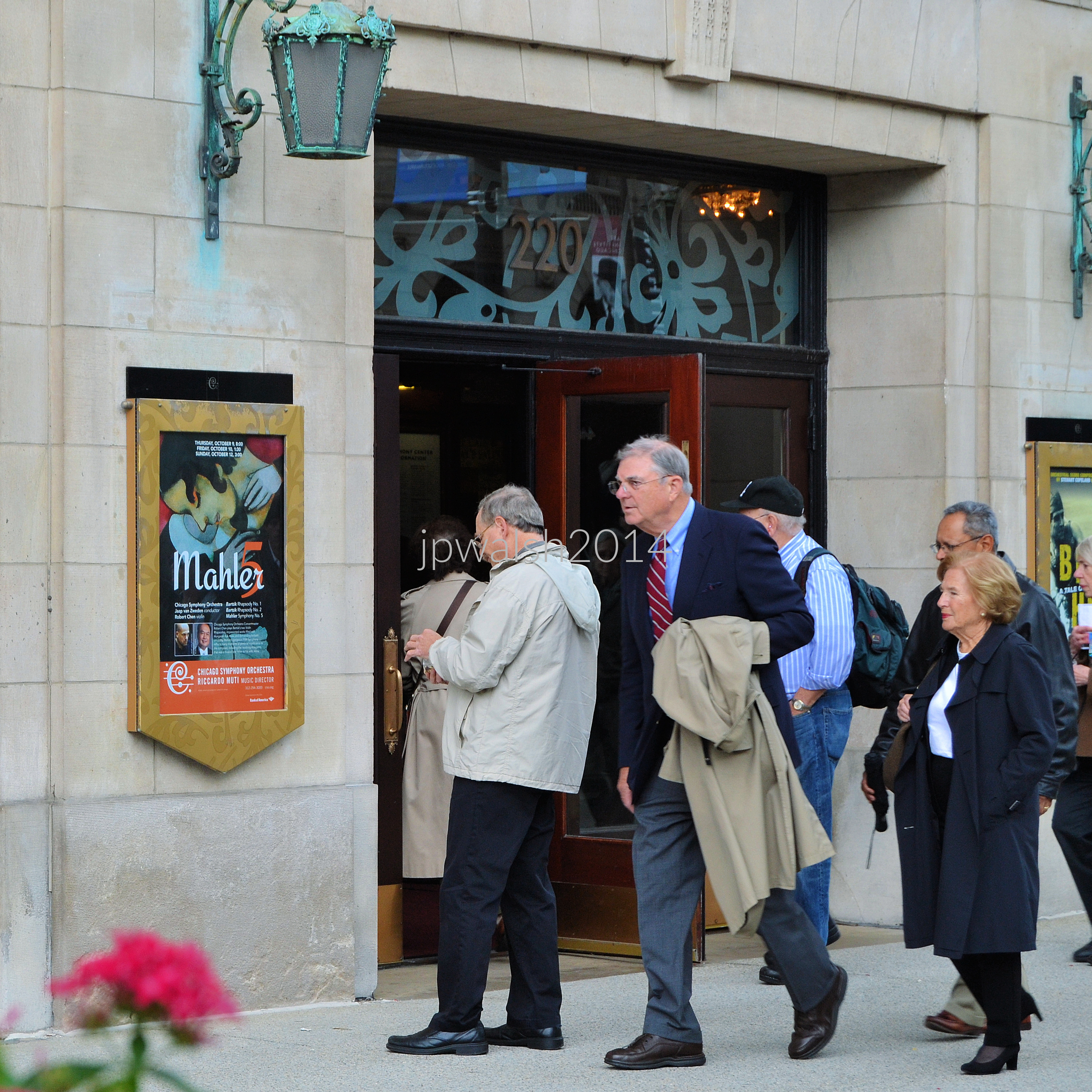
January 2024. 7.89 mb 80%October 2023. 6.86mb 99%August 2021. Chicago 7.43 mb 70%August 2015. Chicago. Michigan Avenue.Chicago. 6.30 mb 95%July 2015. Chicago. 40%October 2014. Chicago. Symphony Center. 1.99 mbOctober 2014. Chicago. Symphony Center. 2.51 mbDecember 2016. Chicago. Auditorium Theatre. January 2018. Chicago. Macy’s State Street. 872kb (10)September 2016. Forest Park, Iilinois. 5.11 mbSeptember 2015. Chicago. 3.82 mbJanuary 2018. Oak Park, Iilinois. 2.40 mbSeptember 2015. Chicago (Streeterville). 2.75 mbOctober 2016. Chicago (Chinatown). 4.78mb DSCN4244 (1)August 2015. Chicago (Chinatown). 3.44 mbJuly 2016. Chicago (Chinatown). 5.01 mb February 2018. Chicago. 4.74 mbDecember 2017. Westmont IL. 7.83 mb 98%September 2017. Chicago. 2.80 mbJune 2022. Chicago. 7.79mb 77%October 2017. Margie’s Candies at 1960 N. Western Avenue in the Bucktown neighborhood in Chicago was founded in 1921. It was renamed Margie’s Candies in 1933. In August 1965 Margie’s Margie’s hosted the Beatles who came in after they played a concert at Comiskey Park in Bridgeport. The Fab 4 ordered “Fudge Atomic Sundaes” that are still on the menu today which can complement to Margie’s since much of its décor is original from its first day of business. 3.03 mb May 2018. Villa Park, Illinois. 4.06 mbOctober 2022 5.80 mb 99%February 2019. Evanston, Illinois. 4.94 mbJune 2022. Evanston, Illinois. 7.70 mbApril 2020. Downers Grove, Illinois. 7.39mbMarch 2018. Lisle, Illinois. 3.38 mb (30)July 2015. Chicago. 3300 W. 111th St, 60655. 4.16 mbJuly 2023. 7.65 mb 74%August 2015. 4900 N. Broadway Chicago. 3.54 mbApril 2020. Cancelled & re-scheduled. 4.15 mb. see – Frida Kahlo: Timeless — CCMA – retrieved Dec. 26, 2025. June 2020. Downers Grove, Illinois. 4.59 mbSeptember 2015. Chicago (South Loop). 3.82 mbAugust 2017. Watseka, Illinois. 6.24mb August 2017, Kentland, Indiana. 3.16mbJune 2018. Chicago. 558 E 79th St, 60619 3.64mbJune 2021 95%June 2018. Cedarburg, Wisconsin. 6.23 mb 95% February 2018. Chicago (Kennedy Expressway). 6.58 mb (40)June 2018. 80% 7.82 mb DSC_0641. In 1966 when Dr. Martin Luther King, Jr. and Coretta Scott King lived in Chicago on the West Side at 1550 S. Hamlin Avenue Dr. King preached at Stone Temple Baptist Church at 3622 W. Douglas Boulevard, a ten-minute walk away. Built in 1926 as a synagogue in the North Lawndale neighborhood the building became a Baptist church in 1954. Already in the 1950’s and early 1960’s Dr. King had delivered several speeches at Stone Temple MB Church in his civil rights efforts and used the church during his 1966 Chicago residency as a base for his civil rights and fair housing advocacy. His efforts led to the signing of the 1968 Fair Housing Act on April 11, 1968, a week after his assassination. Today, Stone Temple is led by Bishop Derrick M. Fitzpatrick, the grandson of Rev. James Marcellus, the church’s founder.February 2018. Chicago (Loop). 3.63 mbDecember 2015. Chicago (Michigan Avenue). 4.30 mbNovember 2017. Chicago (South Loop). 3.50 mbFebruary 2018. Chicago. 6.18 mbSeptember 2015. Chicago. 6.33 mbJune 2022. Chicago. 5.86 mb December 2012. Chicago. 6.67 mb 99%May 2022. 7.33mb 98% (50)October 2023 7.78 mb 68%June 2022 7.02mbMarch 2017. Post Office. 4.11 mbSeptember 2022. Lisle Illinois. 6.57 mbAugust 2016. Kendall Co., IL. 3.48mbAugust 2022. 7.57 mb 99%August 2021. Chicago. 6.25 mb 99%August 2015. Chicago, 8611 S Pulaski Rd 60652. 7.71 mb 87%May 2022. Wheaton, Illinois. 917 E Roosevelt Rd, 7.76 mb 99%July 2017. Alsip, IL (demolished). 4.56 mb (60)August 2015. Chicago. 2116 W. 95th Street, 60643. 7.13 mbJune 2014. Waukegan, Illinois. 7.10mbMay 2023. Downers Grove, Illinois. 7.09 mb 99% August 2023. Wheaton, Illinois. 7.75 mb 61%August 2023. Tivoli. 7.17mb 99%September 2023. Downers Grove, illinois. 7.84mb 91%June 2023. Downers Grove, Illinois. 7.95mbSeptember 2023. 7.60 mb 80%July 2023. Darien, IL. 7.94mb 85%January 2019. 4.04mb (70)June 2022. Chicago. 7.41mb 99%December 2017. Chicago. 141 kb 25%March 2013.Chicago. 65%November 2023. 7.84mb 96%– *December 2023. 7.92 mb 94%April 2024. Downers Grove, Illinois. 99% 7.06mbApril 2024. 99% 6.65 mbApril 2024. 90% 7.79mb (2.15 minutes). Based on a 1934 French stage play, The Crime Is Mine (“Mon Crime’) is 2023 French film about a young actress (Nadia Tereszkiewicz) who becomes celebrated overnight after being acquitted of murdering a French movie producer in self-defense. But is she really innocent – or has she just gotten away with murder? The crime-comedy film was directed François Ozon who conceived it as a tale “ultimately about the triumph of sorority” and influenced by French directors Jean Renoir and Francois Truffaut and Americans Ernst Lubitsch, Frank Capra and Blake Edwards. Ozon based Isabelle Huppert’s character on French stage actress Sarah Bernhardt. The plot and characters of the original stage play by Georges Berr and Louis Verneuil became the basis for two Paramount Pictures’ films in the 1930s and 1940s – “True Confessions” starring Carole Lombard in 1937 and “Cross My Heart” starring Betty Hutton in 1946. Reviews for The Crime is Mine have been generally favorable citing particularly its star power.November 2017. Countryside, Illinois. 5.44 mb November 2017. Countryside, Illinois. 5.35 mb (80)2015. Chicago.7.69 mbMay 2024. 7.17mbMay 2024. 99% 7.35 mbMay 2024. Burger King was founded in Miami, Florida in 1954. Downers Grove, Illinois. 6.61mbChicago. May 2024 7.71 mbbuild to suit (dream home). May 2024 75% 7.68 mb – *June 2024. 99% 7.71 mb 8077May 2017. Marengo, Illinois. 1.29 mb 0247July 2024. 4.31mb 7746 (1)August 2024. Naperville, Illinois. 99% 7.60 mb 1161 (1)May 2024. Downers Grove, Illinois. II 81% 7.71 mbChicago. May 2024 3.24 mbChicago (Chinatown). 4/2013 2.86 mbChicago. 6/2022 7.72mb 85% July 2024. Woodridge, Illinois. 85% 7.81mb 0646November 2012. Wheaton, Illinois. 2.59mb 101_0382February 2013. Chicago. 1.85mb101_6384 (1)February 2013. Chicago. 3.67mb 101_6792 (1)March 2013. Chicago. 2.38mb 101_7015 (1)March 2013. 4.68mb 101_7023 (1)February 2013. 2.04mb 101_6508 (1)February 2013. 1.95mb 101_6610 (1)March 2013. Chicago 3.58mb 101_8578 (1)
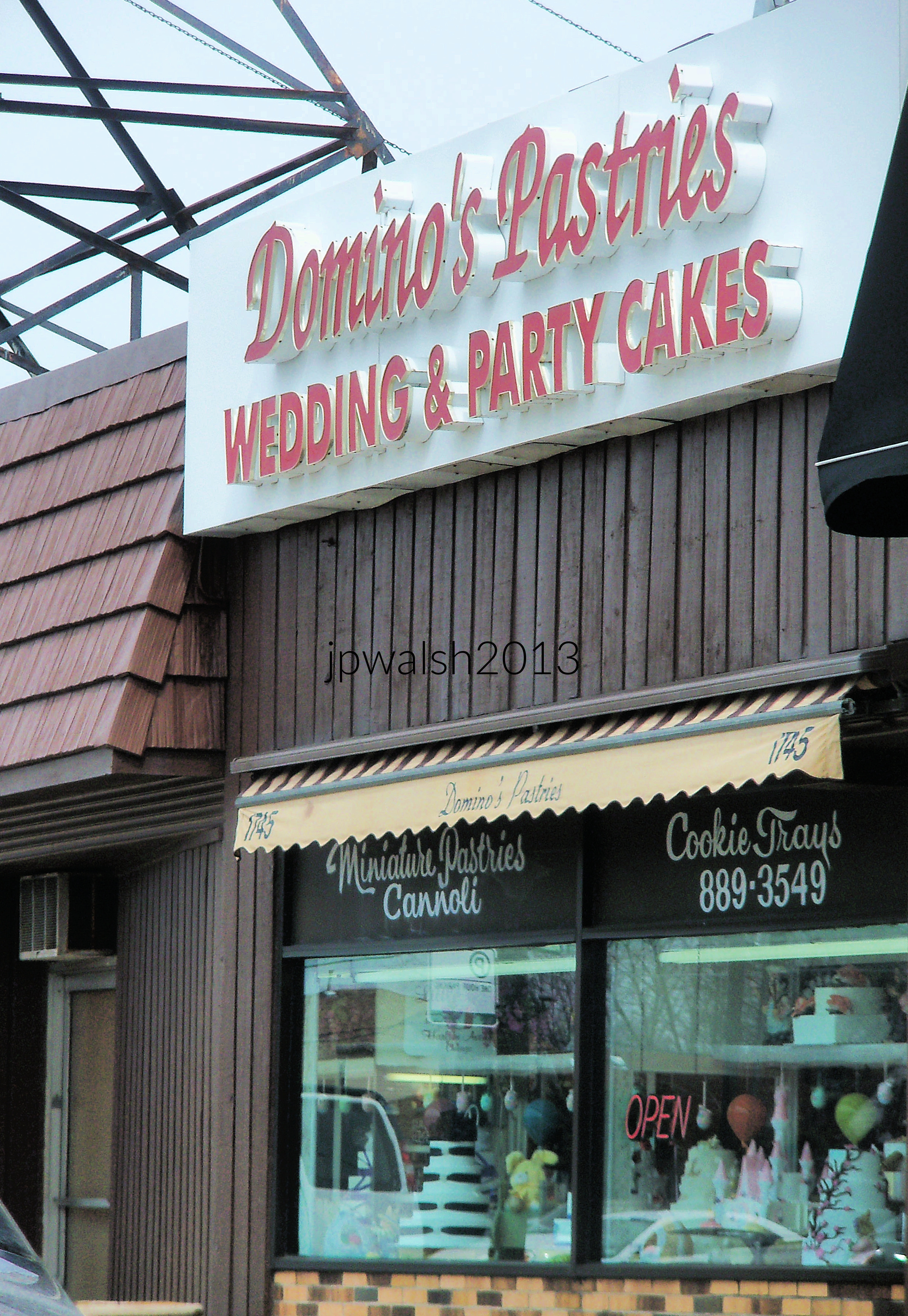
The owner came to the US from Italy through Ellis Island in 1938. The family business, Domino’s Pastries, was founded in this location in Chicago in 1952. Their loyal customer base is witnessed when the same couples who ordered their wedding cakes at Domino’s ordered many years later their anniversary cakes.
March 2013. Chicago. 4.58mb 101B8629 (1)April 2013. 4.28mb 101_9593 (1)April 2013. Chicago. 3.89mb 102_0152 (1)May 2013. Chicago. 3.84mb 102_1487 (1)August 2013. Aurora, Illinois. 3.48mb DSC_0848 (1)February 2016. 7.47mbDSCN2087 (1)April 2016. Joliet, Illinois. 6.12mb DSCN2341 (1)May 2016. Wheaton. 5.16 mb DSC_0597 (1) Last Slice Served At Jack Straw’s Pizza In Wheaton | Wheaton, IL Patch – retrieved March 9, 2026.June 2016. 6.30mb DSC_0803 (1)June 2016. 5.65mb DSC_0913 (1)
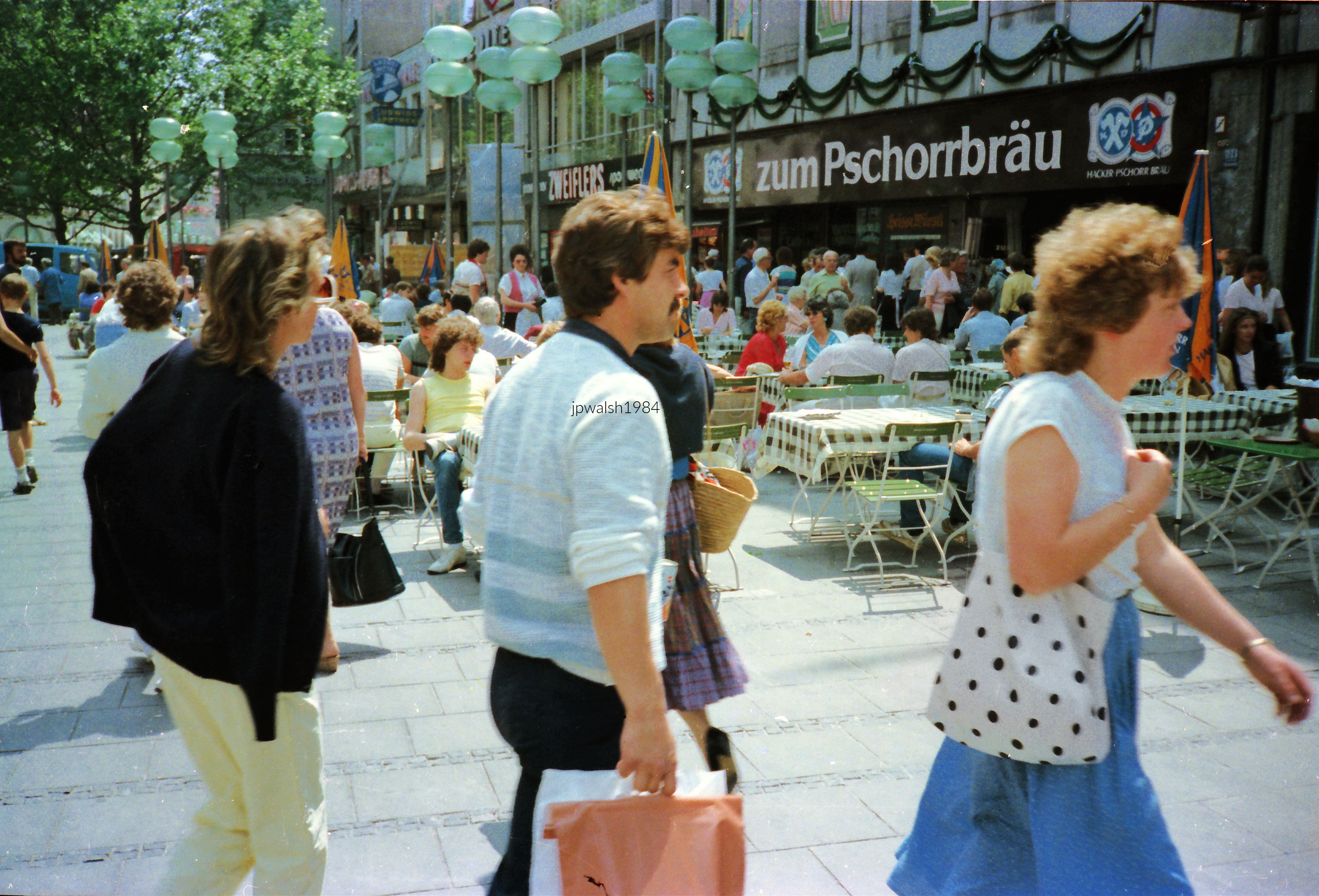
FEATURE image: July 1984. Marienplatz, Munich, Germany. 7.91mb 91%
Unless otherwise noted, all photographs by John P. Walsh.
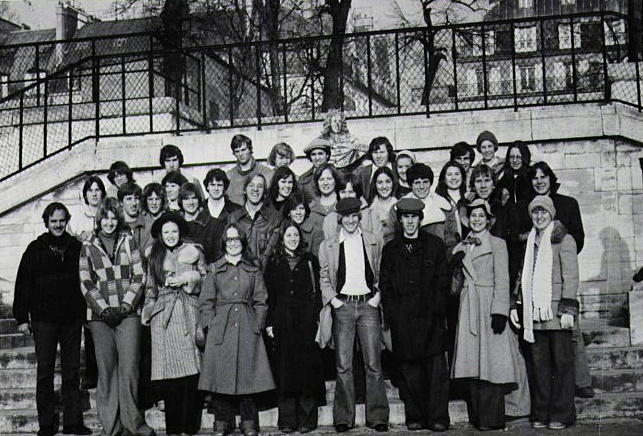
Paris 1976. Senior class trip. I’m in the second row third from the right. Photographer unknown. Fair use.
Every year the senior class at Benet Academy went to London during Christmas/winter break. That year the travel agent (“The World is Your Schoolhouse” as I recall) offered a side trip of sorts to Paris. It would be two nights and would replace, not be added onto, the week’s stay in London. The offer was put to a vote to the group in September 1976 and Paris was approved. The first stop was Notre Dame cathedral and I can still remember my reaction – my jaw dropped in awe of walking inside my first Gothic cathedral. Chaperoned by two English teachers and their wives, the rules were, you could party all night long if you like, but you had to be at breakfast to do the tours each morning. We visited the Louvre, Jeu de Paume, Eiffel Tower, the exterior of a soon-to-opened Pompidou Center, the Arc de Triomphe, Sacré-Cœur, and scoured some of the oldest streets in Paris in the Latin Quarter in search of its vibrant street life, medieval and other architecture, and student canteens. It certainly whetted my appetite for future trips. In the morning we took a charter bus to Calais and ferried across the English Channel to Dover in England. We stopped in Canterbury arriving in later afternoon on December 28, the day before St. Thomas Becket’s feast day marking his being martyred in Canterbury cathedral in 1170 — a major pilgrimage center since the 12th century — and then onwards to London arriving by nightfall.
Paris in 1976 Archive Footage. https://www.youtube.com/watch?v=QASTAUjaUOw– retrieved November 6, 2024 London, South Bank, December 1976. I’m in there somewhere walking briskly. Photographer unknown. Fair use.
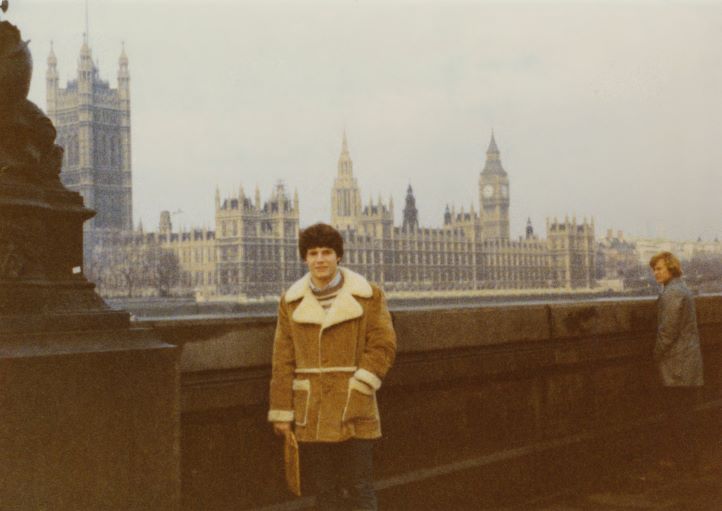
In London what was most remarkable for me was all the theatre we decided to see including A Chorus Line, Equus, Jesus Christ Superstar, and Tom Stoppard’s new production of Jumpers. A group of us did a medieval feast in a London hotel as well as an East End Indian restaurant. We also visited Windsor Castle, Hampton Court, Westminster Abbey, St. Paul’s Cathedral, the Tower of London, the changing of the Horse Guard at Buckingham Palace, and shopping at Herrod’s and Selfridge’s on Oxford Street. Some of us made speeches at Speakers’ Corner in Hyde Park. Out of this trip I learned the following about affording international (or any) travel in one’s busy life: it should be (1) a relatively short amount of time, (2) off season if possible, (3) well prepared and to the same destination possibly (“When a man is tired of London, he is tired of life; for there is in London all that life can afford” – Samuel Johnson), and (4) that I work on the airplane outbound and return.
December 1976. Houses of Parliament, London.
A tour of London, England 1976. https://youtu.be/4GNbx_PZ3b0?si=SoKRwfR9w5rhnKu3 – retrieved Jan. 28, 2026. August 1978. Knappogue Castle, County Clare, Ireland. The castle tower was built in 1467. Author with Irish singer. 1.05mb
In 1978 I was in England, Wales and Ireland for 3 weeks with my family on an American Express tour. More theatre in London (saw Paul Scofield; Robert Morley), the British Museum, Westminster Abbey, Hampton Court, the Tube, etc.. We visited Warwick Castle, Bath, Oxford, Bristol, Coventry, Stratford-Upon-Avon, Salisbury, Chester, Liverpool, Llanfairpwllgwyngyll (longest name in Wales) and Holyhead, and other places. We crossed the Irish Sea by ferry to Dún Laoghaire in Dublin, Ireland, and onward to Jurys Hotel in Ballsbridge where we stayed for several days. We traveled south to Glendalough, New Ross (the Kennedy family homestead), Wexford, Waterford, Cork, the Blarney Stone, Killarney, the Ring of Kerry, Dingle peninsula (beach locations for Ryan’s Daughter), the Cliffs of Moher, Cong and surroundings (The Quiet Man locations), Limerick, and elsewhere.
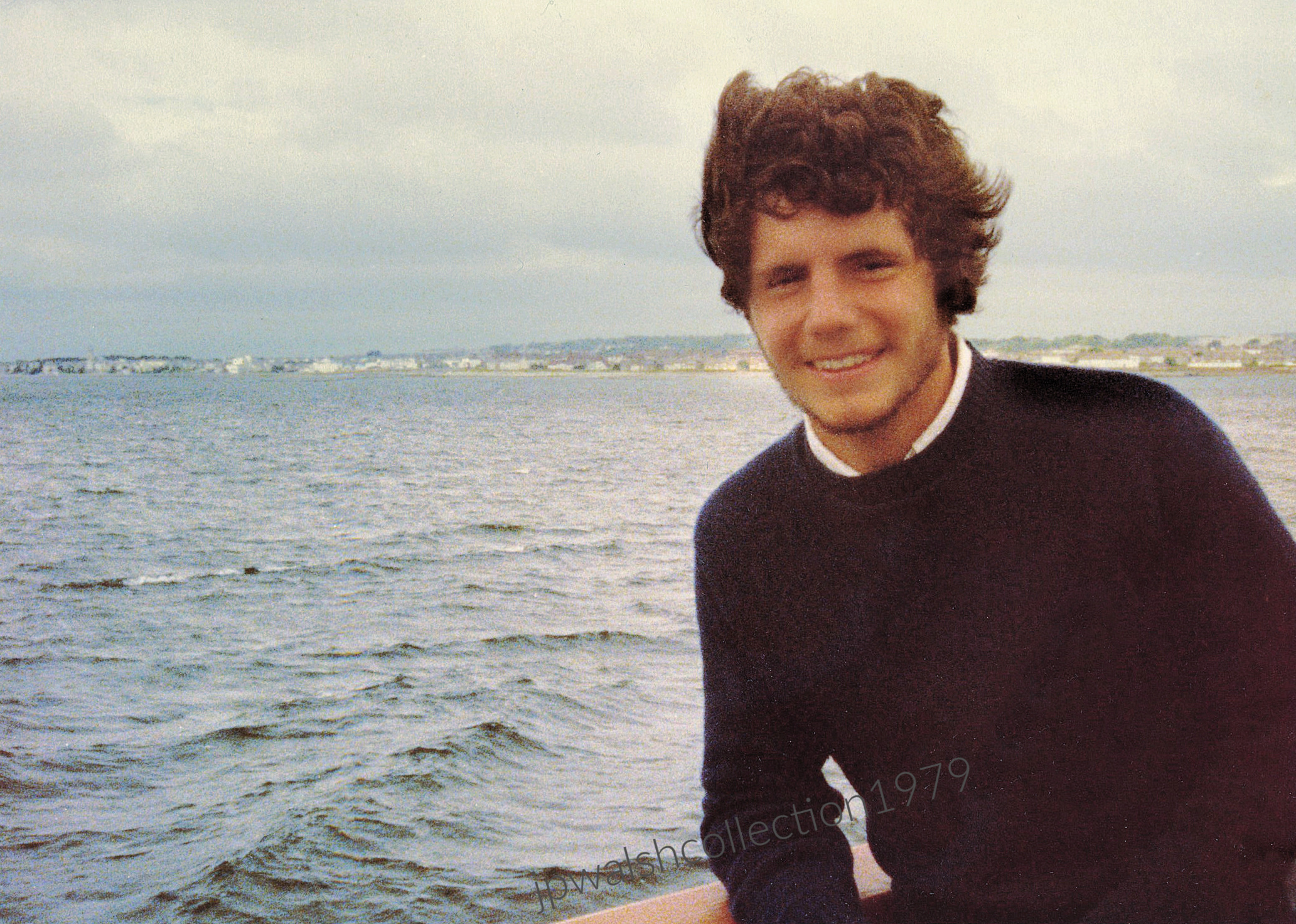
June 1979. I was studying medieval Irish history at Trinity College, Dublin, Ireland.
Opened in 1967, the Berkeley Library building is at Trinity College, Ireland’s oldest university founded in 1592 by Queen Elizabeth I (1533-1603), in the heart of Dublin, Ireland. The library building is an example of modern Brutalist architecture — exposed unpainted concrete, monochrome palette, steel, timber, and glass – a style that emerged in the United Kingdom in the 1950s as an alternative to nostalgic architecture. The library was named for George Berkeley (1685-1753), an 18th century scholar whose philosophical and scientific ideas on perception and reality presage the work of Albert Einstein (1879-1955). In 2023 Berkeley’s name was removed from the library by Trinity’s governing board because Berkeley had been a slave owner who actively defended slavery. Berkeley had been a Trinity fellow and, apt for the library building. its former librarian. George Berkeley is also the namesake of the University of California, Berkeley, and Berkeley College at Yale University in New Haven, Connecticut. – see https://www.insidehighered.com/news/quick-takes/2023/05/09/berkeley-name-dropped-trinity-college-library – retrieved October 5, 2023. In 1979 I was researching Irish History (13th to 16th centuries) at Trinity College and utilized the Berkeley and Old Library begun in 1712 as well as the National Library of Ireland (1877) around the corner on Kildare Street.
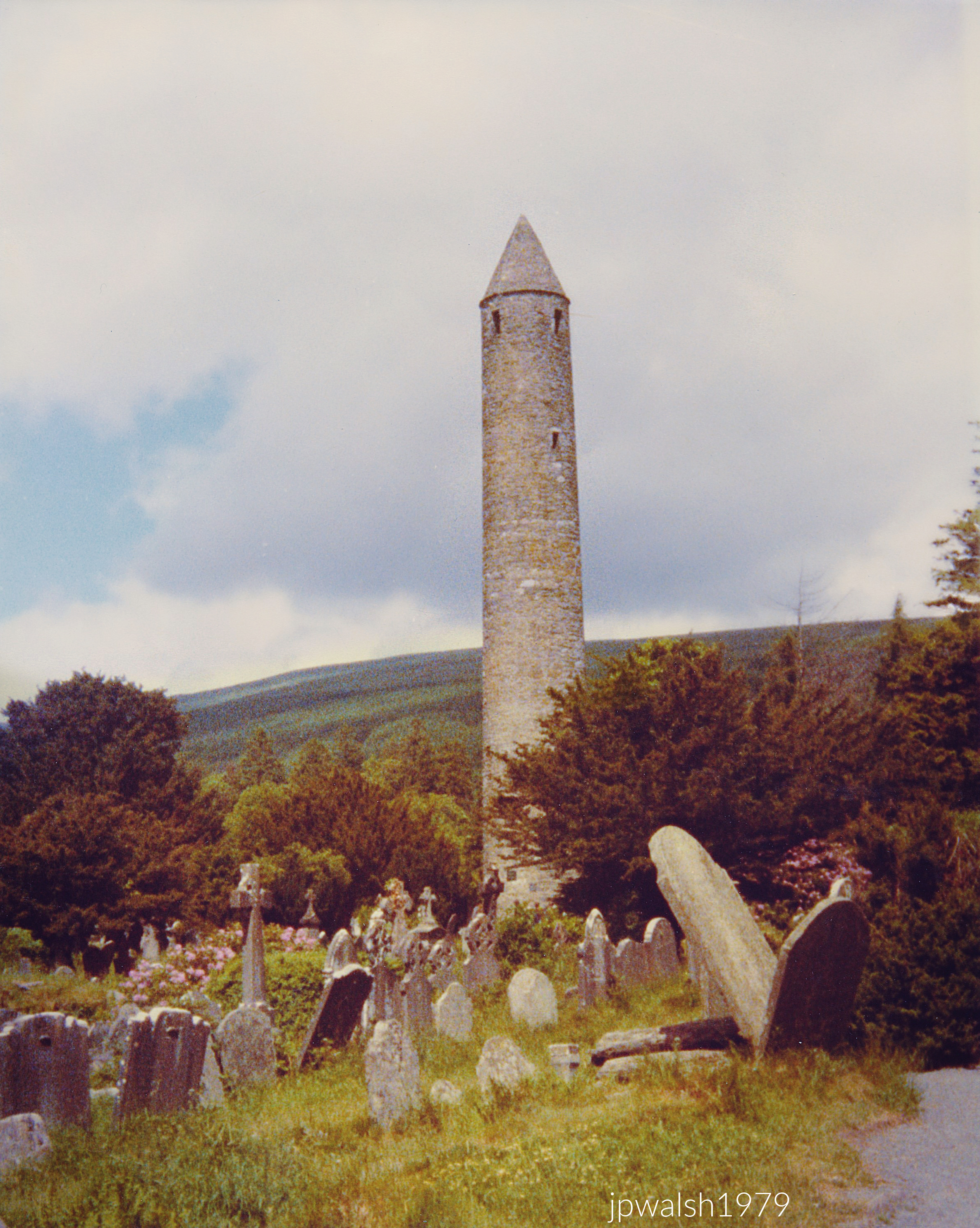
June 1979. The round tower at Glendalough in Wicklow County is a monastic settlement founded in the 6th century by St. Kevin (C. 498-618).
The tower served several functions – as bell tower, look out (note two of its four compass-point windows), marker for visitors, store house, and refuge during attack. The tower is nearly 100 feet tall with an entrance at about 5 feet off the ground. Made of mica-slate and granite, the tower once had 6 timber floors and its four stories were connected by a network of ladders and windows. The conical rooftop was rebuilt in 1876 using its original stones. In 1978 I had visited the monastic settlement in some ease and comfort with my family. The following year was a different experience entirely. My room-mate and I hitch hiked from Sandymount in Dublin to Enniskerry, slept outside near Powerscourt, and then walked much of the rest of the way into the wilderness of Sugar Loaf Mountain on the Old Military Road built by the British during Wolfe Tone’s rebellion in 1798. Alone with the sheep among the peat bogs (the source of the Liffey is here), we finally got another ride that whisked us to Laragh. We stopped at Patsy’s tea and scones and then to the hostel at the monastic settlement. After a beautiful first day, it started to rain in the evening, and the next day. We took the bus back to Dublin, and having showered and changed into fresh clothes at the chalets, we strolled with two more friends to Sandymount House on a busy Sunday night and settled back for talk and a couple of unforgettable Guinness pours.
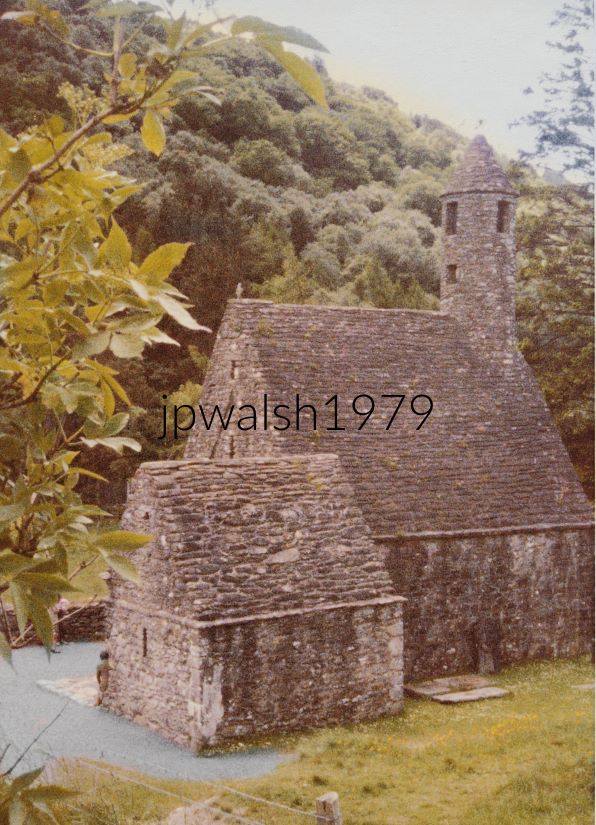
June 1979. At our arrival, we hiked the hills above the monastic settlement of Glendalough. June 1979. St. Kevin’s Church, Glendalough. Kevin lived in the 6th century and is sort of a St. Francis of Assisi figure. Like the Italian 13th century St. Francis, Irish Kevin dressed in rough clothing, slept on stones, and ate very sparingly. Kevin went barefoot and spent his time in prayer. Also, like Francis, Kevin shared an extraordinary closeness to nature so that his regular companions were the animals and birds around him. St. Kevin of Glendalough was canonized in 1903 by Pope Saint Pius X. 40%
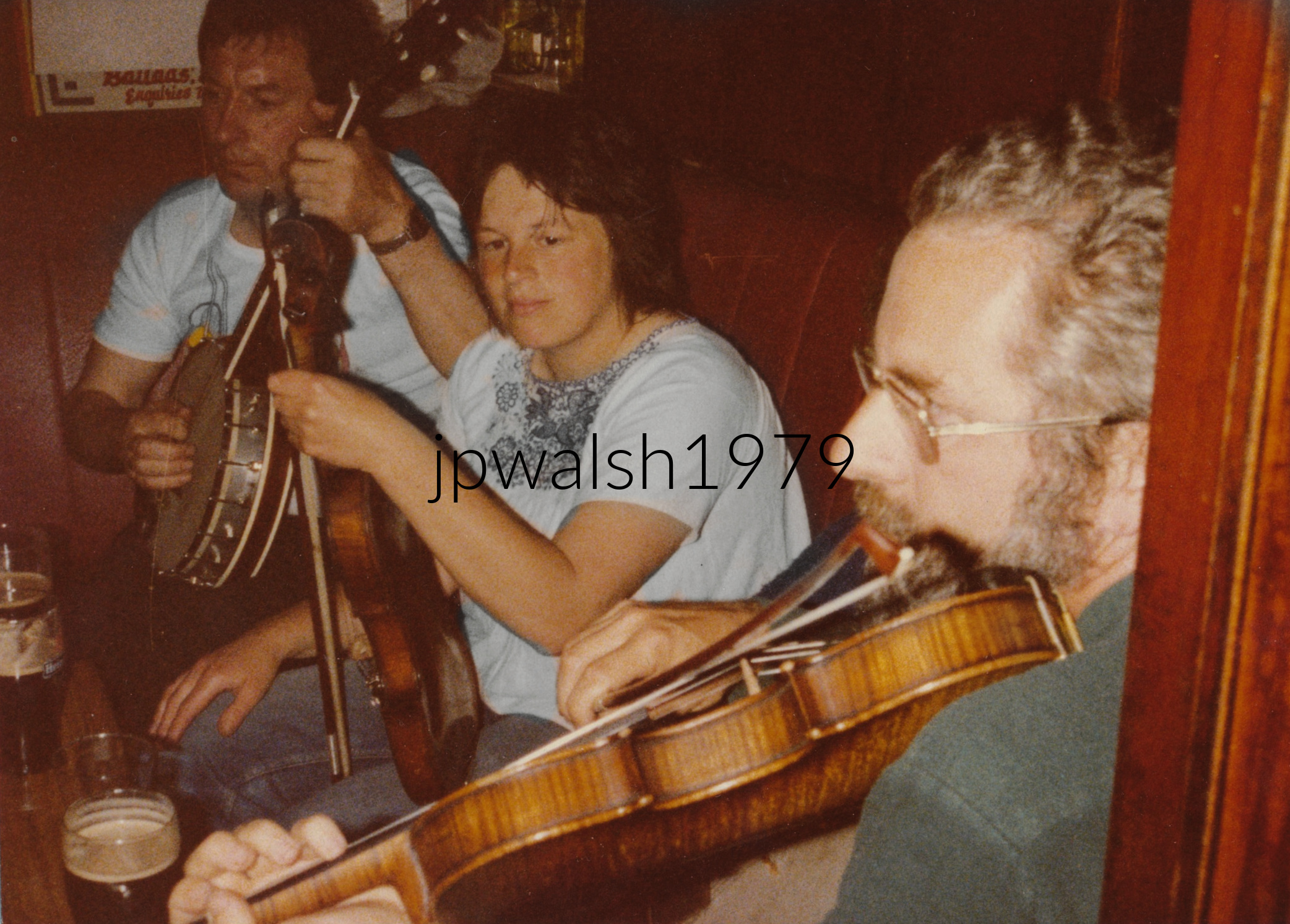
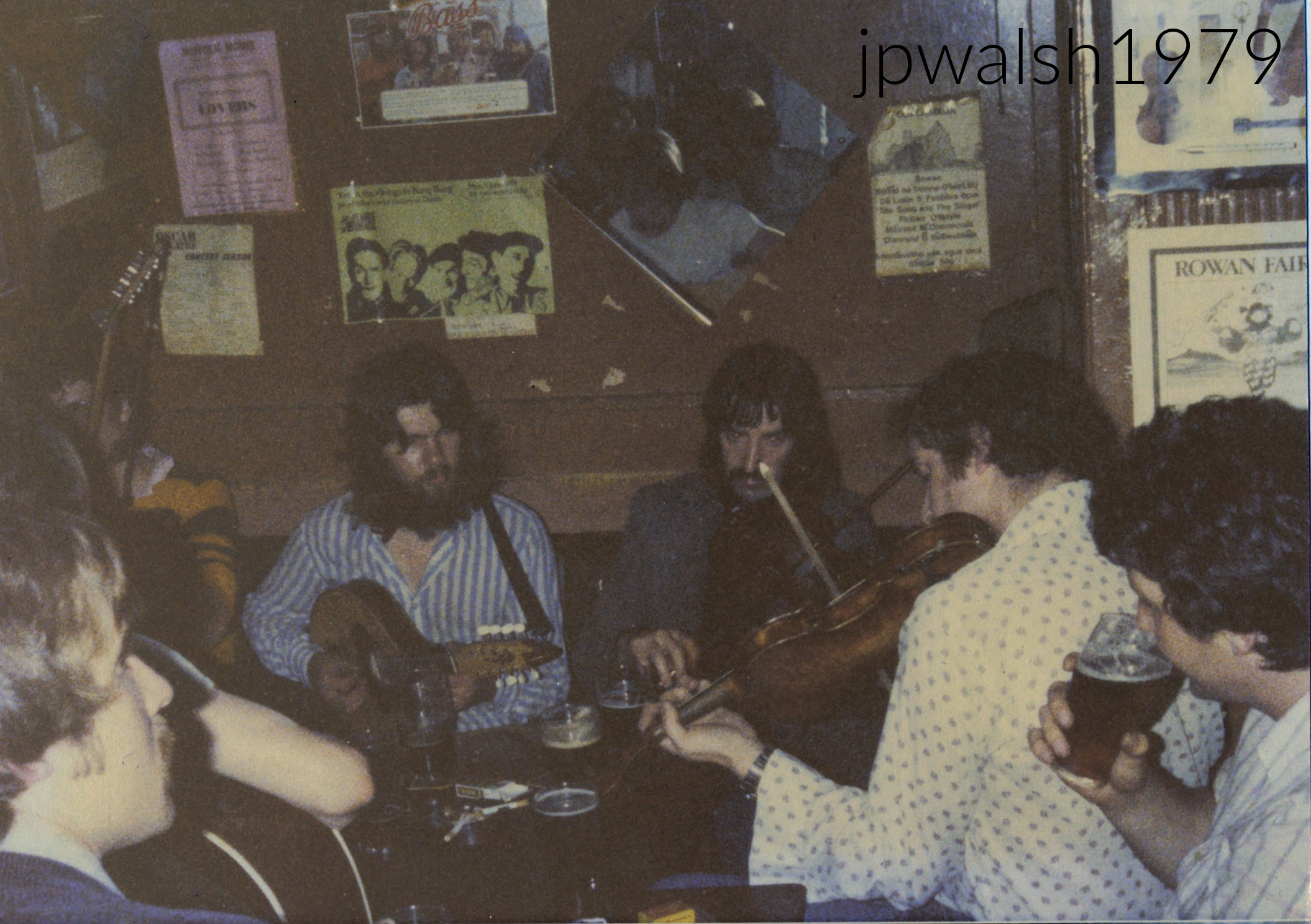
“St. Kevin and the Blackbird” by Seamus Heaney (1939-2013) is a poem about doing the right thing for the reward of doing it. https://www.youtube.com/watch?v=wKGmQcSFbMc – retrieved November 7, 2024. For text see – https://poetryarchive.org/poem/st-kevin-and-blackbird/ – retrieved November 7, 2024. June 1979. O’Donoghue’s is a popular pub since the 1930s closely associated with Irish traditional music. It is where the Irish folk group, The Dubliners, got their start in the 1960s.June 1979. O’Donoghue’s, 15 Merrion Row, Dublin, Ireland. June 1979. at O’Donoghue’s. 35%.
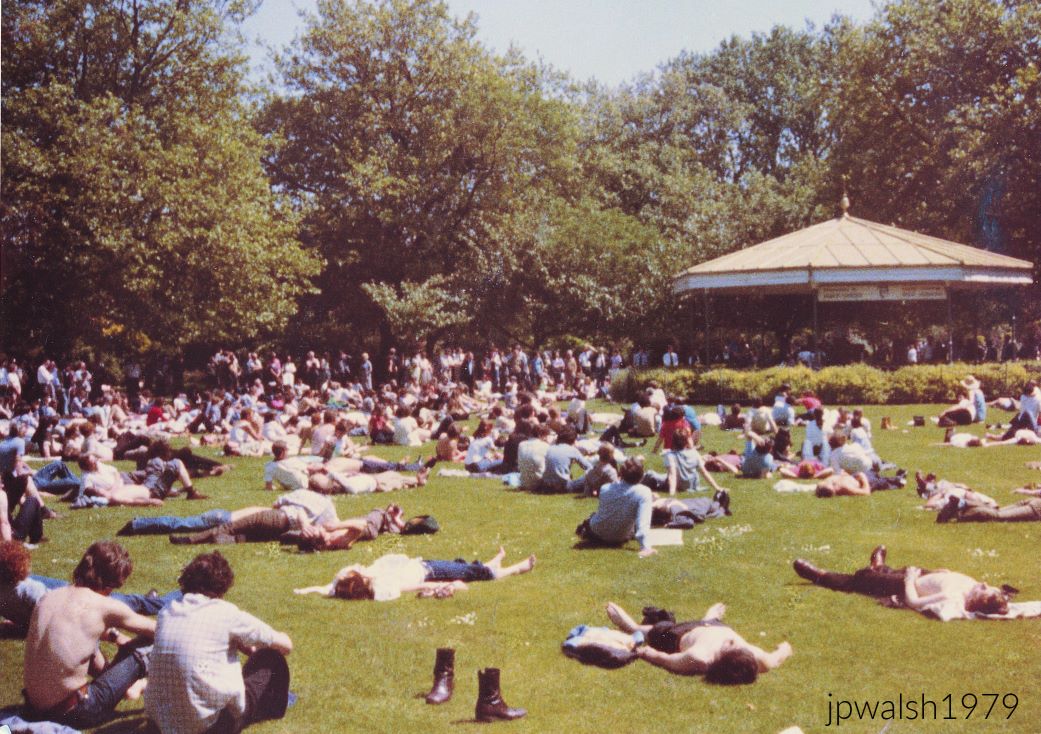
The Furey Brothers played at O’Donoghue’s Bar in the late 1970’s. “The Shipyard Slips” was written by David Wilde as a member of the Irish folk group, Men Of No Property, who recorded the song using the title ”The Island Men.” In 1977 it was covered by The Furey Brothers and Davey Arthur on this album, Morning On A Distant Shore, where in 1979 the single climbed to no. 26 in Ireland. see – https://www.irish-folk-songs.com/the-shipyard-slips-lyrics-chords-and-sheet-music.html and https://en.wikipedia.org/wiki/The_Fureys_discography – retrieved November 6, 2024.June 1979. Lunchtime concert in St. Stephen’s Green, Dublin. In the first part of the nineteenth century the Green was for gentry only. An iron gate put around it in 1815 had a lock and key for local residents. No working class or poor Irish were allowed in. Access to the Green was restricted until 1877 when, at the initiative of Lord Ardilaun (Arthur Guinness, 1840-1915), Parliament passed legislation that opened St Stephen’s Green to the public. He also funded the layout of the Green in its current form in 1880. People who gathered almost a century later, in 1979, included a crosssection of Dublin life – university students, professionals, trademen, families, and visitors. 50%.
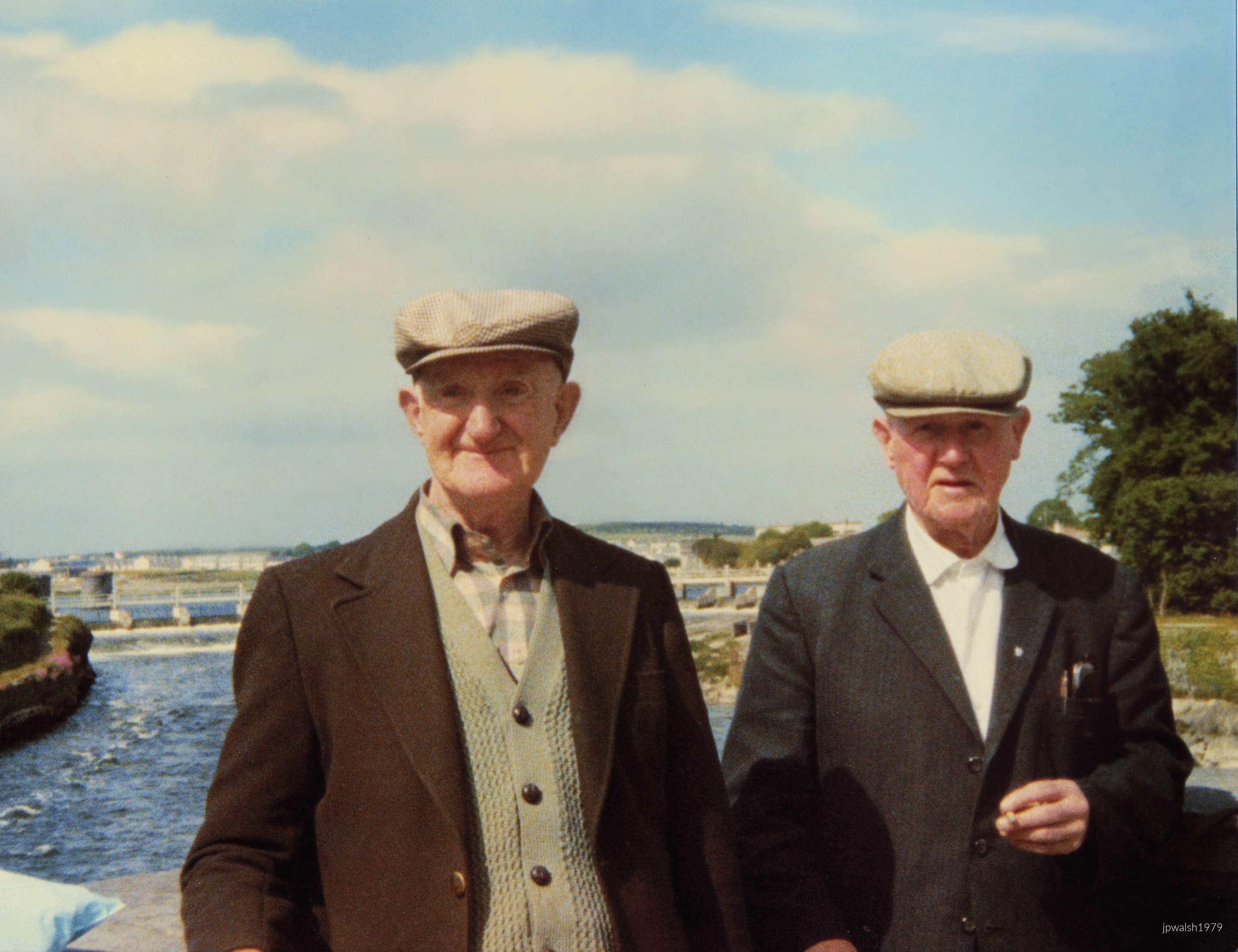
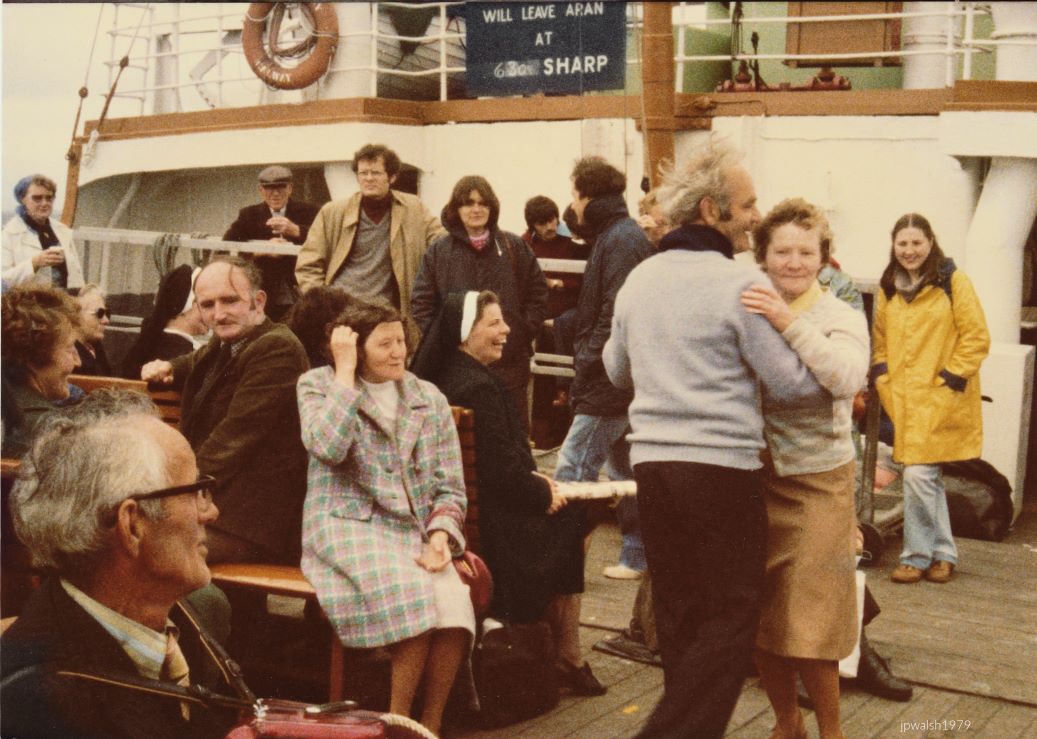
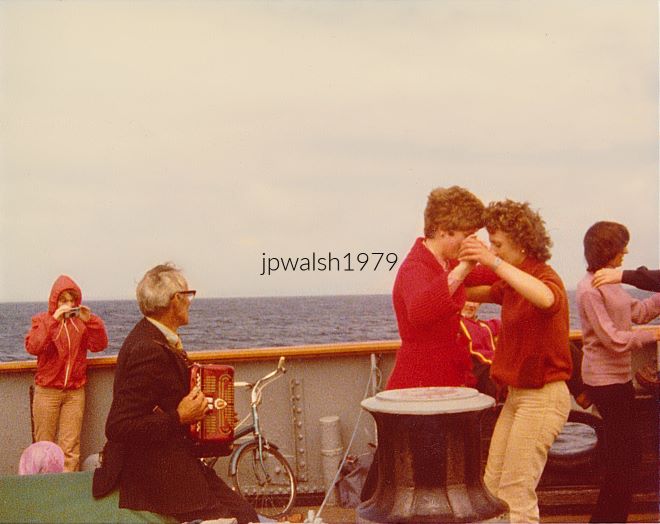
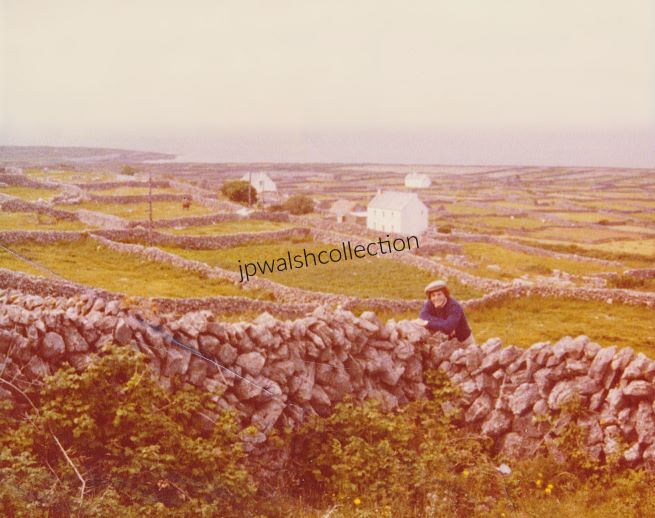
What is filmed on July 3, 1975 was very much like what was happening in the same place in 1979. The area surrounding the bandstand proved particularly popular with the park goers. Sunny St Stephen’s Green, Ireland 1975. https://www.youtube.com/watch?v=bbFU6ogKdB8 – retrieved November 7, 2024.June 1979. U.S .Embassy, Dublin. 50% Known officially as the Chancery Building at 42 Elgin Road, the U.S. Embassy is one of the most prestigious addresses and modernist buildings in Dublin. It opened in May 1964 in a triangle of land between Elgin and Pembroke Roads in Ballsbridge. I walked past it every day in summer 1979 on the way from Sandymount to Trinity College and the National Library mainly. Designed by Harvard professor John M. Johansen (1916-2012) and Irish architect Michael Scott (1905-1989) it was, in its circular shape, an homage to ancient Celtic monuments, most notably Newgrange, as well as round stone forts and Martello towers. Its design also invoked the original stars and stripes flag with its 13 stars representing 13 states. By 2024 the U.S. Embassy had erected tall gates around its perimeter and bought the old Jurys Hotel site to begin constructing a new and larger embassy after 60 years.July 1979. Galway City. On the Salmon Weir Bridge over the River Corrib. July 1979. Dancing and music as passengers traveled on the Galway Bay ferry to the Aran Islands. July 1979. Ferry from Galway to the Aran Islands.July 1979. Outbound Galway Bay.July 1979. Inishmore is the largest of the three Aran Islands in Galway Bay, off the west coast of Ireland. It is 12 square miles with a population of under 1000 locals. The island is one of the official government districts of Gaeltacht in Ireland’s west where the Irish language is the predominant language of the home. The photo depicts the island’s typical rocky landscape. Towards the close of a long day of touring, I went into a busy pub filled with locals to have a Guinness. I was served but had to wait a long time to catch the bartender’s eye. 50%
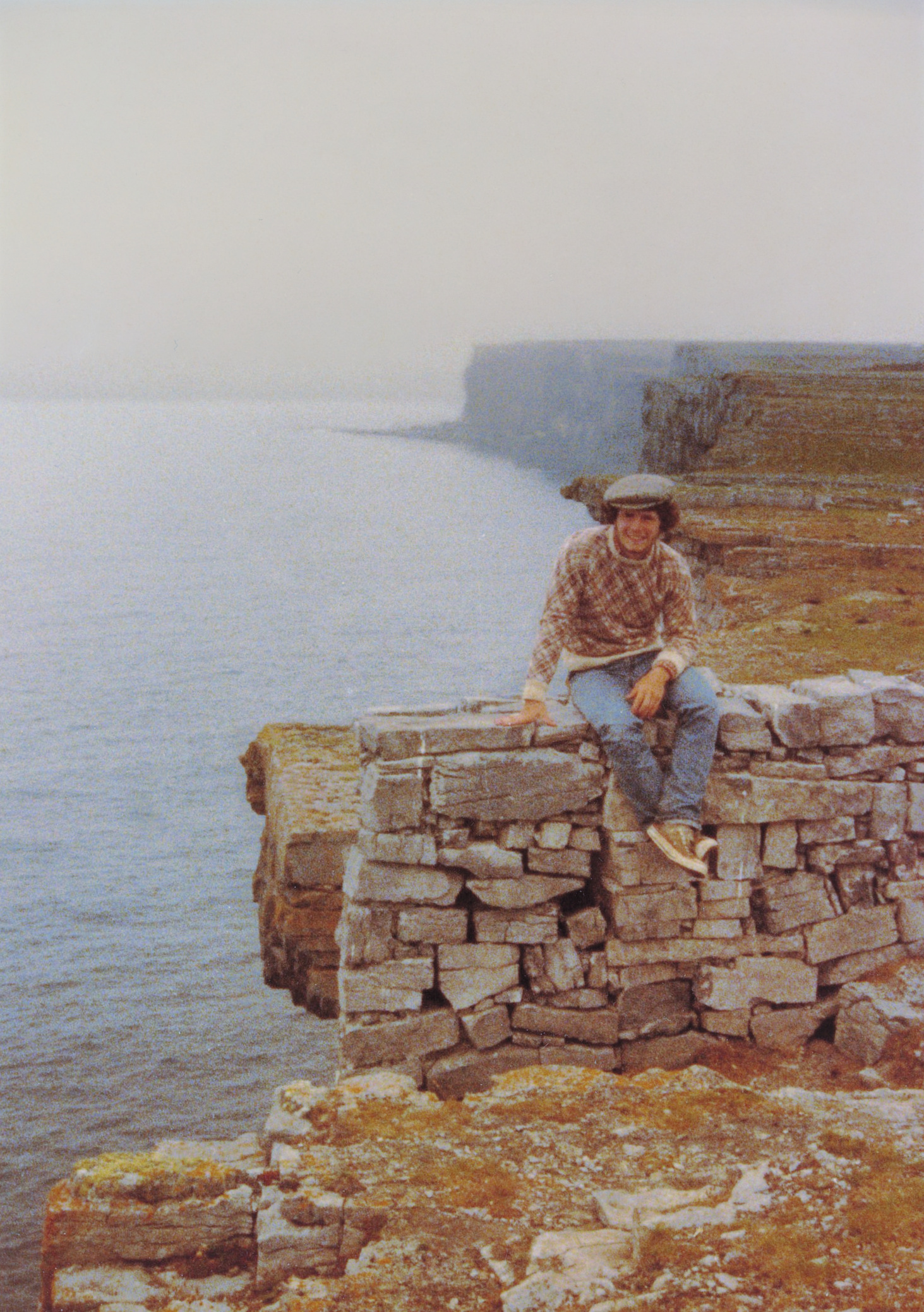
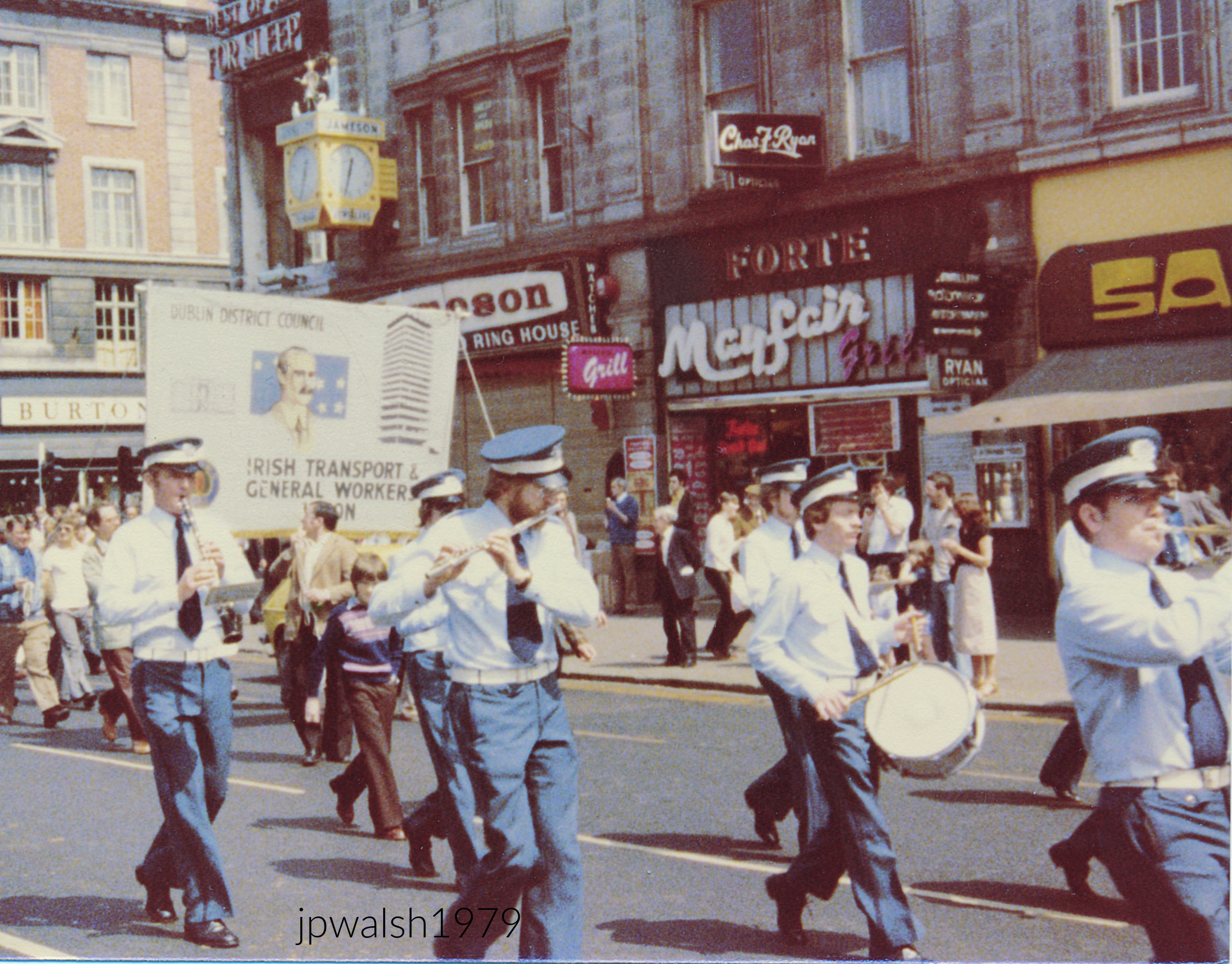
Dun AENGUS (Aran Islands,Inish Mor,Ireland) drone video 4K https://www.youtube.com/watch?v=YpTo3PM-Fs8 – retrieved November 5, 2024. July 1979. Prehistoric hill fort of Dun Aengus on Inis Mór, the largest of the Aran Islands off Galway, Ireland. About half of the circle fort has fallen into the Atlantic Ocean 330 feet below. Excavations show that the fort goes back to at least 1100 B.C.June 1979. Postal strike parade, Dublin, Ireland. The strike by the Irish Post Office Workers Union began on February 19, 1979 and ended 18 weeks later. Strikers stopped delivery of mail so that during the strike I could neither send nor receive correspondence from family and friends in the U.S. Sometimes I gave mail to American friends in Ireland returning to the U.S. to post my mail there when they got back, which they did. Nevertheless, I could not receive mail coming the other way. When the strike ended in late June, workers received an average raise of £10. Although deliveries resumed on June 18, first-class mail was backlogged for months. After the strike, first-class mail was not accepted until July 9, and packages not until July 18. see – https://eirephilatelicassoc.org/abcs-of-philately/postal-strike-1979-167/; https://www.irishtimes.com/news/it-was-the-most-bitter-confrontation-in-the-history-of-the-state-1.796511 – retrieved January 8, 2025.August 1985. Gullfoss waterfall, Iceland. It is in the canyon of the Hvítá river in southwest Iceland.
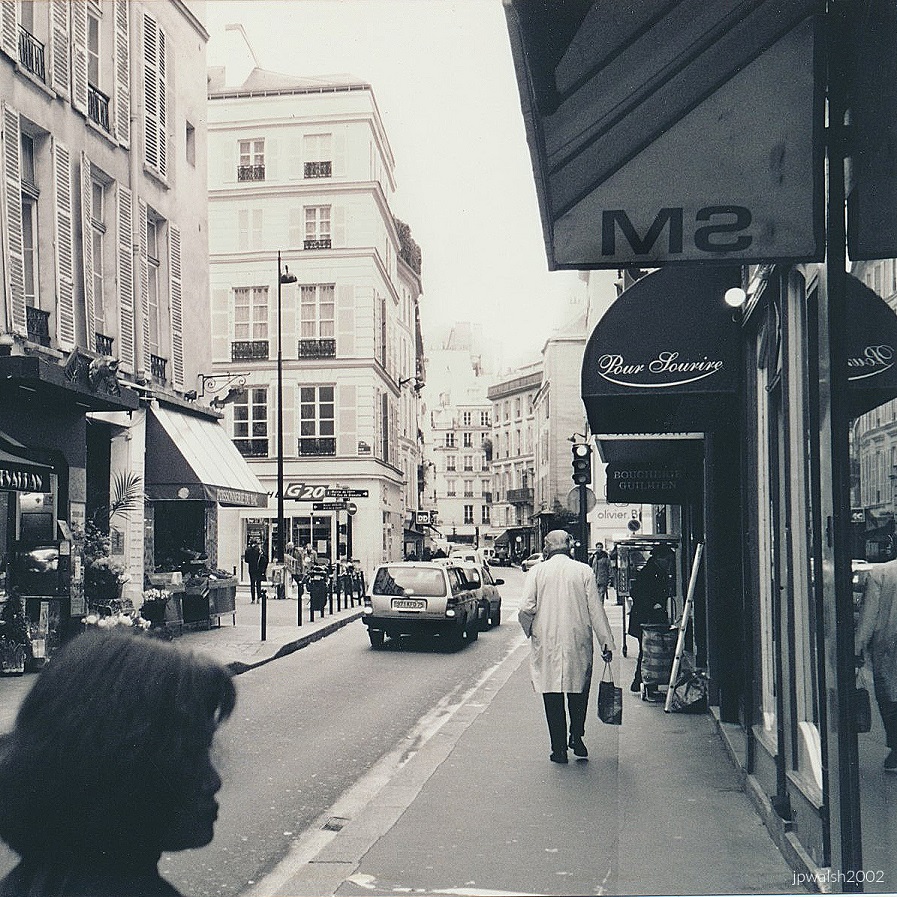
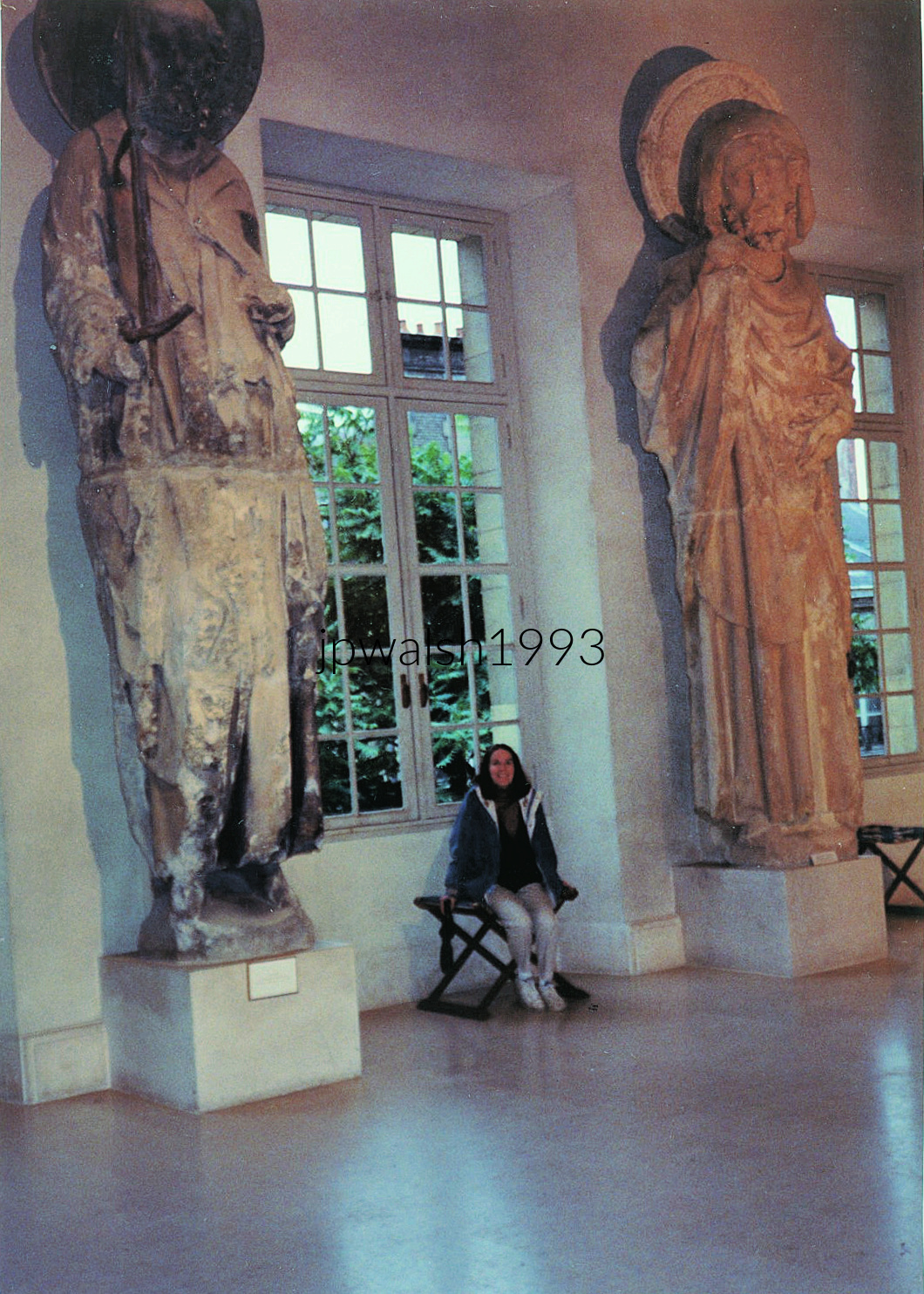
October 2002. Anne Fontaine, Paris (3rd arr.). 204 kb 65%October 2002. Au Petit Tonneau, 20, rue Surcouf, Paris (7th arr.). 65%October 2002. Paris. October 2022. Paris. 400kb 75%June 1985. Tapas. Madrid, Spain.September 1993. Cathédrale Saint-Lazare d’Autun (1120). Statue St. Bernadette Soubirous (1844-1879). Autun, France. 1.15 mbOctober 2002. La Pagode, 57 bis rue de Babylone and rue Monsieur, Paris, 7th arr., France. 65%
In 1895 M. Morin, an executive at Le Bon Marché, looked to give his wife a gift. Since the 1860s, Japanese art and its influences and practices (known as “japonisme”) had a profound impact on France’s own fine and popular arts, and this craze became even more popular by the 1890s. It was only natural for M. Morin to build a real pagoda as a lavish and fashionable statement next door to the couple’s house in Paris. Pieces were shipped from Asia and reassembled in Paris under the design and direction of Alexandre Marcel (1860-1928) at 57 bis, rue de Babylone on the corner with rue Monsieur in the 7th arrondissement. Built in the middle of a residential neighborhood it boasted all things Japanese including stone figures of dragons, lions, buddhas and birds as well as distinctive Asian-style rooflines. In 1930 it became a 400-seat cinema movie theatre that became an art-house cinema in the 1970s and, after 85 years of operation, closed its doors in 2015. SOURCE: 1000 Buildings of Paris, Kathy Borrus, Black Dog & Leventhal Publishers, New York, 2003, p. 275 and http://cinematreasures.org/theaters/6906 – retrieved January 4, 2023.
June 1984. Eiffel Tower, Paris, 7th arr., France. 15%June 1984. Lucerne, Switzerland. 6.12mb 99% (10)March 2002. Château de Versailles, Versailles, France. 140kb 65%March 1992. Katschhof, Aachen, Germany 7.77mb 74%
A fruit and vegetable market on the Katschhof square (above) in Aachen, Germany, in March 1992 was held the day before Ash Wednesday. The historic square has Aachen Cathedral on one side and the town hall on the other side and is brought to life during its numerous festivals, markets, and events. In Carolingian history, the Katschhof represented the connection between Charlemagne’s palace hall and his St. Mary’s Church with his throne and tomb. In 2014 it was announced by a team of scientists who started to study the tomb’s bones and bone fragments in 1988 that if they are those of Charlemagne (747-814), the 66-year-old Holy Roman Emperor was tall and thin. See- https://www.archaeology.org/news/1782-140131-charlemagne-bones-sarcophagus – retrieved October 6, 2023.
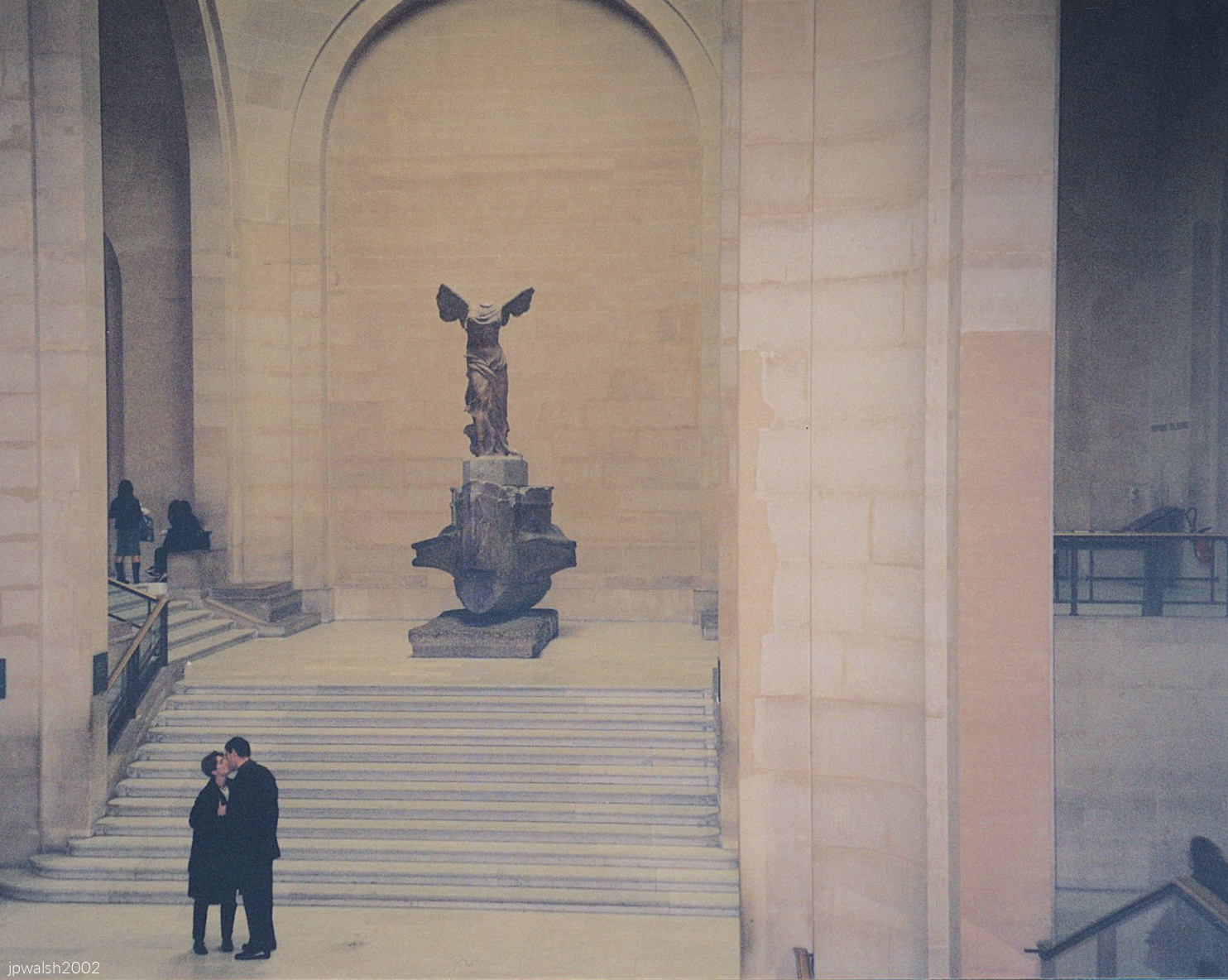
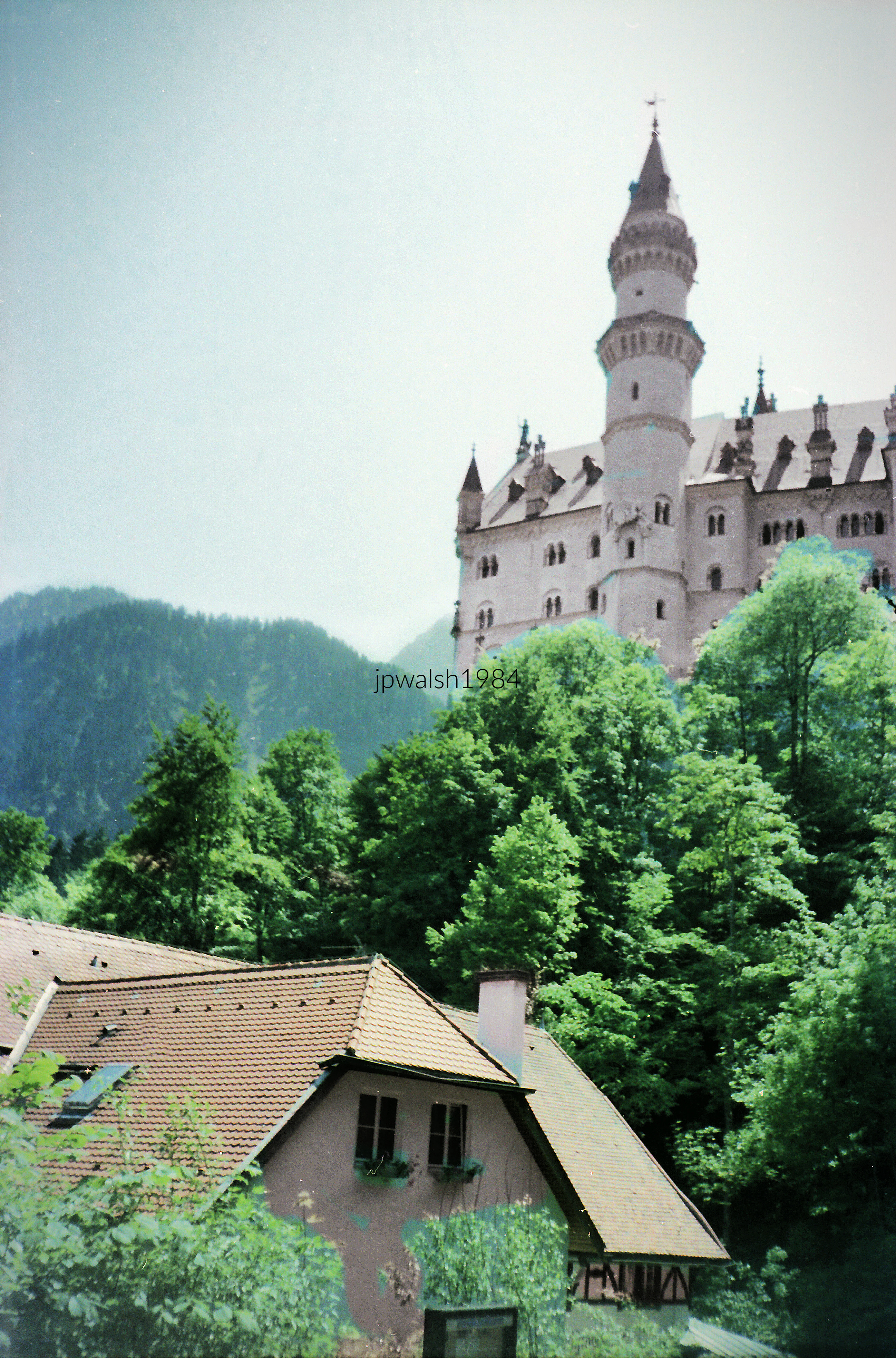
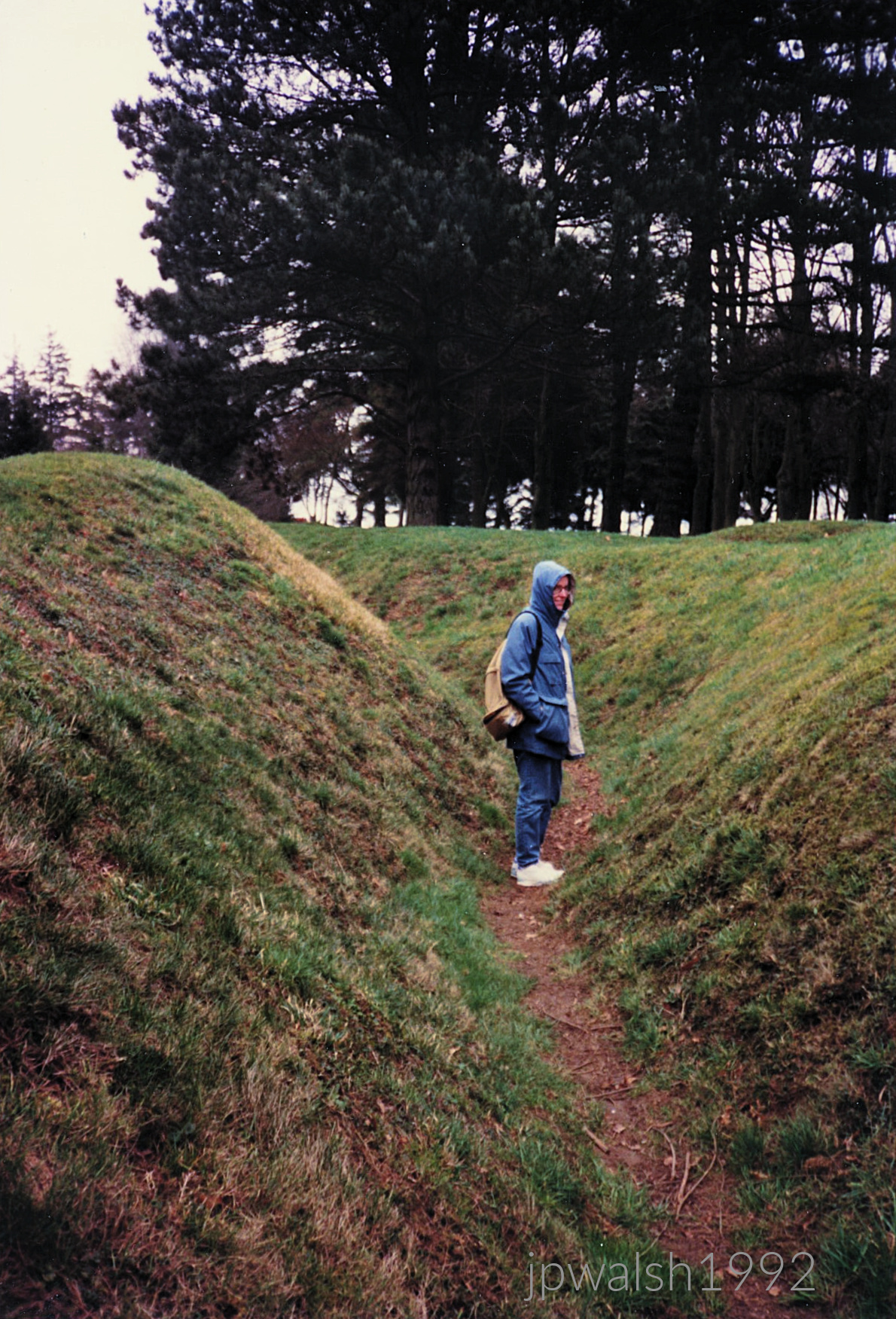
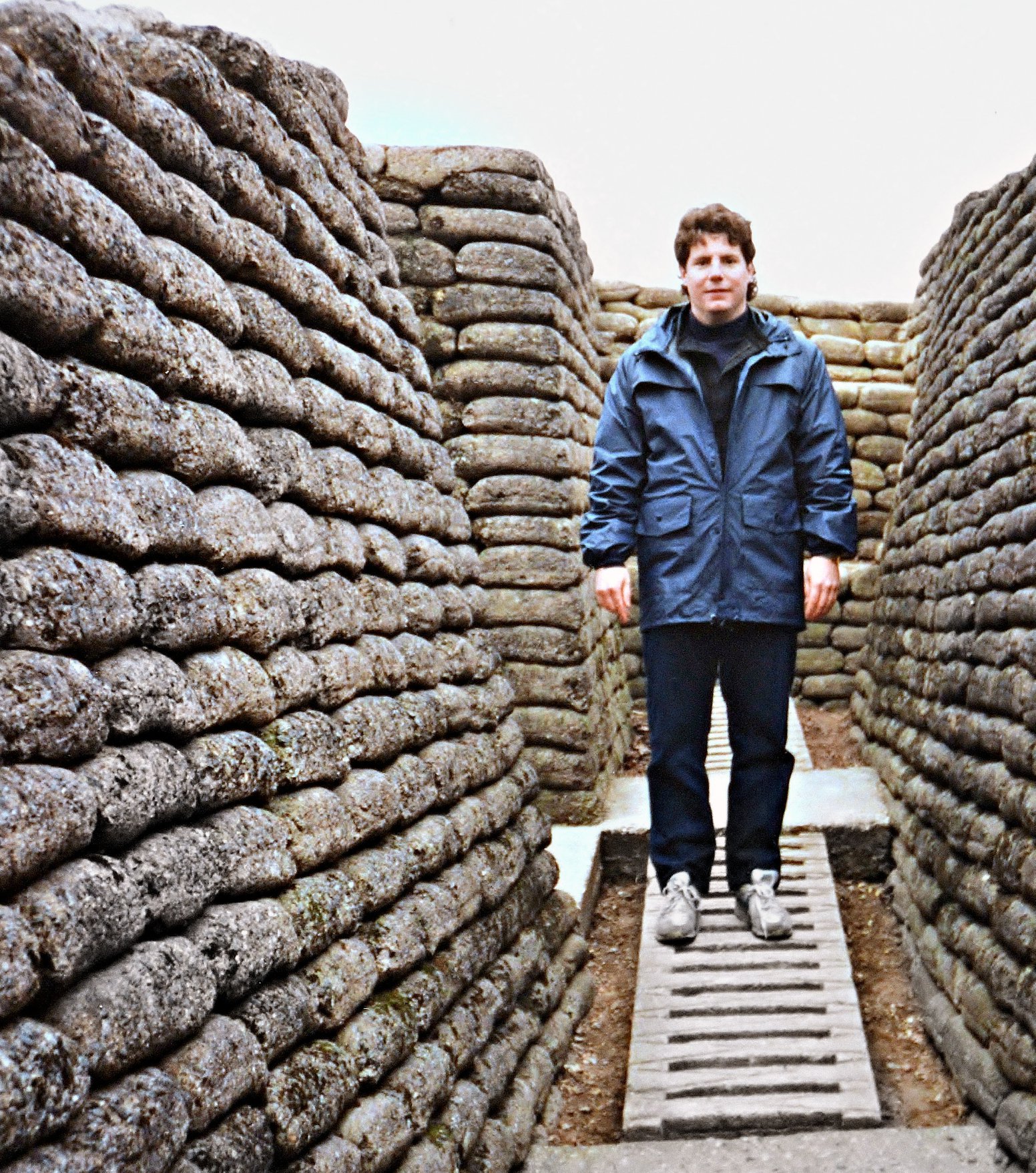
March 2002. The Louvre (Statue of Winged Victory, c. 200 BCE), Paris. France. 660kb.June 1984. Vienna, Austria. 15%July 1984. Dachau Concentration Camp, Upper Bavaria, Southern Germany. 316 kbJuly 1984. Dachau Concentration Camp. Sculpture memorial to Dachau prisoners from 1933 to 1945 by Yugoslav artist Nandor Glid (1924-1997). Glid was a Holocaust survivor who had been a forced laborer and whose father and most of his family were murdered in Auschwitz. July 1984. Neuschwanstein Castle (1869-1886), Hohenschwangau, Germany. 62% 7.85 mbFebruary 1992. Wijde Heisteeg & Singel, Amsterdam, the Netherlands. 22%February 1992. Tournai, Belgium. Dating from the late 1100s, These houses in Belgium are among the oldest surviving domiciles in Europe. 7.94mb87%February 1992. World War I trenches at Beaumont-Hamel Newfoundland Memorial have not been altered since 1919. This was the site of fierce fighting on July 1, 1916. The Royal Newfoundland Regiment experienced the battle’s worst. From the neighboring vilage of Beaumont, a battalion and a division of Scottish soldiers joined the combat. By the end of the day 90% of these men were dead.
Beaumont Hamel – Newfoundlanders on the Somme (Pt. 1 of 2) https://www.youtube.com/watch?v=r_mY_-3sf3k – retrieved November 6, 2024. February 1992. Beaumont-Hamel. Reconstructed trenches. February 1992. Rubens House, 1610. Antwerp, Belgium 7.39mb 99% (20)
A 10-minute walk from the city center, the Rubens House (Rubenshuis in Dutch) is an older Flemish house transformed into an Italian palazzo by the artist, Peter Paul Rubens (1577-1640) in 1610. Married that year to his first wife Isabella Brandt (1591-1626), Rubens purchased and renovated the house on today’s Wapper street whose layout included the couple’s home, the artist’s studio, a monumental portico and interior courtyard (pictured above). The courtyard also opens into the Baroque garden designed by Rubens. Isabella and Peter Paul Rubens had three children together when Isabella died of the plague at 34 years old. Centuries later, in 1937, Antwerp bought the house and opened it to the public in 1946.
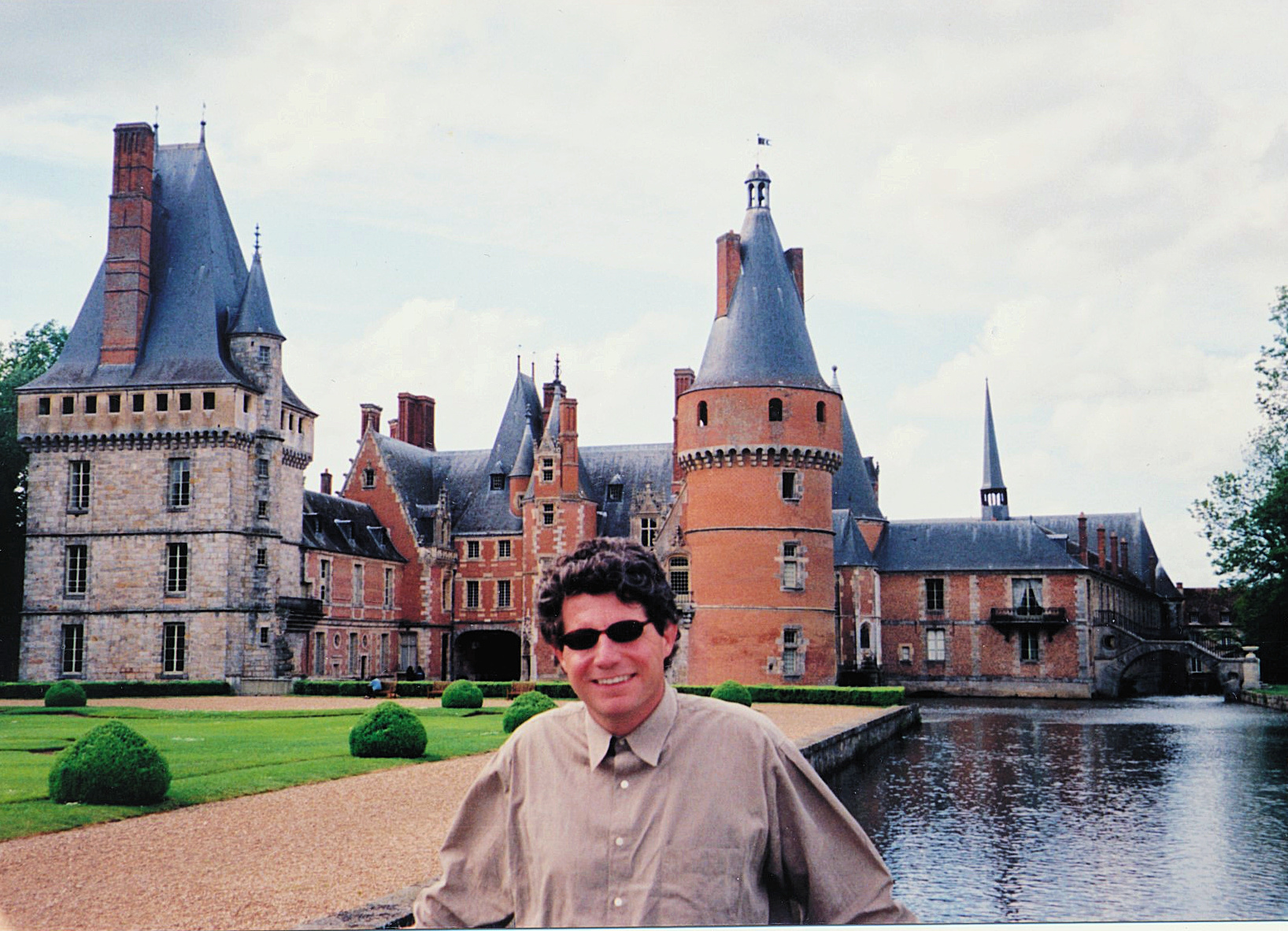
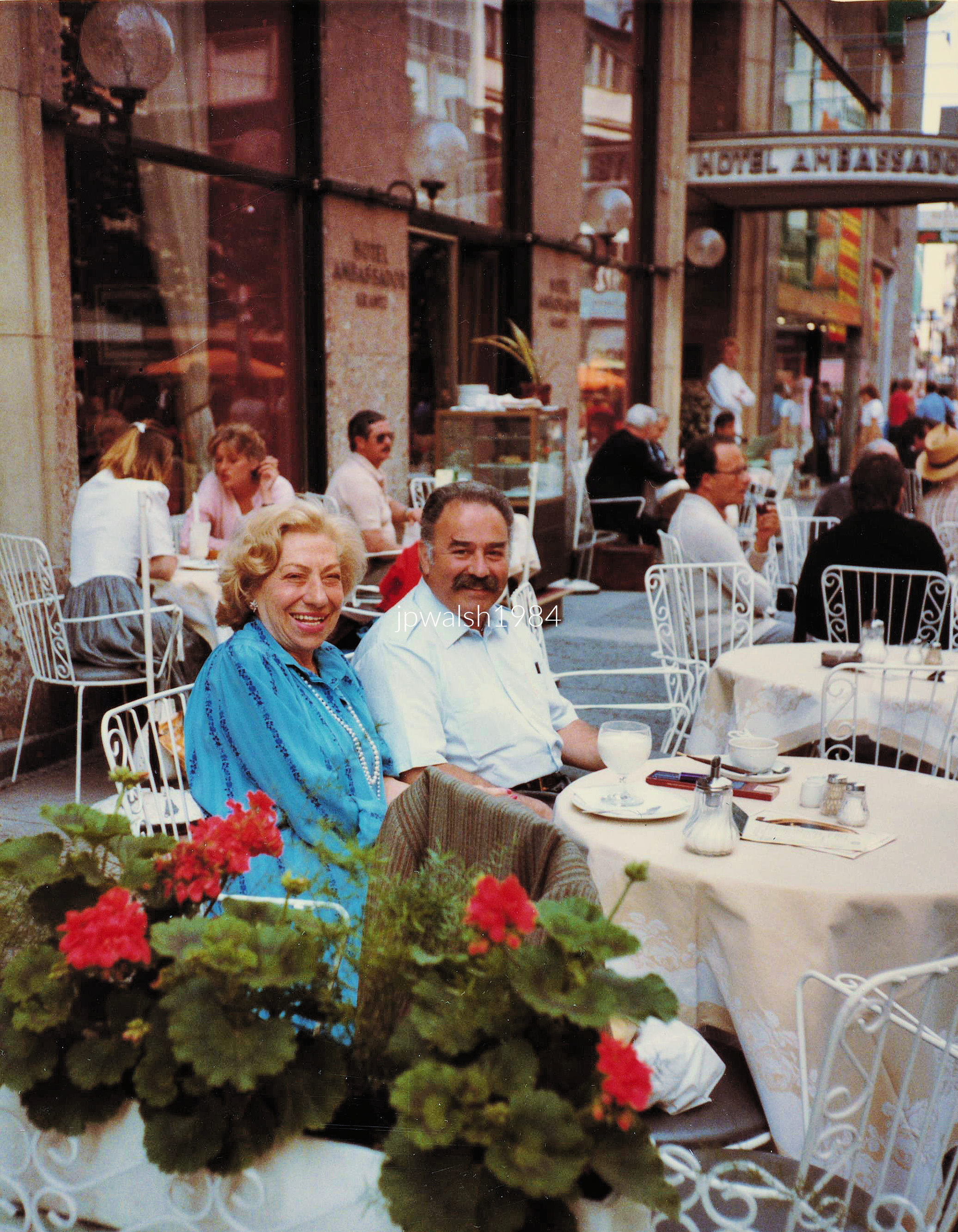
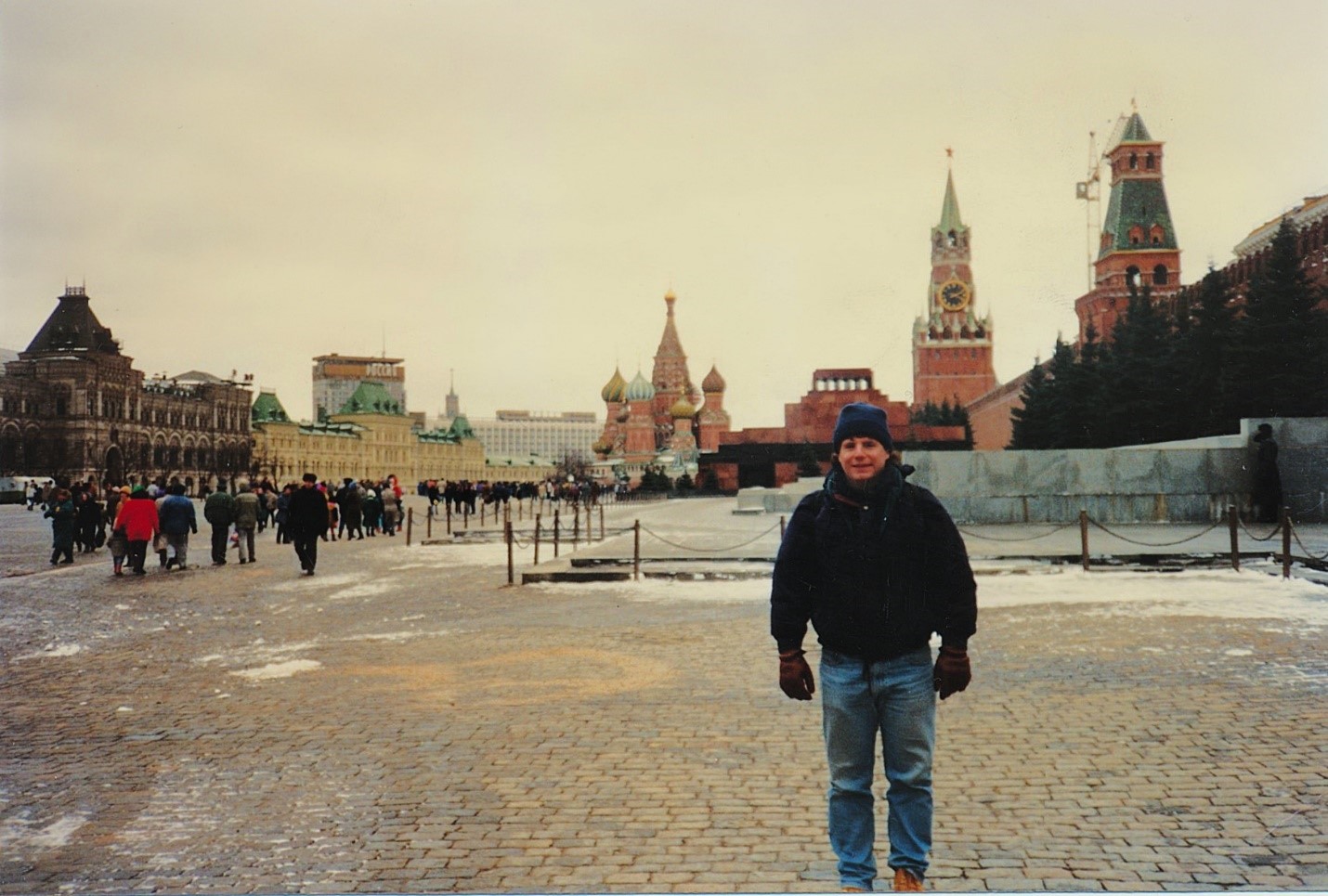
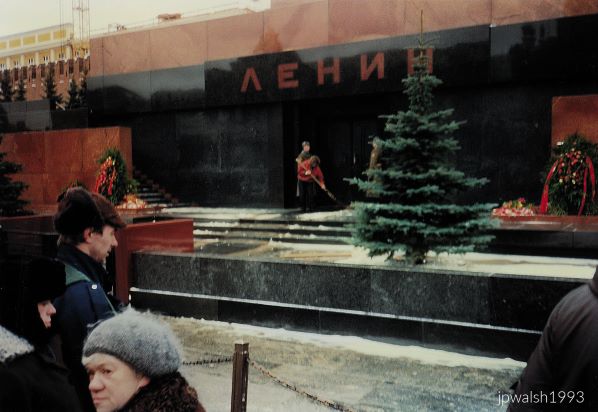
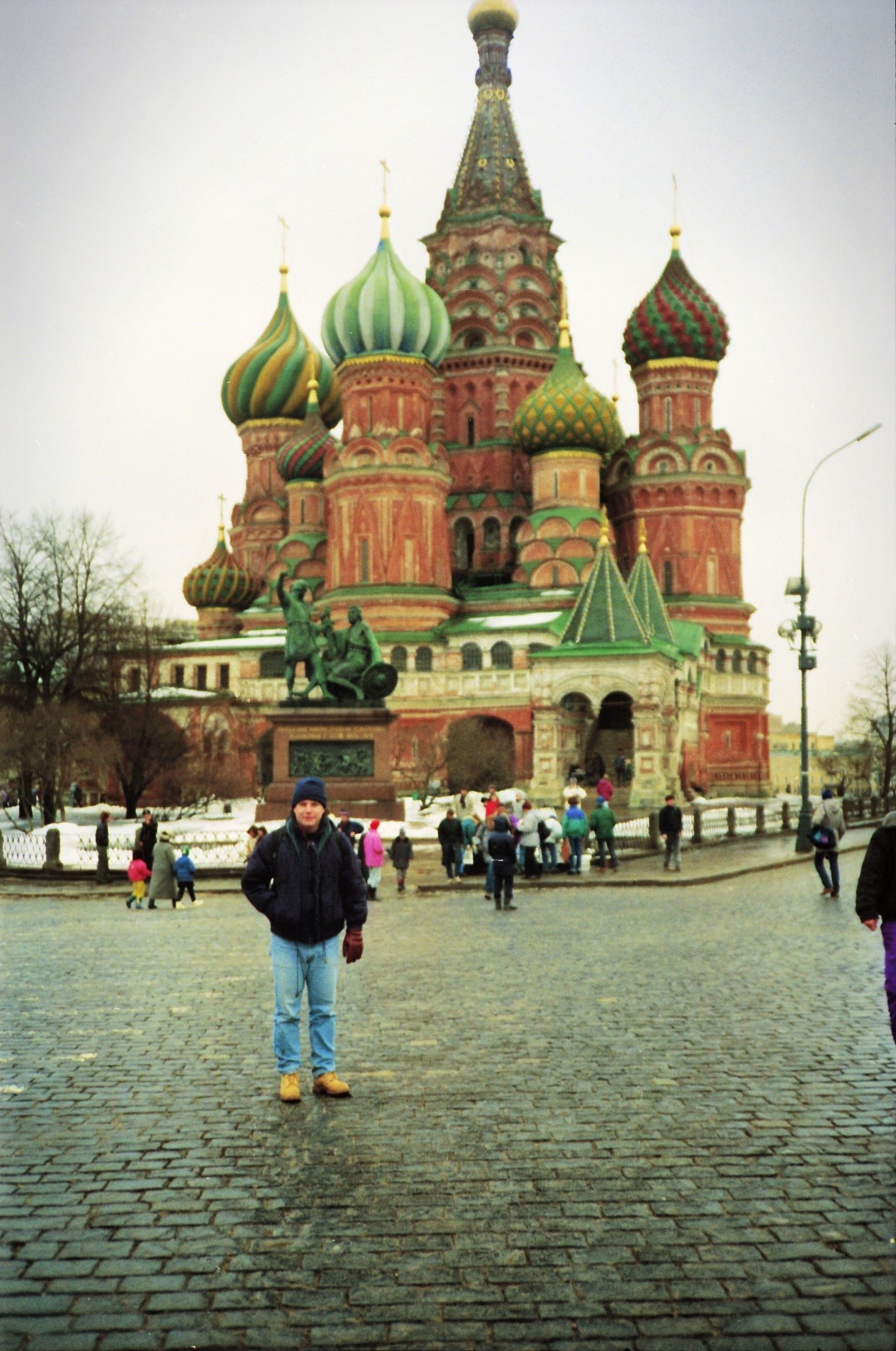
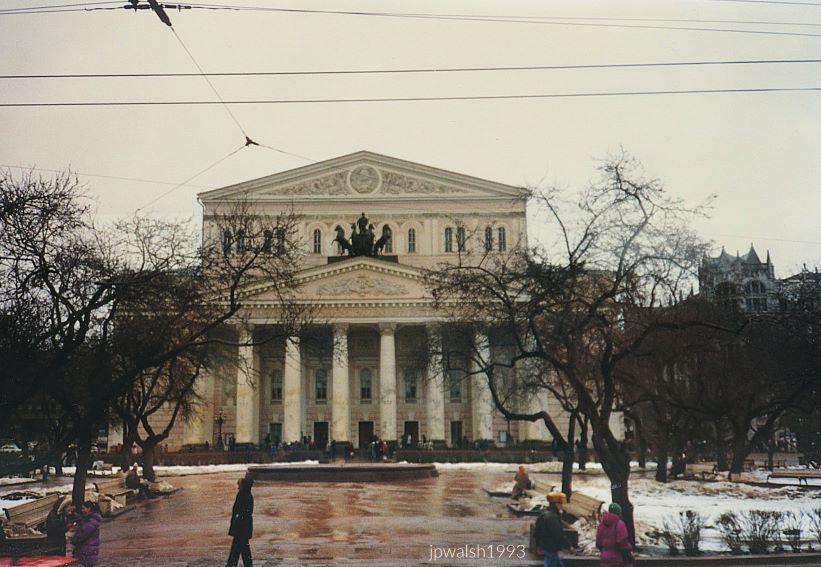
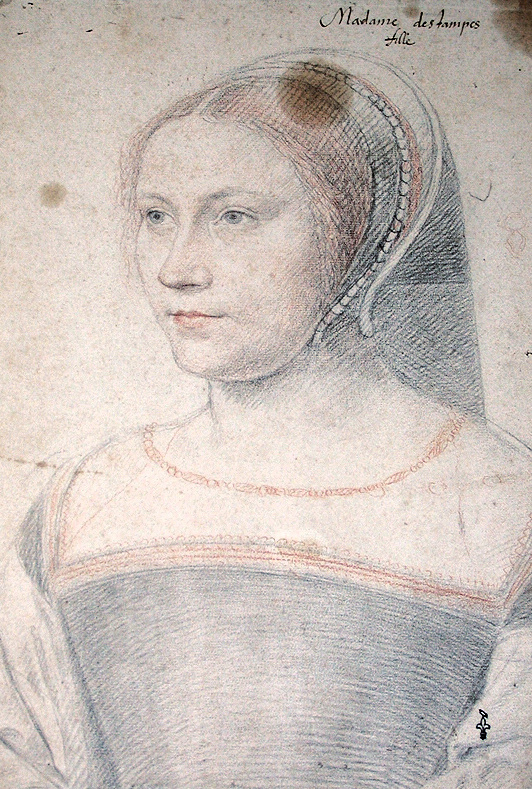
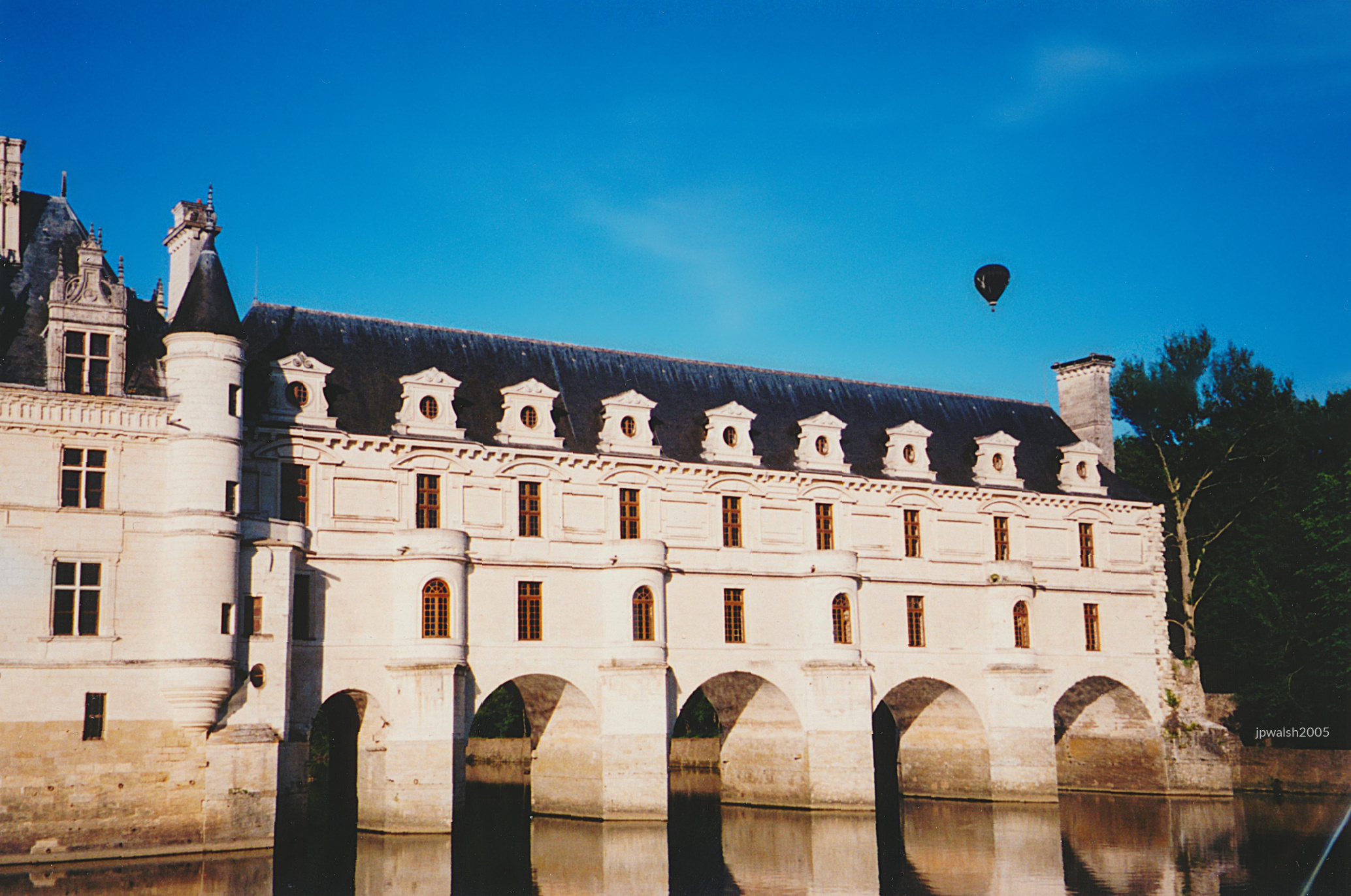
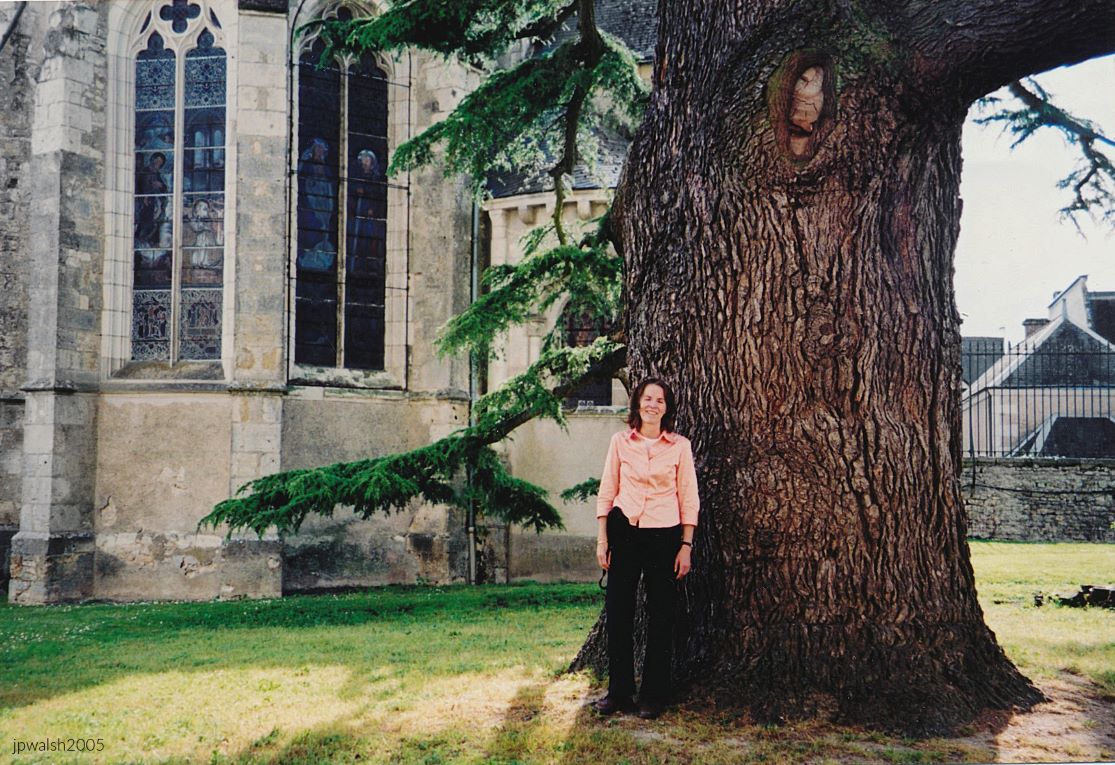
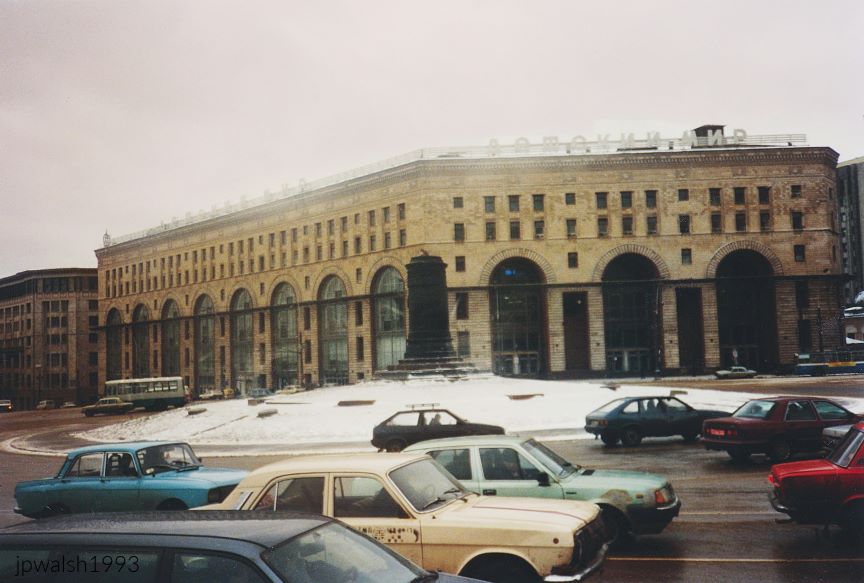
May 2005. The Château de Maintenon in France was built between the 13 and 18th centuries. The square keep was built in the 13th century. The round towers were built later. In the early 16th century it was purchased by Jean Cottereau, the treasurer of Louis XII (1462-1515) and rebuilt by Madame de Maintenon (1635-1719), the mistress and then second spouse of Louis XIV, who purchased it in 1674. “Madame de Maintenon knows how to love,” the king said, “There would be great pleasure in being loved by her.” The château’s wings frame a cour d’honneur, beyond which is a moat filled by waters of the Eure. Beyond is the parterre and park. At the far end of the gardens is an aqueduct crossing the Canal de l’Eure. No official document exists of what was the secret marriage of King Louis XIV and his mistress, but historians accept that it occurred sometime between October 1683 and January 1684. Later, the château was a favorite place of writer François-René de Chateaubriand (1768-1848) who enjoyed its special ambiance.July 1984. Munich Germany. Marienplatz. March 2002. Paris Square d’Estienne d’Orves. (9th arr.) 404 kb 65%June 1984. “Tresors de l’ancien Nigéria,” Galeries Nationales du Grand Palais, May 16 – July 23, 1984. Paris. 15%June 1984. Grand’ Place, Brussels, Belgium. Buildings in the photograph include Le Roy d’Espagne, La Brouette, Le Sac, La Louve, Le Cornet and Le Renard. The construction of the Grand’ Place took place over 600 years from the 1000’s to the 1600’s. In 1695, during the Nine Years’ War (1688-1697), most of the square was destroyed during the bombardment of Brussels by French troops. The buildings were rebuilt in the 17th and 18th centuries giving the square its appearance today. In 1998 the Grand’ Place was designated a UNESCO World Heritage Site and is considered one of the world’s most beautiful squares. 1.03mbJune 1984. Hotel Ambassador, Kärntner Straße 22, Neuer Markt 5, Wien (Vienna). January 1993. Red Square, Moscow, Russia. January 1993. View of upper hall of Belorusskaya (Belarus) Metro Station (Koltsevaya Line) (Moscow, Russia). Below the ceiling’s molding in a passageway is a statue of Belarussian partisans during World War II who opposed Nazi Germany from 1941 until 1944. In their military and political resistance, the partisans took direction from Moscow. 1/1993 35%January 1993. Lenin’s Tomb, Moscow, Russia. It is the mausoleum for Soviet leader Vladimir Lenin (1870-1924) whose preserved body has been on public display since shortly after his death in January 1924. Just days after Lenin’s death, Soviet architect Alexey Shchusev (1873-1949) was given the task to build a structure suitable for viewing the body by mourners. In 1930, a new mausoleum was designed by Shchusev and is the structure seen today made of marble, porphyry, granite, and labradorite. From 1953 to 1961 the embalmed body of Joseph Stalin (1878-1953) was in this mausoleum next to Lenin but removed by Nikita Khrushchev (1894-1971) and buried in the nearby Kremlin Wall national cemetery. While incorporating elements of various ancient world mausoleums, the tomb’s architectural style is an experiment in early 20th century Constructivism. 35%January 1993. GUM department store, Moscow, Russia. GUM is the main department store in cities of the former Soviet Union and during the Soviet period (until 1991) was known as the State Department Store with one vendor – the State. The most famous GUM is this store facing Red Square. Built in 1890-93 by architect Alexander Pomerantsev (1849-1918) and engineer Vladimir Shukhov (1853-1939) as the Upper Trading Rows, by the time of the Russian Revolution of 1917, the building contained some 1,200 stores. The trapezoid-shaped building with a steel framework and glass roof is Moscow’s Crystal Palace (London,1851) and, in turn, influenced parts of La Samaritaine department store (Paris, 1907). The site of GUM had been a designed trade area since the time of Catherine II of Russia (1729-1796) though its early structures by Italian architect Giacomo Quarenghi (1744-1817) were destroyed in the 1812 Fire of Moscow which accompanied Napoleon’s invasion. After the Revolution of 1917, GUM was nationalized but closed in 1928 and converted to office space by Stalin. It did not reopen as a consumer goods store until after 1953. 50%. January 1993. Novoslobodskaya station (Ring Line), Moscow, Russia. The station with its 32 stained glass panel decorations opened on January 30, 1952. It is on the Koltsevaya Line, between Belorusskaya and Prospekt Mira stations. Though the man in the middle is an American tourist, the others are Russians. Following the fall of the Soviet Union, there was a fire sale on its effects, including old uniforms. 55% (30)January 1993. Red Square, Moscow, Russia. Left to right: State Historical Museum. GUM store. 50%January 1993. Saint Basil’s Cathedral (1555-1561), Red Square, Moscow, Russia. The Orthodox church was constructed by order of Ivan the Terrible (1530-1584). January 1993. Church on the Spilled Blood (1883-1907), Saint Petersburg, Russia. The Church of the Resurrection of Jesus Christ in Saint Petersburg, Russia, stands on the site where Czar Alexander II (1818-1881) was assassinated in March 1881. The Russian Revival building was built between 1883 and 1907 by the Romanov Imperial family as a memorial to the slain czar. Though Alexander II freed the serfs in 1861 and abolished capital punishment, his government remained autocratic and repressed liberalizing political forces. Starting in 1879 the czar became the focus for a number of attacks when he was finally murdered in March 1881. That day Alexander II was riding close to the Griboyedov canal when a bomb was tossed beneath his carriage. One of the czar’s Cossack guards was killed and several others injured but the czar emerged unharmed. Immediately, a second, suicide bomber, Ignatiy Grinevitsky, threw a bomb at close range that landed at the czar’s feet and exploded. Mortally wounded, Alexander II was whisked to the Winter Palace (today’s Hermitage) about a mile away where he bled to death. The terrorist group called The People’s Will (“Narodnaya Volya”) claimed responsibility for the elaborate attack. They were a group of radicals and reformers seeking liberty and land reforms from the autocratic regime. Though Alexander II had signed an order creating a Duma, or parliament, his son and successor, Alexander III (1845-1894) withdrew it and began to suppress anew civil liberties using the Okhrana or Imperial Russian secret police. The church is a building rich in decoration and one of St. Petersburg’s best known landmarks. 50% see – See – http://www.saint-petersburg.com/rivers-and-canals/griboedov-canal/ – retrieved January 18, 2024.January 1993. Detsky Mir, Lubyanka Square, Moscow, Russia. On Lubyanka Square in central Moscow is “Detsky Mir” (“Children’s World”), Russia’s largest toy and children’s goods store. It took architect Alexey Nikolayevich Dushkin (1904-1977), Moscow Metro and railways architect, three years to build Detsky Mir in its eclectic mix of post-Stalin Soviet-era architectural styles. The children’s wonderland opened on June 6, 1957. Its neighbor was, curiously, a massive KGB headquarters that had its 15-ton monument to its Bolshevik revolutionary founder, Felix Dzerzhinsky (1877-1926), in the middle of the square. Dzerzhinsky was one of the architects of the Red Terror and de-Cossackization. In January 1993 the statue, sculpted in 1958 by Yevgeny Vuchetich (1908-1974), had been torn down leaving an empty pedestal. Today the pedestal, too, is gone. Detsky Mir was the first building in the Soviet Union to install escalators and in 2015, after nearly a decade-long reconstruction, reopened its doors as Russia’s central children’s store. 60% see – https://www.rbth.com/history/335795-soviet-children-store-detsky-mir http://news.bbc.co.uk/2/hi/europe/2273462.stmJanuary 1993. Bolshoi Theatre (1825), Moscow, Russia. The Bolshoi (“Big”) Theatre opened on January 18, 1825. The main building of the theatre, rebuilt and renovated several times during its history, is a landmark of Moscow and Russia. It was originally designed by architect Joseph Bové (1784-1834) who supervised the Moscow reconstruction after the Fire of 1812 during the Napoleonic Wars. When Czar Alexander I (1777-1825) visited the city he decreed that Moscow buildings should be only in pale, limited colors, of which the Bolshoi Theatre building is one. The chariot drawn by four horses (“quadriga”) atop the portico pediment was sculpted by Russian sculptor Peter Clodt von Jürgensburg (1805-1867). Tchaikovsky’s ballet Swan Lake premiered at the Bolshoi in March 1877. The Bolshoi Ballet and Bolshoi Opera in Moscow, Russia,is one of the oldest and most famous such theatre companies in the world. 50%May 2005. Deb and me at Château de Chenonceau in France. The chateau was famously occupied by Diane de Poitiers (1500-1566), the mistress of the King of France, Henry II (1519-1559), who gifted it to the legendary beauty. Diane de Poitiers is the one who commissioned the bridge to be built across the river and planted its gardens. When the king was suddenly killed in a ceremonial jousting match, Queen Catherine de’ Medici (1519-1589) who married Henry II in 1533 and would have three sons become of King of France in succession over the next 30 years, quickly took over Chenonceau and expelled Diane.Diane de Poitiers at 25 years old by Jean Clouet (1480-1541). May 2005. Château de Chenonceau (16th century), France. The château was built in 1514–1522 on the foundations of an old mill and was extended over the river Cher in stages – first, its bridge (1556-59) and then its gallery (1570-76). These were designed, respectively, by architects Philibert de l’Orme (1514-1570) and Jean Bullant (1515-1578). 845 kb. May 2005. Château de Chenonceau (16th century), France. May 2005. Musee d’Orsay, Paris. Going in to see Le néo-impressionnisme, de Seurat à Paul Klee, from March 15 to July 10, 2005. The large show made clear to me that there may be many disciples – here, painters of trendy 1890’s Pointillism – but few masters. 65%May 2005. Pontlevoy Abbey is a former Benedictine abbey founded in the 11th century by a local knight in the town of Pontlevoy in the Loire Valley. The Gothic church was built at this time. In the early 17th century Cardinal Richelieu (1585-1642) was named abbot. It was no honorary title for his “Red Eminence.” In the 1640’s Richelieu had the buildings updated and repaired and re-enforced the monks’ numbers. By the 1770s, a small monastery community was running a school when King Louis XVI (1754-1793) ascended the throne. The king made the school one of France’s royal military academies which lasted until the French Revolution. The huge cedar was planted in 1776 to honor the new King Louis XVI. 65%May 2005. Debbie at Château de Versailles. Courtyard. 65%May 2005. Interior, St. Pierre Gothic Church, Pontlevoy, France. The church is over 1000 years old. 65%May 2005. Château de Versailles. Parterre du Midi. (40)July 1984. Florence, Italy. Michelangelo’s David, created in c. 1501-1504, has been in the Galleria dell’Accademia since 1873, The biblical figure of David came to symbolize the defense of civil liberties embodied in the 1494 constitution of the Republic of Florence, an independent city-state threatened on all sides by more powerful rival states and by the political aspirations of the Medici family.July 1984. Pazzi Chapel, Florence, Italy. Andrea Pazzi, whose fortune was second only to the Medici, put together the money to build this chapel in 1429. Filippo Brunelleschi (1377-1446) is believed to be responsible for its geometrical design and whose construction began in 1442. It was completed in 1478. The Pazzi Chapel is considered to be an early Renaissance masterpiece built in the cloister on the south side of the new Franciscan Basilica di Santa Croce which was consecrated in 1443. This was one of the first places I came to visit when I arrived in Florence but it was closed for repairs and this is as close as I could get.
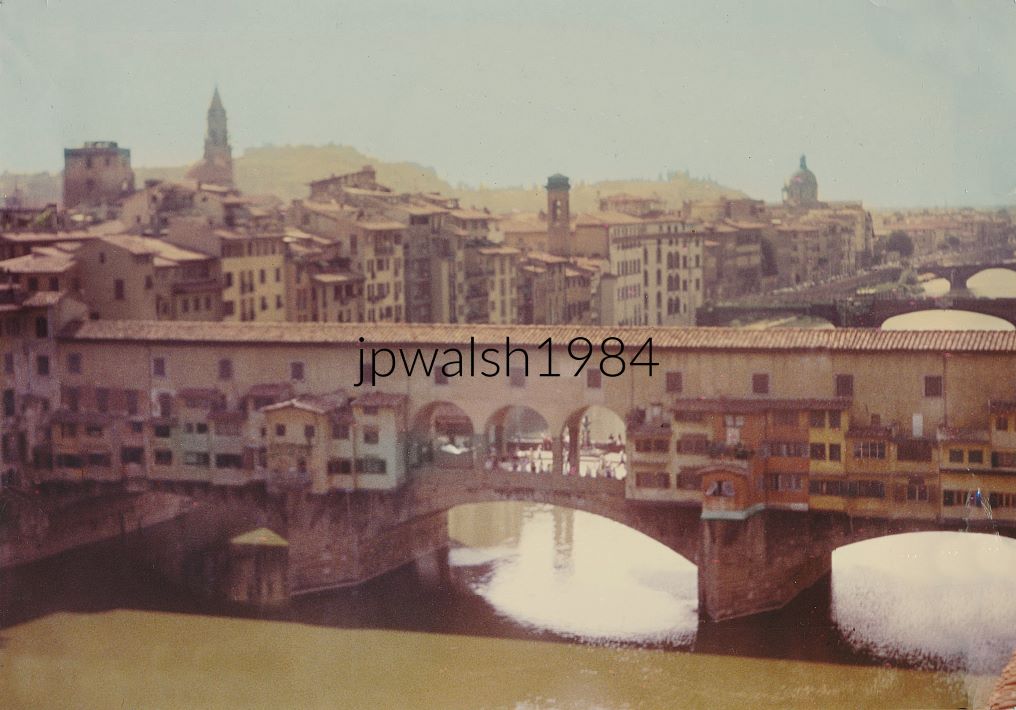
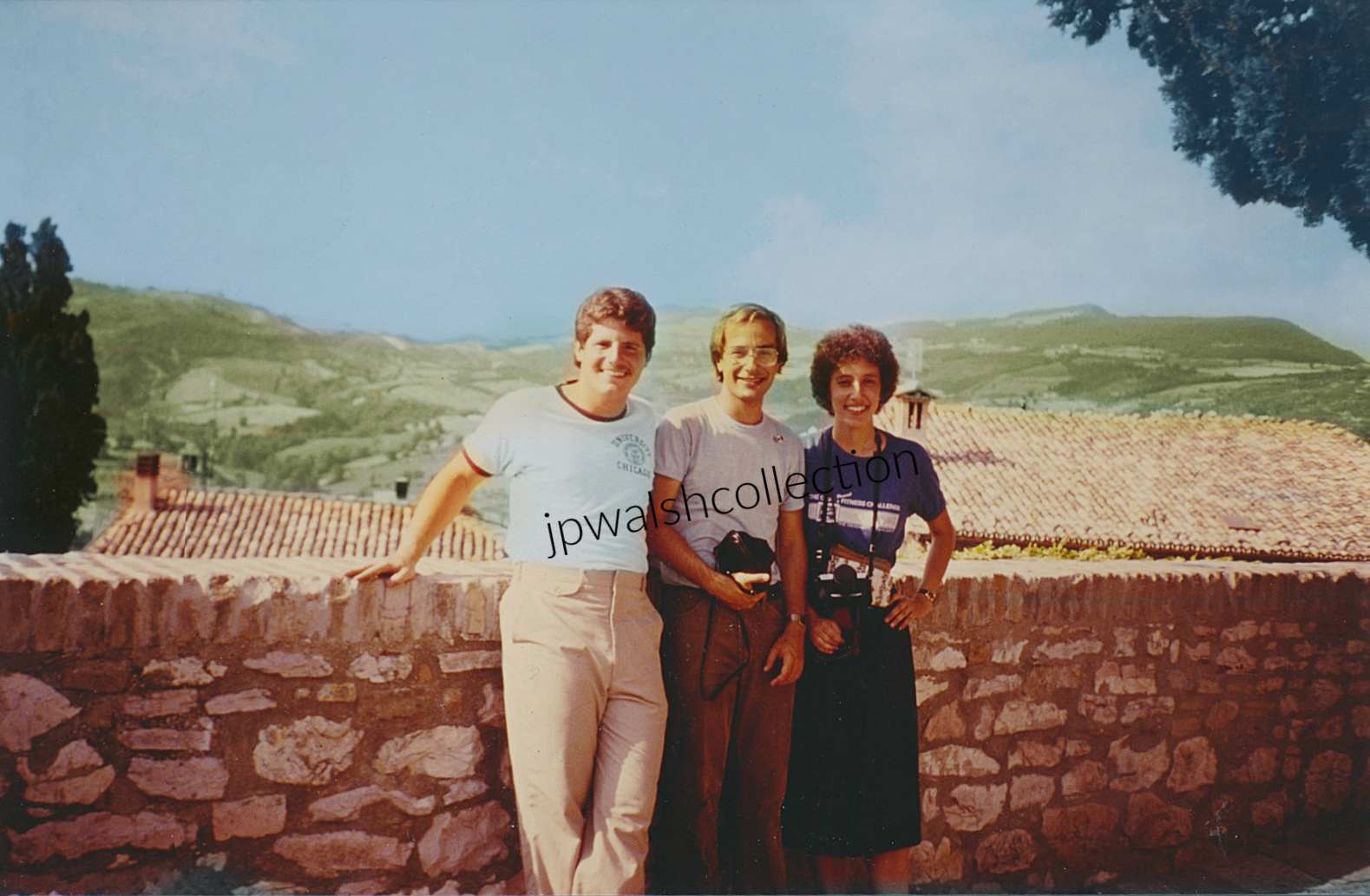
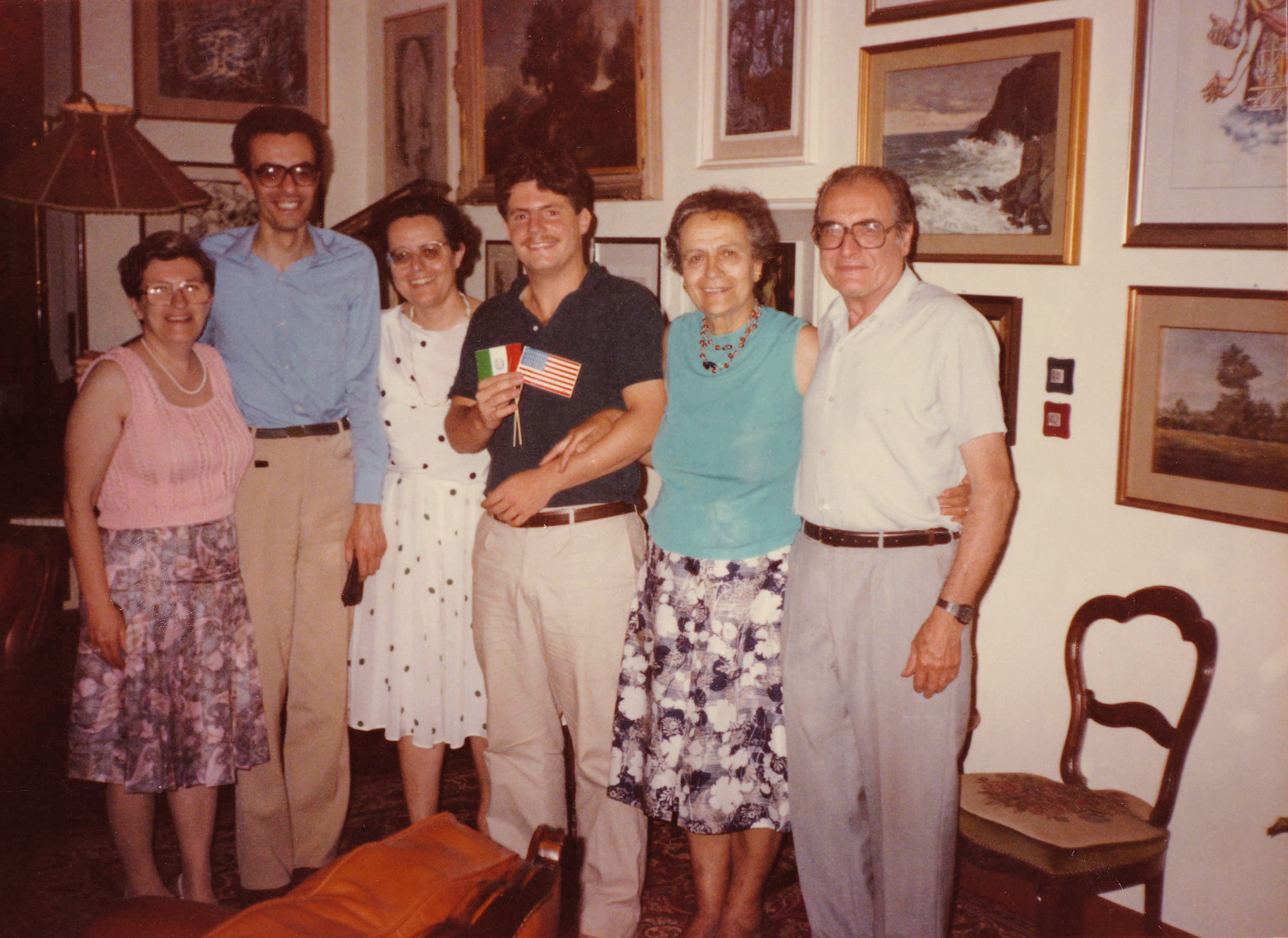
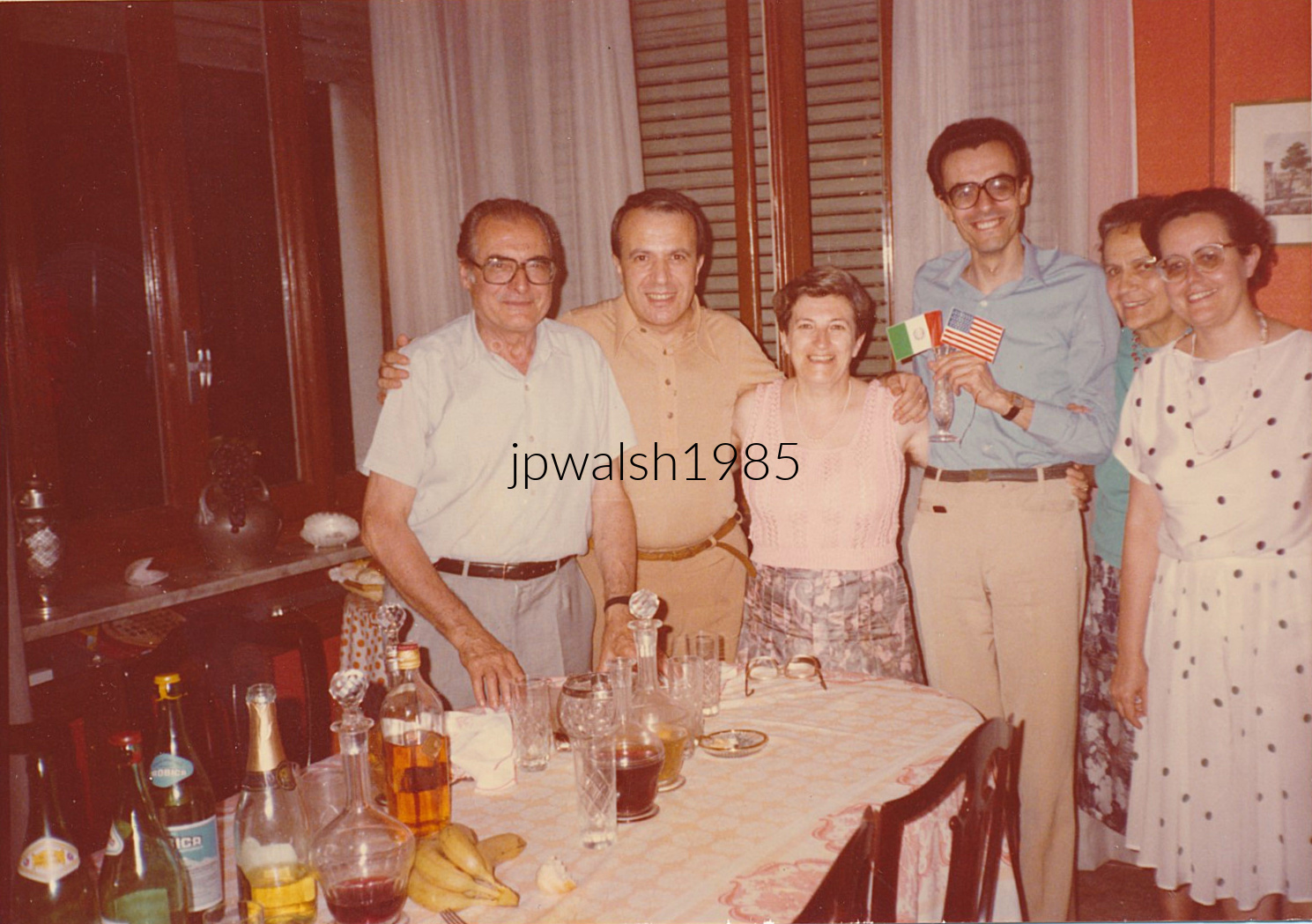
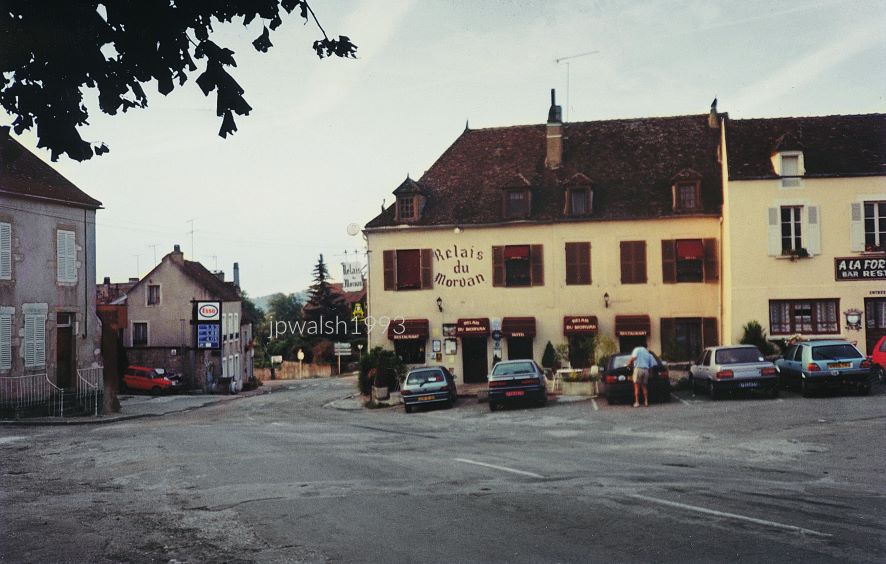
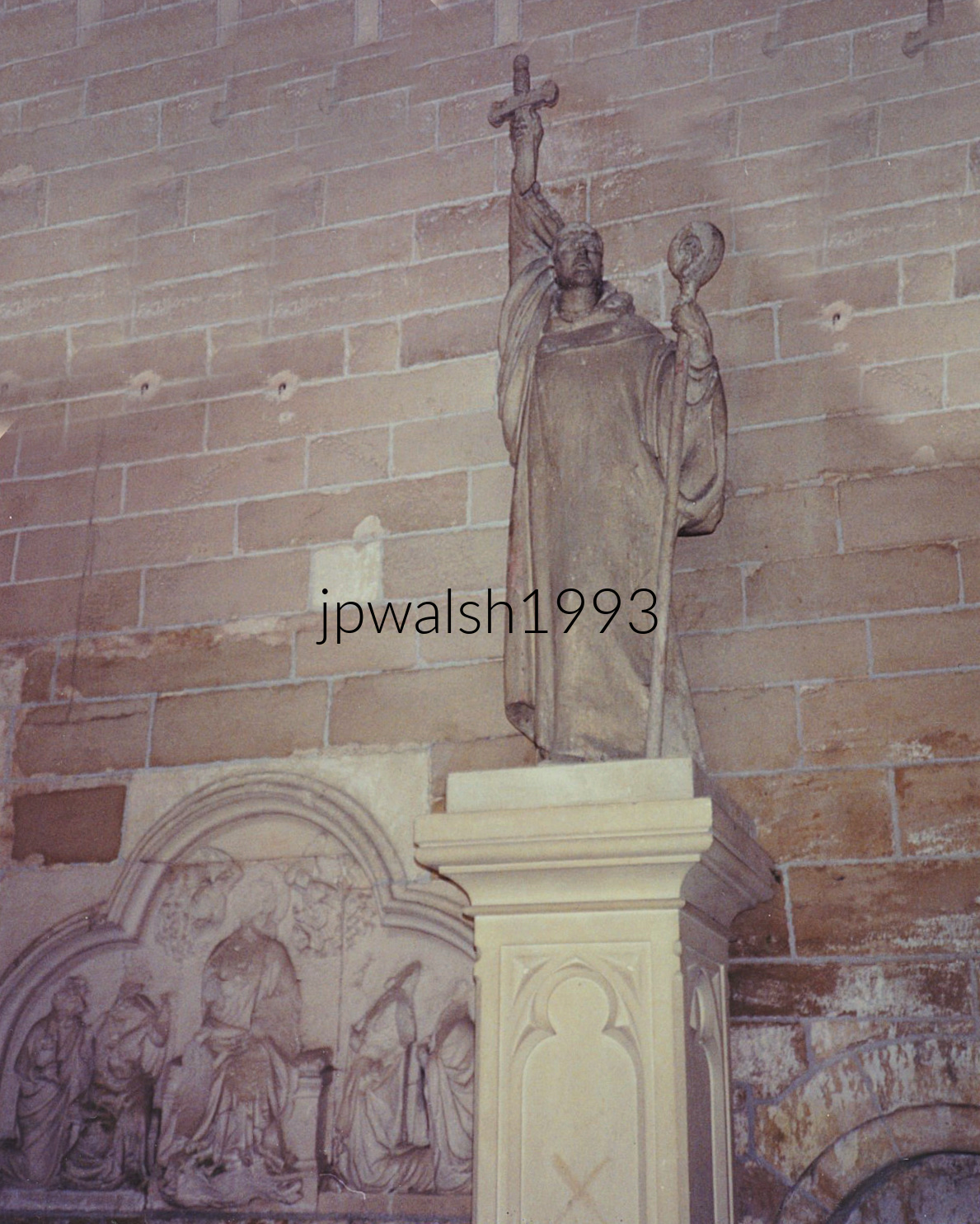
Pazzi Chapel outside Church of Santa Croce—Florence, Italy https://www.youtube.com/watch?v=fmCaVAKlB2Y – retrieved November 6, 2024. July 1984. Ponte Vecchio in Florence, Italy, is the one bridge to have been spared destruction in World War II. A bridge has crossed the Arno at this point since Ancient Roman times. 43%July 1984. In Assisi, Italy, traveling with my Canadian friends. July 1985. The bridge above Nicosia, Sicily was built by Arabs 1000 years ago during the Emirate of Sicily, an Islamic Kingdom, that ruled on the island of Sicily between 831 and 1091. I am with my cousin Filippo. I traced my genealogy on my mother’s mother’s side going back in Italy in a direct unbroken line into the 16th century. July 1985. Torino (Turin), Italy. July 1985. Torino, Italy, visiting with family. My cousin Filippo in the middle was an engineer who was acting president of the Politecnico di Torino at that time. September 1993. Gislebertus (active 1120-1135), Autun, France. The artist carried out the decoration of Autun cathedral including these capitals. The three kings sleep under their counterpane touched by an angel’s single finger. When the artist’s decoration of the cathedral of Autun was completed around 1135 church architecture was beginning its transition to the Gothic, a style that would mark the glory of medieval French architecture (including Notre Dame de Paris in 1163) for the next 250 years. 1.44mbSeptember 1993. Vézelay, France. It took 24 years for me to get here. I learned about this Burgundian hilltown’s famous Romanesque Basilica of Sainte-Marie-Madeleine built in 1120 from Kenneth Clark’s Civilisation book and TV series in 1969. I wanted to visit here in 1985 as a sidetrip from Dijon where I was staying, but it was not direct. Finally, in 1993, we rented a car and drove here staying at this relais. One afternoon we had a special dining experience at restaurant L’Espérance in the nearby Vézelay countryside. Within the restaurant’s easy formal ambiance, graceful and precise service and supra-creative food courses, I learned what it means to dine in a 3-star Michelin restaurant — able to order, have prepared and served, appreciate and eat a culinary work of art — and why Marc Meneau (1943-2020), who oversaw it all and graciously received our thanks and congratulations afterwards, was one of the world’s great chefs.September 1993. Vézelay Abbey church, Vézelay, France. Statue of St Bernard of Clairvaux (1090-1153) preaching the Second Crusade at Easter, March 31, 1146, in front of French King Louis VII (1120-1180) and his young wife, Eleanor of Aquitaine (c.1126-1204). Bernard’s sermon did not survive, but a contemporary account described his voice as “{ringing) out across the meadow like a celestial organ” such that when he finished a large crowd enlisted en masse for what would be a disastrous string of defeats for Christendom in the East. St. Bernard is an important saint. As a young man from a wealthy family, he was intelligent, high strung, and good looking. When he chose to be a monk it was somewhat unusual though perhaps less so if he chose one of the established and wealthy monasteries. Instead, a passionate and headstrong Bernard chose a new (1098) and absolutely poor one called Cîteaux which frankly horrified his family. Like St. Francis of Assisi a century later in Italy, the monks wanted to live the gospel more literally, in this case, via St. Benedict’s rule but their enthusiasm was not met by new recruits. In 1113 Bernard’s charismatic personality famously attracted 30 of Burgundy’s finest young men into the new monastery of Cîteaux and, virtually overnight, prospered this religious house and its life there. “[Bernard’s] first and greatest miracle was himself,” wrote historian Christopher Holdsworth in 2012. Cîteaux’s co-founder, English Saint Stephen Harding (1050-1134) was abbot at Bernard’s arrival. With Harding’s blessing, the new monks set out to found other communities based on Bernard’s example on behalf of Benedictine tradition, which started a fashion among young men so that the 12th century is called “the Cistercian century.” Bernard with 12 companions set out and founded his monastery, Clairvaux – the “Valley of Light.” This work was not easy and there was every privation to endure but if Bernard fell ill from his efforts he grew in wisdom as an abbot and became sought out on his day’s issues of church and state. Bernard naturally held strong views and did not hold back in expressing them. His wit could be devastating. Bernard was an ardent advocate of the Hildebrand reforms. These were church reforms spearheaded by Pope Gregory VII (formerly Cardinal Hildebrand) that focused on combating simony (buying and selling of church offices), enforcing clerical celibacy, and challenging those secular bureaucrats who would appoint church officials (so-called lay investiture). Bernard particularly supported reforms aimed to purify the clergy, enhance their private and public moral standing, and strengthen the Church’s independence from control of any secular kingdoms. The unity of medieval Christendom was hardly without its problems – the 12th century was rife with schism at every level of elite society from popes to kings to princes and bishops, including a papal schism. It was only in 1139 at the Second Council of the Lateran in which Bernard assisted that adherents of the anti-pope were definitively condemned. Bernard also bumped heads with the wealthy and influential monks of Cluny, though he was friends with its abbot and dismissed Peter Abelard as an intellectual bumpkin playing to the marketplace. In 1142 the pope imposed the duty on Bernard to preach the Second Crusade which boomeranged back to stain Bernard’s reputation in his last years. He died on August 20, 1153 which became his feast day, was canonized in 1174, and named a “Doctor of the Church” in 1830. Following Bernard’s death, in 1166, exiled archbishop of Canterbury Thomas Becket (1118-1170) chose Vézelay for his Whitsunday sermon where he threatened the English King Henry II with excommunication as he excommunicated the king’s main supporters while, in 1190 at Vézelay, Richard the Lionheart of England (1157-1199) and King Philippe Auguste (1165-1223) of France met and spent three months at the abbey before setting out on the Third Crusade. Scan_20220520 (61) (1) (1)
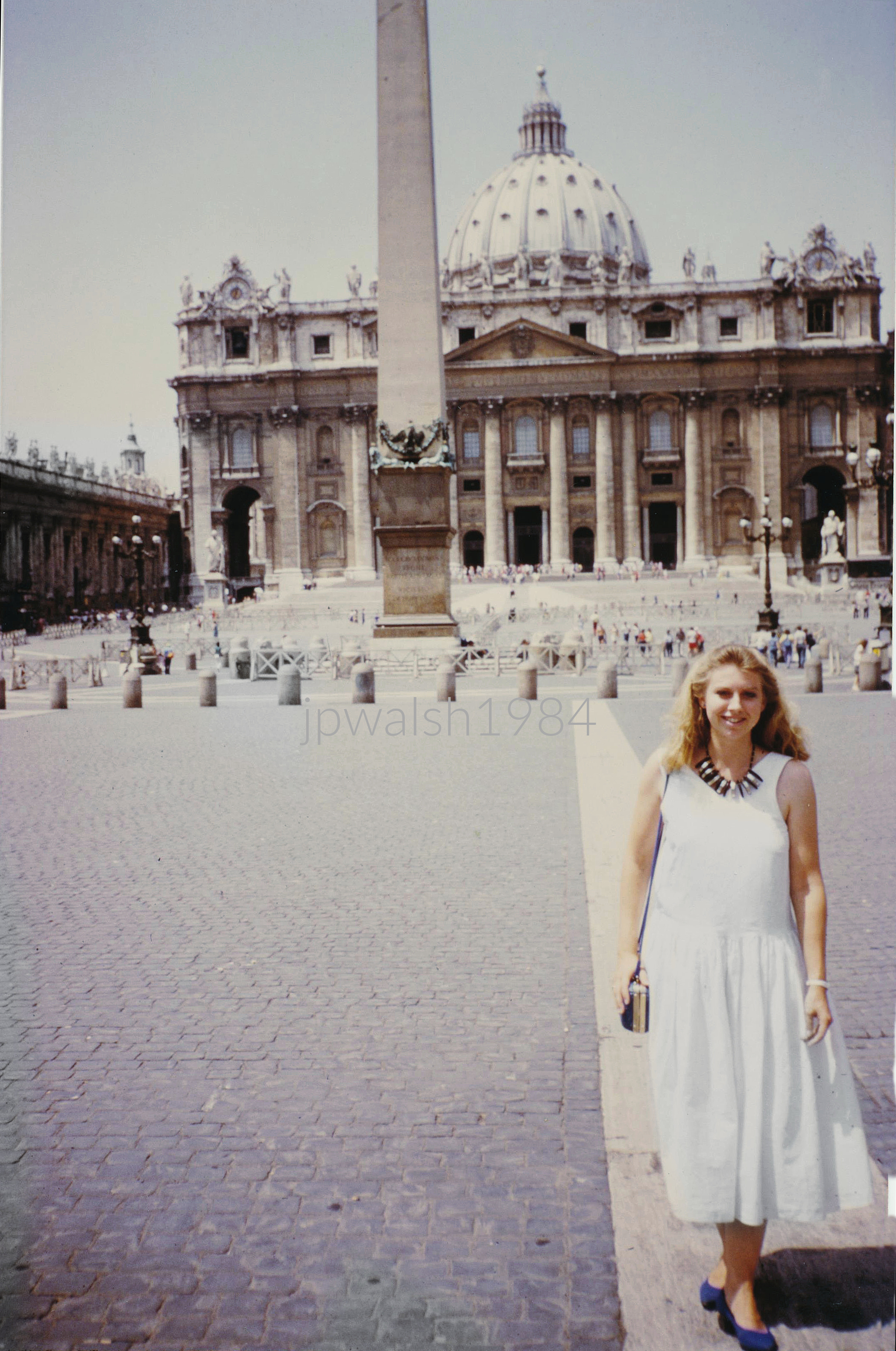
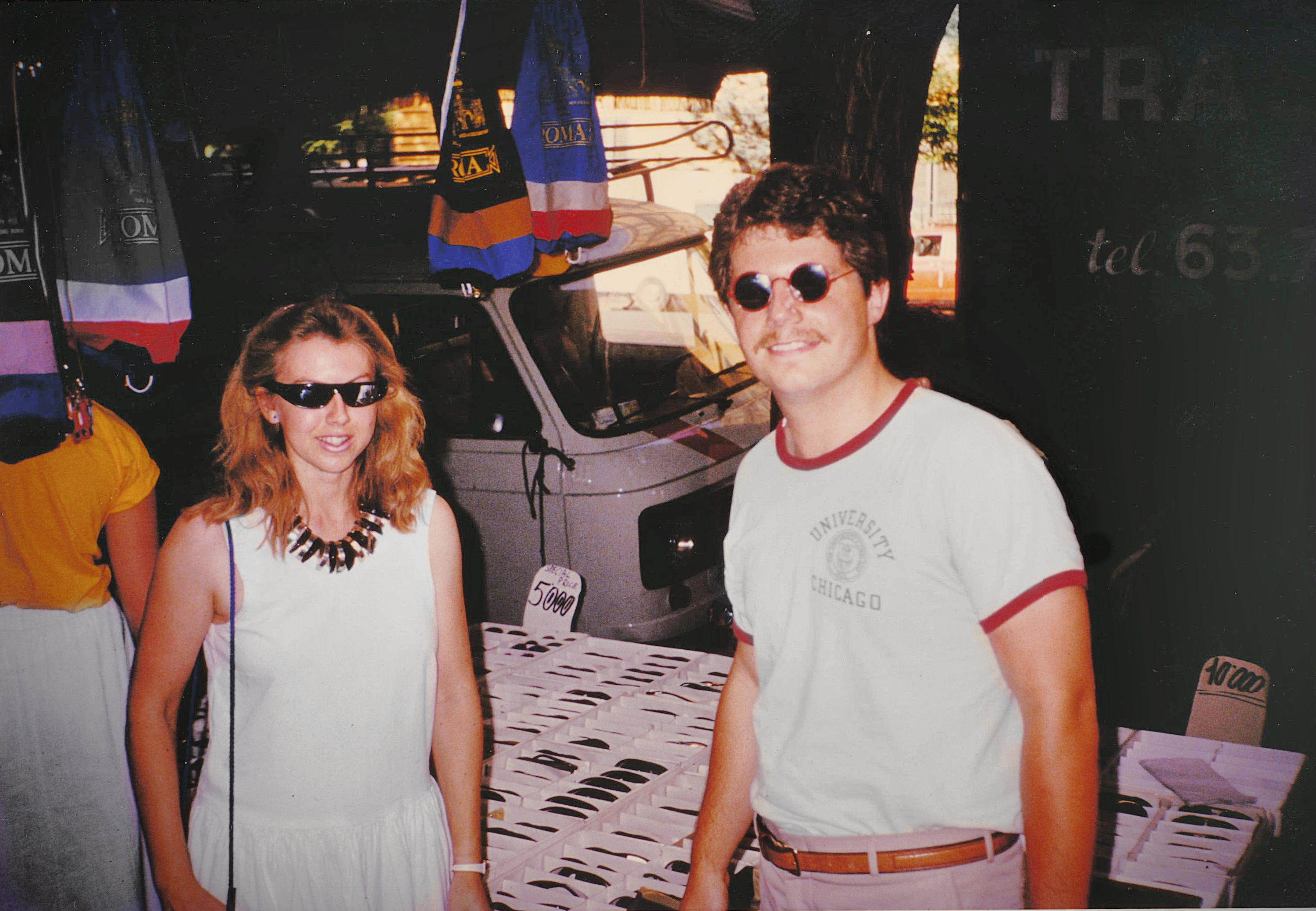
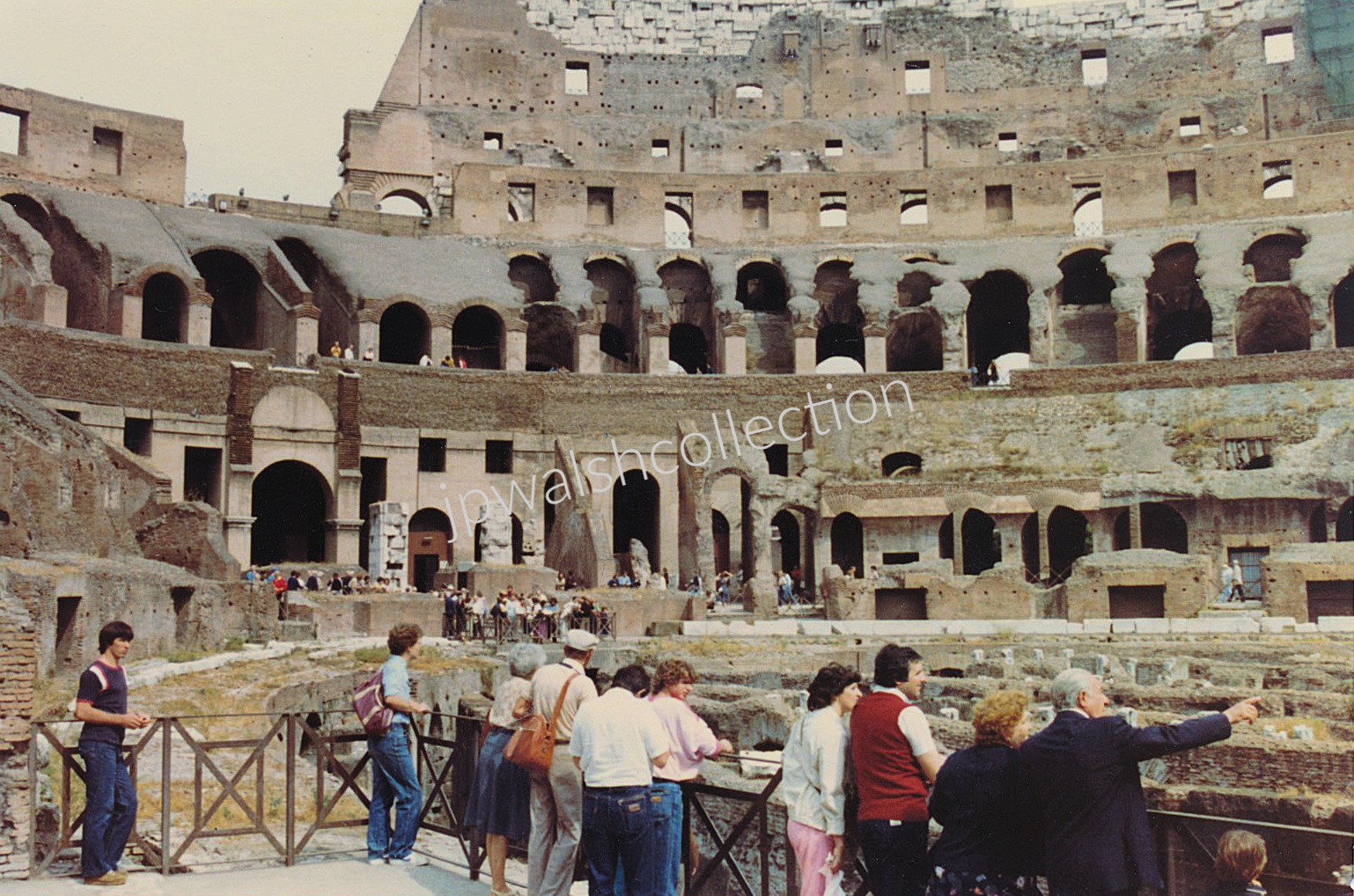
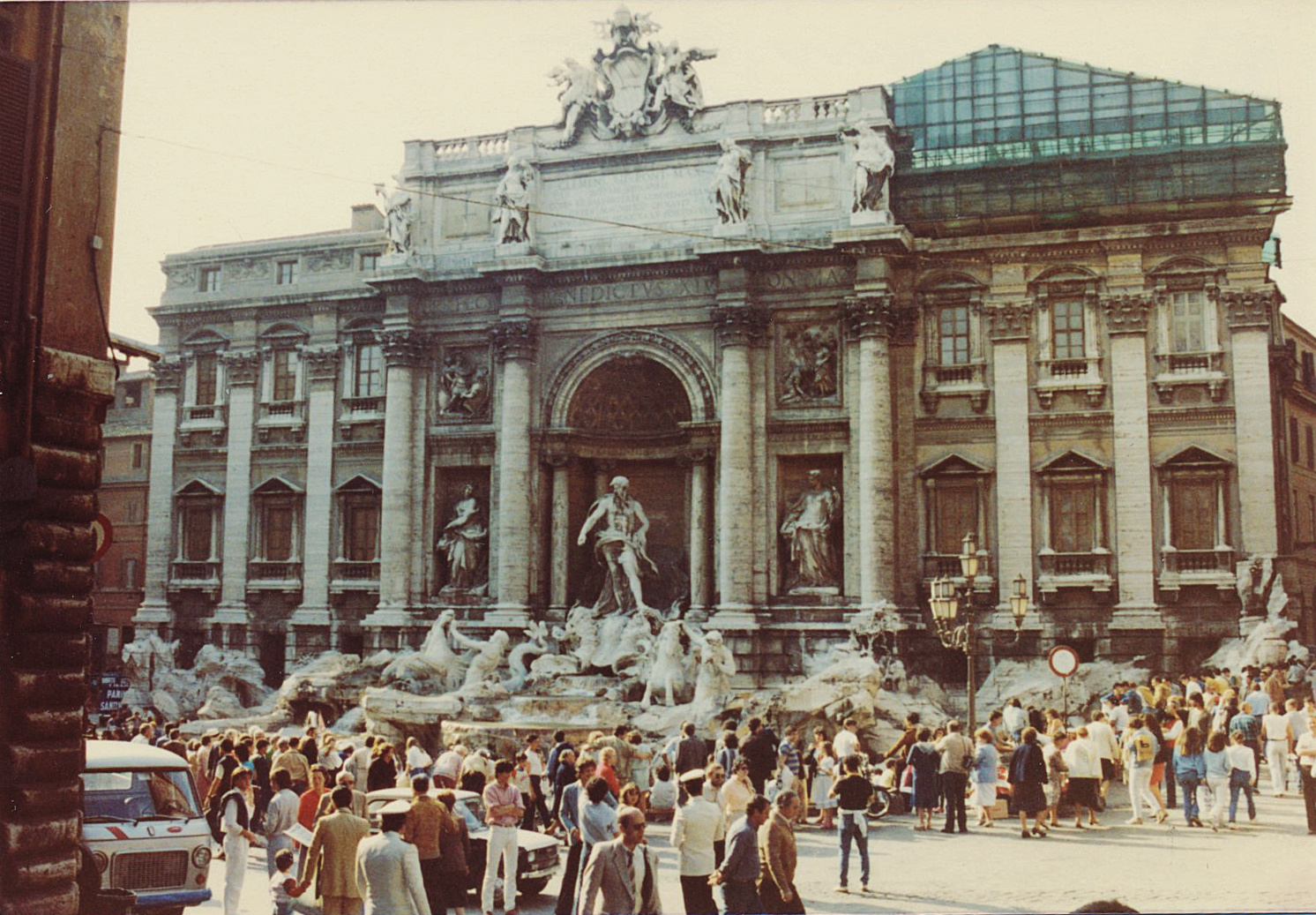
Yonne : le célèbre chef triplement étoilé Marc Meneau est mort https://www.youtube.com/watch?v=uT07LxKhhiA – retrieved November 5, 2024. July 1984. The Forum, Rome. It was a very hot day. The three columns are ruins in the distance are from the Temple of the Dioscuri who are the mythological twin sons (“Gemini”) of Jupiter (Zeus) and Leda. The cult came to Rome from Greece via Sicily where Greek culture was foundational. Statues at the House of the Vestals. July 1984. St. Peter’s Square, Vatican City, Rome, Italy. July 1984. Trying on eyewear at a sidewalk vendor, Rome, Italy. July 1984. Colosseum from Via Sacra with columns and wall of the Temple of Venus and Roma. The Temple was erected in 121 under Emperor Hadrian (76-138) and inaugurated by him in 135. The building was finished in 141 by Emperor Antoninus Pius (86-161). The Colosseum held between 50,000 and 85,000 spectators. Its construction began in 72 under Emperor Vespasian (9-79) and was completed in 80 A.D. under Emperor Titus (39–81).May 1983. Colosseum, Rome. May 1983. Trevi Fountain, Rome.
Federico Fellini’s La Dolce Vita is a 1960 Italian film that features an ensemble cast starring Marcello Mastroianni and Anita Ekberg. The scene in the Trevi Fountain was shot in late January according to Anita Ekberg. Marcello Rubini (Mastroianni) is a tabloid journalist in Rome who goes on a fruitless search for its sweet life (la dolce vita). The character of Paparazzo, the news photographer (played by Walter Santesso) is the origin of the word paparazzi to describe intrusive celebrity photographers.https://youtu.be/The8Xi6fKOE?si=UOqLebtqxBOmi3hi – retrieved January 28, 2026.
“The tradition is that you throw ONE coin over your shoulder if you wanna come back to Italy, TWO coins for romance, or THREE coins if you want to get married…” https://www.youtube.com/shorts/31p153LmFCI – retrieved November 7, 2024.
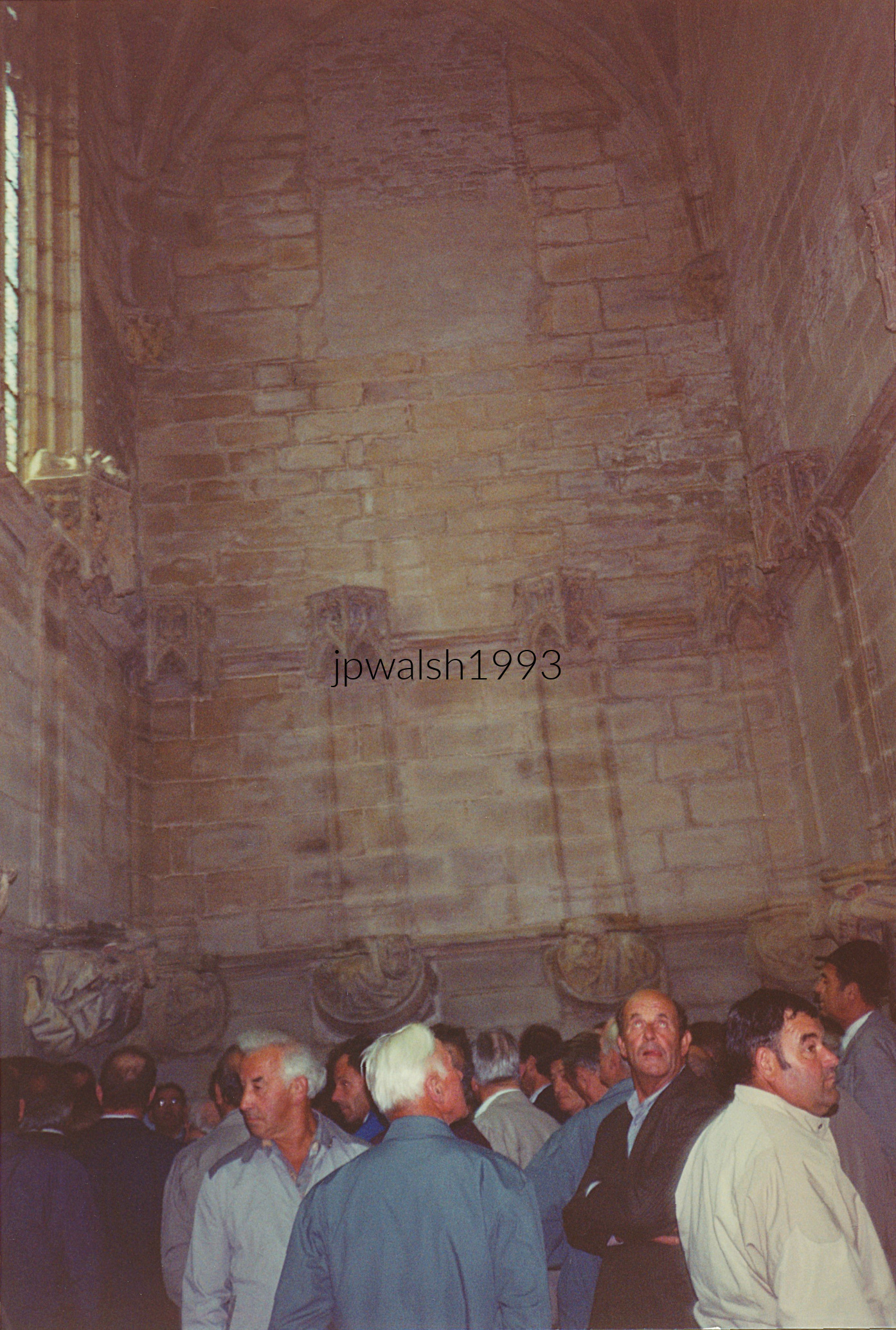
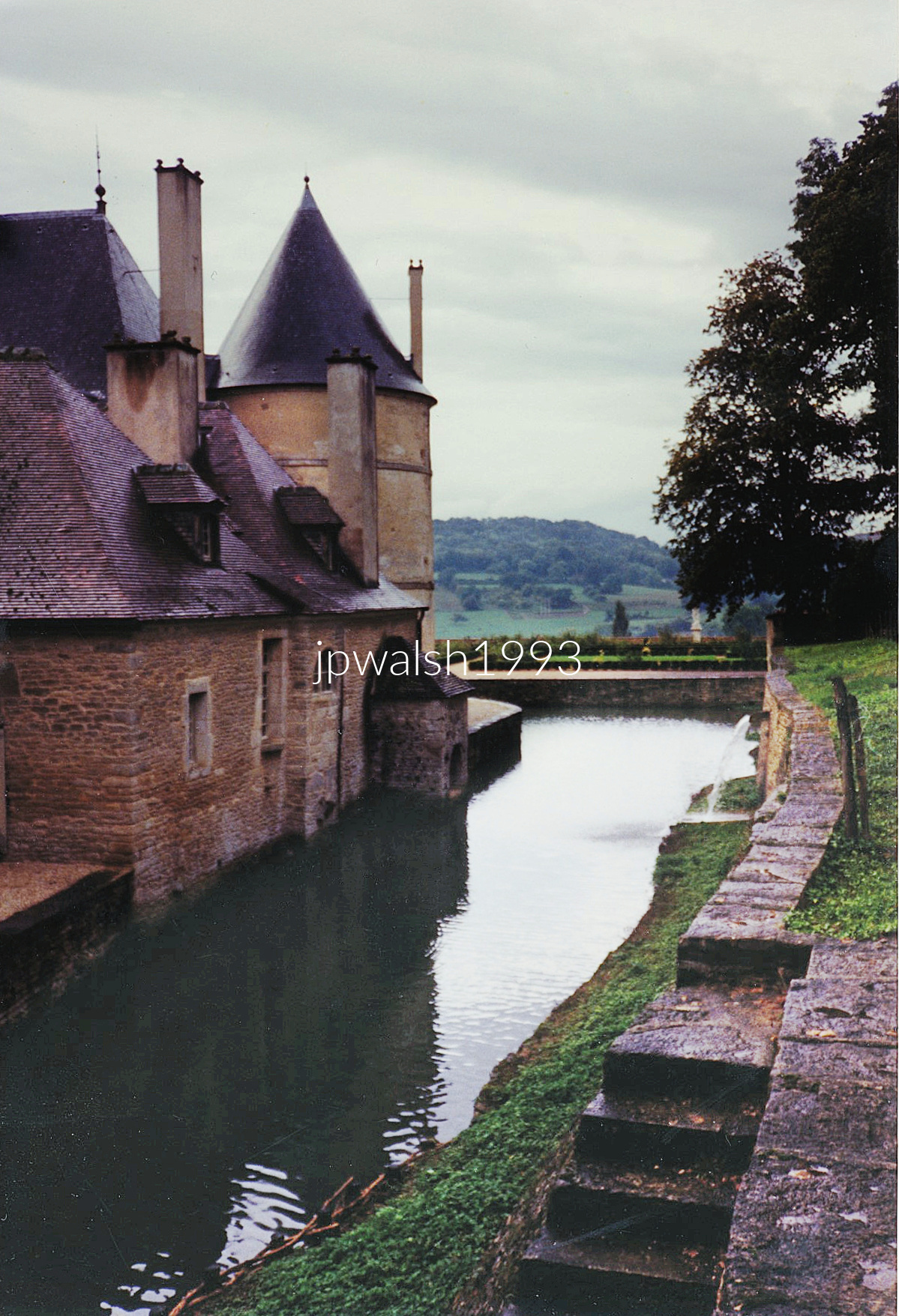
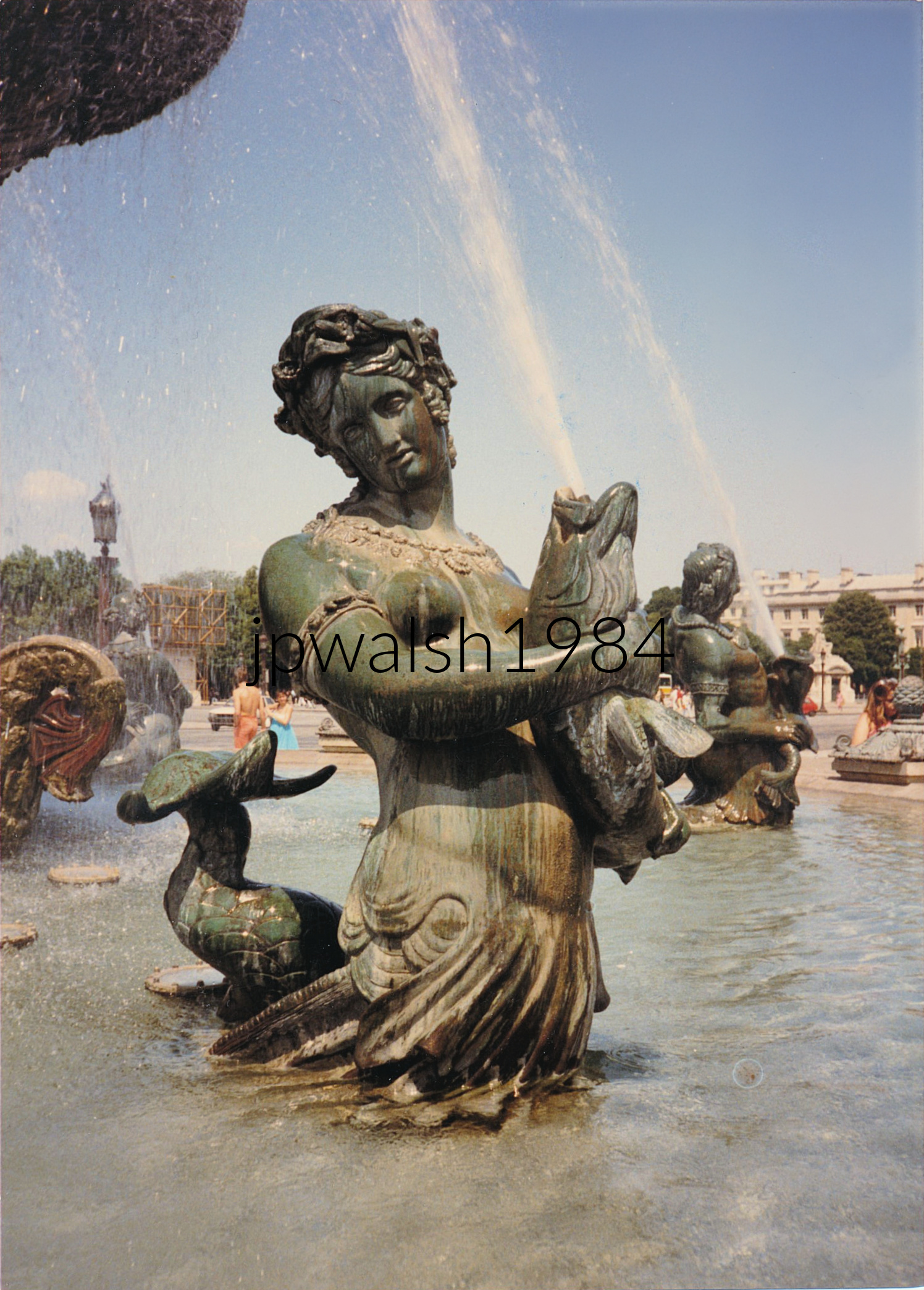
Filmed in De Luxe color and Cinemascope, Sol Siegel’s “Three Coins in A Fountain” in 1954 from 20th Century-Fox follows three American women who find romance in Rome. Shot on location in Italy, the film won Academy Awards for Best Cinematography (Milton Krasner) and Best Song (Jule Styne and Sammy Cahn) and, though a thin story, was an enormous box office entertainment. Nominated for Best Picture, the rom-com starred Dorothy McGuire, Maggie McNamara, Jean Peters, Rossano Brazzi, Louis Jourdan and Clifton Webb and, reviewed by Variety, was called a film that “has warmth, humor, a rich dose of romance and almost incredible pictorial appeal.” https://youtu.be/iTntN9xIVHI?si=TuggQUCShk5gdpjl – retrieved January 28, 2026. September 1993. German tourists. Cluny Abbey, Cluny, Saône-et-Loire. A highly influential Benedictine abbey started in 910 in Cluny, its third and final church was started in 1088 by abbot Hugh of Semur (1024–1109). It became the largest church building in Europe and remained so until the 16th century, when the new St. Peter’s Basilica was built in Rome. Hézelon de Liège was Cluny’s architect. 1.43mbSeptember 1993. Château de Bussy-Rabutin is in the commune of Bussy-le-Grand, in the Côte-d’Or department, Bourgogne, about 37 miles (one hour by car) northwest of Dijon. The castle was founded in the 12th century by Renaudin de Bussy and rebuilt in the 14th century, The Renaissance galleries were added in the 1520s. It was again altered during the reigns of Henri II (1547–1559) and Louis XIII (1610–1643). Roger de Rabutin, Comte de Bussy (1618–1693) fell into disgrace at court and was ordered by Louis XIV to self-exile at this estate. Here Bussy-Rabutin wrote his Histoire amoureuse des Gaules, an account of various love affairs at court, which embroiled the author in more scandal. He was sent to the Bastille and released on condition that he return to self-exile and live there in silence which he did for the next 17 years. Bussy -Rabutin died at the chateau in 1693. His collection of portraits of historical and contemporary French figures are a highlight of a tour of the chateau as they serve to fuel the various stories he told. The chateau was restored in the 19th century and acquired by the French state in 1929.September 1993. Palais Jacques Coeur (completed 1453), Bourges, France. June 1984. Fontaine des Mers, Place de la Concorde, Paris. Two monumental fountains in this largest square in Paris were designed by Jacques Ignace Hittorff (1792-1867) and completed in 1840.
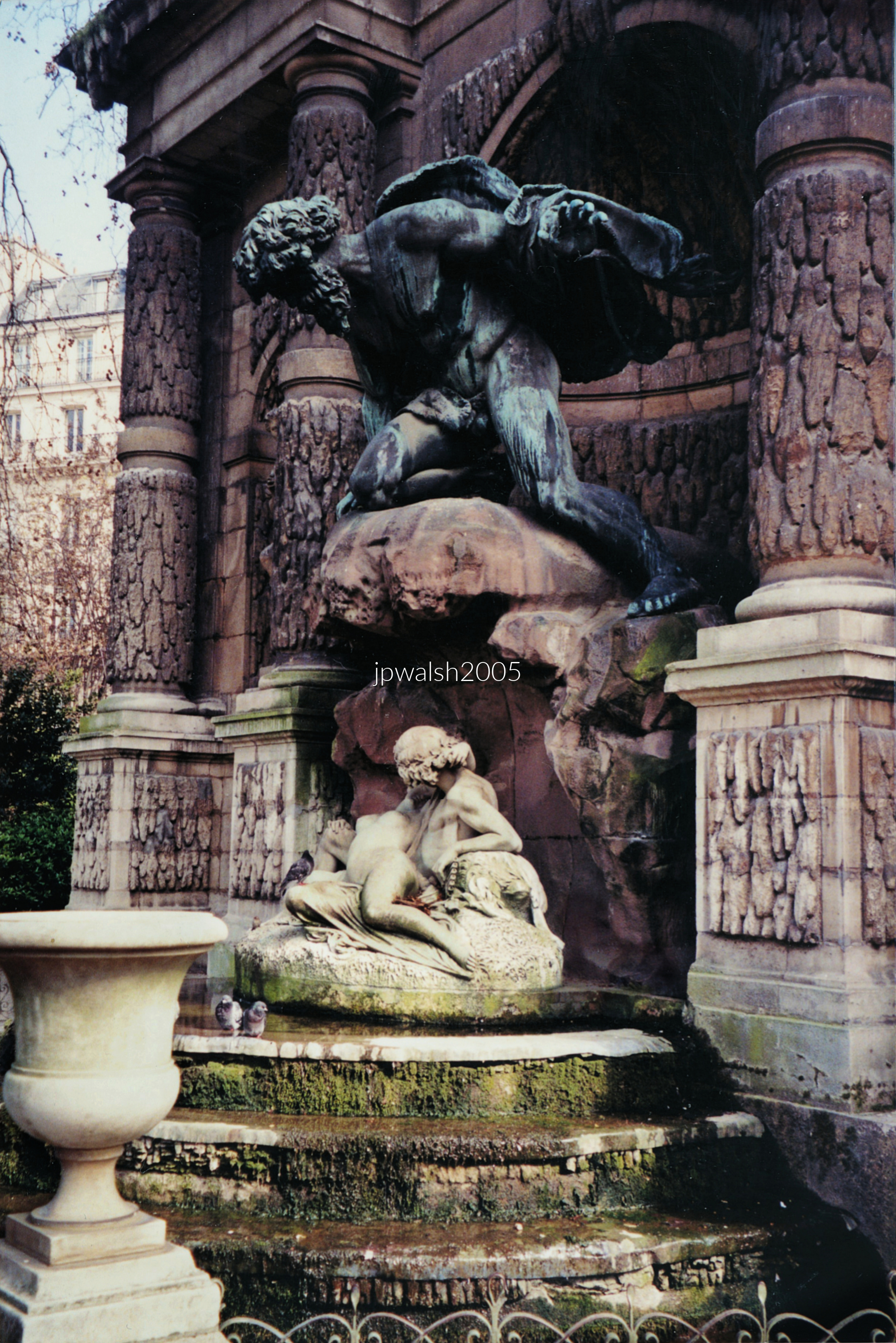
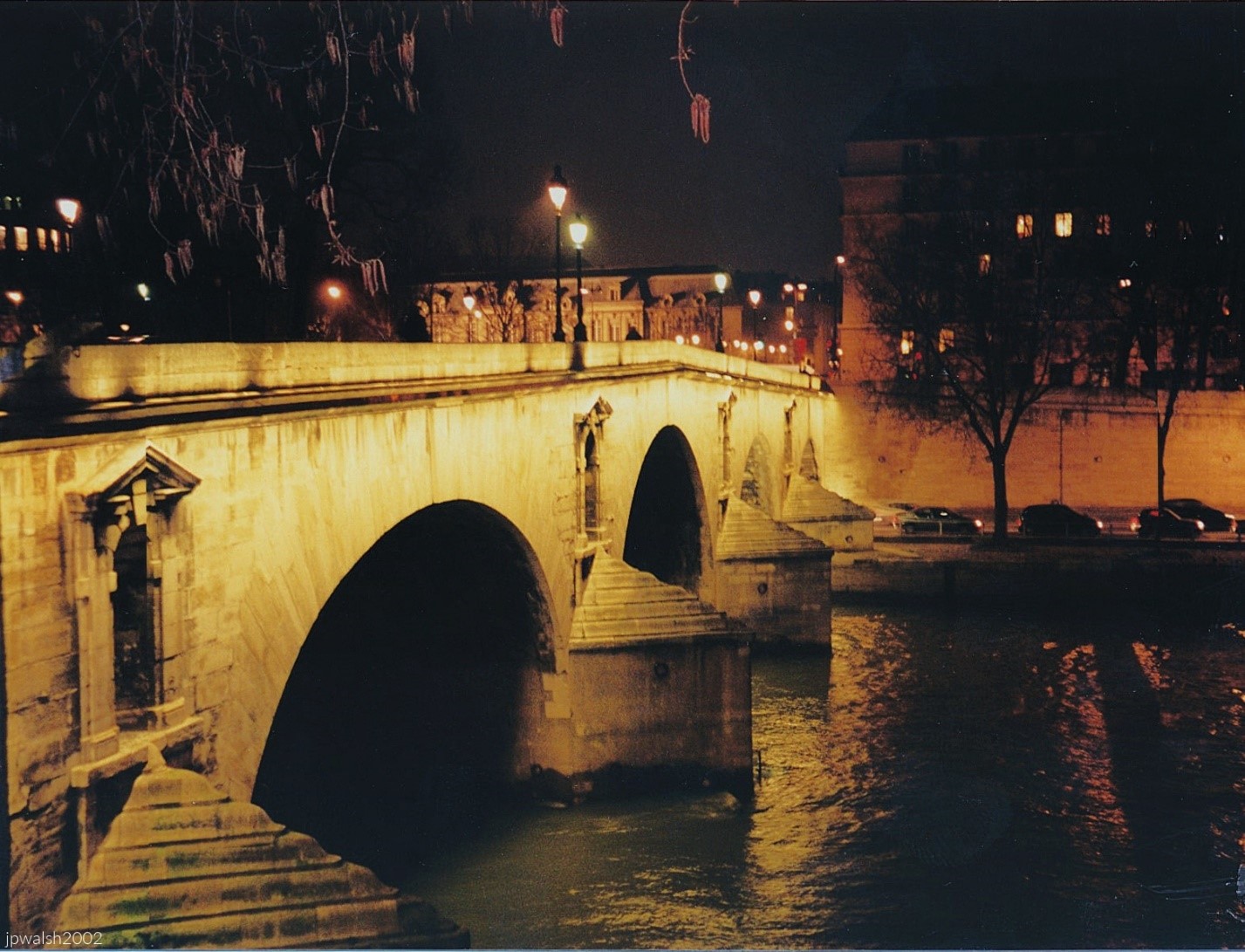
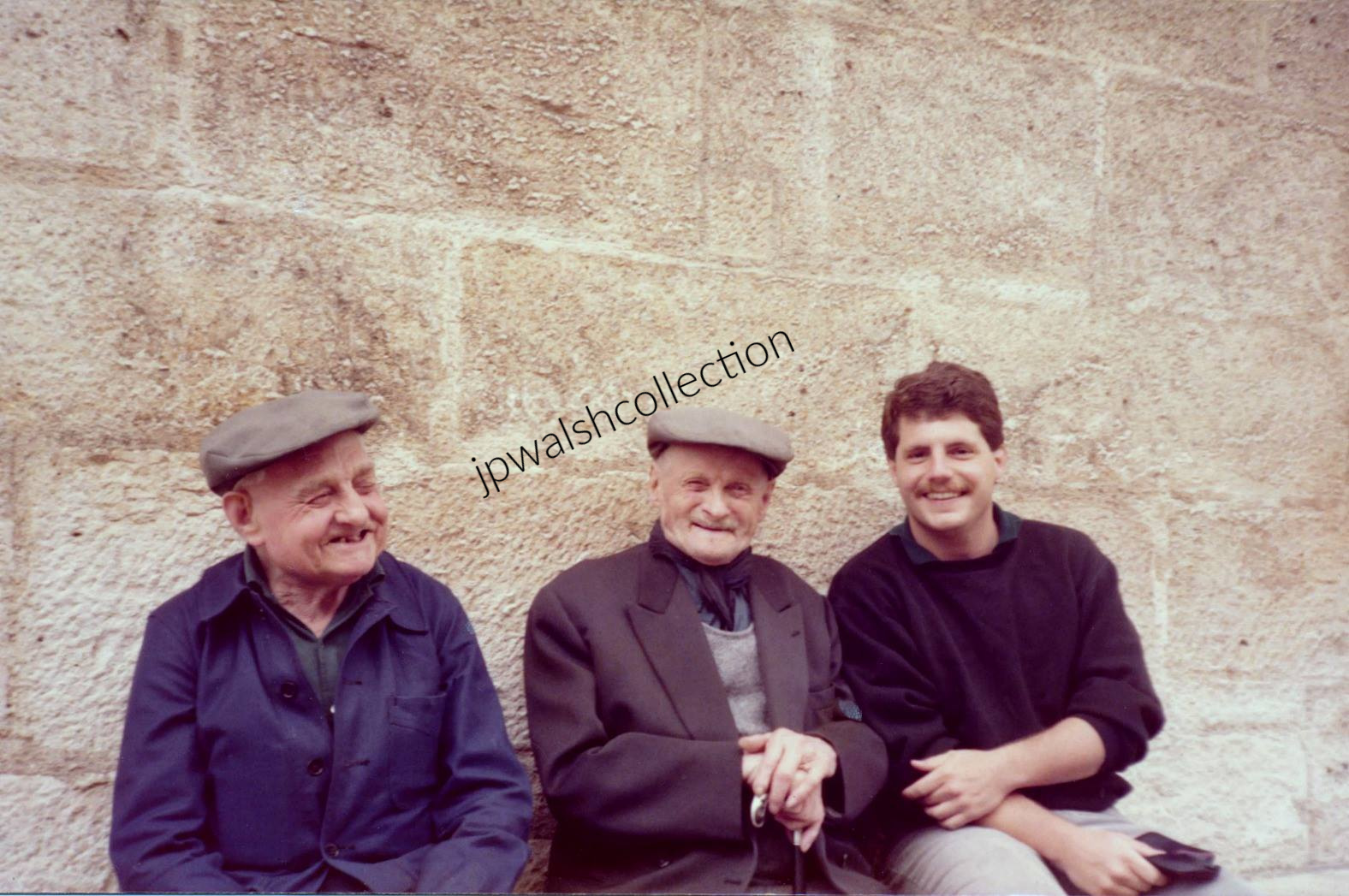
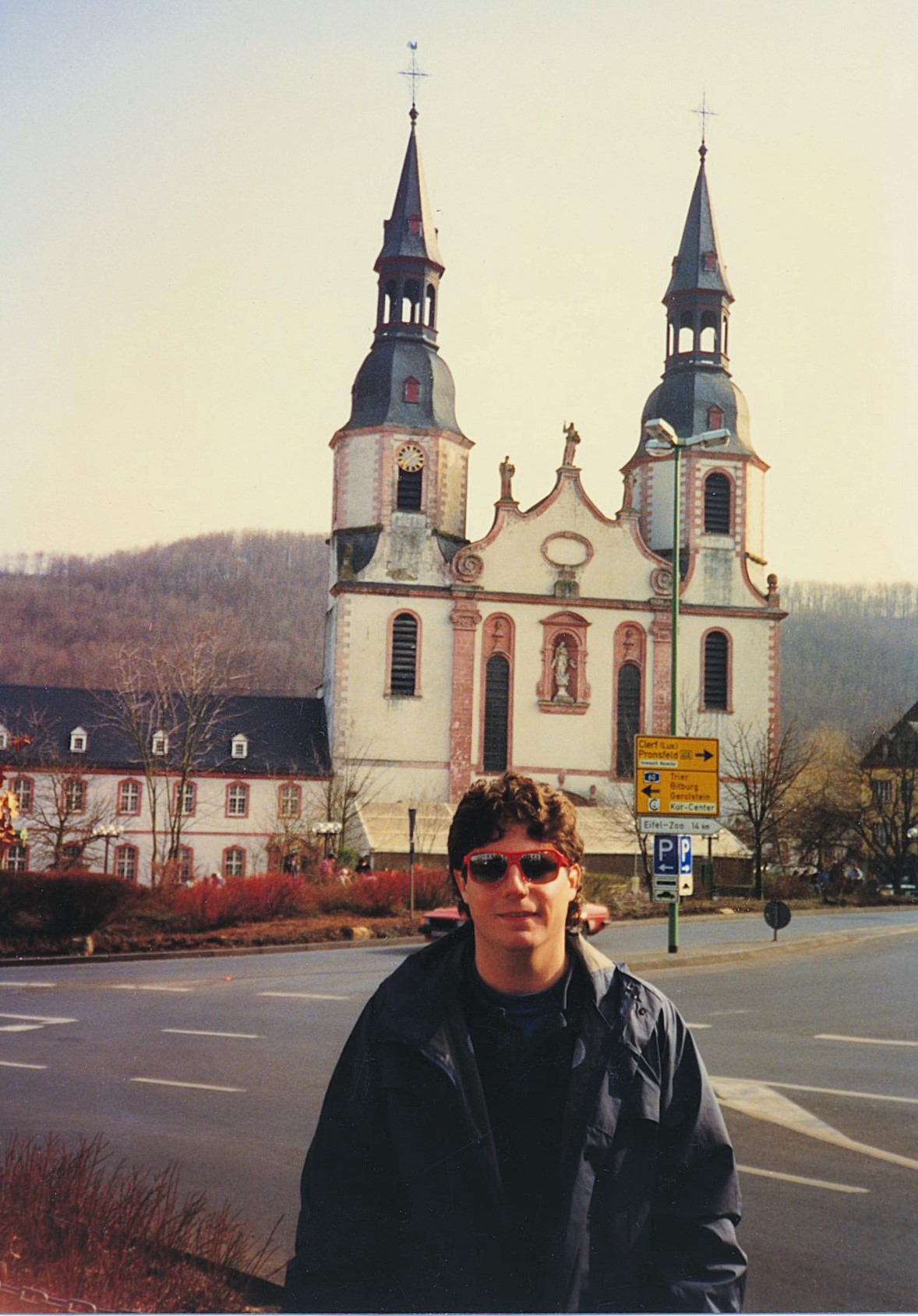
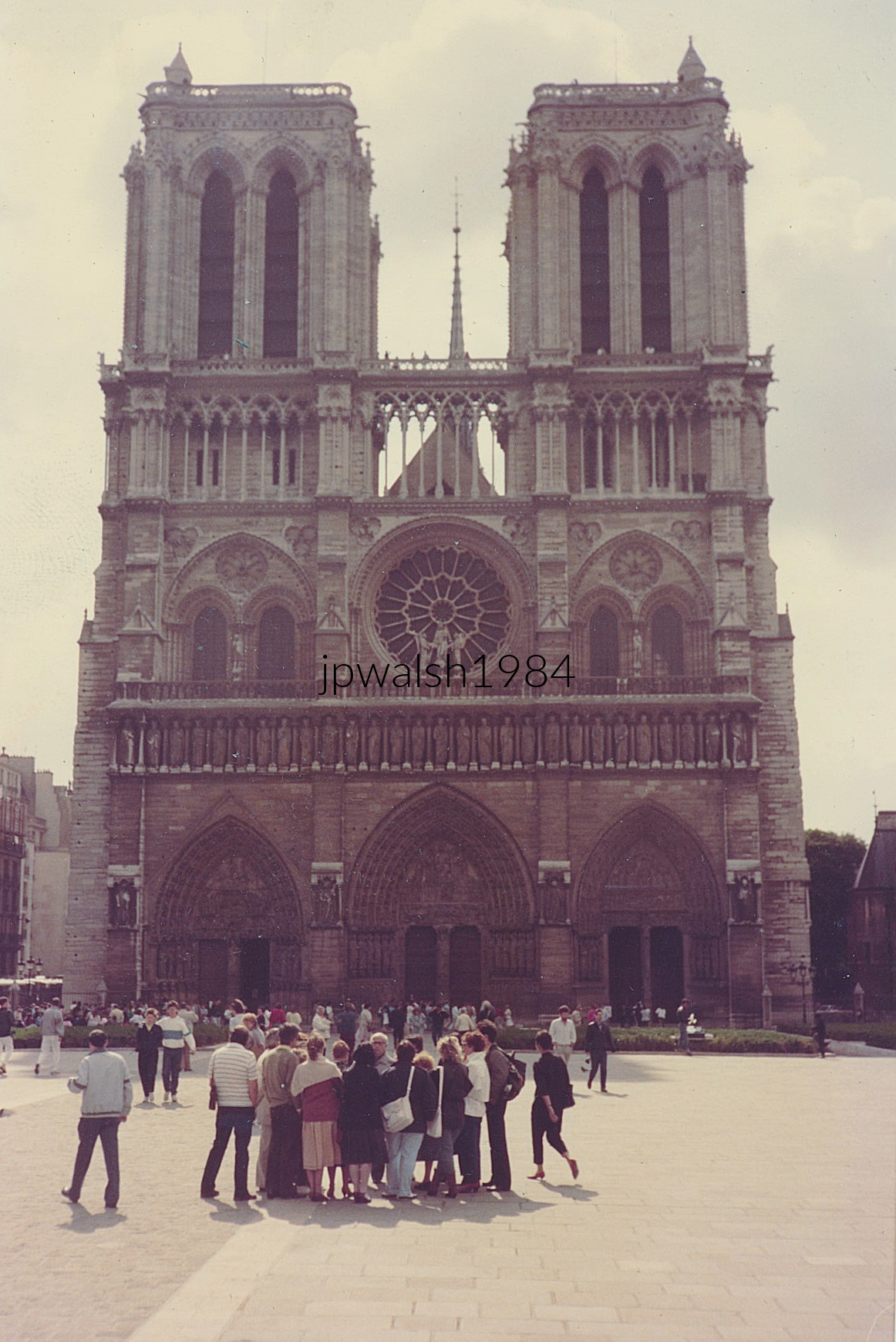
Fontaine des Mers https://www.youtube.com/watch?v=2mFXE5w2bZwMay 2005. Medici Fountain (1630), Luxembourg Gardens, Paris, France. Along with a Left Bank palace built for Marie de’ Medici (1575-1642) by French architect Salomon de Brosse (1571-1626) between 1623 and 1630, the fountain and grotto was also made at this time. It was likely the work of Tommaso Francini (1571-1651), a water works engineeer from Italy who emigrated to France in 1598 by invitation of Henry IV (1553-1610), the eventual husband (in 1600) of Marie de’ Medici. By the 19th century the fountain had had a series of owners and fell into disrepair hastened by the relocation of the court to Versailles and changing tastes as well as the eventual upheaval of the French Revolution. Attention began to paid to it again under Napoleon I (1769-1826) who had the grotto restored. By the mid 1850s the old orangerie behind the fountain was demolished as were its adjoining arcades. When Baron Haussmann (1809-1891) looked to put in Rue de Medicis in 1864 the fountain was moved about 90 feet further into the park. Its simple basin and water spout was replaced with an elongated basin and, in 1866, a sculpture of a giant Polyphemus surprising lovers Acis and Galatea by Auguste Ottin (1811-1890) was added to the fountain. A different fountain, the Fontaine de Léda, built in 1806 under Napoleon and relocated from another neighborhood, was placed directly behind the Medici Fountain that created mutually supporting walls of stone. 2.49 mbMarch 2002. Pont Marie (1635), Paris, France. Looking from the Île Saint-Louis to the Right Bank. It was the first bridge built after the aristocracy clamored for development of the island to expand their neighborhood in the early 17th century. The stone bridge is one of the oldest in Paris. The Pont-de-la-Tournelle which continued the Pont-Marie was completed in 1654 and connected the Île Saint-Louis to the Left Bank. Houses used to be built on the bridge. The structure is substantially the same since the 18th century. Each of the pedimented arches of the Pont Marie is unique with niches in abutments that have always stood empty. June 1985. Beaune, France. The man in the middle told me he had been a French soldier in combat in World War I (1914-1918). (50)February 1992. Me in Prüm, Westeifel in far western Germany. It was the site of Prüm (Benedictine) Abbey founded in the 8th century. Behind me is Sankt-Salvator-Basilika built in 1721. The remaining monastery buildings adjacent to it are now a high school. Mentioned by Pepin (714-768) in the deed of 762, the church houses the relic of the sandals of Jesus Christ. Pepin received them as a gift from the pope. Over the next centuries, the monastery became wealthy though it had its ups and downs. While its abbot was a prince in the Holy Roman Empire and ruled over dozens of towns, villages and hamlets, outside secular powers increasingly looked to take it over. Despite the monastery’s internal strife and external pressures even from the pope, its more than 50 abbots through history refused to submit until the late 16th century. Controlled afterward by the archbishops-electors of Trier, the abbey once again flourished until the French Revolution. In 1794 Prümwas occupied by French troops and annexed to France. Soon after, the monastery was dissolved by Napoleon Bonaparte and its assets sold. In the course of the 19th century, Prüm became part of modern Germany in the State of Rhineland-Palatinate. During World War II, most of the town was destroyed by bombing and ground fighting. June 1984. Notre Dame de Paris.
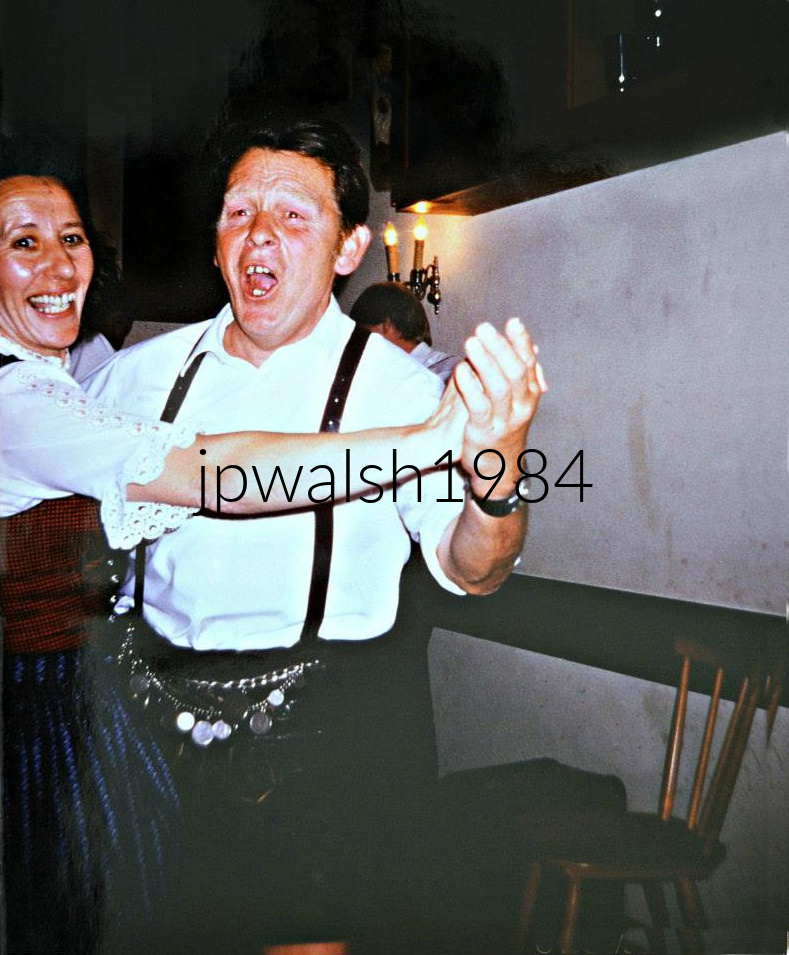
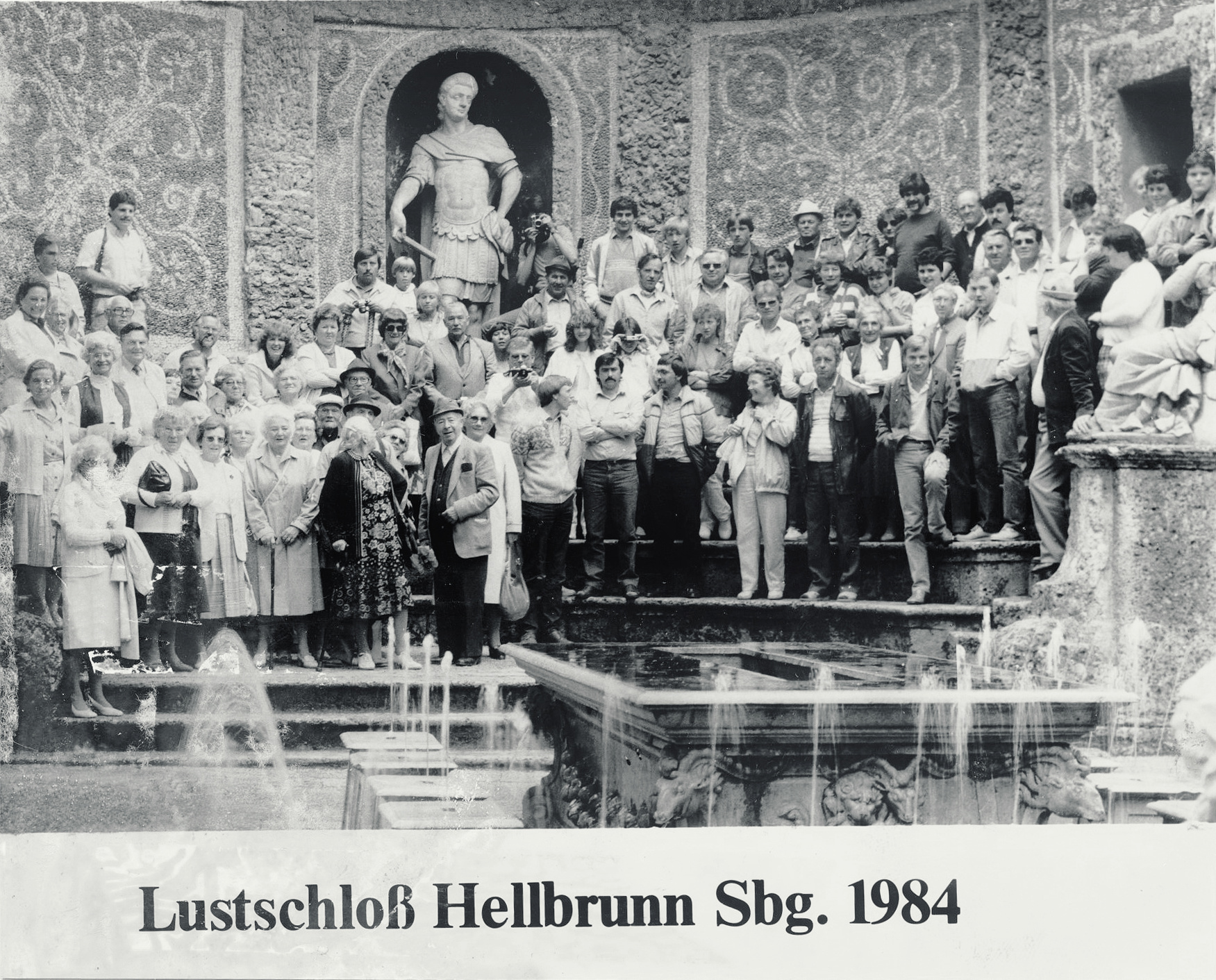
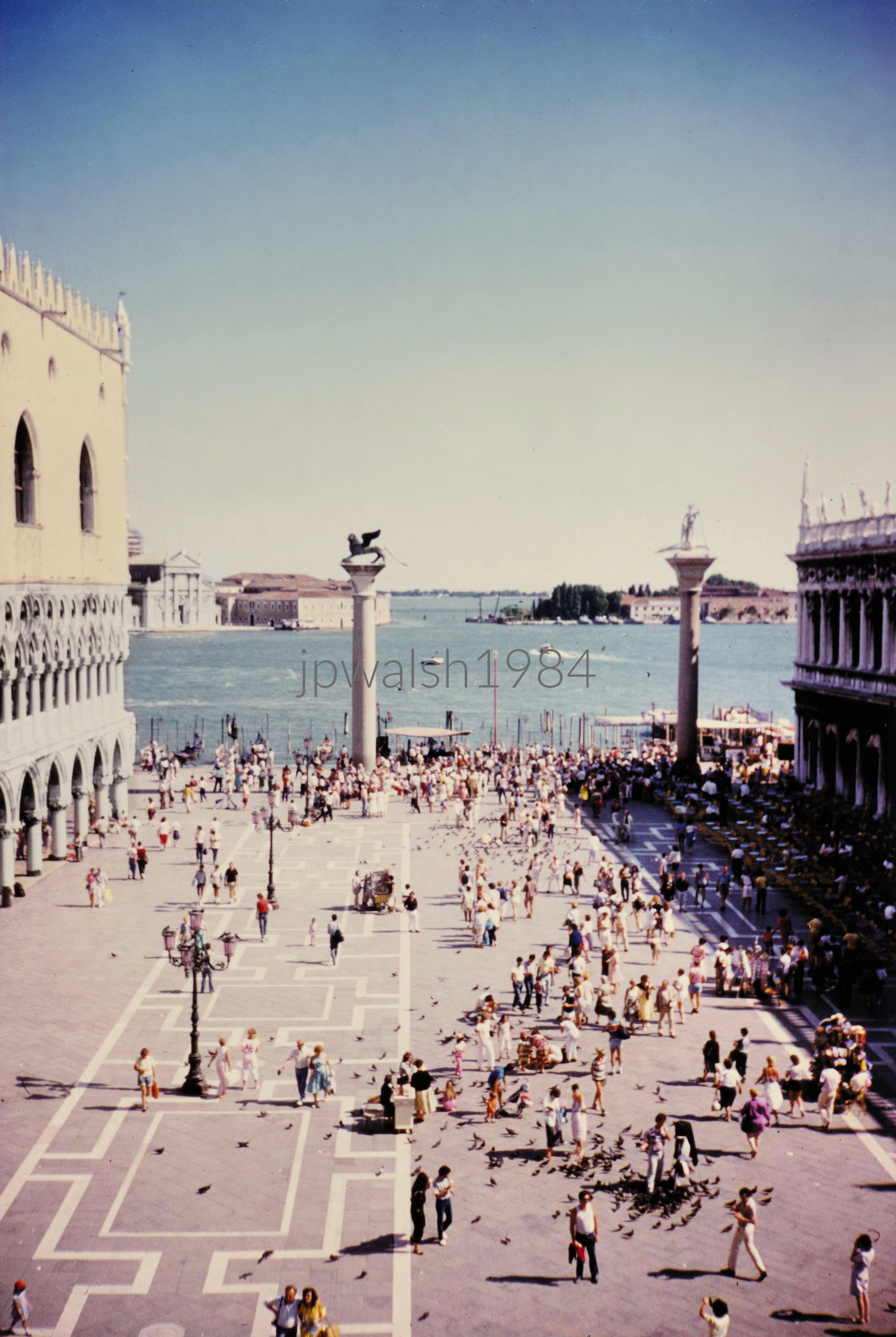
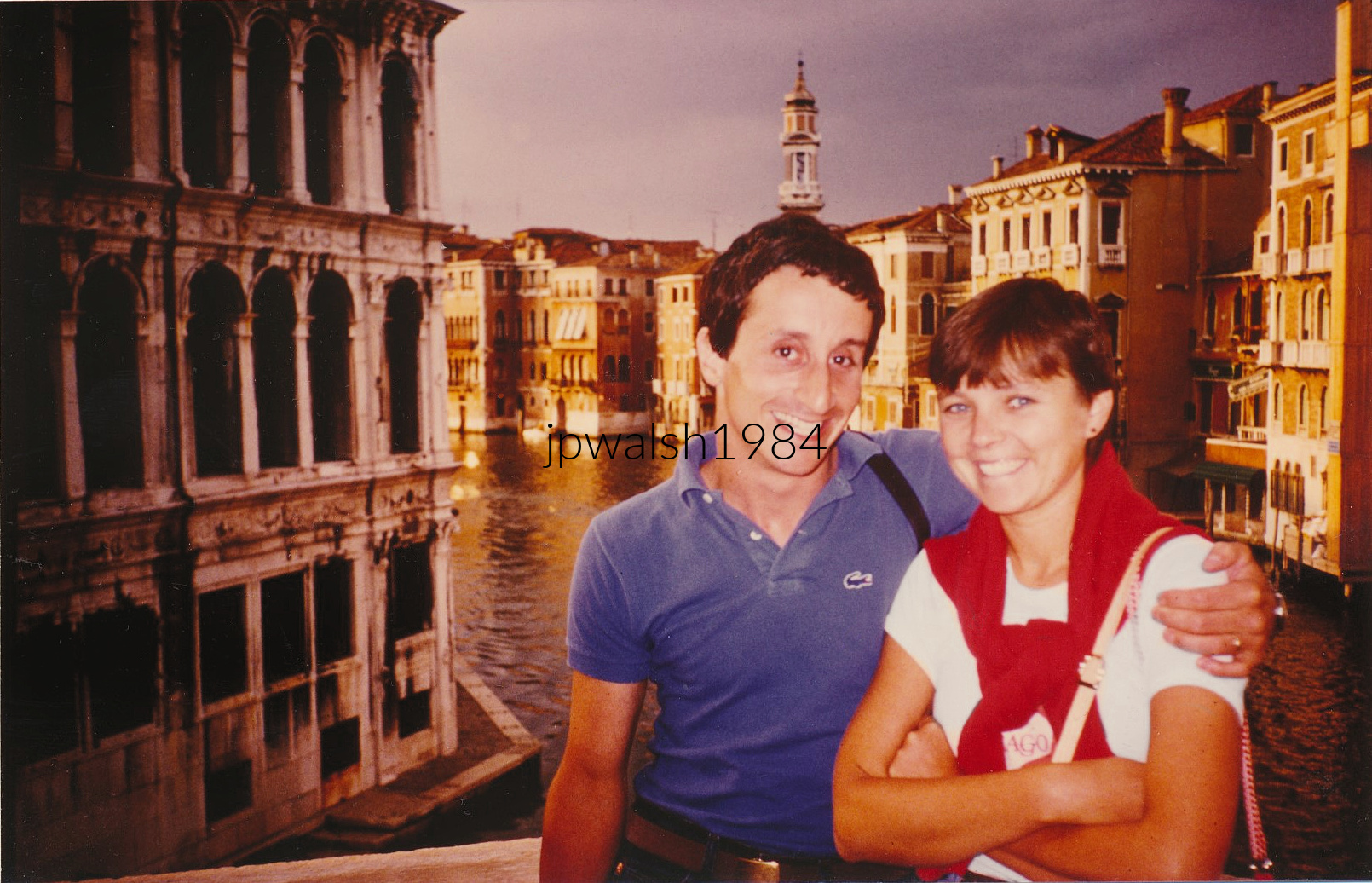
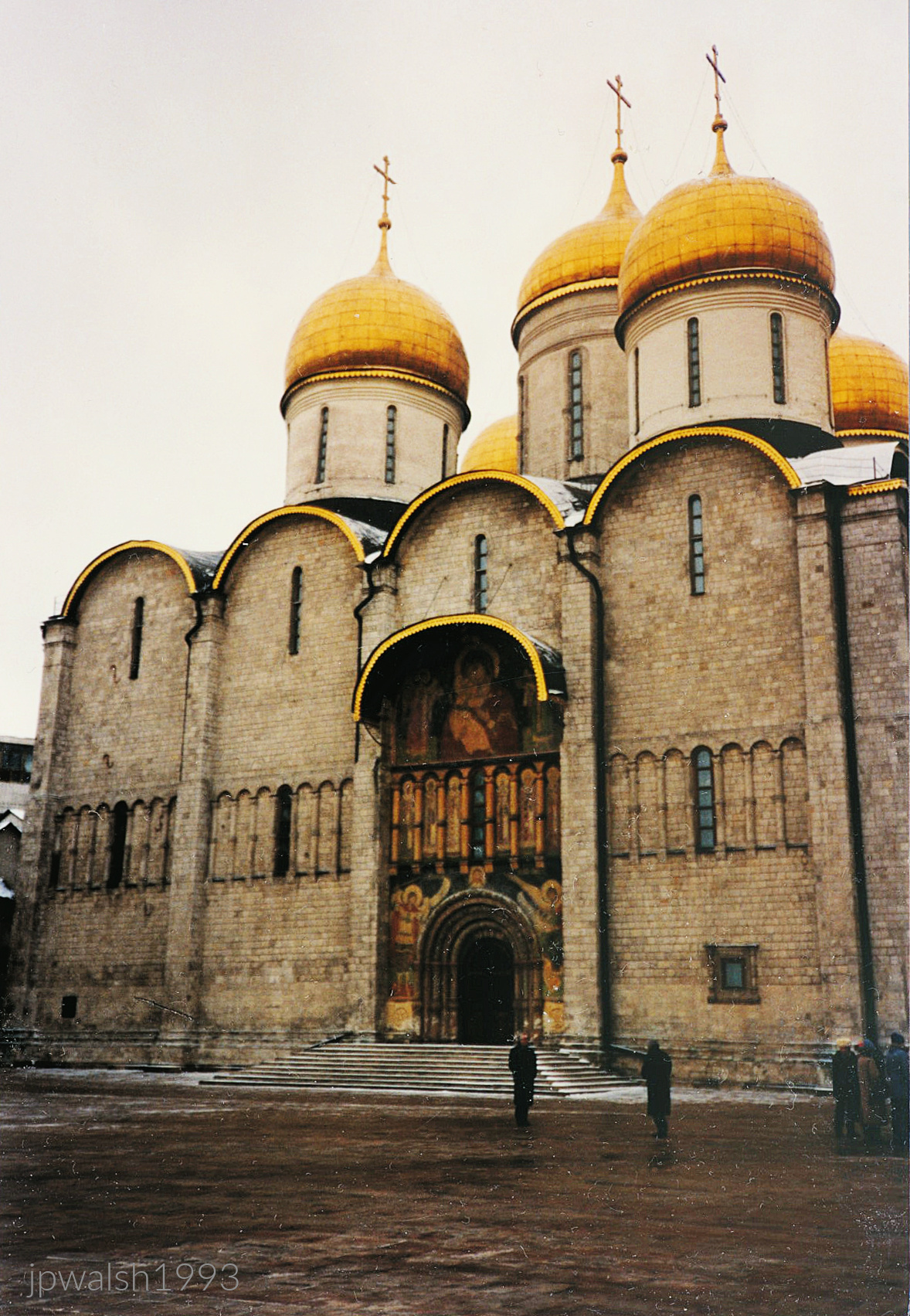
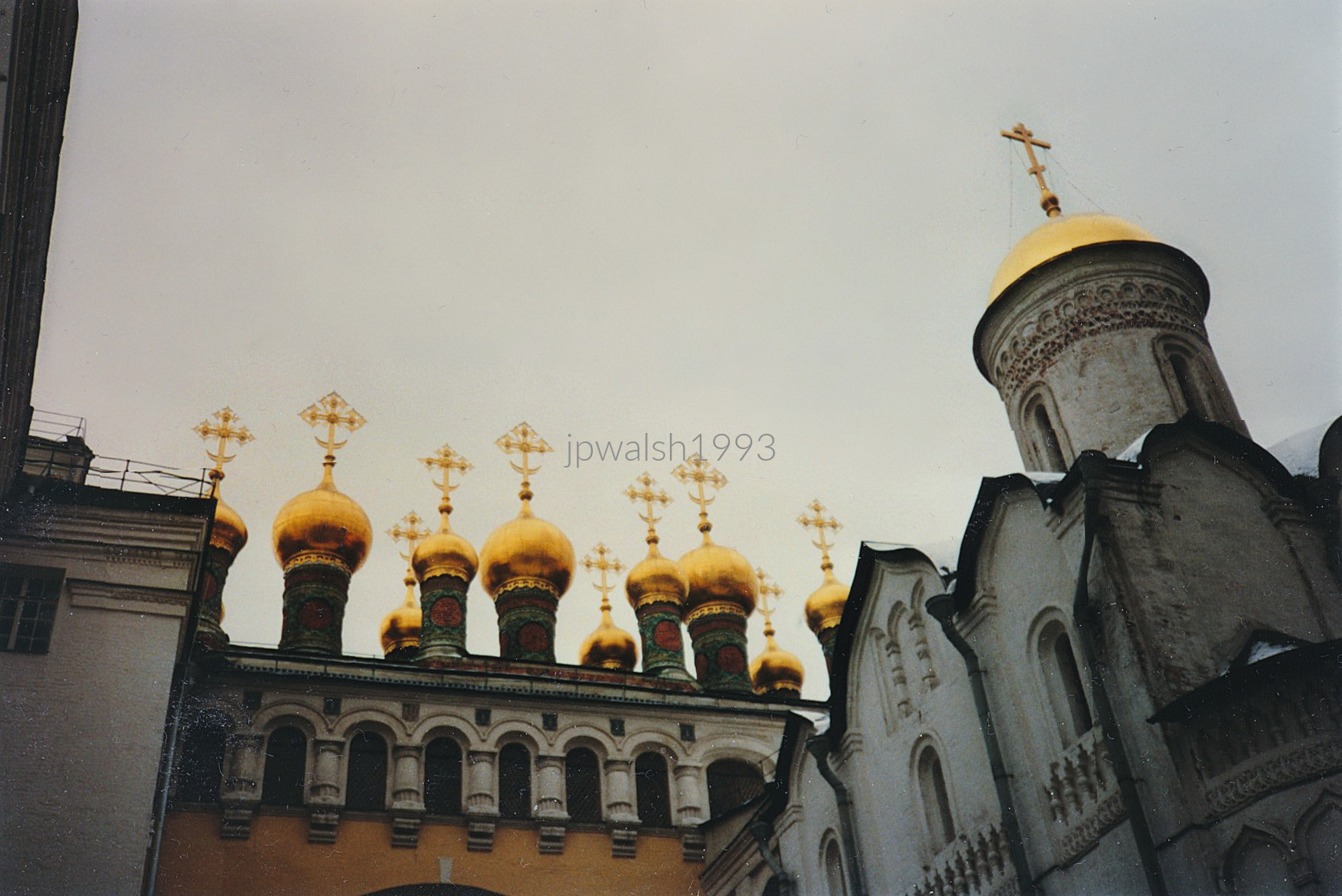
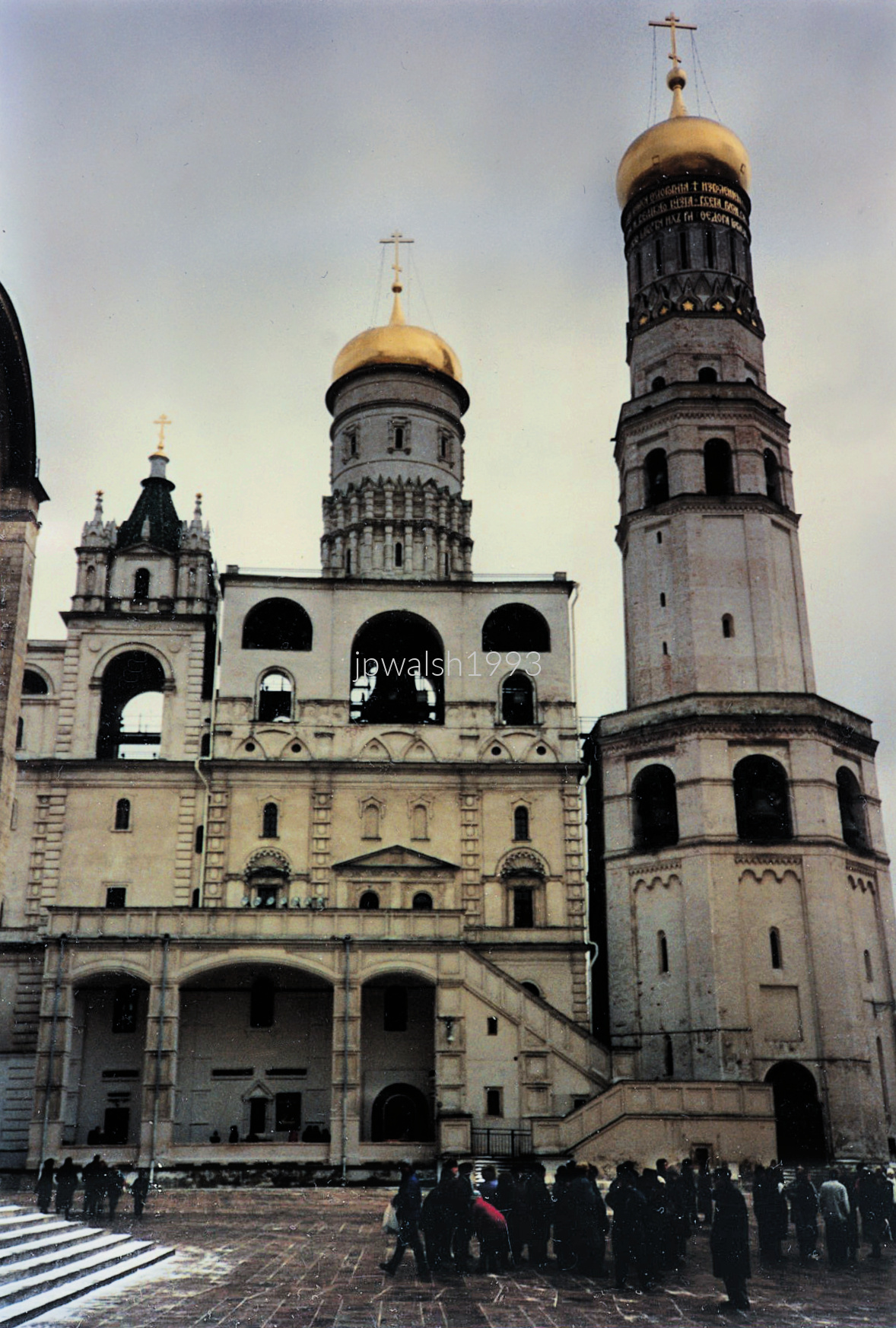
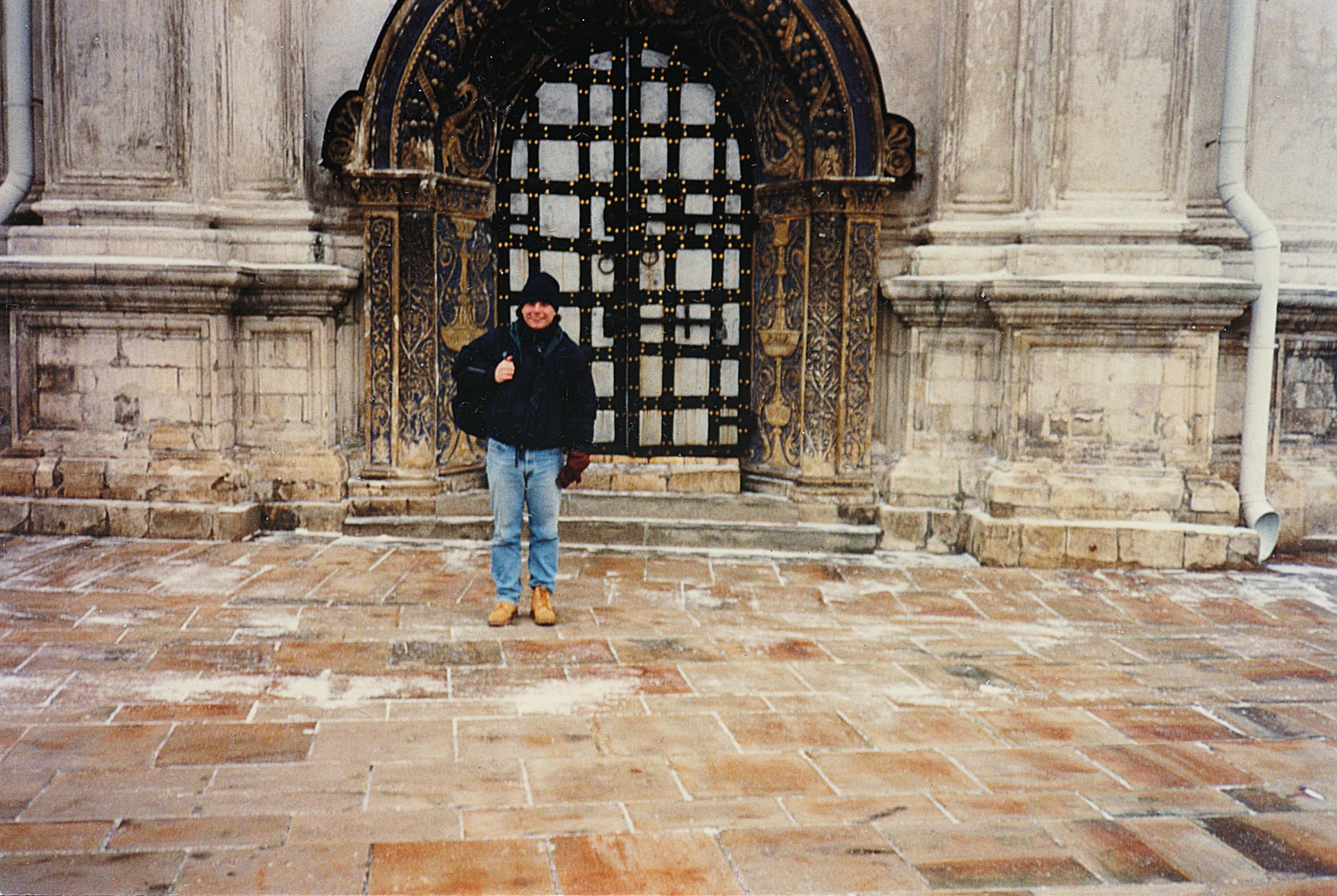
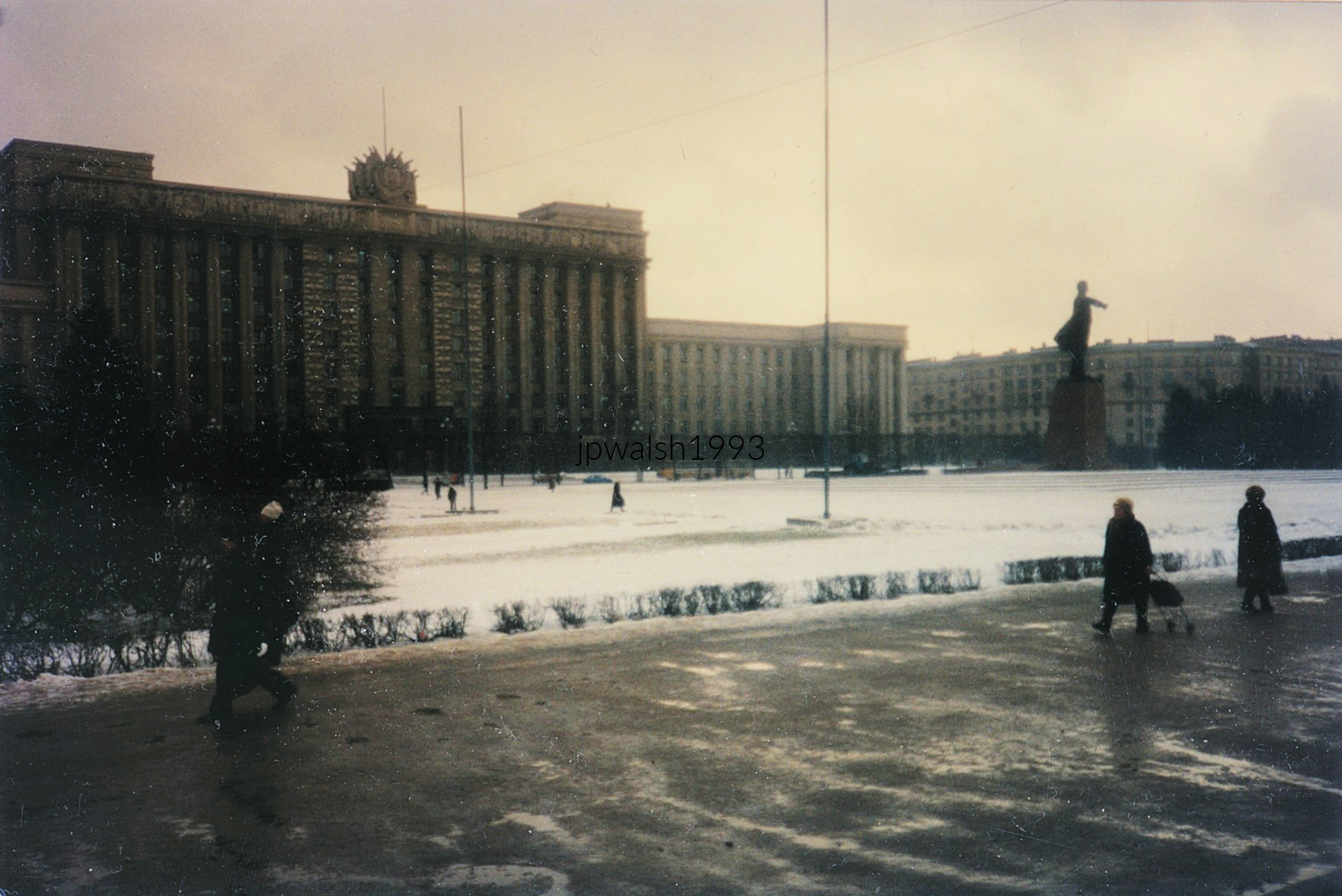
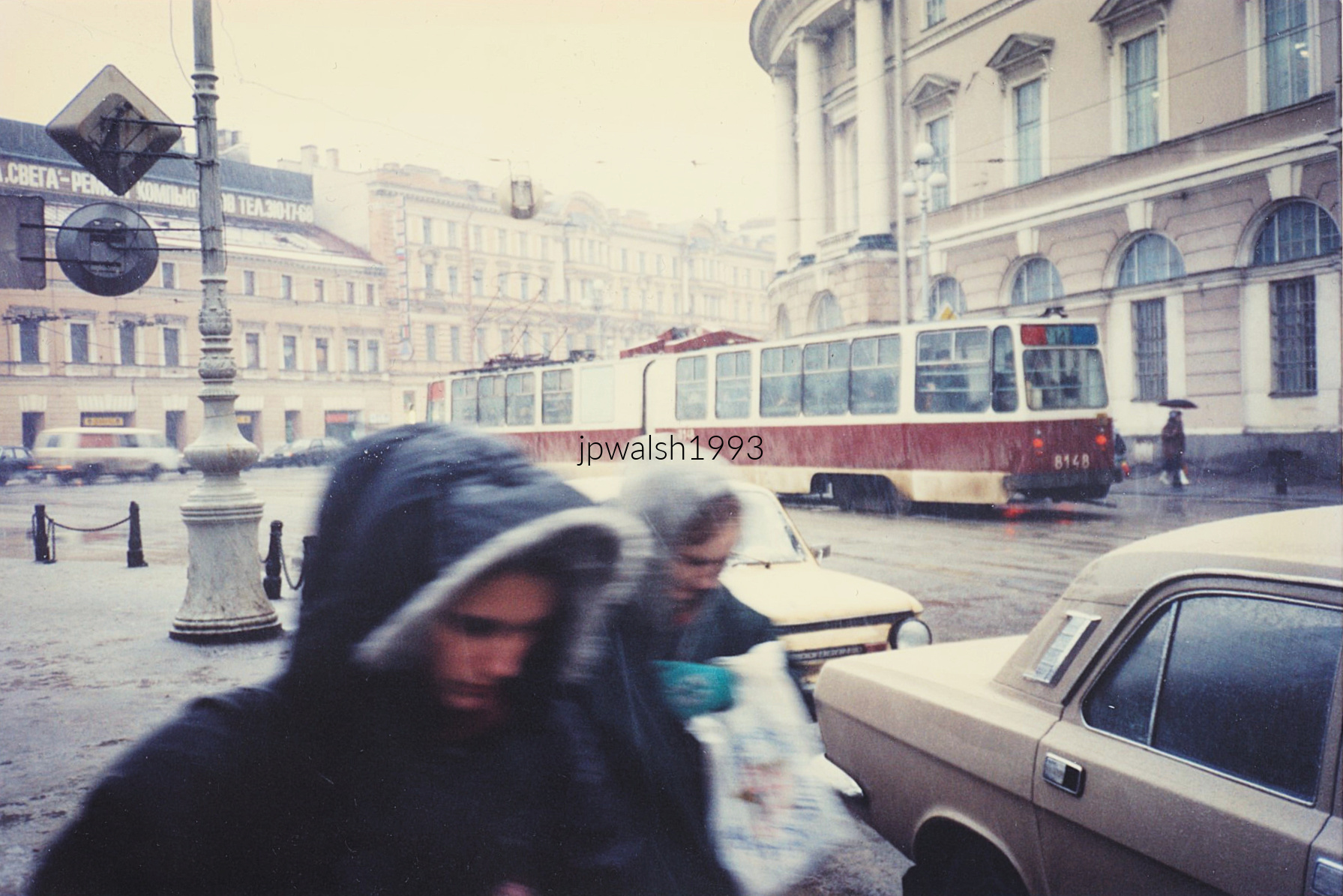
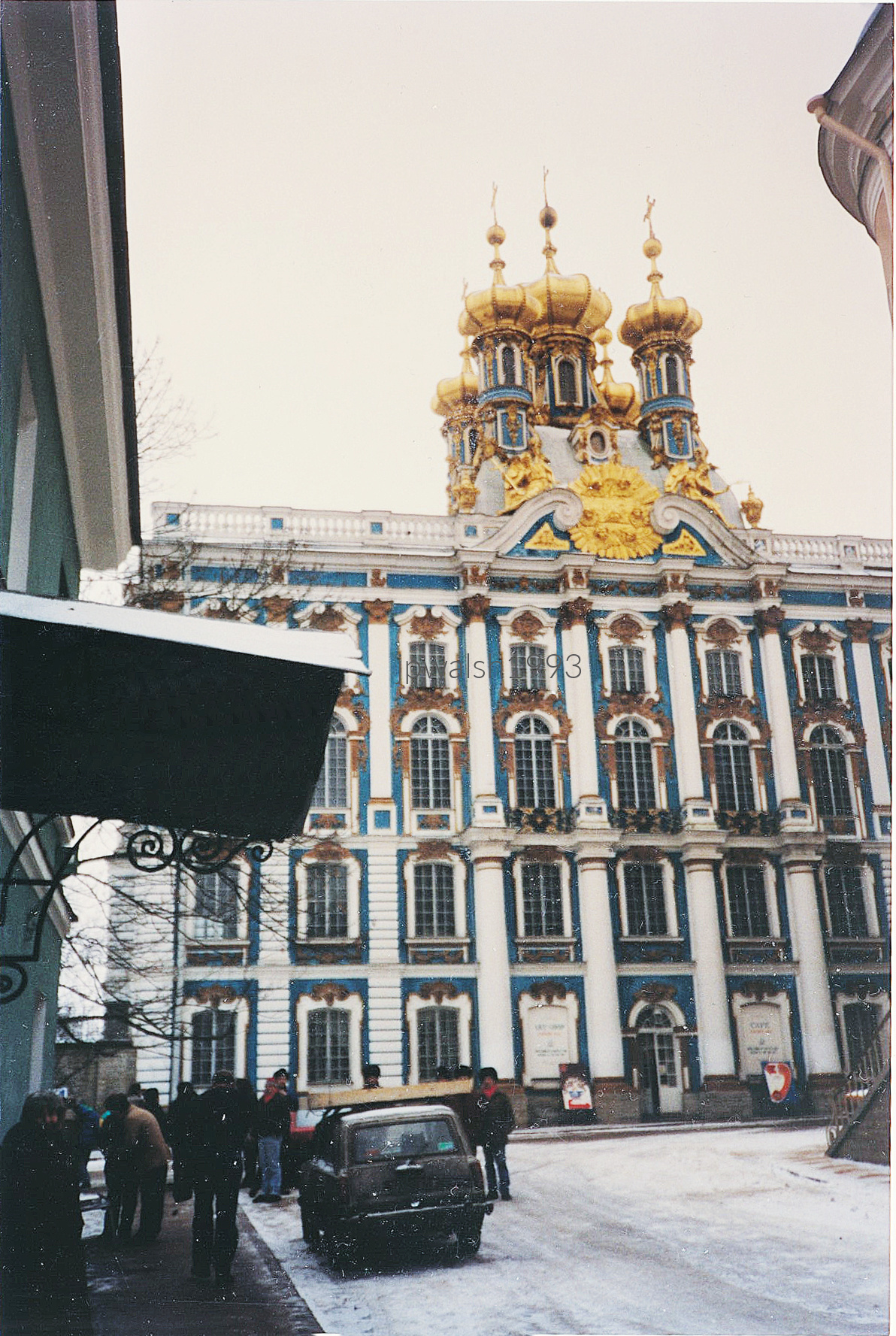
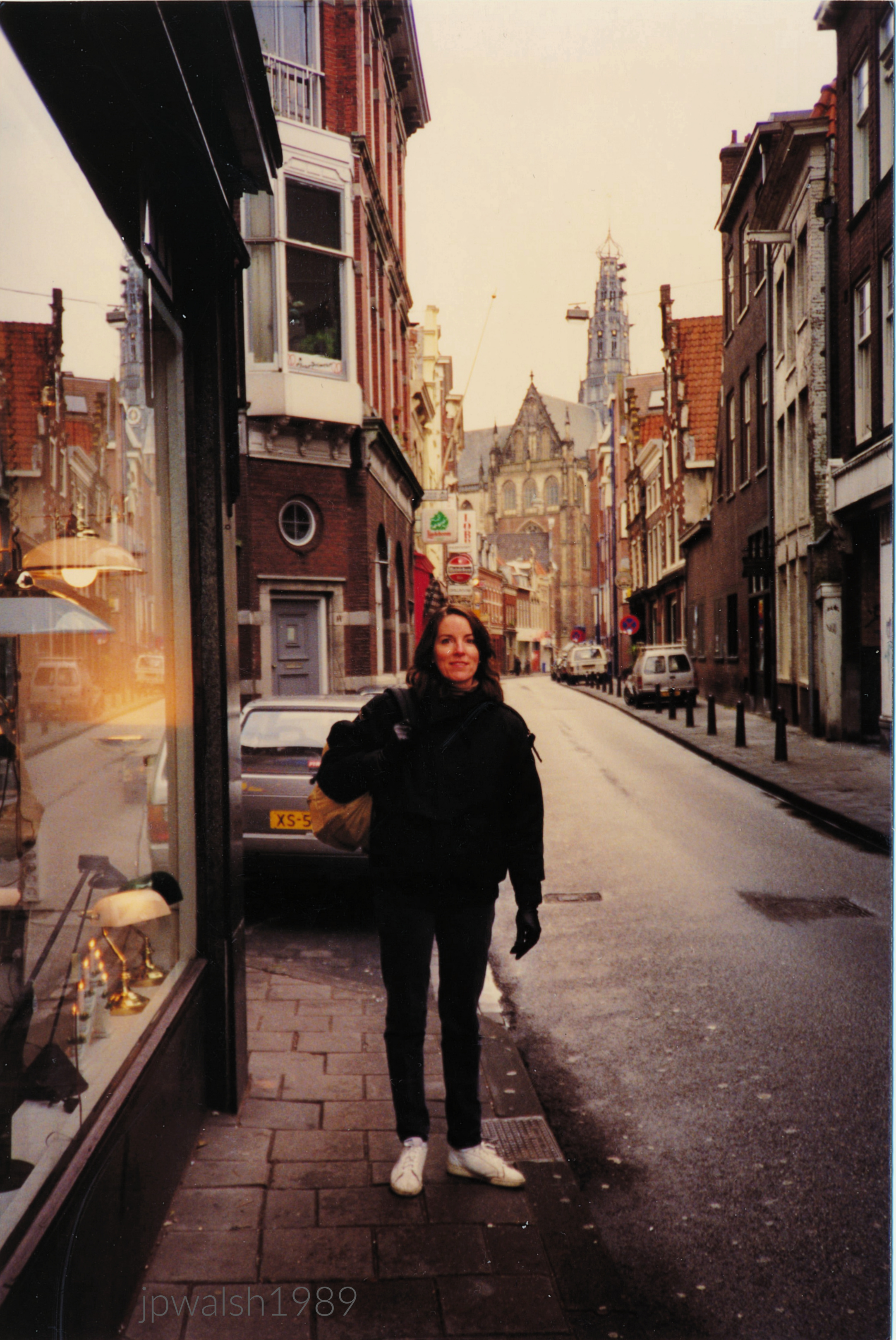
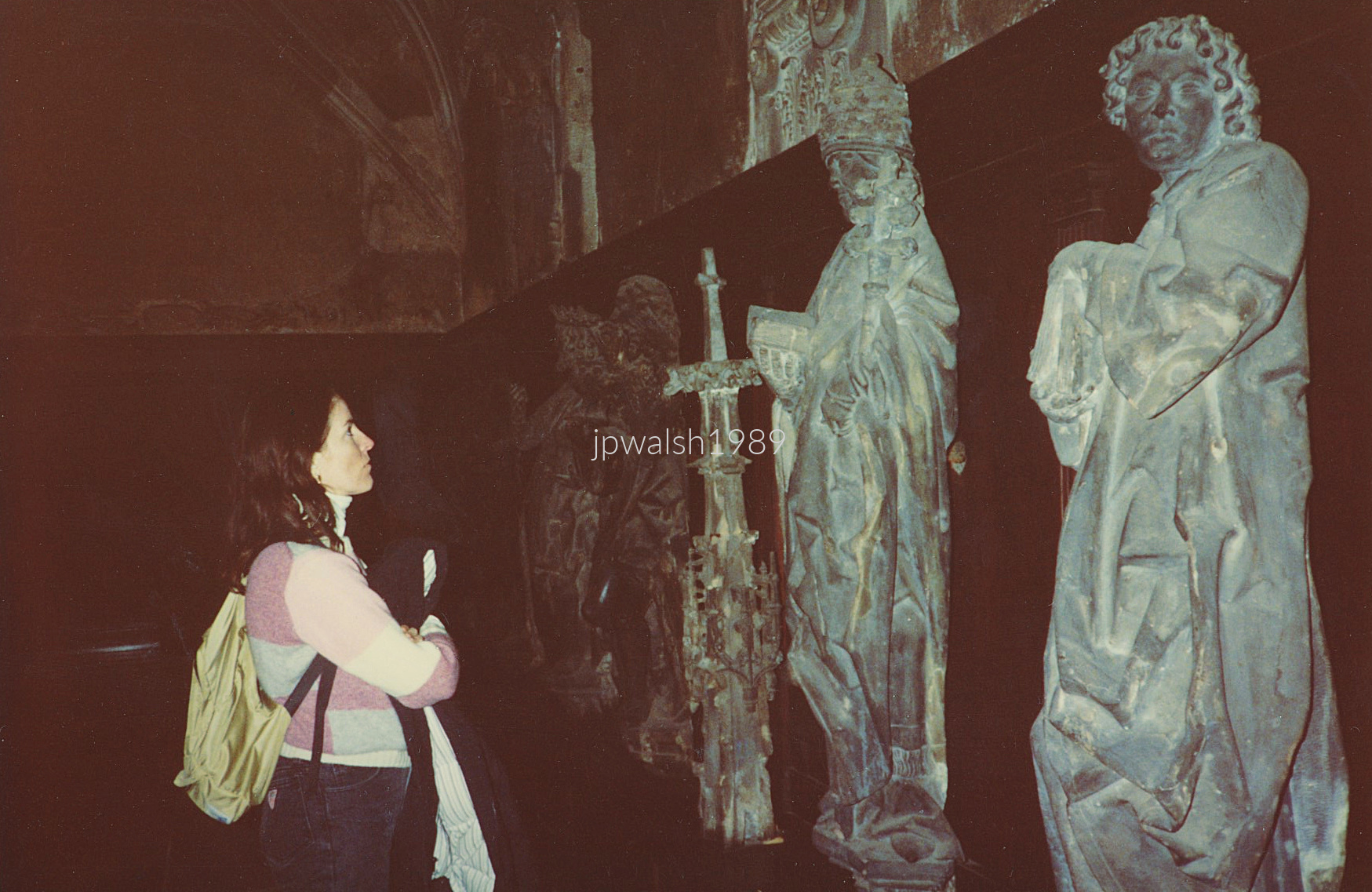
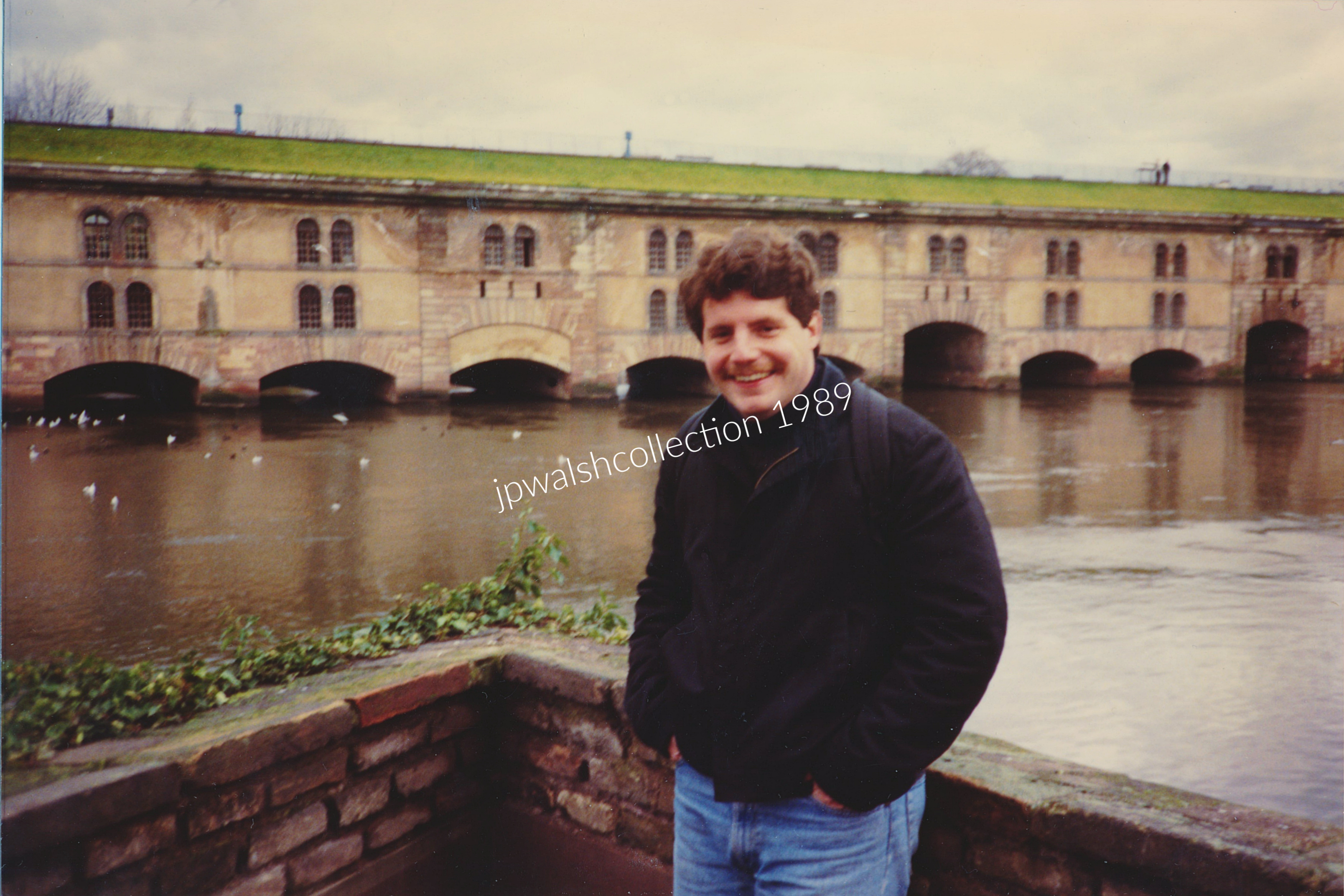
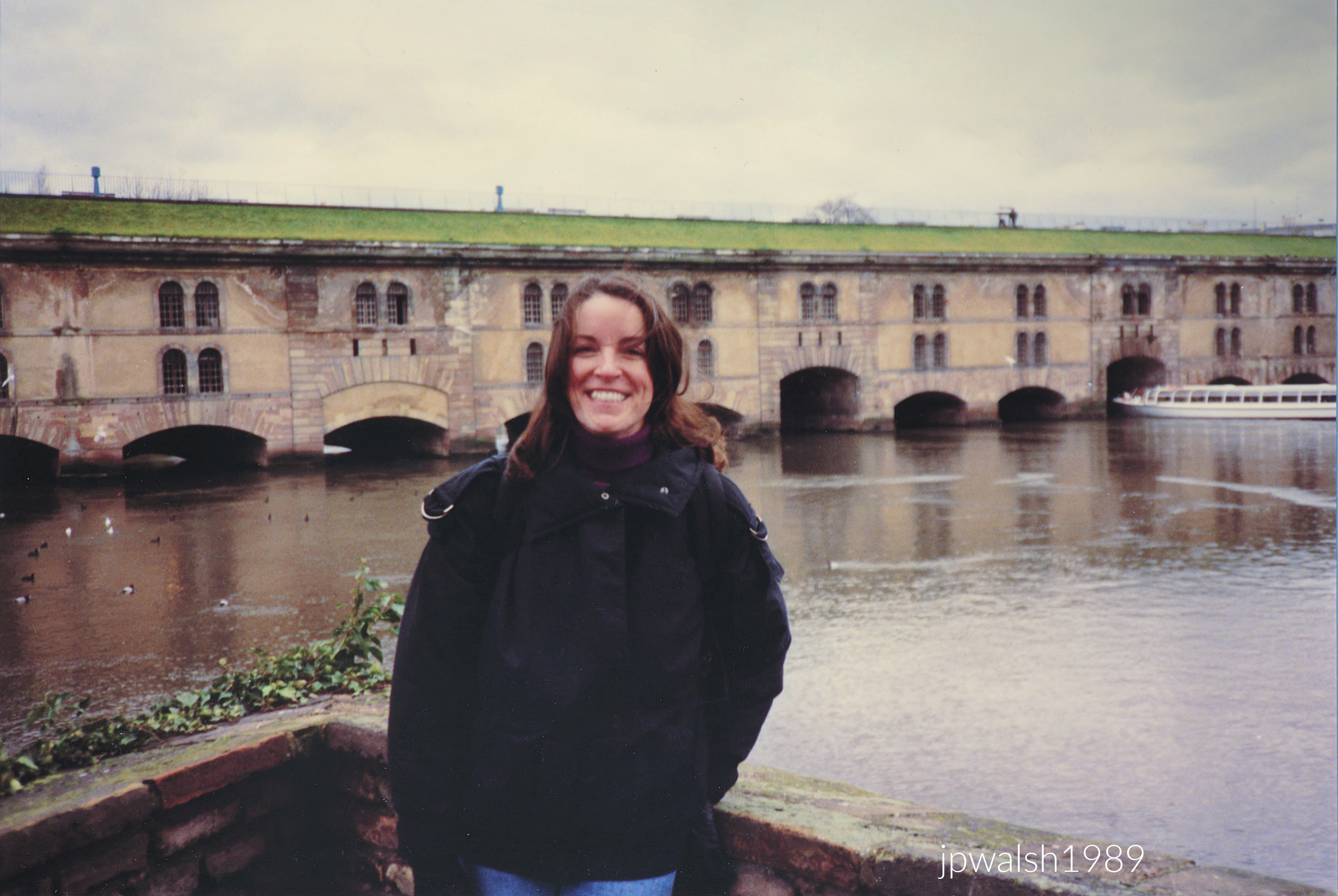
February 1992. Situated along the road to Lille is the chapel of the Ladrerie du Val d’Orcq in Tournai, Belgium, whose chevet (apse) was built in 1153. The church was enlarged in the 1690’s. Made of rubble stone and covered with a tiled roof resting on stone corbels, the chapel has retained its original appearance and is an active parish today. The charming Romanesque building bears witness to a large medieval leper colony called ‘Bonne Maison du Val’ that was dependent on the Tournai magistrate and cathedral chapter of canons and destroyed under Louis XIV (1638-1715). The small open portal in the west façade is characterized by its harped jambs and basket-handle arch and is surmounted by a niche of the same shape. The roof of the nave is crowned by a square bell tower with a pyramidal roof. The sanctuary was classified as an official historic monument in 1936.September 1993. Me in Nevers, France, at the Loire River next to its 12th century ramparts. July 1984. Pitter Keller, Salzburg, Austria. Dr. Len Biallas and his wife Martha took me there one night after a day of car touring for dinner and festivity. July 1984. Steps directly above the “Sound of Music” steps in the Mirabell Palace Gardens. Salzburg, Austria. 3.12mbJuly 1984. Part of the waterpark at Schloss Hellbrunn near Morzg south of Salzburg, Austria. I am standing at left with a bearded Dr. Len Biallas and his wife Martha seated nearby. The palace was built in 1613–19 by the Prince-Archbishop of Salzburg and used as a daytime villa. It is a ten-minute car ride or less than one hour’s walk from Salzburg’s city center. The schloss is famous for its jeux d’eau (watergames) on the grounds, including this one where, as shown, water sprays out of the stone seats of guests who would be dining at the stone table to the amusement hopefully of all. Greek and Roman mythology plays a main role in the fountains which is expressive to the Mannerist zeitgeist. July 1984. Halstaat, Austria on the Hallstätter See and the steep slopes of the Dachstein massif. The town lies on the national road linking Salzburg and Graz in the Salzkammergut region. July 1984. Piazzetta San Marco, Venice, Italy. Between the Palazzo Ducale (Doge’s Palace) and the Biblioteca Marciana (St. Mark’s library), Piazzetta San Marco connects the Piazza S. Marco to the lagoon. The original pair of granite columns were erected in 1268 (these are copies). Atop one is St. Theodore and the other is the winged lion, the symbol of St. Mark. Across the lagoon is the Church of San Giorgio Maggiore designed by Andrea Palladio (1508-1580) and built between 1566 and 1610. This photograph was taken from the upper story of St. Mark’s Basilica. July 1984. Grand Canal from Rialto Bridge, Venice, Italy. July 1984. Newlyweds on the Rilato Bridge in Venice, Italy. I was taking photographs from the oldest bridge in Venice (built between 1588-1591) when I recognized by happenstance a fellow teacher from Loyola Academy standing there. Phil was with his wife and they were on their honeymoon. January 1993, Moscow, Russia.Just east of the Great Kremlin Palace in Moscow, Russia, is Cathedrals Square. Facing the river is Assumption Cathedral. The church was the coronation cathedral of the czars and the burial place of the patriarchs. In 1812, French Enlightenment dictator Napoleon (1769-1821) used the church as animal stables and its religious icons were used as firewood to burn the city. The invading marauders also stole over 1000 pounds of gold and silver from this church. Built by Ridolfo “Aristotele” Fioravanti of Bologna (c. 1415- c. 1486) between 1475 and 1479, the five-dome, six-column structure is the largest church in the Kremlin. Its architectural style is traditional Russian from the Vladimir-Suzdal princedom (1157–1331) with its stylish curved zakomara gables at the tops of the walls and the “column belt’ at midwall. Though a highly rational design the Italian renaissance architect harmonized its proportions to be light and airy throughout. The frescos are a later addition (1500 and 1642). January 1993. Moscow, Russia. Assumption Cathedral. Northern portal. The church was thoroughly restored in in the 1890’s and 1910’s. Following the 1917 Russian Revolution, the new Bolshevik government closed all churches in the Moscow Kremlin, and converted the cathedral into a museum. Vladimir Lenin permitted its final Easter service to be held in 1918. In 1991 the church was fully restored to the Russian Orthodox Church. January 1993. Moscow, Russia. Eleven-domed Church of the Nativity, the oldest church inside the Kremlin (1394), and the Church of the Deposition of the Robe (Timia Esthita) of the Holy Virgin (1486). Both in Cathedrals Square and now part of the Kremlin Museums. Once 11 churches stood in the Kremlin. Today there are six. The Robe of the Theotokos (“Mother of God”) entered history in 473 A.D. and is believed to have protected 9th century Constantinople and 15th century Moscow from attacks. The relic is maintained today in a museum in Zugdidi in Western Georgia. Originally, the Church of the Deposition of the Robe served as the private chapel of the Patriarch of Moscow and all Rus’. During the mid-17th century, the Russian royal family took it over.January 1993. Moscow, Russia. The Archangel Cathedral named for St. Michael the Archangel. It was built between 1505 and 1509 by Alevisio Novi of Milan invited to work in Moscow by Ivan III of Russia (1440-1505). The architect’s first and principal work in Moscow was the Archangel Cathedral which was the burial place of Muscovite rulers from Ivan Kalita (c. 1288-c.1341) to Aleksey MIkhailovich (1629-1676). The cathedral’s elaborate Northern Italian Renaissance decorative detail was extensively copied throughout 16th-century Russia. Inside the church the icon of the archangel Michael is attributed to Andrei Rublev (c. 1360- c. 1430). January 1993. Me at the door of the Archangel Cathedral, Kremlin, Moscow, Russia. January 1993. Moskovskaya Ploshchad (Moscow Square) is a major square in St. Petersburg (formerly Leningrad) in Russia. The House of Soviets stands in the square. Built between 1936 and 1941 the building has been described by Stephen Sennott (Encyclopedia of Twentieth Century Architecture, 2004) as “the purest form of totalitarian monumentality.” The architect was Noy Trotsky (1895-1940) who adapted his constructivism to Stalin’s preferred neoclassicism. Also planned for the square was a Palace of Youth, a Palace of the Red Army and Navy, and triumphal arches but only the House of Soviets was built as development was interrupted by the onset of World War II. In front of the House of Soviets stands a monument to Lenin on a granite pedestal placed in the square in 1970. The House of Soviets was constructed to accommodate the Soviet of People’s Deputies, at the time the main legislative body of the city. It is the largest office building in St. Petersburg and one of the largest in Russia. Its main facade is 220 meters long and 50 meters high. The height of the emblem of the RSFSR (Russian Soviet Federative Socialist Republic) on the roof of the building is 11 meters. This House of Soviets was on the front line when the Nazis invaded and besieged the city in 1941.January 1993. Palace Square, St. Petersburg, Russia. The Winter Palace (1754-1762) was the winter residence of the czars until the early 20th century. It was designed by Francesco Bartolomeo Rastrelli (1700-1771), an Italian architect born in Paris who moved to St. Petersburg in 1716. Rastrelli also designed Smolny Convent (1748-1764) in St. Petersburg. The interior has been redone several times by various architects. In the center of the square rises the Alexander Column designed by Auguste de Montferrand (1786-1858) and constructed between 1830 and 1834 as the architect was in the midst of erecting St. Isaac’s Cathedral (1816–1858). The red Finnish granite column and base rises 154 foot in the air and commemorates Russia’s victory over Napoleon in the War of 1812. It weighs around 700 tons. The angel at the top has the face of Czar Alexander I (1777-1825) and symbolizes peace in Europe following the defeat of Napoleon. To the Czar’s ordinary subjects, the Winter Palace was seen as a symbol of Imperial power and has been at the center of some of Russia’s most momentous events in modern history. Three stand out as watersheds in Russian history – namely, the Bloody Sunday massacre in 1905; the opening of the first State Duma in 1906; and the capture of the palace by revolutionaries and declaration of it as part of the Hermitage public museums in 1917.January 1993. Street scene, Russia. january 1993. Russia right after the fall of the USSR (1917-1992). January 1993. Catherine Palace, royal palace of Catherine the Great (1729-1796) in Tsarskoe Selo (“Tsar’s Village”), today Pushkin, near St. Petersburg, Russia. Pushkin is 15 miles south of St. Petersburg. Catherine the Great used the palace every summer and used architect Charles Cameron (1745-1812) to remodel some of the rooms in neoclassic style. Much of the palace and its contents were lost in World War II with restoration slowly taking place afterwards. The palace was begun in 1718 by Johann Friedrich Braunstein (d. after 1718) built for Catherine I Alekseevna Mikhailova (1684-1727), second wife and consort of Peter the Great (1672-1725). She succeeded him as Empress of Russia, ruling from 1725 until her death in 1727. During the reign of Peter the Great’s daughter, Empress Elizabeth (1709-1762), Imperial architect Mikhail Zemtsov (1688-1743) designed a new palace with work beginning in 1744. In 1745, Zemtsov’s pupil, Andrey Vasilievich Kvasov (c.1720-c. 1770), working with Savva Ivanovich Chevakinsky (1709-c.1774), expanded the palace. It was completed by Rastrelli in a full-blown baroque style that included double columns and statuary along a 326-yard wide exterior. January 1993. Catherine Palace, Pushkin, Russia. 50%. September 1993. Palais du Tau, Reims: la Salle du Goliath. Palais du Tau was the palace of the Archbishop of Reims next to the cathedral of Notre-Dame de Reims where the coronation of the kings of France took place. The palace is associated with the kings of France also since they stayed in the palace the night before the coronation ceremony and had a banquet in the palace afterwards. The first recorded coronation banquet was held at the palace in 990 and the last one in 1825. The chapel from 1207 has survived as the palace was rebuilt in Gothic style between 1498 and 1509. Jules Hardouin-Mansart (1646-1708) and Robert de Cotte (1656-1735) modified the palace to its present Baroque appearance between 1671 and 1710. December 1989. Haarlem, Netherlands. Smedestraat. In the background is the Grote Kerk or St.-Bavokerk. 2.01mb Scan_20250110 (4)December 1989. Musée de l’Œuvre-Notre-Dame, Strasbourg, France.December 1989. Barrage Vauban (1690) on River Ill, Petite France, Strasbourg, France. 1.86mbDecember 1989. Barrage Vauban (1690) on River Ill, Petite France, Strasbourg, France. 1.96 mb. The barrage built in pink Vosges sandstone is 390 foot long and has 13 arches. It was constructed by French engineer Jacques de Tirade (1646-1720) between 1686 and 1690 on the plans of his colleague, military engineer Vauban (1633-1707). Its main function was as a lock to raise the river’s water level in time of war so that land outside the city would become flooded and impassable to hostile forces. The Barrage Vauban was used for this tactic in the Franco-Prussian War in 1870. December 1989. A lunch to remember on a rainy afternoon in Beaune, France. 25%. Today it is Domaine des Vins.
May 2005. Houdan, France. The Houdan chicken is an old French breed of domestic chicken whose breeders became the royal chicken supplier to the French kings’ court at Versailles beginning with Louis XIII (1601-1643). With the onset of the railroads, it was recorded that in 1872-1873 more than 600,000 Houdan chickens were sold. During World War I, large breeders and the Houdan chicken almost completely disappeared from the scene. The breed was reintroduced in 1927. La Poularde is a gastronomique destination where we ate a memorable déjeuner that included the historic French repast. see – https://www.fondazioneslowfood.com/en/ark-of-taste-slow-food/houdan-chicken/ – retrieved March 5, 2025. 65% Scan_20210220 (56) (2).May 2005. Bièvres, France. We visited Bièvres about eight miles southwest of Paris because of its association with Symbolist artist Odilon Redon ( 1840-1916). We ate a delicious déjeuner at Tabac De Mairie, a sidewalk café at 2 Rue Léon Mignotte just outside this photograph to the left. The artist Redon and his wife Camille (née Falte, 1860-1925), were interred together in the cemetery at Bièvres. This Île-de France village ascends from a crossroads and the villagers remember the artist’s summer sojourns there after 1909. When Redon’s natal home of Peyrelebade was sold in 1897, he and Camille adopted Villa Juliette in Bièvres from Camille’s half-sister for their retreats from Paris. During World War I, Redon retreated into his native Southwest France for extended periods of time. But after his death he was brought to Bièvres. 65% Scan_20210220 (30) (2)
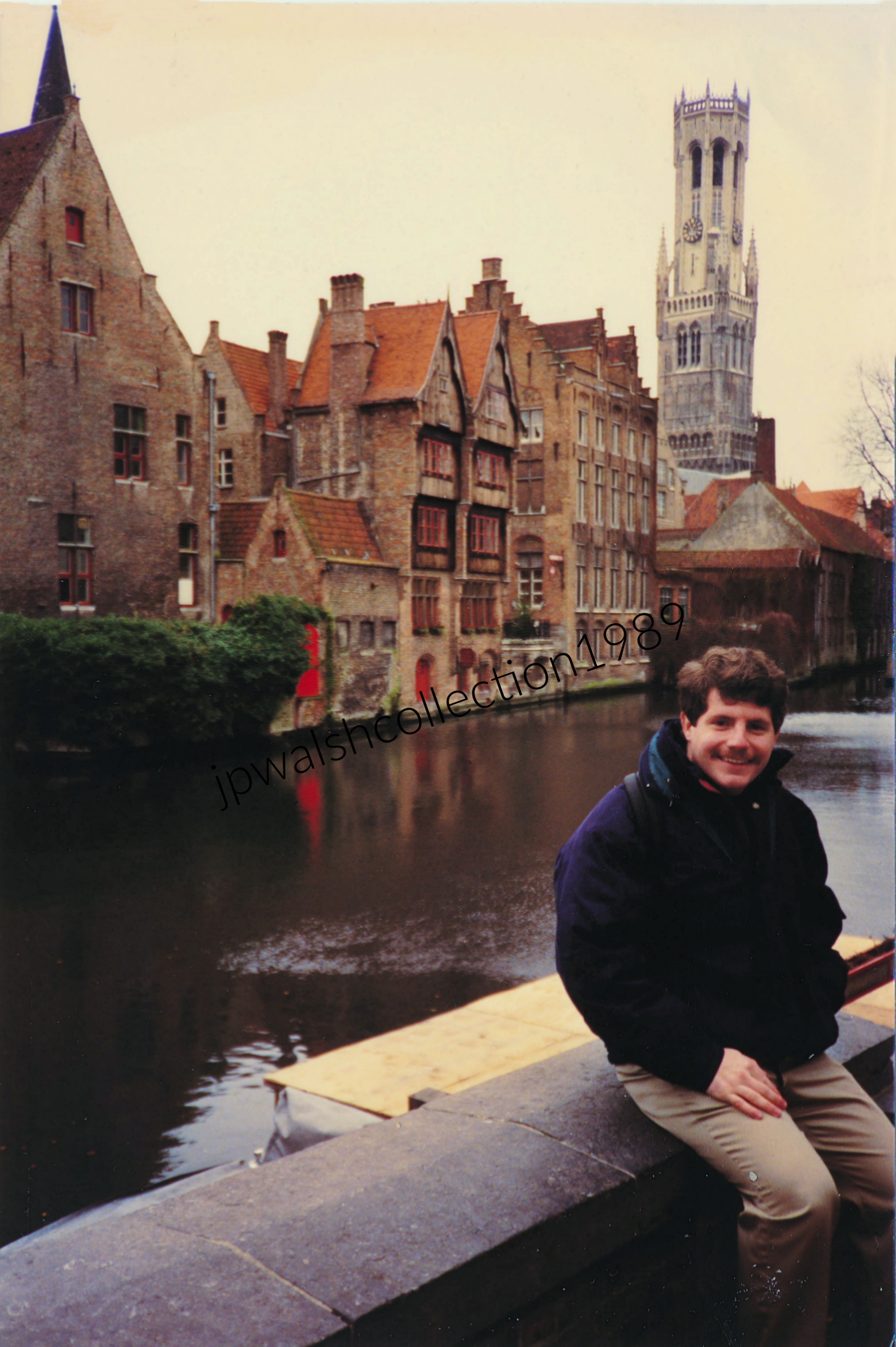
March 1992. Ash Wednesday. Sint-Baafs Kathedraal, Ghent. December 1989. Brugges, Belgium. The 272-foot-tall Belfort (belfry) from the 13th century is one of Europe’s oldest examples of medieval urban and public architecture. The tallest octagonal portion of the belfry was added in the 1480’s. In the 16th century, the tower received a carillon.1.66 mb Scan_20250110
May 2005. Western façade of Pontoise Cathédrale Saint-Maclou from Rue de la Coutellerie. The early 12th century apse is Romanesque with the mid-late-12th century vault of the ambulatory and the windows of the transept the beginning of Gothic. The flamboyant Gothic façade is 15th century. It was In 1525 that the north aisle of the church was replaced by a double aisle bordered by chapels and a portal was opened onto the Place du Grand-Martroy. In 1552 Pierre Lemercier (1552-1532), first of a prestigious family of Pontoise architects, undertook to complete the western façade tower by building the dome. In the 16th century the south aisle was bordered by a belt of chapels and large columns replaced thin medieval columns while the upper windows were rebuilt. In 1585, the pillars of the chancel were rebuilt. Saint-Maclou was about 700 years old when it became a cathedral in 1966 when Pontoise became a diocese. https://ville-pontoise.fr/la-cathedrale-saint-maclou– retrieved March 5, 2025. 1.33mb Scan_20210220 (6) (1)
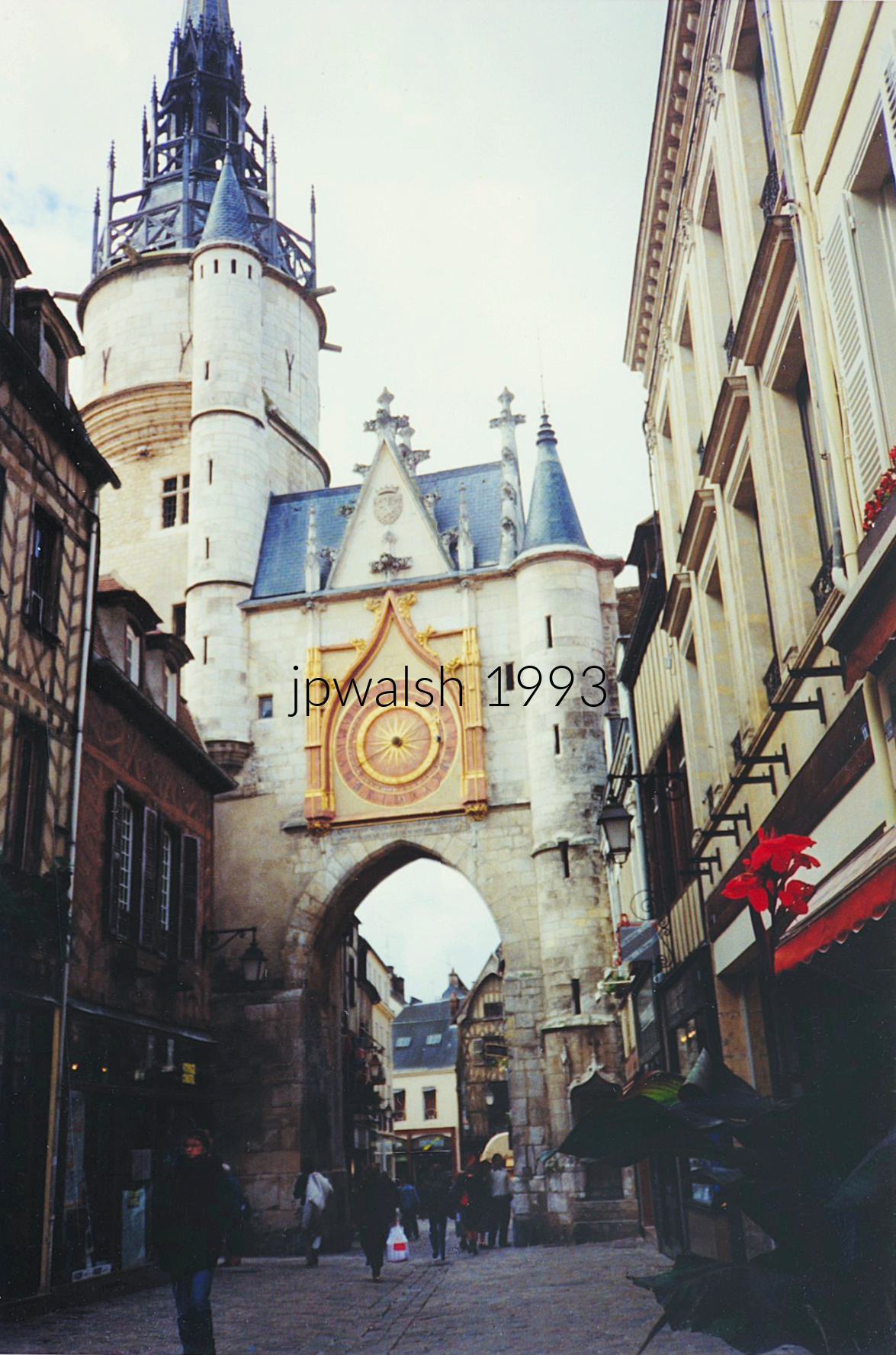
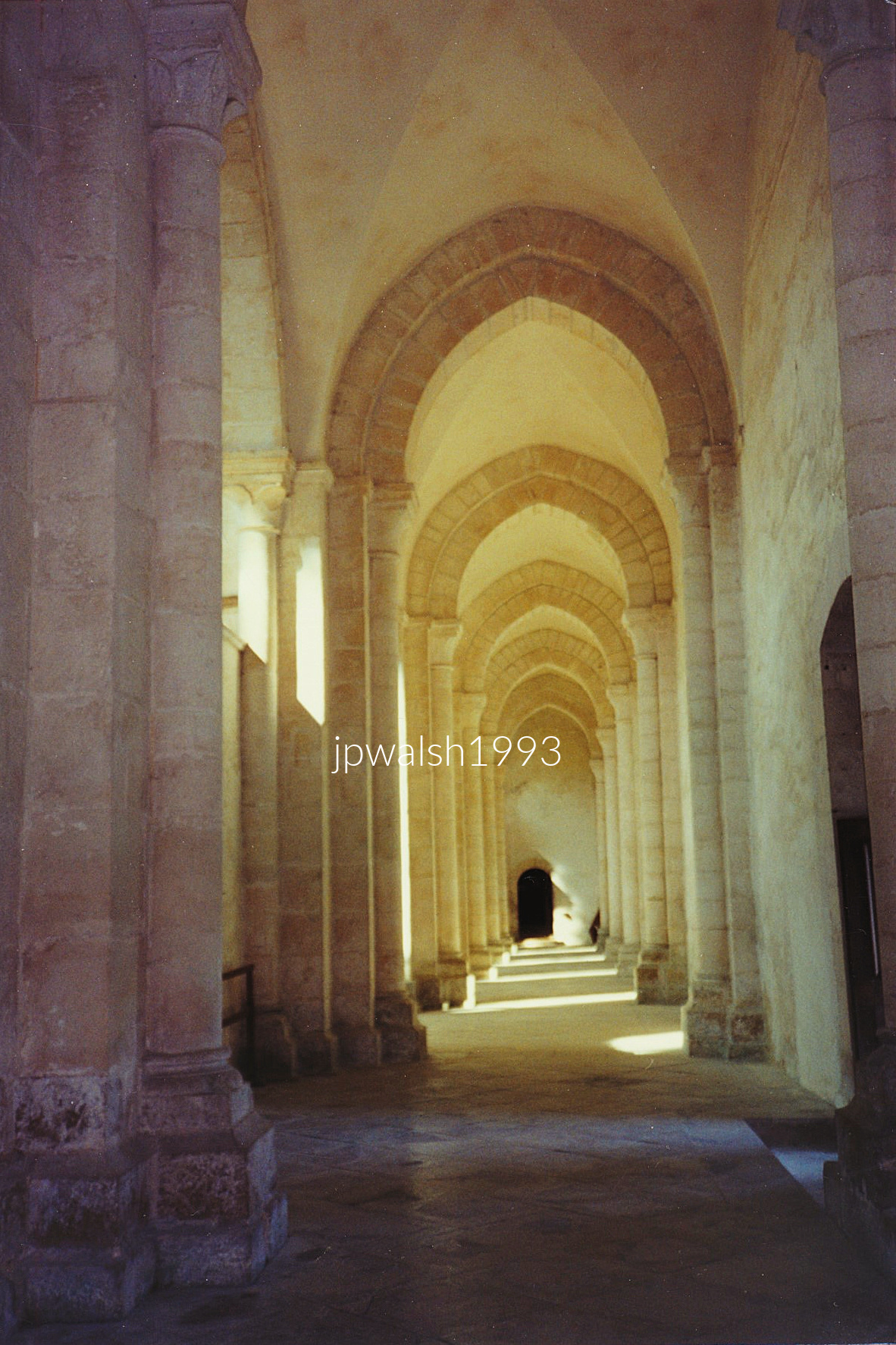
September 1993, Chapel of the Apparitions, Paray-le-Monial, France. Paray-Le-Monial is in the Charolais-Brionnais region of France (South Burgundy) about equi-distant from Autun to the north, Lyon to the southeast and Clermont-Ferrand in the south west. A Benedictine abbey was founded in Paray-le-Monial in 973 (Cluny is about 30 miles to the east) and there are many existing Romanesque churches in the region. The Cluny monks were the lords of the town until 1789. While there are notable grandiose churches and former churches in town (Basilica of Paray-le-Monial, 12th century; Tour Saint-Nicolas, 16th century), Paray-le-Monial is an international pilgrimage site for La Chapelle des Apparitions on Rue Visitation at the Convent of the Visitation-Sainte-Marie where Saint Marguerite-Marie Alacoque (1647-1690) had her four great visions of the Sacred Heart of Jesus. From humble origins, Marguerite-Marie who grew up in nearby Verosvres felt called to the convent of the Visitation, an order of nuns of mostly aristocratic background, which she entered in June 1671. An order founded by the widowed Baroness Saint Jeanne de Chantal (1571-1641), the 40 nuns in Paray-le-Monial were dedicated to practical work of serving the sick and poor of which some of these nuns in Paray-le-Monial had no vocation and few to none much use for visionaries. Here at this place on December 27, 1673 (the feast of St. John the Apostle), Christ revealed in a vision His Sacred Heart to her. With each vision Christ communicated a specific message regarding his particular revelation. In late 1674 she was promised by Christ an understanding spiritual director and in 1675 was sent the shrewd and brilliant Père Saint Claude de la Colombière (1641-1682), a young Jesuit priest from Paris. Confirming Marguerite-Marie in her path, the confessor kept in contact with La Mère de Saumaise, the prudent and holy convent superior, who ordered Marguerite-Marie to write down to her her experiences in letters that exist today. In one letter Marguerite-Marie relates that Jesus told her that a faithful heavenly guardian angel has been placed by her side “who will accompany you everywhere and assist you in all your inner needs and who will prevent your enemy from taking advantage of all the faults into which he will believe to make you fall by his suggestions, which will return to his confusion” (“Ma fille, ne t’afflige pas, car je te veux donner un gardien fidèle qui t’accompagnera partout et t’assistera dans toutes tes nécessités intérieures et qui empêchera que ton ennemi ne se prévaudra point de toutes les fautes où il croira de te faire tomber par ses suggestions, qui retourneront à sa confusion.”) In this chapel, before the Blessed Sacrament honored on the altar, Marguerite-Marie Alacoque had her greatest vision in 1676, where Jesus presented his heart to her and called for a special feast to honor his heart to be on the Friday after Corpus Christi Sunday. By 1686 Marguerite-Marie Alacoque was novice mistress and she encouraged her young novices to draw pictures of the Sacred Heart and honor them on the altar. The rest of the convent gradually followed her example. Marguerite-Marie Alacoque died in 1690 at 43 years old. She was beatified in 1864 by pope Pius IX and canonized in 1920 by Benedict XV. (Claude de la Colombière was beatified in 1929 by Pius XI and canonized in 1992 by John Paul II). We spent two days there as pilgrims in Paray-le-Monial staying in lodgings with pilgrims from around the world directly across the street from this Chapel of Apparitions where Saint Margaret Mary Alacoque’s tomb is and where we attended Mass in French with mostly French people. 45%September 1993. Auxerre clock and belfry (15th century), Auxerre, France. Auxerre was a flourishing Gallo-Roman center called Autissiodorum. The first century Via Agrippa, a main road, ran through Auxerre and crossed the Yonne. It became a bishop’s seat in the 200’s and was a provincial capital of the Roman Empire. It became a cathedral town in the 400’s. A “modern” Auxerre developed in the 11-12th centuries defined and enfolded by a state-of-the-art fortified wall. The Clock Tower, in the Old Town, has been marking time since the 15th century – starting as a prison and then as a clock and belfry. Attached to the tower, a chamber hosts the clock’s mechanism which has worked since 1483, made by a clockmaker known only as “Jean.” The clock has a solar hand that goes around the face in 24 hours and a lunar hand which is three-quarters slow compared to the other. This gives the passerby both sun and moon times. Scan_20220520 (72) see – https://www.ot-auxerre.com/destination-lauxerrois/destination-history/must-see-monuments/the-clock-tower-ans-its-astronomical-clock/ – retrieved Aug. 20, 2025.September 1993. Abbey of Pontigny, France, 12th century, south view. September 1993. Abbey of Pontigny, France, 12th century, le chevet (apse).September 1993. Abbey of Pontigny, France, 12th century, north aisle.
June 2014. Chicago. 3.01 mb _0400July 2016. Chicago. 5.91mb DSC_0939July 2016. Chicago. 2.61 mb DSC_0055June 2018. Chicago. Pilsen. 3.23 mbApril 2013. Chicago (Back of the Yards). 1mb 35%December 2016. Dinkel’s bakery, 3329 N. Lincoln Ave. In business since 1922, Dinkel’s bakery closed in 2022. 25%.June 2018. Chicago. 2.41 mbJune 2018. Chicago. 4.0 mbJuly 2016. Chicago. 360 kb 25%September 2014. Chicago. Chinatown. 1.86 mbJune 2018. Chicago. Chinatown. 7.90 mb 97%August 2015. Chicago. 3.17mb DSC_0948December 2014. Chicago. Gold Coast. 2.53mbAugust 2017. Chicago. 6.75 mbSeptember 2015. Chicago. 4.92 mbSeptember 2013. Chicago. 4.28 mb (10)August 2015. Chicago. 3.40 mb DSC_0353June 2013. Chicago. Little India. 568 kbJune 2013. Chicago. Little India 3.17mb fsb 100_2560 (1)June 2013. Chicago. Little India 4.27 mb 100_2564 (1)June 2013. Chicago. Little India 4.27mb 100B2592 (1)June 2013. Chicago. Little India 3.01 mb 40% 100_2605 (1)June 2013. Chicago. Little India 3.22 mb 100_2572 (1)June 2013. Chicago. Little India2.31mbJune 2013. Chicago. Little India2.23mbJuly 2016. Chicago Loop. 7/2016 1.25 mb (20)September 2015. Chicago. 2.89 mbAugust 2014. Chicago. Adams/Wabash.1.60 mbJanuary 2018. Chicago. Millennium Station. 4.69 mbJune 2019. Oakbrook, IL. 1.79 mbJune 2019. Oakbrook, IL. 2.24 mbJune 2019. Oakbrook, IL. 2.36 mbJune 2019. Oakbrook, IL. 2.59 mbJune 2019. Oakbrook, IL. 1.52 mbMay 2016. Chicago. Michigan Avenue. 1.04 mbDecember 2017. Chicago. Millennium Park. 2.27 mbMay 2016. Chicago. Millennium Park. 4.32 mbJune 2019. Oakbrook, IL. 1.34 mb June 2018. Milwaukee, WI. 748 kbJune 2016. Milwaukee, WI. 2.94 mbOctober 2016. Chicago. Bridgeport. 4.30 mbMay 2015. Chicago. 2.98 mbJuly 2015. Chicago. Reliance Building (1895), State/Washington. 4.53 mbJune 2018. Chicago. United Center Park. 4.30 mbAugust 2016. Chicago. Goose Island. 4.75 mb (40)October 2014. Symphony Center Chicago. 1.94 mbOctober 2014. Symphony Center Chicago. 3.03mb DSC_0071 (1)October 2014. Symphony Center Chicago. 3.39mb DSC_0056 (1)October 2014. Symphony Center Chicago. 4.47mb DSC_0058 (1)February 2018. Chicago. River North. 765 kbMarch 2020. Downers Grove, IL. 2.74 mbMarch 2020. Downers Grove, IL. 3.10 mbMay 2020. Downers Grove, IL. 772 kbMay 2018. Wheaton, IL. 4.11 mbSeptember 2013. Chicago. New East Side. 3.12 mbJune 2019. Oakbrook, IL.1.44 mbJune 2018. Chicago. Chinatown. 8.64 mbSeptember 2015. Chicago. The Loop. 1.76 mb October 2015. Chicago. Rehearsal. 862 kb _0375August 2017. Chicago. 4.07 mbAugust 2015. Chicago. 3.23 mb DSC_0876August 2016. Chicago. Douglas Park, S. 16th Street/W. Kedzie Avenue. 4.15 mb
William C. “Bill” Henry (1935-1992) for which this portion of 16th Street is named, was a 24th Ward Chicago alderman. Ald. Henry put together the coalition of Black and white aldermen to elect Eugene Sawyer (1934-2008) as mayor of the City of Chicago following the sudden death of Harold Washington (1922-1987), the first black mayor elected in Chicago.
Responding to accusations of deal cutting, Ald. Henry declared during the debate in the City Council chamber: “Deals? We was all making deals!” Henry’s constituents voted their alderman out of office for helping Sawyer in preference to Tim Evans, the reform candidate. Ald. Henry passed away from cancer in 1992 at 56 years old. In 2021 Timothy C. Evans is the Chief Judge of the Circuit Court of Cook County.
FEATURE Image: June 2017. Pewaukee, WI. Wedding party.
July 2017. LaSalle Co., IL. 1964 Ford Galaxie 500XL Convertible.May 2024. DeKalb Co., IL. 5.22 mb _6595 (1)
Introduction.
Here are some of my photographs featuring the people, places, and things I have seen on today’s U.S. Midwest roads.
I have a personal affinity and affection for the American Midwest. I grew up in Chicago and its suburbs, and went to school here and live here today. My family has been in Illinois since at least the 1830s.
Growing up in the Midwest, my experiences included family, friends, diverse outings, engaging jobs, and being married here. I love to explore this vast region that’s rightly called “The Heart of America.”
Memories of the Middle West — its sights, sounds, smells, and tastes — and mostly in Illinois, Wisconsin, Indiana and Michigan — are the mother’s milk of my life. In steamy summers, multi-colored autumns, ice-bitten winters, and flowering, reawakening springs to get outside to walk and ride on Midwest roads are pure adventure, then and now.
The American Midwest is filled with human stories and diverse and awesome natural beauty. There is timeless nostalgia, and, if such things don’t entice for the moment, unexpected curiosities.
For those who love it, the Midwest terrain carries all Edgar Lee Masters (1868-1950) spoke on in his last major book, The Sangamon. There is “magic in that soil, in the plains, the borders of forest, the oak trees on the hills,” the poet wrote. Masters was sure that “if you should drive through (this region)…strange dreams would come to you, and moreover those dreams would tally with mine.”
The region continues to offer the sightseer magical things. This includes its primordial aspects, such as animals, birds, natural outcroppings and waterways, as well as impressive remnants of Native American mound-building culture from the Midwest’s southern to northern reaches.
Edgar Lee Masters understood that it is the Midwest’s people – often defined as individualistic, hospitable, diverse, industrious, good-willed, courageous and independent – who imbue the region its greatest distinction. It is a populace and setting that, despite various economic setbacks and pockets of unfortunate decline, build and display what is often photographed on Midwest roads: historic canals, roads, barns and farms, houses. In the 21st century new things of interest can be seen on Midwest roads such as cellphone towers and wind turbines as older things, like barns and even some towns, decay or disappear.
Many famous American and international figures have lived and traveled on Midwest roads such as U.S. presidents, writers, actors, artists, business people, etc. This includes James Monroe (in 1785), Charles Dickens (1842), John Muir (1849), Henry David Thoreau (1861), Antonín Dvořák (1893), Winston Churchill (1946). Midwest natives include Carl Sandburg, Ernest Hemingway, Thomas Edison, Edgar Lee Masters, Walt Disney, Mark Twain, Jane Addams, Harry S Truman, Dwight Eisenhower, Ronald and Nancy Reagan, Barack and Michelle Obama, Frank Lloyd Wright, Kurt Vonnegut Jr., John Wayne, Wyatt Earp, “Wild Bill” Hickok, Jesse James, F. Scott Fitzgerald, Judy Garland, Dinah Washington (“Queen of the Blues”), and many, many more.
But It is Abraham Lincoln whose memory is most famously linked to Midwest Roads. Riding on his horse, “Old Bob,” Lincoln loved to travel the Eighth Judicial Circuit in central Illinois as a defense lawyer. It is to the 16th U.S. president and a Midwestern spirit he manifested to whom this photographic essay is dedicated.
SOURCES: E.L. Masters quotes from The Sangamon by Edgar Lee Masters with Introduction by Charles E. Burgess, University of Illinois Press, Urbana & Chicago, 1988 (first published 1942), p.6.
“(Get Your Kicks on) Route 66” is a popular rhythm & blues standard composed in 1946 by American songwriter Bobby Troup (1918-1999). It was a hit that same year for Nat King Cole who, with the King Cole Trio, first recorded the song. Troup got the idea for the song when taking a ten-day cross country trip with his wife in a Buick from Pennsylvania to California on U.S. Routes 40 and 66. The lyrics include some of the popular cities and towns on the route. Troup, who later became a film and television actor, certainly drove by what is today Dell Rhea’s Chicken Basket on that historic road trip.April 2016. Willowbrook, IL. Chicken Basket. 6.53 mb
Dell Rhea’s Chicken Basket (above in 2016) is 22 miles southwest of downtown Chicago, at 645 Joliet Road in Willowbrook, Illinois.
The Chicken Basket is a mandatory dine-in or carry-out stop on a “Midwest Roads” visit. Vintage roadhouse decor and family-oriented service is joined to the menu which features fresh, succulent fried chicken cooked-to-order.
Opened in 1926
The business first opened in 1926 as a gas station and lunch counter on the brand-new Route 66. U.S. Route 66 traveled from Chicago to Los Angeles, California —a distance of more than 2,000 miles.
In 1939, fried chicken was served for the first time by its original owner, Irv Kolarik.
In 1946 the present one-story brick commercial building was designed and built by architect Eugene F. Stoyke (1912-1993) next to the original building. It was during the post-World-War-II travel (and baby) boom that it became a full-service restaurant.
Original windows and signage
Dell Rhea’s bay of 9 single-light-glass-and-wood-canted windows is original where an immense fireplace anchored the dining area’s north wall. The neon-and-metal sign in the photograph was original when this photograph was taken. It was replaced in 2017 with an exact replica. In 1956, a cocktail lounge was added to the south.
Bluebird Bus stop to St. Louis
In 1962 Interstate 55 opened—the major expressway connecting Chicago, St. Louis, Memphis and New Orleans—and effectively retired U.S. Route 66 in this part of Illinois.
In front of the restaurant there was a Bluebird Bus stop (founded in 1927) which people could take to St. Louis or use to send packages across country.
New Owners
In 1963 the Chicken Basket was bought by Chicago businessman Delbert Francis “Dell” Rhea (1907-1992) who knew how to invigorate the eatery while maintaining its tradition for a new era.
The popular Chicken Basket was owned and managed by the Rhea family until 2019. The Lombardi family took over with the promise to keep intact the original recipe which is unchanged since 1946 and continue the same Chicken Basket tradition.
White Fence Farm is 30 miles southwest of downtown Chicago at 1376 Joliet Road in Romeoville, Illinois. In the 1920s Stuyvesant “Jack” Peabody (1888-1926), son of a wealthy coal baron, opened White Fence Farm to feed his personal guests who visited his 500-acre horse farm on the opposite side of the newly-opened U.S. Route 66.
In the mid1930s Peabody started to promote the domestic wine industry by featuring California wines at the Romeoville restaurant.
May Henderson Peabody Osborne (1891-1936) and Stuyvesant “Jack” Peabody (1888-1946)
(Above) Children of coal magnate F.S. Peabody (1859-1922) in a photograph from around 1910. When May died at 44 years in 1936 her estate was valued at around $500,000 – about $10 million in 2021. F.S. Peabody was the largest coal producer in the U.S. He died in 1922 in Oakbrook, Illinois, at 63 years old after he suffered a heart attack at a house- warming party he was giving to celebrate the completion of his new mansion.
Since 1954, the Hastert family has owned and operated White Fence Farm. Advertising itself as the “World’s Greatest Chicken,” the restaurant building has been expanded many times under the Hasterts. Within a country farm manor ambience, the popular restaurant boasts several dining rooms that can seat over 1,000 diners. White Fence Farm continues to offer some of freshest and best-tasting fried chicken in and around historic U.S. Route 66. The restaurant is a perennially popular destination, especially on weekends and during the warm weather months, where tourists and locals arrive in droves.
May 2017. Will Co. Romeoville, IL, White Fence Farm.
Dari Fair at 2813 Kilburn Ave. Hwy. 70 in Rockford, Illinois. Since 2023 the old-fashioned walk-up ice cream window shop is under new ownership by Rockford natives and called Willyums Dari Fair.
May 2017. Joliet, IL. 7.15 mb 99%
Rich & Creamy with its figures of “Joliet” Jake and Elwood Blues (“The Blues Brothers”) atop its flat roof is an ice cream stand that is on the old Route 66 highway at 920 N. Broadway Street in Joliet, Illinois.
June 2018. Ozaukee County, WI. 7.69 mbMay 2017. McHenry Co. Near Coral, IL.
U.S. Route 20 is the longest road in the country. It stretches from Boston, Massachusetts, to Newport, Oregon – about 3,100 miles. Route 20 began on the East Coast in the early-mid1920’s. The road reached Illinois in 1938 and is mostly unchanged since that time. In 1955 the Illinois General Assembly designated the length of U.S. 20 in Illinois the U.S. Grant Memorial Highway. The sign was produced in late 2006.
July 2021. DuPage Co. July 2018. Downers Grove, IL. 246kb July 2018. Downers Grove, IL. June 2017. June 2017. Pewaukee, WI. Wedding party. 531 kb 50%September 2016. Tazewell Co., IL. September 2016. LaSalle/Grundy Cos. Seneca, IL. October 2016. DeKalb Co., IL. 1992 Case IH 7150 3.53mbJuly 2017. Kirkland, IL (DeKalb Co.) 3.21mb (10)August 2016. Oglesby, IL LaSalle Co. 5.84mbAugust 2016. Ottawa IL 2.24mb 35% September 2016. Ottawa, IL. Bi-centennial mural (detail). August 2017. Watseka, IL. September 2016. DeKalb Co., IL. 3.48 mbMay 2017. Lake Geneva, WI. July 2017. Rockford, IL.
Anderson Japanese Gardens is a popular 12-acre Japanese garden established in 1978. The gardens are on lands of Rockford businessman John Anderson’s home. Anderson was inspired by gardens he visited in Japan and Japanese gardens in the U.S. Under guidance of Hoichi Kurisu, renowned master craftsman and landscape designer, the Andersons’ land along Rockford’s Spring Creek was transformed into an outdoor space of water, wood, stone, and flora representative of 1,000 years of Japanese horticultural tradition.
July 2017. Rockford, IL August 2017. Watseka, IL.
Corn for sale.
August 2014. Fox River, Kane Co., IL 8/2014June 2017. Pewaukee Lake, Waukesha Co., WI. 7.37 mb (30)May 2017. Lake Geneva, Wisconsin. 5.27mb DSC_0420October 2017. Downers Grove, IL. November 2023. 3.68mbAugust 2015. Herrick Lake, Wheaton, IL. September 2021. Farmer’s Market. Downers Grove, IL. September 2017. Farmer’s Market (cheese seller), Downers Grove, IL. August 2014. West Dundee, IL.
May 2016. Kline Creek Farm, Wheaton, IL. June 2018. Cedarburg, WI (Ozaukee Co.) 6/2018 August 2016. Ottawa, IL. 2.46 mbSeptember 2016. Metamora, IL (Woodford Co.) 6.46 mb (40)August 2023. DuPage Co. 5.89mbMay 2021. Joliet, IL.
In the early 1950’s, Alfred, Jr. (Mitch) and Norma Mitchell opened a small grocery store on the corner of Raynor and Curtis Avenues. In 1957, it was expanded to the present location adjacent to the original building. A short time later, Harley Mitchell joined his brother.
July 2023. DuPage Co. 7.93mb 79%August 2016. La Salle Country Courthouse, Ottawa, IL. 4.13 mb
“In honor of ABRAHAM LINCOLN Who practiced law from 1851 to 1859 Before the Supreme Court of Illinois At its sessions then held in the old La Salle County Court House on this site Erected by the Illini Chapter Daughters of the American Revolution 1922.”
May 2018. Santuario de Guadalupe, Des Plaines, IL. Grundy Co., IL. 2016 June 2017. Bureau Co., IL.May 2017. Walworth Co., WI. July 2017. June 2017. Walworth Co., WI. September 2016. Grundy Co., IL. August 2016. Wauconda, IL. September 2016. Kendall Co., ILSeptember 2016. Grundy Co., IL.September 2016. LaSalle Co., IL. August 2016. LaSalle Co., IL. August 2016. Grundy Co., IL. June 2017. Bureau Co., IL.April 2016. Oswego, IL.April 2018. Downers Grove, IL. April 2018. Wheaton, IL. Wheaton, IL. 2016June 2020. DuPage Co., IL. May 2006. Macomb, IL (McDonough Co.)June 2017. Lee Co., IL. August 2017. Downers Grove, IL. Converted barn house.August 2017. Goodland, IN (Newton Co.)January 2021. Downers Grove, IL June 2017. Dane Co., WI 5.69 mbMay 2017. McHenry Co., IL. June 2017 Dane Co., WI. 4.48 mbMay 2017. Marengo IL 4.60 mbAugust 2017. Iroquois Co., IL 3.16 mbMay 2023. Downers Grove IL 5/2023 7.95mb 97%June 2023. Downers Grove, IL 7.84 mb 73%June 2021. Wheaton, IL 7.93mb 94%August 2023. Downers Grove, IL 7.74mb 80%August 2017. Iroquois Co., IL 6.43 mbOctober 2023. 6.83mb 99%May 2024. Sycamore IL 99% 7.45mb (80)August 2016. 99% 7.24mb DSCN3773 (1)October 2022. Downers Grove, Illinois. 93% 7.92mb_8818May 2024. 78% 7.87mb _6726 (1)
Air Classics Museum of Aviation, Sugar Grove, IL. NORTH AMERICAN AVIATION P-51D MUSTANG was an American long-range, single-seat fighter/bomber used during World War II. At the start of the Korean War, the Mustang was the main fighter of the United Nations until jet fighters (such as the F-86) took over. In the background is the CURTISS-WRIGHT CORP P-40 WARHAWK made famous by the Flying Tigers that were flown in China in 1941.
May 2024. 90% 7.61 mb _6613
The State Theater in Sycamore, Illinois, opened as the 900-seat Fargo Theater on December 12, 1925. It was equipped with a Geneva pipe organ. It closed on November 2, 1938, and reopened later that month with 491 seats. On August 6, 1940, it was renamed the State Theater. Today it is triplex theater showing first run films. In summer 1996 we saw “Independence Day” here. https://cinematreasures.org/theaters/1658 – retrieved January 19, 2025.
May 2024. Batavia, IL 90% 7.85_6324.
Founded in 1833, Batavia (originally, “Head of the Big Woods”) is the oldest city in Kane County.
July 2016. Barge, Chicago. 4.05mb DSC_0872August 2016. Schaumburg, IL. 4.06mb DSCN3873February 2025. Downers Grove, IL. 78% 7.82mb DSC_7408June 2017. Main Street Amboy, IL 5.23mb DSC_0948June 2017. American restaurant, since 1996. 216 W River Street, Dixon, IL. 4.01 mb DSC_0788 see – https://www.manta.com/c/mm03d4w/b-b-y-chicken-and-carry-out – retrieved June 7, 2025. May 2016. 5.27mb DSCN2891 (1) June 2017. Southern Wisconsin. 3.82mb DSC_0362 (1)July 2017. Old bank. Ogle County IL 5.38mb DSC_0935 (1)August 2017. Iroquois Co, Illinois 3.70mb DSC_0993 May 2016. Kline Creek Farm, West Chicago, Illinois. 6.09mb DSCN2904 (1)August 2017. First Baptist Church, Kankakee County, IL. 6.63 mb July 2021. Field of Honor Colonial Flag Foundation (June 30 – July 4) Seven Gables Park, Wheaton, IL 7.82 mb
The event’s website claims: “This stirring display of 2,000 flags will bring the community together in a patriotic tribute to honor our heroes.”
April 2016. 1.52mb DSC_0319 (1)June 2016. 3.05mb DSC_0719 (1)June 2016. 3.26 mb DSC_0830 (1)June 2016. Warrenville, IL. 2.90mb DSC_0926 (1)July 2016. DuPage County. 2.58mb DSC_0521 (1)July 2016. DuPage County. 2.75 mb DSC_0507 (1)July 2016. DuPage Co. 4.53mb DSC_0670 (2)July 2016. 215 Lincoln Highway, Rochelle IL. 6.30mb DSCN3448 (1)July 2016. DeKalb, IL. 8.83mb DSC_0968 (1)July 2016. Franklin Grove, IL 2.56 mb DSC_0085 copy (1)August 2016. Chicago. 1.72mb DSCN3771 (2)August 2016. Hanover Park, IL. 6.30mb DSC_0712 (1)August 2016. Prairie Preserve. 2.72mb DSC_0798 (1)August 2016. 5.34mb DSC_0771 (1) “I went to the woods….to see if I could not learn what it had to teach (Thoreau).”August 2016. Crete Township, IL. 6.39mb DSC_0002 (1)August 2016. Lake Zurich, IL. 6.64mb DSC_0022 (1) August 2016. 2.22mb DSC_0105 (1)August 2016. Richmond, IL. 4.96mb DSC_0193 (1)
The oldest surviving building in Richmond, Illinois, was built 1844 by Charles Cotting, a pioneer who platted the town and built its first mill. The house sits on a river stone foundation.
Video of same run of Metra Locomotive 185 (above), westbound BSNF Railway Line, August 2022.
November 2017. Downtown Chicago. October 2017. Chicago. Brown Line.
The Brown Line (also known as the Ravenswood Line) is part of the Chicago “El” or “L” rapid transit system. The Chicago public transportation train system offers a total of 8 color-named lines (Yellow, Red, Blue, Pink, Orange, Green, Purple, and Brown). All the lines begin in the downtown “Loop” and branch out from there in different directions throughout the city (except, of course, east into Lake Michigan).
The popular Brown Line travels over 11 miles from downtown Chicago to the north and west to the “Kimball” station in Chicago’s Albany Park. There are 27 stations on the Brown Line and the train runs entirely above ground. The Brown Line first opened in 1907.
July 2021. METX 183, EMD F40PH-2. BSNF Railway Line.
Locomotive METX 183, EMD F40PH-2 was originally built for Metra by General Motors in September 1989 at their Electro-Motive Division (EMD) plant (now closed) in LaGrange, Illinois. see – http://www.rrpicturearchives.net/Locopicture.aspx?id=2727 – retrieved July 1, 2021.
June 2023. Locomotive 183. BSNF Rail Line. 7.77mb 91%
Video of same run of Locomotive 183 (above). BSNF Rail Line, westbound. June 9, 2023.
June 2021. Locomotive 194. BNSF Railway Line.
Locomotive 194 was the first Metra locomotive after 2015 to be completely rebuilt and repainted just outside Patterson, Georgia at the Progress Rail plant. The first F40(PHM) rebuilt “like new” engines were returned to Metra service in September 2016.
The F40PHM locomotives were originally built for Metra by General Motors in 1991 at their Electro-Motive Division plant (now closed) in LaGrange, Illinois.
This locomotive features a short nose and sloped cab improving engineer safety in the event of a crash. These rebuilt locomotives are essentially a brand-new locomotive in their original 1991 frame.
The paint scheme for the F40 was developed by a Metra engineer for earlier rebuilds of Metra F59PH and MP36PH locomotives with slight variations.
These rebuilds offer internal systems that are an improvement over the original—this includes better emissions. Locomotive 194 and the 40 other F40PH-2 and F40PHM-2 locomotives that were under contract to be rebuilt for Metra in 2015 are expected to be in service until around 2030.
The total cost for these 41 rebuilt locomotives was $91 million—that is, about $2.2 million for each locomotive. That is contrasted to the cost of a brand new locomotive (about $7 million each). These F40 rebuilds, which serve mainly on the BSNF line, are familiarly called “Winnebagos” for their sleek style reminiscent of the recreational vehicles of that well-known manufacturer.