FEATURE Image: Sea of Flags, Gamaliel Ramirez, 2004, Humboldt Park, Chicago.
SEA OF FLAGS, 2004, 2500 West Division Street, Chicago (Humboldt Park) by Gamaliel Ramirez (1949-2018) with the assistance of community members.
The mural entitled Sea of Flags depicts Fiesta Boricua (De Bandera a Bandera), an annual 3-day music and cultural event in the Humboldt Park neighborhood in Chicago.
Attracting tens of thousands of visitors, the fiesta is held starting in late August or early September. In 2018 the Fiesta Boricua celebrated its 25th anniversary and offered 3 stages booked back to back with scores of musical and cultural performers specializing in the pulsating rhythms of Puerto Rican salsa, reggaeton, bomba, plena, and merengue music, and more.
FAMOUS PEOPLE DEPICTED IN THE MURAL
Some of the famous people depicted in the mural Sea of Flags include Puerto Rican nationalist Lolita Lebrón (1919-2010), Nuyorican (“New York City/Puerto Rican”) poet and playwright Pedro Pietri (1944-2004) and, depicted as a bronze statue on the image’s left side, Don Pedro Albizu Campos (1891-1965), the leading figure in the Puerto Rican independence movement.
An abundance of Puerto Rican flags in the mural is intentional by the artist and his assistants. Since Spain ceded Puerto Rico to the United States in 1898 following the Spanish-American War — and ceded the Philippines and the island of Guam at the same time — Puerto Rico and the U.S. have had a complicated political relationship that is yet to be completely mutually resolved today.
THE ARTIST
Gamaliel Ramirez was born in the Bronx in New York in 1949. He spent most of his career in Chicago teaching and as a working artist. After 35 years in Chicago he retired to Santa Rita, San Juan, Puerto Rico. Following Hurricane Maria in September 2017, Mr. Ramirez was hospitalized for many months and passed away on May 21, 2018. The artist of this colorful mural has left behind for us a legacy of paintings, other murals, photography and poetry.
FEATURE image: EXPO CHICAGO 2017, Festival Hall, Navy Pier.
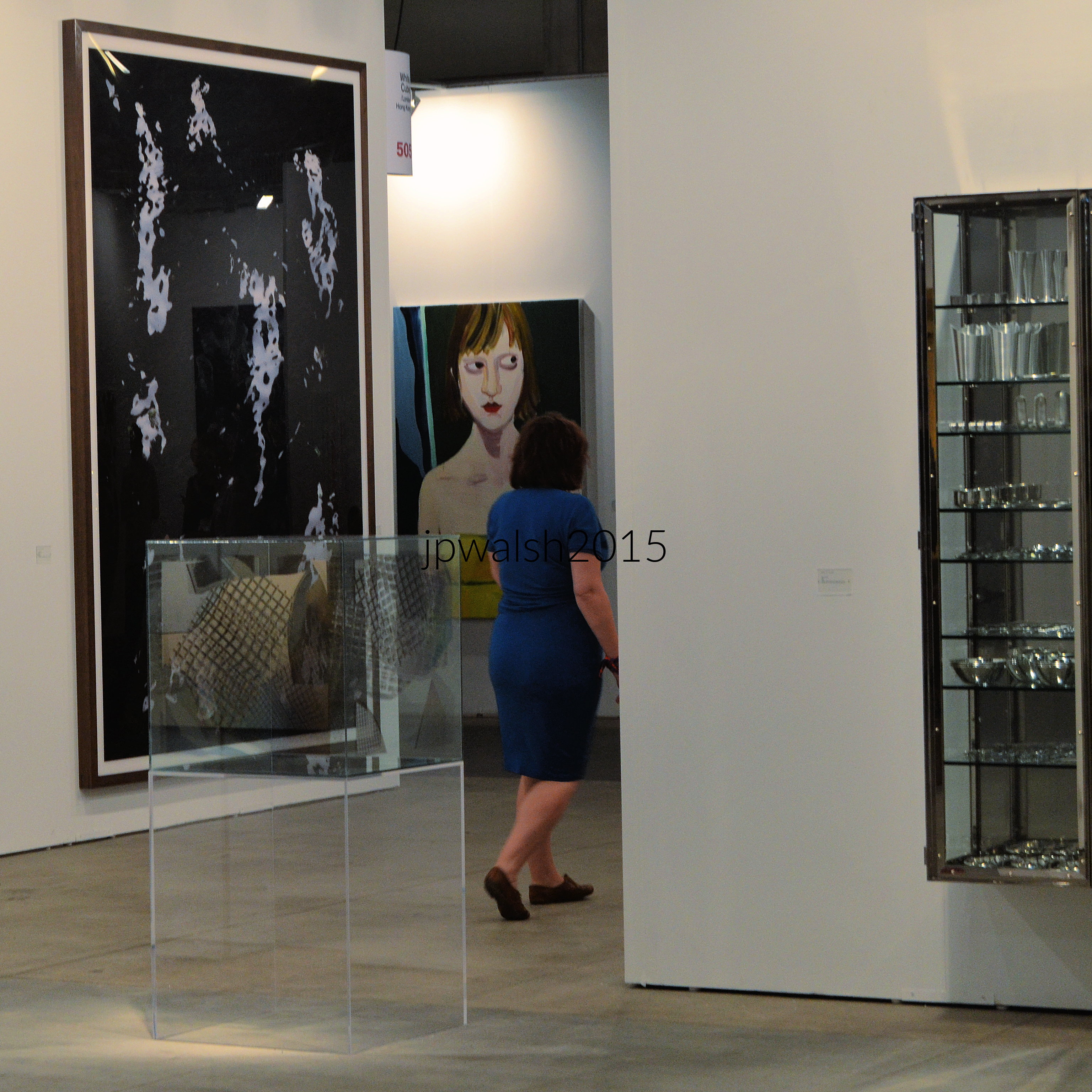
EXPO CHICAGO 2017 is the 6th annual exhibition of international contemporary and modern art held in Chicago at Navy Pier’s Festival Hall. It took place September 13-17, 2017. Expo Chicago/2017 presented 135 galleries representing 25 countries and 58 cities from around the world.
Brian Calvin, Momentary Monument, 2017, acrylic on canvas, Anton Kern Gallery, New York. Expo Chicago 2017.
Admissions, Expo Chicago 2017.
Information desk, Expo Chicago 2017.
Lara Schnitger, Suffragette City, 2015-2017, Cotton, and linen, quilted and bleached, Anton Kern Gallery, New York. Expo Chicago 2017.
The War We Won, Roger Brown, oil on canvas, 80 x 120 in., Kavi Gupta Gallery, Chicago. Expo Chicago 2017.
Doug Argue, Dream Song 12, 2017, oil on paper, 40,x,60 in., Marc Straus, New York. Expo Chicago 2017.
CarrerasMugica Contemporary Art Gallery, Bilbao. Expo Chicago 2017.
Galerie Gmurzynska, Zurich, Switzerland, with booth design by Antonio Manfreda. Expo Chicago 2017. Germano Celant, theorist of the Arte Povera movement. From 2015 he was the artistic director of the Prada Foundation in Milan.
Matthew Monahan, Hurricane Nickel, 2016, and Aquarius Gemini, 2016, Anton Kern Gallery, New York. Expo Chicago 2017.
Anton Kern Gallery, New York. Expo Chicago 2017.
Rita McBride, Halicarnassus, 2010, bronze and grey limestone, and Pantheon 2, bronze and markina marble, CarrerasMugica Contemporary Art Gallery, Bilbao. Expo Chicago 2017.
Wardell Milan, The New Sun Will Warm our Proud and Naked Bodies, 2016, charcoal, oil, oil pastel, pastel, gesso, acrylic, color pencil, cut paper on paper, David Nolan Gallery, New York. Expo Chicago 2017.
Meleko Mokgosi, Honor Fraser Gallery, Los Angeles. Expo Chicago 2017.
John A. Seal, König Galerie, Berlin. Expo Chicago 2017.
Alfred Leslie, Oval Collage, 1959, Diana Moore, White Head, 1988 and Willem de Kooning, 1965, charcoal on paper, Alan Stone Projects, New York. Expo Chicago 2017.
Thinks I, To Myself. Expo Chicago 2017.
Expo Chicago 2017.
Expo Chicago 2017.
Jackie Saccoccio, Portrait (Bomba), 2017, and Faheem Majeed, Hopscotch I, 2011, and Pause, 2010, Rhona Hoffman Gallery Chicago. Expo Chicago 2017.
Expo Chicago 2017.
Garth Greenan Gallery, New York. Expo Chicago 2017.
Iva Gueorguieva, Listen, 2017, acrylic oil collage on canvas, Miles McEnery Gallery, New York. Expo Chicago 2017.
Hayal Pozanti, 70 (million m.p.h that the earth orbit around the sun), 2017, acrylic on canvas, 60 x 132 in., Jessica Silverman Gallery, San Francisco, California. Expo Chicago 2017.
Lavar Munroe, Instinctual, 2017, acrylic on canvas, 48 x 42 in., Jenkins Johnson Gallery, San Francisco. Expo Chicago 2017.
Expo Chicago 2017.
Peres Projects Berlin. Expo Chicago 2017.
Ransome Stanley, Untitled, 2017, oil on canvas, 59 x 78 in., Gallery MOMO, South Africa. Expo Chicago 2017.
Booth 839, Expo Chicago 2017.
Caroline Walker, Grimm Gallery Amsterdam New York. Expo Chicago 2017.
Expo Chicago 2017.
Nicolas Africano, Untitled, 2017, cast glass, Weinstein Gallery Minneapolis. Expo Chicago 2017.
June 2014. Chicago. 3.01 mb _0400July 2016. Chicago. 5.91mb DSC_0939July 2016. Chicago. 2.61 mb DSC_0055June 2018. Chicago. Pilsen. 3.23 mbApril 2013. Chicago (Back of the Yards). 1mb 35%December 2016. Dinkel’s bakery, 3329 N. Lincoln Ave. In business since 1922, Dinkel’s bakery closed in 2022. 25%.June 2018. Chicago. 2.41 mbJune 2018. Chicago. 4.0 mbJuly 2016. Chicago. 360 kb 25%September 2014. Chicago. Chinatown. 1.86 mbJune 2018. Chicago. Chinatown. 7.90 mb 97%August 2015. Chicago. 3.17mb DSC_0948December 2014. Chicago. Gold Coast. 2.53mbAugust 2017. Chicago. 6.75 mbSeptember 2015. Chicago. 4.92 mbSeptember 2013. Chicago. 4.28 mb (10)August 2015. Chicago. 3.40 mb DSC_0353June 2013. Chicago. Little India. 568 kbJune 2013. Chicago. Little India 3.17mb fsb 100_2560 (1)June 2013. Chicago. Little India 4.27 mb 100_2564 (1)June 2013. Chicago. Little India 4.27mb 100B2592 (1)June 2013. Chicago. Little India 3.01 mb 40% 100_2605 (1)June 2013. Chicago. Little India 3.22 mb 100_2572 (1)June 2013. Chicago. Little India2.31mbJune 2013. Chicago. Little India2.23mbJuly 2016. Chicago Loop. 7/2016 1.25 mb (20)September 2015. Chicago. 2.89 mbAugust 2014. Chicago. Adams/Wabash.1.60 mbJanuary 2018. Chicago. Millennium Station. 4.69 mbJune 2019. Oakbrook, IL. 1.79 mbJune 2019. Oakbrook, IL. 2.24 mbJune 2019. Oakbrook, IL. 2.36 mbJune 2019. Oakbrook, IL. 2.59 mbJune 2019. Oakbrook, IL. 1.52 mbMay 2016. Chicago. Michigan Avenue. 1.04 mbDecember 2017. Chicago. Millennium Park. 2.27 mbMay 2016. Chicago. Millennium Park. 4.32 mbJune 2019. Oakbrook, IL. 1.34 mb June 2018. Milwaukee, WI. 748 kbJune 2016. Milwaukee, WI. 2.94 mbOctober 2016. Chicago. Bridgeport. 4.30 mbMay 2015. Chicago. 2.98 mbJuly 2015. Chicago. Reliance Building (1895), State/Washington. 4.53 mbJune 2018. Chicago. United Center Park. 4.30 mbAugust 2016. Chicago. Goose Island. 4.75 mb (40)October 2014. Symphony Center Chicago. 1.94 mbOctober 2014. Symphony Center Chicago. 3.03mb DSC_0071 (1)October 2014. Symphony Center Chicago. 3.39mb DSC_0056 (1)October 2014. Symphony Center Chicago. 4.47mb DSC_0058 (1)February 2018. Chicago. River North. 765 kbMarch 2020. Downers Grove, IL. 2.74 mbMarch 2020. Downers Grove, IL. 3.10 mbMay 2020. Downers Grove, IL. 772 kbMay 2018. Wheaton, IL. 4.11 mbSeptember 2013. Chicago. New East Side. 3.12 mbJune 2019. Oakbrook, IL.1.44 mbJune 2018. Chicago. Chinatown. 8.64 mbSeptember 2015. Chicago. The Loop. 1.76 mb October 2015. Chicago. Rehearsal. 862 kb _0375August 2017. Chicago. 4.07 mbAugust 2015. Chicago. 3.23 mb DSC_0876August 2016. Chicago. Douglas Park, S. 16th Street/W. Kedzie Avenue. 4.15 mb
William C. “Bill” Henry (1935-1992) for which this portion of 16th Street is named, was a 24th Ward Chicago alderman. Ald. Henry put together the coalition of Black and white aldermen to elect Eugene Sawyer (1934-2008) as mayor of the City of Chicago following the sudden death of Harold Washington (1922-1987), the first black mayor elected in Chicago.
Responding to accusations of deal cutting, Ald. Henry declared during the debate in the City Council chamber: “Deals? We was all making deals!” Henry’s constituents voted their alderman out of office for helping Sawyer in preference to Tim Evans, the reform candidate. Ald. Henry passed away from cancer in 1992 at 56 years old. In 2021 Timothy C. Evans is the Chief Judge of the Circuit Court of Cook County.
FEATURE IMAGE: Manuel Mendive, Este Lugar Sagrado/This Sacred Place, 2009, acrylic on canvas, Cernuda Arte Coral Gables, FL. Expo Chicago/2016.
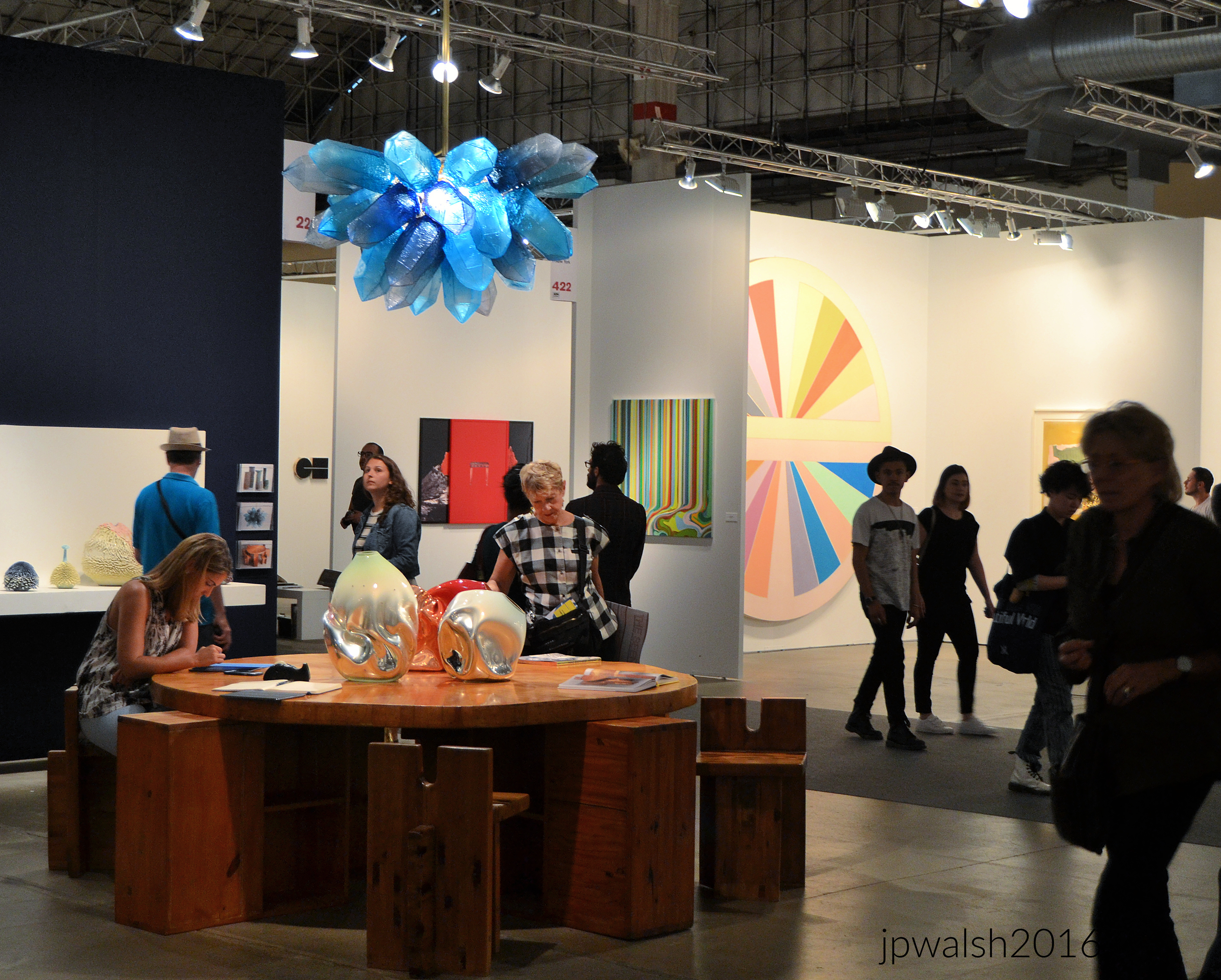
EXPO CHICAGO 2016 is the 5th annual exhibition of international contemporary and modern art held in Chicago at Navy Pier’s Festival Hall. It took place from September 22-25, 2016. Expo Chicago/2016 presents 145 galleries representing 22 countries and 53 cities from around the world. This post’s photographs are of that event.
Jeff Koons, BMW M3 GT2, Expo Chicago/2016.
Alfredo Jaar, Be Afraid of the Enormity of the Possible, 2015, neon, edition 3/3 + 3AP, Galerie Thomas Schulte, Berlin, Germany. Expo Chicago/2016.
At Dittrich & Schlechtriem, Berlin, Germany includes artwork by Klaus Jörres and Julian Charrière. Expo Chicago/2016.
At Cernuda Arte Coral Gables, FL. Manuel Mendive (foreground) Este Lugar Sagrado/This Sacred Place, 2009, acrylic on canvas. Expo Chicago/2016.
Paintings I, Art+Language, Made in Zurich 1965-1972, London. Expo Chicago/2016.
The Art + Language group’s Michael Baldwin and Mel Ramsden in Chicago. Founded in the mid1960s in the United Kingdom by Terry Atkinson (b. 1939), David Bainbridge (b. 1941), Michael Baldwin (b. 1945) and Harold Hurrell (b. 1940), artist Mel Ramsden joined in 1970.
Throughout the 1970s, Art + Language dealt with questions about art production and attempted a shift from conventional forms of art, such as painting and sculpture, to theoretically linguistic (text)-based artwork. Art + Language remains active today in several collaborative projects.
September 2016. 99% 7.21 mb DSC_0630
Jonathan Lasker, The Handicapper’s Faith, 2011, Galerie Thomas Schulte, Berlin, Germany. Expo Chicago/2016.
At Gallery MOMO Cape Town/Johannesburg, South Africa. Artwork by Mary Sibande. Expo Chicago/2016.
Expo Chicago/2016.
Andrew Moore, Mirador, Gibara, Cuba, 2008, 46 x 58 inch archival pigment print, Yancey Richardson Gallery, New York.
Margot Bergman, Agnes, acrylic on canvas, 2016, Corbett vs. Dempsey, Chicago. Expo Chicago/2016.
Shannon Finley, Googol, 2015, acrylic on linen, 4 panels 95 x 189 in.,Carrie Secrist Gallery, Chicago. Expo Chicago/2016.
Euan Uglow, Sue Wearing a Blue Swimming Cap, 1978/80, oil on canvas 19.5 x 27.5 in., Browse & Darby London. Expo Chicago/2016.
Juan Garaizabal, Álvaro Alcázar Gallery, Madrid. Expo Chicago/2016.
April Martin, The Sun had not yet Risen, 2016, copper, thread, glass, vinegar, The School of the Art Institute of Chicago. Expo Chicago/2016.
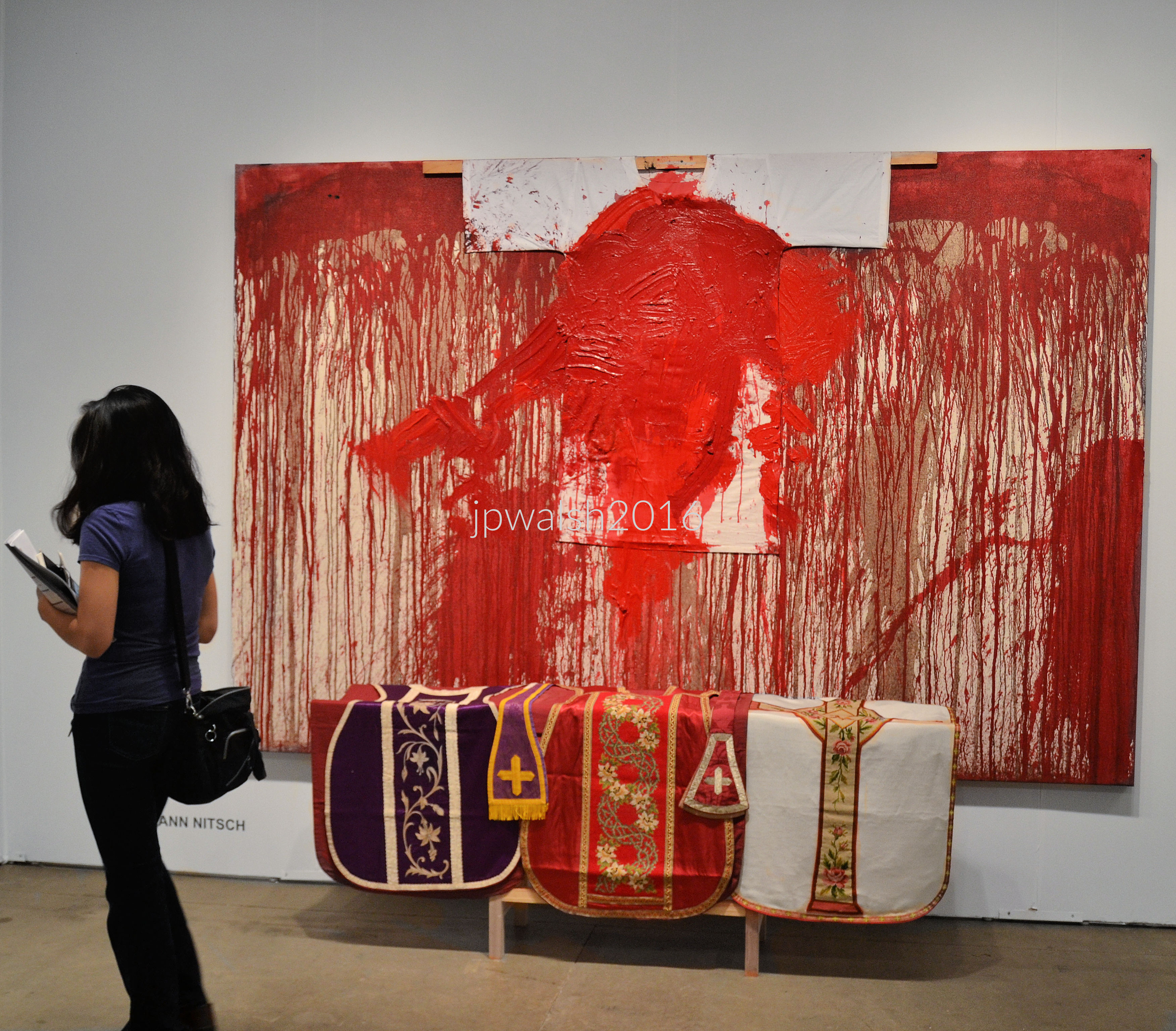
September 2016. Hermann Nitsch, Schüttbild (Shaped Image), 2013, Acrylic on Canvas, Marc Straus Gallery, New York City. 4.29mb DSC_0876 (1)
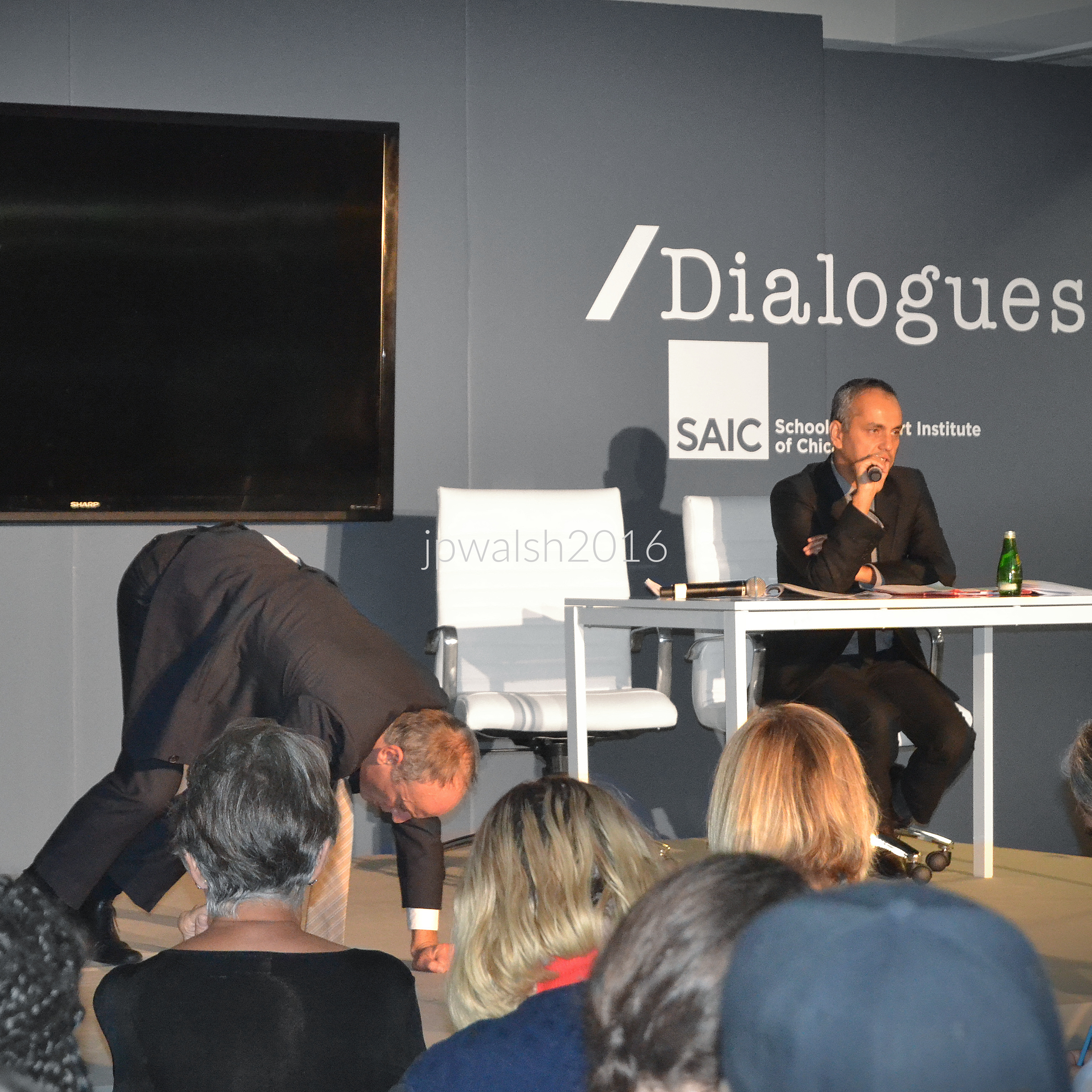
Dialogue with Miguel Aguilar and Chris Silva, Conversation Pieces. Expo Chicago/2016.
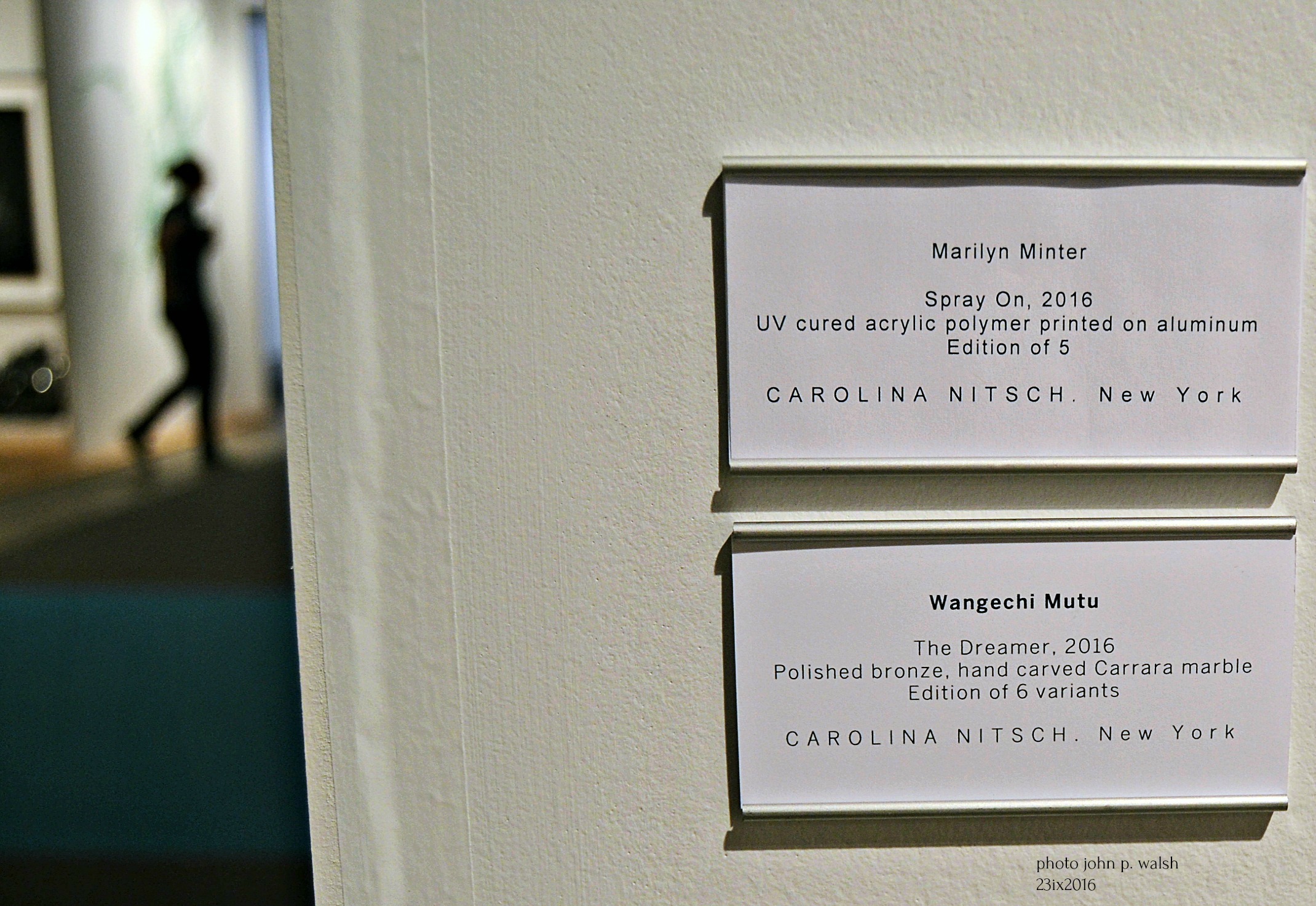
Louise Bourgeois, Girl with hair, 2007, archival dye on silk, edition of 12, Carolina Nitsch, New York City. Expo Chicago/2016.
Pace Gallery, New York City. Expo Chicago/2016.
Expo Chicago 2016.
Genieve Figgis, Half Gallery, New York City. Genieve Figgis is an artist from Ireland who began her artistic career on social media. Expo Chicago/2016.
Buddha’s tight ringlet curls by Qi Yu. Ceramic cinnabar mineral mounted on canvas. Expo Chicago/2016.
Artist Qi Yu of Redbrick Art Museum, Beijing, China.
North Cafe. Expo Chicago/2016.
Expo Chicago/2016.
Listen, you a wonder. you a city of a woman. you got a geography of your own., Amy Sherald, 2016, 54 x 43 in., oil on canvas, Monique Meloche Gallery, Chicago.
The artist’s title quotes American poet Lucille Clifton (1936-2010): “listen, you a wonder. you a city of a woman. you got a geography of your own. listen, somebody need a map to understand you. somebody need directions to move around you. listen, woman, you not a noplace anonymous girl; mister with his hands on you he got his hands on some damn body!”
Raffi Kalenderian, Sekula Benner Street, 2016, oil on canvas, Buchmann Galerie Berlin/Lugano. Expo Chicago/2016.
Ernesto Burgos, Kate Werble Gallery, New York City. Expo Chicago/2016.
Sims Reed Gallery London. Expo Chicago/2016.
Ann Agee, Negishi Heights 1957, 2015, acrylic on Thai Mulberry paper, P.P.O.W. Gallery, New York City. Expo Chicago/2016.
Expo Chicago/2016.
Performance outside Zwirner Gallery, New York City. Background: Raymond Pettibon, No Title (Manhattan rising, advancing—), 2010, ink and acrylic on paper, 59 x 118 inches. Expo Chicago/2016.
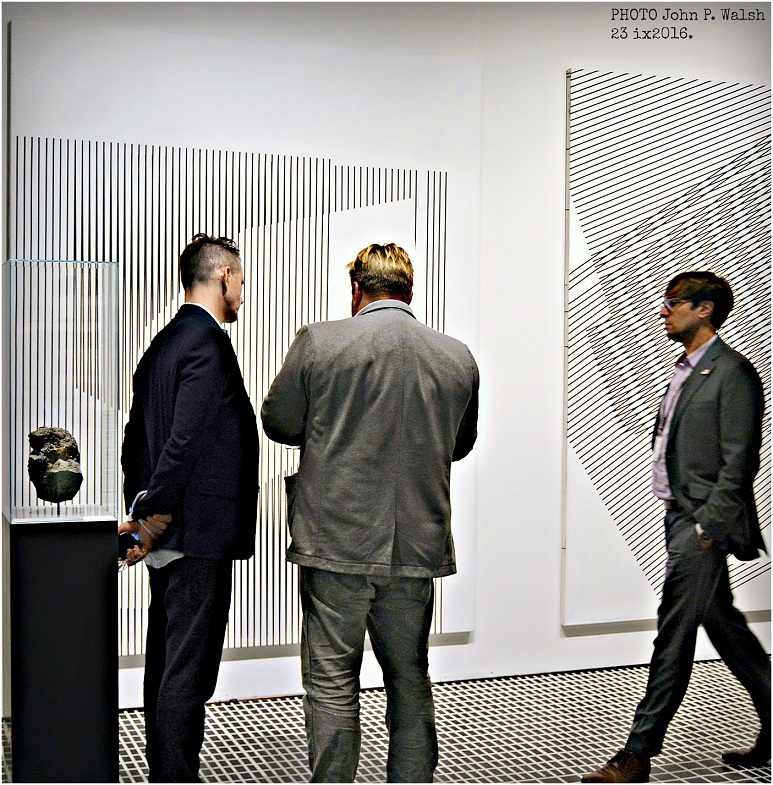
Mel Bochner, Blah Blah Blah, 2016 and Aloyson Shotz, Flow Fold #3, 2015, Carolina Nitsch Gallery, New York City. Expo Chicago/2016.
Bernar Venet, Indeterminate Line, 2013, rolled steel, 75 1/2 × 80 × 62 in. Paul Kasmin Gallery, New York City. Expo Chicago/2016.
Richard Norton Gallery. Expos Chicago/2016.
Jannis Varelas, New Flags for a New Country, The Breeder, Athens, Greece. Expo Chicago/2016.
Expo Chicago/2016.
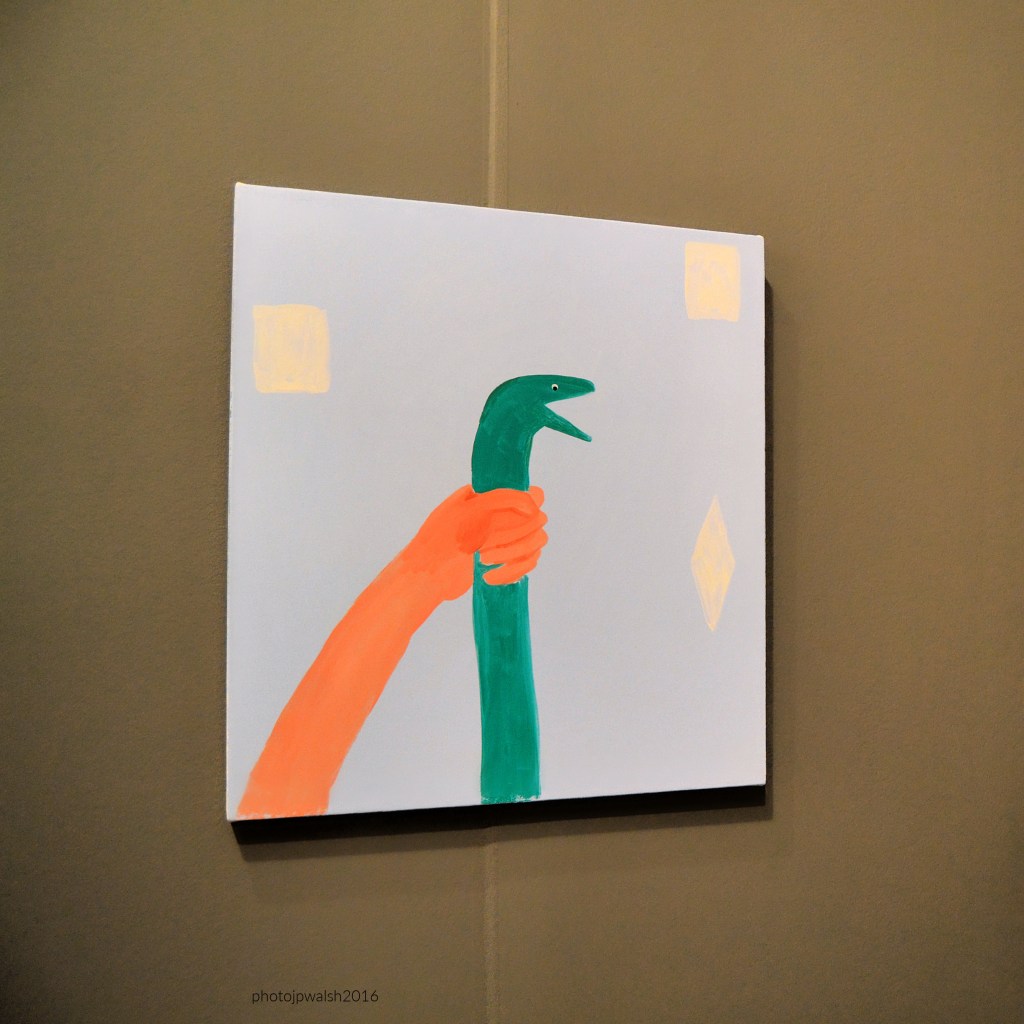
Jenn Smith, Untitled (Snake), oil and acrylic on canvas, 2016, The School of the Art Institute of Chicago. Expo Chicago/2016.
Atelier Van Lieshout, The Beginning of Everything, foam, paint, wood, paverpoll, 2016. Expo Chicago/2016.The molecule represents Glucose (C6H12O6), the primary source of energy for human life. Without glucose, nothing would function: neither the brain, intelligence, thought, muscles, movement or sports. Without energy, our lives would come to a standstill.
FEATURE image: Staff members of The Charles A. Stonehill Estate on the beach, c. 1912.
By John P. Walsh
David Adler (January 3, 1882 – September 27, 1949) was an American architect who made major contributions in domestic architecture for mostly affluent clients in and around Chicago. Different than German-American modernist architect Mies van der Rohe (1886-1969) who also practiced in Chicago around the same time, David Adler’s important work drew from the past for his architectural idioms.1 What are these artistic arrows in Adler’s quiver and what makes his work interesting and valuable today?
Buildings intact and standing today.
A great amount of his domestic buildings are still standing and mainly intact for the viewer to see and experience today. Only seven of his architectural projects have been demolished. These monuments of a gilded age attract one’s attention by their powerful presence based on their typical enormity, ornate details, and tasteful grace rooted in the classic European style. Gigantic skylights, curved staircases, ornate fanlight windows, columns, working fountains, and many other features, characterize Adler’s homes for his clients.
Based on his commissioned projects, David’s Adler’s architectural career spanned from 1911 following his return from studying in Europe after an undergraduate career at Princeton University, until the year of his death in 1949.
Early work and later updates.
In 1913, 31-year-old Adler was designing and building outside of the Chicago area—specifically, a chapel and iron gates at Greenwood Cemetery in Galena, Illinois.
After 1915, he was doing out-of-state projects such as the Berney house and garage in Fort Worth, Texas and the Dillingham house in Honolulu, Hawaii.
Adler’s grandiose floor plans made their appearance at the start of his career in 1911 and continued over 38 years in more than 200 major works, several of which he returned to in later years and updated.
Diverse projects for social elite.
His work includes mostly houses, whether complete or in alterations and additions, but also apartments, townhouses, gates and terraces, outbuildings and dependencies, clubhouses, locker rooms, bathhouses, swimming pools, cottages, commercial buildings, boardrooms, lodges, prefabricated houses, houseboats, and in 1924, a dining car for the Atchison, Topeka and Santa Fe Railroad. In the late 1940s, Adler turned to designing an altar and headstones for the social elite.2
Adler planned and built in locations throughout the United States including the aforesaid Fort Worth, Texas and Honolulu, Hawaii; Wisconsin; Minnesota; Massachusetts; New York City and State; Connecticut; Colorado; Georgia; California; Florida; Louisiana; Virginia; New Mexico; as well as internationally, including British Columbia; and London, England.
Work in and near Chicago, Illinois.
The vast majority of his commissions—whether he planned and built them or only planned them—are found in the American Midwest, especially in Illinois, and particularly in and around Chicago.
While some Adler commissions were also planned but not constructed, only a handful of buildings have been so far razed. This translates for today’s viewer into a near complete body of Adler’s architectural work to be appreciated (although most remain in private hands).
Anti-Modernist, European tradition and American taste.
As streamlined, monumental and functional modernist architecture made its appearance in the late nineteenth century based in part on the stylistic language of industrialization, the wealth generated in that prosperous machine age became concentrated in the hands of individuals and their families who, having begun the perennial pilgrimage of American tourists to Europe, desired to live in private residences that evoked the palatial surroundings of historical nobility.3
David Adler’s “traditionalist” work in the first half of the twentieth century was part of, and built on, the great American tradition of architects who relied on European antecedents but adapted them to contemporary American taste. Additionally, Adler’s years in Europe between 1908 and 1911, especially in France, and his return to Chicago which like other cities in the United States after 1890 experienced a Beaux-Arts (academic neoclassical) renaissance, led him to embrace traditional architectural systems and rules for his clients throughout his career.
Honorary licensed architect of the “Great House.”
Throughout the 1910s and 1920s Adler’s architectural practice— surprisingly he was not a licensed architect although he received an honorary license in his mid-career—encountered socioeconomic conditions in Chicago and elsewhere that benefited his early and later design success.
Proliferation of his traditional work is more remarkable when viewed in the context of the modernist architectural achievements which were materializing on the landscape in the United States and Europe in those same years he practiced.4
Onset of the Great Depression and Memorial Service at The Art Institute of Chicago.
By the end of his life Adler expressed regret that the lengthy era of the “great house” was over. In the Great Depression in the 1930s, Adler had to adapt to designing smaller-scaled projects.
When Adler died unexpectedly at 67 years old in 1949, he left new commissions on the drafting table. His memorial service was held in The Art Institute of Chicago where Adler had been a board member for almost twenty five years and he was buried in Chicago’s Graceland Cemetery.
NOTES
The Country Houses of David Adler, Stephan M. Salny, Introduction by Franz Schulze, W.W. Norton & Company, New York and London, 2001. p. 9.
Ibid., pp.193- 203.
Ibid., p. 10; see We’ll Always Have Paris, American Tourists in France since 1930, Harvey Levenstein, The University of Chicago Press, 2004.
Country houses, p.11.
Charter Club, Princeton, New Jersey, 1903. Razed in 1913.
Adler’s sketch in 1905 for Princeton’s Charter Club.
The Charter Club based on Adler’s design. One of Princeton’s undergraduate eating clubs.
Charter Club, symmetrical Georgian Revival design. The entrance portico was supported by four Doric columns that partly masked a balcony on the second story. Strong dental molding crowd the tops of the second-floor windows, while a row of five identical dormers gave the structure a top-heavy look. A covered porch extended to the east, supported by Doric columns. As a cost-saving measure, the entire structure was built of wood. It was replaced in 1913.
Mrs. and Mrs. Charles A. Stonehill, Glencoe, Illinois, 1911. Louis XIII style. Alterations, 1930. Razed, 1960s.
David Adler, Mr/s. Charles A Stonehill, Glencoe, Illinois, 1911. View of house from Lake Michigan.
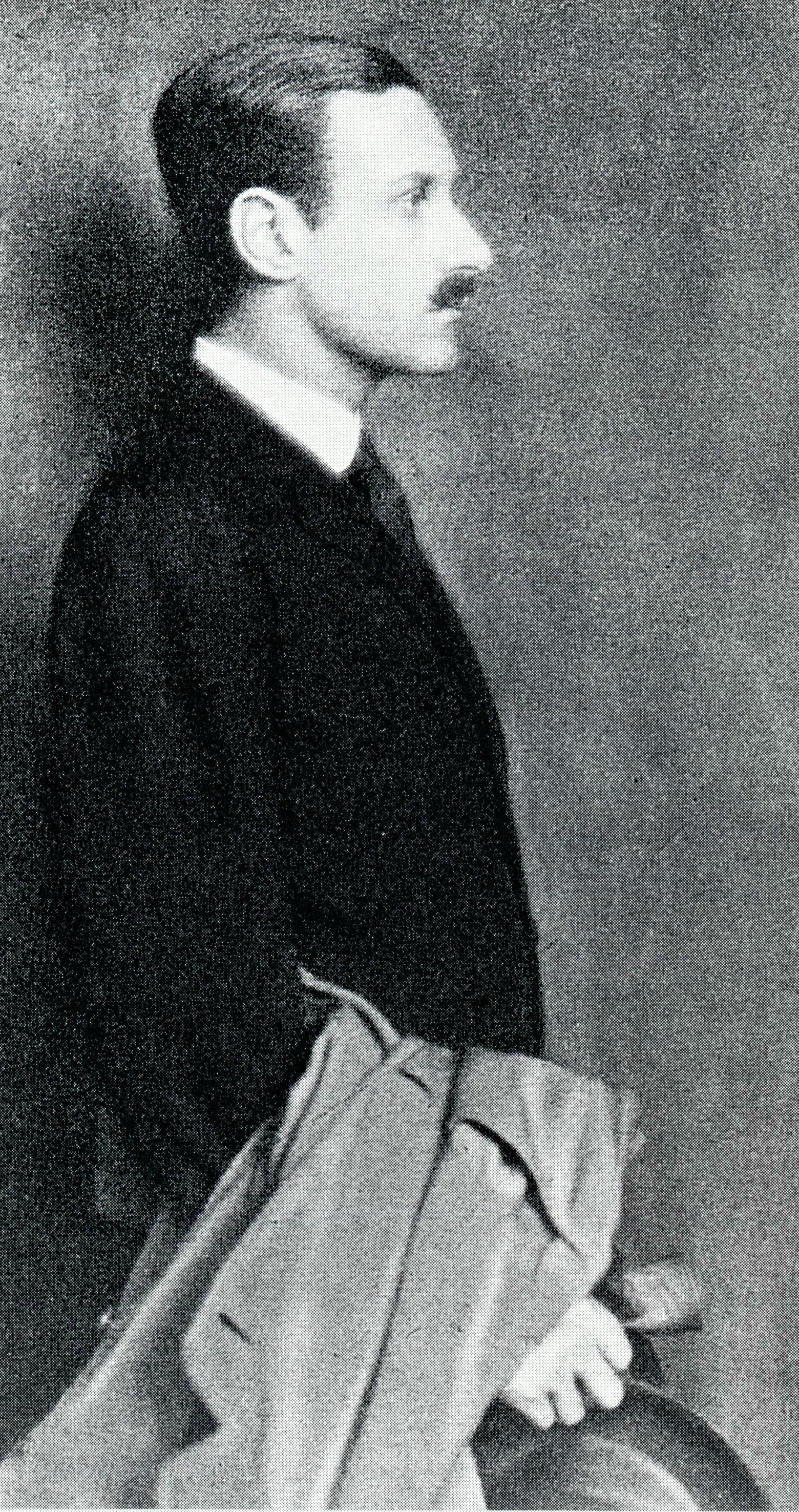
David Adler when a young man.
David Adler, Mr/s. Charles A Stonehill, Glencoe, Illinois, 1911. Terrace façade.
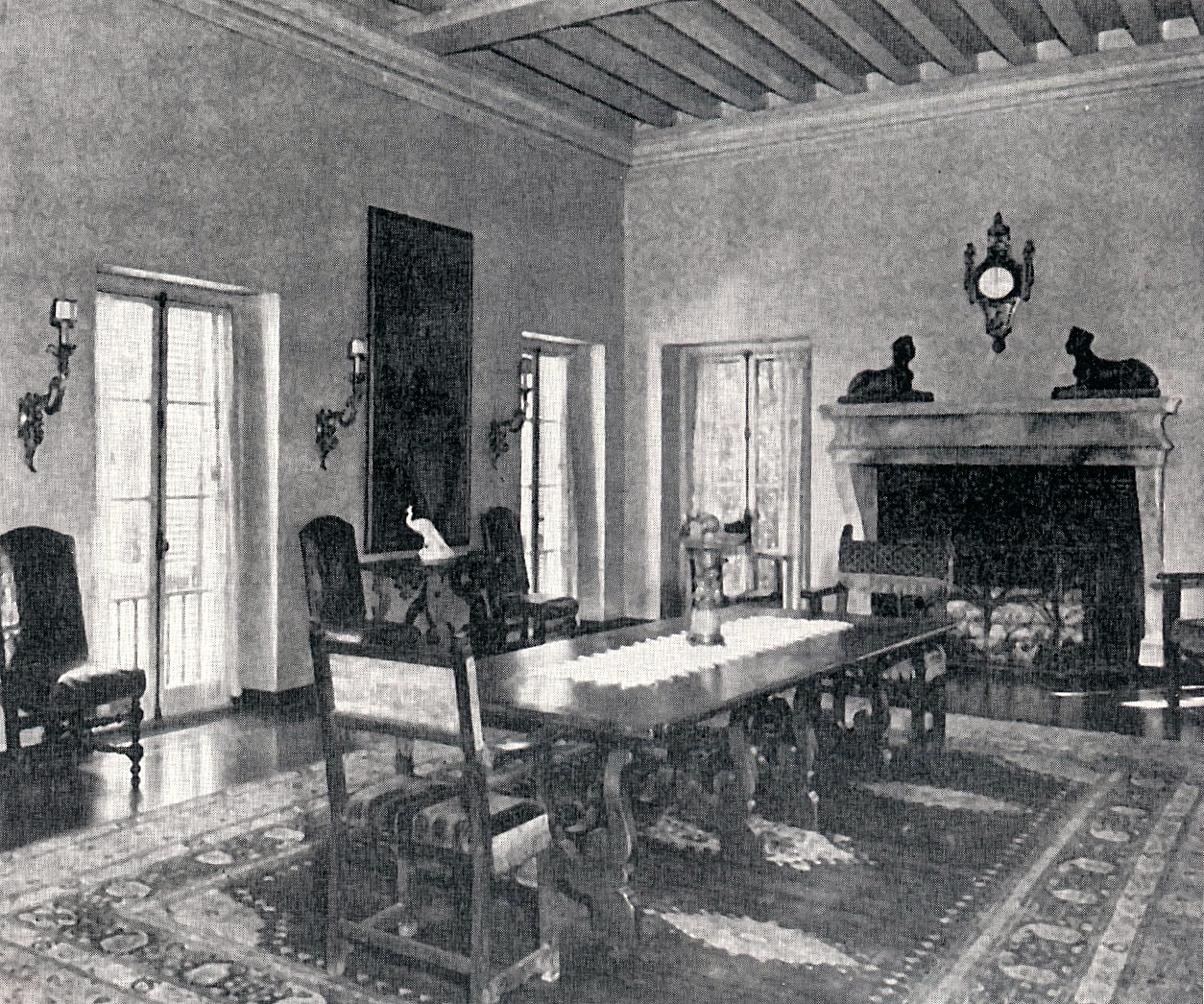
David Adler, Mr/s. Charles A. Stonehill, Glencoe, Illinois, 1911. Dining Room. English walnut paneling with hand-carved walnut table and high back upholstered chairs.
Original entrance to Stonehill Mansion on Sheridan Road in Glencoe, Illinois. It sat on more than 19 acres on Lake Michigan. In 2016 North Shore Congregation Israel Temple is on the site.
David Adler, Mr/s. Charles A. Stonehill, Glencoe, Illinois, 1911. RAZED in the 1960s.
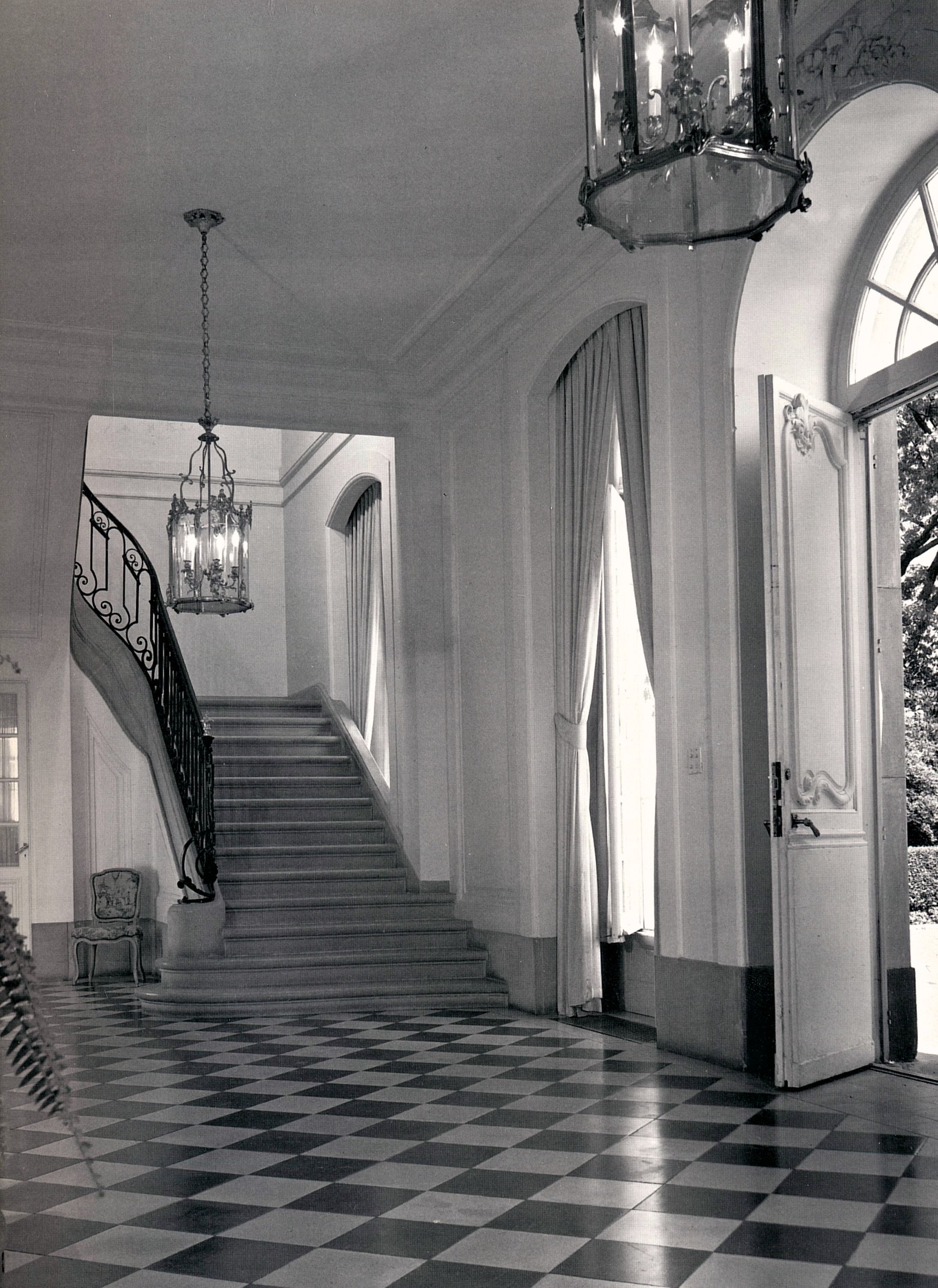
David Adler, Stonehill (called Pierremont), Entrance Hall. The Stonehill family lived at the estate until the Crash of 1929.
The Château de Balleroy is a seventeenth-century château in Balleroy, Normandy.
.
One of two stone rams at the entrance to courtyard at Stonehill mansion. Landscape architect Jens Jensen (1860-1951) designed several gardens at the mansion.
David Adler, Mr/s. Charles A. Stonehill, Glencoe, Illinois, 1911. Music Room. Louis XVI paneling and parquet-de-Versailles flooring with Louis XV furnishings.
Members of the Household Staff at the Charles A. Stonehill Estate. The mansion was demolished in the 1960s.
Garden trellis at the Charles A. Stonehill estate in Glencoe, Illinois.
Inspired by the Chateau de Balleroy in northern France, Charles A. Stonehill commissioned his son-in-law David Adler to design and build this Louis-XIII style building. Set high on the bluff overlooking Lake Michigan, this home was a popular weekend destination by many of Chicago’s elite in the 1910s.
Members of the staff of The Charles A. Stonehill Estate on the beach.
David Adler, Mr/s. Charles A. Stonehill, Glencoe, Illinois, 1911. Drawing Room. Tuscan pilasters. Unique octagonal-shaped coffered ceiling.
Mrs. and Mrs. Ralph H. Poole, Lake Bluff, Illinois, 1912. Louis-XV style. Stands.
Mr/s. Ralph H. POOLE, Lake Bluff, IL, 1912. Adler was influenced by François Mansart (1598-1666) for this early commissioned project.
Floor plan, Poole house, Lake Bluff, Illinois, 1912. Adler placed the five main rooms along the rear of the house with the living room as the central gathering point.
POOLE (Lake Bluff, IL), 1912. Adler’s interior is based on the Hôtel Biron in Paris (today’s Musée Rodin).
POOLE (Lake Bluff, IL), 1912. Living room to music and dining rooms.
POOLE (Lake Bluff, IL), 1912. Dining room.
Mrs. and Mrs. Charles B. Pike, 955 Lake Road, Lake Forest, Illinois. Built in 1916 in the Italian Villa style. Building stands.
The house at 955 Lake Road in Lake Forest, Illinois, sits on Lake Michigan and is designed in the Italian villa style. Built in 1916 for Charles and Frances Pike, the 21-room house possesses one of Adler’s most successful outdoor spaces – the entrance Courtyard.
Creating paths using paving beach stones with embedded designs, this outdoor garden was encapsulated on four sides by the back wall of the house (the main entrance which faces the road) as well the Kitchen, classically-proportioned Entrance Loggia and fifty-foot-long Gallery.
The Courtyard was further integrated with the interior space where one enters the house’s main rooms from the Entrance Loggia into the Vestibule (with Adler’s masterful treatment of pediments and coffered ceiling) or by way of one of three sets of French doors with pilaster-supported archways into the vaulted Gallery.
In addition to the Vestibule and Gallery with its airy fifteen foot-tall ceilings, the interior first-floor plan of the Pike house contained the Living Room, Dining Room and East Loggia. Each of these main rooms was oriented to the balustraded landings of two staircases which led to an expansive sunken garden and towards Lake Michigan. The second floor of the Pike house contained bedrooms.
D. Adler. Pike House. Lake Forest, Illinois. 1916. Entrance Facade.
D. Adler. Pike House. Lake Forest. 1916. Entrance Loggia.
D. Adler. Pike House. Lake Forest. 1916. Entrance Loggia, another view.
D. Adler. Pike House. Lake Forest. 1916. Courtyard.
D. Adler. Pike House. Lake Forest. 1916. Courtyard with view of his design of the pavement using beach stones creating an interplay of color, texture, and shape.
D. Adler. Pike House. Lake Forest. 1916. Vestibule. From the Entrance Loggia one enters the house’s main rooms into this Vestibule with Adler’s masterful treatment of pediments and coffered ceiling.
D. Adler. Pike House. Lake Forest. 1916. Gallery.
D. Adler. Pike House. Lake Forest. 1916. Living Room (or Library). The black stone fireplace mantel was the focal point of the room.
D. Adler. Pike House. Lake Forest. 1916. Living Room (or Library) in recent times.
D. Adler. Pike House. Lake Forest. 1916. Dining Room. The same size as the as the Living Room, the black terrazzo floor was consistent on the first floor, but Adler achieved greater intimacy with the beamed ceiling.
D. Adler. Pike House. Lake Forest. 1916. Dining Room today.
D. Adler. Pike House. Lake Forest. 1916. Garden/Main Facade. The house was inspired by Charles A. Platt’s Villa Turicum from 1908, but Adler turned the Pike house’s orientation to the Lake and away from the road.
D. Adler. Pike House. Lake Forest. 1916. Sunken Garden. Looking toward Lake Michigan.
D. Adler. Pike House. Lake Forest. 1916. Garden/Main Facade today.
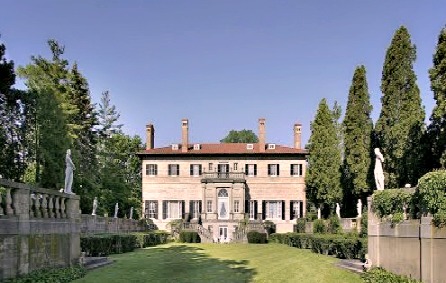
Mrs. and Mrs. Alfred E. Hamill, Lake Forest, Illinois. Built by Henry Dangler in 1914 in the Italian style and renovated by David Adler in 1917. Building stands.
When Adler became involved in the project, the Hamill House added two bronze centaurs on pedestals at the foot of the driveway introducing its new brick and limestone forecourt. A more dramatic change was the installation of the false parapet that heightened the house and hid its tiled roof.
Adler added the library to the west wing with steps going down to it from the living room. Warm and inviting the library had tall walnut bookcases and a hemispherical niche. One door opened to a staircase leading to Hamill’s second-floor bedroom. The fireplace was detailed in black marble and limestone with a pediment mantel. Over time Adler directed interior changes that included a breakfast room and music room.
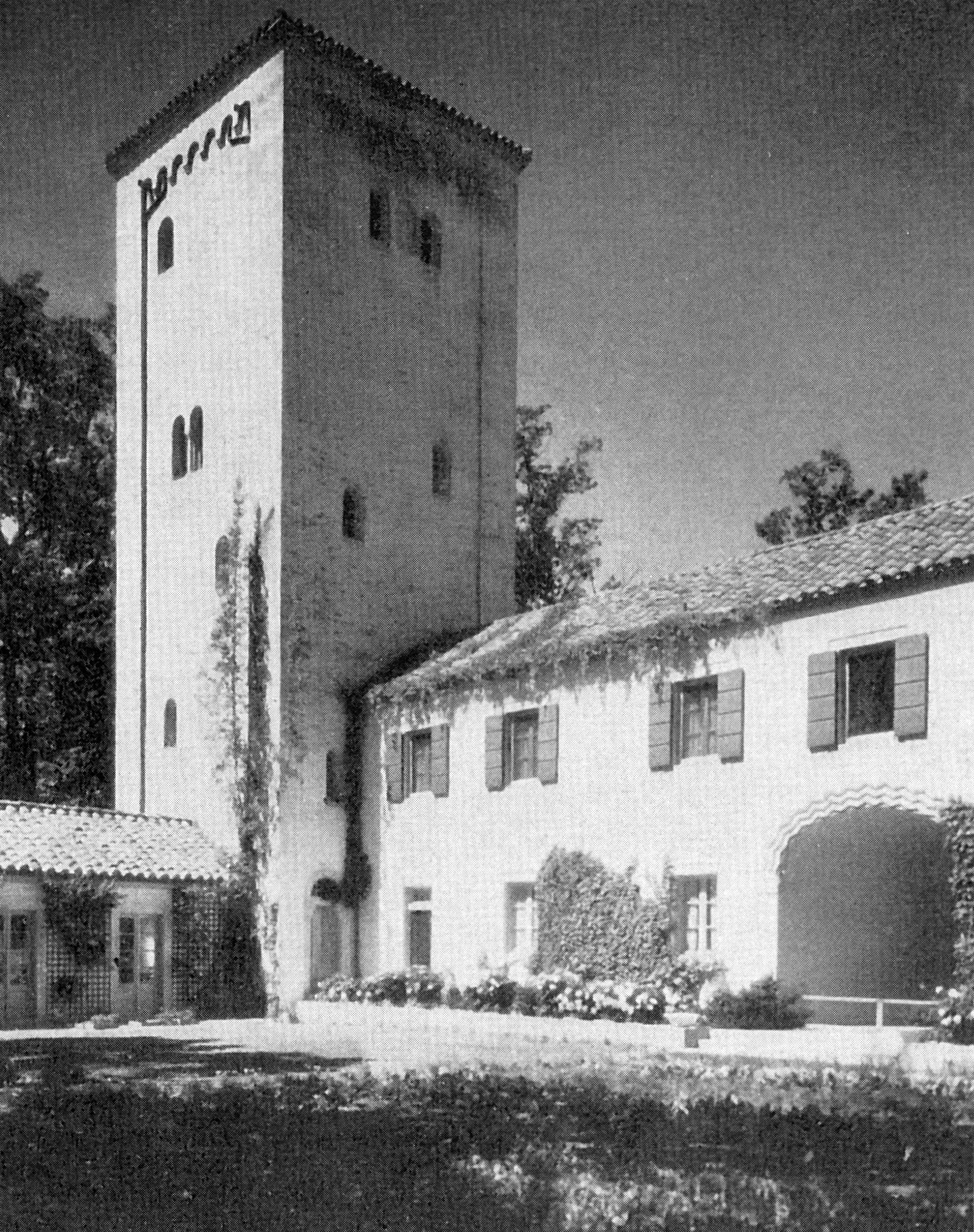
Into the 1920’s Hamill — an investment banker and the man who introduced Adler to involvement with the Museum of The Art Institute of Chicago — continued to make grandiose changes to his house. Some included adding a tower building and garage and servants’ quarters in the same Italian design as the main house. The tower stood almost seventy-five feet tall and included Alfred Hamill’s study.
Alfred Hamill’s study in the Italian-style tower by David Adler in the 1920’s is reminiscent of Napoleon’s tented study at Malmaison in France.
Another of Hamill’s improvements in the 1920’s was a Palladian-designed Garden Pavilion with limestone open summerhouse and cylindrical posts encircled by stairs leading to a deck. Today the Hamill House as well as its tower and garden pavilion stand, but are separate properties.
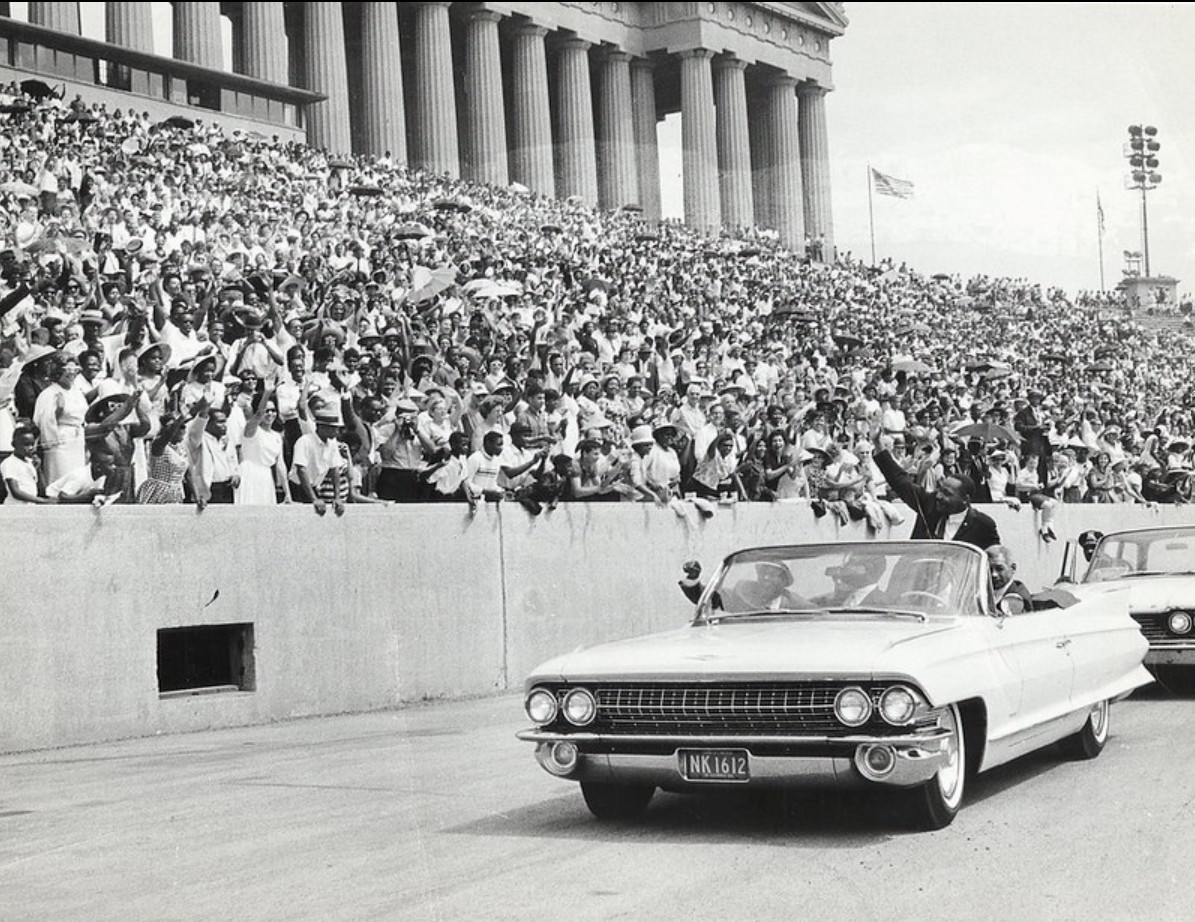
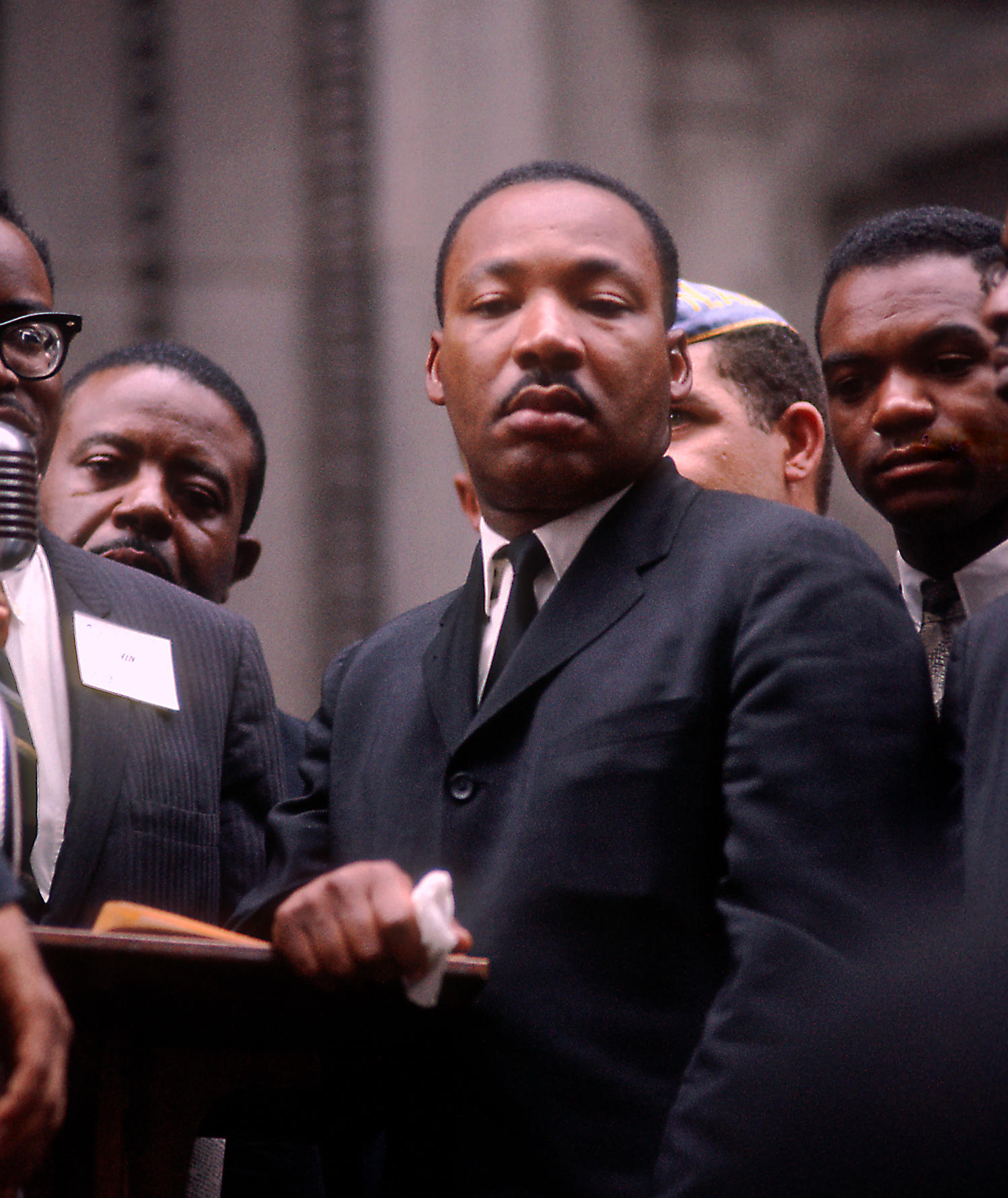
FEATURE image: At Chicago’s City Hall, Dr. Martin Luther King Jr. and Chicago Freedom Movement leaders, July 10, 1966. Following a speech in front of thousands at Soldier Field and a march downtown, Dr. King presented Mayor Daley with fourteen demands for a racially open city.
August 5, 2016 – by John P. Walsh.
Released on July 4, 1966 The Lovin’ Spoonful’s “Summer in the City” reached number one on the Billboard Hot 100in August 1966 and stayed there for three consecutive weeks.1 “Hot town, summer in the city, back of my neck getting dirty and gritty, been down, isn’t it a pity, doesn’t seem to be a shadow in the city. All around, people looking half dead, walking on the sidewalk, hotter than a match head…”
In Chicago in 1966 Dr. King promised a summer of nonviolence but that didn’t stop a white Chicago policeman from shooting and killing a 21-year-old Puerto Rican on June 10, 1966 and sparking a riot of the victim’s neighbors who looted stores, torched squad cars and assaulted firefighters called out to quell the blazes. A month earlier Stokely Carmichael, elected by a razor-thin margin over John Lewis to lead the Student Nonviolent Coordinating Committee, pronounced a new Black Power movement that ended that organization’s interracial efforts.
While the Chicago Freedom Movement remained staunchly interracial King warned Daley on July 9, 1966 that the mayor’s aloofness towards fundamental improvements for African-Americans in Chicago could lead to more radical black groups making their own demands. Since black Chicagoans were, despite a fair housing ordinance, mostly restricted to the ghetto where landlords charged higher rents to a captive market, King’s allies believed open access to Chicago’s real estate market was necessary to tackle larger problems of slums, unemployment, and underprivileged schools.
Chicago, Illinois, summer 1966 (AP Photo). In the foreground is the Shangri-La with its parking garage and deck at 222 N. State Street. Billed on its matchbooks as “the world’s most romantic restaurant” the Far Eastern/Polynesian themed establishment opened in 1944 and closed in 1968. The 65-story Marina Towers (background) opened in 1963. When completed in 1968 the twin towers were both the tallest residential buildings and the tallest reinforced concrete structures in the world.
Released on July 4, 1966, The Lovin’ Spoonful’s “Summer in the City” reached number one on the Billboard Hot 100 in August 1966 and stayed there for three consecutive weeks.
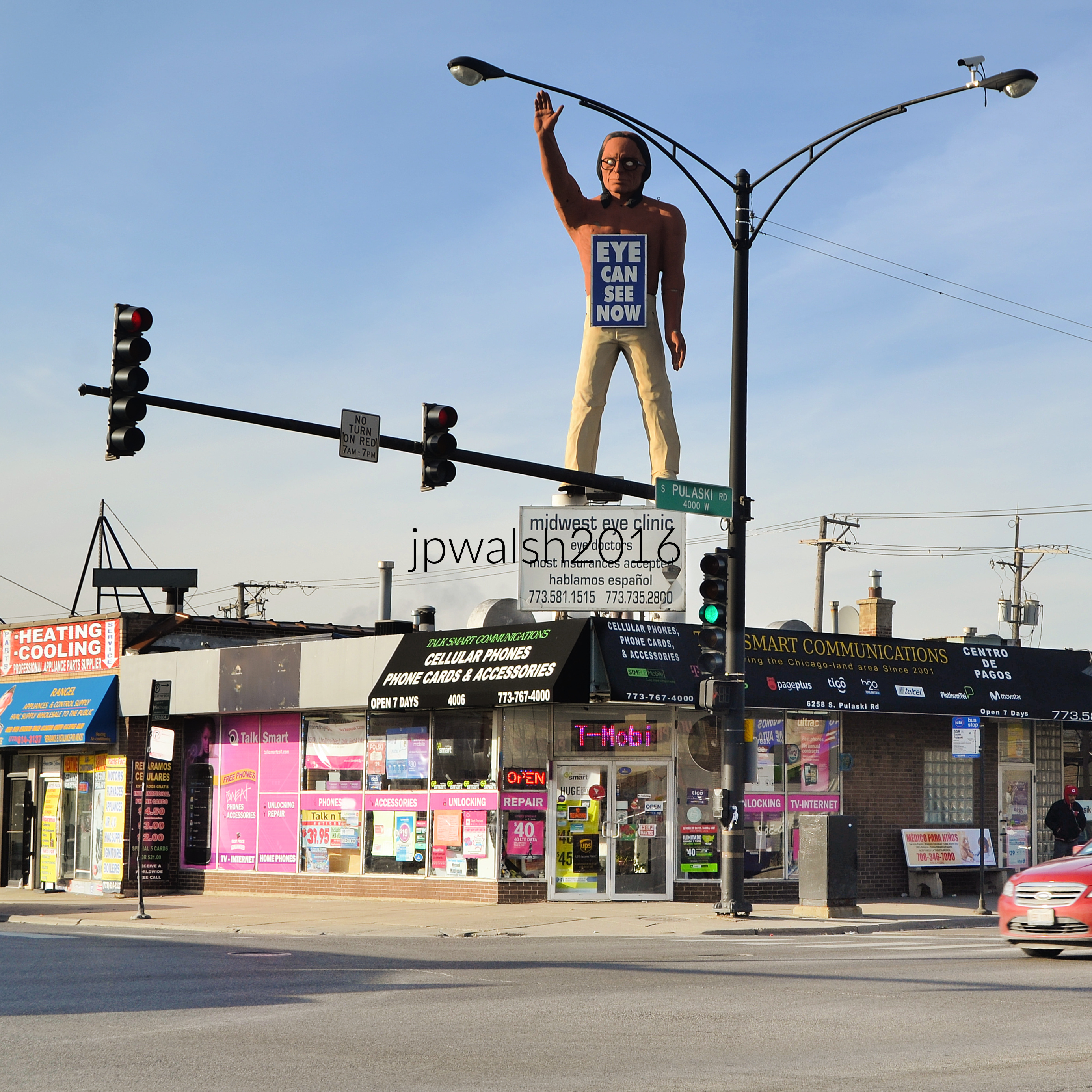
January 2016. Chicago. 2.42mb DSC_0075 (1)Author’s photograph.
The 45‑foot fiberglass “Geronimo” statue at 63rd and Pulaski in Chicago was installed in 1966, and present during the Civil Rights marches led by Dr. King for fair housing and integration. The figure faces east toward predominantly Black neighborhoods such as Englewood, while the area west of it was then largely white and resistant to integration. Originally purchased from an Arizona reservation by the building’s owner, the statue first advertised a tobacco shop before becoming the landmark for an eye care clinic in the West Lawn neighborhood.
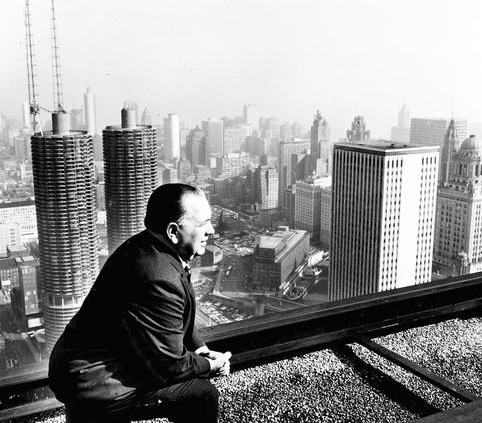
Mayor Richard J. Daley views the Chicago skyline in 1966 from atop the new Daley Center. Daley was focused on downtown development in the mid-1960’s and viewed King largely as an outsider with his own political agenda who simplified complex urban social problems for which Chicago was not completely at fault.
Martin Luther King Jr., with Stokely Carmichael in Mississippi in 1966. Although King saw Carmichael as a most promising young leader, in May 1966 Carmichael declared a new Black Power movement that ended the Student Nonviolent Coordinating Committee’s interracial efforts. The Chicago Freedom Movement to which King was attached stayed staunchly interracial.
Dr. King exits the tenement apartment at 1550 S. Hamlin on Chicago’s West Side where his family stayed during the Chicago Freedom Movement in 1966. American Friends Service Committee found that white and black families paid about the same in monthly rent but whites earned half as much more as what blacks earned. They found that for the same money blacks on average lived in about 15% less space (3.35 to 3.95 rooms). King looked to solve these and other socioeconomic discrepancies in his 1966 Chicago sojourn.
1550 S. Hamlin on Chicago’s West Side, the redeveloped site where King and his family stayed during the Chicago Freedom Movement in 1966. Screenshot October 29, 2018.
Mathias “Paddy” Bauler who in 1955 famously quipped that “Chicago ain’t ready for a reform mayor”2 was still an active Northside Chicago alderman in 1966. To some Chicagoans, Bauler’s colorful quip should have been Mayor Daley’s prevailing opinion towards open housing. In July and August 1966 King’s street marches into the white-only neighborhoods of Gage Park, Marquette Park and Chicago Lawn3 were intended to showcase the Chicago Freedom Movement’s reform message of open housing.
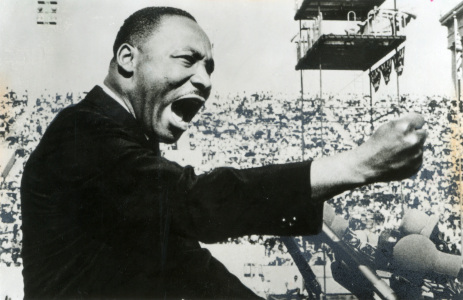
Following a rally at Soldier Field on Sunday, July 10, 1966 where King spoke to thousands of supporters including these words, “we will no longer sit idly by in agonizing deprivation and wait on others to provide our freedom,”4 he then led thousands on a march to City Hall. Marching peacfully three miles from the lakefront into downtown, King posted the Chicago Freedom Movement’s fourteen demands for a racially open city at City Hall. The next day Daley met with King but the pair, who personally respected one another, floundered at an impasse.
King was impatient for direct action but Daley was passive and noncommittal. Afterwards King made clear to Daley that these were 14 demands, not suggestions. From Daley’s viewpoint, King was a public relations disaster for Chicago because he was an outsider articulating simple solutions to complex and not always only local social problems. King indicated an inclination that it was time to march into the neighborhoods.
Sunday, July 10, 1966, Martin Luther King Jr. delivers a 12-page speech at a rally for civil rights at Soldier Field in Chicago that drew tens of thousands of supporters of open housing, better education and increased employment opportunities for the city’s black community. Photo: the Sun-Times archives.
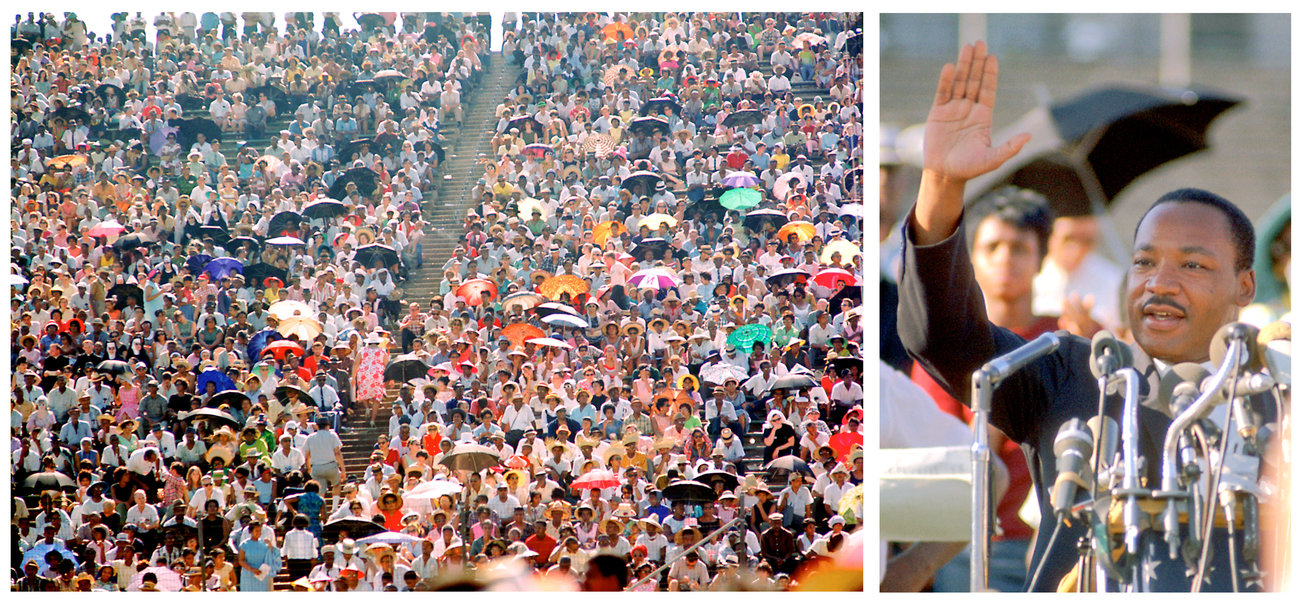
The crowd and Dr. King at the Chicago Freedom Movement rally on Sunday, July 10, 1966, at Soldier Field. Photograph by Bernard Kleina.
Following a rally for civil rights at Soldier Field in Chicago where Dr. King addressed the crowd on Sunday, July 10, 1966, thousands marched through downtown Chicago to City Hall.
The march ended when the list of demands was nailed to the door of Chicago’s City Hall.
Dr. Martin Luther King Jr. at Chicago’s City Hall on July 10, 1966.
King met with a passive and noncommittal Daley in City Hall on Monday, July 11, 1966 (this photo, March 24, 1966). The antagonists met infrequently in 1966 to address The Chicago Freedom Movement’s issues and each time King left with vague, piecemeal promises for change.
On July 14, 1966, three days after the Daley-King meeting, a drifter named Richard Speck tortured, raped, and murdered eight female student nurses from South Chicago Community Hospital on the south side of Chicago. Speck, born in an Illinois farm town in 1941, lived in Dallas for the last 15 years and, running from the law there, only arrived into Chicago in April 1966. In the pall of a July heatwave, the serial killer was on the loose in the city for three days – a police sketch plastered everywhere in newspapers and on TV – until he was arrested on July 17, 1966. These gruesome killings were called “The Crime of the Century” and added panic, gloom and a general fear to an already tense city.5
Two weeks later, on August 1, 1966, in Austin, Texas, Charles Whitman, shot 49 victims from the bell tower of the University of Texas, killing 17 – and brought the term “mass shooting” into the American popular discourse.
These violent crimes precipitated ramped-up tension in Chicago and the nation in the hot and muggy summer of 1966. Already gripped by an escalating Vietnam War as well as massive civil rights movements, women’s rights movements, youth counter-cultural movements, and even radical church reform (“Vatican II”) movements, American society was swiftly and increasingly wrapped into a tight fist of revolutionary social change whose resistance to it tended to exacerbate the possibility of what King called “social disaster.”
Violent crimes of mass murderers Richard Speck in Chicago in midJuly 1966 and Charles Whitman in Texas in August 1966 worked to ramp-up tension people felt in Chicago during the long, hot summer of 1966.
Speck’s horrendous crimes came in the same week when Chicago police shot and killed two black Chicagoans, including a pregnant 14-year-old girl, during riots on the predominantly black West Side that Daley blamed on King. King denied any such connection and told Daley that if it wasn’t for the Chicago Freedom Movement’s preaching nonviolence those riots would have mushroomed into another Watts. To King’s way of thinking these disturbances among a swath of the city’s population should serve as the clarion call to Daley to act boldly on behalf of the black community and begin to enact the 14 demands brought to him to make Chicago a racially open city.6
Instead Daley’s response was to mobilize 4,000 members of the National Guard to restore law and order. In the wake of the violence—with police brutality blamed by the police on the rioters—another meeting between Daley and King took place where they agreed on a handful of reforms– (1) to establish a citizen’s advisory committee on police and community relations; (2) that grassroots workers go door to door in riot-affected areas to advise calm; and, (3) a new investment to build more swimming pools in black areas.
King was unimpressed with what he considered Daley’s lackadaisical approach and local media mocked the mayor’s feeble plan.
“Get Ready” by Smokey Robinson was recorded by The Temptations in December 1965 and released in February 1966. It landed at no.1 on the Billboard R&B singles chart and reached no. 29 on the Billboard Hot 100 pop chart. The up-tempo dance number was led by the falsetto of The Temptations’ Eddie Kendricks. Since The Temptations were formed in Detroit, Michigan, in 1961, the male vocal group has proven to be one of rock history’s most enduring groups who are unparalleled in their artistic and commercial success.
For his part, King started “walking,” that is, organizing marches into the city’s largely white neighborhoods adjacent to black ones so to highlight the need for open housing. KIng also re-started talks with Chicago gang members to convince them to forsake violence and join his nonviolent racially integrated movement.7
Since Daley viewed Chicago as having more accomplishments than problems in the area of race relations and that, further, the Mayor publicly considered the outsider King to be a selfish agitator, many white residents of soon-to-be-marched-upon city neighborhoods assumed Daley would take their side.
But Daley’s politics of law and order and incremental social change succeeded in alienating almost everyone. In the Chicago mayoral election in 1967 black voter turnout and support for Daley disappeared and did not return for him in subsequent mayoral contests in 1971 or 1975. Meanwhile, white residents felt the fatal sting of being “betrayed”8 by the city powers as Daley did not stop the marches from going forward.
The north edge of Marquette Park in early 2016. Photograph by author.
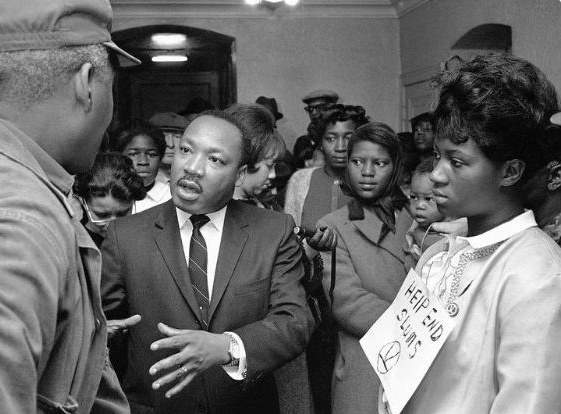
The Rev. Martin Luther King and Chicago building janitor Robert DeBose, left, discuss the eviction of families from the building. DeBose contended the families were evicted for not paying rent. fair use.
The first march was on Saturday, July 16, 1966 when a group of 120 demonstrators marched from Englewood into Marquette Park “for a picnic.” The next day, Sunday, July 17, 1966 about 200 marchers, taunted by neighborhood whites, held a prayer vigil outside a Gage Park church. Almost two weeks later, on Thursday, July 28, 1966, protesters began an all-night vigil at 63rd Street and Kedzie Avenue at a realty company that systematically discriminated against black buyers looking to move into Gage Park. The realtors had been reported to the Chicago Commission on Human Relations but nothing happened. White counter demonstrators appeared and with nightfall Chicago police struck a deal for the lawful open housing (or open occupancy) protesters to file into paddy wagons for safe escort back to the ghetto.
Dr. King attended two marches in Marquette Park on August 5, 1966 and, shown here, South Deering on August 21, 1966.
Movement leaders Al Raby (left), James Bevel (second from right) and Jesse Jackson (center) protest in front of the Chicago Real Estate Board in downtown Chicago.
Chicago Lawn white hecklers during a Chicago Freedom Movement march in summer 1966.
Chicago Police in Marquette Park on August 5, 1966. Their presence did not prevent severe rioting by white mobs that day.
On July 30, 1966 about 250 open housing protesters, furious about the recent night’s humiliation, looked to return to the same southwest side intersection. They were met by bottles and rocks thrown by whites so that the protesters retreated again east of Ashland Avenue into Englewood. When demonstrators marched out of Englewood again on July 31, 1966 more than 500 whites met them as the protesters crossed Ashland Avenue on 63rd Street. Armed with cherry bombs, rocks, bricks, and bottles, the surly mob grew to over 4,000 whites where they burned cars and injured around 50 open-occupancy protesters, including a first grade teacher hit by a projectile.
Rev. Martin Luther King Jr. and Rev. Jesse Jackson in Chicago on August 19, 1966. King holds a Chicago Daily News with a headline that reads “City Seeks To Cut Marches.” (AP Photo/Larry Stoddard) fair use.
On August 2, 1966, Daley met with white homeowner groups from the southwest side. In addition for calling for law and order from blacks and whites, the mayor acknowledged the open housing protesters had a legal right to march. Daley, through an intermediary, sent King modest housing improvement and integration proposals which King rejected and Daley implemented anyway. Daley next sent to an embattled King some local black aldermen who opposed the Chicago Freedom Movement but carried more substantial housing and employment offers from City Hall. The city government hoped that King, who was known to be looking for a way out of Chicago with a tangible victory, might accept a negotiated pact and call an end to the campaign. With these serious talks going on between Daley and King, the late summer marches for open housing continued under an increasingly vicious white backlash.
A white mob attacks a car during the Rev. Dr. Martin Luther King Jr’s August. 5, 1966 march to Marquette Park. Photo by Bernard Kleina.
White rioters encountering Chicago police at a Clark gas station in Marquette Park on August 5, 1966. A Confederate flag is on the right. Photo by Bernard Kleina.
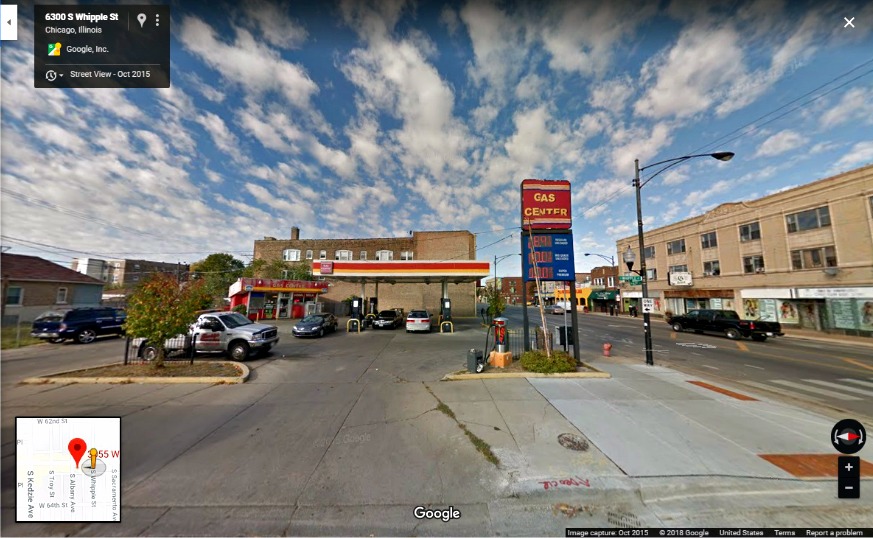
Whites moving east on 63rd Street to confront marchers on the way to Marquette Park on August 5, 1966. The Clark gas station in the background is the site of the photos by Bernard Kleina.
The infrastructure of the former Clark gas station still exists today on 63rd street (July 2018). Screen shot dated October 29, 2018.
The old Clark gas station looking east on 63rd Street at Whipple. Screenshot October 29, 2018.
On Friday, August 5, 1966, Al Raby and Mahalia Jackson led a group of about 500 open occupancy protesters into Marquette Park in south Chicago Lawn. A white mob of over 10,000 had gathered there and verbally abused the marchers and then turned physically violent. King, who up to this point had not participated in these marches, arrived and joined the march on the north side of the park. It was here, between Francisco and Mozart Streets south of Marquette Road that Martin Luther King was struck in the head behind the right ear by a baseball-sized rock and felled to one knee.
The open housing marchers, angry and disgusted, made their way the short distance out of the park and towards 63rd and Kedzie where King dodged a knife thrown at him. The crowd began to shout “Kill him!” as well as other racially charged epithets and about 2,500 whites now started throwing bottles, burned cars, smashed bus windows and clashed with police for the next five hours.
King with (from left) Mahalia Jackson, Jesse Jackson, and Al Raby at the New Friendship Baptist Church at 848 W 71st St in Chicago —the staging point for the 3 and a half miles walk to Marquette Park —on August 4, 1966. Photo: Chicago Tribune.
Marching south down Kedzie Avenue to Marquette Park in Chicago on August 5, 1966. Bourne Chapel is located at 6541 S. Kedzie, just two blocks from the park. Today the funeral home is gone. The yellow-brick building housing Tony’s Barber Shop in 1966 is still there today, though the barber shop business is gone. Photo by Bernard Kleina.
Rev. Martin Luther King Jr. falls after being struck by a rock from a taunting white mob in Marquette Park in Chicago on August 5, 1966. King would also dodge a knife hurled at him in the park. King soberly reacted by saying: “Oh, I’ve been hit so many times I’m immune to it.”
Vandals overturn a car before the August 5 march in Marquette Park. Photograph by Jim Klepitsch.
Rev. Martin Luther King Jr. with supporters in Marquette Park shortly after someone hurled a rock that hit him in the head. Photo by Bernard Kleina.
Martin Luther King, Jr.’s comments on that day’s violence entered the annals of civil rights and American history and marks a failing grade for Chicago: “I’ve been in many demonstrations across the south, but I can say I have never seen – even in Mississippi and Alabama – mobs as hostile and hate-filled as I’ve seen in Chicago. I think the people from Mississippi ought to come to Chicago to learn how to hate.”9
A permanent memorial to Dr. King and the Chicago Freedom Movement was erected in Marquette Park on August 5, 2016 for the 50th anniversary of the Marquette Park marches. This MLK Living Memorial at 67th Street and Kedzie Avenue includes a bench to contemplate the 300 tiles created by Chicagoans of all ages representing their understanding of “Home” and representations of a diverse community who continue to work to advance Dr. King’s vision of peace and justice.
In Chicago on Sept. 15, 1966, the Rev. Martin Luther King Jr, characterized an open housing agreement reached with Mayor Richard Daley and civic, business and religious leaders “a one-round victory.” King had named Chicago his first target in the North for racial equality in January 1966.
In 1960 virtually no blacks – only 7 according to that year’s U.S. Census– lived among a white population of 100,000 in Gage Park/Chicago Lawn/Marquette Park areas – cited in American Pharoah: Mayor Richard J. Daley His Battle for Chicago and the Nation, Adam Cohen and Elizabeth Taylor, Little Brown and Company, New York, 2000, p. 392. Fifty years after the Marquette Park march in 2016, the surrounding neighborhood of Chicago Lawn is a very different place from the all-white enclave King encountered. Whites now account for just 4.5 percent of the neighborhood’s population, according to the U.S. Census Bureau. African-Americans make up 49 percent and Hispanics 45 percent –http://chicago.suntimes.com/news/mitchell-rev-martin-luther-king-still-bringing-us-together/- retrieved August 5, 2016.
Results of West Side riots – American Pharoah, p. 389; Substance of 14 demands – Ibid., p. 385.
Media mock Daley’s plan and King re-engages gang members– Ibid., 389-391.
Black voter support declines – Black Politics in Chicago, William J. Grimshaw, Loyola University Presas, 1980, p. 25; whites feel “betrayed” – American Pharoah, p. 394.
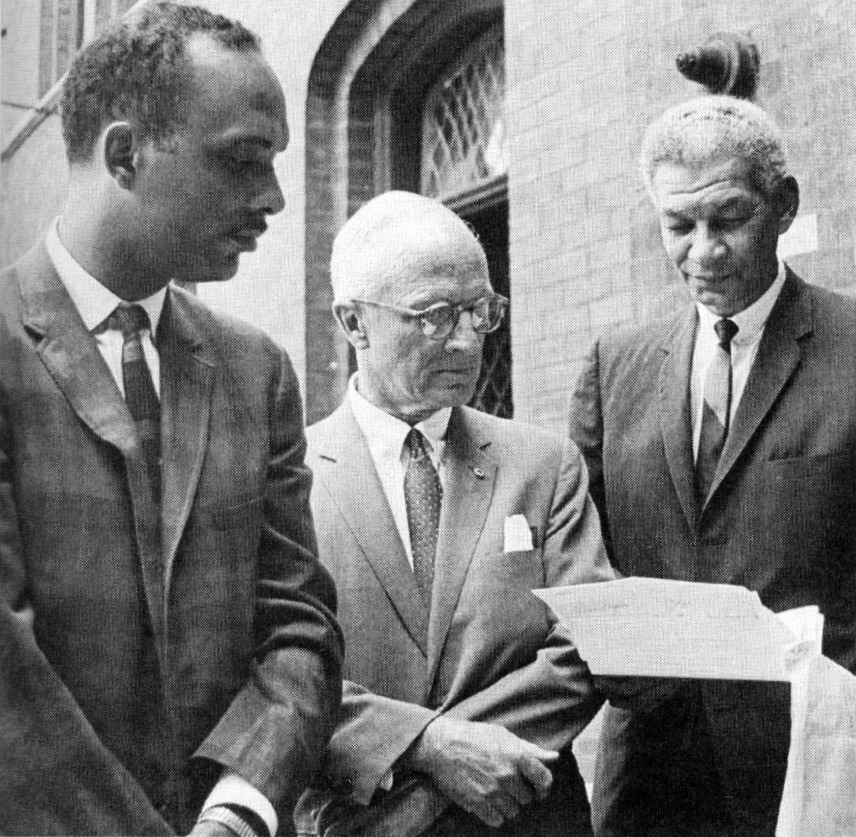
Chicago public school teacher Al Raby (left) of the CCCO and Edwin “Bill” Berry (right) of the Chicago Urban League inspect the open-housing agreement reached in Chicago in late August 1966 with Ross Beatty (center) of the Chicago Real Estate Board. It contained mostly broad volunteer promises for modest integration in all Chicago neighborhoods by the end of 1967, a mayoral election year. At an August 26, 1966 meeting at a downtown hotel with King and Daley both present — and after city faith leaders promised their resolute support of the agreement — Ross Beatty only tepidly endorsed the plan: “Well,” he confessed, “we’ll do all we can, but I don’t know how I can do it.”
June 19, 2022: Video in Marquette Park in Chicago of the Living Memorial taken during my visit.
The Dr. Martin Luther King Living Memorial is on the north side of Marquette Park in Chicago where the park is bisected by busy Kedzie Avenue. It was near this location that Dr. King, as he led protesters into the park during the historic Chicago Freedom Movement march on August 5, 1966, so to protest for open housing, was struck in the head and felled to the ground by a projectile thrown at him by angry white mobs who had gathered and were throwing bottles, rocks and bricks.
The memorial was dedicated on the 50th anniversary of the march (August 5, 2016). It is composed of a plaza, low seating wall, and three carved brick rectangular obelisks by artists Sonja Henderson and John Pittman Weber. The sculptural reliefs depict Dr. King and other prominent community members who marched with him that day.
If you liked this blog post , please visitParts 1 and Part 2 in the series here:
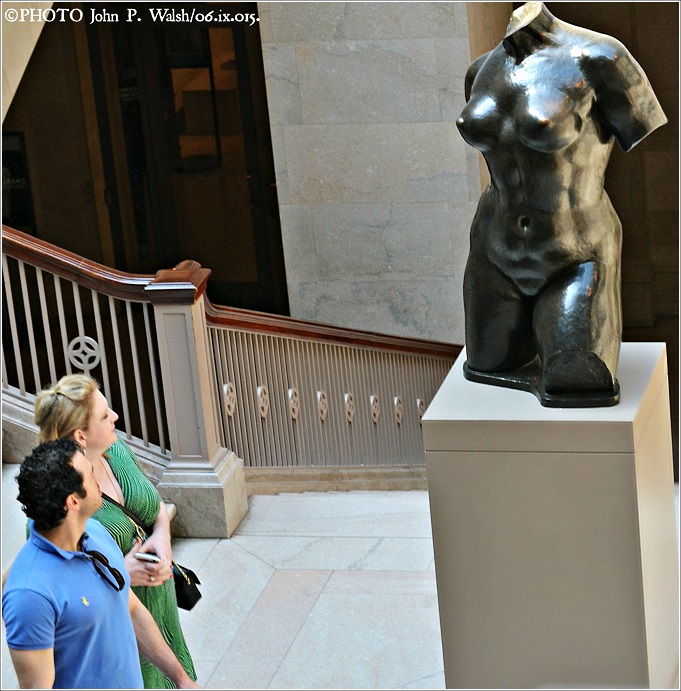
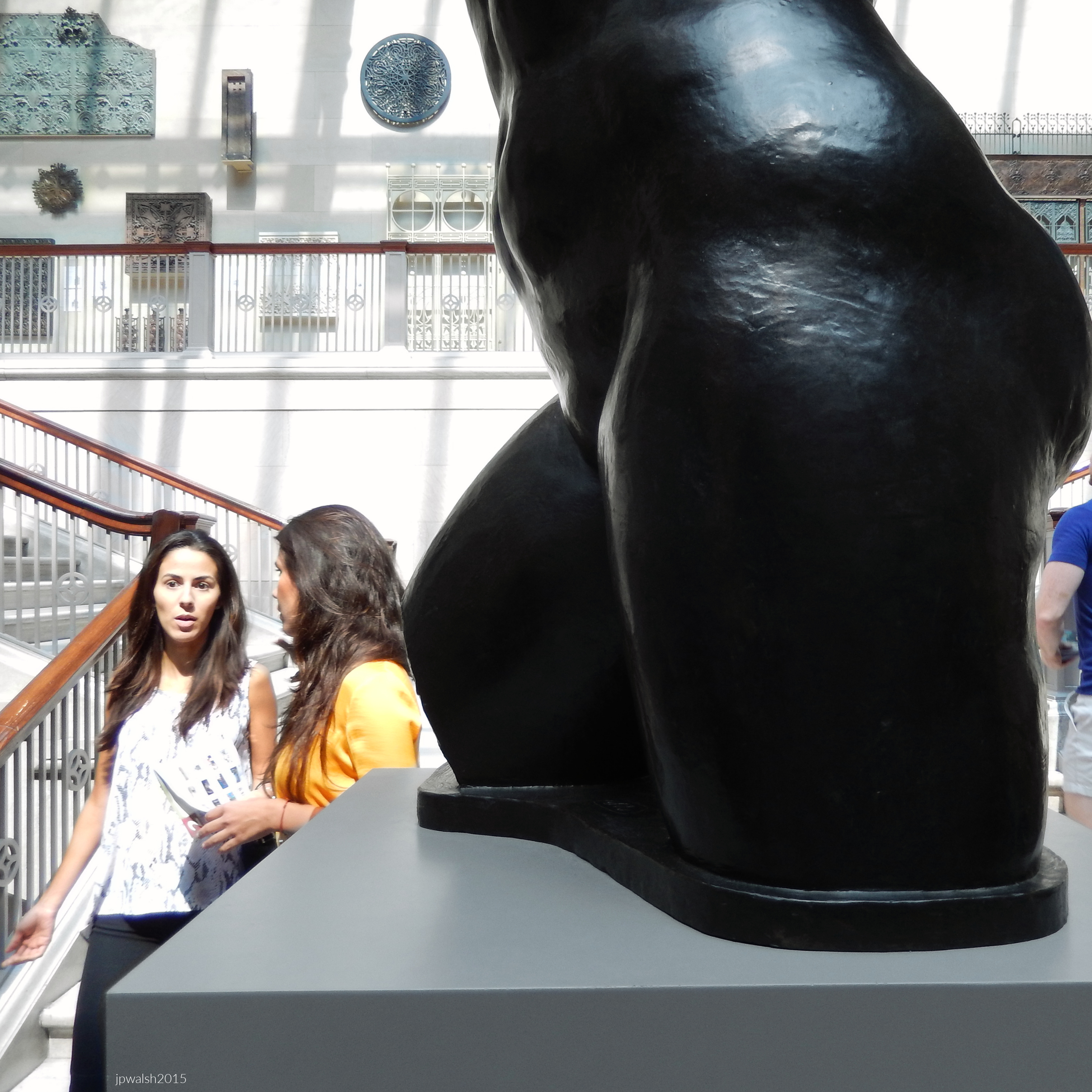
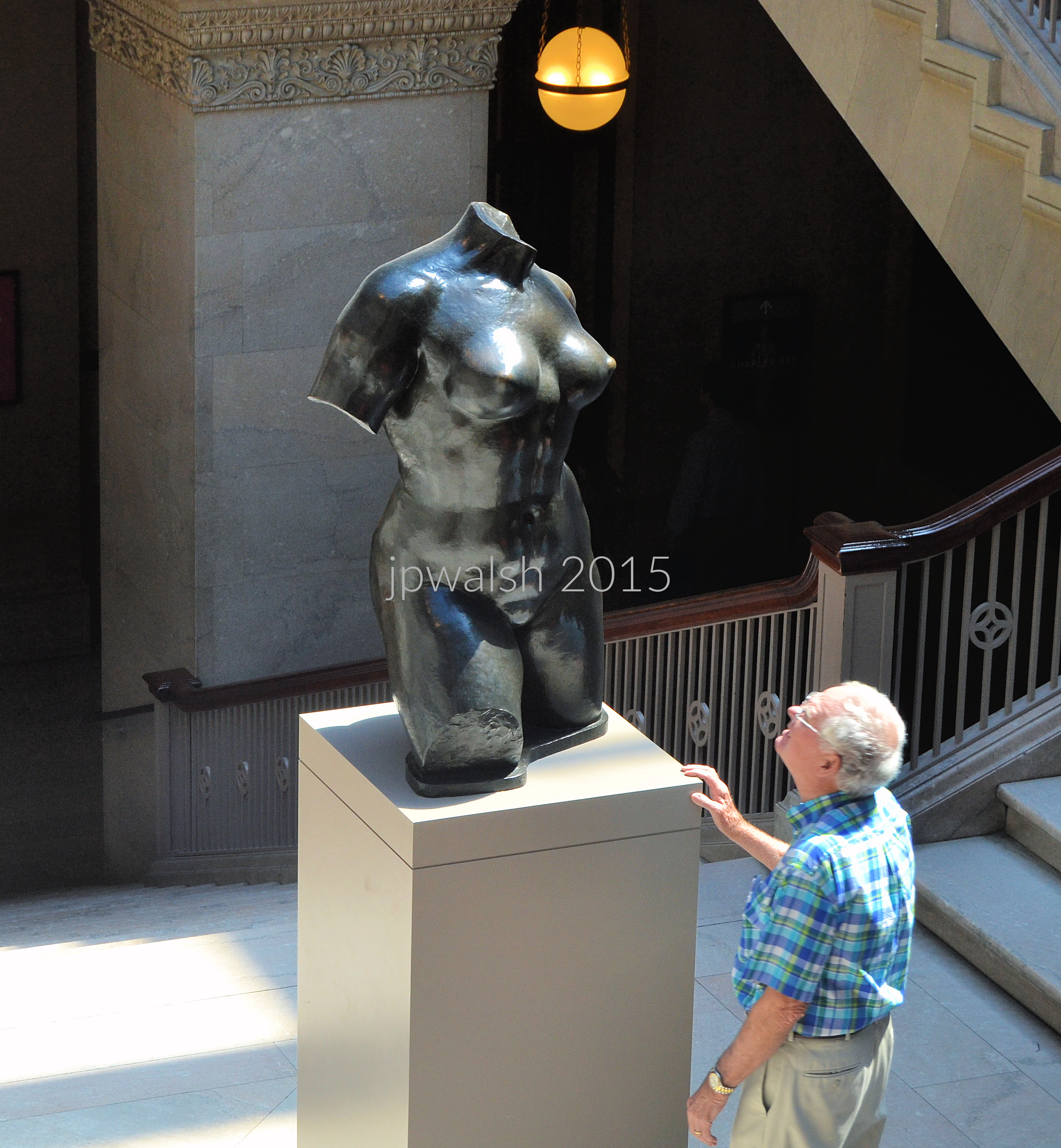
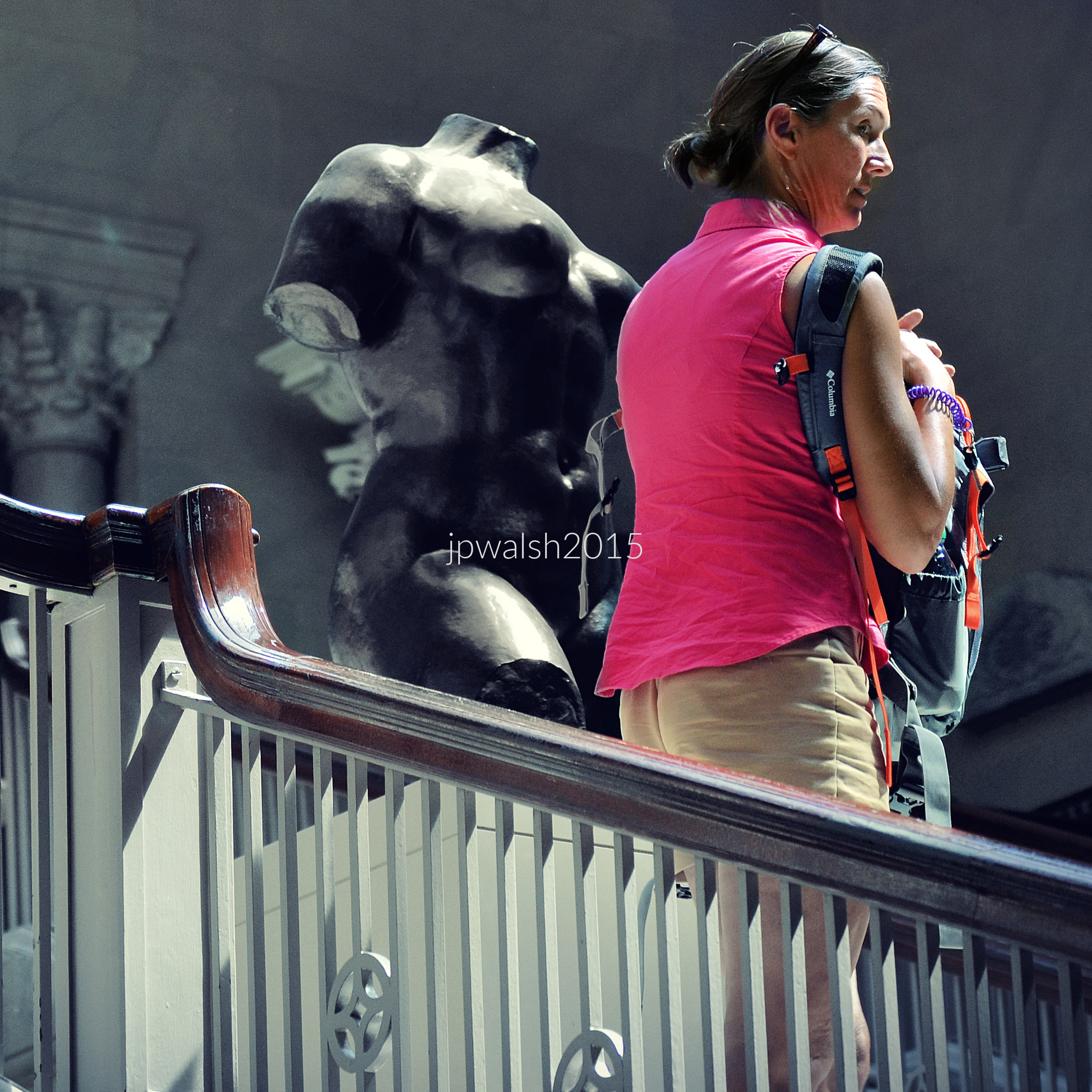
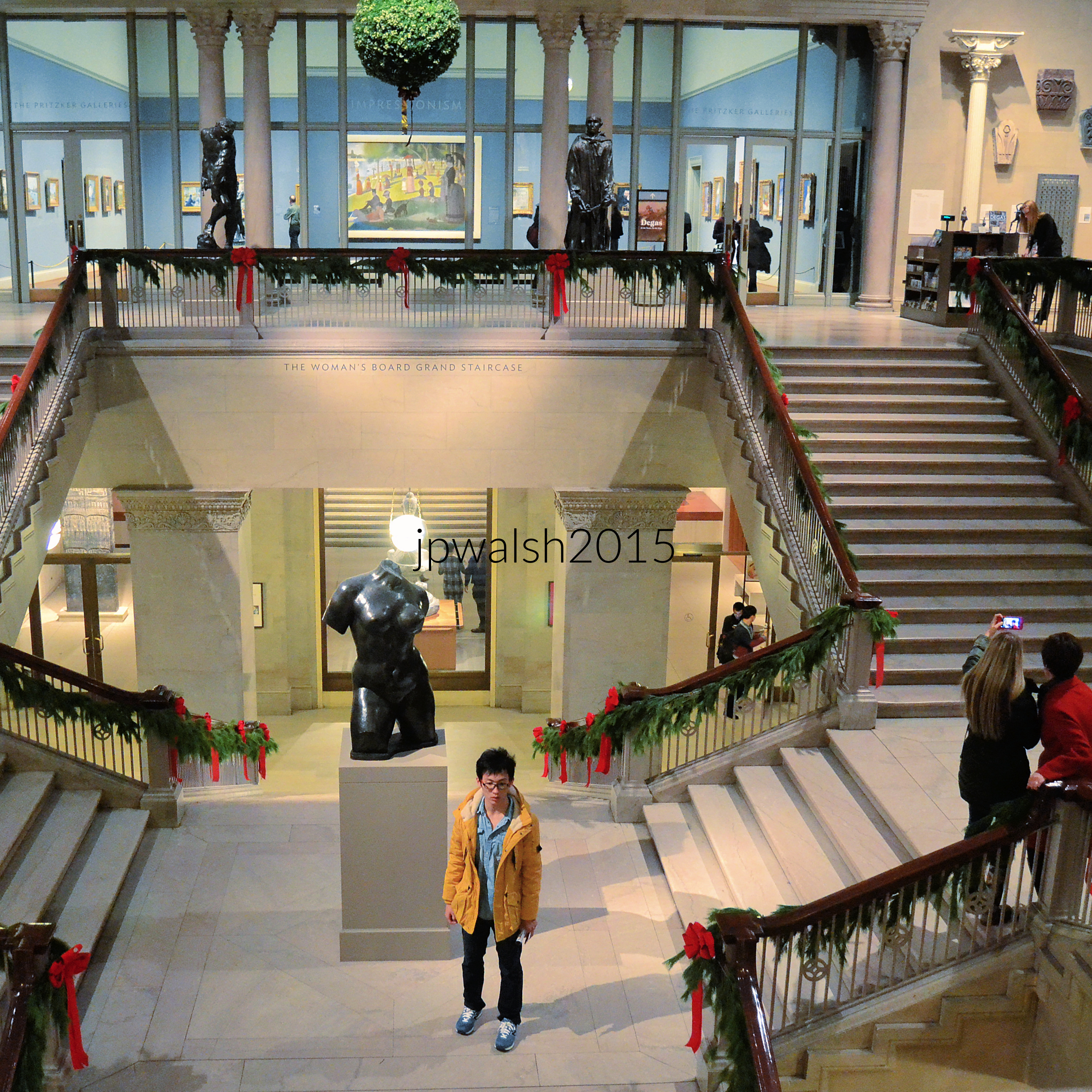
N.B. When this post was published in July 2016, Aristide Maillol’s Enchained Action — a torso cast in bronze and created in 1905 in France — enjoyed a lengthy time on the Women’s Board Grand Staircase at the Chicago art museum. In 2017 the torso was removed by museum curators and placed in an undisclosed location out of public view (see – https://www.artic.edu/artworks/82594/enchained-action). It was replaced by Richard Hunt’s Hero Construction (1958) (see – https://www.artic.edu/artworks/8633/hero-construction).
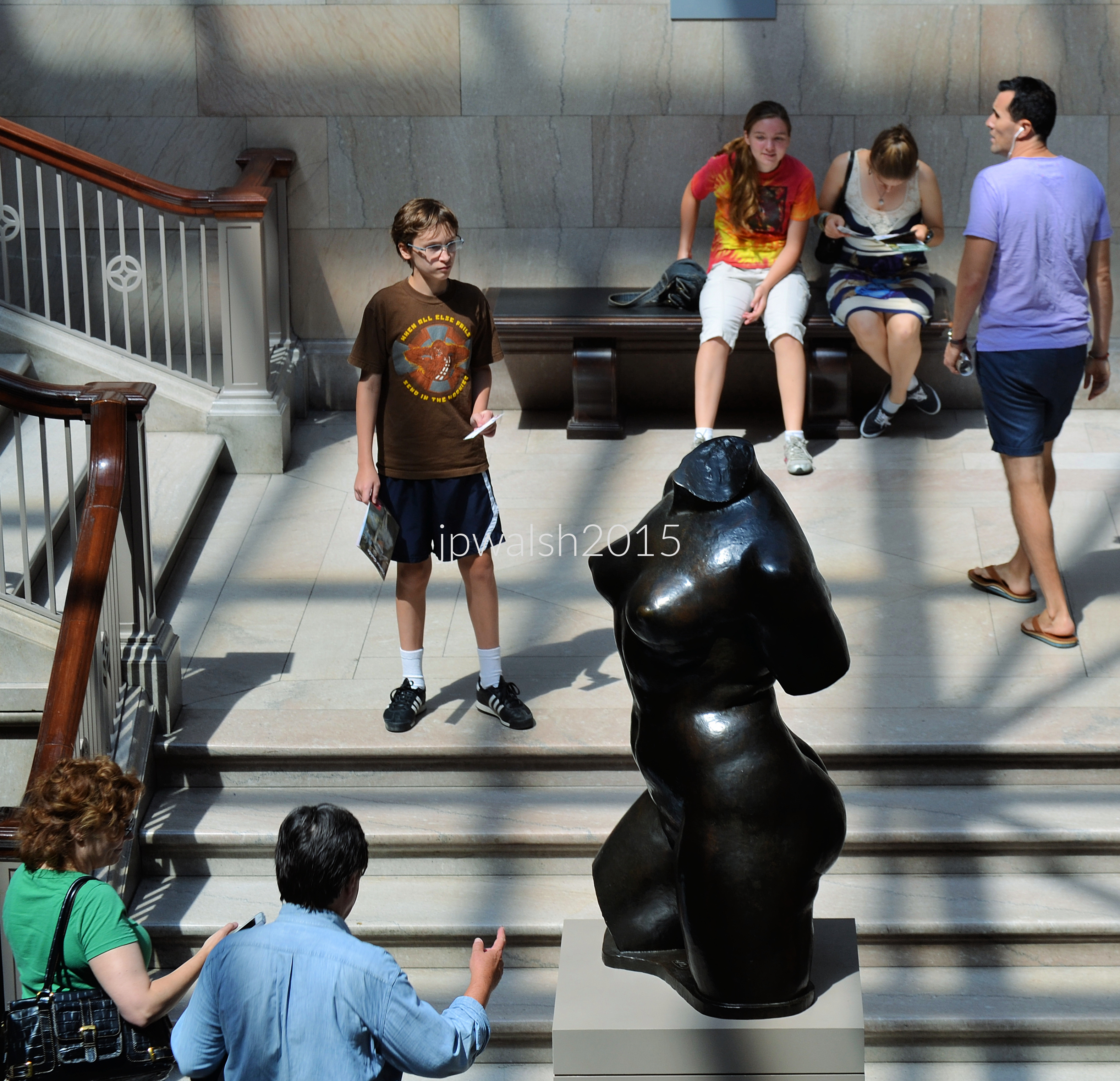
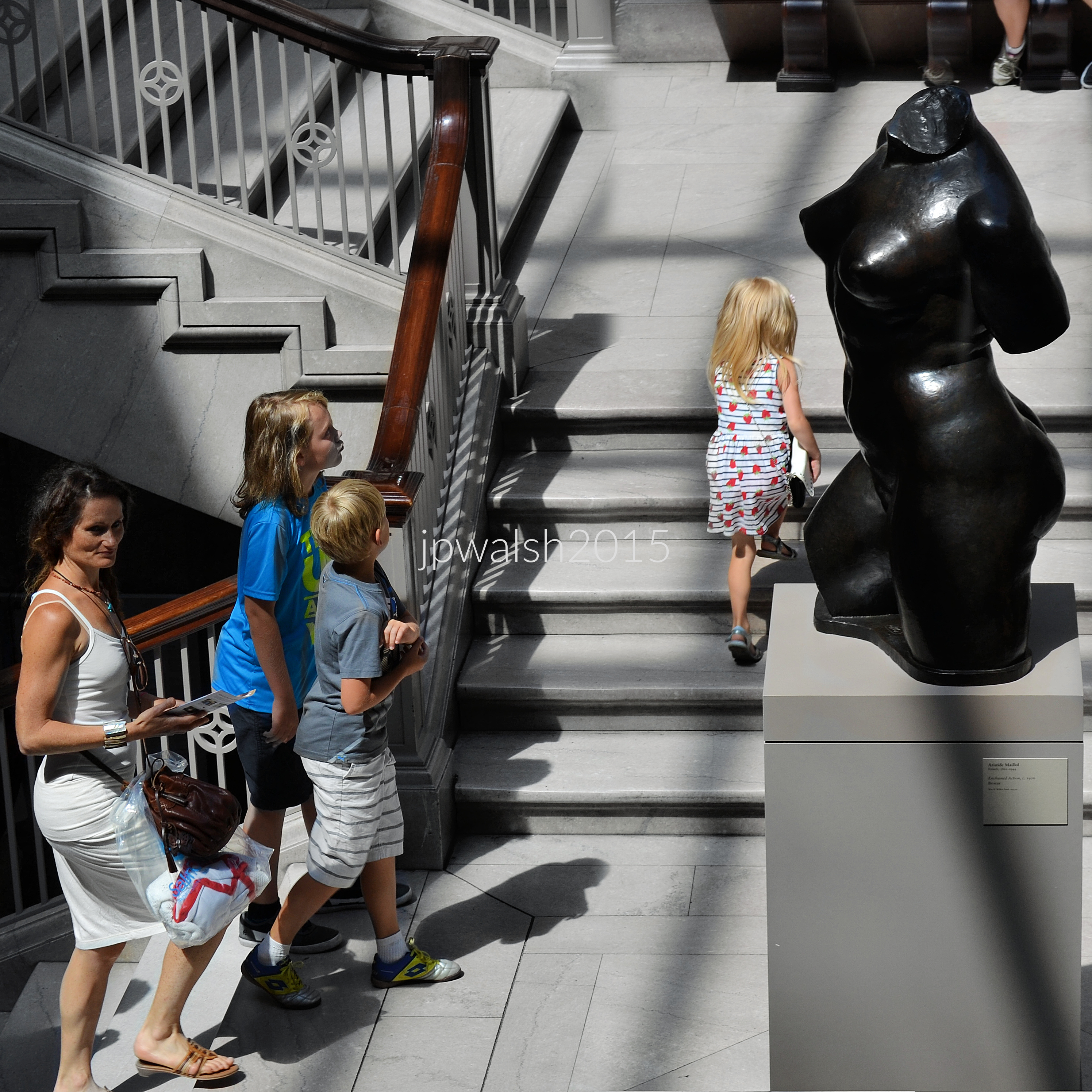
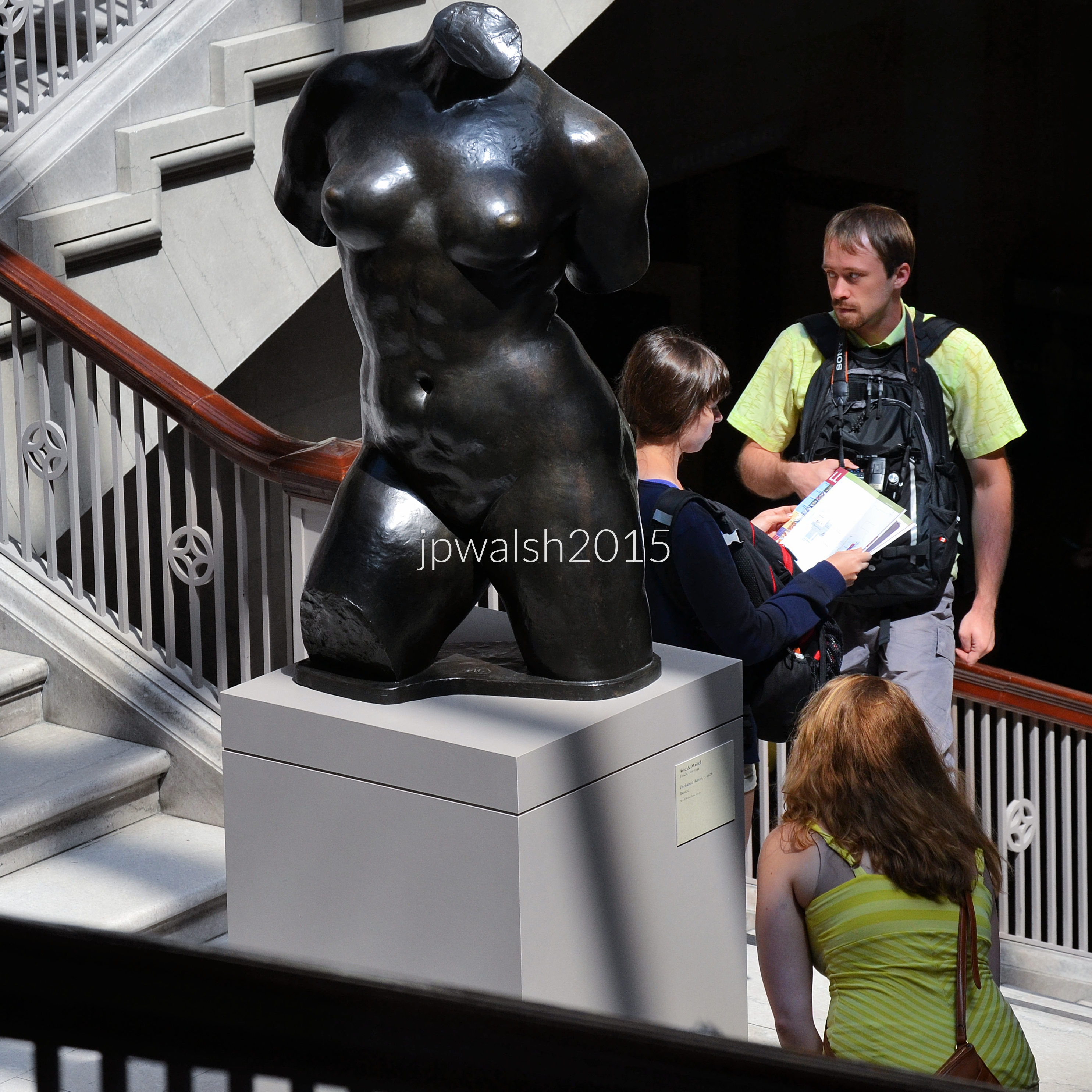
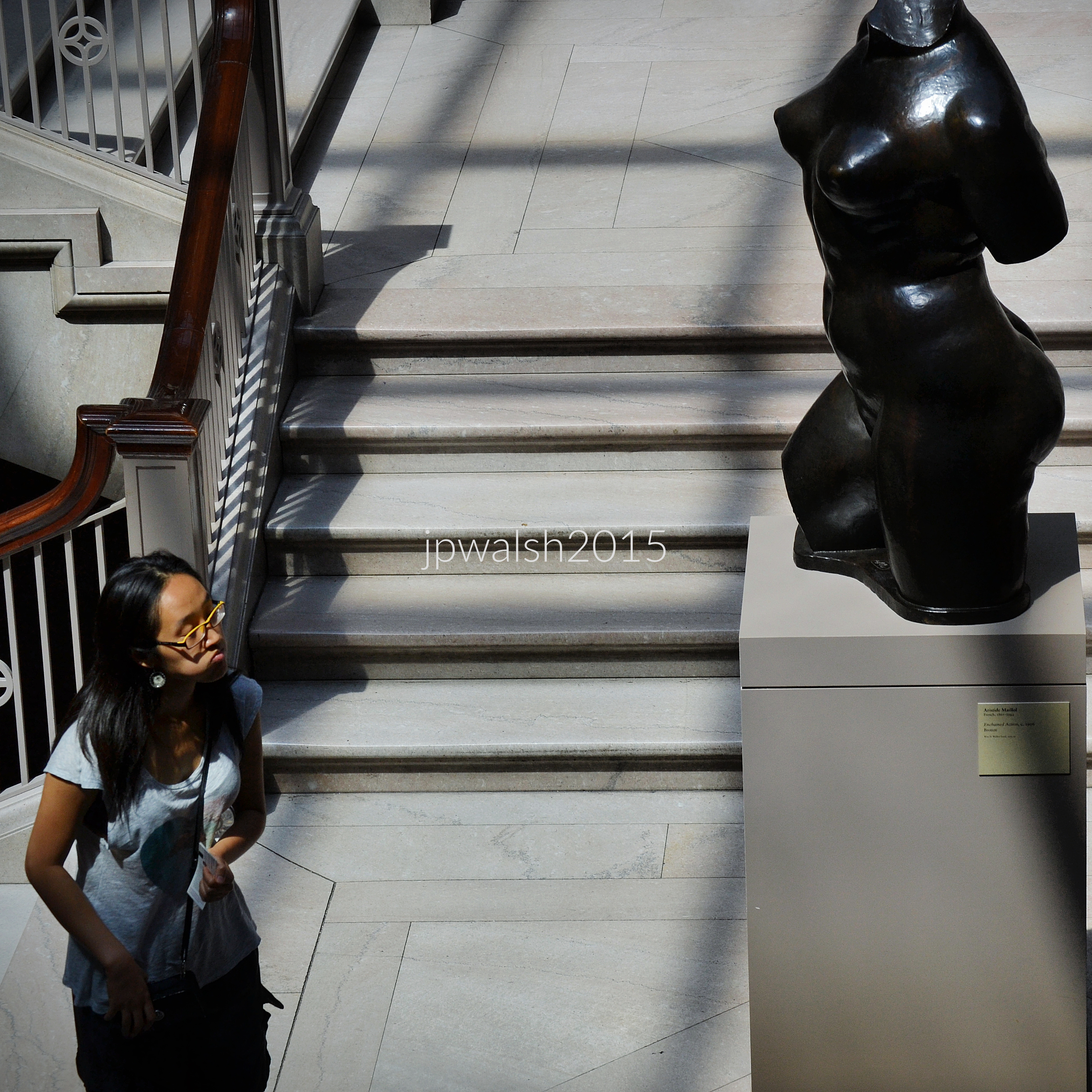
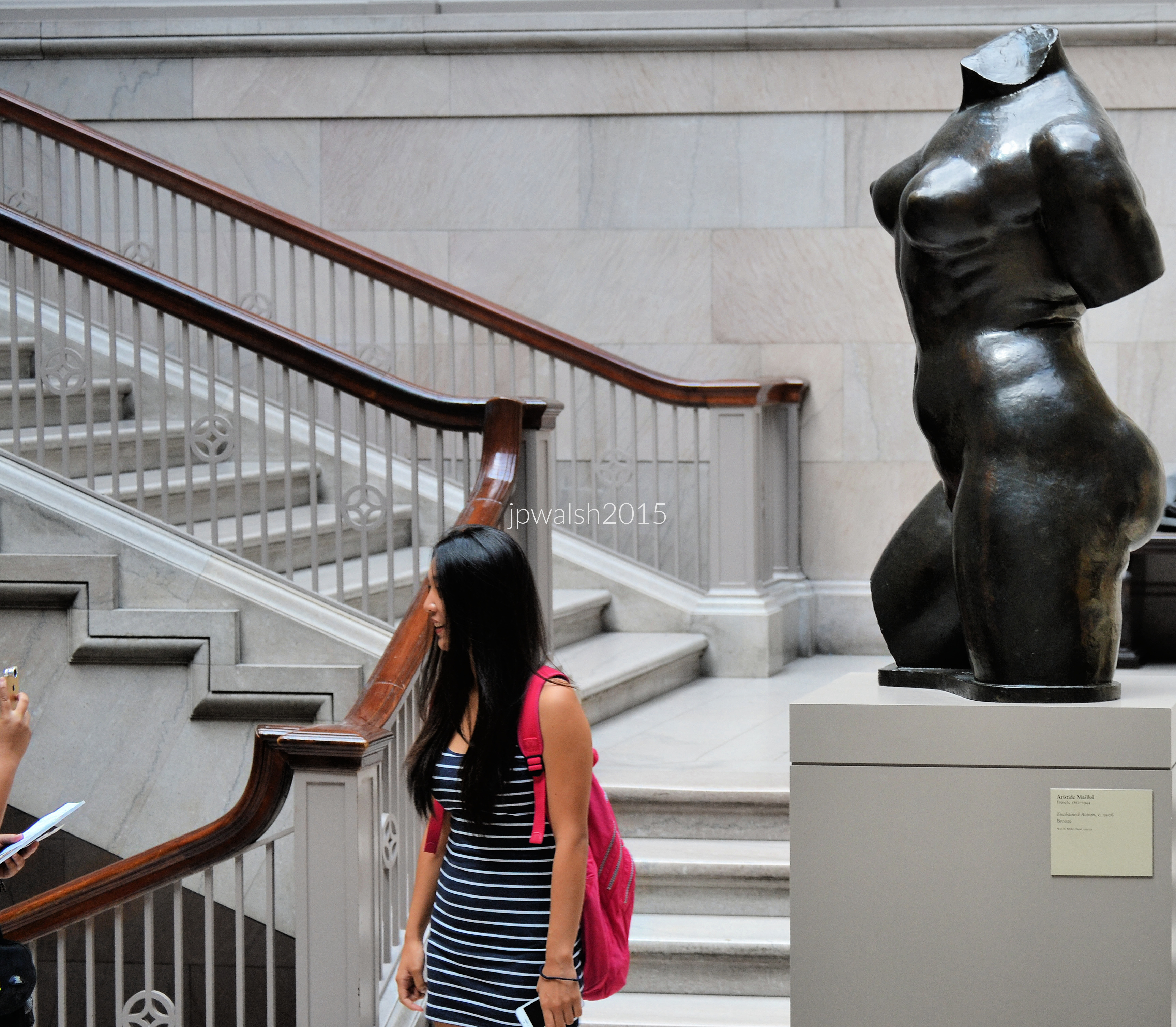
September 2015. 20th Century. France. Aristide Maillol (1861-1944), Enchained Action, c. 1906, Bronze. 47 1/2 × 28 × 21 in. (121.2 × 71 × 53.3 cm). The Art Institute of Chicago. August 2015. 20th Century. France. Aristide Maillol (1861-1944), Enchained Action, c. 1906, Bronze. 47 1/2 × 28 × 21 in. (121.2 × 71 × 53.3 cm). The Art Institute of Chicago.
Text and photographs by John P. Walsh.
In September 2016 the Musée Maillol re-opens in Paris following its unfortunate closure due to poor finances earlier in the year. Under the new management team of M. Olivier Lorquin, president of the Maillol Museum, and M. Bruno Monnier, chairman of Culturespaces, the museum’s new schedule calls for two major exhibitions each year which will look to honor the modernist legacy of the artist, Aristide Maillol (French, 1861-1944) and the museum’s founder, Maillol’s muse, Dina Vierny (1919-2009).
This photographic essay called “Encountering Maillol” is constituted by 34 photographs taken by the author in The Art Institute of Chicago from 2013 to 2016 of the artistically splendid and historically notable sculpture Enchained Action by Maillol and random museum patrons’ reactions when viewing it. The impressive bronze female nude from 1905 stands almost four feet tall atop a plain pedestal which greets every visitor who ascends the Grand Staircase from the Michigan Avenue entrance. Enchained Action is one of Maillol’s earliest modernist sculptures and is doubtless filled by a dynamism not encountered anywhere else in his oeuvre.1
Modelled in France in 1905 by a 44-year-old Maillol who by 1900 had abandoned Impressionist painting for sculpture (first in wood, then in bronze) Enchained Action is one of the artist’s most impressive early sculptures. From the start of his sculptural work around 1898 until his death in 1944, the female body, chaste but sensual, is Maillol’s central theme. What can be seen in Enchained Action expresses the intensity in his early sculptural work which is not found later on—particularly the artist’s natural dialogue among his experimental works in terracotta, lead, and bronze each of which is marked by an attitude of robust energy expressed in classical restraint and modernist simplicity. Enchained Action exhibits Maillol’s early facility for perfection of form within a forceful tactile expression which deeply impressed his first admirers such as Maurice Denis (1870-1943), Octave Mirbeau (1848-1917) and André Gide (1869-1951) and cannot fail to impress the museum goer today.2 By force of this new work in the first decade of the twentieth century, Maillol started on the path of becoming an alternative to and, dissonant heir of Auguste Rodin (1840-1917).3
Maillol’s early sculptural work is important for what it is—and is not. Modeled around three years after he completed his first version of La Méditerranée in 1902 in terracotta and for which his wife posed—a major modernist achievement of a seated woman in an attitude of concentration—and whose radically revised second version was exhibited at the 1905 Salon d’Automne, Enchained Action forms part of Maillol’s revolution for sculpture starting around 1900. Maillol made a radical break with neoclassicism and stifling academicism with its strange blend of realism and mythological forms—and with a rising generation of young sculptors such as Joseph Bernard (1866-1931), Charles Despiau (1874-1946) and Antoine Bourdelle (1861-1929)—blazed a new path for sculpture. Except for Maillol, all these young sculptors worked in menial jobs for Rodin. Because of Maillol’s chosen artistic distance from Rodin’s work, Maillol did not need to react to it and so rapidly achieved his own new style as soon as 1905, the year of Enchained Action.
Maillol’s concept and primary approach to the beauty of the human body was to simplify and subdue forms. This pursuit began in early 1900 and advanced until the artist’s first time outside France on his trip to Greece in 1908 with Count Kessler (1868-1937). An important early sculpture—Recumbent Nude, 1900—was cast with the help of his lifelong friend Henri Matisse (1869-1954). This friendship had ramifications for the Art Institute’s Enchained Action in that it was purchased from Henri Matisse’s son, art dealer Pierre Matisse in 1955 right after his father’s death. While it would prove quaint for The Art Institute of Chicago to install Maillol’s limbless torso of Enchained Action on The Grand Staircase to pay homage or evoke the Louvre’s Winged Victory or Venus de Milo, it is historically significant so to embody Maillol’s artistic outlook in 1905 for his new sculpture, of which Enchained Action is an example. In the years between 1900 and 1908, Maillol searched beyond realism and naturalism to create sculpture with an abstract anatomical structure that jettisoned the sign language of physical gestures which are emotional and where limbs could be problematic for Maillol’s end design. The human torso of Enchained Action foregoes limbs and head to alone embody and convey the artist’s import for it.4
On The Art Institute of Chicago’s Grand Staircase Enchained Action displays Maillol’s sensitive surface modeling capturing human flesh’s animation and sensual power more than its suppleness as found in Italian masters such as Bernini –such difference serves Maillol’s purpose for his subject matter. The torso is differently pliant—toned, muscular, and strident. It displays the humana ex machina whose stance and posture express the modern hero’s defiance and whose nakedness retains the beauty uniquely imbued in the female human body. Enchained Action is a different work altogether than every work Maillol modeled and cast up to 1905. His art progresses in experimentation by its direct interface with politics. Enchained Action is not only an artwork but a political artwork where Maillol empowers both spheres. For today’s viewer who reacts to nudity in art with the shame of eroticism, they may see (or avoid seeing) its sprightly breasts, taut stomach, and large buttocks of Enchained Action only in that mode. The museum limits such visitors to this narrow viewpoint because they do not explain to them Maillol’s artful technique, conceptual artistic revolution by 1905, or unique political and socioeconomic purpose for this imposing artwork in plain view.
With an aesthetic interest established for Enchained Action—for it signals a break with the artistic past and the birth of modern sculpture in its abstraction – a question is posed: what are the political and socioeconomic purposes for this work? Its original and full title reveals a radical social implication: Torso of the Monument to Blanqui ([En] Chained Action). Abbreviated titles—and such appear at The Art Institute of Chicago, The Metropolitan Museum of Art (Torso of Chained Action) and in the Jardin des Tuileries in Paris (L’Action enchaînée)—neatly avoids or even voids the sculpture’s original radical social message. Maillol’s Enchained Action is dedicated it to the French socialist revolutionary Louis Auguste Blanqui (1805-1881).
In 1905 Maillol’s Enchained Action was a public monument honoring the centenary of Blanqui’s birth and consolidation of the French socialist movement that same year into the Section Française de l’Internationale Ouvrière (SFIO), a single leftist political party that was replaced by the current Socialist Party (PS) in 1969. Given this background a visitor may simply stare at or bypass the torso but perhaps for reasons of politics rather than eroticism. The title omission—first promoted by André Malraux in 1964 for the Tuileries’ copy—does disservice to Maillol’s accomplishment and its full title should be restored. The Metropolitan has an incomplete title but on thee label includes information on Blanqui and clearly states their version was cast in 1929. The Art Institute of Chicago’s casting date for the torso is obscure. For a better appreciation of the artwork, familiarity with its social and political historical context is important to locate the intended nature of the energy expressed in it. Torso of the Monument to Blanqui ([En] Chained Action) is a figure study of a strident naked female torso and an expression of radical politics in France at the turn of the last century.
By 1905 Maillol’s new sculptural work attracted important collectors. Rodin introduced Maillol that year to Count Kessler at the Paris gallery of Ambroise Vollard (1866-1939) and to other progressive writers, art critics, and painters. Maillol’s work was a new art form for a new century. It was in 1905 that Paris friends, among them Anatole France (1844-1924), Georges Clemenceau (1841-1929), Gustave Geffroy (1855-1926), Jean Jaurès (1859-1914) and Octave Mirbeau, approached Maillol to persuade the avant-garde artist to accept a commission for the politically sectarian Blanqui monument. It would be a tribute très moderne to a fierce socialist revolutionary but and the entire Blanqui family tradition which had voted to guillotine Louis XVI in the French Revolution and plotted against each ruling regime in France afterwards. Immense confidence was placed in Maillol by these bold turn-of-the-century intelligentsia and by the artist himself who came from a generation that came to believe they were the torchbearers of a new art.
In France public opinion was frequently divided on art matters. When Rodin agreed to Maillol’s commission—he wanted Camille Claudel to do it, but she had become seriously psychotic by 1905—the older sculptor admired and purchased Maillol’s new sculpture—in addition to experiencing his own deep familiarity with the vagaries of creating public monuments. Committee members, by and large left-wing sympathizers, made a favorable impression on Maillol who agreed to do the work. On July 10, 1905, Maillol promised Georges Clemenceau, “I’ll make you a nice big woman’s ass and I’ll call it Liberty in Chains.”5 After that, Maillol’s new sculpture—a symbolic monument to a political revolutionary erected in October 1908 under protest of town leaders on the main square of Blanqui’s native village of Puget-Théniers in the south of France—became the subject of unending intense scrutiny. How to respond to a large and powerful standing figure, tense and in motion where human struggling is borne to the edge of absorbing mute serenity by restraint of chains symbolizing Blanqui’s thirty years in jails by successive French governments?6 In the first ten days of working on the new commission, Maillol made three small sketches and two maquettes of an armless torso followed by other preliminary work. He finished a final clay version in 1905 whose contemplative intimacy reflected socialist Jean Jaurès’sagenda for political life: “We are inclined to neglect the search for the real meaning of life, to ignore the real goals—serenity of the spirit and sublimity of the heart … To reach them—that is the revolution.”7 Sixty-five-year-old Rodin whose critical judgment of the new sculpture which undertook to streamline art forms to the point of austerity against Rodin’s “monstrous subjects, filled with pathos” remarked tersely on Enchained Action.8 Although Maillol saw this public monument as more reliant than ever on Rodin’s concepts, M. Rodin after seeing it was reported to ambiguously mutter: “It needs looking at again.”9
It may be better to judge Enchained Action inside its historical moment. Former Metropolitan curator Preston Remington (1897-1958) praised his museum’s copy of the torso calling it “splendid” and “impeccable” in its observation of the human form. Yet he concludes that it is “essentially typical” of the sculptor for it “transcends the realm of visual reality.”10Enchained Action displays none of the delicacy, awkwardness, luminosity, or calm of the artist’s earlier sculptures and predates major developments in Maillol’s oeuvre after 1909 which differs extensively from that of Enchained Action11 and for which is based much of the artist’s legacy, even by 1929 when Remington is writing. Is it fair to identify Enchained Action as “essentially typical” even as it sublimates form? Viewed in 1905—a watershed year for modern art, including an exhibition of Henri-Matisse’s first Fauvist canvases at the Salon des Indépendents and at the Salon d’Automne—Enchained Action became that year Maillol’s largest sculptural statement to date. The commission, while relying on Rodin’s concepts in its depiction of strenuous physical activity—a quality Preston Remington recognized as “exceptional” in the torso and yet as a critical judgment ambiguous as to whether it refers to Maillol’s reliance on Rodin—afforded Maillol further confidence to execute his monumental art after 1905 for which today he is famous. While for Mr. Remington the representative quality of Enchained Action was what he sought for a museum collection, its exceptional qualities in values that are literally not “essentially typical” for the sculptor.
The complete final figure of Monument to Blanqui([En] Chained Action)—and not only the torso that is displayed on the Grand Staircase of The Art Institute of Chicago—depicts a mighty and heroic woman struggling to free herself from chains binding her hands from behind. Both of these “complete” versions are in Paris and found in the Jardin des Tuileries and in the Musée Cognacq-Jay. Maillol’s later studies for Enchained Action commenced without its head and legs that expressed a heightened anatomical intensity in place of Rodin-like strife.12 Chicago and New York each have a bronze replica of the torso. The Tate Britain has one in lead. Following the Great War, Maillol’s Monument to Blanqui ([En] Chained Action) standing for 14 years in Puget-Théniers’ town square was taken down in 1922 so to erect a monument aux morts. During World War II fearing that the extant original sculpture would be melted down for Nazi bullets, Henri Matisse purchased it from Puget-Théniers and gave it to the city of Nice. The original bronze was saved and now stands in the Tuileries Gardens in Paris.13
NOTES
Dynamism not anywhere else in his oeuvre – “Maillol/Derré,” Sidney Geist, Art Journal, v.36, n.1 (Autumn 1976), p.14.
In 1964-65, 18 large bronzes were placed in the Jardins du Carrousel, Paris, owing to André Malraux and Dina Vierny, Maillol’s last model-http://www.sculpturenature.com/en/maillol-at-the-jardin-tuileries/ – retrieved July 26, 2016; Metropolitan copy cast in 1929 –http://www.metmuseum.org/collection/the-collection-online/search/196526; AIC cast date obscure- http://www.artic.edu/aic/collections/artwork/82594?search_no=6&index=12 – retrieved September 8, 2015; Maillol meets Count Kessler – http://www.metmuseum.org/art/collection/search/204794-retrieved May 25, 2016; torchbearers – Rodin: The Shape of Genius, Ruth Butler, Yale University Press, 1993, p.284; Rodin admired Maillol’s new sculpture- Lorquin, p.52; Rodin wanted Camille Claudel for commission– Lorquin, p. 55; “make you a nice big woman’s ass…”- quoted in Lorquin, p 56.
Sketches, maquettes, final version – Lorquin, p. 57-58.; Jaurès quoted in Uncertain Victory: Social Democracy and Progressivism in European and American Thought, 1870-1920, James T. Kloppenberg, Oxford University Press, New York & Oxford, 1986, p. 297.
“A Newly Acquired Sculpture by Maillol,” Preston Remington, The Metropolitan Museum of Art Bulletin, Vol. 24, No. 11, Part 1 (Nov., 1929), pp. 280-283.
Such works as Night (1909), Flora and Summer (1911), Ile de France (1910–25), Venus (1918–28), Nymphs of the Meadow (1930–37), Memorial to Debussy (marble, 1930–33; Saint-Germain-en-Laye) and Harmony (1944) which are composed, harmonious, and monumental nude female figures often labeled “silent” by critics.
Enchained Action was first modeled with arms. The story of how the first limbless final version came about involving Henri Matisse – see Lorquin, p.58.
May 2016. September 2015.May 2015. August 2015. August 2015. August 2015. July 2015.November 2015.September 2015.August 2015. September 2015.September 2015.August 2015.August 2015.May 2015. July 2015. May 2016. August 2015.September 2015. August 2015.July 2015. November 2015.September 2015. May 2015. September 2015. May 2016. August 2015. August 2015. July 2015. 20th Century. France. Aristide Maillol (1861-1944), Enchained Action, c. 1906, Bronze. 47 1/2 × 28 × 21 in. (121.2 × 71 × 53.3 cm). The Art Institute of Chicago.
In situ: Aristide Maillol’s Enchained Action. The torso is cast in bronze and created in France in 1905. It sits on the landing of the Grand Staircase (main entrance) of The Art Institute of Chicago.
August 2015. August 2015. August 2015. August 2015. September 2015. September 2015. September 2015. September 2015. 624kb 35%September 2015. 5.66 mbSeptember 2015. 6.70 mbSeptember 2015. 4.88 mbSeptember 2015. 668kb 30%September 2015. 30%May 2016. 3.67mb DSCN2516July 2015. 5.01 mb DSC_0539 (1)August 2015. 2.87mb DSC_0641 (2)August 2015. 2.01mb DSC_0964 (1)August 2015. 2.75mb DSC_0975 (1)August 2015. 2.75mb DSC_0976 (1)August 2015. 2.77mb DSC_0972 (1)August 2015. 3.28mb DSC_0983 (1)August 2015. 3.31mb DSC_0088 (1)November 2015. 3.64mb DSC_0314 (2)Maillol in 1925. Photograph by Alfred Kuhn. (Public Domain)https://www.academia.edu/27662632/ENCOUNTERING_MAILLOL_A_CONTEMPORARY_PHOTOGRAPHIC_ESSAY_OF_ARISTIDE_MAILLOLS_ENCHAINED_ACTION_ON_THE_GRAND_STAIRCASE_OF_THE_ART_INSTITUTE_OF_CHICAGO
FEATURE image:Ewerdt Hilgemann, Habakuk (Homage to Max Ernst), 2014, stainless steel, Borzo Gallery and The Mayor Gallery. In/Situ Outside 2015.
EXPO CHICAGO 2015 is the 4th annual exhibition of international contemporary and modern art held in Chicago at Navy Pier’s Festival Hall on September 17 – 20, 2015. This year’s exhibition featured 140 art galleries representing 16 countries and nearly 50 major international cities including New York City, Shanghai, Tokyo, Beijing, Rome, Berlin, London, Paris, Amsterdam, San Francisco, Los Angeles and Chicago.
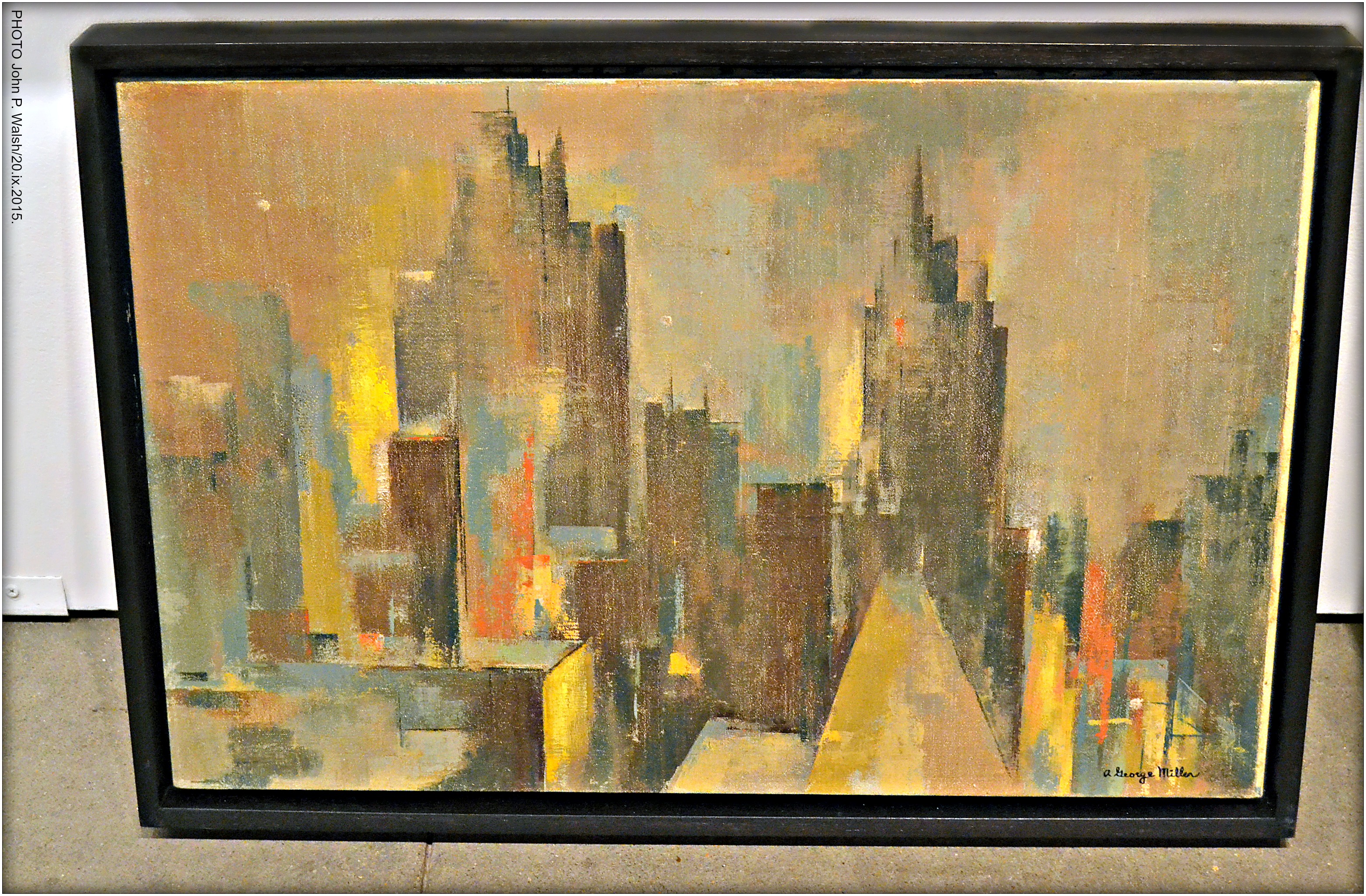
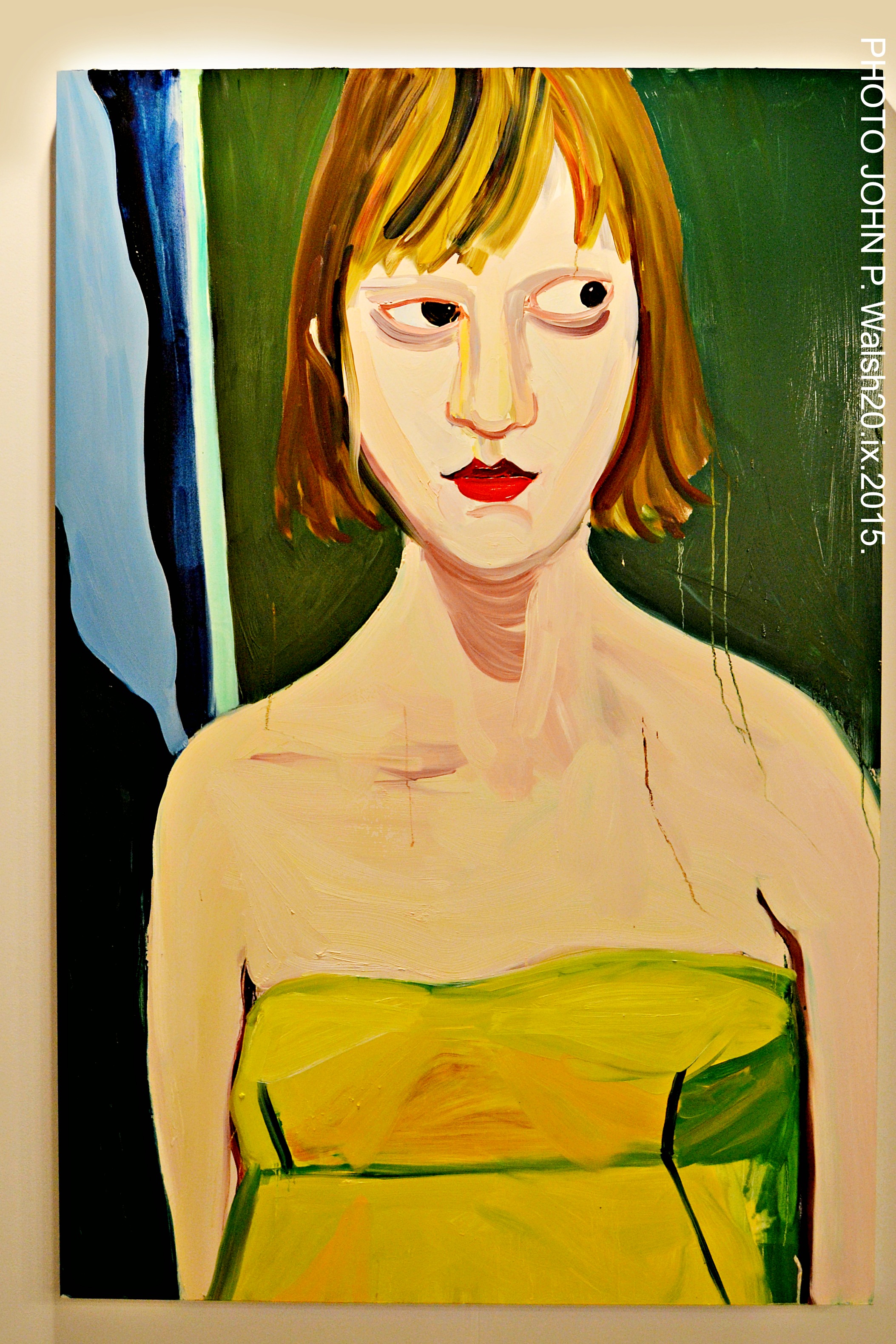
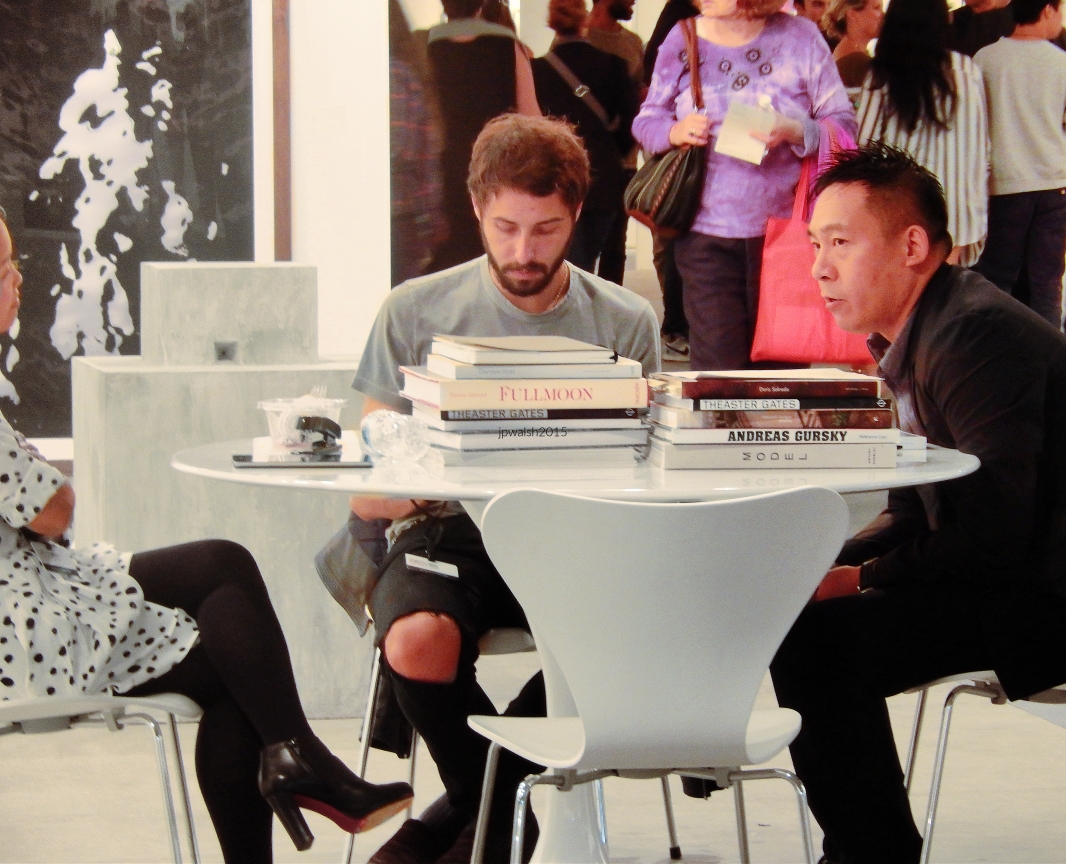
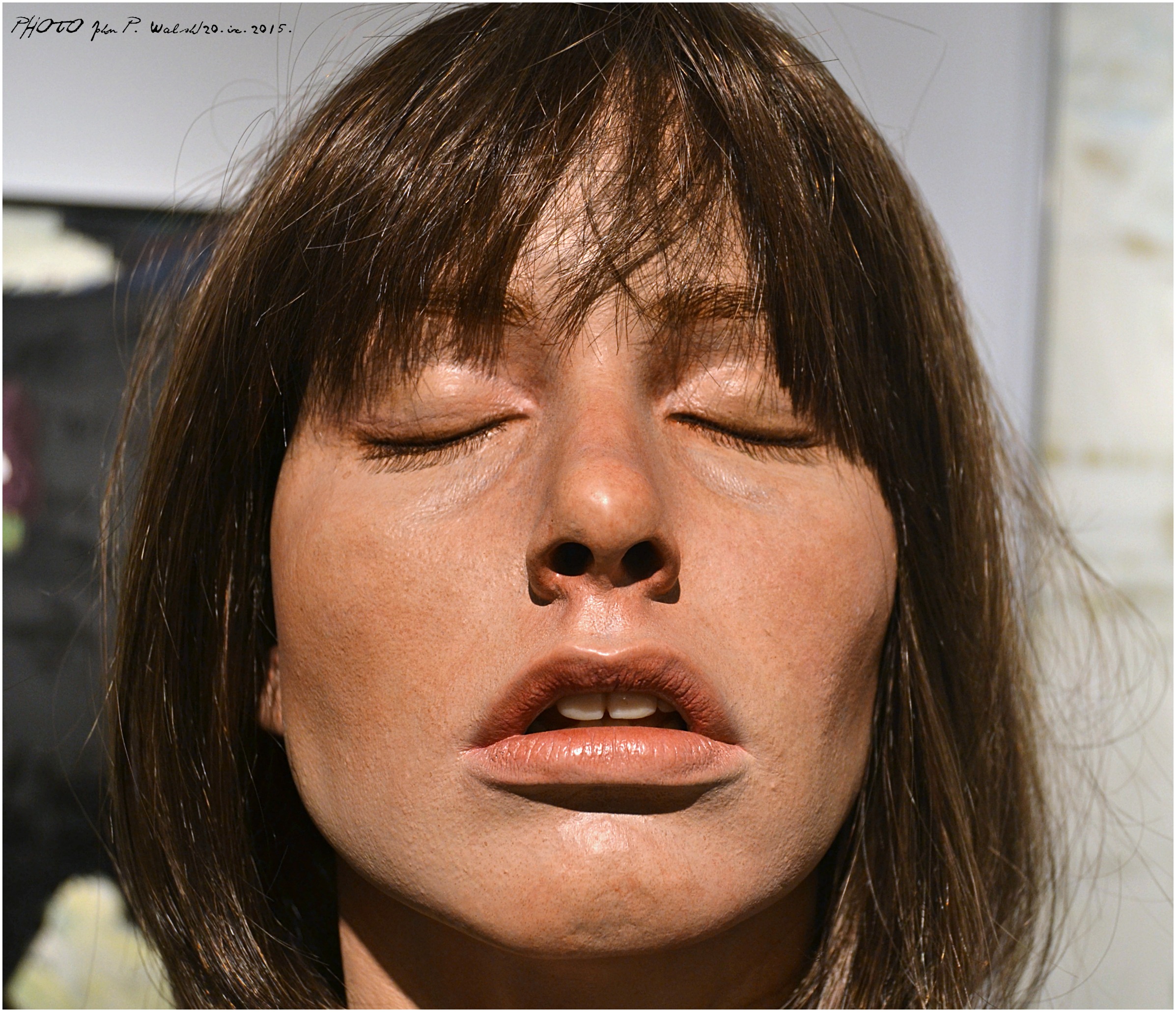
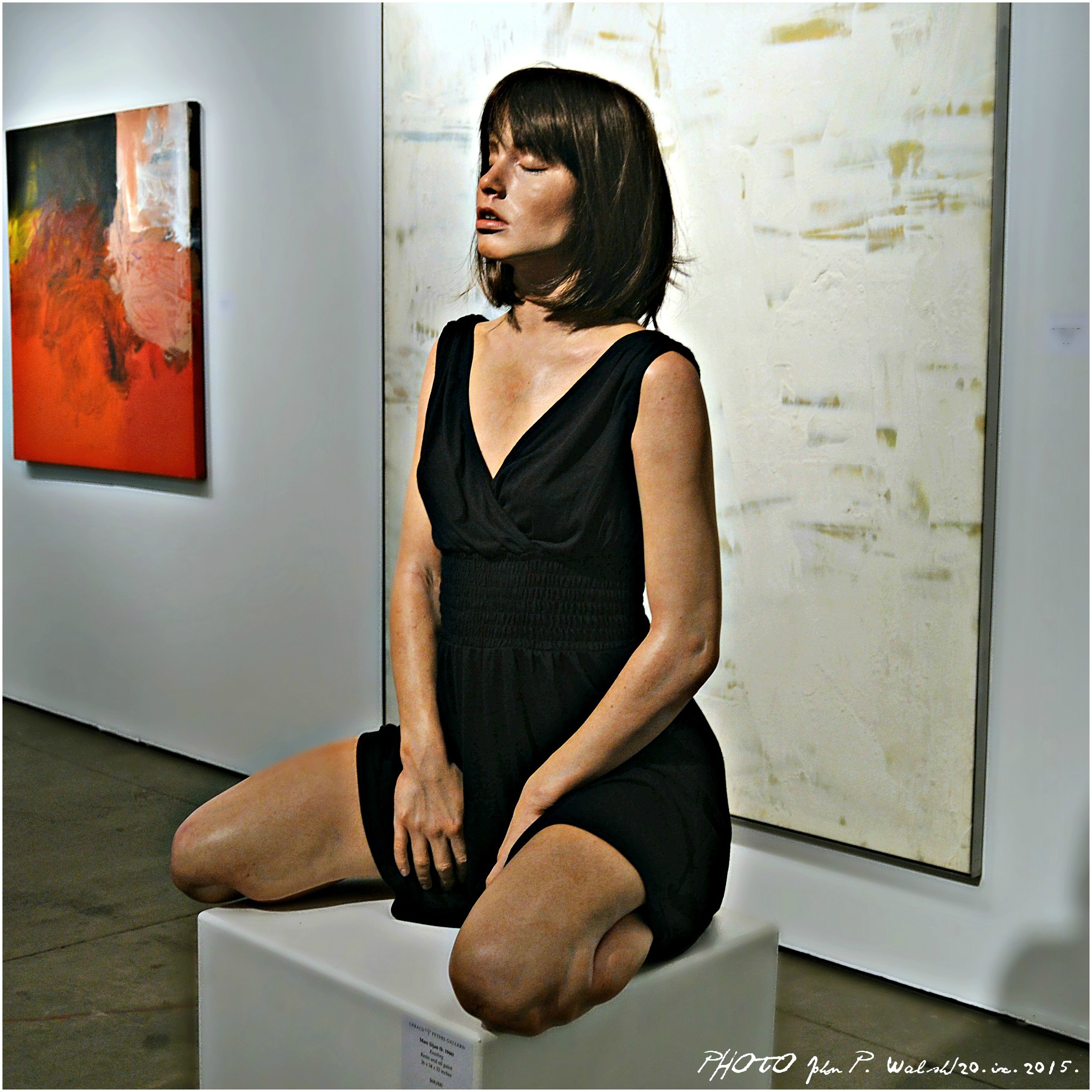
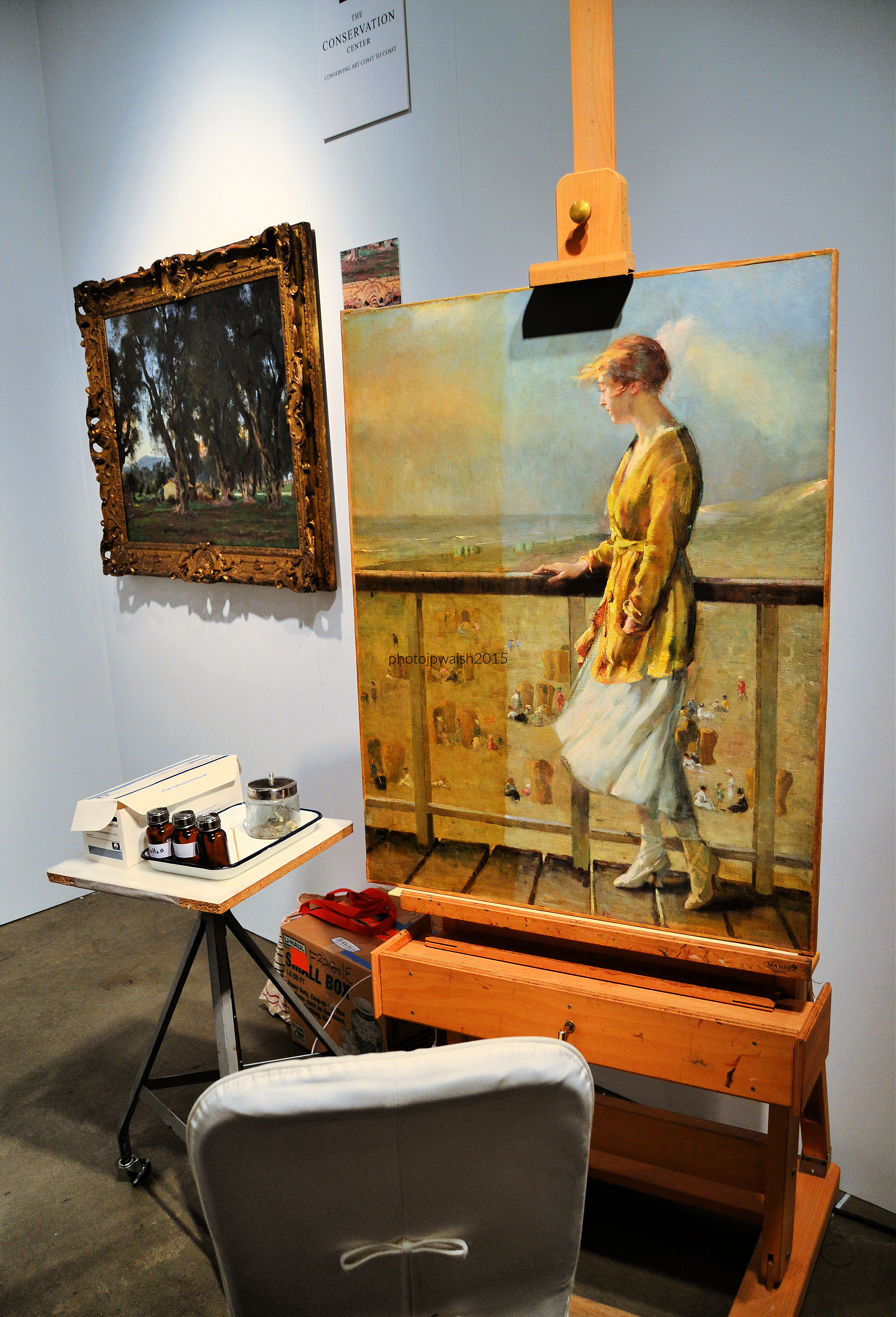
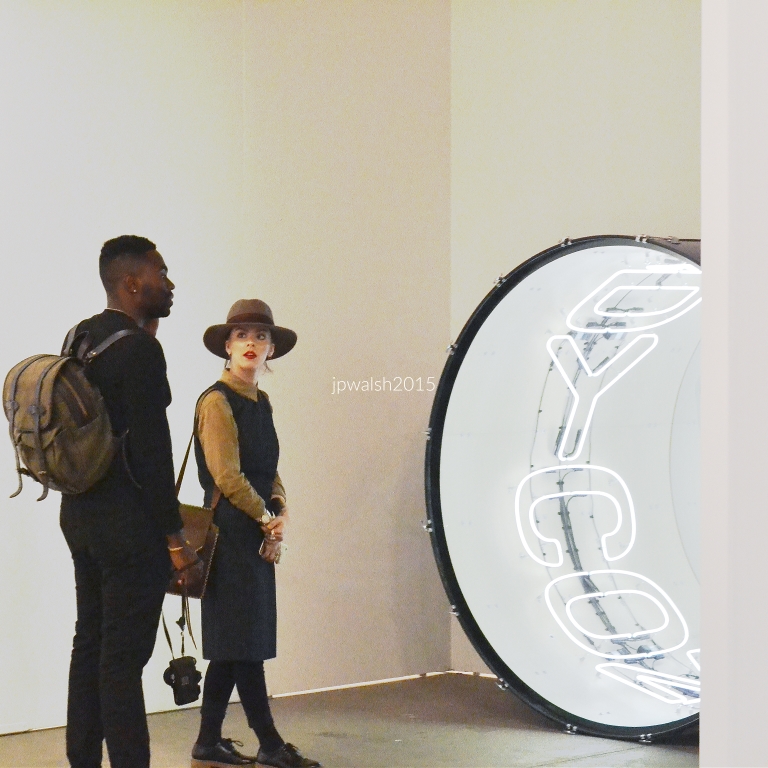
In/Situ, Sung Jang, Mobi, 2015, injection molded plastic, Volume Gallery, Chicago.In/Situ, Daniel Buren, From three windows, 5 colours for 252 places, 2006. Lisson Gallery, London. The artist creates a template for a sequence of 18 rectangular panels with each one suspemded from the ceiling. Each panel is subdivided into 12 transparent Perspex squares, both clear and in color. Carlos Rolón/Dzine. MCA Chicago. Hung Liu (Chinese-born American, b. 1948), Untitled (Dandelion), 2015, mixed media, 60 x 60 in., Nancy Hoffman Gallery, New York. Hung Liu’s paintings are steeped in Chinese culture.Expo Chicago 2015. A. George Miller (American, 1905-1984), Untitled (City Nocturne), ca. 1950s, 16 x 24 in. Richard Norton Gallery, Chicago. A. George Miller attended The School of the Art Institute of Chicago starting in 1923. and was one of three official photographers for the 1933-34 Century of Progress Exhibition in Chicago.Sergio Carmargo (Brazil, 1930-1990), Untitled #504, 1970 and Anish Kapoor (India, b. 1954), Untitled, 2014, Fiberglass and paint (“Yellow Void”), 160 x 160 x 56 cm. Lisson Gallery London Milan New York.Hunter Reynolds, Survival AIDS-ACT UP Chicago – A Revolution, 2015. Photo weaving, 8′ x 30′ Courtesy of artist & P.P.O.W. NY and Iceberg Projects Chicago.Hunter Reynolds in collaboration with Elijah Burgher and Steve Reinke in Survival AIDS Mummification Performance presented in partnership with PPOW and ICEBERG Projects for Survival AIDS Chicago Act Up a Revolution.Expo Chicago/2015.Gregor Hildebrandt.Kate Werble Gallery, NY.Chantal Joffe (UK, b. 1969), Green Strapless Dress, 2013, oil on board, 72.5 x 48.5 in., Galerie Forsblom, Finland. In a 2009 interview, Joffe said, “I really love painting women. Their bodies, their clothes – it all interests me.”Expo Chicago 2015. Expo Chicago 2015. Vik Muniz (Brazil, b. 1961), Album: Over There, 2014. digital c-print, edition of 6, 71 x 105 in., Rena Bransten Projects, San Francisco.David Allan Peters, Untitled #24, 2015, acrylic on wood panel, Ameringer McEnery Yohe, New York.Roberto Fabelo, Sueño de navegante, bronze, 2015. Cernuda Arte, Coral Gables, Florida.Suzanne Martyl (American, 1917-2013), Asclepias, oil on masonite, 14 x 11 in., Richard Norton Gallery, Chicago. Suzanne Martyl or Martyl Langsdorf – or Martyl. The artist said that she “always found it fascinating to look and look and look, and spend all kinds of time until something would just ring a bell, and I would know how to rearrange nature to make a good composition.”Books include British photographer Darren Almond; Chicago Social Practice installation artist Theaster Gates; English artist Damien Hirst; and German photographer Andreas Gursky.VMU Gallery 101 / Art Fund curated by Rimas Čiurlionis, and coordinated by photographer Alex Zakletsky, presents a video installation of artists from the conflict zone in Ukraine including the work of Bella Logachova, Andriy Yermolenko and Ivan Semesyuk.Rimas Čiurlionis, special exhibitions.Victoria Gitman (b. 1972, Buenos Aires; lives in Hallandale, FL), Untitled, 2015. Garth Greenan Gallery, New York. Sensuous and conceptually sophisticated oil paintings that are look natural.Paul Wackers, Look At What I Did Now, 2015, acrylic and spray paint on canvas, 48 x 40 in., Morgan Lehman Gallery, New York. Expo Chicago 2015.Andy Warhol, Love in the Spring, c.1955, watercolor and pencil on paper, 18×23 inches, McCormick Gallery, Chicago and Vincent Vallarino Fine Art, New York.Central Academy of Fine Arts School of Design, Beijing, China. Author at right. CENTRAL ACADEMY OF FINE ARTS SCHOOL OF DESIGN BEIJINGMarc Sijan ( American, b. 1946), Kneeling, resin and oil paint, Gerald Peters Gallery, Santa Fe, New Mexico (detail).Marc Sijan ( American, b. 1946), Kneeling, resin and oil paint, Gerald Peters Gallery, Santa Fe, New Mexico. Sijan’s super-realistic sculptures are, by the artist’s own words, “homages to humanity’s fascination with its own forms — a fascination which has compelled artists throughout the millennia to mirror life in virtually every medium.”Elizabeth Catlett (American, 1915-2012), Reclining Woman, bronze, 37 x 19 x 9inches, 1959. Behind, left to right: Charles Howard (American, 1899–1978), Friedel Dzubas (German-born American, 1915-1944) and Michael Goldberg (American, 1907-2007). McCormick Gallery, Chicago & Vincent Vallarino Fine Art, New York City. Black and white ensemble of abstract and figurative Modernist painting and sculpture.Chilean artist Carlos Costa with one of his “Wind Studies,” 2015, a conceptual project based on structuring basic natural elements. Local Arte Contempoeáneo, Santiago.FORUM GALLERY ADAA Gaston Lachaise Woman walkAt Forum Gallery New York: Gaston Lachaise, Woman Walking, 1919, cast in 1968, polished bronze, 19 1/2 x 10 x 7 1/2 inches, Edition 6/6.ing 1919 (cast 1968) polished bronze 19 x 107.5 in.Teresita Fernandez, Ghost Vines (Yellow Gold), 2015, brass. Anthony Meier Fine Arts, San Francisco, (above and below) Josh Garber, Ourselves, 2015, welded bronze, 30 x 15 x 14 in., Zolla/Lieberman Gallery, Chicago.Josh Garber, Ourselves, 2015, welded bronze, detail, complete artwork: 30 x 15 x 14 in., Zolla/Lieberman Gallery, Chicago.Luis de Jesus, Los Angeles, California. Expo Chicago 2015.Dealers, Expo Chicago/2015.Galerie Ernst Hilger, Vienna. Pace Prints, New York City. Cernuda Arte, Coral Gables, Florida. Hollis Taggart Galleries, New York.Expo Chicago 2015. (Above and below) In/Situ Antony Gormley, Freefall, 2007, 2mm square section stainless steel bar, 290 x 185 x 180 cm. White Cube, London. Freefall reveals the space where the body was rather than represent the body itself. They are intended to be “drawings in space.”Marc Chagall (1887-1985), Self Portrait, 1947, oil on canvas, 35 3/4 x 28 1/2 in.. Richard Gray Gallery, Chicago. Gregory Scott, Van Gogh’s Bedroom, 2015, pigment print, oil on panel, pigment print, oil on panel, HD video, ed. of 8. Catherine Edelman Gallery, Chicago.Augustus John, Portrait of a Young Woman, 1923, charcoal on paper, 14×10 inches, Browse & Darby, London.Browse & Darby London.Lucian Freud (German-born British painter, 1922-2011), Head & Shoulders of a Girl, 1990 etching, edition of 50, Browse & Darby, London.Berthe Morisot (detail), Femme et enfant au bois, pencil on paper laid on card stamped ‘B.M’ and numbered, 21 x 15 15/16 inches. Browse & Darby London.In/Situ. jessica Stockholder, Celestial Season, 2015. Plastic baskets, wire tires, chain, lights, driveway mirrors and paint. 96x70x70 inches. Kavi Gupta, Chicago. a luminous “cloud,” the piece floats just above the boundaries, bouyant and playful at once warm and cool akin to a breeze on a summer’s day. Michiko Itatani (b. 1948), Untitled, from Virtual Pair #2, 2007, oil on canvas. Camilo Restrepo (1975, Medellín, Colombia). Bowling for Medillin I, 2014, ink water soluble wax pastel, tape, newspaper clippings, glue, stickers, saliva on paper, 72×240 inches. Morgan Lehman Gallery, New York. Since 1999 the artist lives and works in Paris, France.Fiona Rae, The Very Once-In-A-Lifetime Moment, 2010, oil and acrylic on canvas, Buchmann Galerie, Berlin and Lugano. Jan Matulka (American, 1890-1972), Seated Nude with Eyes Closed, oil on canvas, c. 1922, 48 x 34 1/2 in., Richard Norton Gallery, Chicago.Dayron Gonzalez, Momento de Gloria (Moment of Glory), 2015, oil on canvas, 80×60 inches, Cernuda Arte, Coral Gables, Florida.Susanne Vielmetter Los Angeles Projects, a contemporary art gallery in Culver City, California.Forum Gallery, New York City. Isaac Lazarus Israëls (1865-1934), Young Woman on per at Scheveningen Holland c. 1920. The Conservation Center, Chicago. Human Rights Watch. Iván Navarro (b. 1972), Come to Daddy (Black and White), 2015, neon, drum, one-way mirror, mirror and el-energy, Galerie Daniel Templon, Paris and Brussels. Eight feet high, Dan Flavin’s Untitled (Fondly, to “Phip”), 1976, is red, green, and pink fluoresent light. David Zwirner, New York. Foreground: Matthias Bitzer, Revolving Future, 2014, Metal. Background: Pier Paolo Catzolari, Untitles (Elevation Myself), 1982. Marianne Boesky Gallery, New York.Expo Chicago 2015.Expo Chicago 2015. Susan Hefuna, Afaz, 2014, palm wood, Rhona Hoffman Gallery, Chicago. With a sense of monumentality of a fragile object, the crates are based on those made by craftspeople near Cairo in Egypt. Hollis Taggart Galleries, New York.Chicago skyline from Navy Pier after attending Expo Chicago 2015. (25% of original image).
In/Situ Outside 2015.
Part of the Expo Chicago/2015 experience is temporary public art installations on the Chicago lakefront and throughout the city. Starting with Expo Chicago/2014, “In/Situ” works showcase large-scale installation art and site-specific works. Giuseppe Penone’s Idee di Pietra-Olmo (“Idea of Stone-Elm), 2008, Marian Goodman Gallery is a 30-foot tall bronze tree incorporating a boulder conveying the effects of human interaction in the natural world.In/Situ Outside. Ewerdt Hilgemann’s “Habakuk (Homage to Max Ernst), 2014, stainless steel, Borzo Gallery and The Mayor Gallery.
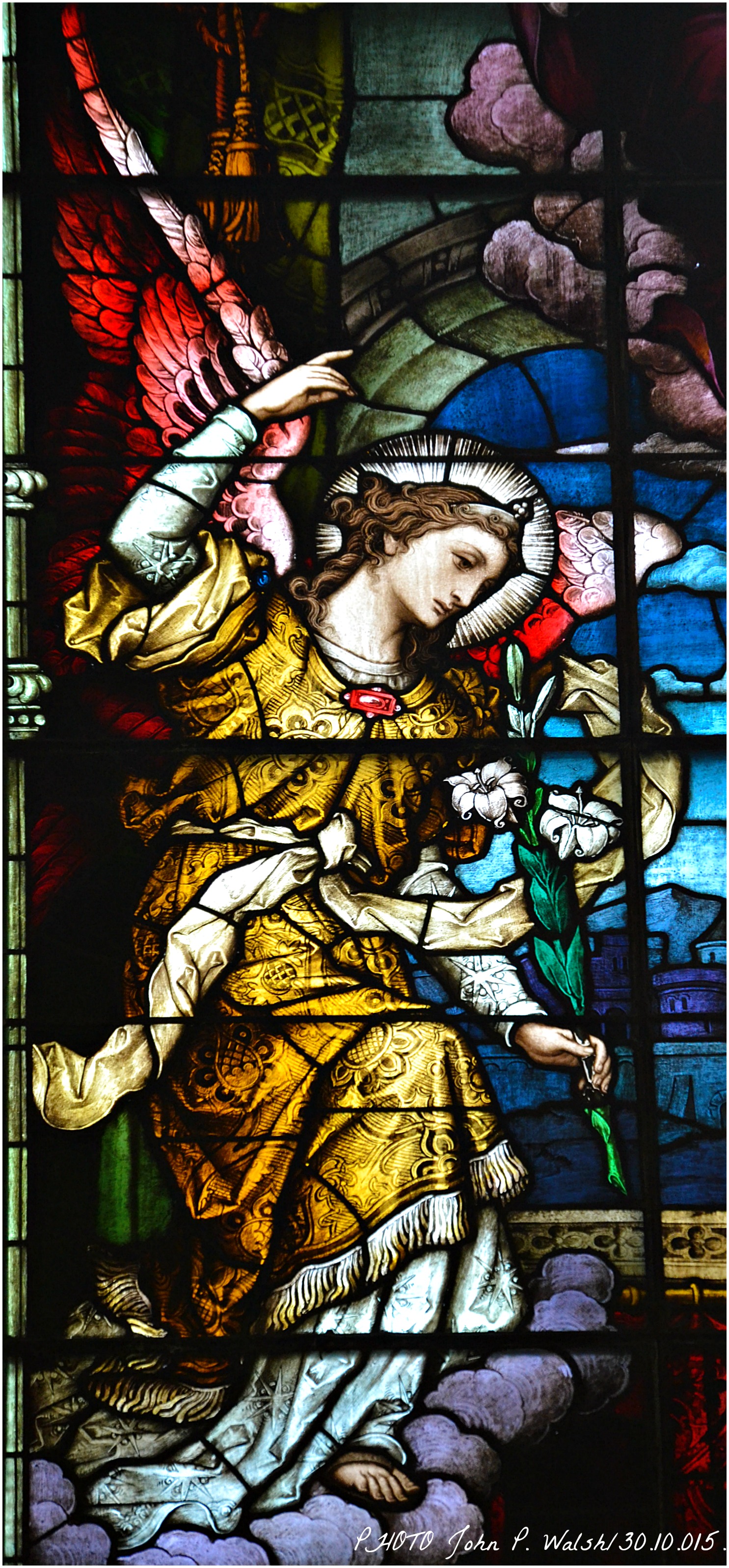
FEATURE Image: ASSUMPTION WINDOW (central panel/detail), 1902, St. Michael Church, Chicago. Franz Mayer & Company, Munich, Germany- Oct 30, 2015.
ASSUMPTION WINDOW (central panel/detail), 1902, St. Michael Church, Chicago. Franz Mayer & Company, Munich, Germany.
INTRODUCTION:
St. Michael Church in Old Town on Chicago’s north side is one of the oldest parishes and church buildings in the city. Founded as a parish in 1852, the church building’s brick walls from 1869 withstood the flames of the Great Chicago Fire in 1871.
Yet those flames left it a charred, empty shell. Hot flames fed on clapboard wooden houses that surrounded the historically-German parish. The bell tower collapsed in the fire’s intense heat. The Great Fire had started about three miles to the south on De Koven Street at the site of Mrs. O’Leary’s barn and her cow and where today stands the Chicago Fire Academy. From the devastation at St. Michael in Old Town, the fire continued its northward march from downtown until it petered out completely about one mile away at Fullerton Avenue.
In 1869 the St. Michael Church building cost over $130,000 to build—approximately $2.25 million in today’s dollars. After the fire, in 1872, its repairs cost $40,000 which amounts to about $700,000 today, although this amount does not include any unknown insurance pay outs. Reconstruction in 1872 did not include the stained glass windows included in this post that were photographed in 2015. Gloriously cleaned and preserved in the sanctuary today, they were created and installed in the early 20th century.
In 1902, in preparation for St. Michael’s Golden Jubilee, the tall, thin stained glass windows that were made in Bavaria, Germany, were installed. The colorful windows marked the fourth set to be installed into the church’s original design by architect August Walbaum. Those first three sets of glass in the same windows dating from 1866, 1873, and 1878 were frosted or tinted.
The Golden Jubilee windows in 1902 drew on centuries of craft and technique in stained glass-making. The Franz Mayer & Company of Munich produced some of the finest stained glass in the world. For St. Michael’s east and west walls they created colorful glass depicting familiar New Testament scenes.
For the Golden Jubilee St. Michael Church also had hand-crafted and installed five new altars by Hackner & Sons of LaCrosse, Wisconsin. The realism and expressiveness of the Franz Mayer & Company windows –in 2013 these windows underwent a complete professional cleaning– offered to the prospering Chicago parish an added sense of wonder and joy in their sacramental worship that can still be experienced and seen today in its intact form.
Mayer’s WEST windows depict events in the life of the Blessed Virgin Mary: the (non-biblical) Presentation of Mary and (biblical) Annunciation, Visitation, Nativity, Epiphany, and Assumption.
The EAST windows depict events in the life of Jesus: Finding Jesus in the Temple, Jesus Blesses the Children, Jesus’s feet washed by Mary Magdalene, the Ascension and the (non-biblical) Sacred Heart.
The windows’ rich color tones are rendered by using precious metals — gold dust for red; cobalt for blue; uranium for green.
The story scenes are given a Renaissance Europe setting.
All of these faith events are accompanied by Mayer’s fine depictions of the heavenly host of angels.
Franz Mayer & Company, founded in 1847 as “The Institute for Christian Art,” established a stained glass department in 1860. In 1882 it was awarded the designation as a Royal Bavarian Establishment for Ecclesiastical Art by “mad” King Ludwig II of Bavaria (1845-1886) . The Pope later pronounced the foundry a Pontifical Institute of Christian Art. Instead of thinking of St. Michael Church commissioning a venerable Old European arts company to create their stained glass as would be Franz Mayer & Company’s status today, in 1902 Franz Mayer was a new German arts company whose religious artwork would mirror the sensibilities of a new parish on the north side of the new city of Chicago.
The founder’s son, Franz Borgias Mayer (1848-1926), continued to grow the royal manufacturing company for Christian Art. Ten years after St. Michael’s stained glass windows were installed, Saint Pope Pius X (1835-1914) commissioned the same German company to make stained glass for St. Peter’s Basilica as well as windows in important chapels throughout Vatican City.
In the United States, Mayer’s client base and prestige grew in its service of an increasingly prosperous and broad-based Catholic immigrant community. Their ecclesiastical work can be found in Chicago, New York, Ohio, Kentucky, Michigan, Washington and California. As of 2016 Franz Mayer & Company continues as a family-owned and operated business (see http://www.mayer-of-munich.com/werkstaette/).
stained glass department in 1860- Franz Mayer of Munich, edited by Gabriel Mayer, University of Chicago Press, 2013.
Pope Pius X commission – Nola Huse Tutag with Lucy Hamilton, Discovering Stained Glass in Detroit, Wayne State University Press, Detroit, 1987. p. 152.
ASCENSION WINDOW (side panel/detail), 1902, St. Michael Church, Chicago. Franz Mayer & Company, Munich, Germany.
ASSUMPTION WINDOW (central panel/detail), 1902, St. Michael Church, Chicago. Franz Mayer & Company, Munich, Germany.
ASSUMPTION WINDOW (central panel/detail), 1902, St. Michael Church, Chicago. Franz Mayer & Company, Munich, Germany- Oct 30, 2015.
SACRED HEART WINDOW (detail), 1902, St. Michael Church, Chicago. Mayer & Company, Munich, Germany.
ANNUNCIATION WINDOW (detail), 1902, St. Michael Church, Chicago. Franz Mayer & Company, Munich, Germany.
PARABLE WINDOW (detail), 1902, St. Michael Church, Chicago. Mayer & Company, Munich, Germany.
VISITATION WINDOW (detail), 1902, St. Michael Church, Chicago. Franz Mayer & Company, Munich, Germany.
CHRISTMAS WINDOW (detail), 1902, St. Michael Church, Chicago. Franz Mayer & Company, Munich, Germany.
ASCENSION WINDOW (side panel/detail), 1902, St. Michael Church, Chicago. Franz Mayer & Company, Munich, Germany.
ASSUMPTION WINDOW (central panel/detail), 1902, St. Michael Church, Chicago. Franz Mayer & Company, Munich, Germany.
Photographs and text:
More of St. Michael Church in Old Town, Chicago? Please see:





 Admissions, Expo Chicago 2017.
 Lara Schnitger, Suffragette City, 2015-2017, Cotton, and linen, quilted and bleached, Anton Kern Gallery, New York. Expo Chicago 2017.
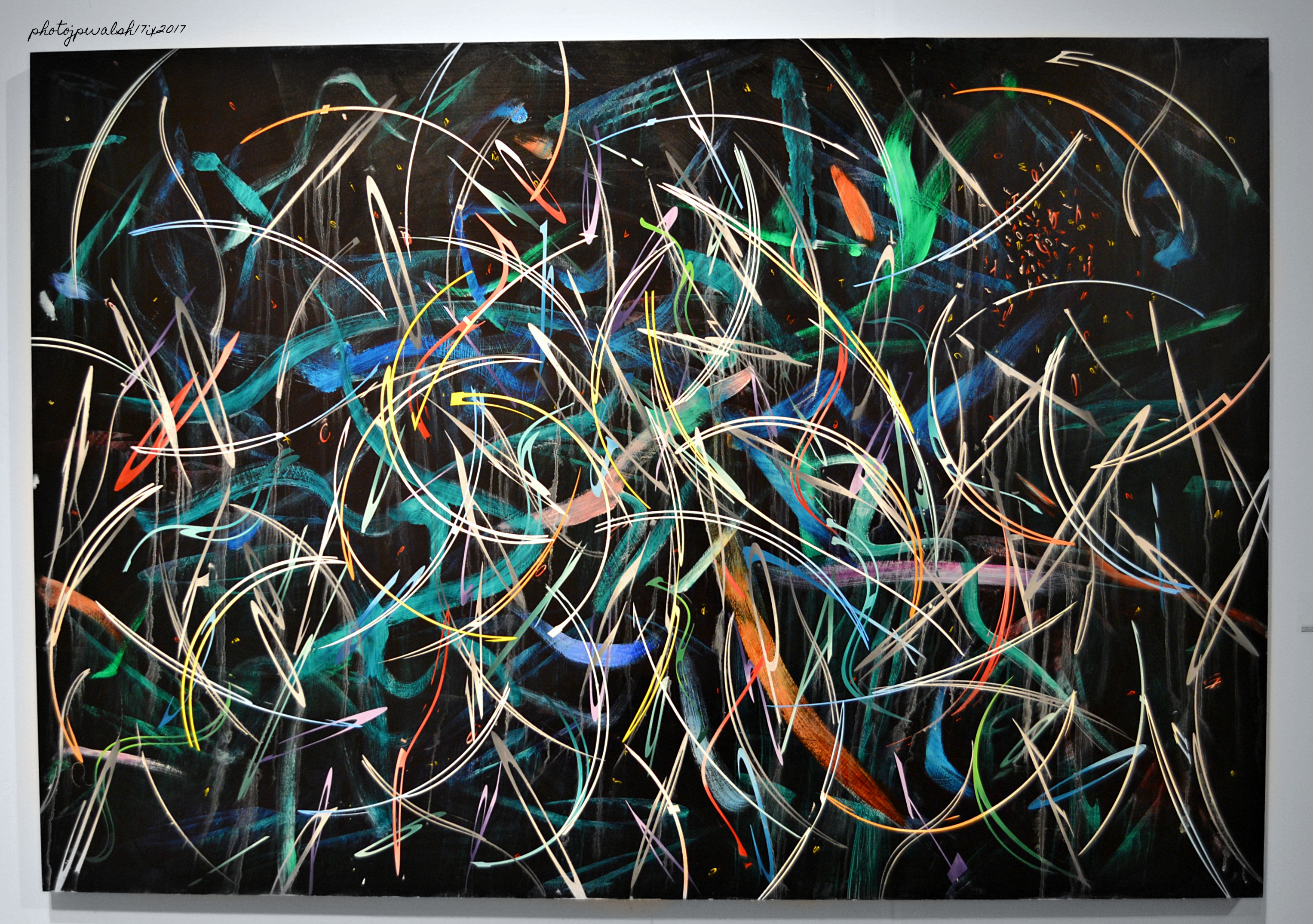
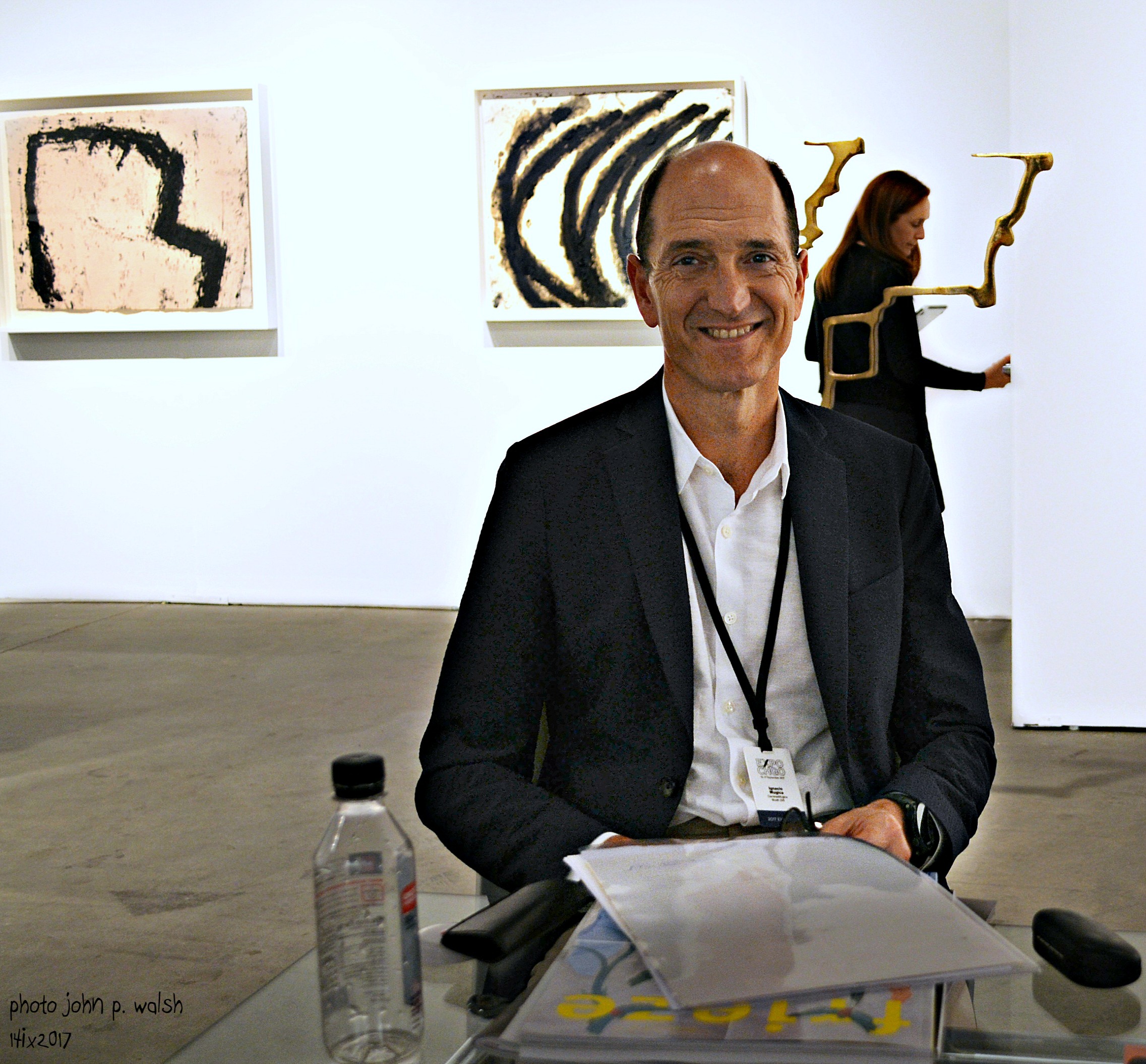
 Galerie Gmurzynska, Zurich, Switzerland, with booth design by Antonio Manfreda. Expo Chicago 2017. Germano Celant, theorist of the Arte Povera movement. From 2015 he was the artistic director of the Prada Foundation in Milan.
 Anton Kern Gallery, New York. Expo Chicago 2017.


 John A. Seal, König Galerie, Berlin. Expo Chicago 2017.
 Alfred Leslie, Oval Collage, 1959, Diana Moore, White Head, 1988 and Willem de Kooning, 1965, charcoal on paper, Alan Stone Projects, New York. Expo Chicago 2017.
 Thinks I, To Myself. Expo Chicago 2017.

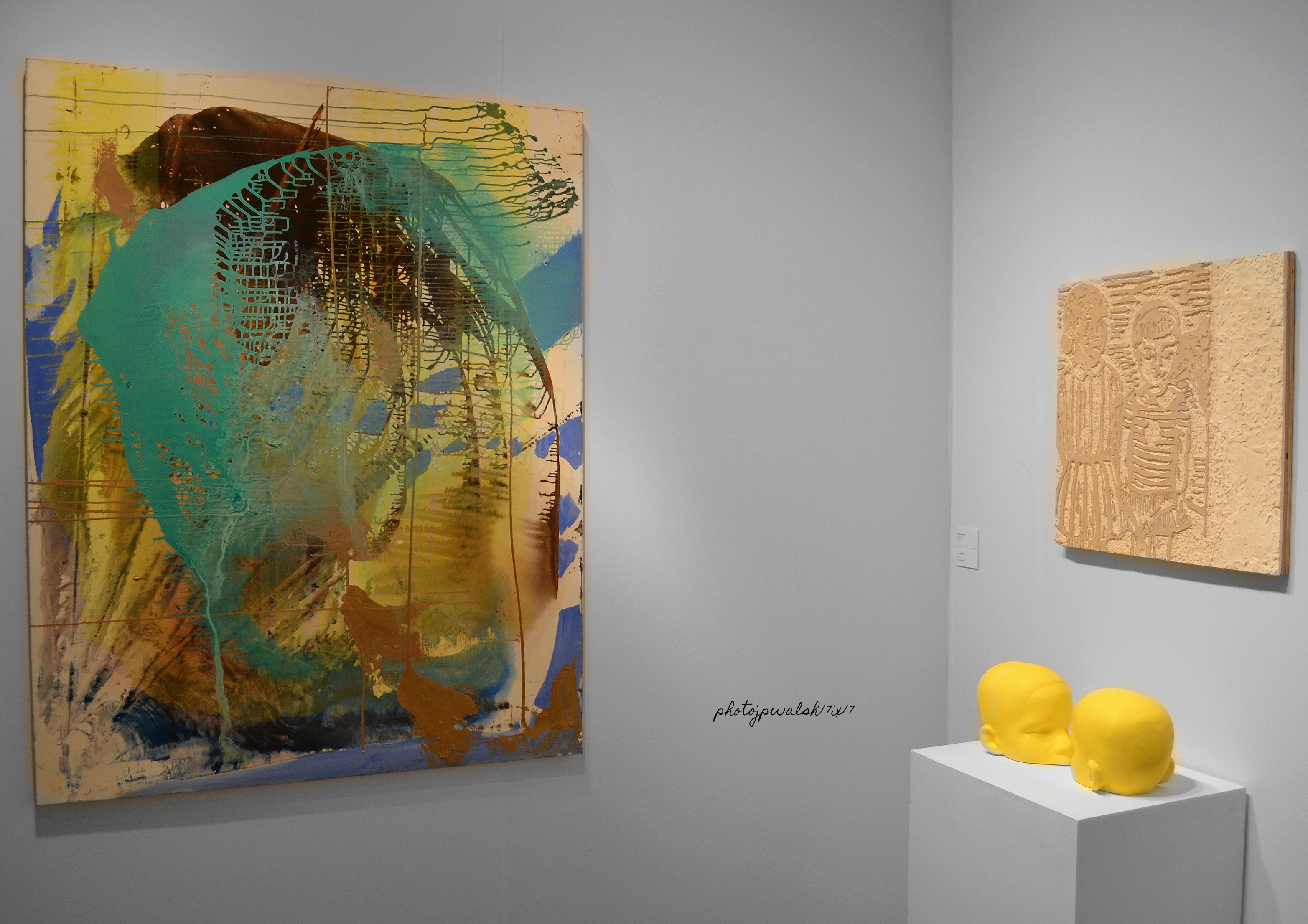 Jackie Saccoccio, Portrait (Bomba), 2017, and Faheem Majeed, Hopscotch I, 2011, and Pause, 2010, Rhona Hoffman Gallery Chicago. Expo Chicago 2017.


 Caroline Walker, Grimm Gallery Amsterdam New York. Expo Chicago 2017.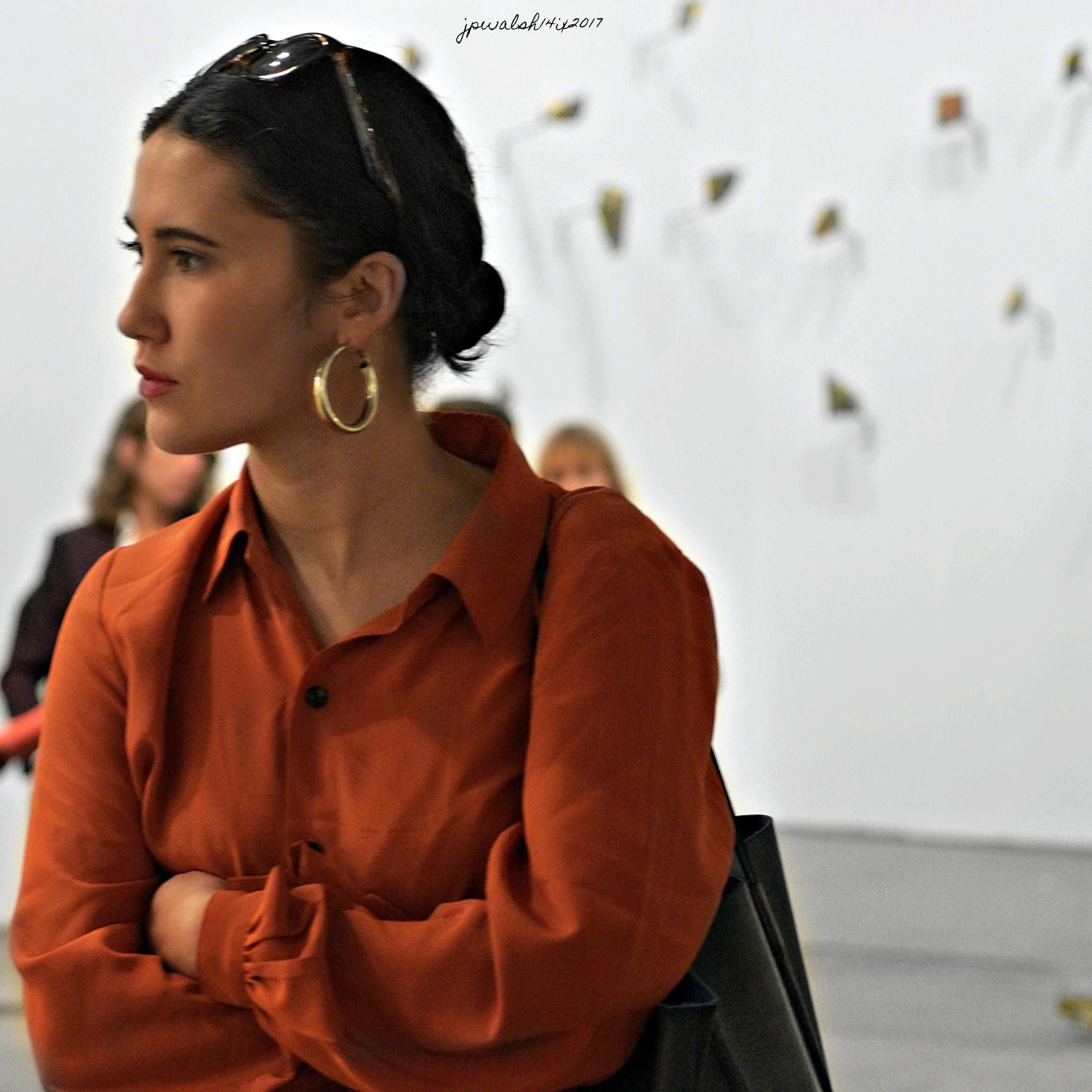

 Paul Kasmin Gallery New York. Expo Chicago 2017.
 Artist’s Signature (Miró). Expo Chicago 2017.