September 2001. Philadelphia, Pennsylvania 70% Progress of Women was completed by artists Larissa Preston Danowitz and Cesar Viveros and collaborators in 2001. At 1307 Locust Street the mural shows work of the New Century Guild to promote women in the workforce. At the top of the mural is the visage of Eliza Turner (1826-1903) who founded the New Century Guild in 1882 and lived in Philadelphia.October 2003. Corcoran Gallery of Art, Washington, D.C. The Renoir-inspired outdoor sculpture (“Dance at Bougival,” 1883, The Boston Museum of Fine Arts) was in conjunction with that year’s exhibition called “The Impressionist Tradition in America.” Closed in 2014, the former museum is today the Corcoran School of the Arts and Design, a part of the George Washington University. November 2017. Crown Fountain, Jaume Plensa [Krueck + Sexton Architects], Millennium Park, Chicago. 368kb 35%October 2015. Chicago. 4.48 mbJune 2018 Chicago. 4.65 mbJuly 2015. Chicago. 4.32 mbMay 2014. Chicago. 4.72 mbJune 2022. Chicago. 7.89 mb 86%December 2013. Chicago. 6.79 mbJune 2022. Chicago (Rogers Park). 4.20 mbJune 2022. Chicago. 7.66 mb 84%June 2022. Chicago 2.38 mb 50%June 2022. Chicago 11.71 mbAugust 2015. Chicago. 7.92 mb 96%August 2018. Chicago. 7.29 mbAugust 2015. Chicago. 5.26 mbOctober 2016. Chicago. Daniel Buren (b. 1938), Attrape-soleil, 2013. 4.49 mb.
Featured on the exterior wall of a building in the Englewood/Morgan Park area located on the South Side of Chicago, three prominent civil rights figures and community leaders are memorialized in this mural created in 2020. Emmett Till (1941–1955) is A 14-year-old Chicago youth whose brutal lynching in Mississippi became a primary catalyst for the American Civil Rights Movement; Breonna Taylor (1993–2020) is a 26-year-old emergency room technician who was fatally shot by police officers in her Louisville, Kentucky home. And Dr. Phoebe Elaine Slaughter-Lenear (1965–2020) is a respected local Chicago educator, humanitarian, and community leader. Created in the midst of the nationwide civil rights protests that summer, the mural was painted as a collaboration by Chicago-based visual artists GNEE ART (@gneeink45) and Calin Bruett, professionally known as JEFF K%NZ (pronounced “Jeff Koonz”).
August 2021. Chicago. 7.23 mb 99%2021. Chicago. 7.82 mb 90%May 2021. Chicago. Cloud Gate (“The Bean”), 2006, Anish Kapoor, Millennium Park. 7.97mb 97%July 2015. Chicago. 7.10 mbMarch 2014. Melrose Park, IL. 4.06mbApril 2013. Chicago. 1.07 mb 40% January 2024. Downers Grove, IL 7.75 mb 97%September 2015. Chicago. 5.82 mbApril 2013. Chicago (Pilsen). 3.46mbApril 2013. Chicago (Pilsen). 4.96mbApril 2013. Chicago (Pilsen). 4.63mbAugust 2024. Chicago. 87% 7.75 mb _1500 (1)October 2016. 99% 7.59 mb DSC_0828November 2017. Chicago. Opened in July 2004, Crown Fountain in Millennium Park was designed by Spanish artist Jaume Plensa (b. 1955) and executed by Krueck and Sexton Architects. 66% 7.91 mb DSC_3423April 2013. Chicago Pilsen. 4.89mb102_0165 (1)July 2015. Chicago 5.66mb DSC_0083 (1)December 2015. Chicago (State Street). 5.13mb DSCN1936 (1)May 2016. Chicago. 4.97mb DSCN2708 (1)May 2013. Chicago (Pilsen) 4.37mb 102_0387 (1)
FEATURE image: May 2015. Michigan Avenue Main Lobby. The Art Institute of Chicago. 4.57mb DSC_0366 (1)
Photographs and Text by John P. Walsh.
September 2015. 7.68 mb 99%
Michigan Avenue entrance of The Art Institute of Chicago.
May 2015.
Sculpture Court, The Art Institute of Chicago.
September 2015.
Modern Wing, The Art Institute of Chicago.
June 2014. The Art Institute of Chicago. 20th Century. American. Pop.
Andy Warhol (1928-1987), Mao, 1972, Acrylic, silkscreen ink, and pencil on linen, 448.3 × 346.7 cm (176 1/2 × 136 1/2 in.). The Art Institute of Chicago.
June 2014. The Art Institute of Chicago. 40%
The Chauncey McCormick Gallery refers to exhibition space (often featuring Asian and European decorative arts) at the Art Institute of Chicago named after Chauncey Brooks McCormick (1884–1954), a prominent Chicago businessman, philanthropist, and president of the museum from 1944 until his death
June 2014. 5.59mb
Robert Irwin (1928-2023), Untitled, Acrylic lacquer on cast acrylic disk, 1969. The Art Institute of Chicago. Irwin was a pioneering figure in California Light and Space art.
February 2013. Galleries 124–127, The Art Institute of Chicago.
The exhibition “The Artist and the Poet” at the Art Institute of Chicago ran from February 1 to June 2, 2013, exploring the dialogue between visual art and literature through works on paper, prints, and illustrations. It was presented in the Jean and Steven Goldman Prints and Drawings Galleries (Galleries 124–127), located on the first floor of the museum’s historic Ryerson and Burnham Libraries building.
September 2015. 6.25 mb
Modern wing, The Art Institute of Chicago.
August 2015. The Art Institute of Chicago. 21st Century. American.
Frances Stark (1967-) from Intimism, 2015. The Art Institute of Chicago.
August 2015. Alexander McKinlock Memorial Court. AIC. 20th Century. Nordic. Sculpture.
Carl Milles (1875-1955), Triton Fountain, 1926, bronze, Alexander McKinlock Memorial Court, The Art Institute of Chicago. Swedish sculptor Carl Milles (1875-1955) studied in Paris from 1897 to 1904, working in the studio of Auguste Rodin (1840-1917). Yet Milles departed from the prevailing naturalism that dominated sculpture in the Belle Époque era, and embraced ideas and forms that reflected the artist’s independent spirit, his knowledge and appreciation of classical and Gothic sculpture, and his Nordic roots.
Speaking of his fountain at the Art Institute of Chicago, Milles observed: “The great classicists knew that it was impossible to reproduce the appearance of flesh in marble, and they set themselves to create forms of pure beauty that would merely suggest and symbolize the living creature, and then to invest those forms with a meaning that mankind would feel intuitively to be universal and significant. This is what I have tried to do.”
September 2015. The Art Institute of Chicago. 21st Century. American. Sculpture.
Charles Ray (1953-), Young Man, 2012, Solid Stainless Steel.
May 2015. The Art Institute of Chicago.
Lorado Taft (1860-1936), Fountain of the Great Lakes, 1913. South Garden. The Art Institute of Chicago.
November 2017. North Garden, The Art Institute of Chicago.
Alexander Calder (1898-1976), Flying Dragon, 1975, Steel plate and paint, 365 × 579 × 335 cm (120 × 228 × 132 in.), North Garden, The Art Institute of Chicago. 20th Century. American. Sculpture. Modernism.
November 2017. North Garden, The Art Institute of Chicago. Partial view: Flying Dragon, Alexander Calder, 1975. November 2017. North Garden, AIC. 20th Century. British. Modernism. Sculpture.
Henry Moore (1898-1986), Large Interior Form, bronze (ed. of 6), 1953/4, 16 ft. 9 in., North Garden, The Art Institute of Chicago. Henry Moore’s 16-foot sculpture was made when the 84-year-old British artist was concerned with the construction of three-dimensional space, internal forms within solid volumes, and placing his work in a natural setting. Moore had worked primarily in stone but as these formal concerns emerged, he shifted to modeling and bronze casting. Large Interior Form explores mass and void as well as gravity and growth within a nature-inspired artist-created form.
March 2010. Washington, D.C.
Aristide Maillol (1861-1944), Nymph—Central Figure for the Three Graces, 1930, The Hirshhorn Museum and Sculpture Garden, Washington D.C. Acquired by the museum in 1966, photographs show that the statue stood in an open location by a garden pool at the museum. In 1991 following a whirlwind of euphoria associated with the successful completion of Operation Desert Storm, a victory celebration at the Mall in June of that year involved hovering military jets and helicopters. Their downdraft sent gravel footpath debris flying in the air that scratched and cracked several statues in the sculpture garden. Though none appeared to sustain damage beyond some repair, the Nymph—Central Figure for the Three Graces suffered the most damage as the nude female statue had pitted indentations on her backside. In 2010 when this photograph was taken, the sculpture was located in front of a protective garden wall. See- https://www.baltimoresun.com/news/bs-xpm-1991-06-12-1991163158-story.html 20th Century. France. Sculpture. Modernism.
August 2015. The Art Institute of Chicago. 1.43 mbMay 2015. Art Institute of Chicago. 3.34 mb
Indian and Islamic Art.
September 2015. The Art Institute of Chicago. 6.90 mbMay 2015. Frédéric Bazille. The Art Institute of Chicago. 19th Century. France. Impressionism.
Frédéric Bazille, Self-portrait, 1865/6. The Art Institute of Chicago.
November 2012. Toledo (Ohio) Museum of Art. 18th Century. France. Terracotta.
Clodion (1738-1814). The See-Saw. 1775. Toledo (Ohio) Museum of Art.
November 2012. Toledo (Ohio) Museum of Art. 17th Century. France. Sculpture.
Michel Anguier (1612-1686), Amphitrite, marble, 1684. Toledo (Ohio) Museum of Art.
November 2012. Toledo (Ohio) Museum of Art.
Venus, Roman, Asia Minor, marble, c.165 CE, Toledo (Ohio) Museum of Art.
September 1993. Museum of Anthropology, UBC, Vancouver, B.C. 20th Century. Canada.
Bill Reid (1920-1998), Birth of the World or The Raven and the First Men/Humans, yellow cedar, 1980. Museum of Anthropology, UBC, Vancouver, British Columbia.
August 2005. National Gallery of Art, Washington, D.C.
“The Café-Concert,” Édouard Manet, c. 1879. The Walters Art Museum, Baltimore at the National Gallery of Art, Washington, D.C. Next to it is Portrait of Estelle Balfour by Edgar Degas, c. 1863-65, oil on canvas mounted on panel, also at The Walters.
September 2016. Milwaukee Art Museum. 20th Century. Germany. France. Fauvism. Expressionism.
From right to left: Kees van Dongen (1877-1968), Woman with Cat, 1908, and Quai, Venice, 1921; Gabriele Münter (1877-1962), Portrait Young Woman, 1909. Milwaukee Art Museum.
August 2015. The Art Institute of Chicago. 16th Century. Japan.
Mikazuki (male deity) Noh Mask, cypress wood, brass, colors. The Art Institute of Chicago.
May 2014. The Art Institute of Chicago. Impressionist galleries.
Pierre-Auguste Renoir (1841-1919): Chrysanthemums, 1881/2; Acrobats at the Cirque Fernando (Francisca and Angelina Wartenberg), 1879; Fruits of the Midi, 1881; Seascape, 1879; Lucie Berard (Child in White), 1883. The Art Institute of Chicago.
September 2013. The Art Institute of Chicago. Impressionist galleries.
Berthe Morisot (1841-1895), Woman in a Garden, 1882/3, The Art Institute of Chicago.
September 2012. Snite Museum of Art, Notre Dame, Indiana. 20th Century. American. Realism.
William Glackens (1870-1938), The Dressing Table, c.1922, oil on canvas. Snite Museum of Art, Nore Dame University, South Bend, Indiana.
September 2016. Milwaukee Art Museum. 20th Century. Germany. Expressionism.
Gabriele Münter (1877-1962): Kirche von Reidhausen, oil on canvas board, 1908 and Mädchen mit Puppe, oil on cardboard, 1908/9. August Macke (1887-1914), Geraniums Before Blue Mountain, oil on canvas, 1911. Milwaukee Art Museum.
May 2015. The Art Institute of Chicago.
Above and below: Bodhisattva; Diety; Buddha. 4th-6th Centuries. Afghanistan/Pakistan. Stucco. The Art Institute of Chicago.
May 2015. The Art Institute of Chicago. September 2015. Room 235, The Art Institute of Chicago. September 2015. The Art Institute of Chicago. August 2015. The Art Institute of Chicago.May 2015. At The Art Institute of Chicago.
Charles Collins (1680-1744), Still Life with Game, 1741. Private Collection. 18th Century. Ireland.
May 2015. At The Art Institute of Chicago.
James C. Timbrell (1807-1850), Carolan the Irish Bard, c. 1844, oil on canvas. Private collection. 19th Century. Ireland.
May 2015. The Art Institute of Chicago. 256 kb 25%May 2015. At The Art Institute of Chicago.
John Kelly, wire-strung Bunworth harp, 1734, Museum of Fine Arts, Boston, and Robert Fagan (c. 1761-1816), Portrait of Lady as Hibernia, c. 1798. Private collection. The Bunworth harp is inscribed: “made by Iohn Kelly for the Revd Charles Bworth Baltdaniel 1734″. The wire-string harp was made by Catholic instrument maker John Kelly for the Reverend Charles Bunworth, also of Baltdaniel, who was the Protestant rector of Buttevant, County Cork. The many aspects of the instrument—from soundbox, harmonic curve, fore-pillar, tuning pegs, and ornamentation and color— invite interest. Though it may be the female head at the top of the harmonic curve that at first most intrigues. (see – https://harp.fandom.com/wiki/Bunworth_Harp and http://www.earlygaelicharp.info/harpmakers/ – both retrieved October 14, 2021). Robert Fagan was an Irish painter who was born in London but spent most of his artistic career in Rome and Sicily (Fagan first arrived into Italy in 1781). Though an expatriate, Fagan’s oil on canvas depicts a woman who represents Ireland careessing the strings of the harp, the country’s national instrument and symbol. Seated next to an Irish wolfhound, she holds a scroll that reads: “Ireland Forever” (“Erin go bragh“). 18th century. Ireland.
August 2005. Yale Center for British Art, New Haven, CT.
Includes (below) John Dodd, of Swallowfield, Berkshire, 1739, John Vanderbank (1694 – 1739) and (above) Portrait of a Woman, Probably Elizabeth Aislabie, of Studley Royal, Yorkshire, c. 1749, Thomas Hudson (1701-1779), Yale Center for British Art, New Haven, CT.
August 2015. The Art Institute of Chicago.
Loutrophoros (Bath water vase), 4th Century BCE. Greece. Italy (Apulia). Terracotta. The Art Institute of Chicago.
August 2015. Ancient Greek and Roman Art, The Art Institute of Chicago. October 2014. AIC. 6.64mb 35%The Art Institute of Chicago.
Black-figure painting was the primary technique for decorating Greek vases for over 200 years. The technique started in Corinth and expanded east to Athens in the mid first millennium BCE (700- 500 BCE). In this time period ancient Corinth was, with almost 100,000 people, one of the largest cities of Greece. In 146 BCE the Romans besieged, captured and demolished Corinth. The site lay deserted for almost 100 years until the Romans rebuilt it as a new city populated with around 50,000 Romans, Greeks and Jews.
August 2015. The Art Institute of Chicago.
Oil Jar, 450 BCE, Athens, Greece, terracotta. The Art Institute of Chicago.
May 2015. The Art Institute of Chicago. 19th Century. France. Impressionism.
Gustave Caillebotte (1848-1898), Paris Street; A Rainy Day (“Rue de Paris, Temps de pluie”), 1877. The Art Institute of Chicago.
October 2014. The Art Institute of Chicago. 19th Century. American.
Abbott Handerson Thayer (1849-1921). Winged Figure, 1889, oil on canvas. 130.8 × 95.9 cm (51 1/2 × 37 3/4 in.). The Art Institute of Chicago.
October 2014. The Art Institute of Chicago. 19th Century. American.
James McNeill Whistler (1834-1903), The Artist in his Studio, c. 1865-66, oil on boarded mounted on panel, 62 × 46.5 cm (24 7/16 × 18 5/16 in.). The Art Institute of Chicago.
May 2014. The Art Institute of Chicago. 19th Century. France. Sculpture. Modernism.
Auguste Rodin (1840-1917), Eternal Springtime, 1884. Bronze. Fonderie Alexis Rudier, Paris (20th century). The Art Institute of Chicago.
May 2015.The Art Institute of Chicago. 19th Century. France. Impressionism. Sculpture.
Edgar Degas (1834-1917), Spanish dance (c.1883), Arabesque (c.1885), and Woman seated in an armchair, (c.1901), bronze (cast later). The Art Institute of Chicago.
May 2014. The Art Institute of Chicago. 19th Century. French. Sculpture. Modernism.
Auguste Rodin (1840-1917), Adam, 1881. Bronze. The Art Institute of Chicago.
September 2015. Africa. The Art Institute of Chicago.
Headdresses. 19th/20th Century. Africa. The Art Institute of Chicago. The headdresses at the right and at the left are Gelede headdresses. The headdress in the middle is perhaps a Gelde or Efe headdress. The headdress at the left is made of wood and the oldest of the headdresses. It was made in Nigeria or Benin by the Yoruba community in the late 19th/early 20th centuries. Gelede headdresses often portray women. The headdresses in the center and at right depict women. One is wearing a head tie and the other is showing a woman with a plaited hairstyle. These were made in Nigeria by the Yoruba community in the early 20th century. The Gelede festival of the Yoruba community in western Africa is a public spectacle which uses colorful masks that combines art and ritual dance to educate, entertain and inspire worship. Gelede includes the celebration of “Mothers,” a grouping that includes female ancestors and deities as well as the elderly women of the community whose power and spiritual capacity in society is convoked. The Efe is a nighttime public performance held the day before the Gelede.
May 2015. 7.05 mb The Art Institute of Chicago.
Mariano Fortuny (1838-1874), African Chief, 1870, oil on canvas, 41 × 32.9 cm (16 1/8 × 12 15/16 in.). The Art Institute of Chicago. African Chief in The Art Institute of Chicago was recently exhibited in a 2017-2018 monographic retrospective at the Prado in Madrid. The show, simply entitled “Fortuny (1838-1874),” reflected the Prado’s holdings of many of this artist’s masterpieces. The Prado’s collection is due to their own acquisitions but mainly the generous bequests of the artist’s oils, watercolors, and drawings by late 19th century Mexican collector Ramón de Errazu (1840-1904) as well as the painter’s son, Mariano Fortuny y Madrazo. Fortuny’s artwork is often Orientalist in style that reflects the many trips he made to North Africa. In his career, Fortuny was noted for his precision of anatomy and archaeological scrupulousness though African Chief tends to the modern broken brush style for which the Spanish artist was prescient following his many trips to Paris. 19th century. Spain. Romanticism.
October 2014. The Art Institute of Chicago.
Left to right: Kramer Brothers Company (Dayton, Ohio), Settee, c. 1905/25; Cecilia Beaux (American, 1855-1942), Dorothea and Francesca, 1898, oil on canvas; Daniel Chester French (American, 1855- 1931), Truth, 1900, plaster.
September 2015. The Art Institute of Chicago. 19th Century. American. Modernism.
Above and next three below: Fragments, Dankmar Adler (1844-1900) and Louis Sullivan (1856-1924), The Art Institute of Chicago. 19th Century. American. Modernism.
September 2015. The Art Institute of Chicago. 560kb 40%August 2015. The Art Institute of Chicago. 2.87mb DSC_0644 (1)November 2015. 6.38mb DSC_0352 (1)
With the arm detail of Rodin’s bronze Adam (1881), the landing of the Grand Staircase at The Art Institute of Chicago.
September 2015. Help desk, The Art Institute of Chicago. May 2021. 7.35 mb The Art Institute of Chicago.
Bisa Butler (1973-), The Safety Patrol, 2018, by Bisa Butler. Cotton, wool, and chiffon; appliquéd and quilted. The Safety Patrol considers the potential of a group of children as future caretakers of the world led by a boy in a sash with outstretched arms whose duty it is to protect the others. Bisa Butler uses the technique of appliqué quilt making to create her work. For the figures, the artist cuts, layers, and pins together fabrics and arranges them on the ground fabric. This comprises the quilt top. Between this quilt top and a backing fabric is a layer of fiber “batting” or stuffing. These layers are stitched to form the quilt with the thread lines part of the structure, texture and details of the image. Butler seeks to use fabric colors and patterns to contribute to the quilt’s subject and narrative. 21st Century. American.
May 2014. The Art Institute of Chicago. 18th century. France. (60)
Hubert Robert (French, 1733-1808), The Fountains, 1787, oil on canvas, 255.3 × 221.2 cm (100 1/2 × 88 1/8 in.). The Art Institute of Chicago.
May 2015. 7.73 mb The Art Institute of Chicago.
Joseph Wilson (d. 1800), Adephi Club – Belfast, oil on canvas, 1783.
May 2015. 6.62 mb The Art Institute of Chicago.
The State Ballroom, Saint Patrick’s Hall, Dublin Castle, oil on wood, c. 1845, signed and inscribed: F. J. Davis/Dublin. St Patrick’s Hall had long been a key location for Ireland’s political, military and social elite to gather (B. Rooney, Creating History, Stories of Ireland in Art, 2016, p.179). These dance proceedings are overseen by the Lord Lieutenant of Ireland and his wife visible at the end of the hall. The 1840s was a period of fashion indulgence. The social ball with attendees in sumptuous costume took place during the period of the Irish famine (1845-1849) where approximately one million people died. Another one million or more emigrated out of the country at the same time, many to the United States. Court dress for gentleman allowed personal expression in fabric and style for the waistcoat. Military officers and political office holders wore court uniforms indicating their position and rank. For ladies, to signal their marital situation, unmarried women wore jewelry and fresh flowers in their hair. Conventionally-minded single ladies added two ostrich feathers behind one ear. Matrons sported a third ostrich feather in their hair and wore lace ribbons.
May 2021. The Art Institute of Chicago. 16th Century. Spain.
El Greco (Doménikos Theotokópoulos) (1541-1614), Saint Francis Kneeling in Meditation, c. 1595, oil on canvas. 92 × 74 cm (36 3/16 × 24 1/8 in.). The Art Institute of Chicago.
October 2014. The Art Institute of Chicago. 19th Century. American.
Arthur Wesley Dow (1857-1922), Boats at Rest, c. 1895, oil on canvas, 66 × 91.4 cm (26 × 36 in.). The Art Institute of Chicago.
October 2016. Ukrainian National Museum (2249 W. Superior Street), Chicago. 4.55 mbMay 2015. Aurora, IL. The David L. Pierce Art & History Center (20 East Downer Place). 4.15 mbMay 2014. The Art Institute of Chicago.
Pompeo Batoni (Italian, 1708-1787), Allegory of Peace and War, 1776, oil on canvas, 53 1/2 × 39 in. The Art Institute of Chicago. 5.73 mb Pompeo Batoni was a leading 18th-century Roman painter. The artist was known for his portraits and commissioned large format historical and religious paintings. The painting entitled “Allegory of Peace and War” represented the mythological figure of the god Mars being restrained by a semi-nude embodiment of peace. Peace lays her hand on War’s sword and bears to him an olive branch. The painting was the result of Batoni’s own invention – no one commissioned this artwork – and it stayed in the artist’s studio until at least the early 1780s.
December 2015. Chicago Cultural Center. 3.62 mb March 2002. Louvre, Paris. 312 kb
Statue of Aphrodite, called Venus de Milo because it was found on the Greek Island of Milos in the Aegean Sea. It dates from around 150 B.C. In the Louvre in Paris, the Venus de Milo is one of the most famous statues in the world. Its soft, sensual handling of the marble was characteristic of the late Hellenistic period. She is monumental – the topless, armless Venus de Milo stands, independent of her base and pedestal, six feet five inches in height. In the course of the second half of the 19th century, the Venus de Milo became a favorite statue of Parisians and its visitors. It was around 1875 that it was moved away from the wall which it stood against and placed in the middle of a 17th century room so that it could be viewed completely around. It was accorded this baroque effect first used at Versailles at the start of the 18th century so to isolate monumental sculpture for display to produce maximum impact and enjoyment of the artwork. SOURCES: Masterpieces of the Louvre, Marcel Brion, NY: Abrams; Creators Collectors and Connoisseurs, Niels Von Holst, NY: G.P. Putnam’s Sons.
November 2017. 74% 7.84mb DSC_3350 The Art Institute of Chicago.
Fragment of a Funerary Monument, c. 330 BCE Greek; Athens, 152.4 × 111.8 × 33 cm (60 × 44 × 13 in.), The Art Institute of Chicago. see- https://www.artic.edu/artworks/55887/fragment-of-a-funerary-naiskos-monument-in-the-shape-of-a-temple – retrieved March 31, 2025. This is one of the fashionable burial markers, whether of Greek or Roman families, encountered by the public in ancient times. Made in all sorts of shapes and sizes, this large stone monument from the 4th century BCE shows three figures carved in very high relief so much so that they are nearly in the round. The two male figures’ gestures of parting indicate that it is a funerary scene. The standing man is likely the person who has died and this funerary marker depicts his sharing a final farewell with loved ones – their relationship, obviously close, after 2500 years, completely unknown.
November 2017. 69% 7.88mb DSC_3355 The Art Institute of Chicago.
Cristoforo Stati (Italian, 1556–1619). Samson and the Lion, 1604-1607, marble, 210 × 112 × 84 cm (82 11/16 × 44 1/8 × 33 1/8 in.). The Art Institute of Chicago. see – https://www.artic.edu/artworks/146875/samson-and-the-lion – retrieved April 1, 2025. Stati studied in Florence under Giambologna (1529-1608). In 1601, Tuscany’s archduke, Ferdinando I de’ Medici (1549-1609), sent a sculpture of Samson by Giambologna to the palace of Spain’s prime minister in Valladolid as a gift. Later, Stati’s sculpture of Samson and the Lion was also sent to Spain as a complementary gift and installed in Madrid. The work was in a Swiss private collection before it was acquired by The Art Institute of Chicago in 1996.
November 2017. The Art Institute of Chicago. 80% 7.88mb DSC_3315December 2012. 1st century. Roman. The Art Institute of Chicago. .2.25mb 101_1469
Head of Hercules. Roman, First Century CE. The Art Institute of Chicago. The Romans adapted the stories of Hercules’ superhuman feats of strength from the Greeks. The earlier Greeks viewed him as a demigod, the later Romans saw him as one of their hero figures.
May 2016. The Art Institute of Chicago. 7.44mb DSCN2611 (1)
Head of Pierre de Wissant (1889) by Auguste Rodin, part of The Burghers of Calais (1884–89) in the collection of the Art Institute of Chicago, originates from the larger sculptural ensemble commemorating the six citizens of Calais who offered themselves as hostages to the English during the Hundred Years’ War. When displayed independently, the head emphasizes Rodin’s exploration of psychological intensity and human vulnerability. The sculpture conveys a moment of profound emotional anguish: the downward gaze, deeply furrowed brow, and partially opened mouth collectively articulate a state of acute despair and inner turmoil. Through these expressive distortions, Rodin captures not only the historical gravity of the subject’s sacrifice but also the universal experience of psychological suffering.
December 2025. 98% 7.84mb DSC_9937The Art Institute of Chicago.
Crèche, mid-18th century, Naples, Italy. Details of daily life are connected to the biblical narrative of the Nativity of Jesus Christ.
December 2025. The Art Institute of Chicago. 7.33mb DSC_9933 (1)
The mid-18th century Neapolitan Crèche invites viewers to witness the miraculous among the mundane. The Art Institute of Chicago. see – Neapolitan Crèche | The Art Institute of Chicago – retrieved December 14, 2025.
December 2025. The Art Institute of Chicago.7.66mb DSC_9896 (1)
Auguste Rodin (1840-1917), A Burgher of Calais (Jean d’Aire), modelled 1889, plaster, 82×26 in. The figure was exhibited in the 1893 World’s Columbian Exposition in Chicago and entered the Art Institute’s collection that same year. The monument includes six individualized figures on a heroic scale and was commissioned in France in 1884. Completed in 1889 by Rodin the monument was installed in Calais’s town hall square in 1895. Rodin depicts Jean d’Aire, one of the town fathers, in sackcloth with the keys of the city, surrendering to the English during the Hundred Years War, in exchange for their lifting a nearly year-long siege that led to the starvation of the city’s inhabitants.. see – Monument to The Burghers of Calais | Musée Rodin – retrieved December 15, 2025.
December 2025. The Art Institute of Chicago. 73% 7.86mb DSC_9847
Exhibition Strange Realities: The Symbolist Imagination (October 4, 2025- January 5, 2026). Over 85 works of major artists including Odilon Redon, Paul Gauguin, and Edvard Munch, drawn from the Museum’s collection of drawings and prints exploring the late 19th century pan-European Symbolist movement of art, literature and theatre.see – Strange Realities: The Symbolist Imagination | The Art Institute of Chicago – retrieved December 16, 2025.
December 2025. The Chauncey McCormick Gallery, The Art Institute of Chicago. 93% 7.89mb DSC_9889September 2014. The Art Institute of Chicago. 3.55mb DSC_1038 (1)
Greyed Rainbow, 1953, Jackson Pollock, oil on linen, 182.9 × 244.2 cm (72 1/16 × 96 3/16 in.) and Streetcar, 1951, Alexander Calder, Brass, sheet metal, rod, wire, and paint, 9’8″ long, Art Institute of Chicago. See – Streetcar (1951) | Calder Foundation – retrieved Jan. 29, 2026 and Greyed Rainbow | The Art Institute of Chicago – retrieved Jan. 29, 2016.
Ed Harris’s December 2000 biographical film Pollock reconstructs the mid-20th-century modern art world through a meticulous ensemble cast, highlighted by Marcia Gay Harden’s Academy Award-winning portrayal of pioneering Abstract Expressionist painter Lee Krasner.
POLLOCK: IF PEOPLE WOULD JUST LOOK AT THE PAINTINGS I DON’T THINK THEY’D HAVE ANY TROUBLE ENJOYING THEM. IT’S LIKE LOOKING AT A BED OF FLOWERS. YOU DON’T TEAR YOUR HAIR OUT OVER WHAT IT MEANS.
In a stellar cinematic year defined by Gladiator, Traffic, Almost Famous, and Erin Brockovich, Marcia Gay Harden triumphed at the Academy Awards, winning Best Supporting Actress for her riveting performance in Pollock. Harden portrayed Lee Krasner (1908–1984), the pioneering American Abstract Expressionist painter and wife of the biographical film’s brilliant but tortured title character, Jackson Pollock (1912–1956). In addition to her Oscar victory, Harden secured the Best Supporting Actress prize from the New York Film Critics Circle.
Ed Harris pulled impressive double duty on the project, earning an Academy Award nomination for Best Actor in what also marked his directorial debut. Behind the camera, Harris assembled a flawless ensemble cast to bring the mid-20th-century modern art world to life. The film features Jennifer Connelly as Ruth Kligman (1930–2010), the American abstract artist and romantic partner to both Pollock and Willem de Kooning. Val Kilmer portrays the iconic Dutch-American abstract expressionist de Kooning (1904–1997) himself, alongside Bud Cort as writer and dealer Howard Putzel (1898–1945).
Rounding out the historic inner circle are Jeffrey Tambor as art critic Clement Greenberg (1909–1994), John Heard as sculptor Tony Smith (1912–1980), Robert Knott as Jackson’s older brother Sande Pollock (1909–1963), Sada Thompson as Pollock’s mother Stella (1875–1958), and Amy Madigan as American art collector Peggy Guggenheim (1898–1979). Much like its Pollock and Krasner’s revolutionary artwork, the film made an indelible splash upon its December 2000 release, remaining a memorably fine and enduring effort. https://youtu.be/z0xiovbDML0?si=XupBbr5gZnhuTVqP – retrieved Jan. 30, 2026.
September 2014. Modern Wing, Art Institute of Chicago. 3.49mb DSC_1061 (1)August 2015. Modern Wing, Art Institute of Chicago. 3.76mb DSC_0672 (1)August 2015. The Art Institute of Chicago. 3.14mb DSC_0068 (1)August 2015. The Art Institute of Chicago.4.14 mbDSC_0181 (1)August 2015. The Art Institute of Chicago. 1.22mb DSC_0014 (1)October 2015. Art exhibit. Oak Park, IL. 4.72mb DSCN1739 (2)November 2015. Art Institute of Chicago. 3.77 mb DSC_0094 (1)September 2016.Milwaukee Art Museum. 2.63mb DSC_0054 (1)
Thomas Hart Benton, Poker Night (from A Streetcar Named Desire), 1948(Whitney Museum of American Art),Milwaukee Art Museum. 2.63mb DSC_0054 (1)
September 2016. Haggerty Art Museum, Milwaukee, WI. 3.54mb DSC_0922 (1)Frida Kahlo (1907-1954), Untitled called Self-Portrait with Thorn Necklace and Hummingbird (“Autorretrato con Collar de Espinas y Colibrí”), 1940, oil on canvas mounted to board, 61.2 cm × 47 cm (24.11 in × 18.5 in),Harry Ransom Center, Austin, Texas. The Ransom Center acquired the self-portrait in 1965 as one of a large collection of artworks assembled by photographer Nickolas Muray (American, b. Hungary, 1892–1965). Kahlo gifted the painting to Muray soon after it was completed in 1940.
Frida Kahlo’s Self‑Portrait with Thorn Necklace and Hummingbird (1940) is a concentrated display of her mature portrait style. Despite its small scale, the composition is intricate, drawing the viewer’s eye across a dense constellation of figures and symbolic objects. At the center sits Kahlo herself, rendered with imaginative realism and surrounded by a menagerie: a monkey on her left, a cat on her right, and a lifeless hummingbird suspended at her throat. Beneath her signature joined eyebrows, she meets the viewer with a calm, unwavering gaze that feels both resolute and quietly intense.
The animals around her animate the scene with contrasting energies. The monkey, distracted, toys with the thorn necklace, while the cat appears tense and ready to strike. The necklace itself encircles her neck and extends downward, its sharp thorns pressing into her half‑length figure. Against this harshness, delicate butterflies—whether real or hair clips—rest motionless in her hair, and above them hover two dragonflies, creatures that in Mexican art often signal a link between nature and the spirit world, messengers of transformation and guardians of the soul.
Within this symbolic framework, the monkey can be read as an emblem of lust or moral temptation, the cat as mysticism and freedom, and the thorn necklace as a sign of bodily suffering and constraint. It also evokes Christ’s crown of thorns, allowing Kahlo to cast herself in a mode of imitatio Christi—a figure bearing pain, betrayal, and emotional anguish after failed relationships. In this light, the butterflies and dragonflies become signs of renewal, hinting at the possibility of resurrection emerging from her world’s suffering.
Finally, hummingbirds (colibríes) are powerful symbols of the warrior spirit, deeply linked to Aztec mythology, embodying courage, vitality, and the fierce renewal of life. By the modern era hummingbirds have also come to represent love, hope, joy, and inner strength while being understood as messengers carrying the presence of departed loved ones returning in brief, luminous visitations.
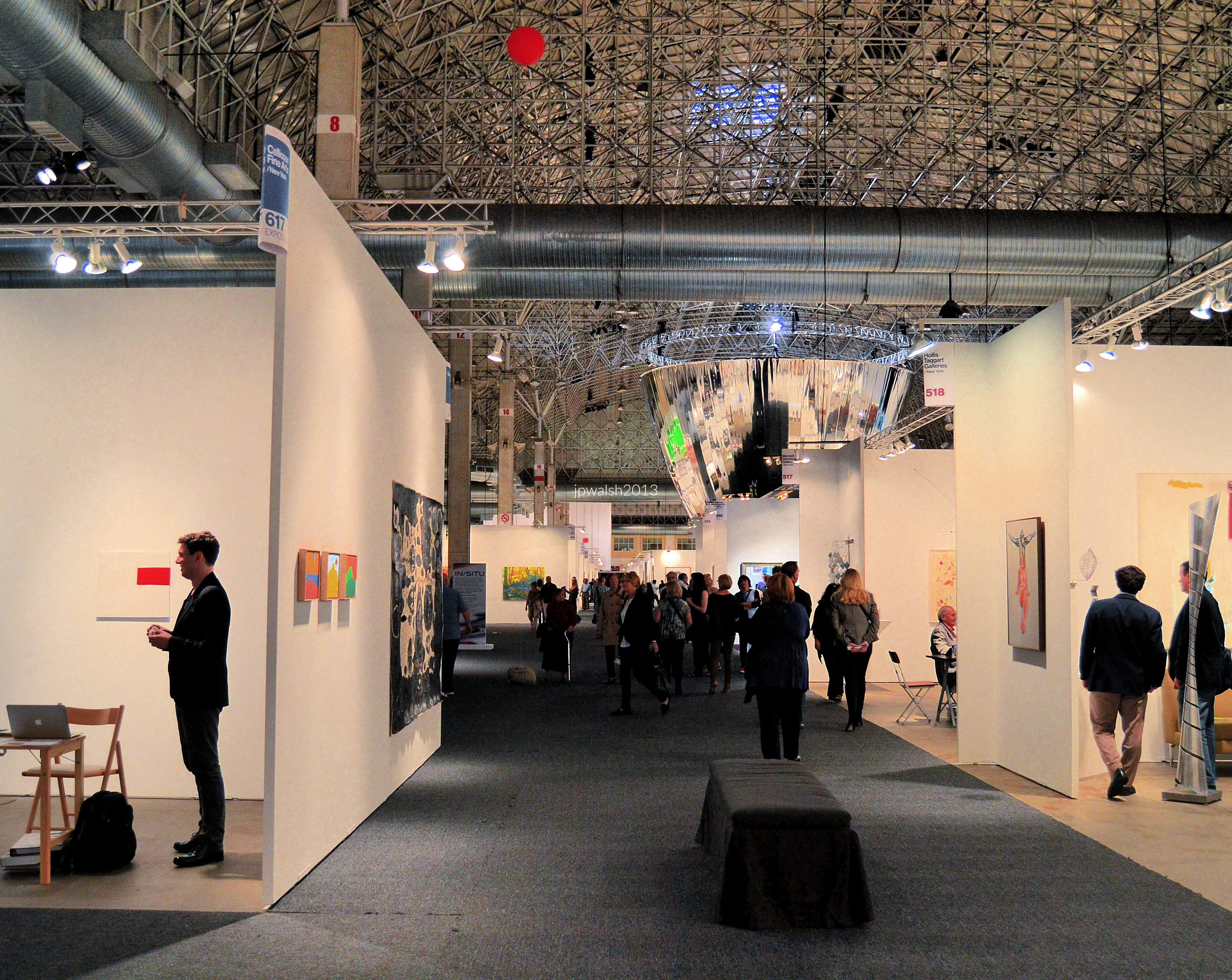
FEATURE image: EXPO CHICAGO 2018, Festival Hall, Navy Pier.
EXPO CHICAGO 2018 is the 7th annual exhibition of international contemporary and modern art held in Chicago at Navy Pier’s Festival Hall. It took place September 27-30, 2018. Expo Chicago/2018 presented 135 galleries and exhibitors representing 27 countries and 63 cities from around the world. This post’s 60 photographs are of that event.
EXPO CHICAGO 2018 includes exhibitors four sections categorized to a specific aim: Exposure are galleries founded since 2010 featuring one or two artists; Profile are international galleries featuring solo or collective artists with focused installations, exhibitions and projects; Editions + Books highlight artist books, editions, prints, collectibles, photography, collage, drawing, etc.; Special Exhibitions” feature site specific work.
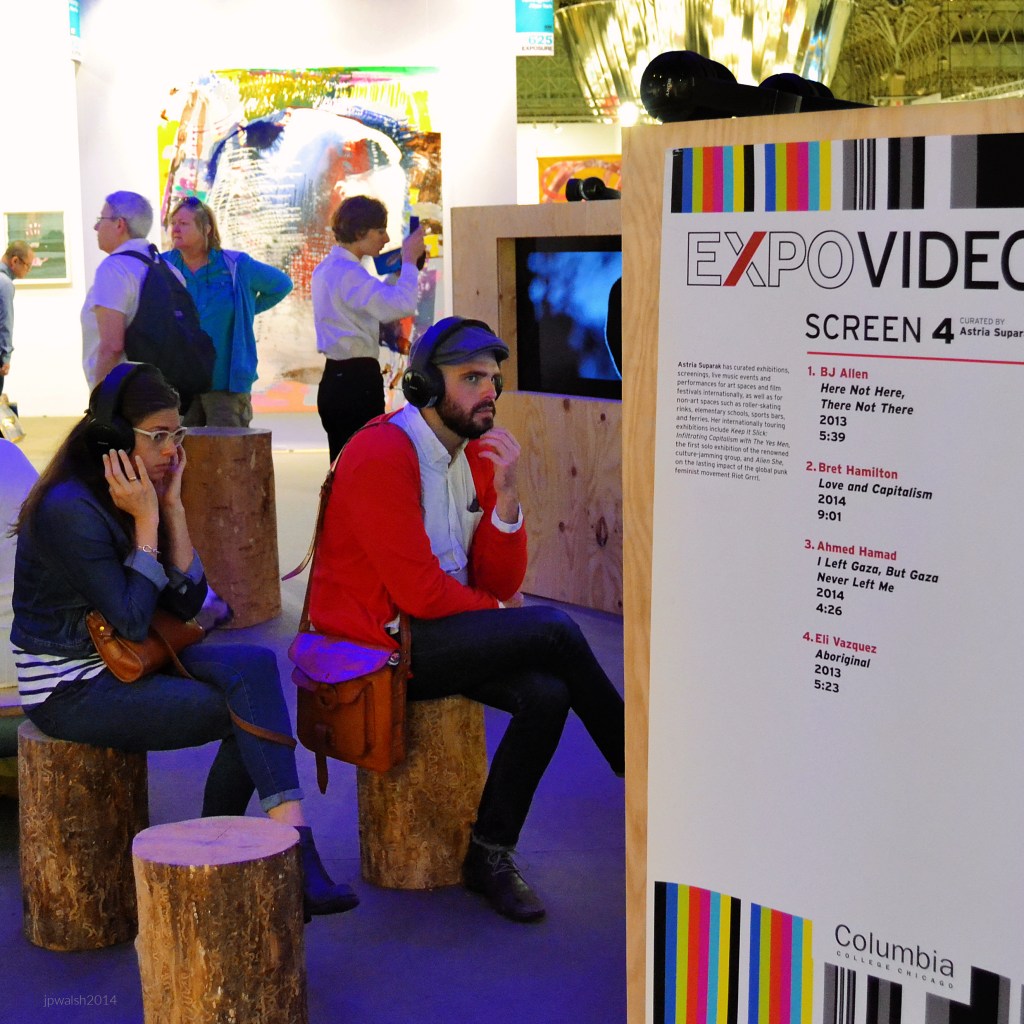
More EXPO CHICAGO 2018 sections include: IN/SITU highlighting curated large-scale installations (a second, outside version features large-scale sculptures in various Chicago locations); EXPO VIDEO highlighting curated film, video and new media work; EXPO SOUND highlighting curated sound installations and projects.
EXPO CHICAGO 2018 was held in Festival Hall on Navy Pier in Chicago. The annual event, held since 2012, is in its seventh year.EXPO CHICAGO 2018 attracts thousands of attendees to visit with hundreds of gallery owners and artists from all over the world.Expo Chicago is a major modern and contemporary art event held each year to open the Fall art season. It is held nearby to downtown Chicago and the Magnificent Mile on historic Navy Pier which is one of Chicago’s most popular tourist magnets.One of the information desks at EXPO CHICAGO 2018. EXPO CHICAGO 2018 welcomed 135 international art galleries from 27 countries and 63 cities.Georgia Scherman Projects, Toronto. Within the framework of the show’s sections, each booth showcases the artwork of their choosing .Artwork of Marcus Jansen was featured at Casterline/ Goodman Gallery, Aspen, CO, Chicago, and Nantucket, MA.Artist Gina Pellón (center) at Cerunda Arte, Coral Gables, FL.Surrealist painter Fred Stonehouse, Night King, 2018, acrylic on canvas, Tory Folliard Gallery, Milwaukee, WI.Richard Hughes, Hot Step, 2017, cast polyester resin and enamel paint, Anton Kern Gallery, New York.Ridley Howard, Blue Dress, Blue Sky, 2016, acrylic on linen, Frederic Snitzer Gallery, Miami, FL.admissions. Library Street Collective, Detroit, MI. Artist Francesco Clemente, 2018, oil on canvas at Maruani Mercier Gallery, Brussels, Belgium.Artwork of Larry Poons, Yares Art, New York, Palm Springs, Santa Fe.Artwork of Austin White, 2018, Jenkins Johnson Gallery, San Francisco and New York.In/Situ: Postcommodity, Repellent Fence, 2015, Bockley Gallery, Minneapolis, Minnesota.Peter Blake Gallery, Laguna Beach, CA.Artwork by Asmund Havsteen Mikkelsen at the booth shared by Fold Gallery, London, and Galleri Kant, Copenhagen.Prune Nourry, River Man (detail), 2018, patinated copper tubes, Galerie Templon, Paris.Gérard Garouste, The Eagle Owl and the One-Eared Woman, 2016, Galerie Templon, Paris.Jaume Plensa’s Laura Asia in White, 2017, polyester resin and marble dust, at Richard Gray Gallery, Chicago.Jaume Plensa’s Laura Asia in White, 2017, polyester resin and marble dust, at Richard Gray Gallery, Chicago.William Kentridge, Blue Rubrics, 2018, lapis lazuli pigment on thesaurus pages, NFP Field Tate Editions, Royal Academy of Arts, London.Frances Stark, According to This…, 2018, Silk screen on linen on panel, Gavin Brown’s Enterprise, New York and Rome.David Driskell (b. 1931), Jazz Singer (Lady of Leisure, Fox), 1974, oil and collage on canvas, 52 x 44 in., DC MooreGallery, New York City.Jansson Stegner, Swordswoman, 2018, oil on linen, Nino Mier Gallery, Los Angeles.Brian Calvin, Eternal Return, 2009, acrylic on canvas, Anton Kern Gallery, New York.Margot Bergman, Gloria, 2014, acrylic on linen, Corbett vs. Dempsey, Chicago.Ceysson & Bénétière, New York Luxembourg Paris Saint-Étienne.Julie Heffernan, Self-Portrait with Nuala, 2018, oil on canvas, Zolla/Lieberman Chicago.Chloe Wise, You would have been a castle for a moment, 2016, Galerie Division, Montreal and Toronto.EXPO CHICAGO 2018. EXPO CHICAGO 2018. Artwork of Devan Shimoyama, De Buck Gallery New York City.EXPO CHICAGO 2018. Chie Fueki, Kyle, 2017, DC Moore Gallery, New York City.Naudline Pierre, Deal Kindly and Truly With Me, 2018, oil on canvas, 56 x 52 inches, Shulamit Nazarian, Los Angeles.Clare Sherman, Sea Cave, 2017, oil on canvas, 84 x 66 in., DC Moore Gallery, New York City.Roberto Fabelo, Gothic Habanero, n.d., oil on canvas, Cerunda Arte, Coral Gables, FL.EXPO CHICAGO 2018 brings the world of modern and contemporary art to Chicago for the collector.EXPO CHICAGO 2018 offers the art lover opportunities to encounter the latest in modern and contemporary art from around the world.EXPO CHICAGO 2018 covers tens of thousands of square feet with modern and contemporary art of many kinds from 27 countries and 63 global cities.EXPO CHICAGO 2018Sculpture, painting, and other visual art forms were in evidence at Expo Chicago/2018. There is a popular on-site cafe that serves snacks and beverages.EXPO CHICAGO 2018EXPO CHICAGO 2018EXPO CHICAGO 2018Juan Roberto Diago, Grito, 1997. The artist talks about his artistic debt to Jean-Michel Basquiat.Fort Gansevoort, New York City.Artwork of Nick Dawes, 2018, Galerie Kornfeld, Berlin.Tsailing Tseng, Black Moor, Spring/ Sun/ Winter/ Dread/ Everything Everything, 2018, oil on linen, SAIC Booth (Tuttle Fellowship).Roberto Lugo, porcelain china, paint, luster, 2018, Wexler Gallery, Philadelphia. PA.Lavar Munroe, Spy Boy, 2018, acrylic and earring stud on canvas, Jenkins Johnson Gallery San Francisco New York.In/Situ: Ivan Argote, Among Us — Across History…, 2017.Richard Hudson, Tear, 2016, polished mirrored steel, Michael Goedhuis London Beijing New York. Aniela Sobieksi, Girl with a Garden, 2018, oil on panel, Tory Folliard Gallery, Milwaukee. The painting next to it sold just before I took this photograph.The Hole NYC.Barnaby Barford (b. 1977), Celebrity, 2018, Giclée Print, David Gill Gallery, London.
FEATURE image: EXPO CHICAGO 2017, Festival Hall, Navy Pier.
EXPO CHICAGO 2017 is the 6th annual exhibition of international contemporary and modern art held in Chicago at Navy Pier’s Festival Hall. It took place September 13-17, 2017. Expo Chicago/2017 presented 135 galleries representing 25 countries and 58 cities from around the world.
Brian Calvin, Momentary Monument, 2017, acrylic on canvas, Anton Kern Gallery, New York. Expo Chicago 2017.
Admissions, Expo Chicago 2017.
Information desk, Expo Chicago 2017.
Lara Schnitger, Suffragette City, 2015-2017, Cotton, and linen, quilted and bleached, Anton Kern Gallery, New York. Expo Chicago 2017.
The War We Won, Roger Brown, oil on canvas, 80 x 120 in., Kavi Gupta Gallery, Chicago. Expo Chicago 2017.
Doug Argue, Dream Song 12, 2017, oil on paper, 40,x,60 in., Marc Straus, New York. Expo Chicago 2017.
CarrerasMugica Contemporary Art Gallery, Bilbao. Expo Chicago 2017.
Galerie Gmurzynska, Zurich, Switzerland, with booth design by Antonio Manfreda. Expo Chicago 2017. Germano Celant, theorist of the Arte Povera movement. From 2015 he was the artistic director of the Prada Foundation in Milan.
Matthew Monahan, Hurricane Nickel, 2016, and Aquarius Gemini, 2016, Anton Kern Gallery, New York. Expo Chicago 2017.
Anton Kern Gallery, New York. Expo Chicago 2017.
Rita McBride, Halicarnassus, 2010, bronze and grey limestone, and Pantheon 2, bronze and markina marble, CarrerasMugica Contemporary Art Gallery, Bilbao. Expo Chicago 2017.
Wardell Milan, The New Sun Will Warm our Proud and Naked Bodies, 2016, charcoal, oil, oil pastel, pastel, gesso, acrylic, color pencil, cut paper on paper, David Nolan Gallery, New York. Expo Chicago 2017.
Meleko Mokgosi, Honor Fraser Gallery, Los Angeles. Expo Chicago 2017.
John A. Seal, König Galerie, Berlin. Expo Chicago 2017.
Alfred Leslie, Oval Collage, 1959, Diana Moore, White Head, 1988 and Willem de Kooning, 1965, charcoal on paper, Alan Stone Projects, New York. Expo Chicago 2017.
Thinks I, To Myself. Expo Chicago 2017.
Expo Chicago 2017.
Expo Chicago 2017.
Jackie Saccoccio, Portrait (Bomba), 2017, and Faheem Majeed, Hopscotch I, 2011, and Pause, 2010, Rhona Hoffman Gallery Chicago. Expo Chicago 2017.
Expo Chicago 2017.
Garth Greenan Gallery, New York. Expo Chicago 2017.
Iva Gueorguieva, Listen, 2017, acrylic oil collage on canvas, Miles McEnery Gallery, New York. Expo Chicago 2017.
Hayal Pozanti, 70 (million m.p.h that the earth orbit around the sun), 2017, acrylic on canvas, 60 x 132 in., Jessica Silverman Gallery, San Francisco, California. Expo Chicago 2017.
Lavar Munroe, Instinctual, 2017, acrylic on canvas, 48 x 42 in., Jenkins Johnson Gallery, San Francisco. Expo Chicago 2017.
Expo Chicago 2017.
Peres Projects Berlin. Expo Chicago 2017.
Ransome Stanley, Untitled, 2017, oil on canvas, 59 x 78 in., Gallery MOMO, South Africa. Expo Chicago 2017.
Booth 839, Expo Chicago 2017.
Caroline Walker, Grimm Gallery Amsterdam New York. Expo Chicago 2017.
Expo Chicago 2017.
Nicolas Africano, Untitled, 2017, cast glass, Weinstein Gallery Minneapolis. Expo Chicago 2017.
FEATURE image:Ewerdt Hilgemann, Habakuk (Homage to Max Ernst), 2014, stainless steel, Borzo Gallery and The Mayor Gallery. In/Situ Outside 2015.
EXPO CHICAGO 2015 is the 4th annual exhibition of international contemporary and modern art held in Chicago at Navy Pier’s Festival Hall on September 17 – 20, 2015. This year’s exhibition featured 140 art galleries representing 16 countries and nearly 50 major international cities including New York City, Shanghai, Tokyo, Beijing, Rome, Berlin, London, Paris, Amsterdam, San Francisco, Los Angeles and Chicago.
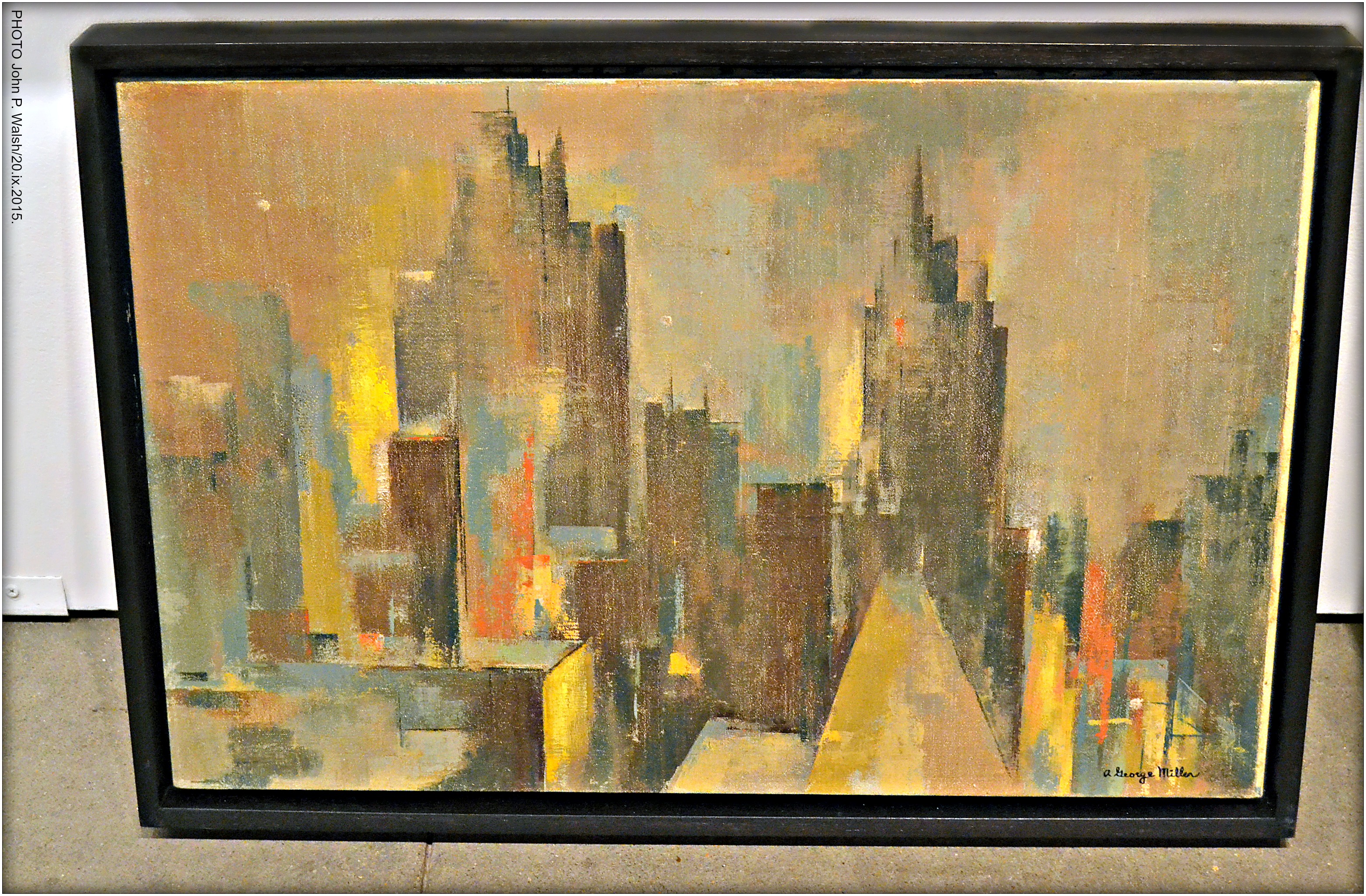
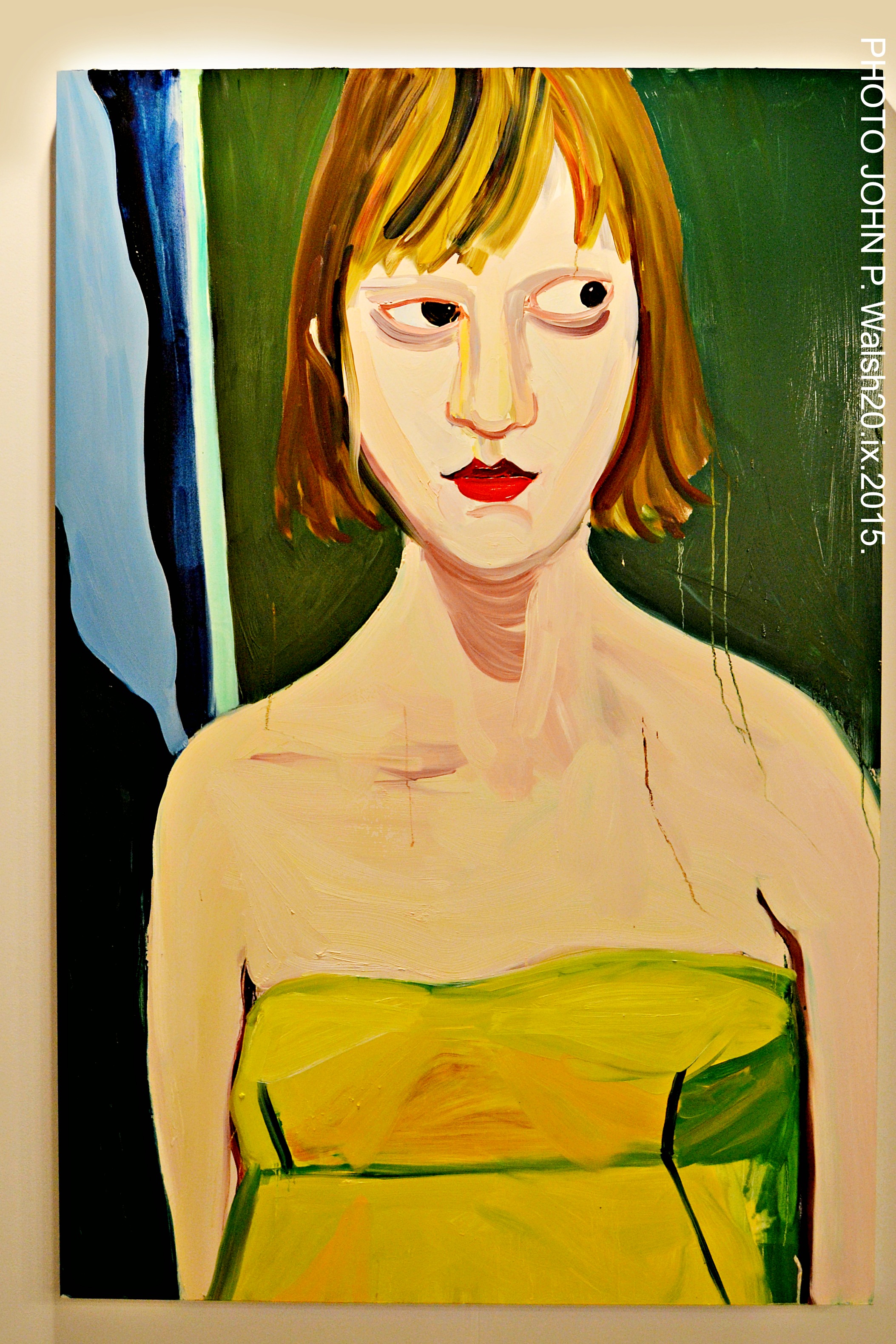
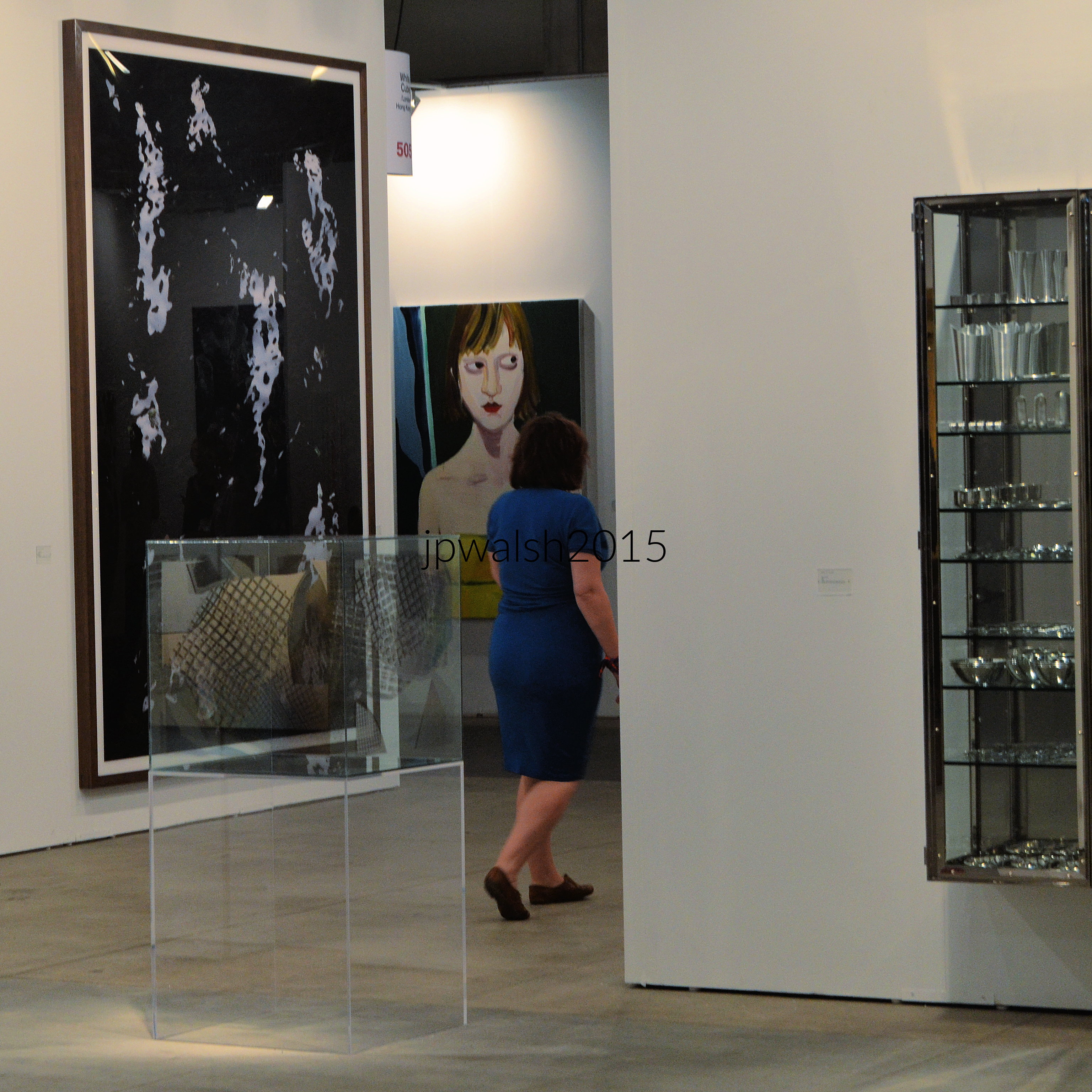
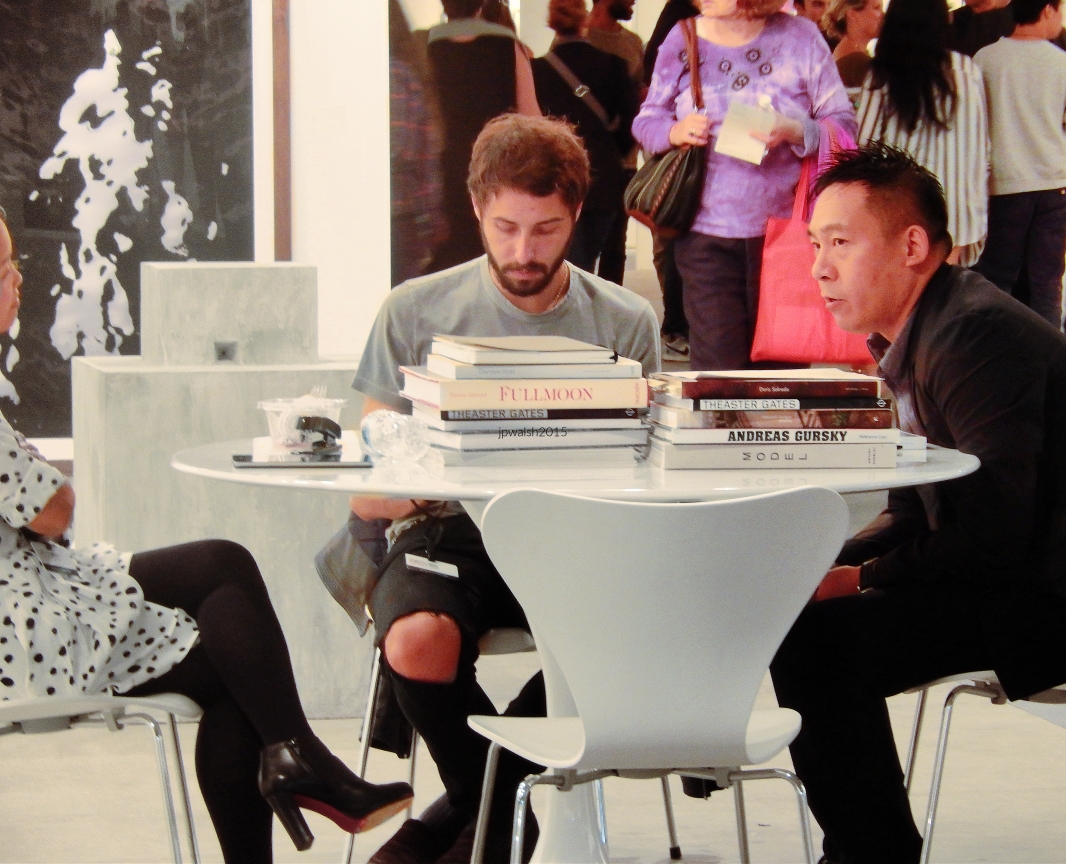
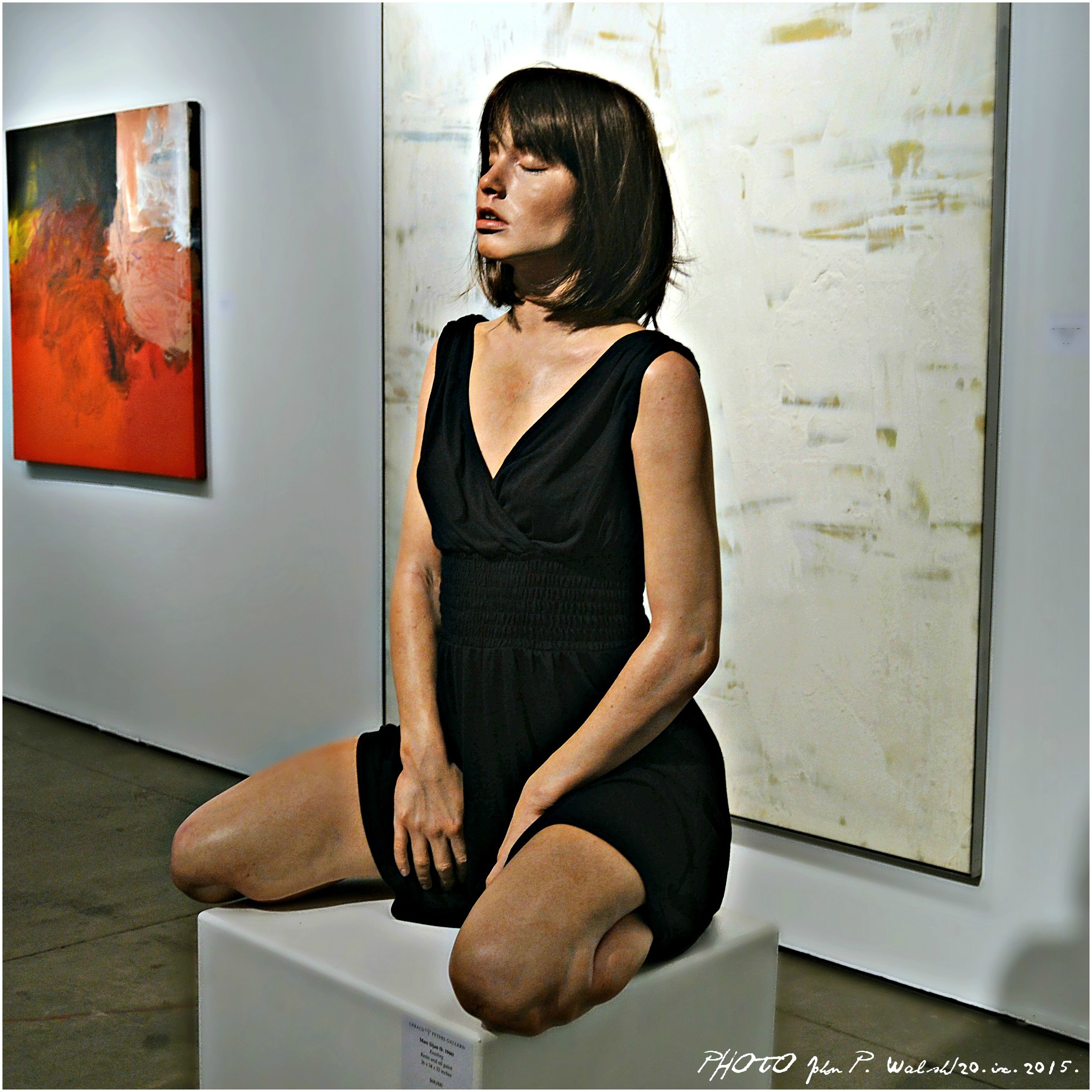
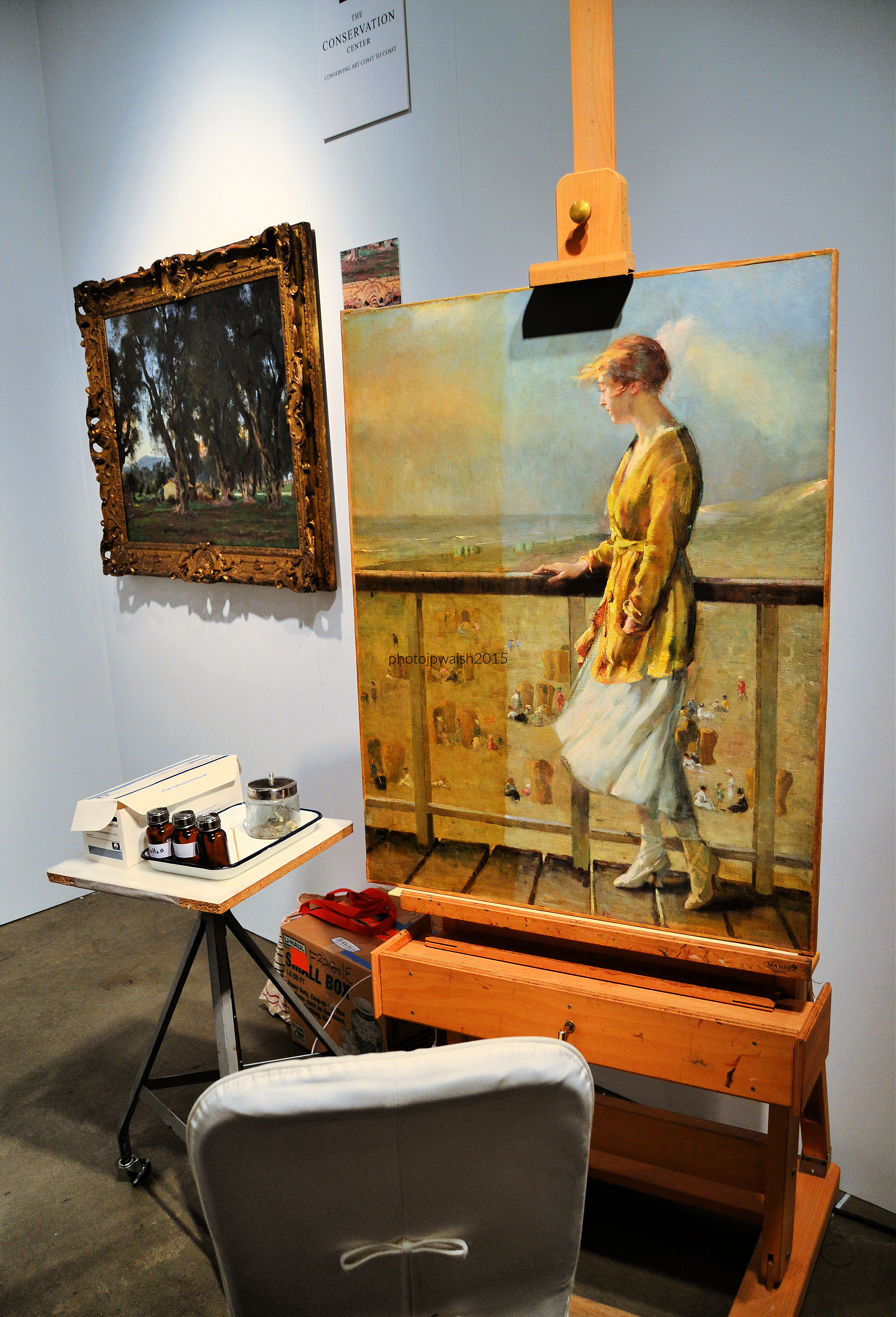
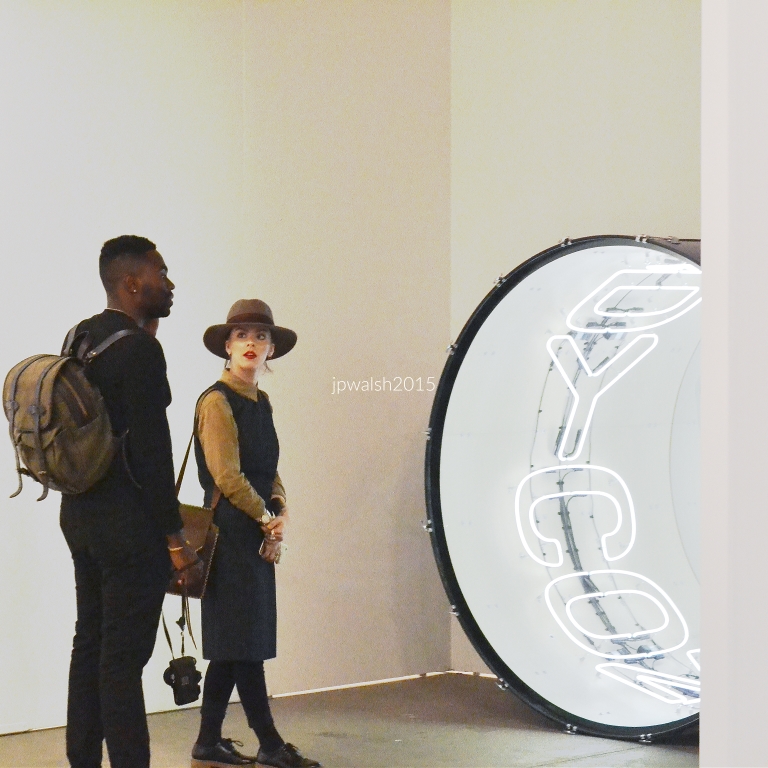
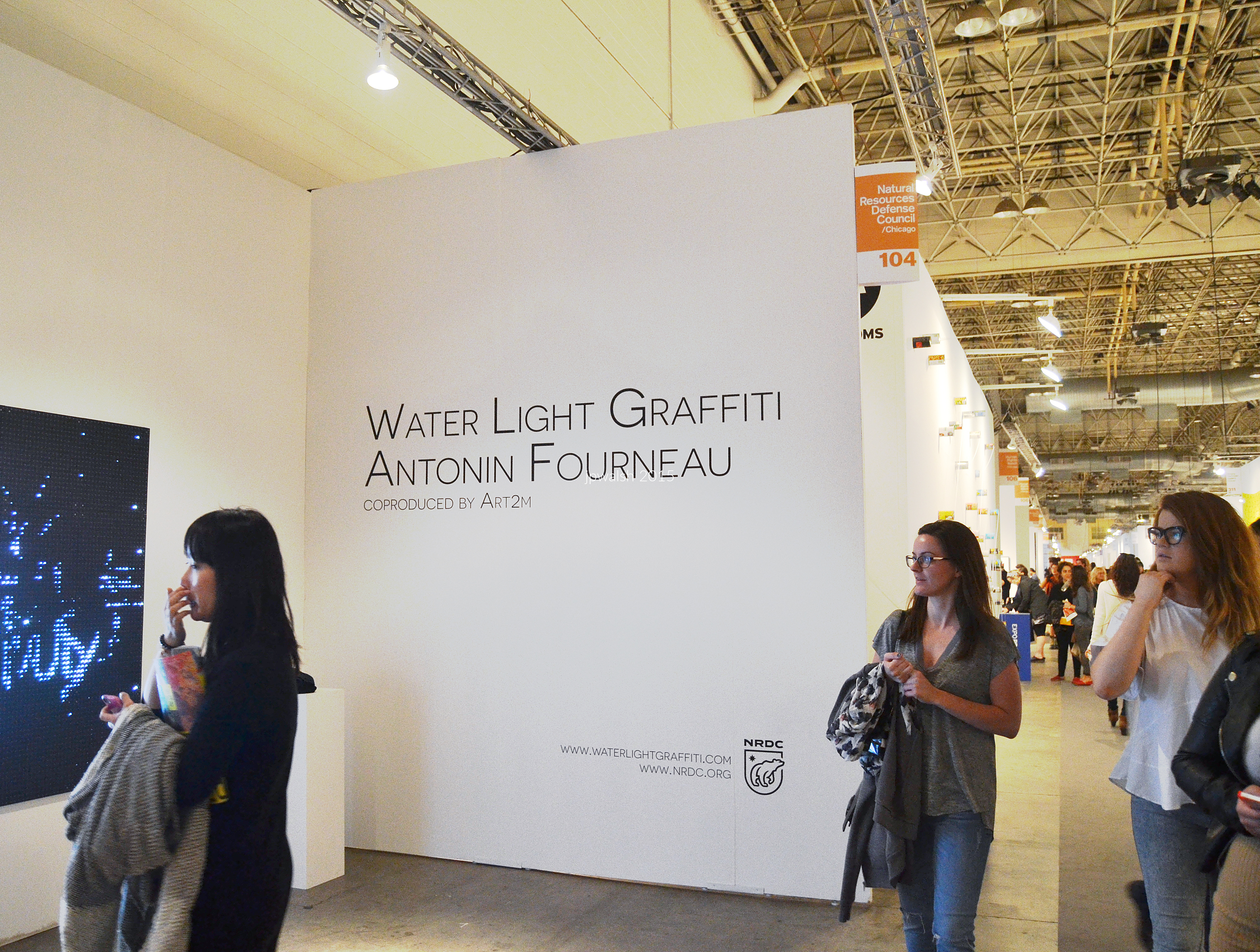
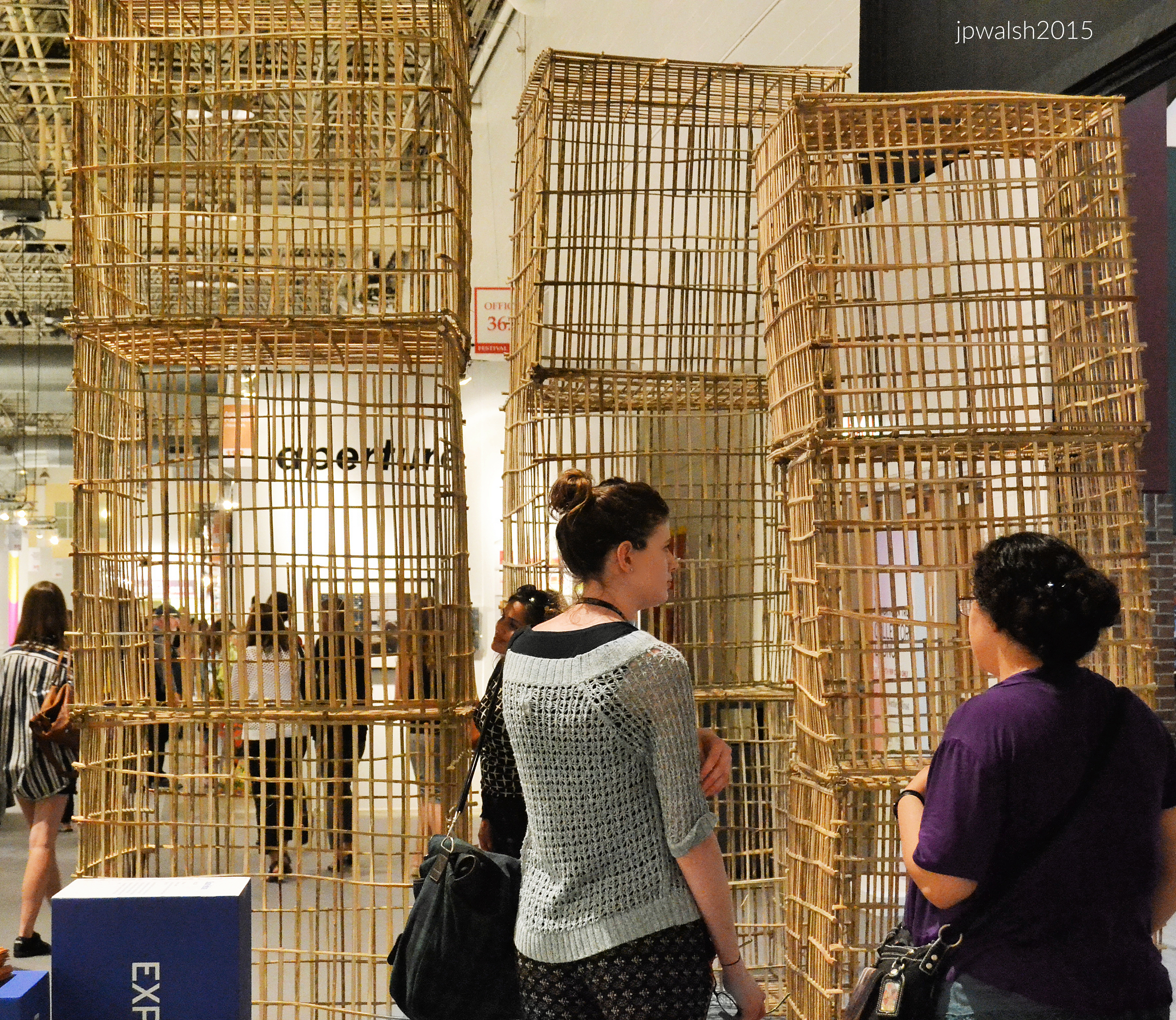
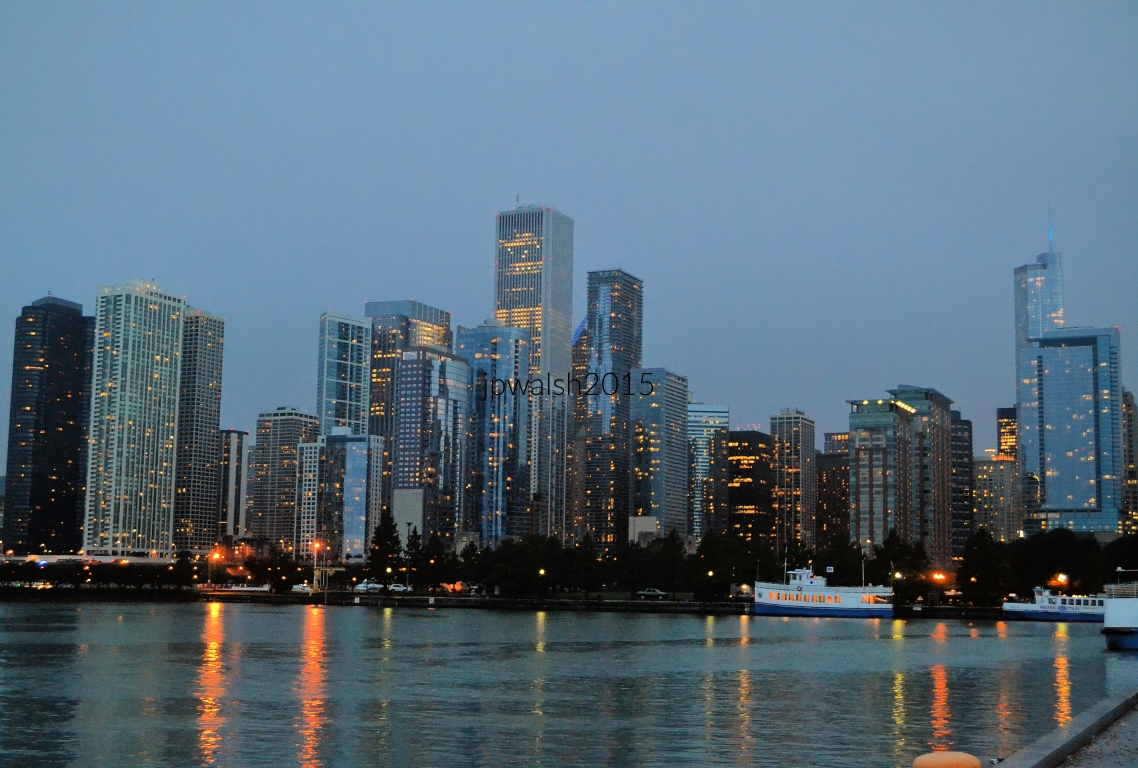
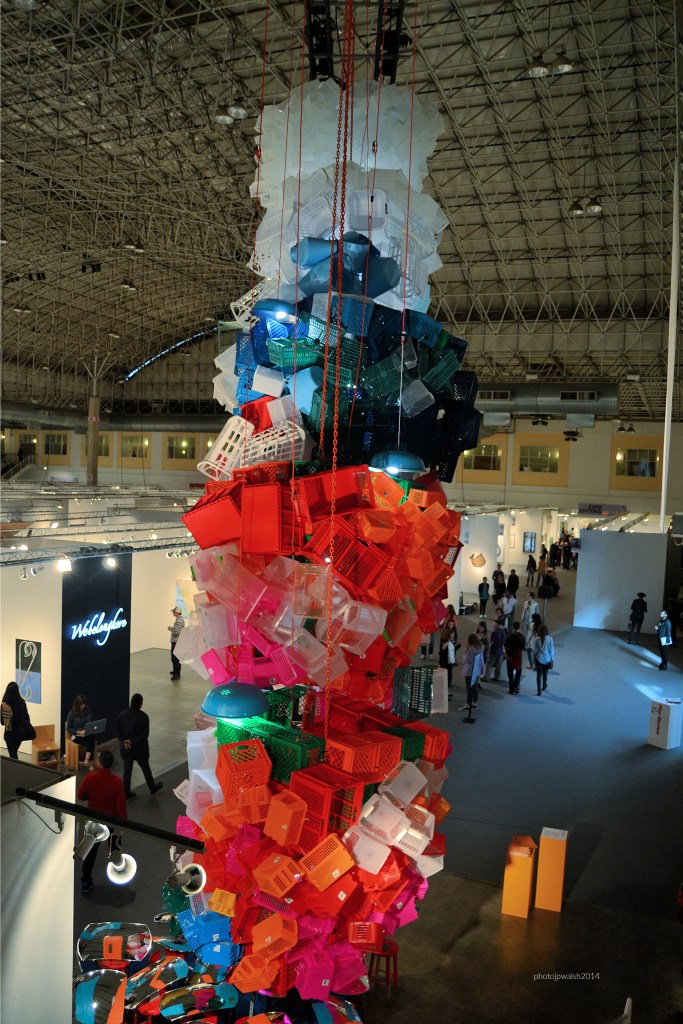
In/Situ, Sung Jang, Mobi, 2015, injection molded plastic, Volume Gallery, Chicago.In/Situ, Daniel Buren, From three windows, 5 colours for 252 places, 2006. Lisson Gallery, London. The artist creates a template for a sequence of 18 rectangular panels with each one suspemded from the ceiling. Each panel is subdivided into 12 transparent Perspex squares, both clear and in color. Carlos Rolón/Dzine. MCA Chicago. Hung Liu (Chinese-born American, b. 1948), Untitled (Dandelion), 2015, mixed media, 60 x 60 in., Nancy Hoffman Gallery, New York. Hung Liu’s paintings are steeped in Chinese culture.Expo Chicago 2015. A. George Miller (American, 1905-1984), Untitled (City Nocturne), ca. 1950s, 16 x 24 in. Richard Norton Gallery, Chicago. A. George Miller attended The School of the Art Institute of Chicago starting in 1923. and was one of three official photographers for the 1933-34 Century of Progress Exhibition in Chicago.Sergio Carmargo (Brazil, 1930-1990), Untitled #504, 1970 and Anish Kapoor (India, b. 1954), Untitled, 2014, Fiberglass and paint (“Yellow Void”), 160 x 160 x 56 cm. Lisson Gallery London Milan New York.Hunter Reynolds, Survival AIDS-ACT UP Chicago – A Revolution, 2015. Photo weaving, 8′ x 30′ Courtesy of artist & P.P.O.W. NY and Iceberg Projects Chicago.Hunter Reynolds in collaboration with Elijah Burgher and Steve Reinke in Survival AIDS Mummification Performance presented in partnership with PPOW and ICEBERG Projects for Survival AIDS Chicago Act Up a Revolution.Expo Chicago/2015.Gregor Hildebrandt.Kate Werble Gallery, NY.Chantal Joffe (UK, b. 1969), Green Strapless Dress, 2013, oil on board, 72.5 x 48.5 in., Galerie Forsblom, Finland. In a 2009 interview, Joffe said, “I really love painting women. Their bodies, their clothes – it all interests me.”Expo Chicago 2015. Expo Chicago 2015. Vik Muniz (Brazil, b. 1961), Album: Over There, 2014. digital c-print, edition of 6, 71 x 105 in., Rena Bransten Projects, San Francisco.David Allan Peters, Untitled #24, 2015, acrylic on wood panel, Ameringer McEnery Yohe, New York.Roberto Fabelo, Sueño de navegante, bronze, 2015. Cernuda Arte, Coral Gables, Florida.Suzanne Martyl (American, 1917-2013), Asclepias, oil on masonite, 14 x 11 in., Richard Norton Gallery, Chicago. Suzanne Martyl or Martyl Langsdorf – or Martyl. The artist said that she “always found it fascinating to look and look and look, and spend all kinds of time until something would just ring a bell, and I would know how to rearrange nature to make a good composition.”Books include British photographer Darren Almond; Chicago Social Practice installation artist Theaster Gates; English artist Damien Hirst; and German photographer Andreas Gursky.VMU Gallery 101 / Art Fund curated by Rimas Čiurlionis, and coordinated by photographer Alex Zakletsky, presents a video installation of artists from the conflict zone in Ukraine including the work of Bella Logachova, Andriy Yermolenko and Ivan Semesyuk.Rimas Čiurlionis, special exhibitions.Victoria Gitman (b. 1972, Buenos Aires; lives in Hallandale, FL), Untitled, 2015. Garth Greenan Gallery, New York. Sensuous and conceptually sophisticated oil paintings that are look natural.Paul Wackers, Look At What I Did Now, 2015, acrylic and spray paint on canvas, 48 x 40 in., Morgan Lehman Gallery, New York. Expo Chicago 2015.Andy Warhol, Love in the Spring, c.1955, watercolor and pencil on paper, 18×23 inches, McCormick Gallery, Chicago and Vincent Vallarino Fine Art, New York.Central Academy of Fine Arts School of Design, Beijing, China. Author at right. CENTRAL ACADEMY OF FINE ARTS SCHOOL OF DESIGN BEIJINGMarc Sijan ( American, b. 1946), Kneeling, resin and oil paint, Gerald Peters Gallery, Santa Fe, New Mexico (detail).Marc Sijan ( American, b. 1946), Kneeling, resin and oil paint, Gerald Peters Gallery, Santa Fe, New Mexico. Sijan’s super-realistic sculptures are, by the artist’s own words, “homages to humanity’s fascination with its own forms — a fascination which has compelled artists throughout the millennia to mirror life in virtually every medium.”Elizabeth Catlett (American, 1915-2012), Reclining Woman, bronze, 37 x 19 x 9inches, 1959. Behind, left to right: Charles Howard (American, 1899–1978), Friedel Dzubas (German-born American, 1915-1944) and Michael Goldberg (American, 1907-2007). McCormick Gallery, Chicago & Vincent Vallarino Fine Art, New York City. Black and white ensemble of abstract and figurative Modernist painting and sculpture.Chilean artist Carlos Costa with one of his “Wind Studies,” 2015, a conceptual project based on structuring basic natural elements. Local Arte Contempoeáneo, Santiago.FORUM GALLERY ADAA Gaston Lachaise Woman walkAt Forum Gallery New York: Gaston Lachaise, Woman Walking, 1919, cast in 1968, polished bronze, 19 1/2 x 10 x 7 1/2 inches, Edition 6/6.ing 1919 (cast 1968) polished bronze 19 x 107.5 in.Teresita Fernandez, Ghost Vines (Yellow Gold), 2015, brass. Anthony Meier Fine Arts, San Francisco, (above and below) Josh Garber, Ourselves, 2015, welded bronze, 30 x 15 x 14 in., Zolla/Lieberman Gallery, Chicago.Josh Garber, Ourselves, 2015, welded bronze, detail, complete artwork: 30 x 15 x 14 in., Zolla/Lieberman Gallery, Chicago.Luis de Jesus, Los Angeles, California. Expo Chicago 2015.Dealers, Expo Chicago/2015.Galerie Ernst Hilger, Vienna. Pace Prints, New York City. Cernuda Arte, Coral Gables, Florida. Hollis Taggart Galleries, New York.Expo Chicago 2015. (Above and below) In/Situ Antony Gormley, Freefall, 2007, 2mm square section stainless steel bar, 290 x 185 x 180 cm. White Cube, London. Freefall reveals the space where the body was rather than represent the body itself. They are intended to be “drawings in space.”Marc Chagall (1887-1985), Self Portrait, 1947, oil on canvas, 35 3/4 x 28 1/2 in.. Richard Gray Gallery, Chicago. Gregory Scott, Van Gogh’s Bedroom, 2015, pigment print, oil on panel, pigment print, oil on panel, HD video, ed. of 8. Catherine Edelman Gallery, Chicago.Augustus John, Portrait of a Young Woman, 1923, charcoal on paper, 14×10 inches, Browse & Darby, London.Browse & Darby London.Lucian Freud (German-born British painter, 1922-2011), Head & Shoulders of a Girl, 1990 etching, edition of 50, Browse & Darby, London.Berthe Morisot (detail), Femme et enfant au bois, pencil on paper laid on card stamped ‘B.M’ and numbered, 21 x 15 15/16 inches. Browse & Darby London.In/Situ. jessica Stockholder, Celestial Season, 2015. Plastic baskets, wire tires, chain, lights, driveway mirrors and paint. 96x70x70 inches. Kavi Gupta, Chicago. a luminous “cloud,” the piece floats just above the boundaries, bouyant and playful at once warm and cool akin to a breeze on a summer’s day. Michiko Itatani (b. 1948), Untitled, from Virtual Pair #2, 2007, oil on canvas. Camilo Restrepo (1975, Medellín, Colombia). Bowling for Medillin I, 2014, ink water soluble wax pastel, tape, newspaper clippings, glue, stickers, saliva on paper, 72×240 inches. Morgan Lehman Gallery, New York. Since 1999 the artist lives and works in Paris, France.Fiona Rae, The Very Once-In-A-Lifetime Moment, 2010, oil and acrylic on canvas, Buchmann Galerie, Berlin and Lugano. Jan Matulka (American, 1890-1972), Seated Nude with Eyes Closed, oil on canvas, c. 1922, 48 x 34 1/2 in., Richard Norton Gallery, Chicago.Dayron Gonzalez, Momento de Gloria (Moment of Glory), 2015, oil on canvas, 80×60 inches, Cernuda Arte, Coral Gables, Florida.Susanne Vielmetter Los Angeles Projects, a contemporary art gallery in Culver City, California.Forum Gallery, New York City. Isaac Lazarus Israëls (1865-1934), Young Woman on per at Scheveningen Holland c. 1920. The Conservation Center, Chicago. Human Rights Watch. Iván Navarro (b. 1972), Come to Daddy (Black and White), 2015, neon, drum, one-way mirror, mirror and el-energy, Galerie Daniel Templon, Paris and Brussels. Eight feet high, Dan Flavin’s Untitled (Fondly, to “Phip”), 1976, is red, green, and pink fluoresent light. David Zwirner, New York. Foreground: Matthias Bitzer, Revolving Future, 2014, Metal. Background: Pier Paolo Catzolari, Untitles (Elevation Myself), 1982. Marianne Boesky Gallery, New York.Expo Chicago 2015.Expo Chicago 2015. Susan Hefuna, Afaz, 2014, palm wood, Rhona Hoffman Gallery, Chicago. With a sense of monumentality of a fragile object, the crates are based on those made by craftspeople near Cairo in Egypt. Hollis Taggart Galleries, New York.Chicago skyline from Navy Pier after attending Expo Chicago 2015. (25% of original image).
In/Situ Outside 2015.
Part of the Expo Chicago/2015 experience is temporary public art installations on the Chicago lakefront and throughout the city. Starting with Expo Chicago/2014, “In/Situ” works showcase large-scale installation art and site-specific works. Giuseppe Penone’s Idee di Pietra-Olmo (“Idea of Stone-Elm), 2008, Marian Goodman Gallery is a 30-foot tall bronze tree incorporating a boulder conveying the effects of human interaction in the natural world.In/Situ Outside. Ewerdt Hilgemann’s “Habakuk (Homage to Max Ernst), 2014, stainless steel, Borzo Gallery and The Mayor Gallery.
FEATURE image: EXPO CHICAGO 2014, Festival Hall, Navy Pier.
EXPO CHICAGO 2014 is the 3rd annual exhibition of international contemporary and modern art held in Chicago at Navy Pier’s Festival Hall on September 18 – 21, 2014. Photographs by John P. Walsh.
Mylar Cone designed by Studio Gang.
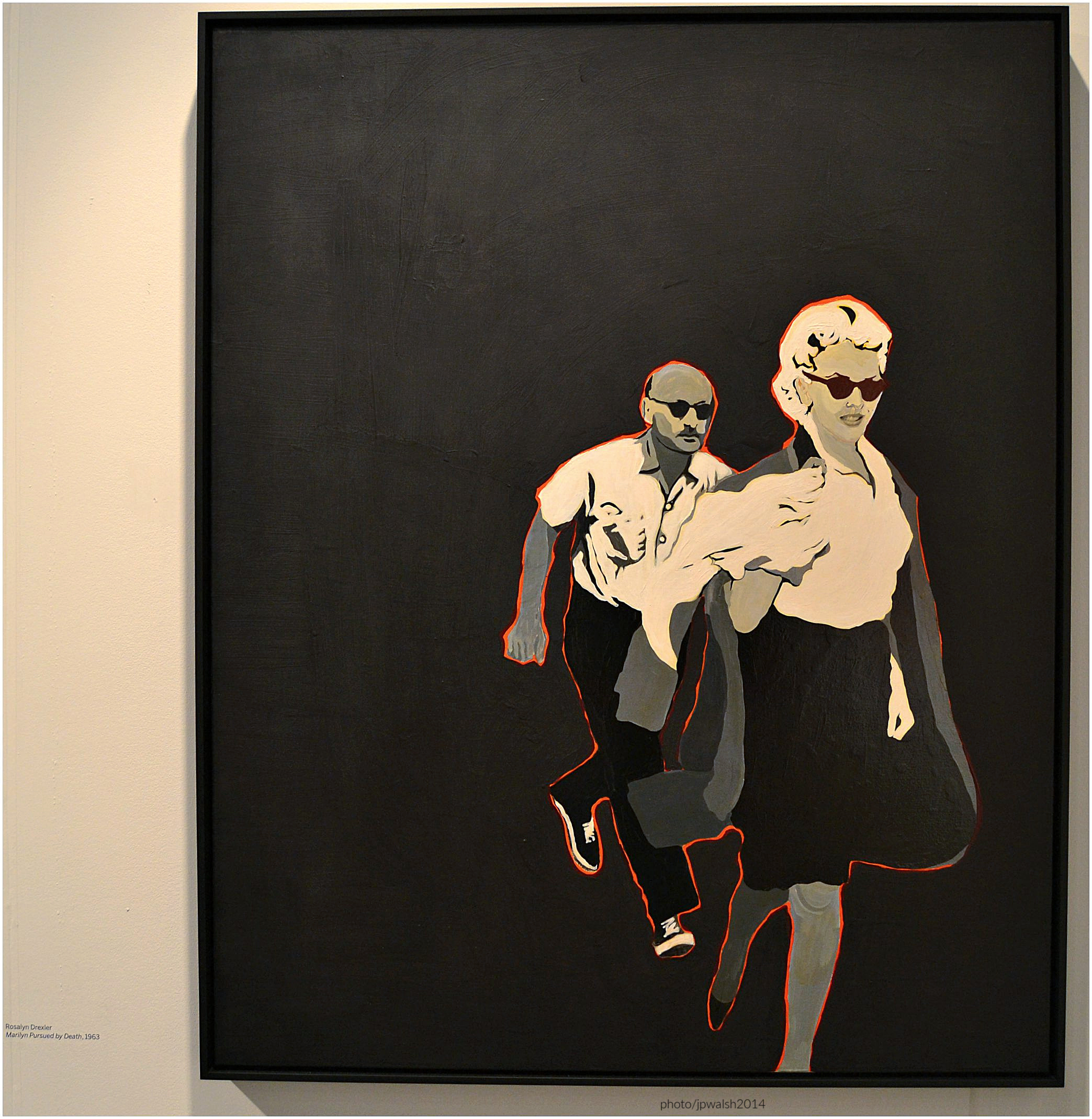
Rosalyn Drexler, Marilyn Pursued By Death, 1963, Fredericks & Freiser and Garth Greenan Gallery, New York City. This is based on a historical photograph of Marilyn as she was escaping the press.
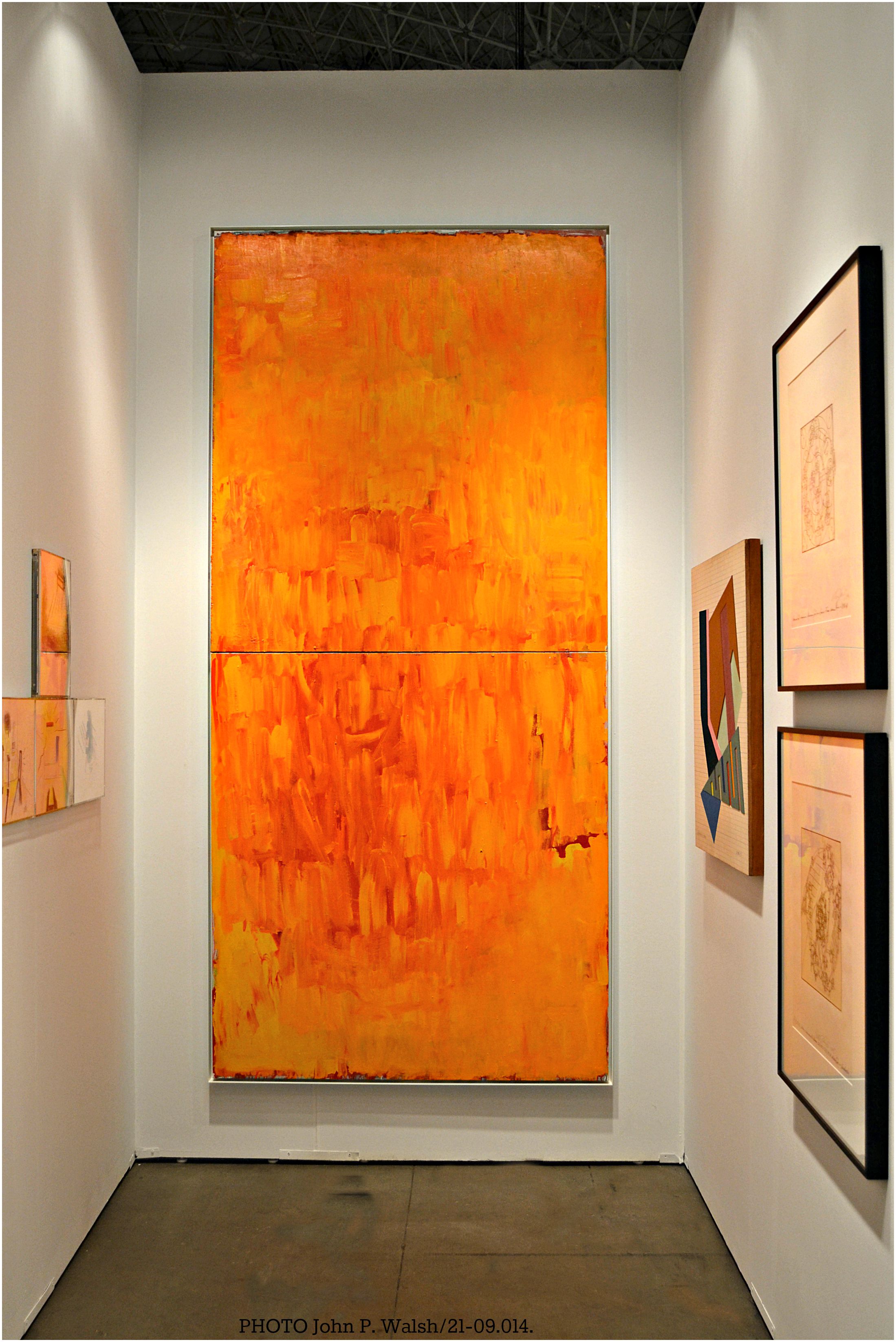
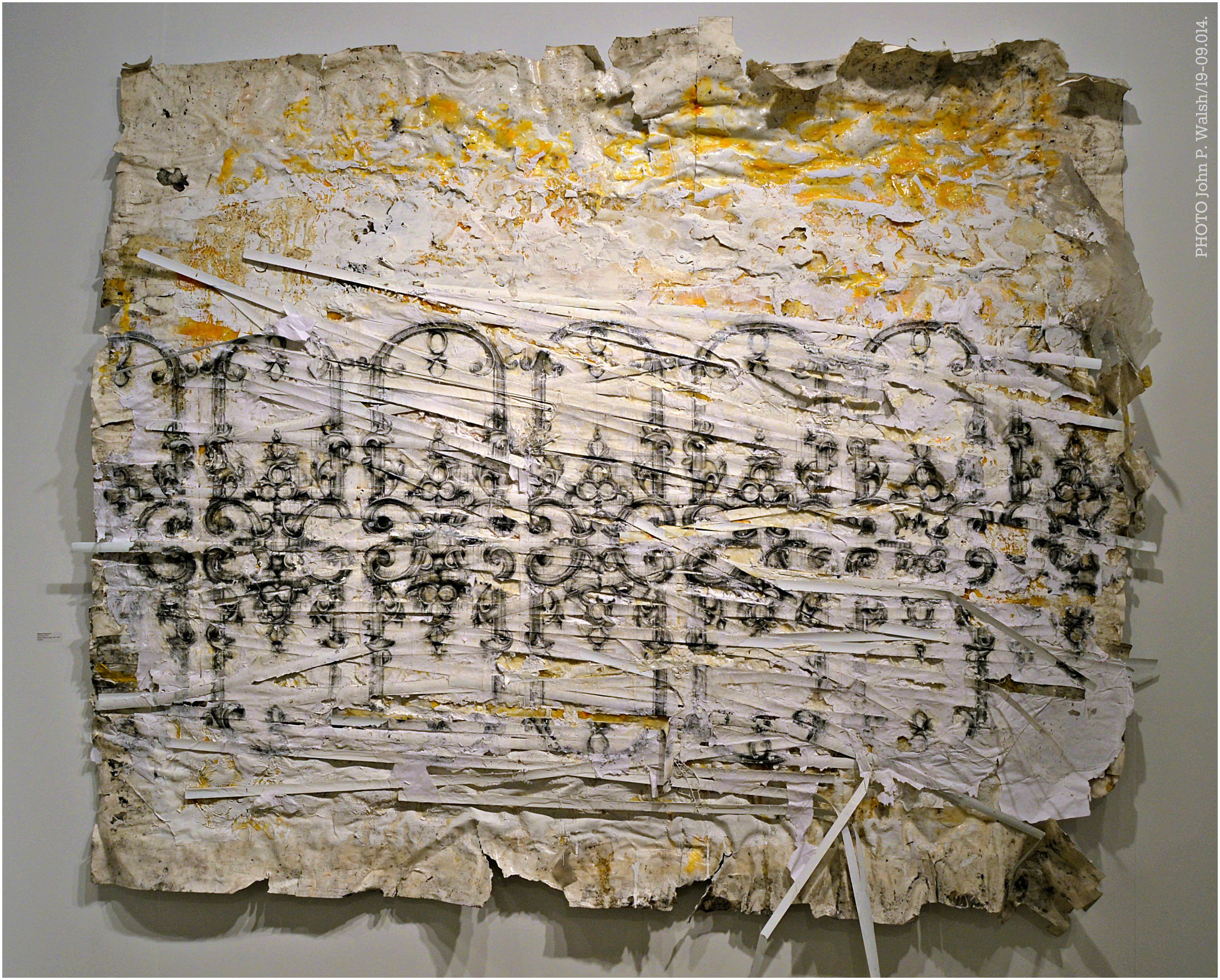
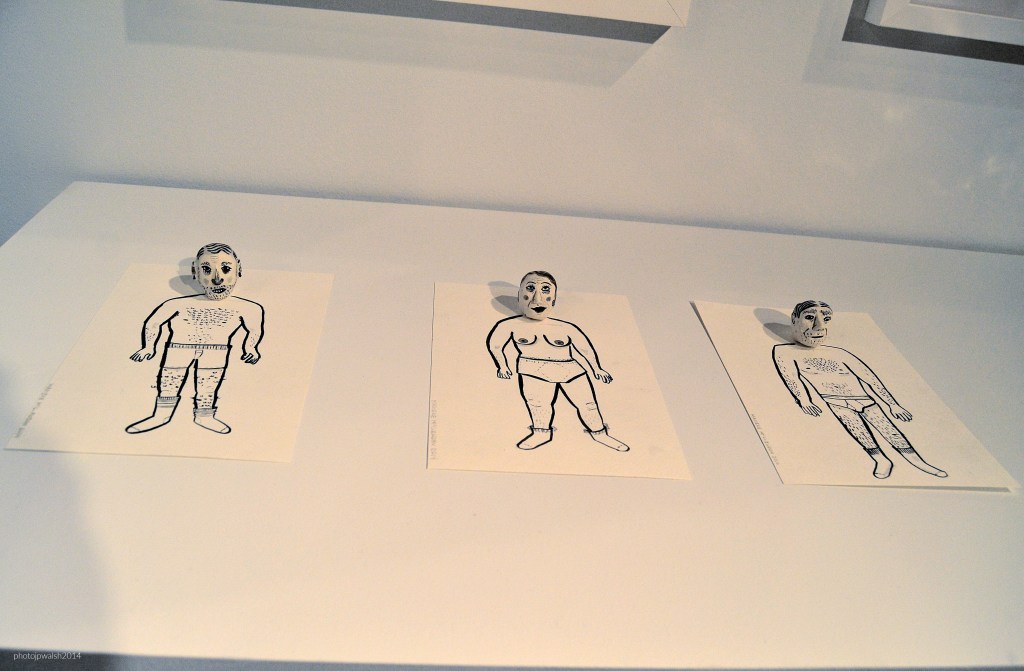
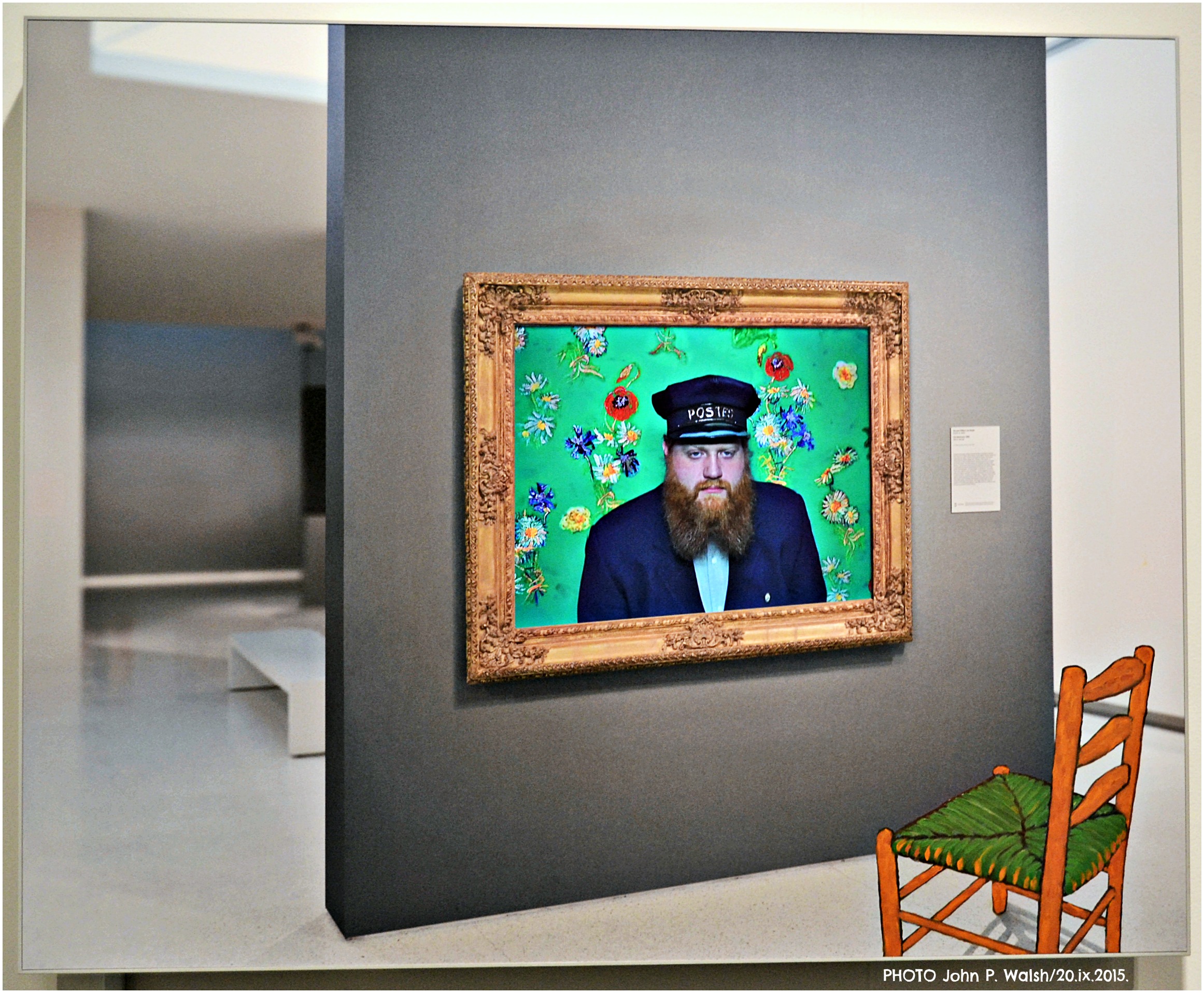
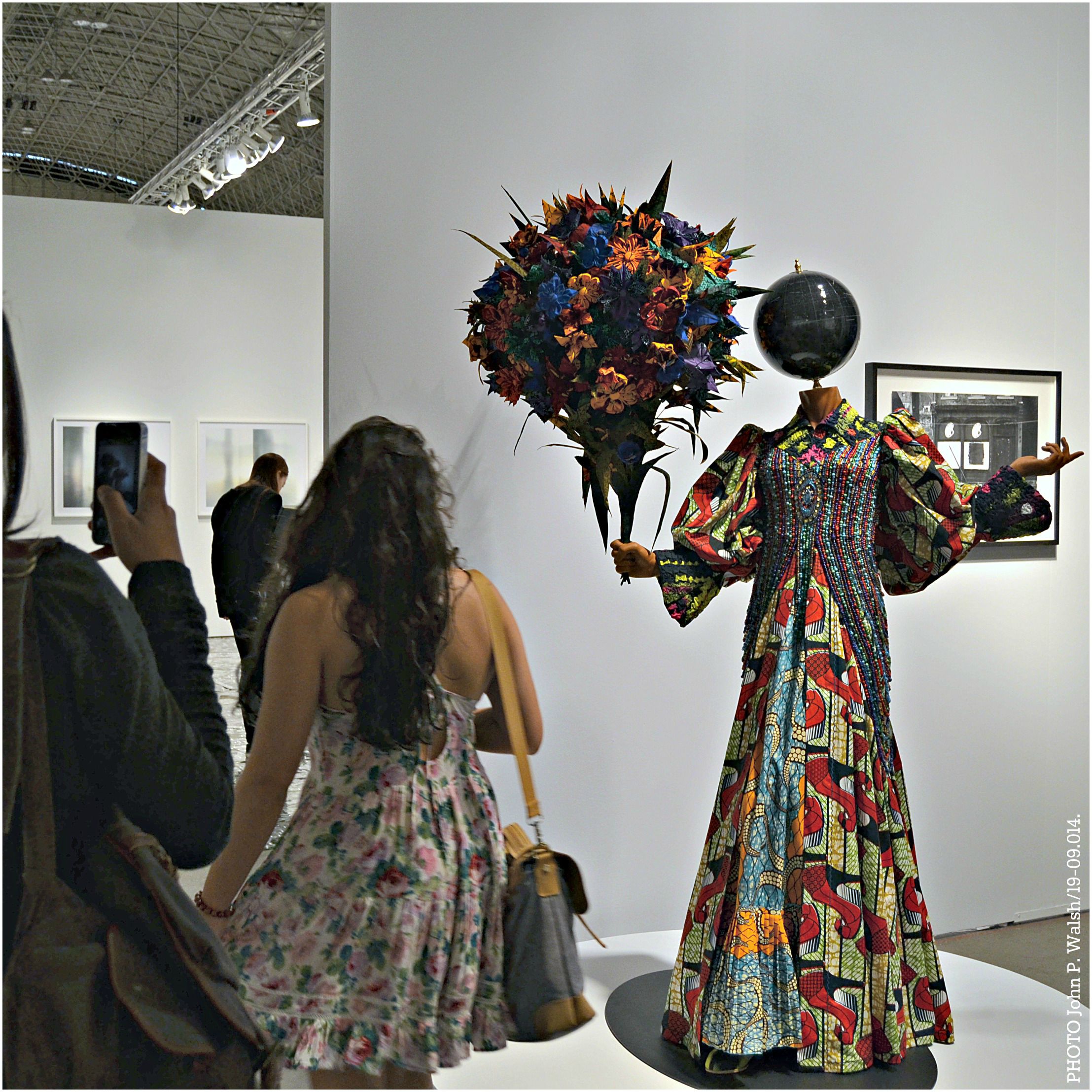
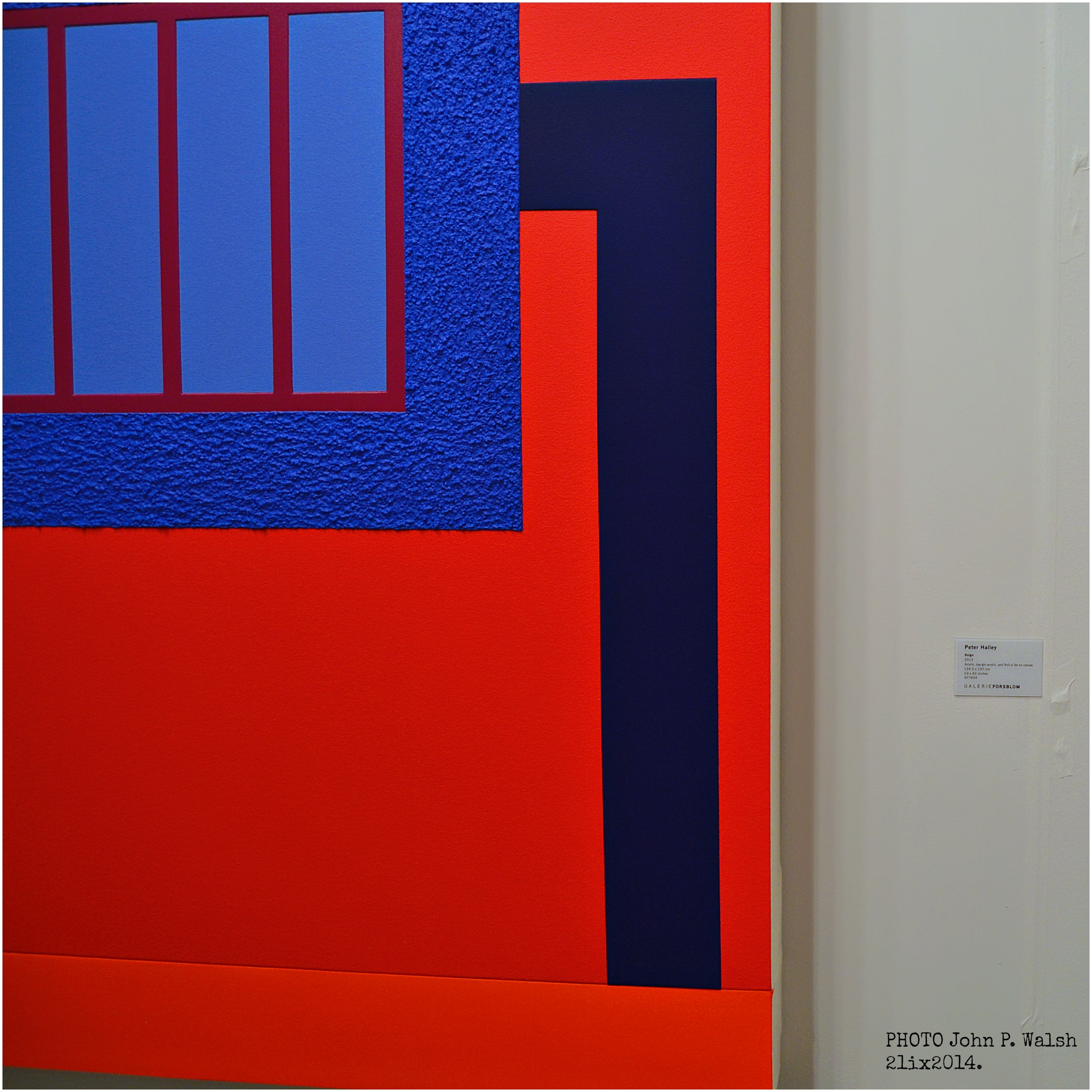
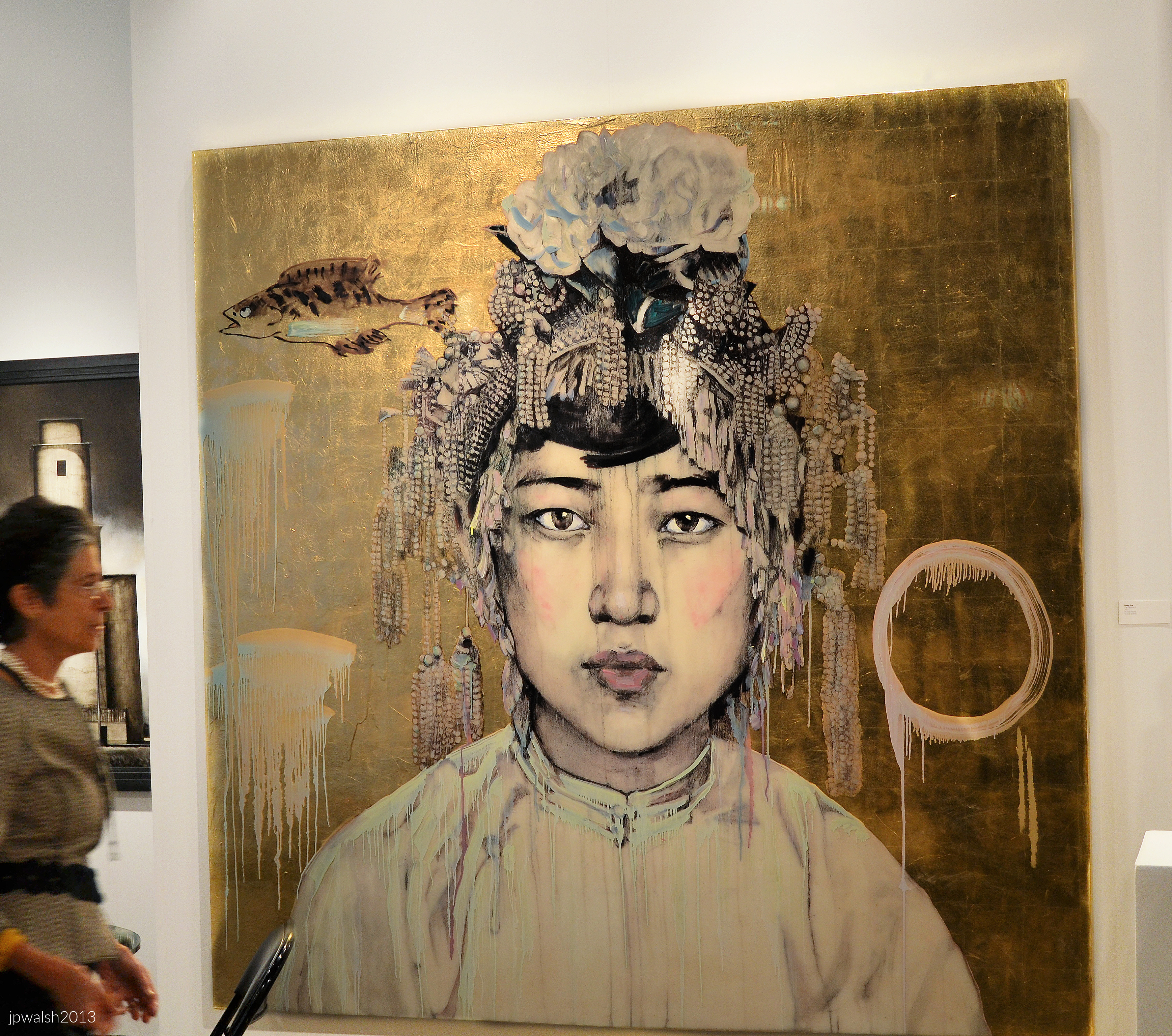
Christopher Le Brun (British, b. 1951), Friedman Benda, New York.Cernude Arte, Coral Gables, Florida. Michiko Itatani, Cosmic Kaleidoscope From the Pattern-Recognition 12 D 9, 2013, oil on canvas, 42 x 34 inches. Linda Warren Projects Chicago.Matthew Woodward, Polk Street, 2014, mixed media on paper, 101 x 96 in., Linda Warren Projects Chicago.Ramiro Gomez (American, b. 1986), American Gardeners, 2014, acrylic on canvas, 84 x 120 in., Charlie James Gallery, Los Angeles.Jessica Stockholder (American, b. 1959), Once Upon A Time, 2014, plastic, paint, mirrors, stools, carpet, chain, cables, staircase, resin, cords, light, bowls, lamp shade. Kavi Gupta Gallery Chicago/Berlin.Marieke McClendon, Clay Heads, ink on bristol board, ceramic, ShopColumbia Chicago.Works by Gideon Rubin (b. Israel,1973, works in London). Oil on canvas/linen/wood, 2009-14, and gouache on cardboard, 2012-14, Galerie Karsten Greve AG St Moritz.Nicholas Krushenick (1929-1999), Grill, 1977, Garth Greenan Gallery New York and Fredericks & Freiser New York.Expo video/2014.Gregory Scott, Van Gogh’s Bedroom, 2015, pigment print, oil on panel, HD video, Catherine Edelman Gallery, Chicago.Antonio Murado, Gardens, 2014, oil on canvas. Galeria Àlvaro Alcázar, Madrid.Three Walls Chicago.Elijah Burgher, Untitled, 2012-2014, paintings on unstretched canvas, Western Exhibitions, Chicago and Zieher Smith & Horton, New York. Anne Lindberg, Parallel 42, 2014, Graphite and colored pencil on mat board, 59 x 34 in., Carrie Secrist Gallery Chicago.Rene Portocarrero (1912-1985), Ornamental Figure in Brown Background, 1968, mixed media on paper laid down on board, 28 3/8 x 20 in., Cernuda Arte, Coral Gables, Florida.Alan Reid (American, b. 1976), Lisa Cooley Gallery New York.Henri Matisse, Marlborough Gallery New York Madrid Monaco Barcelona.Yinka Shonibare (British-Nigerian, b. 1962), Ms. Utopia, 2013, mannequin, dutch wax cotton textile, fiberglass, wire, globe, and steel baseplate. BlainSouthern, London, Berlin.. Lynn Chadwick (1914-2003), Rad Lad IV, 1962, ed. 2 of 8; Beast XX, 1956, ed. 6 of 9; Boy and Girl III, 1959, ed. 2 of 9. Bronze. BlainSouthern.John Wesley (American, b. 1928), Untitled, 2012 and Nicholas Krushenick (American,1929-1999), Wire Mill Road, 1972. Garth Greenan Gallery New York and Fredericks & Freiser New York.Alex Katz, Ena and Roberto, 1988, oil on linen, 41 x 62 in., Richard Gray Gallery, Chicago.Philip Pearlstein, Two Models with Four Geese Decoys, 1993, Watercolor on paper, Hill Gallery, Birmingham, Michigan.Tony Oursler (American, b. 1957), Galerie Forsblom, Helsinki.Aimé Mpane (b Kinshasa, 1968), Nude, wood and glue, 2008, Haines Gallery, San Francisco.Peter Halley, Reign, 2013, acrylic, day-glo acrylic, roll-a-tex on canvas, 53 x 62 in., Galerie Forsblom, Helsinki.Sandro Miller (b. 1958), Andy Warhol/Green Marilyn (1962), 2014, 29 x 29 in., Edelman Gallery, Chicago.Leonardo Drew (American, b. 1961), Number 34S, 2014, 31 x 41 x 11 inches, wood, Anthony Meier Fine Arts, San Francisco.Dayron González, Cernuda Arte, Coral Gables, Florida.Michelangelo Pistoletto (b. 1933), Golden Buddha and Mirror, 2008, Hollis Taggart Galleries, New York.Fernand Léger, Paysage Animé, 1937, oil on canvas, 35 7/8 x 23 1/4 in., Marlborough New York.Jina Park, A Genius, 2000, acrylic on linen, One And J. Gallery, Seoul.Tristian Koenig, Installation, Melbourne.
Minako Abe, Scene 29, 2011, oil on canvas, 35.8 x 92 in., Base Gallery, Tokyo.
David Hockney, Montcalm Pool, LA, 1980, oil on canvas, 12 x 16 in., Richard Gray Gallery Chicago.The Flag Art Foundation, New York, curated by Shaquille O’Neal.Mel Bochner, Money/Nothing, 2006, McCormick Gallery Chicago/Vallarino Fine Art New York.Sanford Biggers, David Castillo Gallery, Miami, Florida.Simon Edmondson, The Reader, oil on paper, 48 x 59.9 inches.
Manolo Valdés (Spanish, b. 1942, works New York City), Hojas II, 2014, Marlborough.
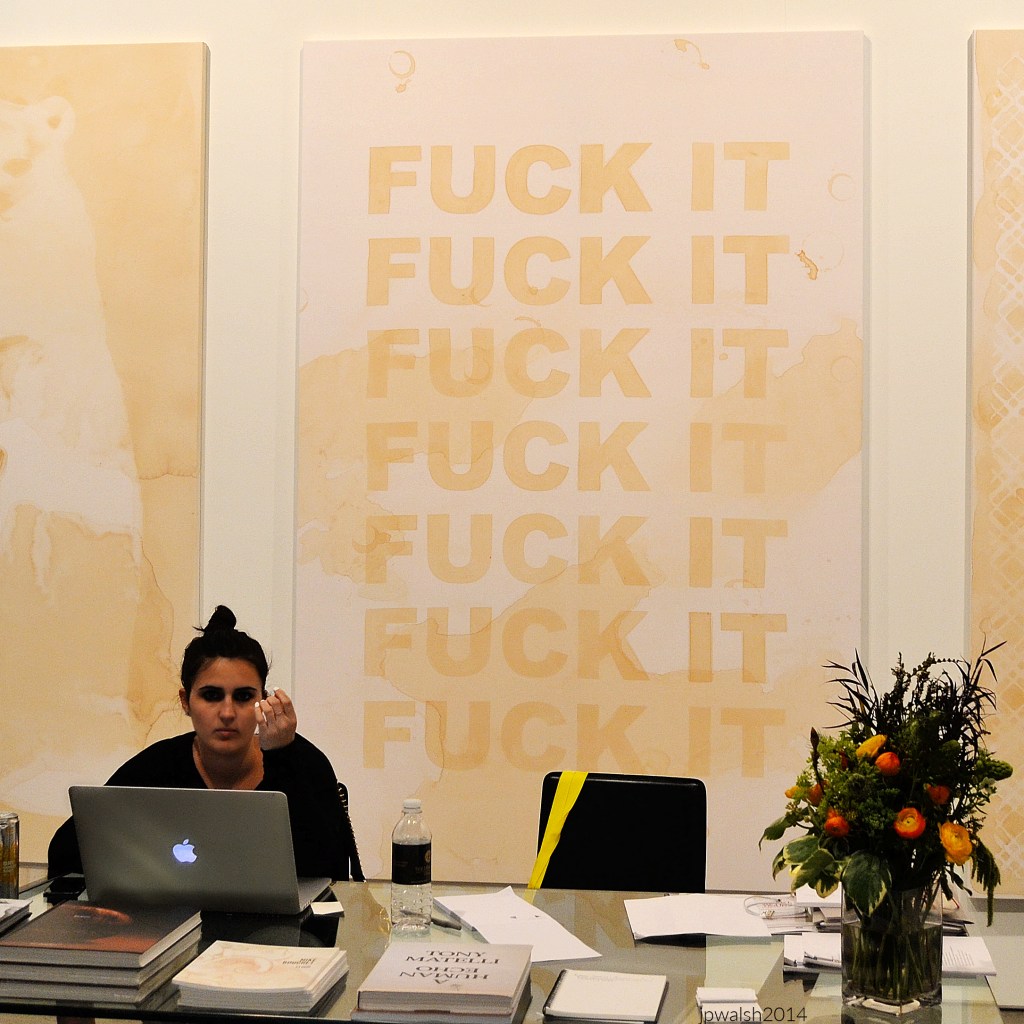
Manolo Valdés, Yvette, 2014, oil on burlap, Marlborough.Mike Bouchet, Fuck It, 2013, Marlborough Chelsea, New York.
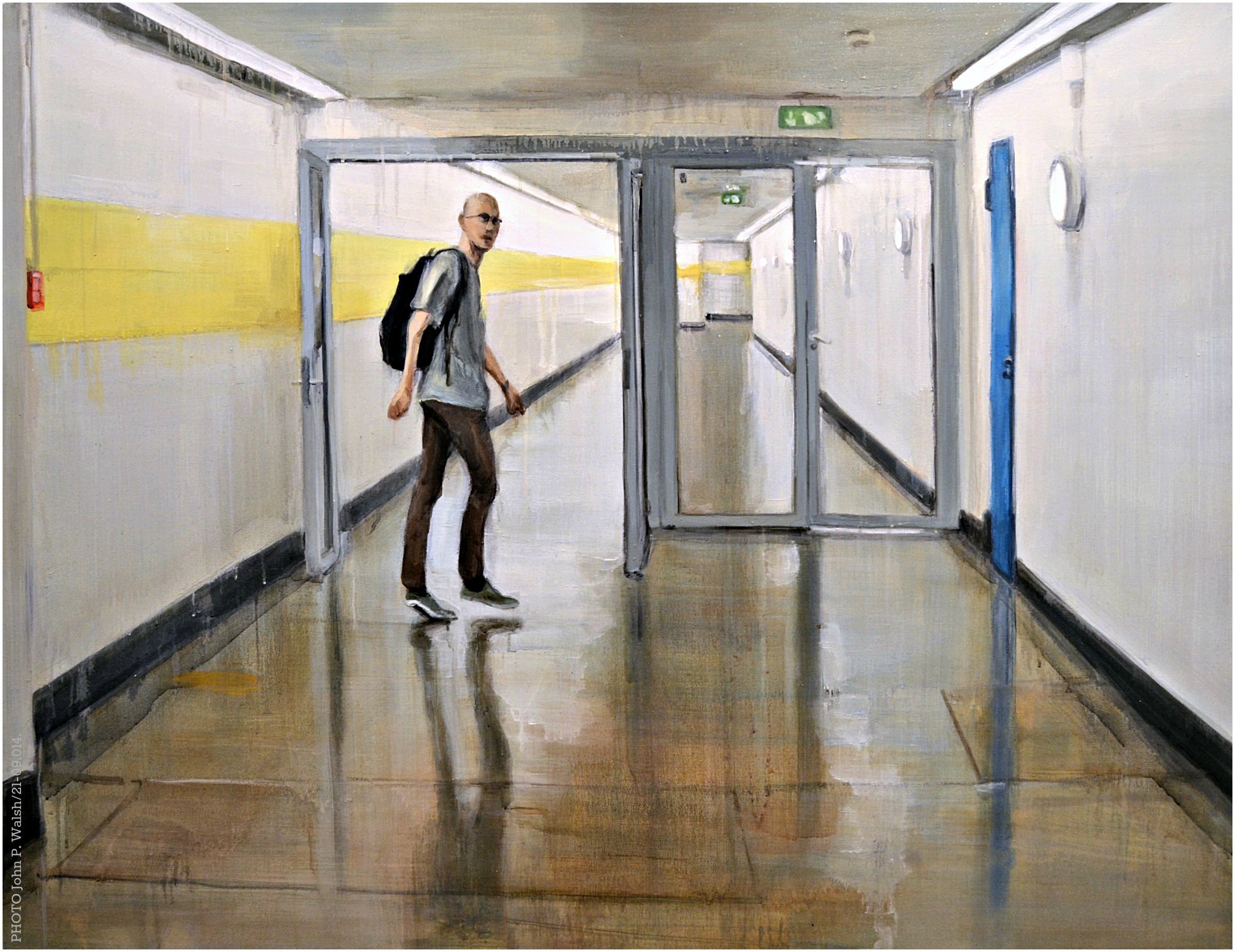
Jina Park, Automatic Door Follow Me, 2014, oil on canvas, 100 x 130 cm, One and J. Gallery, Seoul.
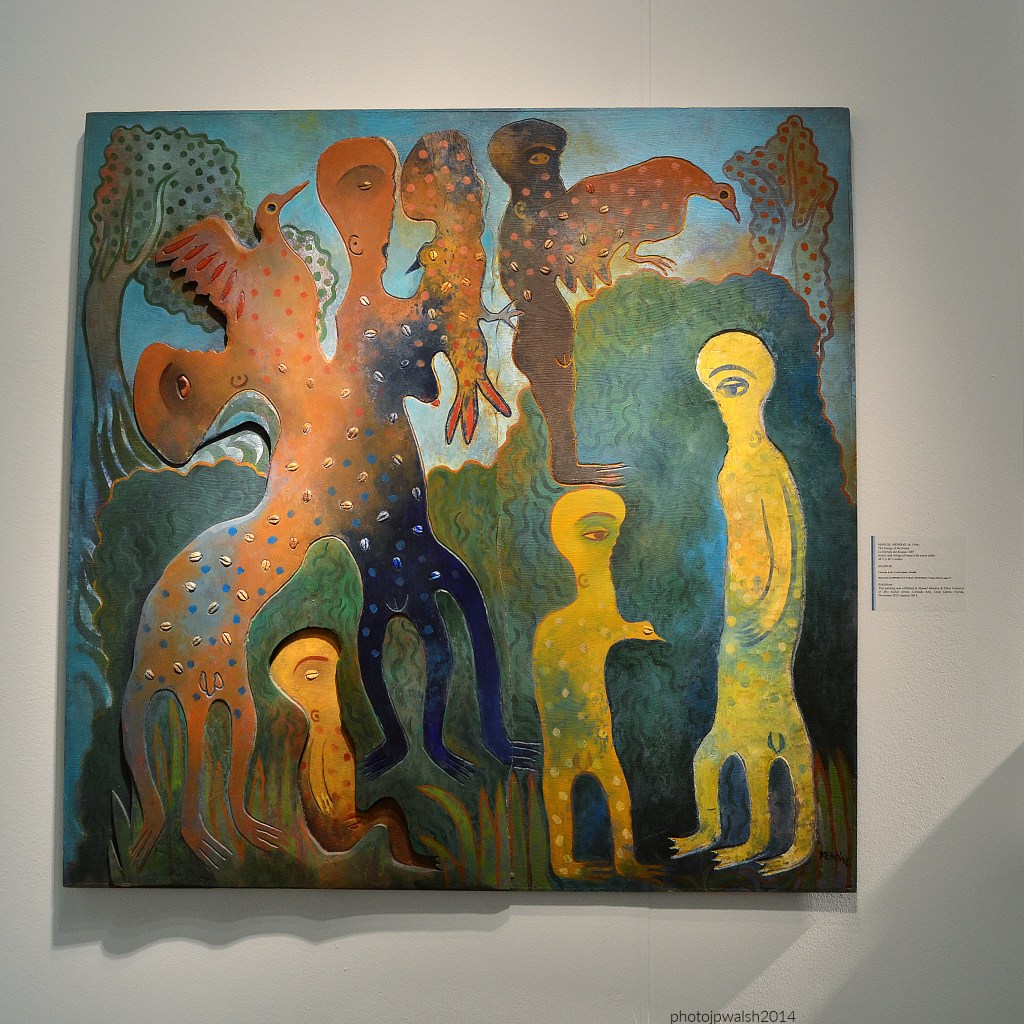
Manuel Mendive, La Energia del Bosque (The Energy of the Forest), acrylic and collage of wood with cowry shells, 2007. Cernuda Arte, Coral Gables, Florida.Alfred Leslie, Afternoon Soaps, 1983, oil on canvas. Hill Gallery, Birmingham, MI.
FEATURE Image: Glenn Kaino, Bridge, 2013. A section of a 100-foot long construction that features 200 gold casts of Tommie Smith’s arm in a raised fist salute that occured in the 1968 Summer Olympics on the medal podium during the national anthem after Smith broke a sprinting record to take gold.
EXPO CHICAGO 2013 is the 2rd annual exhibition of international contemporary and modern art held in Chicago at Navy Pier’s Festival Hall on September 19-22, 2013.
Tommie Smith at Expo Chicago 2013.
Tommie Smith is an American former track and field athlete and American Football League wide receiver. On October 16, 1968, the 24-year-old Smith won the 200-meter sprint finals and gold medal in 19.83 seconds at the 1968 Summer Olympics in Mexico City.
It was the first time the 20-second barrier was officially broken in competitive sports history. Atop the medal podium and with heads bowed, Smith’s Black Power salute with silver-medal-winner John Carlos protested racism and injustice against African-Americans in the United States.
Smith’s raised fist as the national anthem played is seen as one of the most overtly political statements in the history of the modern Olympics and caused memorable admiration and criticism.
In Silent Gesture: The Autobiography of Tommie Smith (Temple University Press, 2008), Smith maintained that the gesture was not solely a “Black Power” salute but a “Human Rights” salute.
In any event, Smith’s raised fist salute in 1968 became one of the most iconic moments in the Olympic games and the history of the Black Power movement.
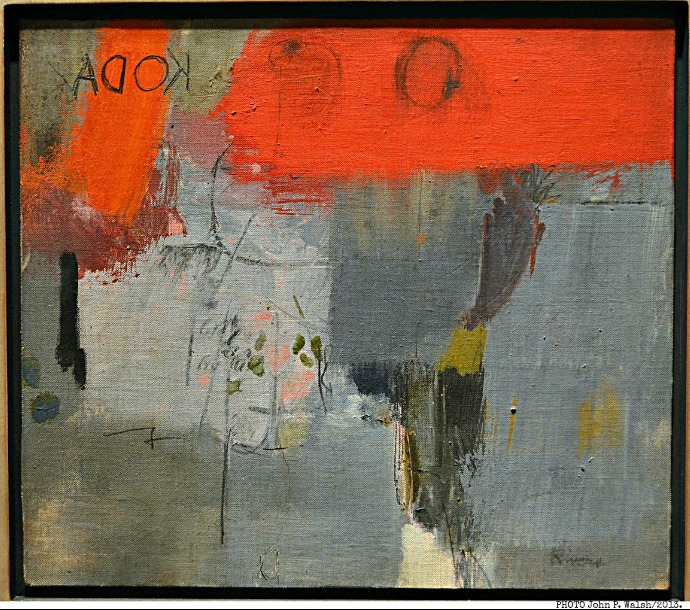
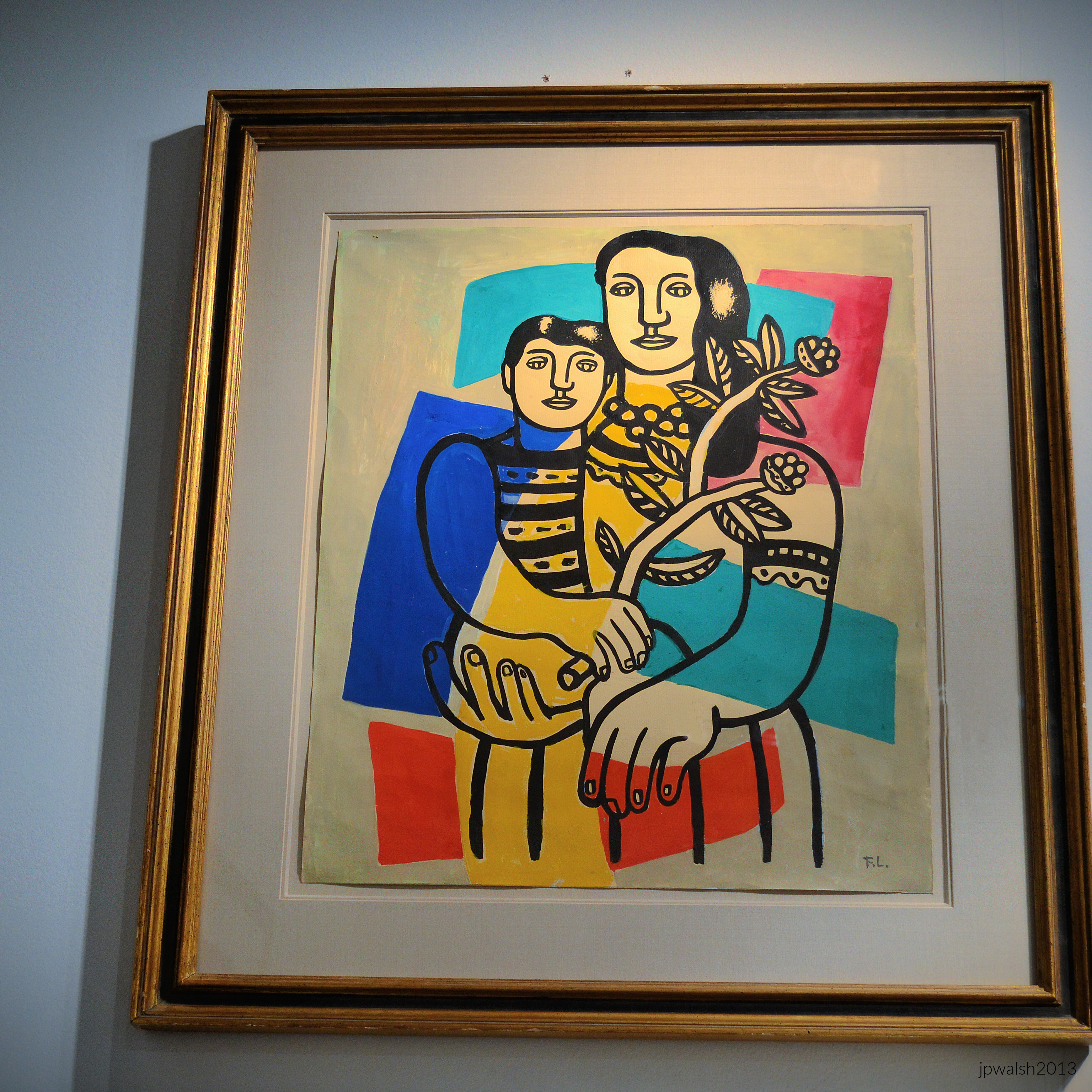
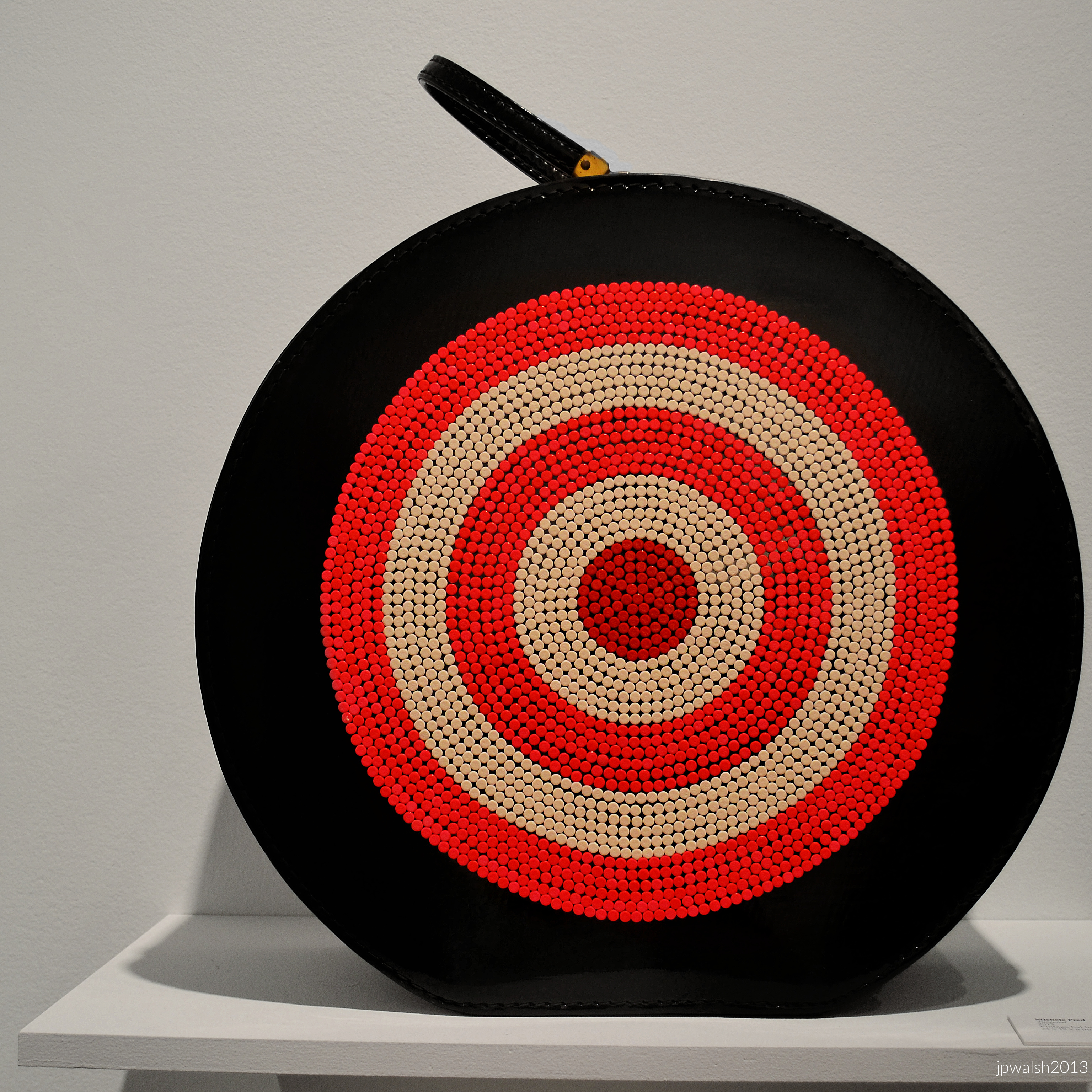
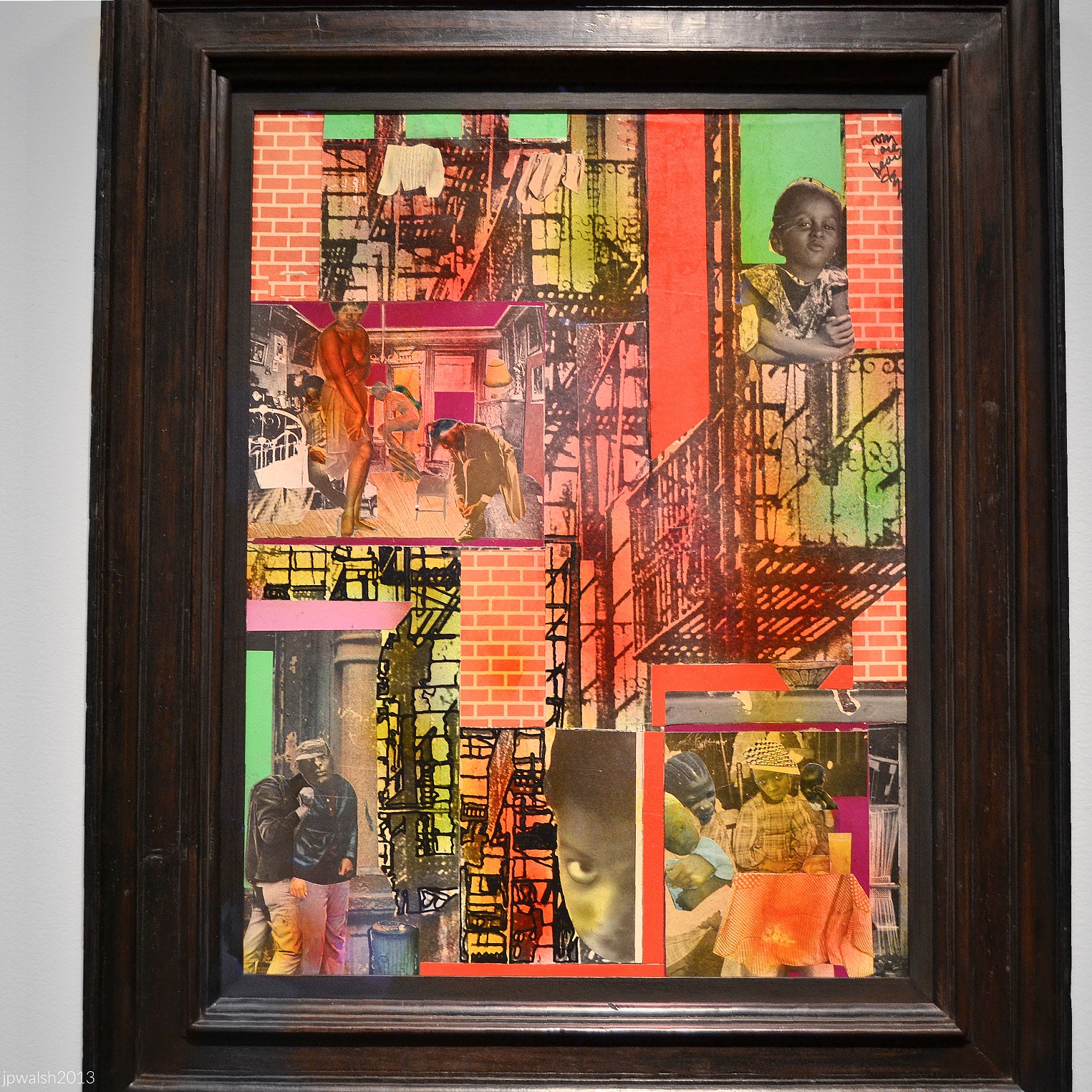
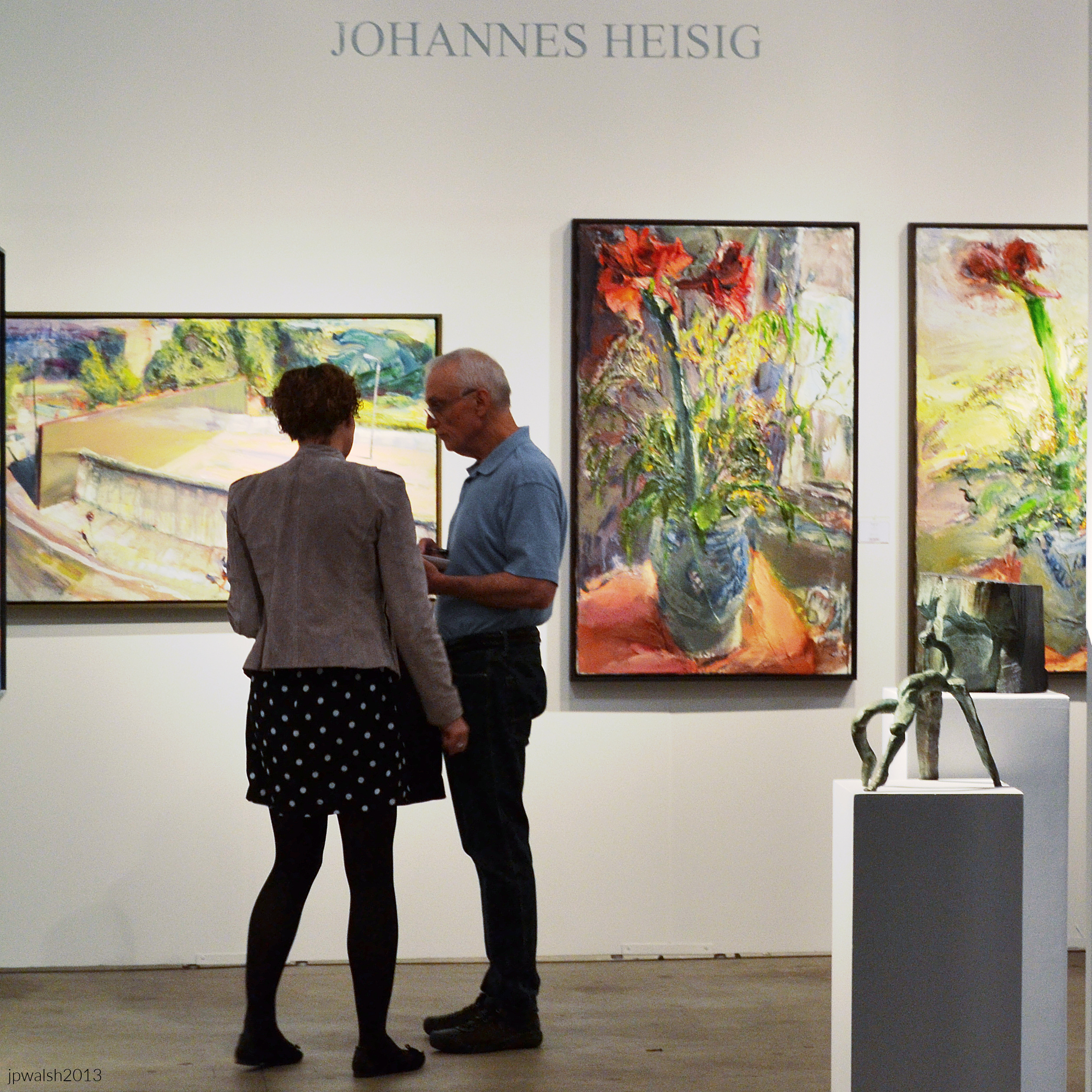
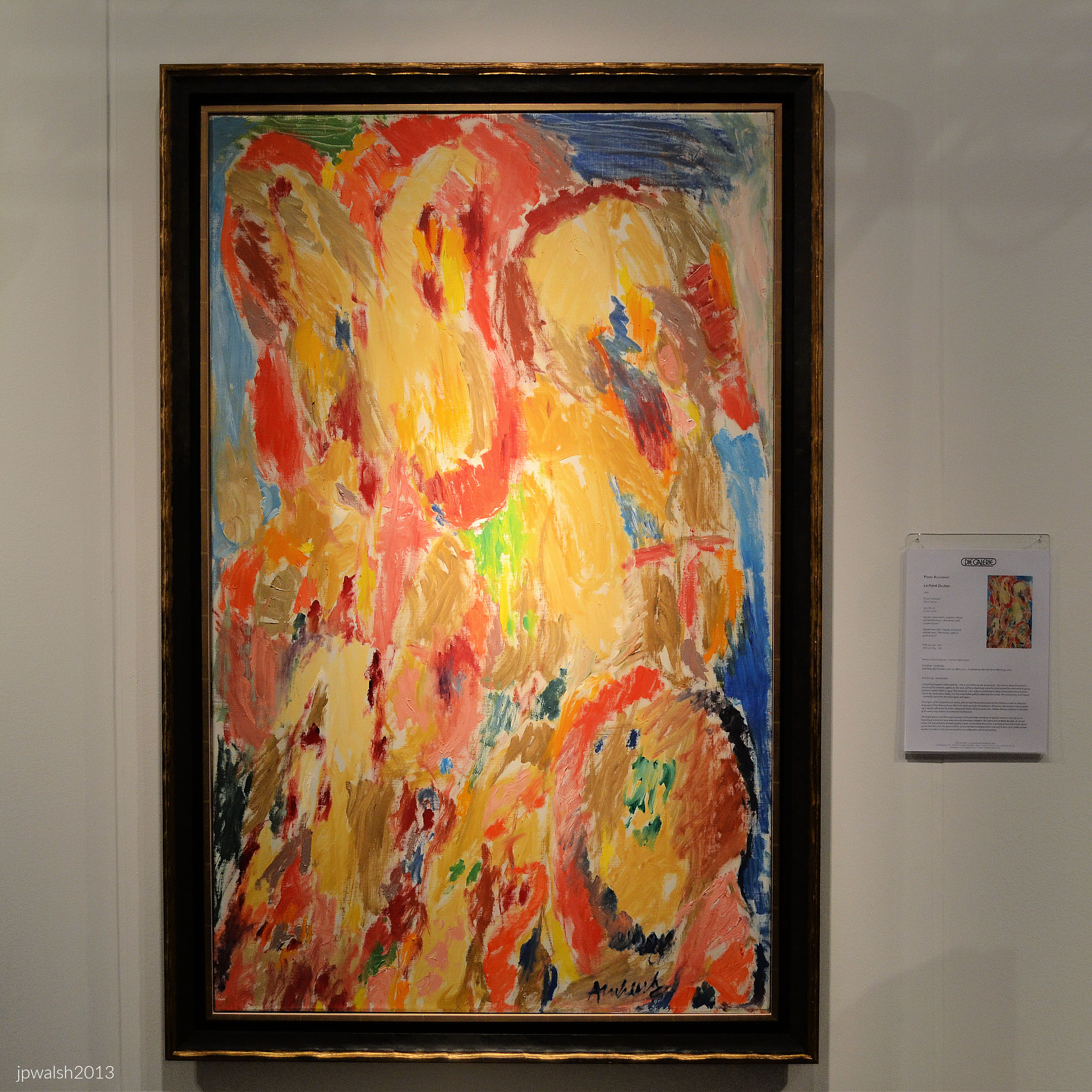
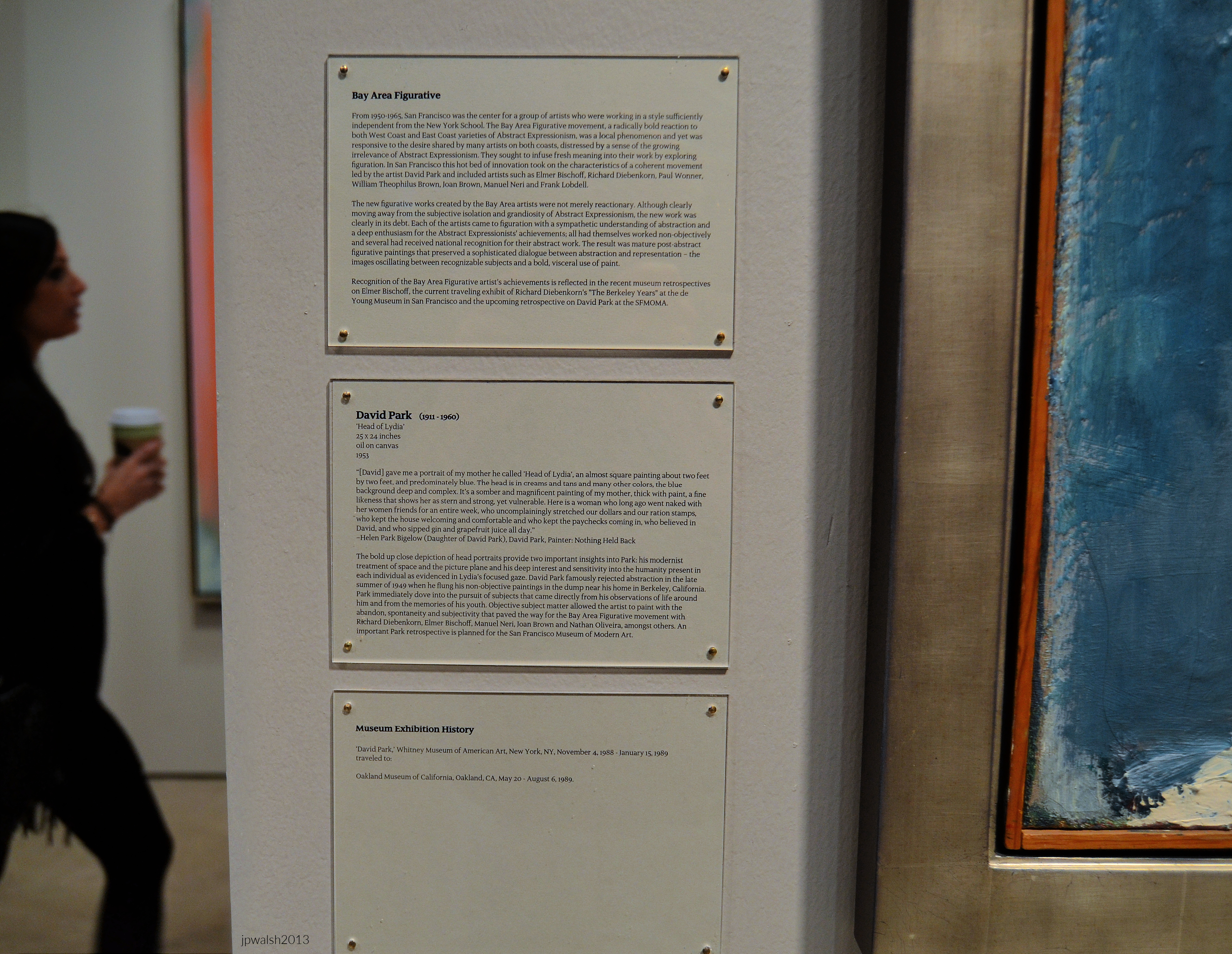
“1968 Black Power Salute” by urcameras is marked with Public Domain Mark 1.0.Robert Natkin (American, 1930-2010), Untitled, 1957, McCormick Gallery Chicago & Vallarino Fine Art New York.Hung Liu (American, Chinese, 1948-2021), Da Fa Che II, 2013, mixed media, 82 x 82 in., Nancy Hoffman Gallery, NY.Jack Roth (1927-2004), Metafour II, acrylic on canvas, 57 x 54 inches, 1980, McCormick Gallery, Chicago and Vallarino Fine Art, New York.Bruce Dorow (b. 1959), Black Shape Space, oil on canvas, 38 x 65 inches, 2012-2013. R.S. Johnson Fine Art, Chicago.Patrick Strzelec, American sculptor. Garth Greenan Gallery, Chicago.William T. Kennedy, Warhol Holding Marilyn Acetate 1, executed 1964, 2010. The photograph was made when Warhol wasn’t yet famous but at the center in a shift in the culture of the art world.Aimé Mpane (Congo, born 1968), IC Cont Series, 2011-2013, acrylic and mixed media on wood panel, 12.5 x 12 x 2 in., Haines Gallery, San Francisco.Larry Rivers (American, 1923-2002), Small Drugstore, 13.5.x.15.25 inches, oil on canvas mounted on board, 1959. Techniques of color-field painting, gestural abstraction, and calligraphy come together in a picture that is objective and abstract.Jonathan Boos, LLC, New York.Fernand Léger (1881-1955) – Mother and Child, c. 1949, gouache, signed with initials. R.S. Johnson Fine Art Chicago R.S. Johnson Fine Art, Chicago. Top left: Fernand Léger (1881-1955), Mère et Enfant, 1949, gouache; right: André Lhote (1885-1962), Les Acacias, 1959, oil on canvas. Michele Pred, Targeted, 2012, Vintage hat bag, birth control pills, 24x1x6 inches. Nancy Hoffman Gallery, New York. Michele Pred incorporates aspects of contemporary culture and politics in her art. The Berkeley, California, artist uses unconventional materials that serve as cultural artifacts for her conceptual approach.Romare Bearden (American, 1911-1988), Manhattan Suite, 1975, collage and mixed media on board, 24 x 18 inches, Jonathan Boos, LLC.50%. Elizabeth Catlett (American, 1915-2012), Star Gazer, 1997, black marble, 14.5 x 32 x 11 in., signed. Jonathan Boos LLC. Catlett is known for depictions of African-American and Latin American working-class women using simple, solid shapes in wood, stone, bronze or clay.Haines Gallery, San Francisco.Siebren Versteeg (American, b. 1971), Good Times_1081_2003_05_09, 2012, Algorithmically generated archive inkjet output to paper, tape. 92 x 56 inches, Rhona Hoffman Gallery, Chicago. The New York-based artist was educated at the SAIC and UIC. Mined digital content is presented as painterly abstractions or monitor displays.Die Galerie, Frankfurt am Main.Long–Bin Chen (Taiwan, born 1964), Edvard Grieg, 28x29x15 inches. New York-based Long-Bin Chen transforms paper products into sculpture. Books are constructed so that relevant subject parts and often titles fit together seamlessly.Mary Ellen Mark, John Belushi “Blues Brothers” Chicago IL, 1979 Gelatin silver print, 16 x 20 in. each, signed dated numbered (verso).Pierre Alechinsky, Le Point du Jour, 1966, oil on canvas, 130×81 cm, signed lower right and signed dated entitled (verso). David Park (1911-1960), Head of Lydia, 25×24 in., oil on canvas. 1953. In the late summer of 1949 David Park rejected abstraction and started the pusruit of objective subjet matter, including the mother of Helen Park Bigelow.
FEATURE image: The Art Institute of Chicago hosted the “Picasso and Chicago” exhibition to celebrate the 100-year relationship between the artist and the city. It featured over 250 of Picasso’s works, including paintings, sculptures, and prints, highlighting Chicago’s role as the first American city to showcase his art. “Chicago Art Institute, Picasso and Chicago 01” by Larry Miller is licensed under CC BY-NC 2.0.
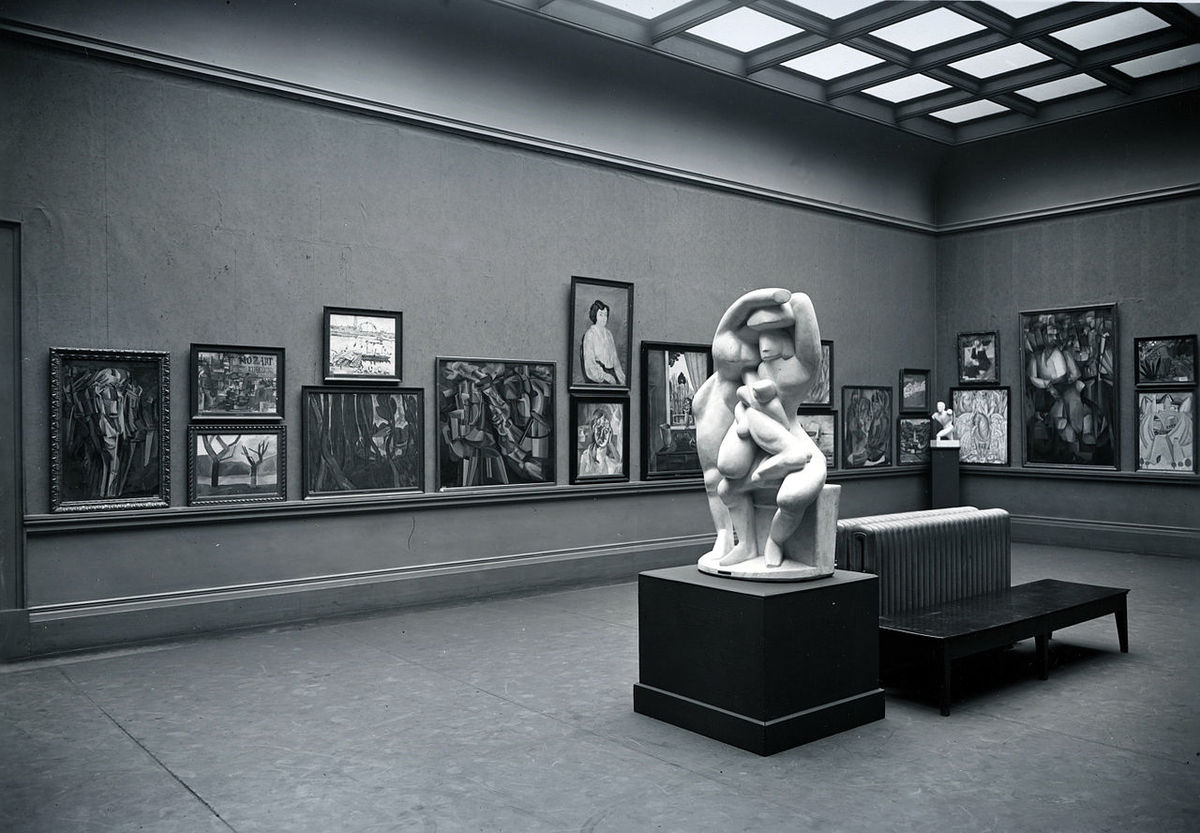
Armory Show, International Exhibition of Modern Art. The Cubist room, Gallery 53 (northeast view), Art Institute of Chicago, March 24–April 16, 1913. On the long wall are three of seven Picasso artworks included in that landmark exhibition. None are in “Picasso and Chicago” in 2013.
By John P. Walsh.
Almost as long as Pablo Picasso (1881-1973) was making his art, there have been bragging rights on the Catalan artist that have come from others. Even 40 years after the artist’s death at 91 years old, media talk in 2013 for Picasso and Chicago, a large art exhibition at The Art Institute of Chicago from February 20 to May 12, 2013, revolves around American collector “firsts” associated with Picasso.
Which institution collected Picasso first? The Art Institute of Chicago in 1923.
Which institution collected Picasso most? The Chicago Renaissance Society by 1930.
Which institution had the first Picasso exhibition? The Arts Club of Chicago in 1923.
Which institution had the first Picasso retrospective? The Wadsworth Atheneumin Hartford, Connecticut in 1934.
The Art Institute of Chicago is able to put imagination aside and quote itself in Picasso and Chicago. Nearly all of the same inventory of Picasso artwork in this 2013 show were assembled and displayed in the exact same order in a previous exhibition at the museum called Picasso in Chicago held from February 3 to March 31, 1968. According to the museum director writing at that time, that exhibition had been inspired by the dedication of the Picasso sculpture on August 15, 1967, a five-story Cor-10 steel Chicago icon that still stands enigimatically in Daley Plaza. If public attention is what Pablo Picasso craves, then he should have no worries.
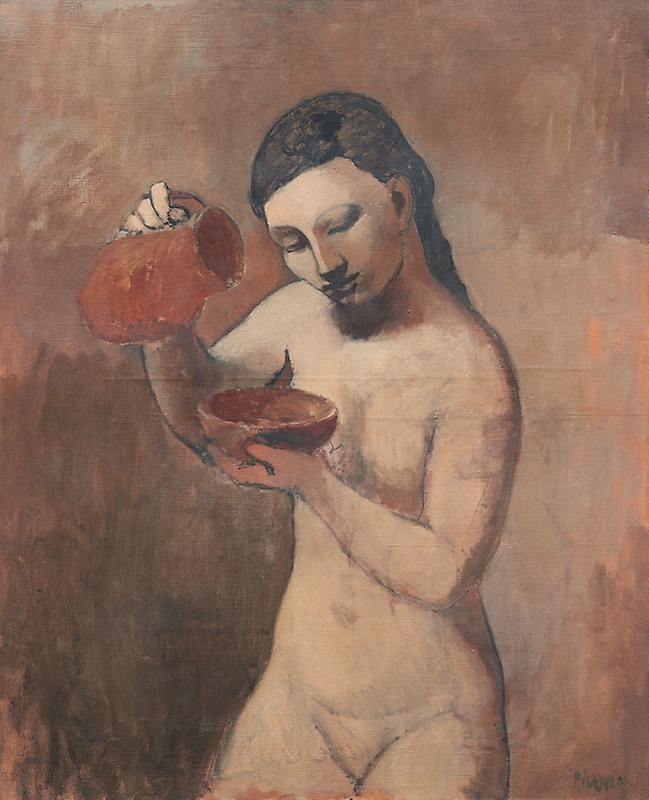
Above and two below: Pablo Picasso, Nude with a Pitcher, Gósol, summer 1906, oil on canvas, 39 5/8 x 31 7/8 in. (100.6 x 81 cm), Signed, l.r.: “Picasso.” The Art Institute of Chicago.In the summer of 1906, during a working sojourn to Gósol in the Spanish Pyrenees, Picasso painted his mistress and muse, Fernande Olivier (French, 1881-1966).
Fernande Olivier and Pablo Picasso in 1905 in Paris.
Pablo Picasso, Fernande Olivier, summer 1906. Charcoal, with stumping, on cream laid paper, 610 x 458 mm. Signed recto, lower right, in graphite: “Picasso” (underlined), The Art Insitute of Chicago.
Pablo Picasso, The Two Saltimbanques, 1905, printed and published 1913. Drypoint on ivory wove paper 120 x 91 mm (image/plate); 193 x 129 mm (sheet) The Art Institute of Chicago.
Above: Picasso, Study for “La Coiffure,” 1905-1906. Pen and brown ink, with colored crayons and charcoal applied with stump, over graphite, on blue-gray laid paper 184 x 307 m. Signed recto, upper right, in graphite: “Picasso.” The Art Institute of Chicago.The pairs of figures are related by both being involved in intimate activities but represent different subjects Picasso studied months apart. One dates from 1905 and the other from 1906. The pair on the right is a study for a major painting, La Coiffure, in The Metropolitan Museum of Art in New York.
There are several excellent reasons to see Picasso and Chicago in 2013 and they don’t always revolve around his art. It is a matter for city pride to know that Chicago possesses within its own collections the breadth of art resources to showcase, in chronological order, this Picasso show comprehensive of every major period. In these tight economic times kudos goes out to museum curators who have effectively displayed a vast amount and range of artwork by Pablo Picasso to produce a blockbuster show. The chronological exhibition of Picasso’s art includes works from The Art Institute of Chicago, The Arts Club of Chicago and The Renaissance Society and is front loaded providing for immediate pleasures.
The visitor is greeted nearly at the door by The Old Guitarist painted by Picasso in 1903-1904—a revered Blue Period painting in the Art Institute—and for the viewer to be edified by its presence is worth any exhibition’s admission price though there was no special exhibition fee beyond the price of general admission to the museum.
Picasso, The Old Guitarist, 1903–1904, oil on panel, 48 3/8 x 32 1/2 in. signed, l.r.: “Picasso.” The Art Institute of Chicago.
If front-loaded, does the rest of the show retain the same high interest? The answer is: yes and no. For all future Picasso shows in Chicago, curators can find several avenues to whittle away at the volume of artwork on display for Picasso and Chicago to present its most interesting parts. That downsizing opportunity intimates this show’s arguable shortcoming: as it displays the Spanish master’s later, increasingly commercial artwork, the Art Institute of Chicago’s 500 Picasso works in all mediums begins to reveal the challenges of building a seamlessly qualitative collection of contemporary art even when the artist is Picasso.
Above: Picasso, Woman with her hair up, 1904, Gouache on tan wood pulp board, 427 x 313 mm, Signed and dated recto, upper left, in blue gouache: “Picasso / 1904.” The Art Institute of Chicago.
Below: Pablo Picasso, Beggar with Crutch, Barcelona 1904, pen, brown ink and colored crayon on paper. The Art Institute of Chicago.
Above:Crazy Woman with Cats, 1901. Oil on pulp board 17 7/16 x 16 1/16 in. (44.3 x 40.8 cm). Signed. l.r.: “Picasso.” Amy McCormick Memorial Collection, 1942. The Art Institute of Chicago.In late May 1901 Picasso came to Paris with three weeks to prepare for an exhibition at Vollard’s gallery. The exhibition was arranged by a Catalan dealer who roomed with the 19-year-old Picasso on the Boulevard de Clichy. Crazy Woman with Cats is one of the 64 paintings and several drawings Picasso prepared for the show.
Above: Picasso, Sketch of a young woman (detail), pen and brush and black ink on paper, Paris 1904, gift of Robert Allerton, 1924, The Art Institute of Chicago.Robert Allerton, a museum trustee since 1918, began to acquire Picasso drawings in 1923 with the sole purpose of donating them to the museum. Sketch of a young woman was Allerton’s first Picasso drawing purchase and museum donation in 1923 purchased in Chicago from Albert Roullier Galleries.
Above: Pablo Picasso. Salomé from the Saltimbanques series. 1905 102B0518 (1)
Above: Picasso, Portrait of a Seated Man, 1905. Black chalk on cream wove paper, laid down on cream Japanese paper, 329 x 216 mm, Signed recto, lower left, in graphite: “Picasso.” Gift of Robert Allerton, 1924. The Art Institute of Chicago.
Above: Picasso, Study of Four Nudes, Paris, 1906-07, black crayon paper, Johnson Family collection.By the end of 1906 Picasso stopped painting and instead started to fill sketchbooks for a new major composition: Les Demoiselles d’Avignon (1907) today in The Metropolitan Museum of Art in New York.
Above: Picasso, Female Nude, 1906. Fabricated Black chalk with graphite and smudging on paper, 31.8 x 23.5 cm. Gray Collection Trust. The Art Institute of Chicago.
Below: Picasso, Two Nudes, Standing, fall 1906 Graphite, with stumping, on cream laid paper 630 x 469 mm Signed verso, upper left, in graphite: “Picasso.” Gift of Mrs. Potter Palmer, 1944. The Art Institute of Chicago .
In the early 1920’s as Chicago started a buying frenzy of Picasso, another young Spanish painter twelve years younger than Picasso arrived into Paris and was immediately overtly critical of the great Picasso’s work at that time. That younger painter was Joan Miró (1893-1983).
Miró’s criticism of Picasso as well as of Henri Matisse (1869-1954)— it was more a kind of disgust—was basically that the pair, once young avant-gardists, were making all their art for their dealer. In other words, the older artists were making contemporary art mainly for the money. Such may be an inherent risk in making art that meets a market demand in that the artist is tempted to, after a fashion, sell-out. Miró knew at first look—and history has proven him basically correct—that the future of contemporary painting no longer rested in Picasso’s hands after about 1920. This is partly the reason why Miró turned to the “nonsense” art of the Dadaists for the future of his own painting.
Keeping Miro’s judgment in one’s mind at Picasso and Chicago one sees that, notable exceptions made, an earlier Picasso painting—from the Blue Period after 1901 to Picasso’s period of synthetic cubism until around 1920—offers cohesive artwork that contains a germ or seed of progress. The art collection in Picasso and Chicago, much of it produced following Miró’s critical judgment of Picasso, shares his problematic.
The Red Armchair of 1931 is hung at what is about the show’s halfway point. At this point, I might have exited. Yet where Miró’s critical judgment lags for me is that Picasso’s art is never incompetent or boring. His art is perceptibly linear and, despite its erotic themes, often contains qualities which satisfy and cleanse an art-hungry eye. Picasso’s art is ever ancient and ever new, and distinctly European. For me, seeing a Picasso connotes a stroll in Paris or feeling a sunburn on the face after revelry and reverie along some Mediterranean coast. Quite readily the show produced these kinds of vicarious experiences for me as i soaked up a plethora of Picasso’s later, lesser work in utilitarian Regenstein Hall.
Above: Nessus and Deianira, September 22, 1920, Graphite on tan wove paper, prepared with a white ground, signed recto, upper left, in pen and blue ink: “Picasso” (underlined); inscribed upper left, in graphite: “22-9-20.” Just before leaving Paris in September 1920, Picasso made a series of drawings of the Greek myth of the abduction of Hercules’ bride Deianira by the centaur Nessus. With this, Picasso became fascinated with Greek mythology and continued to make artwork using its themes.
Above: Picasso, Head of A Woman (Fernande), Paris winter 1909-10, brush and gray wash on paper. Private Collection. Paintings and drawings by Picasso in winter 1909-10 continued to explore Cubism as it related to the human face and figure and its surroundings.
Above: Picasso’s studio at Horta de Ebro (now Horta de San Juan) in Spain between May and September 1909. The painting (at left) of a Head of a Woman is one of the early Cubist artworks in “Picasso and Chicago.”
Below: Picasso, Head of a Woman, summer 1909, Oil on canvas 23 3/4 x 20 1/8 in. (60.3 x 51.1 cm), Winterbotham Collection, 1940. The painting above dates to one of the most productive and inventive periods of Pablo Picasso’s career, a summer stay in the town of Horta de Ebro (now Horta de San Juan) in Spain, which lasted, with minor interruptions, from May to September of 1909. In these months, Picasso produced a series of landscapes, heads, and still lifes that are among the most highly acclaimed achievements of early Cubism. Fernande Olivier, Picasso’s mistress, was the model for the series of heads that the artist produced at this time.
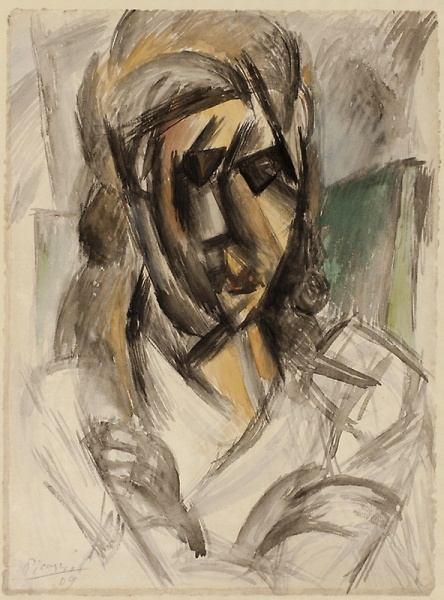
Below: Picasso, Bust of a Woman, late 1909, Watercolor and gouache on cream laid paper, laid down on buff laid paper, 363 x 278 mm overall; signed recto, lower left, in graphite: “Picasso (underlined)/ 09” Gift of Mr. and Mrs. Roy J. Friedman, 1964. The Art Institute of Chicago.
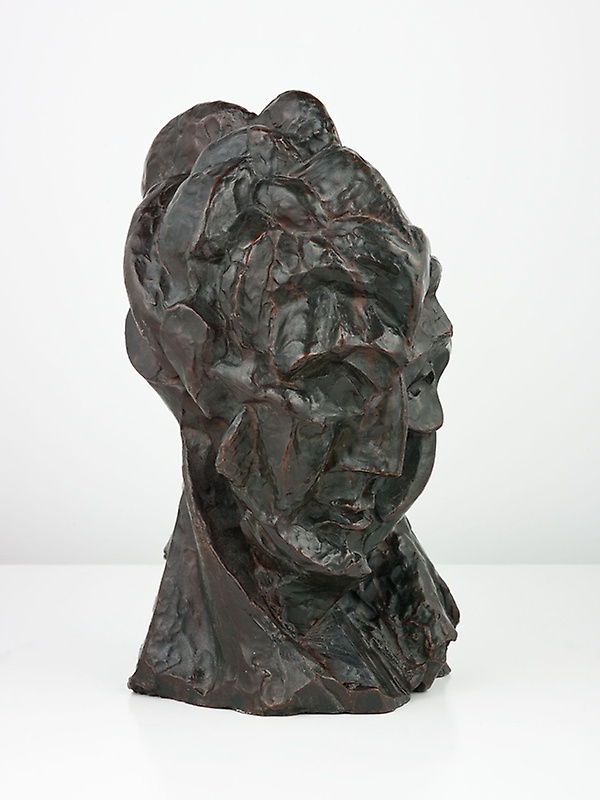
Above: Head of a Woman (Fernande), fall 1909, bronze, 16 1/8 x 9 7/8 x 10 9/16 in. (40.7 x 20.1 x 26.9 cm), cast 1910, Alfred Stieglitz Collection, 1949. This work is Pablo Picasso’s first large Cubist sculpture and represents the distinctive physiognomy of Fernande Olivier, who was the artist’s model and mistress from 1905 to 1912. Before making the bust, Picasso produced countless drawings and gouaches to explore the specific form and structure of his subject’s facial features. Her hair is in a coil and a topknot; her bulging jaw; her well-defined depression in the center of her upper lip. The Fernande series’ evolved from an agility of facial expression to fixed signs of its individual features.
Below: Pablo Picasso (1881-1973), Artist and Model, Cannes, July 24, 1933, watercolor and pen and black ink on paper. Gray Collection trust.
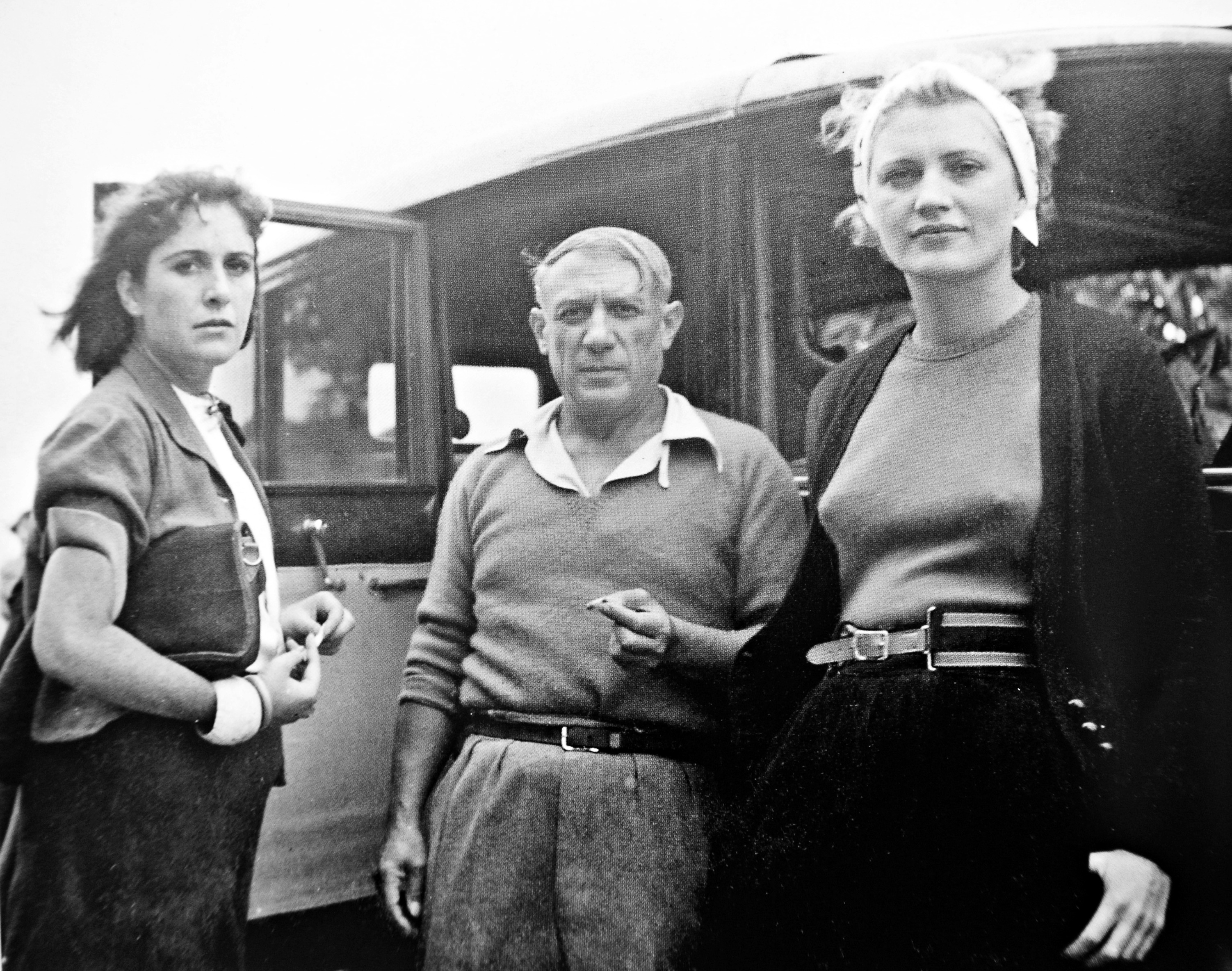
Portrait photograph of Pablo Picasso, 1908.
Below: Picasso, Daniel-Henry Kahnweiler, autumn 1910, Oil on canvas, 39 9/16 x 28 9/16 in. (100.4 x 72.4 cm) Gift of Mrs. Gilbert W. Chapman in memory of Charles B. Goodspeed, 1948. The Art Institute of Chicago. German-born Daniel-Henry Kahnweiler (1884-1979) opened an art gallery in Paris in 1907. In 1908 Kahnweiler began representing Pablo Picasso (1881-1973) and introduced him to Georges Braque (1882-1963). Kahnweiler championed these artists’ revolutionary experiment with Cubism and purchased most of their paintings between 1908 and 1915. Kahnweiler sat for Picasso up to thirty times for this portrait.
Above: Picasso, Head of Harlequin, 1916, The Art Institute of Chicagio. Photograph by author.
Below: Picasso, Harlequin Playing the Guitar, c. 1916, Elden collection.
Above: Picasso, Head of a Woman, 1922, The Arts Club of Chicago, purchased 1926.
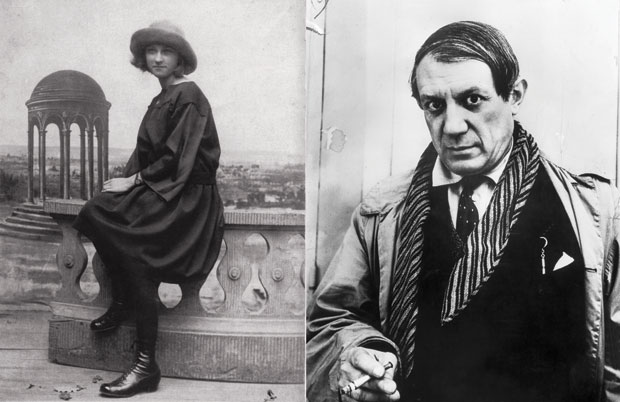
Above: Olga Khokhlova (1891-1955) in Picasso’s Montrouge studio, spring 1918. Olga married Picasso on July 12, 1918, at the Russian Orthodox Cathedral in Paris. On February 4, 1921, she gave birth to their son Paulo (1921-1975). After that, Olga and Picasso’s relationship deteriorated though they never divorced. Olga died in Cannes in 1955.
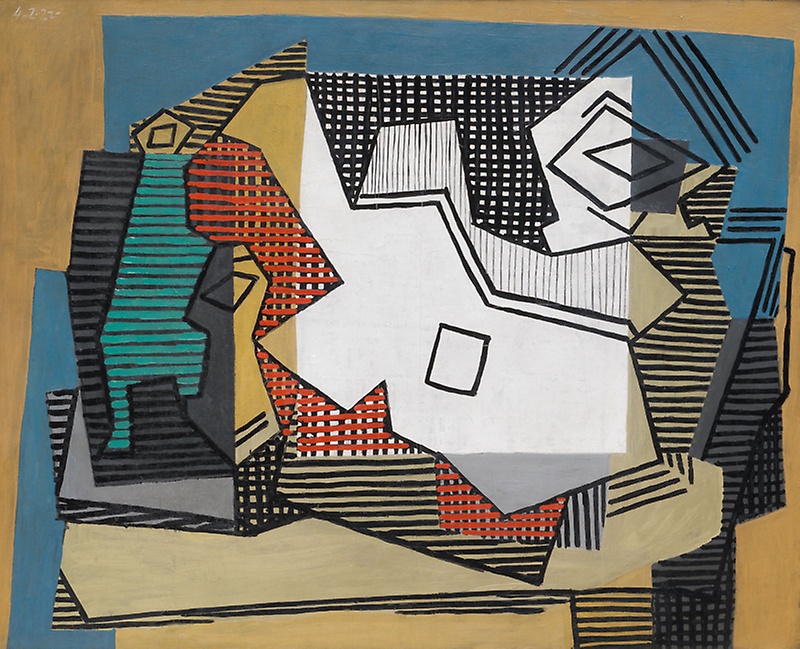
Above: Picasso, Still Life, February 4, 1922, Oil on canvas 32 1/8 x 39 5/8 in. (81.6 x 100.3 cm), Dated, u.l.: “4-2-22-.” Ada Turnbull Hertle Endowment, 1953. Picasso produced a series of Cubist still lifes in 1922 that are simplified to flat planes in a patterned framework. Gertrude Stein (1874-1946) bought this canvas in 1923 to add to her collection of more than 30 Picasso paintings and even more of his drawings and watercolors. This still life was Stein’s last purchase of a painting by Picasso. See article in Architectural Digest by Nick Mafi dated July 28, 2020 on the recent discovery associated with the Picasso painting above. https://www.architecturaldigest.com/story/famed-pablo-picasso-painting-reveals-abandoned-artwork-beneath
Above: Picasso, Double Flute Player and Reclining Nude, October 22, 1932, pen and ink with brush and black wash and scraping on paper, Shapiro collection, 1992. The Art Institute of Chicago.
Marie-Thérèse Walter and Pablo Picasso. Their relationship began when she was seventeen and Picasso was 45 years old and married to Olga Khokhlova.In late summer and fall of 1932, Picasso and Marie-Thérèse Walter (French, 1909-1977), the artist’s mistress from 1927 to 1935, were together in Boisgeloup. Picasso made three drawings on the same day on a theme of lovers serenading one another.
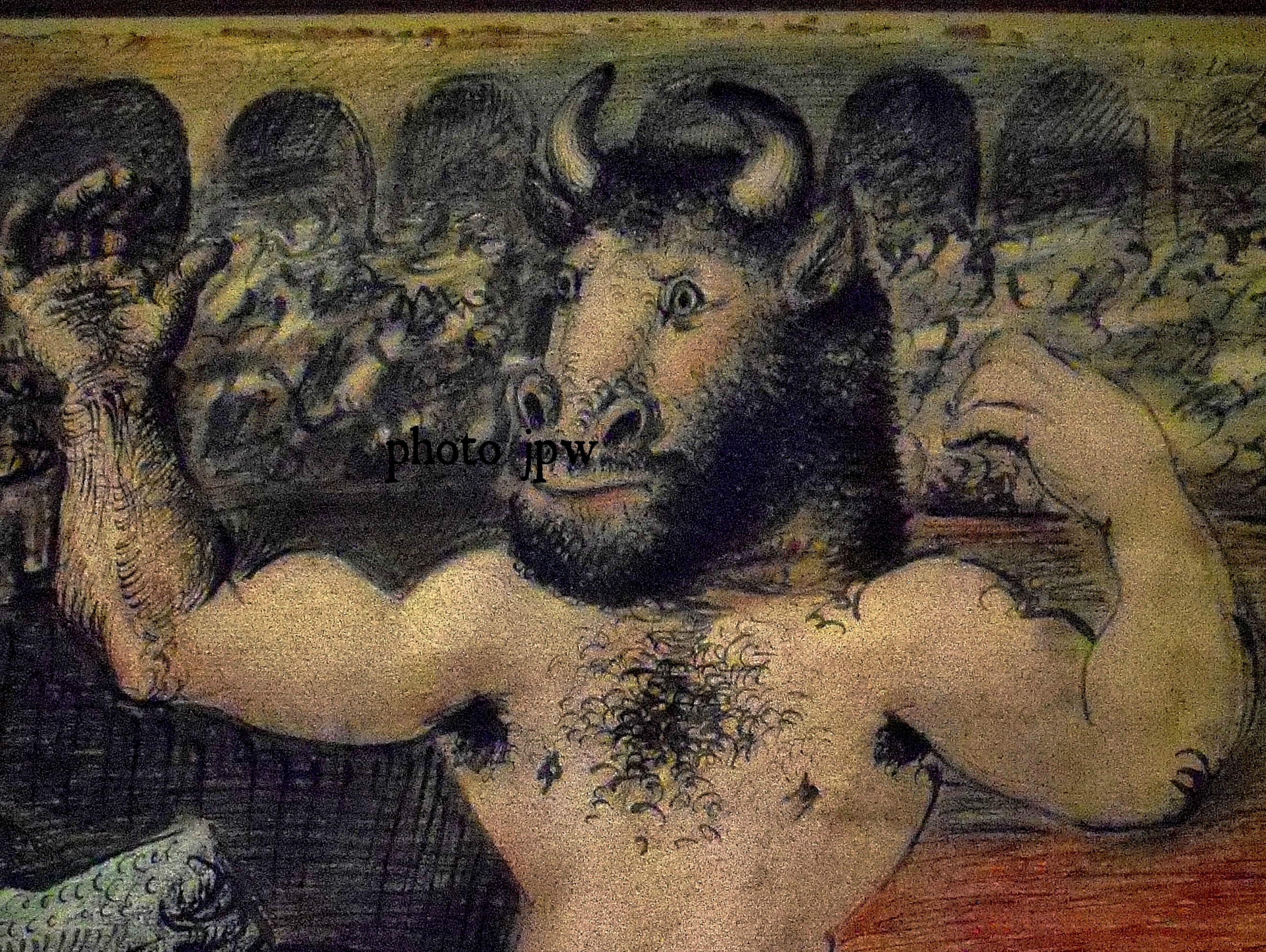
Picasso transforms the bullfighting theme where the half-man and half-bull Minotaur is the aggressor in the ring terrorizing a horse.
Above: Picasso, Minotaur and Wounded Horse, Boisgeloup, April 17, 1935, Pen and brush and black inks, graphite, and colored crayons, with smudging, over incising, on cream laid paper, 343 x 515 mm Signed recto, lower right, in graphite: “Picasso” (underlined); inscribed upper right, in graphite: “Boisgeloup–17 Avril XXXV” The Art Institute of Chicago.
Above: Picasso, The Red Armchair, oil and ripolin on panel; signed, u.r.: “Picasso,” oil and ripolin on panel, The Art Institute of Chicago.
Above: Picasso, Head of Woman (Dora Maar), Paris, April 1, 1939, oil on canvas, 92 x 73 cm. Private collection.
Dora Maar (French, 1907-1997) met Picasso in 1936 at the Café des Deux Magots in Paris. Her liaison with Picasso ended in 1943.
Above: Weeping Woman I, July 1, 1937. Drypoint, aquatint, and etching, with scraping on copper in black on ivory laid paper, 695 x 497 mm (plate); 774 x 568 mm (sheet). The Art Institute of Chicago.
About making portraits of his mistress Dora Maar weeping, Picasso explained: “For years, I’ve painted her in tortured forms, not through sadism and not through pleasure either – just obeying a vision that forced himself on me.” At the end of their relationship Picasso confessed, “I can only see her weeping.”
From left: Dora Maar, Picasso, Lee Miller in 1937.
Picasso, Villa in Vallauris, Vallauris, Feb., 4, 1951, oil on panel. 88.9 x 116.2 cm, The Art Institute of Chicago.
Picasso, large vase with dancers, Vallauris, 1950, red earthenware clay, ground painted in white engobe, 71.2 cm Crown collection.
Picasso and Françoise Gilot (b. 1921) at Madoura pottery, Vallauris, 1953.
Gilot was lover and muse to Picasso from 1943 to 1953. In the early 1990s I met Françoise Gilot accompanied by her husband, Jonas Sauk (1914-1995), when she was featured speaker at Alliance Française in Chicago. That evening Gilot made it perfectly clear upfront that she was not going to talk about Picasso.
Picasso, Portrait of Jacqueline, Mougins, Dec. 28, 1962, graphite with smudging and black ballpoint pen on paper. 34.9 x 25 cm., Gray Collection Trust.
Picasso, Jacqueline, Cannes or Vauvenargues, October 17, 1959, Linocut in colors on paper, 63.8 x 53 cm., Crown collection.
Jacqueline Roque was muse and second wife of Pablo Picasso. Their marriage lasted 11 years until his death, during which time he created over 400 portraits of her, more than any of Picasso’s loves.
Picasso and Jacqueline, his second wife. Pablo Picasso met Jacqueline Roque (1927-1986) in 1953 when she was 26 years old and he was 72. He romanced her until she agreed to date him. Only in 1955, when Picasso’s first wife Olga Khokhlova died, did Picasso decide to marry Jacqueline in Vallauris in 1961. They were married until Picasso’s death in 1973.
The Chicago Picasso, 1967. In situ in Daley Plaza in Downtown Chicago, July 2015. Photograph by author.
There are 250 items on display in Picasso and Chicago—including paintings, prints, drawings, sculptures, and ceramics—and only begins to manifest the prodigious genius of Pablo Picasso.
Picasso and Chicago may have closed, but many, if not most, of these works in Chicago’s cultural institutions and private collections can be savored with the simplicity of a museum visit. A visitor can do no better than visit The Art Institute of Chicago and see Picasso’s The Old Guitarist and The Red Armchair. By that begins one’s own new adventure of absorption of the Spanish master’s artwork whose home is Chicago. The 2013 show is over but more than a few of its best parts are on display right now in these institutions’ permanent collections.




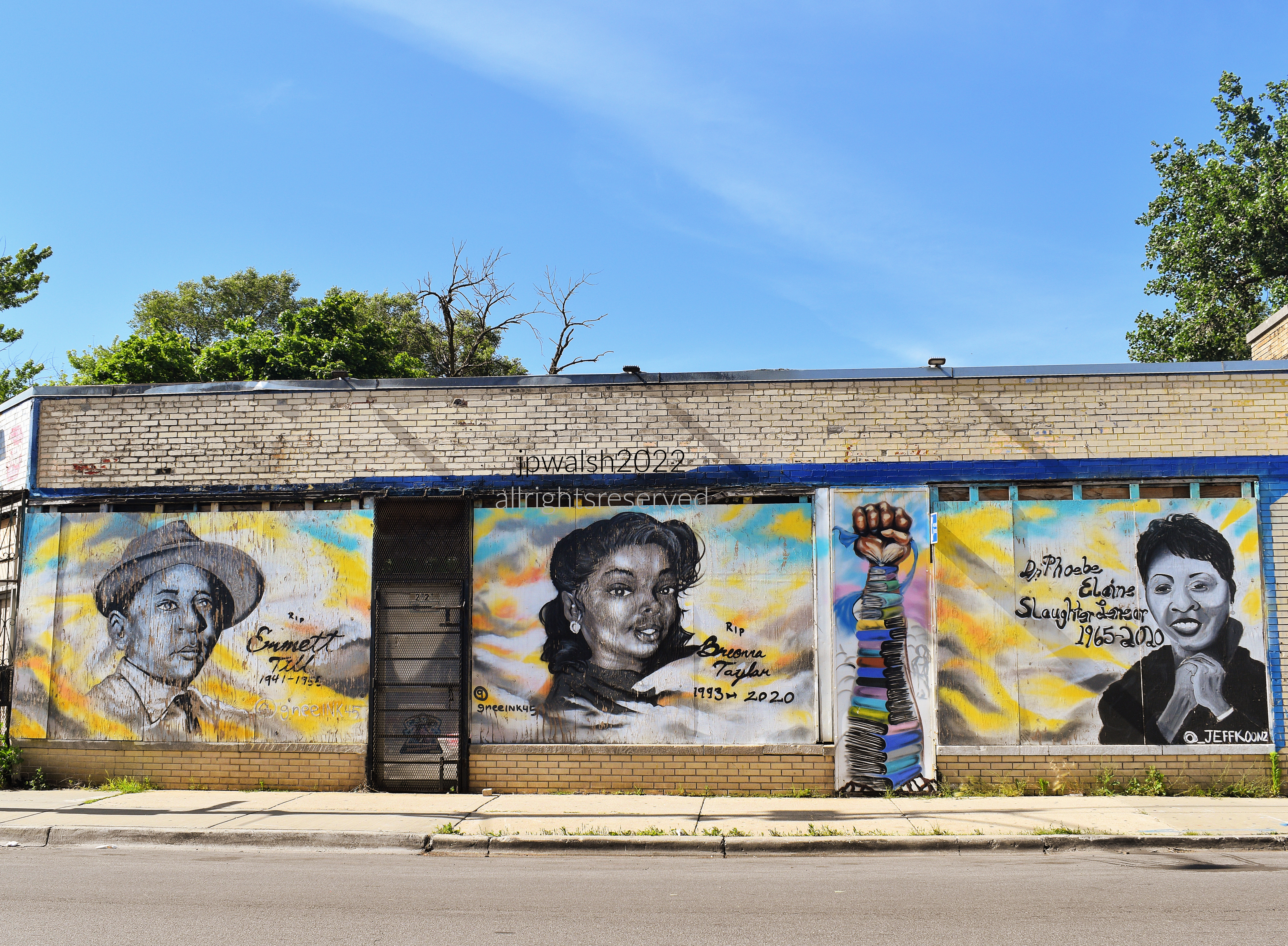


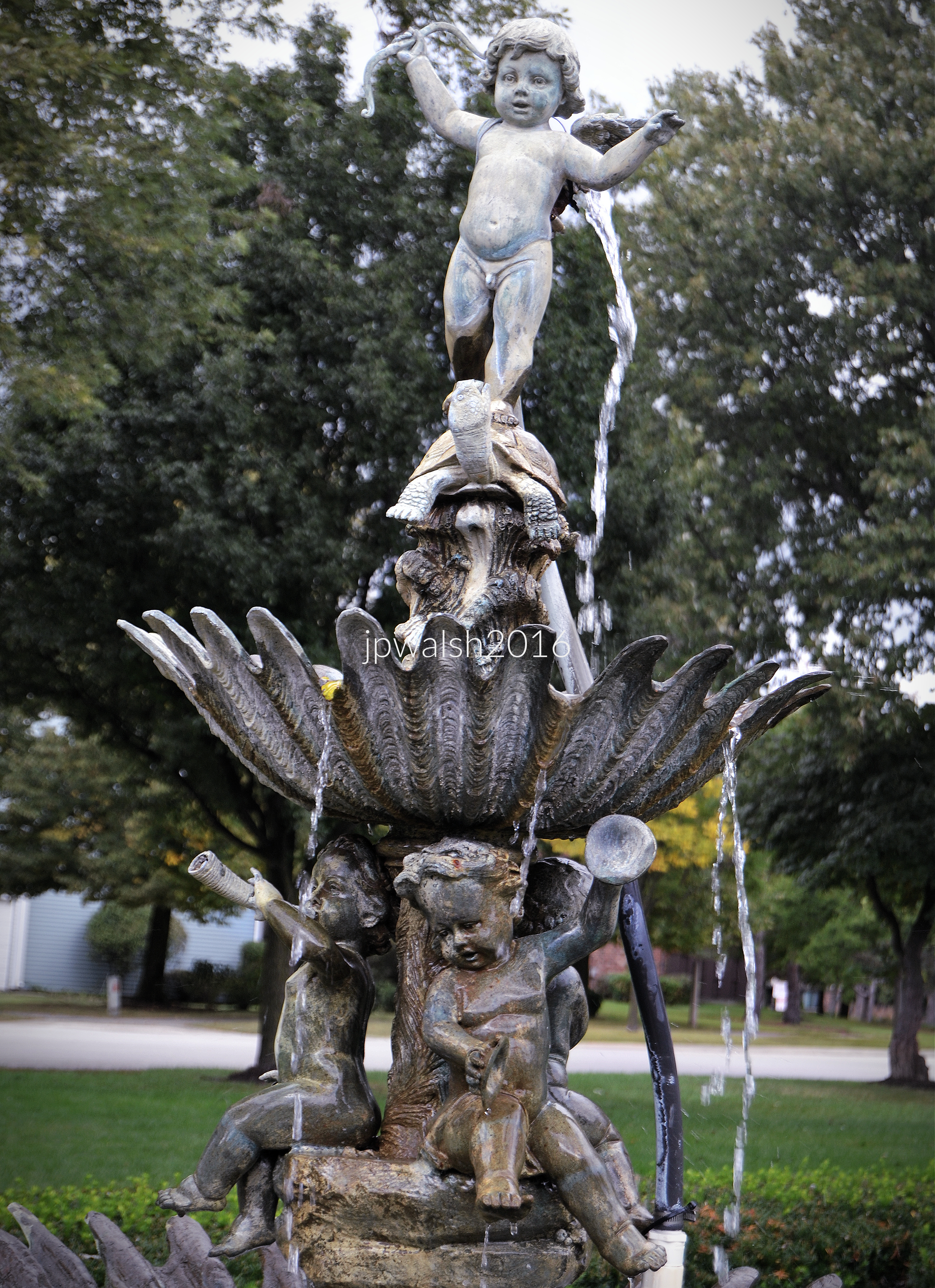


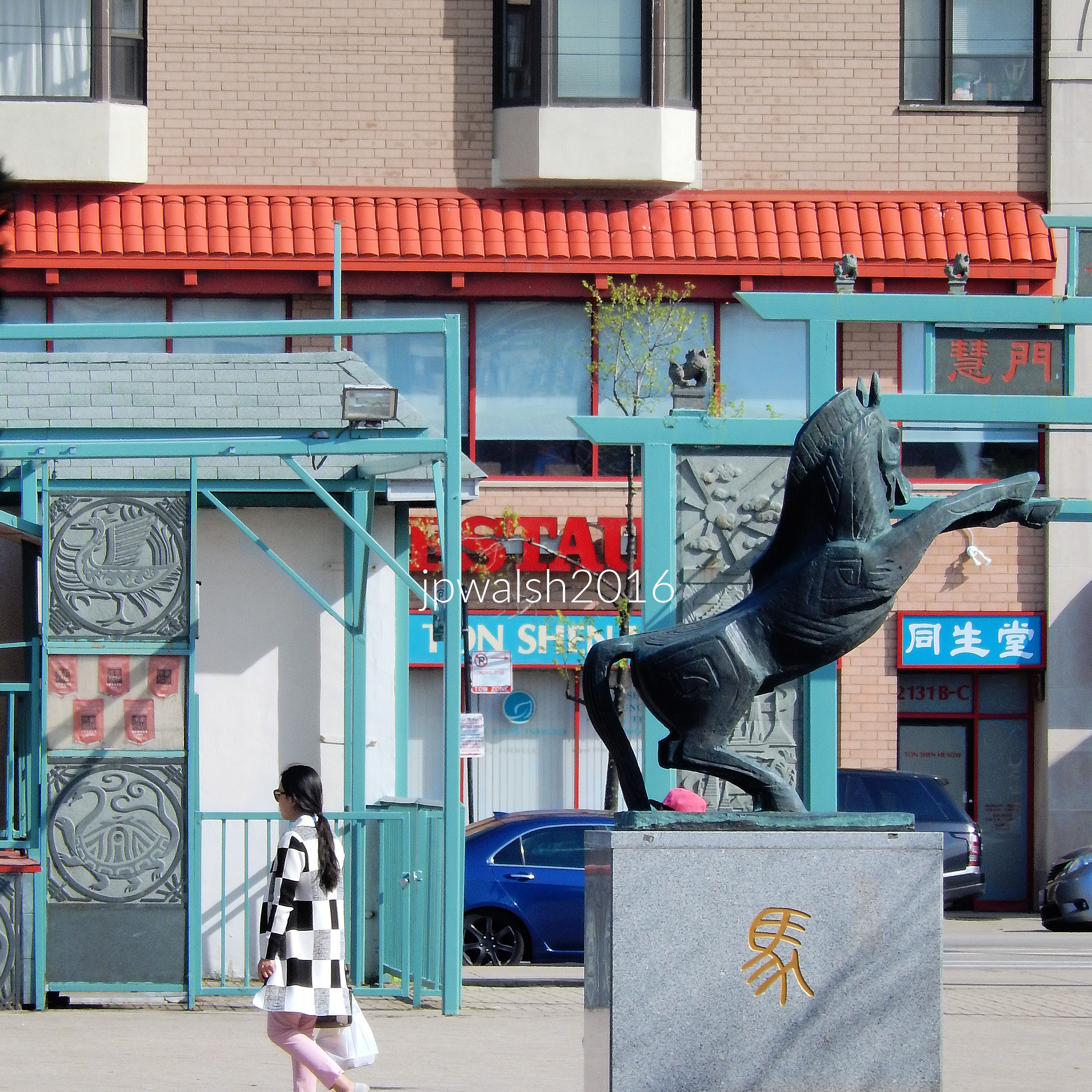
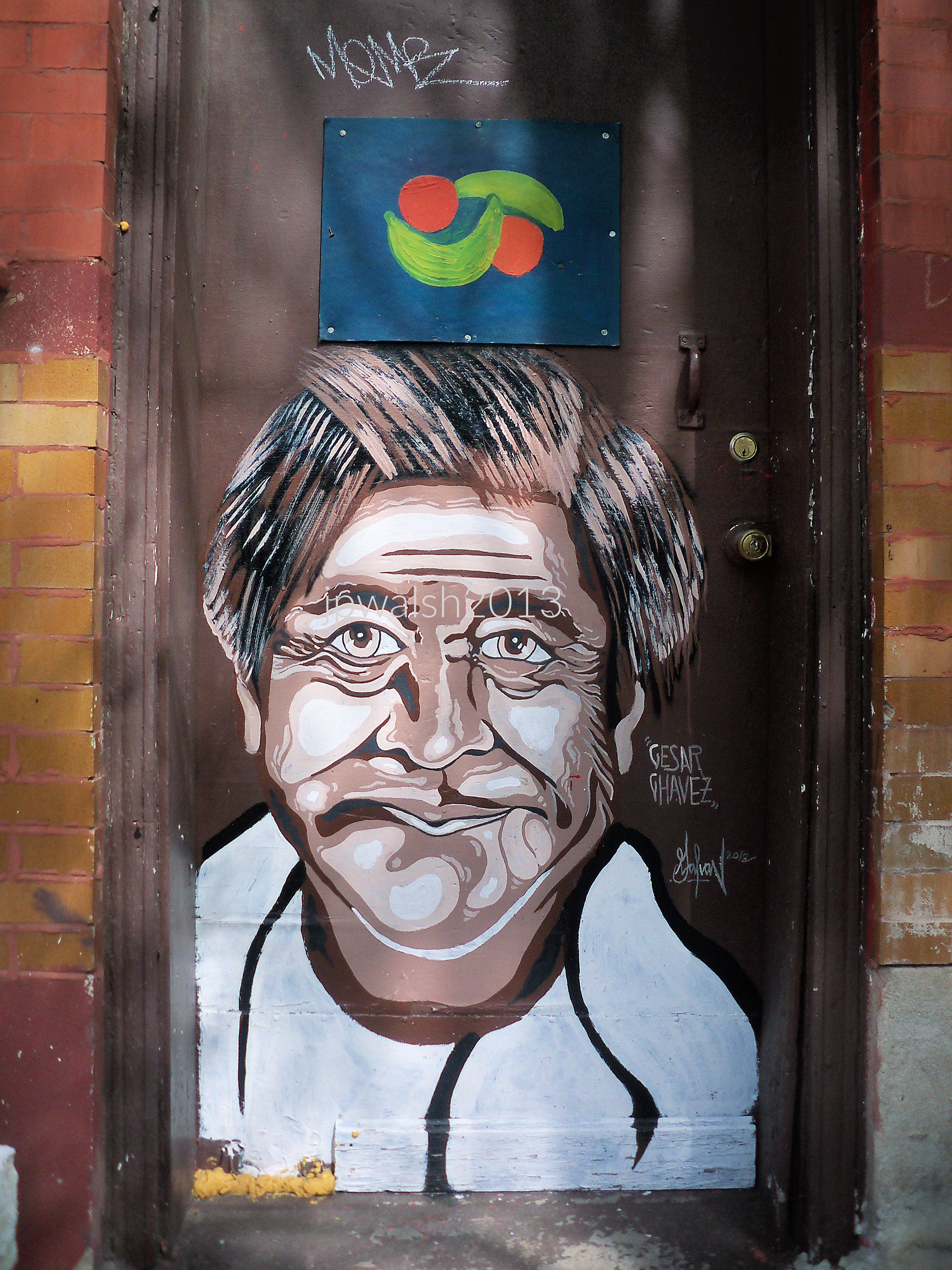




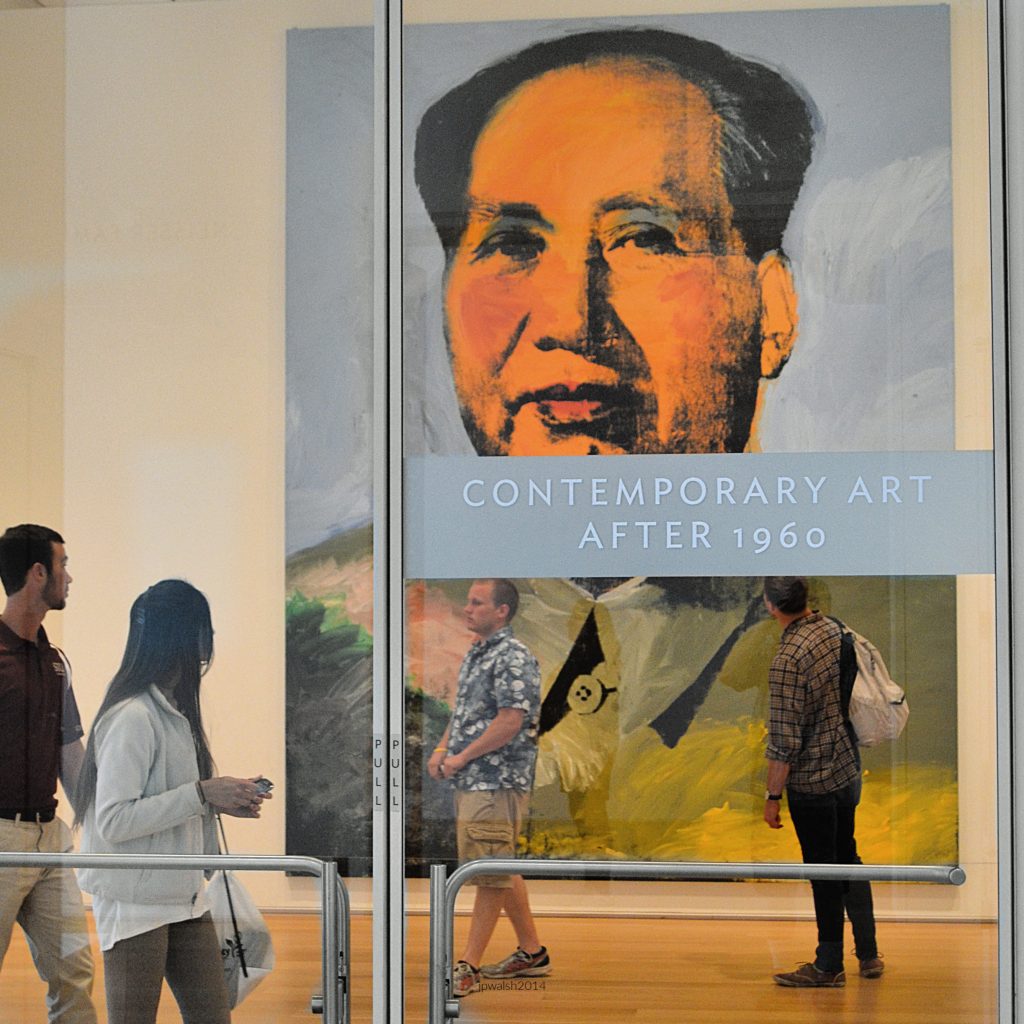


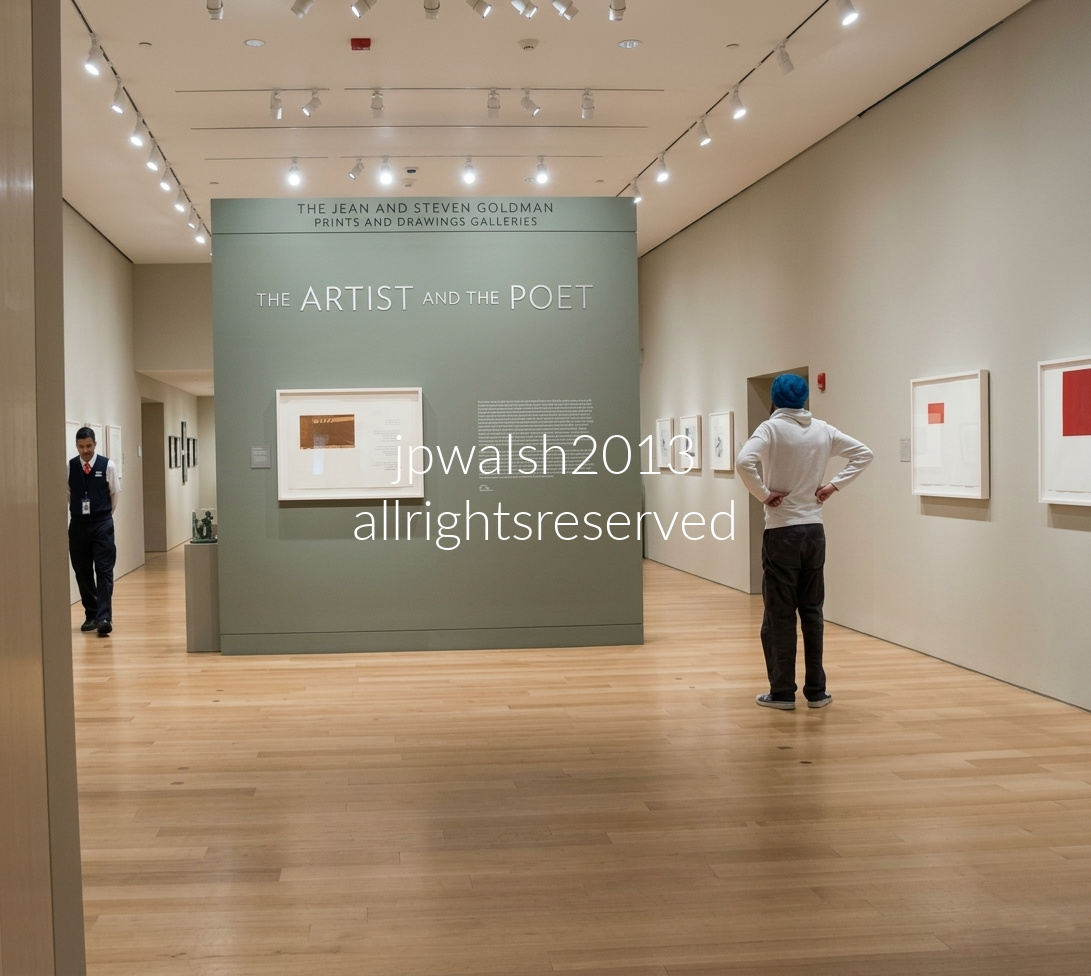


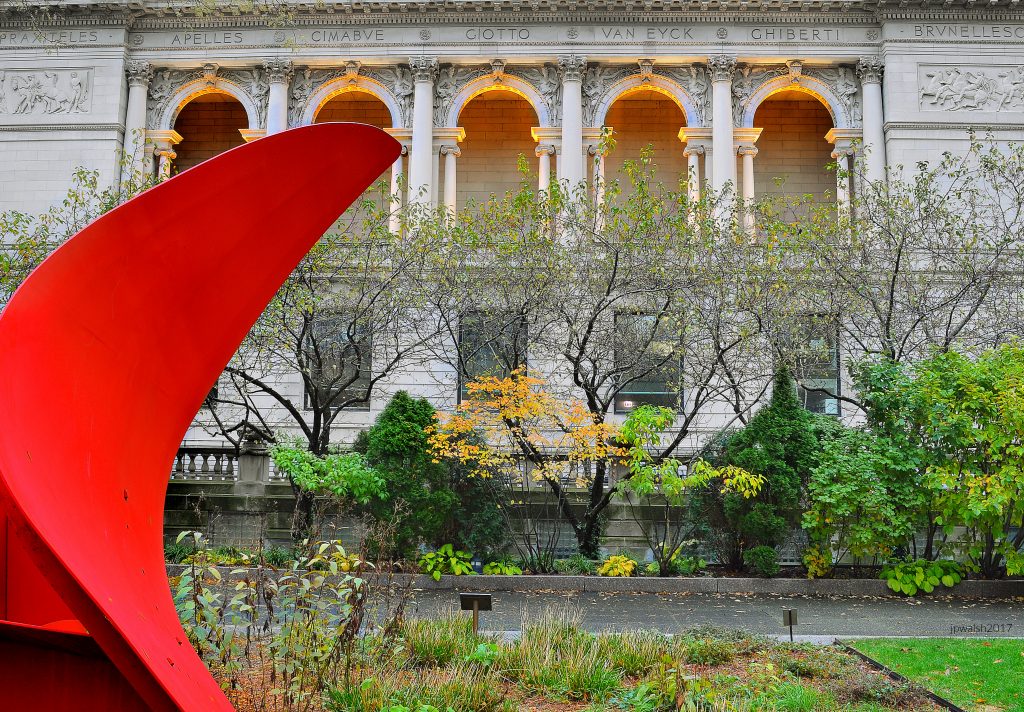


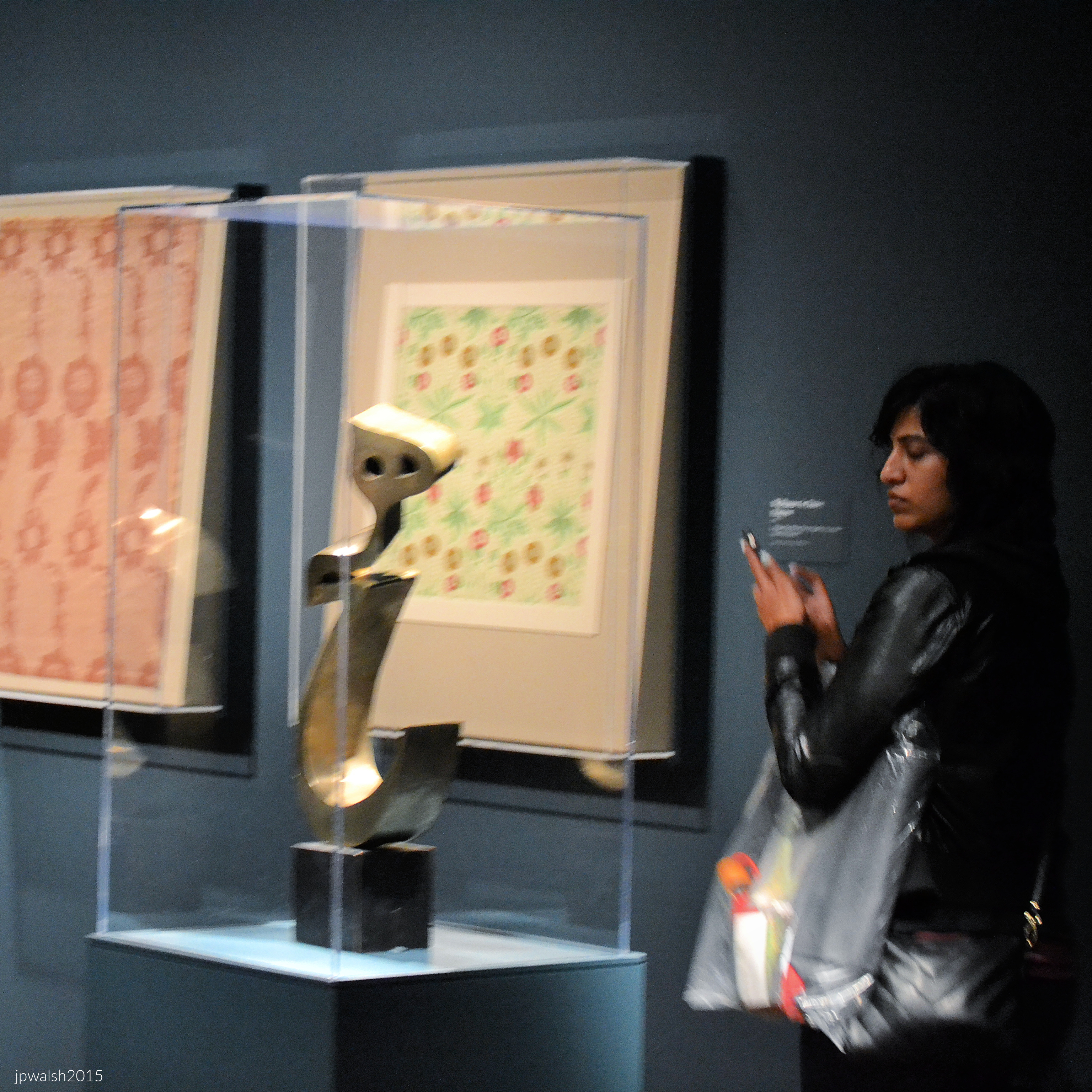


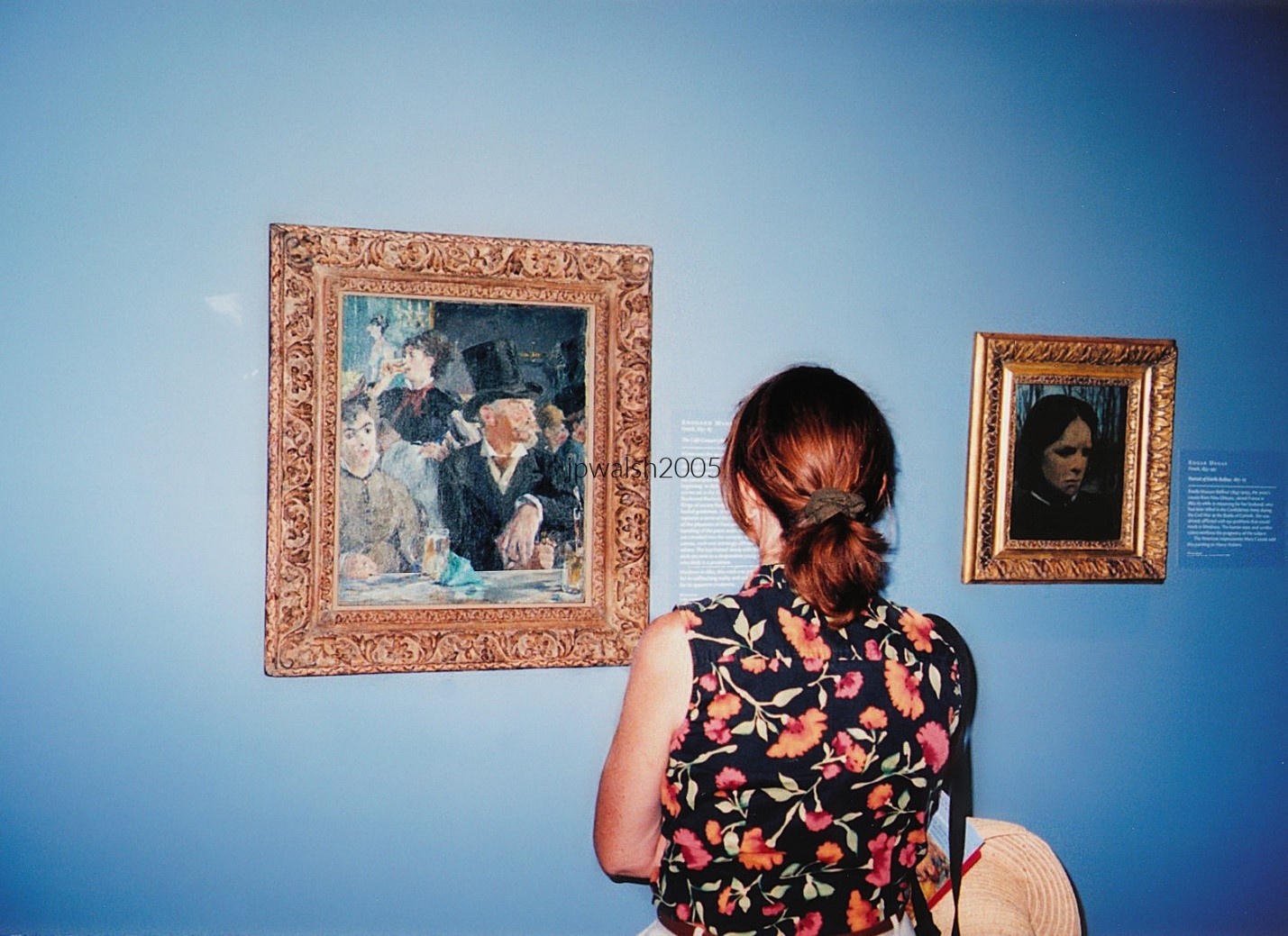


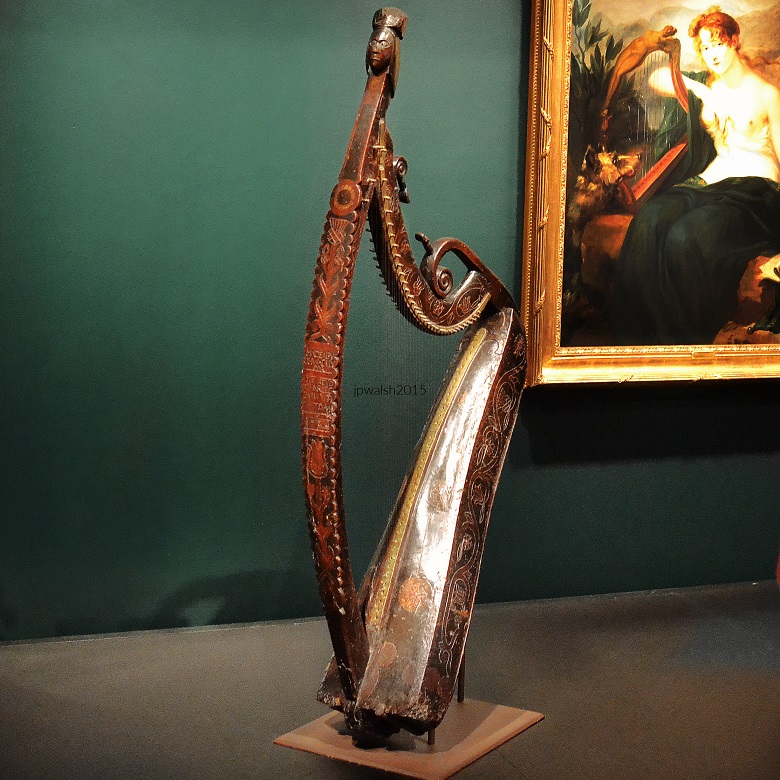

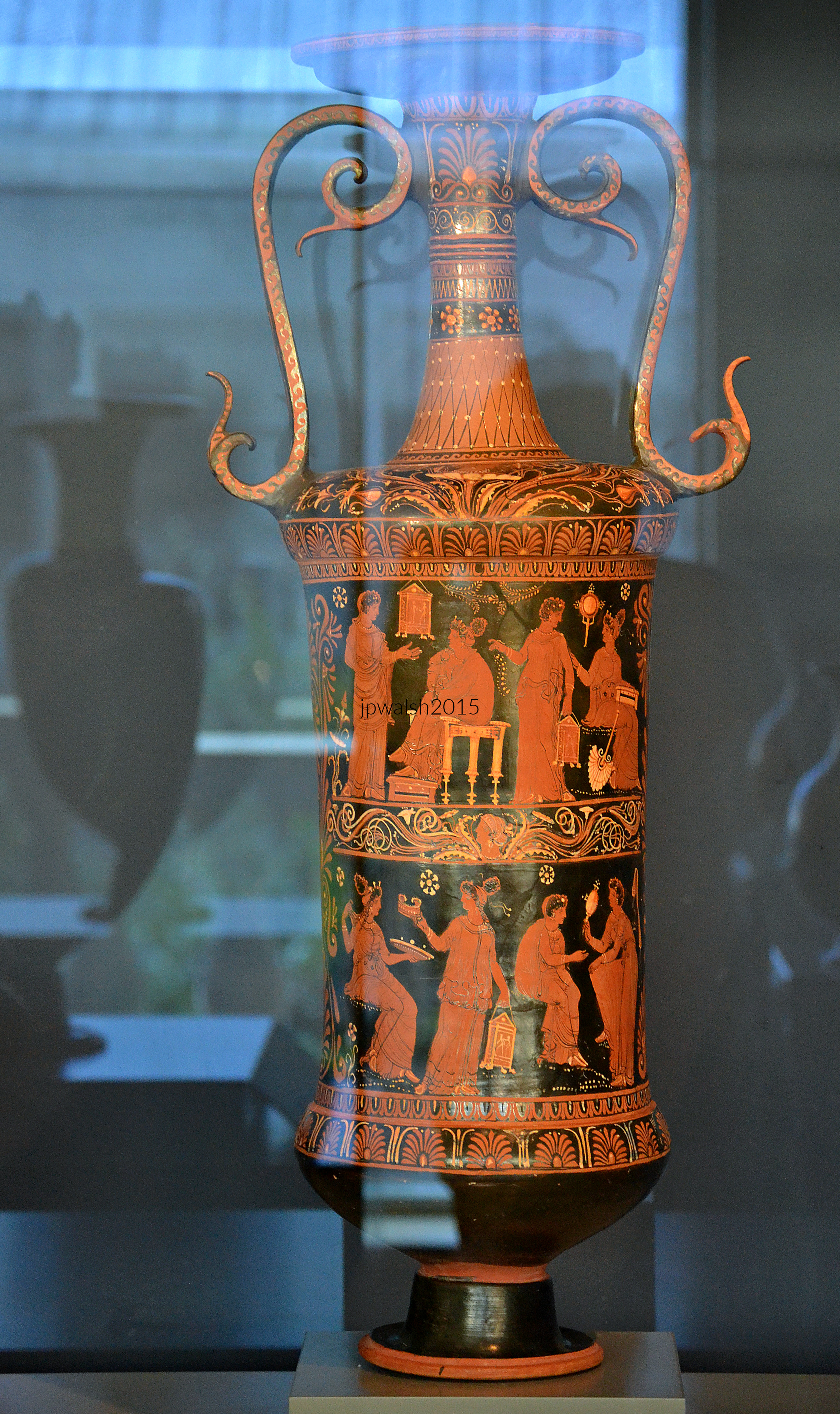


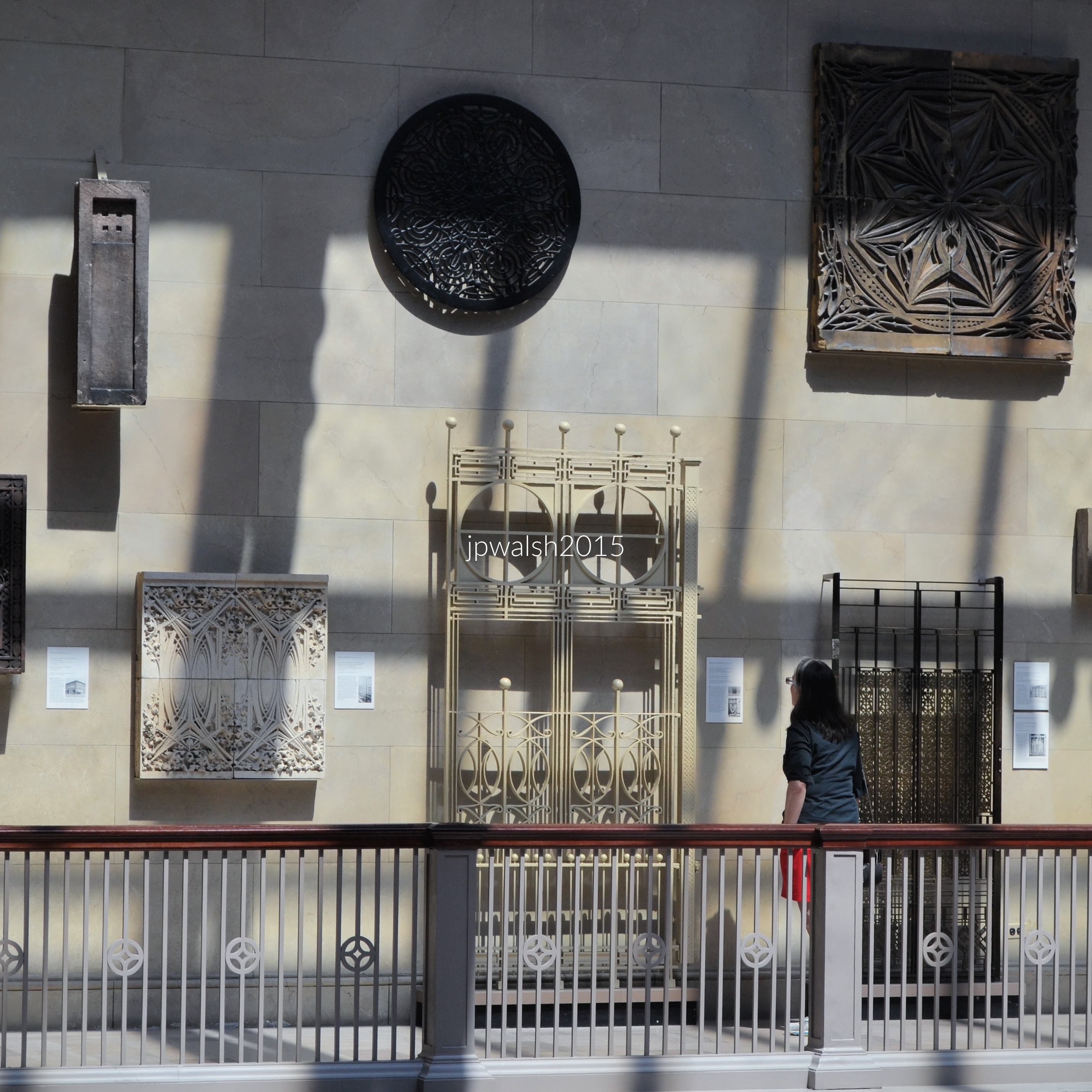


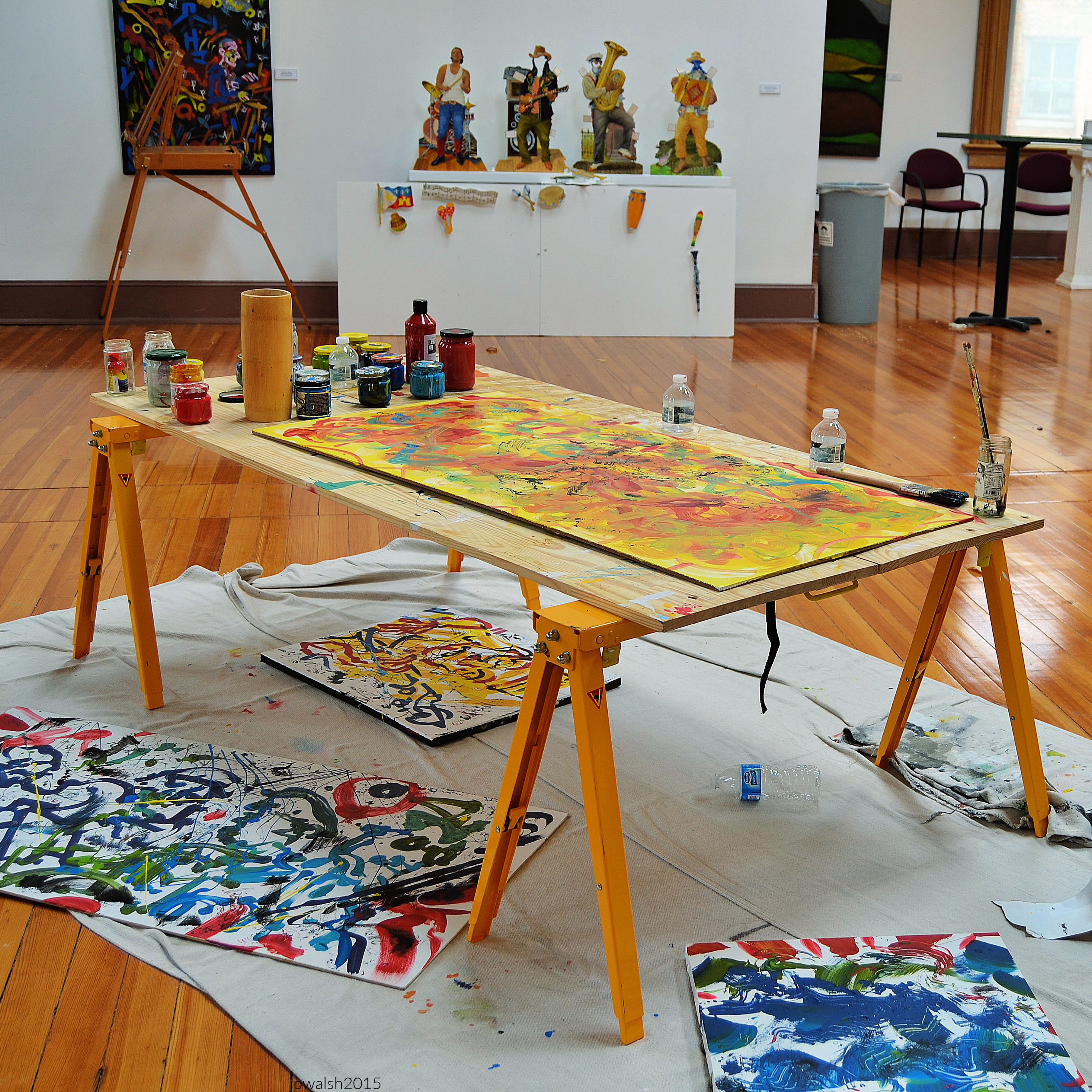
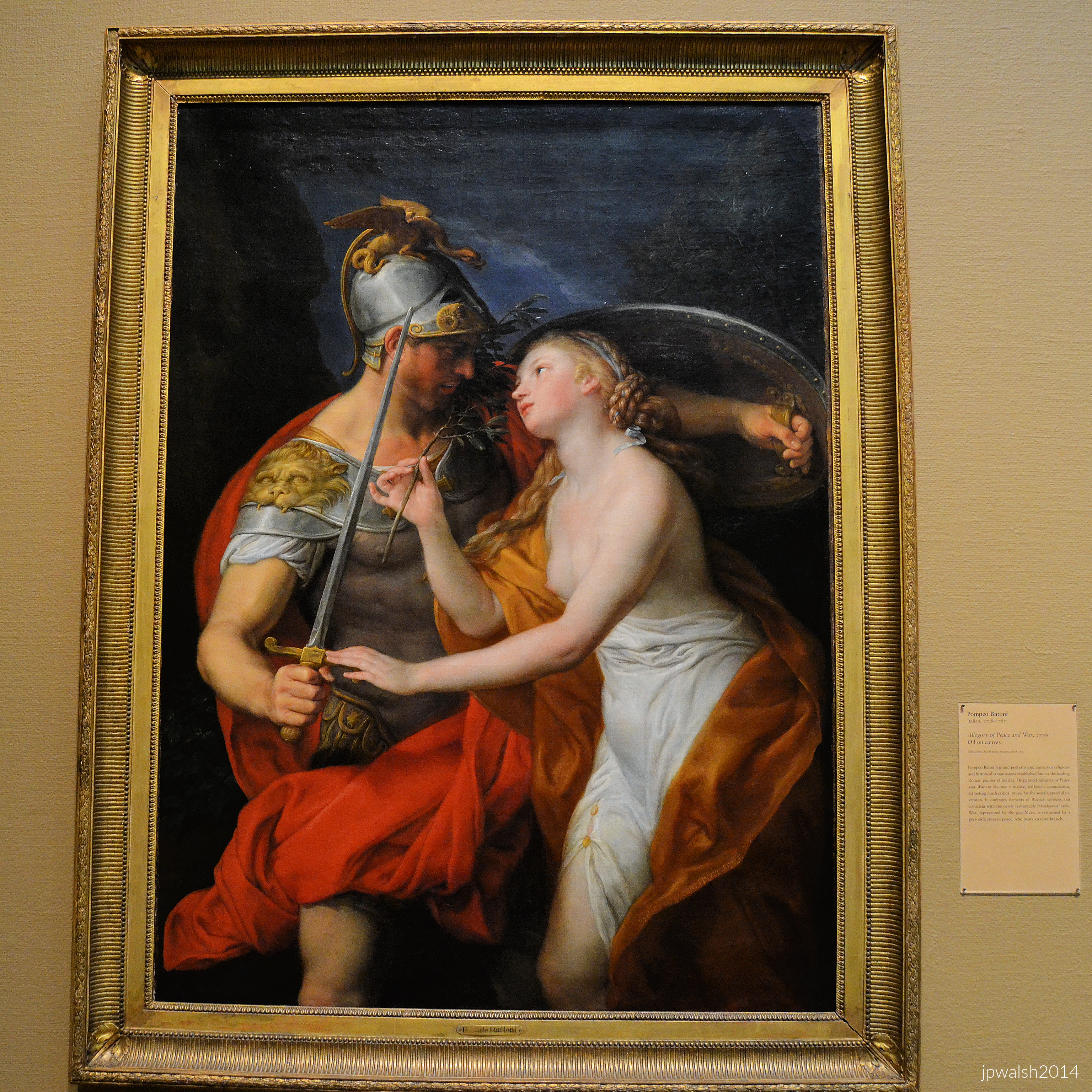


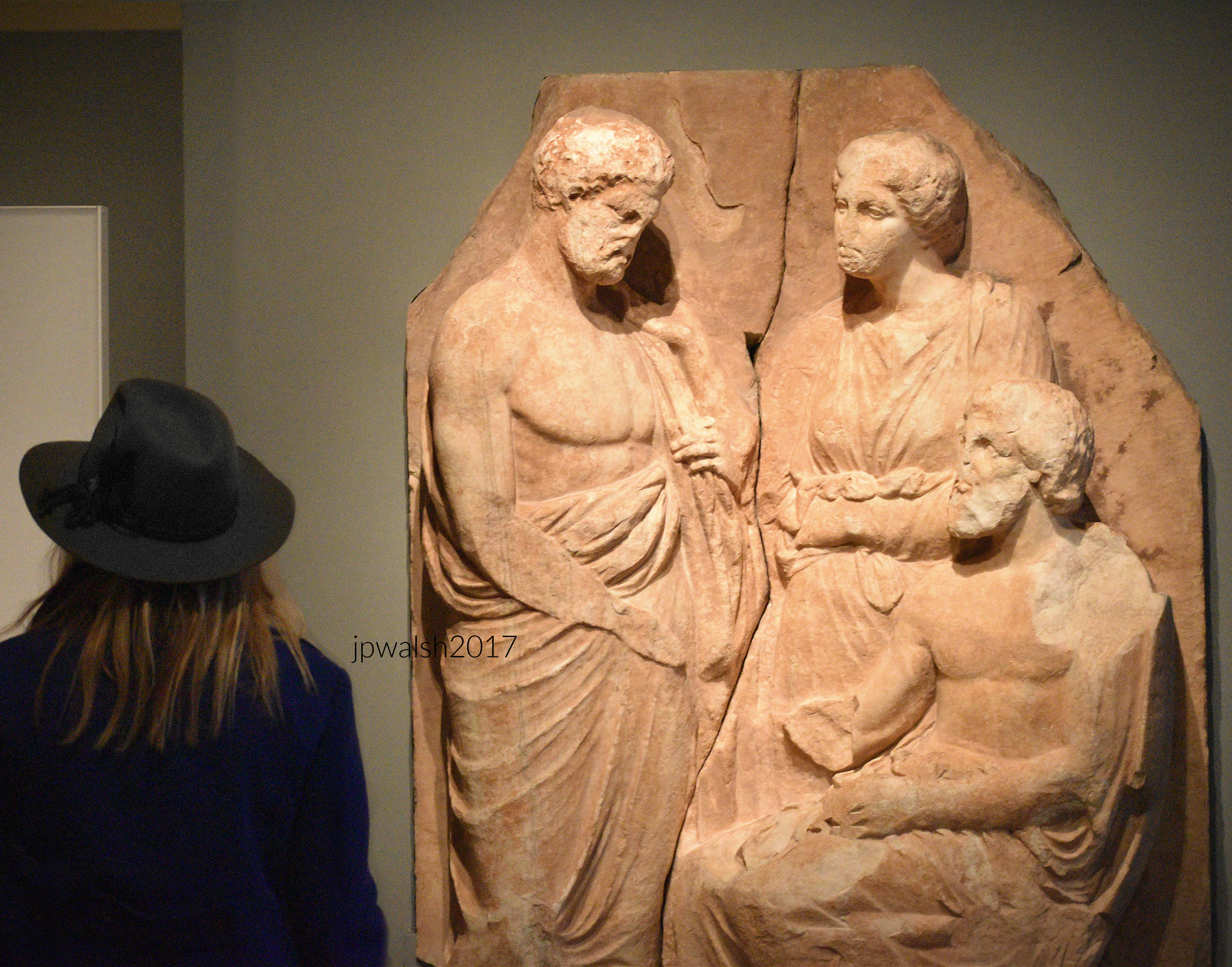
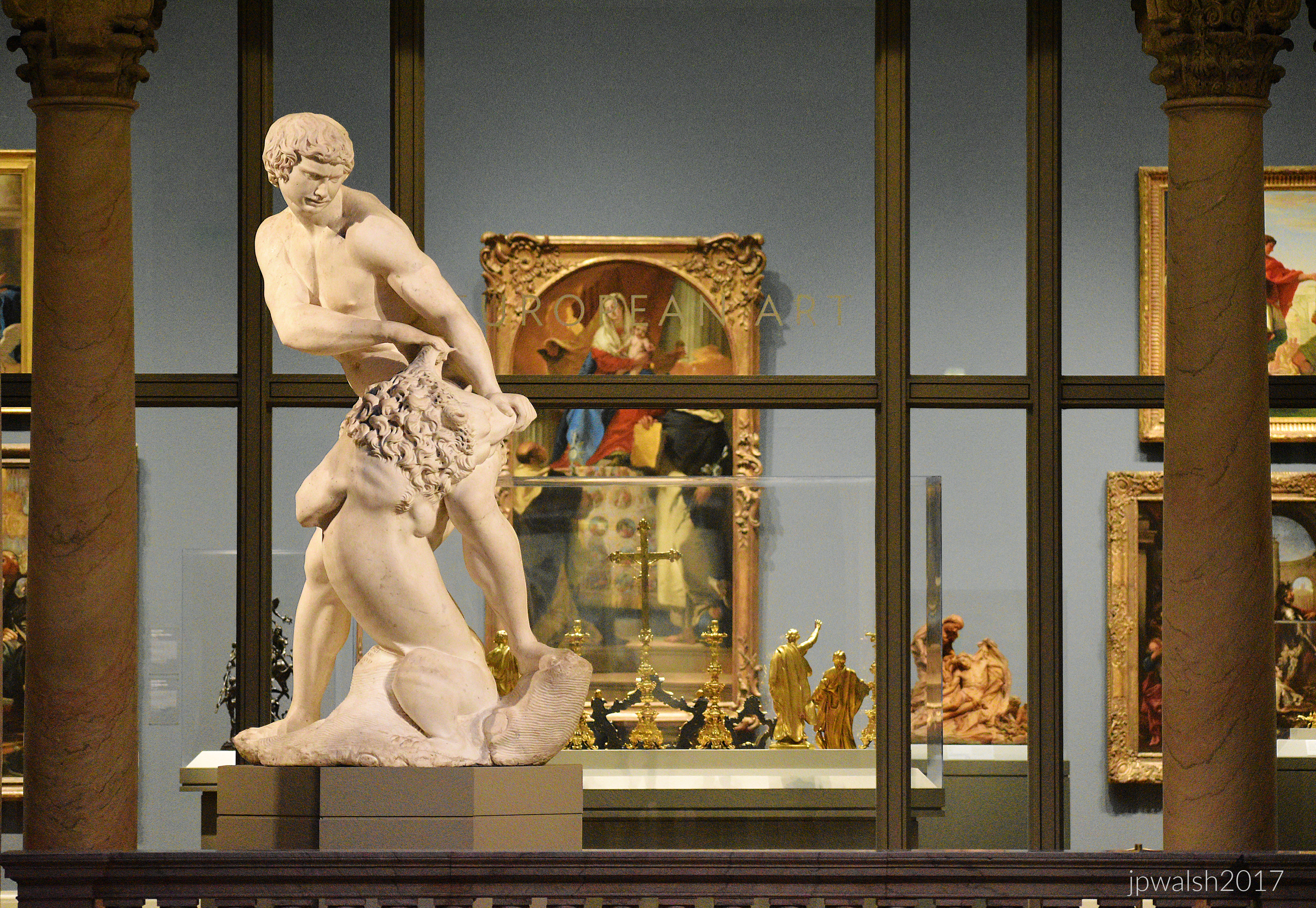
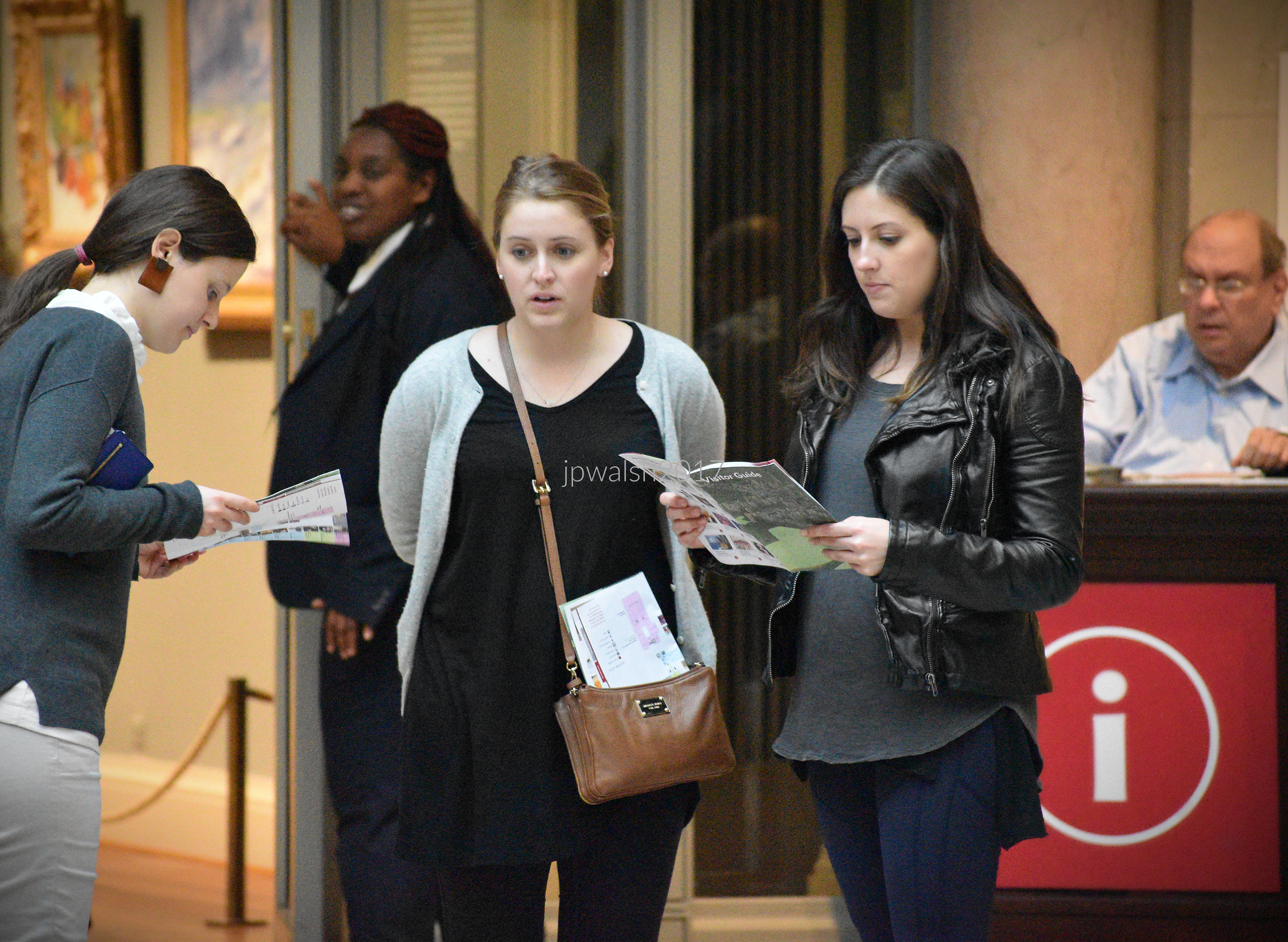
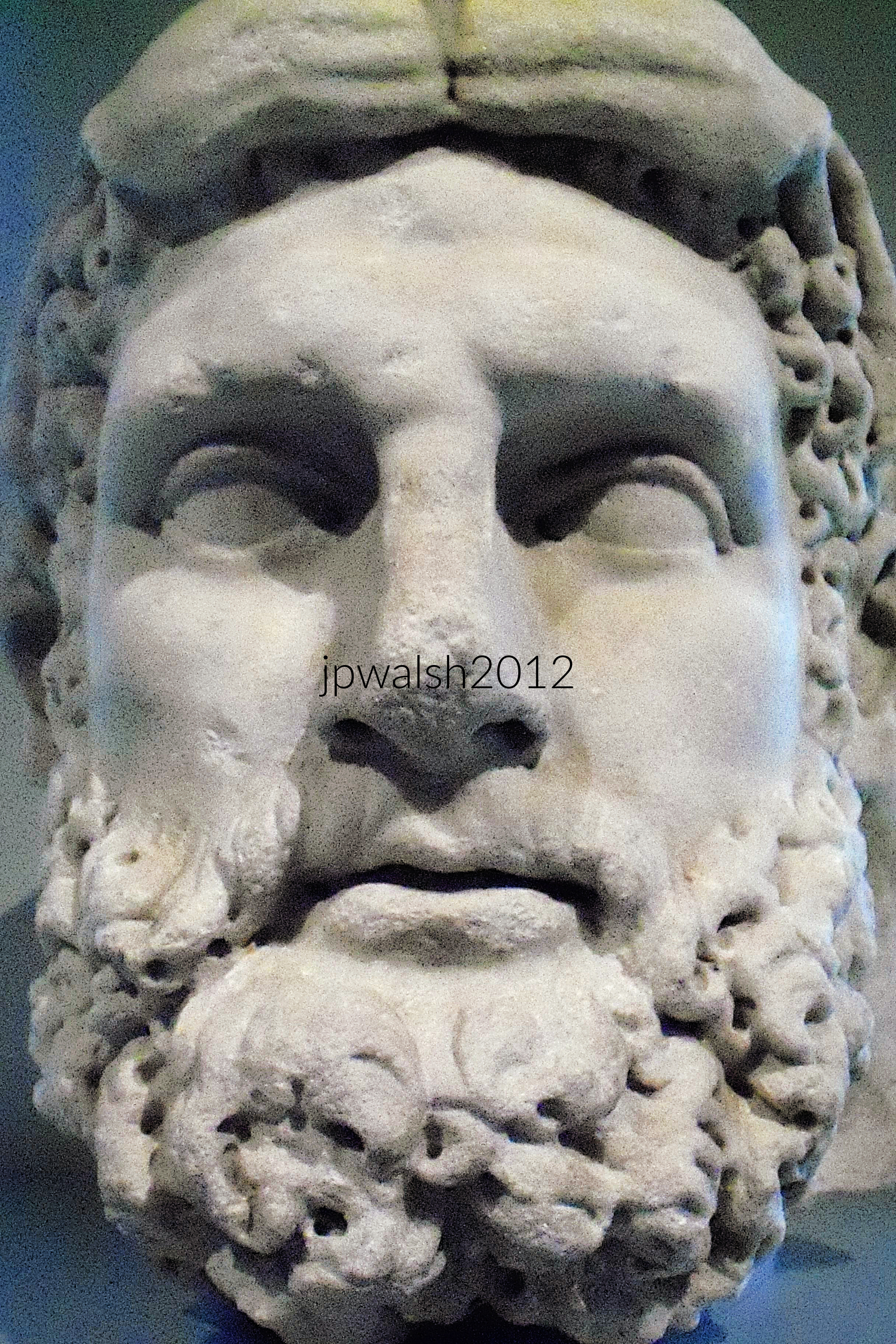
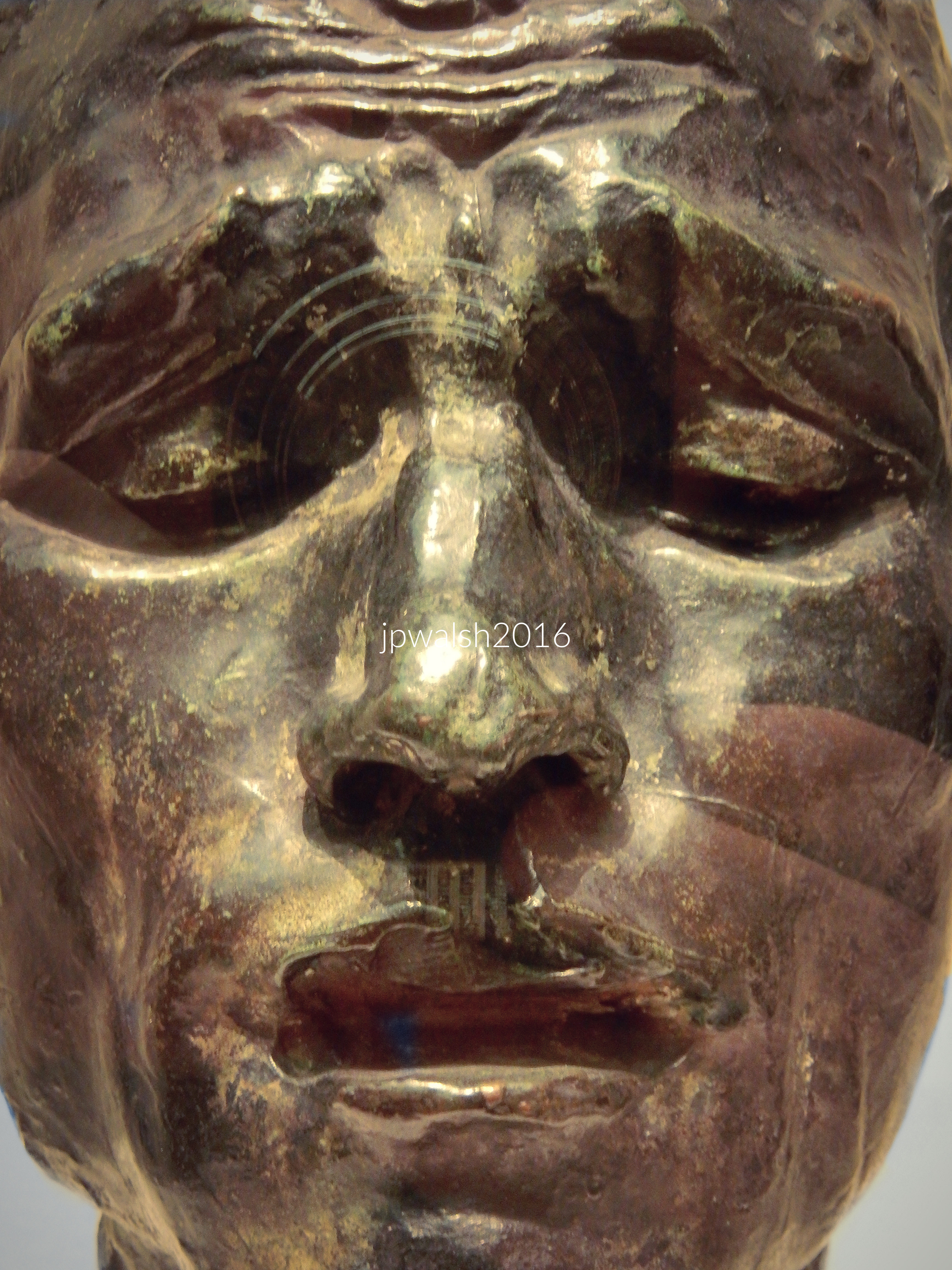
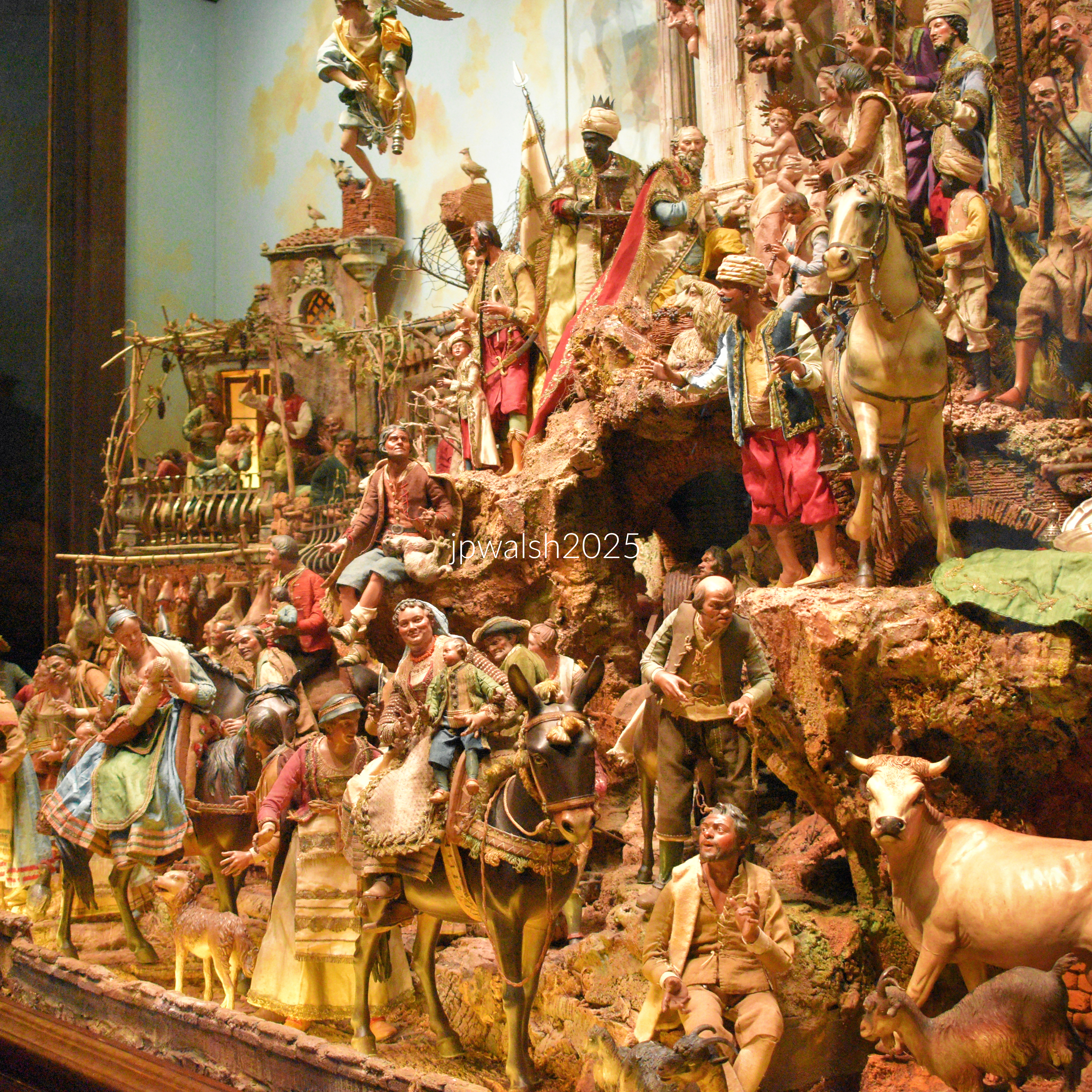
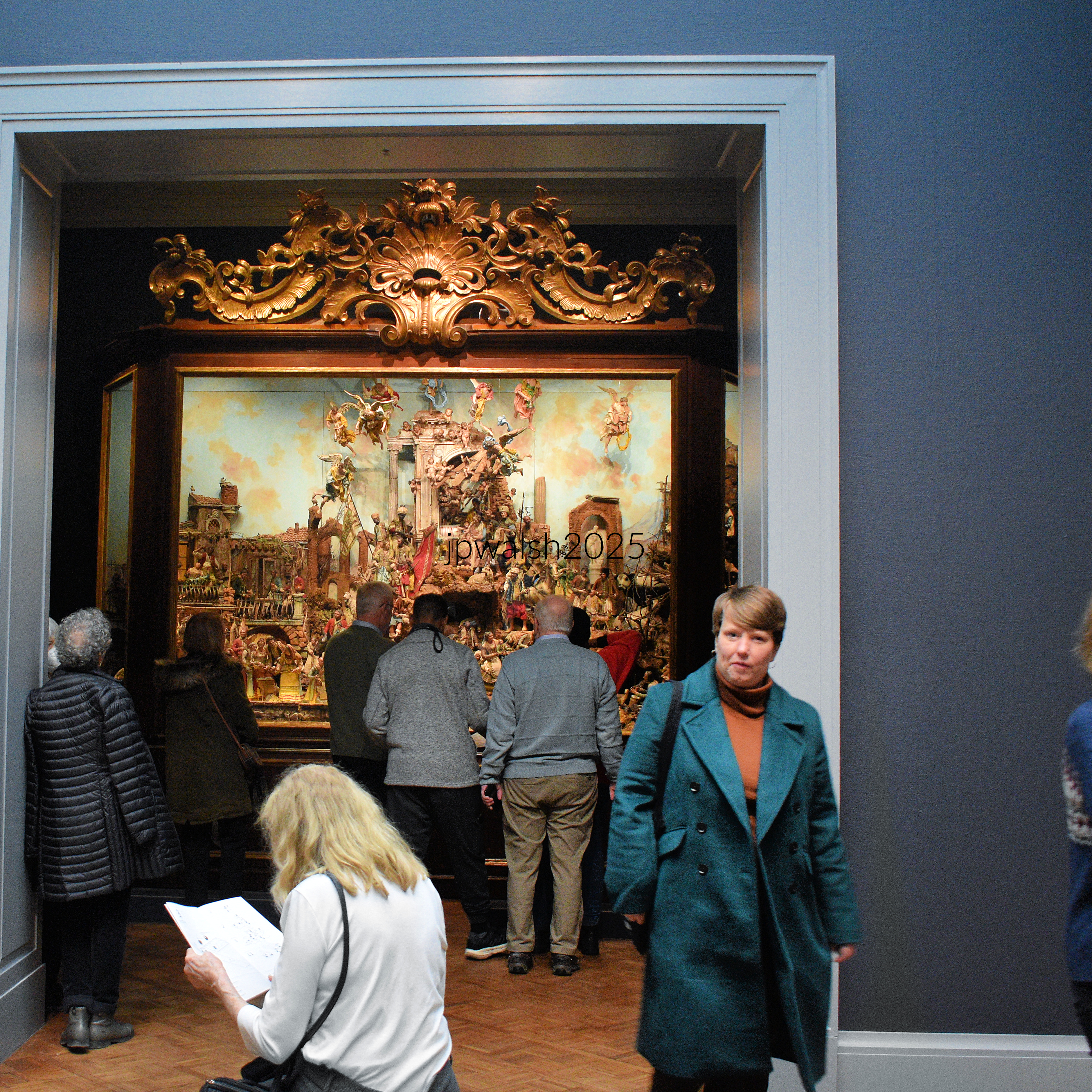

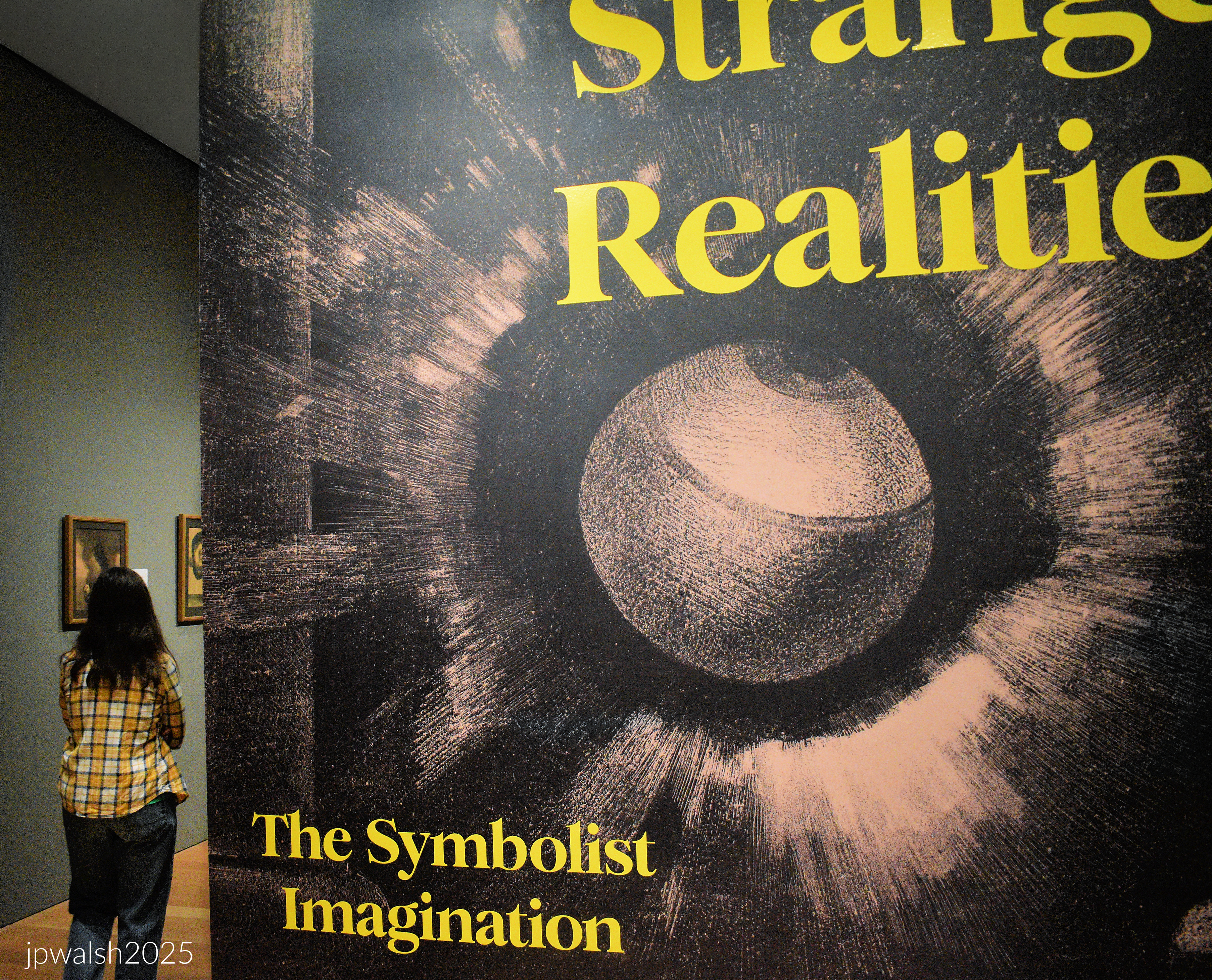
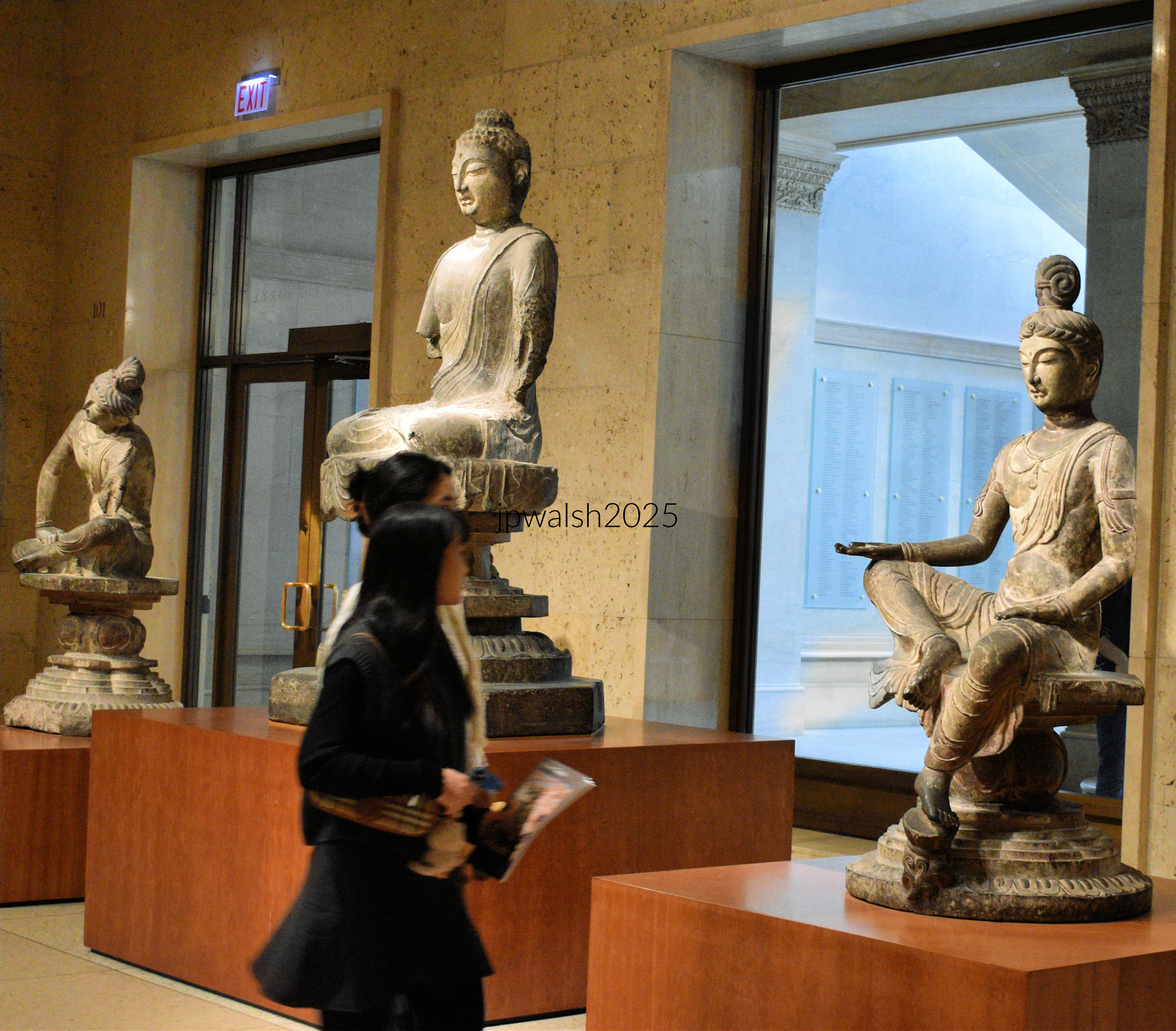
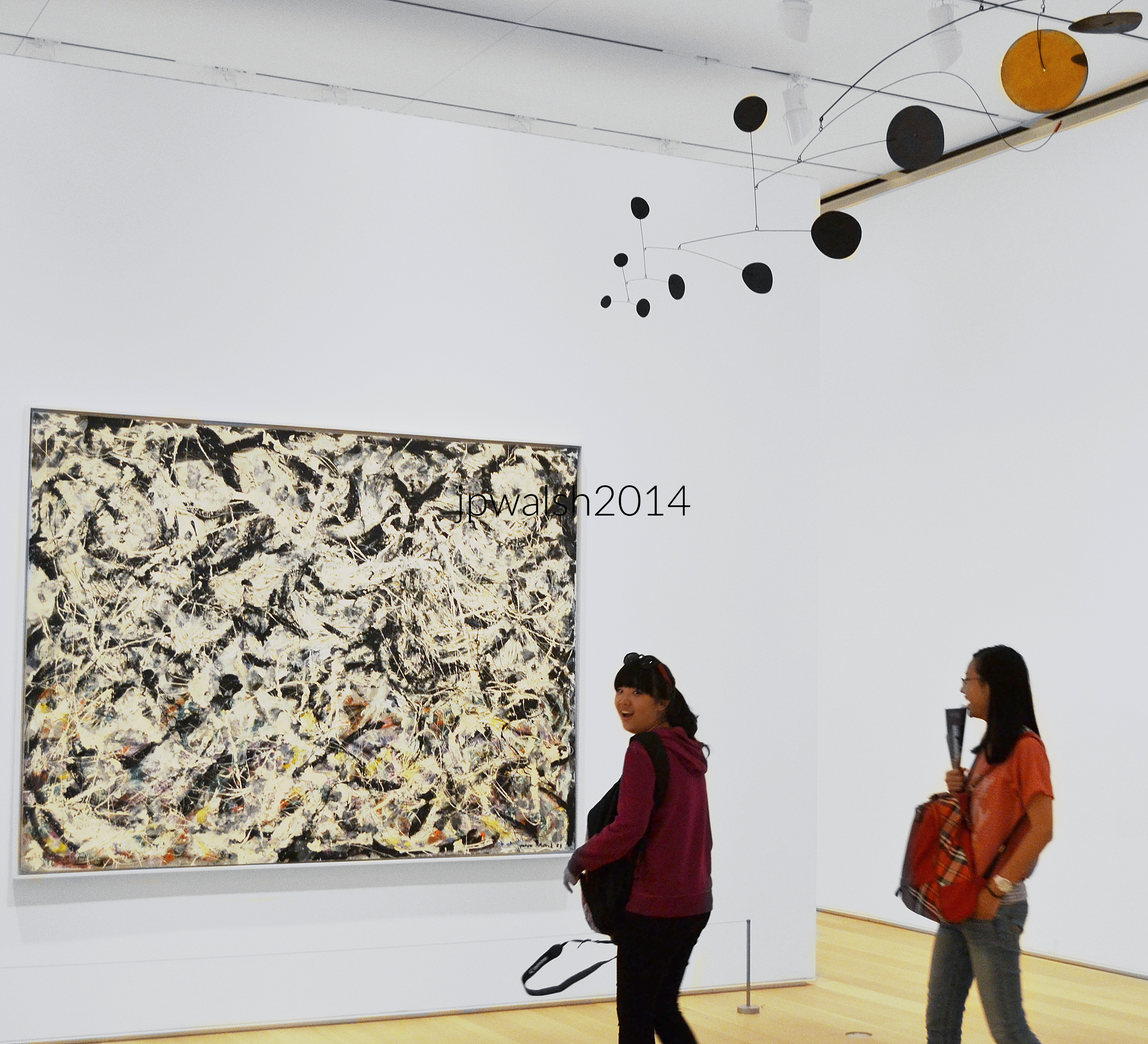


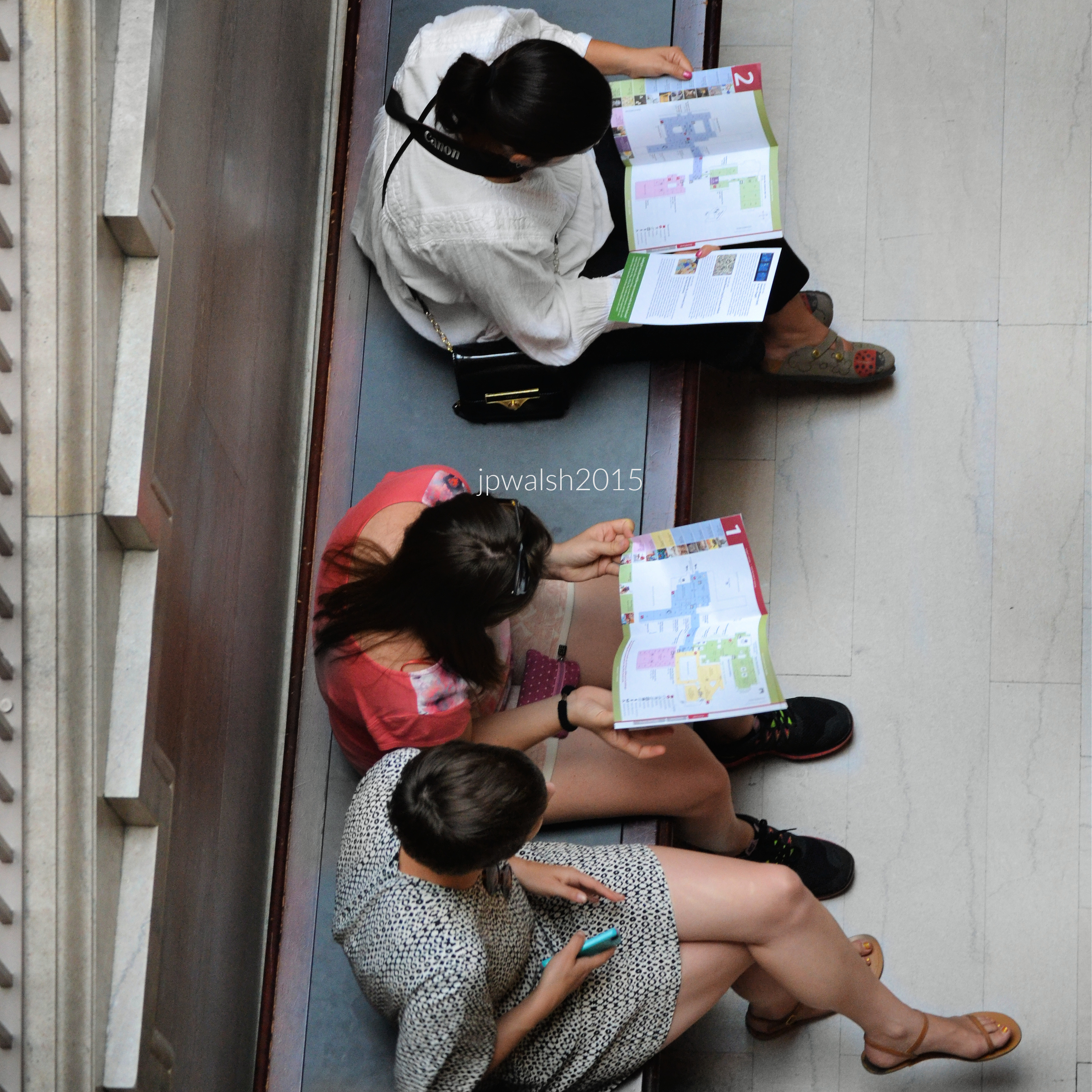


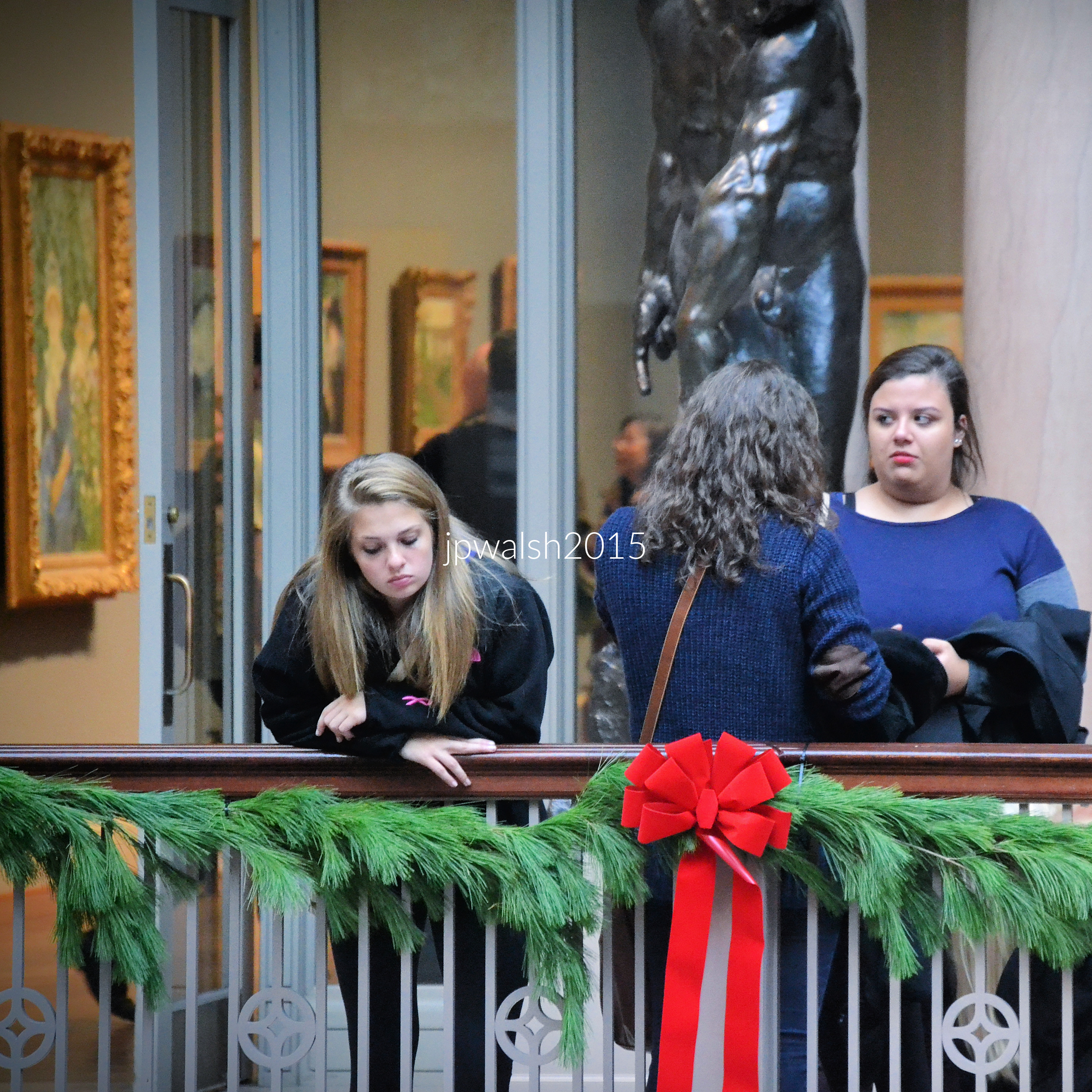

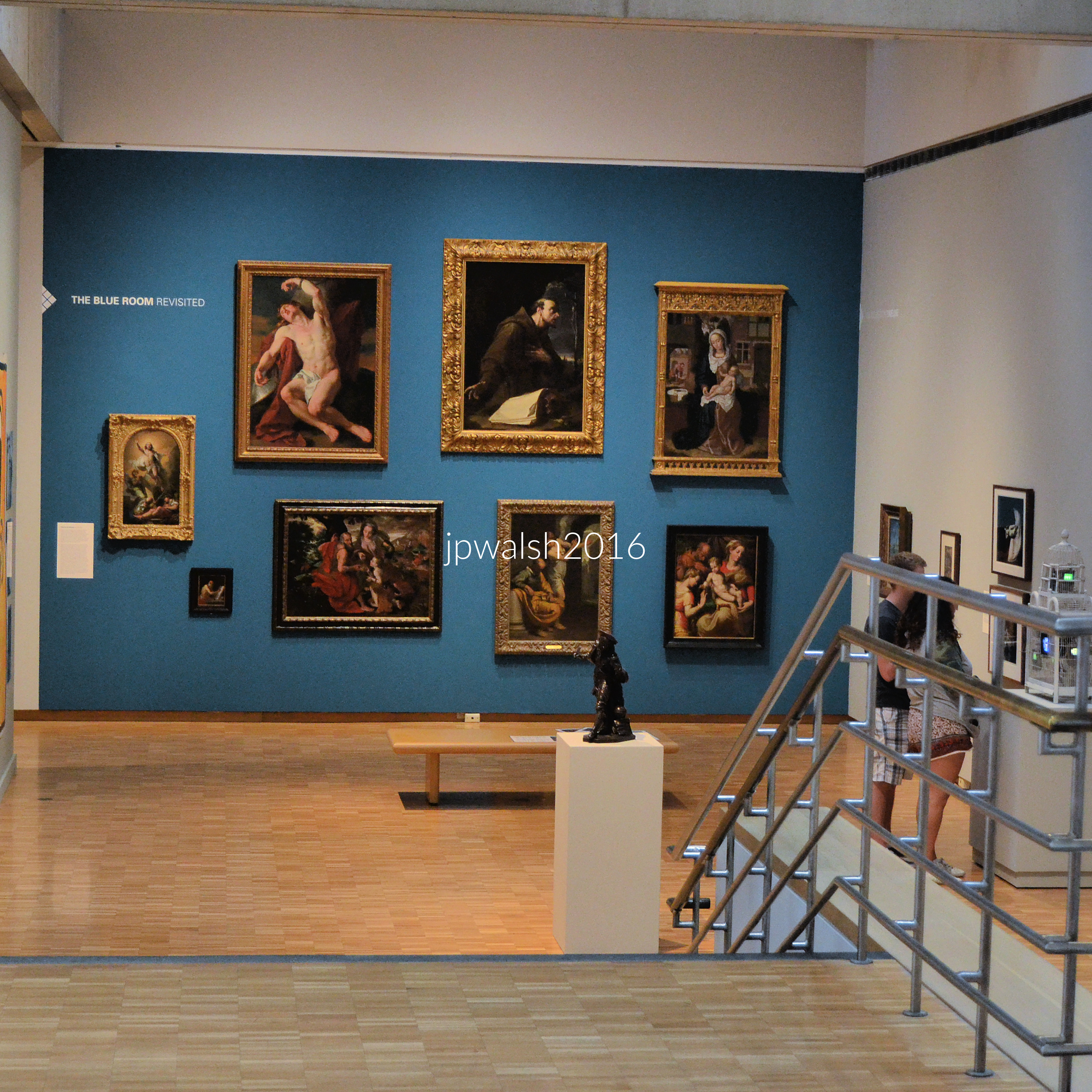




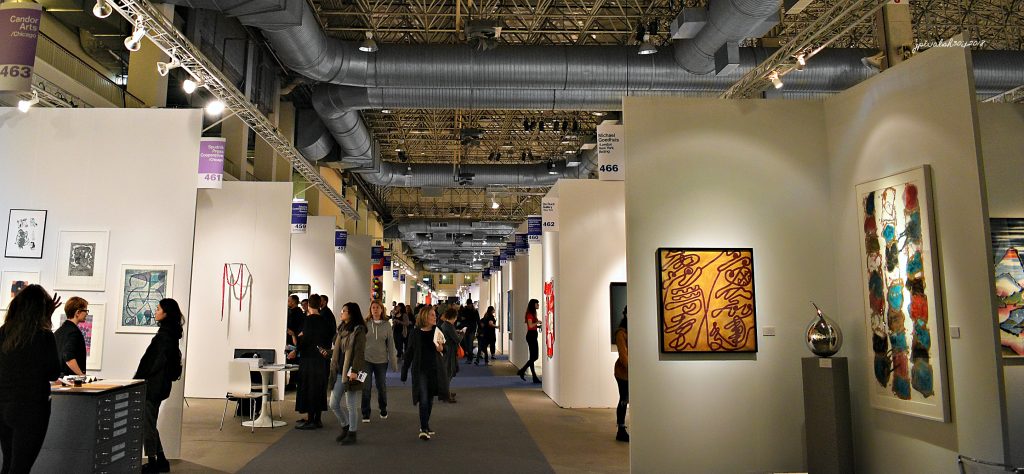

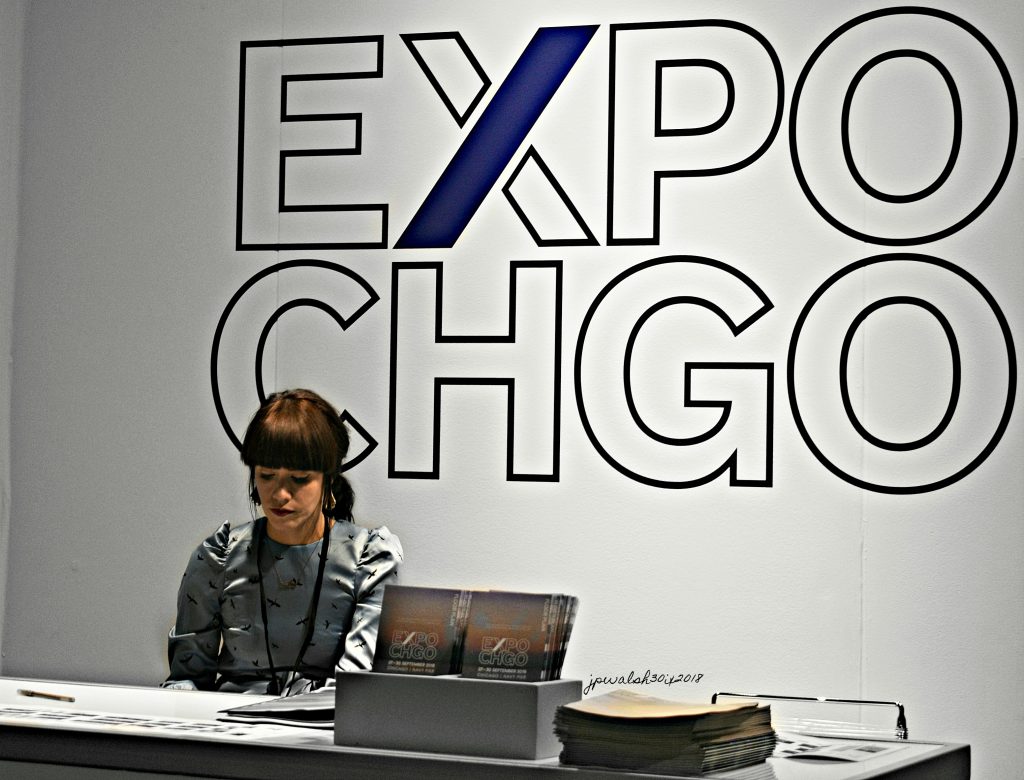

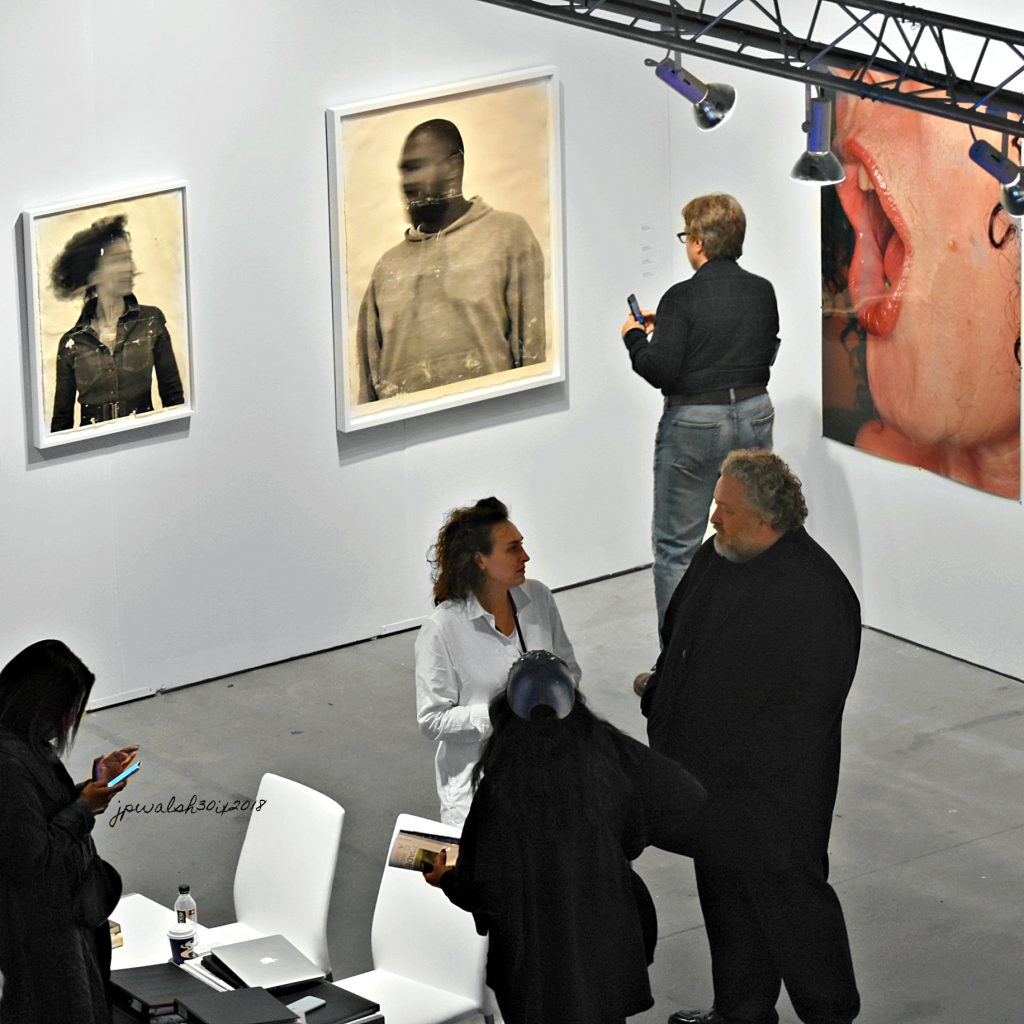

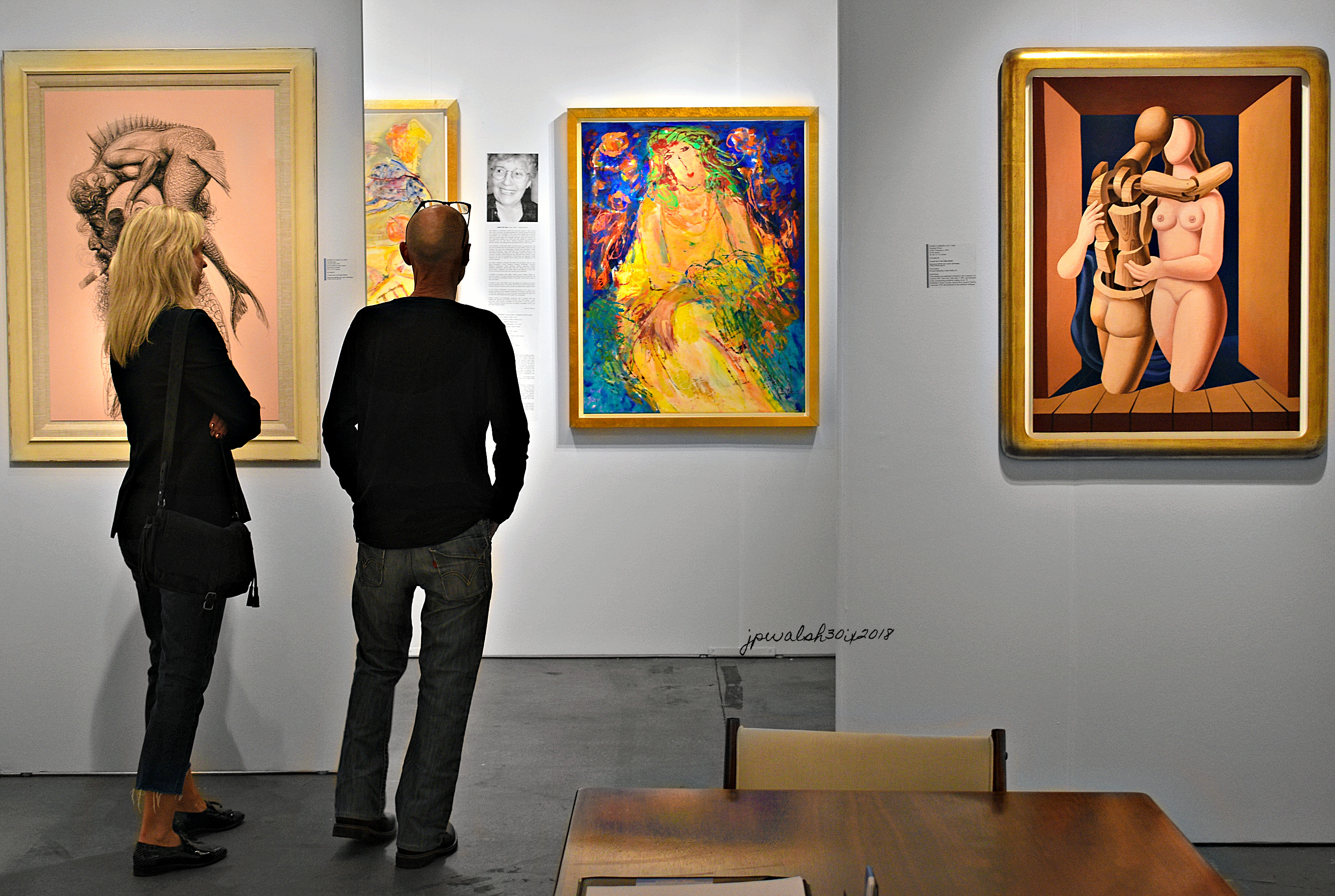
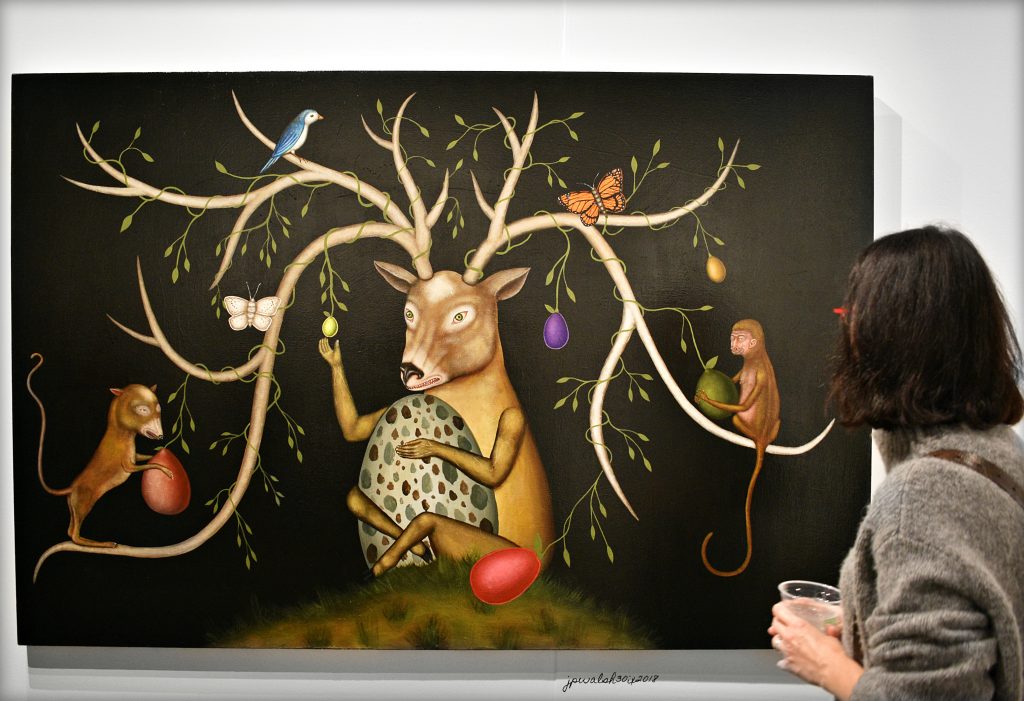

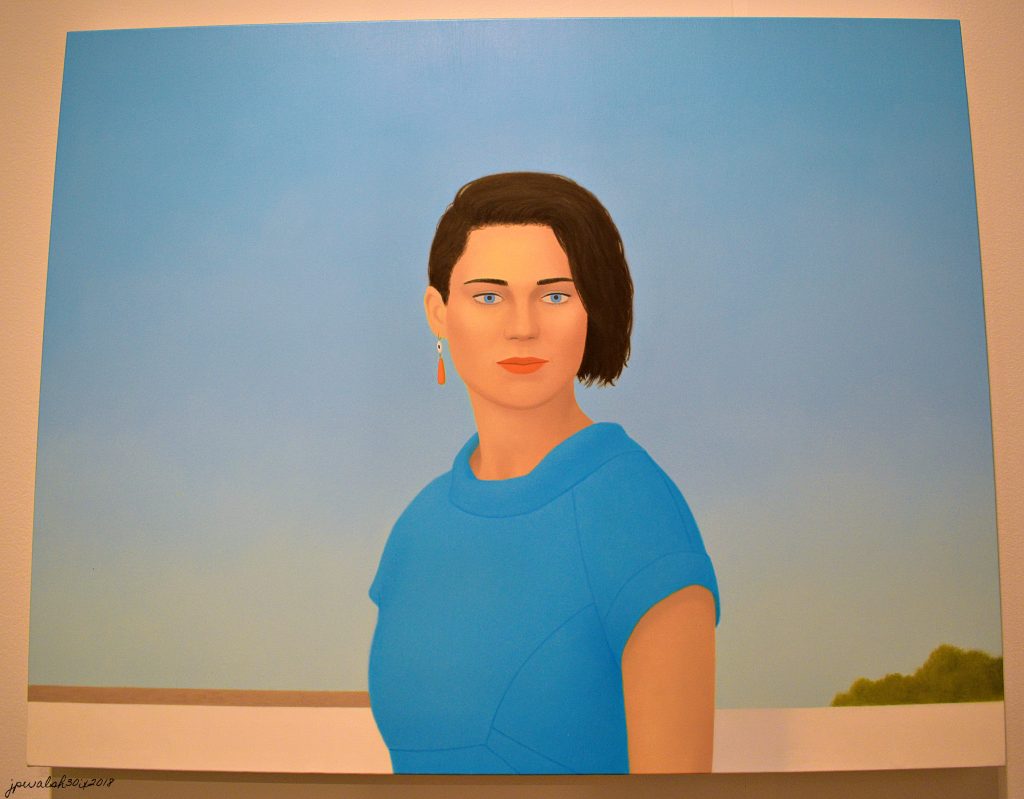


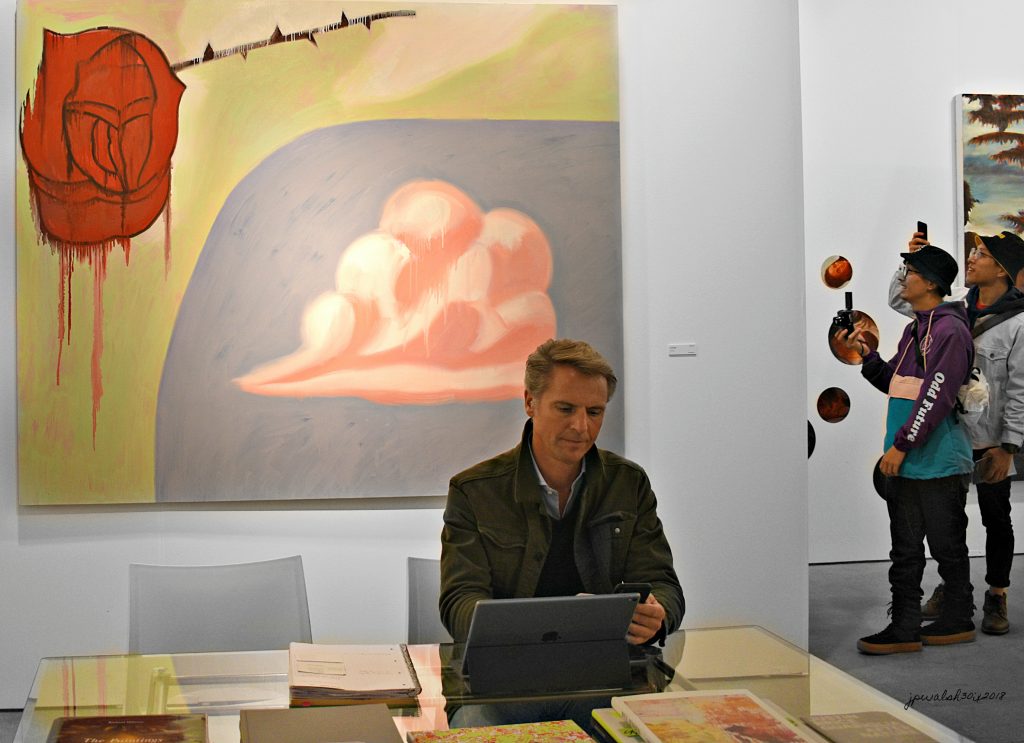
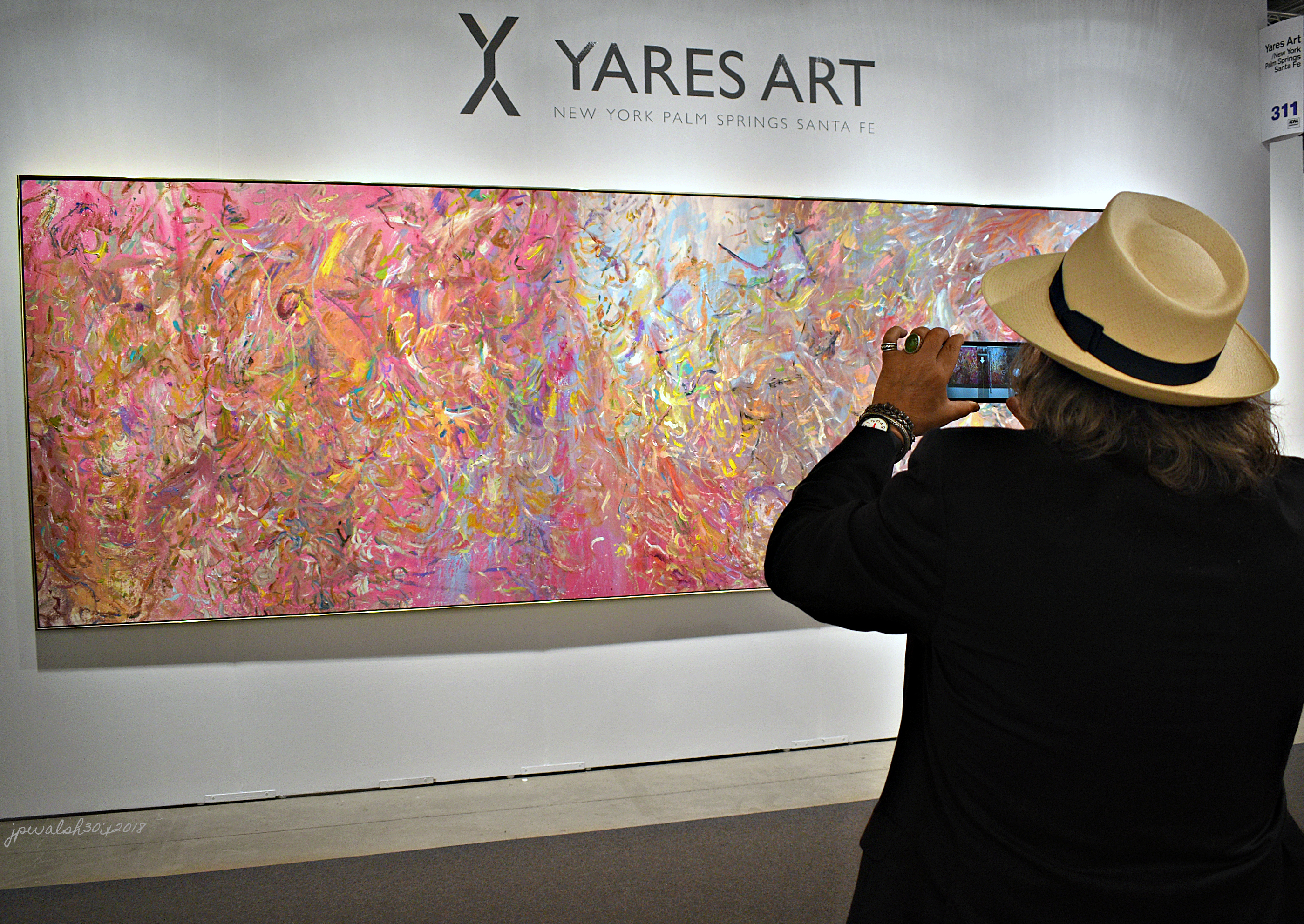
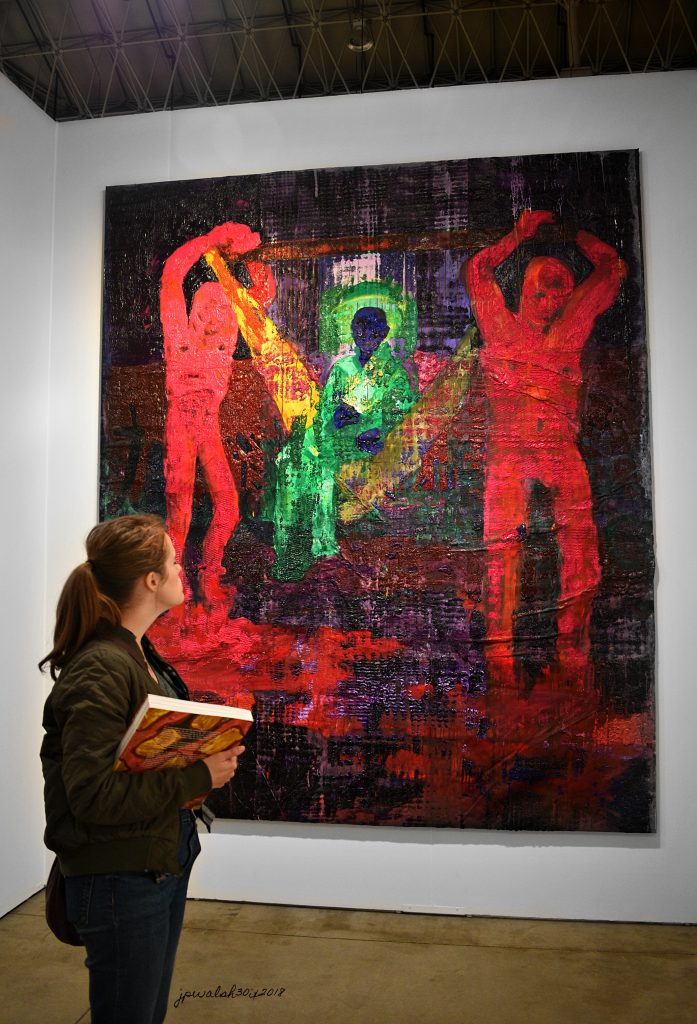


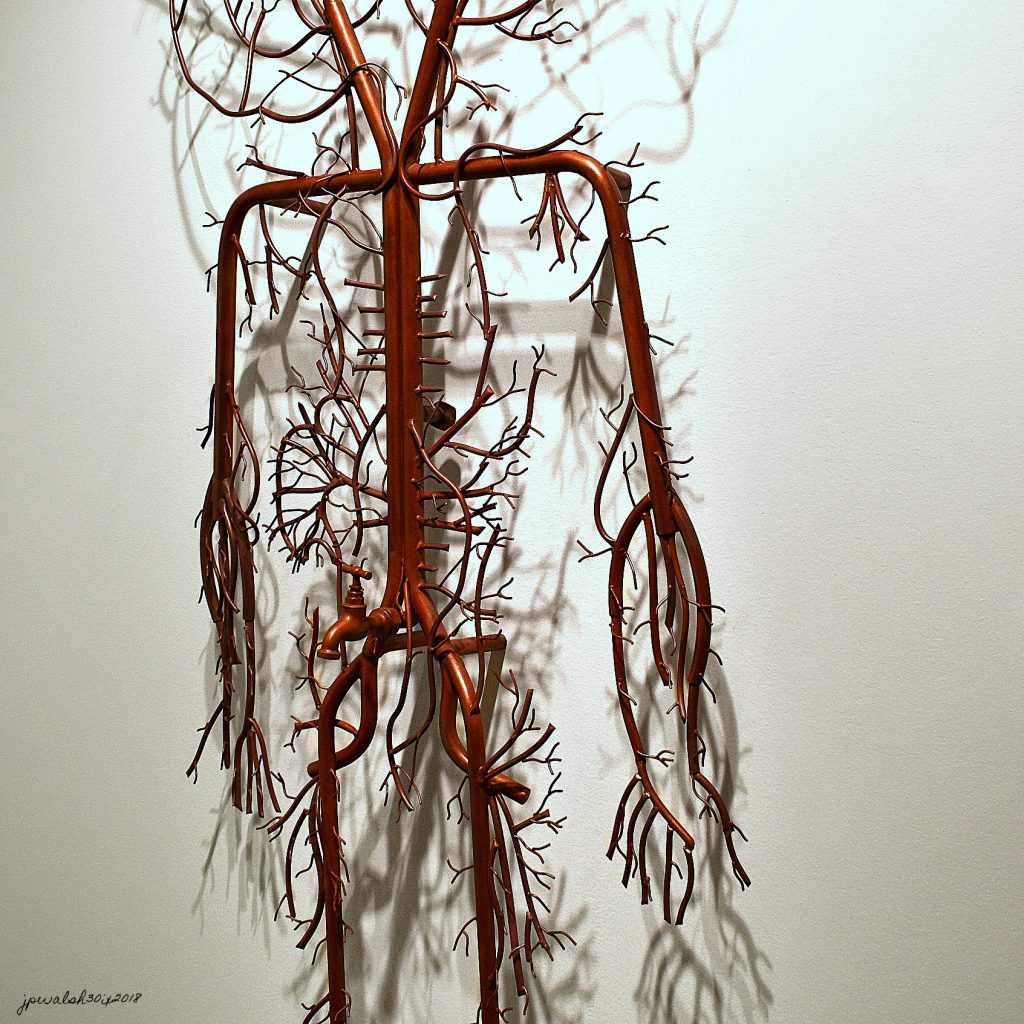

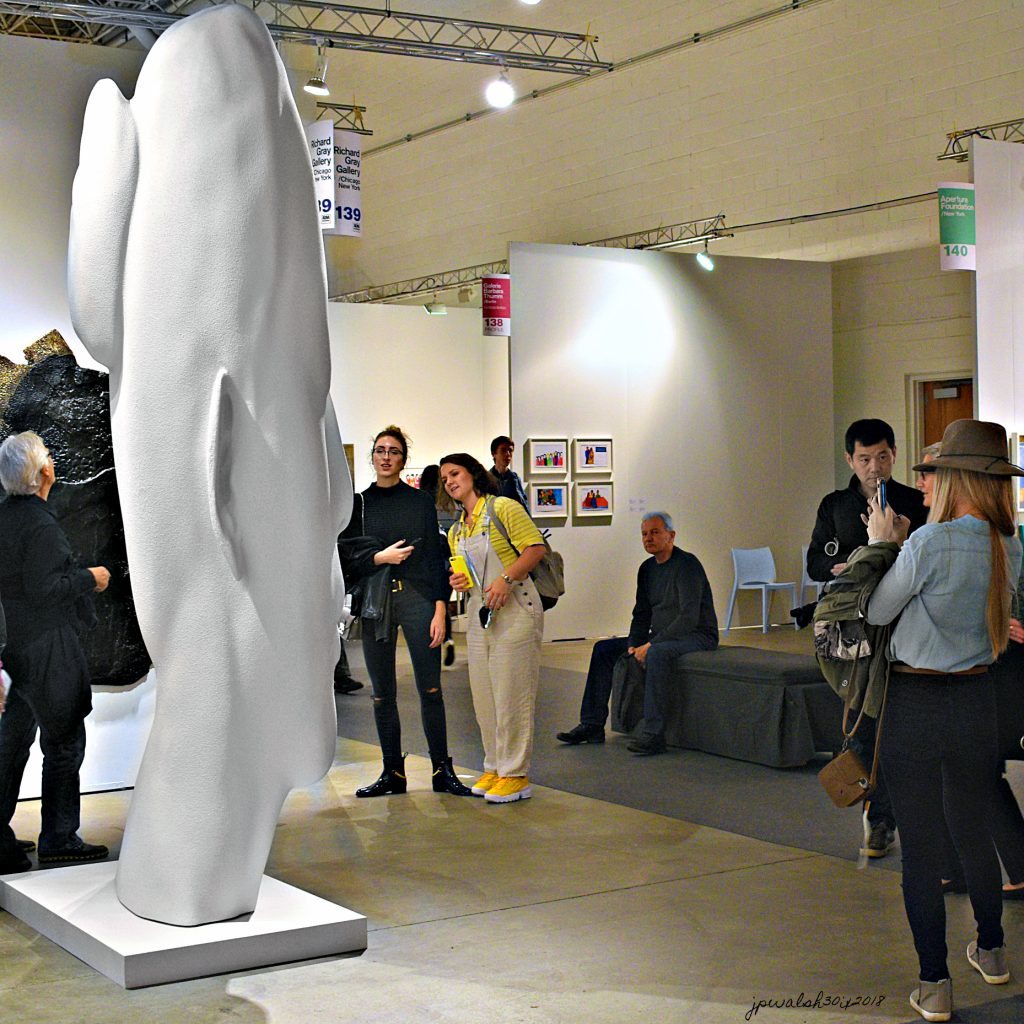


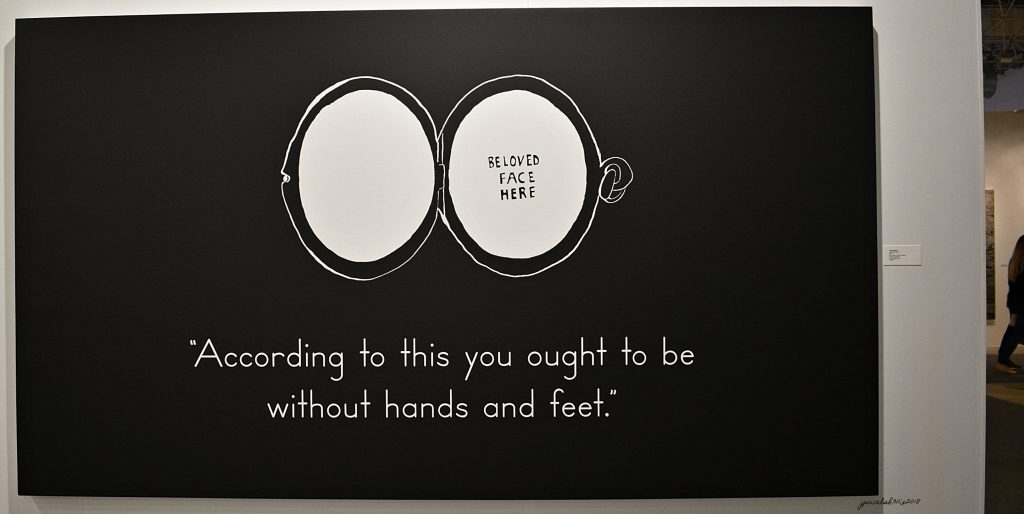

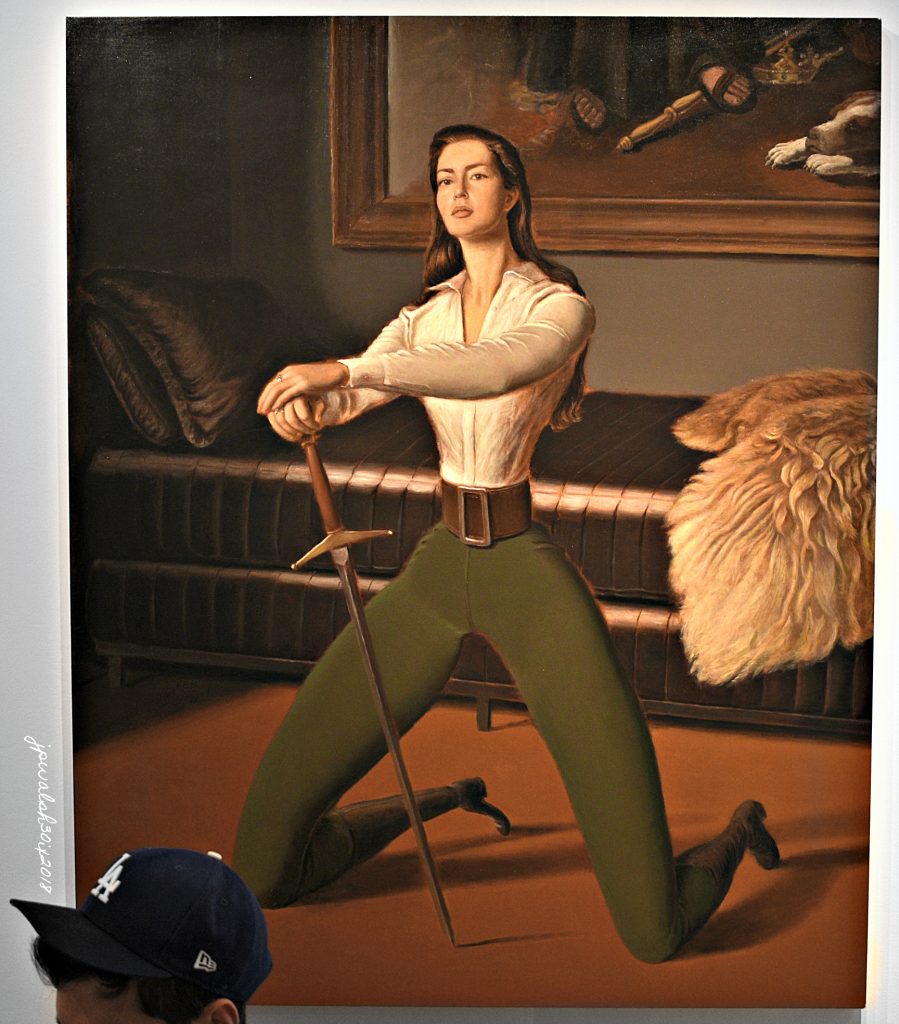
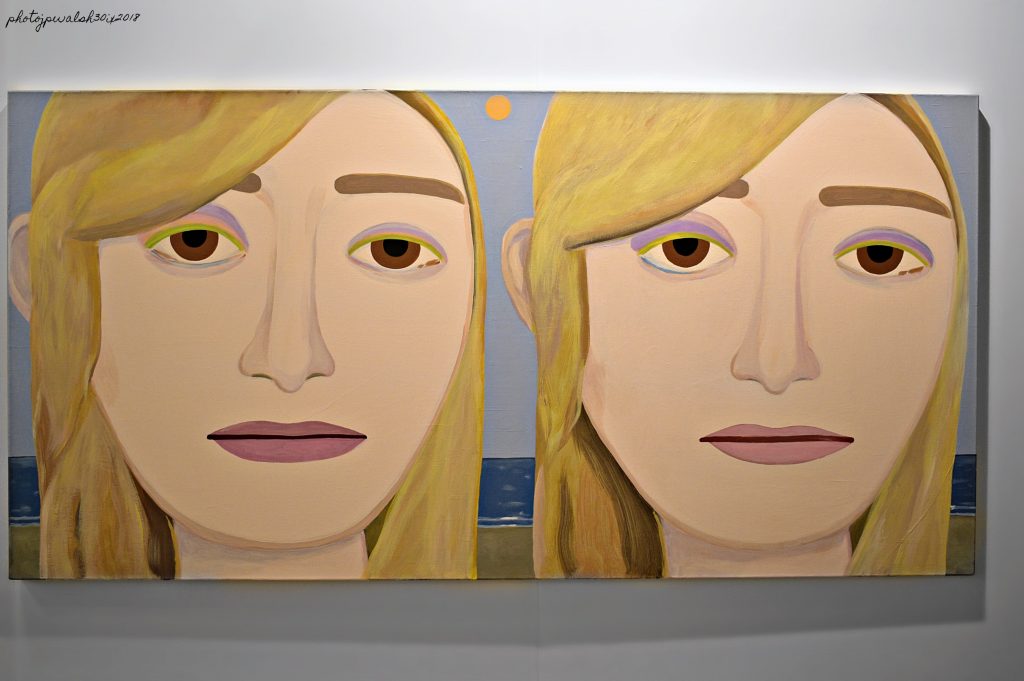


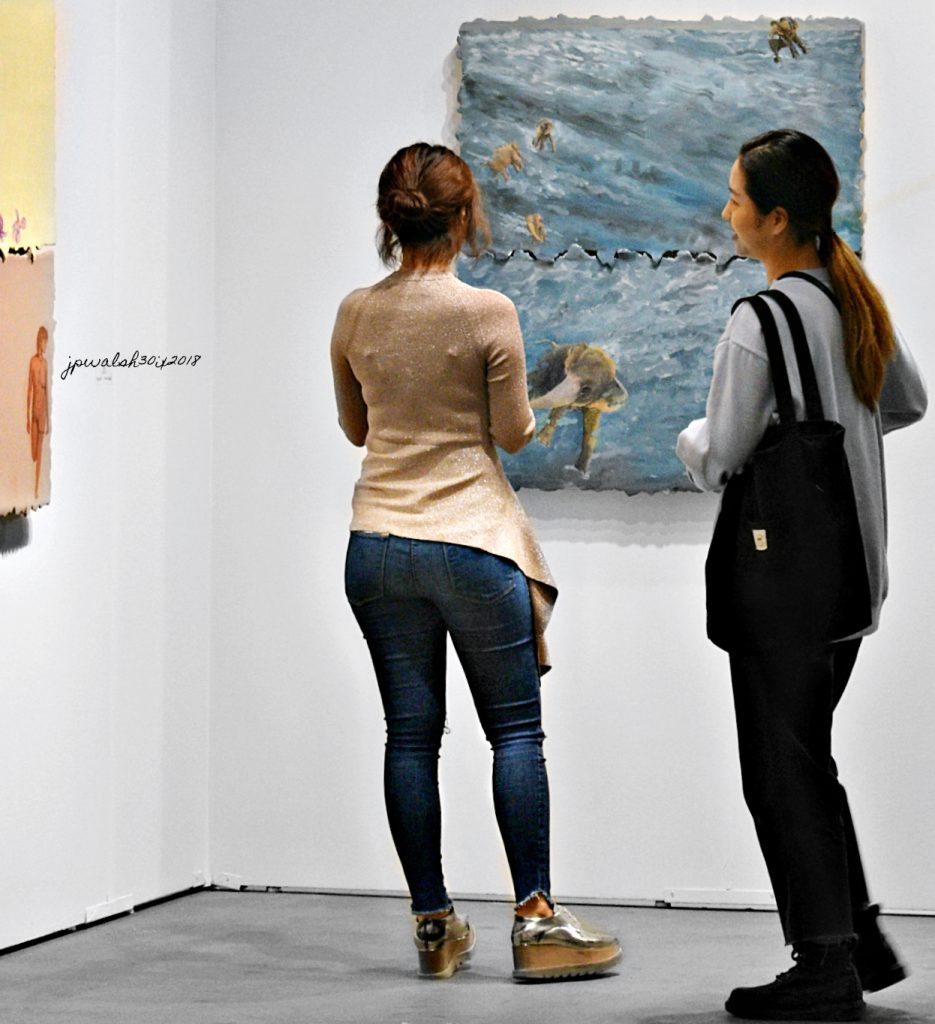
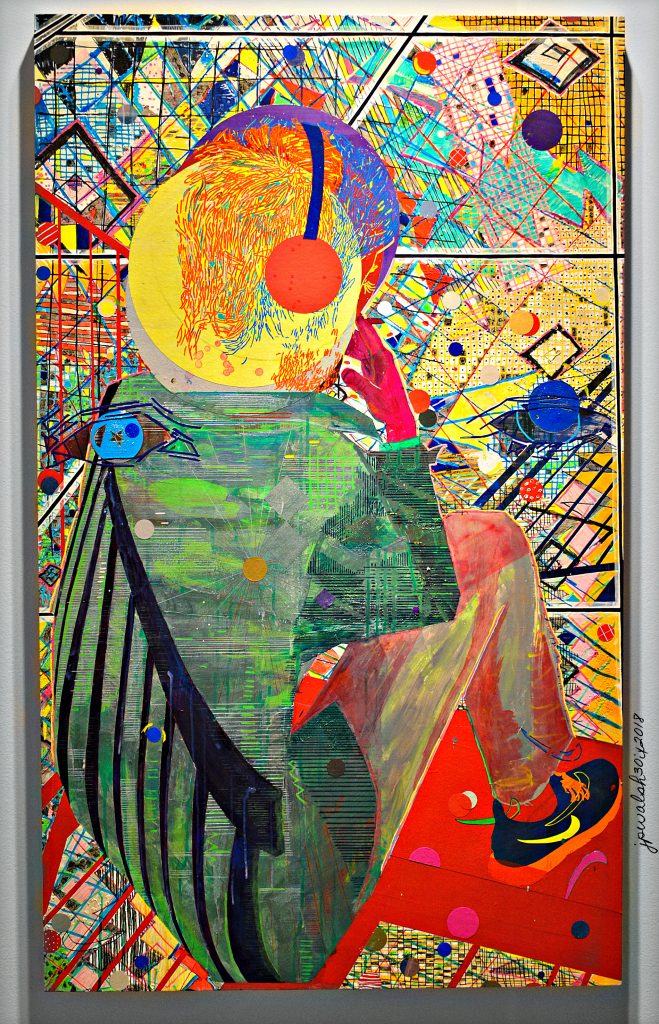


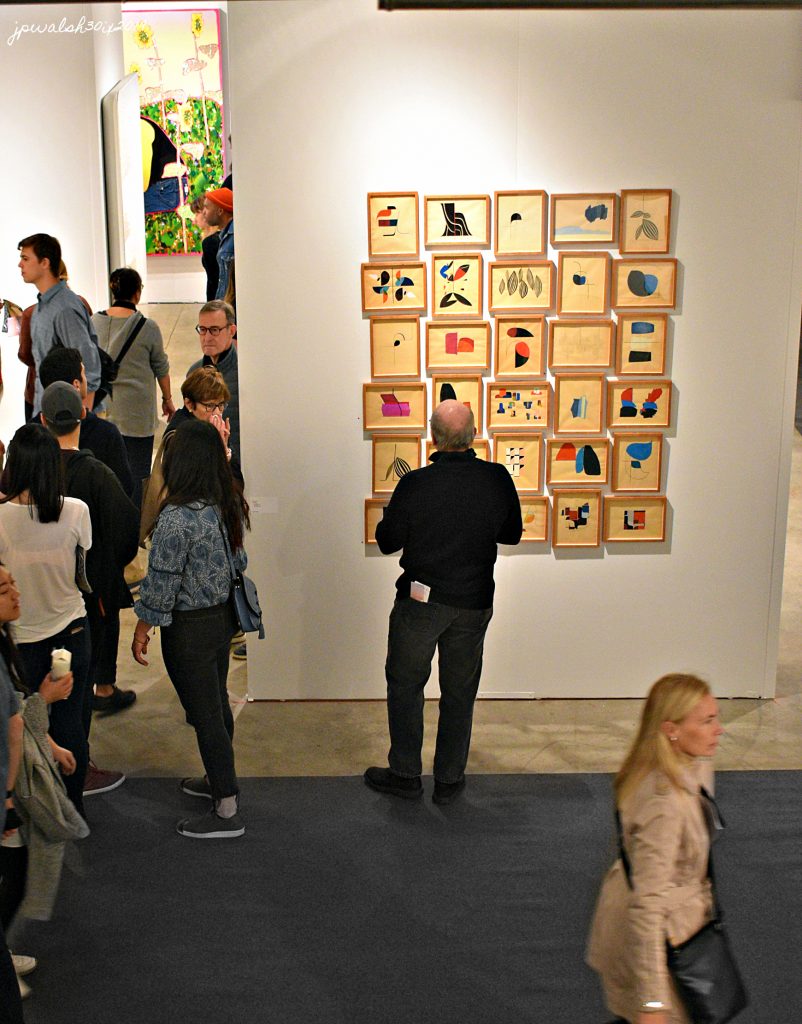
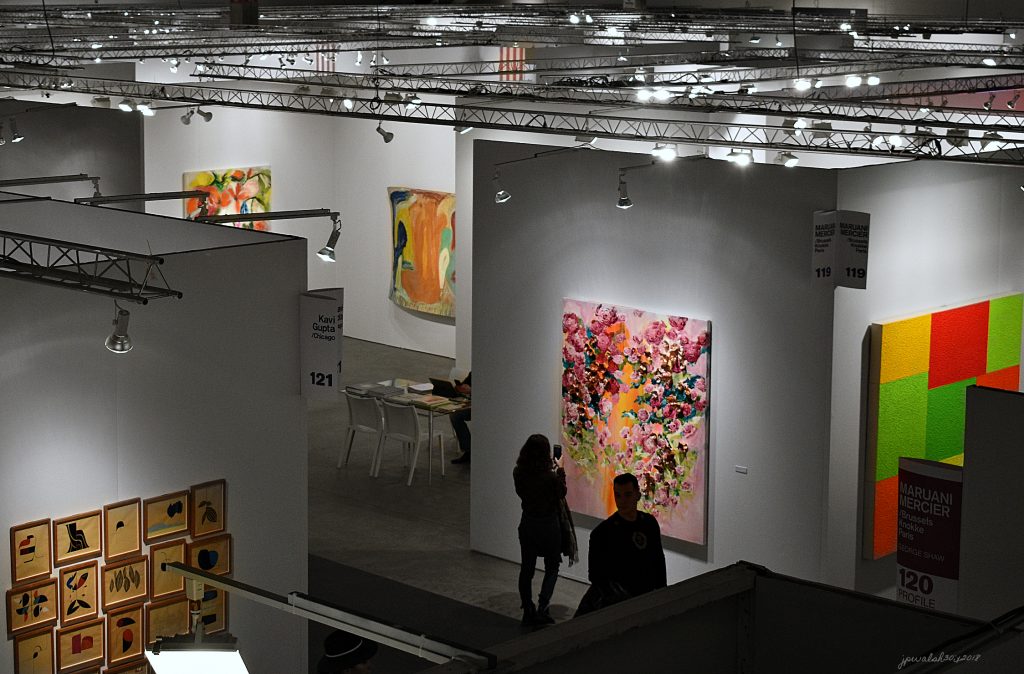

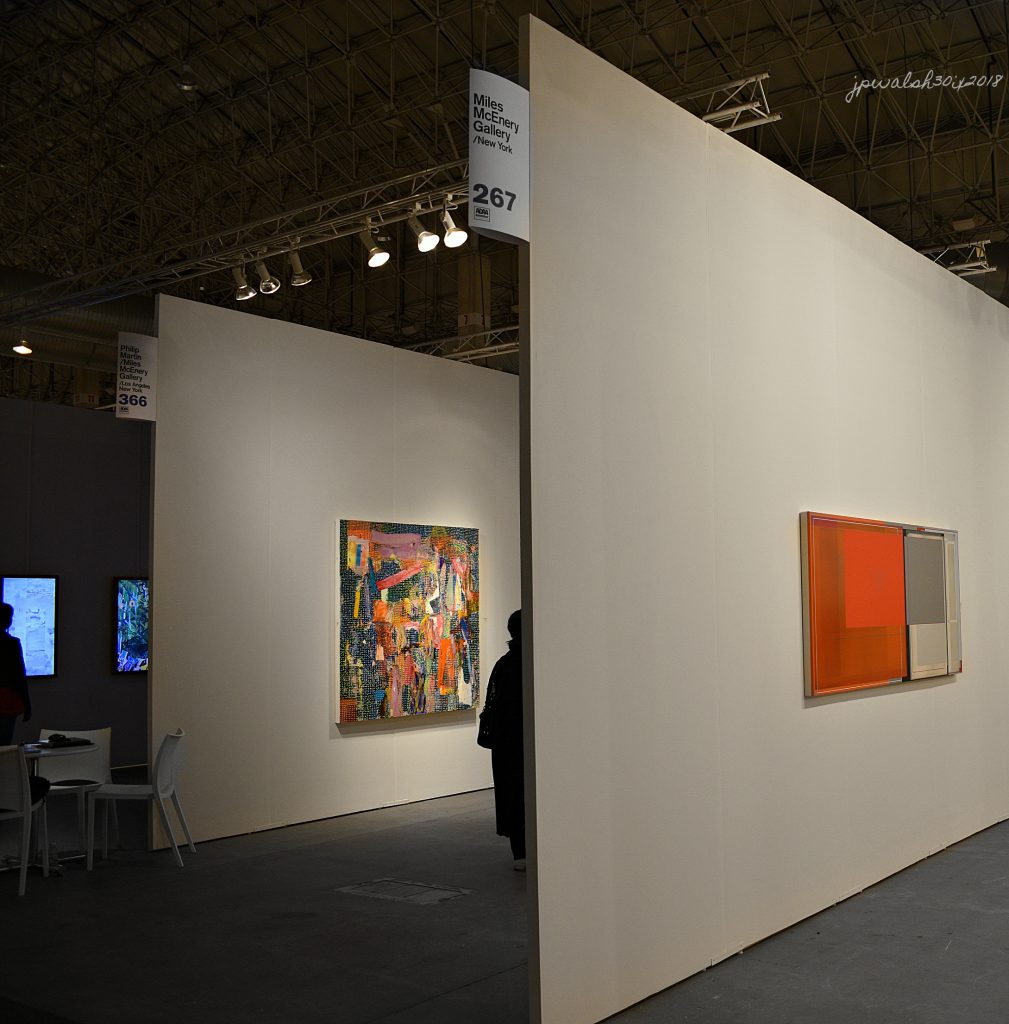
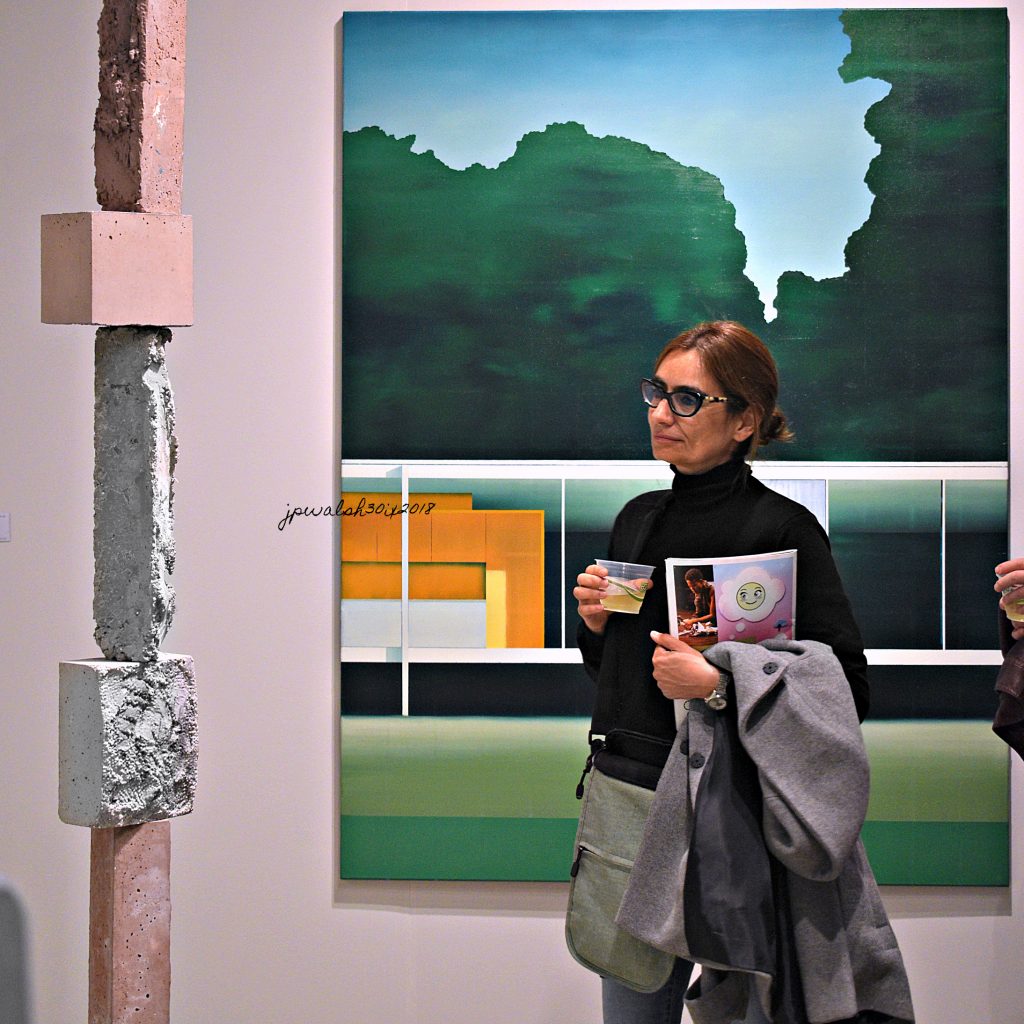


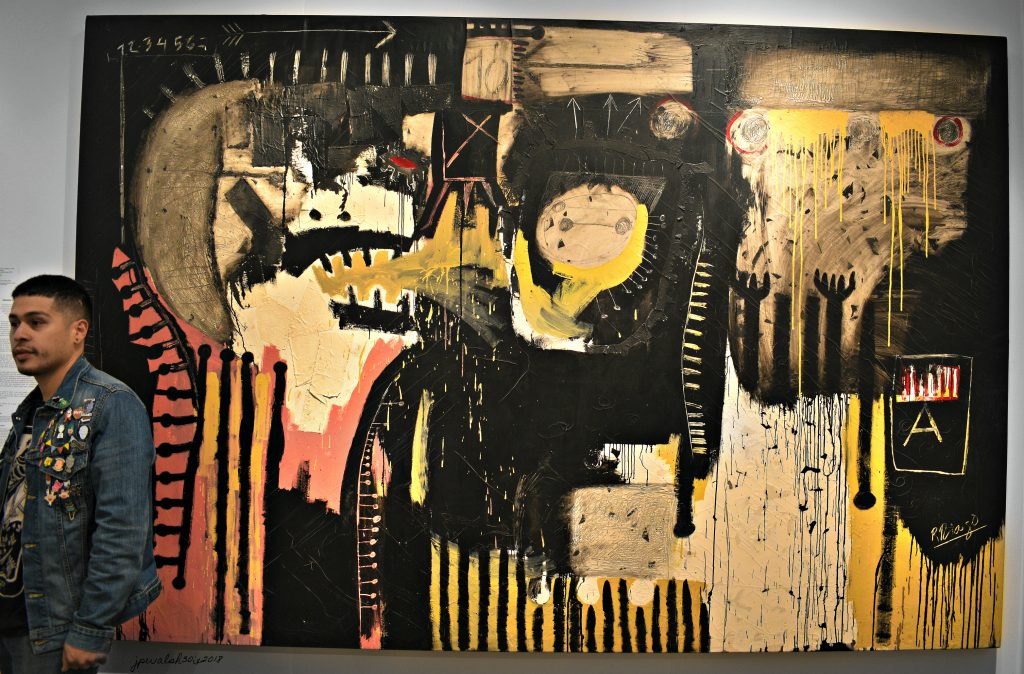


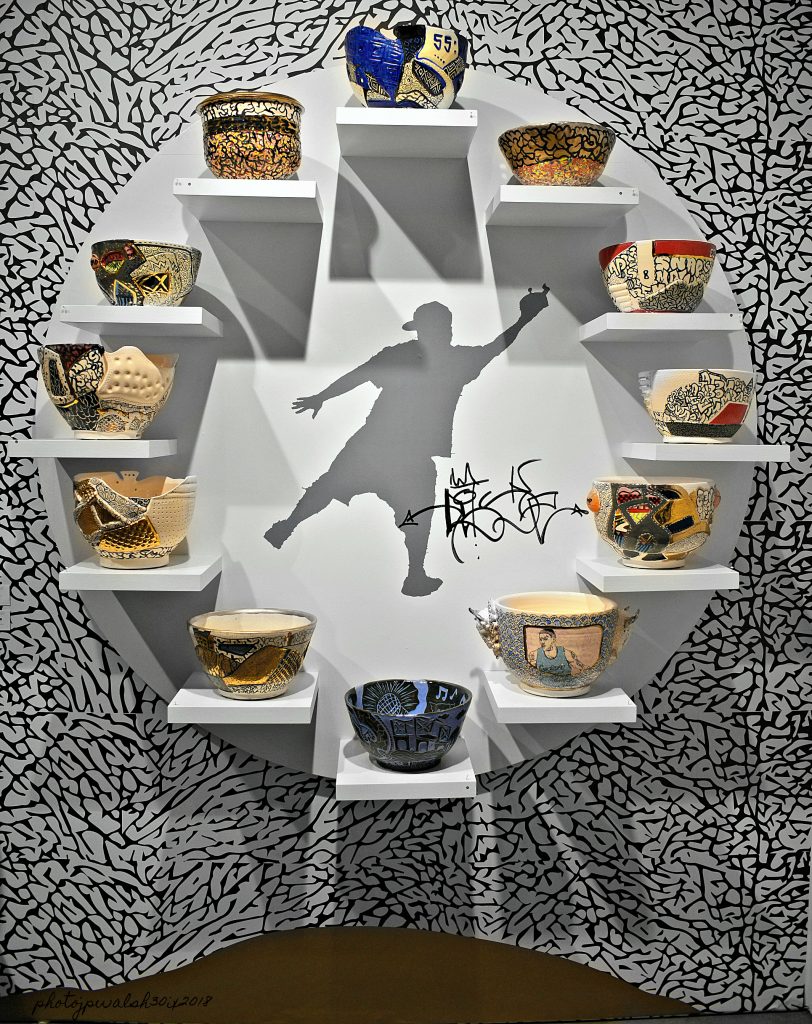


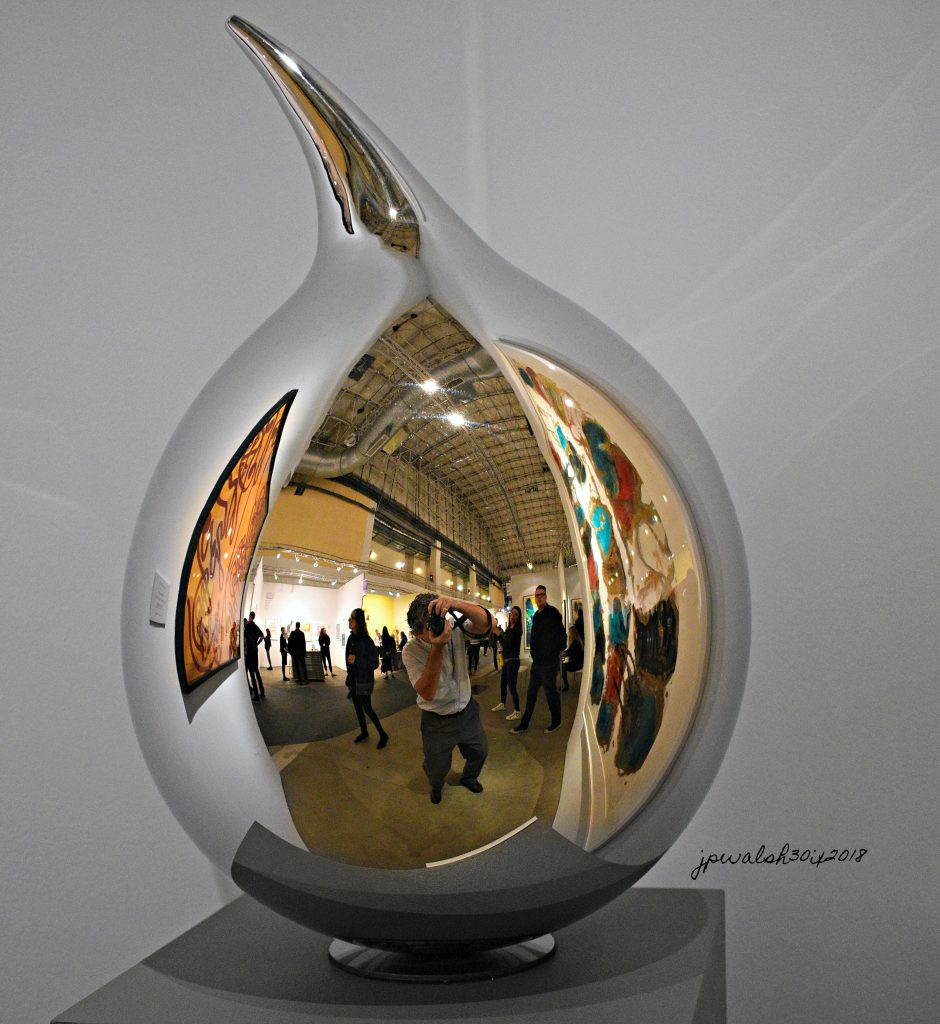
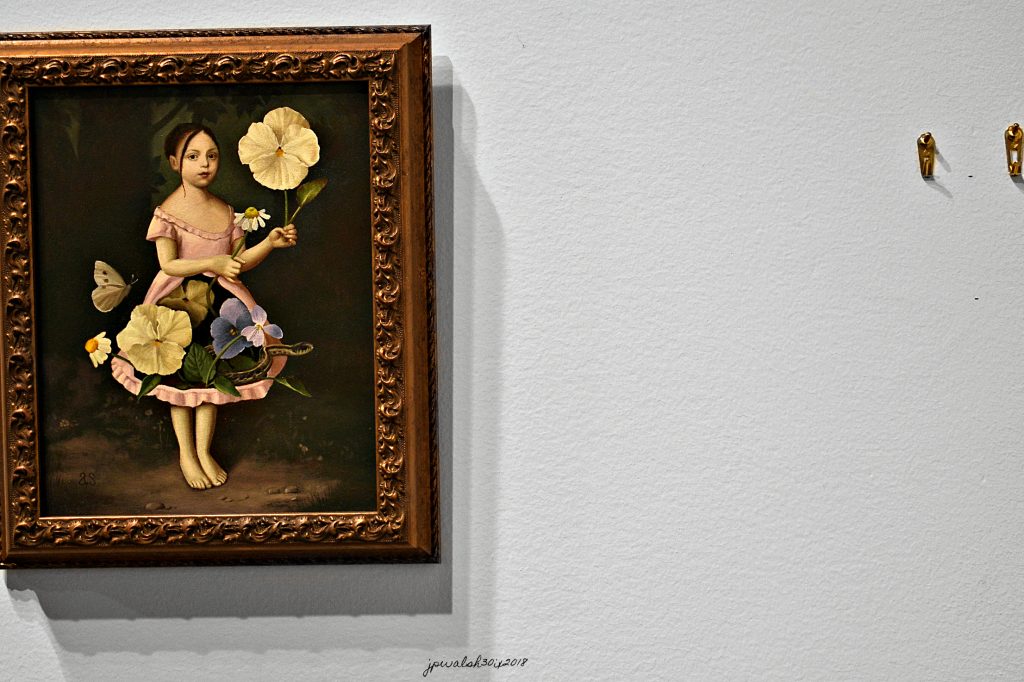


 Admissions, Expo Chicago 2017.
 Lara Schnitger, Suffragette City, 2015-2017, Cotton, and linen, quilted and bleached, Anton Kern Gallery, New York. Expo Chicago 2017.
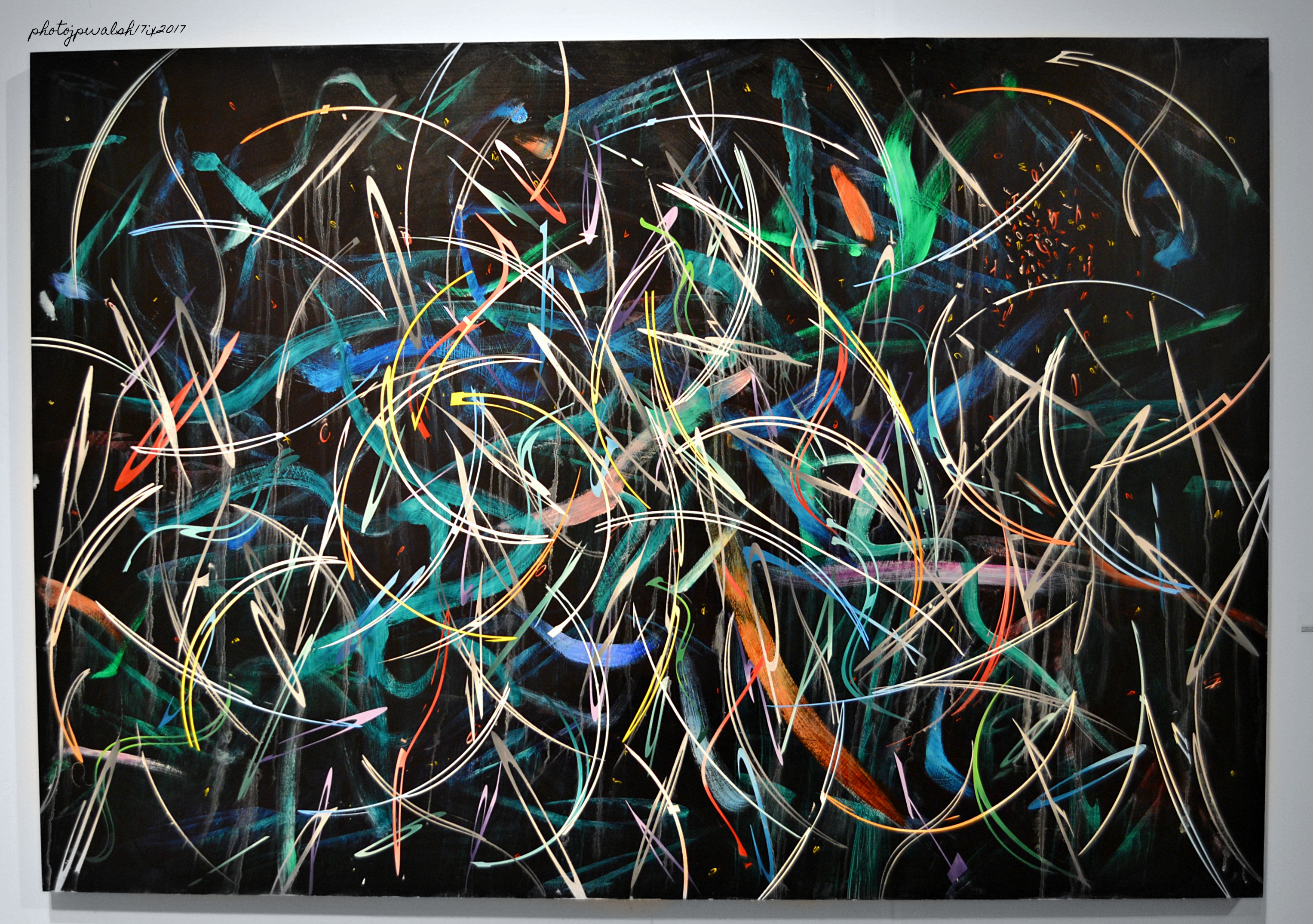
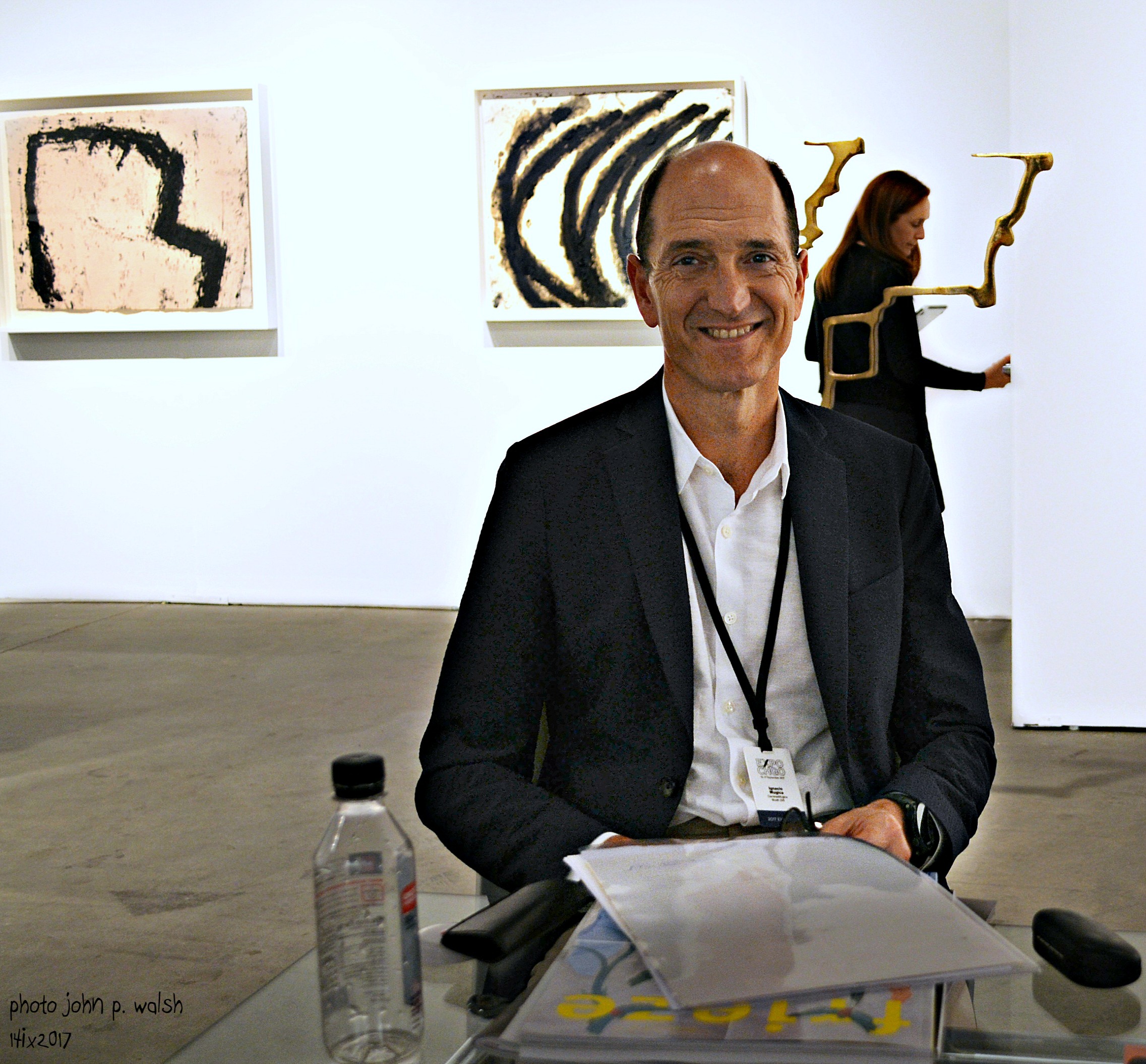
 Galerie Gmurzynska, Zurich, Switzerland, with booth design by Antonio Manfreda. Expo Chicago 2017. Germano Celant, theorist of the Arte Povera movement. From 2015 he was the artistic director of the Prada Foundation in Milan.
 Anton Kern Gallery, New York. Expo Chicago 2017.


 John A. Seal, König Galerie, Berlin. Expo Chicago 2017.
 Alfred Leslie, Oval Collage, 1959, Diana Moore, White Head, 1988 and Willem de Kooning, 1965, charcoal on paper, Alan Stone Projects, New York. Expo Chicago 2017.
 Thinks I, To Myself. Expo Chicago 2017.

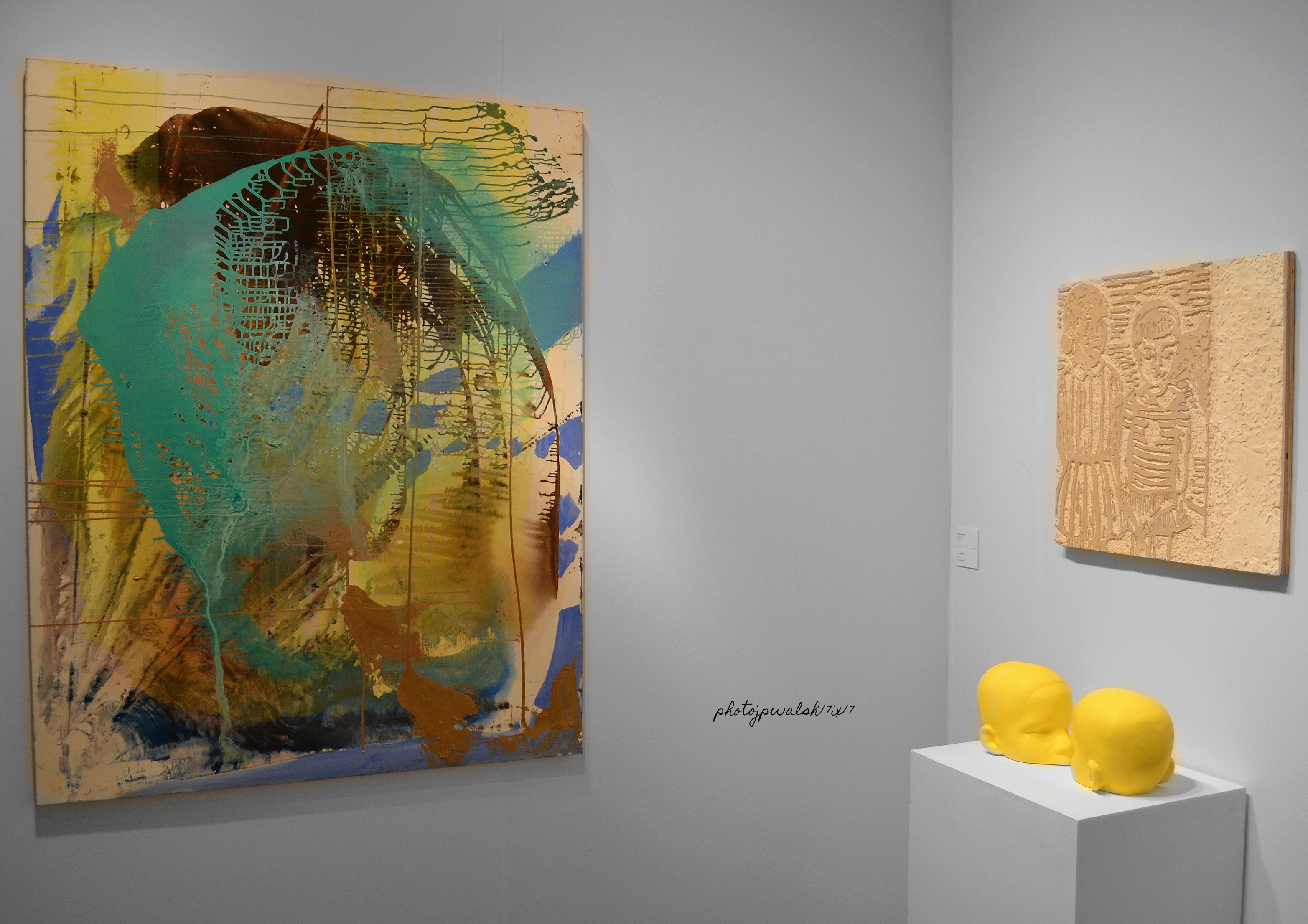 Jackie Saccoccio, Portrait (Bomba), 2017, and Faheem Majeed, Hopscotch I, 2011, and Pause, 2010, Rhona Hoffman Gallery Chicago. Expo Chicago 2017.


 Caroline Walker, Grimm Gallery Amsterdam New York. Expo Chicago 2017.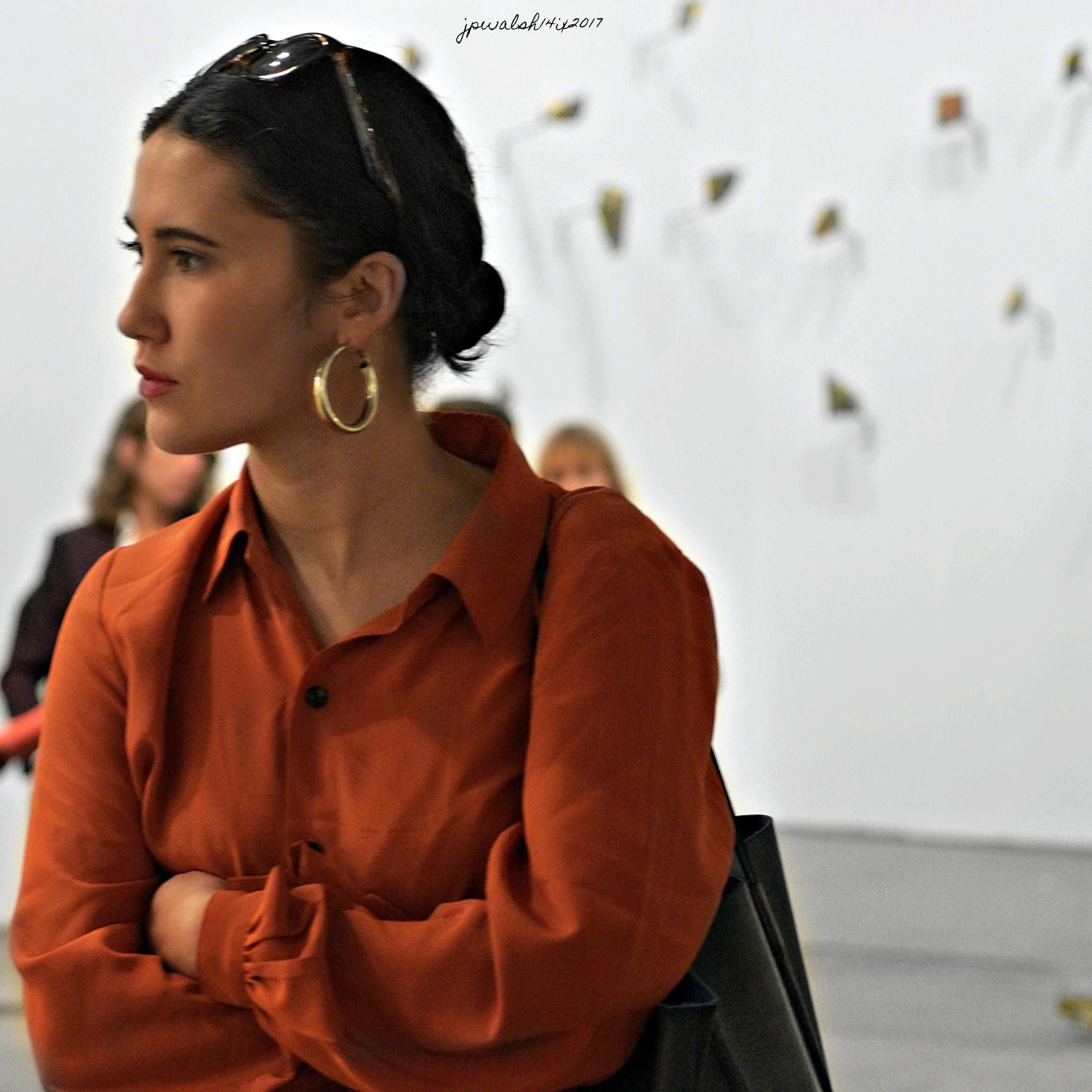

 Paul Kasmin Gallery New York. Expo Chicago 2017.
 Artist’s Signature (Miró). Expo Chicago 2017.