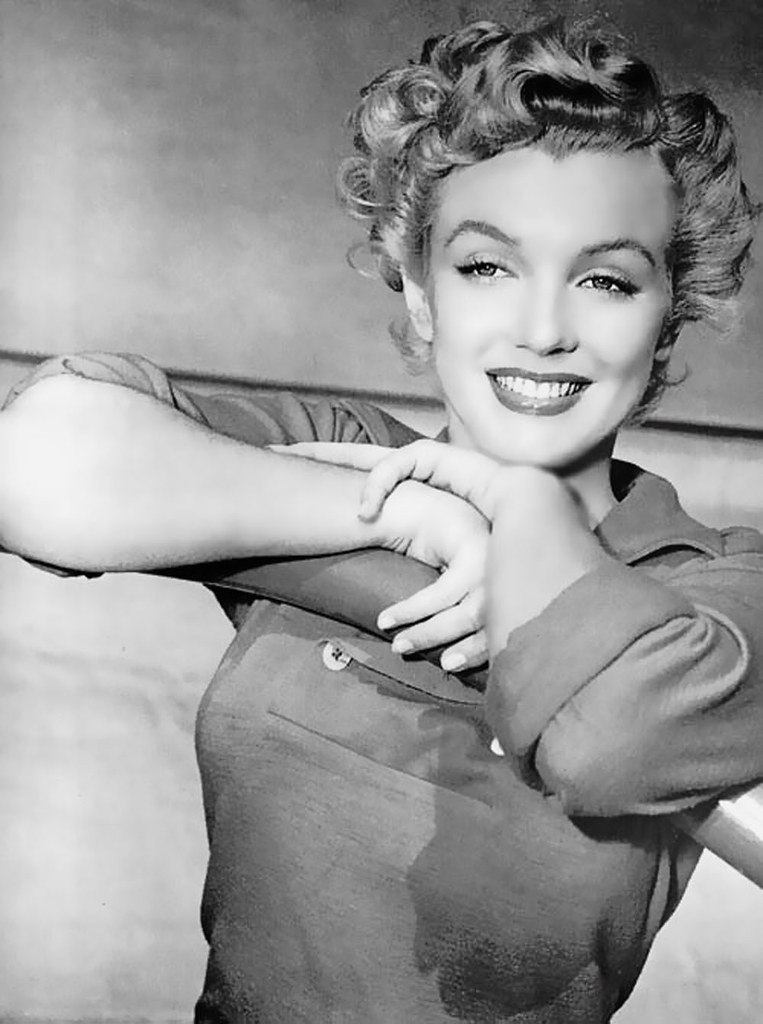
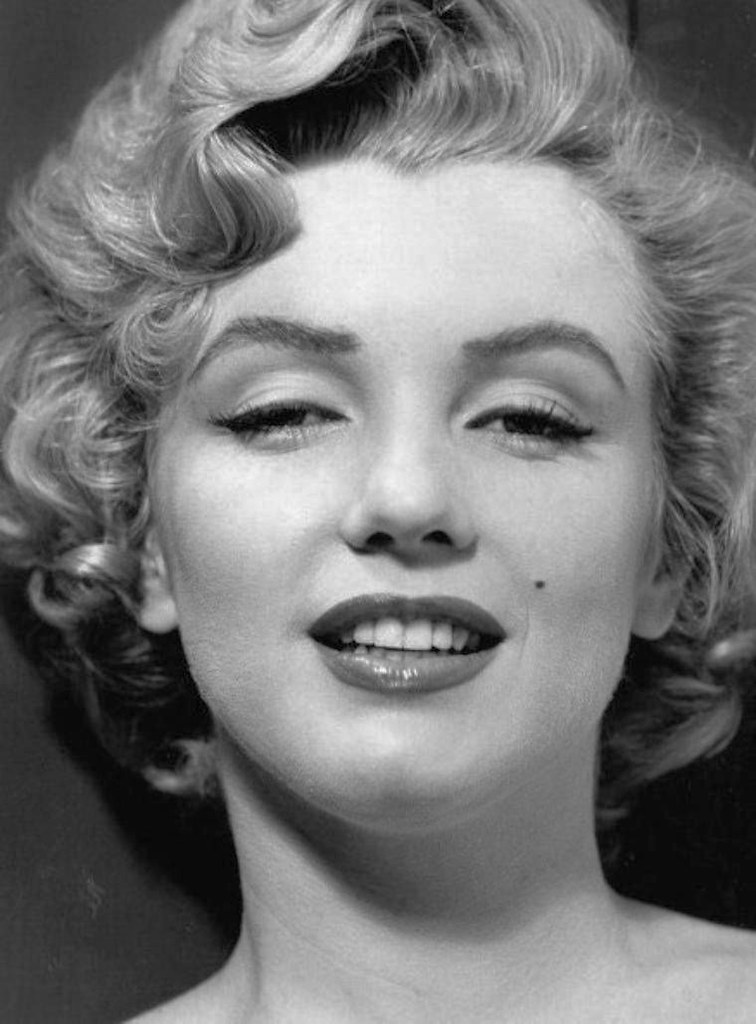
Marilyn Monroe (1926-1962) showed up in a bright pink dress for the release party of the song, Marilyn, in 1952. Though invited, she was the “surprise” stand-out guest who swooped in and out of the celebration fashionably in a wonky helicopter.
Bandleader Ray Anthony released the two-minute single Marilyn in 1952 with rising film star Marilyn Monroe (1926-1962) definitely in mind.
By the end of 1951 Marilyn Monroe had completed 13 films, mostly for 20th Century-Fox, and was on the cusp of major stardom.
In 1952, Marilyn made five additional movies – including Clash By Night (RKO) where she was identified as “the new blonde bombshell” by Kate Cameron in New York News. Marilyn also made in 1952 We’re Not Married for 20th Century-Fox where, according to Alton Cook of the New York World Telegram, “Marilyn supplies beauty. She is Hollywood’s foremost expert.” Also for Fox that year Marilyn made Monkey Business where Paul C. Beckley hints at the major transition that Marilyn was making to open the nation’s eyes to her rising star in 1952: “Not seen her before,” Beckley wrote in the New York Herald Tribune, “I now know what’s that about.” Marilyn rounded out 1952 with the Fox anthology film, O. Henry’s Full House where the critics stood up and noticed Marilyn’s “stunning proportions” (Archer Winston, New York Post).
In 1953, Marilyn Monroe’s star did not miss. Her next three films for Twentieth Century- Fox – Niagara (“seductive”), Gentlemen Prefer Blondes (“alluring”) and How to Marry a Millionaire (“magnificent proportions”) walked the walk to solidify her film acting career and her status as America’s enduringly iconic sex goddess or symbol.
Marilyn Monroe’s performance and appearance in Niagara in 1953 from 20th Century-Fox were highly praised. One critic observed: “Seen from any angle…Marilyn Monroe leaves little to be desired.” (A.H. Weiler, New York Times).
Ray Anthony (b. 1922) is one of the few surviving members of the post-war period of Old Hollywood (TV producer Norman Lear is another) that came to an end arguably with Marilyn’s death in 1962. Four years older than Marilyn Monroe, Anthony turned 100 years old in California on January 20, 2022.
Most of that exciting generation born in 1922 – including Ava Gardner, Jason Robards, Betty White, Judy Garland, Doris Day, Cyd Charisse, Kim Hunter, Eleanor Parker, Veronica Lake, and others – are today gone.
Starting in the early 1950’s, Ray Anthony led a very popular ensemble that put out dance record after dance record. Many became instantly part of the culture – such as The Hokey Pokey and The Bunny Hop which seemed to make their musical appearance at nearly every wedding reception throughout the 1960’s and 1970’s.
With Anthony’s single Marilyn, the world’s most famous sex symbol was unattached though being courted by New York Yankees baseball great Joltin’ Joe DiMaggio. They married two years later in 1954.
In 1952 Marilyn Monroe was declared the “It Girl” by Hollywood gossip columnists. Though not a major star yet, Marilyn’s career was fluttering at the verge which made the Marilyn release party particularly exciting.
Ray Anthony adored beautiful and sexy Hollywood blondes. He married one in 1955. Anthony met Mamie Van Doren (b. 1931) in 1955, they had a son, and divorced in 1961. In 1956, Anthony appeared with another popular Hollywood blonde bombshell, Jayne Mansfield, in the musical comedy, The Girl Can’t Help It.
Surrounded by all this beauty and great music it is no wonder that Ray Anthony received his star on the Hollywood Walk of Fame in the midst of this period in 1957.
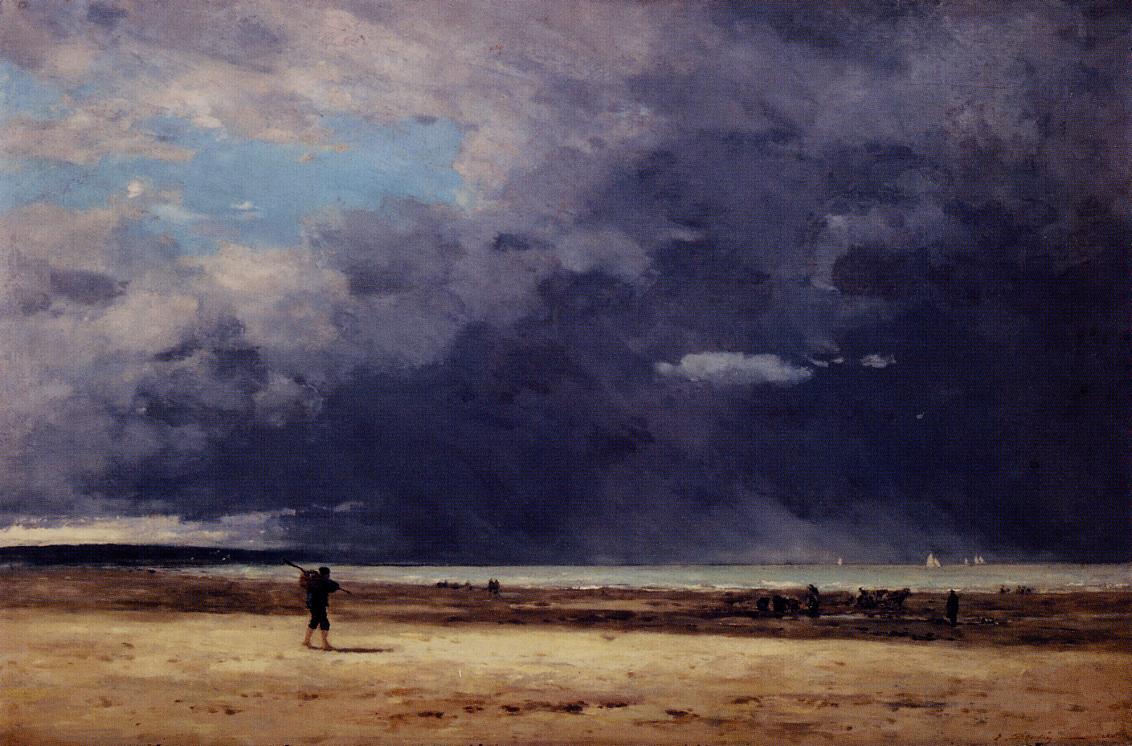
FEATURE image: Eugène Boudin, The Beach at Villerville, 1864, Oil on canvas, 18 × 30 1/16 in. (45.7 × 76.4 cm), National Gallery of Art, Washington, D.C.
In 1893, in the last years of his long and successful art career, 69-year-old Eugène Boudin returned to the Normandy coast for which this French painter of skies and beaches is rightly associated. It was at this time that he painted Sunset on the Beach (below) in a private collection. After Boudin began to be widely collected in the 1870’s and 1880’s he traveled and lived and worked far away from the region where he was born and grew up and had embarked on a career as an artist. Yet, as soon as the mid-to-late 1850’s, important artists and writers were already appreciating the sensitivity to which Boudin painted artwork in nature. Charles Baudelaire (1821-1867) believed he could identify with precision the season and hour of Boudin’s subject matter. Realist painter Gustave Courbet (1819-1877) who once said “show me an angel and I will paint him” called Boudin a “seraph.” Remarkably, Barbizon painter Camille Corot (1796-1875) exclaimed: “Boudin, you are king of the skies!”
Eugène Boudin (1824-1898), Sunset on the Beach, oil on canvas, 1893, private collection.
Throughout the mid-to-late nineteenth century, Boudin’s subject matter was timeless land, sea and skyscapes which he sometimes populated with contemporary human figures in modern bourgeois costume and dress. Often, the landscapes are devoid of human presence excepting the artist’s gaze.
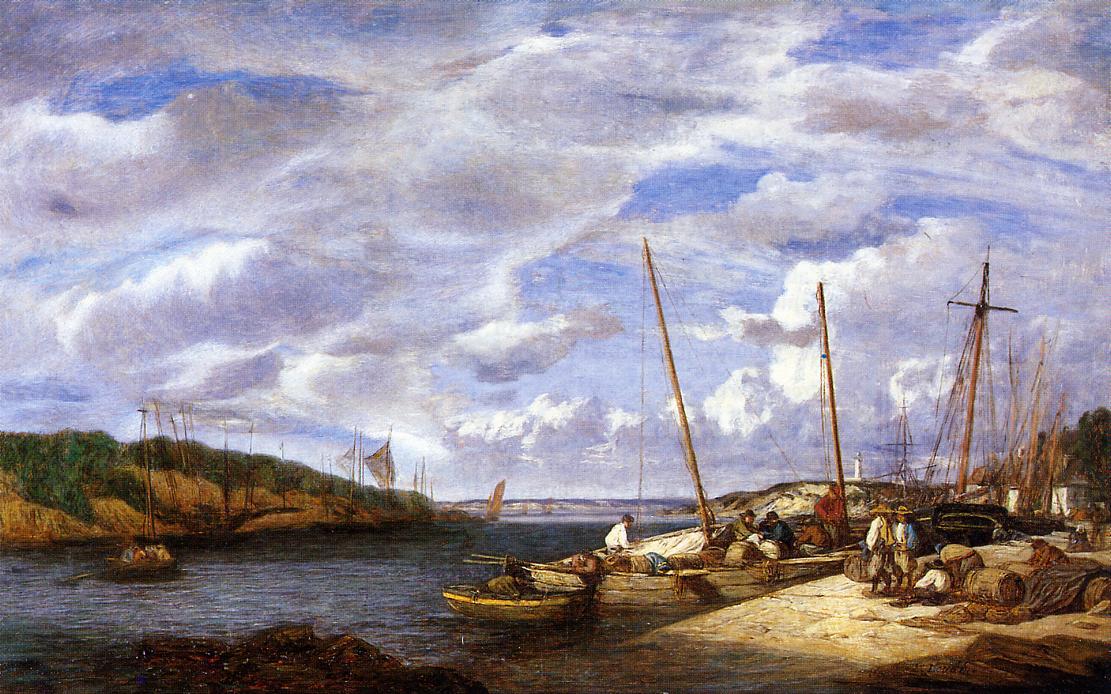
Eugène Boudin, White Clouds over the Estuary, c.1857.Eugène Boudin, Crinolines on the Beach, 1863.Eugène Boudin, Douarnenez, Fishing Boats at Dockside, 1855. Eugène Boudin, Deauville, Low Tide, c.1863.Eugène Boudin, The Beach at Villerville, 1864, Oil on canvas, 18 × 30 1/16 in. (45.7 × 76.4 cm), National Gallery of Art, Washington, D.C.
Boudin was a friend of the Impressionists and exhibited in their first exhibition in Paris in 1874. Claude Monet (1840-1926), born in Paris, also grew up in Normandy. Boudin and Monet painted together en plein aire as each sought, discovered, and honed their artistic styles.
Eugène Boudin ,Seascape with Large Sky, 1860.
Boudin did not think of himself primarily as an avant-garde artist and did not exhibit in the Impressionist exhibitions after 1874. Yet, with these Impressionists, Boudin’s artwork depicted light and its reflections, especially its darker filaments, in preference to volumes and forms.
In addition to beach scenes, skies, sea, and countryside, Boudin painted still life, animals, and a few portraits. In the 1870s Boudin painted harbors and ships. In his subject matter his pictures presented a complete and even-handed depiction, evocative of eighteenth-century genre paintings.
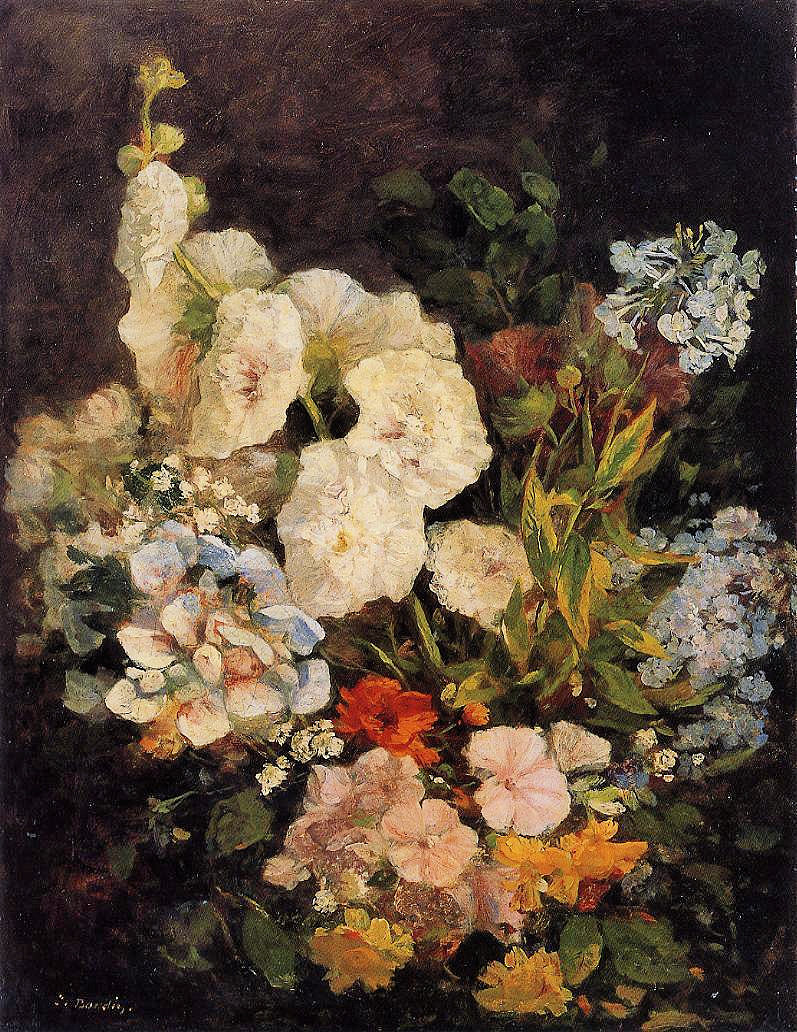
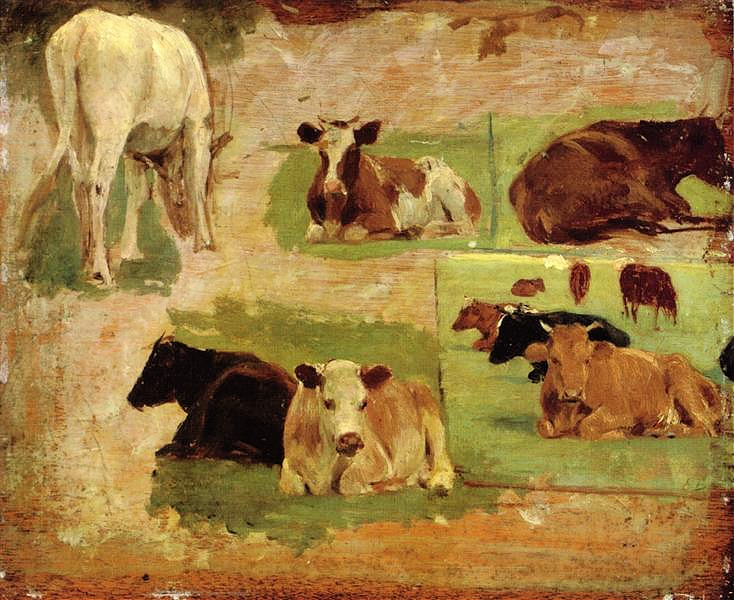
Eugène Boudin, Spray of Flowers – Hollyhocks, 1858.Eugène Boudin, study of cows, c. 1860.Eugène Boudin, Vue de Trouville, 1873.Eugène Boudin, Entrance to the Harbor, Le Havre, 1883, National Gallery of Art, Washington, D.C.
Slightly older Dutch painter Johan Jongkind (1819-1891) had encouraged Boudin to paint outdoors. Boudin, now surrounded by nature, became increasingly spontaneous in his artwork and used brighter colors.1
Eugène Boudin, Trouville, Shore and Rocks, c.1862.
In 1859, 35-year-old Eugène Boudin, the painter of seascapes and beaches, made his debut at the Salon. The annual Salon began in the late 17th century (1667). It was sponsored by the monarchy and highlighted artwork of members of the Academie royale de peinture et de sculpture. The all-important Salon operated in this basic form for almost 200 years. It was held irregularly at first (frequently there would be no exhibition held for years) though between 1774 to 1792 the Salon was held biennially.
This elite Salon was a competitive platform for artists to display their work where the goal was to gain public and private commissions. The Salon was the sole venue in France for contemporary fine art and was popular to visit by a cross-section of society where many purchased the livret, the Salon’s official catalogue. In 1795 during the French Revolution the historically royal venue was opened to all artists. This more inclusive Salon experience led to the extension of official French art’s influence throughout Europe. In the Salon of 1800, American artists exhibited for the first time.2
Between 1864 and 1879 Boudin exhibited in the Salon every year.3 However, important critics, such as the influential Albert Wolff (1835-1891), ignored Boudin for much of this time. It was in 1881, 22 years after Boudin’s Salon debut, that M. Wolff published an article in Le Figaro that led to Boudin’s greater official recognition.4
In the last decades of the 19th century, Boudin exhibited yearly from 1880 to 1889 at the Salon des Société des Artistes Français5 and, with a single exception, from 1890 to 1897 at the Société National des Beaux-Arts.6 Some of Boudin’s works were bought by the State in the late 1880’s and early 1890’s.7 Ernest Chesneau (1833-1890) had written on Boudin in Paris-Journal that while the painter was ignored by official art world critics he was a “real talent” among the Salon’s “latest banalties.”
In 1881 control of the Salon was ceded to the Société des Artistes Français. In the 1880’s and 1890’s there were several groups outside the Salon who mounted exhibitions. These included the one-time Salon des Refusés in 1863, the Société des Artistes Indépendants or Salon des Indépendants, beginning in summer 1884, and the salons of the Société nationale des beaux-arts, from 1890. These types of independent, unofficial exhibitions, continued into the 20th century with the Salon d’automne in 1903.8
In 1859 Boudin met Gustave Courbet who introduced Boudin to the poet and art critic Charles Baudelaire. Courbet, painting at Boudin’s side, exclaimed: “Mon Dieu, you are a seraph, Boudin! You are the only one of us who really knows the sky!” In 1861 Boudin met Camille Corot who called Boudin the “king of the skies.”
Eugène Boudin, Elegant Women on the Beach, 1863.
Charles Baudelaire noted in 1859 that he had seen in Boudin’s studio “hundreds of pastel studies improvised before the sea and the sky.” Baudelaire described these artworks as “the prodigious magic of air and water.”9 The economy of Boudin’s artwork with its summary figures of modern life attracted Baudelaire’s praise during the 1859 Salon. Baudelaire became convinced, when looking at a Boudin painting, that he could identify the season, hour and wind direction of the subject matter depicted in pastel or paint.10
Eugène Boudin, Near Honfluer, c.1856.
At the Impressionist Exhibition of 1874, the critic Castagnary (1830-1888), author of “The Triumph of Naturalism” in 1868, wrote on Boudin in Le Siècle. He cited “the very high prices” that Boudin was experiencing as collectors “fought over” his beach scenes and seascapes. Castagnary concluded in 1874 that the 50-year-old Boudin had “commanded respect for years.”11 In 1868 Boudin’s auction of 40 paintings and 100 watercolors and pastels at the Hôtel Drouot had been quite successful. That same year Boudin won a silver medal at the Exposition maritime international exhibiting with Courbet, Charles-François Daubigny (1817-1878), Monet and Édouard Manet (1832-1883).
In 1874, Marc de Montifaud (Marie Amélie Chartroule, 1850-c.1912), art critic for L’Artiste and soon to found L’Art modern magazine in 1875 (and which merged with Les Beaux-Arts in 1877) cited the titles of a few paintings by Boudin out of the 13 works he exhibited which included watercolors and pastels. Yet De Montifaud’s placement of Boudin’s work under the category of “marine paintings,” did little to elucidate exact canvasses when the time came later to identify such.12
In the 1860’s Paris dealers such as Martin, Hagerman and Gauchez were regularly buying his work. Boudin’s growing reputation and financial security enabled him to travel extensively in the 1870s and 1880s. Boudin, who married Marie-Ane Guédès in 1863, painted in Belgium, the Netherlands and southern France in that period. From 1892 to 1895 he regularly visited Italy, traveling to Venice. In addition to being awarded medals at the Salon, the Exposition Universelle in 1889, and other exhibitions, Boudin, in 1881, became represented by Paul Durand-Ruel (1831-1922).
Eugène Boudin, Place Ary Scheffer, Dordrecht, 1884, oil on panel 27×21.5 cm Dordrecht Museum, Netherlands.
In the late 1870s Boudin, then without dealer representation, held several auctions of his artwork which produced varying sales results. In 1881, Durand-Ruel bought all of Boudin’s studio inventory. In 1883 Boudin had a solo exhibition at Durand-Ruel’s that featured 150 paintings, and pastels and watercolors and in 1886 an exhibition of 23 works at Durand-Ruel’s in New York City. From July 8 to August 14, 1889 – the year Boudin’s wife died – the artist staged a one-man exhibition in Paris at Durand-Ruel’s featuring 98 pictures.13 In 1890 Boudin held an exhibition at Durand Ruel’s in Boston featuring 13 paintings and a solo exhibition in Paris at Durand-Ruel’s with 34 paintings, and as many pastels and several drawings in 1891.
Eugène Boudin, Le port d’Antibes, 1893, Musée d’ Orsay.
As a refuge for his ill-health, Boudin lived in the south of France for many years but finally returned to Deauville. In 1898 Boudin died at 74 years old under the skies of La Manche which he had been inspired to paint often.
In 1892 Eugène Boudin was made a knight of the Légion d’honneur which recognized the artist’s talent and influence on the art of his contemporaries. Today, the Société Nationale des Beaux-Arts gives the Eugène Boudin Prize.
Eugène Boudin, Étretat 1891,Chazen Museum of Art, Madison, Wisconsin.
After Boudin’s death, his artistic reputation continued to grow. In 1899, The École des Beaux Arts held a major retrospective with 457 works (including 364 paintings, 73 pastels, and 20 watercolors). Boudin was praised by art critics Roger Marx (1859-1913), Arsène Alexandre (1859-1937), and Guillaume Apollinaire (1880-1918), among others,
Despite the artist’s modest consideration for his art, Boudin was viewed in retrospect by 20th century’s critics as an initiator of the avant-garde, though he did not quite ascend to the turbulent aesthetic heights of Manet and Monet.14.
In 1872, art critic Louis Duranty (1833 -1880) published a short story that included fictional and historical characters including artists such as Boudin, Manet, Corot, Jean-François Millet (1814-1875), Edgar Degas (1834-1917), and Courbet. Of Boudin, Duranty wrote: “Here is a simple, sagacious, conscientious mind who puts forward (the artwork’s) feeling in gray, fine, fair notes.”
Released in April 1970, Ride Captain Ride reached no.4 on Billboard charts in the U.S. and Canada. The song was no. 32 on the year-end Billboard chart for 1970. At 3:43 minutes, there was a shorter radio version.
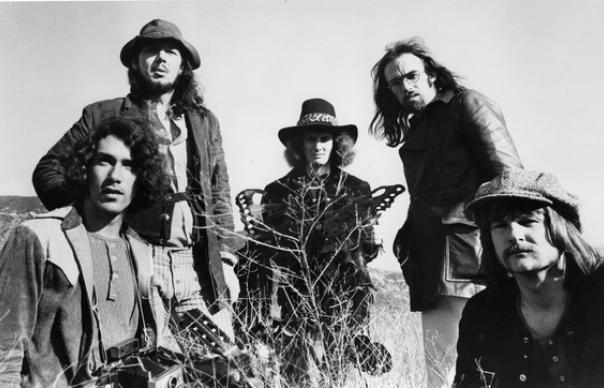
Ride Captain Ride was a no. 4 hit in the U.S. and Canada in the spring and summer of 1970. It was written and performed by the Tampa, Florida-based rock band, Blues Image. The song is a fantasy about a captain and crew who, seeking laughter and freedom, take a trip on a mystery ship into an uncharted world.
Co-written by the band’s lead singer and guitarist Mike Pinera (b. 1948) and keyboardist “Skip” Konte (b. 1947), Ride Captain Ride sold over one million copies and was certified Gold in August 1970. Although best known for this song, Blues Image is much more than a one-hit wonder band.
Miami, Florida’s late 1960’s psych-rock music scene
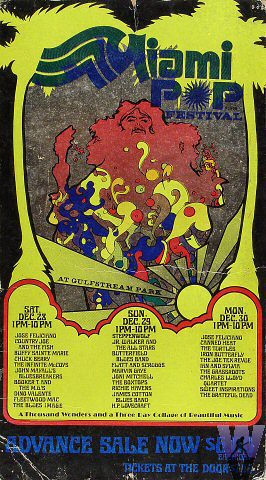
Concert poster for the Miami Pop Festival with the Grateful Dead, Gulfstream Park Race Track, Hallandale, Florida, December 28, 29, 30, 1968. “concert poster: Miami Pop Festival with the Grateful Dead, Gulfstream Park Race Track, Hallandale, Florida, December 28, 29, 30, 1968 [borrowed from http://www.wolfgangsvault.com]” by Zooomabooma is licensed under CC BY-NC-SA 2.0.
Formed in Tampa in 1966, Blues Image relocated to Miami in 1968. They were key in helping promoters establish a popular new music club in Sunny Isles Beach (in a former bowling alley) called “Thee Image.” It became South Florida’s go-to venue for newly emerging psychedelic rock and it drew huge crowds.
The club featured three stages along with a meditation room and a black-light room. It booked local bands as well as name acts such as Blood, Sweat, & Tears, Cream, The Doors, the Grateful Dead, Led Zeppelin, the Lovin’ Spoonful, and Frank Zappa.
The club was brain-child, construction project, and congregant spot for most of the area’s hippies. The hippies brought love, peace, and sister- and brotherhood to beachfront Miami.
Jam sessions and love ins in the nearby public parks included one incident which involved the Grateful Dead, Blues Image, and about 3,000 impromptu fans. Blues Image also became one of the first rock groups to experiment with Latin-infused rock which exploded onto the wider rock music scene in the 1970s.
Ride Captain Ride is the 6th track on Blues Image’s second album, Open, released in April 1970. Written by bandmates Mike Pinera and “Skip” Konte, the song is about joining a cruise into an uncharted world. “Mystery ship” by Guru Sno Studios is licensed under CC BY-ND 2.0.
The beginning of the end for Miami’s late 1960’s psych-rock music scene was The Doors’ concert appearance there in March 1969. Following the August 1968 Republican National Convention in Miami that nominated and elected Richard Nixon as U.S. president, local public opinion soured on the hippie subculture and Thee Image was shuttered.
That same year, in 1969, Blues Image moved to L.A., signed with Atco Records and released their debut album. Other bands relocated out of Miami – some to New York City. The cultural embers of Thee Image were transplanted to L.A. for a short time in another club – but South Florida’s psych-rock scene that featured rock’s greats had clearly ended.
In the summer of 1969, Blues Image drummer Manny Bertematti and Jimi Hendrix were seen jamming together at L.A.’s “Thee Experience,” the music club on the Sunset Strip evocative of Thee Image. In Melody Maker shortly before his death, Jimi Hendrix observed that Blues Image was “one of the best up and coming bands around.”
Then came April 1970 and Ride Captain Ride, Blues Image’s impromptu hit. Released as the 6th track on the band’s second album, Open, the main guitar solo and fills were provided by Kent Henry with the song’s final guitar solo played by Mike Pinera. Ride Captain Ride became the no.32 ranked single on 1970’s year-end Billboard chart. Since that era, the song has been covered many times, notably by Blood, Sweat, & Tears in 1975 and by Phish from 1987 to 2013.
When Pinera left Blues Image, the group quickly broke up in 1971. Skip Konte joined Three Dog Night. Others, including Pinera, played for memorable rock bands such as Iron Butterfly, Steppenwolf, Crosby, Stills, Nash and Young, Manassas, Jackson Browne, Joe Walsh, Alice Cooper and more.
RIDE CAPTAIN RIDE LYRICS: Seventy three men sailed up from the San Francisco Bay Rolled off of their ship, and here’s what they had to say We’re callin’ everyone to ride along to another shore We can laugh our lives away and be free once more
But no one heard them callin’, no one came at all ‘Cause they were too busy watchin’ those old raindrops fall As a storm was blowin’ out on the peaceful sea Seventy-three men sailin’ off to history
Ride Captain Ride upon your mystery ship Be amazed at the friends you have here on your trip Ride Captain Ride upon your mystery ship On your way to a world that others might have missed
Seventy-three men sailed up from the San Francisco Bay Got off the ship, and here’s what they had to say We’re callin’ everyone to ride along to another shore We can laugh our lives away and be free once more
Ride Captain Ride upon your mystery ship Be amazed at the friends you have here on your trip Ride Captain Ride upon your mystery ship On your way to a world that others might have missed
Ride Captain Ride upon your mystery ship Be amazed at the friends you have here on your trip
“Sail on, Sailor” was released in February 1973 as the album Holland’s lead single. It peaked at no. 79 on the Billboard Hot 100. When it was re-released two years later, in 1975, it jumped to no.49.
Following Blues Image’s demise, in the summer of 1972, the Beach Boys—Al Jardine, Dennis Wilson, Brian Wilson, Carl Wilson, and Mike Love—decided to relocate themselves and their families to the Netherlands to record.
Once there, not finding an adequate recording studio for their plans, they imported a studio that was constructed in a converted Dutch barn. Throughout that summer they recorded Holland, their 19th album. Warner Bros. assessed that the album lacked a hit single and started fishing around for one. The producers told the group without a definable hit, Holland, and the band’s latest creative work was not commercially releasable.
Brian Wilson and the brand-new head of Warner Bros.’ music video department, Van Dyke Parks, set out to work on a song. Van Dyke Parks was a collaborator on Good Vibrations and they came up with Sail On, Sailor.
A sailing song with deeper connotations of a searching journey that could be personal or professional, the music was remembered to have been drafted by Wilson in 1970 and, with Van Dyck Parks, to fuller form in 1971. At that point the song was headed to Three Dog Night and with lyrics by Ray Kennedy and Tandyn Almer.
“I sailed an ocean, unsettled ocean Through restful waters and deep commotion Often frightened, unenlightened Sail on, sail on sailor, “ is the opening line. The first-person narrator expounds on the individual and universal nature of the sail: “I wrest the waters, fight Neptune’s waters Sail through the sorrows of life’s marauders Unrepenting, often empty Sail on, sail on sailor.”
The richly harmonic upbeat tune with its unusual sharps and flats and backbeat can make it easy to listen to the words and melody as one aural musical pleasure cruise, but overlook the tangle of the sailor’s story: “Seldom stumble, never crumble Try to tumble, life’s a rumble Feel the stinging I’ve been given Never ending, unrelenting Heartbreak searing, always fearing Never caring, persevering Sail on, sail on, sailor.”
In 1972, Beach Boys’ manager Jack Rieley returned to L.A. and worked on the lyrics more. He was particularly proud of the line: ”lost like a sewer rat alone but I sail…” Officially, Sail on, Sailor listed Wilson, Almer, and Parks as composers and Rieley and Kennedy as lyricists. South African singer Blondie Chaplin, who had been working with the Beach Boys since 1971, was its lead vocal.
Composer Brian Wilson of the Beach Boys at the piano. At one point in the recording process, Wilson was barred from the studio for tinkering too much with “Sail On, Sailor,” the group’s intended hit song, “Rock Dreams: Brian Wilson” by Jim the Chin is licensed under CC BY-NC-SA 2.0.
By the end of 1972 – November 28, 1972 to be exact – Brian Wilson was banned from Village Recorders in L.A.. for tinkering endlessly with Sail On, Sailor and Carl Wilson was put in charge. Sail On, Sailor was released as a single in February 1973 and climbed to no.79 on the Billboard Hot 100. Holland released the month before (January 8, 1973) was a critical success reaching no.36 on the Billboard 200 and in the top 20 in the U.K. When Sail On, Sailor was re-released as a single in 1975, it rose to no. 49.
During the hit song’s extended and close collaboration, a strong dose of these artists’ struggles is readily displayed in its words: “Always needing, even bleeding Never feeding all my feelings Damn the thunder, must I blunder There’s no wonder all I’m under Stop the crying and the lying And the sighing and my dying.”
Without an apparent hit single on the new album “Holland,” Warner Bros. wasn’t going to release it. Already in a draft form by Wilson, “Sail on, Sailor” was finished to replace another song and released in February 1973 as the album’s first single. “beach boys- holland” by cdrummbks is licensed under CC BY 2.0.
Sail On, Sailor has been covered many times, including recently by Los Lobos on their 2022 Grammy-Award winning Native Sons album.
SAIL ON, SAILOR LYRICS: I sailed an ocean, unsettled ocean Through restful waters and deep commotion Often frightened, unenlightened Sail on, sail on sailor
I wrest the waters, fight Neptune’s waters Sail through the sorrows of life’s marauders Unrepenting, often empty Sail on, sail on sailor
Caught like a sewer rat alone but I sail Bought like a crust of bread, but oh do I wail
Seldom stumble, never crumble Try to tumble, life’s a rumble Feel the stinging I’ve been given Never ending, unrelenting Heartbreak searing, always fearing Never caring, persevering Sail on, sail on, sailor
I work the seaways, the gale-swept seaways Past shipwrecked daughters of wicked waters Uninspired, drenched and tired Wail on, wail on, sailor
Always needing, even bleeding Never feeding all my feelings Damn the thunder, must I blunder There’s no wonder all I’m under Stop the crying and the lying And the sighing and my dying
Sail on, sail on sailor Sail on, sail on sailor Sail on, sail on sailor Sail on, sail on sailor Sail on, sail on sailor Sail on, sail on sailor Sail on, sail on sailor
Rock ‘n roll has long shared a tuneful affinity with the seagoing life. Top rock artists followed Blues Image and the Beach Boys in their songs exploring sailing, sailors, and ships and, by turn, venturing into fantastic or rough waters.
There’s the Grateful Dead’s Lost Sailor (1980), Rod Stewart’s and Christopher Cross’s like-titled Sailing (1975 and 1980, respectively), and Crosby Stills & Nash’s Southern Cross (1981). In 1970 Van Morrison put out Into the Mystic and before that there’s Sloop John B, another Beach Boys’ performance from 1966.
Brian Wilson had adapted an actual Bahamian sea chanty for their rock version. Lyrics include “hoist[ing] up the [main] sail” and setting it. In the 21st century these classic songs still resonate on the lists of the “greatest songs of all time.”
Of the 25 or so notable covers since 1973 of the Beach Boys’ song, “Sail On, Sailor,” Jimmy Buffet’s came into port in 2003 on his compilation album, “Meet Me in Margaritaville: The Ultimate Collection.” The self-produced double album of 38 songs on MCA/Mailboat/UTV Records is, by one count, Buffet’s 37th of 50 albums in a music recording career that started in 1970. The 2003 album, certified 2x Platinum, included two brand new recordings of covers, “Sail on, Sailor,” being one of them (Harry Nilsson’s “Everybody’s Talkin'” being the other) and which Jimmy Buffet afterwards frequently performed as an encore on his live concert tours.
Feature Image: May 2023. 1972 Chevrolet Nova SS. 7.82mb 80%. Author’s photograph.
Building a better way to see the U.S.A. was Chevy’s 1972 advertising tag line. Nova’s ad tag line in 1972: How to see less of you mechanic and more of America.
In 1972 there were labor strikes in GM assembly plants that severely impacted production of popular brands (Camaro; Pontiac Firebird) and delayed other model redesigns and rollout plans into 1973. New government regulations on car manufacturers also adversely impacted production schedules. The Chevrolet Nova was assembled in the same plant as Camaro that sat idle for six months. Both cars were saved that year because of enterprising Chevrolet executives who moved their production to other plants. Despite these challenges, Chevrolet became America’s best-selling car brand again in 1972 and Nova sales in particular were excellent.
The Chevrolet Nova was produced in four generations from 1962 to 1979 and in a fifth generation from 1985 to 1988. It was the top trim level for the new Chevy II compact whose inception was to counter the popular 1960 Ford Falcon. The SS package was introduced by Chevrolet for 1963. By 1969 Chevy dropped the Chevy II nameplate and Nova become the nameplate throughout the 1970’s. The car’s growing engine capacities in the mid 1960’s was cut off by Chevrolet for what would be their premier muscle car, the Chevy Camaro, in 1967. With the Chevy II/Nova third generation beginning in 1968 Chevrolet introduced an all-new compact with contemporary semi-fastback styling that continued to 1974. It was with this generation that the car was simply called “Nova.” As a muscle car, Nova’s history ended in 1973 when the SS package was limited to appearance options and a jacked-up heavy-duty suspension although the car could be combined with a 175-horsepower 350. In 1972 major standard equipment for the Nova included cloth and vinyl bench seat, deluxe steering wheel. hub caps, front-door vent windows, bright moldings on the windshield and rear window, manual drum brakes, vinyl-coated rubber floor tires and E78-14 wide whitewall tires. The Base MRSP on the 2- Door Coupe was $2,351 ($18,169.52 in 2025 dollars). The 4-Door Sedan was $2,379 ($18,385.91 in 2025 dollars). Starting in mid-1971 the Rally Nova option was introduced that was basically an appearance option though it included heavy duty front and rear suspension (RPO-F40) which could be mono-leaf or multi-leaf in the rear.
July 2022. 1972 Chevy Nova SS 350 5.53mb DSC_6546. Author’s photograph.
FEATURE image: Ulysses and Penelope, Francesco Primaticcio called Le Primatice (1504-1570), Toledo Museum of Art, c. 1560, oil on canvas, 44 3/4 x 48 3/4 in. (113.6 x 123.8 cm).
Jean Perréal (1455-1529), Portrait Louis XII, c. 1514, Windsor collections de S.M. la Reine d’Angleterre.
Jean Perréal’s most important attribution is this portrait of Louis XII who was King of France from 1498 to 1515. Louis XII was married three times – the first annulled; the second leaving the king a widower, and, in his last three months of life, to Mary Tudor (1496-1533), the favorite sister of King Henry VIII of England. Despite these wives, the king had no living sons. The Salic Law prohibited his line to continue on the French throne through his daughters. When Louis died in 1515, his throne eventually passed to his cousin, Francis I.
Jean Perréal (c.1455-1530) was Court painter to the Bourbons and later worked for the kings of France starting with Charles VII. Perréal journeyed to Italy several times. In 1514 he went to London to paint Mary Tudor’s portrait and supervise her new dresses as Mary, aged 18 years, sister of the English king, married the 52-year-old King Louis XII of France.
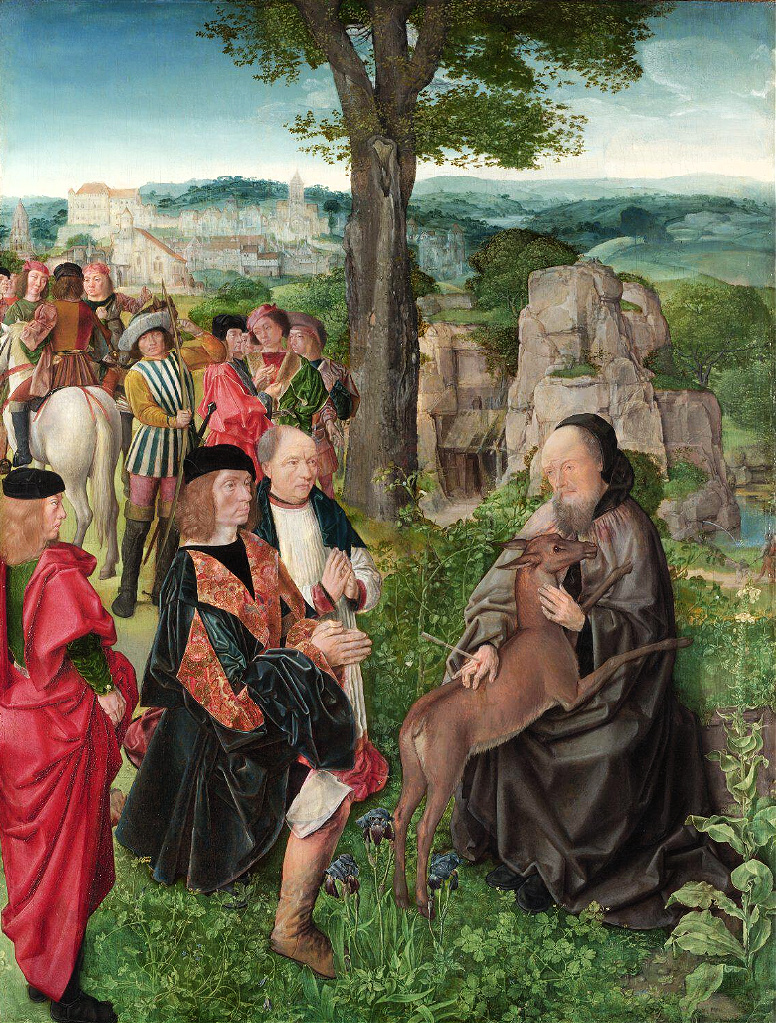
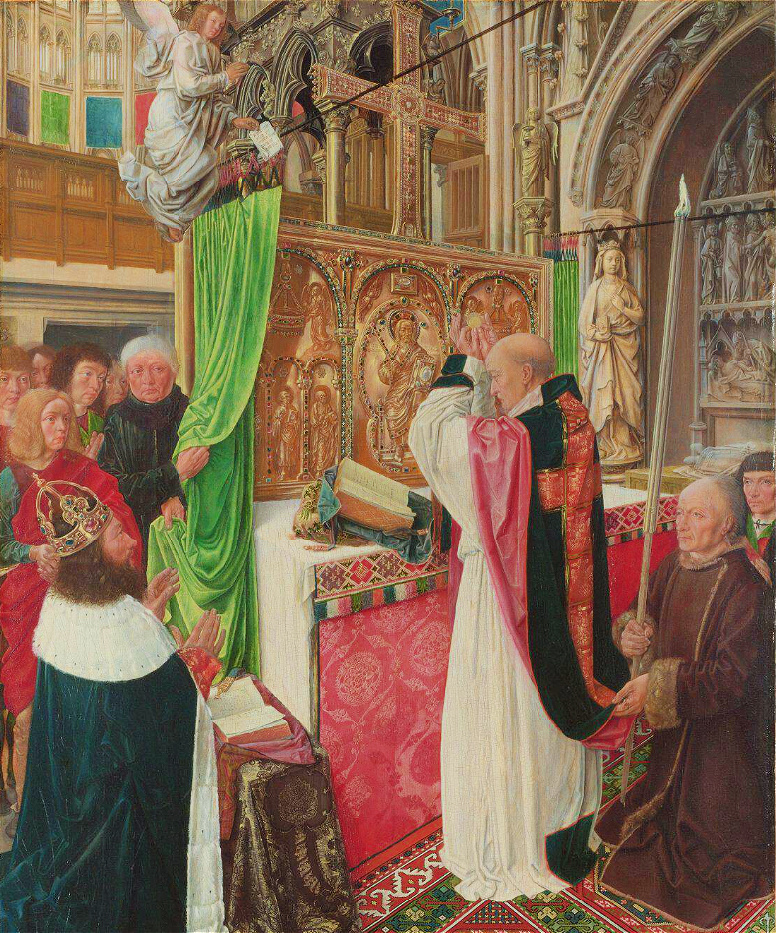
Master of Saint Giles (active 1490-1510), St. Giles protects a wounded deer for Charles Martel, c. 1500, National Gallery, London, oil on oak, 63.4 × 48.4 cm.Master of Saint Giles (active 1490-1510),Virgin with Child, c. 1500, Louvre.Master of Saint Giles (active 1490-1510), St. Giles’ Mass, c. 1500, National Gallery, London, oil on oak.
The Master of Saint Giles was a Flemish or Flemish-trained painter who was active in France. He is named after artworks in London attributed to the artist called Scenes from the Legend of St. Giles. As the artist’s identity is obscure, the saint depicted in his artwork is shrouded in legend.
St. Giles is possibly an 8th century hermit in France who became the patron saint of beggars, the handicapped, and blacksmiths which was an important trade in the Middle Ages. In one work, the artist depicts a famous story about St. Giles. Before King Flavius’s hunting party, he protected a deer from their bows and arrows. The king was apologetic and Giles persuaded him to establish a Provençal monastery in which St. Giles served as its first abbot.
IlRosso (1494-1540), La Fontaine de Jouvence (The Fountain of Youth), c 1535, fresco, Chateau de Fontainebleau, Galerie Francois I.
France conducted wars in Italy starting in 1494 that continued into the 16th century. By way of this warmongering, many of the Italian Renaissance’s ideas and practices were brought back to France. In the 12th century French ideas, particularly of chivalry and the troubadours, were brought back to Italy following trade expeditions by Italian merchants. After fighting ceased, King Francis I invited Italian artists into France, most famously Leonardo da Vinci (1452-1519) in 1516. Following more war in Spain, Francis I in 1526 began a revolution in art in France making the Château de Fontainebleau one of the most active artistic centers in Europe. It attracted many Italian artists such as Primaticcio or Primatice (c. 1504-1570) and Il Rosso (1495-1540). The French Renaissance, under the influence of Italian masters, synthesized French and Italian art whose style was later described as the School of Fontainebleau. Il Rosso or Rosso Fiorentino was a friend of Pontormo (1494-1557) and worked under Andrea del Sarto (1486-1530), a founder of Italian Mannerism. He first worked in Florence (1513-1523) and then in Rome (1524-1527). German troops of the Holy Roman Emperor Charles V (1500-1558), making war in Italy, sacked Rome in 1527. By these means, what Rome lost, France gained: Il Rosso wandered about Italy for a while so that by 1530 he was in Venice and, in that same year, onward to France. At Il Rosso’s arrival to Fontainebleau he became, soon with Primaticcio, one of the founders of the Fontainebleau style which had a tremendous influence on French painting from that time until about 1610. Reputedly a neurotic person, Il Rosso’s death was accounted a suicide by Vasari though that is unconfirmed. The classic style found in Il Rosso’s The Fountain of Youth was increasingly replaced by his later emotionally charged style as in Pietà in 1540.
Primaticcio (c.1504-1570) was a founder of the Fontainebleau School in France with his fellow Italian artist Le Rosso in the 1530s. Primaticcio was a talented artist of universal range – from painting and interior decoration to sculpture and architecture.
From the mid1520s to 1532 Primiticcio trained in Mantua under Giulio Romano (c. 1499-1546). He was called to France by King Francis I in 1532 where he worked at Fontainebleau with Le Rosso. Between 1540 and 1542 the artist represented the king in Italy on an art buying expedition. In that time when he was away Rosso died, and Primiticcio, upon his return to France, began working with Niccolò dell’Abbate (c. 1509-1571) at Fontainebleau. It was in this period that he produced decorations in the galerie d’Ulysses that have been lost. In 1546, and again in 1563, Primaticcio went to Italy where on one trip he made casts of Michelangelo’s sculpture and in the other met Vasari.
The style of the painting is Mannerist which predominated in the 16th century. Mannerists went beyond the depiction of nature to flights of imagination and invention. For a stylistic statement, forms were twisting and elongated giving them greater pliability. Mannerists rejected the High Renaissance’s reliance on strict perspective and symmetry and preferred to construct compressed spaces with shaded tones, harsh colors, and the overall feeling of dreaming while awake.
After battling the Trojans and other subsequent troubled adventures, Greek hero Odysseus (Ulysses) has returned home to his wife, the faithful Penelope. Into the night, the reunited lovers recount their lives apart from one another. While Penelope counts the number of suitors on her hands who she held at bay, Ulysses cradles her chin in a gesture of tenderness and compassion. The composition is based on one of 58 wall frescos of scenes from Homer’s Odyssey at the palace of Fontainebleau near Paris. Unfortunately, the Gallery of Ulysses, Primaticcio’s masterpiece, was destroyed in 1738 after it had been allowed to decay over 200 years.
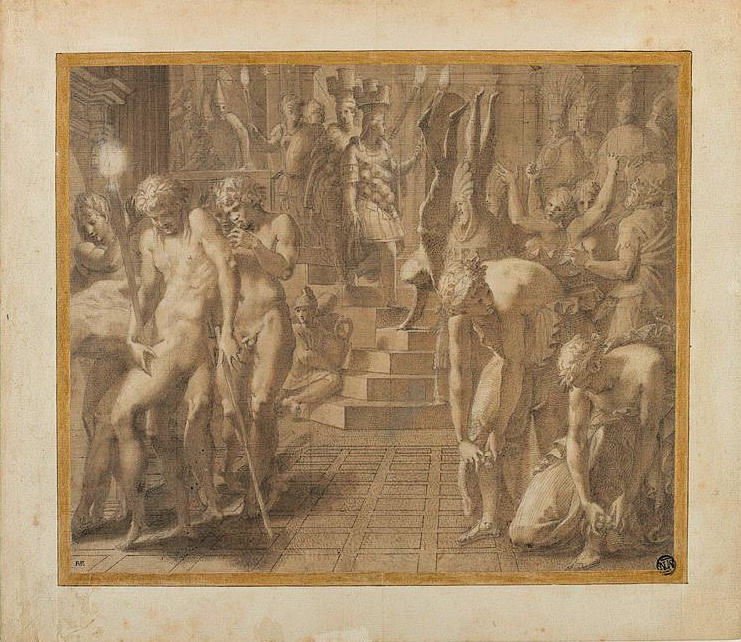
A preparatory drawing by Primaticcio in the Louvre for a lost composition of the cycle of L’Histoire d’Alexandre painted in the Room of the Duchess of Etampes in Fontainebleau. It was the masquerade that brought about the fire in Persepolis, an historic event that took place in 330 BCE when Alexander the Great conquered the Achaemenid Persian Empire following the battle of Guagamela the year before.
It is not disputed in history that after Alexander arrived to the Persian capital city of Persepolis it was looted and burned to the ground, destroying many great cultural treasures. Though recorded by several historians, accounts vary. The first century Roman historian Quintus Curtius Rufus wrote that while drunk during a large celebration with his companions, attendants and courtesans, Alexander himself started the fire as the rest joined in. (see – https://www.worldhistory.org/article/214/alexander-the-great–the-burning-of-persepolis/
Niccolò dell’Abbate (c. 1509-1571), The Death of Eurydice, c. 1550s-1560s, oil on canvas, 189.2 × 237.5 cm, National Gallery London.
Niccolò dell’Abbate was from Modena in Italy. He was influenced by the sculptural and optical illusion achieved in the artwork of Andrea Mantegna (1431-1506). He was also influenced by Correggio (1489-1534), a master of chiaroscuro. By 1552 dell’ Abbate was in France helping Primaticcio at Fontainebleau with the royal chateau’s interior decorations though most of his artwork has disappeared. The Death of Eurydice is a fine example of the Mannerist landscape which the artist is responsible for having introduced into France.
Le Maître de Flore (active 1540-1560), Le triomphe de Flore (The Triumph of Flora), private collection (Vicenza).
Le Maître de Flore is a French painter of the mid16th century Fontainebleau School. The use of the moniker Maître de Flore derives from this and another artwork.
The painting above by the Master of Flore in the Metropolitan Museum of Art in New York is seen as depicting the birth of Cupid, with attendants in the birthing room assisting Venus. The composition, which is animated and decorative, is an example of the School of Fontainebleau, the high art style developed in 16th century France by Italian artists under the sponsorship of the French king.
Perhaps the most famous artwork to come out of the School of Fontainebleau is an anonymous work in the Louvre entitled Diana the Hunter. With influences of both Le Rosso and dell’ Abbate, Italian masters of the school, it is believed to depict Diana de Poitiers, the legendary French beauty and mistress of Henry II.
School of Fontainebleau, Woman in her Toilet, c, 1550, Musée des Beaux-Arts, Dijon.
A recurring theme of the Italian masters and French artists in the 16th century is that of the naked woman, shown half-figure in her bath, or dressing. Some have an allegorical significance, others are combined with a portrait. This particular work which depicts some beauty of the day was so admired that there are known 16th century copies of it in Basel and in Massachusetts.
Jean Cousin the Elder (1490-1560), Saint Mammès coming to surrender to the court of the governor of Cappadocia, around 1541, tapestry, 440 × 450cm, Paris, Louvre Museum.
Jean Cousin was born in Sens and died in Paris. He was a French painter, engraver and sculptor.
St. Mammès was martyred under Emperor Aurelian in Cappadocia around 275. In Asia Minor he was highly revered by early Christians. In the 8th century his relics were taken to France and into Langres cathedral. Around 1540, eight tapestries were produced for the cathedral chancel depicting scenes from the saint’s life. Three of the tapestries survive: two in Langres and one in the Louvre.
In the Louvre tapestry, St. Mammès is accompanied by a lion to visit Aurelian who condemned him to death. In the background building the saint’s execution is already taking place. The tapestry’s elements point to the wave of influence that was the Italian Renaissance: its expansive landscape; its compositional use of perspective; and its classicizing architecture and buildings’ decoration, all of which came together in Francis I’s School of Fontainebleau. The tapestry’s varied and nuanced use of color lend a painterly appearance to the woven artwork.
Pseudo Félix Chrétien (active 1535-37), Three men lower barrels into the cave, Städel Museum Frankfort.
The picture displays a scene at one of the likely nearby hôtels that housed merchants, diplomats and others so to be close by the king. It is evident by Félix Chrétien ‘s artwork that creative activity went far beyond the confines of the royal chateaux. Many painters whose names and works are unknown flourished in 16th century France. Italian Renaissance techniques are used in the painting such as its correctly rendered spatial perspective, realistic figural development, and the typical gestures found in the latest Franco-Italian Mannerist style.
Jean Clouet (1485-1540), François Ier, 1524, Louvre.
Jean Clouet was the Court Painter to King Francis I. While Clouet was an influential artist in the establishment of Renaissance portraiture in France, his only documented painted portrait is that of Francis I’s librarian, Guillaume Budé (1467–1540).
A leading humanist of the sixteenth century, Budé’s fingers hold his page and a quill in the midst of writing. The words on the page in Greek presents an epigram: “While it seems to be good to get what one desires, the greatest good is not to desire what one does not need.”
Jean Clouet, Guillaume Budé, c. 1536, The Metropolitan Museum of Art, New York, oil on wood, 15 5/8 x 13 1/2 in. (39.7 x 34.3 cm).
Jean Clouet, also called Jean Clouet II and Janet, was probably the son of a Flemish painter who was the Court Painter to the Duke of Burgundy. Jean Clouet II made a number of portrait drawings of the Court that survive, most in Chantilly.
Jean Clouet, Portrait of Admiral Bonnivet, c. 1516. Musée Condé, Chantilly, France.French Anonymous, Head of a bearded man, capped with a hat, three-quarters to the right. End of 16th century. Louvre.Francois Clouet (before 1520-1572), Portrait of Pierre Quthe, 1562, Louvre.
François Clouet was the son of Jean Clouet II and succeeded him as Court Painter to the king in 1541. Like his father, he was also called Janet and specialized in portrait drawings, most of which are housed in Chantilly. Francois Clouet’s first signed painting was the 1562 portrait of Pierre Quthe in the Louvre. Its style was influenced by the Florentine artists, particularly Angelo Bronzino (1503-1572).
François Clouet, A Lady in Her Bath, c. 1571, oil on oak, 92.3 × 81.2 cm (36 5/16 × 31 15/16 in.), National Gallery of Art, Washington, D.C.
The identity of Clouet’s model has long been debated. She may have been Marie Touchet, the mistress of Charles IX, or possibly Diane de Poitiers, the legendary French beauty and mistress of Henry II. The painting is boldly composed as it evokes poses of Venus, the love goddess, found in Italian art but also in its presentation of fecundity such as the nurse suckling a child and a bowl of ripe fruit of the season. The raised curtain is a device used in royal portraiture though here it may be just decorative.
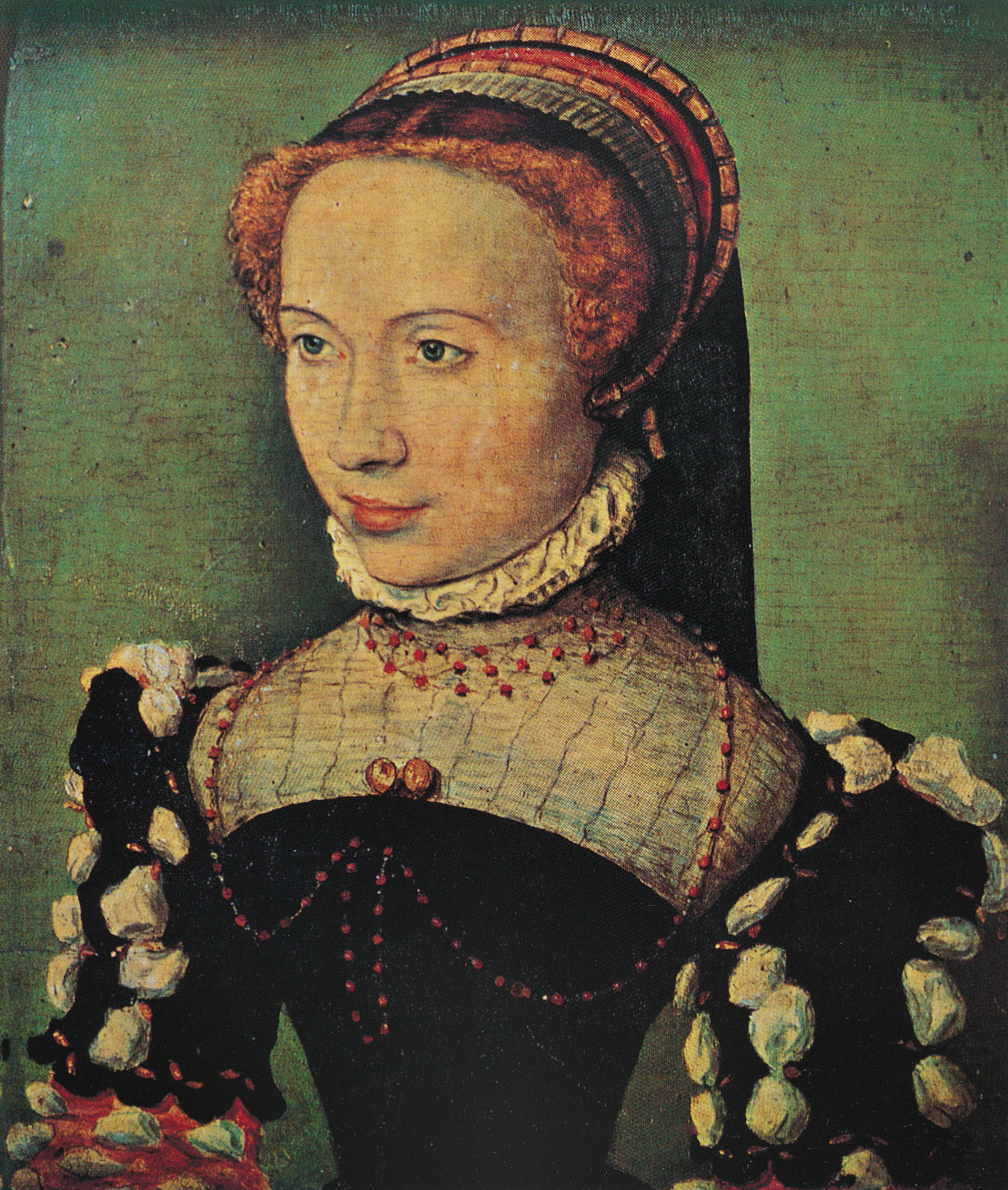
François Clouet, La reine Marguerite enfant, c. 1560, Chantilly. Workshop of François Clouet, Marie de Gaignon, marquise de Boissy (1524-1565), c. 1550-1565, Louvre.Corneille de Lyon (active 1533-1574), Portrait de Marot, c. 1540, Louvre.
Corneille de Lyon (active 1533-1574) was born in The Hague and worked in Lyons, France for over 30 years starting around 1540. A contemporary and rival of François Clouet (c. 1520-1574), Corneille de Lyon is well documented as a popular leading painter in the French style. As the artist did not sign or date his works, it is virtually impossible to positively identify his artwork. It was only in 1962 that his first work –and nearly all of them are miniature in scale – was positively identified. The nature of his work was described by contemporaries. In 1551 the Venetian ambassador who visited the artist’s studio observed: “We paid a call to an excellent painter who…showed us the whole Court of France, both gentleman and ladies, depicted with the utmost likeness on a great many small panels.”
Working in oil on wood panel, Corneille de Lyon was Peintre et Valet de Chambre du Roi to Henry II (1519-1559) and Charles IX (1550-1574). Corneille likely did paint the entire court. Portraits usually show half-length figures dressed in dark colors against a neutral, somewhat iridescent and greenish background. Groups of such portraits are of uneven quality marking studio artists supervised by the master. The precise drawing of facial features with its smooth planes and enamel-like techniques conveys sitters of placid expression whether their gaze is distant or engaged. Costumes are portrayed with detailed realism yet in a rich, modulated and less definite form.
Painter to the king since 1551, Corneille became a landowner by gift of the king in 1564. In June 1564 one of the artist’s high-born visitors to his home was Catherine de‘ Medici (1519-1589), then regent. Before his death in 1574, the Netherlandish-born Corneille, with his family and household, became Roman Catholics after working in the French Court for nearly 35 years.
Corneille de Lyon (active 1533-1574), Portrait of Gabrielle de Rochechouart, c. 1574, Oil on wood, 16.5 x 14 cm, Musée Condé, Chantilly.Pierre Dumonstier “the Uncle” (c.1545-c.1610), Portrait of an Unknown Man, chalk drawing with watercolor, c. 1580, Musée Jacquemart-André.
Towards the close of the 16th century, there were two families of French artists who were active – namely, the Dumonstiers and the Quesnels.
The Dumonstiers were descendants of one of Le Rosso’s fellow workers at Fontainebleau in the 1530s. Pierre Dumonstier (c.1545-c.1610) was one of three brothers, all of whom were portrait painters. The brothers had close links to the royal house, particularly to Catherine de’ Medici. Pierre produced several drawings, many in color giving them a somewhat painted appearance. Portrait of an Unknown Man is a chalk drawing with watercolor.
In terms of style, what in the beginning of the 16th century produced precise drawing of facial features in portraiture gave way by the end of the century to greater modeling fluency so to achieve intense expression. Portraiture’s overall format, however, remained constant: a face isolated on a neutral background rendered with close analytic attention.
The Quesnel artistic dynasty began with a court painter to James V of Scotland (1513-1542). One of that painter’s sons, François Quesnel (1543-1619), produced many drawings. His painted portrait of Mary Ann Waltham is signed and dated by the artist. Quesnel concentrates on rendering the face with the rest of the body and costume handled perfunctorily. This dichotomy of attention to form was the case in the drawings as well. It may be that the master produced the face in these portraits and left the body and costume to studio assistants.
François Quesnel (1543-1619), Mary Ann Waltham, 1572. 22 x17.5 in., Private, UK.
SOURCES:
A Dictionary of Art and Artists, Peter and Linda Murray, Penguin Books; Revised,1998.
La Peinture Française: XVe et XVIe Siècles, Albert Châtelet, Skira, Genève Suisse, 1992.
French Painting: From Fouquet to Poussin, Albert Châtelet and Jacques Thuillier, Skira, 1963.
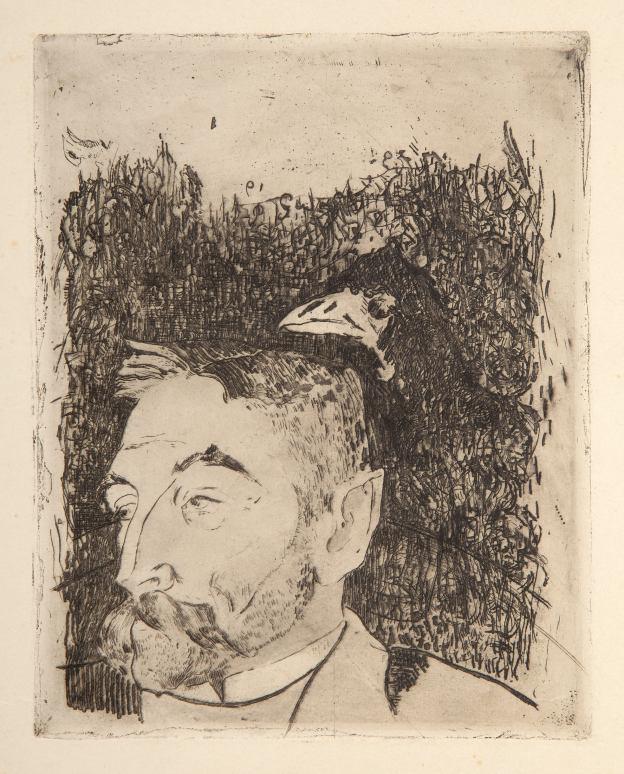
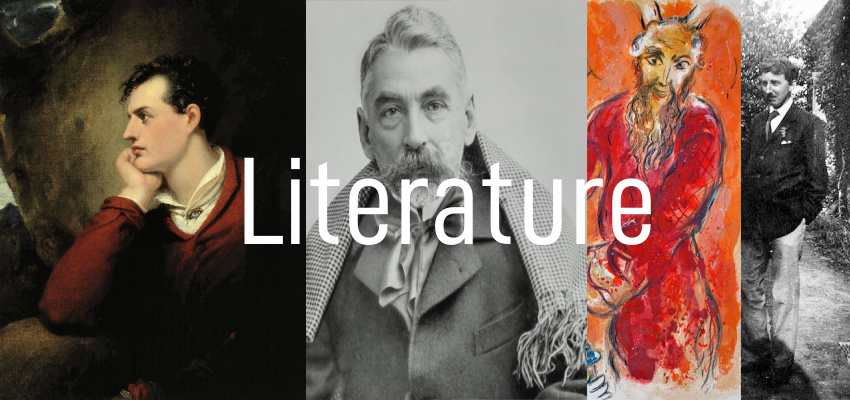
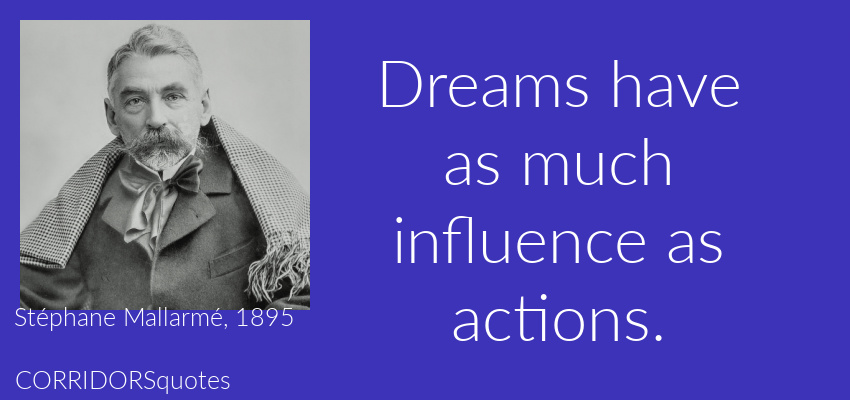
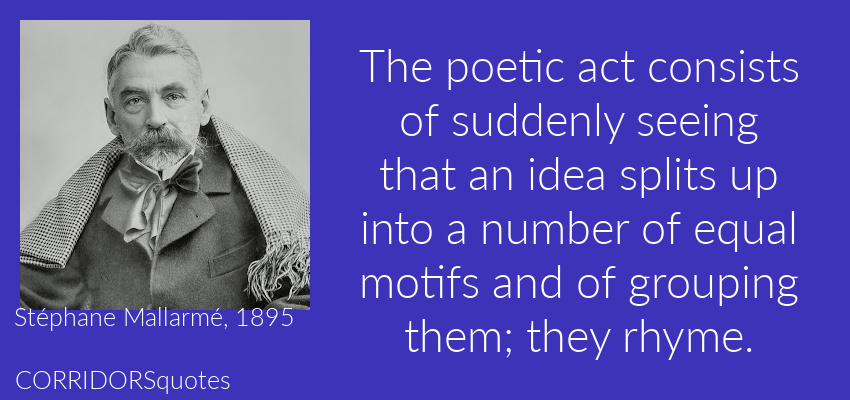
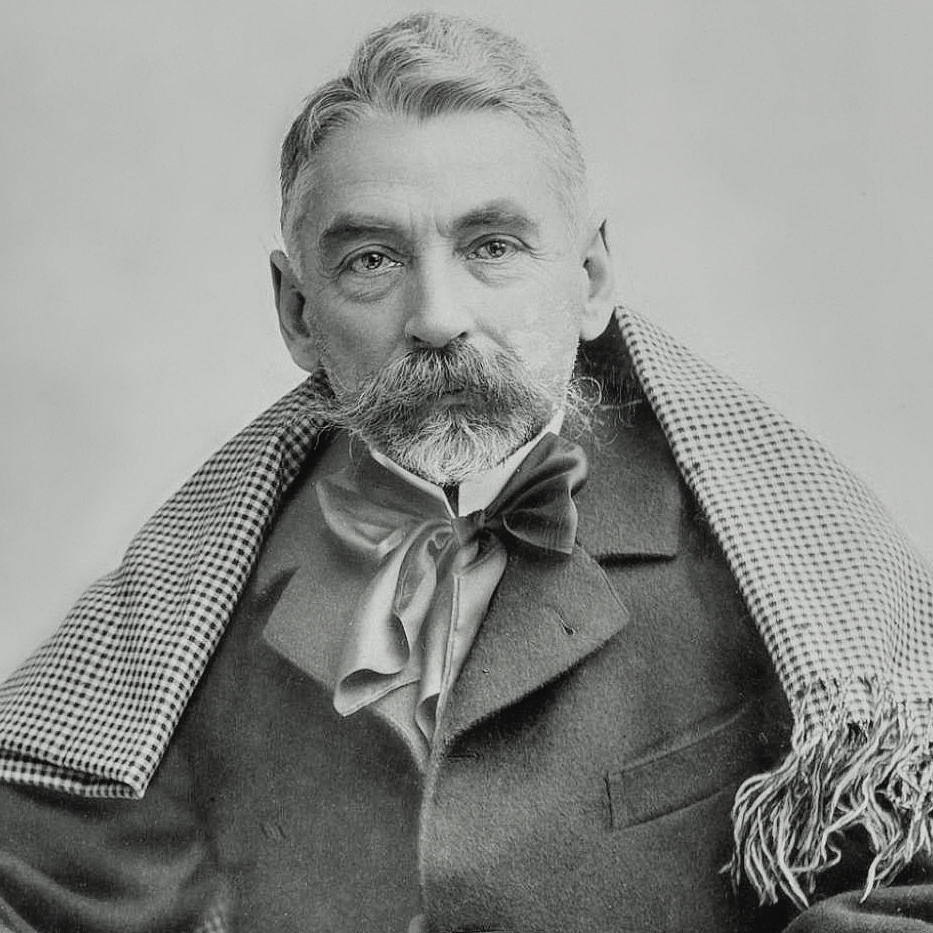
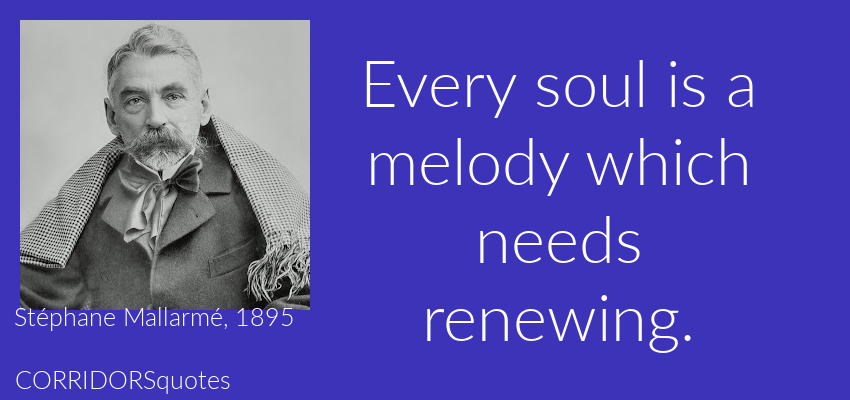
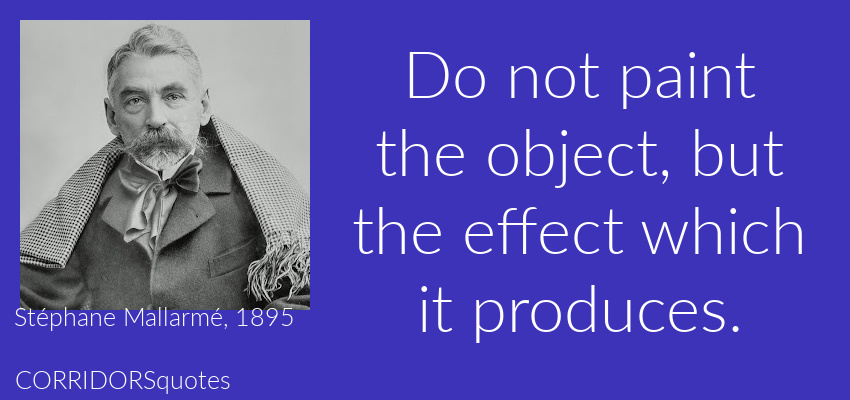
Stéphane Mallarmé (1842-1898) is an important Symbolist poet of the last half of the 19th century in France. Throughout his writing career, Mallarmé helped formulate and express the rising anti-naturalism in contemporary art. This movement’s inclinations mainly took the form of Symbolism – that is, the fascination with many types of literature and the inclination to draw upon these sources for inspiration in dreams and visions. Although Mallarmé’s poetry is verbally dense and difficult with fleeting imagery, the poet was influential in modern art circles. The poet hosted a weekly salon in Paris known as “les jeudis” which provided a social network for many leading modern thinkers and practitioners, such as Édouard Manet, Edgar Degas, Odilon Redon, Paul Gauguin and Edvard Munch.
Dreams have as much influence as actions.
Mallarmé was born in Paris in 1842 into a family of civil servants. His mother died when he was 5 years old and his younger sister when he was 15. It was around the time of his sister’s death that Mallarmé wrote his first poetic essays, influenced by Romantics and early Symbolist writers and poets Victor Hugo, Théophile Gautier, Charles Baudelaire and Edgar Allan Poe. His first poems were published in 1862. Mallarmé earned a teaching certificate in the English language, studied in London and married a young German woman he met in France. Mallarmé began a teaching career in 1863 in Tournon in the Ardèche, where his daughter was born in 1864. He also was teaching in Besançon and Avignon. Outside of Paris, Mallarmé did not prosper as a teacher and viewed his assignments with disdain as necessary modes of employment. The young man turned to poetry as a means of escape. It was between 1863 and 1866 that Mallarmé wrote some of his renown poems: Brise marine, L’Azur, Les Fleurs, a version of L’Après-midi d’un faune. His collection of poems published in Le Parnasse contemporain in 1866 led to Mallarmé’s first notoriety.
The poetic act consists of suddenly seeing that an idea splits up into a number of equal motifs and of grouping them; they rhyme.
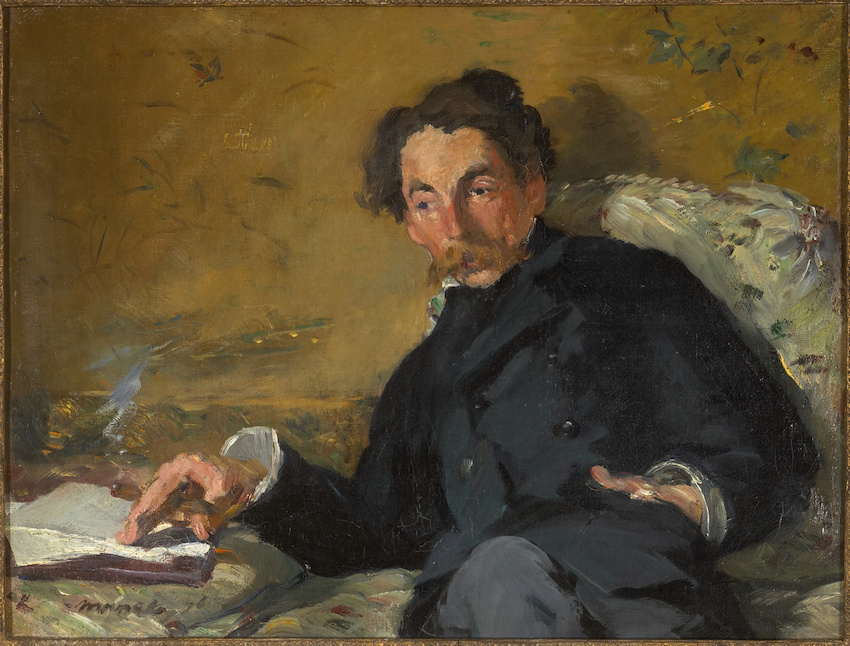
In 1871, Mallarmé, now a father of a family with two children, was assigned to teach in Paris and settled near the new Saint-Lazare train station. His social network of artists and writers blossomed in this period. In 1873 Mallarmé met Édouard Manet who soon illustrated Mallarmé’s translation of American writer Edgar Allan Poe’s Raven, published in 1875. In 1876 Manet painted his portrait that is now in the Musée d’Orsay.
Édouard Manet, Stéphane Mallarmé, poet. 1876, oil on canvas, 27.2 x 35.7 cm, Musée d’Orsay.
Mallarmé’s 8-year-old son died prematurely at the end of the 1870s and Manet died a few short years later in 1883. Mallarmé formed new friendships with Berthe Morisot and her daughter Julie Manet, whose guardian Mallarmé became at the death of his parents. Mallarmé also became friends with other leading avant-garde artists and poets such as Claude Monet and Pierre-Auguste Renoir. To the general reader, Mallarmé was criticized as a crazy poet who used unintelligible verse. Yet to avant-garde literati such as Paul Verlaine and Joris-Karl Huysmans, Mallarmé’s demanding poetry they publicly admired.
In 1892 appeared Vers et Prose, a major collection of Mallarmé’s poems. The frontispiece was a lithographed portrait by James Abbott McNeill Whistler, with whom Mallarmé was a close friend. In the early 1890s Mallarmé came into contact with the “Nabis,” young Post-Impressionists such as Pierre Bonnard, Maurice Denis and particularly Édouard Vuillard. In the 1890’s Mallarmé’s Paris salon was frequented by the young Paul Valéry.
Stéphane Mallarmé, 1896, by Nadar.
At 51 years old, in 1893, Mallarmé retired from teaching and stayed in his small house of Valvins. He died there on September 9, 1898, at the age of 56. In these final years, Mallarmé’s recognition and fame remained high. It was part of the vivacity and dynamism of literary and artistic circles for which Mallarmé had been one of its inspirations since the 1870s. In 1896 Mallarmé’s influence included his being elected as Prince des poètes and inheriting the seat occupied by the recently deceased Paul Verlaine.
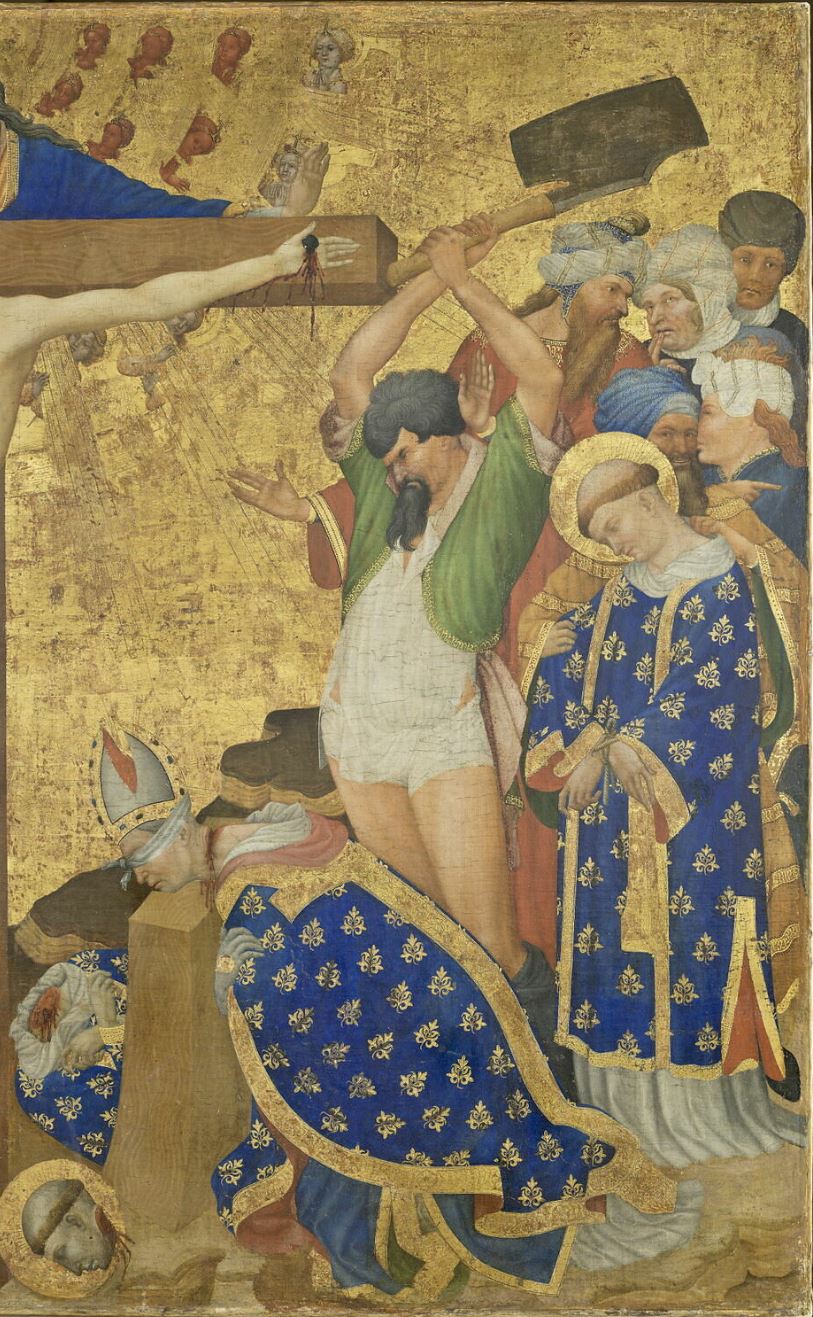
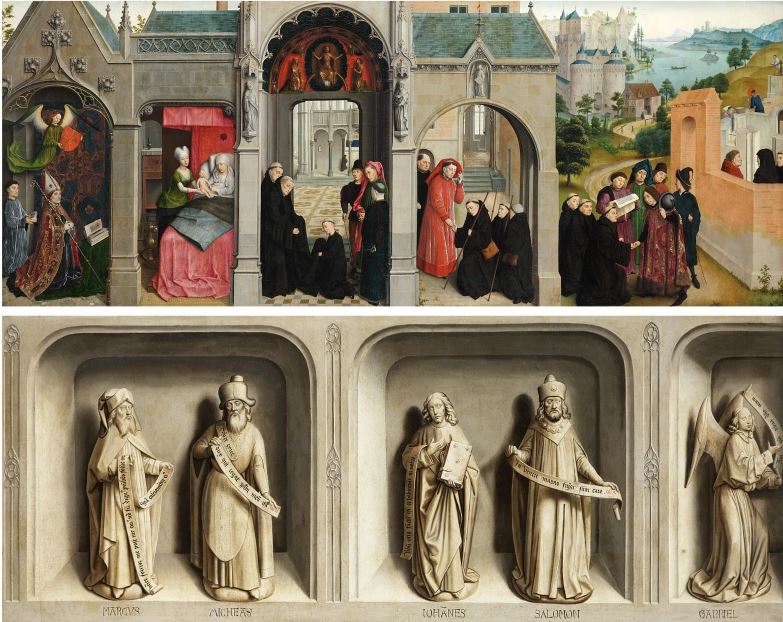
Anonymous master. Portrait of John le Bon (1319-1364) c. 1360. Musée de Louvre, Paris (“Louvre”).Henri Bellechose (1415-1440), École de Bourgogne, Retable de saint Denis, 1416, https://collections.louvre.fr/ark:/53355/cl010063178
Retable de Saint Denis, (above), was completed in 1416 for the church of the Charterhouse of Champmol that is adjacent to Dijon. The artwork’s attribution has long been debated between Bellechose and Jean Malouel (1370-1415). Written evidence points to Bellechose possibly only completing the painting started by Malouel who was Bellechose’s predecessor at the head of the ducal workshop. However, recent connoisseurship does not see two different styles that would indicate two painters and the artwork in the Louvre is not the same size as the artwork mentioned in the early 15th century document that supports the dual attribution.
St. Denis is the most famous cephalophore (beheaded saint holding his head) in Christian history. Denis and two companions were martyred on Montmartre in what became a future Paris in the mid-3rd century. Much later, in the ninth century, an anonymous chronicler told the tale of the martyr Denis and mentioned his carrying his head from his execution spot on Montmartre to Saint-Denis. There the abbey of St-Denis rose to become the burial place of French kings. Soon after, this preposterous but delicious tale of Denis’ post-mortem pilgrimage received further embellishment by an abbot chronicler so that the legend took hold in St. Denis’ hagiography and iconography. St. Denis is the patron of Paris in France and against headaches and any strife or frenzy.
Anonymous, École de Île-de-France? Bourgogne? Studio Henri Bellechose? Dead Christ Placed in the Tomb, 1400-1425. Louvre. https://collections.louvre.fr/ark:/53355/cl010065413Anonymous master, The Annunciation, France, possibly Netherlands, late 14th century (1380s), tempera and oil with gold on wood, 15 7/8 x 12 3/8 x 1 7/8 in. Cleveland Museum of Art.
The angel Gabriel’s wings resemble peacock feathers. The panel painting was once joined to another panel to form a diptych. Its opulent ornate style and small size allowing for easy mobility points to its use as a devotional artwork for an aristocratic patron around 1400.
Anonymous, The Crowning of the Virgin, c. 1400-1410, Paris, oak on wood. 20.5 cm. Staatliche Museum, Berlin.
In Christian Biblical tradition, the Virgin Mary was the only human person to be received into heaven after her death as a physical body prior to the Last Judgment. By the Middle Ages, the event’s narrative was elaborated so that the Virgin in Heaven came to be understood as a royal court where angels acted as court pages. In Heaven’s throne room, Mary is crowned as Queen by her son, Jesus Christ.
In the French tondo, Christ wears a red cloak symbolizing his Resurrection and a violet robe symbolizing his Passion. He sits on a stone throne and sets the crown on his mother Mary’s head as she kneels on a splendid cushion.
Strewn on the green-tiled floor of the celestial throne room are a variety of cut flowers which point to Mary’s purity and love for humanity. One angel carries her dress’s train and is himself dressed in a liturgical-type costume.
The tiny panel is remarkable for its delicate execution, lovely colors, and precise articulation of details such as the angels’ multi-colored wings. Its overall imagery was 14th century Italian in origin and arrived into Paris in the 15th century. Like the Annunciation panel in the Cleveland Museum of Art (above), this panel was likely produced as a private devotional image for a patron of high rank who dwelt among the milieu of the Parisian court.
Les Frères de Limbourg, Meeting of the Three Wise Men c. 1416 from Les Très riches heures du duc de Berry folio 51 verso. Chantilly, Musée Condé.Entourage des Frères de Limbourg. Adoration de L’Enfant, c. 1415, Glasgow Art Gallery and Museum.Maître des heures de Rohan (active 1410-1435), The Last Judgment c. 1420, Paris, Bibliothèque nationale.Maître des heures de Rohan, Annunciation Angel and donor, c. 1420/30, Musée de Laon. Maître des heures de Rohan, Portrait de Louis II d’Anjou, c 1420. Paris, Bibliothèque nationale.
Not much more is known of the Maître des heures de Rohan than if he were anonymous. The artist had ties to Troyes, a Burgundian market town, and settled in Paris between 1415 and 1420. He was a commercial illuminator and is found in the service of the Dukes of Anjou around 1420. In addition to the Grandes Heures de Rohan, c.1430-1435, he produced other exceptional books, including the Hours of René d’Anjou (Bibliothèque nationale de France), the Hours of Isabelle Stuart (Fitzwilliam Museum, Cambridge, UK) and the Hours for the Use of Angers (former Martin Le Roy collection).
Artwork by Maître des heures de Rohan reflects a highly personal vision. The artist was completely unconcerned with his contemporaries’ preoccupation to introduce Renaissance realism into painting. The artist ignored perspective and chiaroscuro through concrete depictions and continued to develop his artistic meditations on faith and death using highly original invention of forms. In this way, the Maître des heures de Rohan is an enduring artist from early 15th century France as some of his more fashionably progressive contemporaries are not as he stayed true to his vision to create some of the most expressive pages of medieval Christian mysticism.
Maître of the Aix Annunciation, Annunciation, before 1445, Église de la Madeleine d’Aix-en-Provence.
The precise identification of the artist called the Maître of the Aix Annunciation is unknown. The artist is believed to be male and French, and could be Jean Chapus who lived in Aix and was working for King Réne of Anjou in the 1430s and 1440s. The Annunciation which was placed in the church in 1445 and has been there since, was part of a triptych. The other wings have been split off and are in Brussels, Amsterdam, and a private Dutch collection (one wing was also split). The style shows influence from Italy (Naples) and Flemish art.
DETAIL. Maître of the Aix Annunciation, before 1445, Église de la Madeleine d’Aix-en-Provence.Maître du Coeur l’amour épris, Rencontre de Coeur et d’Humble requête, c. 1479, Vienna, National Library.Anonymous. Annunciation, c. 1447-1450, Stained glass, Bourges cathedral, Chapel of Jacques Coeur.Jean Fouquet (1420-1480), Diptych de Melun, c. 1450, right panel: The Virgin and Child Jesus. Antwerp, Museum of Fine Arts.Jean Fouquet (1420-1480), Diptych de Melun, c. 1450, left panel: Chevalier Stephan presented by Saint Stephan. Staatliche Museum Berlin.
Jean Fouquet was a major French painter of the 15th century. He was in Rome in the mid-1440s and is presumed to have painted portraits. Under what circumstances the twenty-something Fouquet traveled to Rome is unknown. In any event Fouquet returned to Tours in 1448 and was working in the court of Charles VII. Louis XI appointed him official painter to the king in 1475. A handful of miniatures are documented artworks by Fouquet though other pictures, such as the Melun diptych and others, are attributed to him.
Jean Fouquet (1420-1480), Medallion, self-portrait, 1452/1455. Louvre.Jean Fouquet (1420-1480), Charles VII, 1440/1460. Louvre.Jean Fouquet (1420-1480), The Visitation, c. 1450. The Musée Condé, Chantilly.Jean Fouquet (1420-1480), Announcement of the Death of Saul to David, c. 1470. Les Antiquités Judaïques, Ms. fr. 247, folio 135 verso. Paris Bibliothèque Nationale.Jean Fouquet (1420-1480), Pietà, c. 1470-1480. Parish church, Nouans (Indre-et-Loire).Jean Fouquet (1420-1480), Pietà (detail), c. 1470-1480. Parish church, Nouans (Indre-et-Loire).Retable du Parlement de Paris, c.1455. Louvre. see – https://collections.louvre.fr/en/ark:/53355/cl010061369 – retrieved September 15, 2025.
It depicts the scene on Calvary on Good Friday with Jesus Christ crucified in the center with saints at its base including, left to right, Saint Louis, John the Baptist, the Virgin Mary, Saint John, a beheaded Saint Denis, and Charlemagne. In the background is the tour de Nesle (c. 1200-1665), Seine, the Louvre, Hôtel du Petit-Bourbon, and Palais de la Cité. Formerly identified as an artwork by Philippe de Mazerolles, it is currently identified by the Louvre as “anonymous“ in the School of France influenced by the Master of Dreux Budé who is likely André d’Ypres, active between 1425-1450. Philippe de Mazerolles was also a French painter and illuminator who was active in Paris and in Bruges. Trained in Paris, Philippe de Mazerolles’ style was directly inspired by the Maître de Bedford, an anonymous illuminator active in Paris slightly earlier between 1415 and 1435. The Master of Dreux Budé was a Parisian illuminator whose works show his knowledge of the repertoire of models of the Master of Flémalle (1375-1444). see – https://initiale.irht.cnrs.fr/en/intervenant/3443 – retrieved September 15, 2025.
DETAILS retable du Parlement de Paris (above), c.1455. Louvre:
Also known as Charonton, the French painter worked in Avignon in southern France. His large Coronation of the Virgin is a documented artwork that was completed in 1454. It is one of the most important surviving 15th century French paintings.
Enguerrand Quarton (1410-1466), The Coronation of the Virgin (detail), 1452-53, Altar of the Charterhouse (hospice) of Villeneuve-lès-Avignon.DETAIL. Enguerrand Quarton (1410-1466), The Coronation of the Virgin, 1452-53, Altar of the Charterhouse (hospice) of Villeneuve-lès-Avignon.Enguerrand Quarton (1410-1466), attributed, Pietà de Villeneuve-lès-Avignon. École de Provence, c. 1455. Louvre. https://collections.louvre.fr/ark:/53355/cl010063345
DETAILS Pietà de Villeneuve-lès-Avignon (above), c.1455. Louvre:
Nicolas Froment (1461-1483), Triptych (center panel): Mary in the Burning Bush, 1476. Cathedral St. Sauveur, Aix-en-Provence.
DETAIL Triptych (center panel): Mary in the Burning Bush (above), 1476. Cathedral St. Sauveur, Aix-en-Provence:
Nicolas Froment (1461-1483), Mary in the Burning Bush (detail), 1476. Aix-en-Provence, Cathedral St. Sauveur.Triptych (center panel).Nicolas Froment (1461-1483) The Burning Bush, 1476. Aix-en-Provence, Cathedral St. Sauveur.Triptych (right and left panels).
Nicolas Froment worked in the south of France and was painter to Réne d’Anjou. The triptych is a documented artwork by the artist.
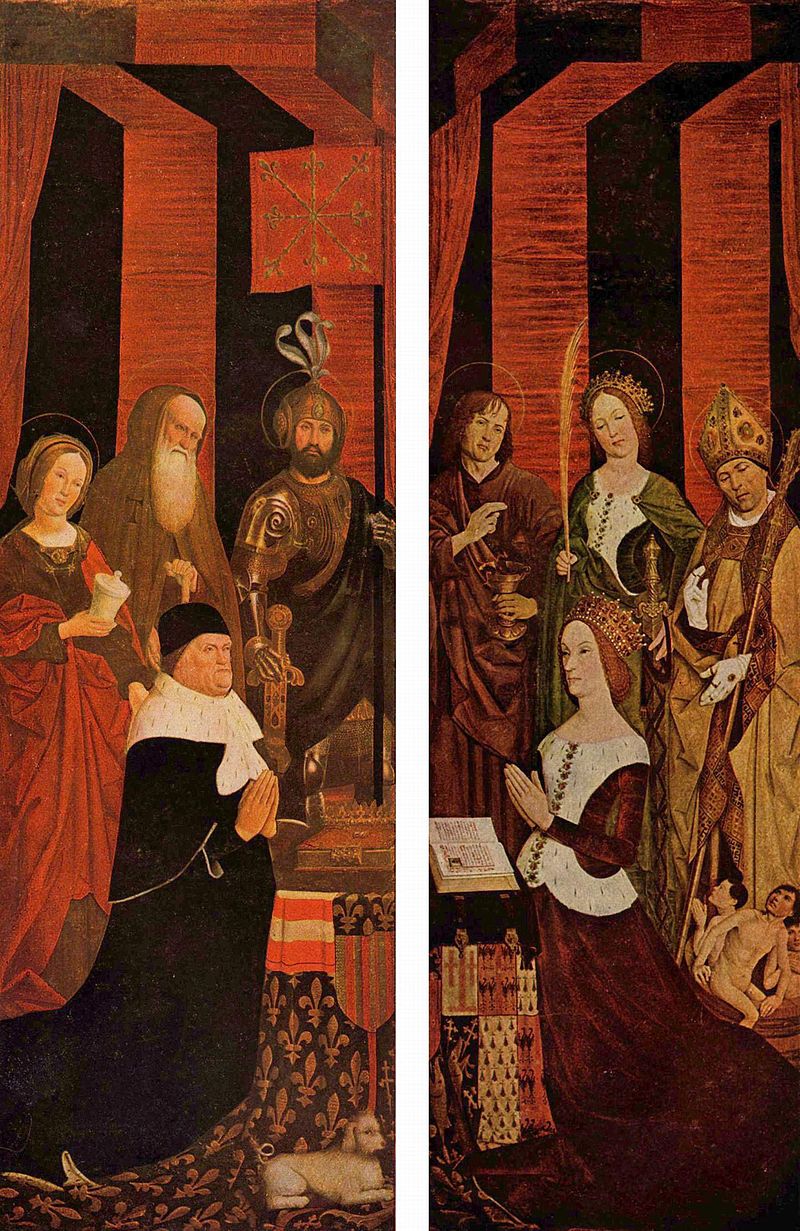
Josse Lieferinxe, called Maître de Saint-Sébastien, Part of an altarpiece shutter. The marriage of the Virgin. Musées royaux des Beaux-Arts de Belgique.Maître de Moulins, active 1475 to 1505, Triptych de Moulins, center panel: The Virgin and the Child in Glory, c. 1498. Cathedral de Moulins.
DETAILS Triptych de Moulins, center panel: The Virgin and the Child in Glory (above), c. 1498, Cathedral de Moulins:
The Master of Moulins is one of the great French painters of the 15th century. He was influenced by Hugo van der Goes (died 1482) and takes his name from the triptych painting of the Madonna and Child with angels and Donors (above) in Moulins Cathedral dated from 1498/99. Other works attributed to the Master of Moulins are in Autun, Paris, Chicago, Brussels, London, Munich, and Glasgow.
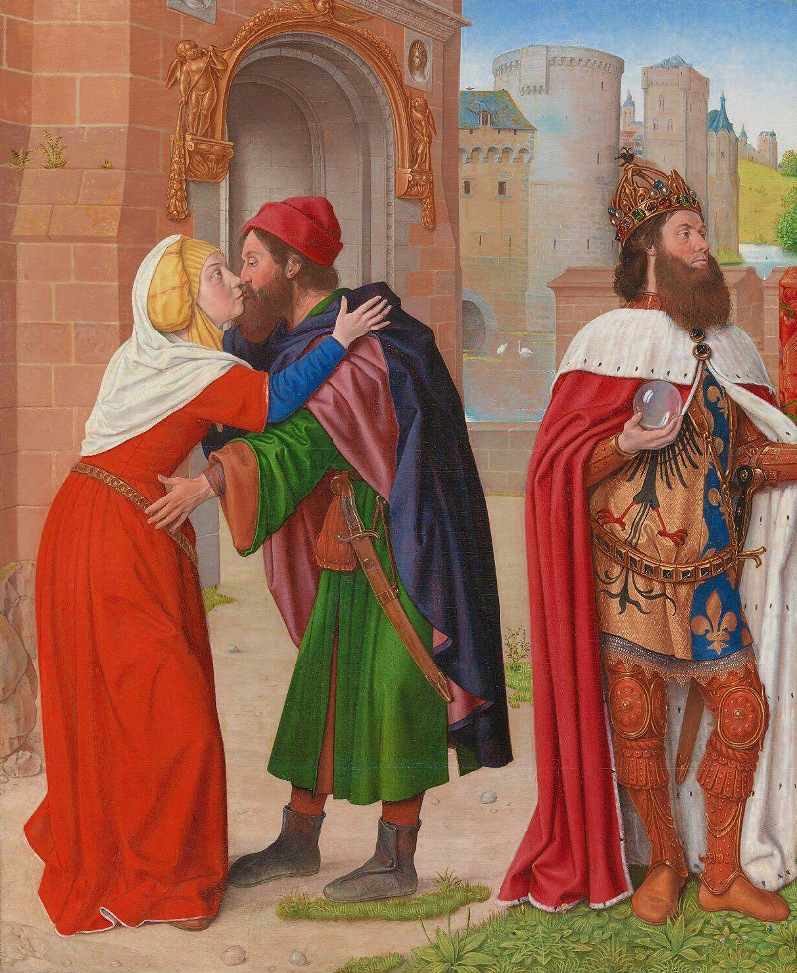
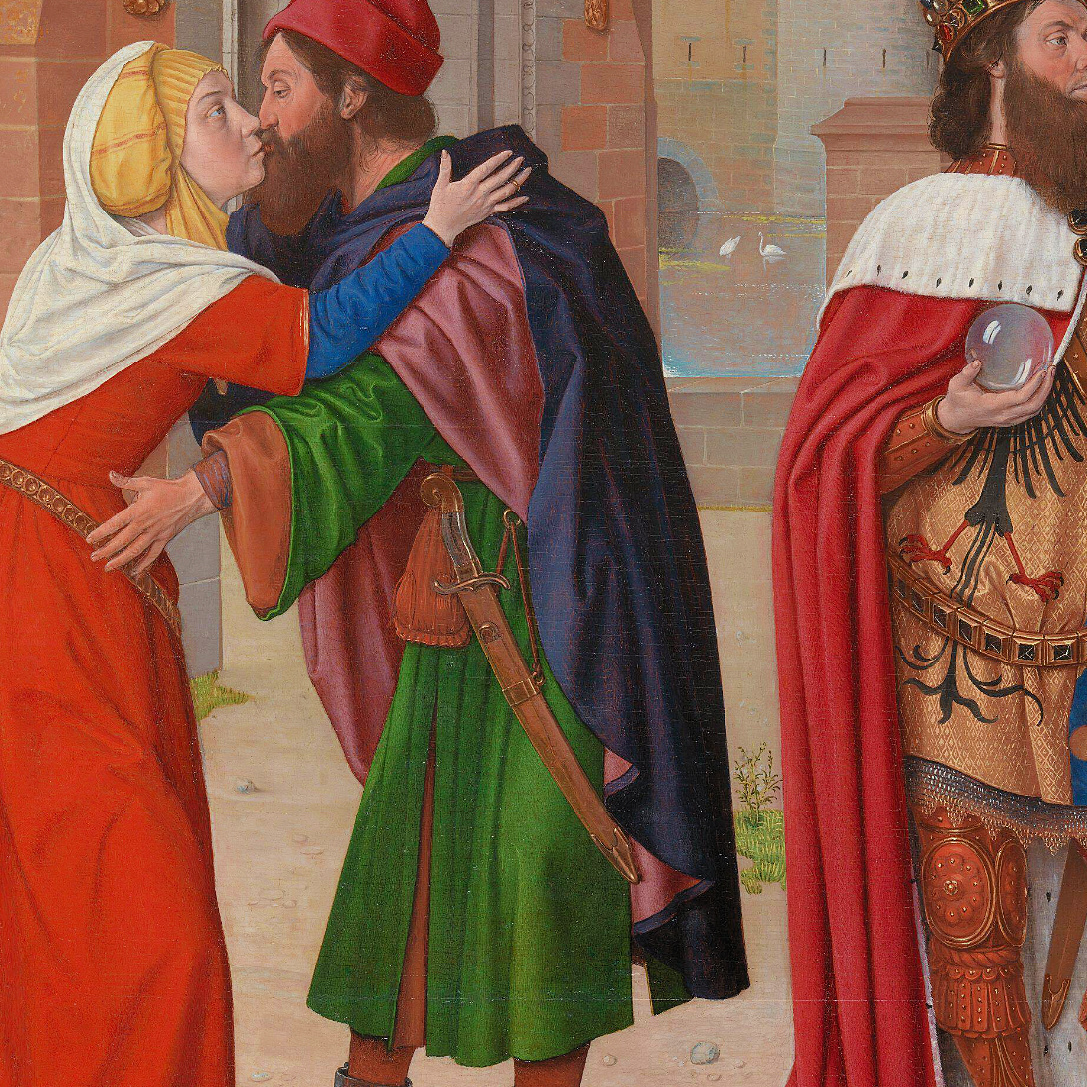
Maître de Moulins, active 1475 to 1505, Meeting of Saints Joachim and Anne at the Golden Gate with Charlemagne, oil on oak, about 1491-1494. 72.6 x 60.2 cm, National Gallery, London.Maître de Moulins, active 1475 to 1505, The Virgin with Child surrounded by angels, c. 1490, Musées royaux des Beaux-Arts de Belgique.Maître de Moulins, active 1475 to 1505, François de Chateaubriand presented by St. Maurice or St. Victor with Donor, c. 1485, Kelvingrove Art Gallery and Museum Glasgow.Jean Bourdichon (1457-1521), King David and Bathsheba, Leaf from the Hours of Louis XII, 1498–1499, Tempera and gold, Leaf: 24.3 × 17 cm (9 9/16 × 6 11/16 in.), The J. Paul Getty Museum, Los Angeles, Ms. 79, 2003.105.
Jean Bourdichon served as official court painter to four successive French kings: Louis XI, Charles VIII, Louis XII, and François I. Bourdichon was almost certainly a pupil of Jean Fouquet, the previous court painter.
Simon Marmion (active 1449-1489), The miracle of the True Cross in Jerusalem in the presence of Saint Helena Empress, 2nd half of 15th century (1450/1500). Louvre. https://collections.louvre.fr/ark:/53355/cl010061655
Simon Marmion (died 1489) who worked in Amiens and Valenciennes and temporarily in Tournai was a painter and illuminator where his miniatures were admired for their rich decoration and landscape details. In the mid1440s the artist moved from Amiens to Valenciennes where he became a leading painter. His most important painting is the Saint Bertin Altarpiece in Berlin and London.
St. Bertin Altarpiece, 1459:
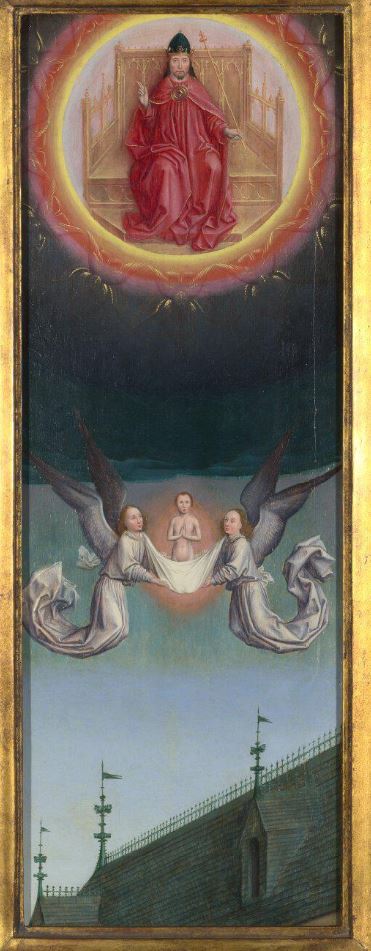
Simon Marmion, The Soul of Saint Bertin carried up to God. Fragment of Shutters from the St. Bertin Altarpiece, 1459. National Gallery London.
The Soul of Saint Bertin carried up to God was the upper section of a wing for an altarpiece for the high altar of the abbey church of St Bertin at Saint-Omer in northern France. It was commissioned by the influential Guillaume Fillastre, Abbot of St Bertin (1450-73), Bishop of Verdun (1437-49), Bishop of Toul (1449-60), Bishop of Tournai (1460–73), Chancellor of the Order of the Golden Fleece and a close confidant of the powerful Duke of Burgundy, Philip the Good. The artwork, whose main parts are in the Gemäldegalerie, Berlin, was consecrated in 1459. The altarpiece was intact in the abbey until 1791 when, as with many church goods, it fell victim to the French Revolution. https://www.nationalgallery.org.uk/paintings/simon-marmion-the-soul-of-saint-bertin-carried-up-to-god
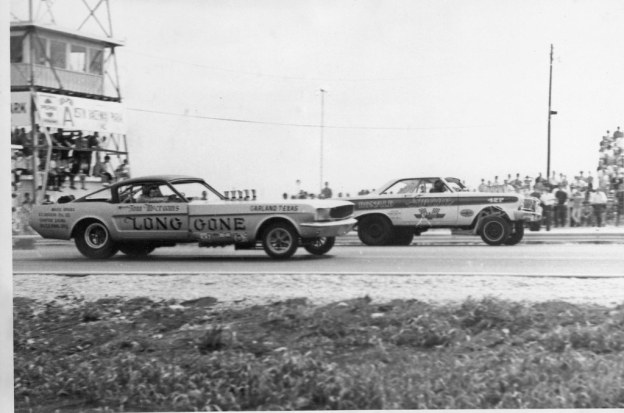
Shut Down is a song by Brian Wilson and Roger Christian that appeared on a pair of 1963 Beach Boys’ albums: Surfin’ U.S.A. in March 1963 and Little Deuce Coupe in October 1963. The song was first released in March 1963 on side B of the Surfin’ U.S.A. single that climbed to no.3 on the Billboard Hot 100 chart. Six months later, Shut Down was released as its own single and peaked at no.23.
The lyrics of Shut Down describe the dangerous activity of drag racing that is also illegal. Drag races were once popularly held on the public streets of southern California using muscle cars. As these races attracted many enthusiastic supporters, streets were sometimes closed off for the race cars and even had the cooperation of local police though unofficially.
The Beach Boys’ lyrics are filled with technical and slang terms for drag racing.
IT HAPPENED ON THE STRIP WHERE THE ROAD IS WIDE (Oooo rev it up now) TWO COOL SHORTS STANDING SIDE BY SIDE (Oooo rev it up now) YEAH, MY FUEL INJECTED STINGRAY AND A FOUR-THIRTEEN (Oooo rev it up now) REVVING UP OUR ENGINES AND IT SOUNDS REAL MEAN (Oooo rev it up now)
One dragstrip in the early 1960s was Glenoaks Boulevard in southern California between Glendale/Burbank and San Fernando/Sylmar. It is a major thoroughfare which stretches over 20 miles. Since a drag race caused disruption to public traffic’s normal flow as well as likely increased harm to law-abiding bystanders, drag races were usually held at night when traffic volume tapered off and was low.
“Two cool shorts” refer not to some spectators’ bermudas, but the truncated length of the race cars.
In 1963, a “fuel injected Stingray” was very much the latest cool car feature. While computerized fuel injection became standard on passenger cars it was, from 1963 to 1965, a specialized mechanical feature found only on the Stingray. What fuel injection accomplished was to optimize the air-to-fuel mixture that made for powerfully efficient engine performance.
TACH IT UP, TACH IT UP BUDDY GOING TO SHUT YOU DOWN
“Tach it up” refers to the moments before the start of the race when muscle cars revved their engines to achieve high rpms. This idling pedal-to-the-metal stores energy in the car’s flywheel so that when the car accelerates it literally jumps off the start line with extra power. Tach it up too much and the car accelerates and does a wheel stand or “wheelie.” While the car’s front wheels lifting off the ground is cool, it is also quite dangerous as the car could more easily lose control.
BUT THE FOUR-THIRTEEN’S REALLY DIGGING IN… SUPERSTOCK DART IS WINDING OUT IN LOW…
The Dart is the other car in the Beach Boys song’s drag race. The 413 is a super-sized engine in the body of the 1962 Dodge Dart. The 413, also called a “hemmie” for its hemispheric dual combustion chambers, started being made by Chrysler way back in 1951.
BUDDY, GOING TO SHUT YOU DOWN.
“Shut Down” is slang for beating the opponent in the race by any and all means. After a car crosses the finish line it enters the shut-down lane. The first car in and out of the shut down lane is the winner.
Since its release in 1963, Shut Down has generated controversy—that it glorifies drag racing, an illegal activity and using what Cash Box at the time identified as “top rock-a-teen sounds.” But some believe the song’s greater scandal is that it seems to imply that the 327 fuel-injected Stingray beat the 413 Super Stock Dodge.
Dodge fans who really know what’s under the hood understand that that outcome couldn’t possibly be real.
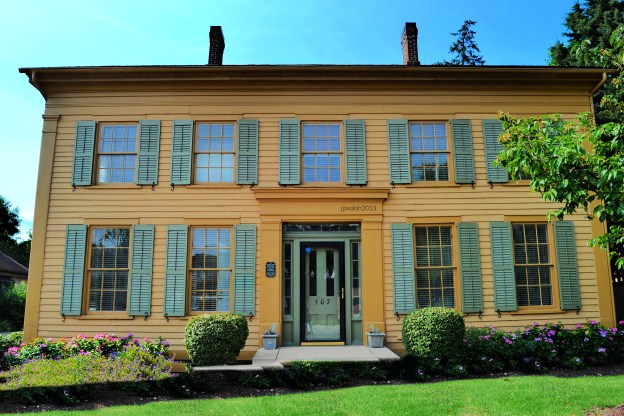
FEATURE image: Flanders House (1841), 24044 Main Street, Plainfield, Illinois. See a fuller description below.
Jason and Lucy Flanders House, 1841, Plainfield, Illinois.
Jason and Lucy Flanders House, 1841, 24044 Main Street, Plainfield, Illinois. Author’s photograph (August 11, 2013).
Plainfield was settled at the end of the 1820’s when James Walker constructed a sawmill on the DuPage River. The mill attracted settlers to the region and created Will County’s first permanent community. Located about halfway on the Chicago-Ottawa stagecoach line, Plainfield developed commercially, including a booming lumber trade. Jason and Lucy Flanders married in Lowell, Massachusetts, in 1833 (they were both 23 years old). Jason Flanders, born in Vermont, had worked in Boston, Massachusetts since 1830. Lucy Ann Clark Flanders was born in New Hampshire. The Flanders arrived into Will County in 1833 and after seven years of farming, moved to Plainfield in 1840. The Flanders had six children.
Built in 1841, Flanders House exhibits characteristics of both the Federal and Greek revival styles. This includes symmetrically arranged windows and a central entrance overlaid by a porch of the 1920’s. Also known as Mapleview Farm and Bragaw-Klomhaus House, The Flanders’ Place has had only a handful of owners in its 180-year history. There is no record of the house ever being used for any non-residential purpose though it may have served in a commercial capacity, perhaps serving travelers on the Dr. Temple Stage Line Chicago-Ottawa route.
The two-story, side gabled rectangular building is approximately 30 x 40 feet in dimension and with later additions. Jason Flanders built the house with hewn logs and sided it with walnut, its original siding hidden by later exterior finishes. The house was finished on the inside also with walnut. Walnut was abundant in the Plainfield area which may explain partly why the Flanders did not hesitate to whitewash the house exterior.
Jason Flanders was the town constable (Plainfield’s first) and at his death had amassed many hundreds of acres of land. The Flanders and their descendants retained control of the property until 1974. While it is recorded that Jason Flanders was a Methodist, his late-20th-century descendant sold the house to a Lutheran church for use as a parsonage. It was sold again in the early 1990s and restored to emulate its original appearance. Flanders House remains one the oldest extant houses in Plainfield, Illinois, today.
FEATURE image: The Satyr at the Farmer’s (“Der Satyr beim Bauern”), Jacob Jordaens (Flemish, 1593-1678), c.1620.
Housing much of the city’s most famous artwork, this museum’s collection includes renowned international works from the 14th through the 18th centuries.
Self-Portrait (“Selbstbildnis”), Albrecht Dürer (German, 1471-1528), c. 1520.
Several prominent artists have, at various moments, fashioned their own likenesses in the image of Christ, a strategy that served both devotional and professional aims. This practice participates in the long tradition of imitatio Christi—the aspiration to model one’s life, conduct, and even physical bearing on the figure of Jesus. Within the visual arts, however, the gesture carried additional layers of meaning. By aligning themselves with the divine prototype, artists could elevate their social standing from that of manual laborers to inspired creators whose work partook in sacred authority. At the same time, such self-fashioning could signal profound personal piety, suggesting that the artist’s inner life mirrored the spiritual intensity of the Savior.
The most celebrated example is Albrecht Dürer, whose 1500s self‑portrait adopts the frontal, iconic pose associated with late‑medieval images of Christ Pantocrator. Dürer’s deliberate visual parallel not only asserts his artistic genius but also reflects his conviction that creative imagination was a God‑given faculty. His self‑portrait thus becomes a theological statement: the artist as a vessel of divine creativity.
Other painters engaged the motif in subtler ways. Rembrandt, for instance, did not present himself explicitly as Christ, yet he repeatedly used his own features as a template for the face of Jesus. This choice was less about claiming sacred authority and more about grounding the figure of Christ in lived human experience. By drawing on his own physiognomy—familiar, aging, marked by suffering—Rembrandt infused his depictions of Jesus with psychological depth and emotional immediacy. The result is a Christ who feels palpably human, capable of empathy and vulnerability.
Taken together, these strategies reveal how self‑representation as Christ could function across a spectrum: from bold assertions of artistic status to intimate explorations of spiritual identity. They also underscore the evolving conception of the artist in early modern Europe—not merely a craftsman, but a creator whose work could approach the divine.
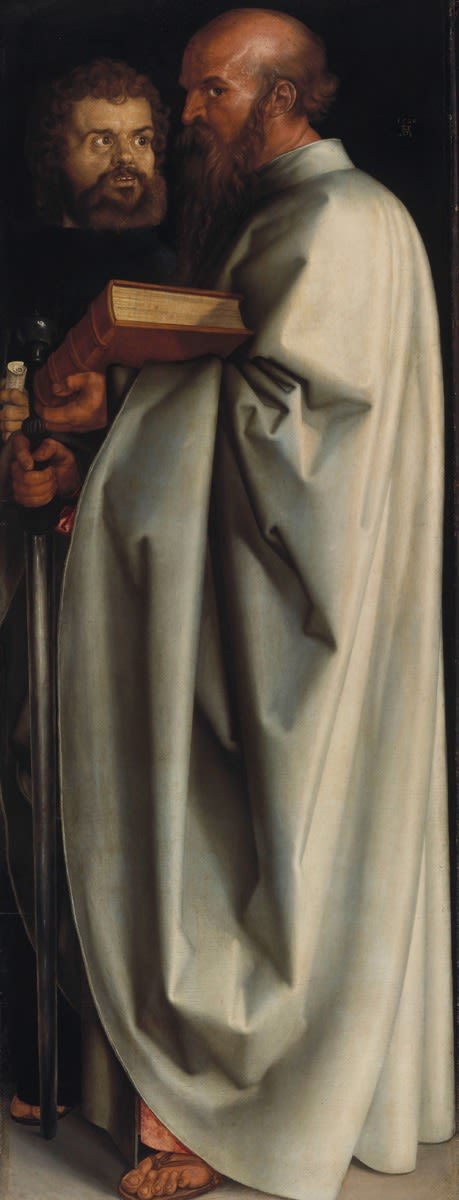
The Land of Cockaigne, Pieter Brueghel the Elder (Flemish, 1525/1530-1569), 1567. Head of an Old Woman, Pieter Brueghel the Elder (Flemish, 1525/1530-1569), 1563. Robbery and Melon Eaters (“Trauben- und Melonenesser”), Bartolomé Esteban Murillo (Spain, 1617-1682), c.1645. History Cycle: Battle of Alexander (Battle of Issus) (“Historienzyklus: Alexanderschlacht [Schlacht bei Issus]”), Albrecht Altdorfer (German, c.1480-1538), 1529. Four Apostles (“Vier Apostel”), Albrecht Dürer (German, 1471-1528), c. 1526.
The painting is impressively large. The captivating faces express concern, joy, hope, even confusion. “The Four Holy Men” – Dürer depicts John, Peter (keys), Mark, and Paul (sword) – was a gift to Nuremburg. It was sold under pressure to Bavarian elector Maximillian and given to Munich in 1922.
Detail. Dürer, Vier apostel. Mark and Paul. Adoration of the Magi, Columba Altarpiece, central panel (“Columba-Altar: Anbetung der Könige”). Rogier van der Weyden (Nederlandish, c. 1399-1464), 1455.Danae, Jan Gossaert (Brabant, 1478-1532), c. 1527.
Jan Gossaert was probably from Maubeuge in France though the artist’s whereabouts are first documented in Antwerp, Belgium, in 1503. His early style is an amalgam of then-popular contemporary French, German, and Netherlandish influences – Hugo Van Der Goes (c.1440-1482), Albrecht Dürer, and Gerard David (c.1460-1523). After a trip to Italy in 1508, Gossaert displayed new flamboyance in his style and detail, particularly using architectual settings as the Alte Pinakothek’s later Danae shows. The northern European Hainault artist never successfully incorporated Italian Renaissance ideas into his artwork and many of his figures’ poses are actually derivative. Yet this level of stylistic incorporation led Gossaert to become an important Romanist. Gossaert was the first northern European artist to introduce nude classical figures into Flanders’ art world.
The Oracle of Delphi prophesied that King Acrisius of Argos would die at the hand of his grandson. To prevent this, the king imprisoned his daughter, Danaë, in an essentially golden cage. However, the King of the gods, Zeus, desired Danaë and came to her by way of a stream of golden rain into her cage where she conceived Perseus. It was Perseus who later, after his own adventures, killed his grandfather by accident during some athletic games.
By the Middle Ages this ancient Greek literary material was used as a pagan reference for the New Testament Annunciation. Gossaert was one of the first artists in the Renaissance period to reintroduce the original subject’s erotic content on its own terms.
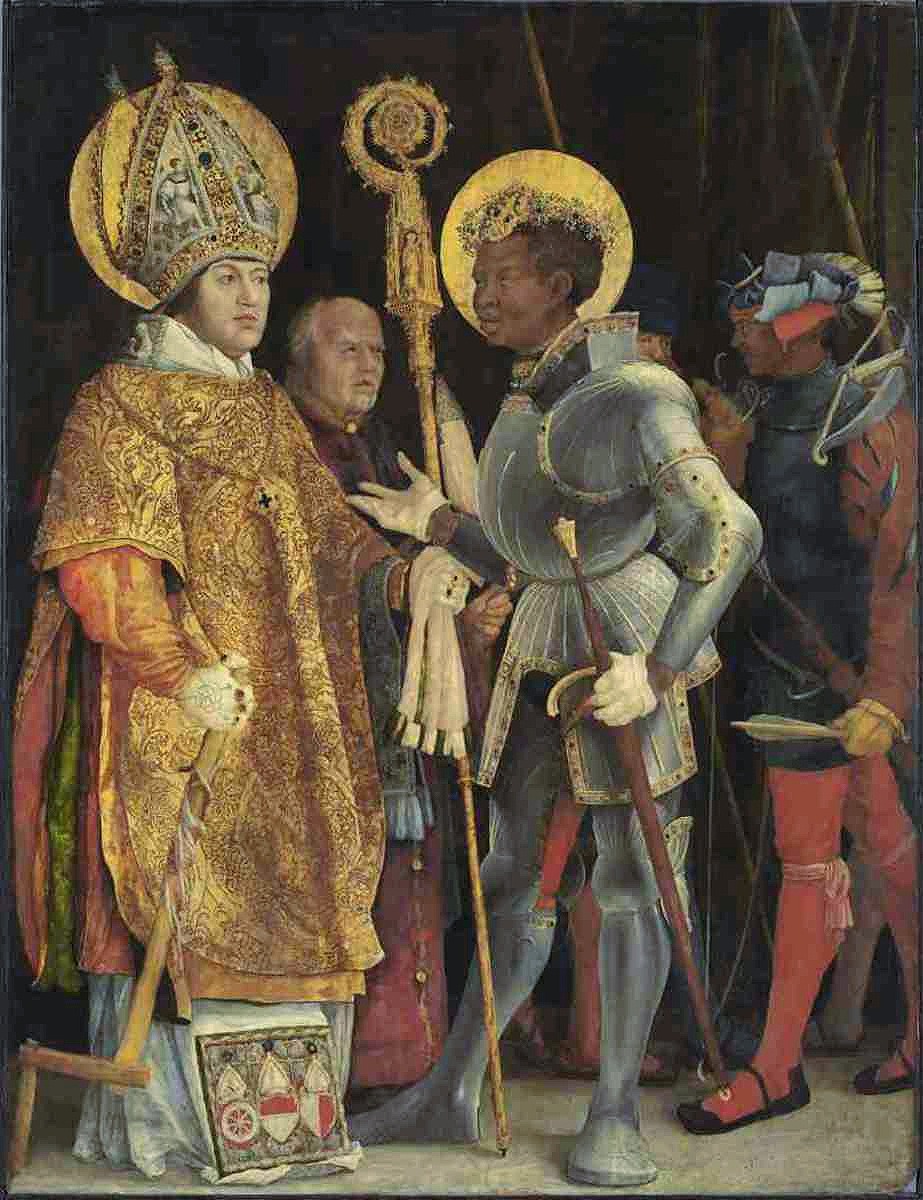
Madonna with Child, St. Mary Magdalene and Donor (“Maria mit Kind, hl. Maria Magdalena und Stifter”), Lucas van Leyden (Dutch, 1494-1533), 1522.“Pearl of Brabant”: Adoration of the Kings (“”Perle von Brabant”: Anbetung der Könige”), Dieric Bouts (Nederlandish, 1400?-1475), c.1465. Matthias Grünewald (c. 1470-1528), Meeting of Sts. Erasmus and Maurice, Martyrs, c 1520-24, 226 x 176 cm, basswood.
Matthias Grünewald was a German painter of the Renaissance. Born Mathias Neithar(d)t-Gothar(d)t around 1470-75, Grünewald shared virtually the exact birth and death dates of fellow German artist, Albrecht Dürer, though the two artists were exact opposites.
Little is known about the life of Grünewald. He first enters the historical record in 1501 in Seligenstadt. It is believed the artist was also early on in Aschaffenburg and as far off as Würzburg. From 1508 to 1514 Grünewald was court painter to Albrecht of Brandenburg (1490–1545), the archbishop of Magdeburg, administrator of Halberstadt, and the archbishop and elector of Mainz (later Cardinal) who commissioned the Alte Pinakothek panel for the Neue Stift in Halle. By the mid1520s Grünewald was in Frankfurt and, apparently increasingly sympathetic to Lutheran doctrine, north to Halle where he died.
Grünewald’s first datable work is from 1503 though Grünewald is best known for his Isenheim Altarpiece in Colmar, France, produced in the mid1510s. Unlike his contemporary, Dürer, MatthiasGrünewald apparently attempted no woodcuts, engravings or even many drawings. Like Dürer, he was familiar with Italian Renaissance ideas, though Grünewald did not pursue its techniques for its own ends. Rather, Grünewald was interested in using these new Italian techniques to heighten his own art’s emotional impact as well as make a religious statement. In this sense Grünewald possessed an essentially Late Gothic outlook and style. Yet, besides the passionate, well-drawn, and colorful Isenheim Altarpiece, few paintings of Grünewald survive.
St. Erasmus (or Elmo) was a late Third Century bishop who was martyred under Diocletian around 303 CE. St. Maurice was martyred around 287 CE. Maurice wears the armor signaling his being an officer in a Roman legion which was composed almost entirely of Christians. Along with other officers and rank-and-file soldiers Maurice was slaughtered for refusing to worship the State’s pagan gods.
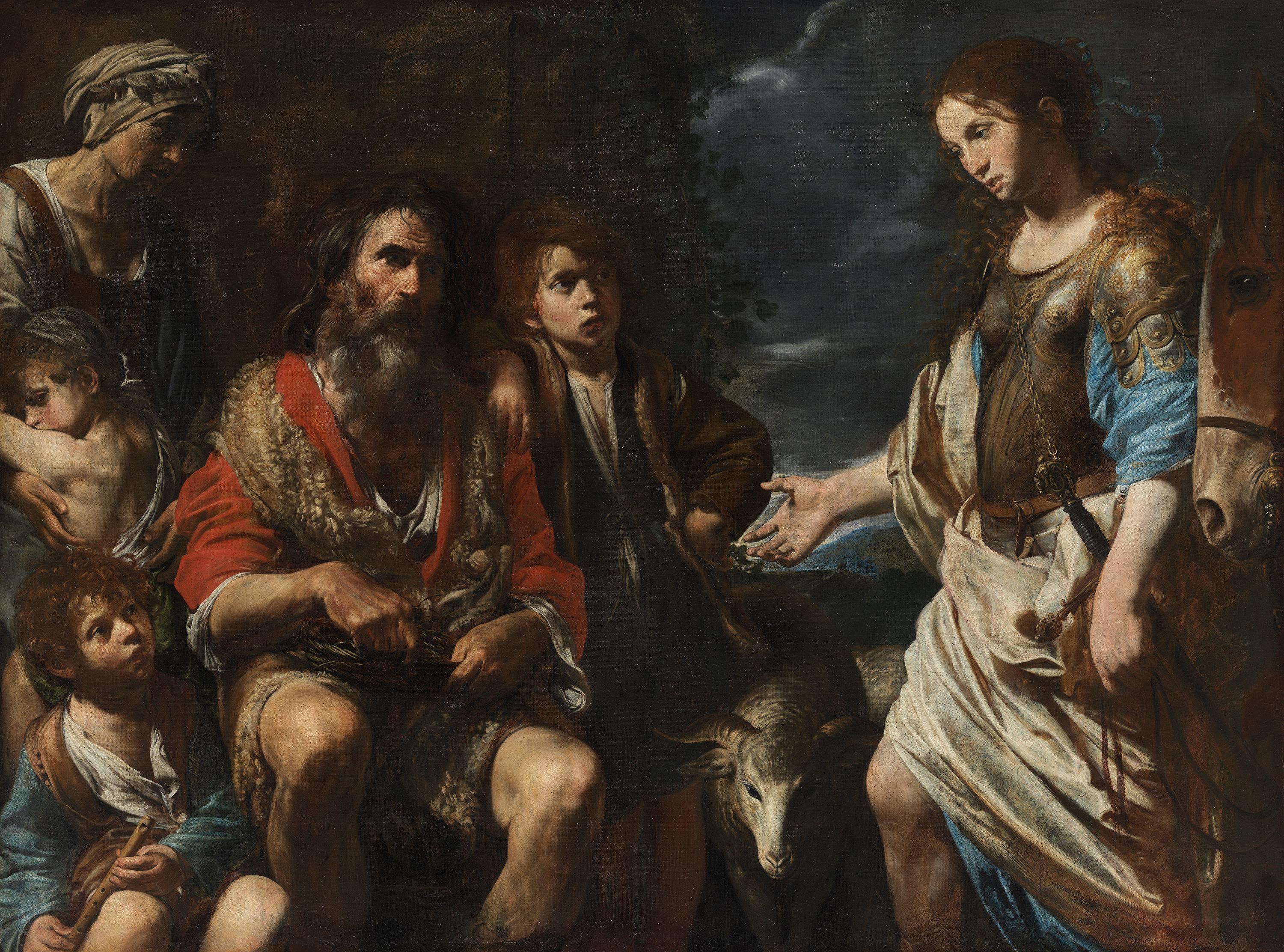
Valentin de Boulogne (1591-1632), Crowning of thorns of Christ, around 1616/17, oil on canvas, 173 x 241 cm Bayerische Staatsgemäldesammlungen München-Alte Pinakothek, Munich.
One of the great artworks of Le Valentin’s early phase in Rome, biblical subjects painted before 1620 such as The Crowning of Thorns of Christ were interpreted in the street-life idiom, with expressive protagonists and bystanders resembling the cast of characters in his genre paintings. Although the painting was earlier believed to be by Caravaggio, it may have been a pendant to Le Valentin’s much-later Abraham Sacrificing Isaac (c. 1629) in The Montreal Museum of Fine Arts.
This is Le Valentin’s most ambitious of 3 such “crowning with thorns” pictures. The artist in horizontal-format depicts Jesus before his going to Calvary. Christ is mocked and tormented; a crown of thorns is pressed onto his head (Matthew 27: 27-31; Mark 15:16-21; Luke 23:11; John 19: 1-3). With its dramatic lighting and shadows, the naturalistic depiction of Christ’s body and soldiers in contemporary costume is Caravaggesque.
Le Valentin’s scene adheres to the Bible episode: a whole cohort of soldiers surrounded Jesus, stripped off his clothes and threw a scarlet military cloak on him. Henchmen have weaved a crown out of thorns and are placing it on Jesus’s head. Another puts a reed as a faux scepter into Jesus’s right hand. To mock him they kneel before him and say: “Hail, King of the Jews!” The soldiers spit on Jesus and then take the reed away and strike him repeatedly with it. When they were done with these violent actions, the soldiers stripped Jesus of the military cloak, dressed him in his own clothes and led him out to be crucified.
Le Valentin’s Passion theme is a later vertical-format picture of a subject he had painted masterly before. In these last years the subject matter had gained in classical beauty as well as psychological involvement compared to Le Valentin’s earlier artwork. The painting covers over a discarded portrait of Cardinal Barberini which suggests Valentin’s close relationship with the ecclesial prince, very likely being in his employ. What caused the artist to revisit the subject of a brutalized Christ is unclear though it may have been based on the artist’s own struggles or that of his employer whose portrait he painted over.
Valentin de Boulogne (1591-1632), Herminia among the Shepherds, c. 1630, oil on canvas, 134.6 x 185.6 cm (53 1/8 x 61 5/8”) Bayerische Staatsgemäldesammlungen – Alte Pinakothek München. https://www.sammlung.pinakothek.de/de/artwork/RQ4XPr8410
Erminia, the king’s daughter, escapes her persecutors and asks a peaceful shepherd family for shelter. The scene is based on a contemporary (1576) epic poem The Liberated Jerusalem by Torquato Tasso (1544-1595). The picture was a private commission whose patron was likely a Roman art collector and cognoscente. Valentin’s painting combines Caravaggesque chiaroscuro with exquisite coloring. In this realistic depiction of a human encounter between characters who represent contrasting social experiences, the subject matter is rendered psychologically sensitively.
The French artist Claude Lorrain arrived in Rome in 1615 and, except for interludes in Naples (1619-1624) and in France (1625-1627), the artist lived and worked in Rome during his life. Lorrain trained under Agostino Tassi (1578-1644), an Italian landscape painter. Lorrain’s compositions were painted in muted tones whose work displayed an ethereal mood. Using fragments from antiquity and a pleasant atmosphere, Lorrain’s mode of landscape painting set a template for such artworks into the 19th century. In Seaport at Sunrise, Lorrain’s depiction of the sunrise itself was bold and original, a haze dissolving within a scene of cities, sea and mountains and which contains contemporary figures yet harkens backwards in time or to the timeless.
In Seaport at Sunrise, the sun begins to bathe a seaport in early light, similar to the way the sun rises over the Gulf of Naples today. A working port, a boat is being loaded while travelers sit waiting on the shore. The place is imaginary – not purely contemporary, historical, mythological, or literary. Lorrain’s landscape transposes figures of everyday life contributing to the development of genre painting as its imaginary effects bend into the weight of medieval and ancient history.
There are fortified castles along the shore and a building to the right which appears very much like the triumphal Arch of Titus (80 A.D.) in Rome. Claude Lorrain’s painting is based on a composition he made from 1634 in the Hermitage in Saint Petersburg, Russia. Seaport at Sunrise is one of three landscape paintings commissioned by Bavarian Privy Councillor Franz von Mayer. The others in that trio are in the Alte Pinakothek (Idyllic Landscape in the Setting Sun – see below) and in the Dulwich Picture Gallery in London.
Before 1640, Claude Lorrain was considered the premier landscape painter in Rome. Most of his paintings are imaginary imitating a stage set for rich landscape narratives.
This painting is the first of the series of three landscape pictures commissioned by Bavarian Privy Councillor Franz von Mayer and that included Seaport at Sunrise (above). In the picture, a herd of cows crosses a ford in the Mediterranean as the sun sets behind mountains. The painting is based on one of Lorrain’s compositions from 1636.
Italian realist painter Caravaggio (1571-1610) remained very influential in contemporary art following his death. His use of targeted light and shadow as well as a muted, mainly brown palette, was key in the depiction of his figural scene. Painters in the 17th century followed this Caravaggesque practice throughout the rest of the century experimenting with using light and increasingly brighter colors as dramatic and aesthetic tools for their painting.
SOURCE: Baroque, Hermann Bauer, Andreas Prater, Ingo F. Walther, Köln: Taschen, 2006.