FEATURE image: The Angeles Chorale is based in greater Los Angeles, California, and has been active as an all-volunteer choral group for more than 40 years. Fair Use.
WHO IS JOHN RUTTER AND WHAT IS HIS GLORIA ABOUT?
Gloria by English composer John Rutter (b. 1945) is a musical setting of parts of the Latin Gloria which is a Christian hymn. Rutter’s work was written in 1974 and has been part of the Christmas concert tradition ever since.
The Latin Gloria is known as “The Hymn of the Angels” because they are the words the angels sang in Luke 2:14. The angelic host hovered over the shepherds in the field to announce Christ’s birth. “Gloria in excelsis Deo,” the shepherds heard the angels sing, “Glory to God in the highest.”
Only twenty minutes long, John Rutter’s chorale masterpiece Gloria is reputed to be a challenging work. The performance by the Angeles Chorale at First United Methodist Church in Pasadena on December 15, 2012 strives for perfection in this excellent all-volunteer chorus porformance.
The Angeles Chorale takes the three movement work as its own. This is a musical performance that is vibrant, active, personal, alive, and while not perhaps the most refined performance of this favorite work on record, it provides the listener with an aural experience that leaves one on the edge of their seat which is a power not typically found in other performances. This engaging vibrancy could be part of Sutton’s ease and familiarity with popular musical forms, such as for film and television, that infuses this choral piece’s unique harmonies, structures, and rhythms with a branded verve and, if imperfectly, then confidently based on the chorale and brass’s obvious performative exuberance and enjoyment.
Allegro vivace – “Gloria in excelsis Deo”
Andante – “Domine Deus”
Vivace e ritmico – “Quoniam tu solas sanctus.”
The performance is 20 minutes.
VOLUNTEER CHORAL GROUP FOUNDED IN 1975
For over 40 years, the Angeles Chorale has brought inspiring choral music to greater Los Angeles, California. It is an all-volunteer choral group comprised of about one hundred voices. The Angeles Chorale was founded in 1975 as one of the local Valley Master Chorales and merged in 1987 with California State University Northridge’s Masterworks Chorale under the baton of Artistic Director John Alexander.
ARTISTIC DIRECTORS
For the next nine years Alexander led the assemblage into a professional standard, and changed its name to the Angeles Chorale. Donald Neuen took over the podium in the 1996-1997 season. Neuen, Director of Choral Activities at UCLA, focused the chorale’s repertoire on classical music masterworks for chorus and orchestra such as Bach, Beethoven, Brahms, and Mahler. For the 2010-2011 season, Neuen handed the baton to its present-day Artistic Director Dr. John Sutton, who had been with the chorale since 2004. Sutton continues to actively study with Professor Neuen, now retired, among others, and utilizes the Angeles Chorale’s versatility and mastery in classic music and current music in concert programming.
FEATURE image: The St. Bavo Cathedral Choir performs Christmas carols and other seasonal music for voice, many in modern settings. Fair Use.
The Advent program (2012) includes well-known carols along with Anton Diabelli’s Pastoral Mass In F Major For Solos, Chorus and Orchestra, Op. 147. The concert also includes excerpts from Benjamin Britten’s 11-part choral piece, A Ceremony of Carols, Op. 28, composed in 1942.
Fons Ziekman conducts the Promenade Orchestra and Sanne Nieuwenhuijsen directs the chorus with soloists Jasper Schweppe, Anouk van Laake, Floris Claassens, Hidde Kleikamp and Frank de Ruijter. they are accompanied by Ton van Eck on organ and Auréli Husslage on harp. (64 minutes)
Full Program: John Francis Wade (1711-1786) : Oh, come all ye faithful Anton Diabelli (1781-1858): Pastoral Messe in F-dur, op.147 Willcocks: The First Nowell Benjamin Britten (1913-1976): A Ceremony of Carols Richards: Over the Country Britten: A New Year Carol Felix Mendelssohn (1809-1847): Hark the herald angels sing Vaughan Williams (1872-1958): Fantasia on Christmas Carols
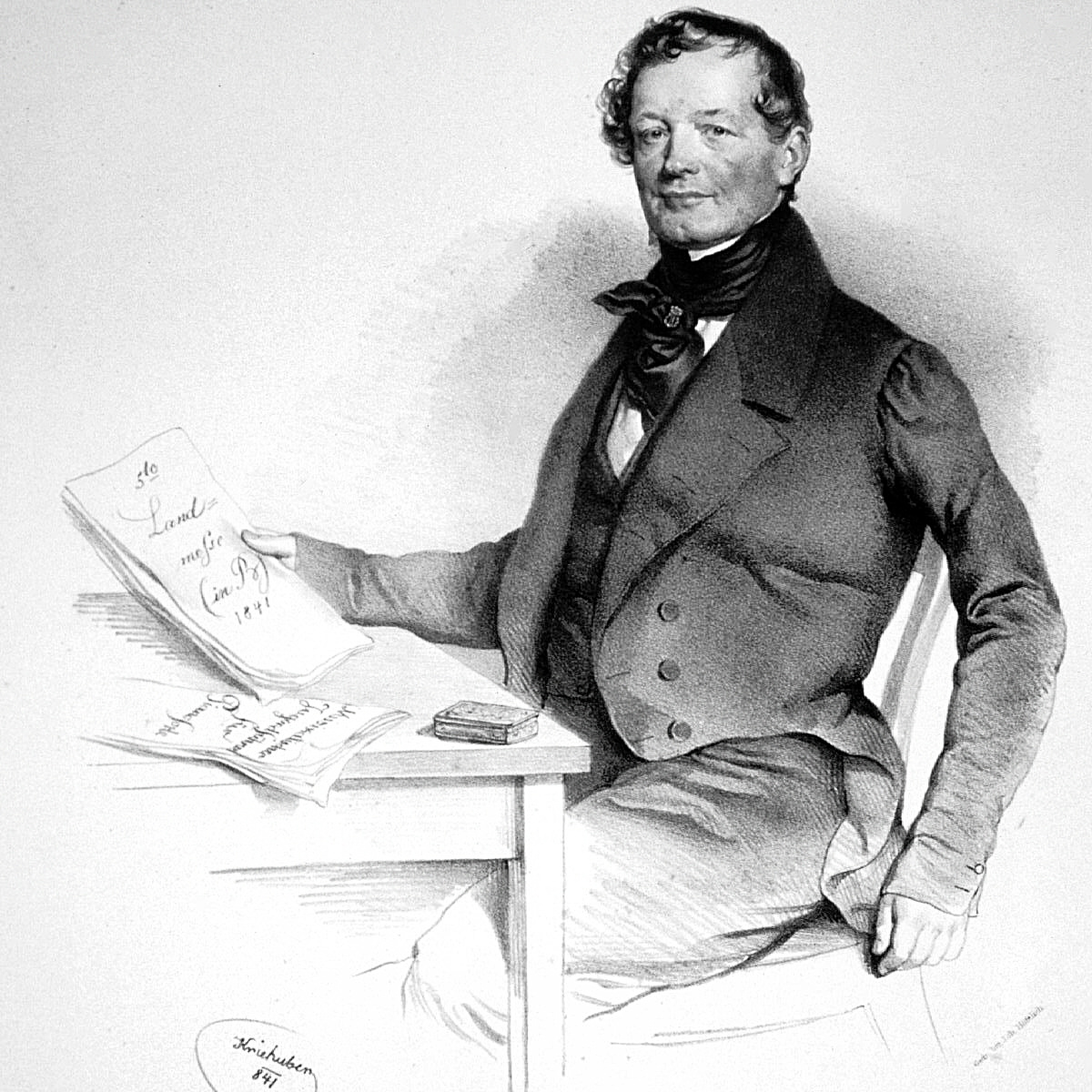
Anton Diabelli (Austria, 1781-1858). Lithograph by Josef Kriehuber (Austria, 1800-1876). Benjamin Britten (English, 1913-1976) in 1968. Publicity photo by Hans Wild. Public Domain.
CONCERT SPACE IS EARLY 20TH CENTURY CATHOLIC CATHEDRAL IN HAARLEM, NETHERLANDS
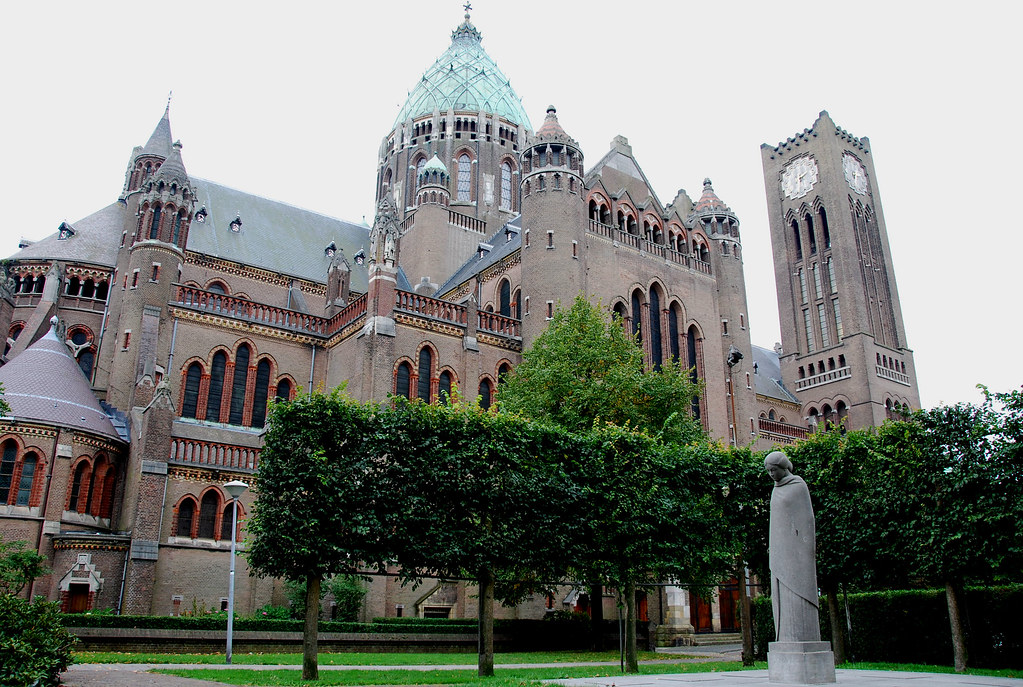
The concert was performed and recorded at the (Catholic) Cathedral Basilica St. Bavo in Haarlem on December 16, 2012 during Advent. The construction of the immense church took place between 1895 and 1930 on the Leidsevaart. It is different from and not the iconic Grote Kerk on Haarlem’s main square. As a cathedral, St. Bavo Basilica was built as the Catholic bishop’s church but it is also an active local parish. The St. Bavo Cathedral Choir is the church’s largest choral group, and an important part of the dual activity of the church.
The monumental church building, its art collection, organs, future museum, and the liturgical support of its Music Institute are all important aspects of serving and celebrating the Gospel in the service of others. The church community does not limit itself solely to believers within the territory of the parish, but offers a hospitable home for all who feel connected to it. https://rkhaarlem.nl/kerken/bavo-kathedraal-haarlem/
The Cathedral of Saint Bavo is the Catholic cathedral in Haarlem, the Netherlands. It was built between 1895 and 1930 during a Catholic revival in Europe. The church is a 20th century replacement for Sint Bavokerk (the Grote Kerk) on Haarlem’s main square. Founded in the mid13th century, the Grote Kerk was taken over by Protestantism from Catholicism in 1578. “the new St. Bavo Cathedral” by jimforest is licensed under CC BY-NC-ND 2.0.
ORIGIN, PRACTICE OF THE CATHEDRAL CHOIR. WORKS PERFORMED
The Cathedral Choir who performs this Advent 2012 concert is comprised of all the choirs put together and can hold more than 100 people. The “Kathedrale Koor” sings on average once a month and for the major festivals such as Christmas, Easter and Pentecost.
The full Cathedral choir is also used at large concerts and other important diocesan and other large events. The choir’s repertoire is wide with centuries of church music being represented. Large works with organ are especially performed, such as Masses by Louis Vierne (1870-1937) and Charles-Marie Widor (1844-1937) as well as works by Louis Andriessen (b. 1939) and Herman Strategier (1912-1988). The works of Jan Valkestijn, former Magister Cantus of the Music Institute and composer of several works for the Cathedral Choir, are also regularly performed.
FEATURE image: Nadar, Rosine Stolz (1815-1903), Paris, c.1857. Rosine Stoltz was a French mezzo-soprano.
By John P. Walsh.
This presentation is excerpted from content of university course I taught whose research project is ongoing.
Nadar was born on April 6, 1820 to 26-year-old Thérèse Maillet and 49-year-old Victor Tournachon at 195 rue Saint-Honoré in Paris. His parents didn’t marry until 1826. After Gaspard-Félix (Nadar’s birth name) was born his parents moved to 26 rue de Richelieu. A younger brother, Adrien, was born in 1825. In an age of political censorship, Victor Tournachon’s printing business began to decline and the family moved again to 45 rue Saint-André-des-Arts on the Left Bank. Tournachon brothers’ upbringing was marked by this financial difficulty of their father, especially after the July Revolution in 1830. After Victor Tournachon closed his business in 1833 he moved with his family to Lyon. Gaspard-Félix stayed in school at Versailles where he started his creative writing and had a natural inkling for making friends. His school career effectively ended in 1837 when his father died and Gaspard-Félix moved to Lyon. Though he started medical studies with the idea of supporting his mother and brother, it belied his active interest in journalism.
In 1838, Gaspard-Félix returned to Paris. Into the 1840’s his expanding circle of friends became his new family where his nickname of Nadar began to evolve and he started a journalism career working for up-and-down literary publications, writing reviews and short stories, and drawing caricatures. Throughout the 1840’s he traveled in bohemian literary circles, made the rounds of Paris cafés and met a string of artists, writers, critics and poets such as Gérard de Nerval (1808-1855), Charles Baudelaire (1821-1867) and Théodore de Banville (1823-1891) – all of whom became subjects for Nadar’s photography. Part of the reward for this aesthetic conviction was to spend time in a Paris debtor’s prison at the start of the 1850’s. While Nadar’s literary and artistic activities continued for the next forty years he also remained a type of eccentric politically-radical bohemian even after he was rich and famous.
Mid-nineteenth-century Paris was a city in upheaval both politically and physically. The Revolution of 1848 ended up toppling the constitutional monarchy and replacing it with a second republic. Georges-Eugène, Baron Haussmann’s renovation of Paris literally turned over the old city. These developments perfectly mirrored Nadar’s character to be restlessly innovative, curious, energetic, concrete, and persuasive. In a writing career that worked in the burgeoning literary world of newspapers, magazines, journals, gazettes, etc., and, as the press was starkly partisan, Nadar encountered many personalities who favored the liberal side of the political and cultural spectrum. By way of a journal for which he was editor in chief, Nadar in 1839, met Honoré de Balzac. An active member of the Société des gens de lettres since 1844, Nadar connected to the professional literary group for friends, funds and more writing opportunities, mainly short pieces for periodicals. Nadar never became disenchanted with writing or wanting to be a literary celebrity, but starting in 1844, began to augment his skills and income by publishing caricatures. He made sketches and drawings for a short-lived Journal du dimanche, the influential Le Charivari, an antisocialist LeJournal, a new weekly La Revue comique, and also Journal pour rire (which became Journal amusant), Tintamarre, Illustrated London News, and Count Charles de Villedeuil’s L’Éclair. Nadar’s success as a draughtsman – as well as his intuitive grasp of the emerging celebrity culture in Paris – led to the establishment in 1850 of the first studio under the Nadar brand name. Patronage for his caricatures allowed him in 1854 to move to 13 rue Saint-Lazare with his mother who, with Adrien, had returned to Paris in 1845. This address eventually served as Nadar’s photographic studio. When Nadar began his photographic services career there was a handful of professional photographers in Paris. By 1870, around the time Nadar exited the full-time profession in 1873, there were many hundreds. Nadar was at the start of a cultural sensation. Practicing a new and exciting medium, the photographer still held an undetermined and possibly precarious socio-economical position in Paris –was he an artist or technician? Was Nadar’s photographic services installed in what should be called a studio or shop?
Nadar married Ernestine-Constance Lefèvre (1836-1909) in 1854, a woman half his age, who fully supported her husband’s photographic venture. His young wife was one of his first—and final–photographic models. Nadar’s portraits included a wide range of sitters, many of whom were bohemian friends and notable personalities of his day. Nadar who for years had made portrait caricatures of celebrities such as in his lithographic project, Panthéon Nadar, now took their photographic portraits. A large number of Nadar portraits included painters, sculptors, actors, writers, historians, philosophers, politicians, journalists, and musicians as well as the public bourgeois clientele. The subject Nadar photographed the most was Nadar himself. A sitter would be welcomed into the outdoor courtyard on rue Saint-Lazare which served as Nadar’s studio. His first work was often done in the natural light that achieved a high contrast between light and dark on the sitter’s features. Like in a theatrical production, sitters were costumed by Nadar in place of their street clothes which worked to generalize their social position and contemporaneity. Using plain dark backgrounds and no props to begin, Nadar’s portraits are spare. Another key practice by Nadar to achieve a successful portrait is the photographer’s skillful lighting of the sitter. From the mid1850s until the early 1870s Nadar’s relaxed and easy style inviting friends and celebrities into his studio for portraits resulted in a sympathetic rapport between a seductive and energetic photographer and his trusting and extemporaneous subjects enthusiastically interacting to produce these portraits.
Adrien learned how to take photographs from Gustave Le Gray (1820-1884). Le Gray, who was the same age as Nadar, was already one the most important photographers of his time. Adrien first set up photographic services with his older brother taking portraits. Yet Adrien and Le Gray remained contacts for Nadar only through the 1850s: Le Gray fled France in 1860 because of creditors and the brothers split professionally in a lawsuit brought by Nadar and decided in 1859. In April 1860 Nadar took over renting Le Gray’s sumptuous studio at 35, rue des Capucines and expanded it with an iron-and-glass penthouse which opened in September 1861. This became Nadar’s fashionable quarters until 1872 when he retired and, in 1873, left a thriving photographic business to his son, Paul Nadar. In 1861 the new establishment, lavish and sporting its famous outdoor sign “Nadar,” one of its unforgettable modern notes made by 21-year-old Antoine Lumière (1840-1911), was packaged to attract the urban bourgeois. Nadar also looked to charge high prices based on his appeal as an anti-establishment photographer who sometimes took erotic photographs and always cultivated Paris’s society of artists and political radicals.
At the new studio his photographs were more polished than his and Adrien’s work on rue Saint-Lazare in the 1850’s. Nadar took photographs of Sarah Bernhardt (1844-1923) and George Sand (1804-1876) in several sittings. Nadar was a man of constant curiosity and enthusiasm which led to creative innovations in taking photographs. In addition to portraiture, Nadar used artificial light to photography the Paris catacombs in 1864. For anyone who has visited this underground necropolis, it is naturally always pitch dark. The Paris sewers, a modern marvel, also attracted Nadar’s camera and artificial lighting. The first aerial photographs in history were taken by Nadar when he hooked up a gondola to a balloon and lifted into the air over Paris in 1865. It promoted both the cause of human flight and his photography business. During the seige of 1870, Nadar took to the air again with his camera for patriotic reasons.
SOURCES:
The Great Nadar: The Man Behind the Camera, Adam Begley, Tim Duggan Books, NY, 2017.
Nadar: Gaspard-Félix Tournachon (55), James H. Rubin, Phaidon Press, 2001.
The World of Proust as seen by PaulNadar, edited by Anne-Marie Bernard, The MIT Press, Cambridge, MA, 2002.
Nadar, Maria Morris Hambourg, Françoise Helibrun, Philippe Neagu, et.al., Harry N. Abrams, 1995.
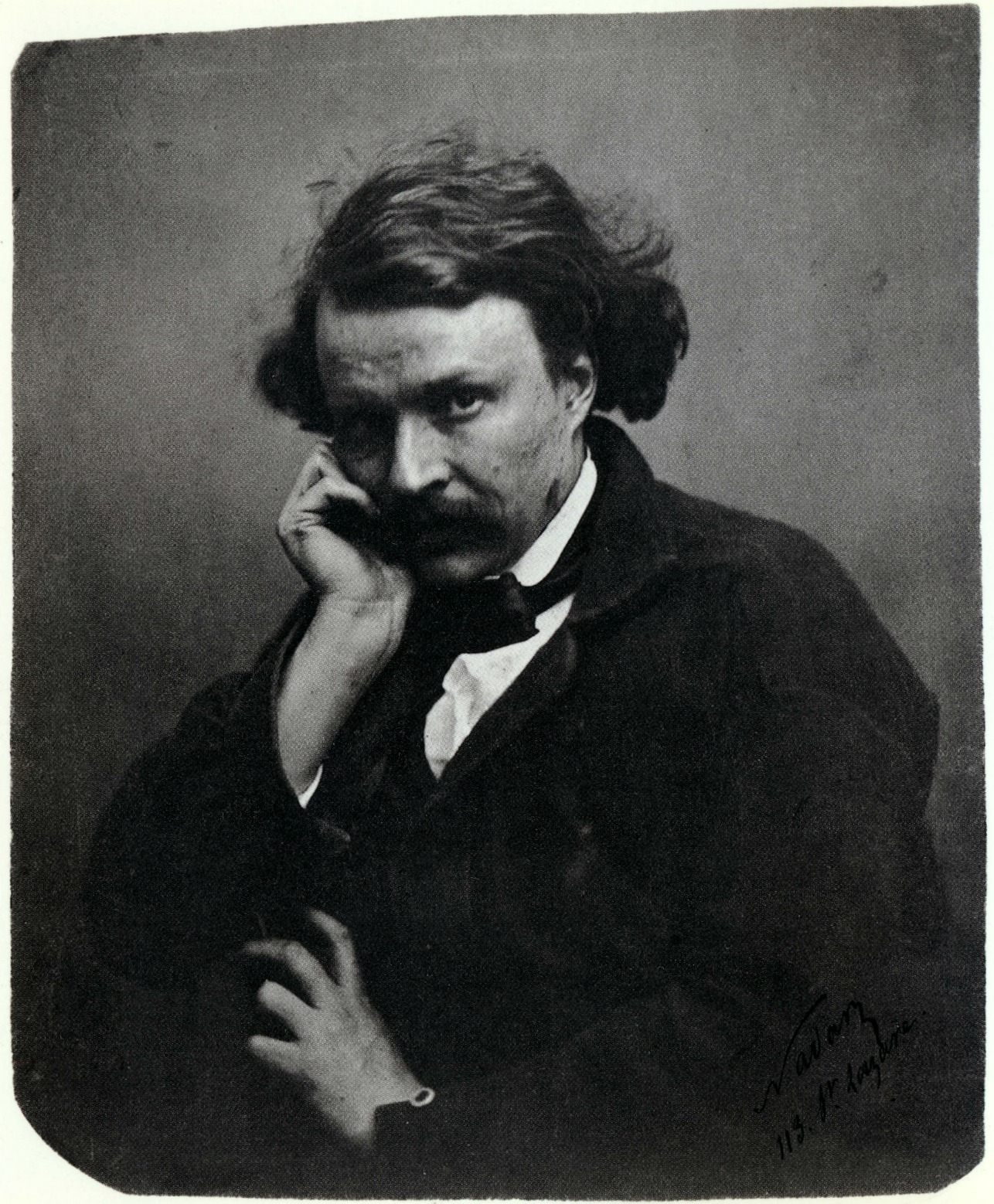
Nadar, Self Portrait, 1854. Throughout his career, Nadar took images of himself. This was used as a simple record of the artist but also a form of publicity for his business.
Nadar, Self Portrait, 1855.
Nadar, Atelier at 35, boulevard des Capucines, c. 1861. Nadar moved out of his mother’s house where he had his first studio into this grandiose showplace on the new boulevard which attracted celebrities, onlookers, and those eager to have their portrait taken in the nineteenth century. The script sign “Nadar” across the building’s facade at its upper floor offered a dramatic advertisement for the enterprising photographer.
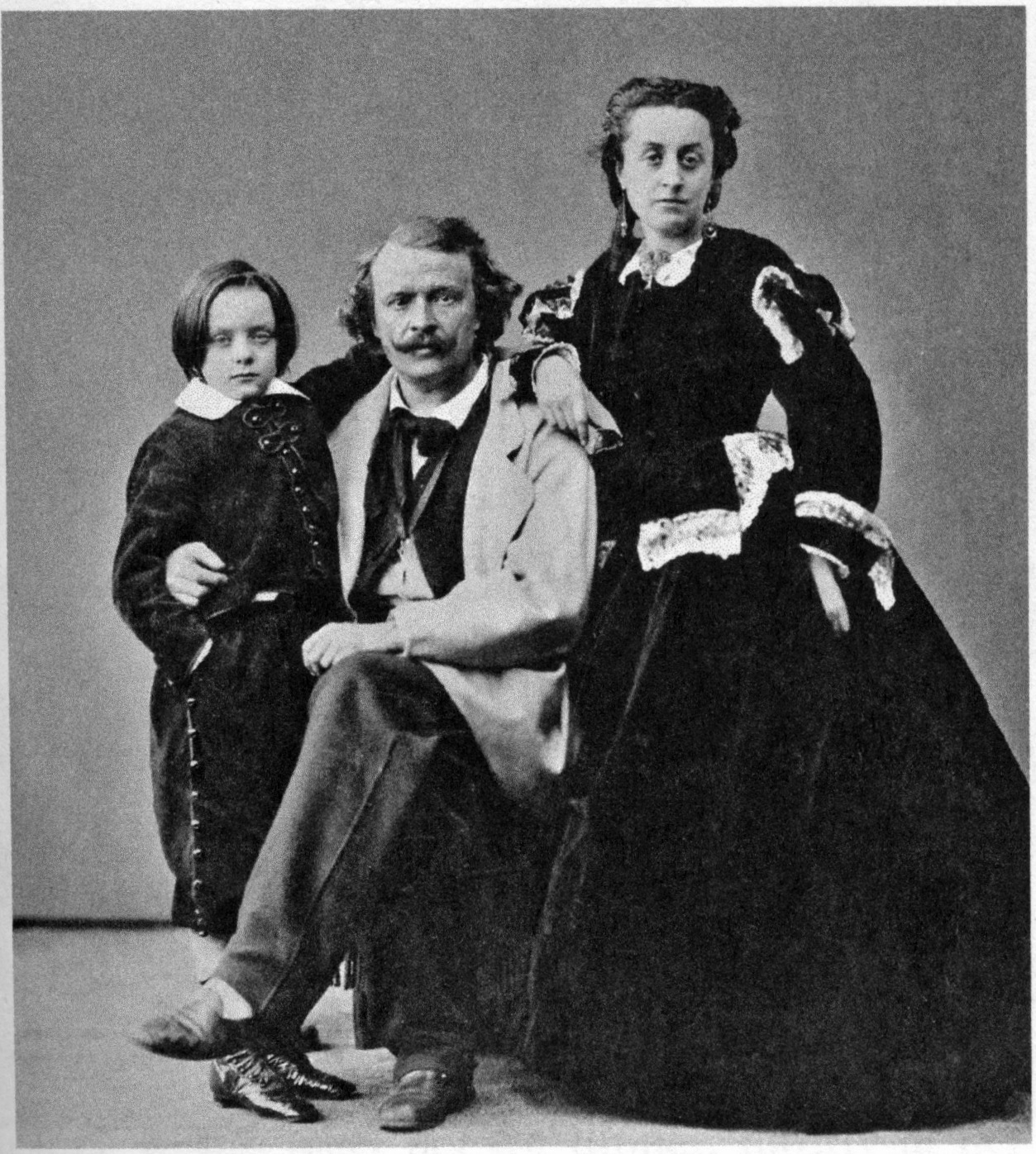
The Nadars, c. 1864. Paul Nadar (1856-1939), Gaspard-Félix Nadar (1820-1910), Ernestine-Constance Nadar née Lefèvre (1836-1909). A family portrait portrayed both a close family unit of mother, father, and son, as well as the dynastic quality of Nadar’s photographic business to be inherited by none other than young Paul by the 1890’s.
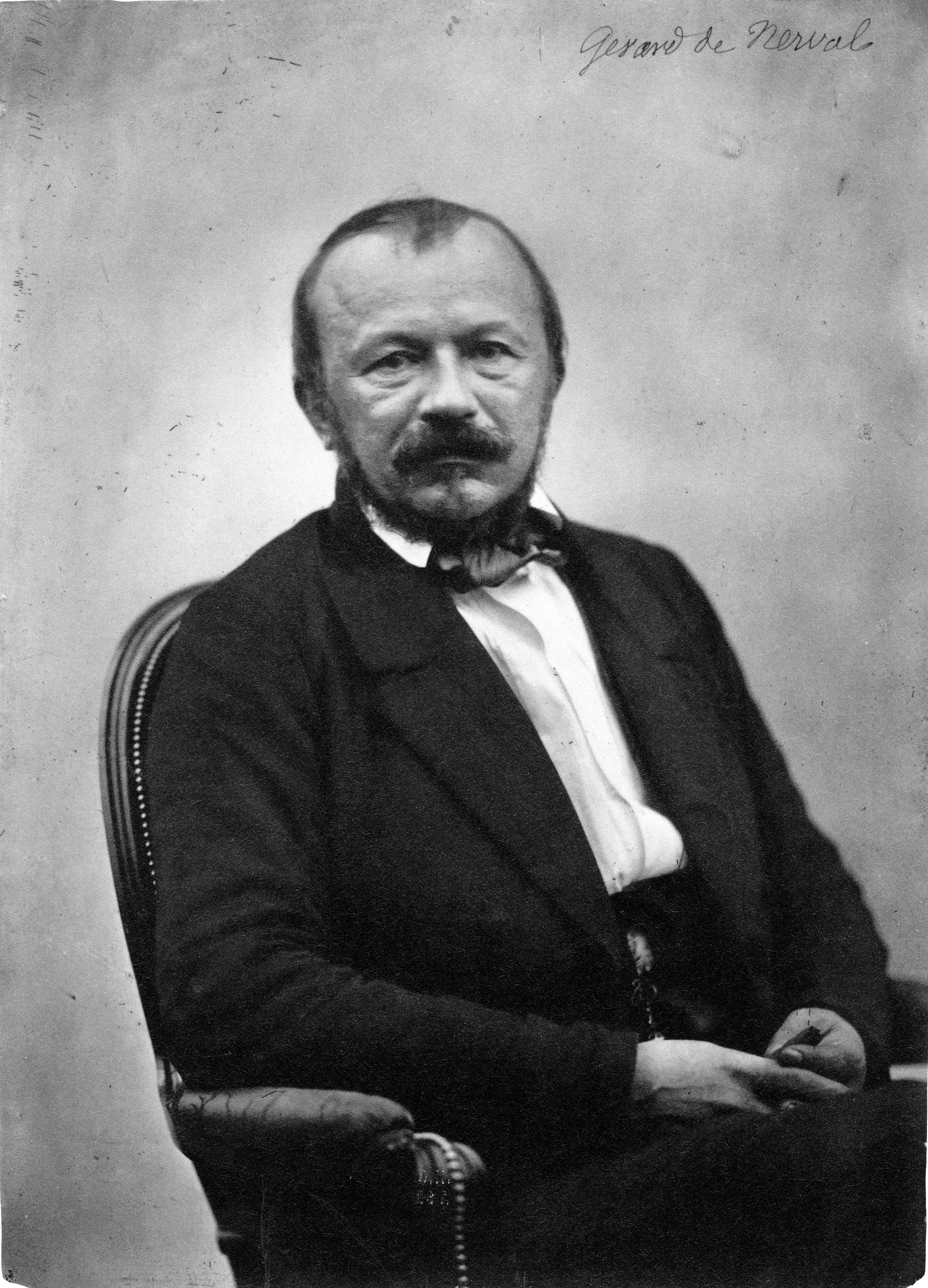
Nadar (and Adrien Tournachon), Gérard de Nerval (1808-1855), 1855. The poet played a major role in introducing French readers to the works of German Romantic authors, including Friedrich Gottlieb Klopstock (1724-1803), Gottfried August Bürger (1747-1804), Johann Wolfgang von Goethe (1749-1832) and Friedrich von Schiller (1759-1805). His own poetry was a major influence on Marcel Proust (1871-1922), André Breton (1896-1966), and the avant-garde movement of Surrealism in 1920’s that sought to release the creative potential of the unconscious mind. Nadar claimed that Nerval sat for him just once and only days before the bohemian poet committed suicide.
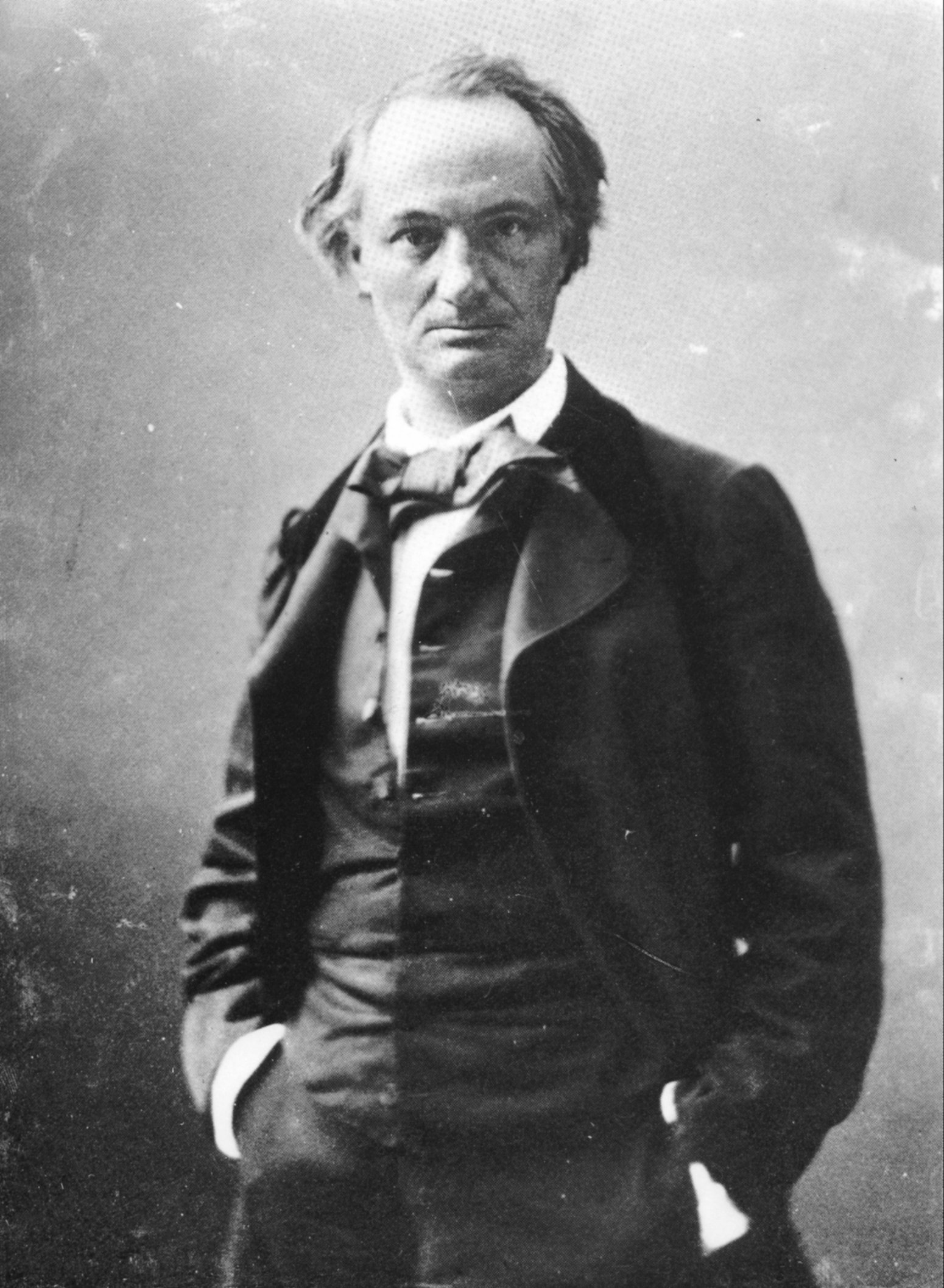
Nadar, Charles Baudelaire (1821-1867), 1855. In an early portrait by Nadar, his friend Baudelaire reclines in an armchair with an intense and dreamy gaze. The poet and critic was involved in producing poems to be published in 1859 as Les Fleurs du mal. Baudelaire’s critique of photography was its negative impact on judgement and feeling of the beautiful.
Nadar, Charles Baudelaire (1821-1867), 1855. The lumpy coat is likely a costume provided by Nadar that helps contrast the sitter’s slim frame and fine facial features. The formal gesture of the right hand inside the coat, a pose known in Ancient Greece to indicate good manners, had appeared in eighteenth century art to establish calm and deliberation in its subject so posed. Baudelaire’s left hand in the pocket is informal and could intentionally serve to undermine or mock the classical gesture. Nadar’s portrait series of Baudelaire is important to view as a group since these are the few images of the French Symbolist poet that exist from the mid nineteenth century and in a manner of pose inspired by the artistic interchange of the diverse and inventive Nadar and his subject who was also his friend, the experimental modernist writer Baudelaire.
Nadar, Baudelaire, c. 1856.
Nadar, Charles Baudelaire (1821-1867), c. 1862. Rather than dreamy, Baudelaire’s expression — mouth turned down, eyes gleaming — is defiant and the pose is stern but whimsical.
Nadar, Charles Baudelaire (1821-1867), c. 1862.
Nadar, Théodore de Banville (1823-1891). Banville was a French poet , writer and critic who was a leader of the Parnassians and whose work was later influential on French Symbolism. His first book of verse, Les Cariatides (“The Caryatids”) in 1842, owed much to the style and manner of Victor Hugo (1802-1885). The chief quality of his poetry is its technical virtuosity — he experimented with forms such as the ballad and rondeau that had been neglected for 300 years — though contemporaries also admired his poems’ erudition, wit and whimsy. His best-known collection, Les Odes funambulesques (“Fantastic Odes”) published in 1857, is dedicated to Hugo who praised it. Such is the first stanza of Mascarades: Le Carnaval s’amuse!/ Viens le chanter, ma Muse,/En suivant au hasard/ Le bon Ronsard!
Nadar, Théodore de Banville, 1854.
Nadar, Henri Murger (1822-1861), Paris, c. 1855.
Nadar, Charles Philipon, Paris, 1854. The founder of Le Charivari in 1831, among other popular journals, Charles Philipon (1800-1862) was Nadar’s mentor and an important collaborator in Nadar’s bid to establish himself as a caricaturist. Philipon and Nadar, though from different generations, both shared an energetic and inventive personal character as well as a keen interest, skill, and talent for contemporary caricature (though censorship killed political cartoons after 1851). Charles Philipon, however, being the better businessman, provided Nadar in this period with editor in chief jobs at new magazines that Philipon founded and, until the day he died in 1862, stayed solicitous of Nadar’s future in illustration. Except that, after Charles Philipon died, Nadar lost all interest in the practice.
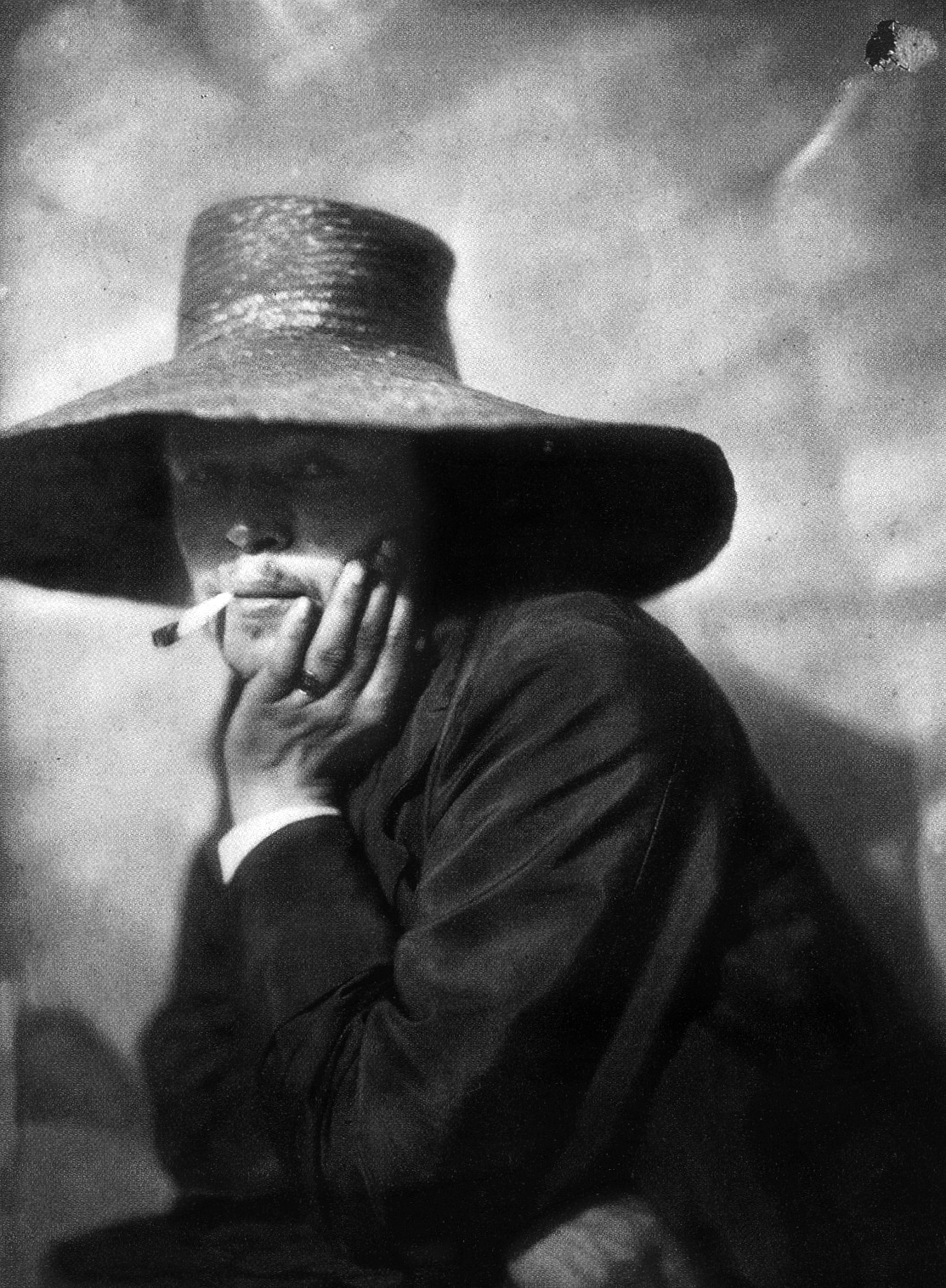
Adrien Tournachon (1825-1903), c. 1855. Nadar’s younger brother was a quirky and talented artist and photographer in his own right. By the mid-to-late 1850’s Adrien collaborated closely with his older brother in the photographic studio’s services. Their work in this period is often enmeshed so that an exact delineation between them can be difficult to ascertain. Is this photograph a self portrait or a collaborative (self-)portrait? The photograph presents Adrien at about age thirty, wearing casual attire and posing with a bohemian air marked by a broad-brimmed dark straw hat and holding a hand-rolled and lit cigarette in his mouth. Adrien Tournachon opened a photographic studio at 11, boulevard des Capucines in 1853. The two brothers worked together closely in photography which each also worked in other professions, Nadar as a caricaturist and Adrien as a painter (whom Nadar helped to establish). Adrien’s photography career included being active in newly-formed photographic societies, securing a patent for a photo-mechanical process, and later specializing in horse and animal photography as well as other photography-related businesses.
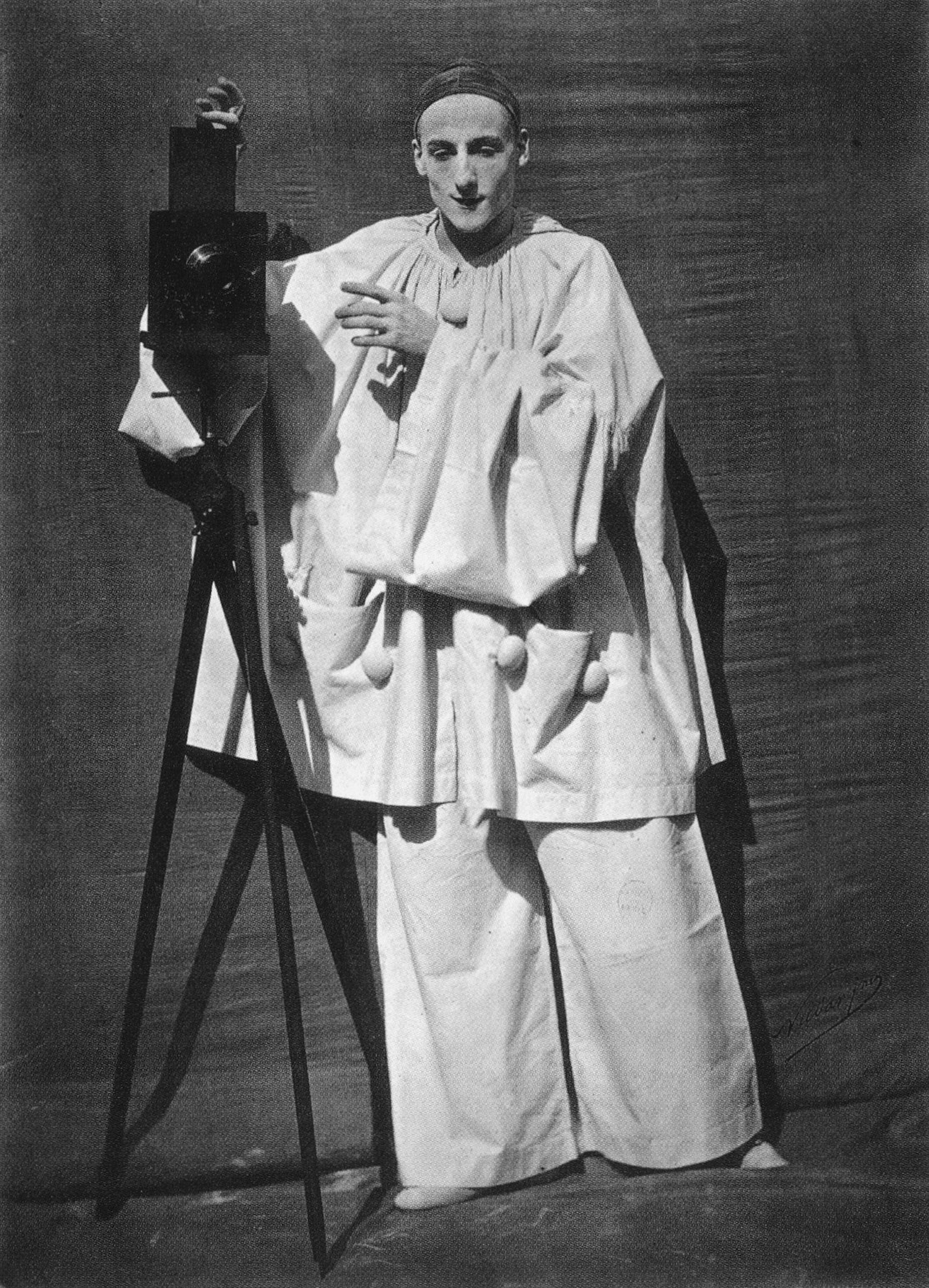
Jean-Charles Deburau (1829-1873) as Pierrot series, c. 1855. This is another series of Nadar’s photographs–Deburau’s portrayal of the stock character Pierrot– that should be viewed as a group to appreciate the sitter portrayed in a single portrait, although this post includes only a small portion. A collaborative project by Nadar and Adrien. Nadar issued the invitation for Deburau to pose in the studio. Deburau is dressed as Pierrot, the famous commedia dell’arte character. These are rare full-length portraits in Nadar’s oeuvre and include Pierrot in a variety of dramatic poses, some more natural than others, in strongly sculptural light and shadow. There is Pierrot surprised, Pierrot listening, Pierrot in pain, Pierrot laughing and, most famously, Pierrot photographer which explicitly suggests the performative dialogue between sitter and photographer.
Pierrot running.
Pierrot laughing.
Pierrot listening.
Nadar, Théophile Gautier (1811-1872), Paris, c. 1855. Gautier was a French poet, dramatist, novelist, journalist, and art and literary critic.
Nadar, Jules Michelet (1798-1874), c. 1858. Historian of France. Nadar positions his camera lens below the subject so that Michelet can look out from above and has arranged the light reflectors to sculpt Michelet’s features in high relief.
Nadar, Prince Adam Jerzy Czartoryski (1770-1861), c. 1858. A Polish patriot, Nadar’s portrait of the prince was exhibited in 1859 at the Société Française de Photographie. In 1848 Nadar had volunteered to fight for the liberation of Poland when Lamartine called for an expeditionary force of 300 Polish and 200 French (including Nadar) to incite revolution against a Russian regime there since 1830. Nadar was captured, spent time in prison in Germany, and returned by foot to Paris.
Auguste Préault (1808-1879), Paris, c. 1854. A student of David d’Angers (1788-1856), Préault was a sculptor who first exhibited at the Paris salon in 1833. Works by Préault are in the Louvre, d’Orsay, and other museum collections mainly in France.
Created in 1842, the medallion titled Le Silence in the Louvre is one of the most famous works of Auguste Préault, who was the romantic sculptor par excellence. Reduced to its simplest expression, the deeply-engraved artwork — a funereal figure with a finger on the lips evoking the chasm between Life and Death — both fascinates and terrifies. This is the sculptural work on the tomb of Jacob Roblès in Père Lachaise where Préault abandoned recent traditional funerary imagery begun by his mentor David D’Angers of artwork that evokes the person who died, and fashioning in its place an enigmatic and mysterious evocation of death itself. Préault, who died in 1879, is also buried in Père Lachaise.
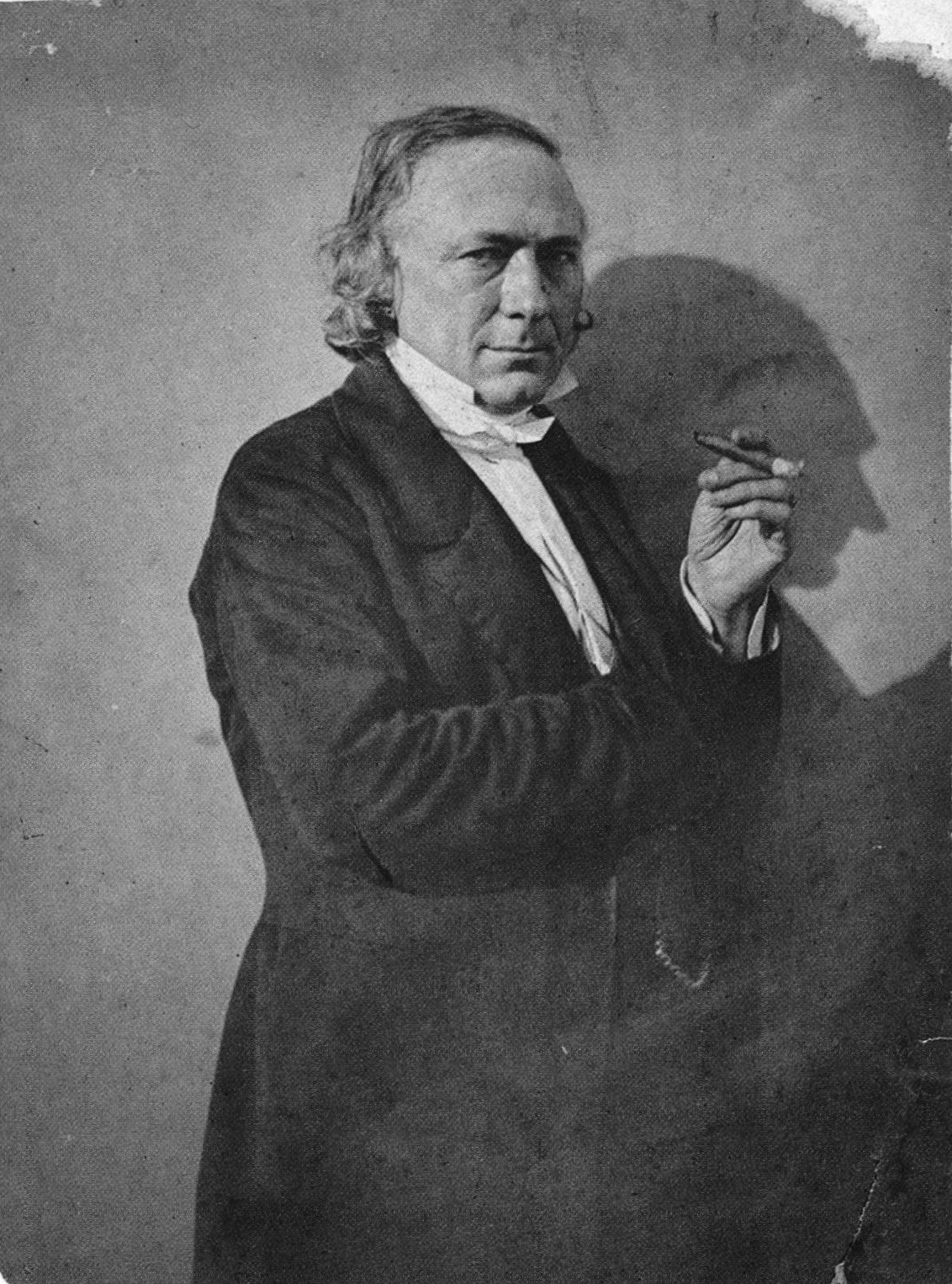
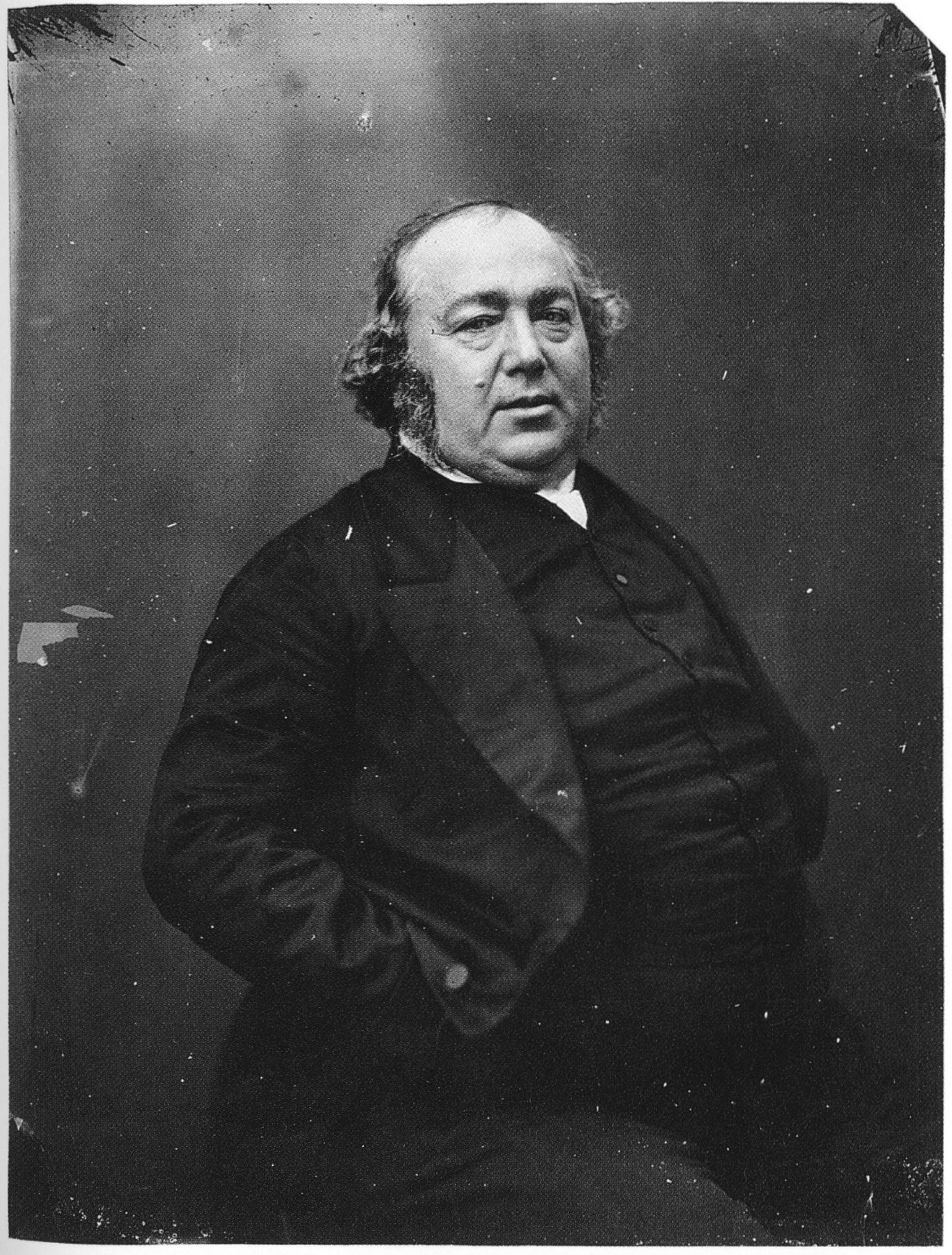
Nadar, Pierre-Clément-Eugène Pelletan (1813-1884), c. 1857. Protestant minister, mystic, socialist pamphleteer, an associate of George Sand and Lamartine. This is lionizing portrait – gleaming eyes, furrowed brow – that epitomized for the photographer the nobility of the Romantic hero.
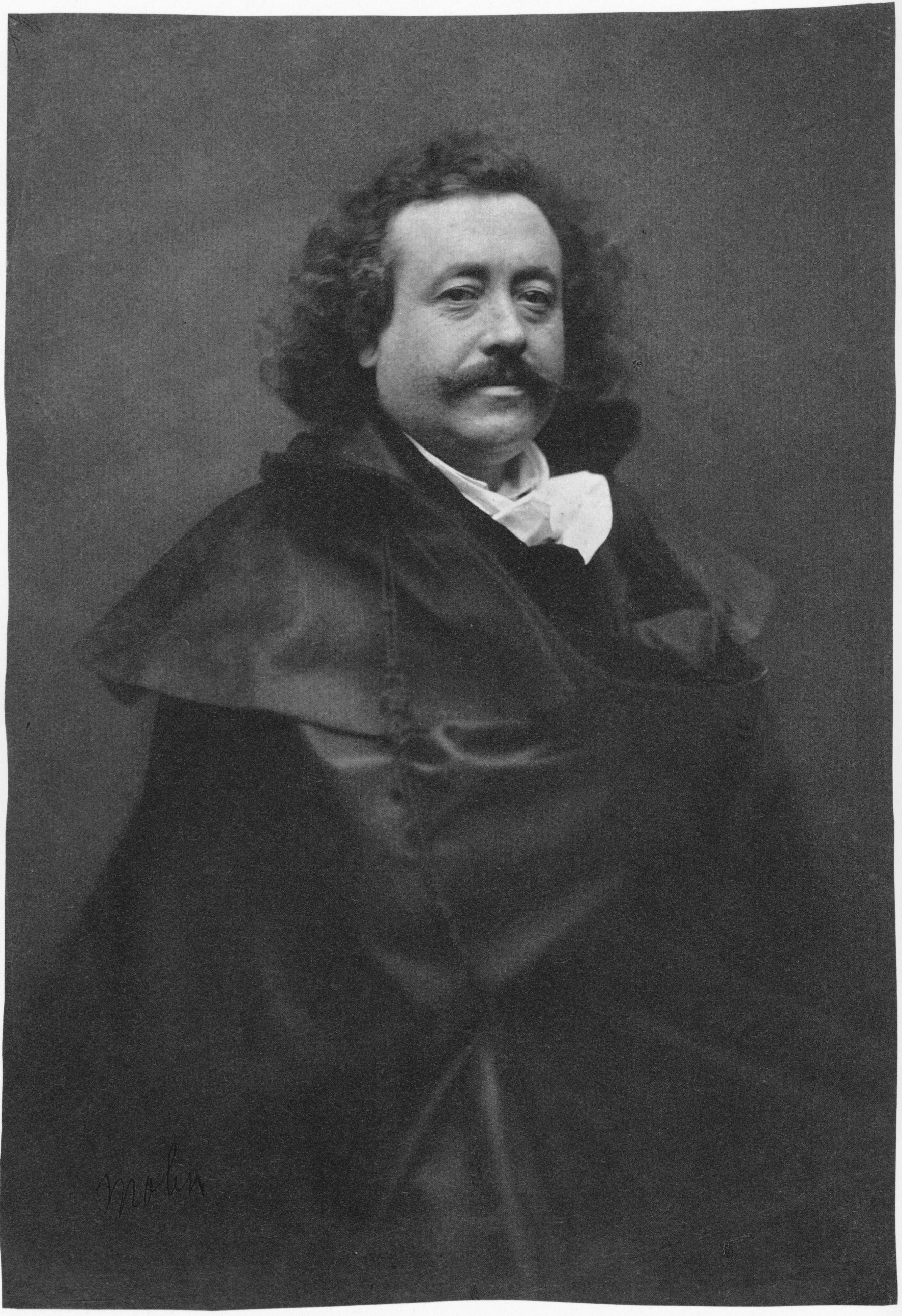
Nadar, Benoît Molin (1810-1894), Paris, 1858. A student of Baron Gros (1771-1835), Molin was a portrait, genre, Religion and History painter. Molin regularly exhibited at the Salon starting in 1843 and became the Director of Chambéry Musée des beaux-arts in 1850.
Molin, Le Baiser rendu (Judas et Satan), 1840s, Chambéry; Musée des Beaux-Arts.
Nadar, Gioachino Rossini (1792-1868). Italian composer who wrote 39 operas, including his French grand opera, Guillaume Tell (William Tell) in 1832 based on Friedrich Schiller’s 1804 play that is based on the previous William tell legend.
Gioachino Rossini: William Tell Overture (1829). London Philharmonic, Alfred Scholz.
Alexandre Dumas père (1802-1870), Paris, c. 1855. The French writer’s works have been translated into many languages, and he is one of the most widely read French authors. Many of his historical novels of high adventure were originally published as serials including The Count of Monte Cristo, The Three Musketeers, and Twenty Years After, among others. His novels have been adapted since the early twentieth century into hundreds of films.
Based on the 1844 novel Le Comte de Monte Cristo (The Count of Monte Cristo) by Alexandre Dumas père, this excerpt from the 1998 French-Italian TV miniseries finds Edmond Dantès (Gerard Depardieu), who is now the Count of Monte Cristo, encountering his beautiful former fiancée, Mercédès (Ornella Muti). When the count as a young man is unjustly betrayed and sent to the Château d’If – from which he escapes after several years – Mercédès has married not only another man but one of the Count’s betrayers. Though Mercédès regrets marrying Fernand and not waiting for Dantès, she never stops loving Dantès and ends up being miserable for it.
François-Louis Lesueur (1820-1876), Paris, c. 1855. Lesueur was a French actor.
Nadar (and Adrien Tournachon), Edmond Goncourt (1822-1896) and Jules Goncourt (1830-1870), Paris, c. 1855. The brothers were taste-makers of their time. The Prix Goncourt, the best known and most prestigious of French literary awards, is named for them.
Joan of Arc on Horseback, 1874, Place des Pyramides, Paris by Frémiet. The pedestal was designed by the architect Paul Abadie (1812-1884). The model for Joan was Aimée Girod (1856–1937).
Nadar, Louis-Charles-Auguste-Couder (1789-1873), c. 1856. French painter and student of Jean-Baptiste Regnault (1754-1829) and Jacques-Louis David (1748-1825).
Couder, Le Serment du Jeu de Paume, 20 juin 1789, 1848, Musée de la Révolution française, Vizelle.
Nadar, Mariette (Standing Nude), c. 1855. Only by viewing Nadar’s nude portraits in a group can the viewer begin to get a sense of the photographer’s inventiveness and grace in posing the model that achieves the maximum effect of the sitter’s degrees of vulnerability and beauty.
Nadar, Mimi, c. 1857.
Nadar, Draped Standing Nude, c. 1858.
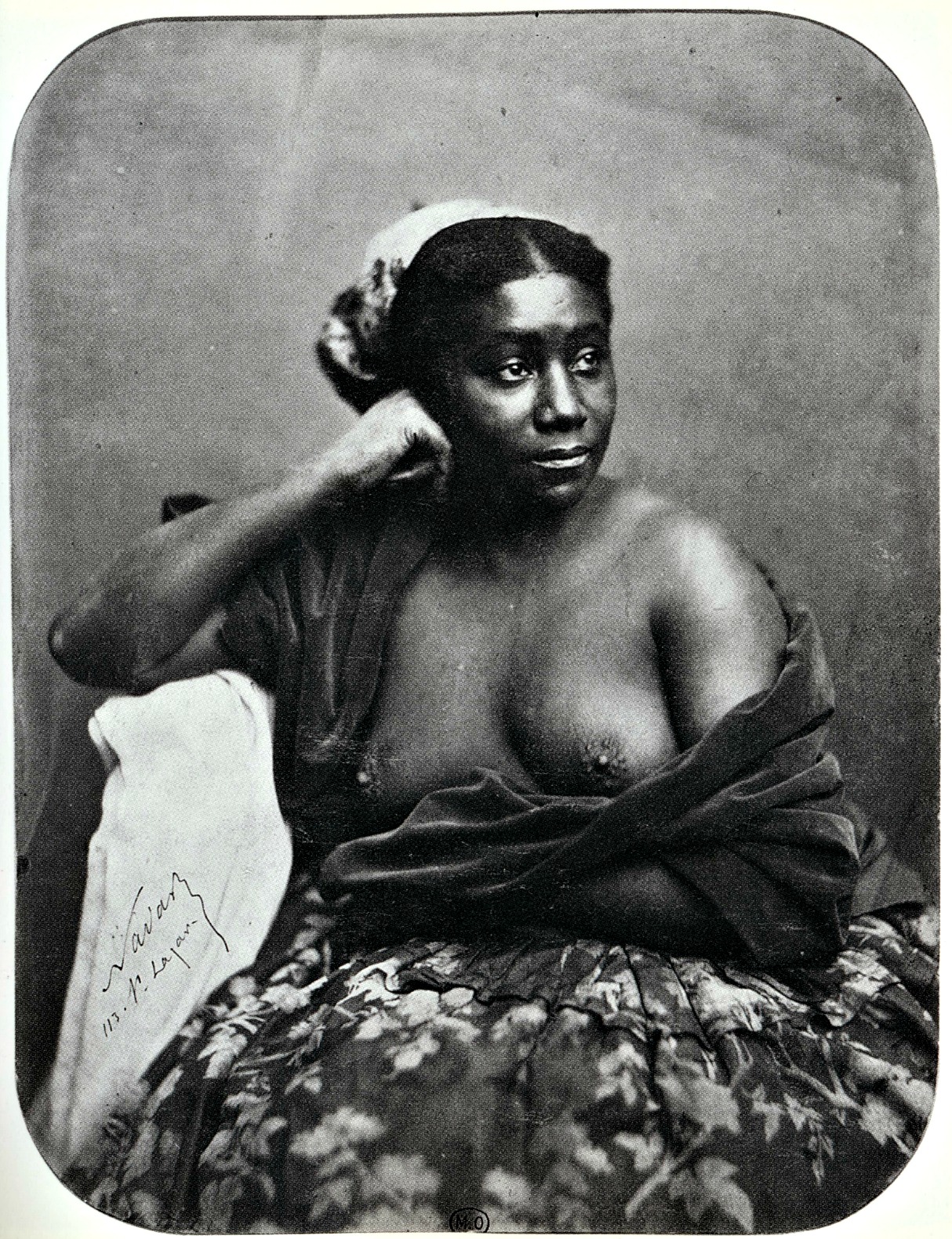
Maria L’Antillaise, Paris, c. 1858.
Mademoiselle de Sanzillon, Paris, c. 1858. Nadar took photographs of this society woman of the time. In a time when married women were still the legal property of their husband, Nadar’s portraits reveal a liberality of practice to find and display the individual personality of each female sitter. This is achieved by how the photographer posed them and captured their expression and outward fashion. The extent of Nadar’s abilities in the area of photographing women is best appreciated by seeing a select grouping of small-sized portraits that illustrate the range of this quality that he produced though a fraction of his oeuvre.
Finette, c. 1857.
Mère Marie Jamet, c. 1860. From an inscription on the back of the photograph, it is speculated, though by no means certain, that this is the founder and mother superior of the Petites Soeurs des Pauvres (Little Sisters of the Poor).
Nadar (and Adrien Tournachon?), Musette (also Mariette), c. 1855.
Young woman in profile, c. 1859.
Marie Laurent (1826-1904), Paris, c. 1856.
Maria L’Antillaise, Paris, c. 1858.
Young Model, Paris, c. 1858.
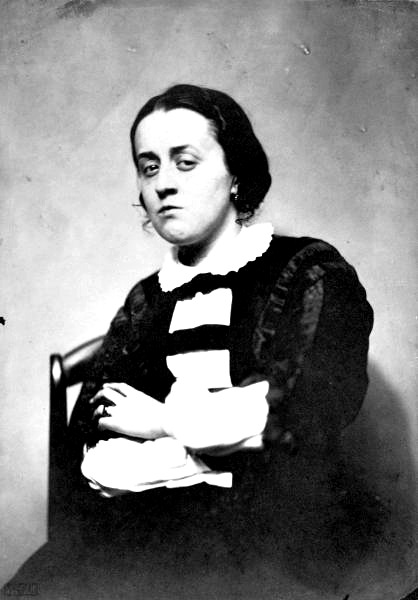
Juliette Adam (1835-1936), Paris, c. 1858.
Carlotta Grisi ( 1819-1899), Paris, 1865.
Nadar (Adrien Tournachon), Jules Janin (1804-1874), Paris, c. 1855. Known as the “prince of critics,” Janin enjoyed a 40-year-career as a theater critic, novelist, and literary historian from the 1830’s to the 1870’s.
Kopp (d. 1872), Paris, c. 1857. Kopp was a comic actor at the Théâtre des Variétés, a theatre and “salle de spectacles” on the boulevard Montmartre in Paris. Several opéra bouffe by Jacques Offenbach premiered there in the 1860’s.
Le Théâtre des Variétés, sur le boulevard Montmartre, à Paris (IIe).
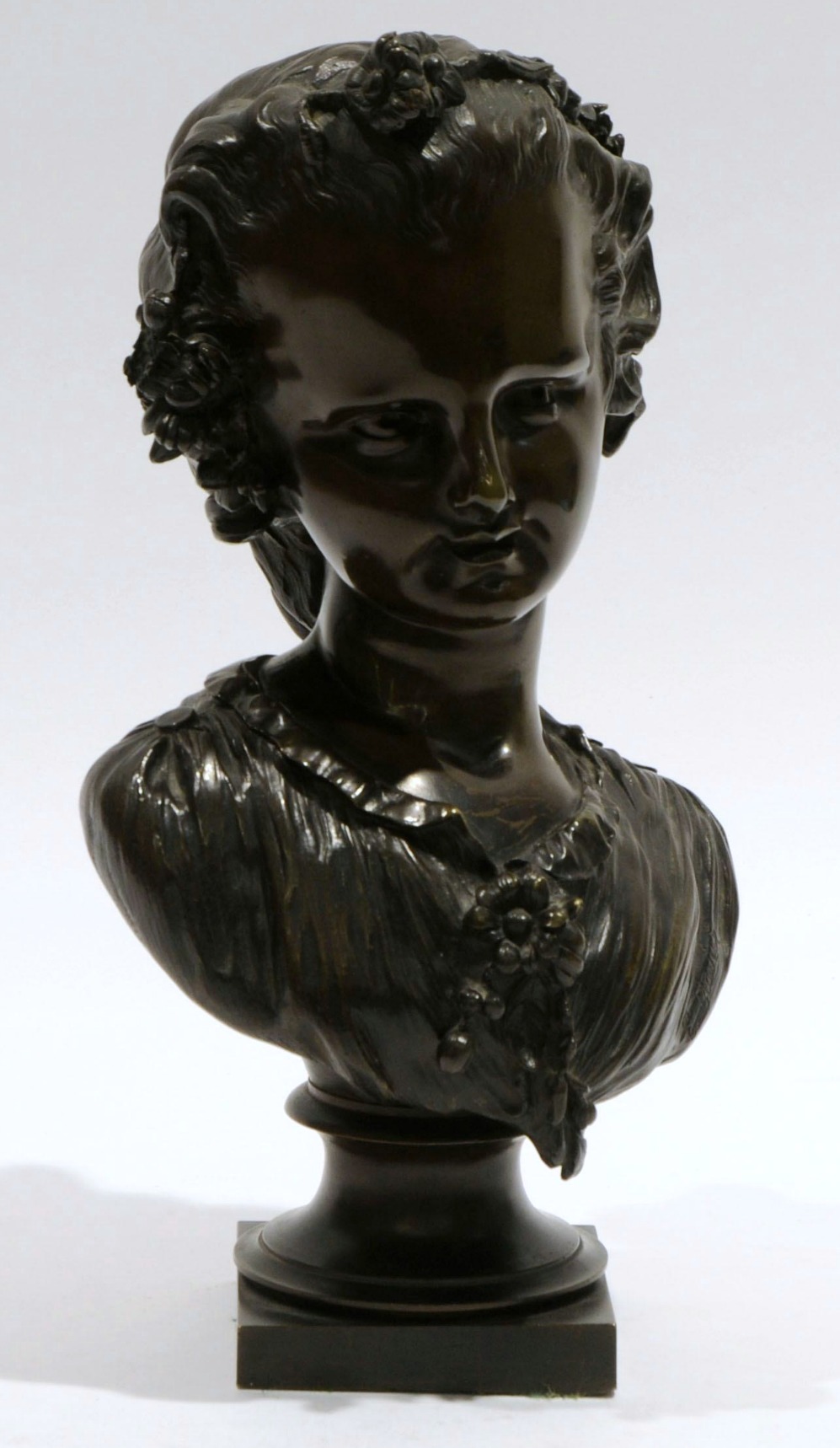
Nadar (and Adrien Tournachon), Émile Blavier, 1854. A young sculptor who gained recognition at the Salon of 1852.
Blavier, Buste de fillette au chignon.
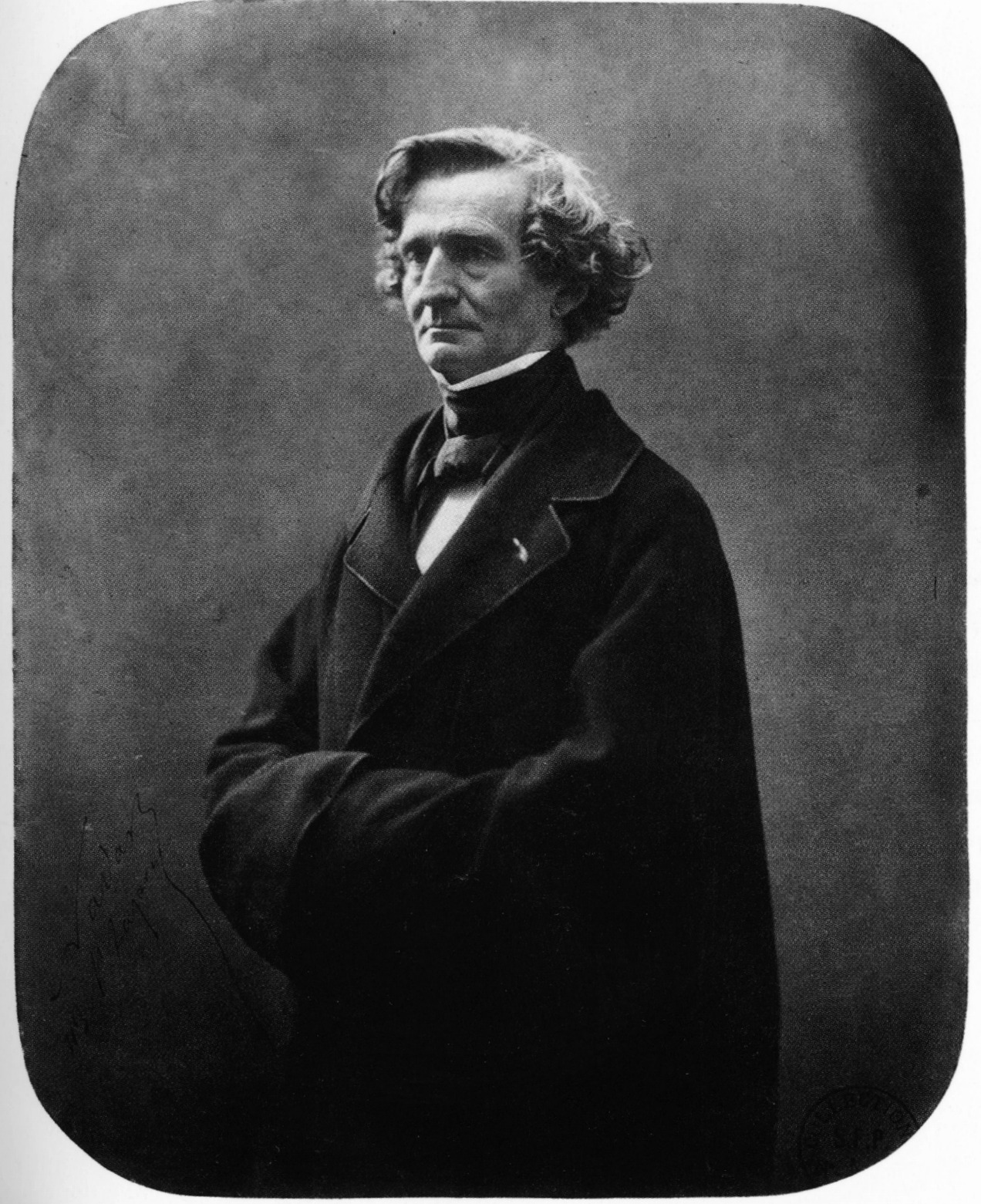
Hector Berlioz (1803-1869), Paris, c. 1857. Hector Berlioz’s Symphonie fantastique: Épisode de la vie d’un artiste … en cinq parties (Fantastic Symphony: Episode in the Life of an Artist… in Five Parts) was composed in 1830. and is one of the most important orchestral works of the period. Franz Liszt made a piano transcription of it in 1833. Leonard Bernstein described the symphony as the first musical expedition into psychedelia because of its hallucinatory and dream-like nature. The symphony is in five movements.
The Orchestre philharmonique de Radio France conducted by Myung-Whun Chung performs Berlioz’s “Symphonie fantastique”. Live recording on September 13th 2013 at the Salle Pleyel (Paris)
Paul Chenavard (1807-1895), Paris, c. 1857.
Nadar, Pierre-Alfred Ravel (1811-1881). Master comic on the Paris stage at the Théâtre du Palais-Royal for a quarter of century. Each brilliant conversationalists, both sitter and photographer were both at the height of their powers. The glorious theater interiors that still stand in Paris today give the best indication of the celebrity quality that surrounded many of Nadar’s sitters.
Foyer, Théâtre du Palais-Royal, 38 Rue de Montpensier, (1e).
Théâtre de la Montansier/Théâtre du Palais-Royal, 1er, Paris.
Rosine Stolz (1815-1903), Paris, c.1857.
Pierre Cicéri (1782-1868), Paris, c.1857.
Jean-Baptiste-Camille Corot (1796-1875), Paris, c. 1857.
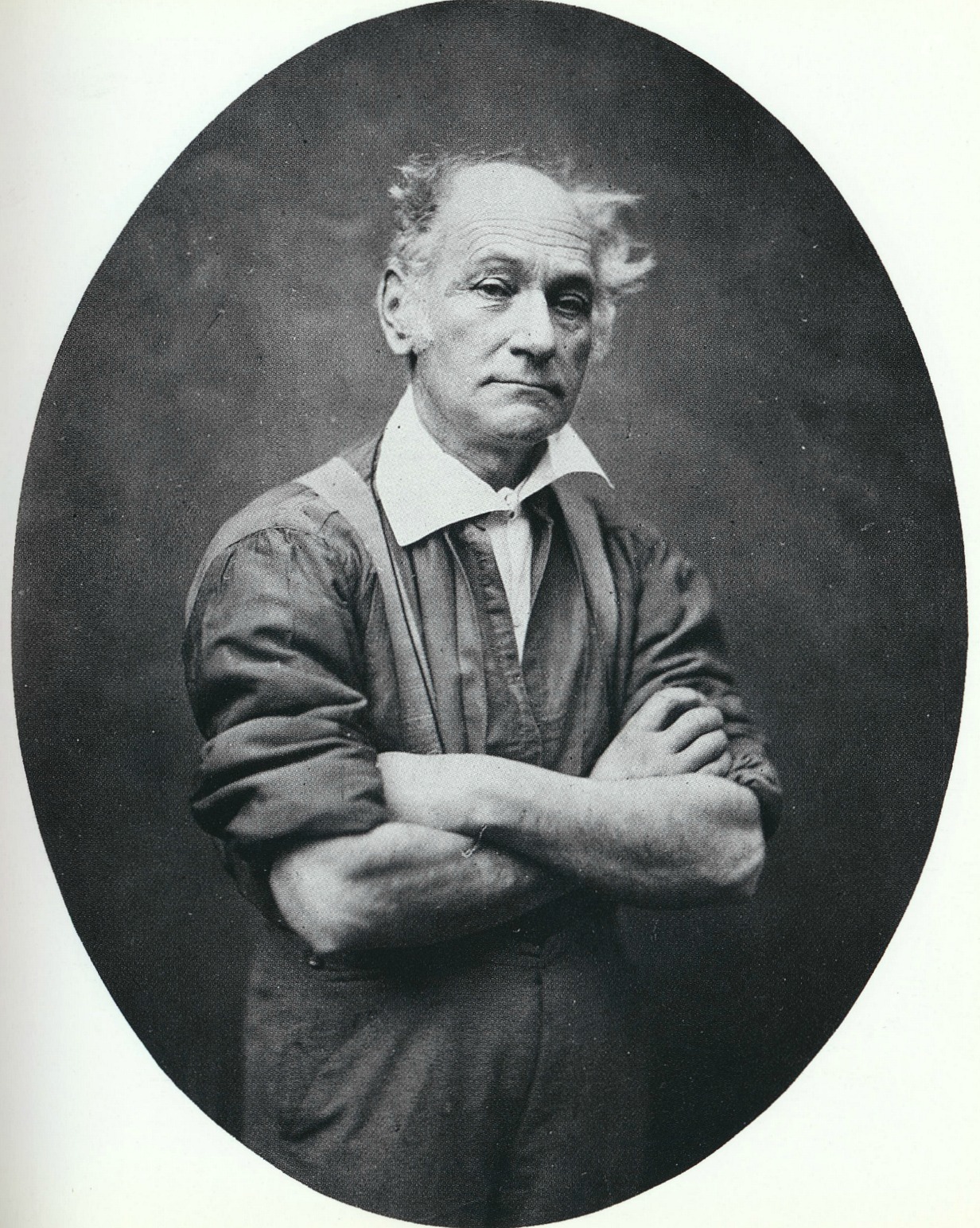
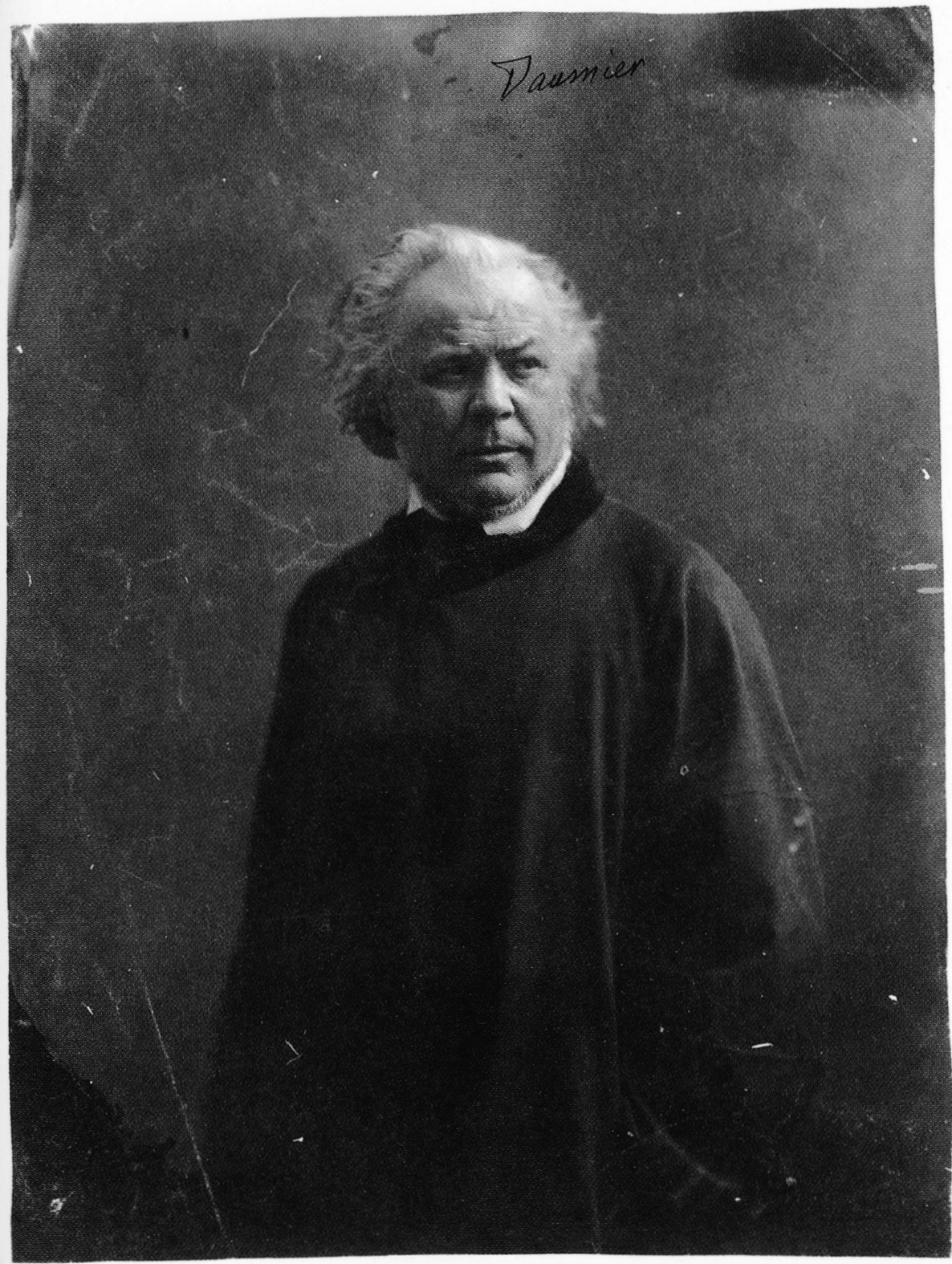
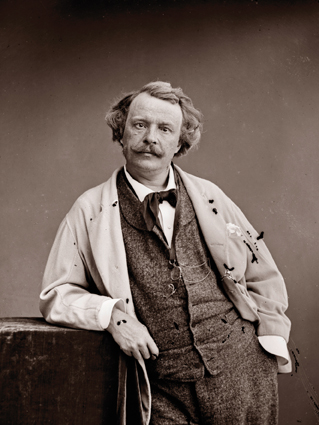
Honoré Daumier (1808-1879), Paris, c. 1857. Four masterful portraits taken in the same sitting. Nadar and Daumier both started their cartoon careers under Charles Philipon. Daumier started by drawing and was prompted, again by Philipon, to model unbaked clay figurines of lawmakers in the July Monarchy. For the rest of his long career Daumier was a master in drawing, painting, sculpture and lithography where the contemporary human element was key admired by Delacroix and Baudelaire. Daumier was friends with the sculptor Préault, painters Corot, Daubigny, Rousseau, and Dupré, and writers Théodore de Banville and Théophile Gautier. Although his first large solo exhibition (at Impressionist art dealer Durand Ruel’s gallery) was when the caricaturist was 70 years old, he had already been compared to novelist Balzac and philosopher Saint-Simon in that his art chronicled an era in French history. It is by viewing the several poses by Nadar of sitter during the same session that one begins to understand the appearance and personality of the subject for the first time.
Honoré Daumier (1808-1879), Paris, c. 1857.
Honoré Daumier (1808-1879), Paris, c. 1857. This portrait of Daumier was exhibited in 1859 at the Société Française de Photographie.
Honoré Daumier (1808-1879), Paris, c. 1857.
Daumier, Caricature de Photographie-A Collection of Ten Lithographs, lithograph, 36 x 24 cm. (14.2 x 9.4 in.), c. 1840–1867
Daumier, Le passé, le présent, l’avenir, lithographie, 19.6 x 21 cm, Coll. privée, “La Caricature.”
Gustave Doré (1832-1883), Paris, c. 1857.
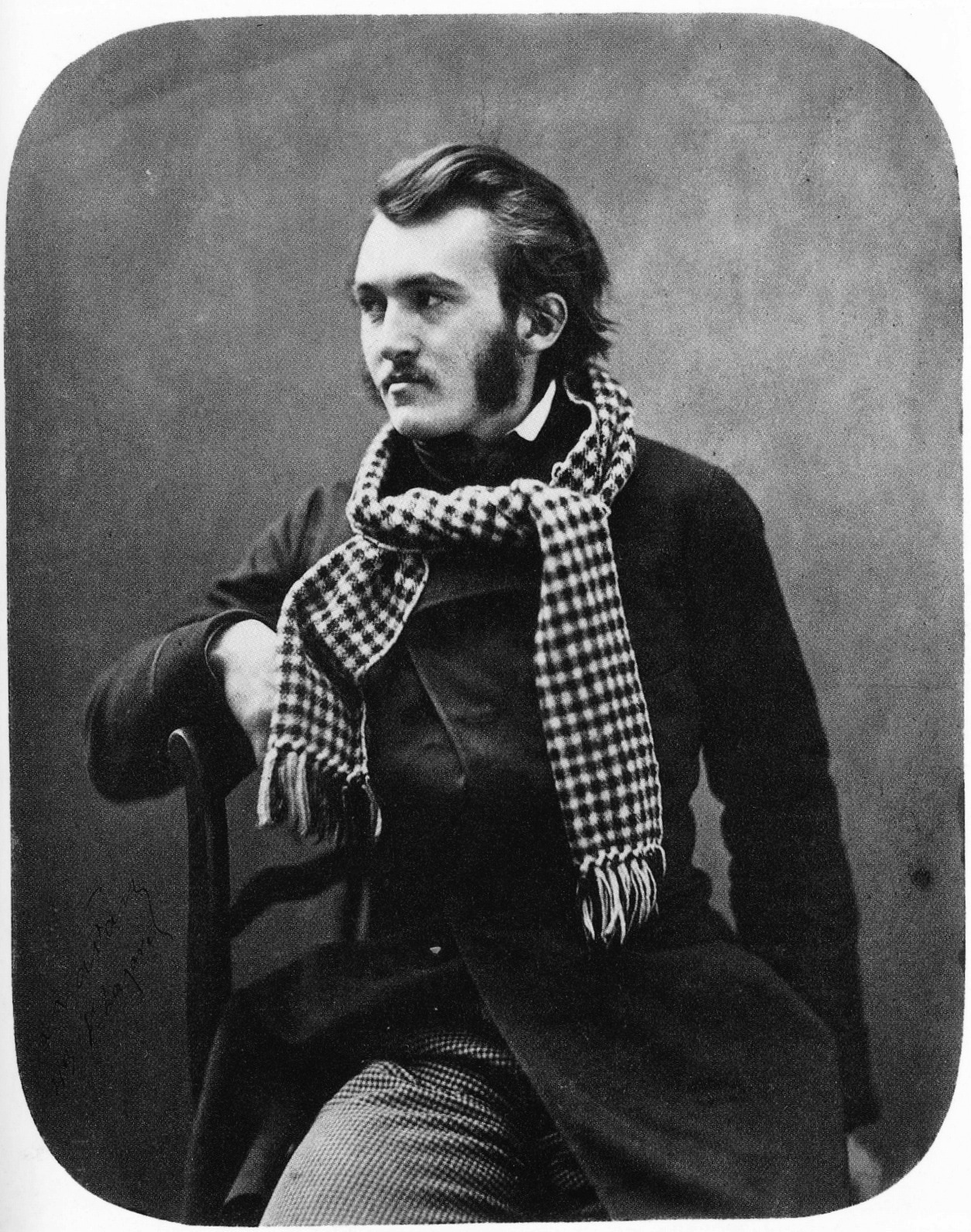
Nadar, Gustave Doré, Paris, 1867.
Gustave Doré, Vision of the Valley of Dry Bones, 1866. Printmaker and engraver, Doré’s illustrations for the Bible in 1866 were a huge success. This print depicts a vision in Ezekiel 37 when God transported Ezekiel to a valley full of dry bones. God directed Ezekiel to speak to the bones saying that God would make breath enter the bones and they would come to life. This would be just as God did at creation for Adam and Eve as told in Genesis’s first chapters. In Doré’s print, Ezekiel spoke, and God’s breath enters the bones so that they begin to come together, develop flesh and skin, and stand up and form a vast army.
Jean Journet (1799-1861), Paris, c. 1858. Fourierist “apostle.” Champfleury included Journet in his Excentriques and Nadar looked to achieve a passionate and inspired image in this photographic portrait portrait to offset Courbet’s anti-idealized artwork of Journet included below (Lithograph in black on wove paper, 1850, The Art Institute of Chicago).
François Guizot (1787-1874), Paris, c. 1857. Guizot was a government official in certain of the conservative governments that ruled in early-to-mid-nineteenth century France. Where Guizot was contentious and controversial as a public official, his breath of learning on French History and European Civilization led to the publication of historical tomes that he wrote on these subjects that are comprehensive and well written and remain exciting classics of the period.
Moses Saphire (1795-1857), Paris, c. 1857. A cartoonist and satirist known as Maurice Gottlieb.
Eugène Delacroix (1798-1863), Paris, 1858. Many volumes could be and are dedicated to the work of this great French Romantic artist and painter. The Musée Delacroix in Paris reports that the artist lived in ten different dwellings and changed studios six times prior to 1857, the year he moved to 6 Rue de Fürstenberg. The apartment he occupied there became the Musée Delacroix in 1932. Delacroix decorated the Salon du Roi (1833–1838) and the library (1840–1846) of the Assemblé Nationale, followed by the library of the Sénat (1840–1851). He was then commissioned for the ceiling of the Galerie d’Apollon for the Musée du Louvre (1850–1851). Between 1851 and 1854, he also created the décor of the Salon de la Paix in the Paris Hôtel de Ville, although his work was unfortunately lost in the fire of 1871. Apart from that particular ensemble, all of Delacroix’s secular decoration still remains in its original location for our viewing pleasure today. The Musée Delacroix has the model of the Orpheus for one of the hemicycles of the Assemblée Nationale ceiling, as well as the model for the hemicycle of the Sénat library depicting Alexander Placing Homer’s Poems in a Golden Chest.
Delacroix, Two Bearded Heads, after Veronese (detail from “The Marriage at Cana”), 1820, oil on canvas. Photo by author.
Delacroix, Lion Hunt (detail), 1861, The Art Institute of Chicago. Photo by author.
Adolphe Crémieux (1796-1880), Paris, c. 1858.
Isadore Severin, Baron Taylor (1789-1879), Paris, c. 1858.
Nadar, Philippe de Chennevières-Pointel (1820-1899), c.1855. Museum administrator and scholar. A good friend of Baudelaire who praised Chennevières’ modesty in the face of his humanitarian ideals and work ethic.
Emma Livry (1842-1863), Paris, c. 1859.
Nadar, Self Portrait, c. 1858.
Nadar, Self-Portrait, c. 1859.
Nadar, Self-Portrait, c. 1860.
Nadar, Self Portrait in artificial light, c.1859-1860.
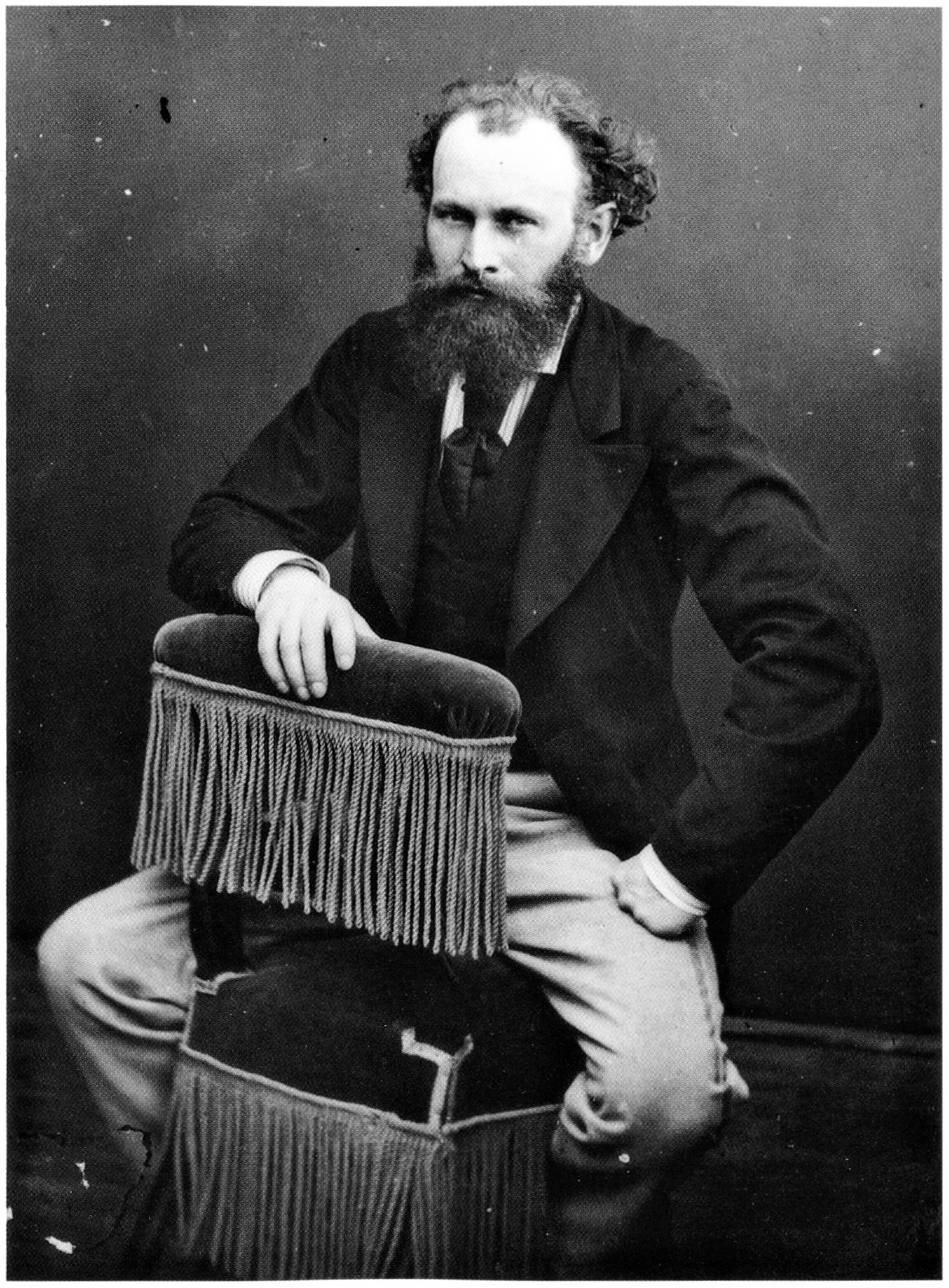
Manet, Steamboat Leaving Boulogne, 1864, oil on canvas, The Art Institute of Chicago.
Manet, Le Christ mort et les anges / Le Christ aux anges (The Dead Christ with Angels), 1864, Oil on canvas, The Metropolitan Museum of Art, New York.
Nadar, Legrand, c. 1858. An understudy to Baptise Deburau as Pierrot and a friendly rival to Charles Deburau, Legrand was short and stocky and in his performances was known for his deftness in pantomime to convey character, especially sentiment and tears.
George Sand (1804-1876), Paris, 1864.
Sarah Bernhardt (1844-1923), Paris, c. 1864.
Sarah Bernhardt in her late teens, c. 1859.
Sarah Bernhardt (1844-1923), Paris, c. 1864. In 1893 Sarah Bernhardt (1844-1923) took over the direction of the Théâtre de la Renaissance in Paris. Built in 1873, the theater stands next to the Porte Saint-Martin monument constructed in 1674. During the next six years (until 1899) many productions premiered in Bernhardt’s theater: Gismonda, a Greek melodrama in four acts, by Victorien Sardou (1831-1908) in 1894; La Princesse Lointaine, a play based on the story of a 12th-century troubadour, by Edmond Rostand (1868-1918) in 1895; two plays by Maurice Donnay (1859-1945), Amants in 1896 and L’Affranchie in 1898; La Figurante by François, Vicomte de Curel (1854-1928) in 1896; and two other productions in 1898, La Ville morte by Gabriele D’Annunzio (1863-1938) and Lysiane, a five-act play, by Romain Coolus (1868-1952). In 1896, Sarah Bernhardt in the Théâtre de la Renaissance, played the title role in Alfred de Musset’s Lorenzaccio, performing the part at the age of 52 and declared by the critics to be “from beginning to end, and at every moment, incomparably sublime.”
Théâtre de la Renaissance, Paris (10e).
Stage, Théâtre de la Renaissance, 20 boulevard Saint-Martin (10th), Paris. Sarah Bernhardt directed this theater from 1893 to 1899. It was built in 1873.
Sarah Bernhardt photographed by Nadar.
Sarah Bernhardt photographed by Nadar in the title role of Théodora in 1884.
In 1899 Sarah Bernhardt signed a long lease for the Théâtre des Nations/Théâtre Lyrique at 2 Place du Châtelet in the Fourth arrondissment and renamed it Théâtre Sarah-Bernhardt. It was designed by Gabriel Davioud (1824-1881) and built in 1862 by Baron Haussmann (1809-1891). It was virtually completely destroyed by fire in May 1871 at the end of Paris Commune and rebuilt according to the original plans in 1874. The renowned actress produced there until her death in 1923.
Impressive Haussmannian architecture of the Théâtre de la Ville has stood opposite the Théâtre du Châtelet, on the square of the same name in Paris, since 1862.
Théâtre Sarah-Bernhardt today is Théâtre de la Ville.
Part of a program for a production of La Vierge d’Avila in 1907-1907 at the Théâtre Sarah-Bernhardt.
Sarah Bernhardt photographed by Nadar in a production of La Tosca in 1887.
Jules Champfleury (1821-1889), Paris, c. 1865. French writer and modern art critic. Champfleury was a prominent supporter of the Realistmovement in painting and fiction and a champion of Gustave Courbet.
Gustave Courbet (1819-1877), Paris, c. 1866.
Courbet, Woman With A Parrot, 1866, oil on canvas, 51 x 77 in. (129.5 x 195.6 cm), The Metropolitan Museum of Art. New York. When this painting was shown in the Salon of 1866, critics censured Courbet’s “lack of taste” as well as his model’s “ungainly” pose and “disheveled hair.” Yet the provocative picture found favor with a younger generation of artists who shared Courbet’s disregard for academic standards.
Nadar, Charles-François Daubigny (1817-1878), c. 1857. Born near Paris into a family of artists, Daubigny was first taught by his father, the artist Edme François Daubigny. His uncle Pierre Daubigny, a miniaturist, was also influential in his life. Daubigny carried on the tradition by his son Karl Daubigny (1846-1886), an accomplished landscape painter.
Daubigny, The Village of Groton, 1857, Oil On Panel, 29.8 x 53.7 cm (11 3/4 x 21 1/8 in.), Fine Arts Museums of San Francisco.
Nadar, Jean-François Millet (1814-1875), c. 1857. Nadar admired Millet of whom he wrote in 1857 was “one of the most serious talents of the French school.” Some wanted to make Millet’s canvases into sociopolitical manifestos such as in Courbet’s works, but Millet was not intentionally political. Rather Millet’s works looked to depict a toiling peasantry with monumentality and the noble simplicity.
Millet, The Angelus, c 1857, Oil on canvas, 55.5 x 66 cm, Musée d’Orsay.
Jacques Offenbach (1819-1880), Paris, 1875.
The famous can-can from Orphée aux Enfers (“Orpheus in the Underworld”) composed in 1858.
Charles Garnier (1825-1898), Paris, 1877. Architect of the opulent Opéra Garnier constructed between 1861 and 1875. The Palais Garnier is probably the most famous opera house in the world and one of the symbols of Paris.
Paris Opera exterior and interior. Stock photos.
Constance Quéniaux (1832-1908), Paris, 1861. Documentary evidence (a letter between Alexandre Dumas fils and Georges Sand) points to the sitter in Nadar’s photograph, a former dancer at the Paris opera and a mistress of the Ottoman diplomat and art collector Khalil Bey as the subject in Gustave Courbet’s erotic painting, The Origin of the World (1866), in the Musée d’Orsay in Paris.
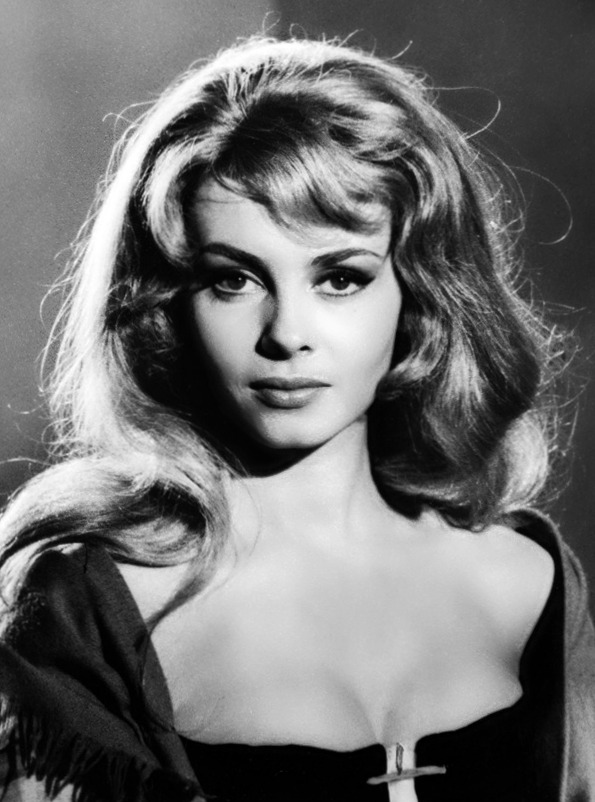
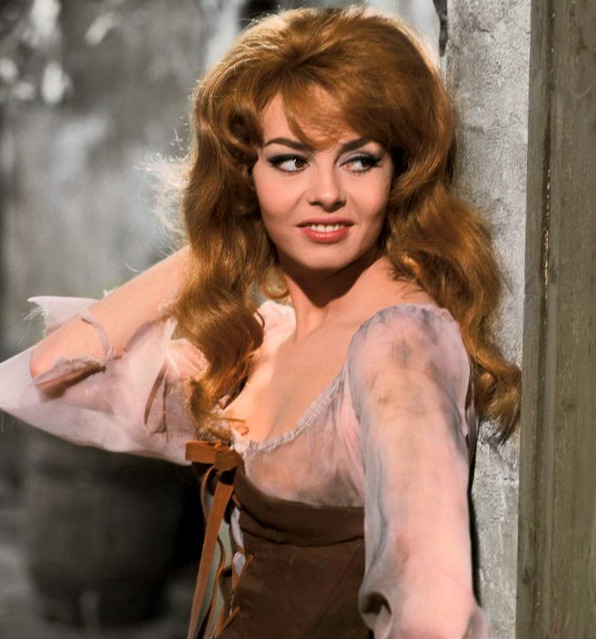
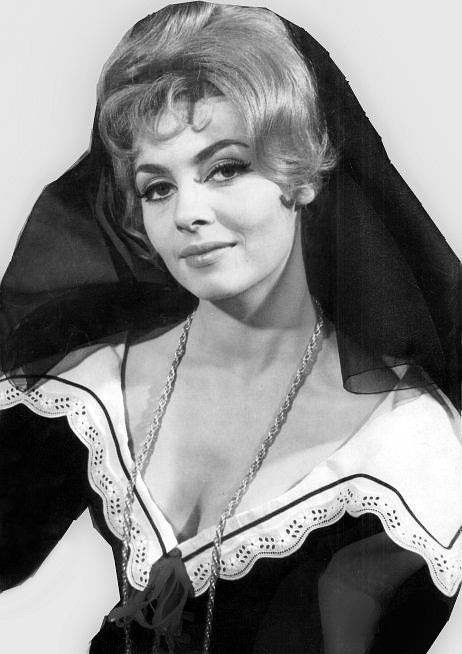
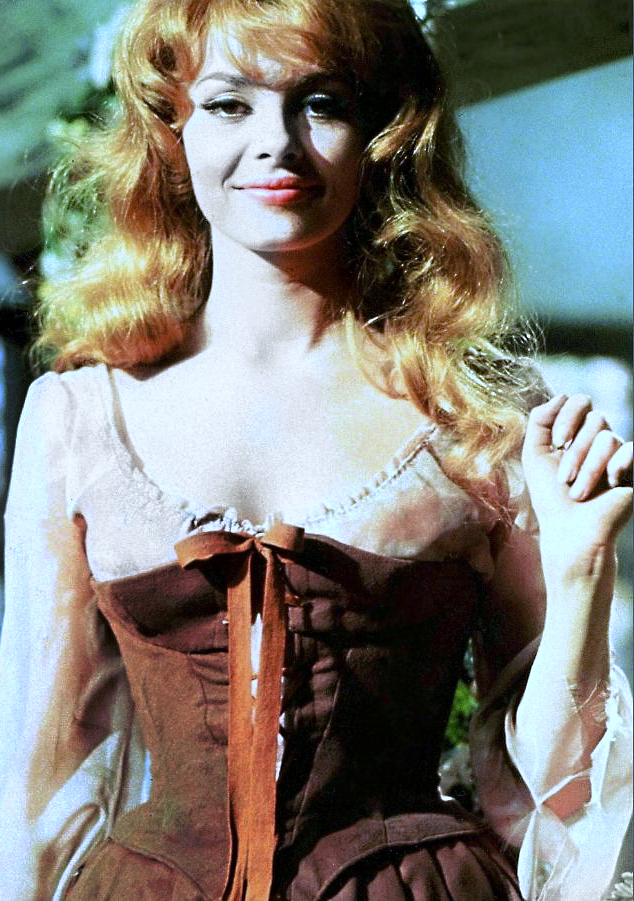
Michèle Mercier (born New Year’s Day 1939) is a French actress perhaps best known for playing the lead role of Angélique in the mid1960s film series of the same name based on the 1956 sensational novel Angélique, the Marquise of the Angels by husband and wife writing team of Anne and Serge Golon. Their mid-17th century character was based on a real life Suzanne du Plessis-Bellière who was one of France’s most famous women from the time of Louis XIV, the Sun King. The historical Suzanne first appeared in a French novel in the mid-nineteenth century, one by Alexandre Dumas, père, called Le Vicomte de Bragelonne, ou Dix ans plus tard. Similar to these 5 films inspired by the Golons’ novel of (by 1961) six books — Angélique, the Marquise of the Angels which is the first book published in 1957 (the novel expanded to 13 books after the 1964 film’s release) — Dumas’s novel, the third of his d’Artagnan trilogy, was also serialized in popular media from 1847 to 1850.
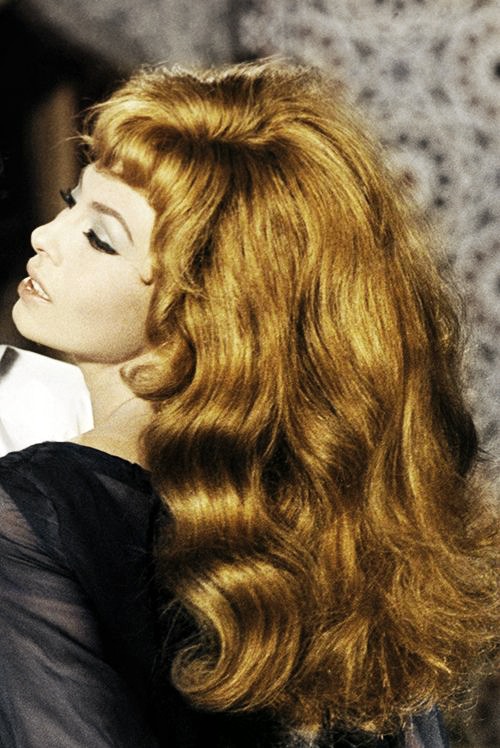
Michèle Mercier as Angélique is a French Italian beauty who has entered the pantheon of screen goddesses based largely on the legendary five-film role that stretched from 1964 to 1968.
For the part of Angélique, many other beautiful and more famous actresses were approached before Michèle Mercier who was little known in the French cinema at the time. Seasoned French film producer Francis Cosne (1916-1984) wanted sex symbol Brigitte Bardot to play the part, but she rejected the offer. Young Catherine Deneuve was considered perhaps too naive for the lusty role. American Jane Fonda spoke French but could an American play fully a quintessentially French role? Italian beauty Virna Lisi was too busy doing Hollywood films. Not being already famous eliminated statuesque Danish actress Annette Stroyberg from the running until ultimately Michèle Mercier was decided upon after almost losing the part to French actress Marina Vlady who at the last minute didn’t sign the contract.
Michèle Mercier as Angélique.
When the opportunity of Angélique presented itself to Michèle Mercier, she was a relative newcomer to the French cinema – but this was not the case for her either in French theatre arts or Italian films where before 1964 she had acted in over 20 of them. With a father who was French and mother who was Italian, Michèle Mercier from her early teens growing up in Nice, France, was determined to be a professional ballet dancer. In 1957, at 17 years old, she moved to Paris which was a decision that changed her life. By 1960, when she was just 20 years old, she was acting in French New Wave film director François Truffaut’s second film, Shoot The Piano Player.
After Angélique, the Marquise of the Angels was released — an unlikely heroine’s role where Angélique’s singular flaming red-haired beauty is acknowledged throughout — the role became a blessing and a curse for the budding actress Michèle Mercier. It catapulted her to instant stardom so that her fame rivaled sex symbol Brigitte Bardot in celebrity and popularity, but the role in 5 popular films typecast her and effectively ended her film career almost as soon as it started. Following the first Angélique film in 1964 Michèle Mercier starred in four sequels that includes Merveilleuse Angélique in 1965, Angélique et le Roy in 1966, IndomptableAngélique in 1967 and Angélique et le Sultan in 1968. All these films in the series were directed by French film director Bernard Borderie (1924-1978) and starred Michèle Mercier which bestowed upon the stories a consistent filmic world but also encased the beautiful star in a popular role that was virtually impossible to escape from.
Following the fifth and final film of the Angélique series in 1968 the French Italian beauty went on to make six more films before her career ended in 1972. Although Michèle Mercier had always appeared in a variety of film genres – the actress played dozens of other women besides Angélique – it was for this 17th century fictional character in five memorable films in 1960’s France that has affixed her into the pantheon of screen goddesses for which she receives enduring adoration today.
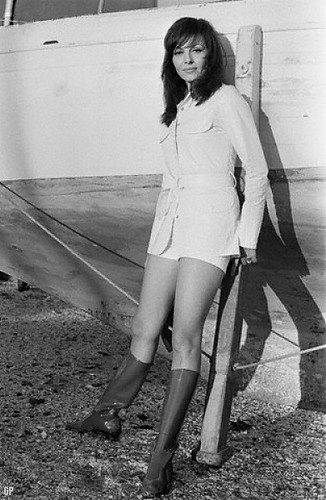
Michèle Mercier in 1965.
Michèle Mercier on the cover of the April 20-26, 1968 French weekly magazine, Télé 7 Jours with Jacques Chazot. In these months, Michèle Mercier was riding high in the Angélique film series. Indomptable Angélique had been released in October 1967 and was a world-wide smash hit. In the film, Angélique discovers that her first husband is alive and she Angélique travels to the South of France not realizing he is now an infamous pirate. Angélique is captured by slave traders and taken far away to Crete where they intend to sell her. In March 1968, Angélique et le Sultan had just been released. It became the fifth and unintended final entry in the Angélique series based on the novels of Anne and Serge Golon. A planned sixth film called Angelique the Rebel was announced but never made.
1964: Angélique, Marquise des Anges Michèle Mercier as Angélique Directed by Bernard Borderie Released December 8, 1964 Distributed by S.N. Prodi; Gloria Film; Butcher’s Film Distributors
1965: Marvelous Angelique (Merveilleuse Angélique) Michèle Mercier as Angélique Directed by Bernard Borderie Released July 7, 1965 Distributed by S.N. Prodi; Gloria Film
1966: Angelique and the King (Angélique et le Roy) Michèle Mercier as Angélique Directed by Bernard Borderie Released February 4, 1966 Distributed by Gloria Film
1967: Untamable Angelique (Indomptable Angélique) Michèle Mercier as Angélique Directed by Bernard Borderie Released October 27, 1967 Distributed by S.N. Prodi; Gloria Film
1968: Angelique and the Sultan (Angélique et le Sultan) Michèle Mercier as Angélique Directed by Bernard Borderie Released March 13, 1968 Distributed by S.N. Prodi; Gloria Film
FEATURE image: EXPO CHICAGO 2017, Festival Hall, Navy Pier.
EXPO CHICAGO 2017 is the 6th annual exhibition of international contemporary and modern art held in Chicago at Navy Pier’s Festival Hall. It took place September 13-17, 2017. Expo Chicago/2017 presented 135 galleries representing 25 countries and 58 cities from around the world.
Brian Calvin, Momentary Monument, 2017, acrylic on canvas, Anton Kern Gallery, New York. Expo Chicago 2017.
Admissions, Expo Chicago 2017.
Information desk, Expo Chicago 2017.
Lara Schnitger, Suffragette City, 2015-2017, Cotton, and linen, quilted and bleached, Anton Kern Gallery, New York. Expo Chicago 2017.
The War We Won, Roger Brown, oil on canvas, 80 x 120 in., Kavi Gupta Gallery, Chicago. Expo Chicago 2017.
Doug Argue, Dream Song 12, 2017, oil on paper, 40,x,60 in., Marc Straus, New York. Expo Chicago 2017.
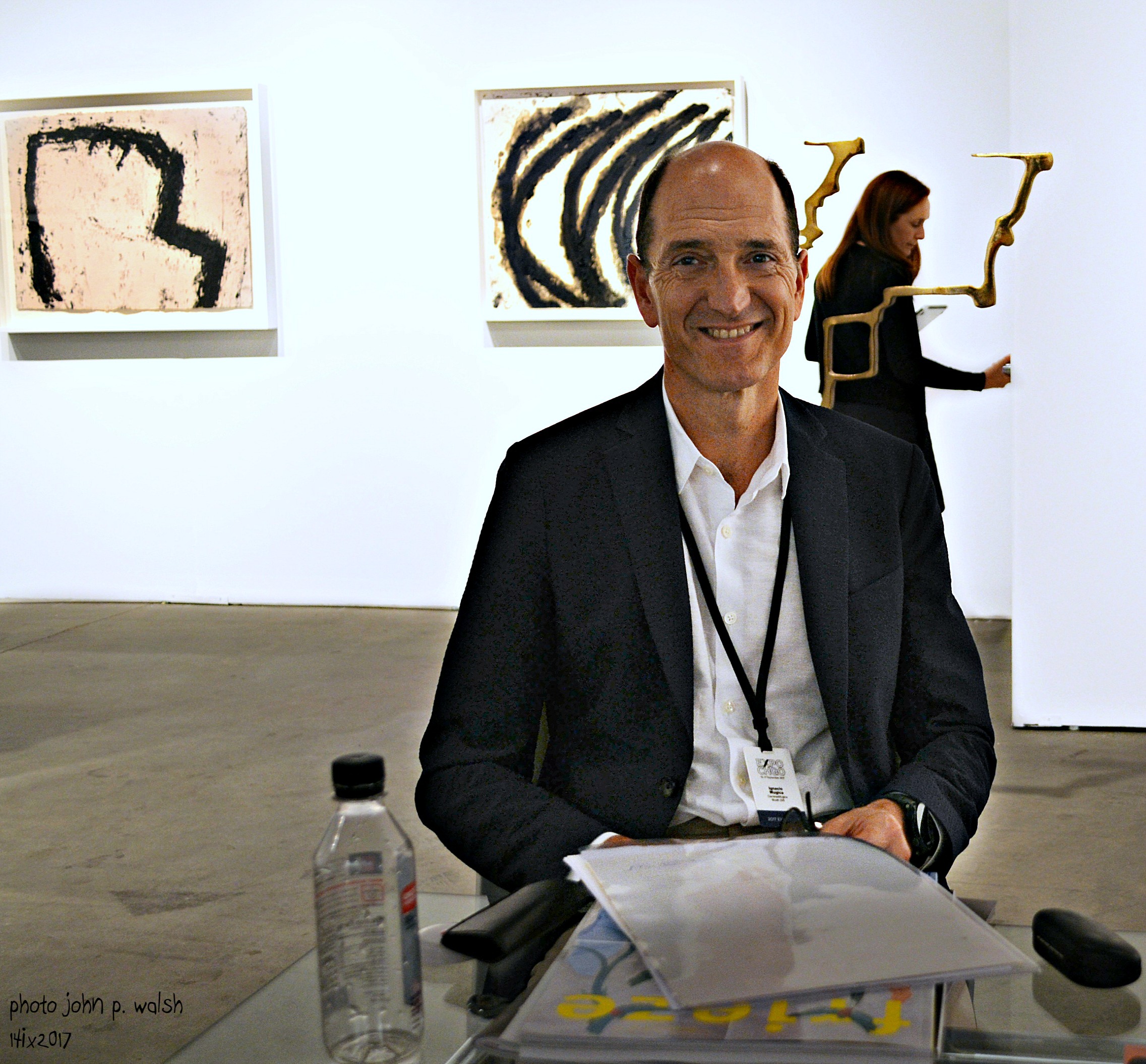
CarrerasMugica Contemporary Art Gallery, Bilbao. Expo Chicago 2017.
Galerie Gmurzynska, Zurich, Switzerland, with booth design by Antonio Manfreda. Expo Chicago 2017. Germano Celant, theorist of the Arte Povera movement. From 2015 he was the artistic director of the Prada Foundation in Milan.
Matthew Monahan, Hurricane Nickel, 2016, and Aquarius Gemini, 2016, Anton Kern Gallery, New York. Expo Chicago 2017.
Anton Kern Gallery, New York. Expo Chicago 2017.
Rita McBride, Halicarnassus, 2010, bronze and grey limestone, and Pantheon 2, bronze and markina marble, CarrerasMugica Contemporary Art Gallery, Bilbao. Expo Chicago 2017.
Wardell Milan, The New Sun Will Warm our Proud and Naked Bodies, 2016, charcoal, oil, oil pastel, pastel, gesso, acrylic, color pencil, cut paper on paper, David Nolan Gallery, New York. Expo Chicago 2017.
Meleko Mokgosi, Honor Fraser Gallery, Los Angeles. Expo Chicago 2017.
John A. Seal, König Galerie, Berlin. Expo Chicago 2017.
Alfred Leslie, Oval Collage, 1959, Diana Moore, White Head, 1988 and Willem de Kooning, 1965, charcoal on paper, Alan Stone Projects, New York. Expo Chicago 2017.
Thinks I, To Myself. Expo Chicago 2017.
Expo Chicago 2017.
Expo Chicago 2017.
Jackie Saccoccio, Portrait (Bomba), 2017, and Faheem Majeed, Hopscotch I, 2011, and Pause, 2010, Rhona Hoffman Gallery Chicago. Expo Chicago 2017.
Expo Chicago 2017.
Garth Greenan Gallery, New York. Expo Chicago 2017.
Iva Gueorguieva, Listen, 2017, acrylic oil collage on canvas, Miles McEnery Gallery, New York. Expo Chicago 2017.
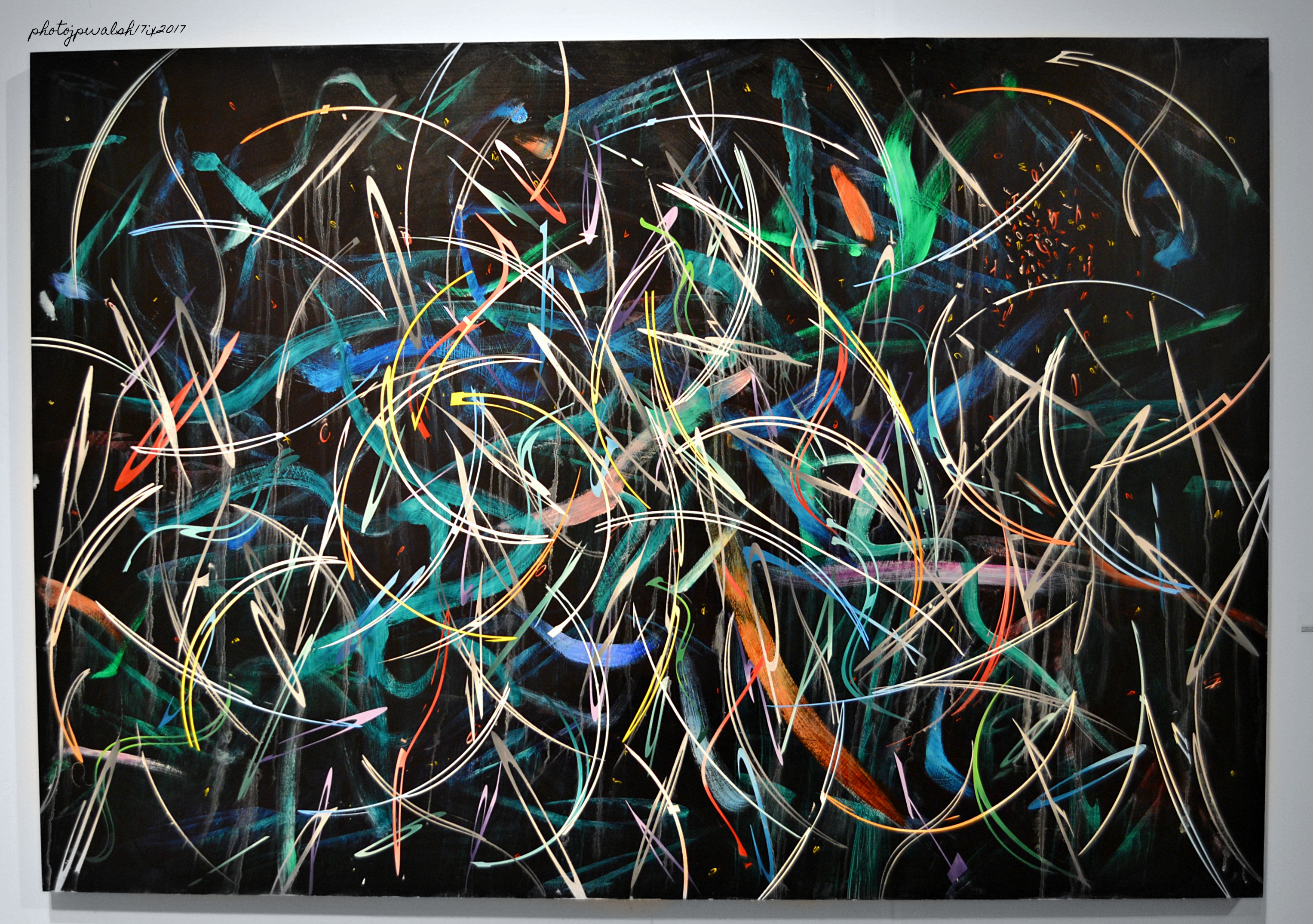
Hayal Pozanti, 70 (million m.p.h that the earth orbit around the sun), 2017, acrylic on canvas, 60 x 132 in., Jessica Silverman Gallery, San Francisco, California. Expo Chicago 2017.
Lavar Munroe, Instinctual, 2017, acrylic on canvas, 48 x 42 in., Jenkins Johnson Gallery, San Francisco. Expo Chicago 2017.
Expo Chicago 2017.
Peres Projects Berlin. Expo Chicago 2017.
Ransome Stanley, Untitled, 2017, oil on canvas, 59 x 78 in., Gallery MOMO, South Africa. Expo Chicago 2017.
Booth 839, Expo Chicago 2017.
Caroline Walker, Grimm Gallery Amsterdam New York. Expo Chicago 2017.
Expo Chicago 2017.
Nicolas Africano, Untitled, 2017, cast glass, Weinstein Gallery Minneapolis. Expo Chicago 2017.
FEATURE image: The Westwork of the Collegiate Church of St. Gertrude in Nivelles, Belgium, fronts an expansive historical building of the 11th century. Nivelles is an ancient settlement about 25 miles south-east of Brussels in Belgium’s French-speaking region of Wallonia. Author’s photograph. March 1992.
The Collegiate Church of St. Gertrude on Grand’ Place, c. 1050, Nivelles, Belgium. It contains the tombs of its foundress, Bl. Ita of Metz and her daugher, St. Gertrude of Nivelles, the monastery’s first abbess in the 7th century.
WHO IS ST. GERTRUDE OF NIVELLES, PATRON SAINT OF CATS, GARDENERS AND TRAVELLERS?
St. Gertrude of Nivelles (c. 628-659) was the daughter of Blessed Pepin of Landen (c. 580-640) and Blessed Ita of Metz, O.S.B. (592-652) who founded Nivelles monastery. Gertrude was born about 45 miles north east of Nivelles in Landen, Belgium on the boundary of Wallonia in Flanders.
St. Gertrude de Nivelles, from the Hours of Cardinal Albrecht of Brandenburg (1490-1545), Archbishop and Elector of Mainz, c. 1522. Opaque water-based paint mounted on board by Flemish artist Simon Bening (c.1484-1561). Carnegie Museum of Art, Pittsburgh, Pennsylvania.
St. Gertrude of Nivelles, patron saint of cats. Her feast day is March 17—the same as Ireland’s St. Patrick.
In the 7th century, the territory was part of the Austrasian Frankish kingdom and Pepin had established a personal presence there. Following Pepin’s death when Gertrude was about 12 years old, the bishop of Maastrict in today’s Netherlands encouraged Ita to transform Pepin’s royal villa into a monastery. Pepin and Ita’s daughter, Gertrude, become the monastery’s first abbess.
Ita joined her daughter in the monastery to live out their days in a life of work and prayer. In the distant past, older well-endowed individuals often retired to monasteries or convents. A modern corollary may be that some retirees today choose to establish themselves in church-sponsored retirement villages. Ita’s other daughter (Begga) also eventually became an abbess; another son (Bavo), a hermit. One final son (Grimoald) took his father’s place as Mayor of the Palace. (see – http://www.santiebeati.it/dettaglio/37900 and https://www.newadvent.org/cathen/06533c.htm)
In addition to being the patron of cats and gardeners, St. Gertrude was an early medieval patron of travelers. From her birthplace of Landen to Nivelles, Belgium, it is a distance of around 40-45 miles, or a one or two-day journey on foot.
St. Gertrude was superior of the monastery her parents established and, though a young abbess, Gertrude was known for her wise rule. St. Gertrude died at a young age on account of her personal austerities and was venerated as a saint.
The impressive appearance of the westwork of the Collegial Church of St Gertrude in Nivelles is the result of a reconstruction finished in 1984 following severe damage it sustained during World War II by bombing from the German Luftwaffe (air force) in May 1940.
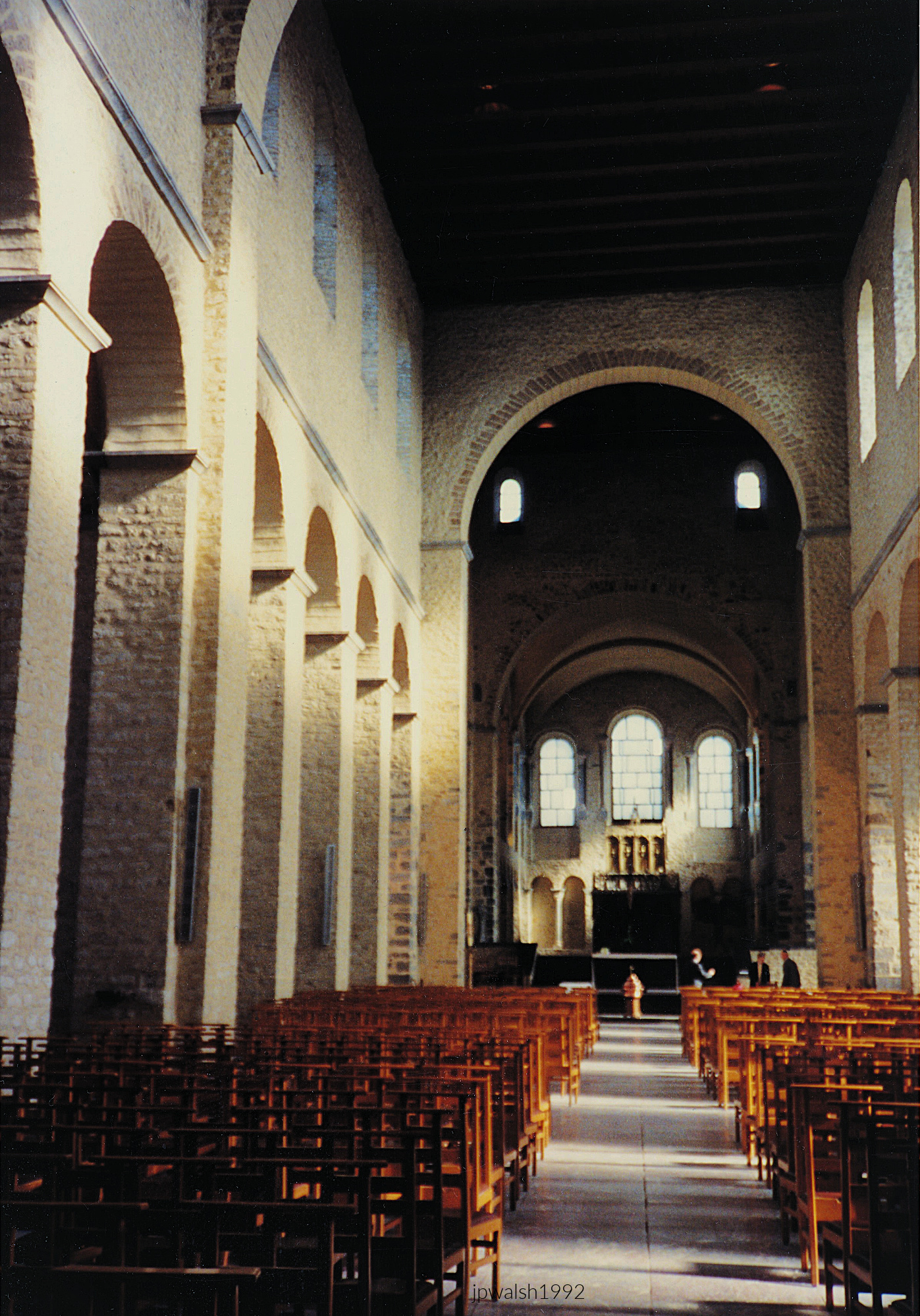
Interior, Minster (Collegiate Church of St. Gertrude), Nivelles, Belgium, c. 1050. This structure was built in the early 11th century and consecrated by Wazo of Liège (c.985-1048) in the presences of Henry III, Holy Roman Emperor (1016-1056). Photography by author, March 1992.
The church was built in the 11th century to serve as a Benedictine abbey of cloistered nuns whose first abbess was St. Gertrude of Nivelles. The community of nuns developed so that by the 15th century Nivelles became professionally staffed and was designated a collegiate church. The dramatic church building is classified a major European Heritage site and remains one of the finest examples of the pure Romanesque style in Belgium.
Its Romanesque crypt is one of the largest of its kind in Europe where tombs of the Merovingian (5th-7th centuries) and Carolingian (7th-9th centuries) periods have been found.
Another image of St. Gertrude of Nivelles.
SOURCE: The Saints: A Concise Biographical Dictionary, edited by John Coulson, Guild Press, New York, 1957.
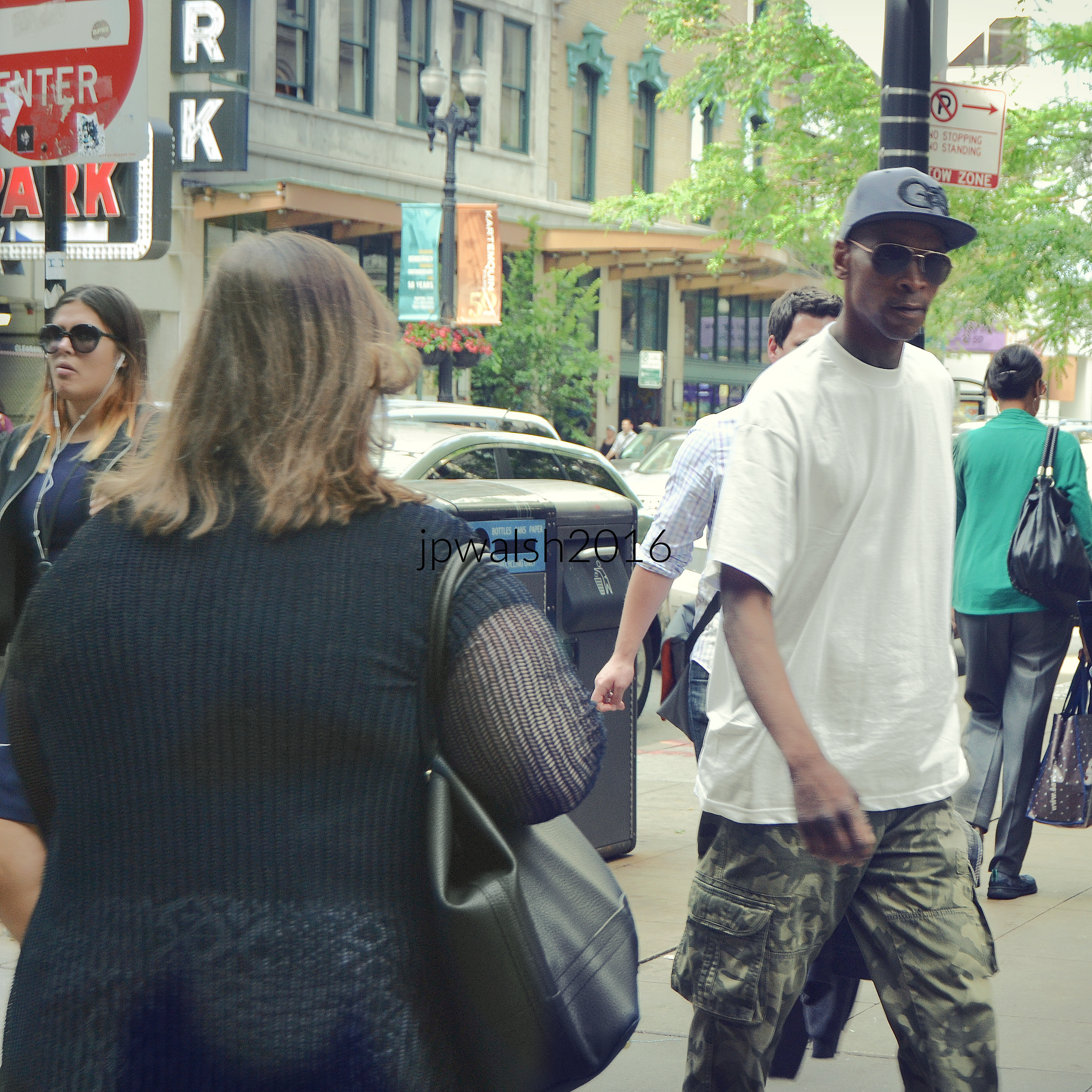
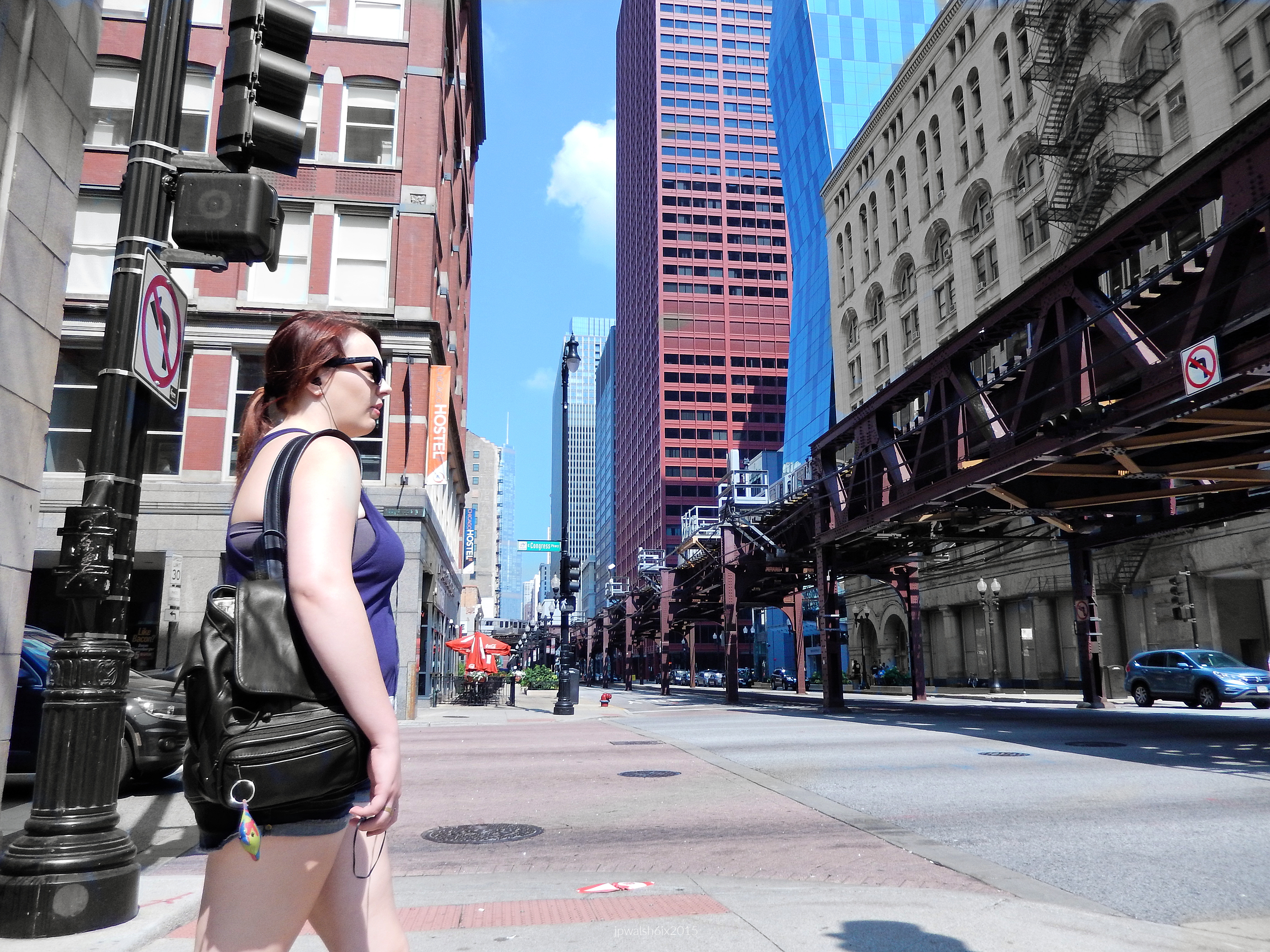
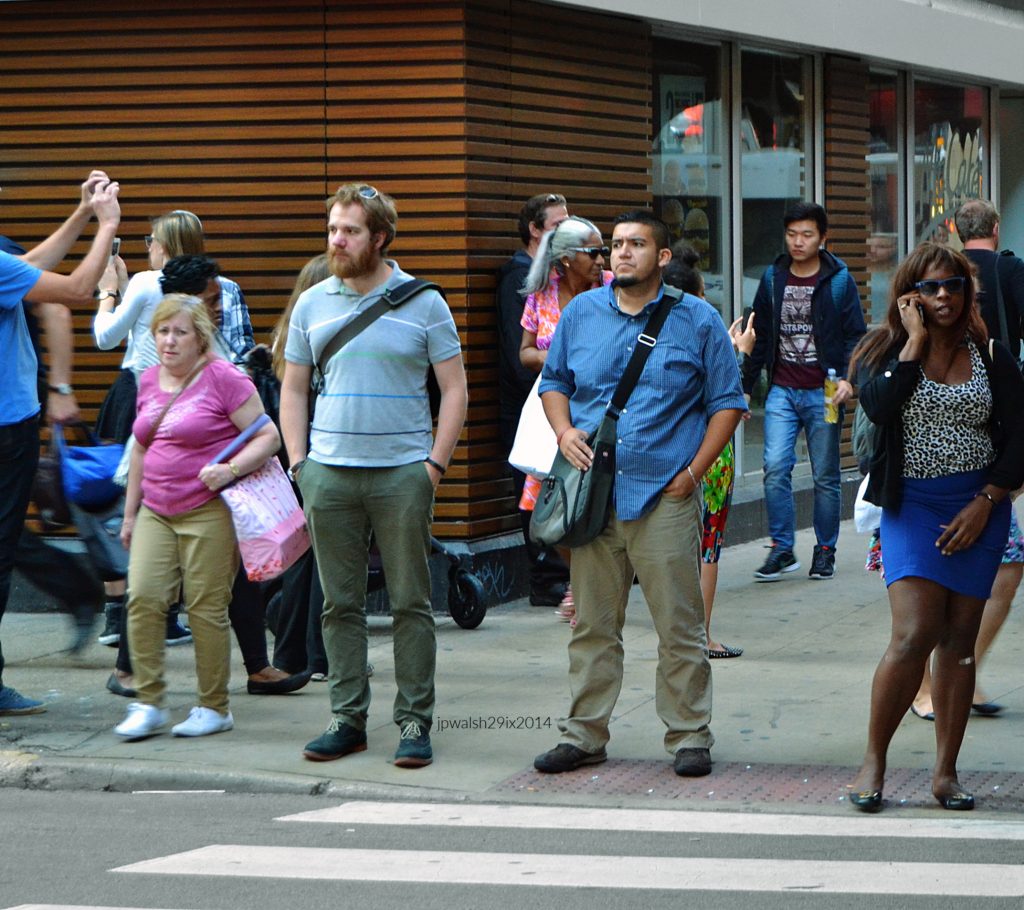
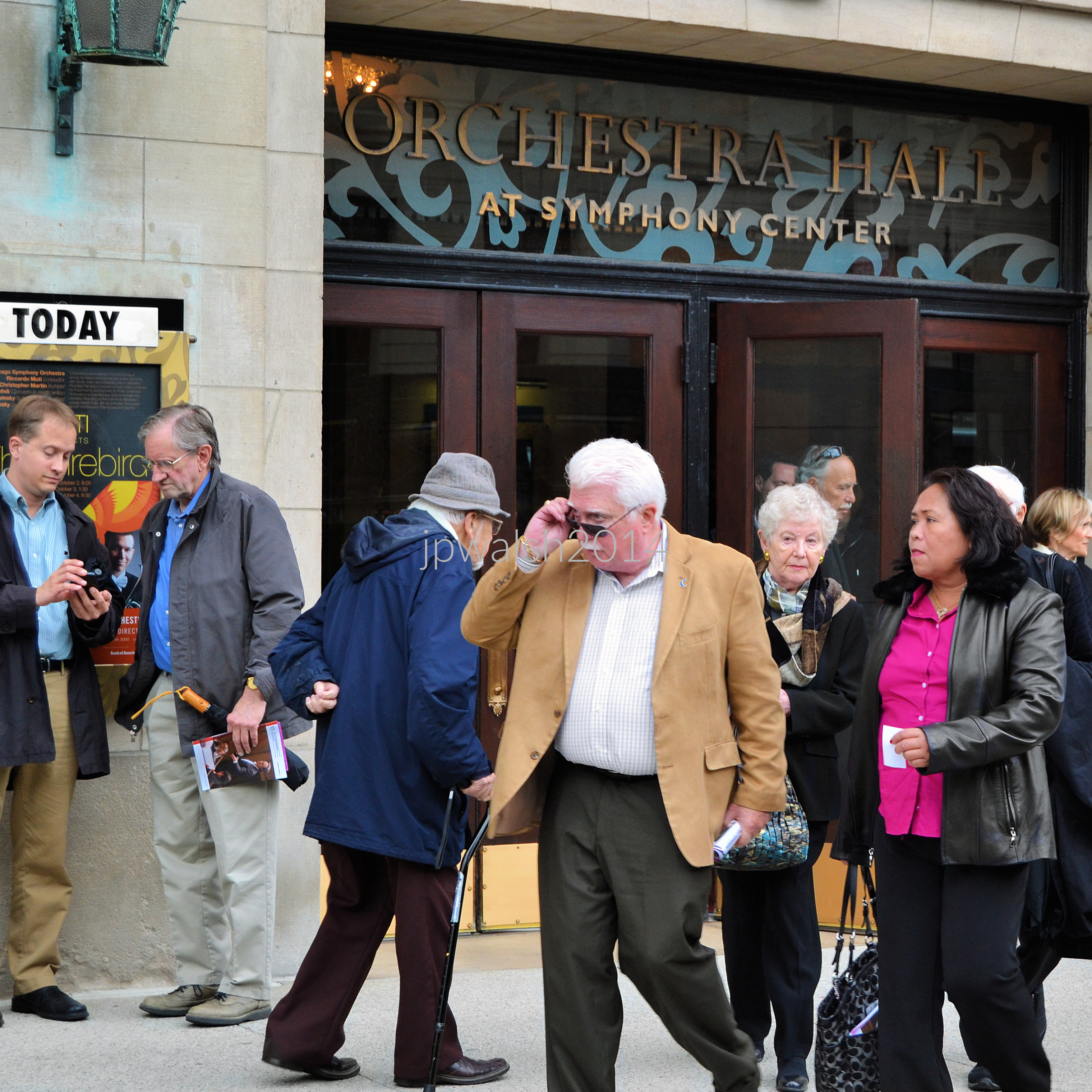
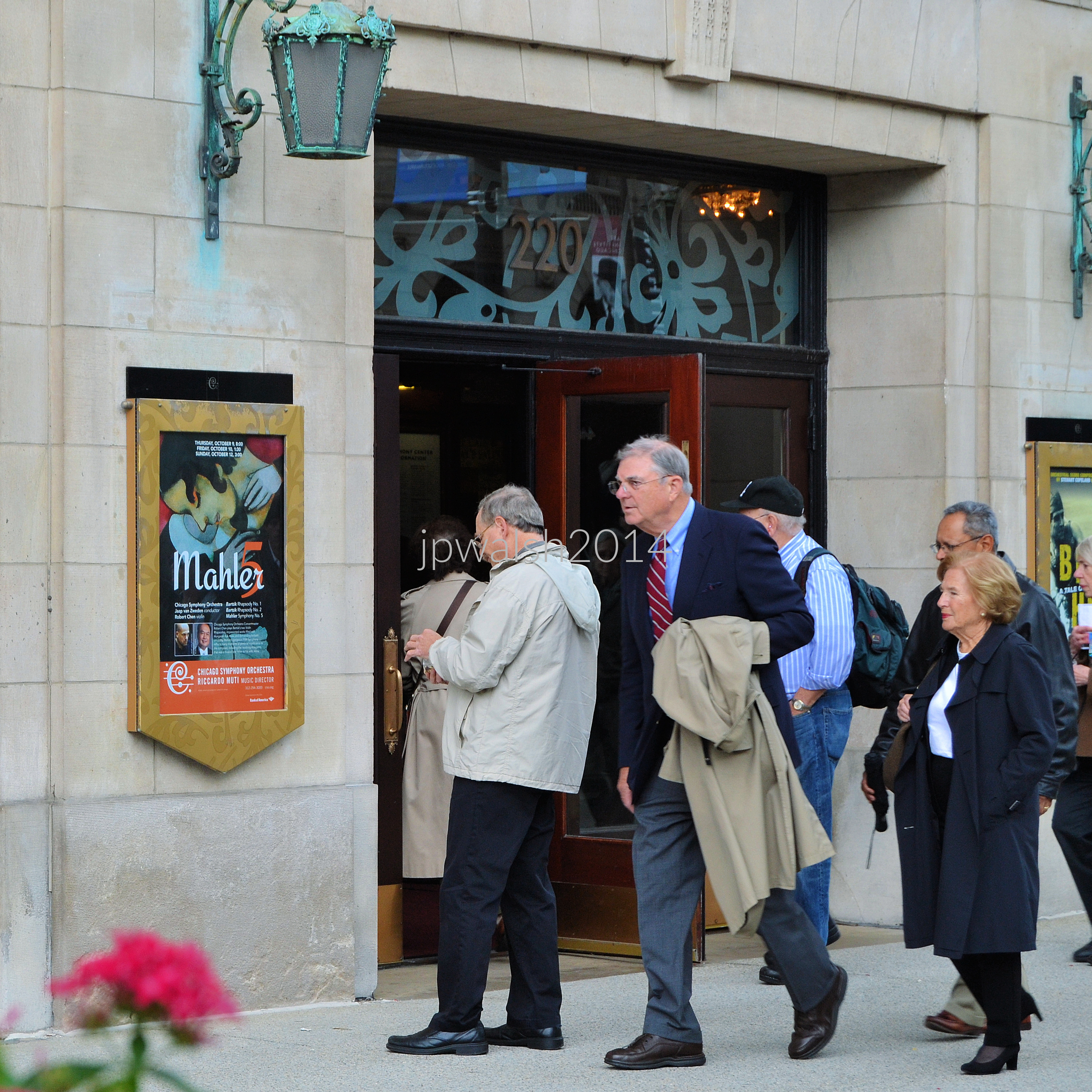
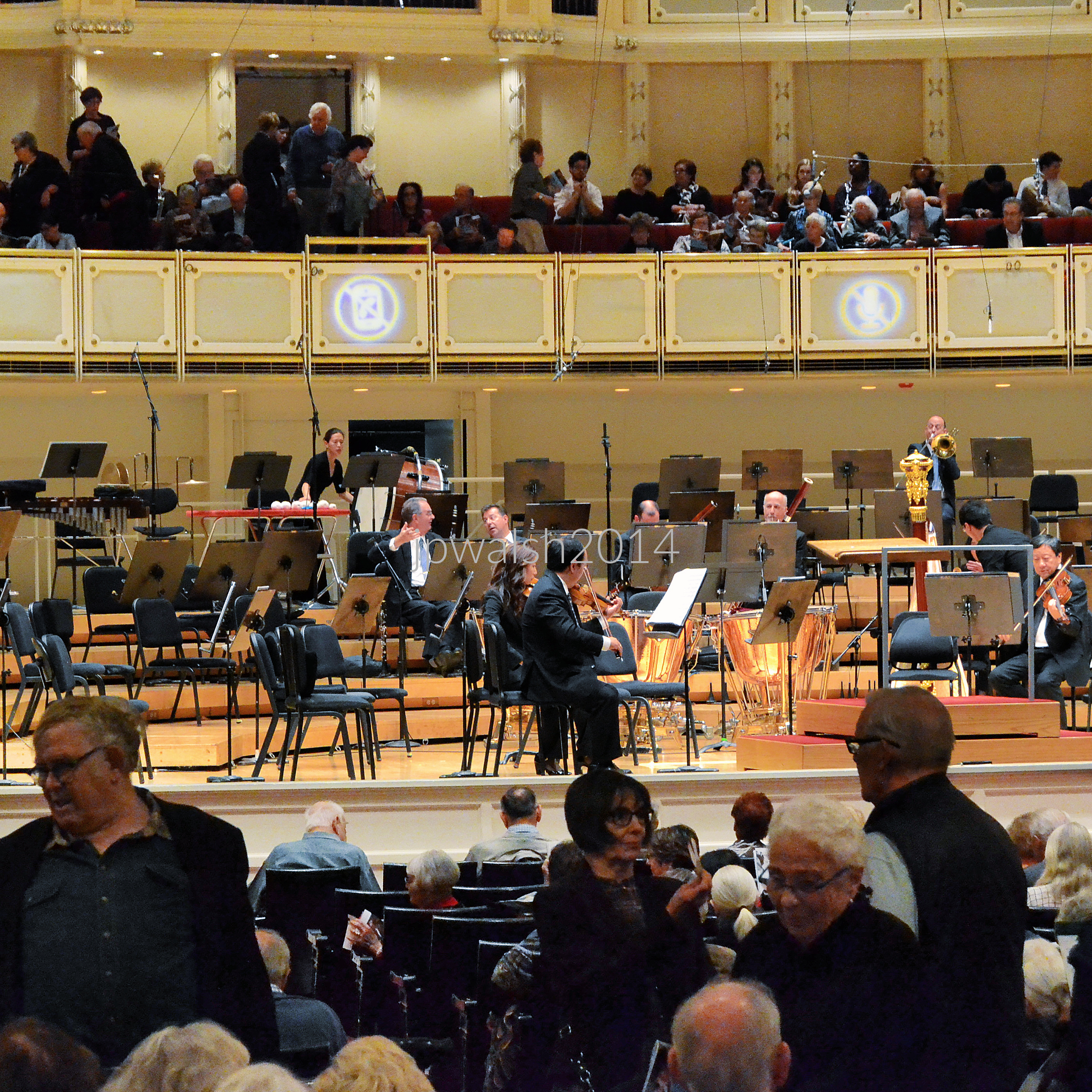
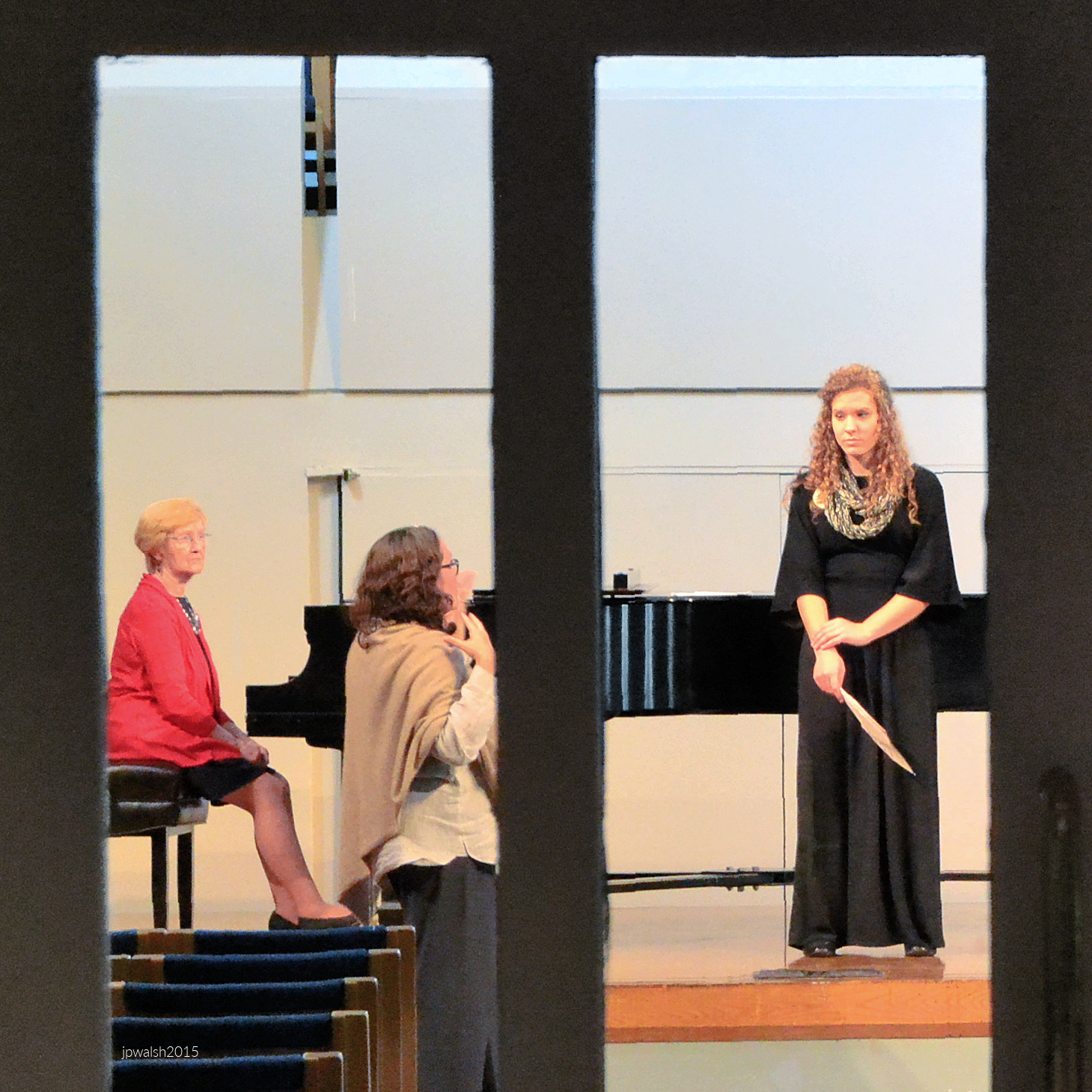
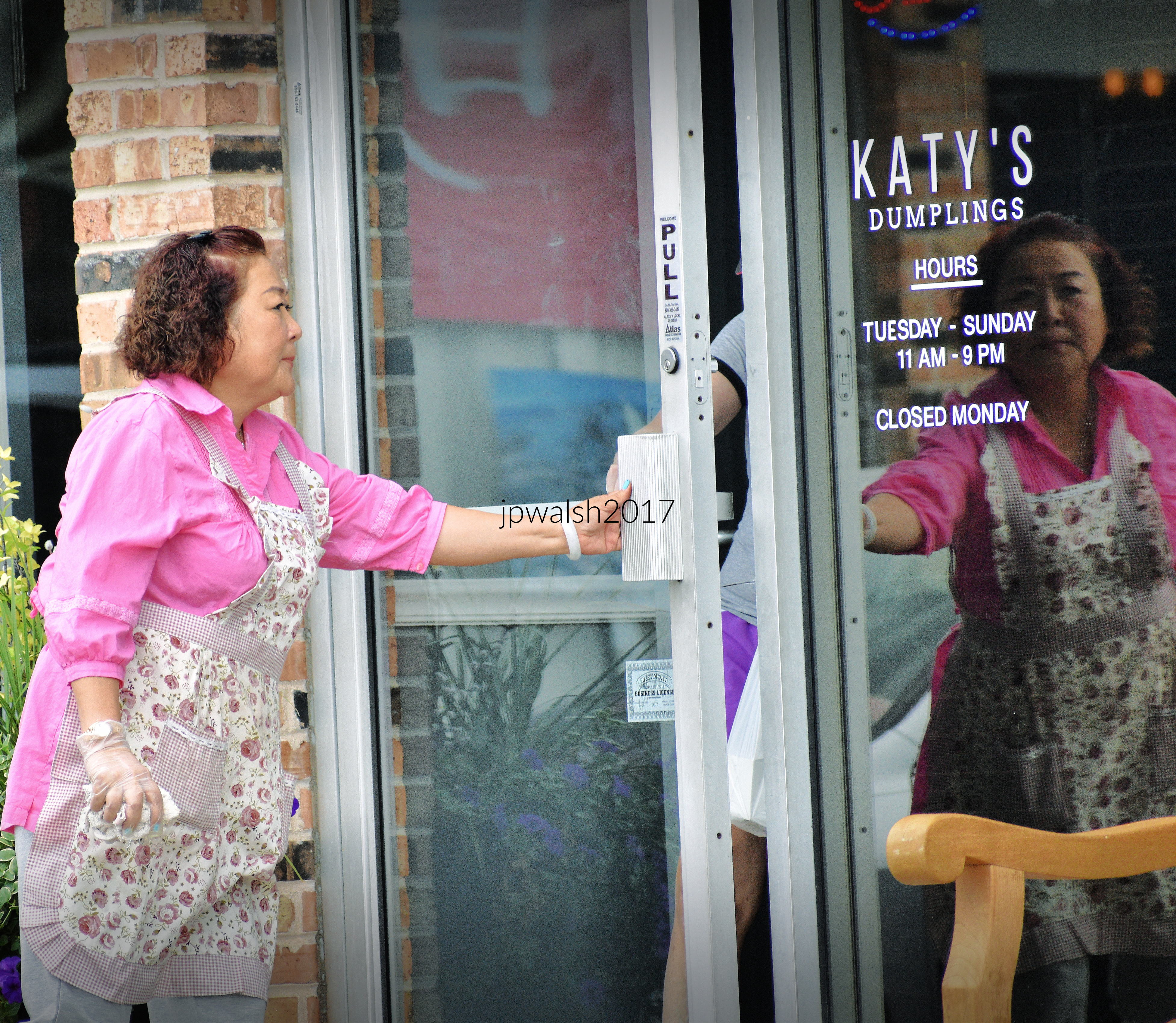
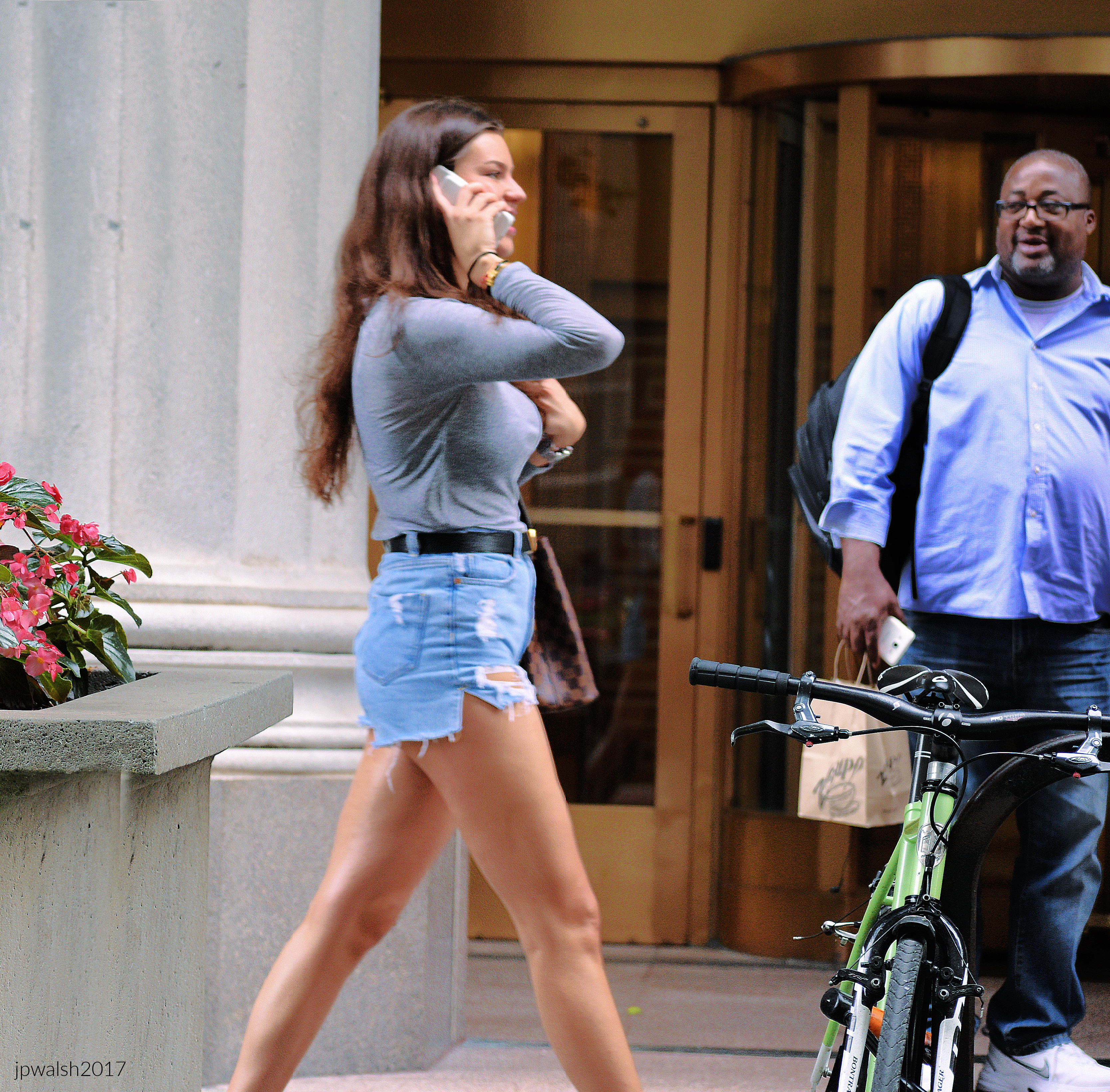
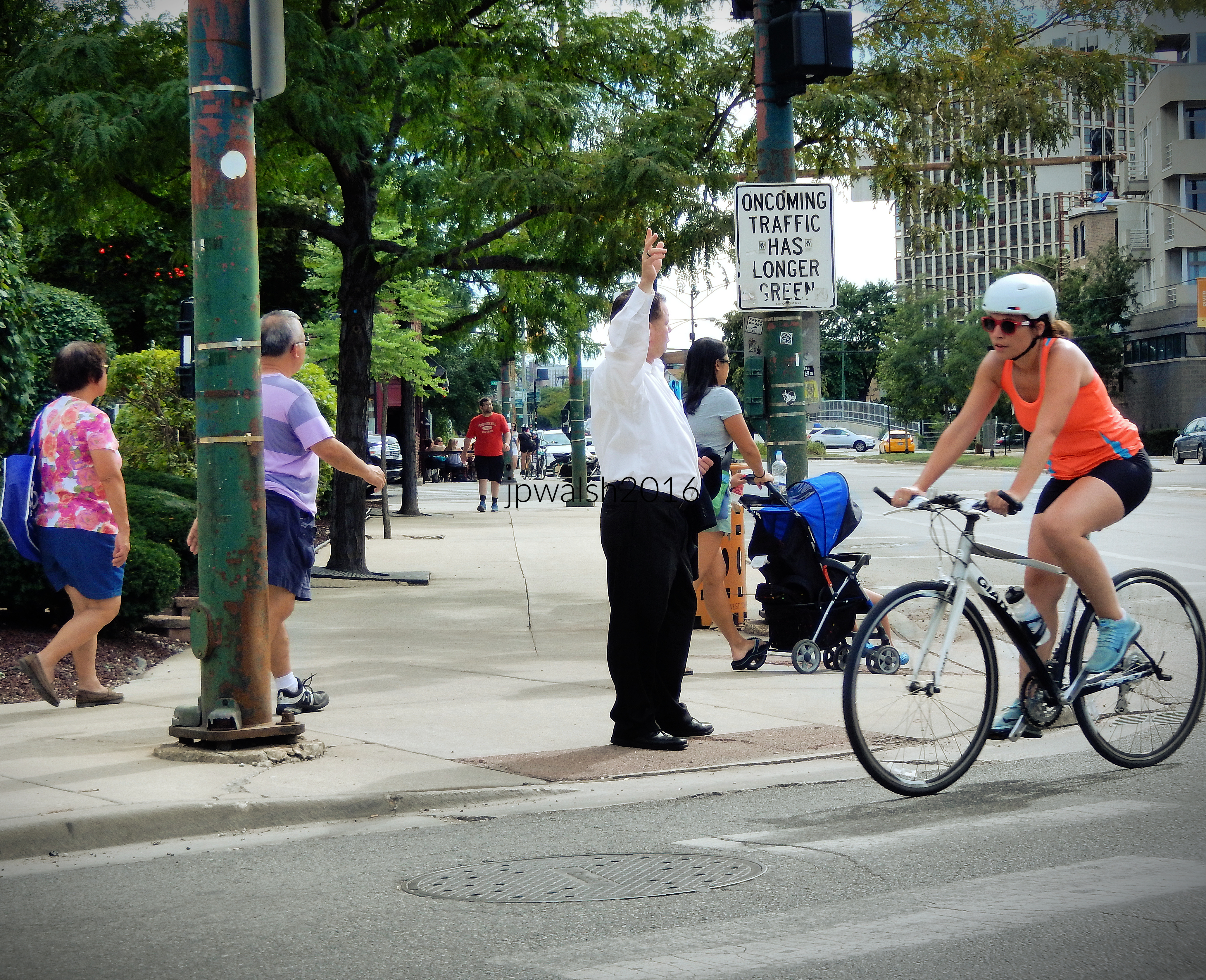
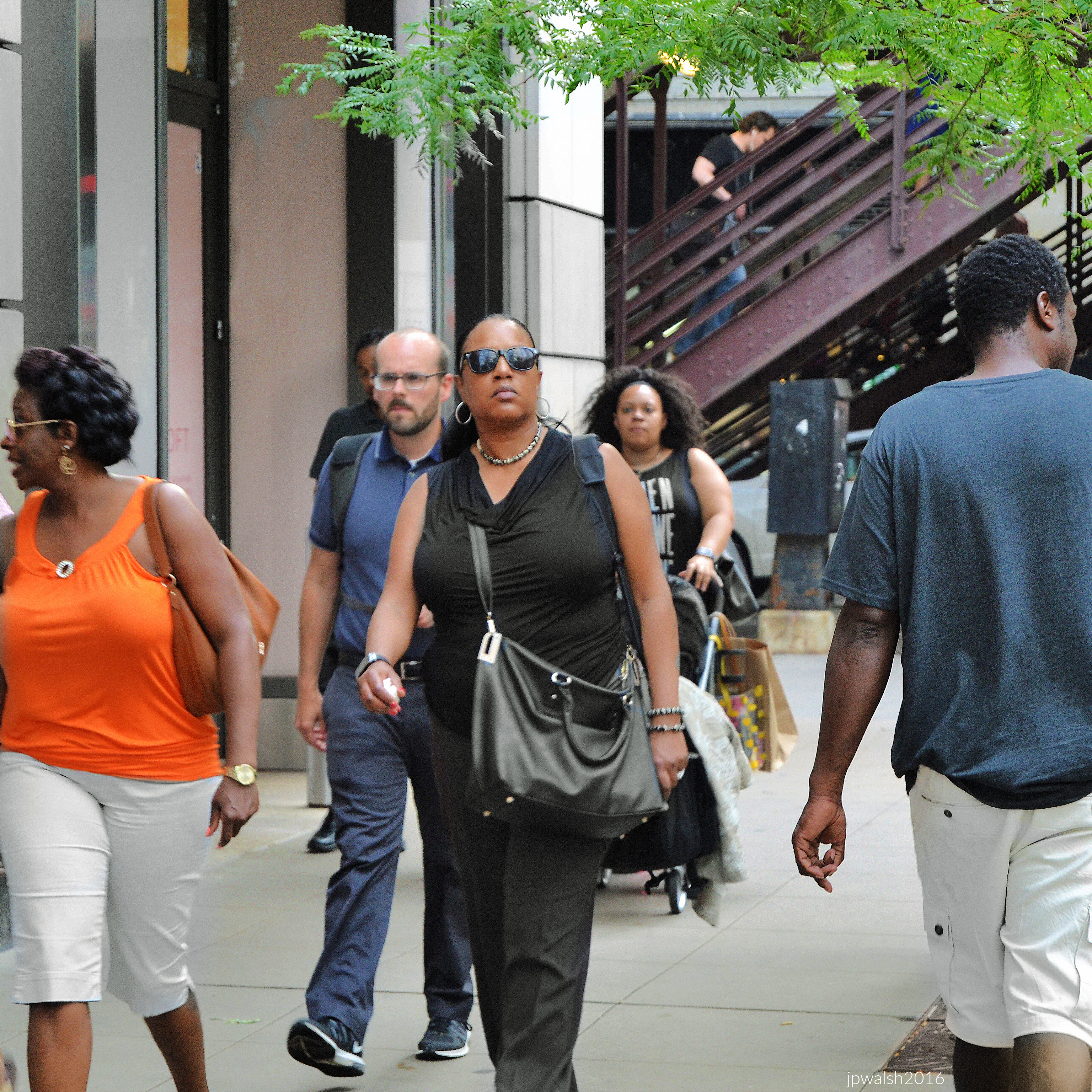
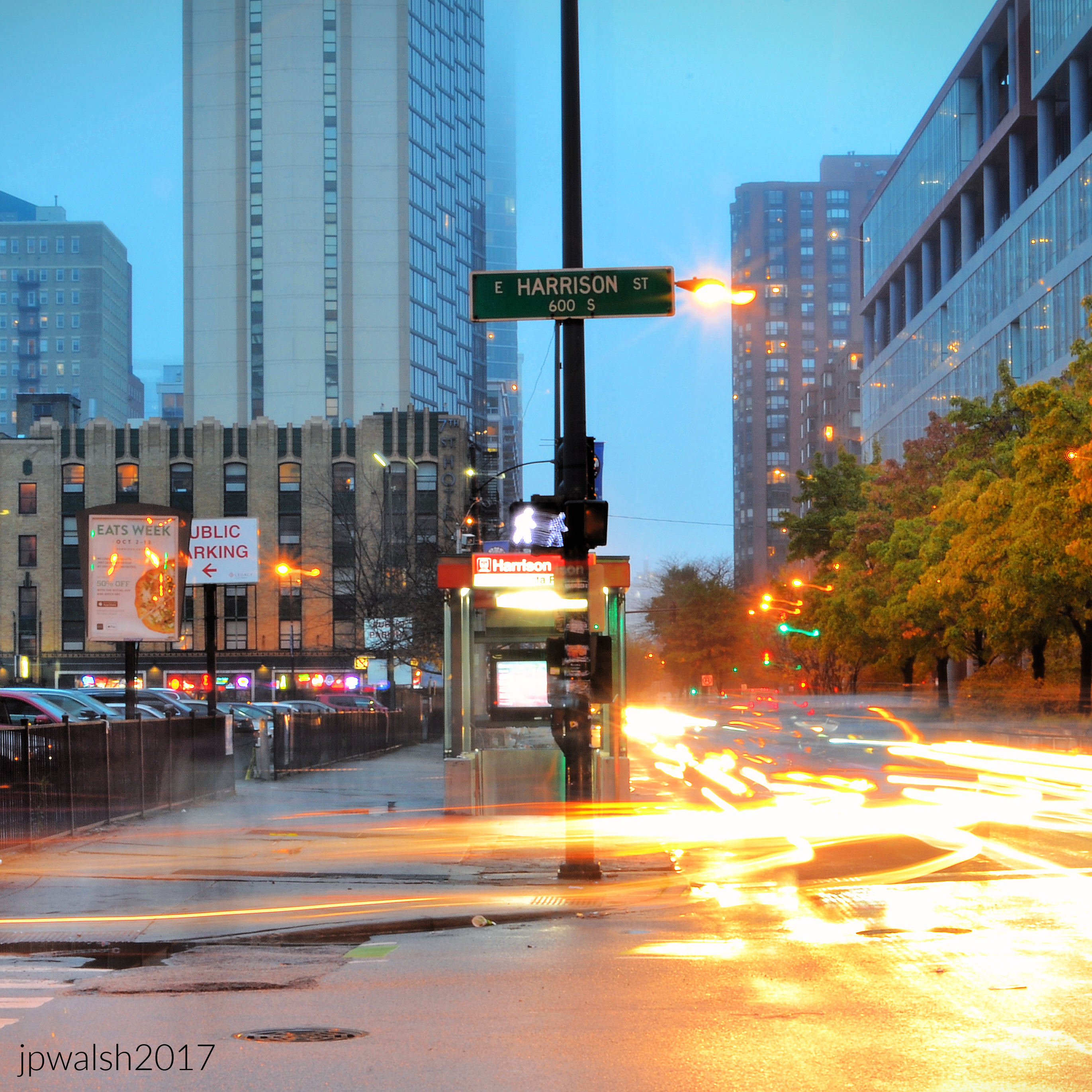
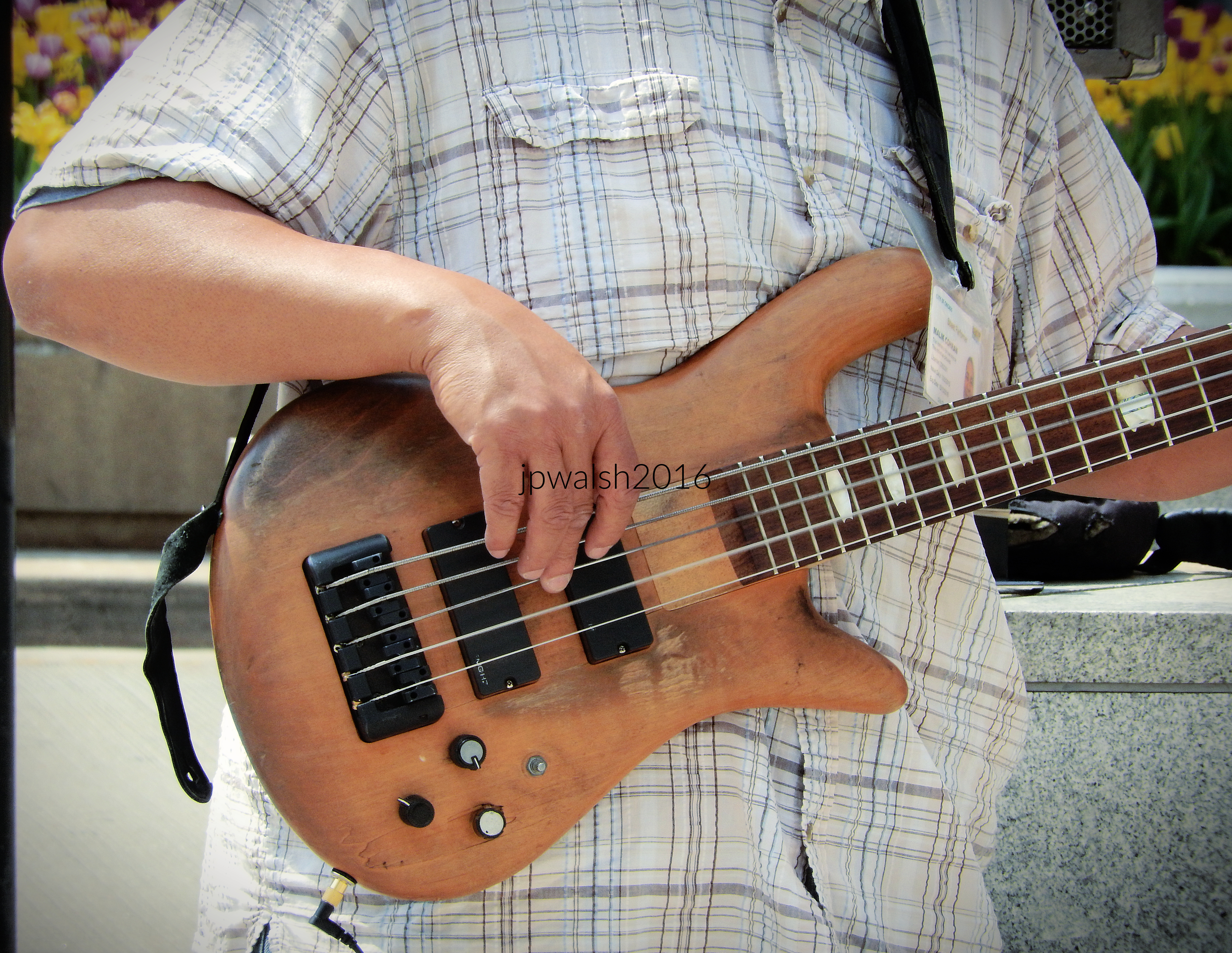
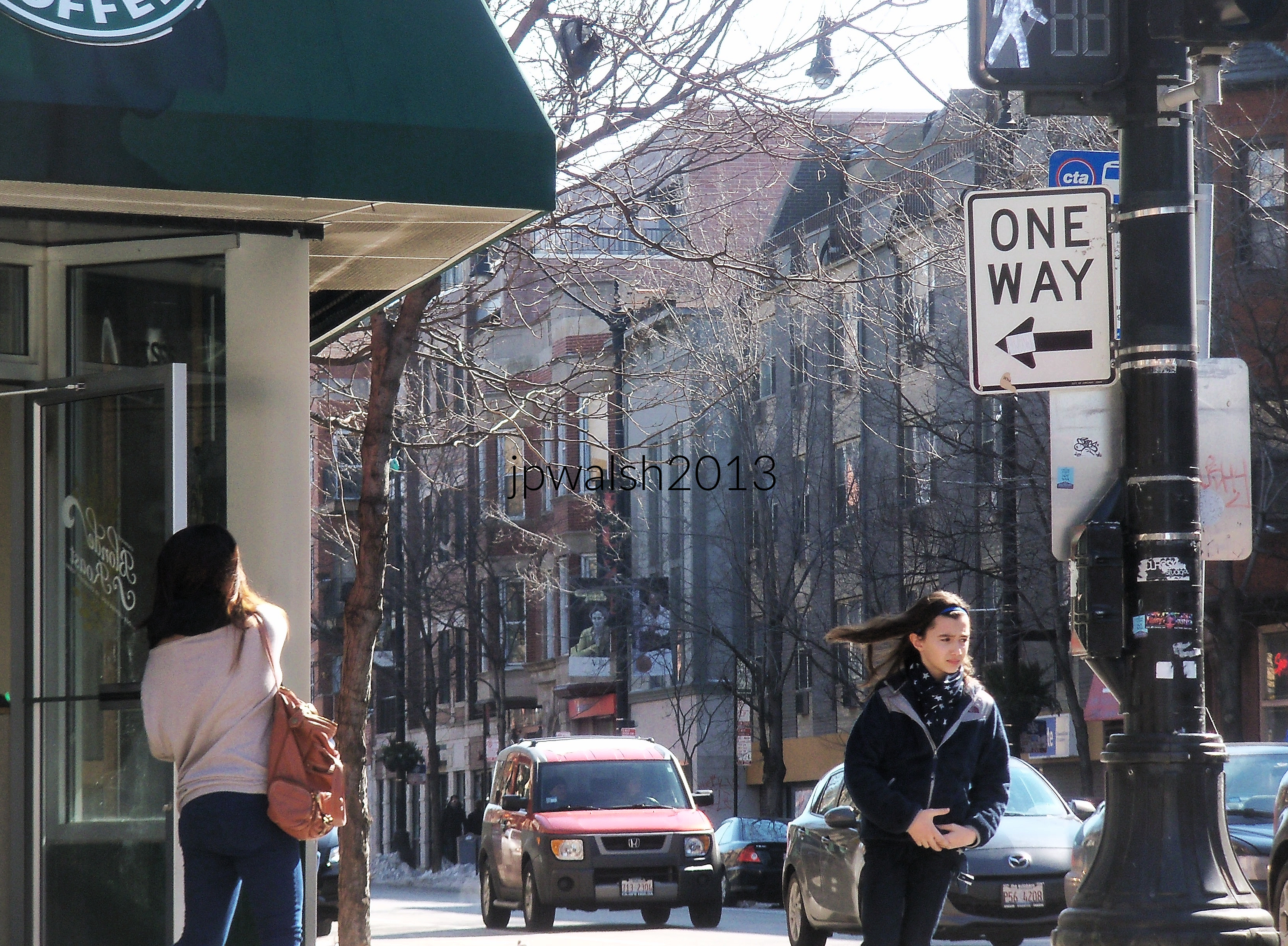
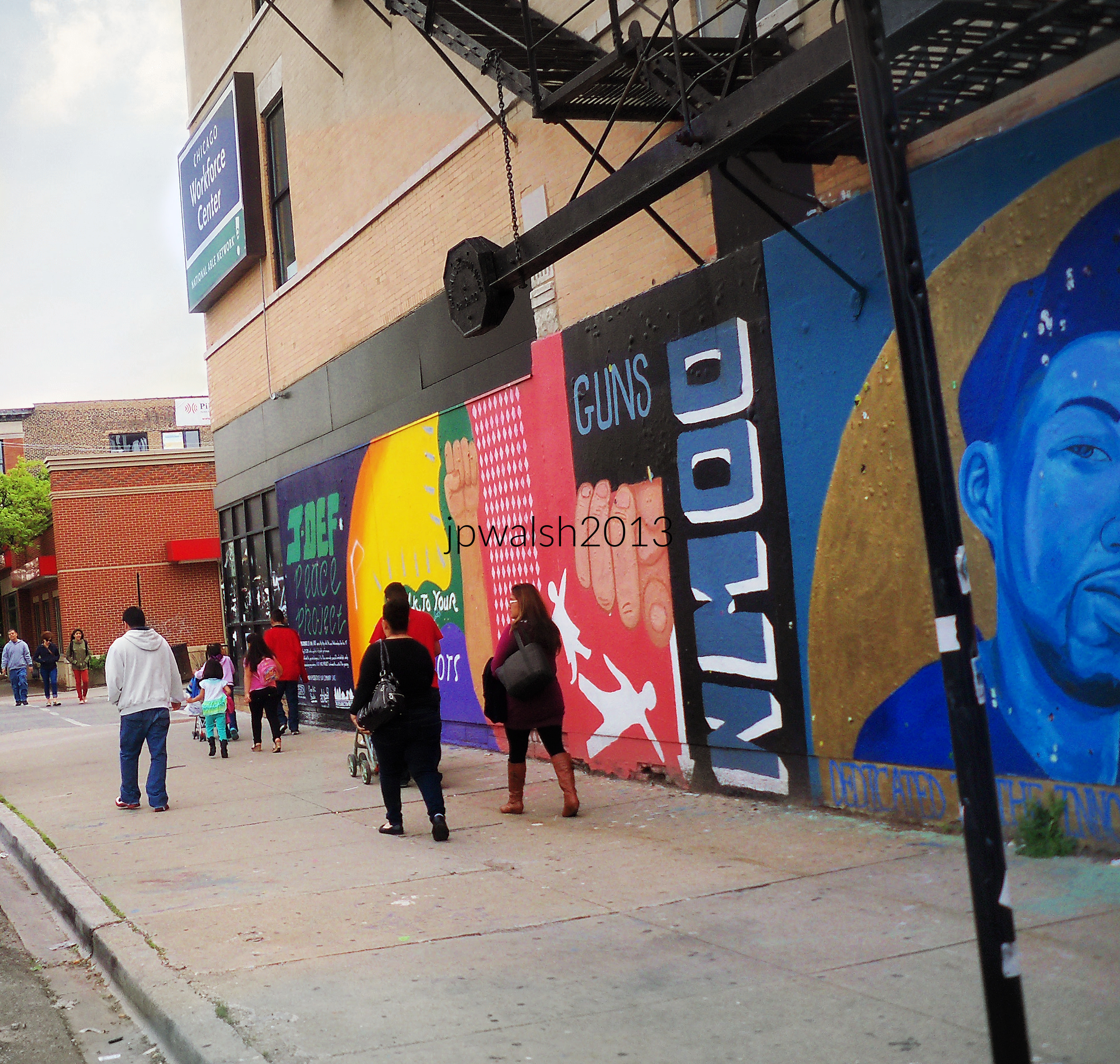
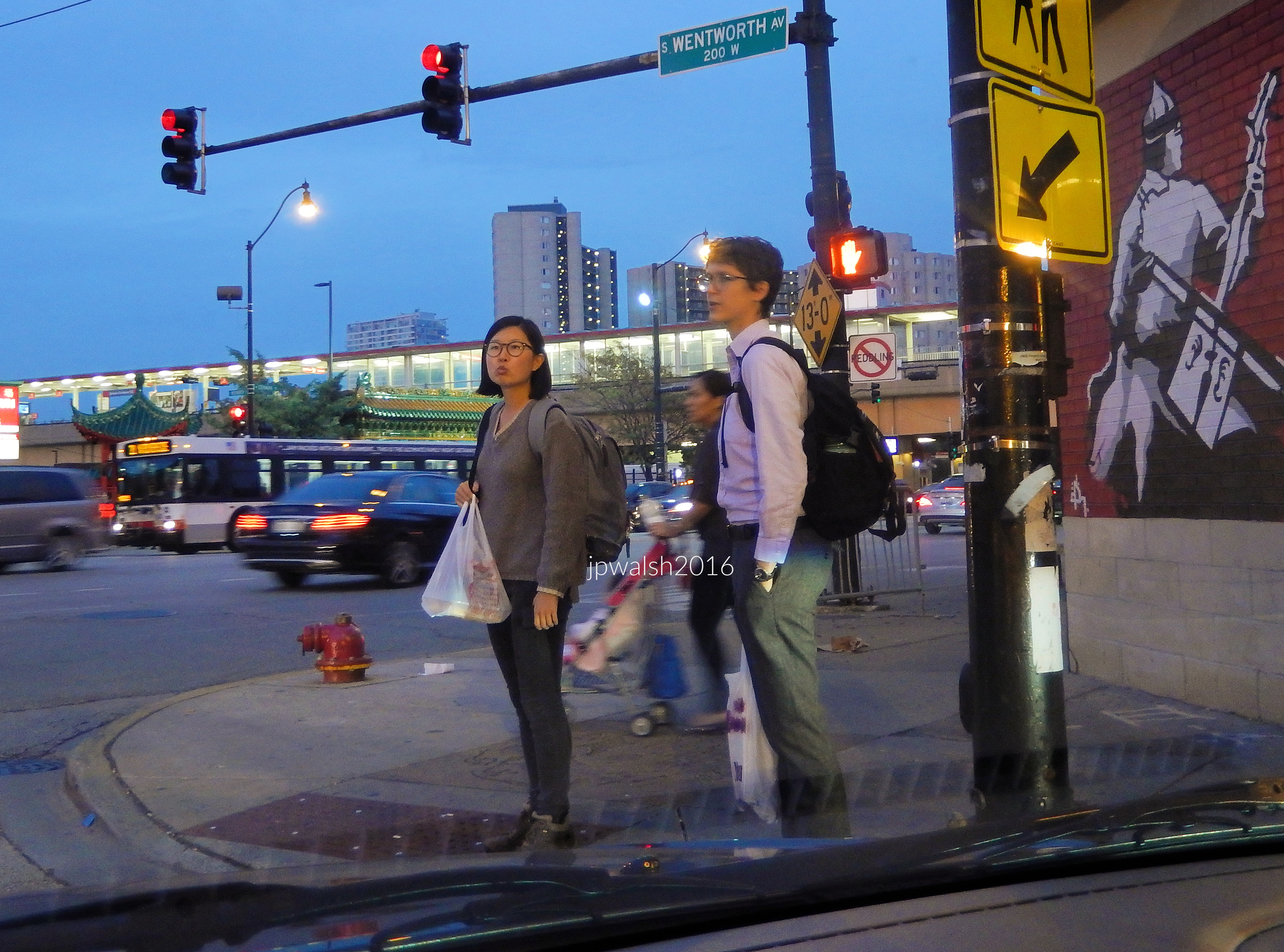
June 2014. Chicago. 3.01 mb _0400July 2016. Chicago. 5.91mb DSC_0939July 2016. Chicago. 2.61 mb DSC_0055June 2018. Chicago. Pilsen. 3.23 mbApril 2013. Chicago (Back of the Yards). 1mb 35%December 2016. Dinkel’s bakery, 3329 N. Lincoln Ave. In business since 1922, Dinkel’s bakery closed in 2022. 25%.June 2018. Chicago. 2.41 mbJune 2018. Chicago. 4.0 mbJuly 2016. Chicago. 360 kb 25%September 2014. Chicago. Chinatown. 1.86 mbJune 2018. Chicago. Chinatown. 7.90 mb 97%August 2015. Chicago. 3.17mb DSC_0948December 2014. Chicago. Gold Coast. 2.53mbAugust 2017. Chicago. 6.75 mbSeptember 2015. Chicago. 4.92 mbSeptember 2013. Chicago. 4.28 mb (10)August 2015. Chicago. 3.40 mb DSC_0353June 2013. Chicago. Little India. 568 kbJune 2013. Chicago. Little India 3.17mb fsb 100_2560 (1)June 2013. Chicago. Little India 4.27 mb 100_2564 (1)June 2013. Chicago. Little India 4.27mb 100B2592 (1)June 2013. Chicago. Little India 3.01 mb 40% 100_2605 (1)June 2013. Chicago. Little India 3.22 mb 100_2572 (1)June 2013. Chicago. Little India2.31mbJune 2013. Chicago. Little India2.23mbJuly 2016. Chicago Loop. 7/2016 1.25 mb (20)September 2015. Chicago. 2.89 mbAugust 2014. Chicago. Adams/Wabash.1.60 mbJanuary 2018. Chicago. Millennium Station. 4.69 mbJune 2019. Oakbrook, IL. 1.79 mbJune 2019. Oakbrook, IL. 2.24 mbJune 2019. Oakbrook, IL. 2.36 mbJune 2019. Oakbrook, IL. 2.59 mbJune 2019. Oakbrook, IL. 1.52 mbMay 2016. Chicago. Michigan Avenue. 1.04 mbDecember 2017. Chicago. Millennium Park. 2.27 mbMay 2016. Chicago. Millennium Park. 4.32 mbJune 2019. Oakbrook, IL. 1.34 mb June 2018. Milwaukee, WI. 748 kbJune 2016. Milwaukee, WI. 2.94 mbOctober 2016. Chicago. Bridgeport. 4.30 mbMay 2015. Chicago. 2.98 mbJuly 2015. Chicago. Reliance Building (1895), State/Washington. 4.53 mbJune 2018. Chicago. United Center Park. 4.30 mbAugust 2016. Chicago. Goose Island. 4.75 mb (40)October 2014. Symphony Center Chicago. 1.94 mbOctober 2014. Symphony Center Chicago. 3.03mb DSC_0071 (1)October 2014. Symphony Center Chicago. 3.39mb DSC_0056 (1)October 2014. Symphony Center Chicago. 4.47mb DSC_0058 (1)February 2018. Chicago. River North. 765 kbMarch 2020. Downers Grove, IL. 2.74 mbMarch 2020. Downers Grove, IL. 3.10 mbMay 2020. Downers Grove, IL. 772 kbMay 2018. Wheaton, IL. 4.11 mbSeptember 2013. Chicago. New East Side. 3.12 mbJune 2019. Oakbrook, IL.1.44 mbJune 2018. Chicago. Chinatown. 8.64 mbSeptember 2015. Chicago. The Loop. 1.76 mb October 2015. Chicago. Rehearsal. 862 kb _0375August 2017. Chicago. 4.07 mbAugust 2015. Chicago. 3.23 mb DSC_0876August 2016. Chicago. Douglas Park, S. 16th Street/W. Kedzie Avenue. 4.15 mb
William C. “Bill” Henry (1935-1992) for which this portion of 16th Street is named, was a 24th Ward Chicago alderman. Ald. Henry put together the coalition of Black and white aldermen to elect Eugene Sawyer (1934-2008) as mayor of the City of Chicago following the sudden death of Harold Washington (1922-1987), the first black mayor elected in Chicago.
Responding to accusations of deal cutting, Ald. Henry declared during the debate in the City Council chamber: “Deals? We was all making deals!” Henry’s constituents voted their alderman out of office for helping Sawyer in preference to Tim Evans, the reform candidate. Ald. Henry passed away from cancer in 1992 at 56 years old. In 2021 Timothy C. Evans is the Chief Judge of the Circuit Court of Cook County.
It was fifty years ago today (June 8, 1968) that Senator Robert F. Kennedy had his funeral in Manhattan and a train procession to Washington D.C., for his burial. This after being shot on June 5, 1968 upon winning the California Democratic primary for president of the United States. His assassination, funeral, and the long train ride to Arlington National Cemetery are seared into the national memory as well as my own who heard and watched on radio and television all these historic events unfold as a child. It is a memorable series of life-changing happenings for the nation, similar to when President Abraham Lincoln was assassinated and his long funeral train procession from Washington, D.C. to Illinois took place in 1865. Before Lincoln’s funeral train went on to its final destination of Springfield, Illinois, the president’s body lay in state in Chicago. There, as it experienced in its other stops across several states, throngs greeted the Civil War president and, as History would have it, my great-grandfather who was in the Union army at that time served as one of Lincoln’s honor guards.
Robert F. Kennedy campaigns in 1968.
On June 8, 1968, brides and bridesmaids tossed their wedding bouquets at RFK’s funeral train when it passed in order to make their final good-byes. Though weddings and funerals are very different, they have similarities for being one of humanity’s great milestones, a significant rite of passage, where what was or has been, has died and what lies ahead is mysterious.
History records that one of RFK’s favorite songs was Where have all the flowers gone?, the modern folk song written by Pete Seeger which became a big hit, a number one musical sensation, in 1962, when RFK was Attorney General of the United States. The song is its own meditation on life’s transience – with its carriage of universal mortality – and whose lyrics, which Bobby Kennedy’s intuition understood perhaps more than he knew – grew more and more prophetic as the 1960’s moved forward.
Where have all the flowers gone? Long time passing Where have all the flowers gone? Long time ago Where have all the flowers gone? Girls have picked them every one When will they ever learn? When will they ever learn?
Where have all the young girls gone? Long time passing Where have all the young girls gone? Long time ago Where have all the young girls gone? Taken husbands every one When will they ever learn? When will they ever learn?
Where have all the young men gone? Long time passing Where have all the young men gone? Long time ago Where have all the young men gone? Gone for soldiers every one When will they ever learn? When will they ever learn?
Where have all the soldiers gone? Long time passing Where have all the soldiers gone? Long time ago…
RFK’s campaign schedule for president from June 7 to June 17, 1968. John F. Kennedy Library.
In the JFK Library in Boston, there’s a multi-page document which is RFK’s campaign schedule for president from June 7 to June 17, 1968. In the last 10 weeks the candidate had won four out of five state primaries he entered – in the Midwest (Indiana, Nebraska, and South Dakota) and California. Typed and single-spaced for over 11 pages, it became immediately moribund with his unexpected and premature rendezvous with death.
Robert Kennedy’s funeral. His widow, Ethel, and younger brother, Ted who delivered the oration, June 8, 1968, St. Patrick’s Cathedral, New York City.
On June 7, 1968, Senator Kennedy of New York was not to be lying in state at St. Patrick’s Cathedral in Manhattan but on a 6 a.m. flight from L.A. to St. Louis for a luncheon with convention delegates. He then was to fly to New York State for a flurry of campaign appearances starting at Niagara Falls which would literally take him working into the early hours of the next day. On June 8, 1968, RFK was not to be funeralized with a train procession to follow for burial at Arlington, but making campaign appearances all over New York State from dawn to dusk. On June 9 he was not to lay silent on a hill below Custis House, not far from his brother, the slain 35th President of the United States, but…
Perhaps RFK’s legacy for Democrats in 2018 and beyond is not that, as many insist, the New Deal Democratic coalition died along those rails on June 8, 1968 – fifty years ago today – but that it continues inherently with every progress and advancement made in society and, importantly, from and for all sides of American life. RFK’s brand of American politics for the Democratic Party is one that looks to include more of a wide array of political viewpoints than one would easily imagine possible or manageable. On June 8, 1968, Cecil Smith, of Charleston, South Carolina, was quoted in The Washington Evening Star as calling Kennedy “a wonderful man — a man of everybody.” Kennedy would never stop trying to govern from a grassroots political perspective which is creative and critical of extremes or mere pragmatism on behalf of the noble pursuit to be elected to high office so to effectively lead a diverse and great nation into a better future for all.
In today’s moribund politics of division, RFK’s ideals for America were no less difficult to achieve in 1968 than in 2018 – or beyond. After RFK was killed, an already-polarized presidential election of 1968 led to a predominance over the next fifty years of a strong brand of partisan politics. Kennedy’s more inclusive approach turned up historically truncated and, with decades of often mean-spirited political partisanship, is even chafed at as exotic or, at least, futile. Yet that Kennedy brand of democratic politics would never accept such defeatism then or now.
RFK’s at the podium to deliver a victory speech following the outcome of the California primary. These last words of 42-year-old Senator Kennedy to the American people, given shortly after midnight on June 5, 1968, and literally moments before he was shot, speaks volumes to his governing approach for the future. Its vision absolutely requires the many and diverse hands, voices, and votes of the American people to accomplish, which was true in 1968 and today.
“What I think is quite clear is that we can work together in the last analysis. What has been going on in the United States for the last three years – the divisions, the violence, the disenchantment with our society – the division, whether it’s between blacks and whites, the poor and the more affluent, or between different age groups or the war in Vietnam, that we can start to work together, that we are a great country, an unselfish country and a compassionate country. And I intend to make that my basis for running over the next few months… The country wants to move in a different direction. We want to deal with our own problems in our own country and we want peace in Vietnam…The fact is all of us are involved in this great effort – and it’s a great effort not on behalf of the Democratic Party – it’s a great effort on behalf of the United States – on behalf of our own people- on behalf of mankind all around the globe and the next generation of Americans… What we are going to do in the rural areas of our country? What we are going to do for those who still suffer in the United States from hunger? What we are going to do around the rest of the globe? And whether we are going to continue the policies that have been so unsuccessful, in Vietnam of American troops and American marines carrying the major burden of that conflict I do not want to and I think we should move in a different direction. So I thank all of you who made this possible this evening, all of the effort that you have made, and all of the people whose names I haven’t mentioned but did all of the work…So I thank all of you…And now it’s on to Chicago and let’s win there…”
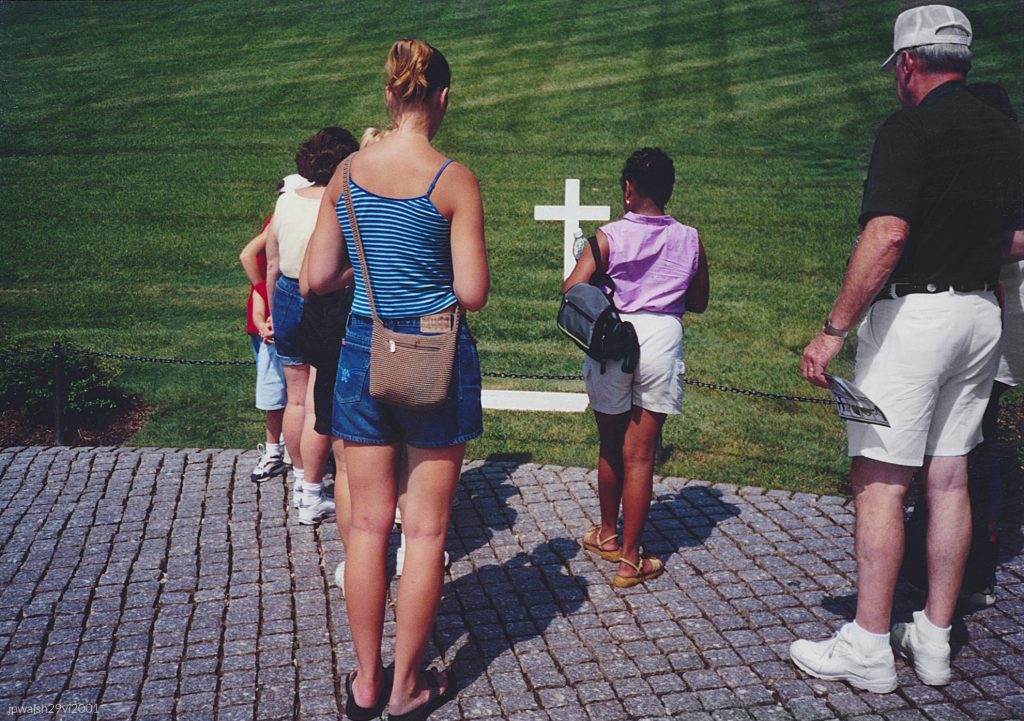
Visitors at RFK’s gravesite, Arlington National Cemetery, Arlington, Virginia, June 2001. Author’s photograph.
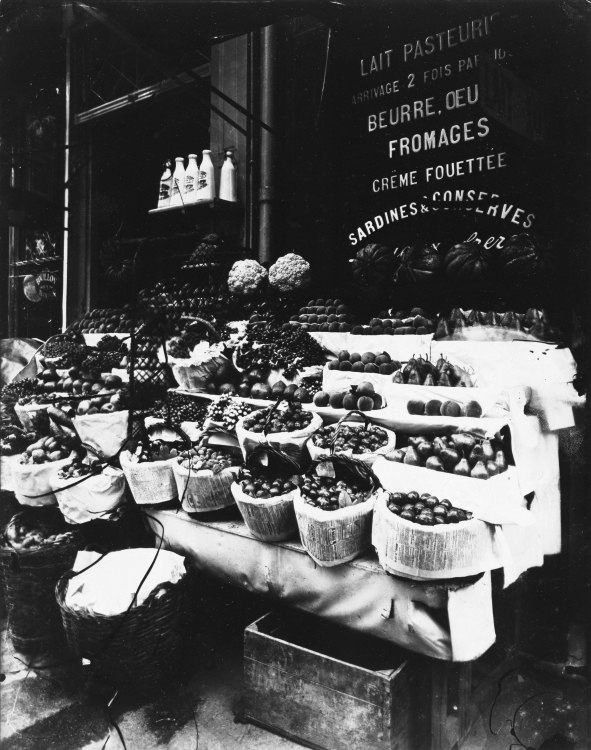
FEATURE image: Eugène Atget, Place Saint-Médard, 1889-99.
Eugène Atget in an anonymously-taken photograph.
Eugène Atget, Photographer’s Studio, c. 1910.
Atget was born in 1857 near Bordeaux (Libourne) and after his parents died in 1862, the 5-year-old boy was brought up by his grandparents in Bordeaux. Atget received a solid education and, similar to Paul Gauguin, eventually went to sea in the merchant navy and later, in 1878, settled in Paris where he aspired to be a dramatic actor. For the next decade, Atget was a traveling thespian in the Paris theaters. Even after he left Paris and the theater profession in 1888 to become a fine arts painter in the provinces, Atget always considered himself to be an actor. By 1890, his brief painting career over, Atget was back in Paris where he decided to become a documentary photographer.
There is a portrait of Eugène Atget (1857-1927) by Berenice Abbott created in 1927 that can be found here: https://www.icp.org/browse/archive/constituents/eug%C3%A8ne-atget?all/all/all/all/0. The portrait was taken in Berenice Abbott’s studio after Atget had recently taken up photography again. In August 1927, he died. It was at Man Ray’s suggestion that Berenice Abbott introduced herself to Atget in 1925 and began taking photographs of him. Of her subject she observed: “[Atget] will be remembered as an urbanist historian, a genuine romanticist, a lover of Paris, a Balzac of the camera, from whose work we can weave a large tapestry of French civilization.” (quoted in Paris Eugène Atget 1857-1927, Taschen, 2000, p. 22).
Eugène Atget, Children Playing, Luxembourg Gardens, c.1898. Atget created many photographs with people in them, including this straightforward portrayal of Parisian life that also serves as a document of historical interest.
Eugène Atget, The Old School of Medicine, Rue de la Bûcherie, 1898. Near the cathedral Notre Dame de Paris and the Place Maubert, between La Seine and Boulevard Saint-Germain, Rue de la Bûcherie is one of the oldest Left Bank streets. In the Middle Ages discarded meats were prepared here to feed the poor. The dome of this sixteenth-century building built for the University of Paris housed an auditorium in which classes were held. In Atget’s time it was a hotel that housed a street-level wine shop. After 1910 it became a school dormitory and a library after that. Today, the Old School of Medicine has been restored to original appearance.
Eugène Atget, Façade, St-Julien-le-Pauvre, 1898. The chapel on this site since the sixth century was destroyed in the ninth century by the Normans. Remnants of a twelfth century church that was sacked by students in 1524 remain after the church was reconstructed in 1651. During the French Revolution the church was used to store and sell various stock, and rededicated as a church in 1826. When Atget photographed it, St Julien-le-Pauvre was a Melkite Catholic Church which it is today. The arch at the top of Atget’s photograph is a camera effect from the glass plate not being covered by the lens. The church guard is seated to one side of the main door. The buildings to the side of the passageway in the photograph are largely gone today.
Eugène Atget, Place Saint-Médard, 1889-99.
Eugène Atget, Hôtel de Brinvilliers, Rue Charles V, 1900.
Eugène Atget, Au Bon Puits, rue Michel-Le-Comte, 1901.
Eugène Atget, Lampshade Seller, rue Lepic, 1901.
Eugène Atget, Ragpicker, avenue des Gobelins, 1901.
Eugène Atget, Fountains at Juvisy, 1902.
Eugène Atget, Petit Bacchus, rue-St-Louis-en-l’Ile, 1901-02.
Eugène Atget, detail, Petit Bacchus, rue-St-Louis-en-l’Ile, 1901-02.
Eugène Atget, The Temple of Love, the Petit Trianon, 1902.
Eugène Atget, Paris Antique Store, Rue du Faubourg-Saint-Honoré, 1902.
Eugène Atget, Façade du no 2 , Place du Caire, 1903.
Eugène Atget, Courtyard of Farewells, Fontainebleau, 1903.
Eugène Atget, Ancienne Barrière (tollgate) du Trône, Paris, 1903-04.
Eugène Atget, France Triumphant, Versailles, 1904.
Eugène Atget, Palais-Royal, Paris, 1904-05.
Eugène Atget, Tree Roots, Saint Cloud Park, 1906.
Eugène Atget, Rue Sainte Opportune, Paris, 1908 (or 1912).
Eugène Atget, Water Lilies, before 1911.
Eugène Atget, Old Courtyard, rue Quincampoix, 1908 or 1912.
Eugène Atget, Entrée du passage de la Réunion, 1 et 3 Rue du Maure, 3° arrondissement, 1911.
Eugène Atget, Tinsmith’s Shop, rue de la Reynie, 1912.
Eugène Atget, Dress shop, rue de la Corderie, 1920.
Eugène Atget, Hairdresser’s shop, boulevard de Strasbourg, 1912.
Eugène Atget, Ragpicker’s Hut, 1912.
Eugène Atget, Old Mill, Charenton, 1915.
Eugène Atget, Reflecting Pool, Saint-Cloud, 1915-19.
FEATURE image: May 2018. Over the Top to Victory (“Doughboy”), 1921, John Paulding, Memorial Park, Wheaton, Illinois.
All photographs in this post are the author’s original work.
“Over the Top to Victory” is a bronze sculpture of an American World War I infantryman — one of the famed doughboys — created by American sculptor John Paulding (1883–1935). Cast in 1921 by the American Art Bronze Foundry of Chicago, the statue stands today in Memorial Park in Wheaton, Illinois.
June 2021. 75% 7.93mb DSC_7581 (1)
John Paulding’s World War I doughboy stands on its Memorial Park pedestal, the bronze figure captured in a moment of forward motion. A wreath in red, white, and blue rests at its base, echoing the statue’s original 1929 Armistice Day dedication to Wheaton’s veterans.
Paulding trained at the School of the Art Institute of Chicago and is best remembered for the World War I memorials he produced in the years immediately following the conflict. When the United States entered the war in April 1917, American troops fought with distinction on the Western Front. The armistice of November 11, 1918 — the date that would become Veterans Day — brought the four‑year conflict to an end and secured an Allied victory.
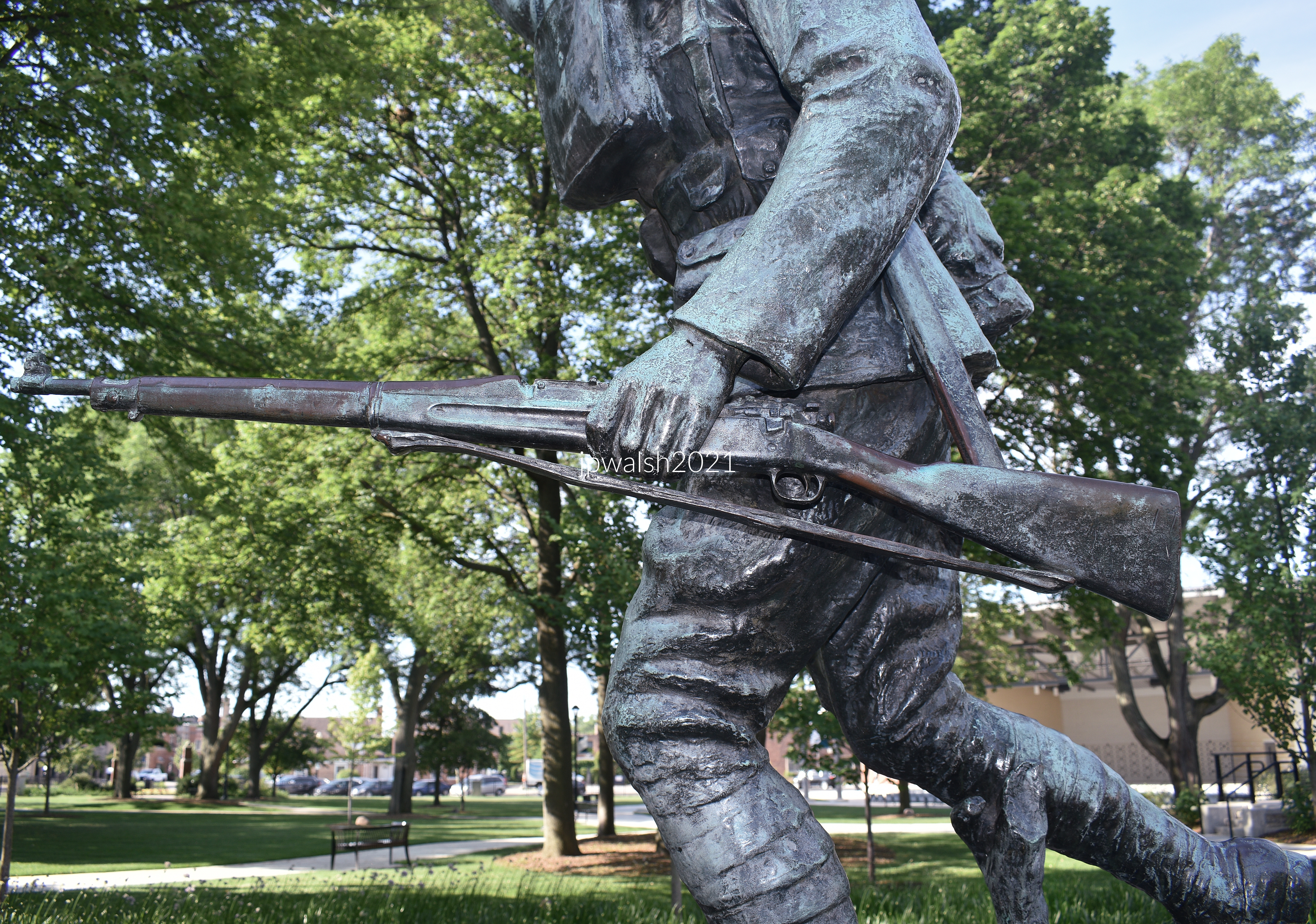
June 2021. 87% 7.81mb DSC_7589
The Paulding doughboy strides through Memorial Park, rifle in hand, its dynamic pose recalling the energy and sacrifice of American soldiers in the Great War. Set against the trees and open grounds, the memorial continues its role as a focal point of remembrance in the community.
Memorial Park itself was established in 1921 as Wheaton’s dedicated space to honor its war veterans. The Paulding statue was added eight years later and formally dedicated on Armistice Day, November 11, 1929, in tribute to all local veterans of the Great War. That summer, the Wheaton Illinoian praised the forthcoming memorial, writing: “The statue is a fitting memorial to the soldiers of the community who died fighting for our cause. Let us not forget so easily!”
After more than seventy years exposed to Midwestern weather, the sculpture underwent conservation in August 2000 by Venus Bronze Works of Detroit. It was rededicated that Veterans Day — with the same local American Legion Post leading the ceremony, just as it had in 1929.
The “Over the Top to Victory” Doughboy statue in Wheaton, Illinois, was reinstalled in a new unified memorial setting in summer 2020. This update allowed the statue to be relocated to a more prominent position, bringing previously dispersed war memorials in Memorial Park together into a single, modern plaza.
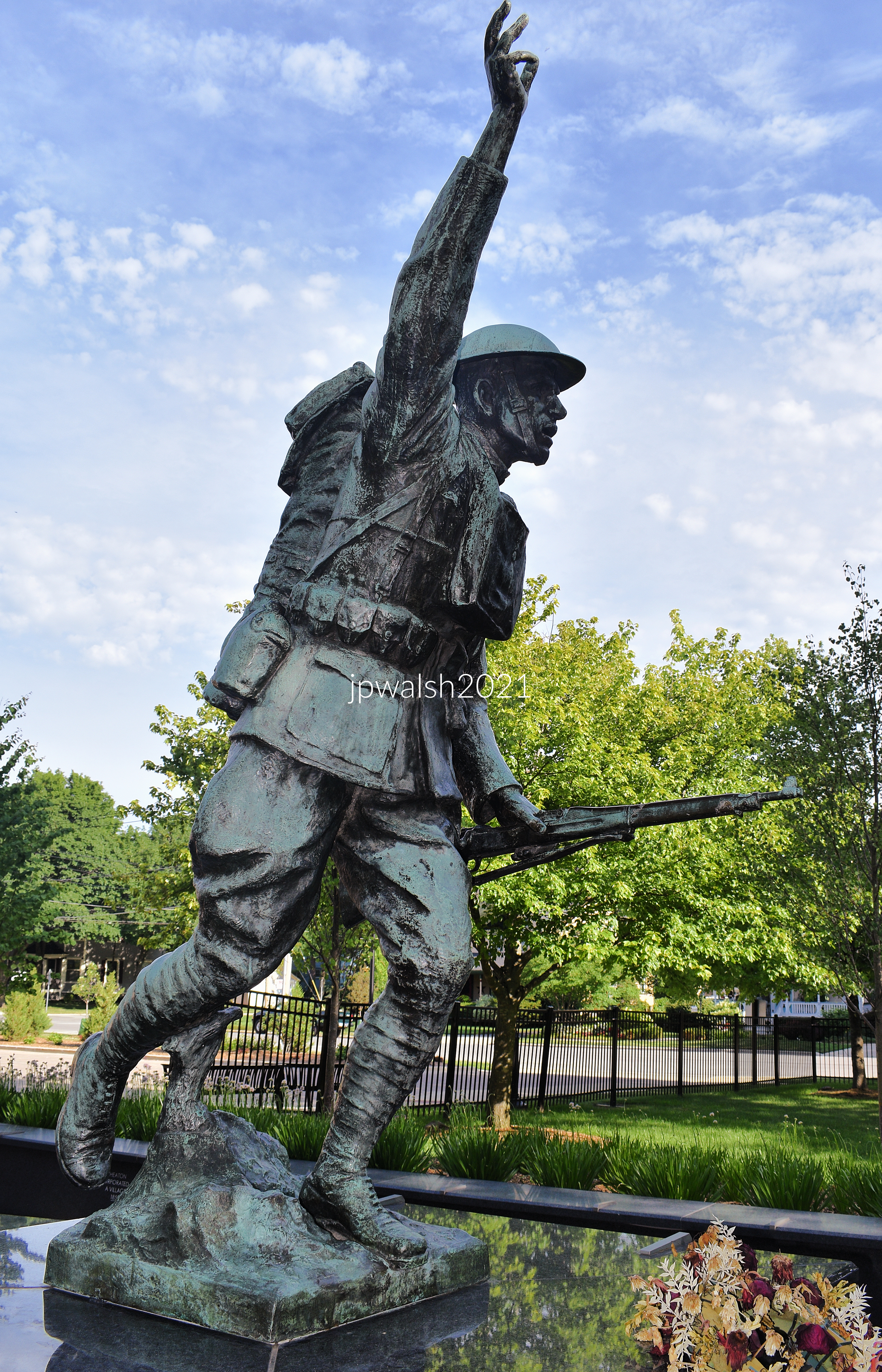
May 2028. 5.87mb DSC_8195 (2)June 2021. 97% 7.85mb DSC_7614
Paulding’s World War I doughboy surges forward on its Memorial Park pedestal, the raised arm and shouldered rifle capturing the urgency of the American advance. Flowers at the base mark the memorial’s ongoing role as a site of remembrance for Wheaton’s veterans.
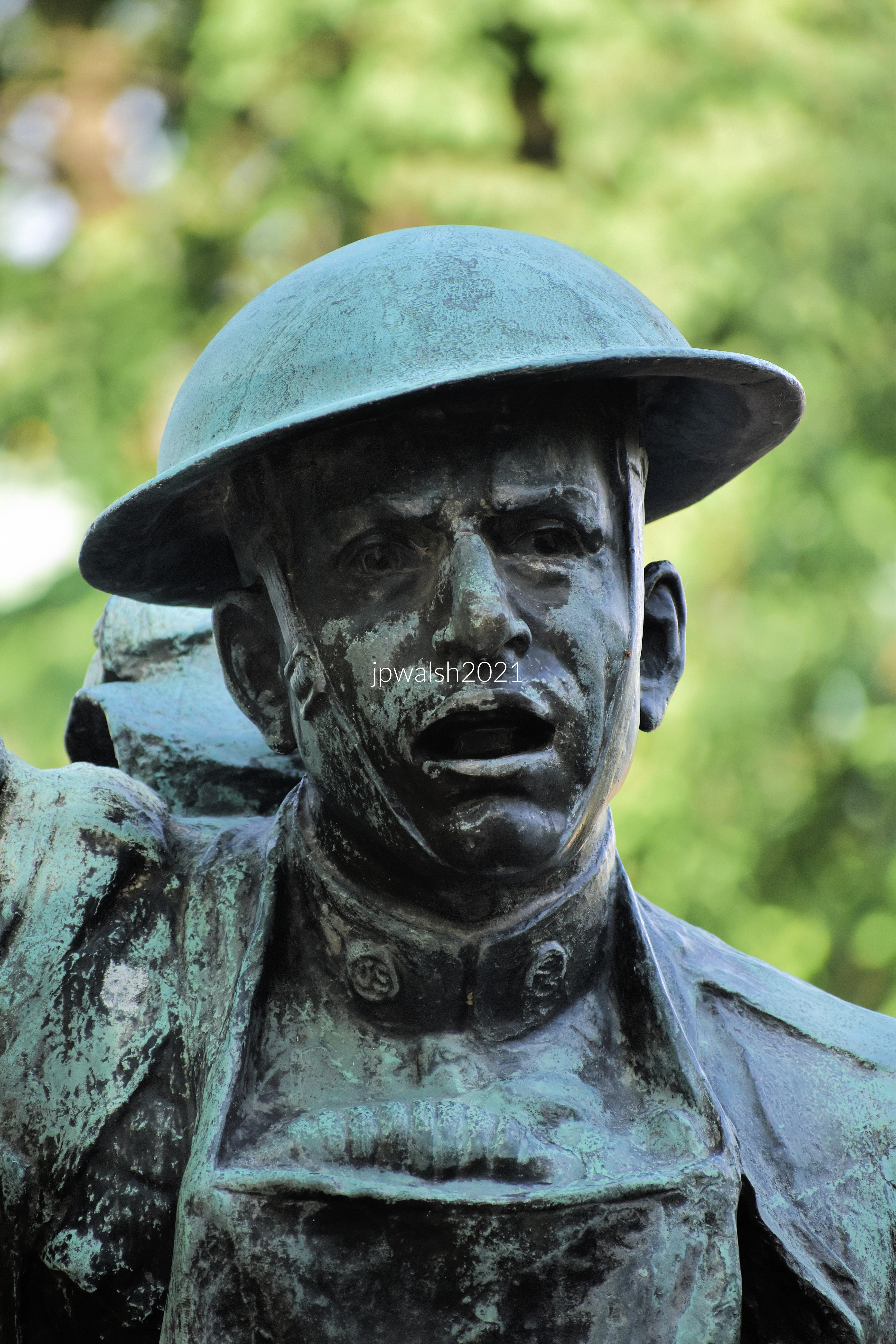
June 2021. 92% 7.73mb DSC_6130 (2)
Close view of Paulding’s World War I doughboy, its open mouth and tense expression capturing the urgency of the American infantryman—popularly known as the ‘doughboy,’ a nickname used for U.S. soldiers in Europe during the Great War. The term’s exact origin remains uncertain, though several theories persist.
This explanatory article may be periodically updated.















































 Admissions, Expo Chicago 2017.
 Lara Schnitger, Suffragette City, 2015-2017, Cotton, and linen, quilted and bleached, Anton Kern Gallery, New York. Expo Chicago 2017.
 Galerie Gmurzynska, Zurich, Switzerland, with booth design by Antonio Manfreda. Expo Chicago 2017. Germano Celant, theorist of the Arte Povera movement. From 2015 he was the artistic director of the Prada Foundation in Milan.
 Anton Kern Gallery, New York. Expo Chicago 2017.


 John A. Seal, König Galerie, Berlin. Expo Chicago 2017.
 Alfred Leslie, Oval Collage, 1959, Diana Moore, White Head, 1988 and Willem de Kooning, 1965, charcoal on paper, Alan Stone Projects, New York. Expo Chicago 2017.
 Thinks I, To Myself. Expo Chicago 2017.

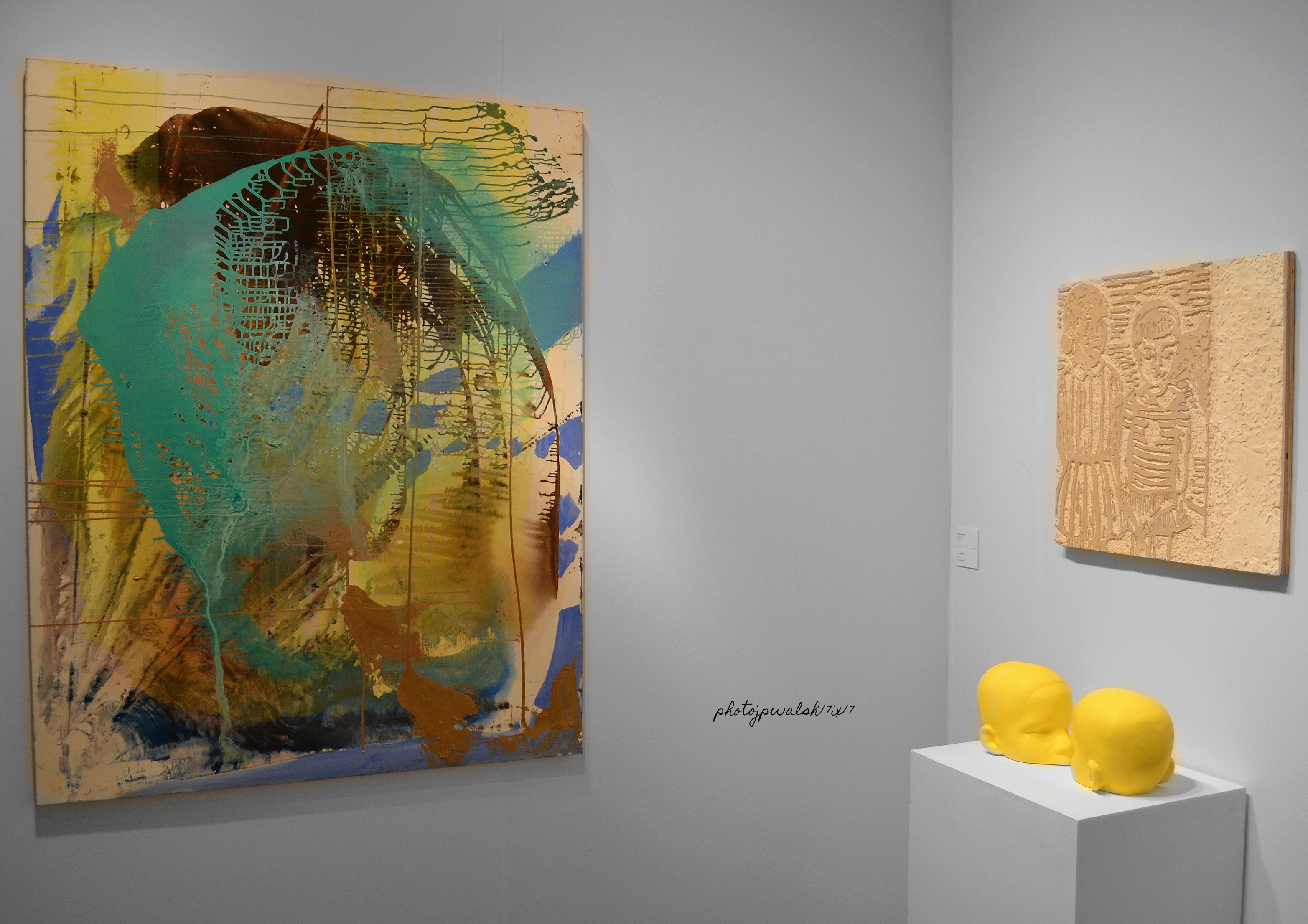 Jackie Saccoccio, Portrait (Bomba), 2017, and Faheem Majeed, Hopscotch I, 2011, and Pause, 2010, Rhona Hoffman Gallery Chicago. Expo Chicago 2017.


 Caroline Walker, Grimm Gallery Amsterdam New York. Expo Chicago 2017.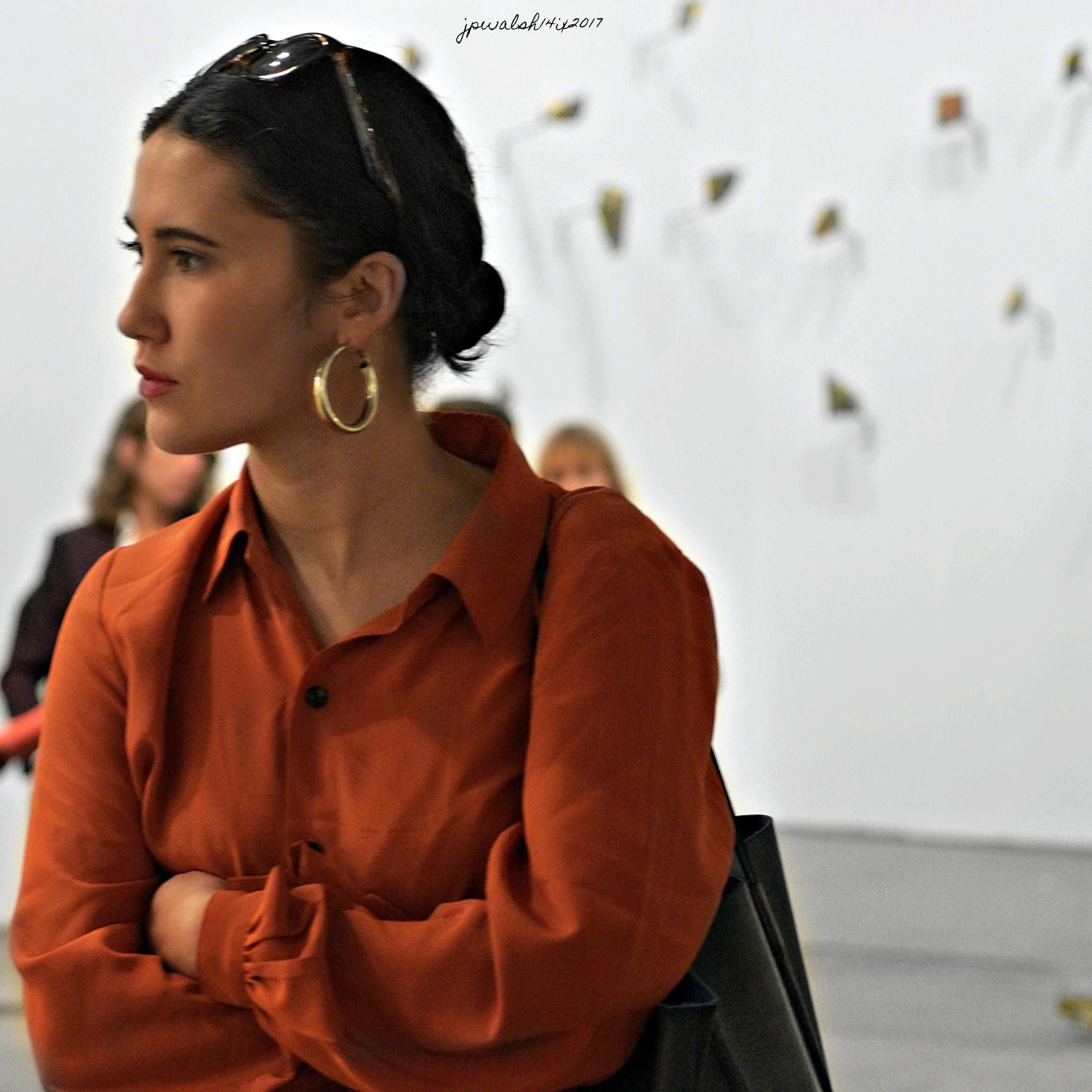

 Paul Kasmin Gallery New York. Expo Chicago 2017.
 Artist’s Signature (Miró). Expo Chicago 2017.