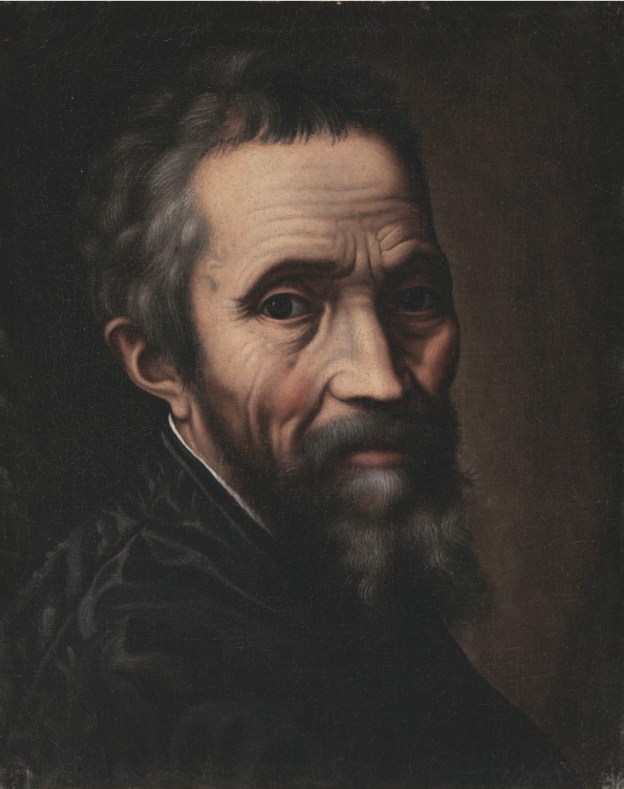

FEATURE Image: Portrait of Michelangelo, Marcello Venusti (1510-1579), after 1550. Casa Buonarroti, Florence, Italy. see – https://artsandculture.google.com/asset/ritratto-di-michelangelo/AgFcI66SXt6qGg?hl=it – retrieved March 6, 2025.


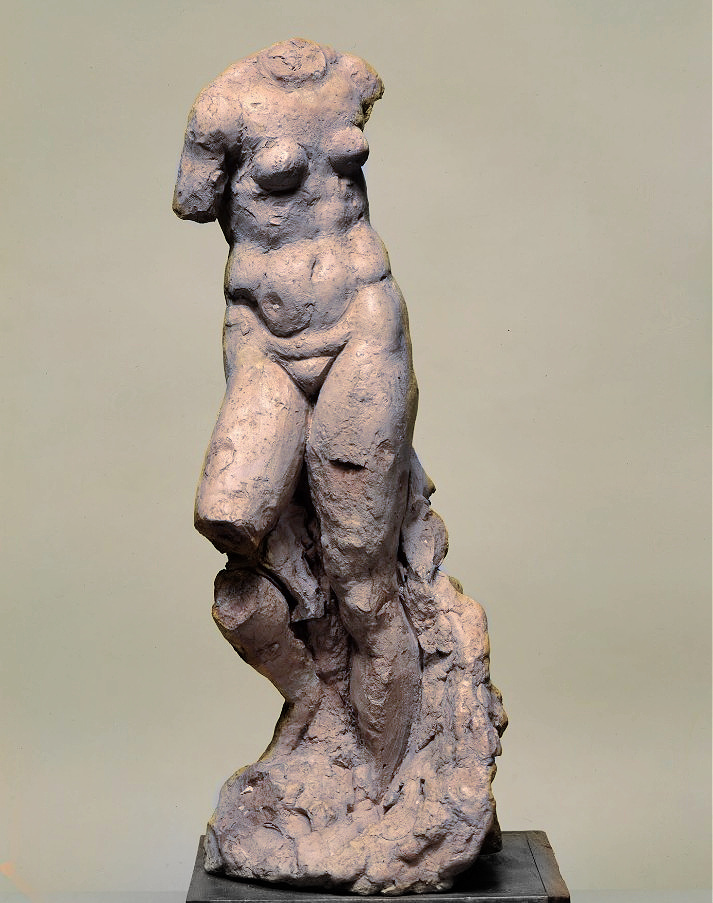
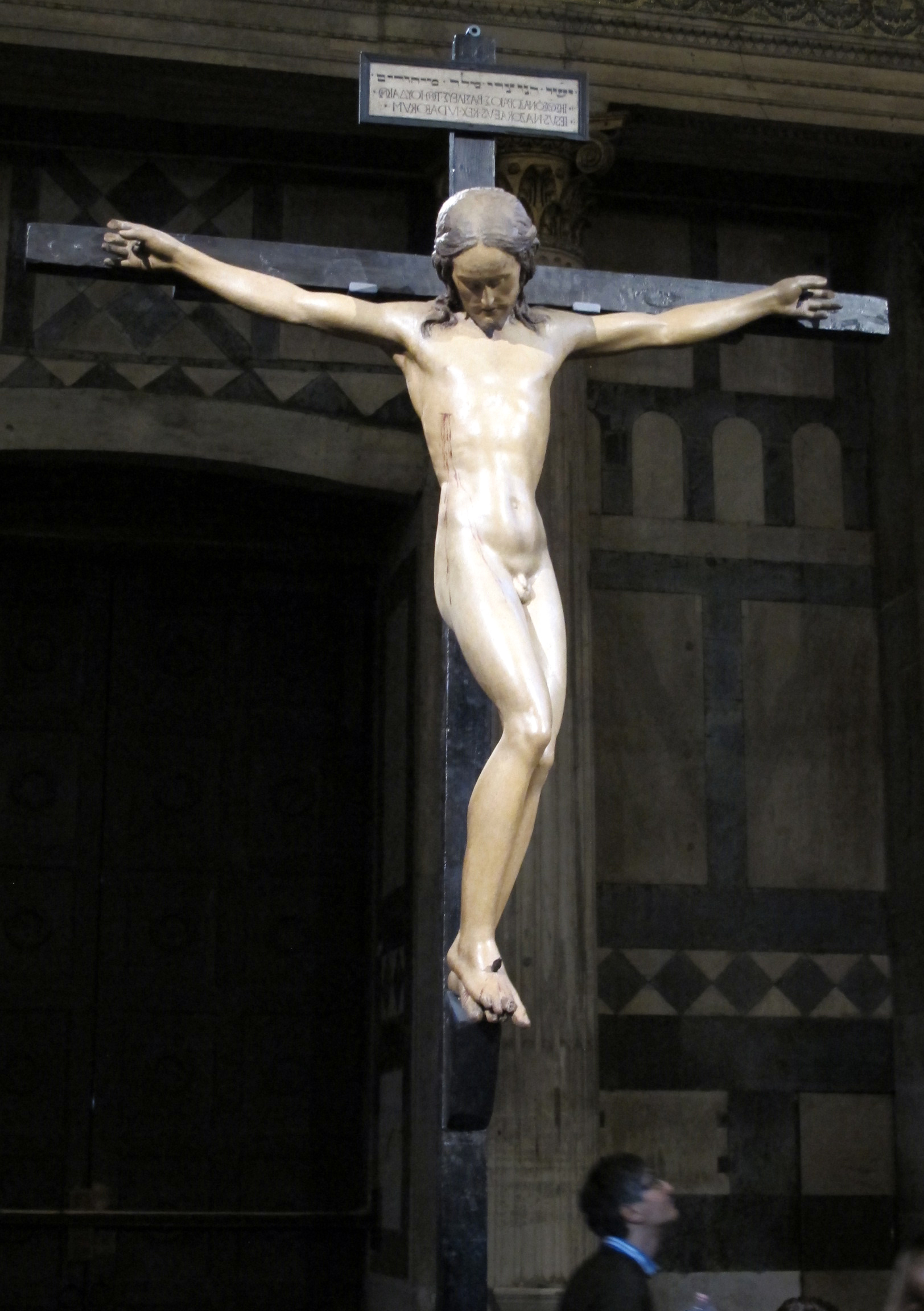
The Italian Renaissance artist was born in Florentine territory in Caprese in the provinces of Tuscany where his father was a government bureaucrat. The family soon relocated to Florence where Michaelangelo grew up. Becoming friends with Francesco Granacci (1469-1543) who saw Michaelangelo’s drawing talent, at 13 years old Michelangelo announced he wanted to be an artist. Despite his parents objection, they eventually yielded to their son’s aspirations, and he was apprenticed to Domenico Ghirlandaio (1448-1494) for the next three years.
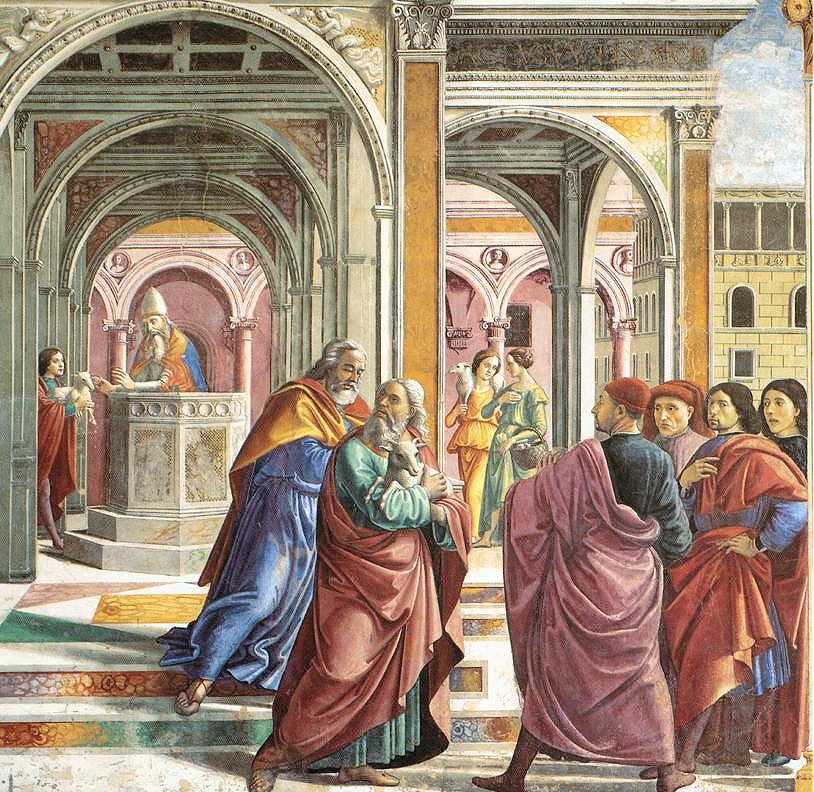
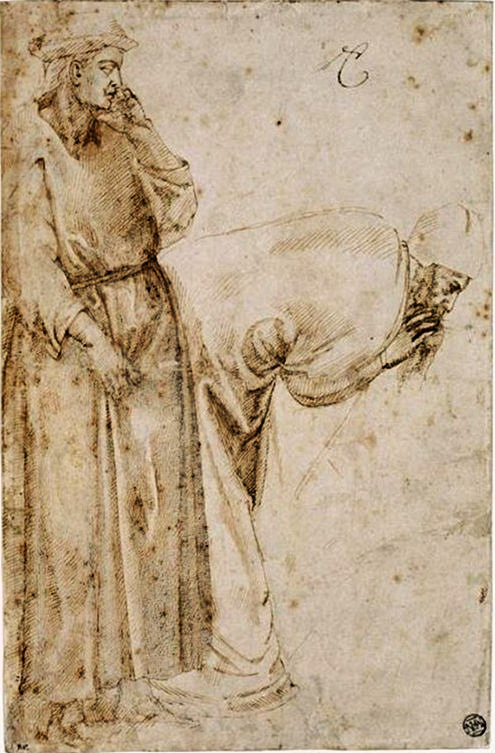
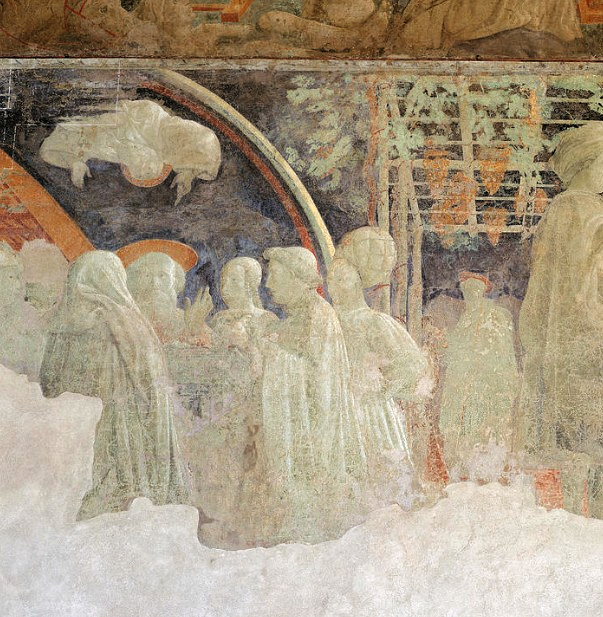
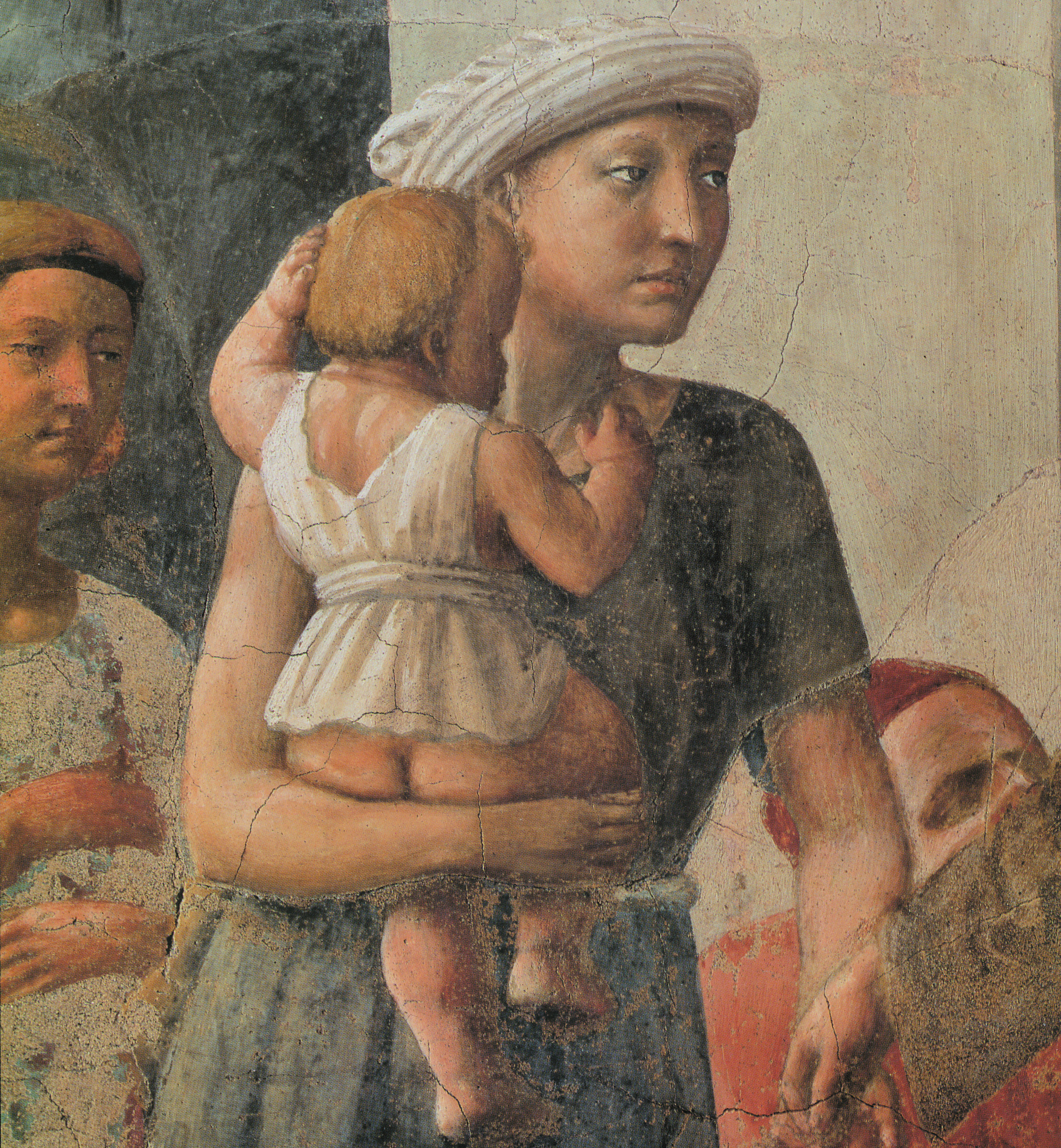
Michelangelo’s training was erratic, likely having left Ghirlandaio before his contract was complete, and working under the city’s ruler, Lorenzo de Medici for his contracted master, Bertoldo (1420-1491). Later in life Michelangelo did not advertise his training credentials as he believed art – such as freeing subjects from stone – emerged by the sheer artistic power of the individual. In this period, as a teenager, Michelangelo learned the art of fresco painting and drawing, copying previous masters such as Giotto (1267-1337) and Masaccio (1401-1428). Michelangelo absorbed the artwork of the naturalists, such as Paolo Uccello (1397-1475), whose artwork looked to present subjects with a viewpoint like a scientist interested in objective fact rather than looking to convey some established figural attitude. Where young Michelangelo was materially as great as Giotto and Masaccio, he also possessed a new means undreamt by those previous masters, as he drunk of the art of Donatello (1386-1466), Pollaiuolo (1429-1498), Verrocchio (c.1435-1488) and Leonardo da Vinci (1452-1519). Further, Michelangelo understood better than these others, that the epitome of these Renaissance artistic studies was to be expressed by one subject above all: the human nude.
Bernard Berenson described Michelangelo as “the pupil of nobody, the heir of everybody, who felt profoundly and powerfully what to his precursors had been vague instinct, who saw and expressed the meaning of it all.”
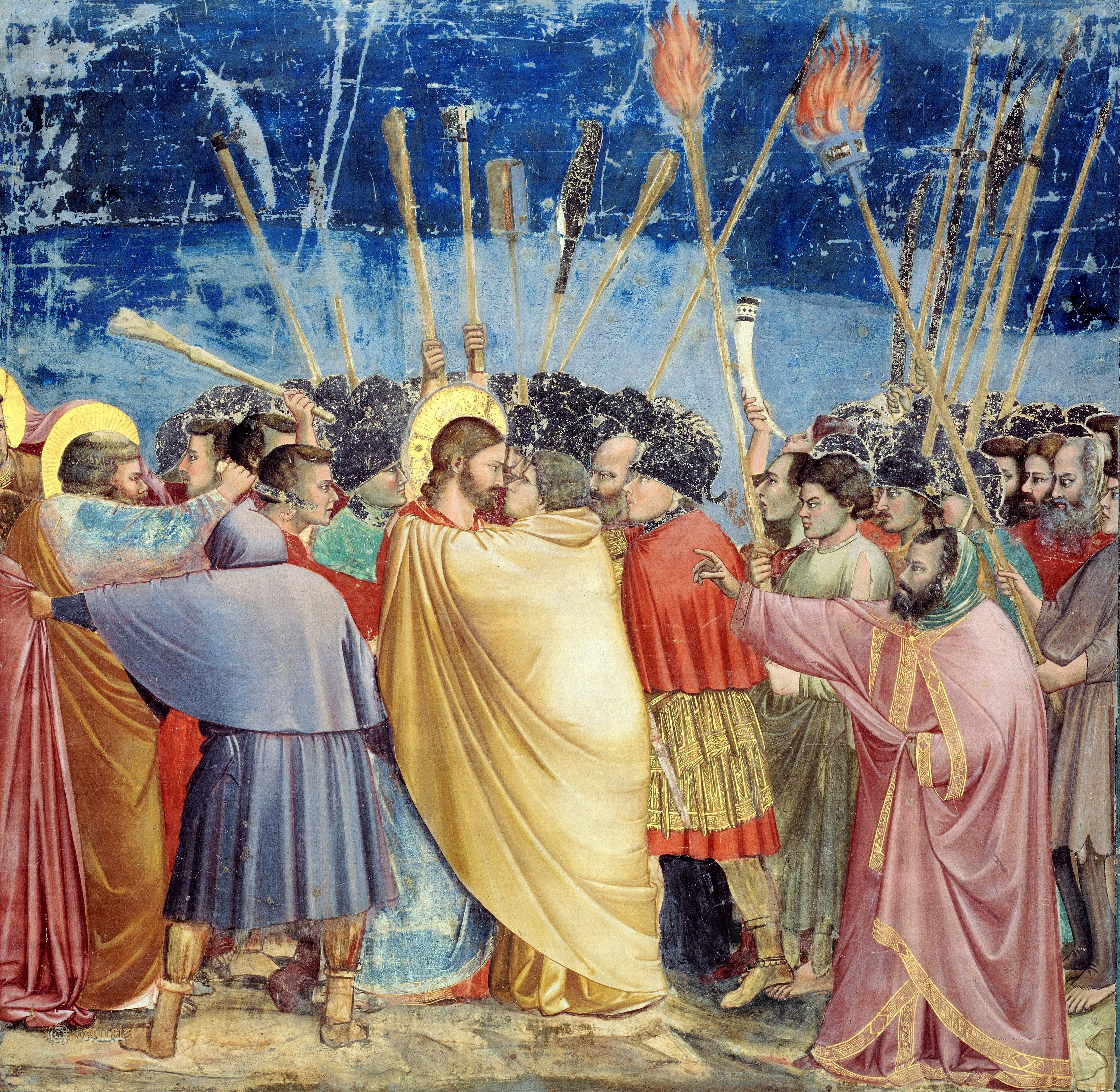
The Arena, or Scrovegni Chapel, was commissioned by Enrico Scrovegni in 1303. A nobleman of Padua, Enrico dedicated the chapel as an act of atonement for the sins of his father, Reginaldo, a moneylender whom Dante placed among the damned in the Inferno. The exterior of the chapel is austere, but its interior is filled with Giotto’s frescoes, completed by the time of the chapel’s dedication in late March 1305, with remaining work finished by March 1306. By this point, Giotto—then in his late thirties—was already a mature master, and in this cycle he transformed the course of Italian painting.
What had appeared as youthful brittleness and restlessness in his frescoes at Assisi in the late 1290s—works that had secured his fame and led to the Padua commission—has here developed into a fully realized visual language of narrative concision, solemnity, and decisive, almost fatalistic, plastic form. Although the subjects of the Life of the Virgin, the Life and Passion of Christ, and the Last Judgment draw upon a venerable medieval tradition, Giotto renders them with a striking immediacy. Human emotion, individualized gesture, and the presence of everyday life infuse the sacred narratives with a naturalism that conveys profound dignity and emotional gravity rather than rhetorical flourish.
The dramatic center of the Betrayal fresco is the confrontation between Christ and Judas. Once Christ accepts His fate in the agony of the garden, the world wastes no time in presenting Him with the cross He has embraced. One of His own apostles—an unsettling reminder of the failures of religious leaders across the ages—betrays Him with a kiss. Christ’s body nearly disappears beneath Judas’s enveloping cloak, yet His classical profile remains visible, fixed in a calm, penetrating gaze upon His betrayer. Judas’s pursed lips embody the chilling intimacy of treachery. As John 13 recounts, the devil—whether through possession or the alignment of Judas’s will with Satan’s designs—provides the impetus for the betrayal.
Giotto had previously depicted Judas as youthful and handsome, but here the apostle’s features bear the accumulated marks of moral decay. At the left, Peter lashes out at Malchus, the high priest’s servant, severing his ear; at the right, the high priest himself gestures toward the betrayal, yet his posture suggests a momentary hesitation before the full enormity of the act. Through these figures, Giotto constructs a scene of moral and emotional complexity, capturing the decisive moment when divine purpose and fallen humanity collide.
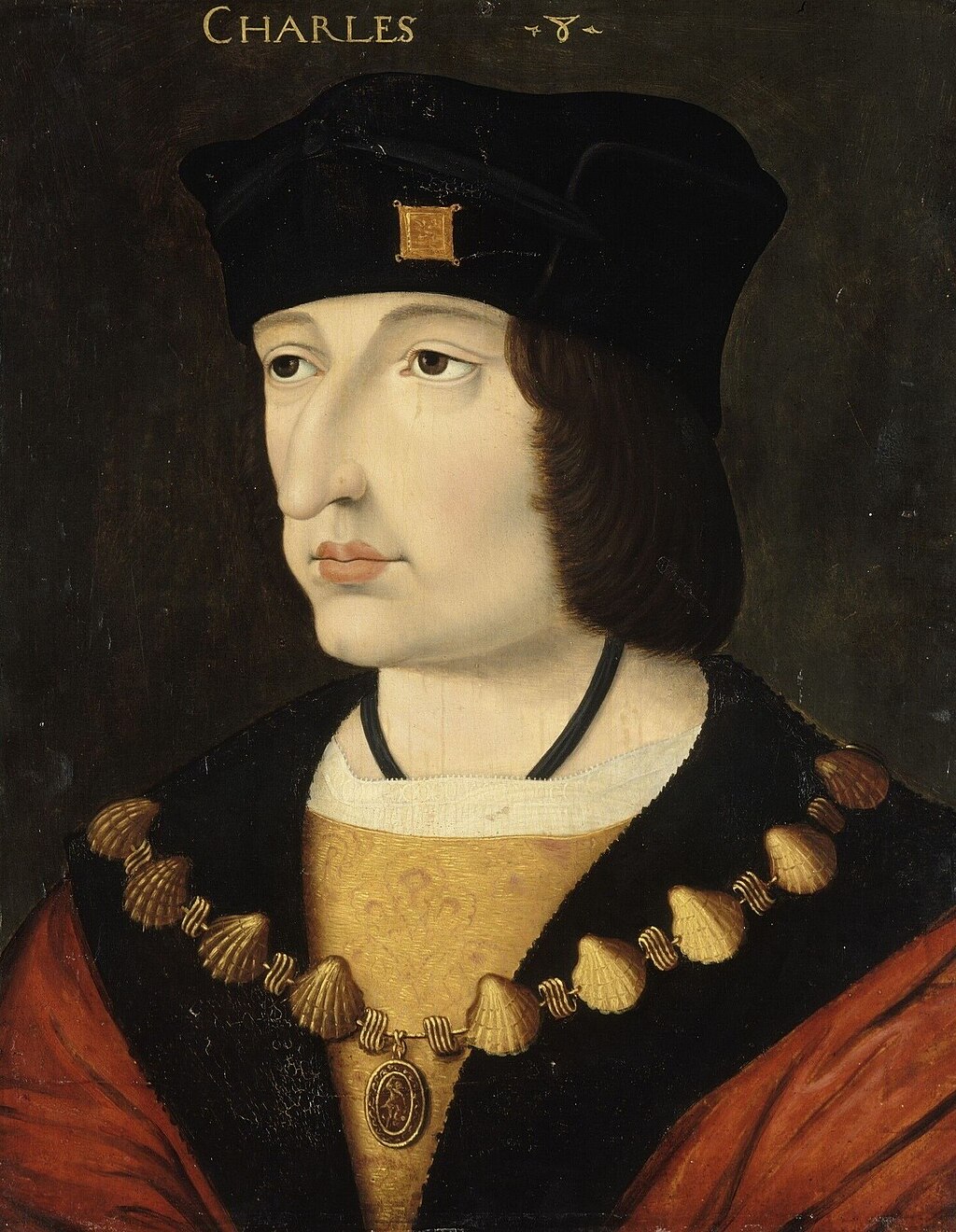
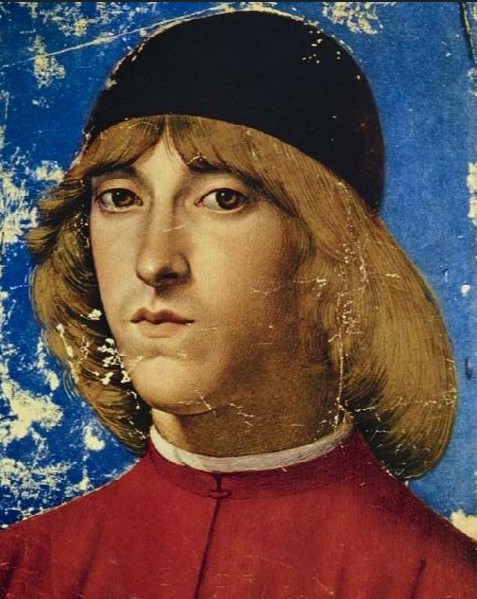
When the Medici fell and Florence became a theocracy under Savonarola (1452-1498), 19-year-old Michelangelo decided to leave Florence. He lamented the fall of Lorenzo the Magnificent, his artistic patron, and the young artist lived hand to mouth going to Bologna, then to Venice, and back to Bologna, and finally to Rome in June 1496. The popes’ tremendous influence in capitalist Italy started in the 13th century and augmented into the 17th century, leading to what art critic Bernard Berenson (1865-1959) called an encroachment of “soulless Vaticanism” towards modern art. But clearly Rome had no use for a firebrand friar who refused to support the pope’s troops against the invading French army. As Columbus set out to discover America, It was the unpleasant chapter of the Italian War of the 1490s that helped fill the times with ongoing brutality, duplicity, complicity, intrigue, opportunism and expedience. A looming danger of looting and violence of the invading French army were emphasized by the impassioned sermons of Girolamo Savonarola that frightened the people and led to their heightened resentment against the ruling Medici. Florence was traditionally pro-French, but Piero di Lorenzo de’ Medici (“Piero the Unfortunate”) (1472-1504), son of Lorenzo the Magnificent, had deployed against them to defend Naples. Under pressure from citizens and outside French forces promising church reforms and civic transparency, the Medici was forced to flee and the city was proclaimed a Republic. The Florentines, with Savonarola in the lead, facilitated the invasion of French king Charles VIII (1470-1498) and against the pope which they considered corrupt. Pope Alexander VI (1431-1503), a Borgia and one of the most corrupt popes in history, ascended to the papal throne in 1492 and was immediately condemned in fiery sermons by Savonarola. Yet all was not well between “liberator” Charles VIII and his Florentine supporters. Immediately the French king demanded a huge sum of money, a ransom payment of sorts, from the Florentines in appreciation, as well as to pay for, the pro-French liberation. The Florentine government refused and the king threatened to loot the city. Faced with a backlash and real threat of popular revolt, the French bully relented and continued onto Rome. Charles postured, but was constantly fearful of antagonizing the European powers and announced his decision that he would not depose the corrupt old pope after all. By having kidnapped the pope’s mistress Giulia Farnese, wife of the pope’s military ally Orsino Orsini, who commanded 4,000 Neapolitan soldiers freshly landed to defend papal interests on the peninsula, Charles VIII was able to extract full entry into Rome in exchange for her release. Once in Rome the French troops looted the city. The pope, in a panic, arranged a quick safe passage for Charles VIII out of the Papal States towards Naples during which the king’s army massacred many hundreds of local inhabitants.

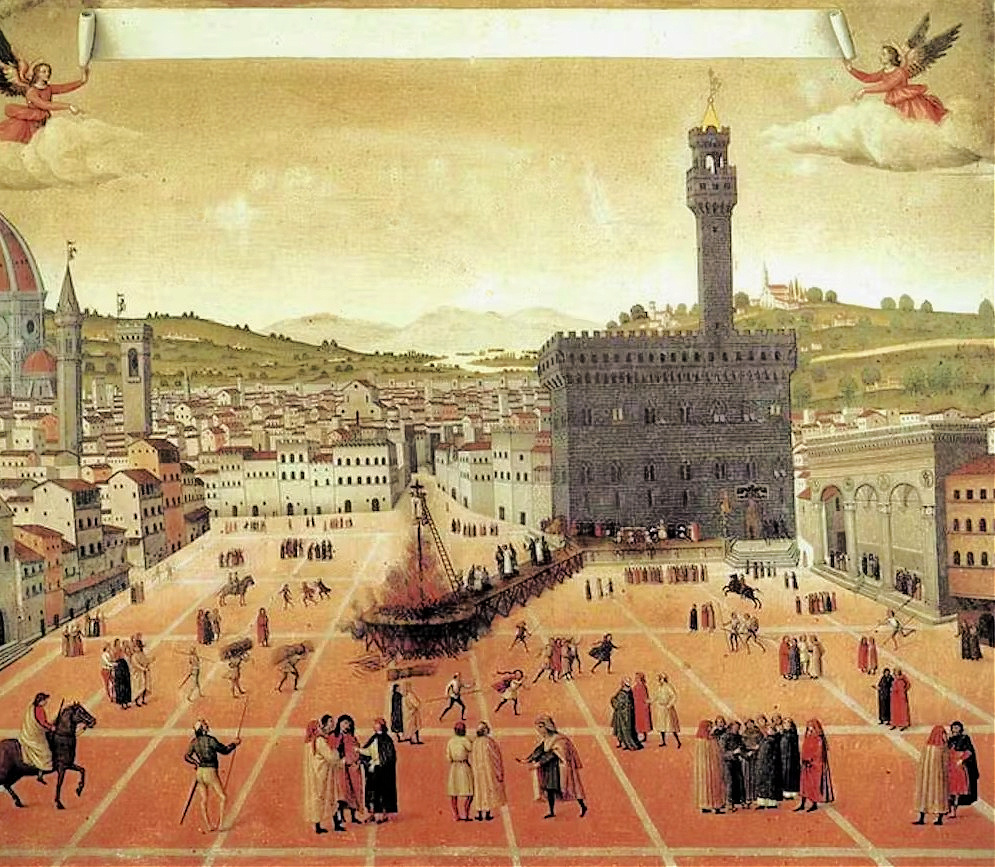
Savonarola played an important role in this French infiltration in Italy — and Rome did not forget. Then, in February 1497, during Mardi Gras of that year, Savonarola, whose message was a combination of religious purist and civic republican preached his most dramatic act of cultural desecration by seeking that artworks, books, clothing items and cosmetics were thrown into a bonfire of the vanities as a sign of monied and other social decadence. The flames became his final undoing: Savonarola was excommunicated for heresy and sedition by Pope Alexander VI on May 12, 1497 after the preacher called “the contemporary Church leadership…a pockmarked whore sitting on Solomon’s throne.” The pope also threatened Florence with severe interdictions if they continued to be a sanctuary for Savonarola and his ilk. Savonarola was imprisoned on April 7, 1498 after failing a literal public trial by fire (it rained). Finally, he was dragged from his prison cell and with two other contemptible friars was condemned as a heretic and schismatic and hanged and burned at the stake on May 23, 1498, with the Vatican and the Medici observing it all from a safe distance. Yet the cult of Savonarola, his person as well as his political and religious ideas, did not go quietly up in smoke. Though seen today as a sort of vile figure, his supporters around 1500 and afterwards saw him as a martyr and encouraged his veneration as a saint to which many complied. In Florence Savonarola’s disputed legacy went on until the Medici more or less permanently re-installed themselves in 1530. Yet Protestant reformers in Germany and Switzerland were intrigued and influenced by Savonarola’s ideas and, in 1558, even Pope Paul IV, who was 22 years old when Savonarola was executed, declared him not a heretic and always in communion with the Catholic Church. Saint Philip Neri (1515-1595), a Florentine established in Rome, and regularly characterized as a most relatable prelate of and for the masses, also defended Savonarola’s memory.

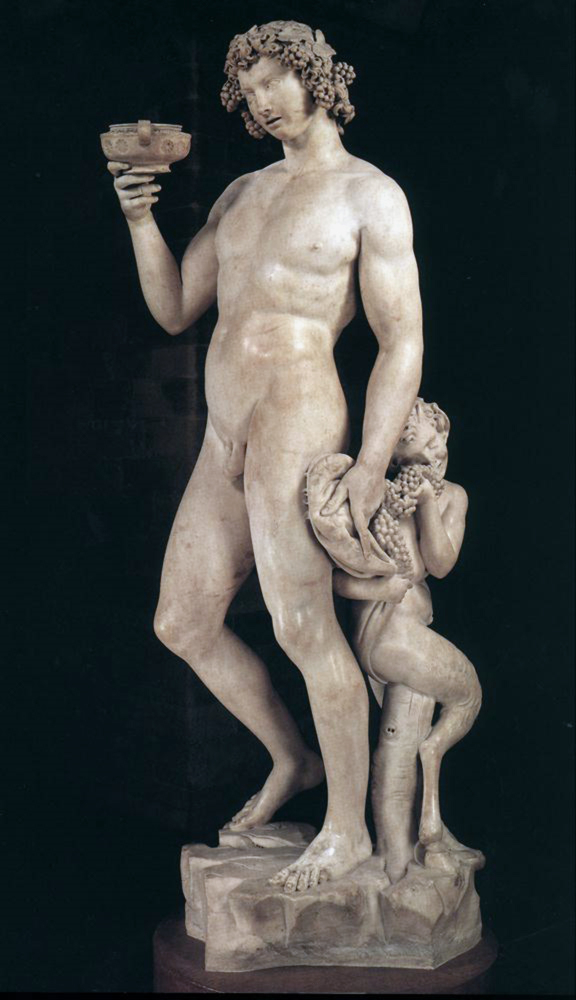
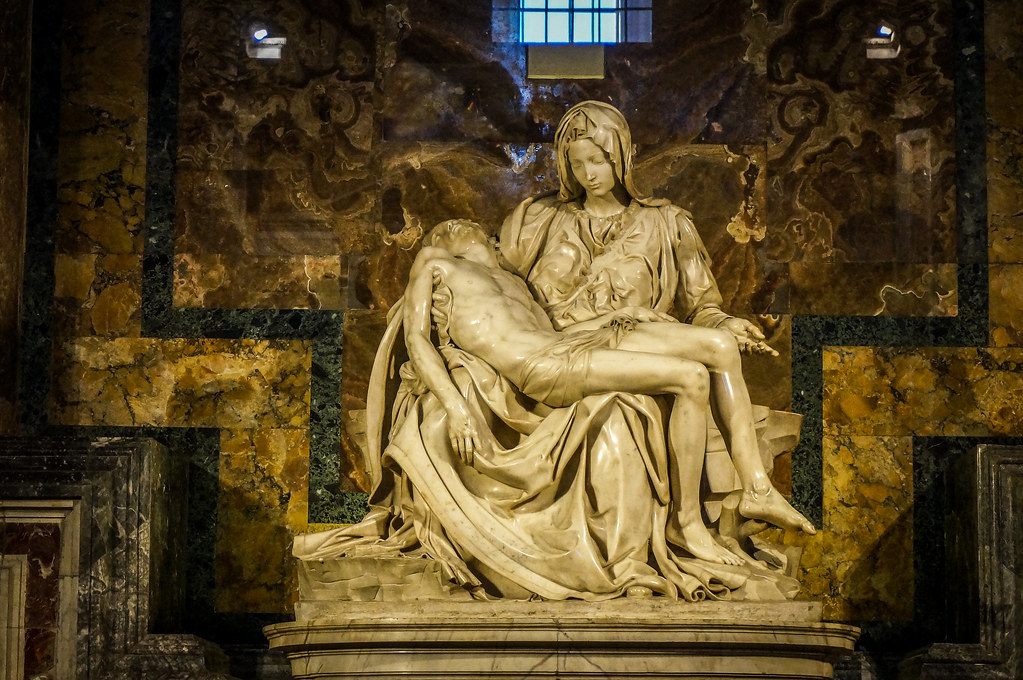
Meanwhile, in Rome, Michelangelo sculpted his first major marble works. The first, Bacchus, was commissioned by Cardinal Raffaele Riario (1461-1521) in partnership with Jacopo Galli, a Roman collector, that was displayed in Galli’s garden until it was sold in 1572 to the Medici and is today in the Bargello. The second is the sublime Pietà (St. Peter’s Basilica, Vatican City) that was commissioned by a French cardinal in Rome and placed in the Santa Maria della Febbre. Vasari described the Pietà as “a revelation of all the potentialities and force of the art of sculpture.” Though the Pietà made Michelangelo famous in Rome, he returned to Florence following its installation to work on the David, a commission made by the Florentine republic after the expulsion of the Medici.
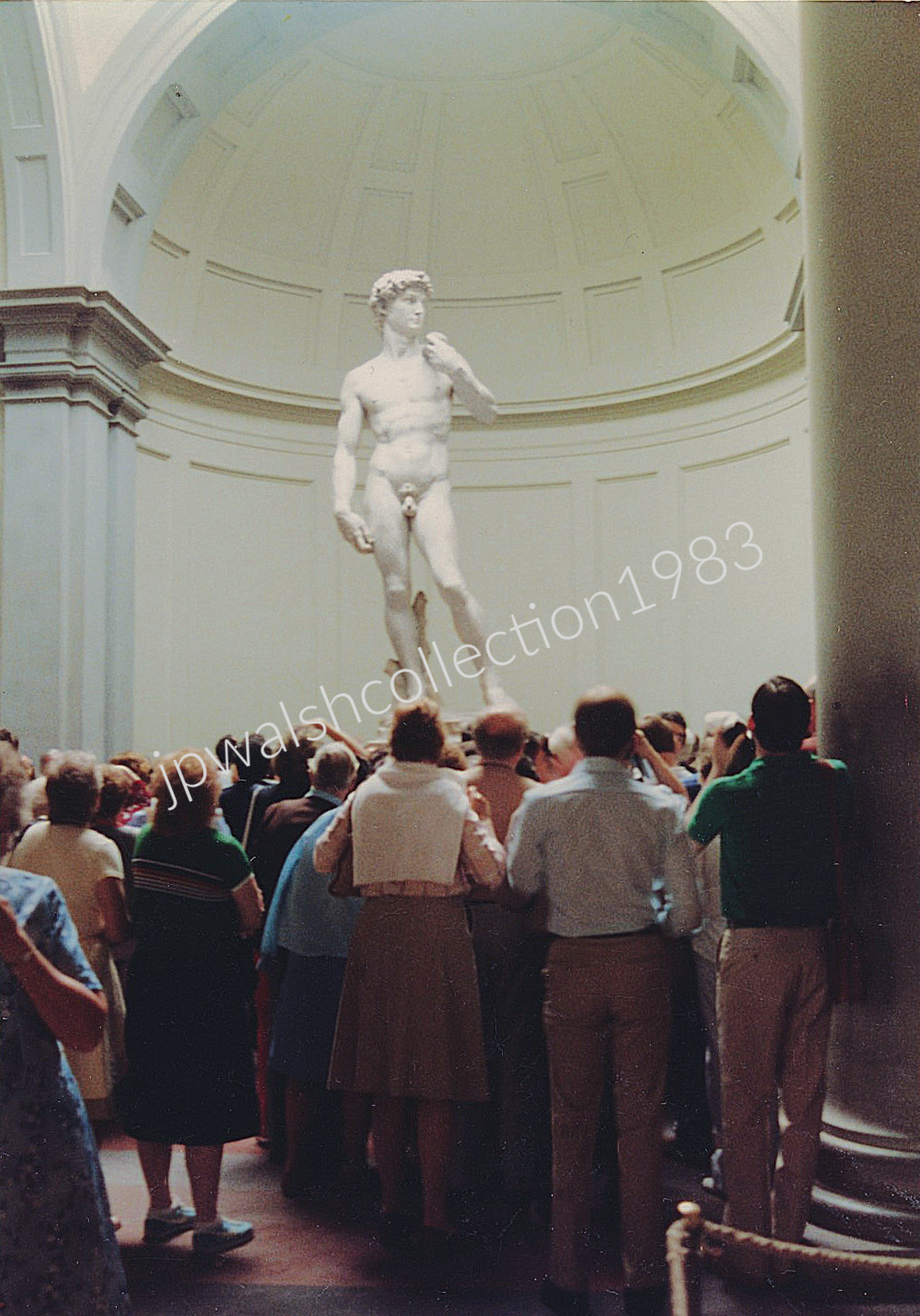
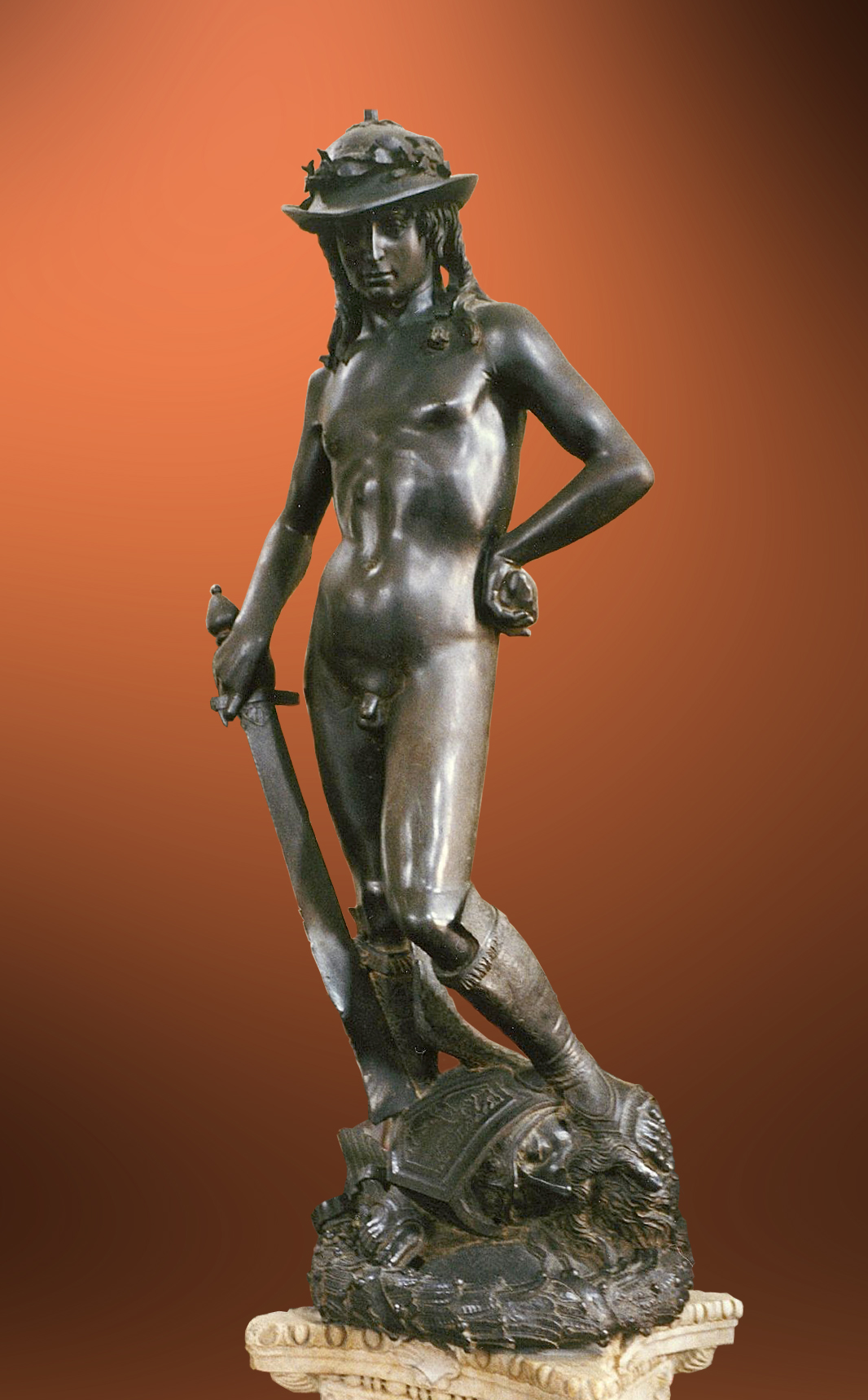
Michelangelo’s David, created in c. 1501-1504, has been in the Galleria dell’Accademia since 1873, The biblical figure of David came to symbolize the defense of civil liberties embodied in the 1494 constitution of the Republic of Florence, an independent city-state threatened on all sides by more powerful rival states and by the political aspirations of the Medici family.
This explanatory article may be periodically updated.
SOURCES:
Bernard Berenson, The Italian Painters of the Renaissance, Phaidon, New York, 1959.
Ornella Casazza, Masaccio and the Brancacci Chapel, Scala, 1990.
Enzo Carli, translated by Susan Bellamy, Giotto and His Contemporaries, Crown Publishers, 1958.
Andreas Quermann, Ghirlandaio, Könemann, 1998.
A Dictionary of Art and Artists, Peter and Linda Murray, Penguin Books; Revised,1998.
Giorgio Vasari, trans. George Bull, Lives of the Artists, Penguin Books, Harmondsworth, Middlesex, England, 1965.
https://www.virtualuffizi.com/francesco-granacci.html – retrieved March 6, 2025.
https://www.brepols.net/products/IS-9781915487117-1 – retrieved March 6, 2025.