

FEATURE Image: Lovis Corinth (German, 1858-1925), Self-portrait with Skeleton, 1896, Lenbachaus, Munich. Corinth is a leading figure painter marked by draftsmanship and brushwork. Corinth pursued his artistic training throughout Europe, including in Munich and Paris, and settled permanently in Berlin in 1902. Alexei von Jawlensky (1864-1941) and the Making of German Expressionism: Color, Spirit, and the Search for a Modern Germany. – CORRIDORS│An Educational Website in the Arts and History. Featuring My Photography and Videos.
In contrast to the centralized urban and courtly powerhouses of the south, the artistic identity of the northern tier was shaped by an expansive, maritime network stretching from Britain to the Baltic. Rather than a history dominated by a single imperial capital, the story of northern art is defined by the following elements:
- Fluid commercial exchange: Driven by the merchant cities of the Hanseatic League, the prosperous Dutch Republic, and the maritime trade routes of the North and Baltic Seas.
- Deeply independent tradition: Lacking the singular dominance of a royal court or a unifying religious academy, this vast geographic arc fostered an empirical artistic focus.
- Realistic thematic focus: Concentrated heavily on the observation of daily life, landscape, and domesticity.
By framing this history across this sweeping northern tier, we see how shared trade, Protestant shifts, and a collective maritime geography linked disparate nations into a cohesive, influential artistic ecosystem that permanently expanded the boundaries of Western art.
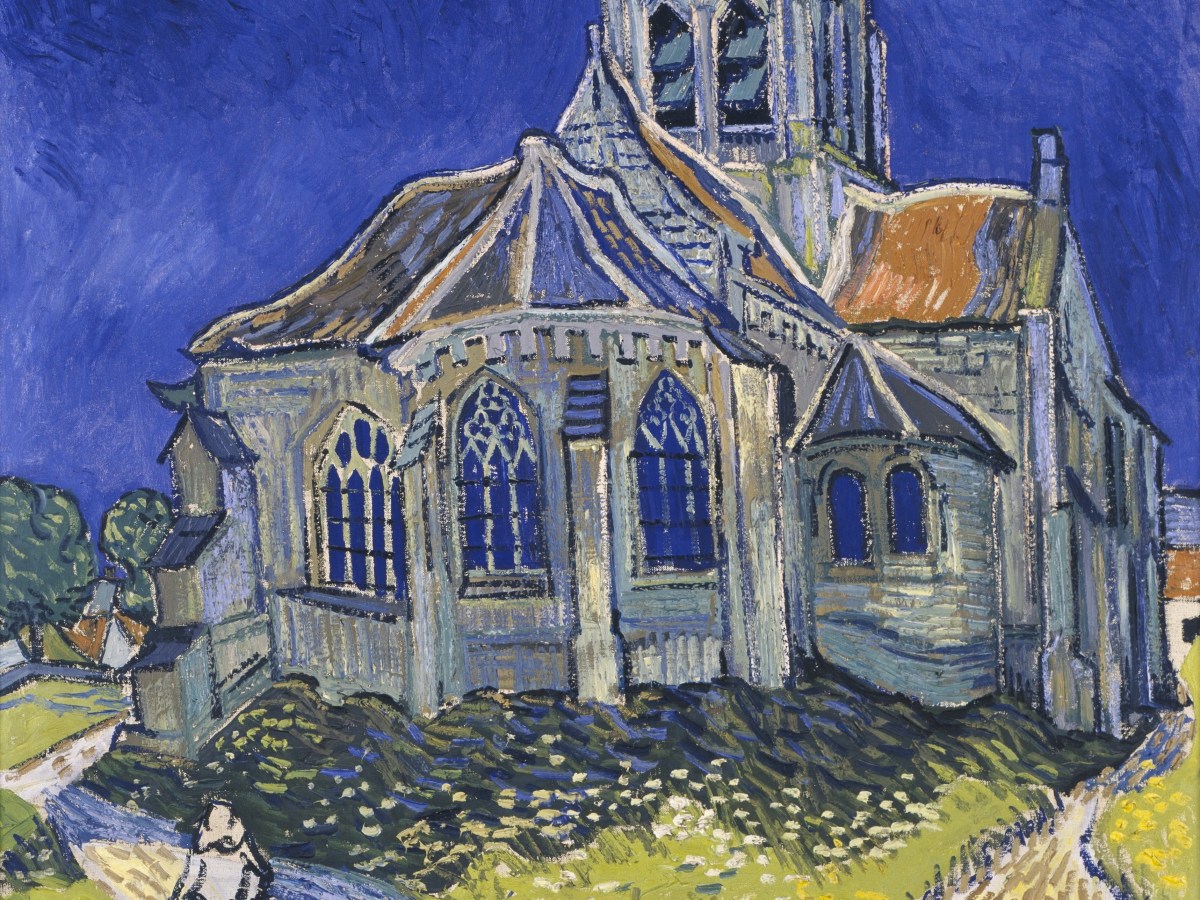
Auvers, 1890: The Final Chapter That Secured Vincent van Gogh’s Place in Modern Art.
FEATURE Image: Vincent Van Gogh (1853-1890), L’église d’Auvers-sur-Oise, vue du chevet (“The Church at Auvers”), June 1890, oil on canvas, 94 cm x 74 cm (37 in x 29.1 in), Musée d’Orsay, Paris. Vincent Van Gogh (1853-1890), staying in Auvers starting on May 20, 1890, liked the small farm town about 20 miles west of…


Luminosity and Realism: The Revolution of 15th-Century Flemish Painting.
FEATURE Image: Petrus Christus (c. 1395-1472), Pietà, c. 1455–60. 39 ¾ x 75 ½ inches, Royal Museums of Fine Arts of Belgium, Brussels. Fueled by the immense wealth of maritime trade hubs like Bruges and Antwerp, 15th-century Flemish art catalyzed the Northern European Renaissance by perfecting oil painting techniques, introducing brilliant surface luminosity, and blending…
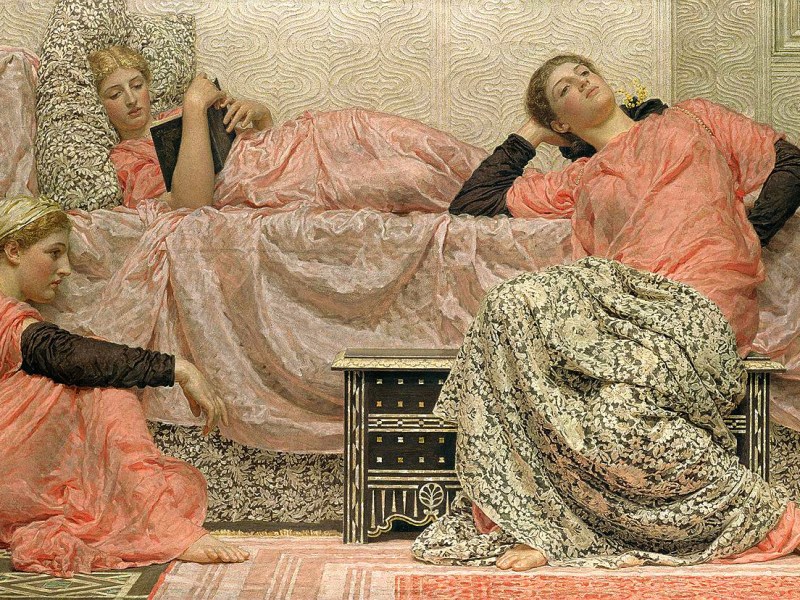
The Melody of Color and Symphony of Form: Albert Joseph Moore’s Art of Pure Beauty.
FEATURE image: Albert Joseph Moore (1841-1893), READING ALOUD, 1884, oil on canvas, 42.24 x 81 in., Glasgow Art Gallery & Museum. The artist: Albert Joseph Moore (1841-1893). Albert Joseph Moore was one of the leading figures of the British Aesthetic Movement, creating meticulously crafted paintings that placed beauty, harmony, color, form, and decoration above narrative…

GERMANY. Art Treasures from the ALTE PINAKOTHEK, MUNICH, Germany. (16 images).
FEATURE image: The Satyr at the Farmer’s (“Der Satyr beim Bauern”), Jacob Jordaens (Flemish, 1593-1678), c.1620. Housing much of the city’s most famous artwork, this museum’s collection includes renowned international works from the 14th through the 18th centuries. Several prominent artists have, at various moments, fashioned their own likenesses in the image of Christ, a…

Painting and graphic art of EDVARD MUNCH (1863-1944), Norway’s Symbolist/Expressionist Artist who, making “The Scream” depicted the individual’s anguish in modern society.
FEATURE image: Edvard Munch, The Scream, 1895, pastel on cardboard, private collection. By John P. Walsh Edvard Munch (1863-1944) was a Symbolist and Expressionist artist from Norway. In the 1890s, anti-naturalism mainly took the form of Symbolism – that is, the fascination with many types of literature and the inclination to draw upon these sources…

Alexei von Jawlensky (1864-1941) and the Making of German Expressionism: Color, Spirit, and the Search for a Modern Germany.
FEATURE Image: Jawlensky, Hügel (Hills), 1912, oil on hardboard, Museum am Ostwall, Dortmund. Alexei von Jawlensky’s artistic development mirrors the larger struggle over Germany’s cultural identity in the decades before World War I. Through his encounters with French Post-Impressionism, Expressionism, the Munich avant-garde, the NKVM, and The Blue Rider, Jawlensky helped forge a distinctly modern…
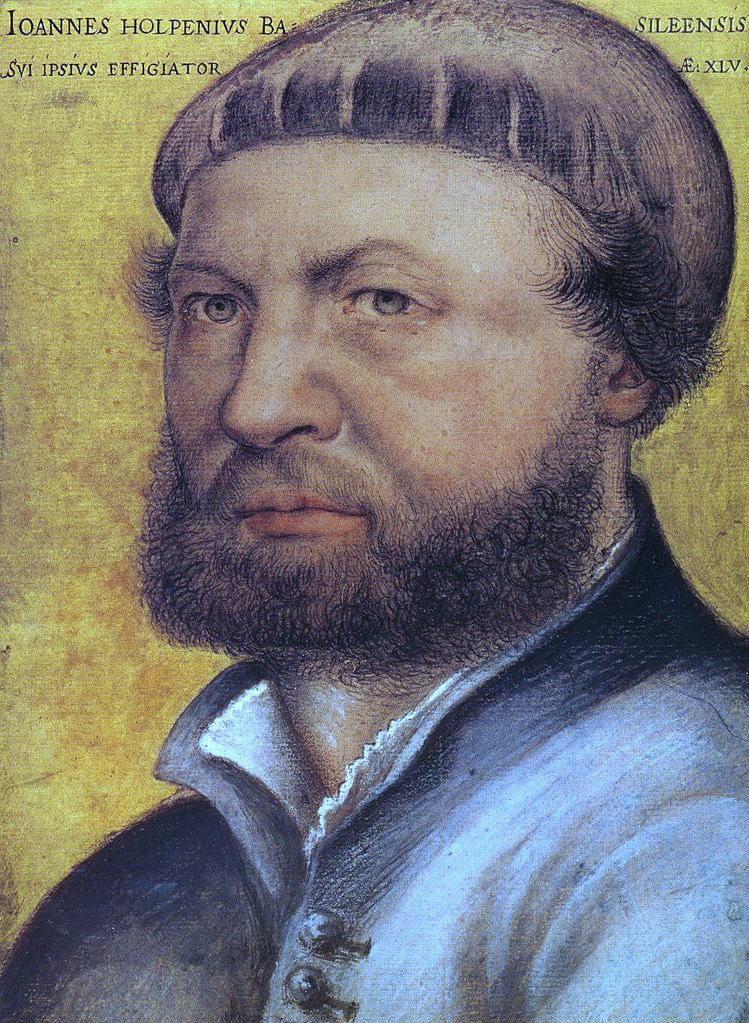
The Humanists Who Made a Master: Erasmus, More, and Hans Holbein’s First English Success, 1526-1528.
Featured Image: Self-Portrait, Hans Holbein the Younger, 1542/3, black and colored chalks, 23 x 18 cm, Florence, Galleria degli Uffizi. This is the only confirmed self portrait by Holbein. Hans Holbein the Younger’s first visit to England (1526-1528) was the decisive turning point in his career, as the humanist network centered on Erasmus and Thomas More introduced…

The Painter Who Defined Elizabethan England: Marcus Gheeraerts the Younger (c. 1562-1636) and the Art of Power. Complete signed, dated, documented, inscribed artwork.
FEATURE image: Detail, Queen Elizabeth I. Ditchley portrait. Marcus Gheeraerts the Younger, 1592. Marcus Gheeraerts the Younger was one of the most important portrait painters of Elizabethan and early Stuart England, whose innovative artistic style, influential court connections, and penetrating portrayals of political, military, and aristocratic figures helped shape English portraiture during a pivotal era…
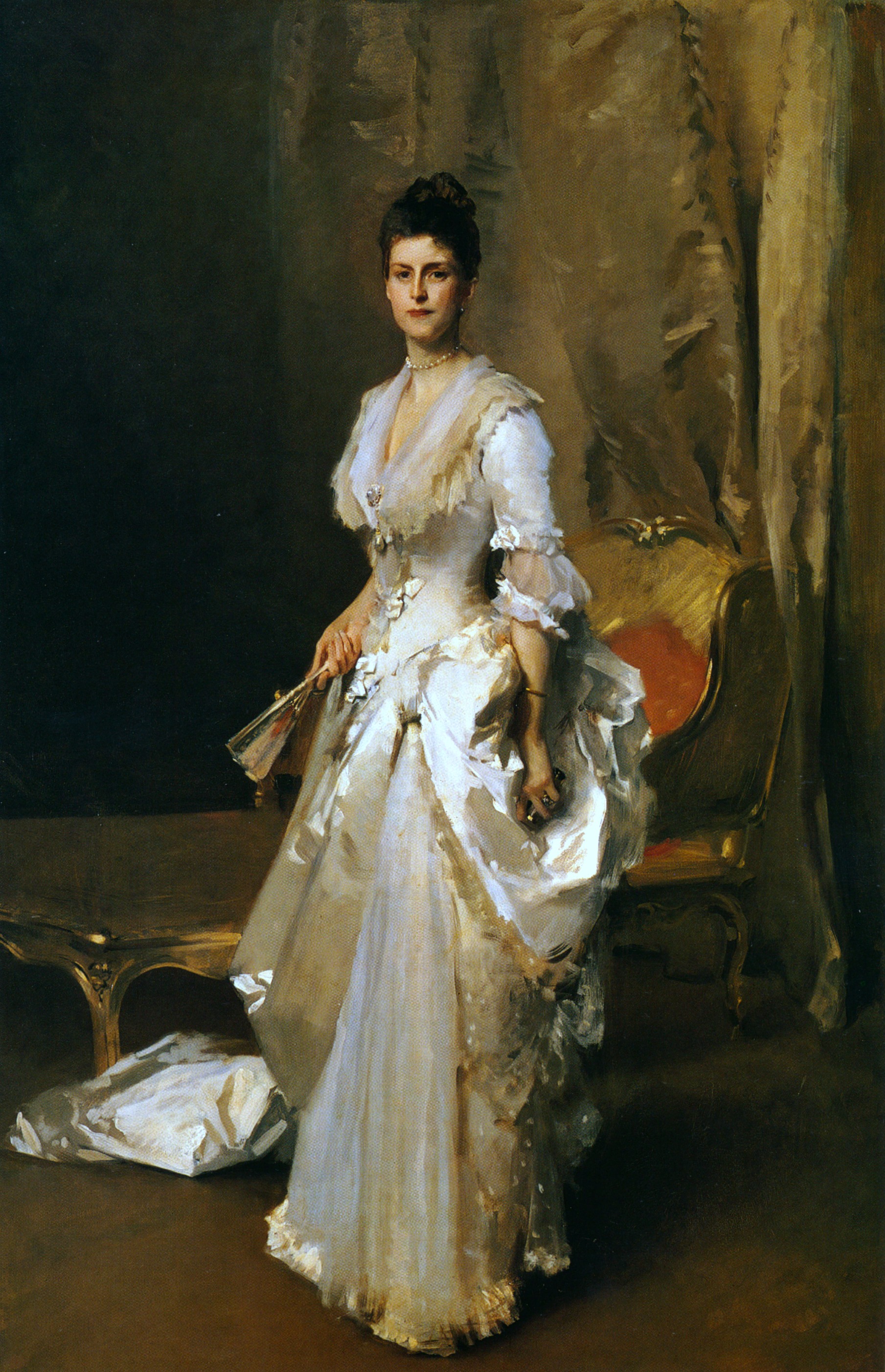
American ex-patriate JOHN SINGER SARGENT (1856-1925, American): Portraits of the 1870’s and 1880’s.
FEATURE image: Margaret Stuyvesant Rutherfurd White (Mrs. Henry White), 1883, oil on canvas, 225.1 × 143.8 cm (88 5/8 × 56 5/8 in.), National Gallery of Art, Washington, D.C. from Corcoran Collection, 2014. By John P. Walsh The art works by John Singer Sargent (1856-1925) in this post are ones in oil, watercolor, and pastel.…

BRITAIN. Joshua Reynolds (1723-1792).
FEATURE image: Reginald Pole, 1743-44, 76 x 86.5 cm, Trustees of the Carew Pole Family Trusts, Antony House, Cornwall. See no. 2 below for the painting’s story. Notes by John P. Walsh Reverend Mr. Thomas Smart was Vicar of Maker when, in 1735, 11-year-old Joshua Reynolds painted his portrait. It was the same year the…
