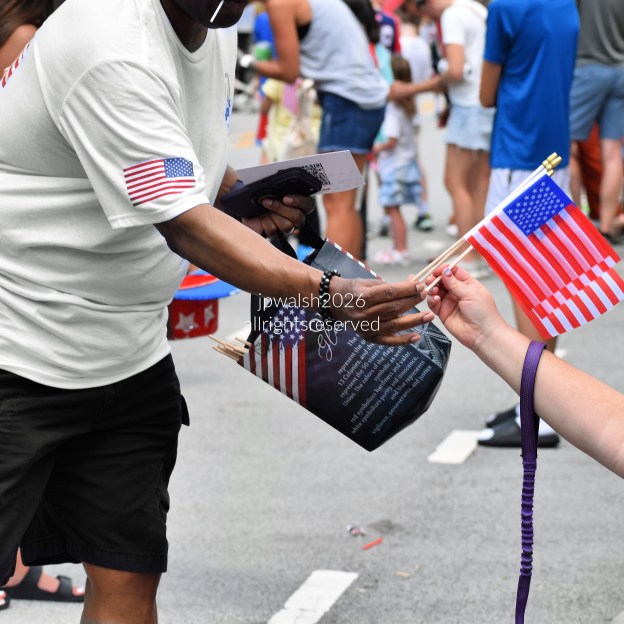
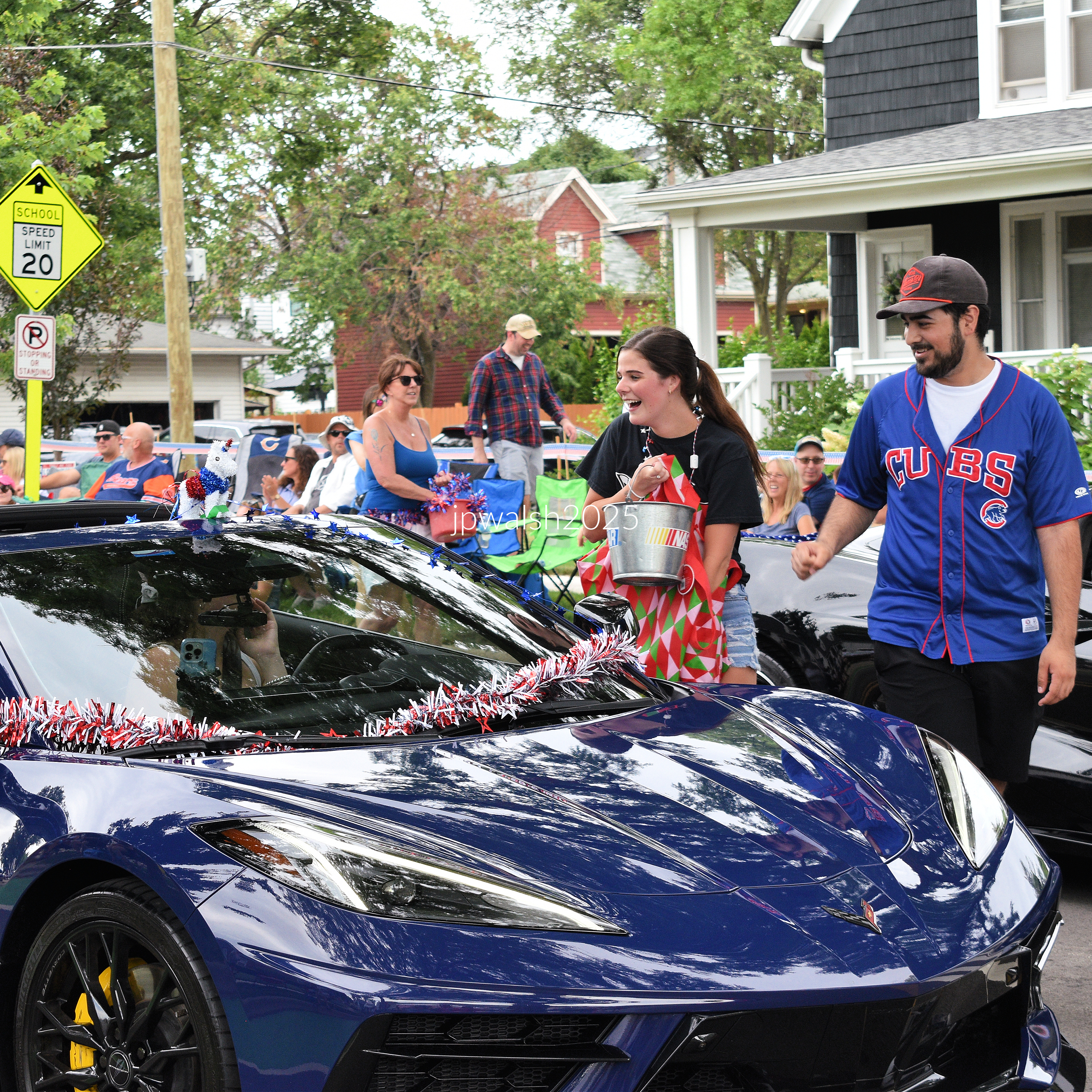
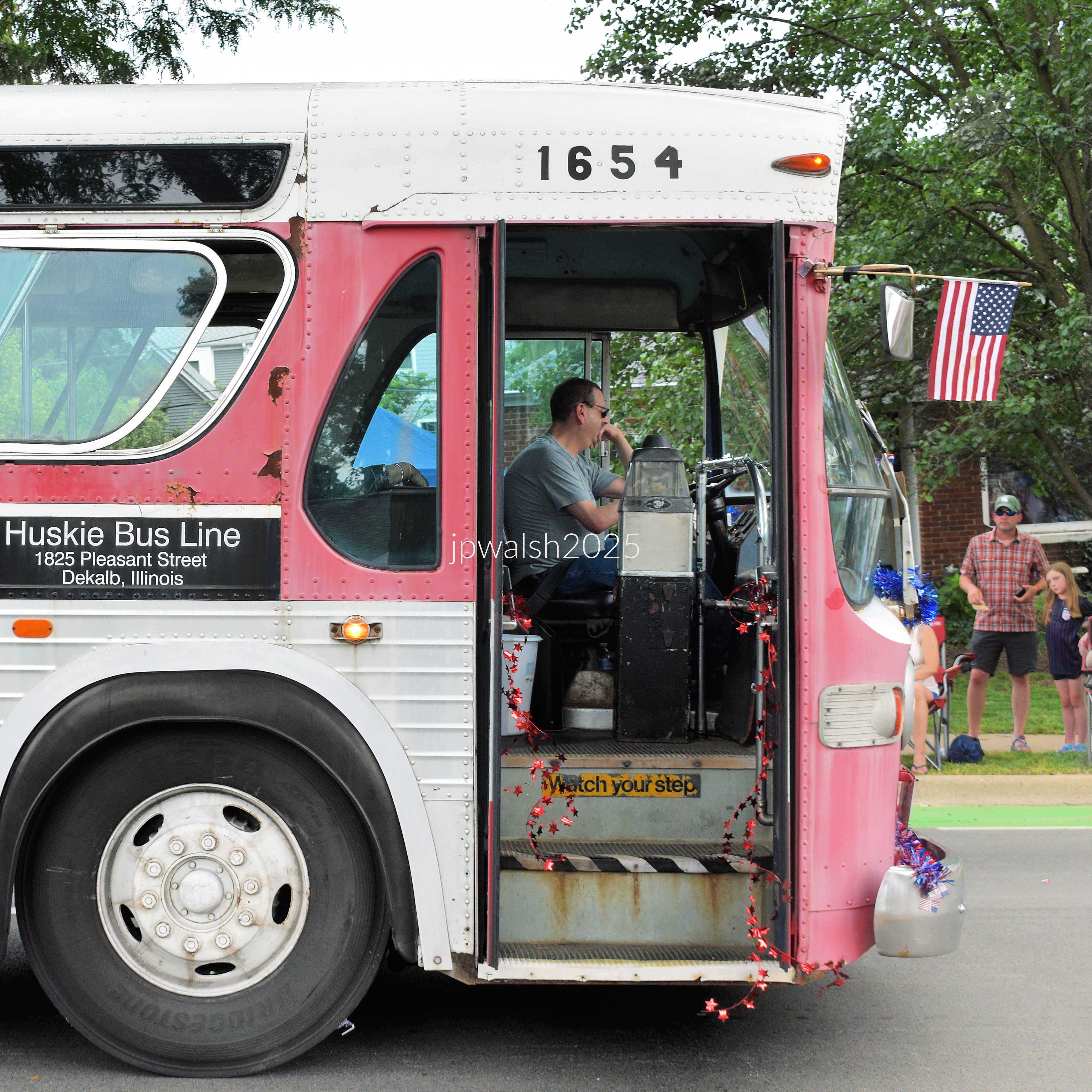
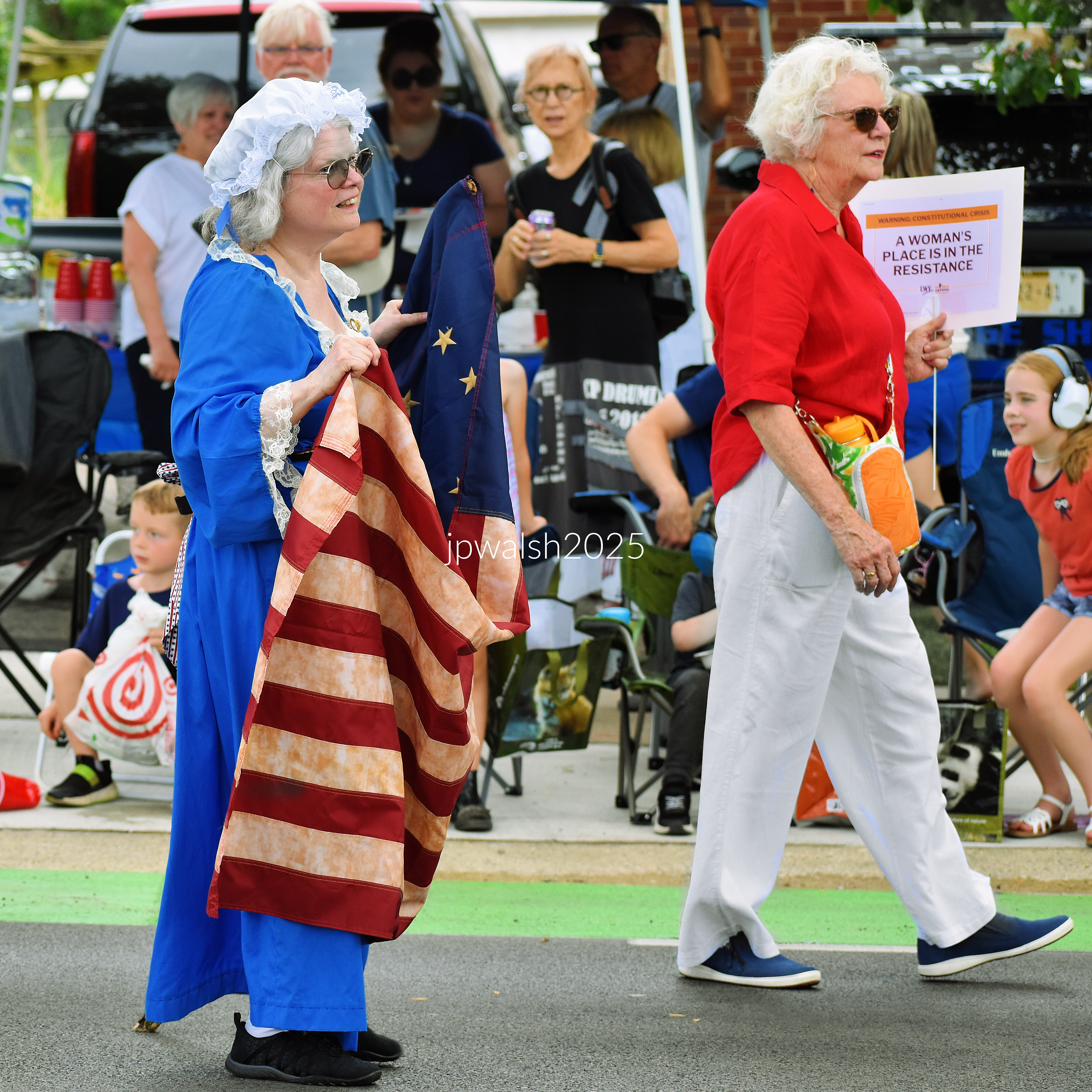
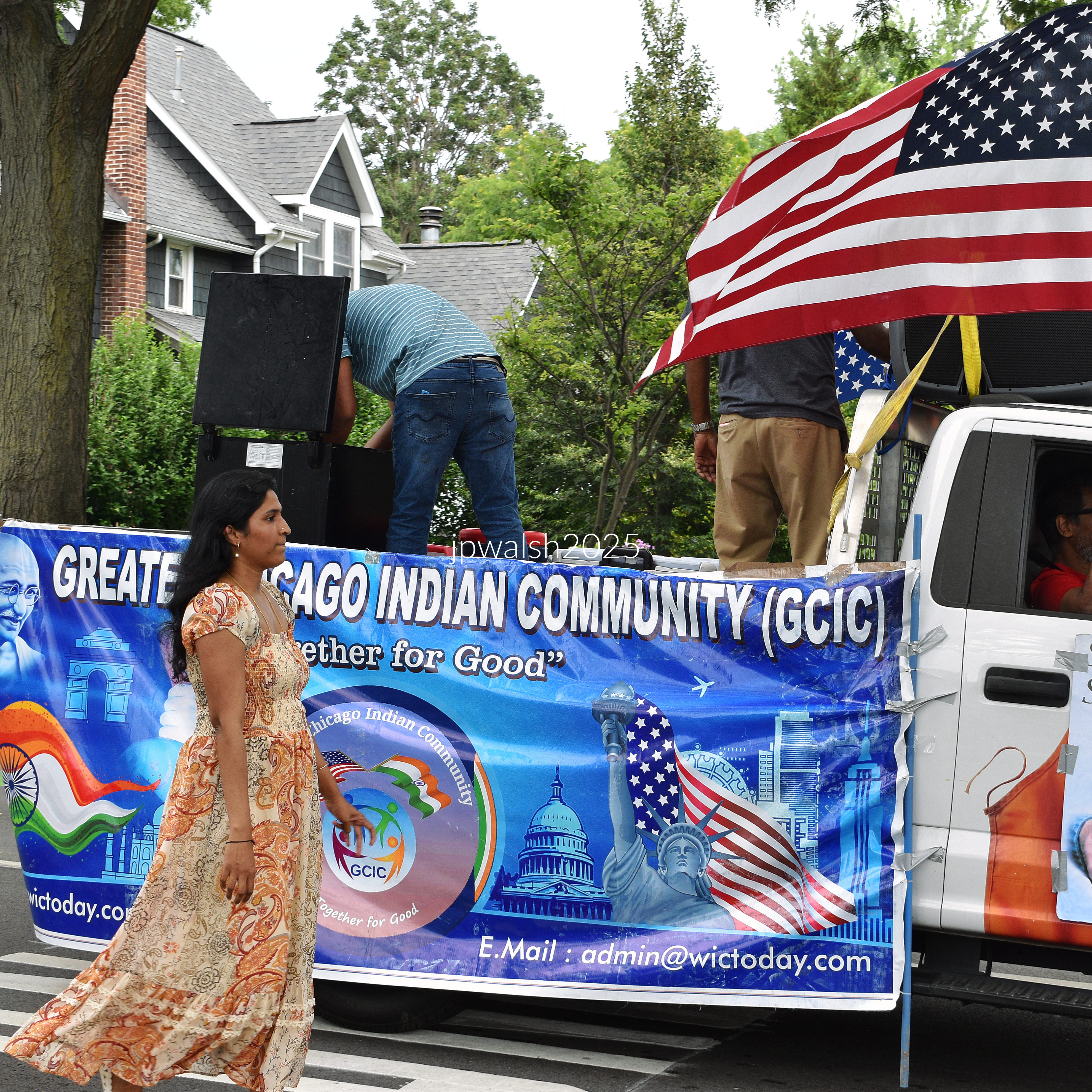
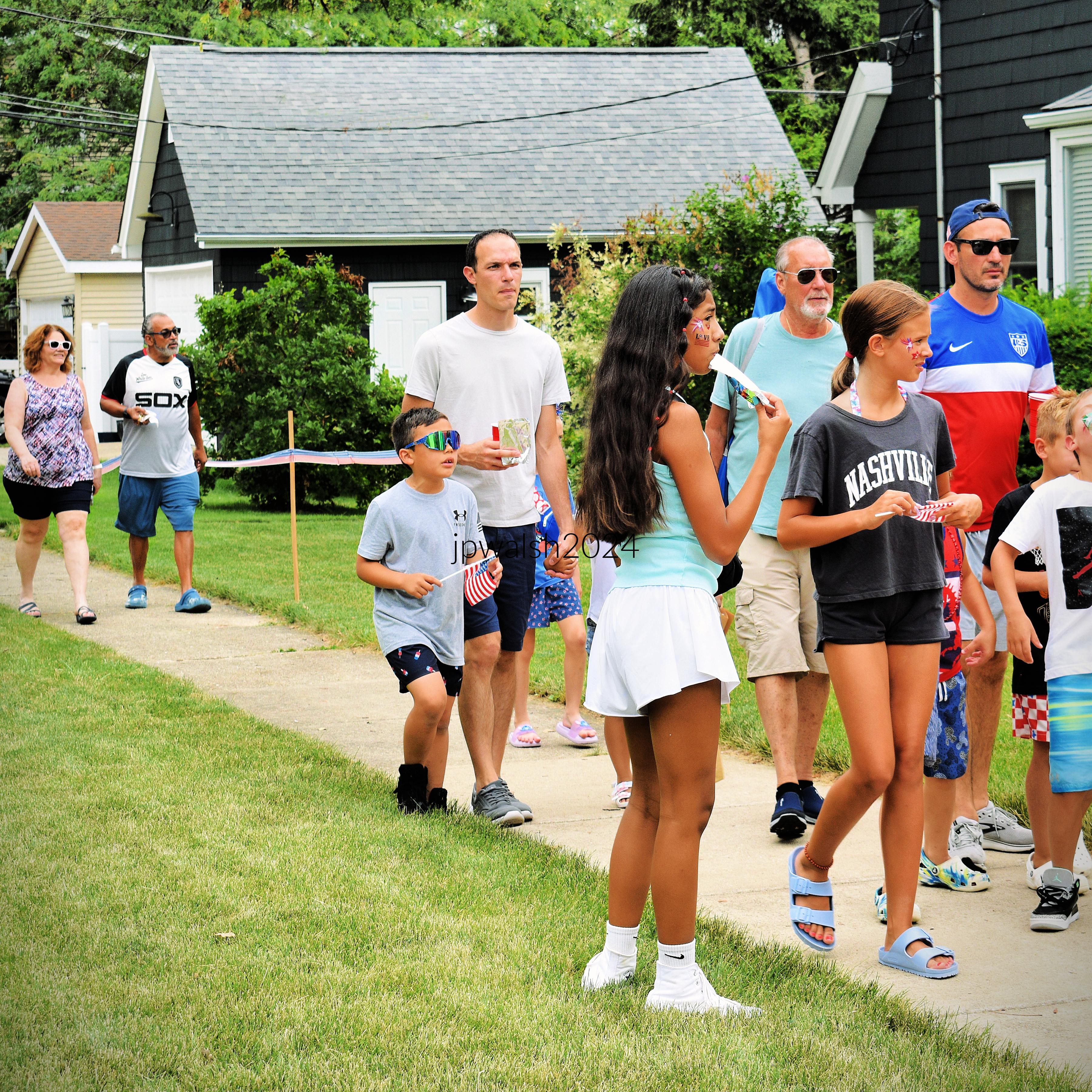
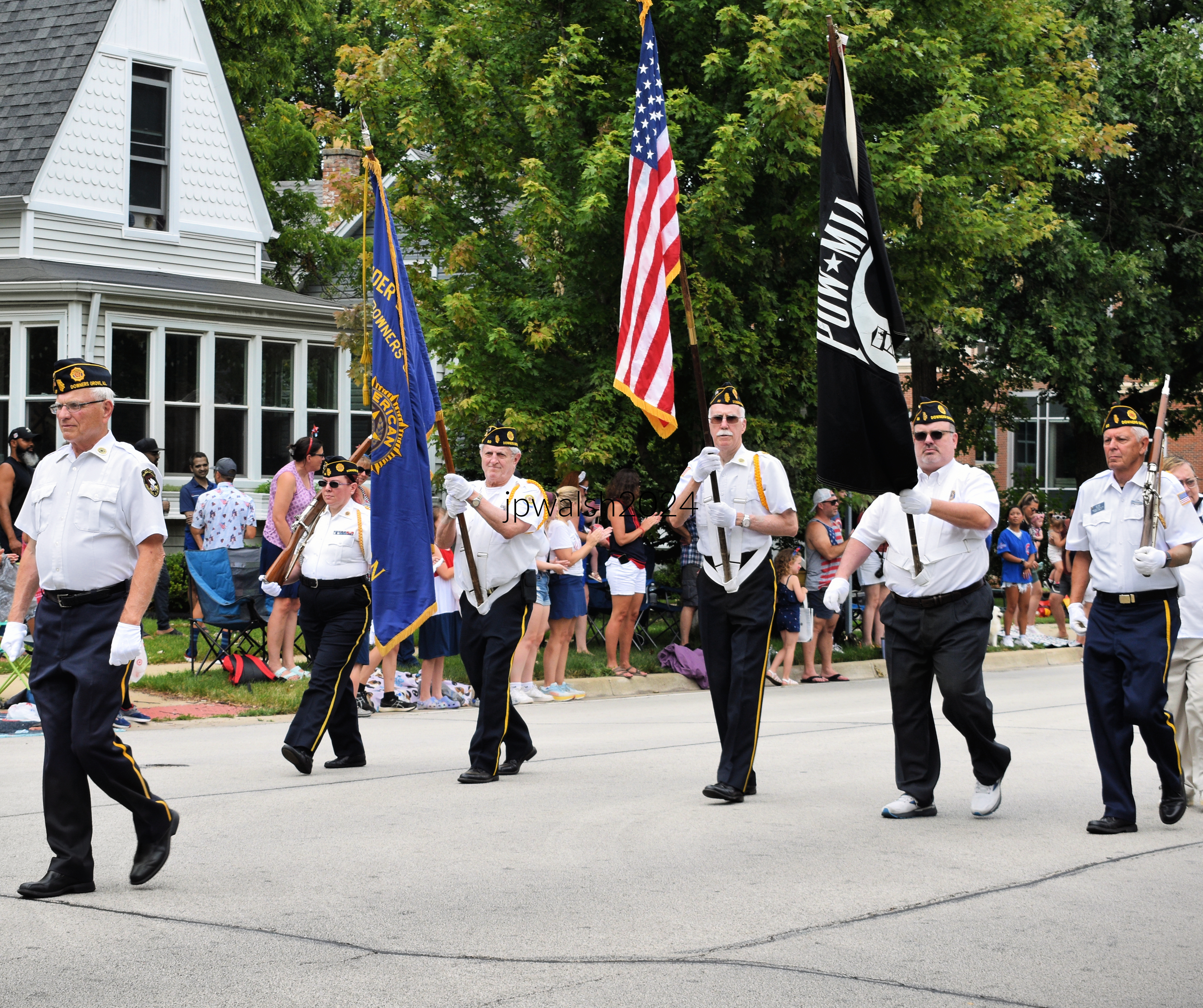
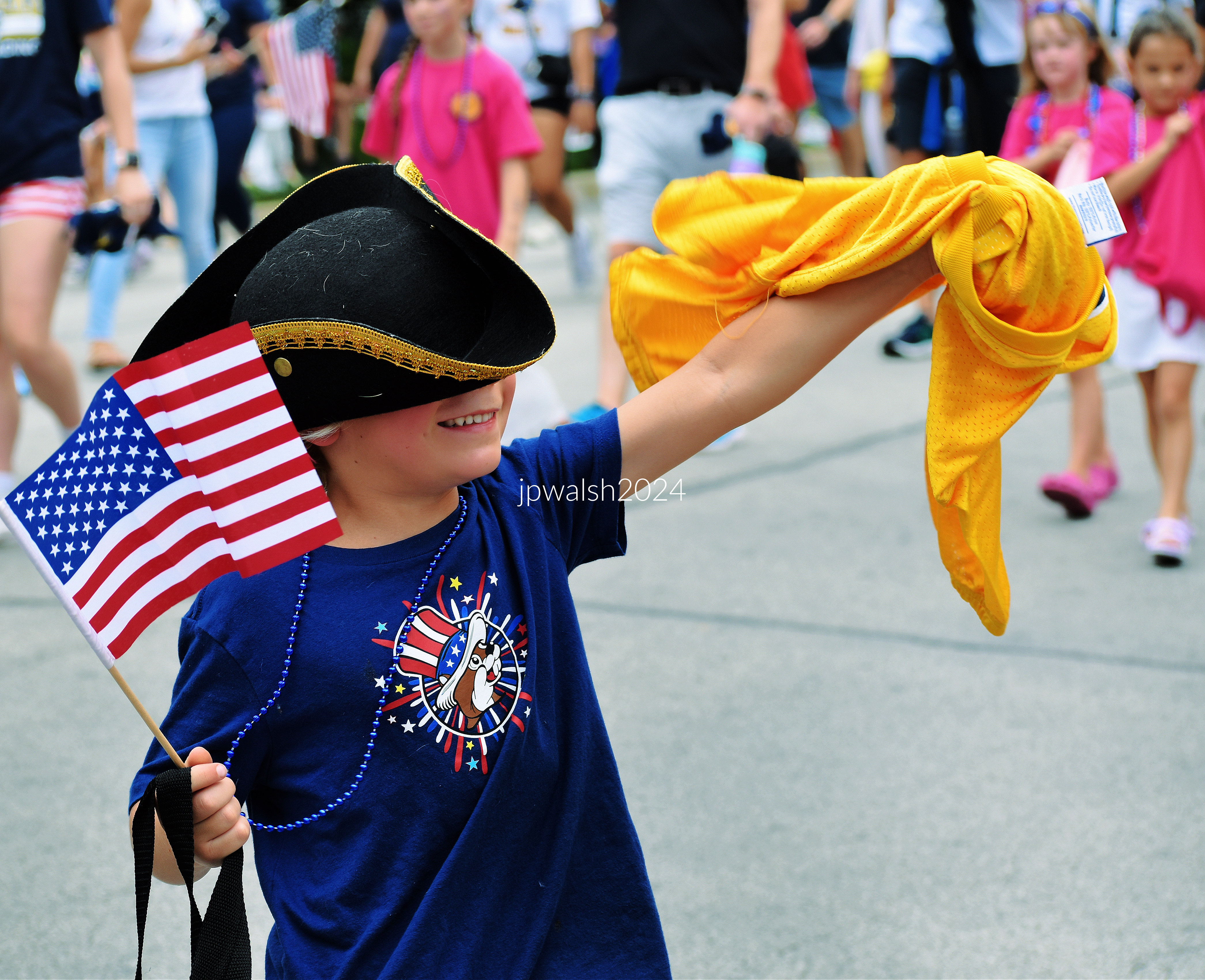
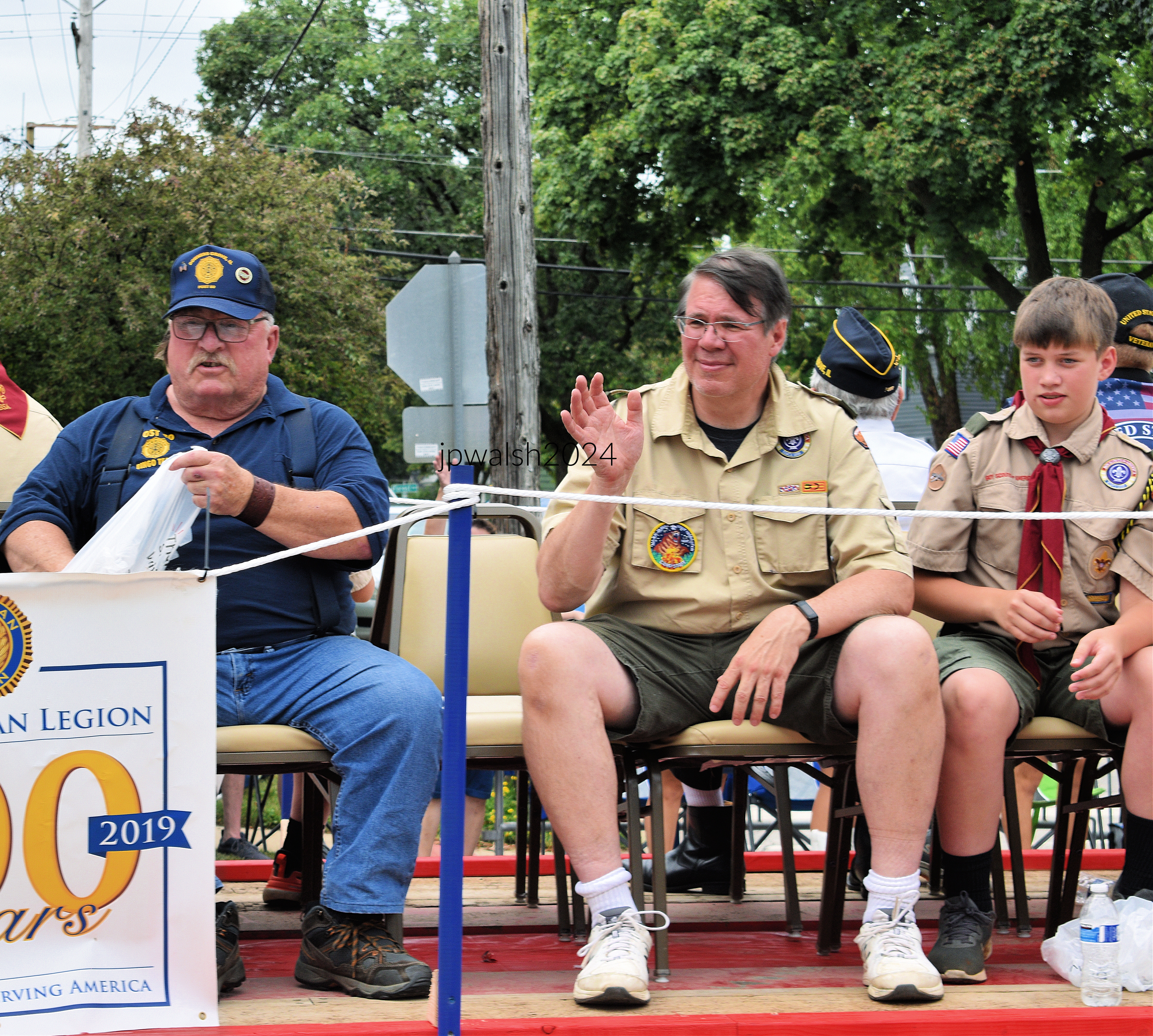
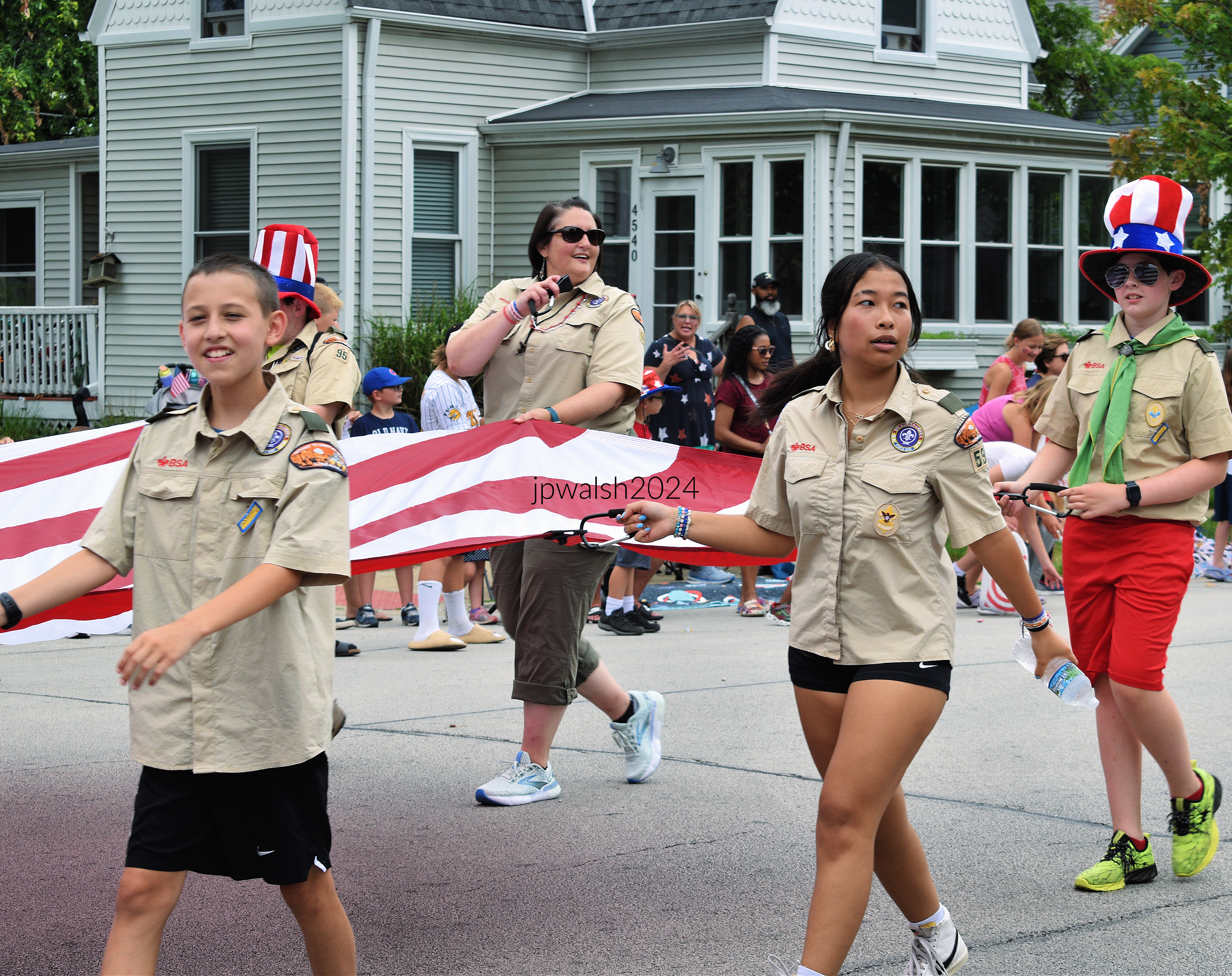
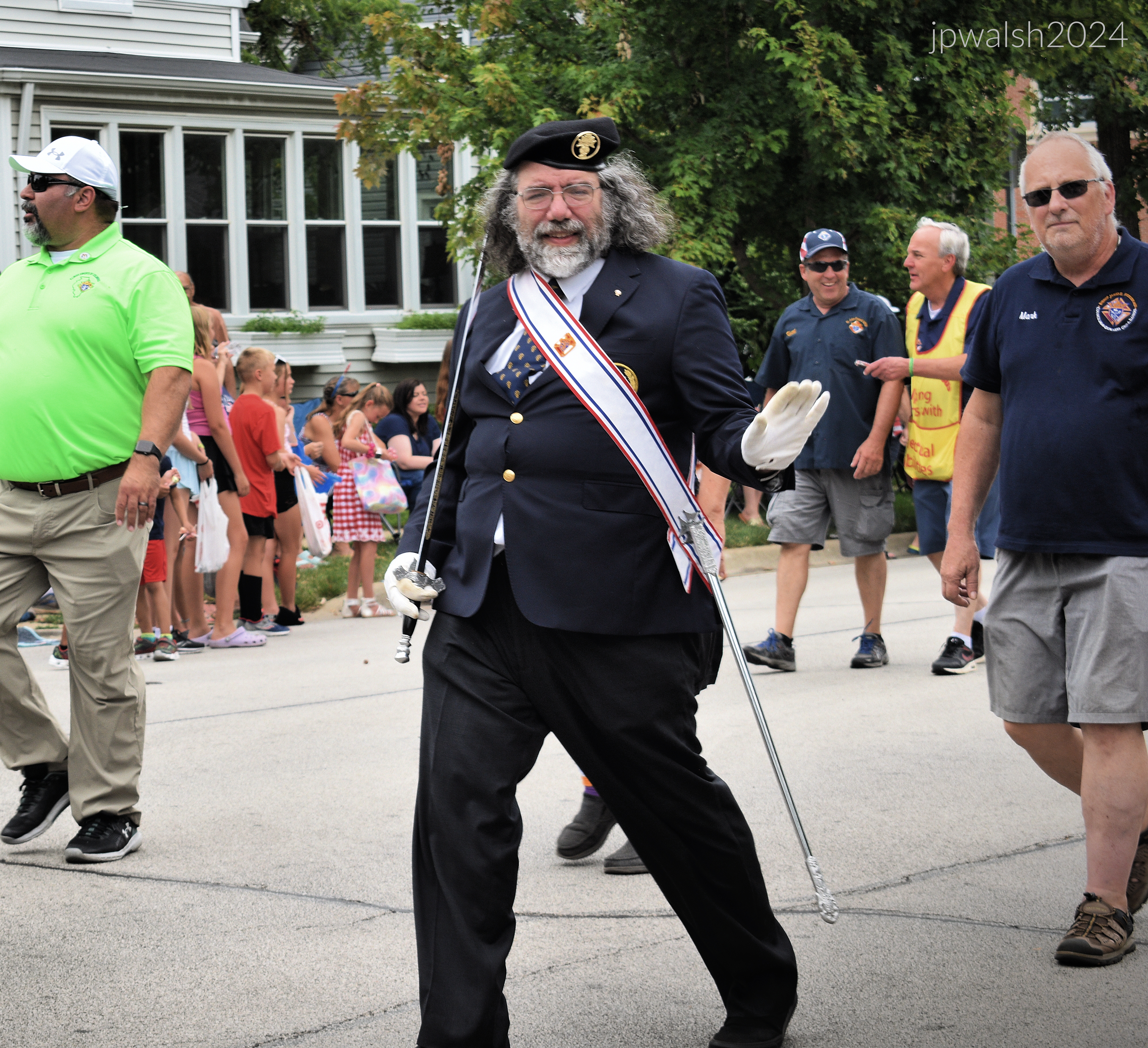
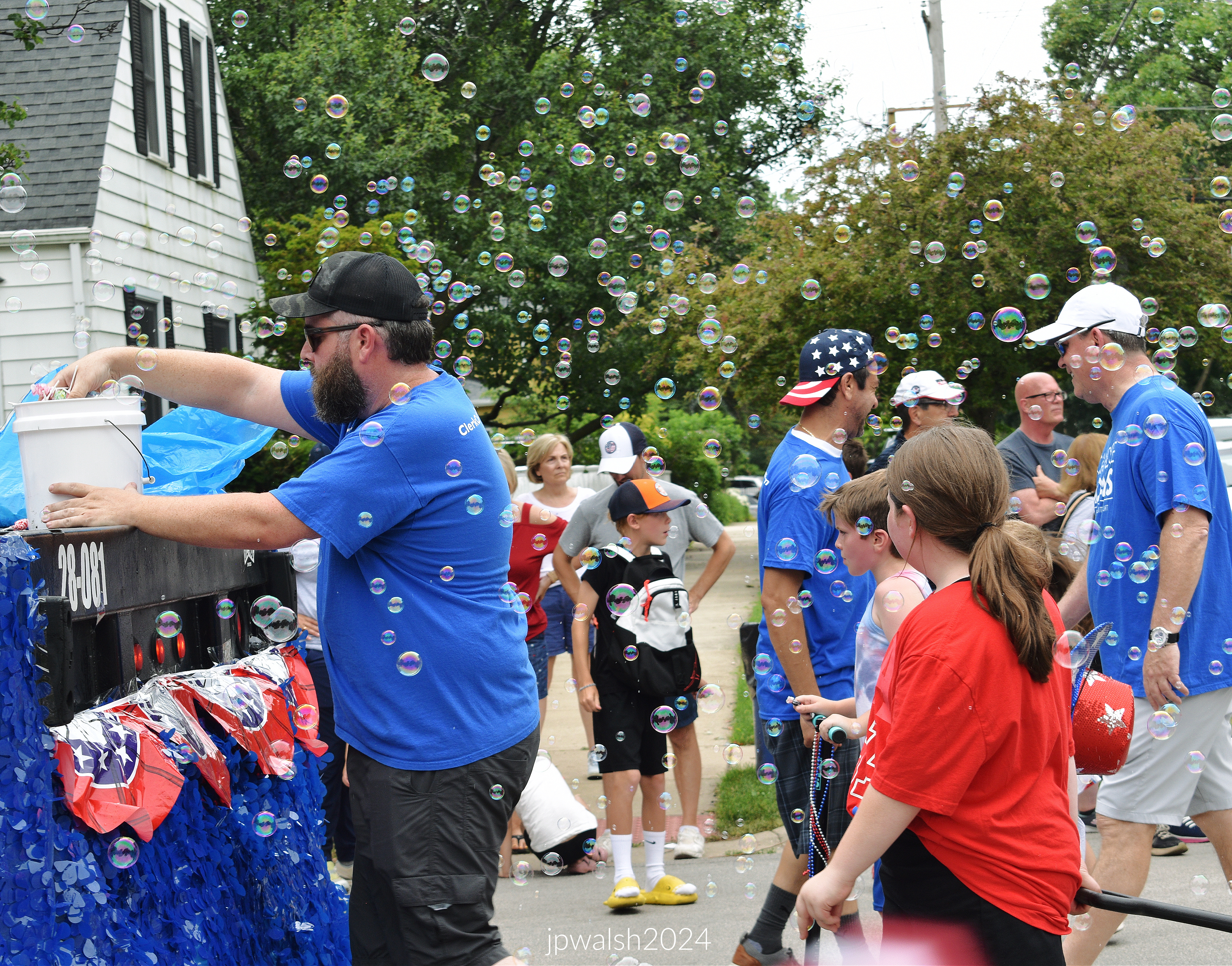
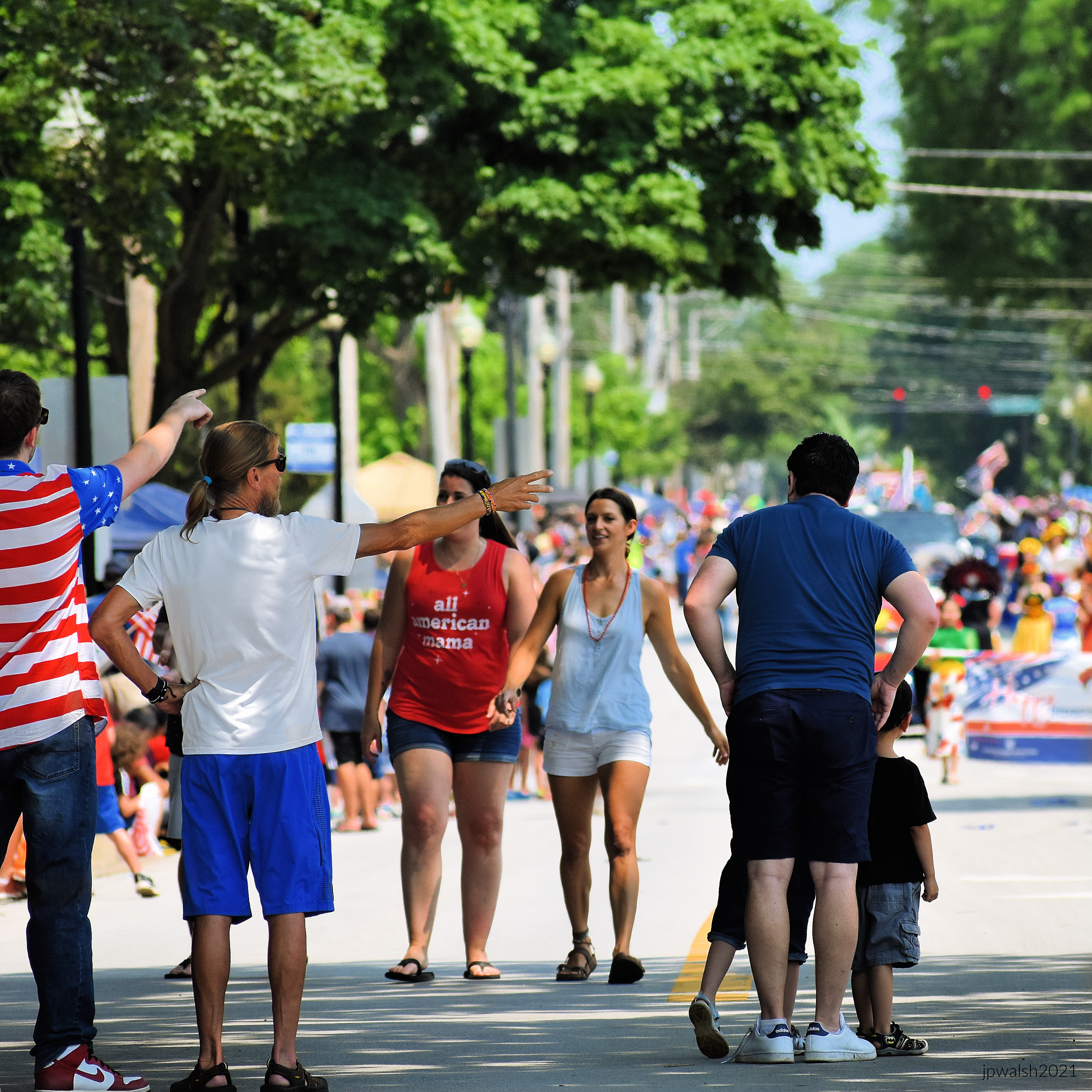
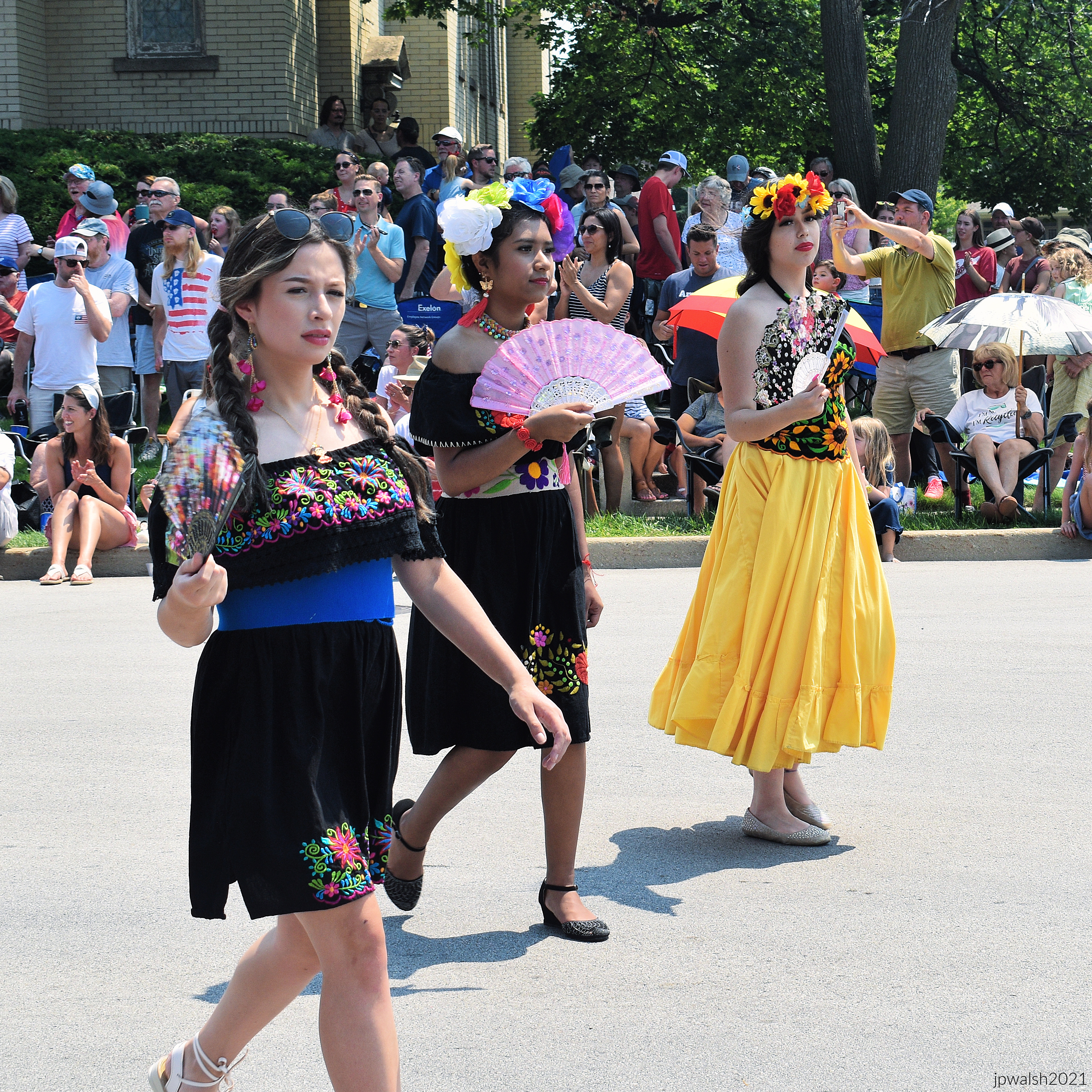
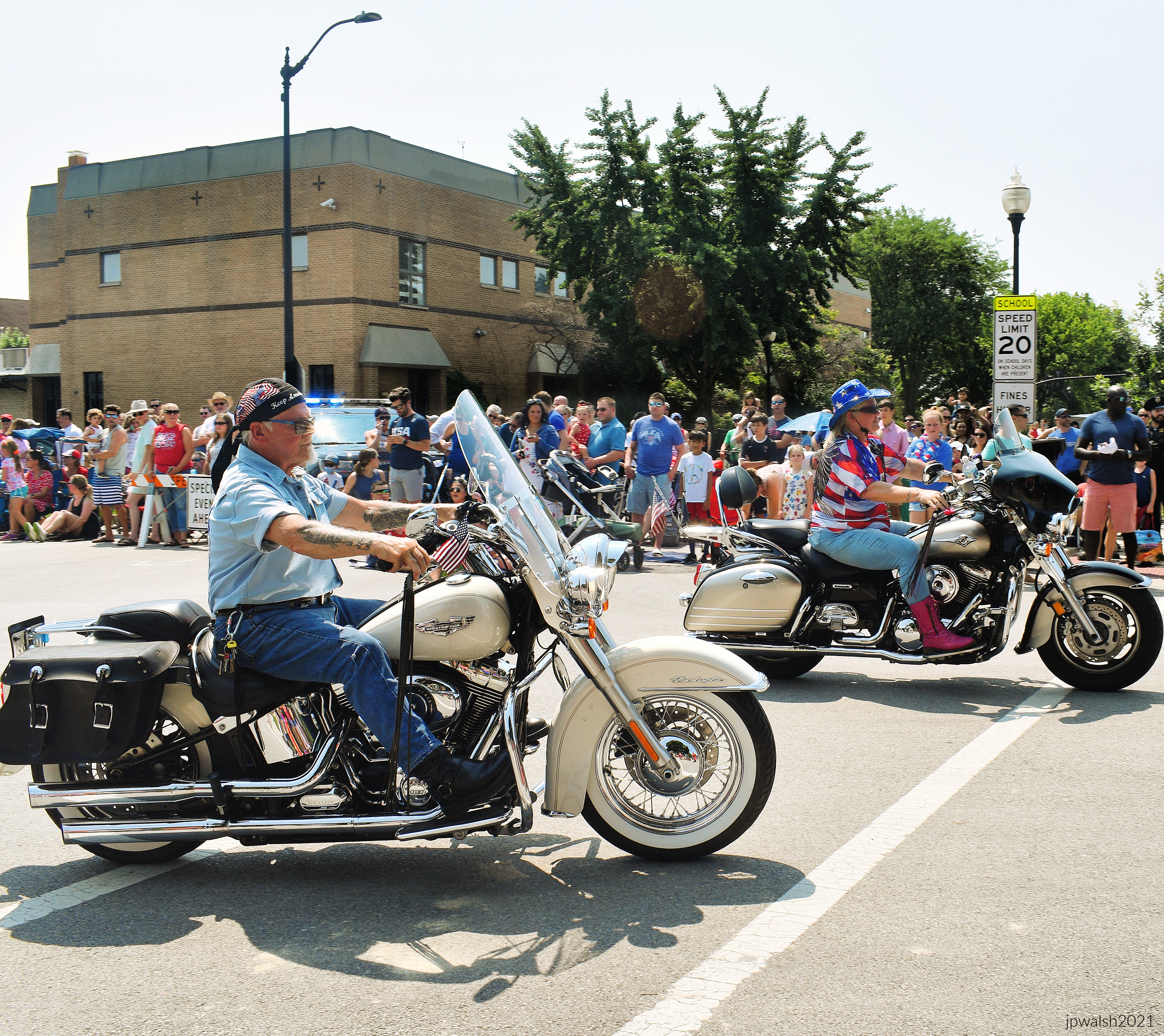
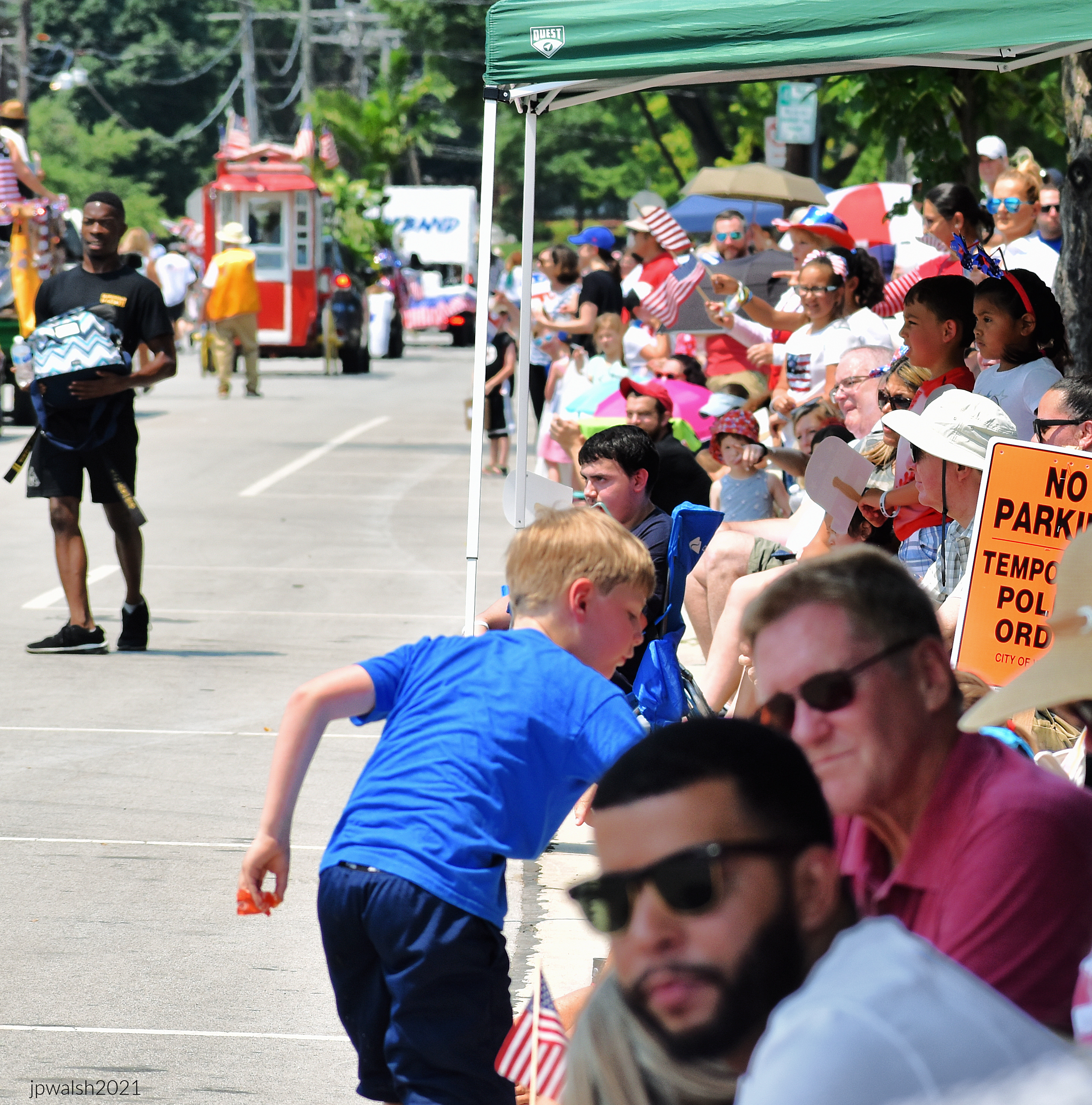
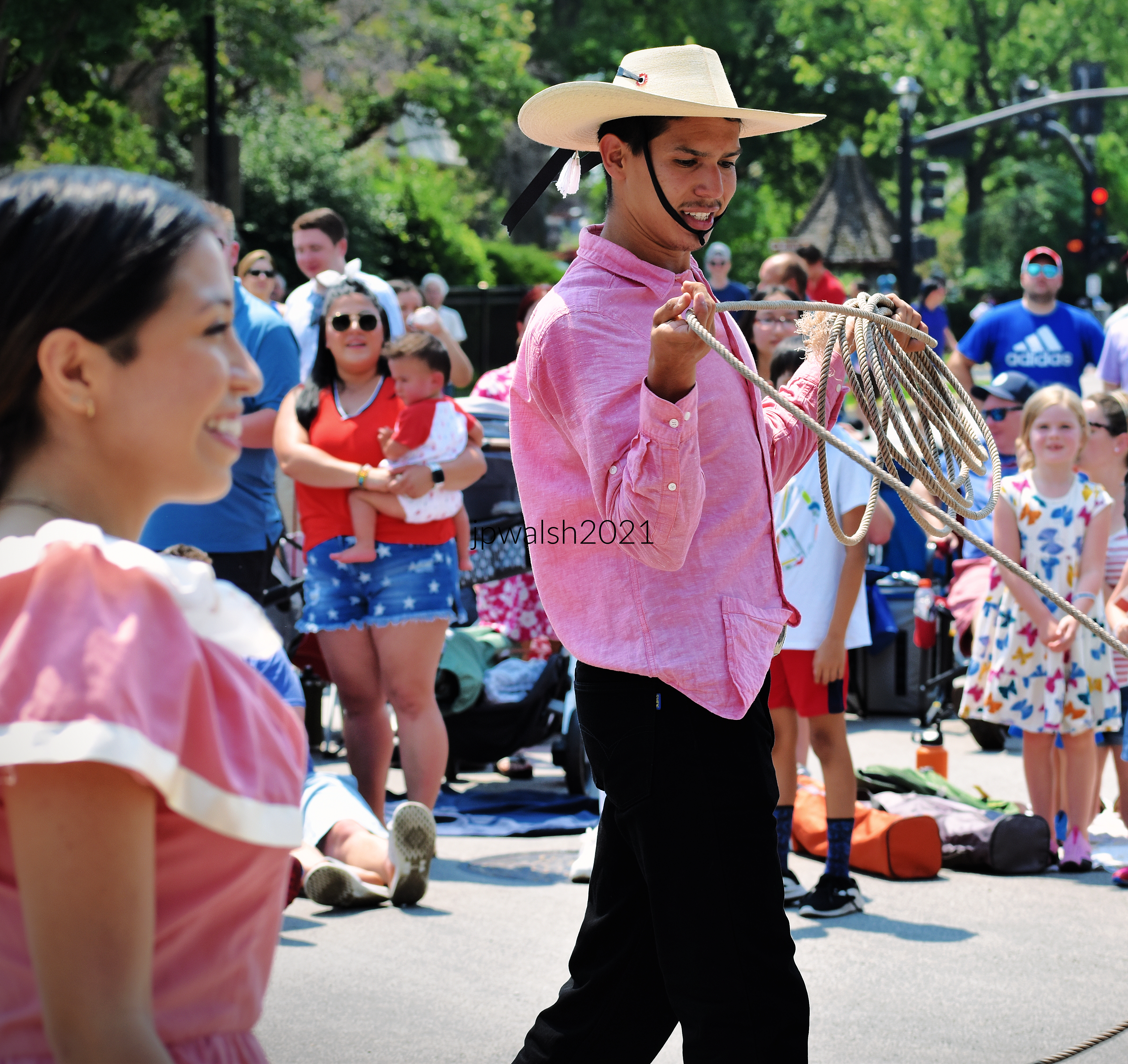
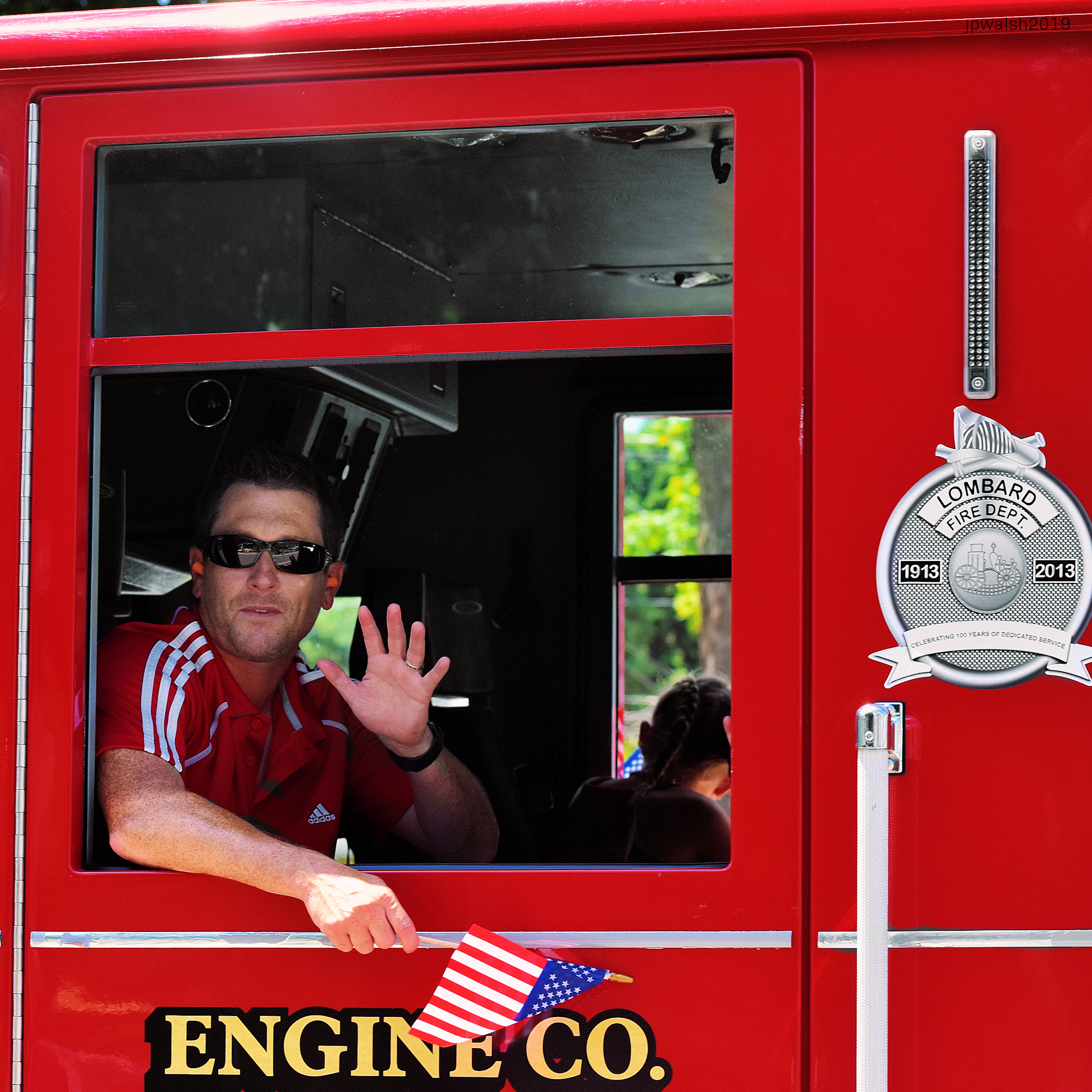
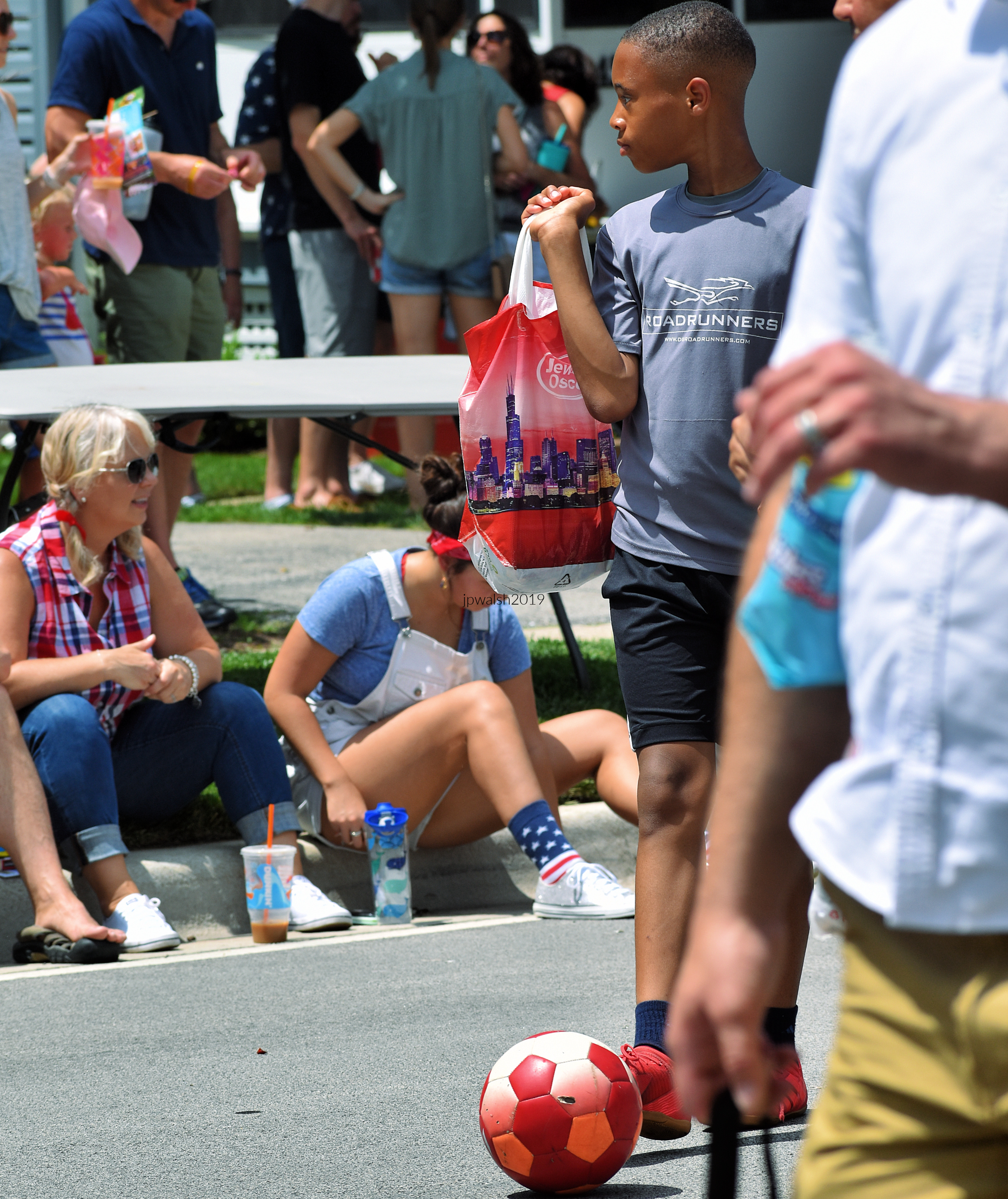
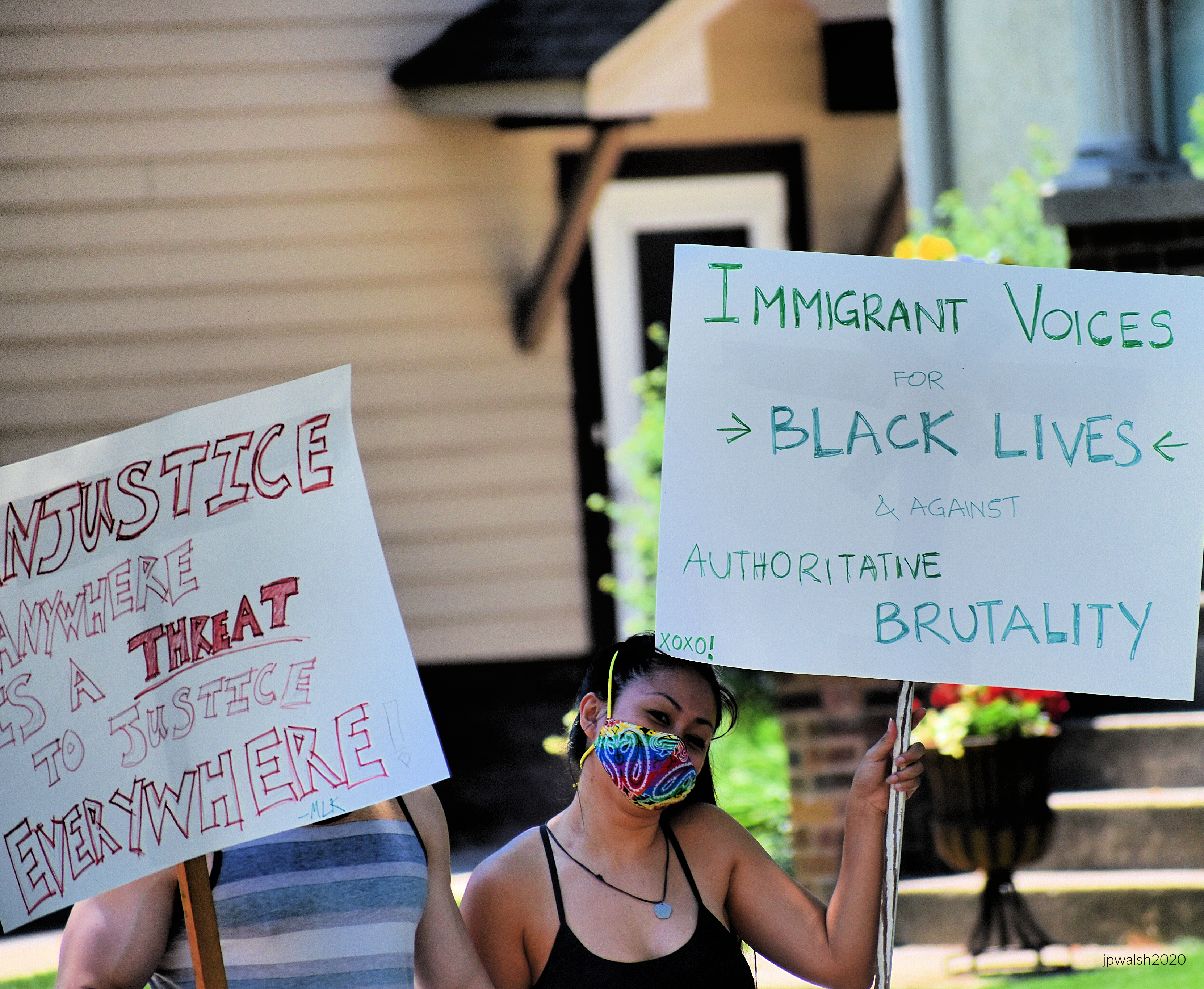
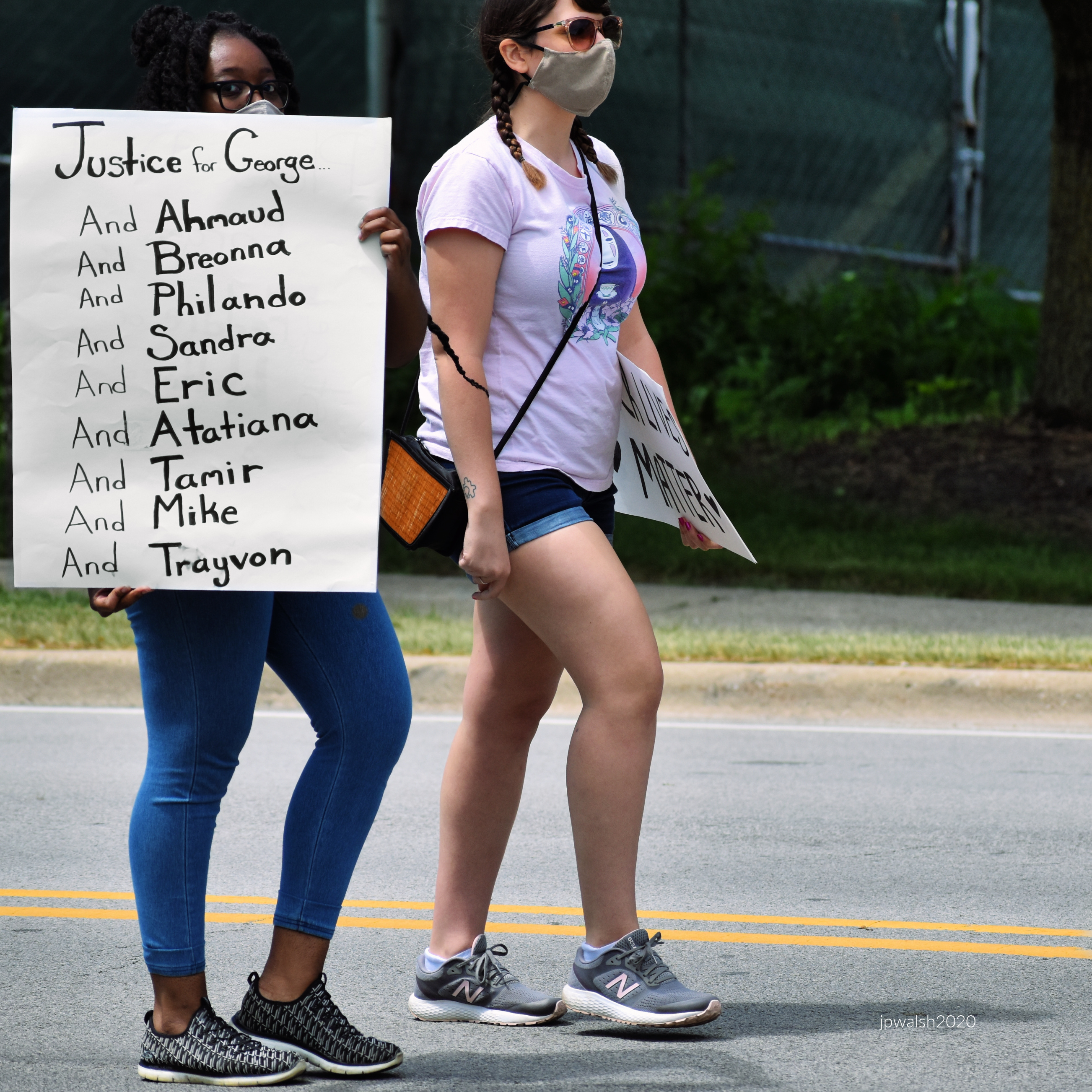
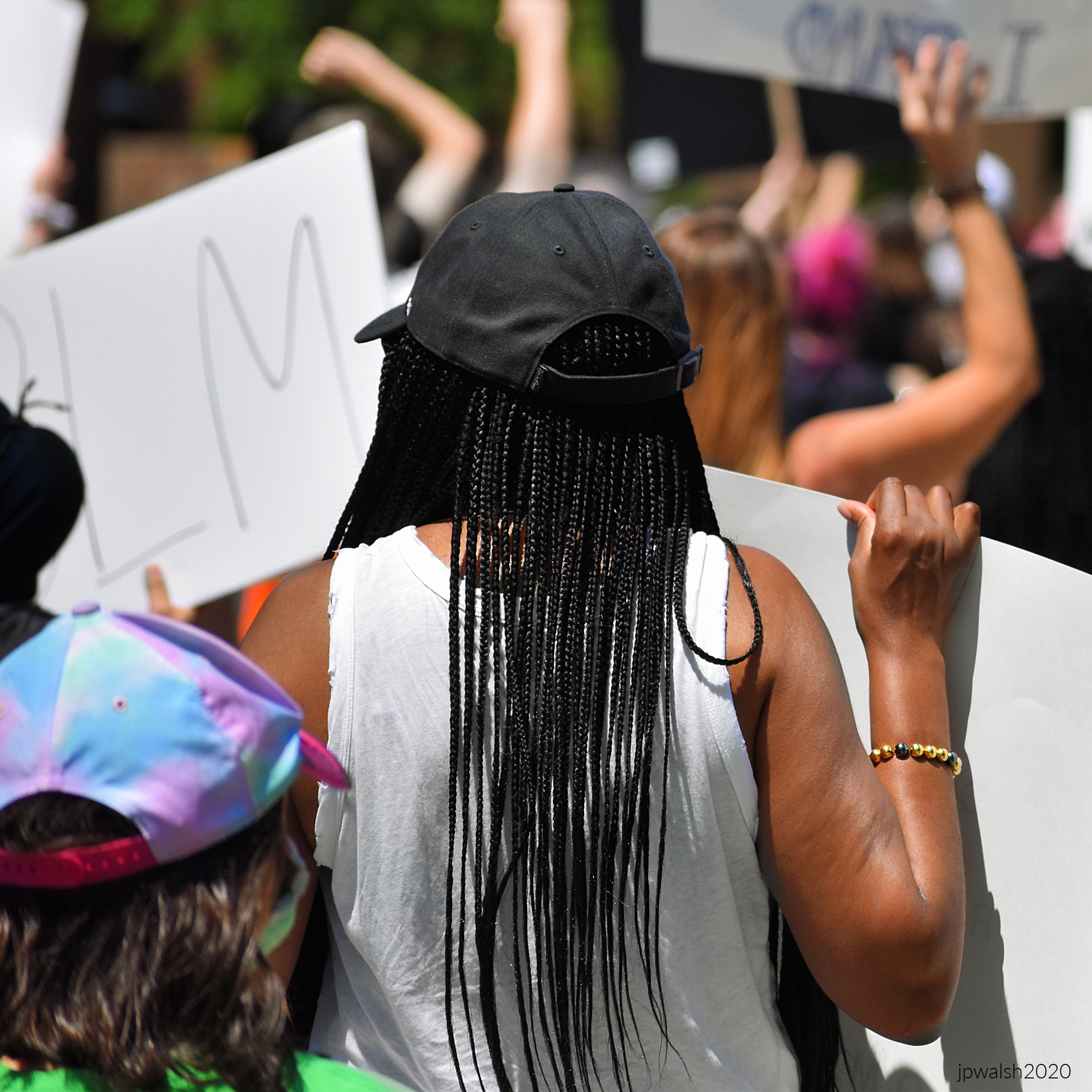
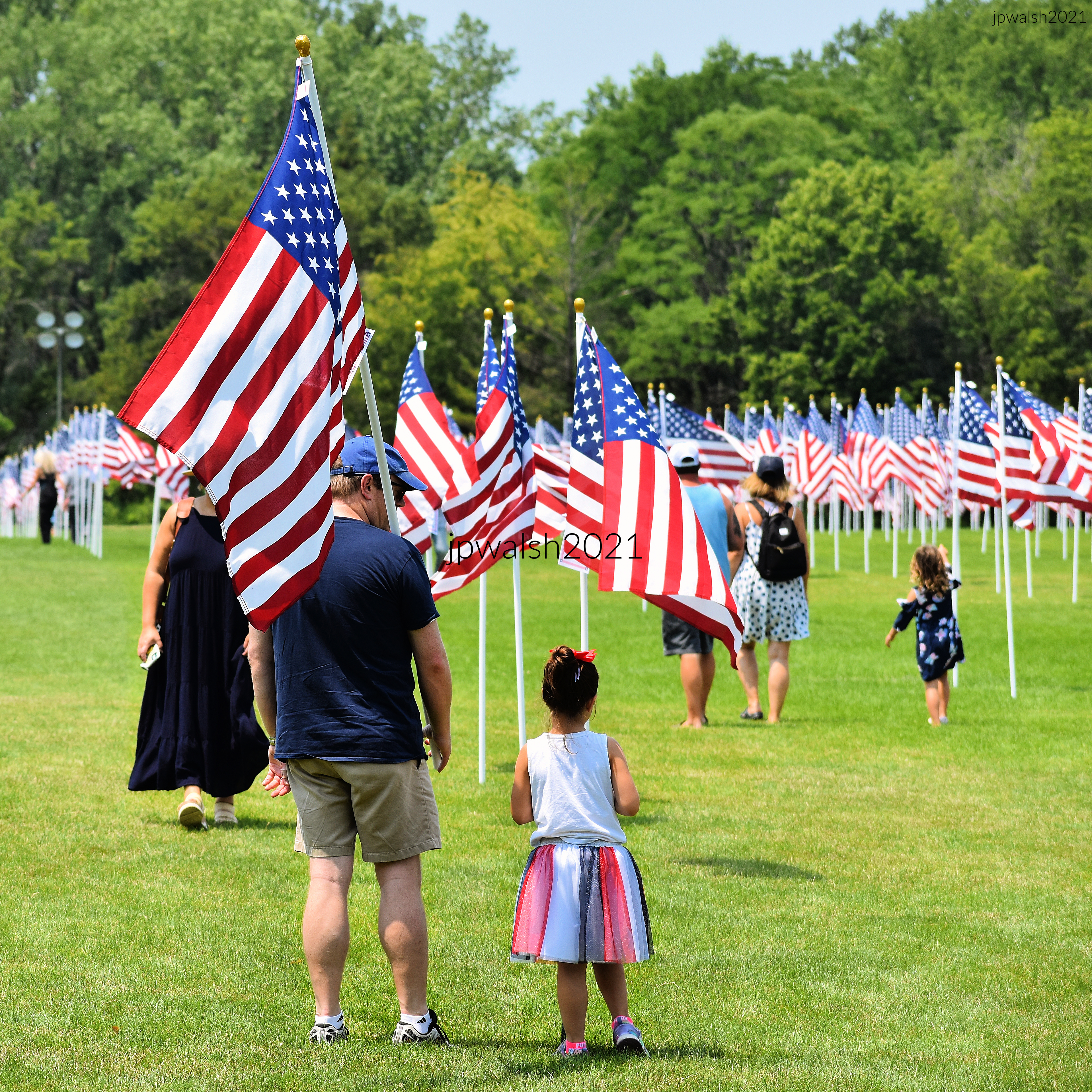
FEATURE image: A parade marcher passes a small American flag to a spectator along the route during the July 4, 2026, parade that marks the 250th Anniversary of the nation’s founding. 7.89mb DSC_9419 (1)
Documents the 250th Anniversary of American Independence through the local community parade in Downers Grove, Illinois.
All photographs and text by John P. Walsh.
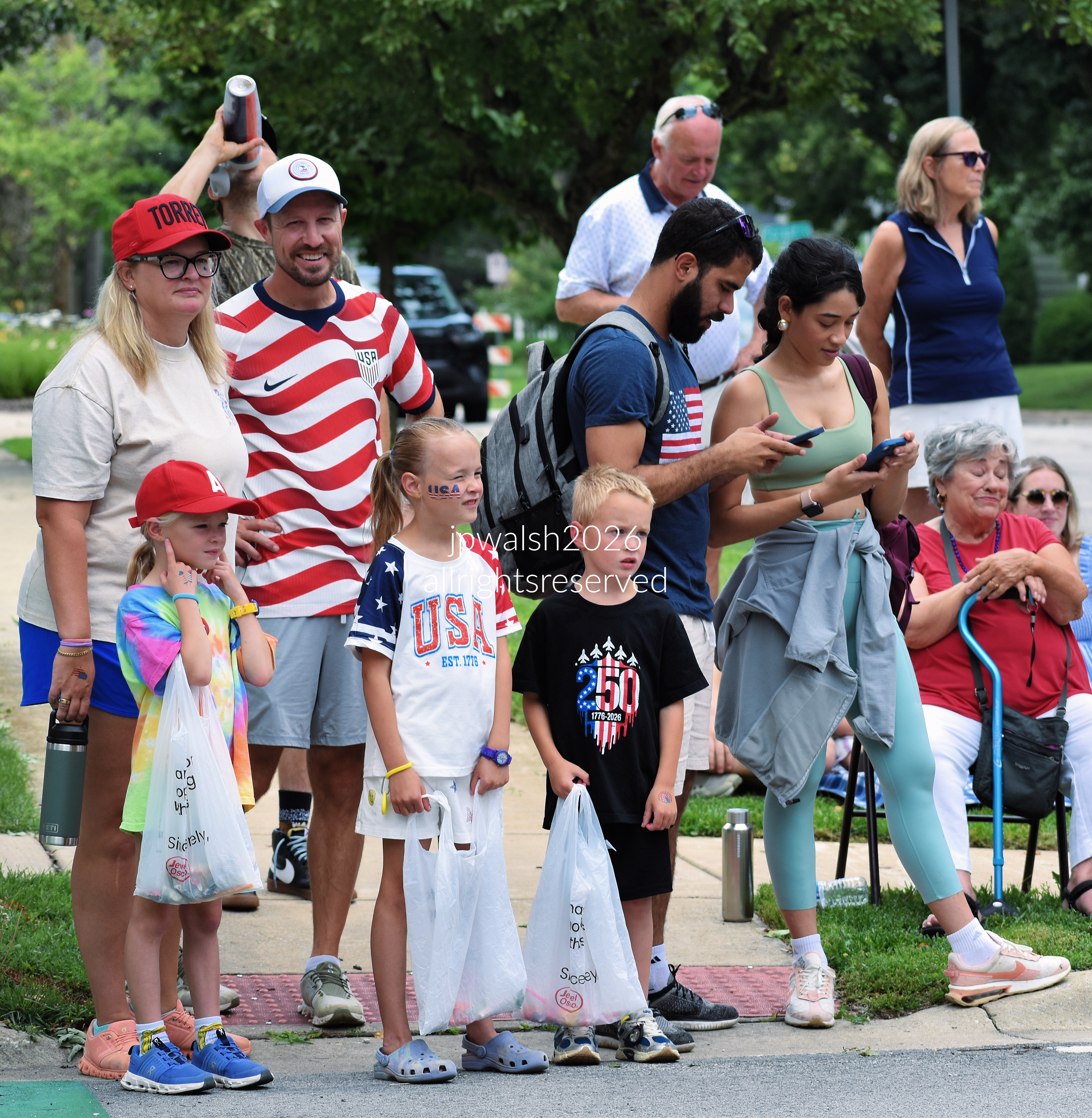
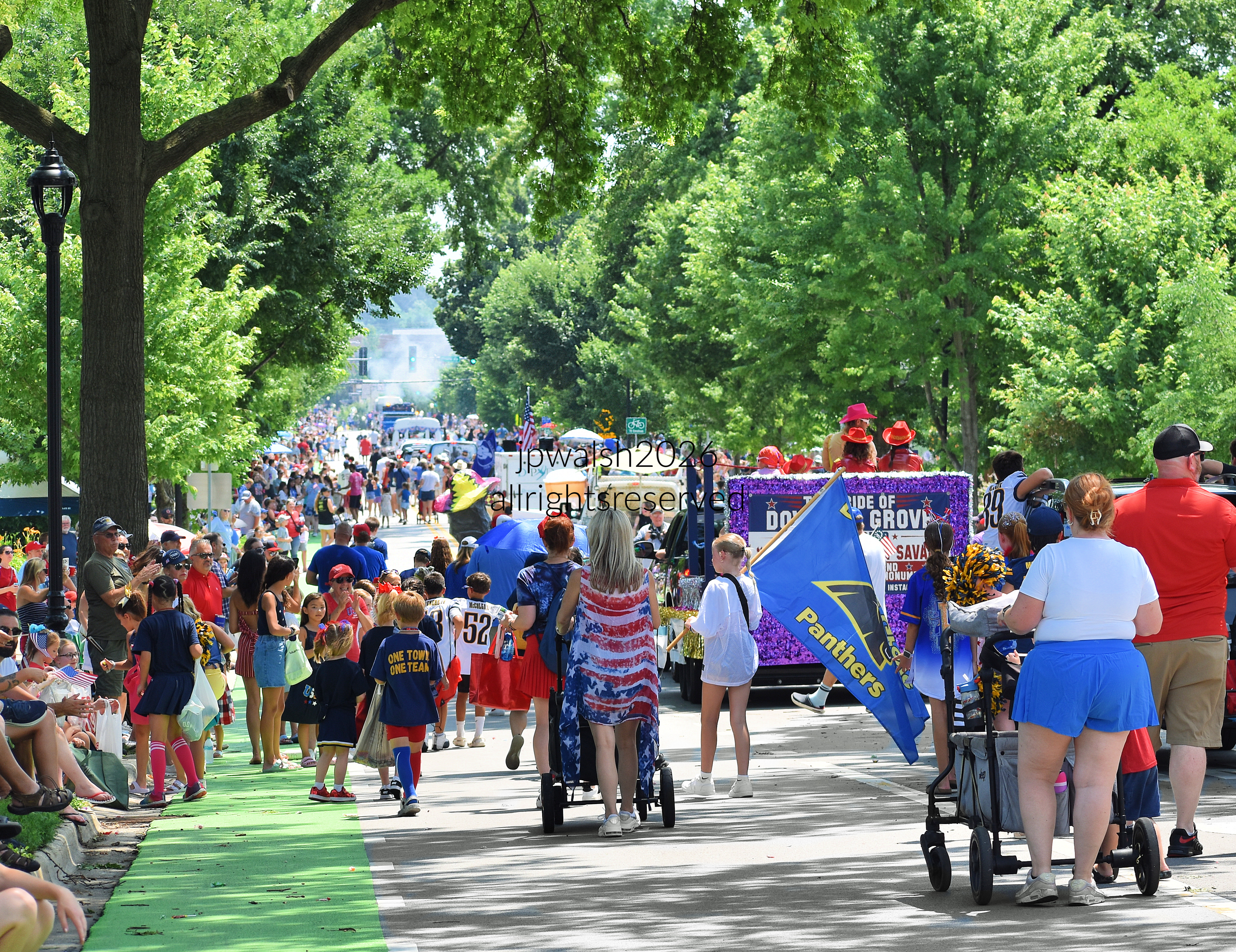
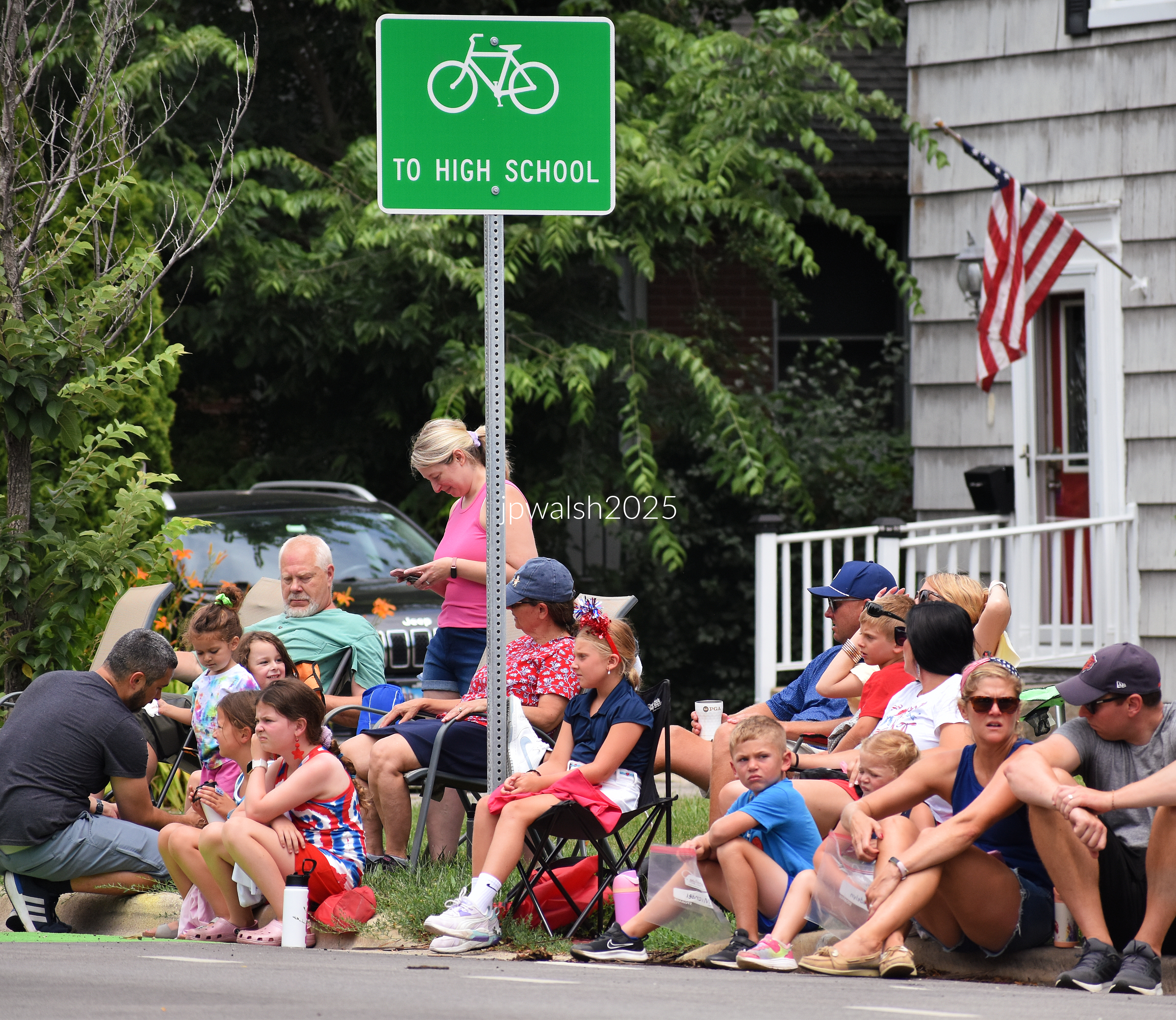
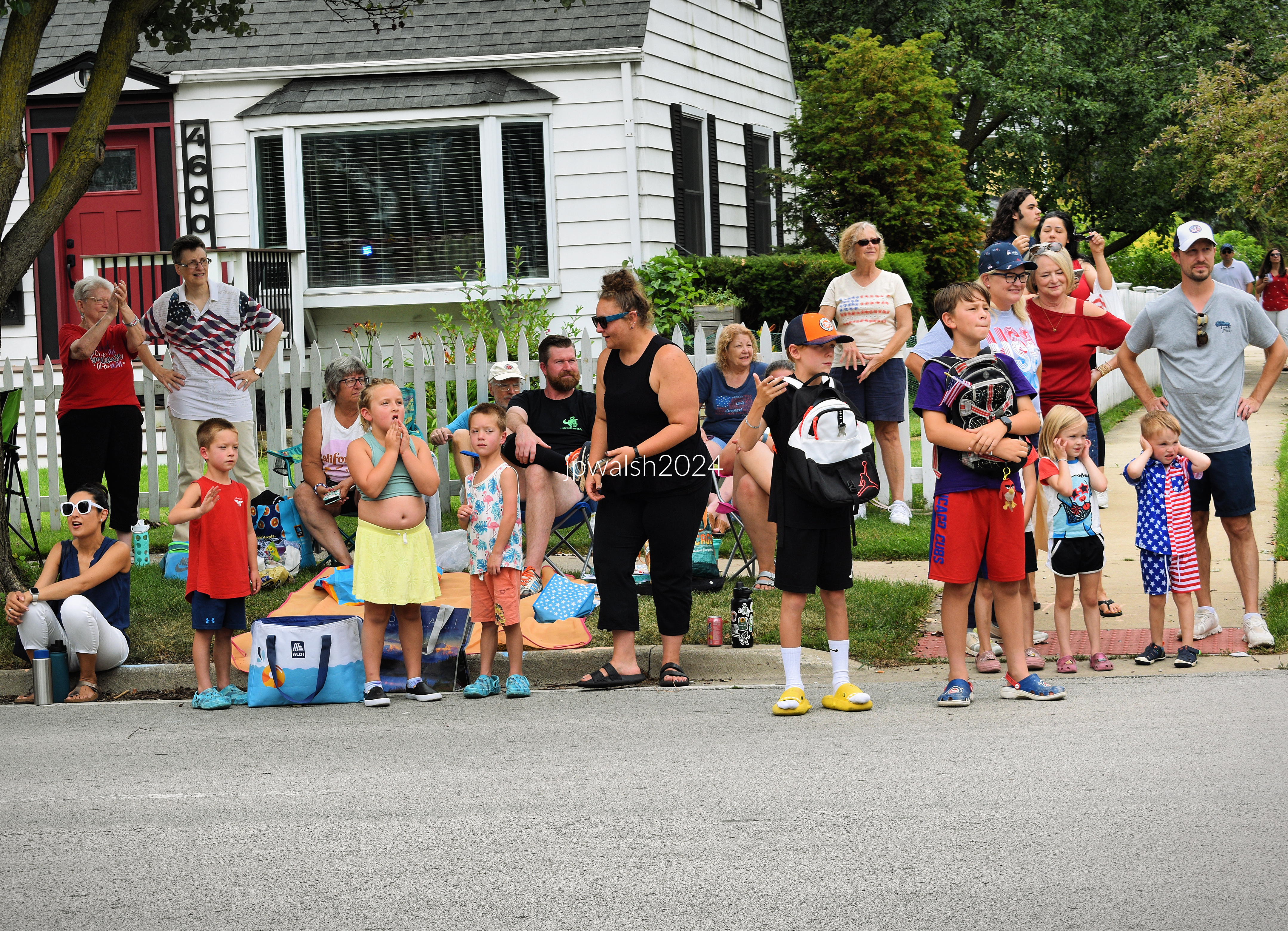
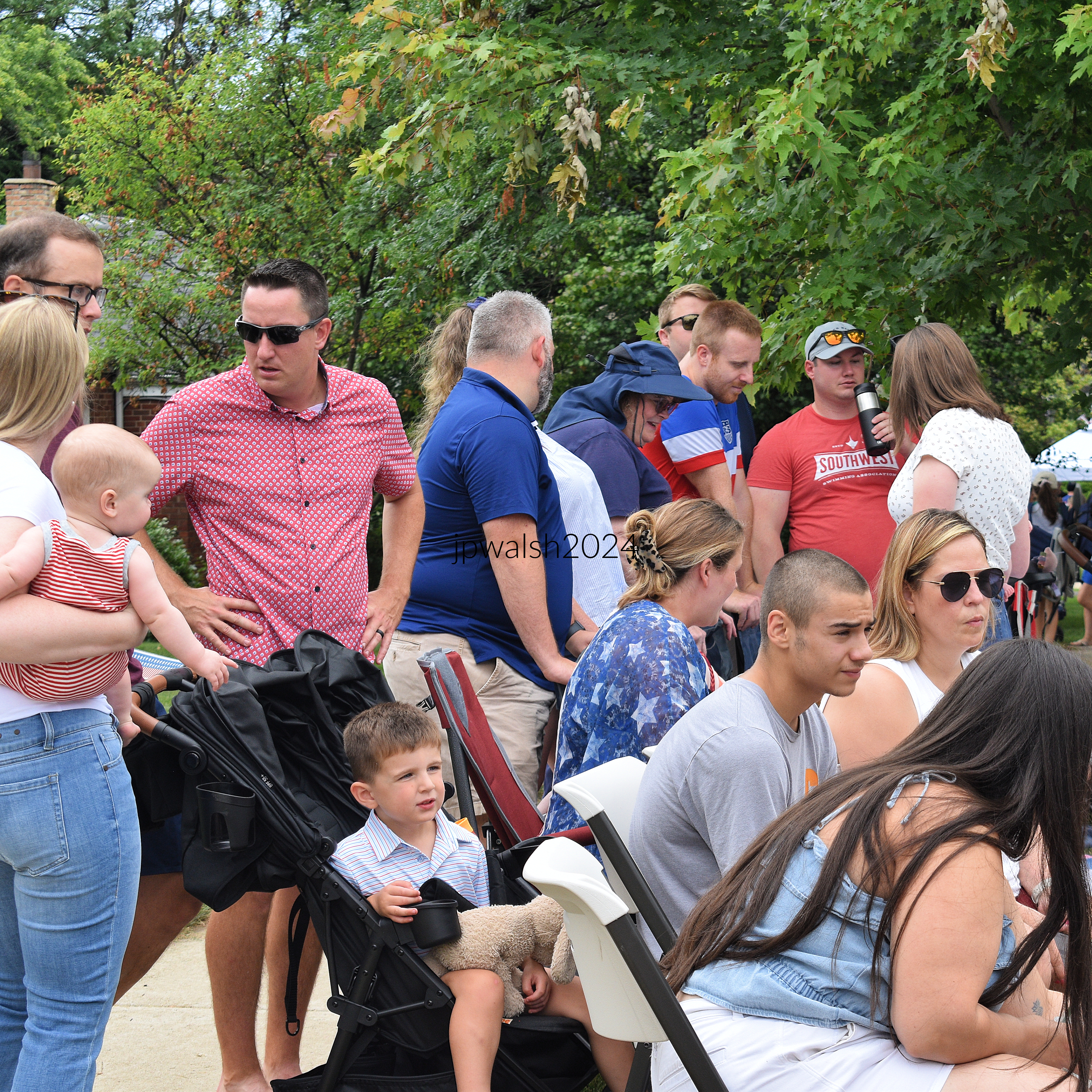
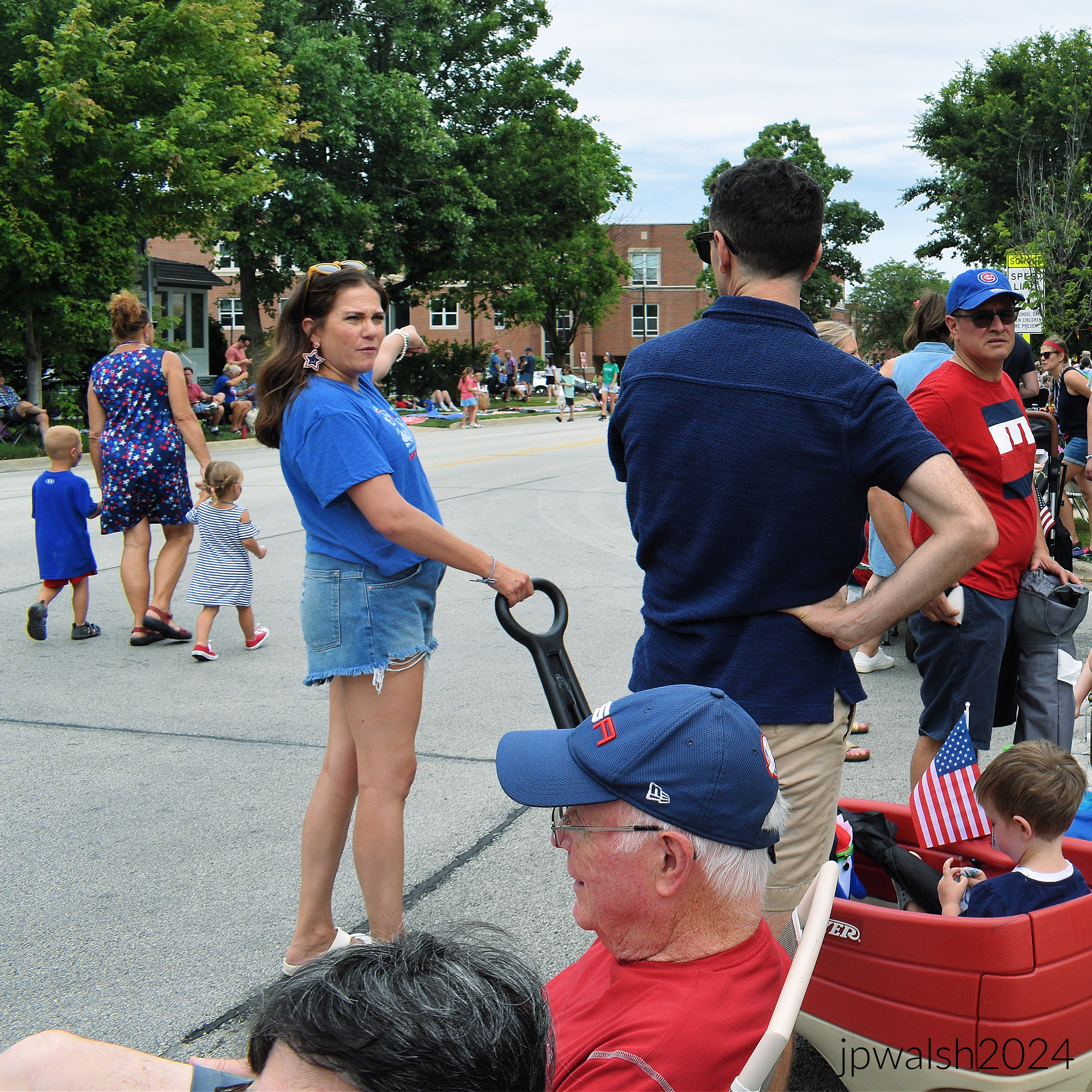
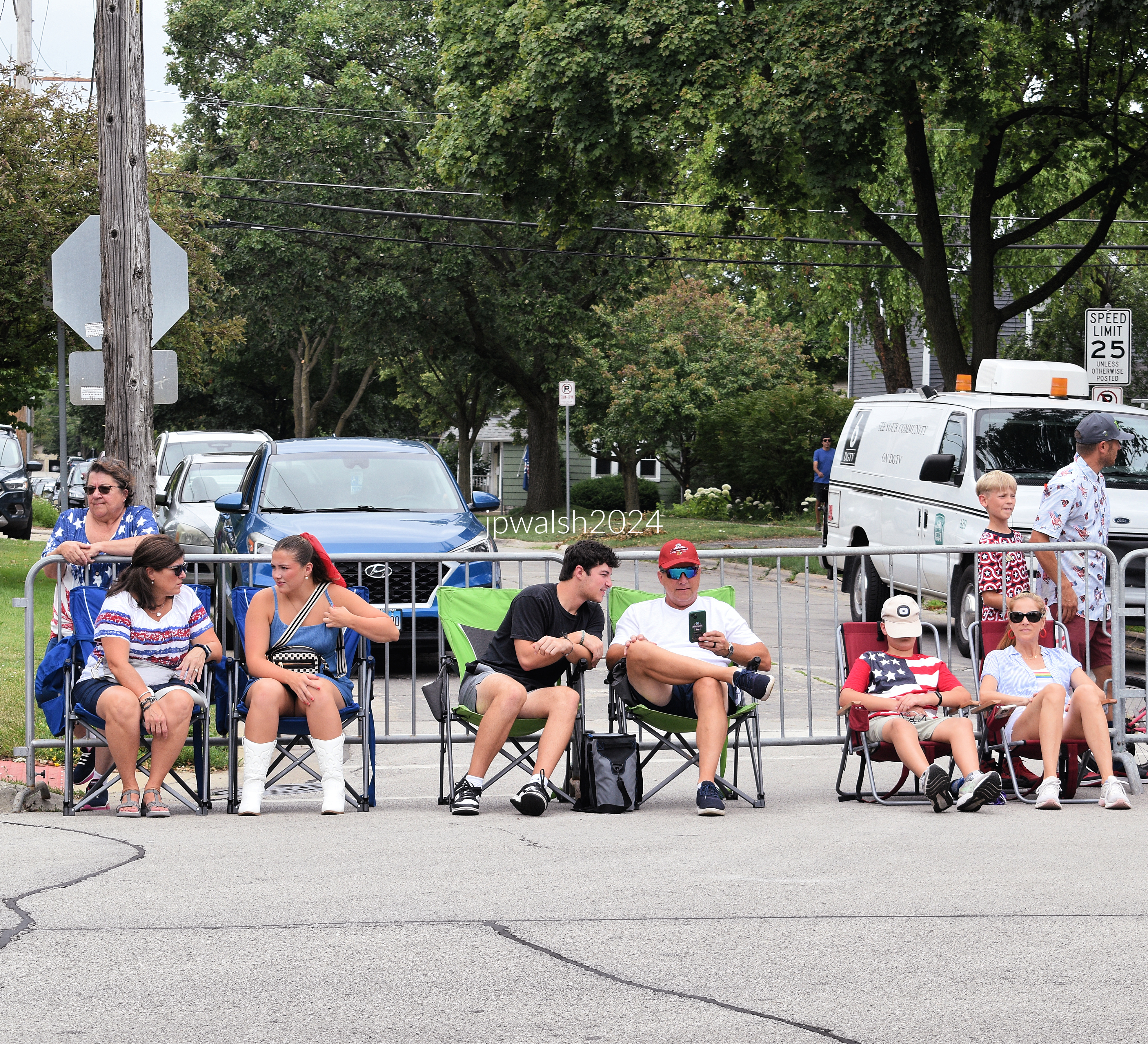
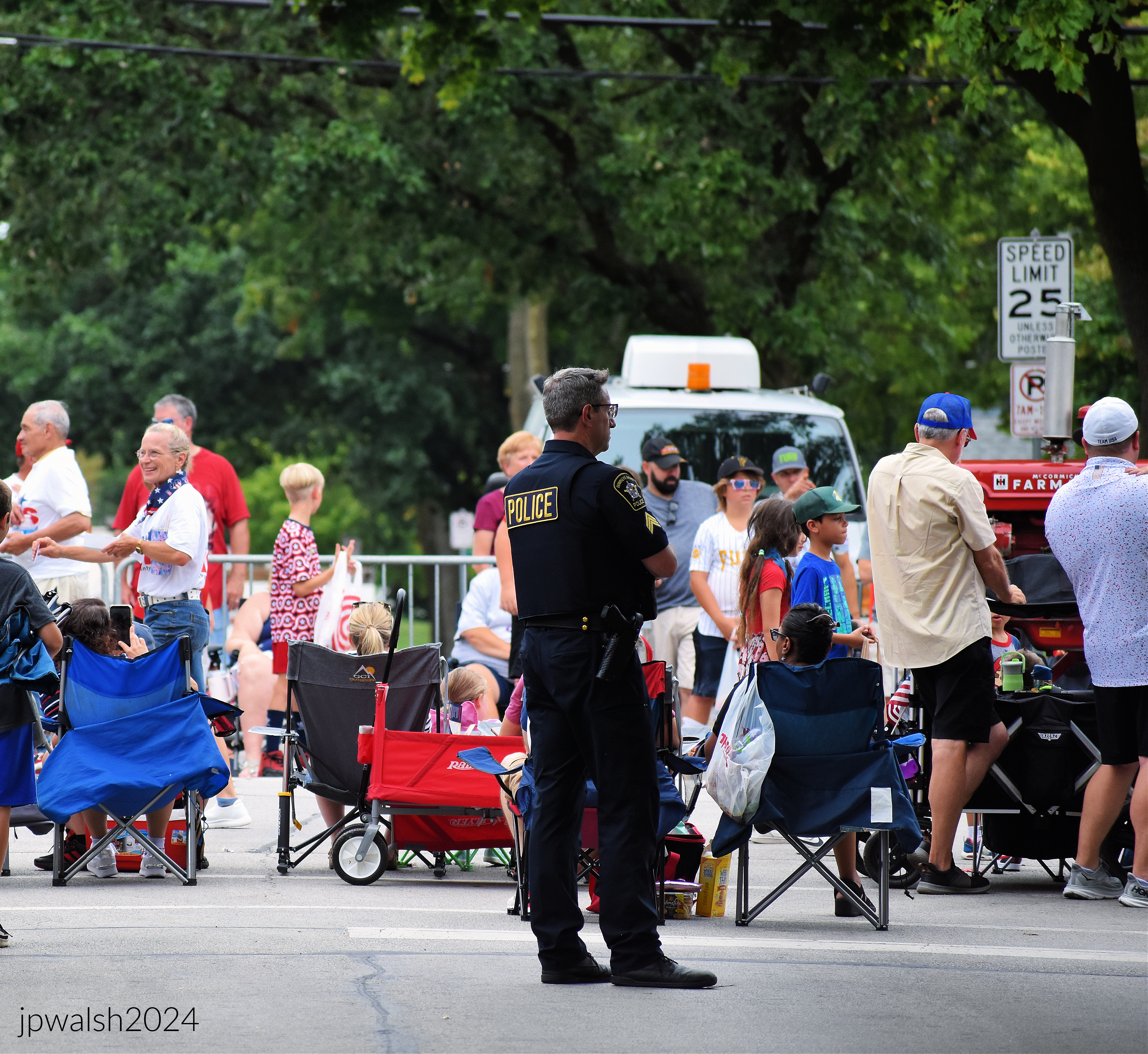
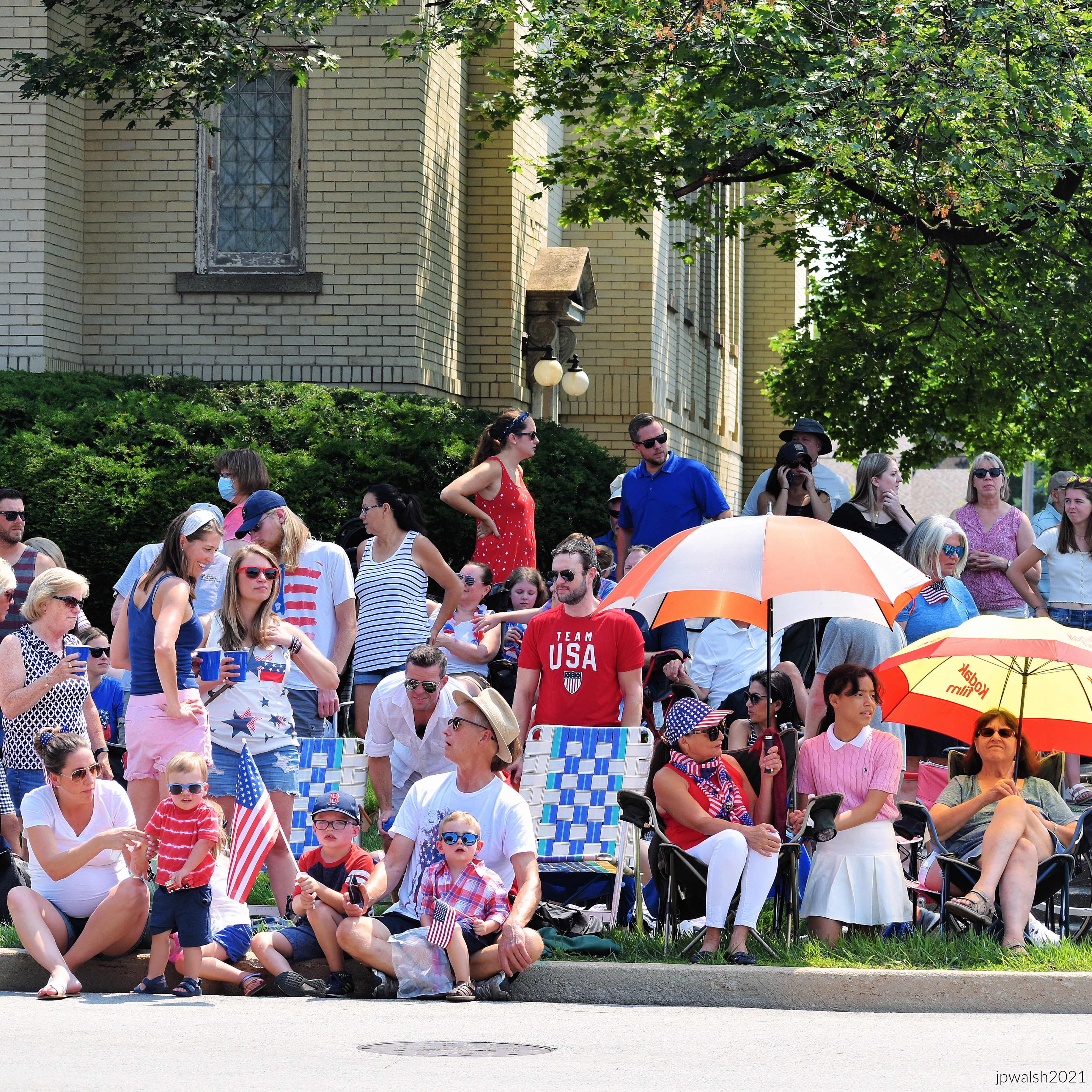
A sidewalk of red, white, and blue—neighbors gathered, kids ready, the holiday rolling in. 7.68mb DSC_9356 (1)
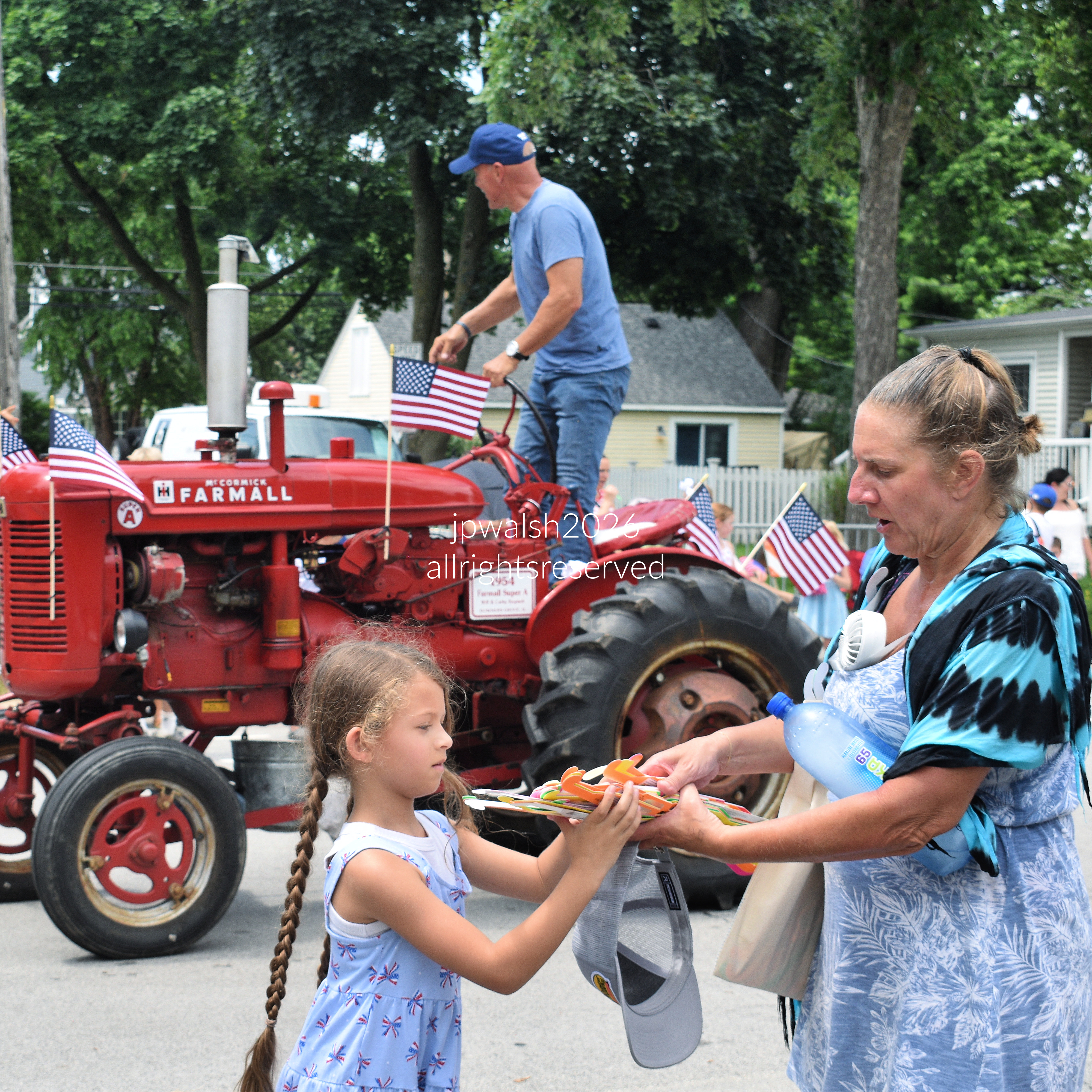
Parade heat, bright colors, and a red tractor rolling by—hands out, smiles up, summer in full stride. 6.30mb DSC_7840 (1)
A classic green Ford dressed in bunting—rolling steady, carrying the holiday’s old‑road pride into the present. 3.86mb DSC_7816 (1)
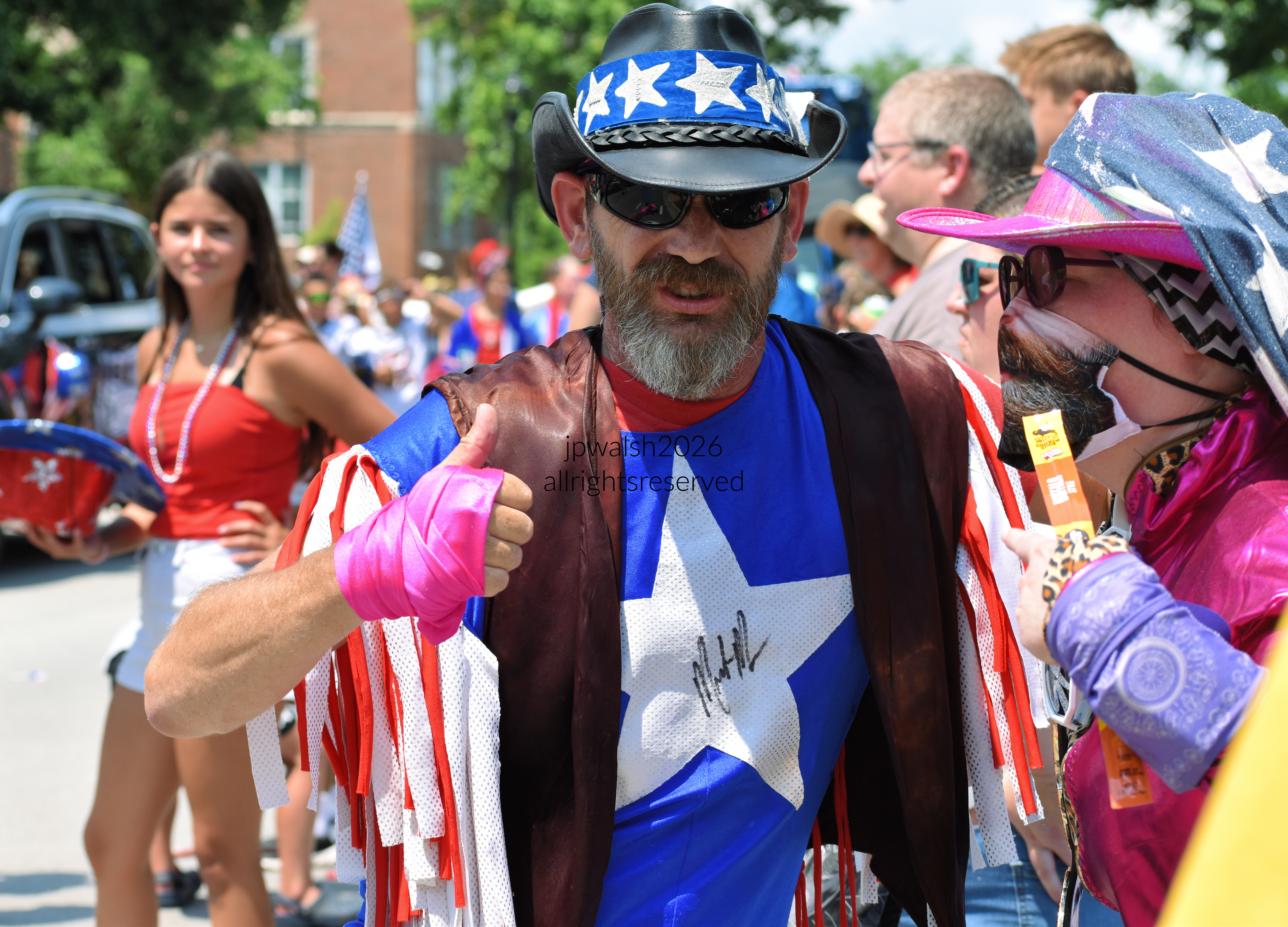
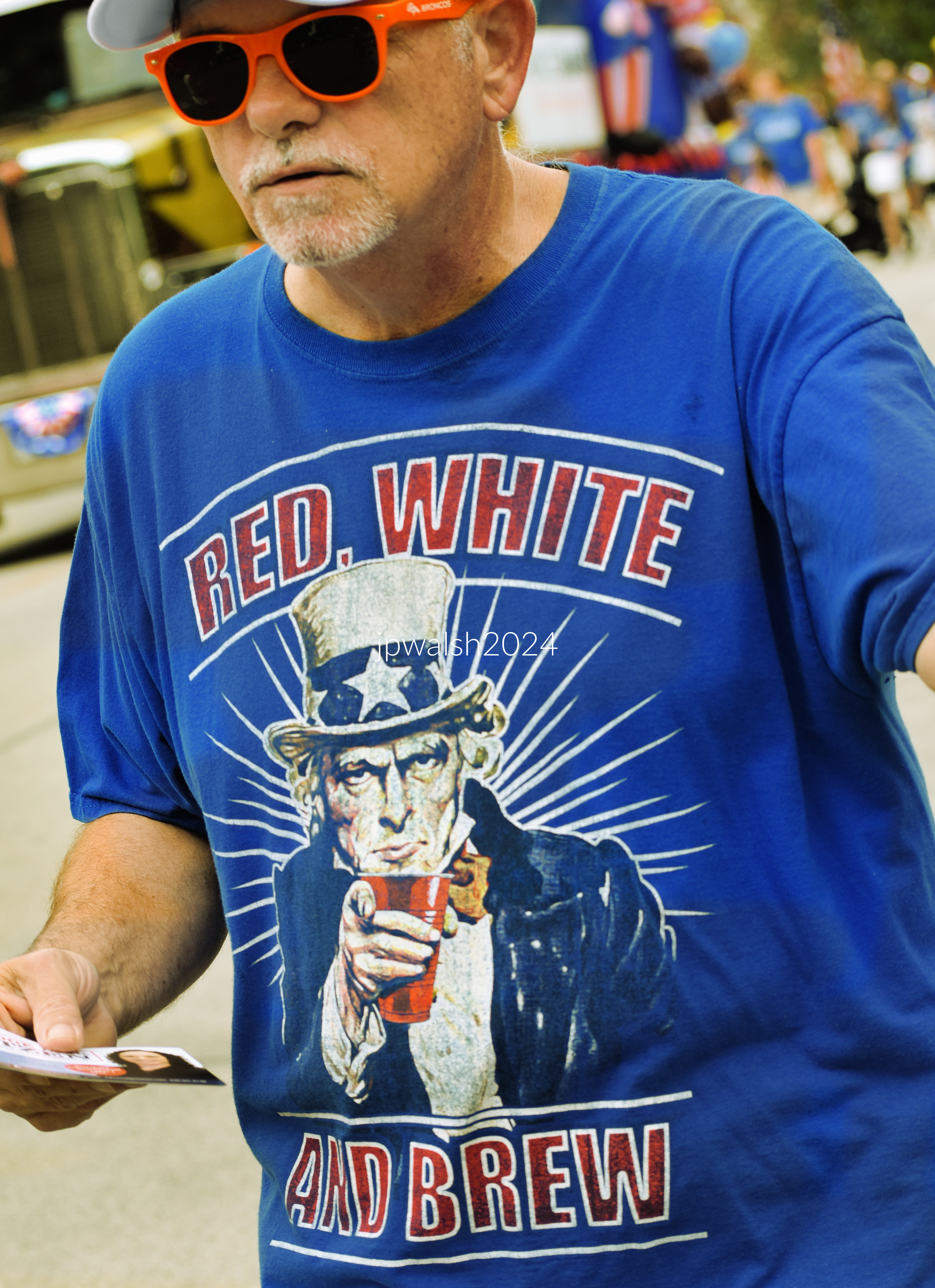
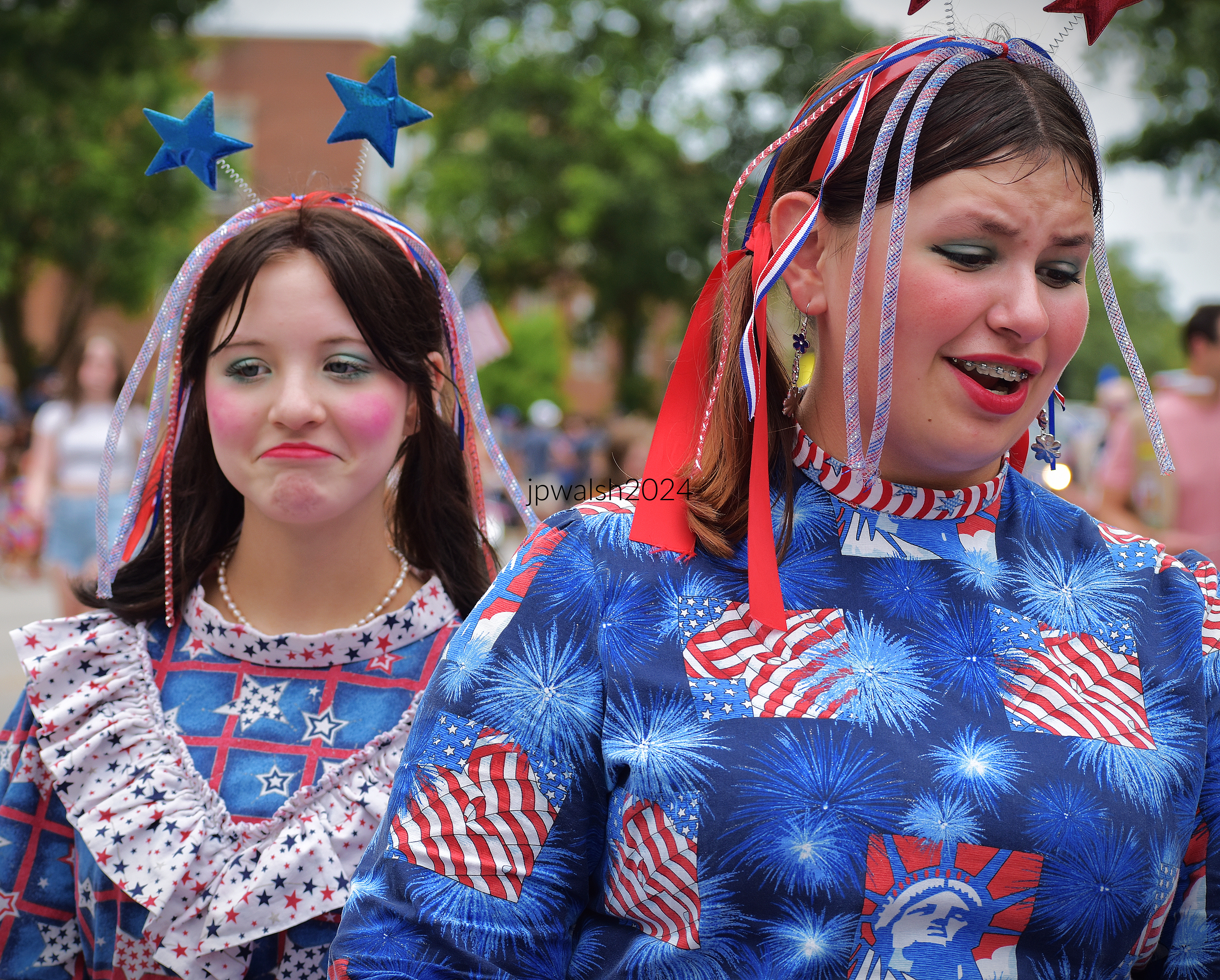
Star‑bright shirts, bold hats, and parade energy—thumbs up as the holiday spirit strides past. 99% 7.25mb DSC_9523
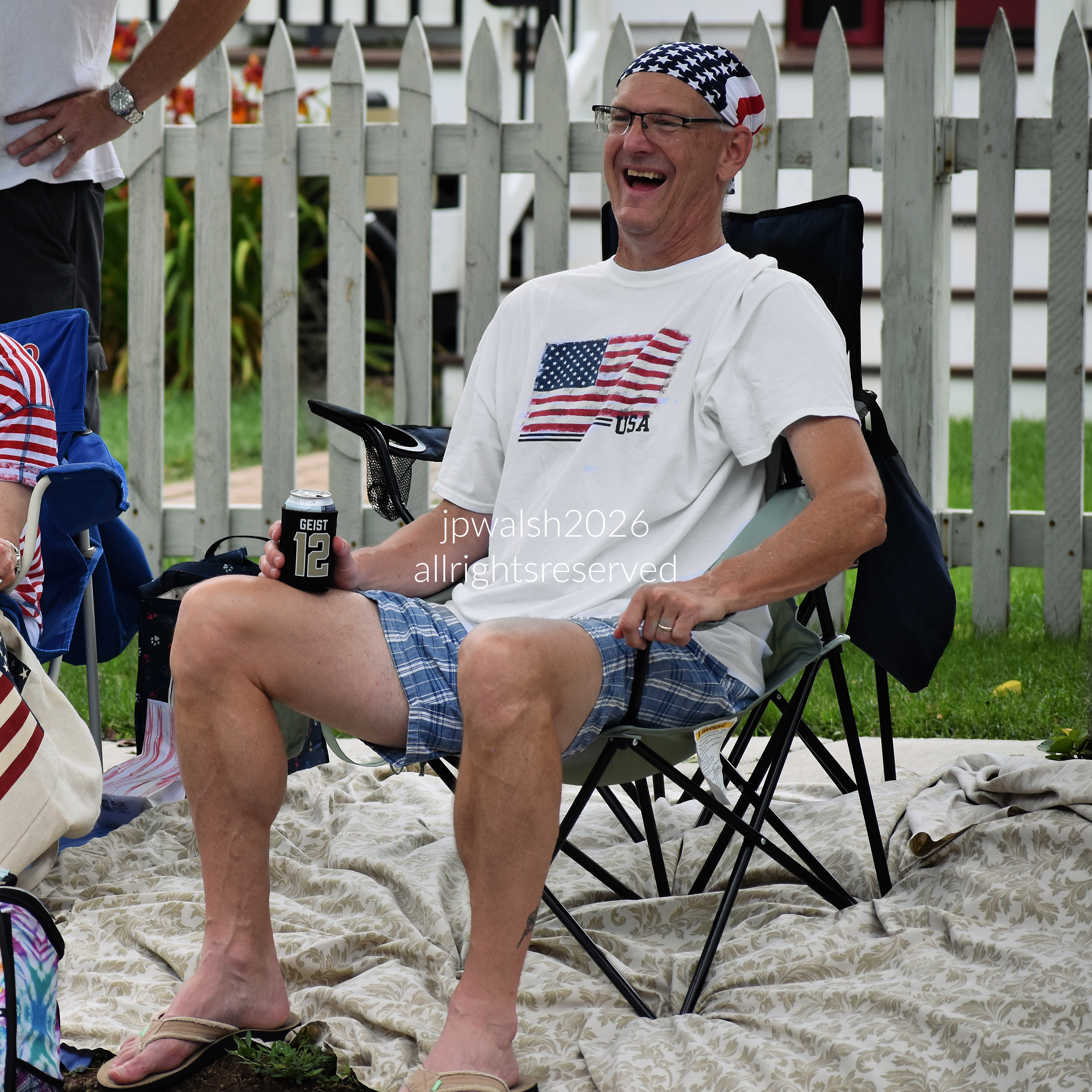
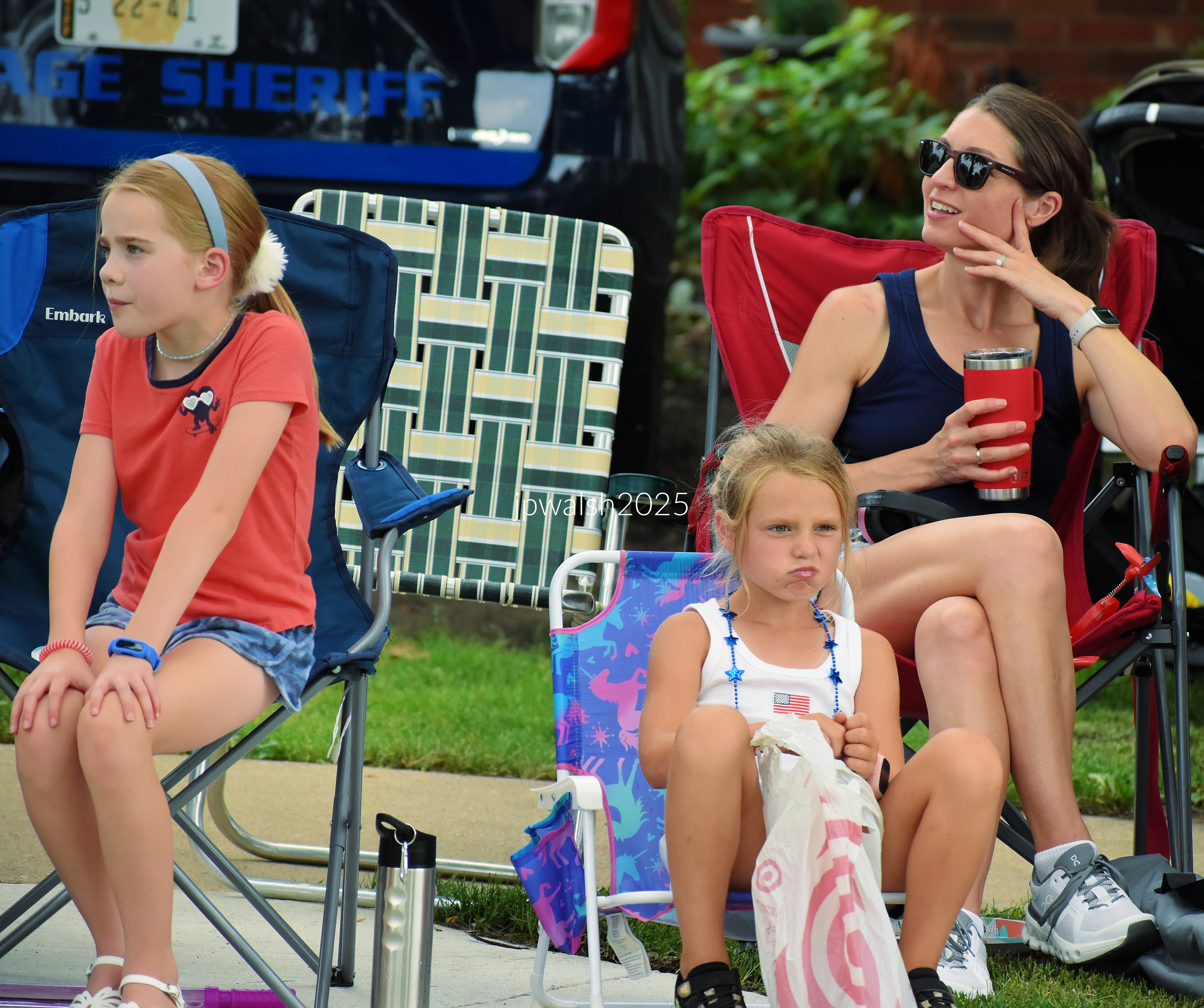
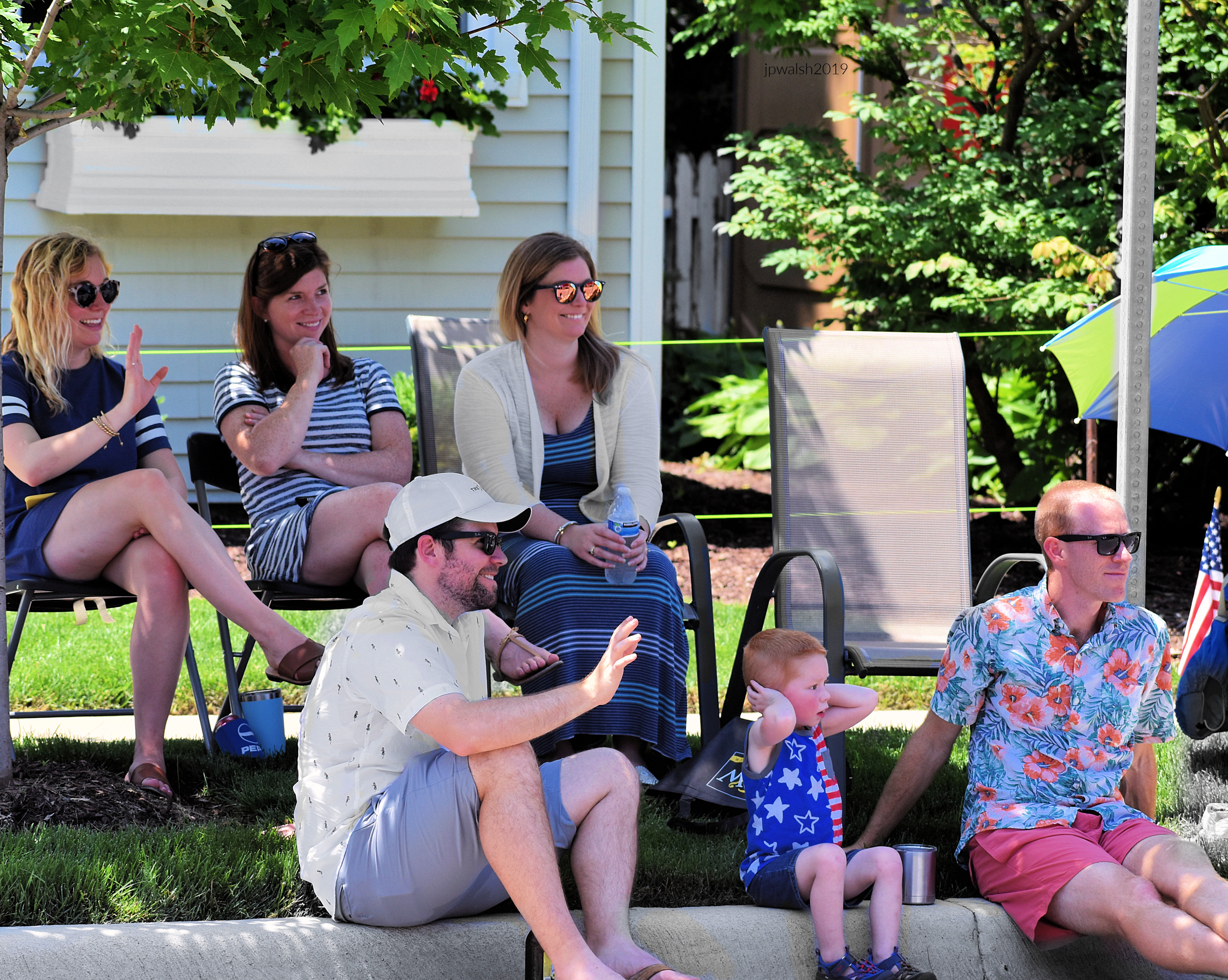
Holiday laughter in full sun—easy comfort, flag colors, and a backyard moment carrying the day’s joy. 6.06mb DSC_9335 (1)
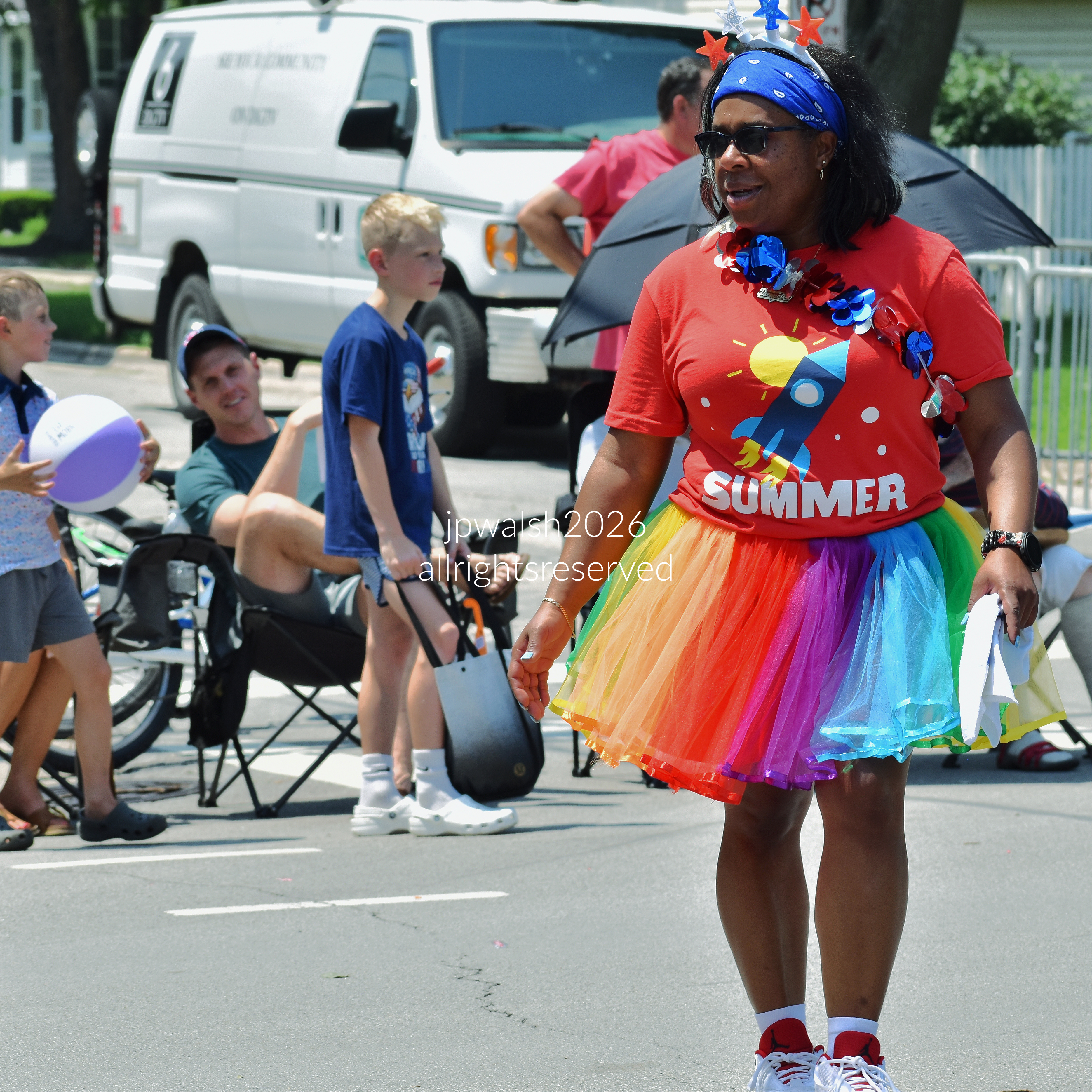
A burst of summer color on the move—rockets, rainbows, and roadside cheers carrying the holiday forward. 5.31mb DSC_9513 (1)
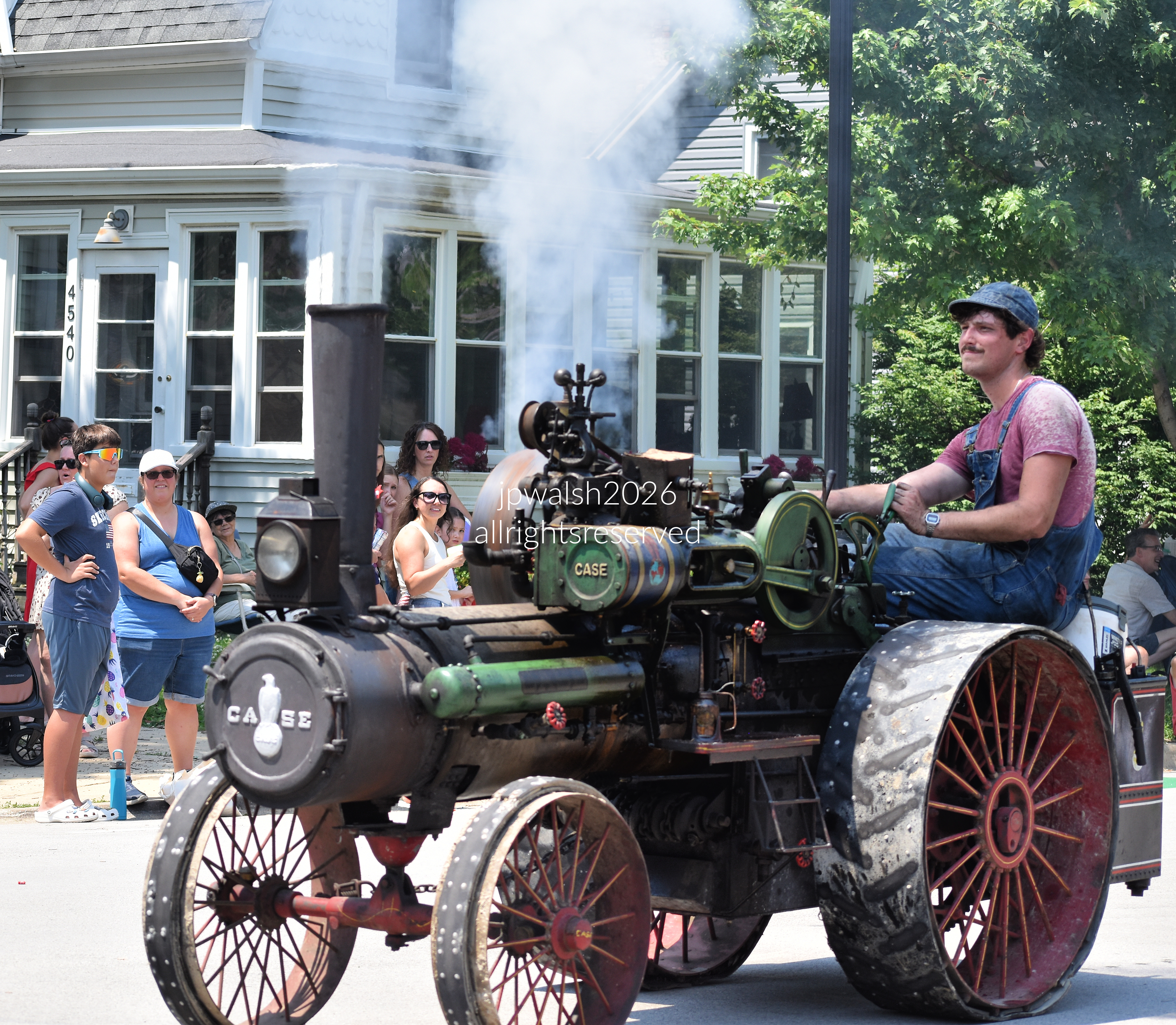
Steam up, wheels turning, and old iron alive again—holiday cheers rising as the CASE rolls by. 99.% 6.69mb DSC_9497 (2)
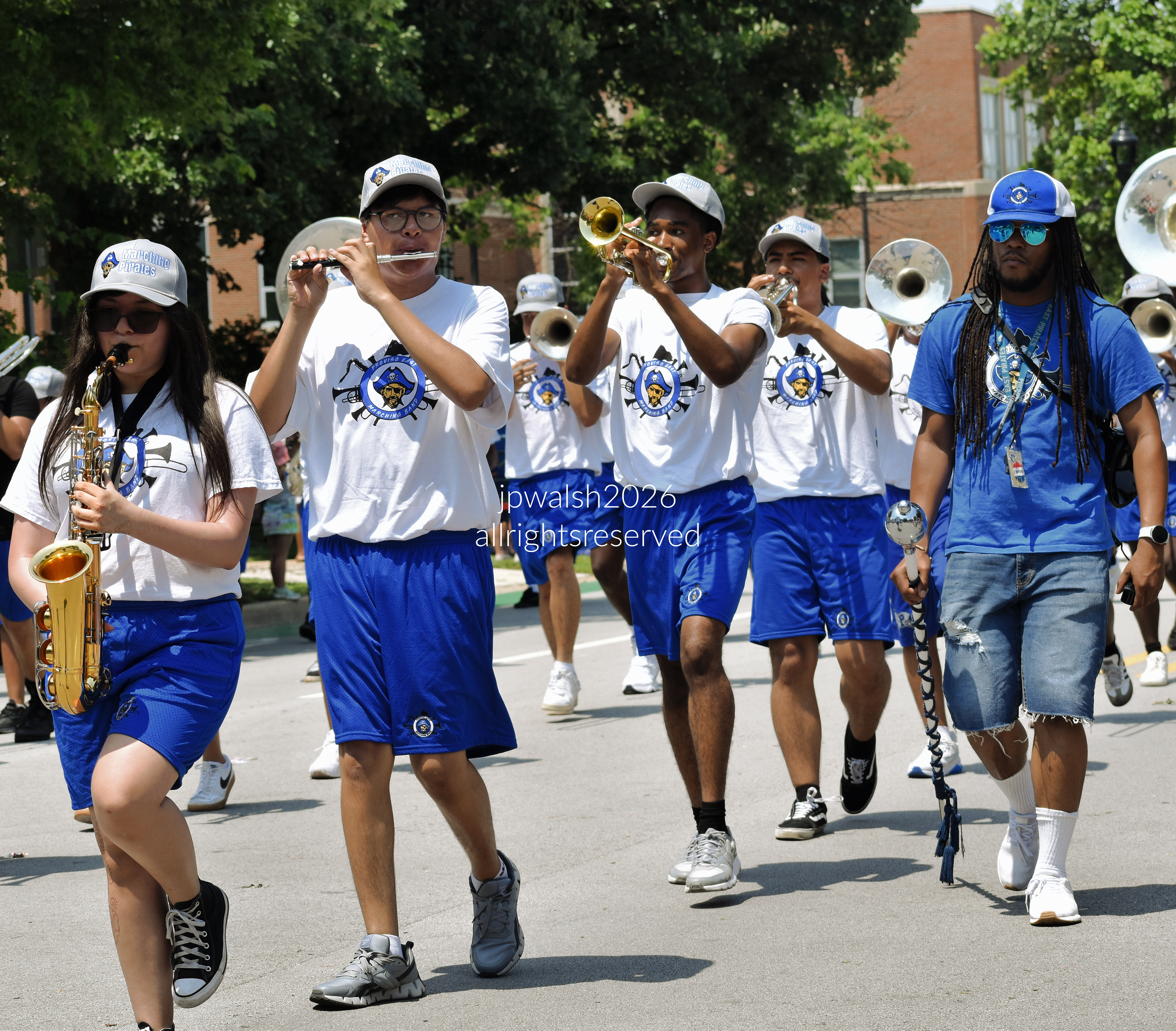
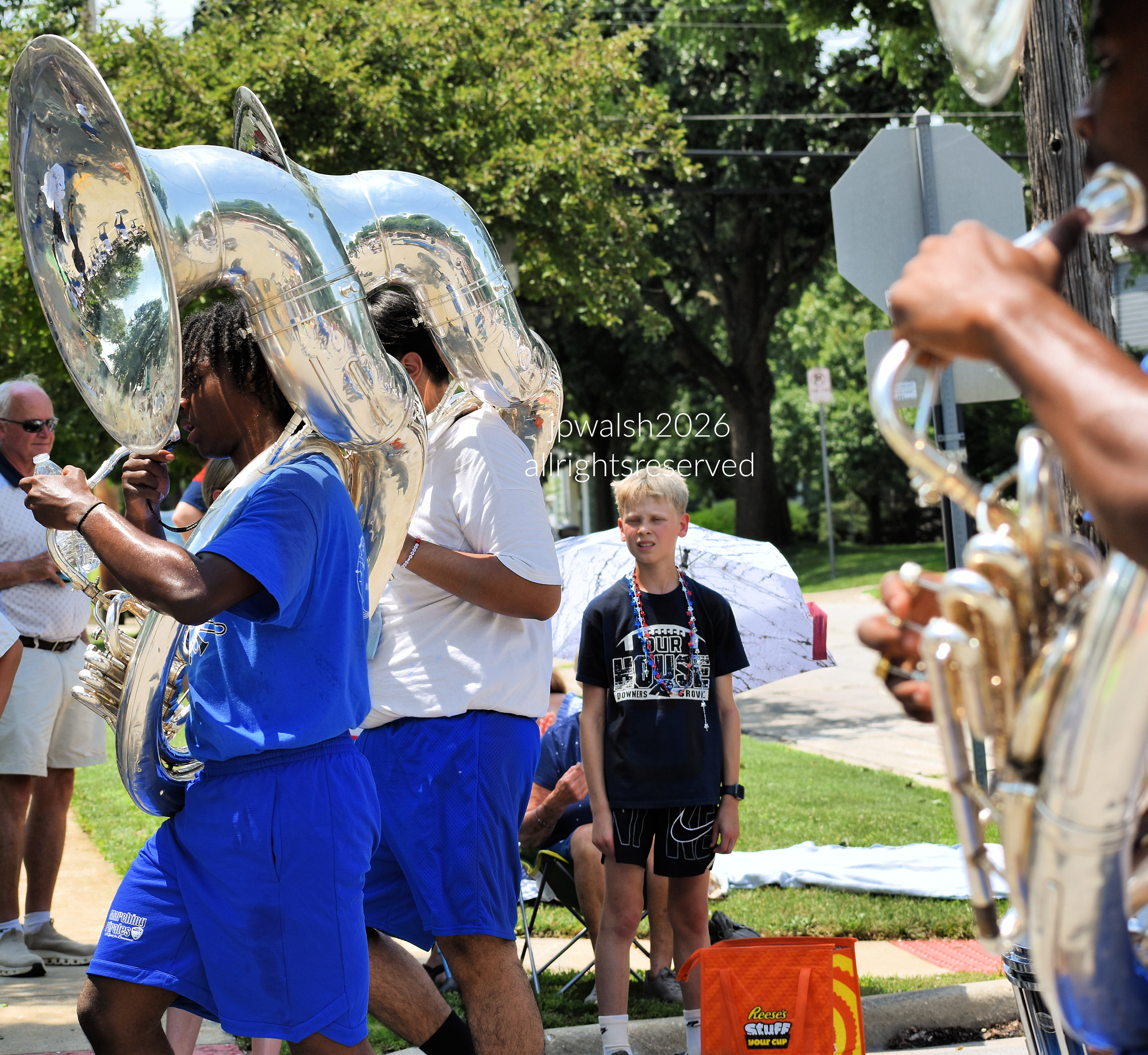
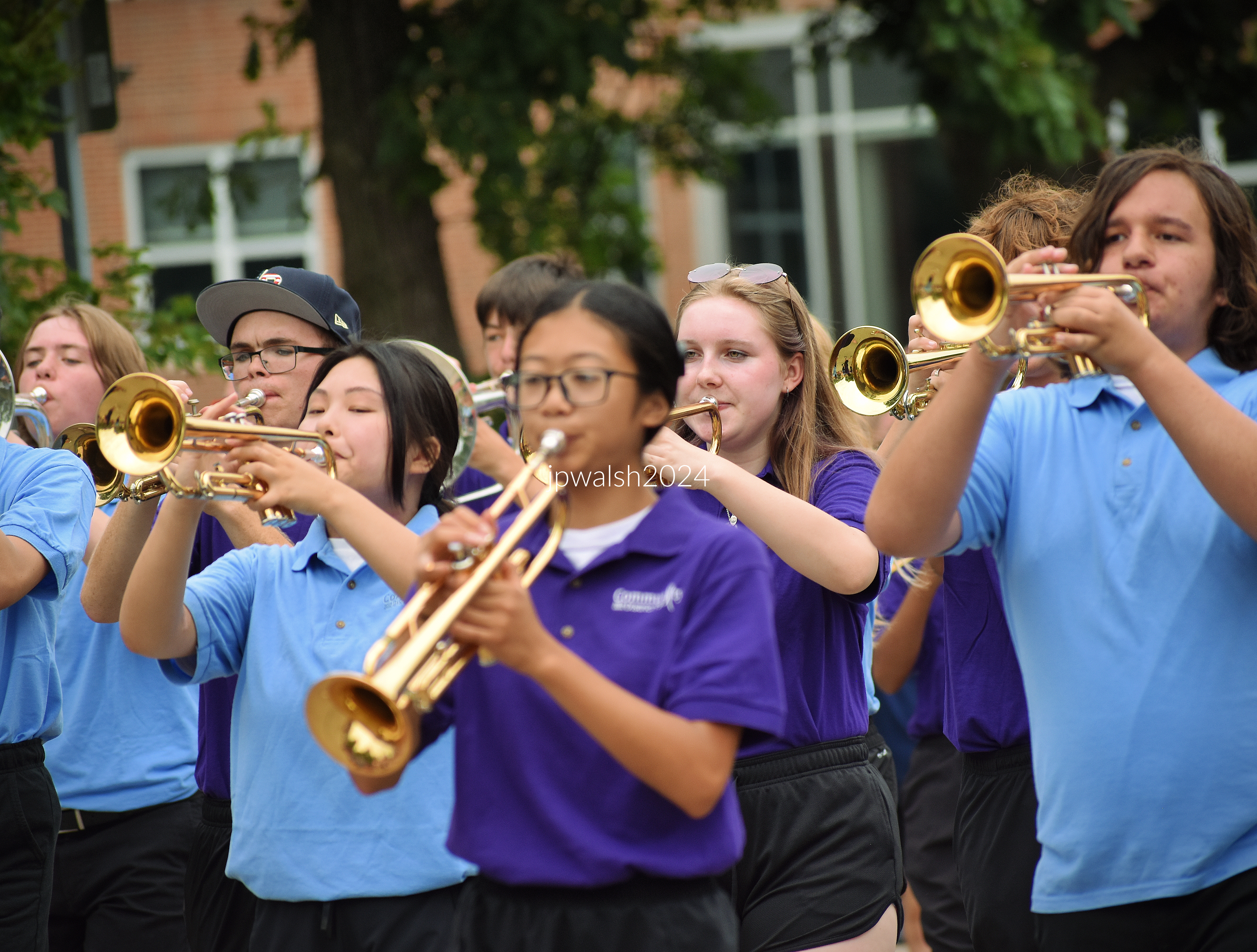
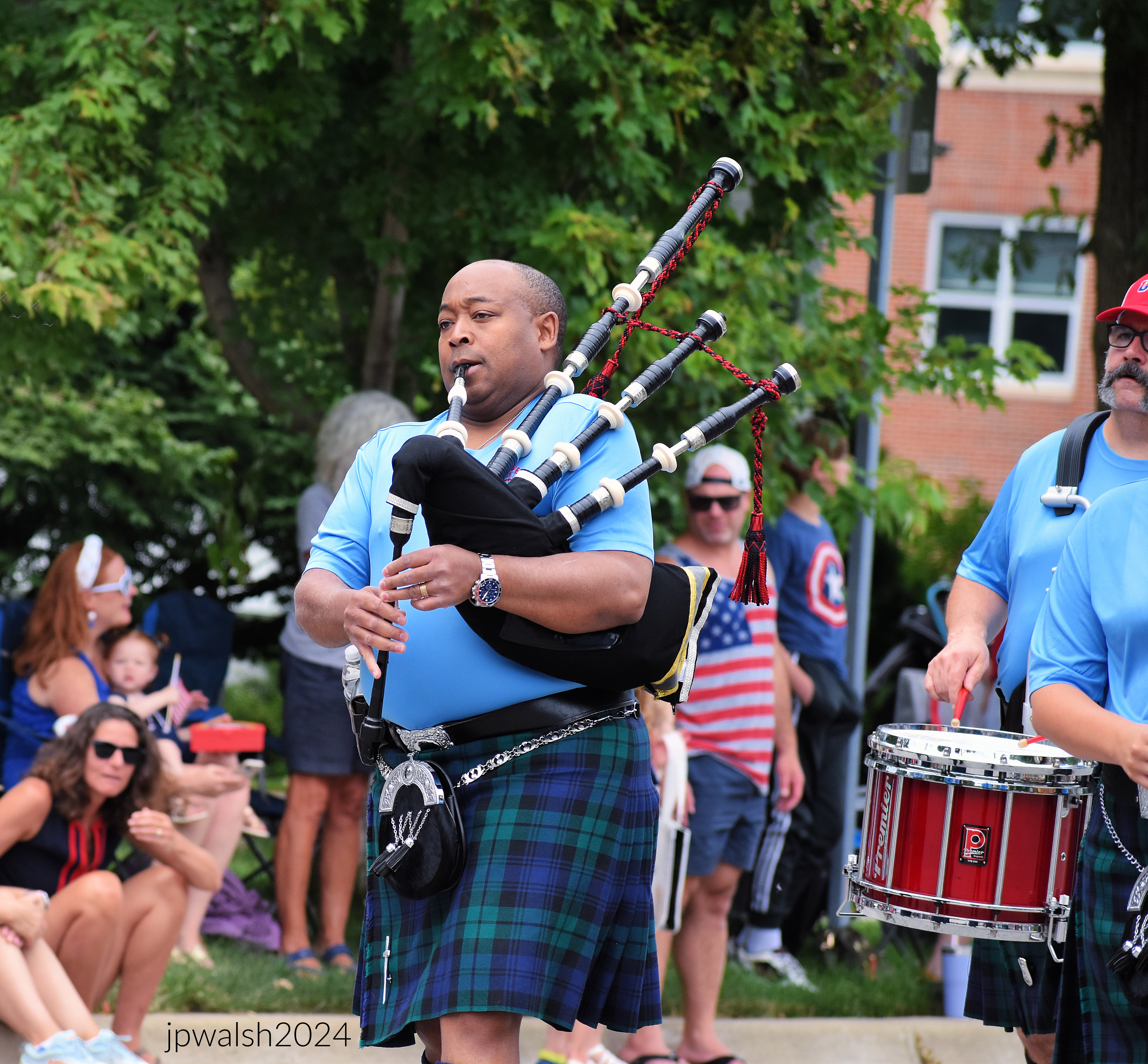
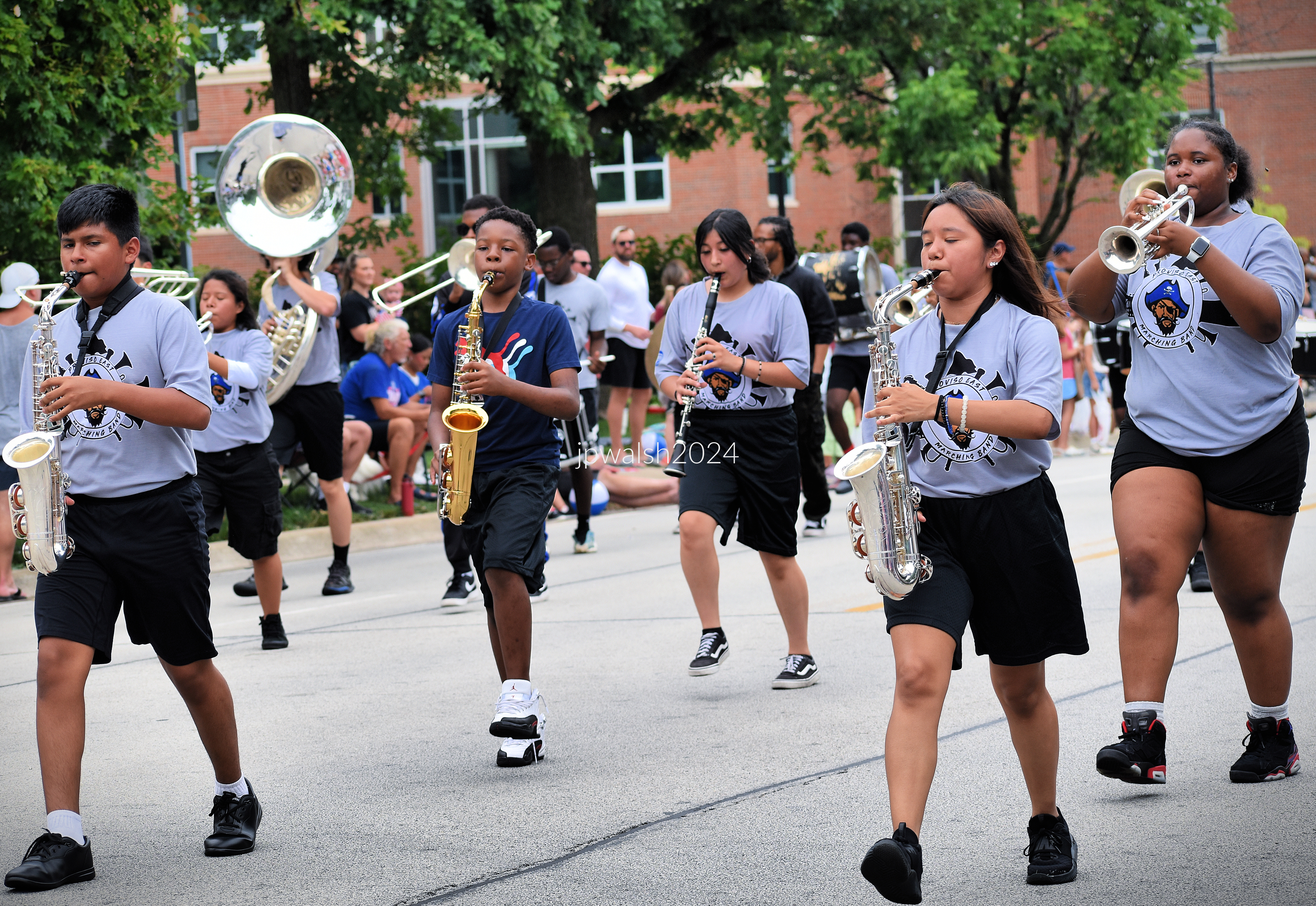
White shirts, blue shorts, brass bright in the sun—summer rhythm carrying the celebration down the street. 7.76 mb DSC_9473 (1)
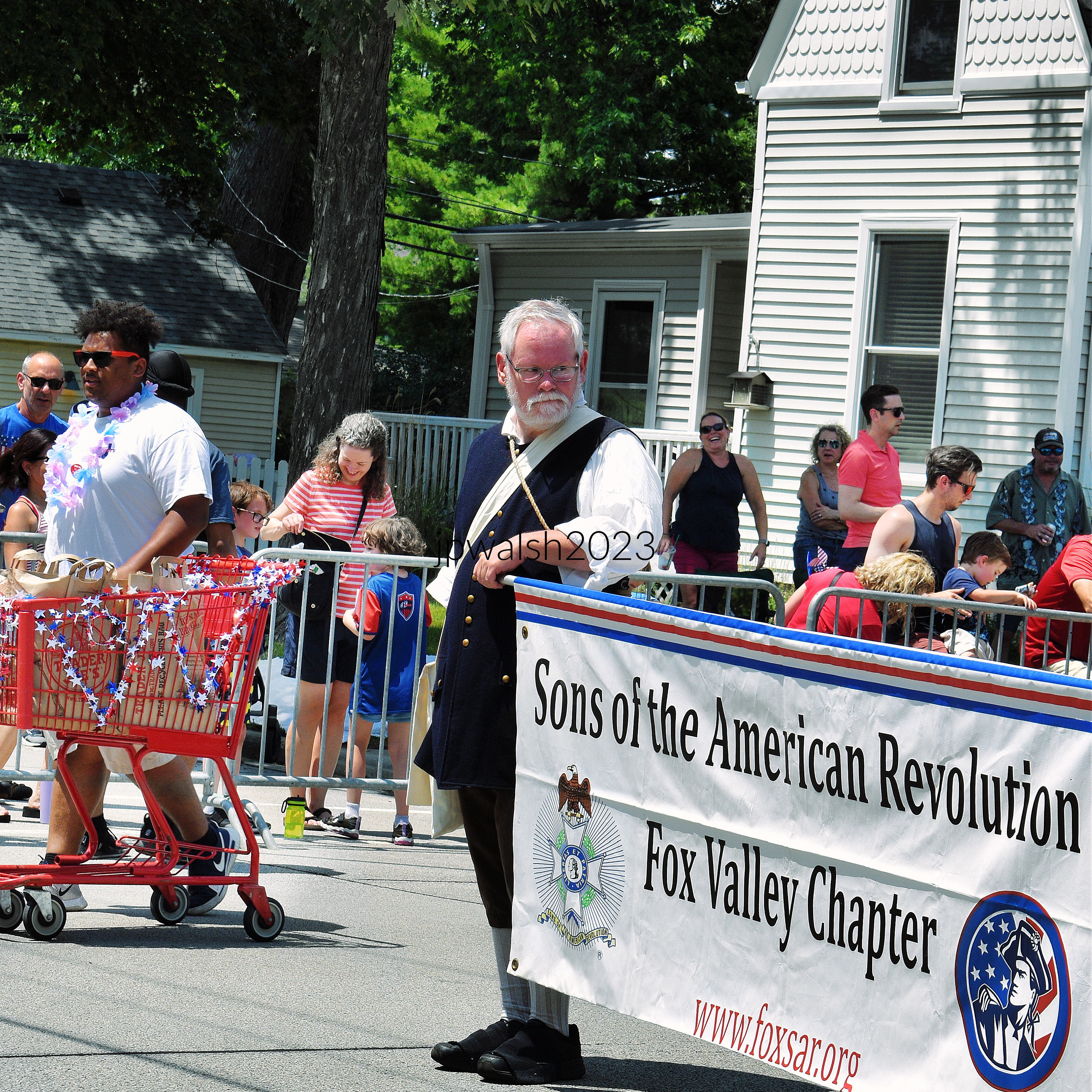
A sign held high in the summer crowd—red, white, blue, and a clear call to keep the country’s promise. 5.83mb DSC_9445 (1)
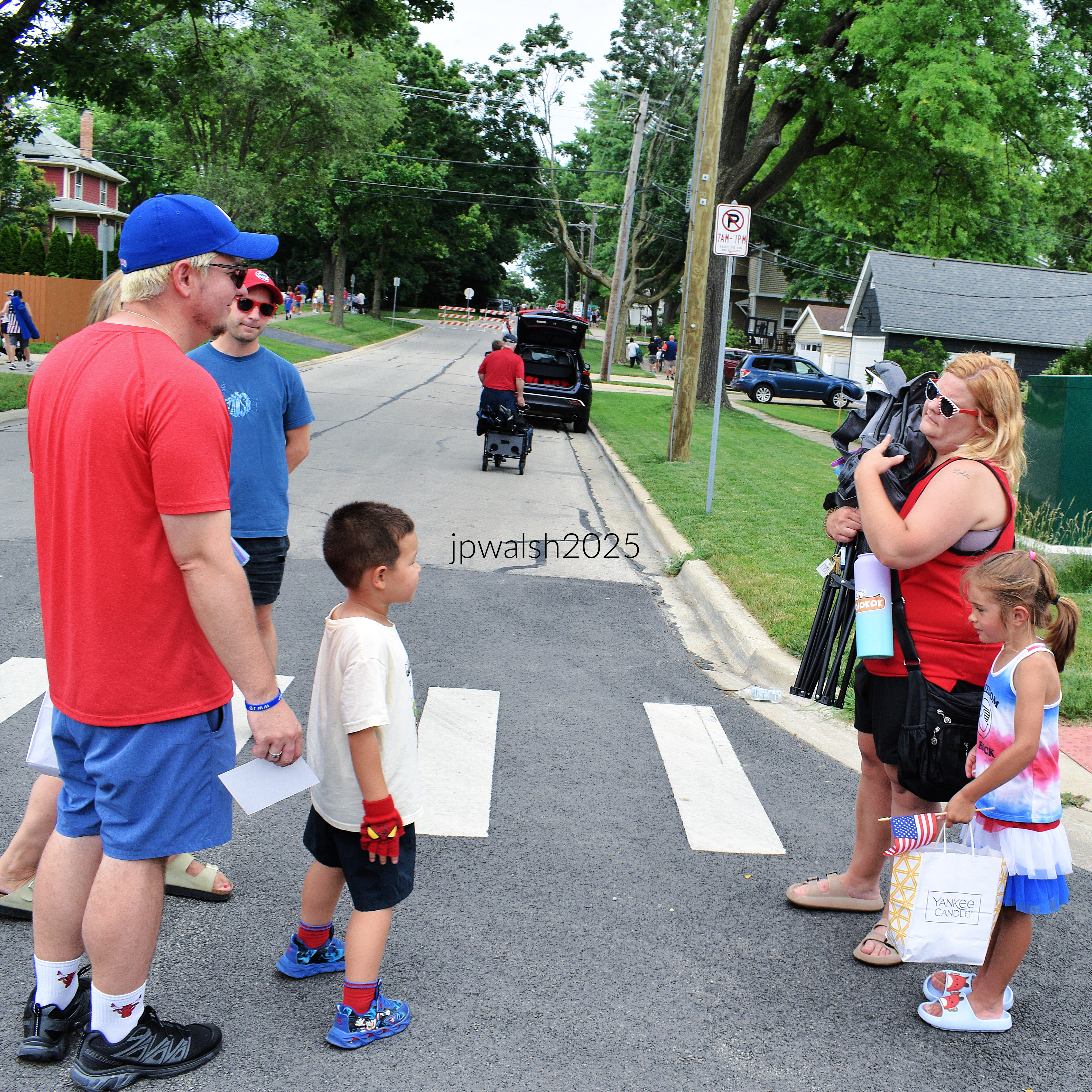
Flag up, chairs out, and a lawn full of easy holiday company—summer pride settling in for the celebration. 99% 7.81mb DSC_9326 (2)
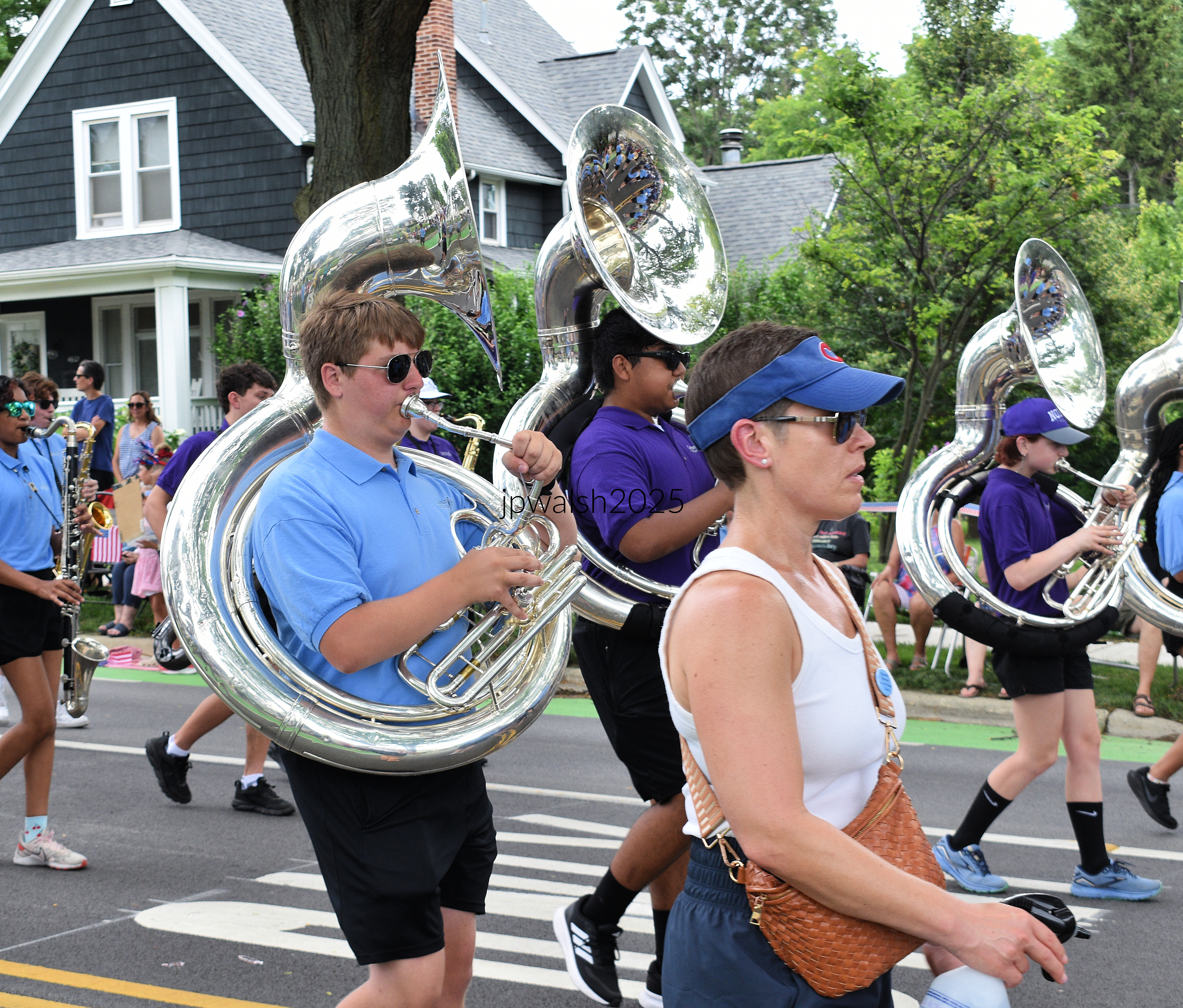
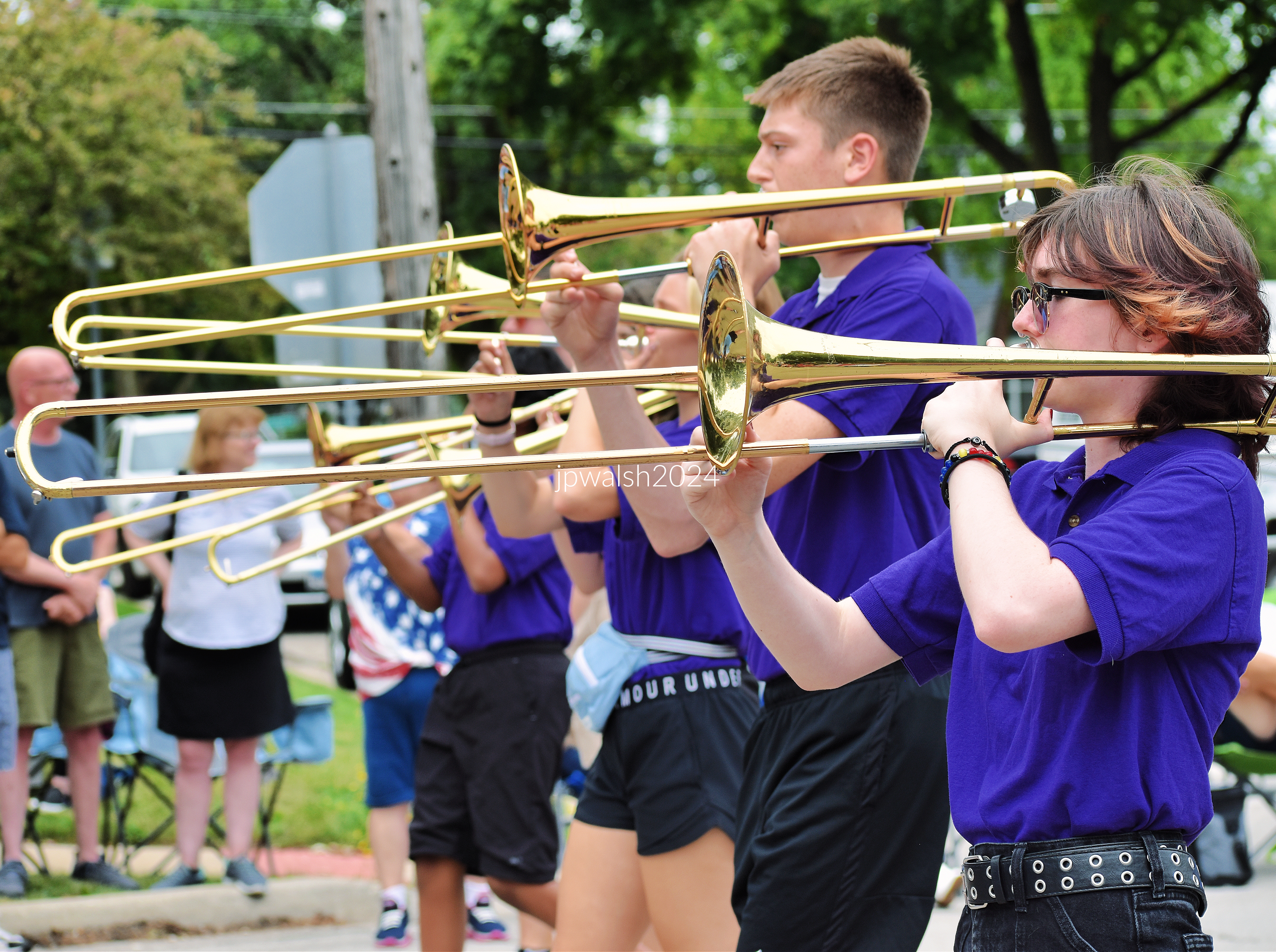
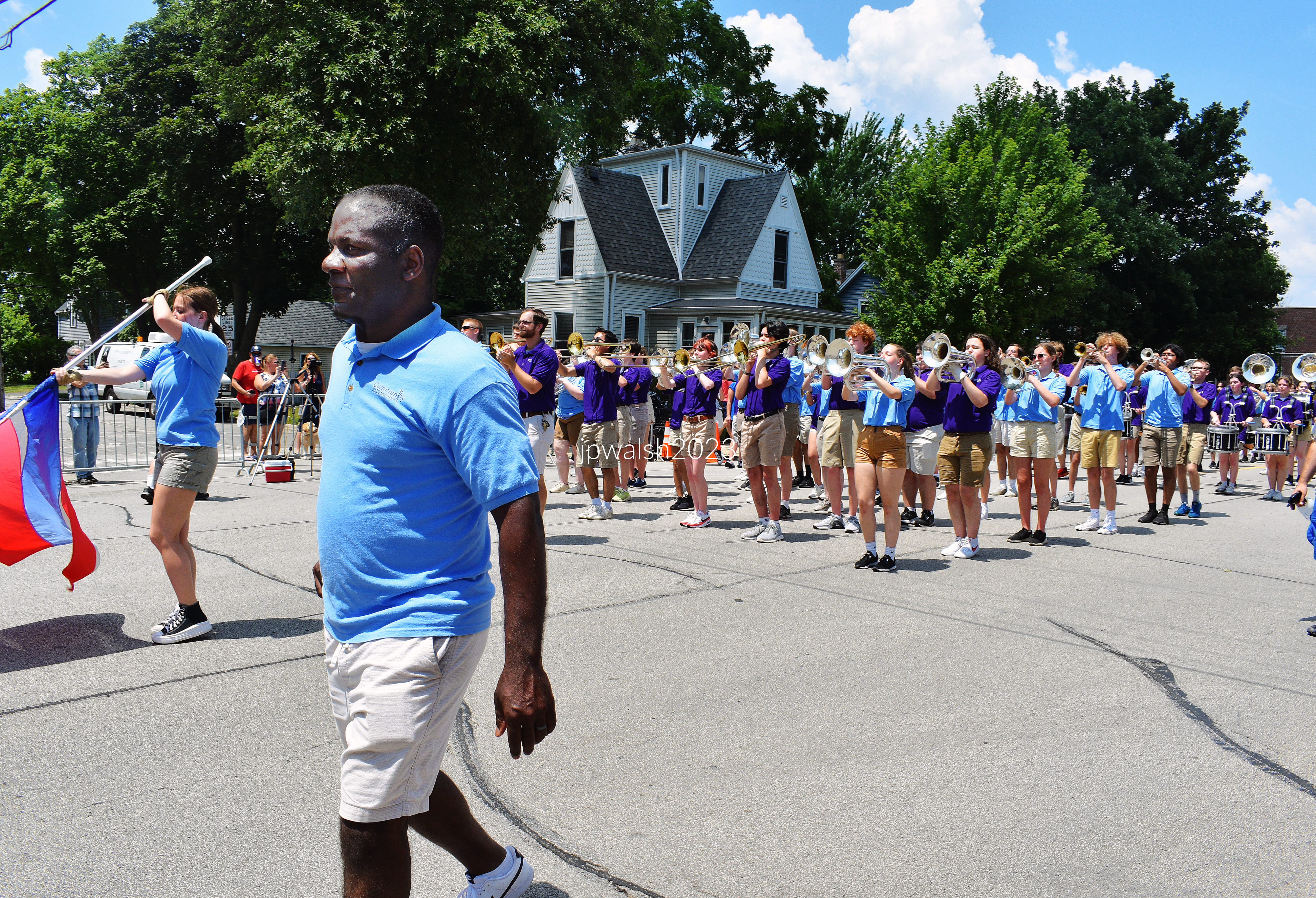
Brass lifting in the sun as the line of horns moves past and the crowd settles in along the curb, steady, bright, and fully tuned to the moment. 99% 7.34 mb DSC_9487
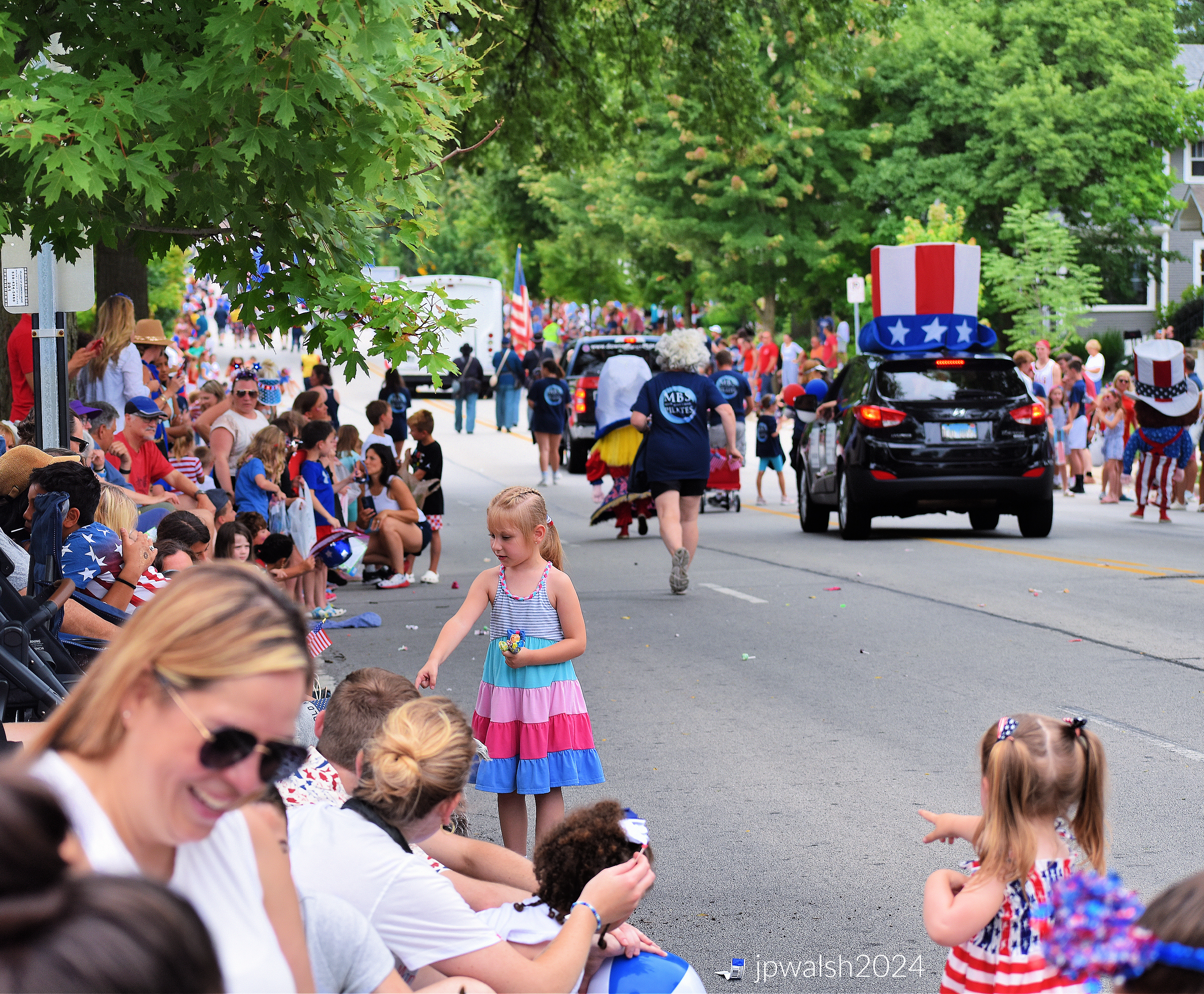
Happy 250th parade — a lively, steady moment of color and movement as floats advance and the community fills the street and lines the curbs. 99% 7.16mb DSC_9531
This explanatory article may be periodically updated.
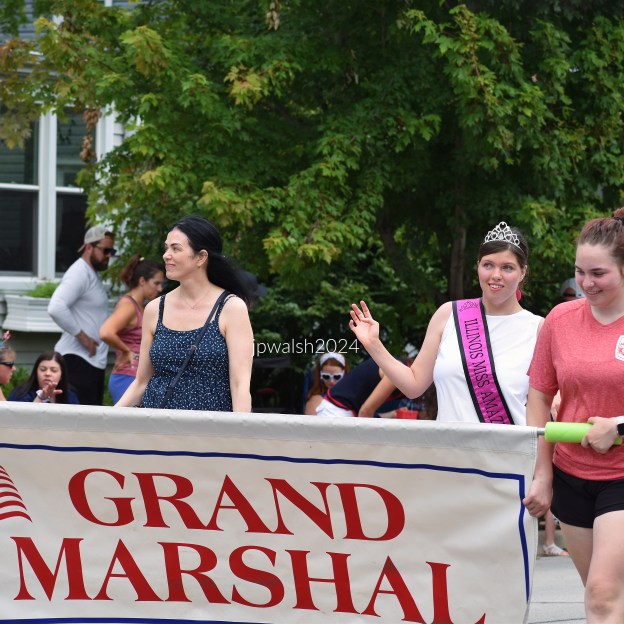
FEATURE image: Independence Day Parade 2024 was honored to have Kate, this year’s Illinois Miss Amazing Miss Queen, as the Grand Marshal. Miss Amazing, a national organization, provides opportunities for girls and women with disabilities across the nation to make for engagement at every level of society and that dismantles stereotypes and opens up pathways for personal growth and self-esteem.
Documents the 248th Anniversary of American Independence through the local community parade in Downers Grove, Illinois.
The planned demolition of the replica standing on the original site of Ray Kroc’s first McDonald’s franchise in Des Plaines, Illinois represents the potential loss of an important piece of American business, labor, automotive, and cultural history. What began as a single franchise opened on April 15, 1955, helped launch one of the world’s most influential restaurant chains, making the site’s preservation historically significant.
McDonald’s very first franchise restaurant on its original site, 1955 (replica, 1985). It is slated to be razed by McDonald’s Corporation immediately. Author’s photograph taken May 6, 2018.
By John P. Walsh
A closed-down weather-beaten replica of the very first McDonald’s franchise restaurant started by Ray Kroc (1902-1984) on April 15, 1955 standing on its original site in Des Plaines, Illinois, is slated to be demolished by McDonald’s Corporation with its land donated or possibly sold.
It was not long ago that McDonald’s touted that approximately one in every eight American workers had been employed by the company (Source: McDonald’s estimate in 1996) and that even today McDonald’s hires around 1 million workers in the U.S. every year. By 1961 there were 230 McDonald’s franchises in the United States. In 2017 there was 37, 241 McDonald’s restaurants worldwide. Not only historians and historic preservationists decry the imminent demolition of the first McDonald’s restaurant in Des Plaines, Illinois, just west of Chicago, but others impressed by its direct significance to the growth and impact to U.S. labor history as well as the American restaurant industry and American automotive culture in the post-World War II era. Further, McDonald’s restaurants today reach into 121 other countries around the world influencing and being influenced by global cuisine. That all of this cultural and business import was born on a now-threatened patch of land on Lee Street in Des Plaines, Illinois, is impressive.
Ray Kroc opened his first McDonald’s franchise in Des Plaines, Illinois, on April 15, 1955, on the site that would become synonymous with the chain’s expansion.
It appears that if and when McDonald’s follows through on its November 2017 decision to raze the building and give up the site, this originally-designed McDonald’s restaurant on Ray Kroc’s original site in Des Plaines will be forever lost. The story of how that planned demolition of this unique piece of Americana came to be began 35 years ago. It was on March 3, 1984 that after 29 years of continual operation the original franchise restaurant on the original site was permanently closed and demolished. Founder and former McDonald’s Corporation chairman Ray Kroc had died less than six weeks before in January 1984 at 81 years old in San Diego, California.
The McDonald’s restaurant brand opened its first burger bar called McDonald’s Bar-B-Q in California in 1940 – and, by 1953, brothers Maurice and Richard McDonald started a small franchise business in Phoenix, Arizona and Downey, California. Today’s nationwide and global franchise empire that serves 75 burgers every second (Source: McDonald’s Operations and Training Manual) began when Oak Park, Illinois-born Ray Kroc, a paper-cup-turned-milkshake-machine salesman, convinced the McDonald brothers to let him franchise their business nationwide. Kroc offered to manage the franchises in the U.S., excepting the brothers’ first franchises in Arizona and California, and the pair were to receive a tiny percentage of gross sales nationwide in return.
The structure slated for demolition was a 1985 replica built on the original location after the original restaurant was demolished in 1984.
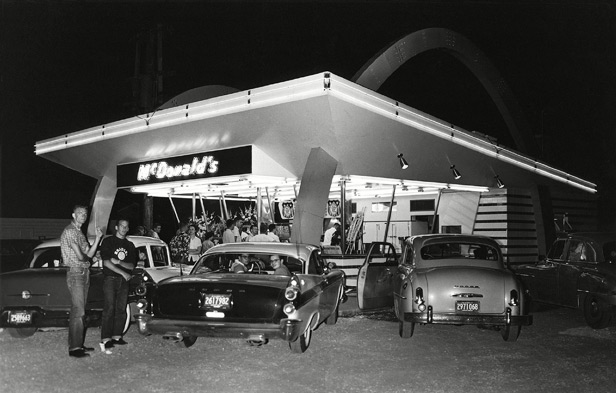
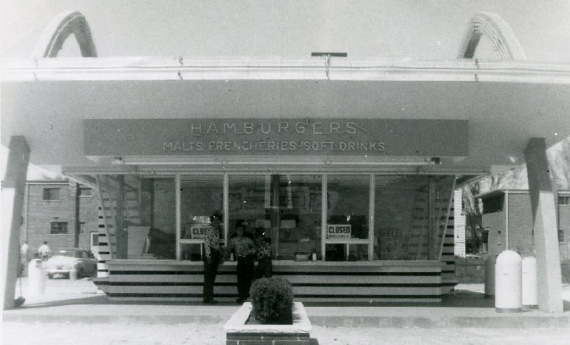
Historic photograph from 1955 of the original Des Plaines McDonald’s restaurant which was demolished in 1984. A replica restaurant was built in 1985 based on architectural plans of later McDonald’s restaurants. That replica on the historic site is awaiting immediate demolition announced by McDonald’s in late 2017. Fair Use.
Kroc’s first walk-up franchise McDonald’s restaurant at the “Five Corners” intersection in Des Plaines, Illinois, served an assembly-line format menu of hamburgers, cheeseburgers, french fries and a selection of drinks. In 1955, he founded McDonald’s System, Inc., a predecessor of the McDonald’s Corporation, and six years later bought the exclusive rights to the McDonald’s name and operating system. By 1961, Ray Kroc’s vision had clearly paid off for the now 59-year-old former paper cup salesman. That same year, Kroc bought out the McDonald brothers for $2.7 million and launched his strict training program, later called “Hamburger University, ” in nearby Elk Grove Village, Illinois, at another of his 230 new McDonald’s restaurants. Ray Kroc’s original vision was that there should be 1,000 McDonald’s restaurants in the United States. When Kroc died in January 1984, his goal had been exceeded six fold — there were 6,000 McDonald’s restaurants in the U.S. and internationally in 1980.
By 1961, there were 230 McDonald’s franchises, demonstrating the rapid success of Kroc’s franchising model.
The Des Plaines suburban location of Ray Kroc’s very first McDonald’s franchise retains its relatively humble setting even as the McDonald’s Corporation it spawned earns $27 billion in annual sales making it the 90th-largest economy in the world (Source: SEC). Kroc, the milkshake machine salesman who convinced the McDonald brothers to let him franchise their fast-food operation nationwide, saw his original McDonald’s franchise at 400 Lee St. in Des Plaines open for business until, shortly after his death, it closed on Saturday, March 3, 1984.
Ray Kroc (1902-1984) photographed with an artist’s rendering of his highly successful McDonald’s franchise restaurant. The franchise started in Des Plaines, Illinois, in April 1955 and has had a significant impact on U.S. labor history and the American restaurant industry and automotive culture in the post-World war II era. Fair Use.
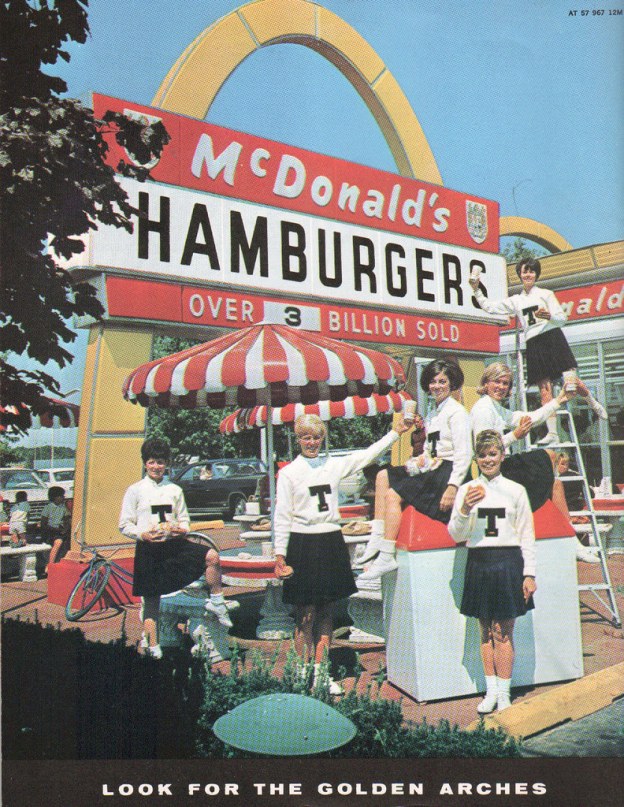
In 1984 there were no plans to preserve the site – its golden arches and road sign had been carted away – but a public outcry prompted McDonald’s in 1985 to return the restaurant’s restored original sign designed by Andrew Bork and Joe Sicuro of Laco Signs of Libertyville, Illinois, and dedicate a restaurant replica that still exists today on the original site though it is now slated for demolition. The historic red neon-lettered sign turned on for the opening of Kroc’s first store on April 15, 1955 – there is one similar to it preserved in The Henry Ford museum in Dearborn, Michigan dating from 1960 – proclaimed “McDonald’s Hamburgers” and “We Have Sold Over 1 Million” and, intersecting with an iconic golden arch displayed a neon-animated “Speedee” chef, the fast food chain’s original mascot. (The clown figure of Ronald McDonald first appeared in 1963).
Newspaper advertisement announcing the opening of Ray Kroc’s first McDonald’s in Des Plaines, Illinois, in 1955. It featured the franchise’s first mascot, Speedee, who was significant to the assembly-line format menu and prevailing automobile culture. Fair Use.
Historic photograph of Ray Kroc’s first McDonald’s restaurant in Des Plaines, Illinois, on opening day, April 15, 1955. Fair Use.
The replica of McDonald’s first franchise restaurant is missing its golden arches, “McDonald’s” sign over the entrance and its original 1955 Speedee neon lettered sign. They were dismantled and removed in January 2018 by McDonald’s to an undisclosed location out of public view. Photo by author, May 6, 2018.
The day after the original restaurant closed – Sunday, March 4, 1984 – a McDonald’s restaurant franchise moved across the street into a state-of-the-art new building on a site that once accommodated a Howard Johnson’s and, after that, a Ground Round. The full-service McDonald’s in Des Plaines, Illinois, today continues to operate out of that 1984 building. It may confuse the visitor which exactly is the original site of the first McDonald’s as the newer 1984 building not on the first site displays inside a high-relief metal sign that reads: “The national chain of McDonald’s was born on this spot with the opening of this restaurant.” Though undated, it is signed by Ray Kroc which points to it being brought over from the original restaurant when it was closed. At the replica restaurant on the original site two metal plaques (dated April 15, 1985) properly proclaim: “Ray A. Kroc, founder of McDonald’s Corporation, opened his first McDonald’s franchise (the ninth McDonald’s drive-in in the U.S.) on this site, April 15, 1955.”
The Des Plaines location symbolizes the beginning of a business that expanded into a global restaurant empire.
A few months after the first franchise restaurant was closed and demolished in 1984, the parcel of land on which it sat – it had only always been leased since 1955 – was purchased by McDonald’s at the same time they announced plans for the replica landmark restaurant.
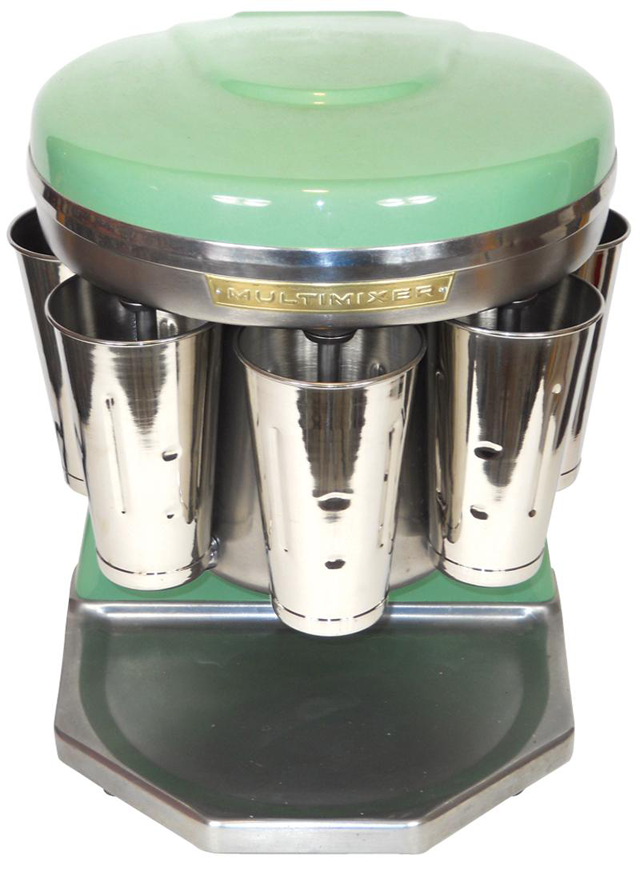
The original architectural plans by architect Robert Stauber from the mid1950’s were lost, so 1980’s planners applied architectural drawings of McDonald’s restaurants built in the late 1950’s for the replica. Its kitchen included refurbished equipment brought out of storage, including the restaurant’s original six-foot grill. It also displayed one of Ray Kroc’s original multimixers like the ones he sold to Maurice and Richard McDonald that started a fast-food partnership in the 1950’s which by the mid-1960’s inspired many well-known copy cats of McDonald’s model, including Burger King, Burger Chef, Arbys, KFC, and Hardee’s.
Soda fountain multimixer. Fair Use.
Public outcry previously led to preservation efforts, including the construction of the replica and restoration of historic signage. Repeated flooding from the nearby Des Plaines River contributed to concerns about maintaining the site.
The original restaurant had been remodeled several times during its almost 30 years of operation but never had much in the way of indoor seating or a drive-through. It did feature a basement and furnace built for Chicago’s four seasons and was used by the replica museum to exhibit items. The McDonald’s Museum was open for tours until September 2008 when the site experienced record-setting flooding from the nearby Des Plaines River. In April 2013 another record flood in Des Plaines submerged the McDonald’s Museum and produced serious speculation that the site would be moved or permanently closed.
An aerial view during the April 2013 Des Plaines River flood shows the partially submerged replica first McDonald’s franchise restaurant (at right) with its original Speedee neon sign. Thesign was first lit on April 15, 1955, a Friday Night. Photo: Chris Walker, Chicago Tribune, April 19, 2013. Fair Use.
In mid-July 2017, only four years since the last significant flood, the area experienced its worst flooding on record. In November 2017 McDonald’s announced it would raze the replica restaurant structure and by May 2018 the site had had its utilities disconnected and its golden arches, Speedee sign, and main entrance McDonald’s sign dismantled and removed. These historically valuable items were taken by McDonald’s out of public view to an undisclosed location. Once again, and this time more seriously it appears, the prospect of pleas by Des Plaines municipal authorities, historic preservationists, social media and others for McDonald’s Corporation to preserve the site intact is murky at best.
The site is a unique piece of Americana whose loss would erase a tangible connection to one of the most influential business stories of the 20th century. It has significance even beyond McDonald’s, touching on American labor history, restaurant culture, and postwar automobile culture.
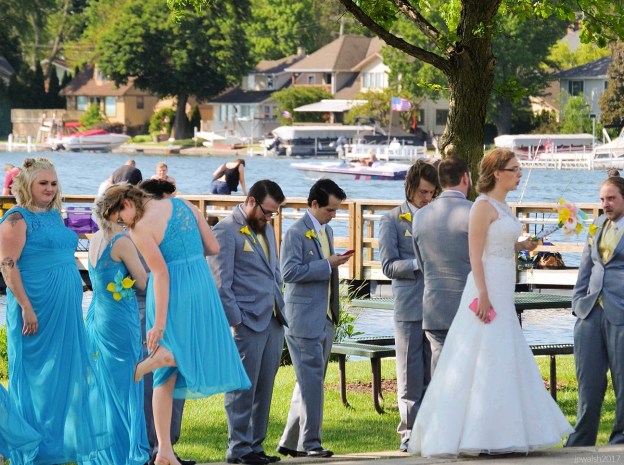
FEATURE Image: June 2017. Pewaukee, WI. Wedding party.
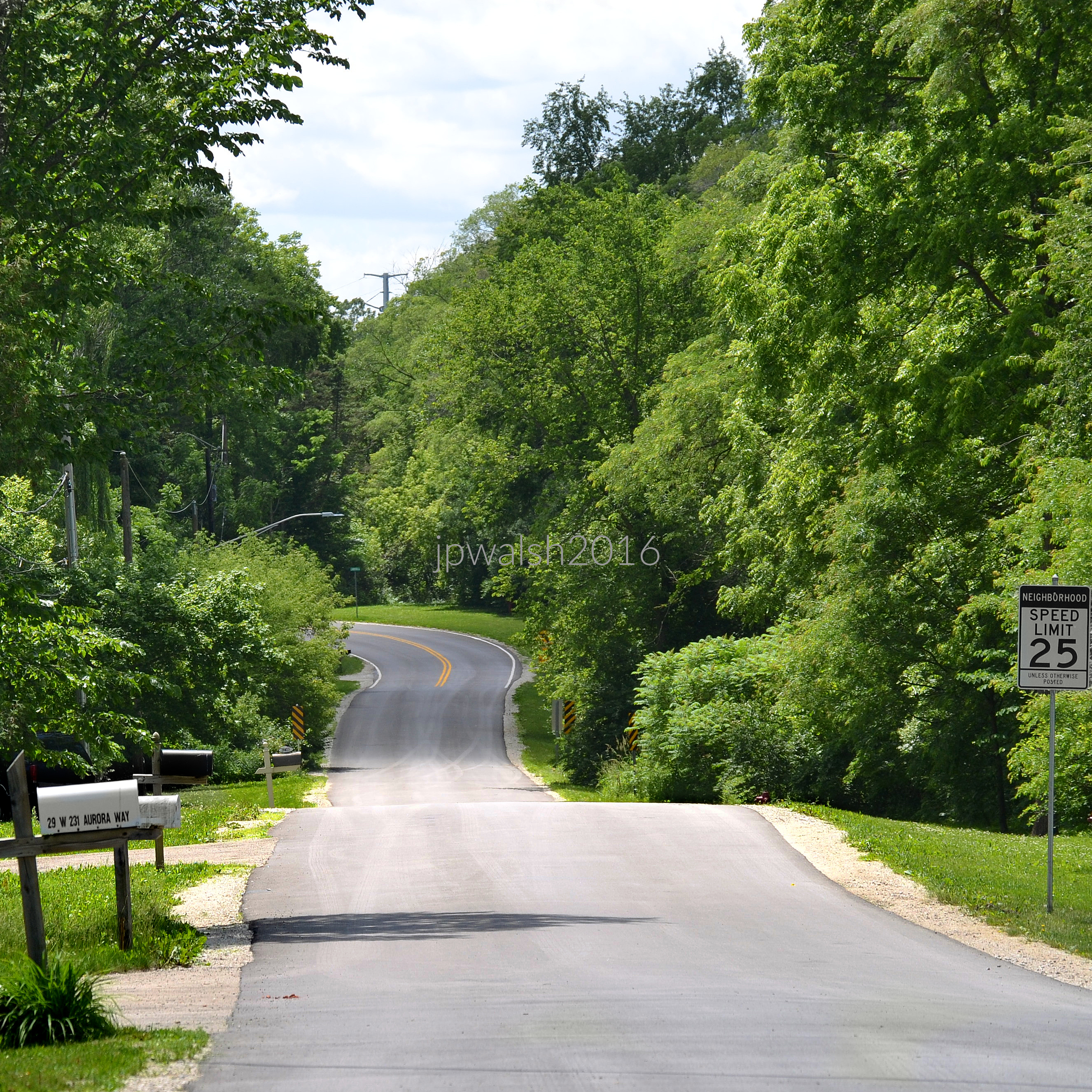
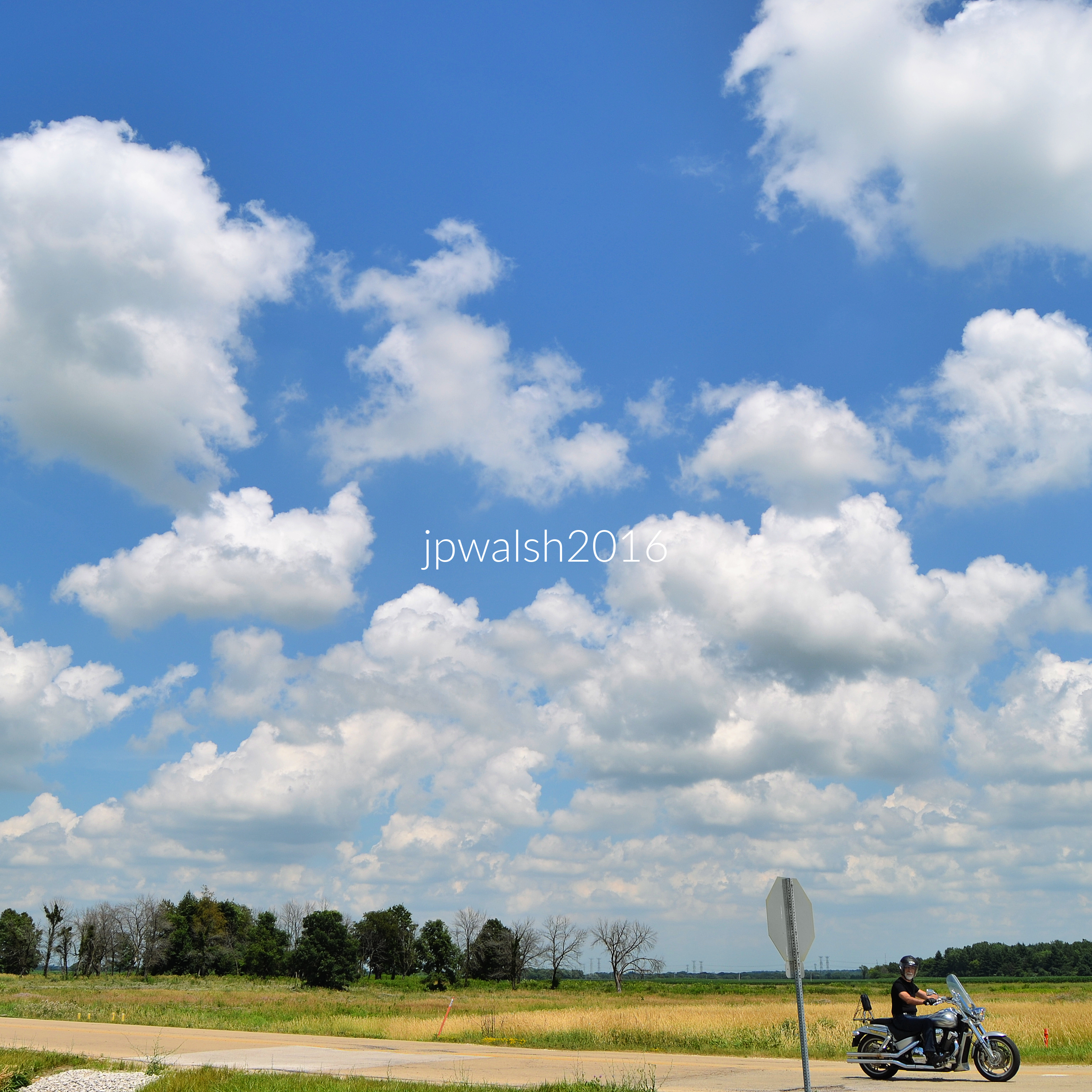
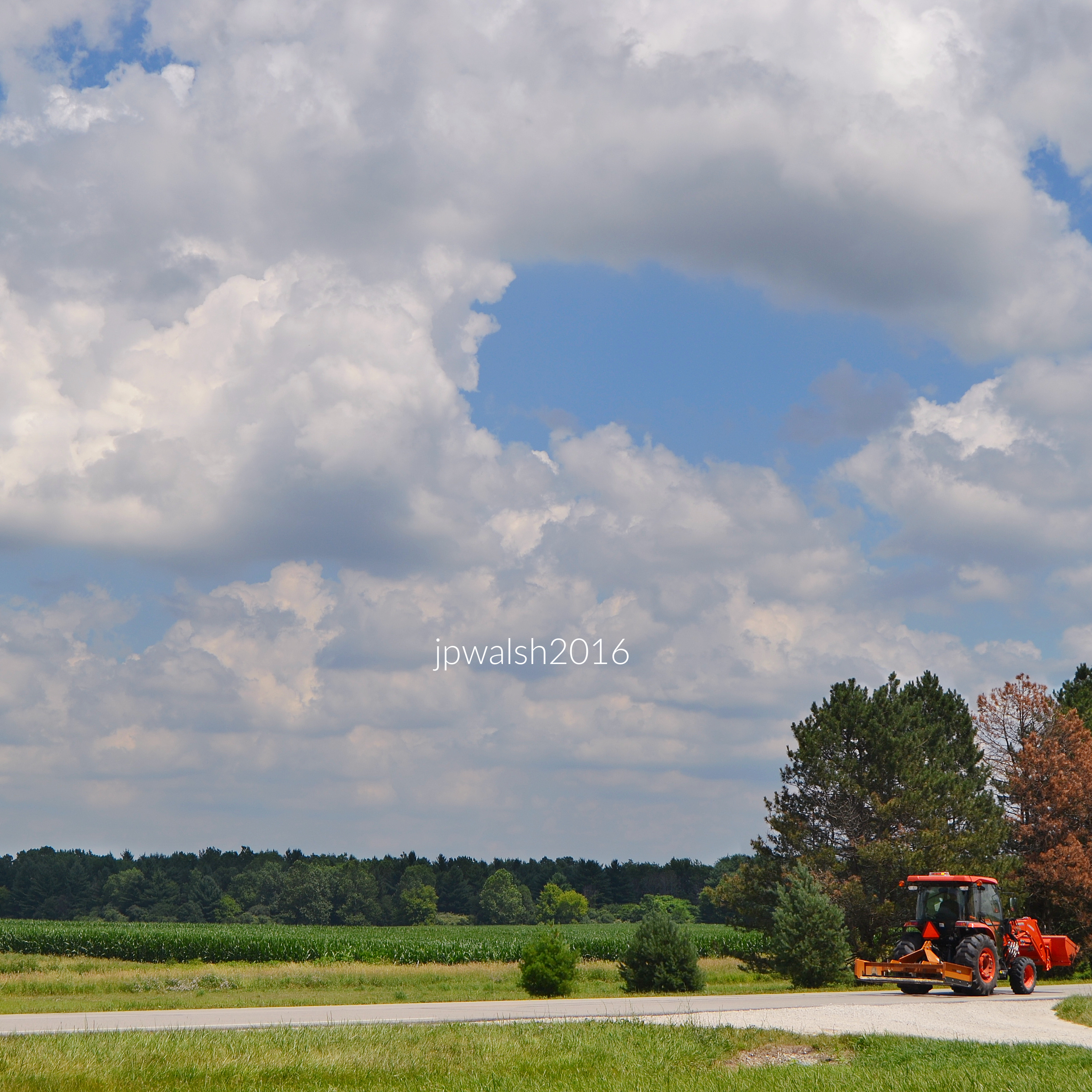
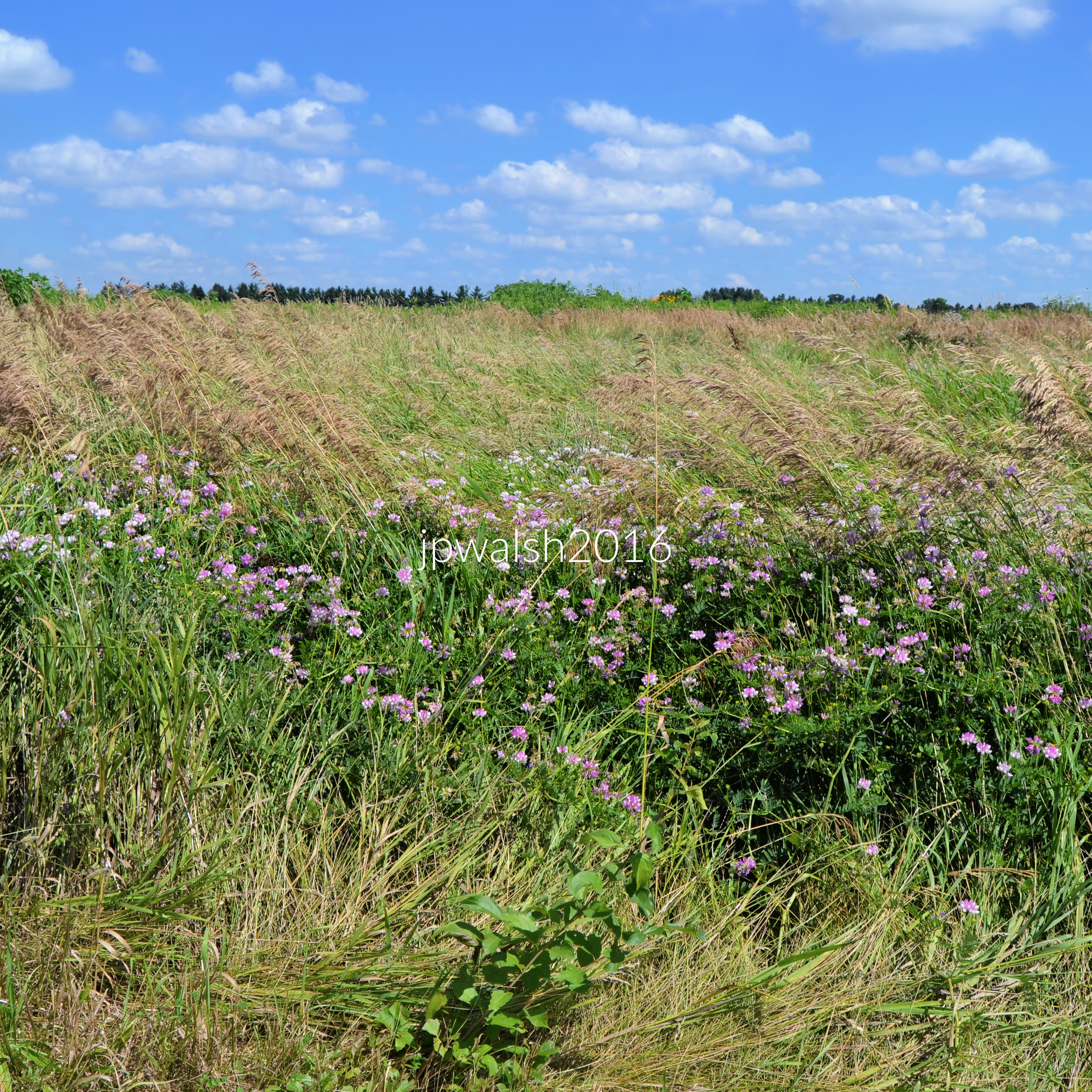
Midwest roads provide a pathway into the history, culture, landscapes, and everyday experiences that define America’s heartland.
All photographs and text by John P. Walsh.
July 2017. LaSalle Co., IL. 1964 Ford Galaxie 500XL Convertible.May 2024. DeKalb Co., IL. 5.22 mb _6595 (1)
Introduction.
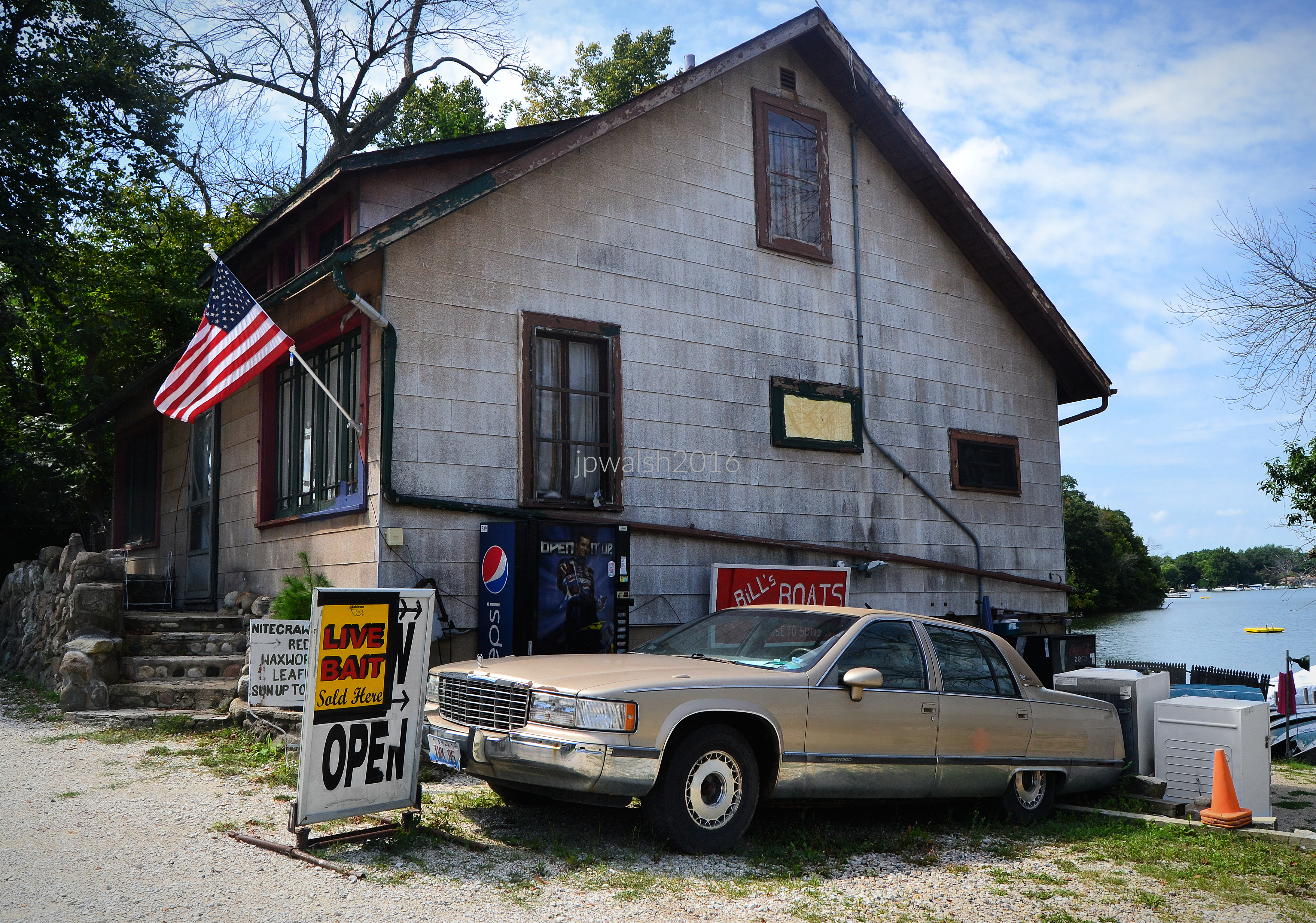
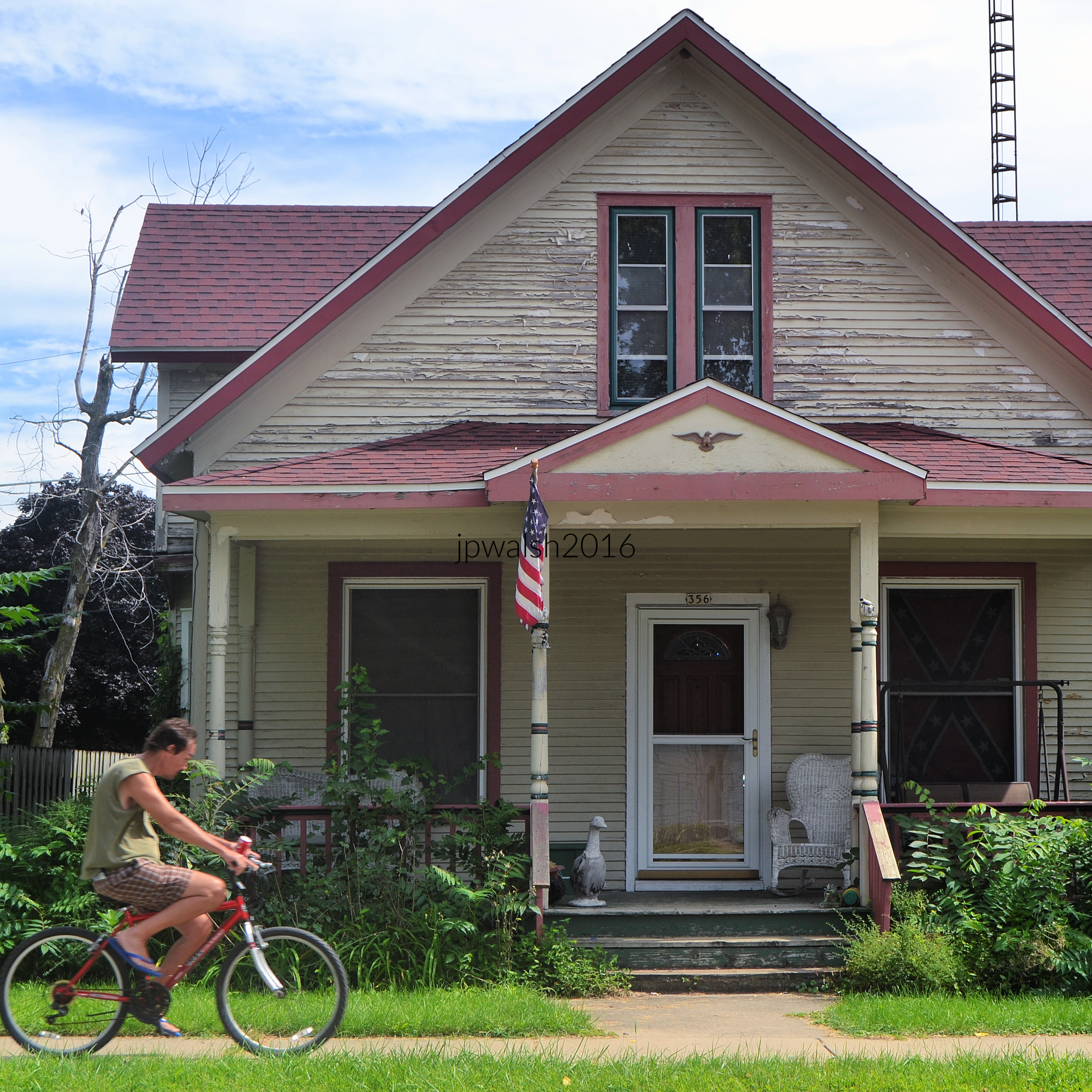
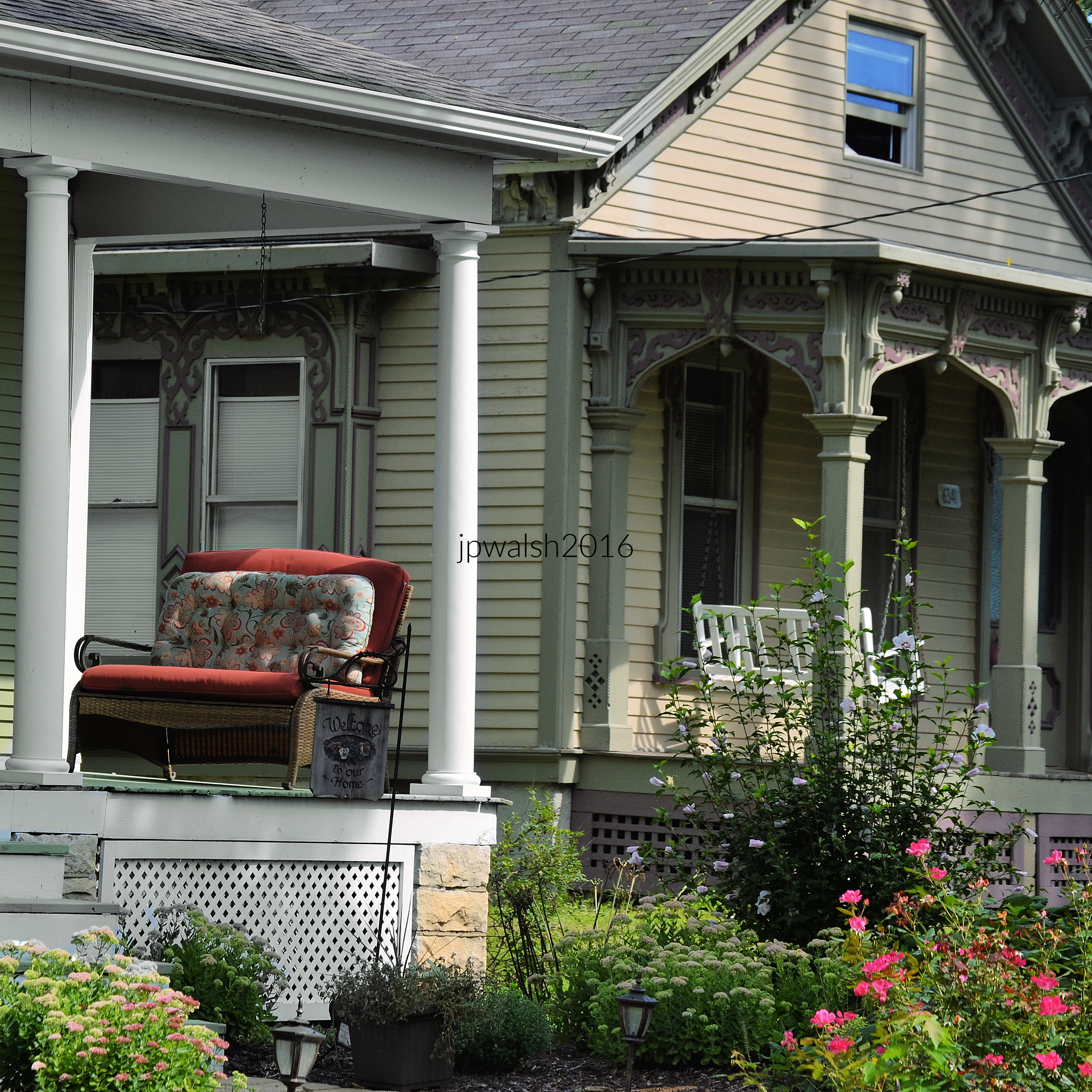
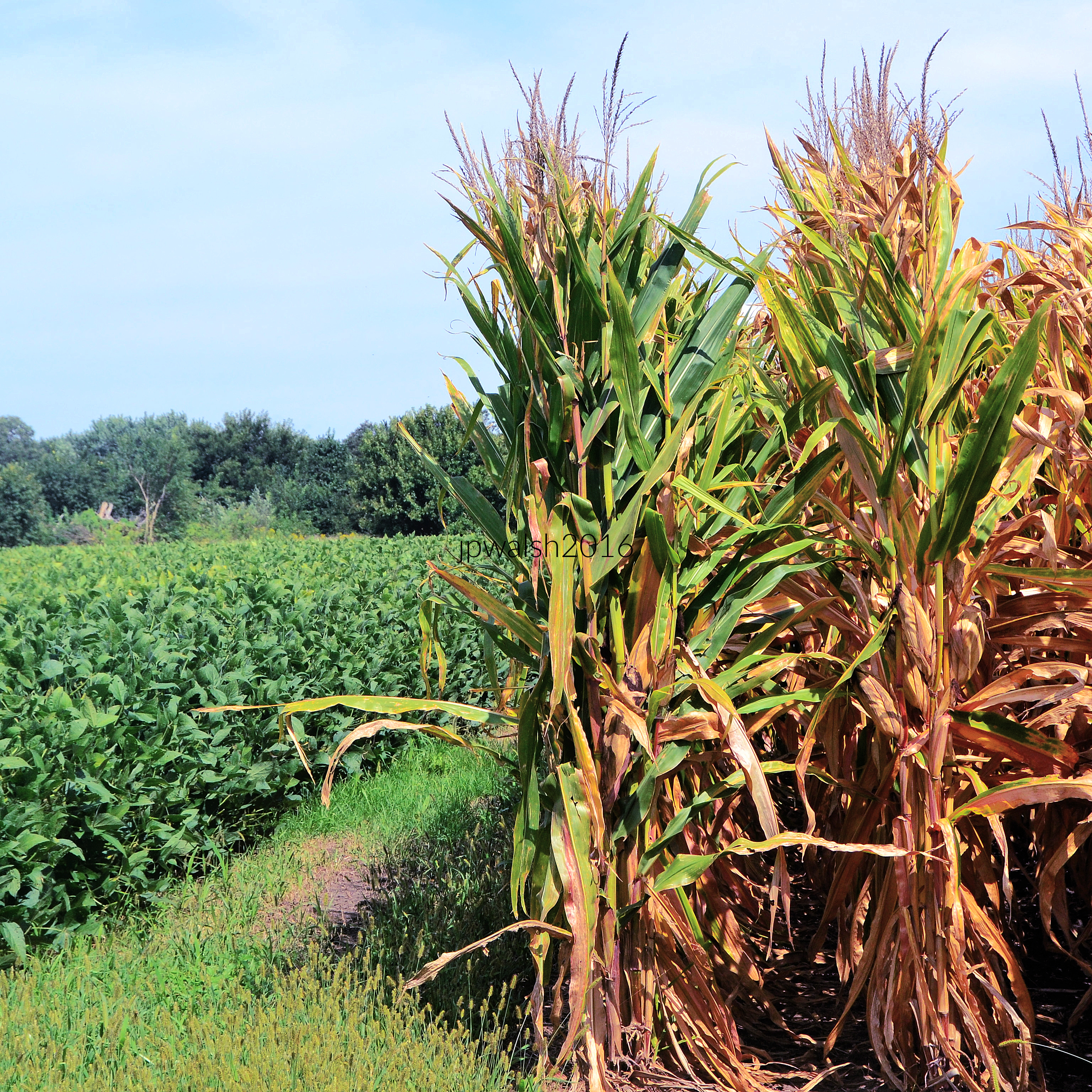
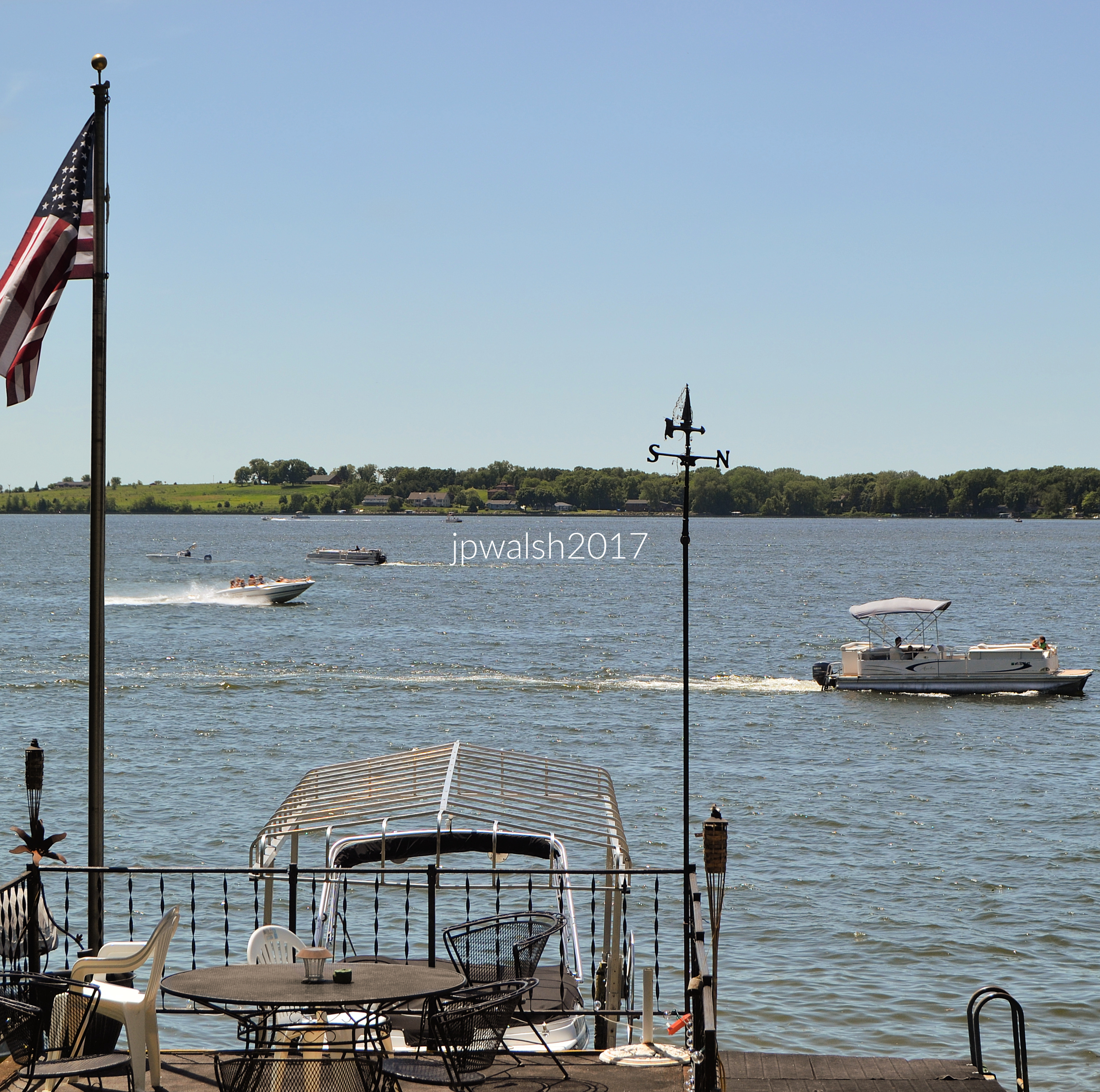
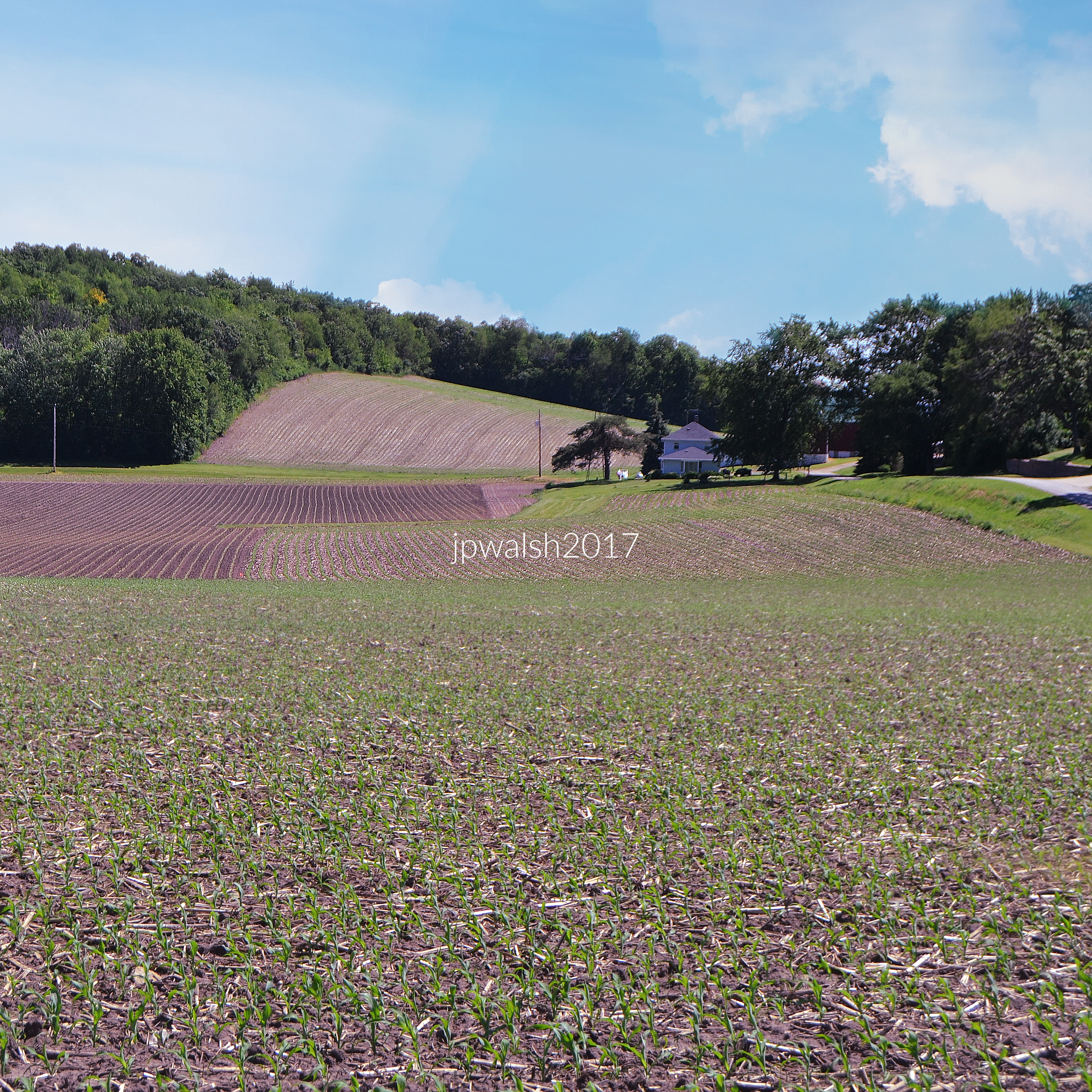
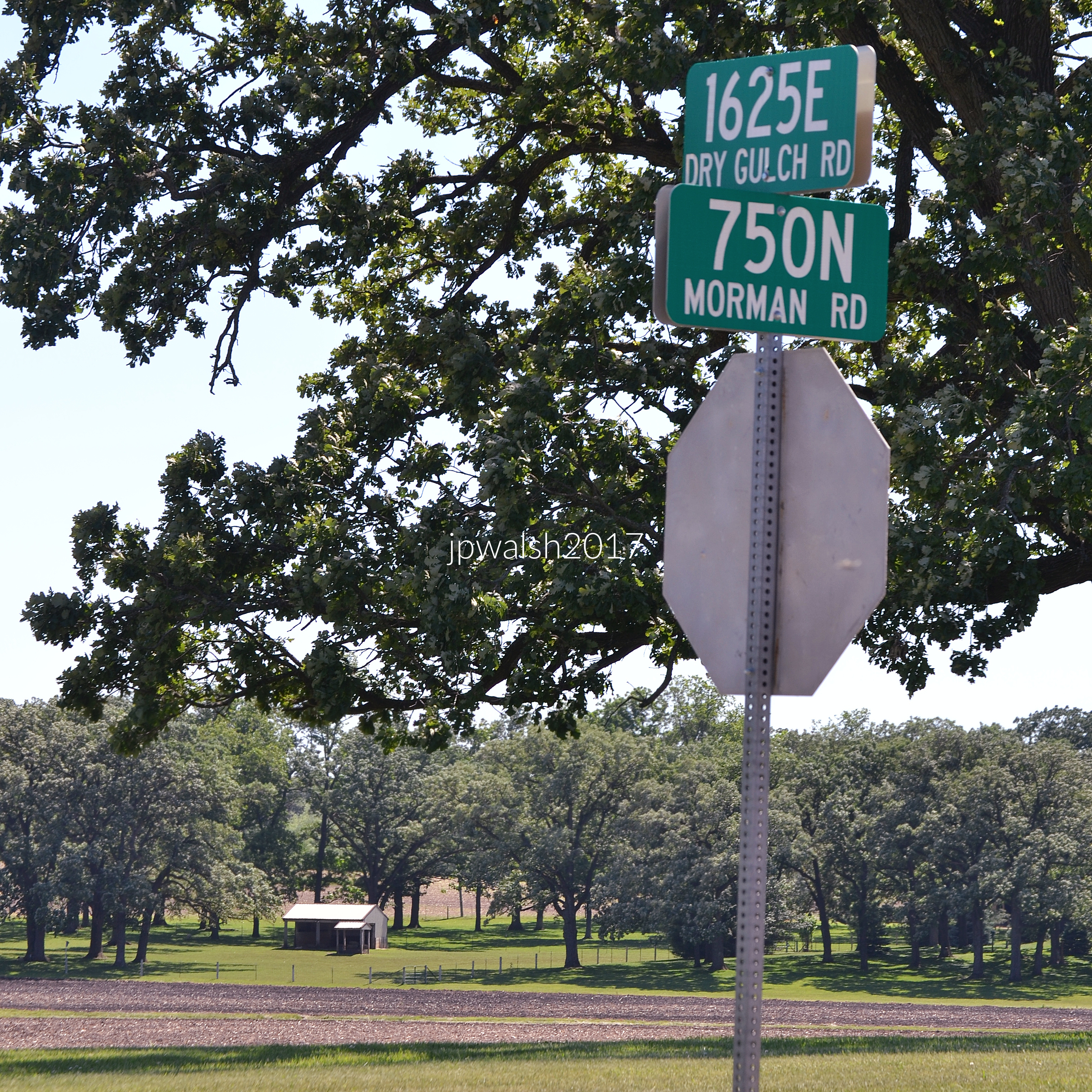
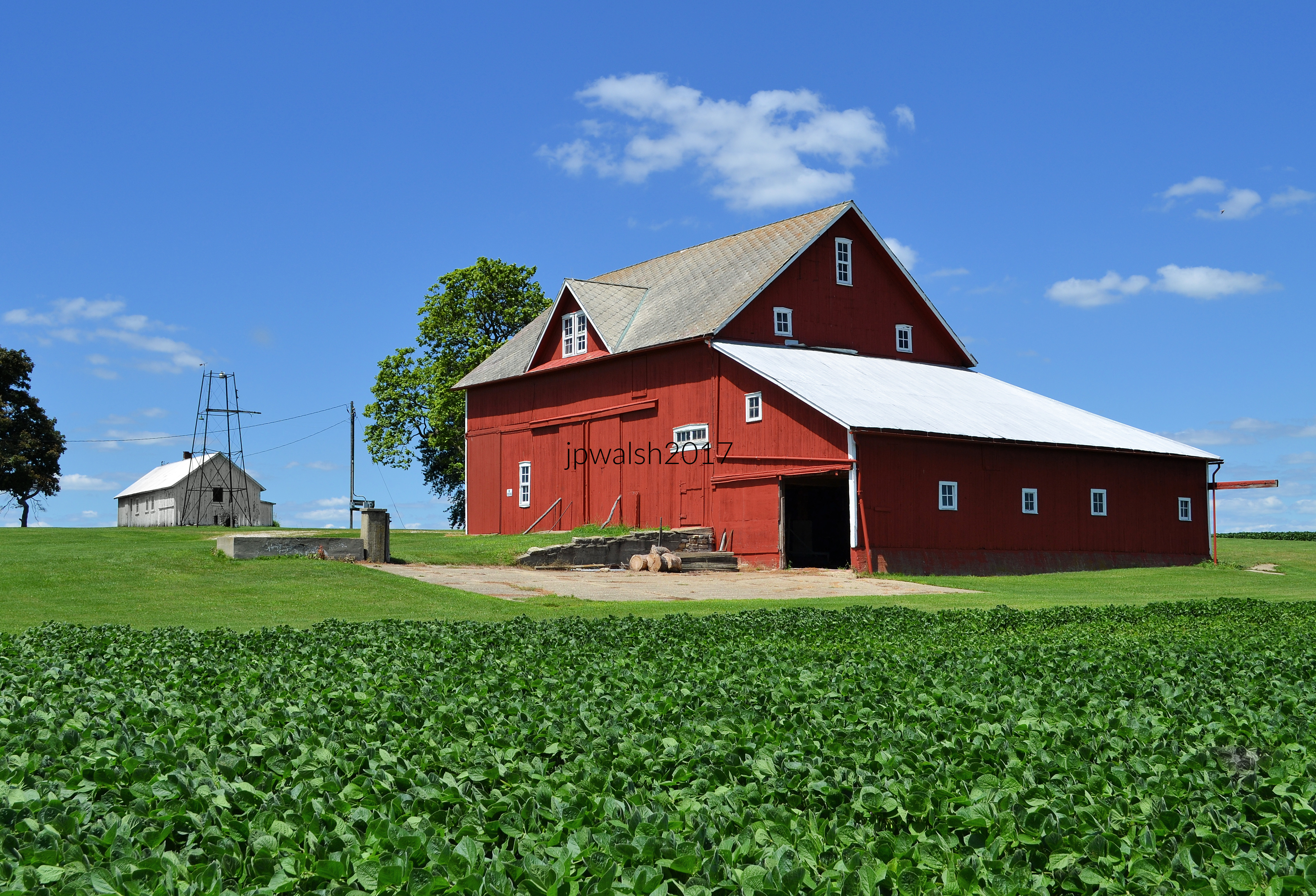
Here are some of my photographs featuring the people, places, and things I have seen on today’s U.S. Midwest roads.
I have a personal affinity and affection for the American Midwest. I grew up in Chicago and its suburbs, and went to school here and live here today. My family has been in Illinois since at least the 1830s.
Growing up in the Midwest, my experiences included family, friends, diverse outings, engaging jobs, and being married here. I love to explore this vast region that’s rightly called “The Heart of America.”
Memories of the Middle West — its sights, sounds, smells, and tastes — and mostly in Illinois, Wisconsin, Indiana and Michigan — are the mother’s milk of my life. In steamy summers, multi-colored autumns, ice-bitten winters, and flowering, reawakening springs to get outside to walk and ride on Midwest roads are pure adventure, then and now.
The American Midwest is filled with human stories and diverse and awesome natural beauty. There is timeless nostalgia, and, if such things don’t entice for the moment, unexpected curiosities.
For those who love it, the Midwest terrain carries all Edgar Lee Masters (1868-1950) spoke on in his last major book, The Sangamon. There is “magic in that soil, in the plains, the borders of forest, the oak trees on the hills,” the poet wrote. Masters was sure that “if you should drive through (this region)…strange dreams would come to you, and moreover those dreams would tally with mine.”
The region continues to offer the sightseer magical things. This includes its primordial aspects, such as animals, birds, natural outcroppings and waterways, as well as impressive remnants of Native American mound-building culture from the Midwest’s southern to northern reaches.
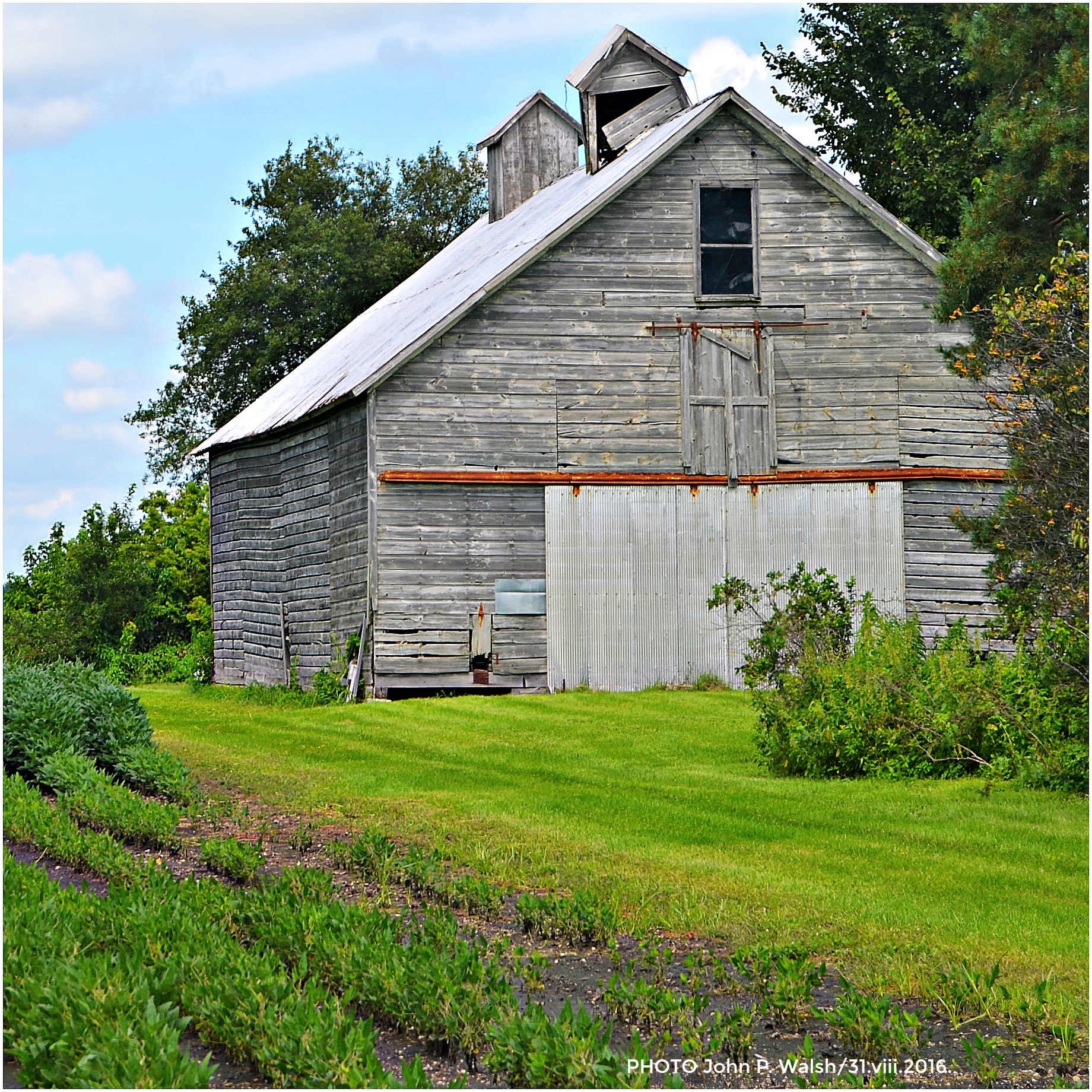
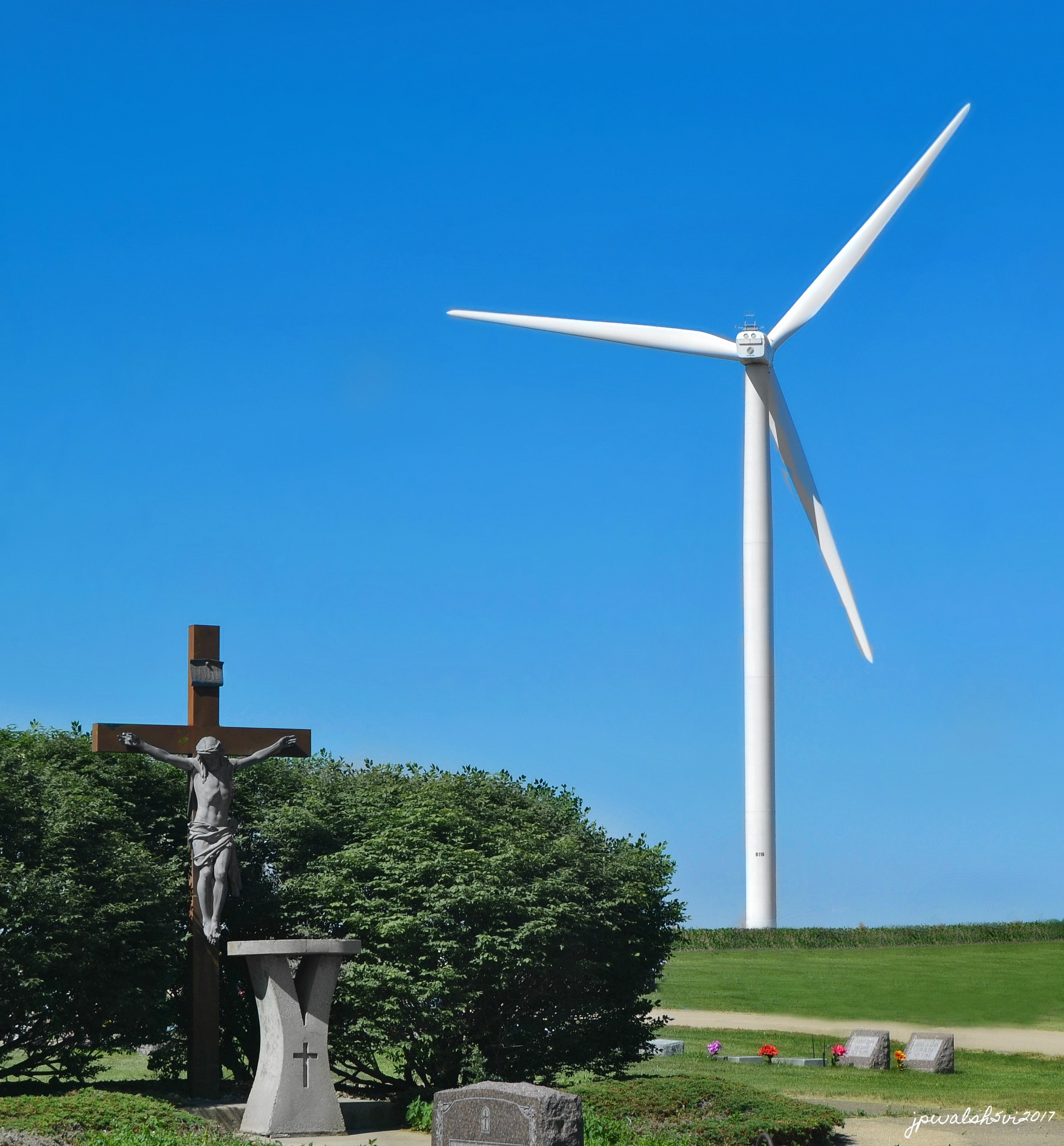
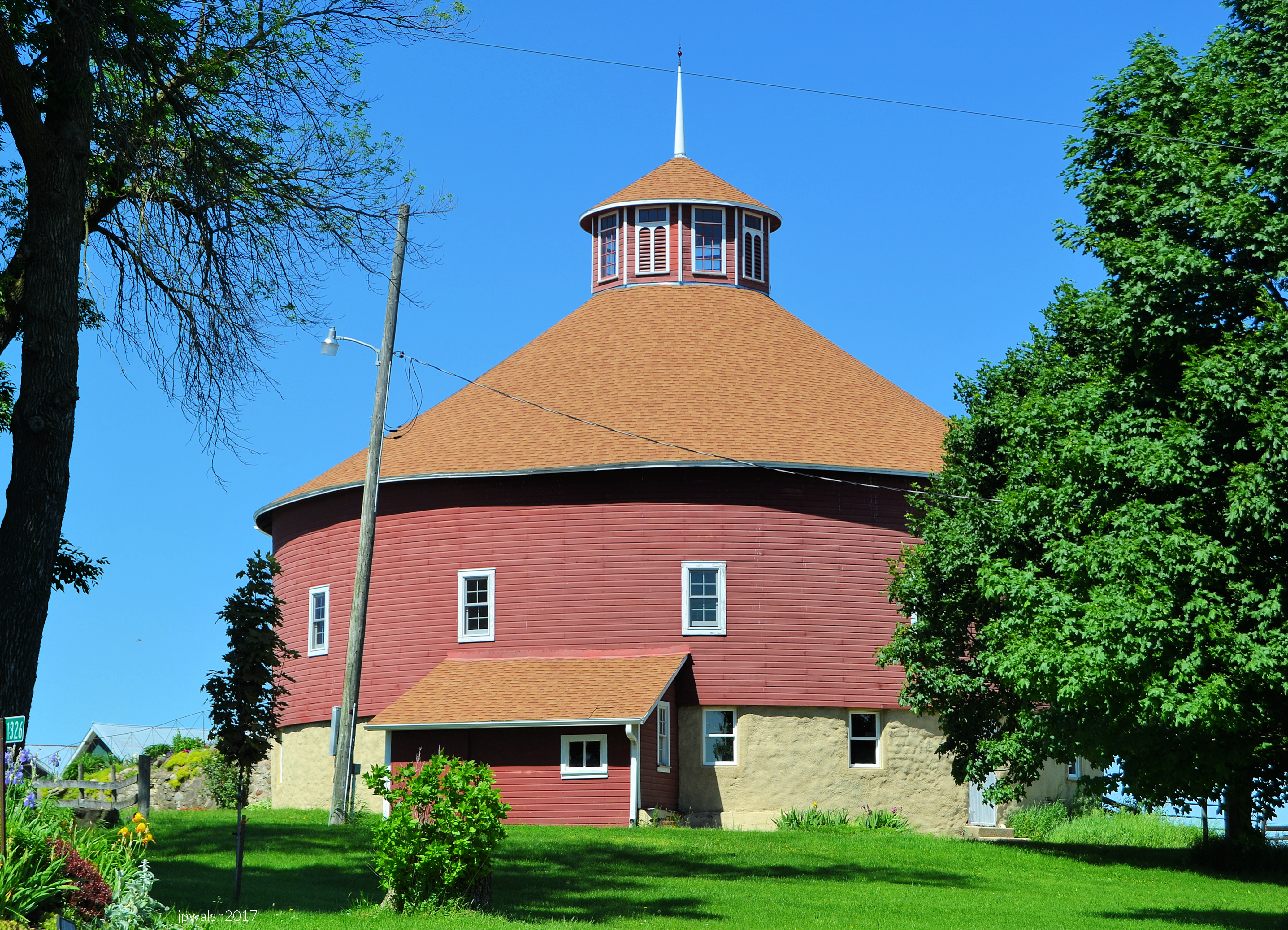
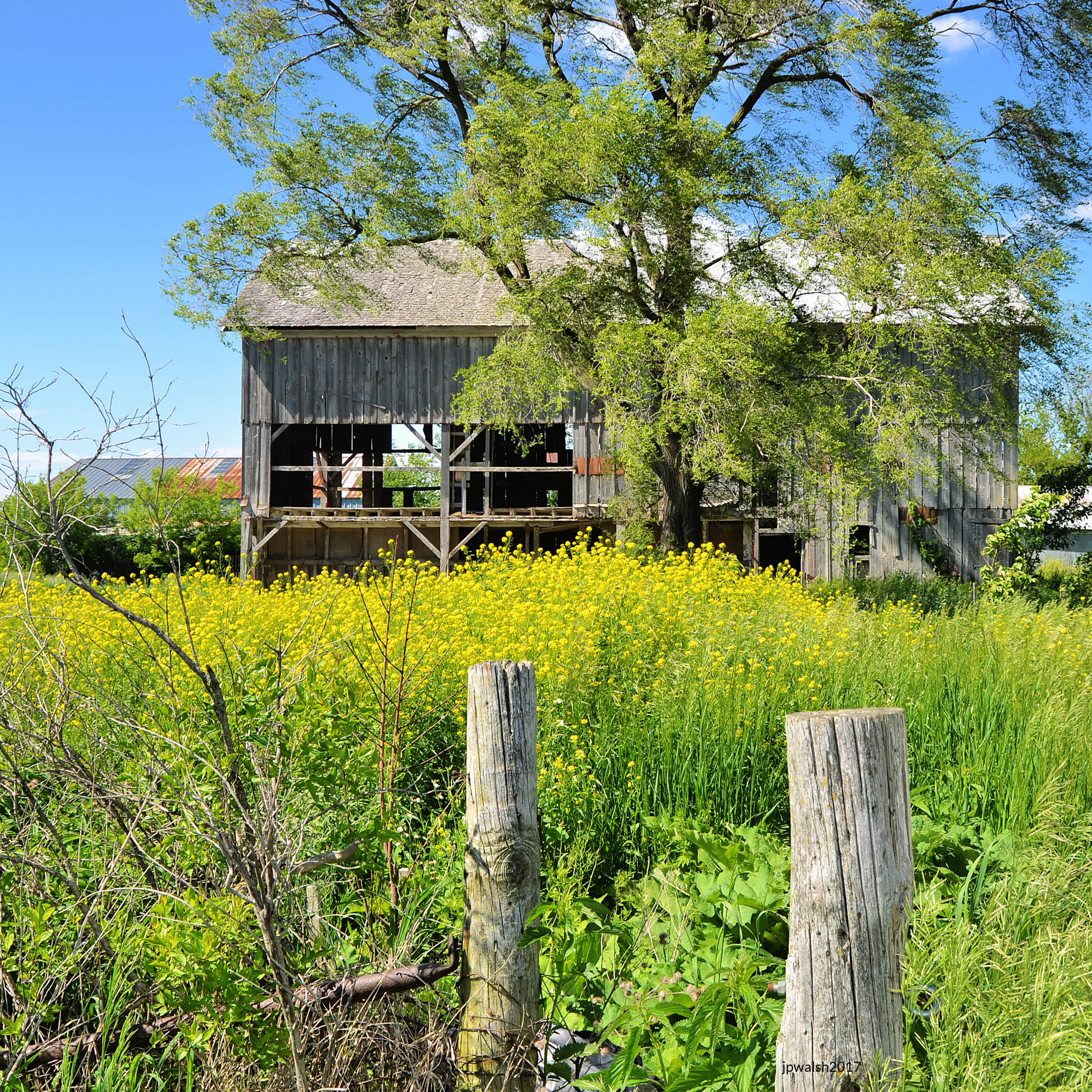
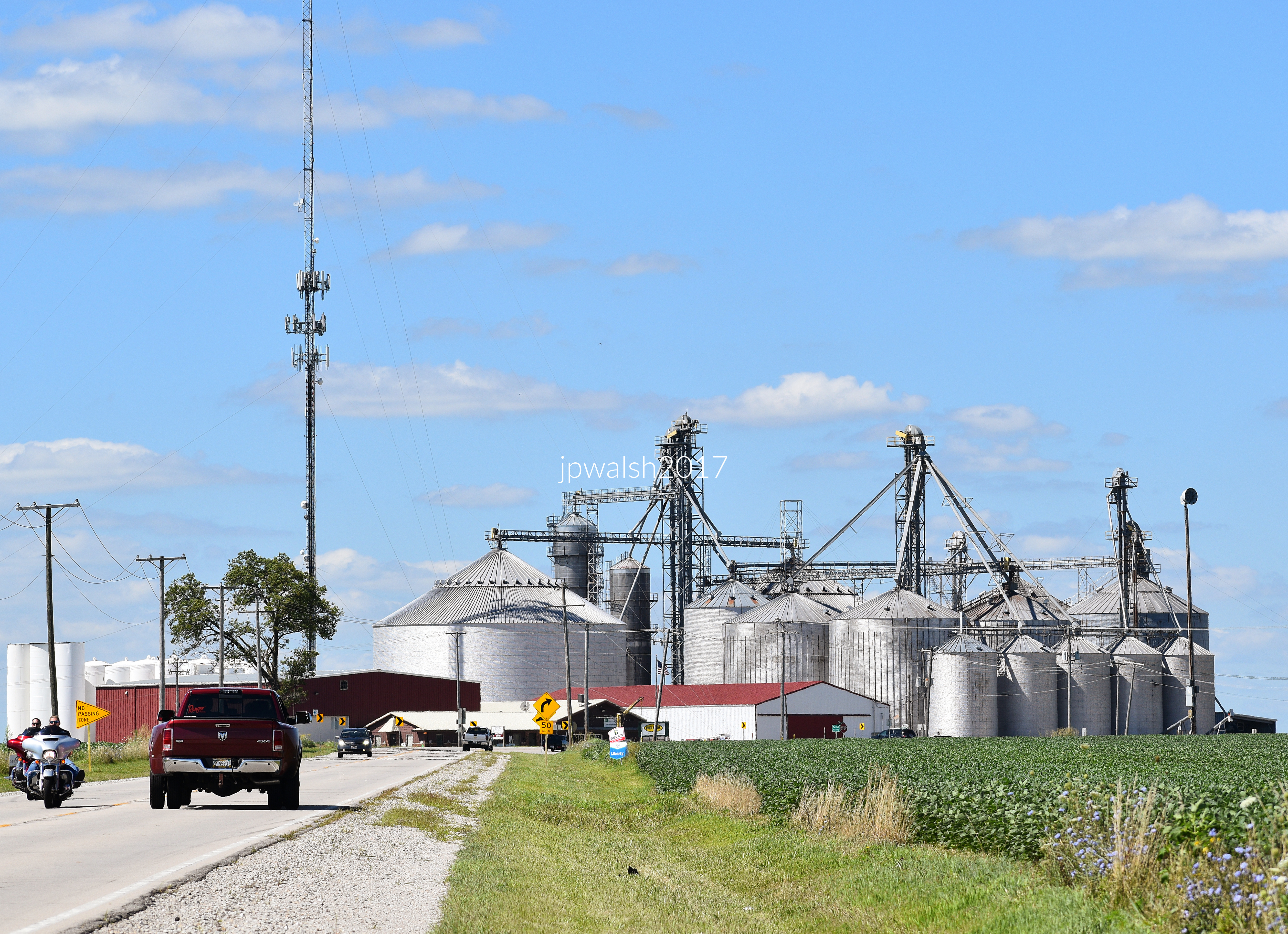
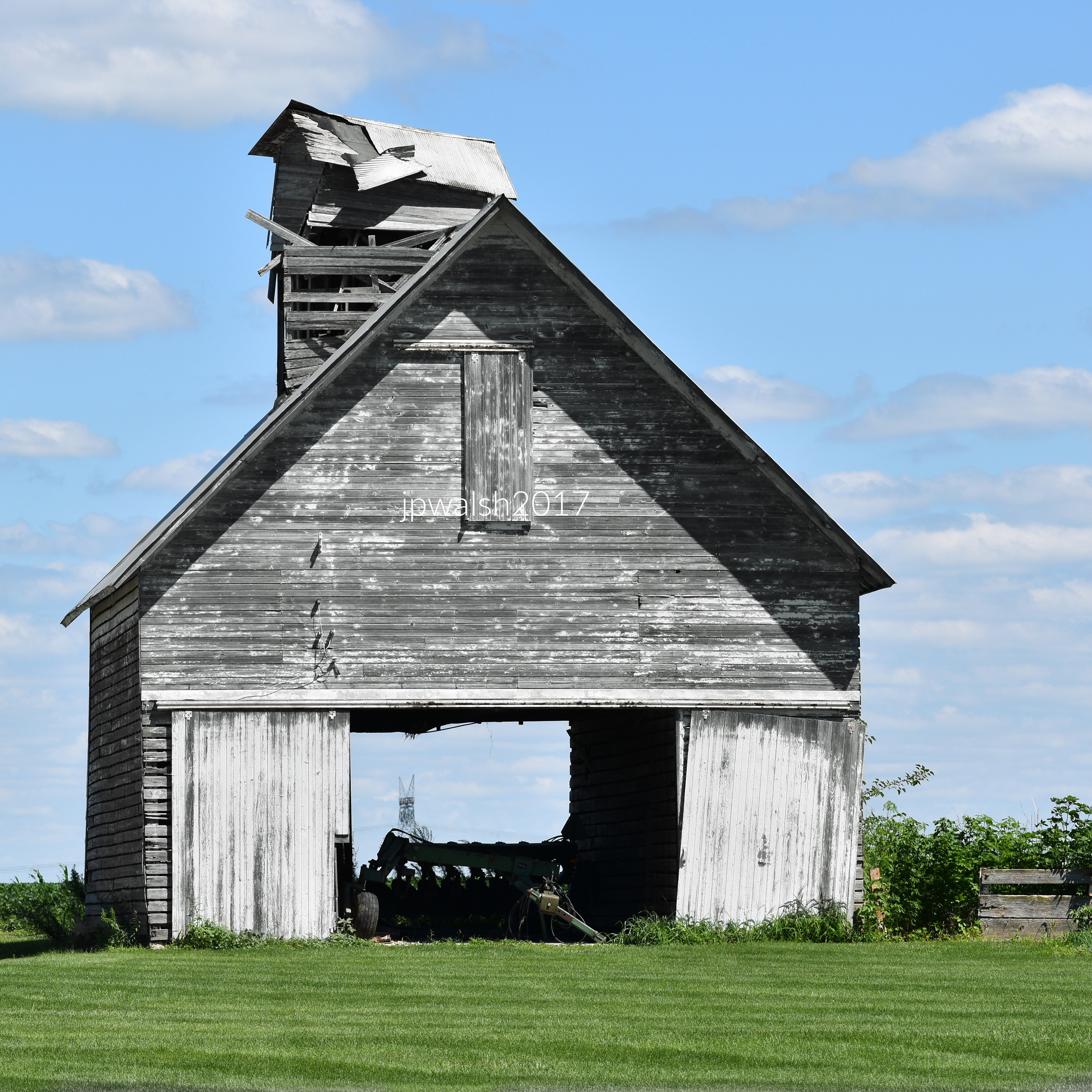
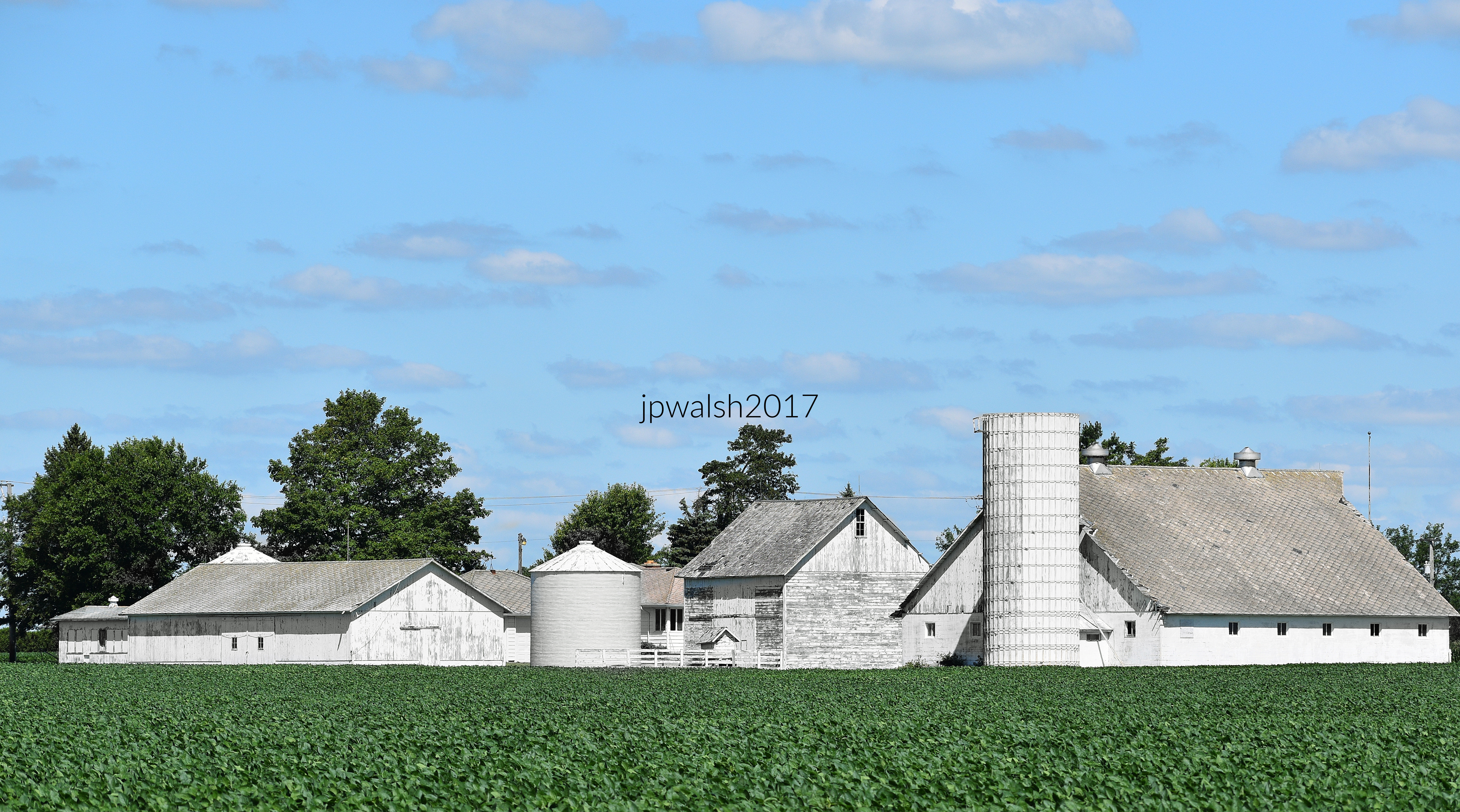
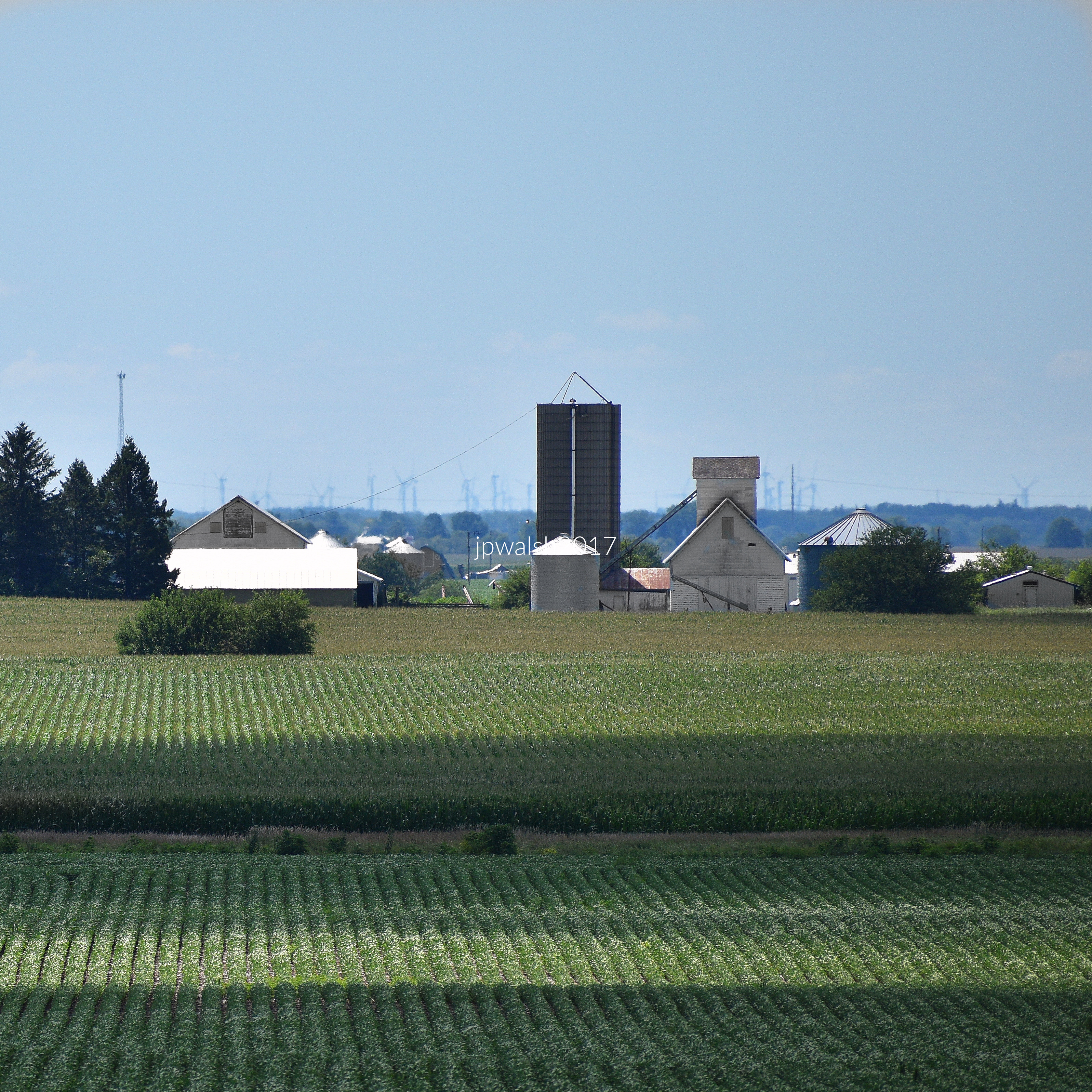
Edgar Lee Masters understood that it is the Midwest’s people – often defined as individualistic, hospitable, diverse, industrious, good-willed, courageous and independent – who imbue the region its greatest distinction. It is a populace and setting that, despite various economic setbacks and pockets of unfortunate decline, build and display what is often photographed on Midwest roads: historic canals, roads, barns and farms, houses. In the 21st century new things of interest can be seen on Midwest roads such as cellphone towers and wind turbines as older things, like barns and even some towns, decay or disappear.
Many famous American and international figures have lived and traveled on Midwest roads such as U.S. presidents, writers, actors, artists, business people, etc. This includes James Monroe (in 1785), Charles Dickens (1842), John Muir (1849), Henry David Thoreau (1861), Antonín Dvořák (1893), Winston Churchill (1946). Midwest natives include Carl Sandburg, Ernest Hemingway, Thomas Edison, Edgar Lee Masters, Walt Disney, Mark Twain, Jane Addams, Harry S Truman, Dwight Eisenhower, Ronald and Nancy Reagan, Barack and Michelle Obama, Frank Lloyd Wright, Kurt Vonnegut Jr., John Wayne, Wyatt Earp, “Wild Bill” Hickok, Jesse James, F. Scott Fitzgerald, Judy Garland, Dinah Washington (“Queen of the Blues”), and many, many more.
But It is Abraham Lincoln whose memory is most famously linked to Midwest Roads. Riding on his horse, “Old Bob,” Lincoln loved to travel the Eighth Judicial Circuit in central Illinois as a defense lawyer. It is to the 16th U.S. president and a Midwestern spirit he manifested to whom this photographic essay is dedicated.
SOURCES: E.L. Masters quotes from The Sangamon by Edgar Lee Masters with Introduction by Charles E. Burgess, University of Illinois Press, Urbana & Chicago, 1988 (first published 1942), p.6.
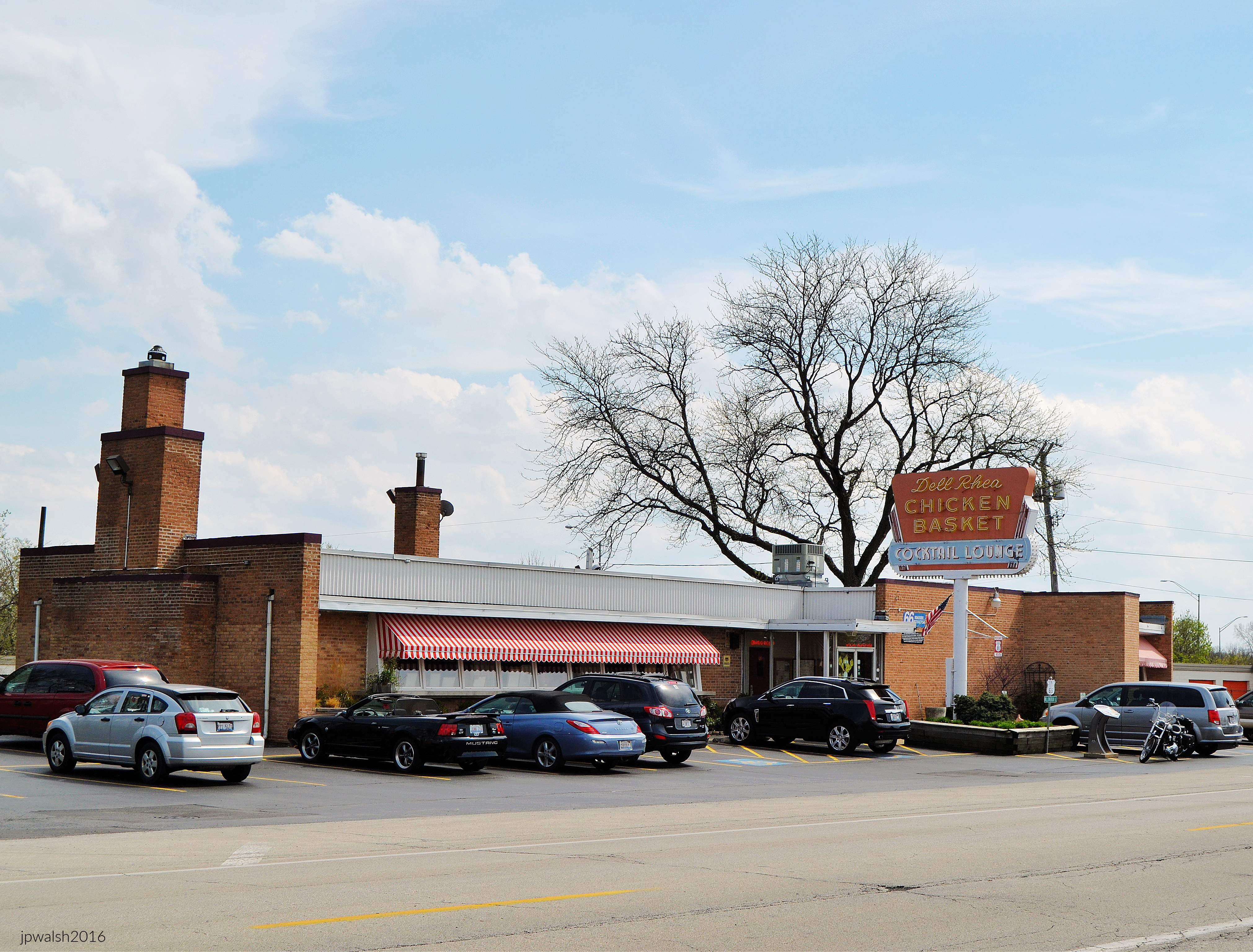
“(Get Your Kicks on) Route 66” is a popular rhythm & blues standard composed in 1946 by American songwriter Bobby Troup (1918-1999). It was a hit that same year for Nat King Cole who, with the King Cole Trio, first recorded the song. Troup got the idea for the song when taking a ten-day cross country trip with his wife in a Buick from Pennsylvania to California on U.S. Routes 40 and 66. The lyrics include some of the popular cities and towns on the route. Troup, who later became a film and television actor, certainly drove by what is today Dell Rhea’s Chicken Basket on that historic road trip.
Dell Rhea’s Chicken Basket at 645 Joliet Road in Willowbrook, Illinois, is 22 miles southwest of downtown Chicago.
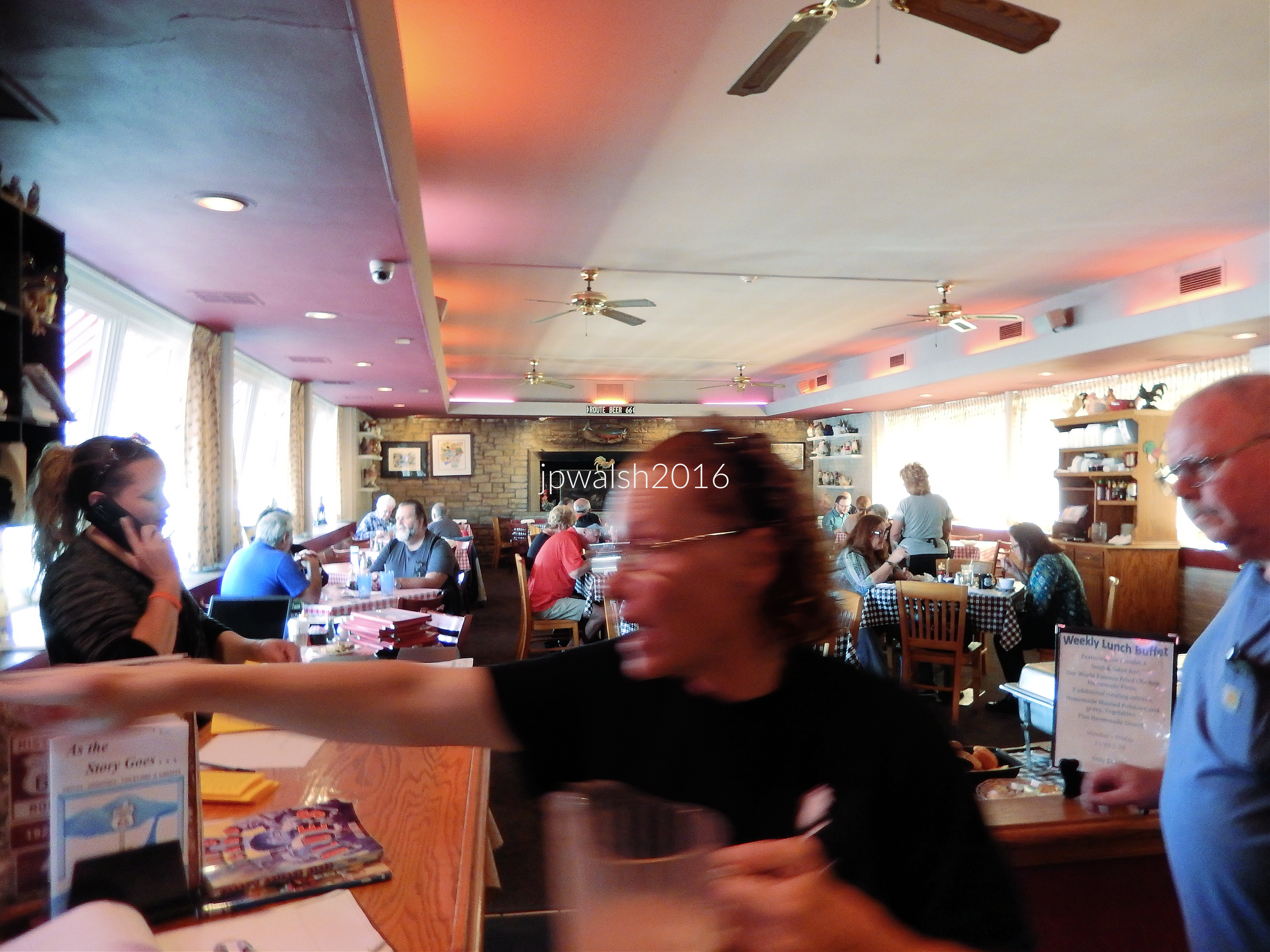
April 2016. Willowbrook, IL. Chicken Basket. 6.53 mb
The Chicken Basket is a mandatory dine-in or carry-out stop on a “Midwest Roads” visit. Vintage roadhouse decor and family-oriented service is joined to the menu which features fresh, succulent fried chicken cooked-to-order.
Opened in 1926
The business first opened in 1926 as a gas station and lunch counter on the brand-new Route 66. U.S. Route 66 traveled from Chicago to Los Angeles, California —a distance of more than 2,000 miles.
In 1939, fried chicken was served for the first time by its original owner, Irv Kolarik.
In 1946 the present one-story brick commercial building was designed and built by architect Eugene F. Stoyke (1912-1993) next to the original building. It was during the post-World-War-II travel (and baby) boom that it became a full-service restaurant.
Original windows and signage
Dell Rhea’s bay of 9 single-light-glass-and-wood-canted windows is original where an immense fireplace anchored the dining area’s north wall. The neon-and-metal sign in the photograph was original when this photograph was taken. It was replaced in 2017 with an exact replica. In 1956, a cocktail lounge was added to the south.
Bluebird Bus stop to St. Louis
In 1962 Interstate 55 opened—the major expressway connecting Chicago, St. Louis, Memphis and New Orleans—and effectively retired U.S. Route 66 in this part of Illinois.
In front of the restaurant there was a Bluebird Bus stop (founded in 1927) which people could take to St. Louis or use to send packages across country.
New Owners
In 1963 the Chicken Basket was bought by Chicago businessman Delbert Francis “Dell” Rhea (1907-1992) who knew how to invigorate the eatery while maintaining its tradition for a new era.
The popular Chicken Basket was owned and managed by the Rhea family until 2019. The Lombardi family took over with the promise to keep intact the original recipe which is unchanged since 1946 and continue the same Chicken Basket tradition.
White Fence Farm Main Restaurant 1376 Joliet Rd, Romeoville, IL is 30 miles southwest of downtown Chicago.
White Fence Farm is 30 miles southwest of downtown Chicago at 1376 Joliet Road in Romeoville, Illinois. In the 1920s Stuyvesant “Jack” Peabody (1888-1926), son of a wealthy coal baron, opened White Fence Farm to feed his personal guests who visited his 500-acre horse farm on the opposite side of the newly-opened U.S. Route 66.
In the mid1930s Peabody started to promote the domestic wine industry by featuring California wines at the Romeoville restaurant.
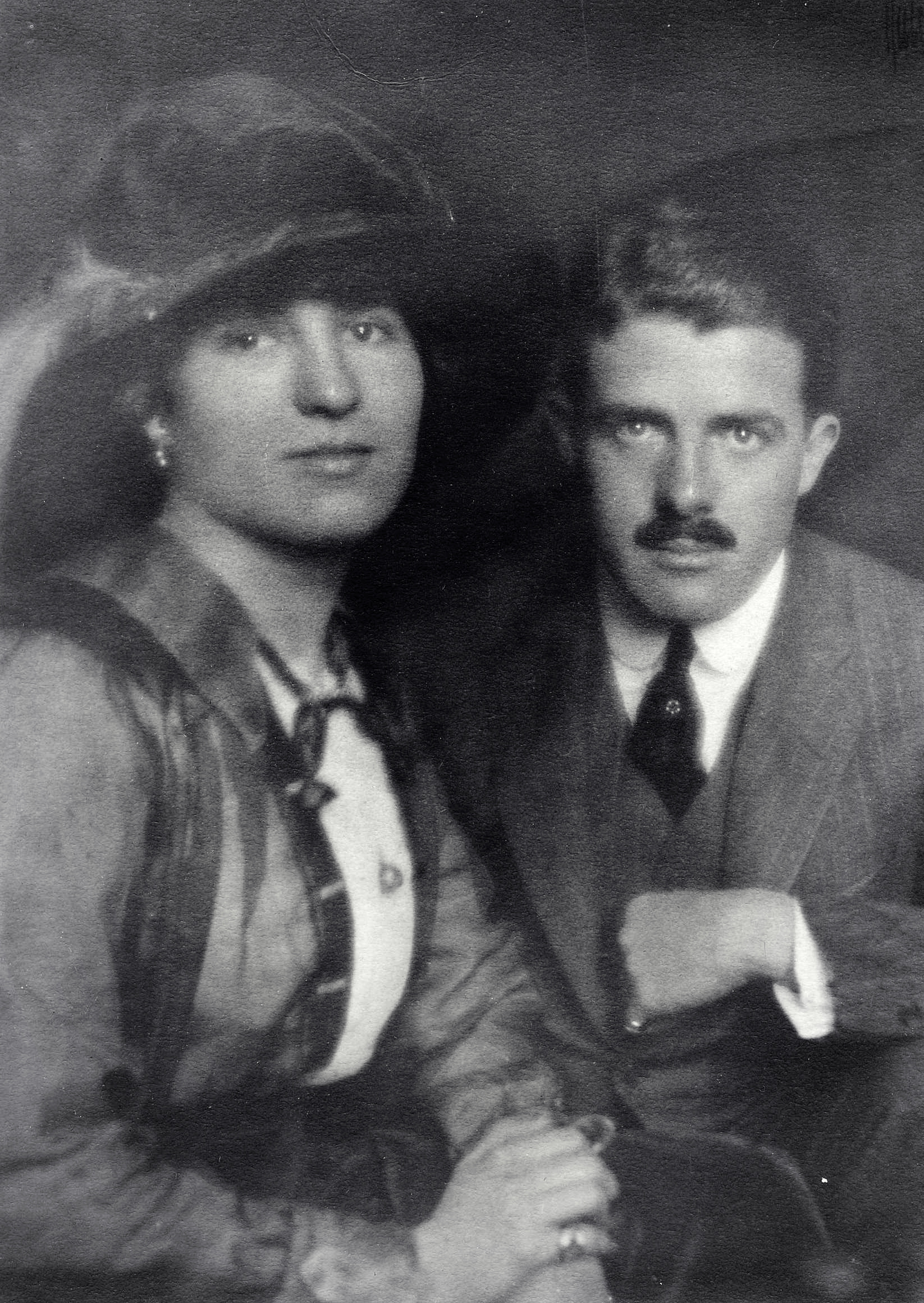
May Henderson Peabody Osborne (1891-1936) and Stuyvesant “Jack” Peabody (1888-1946)
(Above) Children of coal magnate F.S. Peabody (1859-1922) in a photograph from around 1910. When May died at 44 years in 1936 her estate was valued at around $500,000 – about $10 million in 2021. F.S. Peabody was the largest coal producer in the U.S. He died in 1922 in Oakbrook, Illinois, at 63 years old after he suffered a heart attack at a house- warming party he was giving to celebrate the completion of his new mansion.
Since 1954, the Hastert family has owned and operated White Fence Farm. Advertising itself as the “World’s Greatest Chicken,” the restaurant building has been expanded many times under the Hasterts. Within a country farm manor ambience, the popular restaurant boasts several dining rooms that can seat over 1,000 diners. White Fence Farm continues to offer some of freshest and best-tasting fried chicken in and around historic U.S. Route 66. The restaurant is a perennially popular destination, especially on weekends and during the warm weather months, where tourists and locals arrive in droves.
Since 2023 the old-fashioned walk-up ice cream window shop is under new ownership by Rockford natives and called Willyums Dari Fair.
Rich & Creamy is on the old Route 66 highway at 920 N. Broadway Street in Joliet, Illinois.
May 2017. Joliet, IL. 7.15 mb 99%
Rich & Creamy with its figures of “Joliet” Jake and Elwood Blues (“The Blues Brothers”) atop its flat roof is a classic ice cream stand on the old Route 66 highway.
U.S. Route 20 is the longest road in the country.
May 2017. McHenry Co. Near Coral, IL.
U.S. Route 20 stretches from Boston, Massachusetts, to Newport, Oregon. That’s about 3,100 miles. Route 20 began its development on the East Coast in the early-mid1920’s. The road reached Illinois in 1938 and is mostly unchanged since that time. In 1955 the Illinois General Assembly designated the road’s length in Illinois the U.S. Grant Memorial Highway. The sign was produced in late 2006.
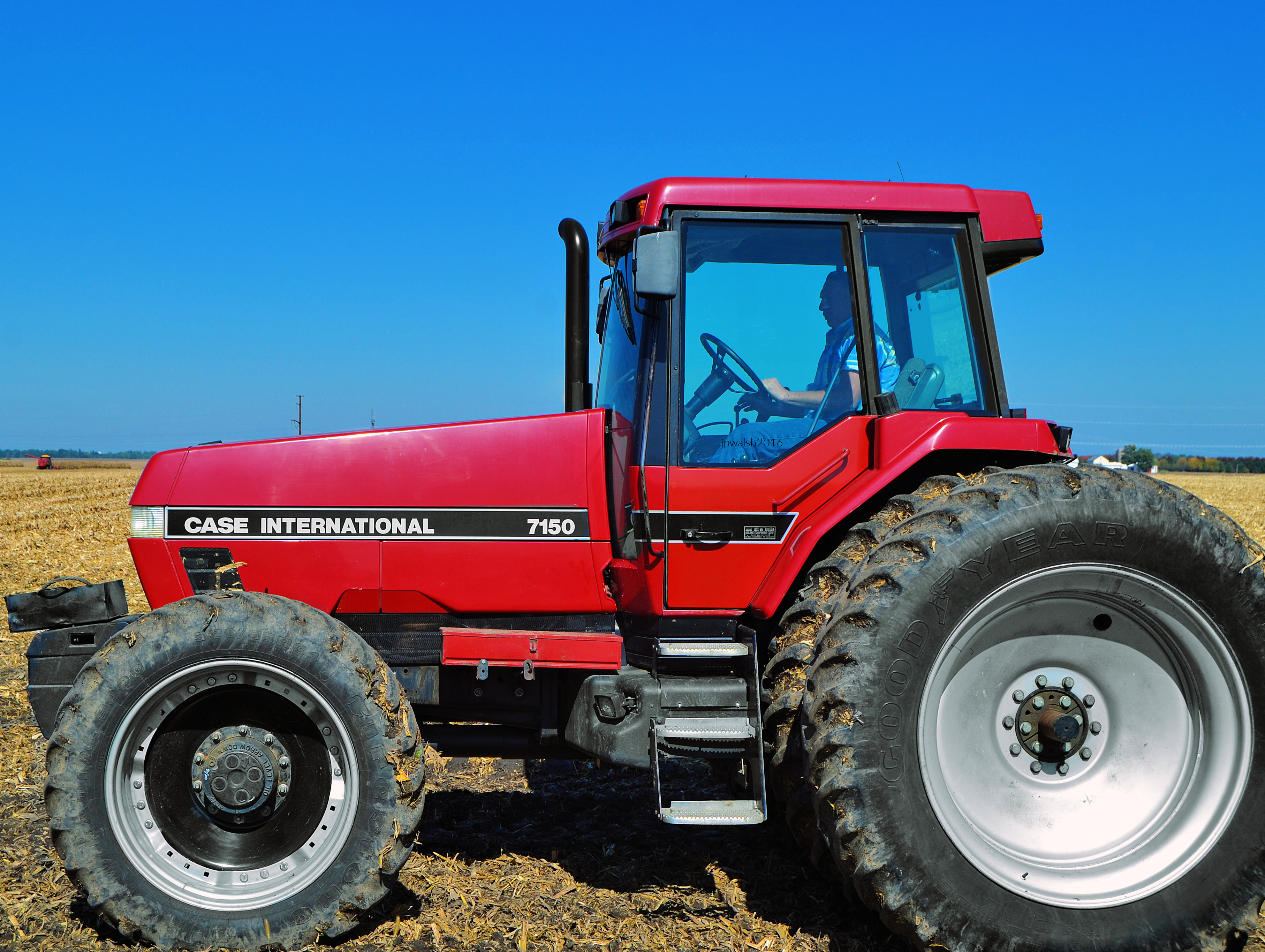
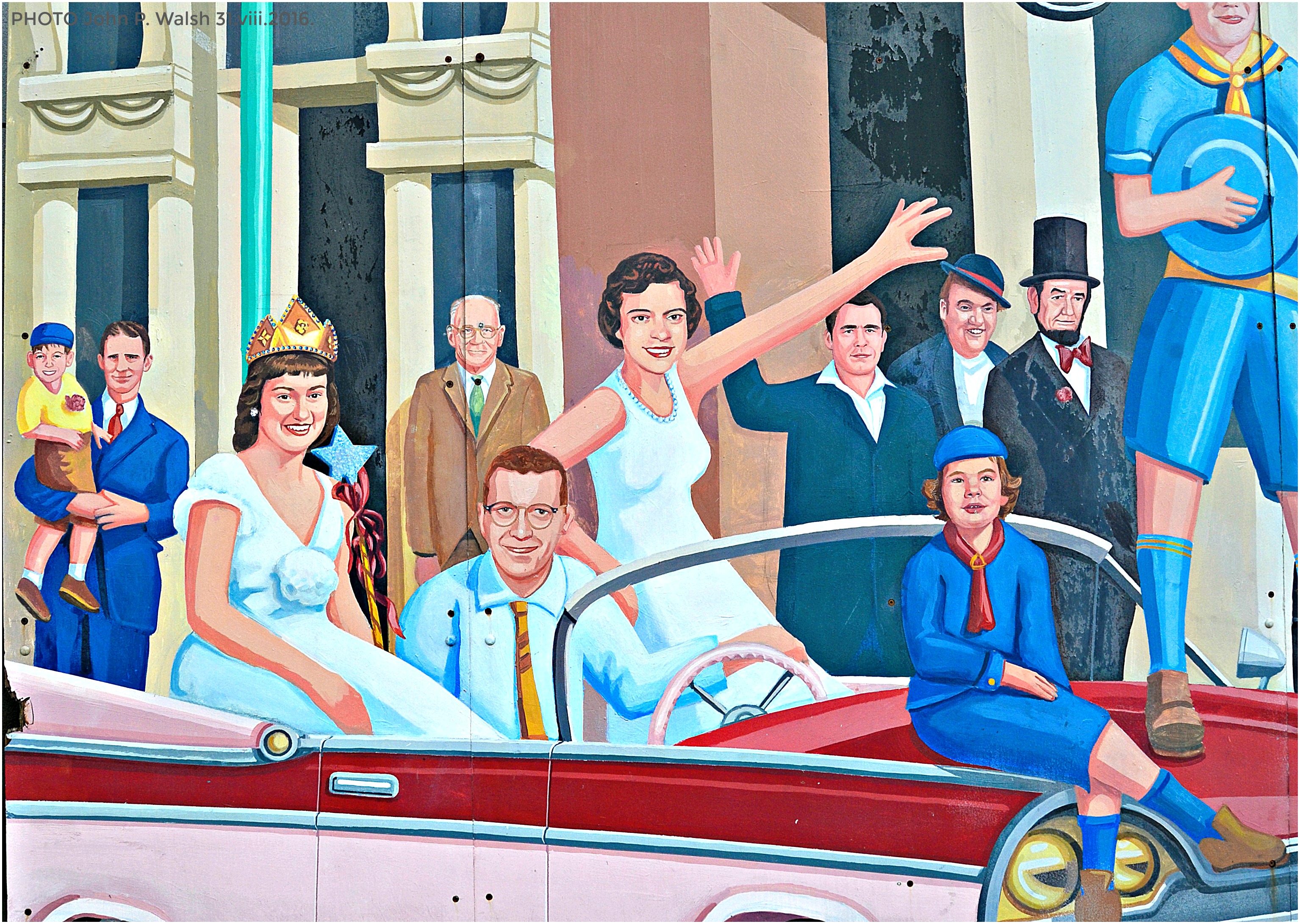
July 2021. DuPage Co. July 2018. Downers Grove, IL. 246kb July 2018. Downers Grove, IL. June 2017. June 2017. Pewaukee, WI. Wedding party. 531 kb 50%September 2016. Tazewell Co., IL. September 2016. LaSalle/Grundy Cos. Seneca, IL. October 2016. DeKalb Co., IL. 1992 Case IH 7150 3.53mbJuly 2017. Kirkland, IL (DeKalb Co.) 3.21mb (10)August 2016. Oglesby, IL LaSalle Co. 5.84mbAugust 2016. Ottawa IL 2.24mb 35% September 2016. Ottawa, IL. Bi-centennial mural (detail). August 2017. Watseka, IL. September 2016. DeKalb Co., IL. 3.48 mbMay 2017. Lake Geneva, WI. July 2017. Rockford, IL. July 2017. Rockford, IL August 2017. Watseka, IL.
Corn for sale.
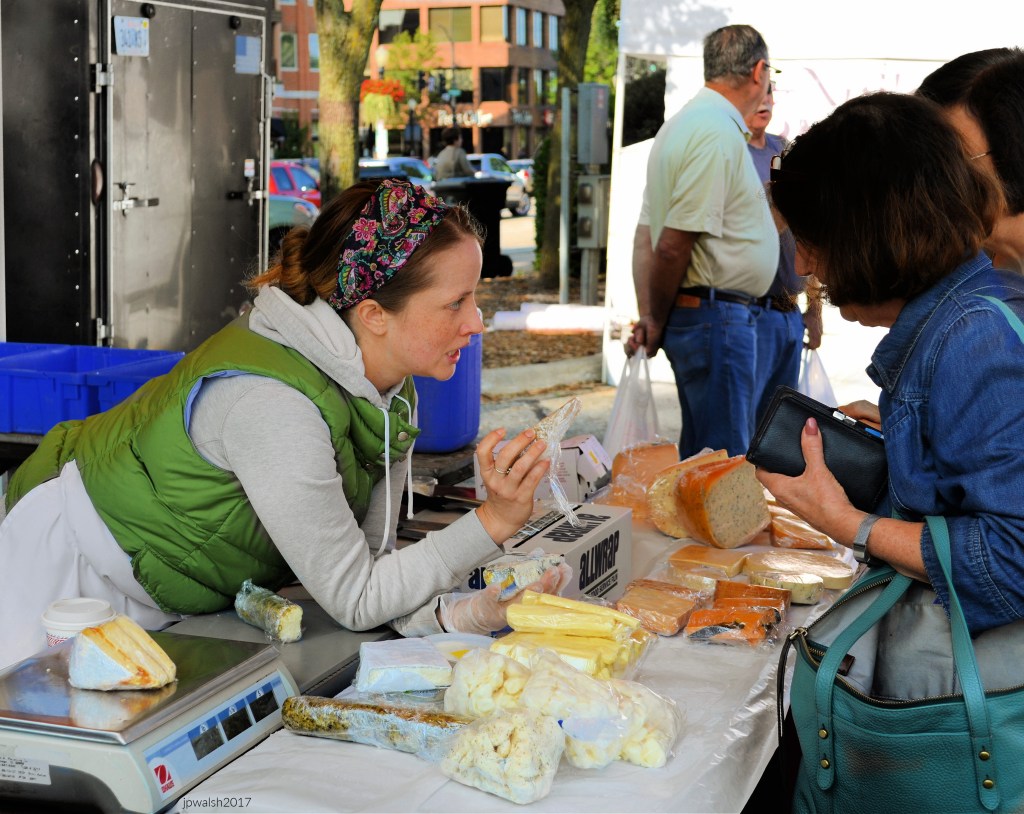
August 2014. Fox River, Kane Co., IL 8/2014June 2017. Pewaukee Lake, Waukesha Co., WI. 7.37 mb (30)May 2017. Lake Geneva, Wisconsin. 5.27mb DSC_0420October 2017. Downers Grove, IL. November 2023. 3.68mbAugust 2015. Herrick Lake, Wheaton, IL. September 2021. Farmer’s Market. Downers Grove, IL. September 2017. Farmer’s Market (cheese seller), Downers Grove, IL. August 2014. West Dundee, IL.
May 2016. Kline Creek Farm, Wheaton, IL. June 2018. Cedarburg, WI (Ozaukee Co.) 6/2018 August 2016. Ottawa, IL. 2.46 mbSeptember 2016. Metamora, IL (Woodford Co.) 6.46 mb (40)August 2023. DuPage Co. 5.89mbMay 2021. Joliet, IL.
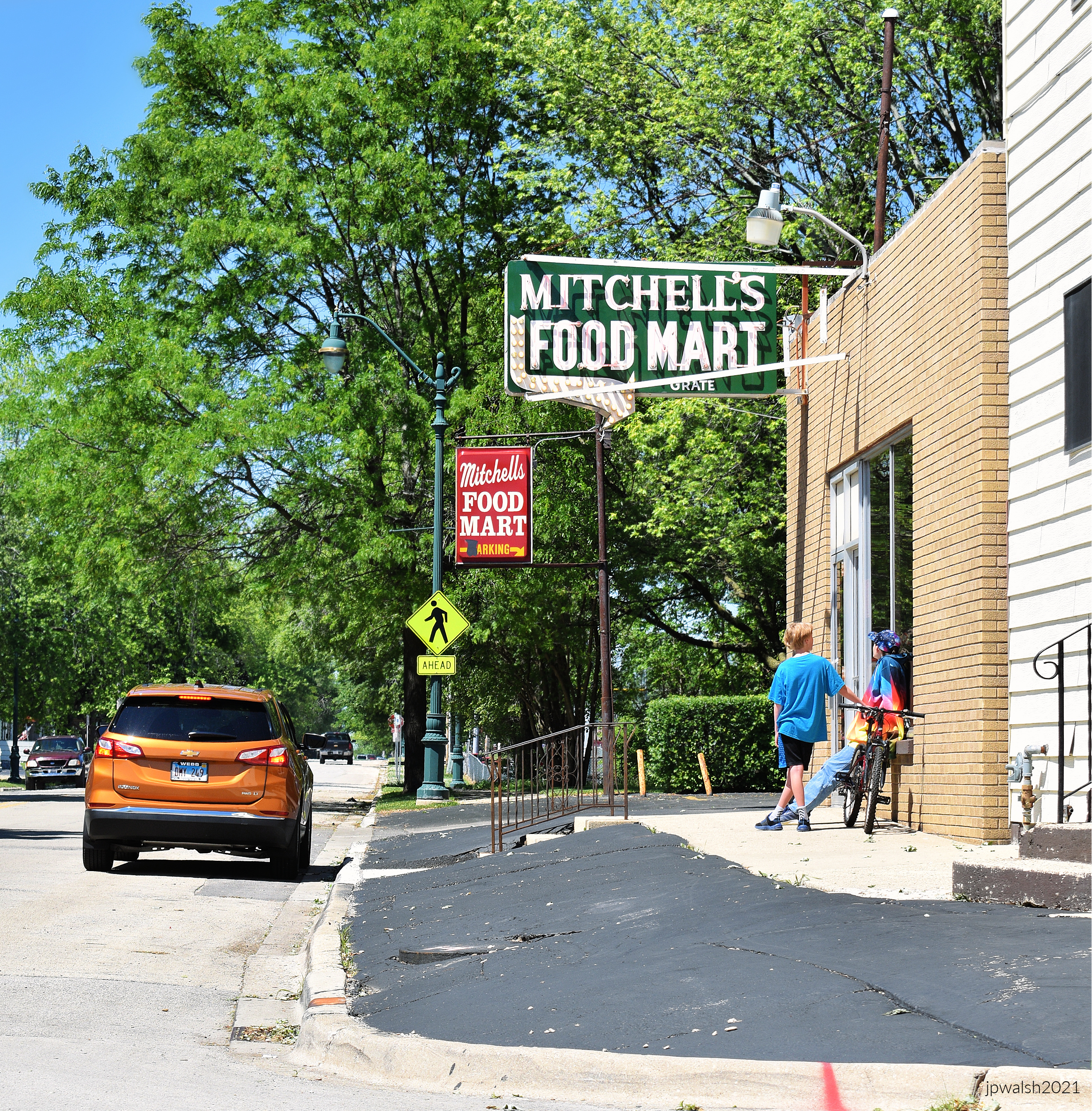
In the early 1950’s, Alfred, Jr. (Mitch) and Norma Mitchell opened a small grocery store on the corner of Raynor and Curtis Avenues. In 1957, it was expanded to the present location adjacent to the original building. A short time later, Harley Mitchell joined his brother.
July 2023. DuPage Co. 7.93mb 79%August 2016. La Salle Country Courthouse, Ottawa, IL. 4.13 mb
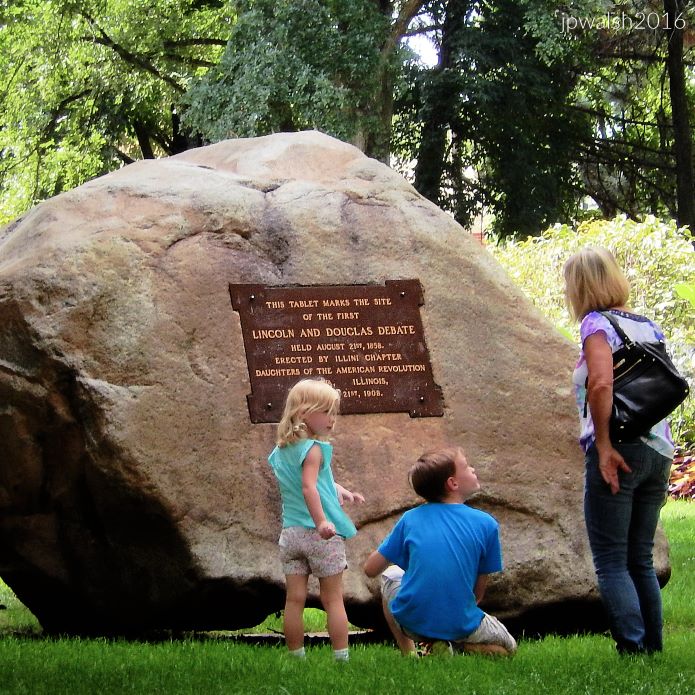
“In honor of ABRAHAM LINCOLN Who practiced law from 1851 to 1859 Before the Supreme Court of Illinois At its sessions then held in the old La Salle County Court House on this site Erected by the Illini Chapter Daughters of the American Revolution 1922.”
May 2018. Santuario de Guadalupe, Des Plaines, IL. Grundy Co., IL. 2016 June 2017. Bureau Co., IL.May 2017. Walworth Co., WI. July 2017. June 2017. Walworth Co., WI. September 2016. Grundy Co., IL. August 2016. Wauconda, IL. September 2016. Kendall Co., ILSeptember 2016. Grundy Co., IL.September 2016. LaSalle Co., IL. August 2016. LaSalle Co., IL. August 2016. Grundy Co., IL. June 2017. Bureau Co., IL.April 2016. Oswego, IL.April 2018. Downers Grove, IL. April 2018. Wheaton, IL. Wheaton, IL. 2016June 2020. DuPage Co., IL. May 2006. Macomb, IL (McDonough Co.)June 2017. Lee Co., IL. August 2017. Downers Grove, IL. Converted barn house.August 2017. Goodland, IN (Newton Co.)January 2021. Downers Grove, IL June 2017. Dane Co., WI 5.69 mbMay 2017. McHenry Co., IL. June 2017 Dane Co., WI. 4.48 mbMay 2017. Marengo IL 4.60 mbAugust 2017. Iroquois Co., IL 3.16 mbMay 2023. Downers Grove IL 5/2023 7.95mb 97%June 2023. Downers Grove, IL 7.84 mb 73%June 2021. Wheaton, IL 7.93mb 94%August 2023. Downers Grove, IL 7.74mb 80%August 2017. Iroquois Co., IL 6.43 mbOctober 2023. 6.83mb 99%May 2024. Sycamore IL 99% 7.45mb (80)August 2016. 99% 7.24mb DSCN3773 (1)October 2022. Downers Grove, Illinois. 93% 7.92mb_8818May 2024. 78% 7.87mb _6726 (1)
Air Classics Museum of Aviation, Sugar Grove, IL. NORTH AMERICAN AVIATION P-51D MUSTANG was an American long-range, single-seat fighter/bomber used during World War II. At the start of the Korean War, the Mustang was the main fighter of the United Nations until jet fighters (such as the F-86) took over. In the background is the CURTISS-WRIGHT CORP P-40 WARHAWK made famous by the Flying Tigers that were flown in China in 1941.
May 2024. 90% 7.61 mb _6613
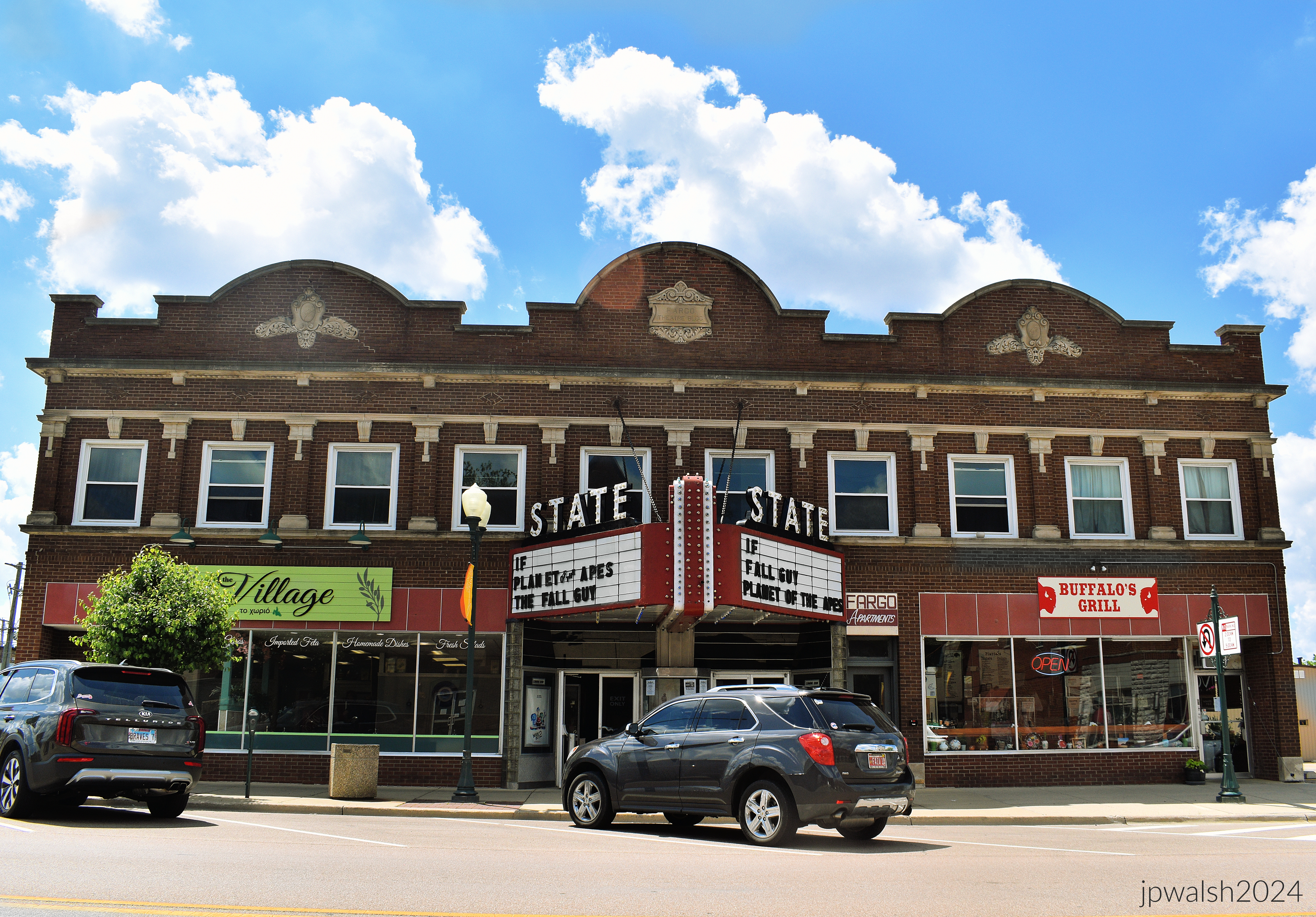
The State Theater in Sycamore, Illinois, opened as the 900-seat Fargo Theater on December 12, 1925. It was equipped with a Geneva pipe organ. It closed on November 2, 1938, and reopened later that month with 491 seats. On August 6, 1940, it was renamed the State Theater. Today it is triplex theater showing first run films. In summer 1996 we saw “Independence Day” here. https://cinematreasures.org/theaters/1658 – retrieved January 19, 2025.
May 2024. Batavia, IL 90% 7.85_6324.
Founded in 1833, Batavia (originally, “Head of the Big Woods”) is the oldest city in Kane County.
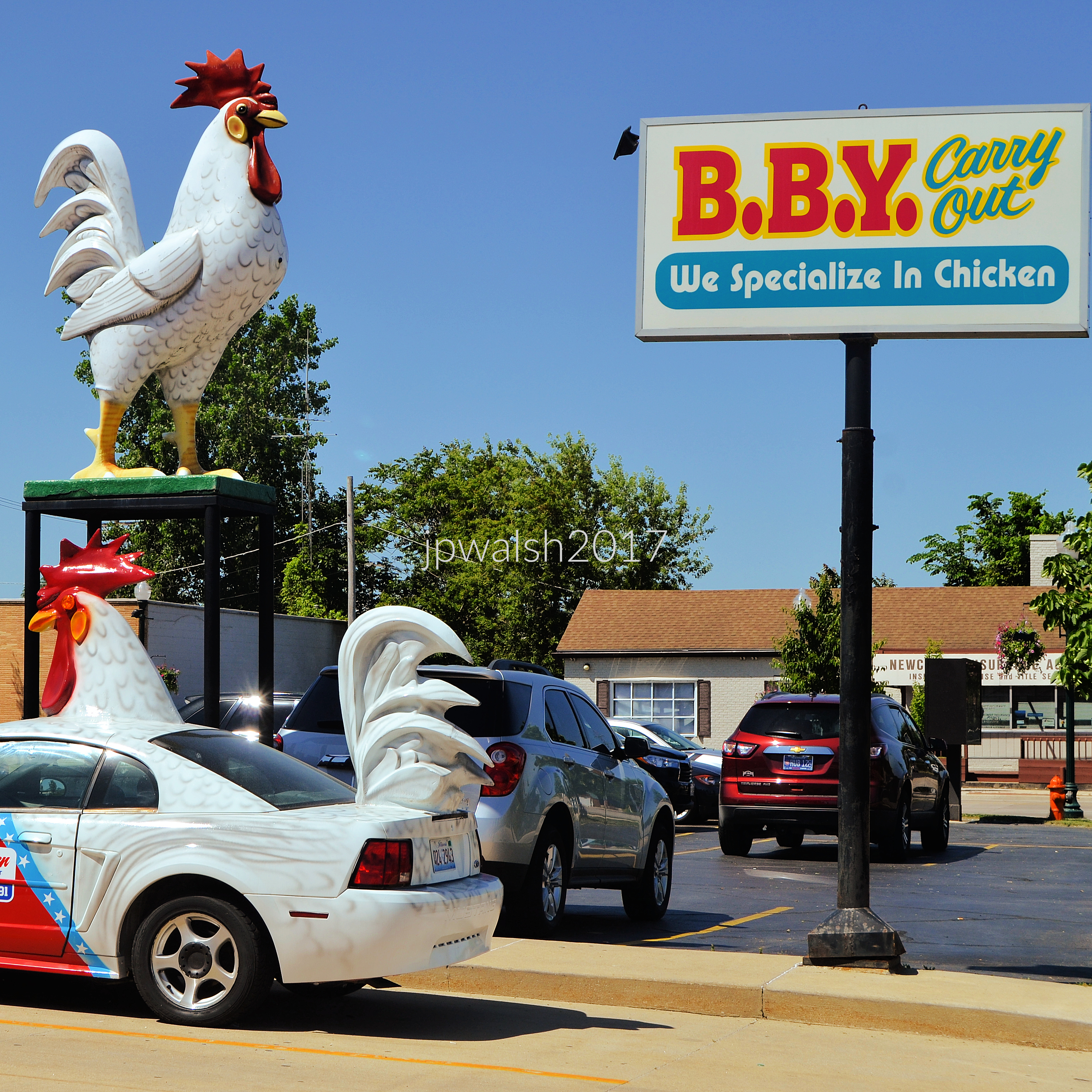
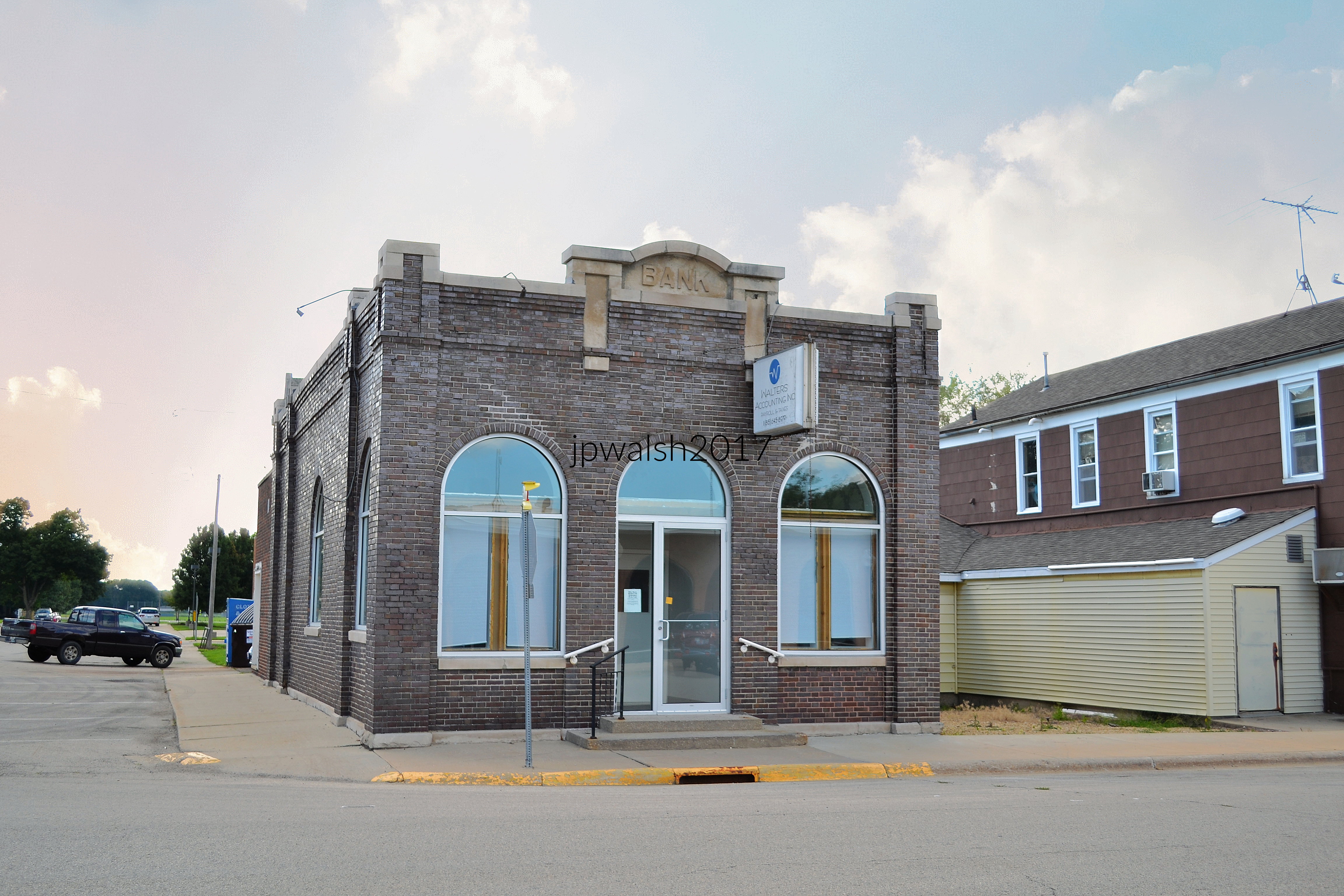
July 2016. Barge, Chicago. 4.05mb DSC_0872August 2016. Schaumburg, IL. 4.06mb DSCN3873February 2025. Downers Grove, IL. 78% 7.82mb DSC_7408June 2017. Main Street Amboy, IL 5.23mb DSC_0948June 2017. American restaurant, since 1996. 216 W River Street, Dixon, IL. 4.01 mb DSC_0788 see – https://www.manta.com/c/mm03d4w/b-b-y-chicken-and-carry-out – retrieved June 7, 2025. May 2016. 5.27mb DSCN2891 (1) June 2017. Southern Wisconsin. 3.82mb DSC_0362 (1)July 2017. Old bank. Ogle County IL 5.38mb DSC_0935 (1)August 2017. Iroquois Co, Illinois 3.70mb DSC_0993 May 2016. Kline Creek Farm, West Chicago, Illinois. 6.09mb DSCN2904 (1)August 2017. First Baptist Church, Kankakee County, IL. 6.63 mb
The event’s website claims: “”
July 2021 7.85mb. Wheaton, IL.
“Among the quiet rows of flags, a new generation learns what remembrance looks like. This stirring display of 2,000 flags brings the community together in a patriotic tribute to honor our heroes.”
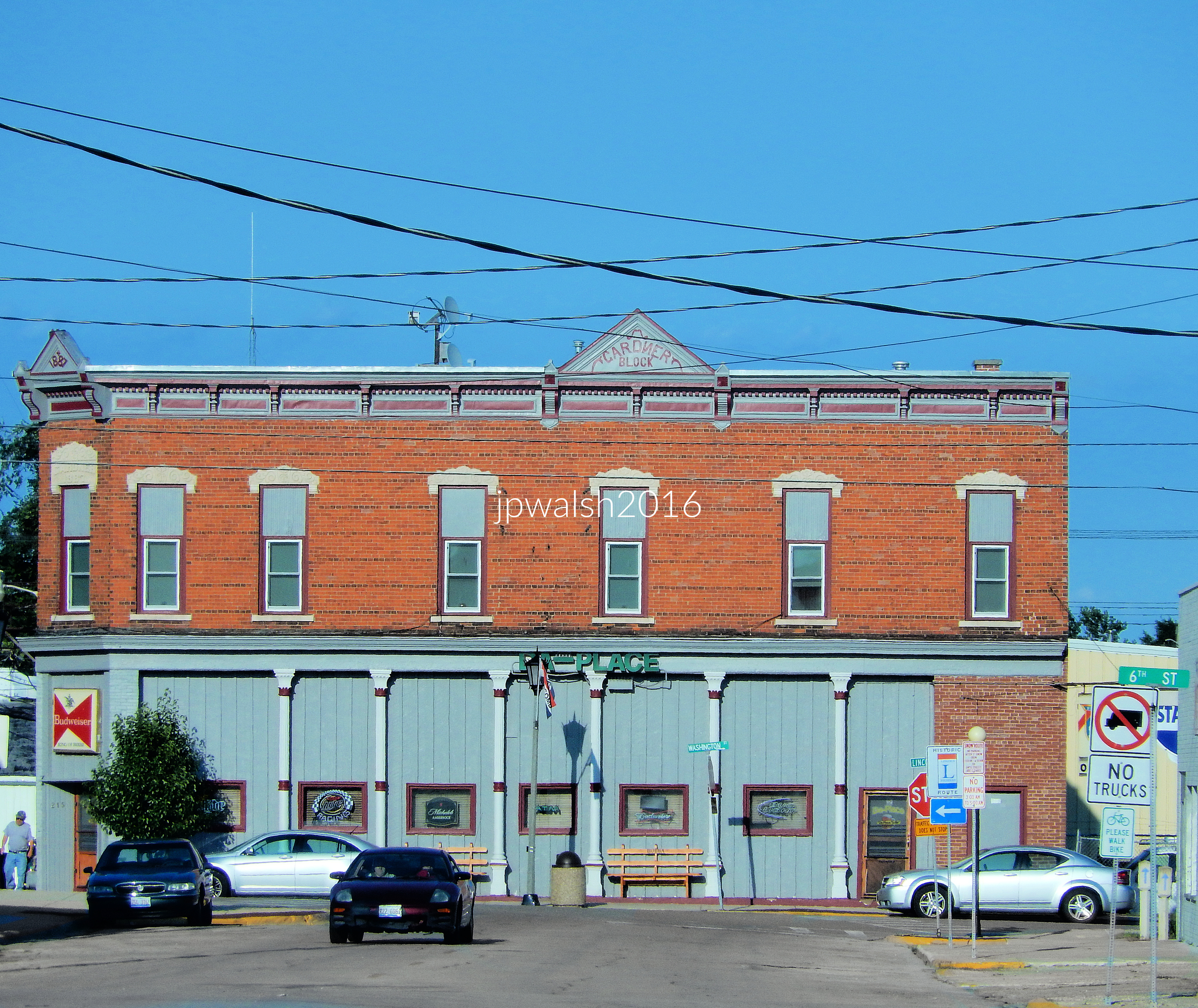
April 2016. 1.52mb DSC_0319 (1)June 2016. 3.05mb DSC_0719 (1)June 2016. 3.26 mb DSC_0830 (1)June 2016. Warrenville, IL. 2.90mb DSC_0926 (1)July 2016. DuPage County. 2.58mb DSC_0521 (1)July 2016. DuPage County. 2.75 mb DSC_0507 (1)July 2016. DuPage Co. 4.53mb DSC_0670 (2)July 2016. 215 Lincoln Highway, Rochelle IL. 6.30mb DSCN3448 (1)July 2016. DeKalb, IL. 8.83mb DSC_0968 (1)July 2016. Franklin Grove, IL 2.56 mb DSC_0085 copy (1)August 2016. Chicago. 1.72mb DSCN3771 (2)August 2016. Hanover Park, IL. 6.30mb DSC_0712 (1)August 2016. Prairie Preserve. 2.72mb DSC_0798 (1)August 2016. 5.34mb DSC_0771 (1) “I went to the woods….to see if I could not learn what it had to teach (Thoreau).”August 2016. Crete Township, IL. 6.39mb DSC_0002 (1)August 2016. Lake Zurich, IL. 6.64mb DSC_0022 (1) August 2016. 2.22mb DSC_0105 (1)August 2016. Richmond, IL. 4.96mb DSC_0193 (1)
The oldest surviving building in Richmond, Illinois, was built 1844 by Charles Cotting, a pioneer who platted the town and built its first mill. The house sits on a river stone foundation.
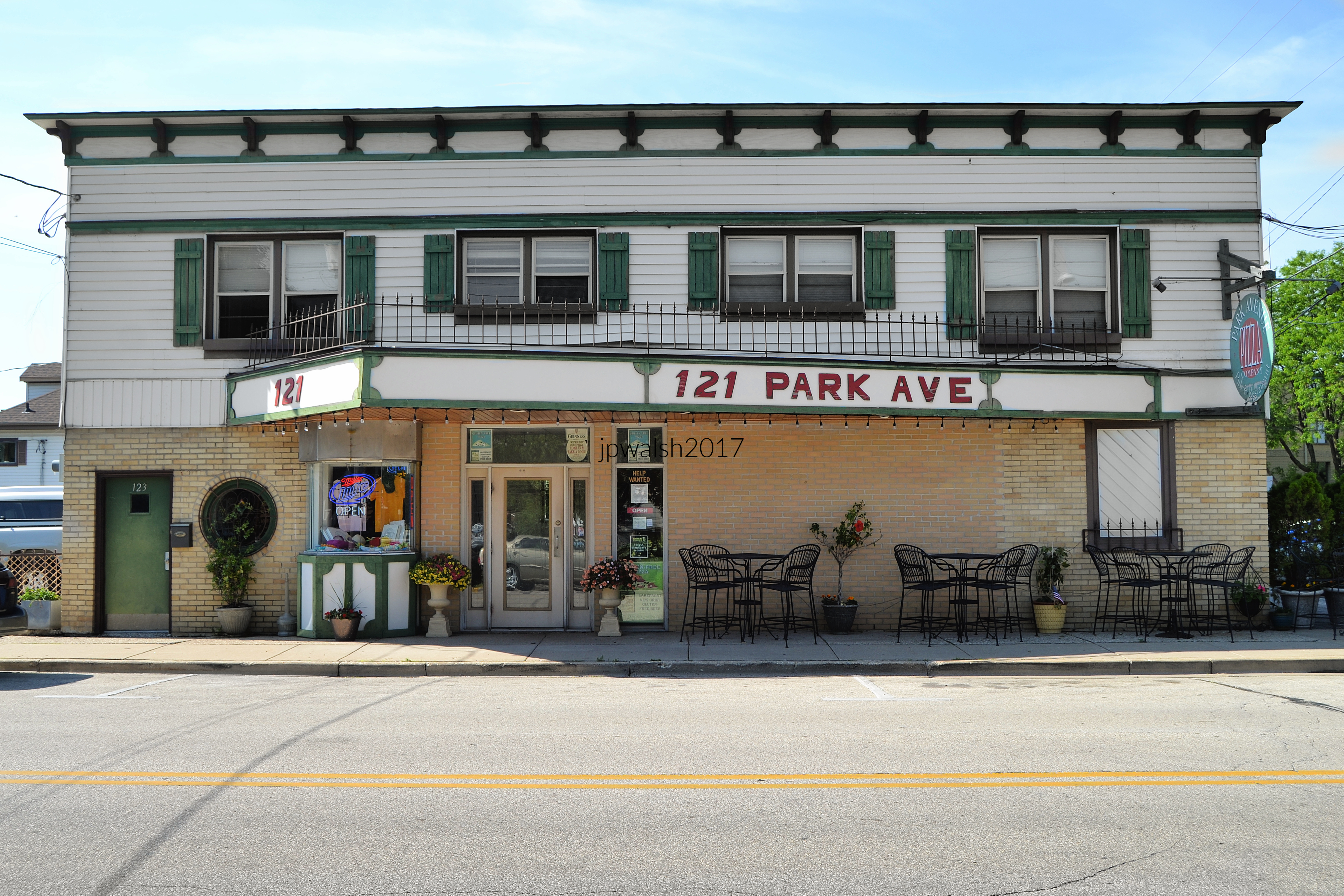
121 Park Avenue, Pewaukee, WI 53072. Opened in 1948 as the Lake Theatre, the venue closed in 1977. By 1983 the building reopened as Park Avenue Pizza Company restaurant. The ticket booth from the building’s days as a movie theater can still be seen under the canopy at left.
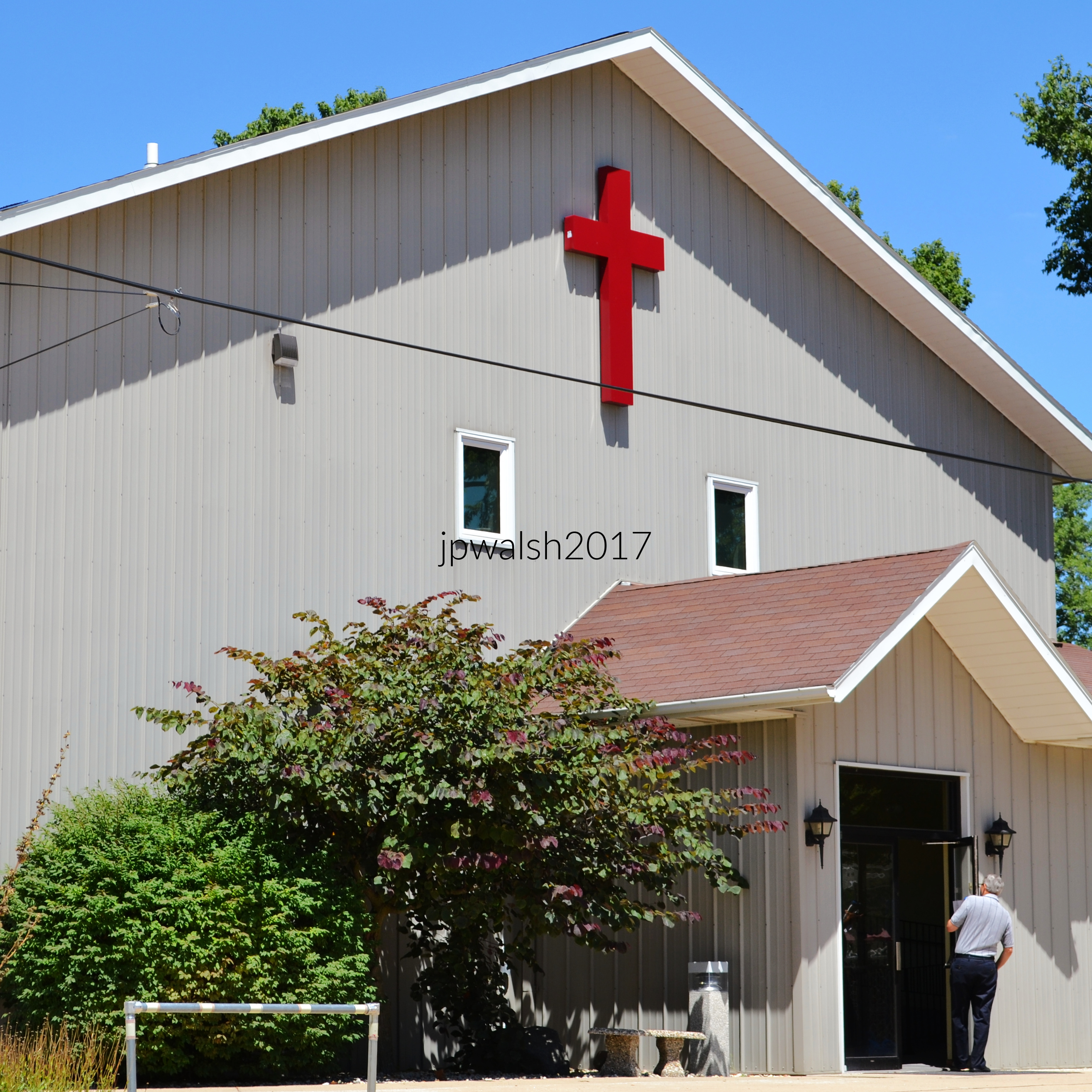
1552 US-52 Dixon IL. St. James Evangelical Congregational Church of Dixon, IL. Early churches in Dixon, IL, originated around 1836–1837, with Methodist and other denominations forming early congregations.
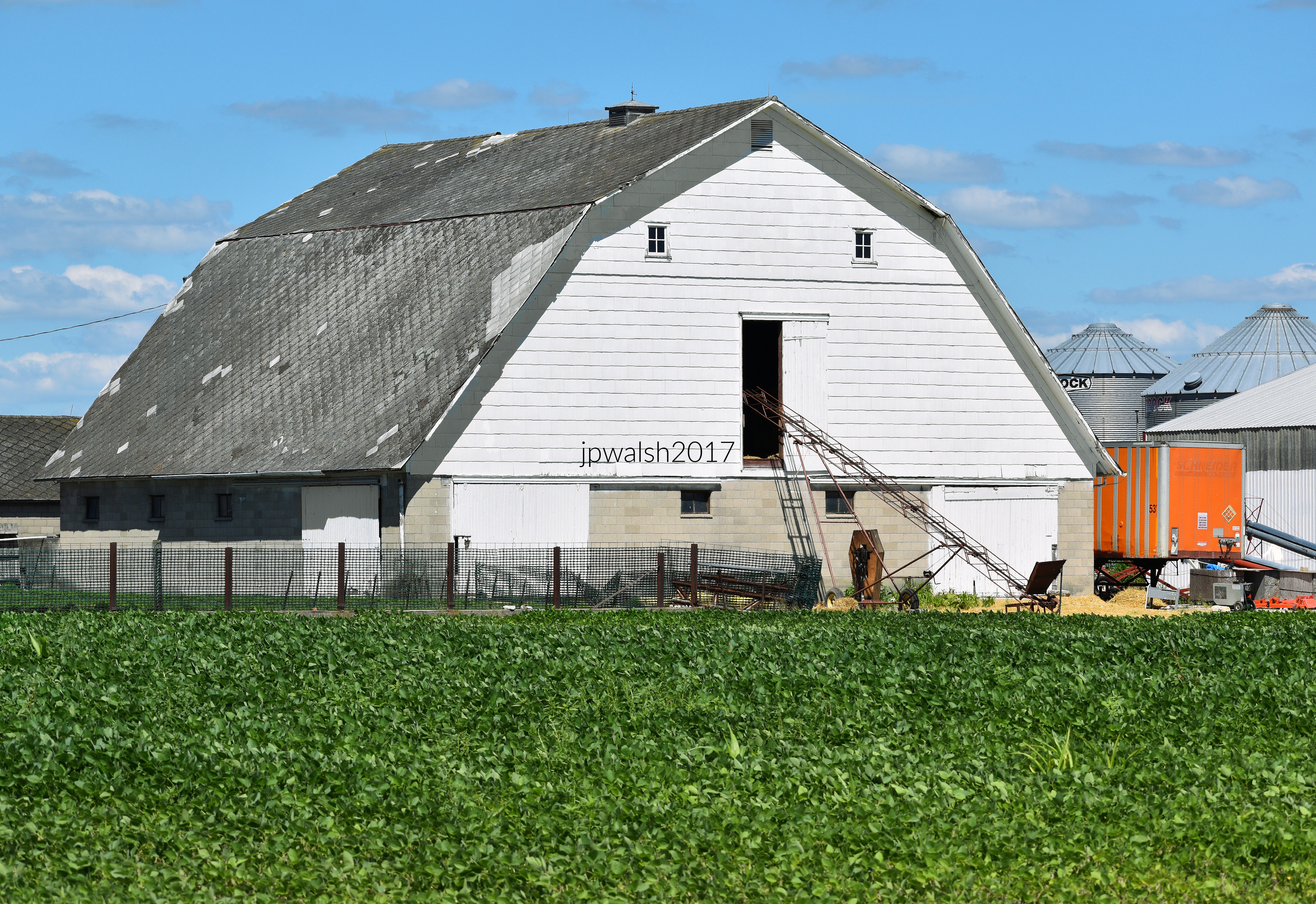
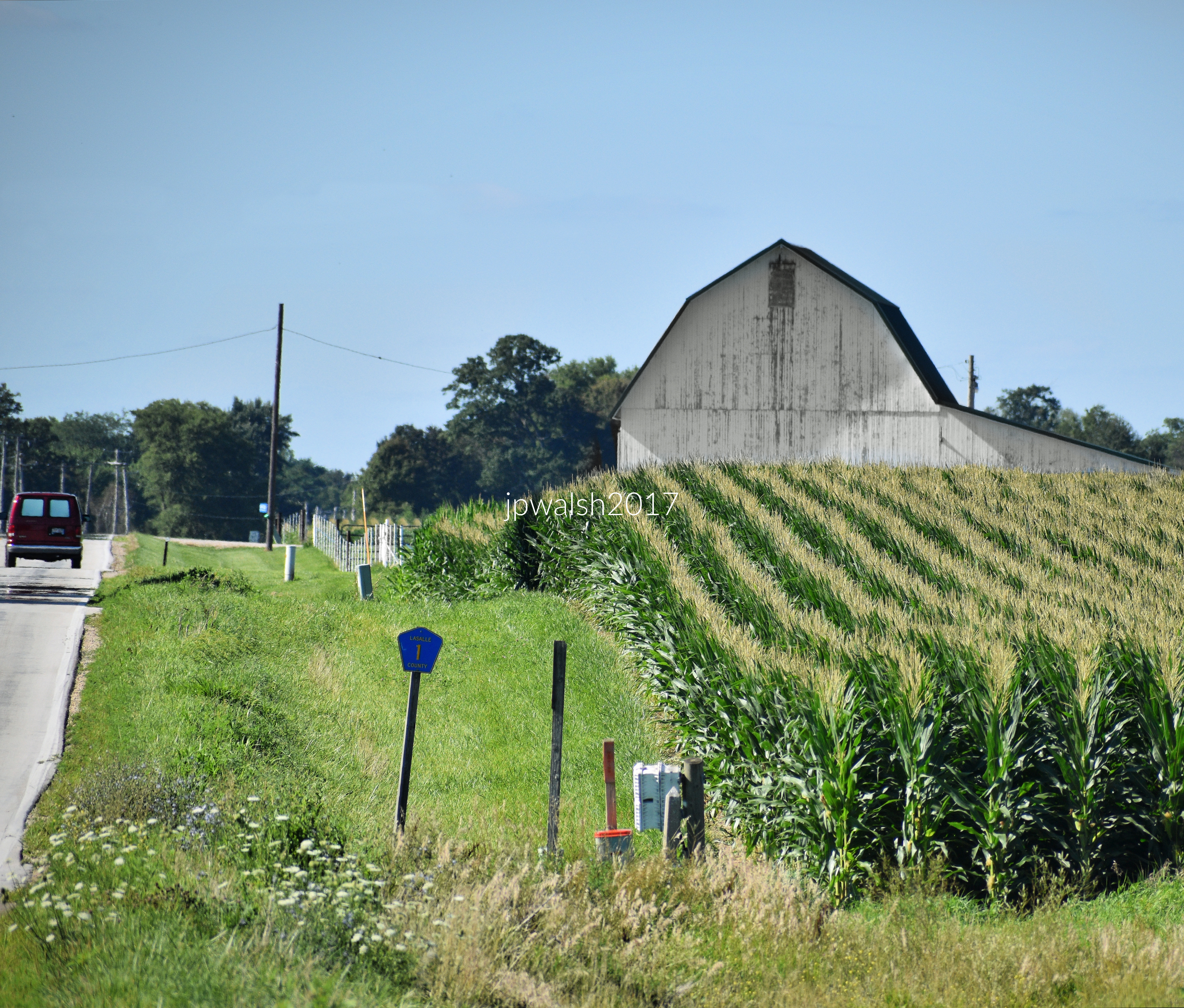
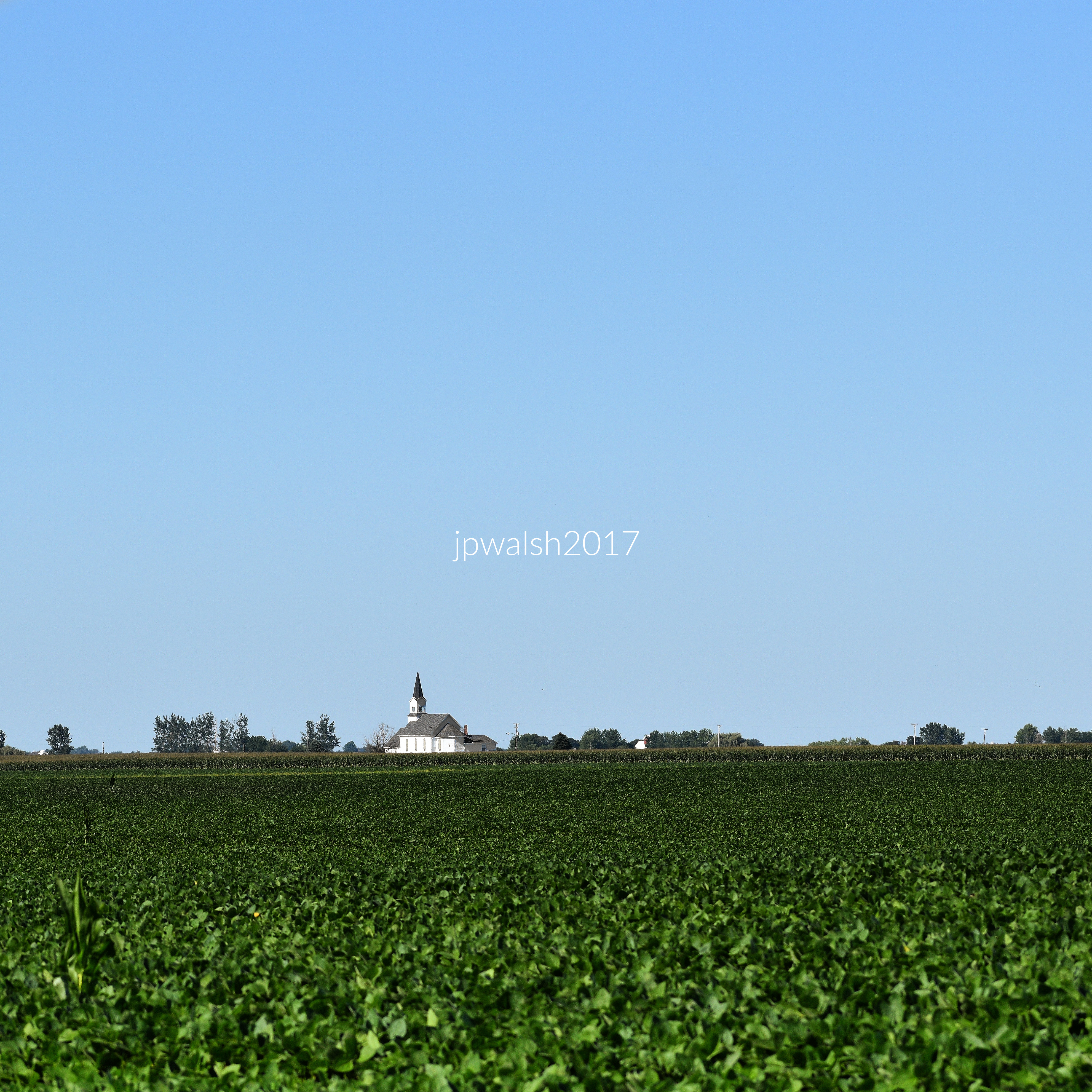
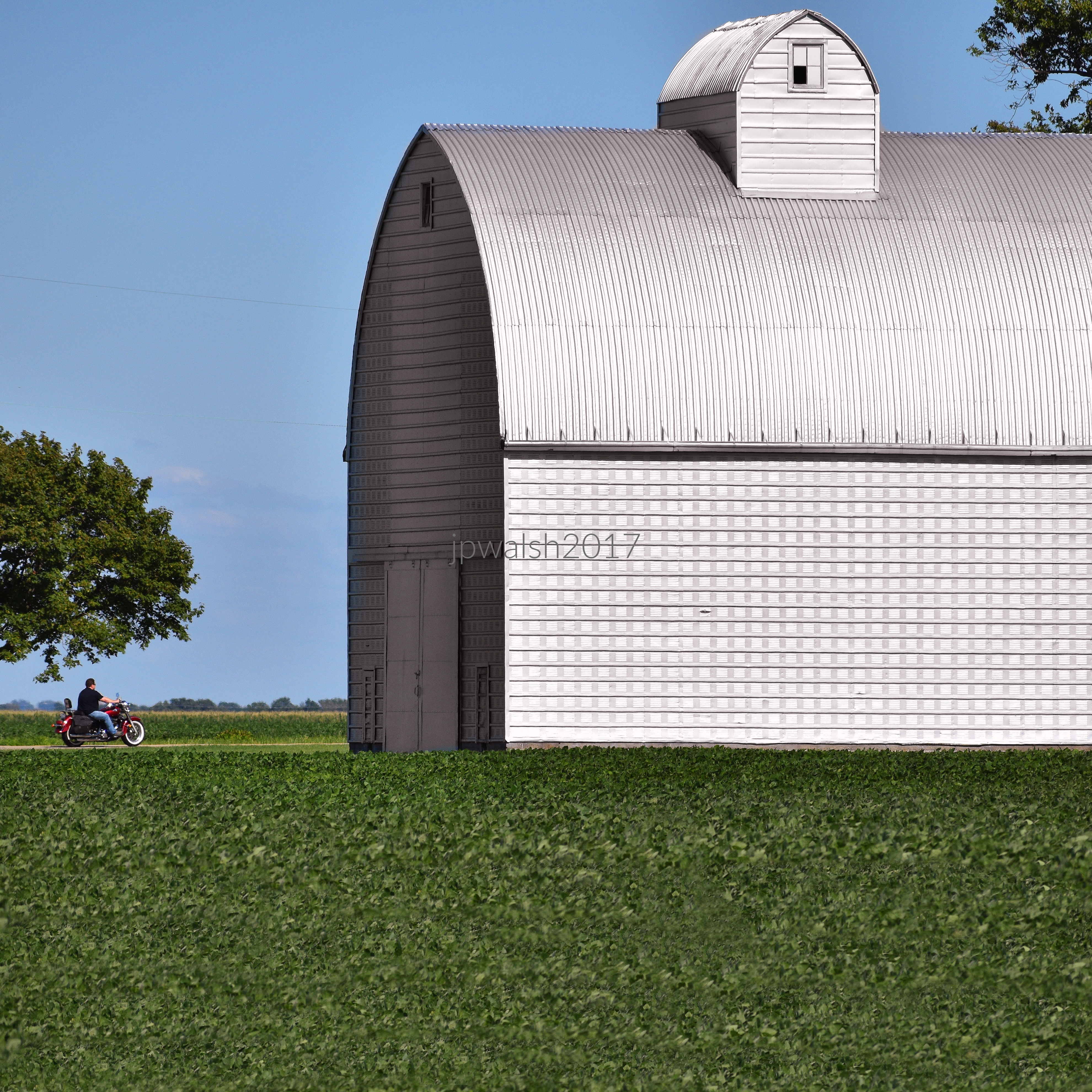
July 2017. Illinois farm. 5.52 mb DSC_0598 (1)July 2017. LaSalle County, IL. 82% 7.85mb DSC_0396July 2017. LaSalle County, IL. 98% 7.93mb DSC_0571July 2017. Lutheran church. Leland, IL. 99% 7.07mb DSC_0579 (1)July 2017. Steel barn, LaSalle County, IL. 99% 7.29mb DSC_0564July 2017. LaSalle County, IL. 99% 7.57 mb DSC_0384July 2017. LaSalle County, IL. 5.88mb DSC_0420 (1)July 2017. LaSalle County, IL. 5.88mb DSC_0420 (1)July 2017. LaSalle County, IL. 5.88mb DSC_0445 (1)July 2017. Ottawa, IL. 5.85mb DSC_0617 (2)
Freight rail today, Ottawa was historicallya stop on the Chicago, Rock Island and Pacific Railroad.
July 2017. Ottawa, IL. 2.42mb DSC_0623 (2)
Many Lutherans in and around Ottawa, IL, had been converted in Norway before emigrating to this country, but most of them came to life in God in the revivals that swept Northern Illinois in the first decades of the 1900’s. see – History – Bethel Lutheran Brethren Church – retrieved May 1, 2026.
July 2017. Near Norway, IL. 6.78 mb DSC_0967July 2021. Wheaton, IL. 7.63mb DSC_8710 (2)
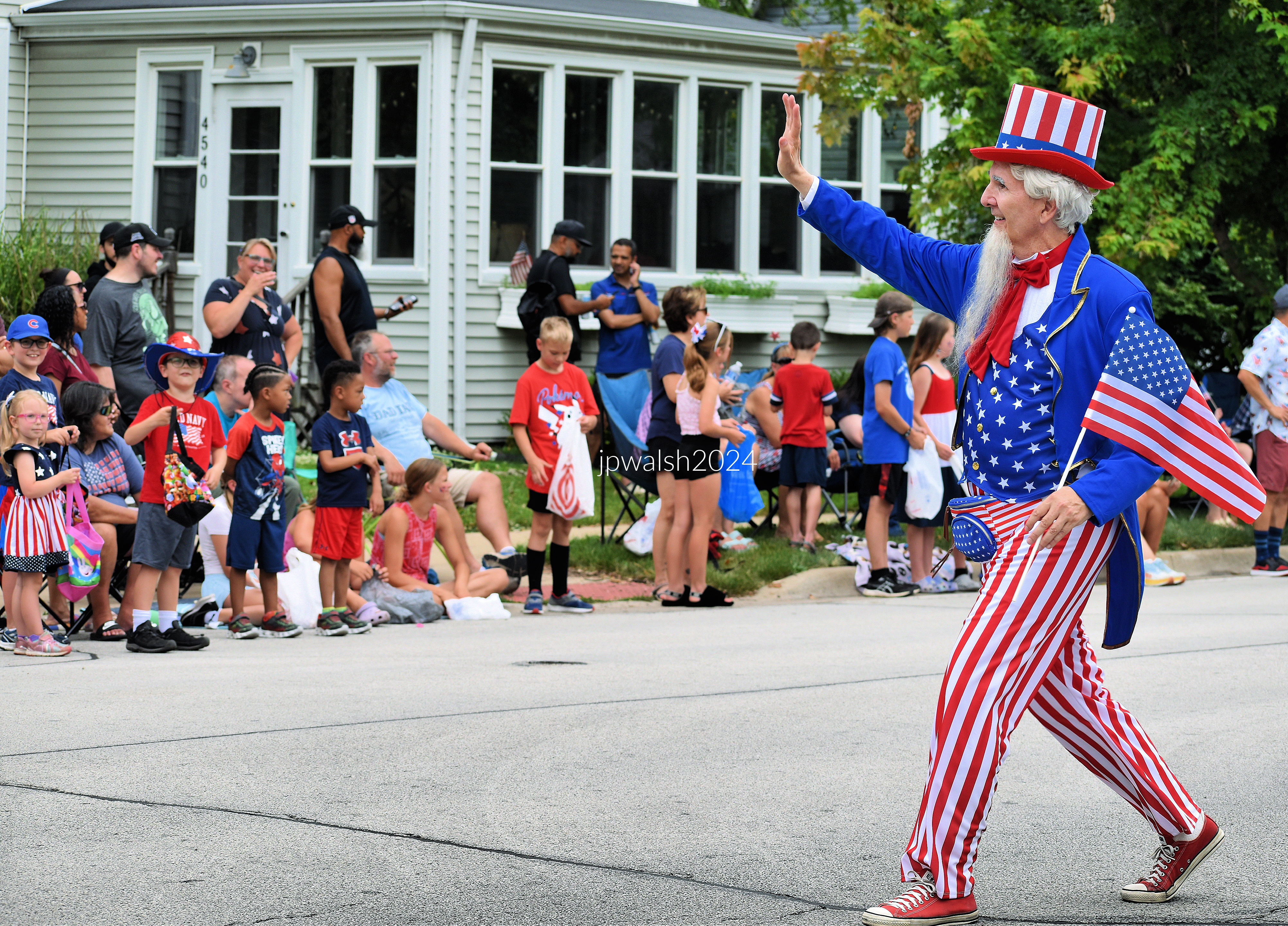
“A stilt‑walking Uncle Sam takes tentative steps and sends a ripple of excitement through the crowd.”
August 2017. 1.95mb DSC_1035August 2017. Indiana. 2.21mb DSC_1082 (1)
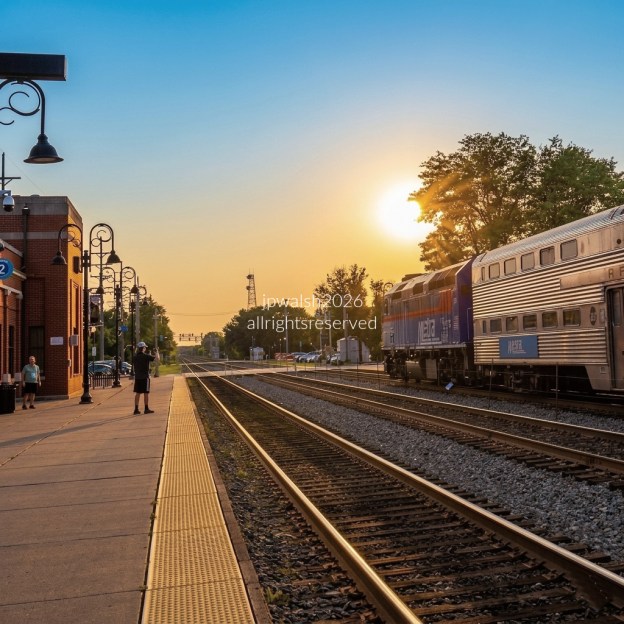
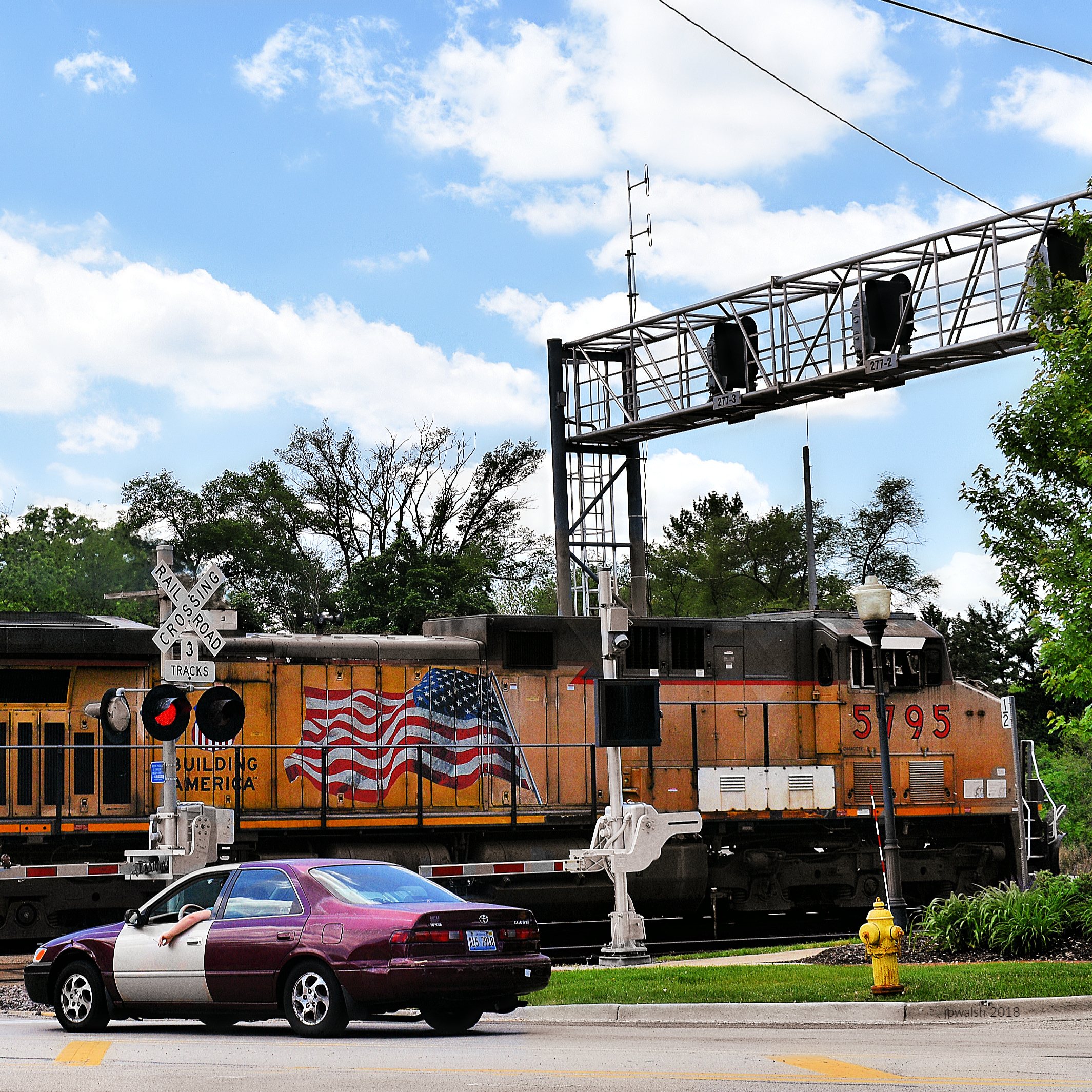
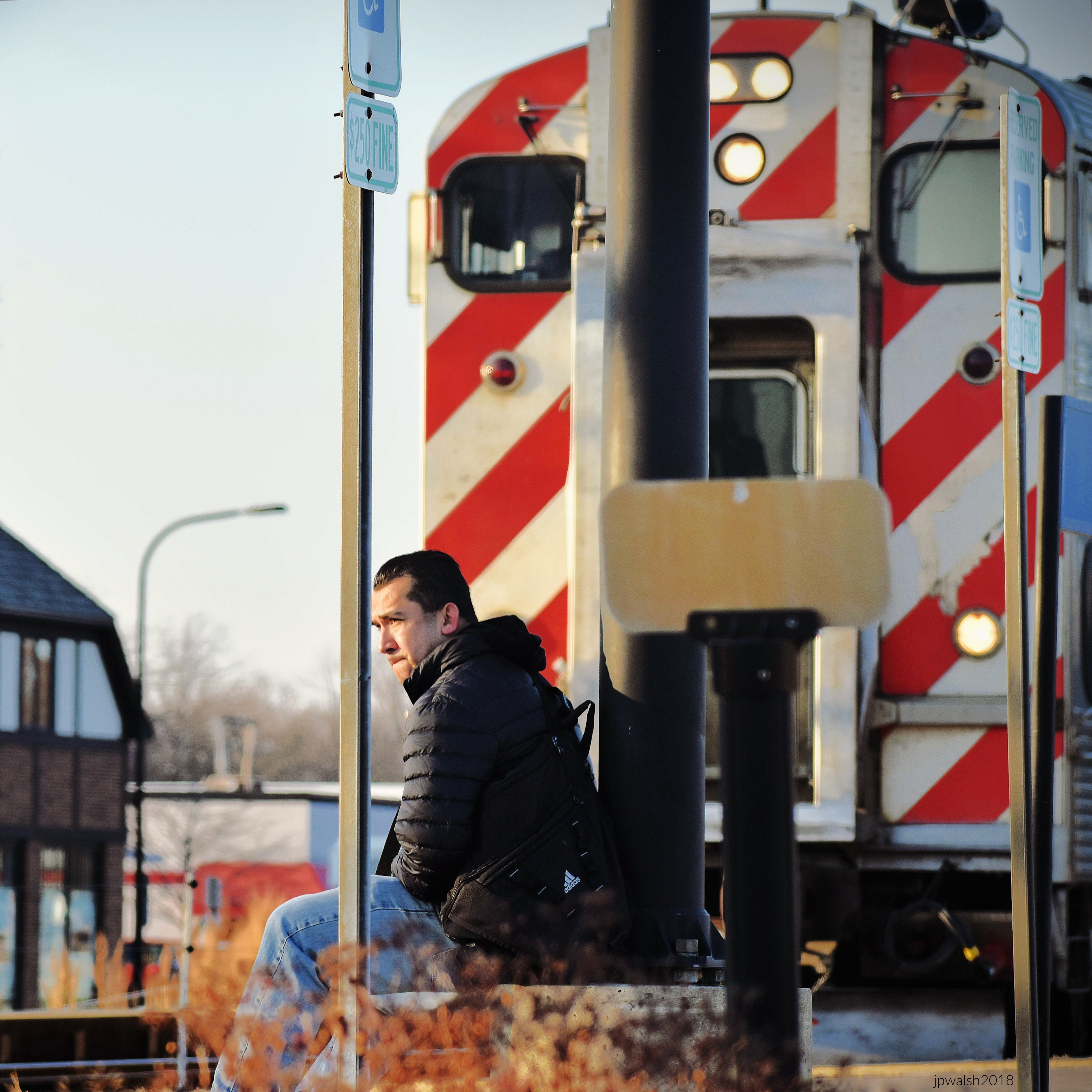
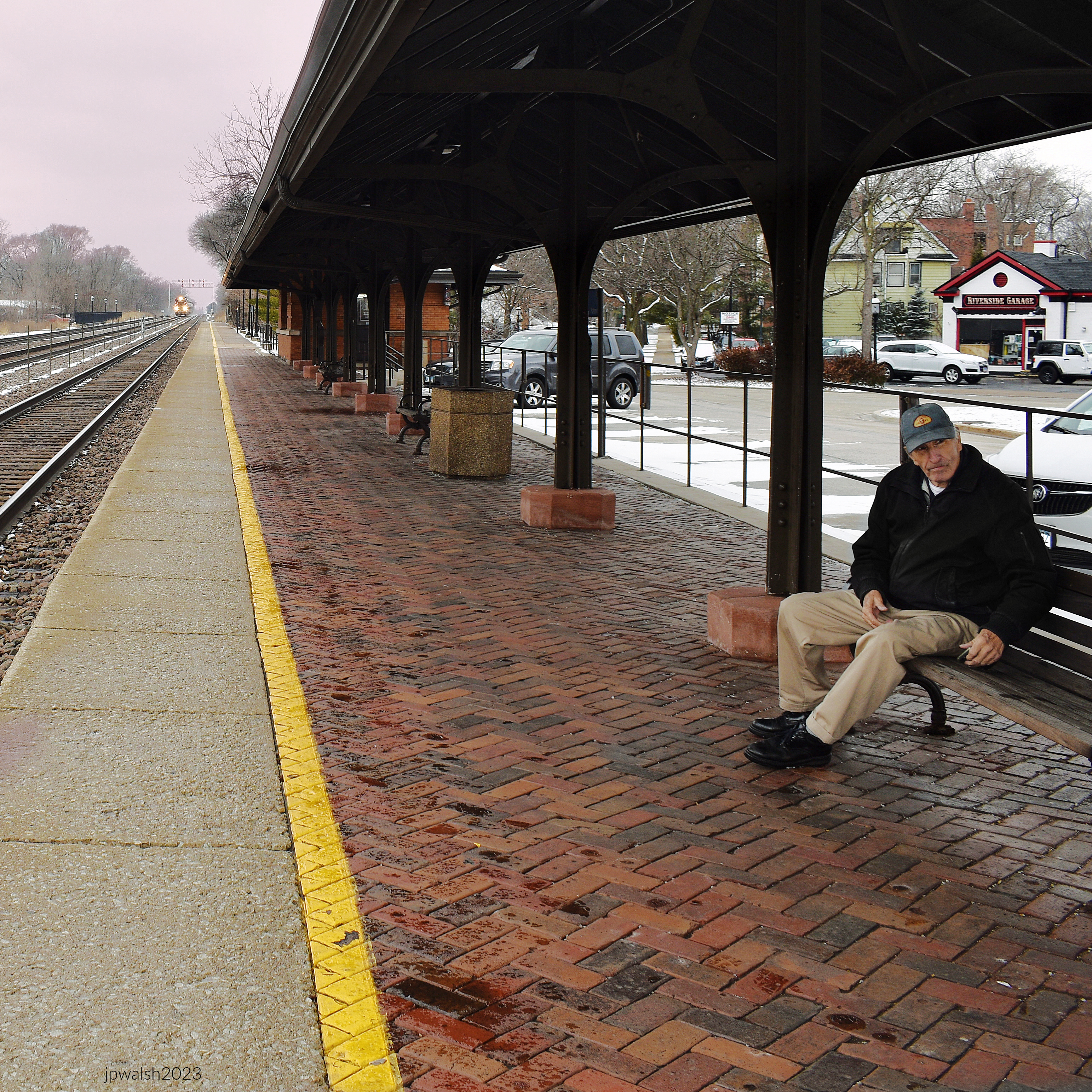
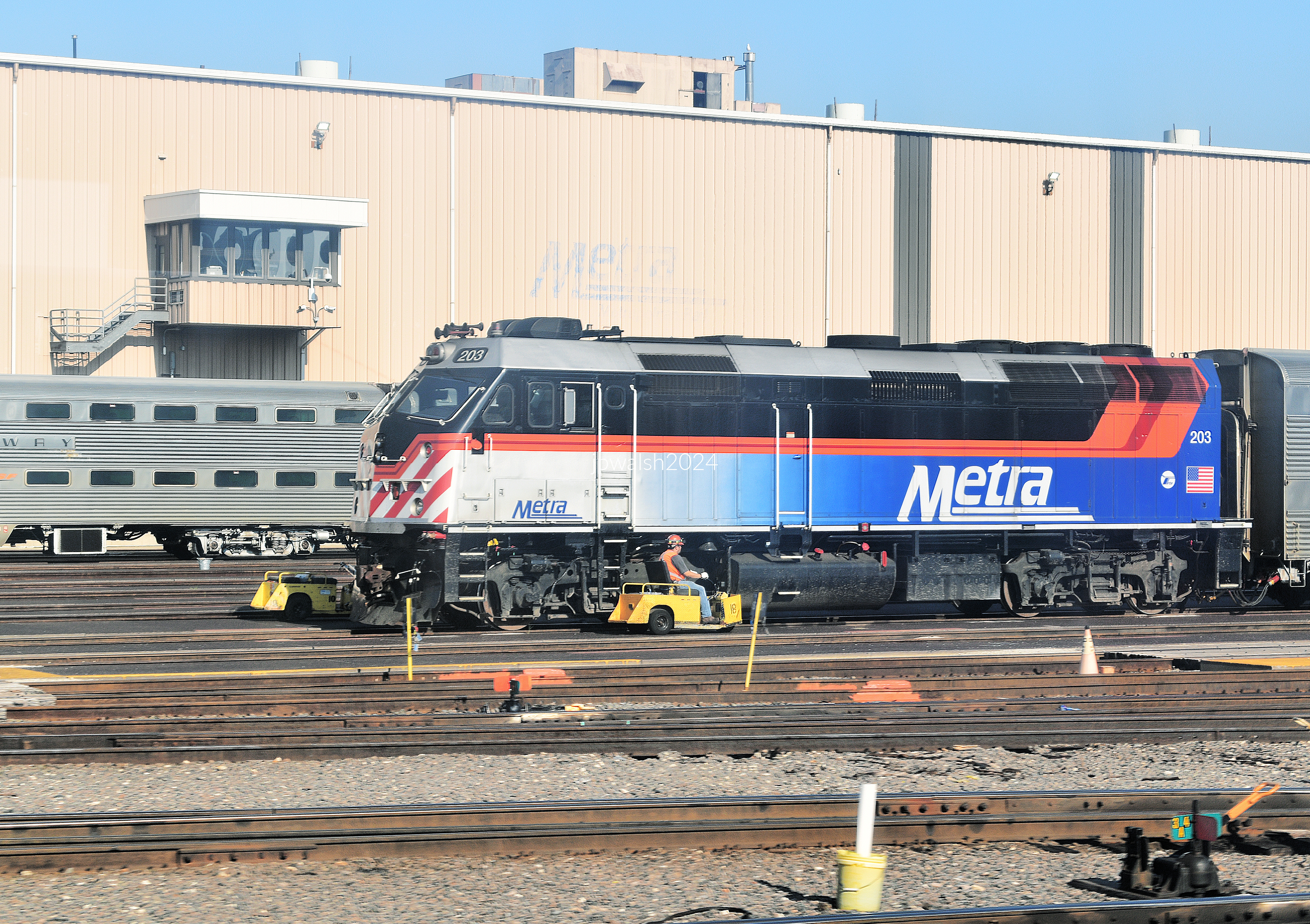
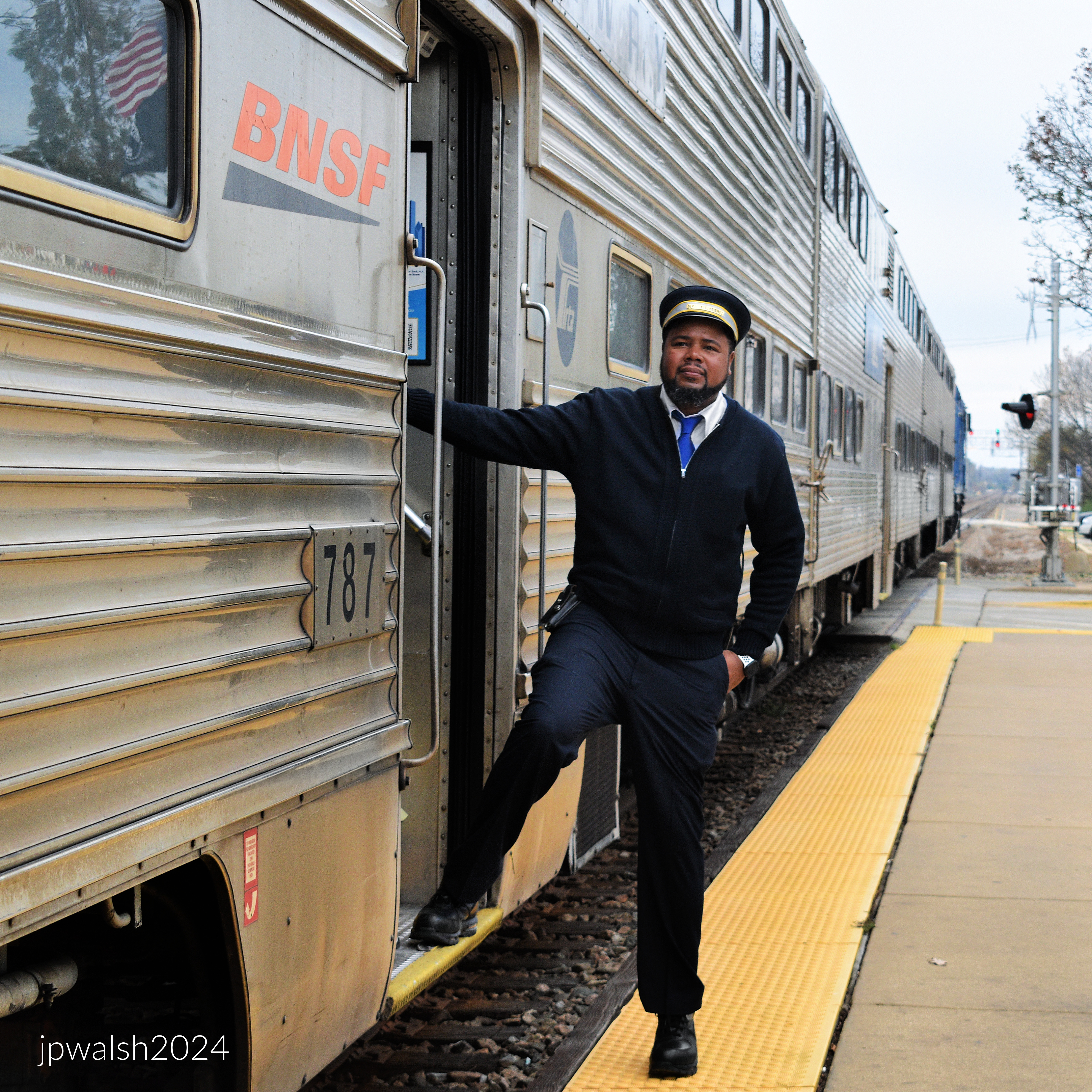
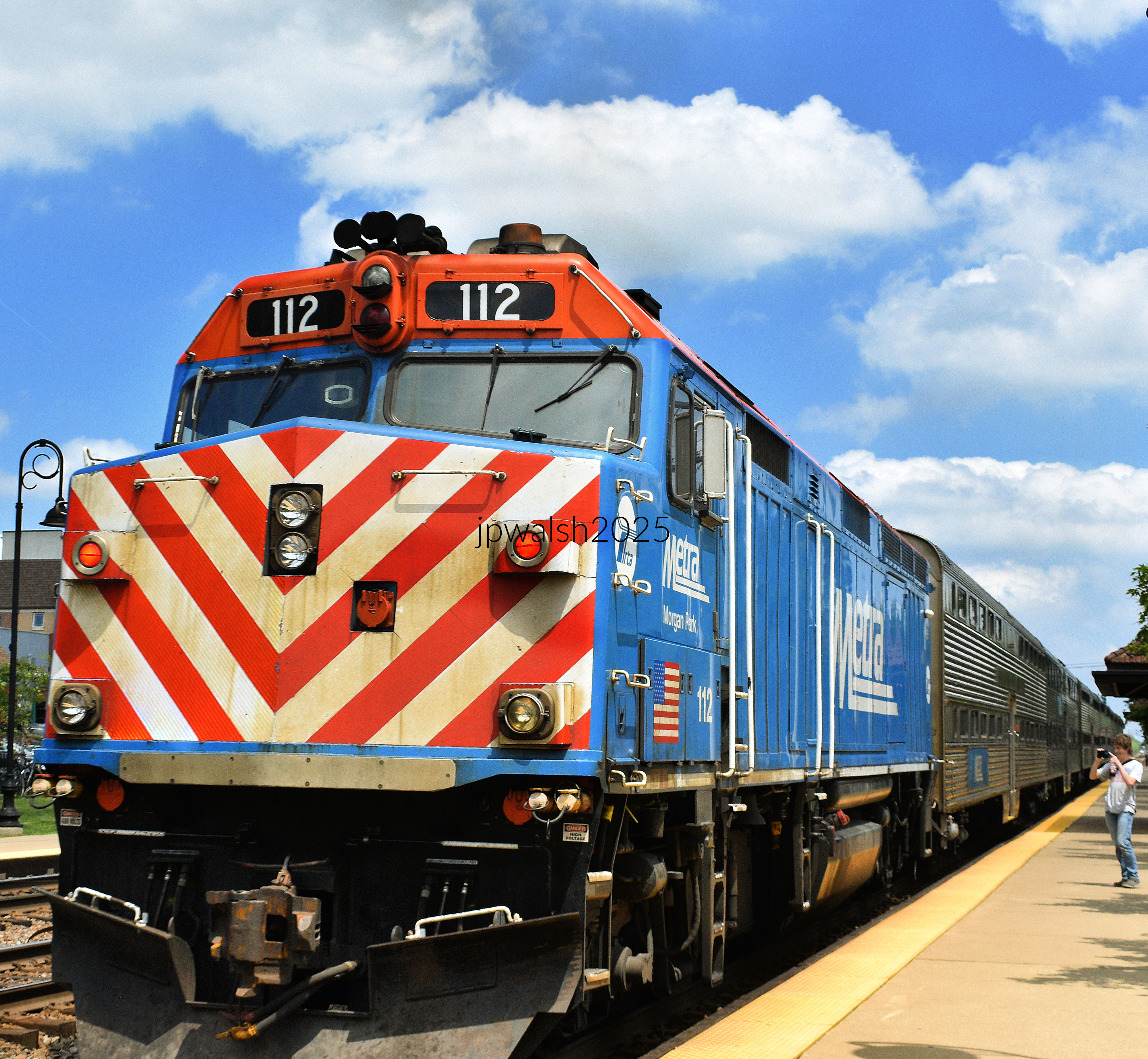
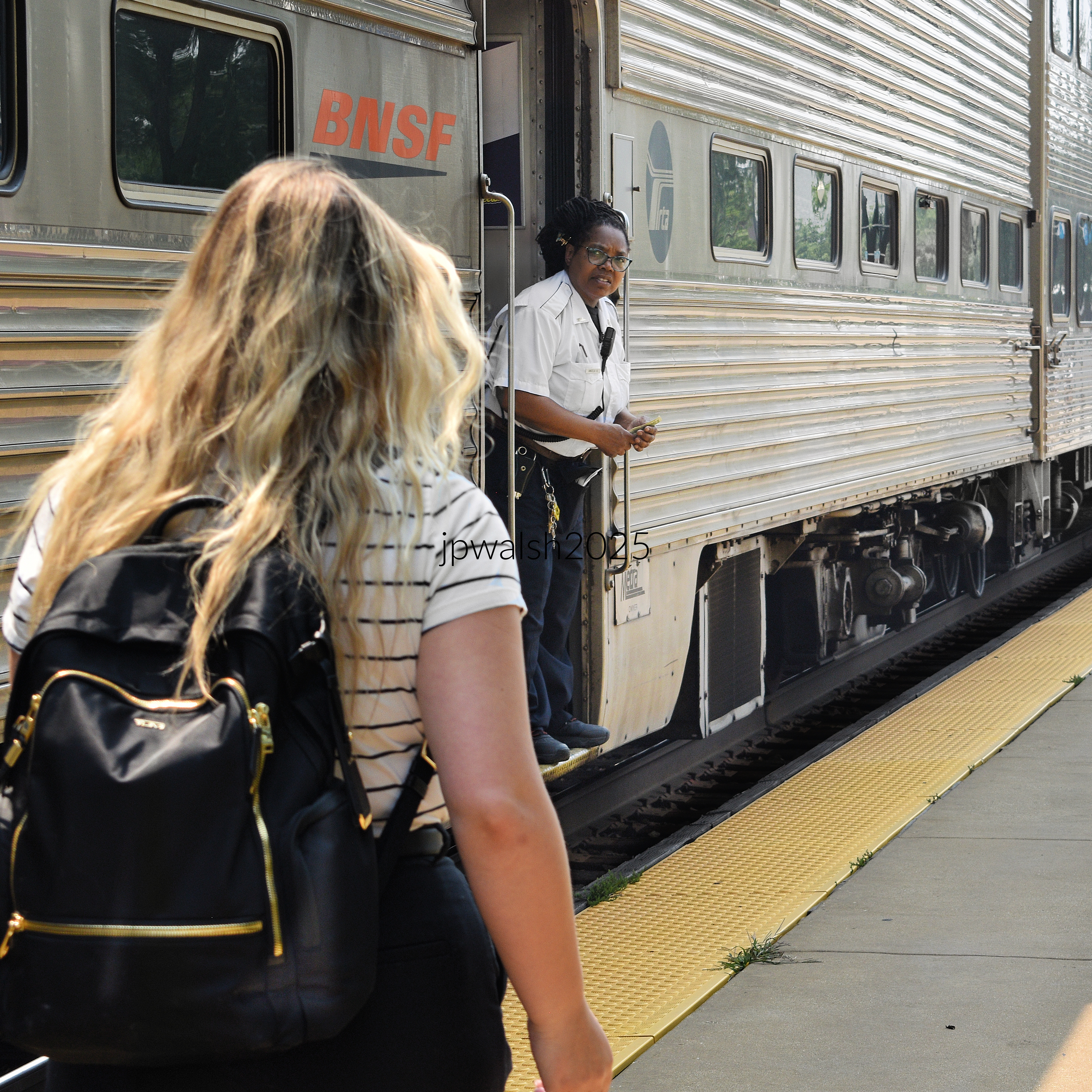
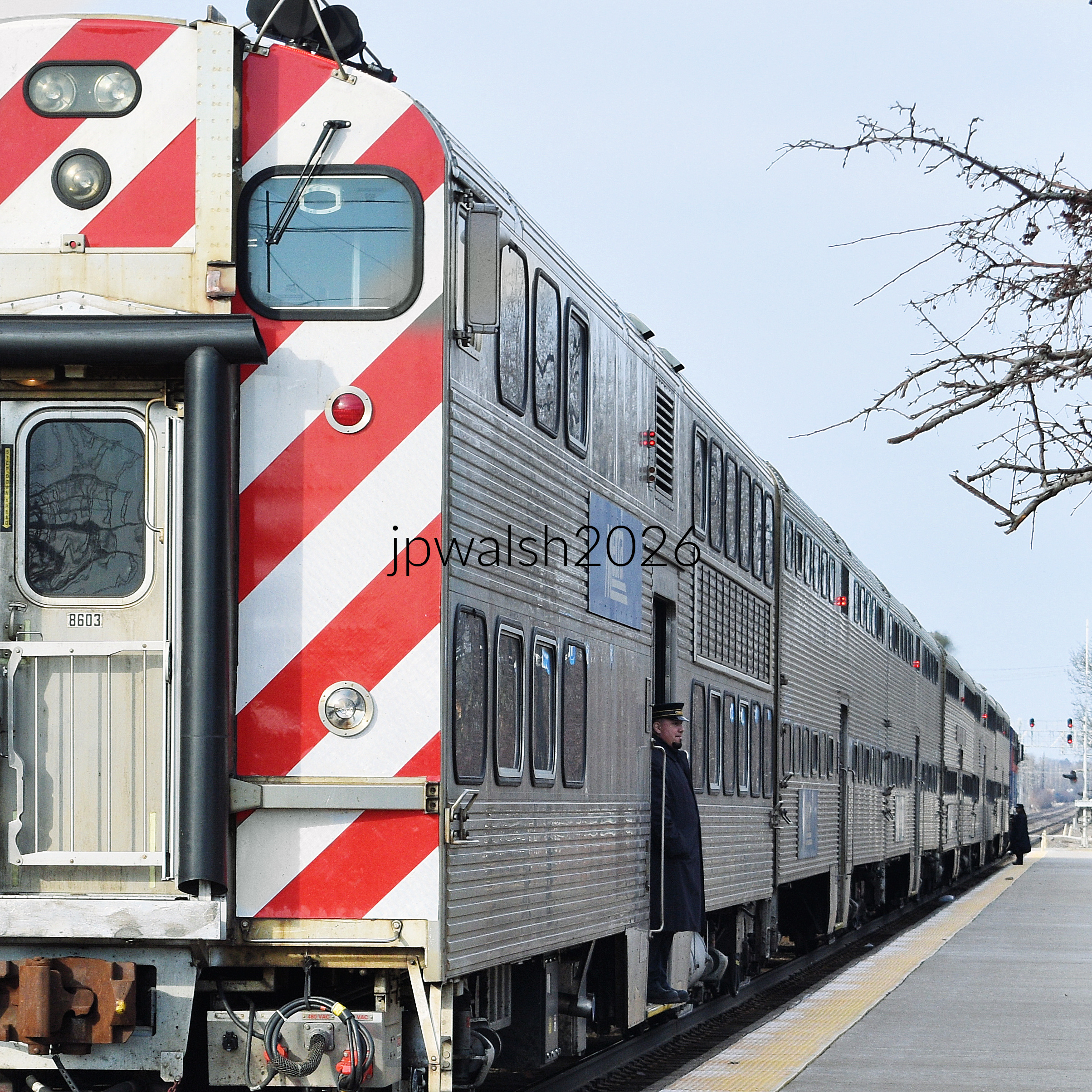
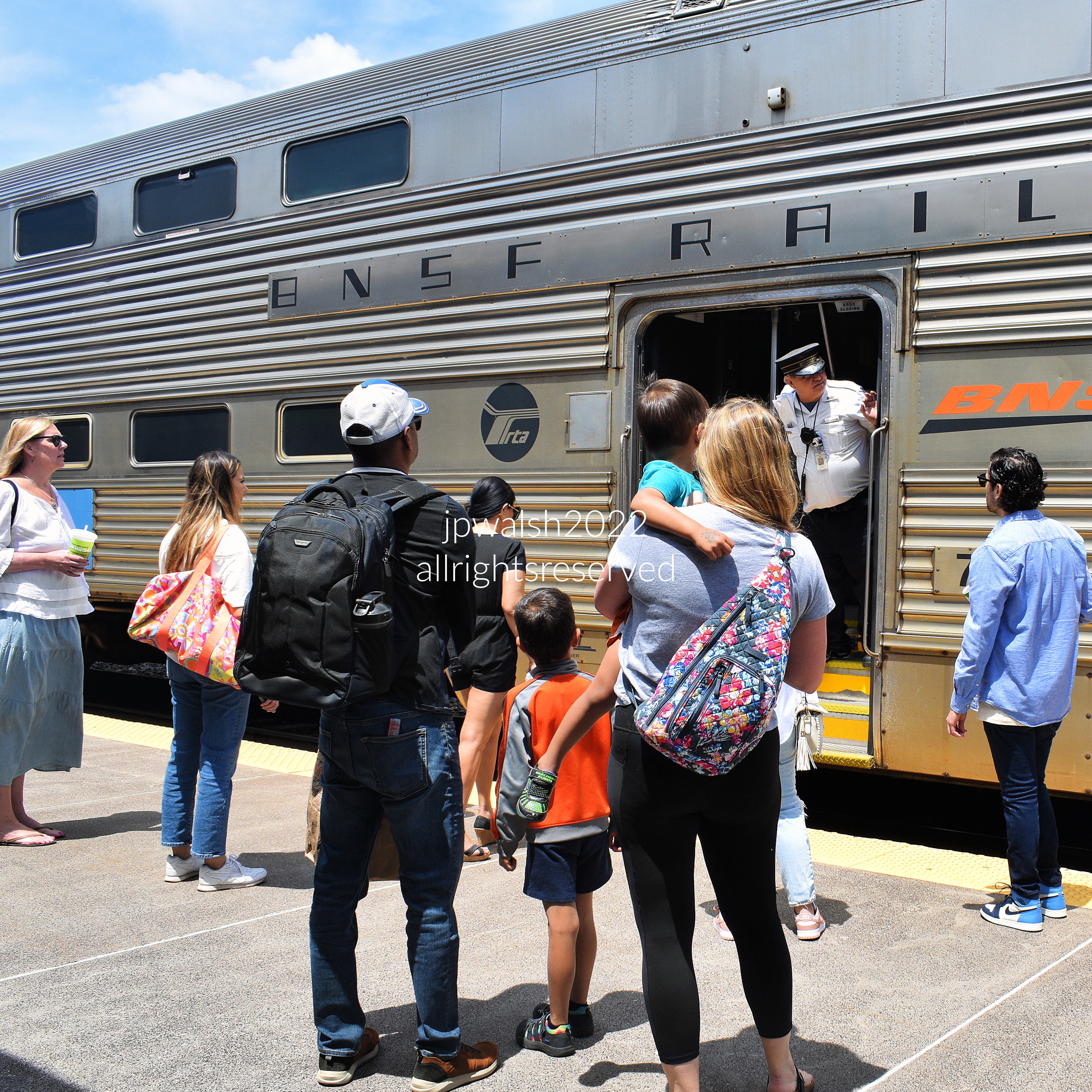
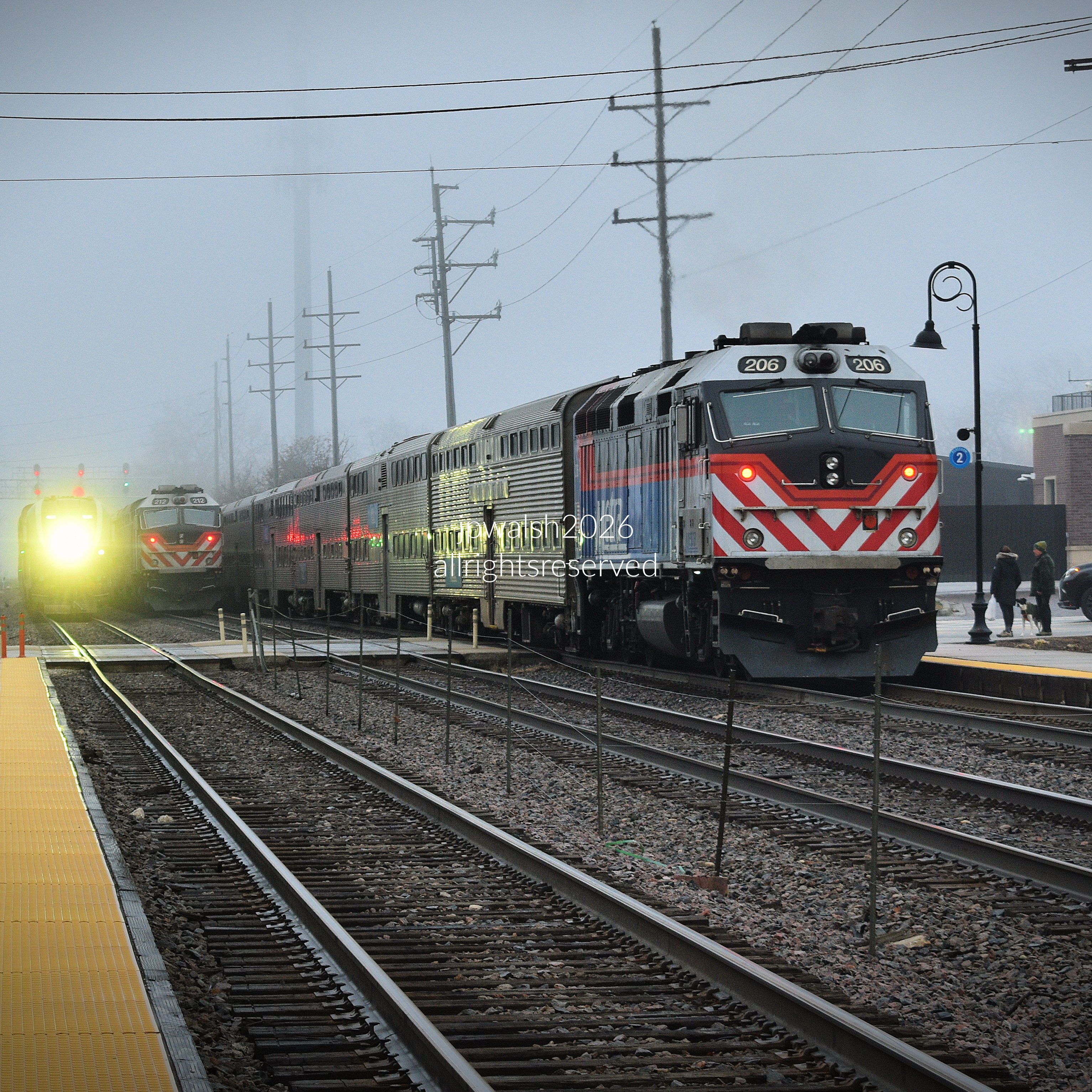
Through contemporary photographs of trains and rail lines, the post explores how rail transportation remains a living part of a region’s identity, linking engineering, public transit, industrial history, and everyday movement across the metropolitan landscape.The trains depicted here are not merely vehicles but moving artifacts of technological evolution, illustrating the enduring importance of railroads in the life, history, and infrastructure of the nation.
Video of same run of Metra Locomotive 185 (above), westbound BSNF Railway Line, August 2022.
November 2017. Downtown Chicago. October 2017. Chicago. Brown Line.
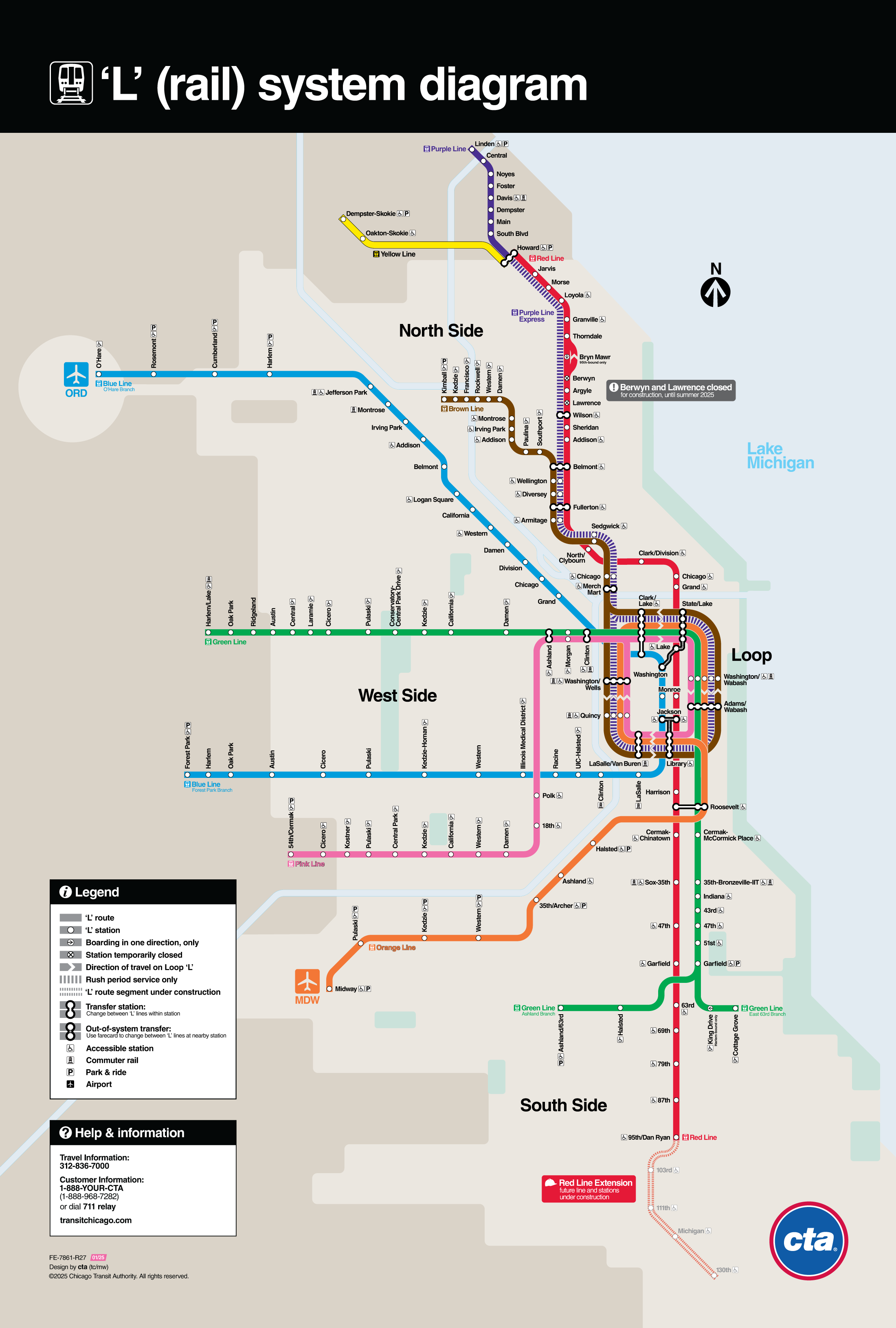
The Brown Line (also known as the Ravenswood Line) is part of the Chicago “El” or “L” rapid transit system. The Chicago public transportation train system offers a total of 8 color-named lines (Yellow, Red, Blue, Pink, Orange, Green, Purple, and Brown). All the lines begin in the downtown “Loop” and branch out from there in different directions throughout the city (except, of course, east into Lake Michigan).
The popular Brown Line travels over 11 miles from downtown Chicago to the north and west to the “Kimball” station in Chicago’s Albany Park. There are 27 stations on the Brown Line and the train runs entirely above ground. The Brown Line first opened in 1907.
July 2021. METX 183, EMD F40PH-2. BSNF Railway Line.
Locomotive METX 183, EMD F40PH-2 was originally built for Metra by General Motors in September 1989 at their Electro-Motive Division (EMD) plant (now closed) in LaGrange, Illinois. see – http://www.rrpicturearchives.net/Locopicture.aspx?id=2727 – retrieved July 1, 2021.
June 2023. Locomotive 183. BSNF Rail Line. 7.77mb 91%
Video of same run of Locomotive 183 (above). BSNF Rail Line, westbound. June 9, 2023.
June 2021. Locomotive 194. BNSF Railway Line.
Locomotive 194 was the first Metra locomotive after 2015 to be completely rebuilt and repainted just outside Patterson, Georgia at the Progress Rail plant. The first F40(PHM) rebuilt “like new” engines were returned to Metra service in September 2016.
The F40PHM locomotives were originally built for Metra by General Motors in 1991 at their Electro-Motive Division plant (now closed) in LaGrange, Illinois.
This locomotive features a short nose and sloped cab improving engineer safety in the event of a crash. These rebuilt locomotives are essentially a brand-new locomotive in their original 1991 frame.
The paint scheme for the F40 was developed by a Metra engineer for earlier rebuilds of Metra F59PH and MP36PH locomotives with slight variations.
These rebuilds offer internal systems that are an improvement over the original—this includes better emissions. Locomotive 194 and the 40 other F40PH-2 and F40PHM-2 locomotives that were under contract to be rebuilt for Metra in 2015 are expected to be in service until around 2030.
The total cost for these 41 rebuilt locomotives was $91 million—that is, about $2.2 million for each locomotive. That is contrasted to the cost of a brand new locomotive (about $7 million each). These F40 rebuilds, which serve mainly on the BSNF line, are familiarly called “Winnebagos” for their sleek style reminiscent of the recreational vehicles of that well-known manufacturer.