Tag Archives: #BuiltEnvironment

CHICAGO SKYLINE: The Shape of a Great City.

Feature Image: Chicago. October 2015. Author’s photograph. 5.85mb DSCN1452 (1).

Chicago’s skyline demonstrates how architecture, engineering, and urban design combine to create one of the world’s most recognizable cityscapes, where individual landmarks become part of a larger visual composition of steel, stone, glass, light, and ambition.

Chicago skyline from Museum Campus promontory (Northerly Island). October 2016. Author’s photograph. 4.90mb DSC_0104 (1)

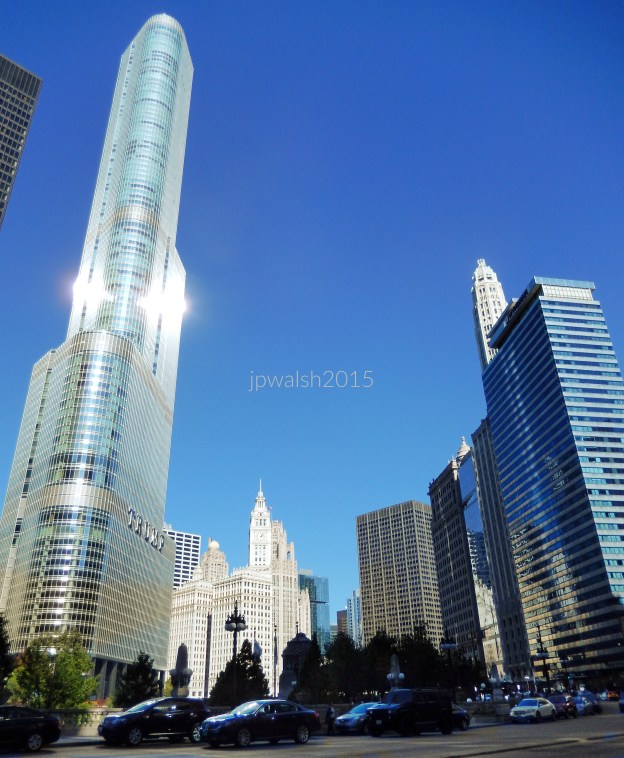
Chicago. October 2015. Author’s photograph. 5.85mb DSCN1452 (1).

Wacker Drive and Wabash Avenue looking east, Chicago. From left: Trump International Hotel and Tower, Adrian Smith, architect (2009). Trump Tower Chicago is a 98-story skyscraper at 401 N Wabash Ave, completed in 2009. Rising 1,389 feet with its spire, it includes 486 condos, a 339-room hotel, and ranks as the 4th tallest building in the United States.

Wrigley Building, Graham, Anderson, Probst & White, architect (1921).

Tribune Tower (partially hidden), Howells & Hood, architect (1925).

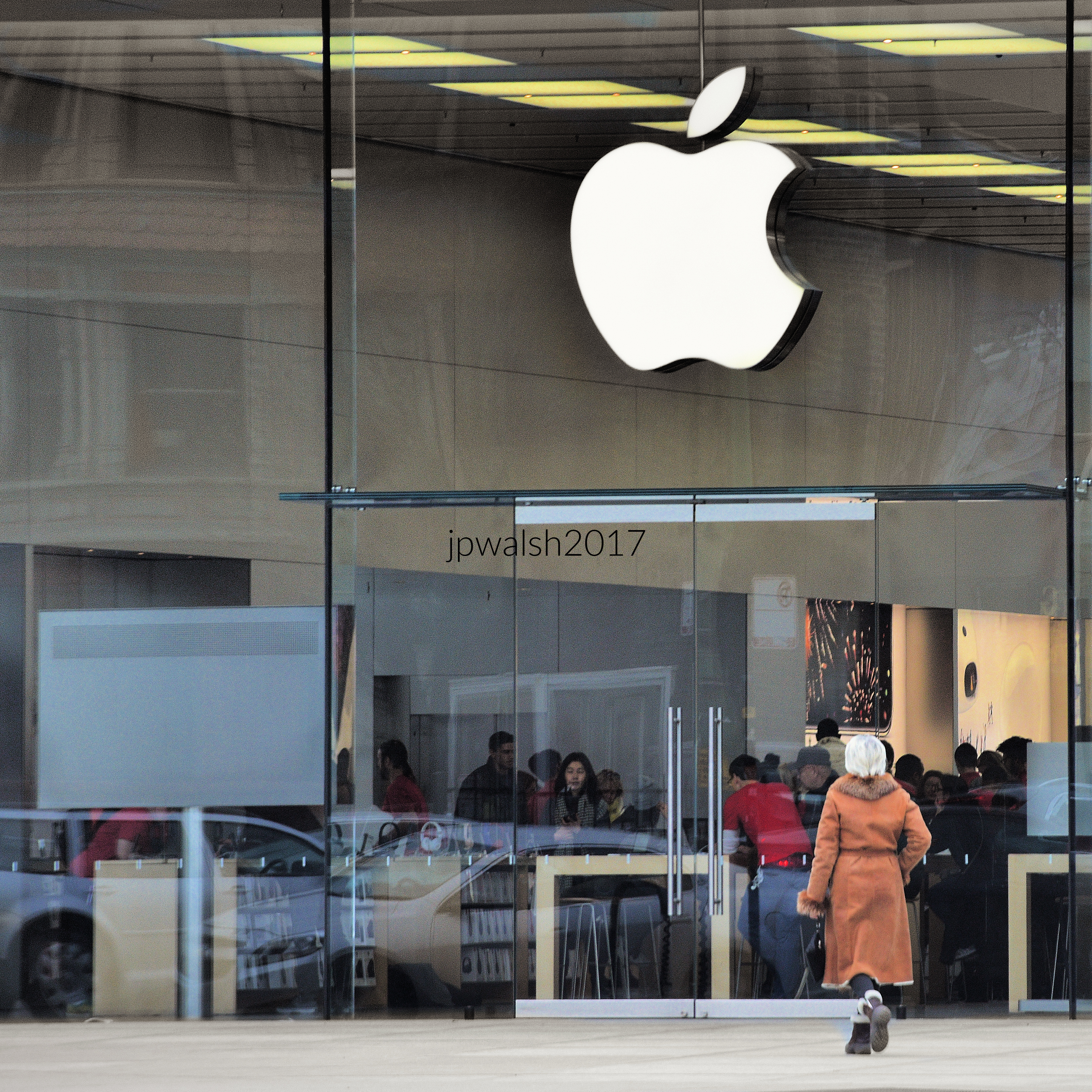
401 N Michigan Avenue (Equitable Building), Skidmore, Owings & Merrill, architect (1965/Facelift 1992/Renovation 2016). The plaza (Pioneer Court) of the Miesian 401 N. Michigan draws over 22,000 pedestrians daily from busy Michigan Avenue. Apple’s global flagship store shares the plaza that provides immediate access to the Riverwalk via the Spanish Steps. see – 401 N Michigan Ave, Chicago, IL 60611 – Office for Lease | LoopNet – retrieved February 13, 2026.

360 N. Michigan Avenue (London Guarantee & Accident Building), Alfred S. Alschuler, architect (1923).

85 E. Wacker Drive (London House).

75 E. Wacker (formerly Lincoln Tower, originally Mather Tower), Herbert Hugh Riddle, architect (1928) and Harry Weese & Assocs. (Renovation/1983).

71 E. Wacker Drive (The Royal Sonesta Chicago Downtown, formerly Executive House Hotel), Milton Schwartz, architect (1959). 71 E. Wacker Drive is the first high-rise hotel in Chicago since the Great Depression. see – Executive House Hotel, 71 E. Wacker, Chicago – retrieved February 13, 2026.
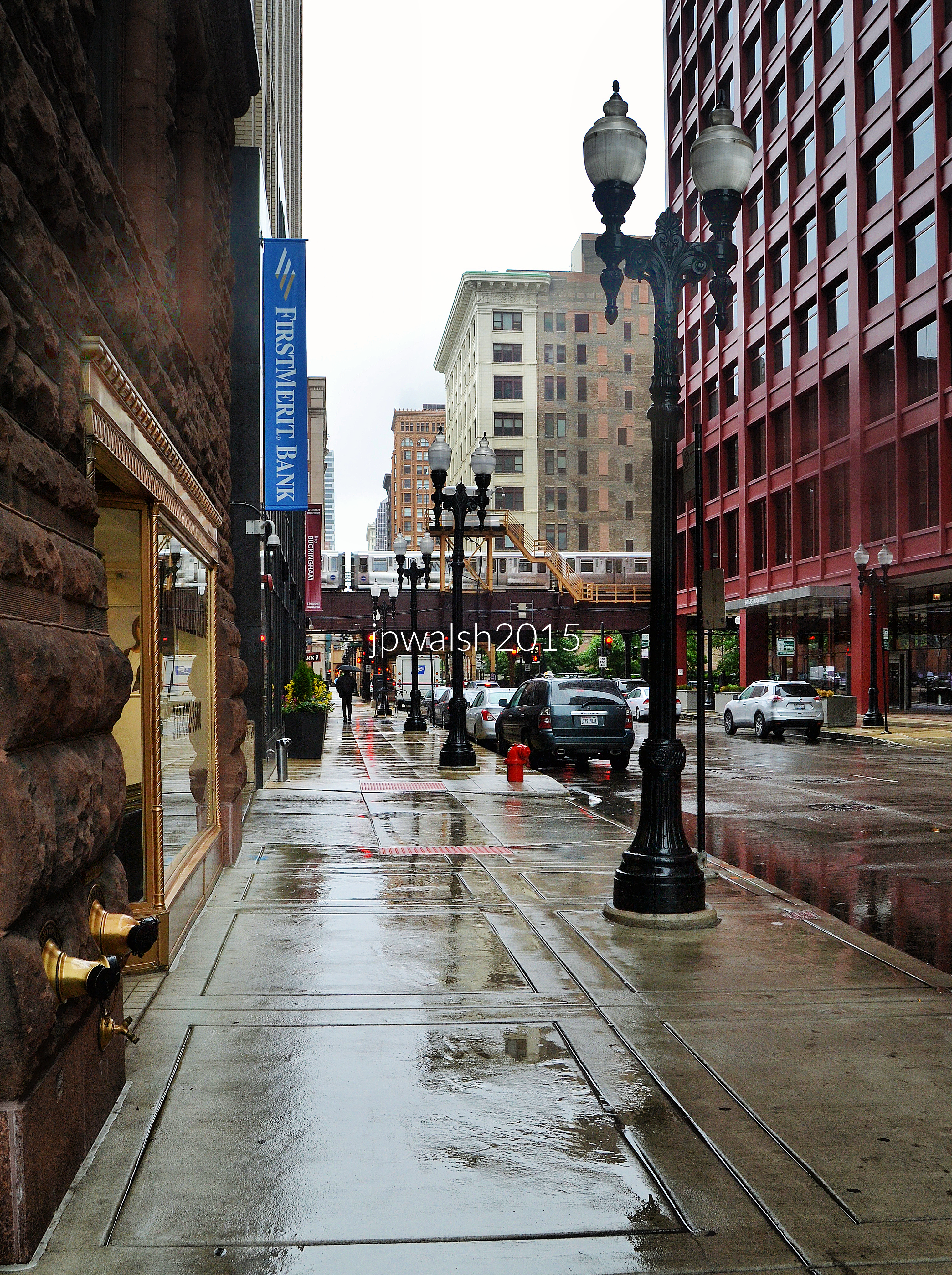
Chicago. May 2015. Author’s photograph. 99% 7.92mb DSC_0468.

Michigan Avenue and Van Buren Street looking west on Van Buren, Chicago. Left: Chicago Club, 81. E. Van Buren, Granger & Bollenbacher, architect (1929).

Right: CNA Center (333 S. Wabash Avenue), Graham, Anderson, Probst, architect (1972).

Near background: 333 S. State, DePaul Center (formerly Goldblatt’s, originally Rothschild & Co. Store), Holabird & Roche, architect (1912), renovation 1993.

Far background: Fisher Building (343 S. Dearborn Street), D.H. Burnham & Co., architect (1896) and Northern Addition, Peter J. Weber, architect (1907). Restoration and adaptive Reuse, 2001.
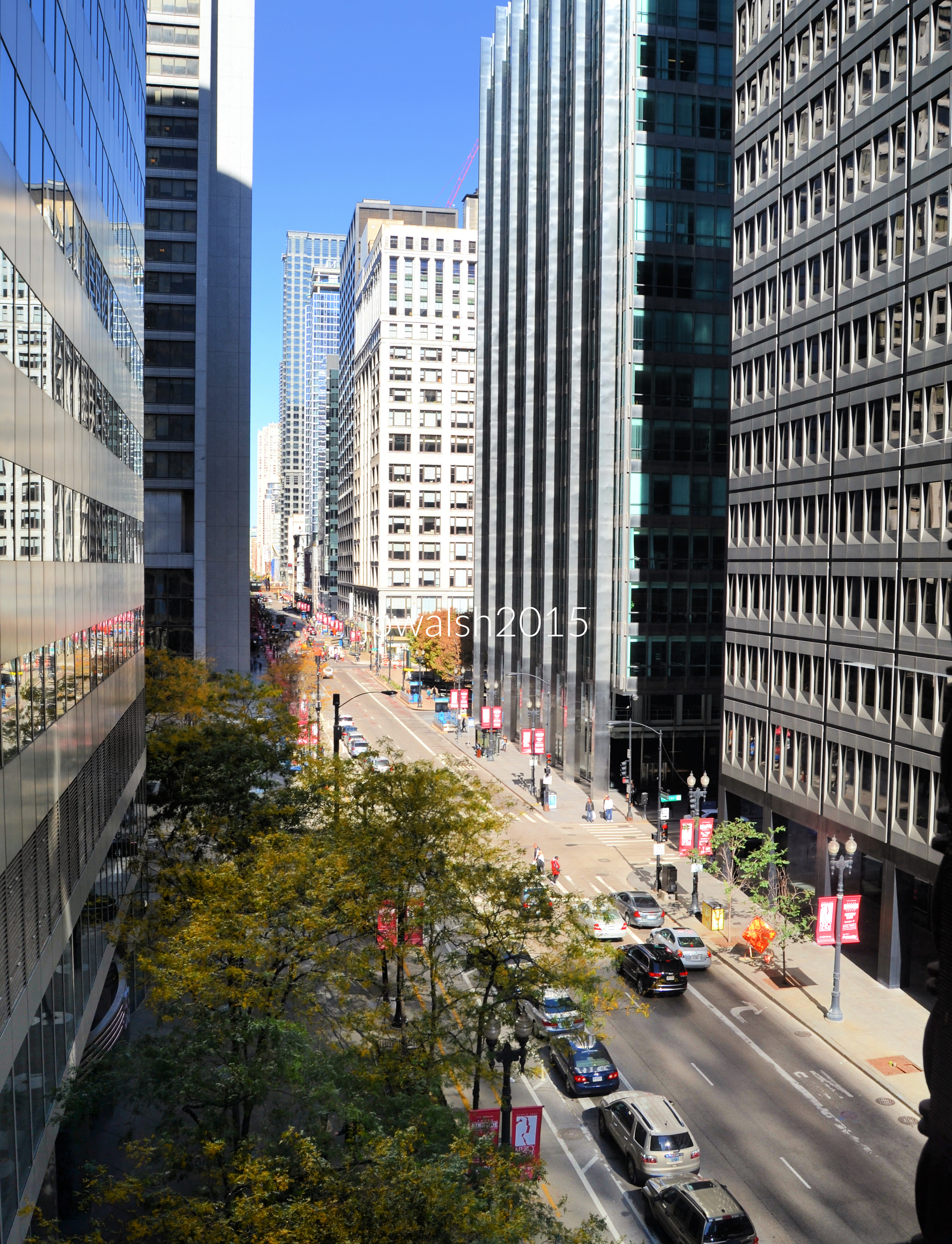
Chicago. October 2015. Author’s photograph. 4.28mb DSC_0061 (1)

Adams and Dearborn Streets looking north along Dearborn, Chicago. Left: 55 Xerox Center, 55 West Monroe, Chicago, Helmut Jahn, architect (1977-1980). Behind (partially hidden): Chase Tower (originally First National Bank of Chicago), Perkins & Will; C.F. Murphy Assocs. (1969).

Right: 33 W. Monroe, Skidmore, Owings & Merrill, architects (1980). Behind: Inland Steel Building, 30 W. Monroe, Skidmore, Owings & Merrill, architects (1954-1958).

Background: 2 N. State/1 N. Dearborn Streets (originally, Boston Store), Holabird & Roche (1906; 1917), renovation (2001).

Chicago. November 2015. Author’s photograph. 3.77mb DSC_0384 (1).

Halsted Street between Adams Street and Jackson Boulevard looking east, Chicago. Union Station Tower (MidAmerica Commodity Exchange), Skidmore, Owings & Merrill, architect (1971). Willis Tower (originally, Sears Tower), Skidmore, Owings & Merrill, architect (1974).

Chicago. December 2015. Author’s photograph. 2.40mb DSC_0577 (2).

Balbo and Wabash Avenues looking north on Wabash. Left: (with Columbia College wall sign) 33 Ida B. Wells Drive building, Alfred S. Alschuler, architect, (1925/1926). DePaul University College of Law, 25 E. Jackson and, beyond, 230 S. Wabash, a 21-story building built in 1910.

Center: Trump International Hotel and Tower, Adrian Smith, architect (2009).

At right: Roosevelt University: Auditorium Building, Adler & Sullivan, architect (1887-1889) and The Wabash Building, a 32-story zigzagging glass structure, Christopher Groesbeck, AIA, architect (2012). CNA Center (333 S. Wabash Avenue), Graham, Anderson, Probst, architect (1972).
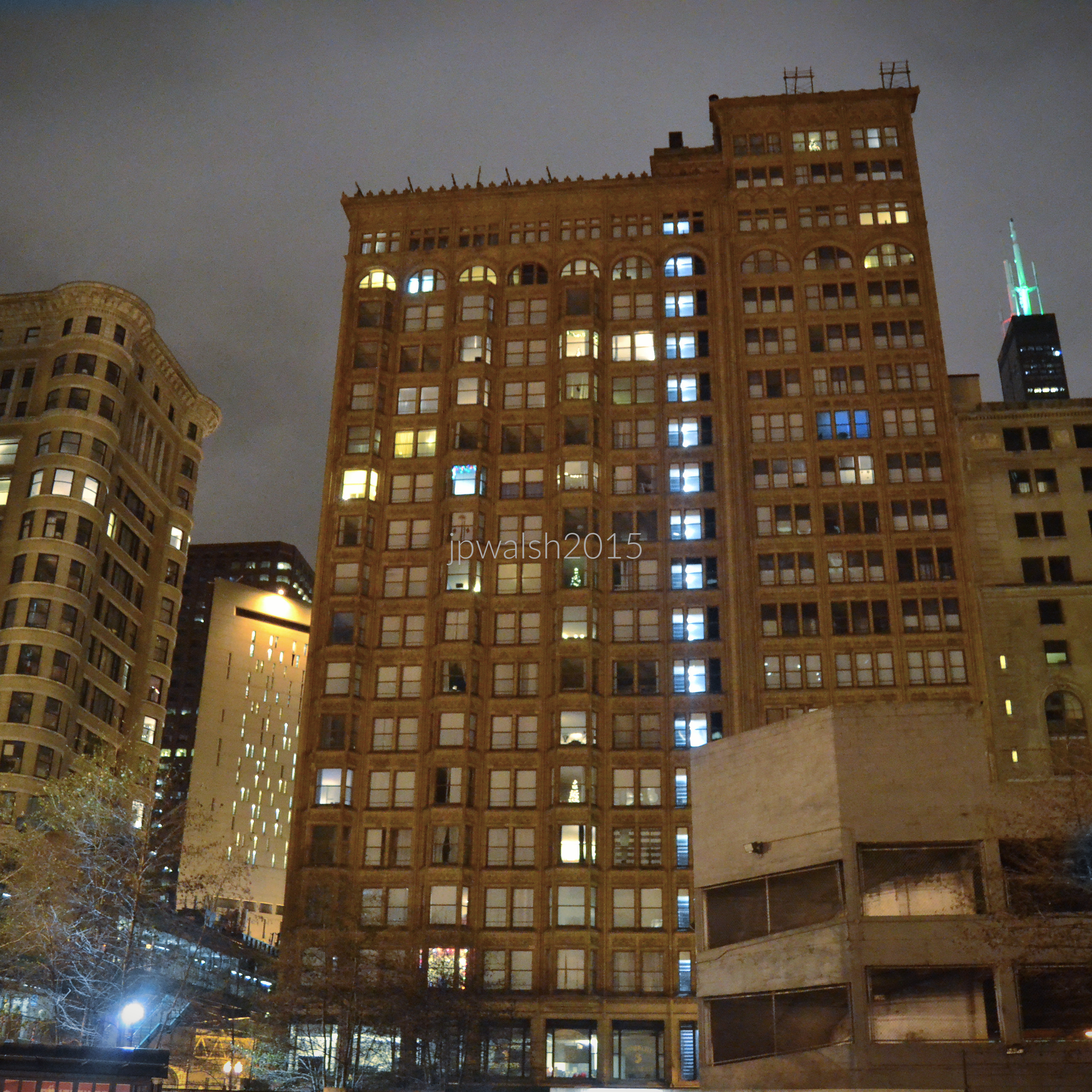
Chicago. December 2015. Author’s photograph. 3.60mb DSC_0986 (2)

From left: Old Colony Building, 407 S. Dearborn Street, Holabird & Roche, architect (1894), Chicago Metropolitan Correctional Center, 71 W. Van Buren Street, Harry Weese & Associates (1975), Fisher Building, 342 S. Dearborn Street, D.H. Burnham, architect (1896) and Northern Addition, Peter Weber, architect (1907) and Sears Tower, 233 S. Wacker Drive, Skidmore, Owings & Merrill, architect (1974).
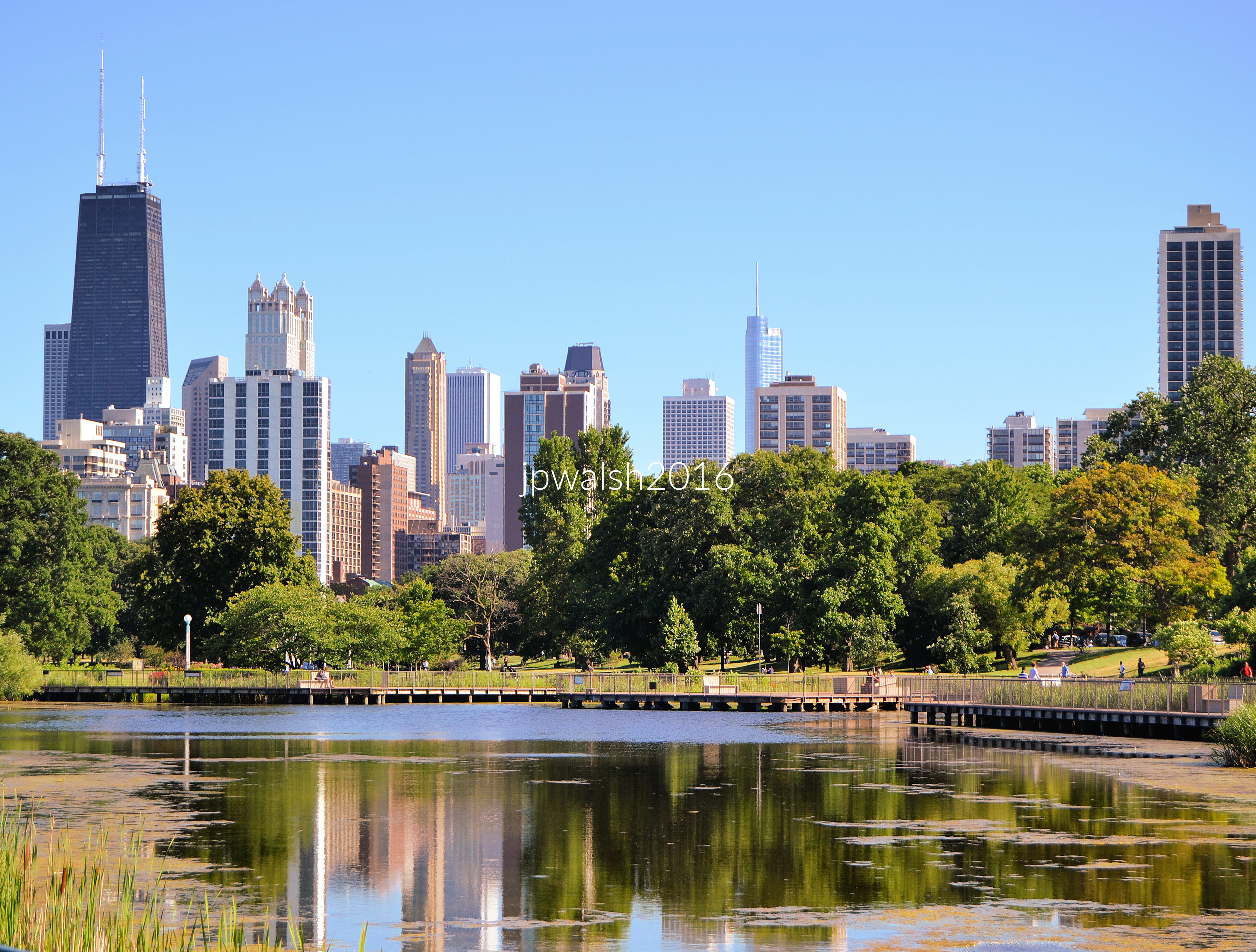
Chicago. July 2016. Author’s photograph. 5.33mb DSC_0743 (1)

Lincoln Park looking over South Pond towards downtown. At left: (partial view) Water Tower Place, 845 N. Michigan Avenue, Loebl, Schlossman & Hackl, architect (1976); John Hancock Building, 875 N. Michigan Avenue, Skidmore, Owings & Merrill, architect (1969); 900 North Michigan Avenue, Kohn Pedersen Fox, architect (1989); Park Tower, 800 N. Michigan Avenue, Lucien LaGrange & Assoc., architect (2000); The Aon Center (formerly, Amoco Building; originally, Standard Oil Building), 200 E. Randolph Street, Edward Durell Stone; Perkins & Will, architects (1973); Trump International Hotel and Tower, Adrian Smith, architect (2009); At right: James House, 1560 North Sandburg Terrace, Solomon Cordwell Buenz, architect (1971).
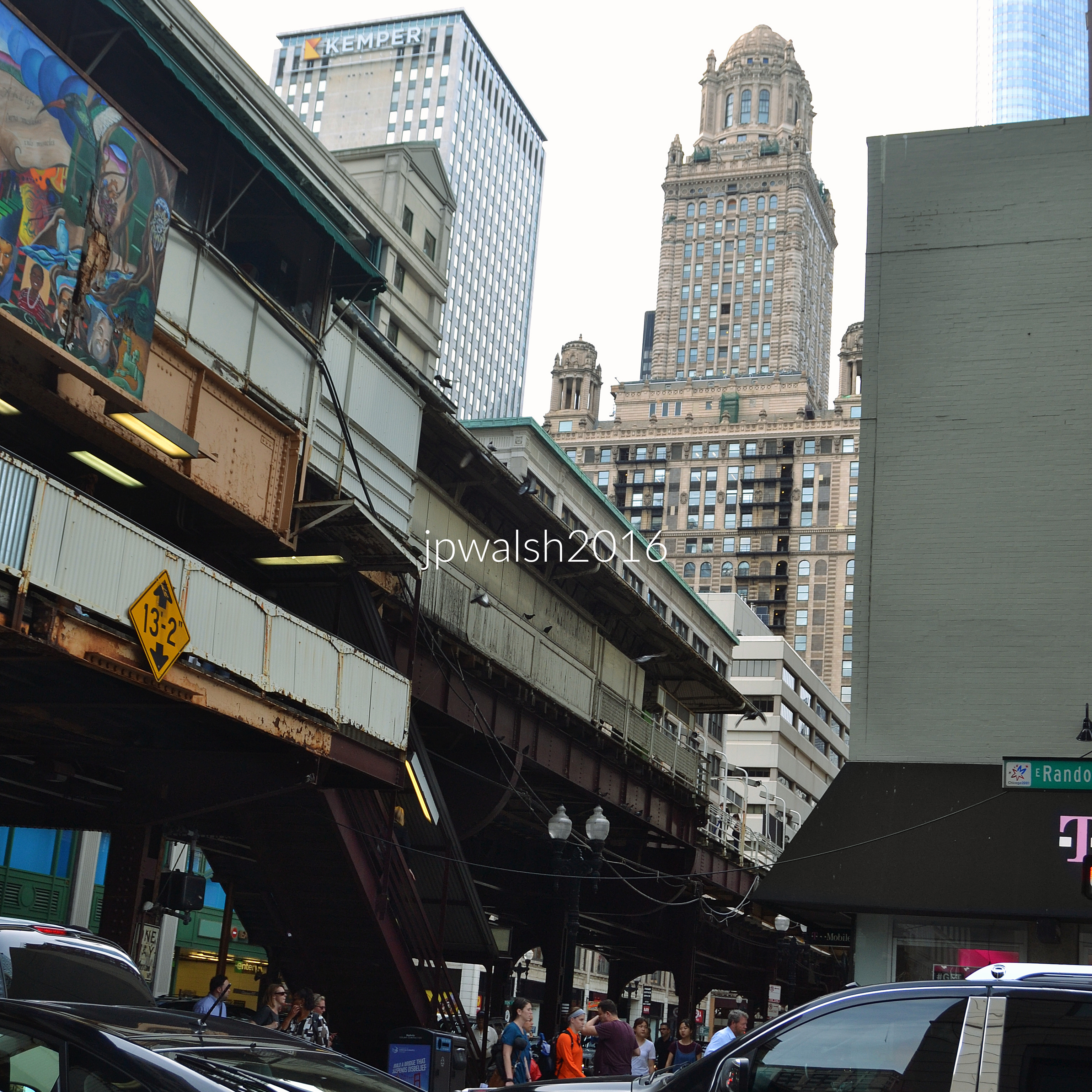
Chicago. July 2016. Author’s photograph. 3.28 mb DSC_0045 (1)

Looking north on Wabash Avenue from Randolph Street, the Chicago elevated train follows a north-south route along Wabash Avenue and has been part of downtown since the late 1890’s. The “Kemper” sign is on the relatively dull modernist Kemper Building, now One East Wacker, Shaw, Metz & Assoc., architect (1962). Followed by 35 East Wacker Drive (formerly Pure Oil Building; originally, Jewelers Building) with its distinctive dome, Glaver & Dinkelberg; Thielbar & Fugard, Assoc. Archs., architect (1926). Partial view is Trump Tower. 
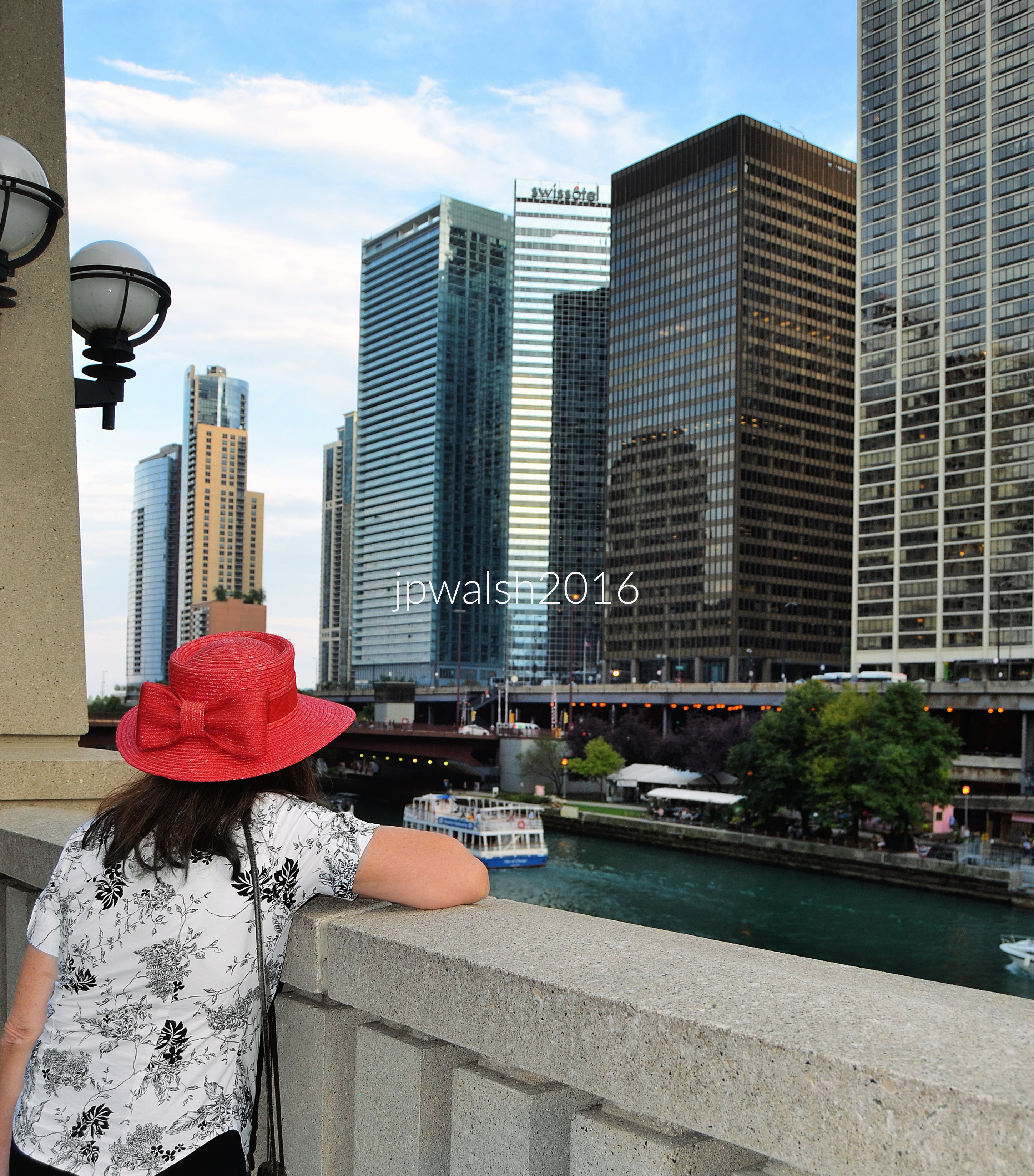
Chicago. September 2016. Author’s photograph. 3.89mb DSC_0740 (1)

Right to left: The 233 E. Wacker Drive building (known as Columbus Plaza) in Chicago is 48-story apartment building, Fujikawa Conterato Lohan and Associates, architect (1978-1980).
The 111 E. Wacker Drive building (known as One Illinois Center) in Chicago, is a 30-story Modernist building featuring bronze anodized aluminum and dark-tinted glass, Ludwig Mies van der Rohe in association with Joseph Fujikawa, architect (1967-1970).
The Swissôtel Chicago at 323 E. Wacker Drive, is a 45-story, triangular, all-glass luxury hotel, Harry Weese and Associates, architect (1989).  
The 345 E. Wacker Drive building (known as Coast at Lakeshore East) in Chicago is a 40-story residential apartment tower, bKL Architecture LLC, architect (2013).
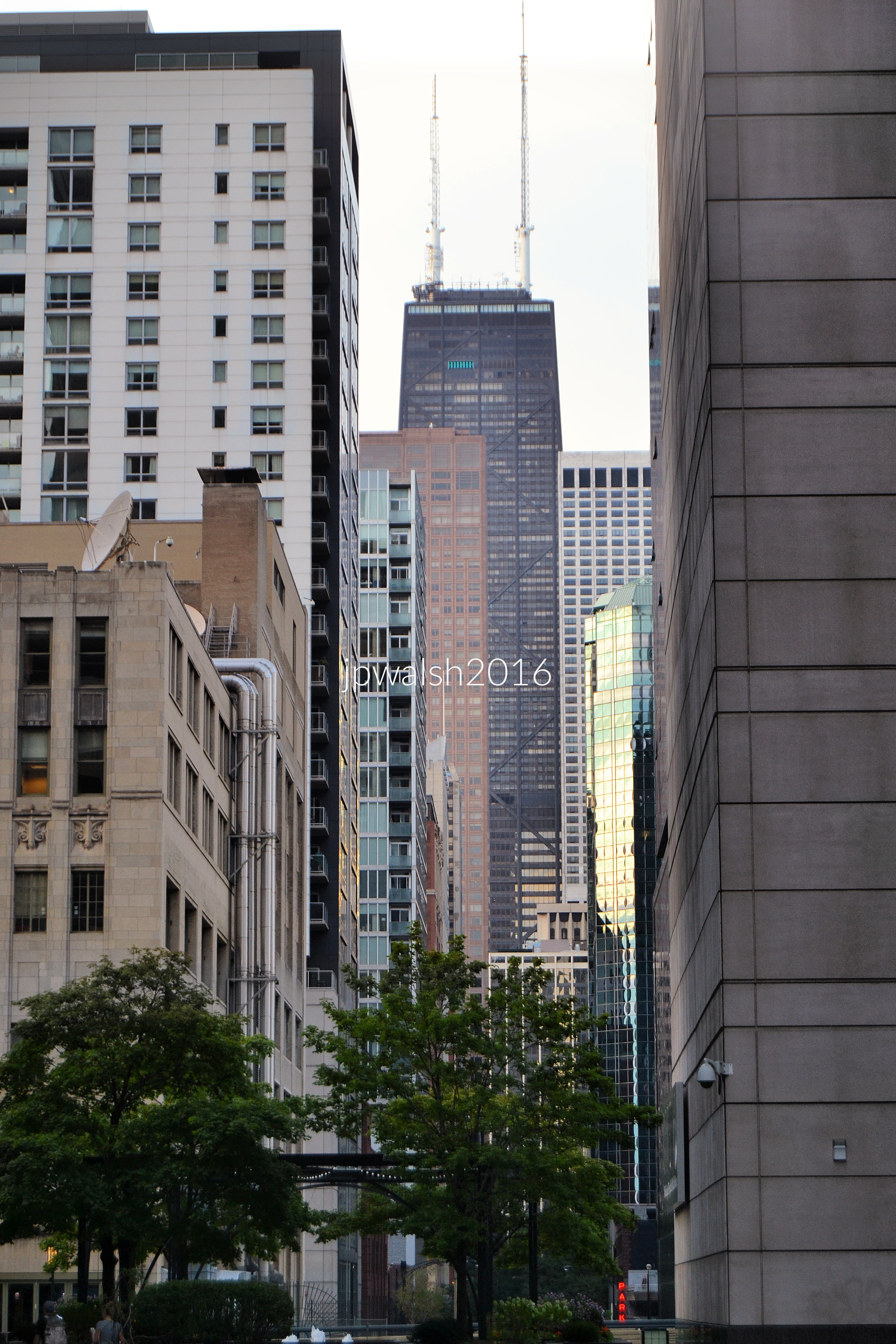
Chicago. September 2016. Author’s photograph. 4.93mb DSC_0745 (1)

From the Riverwalk looking north along N. St. Clair Street: at right, the 27-story spandrel glass and metal panel 633 N. St Clair St. building, Loebl Schlossman [later; Dart] & Hackl, architect (1991).  
At left, the 63-story pinkish, rose-hued Swedish granite 161 Chicago Avenue East building (known as Olympia Centre) is a mixed-use retail, office, and residential skyscraper, Skidmore, Owings & Merrill, architect (1984-85).
At right, the 74-story gray marble facade Water Tower Place, the first vertical shopping center on Michigan Avenue (8 floors), also includes the Ritz-Carlton hotel, luxury condos, and office space, Edward D. Dart (Loebl Schlossman Bennett and Dart), architect (1975).
The John Hancock Center—now officially 875 North Michigan Avenue—is a 100‑story, tapered mixed‑use skyscraper known for its iconic X‑bracing. Often described as a “vertical city,” it is considered one of the first major mixed‑use skyscrapers in the world and includes office space (floors 13–41), about 700 condominiums (floors 44–92), and the highest indoor swimming pool in North America on the 44th floor. Its 94th‑floor observation deck offers panoramic views of Chicago and Lake Michigan. Bruce Graham of the firm Skidmore, Owings & Merrill, architect (1969). It was engineered by Fazlur Rahman Khan, who pioneered the tubular structural system used in the tower.
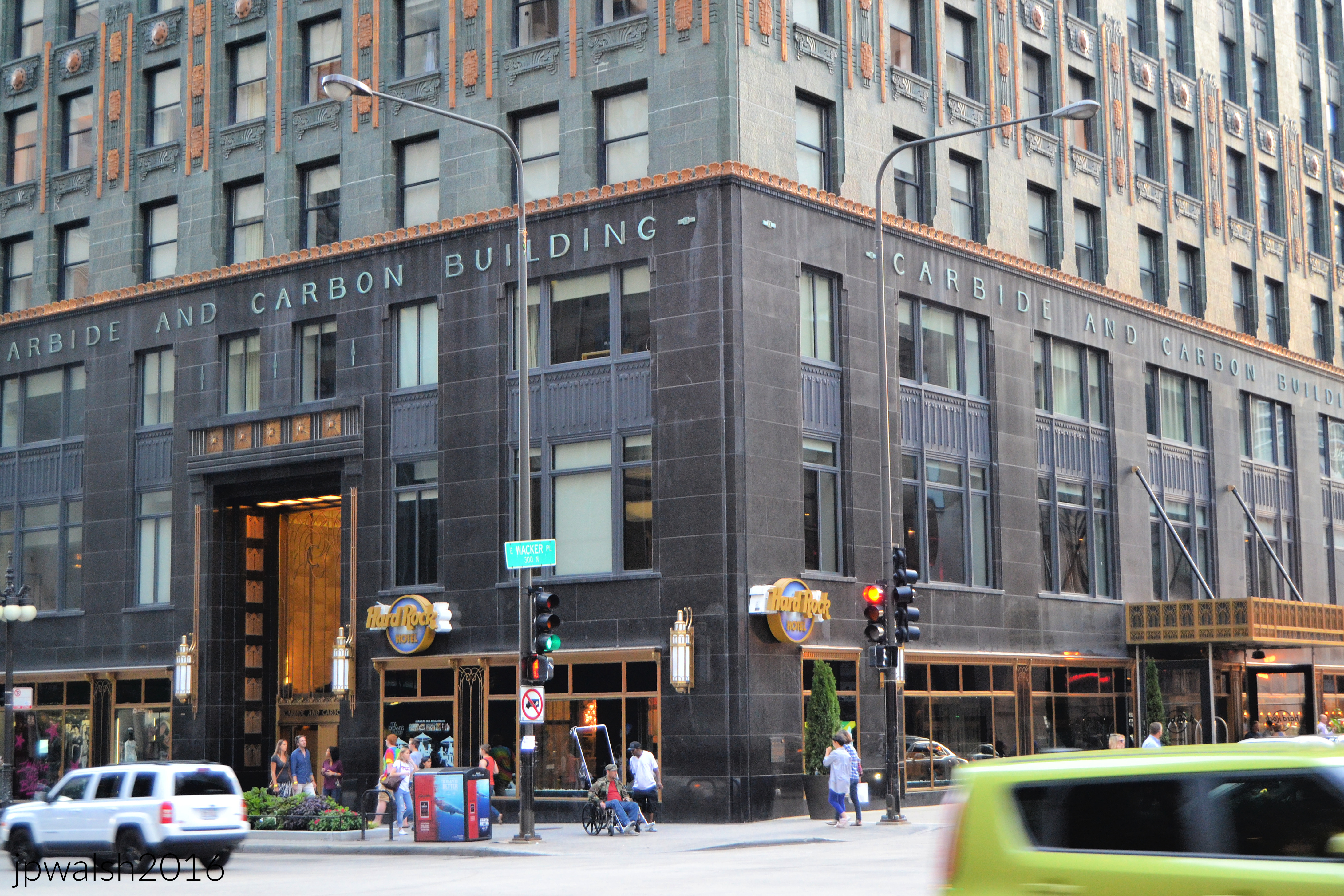
Chicago. September 2016. Author’s photograph. 5.06mb DSC_0756 (2)

The Carbide and Carbon Building rises from 230 N. Michigan Avenue in Chicago like a gleaming Art Deco toast to the Jazz Age, Burnham Brothers, architect (1929). The 37‑story tower is instantly recognizable: its base wrapped in polished black granite, its shaft clad in deep green terra cotta, and its crown shimmering with 24‑karat gold leaf. Legend has it the architects shaped the building to resemble a champagne bottle — a fitting symbol for a city that never stopped celebrating its own ambition.

Chicago. October 2015. Author’s photograph. 3.90mb.

Above: Alexander Calder’s Flamingo (1974) sits in Federal Plaza designed by modernist architect Mies Van Der Rohe. Behind it is Mies’ 45-floor John C. Kluczynski Building at 230 S. Dearborn Street and on a sunny east side of South Dearborn his 30-story Dirksen Federal Courthouse. Moving south across Jackson Boulevard is the 5-story 33 West Jackson Boulevard building built in 1910 (with additions/remodels stretching through 1917). Next to it is The Standard Club at 321 South Dearborn Street built in 1926 and designed by Albert Kahn. The Fisher Building (1896) at 343 South Dearborn Street and its annex is next further south. Designed by D.H. Burnham & Company, it was completed in 1896. The Old Colony building on the other side of the L tracks was built between 1893 and 1894, When it officially topped out, the 17-story, 215-foot high-rise briefly held the title of the tallest building in Chicago. It was designed by the legendary architectural firm of Holabird & Roche. The framework was engineered by Corydon T. Purdy who designed it with a highly advanced, pioneering skeletal steel-frame structure that carries the entirety of the building’s massive weight allowing the exterior features absolutely no self-supporting walls.

Chicago. June 2022. Author’s photograph. 7.24 mb

Above: On the west side of Clark Street between Adams Street and Jackson Boulevard—visible directly behind Alexander Calder’s Flamingo sculpture—the prominent structures are from left to right: The Commercial Office Building located at 118 South Clark Street (directly tucked between the Bankers Building and Jackson Boulevard)—was completed in 1920 and designed by the prolific Chicago architectural firm Holabird & Roche, Willis Tower in the distance, The Bankers Building (105 West Adams Street, completed in 1927 by the Burnham Brothers, a 476-foot Art Deco masterpiece featuring characteristic deep light courts and upper-tier setbacks), and, on the other side of Adams Street, The Field Building at 140 S. Clark. Completed in 1934 by Graham, Anderson, Probst & White, it stands as one of the finest premier masterpieces of Art Deco skyscraper design in the entire United States. A corner slice of the Edison Building is also pictured.

Two Weeks, Thirteen Stories: Engineering Chicago’s 20-story Fisher Building (1896), An Early Skyscraper Triumph.

FEATURE image: FISHER BUILDING, 343 S. Dearborn Street, view from the south. Author’s photograph, December 2017.

The 1895–96 Fisher Building represents a pivotal triumph in early skyscraper design, demonstrating how Charles B. Atwood’s flamboyant Gothic Revival aesthetics combined with Edward Clapp Shankland’s rapid steel-frame engineering to evolve the glass-and-terra-cotta formulas pioneered by the Reliance Building (1895) into Chicago’s oldest surviving 18-story-plus landmark.

Fisher Building (1895-1896), looking east. To the left is Burnham & Root and Holabird & Roche’s Monadnock Building (1891-1893) and to the right is Holabird and Roche’s Old Colony Building (1893-1894). In the background is Graham, Anderson, Probst & White’s bright red international style CNA Center (1972). September 2015. Author’s photograph,

Structural engineer Edward Clapp Shankland managed the deep-pile foundation design and rapid steel-framing work, allowing the building’s first 13 stories to rise in just two weeks.

Daniel Hudson Burnham, c. 1890. In 1873 Burnham and Root entered into partnership in Chicago. In 1894 Burnham reorganized his office to include, among other partners, Charles B. Atwood who designed the Fisher Building.

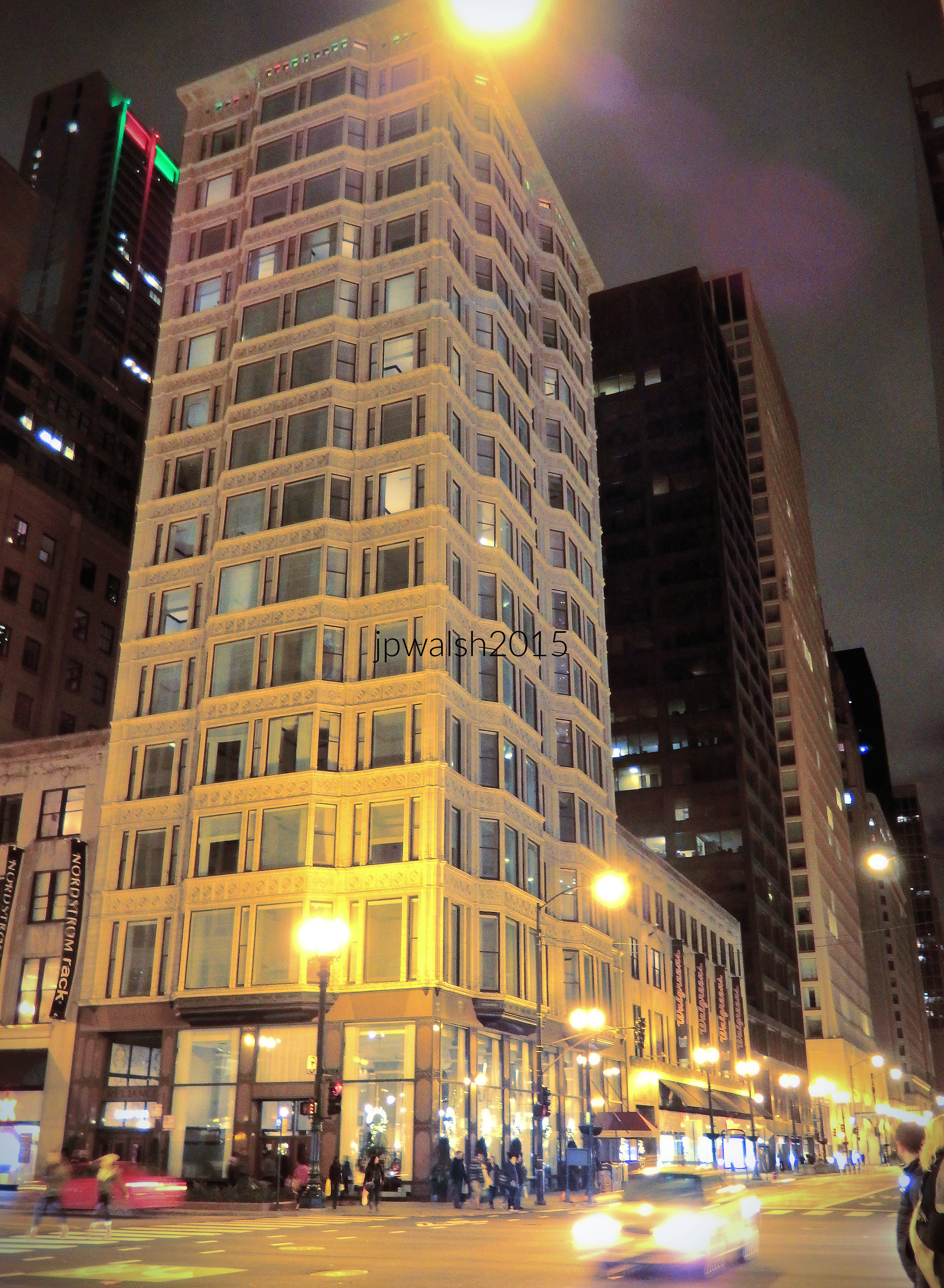
The success of the 14-story Reliance Building at 32 N. State Street built by Daniel H. Burnham (1846-1912) and John Wellborn Root (1850-1891) in 1890-91 and Burnham & Co. in 1894-95 led directly to the construction of the 18-story Fisher Building in 1895. (The final two stories were added over a decade later during its 1907 expansion).

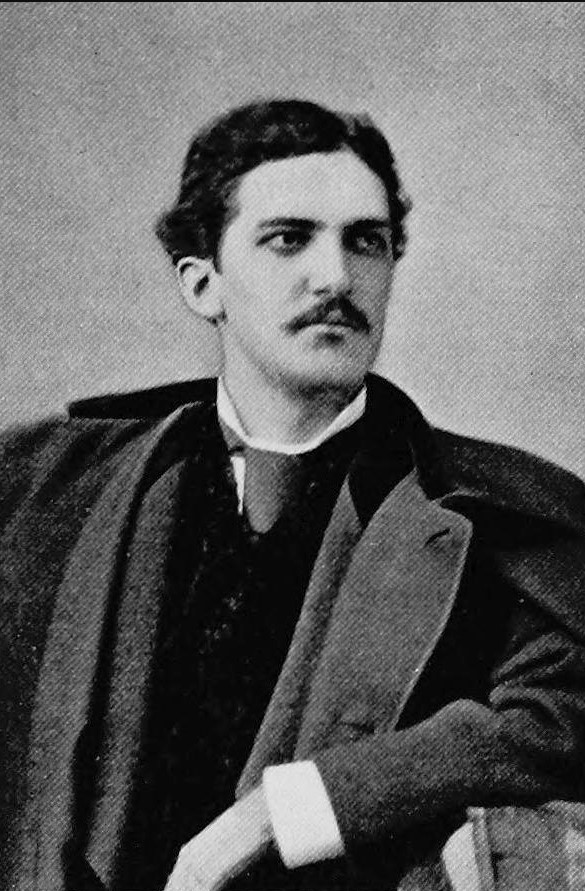
The Fisher Building was also designed for Burnham & Co. by Charles B. Atwood (1849-1895). The Fisher Building was three stories taller than the Reliance Building and possessed even more flamboyant Gothic detailing as it is sheathed in golden terra cotta on its visible façades.

Reliance Building (1890-1895), Chicago. September 2015. Author’s photograph. 87% 7.78mb DSCN1939 (2)

Built directly following the success of the landmark Reliance Building, the Fisher Building was constructed four stories taller (originally standing at 18 stories compared to the Reliance’s 14) and sheathed in a highly decorative golden terra cotta.

Charles B. Atwood c.1880. Public Domain.

The Fisher Building’s façade with its depictions of sea creatures in homage to the building’s namesake, Lucius G. Fisher (1843-1916), an Illinois paper company magnate and architect, was painstakingly restored and adapted for contemporary use in 2001. The rectangular prism with its Gothicized ornamentation sits on 25-foot piles under spread foundations engineered by Edward Clapp Shankland (1854-1924).

Ed Shankland was Daniel Burnham’s structural engineer through 1898 and worked on the Reliance Building and the Fisher Building. Public Domain.

In the mid-1890s, the skyscraper was erected quickly with pride. The steel frame’s first 13 stories were erected in two weeks. The building has oriel windows and engaged colonettes at its corner piers. In 1907, a 2-story vertical addition was built, raising the building to 20 stories, alongside a matching 20-story northern tower expansion by architect Peter J. Weber with Shankland as structural engineer.

Lucius Fisher (1843-1916). Born in Wisconsin, Fisher was an Illinois paper magnate who commissioned Daniel Burnham and Company to build the 18-story, 275-foot-tall Fisher Building in the Chicago Loop in 1895. Completed in 1896, the structure was later expanded in 1907 with a two-story vertical addition and a matching northern tower. Following this expansion, the landmark Fisher Building stands today as the oldest extant 20-story building in Chicago. Public Domain.

In 2002 the main entrances on Dearborn Street and Plymouth Court were recreated. Over 1000 wood-frame windows were replaced or repaired and over 6000 terra-cotta pieces were also replaced. May 2015. Author’s photograph.
Reorganized into Daniel Burnham’s office in 1894, partner Charles B. Atwood designed the Fisher Building with intricate Gothic details and whimsical sea creature motifs as a nod to paper magnate Lucius G. Fisher.

Fisher Building (1895-86) at Plymouth Court and Van Buren Street, looking northwest. October 2017. Author’s photograph,

Completed in 1896, the structure claims the title of the oldest surviving 20-story building in the city of Chicago.

SOURCES:

AIA Guide to Chicago, 2nd Edition, Alice Sinkevitch, Harcourt, Inc., Orlando, 2004, pps. 62-63.

The Sky’s The Limit: A Century of Chicago Skyscrapers, Jane H. Clarke, Pauline A. Saliga, John Zukowsky, New York: Rizzoli, 1990, pps. 33-35.

Chicago’s Famous Buildings, 5th Edition, Franze Schulze and Kevin Harrington, The University of Chicago Press, 2003, pp. 82-83.

Frank A. Randall, History of Development of Building Construction in Chicago, Second Edition, Revised and Expanded by John D. Randall, University of Illinois Press, Urbana and Chicago, 1999, pps. 37 and 164-65.

Reading the Built Environment: Signs of the Times (2).

FEATURE image: June 2022. Chicago. 2.11mb

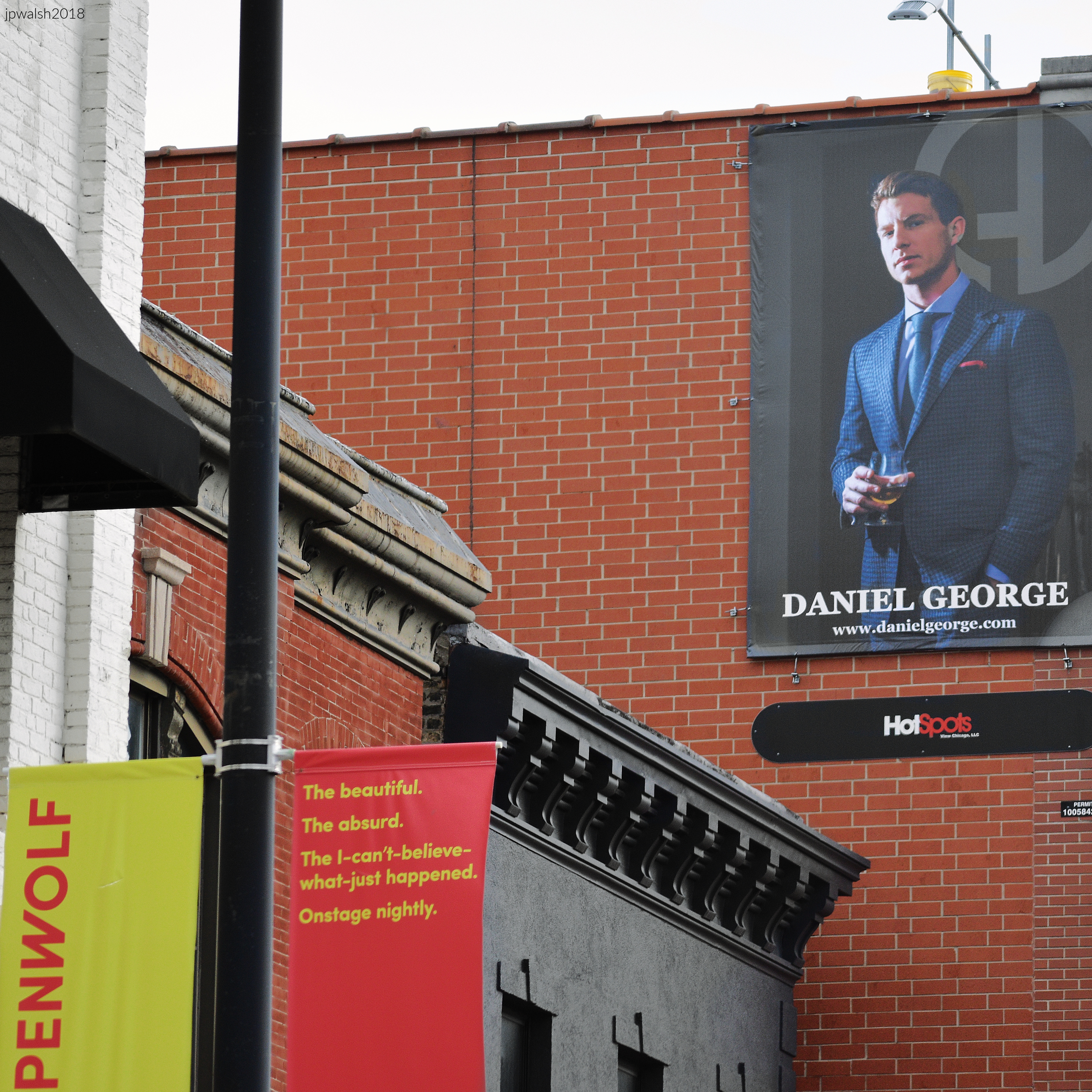
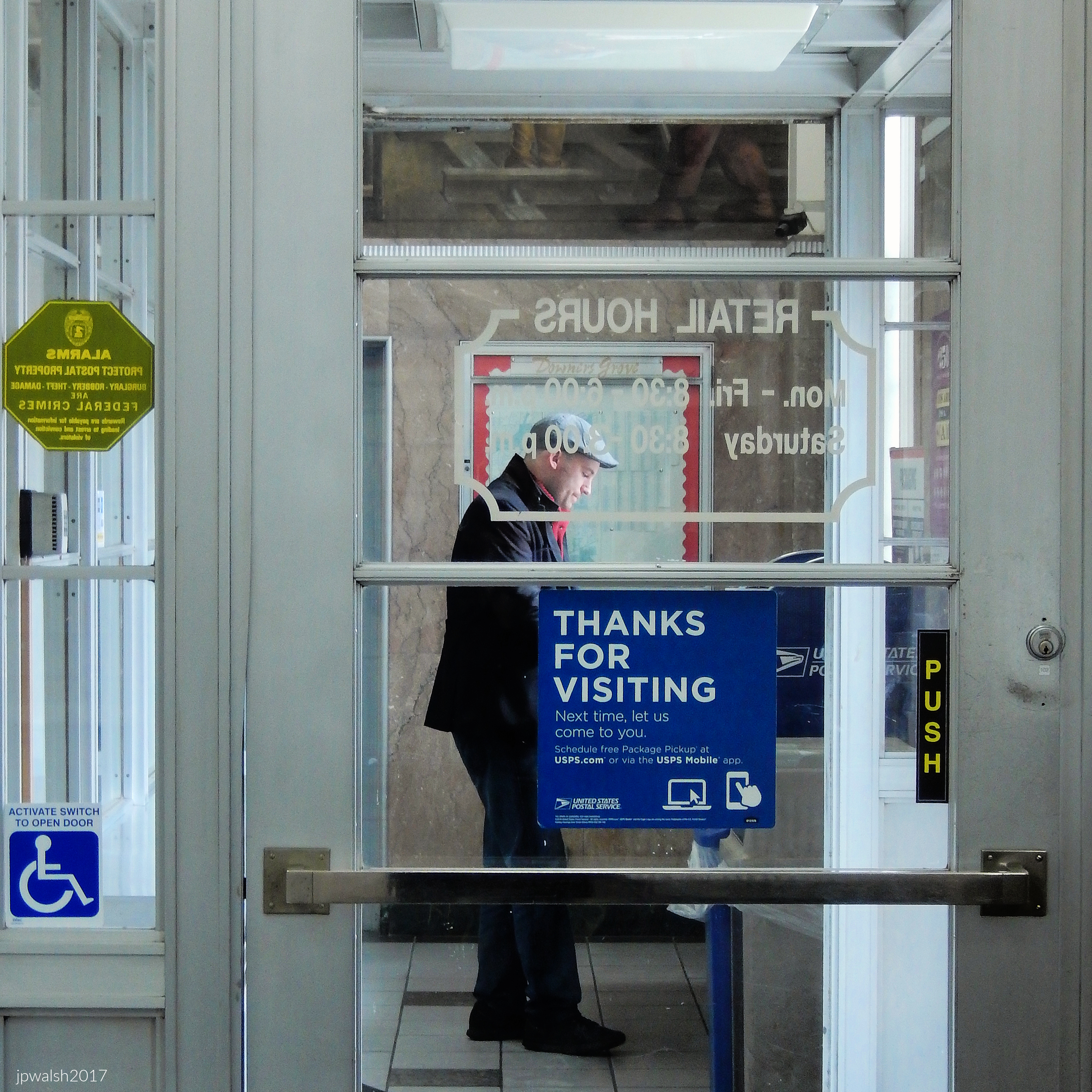
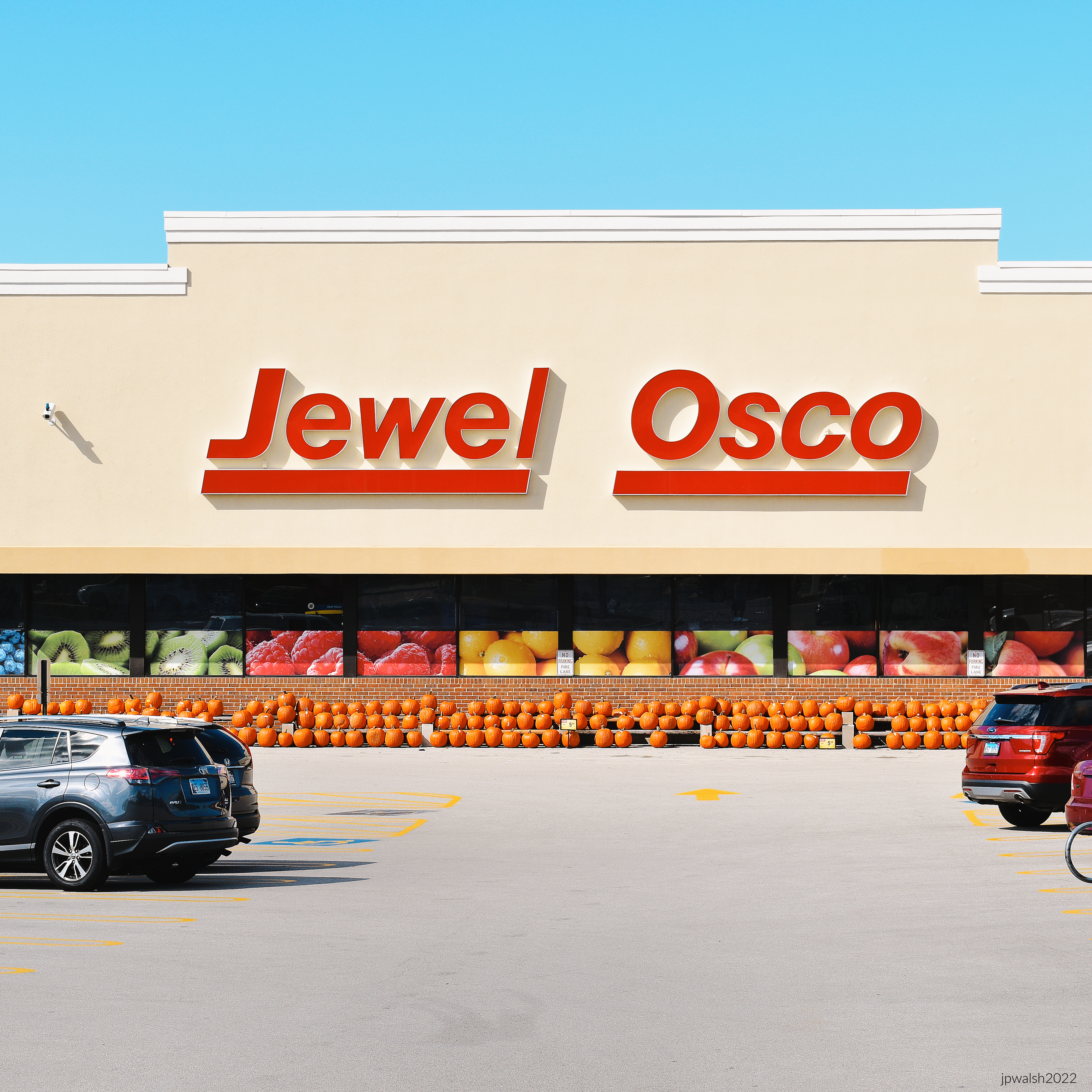
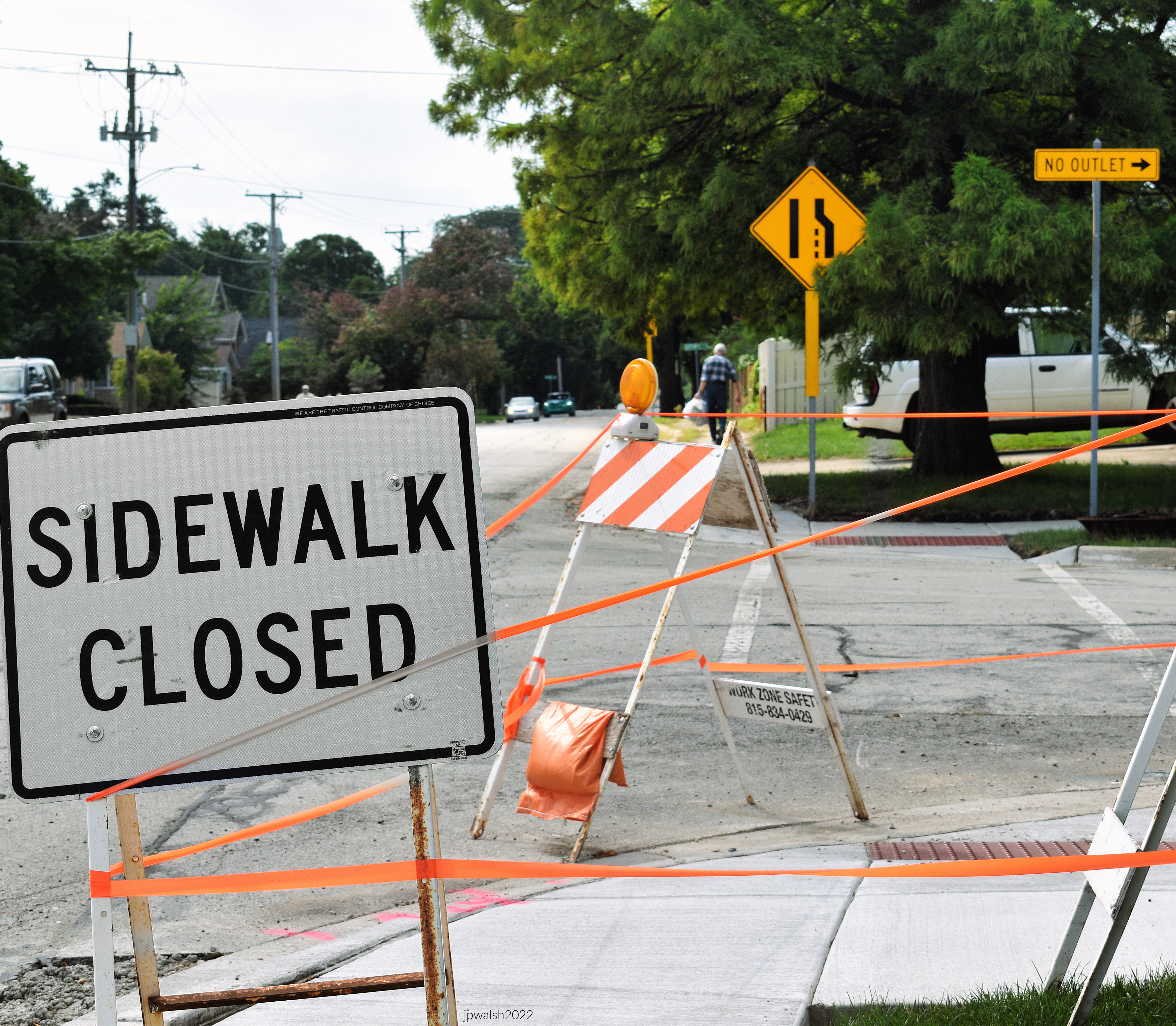
Signs serve as visual blueprints of community identity, tracking economic activity, institutional history, and the constant evolution of a place. As everyday markers of culture, commerce, religion, and memory, they collectively provide a living record of the eras they inhabit.

All photographs and text by John P. Walsh.

August 2024 Chicago 90% 7.91 mb1459 (1)
September 2024 99% 7.23 mb_2004 (1)
August 2015. Chicago. 3.53mb DSC_0697 (1)
August 2024 74% 7.84 mb 0880 (1) (90)
September 2024 8.96mb_2038 (1)
September 2024 97% 7.92mb _2052 (1)
July 2016. In business 1962 to 2022. 4.80mb DSC_0916 (1) Elk Grove Bowl: Bowling alley closing after nearly 60 years in Elk Grove Village – ABC7 Chicago – retrieved March 19, 2026.
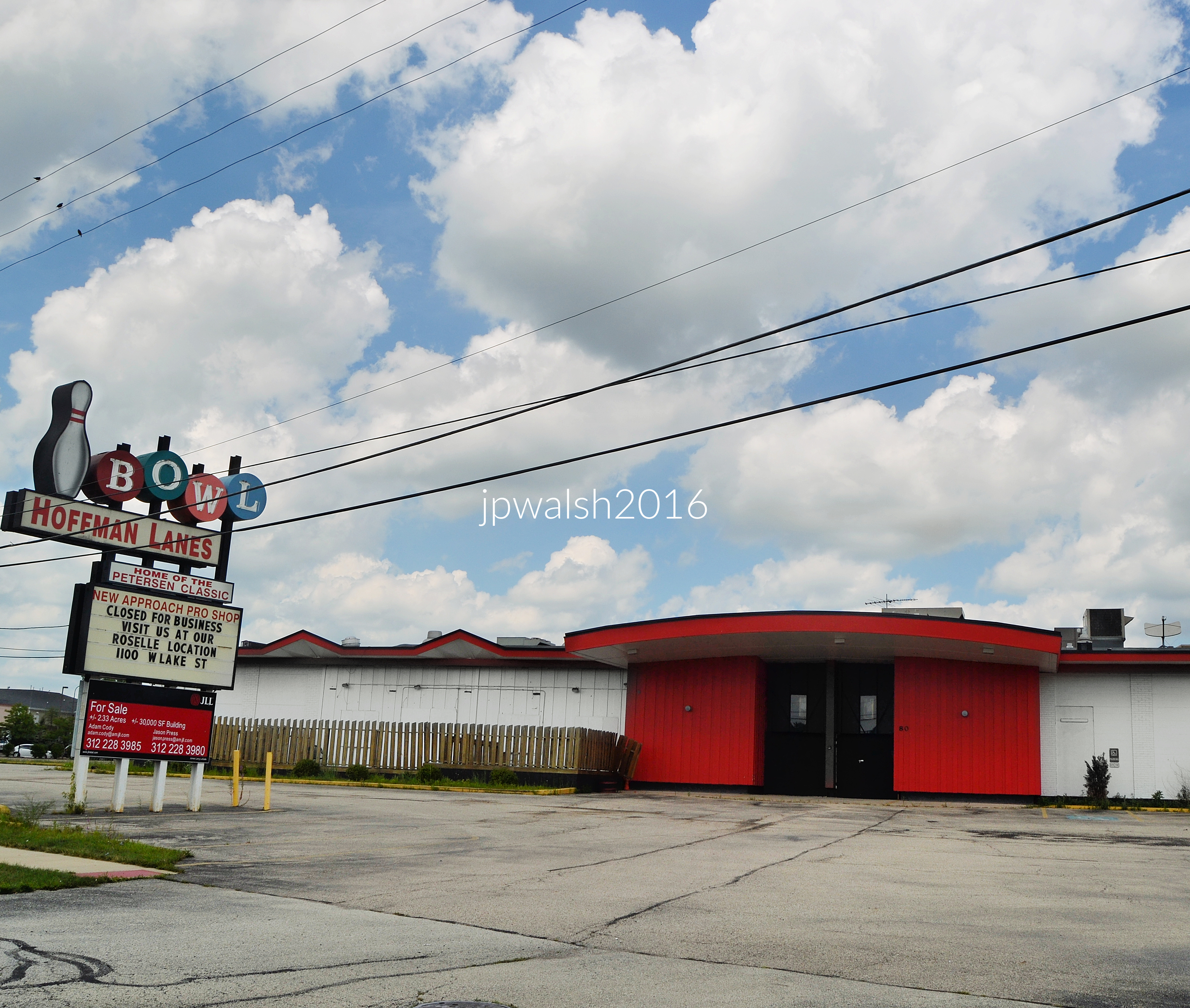
August 2016. In business from 1961 to 2015. 80 W Higgins Rd, Hoffman Estates, IL 60169 3.69mb DSC_0076 (1). REMEMBERING HOFFMAN LANES – History of Schaumburg Township – retrieved March 19, 2026.
October 2022. 99% 7.05 mb 9395 (1)
October 2024. 92% 7.82mb _2841 (1)
October 2024. 6.75mb_2803 (1) to o&e
11 – October 2024 80% 7.85mb_3929
October 2024. 78% 7.92mb _4000
November 2024. 91% 7.95mb 4514
November 2024. 88%7.86mb _4986 0&e
December 2024. 81% 7.87mb _5986
May 2024. Fox River Valley. 99% 6.42mb _6451
August 2015. 4.34 mb _0344 (1)
January 2016. 3314 W. 63rd St., Chicago. Marquette Photo Supply opened in November 1944. Owner Joe Herbert sold and repaired photo equipment and processed film. His father and brother operated the barbershop next door. The family lived in an apartment behind the store. For decades, Mr. Herbert supplied equipment to photography students at many high schools, including nearby all-girls Mother McAuley. A beloved presence in the neighborhood, the shop closed in 2017 when Mr. Herbert passed away. 96% 7.91mb see – https://chicago.suntimes.com/2017/9/14/18318528/joseph-joe-herbert-dies-ran-marquette-photo-supply-for-73-years – retrieved January 30, 2025.
May 2016. State & Chicago. 5.32mb DSCN2408 (1)
November 2017. Below the fold. 4.85mb DSC_3148
July 2016. Established in 1928. 3259 E. 95th Street, Chicago. DSC_0793 (1)
August 2017. Chicago. 7.57mb DSC_1554
March 2025. 95% 7.91 mb DSC_7840
October 2017. 5.38 mb DSC_2973
November 2017. 89% 7.80mb DSC_3398
April 2025. 99% 7.23mb DSC_8741
May 2018. 90% 7.75mb DSC_7149
January 2018. Chicago. Downtown. 3.71 mb
May 2025. 99% 6.99mb DSC_0078 (1)
October 2024 3.87mb DSC_3187 (1)
October 2015. October 2015. St Cornelius Church, 5430 W. Foster Ave, in Chicago when it was still an active parish church. Built in 1964, it closed in 2020 for lack of mass attendance and was desacralized in 2021. In 2024 the church building was sold to be redeveloped as a funky 1960’s style club and pickleball court. The site redevelopment will include parking and an event space with stage for pinball games, beverage lounge, and record spinning area. St. Cornelius for whom the church was named was a 3rd century pope who was banished from Rome by the Roman emperor Trebonianus Gallus and who died in exile. 5.91mb DSC_0311 (1) see – https://www.chicagobusiness.com/commercial-real-estate/former-st-cornelius-church-be-pickleball-court-and-club – retrieved June 23, 2025.
June 2025. Downers Grove, Illinois. 97% 7.88mb DSC_1850
July 2025. 99% 7.33mb DSC_3614
June 2018. Chicago. 6.42mb DSC_9166
June 2018. Chicago. 6.25mb DSC_0827
June 2025. 90% 7.90 mb DSC_2406 (1)
January 2016. 3.70 mb DSCN1968 (1)
July 2015. Chicago. 3.23 mb DSC_0387 (1)
July 2015. Chicago. 3.19mb DSC_0592 (1)
December 2017. Chicago. 89% 7.94mb DSC_3767 (1)
November 2025. 99% 7.35mb DSC_8897
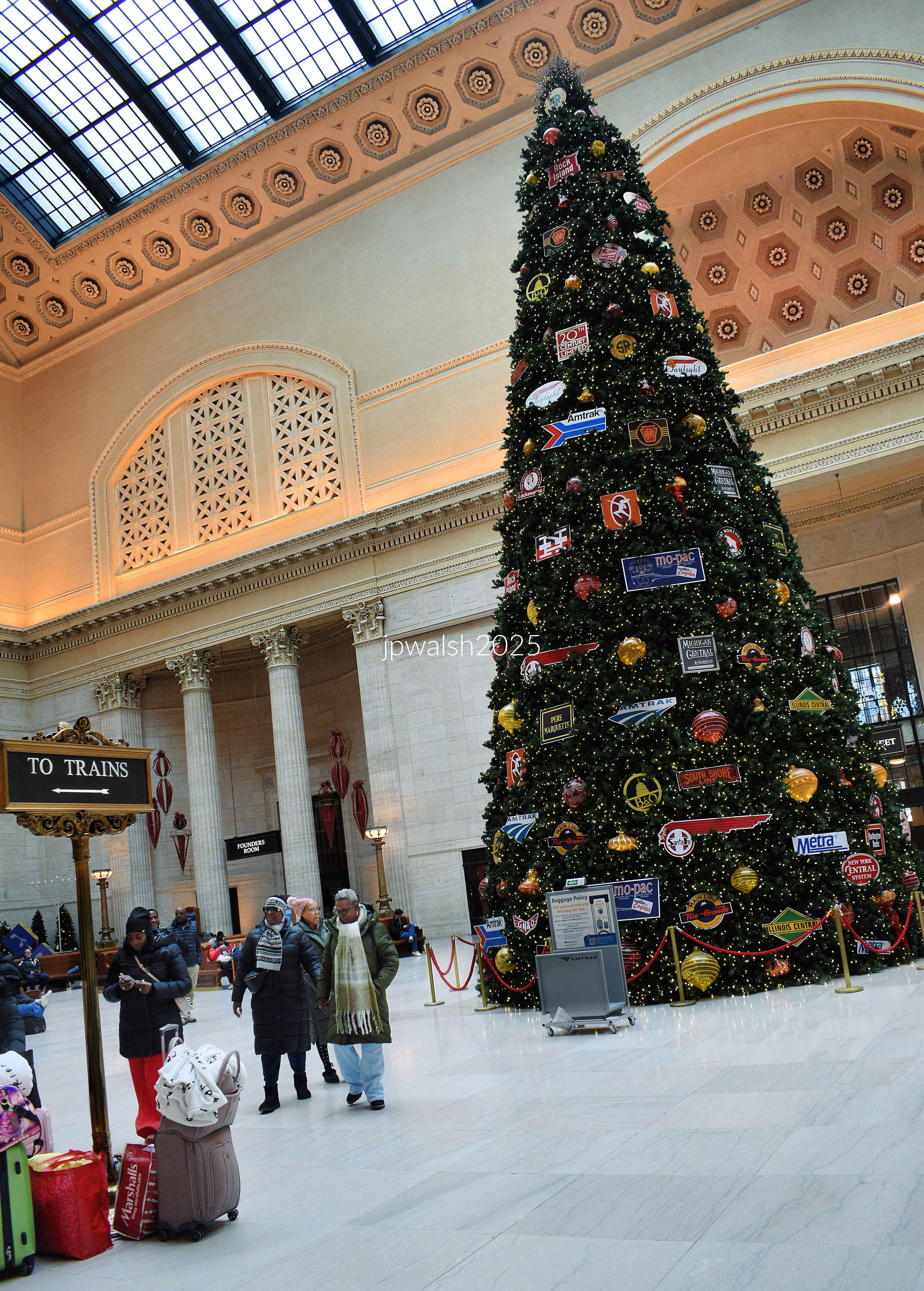
December 2025. 6.27mb DSC_9476 (1)
December 2025. Chicago 78% 7.83mb DSC_0012
December 2025. Chicago. 81% 7.83mb DSC_0041
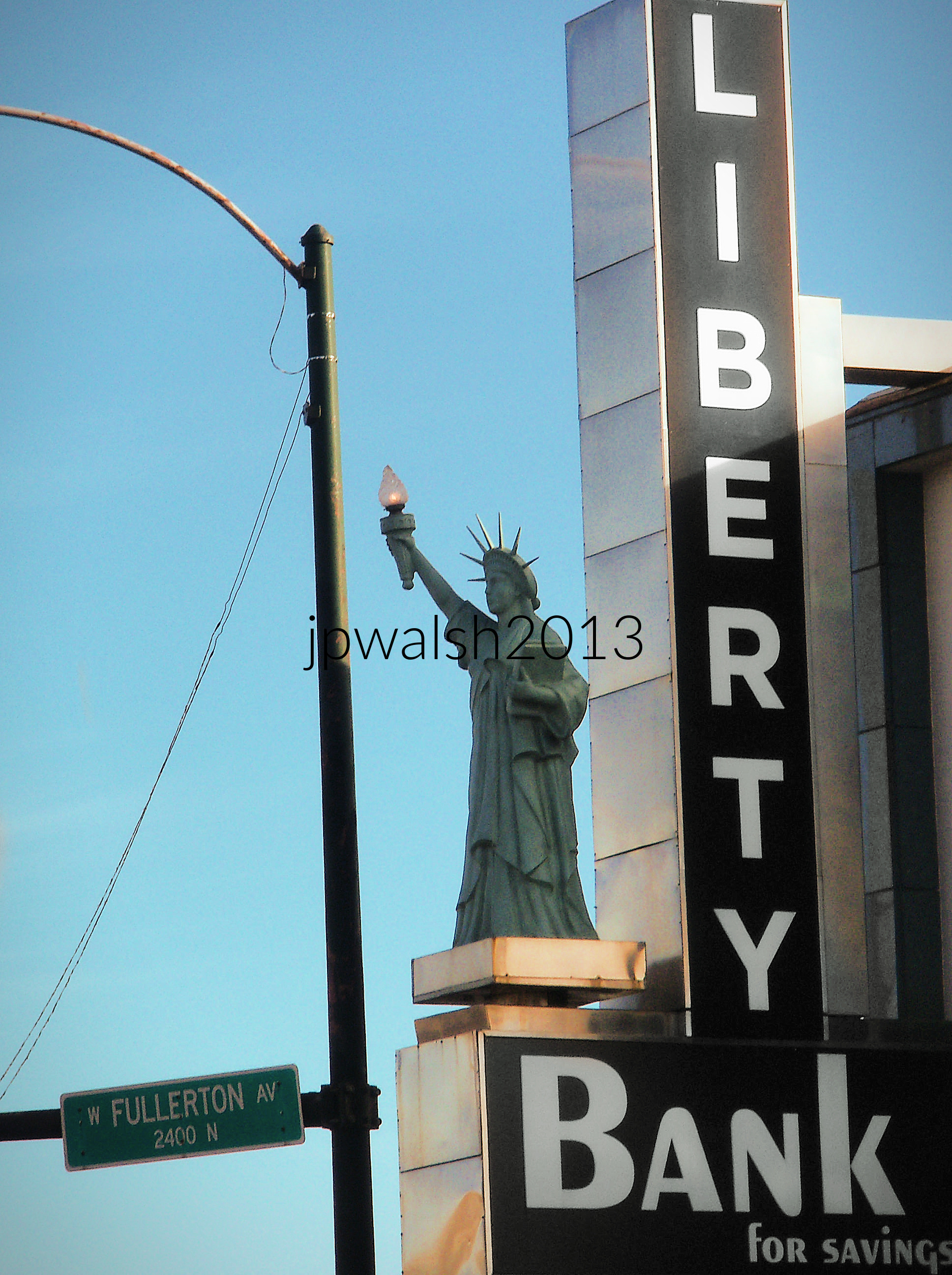
February 2013. 1.64mb 2101_6381 (1)

Liberty Bank’s origin dates back to 1898 when parishioners of All Saints Polish National Catholic Church on Chicago’s North Side (2392 N. Milwaukee Avenue) came together to form a mutual savings institution committed to “neighbors helping neighbors.”

December 2025. Chicago 81% 7.92mb DSC_9751
December 2025. 70% 7.95mb DSC_0466 (1)
January 2026. 85% 7.89mb DSC_0927
January 2026. 99% 7.69mb DSC_0648
September 2015. Chicago. 4.32mb DSCN1256 (1)
October 2015. Chicago. 4.33 mb DSC_0452 (1)
December 2015. Chicago. 5.47mb DSC_0544 (1)
December 2015. Chicago. 7.44mb DSC_0960 (1)
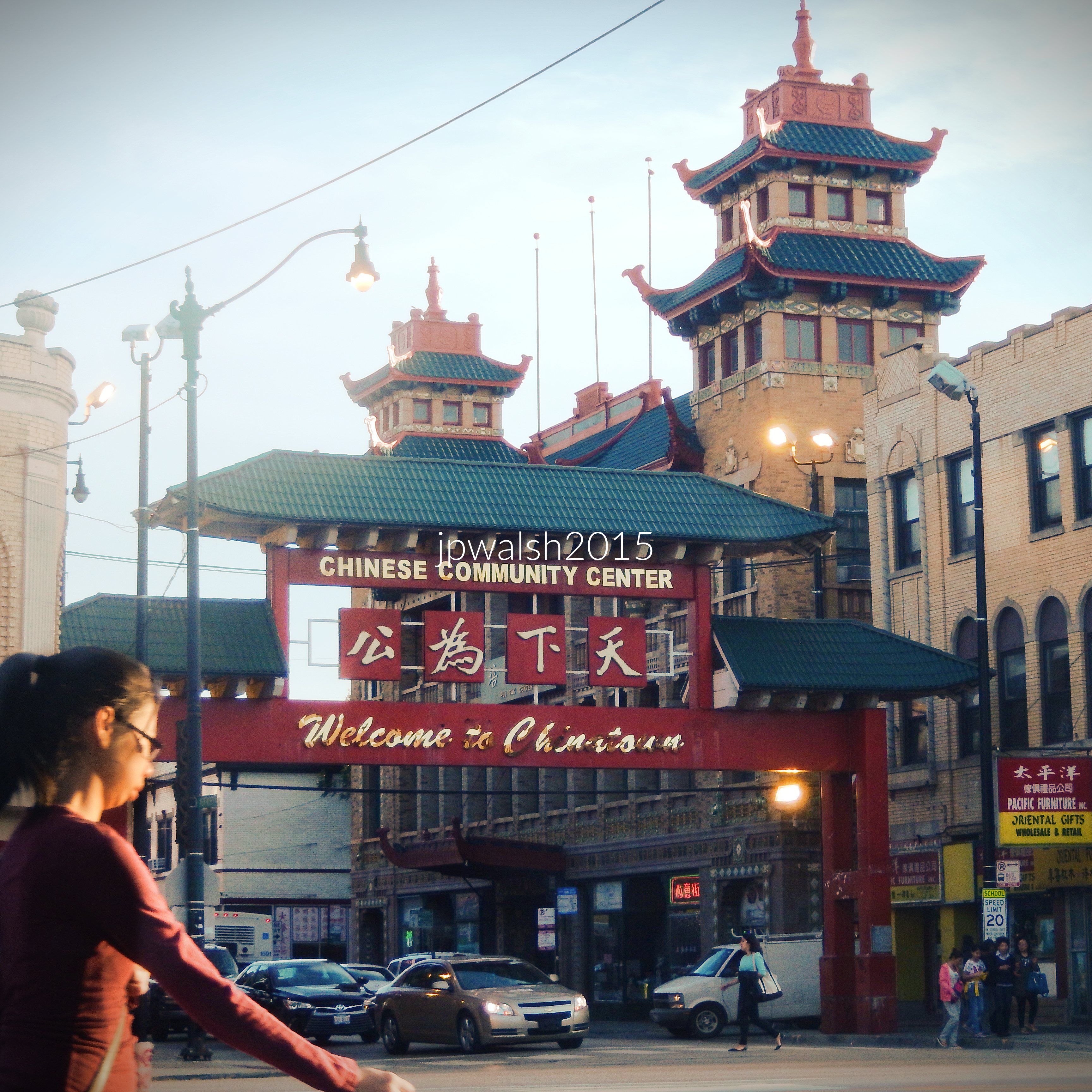
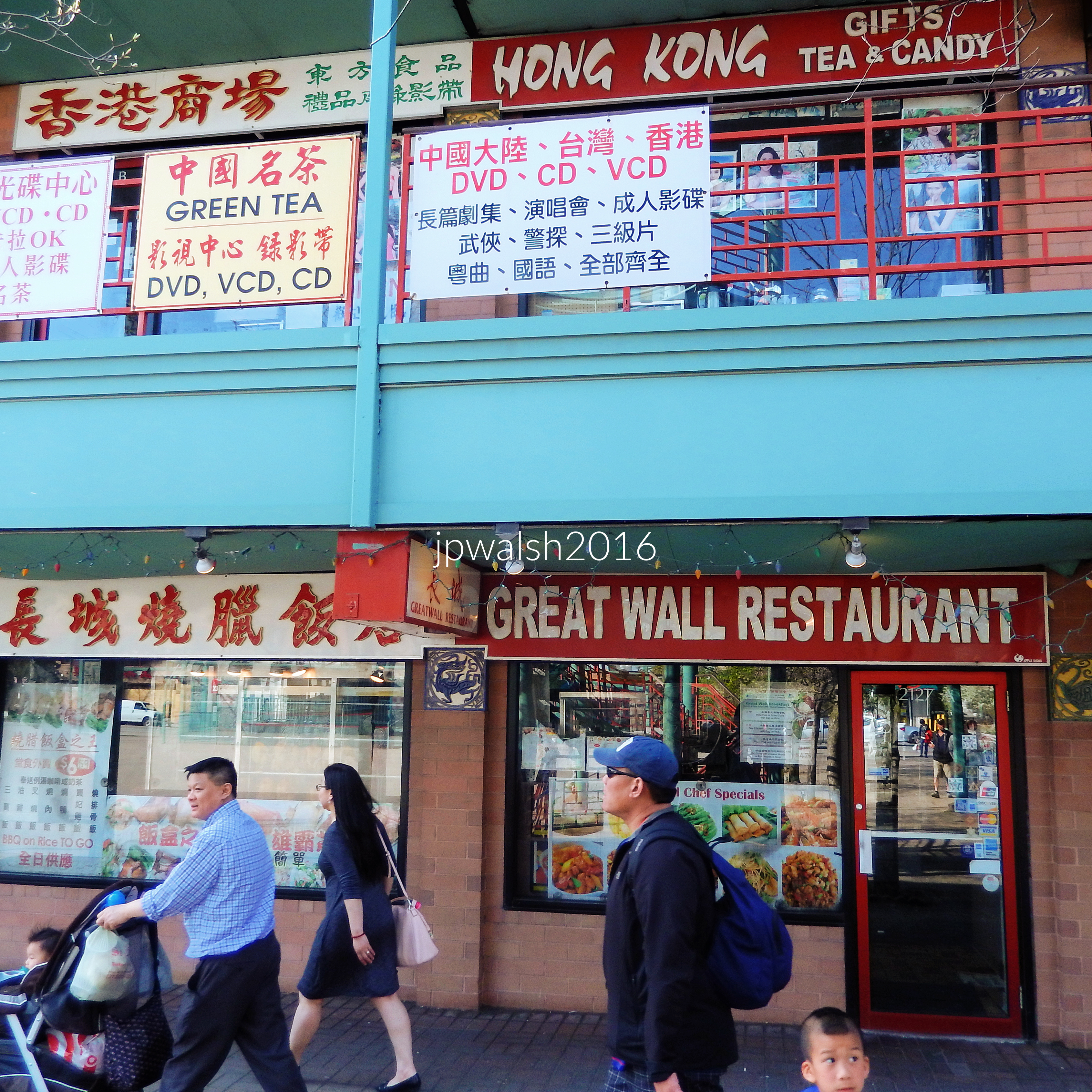
May 2016. Chinatown. Chicago. 4.61mb DSCN2755 (1)
July 2016. Chicago. 1653 W Cortland Street. 3.39mb DSCN3213 (2)
August 2016. 3401 W. Fullerton at Kimball Avenue, Chicago. 3.32mb DSC_0590 (1)
October 2016. Chicago. 1.90mb DSC_0496 (1)
April 2026. 99% 6.86mba DSC_3171 (2)
July 2017. Chicago. 7.49mb DSC_0511 (1)
May 2026. 4.04mb DSC_5338 (2)
June 2021. 6.90mb DSC_7560 (4)
June 2026. 90% 7.85mb DSC_7040
Midway menu. June 2026. 2.53mb DSC_7329 (2)
July 2026. DSC_8885
September 2026. 82% 7.96mb DSC_1324 (3)

French Modernism on the Magnificent Mile: Jean-Paul Viguier’s Sofitel Chicago (2002).

FEATURE image: Sofitel Chicago Magnificent Mile, 20 East Chestnut Street, Chicago, Illinois. architect: Jean-Paul Viguier. June 2014. Author’s photograph. 4.66mb

The Sofitel Chicago Magnificent Mile demonstrates how contemporary architecture can achieve both sculptural elegance and urban presence, bringing a distinctly French modernist sensibility to Chicago’s celebrated skyline while honoring the city’s tradition of architectural innovation.

Sofitel Chicago Magnificent Mile, Chicago, Illinois, Jean-Paul Viguier. At its opening the Chicago chapter of the American Institute of Architects (AIA) selected today’s Sofitel Chicago Magnificent Mile as the decade’s “best new building” in Chicago. The hotel opened in May 2002 with 415 rooms.

Jean-Paul Viguier and a Modern Chicago Landmark

Jean-Paul Viguier (b.1946) is a leading modern Paris-based French architect. In 2003 his Sofitel Chicago Water Tower (renamed the Sofitel Chicago Magnificent Mile) was chosen by the Chicago chapter of the American Institute of Architects (AIA) as the “best new building in Chicago in the last ten years.” The hotel opened in May 2002 with 415 rooms. Its dramatic architecture made an immediate impression not only on the city’s denizens and visitors but much of the world.

Completed in 2002 during a new era of architectural growth in downtown Chicago. Distinctive prismatic wedge-shaped form recalls the prow of a ship or a cut crystal.

The glass triangular tower ascends and thrusts over the intersection of Chestnut and Wabash Streets. Narrowing as it rises, the shape could evoke a ship’s prow—or a geometer’s trapezoid. June 2014. Author’s photograph. 5.49mb

A Prism of Glass, Light, and Geometry

The prism-shaped, 350,000-square-foot structure was chosen by nearly 350 established Chicago-based architects as one of the city’s most outstanding achievements in architecture. The glass triangular tower ascends and thrusts over the intersection of Chestnut and Wabash Streets. Narrowing as it rises, the shape could evoke a ship’s prow—or a geometer’s trapezoid. Its expansive façades allow generous exposures of natural light as it faces east to capture sunrise over the incredible natural backdrop of Lake Michigan and southwest towards the timeless Midwestern prairie.

Adding to the building’s drama and welcome grace is its exterior of horizontal cladding of visible and opaque glass in synergy with the verticality of the building’s wedge and curve. Inside, the lobby continues this building’s dramatic modernity presenting a steely structural space that is airy, sleek, and soaring.

Winning the Competition

Mr. Viguier was selected to design Sofitel Chicago Magnificent Mile during a design competition in 1998 judged by Accor hotels leadership and others. Mr. Viguier is a member of the International Academy of Architecture (IAA) and was president of AFEX (French Architects Overseas) from 1999 to 2002.

Jean-Paul Viguier. Photo Credit: “File:Jean-Paul Viguier Wiki.jpg” by JPVAParis is licensed under CC BY-SA 4.0

An International Architectural Career

Mr. Viguier’s other internationally recognized projects include the France Televisions headquarters in Paris as well as the Cœur Défense in 2001 and the Tour Majunja in 2014 both in La Défense, France. The French architect built a two story expansion at the McNay Museum of Modern Art in San Antonio, Texas.

Mr. Viguier is also architect for the Maroc Telecom Tower in Rabat, Morocco in 2013, and, in 2015, the SFR Campus in Saint-Denis, France. Another highly regarded project is, in 2013, the Cancer University Institute in Toulouse, France.

Among America’s Favorite Buildings

The Sofitel Chicago Magnificent Mile is also listed at no. 82 in a public poll of 150 buildings of “America’s Favorite Architecture.” The poll was conducted by The American Institute of Architects (AIA) and Harris Interactive and in conjunction with the AIA’s 150th anniversary in 2007.  

Award-Winning Design

In 2005, Sofitel Chicago Magnificent Mile received the MIPIM Award at their international meeting of property market sector leaders gathering in Cannes, France. Created in 1991, the MIPIM Awards is an internationally-renowned real estate competition at MIPIM, the world’s property market. It honors the most outstanding and accomplished projects, completed or yet to be built, around the world, the very best of the real estate industry.

Demonstrates how hotel architecture can function as both commercial space and public art as it highlights the continued evolution of Chicago as a laboratory for innovative architectural design.

SOURCES:

American Institute of Architects. 2007. “The 150 Favorite Pieces of American Architecture.” NPR Legacy Document Server. Retrieved May 24, 2021. https://legacy.npr.org/documents/2007/feb/buildings/150buildings.pdf.

Archello. n.d. “CAMPUS SFR (SFR Headquarters).” Accessed October 25, 2026. https://archello.com/project/campus-sfr-sfr-headquarters.

Archello. n.d. “Cancer University Institute.” Accessed October 25, 2026. https://archello.com/project/cancer-university-institute.

Fedderly, Eva. 2018. “Inside Chicago’s Sustained Architecture Boom.” Architectural Digest, October 9, 2018. Retrieved May 24, 2021. https://www.architecturaldigest.com/story/chicago-architecture-boom.

Floor Focus. 2007. “AIA Poll of America’s Favorite Buildings Released.” FloorDaily, February 12, 2007. Retrieved May 24, 2021. https://www.floordaily.net/floorfocus/aia-poll-of-americas-favorite-buildings-released.

Hospitality Net. 2002. “Designed by Jean-Paul Viguier, The Slender Glimmering White Hotel, Sofitel Chicago Water Tower, Opens.” Hospitality Net Landmark Openings, May 31, 2002. Retrieved May 24, 2021. https://www.hospitalitynet.org/news/4019734.html.

International Academy of Architecture. n.d. “Member’s Profiles: Jean-Paul Viguier.” IAA-NGO Portfolio. Retrieved May 24, 2021. https://iaa-ngo.com/portfolio-posts/jean-paul-viguier/.

Sinkevitch, Alice, ed. 2004. AIA Guide to Chicago. 2nd ed. San Diego: Harcourt, Inc.

Viguier. n.d. “Accueil / VIGUIER Architecture Urbanisme Paysage.” Accessed October 25, 2026. https://www.viguier.com/en.

Viguier. n.d. “McNay Art Museum, San Antonio, Texas.” Projects Registry. Retrieved May 24, 2021. https://www.viguier.com/en/projets/mcnay-museum-san-antonio-texas.

Viguier. n.d. “Maroc Telecom Tower, Rabat.” Projects Registry. Retrieved May 24, 2021. https://www.viguier.com/en/projets/tour-maroc-telecom-rabat.

Reading the Built Environment: Signs of the Times (1).

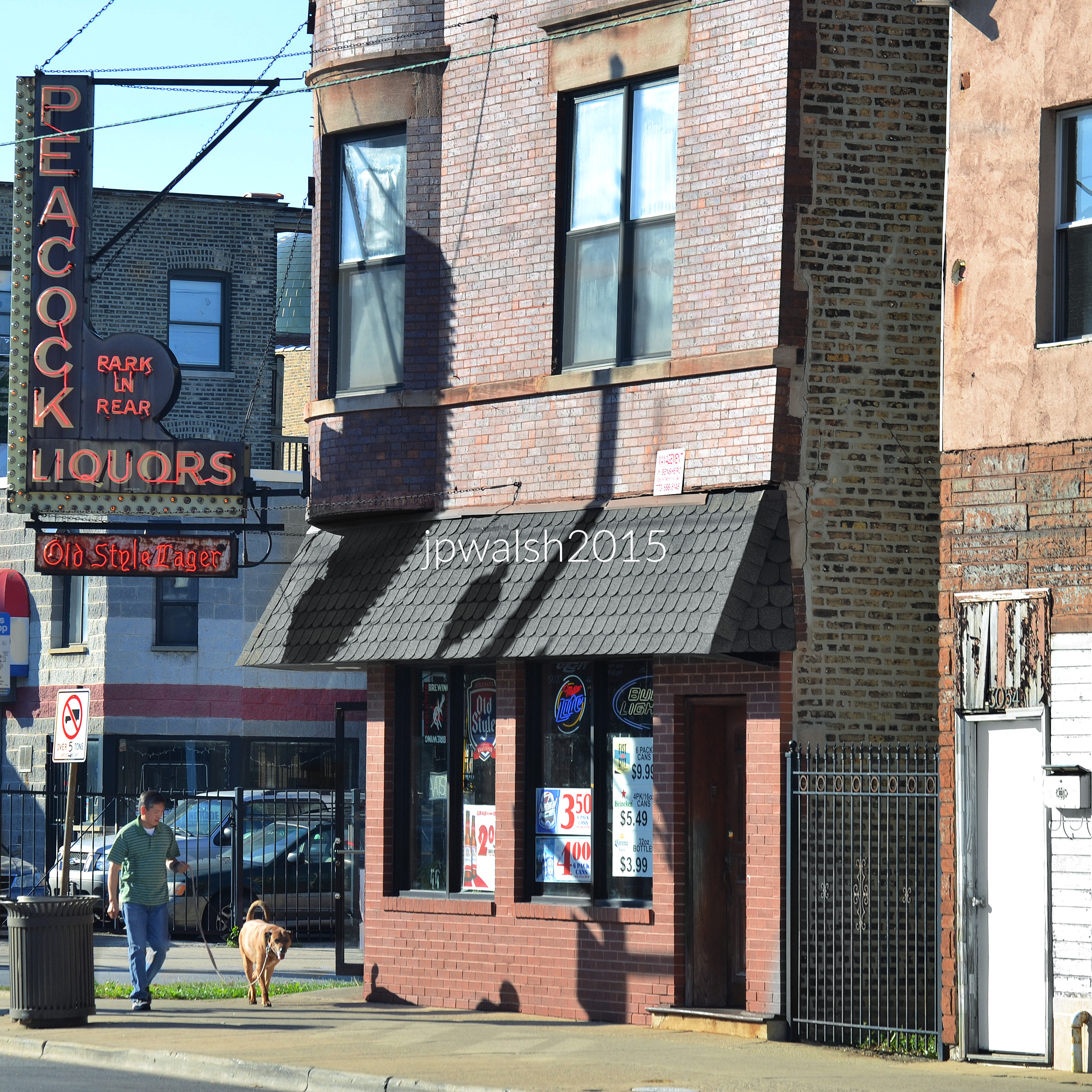
FEATURE image: July 2015. Chicago. 134 S Wabash Ave, Chicago 60603. According to their website, Miller’s Pub was established as a bar in 1935 which was bought in 1950 by Pete, Nick and Jimmy Gallios, three brothers of Greek descent. A fourth brother, Vannie, worked his way into a stake in the business in 1953. Miller’s Pub thrived in the same location until 1989 when they moved around the corner into another of their restaurants they owned located at 134 S. Wabash. Over the years entertainers, politicians and sports figures have patronized Miller’s Pub in Chicago’s Loop including Chicago mayors, Jimmy Durante, Marilyn Monroe, Bill Veeck, Harry Caray, Tony Bennett and Bob Fosse’s dancers who came for an after-show nightcap. 3.68 mb

Signs are visual artifacts of community identity, capturing cultural and economic shifts, institutional history, and the continual transformation of a landscape. By anchoring everyday culture, commerce, religion, and memory, they provide a powerful record of the times in which they exist.

All photographs and text by John P. Walsh.

January 2024. 7.89 mb 80%
October 2023. 6.86mb 99%
August 2021. Chicago 7.43 mb 70%
August 2015. Chicago. Michigan Avenue.
Chicago. 6.30 mb 95%
July 2015. Chicago. 40%
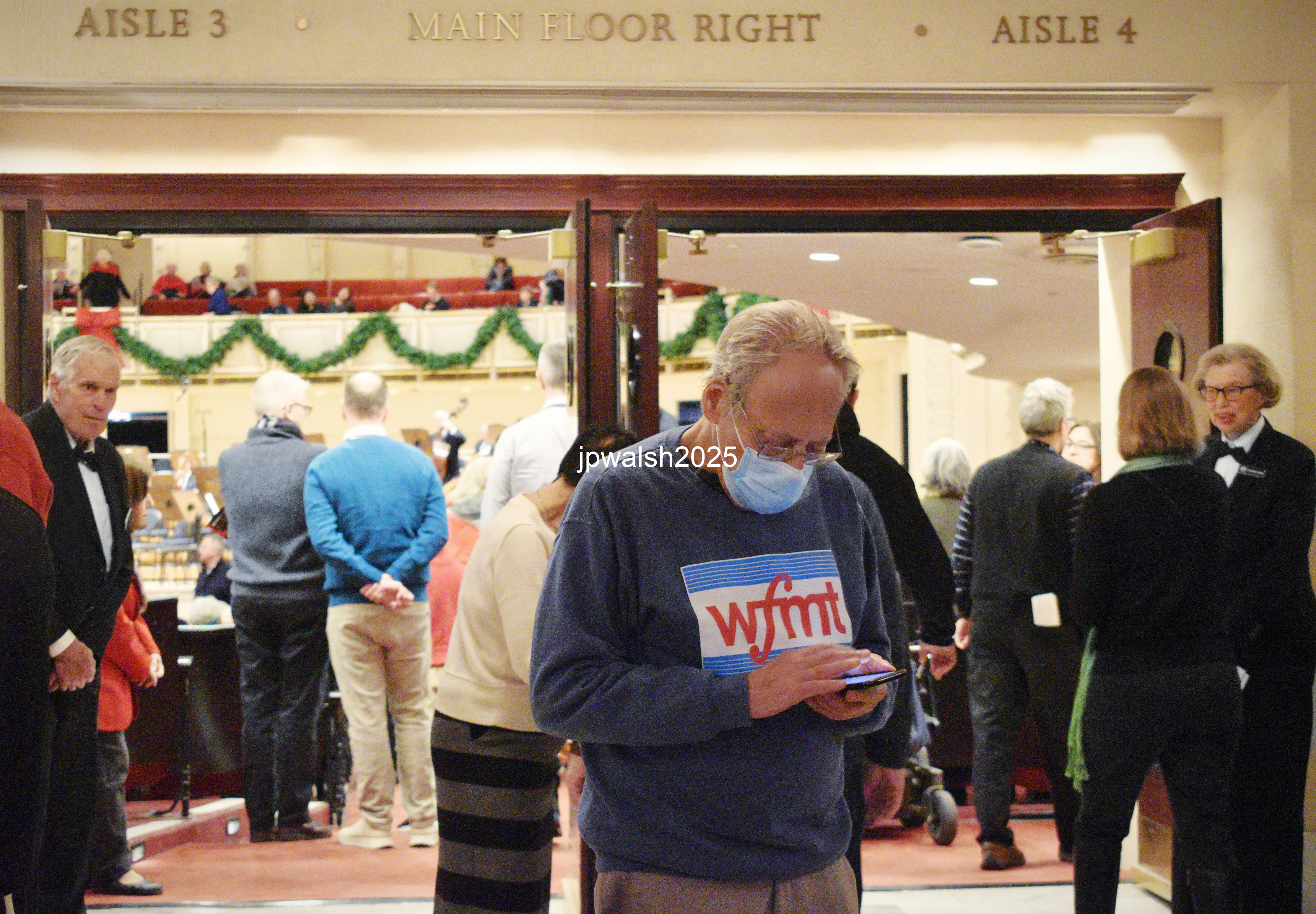
October 2014. Chicago. Symphony Center. 1.99 mb
October 2014. Chicago. Symphony Center. 2.51 mb
December 2016. Chicago. Auditorium Theatre.
January 2018. Chicago. Macy’s State Street. 872kb (10)
September 2016. Forest Park, Iilinois. 5.11 mb
September 2015. Chicago. 3.82 mb
January 2018. Oak Park, Iilinois. 2.40 mb
September 2015. Chicago (Streeterville). 2.75 mb
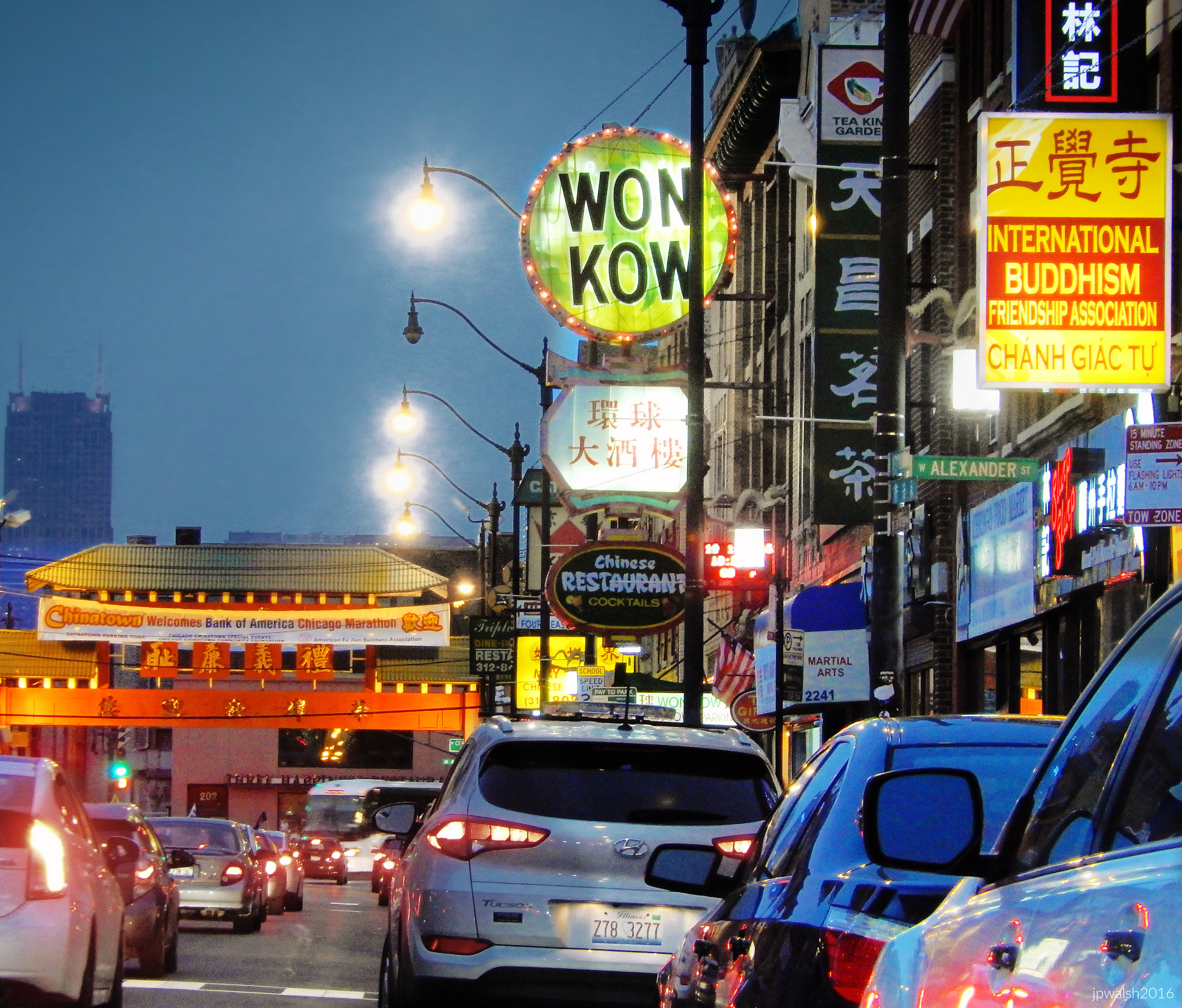
October 2016. Chicago (Chinatown). 4.78mb DSCN4244 (1)
August 2015. Chicago (Chinatown). 3.44 mb
July 2016. Chicago (Chinatown). 5.01 mb
February 2018. Chicago. 4.74 mb
December 2017. Westmont IL. 7.83 mb 98%
September 2017. Chicago. 2.80 mb
June 2022. Chicago. 7.79mb 77%
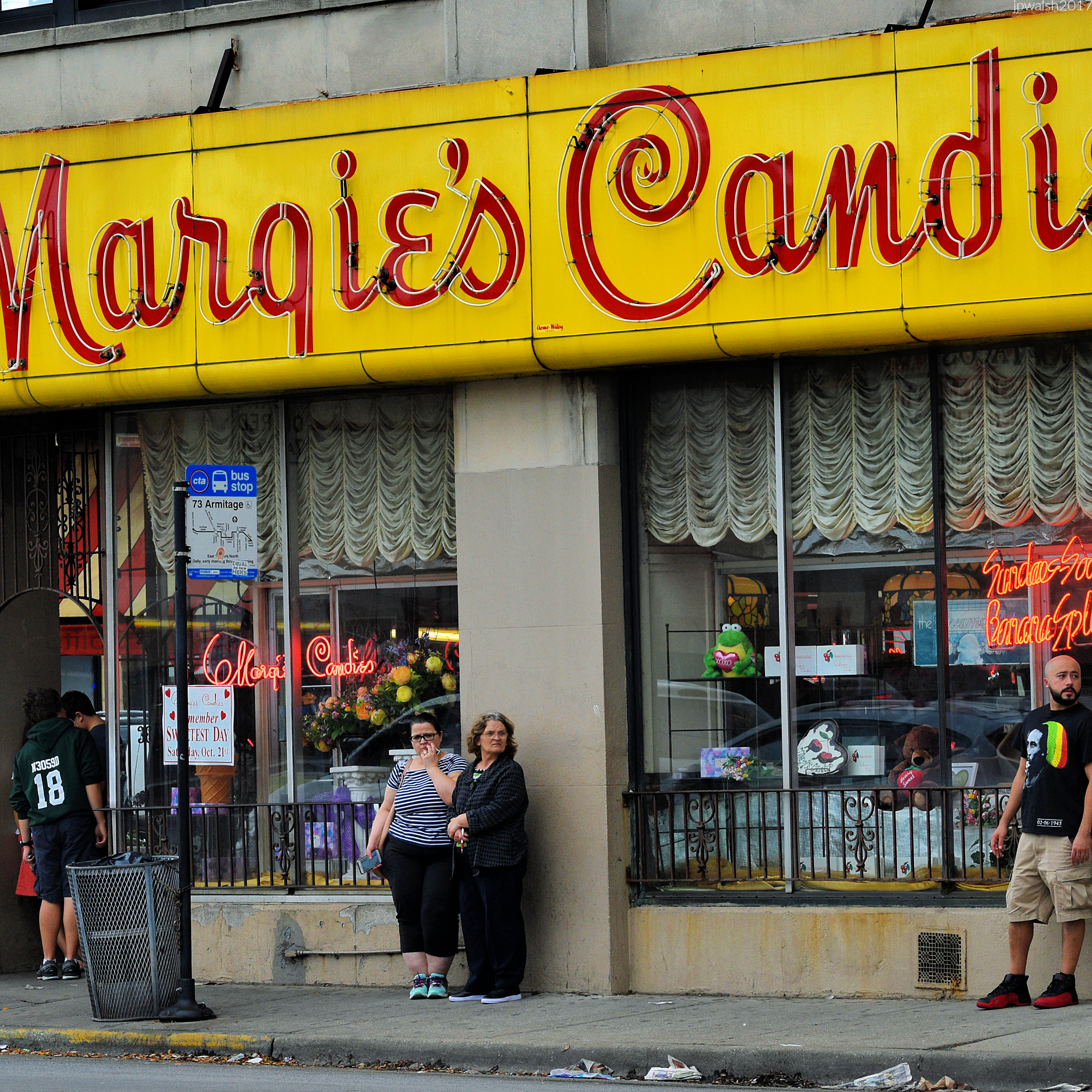
October 2017. Margie’s Candies at 1960 N. Western Avenue in the Bucktown neighborhood in Chicago was founded in 1921. It was renamed Margie’s Candies in 1933. In August 1965 Margie’s Margie’s hosted the Beatles who came in after they played a concert at Comiskey Park in Bridgeport. The Fab 4 ordered “Fudge Atomic Sundaes” that are still on the menu today which can complement to Margie’s since much of its décor is original from its first day of business. 3.03 mb
May 2018. Villa Park, Illinois. 4.06 mb
October 2022 5.80 mb 99%
February 2019. Evanston, Illinois. 4.94 mb
June 2022. Evanston, Illinois. 7.70 mb
April 2020. Downers Grove, Illinois. 7.39mb
March 2018. Lisle, Illinois. 3.38 mb (30)
July 2015. Chicago. 3300 W. 111th St, 60655. 4.16 mb
July 2023. 7.65 mb 74%
August 2015. 4900 N. Broadway Chicago. 3.54 mb
April 2020. Cancelled & re-scheduled. 4.15 mb. see – Frida Kahlo: Timeless — CCMA – retrieved Dec. 26, 2025.
June 2020. Downers Grove, Illinois. 4.59 mb
September 2015. Chicago (South Loop). 3.82 mb
August 2017. Watseka, Illinois. 6.24mb
August 2017, Kentland, Indiana. 3.16mb
June 2018. Chicago. 558 E 79th St, 60619 3.64mb
June 2021 95%
June 2018. Cedarburg, Wisconsin. 6.23 mb 95%
February 2018. Chicago (Kennedy Expressway). 6.58 mb (40)
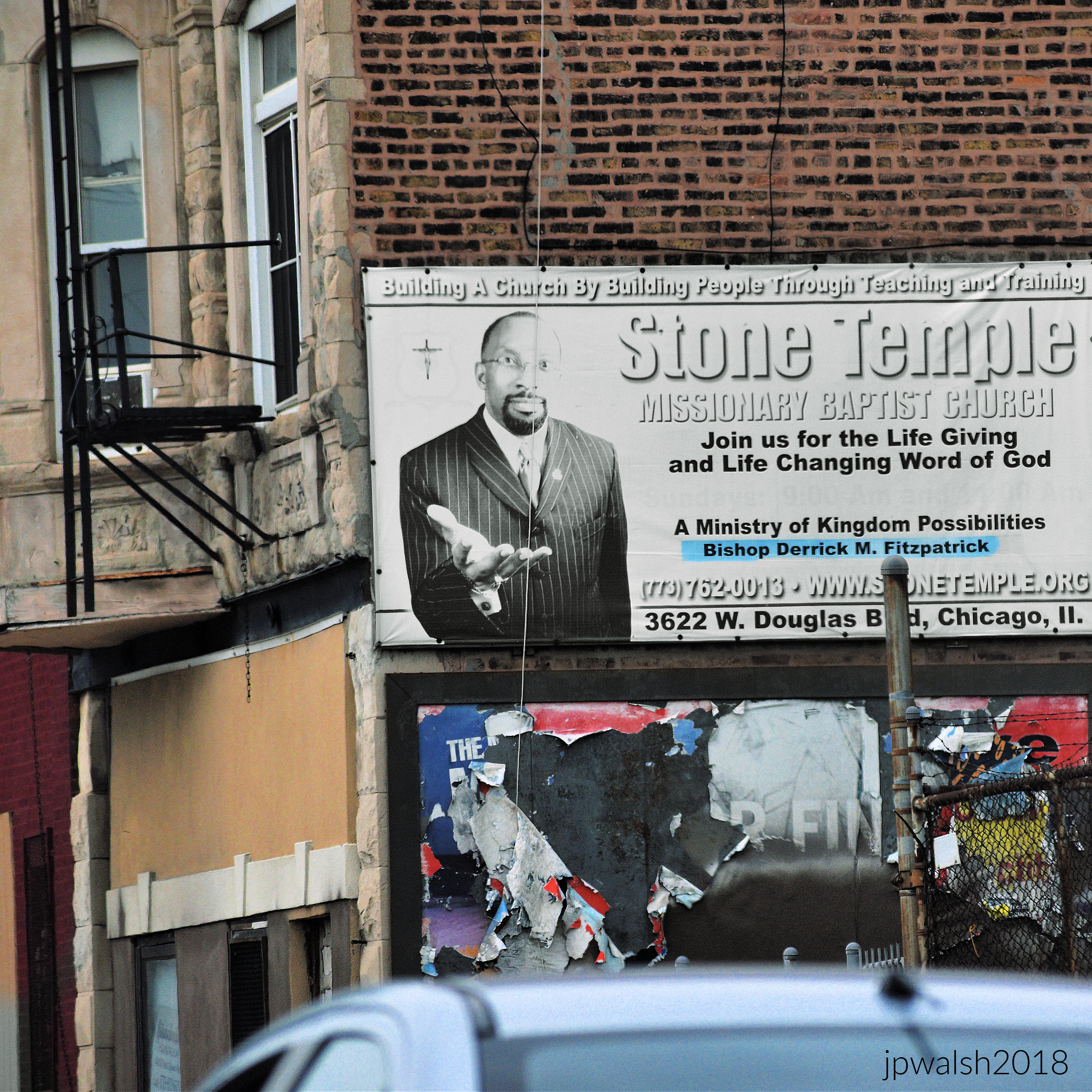
June 2018. 80% 7.82 mb DSC_0641. In 1966 when Dr. Martin Luther King, Jr. and Coretta Scott King lived in Chicago on the West Side at 1550 S. Hamlin Avenue Dr. King preached at Stone Temple Baptist Church at 3622 W. Douglas Boulevard, a ten-minute walk away. Built in 1926 as a synagogue in the North Lawndale neighborhood the building became a Baptist church in 1954. Already in the 1950’s and early 1960’s Dr. King had delivered several speeches at Stone Temple MB Church in his civil rights efforts and used the church during his 1966 Chicago residency as a base for his civil rights and fair housing advocacy. His efforts led to the signing of the 1968 Fair Housing Act on April 11, 1968, a week after his assassination. Today, Stone Temple is led by Bishop Derrick M. Fitzpatrick, the grandson of Rev. James Marcellus, the church’s founder.
February 2018. Chicago (Loop). 3.63 mb
December 2015. Chicago (Michigan Avenue). 4.30 mb
November 2017. Chicago (South Loop). 3.50 mb
February 2018. Chicago. 6.18 mb
September 2015. Chicago. 6.33 mb
June 2022. Chicago. 5.86 mb
December 2012. Chicago. 6.67 mb 99%
May 2022. 7.33mb 98% (50)
October 2023 7.78 mb 68%
June 2022 7.02mb
March 2017. Post Office. 4.11 mb
September 2022. Lisle Illinois. 6.57 mb
August 2016. Kendall Co., IL. 3.48mb
August 2022. 7.57 mb 99%
August 2021. Chicago. 6.25 mb 99%
August 2015. Chicago, 8611 S Pulaski Rd 60652. 7.71 mb 87%
May 2022. Wheaton, Illinois. 917 E Roosevelt Rd, 7.76 mb 99%
July 2017. Alsip, IL (demolished). 4.56 mb (60)
August 2015. Chicago. 2116 W. 95th Street, 60643. 7.13 mb
June 2014. Waukegan, Illinois. 7.10mb
May 2023. Downers Grove, Illinois. 7.09 mb 99%
August 2023. Wheaton, Illinois. 7.75 mb 61%
August 2023. Tivoli. 7.17mb 99%
September 2023. Downers Grove, illinois. 7.84mb 91%
June 2023. Downers Grove, Illinois. 7.95mb
September 2023. 7.60 mb 80%
July 2023. Darien, IL. 7.94mb 85%
January 2019. 4.04mb (70)
June 2022. Chicago. 7.41mb 99%
December 2017. Chicago. 141 kb 25%
March 2013. Chicago. 65%
November 2023. 7.84mb 96%– *
December 2023. 7.92 mb 94%
April 2024. Downers Grove, Illinois. 99% 7.06mb
April 2024. 99% 6.65 mb
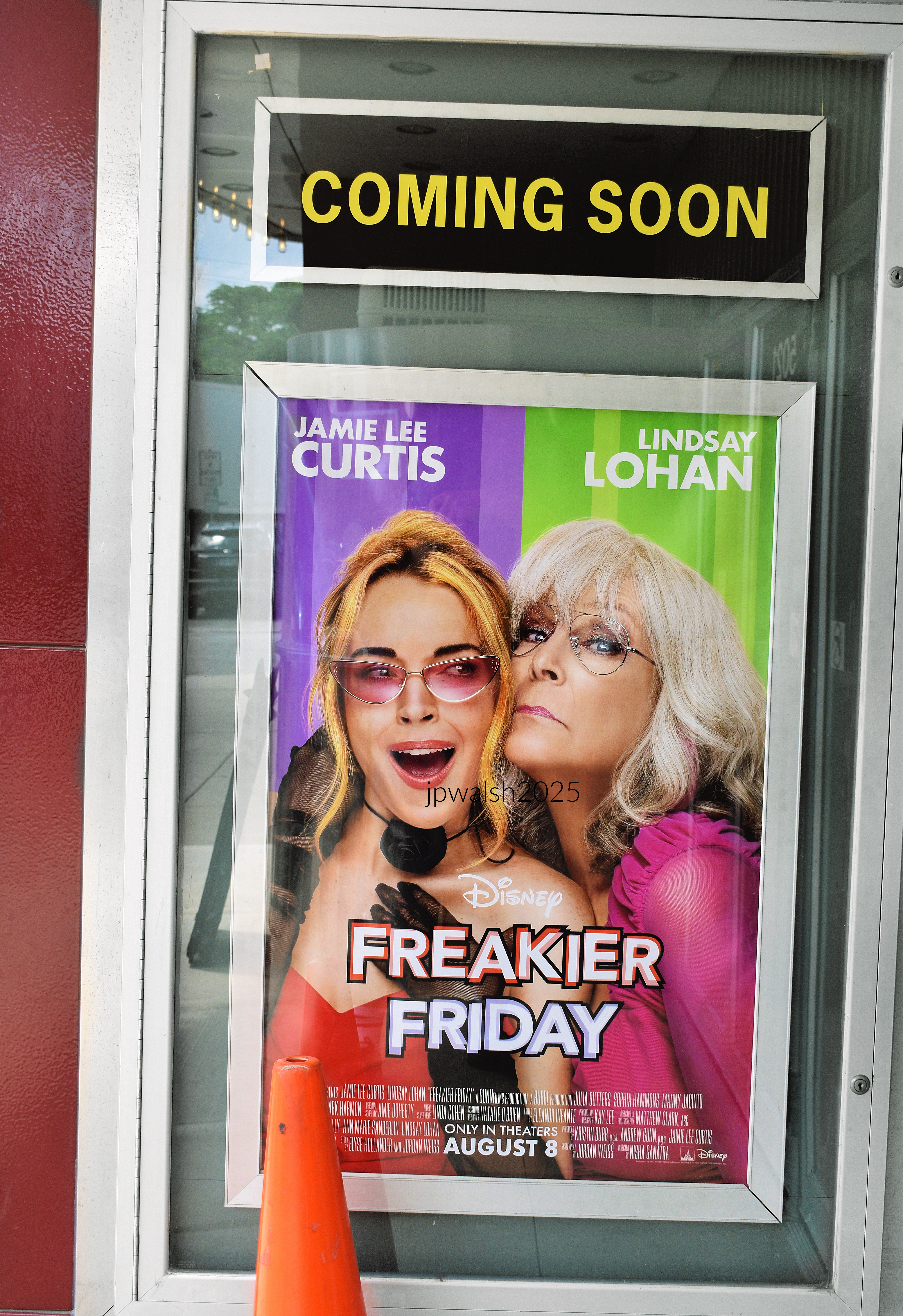
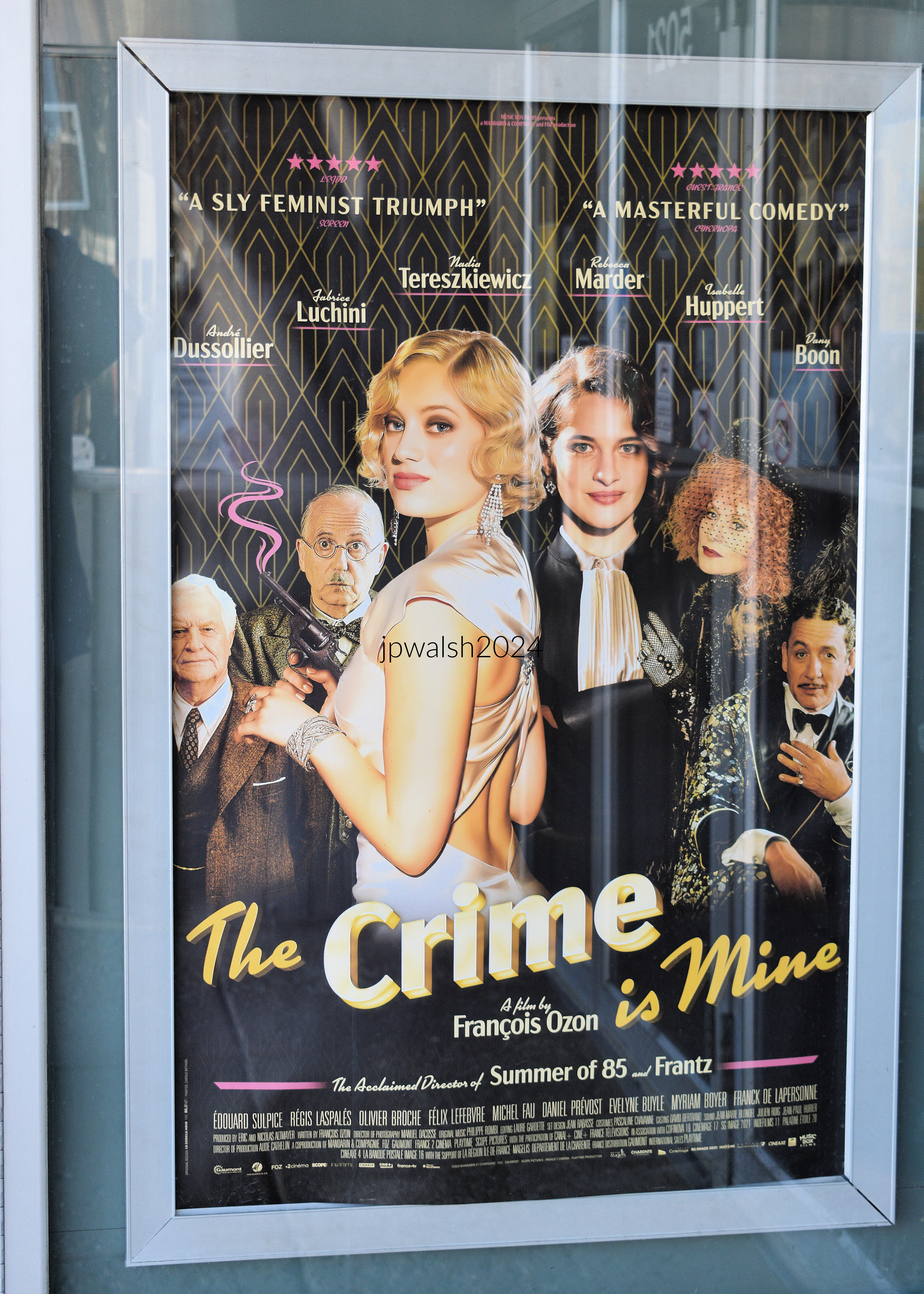
April 2024. 90% 7.79mb (2.15 minutes). Based on a 1934 French stage play, The Crime Is Mine (“Mon Crime’) is  2023 French film about a young actress (Nadia Tereszkiewicz) who becomes celebrated overnight after being acquitted of murdering a French movie producer in self-defense. But is she really innocent – or has she just gotten away with murder? The crime-comedy film was directed François Ozon who conceived it as a tale “ultimately about the triumph of sorority” and influenced by French directors Jean Renoir and Francois Truffaut and Americans Ernst Lubitsch, Frank Capra and Blake Edwards. Ozon based Isabelle Huppert’s character on French stage actress Sarah Bernhardt. The plot and characters of the original stage play by Georges Berr and Louis Verneuil became the basis for two Paramount Pictures’ films in the 1930s and 1940s – “True Confessions” starring Carole Lombard in 1937 and “Cross My Heart” starring Betty Hutton in 1946. Reviews for The Crime is Mine have been generally favorable citing particularly its star power.
November 2017. Countryside, Illinois. 5.44 mb
November 2017. Countryside, Illinois. 5.35 mb (80)
2015. Chicago.7.69 mb
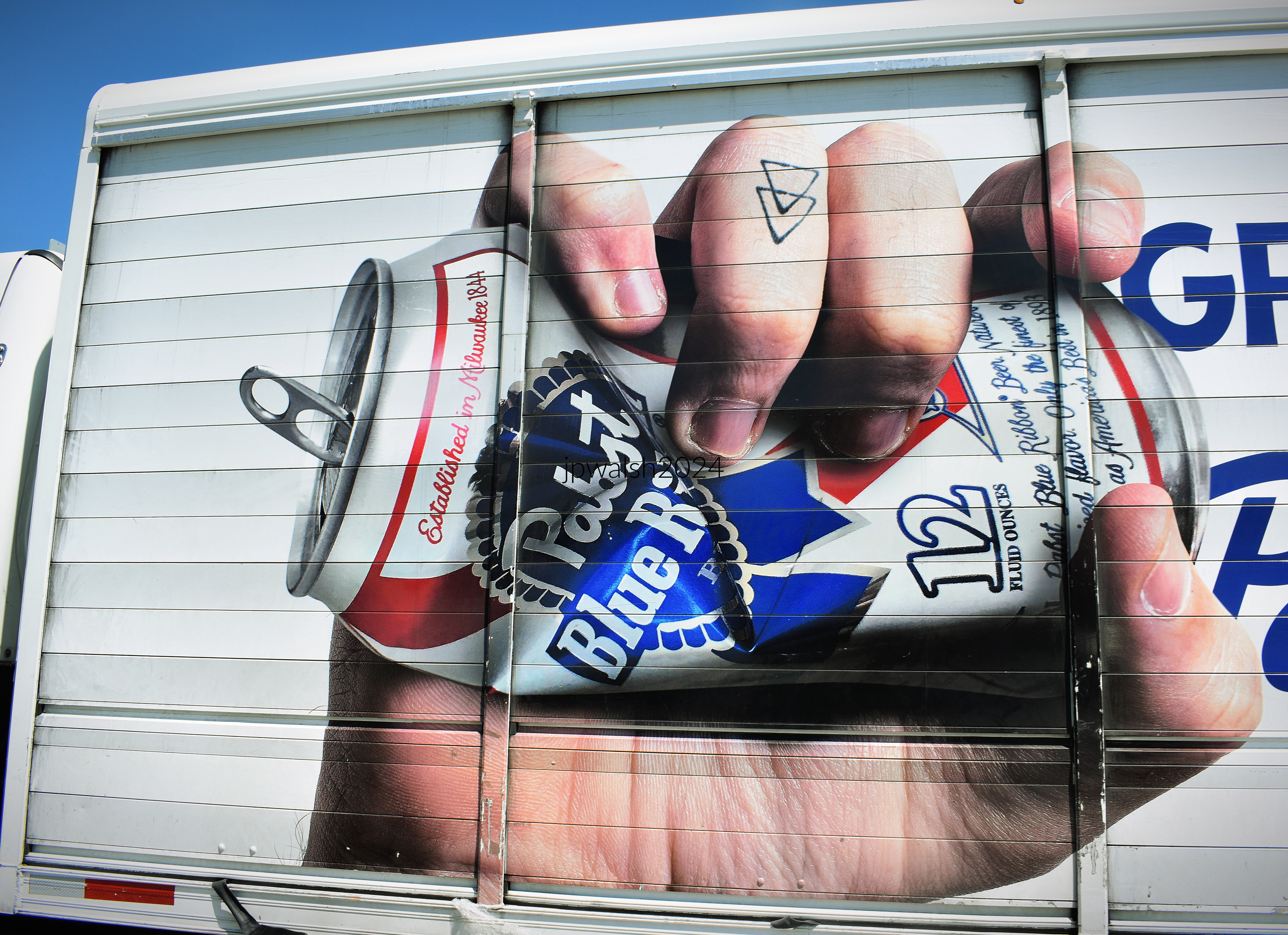
May 2024. 7.17mb
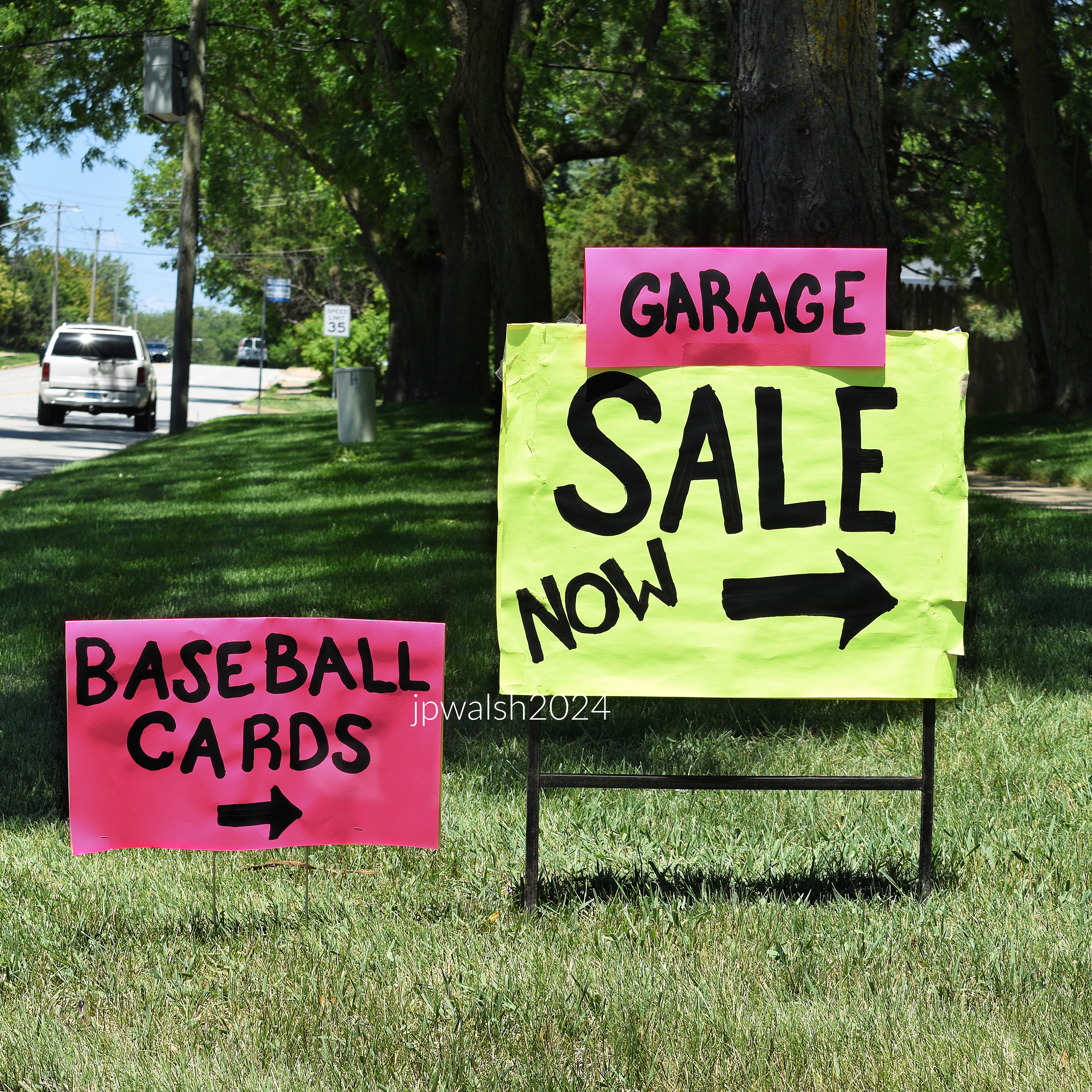
May 2024. 99% 7.35 mb
May 2024. Burger King was founded in Miami, Florida in 1954. Downers Grove, Illinois. 6.61mb
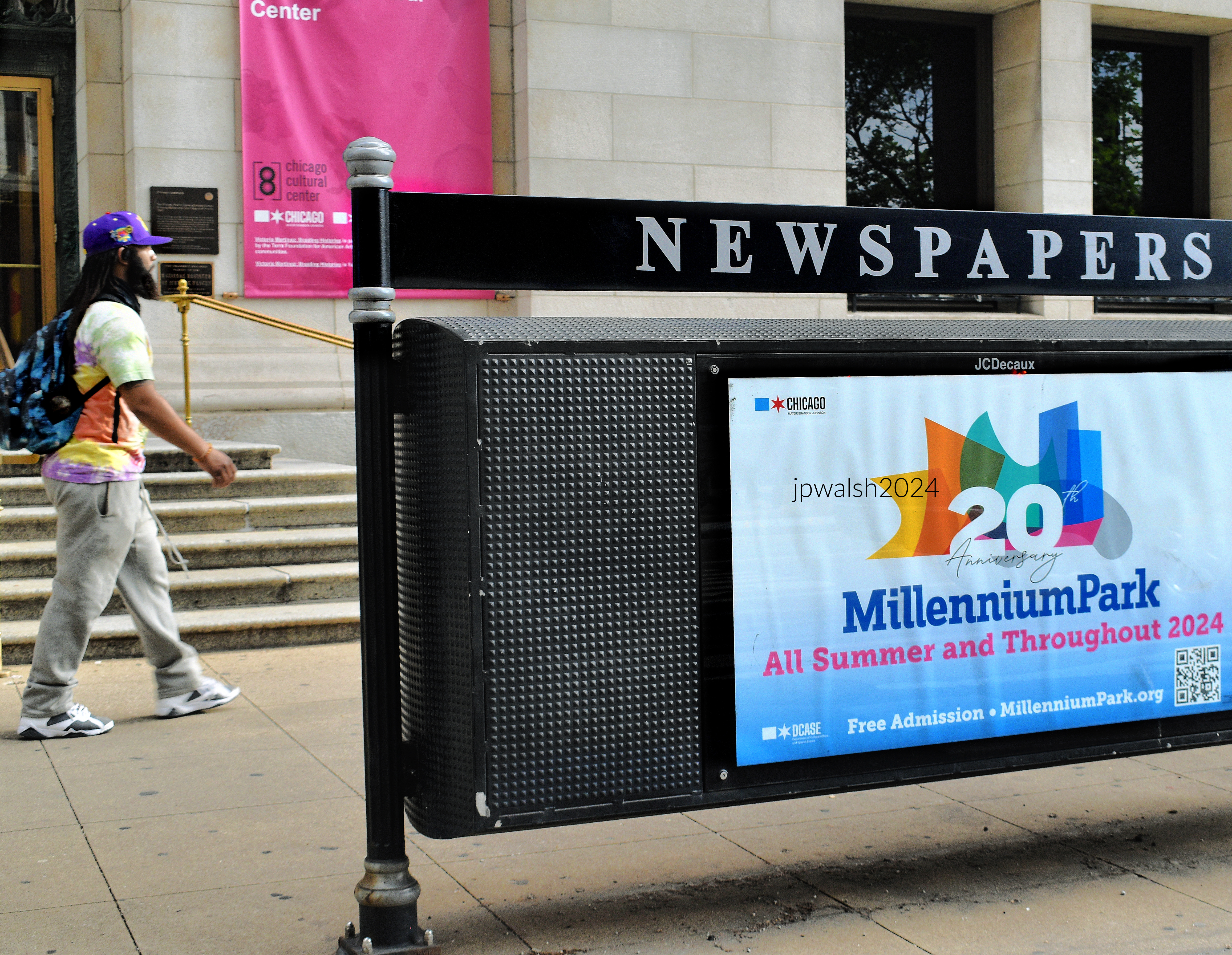
Chicago. May 2024 7.71 mb
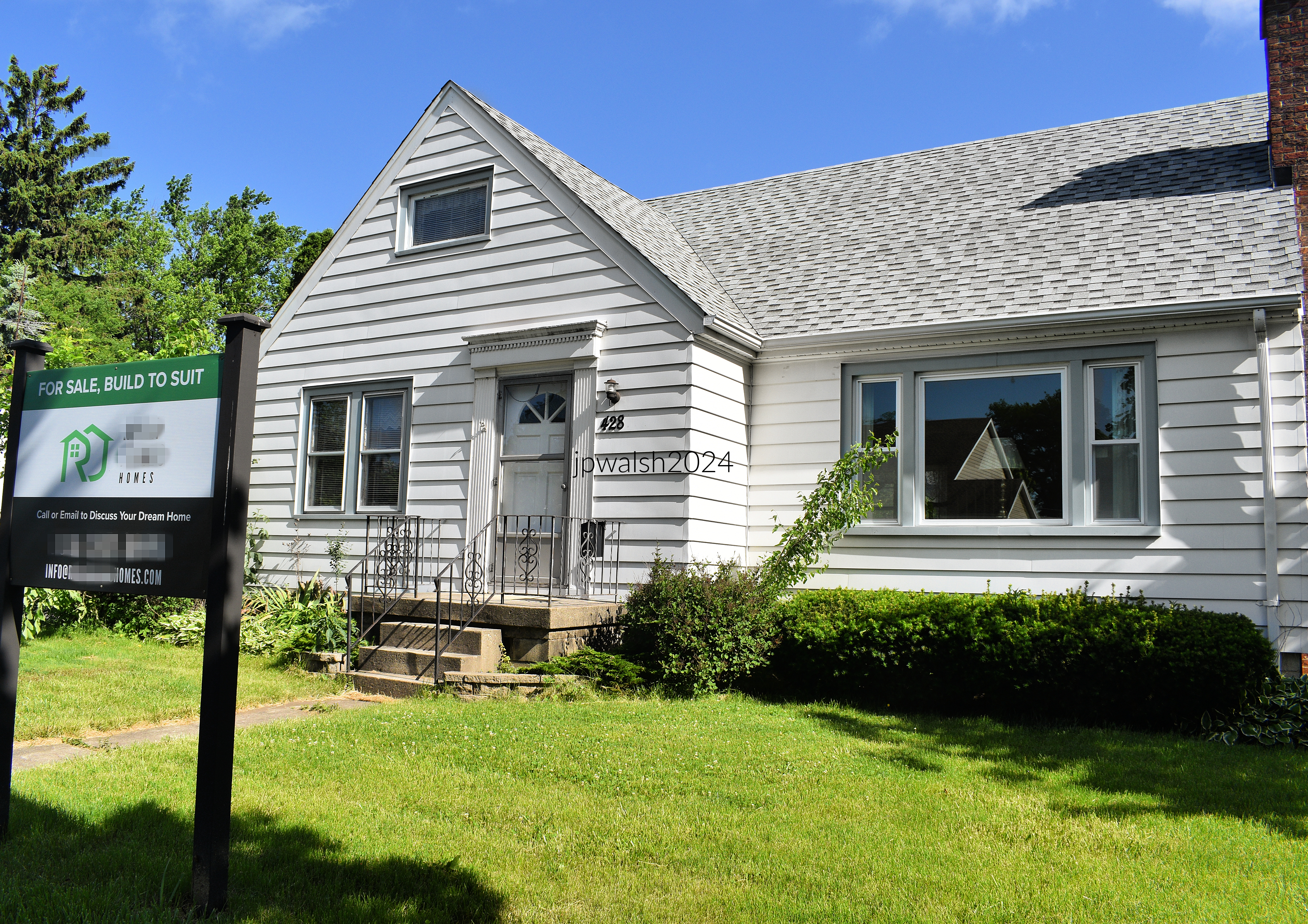
build to suit (dream home). May 2024 75% 7.68 mb – *
June 2024. 99% 7.71 mb 8077
May 2017. Marengo, Illinois. 1.29 mb 0247
July 2024. 4.31mb 7746 (1)
August 2024. Naperville, Illinois. 99% 7.60 mb 1161 (1)
May 2024. Downers Grove, Illinois. II 81% 7.71 mb
Chicago. May 2024 3.24 mb
Chicago (Chinatown). 4/2013 2.86 mb
Chicago. 6/2022 7.72mb 85%
July 2024. Woodridge, Illinois. 85% 7.81mb 0646
November 2012. Wheaton, Illinois. 2.59mb 101_0382
February 2013. Chicago. 1.85mb101_6384 (1)
February 2013. Chicago. 3.67mb 101_6792 (1)
March 2013. Chicago. 2.38mb 101_7015 (1)
March 2013. 4.68mb 101_7023 (1)
February 2013. 2.04mb 101_6508 (1)
February 2013. 1.95mb 101_6610 (1)
March 2013. Chicago 3.58mb 101_8578 (1)

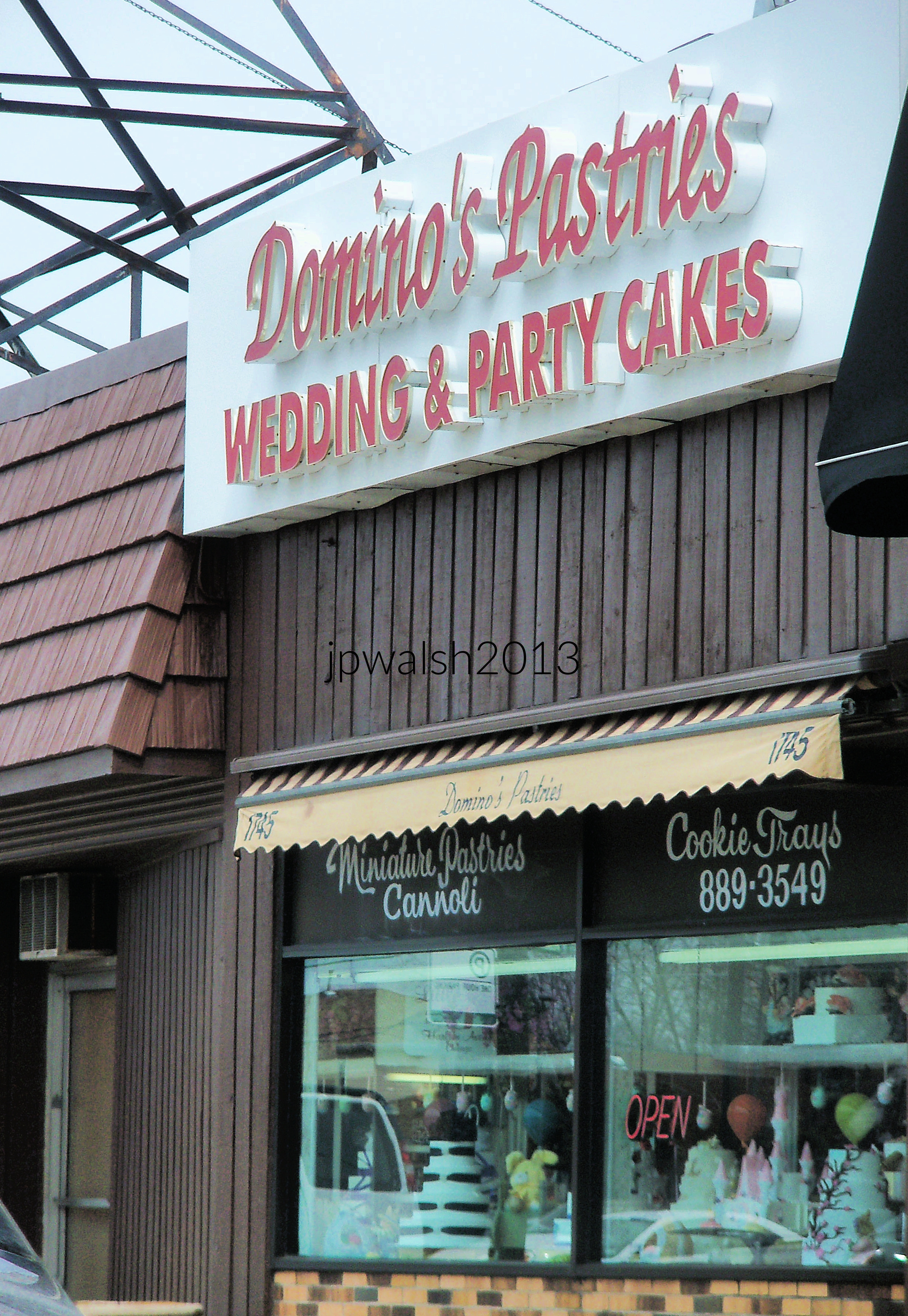
The owner came to the US from Italy through Ellis Island in 1938. The family business, Domino’s Pastries, was founded in this location in Chicago in 1952. Their loyal customer base is witnessed when the same couples who ordered their wedding cakes at Domino’s ordered many years later their anniversary cakes.

March 2013. Chicago. 4.58mb 101B8629 (1)
April 2013. 4.28mb 101_9593 (1)
April 2013. Chicago. 3.89mb 102_0152 (1)
May 2013. Chicago. 3.84mb 102_1487 (1)
August 2013. Aurora, Illinois. 3.48mb DSC_0848 (1)
February 2016. 7.47mbDSCN2087 (1)
April 2016. Joliet, Illinois. 6.12mb DSCN2341 (1)
May 2016. Wheaton. 5.16 mb DSC_0597 (1) Last Slice Served At Jack Straw’s Pizza In Wheaton | Wheaton, IL Patch – retrieved March 9, 2026.
June 2016. 6.30mb DSC_0803 (1)
June 2016. 5.65mb DSC_0913 (1)