FEATURE image: Douglas Fairbanks, c. 1918. Harris & Ewing, photographer. Collection Library of Congress.
Douglas Fairbanks, Sr. helped create the modern movie star by transforming himself from a successful Broadway actor into Hollywood’s first great athletic screen hero, using charisma, physicality, and entrepreneurial ambition to become one of silent cinema’s most influential figures and a co-founder of United Artists.

Studio portrait of silent film megastar Douglas Fairbanks Sr., taken at the height of his rise as “The King of Hollywood.” The uncropped image preserves the raw edges of the original 8×10 glass plate negative, revealing the studio backdrop and the photographer’s reference numbers etched along the bottom edge. Photographed in Washington, D.C., in April 1918 by Harris & Ewing, one of the nation’s premier photographic firms, the image comes from a studio renowned for documenting U.S. presidents, visiting dignitaries, and leading cultural figures of the early twentieth century.
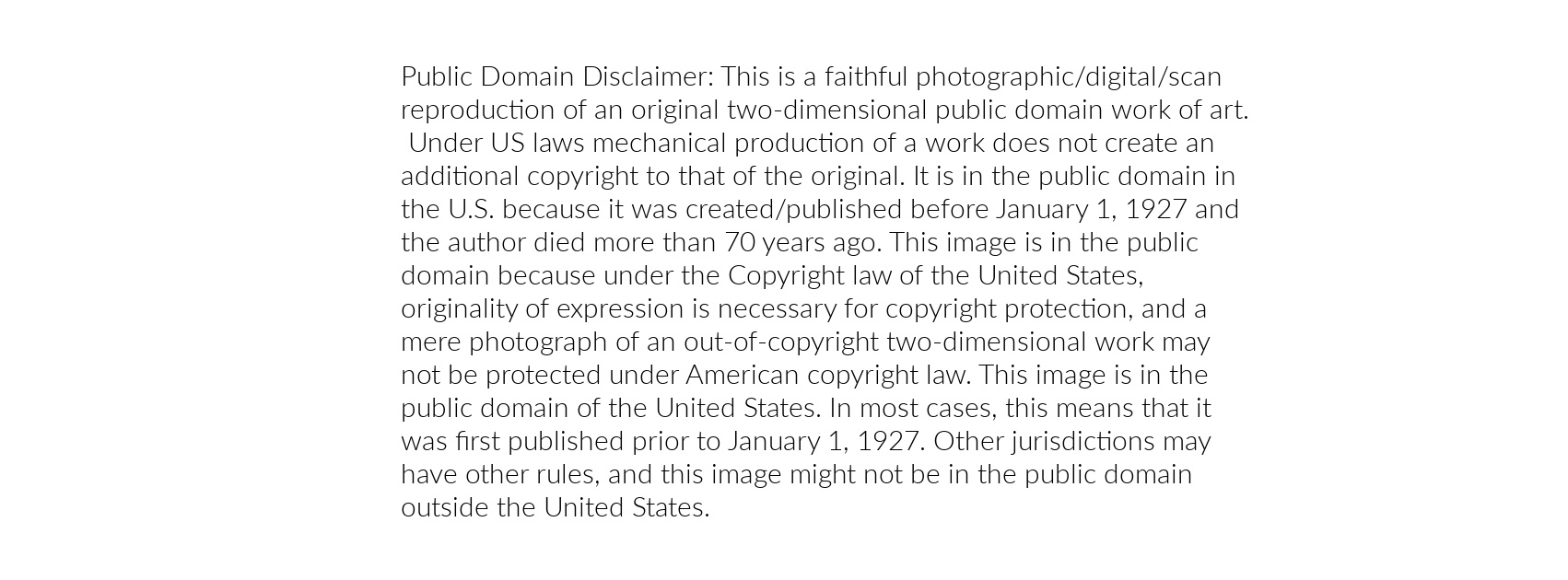
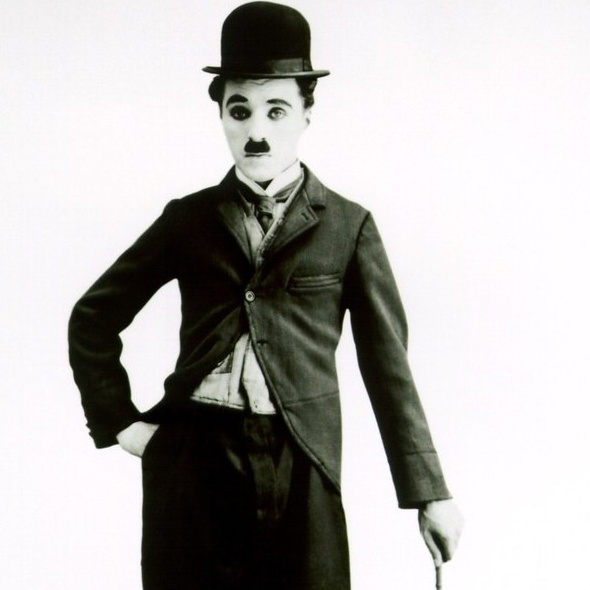
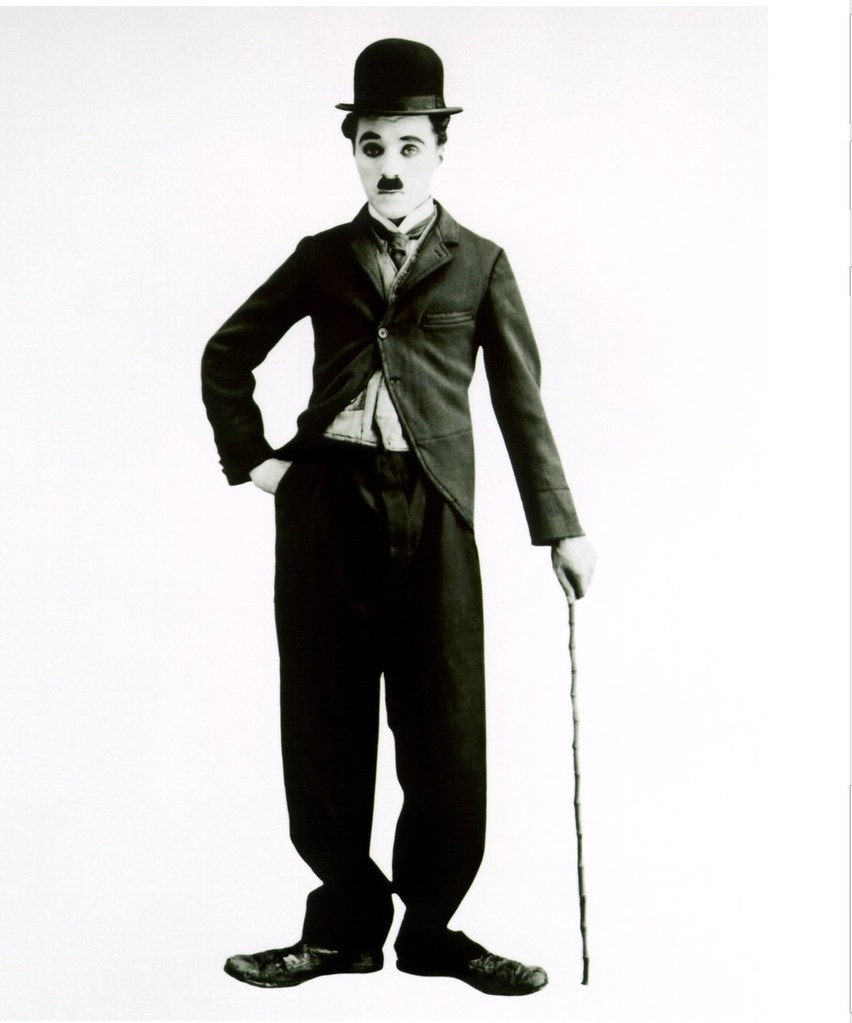
The sitting was part of a major publicity campaign connected to the World War I home-front effort. That spring, Fairbanks joined his close friends and future United Artists partners Charlie Chaplin and Mary Pickford on a widely publicized cross-country tour promoting Liberty Bonds and boosting public support for the war. Along the way, he became a headline attraction at patriotic rallies, including the famous Wall Street event where he hoisted Chaplin onto his shoulders before thousands of spectators.
The Washington studio session provided newspapers, magazines, and patriotic publications with fresh promotional photographs showcasing Fairbanks’s trademark energy and infectious smile, helping carry the Liberty Bond campaign to audiences across the country. Because the images were created as part of a government-associated wartime publicity effort, the original glass negative was ultimately preserved and is now held in the collections of the Library of Congress. No known restrictions on publication. Public Domain.
By John P. Walsh.
Early Life and Family Background
Born in Denver in 1883, Douglas Fairbanks’ mother had been married three times before she had him, the younger of two brothers with his father, an East Coast publisher and lawyer, who had relocated his family to the West. Douglas’s father abandoned the family when he was 5 years old, and the brothers were raised by their mother in Denver. Douglas also had two older half brothers by way of his mother’s previous marriages. With Douglas’s father’s departure, his mother gave her youngest sons her first husband’s surname—Fairbanks.
Stage Beginnings in Denver and New York
Douglas Fairbanks started acting as a youth in summer stock at the historic Elitch Theatre in Denver so that by 1899 Fairbanks was touring with the acting troupe of English Shakespearean actor Frederick Warde (1851-1935). For two seasons Fairbanks was an actor and assistant stage manager with the group.1 Fairbanks moved to New York where he debuted on Broadway in Her Lord and Master in February 1902. The year before, from February 1901 to July 1901, Ethel Barrymore (1879-1959) of the legendary Barrymore acting family became a Broadway star in a new romantic comedy play, Captain Jinks of the Horse Marines, at the Garrick Theatre in New York City. Barrymore’s production ran on Broadway for 168 performances in 1901 and made the 22-year-old actress a star. The turn of 20th century was a time when the theatre was king of the arts – and where, in the new century’s first decade, the nation’s celebrities were born to be made. Her Lord and Master by Martha Morton was first produced in New York, during the spring of 1902. The play, in which Douglas Fairbanks had his first role, met with success, and ran for 69 performances at the Manhattan Theatre (demolished) at 102 W. 33rd Street in New York City.2 The opening night cast for A Case of Frenzied Finance in April 1905 included Douglas Fairbanks playing Bennie Tucker at third-billing. The play, set in the Vanbillon Hotel, ran for less than a month at the Savoy Theatre at 112 W. 34th Street. That theatre opened in 1900 and closed in 1933 and was demolished in 1952.3

A dapper and svelte 22-year-old Douglas Fairbanks played third-bill Bennie Tucker in A Case of Frenzied Finance at the Savoy Theatre in April 1905. It closed after 8 performances. Public Domain.
Broadway Success and Marriage
Fairbanks appeared in A Gentleman from Mississippi from September 1908 to September 1909. On September 22, 1908 (datelined September 21, 1908) The New York Times wrote a blurb regarding a preview that stated: “A Gentleman from Mississippi received its initial performance to-night at the New national Theatre. The play deals with Congressional riots and social life in the National capital. Thomas A. Wise, Douglas Fairbanks, Sue Van Duser, Harriet Worthington and Lola May were in the cast. Mr Wise [1865-1928] and Harrison Rhodes [1871-1929] are the authors of the play.”
A Gentleman from Mississippi ran for 407 performances moving to the Bijou Theatre in NYC.4 In July 1907, 24-year-old Douglas Fairbanks married wealthy Anna Beth Sully (1886-1967) of Rhode Island. The couple had one son who followed his father into the acting business—Douglas Fairbanks, Jr. (1909-2000).

Douglas Fairbanks, c. 1910. Before 1915 Fairbanks established his character type on Broadway of the athletic all-American hero which followed him into films. By 1920 it was this full-blooded romanticism of Douglas Fairbanks that drew the biggest movie-going audiences in the country 5 https://www.loc.gov/resource/hec.16616/ Harris & Ewing, photographer. Public Domain.
Creating the All-American Hero
It was in November 1912, on opening night of Hawthorne of the USA, a play by J.B. Fagan, that Fairbanks established his character type for stage and screen: the athletic all-American hero.6 With Fairbanks in the starring role as Anthony Hamilton Hawthorne, the play set in Oberon, the small capital of Borrovina, a small independent state somewhere in the mess of Southeastern Europe, ran for 72 performances at the Astor Theatre at 1537 Broadway (45th St.) in New York.7 It was made into a silent film in 1919 starring Wallace Reid (1891-1923) as the American hero.
Athleticism and acrobatic stunts characterized Douglas Fairbanks’ roles on stage since 1912 were translated to his films. They are on full display in A Modern Musketeer, a 1917 silent adventure comedy film produced by and starring Douglas Fairbanks.

Fairbanks family, c. 1916. Public Domain. https://www.wikitree.com/photo/jpg/Sully-110-1
Hollywood Beckons: The Move to Los Angeles
In 1915 the Fairbanks moved to Los Angeles – Douglas Fairbanks Sr. had received a lucrative offer from the nascent film industry. It was a three-year contract for $104,000 per year (over $3 million in today’s dollars) to join Triangle films. Exorbitant sums were dangled, often over-ambitiously by producers, to coax legitimate theatre actors to work on the West Coast in film – and under sometimes multi-year contracts. The strategy usually worked but came at a high cost later to a company’s survival and the star’s future. Again, Ethel Barrymore who became a Broadway star in 1901 and national celebrity at 22 years old began to appear in major silent films starting in 1914. Her brothers John and Lionel were already making films and though absolutely devoted to the stage from her youth, Ethel made at least 14 films before returning to the stage full time in 1920. The trend to capitalize on the talents of the stage in film was already underway when Triangle company was formed in 1915 to do just that on a spectacular scale.
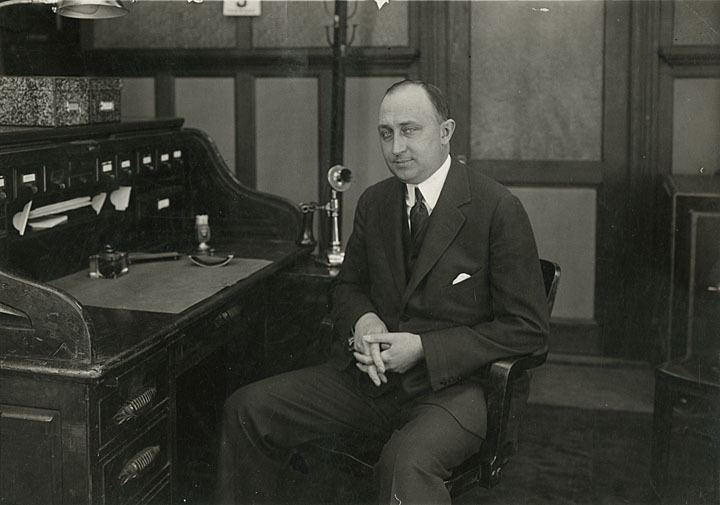
Harry Aitken, c. 1910. Public Domain.
Harry Aitken, Triangle Film Corporation, and the Broadway-to-Hollywood Strategy
Harry Aitken (1877-1956) and his brother Roy Aitken (1882-1978) co-founded a film distribution business in Milwaukee in 1906. There had also been a relationship with a Chicago film distributor who established American Film Manufacturing Company production company in 1910. The Aitken brothers relocated to California in 1908 and in 1912, with others, formed the Mutual Film Corporation. One of Mutual’s many subsidiary production and auxiliary units was Keystone Studios, where 24-year-old Charlie Chaplin got his start in films in 1913 at $150 per week (Chaplin was making more than $20,000 a week 5 years later). In 1914 Harry Aitken went into partnership with D.W. Griffith (1875-1948) and, in 1914, founded Reliance-Majestic Studios at 4516 Sunset Boulevard which is today a strip mall.
Following the tremendous success of The Birth of Nation in 1915 with which Harry Aitken was involved so to reap some of its incredible profits, the Aitken brothers and various other companies, such as Reliance-Majestic Studio, departed from Mutual to form a conglomerate of Triangle Film Corporation. The company served as a distributor to other studios in California and Aitken’s plans included sweeping into the fold the best and the brightest of Broadway theatre – which included 32-year-old Douglas Fairbanks. A leading artistic objective for these Hollywood producers was to bring these stage actors’ greatest plays to the screen. Believed to be a worthwhile goal in 1915, before the end of the 1920’s such published plays and other literature while fine for the boudoir reader were problematic to simply translate to the silver screen. The movement towards self-censorship had developed in reaction to the fear the industry would be regulated or outright banned by states. In 1915 there were fewer worries about this as such theatrical artistic fare was expected to attract a better educated movie-goer as well as the Wall Street big-money-type investors who invested in Broadway plays. In one fell swoop Aitken contracted over 60 actors and actresses including Billy Burke (1884-1970), recently married to Florenz Ziegfeld; soon-to-be Western star Dustin Farnum (1874-1929); Shakespearean actor Sir Herbert Beerbohm Tree (1852-1917) who played Macbeth in D.W. Griffith’s lost 1916 film of the same name; and, “Casey At the Bat” DeWolf Hopper (1858-1935).
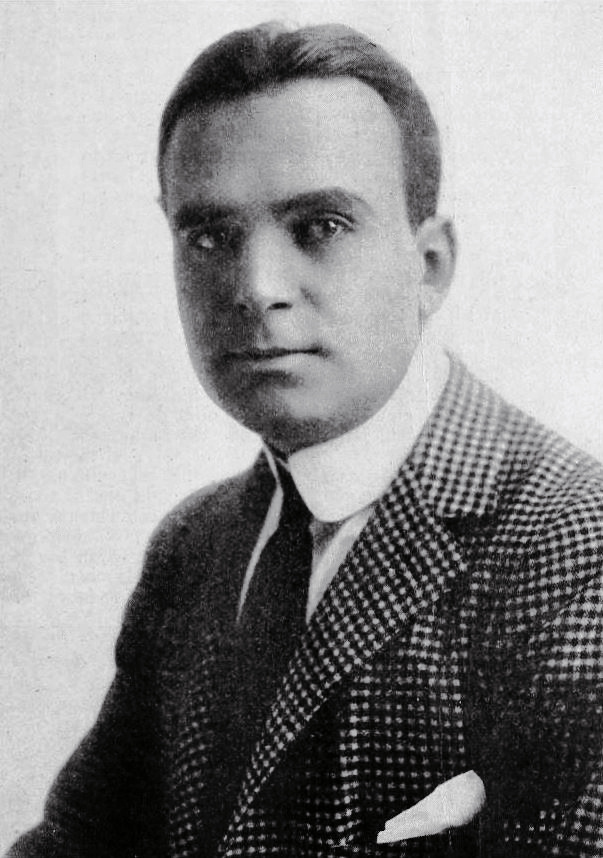
Douglas Fairbanks, 1916. Public Domain.
The Lamb and the Birth of a Screen Idol
The debut feature from Triangle starred Douglas Fairbanks in The Lamb, a film based on a 1913 stage play that was expanded to have Western cinematic elements. It premiered with two more features on September 23, 1915 at The Knickerbocker Hotel in Fairbanks’ old stomping ground of New York City. Triangle had in-house three master directors – D.W. Griffith, Mack Sennett, and Thomas Ince. D.W. Griffith had a hand in The Lamb, though its directing and screenplay credits went to 27-year-old W. Christy Cabanne (1888-1950). The Lamb was a hit with audiences, and critics praised Fairbanks’ performance marked by his celebrated physicality.8 The film had a nationwide release that November 1915. Although not yet a movie star, Fairbanks saw his weekly salary doubled. By His Picture in the Papers, a 1916 silent comedy film for Triangle that provided stunts for Fairbanks to wrap his athleticism around, Fairbanks became a popular screen idol. Fairbanks made 13 films for Triangle and when his contract expired, Harry Aitken was paying him $10,000 per week.9 Yet, excepting Douglas Fairbanks, Aitken had over bought his stable of stage stars in relation to their poor return so that in 1916 Triangle was known in the industry to be on the verge of collapse.
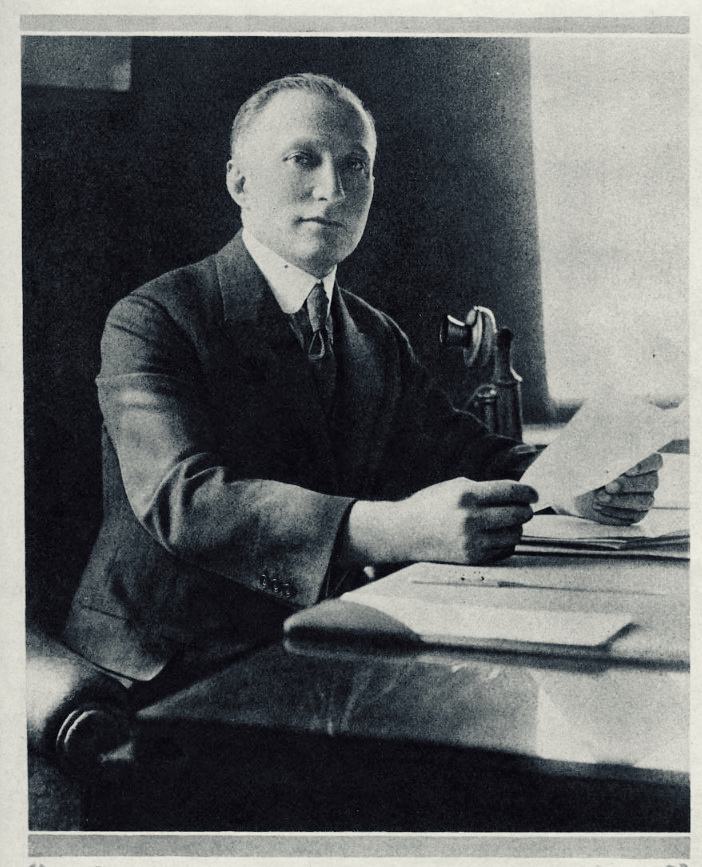
Paramount Pictures’ co-founder Adolph Zukor (1873-1976) was one of the innovators of the motion picture business. In 1916 Zukor convinced Douglas Fairbanks to become the independent producer of his own films. From the May 1922 issue of Motion Picture Classic. Public Domain. https://archive.org/details/MotionPictureClassicMay1922/mode/1up?view=theater
Independent Producer and the Douglas Fairbanks Picture Corporation
Douglas Fairbanks, Triangle’s star, was convinced by Paramount Pictures’ co-founder Adolph Zukor (1873-1976), believed to be “the business brains of the motion picture industry,”10 to become the independent producer of his own films. This became reality at the end of 1916 with the creation of the Douglas Fairbanks Picture Corporation. Zukor had already worked to do something similar for Mary Pickford’s films.

Douglas Fairbanks and Mary Pickford around 1919. Both movie stars already had established independent productions companies for their own films which still required their distribution – a key aspect of making money in movies – by others. These stars along with comedy star Charlie Chaplin and master director D.W. Griffith founded United Artists in 1919 largely to establish control of the distribution arm of the movie making business for their independently produced films. In 1919, Douglas Fairbanks divorced his wife, Anita. The following year, Mary Pickford, “America’s Sweetheart,” divorced her husband, Owen Moore, and married Douglas Fairbanks, her paramour since 1916. The American public, which took tremendous interest in these personal affairs, were shocked but hardly surprised by the country’s changing values. Even Douglas Fairbanks’ films between 1915 and 1919 had demonstrated those changing values by way of his athletic, likeable characters drawn to display a comical, good-natured, brash overambitious hero with a popular philosophy of avoiding both boring convention and conventional boredom. While Fairbanks’ dramatis personae would change dramatically in the 1920s from comedies to swashbucklers his already fantastic, attractive and likeable character type was being merely reinforced.11 Glass negative, Harris & Ewing photographer. https://www.loc.gov/resource/hec.30098/ Public Domain.
Fairbanks Productions and the Road to United Artists
As Fairbanks had been lured away by a better offer, so the actor hired his team at Triangle for his own company. Director John Emerson (1874-1956) and screenwriter Anita Loos (1888-1981) – to be husband and wife in 1919 – had successfully collaborated on Fairbanks’ movie hits at Triangle and even D.W. Griffith valued the pair as among the best film editors in the business after working on Intolerance in 1916. Emerson had directed important films at Triangle in 1916 featuring Douglas Fairbanks including His Picture in the Papers, The Americano, and The Mystery of the Leaping Fish. These Emerson-directed films were followed in 1917 by In Again, Out Again, Wild and Woolly, Down to Earth, and Reaching for the Moon, all for Douglas Fairbanks Productions. In 1918 Fairbanks made 5 more romantic comedies and one melodrama called Arizona, a film now lost. Despite a film receiving perhaps a mixed review from critics or being subject to local censorship, Douglas Fairbanks’ films proved box office gold due to his star power. In 1918 and moving into 1919 Fairbanks had become a millionaire, screen idol and soon to be co-founder of his own movie studio, United Artists.

John Emerson and Anita Loos in 1918. These two creative individuals who married in 1919 worked closely as director, screenwriter, and film editor with Douglas Fairbanks as well as D.W. Griffith at Triangle films and later at Douglas Fairbanks Picture Corporation. They helped make some of the most popular and critically-acclaimed films in the industry at that time. Public Domain.
Down to Earth is a 1917 American comedy romance film produced by and starring Douglas Fairbanks with Irish-born actress Elaine Percy. Directed by John Emerson with a screenplay co-written by Anita Loos, the film features Fairbanks as Bill Gaynor who sets out to prove the outdoors and self-reliant manual labor are better for health than any modern medical treatment. He does this by kidnapping a group of hypochondriacs from a clinic that includes a girl, Ethel Forsythe (Percy). Bill is interested in her, but she refuses his proposals. Finally, after proving his point on a “deserted island” that is next to a California freeway, Bill bids farewell to the revived group of patients and escapes with his awaiting love interest, Ethel, into the sunset by rowboat. The film is in the Public Domain.
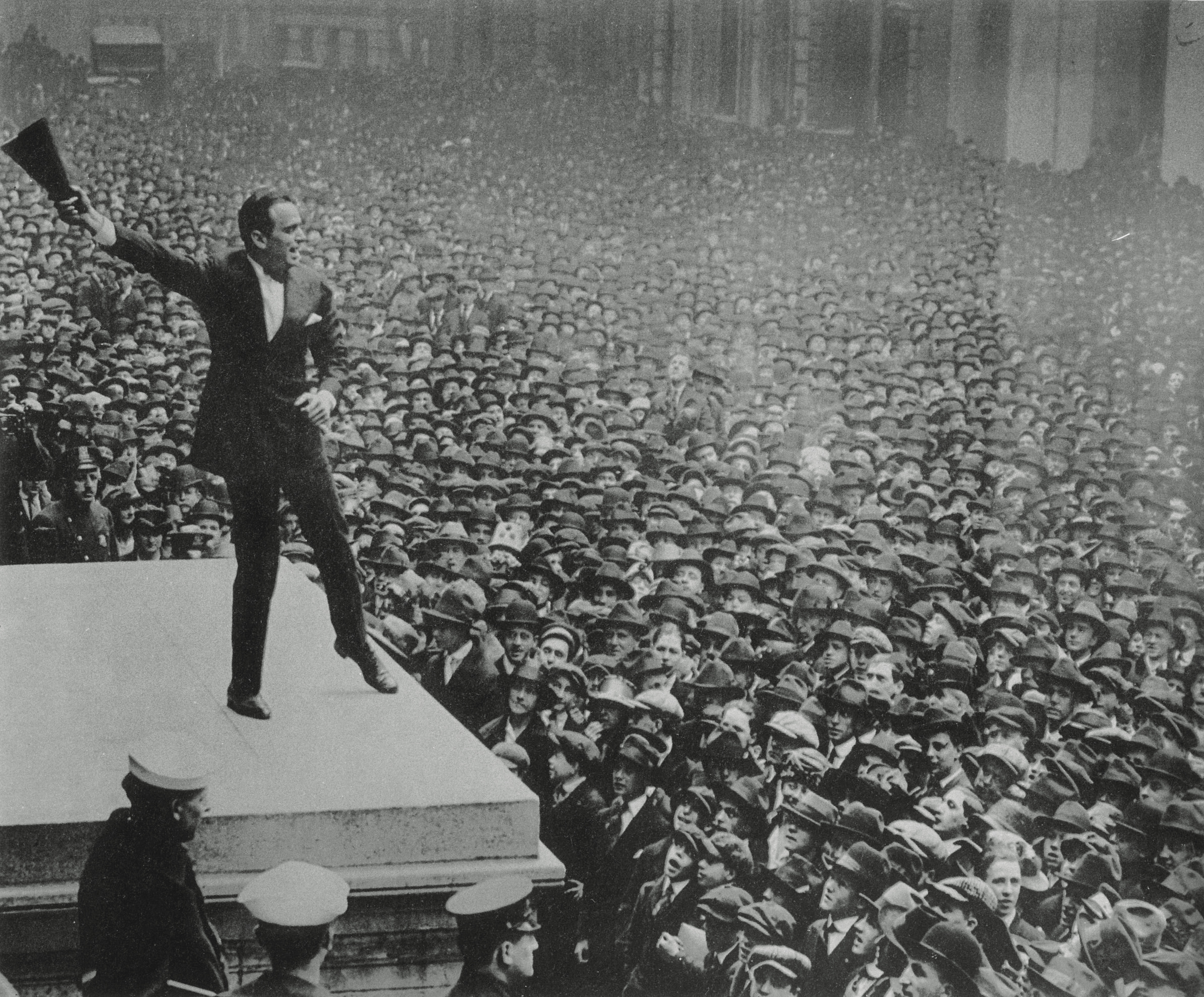
The most popular silent film stars on the road selling Liberty bonds in 1918 were Charlie Chaplin, Mary Pickford, and before a massive crowd on Wall Street in New York City, Douglas Fairbanks. In 1918 Fairbanks and Chaplin decided to hire private detectives to spy on their respective studios, Paramount Pictures and First National. They were told that the studios were going to put a stop to their exorbitant salaries and not renew their contracts.12 The positive audience response from the Liberty drives and a fear of a corporate merger that would end star leveraging power, led directly to Fairbanks, Chaplin, Pickford, and master director D.W. Griffith, to found United Artists in January 1919. Public Domain.
Conclusion
As the curtain fell on the theater-dominated nineteenth century and rose on the age of motion pictures, Douglas Fairbanks emerged as a defining titan of the new medium. At a pivotal moment when the art and business of film were still being invented from scratch, Fairbanks helped construct the very blueprint of modern movie stardom. He achieved this through a potent combination of infectious optimism, explosive athletic vigor, and an instinctive, unparalleled screen charisma.
More than just a box-office darling, Fairbanks became the ultimate symbol of silent-era ambition and untamed possibility. He radically disrupted the industry by challenging rigid studio monopolies, pioneering artist-led production as a co-founder of United Artists. In doing so, Fairbanks established a revolutionary model of creative freedom, global celebrity, and entrepreneurial control that reshaped the landscape of Hollywood and the business of filmmaking for generations. Ultimately, his career mirrored Hollywood’s own meteoric rise, ensuring his towering influence would endure long after the silent era that made him famous had passed into history.
NOTES:
1. Goessel, Tracey. The First King of Hollywood; The Life of Douglas Fairbanks. Chicago Review Press, 2016.
2. https://playbill.com/production/her-lord-and-masterbroadway-manhattan-theatre-1902 – retrieved August 28, 2023.
3.https://www.ibdb.com/theatre/savoy-theatre-1494; https://www.ibdb.com/broadway-production/a-case-of-frenzied-finance-6075#OpeningNightCast).
4. The Oxford Companion to American Theatre (3 ed.), Gerald Bordman and Thomas S. Hischak, 2004 and https://www.oxfordreference.com/display/10.1093/oi/authority.20110803095848181).
5. The United Artists Story, Ronald Bergan, Crown Publishers, Inc., New York, 1986, p.9.
6. Ibid., p. 8.
7. https://www.playbill.com/production/hawthorne-of-the-usa-astor-theatre-vault-0000001318 – retrieved August 30, 2023; https://www.ibdb.com/broadway-production/hawthorne-of-the-usa-4786 – retrieved August 30, 2023.
8. Lombardi, Frederic (2013). Allan Dwan and the Rise and Decline of the Hollywood Studios. McFarland. pp. 53–54.
9. United Artists, Volume 1, 1919–1950: The Company Built by the Stars, Tino Balio, University of Wisconsin Press, 2009. p. 143.
10. Quoted in the May 1922 issue of Movie Picture Classic, p. 26.
11. A Short History of the Movies, Gerald Mast, Indianapolis: Bobbs-Merrill Company, Inc., 1976, pp. 124; 127 and The Liveliest Art: A Panoramic History of The Movies, Arthur Knight, New York: MacMillan Publishing, 1978, p 107.
12. Chaplin: His Life and Art, David Robinson, New York: McGraw-Hill Book Company, 1985, p. 267.
BIBLIOGRAPHY:
A Short History of The Movies, Gerald Mast, The Bobbs-Merrill Company, Inc. Indianapolis, 1977.
David Robinson, Chaplin: His Life and Art. New York: McGraw-Hill Book Company, 1985.
Hollywood: The Pioneers. Kevin Brownlow and John Kobal, New York: Alfred A. Knopf Inc. A Borzoi Book,1979.
History of the American Cinema, Volume 5, 1930-1939, Charles Harpole, General Editor, New York: Charles Scribner’s Sons, 1993.
The American Film Industry, ed. Tino Balio, University of Wisconsin Press, 1976.
The Hollywood Story, Joel W. Finler, New York: Crown Publishers, Inc., 1988.
The Liveliest Art: A Panoramic History of The Movies, Arthur Knight, New York: MacMillan Publishing, 1978
The United Artists Story, Ronald Bergan, Crown Publishers, Inc., New York, 1986.
United Artists, Volume 1, 1919–1950: The Company Built by the Stars, Tino Balio, University of Wisconsin Press, 2009