Tag Archives: #CorridorsBlog

250th Anniversary: The beginning of the American War for Independence started at the Battles of Lexington and Concord, Massachusetts, on the morning of April 19, 1775.

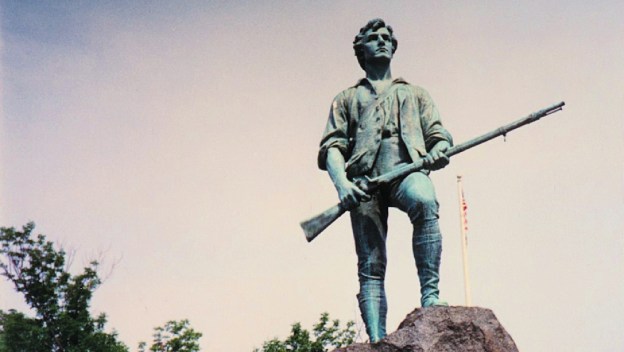
PUBLISHED APRIL 19, 2025 7pm CT. Feature image: Lexington Minute Man, 1899, by H. H. Kitson (c.1863-1947) stands in Lexington Green west of Boston, Massachusetts. Although called Minute Man, the statue is meant to represent the local Lexington militiaman, colonists of many ages and backgrounds, who volunteered to be first responders to military and other threats. The actual “minute men” was part of an elite subset of militia who were young and fit and able to respond to the greatest danger and challenge. Author’s photograph, July 1989.
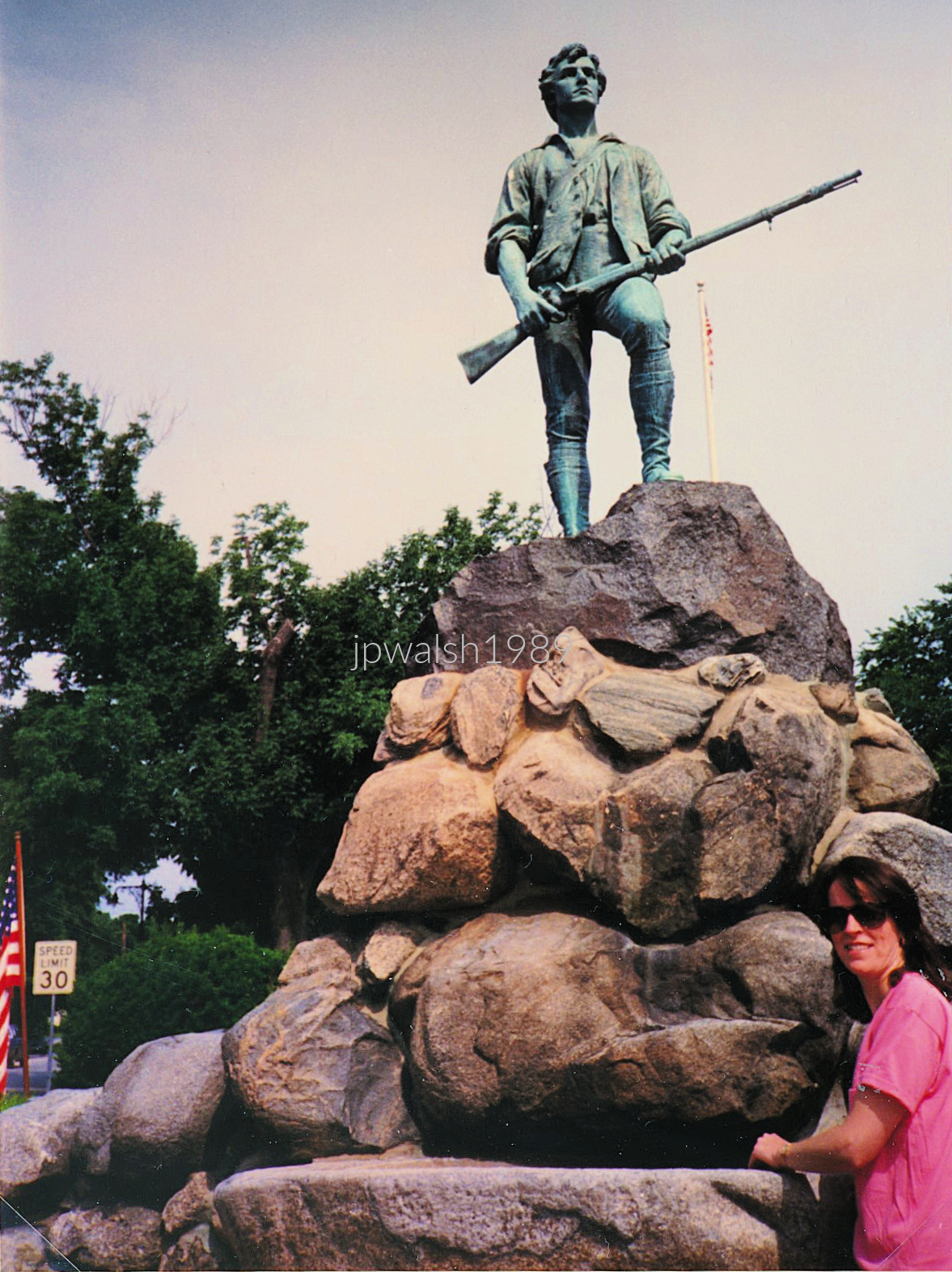
At the foot of the minuteman monument, visitors arrive in a steady flow, drawn to this enduring chapter of early American history. The bronze figure, rifle held in the classic Revolutionary‑era stance, recalls the citizen‑soldiers who first stepped forward to defend their towns. According to the National Park Service, the Minute Man National Historical Park—which includes Battle Road and its surrounding historic sites—welcomes more than 1 million visitors each year. see – Tourism to Minute Man National Historical Park contributes $102 million to local economy – Minute Man National Historical Park (U.S. National Park Service) – retrieved April 19, 2025.
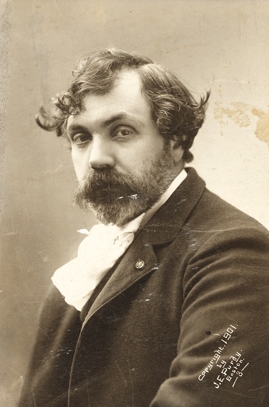
H.H. Kitson, sculptor of the famed Lexington Minuteman, was born in England and immigrated to the United States as a teenager. After studying art in Paris, he returned to New York in 1884 and moved to Boston two years later, where he established a studio, taught, married one of his students, and raised three children. The monument was commissioned in 1898 for $10,000 by railroad executive and U.S. Congressman Francis Brown Hayes, erected in 1899 facing the route of the British advance, and formally unveiled on April 19, 1900, for the 125th anniversary of the battle. Public Domain. see – https://monuments.freedomsway.org/monuments/minute-man-statue/ – retrieved April 19, 2025.
On April 19, 1775, local militiamen stepped out from Buckman Tavern beside the Lexington common and formed two lines to face the advancing British troops. Their stand resulted in the first casualties of the American Revolution. During our visit, we also learned that the phrase “sleep tight” comes from the rope‑laced frames that supported Colonial‑era mattresses. Author’s photograph, July 1989.
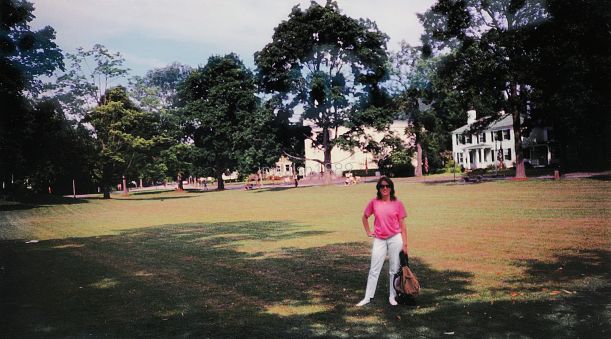
Author’s wife on Lexington Green where the first shots of the War of American Independence were fired on April 19, 1775. Author’s photograph, July 1989.

Also on April 19, 1775, the British approached the town of Concord where the American colonists sprang into action. After an alarm rider notified minutemen and militia, scouts were sent out to reconnoiter British movements. They heard the cackle of gunfire at Lexington Green and, learning of this martial situation, Concord prepared. The British advanced to Concord and the colonial militia strategically retreated past the North Bridge to watch what the British would do. Meanwhile the colonists were checking on the safety of their own military stores. With Concord effectively in British hands the Regulars moved out to take the town’s two bridges over the Concord River. The South Bridge was taken but the North Bridge proved more problematic. They crossed the bridge but encountered the colonists who had moved past it and into an elevated position. Loyalists in town informed the British where the colonists kept their military stores filled with supplies such as gun powder, cannon, shot, and flour. The colonists had their own intelligence network and had moved these stores to other hidden locations. At a farm where they thought the military supplies to be stored, the British forced a woman who lived there, one Rebecca Barrett, to make them breakfast as they searched the premises. But they found, as the colonists planned, nothing. Although there were kegs of gunpowder stored in the farm next door, the British didn’t go look.

DO NOT FIRE UNLESS FIRED UPON.

Meanwhile, the British held the two Concord bridges and waited for their search party to return. At the same time, the American colonists were getting a better look at their red-coat adversaries. As the Americans held a military council, their growing military presence forced the British who had crossed the bridge to retreat back to it. Armed militiamen were streaming in from several towns and formed a formidable front. As the British were setting fires in downtown Concord, the American colonists could see the flames rising from their position on the high ground. Because of these fires (the British were burning carriages) the Americans decided to march to the North Bridge so to cross into town to prevent the British from burning it down. Fully expecting a confrontation with the British, the militia companies loaded their weapons but were told not to fire unless fired upon. Approximately 400 militia men marched in order by company seniority down towards the North Bridge. There were less than 100 British guarding the bridge. With the coming American militia the British retreated around the bridge and considered this American action as an attack. There were a flurry of orders flying around the field of action to the point of chaos. The British debated marching into the field to meet the approaching Americans. They also debated ripping up the bridge so the Americans could not cross. They finally decided on a firing formation in the street at the base of the bridge.

SHOT HEARD ‘ROUND THE WORLD.

In the chaos the Americans arrived to the bridge. The British fired directly into the group and wounded and killed men. “The balls whistled well,” recalled a militia soldier. One American was shot through the throat. Another under and through the eye. One more through the heart. In a matter of seconds there were six total casualties. The Americans were then ordered:  “Fire, for God’s sake fire!” A hail of bullets was shot into the British. Three were killed and nine wounded.  Many of the British fled towards town. As the Americans chased the British, one militiaman struck a hatchet blow into the head of a wounded British soldier.

The British were quickly reinforced and ordered to march back to the bridge. But there was no more firing. The militia dispersed from the bridge though there was a huge influx of militia coming into Concord from several towns in all directions. The militiamen knew the terrain and its backroads and could converge quickly, directly and stealthily. Though the British asked for reinforcements (1,000 men) from Boston, nothing happened. The British retreated though Concord Bridge marked the beginning of a massive battle that raged over 16 miles along the Bay Road from Boston to Concord, and included some 1,700 British regulars and over 4,000 Colonial militia. see – https://www.nps.gov/mima/north-bridge-questions.htm – retrieved April 19, 2025.
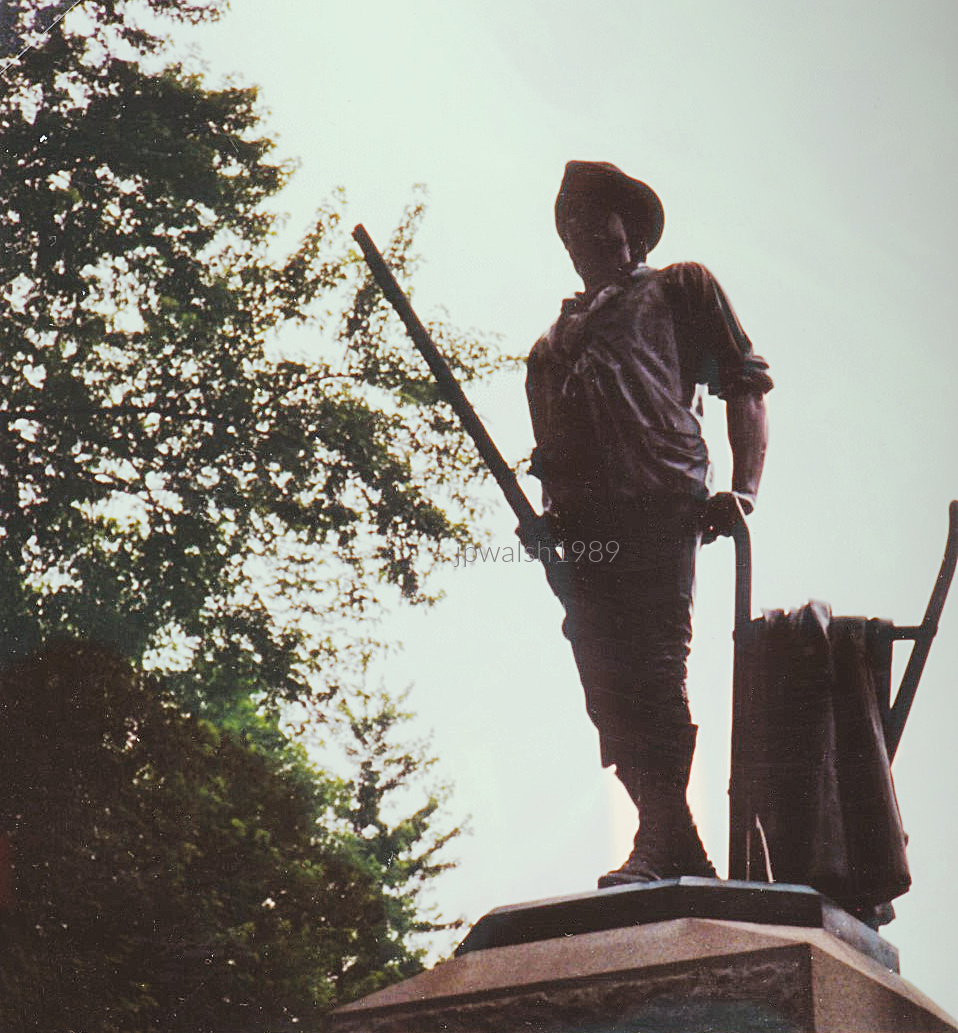
The Minute Man statue of 1875, created by Daniel Chester French (1850–1931), was unveiled on April 19, 1875, during the centennial commemoration of the battles of Lexington and Concord. Set near the site where the first colonial militiamen fell in Concord, the seven‑foot bronze was cast from old Civil War cannons by the Ames Foundry of Chicopee, Massachusetts. Its stone pedestal bears the opening lines of Ralph Waldo Emerson’s Concord Hymn, honoring the “shot heard round the world.”
BY THE RUDE BRIDGE THAT
ARCHED THE FLOOD,
THEIR FLAG TO APRIL’S
BREEZE UNFURLED,
HERE ONCE THE EMBATTLED
FARMERS STOOD,
AND FIRED THE SHOT HEARD
ROUND THE WORLD.
https://www.nps.gov/mima/learn/historyculture/the-minute-man-statue-by-daniel-chester-french.htm – retrieved April 19, 2025. Author’s photograph, July 1989.

Daniel Chester French (1850–1931) was born in New Hampshire and, at seventeen, moved to Concord to be near Ralph Waldo Emerson and the Alcott family, where he received his first art lessons. After further study in Boston, he was only twenty‑one when he received the commission for The Minute Man. The statue was unveiled to critical acclaim in 1875, though French himself was in Europe studying art at the time. Upon returning to the United States, he worked in studios in Washington, Boston, and eventually New York City. In 1897 he purchased the Stockbridge, Massachusetts estate that became Chesterwood, his longtime home and workspace. Over the following decades, French produced major public monuments in Boston, Cambridge, New York, Chicago, and Washington, D.C., and he is best known today for his Seated Lincoln in the Lincoln Memorial. He is buried in Sleepy Hollow Cemetery in Concord alongside Emerson, the Alcotts, and Henry David Thoreau.
https://www.nps.gov/mima/learn/historyculture/sculptor-daniel-chester-french.htm – retrieved April 19, 2025.
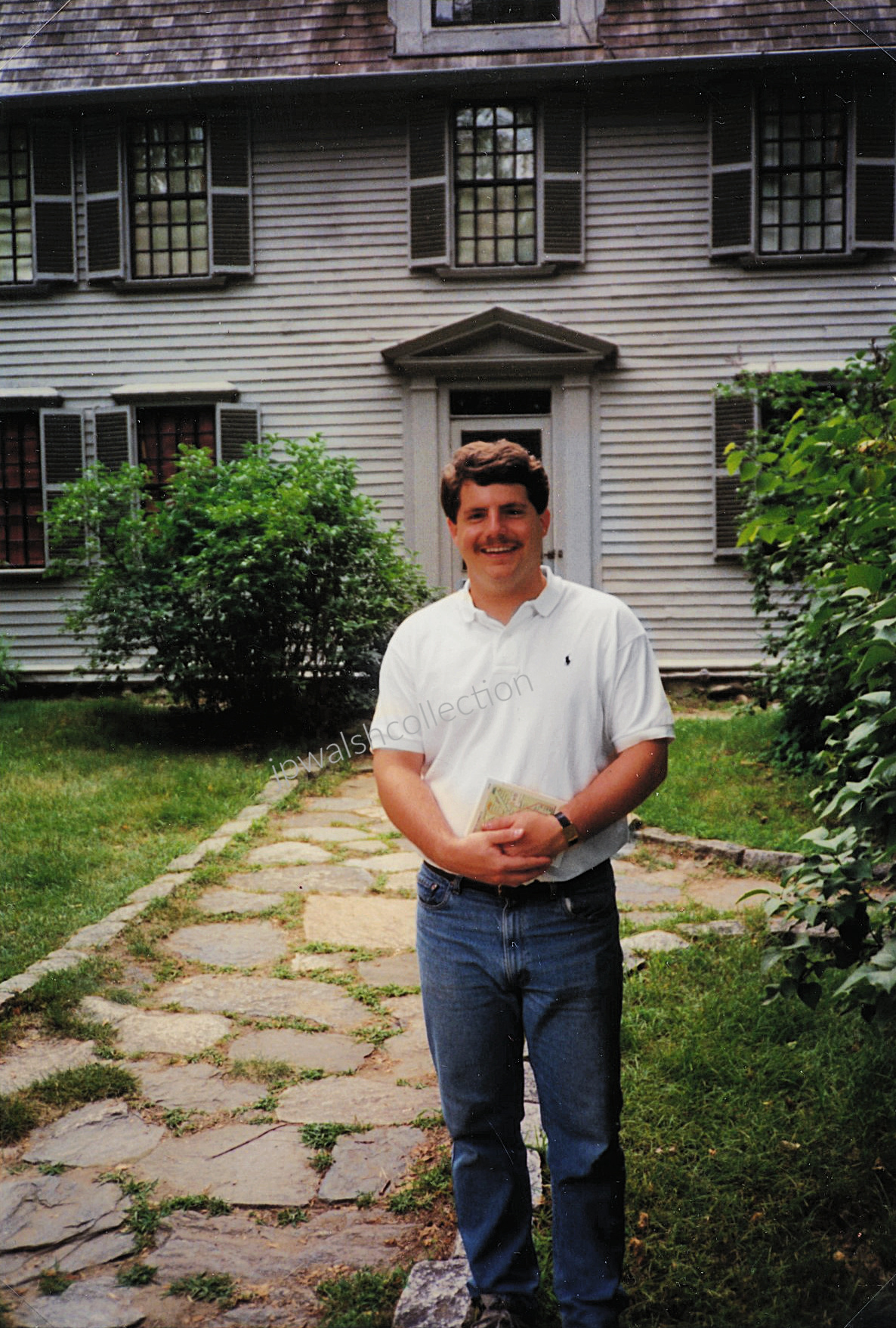
The author stands at the Old Manse in Concord, Massachusetts, a house on Monument Street with the Concord River just behind it and the North Bridge—now part of Minute Man National Historical Park—beside the property. Built in 1770 for Rev. William Emerson (1743–1776), the home later became central to the Emerson family line: William’s son, minister William Emerson, and his grandson, the transcendentalist Ralph Waldo Emerson. The elder Rev. Emerson served as Concord’s minister, chaplain to the Provincial Congress in 1774, and later chaplain to the Continental Army; he watched the fighting at the North Bridge from his fields while his family witnessed it from the upstairs windows. Decades later, Ralph Waldo Emerson drafted his foundational essay Nature here, and during his stay in the mid‑1830s he proposed to Lydia Jackson before the couple moved to what is now known as the Emerson House. Author’s collection, July 1989.
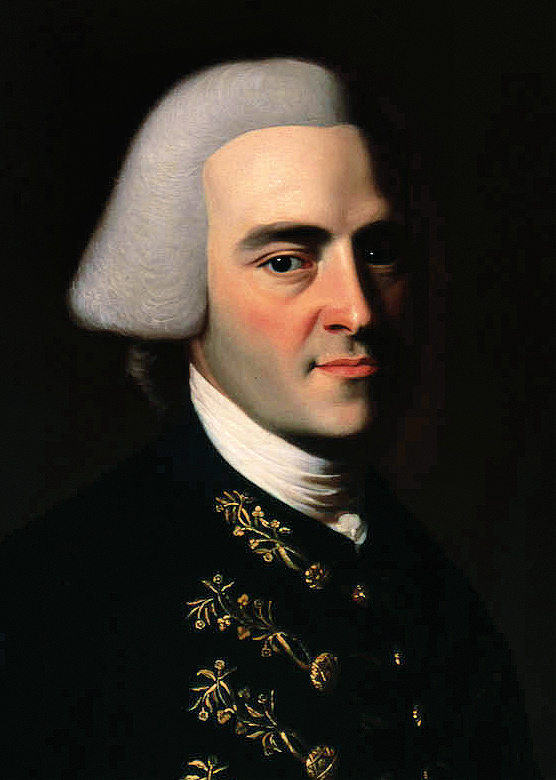
John Hancock, 1770, by John Singleton Copley (1738-1815) in the Massachusetts Historical Society. Public Domain.
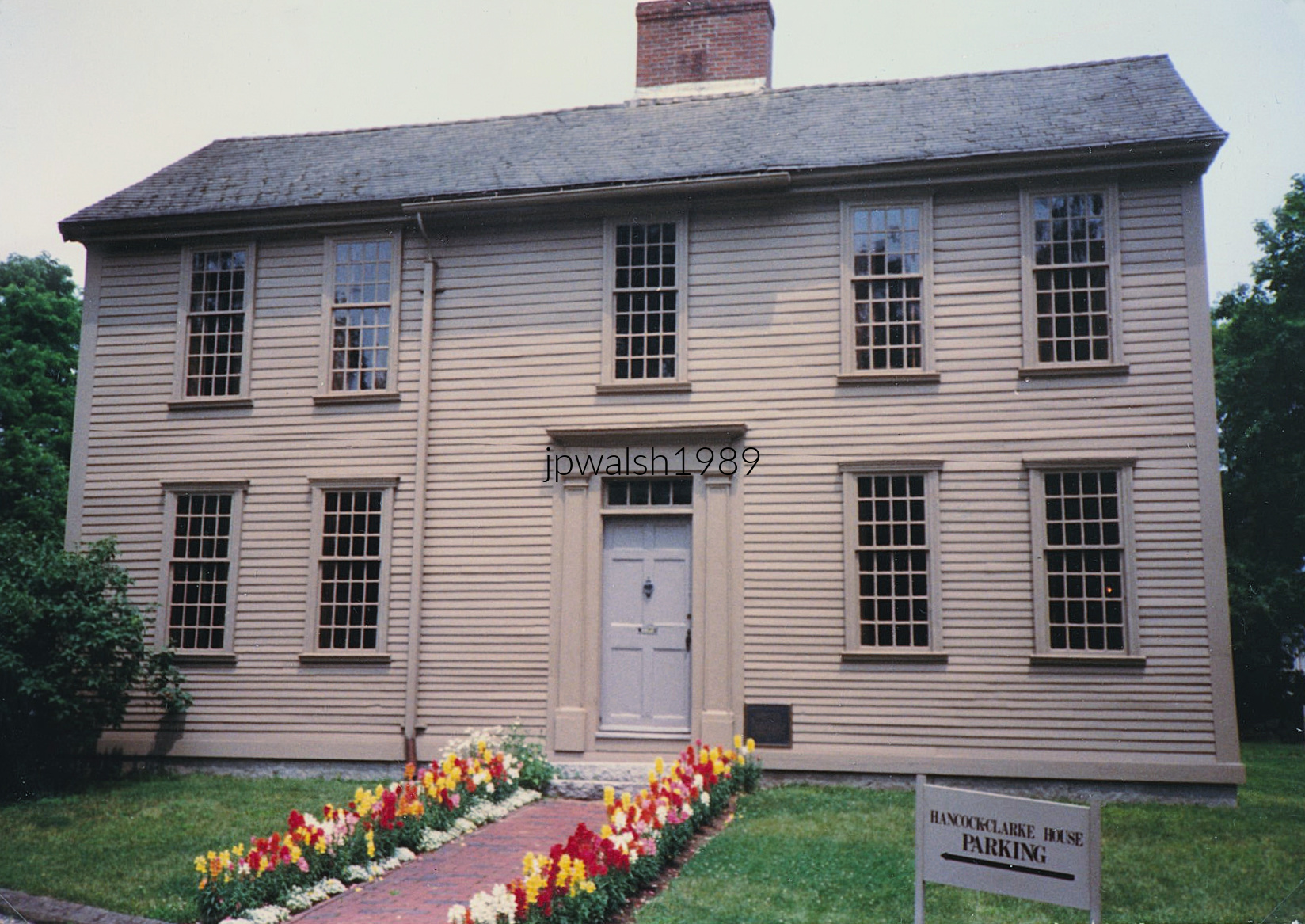
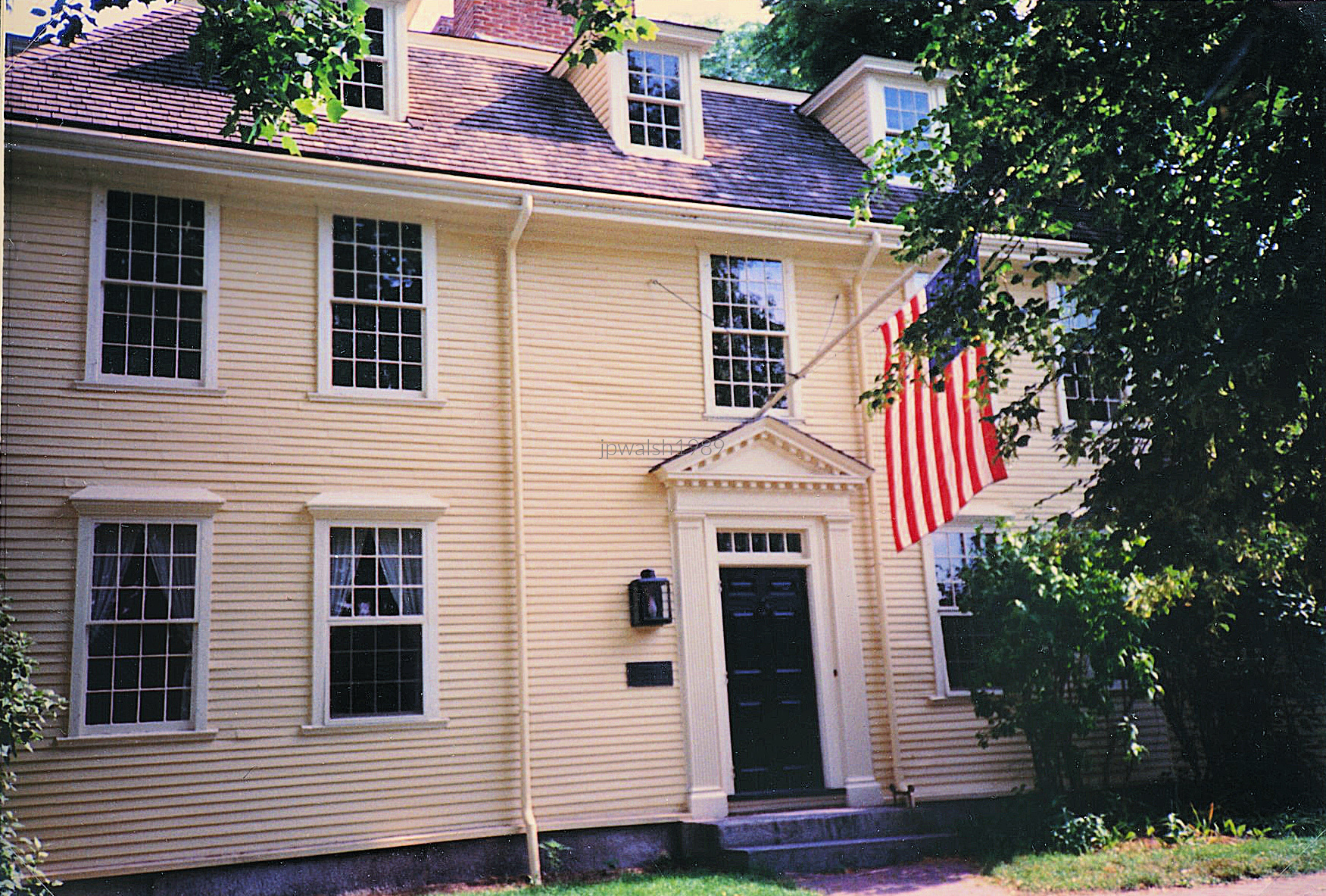
Built in 1738, the Hancock–Clarke House at 36 Hancock Street in Lexington, Massachusetts—less than half a mile from Lexington Green—is the historic residence where John Hancock (1737–1793) and Samuel Adams (1722–1803) were staying on the eve of the Battle of Lexington and Concord on April 19, 1775. Author’s photograph, July 1989.
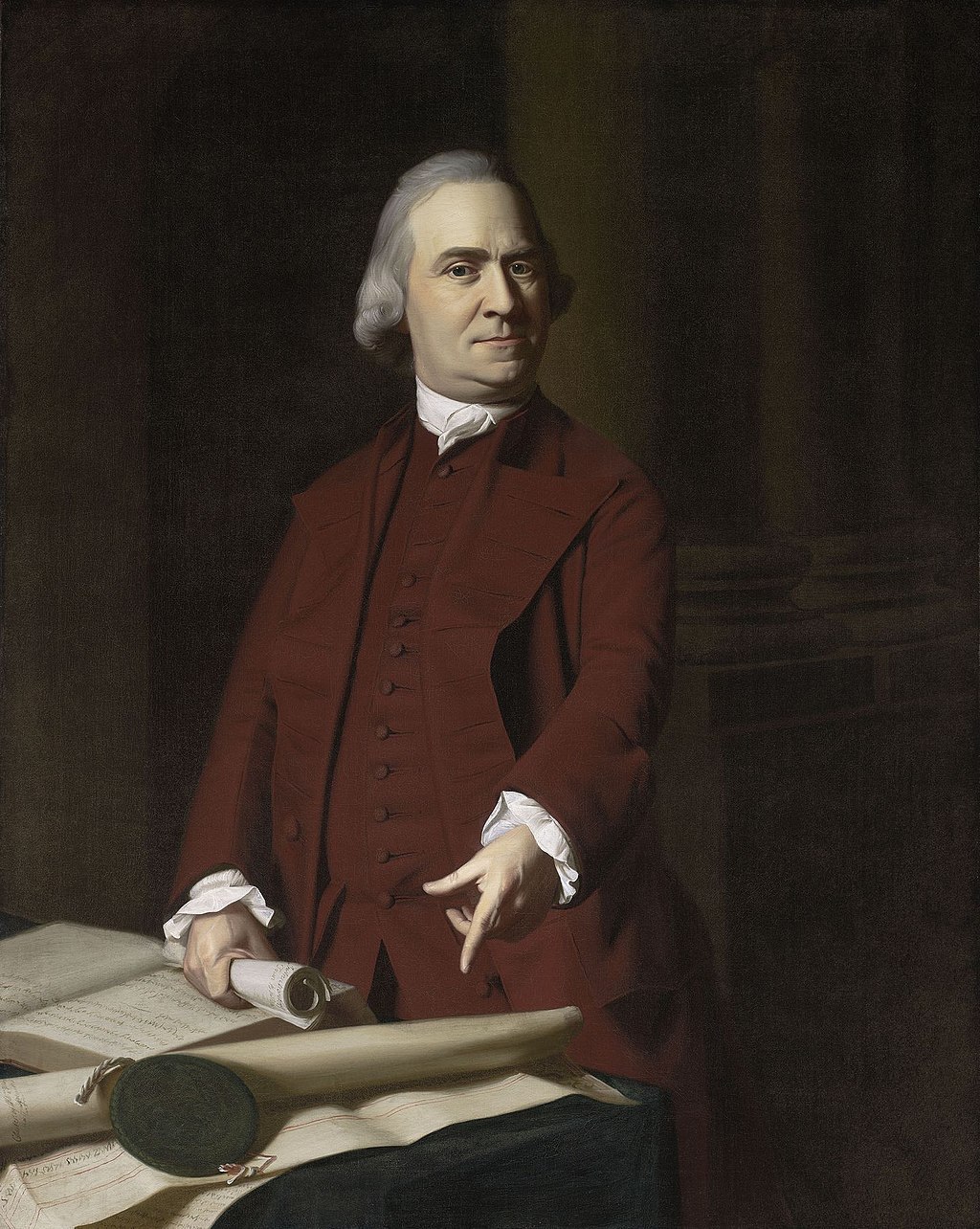
Samuel Adams, 1772, by John Singleton Copley (1738-1815) in the Boston Museum of Fine Arts. Public Domain. https://collections.mfa.org/objects/30881/samuel-adams?ctx=de17a5dc-0f39-480c-8e84-f4fc92f44030&idx=0 – retrieved April 19, 2025.
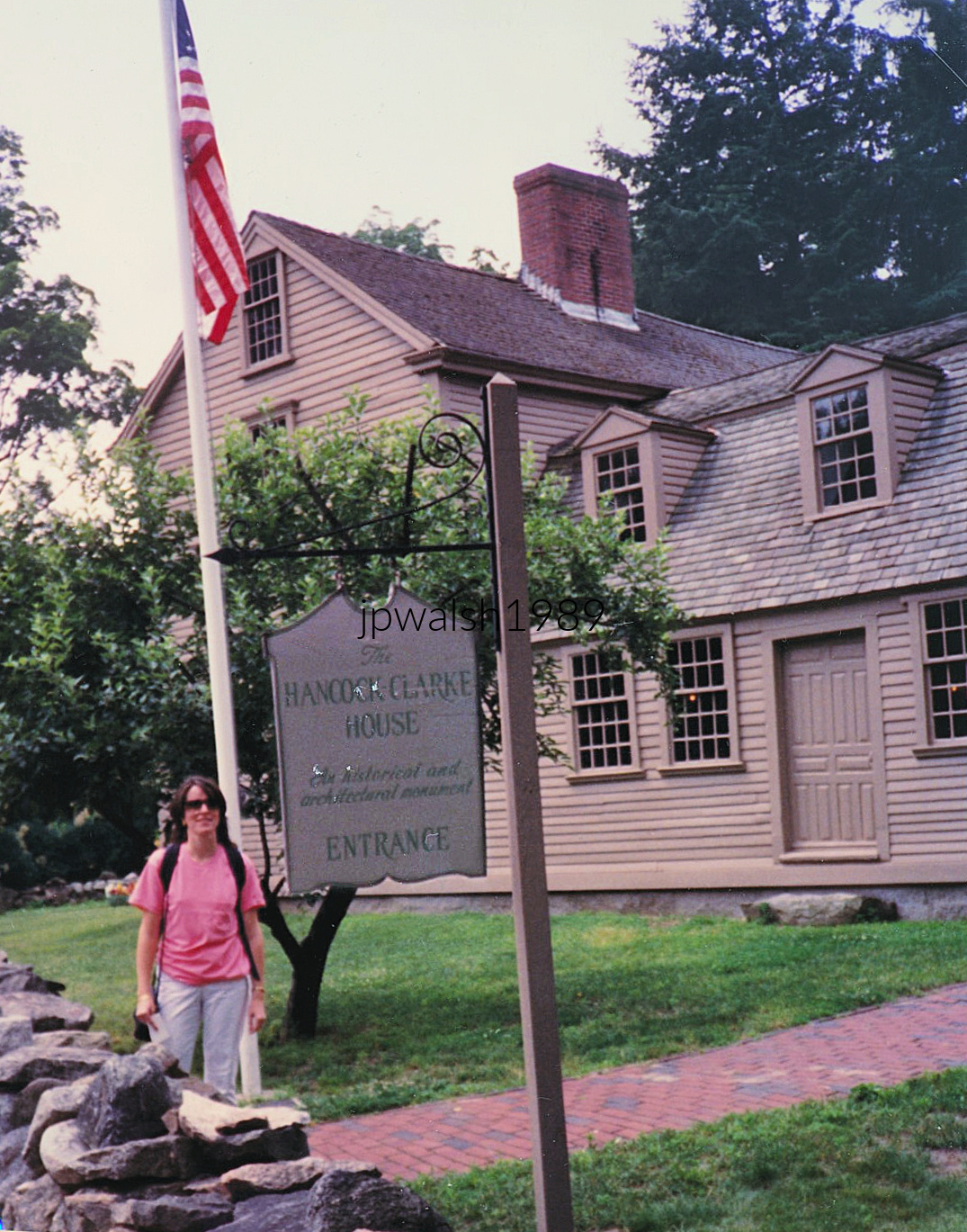
John Hancock and Samuel Adams attended the Massachusetts Provincial Congress in Concord on the evening of April 18, 1775, and spent the night in Lexington as guests of Rev. Jonas Clarke (1730–1805). Clarke, a Harvard graduate and Lexington’s pastor since 1755, feared the two leaders might be seized by the advancing British. In Boston, Joseph Warren (1741–1775) dispatched William Dawes (1745–1799) and Paul Revere (1734–1818) to warn them; arriving separately at the Hancock–Clarke House around midnight, both riders delivered the alarm before continuing on toward Concord. Hancock and Adams then left for Burlington, about a half‑hour away by horseback, to ensure their safety. Author’s photograph, July 1989.
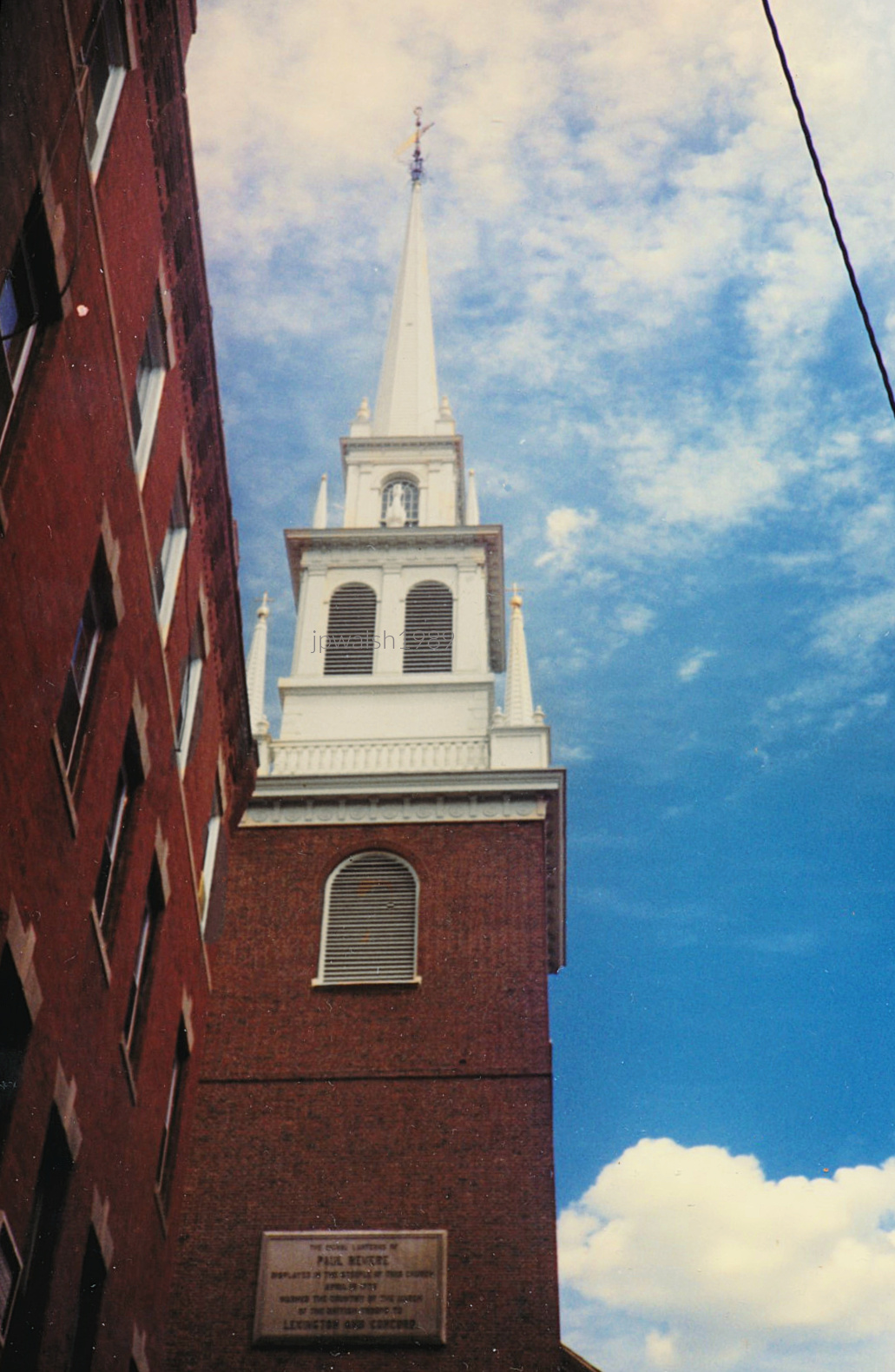
Old North Church, founded in 1723 as Christ Church, is best known for the night of April 18, 1775, when sexton Robert Newman and vestryman Capt. John Pulling Jr. climbed the steeple to display two lanterns. Their signal—alerting Paul Revere’s network that British troops were crossing the Charles River “by sea” toward Lexington and Concord—set in motion the opening moments of the American Revolution. see – https://www.oldnorth.com/ – retrieved April 19, 2025. Author’s photograph, July 1989.
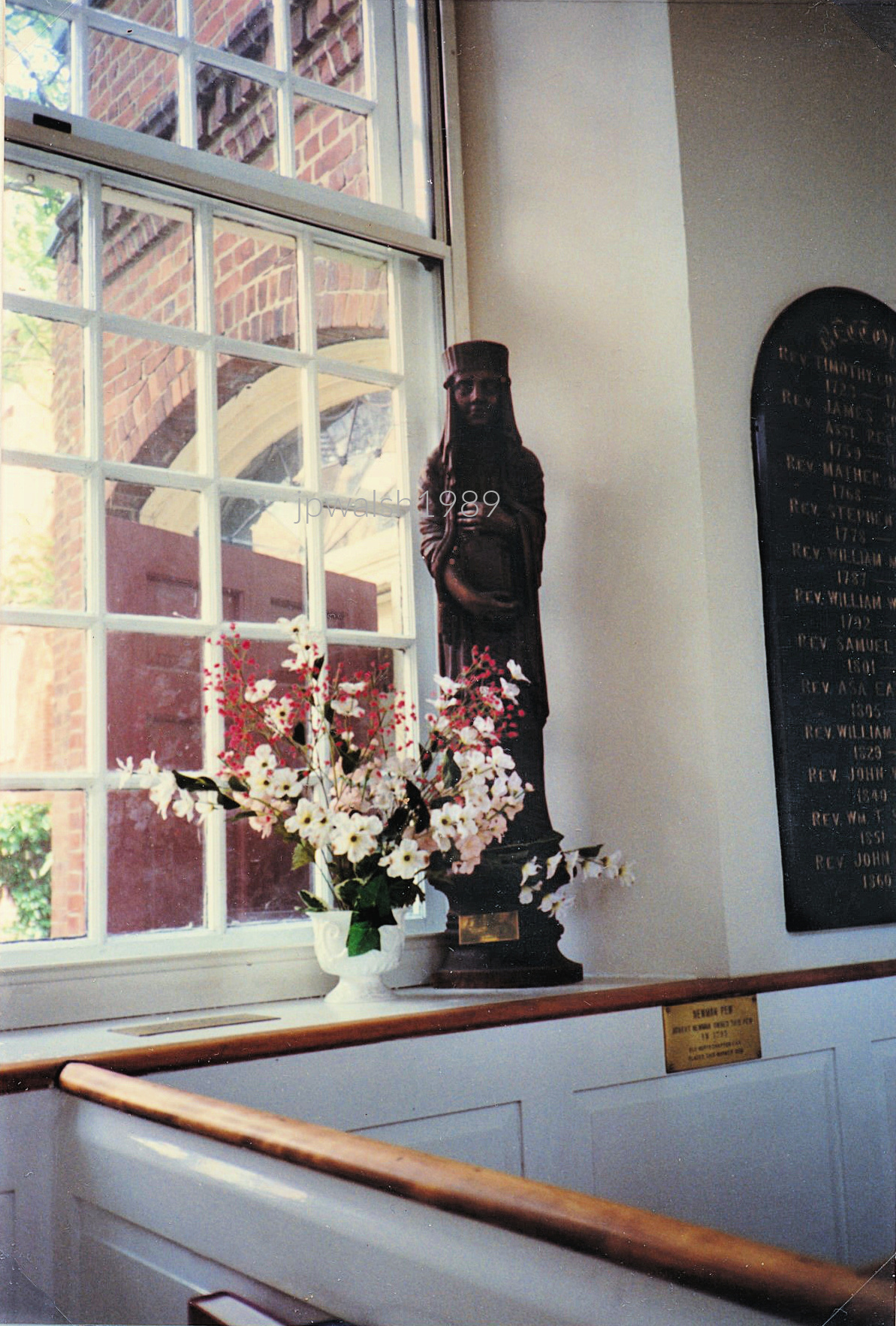
Inside Old North Church, visitors stand only a short walk from Copp’s Hill Burying Ground, where Increase Mather (1639–1723) and his son Cotton Mather (1663–1728) are buried. Both served as Puritan ministers whose era of leadership overlapped with the notorious Salem witch trials. Author’s photograph, July 1989.

Paul Revere, c. 1770, by John Singleton Copley (1738–1815), Museum of Fine Arts, Boston. Public Domain. Unlike Copley’s formal portraits of Samuel Adams and John Hancock—both displayed in Boston’s Faneuil Hall—Revere’s portrait was long kept in the Revere family attic, disliked for its informality. After Revere’s fame surged with Henry Wadsworth Longfellow’s 1861 poem Paul Revere’s Ride, the painting was restored in 1875, though it was not publicly exhibited until 1928. Revere’s descendants donated it to the Museum of Fine Arts in 1930. https://collections.mfa.org/objects/32401/paul-revere?ctx=00d797a8-0c5a-4d78-ba26-db22eb858902&idx=5 – retrieved April 19, 2025.

Author at the Paul Revere House in Boston with a work friend of my dad. March 1976. Author’s collection.

Abstract Light and Gothic Form: The Narrative Stained Glass of Northwestern’s Alice Millar Chapel (1962).

FEATURE Image: Alice Millar Chapel, 1962, Northwestern University, Evanston, IL. October 2015. Author’s photograph. 6.78mb

The Alice Millar Chapel (1962) at Northwestern University, designed by architect Edward Grey Halstead, stands as a premier contemporary Gothic landmark on Chicago’s North Shore. Funded by philanthropist Foster G. McGaw, the chapel complex masterfully blends spiritual interfaith utility with striking architectural artistry, defined primarily by its immersive, wall-filling abstract stained-glass windows that symbolize the intersection of human, natural, and spiritual themes.

Text & Photographs John P. Walsh.

The Purpose of the Alice Millar Chapel

Breaking ground on Easter, April 21, 1962, the Alice Millar Chapel is on the campus of Northwestern University in Evanston, Illinois. The large chapel structure displaced 5 houses for the site’s four buildings on the school`s Evanston campus. It is intended as a space for prayer and reflection based in individual and communal tranquility, solitude, and celebration. At the chapel’s dedication its donor said, “[It is] a place where the soul may find quiet and repose—may be stimulated—or may just meditate. One’s character and personality cannot be fully developed unless his soul finds a purpose.” The chapel can seat over 700 people on the main floor.1
Northwestern University was founded by Methodists in 1851. At the beginning, there was no specific denominational affiliation that the university had. Alice Millar became a formal congregation in May 1971, identifying as “the church in the chapel.”2

The Alice Millar Chapel is a Gothic landmark on Sheridan Road in Evanston, Illinois. PHOTO: “Alice Millar Chapel” by the1andonlycary is licensed under CC BY-NC 2.0.

The buildings complex (there are 4 buildings total) was designed by Edward Grey Halstead (1909-1992) who was senior partner in the Chicago architectural firm of Jensen, McClurg & Halstead. Mr. Halstead, who lived in Riverside and Wheaton, Illinois, joined the firm in 1952. The builder was Gerhardt F. Meyne Company in Chicago.  Mr. Halstead was a third-generation architect born in Minnesota who studied at the University of Minnesota and University of Michigan. Though Halstead thought of himself as a hospital architect – his design projects include Elmhurst Memorial Hospital, Berwyn Community Hospital, Oak Park Hospital and Edward Hospital in Naperville – his largest project was the Alice Millar Chapel.3

Foster G. McGaw, noted philanthropist and founder of a major medical supply company based in Evanston, established the chapel in honor of his mother. Fair Use.

The contemporary Gothic landmark was built as a gift of Mr. & Mrs. Foster McGaw. Foster G. McGaw (1897–1986) was a noted philanthropist who founded the American Hospital Supply Corporation in Chicago in 1922. In 1985 McGaw’s company was acquired by Baxter Travenol Laboratories for $3.8 billion – about $11 billion in today’s dollars. Based in Evanston, at its peak, AHSC was the largest medical supplier in the world and employed thousands of Evanstonians.4 In 1953 Foster G. McGaw donated to the construction of McGaw Memorial Hall (today’s Welsh-Ryan Arena) in tribute to his father, Francis A. McGaw. At the time of construction, it was one of the largest auditoriums in Chicago. At its opening it was used in August 1954 for the Second Assembly of World Council of Churches founded in 1948 which showcased the convocation address by newly-elected President Dwight D. Eisenhower.5

Foster McGaw’s vision for the chapel was to establish a house of prayer whose space inspired the visitor to pursue a spiritual quest. Music concerts regularly appear on the chapel schedule with the chapel choir performing with in-house and guest musical ensembles and symphony orchestras. There are regular organ concerts on the 5,000-pipe organ. The Choir welcomes members from all different religious backgrounds and Sunday services to which all are welcome are given in a Protestant tradition. More interfaith activities at Millar Chapel include various faith traditions, including Muslims, Buddhists and Hindus, who pray and study at the chapel. Inspired by the interfaith witness of Rev. Dr. Martin Luther King, Jr. (1929-1968), there is a candlelight ceremony each year to honor the slain Civil Rights leader.
Who is Alice Millar?

Alice Millar for whom the chapel is named. Public Domain.

The chapel is dedicated to McGaw’s mother, Mrs. Alice Millar McGaw (1859-1910). Millar was born in Alnwick in the north of England. She studied music and notably performed a piano recital for Queen Victoria. She moved to the U.S. with her father, a medical doctor, and met and married Reverend Francis A. McGaw at McCormick Theological Seminary in September 1888. All four of her children were present at the dedication ceremony for the chapel in 1962. Alice Millar had died over 50 years earlier at Augustana Hospital (Swedish Evangelical) in Chicago’s Old Town.6

CHAPEL’S MOST STRIKING FEATURE ARE THE STAINED-GLASS WINDOWS.

The wall-filling windows of abstract and modern design allow light and color to stream into the sanctuary from every side of the chapel building. The modern-designed windows bestow to the chapel a literally awesome ambiance. These magnificent works of art include the east windows that face the sunrise of Lake Michigan (representing healing, law, discovery, literature and the arts) and the west windows that face the sunset of the prairie (representing commerce, space, communication, the State, and the human race). These side windows are in dialogue with the single chancel window with its theological themes.

Designed by Edward Grey Halstead as his career-defining project, featuring a blend of contemporary Gothic design and magnificent, thematic abstract stained-glass windows facing East (Lake Michigan) and West (the Prairie).

PHOTO: “Northwestern University, Alice Millar Chapel #OHC2017” by reallyboring is licensed under CC BY-NC-ND 2.0

Across the breezeway and part of the chapel complex is the Jeanne Vail Meditation Chapel. Dedicated in 1963 it is a more traditional English style space built in memory of Mrs. Mary Vail McGaw’s daughter, Jeanne, who died in 1949 at 23 years old. The young woman died from complications of polio after having just given birth to a baby girl. Both the Alice Millar and Jeanne Vail Meditation Chapel are open daily and are very popular for weddings especially for Northwestern University alumni. The Vail Chapel seats 125 people. There is another adjacent building, Parkes Hall, that houses classrooms and the chaplain’s office and completes the complex.

Funded by philanthropist Foster G. McGaw in honor of his mother Alice Millar McGaw, and the smaller Jeanne Vail Meditation Chapel dedicated in memory of his daughter.

Alice Millar Chapel on the campus of Northwestern University in Evanston, Illinois, broke ground in 1962. Designed by Edward Grey Halstead of the Chicago architectural firm Jensen, McClurg & Halstead, the building is contemporary Gothic Revival or Modern Gothic constructed using light-colored stone walls, pointed arched windows, an intricate belfry spire, and a connecting arched stone cloister walkway. PHOTO: “File:Alice Millar Chapel – panoramio.jpg” by hakkun is licensed under CC BY-SA 3.0.

Jeanne Vail Meditation Chapel:

Unlike the abstract, mid-century modernist windows in the main Alice Millar sanctuary designed by Benoît Gilsoul, the Vail Chapel windows were designed and fabricated by Willet Stained Glass Studios explicitly in a traditional English Elizabethan style to create a quiet, contemplative atmosphere.

Vail Meditation Chapel windows (above and below) are in a traditional English Elizabethan style. October 2015. Author’s photograph. 7.73mb 98%

Vail Meditation Chapel windows. October 2015. Author’s photograph. 7.77mb

Jeanne Vail was a brilliant student, an accomplished pianist, and graduated cum laude from Denison University in 1946. Following graduation, she married Lewis Chamberlin Jr., and gave birth to their daughter, Nancy Carol, in 1949.

Tragically, just three months after her daughter was born, Jeanne contracted polio and died from complications of the virus at the young age of 23. It was in memory of her untimely death that her mother, Mary Wettling Vail McGaw, and stepfather, Foster G. McGaw, funded and dedicated the Jeanne Vail Meditation Chapel at Northwestern University in 1963.

Vail Meditation Chapel window (detail). October 2015. Author’s photograph. 3.56mb

Alice Millar Chapel: CHANCEL WINDOW

The Chancel Window behind the altar is a theological window using abstract motifs exploring themes of Creation, Redemption, and Triumph. The colors of these windows are spectacular and with sunlight penetrating through a jewel-like yet airy interior is created. October 2015. Author’s photograph. 7.71mb

Designed in 1962 by Belgian artist Benoît Gilsoul working under lead architect Edward Grey Halstead and fabricated by Willet Stained Glass Studios, this floor-to-ceiling masterpiece serves as the absolute focal point of the entire sanctuary.

The Theme & Why It Was Chosen

The great chancel window was designed to explicitly encompass all of biblical theology through the traditional abstract motifs of Creation, Redemption, and Triumph. This deep, theological anchor was purposefully chosen to provide a spiritual and transcendent foundation to ground the entire space.

Connection to the Rest of the Windows

Rather than standing alone, the chancel window is in an active visual dialogue with the side nave windows. While the side windows present more secular, academic themes relevant to university life such as law, discovery, healing, and space, they are physically and conceptually bridged together. All 12 windows utilize an overlapping, spectacular color scheme and stylized black arcs, seamlessly interweaving biblical symbolism with modern human knowledge to reflect the interfaith, holistic mission of the chapel.

Chancel window and side windows are in conversation with its subjects and themes. October 2015. Author’s photograph. 6.78mb

Altar with Chancel window behind. October 2015. Author’s photograph. 6.60mb

All 12 of the monumental leaded stained-glass windows in the Alice Millar Chapel were designed by Belgian artist Benoît Gilsoul with the full suite of windows being crafted and installed between 1962 and 1964. Gilsoul used the exact same overlapping color palette, stylized fluid lines, and geometric black framing arcs across all 12 panels, binding the secular side windows and the sacred chancel wall into one singular masterpiece.

EAST SIDE WINDOWS: LAW

LAW: Images of a dove. a sword and scales, human figures refer to law and justice. All the windows while presenting various thematic iconography maintain a similar color scheme throughout. October 2015. Author’s photograph. 7.53mb

EAST SIDE WINDOWS: HEALING

HEALING: Honoring the physician among recognizable tools of the profession – microscope, test tubes, the caduceus (staff with intertwined serpents), among others as the viewer looks up at the long window. October 2015. Author’s photograph. 6.07mb

EAST SIDE WINDOWS: DISCOVERY

DISCOVERY: Human discovery of the natural world. A central figure is surrounded by elements of air, earth, fire and water. There is bird, balloon, fish, deep-sea submersible (bathysphere), orbits. Again, the window’s height coupled with its colors and design is impressive. October 2015. Author’s photograph. 99% 7.93mb

EAST SIDE WINDOWS: LITERATURE

LITERATURE: Dove at the top represents the Holy Spirit who guides the hand of the Bible writer. Recognizable images are a cross; skull; human figures carrying grapes. October 2015. Author’s photograph. 6.37mb

EAST SIDE WINDOWS: ARTS

ARTS: Lyre; painter’s palette. October 2015. Author’s photograph. 6.05mb

For more see – https://www.northwestern.edu/millarchapel/chapel-history/history-of-alice-millar/east-side-windows.html – retrieved December 14, 2023.

Evolved from its original Protestant roots into a vibrant interfaith hub, hosting diverse groups, annual MLK commemorations, and public concerts utilizing its 5,000-pipe organ.

There are regular organ concerts at the chapel.

WEST SIDE WINDOWS: COMMUNICATIONS; THE STATE; HUMAN RACE

COMMUNICATIONS: Railroad crossing; filmstrip; the 5 senses; a telephone.
THE STATE: Eagle with thunderbolts and olive branch; capitol dome; family; owl; cross, etc.
RACES OF HUMANITY: lamb carrying cross; 5 hands; olive branch.
October 2015. Author’s photograph. 7.78mb

WEST SIDE WINDOWS: COMMERCE

COMMERCE: Among abstracted symbols of commerce, wheat stack. October 2015. Author’s photograph. 4.13mb

WEST SIDE WINDOWS: SPACE

SPACE: Sun at top, planets, stars, constellations, a bull, astronaut. October 2015. Author’s photograph. 4.59mb

For more see – https://www.northwestern.edu/millarchapel/chapel-history/history-of-alice-millar/west-side-windows.html – retrieved December 13, 2023.

Notes:

Northwestern University. “History of Alice Millar Chapel.” Alice Millar Chapel. Accessed December 14, 2023. https://www.northwestern.edu/millarchapel/chapel-history/history-of-alice-millar/.

Northwestern University. “The Church in the Chapel.” Alice Millar Chapel. Accessed December 16, 2023. https://www.northwestern.edu/millarchapel/chapel-history/the-church-in-the-chapel.html.

Chicago Tribune. “Edward Grey Halstead, Chapel, Hospital Architect.” September 14, 1992. Accessed December 14, 2023. https://www.chicagotribune.com/news/ct-xpm-1992-09-14-9203230829-story.html.

Modern Healthcare. “Health Care Hall of Fame Inductees: Foster G. McGaw.” Accessed December 16, 2023. https://www.modernhealthcare.com/awards/health-care-hall-fame-inductees-foster-g-mcgaw.

Eisenhower, Dwight D. “Address at the Second Assembly of the World Council of Churches, Evanston, Illinois.” August 19, 1954. Online by Gerhard Peters and John T. Woolley. The American Presidency Project. Accessed December 14, 2023. https://www.presidency.ucsb.edu/documents/address-the-second-assembly-the-world-council-churches-evanston-illinois.

Northwestern University. “Alice Millar.” Alice Millar Chapel. Accessed December 16, 2023. https://www.northwestern.edu/millarchapel/chapel-history/history-of-alice-millar/alice-millar.html.

Author & wife. October 2015. Author’s photograph. 5.97mb

The Soldier Who Never Stops Advancing: John Paulding’s Doughboy (1921) and the Memory of World War I.

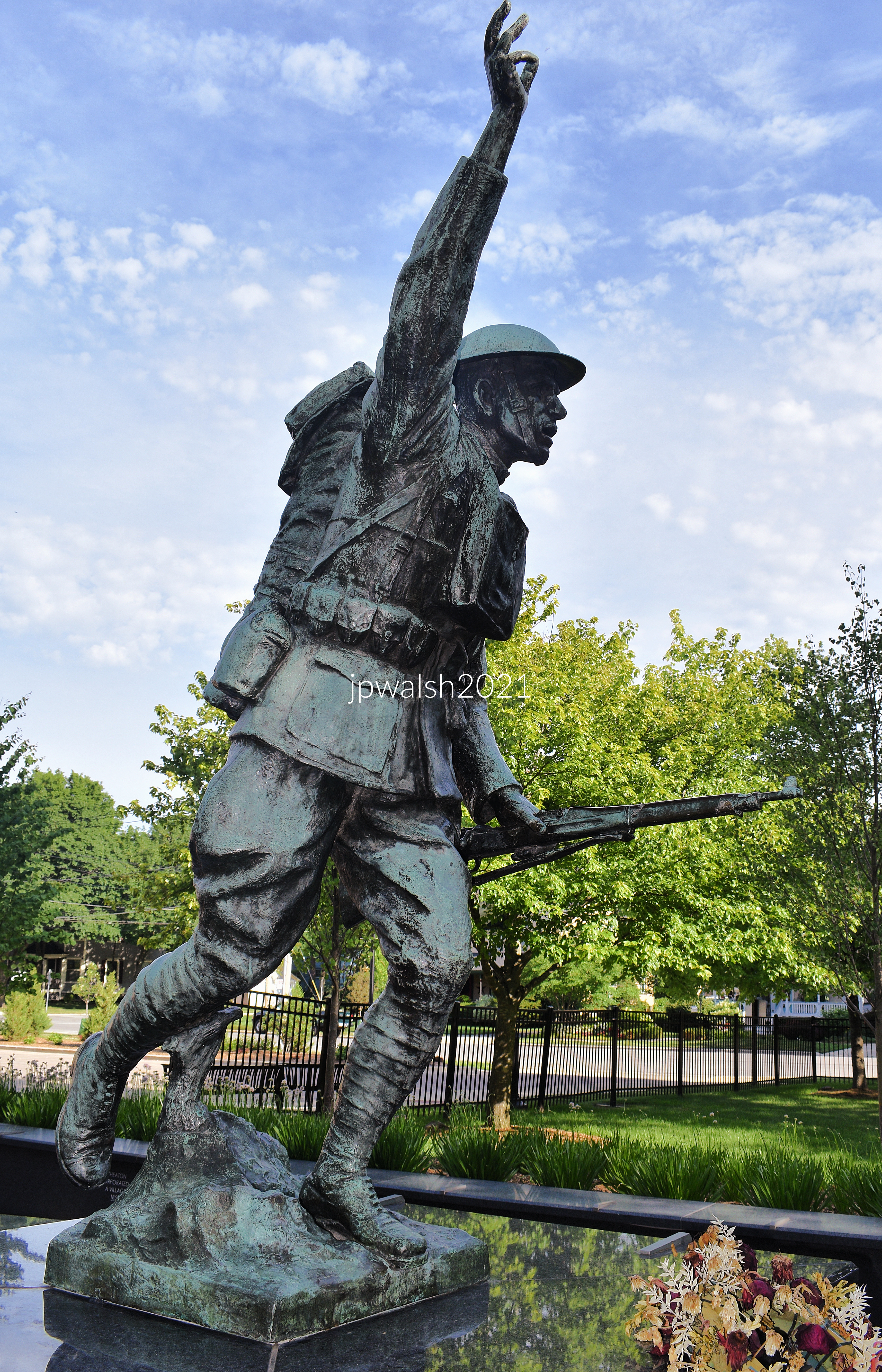
FEATURE image: Over the Top to Victory (“Doughboy”), 1921, John Paulding, Memorial Park, Wheaton, Illinois. John Paulding’s 1921 Over the Top to Victory transforms the image of the American doughboy into a permanent public memorial that keeps the service and sacrifice of World War I veterans alive for succeeding generations. May 2018. Author’s photograph.

The statue’s location in a newly unified memorial plaza accentuates Paulding’s deliberate choice to sculpt a soldier in the middle of a tense advance rather than a figure at rest. This design choice is what gives the monument its timeless, urgent power.

All photographs in this post are the author’s original work.

Doughboy. June 2021. Author’s photograph. 75% 7.93mb DSC_7581 (1)

Captured in a moment of forward motion, John Paulding’s bronze World War I “Doughboy” statue—standing proudly on its Memorial Park pedestal—is a perfect example of how memorials remain active instruments of remembrance rather than static historical objects. The history, symbolism, conservation, and continued prominence of the monument are beautifully reflected in the red, white, and blue wreath resting at its base, echoing the statue’s original 1929 Armistice Day dedication to Wheaton’s veterans. By preserving the sacrifice of local heroes through public art, the Doughboy serves as a lasting bridge between World War I service and present-day civic memory.

A Sculptor of Remembrance

John Paulding, who trained at the School of the Art Institute of Chicago, is best known for the World War I memorials he created in the years immediately following the conflict. The United States entered the war in April 1917, and American forces served with distinction on the Western Front. The fighting ended with the armistice of November 11, 1918, a date later commemorated annually as Veterans Day. Through works such as Over the Top to Victory, Paulding helped translate the sacrifices of the Great War into enduring public monuments.

Doughboy (detail), in Wheaton’s Memorial Park. June 2021. Author’s photograph. 87% 7.81mb DSC_7589

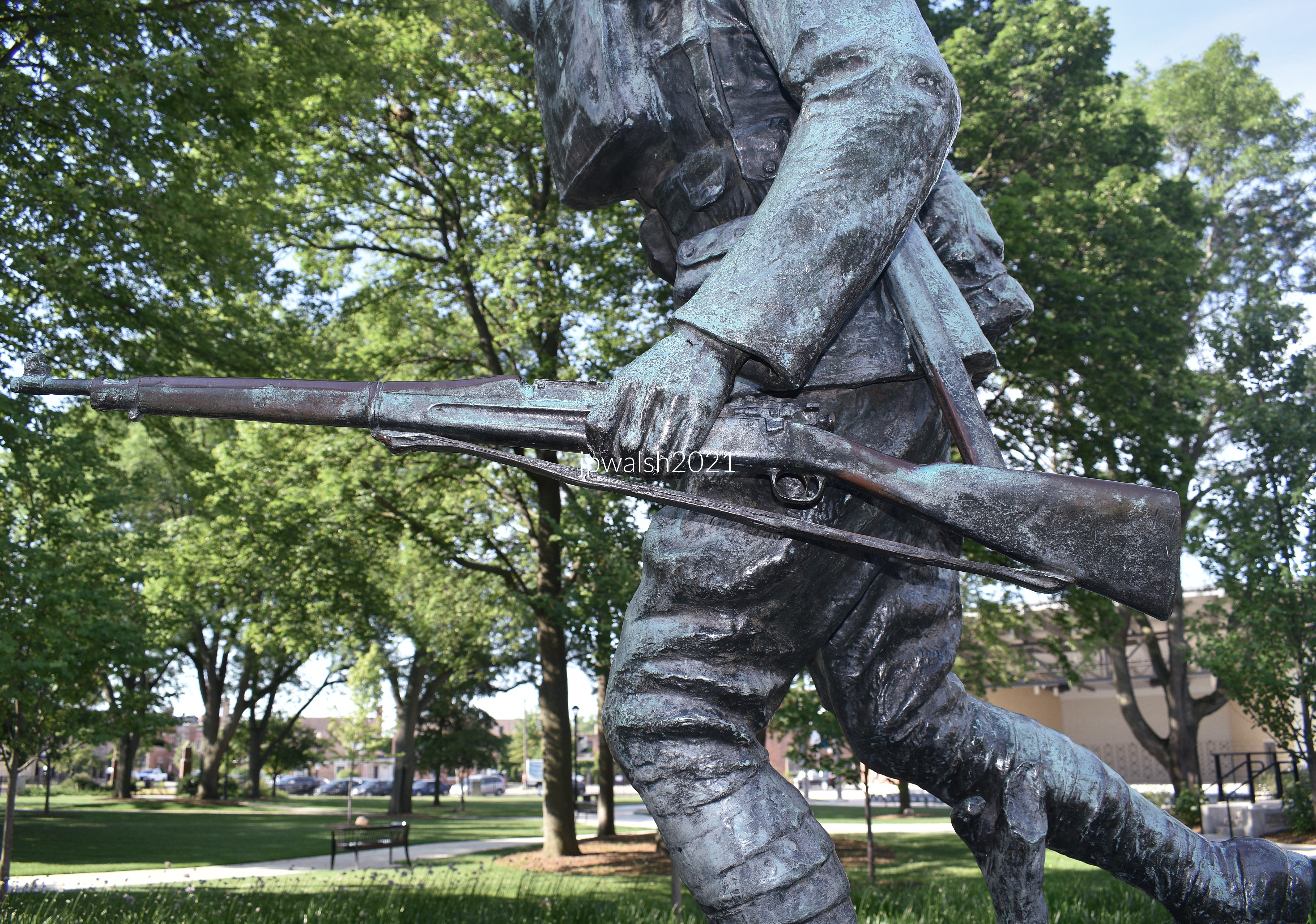
The Paulding doughboy strides through Memorial Park, rifle in hand, its dynamic pose recalling the energy and sacrifice of American soldiers in the Great War. Set against the trees and open grounds, the memorial continues its role as a focal point of remembrance in the community.

Memorial Park and a Community Tribute

Wheaton established Memorial Park in 1921 as a dedicated place to honor local veterans. Eight years later, Paulding’s bronze doughboy was installed and formally dedicated on Armistice Day, November 11, 1929, as a tribute to the community’s World War I servicemen and women. Anticipating the unveiling, the Wheaton Illinoian praised the memorial’s purpose, declaring: “The statue is a fitting memorial to the soldiers of the community who died fighting for our cause. Let us not forget so easily!” The dedication cemented the sculpture’s role as the centerpiece of Wheaton’s public remembrance of the Great War.

Surrounded by memorial Park trees, Doughboy stands on its original pedestal. May 2018. Author’s photograph. 5.87mb DSC_8195 (2)

“Over the Top to Victory” is a bronze sculpture of an American World War I infantryman — one of the famed doughboys — created by American sculptor John Paulding (1883–1935). Cast in 1921 by the American Art Bronze Foundry of Chicago, the statue stands today in Memorial Park in Wheaton, Illinois.

Conservation and Renewal

After more than seven decades exposed to Midwestern weather, the bronze underwent professional conservation in August 2000 by Venus Bronze Works of Detroit. The restored memorial was rededicated on Veterans Day that same year, with the local American Legion Post once again leading the ceremony, continuing a tradition that stretched back to the statue’s original dedication in 1929.

View of Doughboy on its newest pedestal. June 2021. Author’s photograph. 97% 7.85mb DSC_7614

Paulding’s World War I doughboy surges forward on its newest Memorial Park pedestal, the raised arm and shouldered rifle capturing the urgency of the American advance. Flowers at the base mark the memorial’s ongoing role as a site of remembrance for Wheaton’s veterans.

Connecting past sacrifice with present memory

In the summer of 2020, the Over the Top to Victory doughboy was reinstalled as part of a redesigned veterans memorial plaza in Memorial Park. Relocated to a more prominent position, the statue became the focal point of a unified memorial setting that brought together previously dispersed monuments. Nearly a century after its creation, Paulding’s advancing doughboy continues to serve not only as a work of public art but also as a living symbol of community memory, military service, and sacrifice.

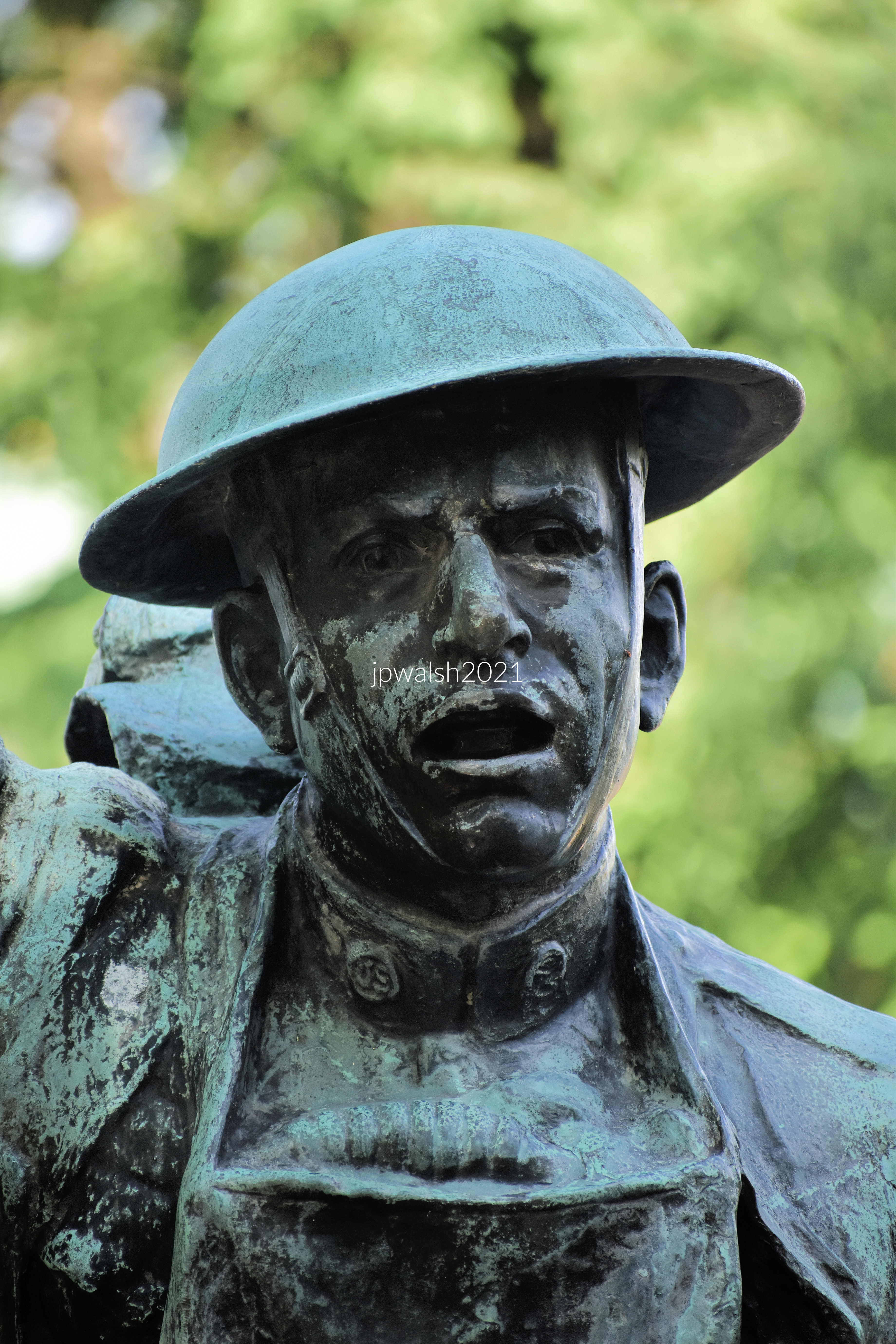
Close up view of the tense, expressive face of Paulding’s World War I doughboy in Wheaton, Illinois. June 2021. Author’s photograph. 92% 7.73mb DSC_6130 (2)

With his open mouth and tense expression, “Doughboy”, the popular nickname for American soldiers who served in Europe during World War I, embodies the strain, determination, and forward momentum of the U.S. infantryman in battle. Rather than portraying a figure at rest, sculptor John Paulding captured a soldier in the midst of action, projecting urgency and resolve. More than a century after its creation, the sculpture retains the same sense of movement and emotional immediacy that audiences experienced in the years following the Great War.

A Memorial for the Twenty-First Century

The continuing care of the monument, its rededications, and its prominent place within Memorial Park demonstrate how communities renew their commitment to remembrance over time. More than a bronze figure, Wheaton’s doughboy stands as a living link between those who served in the Great War and the citizens who continue to honor their sacrifice today and into the future.

This explanatory article may be periodically updated.

In Bloom: Photographs of Flowers, Parks, and Gardens.

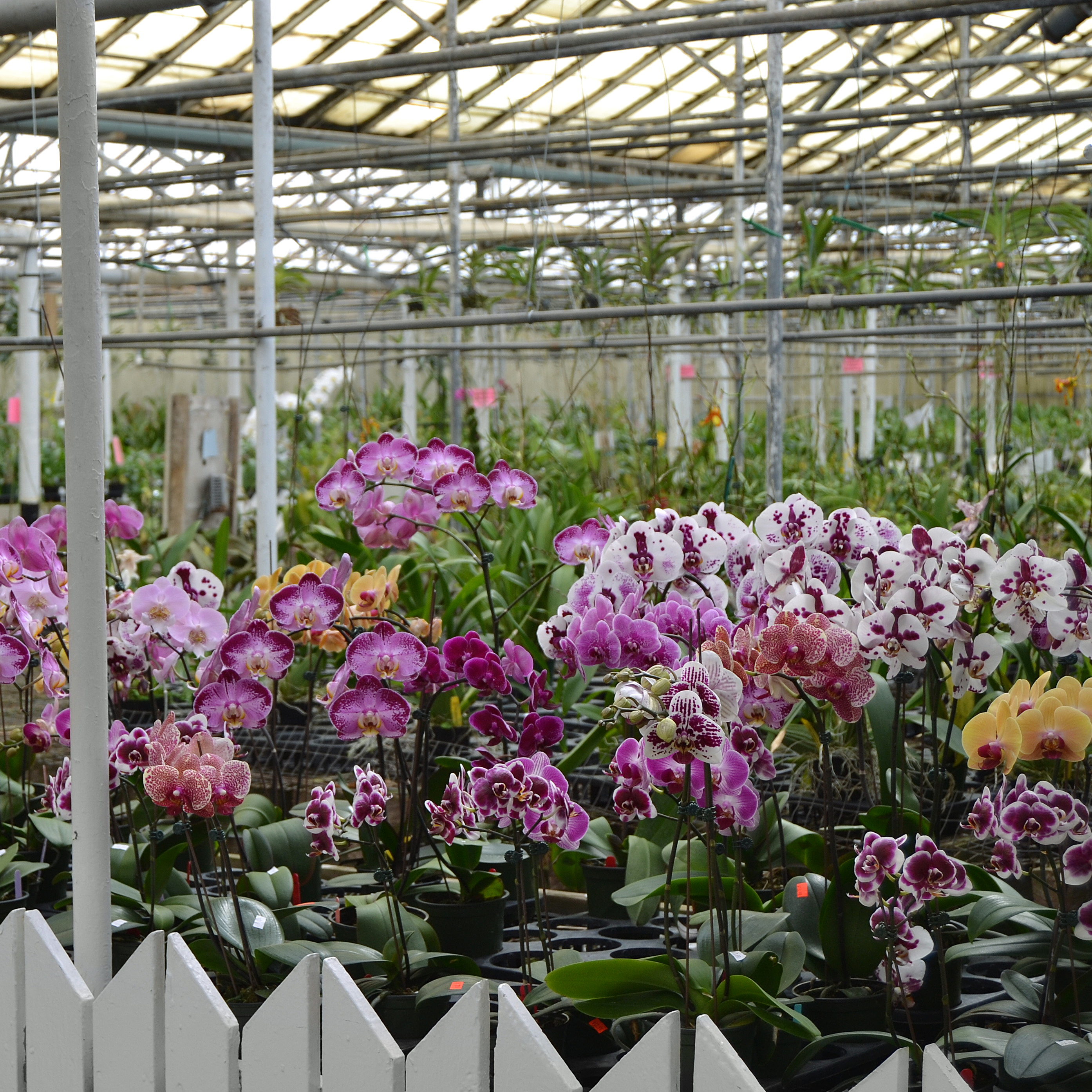
FEATURE image: May 2018. Orchids. All photographs and text ©John P. Walsh.

Through photography, flowers and gardens are presented not simply as decorative subjects but as living expressions of beauty, creativity, memory, and renewal, offering a direct and enduring connection between human experience and the natural world.

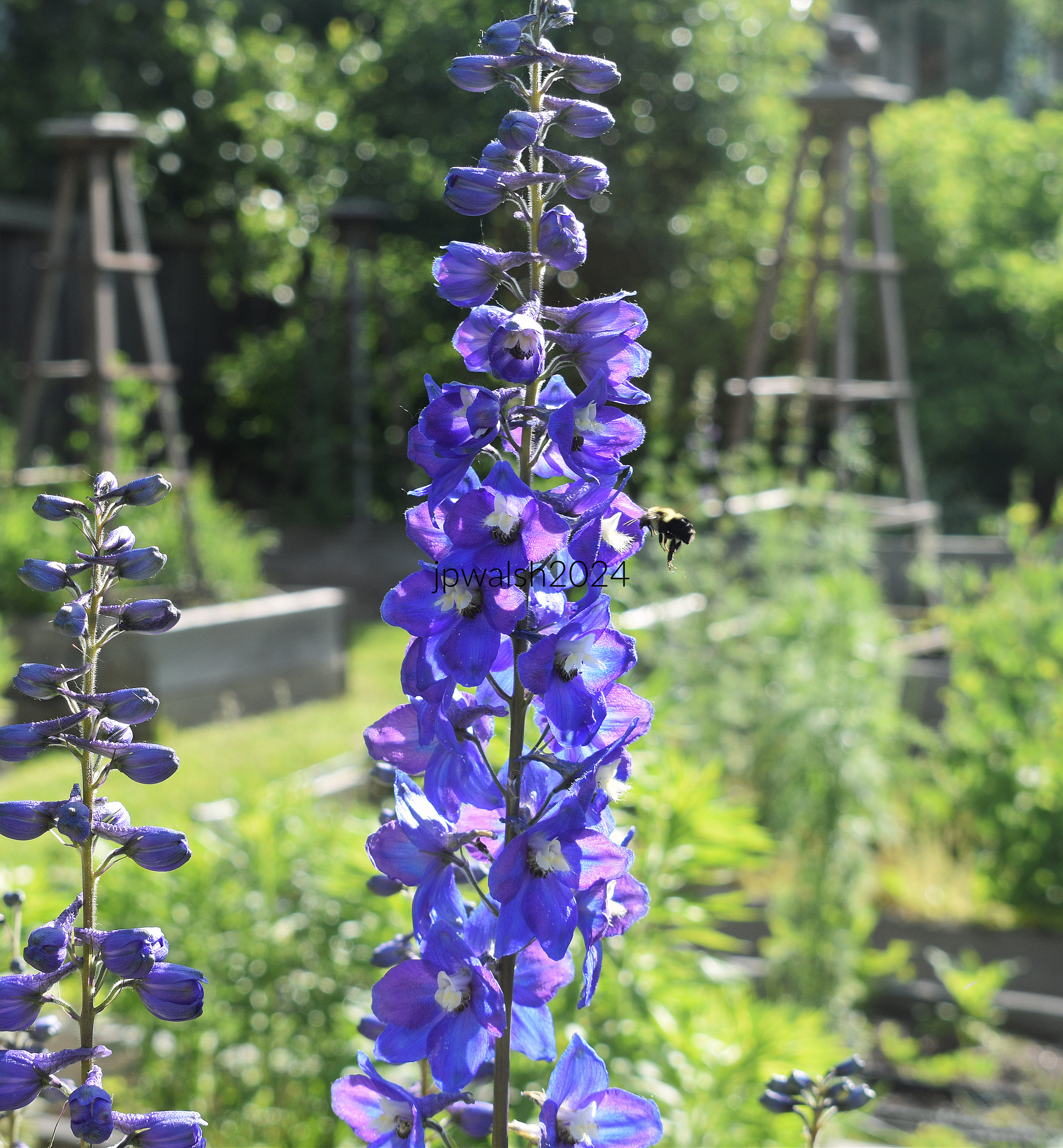
June 2017.

My entire life I have always enjoyed being around flowers and gardens.

I started taking photographs of them in 2012. With so many other people everywhere, I have always enjoyed visiting and walking among the beautiful fragrances of earth’s bountiful and beautiful flora. Dangling, drooping, shooting straight up, bunches, single stem, of endlessly different shapes, sizes and colors—and places and settings—flowers and gardens embody life, creativity, and beauty. One of my earliest memories of gardens was on a childhood vacation to Jefferson’s Monticello and, in that summer’s heat, being surrounded with the scent of the boxwood shrubs. All these perennials and annuals are definitely worthwhile photographic subjects. To stroll (and bend and scrunch) among nature’s orchestra of leaves, branches, and blooms and photograph them is one of life’s pleasures.

The world of flora contains some of the most distinctive creations on the planet.

Fresh blooms are engaging, shy, forthright and protective. In their season, they exist to proffer their fleeting beauty and fragrance for the spectacular end of reproducing themselves.

I have taken photographs of many other subjects but flowers I return to again and again. It’s because flowers don’t disappoint.

Grace Kelly wrote a book on flowers called My Book of Flowers. “I love walking in the woods, on the trails, along the beaches, ” she said. “I love being part of nature…” This is one of the great things about searching for and finding flora to photograph: whether in the wild, semi-wild, in a nursery, or on the front porch or in the garden, the wonder of their presence leads to an experience of nature in its most vital form.

Grace Kelly became interested in flowers and their arrangements only in the last years of her life. It had been suggested to the American princess in the late 1960’s that as part of the festivities for Monaco’s centennial she might host a flower arranging competition, which she did. Though princess Grace admitted she “was the most ignorant garden president going,” her knowledge of flowers and gardening grew and, if only because of their shared passion for these precious blooms, she met many new friends. I too have found that I have made friends from all over the world because of our mutual love for flowers and the garden. One cannot underestimate flower power!

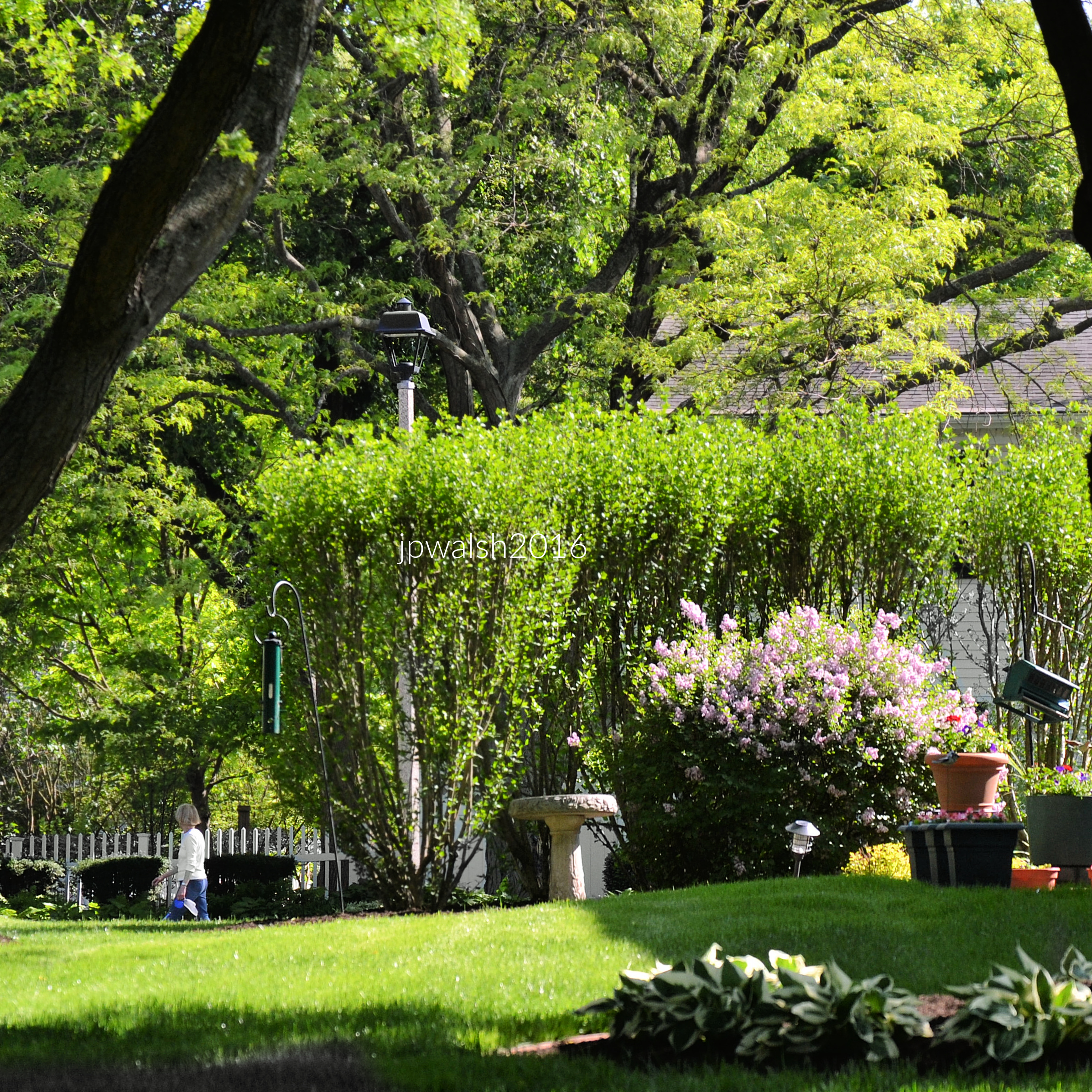
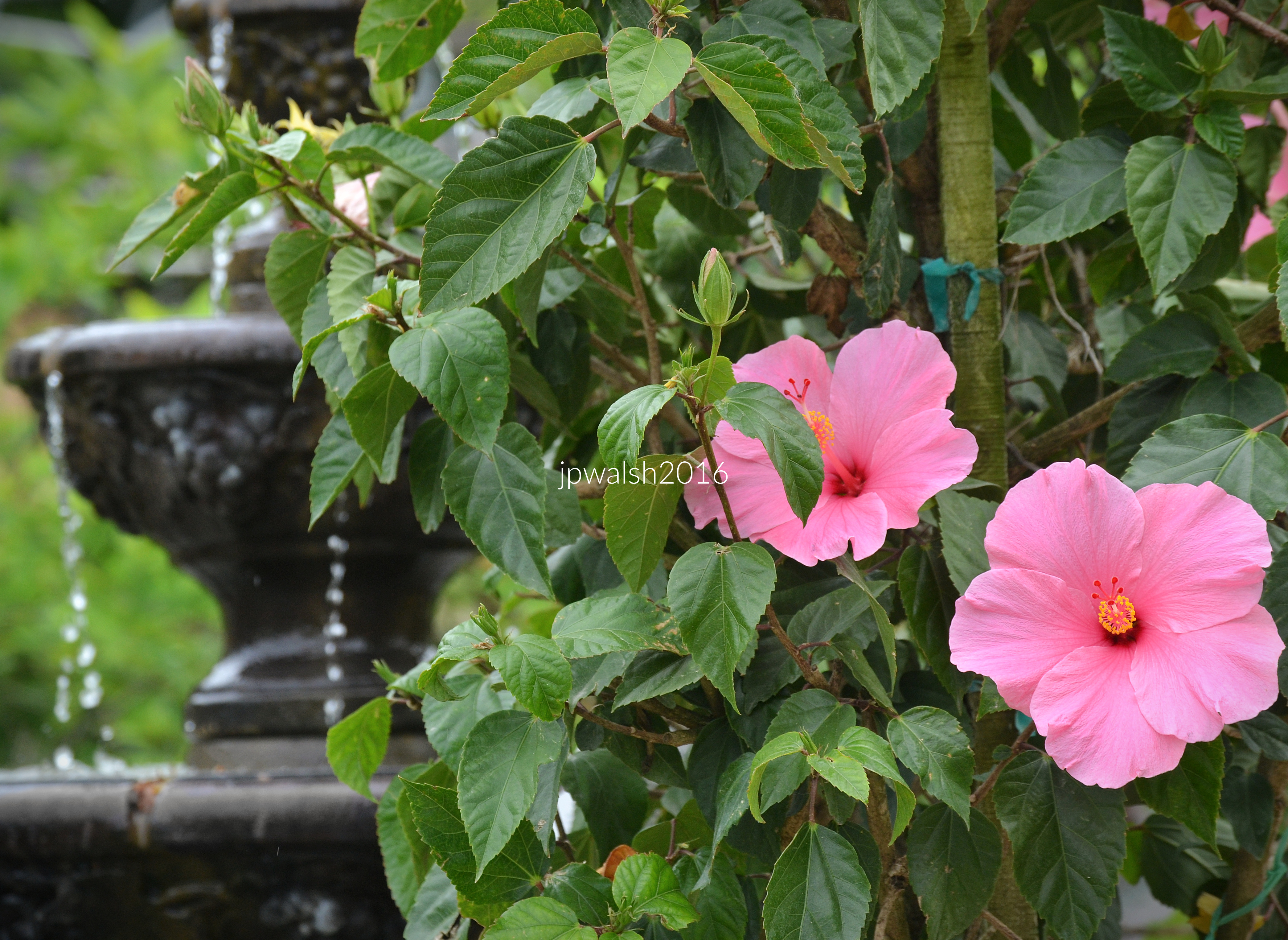
Most of my photographs of flowers and gardens are shot in the Chicago area.

annuals jpwalsh
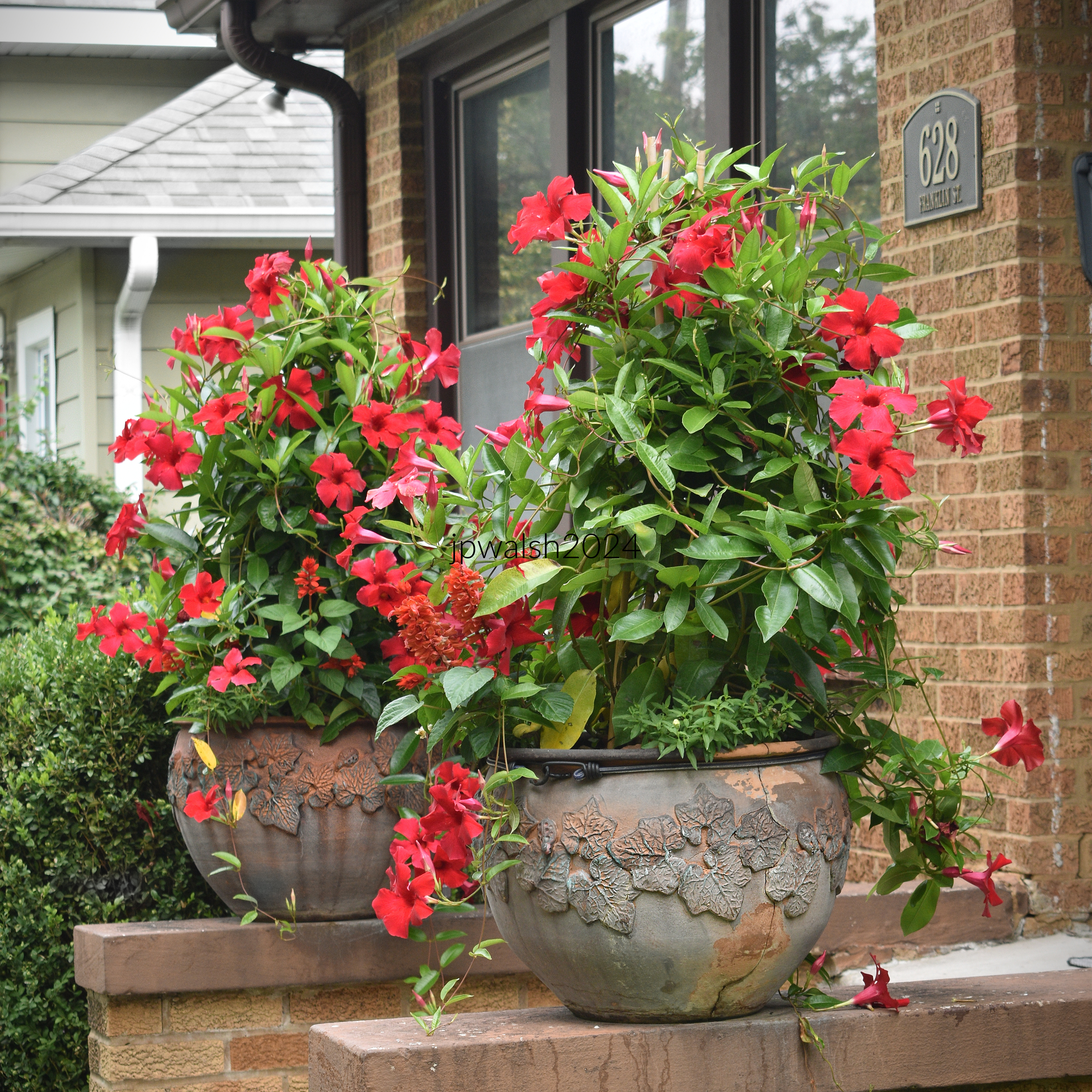
May 2018.
May 2024.
red chair and pots
May 2018.
late summer flowers
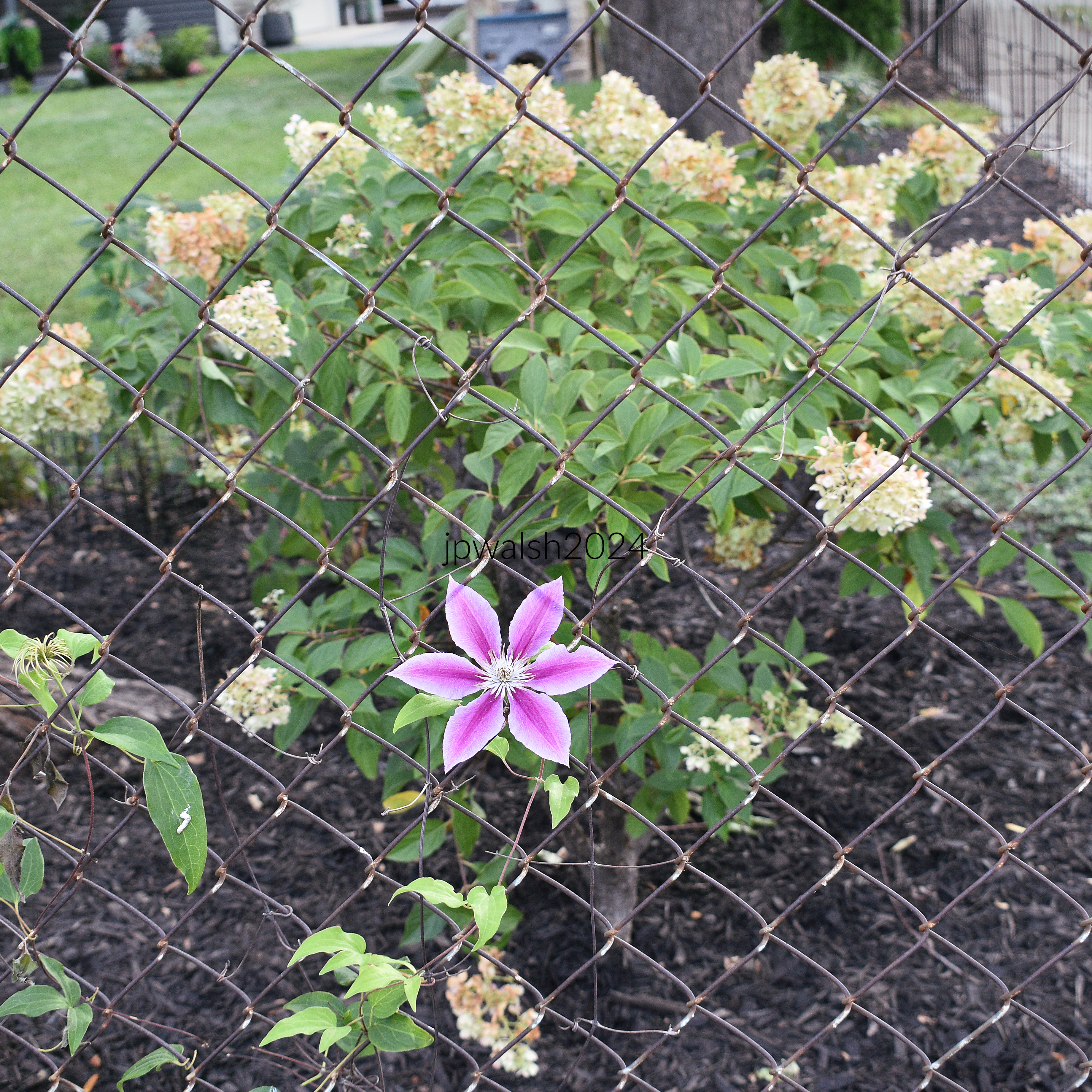
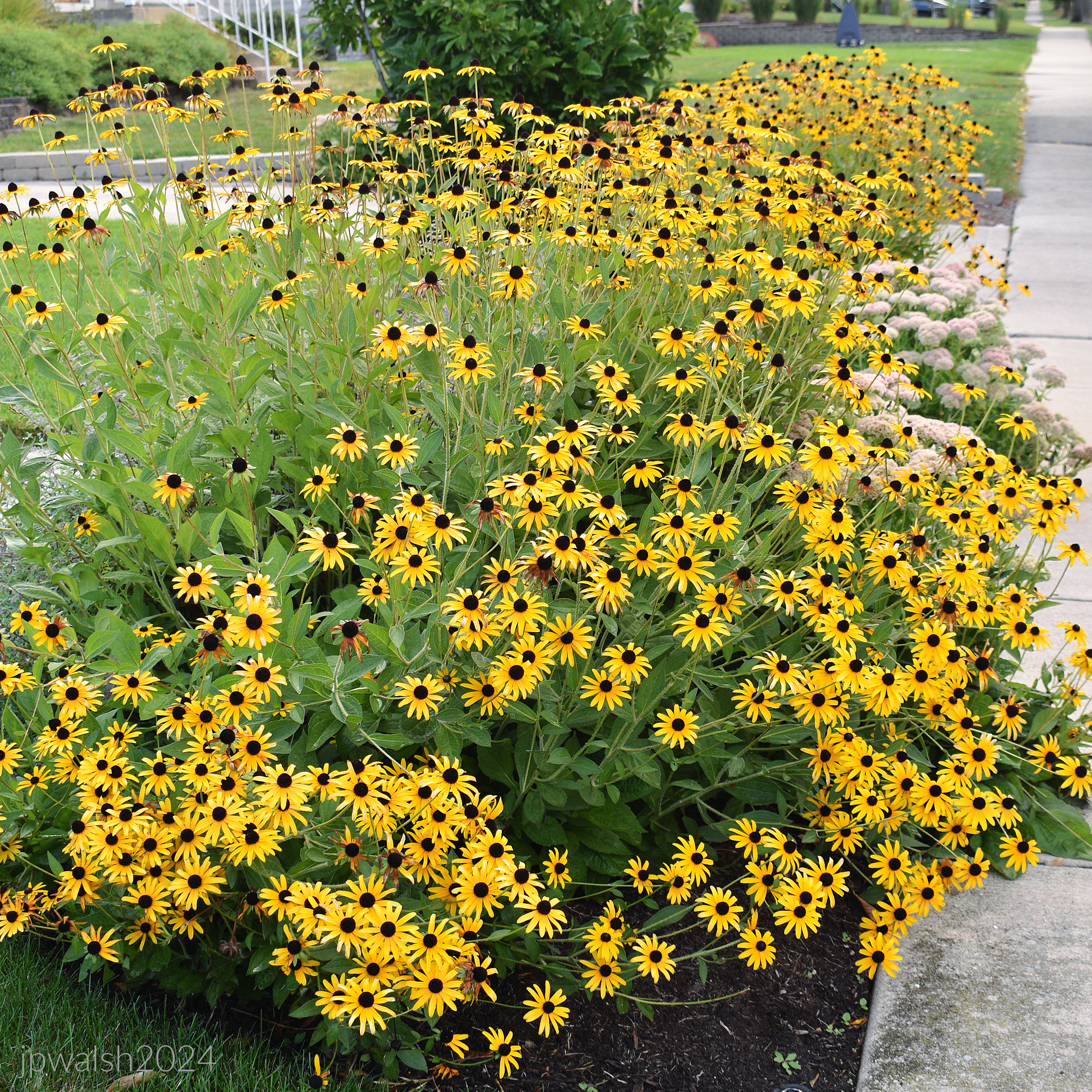
September 2018.
desert setting
December 2017. Chicago, Garfield Park Conservatory.
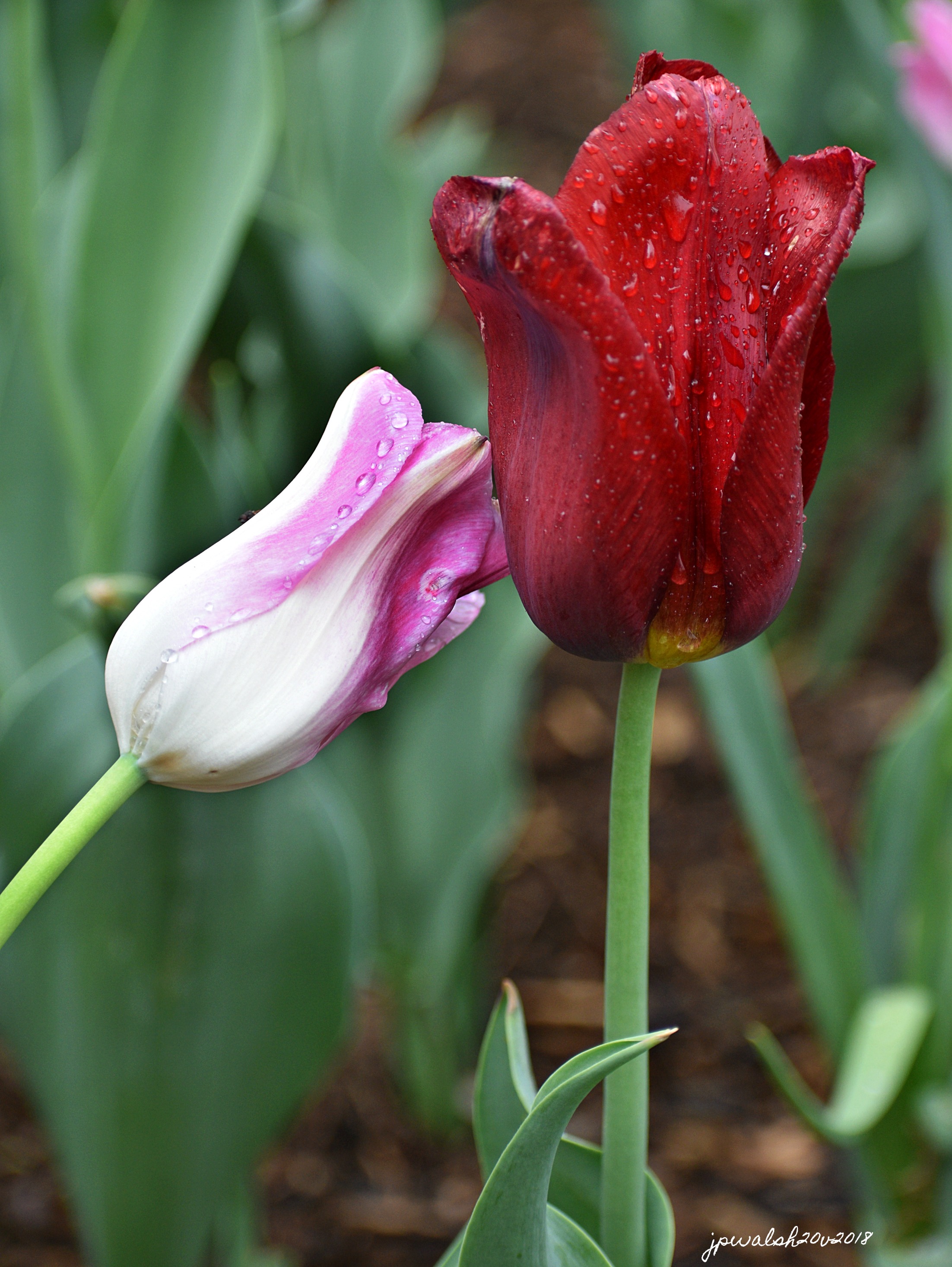
Tulips Jpwalsh
May 2018.
May 2028.
garden walk  jpw
May 2018.
7.19.17 saratogapinwheel
July 2017.
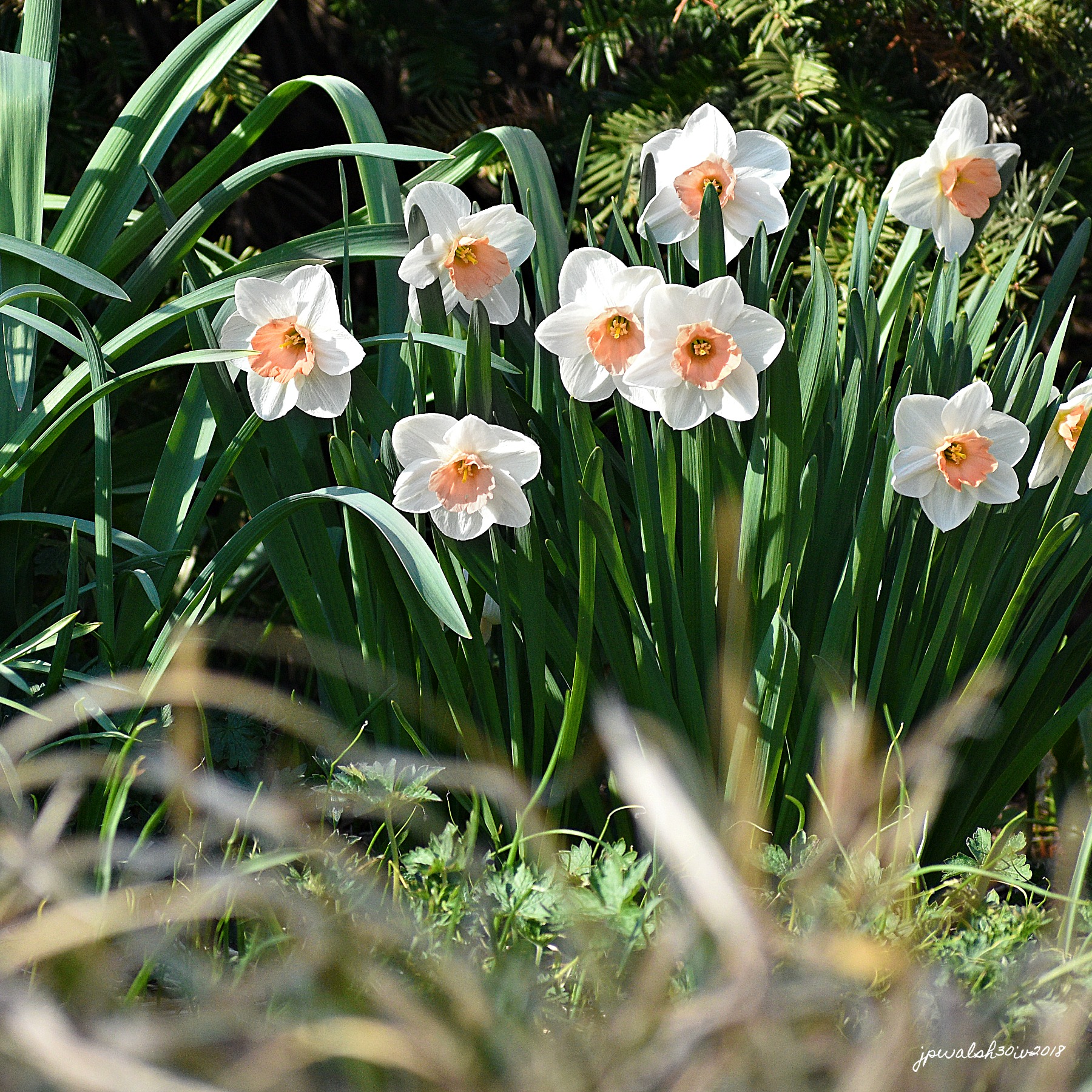
Daffodils Apr 30 2018 by John P. Walsh
April 2018.
May 2018.
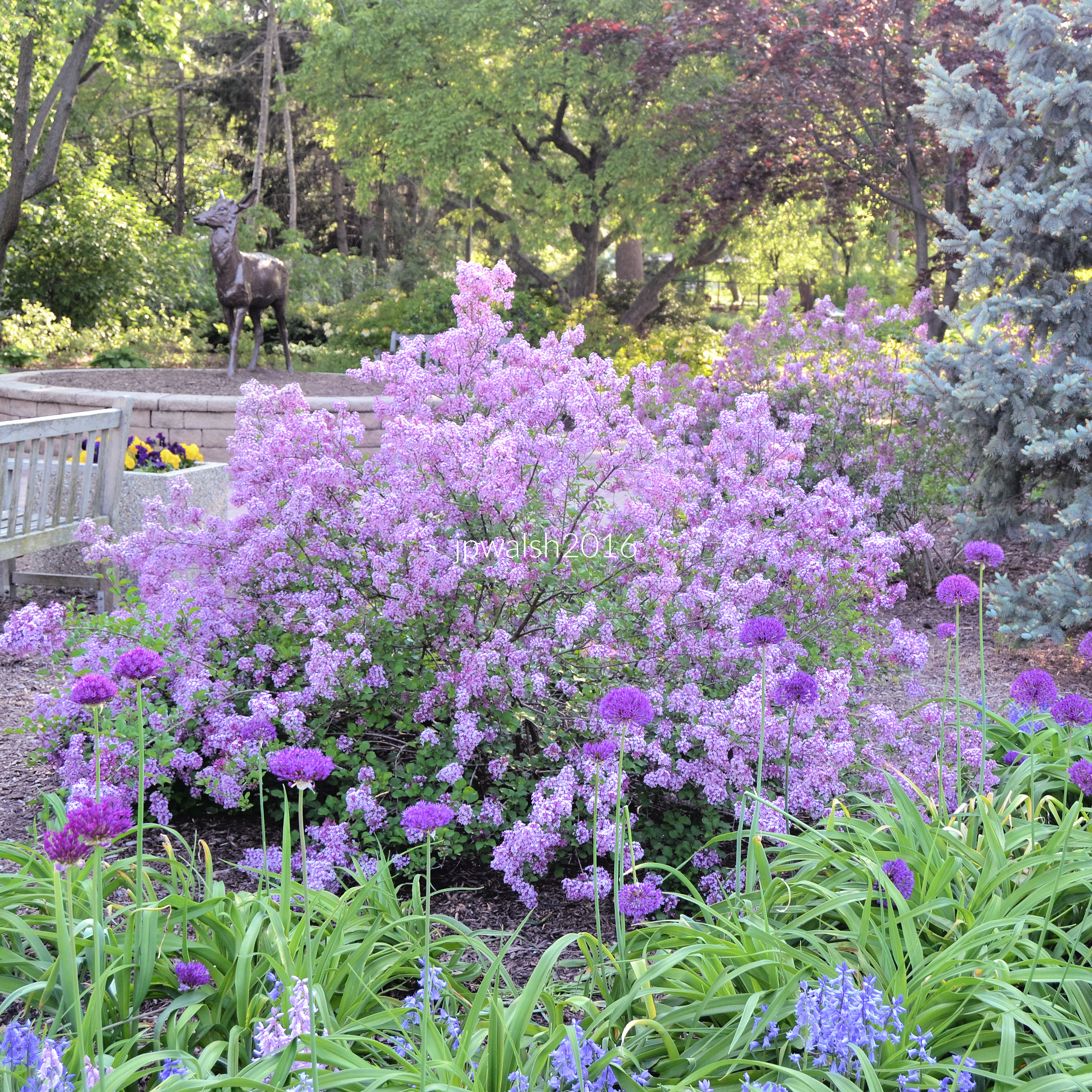
Bushy lilacs-photo John P. Walsh
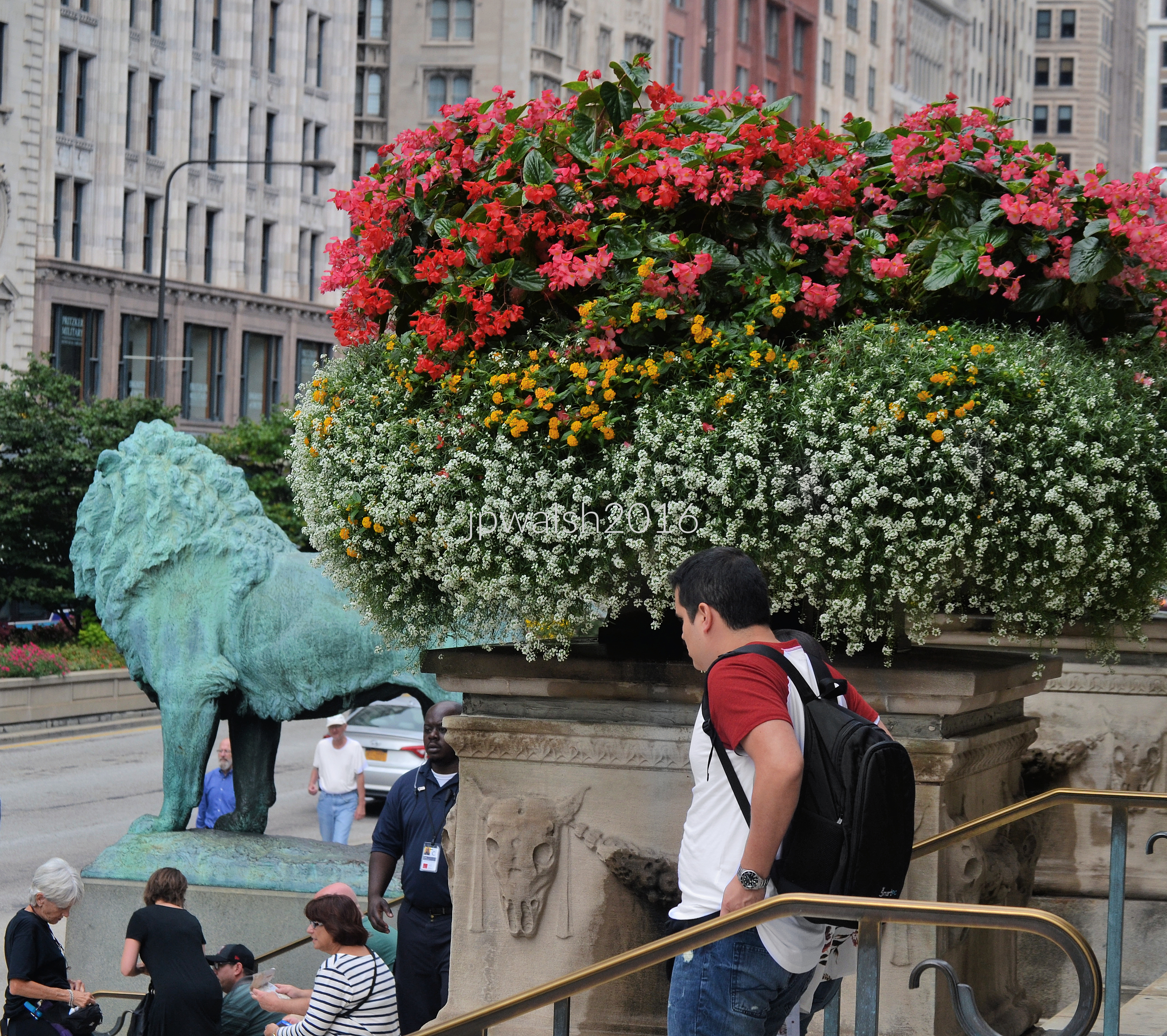
June 2017. Pre- Civil War Lion House, North Prospect Avenue on North Franklin Place, Milwaukee, Wisconsin.
dianthus 5.17.16 final copy DSC_0026
May 2016. Dianthus.
3. may garden May 28 2016.
May 2016.
black magic petunia 5.17.16
May 2016. “Black Magic” petunia.
green garden 7.24.17
July 2013. Oak Park, Illinois.
RESIZE alcea 7.7.13
July 2013. Hollyhock.
May 2018. “Dream Touch” double late tulip.
May 2018. “Frederick Douglass” multi-petaled cultivar. Named for Frederick Douglass (1818-1895), American slave, abolitionist leader and author. Developed in 1972 by Richard Americo Fenicchia.
March 2018. Wheaton, IL. 99% 7.83 mb _5332 (1)
May 2019. Glen Ellyn, Illinois.
May 2020.
May 2018.
May 2018.
June 2020. Peony with cicada.
May 2018.
May 2018. Impatiens.
August 2014. Fox River, West Dundee, Illinois.
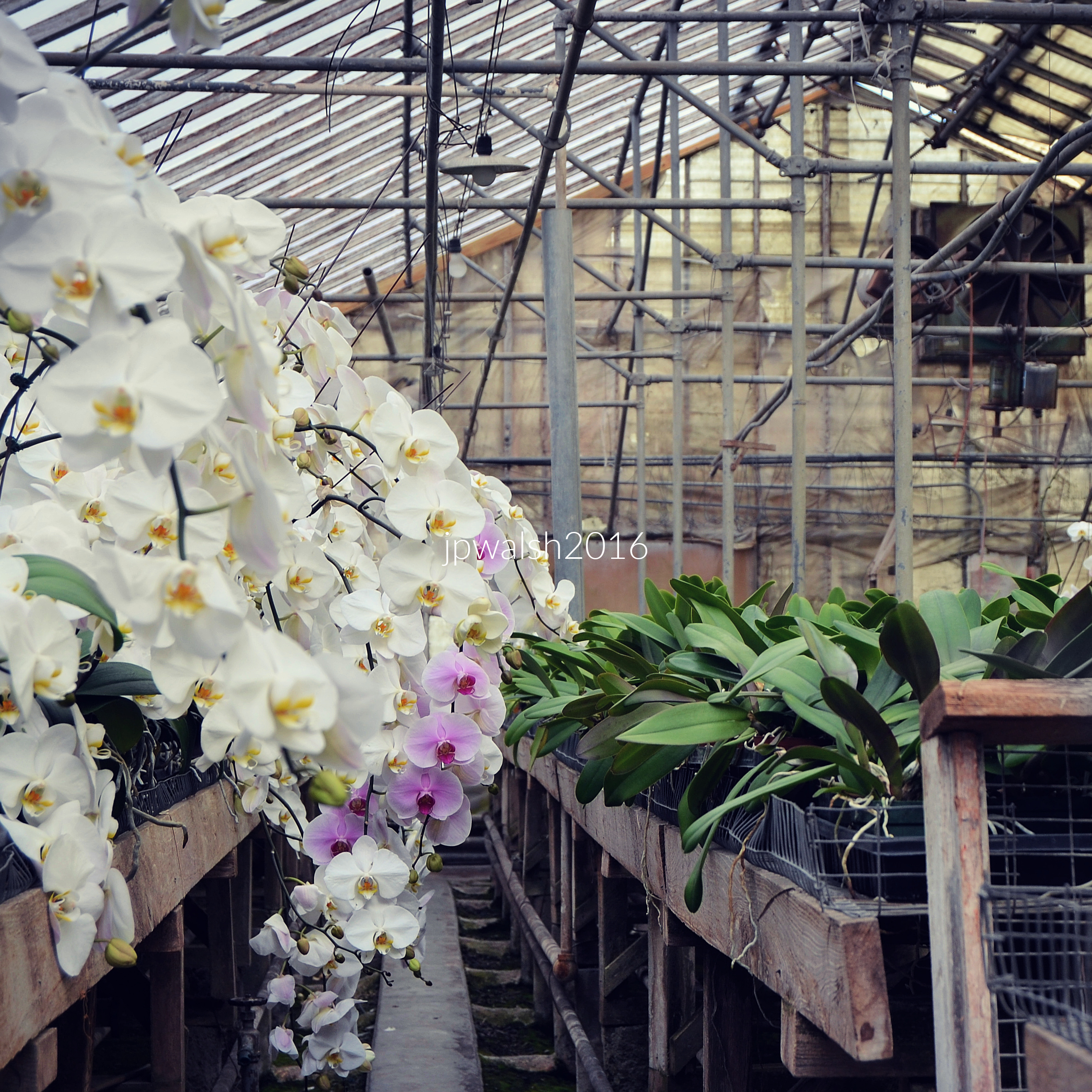
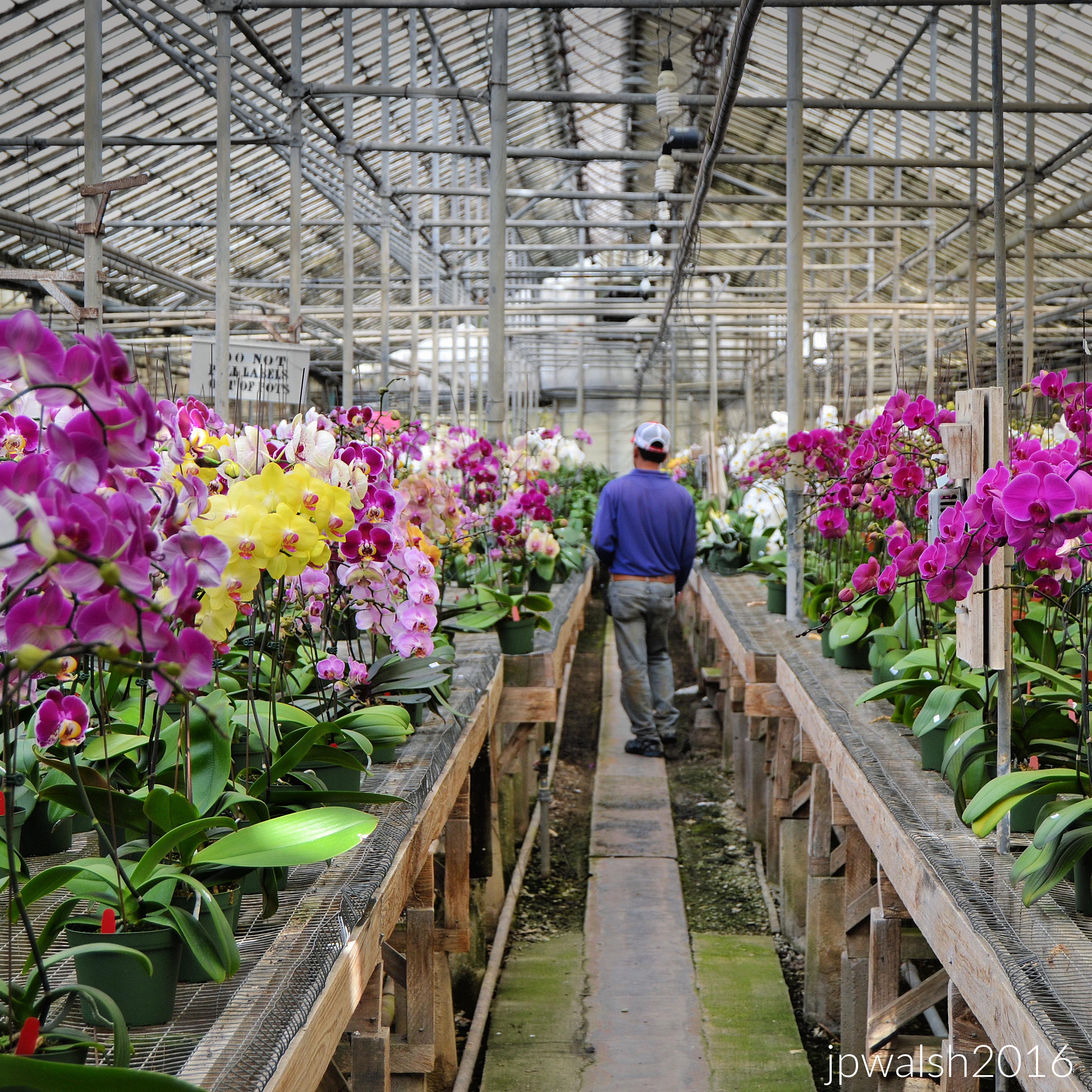
May 2018. Orchids.
July 2015. Chicago. Designed and built in 1917 by architect Frank Lloyd Wright,
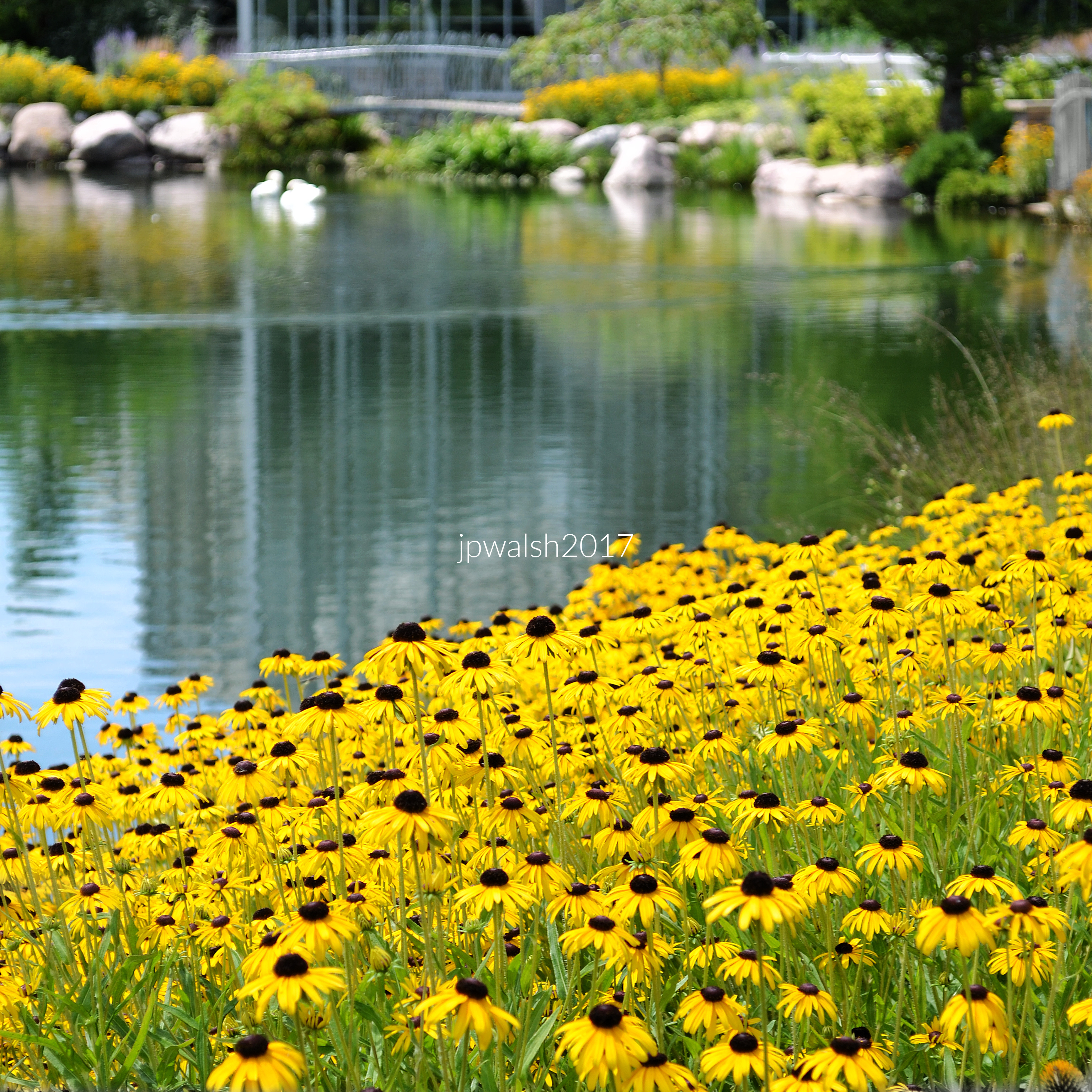
July 2017. Anderson Japanese Gardens. Rockford, Illinois.
Chicago Old Town. hydrangeas
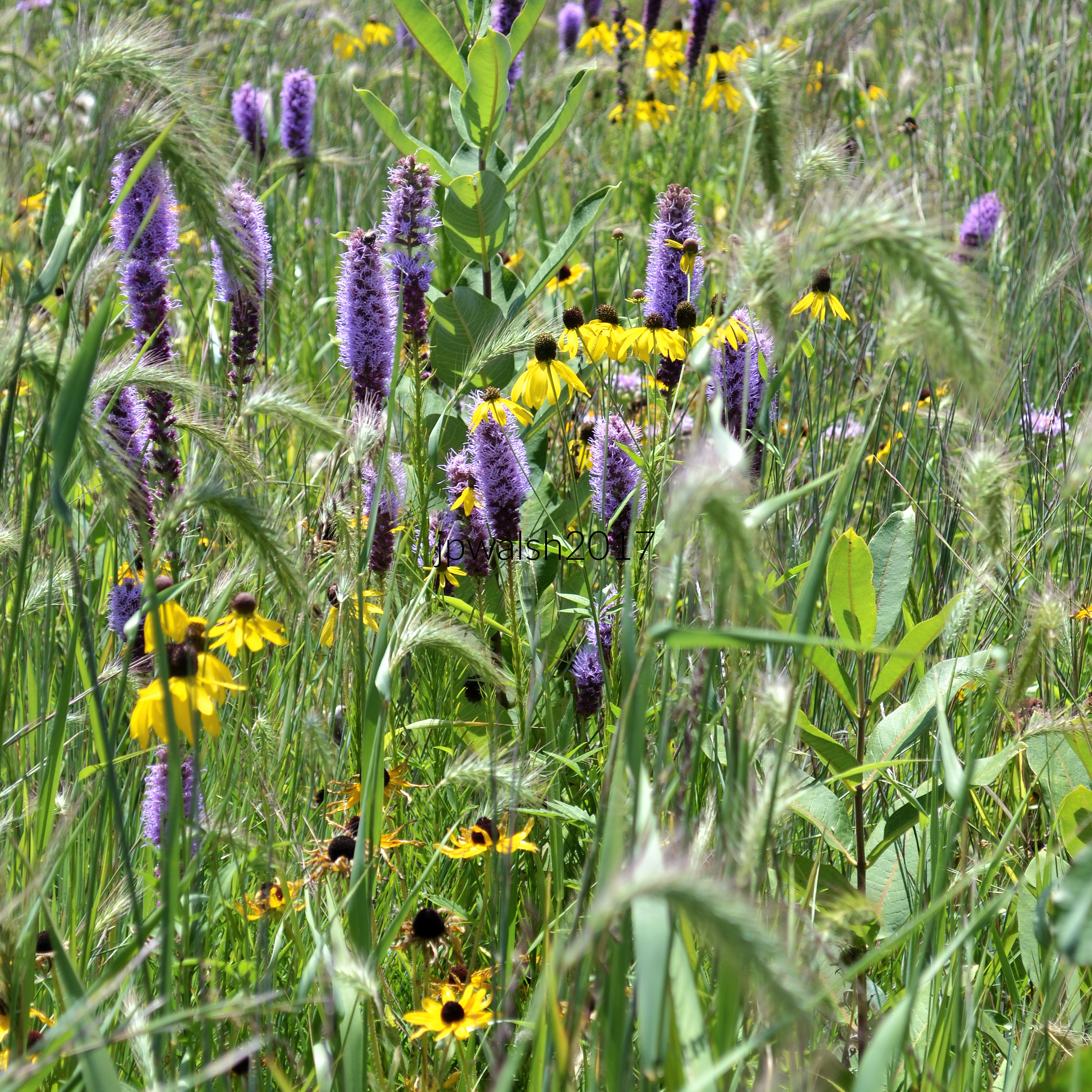
July 2013. Prairie Coreopsis (Coreopsis palmata). Woodridge, Ilinois.
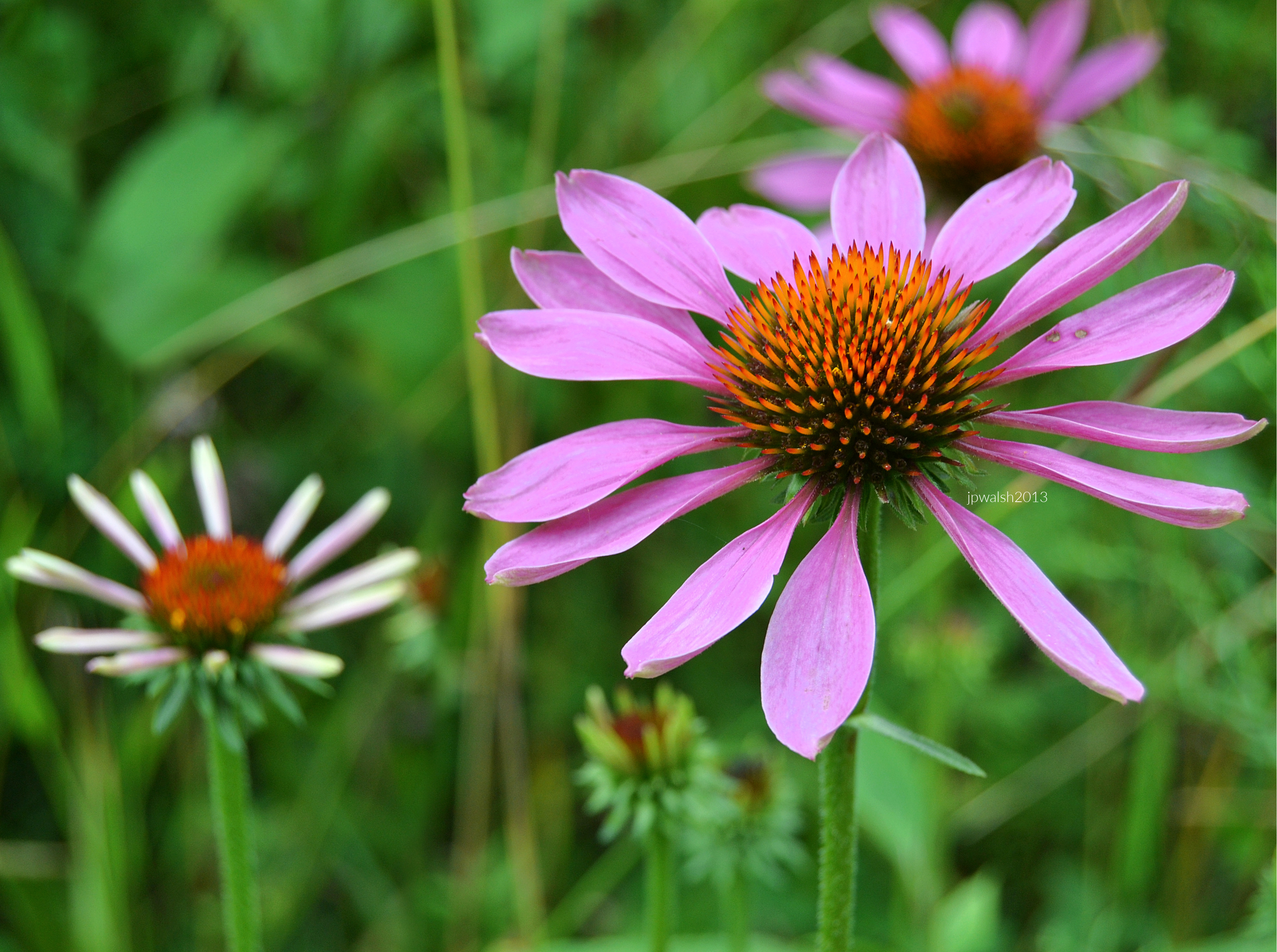
August 2013. Purple Cornflower (Echinacea purpurea). West Chicago Prairie.
August 2013. Orange sulphur butterfly & wild clover. Water Fall Glen, Lemont, Illinois.
September 2016. Ellwood House. Dekalb, IL.
August 2016. Richmond, Illinois.
August 2021. Lombard, Illinois.
August 2015.
June 2014. Naperville, Illinois.
May 2021. Chicago (State Street).
May 2017.
June 2022. 7.25mb 99%
June 2017. 7.04mb 95%
September 2017. 2.68 mb
April 2021 1mb
October 2016. 4.04 mb
September 2022. 6.60 mb 99% (50)
August 2017. 7.88mb 78%
October 2022. 7.98 mb 76%
October 2023. 7.82mb 79%
June 2022. Riverside, Illinois. 416 kb 35%
May 2023. 7.89mb 74%
May 2023. 7.90 mb 66%
May 2023. 7.83 mb 90%
May 2023. 4.43 mb
May 2023. 7.83 mb 89%
May 2023 4.02 mb. The U.S. Congress designated the Friday before Memorial Day as National Poppy Day. According to the American Legion founded by U.S. War Veterans in 1919 following World War I, the red poppy is a nationally recognized symbol of sacrifice worn by Americans since that time to honor those who served and died for our country in all wars. It reminds Americans of the sacrifices made by our veterans while protecting our freedoms. 
June 2023 7.70mb 88% (60)
June 2023. 7.85mb 70%
June 2023. 7.78 mb 88%
June 2023. 30%
July 2023. 7.78mb 76%
July 2023. 7.45 mb 99%
August 2023. 6.64mb
August 2023. 7.52mb 99%
June 2021. 7.82mb 63%
May 2023. 6.93 mb 99%
October 2023. 6.98mb (70)
November 2023. 5.92mb
August 2016. 6.62mb
August 2016. 7.85mb 89%
April 2024. 99% 7.29mb
April 2024. 64% 7.74mb
April 2024. 93% 7.78 mb
May 2024. 91% 7.91mb
May 2024. 98% 7.74 mb
July 2024. 99% 7.06 mb 0143 (1)
August 2024. 65% 7.69 mb 0929 (1)
September 2024. 7.28mb 1821 (1)
September 2024. 7.18 mb 1861 (1)
September 2024. 93% 7.81 mb_1879
September 2024. 7.23mb _1884 (1)
October 2022. 7.43mb_9353
September 2024. 95% 7.96 mb_2709
June 2024. 99% 7.30 mb 3442
September 2024. 5.41mb_2857 copy
May 2016. Chicago (Millennium Park). 7.45mb DSCN2453 (1)
August 2016. 5.41mb DSCN3803
August 2016. 6.45mb DSCN3784 (1)
March 2017. 6.74mb DSCN5474
June 2017. 4.64mb DSC_0350
April 2025. 7.84mb DSC_9352 (1)
April 2025. 99% 7.35 mb DSC_9322
May 2025. 87% 7.81mb DSC_1023
July 2025. 73% 7.88 mb DSC_3565 (1)
October 2025 99% 7.77mb DSC_7122
September 2015. Chicago. 5.99mb DSCN1212 (1)
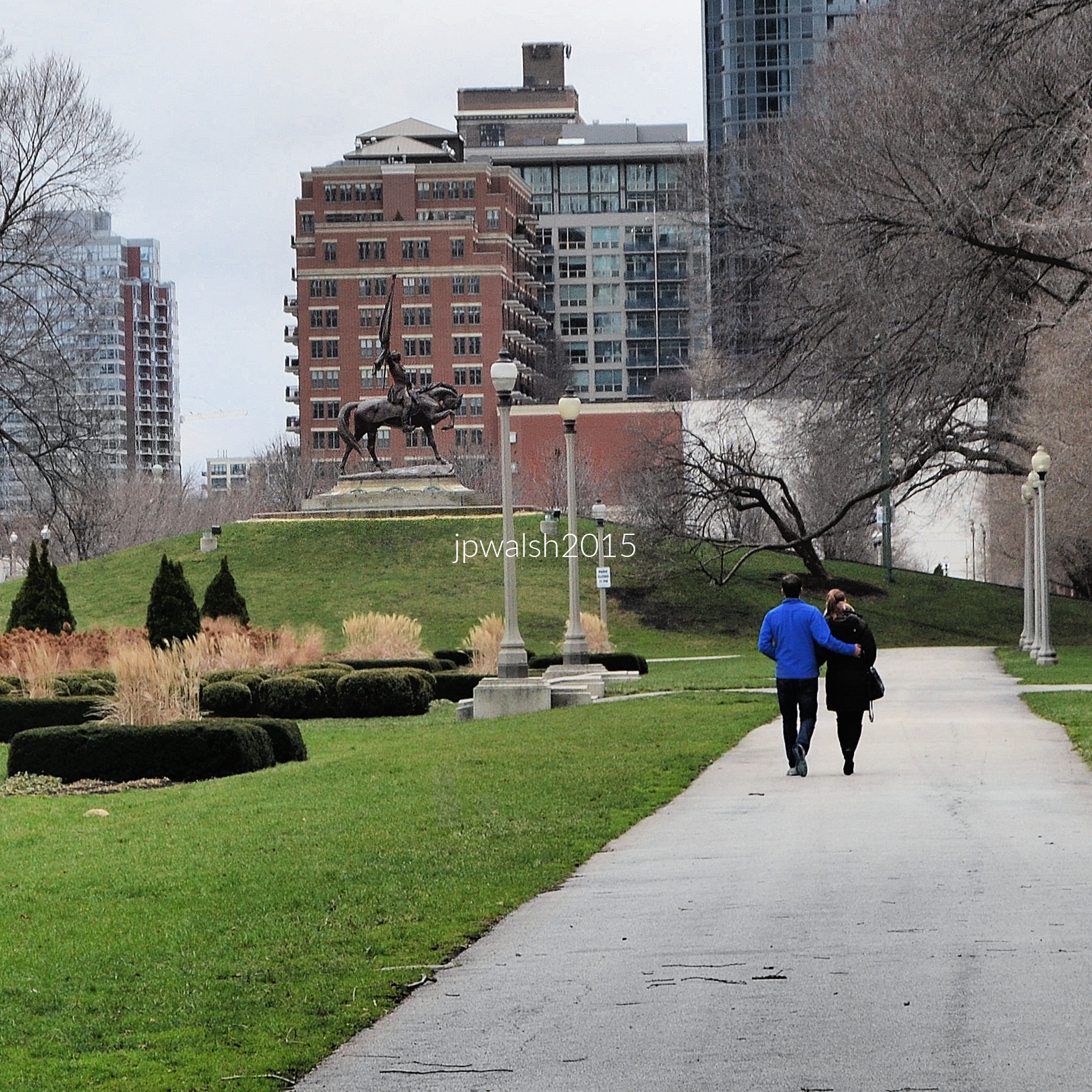
December 2015. Chicago. Gen. John Logan Memorial (1897), Grant Park. 1.17mb DSC_0590 (1)
May 2016. Lilacia Park designed by Jens Jensen. 3.95mb DSC_0140 (1)
May 2016. 2.69 mb DSC_0073 (1)
May 2016. 2.85mb DSC_0079 (1)
May 2016. 4.32mb DSC_0034 (1)
May 2016. 5.47mb DSC_0150 (1)
May 2016. 4.75 mb DSC_0065 (1)
May 2016. Wheaton, IL. 3.21mb DSC_0389 (1)
May 2016. Crest Hill, IL. 4.07mb DSC_0487 (1)
May 2016. Naperville. 2.94mb DSC_0596 (2)
May 2016. Wheaton (Adams Park). 3.70mb DSC_0617 (1)
June 2016. Naperville, IL. 4.62mb DSC_0669 (1)
July 2016. Downers Grove, IL. 6.04mb DSC_0494 (1)
July 2016. 5.89mb DSC_0687 (1)
September 2016. 4.56mb DSC_0448 (1)
September 2016. 4.90mb DSC_0690 (2)
Oct 2016. Chicago (Old Town). 4.42mb DSC_0932 (1)
July 2017. Dayton Bluffs Preserve, Ottawa, IL. 3.84mb DSC_0607 (1)
July 2017. Nicholas Conservatory & Gardens, Rockford, IL. 4.17mb tDSC_0789 (1)
July 2017. Rockford, IL. 4.28mb Rockford DSC_0795 (1)
July 2017. Japanese gardens, Rockford, IL. 6.75mb Rockford DSC_0731 (1)
July 2017. 6.58mb DSC_0669 (2)
June 2021. Wheaton, IL. 7.44mb DSC_7641
July 2017. 2.81mb DSC_0793 (1). “A quiet moment on a summer coneflower, the butterfly’s proboscis reaching into the heart of the bloom.”
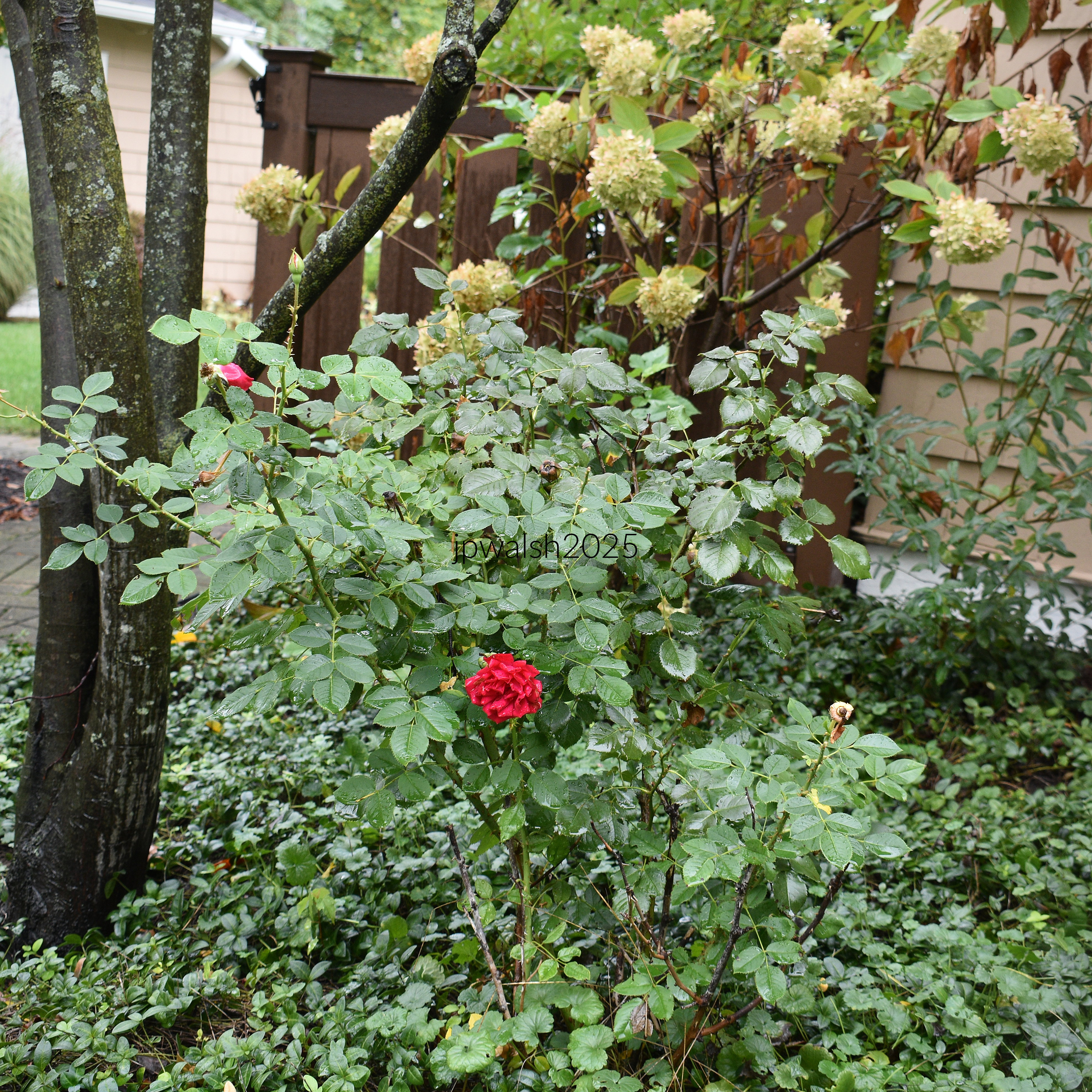
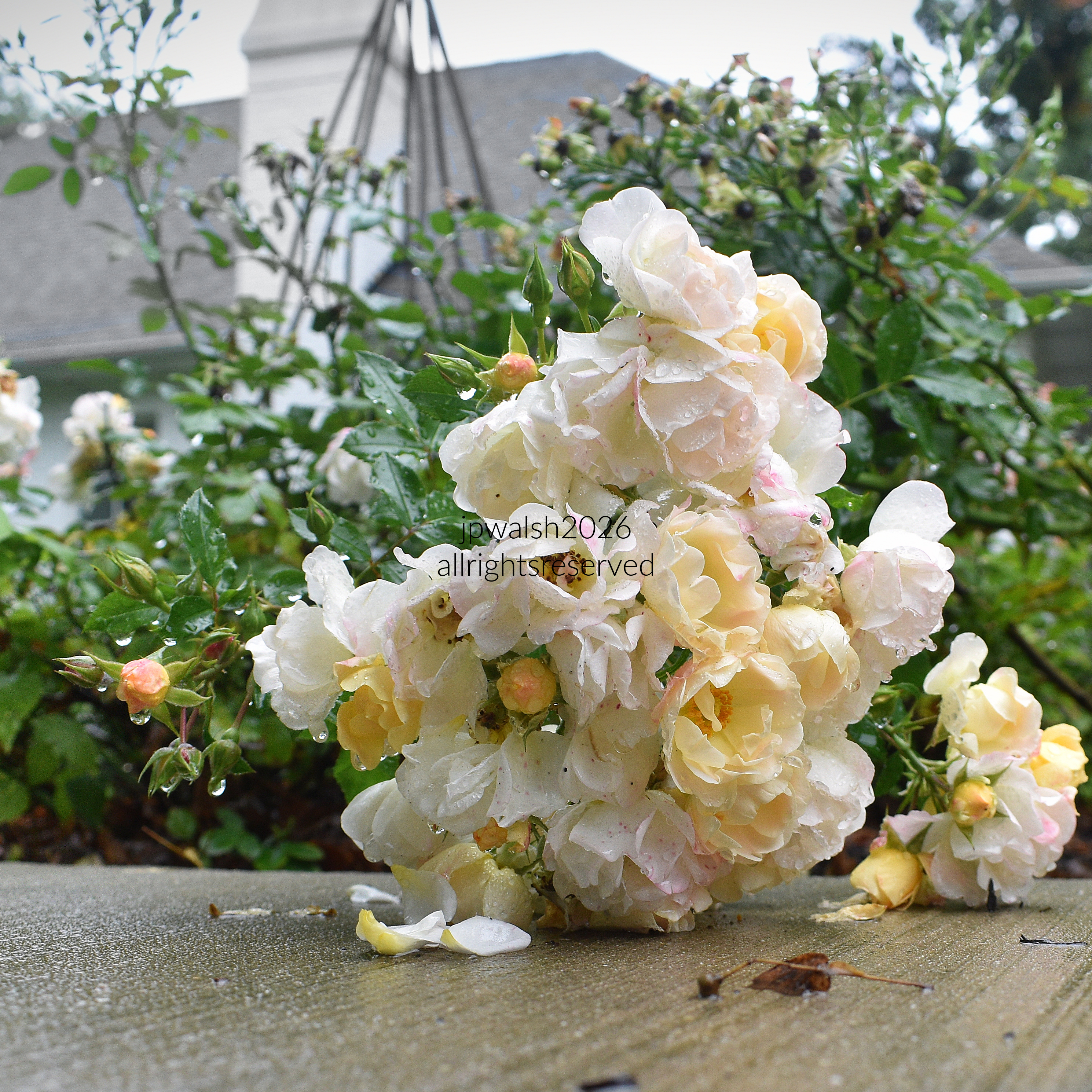
October 2026 roses 4.42mb DSC_2249 (1)

The “Ghislaine de Féligonde” rose was bred in Orléans, France, by the prominent French horticulturist Eugène Turbat in 1914–1915 and officially introduced to the public in 1916. The rose was named by Jean-Claude Nicolas Forestier, a famous landscape architect and director of Paris’s public gardens, who was a close friend of the Féligonde family. He chose to name the new variety after the Count’s two-year-old daughter, Ghislaine, who was born in October 1914. While the real-life Ghislaine grew up, lived a long life, and passed away in 1994, her namesake rose has endured across continents and centuries.

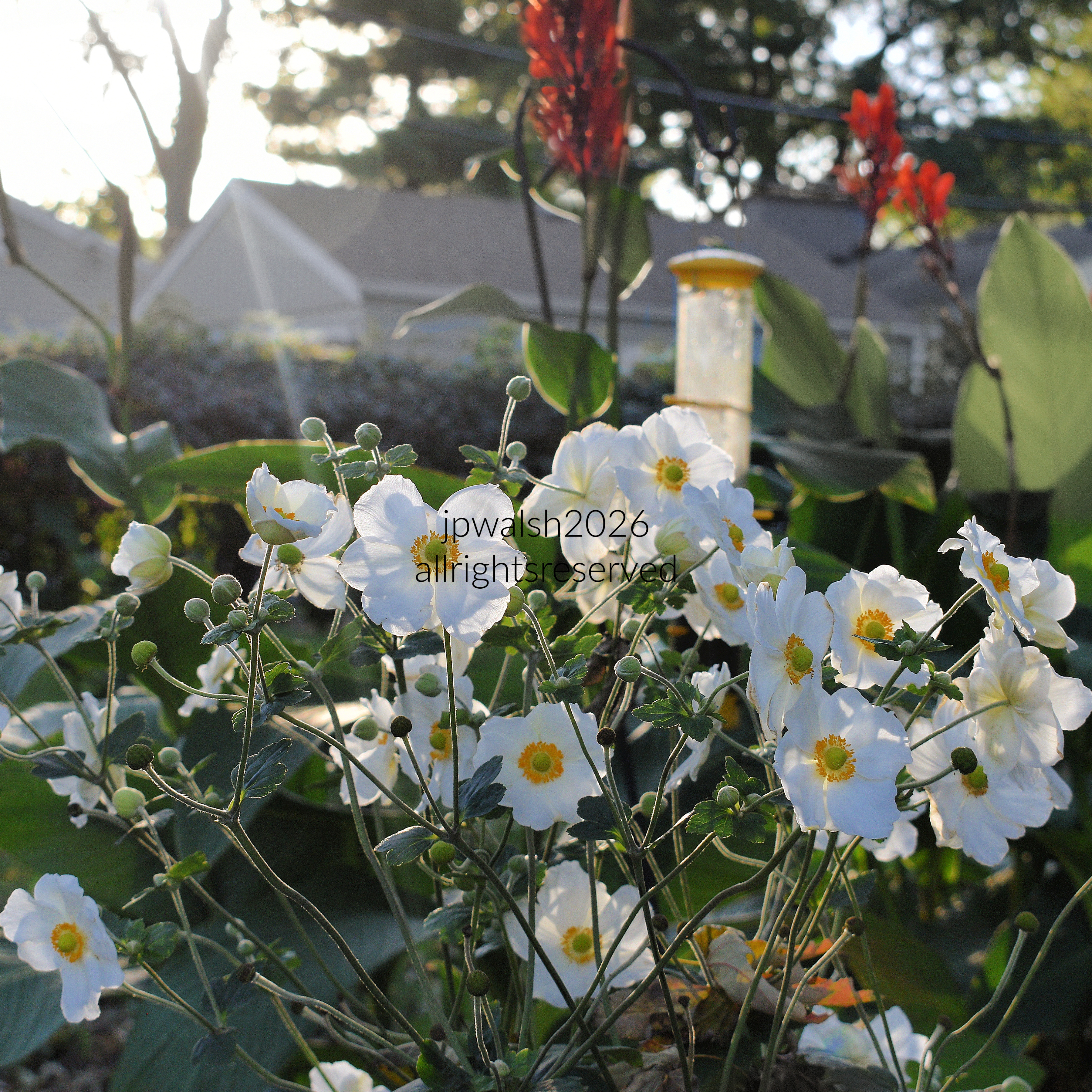
October 2026. 99% 7.56mb DSC_2587

The delicate white flower with a bright yellow ring of stamens is the Japanese Anemone, nicknamed “windflowers” (anemos in Greek means “daughter of the wind”) because of its wiry stems that sway in the slightest breeze. Just as other summer flora fades, the Japanese Anemone emerges as a late-season star, beginning its bloom cycle in August and pushing through until the first winter frost. Though widely associated with Japan, the plant is originally native to central and southwestern China. It was carried along trade routes to Japan, arriving during the Tang Dynasty (618–907 AD). It was brought to the West in the mid 19th century.

October 2026. 7.99mb DSC_4258 (1)

A row of hardy, disease-resistant Double Knock Out® Roses (Rosa ‘Radtko’) lining a landscape pathway. The vibrant cherry-red blooms feature a dense, ruffled, multi-layered cluster of roughly 18 to 25 petals per flower. The cultivar name honors the original breeder, Will Radler (born 1943), a celebrated amateur rosarian from Milwaukee who revolutionized modern landscaping with this low-maintenance family of roses.