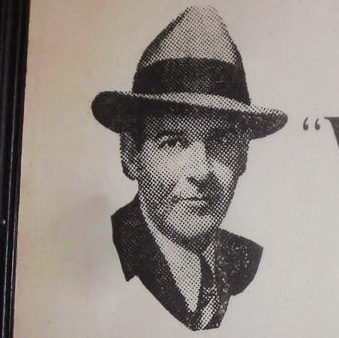
FEATURE IMAGE: Jerry (Curley) Howard, Moe Howard and Larry Fine are The Three Stooges. “The Three Stooges” by twm1340 is licensed under CC BY-SA 2.0.
The year 2022 marks the 100th anniversary of the start of The Three Stooges in show business.
The Stooges began in 1922 as part of a vaudeville act called “Ted Healy and his Stooges.” It started with two stooges originally – brothers Moe and Shemp Howard. Larry Fine joined the act in 1925 or shortly thereafter. Their first Hollywood feature (with Ted Healy) was called Soup to Nuts in 1930. The Stooges worked with Healy until 1934. In that time Shemp broke off on his own to work for Warner Bros. Vitaphone and Jerry Howard, Moe’s younger brother, joined the act as Curley.
Between 1934 and 1958 The Three Stooges made over 90 two-reel shorts featuring their ribald comedy. Starting in 1934 and until the end of the 1950s, The Three Stooges had 26 different opening credits.
In chronological order, all The Stooges’ opening credits from 1934 to 1958.
Moe and Larry appeared in all of them. Curley appeared in 19; Shemp, 6; and Joe, one.
In 1934 there were 4 updates; 6 in 1935; 1 each in 1936, 1937, and 1939; 2 in 1940; 1 in 1943; and 2 in 1945. The 9th (1935), 12th (1937), and 13th (1939) versions were significant brand updates for the Stooges’ opening credits.
In 1946 there were 2 updates – Curley’s last and Shemp’s first. In the postwar years there were less updates – one each in 1947, 1950, 1952, and 1953.
Moe’s brother, Curley, died in 1952 after a long illness. Shemp died suddenly from a heart attack in 1955. Though Curley and Shemp’s comedy styles are very different from one another, they are both equally very funny. Though similar in body type to Curley, Joe Besser brought his own unique comic personality to the act from 1956 to 1958. Joe Besser passed away in 1988.
In 1959 Columbia Pictures released Three Stooges shorts for the first time on television. TV broadcasts in the 1960’s brought a new generation of fans to the Stooges. In 1970 the Stooges were scheduled for a new TV sitcom series but Larry Fine had a paralyzing stroke.
Both Larry and Moe died in 1975. Eight years later, in 1983, The Three Stooges were inducted onto the Hollywood Walk of Fame.
Melbourne Spurr (1888-1964) arrived in Hollywood around 1917 at 28 years old. Spurr first worked at the studio of photographer Fred Hartsook (1876-1930) where he shot portraits of silent film stars.
Melbourne Spurr (1888-1964). Public Domain.
GLAMOUR PHOTOGRAPHER MELBOURNE SPURR’S CAREER LAUNCHED BY SILENT SCREEN STAR MARY PICKFORD
After Spurr photographed Mary Pickford at the Hartsook studio, Pickford personally helped Spurr launch his career as a Hollywood portrait photographer. Regarding Mary Pickford, Spurr once said, “[she] always comes back to me, so I guess she thinks I’m not a bad photographer.”
By 1916 Mary Pickford (1892-1979) was a big star and had full authority over the films in which she appeared. She was earning a record-breaking $10,000 a week which was a staggering amount of money in the midteens (about $240,000 a week today).
Mary Pickford (1892-1979) in a photograph taken in about 1914 was a big star in Hollywood.
MELBOURNE SPURR BECAME ONE OF THE MOST POPULAR CELEBRITY PHOTOGRAPHERS IN THE WORLD
Pickford’s special personal interest in Spurr’s career was matched or exceeded by the popularity of his photographs her distributed to the public. The film indutrsy and public’s insatiable interest in Spurr’s portraits following his published Mary Pickford shots made Spurr overnight one of the most popular celebrity portrait photographer in Hollywood. By the mid1920’s Melbourne Spurr was one of the most popular celebrity photographers in the world.
Spurr’s sitters through the roaring 20’s included, among many others, Mary Astor, Marion Davies, Pola Negri, Theda Bara, Norma and Constance Talmadge, Harold Lloyd, Buster Keaton, Fatty Arbuckle, John Barrymore, Lucille Ricksen—and, of course, Alice Terry.
PORTRAIT PHOTOGRAPH OF ALICE TERRY, FILM ACTRESS AND DIRECTOR
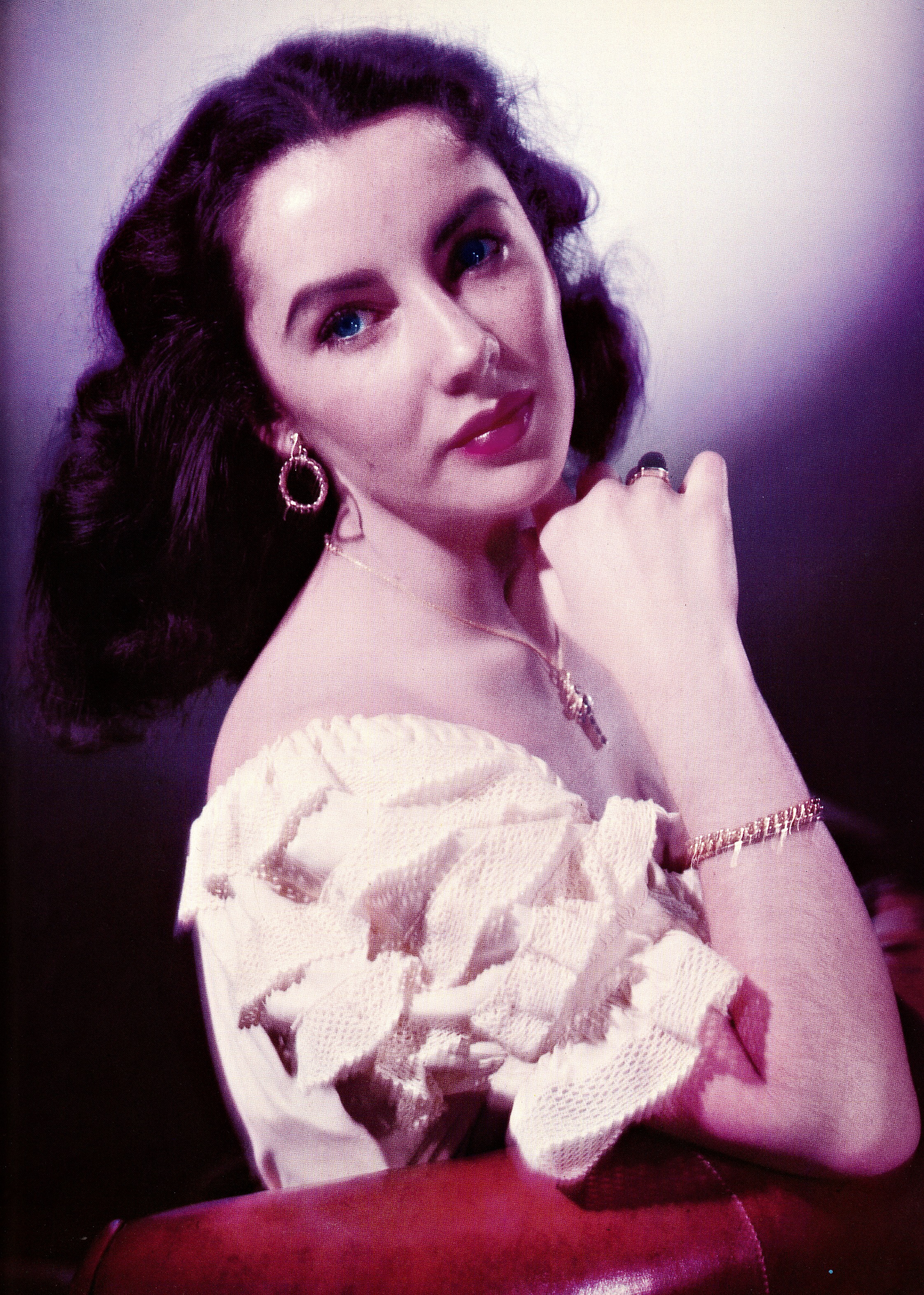
Spurr’s portrait photograph of Alice Terry presents a very close-cropped close-up with piercing, radiant eyes, perfect lips, and rich toning.
Alice Terry (1900-1987) began her career as a film actress and director in the silent film era.
Between 1916 and 1933 Terry appeared in 39 films. She started in Not My Sister in 1916. That same year, Terry made the anti-war film, Civilization. In 1921 she starred as Marguerite Laurier, her most acclaimed role, in prominent Irish director Rex Ingram’s film, The Four Horsemen of the Apocalypse. Alice Terry and Rex Ingram married that same year.
In 1925, Rex Ingram (1892-1952), was a director on Ben-Hur, an extravaganza production that started in 1923 and became one of the biggest box-office hits of the decade. Working on this film in Italy gave Alice Terry and Rex Ingram the idea to relocate to Nice on the French Riviera and set up their own film studio. In the next years the expatriate actress-director and director made several films for M-G-M on-location in southern Europe and North Africa. Alice Terry made her final film in 1933 in an appearance in Baroud, a film she and Rex Ingram co-directed.
SPURR’S POPULARITY DECLINES AS STUDIO SYSTEM MANDATES IN-HOUSE PHOTOGRAPHERS
With studio consolidation and competition becoming more intense, major movie studios mandated that their stars be photographed only by studio photographers. So was inaugurated the age of motion picture inhouse operators heralding the legendary careers of glamour portrait photographers George Hurrell, Clarence Sinclair Bull, Eugene Robert Richee and others. Since Spurr chose to keep his own studio and not work for a major studio, he began to lose business. It had been for one glorious decade—the 1920’s— that Melbourne Spurr shined in Hollywood.
FEATURE image: Ethel Barrymore on the cover of The Theatre in August 1901 following the close of the successful Captain Jinks of the Horse Marines which ran on Broadway for 168 performances from February to July 1901 and made 22-year-old Ethel Barrymore a star. Public Domain.
22-year-old Ethel Barrymore on stage at the Garrick Theatre on West 35th Street in New York City in Clyde Fitch’s Captain Jinks of the Horse Marines in 1901. Dramatist Clyde Fitch (1865-1909) wrote over 60 plays in his career that ranged from comedies and farces to melodramas. Fitch was the most popular writer for the Broadway stage in his time and specialized in writing important dramatic parts for women. Fitch’s new play was a romantic comedy set in the States years after the Civil War. Ethel Barrymore played Madame Trentoni, the female lead and the play’s love interest. The 1901 Broadway production made Barrymore a star. The public domain photograph is in the archive of the Museum of the City of New York.
By John P. Walsh
Stage and screen actress Ethel Barrymore (1879-1959) was the sister to older brother Lionel (1878-1954) and younger brother John (1882-1942) Barrymore. Though Ethel Barrymore was absolutely devoted to the stage from her youth, she began to appear in major silent films starting in 1914. Much later, in the 1940’s, the veteran stage actress was nominated twice for an Academy Award for Best Supporting Actress. She won the golden statuette in 1944 for her role as Ma Mott in the film None but the Lonely Heart starring Cary Grant who used a Cockney accent for his part.
By the time Barrymore appeared in her first feature motion picture, The Nightingale, in 1914, she was a celebrated stage actress on both sides of the Atlantic. Coming from the famous American acting family of Drews and Barrymores, the just 16-year-old Ethel Barrymore made her Broadway stage debut in 1895 alongside her uncle, John Drew, Jr. (1853-1927).
Ethel Barrymore at 17 years old in 1896. In 1895, a 16-year-old Barrymore made her Broadway stage debut alongside her uncle, Jack Drew, Jr., a famous and well-liked actor.
John Drew, Jr. in 1896. A versatile actor, Drew was so highly esteemed by his fellow actors that they elected him the lifetime president of New York City’s Players’ Club. The private social club for actors founded in the 1840’s at 16 Gramercy Park remains active today.
Before she was 20 years old, Ethel appeared several times on the London stage. Her first role was that of Miss Kittridge in William Gillette’s new play, Secret Service (1895). After that show closed, she was offered and played other roles on the London circuit. By the turn of the 20th century, a vibrant and talented Ethel Barrymore gained the especial attentions of several male admirers that included dukes, actors, writers and politicians.
Winston Churchill in 1900. A public domain photograph in the Imperial War Museum.
One such admirer of Ethel Barrymore was eligible bachelor, enthusiastic theater hound, and nascent politician Winston Churchill (1874-1965). Though Ethel had many propositions and proposals in this period—she was even briefly engaged to a man until Ethel broke it off—any marriage proposal made to her by Churchill was refused. Churchill and Barrymore, however, became lifelong friends.
Poster for William Hooker Gillette’s 1895 play, Secret Service, on the London stage which featured young American actress Ethel Barrymore in its cast. The poster promotion depicts the play as a royal entertainment which attracts princes and princesses, dukes and duchesses. William Gillette (1853-1937) wrote melodramas and spy plays that were very popular with audiences. In 1899, Gillette first created the role of Sherlock Holmes for the stage, a role which he himself played for over 30 years.
Ethel Barrymore at 19 years old in 1898.
Young Ethel Barrymore. From a famous American acting family, she was was devoted to the stage at an early age.
At 20 years old Ethel Barrymore gained the attention of many male admirers, including dukes, actors, writers and politicians. Though briefly engaged around the turn of the century, Ethel broke it off. Ethel finally married in 1909. She met her husband, Russell Griswold Colt (1882–1960), at Sherry’s restaurant at 44th Street and Fifth Avenue in New York City while having lunch with her uncle, John Drew, Jr. The marriage produced three children, though it ended in divorce in 1923.
When Ethel returned to the United States, she began to appear in various stage productions. It was in 1901 when the 22-year-old actress was cast in the role of Mrs. Trentoni in Clyde Fitch’s Captain Jinks of the Horse Marines on Broadway that Ethel Barrymore became a star.
Ethel Barrymore dressed in one of the Edwardian costumes as Madame Trentoni in the 1901 Broadway play, Captain Jinks of the Horse Marines.
Act 1.
Clyde Fitch’s Captain Jinks of the Horse Marines introduces Robert Carrolton Jinks and his friends who form a club to boost the presidential campaign for General U.S. Grant in 1868. Calling themselves “Captain Jinks of the Horse Marines,” they think to try out their marching abilities by greeting the arrival of a steamer carrying Madame Trentoni, a famous opera singer. Though sight unseen, Jinks bets money that he can make Madame Trentoni fall in love with him. The boat is late and everyone leaves the dock except for a gaggle of reporters who wait to greet the opera singer. When Jinks returns, after he lays eyes on Madame Trentoni (played by Ethel Barrymore) he falls in love with her. After Captain Jinks sees she is having trouble at customs, he pulls out money which the customs official mistakes for a bribe and Jinks is promptly arrested.
When Jinks is released on bail he calls on Madame Trentoni who has stopped to visit her foster father. She is as much in love with him as he is with her and their courtship progresses rapidly. When Jinks tries to call off the bet he made with his friends, they refuse until he finally agrees to pay off the bet with an I.O.U.
Jinks’ friends are also smitten with Madame Trentoni but she is totally uninterested in them. This gets them angry and they decide to ruin it for Jinks. They tell Madame Trentoni’s foster father that jinks intends to marry Madame Trentoni solely for her money — and as proof pull out the signed I.O.U. that says “I.O.U. $1,000 for the bet regarding Madame Trentoni.” The foster father flies into a rage, tells Madame Trentoni about the I.O.U, and she decides to never see Jinks again.
ACT 2.
Jinks has no idea why Madame Trentoni is so angry at him. When he finally discovers what his friends have falsely told her, he tries to gain admittance to her apartment to tell her the truth. When she learns the real facts of the matter, Madame Trentoni throws her arms around her Captain Jinks.
In that intimate position, a detective suddenly bursts into the room to arrest Jinks. In all the tumult surrounding the loss of his love interest, Jinks forgot to appear in court for his bribery case. It appeared Jinks had skipped bail. Madame Trentoni tells the detective that she and her sweetheart have had a misunderstanding and only now are having the chance to make up. Her plea and the promise that Captain Jinks will appear in court tomorrow for his case is approved by the detective, who departs. Captain Jinks and Madame Trentoni embrace, and the curtain goes down on the couple living happily ever after.
Act 3.
The public domain photographs above are in the archive of the Museum of the City of New York.
Color promotional poster for Captain Jinks and the Horse Marines starring Elizabeth Kennedy. After the Broadway show starring Ethel Barrymore closed in July 1901 after 168 performances, a new production and cast appeared in 1902. The theatrical poster highlights New York’s Garrick Theatre run. (Library of Congress collection)
Ethel Barrymore as Madame Trentoni in 1901.
Ethel Barrymore on the cover of The Theatre in August 1901 following the close of the successful Captain Jinks of the Horse Marines which ran on Broadway for 168 performances from February to July 1901 and made 22 year old Ethel Barrymore a star.
Captain Jinks of the Horse Marines was produced in 1901 at the Garrick Theatre. The 910-seat theatre was built in 1890 by Francis Hatch Kimball (1845-1919) and located at 67 W. 35th Street in New York City.
The Garrick opened as Harrigan’s Theatre and became the Garrick in 1895. It was sold to the Schubert brothers in 1916 and leased to Otto Kahn who renamed it the Théâtre du Vieux-Colombier in 1917.
Management reverted to the Schuberts in 1925 when the theatre featured popular burlesque until the onset of the Great Depression. The building was demolished in 1932.
Screenshot, October 2019, site of GARRICK THEATRE (1890-1932), 67 W. 35th Street, New York City. The Garrick Theatre was where Ethel Barrymore starred as Madame Trentoni in Clyde Fitch’s Captain Jinks of the Horse Marines. A smash hit, the Broadway production made Ethel Barrymore one of the 20th century’s major theatrical and film stars. In 2006 the site had a multi-level parking garage which was later replaced by a hotel devlopment. The brownstone building in the middle distance appears to have survived from the late 19th-century period.
Both photographs above, Ethel Barrymore in 1901. As a new theatrical celebrity Barrymore’s image, style, and fashion were in demand by the public.
Ethel Barrymore in 1901.
Barrymore with a fur muf and feather hat in a hairstyle à la mode. The demand by the public for images of theatrical celebrities was insatiable.
In the 20th century’s first decade, Ethel Barrymore became a theatrical celebrity. Her image was in demand in photographs and picture post cards of the time. Throughout the first third of the twentieth century, Barrymore continually appeared in popular stage productions. Following the success of Captain Jinks of the Horse Marines, Barrymore appeared in the next years in many top-rated popular Broadway productions.
A few highlights included in 1903 Barrymore appearing for 60 performances in the title role in Cousin Kate at the brand-new Hudson Theatre at 139–141 West 44th Street. In 1905 Barrymore played Norma Helmer in Henrik Ibsen’s A Doll House for 23 performances at The Lyceum Theatre at 149 West 45th Street. Also in 1905 Barrymore appeared in Alice Sit-by-the-Fire at the Empire Theatre. In 1908 Barrymore played the title role in Lady Frederick for 96 performances, again at the Hudson Theatre. There were a dozen more productions Barrymore was involved in before 1910.
Another side of Ethel Barrymore, at the piano in 1903. Before she took to a career on the stage, Ethel Barrymore aspired to be a concert pianist as a youth.
Ethel Barrymore, 1904, by photographer Arnold Genthe. The actress was starring in several plays that year including in the title role of Kate Curtis in My Cousin Kate at the Empire Theatre. Barrymore would reprise the role briefly in 1907.
Ethel Barrymore in a photograph by William Morrison of Chicago in 1907. In the 1900’s Ethel Barrymore was a theatrical celebrity whose image displayed the latest fashion, make-up, and hairstyles that helped express the style of the times.
Ethel Barrymore in 1908. She was starring in the title role of Lady Frederick at the Hudson Theatre that year. The Broadway play ran for 96 performances.
With her film debut in 1914 in The Nightingale, a film written especially for her by playwright Augustus Thomas (1857-1934), Ethel Barrymore began in the new silent flickering medium of cinema in the footsteps of her brothers Lionel and John, who made their film debuts a couple of years earlier.
While Ethel made at least 14 films between 1914 and 1919 (some films are lost) she continued with her stage work and appeared in a dozen more Broadway productions throughout the 1910’s. When she decided to interrupt her film work in 1920 –and did not return to the movies until 1932 in the M-G-M film Rasputin and the Empress starring with her brothers (Ethel played Czarina Alexandra) – she appeared in a dozen more plays in the 1920’s, all in prominent Broadway theatres.
In 1922 she starred as Juliet in Shakespeare’s Romeo and Juliet for 23 performances at the Longacre Theatre at 220 West 48th Street as well as her celebrated role as Constance Middleton in Somerset Maugham’s new comedy play, The Constant Wife, in 1927. It ran for 296 performances at Maxime Elliot’s Theatre at 109 West 39th Street (it was demolished in 1960). The play had previewed in Cleveland, Ohio, at the Ohio Theatre in early November 1926 with Ethel Barrymore in the title role. It opened on Broadway at the end of November 1926 and ran until August 1927. After the Broadway show closed, Ethel Barrymore toured the production. Maugham dedicated his play to Ethel Barrymore and later said her performance was by far the best of any he had seen given for any of his plays.
Barrymore’s extensive stage work in this period also included, in 1928, appearing in the role of Sister Gracia in The Kingdom of God. The play was selected by Ethel Barrymore herself as the premier production in the Schubert Theatre chain’s newly-built 1,058-seat venue at 243 W. 47th Street in New York City. The new Broadway venue was named the Ethel Barrymore Theatre. Since its opening on December 20, 1928, the Ethel Barrymore Theatre has, without exception, presented legitimate Broadway productions continuously from that time to the present day.
Ethel Barrymore died on June 18, 1959, two months shy of her 80th birthday, at her home in Hollywood. She is buried in the Main Mausoleum in Calvary Cemetery in East Los Angeles, California. (see – https://www.findagrave.com/memorial/59/Ethel-Barrymore – retrieved June 18, 2024). The middle sister of Lionel and John Barrymore, Ethel is great aunt of Drew Barrymore. A screen legend and New York and London stage celebrity for more than 60 years Ethel Barrymore is a First Lady of the American Theatre.
The Ethel Barrymore Theatre on West 47th street in New York City is named for the legendary stage actress. Opened on December 20, 1928, the 1,058 seat theatre has been in continuous operation as a legitimate theatre since Barrymore first starred there in The Kingdom of God, a play she selected for the theatre’s first production. (Photo Credit: “Barrymore Theatre” by ensign_beedrill is licensed under CC BY-NC-ND 2.0).
Three famous actors, Philadelphia-born, in 1904. They were the third generation of the Royal Family of the American stage. From left: John (1882–1942), Ethel (1879–1959), and Lionel (1878–1954) BARRYMORE, performed on stage, screen, and radio. Their grandparents, the Drews, managed the Arch St. Theatre in Philadelphia.
FEATURE image: “Cary Grant” by classic film scans is licensed under CC BY 2.0.
By John P. Walsh
Cary Grant made 72 feature films between 1932 and 1966- 34 in the 1930’s, 20 in the 1940’s, 13 in the 1950’s, and 5 in the 1960’s. (Grant also appeared in 10 more short films between 1932 and 1976). His feature films ranged from all classics of the genre. The debonair English-American actor with boundless energy and superb timing tangled with THRILLERS—Suspicion (1941), To Catch a Thief (1955), North by Northwest (1959)— COMEDIES—Bringing Up Baby (1938), His Girl Friday (1940), The Philadelphia Story (1940)— ROMANCES—Notorious (1946), An Affair to Remember (1957) – and much more. Grant was nominated twice for an Academy Award for Best Actor – in 1941 for Penny Serenade (directed by George Stevens) and None but the Lonely Heart in 1944 – but did not win.
In his 34-year Hollywood career Grant made his last films in the 1960’s. These included That Touch of Mink (1962), Charade (1963), Father Goose (1964), and Walk, Don’t Run (1966). These films became some of his best work. Afterwards, Grant decided to retire at what was a professional – and personal – high note. In June 1965 the 61-year-old Grant married actress Dyan Cannon, 33 years his junior, and they both had their first child, a girl, born in February 1966. It was Dyan Cannon’s first marriage; Grant’s fourth. They divorced in 1968.
With an acting career spanning four decades—Grant’s film debut was in 1932 for Paramount Pictures’ comedy, This is the Night—Grant said good-bye to the silver screen at 62 years old. In 1970 he received his sole Oscar, an honorary one, for which he was pleased and humbled in his acceptance speech before the Academy. It was Hollywood’s Golden Age, and in that time, Cary Grant was a household name synonymous with suavity, comedy, drama, romance, and perpetually fit and tanned-and-pressed good looks.
The 66-year-old leading man and comic actor, whose film career ranged from 1932 to 1966, never won an Oscar. In 1970 he thanked the Academy whose audience that night gave him a standing ovation. Grant, who made over 80 films, including a long list of classic titles, expressed gratitude for “being privileged to be part of Hollywood’s most glorious era.”
“Ours is a collaborative medium—we all need each other,” Cary Grant said as he accepted his honorary Oscar from presenter and friend Frank Sinatra at the 42nd Annual Academy Awards ceremony on April 7, 1970 at the Dorothy Chandler Pavilion in Los Angeles, California.
Grant’s final film came in 1966 with the summer release of the comedy, Walk, Don’t Run. It was one more film made by one of Grant’s new production companies and distributed by Columbia Pictures. Grant’s departure from film coincided with the birth of his daughter, Jennifer— Grant becoming a father for the first time. Grant called her his “best production”— and now wanted to give her all his time and attention. Grant said: “My life changed the day Jennifer was born. I’ve come to think that the reason we’re put on this earth is to procreate. To leave something behind. Not films, because you know that I don’t think my films will last very long once I’m gone. But another human being. That’s what’s important.”
Cary Grant and wife Dyan Cannon with their baby daughter who was born on February 26, 1966.
Grant starting wooing Dyan Cannon in 1962. Within a three-year whirlwind courtship, she became pregnant with Grant’s baby so that, in1965, the 28-year-old actress wanted a marriage proposal. Cary Grant was the epitome of cinema’s best and most important actors. After their marriage, Dyan Cannon discovered that their relationship turned polite and frostier than she had expected with Hollywood’s quintessential leading man. On March 20, 1968 — less than three years after tying the knot in a secret wedding ceremony in Las Vegas, Nevada followed by a honeymoon in England taking a private jet supplied Howard Hughes – Cannon sought and got a divorce. While Cannon received alimony from Grant to raise their daughter, the young mother and up-and-coming actress had to sort things out more completely after their break-up. Theirs had been a love affair with many memorable romantic moments. But what Grant told her when they were still dating was remembered by Cannon after the marriage failed. Grant said: “I don’t know what it is, but something happens to love when you formalize it. It cuts off the oxygen.”
Grant appears in character as an angel named Dudley in this promotional photograph for the 1947 fantasy romance film, The Bishop’s Wife. By seductively playing a certain song on the harp, Dudley convinces a rich woman to support the bishop’s cathedral building project. In real life, Grant was an ardent piano player.
CHARADE (1963):
When Grant first asked to meet Dyan Cannon, she assumed it was for an acting part. Grant began his romance with then-25-year-old Dyan Cannon in 1962. That fall the couple flew from California to New York where Cannon began rehearsing for The Fun Couple, a Broadway comedy play starring Jane Fonda and directed by Andreas Voutsinas. Grant meanwhile worked with film director Stanley Donen on Charade, a romantic-comedy pseudo-Hitchcock mystery thriller that Grant co-starred in with Audrey Hepburn. Hepburn had been filming another romantic comedy, Paris When it Sizzles, with William Holden.
Promotional poster for Stanley Donen’s Hitchcock-inspired suspense thriller, Charade. The 1963 hit film was made in Paris in 1962 and 1963 and released during Christmas 1963. It starred Cary Grant and Audrey Hepburn.
Charade’s animated Main Title and music follow a widescreen shot of a pre-dawn countryside in Europe as a speeding train finally approaches and screeches past. A body is dumped out of the moving train, plunges down the ravine and stops in a ditch, the camera providing a close-up of the dead victim’s face. Colorful animation follows of pinwheels as the wood-block-driven music heighten tension for what will be two charming lovers, Grant and Hepburn, caught in a mysterious web of criminals after money.
The Main Title for Charade with its punchy animated titles by Maurice Binder (1918-1991) was composed by Henry Mancini (1924-1994). The Main Theme from Charade was the first of a number of successful film score collaborations Mancini had with film director Stanley Donen in the 1960’s.
Stills montage of Maurice Binder’s Main Title for Charade that accompanies Henry Mancini’s music.
Grant reluctantly left Cannon and the comforts of his suite at the Plaza Hotel in New York City to make his way to Paris to shoot Charade (Hepburn lived near Paris). Many Paris locations were used in the film: near Notre Dame is the Pont au Double bridge, just below the Quai de Montebello. During the filming of Charade, Cary Grant and Audrey Hepburn walked along the riverbank below this bridge as they discussed who the killer is. Another location was the Musée Cernuschi just outside of Parc Monceau on the Avenue Velasquez. The museum is featured in Charade where it is used as Reggie’s apartment which she finds ransacked after returning from a holiday ski trip. Finally, the Palais Royal near the Louvre appears in Charade in its final scenes when the real Carson Dyle is revealed and shooting begins.
Shooting scenes for Charade involved many locations in Paris.
When Dyan Cannon had her first holiday break from Broadway rehearsals at Christmas 1962, she hopped on a flight to Paris. Arriving on December 26, Grant and Cannon spent the next several days together in his hotel. On New Year’s Eve, the couple were the special guests of Audrey Hepburn and her husband Mel Ferrer at their castle where a sumptuous dinner and many flights of crisp and creamy French champagne were served. Cannon flew back to the States on January 2, 1963, after a most pleasant holiday. She resumed her theater work in New York City while Grant and Hepburn stayed behind in Paris to continue filming Charade.
Cary Grant, making his 70th film, was reluctant to leave the U.S. in late 1962 for Paris to film Charade. The film premiered at Radio City Music Hall in New York City on Christmas Day 1963.
Radio City Music Hall in 2008. Charade opened on December 25, 1963 at Radio City Music Hall. The film made six million dollars while the reviews, though mixed, were mainly positive. Critics did remark on the age difference between the romantic leads –Cary Grant was 59 years and Audrey Hepburn, at 34, was almost half his age. In early 1964 the suave and likeable leading man of the last 30 years was thinking about retirement. But there were still some things he hoped to accomplish first.
The film Charade is well-known for its Hitchcock-style inspiration and screenplay by the original story’s author Peter Stone (1930-2003). From Stone’s 1961 short story, The Unsuspecting Wife, the film Charade offers witty lines and a head-knocking, heart-pounding whodunit. In Charade, Regina “Reggie” Lampert (Hepburn) is on winter holiday in the French Alps. Returning to her home in Paris, she is shocked to find that it has been ransacked of everything of value. The mysterious victim thrown off the train in the Main Title and the mysterious man Reggie met on holiday in Grenoble– Peter Joshua, alias Alexander Dyle, alias Adam Canfield, alias Brian Cruikshank (Cary Grant) –converge into her life to help her solve the mystery of why these crimes have occurred and what they mean. Charade is about hidden money, spies and larcenists, double-crossing and being on the run. In addition to all that, it’s a love story. Charade was one of the last of the suspense-screwball comedy films –a staple of the Hollywood film genre since the 1930’s that faded in the gritty realist films of the 1960’s and 1970’s until its reemergence in the 1980’s.
Father Goose (1964):
With Charade in the rear-view mirror, Grant came home just as Cannon became mostly absent. Throughout 1964 and much of 1965 Cannon had done no film work yet but continued a busy theater career as she was touring the country in the musical How to Succeed in Business Without Really Trying. Looking for something to do with his time, Grant formed a production company and made Father Goose.
Grant’s character, Walter Eckland, played against Grant’s film type. Ecklund was a bedraggled loner in the South Pacific during World War II who reluctantly takes under his protection an unmarried French school teacher (Leslie Caron) and her seven grade school students. They were suddenly made refugees from the war during a Japanese bombing raid. The heart-warming Father Goose was a mega-hit at its release during Christmas 1964 and made millions of dollars. Receipts, however, were significantly less than in each of Grant’s three previous films — Operation Petticoat in 1959 with Tony Curtis, That Touch of Mink in 1962 with Doris Day, and Charade. Despite a lot of pre-Oscar buzz, Grant wasn’t nominated for his performance. Father Goose was one more disappointment for Grant as he worked to possibly be given an Academy Award before he might retire.
Photographs above and below: Cary Grant in Operation Petticoat (1959).
That Touch of Mink (1962):
Cary Grant and Doris Day in the hit romantic comedy, That Touch of Mink. Grant was dismayed that his 1964 romantic comedy adventure film Father Goose made less money than Charade and almost $6 million less than That Touch of Mink in 1962 and Operation Petticoat in 1959 combined.
That Touch of Mink co-starred Doris Day and Cary Grant. It was the hit movie of summer of 1962 though outshined in the movie world by Lawrence of Arabia and The Longest Day later that year. The romantic-comedy is great fun—it won a Golden Globe award for Best Comedy Picture-—and became a popular rerun on TV for the next decade.
Cary Grant was cast as wealthy businessman Philip Shane, a role originally meant for Rock Hudson. That Touch of Mink was, above all, intended to be a Doris Day vehicle. From 1962 to 1964 Doris Day was the top box office star in Hollywood. Her presence definitely contributed to Universal Pictures’ bottom line since That Touch of Mink was the fourth biggest money maker of the year.
Playing working girl Cathy Timberlake, the movie is basically a stylish “boy meets girl, boy loses girl, boy gets girl back”—and given a chance to learn his lesson, they get married. American audiences loved the concept as well as Day and Grant together on the big screen. The film was the fastest million-dollar earner of 1962 and set a record at the time for the highest gross earnings in an initial theatrical release.
For Grant it was his second highest grossing film of his 30-year career, which was especially prosperous since the 58-year-old actor was a co-producer. Grant made $4 million for That Touch of Mink (around $35 million in today’s money). Three weeks after its opening, Betsy Drake, Grant’s third wife, filed for divorce.
The court proceedings of the high-profile couple after over a decade of marriage were followed closely in the press. The settlement for Drake who told the papers: “I was always in love with him and I still am…but…he left me long ago,” included more than one million dollars in cash and profit sharing in every Cary Grant film ever made up to that time.
That Touch of Mink, a film thick with early 1960’s conventional sensibilities, was nominated for 3 Academy Awards. Both Grant and Doris Day never won an Academy Award. The story goes that after her exit from films Doris Day was offered the Honorary Oscar multiple times but always turned it down. Grant won and accepted his Honorary Academy Award in 1970. In 1962 That Touch of Mink was nominated for Best Sound, Best Art Direction and Best Screenplay. In the first two categories Oscar went to Lawrence of Arabia and in the third to Divorce Italian Style.
That Touch of Mink was the fastest million-dollar earner of 1962 and set a record at the time for the highest gross earnings in an initial theatrical release. It was mainly a Doris Day vehicle that co-starred Cary Grant who co-produced.
Newly married in June 1965 to Dyan Cannon who was expecting their baby, Grant announced he was flying to Japan to make another movie. Grant returned to California permanently just in time to drive his wife to the hospital to deliver their first child, a baby daughter, born on February 26, 1966.
In June 1965, with Father Goose and the Oscars behind him and Dyan Cannon’s national tour ended—Grant and Cannon, who was now pregnant, got married. After a secret marriage ceremony in Las Vegas and a honeymoon, their news was eventually publicized. As the excitement began to settle down, Grant informed Cannon he would be making another film—and was traveling to Japan by himself for the next many months.
Walk, Don’t Run (1966):
Grant formed another production company and, with producer Sol C. Siegel, signed with Columbia Pictures to distribute his new film. Buying the rights to The More the Merrier, a World War II-era comedy, Grant took the role that had been nominated in the early 1940’s for an Academy Award. Grant’s 1966 remake was called Walk, Don’t Run in which he played a British industrialist, Sir William Rutland.
The music is by Quincy Jones including its main title, “Happy Feet.”
Grant’s mid 1960’s romantic-comedy vehicle is familiar territory that allowed the now-married father to continue to cash in on his popularity. The film is light fare even when compared to other such Grant vehicles such as Dream Wife (1953), Houseboat (1955), and, more recently, Father Goose (1964). Walk, Don’t Run was a safe remake of an Oscar-nominated World War II-era comedy, The More the Merrier, directed by George Stevens, and starring Jean Arthur, Joel McCrea, and Charles Coburn with Grant taking the Coburn part, a role which was Oscar-nominated in 1943 for Best Supporting Actor. Transferred to the 1964 Summer Olympics in Tokyo during a housing shortage, the story is about three strangers who come to share an apartment — industrial magnate Sir William Rutland (Grant), American Olympian Steve Davis (Jim Hutton), and young single British expat Christine Easton (Samantha Eggar). For Grant’s last film he intentionally worked it so he did not get the girl. Instead, Sir William plays matchmaker to Christine, engaged to boring British diplomat Julius Haversack (John Standing), so that she goes for Hutton. Grant personally cast Hutton and Eggar for their roles. Very predictable fare with stodgy stage direction, the decent performances by the leads bestride what amounts to an anachronistic production, despite its contemporary setting and delightful score from Quincy Jones, his first big break in films.
In the film, Christine, whose tiny apartment it is, would prefer a female roommate. She sublets to Sir William because he is pushy, charming and a fellow Brit in need. But he immediately sublets half of his portion to Hutton, making for three. Comedy results from three outsized adults sharing a very small living space as they pursue their lives’ conflicting schedules as normally as possible.
Samantha Eggar glows in each of her scenes in Walk, Don’t Run though she hasn’t much to work with in terms of a script as evidenced here.
Walk, Don’t Run was one of Quincy Jones’s first big breaks. The 33-year-old Chicago-born Jones came to score the film after its star and Executive Producer, Cary Grant, recommended him for the job. Grant met him briefly through their mutual friend, singer Peggy Lee. From that meeting Grant felt Jones’ style would be perfect for the film and he made sure he was hired. Jones went on to enormous success as the composer of numerous film scores such as In the Heat of the Night in 1967 and The Color Purple in 1985 as well as the producer of successful pop rock recordings such as Michael Jackson’s bestselling albums and the 1985 global recording phenomenon, We Are The World. In 2013, Quincy Jones was inducted into the Rock and Roll Hall of Fame.
After Grant returned from Asia and the baby was born, in private and public he insisted that Walk, Don’t Run was his last film. It proved to be true. Grant stated he would not make a film with his wife, Dyan Cannon, a talented actress whose career had just begun. Instead, Grant insisted Cannon should retire from acting and be a stay-at-home mother. Dyan Cannon did not welcome these stay home ideas. Even in 1966 Cannon began to wonder if—following an exciting courtship and a 33-year age difference they barely mentioned—her marriage to Cary Grant was on the rocks.
NOTES:
Best production— “Hollywood loses a legend”. Montreal Gazette. December 1, 1986. p. 1.
That’s what’s important— McCann, Graham (1997). Cary Grant: A Class Apart. Columbia University Press, 1998.
Fastest million-dollar earner of the year and record for highest gross earnings in an initial theatrical release – “Million-$ Gross In 5 Weeks; ‘Mink’ A Radio City Wow”. Variety, July 18, 1962. p.1. and “B’way as Spotty as Weather; ‘Town’ Big $41,000, ‘Guns’ Only Okay $20,000, ‘Grimm’ Giant 59G, ‘Mink’ 151G, 10th” Variety, August 22, 1962. p.9.
Betsy Drake settlement – Eliot, Marc, Cary Grant A Biography, Harmony Books, NY 2004, p 337.
Last film and would not make a film with his wife— Ibid., p. 352.
Might be in trouble—Cannon, Dyan, Dear Cary: My Life with Cary Grant, 2011, p. 217 ff.
PHOTO CREDITS:
FEATURE image-Cary Grant by classic film scans is licensed under CC BY 2.0.
2-Cary Grant by classic film scans is licensed under CC BY 2.0.
3-Fair use.
4-Cary Grant by twm1340 is licensed under CC BY-SA 2.0.
5-CHARADE by Laurel L. Russwurm is marked with CC0 1.0.
6-Public domain published in a collective work i.e. periodical in the US between 1925 and 1977 and no Copyright.
7-Bond Films Openings Montage (Amalgamation) by avhell is licensed under CC BY-SA 2.0.
8-Charade titles by Maurice Bender by Stewf is licensed under CC BY-NC-SA 2.0.
9-Charade_1963_Audrey_Hepburn_and_Cary_Grant public domain because it was published in the United States between 1925 and 1963 and although there may or may not have been a copyright notice, the copyright was not renewed.
10- Cary Grant, in Charade 1963 by Movie-Fan is licensed under CC BY-NC-SA 2.0.
11- Let’s continue this little Charade by Thiophene_Guy is licensed under CC BY-NC-SA 2.0.
12-Radio City Music Hall (2008) by jpellgen (@1179_jp) is licensed under CC BY-NC-ND 2.0.
13-Cary Grant by classic film scans is licensed under CC BY 2.0.
14-MM008600-39 by Florida Keys–Public Libraries is licensed under CC BY 2.0.
15- Cary Grant and Doris Day by classic film scans is licensed under CC BY 2.0,
16-1947 Bristol-born Hollywood film star Cary Grant alighting from Bristol Freighter G-AGVC at Los Angeles, 13 Jan 1947. by Gary Danvers is licensed under CC BY-SA 2.0.
17- Walk, Don’t Run poster. Fair use.
18-Fair use.
CARY GRANT HOLLYWOOD FILMOGRAPHY (1962-1966):
1962:
That Touch of Mink Cary Grant as Philip Shayne Directed by Delbert Mann Released June 14, 1962 Universal Pictures
1963:
Charade Peter Joshua / Alexander Dyle / Adam Canfield / Brian Cruikshank Directed by Stanley Donen Released December 5,1963 Universal Pictures
1964:
Father Goose Walter Christopher Eckland Directed by Ralph Nelson Released December 10, 1964 Universal Pictures
1966:
Walk, Don’t Run Sir William Rutland Charles Walters Released June 29, 1966 Columbia Pictures
This explanatory article may be periodically updated.
*The photograph copyright may be believed to belong to the distributor of the film, Universal Pictures and Columbia Pictures, the publisher of the film or the graphic artist. The copy is of sufficient resolution for commentary and identification but lower resolution than the original photograph. Copies made from it will be of inferior quality, unsuitable as counterfeit artwork, pirate versions or for uses that would compete with the commercial purpose of the original artwork. The image is used for identification in the context of critical commentary of the work, product or service for which it serves as poster art. It makes a significant contribution to the user’s understanding of the article, which could not practically be conveyed by words alone. As this is a publicity photo (star headshot) taken to promote an actress, these have traditionally not been copyrighted. Since they are disseminated to the public, they are generally considered public domain, and therefore clearance by the studio that produced them is not necessary. (See- Eve Light Honthaner, film production expert, in The Complete Film Production Handbook, Focal Press, 2001 p. 211.) Gerald Mast, further, film industry author, in Film Study and the Copyright Law (1989) p. 87, writes: “According to the old copyright act, such production stills were not automatically copyrighted as part of the film and required separate copyrights as photographic stills. The new copyright act similarly excludes the production still from automatic copyright but gives the film’s copyright owner a five-year period in which to copyright the stills. Most studios have never bothered to copyright these stills because they were happy to see them pass into the public domain, to be used by as many people in as many publications as possible.” Kristin Thompson, committee chairperson of the Society for Cinema and Media Studies writes in the conclusion of a 1993 conference with cinema scholars and editors, that they “expressed the opinion that it is not necessary for authors to request permission to reproduce frame enlargements … [and] some trade presses that publish educational and scholarly film books also take the position that permission is not necessary for reproducing frame enlargements and publicity photographs.”(“Fair Usage Publication of Film Stills,” Kristin Thompson, Society for Cinema and Media Studies.)
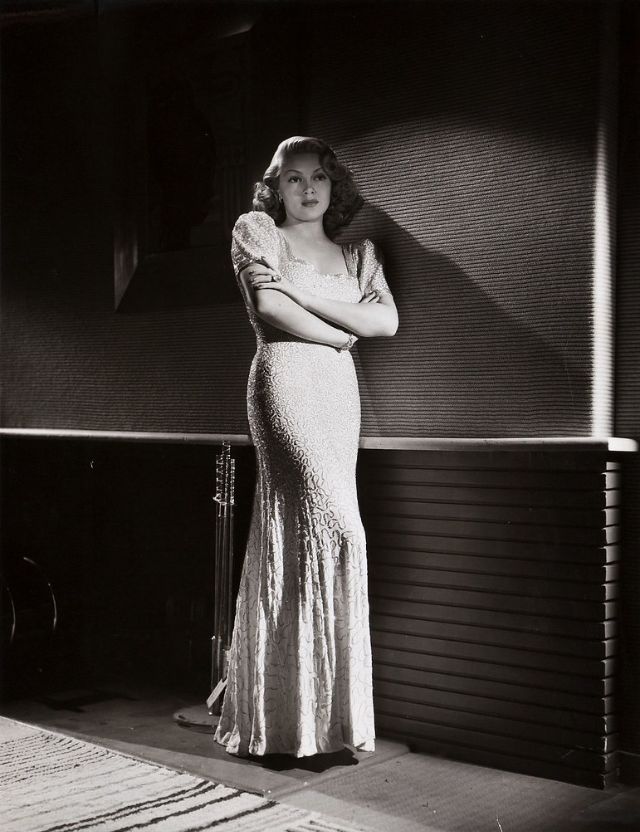
FEATURE image: Hedy Lamarr, M-G-M, 1940. Photograph by László Willinger (1909-1989).
PHOTO credit: Fair use.*
Hedy Lamarr, M-G-M, 1940. Photograph by László Willinger (1909-1989).
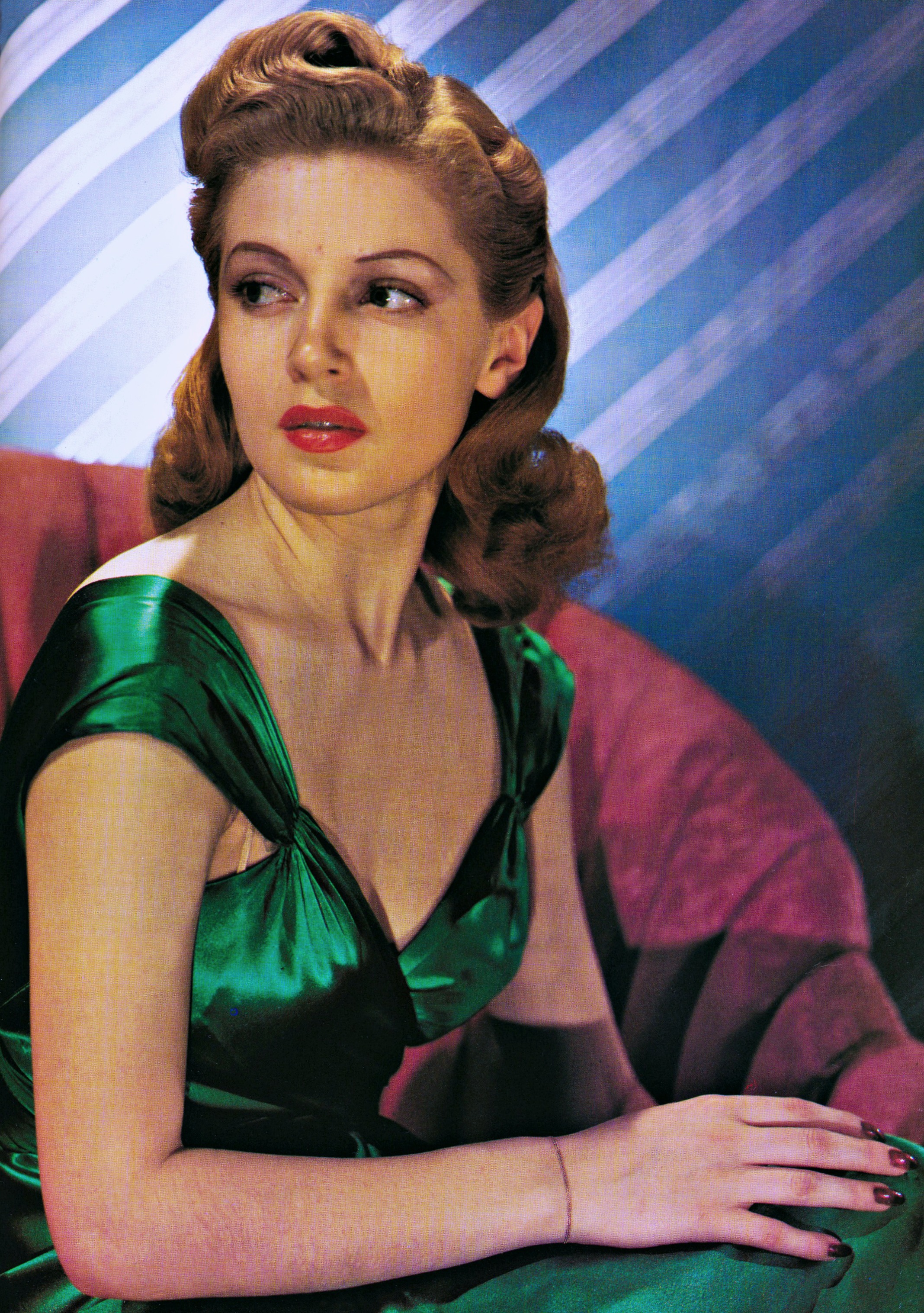
Hedy Lamarr (1914-2000) posed for the glamour portrait (above) in 1940. The legendary Austrian beauty in Hollywood was 27 years old. Since her first American film in 1938, Algiers from United Artists, Lamarr was believed to be the most beautiful women in the movies, if not the world. Her beauty was so great that when she entered a room all activity in it stopped so to admire her.
The publicity photograph of Lamaar was for the 1940 American adventure film Boom Town from Metro-Godwyn-Mayer. It co-stars Clark Gable, Spencer Tracy and Claudette Colbert. Boom Town was the highest grossing film of 1940.
Hedy Lamarr, 1939, László Willinger.
PHOTO credit: Fair use.*
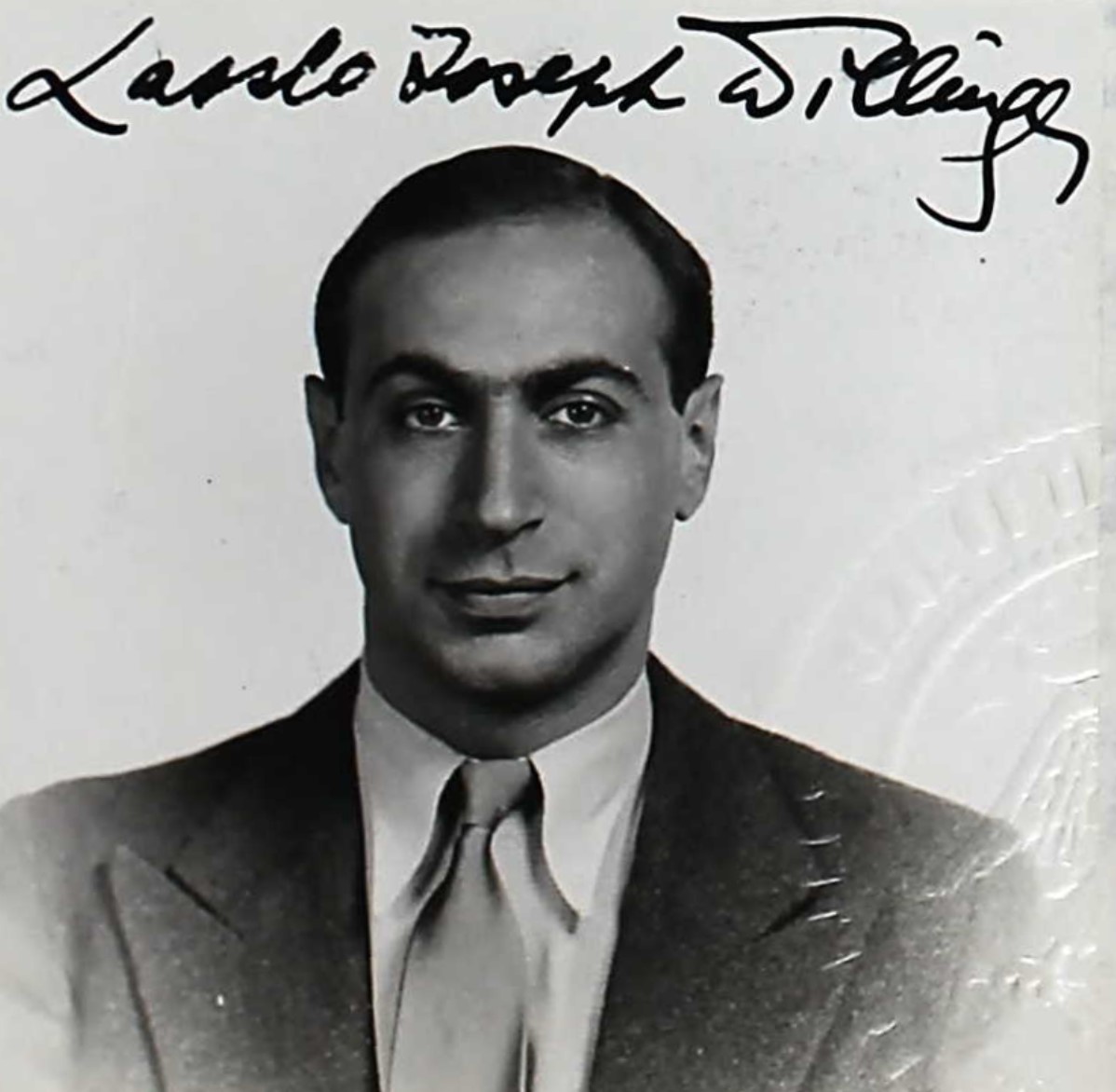
The beautiful color portrait of its co-star was taken by László Willinger (1909-1989). Willinger was a German-born emigré who made many glamour photographs of celebrities starting in the later 1930’s.
Sigrid Gurie, Charles Boyer and Hedy Lamarr, publicity still for Algiers. American 1938 film in Public Domain.
In Boom Town, Austrian-born Lamarr plays Karen VanMeer, a sophisticated and elegant corporate spy. She is recruited by Clark Gable who plays “Big John” McMasters, an oil speculator.
M-G-M splurged on its star power to turn a routine oil-well story into a four-time Academy Award-nominated money gusher called Boom Town. The field was crowded with new films in 1940 just from M-G-M studio, including 18 pictures in Technicolor. Escapism was still the most rewarding M-G-M product.
Producer Sam Zimbalist brought big names to the screen in Clark Gable, Spencer Tracy, Claudette Colbert, and Hedy Lamarr backed up by an “A” list screenplay and Jack Conway’s forceful direction. The movie was the first Gable made under a new seven-year contract with MGM.
Hedy Lamarr, 1938. Photograph by Clarence Sinclair Bull (1896-1979).
Lana Turner, Hedy Lamaar, Judy Garland. Publicity photo for M-G-M’s Zeigfield Girls, 1941. Public Domain**Hedy Lamarr, publicity photo for “The Heavenly Body,” M-G-M, 1944. Public Domain**
*The photograph copyright may be believed to belong to the distributor of the film, Metro-Goldwyn-Mayer, the publisher of the film or the graphic artist. The copy is of sufficient resolution for commentary and identification but lower resolution than the original photograph. Copies made from it will be of inferior quality, unsuitable as counterfeit artwork, pirate versions or for uses that would compete with the commercial purpose of the original artwork. The image is used for identification in the context of critical commentary of the work, product or service for which it serves as poster art. It makes a significant contribution to the user’s understanding of the article, which could not practically be conveyed by words alone. As this is a publicity photo (star headshot) taken to promote an actress, these have traditionally not been copyrighted. Since they are disseminated to the public, they are generally considered public domain, and therefore clearance by the studio that produced them is not necessary. (See- Eve Light Honthaner, film production expert, in The Complete Film Production Handbook, Focal Press, 2001 p. 211.) Gerald Mast, further, film industry author, in Film Study and the Copyright Law (1989) p. 87, writes: “According to the old copyright act, such production stills were not automatically copyrighted as part of the film and required separate copyrights as photographic stills. The new copyright act similarly excludes the production still from automatic copyright but gives the film’s copyright owner a five-year period in which to copyright the stills. Most studios have never bothered to copyright these stills because they were happy to see them pass into the public domain, to be used by as many people in as many publications as possible.” Kristin Thompson, committee chairperson of the Society for Cinema and Media Studies writes in the conclusion of a 1993 conference with cinema scholars and editors, that they “expressed the opinion that it is not necessary for authors to request permission to reproduce frame enlargements … [and] some trade presses that publish educational and scholarly film books also take the position that permission is not necessary for reproducing frame enlargements and publicity photographs.”(“Fair Usage Publication of Film Stills,” Kristin Thompson, Society for Cinema and Media Studies.)
**This work is in the public domain in the United States because it was published in the United States between 1927 and 1977, inclusive, without a copyright notice. Note that it may still be copyrighted in other countries.
FEATURE image: Madame Bovary (Jennifer Jones) and Rodolphe Boulanger (Louis Jourdan) waltz at the ball in a still from Metro-Goldwyn-Mayer’s 1949 film Madame Bovary directed by Vincente Minnelli. Fair Use.
In the 1949 film Madame Bovary directed by Vincente Minnelli, a beautiful and charming Madame Bovary (Jennifer Jones) meets wealthy Rodolphe Boulanger (Louis Jourdan) at a ball where he literally sweeps her off her feet. Selfishly aggravated by her husband Charles Bovary (Van Heflin) for not fitting into high society, Madame Bovary begins a love affair with Rodolphe. Though the pair scheme to elope to Italy, Rodolphe does not love Madame Bovary.
Filming began at M-G-M’s Culver City studios in mid-December 1948. Though producers wanted Lana Turner for the role of Emma Bovary, Minnelli preferred Jennifer Jones. The Academy-Award-winning actress (for “Song of Bernadette”) was glamorous which was a necessary dimension to the role of a woman with a repressed passion, but likely not to raise further issues with the Production Code Office that would be busy assessing the film’s controversial story.
The Waltz Scene was Filmed to the Music
One of the film’s most carefully wrought and delightful scenes is this ballroom sequence. It was one of the last segments to be shot. The film footage was tailored to Miklós Rózsa’s music. Minnelli explained to the composer in advance the camera movements so he could write the music in an arrangement for two pianos. The scene was then filmed to match it. Their artistic collaboration produced one of cinema’s most original scenes uniting robust music with weaving and gliding images on film.
Madame Bovary (Jennifer Jones) and Rodolphe Boulanger (Louis Jourdan) waltz at the ball. It is one of the film’s most delightful scenes and one of the last to be shot. Director Vincente Minnelli made certain its choreography carefully matched the music of Miklós Rózsa. Madame Bovary was nominated for an Oscar for Best Art Direction-Set Decoration, Black-and-White.
Beautiful and charming Emma Bovary (Jennifer Jones) is repulsed by her uncouth husband, Charles Bovary (Van Heflin), an undistinguished medical doctor, and begins an affair with Rodolphe Boulanger (Louis Jourdan). Their plans to elope, however, do not materialize as Emma hoped.
“Break the Windows” dramatizes a heroine’s transition into madness
As Rodolphe swirls her, Emma Bovary’s head spins until she becomes dizzy. The viewer sees her disorientation as the camera takes her viewpoint. She keeps dancing but asks for fresh air. Her request leads to an extraordinary and incredible reaction by the stewards. They start to smash the ballroom’s windows with chairs to help her cool down. This fantastically destructive action of broken glass aligns with the destruction of Emma’s romantic illusions throughout the film.
In reaction to Madame Bovary becoming dizzy while waltzing with a new lover, the stewards smash the ballroom windows to give her air. The extraordinary action ultimately becomes symbolic of the destruction of Madame Bovary’s romantic illusions with handsome, wealthy Rodolphe and her own descent into madness.
Night of Repressed Passion
Along with her husband’s boorish behavior at the ball and everywhere else, Madame Bovary’s romantic disappointment leaves her feeling publicly humiliated. Instead of love and excitement, Madame Bovary runs out of the ball in shame. Though she yearns for happiness and excitement, her pursuit of selfish pleasures ends in scandal and ruin.
Jennifer Jones as Madame Bovary offers a performance that is elegant and beautiful. It is equally insightful to the selfish and nervous personality of Flaubert’s fictional character.
A film poster for Vincente Minnelli’s Madame Bovary. Several different versions of the film poster were produced for the marketing of the 1949 film.
This publicity photo for Madame Bovary showed the love triangle of Madame Bovary (Jennifer Jones), her handsome lover Rodolphe Boulanger (Louis Jourdan), and her cuckolded husband Charles Bovary, a medical doctor (Van Heflin).
Thirty-year-old Jennifer Jones plays Gustave Flaubert’s doomed title character, Madame Bovary, from his 1856 serial novel.
Vincente Minnelli’s film of the same name offered two costume and wardrobe managers: Walter Plunkett for women and Valles for men.
Walter Plunkett (1902-1982) was a prolific costume designer who worked on more than 150 projects in his Hollywood career, including Gone With The Wind. In 1951, Plunkett shared an Oscar with Orry-Kelly and Irene Sharaff for An American in Paris.
Valles (1886-1970) specialized in men’s costumes at M-G-M. Valles received two Academy Award nominations, including Spartacus in 1960.
Van Heflin is Charles Bovary, whom Madame Bovary (Jennifer Jones) had loved and hoped to build a respectable life, but in whom she grew disillusioned.
In the role of Madame Bovary Jennifer Jones gives a performance beyond the superficiality of display or machination of melodrama and enters into the inner psychology of the character whose anxious egomania manifesting joy and elation is driven by disillusionment to deterioration and self-destruction. Director Vincente Minnelli worked closely with composer Miklós Rózsa to integrate the image, plot and characters with the musical score which the composer admired for its artistic cinematic outcome.
A unique example of the Valles’ costume design for Louis Jourdan and Walter Plunkett’s costume design for Jennifer Jones for the 1949 film Madame Bovary. The next year, in 1950, both Valles and Walter Plunkett were nominated for the Academy Award for Compton Bennett’s That Forsyte Woman/Saga.
Madame Bovary danced wildly with Rodolphe at the ball and loves him. The illicit couple plan to elope to Italy. But Rodolphe leaves for Italy without her and shatters Madame Bovary’s spirit and dreams.
Costumes were by award-winning Valles and Walter Plunkett, both award-winning Hollywood costume designers.
Madame Bovary (Jennifer Jones) is indulged by an unscrupulous shop-keeper as she lives beyond her means in the pursuit of happiness. She takes on a heavy debt that is impossible to pay back.
The film plot is told from the point of view of the author, Gustave Flaubert (James Mason). A legal proceedings takes place where Flaubert is accused of corrupting morals by writing Madame Bovary. It is an historical fact that, in 1858, Flaubert and his publisher had faced government charges of immorality for Madame Bovary. But the outcome of the trial was that Flaubert was completely acquitted.
Charles, who never stopped loving his wife, begs her to wait for a doctor to arrive. Madame Bovary sighs, “Oh, Charles, why are you always trying to save me?”
From the waltz scene through to her death scene Jennifer Jones as Madame Bovary offers a performance that is elegant and beautiful. It also provides insight into the contradictions offered by a selfish and nervous personality.
In the end Madame Bovary finds that her own death is more attractive to her than living with her shattered dreams.
A 1949 film poster for Madame Bovary that includes a publicity head shot of James Mason as Gustave Flaubert, the novel’s French author.
Minnelli’s film is told in flashback through the character of Flaubert who is on trial for charges of immorality for writing the novel. After Flaubert’s work was serialized in the Revue de Paris in 1856, the government charged and tried the author and his publisher for immorality. Both were acquitted in 1859. After Madame Bovary appeared in book form in France, it became an instant classic.
Vincente Minnelli directs Jennifer Jones and Louis Jourdan in a scene from Madame Bovary.
Reviews from film critics had been mixed and Madame Bovary lost money at the box office. Whether it is the fault of the film-makers or the unhappy story becomes a debatable point.
Reviews for Madame Bovary, released in late August 1949, were mixed with the film not recouping its full production costs.
*The photograph copyright may be believed to belong to the distributor of the film, Metro-Goldwyn-Mayer, the publisher of the film or the graphic artist. The copy is of sufficient resolution for commentary and identification but lower resolution than the original photograph. Copies made from it will be of inferior quality, unsuitable as counterfeit artwork, pirate versions or for uses that would compete with the commercial purpose of the original artwork. The image is used for identification in the context of critical commentary of the work, product or service for which it serves as poster art. It makes a significant contribution to the user’s understanding of the article, which could not practically be conveyed by words alone. As this is a publicity photo (star headshot) taken to promote an actress, these have traditionally not been copyrighted. Since they are disseminated to the public, they are generally considered public domain, and therefore clearance by the studio that produced them is not necessary. (See- Eve Light Honthaner, film production expert, in The Complete Film Production Handbook, Focal Press, 2001 p. 211.) Gerald Mast, further, film industry author, in Film Study and the Copyright Law (1989) p. 87, writes: “According to the old copyright act, such production stills were not automatically copyrighted as part of the film and required separate copyrights as photographic stills. The new copyright act similarly excludes the production still from automatic copyright but gives the film’s copyright owner a five-year period in which to copyright the stills. Most studios have never bothered to copyright these stills because they were happy to see them pass into the public domain, to be used by as many people in as many publications as possible.” Kristin Thompson, committee chairperson of the Society for Cinema and Media Studies writes in the conclusion of a 1993 conference with cinema scholars and editors, that they “expressed the opinion that it is not necessary for authors to request permission to reproduce frame enlargements … [and] some trade presses that publish educational and scholarly film books also take the position that permission is not necessary for reproducing frame enlargements and publicity photographs.”(“Fair Usage Publication of Film Stills,” Kristin Thompson, Society for Cinema and Media Studies.)
Michèle Mercier (born New Year’s Day 1939) is a French actress perhaps best known for playing the lead role of Angélique in the mid1960s film series of the same name based on the 1956 sensational novel Angélique, the Marquise of the Angels by husband and wife writing team of Anne and Serge Golon. Their mid-17th century character was based on a real life Suzanne du Plessis-Bellière who was one of France’s most famous women from the time of Louis XIV, the Sun King. The historical Suzanne first appeared in a French novel in the mid-nineteenth century, one by Alexandre Dumas, père, called Le Vicomte de Bragelonne, ou Dix ans plus tard. Similar to these 5 films inspired by the Golons’ novel of (by 1961) six books — Angélique, the Marquise of the Angels which is the first book published in 1957 (the novel expanded to 13 books after the 1964 film’s release) — Dumas’s novel, the third of his d’Artagnan trilogy, was also serialized in popular media from 1847 to 1850.
Michèle Mercier as Angélique is a French Italian beauty who has entered the pantheon of screen goddesses based largely on the legendary five-film role that stretched from 1964 to 1968.
For the part of Angélique, many other beautiful and more famous actresses were approached before Michèle Mercier who was little known in the French cinema at the time. Seasoned French film producer Francis Cosne (1916-1984) wanted sex symbol Brigitte Bardot to play the part, but she rejected the offer. Young Catherine Deneuve was considered perhaps too naive for the lusty role. American Jane Fonda spoke French but could an American play fully a quintessentially French role? Italian beauty Virna Lisi was too busy doing Hollywood films. Not being already famous eliminated statuesque Danish actress Annette Stroyberg from the running until ultimately Michèle Mercier was decided upon after almost losing the part to French actress Marina Vlady who at the last minute didn’t sign the contract.
Michèle Mercier as Angélique.
When the opportunity of Angélique presented itself to Michèle Mercier, she was a relative newcomer to the French cinema – but this was not the case for her either in French theatre arts or Italian films where before 1964 she had acted in over 20 of them. With a father who was French and mother who was Italian, Michèle Mercier from her early teens growing up in Nice, France, was determined to be a professional ballet dancer. In 1957, at 17 years old, she moved to Paris which was a decision that changed her life. By 1960, when she was just 20 years old, she was acting in French New Wave film director François Truffaut’s second film, Shoot The Piano Player.
After Angélique, the Marquise of the Angels was released — an unlikely heroine’s role where Angélique’s singular flaming red-haired beauty is acknowledged throughout — the role became a blessing and a curse for the budding actress Michèle Mercier. It catapulted her to instant stardom so that her fame rivaled sex symbol Brigitte Bardot in celebrity and popularity, but the role in 5 popular films typecast her and effectively ended her film career almost as soon as it started. Following the first Angélique film in 1964 Michèle Mercier starred in four sequels that includes Merveilleuse Angélique in 1965, Angélique et le Roy in 1966, IndomptableAngélique in 1967 and Angélique et le Sultan in 1968. All these films in the series were directed by French film director Bernard Borderie (1924-1978) and starred Michèle Mercier which bestowed upon the stories a consistent filmic world but also encased the beautiful star in a popular role that was virtually impossible to escape from.
Following the fifth and final film of the Angélique series in 1968 the French Italian beauty went on to make six more films before her career ended in 1972. Although Michèle Mercier had always appeared in a variety of film genres – the actress played dozens of other women besides Angélique – it was for this 17th century fictional character in five memorable films in 1960’s France that has affixed her into the pantheon of screen goddesses for which she receives enduring adoration today.
Michèle Mercier in 1965.
Michèle Mercier on the cover of the April 20-26, 1968 French weekly magazine, Télé 7 Jours with Jacques Chazot. In these months, Michèle Mercier was riding high in the Angélique film series. Indomptable Angélique had been released in October 1967 and was a world-wide smash hit. In the film, Angélique discovers that her first husband is alive and she Angélique travels to the South of France not realizing he is now an infamous pirate. Angélique is captured by slave traders and taken far away to Crete where they intend to sell her. In March 1968, Angélique et le Sultan had just been released. It became the fifth and unintended final entry in the Angélique series based on the novels of Anne and Serge Golon. A planned sixth film called Angelique the Rebel was announced but never made.
1964: Angélique, Marquise des Anges Michèle Mercier as Angélique Directed by Bernard Borderie Released December 8, 1964 Distributed by S.N. Prodi; Gloria Film; Butcher’s Film Distributors
1965: Marvelous Angelique (Merveilleuse Angélique) Michèle Mercier as Angélique Directed by Bernard Borderie Released July 7, 1965 Distributed by S.N. Prodi; Gloria Film
1966: Angelique and the King (Angélique et le Roy) Michèle Mercier as Angélique Directed by Bernard Borderie Released February 4, 1966 Distributed by Gloria Film
1967: Untamable Angelique (Indomptable Angélique) Michèle Mercier as Angélique Directed by Bernard Borderie Released October 27, 1967 Distributed by S.N. Prodi; Gloria Film
1968: Angelique and the Sultan (Angélique et le Sultan) Michèle Mercier as Angélique Directed by Bernard Borderie Released March 13, 1968 Distributed by S.N. Prodi; Gloria Film
Carolina Crescentini is an Italian film and television actress who has appeared in more than 20 films since 2006. Born in Rome in 1980 (April 18) Carolina grew up in the elegant Monteverde Vecchio district. Not unlike Grace Kelly of Philadelphia, Carolina wanted to become an actress from an early age and studied and worked diligently in the craft.
Carolina attended Italian acting schools including the Centro Sperimentale di Cinematografia – or, The Center for Experimental Cinematography. This Italian institution hosts a national film archives (Cineteca Nazionale) as well as one of Italy’s most prestigious film acting schools (Scuola Nazionale di Cinema).
Soon after, Carolina began her acting career in television commercials, short films and music videos. The blonde beauty whose stage presence is similar to Kate Hudson and whose fashion savvy is like Chloë Sevigny got her first big break in films from another Centro Sperimentale di Cinematografia alumni – Fausto Brizzi.
It was in the sequel to Brizzi’s 2006 film Notte prima degli esami (The Night Before The Exams). The original film was a phenomenon in Italy. It earned around 15 million euros and won the David di Donatello Award (the Italian Oscar) and several more awards.
In Brizzi’s 2007 hit Italian teen comedy Notte prima degli esami – Oggi (The Night Before The Exams – Today), Carolina Cresentini plays Azzurra, the love interest of the main character. Where Brizzi’s 2006 teen comedy is set in Rome in 1989, the 2007 sequel which featured many of the same actors in the same roles—with the addition, of course, of Carolina Crescentini— it is set in the summer 2006. This is the same summer Italy played for the World Cup which they won that year.
Brizzi’s sequel and Carolina’s first major film was an even bigger hit than the original. Even the French film industry made a version of Notte prima degli esami calling it Nos 18 ans and featuring French teenagers set in 1989.
Carolina Crescentini in a still photo from the pillow fight scene in Notte Prima degli Esami – Oggi (2007). The film gave the the Italian actress her breakout role.
Italian actors Nicolas Vaporidis and Carolina Crescentini during filming of Notte Prima Degli Esami – Oggi. About six months later they starred again together in the film thriller Cemento armato.
The pillow fight scene in Fausto Brizzi’s sequel Notte Prima degli esamei – Oggi. It is where Luca (Nicolas Vaporidis) and Azzura (Carolina Cresecentini) first meet. A box office smash in Italy, it was Carolina Crescentini’s first major film and started her on the road to stardom. In Italian. (3.22 minutes).
Within the year of her first major film Carolina immediately co-starred with Italian star Nicolas Vaporidis in Cemento armato (Concrete Romance). It is a 2007 Italian neo-noir thriller directed by Marco Martani. Crescentini’s dramatic performance as Asia, a rape victim, earned her a Best Actress nomination at the prestigious Nastro d’Argento (Silver Ribbon) Awards.
The next year, in 2008, Carolina was nominated for a David di Donatello Award for Best Supporting Actress for playing Benedetta, a fragile and spoiled rich beauty pursued by Silvio Muccino in Parlami d’amore (Speak to me of love). The film became another smash hit in Italy that year.
The trailer for Cemento armato. In a role that earned her a Best Actress nomination at the Nastro d’Argento awards in 2008, blonde beauty Carolina Crescentini wears her hair dark which matches the film’s often violent character. In Italian (1.27 minutes).
Carolina Crescentini’s performance in the Italian thriller Cemento armato (Concrete Romance) earned her a Best Actress nomination in 2008.
Before becoming an actor, Carolina Crescentini thought she would be an art or film critic. Reading about tennis star Andre Agassi.
Carolina Crescentini’s beauty has been called special. A blonde with gentle features, her beauty captivates yet does not immediately overwhelm. Her attraction is fed by details: blue eyes surrounded by sensual dark circles that give an uneasy and lived-in air.
Carolina Cresentini at the 66th annual Venice International Film festival, held in Venice, Italy, in September 2009. Maria Grazia Cucinotta served as the festival’s hostess.
A scene from Carolina Crescentini’s third film Parlami d’amore (Speak to me of love) in a role which led to her being nominated for a David di Donatello Award for Best Supporting Actress. Her co-star is Silvio Muccino. (2:34 minutes).
Carolina at the premiere of Tell me About Love (Parlami d’Amore).
Carolina made films where her roles were smaller but memorable. She played Anna in veteran Italian director Giuliano Montaldo’s I demoni di San Pietroburgo (The Demons of St. Petersburg). It is a bio-pic about Russian novelist Fyodor Dostoevsky. With a soundtrack by prolific Ennio Morricone, Carolina said her experience for this 2008 film on location in Russia was very beautiful.
The trailer from The Demons of St. Petersburg which was one of Carolina Crescentini’s favorite films to work on. It is a biopic of Fyodor Dostoyevsky shot on location in Russia featuring an all-star international cast. (1:41 minutes).
Playing Anna in The Demons of Saint Petersburg (2008) which Carolina described as a beautiful film work experience.
In 2010 Carolina’s body of work was again recognized by winning the Giuseppe De Santis Award for Best Female Newcomer as well as the Giffoni Award at that venerable international children’s film festival.
In 2011 Carolina won the People’s Choice Ciak D’Oro award for Best Supporting Actress playing Corinna in the 2011 Italian comedy film Boris-Il Film which was based on a popular Italian TV series of the same name.
From Boris-Il Film (58 seconds):
Carolina Crescentini as Corinna in Boris-Il Film.
Carolina Crescentini dressed in Ferragamo for a press conference in Rome for Boris-Il Film. Part of the SS2011 collection it is elegantly detailed within a warm and refined tone. Carolina chose to combine a double-breasted jacket with brown high heel boots for a delightfully easy look.
Carolina Crescentini at the D&G SS10 Fashion Show.
In 2010 Carolina Crescentini appeared in the film “Twenty Cigarette” about a survivor of the 2003 Nasiriyah bombing in Iraq. Carolina commented that the film was an authentic story told straight-forwardly, and with sensitivity and respect for the feelings of the fallen family.
Carolina Crescentini plays Angelica in the 2009 Italian comedy film “Generazione 1000 euro” written and directed by Massimo Venier. The film received two Nastro d’Argento nominations for best comedy film and for best supporting actress.
Excerpt from a trailer for the 2009 Italian comedy film Oggi sposi (Just Married) directed by Luca Lucini where Carolina plays Glada. The movie is about a reformed ladies’ man who has his heart set on marrying the daughter of the Indian ambassador. (56 seconds)
In the 2011 award-winning drama film The Entreprenuer (L’Industriale), Carolina worked again with director Giuliano Montaldo. It follows the story of a businessman facing extreme challenges to make his enterprises successful. A press event above with the director and cast (4:07 minutes) is followed by a clip below featuring Carolina Crescentini and Pierfrancesco Favino in a scene from the Italian Golden Globes Best Film.
Carolina Crescentini and Pierfrancesco Favino in The Entrepreneur (2011) directed by Giuliano Montaldo.
In addition to regular work in Italian TV series and movies including the series I bastardi di Pizzofalcone (2017) and movie Donne:Pucci (2016), Carolina Crescentini is a fashion icon in Italy wearing designs by prestigious fashion houses, both old and new, Italian and international.
Carolina has appeared on magazine covers including her shoot for Playboy in May 2010. Carolina said that in shots must have been “photoshopped” becausee in them she can’t recognize herself.
Tu Style Magazine, Italy (9 May 2016)
Carolina’s recent film work includes Tempo instabile con probabili schiarite (Partly Cloudy with Sunny spells), a 2015 Italian comedy about business partners who find oil on their land at the same time their furniture factory is going out of business. Carolina plays Elena, the wife of the lead.
She also appeared in the discomfiting satiric film called Pecore in erba (The Sheep in the Meadow, a.k.a. Burning Love) written and directed by Alberto Caviglia which debuted at the Venice Film Festival in 2015.
In 2015 Carolina worked once again with veteran Italian film directors— this time the brothers Taviani in their wry Maraviglioso Boccaccio (Wonderous Boccaccio). The film is based on vignettes from the fourteenth centuryThe Decameron. Both the book and the film premiered in Florence, albeit six centuries apart.
Trailer for the wry and witty 2015 film Maraviglioso Boccaccio directed by veteran Italian film directors Paolo and Vittorio Taviani (1:34 minutes):
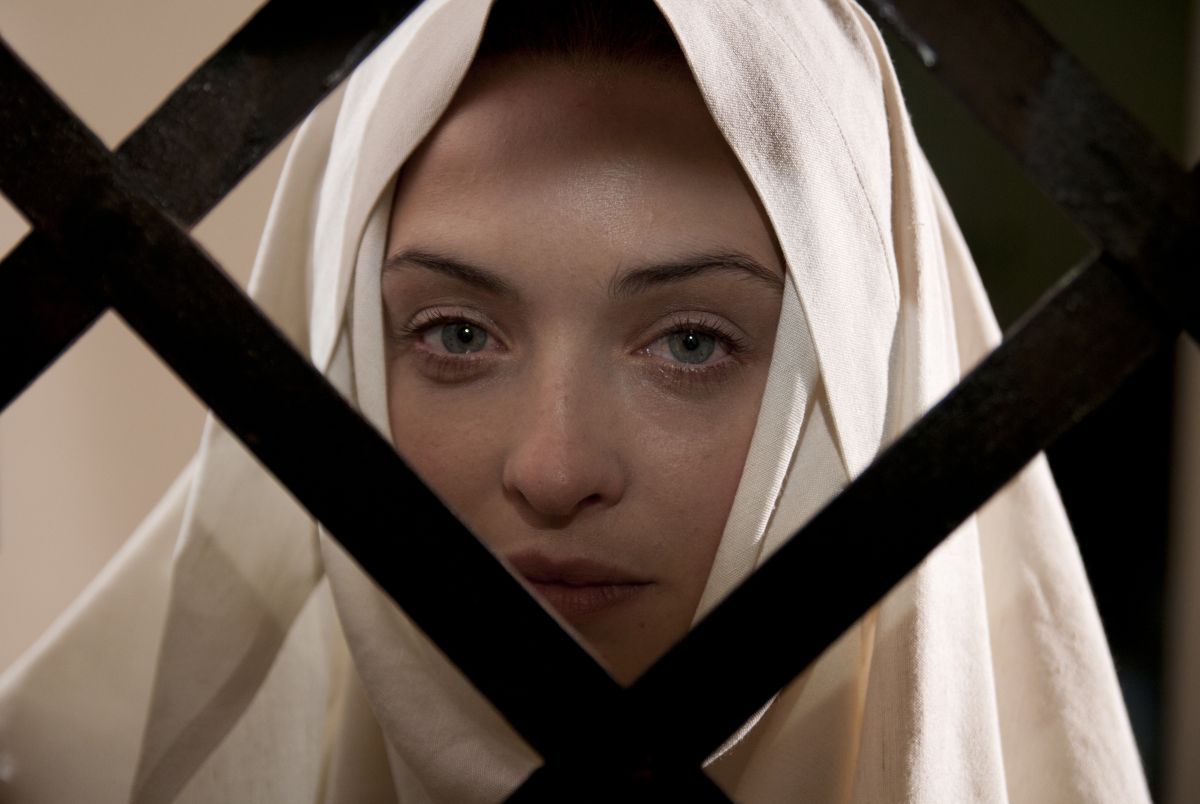
Marvelous Boccaccio: Carolina Crescentini in a scene where she plays a wayward nun.
A scene from Maraviglioso Boccaccio featuring Carolina Crescentini as Isabetta, a wayward novice. Featured is Paola Cortellesi as the convent’s superior. (3.02 minutes)
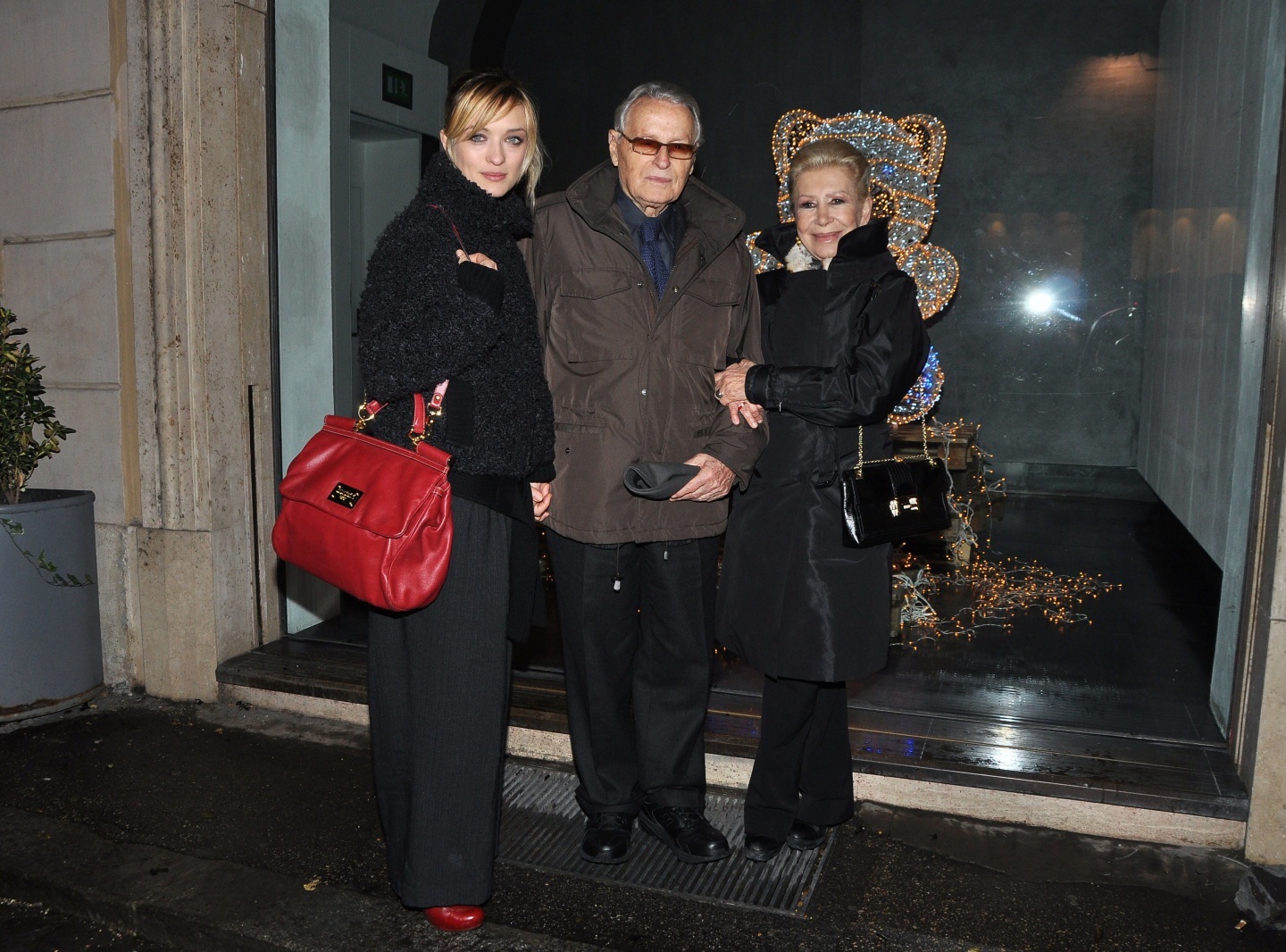
Carolina Crescentini, costume designer Piero Tosi and Anna Fendi.
FEATURE Image: Saint Francis kissing the leper, Zacarías González Velázquez, oil on canvas, c. 1787, 217×264 cm, Prado. The painting is part of a serial of thirty-three scenes on the “Life of Saint Francis” commissioned for the Basilica of Saint Francis the Great in Madrid done by multiple Spanish painters. The artist was inspired by Saint Bonaventure’ biography of St. Francis that recounts this scene of Francis, dressed in the luxurious clothes of a rich knight, as he dismounts from his steed to kiss a leper. see – Saint Francis Embracing a Leper – The Collection – Museo Nacional del Prado – retrieved October 4, 2017.
By John P. Walsh
Come la notte Francesco pregando nella selva incontro il lebbroso —or, in English, “How St. Francis praying one night meets a leper.”
Starting at 38:15 minutes, a dramatic five-minute scene in the middle of Roberto Rossellini’s 1950 Italian film Francesco, giullare di Dio (Francis, God’s Jester or The Flowers of St. Francis), shows a medieval St. Francis of Assisi (c. 1181-1226) seeking out and embracing the time-honored social outcast—a leper.
Following this embrace—an encounter young Francis up to this point in his life had seriously avoided—the saint falls to the ground and, in tears cries out: “My God. My Lord and my all! O great God!”
Beginning at 41:00, the 5-minute scene of St. Francis of Assisi embracing the leper in Roberto Rosseliini’s 1950 film, Francesco, giullare di Dio, captures the pivotal moment of spiritual transformation of St. Francis, demonstrating his humility, compassion, and obedience to God. By embracing the leper, whom Francis previously feared and loathed, the rich young man from Assisi overcame his own limitations and signaled the start of his true life in God.https://youtu.be/bHHH6kP3hGE?si=peIL38eajdR53KNi – retrieved January 29, 2026.
Is the film scene historically accurate?
The event of the embrace is historically accurate though dramatized in Rossellini’s film after Francis’s brotherhood is established. Rather, in history it occurred at the beginning of the Italian saint’s conversion – in fact, was its cause. This is an important distinction since the embrace was most significant for St. Francis. It could even be argued that without Francis’s embrace of the leper, there would be no St. Francis of Assisi at all.
In Francis’s own Testament written in 1225—one year before his death at 44 or 45 years old—the saint stated directly that his embrace of the leper became the cause of his conversion.
For a rich young man such as Francis in medieval Europe who, during an age of many French popes, sought chivalric glory in military arms, he naturally spurned the contagion of leprosy that was an incurable disease and diligently avoided lepers. As Francis put it, when he embraced the leper he “exercised mercy” to him as Francis bridged his natural ambition and religious doubt with trust in God’s grace by embracing Assisi’s despised.
In that way, the leper— a common sight throughout medieval Europe and one that readily filled the lighthearted Francis with horror—became the astonishing means for the saint’s conversion of faith.
Special order of knights founded by pope cared for lepers in Italy.
In thirteenth-century Europe, by law lepers had to live apart from the rest of society owing to their contagious infectious disease.
As early as the 6th century under Pope St. Symmachus (495–514) there were general hospitals in Rome that cared for lepers though a network of specialized leper houses became more prevalent by the 11th-century. In 1130, the hospitaller and military Order of Saint Lazarus was established so that at the Third Lateran Council in 1179, two or three years before St. Francis’s birth, Pope Alexander III helped formalize the church’s role in the care of lepers, emphasizing their separation for care rather than mere social isolation.
St. Thomas Becket takes leave of Pope Alexander III in the autumn of 1165. 13th century miniature attributed to Matthew Paris, British Library. Public domain.
In the time period that Rossellini’s poignant film scene is set — it is either 1205 or 1206—there existed in Europe tens of thousands of church-run “hospitals” for lepers. One such leper hospital was a short walk outside Assisi’s town walls. Called San Salvatore delle Pareti, the leper hospital near Assisi that began to intrigue a young Francis is today a farm field.
Before his famous encounter of embracing the leper, Francis —then around 24 years old—had to work up gradually to the crucial moment of embracing a leper.
After Francis gave up his several quests to be a soldier, he returned to Assisi disappointed and disenchanted. Though he found refuge in the embrace of family and childhood friends, the same impulses that led Francis to abandon a military career even before it started, now prompted him to walk beyond the comforts of Assisi’s walls onto the road that led to the leper hospital.
Young Francis visits the leper hospital — and it changes his life.
Near the hospital, Francis interacted very tentatively, first with those caring for lepers —a charitable church activity first recognized by Pope Gregory the Great (540-604 CE)—and then at times with the lepers themselves.
Miniature of Gregory the Great writing under the inspiration of the Holy Spirit, in a 12th-century copy of his Dialogues, British Library, London.
To start, it was the sickening smell peculiar to the leper hospital wafting into Francis’s nostrils that made him flee.
But as his visits continued Francis—who by now was living as a hermit— journeyed to the leper hospital to leave them a charitable gift. After leaving it on the roadside, Francis vanished as bell-clanging lepers appeared.
It took Francis many more visits to the leper hospital as well as, in solitude, dwelling on his own thoughts and prayers to finally reach what he believed was God’s answer for him.
As clearly dramatized in Roberto Rossellini’s wonderful film, Francis discovered a deeper courage and confidence in himself—and in the same moment a supernatural faith— when along the road to the leper hospital he stepped up to leave for the leper the charitable embrace of one of the rich sons of Assisi.
Yet, following that encounter, Francis realized that the leper had given him a gift also.
After that Francis was free to profoundly pursue whatever track God called him to run. Francis could now be called to renounce the world’s riches. He married his “Lady Poverty” in their joyous mystical marriage so that even today, in the 21st century, poverty remains a major Franciscan charism. Francis and Lady Poverty have been married for over 800 years.
Following a lifetime spent in heroic Franciscan mendicancy, this world-famous Umbrian saint “Francesco” proclaimed to his Franciscan family and the world that it was at that exact moment when he embraced the leper—and the leper embraced him—that a life in and for God truly started.
St. Francis of Assisi has the indelible mark of the leper. He conquered fear and embraced the other in love no matter how godforsaken. Done in the context of divine trust and love, that faith-filled action set each man free.
SOURCE: St Francis of Assisi: A Biography by Johannes Jørgensen (1912). Translated from the Danish with the author’s sanction by T. O’Conor Sloane, Image books, 1955.
Sassetta (c.1392-c.1451), St. Francis in Ecstasy, back of the Sansepolcro altarpiece, 1437-44, Panel, 80 3/4 x 48 inches. Villa I Tatti, Florence.
FEATURE image: Marlene Dietrich. Paramount, 1947. Photograph by A.L. “Whitey” Schafer. The actress was appearing in Golden Earrings, a 1947 romantic spy film made by Paramount Pictures and starring Ray Milland and Marlene Dietrich.*
Photographer A. L. “Whitey” Schafer (1902-1951) was a still photographer who started shooting stills in 1923 and continued in that line of work at Columbia Pictures when he moved there in 1932. Personally outgoing, Schafer was appointed head of the stills photography department at Columbia three years later. In the 1940’s Shafer wrote copiously on his craft and advocated for techniques in glamour photography that are seen in this Dietrich color portrait.
Born in in Salt Lake City and growing up in California, “Whitey” Schafer ran the leading portrait gallery at Columbia in the 1930’s and early 1940’s. His work contributed to the emerging stardom of Rita Hayworth. Unknown photographer, May 1936, Motion Picture Studio Insider. Fair use.
“Whitey” Schafer wrote an important book on glamour photography
In 1941 Schafer published Portraiture Simplified, a book in which he argues that “portraiture’s purpose is the realization of character realistically.” Among his technical observations Schafer wrote elsewhere that “composing a portrait is comparable to writing a symphony. There must be a center of interest, and in all portraits this naturally must be the head, or your purpose is defeated. Therefore, the highest light should be on the head.”
In 1941 Schafer replaced Eugene Richee (1896-1972) as department head of still photography at Paramount Studios. Schafer remained in that position where he photographed the stars until he died at 49 years old in an accident in 1951.
MARLENE DIETRICH
Marlene Dietrich. Paramount, 1947. Photograph by A.L. “Whitey” Schafer.
This Hollywood glamour portrait of forty-six-year-old Marlene Dietrich (1901, Berlin – 1992, Paris) wearing a green turtleneck sweater was taken when the movie actress was starring in Golden Earrings, a romantic spy film made by Paramount Pictures. It was her comeback film following World War II.
The film’s song, “Golden Earrings,” with music by Victor Young (1900-1956) and lyrics by Ray Evans (1915-2007) and Jay Livingston (1915-2001) was sung in the movie by actor Murvyn Vye (1915-1976). It was a hit recording in 1947-48 by Peggy Lee.See- https://digital.library.unt.edu/ark:/67531/metadc1633213/m1/#track/4
1940s blondes
Like other leading ladies in the 1940’s, the Hollywood glamour machine transformed Dietrich into a golden-haloed blond which accentuated her magnificent cheekbones and sultry eyes under penciled-arc eyebrows and painted nails that A.L. “Whitey” Schafer’s color portrait makes evident.
It was also in 1947—the same year that the photograph was made— that Dietrich received the Medal of Freedom. Dietrich called it her life’s proudest achievement.
While Golden Earrings was a decent film, its main purpose was to provide the actress with a job. It led into her next project—the 1948 American romantic comedy A Foreign Affair directed by Billy Wilder. That film made Dietrich again a top star.
Following Dietrich’s meteoric rise at Paramount Pictures starting in 1930 her acting parts later stagnated as film directors —including Josef von Sternberg and others—seemed to use her more as a piece of expensive cinematic scenery than as a serious dramatic actress.
From Paramount Pictures, A Foreign Affair is a 1948 American romantic comedy-drama film directed by Billy Wilder. The film made Marlene Dietrich once again a top star in the post-war years.
ELIZABETH TAYLOR.
Elizabeth Taylor. M-G-M, 1949. Photograph by Hymie Fink.
Though still a teenager, Elizabeth Taylor (1932-2011) in 1949 when the publicity still photograph was made, was celebrated as the new generation’s great beauty. In 1942, at 10 years old, Elizabeth made her film debut and her life and beauty blossomed over the decade in front of the cameras. The photograph captures Taylor after she made a little over a dozen films.
In 1950 she co-starred in M-G-M’s comedy film, Father of the Bride. Directed by Vincente Minnelli, Taylor played Kay, the daughter of Stanley T. Banks (Spencer Tracy) who is trying to cope with the preparations for her wedding day.
In 1950 Elizabeth Taylor co-starred in Father of the Bride, M-G-M’s comedy film that was nominated for three Academy Awards. It was directed by Vincente Minnelli.
WHO IS HYMIE FINK? HIS IDENTITY REMAINS A MYSTERY
Who was Elizabeth Taylor’s photographer, Hymie Fink? Was Hymie Fink a studio photographer? Freelancer? Pseudonym for an unknown talent or combination of unknown talents?
His name appears among the stars starting in the late 1930’s until his death was announced by Hedda Hopper in the mid-1950’s. The gossip columnist ended her newspaper column for September 28, 1956 with this epitaph: “Hymie Fink, one of the sweetest men in Hollywood, died of a heart attack on Jane Wyman’s TV set. Hymie photographed every star and every major event in (Hollywood) for twenty-five years.”
Hedda Hopper (1885-1966) was a powerful voice in Hollywood whose gossip columns were read by tens of millions. “Hedda Hopper” by Baron Adolph de Meyer, 1 Sep 1868 – 6 Jan 1946 is marked with CC0 1.0.
LANA TURNER.
Before she became in the 1940’s the well-known Hollywood sensuous platinum blonde of movie legend and fame, Lana Turner (1921-1995) was a pretty redhead from Idaho named Julia Jean Turner.
Lana Turner. 1939, photograph by László Willinger.*
Lana Turner, 18 years old in this unretouched color portrait by László Willinger (1909–1989), had been discovered three years earlier. Her discovery in a malt shop near Hollywood High School where she was a student, has entered the annals of show-biz mythology. Her discovery’s immediate result was a movie contract with producer-director Mervyn LeRoy (1900-1987).
László Willinger
Hungarian-born photographer László Willinger started his professional career in Vienna, Austria. He left Europe for America in 1937 where he joined M-G-M that same year. Soon after, he made this lush shot of 18-year-old Lana Turner in a silky green dress seated on a red divan (or chair) with her head turned and looking to one side with slightly bloodshot eyes.
Willinger’s color portrait of red-headed Lana Turner emphasizes the sensuality of her personality manifested in her full red sensuous lips and painted nails. In 1944, László Willinger left MGM and established his own photography studio in Hollywood. For the next 40 years he successfully practiced his craft.
László Willinger’s portrait photography career of film stars and celebrities started in 1937. Public Domain.
“America’s Sweater Sweetheart”
The title of Lana Turner’s first film in 1937 for Warner Brothers was They Won’t Forget. The title proved prophetic for Lana Turner’s Hollywood career as she went on to make over 50 glamorous films, most of them at M-G-M.
Lana Turner was only 16 years old when she debuted in a part that totaled about five minutes screen time. At one point, in this scene of about 20 seconds, she struts in a tight-fitting sweater and cocked beret that made her an overnight national sex symbol.
Lana’s image in her film debut created such a stir among movie-going audiences that gossip columnist Walter Winchell (1897-1972) coined her “America’s Sweater Sweetheart.” Over the next 20 years, a bevy of Hollywood actresses would wear tight sweaters over specialty bras that emphasized the bust line in the hope of sparking the same Lana Turner movie success story for themselves.
Walter Winchell, influential newspaper gossip columnist and radio news commentator, dubbed 16-year-old Lana Turner in 1938,” America’s Sweater Sweetheart,” and the moniker stuck. “Walters Winchell Julius 1” by Goosefriend is licensed under CC BY 2.0.
New Jean Harlow?
Lana was originally being groomed to be the new Harlow. She followed the sex-bomb script in full force in 1941 when the studio dyed her hair whitish blonde for Ziegfeld Girl. Lana co-starred with Judy Garland and Hedy Lamarr and stole the show.
Lana Turner in Ziegfeld Girl in a photograph by Eric Carpenter, 1941. Fair use.
About her own reputedly rowdy personal life in those M-G-M years, Lana Turner later remarked: “My plan was to have one husband and seven children, but it turned out the other way…”
SOURCES:
DIETRICH – “Miss Dietrich to Receive Medal,” The New York Times, November 18, 1947; https://ladailymirror.com/2013/11/04/mary-mallory-hollywood-heights-mdash-a-l-whitey-schafer-simplifies-portraits/; http://vintagemoviestarphotos.blogspot.com/2014/11/a-l-whitey-schafer.html; They Had Faces Then. Annabella to Zorina: The Superstars, Stars and Starlets of the 1930’s, John D. Springer and Jack D. Hamilton, Citadel Press, Secaucus, New Jersey, 1974. Hollywood Color Portraits, John Kobal, William Morrow and Company. Inc., New York, 1981. https://www.aenigma-images.com/2017/04/a-l-whitey-schafer/ PHOTO CREDIT – *The photograph copyright may be believed to belong to the distributor of the film, Paramount, the publisher of the film or the graphic artist. The copy is of sufficient resolution for commentary and identification but lower resolution than the original photograph. Copies made from it will be of inferior quality, unsuitable as counterfeit artwork, pirate versions or for uses that would compete with the commercial purpose of the original artwork. The image is used for identification in the context of critical commentary of the work, product or service for which it serves as poster art. It makes a significant contribution to the user’s understanding of the article, which could not practically be conveyed by words alone. As this is a publicity photo (star headshot) taken to promote an actress, these have traditionally not been copyrighted. Since they are disseminated to the public, they are generally considered public domain, and therefore clearance by the studio that produced them is not necessary. (See- Eve Light Honthaner, film production expert, in The Complete Film Production Handbook, Focal Press, 2001 p. 211. Gerald Mast, Further, film industry author, in Film Study and the Copyright Law (1989) p. 87, writes: “According to the old copyright act, such production stills were not automatically copyrighted as part of the film and required separate copyrights as photographic stills. The new copyright act similarly excludes the production still from automatic copyright but gives the film’s copyright owner a five-year period in which to copyright the stills. Most studios have never bothered to copyright these stills because they were happy to see them pass into the public domain, to be used by as many people in as many publications as possible.” Kristin Thompson, committee chairperson of the Society for Cinema and Media Studies writes in the conclusion of a 1993 conference with cinema scholars and editors, that they “expressed the opinion that it is not necessary for authors to request permission to reproduce frame enlargements … [and] some trade presses that publish educational and scholarly film books also take the position that permission is not necessary for reproducing frame enlargements and publicity photographs.”(“Fair Usage Publication of Film Stills,” Kristin Thompson, Society for Cinema and Media Studies.)
TURNER – Hollywood Color Portraits, John Kobal, William Morrow and Company. Inc., New York, 1981. Lana Turner interview with Phil Donahue, 1982 – https://www.youtube.com/watch?v=uhu6_V7pNL0 “Hollywood Photographer Dies,” The Hour, Associated Press, August 9, 1989 – https://news.google.com/newspapers nid=1916&dat=19890814&id=azIiAAAAIBAJ&sjid=uXQFAAAAIBAJ&pg=1804,2177679 PHOTO CREDIT: *The photograph copyright may be believed to belong to the distributor of the film, Metro-Goldwyn-Mayer, the publisher of the film or the graphic artist. The copy is of sufficient resolution for commentary and identification but lower resolution than the original photograph. Copies made from it will be of inferior quality, unsuitable as counterfeit artwork, pirate versions or for uses that would compete with the commercial purpose of the original artwork. The image is used for identification in the context of critical commentary of the work, product or service for which it serves as poster art. It makes a significant contribution to the user’s understanding of the article, which could not practically be conveyed by words alone. As this is a publicity photo (star headshot) taken to promote an actress, these have traditionally not been copyrighted. Since they are disseminated to the public, they are generally considered public domain, and therefore clearance by the studio that produced them is not necessary. (See- Eve Light Honthaner, film production expert, in The Complete Film Production Handbook, Focal Press, 2001 p. 211. Gerald Mast, Further, film industry author, in Film Study and the Copyright Law (1989) p. 87, writes: “According to the old copyright act, such production stills were not automatically copyrighted as part of the film and required separate copyrights as photographic stills. The new copyright act similarly excludes the production still from automatic copyright but gives the film’s copyright owner a five-year period in which to copyright the stills. Most studios have never bothered to copyright these stills because they were happy to see them pass into the public domain, to be used by as many people in as many publications as possible.” Kristin Thompson, committee chairperson of the Society for Cinema and Media Studies writes in the conclusion of a 1993 conference with cinema scholars and editors, that they “expressed the opinion that it is not necessary for authors to request permission to reproduce frame enlargements … [and] some trade presses that publish educational and scholarly film books also take the position that permission is not necessary for reproducing frame enlargements and publicity photographs.”(“Fair Usage Publication of Film Stills,” Kristin Thompson, Society for Cinema and Media Studies.)





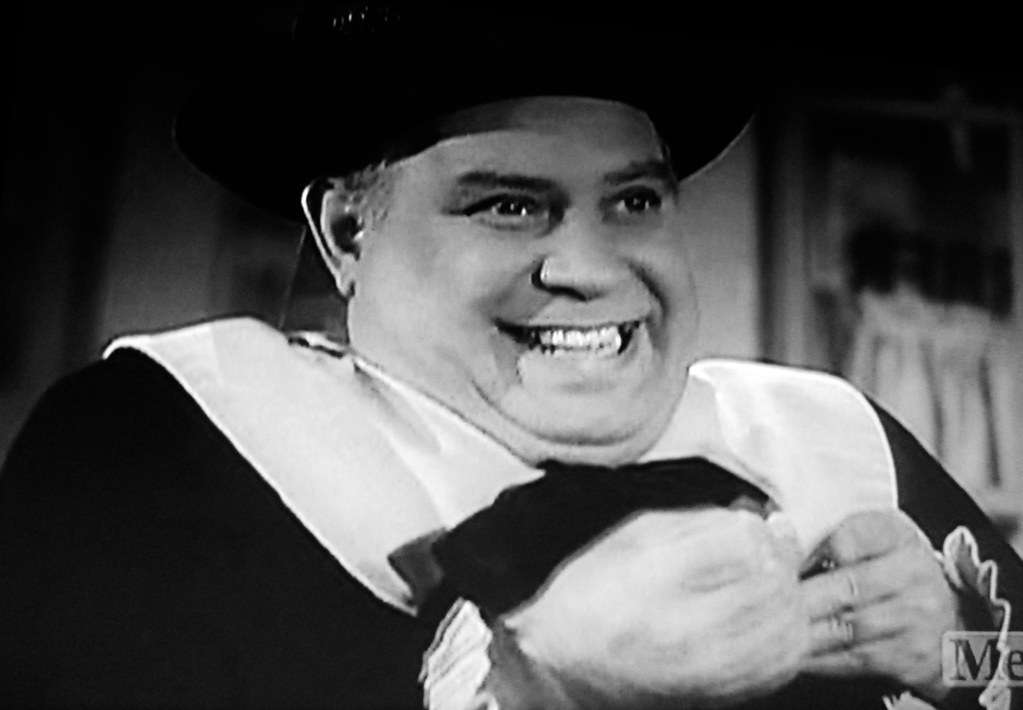
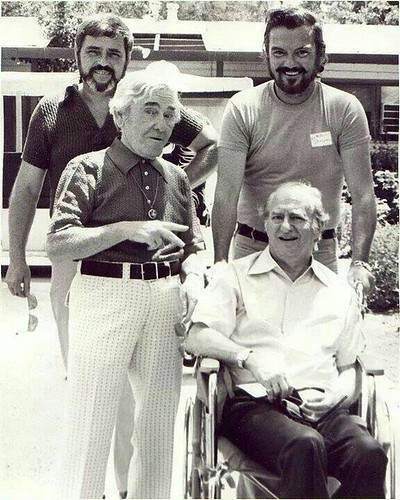





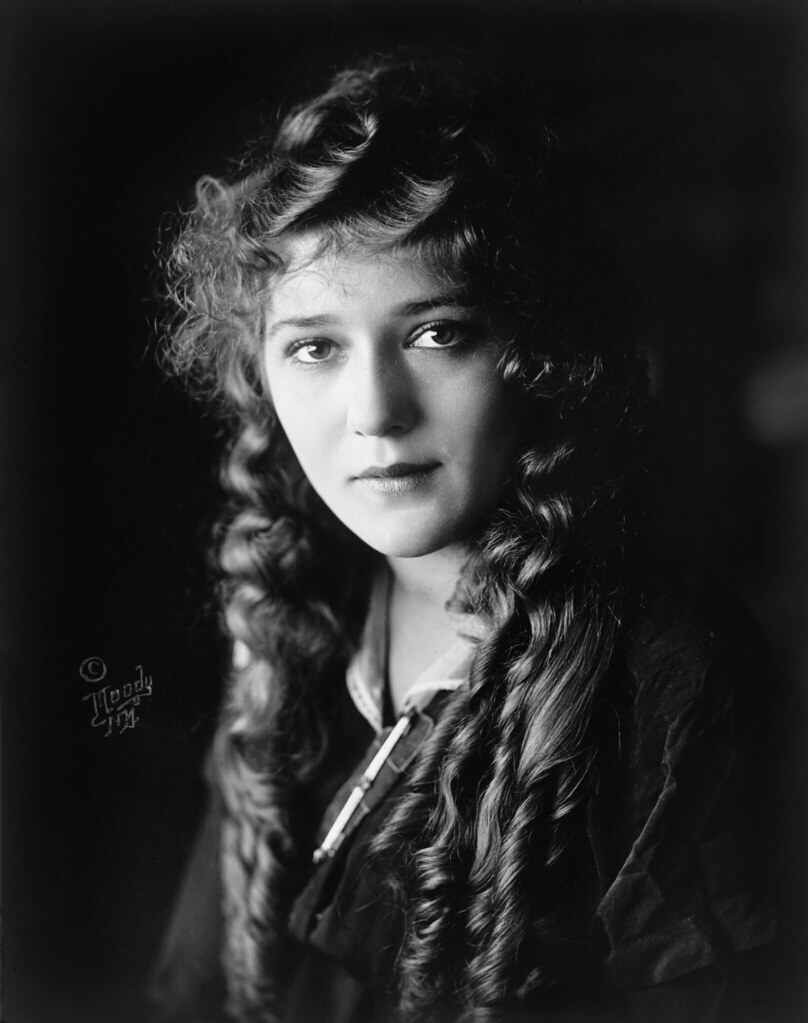
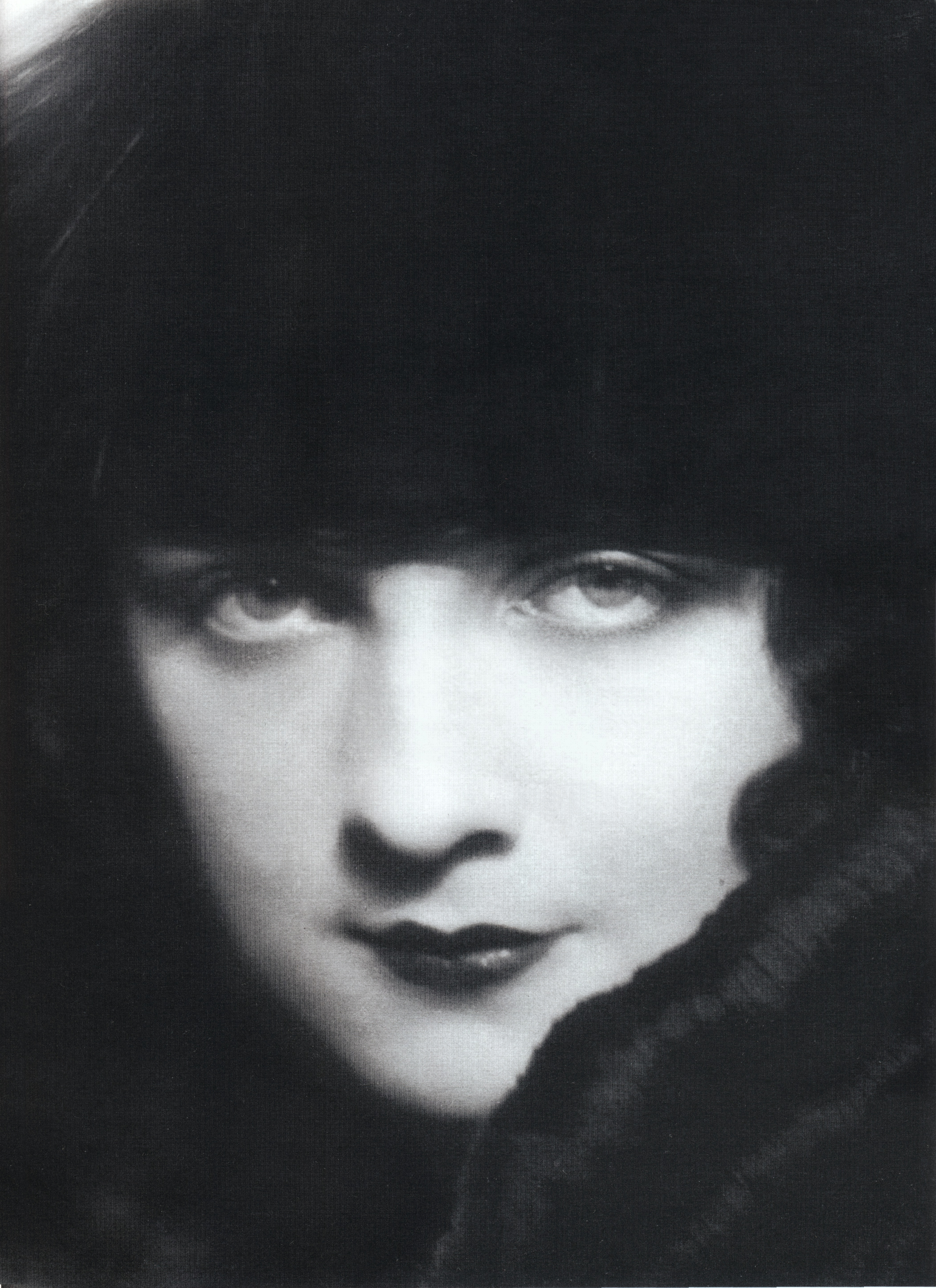


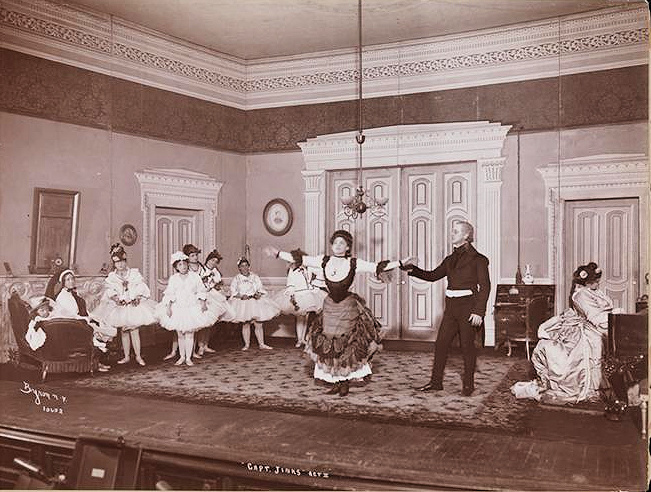
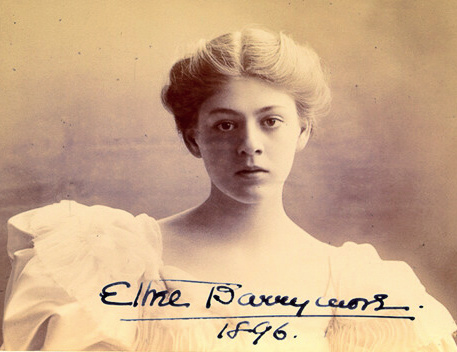


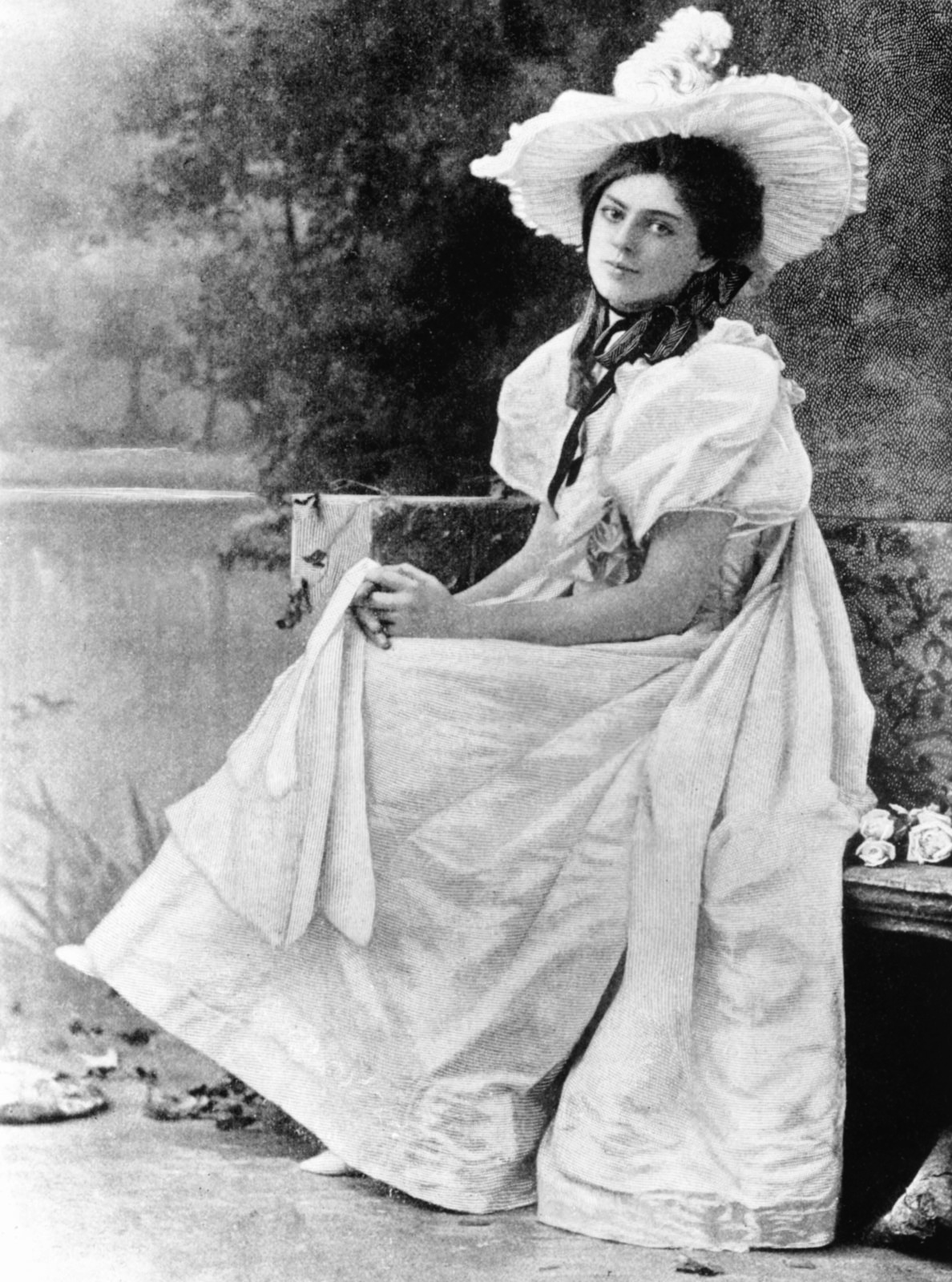


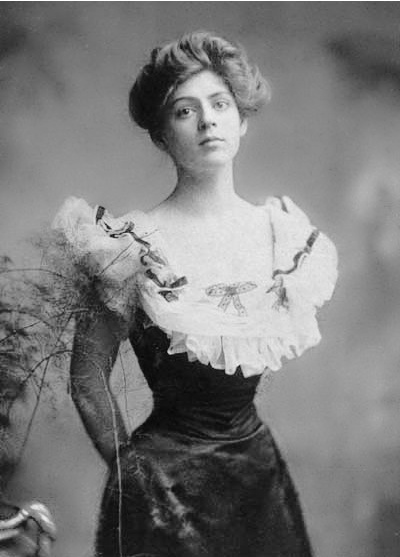


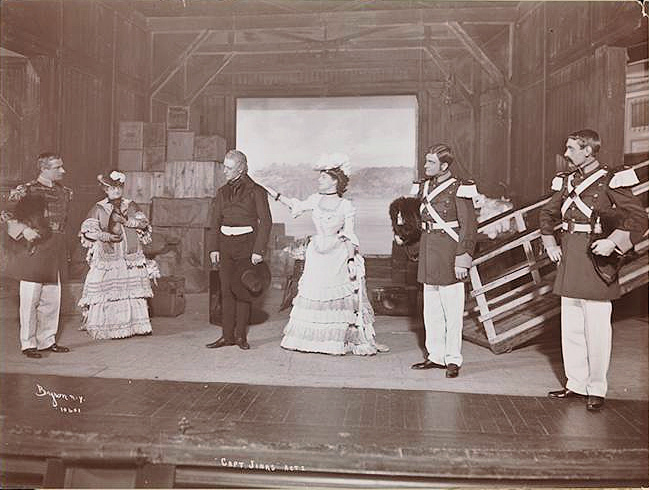


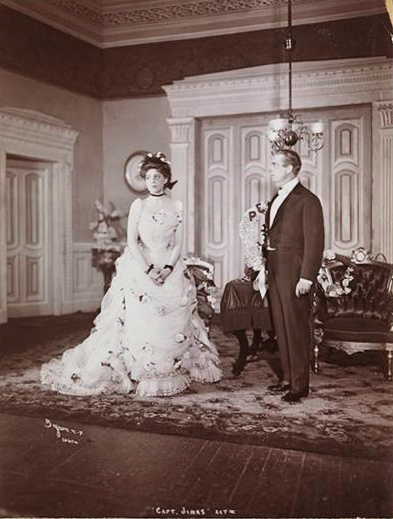


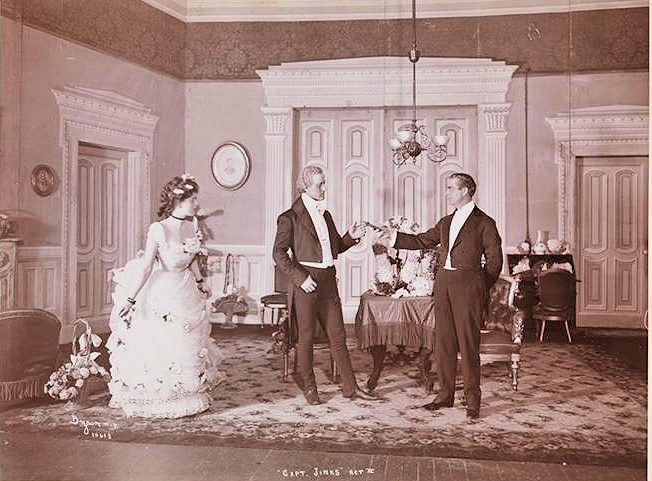


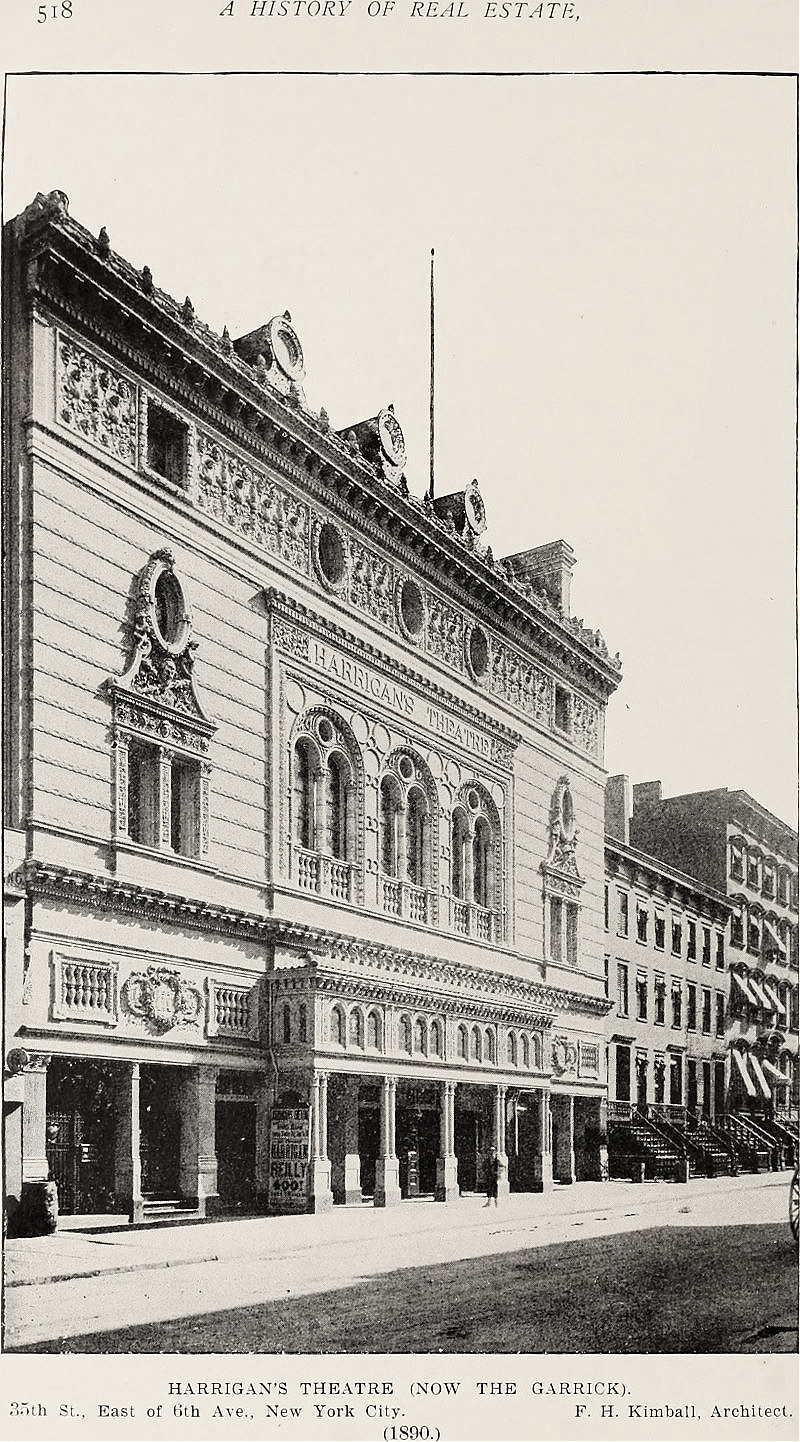
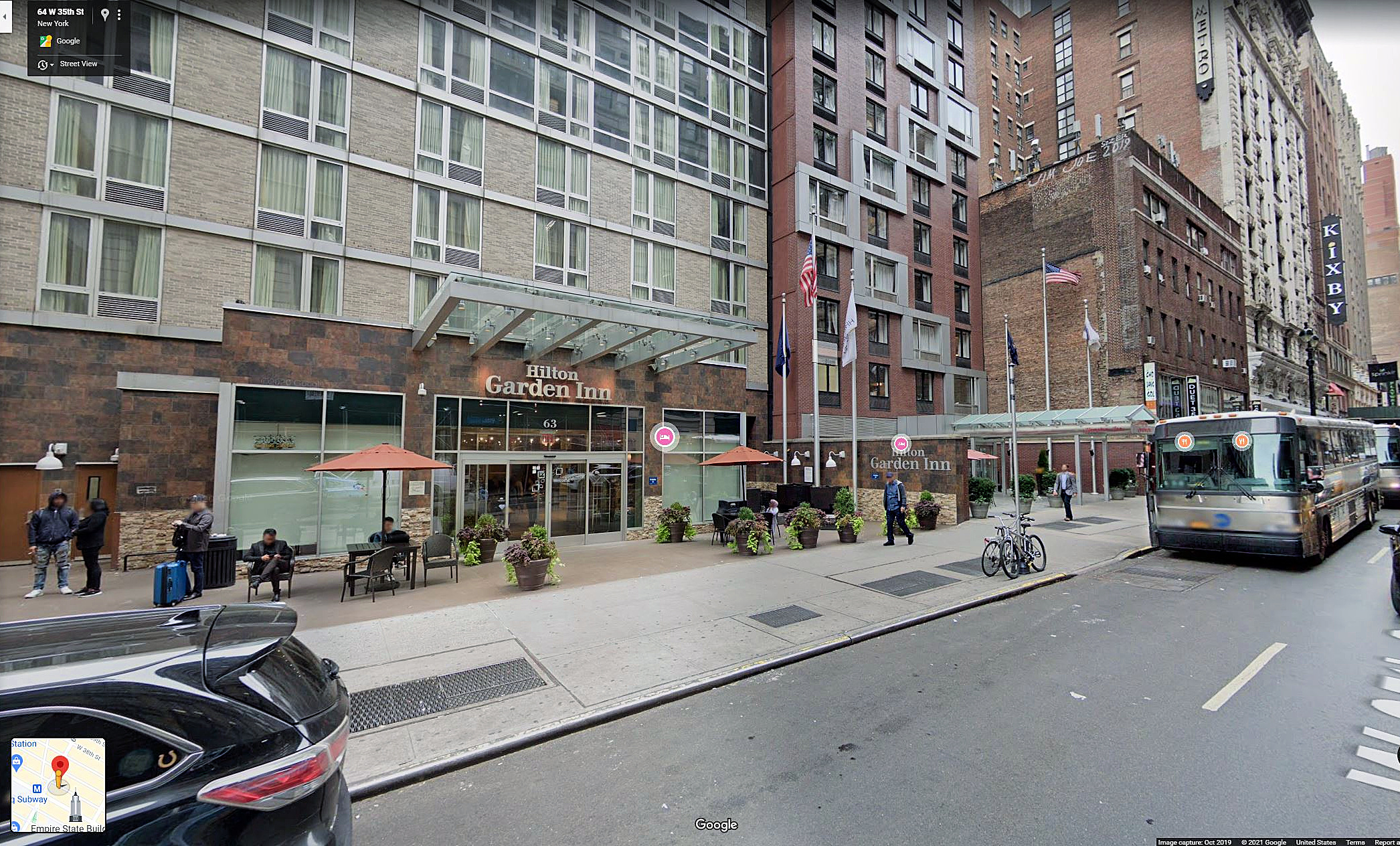
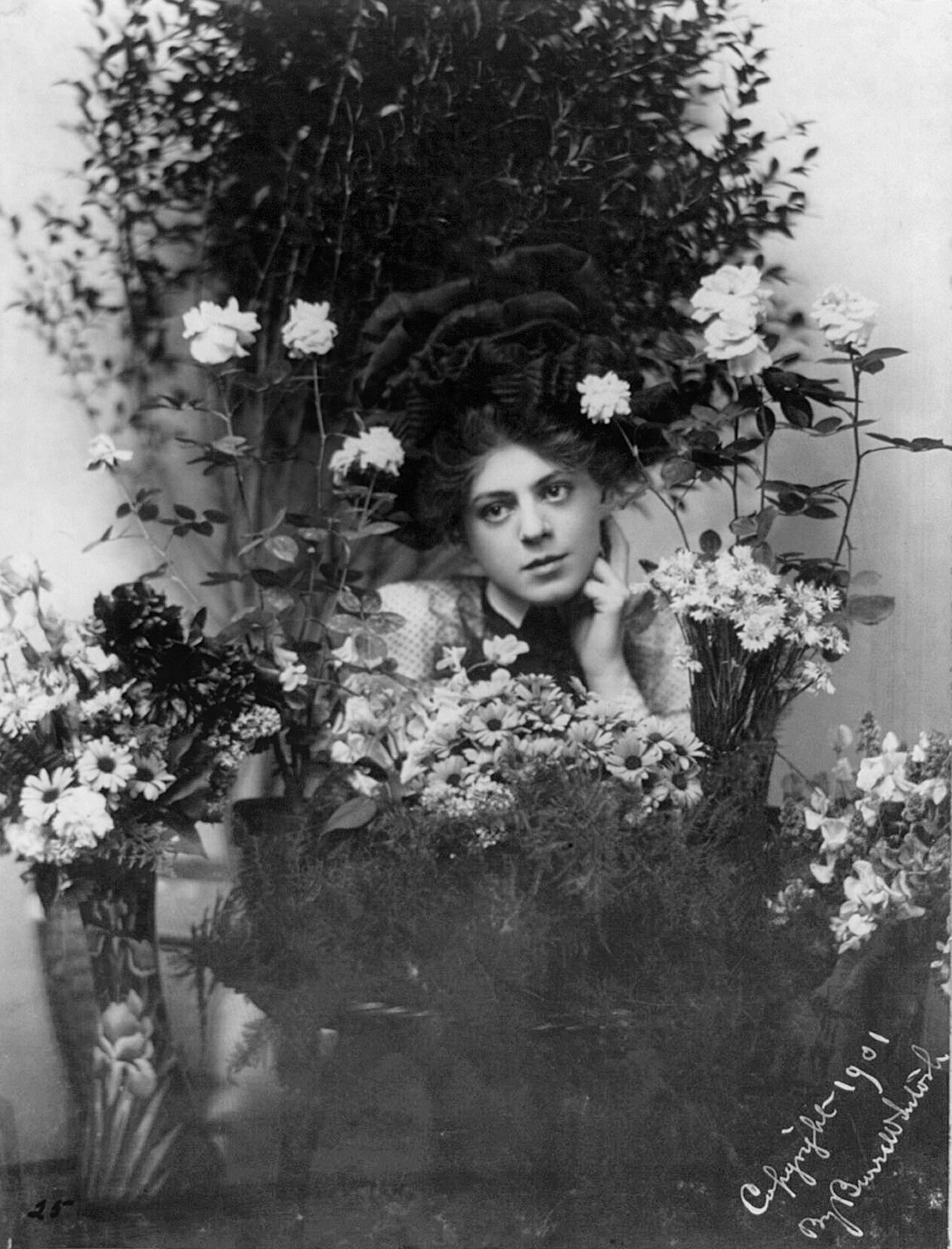


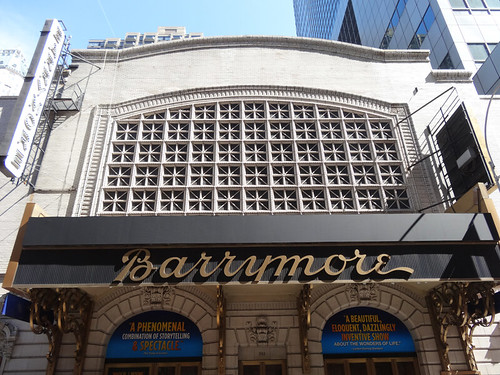
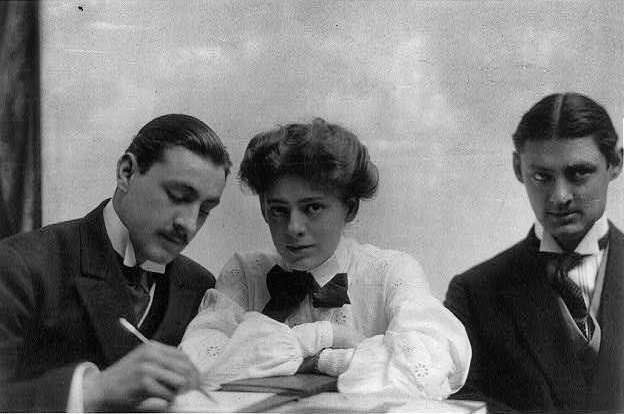


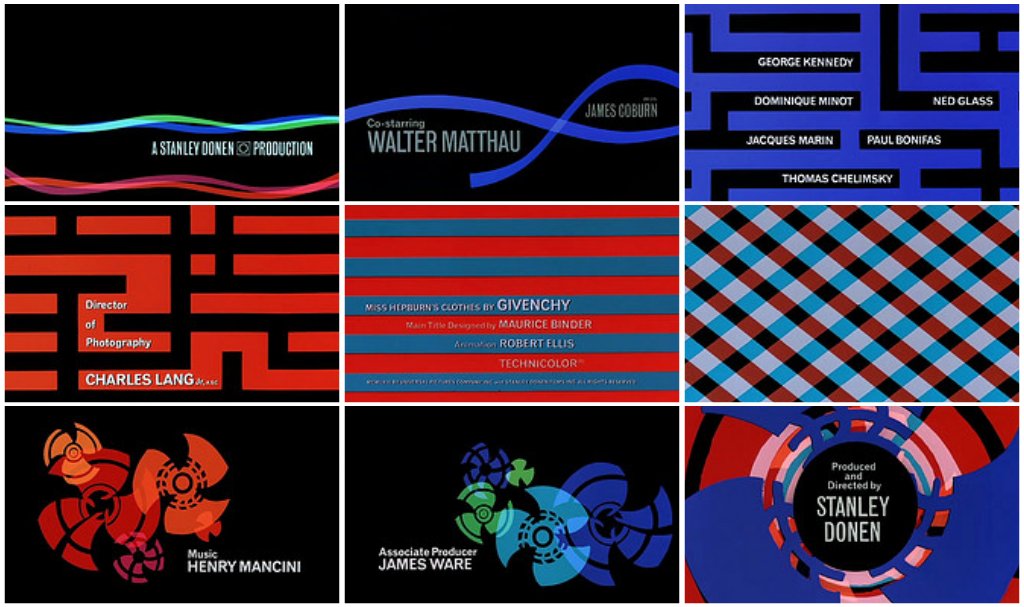


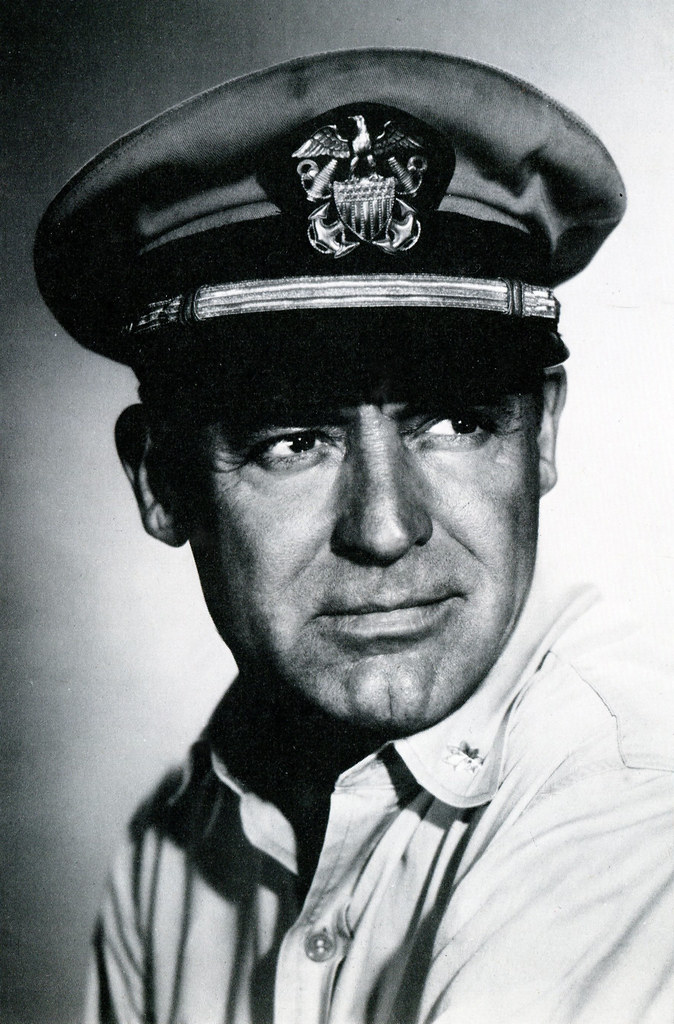

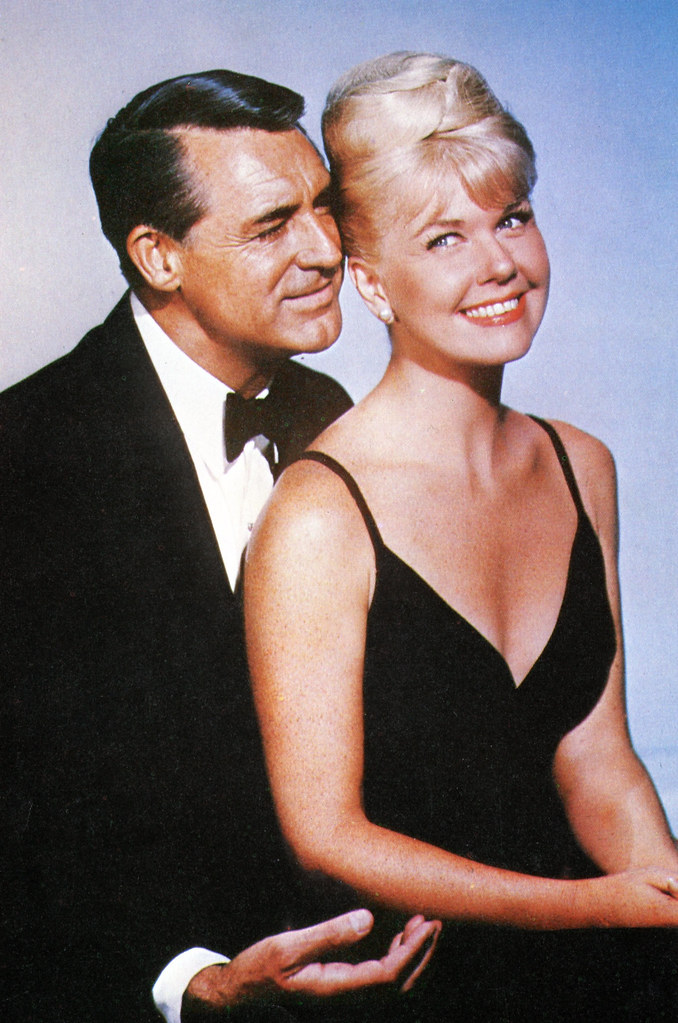


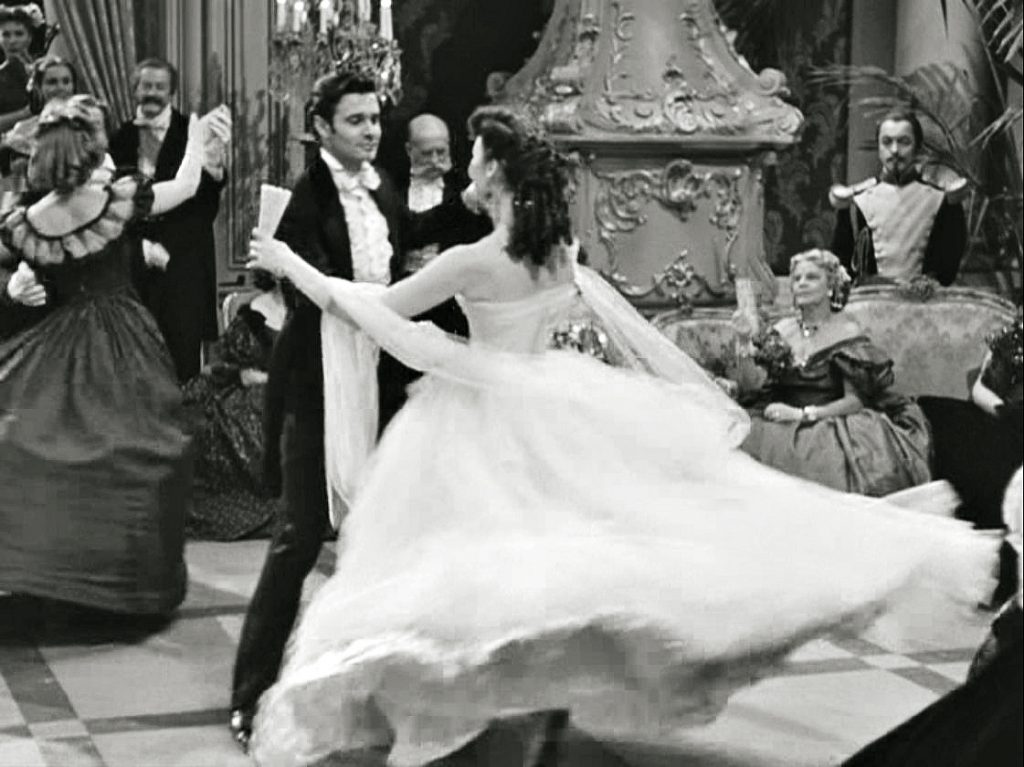


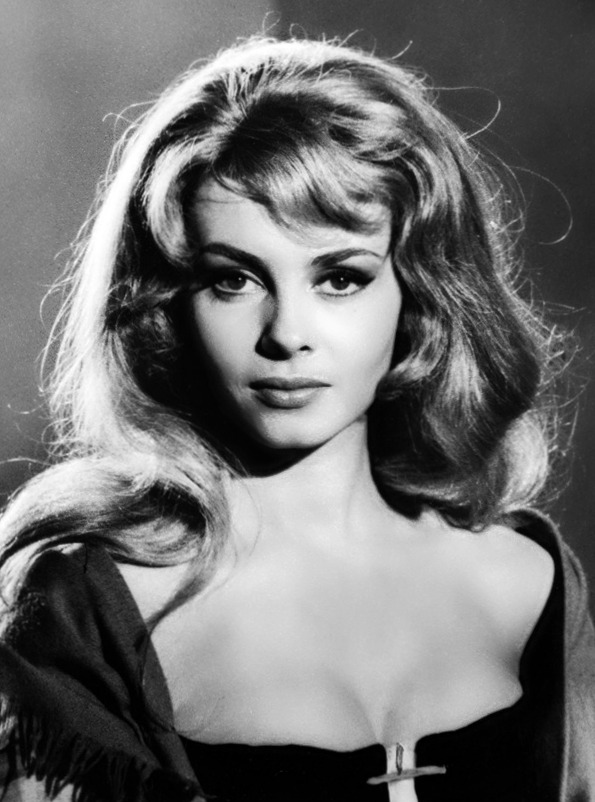
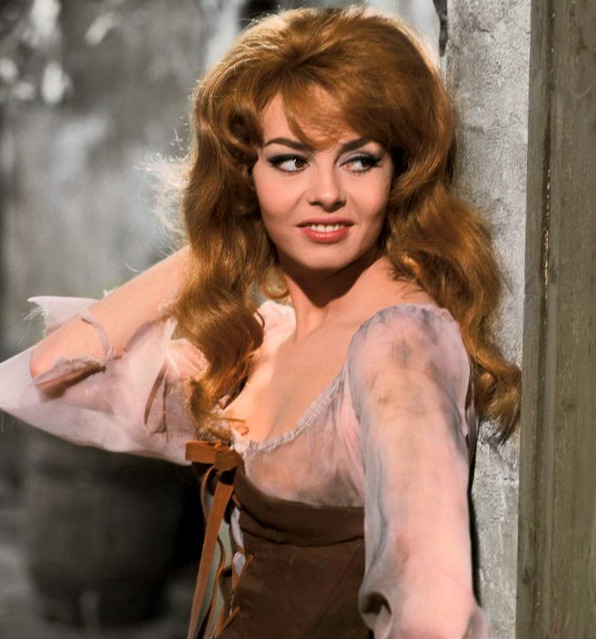


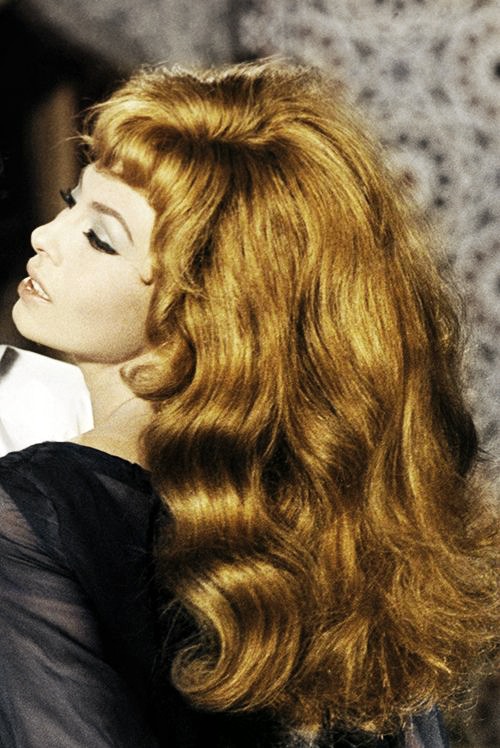
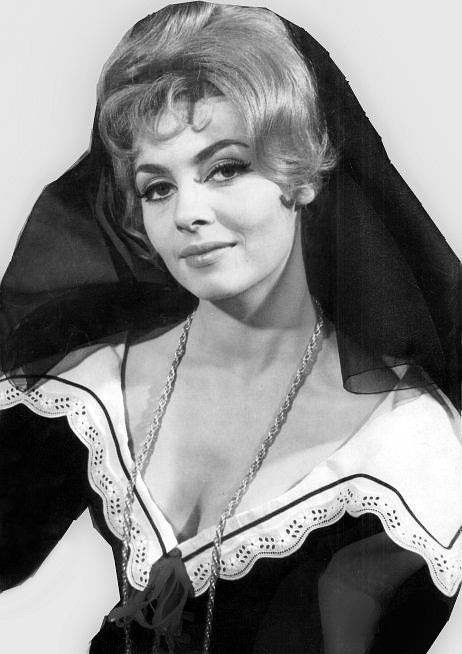
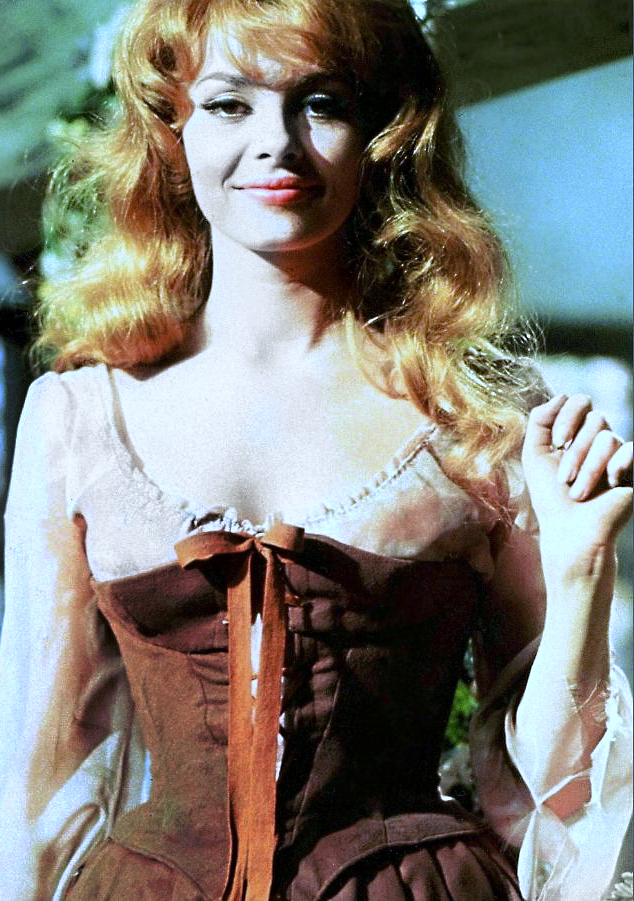

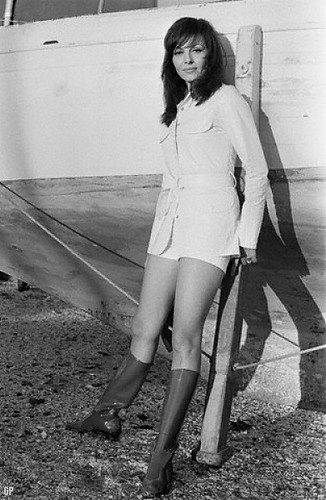


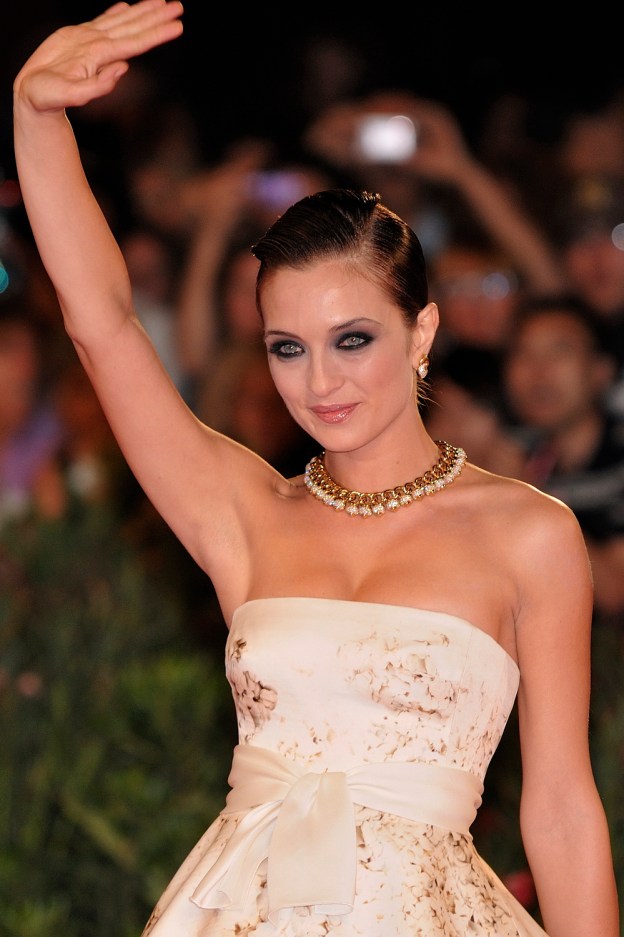

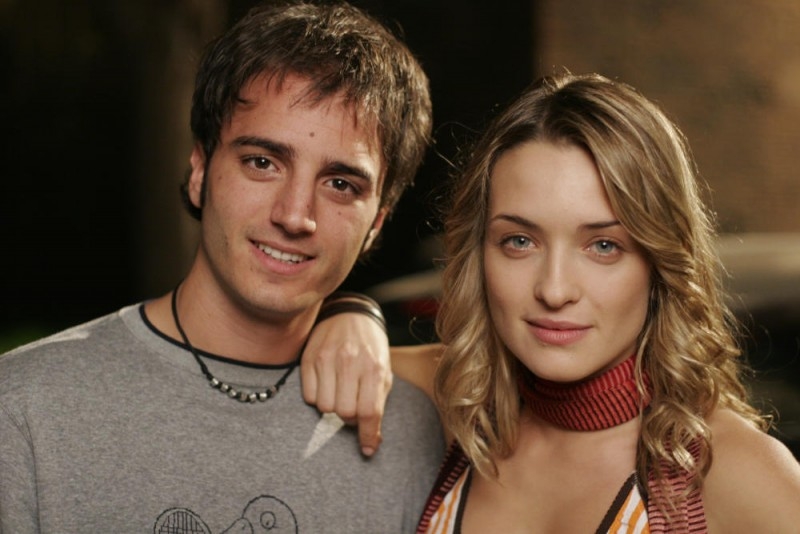
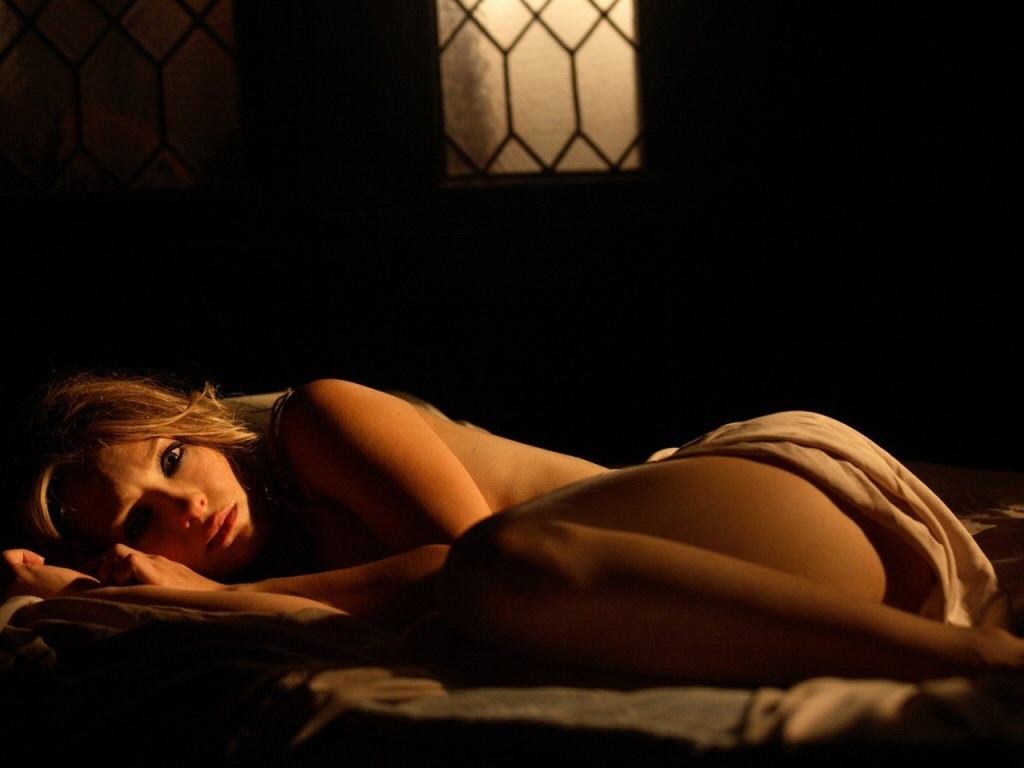


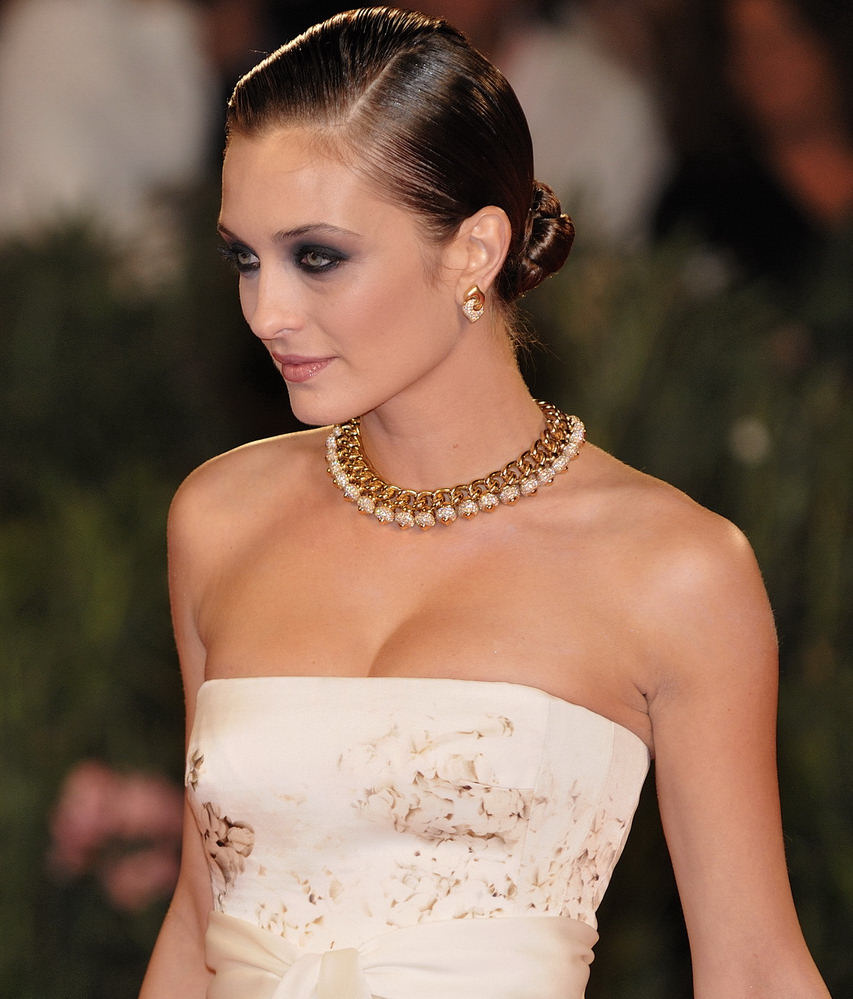

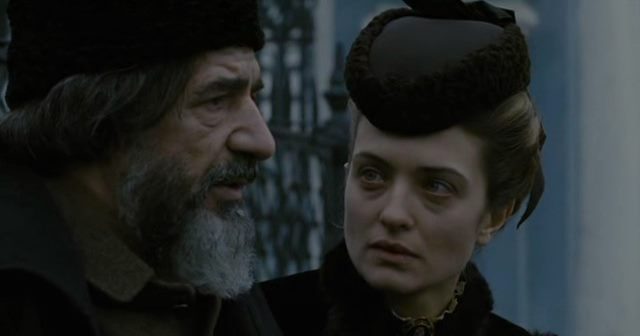
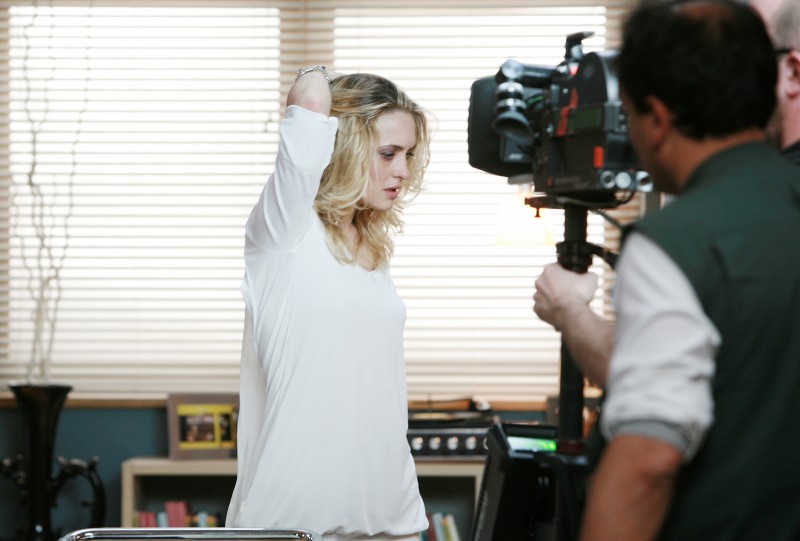

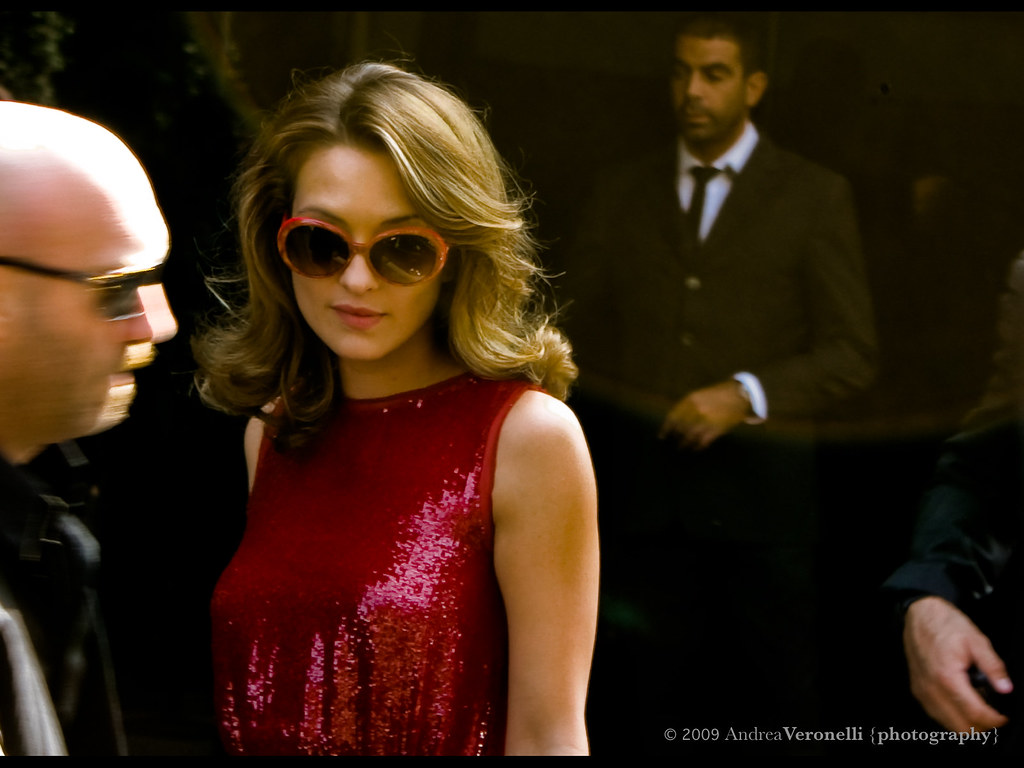
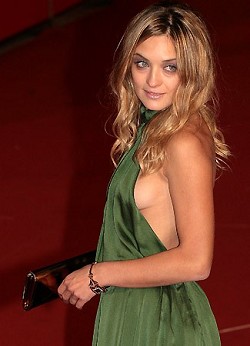
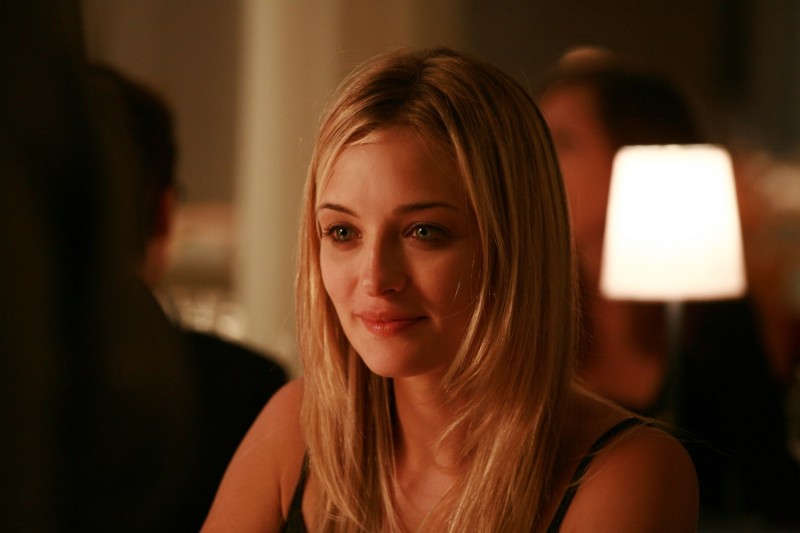
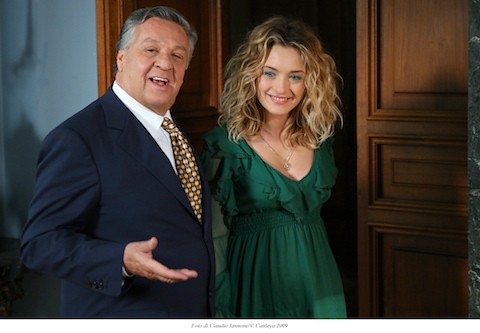
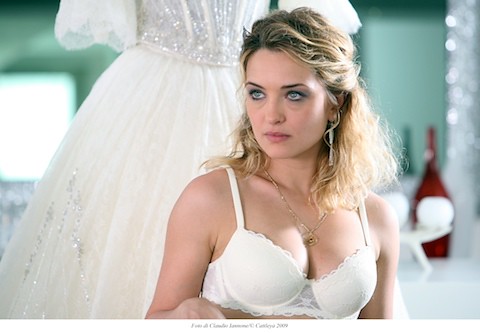
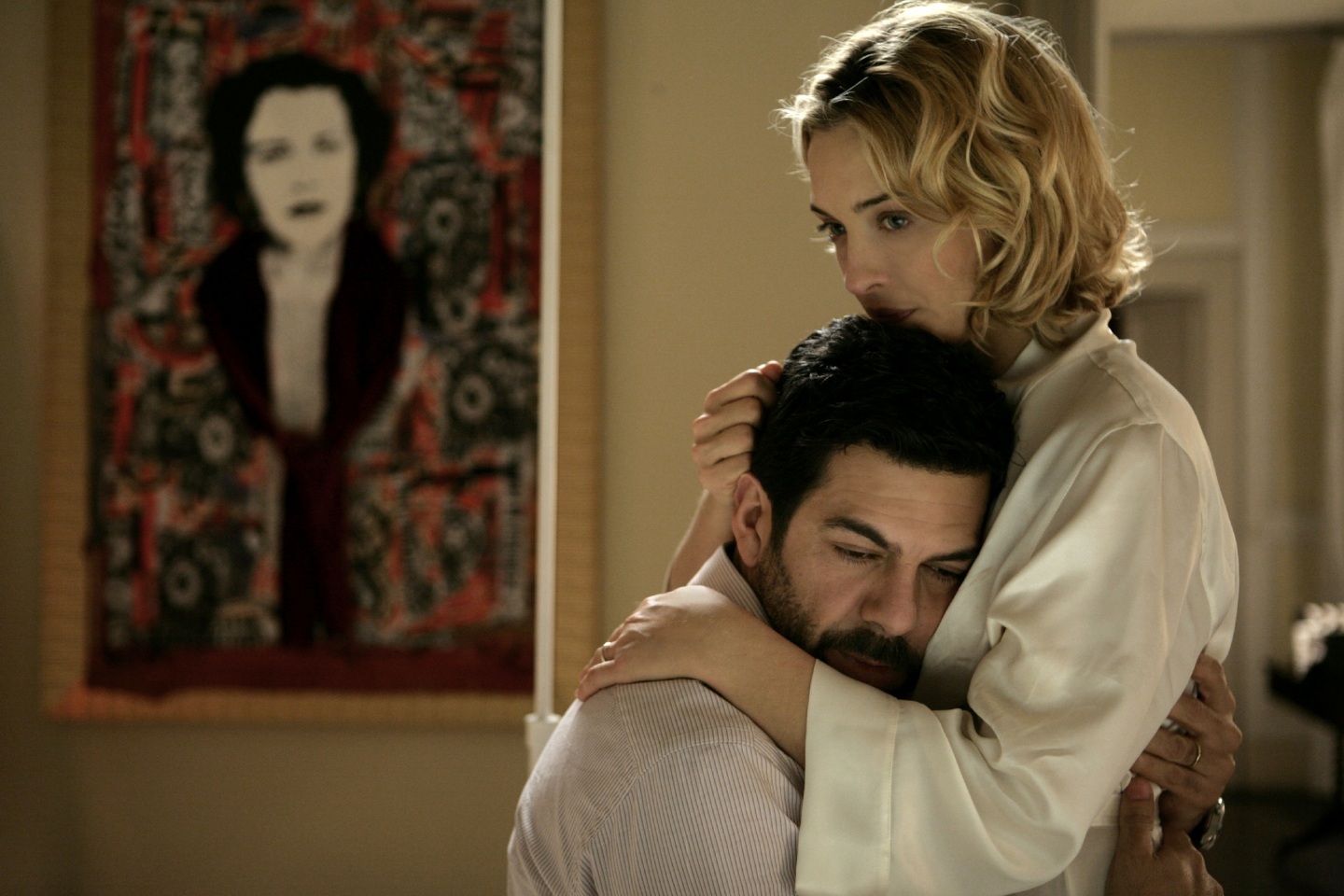
![Tu Style Magazine [Italy] (9 May 2016)](https://jwalsh2013.files.wordpress.com/2017/10/tu-style-magazine-italy-9-may-2016.jpg)