FEATURE IMAGE: Mary Pickford in 1927 in a publicity photograph for My Best Girl. K.O. Rahmn’s 1927 publicity photograph of Mary Pickford for My Best Girl beautifully highlights her warmth and intelligence while capturing the historical onset of her 52-year romance and marriage in real life with co-star Buddy Rogers. Public Domain.
This publicity photograph of Mary Pickford in 1927 is by K.O. Rahmn. Knute Olaf Rahmn was Mary Pickford’s personal photographer who photographed her private and professional life throughout most of her career. Rahmn was the still photographer for a pair of her films, both in 1929, Coquette and The Taming of the Shrew. The 1927 photograph captures Pickford’s warmth, intelligence and beauty.
The long screen kiss in My Best Girl between Buddy Rogers (1904-1999) and Mary Pickford may be because they were already falling in love. The pair would marry in 1937 and remained in wedded bliss for the next 42 years until Pickford’s death in 1979. In My Best Girl Pickford plays a sweet 18-year-old store clerk who falls in love with the new clerk (Rogers) who turns out to be the boss’s son. The Hollywood silent rom-com has all the surprises and happy results that might be predicted for the enjoyment of movie-going audiences in 1927. The film was directed by Sam Taylor (1895-1958).
Mary Pickford (1892-1979) in a photograph taken in September 1914 was a big star in Hollywood. Taken by Rufus Porter Moody at a monumental turning point of her career, this deep-chiaroscuro portrait reveals 22-year-old Mary Pickford as she solidified her status as the cornerstone of independent cinema. The image serves as a powerful piece of corporate branding for Adolph Zukor’s Famous Players Film Company. PHOTO: “Mary Pickford by Moody, ca. 1914” by trialsanderrors is marked with CC BY 2.0.
Photographer Rufus Porter Moody utilized a single, dramatic light source to lift Pickford’s features out of a velvet-black background—evoking the timeless texture of a classical Renaissance painting. The styling maintains a careful, deliberate duality: her meticulously lit, signature cascade of long ringlets protects the innocent “ingénue” archetype that audiences adored, while her direct, somber, and deeply mature gaze reflects a powerhouse actress who had just leveraged her box-office dominance to command an unprecedented $1,000 per week salary. Distributed across fan magazines and lobby posters, this historic portrait marks the exact era when the “anonymous” screen player was permanently replaced by the modern, globally recognized megastar.
FEATURE image: Ethel Barrymore on the cover of The Theatre in August 1901 following the close of the successful Captain Jinks of the Horse Marines which ran on Broadway for 168 performances from February to July 1901 and made 22-year-old Ethel Barrymore a star. Public Domain.
Ethel Barrymore’s breakout performance as Madame Trentoni in the 1901 Broadway romantic comedy Captain Jinks of the Horse Marines at the Garrick Theatre transformed her into a major theatrical celebrity, launching a legendary 60-year career across the American stage and cinema.
22-year-old Ethel Barrymore on stage at the Garrick Theatre on West 35th Street in New York City in Clyde Fitch’s Captain Jinks of the Horse Marines in 1901. Dramatist Clyde Fitch (1865-1909) wrote over 60 plays in his career that ranged from comedies and farces to melodramas. Fitch was the most popular writer for the Broadway stage in his time and specialized in writing important dramatic parts for women. Fitch’s new play was a romantic comedy set in the States years after the Civil War. Ethel Barrymore played Madame Trentoni, the female lead and the play’s love interest. The 1901 Broadway production made Barrymore a star. The public domain photograph is in the archive of the Museum of the City of New York.
By John P. Walsh
Stage and screen actress Ethel Barrymore (1879-1959) was the sister to older brother Lionel (1878-1954) and younger brother John (1882-1942) Barrymore. Though Ethel Barrymore was absolutely devoted to the stage from her youth, she began to appear in major silent films starting in 1914. Much later, in the 1940’s, the veteran stage actress was nominated twice for an Academy Award for Best Supporting Actress. She won the golden statuette in 1944 for her role as Ma Mott in the film None but the Lonely Heart starring Cary Grant who used a Cockney accent for his part.
By the time Barrymore appeared in her first feature motion picture, The Nightingale, in 1914, she was a celebrated stage actress on both sides of the Atlantic. Coming from the famous American acting family of Drews and Barrymores, the just 16-year-old Ethel Barrymore made her Broadway stage debut in 1895 alongside her uncle, John Drew, Jr. (1853-1927).
Ethel Barrymore at 17 years old in 1896. In 1895, a 16-year-old Barrymore made her Broadway stage debut alongside her uncle, Jack Drew, Jr., a famous and well-liked actor.
John Drew, Jr. in 1896. A versatile actor, Drew was so highly esteemed by his fellow actors that they elected him the lifetime president of New York City’s Players’ Club. The private social club for actors founded in the 1840’s at 16 Gramercy Park remains active today.
Before she was 20 years old, Ethel appeared several times on the London stage. Her first role was that of Miss Kittridge in William Gillette’s new play, Secret Service (1895). After that show closed, she was offered and played other roles on the London circuit. By the turn of the 20th century, a vibrant and talented Ethel Barrymore gained the especial attentions of several male admirers that included dukes, actors, writers and politicians.
As a young, vibrant actress touring the London circuit, she caught the attention of many high-society suitors, famously refusing a marriage proposal from a young Winston Churchill, who became a lifelong friend.
Winston Churchill in 1900. A public domain photograph in the Imperial War Museum.
One such admirer of Ethel Barrymore was eligible bachelor, enthusiastic theater hound, and nascent politician Winston Churchill (1874-1965). Though Ethel had many propositions and proposals in this period—she was even briefly engaged to a man until Ethel broke it off—any marriage proposal made to her by Churchill was refused. Churchill and Barrymore, however, became lifelong friends.
Poster for William Hooker Gillette’s 1895 play, Secret Service, on the London stage which featured young American actress Ethel Barrymore in its cast. The poster promotion depicts the play as a royal entertainment which attracts princes and princesses, dukes and duchesses. William Gillette (1853-1937) wrote melodramas and spy plays that were very popular with audiences. In 1899, Gillette first created the role of Sherlock Holmes for the stage, a role which he himself played for over 30 years.
Ethel Barrymore at 19 years old in 1898.
Young Ethel Barrymore. From a famous American acting family, she was was devoted to the stage at an early age.
At 20 years old Ethel Barrymore gained the attention of many male admirers, including dukes, actors, writers and politicians. Though briefly engaged around the turn of the century, Ethel broke it off. Ethel finally married in 1909. She met her husband, Russell Griswold Colt (1882–1960), at Sherry’s restaurant at 44th Street and Fifth Avenue in New York City while having lunch with her uncle, John Drew, Jr. The marriage produced three children, though it ended in divorce in 1923.
When Ethel returned to the United States, she began to appear in various stage productions. It was in 1901 when the 22-year-old actress was cast in the role of Mrs. Trentoni in Clyde Fitch’s Captain Jinks of the Horse Marines on Broadway that Ethel Barrymore became a star.
Ethel Barrymore dressed in one of the Edwardian costumes as Madame Trentoni in the 1901 Broadway play, Captain Jinks of the Horse Marines.
The plot of Clyde Fitch’s Captain Jinks of the Horse Marines—in which her character Madame Trentoni falls in love with a man who initially bets he can win her affection—ran for 168 performances from February to July 1901 and cemented Ethel Barrymore’s celebrity status.
Act 1.
Clyde Fitch’s Captain Jinks of the Horse Marines introduces Robert Carrolton Jinks and his friends who form a club to boost the presidential campaign for General U.S. Grant in 1868. Calling themselves “Captain Jinks of the Horse Marines,” they think to try out their marching abilities by greeting the arrival of a steamer carrying Madame Trentoni, a famous opera singer. Though sight unseen, Jinks bets money that he can make Madame Trentoni fall in love with him. The boat is late and everyone leaves the dock except for a gaggle of reporters who wait to greet the opera singer. When Jinks returns, after he lays eyes on Madame Trentoni (played by Ethel Barrymore) he falls in love with her. After Captain Jinks sees she is having trouble at customs, he pulls out money which the customs official mistakes for a bribe and Jinks is promptly arrested.
When Jinks is released on bail he calls on Madame Trentoni who has stopped to visit her foster father. She is as much in love with him as he is with her and their courtship progresses rapidly. When Jinks tries to call off the bet he made with his friends, they refuse until he finally agrees to pay off the bet with an I.O.U.
Jinks’ friends are also smitten with Madame Trentoni but she is totally uninterested in them. This gets them angry and they decide to ruin it for Jinks. They tell Madame Trentoni’s foster father that jinks intends to marry Madame Trentoni solely for her money — and as proof pull out the signed I.O.U. that says “I.O.U. $1,000 for the bet regarding Madame Trentoni.” The foster father flies into a rage, tells Madame Trentoni about the I.O.U, and she decides to never see Jinks again.
ACT 2.
Jinks has no idea why Madame Trentoni is so angry at him. When he finally discovers what his friends have falsely told her, he tries to gain admittance to her apartment to tell her the truth. When she learns the real facts of the matter, Madame Trentoni throws her arms around her Captain Jinks.
In that intimate position, a detective suddenly bursts into the room to arrest Jinks. In all the tumult surrounding the loss of his love interest, Jinks forgot to appear in court for his bribery case. It appeared Jinks had skipped bail. Madame Trentoni tells the detective that she and her sweetheart have had a misunderstanding and only now are having the chance to make up. Her plea and the promise that Captain Jinks will appear in court tomorrow for his case is approved by the detective, who departs. Captain Jinks and Madame Trentoni embrace, and the curtain goes down on the couple living happily ever after.
Act 3.
The public domain photographs above are in the archive of the Museum of the City of New York.
Cultural Phenomenon: The play soon triggered an insatiable public demand for Ethel Barrymore’s style, photos, and postcards.
Color promotional poster for Captain Jinks and the Horse Marines starring Elizabeth Kennedy. After the Broadway show starring Ethel Barrymore closed in July 1901, a new production and cast appeared in 1902. The theatrical poster highlights New York’s Garrick Theatre run. (Library of Congress collection)
Ethel Barrymore as Madame Trentoni in 1901.
Ethel Barrymore on the cover of The Theatre in August 1901 following the close of her successful Captain Jinks of the Horse Marines run which made 22-year-old Ethel Barrymore a star.
Captain Jinks of the Horse Marines was produced in 1901 at the Garrick Theatre. The 910-seat theatre was built in 1890 by Francis Hatch Kimball (1845-1919) and located at 67 W. 35th Street in New York City.
The Garrick opened as Harrigan’s Theatre and became the Garrick in 1895. It was sold to the Schubert brothers in 1916 and leased to Otto Kahn who renamed it the Théâtre du Vieux-Colombier in 1917.
Management reverted to the Schuberts in 1925 when the theatre featured popular burlesque until the onset of the Great Depression. The building was demolished in 1932.
Screenshot, October 2019, site of GARRICK THEATRE (1890-1932), 67 W. 35th Street, New York City. The Garrick Theatre was where Ethel Barrymore starred as Madame Trentoni in Clyde Fitch’s Captain Jinks of the Horse Marines. A smash hit, the Broadway production made Ethel Barrymore one of the 20th century’s major theatrical and film stars. In 2006 the site had a multi-level parking garage which was later replaced by a hotel devlopment. The brownstone building in the middle distance appears to have survived from the late 19th-century period.
Following her 1901 success, Ethel Barrymore became a cultural style icon. She went on to headline numerous top-rated Broadway plays throughout the early 1900s.
Both photographs above, Ethel Barrymore in 1901. As a new theatrical celebrity Barrymore’s image, style, and fashion were in demand by the public.
Ethel Barrymore in 1901.
Barrymore with a fur muf and feather hat in a hairstyle à la mode. The demand by the public for images of theatrical celebrities was insatiable.
In the 20th century’s first decade, Ethel Barrymore became a theatrical celebrity. Her image was in demand in photographs and picture post cards of the time. Throughout the first third of the twentieth century, Barrymore continually appeared in popular stage productions. Following the success of Captain Jinks of the Horse Marines, Barrymore appeared in the next years in many top-rated popular Broadway productions.
A few highlights included in 1903 Barrymore appearing for 60 performances in the title role in Cousin Kate at the brand-new Hudson Theatre at 139–141 West 44th Street. In 1905 Barrymore played Norma Helmer in Henrik Ibsen’s A Doll House for 23 performances at The Lyceum Theatre at 149 West 45th Street. Also in 1905 Barrymore appeared in Alice Sit-by-the-Fire at the Empire Theatre. In 1908 Barrymore played the title role in Lady Frederick for 96 performances, again at the Hudson Theatre. There were a dozen more productions Barrymore was involved in before 1910.
Another side of Ethel Barrymore, at the piano in 1903. Before she took to a career on the stage, Ethel Barrymore aspired to be a concert pianist as a youth.
Ethel Barrymore, 1904, by photographer Arnold Genthe. The actress was starring in several plays that year including in the title role of Kate Curtis in My Cousin Kate at the Empire Theatre. Barrymore would reprise the role briefly in 1907.
Ethel Barrymore in a photograph by William Morrison of Chicago in 1907. In the 1900’s Ethel Barrymore was a theatrical celebrity whose image displayed the latest fashion, make-up, and hairstyles that helped express the style of the times.
Ethel Barrymore in 1908. She was starring in the title role of Lady Frederick at the Hudson Theatre that year. The Broadway play ran for 96 performances.
Ethel Barrymore made her silent film debut in 1914 with The Nightingale and balanced stage work with cinema, later winning an Oscar in 1944.
With her film debut in 1914 in The Nightingale, a film written especially for her by playwright Augustus Thomas (1857-1934), Ethel Barrymore began in the new silent flickering medium of cinema in the footsteps of her brothers Lionel and John, who made their film debuts a couple of years earlier.
While Ethel made at least 14 films between 1914 and 1919 (some films are lost) she continued with her stage work and appeared in a dozen more Broadway productions throughout the 1910’s. When she decided to interrupt her film work in 1920 –and did not return to the movies until 1932 in the M-G-M film Rasputin and the Empress starring with her brothers (Ethel played Czarina Alexandra) – she appeared in a dozen more plays in the 1920’s, all in prominent Broadway theatres.
In 1922 she starred as Juliet in Shakespeare’s Romeo and Juliet for 23 performances at the Longacre Theatre at 220 West 48th Street as well as her celebrated role as Constance Middleton in Somerset Maugham’s new comedy play, The Constant Wife, in 1927. It ran for 296 performances at Maxime Elliot’s Theatre at 109 West 39th Street (it was demolished in 1960). The play had previewed in Cleveland, Ohio, at the Ohio Theatre in early November 1926 with Ethel Barrymore in the title role. It opened on Broadway at the end of November 1926 and ran until August 1927. After the Broadway show closed, Ethel Barrymore toured the production. Maugham dedicated his play to Ethel Barrymore and later said her performance was by far the best of any he had seen given for any of his plays.
Barrymore’s extensive stage work in this period also included, in 1928, appearing in the role of Sister Gracia in The Kingdom of God. The play was selected by Ethel Barrymore herself as the premier production in the Schubert Theatre chain’s newly-built 1,058-seat venue at 243 W. 47th Street in New York City. The new Broadway venue was named the Ethel Barrymore Theatre. Since its opening on December 20, 1928, the Ethel Barrymore Theatre has, without exception, presented legitimate Broadway productions continuously from that time to the present day.
Ethel Barrymore died on June 18, 1959, two months shy of her 80th birthday, at her home in Hollywood. She is buried in the Main Mausoleum in Calvary Cemetery in East Los Angeles, California. (see – https://www.findagrave.com/memorial/59/Ethel-Barrymore – retrieved June 18, 2024). The middle sister of Lionel and John Barrymore, Ethel is great aunt of Drew Barrymore. A screen legend and New York and London stage celebrity for more than 60 years Ethel Barrymore is a First Lady of the American Theatre.
Ultimate Honor: Ethel Barrymore had a permanent 1,058-seat Broadway theatre named after her in 1928.
The Ethel Barrymore Theatre on West 47th street in New York City opened on December 20, 1928. It has been in continuous operation as a legitimate theatre since its first production, The Kingdom of God, a play Barrymore selected and starred in. Photo Credit: “Barrymore Theatre” by ensign_beedrill is licensed under CC BY-NC-ND 2.0.
Three famous actors, Philadelphia-born, in 1904. They were the third generation of the Royal Family of the American stage. From left: John (1882–1942), Ethel (1879–1959), and Lionel (1878–1954) BARRYMORE, performed on stage, screen, and radio. Their grandparents, the Drews, managed the Arch St. Theatre in Philadelphia.
FEATURE image: This striking color portrait of Hedy Lamarr was photographed by the German-born émigré glamour specialist László Willinger (1909-1989), one of the Hollywood photographers who helped define the look of major stars during the late 1930s and 1940s. Commissioned by Metro-Goldwyn-Mayer as a premium publicity image for its lavish all-star production Boom Town (1940), the portrait was designed to reinforce Lamarr’s growing reputation as one of the studio’s most glamorous and sophisticated leading ladies.
The photograph is especially significant because it survives as an authentic color studio portrait from an era when most Hollywood publicity photography was still produced in black and white. At a time when color photographic processes remained expensive, technically demanding, and relatively uncommon in studio portraiture, Willinger achieved a remarkably rich and luminous result through the labor-intensive three-color Carbro printing process. The image captures the brilliance of MGM’s carefully crafted star-making machinery while preserving an unusually vivid record of how audiences were meant to see Lamarr at the height of her early fame.
In Boom Town, Lamarr portrayed Karen Vanmeer, a poised and sophisticated woman whose beauty and elegance play a central role in the film’s drama. Her wardrobe in the portrait, including the luxurious white fur wrap, dramatic pearl earrings, and oversized double-pearl ring, was carefully chosen to project privilege, refinement, and irresistible glamour. Created as a prestige publicity asset, the image was intended for distribution to leading fashion magazines, Sunday newspaper pictorial sections, and upscale theater displays, where its dazzling color and cinematic elegance could help attract audiences long before they reached the box office. Today, it remains one of the finest surviving examples of MGM’s Golden Age publicity art and of Willinger’s mastery of the Hollywood glamour portrait. Public Domain.***
László Willinger’s 1940 glamour portrait of Hedy Lamarr for Boom Town transcends routine film marketing, serving as a masterclass in mid-century studio escapism that weaponized arresting European beauty to anchor MGM’s highest-grossing, star-studded box office juggernaut.
Hedy Lamarr (1914-2000) posed for the glamour portrait in the Feature Image in 1940. The legendary Austrian beauty in Hollywood was 27 years old. Since her first American film in 1938, Algiers from United Artists, Lamarr was believed to be the most beautiful women in the world. Her beauty was so great that when she entered a room all activity in it stopped so to admire her.
The publicity photograph of Lamaar was for the 1940 American adventure film Boom Town from Metro-Godwyn-Mayer. The fast-paced American drama film set against the backdrop of the oil-well drilling industry co-starred Clark Gable, Spencer Tracy and Claudette Colbert. Boom Town was the highest grossing film of 1940.
One of the defining headshots that secured Hedy Lamarr’s legacy as an enduring icon of Golden Age glamour was this late-1939 publicity portrait by the legendary Hungarian-born photographer László Willinger, created during her early reign at Metro-Goldwyn-Mayer. Having recently arrived in Hollywood, Willinger quickly became one of MGM’s most valuable image-makers, renowned for combining sharp technical precision with the sophisticated European sensibility he brought to American studio photography. The portrait was commissioned as a major promotional vehicle as Lamarr’s star continued its rapid ascent and MGM prepared audiences for high-profile productions such as Boom Town (1940). Reproduced by the thousands and distributed worldwide to newspapers, fan magazines, exhibitors, and theater displays, the image kept Lamarr continually before the public even between film releases.
The photograph also showcases Willinger’s mastery of lighting. A glowing rim of backlight outlines Lamarr’s dark hair, separating it from the softly textured gray background and creating the subtle halo effect that became one of his signature techniques. A carefully controlled key light illuminates the left side of her face, directing the viewer’s attention toward the remarkable symmetry of her features, her luminous complexion, and her expressive eyes. Stripped of unnecessary distractions, the portrait achieves an almost sculptural purity, transforming a studio publicity photograph into one of the most memorable and enduring images of Hollywood’s Golden Age. Public Domain.***
How Does the Three-Color Carbro Process Work?
First, the photographer, in this example László Willinger, used a specialized, heavy “one-shot” color camera. Inside the camera, a system of internal prisms split the light entering the lens to expose three separate black-and-white glass plate negatives simultaneously—one through a red filter, one through a green filter, and one through a blue filter.
Next, in the darkroom, these three separation negatives were used to create three separate silver bromide prints. Those prints were then pressed against specialized carbon tissues containing cyan, magenta, and yellow pigmented gelatin. The silver in the prints chemically hardened the gelatin layer by layer.
For the final image these three delicate, colored gelatin layers were physically stripped from their backings, precisely aligned (squeegeed) on top of each other over a single paper support medium, and fixed into place.
Because Carbro prints use permanent color pigments instead of unstable chemical dyes, they retain an extraordinary, paint-like richness and remain completely immune to fading over time.
Classic 1938 studio publicity still promoting United Artists’ landmark romantic drama, Algiers, featuring its stars: Sigrid Gurie, Charles Boyer, and Hedy Lamarr. Because it was published without a copyright notice during the studio system era, the photograph, like the film itself, resides fully in the public domain. The photo perfectly distills the high-stakes, sultry romantic triangle that drives the entire plot of the movie. This film changed cinema history by introducing Hedy Lamarr to American audiences. Studio mogul Louis B. Mayer had brought her over from Europe, changed her name from Hedwig Kiesler, and lent her to United Artists for this film. The moment audiences saw her face in Algiers, she became an overnight sensation, widely dubbed “The World’s Most Beautiful Woman.” Public Domain.
In Boom Town, Austrian-born Lamarr plays Karen VanMeer, a sophisticated and elegant corporate spy. She is recruited by Clark Gable who plays “Big John” McMasters, an oil speculator.
M-G-M splurged on its star power to turn a routine oil-well story into a four-time Academy Award-nominated money gusher called Boom Town. The field was crowded with new films in 1940 just from M-G-M studio, including 18 pictures in Technicolor. Escapism was still the most rewarding M-G-M product.
Producer Sam Zimbalist brought big names to the screen in Clark Gable, Spencer Tracy, Claudette Colbert, and Hedy Lamarr backed up by an “A” list screenplay and Jack Conway’s forceful direction. The movie was the first Gable made under a new seven-year contract with MGM.
Hedy Lamarr, 1938. Photograph by Clarence Sinclair Bull (1896-1979). Captured by photographer Clarence Sinclair Bull in late 1938 or early 1939, this portrait of Hedy Lamarr stands as one of the great masterpieces of Hollywood studio photography. Following the success of her first American film, Algiers (1938), Metro-Goldwyn-Mayer moved quickly to transform its newest star into the screen’s ultimate exotic beauty. Audiences were captivated by Lamarr’s dark elegance, and Bull was assigned to create a series of portraits for MGM’s publicity files as the studio prepared to launch her upcoming films, including Lady of the Tropics (1939) and I Take This Woman (1940).
The photograph proved so successful that MGM repeatedly reissued it for later promotions, including Boom Town (1940) and Ziegfeld Girl (1941). In an era when Lamarr was usually presented beneath elaborate gowns, jewels, and headwraps, Bull and the studio made a calculated departure from the formula. Their goal was to reveal the woman behind the myth and emphasize her natural, almost sculptural beauty.
Instead of exotic glamour, Lamarr appears in a sharply tailored silk blouse marked by bold vertical stripes and oversized white buttons. The relaxed sportswear styling was unusually modern for an MGM leading lady. Her pose, with one hand resting against her head and fingers slipping through her dark curls, suggests a private moment of reflection rather than a carefully staged publicity portrait. The result is an image that balances sophistication with intimacy, transforming Lamarr from an untouchable screen goddess into a living, approachable presence while losing none of the mystery that made her a star.
More than a publicity still, the portrait demonstrates Bull’s genius for simplifying a composition until every line, shadow, and expression serves the subject. By stripping away the studio’s usual ornaments, he revealed the extraordinary face that made Hedy Lamarr one of the most unforgettable icons of Hollywood’s Golden Age. PHOTO: “Hedy Lamarr” by floorvan is marked with CC BY-SA 2.0.
This iconic “totem pole” photograph is a legendary 1941 MGM studio publicity still promoting the hit musical drama Ziegfeld Girl, featuring MGM’s powerhouse trio of female leads for the film: Lana Turner, the blonde, quintessential American girl-next-door; Hedy Lamarr, the sophisticated European exotic beauty; and Judy Garland, the immensely talented and vibrant performer. The vertical alignment was a brilliant marketing gimmick that reminded audiences that they were getting three stars when they bought one movie ticket. Prior to 1941, MGM primarily cast Lamarr as a mysterious, sometimes dangerous femme fatale or an unattainable “goddess” (such as in Algiers or Lady of the Tropics). In Ziegfeld Girl, her character is a more relatable, sweet, and sympathetic European immigrant. The publicity shot captures her with a soft, warm, and highly approachable smile, successfully humanizing her and showing audiences she could play warm, grounded dramatic roles.MGM made three high-profile movies celebrating Florenz Ziegfeld. The first (The Great Ziegfeld, 1936) and the second (Ziegfeld Girl, 1941) were both black-and-white. Its third installment, Ziegfeld Follies (1946) (which also featured Judy Garland), was filmed in Technicolor. Public Domain**
As a standalone film, Ziegfeld Girl (1941) serves as the middle chapter of Metro-Goldwyn-Mayer’s unofficial “Ziegfeld Trilogy.” Together with The Great Ziegfeld (1936) and Ziegfeld Follies (1945-46), it was one of MGM’s lavish prestige productions designed to celebrate the enduring legend of master showman Florenz Ziegfeld. Originally conceived in 1938 as a vehicle for established stars such as Joan Crawford and Eleanor Powell, the project ultimately became a showcase for MGM’s rising generation of leading ladies: Judy Garland, Hedy Lamarr, and Lana Turner.
At the time production began, Garland and Lamarr were the studio’s safer box office investments. MGM, however, was still searching for a glamorous blonde star capable of filling the void left by Jean Harlow’s death in 1937. Executive producer Mervyn LeRoy believed Turner possessed the screen magnetism to become that successor and famously ordered her hair dyed platinum blonde for the role that would transform her career. The contrast among the three stars was so striking that Garland later joked: “When Lana Turner arrived on the set, the crew would whistle. When Hedy Lamarr passed by, the technicians would sigh and fall in love. When I showed up, I was greeted with a simple, ‘Hello.'”
The film’s all-star machinery, which also included Jimmy Stewart, Jackie Coogan, Tony Martin, and Philip Dorn, culminated in a glossy backstage melodrama built around the new torch song “You Stepped Out of a Dream,” written by Nacio Herb Brown and Gus Kahn. Introduced in a dazzling Busby Berkeley production number featuring Turner and Lamarr, the song becomes the emotional thread binding the destinies of the three Ziegfeld girls. That thread ultimately leads to the film’s devastating climax: Sheila Regan, played by Turner, descending the theater staircase for the last time as a fallen Ziegfeld star. It is one of MGM’s great heartbreaking moments, bringing the film’s dreams of fame, beauty, and success crashing down in tragedy while simultaneously launching Lana Turner herself into the highest ranks of Hollywood stardom.
This portrait is another masterwork from the MGM portrait galleries, captured to promote the screwball romantic comedy The Heavenly Body (1944). This is a modern colorization version of the original black-and-white studio asset. The glamour photograph was taken by M-G-M’s László Willinger and showcases Willinger’s signature methodology for sculpting film icons. The image was commissioned as a principal publicity headshot to market The Heavenly Body. It was widely distributed to newspapers, fan magazines, and promotional theater lobbies prior to the movie’s early 1944 release.
In The Heavenly Body, Lamarr plays Vicky Whitley, the astrology-obsessed wife of a serious astronomer (played by William Powell). After years of MGM casting her as a dangerous, sultry foreign temptress (like in White Cargo), the studio used this shoot to soften her look. Willinger captured her looking upward with wide, luminous eyes—portraying an innocent, whimsical, and dreamy expression that matched her comedic character’s preoccupation with the stars and cosmos. Willinger was a master of the rim-light, backlighting technique. He placed intense lights directly behind Lamarr’s head to catch the outer edges of her hair. This created a glowing “halo” or celestial effect that intentionally played on the film’s title (The Heavenly Body).
The wardrobe choice—a simple, high-collared black dress accented by a striking, intricate silver foliate brooch—was curated by the studio to emphasize elegance. This refined presentation appealed directly to wartime fashion magazines, keeping Lamarr positioned as an elite style trendsetter. PHOTO: “Hedy Lamarr 1914 – 2000” by oneredsf1 is marked with CC BY-NC-SA 2.0. Public Domain**
Conclusion
Ultimately, László Willinger’s saturated color portraits and Clarence Sinclair Bull’s dramatic shadows cemented Hedy Lamarr’s legacy as Hollywood’s definitive “dark, exotic” beauty. In the late 1930s and early 1940s, MGM’s marketing machine leveraged this hyper-stylized gallery imagery to transform the Austrian émigré into an international icon, using her striking brunette features to redefine an industry previously dominated by traditional fair-haired blondes. While Lamarr’s breathtaking glamour frequently overshadowed her brilliant, analytical mind, it established an enduring cinematic mythology for the screen siren that permanently altered Hollywood’s aesthetic standards.
This explanatory article may be periodically updated.
*The photograph copyright may be believed to belong to the distributor of the film, Metro-Goldwyn-Mayer, the publisher of the film or the graphic artist. The copy is of sufficient resolution for commentary and identification but lower resolution than the original photograph. Copies made from it will be of inferior quality, unsuitable as counterfeit artwork, pirate versions or for uses that would compete with the commercial purpose of the original artwork. The image is used for identification in the context of critical commentary of the work, product or service for which it serves as poster art. It makes a significant contribution to the user’s understanding of the article, which could not practically be conveyed by words alone. As this is a publicity photo (star headshot) taken to promote an actress, these have traditionally not been copyrighted. Since they are disseminated to the public, they are generally considered public domain, and therefore clearance by the studio that produced them is not necessary. (See- Eve Light Honthaner, film production expert, in The Complete Film Production Handbook, Focal Press, 2001 p. 211.) Gerald Mast, further, film industry author, in Film Study and the Copyright Law (1989) p. 87, writes: “According to the old copyright act, such production stills were not automatically copyrighted as part of the film and required separate copyrights as photographic stills. The new copyright act similarly excludes the production still from automatic copyright but gives the film’s copyright owner a five-year period in which to copyright the stills. Most studios have never bothered to copyright these stills because they were happy to see them pass into the public domain, to be used by as many people in as many publications as possible.” Kristin Thompson, committee chairperson of the Society for Cinema and Media Studies writes in the conclusion of a 1993 conference with cinema scholars and editors, that they “expressed the opinion that it is not necessary for authors to request permission to reproduce frame enlargements … [and] some trade presses that publish educational and scholarly film books also take the position that permission is not necessary for reproducing frame enlargements and publicity photographs.”(“Fair Usage Publication of Film Stills,” Kristin Thompson, Society for Cinema and Media Studies.)
FEATURE image: Madame Bovary (Jennifer Jones) and Rodolphe Boulanger (Louis Jourdan) waltz at the ball in a still from Metro-Goldwyn-Mayer’s 1949 film Madame Bovary directed by Vincente Minnelli. Fair Use.
In the 1949 film Madame Bovary directed by Vincente Minnelli, a beautiful and charming Madame Bovary (Jennifer Jones) meets wealthy Rodolphe Boulanger (Louis Jourdan) at a ball where he literally sweeps her off her feet. Selfishly aggravated by her husband Charles Bovary (Van Heflin) for not fitting into high society, Madame Bovary begins a love affair with Rodolphe. Though the pair scheme to elope to Italy, Rodolphe does not love Madame Bovary.
Filming began at M-G-M’s Culver City studios in mid-December 1948. Though producers wanted Lana Turner for the role of Emma Bovary, Minnelli preferred Jennifer Jones. The Academy-Award-winning actress (for “Song of Bernadette”) was glamorous which was a necessary dimension to the role of a woman with a repressed passion, but likely not to raise further issues with the Production Code Office that would be busy assessing the film’s controversial story.
The Waltz Scene was Filmed to the Music
One of the film’s most carefully wrought and delightful scenes is this ballroom sequence. It was one of the last segments to be shot. The film footage was tailored to Miklós Rózsa’s music. Minnelli explained to the composer in advance the camera movements so he could write the music in an arrangement for two pianos. The scene was then filmed to match it. Their artistic collaboration produced one of cinema’s most original scenes uniting robust music with weaving and gliding images on film.
Madame Bovary (Jennifer Jones) and Rodolphe Boulanger (Louis Jourdan) waltz at the ball. It is one of the film’s most delightful scenes and one of the last to be shot. Director Vincente Minnelli made certain its choreography carefully matched the music of Miklós Rózsa. Madame Bovary was nominated for an Oscar for Best Art Direction-Set Decoration, Black-and-White.
Beautiful and charming Emma Bovary (Jennifer Jones) is repulsed by her uncouth husband, Charles Bovary (Van Heflin), an undistinguished medical doctor, and begins an affair with Rodolphe Boulanger (Louis Jourdan). Their plans to elope, however, do not materialize as Emma hoped.
“Break the Windows” dramatizes a heroine’s transition into madness
As Rodolphe swirls her, Emma Bovary’s head spins until she becomes dizzy. The viewer sees her disorientation as the camera takes her viewpoint. She keeps dancing but asks for fresh air. Her request leads to an extraordinary and incredible reaction by the stewards. They start to smash the ballroom’s windows with chairs to help her cool down. This fantastically destructive action of broken glass aligns with the destruction of Emma’s romantic illusions throughout the film.
In reaction to Madame Bovary becoming dizzy while waltzing with a new lover, the stewards smash the ballroom windows to give her air. The extraordinary action ultimately becomes symbolic of the destruction of Madame Bovary’s romantic illusions with handsome, wealthy Rodolphe and her own descent into madness.
Night of Repressed Passion
Along with her husband’s boorish behavior at the ball and everywhere else, Madame Bovary’s romantic disappointment leaves her feeling publicly humiliated. Instead of love and excitement, Madame Bovary runs out of the ball in shame. Though she yearns for happiness and excitement, her pursuit of selfish pleasures ends in scandal and ruin.
Jennifer Jones as Madame Bovary offers a performance that is elegant and beautiful. It is equally insightful to the selfish and nervous personality of Flaubert’s fictional character.
A film poster for Vincente Minnelli’s Madame Bovary. Several different versions of the film poster were produced for the marketing of the 1949 film.
This publicity photo for Madame Bovary showed the love triangle of Madame Bovary (Jennifer Jones), her handsome lover Rodolphe Boulanger (Louis Jourdan), and her cuckolded husband Charles Bovary, a medical doctor (Van Heflin).
Thirty-year-old Jennifer Jones plays Gustave Flaubert’s doomed title character, Madame Bovary, from his 1856 serial novel.
Vincente Minnelli’s film of the same name offered two costume and wardrobe managers: Walter Plunkett for women and Valles for men.
Walter Plunkett (1902-1982) was a prolific costume designer who worked on more than 150 projects in his Hollywood career, including Gone With The Wind. In 1951, Plunkett shared an Oscar with Orry-Kelly and Irene Sharaff for An American in Paris.
Valles (1886-1970) specialized in men’s costumes at M-G-M. Valles received two Academy Award nominations, including Spartacus in 1960.
Van Heflin is Charles Bovary, whom Madame Bovary (Jennifer Jones) had loved and hoped to build a respectable life, but in whom she grew disillusioned.
In the role of Madame Bovary Jennifer Jones gives a performance beyond the superficiality of display or machination of melodrama and enters into the inner psychology of the character whose anxious egomania manifesting joy and elation is driven by disillusionment to deterioration and self-destruction. Director Vincente Minnelli worked closely with composer Miklós Rózsa to integrate the image, plot and characters with the musical score which the composer admired for its artistic cinematic outcome.
A unique example of the Valles’ costume design for Louis Jourdan and Walter Plunkett’s costume design for Jennifer Jones for the 1949 film Madame Bovary. The next year, in 1950, both Valles and Walter Plunkett were nominated for the Academy Award for Compton Bennett’s That Forsyte Woman/Saga.
Madame Bovary danced wildly with Rodolphe at the ball and loves him. The illicit couple plan to elope to Italy. But Rodolphe leaves for Italy without her and shatters Madame Bovary’s spirit and dreams.
Costumes were by award-winning Valles and Walter Plunkett, both award-winning Hollywood costume designers.
Madame Bovary (Jennifer Jones) is indulged by an unscrupulous shop-keeper as she lives beyond her means in the pursuit of happiness. She takes on a heavy debt that is impossible to pay back.
The film plot is told from the point of view of the author, Gustave Flaubert (James Mason). A legal proceedings takes place where Flaubert is accused of corrupting morals by writing Madame Bovary. It is an historical fact that, in 1858, Flaubert and his publisher had faced government charges of immorality for Madame Bovary. But the outcome of the trial was that Flaubert was completely acquitted.
Charles, who never stopped loving his wife, begs her to wait for a doctor to arrive. Madame Bovary sighs, “Oh, Charles, why are you always trying to save me?”
From the waltz scene through to her death scene Jennifer Jones as Madame Bovary offers a performance that is elegant and beautiful. It also provides insight into the contradictions offered by a selfish and nervous personality.
In the end Madame Bovary finds that her own death is more attractive to her than living with her shattered dreams.
A 1949 film poster for Madame Bovary that includes a publicity head shot of James Mason as Gustave Flaubert, the novel’s French author.
Minnelli’s film is told in flashback through the character of Flaubert who is on trial for charges of immorality for writing the novel. After Flaubert’s work was serialized in the Revue de Paris in 1856, the government charged and tried the author and his publisher for immorality. Both were acquitted in 1859. After Madame Bovary appeared in book form in France, it became an instant classic.
Vincente Minnelli directs Jennifer Jones and Louis Jourdan in a scene from Madame Bovary.
Reviews from film critics had been mixed and Madame Bovary lost money at the box office. Whether it is the fault of the film-makers or the unhappy story becomes a debatable point.
Reviews for Madame Bovary, released in late August 1949, were mixed with the film not recouping its full production costs.
*The photograph copyright may be believed to belong to the distributor of the film, Metro-Goldwyn-Mayer, the publisher of the film or the graphic artist. The copy is of sufficient resolution for commentary and identification but lower resolution than the original photograph. Copies made from it will be of inferior quality, unsuitable as counterfeit artwork, pirate versions or for uses that would compete with the commercial purpose of the original artwork. The image is used for identification in the context of critical commentary of the work, product or service for which it serves as poster art. It makes a significant contribution to the user’s understanding of the article, which could not practically be conveyed by words alone. As this is a publicity photo (star headshot) taken to promote an actress, these have traditionally not been copyrighted. Since they are disseminated to the public, they are generally considered public domain, and therefore clearance by the studio that produced them is not necessary. (See- Eve Light Honthaner, film production expert, in The Complete Film Production Handbook, Focal Press, 2001 p. 211.) Gerald Mast, further, film industry author, in Film Study and the Copyright Law (1989) p. 87, writes: “According to the old copyright act, such production stills were not automatically copyrighted as part of the film and required separate copyrights as photographic stills. The new copyright act similarly excludes the production still from automatic copyright but gives the film’s copyright owner a five-year period in which to copyright the stills. Most studios have never bothered to copyright these stills because they were happy to see them pass into the public domain, to be used by as many people in as many publications as possible.” Kristin Thompson, committee chairperson of the Society for Cinema and Media Studies writes in the conclusion of a 1993 conference with cinema scholars and editors, that they “expressed the opinion that it is not necessary for authors to request permission to reproduce frame enlargements … [and] some trade presses that publish educational and scholarly film books also take the position that permission is not necessary for reproducing frame enlargements and publicity photographs.”(“Fair Usage Publication of Film Stills,” Kristin Thompson, Society for Cinema and Media Studies.)
Michèle Mercier (born New Year’s Day 1939) is a French actress perhaps best known for playing the lead role of Angélique in the mid1960s film series of the same name based on the 1956 sensational novel Angélique, the Marquise of the Angels by husband and wife writing team of Anne and Serge Golon. Their mid-17th century character was based on a real life Suzanne du Plessis-Bellière who was one of France’s most famous women from the time of Louis XIV, the Sun King. The historical Suzanne first appeared in a French novel in the mid-nineteenth century, one by Alexandre Dumas, père, called Le Vicomte de Bragelonne, ou Dix ans plus tard. Similar to these 5 films inspired by the Golons’ novel of (by 1961) six books — Angélique, the Marquise of the Angels which is the first book published in 1957 (the novel expanded to 13 books after the 1964 film’s release) — Dumas’s novel, the third of his d’Artagnan trilogy, was also serialized in popular media from 1847 to 1850.
Michèle Mercier as Angélique is a French Italian beauty who has entered the pantheon of screen goddesses based largely on the legendary five-film role that stretched from 1964 to 1968.
For the part of Angélique, many other beautiful and more famous actresses were approached before Michèle Mercier who was little known in the French cinema at the time. Seasoned French film producer Francis Cosne (1916-1984) wanted sex symbol Brigitte Bardot to play the part, but she rejected the offer. Young Catherine Deneuve was considered perhaps too naive for the lusty role. American Jane Fonda spoke French but could an American play fully a quintessentially French role? Italian beauty Virna Lisi was too busy doing Hollywood films. Not being already famous eliminated statuesque Danish actress Annette Stroyberg from the running until ultimately Michèle Mercier was decided upon after almost losing the part to French actress Marina Vlady who at the last minute didn’t sign the contract.
Michèle Mercier as Angélique.
When the opportunity of Angélique presented itself to Michèle Mercier, she was a relative newcomer to the French cinema – but this was not the case for her either in French theatre arts or Italian films where before 1964 she had acted in over 20 of them. With a father who was French and mother who was Italian, Michèle Mercier from her early teens growing up in Nice, France, was determined to be a professional ballet dancer. In 1957, at 17 years old, she moved to Paris which was a decision that changed her life. By 1960, when she was just 20 years old, she was acting in French New Wave film director François Truffaut’s second film, Shoot The Piano Player.
After Angélique, the Marquise of the Angels was released — an unlikely heroine’s role where Angélique’s singular flaming red-haired beauty is acknowledged throughout — the role became a blessing and a curse for the budding actress Michèle Mercier. It catapulted her to instant stardom so that her fame rivaled sex symbol Brigitte Bardot in celebrity and popularity, but the role in 5 popular films typecast her and effectively ended her film career almost as soon as it started. Following the first Angélique film in 1964 Michèle Mercier starred in four sequels that includes Merveilleuse Angélique in 1965, Angélique et le Roy in 1966, IndomptableAngélique in 1967 and Angélique et le Sultan in 1968. All these films in the series were directed by French film director Bernard Borderie (1924-1978) and starred Michèle Mercier which bestowed upon the stories a consistent filmic world but also encased the beautiful star in a popular role that was virtually impossible to escape from.
Following the fifth and final film of the Angélique series in 1968 the French Italian beauty went on to make six more films before her career ended in 1972. Although Michèle Mercier had always appeared in a variety of film genres – the actress played dozens of other women besides Angélique – it was for this 17th century fictional character in five memorable films in 1960’s France that has affixed her into the pantheon of screen goddesses for which she receives enduring adoration today.
Michèle Mercier in 1965.
Michèle Mercier on the cover of the April 20-26, 1968 French weekly magazine, Télé 7 Jours with Jacques Chazot. In these months, Michèle Mercier was riding high in the Angélique film series. Indomptable Angélique had been released in October 1967 and was a world-wide smash hit. In the film, Angélique discovers that her first husband is alive and she Angélique travels to the South of France not realizing he is now an infamous pirate. Angélique is captured by slave traders and taken far away to Crete where they intend to sell her. In March 1968, Angélique et le Sultan had just been released. It became the fifth and unintended final entry in the Angélique series based on the novels of Anne and Serge Golon. A planned sixth film called Angelique the Rebel was announced but never made.
1964: Angélique, Marquise des Anges Michèle Mercier as Angélique Directed by Bernard Borderie Released December 8, 1964 Distributed by S.N. Prodi; Gloria Film; Butcher’s Film Distributors
1965: Marvelous Angelique (Merveilleuse Angélique) Michèle Mercier as Angélique Directed by Bernard Borderie Released July 7, 1965 Distributed by S.N. Prodi; Gloria Film
1966: Angelique and the King (Angélique et le Roy) Michèle Mercier as Angélique Directed by Bernard Borderie Released February 4, 1966 Distributed by Gloria Film
1967: Untamable Angelique (Indomptable Angélique) Michèle Mercier as Angélique Directed by Bernard Borderie Released October 27, 1967 Distributed by S.N. Prodi; Gloria Film
1968: Angelique and the Sultan (Angélique et le Sultan) Michèle Mercier as Angélique Directed by Bernard Borderie Released March 13, 1968 Distributed by S.N. Prodi; Gloria Film
Carolina Crescentini is an Italian film and television actress who has appeared in more than 20 films since 2006. Born in Rome in 1980 (April 18) Carolina grew up in the elegant Monteverde Vecchio district. Not unlike Grace Kelly of Philadelphia, Carolina wanted to become an actress from an early age and studied and worked diligently in the craft.
Carolina attended Italian acting schools including the Centro Sperimentale di Cinematografia – or, The Center for Experimental Cinematography. This Italian institution hosts a national film archives (Cineteca Nazionale) as well as one of Italy’s most prestigious film acting schools (Scuola Nazionale di Cinema).
Soon after, Carolina began her acting career in television commercials, short films and music videos. The blonde beauty whose stage presence is similar to Kate Hudson and whose fashion savvy is like Chloë Sevigny got her first big break in films from another Centro Sperimentale di Cinematografia alumni – Fausto Brizzi.
It was in the sequel to Brizzi’s 2006 film Notte prima degli esami (The Night Before The Exams). The original film was a phenomenon in Italy. It earned around 15 million euros and won the David di Donatello Award (the Italian Oscar) and several more awards.
In Brizzi’s 2007 hit Italian teen comedy Notte prima degli esami – Oggi (The Night Before The Exams – Today), Carolina Cresentini plays Azzurra, the love interest of the main character. Where Brizzi’s 2006 teen comedy is set in Rome in 1989, the 2007 sequel which featured many of the same actors in the same roles—with the addition, of course, of Carolina Crescentini— it is set in the summer 2006. This is the same summer Italy played for the World Cup which they won that year.
Brizzi’s sequel and Carolina’s first major film was an even bigger hit than the original. Even the French film industry made a version of Notte prima degli esami calling it Nos 18 ans and featuring French teenagers set in 1989.
Carolina Crescentini in a still photo from the pillow fight scene in Notte Prima degli Esami – Oggi (2007). The film gave the the Italian actress her breakout role.
Italian actors Nicolas Vaporidis and Carolina Crescentini during filming of Notte Prima Degli Esami – Oggi. About six months later they starred again together in the film thriller Cemento armato.
The pillow fight scene in Fausto Brizzi’s sequel Notte Prima degli esamei – Oggi. It is where Luca (Nicolas Vaporidis) and Azzura (Carolina Cresecentini) first meet. A box office smash in Italy, it was Carolina Crescentini’s first major film and started her on the road to stardom. In Italian. (3.22 minutes).
Within the year of her first major film Carolina immediately co-starred with Italian star Nicolas Vaporidis in Cemento armato (Concrete Romance). It is a 2007 Italian neo-noir thriller directed by Marco Martani. Crescentini’s dramatic performance as Asia, a rape victim, earned her a Best Actress nomination at the prestigious Nastro d’Argento (Silver Ribbon) Awards.
The next year, in 2008, Carolina was nominated for a David di Donatello Award for Best Supporting Actress for playing Benedetta, a fragile and spoiled rich beauty pursued by Silvio Muccino in Parlami d’amore (Speak to me of love). The film became another smash hit in Italy that year.
The trailer for Cemento armato. In a role that earned her a Best Actress nomination at the Nastro d’Argento awards in 2008, blonde beauty Carolina Crescentini wears her hair dark which matches the film’s often violent character. In Italian (1.27 minutes).
Carolina Crescentini’s performance in the Italian thriller Cemento armato (Concrete Romance) earned her a Best Actress nomination in 2008.
Before becoming an actor, Carolina Crescentini thought she would be an art or film critic. Reading about tennis star Andre Agassi.
Carolina Crescentini’s beauty has been called special. A blonde with gentle features, her beauty captivates yet does not immediately overwhelm. Her attraction is fed by details: blue eyes surrounded by sensual dark circles that give an uneasy and lived-in air.
Carolina Cresentini at the 66th annual Venice International Film festival, held in Venice, Italy, in September 2009. Maria Grazia Cucinotta served as the festival’s hostess.
A scene from Carolina Crescentini’s third film Parlami d’amore (Speak to me of love) in a role which led to her being nominated for a David di Donatello Award for Best Supporting Actress. Her co-star is Silvio Muccino. (2:34 minutes).
Carolina at the premiere of Tell me About Love (Parlami d’Amore).
Carolina made films where her roles were smaller but memorable. She played Anna in veteran Italian director Giuliano Montaldo’s I demoni di San Pietroburgo (The Demons of St. Petersburg). It is a bio-pic about Russian novelist Fyodor Dostoevsky. With a soundtrack by prolific Ennio Morricone, Carolina said her experience for this 2008 film on location in Russia was very beautiful.
The trailer from The Demons of St. Petersburg which was one of Carolina Crescentini’s favorite films to work on. It is a biopic of Fyodor Dostoyevsky shot on location in Russia featuring an all-star international cast. (1:41 minutes).
Playing Anna in The Demons of Saint Petersburg (2008) which Carolina described as a beautiful film work experience.
In 2010 Carolina’s body of work was again recognized by winning the Giuseppe De Santis Award for Best Female Newcomer as well as the Giffoni Award at that venerable international children’s film festival.
In 2011 Carolina won the People’s Choice Ciak D’Oro award for Best Supporting Actress playing Corinna in the 2011 Italian comedy film Boris-Il Film which was based on a popular Italian TV series of the same name.
From Boris-Il Film (58 seconds):
Carolina Crescentini as Corinna in Boris-Il Film.
Carolina Crescentini dressed in Ferragamo for a press conference in Rome for Boris-Il Film. Part of the SS2011 collection it is elegantly detailed within a warm and refined tone. Carolina chose to combine a double-breasted jacket with brown high heel boots for a delightfully easy look.
Carolina Crescentini at the D&G SS10 Fashion Show.
In 2010 Carolina Crescentini appeared in the film “Twenty Cigarette” about a survivor of the 2003 Nasiriyah bombing in Iraq. Carolina commented that the film was an authentic story told straight-forwardly, and with sensitivity and respect for the feelings of the fallen family.
Carolina Crescentini plays Angelica in the 2009 Italian comedy film “Generazione 1000 euro” written and directed by Massimo Venier. The film received two Nastro d’Argento nominations for best comedy film and for best supporting actress.
Excerpt from a trailer for the 2009 Italian comedy film Oggi sposi (Just Married) directed by Luca Lucini where Carolina plays Glada. The movie is about a reformed ladies’ man who has his heart set on marrying the daughter of the Indian ambassador. (56 seconds)
In the 2011 award-winning drama film The Entreprenuer (L’Industriale), Carolina worked again with director Giuliano Montaldo. It follows the story of a businessman facing extreme challenges to make his enterprises successful. A press event above with the director and cast (4:07 minutes) is followed by a clip below featuring Carolina Crescentini and Pierfrancesco Favino in a scene from the Italian Golden Globes Best Film.
Carolina Crescentini and Pierfrancesco Favino in The Entrepreneur (2011) directed by Giuliano Montaldo.
In addition to regular work in Italian TV series and movies including the series I bastardi di Pizzofalcone (2017) and movie Donne:Pucci (2016), Carolina Crescentini is a fashion icon in Italy wearing designs by prestigious fashion houses, both old and new, Italian and international.
Carolina has appeared on magazine covers including her shoot for Playboy in May 2010. Carolina said that in shots must have been “photoshopped” becausee in them she can’t recognize herself.
Tu Style Magazine, Italy (9 May 2016)
Carolina’s recent film work includes Tempo instabile con probabili schiarite (Partly Cloudy with Sunny spells), a 2015 Italian comedy about business partners who find oil on their land at the same time their furniture factory is going out of business. Carolina plays Elena, the wife of the lead.
She also appeared in the discomfiting satiric film called Pecore in erba (The Sheep in the Meadow, a.k.a. Burning Love) written and directed by Alberto Caviglia which debuted at the Venice Film Festival in 2015.
In 2015 Carolina worked once again with veteran Italian film directors— this time the brothers Taviani in their wry Maraviglioso Boccaccio (Wonderous Boccaccio). The film is based on vignettes from the fourteenth centuryThe Decameron. Both the book and the film premiered in Florence, albeit six centuries apart.
Trailer for the wry and witty 2015 film Maraviglioso Boccaccio directed by veteran Italian film directors Paolo and Vittorio Taviani (1:34 minutes):
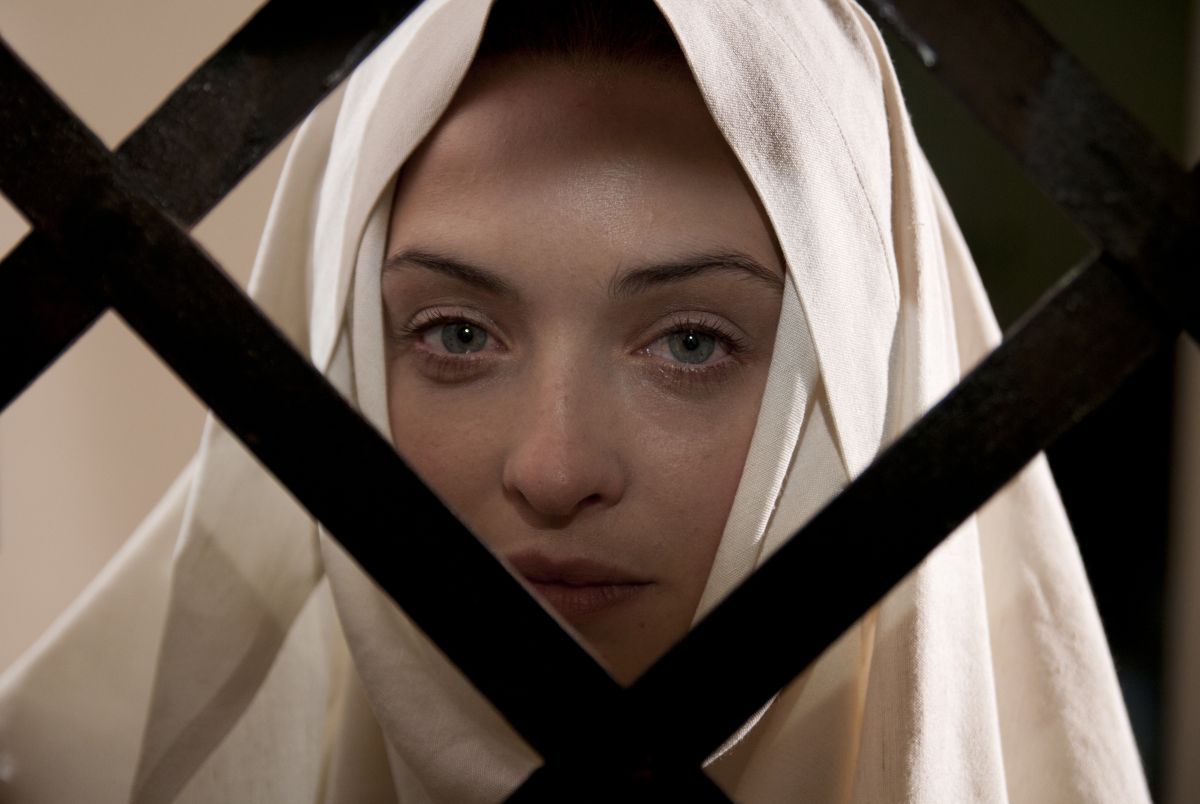
Marvelous Boccaccio: Carolina Crescentini in a scene where she plays a wayward nun.
A scene from Maraviglioso Boccaccio featuring Carolina Crescentini as Isabetta, a wayward novice. Featured is Paola Cortellesi as the convent’s superior. (3.02 minutes)
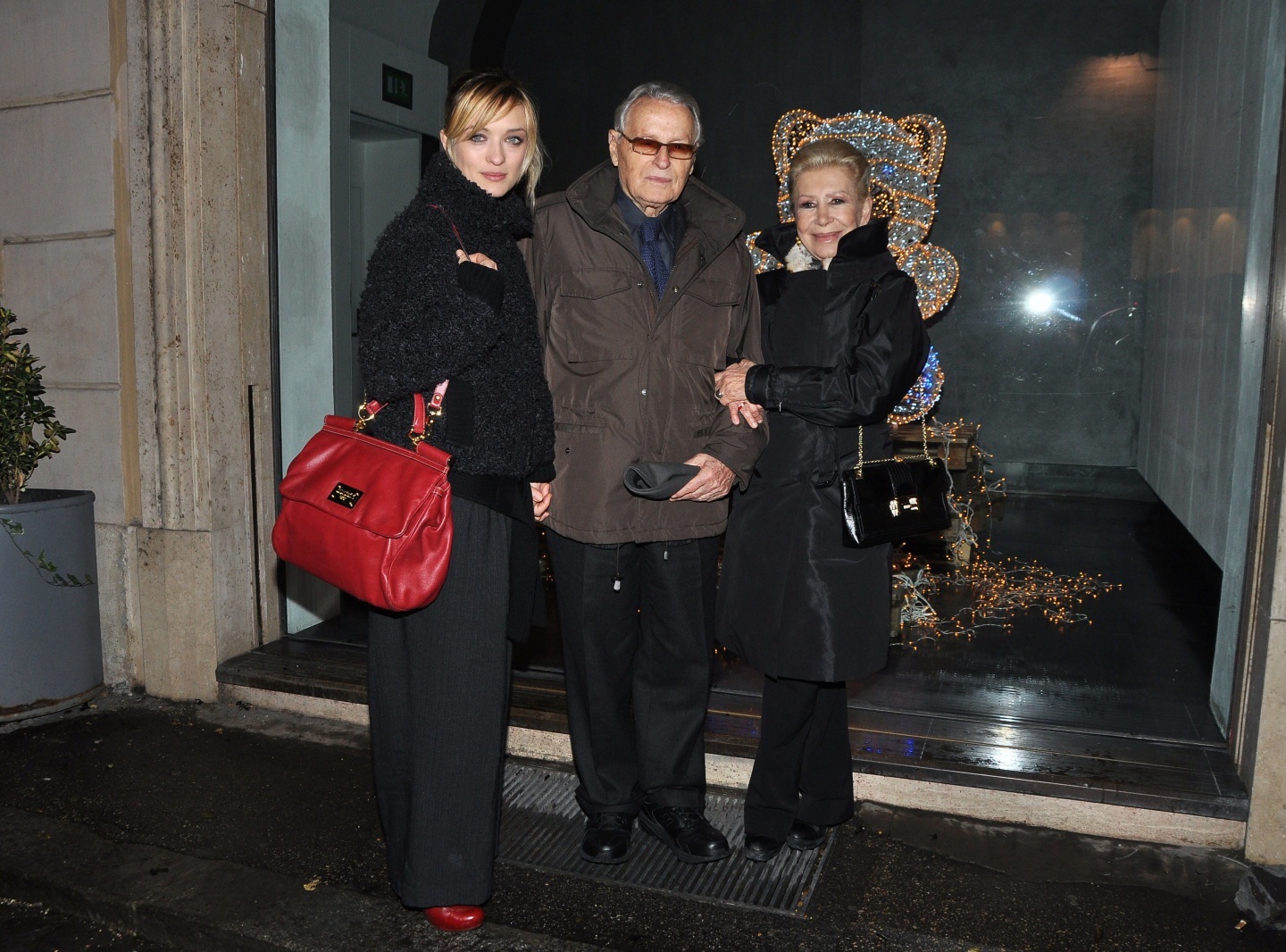
Carolina Crescentini, costume designer Piero Tosi and Anna Fendi.
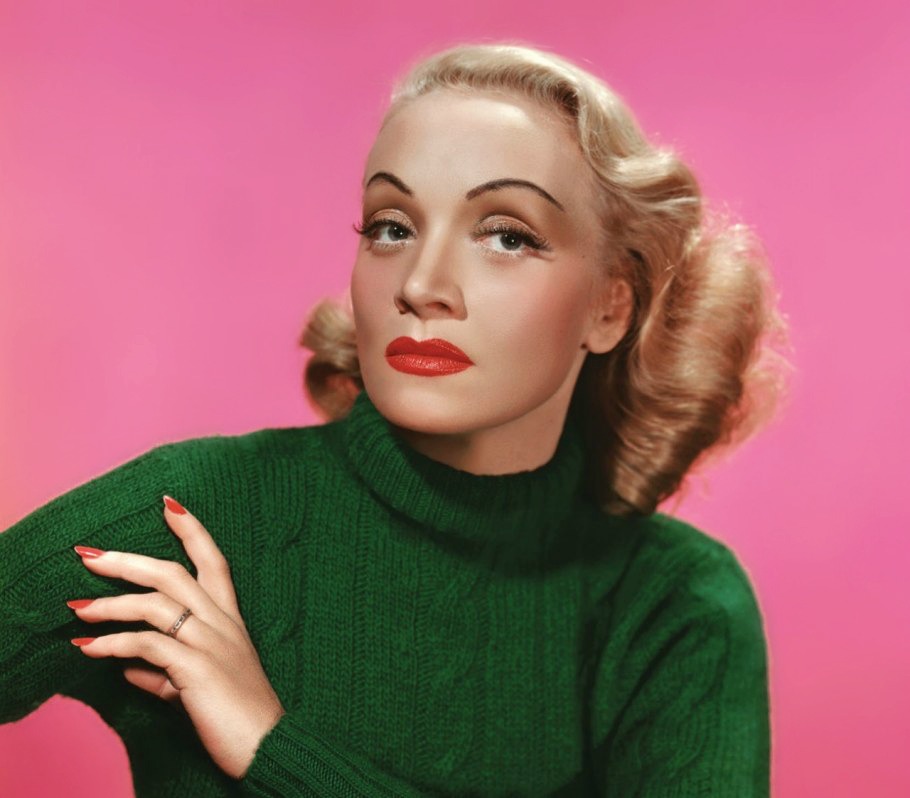
FEATURE image: The 1947 Hollywood glamour portrait of Marlene Dietrich, photographed by A.L. “Whitey” Schafer, Paramount Pictures’ head of still photography since 1941. Photo Credit: Photograph by A.L. “Whitey” Schafer / Paramount Pictures (1947). Status: Public Domain. This image is a Hollywood publicity still distributed freely to the press without a copyright notice, subsequently failing to meet statutory registration and renewal requirements under pre-1978 U.S. copyright law.
In the 1930s and 1940s, the Hollywood “glamour machine” relied on innovative studio photographers like A.L. “Whitey” Schafer and László Willinger to systematically transform actresses into larger-than-life, idealized icons.
This portrait of A.L. “Whitey” Schafer dates from about May 1936 and was taken by an unknown photographer.Captured shortly after Schafer’s appointment as head of Columbia Pictures’ still photography department, the image reflects his rising stature within the industry. He had assumed the position at Columbia in 1935 following the death of department chief William Fraker. As was customary for newly promoted studio executives, Schafer sat for a series of professional publicity portraits created by fellow photographers in the studio’s own portrait gallery. The photograph presents Schafer as not merely a technician behind the camera but conveys his personal warmth as one of the key visual architects of Hollywood’s star-making machinery during the studio era.Photo Credit: Photographer Unknown / Columbia Pictures (May 1936). Status: Public Domain. This image is an official studio promotional portrait distributed freely to trade publications and the press without a formal copyright notice or subsequent registration.
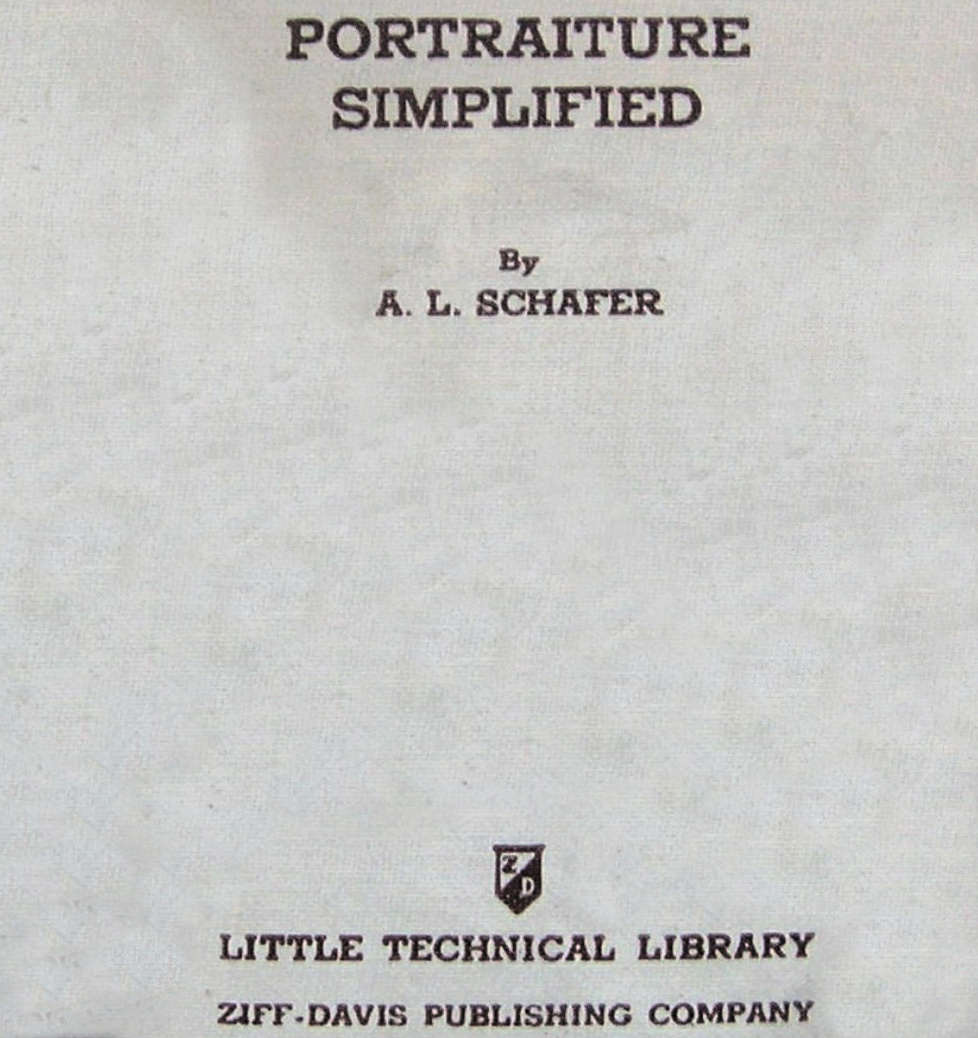
Born in in Salt Lake City and growing up in California, A.L. “Whitey” Schafer ran the leading portrait gallery at Columbia in the 1930’s and early 1940’s. His work contributed to the emerging stardom of Rita Hayworth. “Whitey” Schafer was one of Hollywood’s elite studio photographers, becoming head of Paramount’s still photography department in 1941. A visionary technician as well as an accomplished artist, Schafer wrote extensively about photographic lighting and portrait design, publishing his influential manual Portraiture Simplified in 1941. He believed that successful portraiture depended upon disciplined composition, arguing that a portrait was much like a symphony, with every element supporting a single focal point. For Schafer, that center of interest was always the subject’s head, and the highest light in the image should direct the viewer’s eye there.
That philosophy is evident in his celebrated 1947 portrait of Marlene Dietrich, where a carefully placed key light transforms her blonde hair into a radiant halo, separating her from the background and drawing immediate attention to her face. The result is both technically precise and emotionally compelling, demonstrating Schafer’s mastery of the glamour style that defined Hollywood’s Golden Age.
“Whitey” Schafer wrote an important book on glamour photography
Photographer A. L. “Whitey” Schafer started shooting stills in 1923 and continued in that line of work at Columbia Pictures when he moved there in 1932. Personally outgoing, Schafer was appointed head of the still photography department at Columbia in 1935. In the 1940’s Shafer wrote copiously on his craft and advocated for techniques in glamour photography that are seen in this Dietrich color portrait.
In 1941 Schafer published Portraiture Simplified, a book in which he argues that “portraiture’s purpose is the realization of character realistically.” Among his technical observations Schafer wrote elsewhere that “composing a portrait is comparable to writing a symphony. There must be a center of interest, and in all portraits this naturally must be the head, or your purpose is defeated. Therefore, the highest light should be on the head.” Author’s photograph.
In 1941 Schafer replaced Eugene Richee (1896-1972) as department head of still photography at Paramount Studios. Schafer remained in that position where he photographed the stars until he died at 49 years old in an accident in 1951.
MARLENE DIETRICH
Marlene Dietrich. Paramount, 1947. Photograph by A.L. “Whitey” Schafer. Public Domain.
The 1947 Hollywood glamour portrait of Marlene Dietrich (1901, Berlin – 1992, Paris), photographed by Paramount Pictures’ head of still photography A.L. “Whitey” Schafer, perfectly captures the intersection of postwar studio publicity, advanced color-imaging technology, and the meticulous construction of screen mythology. By 1947, the forty-six-year-old Dietrich was mounting a major cinematic comeback after years devoted to entertaining Allied troops during World War II. The image was created to promote her return film, Golden Earrings (1947), Paramount’s romantic spy thriller so-starring Ray Milland and one of the most important projects of her postwar career.
Produced using the tri-chrome Cabro process to simulate the rich visual impact of Technicolor, the portrait reveals the dramatic reinvention of Dietrich’s screen image. Gone is much of the shadow-drenched femme fatale persona associated with her celebrated 1930s collaborations with director Josef von Sternberg. In its place stands a radiant, golden-haloed blonde wearing a green turtleneck sweater whose precisely penciled arc eyebrows, lifted in a knowing, seductive expression, project confidence and sophistication. High, sculpted cheekbones, luminous skin, and vivid red lipstick matched to her polished fingernails create striking accents of color that reinforce both glamour and modernity.
Historically, the photograph marks a crucial turning point in Dietrich’s career. It demonstrated that her unique screen magnetism could transition seamlessly from the classic black-and-white era into the vibrant color culture of the postwar entertainment industry. At the same time, it remains a textbook example of Schafer’s mastery of Hollywood commercial photography, illustrating how a single carefully engineered image could reposition an established actress not as a fading star, but as a timeless contemporary icon.
The film’s song, “Golden Earrings,” with music by Victor Young (1900-1956) and lyrics by Ray Evans (1915-2007) and Jay Livingston (1915-2001) was sung in the movie by actor Murvyn Vye (1915-1976). It was a hit recording in 1947-48 by Peggy Lee.See- https://digital.library.unt.edu/ark:/67531/metadc1633213/m1/#track/4
1940s blondes
Like other leading ladies in the 1940’s, the Hollywood glamour machine transformed Dietrich into a golden-haloed blond which accentuated her magnificent cheekbones and sultry eyes under penciled-arc eyebrows and painted nails that A.L. “Whitey” Schafer’s color portrait makes evident.
It was also in 1947—the same year that the photograph was made— that Dietrich received the Medal of Freedom. Dietrich called it her life’s proudest achievement.
While Golden Earrings was a decent film, its main purpose was to provide the actress with a job. It led into her next project—the 1948 American romantic comedy A Foreign Affair directed by Billy Wilder. That film made Dietrich a top star again.
From Paramount Pictures, A Foreign Affair is a 1948 American romantic comedy-drama film directed by Billy Wilder. The film made Marlene Dietrich a top star in the post-war years.
Following Dietrich’s meteoric rise at Paramount Pictures starting in 1930 her acting parts later stagnated as film directors —including Josef von Sternberg and others—seemed to use her more as a piece of expensive cinematic scenery than as a serious dramatic actress.
ELIZABETH TAYLOR
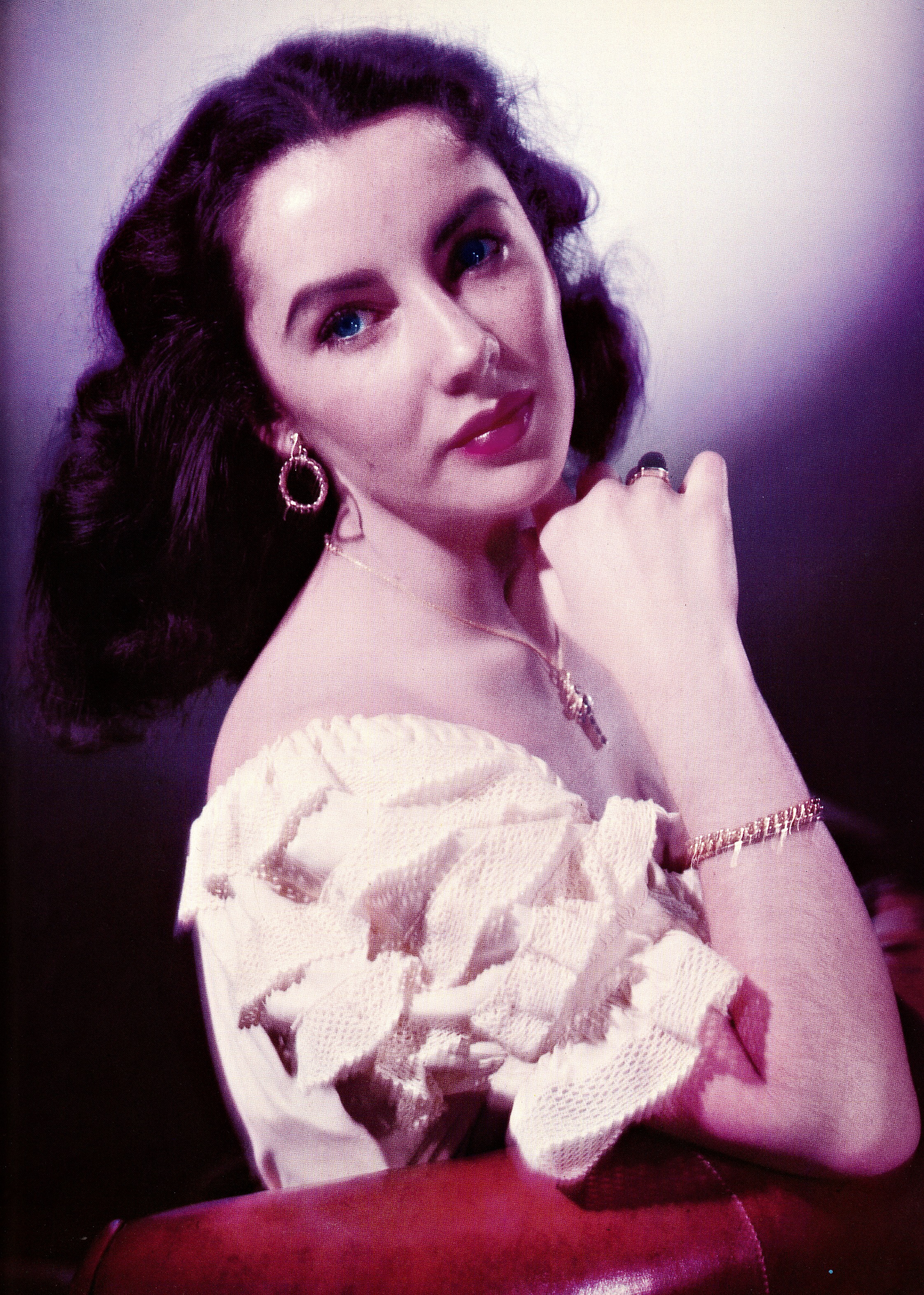
1949 color portrait of Elizabeth Taylor, taken by photographer Hymie Fink for M-G-M, represents the dawn of her transition from a beloved child star into Hollywood’s definitive adult beauty.Photo Credit: Photograph by Hymie Fink / M-G-M (1949). Status: Public Domain. This image is a Hollywood studio promotional handout distributed widely to the press without a formal copyright notice or subsequent registration under pre-1978 U.S. copyright law.
In 1949, Elizabeth Taylor was only 17 years old, yet she had already spent nearly a decade before the cameras. After making her film debut at age ten, she spent the 1940s under contract to Metro-Goldwyn-Mayer, growing up before the public eye.
By the end of the decade, M-G-M’s powerful publicity machine recognized that Taylor possessed a striking beauty that seemed far beyond her years. Determined to transition her from celebrated child star to adult leading lady, the studio staged a series of glamorous portrait sessions that showcased her most distinctive features. Though not especially known for projecting a warm or gentle personal demeanor, Taylor could be photographed in ways that softened and refined her public image carefully constructed by the studio. Through dramatic lighting, rich color photography, elegant jewelry, and sophisticated gowns, photographers emphasized her legendary violet-blue eyes and luxuriant dark hair, presenting her not as a teenager but as Hollywood’s newest screen beauty.
In 1950 Elizabeth Taylor co-starred in Father of the Bride, M-G-M’s comedy film that was nominated for three Academy Awards. It was directed by Vincente Minnelli.
Portraits such as this one by Hymie Fink were part of a calculated effort to prepare audiences for Taylor’s next chapter. That campaign culminated in her breakthrough adult role as Kay Banks in Vincente Minnelli’s hit comedy Father of the Bride (1950). The young actress whom moviegoers had watched mature on screen was now being introduced as a poised and romantic leading woman, ready to enter a new phase of stardom at the dawn of the 1950s.
By prioritizing high-contrast lighting, bold colorization, and curated personal archetypes over realistic character study, these pioneering still photographers manufactured the enduring, sensuous visual mythology of the Golden Age star.
WHO IS HYMIE FINK? HIS IDENTITY REMAINS A MYSTERY
Who was Elizabeth Taylor’s photographer, Hymie Fink? Was Hymie Fink a studio photographer? Freelancer? Pseudonym for an unknown talent or combination of unknown talents?
Unlike studio heads like Whitey Schafer or László Willinger, Hymie Fink is a mysterious figure in Hollywood history. His name consistently appeared alongside the industry’s biggest stars from the late 1930s until his sudden death in the mid-1950s.
His name appears among the stars starting in the late 1930’s until his death. It was announced by Hedda Hopper when she ended her newspaper gossip column for September 28, 1956, with the epitaph: “Hymie Fink, one of the sweetest men in Hollywood, died of a heart attack on Jane Wyman’s TV set. Hymie photographed every star and every major event in (Hollywood) for twenty-five years.”
Fink was celebrated as an exceptionally warm, ubiquitous presence in the film community. His lens captured Taylor with an intimate, soft, yet vibrant quality that perfectly bridged the gap between raw star power and youthful innocence.
Hedda Hopper (1885-1966) was a powerful voice in Hollywood whose gossip columns were read by tens of millions. PHOTO: “Hedda Hopper” by Baron Adolph de Meyer, 1 Sep 1868 – 6 Jan 1946 is marked with CC0 1.0.
LANA TURNER
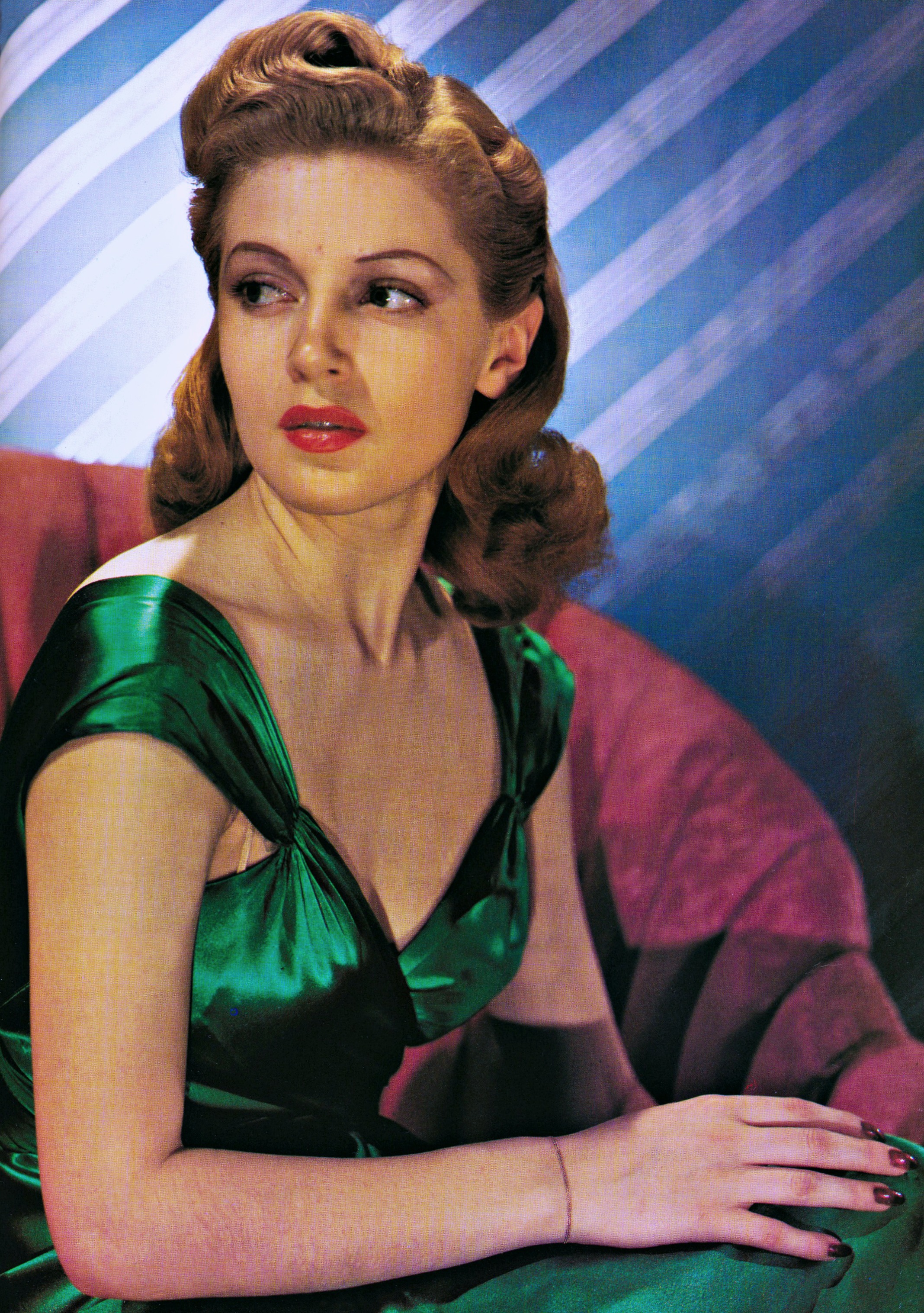
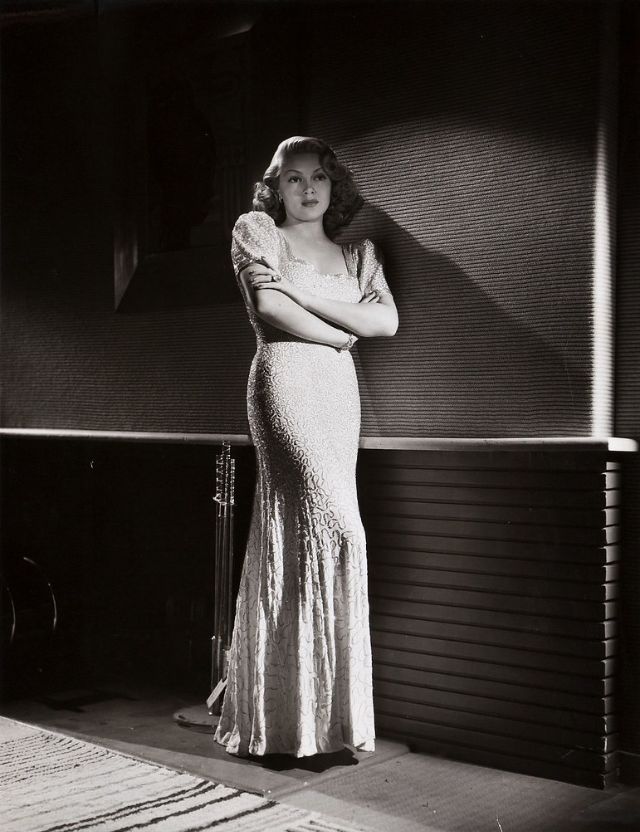
This 1939 color portrait of Lana Turner, taken by Hungarian-born photographer László Willinger for M-G-M, captures a fascinating and brief transitional moment in the actress’s early career before she became a household name.Photo Credit: Photograph by László Willinger / M-G-M (1939). Status: Public Domain. This image is a Hollywood studio promotional handout distributed freely to the press without a formal copyright notice or subsequent registration under pre-1978 U.S. copyright law.
Though pop culture legend remembers Lana Turner as the definitive platinum blonde of the 1940s, this unretouched 1939 photograph catches her at 18 years old as a striking redhead from Idaho named Julia Jean Turner.
Lana Turner had been discovered three years earlier at 15 years old. Her legendary discovery in a malt shop near Hollywood High School where she was a student, has entered the annals of show-biz mythology. After William R. Wilkerson (publisher of The Hollywood Reporter) spotted a 15-year-old Turner at the Top Hat Malt Shop, he referred her directly to legendary actor-turned-talent-agent Zeppo Marx. Marx did not sign her to a film contract himself; instead, he acted as her representative and immediately brought her into an interview with director Mervyn LeRoy. The immediate result of her discovery was a movie contract at Warner Bros. This is where she made her quick, star-making debut in They Won’t Forget (1937) – and audiences didn’t.
“America’s Sweater Sweetheart”
The title of Lana Turner’s first film in 1937 for Warner Brothers was They Won’t Forget. The title proved prophetic for Lana Turner’s Hollywood career as she went on to make over 50 glamorous films, most of them at M-G-M.
Lana Turner was only 16 years old when she made her film debut in a role totaling barely five minutes of screen time. Yet a brief scene of little more than 20 seconds, in which she walked down a sidewalk wearing a tight-fitting sweater and cocked beret, transformed her into an overnight sensation and one of Hollywood’s first modern sex symbols. The impact of that fleeting appearance was so great that gossip columnist Walter Winchell (1897-1972) christened Turner “America’s Sweater Sweetheart.” More importantly, it demonstrated Hollywood’s extraordinary ability to manufacture stardom through a single carefully crafted image. For the next twenty years, numerous actresses would adopt similar wardrobe styles in the hope of achieving the same sudden breakthrough that launched Turner’s career.
Walter Winchell was an influential newspaper gossip columnist and radio news commentator. PHOTO: “Walters Winchell Julius 1” by Goosefriend is licensed under CC BY 2.0.
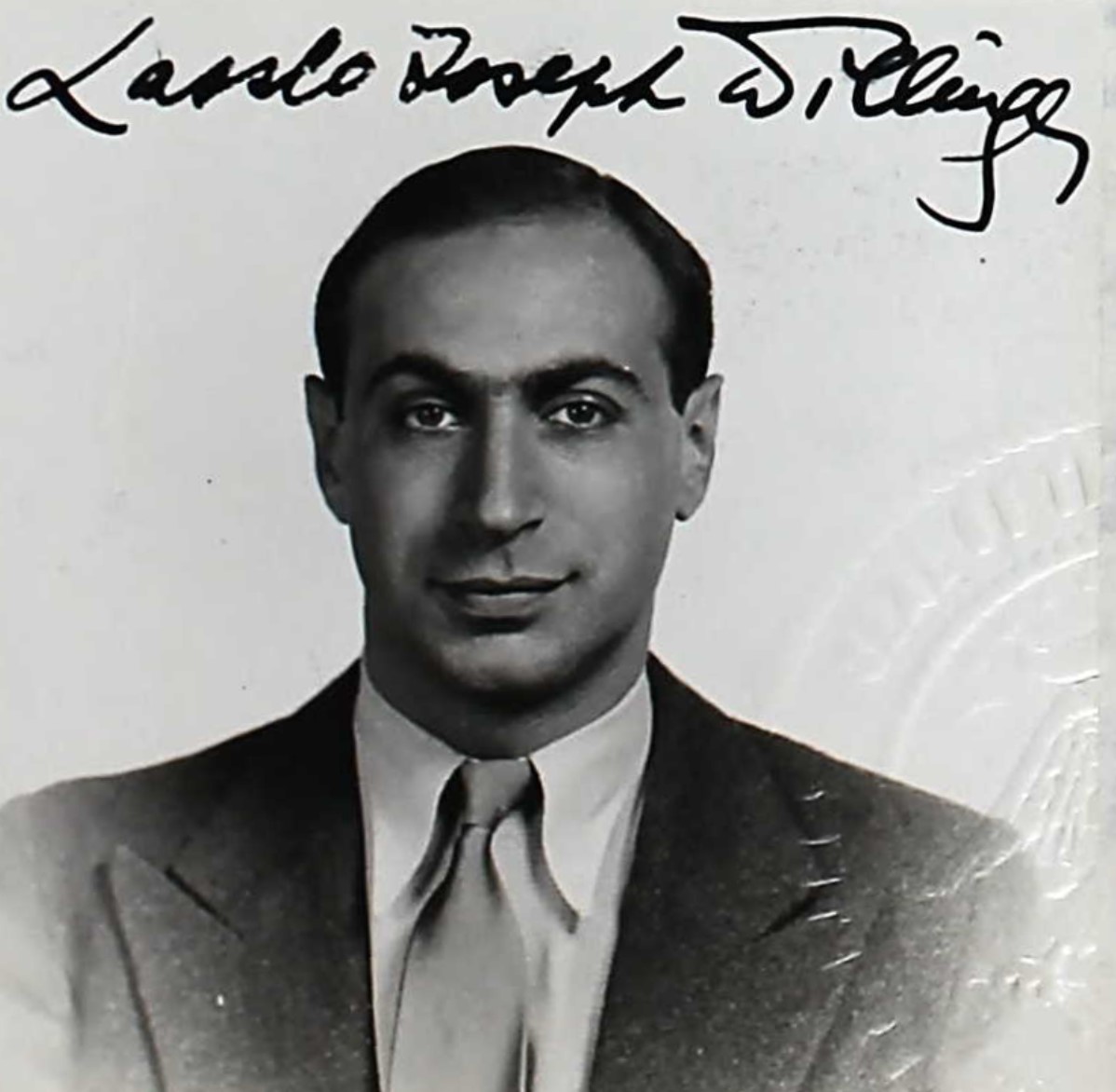
László Willinger
Hungarian-born photographer László Willinger started his professional career in Vienna, Austria. He left Europe for America in 1937 where he joined M-G-M that same year. Soon after, he made his lush shot of 18-year-old Lana Turner in a silky green dress seated on a red divan (or chair) with her head turned and looking to one side with slightly bloodshot eyes.
Willinger’s color portrait of red-headed Lana Turner emphasizes the sensuality of her personality manifested in her full red sensuous lips and painted nails. In 1944, László Willinger left MGM and established his own photography studio in Hollywood. For the next 40 years he successfully practiced his craft among the Hollywood set.
László Willinger’s portrait photography career of film stars and celebrities started in 1937. Public Domain.
New Jean Harlow?
Turner did not arrive at MGM until 1938. When Mervyn LeRoy left Warner Bros. to accept a high-paying executive producer position at Metro-Goldwyn-Mayer, he brought his young protégée right along with him. MGM subsequently bought out her contract, bumped her weekly salary, and began heavily promoting her as their new rising siren. Turner was under contract with M-G-M at this exact moment in 1939 when the studio’s powerful “glamour machine” was actively trying to groom her to become the next Jean Harlow. The star image engineered by Willinger here leans heavily into intense, mature sensuality rather than teenage innocence. Lana Turner followed the sex-bomb script to full force in 1941 when the studio dyed her hair whitish blonde for Ziegfeld Girl. Lana, co-starring with Judy Garland and Hedy Lamarr, stole the show.
The video features the unforgettable staircase climax from Ziegfeld Girl (1941) that transformed Lana Turner into a top tier M-G-M star as she delivers one of the defining moments of Hollywood melodrama. Turner plays Sheila Regan, a humble department store elevator operator transformed almost overnight into a glamorous star of the Ziegfeld Follies. Yet the success that promises everything ultimately takes everything from her. Drawn into a world of wealth, luxury, and excess, Sheila loses her career, her health, and the love of Gilbert, played by James Stewart. Terminally ill and nearly destitute, she slips away from her sickbed to attend the opening night performance of a friend, watching from the shadows of a theater balcony.
As she prepares to leave, the strains of her signature number, “You Stepped Out of a Dream,” drift through the theater. Bent with exhaustion and grief, Sheila clings to the railing, seemingly defeated. Then instinct takes over. Conditioned by years of performing, she straightens her posture, lifts her chin, and once again becomes the perfect Ziegfeld showgirl. Clad in a stunning black gown and trailing a fur coat behind her, she glides down the grand staircase with breathtaking poise and hypnotic elegance. For a few fleeting moments, the audience sees the star she once was.
But it is her final performance. The instant she reaches the lobby floor, the illusion vanishes. Her failing heart gives out, and she collapses. The scene crystallizes the film’s central message: that fame, when pursued at the expense of love, happiness, and authenticity, can exact a devastating price.
The sequence also proved pivotal in Lana Turner’s real-life career. Her commanding presence during the staircase descent overshadowed even fellow stars Hedy Lamarr and Judy Garland, convincing MGM executives that Turner possessed the screen power of a major leading lady. The moment became one of classic Hollywood’s most celebrated images. For years afterward, whenever Turner entered fashionable nightclubs, orchestras would often greet her by playing “You Stepped Out of a Dream,” forever linking the actress to the role that elevated her into the highest ranks of stardom.
A 1941 black-and-white promotional portrait of Lana Turner, captured by MGM staff photographer Eric Carpenter for the musical drama Ziegfeld Girl, represents a definitive structural pivot in her career. This shot formally buried her old overnight moniker as “America’s Sweater Sweetheart” from her Warner Bros. discovery days. Carpenter treats her body as a living sculpture, cementing a manufactured archetype of smoldering elegance and peak dramatic star power. This is the exact moment Metro-Goldwyn-Mayer fully initiated her transformation into a classic Hollywood goddess. Photo Credit: Photograph by Eric Carpenter / M-G-M (1941). Status: Public Domain. This image is a Hollywood studio promotional handout distributed freely to the press without a formal copyright notice or subsequent registration under pre-1978 U.S. copyright law.
Conclusion
Ultimately, whether using László Willinger’s saturated jewel tones or Eric Carpenter’s sculpted black-and-white shadows, Golden Age Hollywood operated on a singular commercial mandate: manufacturing desire to sell movie tickets. As technologies shifted and public tastes evolved from pre-war vamps to post-war modern sirens, studio titans strategically engineered the changing visual archetypes of Marlene Dietrich, Elizabeth Taylor, and Lana Turner. By leveraging advanced color processes and dramatic gallery lighting, pioneering photographers transformed ordinary talent into untouchable cinematic deities. These meticulously curated glamour portraits did more than just attract eyeballs; they constructed an enduring visual mythology that remains the gold standard of stardom today.




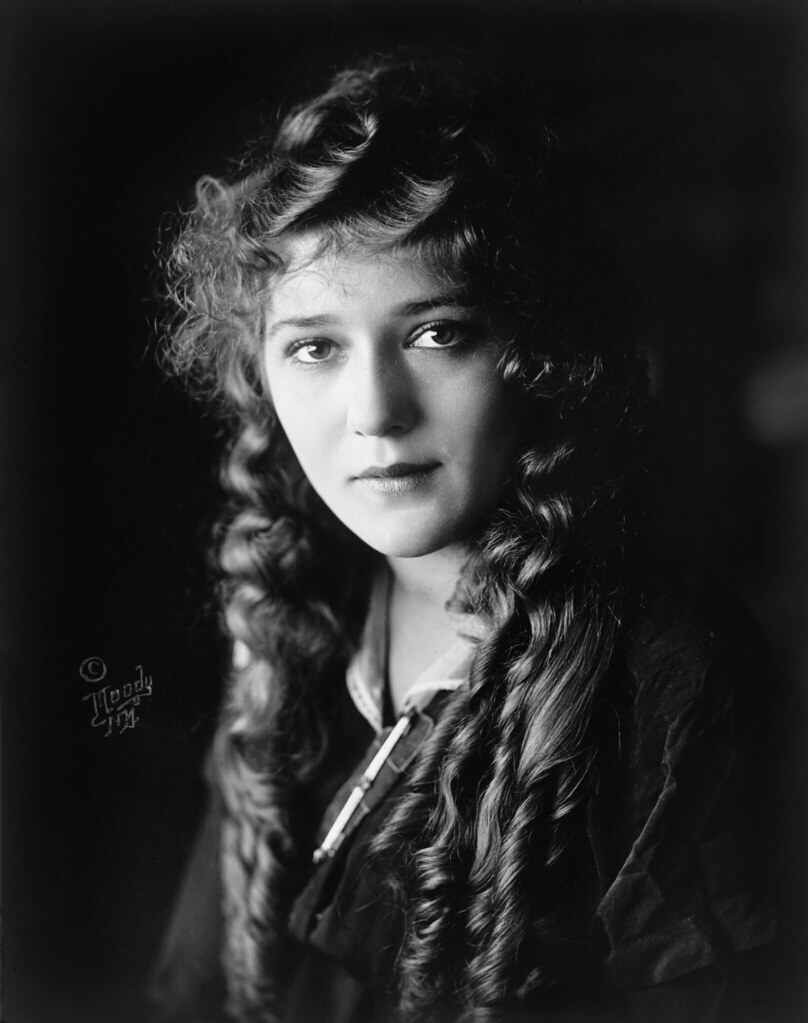



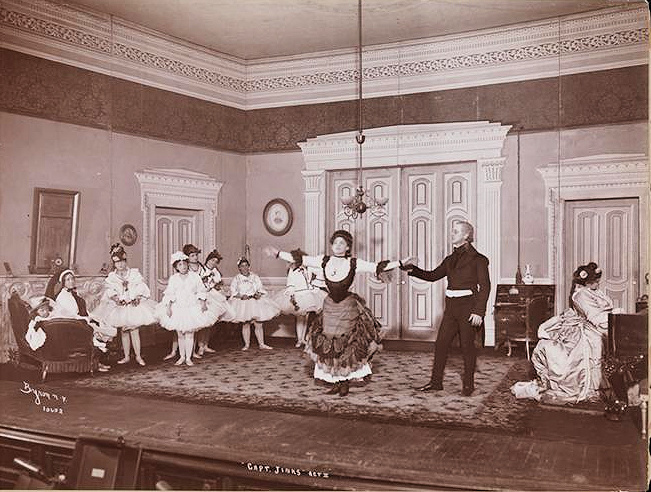
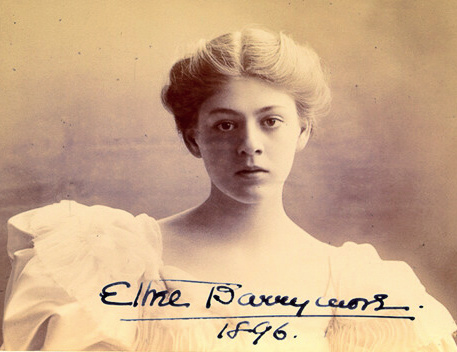


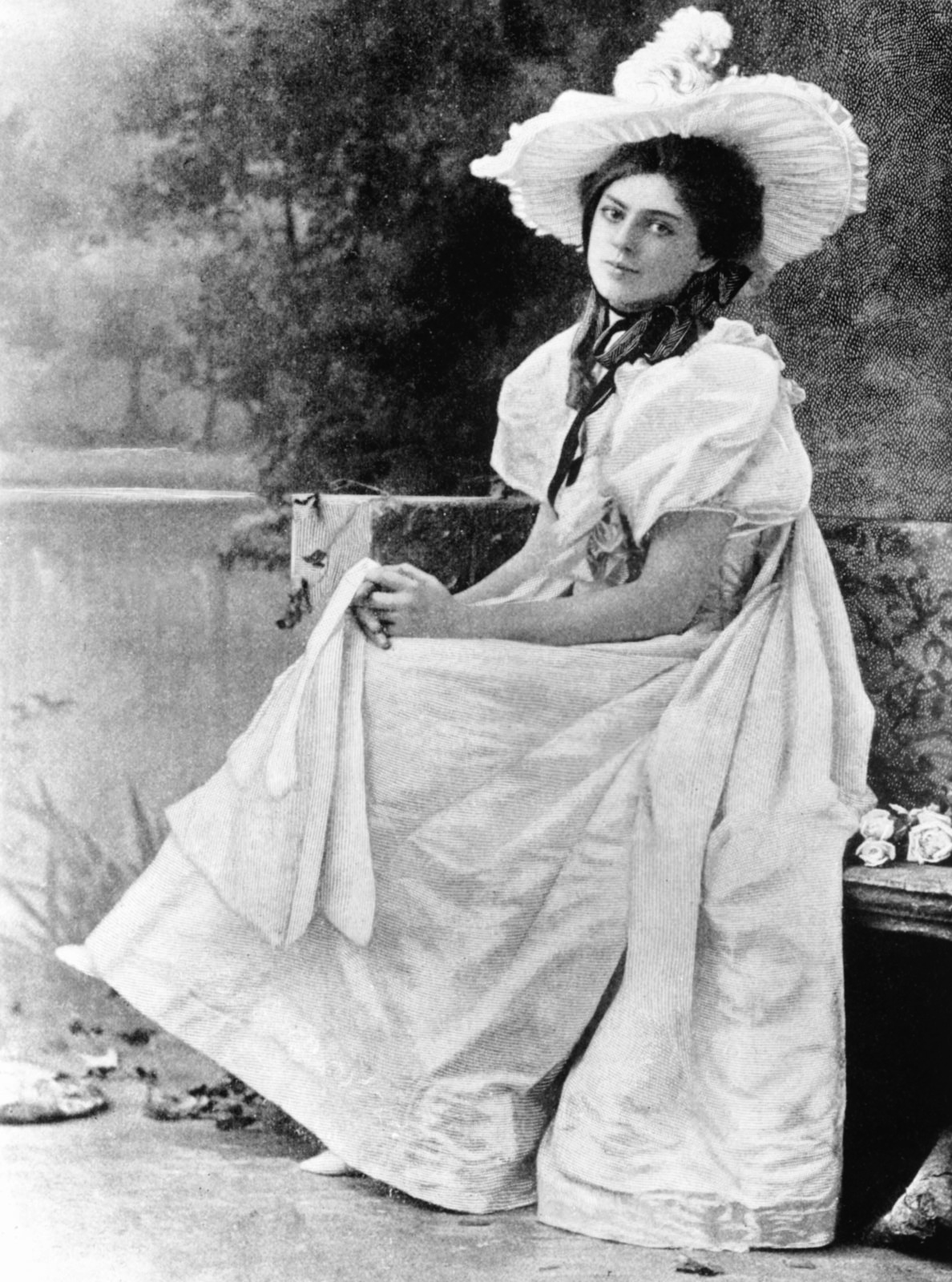


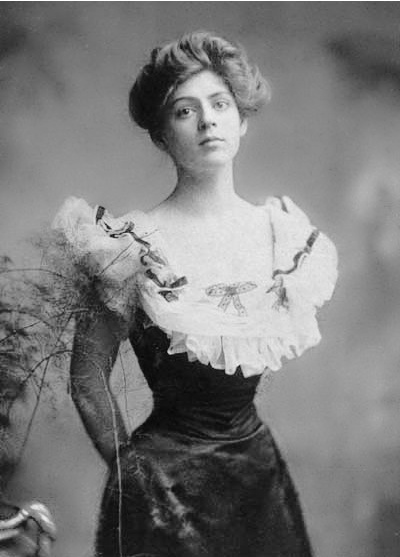


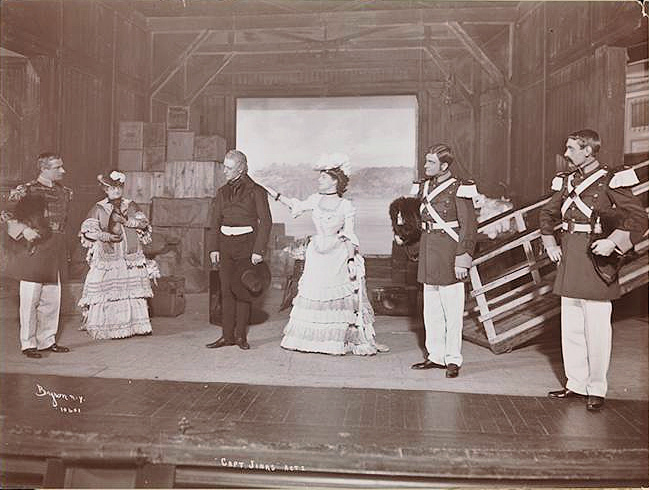


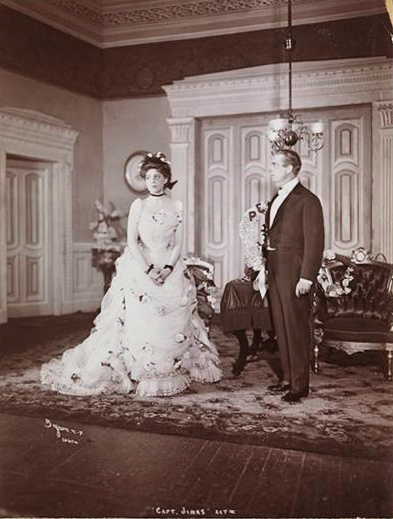


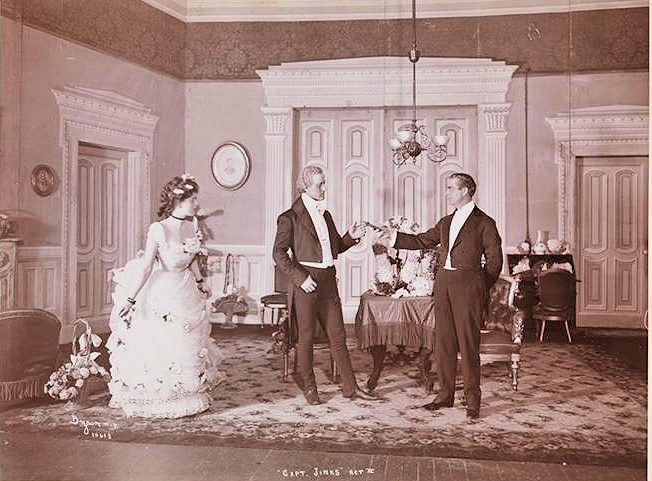


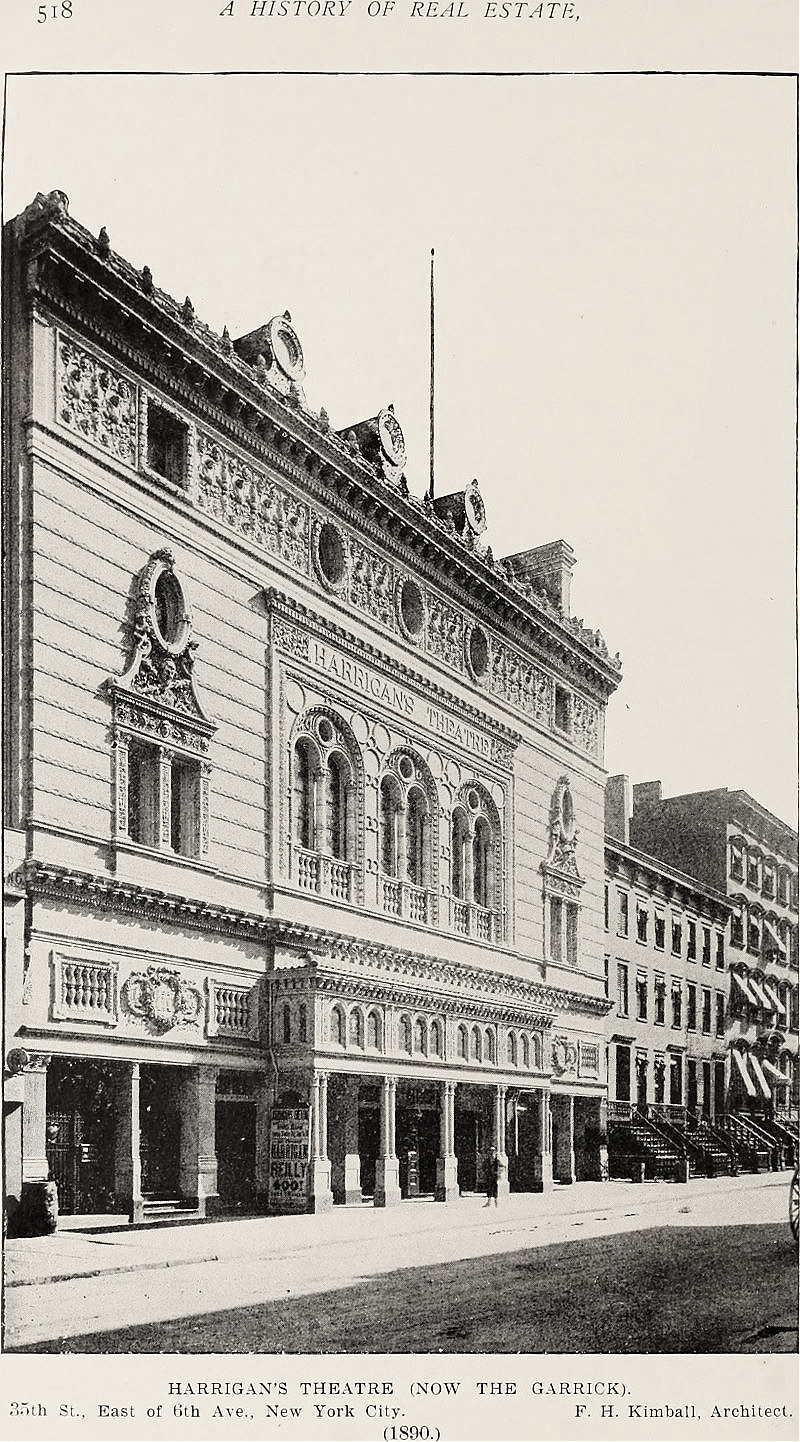
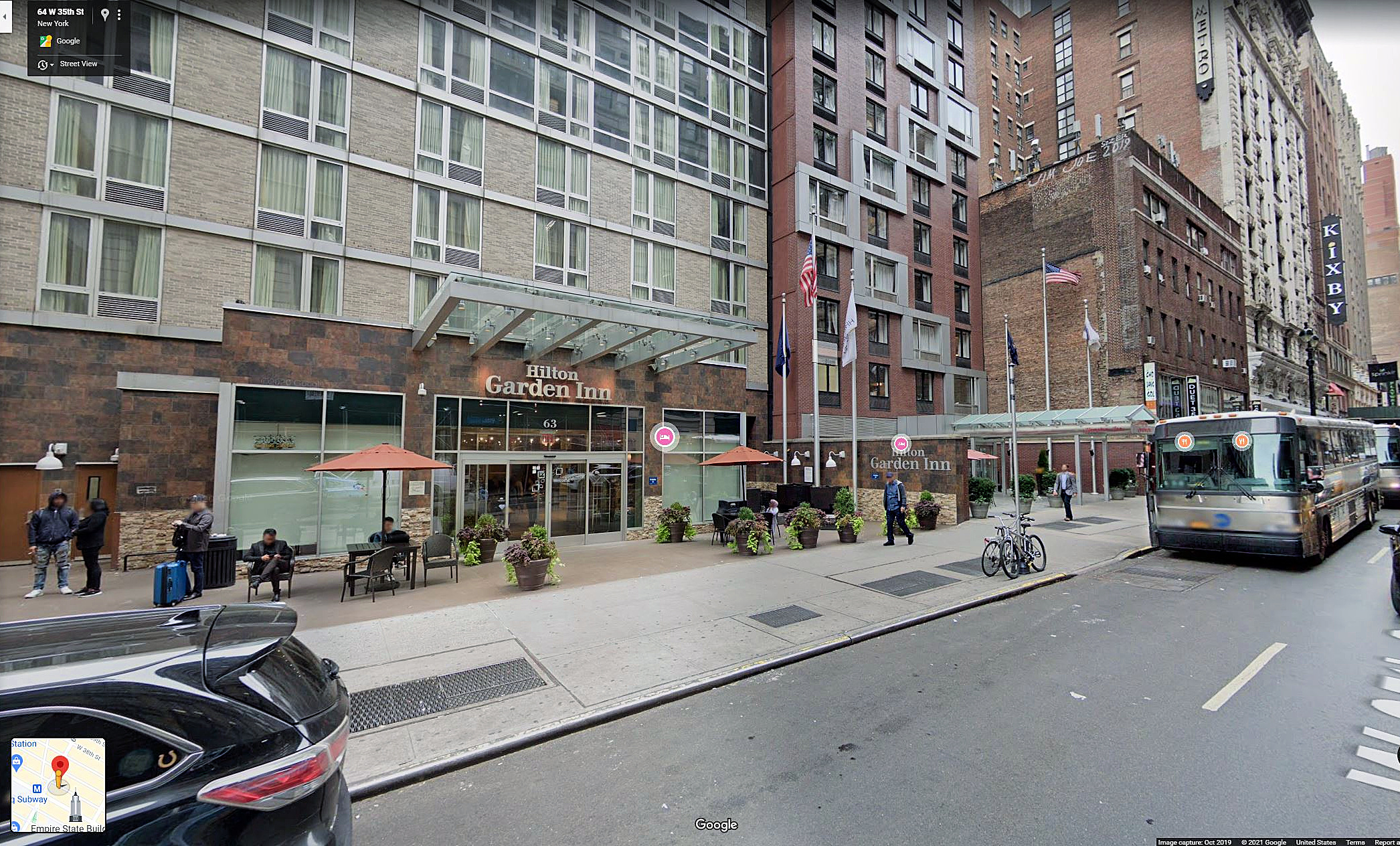
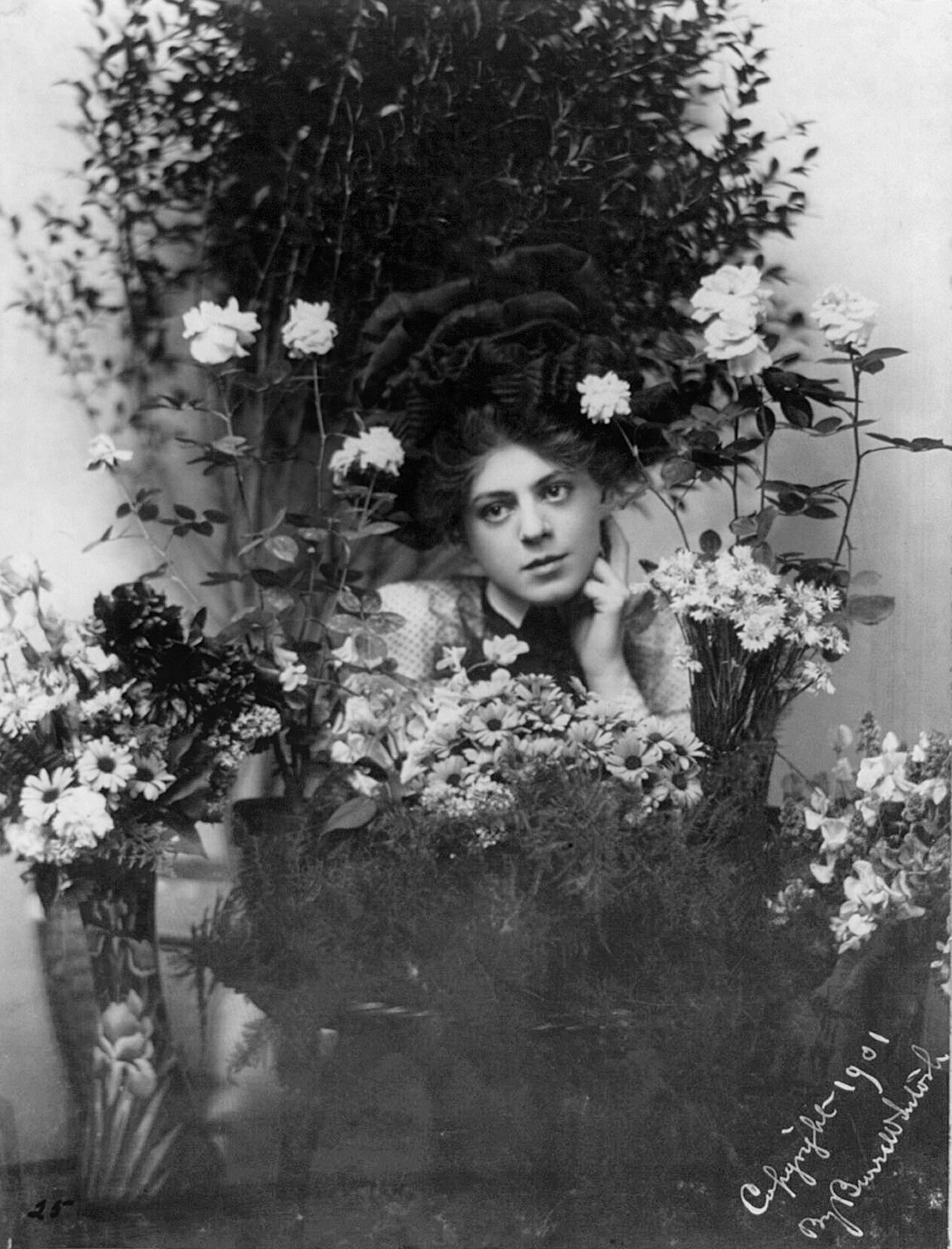


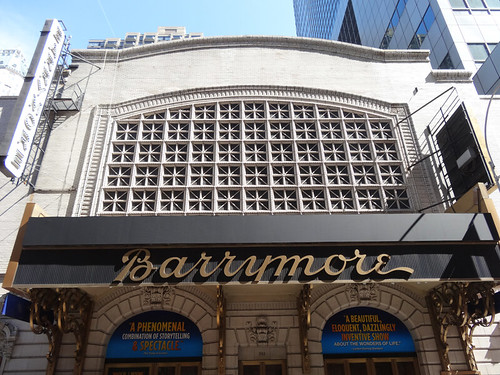
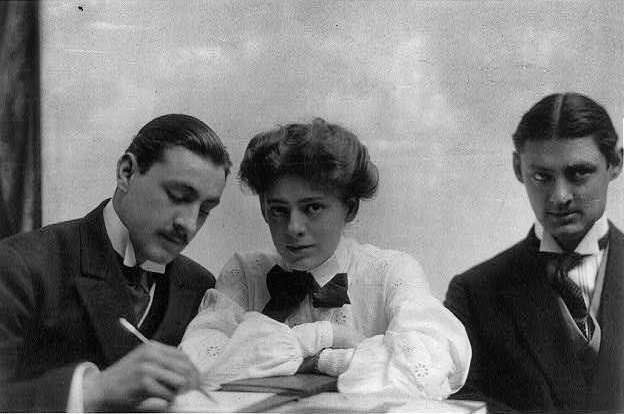







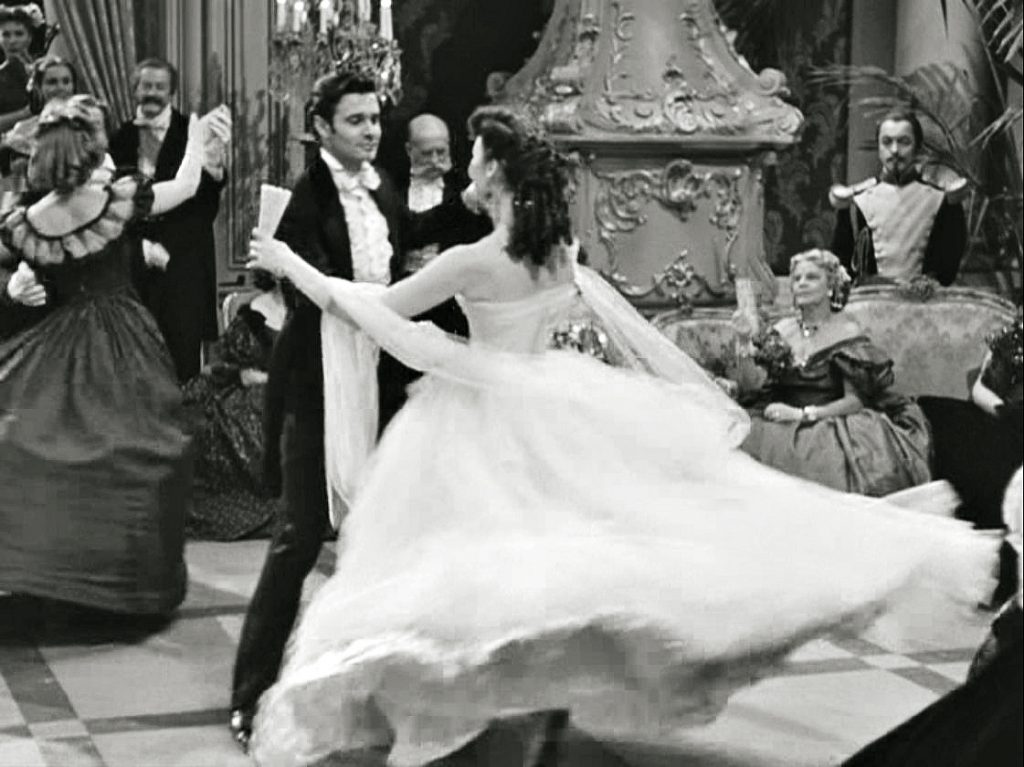





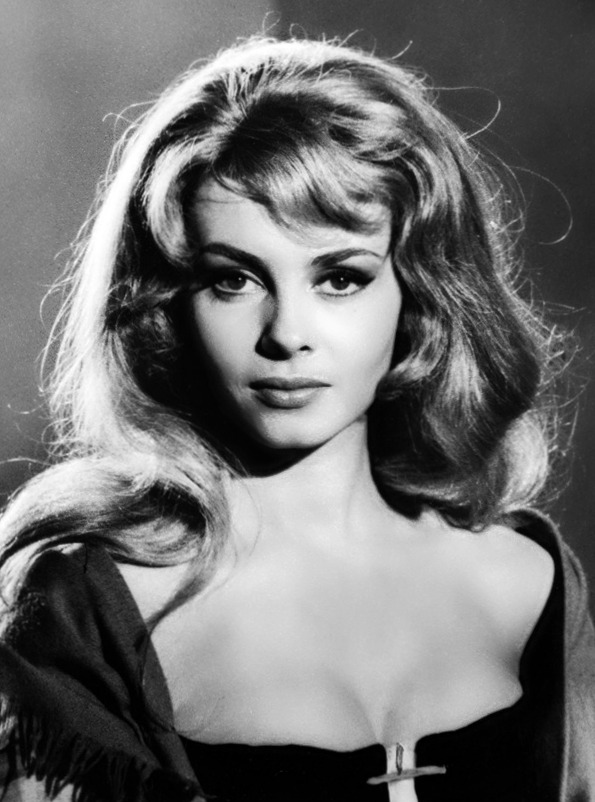
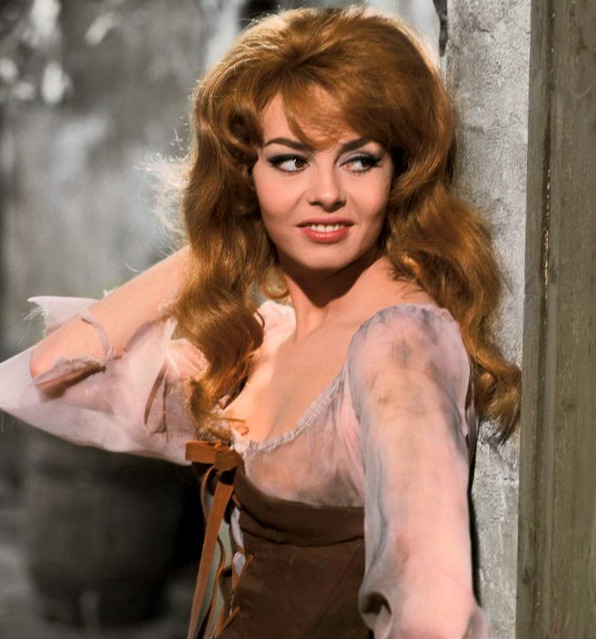


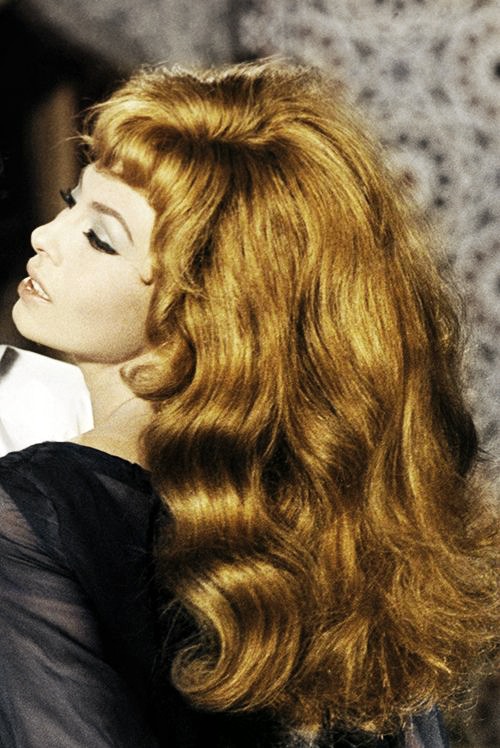
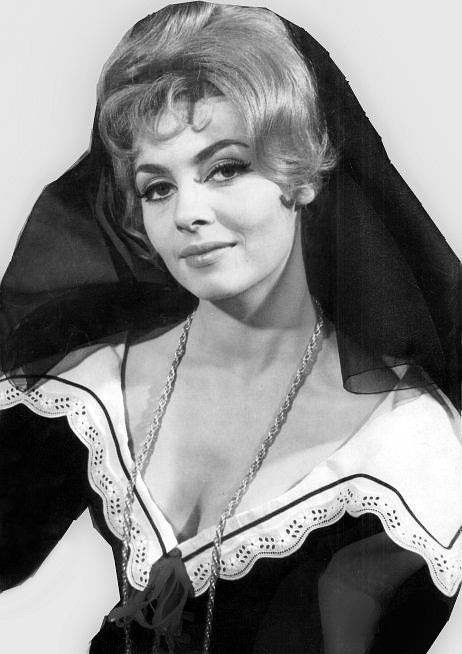
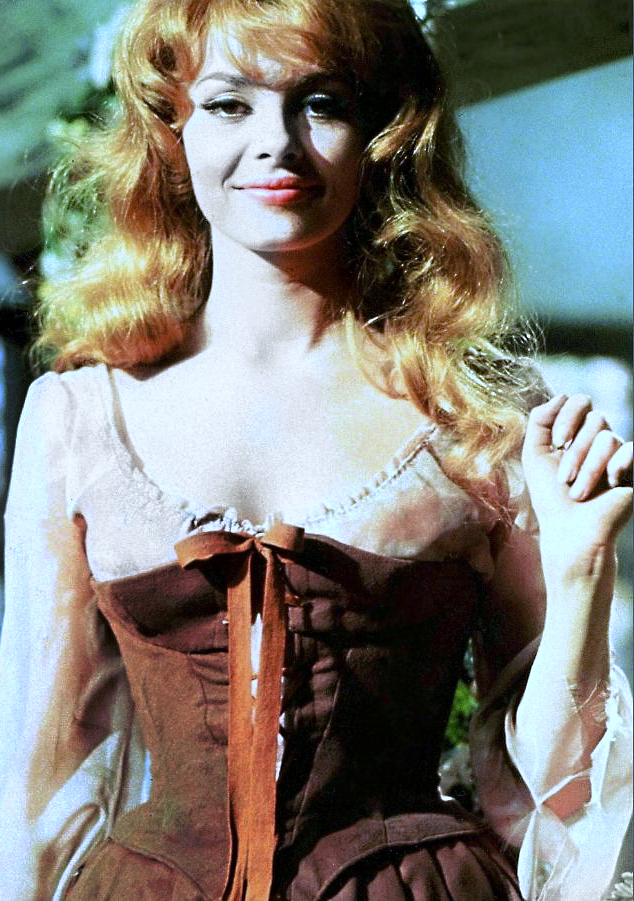

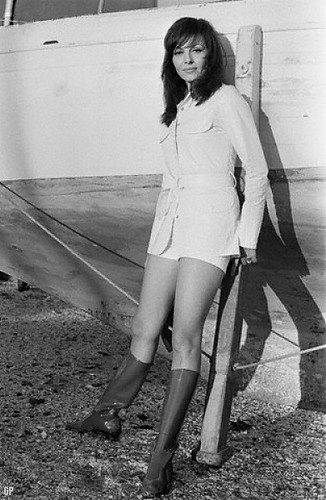


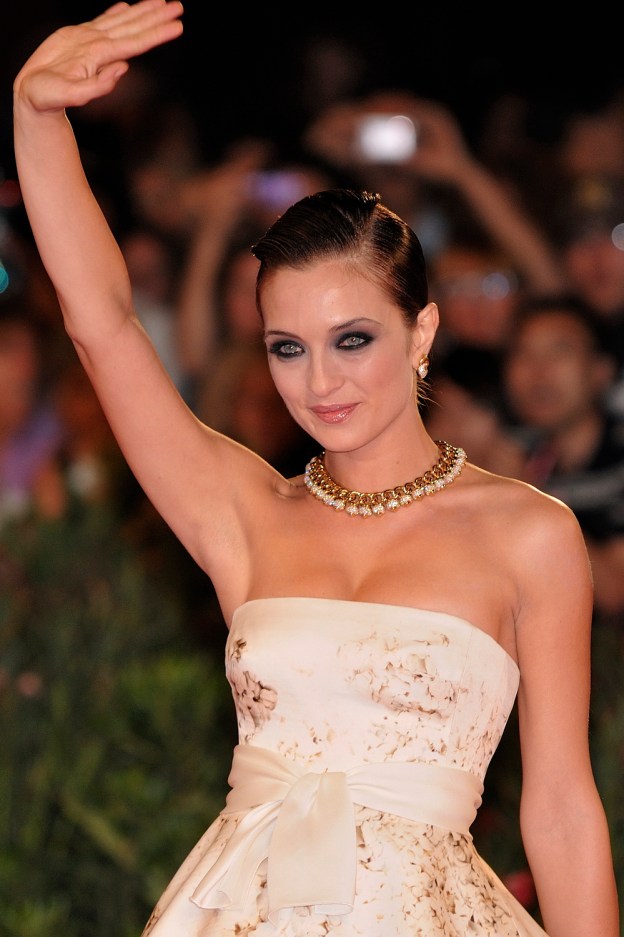


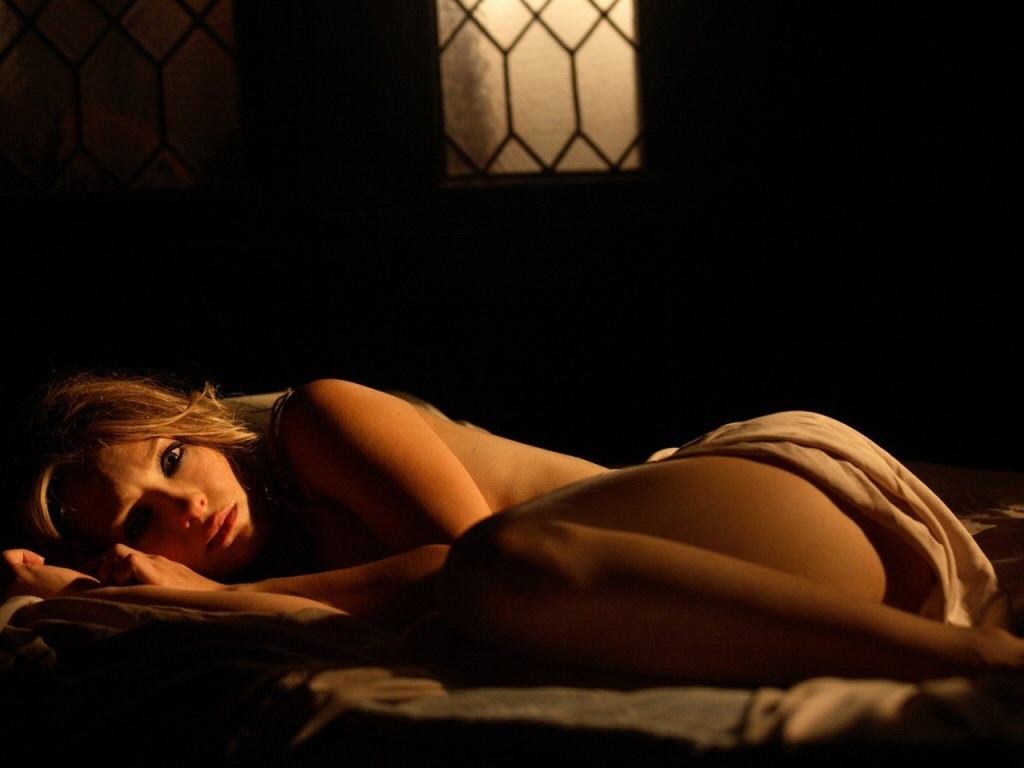


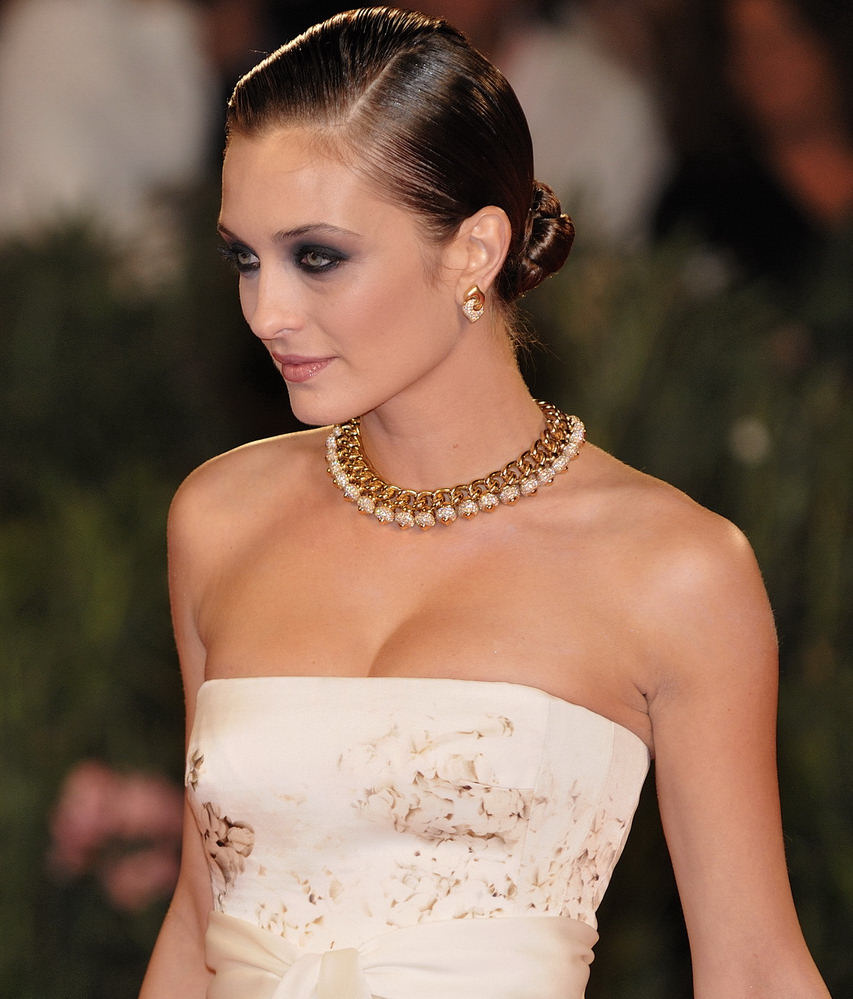

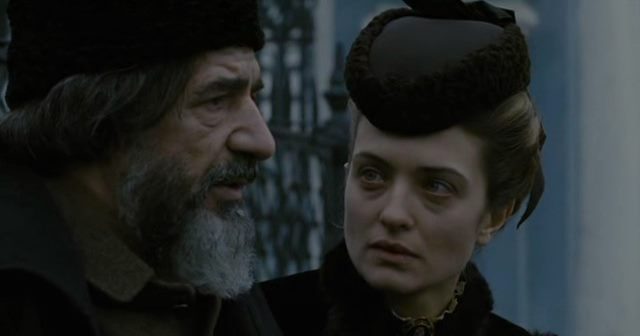
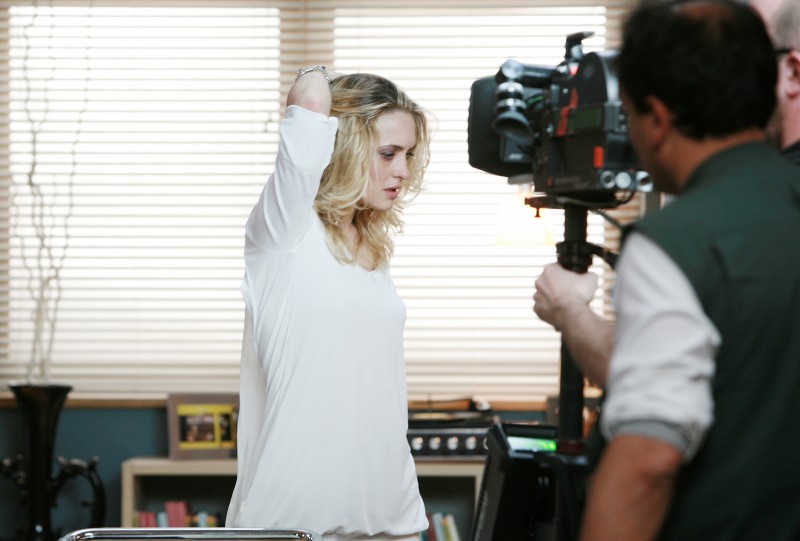

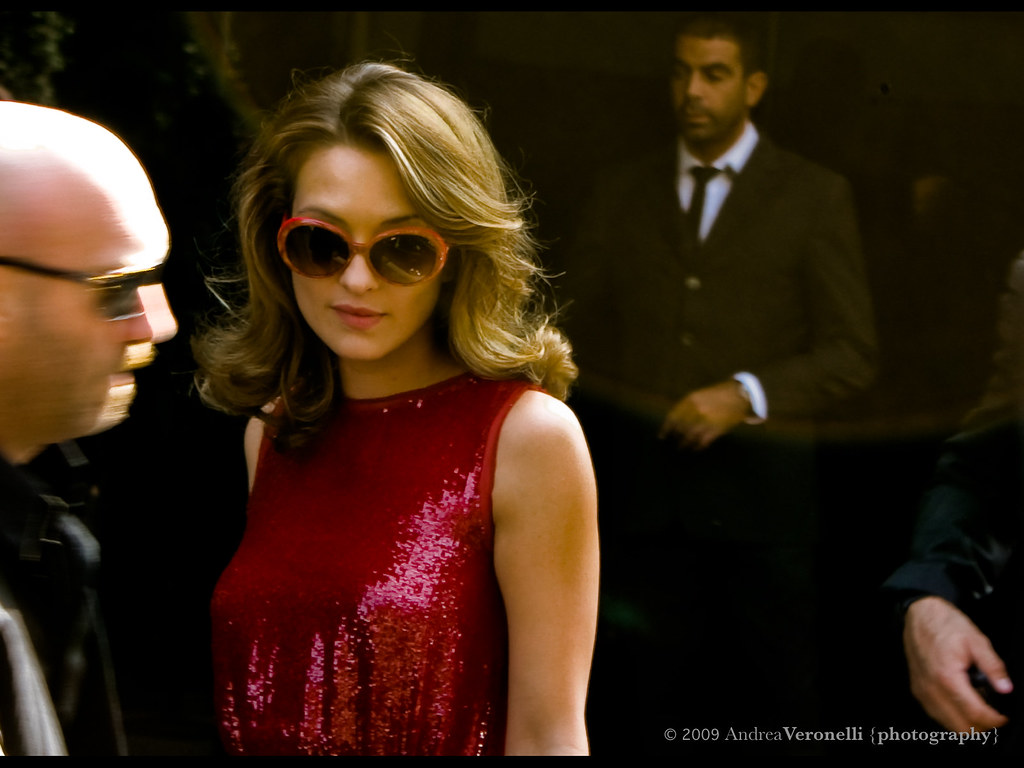
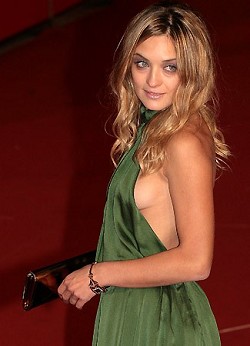

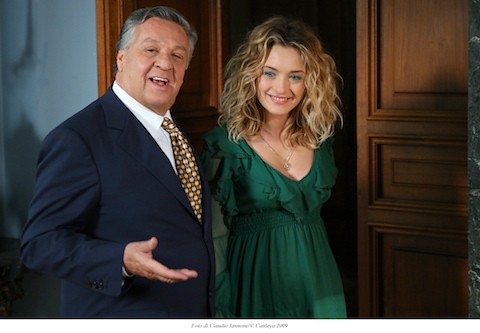
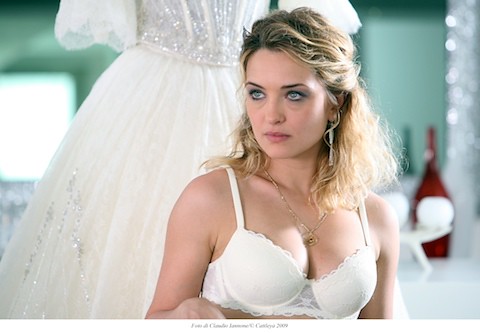
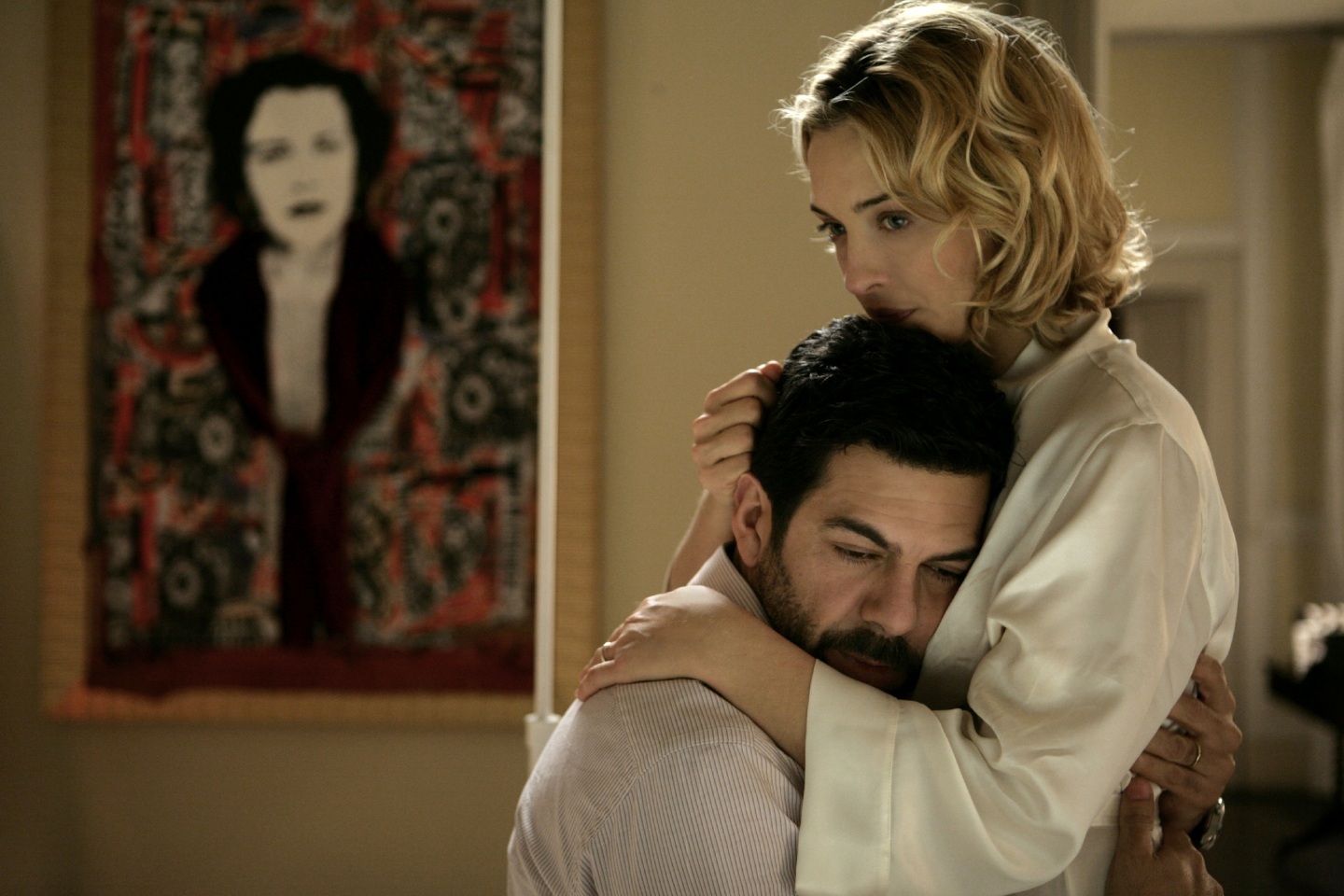
![Tu Style Magazine [Italy] (9 May 2016)](https://jwalsh2013.files.wordpress.com/2017/10/tu-style-magazine-italy-9-may-2016.jpg)