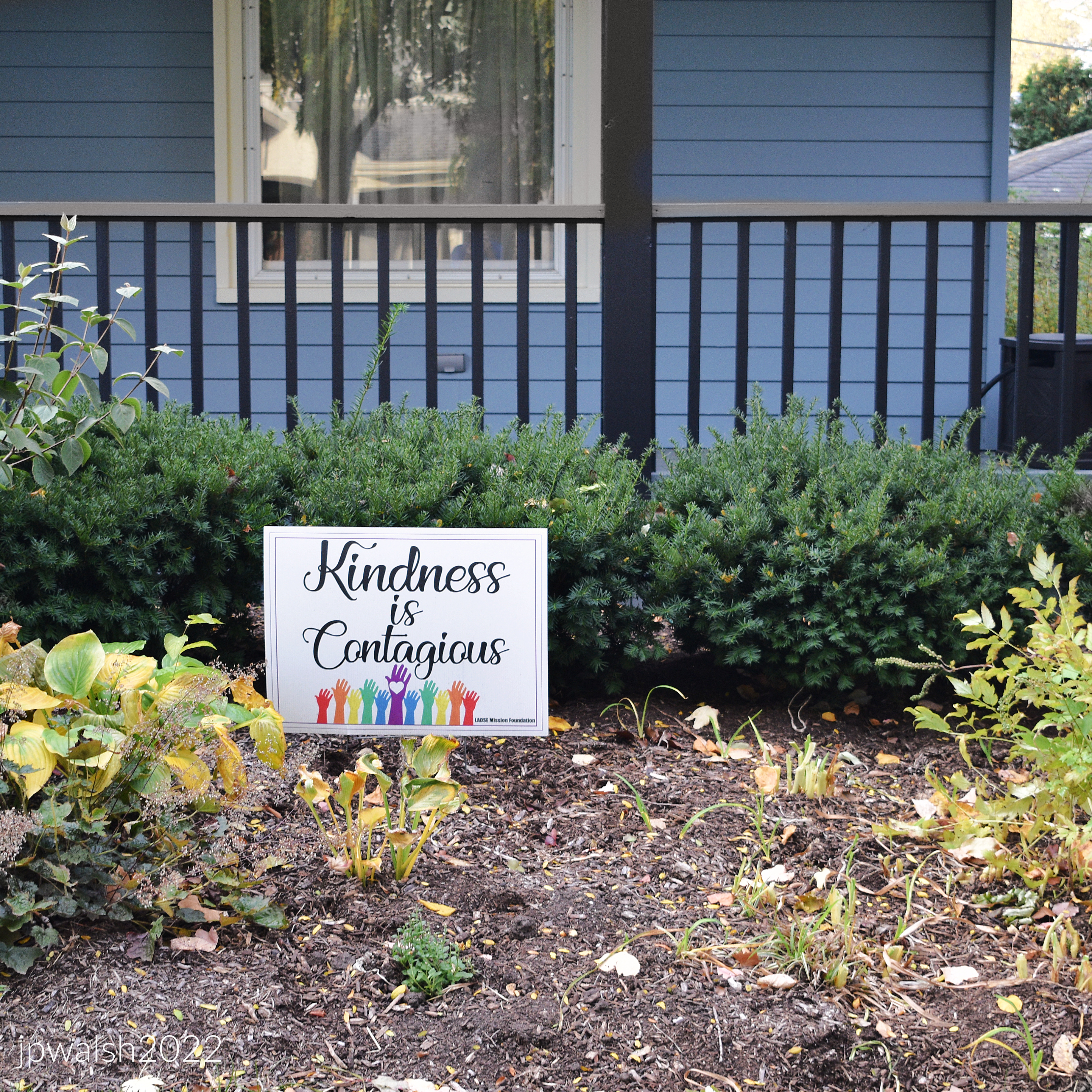
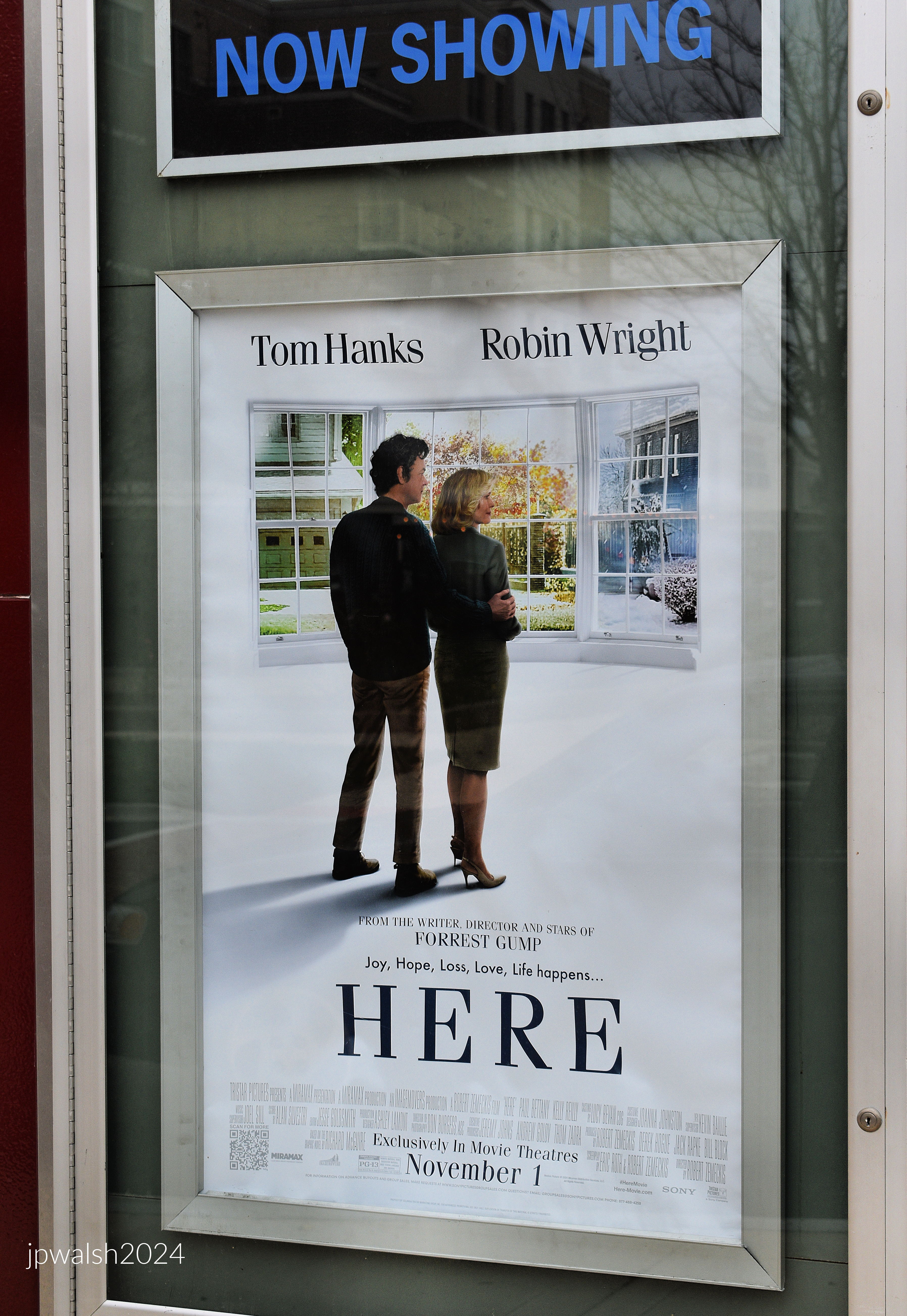
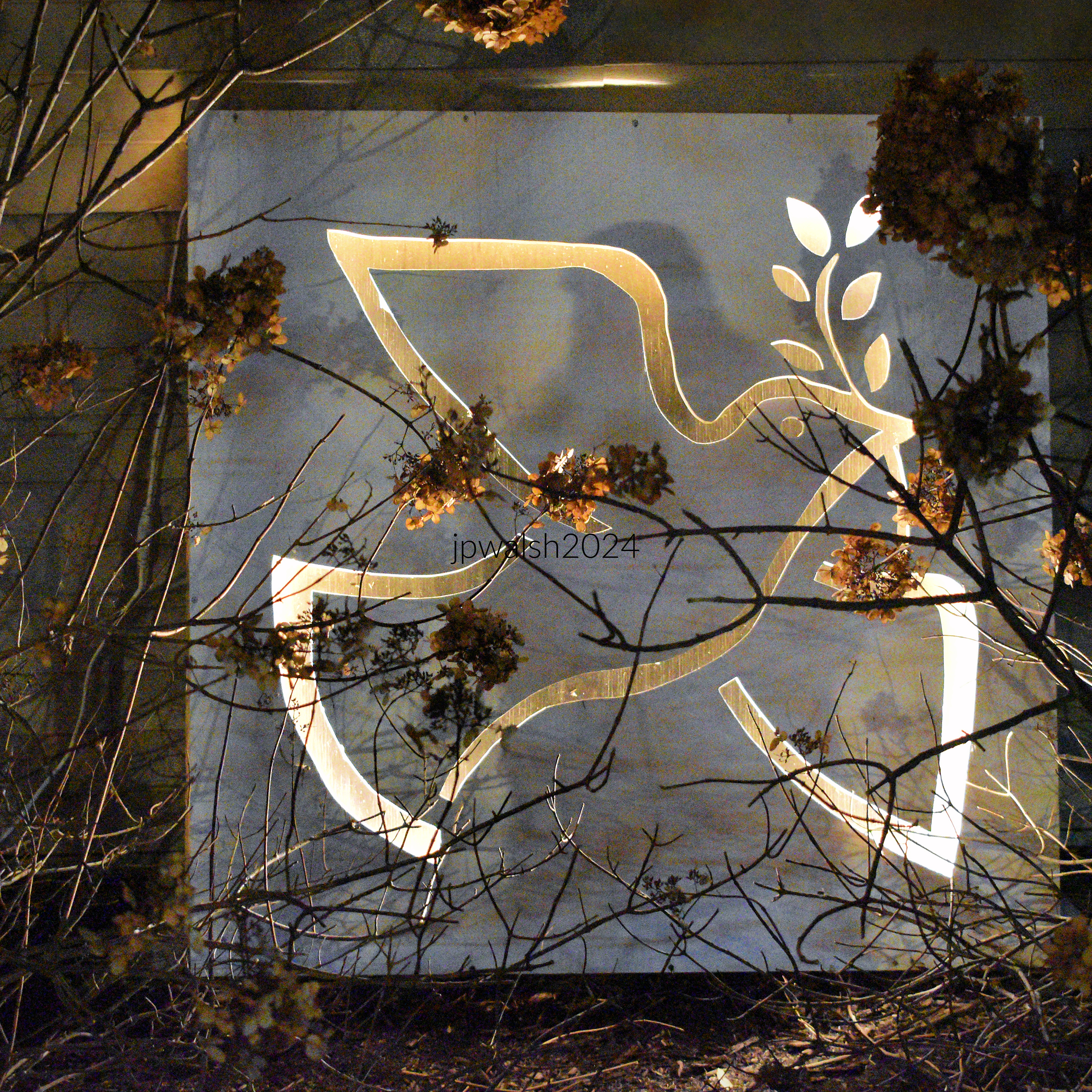
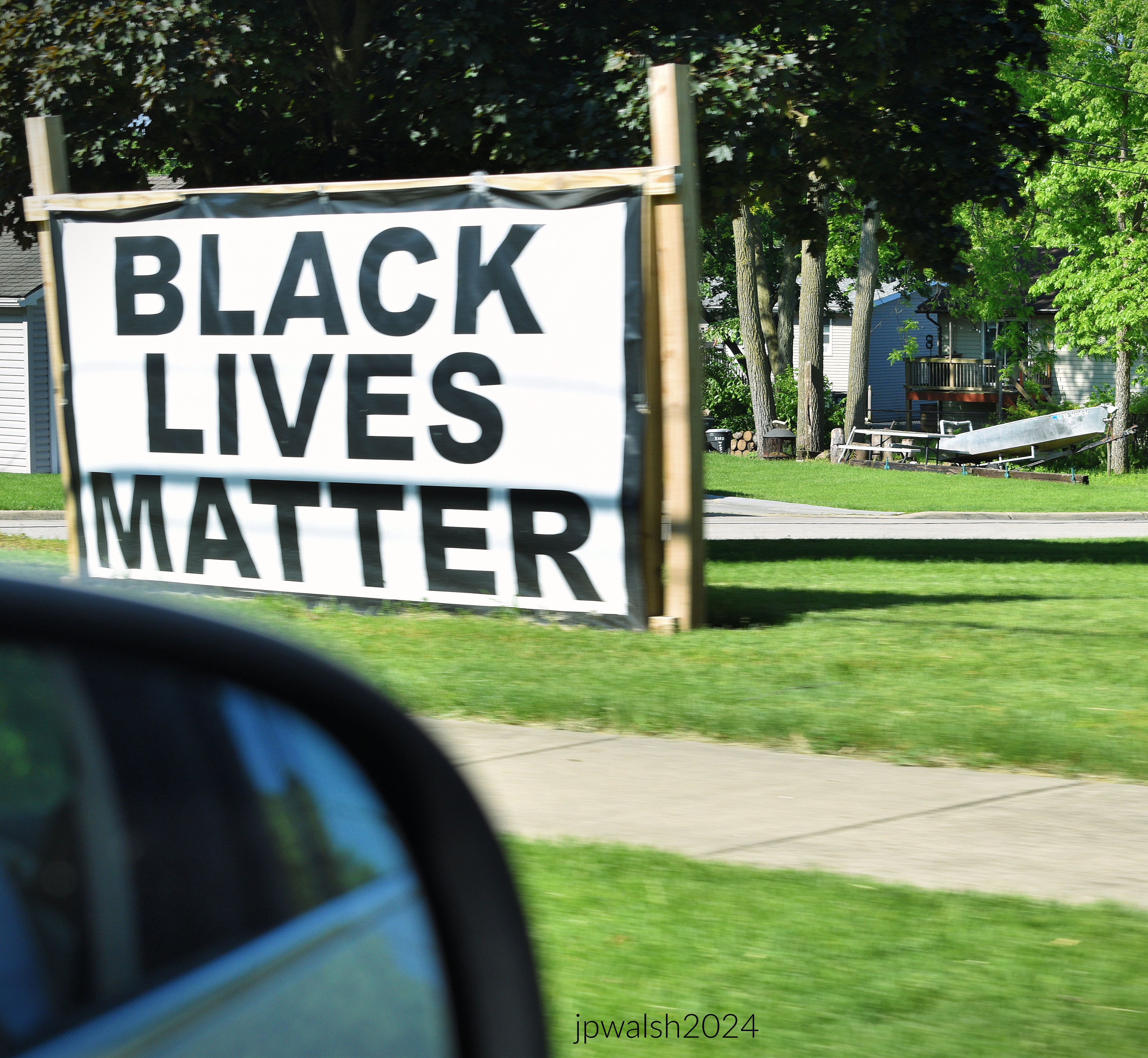
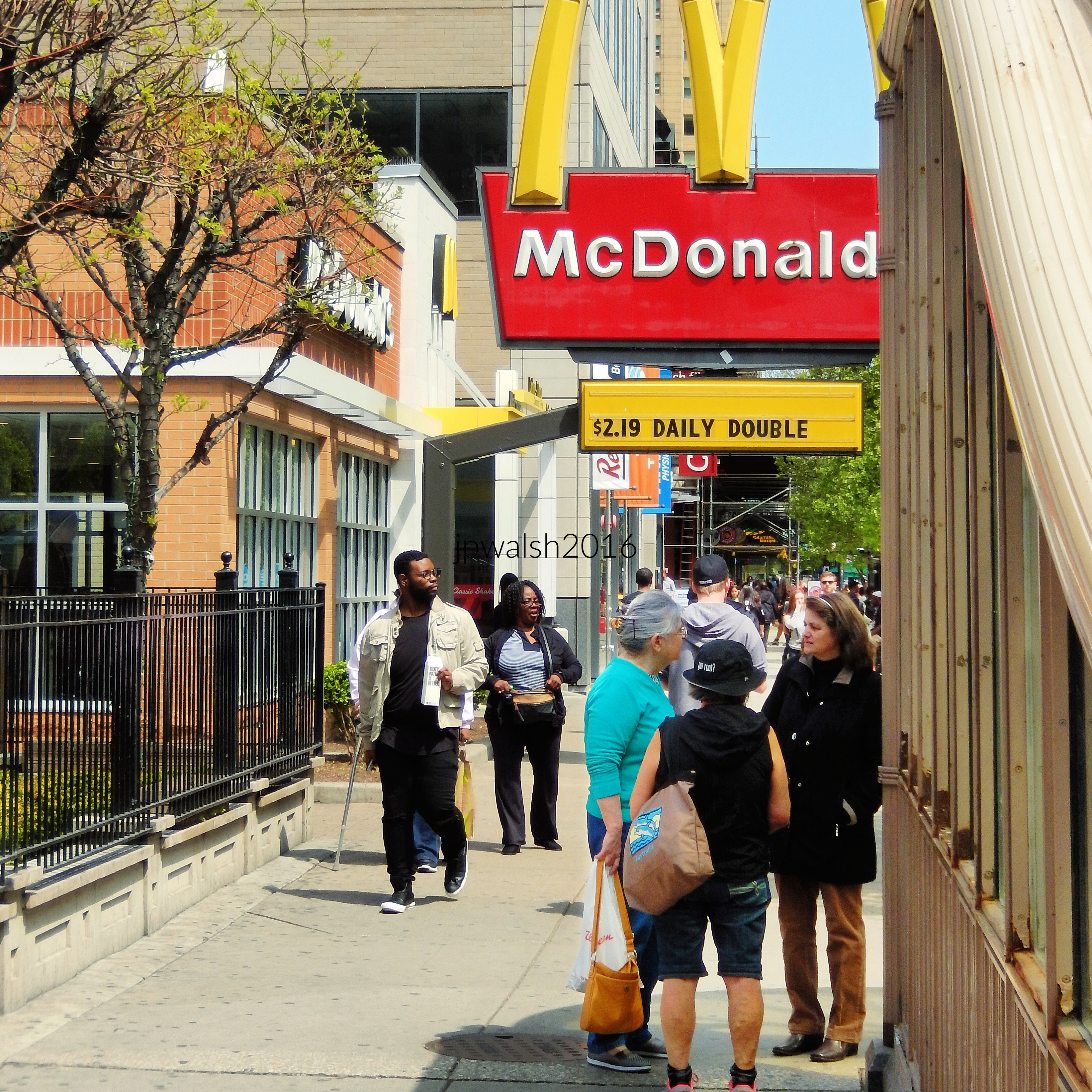
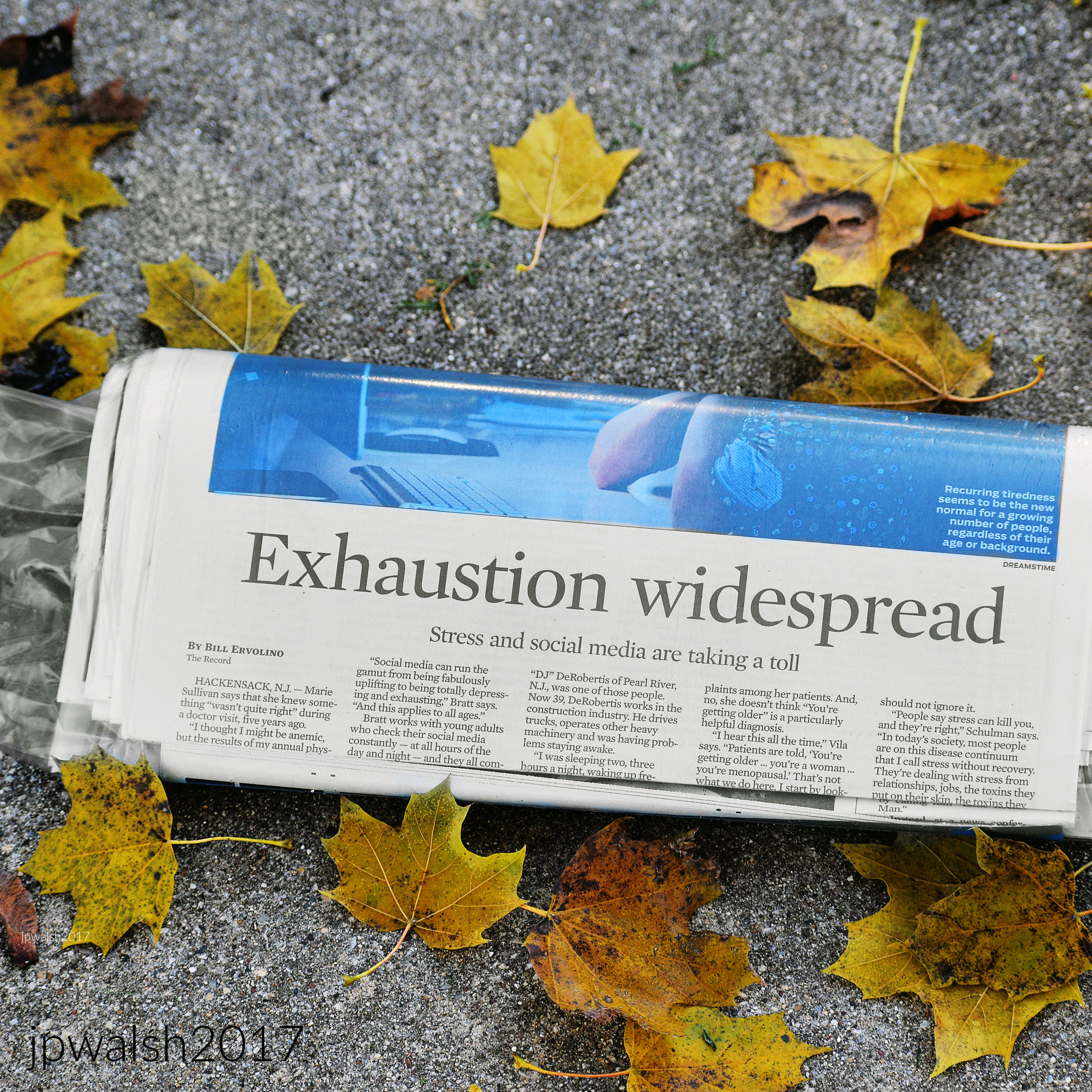
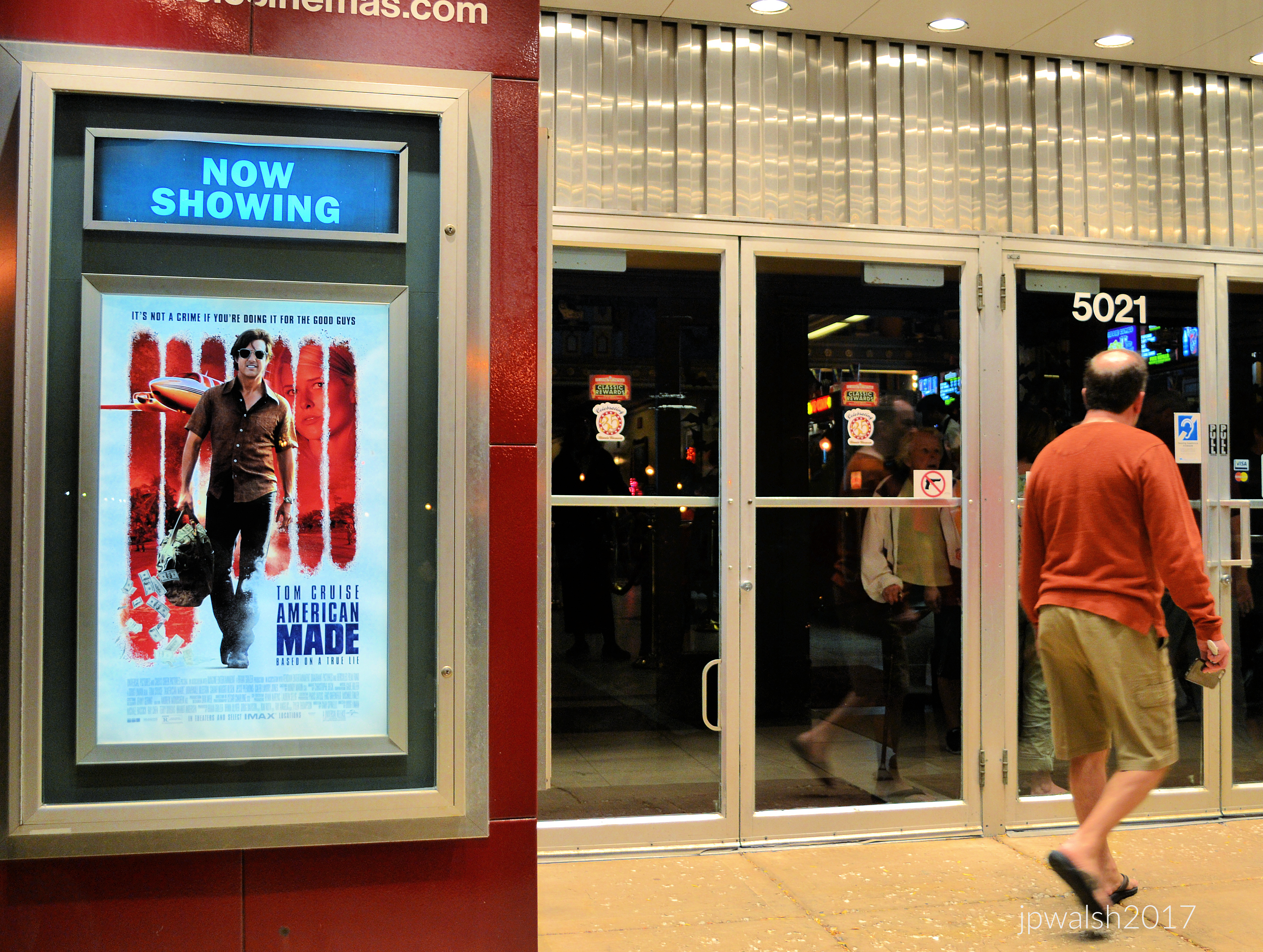
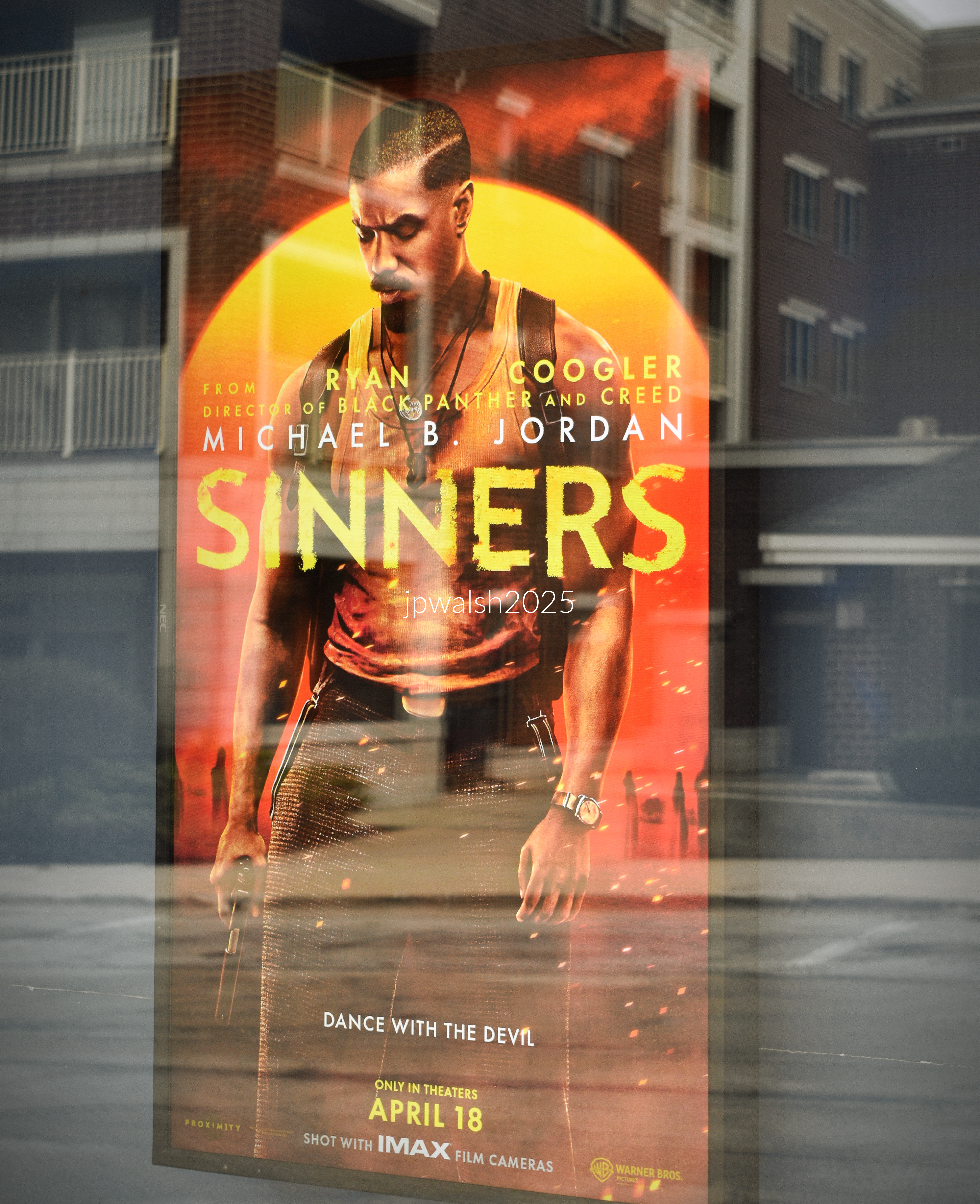
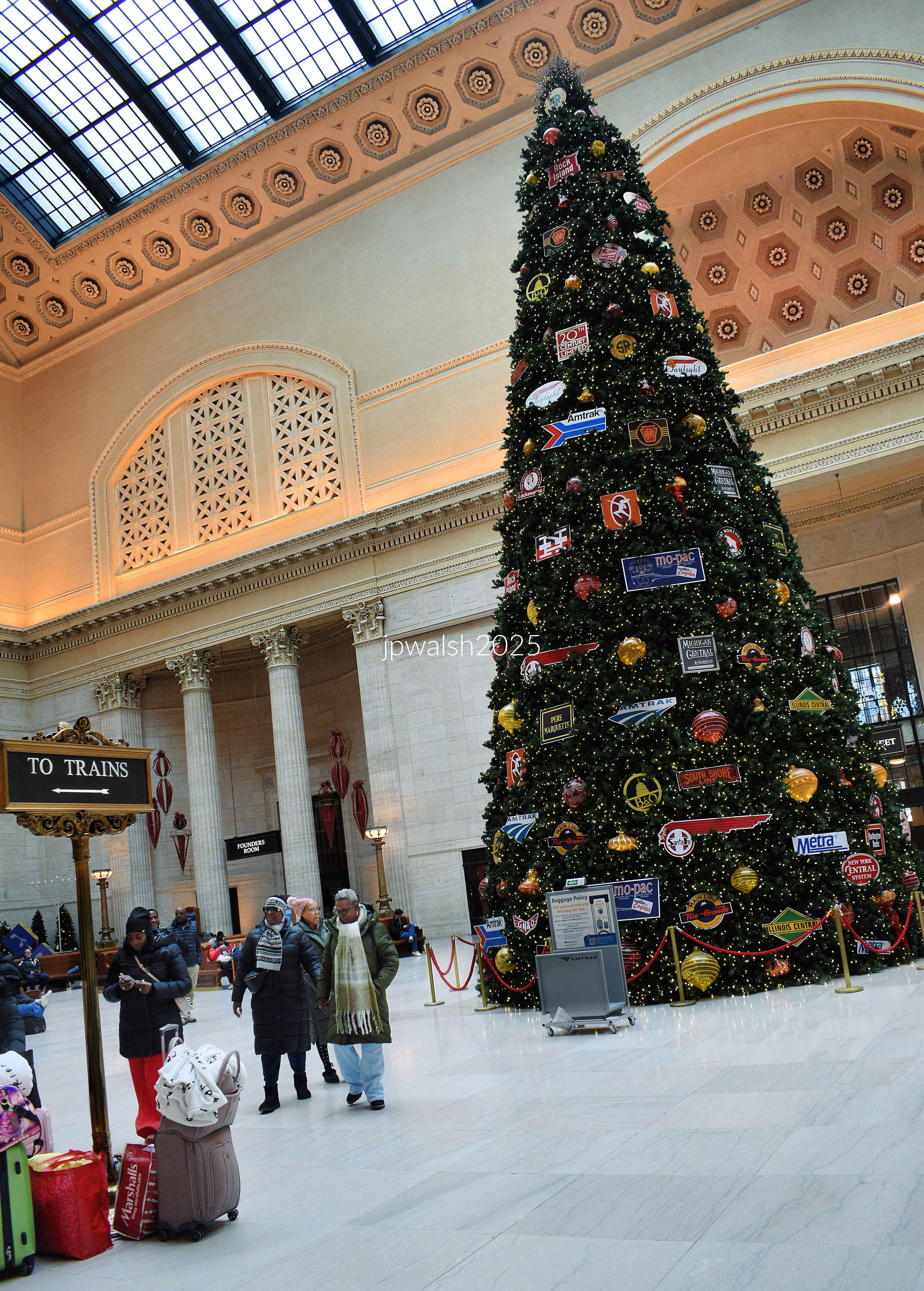
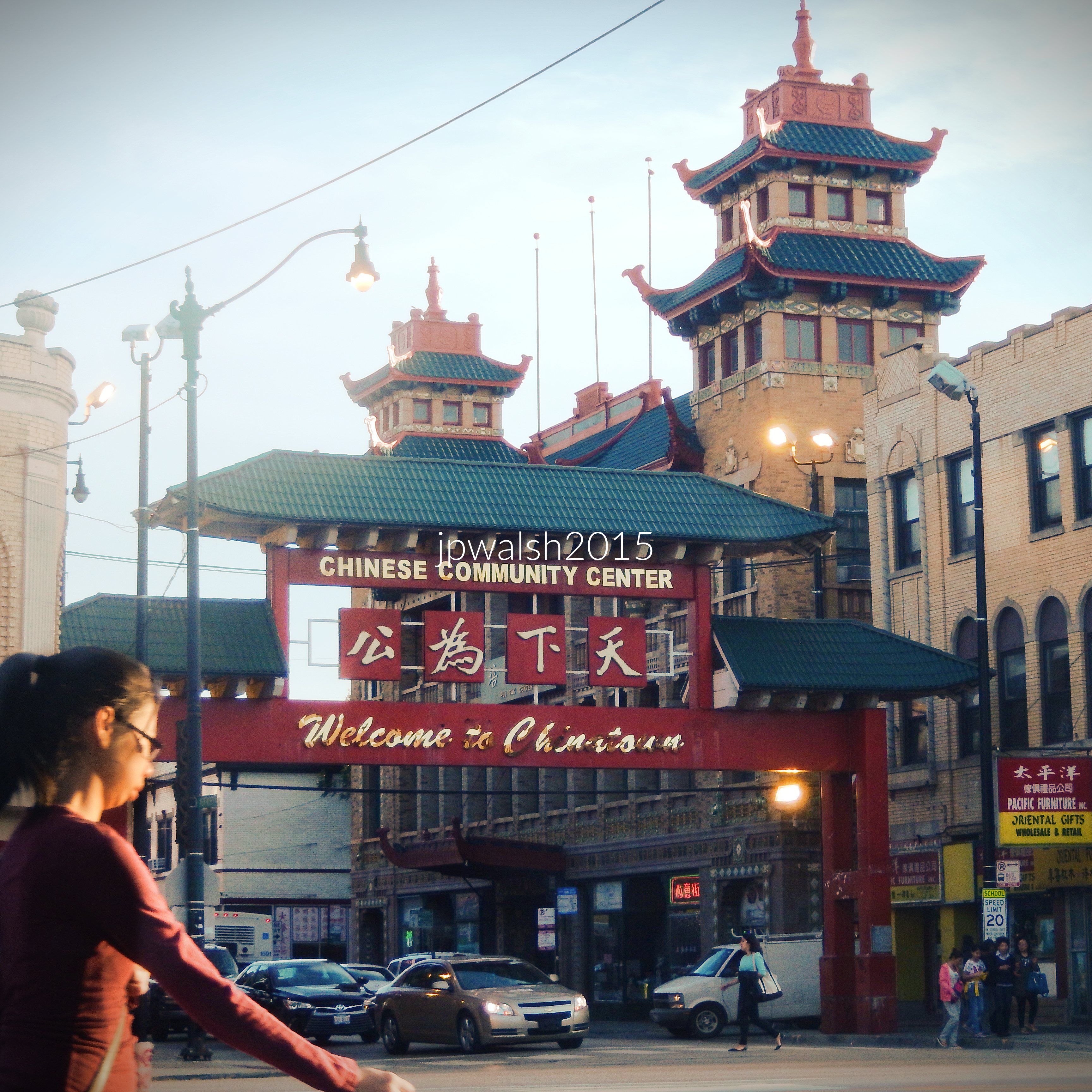
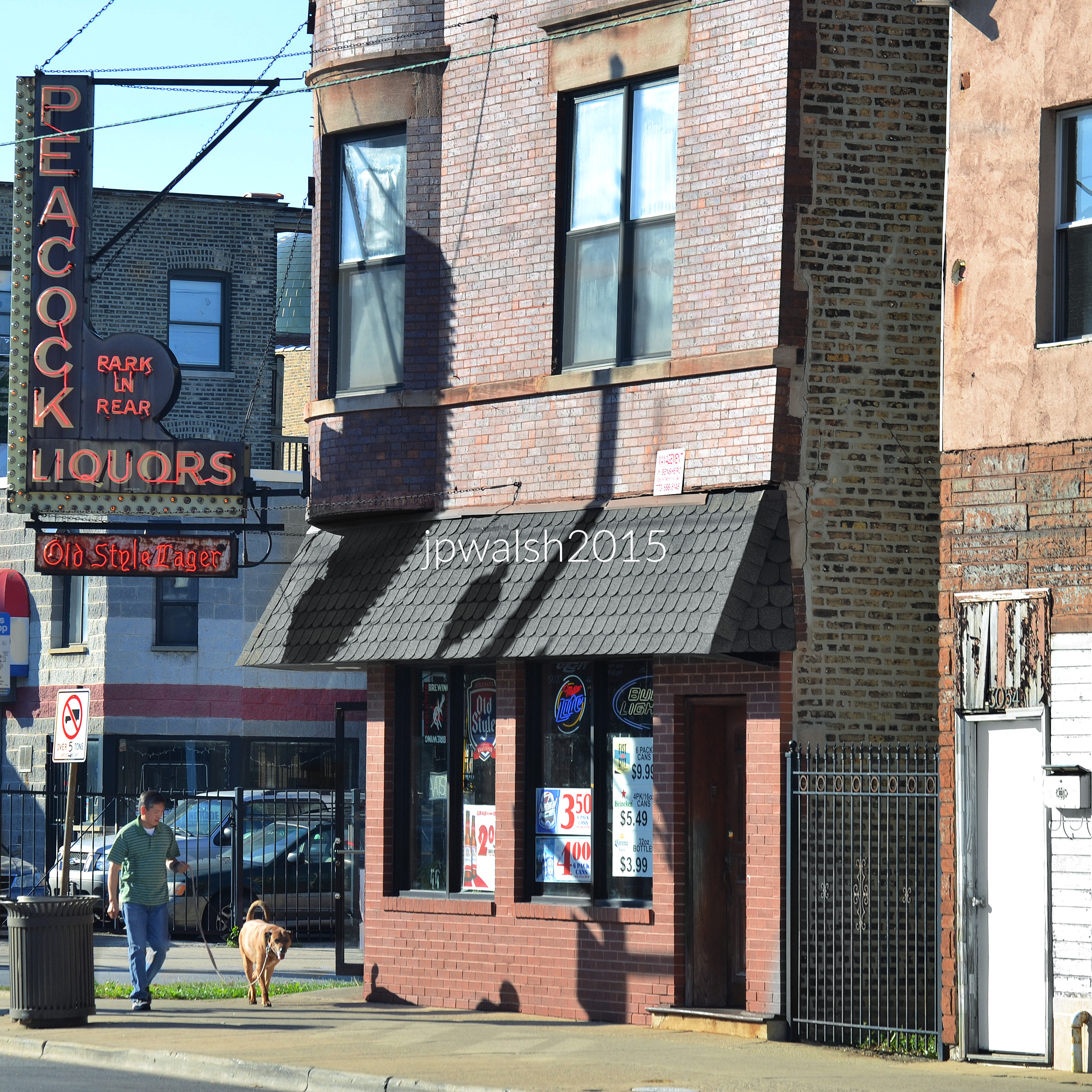
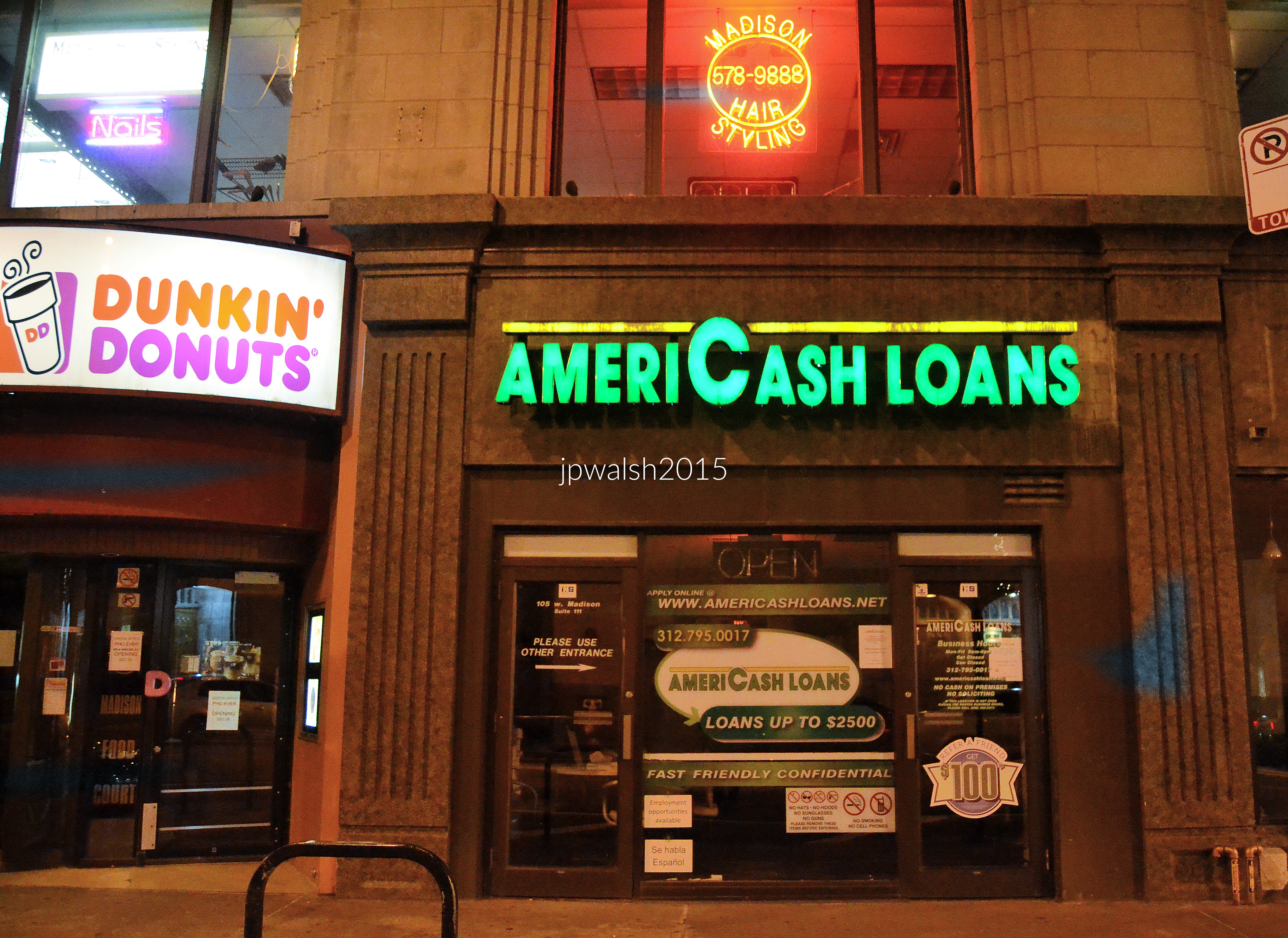
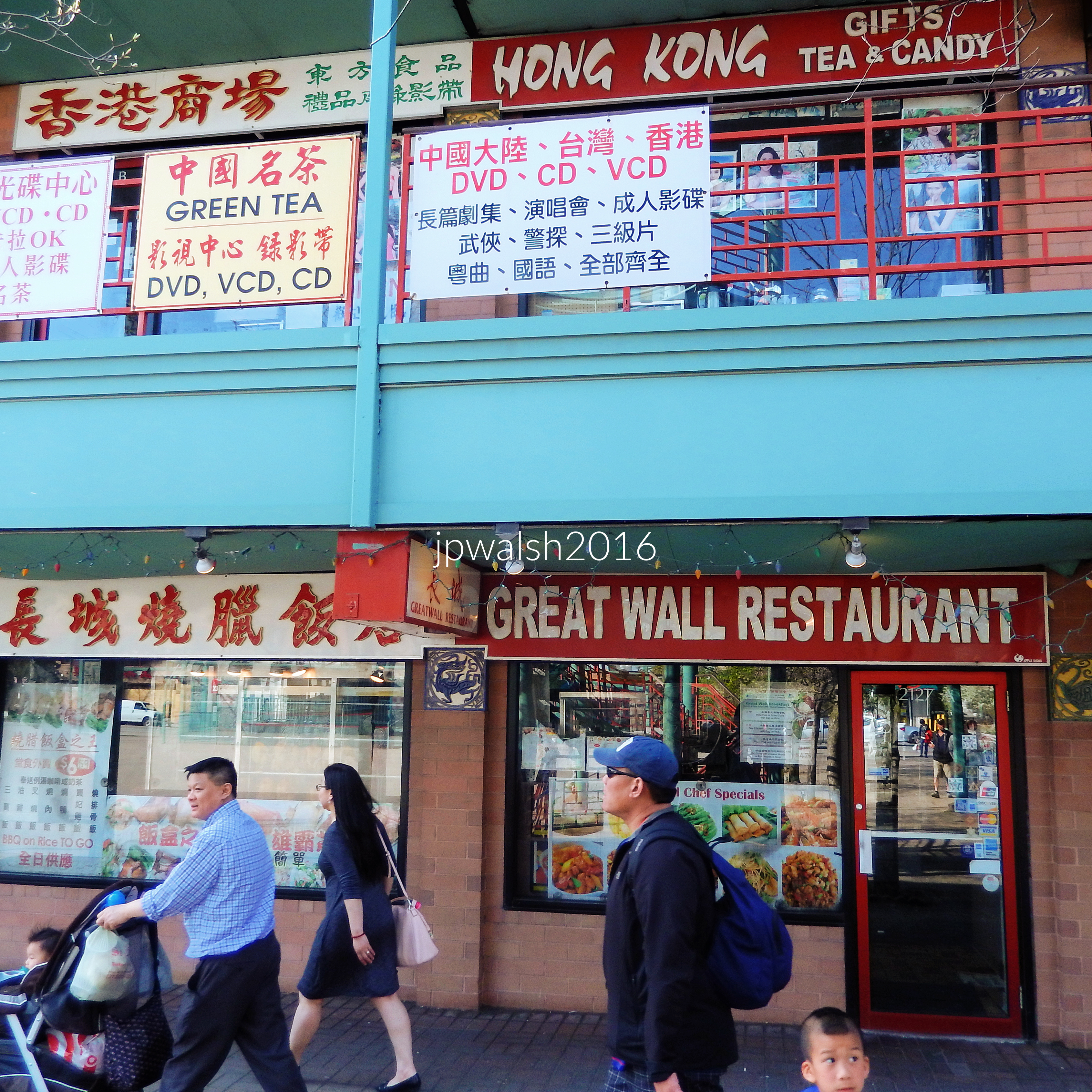
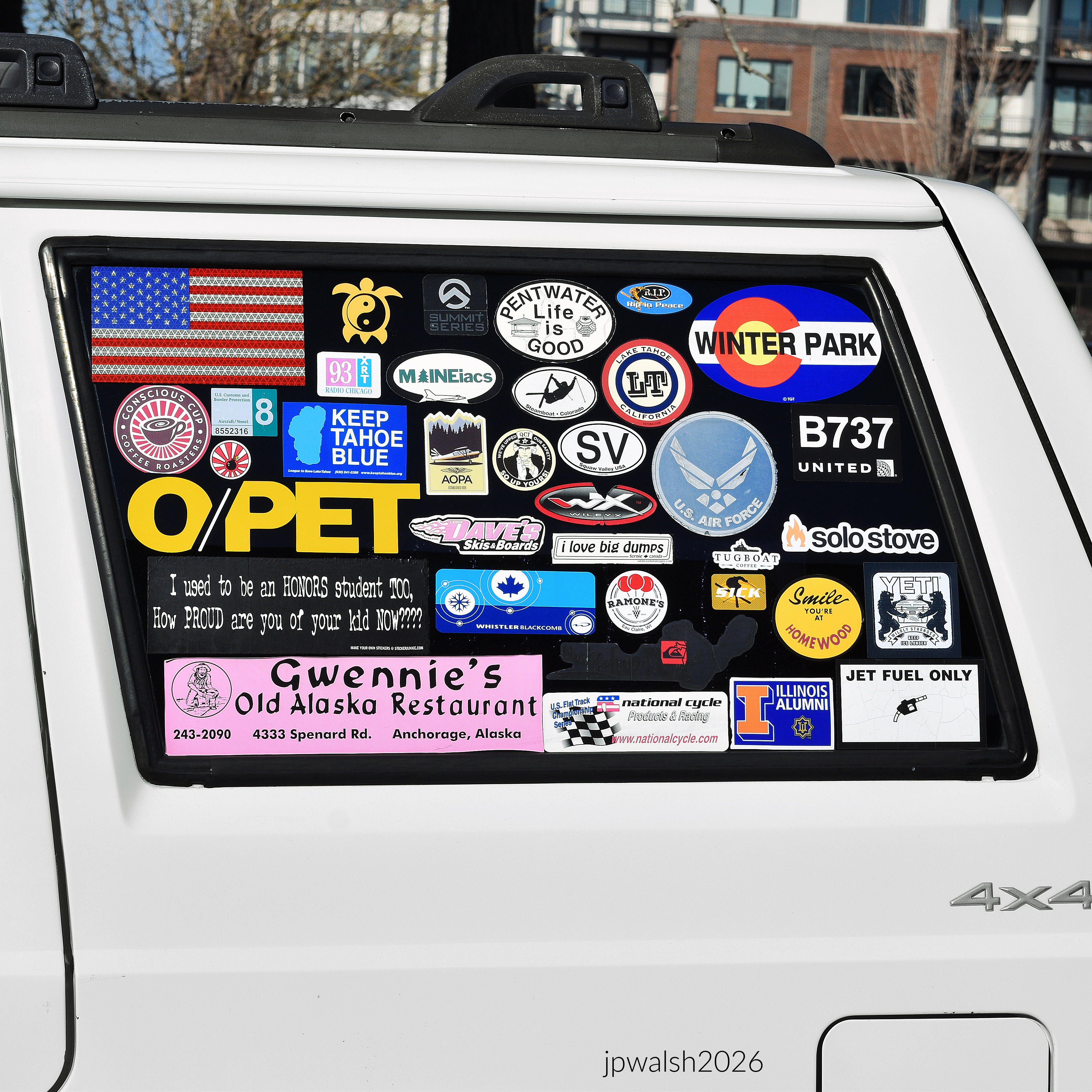
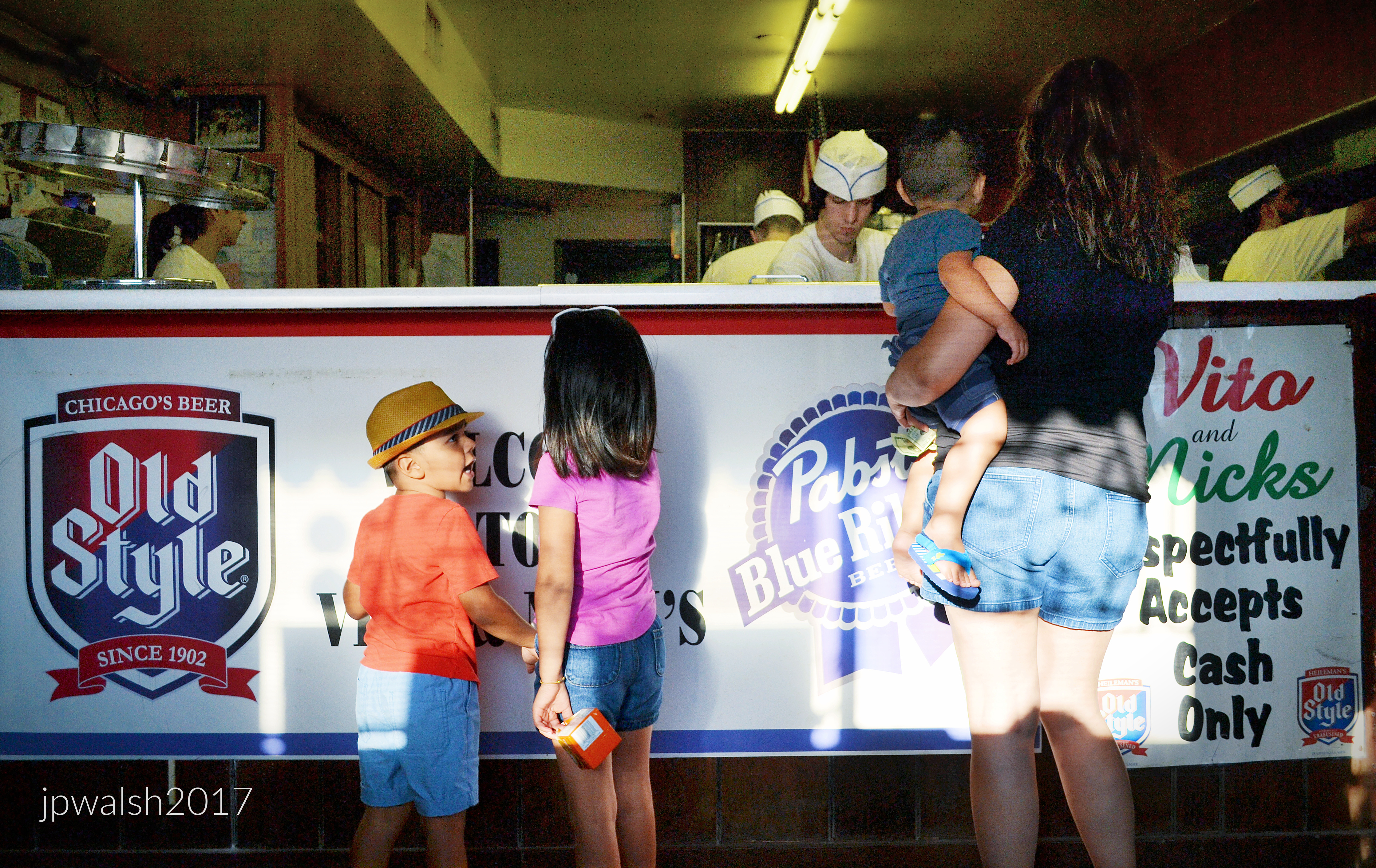
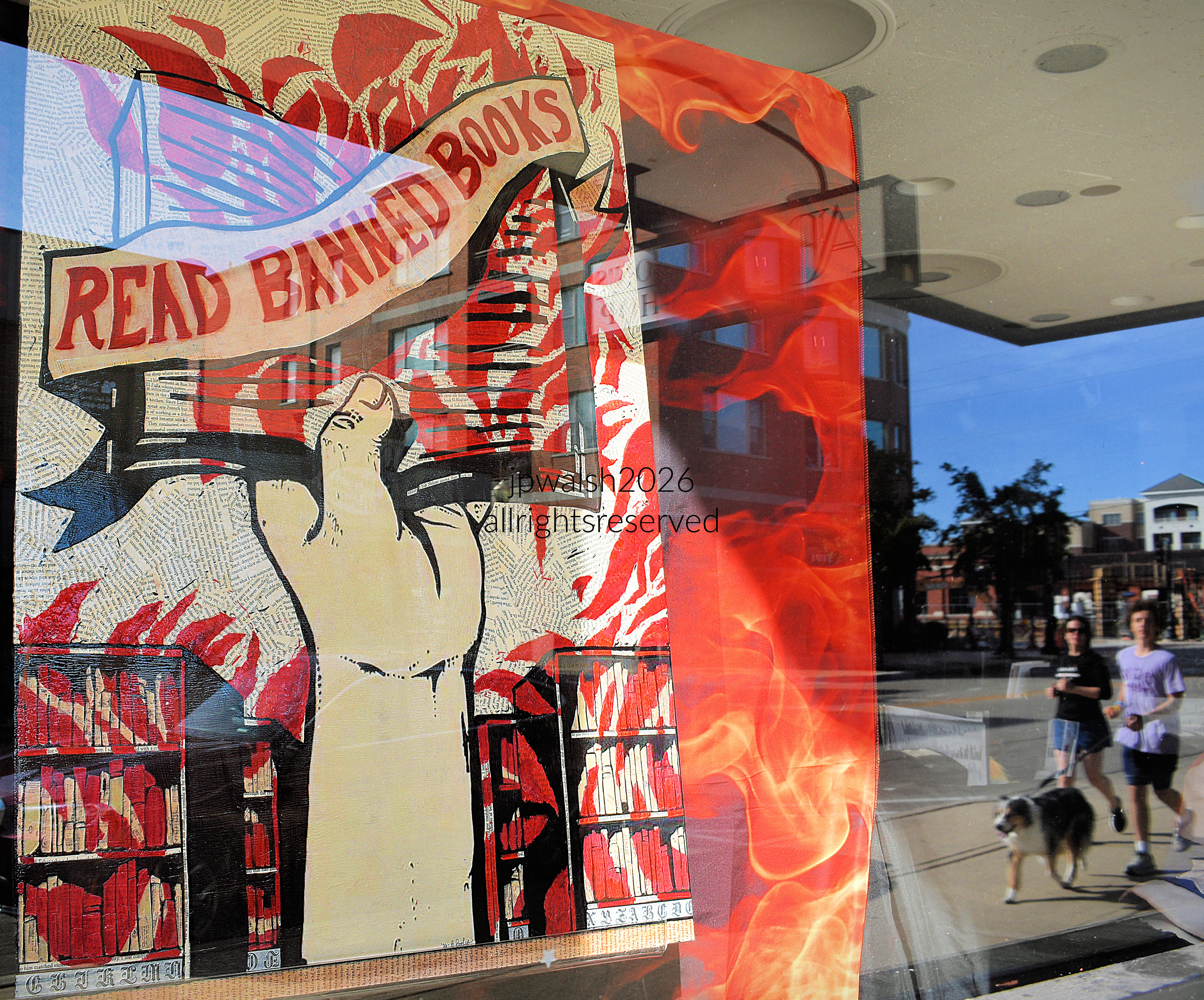
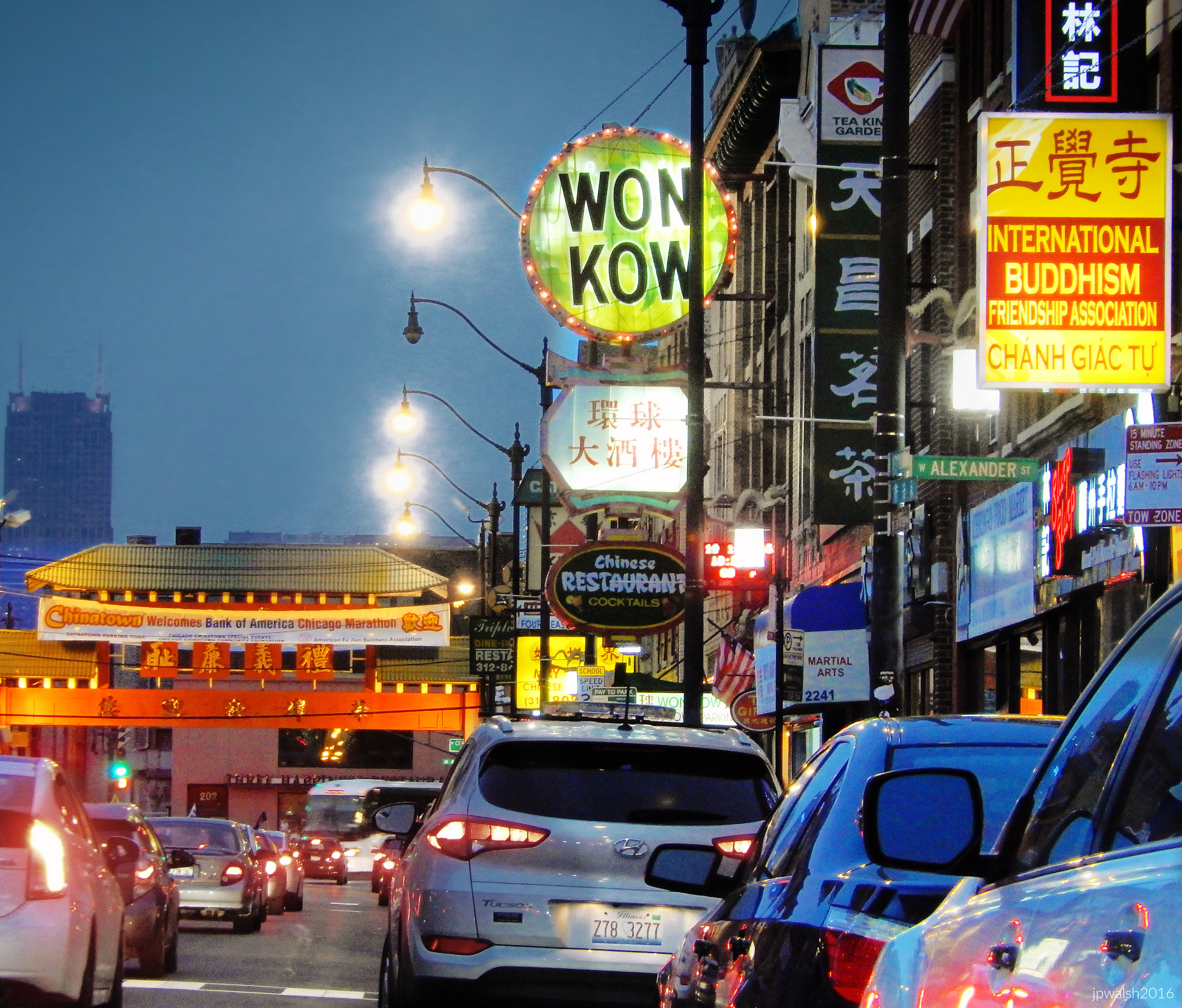
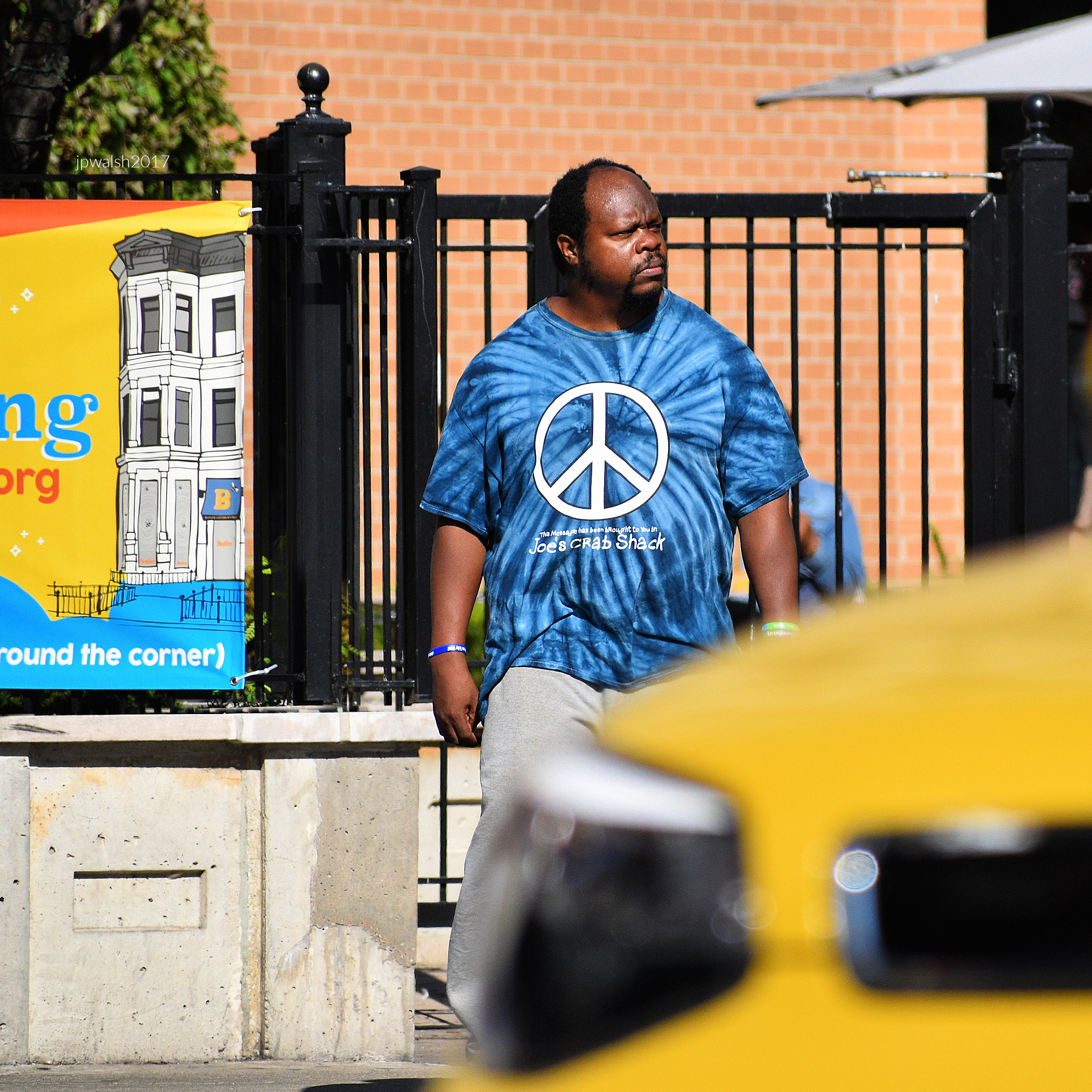
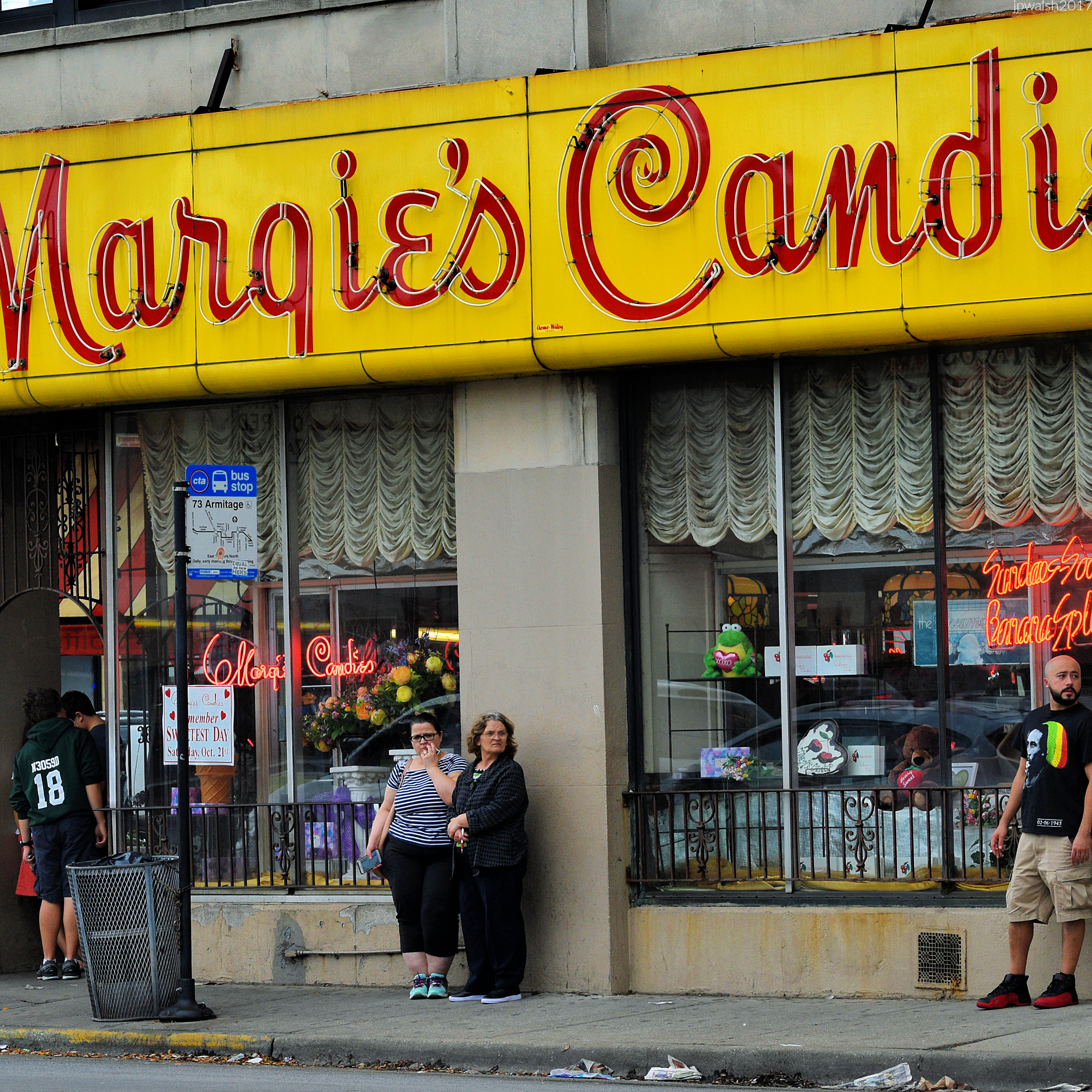
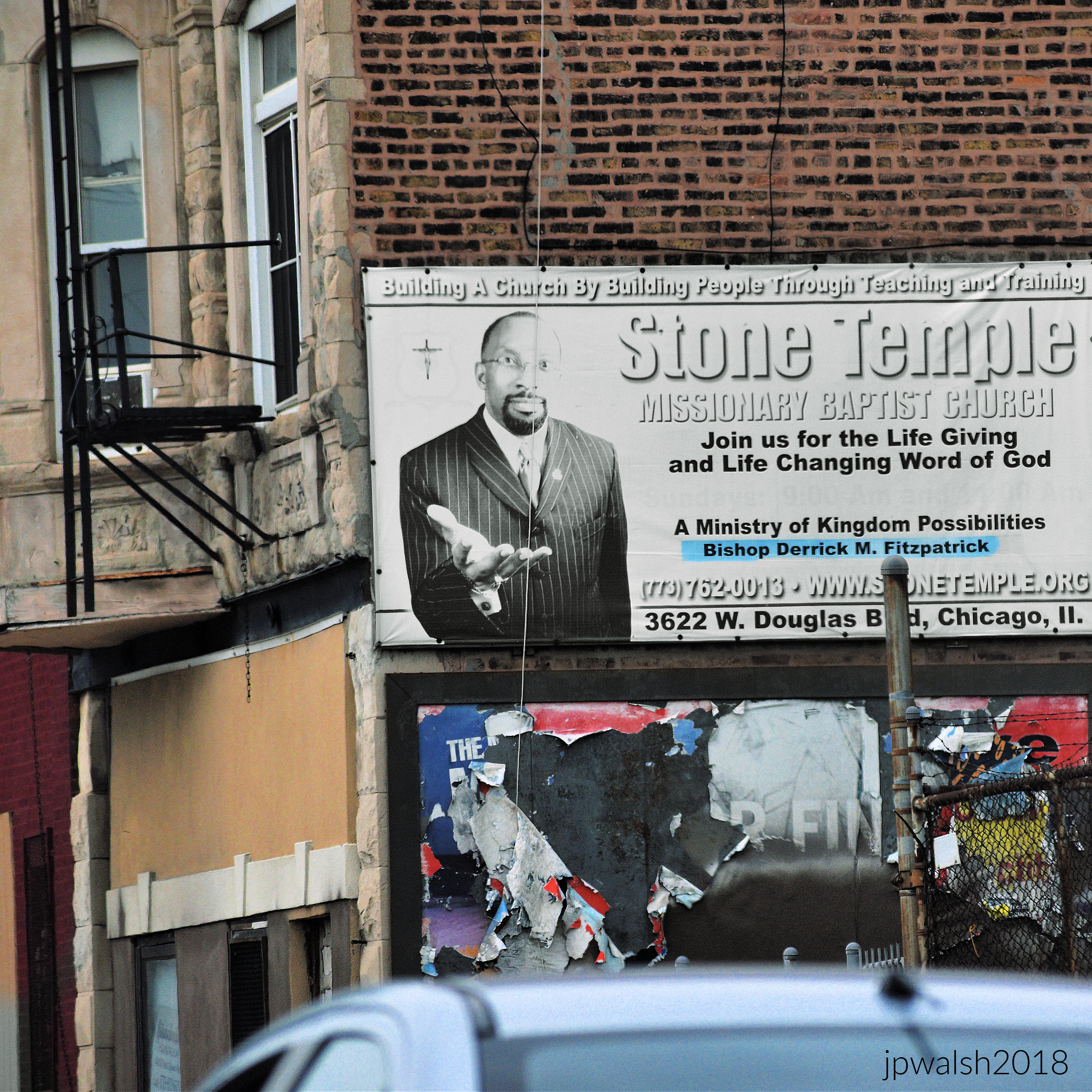
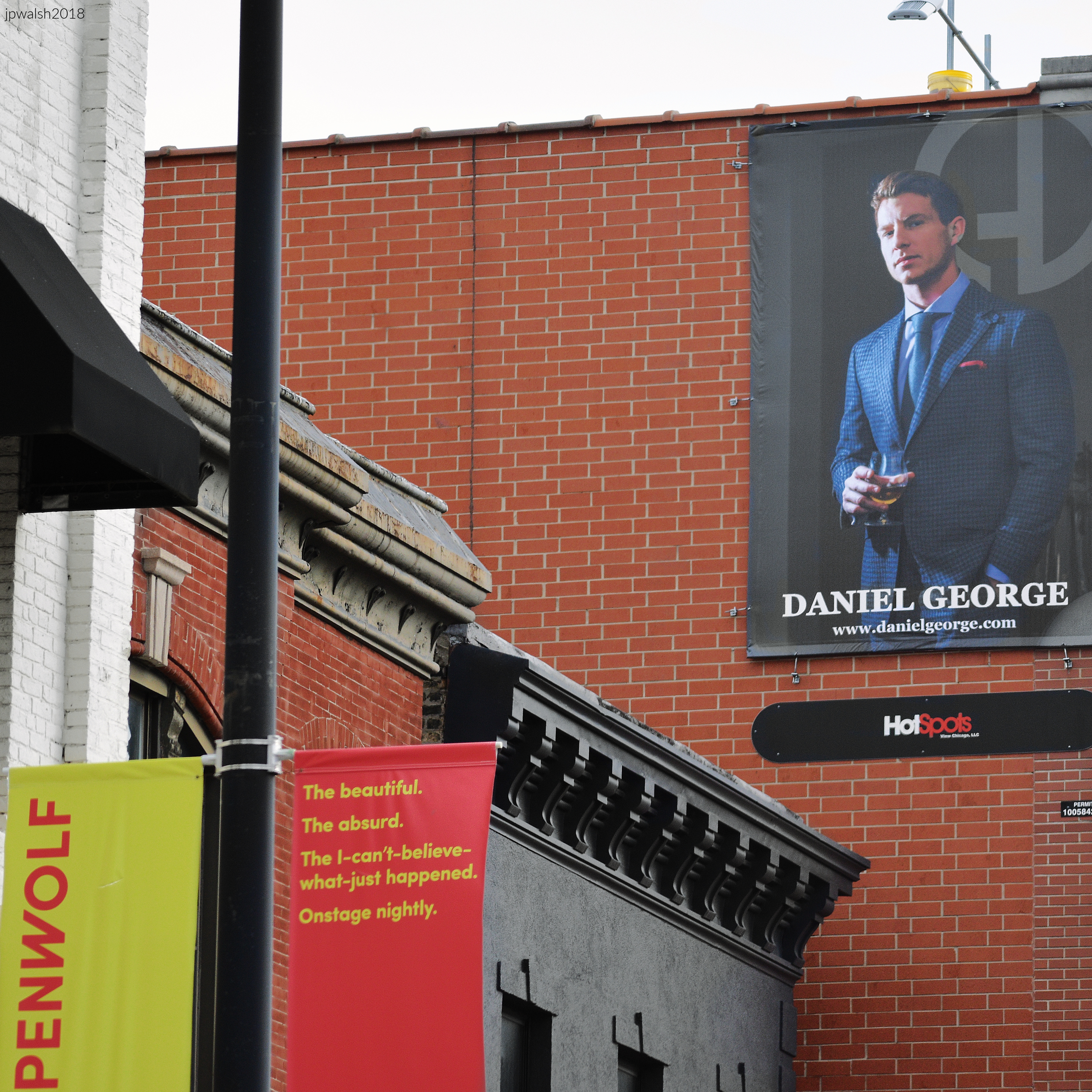
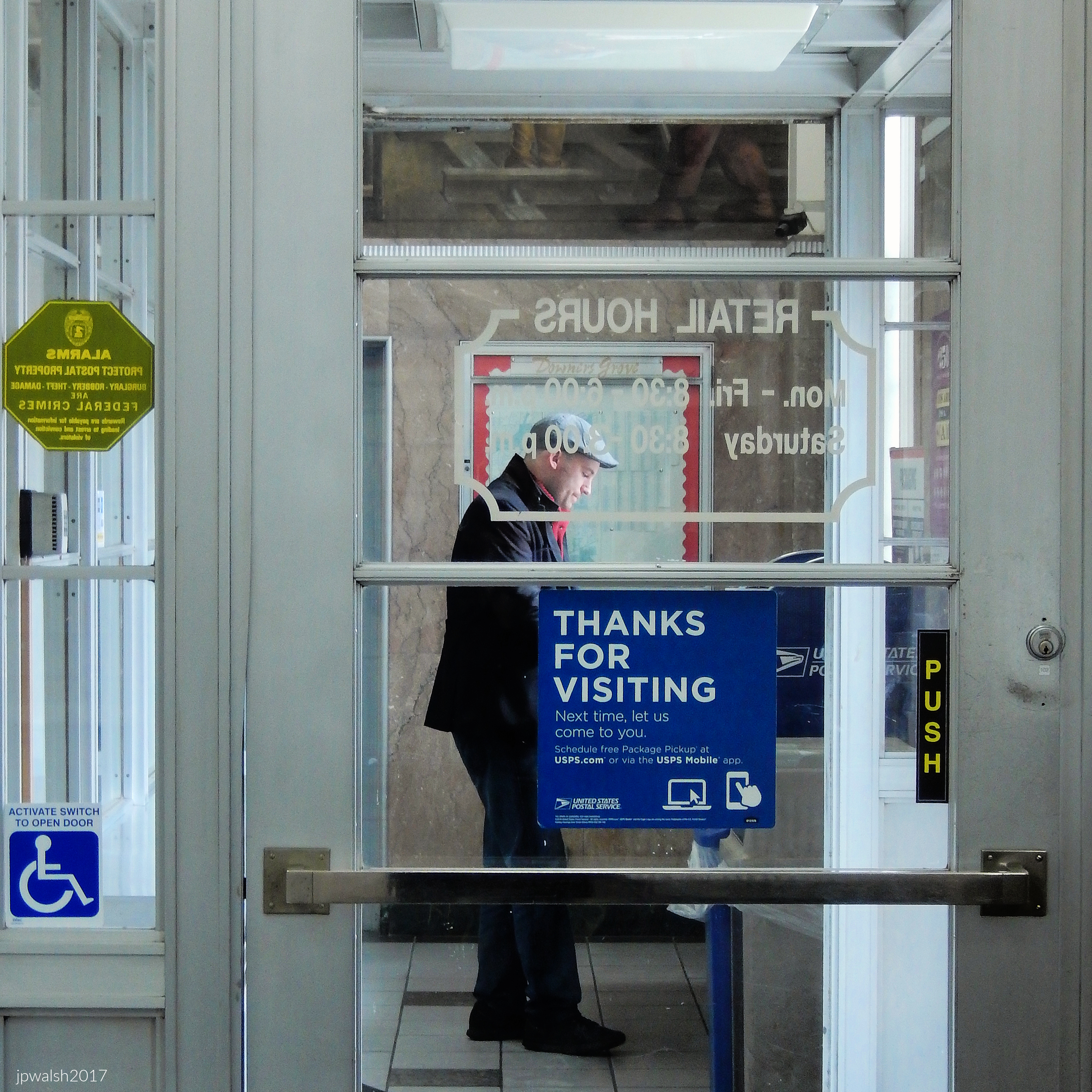
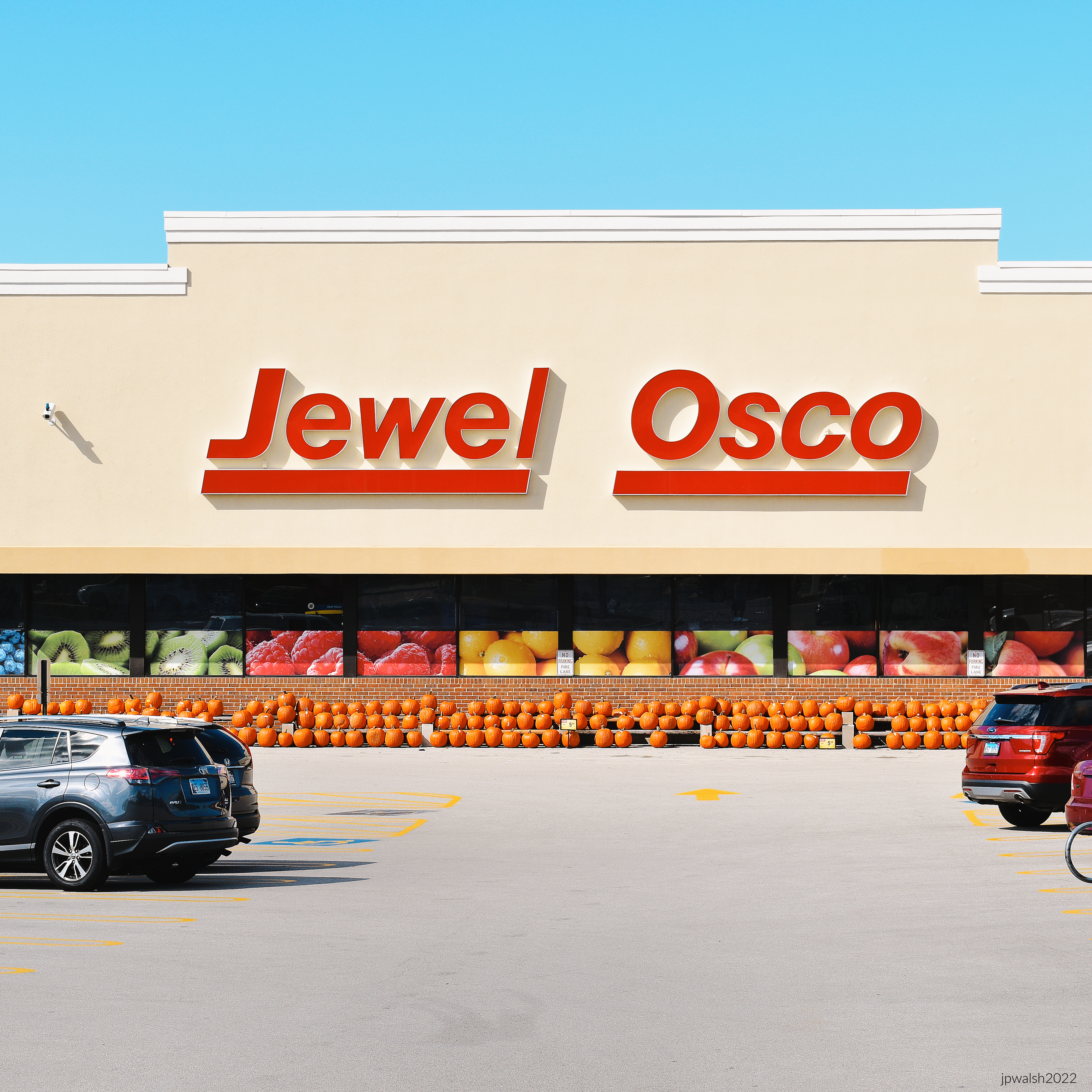
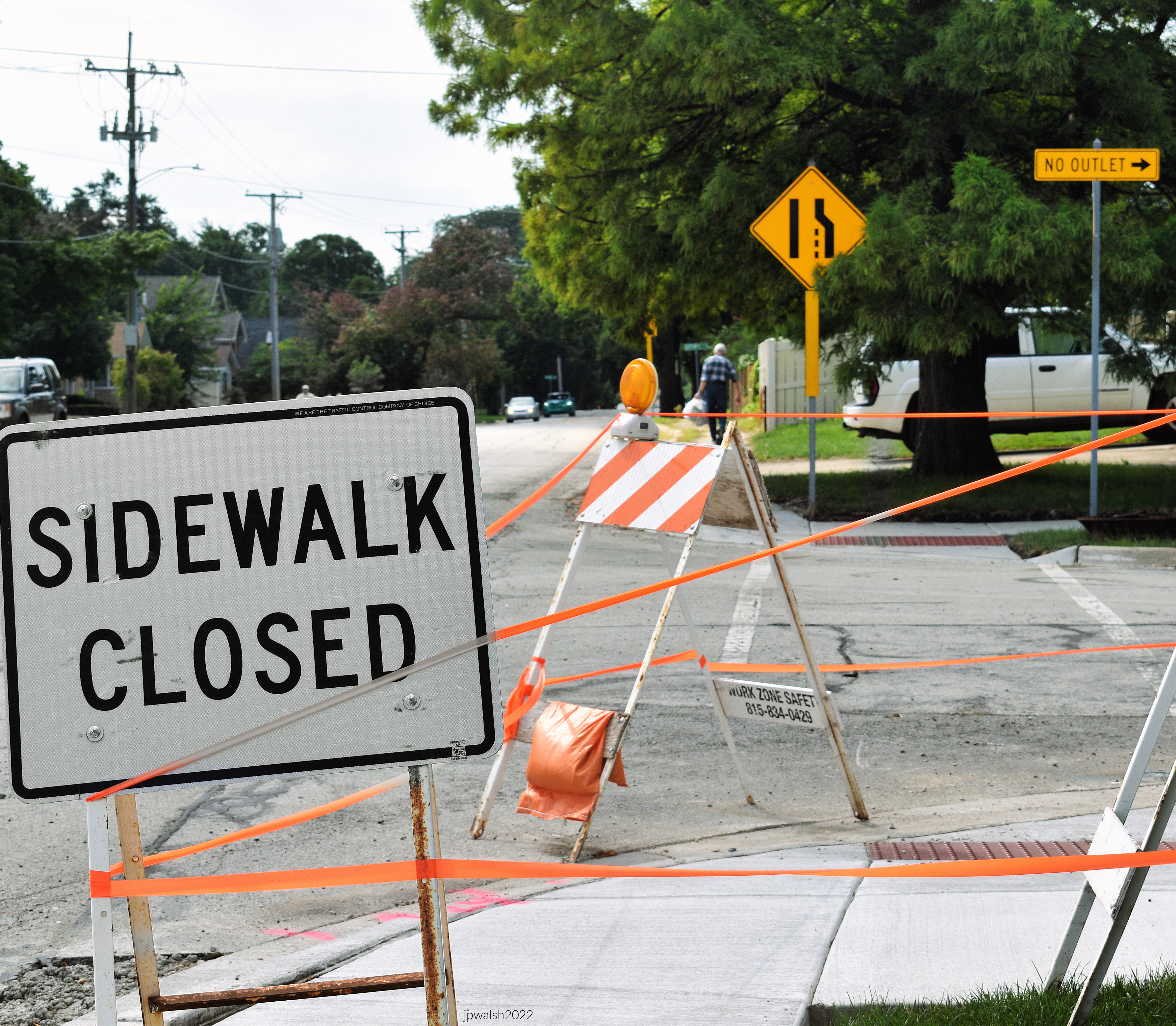
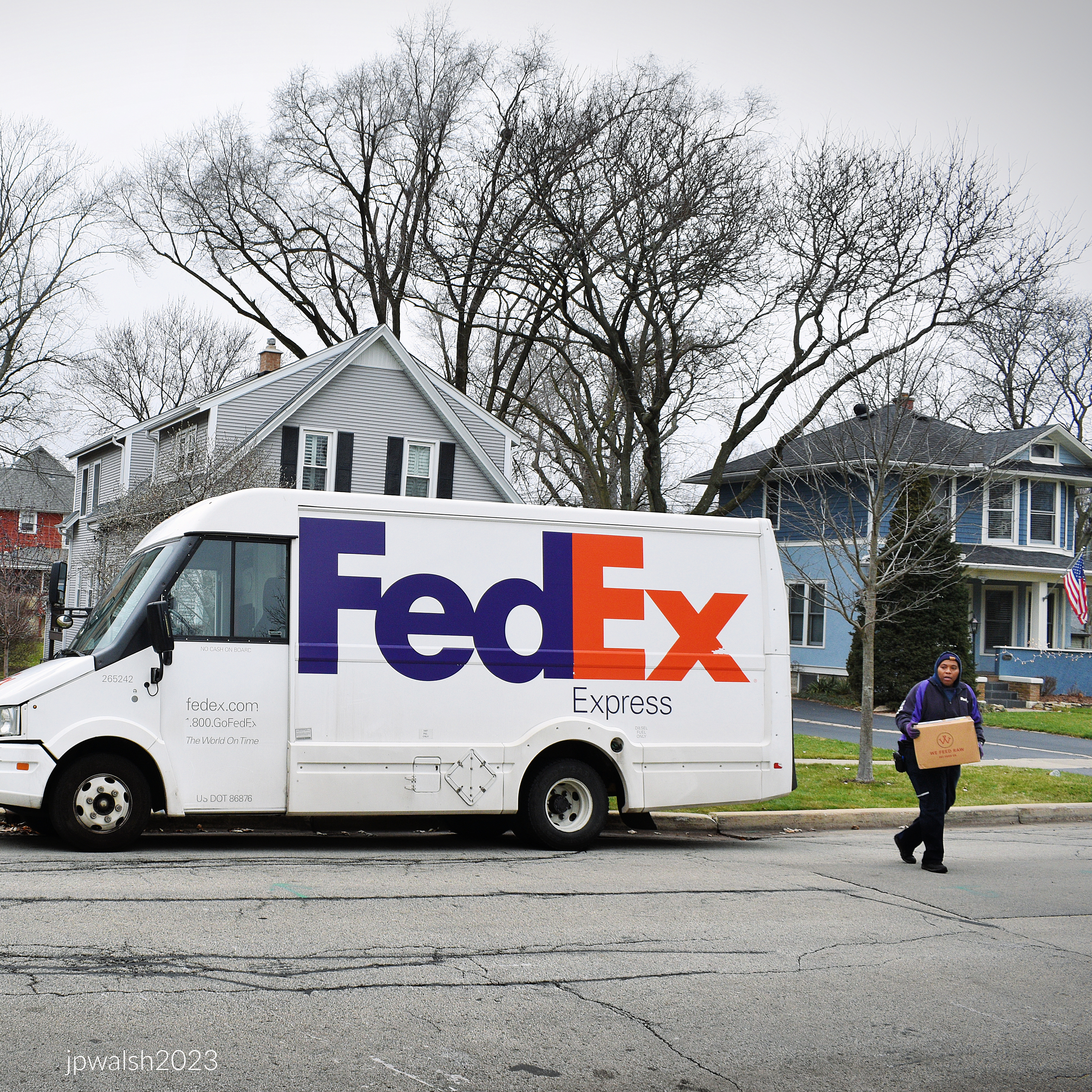
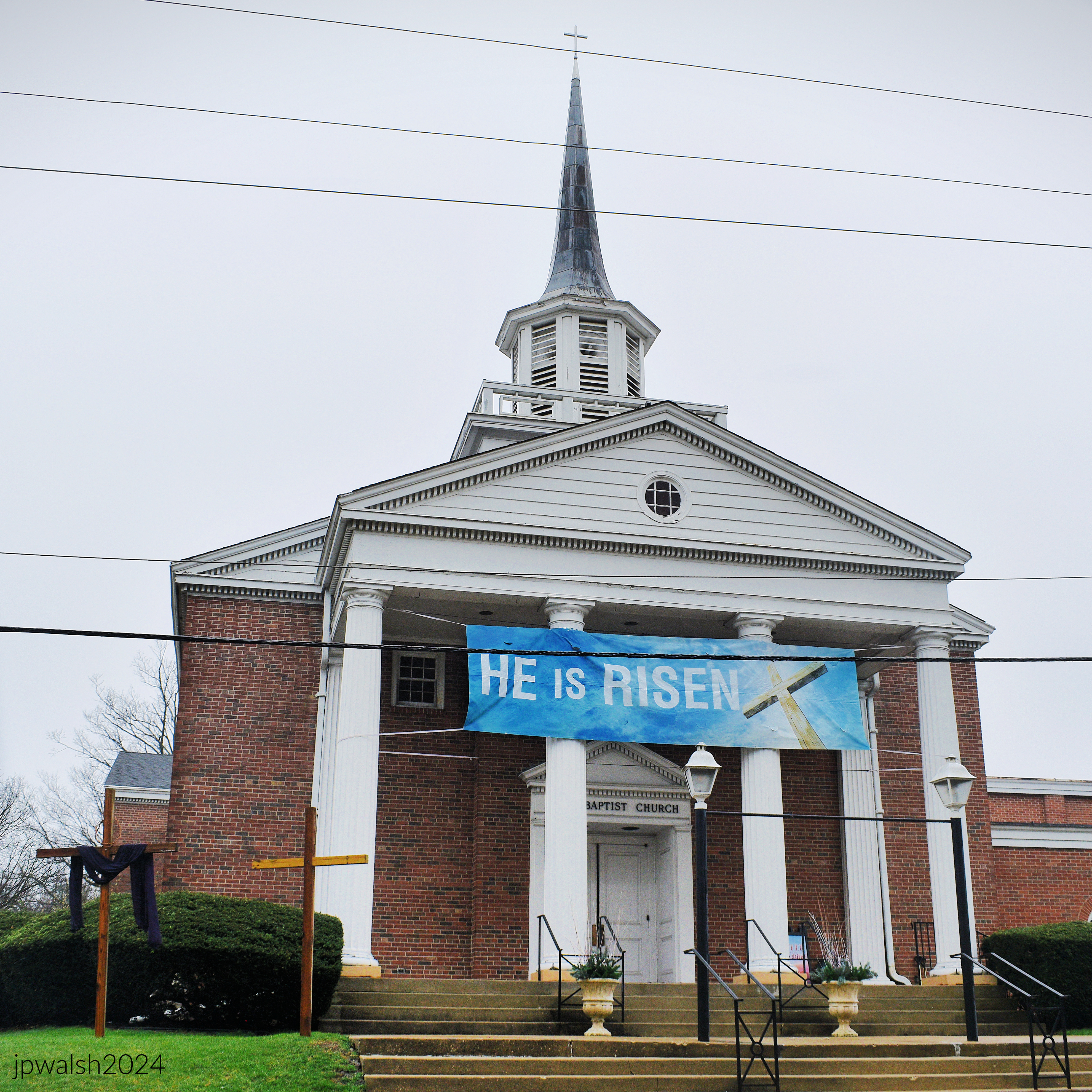
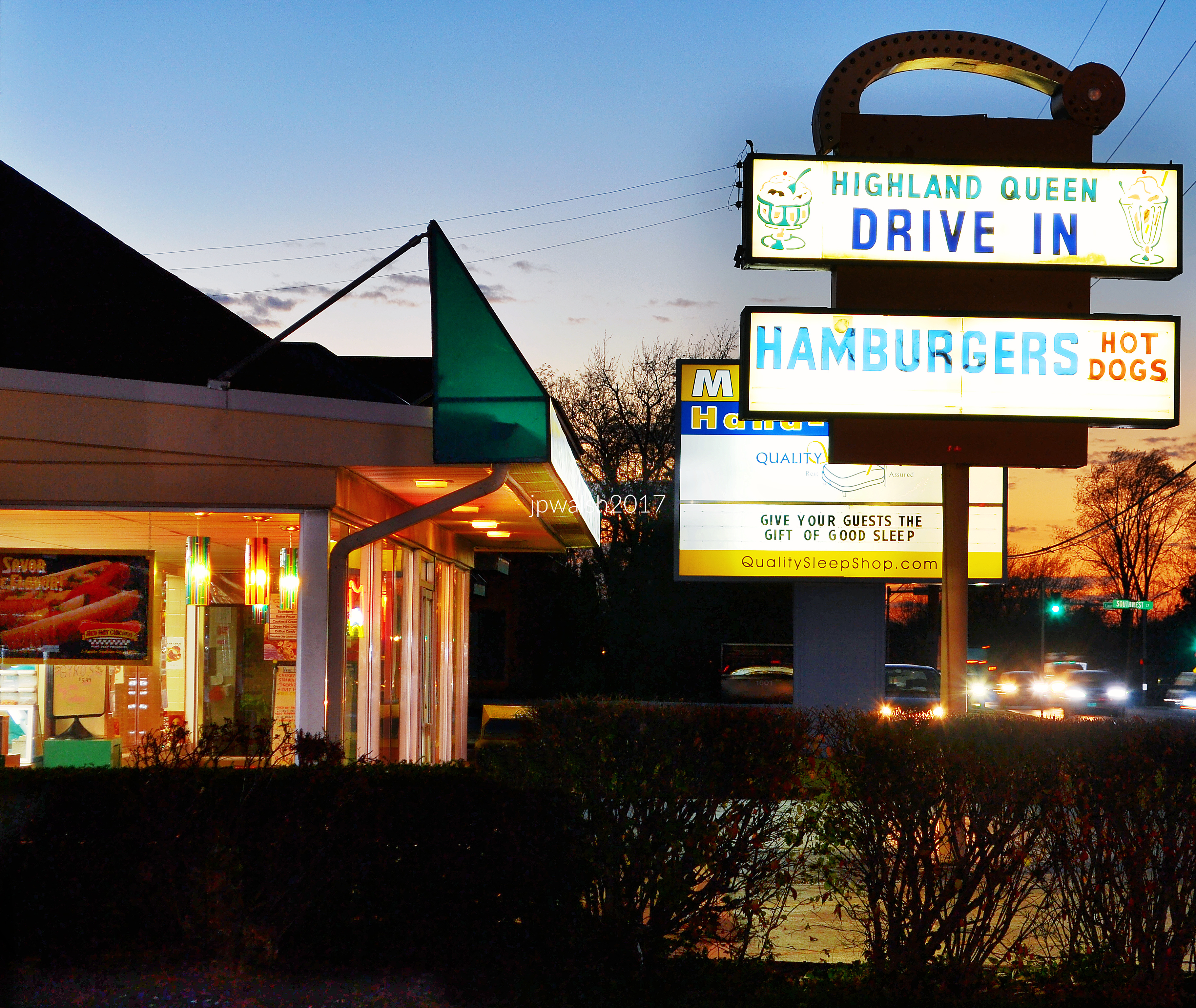
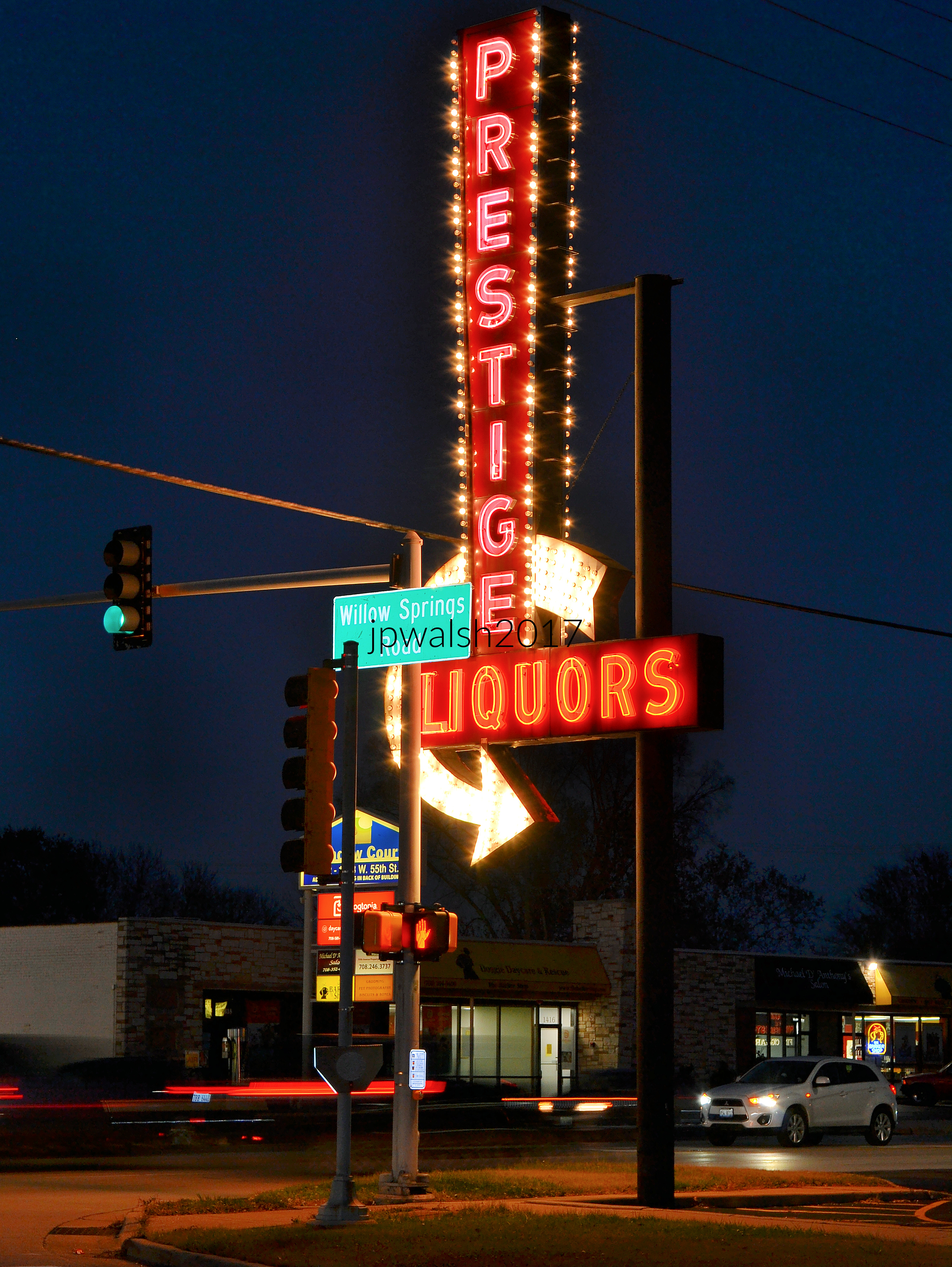
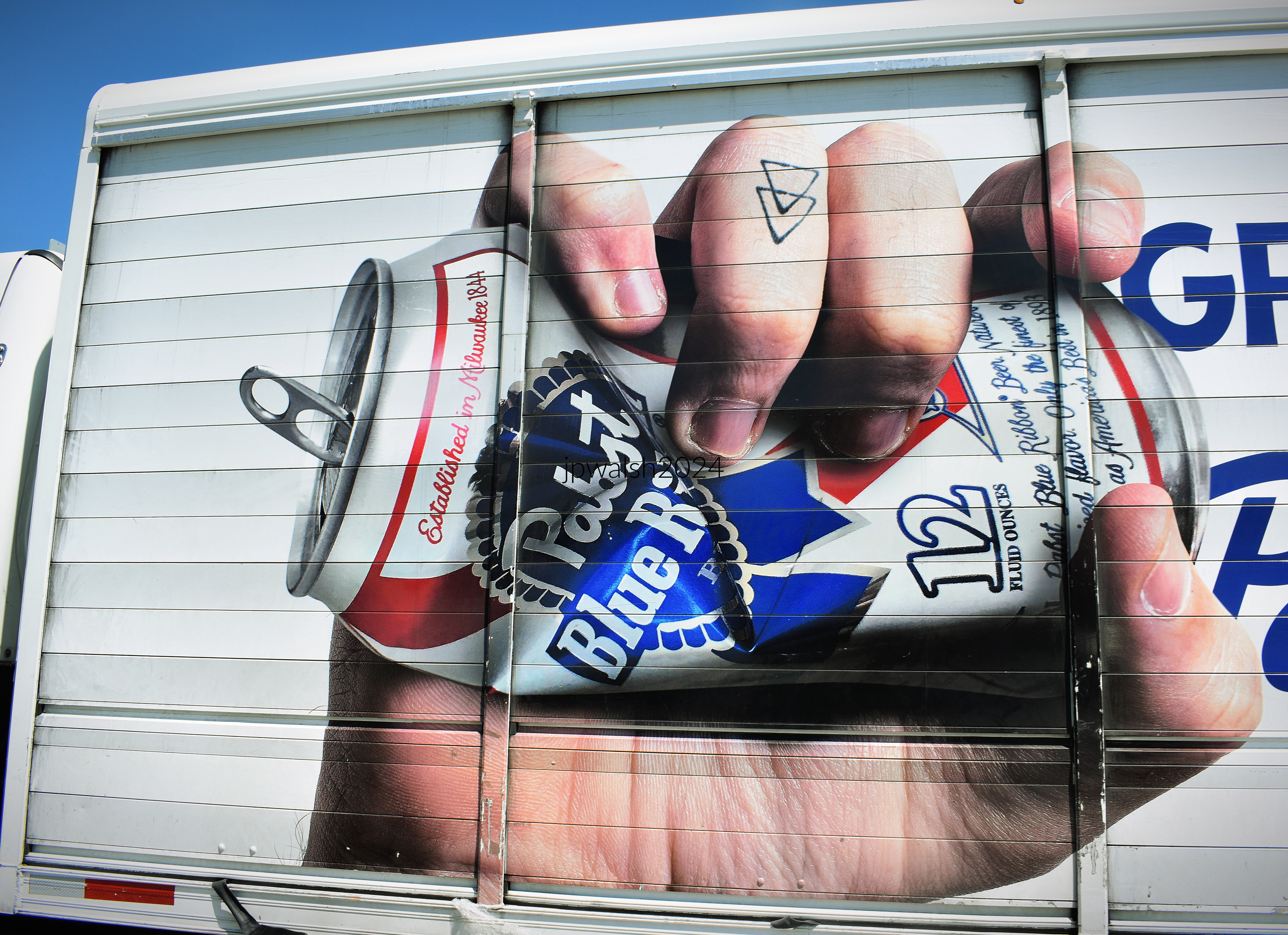
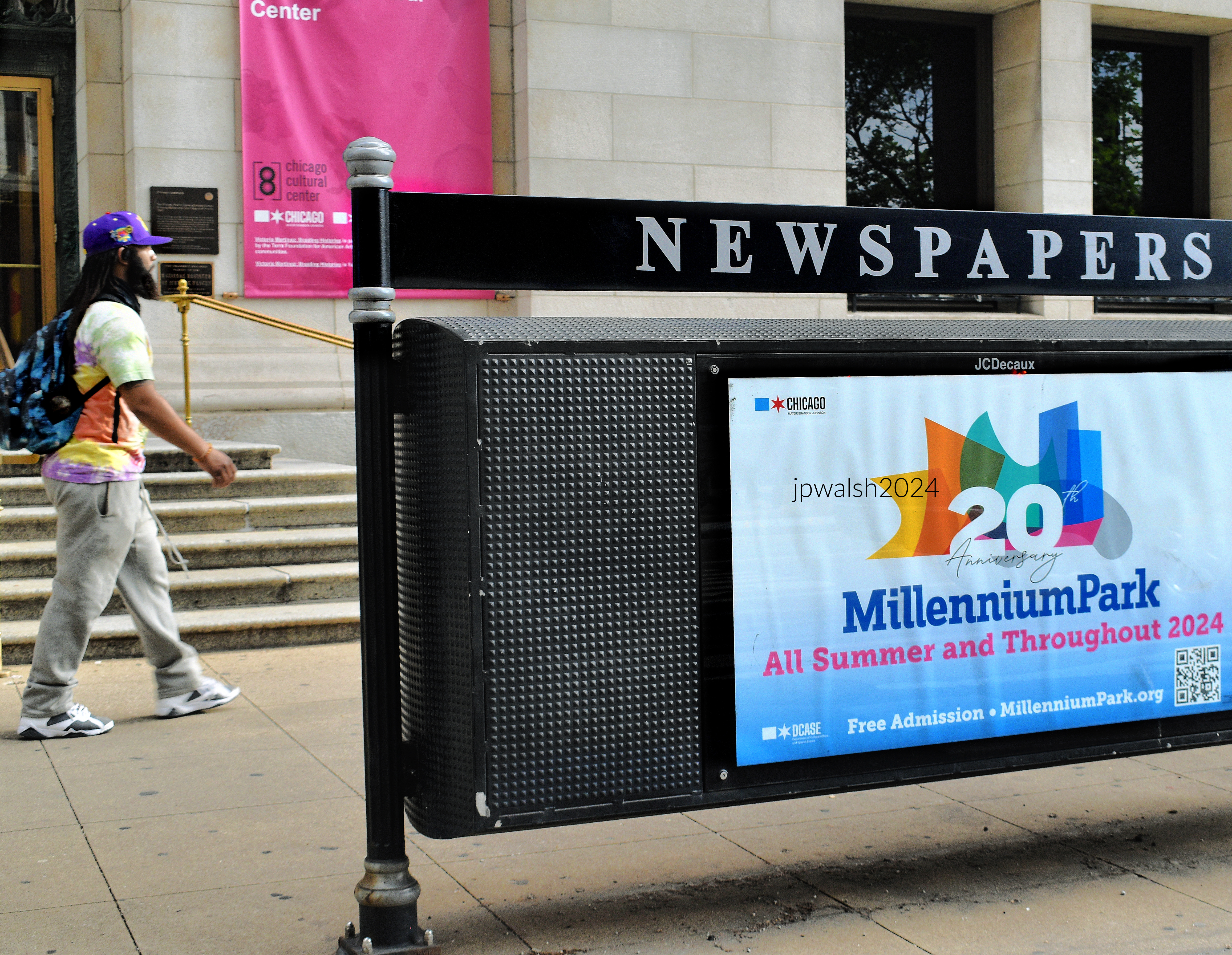
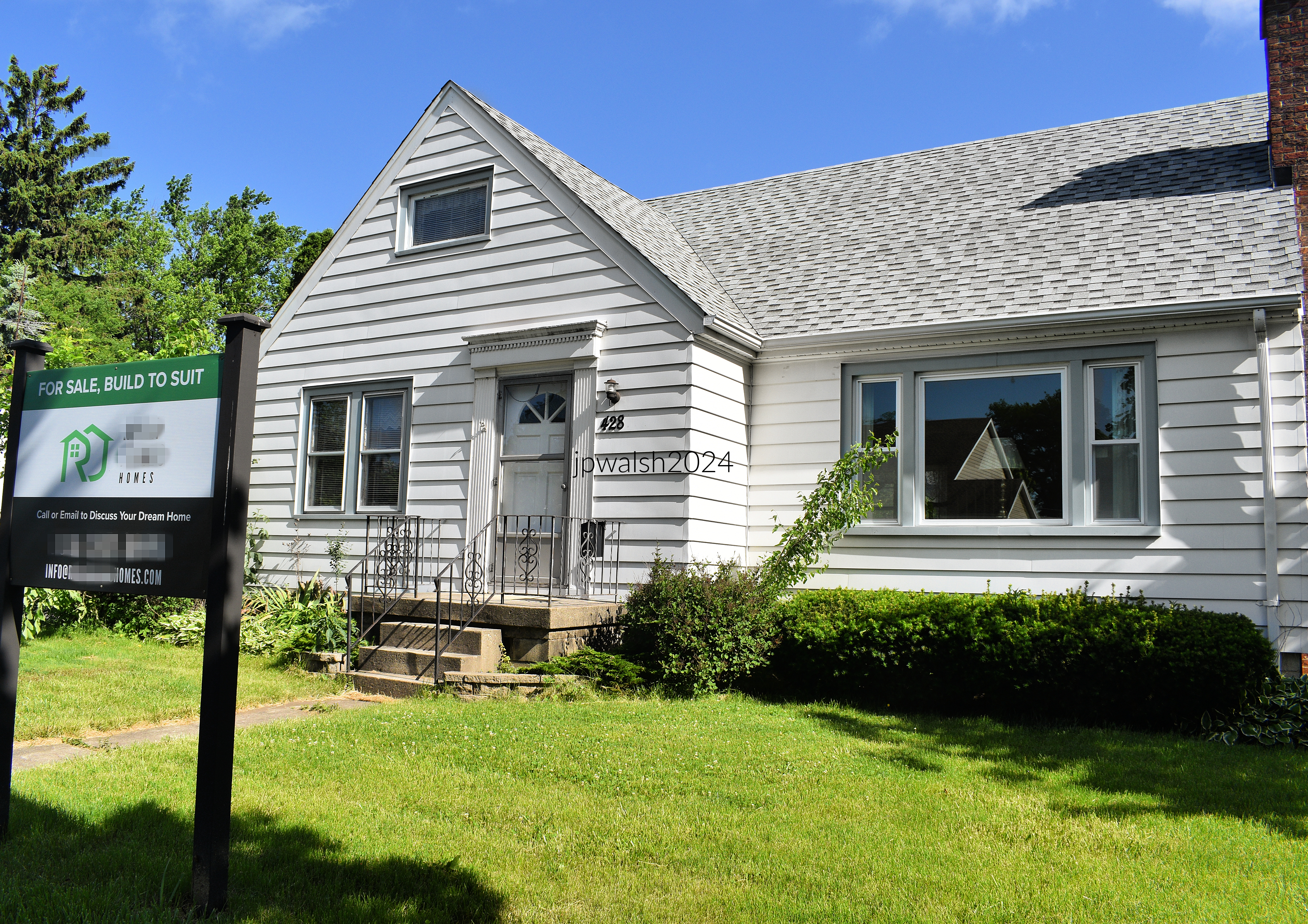
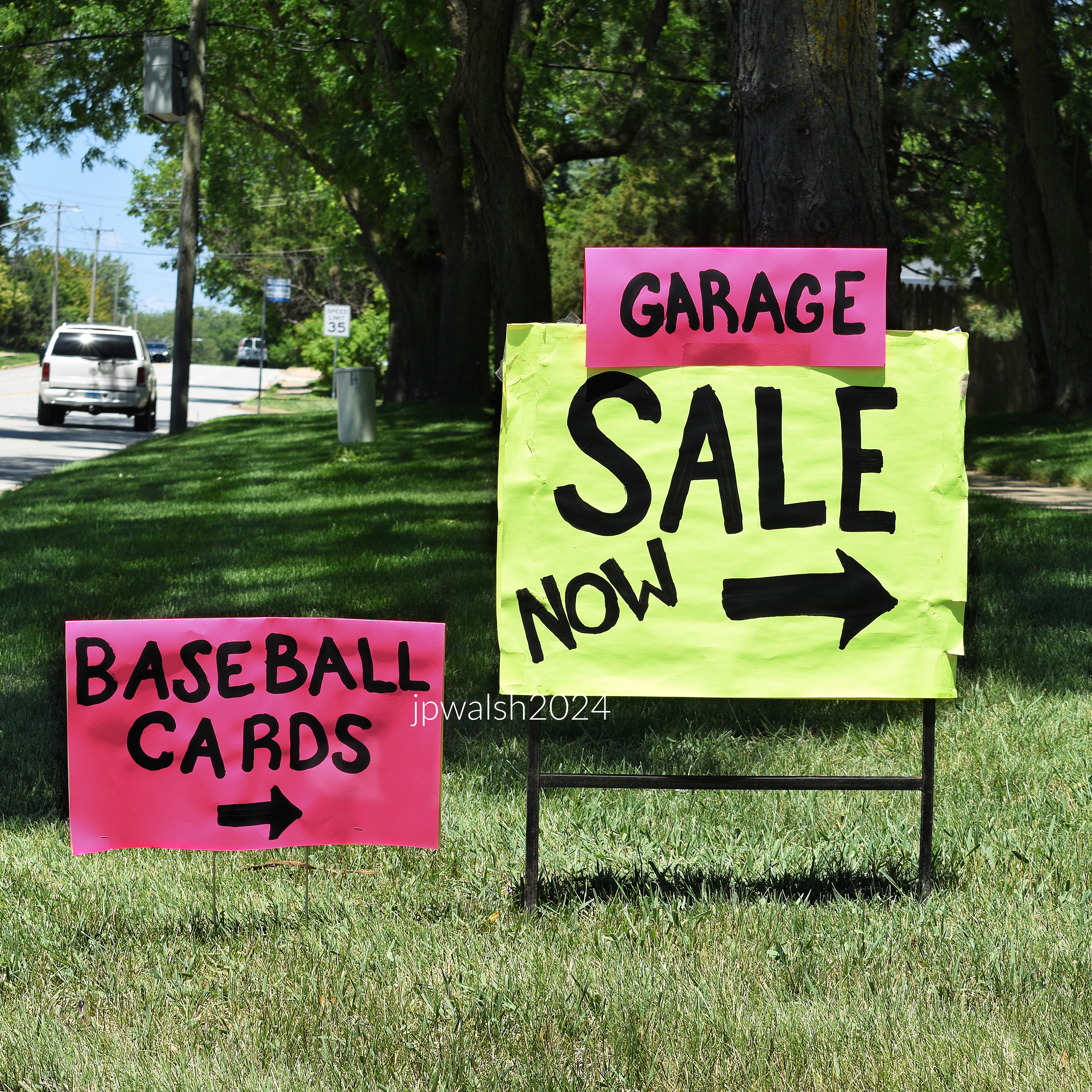
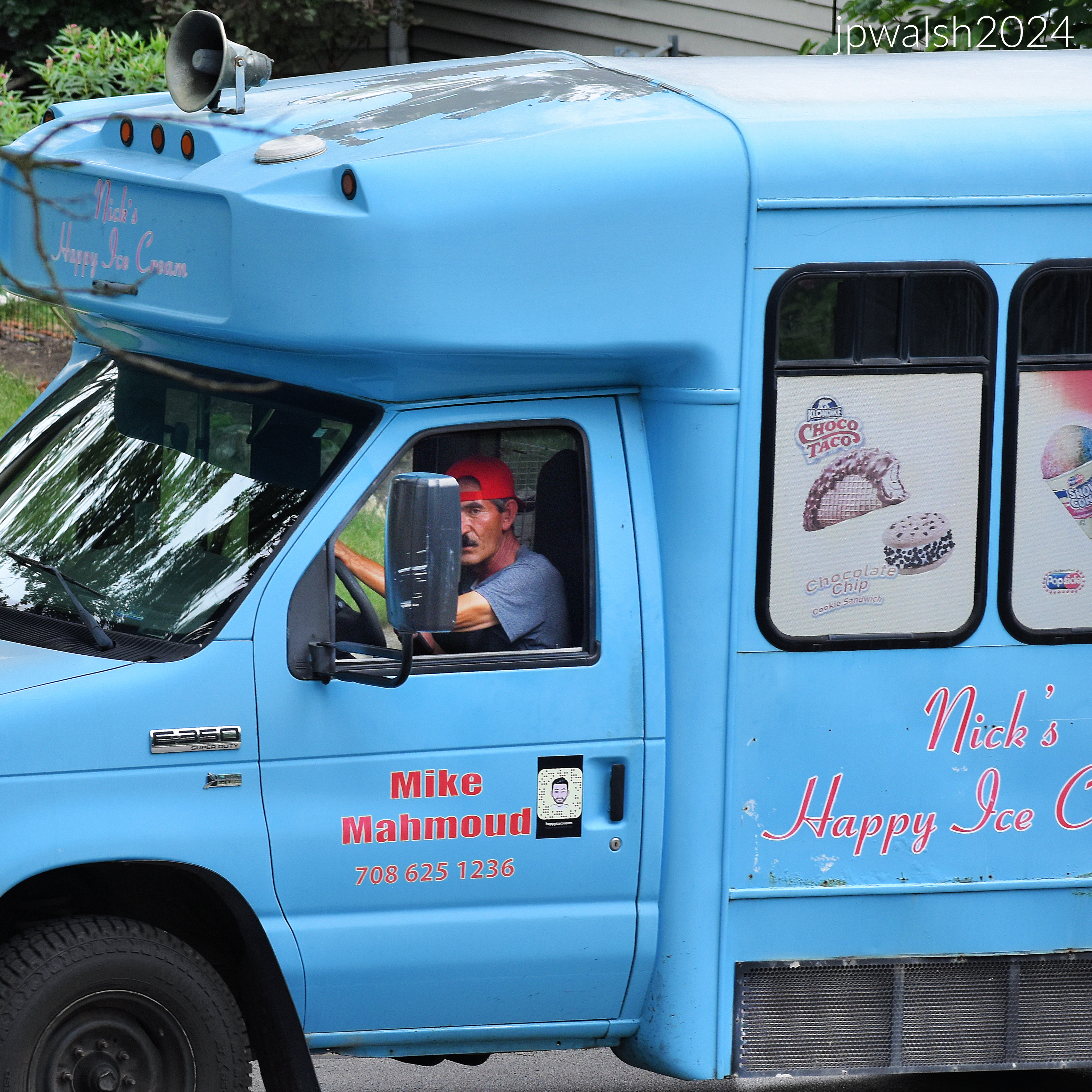
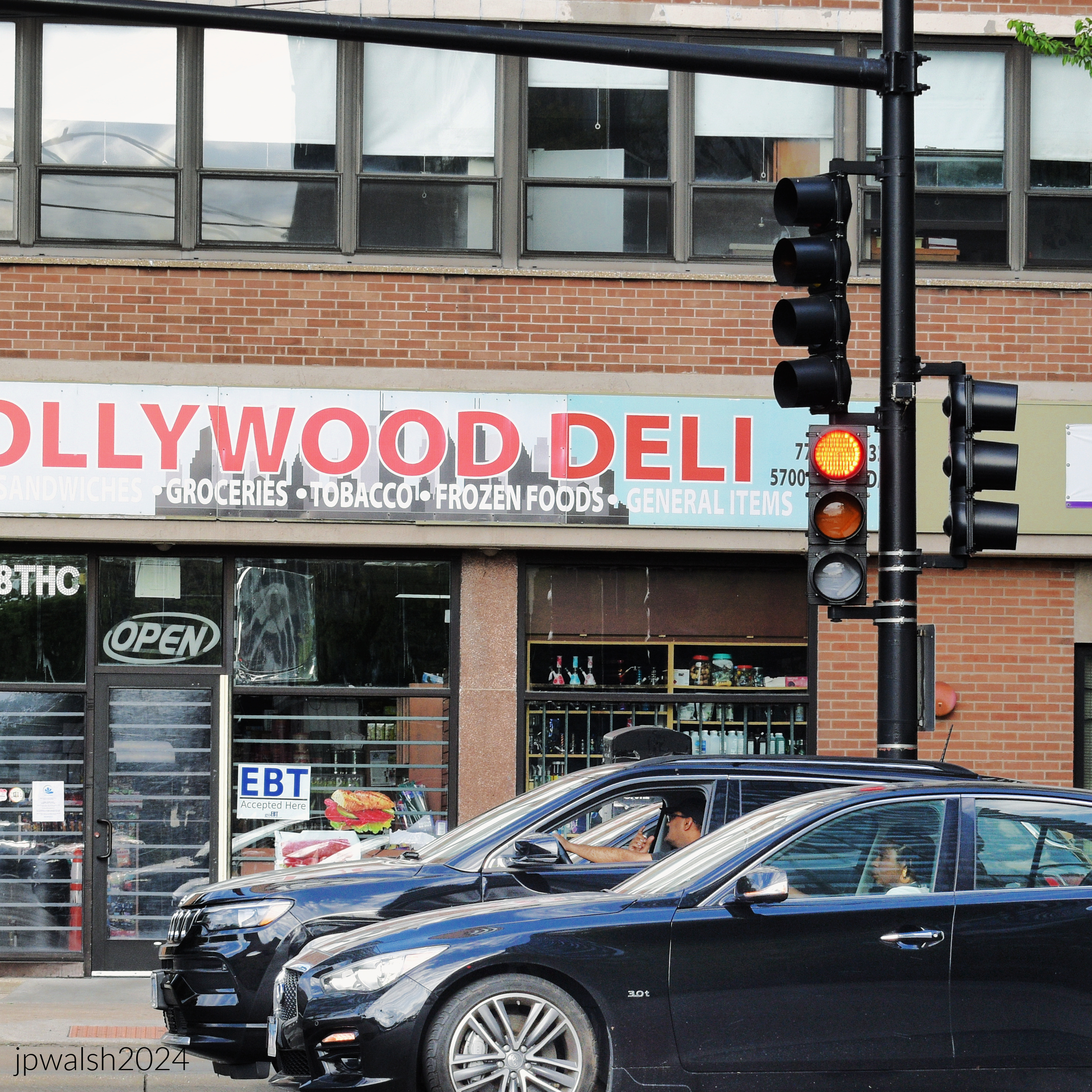
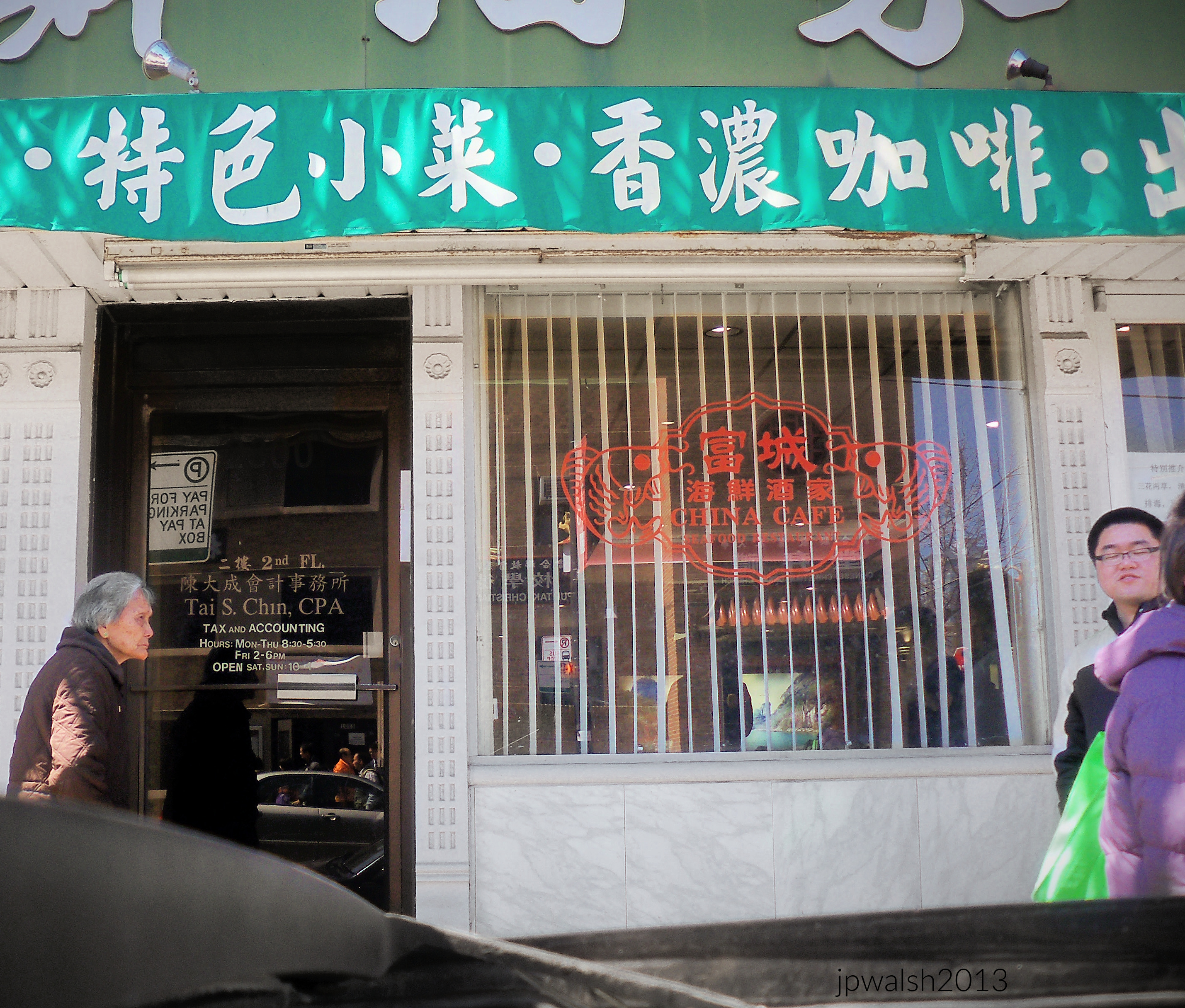
Signs serve as visual blueprints of community identity, tracking economic activity, institutional history, and the constant evolution of a place. As everyday markers of culture, commerce, religion, and memory, they collectively provide a living record of the eras they inhabit.
All photographs and text by John P. Walsh.
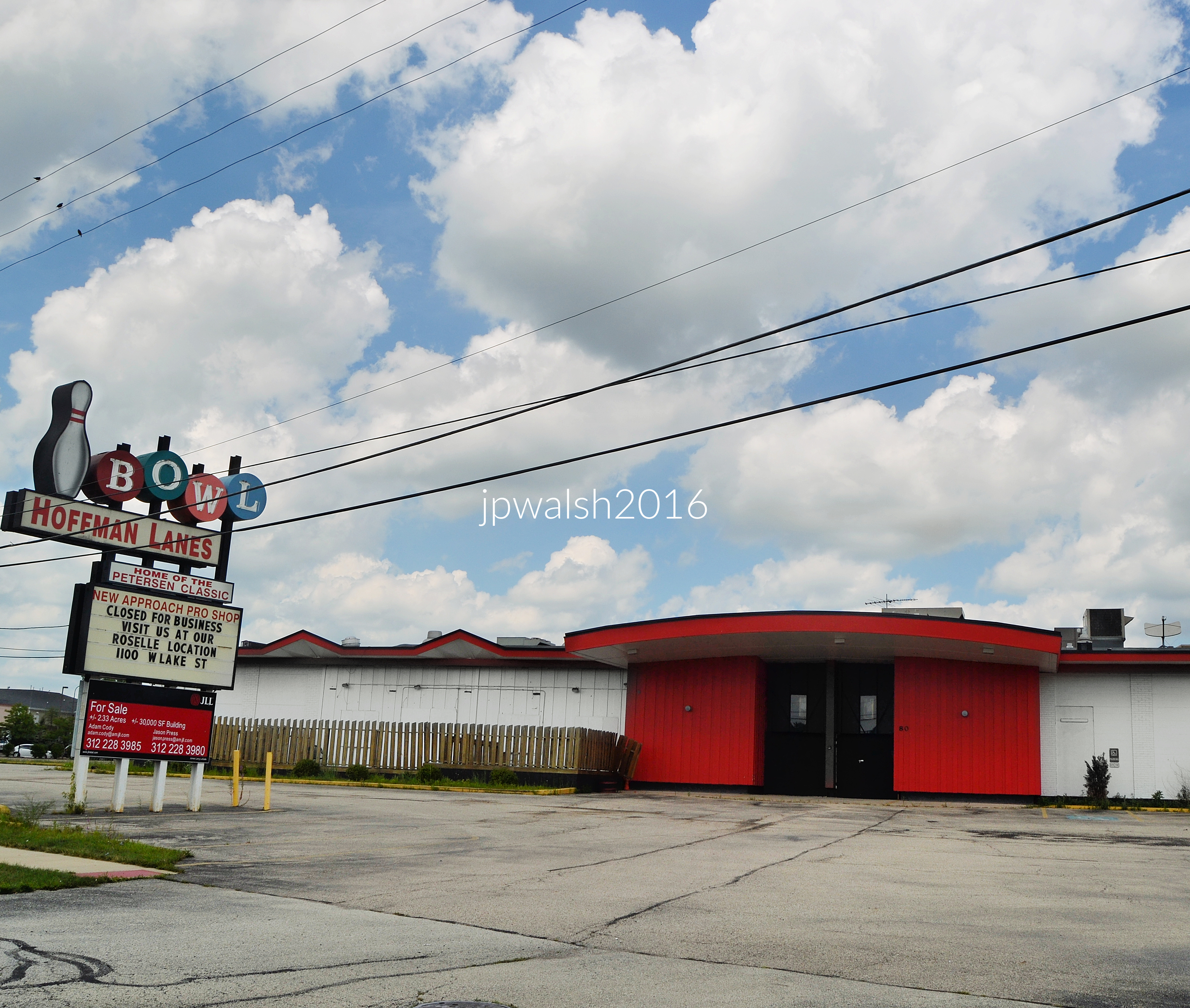
August 2024 Chicago 90% 7.91 mb1459 (1)September 2024 99% 7.23 mb_2004 (1)August 2015. Chicago. 3.53mb DSC_0697 (1)August 2024 74% 7.84 mb 0880 (1) (90)September 2024 8.96mb_2038 (1)September 2024 97% 7.92mb _2052 (1)July 2016. In business 1962 to 2022. 4.80mb DSC_0916 (1)Elk Grove Bowl: Bowling alley closing after nearly 60 years in Elk Grove Village – ABC7 Chicago – retrieved March 19, 2026. August 2016. In business from 1961 to 2015. 80 W Higgins Rd, Hoffman Estates, IL 60169 3.69mb DSC_0076 (1). REMEMBERING HOFFMAN LANES – History of Schaumburg Township – retrieved March 19, 2026. October 2022. 99% 7.05 mb 9395 (1)October 2024. 92% 7.82mb _2841 (1)October 2024. 6.75mb_2803 (1) to o&e11 – October 2024 80% 7.85mb_3929October 2024. 78% 7.92mb _4000November 2024. 91% 7.95mb 4514November 2024. 88%7.86mb _4986 0&eDecember 2024. 81% 7.87mb _5986May 2024. Fox River Valley. 99% 6.42mb _6451August 2015. 4.34 mb _0344 (1)January 2016. 3314 W. 63rd St., Chicago. Marquette Photo Supply opened in November 1944. Owner Joe Herbert sold and repaired photo equipment and processed film. His father and brother operated the barbershop next door. The family lived in an apartment behind the store. For decades, Mr. Herbert supplied equipment to photography students at many high schools, including nearby all-girls Mother McAuley. A beloved presence in the neighborhood, the shop closed in 2017 when Mr. Herbert passed away. 96% 7.91mb see – https://chicago.suntimes.com/2017/9/14/18318528/joseph-joe-herbert-dies-ran-marquette-photo-supply-for-73-years – retrieved January 30, 2025. May 2016. State & Chicago. 5.32mb DSCN2408 (1)November 2017. Below the fold. 4.85mb DSC_3148 July 2016. Established in 1928. 3259 E. 95th Street, Chicago. DSC_0793 (1)August 2017. Chicago. 7.57mb DSC_1554March 2025. 95% 7.91 mb DSC_7840October 2017. 5.38 mb DSC_2973November 2017. 89% 7.80mb DSC_3398April 2025. 99% 7.23mb DSC_8741May 2018. 90% 7.75mb DSC_7149January 2018. Chicago. Downtown. 3.71 mbMay 2025. 99% 6.99mb DSC_0078 (1)October 2024 3.87mb DSC_3187 (1)October 2015. October 2015. St Cornelius Church, 5430 W. Foster Ave, in Chicago when it was still an active parish church. Built in 1964, it closed in 2020 for lack of mass attendance and was desacralized in 2021. In 2024 the church building was sold to be redeveloped as a funky 1960’s style club and pickleball court. The site redevelopment will include parking and an event space with stage for pinball games, beverage lounge, and record spinning area. St. Cornelius for whom the church was named was a 3rd century pope who was banished from Rome by the Roman emperor Trebonianus Gallus and who died in exile. 5.91mb DSC_0311 (1) see – https://www.chicagobusiness.com/commercial-real-estate/former-st-cornelius-church-be-pickleball-court-and-club – retrieved June 23, 2025. June 2025. Downers Grove, Illinois. 97% 7.88mb DSC_1850July 2025. 99% 7.33mb DSC_3614June 2018. Chicago. 6.42mb DSC_9166 June 2018. Chicago. 6.25mb DSC_0827June 2025. 90% 7.90 mb DSC_2406 (1) January 2016. 3.70 mb DSCN1968 (1) July 2015. Chicago. 3.23 mb DSC_0387 (1)July 2015. Chicago. 3.19mb DSC_0592 (1)December 2017. Chicago. 89% 7.94mb DSC_3767 (1)November 2025. 99% 7.35mb DSC_8897December 2025. 6.27mb DSC_9476 (1)December 2025. Chicago 78% 7.83mb DSC_0012December 2025. Chicago. 81% 7.83mb DSC_0041February 2013. 1.64mb 2101_6381 (1)
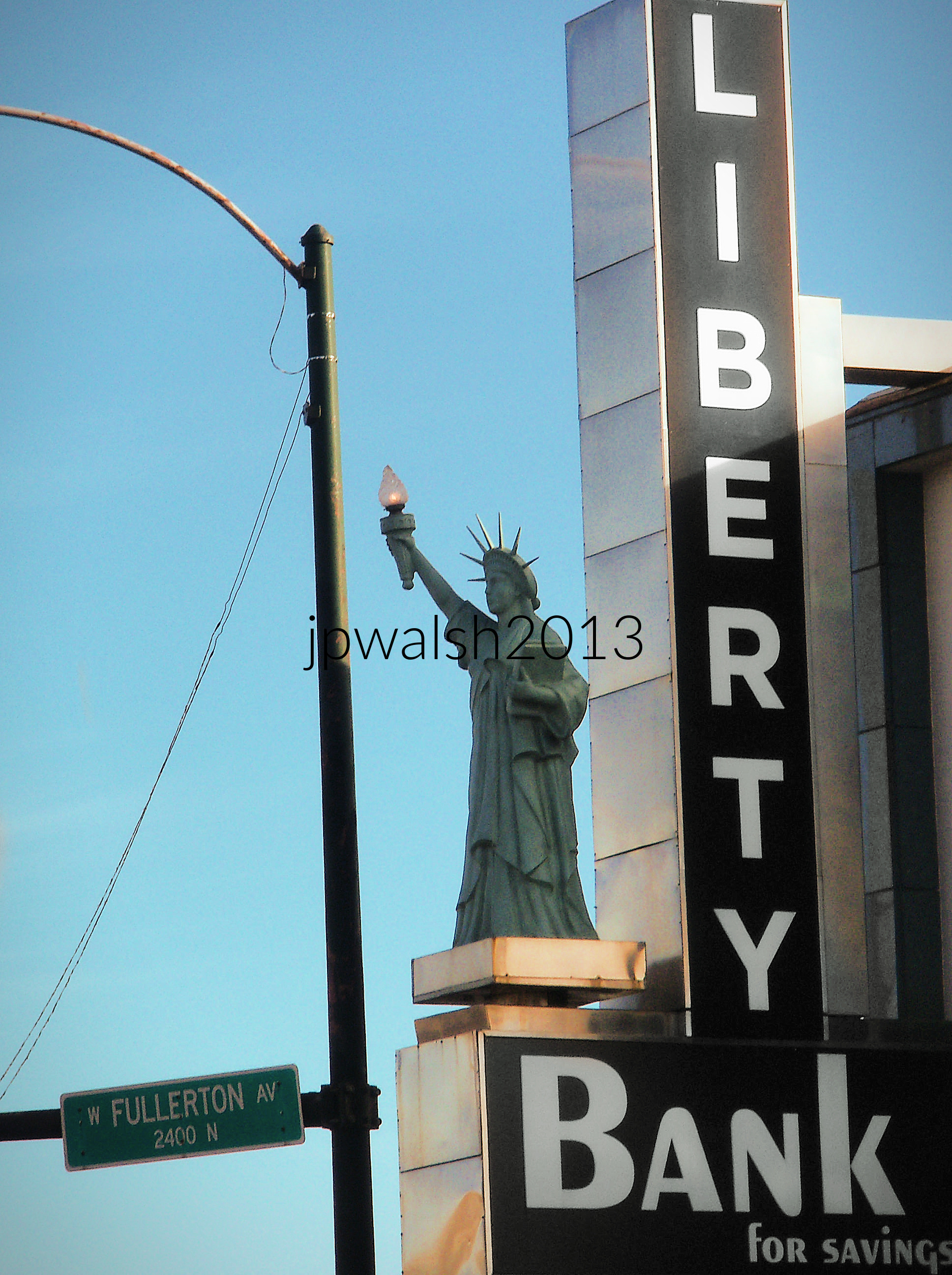
Liberty Bank’s origin dates back to 1898 when parishioners of All Saints Polish National Catholic Church on Chicago’s North Side (2392 N. Milwaukee Avenue)came together to form a mutual savings institution committed to “neighbors helping neighbors.”
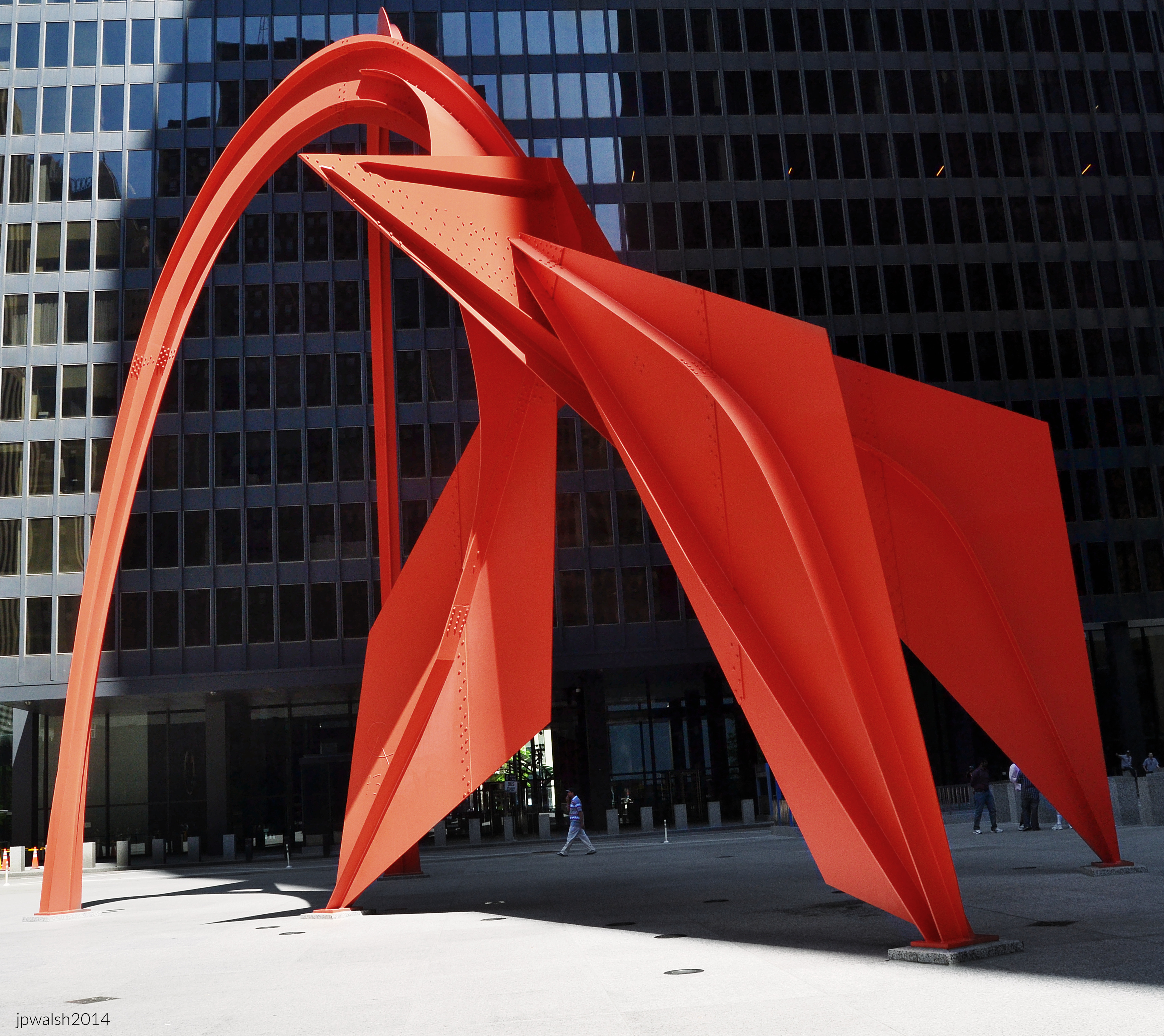
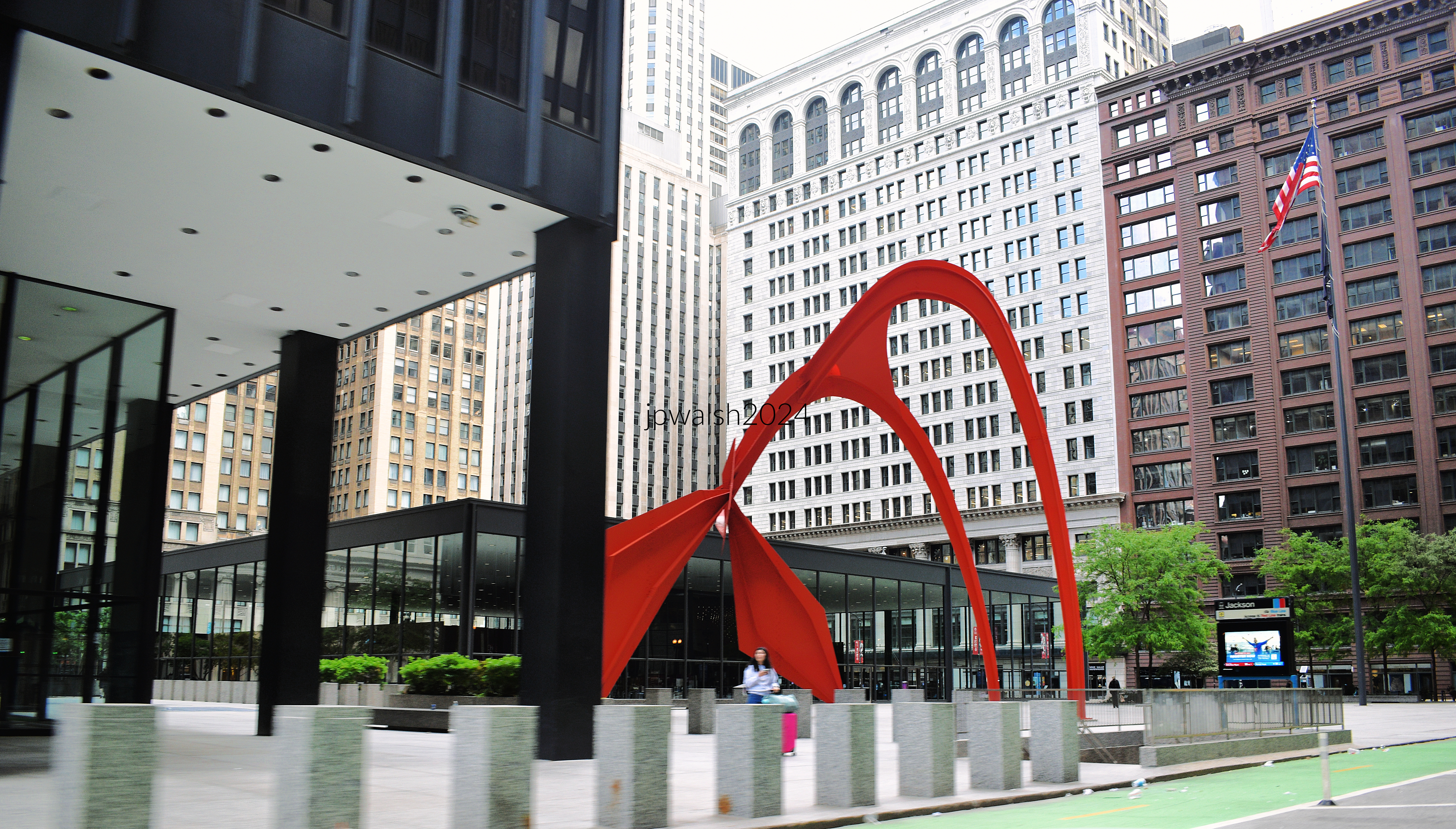
FEATURE Image: Alexander Calder’s Flamingo successfully transforms Chicago’s Federal Center Plaza by humanizing, energizing, and completing Mies van der Rohe’s austere modernist architectural ensemble through color, scale, movement, and sculptural form. Author’s photograph. June 2022. 7.73 mb
Alexander Calder’s Flamingo (1974) transformed Chicago’s Federal Center by introducing movement, whimsy, and human-scaled organic form into one of the city’s most rigorously ordered modernist spaces. Set amid Ludwig Mies van der Rohe’s rectilinear architecture, Calder’s monumental red stabile demonstrates how public art can soften, animate, and humanize the urban environment without diminishing its architectural power.Alexander Calder’s Flamingo was unveiled on October 25, 1974, in a dedication ceremony with the artist. Alongside Picasso and Cloud Gate, it is one of Chicago’s iconic outdoor public artworks.
In downtown Chicago’s Federal Center Plaza on South Dearborn Street between Adams Street and Jackson Boulevard is Alexander Calder’s 53-foot-tall painted steel plate “stabile object” entitled Flamingo. The Chicago Federal Center was completed in 1974 with Calder’s artwork. The design project began in 1958 and included three International-style government buildings by modernist architect Mies van der Rohe (1886-1969) within a public plaza design that was completed in 1974. Flamingo, commissioned after Mies’ death for $250,000 by the Government Services Administration, was unveiled on October 25, 1974 with the 76-year-old Calder present for its dedication ceremonies and festivities. With the commission Calder understood the significant impact of his artwork for the Federal Center Plaza in Chicago.
Calder’s prolific and impressive art career started in the early 1920s. Fifty years later, Flamingo (a.k.a., “the Calder”) in Chicago’s historic Federal Center Plaza is a later work, whose maquette Calder made before it was intended for Chicago.
During his artistic career’s many decades and years, Calder never stopped developing in his art. The 1974 steel sculpture painted red-orange is four stories tall and makes a powerful impact on the streetscape where it is an integral part. Along with Chicago’s Picasso in 1967 and Anish Kapoor’s Cloud Gate (“the Bean”) in 2004, Calder’s Flamingo in 1974 has taken its well-deserved place among Chicago’s most iconic outdoor public artworks.
From the inventor of the mobile, Calder turned later to the development of the stabile of which Flamingo is a masterwork. Starting in the mid1950s and into the 1970’s, Calder produced scores of stabiles in many shapes and sizes for display around the world.
“Most architects and city planners want to put my objects in front of trees or greenery. They make a huge error. My mobiles and stabiles ought to be placed in free spaces, like public squares, or in front of modern buildings, and that is true of all contemporary sculpture” – Alexander Calder. Quoted in Jed Perl, Calder: The Conquest of Space: The Later Years: 1940–1976 (New York: Alfred A. Knopf, 2020).
June 2022. Author’s photograph. 7.24 mb
Above: On the west side of Clark Street between Adams Street and Jackson Boulevard—visible directly behind Alexander Calder’s Flamingo sculpture—the prominent structures are from left to right: The Commercial Office Building located at 118 South Clark Street (directly tucked between the Bankers Building and Jackson Boulevard)—was completed in 1920 and designed by the prolific Chicago architectural firm Holabird & Roche, Willis Tower in the distance, The Bankers Building (105 West Adams Street, completed in 1927 by the Burnham Brothers, a 476-foot Art Deco masterpiece featuring characteristic deep light courts and upper-tier setbacks), and, on the other side of Adams Street, The Field Building at 140 S. Clark. Completed in 1934 by Graham, Anderson, Probst & White, it stands as one of the finest premier masterpieces of Art Deco skyscraper design in the entire United States. A corner slice of the Edison Building is also pictured.
Titled Flamingo, the towering abstracted “Calder red” painted stabile object can evoke reactions to it that are unexpected. Calder’s stabile masterwork was unveiled in October 1974 which was the same year the Sears Tower (in the background) was completed, and which was at that time the world’s tallest building (today it is ranked no. 26). From Federal Center Plaza, Chicago’s 20th century architectural history is readily on display in its downtown buildings in a range of shapes, sizes, textures and design styles.
The work’s vivid red color and sweeping curves contrast with Mies van der Rohe’s black steel-and-glass buildings.
May 2014. Author’s photograph. 3.28 mb
Because of its monumental size, Flamingo can be intimidating. Actual flamingo shorebirds vary in size, but none are no more than 3 to 5 feet tall, and weigh about 5 to 7 pounds. At 53 feet tall, Calder’s immense stabile in Chicago is about the size of a giant sauropod dinosaur which would weigh around 60 tons.
“It’s really just for differentiation, but I love red so much that I almost want to paint everything red” – Alexander Calder. Katharine Kuh, The Artist’s Voice: Talks with Seventeen Artists (New York: Harper & Row, 1962).
November 2015. Author’s photograph. 260kb 25%
Alexander Calder trained and worked as a mechanical engineer before he became an artist. The graceful design and construction of Flamingo is expressed by nearly one-inch-thick steel plates buttressed by ribs and gussets joined overhead by lofty arches and resting on three legs as if it is nearly weightless. Even his largest stabiles (of which Flamingo is one) are made so they can be easily unbolted and taken apart to be transported and assembled at the place of destination.
Calder’s Flamingo demonstrates how monumental public sculpture can become an active architectural partner, transforming a formal modernist plaza into a more dynamic, accessible, and memorable civic space.
May 2014. Author’s photograph. 4.82 mb
In Federal Center Plaza is a complex of three buildings of varying scales by Mies van der Rohe: the broad 30-floor Everett McKinley Dirksen Building at 219 S. Dearborn Street completed in 1964 (at right), the lean 45-floor John C. Kluczynski Building at 230 S. Dearborn Street completed in 1974 (not pictured), and the single-story U.S. Post Office building at 219 S. Clark Street (not pictured). Calder’s Flamingo sits on its three pillars like a lunar lander that reflects the arcaded bases of Mies van der Rohe’s buildings that surround it as well as provide a sweeping contrast of curves and bright stand-out color against the surrounding modernist buildings’ monochrome glass-and-steel grid appearance. Calder’s artwork achieved more than the sum of these parts – it transformed Mies’ overall somber architectural trio into a more dramatic and complex quartet that included Calder’s art. The 30-story Dirksen Building is across Dearborn Street.
Flamingo by Alexander Calder is a masterwork stabile in Chicago’s downtown. Its monumental scale remains approachable because pedestrians can walk around, beneath, and through it.
May 2013. Author’s photograph. 3.60 mb 102_0480 (1)
November 2015. Author’s photograph. 484 kb 25%
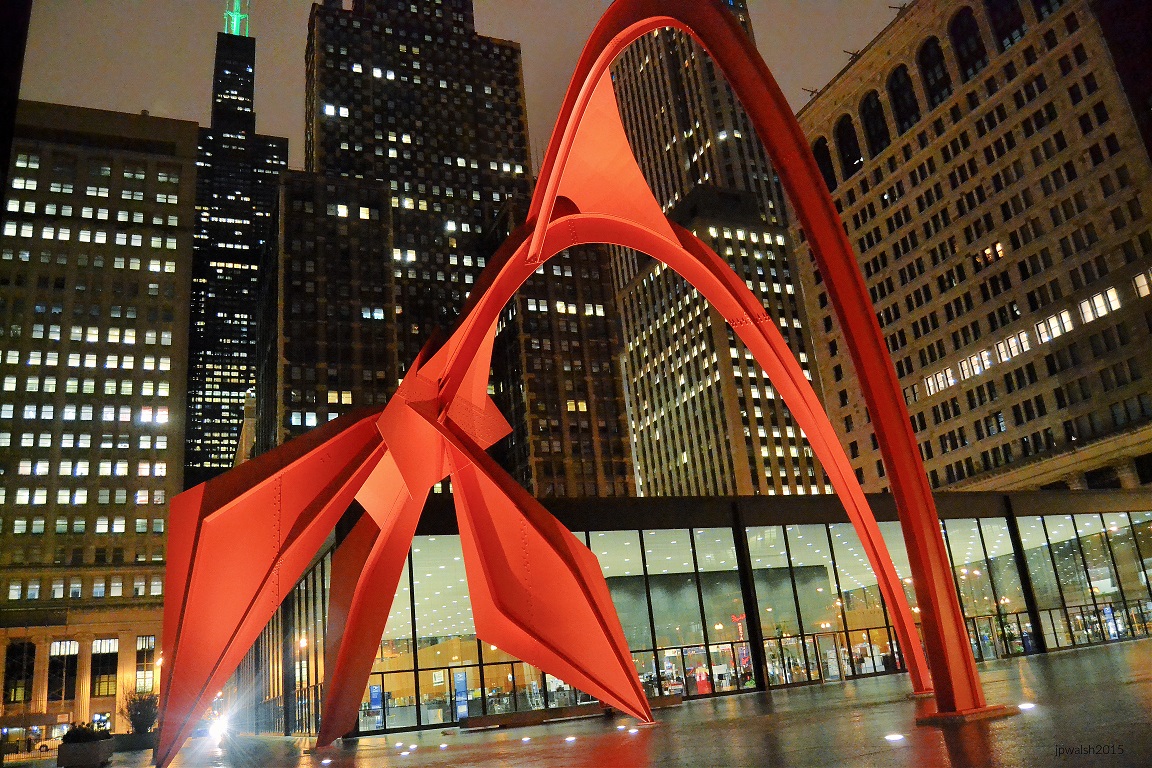
Above: Calder’s Flamingo after dark with the one-story Post Office illumined within behind it (above). Alexander Calder deliberately placed the sculpture in an open urban setting where contemporary sculpture could interact with modern architecture.
June 2022. Author’s photograph. 6.87mb
Above: Calder’s stabile is one of the most monumental public art commissions in Chicago. Flamingo’s height and breadth (it fills a space of about 1440 square feet) achieves a largesse that does not forgo a human scale as it allows pedestrians to freely walk around, under and through it. The 45-story Kluczynski Building is at left.
November 2015. Author’s photograph. 3.77mb
Above: Flamingo lighted at night in late November where there is already a snow pile on the sidewalk in Chicago’s Federal Center Plaza presaging the Chicago winter. In summer months there is a regular farmer’s market on the Federal Center Plaza. It is also the location for a variety of political gatherings year-round. The Kluczynski Building is behind.
Rather than functioning as an isolated object, the sculpture changes how viewers experience the entire Federal Center complex.
October 2015. Author’s photograph. 3.90mb.
Above: Alexander Calder’s Flamingo (1974) sits in Federal Plaza designed by modernist architect Mies Van Der Rohe. Behind it is Mies’ 45-floor John C. Kluczynski Building at 230 S. Dearborn Street and on a sunny east side of South Dearborn his 30-story Dirksen Federal Courthouse. Moving south across Jackson Boulevard is the 5-story 33 West Jackson Boulevard building built in 1910 (with additions/remodels stretching through 1917). Next to it is The Standard Club at 321 South Dearborn Street built in 1926 and designed by Albert Kahn. The Fisher Building (1896) at 343 South Dearborn Street and its annex is next further south. Designed by D.H. Burnham & Company, it was completed in 1896. The Old Colony building on the other side of the L tracks was built between 1893 and 1894, When it officially topped out, the 17-story, 215-foot high-rise briefly held the title of the tallest building in Chicago. It was designed by the legendary architectural firm of Holabird & Roche. The framework was engineered by Corydon T. Purdy who designed it with a highly advanced, pioneering skeletal steel-frame structure that carries the entirety of the building’s massive weight allowing the exterior features absolutely no self-supporting walls.
In October 1974 Alexander Calder was in Chicago for a “Calder Festival” where two of his major works were being dedicated – Flamingo for Federal Center Plaza (depicted above with the Kluczynski Building) and Universe, a motorized mural for the Sears Tower. Reflecting the artist’s lifetime interest in circuses, Calder joined in the city’s circus-themed parade in his honor. In another major cultural event in Chicago, the Museum of Contemporary Art held a large retrospective exhibition of Calder’s art from October to December of 1974.
June 2022. Author’s photograph. 6.20mb
Above: Flamingo sits within a classic Chicago Loop streetscape looking south down South Dearborn Street, framing a beautiful juxtaposition of the city’s architectural evolution. On the left side of the street sits the massive, dark steel-and-glass the Kluczynski Federal Building designed by Mies van der Rohe. On the immediate right foreground is the ornate, reddish-brown stone facade of the Marquette Building (1895). Directly past it rises the colossal, dark brick wall of the Monadnock Building (1891), showcasing its iconic, smooth masonry curves and deep-set bay windows stretching a full block south toward Van Buren Street. In the distant vista is the historic red brick tower of the Old Dearborn Station clock tower (1885) stands out against the sky, acting as a visual anchor at the very end of the street corridor.
May 2024. Author’s photograph. 88% 7.78 mb
Above: This wide angle of federal Plaza frames several historic and modernist landmarks surrounding Alexander Calder’s Flamingo sculpture. These include a portion of John C. Kluczynski Federal Building, Loop Station Post Office, The Commonwealth Edison Building and The Marquette Building.
May 2013. Author’s photograph. 2.80 mb 102_0488 (1)
August 2021. Author’s photograph. 96% 7.91mb DSC_6798
Above: Looking east along West Quincy Street toward Federal Plaza, this view captures a striking convergence of Chicago’s historic and modernist architecture. Framing the corridor is, on the left, a slice of the Rookery Building, completed in 1888 by the firm Burnham & Root, and the Clark Adams Building originally known as the Bankers Building, completed by the Burnam Brothers in 1927. On the right is the Central Standard Building, originally the Continental Illinois National Bank Building, completed in 1924 by Graham, Anderson, Probst & White. Anchoring the vista is the sweeping red curve of Alexander Calder’s Flamingo. Just in front of it stands the transparent glass entrance to the single-story United States Post Office (1973), an integral element of Ludwig Mies van der Rohe’s original Federal Plaza design. Rising behind the plaza and dominating the upper half of the scene is the John C. Kluczynski Federal Building, Mies’s landmark expression of modernist architecture, creating a dramatic contrast with the richly detailed Art Deco and classical forms that line Quincy Street.
By placing a monumental red sculpture of sweeping organic curves within Mies van der Rohe’s disciplined modernist complex, Alexander Calder transformed Chicago’s Federal Center into a dynamic conversation between art, architecture, and public space.
Sources:
Bach, Ira J., and Mary Lackritz Gray. A Guide to Chicago Public Sculpture. Chicago: The University of Chicago Press, 1983.
FEATURE image: July 2015. Chicago. 134 S Wabash Ave, Chicago 60603. According to their website, Miller’s Pub was established as a bar in 1935 which was bought in 1950 by Pete, Nick and Jimmy Gallios, three brothers of Greek descent. A fourth brother, Vannie, worked his way into a stake in the business in 1953. Miller’s Pub thrived in the same location until 1989 when they moved around the corner into another of their restaurants they owned located at 134 S. Wabash. Over the years entertainers, politicians and sports figures have patronized Miller’s Pub in Chicago’s Loop including Chicago mayors, Jimmy Durante, Marilyn Monroe, Bill Veeck, Harry Caray, Tony Bennett and Bob Fosse’s dancers who came for an after-show nightcap. 3.68 mb
Signs are visual artifacts of community identity, capturing cultural and economic shifts, institutional history, and the continual transformation of a landscape. By anchoring everyday culture, commerce, religion, and memory, they provide a powerful record of the times in which they exist.
All photographs and text by John P. Walsh.
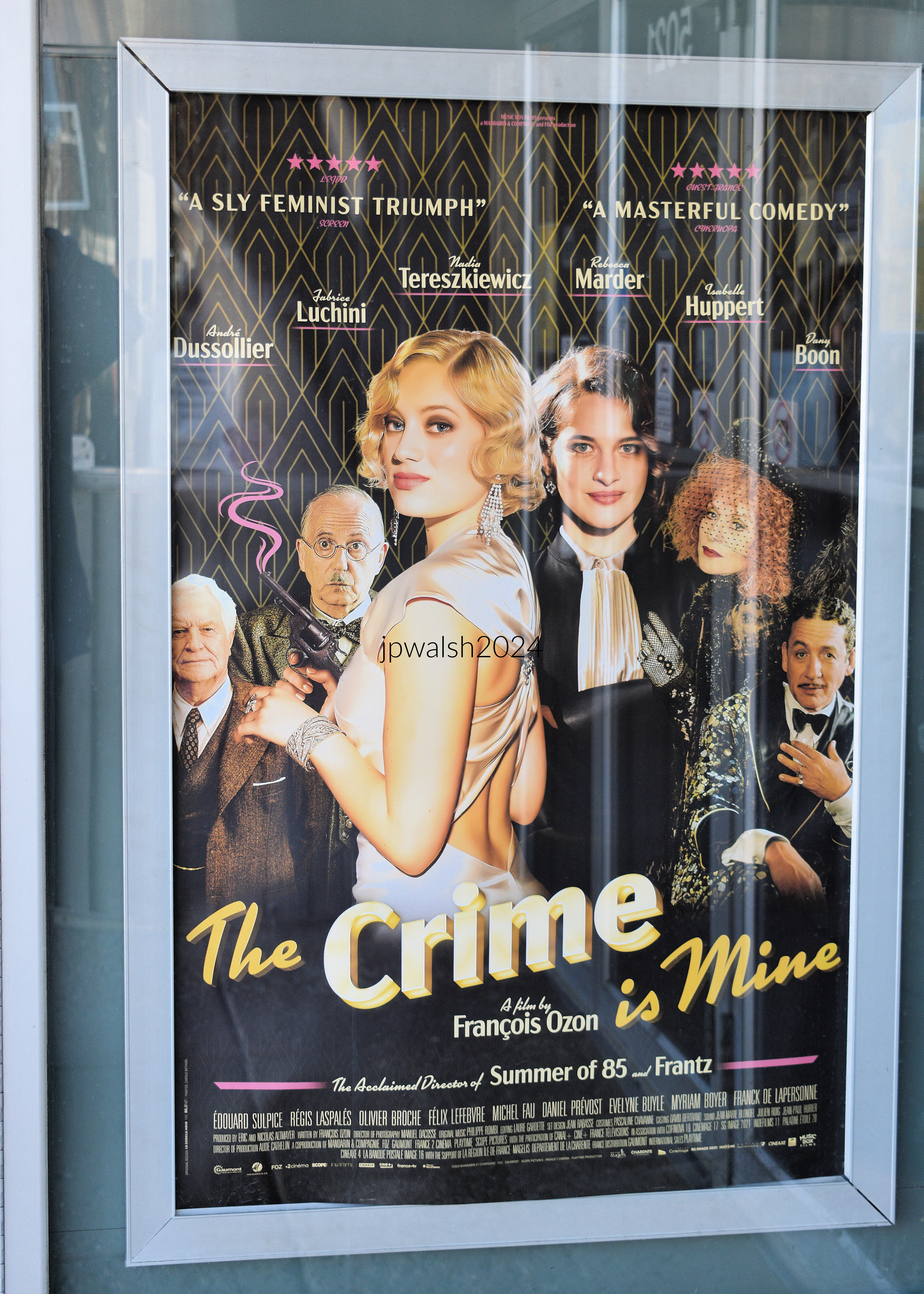
January 2024. 7.89 mb 80%October 2023. 6.86mb 99%August 2021. Chicago 7.43 mb 70%August 2015. Chicago. Michigan Avenue.Chicago. 6.30 mb 95%July 2015. Chicago. 40%October 2014. Chicago. Symphony Center. 1.99 mbOctober 2014. Chicago. Symphony Center. 2.51 mbDecember 2016. Chicago. Auditorium Theatre. January 2018. Chicago. Macy’s State Street. 872kb (10)September 2016. Forest Park, Iilinois. 5.11 mbSeptember 2015. Chicago. 3.82 mbJanuary 2018. Oak Park, Iilinois. 2.40 mbSeptember 2015. Chicago (Streeterville). 2.75 mbOctober 2016. Chicago (Chinatown). 4.78mb DSCN4244 (1)August 2015. Chicago (Chinatown). 3.44 mbJuly 2016. Chicago (Chinatown). 5.01 mb February 2018. Chicago. 4.74 mbDecember 2017. Westmont IL. 7.83 mb 98%September 2017. Chicago. 2.80 mbJune 2022. Chicago. 7.79mb 77%October 2017. Margie’s Candies at 1960 N. Western Avenue in the Bucktown neighborhood in Chicago was founded in 1921. It was renamed Margie’s Candies in 1933. In August 1965 Margie’s Margie’s hosted the Beatles who came in after they played a concert at Comiskey Park in Bridgeport. The Fab 4 ordered “Fudge Atomic Sundaes” that are still on the menu today which can complement to Margie’s since much of its décor is original from its first day of business. 3.03 mb May 2018. Villa Park, Illinois. 4.06 mbOctober 2022 5.80 mb 99%February 2019. Evanston, Illinois. 4.94 mbJune 2022. Evanston, Illinois. 7.70 mbApril 2020. Downers Grove, Illinois. 7.39mbMarch 2018. Lisle, Illinois. 3.38 mb (30)July 2015. Chicago. 3300 W. 111th St, 60655. 4.16 mbJuly 2023. 7.65 mb 74%August 2015. 4900 N. Broadway Chicago. 3.54 mbApril 2020. Cancelled & re-scheduled. 4.15 mb. see – Frida Kahlo: Timeless — CCMA – retrieved Dec. 26, 2025. June 2020. Downers Grove, Illinois. 4.59 mbSeptember 2015. Chicago (South Loop). 3.82 mbAugust 2017. Watseka, Illinois. 6.24mb August 2017, Kentland, Indiana. 3.16mbJune 2018. Chicago. 558 E 79th St, 60619 3.64mbJune 2021 95%June 2018. Cedarburg, Wisconsin. 6.23 mb 95% February 2018. Chicago (Kennedy Expressway). 6.58 mb (40)June 2018. 80% 7.82 mb DSC_0641. In 1966 when Dr. Martin Luther King, Jr. and Coretta Scott King lived in Chicago on the West Side at 1550 S. Hamlin Avenue Dr. King preached at Stone Temple Baptist Church at 3622 W. Douglas Boulevard, a ten-minute walk away. Built in 1926 as a synagogue in the North Lawndale neighborhood the building became a Baptist church in 1954. Already in the 1950’s and early 1960’s Dr. King had delivered several speeches at Stone Temple MB Church in his civil rights efforts and used the church during his 1966 Chicago residency as a base for his civil rights and fair housing advocacy. His efforts led to the signing of the 1968 Fair Housing Act on April 11, 1968, a week after his assassination. Today, Stone Temple is led by Bishop Derrick M. Fitzpatrick, the grandson of Rev. James Marcellus, the church’s founder.February 2018. Chicago (Loop). 3.63 mbDecember 2015. Chicago (Michigan Avenue). 4.30 mbNovember 2017. Chicago (South Loop). 3.50 mbFebruary 2018. Chicago. 6.18 mbSeptember 2015. Chicago. 6.33 mbJune 2022. Chicago. 5.86 mb December 2012. Chicago. 6.67 mb 99%May 2022. 7.33mb 98% (50)October 2023 7.78 mb 68%June 2022 7.02mbMarch 2017. Post Office. 4.11 mbSeptember 2022. Lisle Illinois. 6.57 mbAugust 2016. Kendall Co., IL. 3.48mbAugust 2022. 7.57 mb 99%August 2021. Chicago. 6.25 mb 99%August 2015. Chicago, 8611 S Pulaski Rd 60652. 7.71 mb 87%May 2022. Wheaton, Illinois. 917 E Roosevelt Rd, 7.76 mb 99%July 2017. Alsip, IL (demolished). 4.56 mb (60)August 2015. Chicago. 2116 W. 95th Street, 60643. 7.13 mbJune 2014. Waukegan, Illinois. 7.10mbMay 2023. Downers Grove, Illinois. 7.09 mb 99% August 2023. Wheaton, Illinois. 7.75 mb 61%August 2023. Tivoli. 7.17mb 99%September 2023. Downers Grove, illinois. 7.84mb 91%June 2023. Downers Grove, Illinois. 7.95mbSeptember 2023. 7.60 mb 80%July 2023. Darien, IL. 7.94mb 85%January 2019. 4.04mb (70)June 2022. Chicago. 7.41mb 99%December 2017. Chicago. 141 kb 25%March 2013.Chicago. 65%November 2023. 7.84mb 96%– *December 2023. 7.92 mb 94%April 2024. Downers Grove, Illinois. 99% 7.06mbApril 2024. 99% 6.65 mbApril 2024. 90% 7.79mb (2.15 minutes). Based on a 1934 French stage play, The Crime Is Mine (“Mon Crime’) is 2023 French film about a young actress (Nadia Tereszkiewicz) who becomes celebrated overnight after being acquitted of murdering a French movie producer in self-defense. But is she really innocent – or has she just gotten away with murder? The crime-comedy film was directed François Ozon who conceived it as a tale “ultimately about the triumph of sorority” and influenced by French directors Jean Renoir and Francois Truffaut and Americans Ernst Lubitsch, Frank Capra and Blake Edwards. Ozon based Isabelle Huppert’s character on French stage actress Sarah Bernhardt. The plot and characters of the original stage play by Georges Berr and Louis Verneuil became the basis for two Paramount Pictures’ films in the 1930s and 1940s – “True Confessions” starring Carole Lombard in 1937 and “Cross My Heart” starring Betty Hutton in 1946. Reviews for The Crime is Mine have been generally favorable citing particularly its star power.November 2017. Countryside, Illinois. 5.44 mb November 2017. Countryside, Illinois. 5.35 mb (80)2015. Chicago.7.69 mbMay 2024. 7.17mbMay 2024. 99% 7.35 mbMay 2024. Burger King was founded in Miami, Florida in 1954. Downers Grove, Illinois. 6.61mbChicago. May 2024 7.71 mbbuild to suit (dream home). May 2024 75% 7.68 mb – *June 2024. 99% 7.71 mb 8077May 2017. Marengo, Illinois. 1.29 mb 0247July 2024. 4.31mb 7746 (1)August 2024. Naperville, Illinois. 99% 7.60 mb 1161 (1)May 2024. Downers Grove, Illinois. II 81% 7.71 mbChicago. May 2024 3.24 mbChicago (Chinatown). 4/2013 2.86 mbChicago. 6/2022 7.72mb 85% July 2024. Woodridge, Illinois. 85% 7.81mb 0646November 2012. Wheaton, Illinois. 2.59mb 101_0382February 2013. Chicago. 1.85mb101_6384 (1)February 2013. Chicago. 3.67mb 101_6792 (1)March 2013. Chicago. 2.38mb 101_7015 (1)March 2013. 4.68mb 101_7023 (1)February 2013. 2.04mb 101_6508 (1)February 2013. 1.95mb 101_6610 (1)March 2013. Chicago 3.58mb 101_8578 (1)
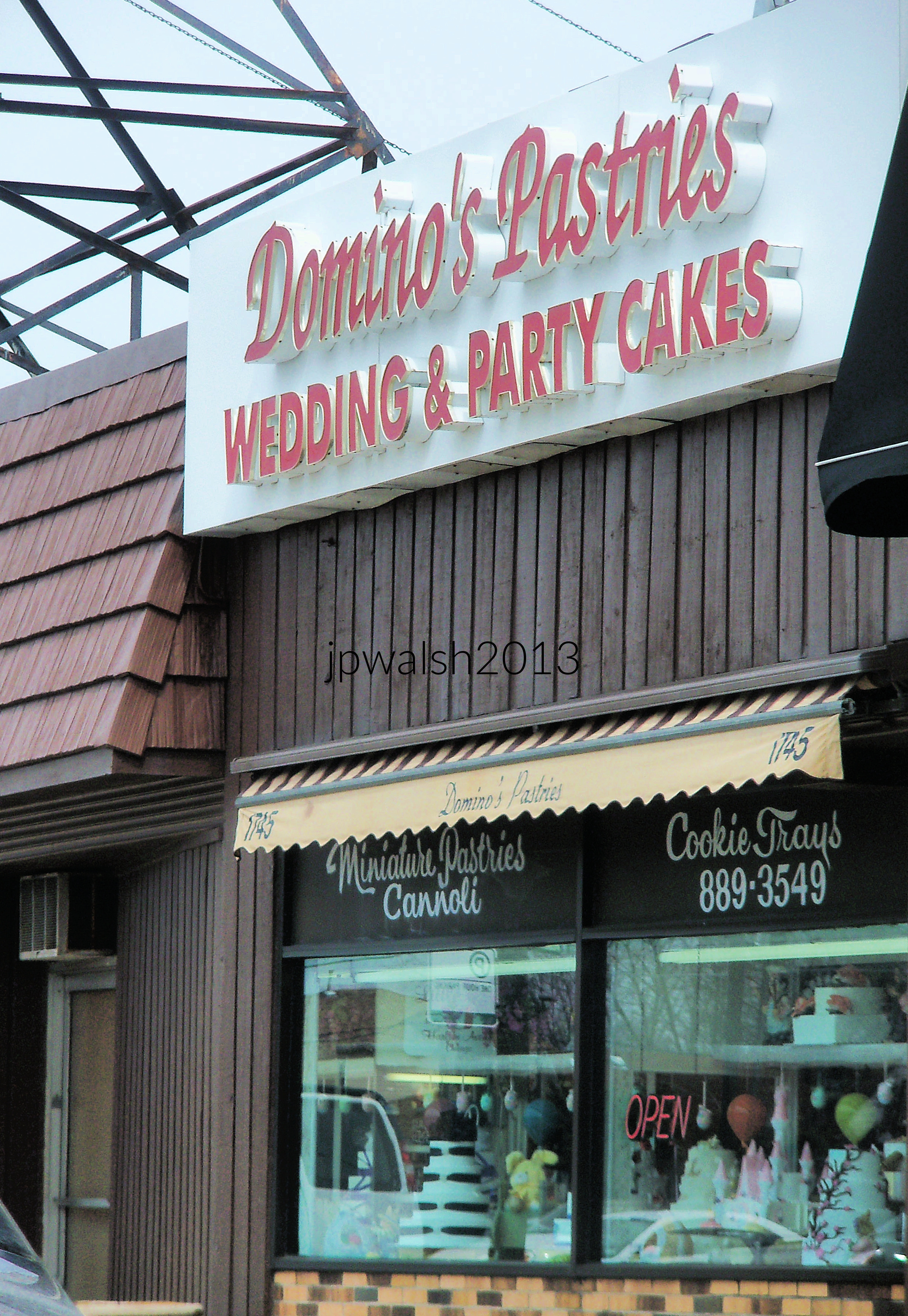
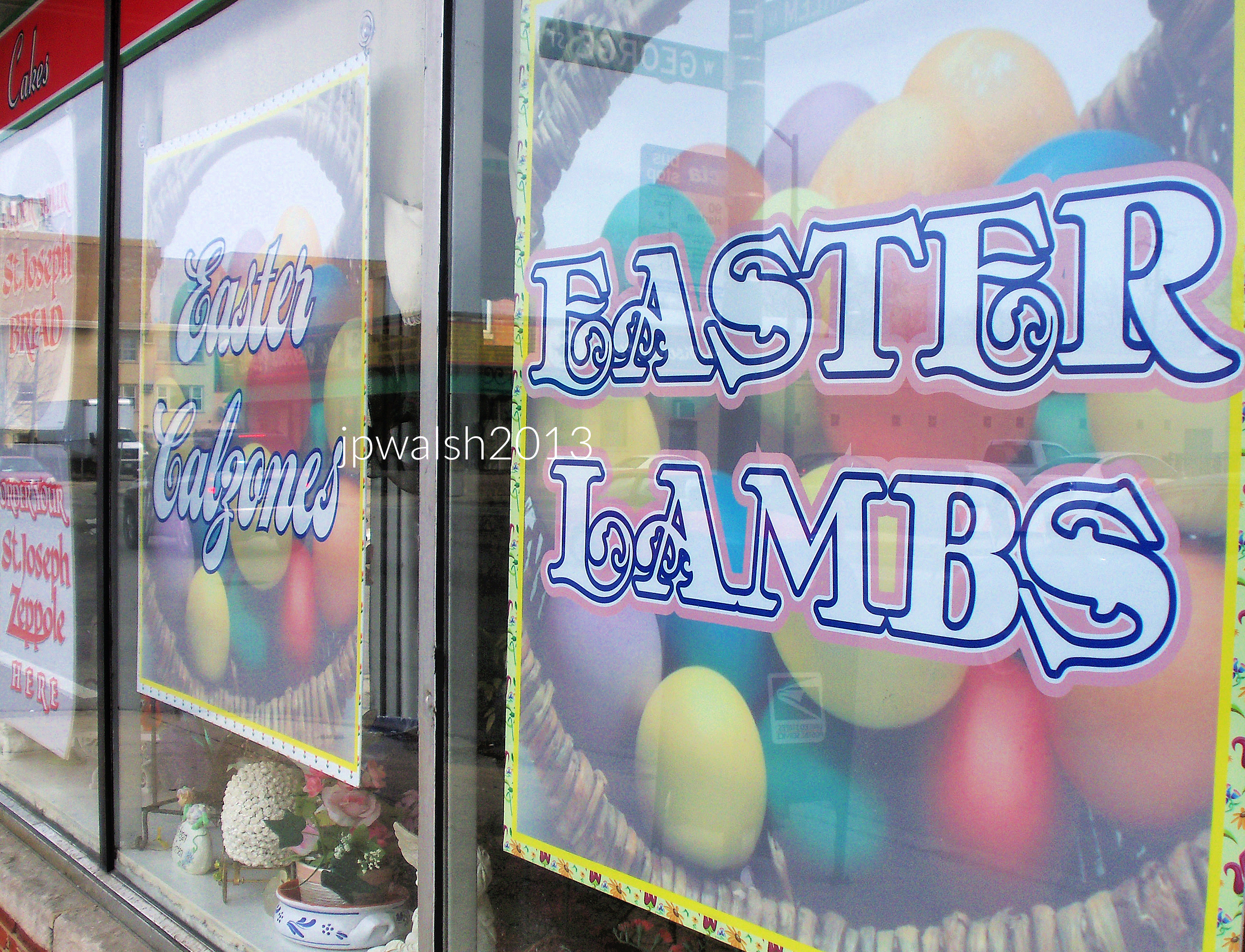
The owner came to the US from Italy through Ellis Island in 1938. The family business, Domino’s Pastries, was founded in this location in Chicago in 1952. Their loyal customer base is witnessed when the same couples who ordered their wedding cakes at Domino’s ordered many years later their anniversary cakes.
March 2013. Chicago. 4.58mb 101B8629 (1)April 2013. 4.28mb 101_9593 (1)April 2013. Chicago. 3.89mb 102_0152 (1)May 2013. Chicago. 3.84mb 102_1487 (1)August 2013. Aurora, Illinois. 3.48mb DSC_0848 (1)February 2016. 7.47mbDSCN2087 (1)April 2016. Joliet, Illinois. 6.12mb DSCN2341 (1)May 2016. Wheaton. 5.16 mb DSC_0597 (1) Last Slice Served At Jack Straw’s Pizza In Wheaton | Wheaton, IL Patch – retrieved March 9, 2026.June 2016. 6.30mb DSC_0803 (1)June 2016. 5.65mb DSC_0913 (1)
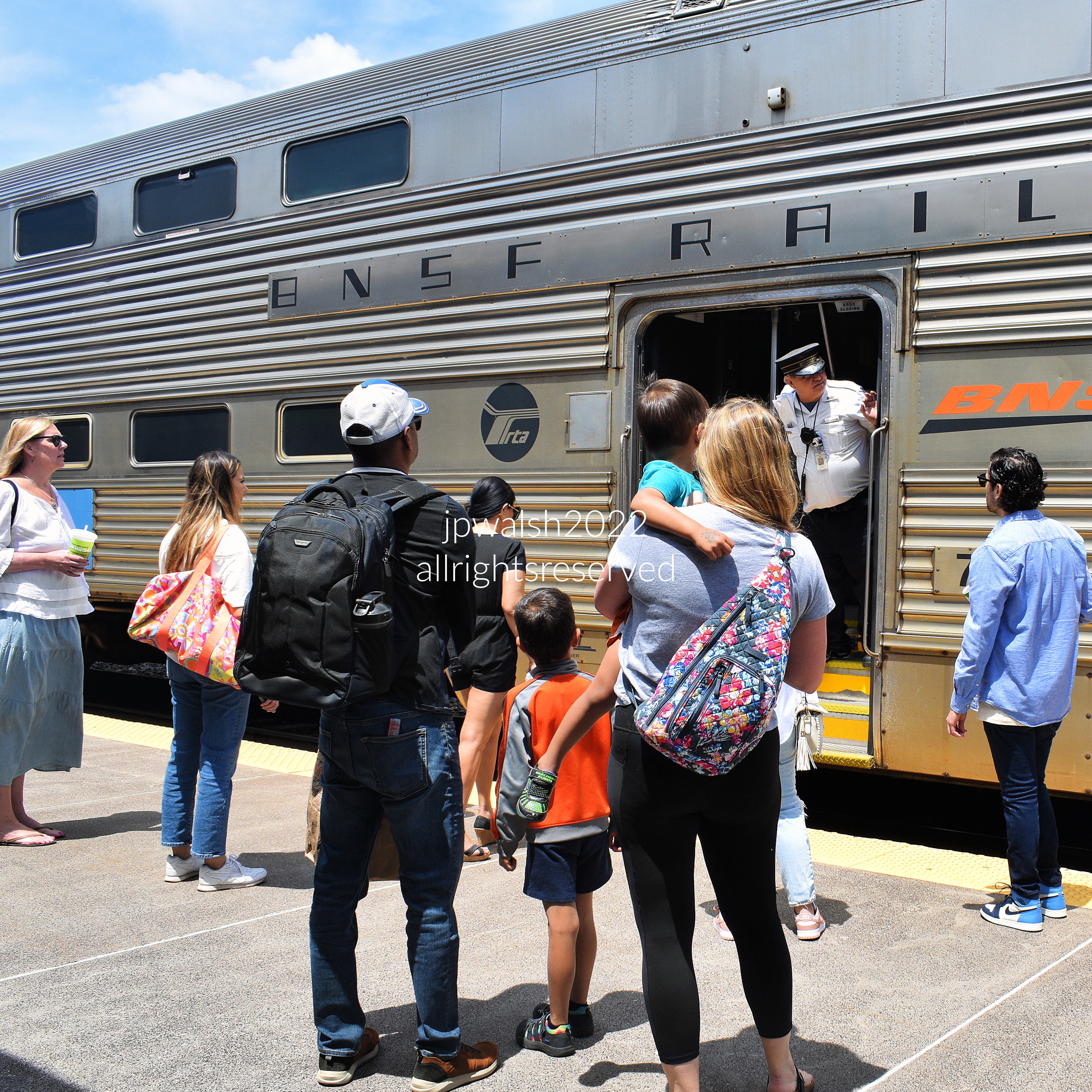
Through contemporary photographs of trains and rail lines, the post explores how rail transportation remains a living part of a region’s identity, linking engineering, public transit, industrial history, and everyday movement across the metropolitan landscape.The trains depicted here are not merely vehicles but moving artifacts of technological evolution, illustrating the enduring importance of railroads in the life, history, and infrastructure of the nation.
Video of same run of Metra Locomotive 185 (above), westbound BSNF Railway Line, August 2022.
November 2017. Downtown Chicago. October 2017. Chicago. Brown Line.
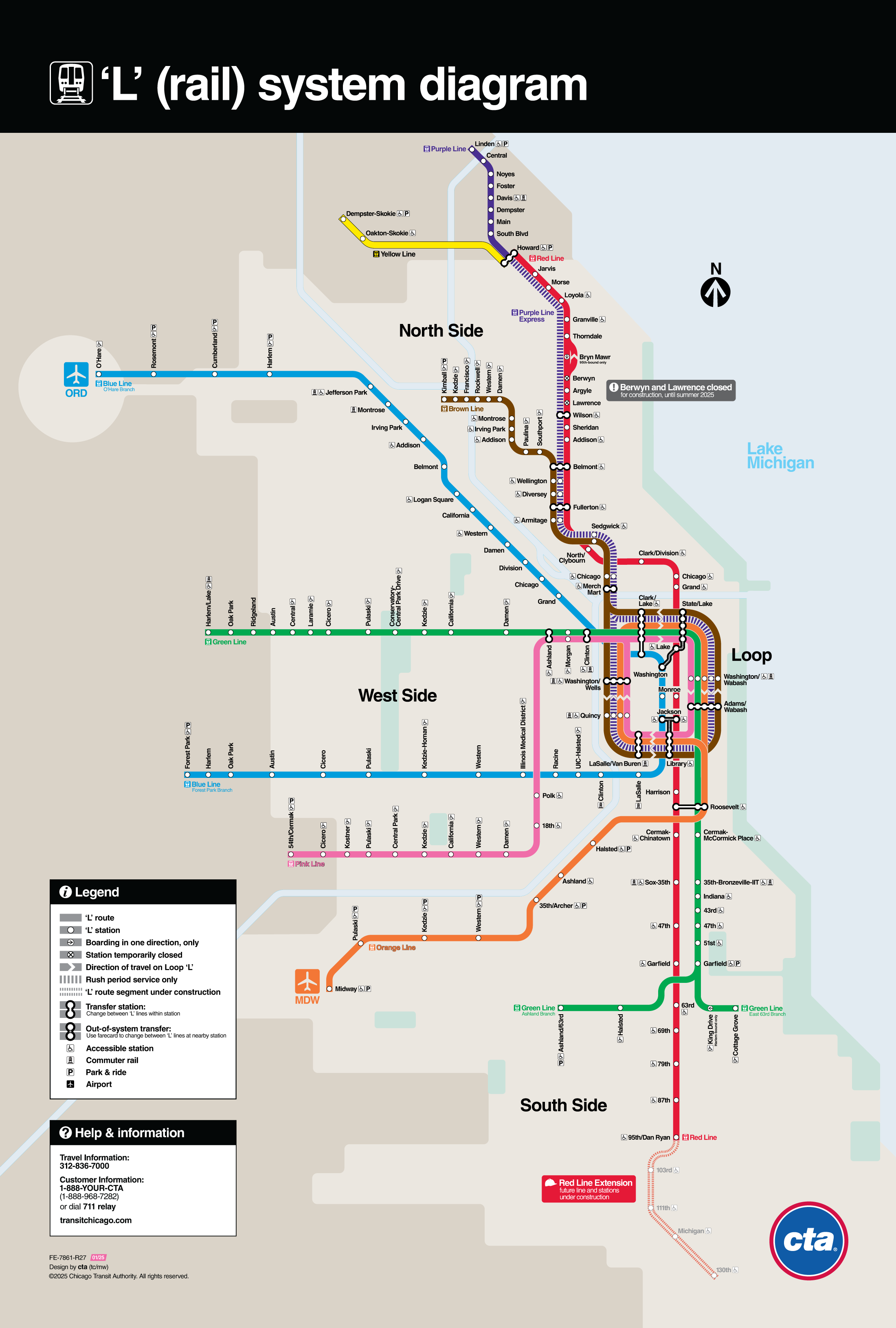
The Brown Line (also known as the Ravenswood Line) is part of the Chicago “El” or “L” rapid transit system. The Chicago public transportation train system offers a total of 8 color-named lines (Yellow, Red, Blue, Pink, Orange, Green, Purple, and Brown). All the lines begin in the downtown “Loop” and branch out from there in different directions throughout the city (except, of course, east into Lake Michigan).
The popular Brown Line travels over 11 miles from downtown Chicago to the north and west to the “Kimball” station in Chicago’s Albany Park. There are 27 stations on the Brown Line and the train runs entirely above ground. The Brown Line first opened in 1907.
July 2021. METX 183, EMD F40PH-2. BSNF Railway Line.
Locomotive METX 183, EMD F40PH-2 was originally built for Metra by General Motors in September 1989 at their Electro-Motive Division (EMD) plant (now closed) in LaGrange, Illinois. see – http://www.rrpicturearchives.net/Locopicture.aspx?id=2727 – retrieved July 1, 2021.
June 2023. Locomotive 183. BSNF Rail Line. 7.77mb 91%
Video of same run of Locomotive 183 (above). BSNF Rail Line, westbound. June 9, 2023.
June 2021. Locomotive 194. BNSF Railway Line.
Locomotive 194 was the first Metra locomotive after 2015 to be completely rebuilt and repainted just outside Patterson, Georgia at the Progress Rail plant. The first F40(PHM) rebuilt “like new” engines were returned to Metra service in September 2016.
The F40PHM locomotives were originally built for Metra by General Motors in 1991 at their Electro-Motive Division plant (now closed) in LaGrange, Illinois.
This locomotive features a short nose and sloped cab improving engineer safety in the event of a crash. These rebuilt locomotives are essentially a brand-new locomotive in their original 1991 frame.
The paint scheme for the F40 was developed by a Metra engineer for earlier rebuilds of Metra F59PH and MP36PH locomotives with slight variations.
These rebuilds offer internal systems that are an improvement over the original—this includes better emissions. Locomotive 194 and the 40 other F40PH-2 and F40PHM-2 locomotives that were under contract to be rebuilt for Metra in 2015 are expected to be in service until around 2030.
The total cost for these 41 rebuilt locomotives was $91 million—that is, about $2.2 million for each locomotive. That is contrasted to the cost of a brand new locomotive (about $7 million each). These F40 rebuilds, which serve mainly on the BSNF line, are familiarly called “Winnebagos” for their sleek style reminiscent of the recreational vehicles of that well-known manufacturer.