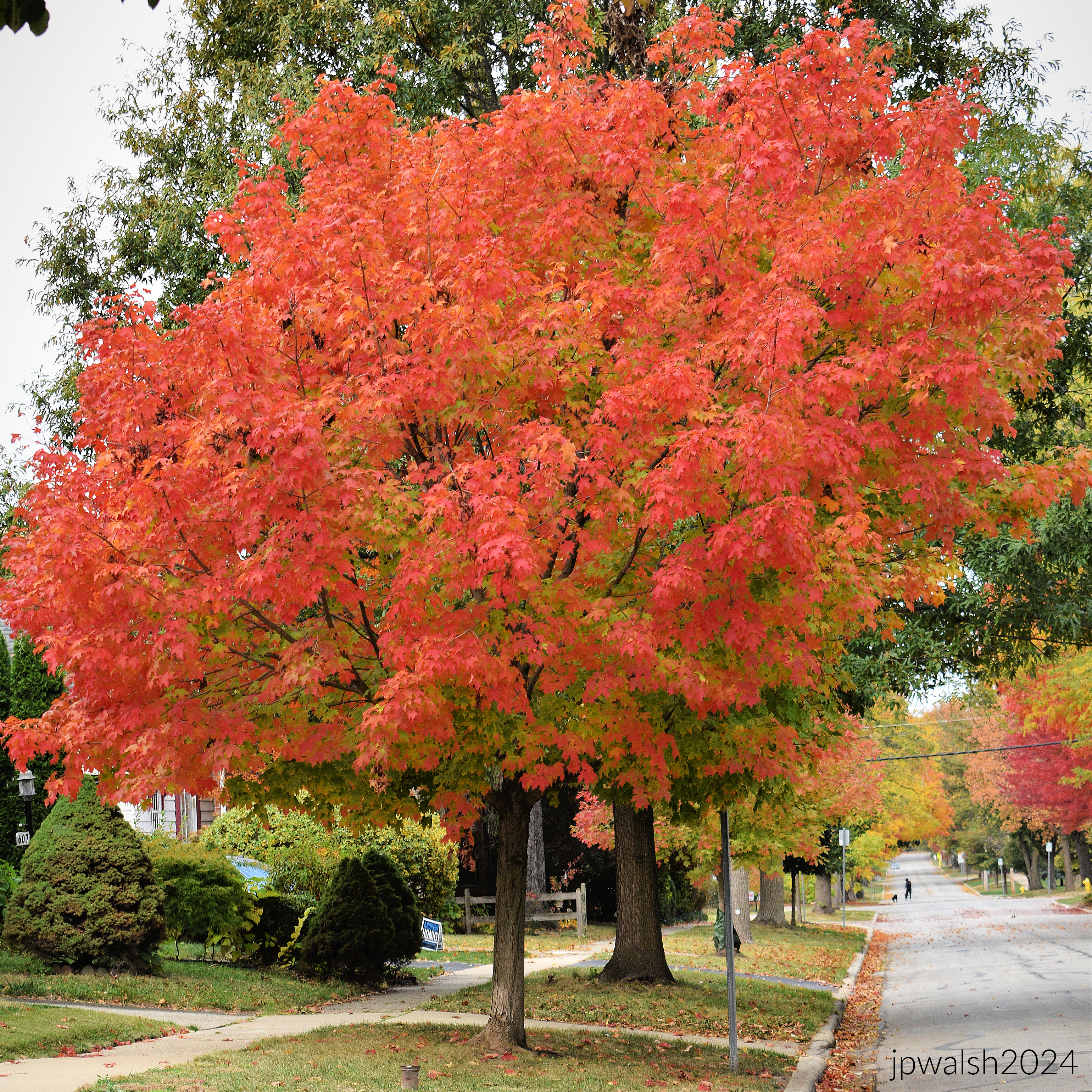
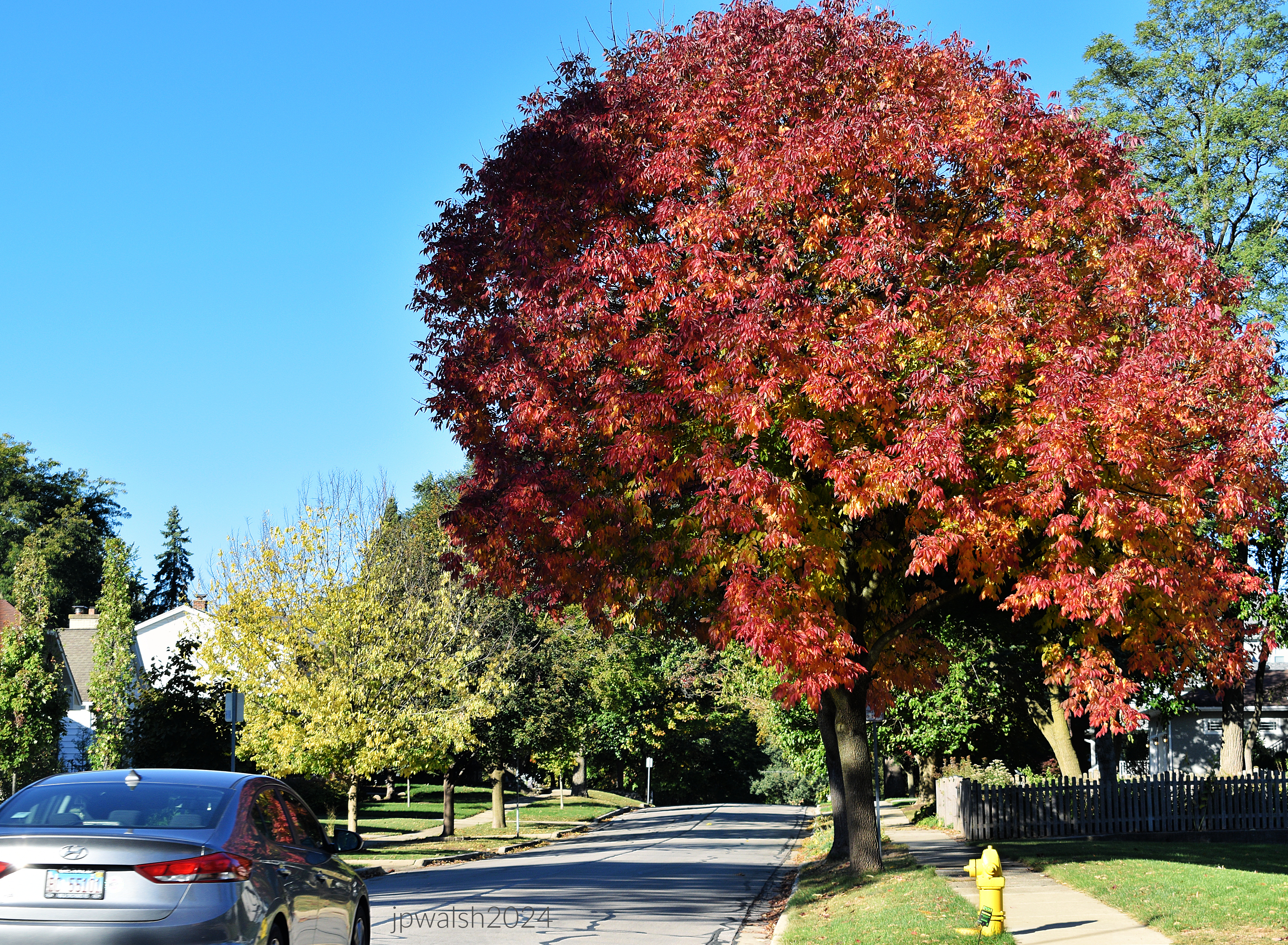
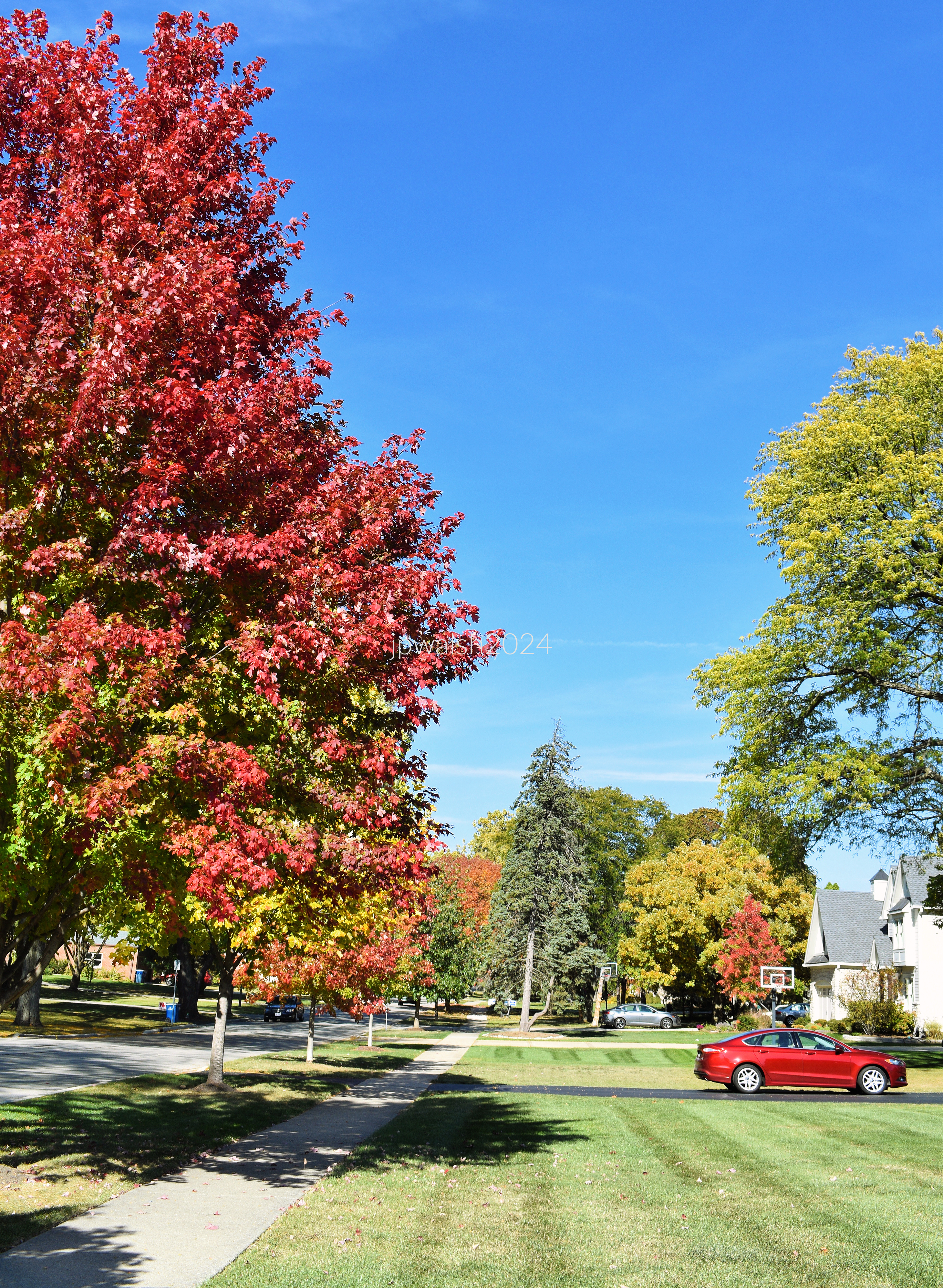
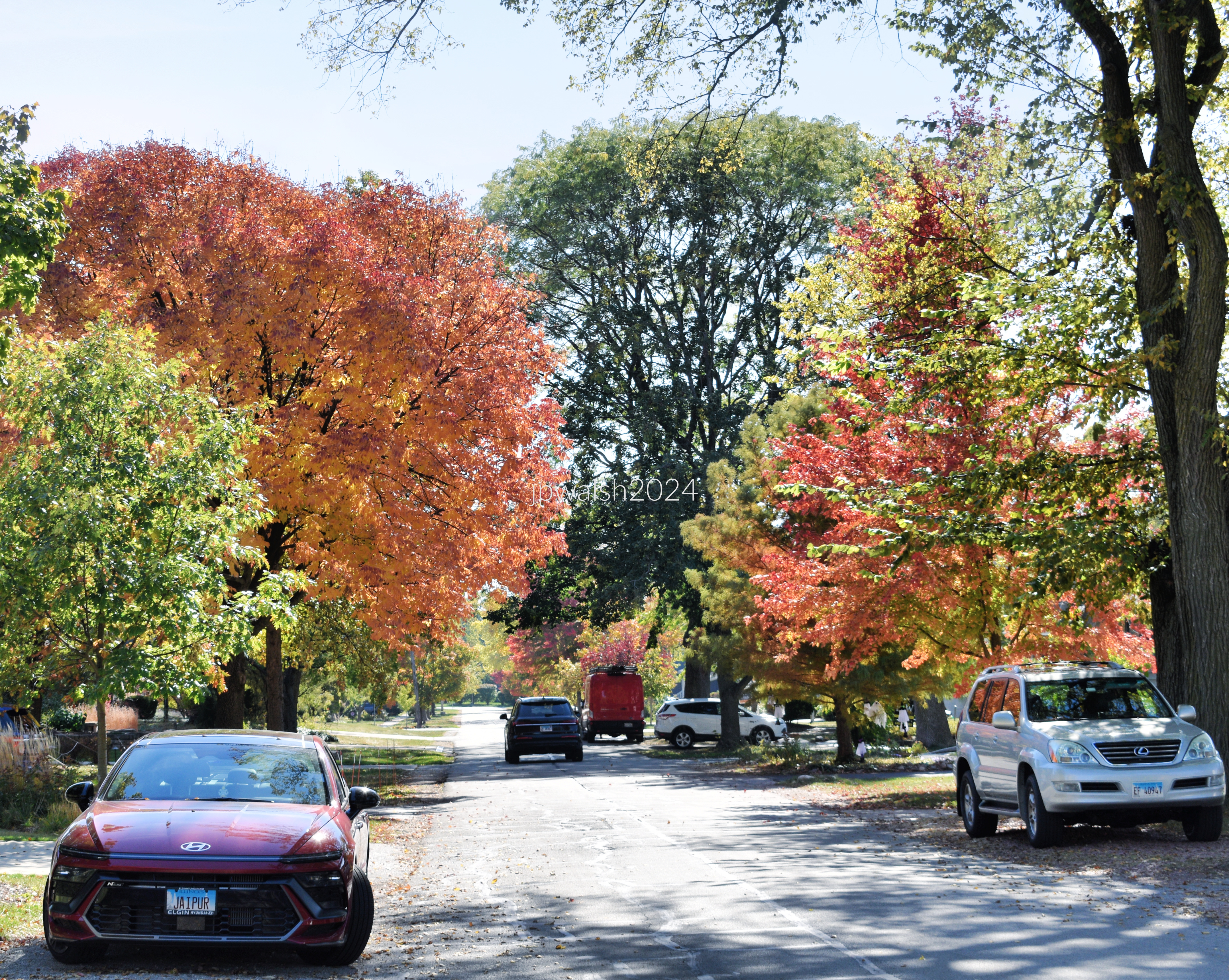
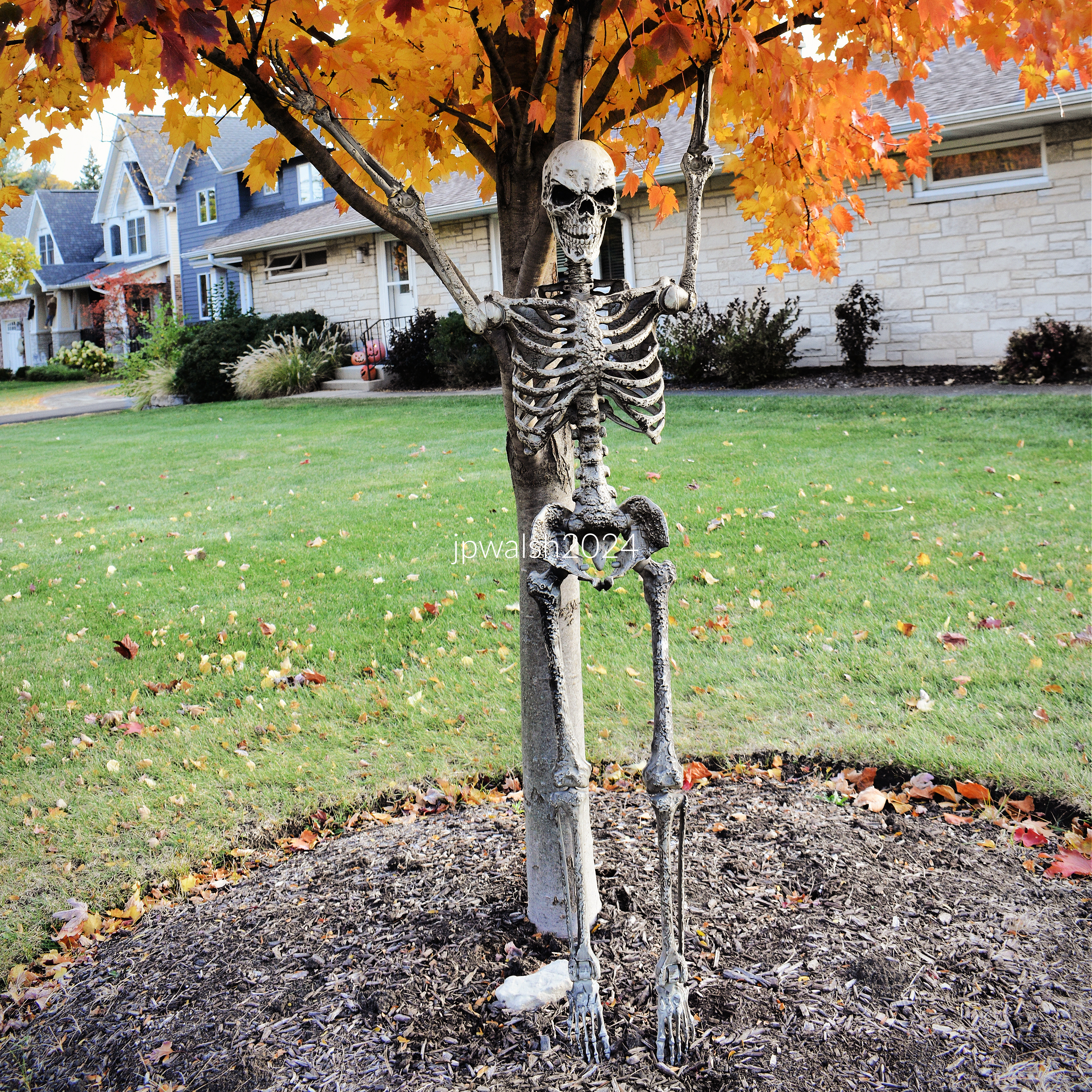
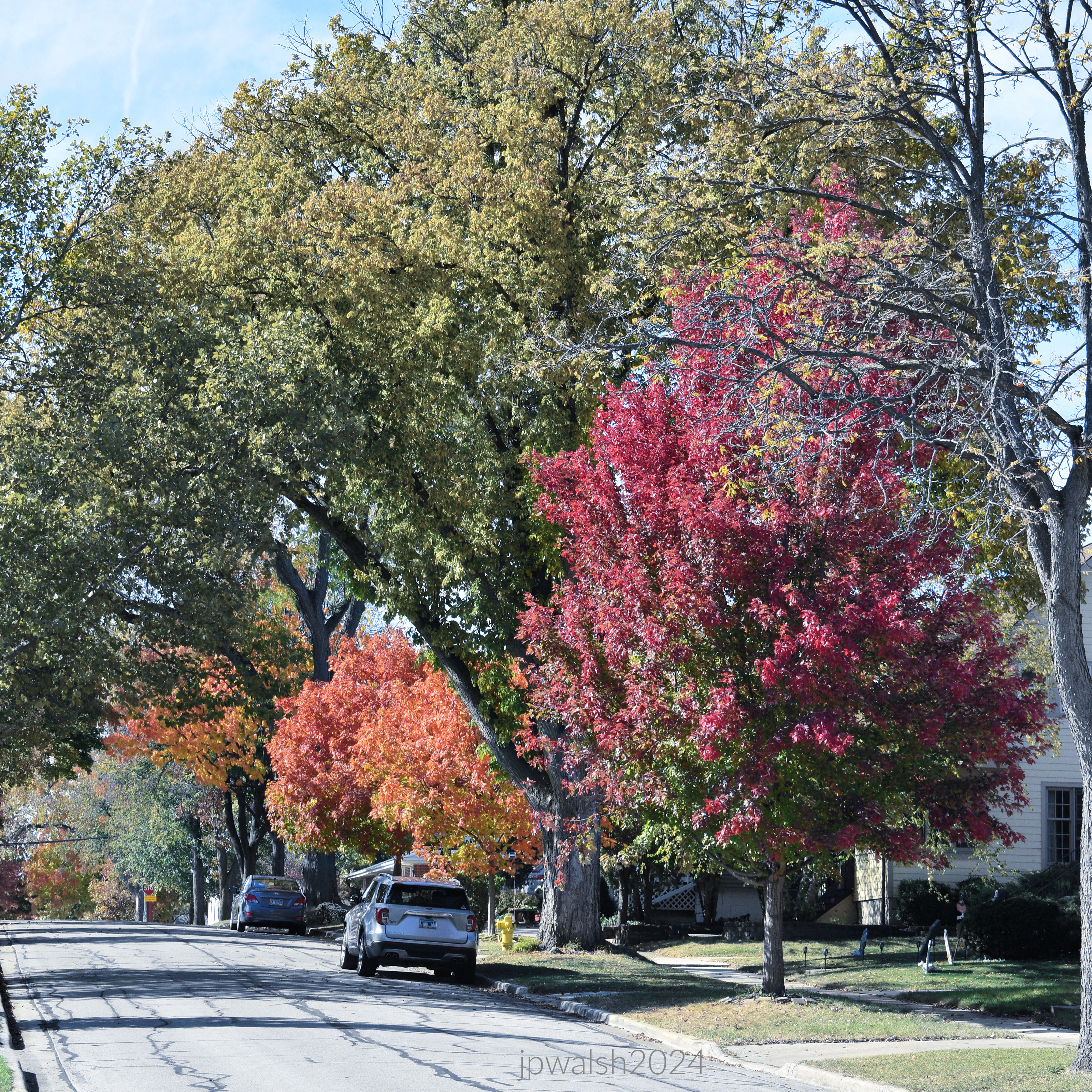
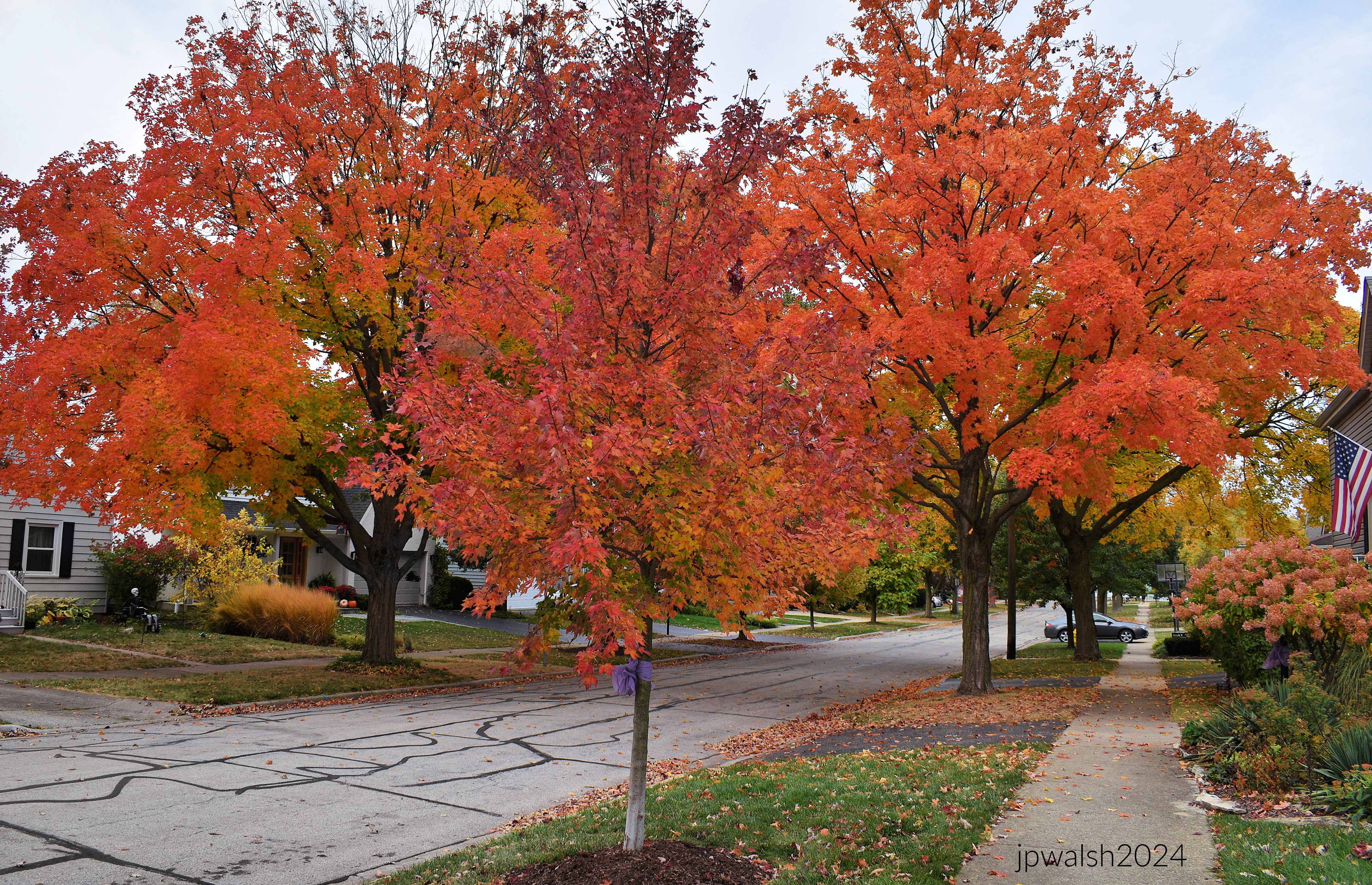
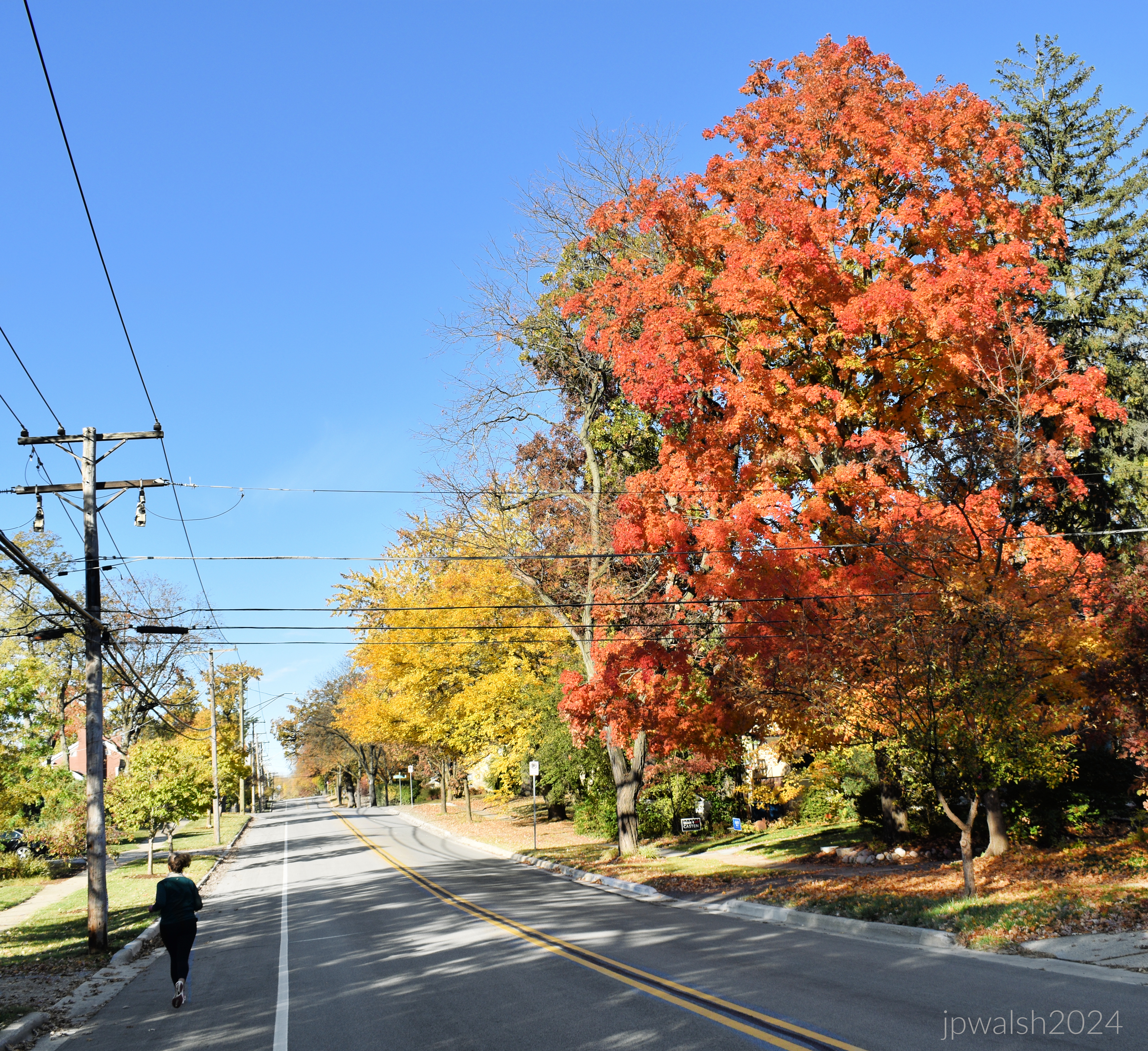
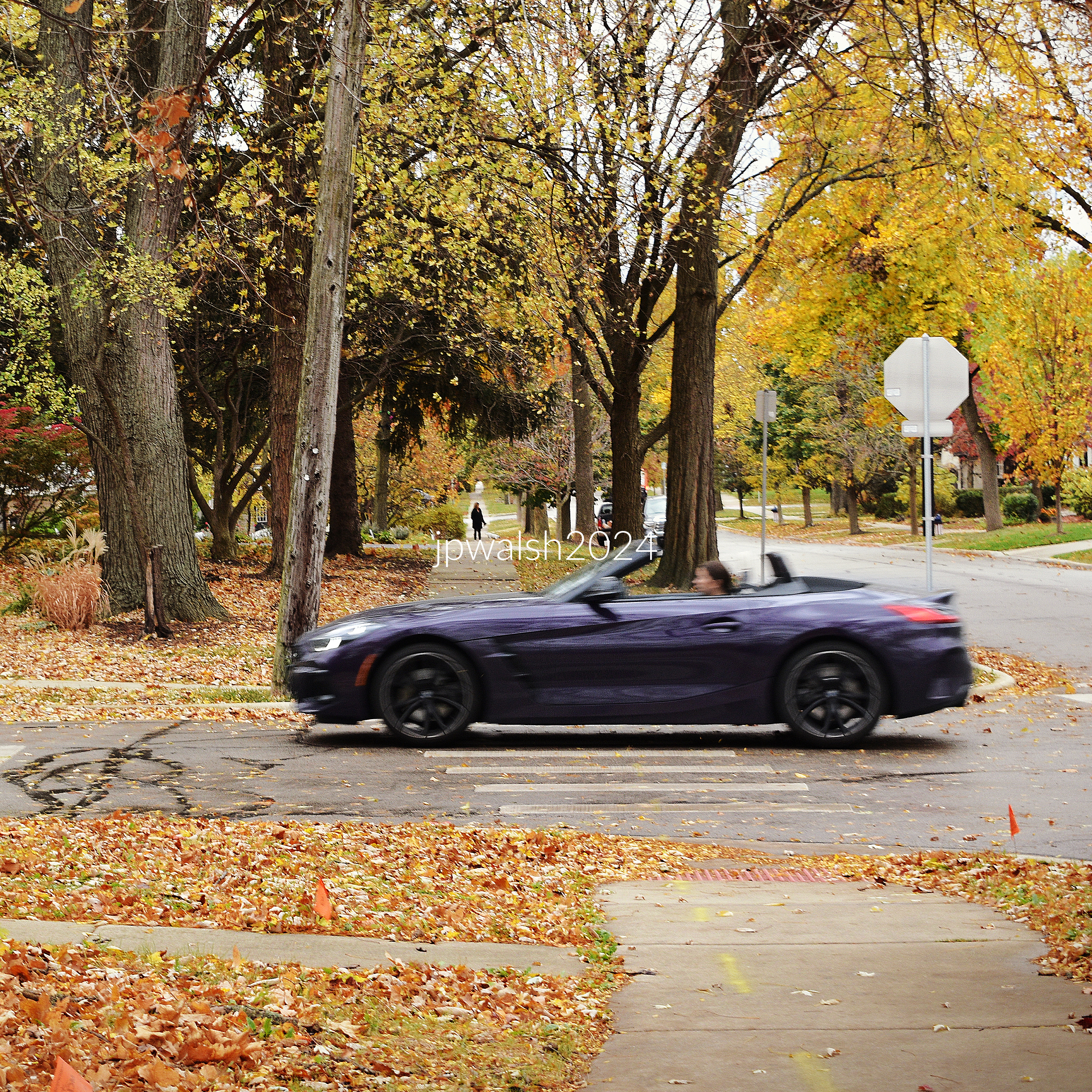
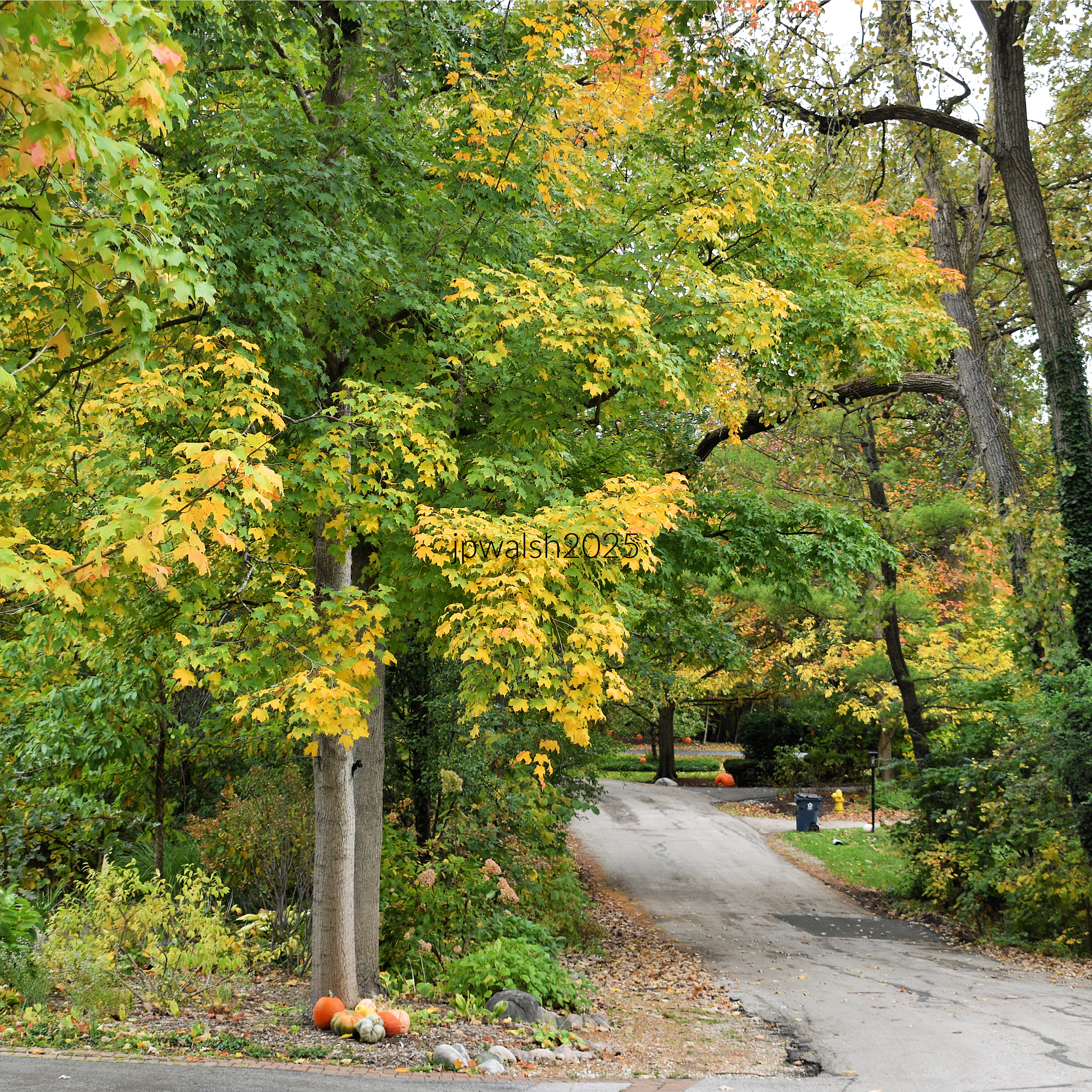
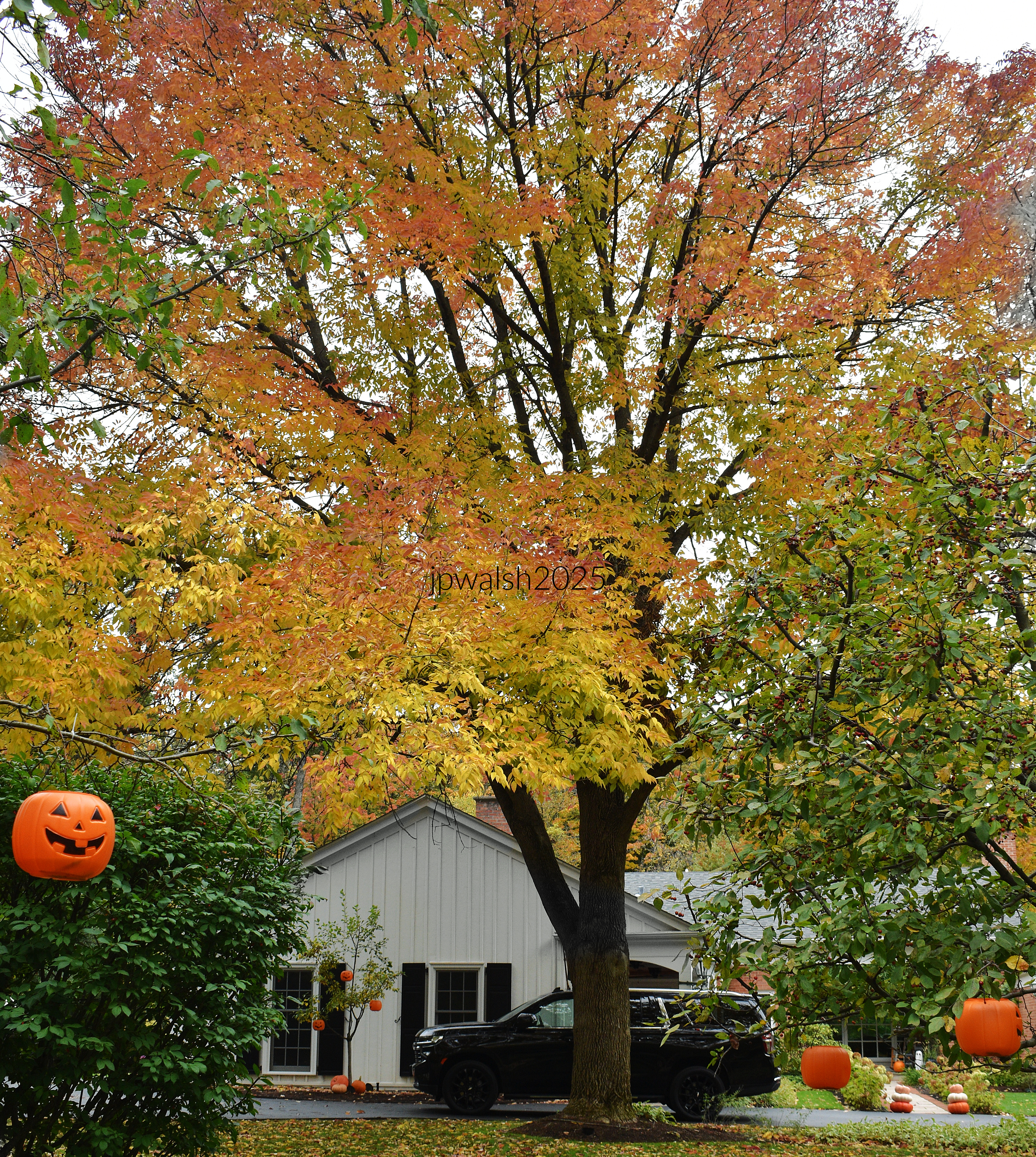
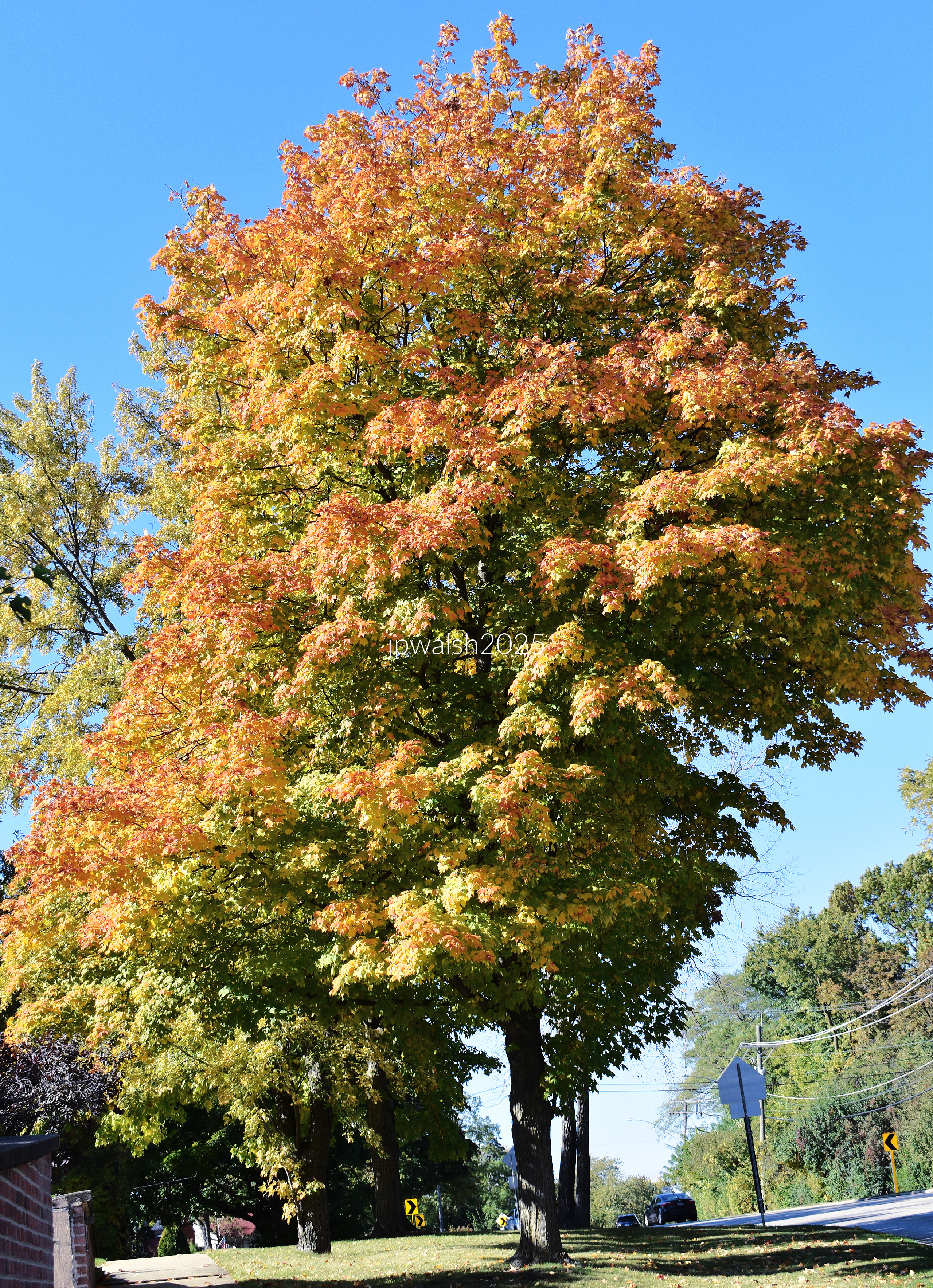
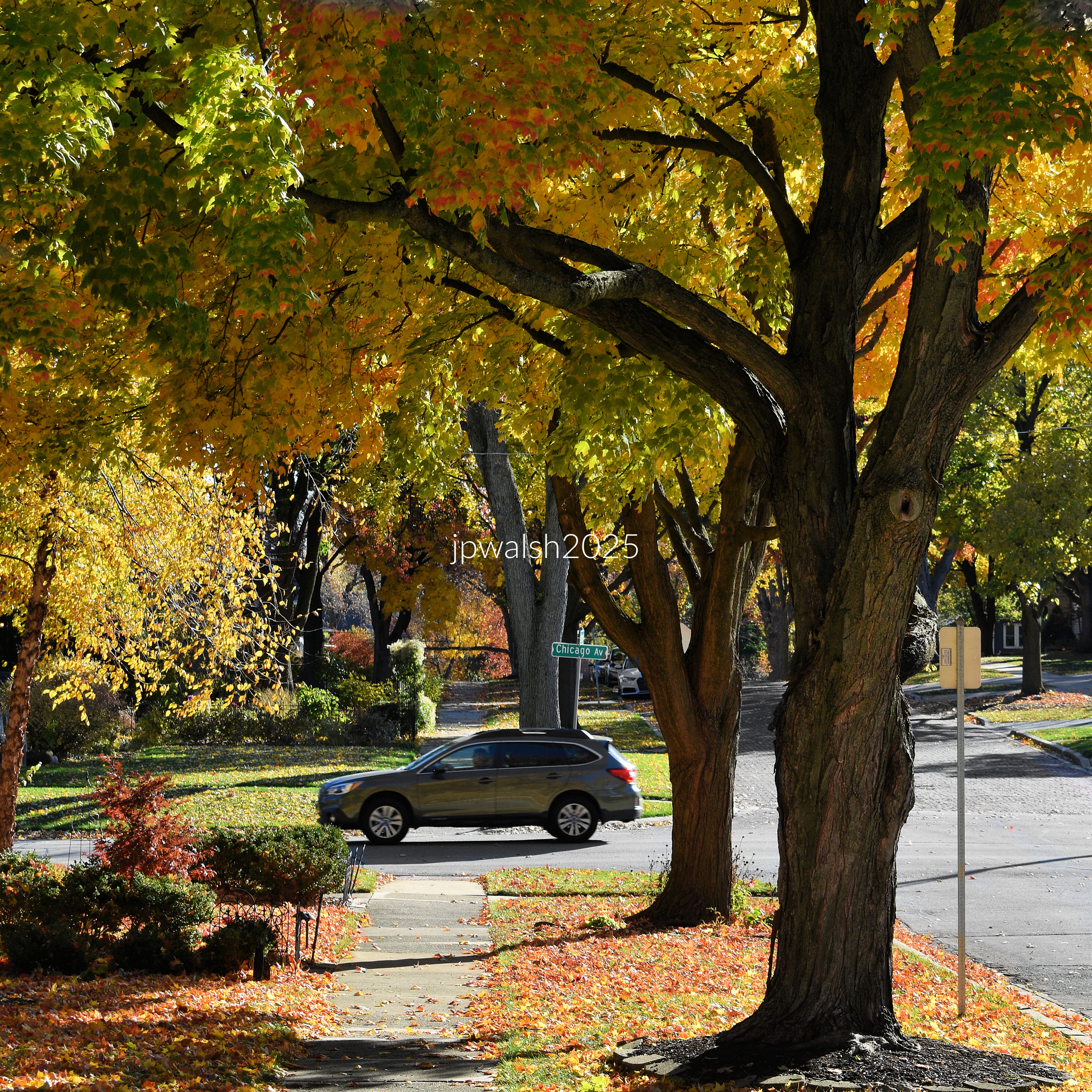
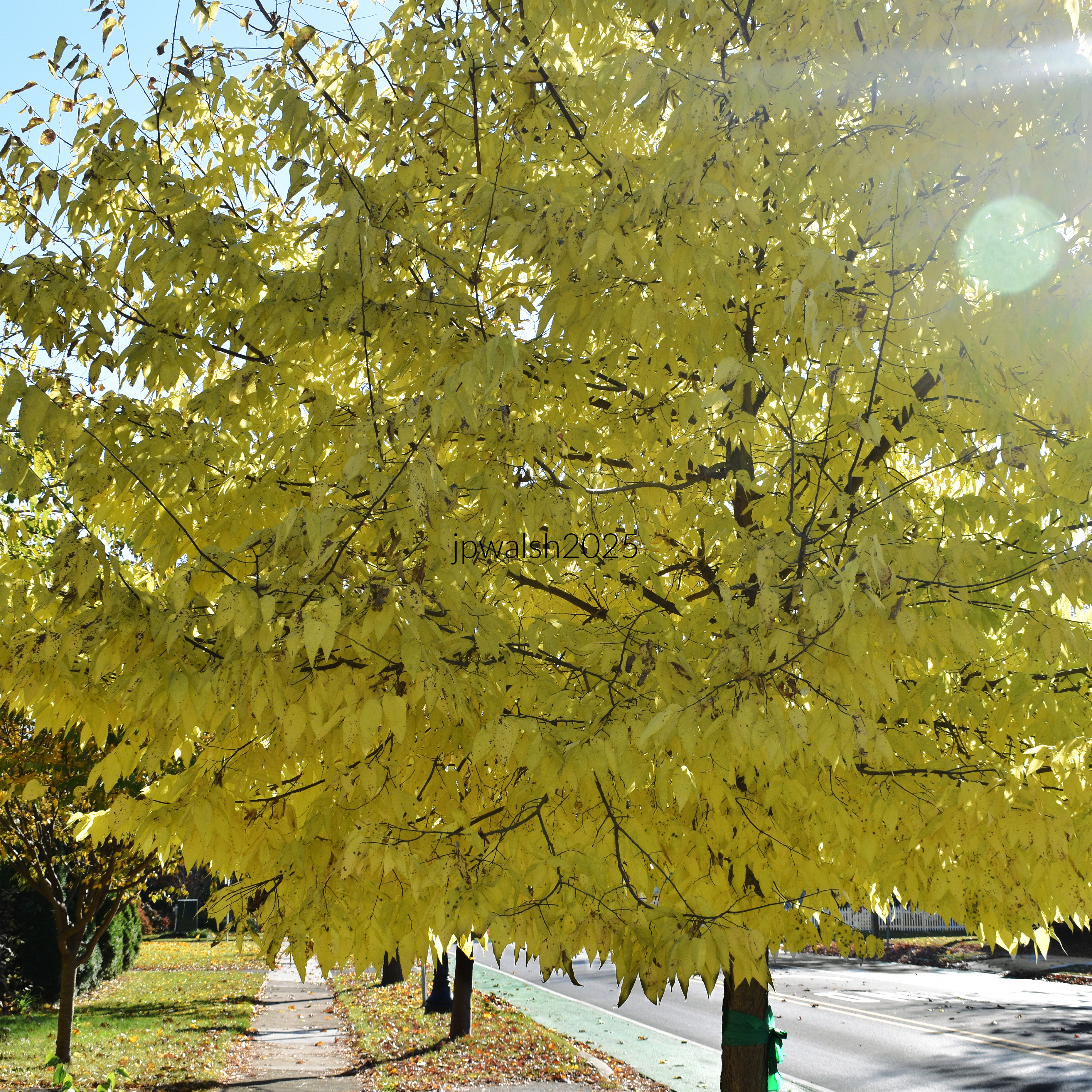
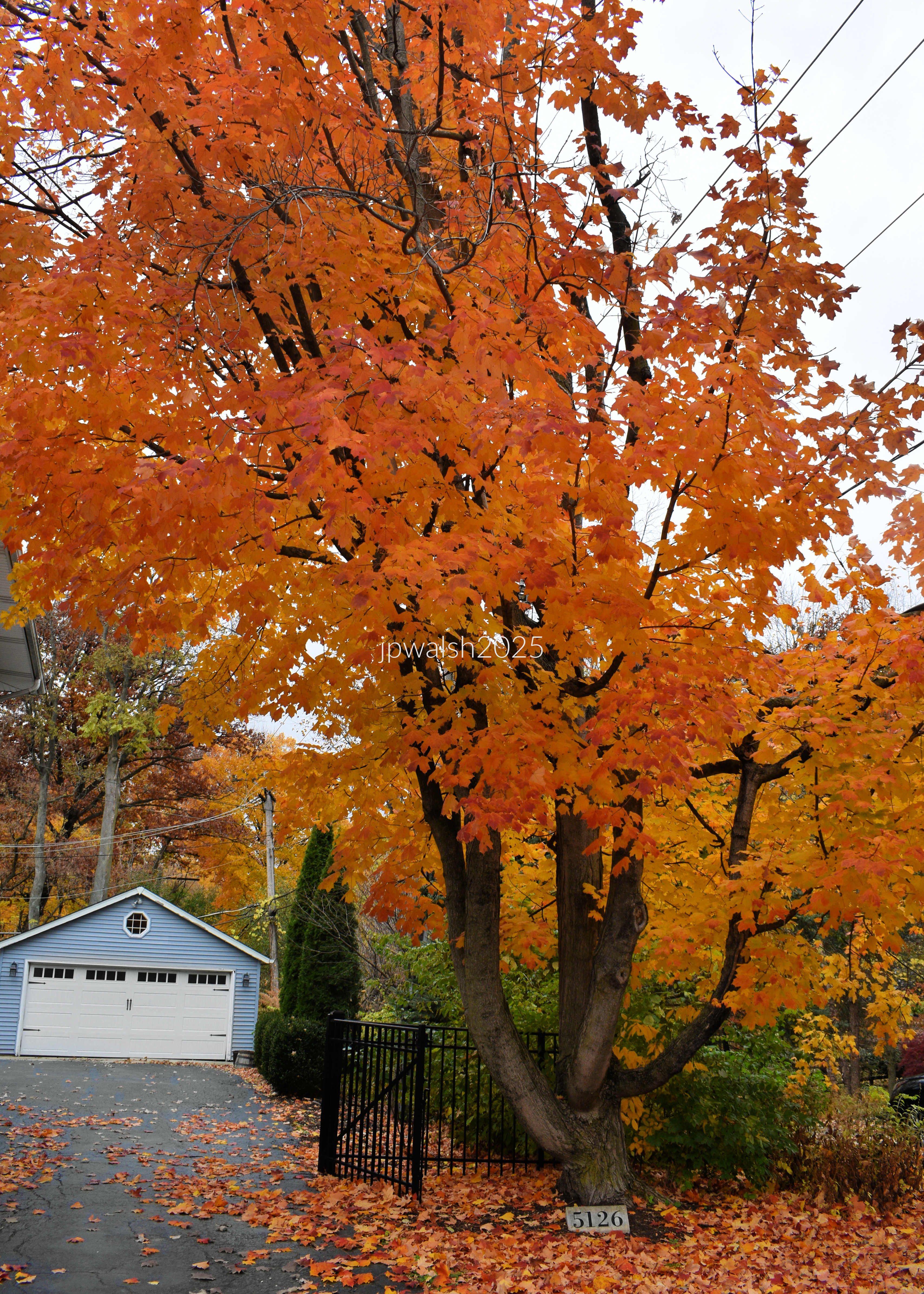
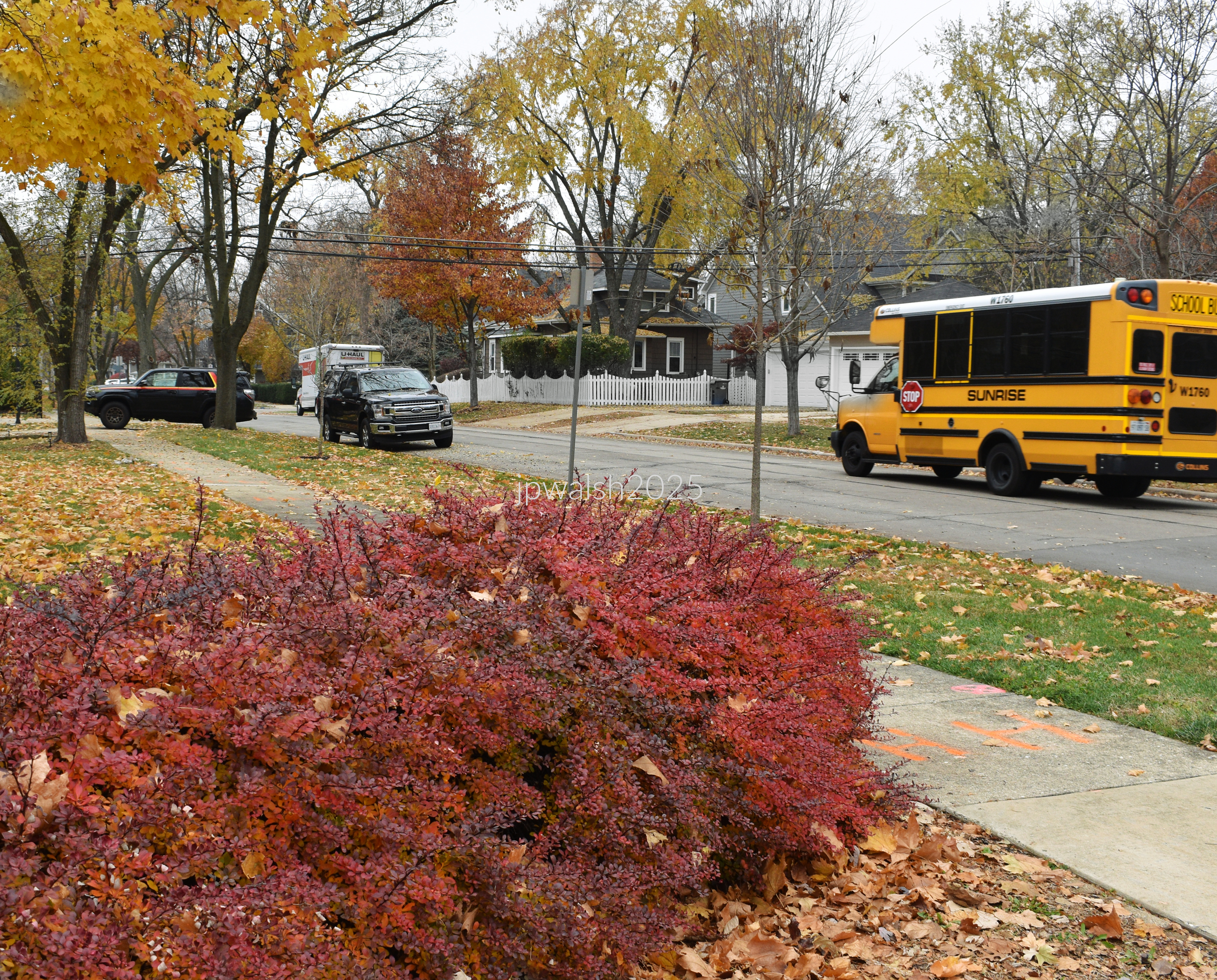
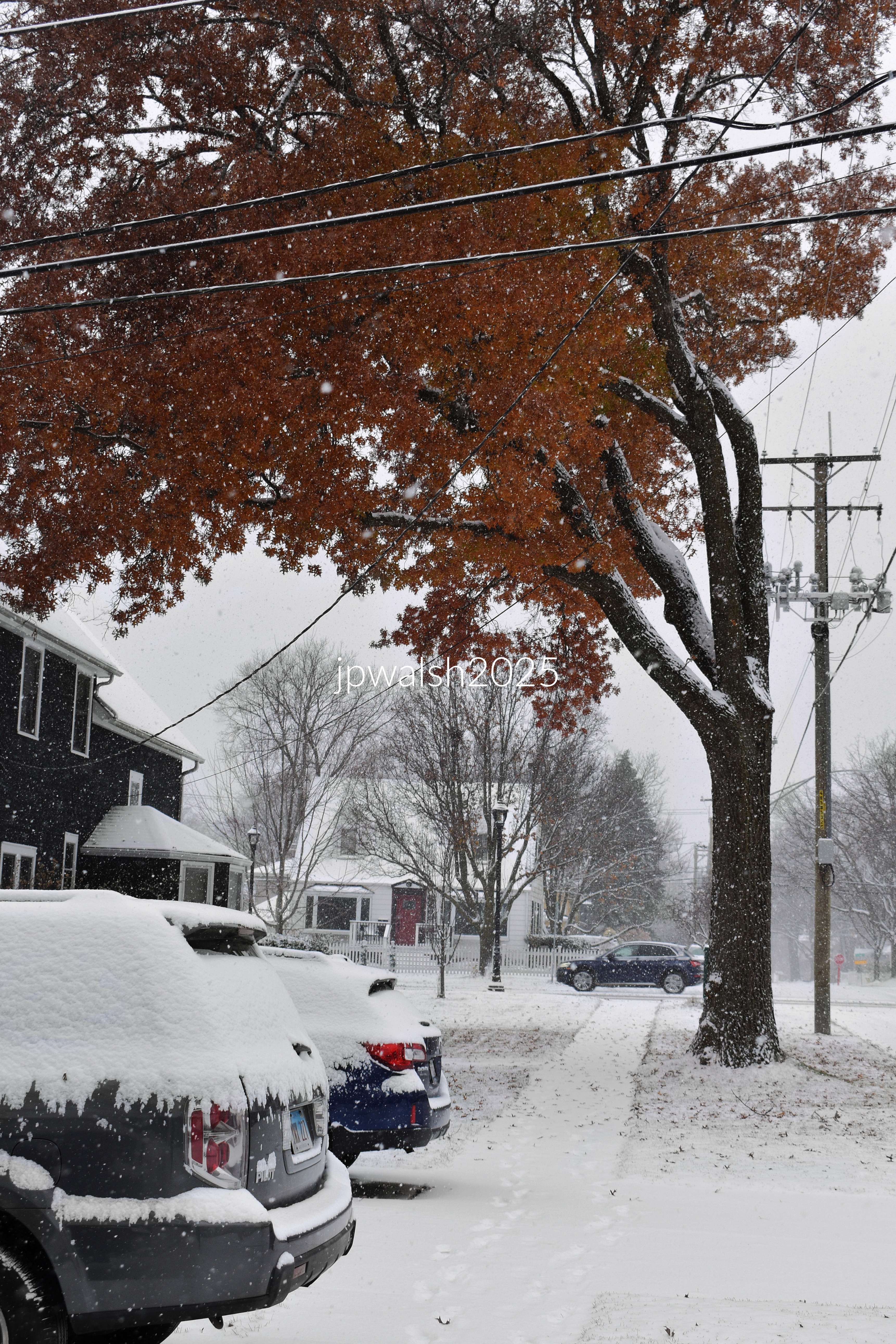
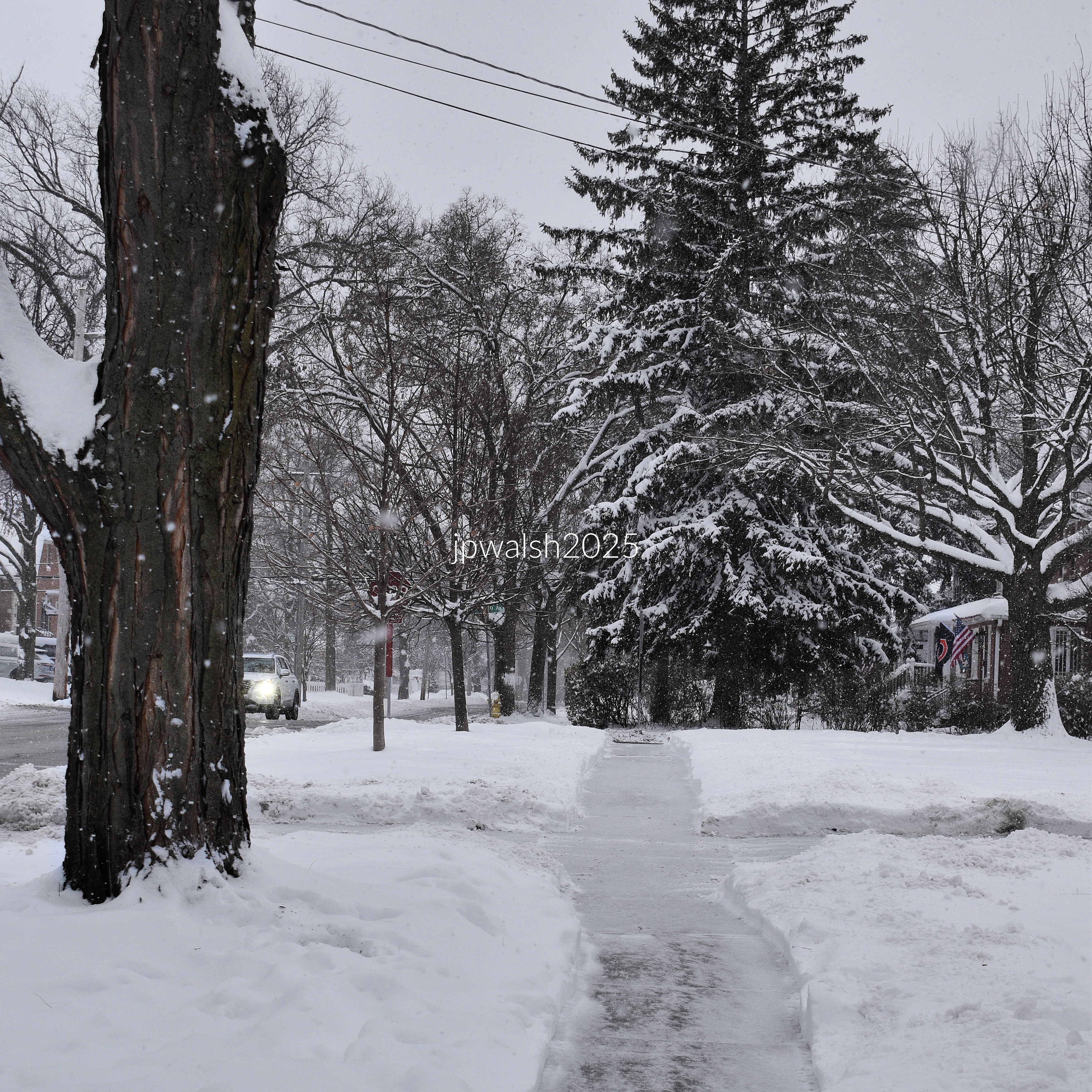
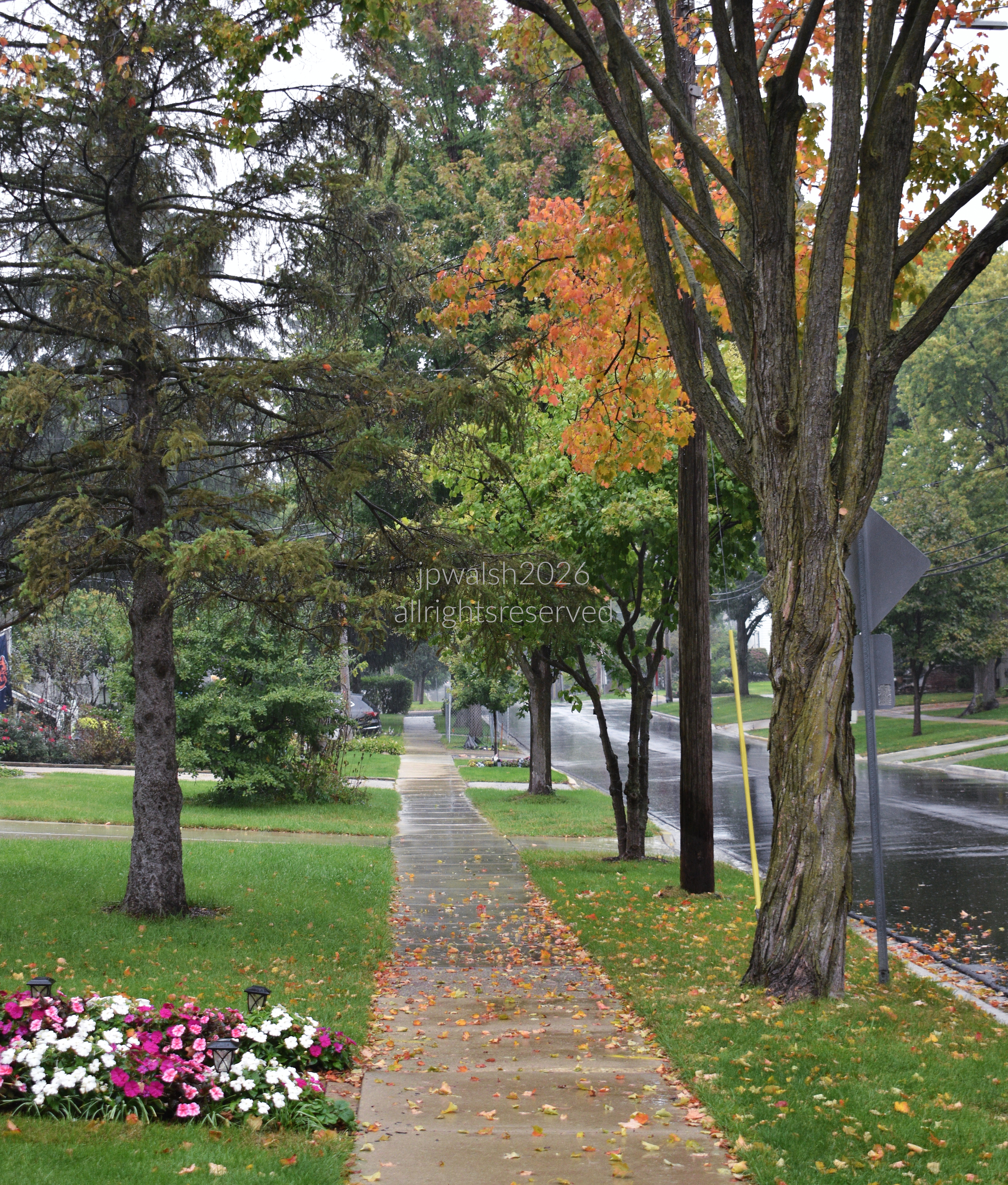
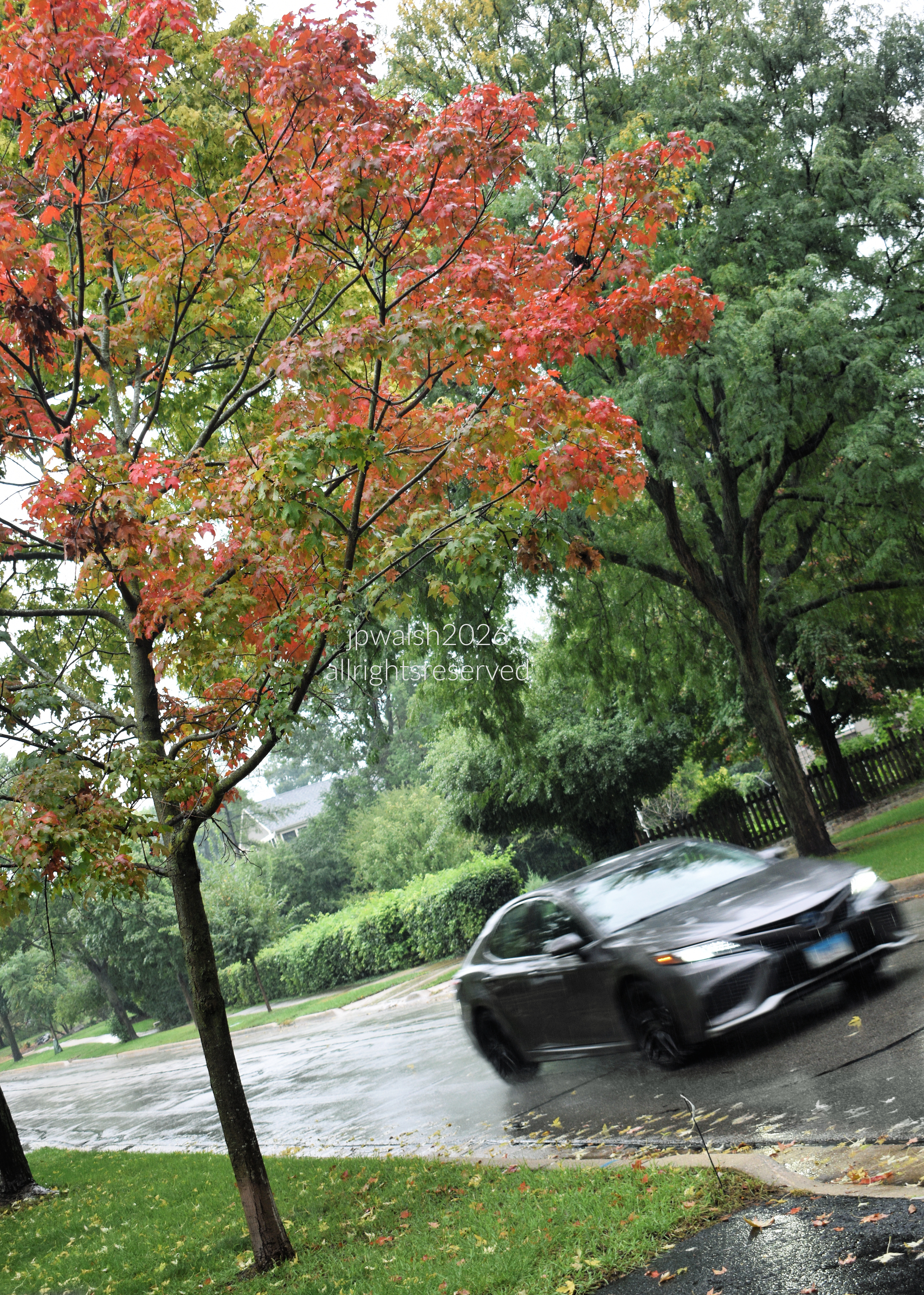
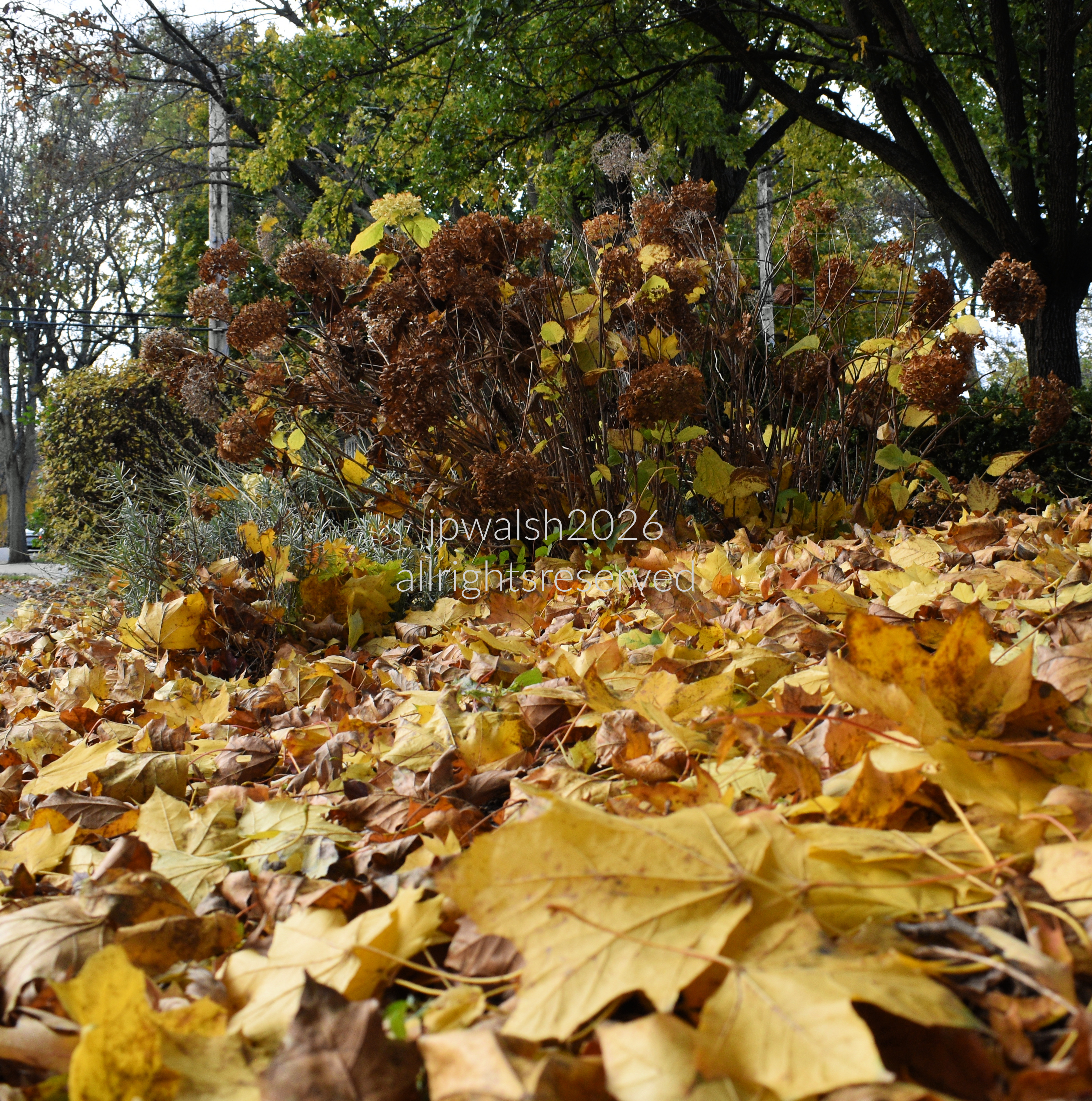
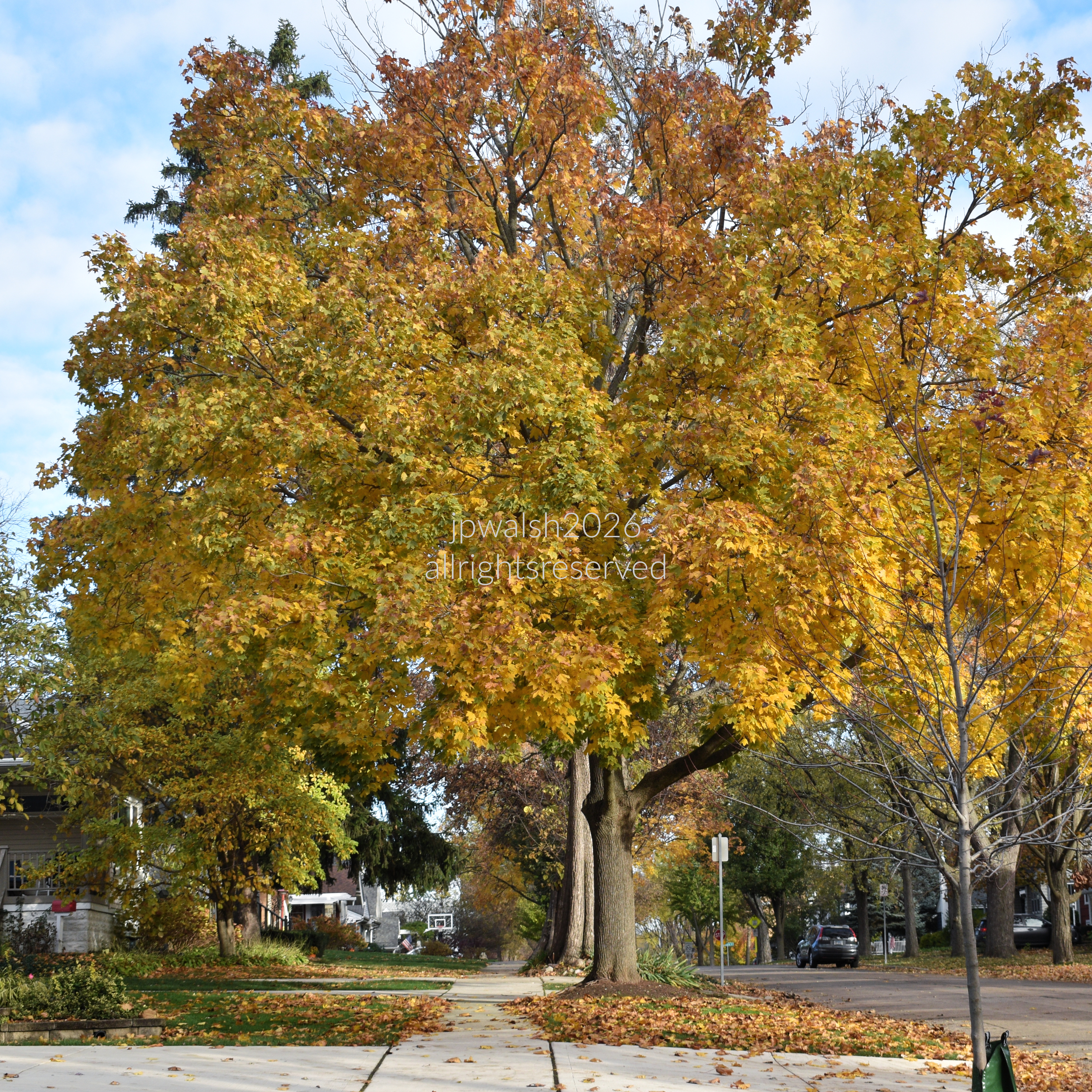
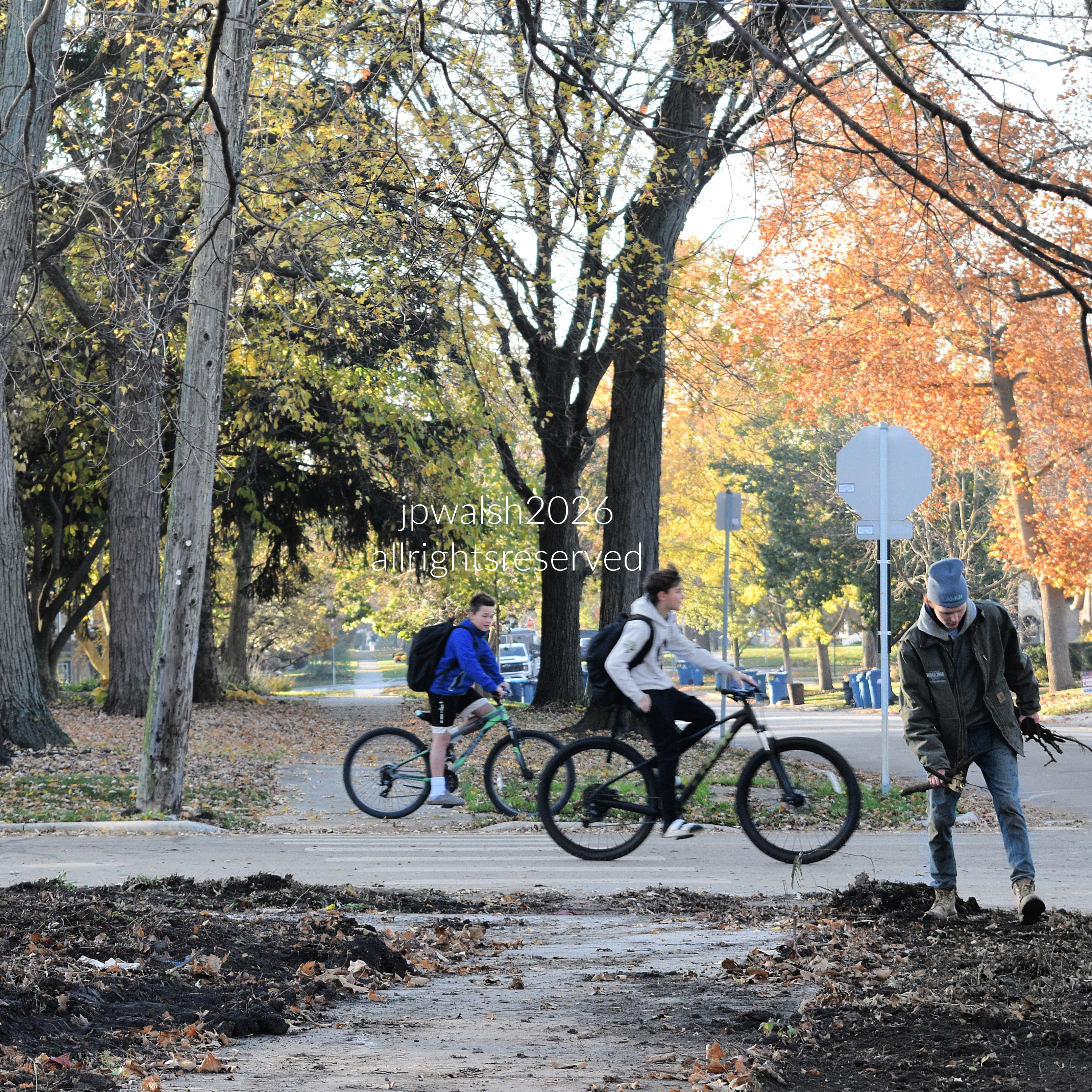
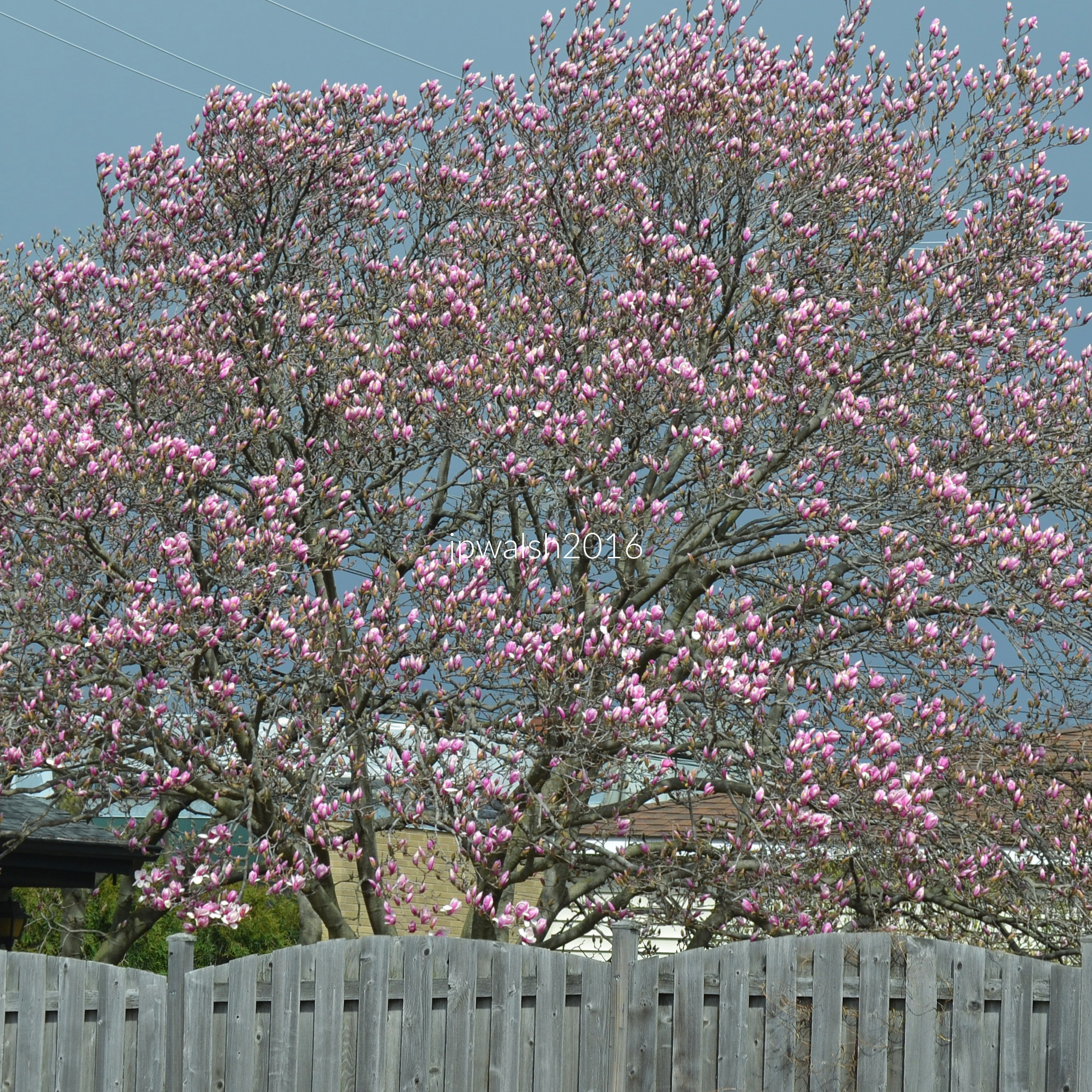
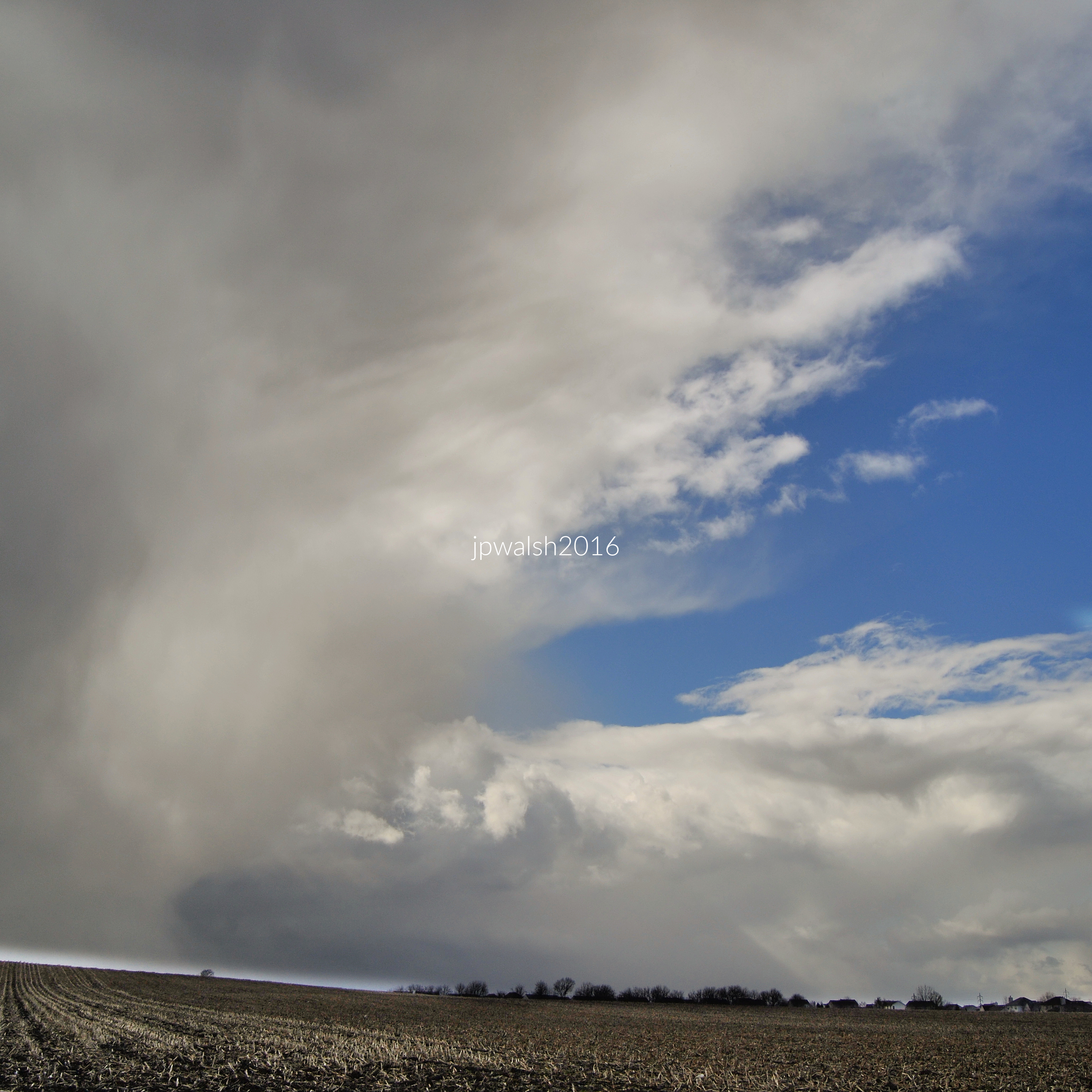
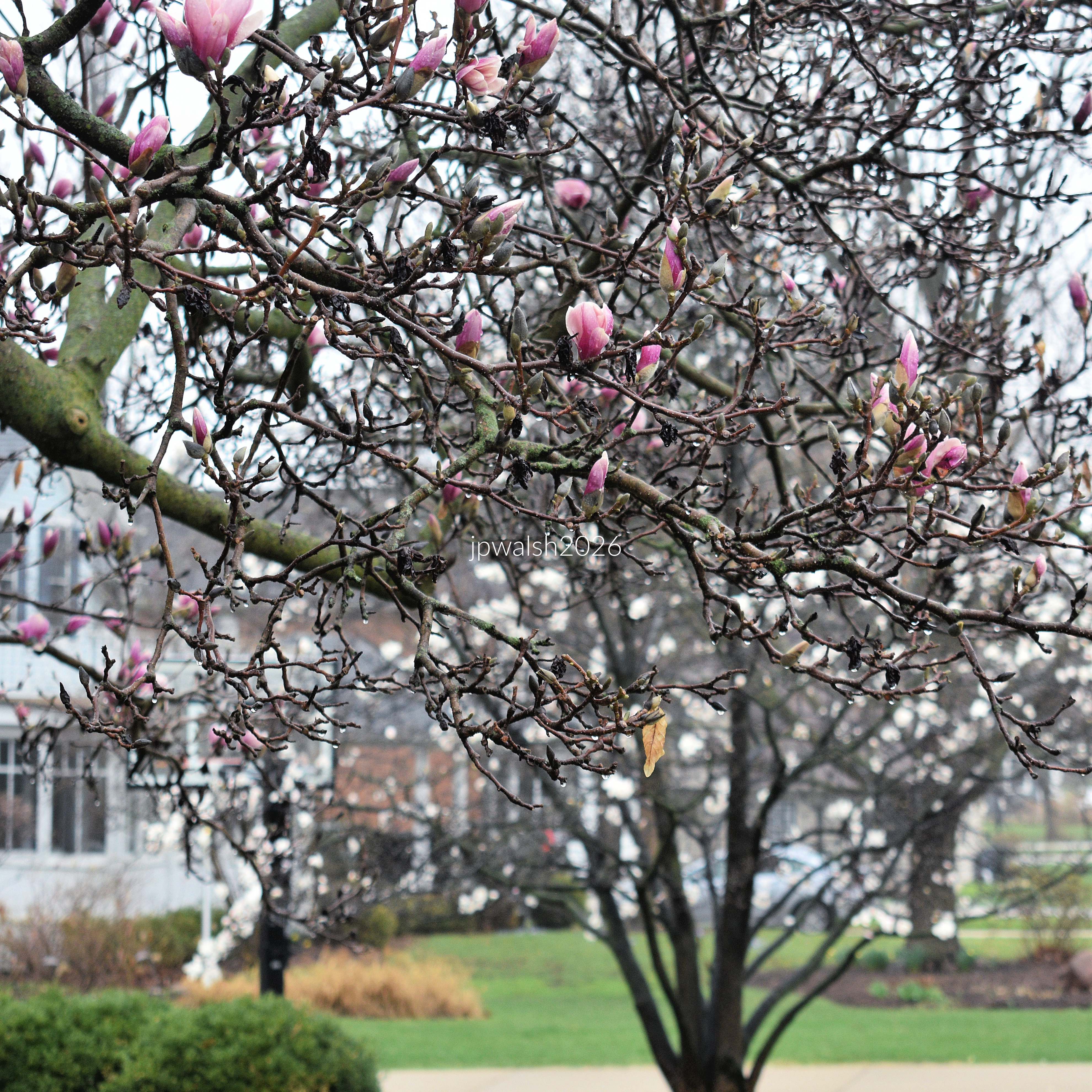
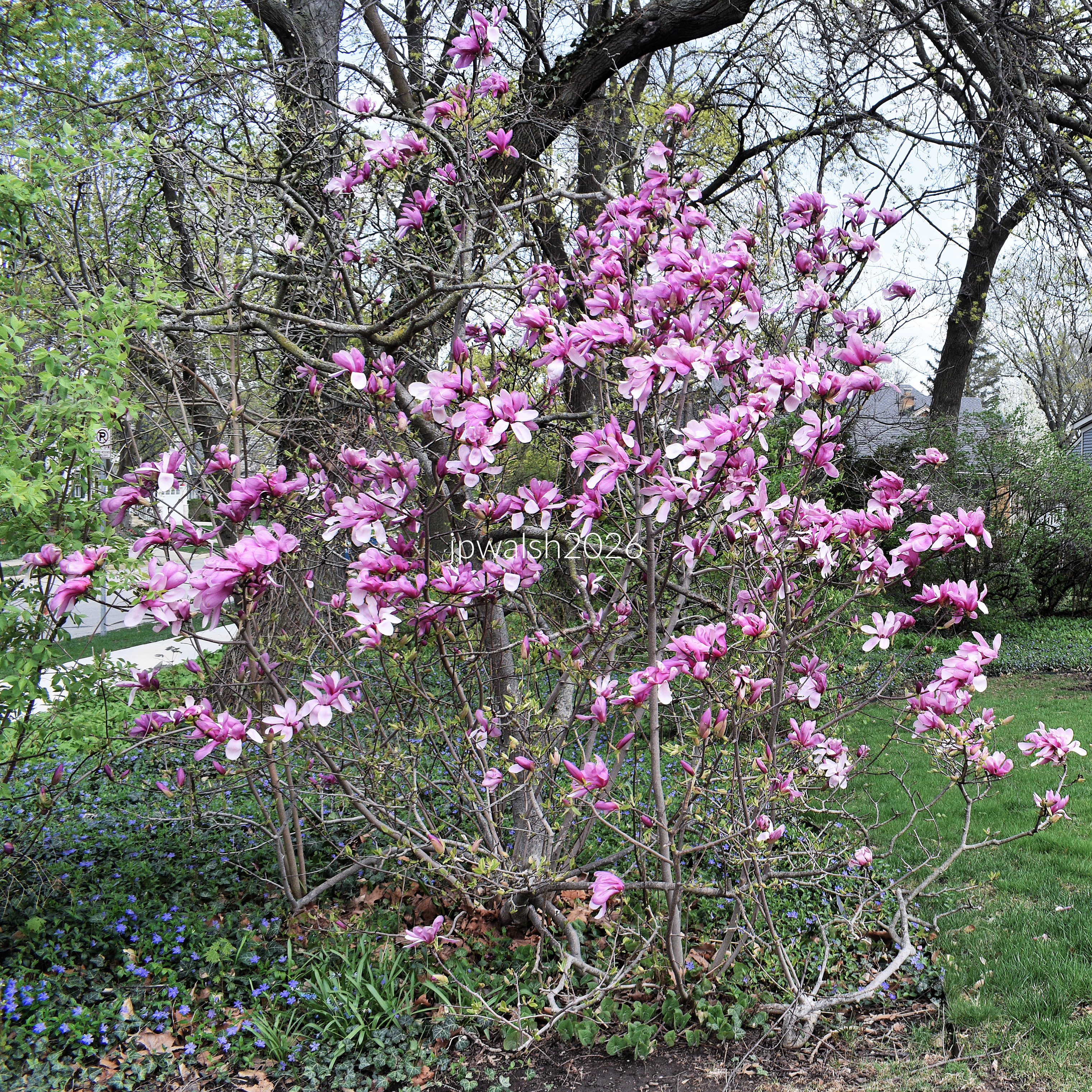
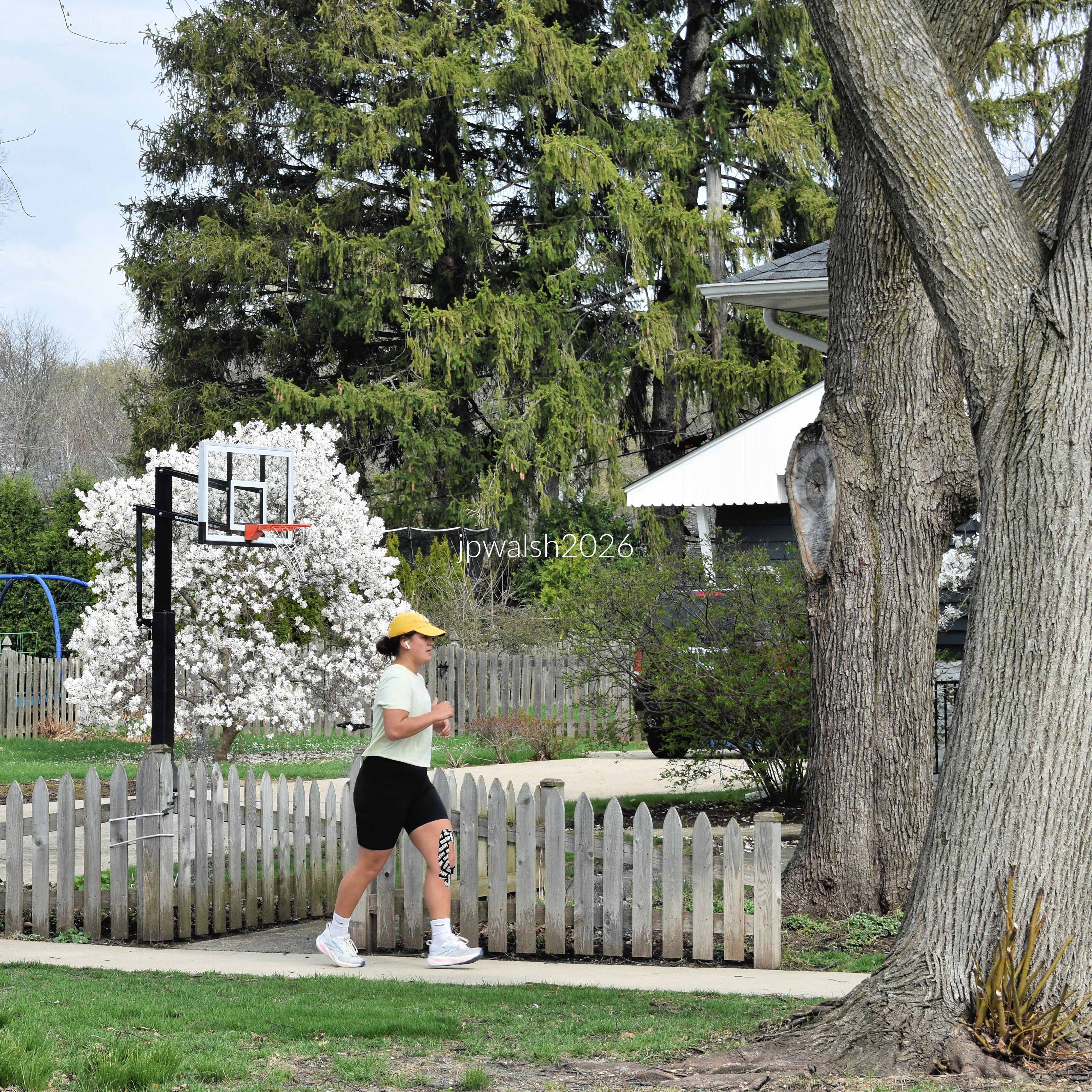
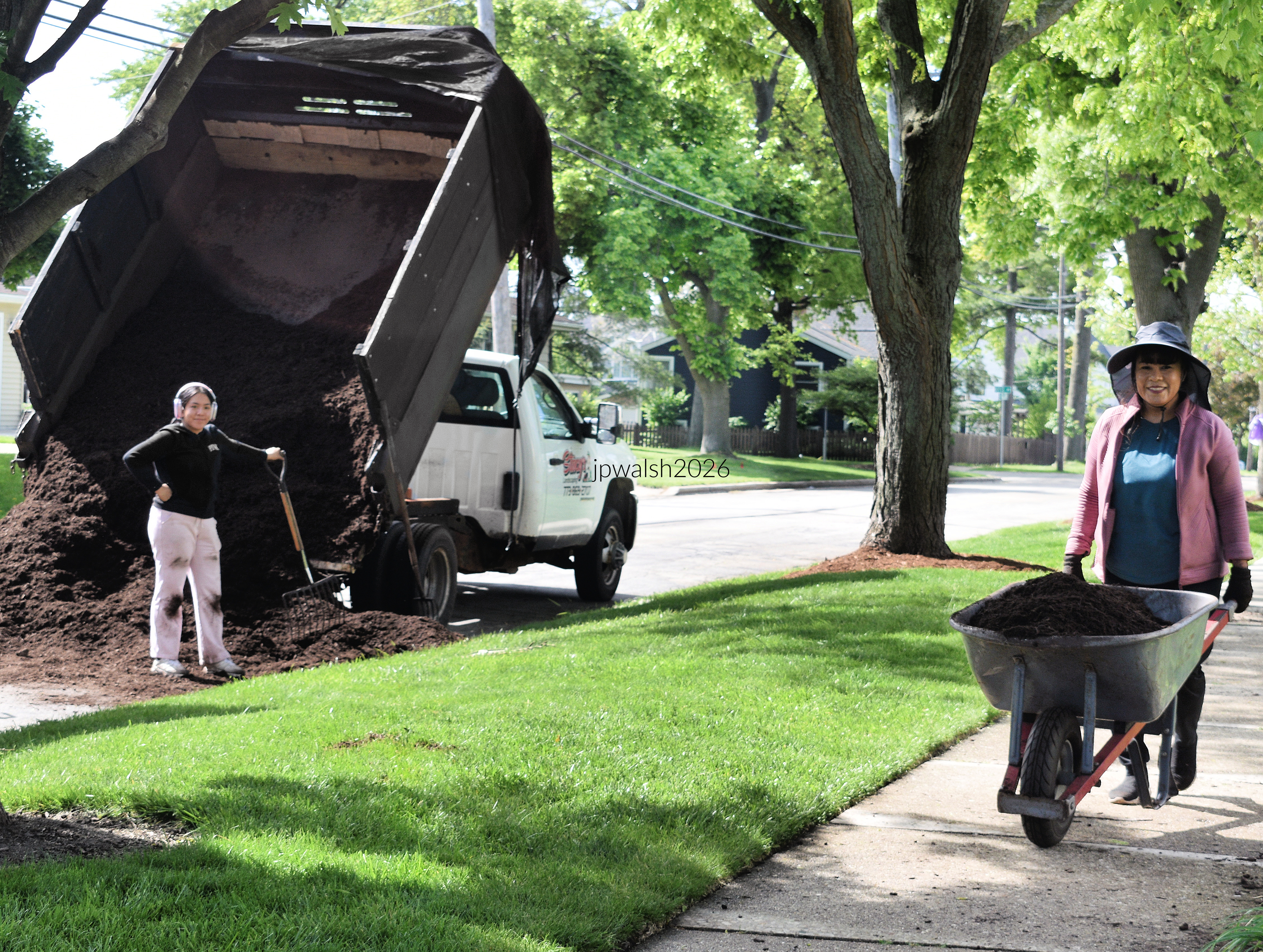
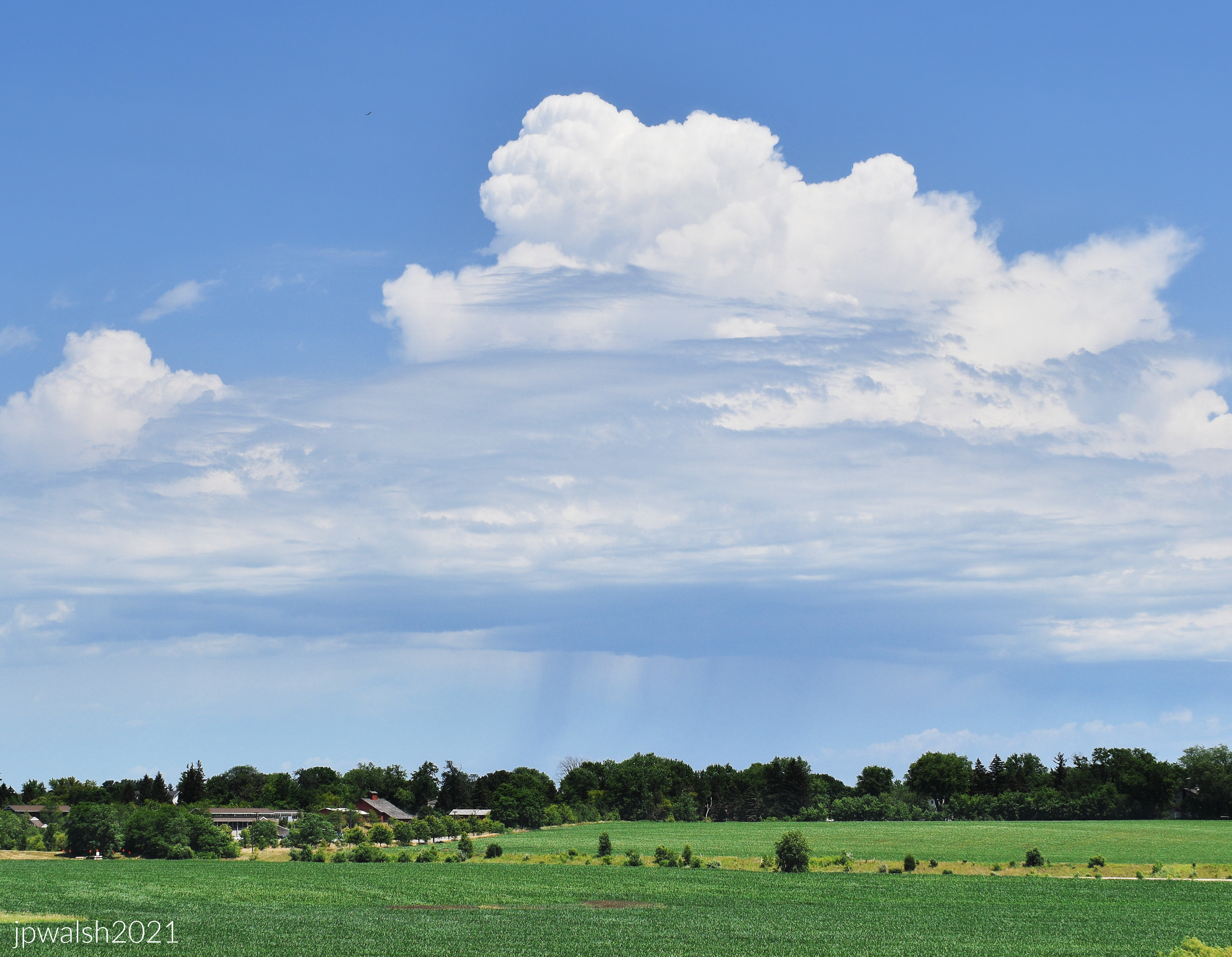
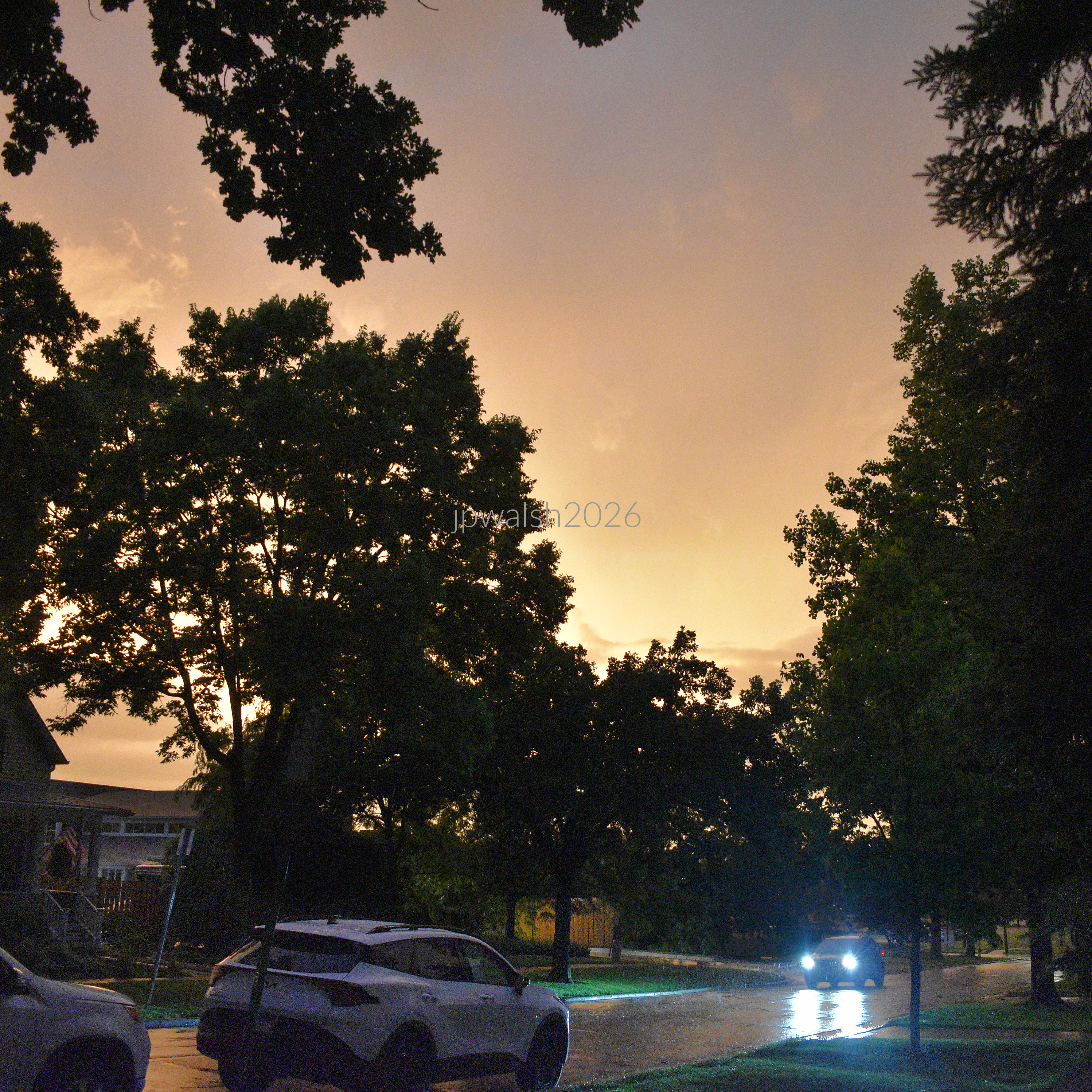
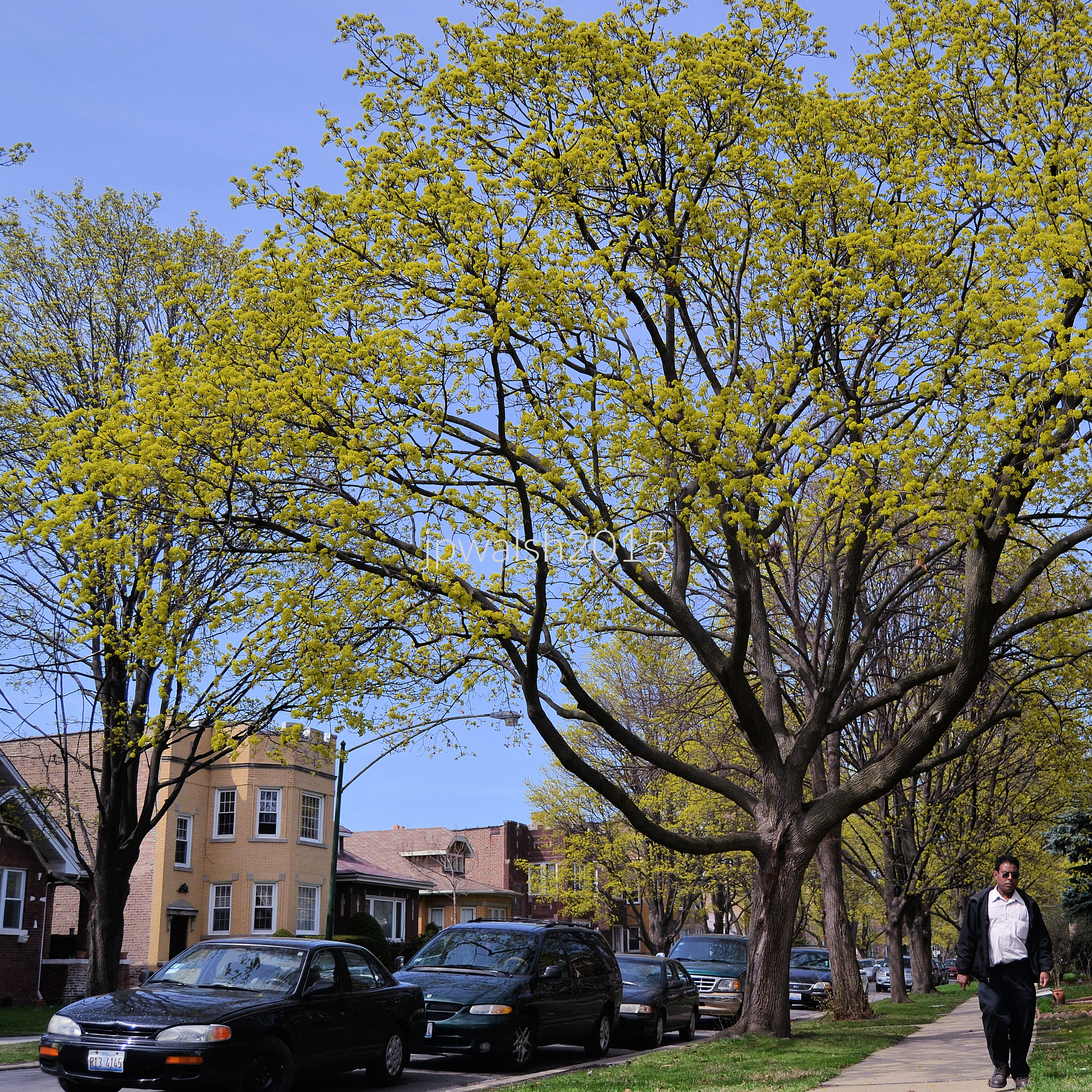
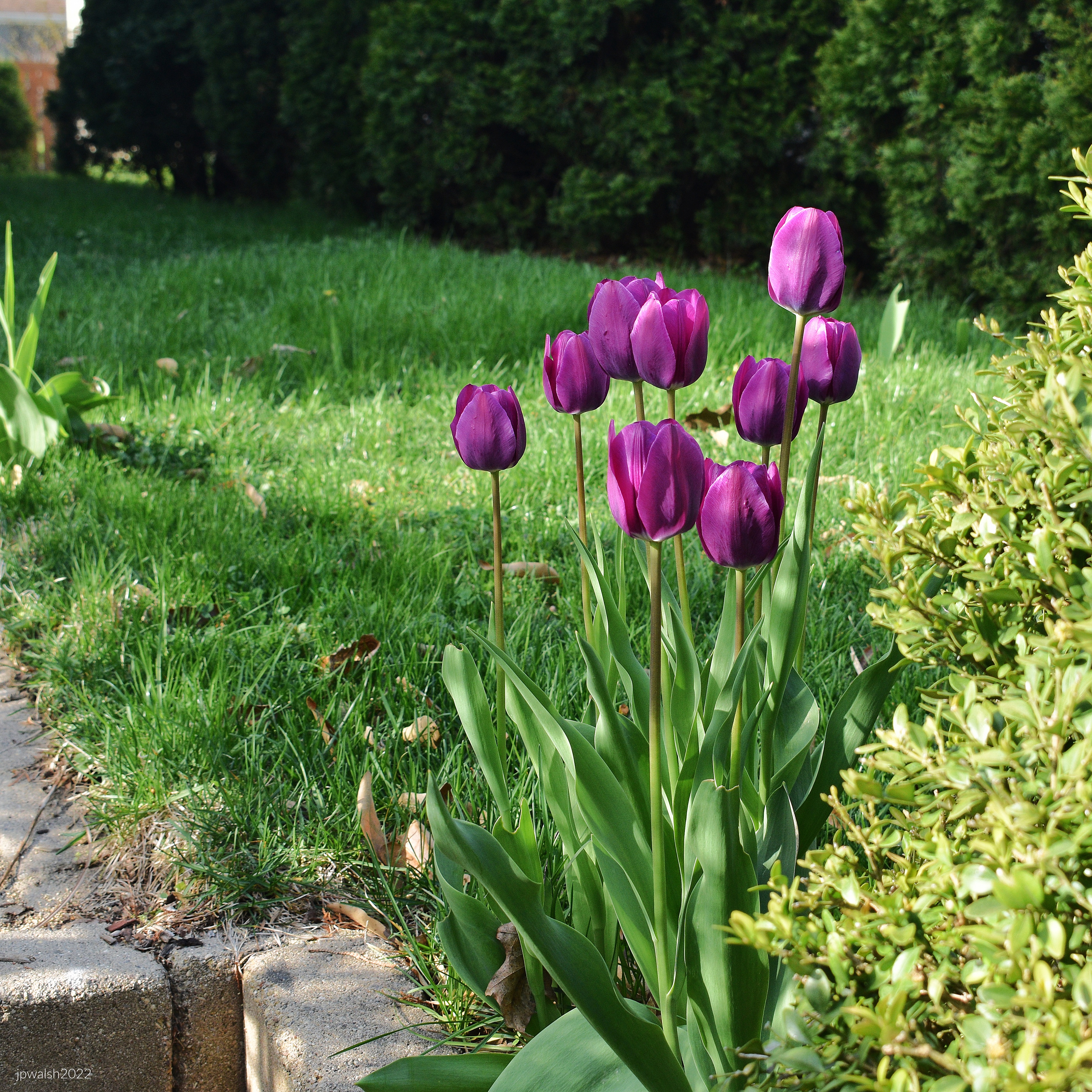
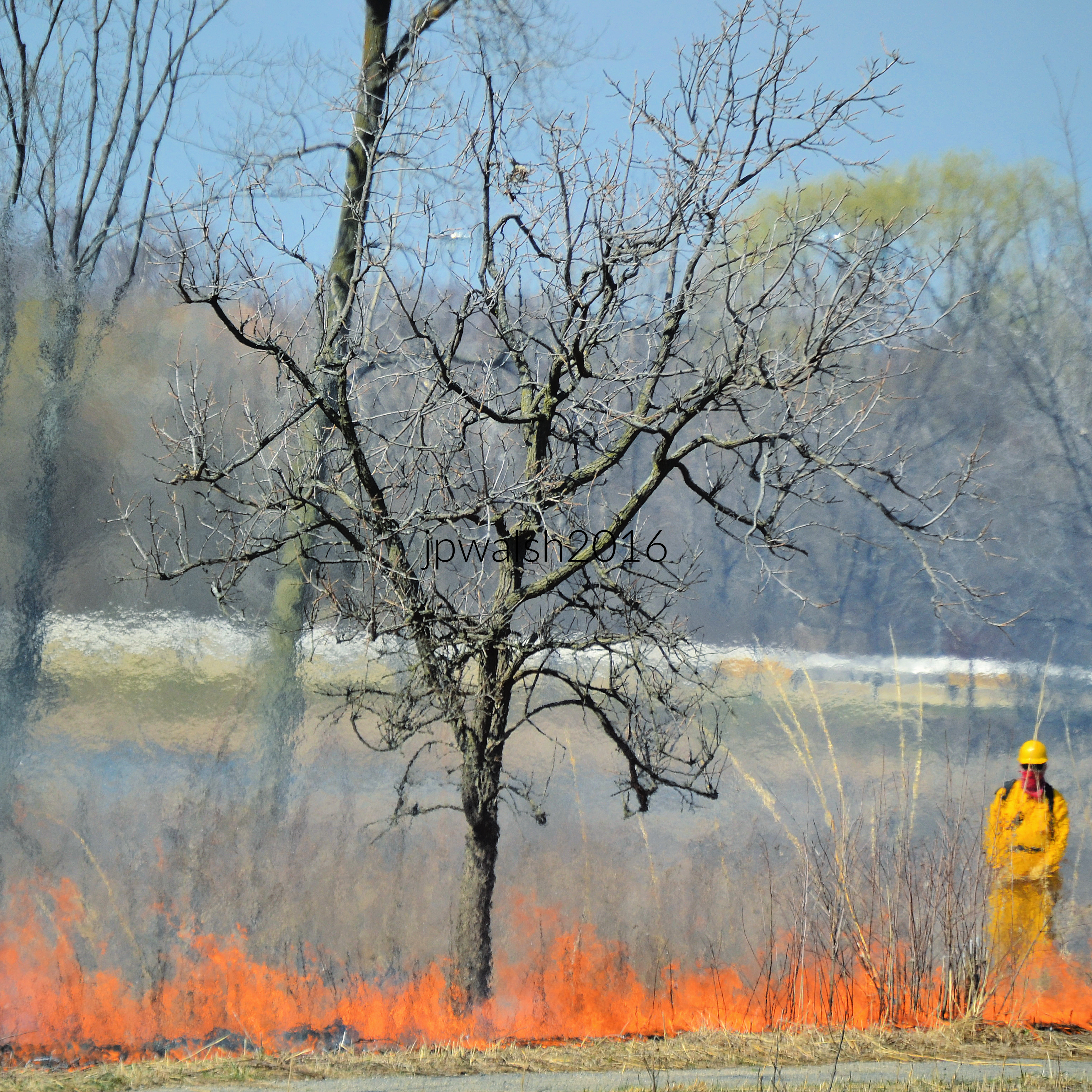
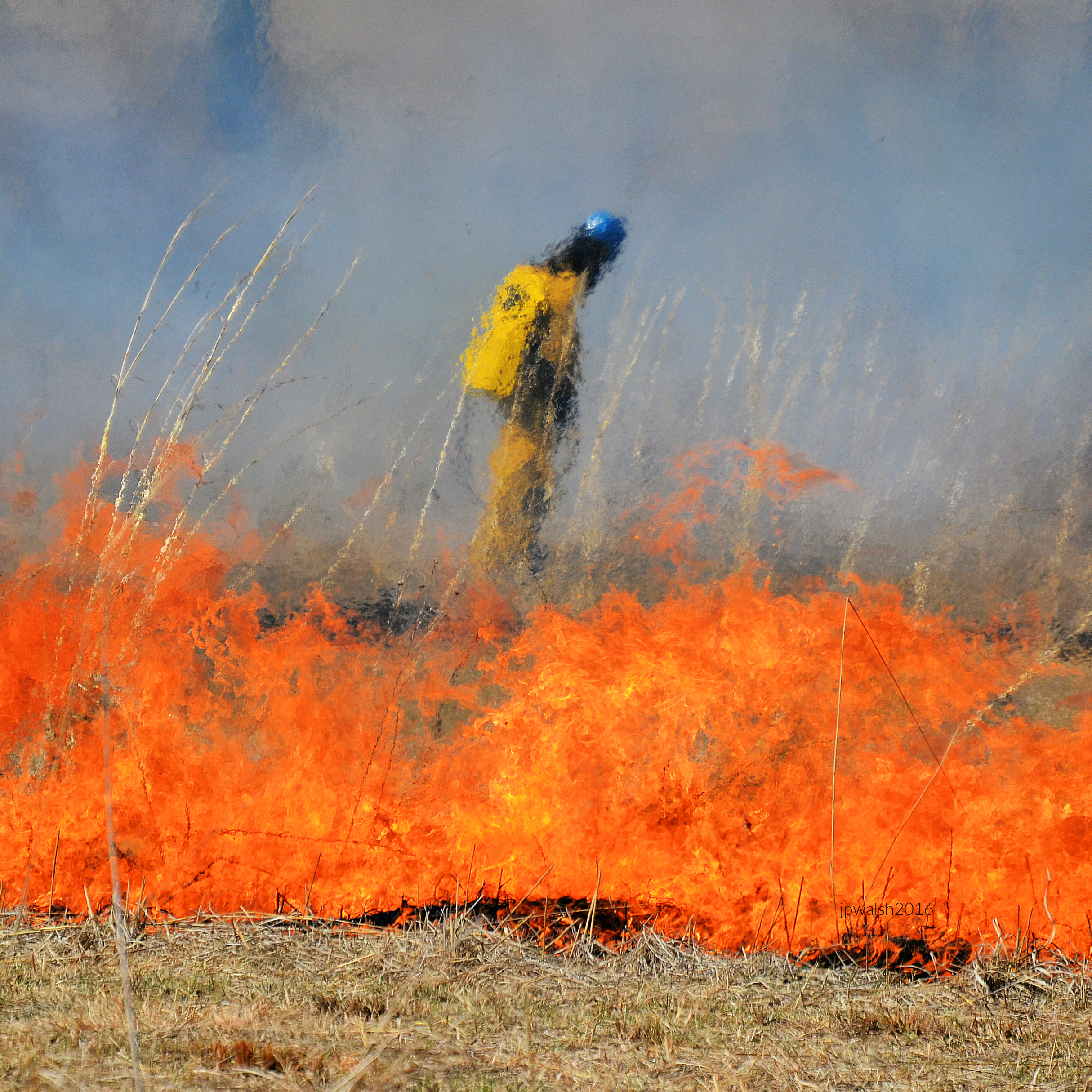
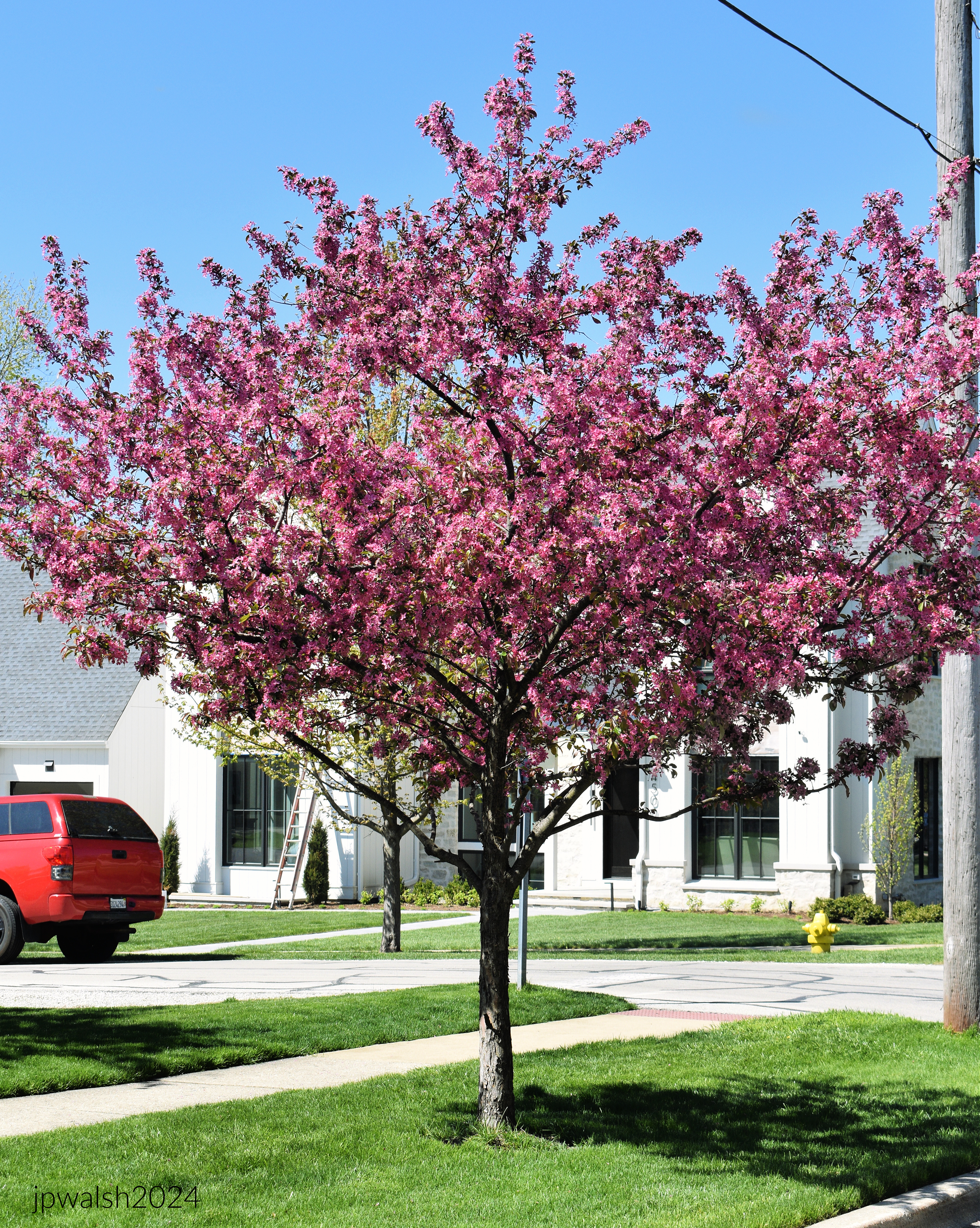
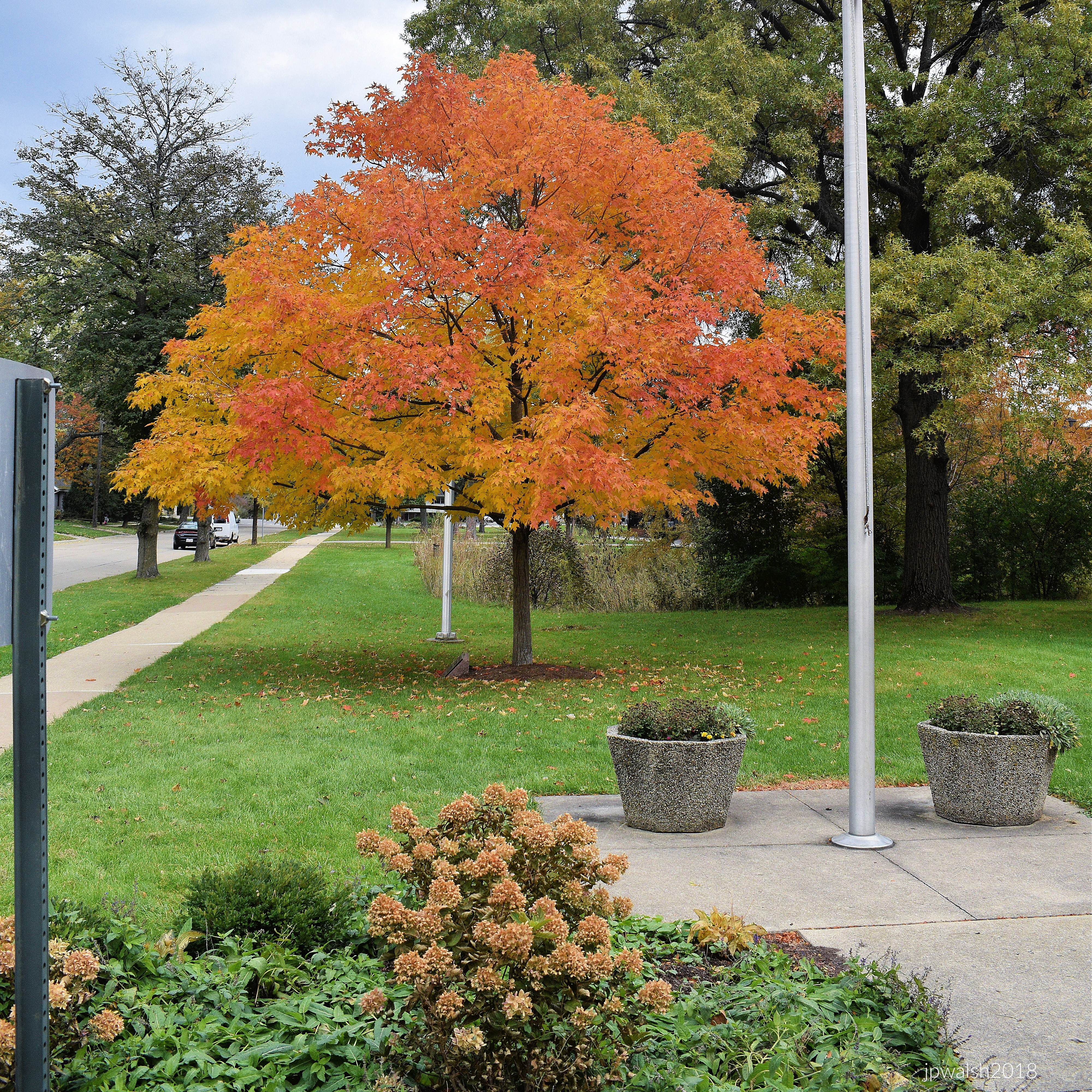
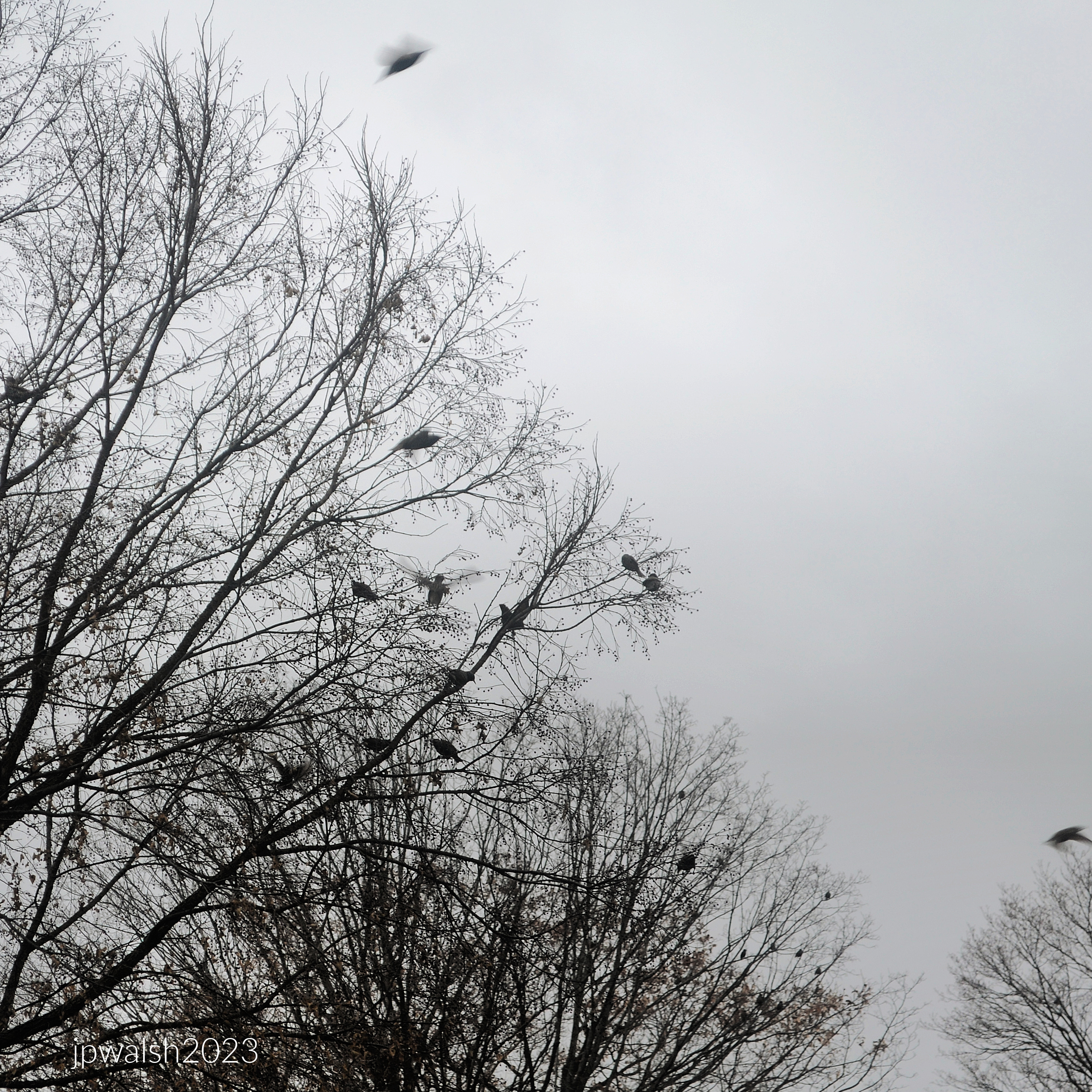
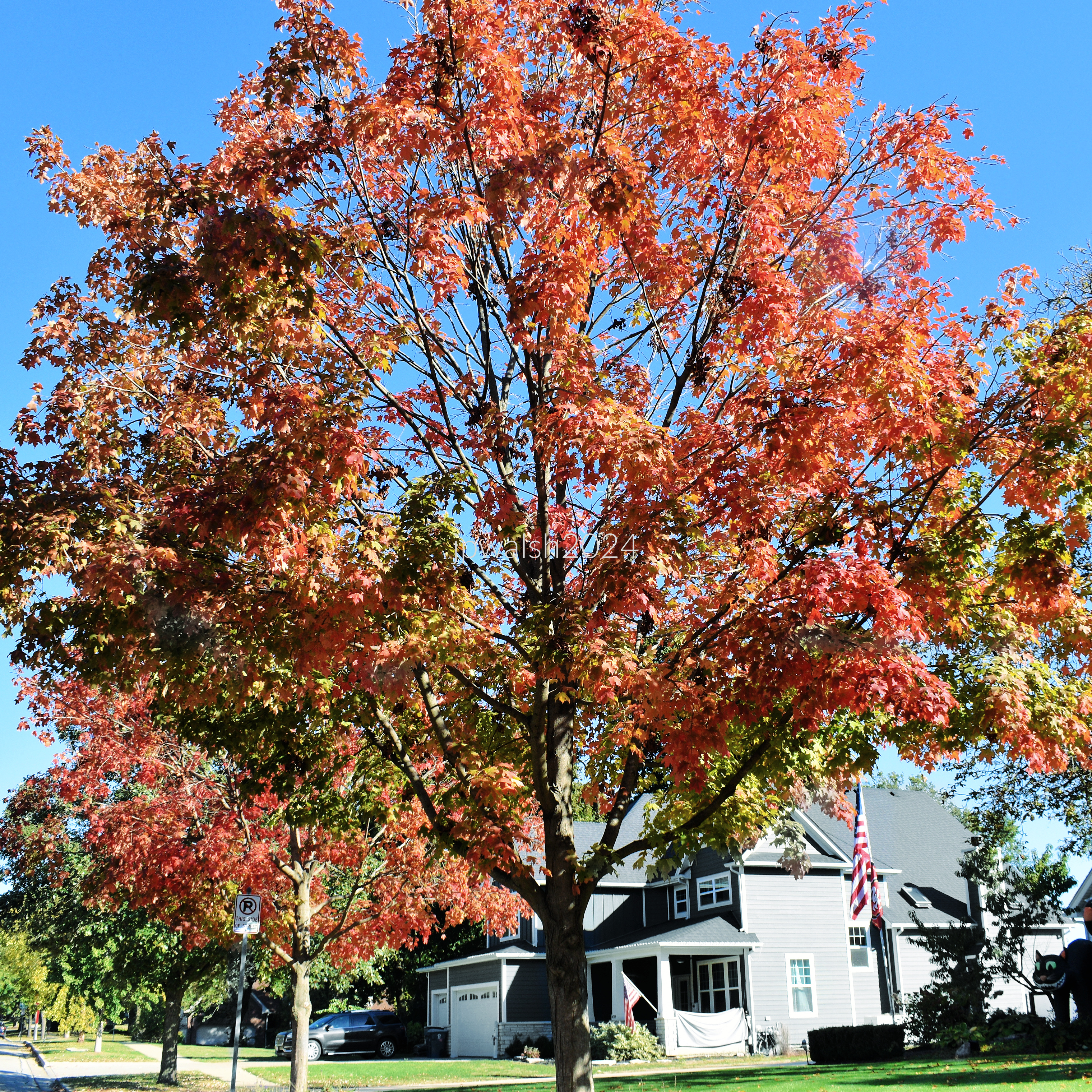
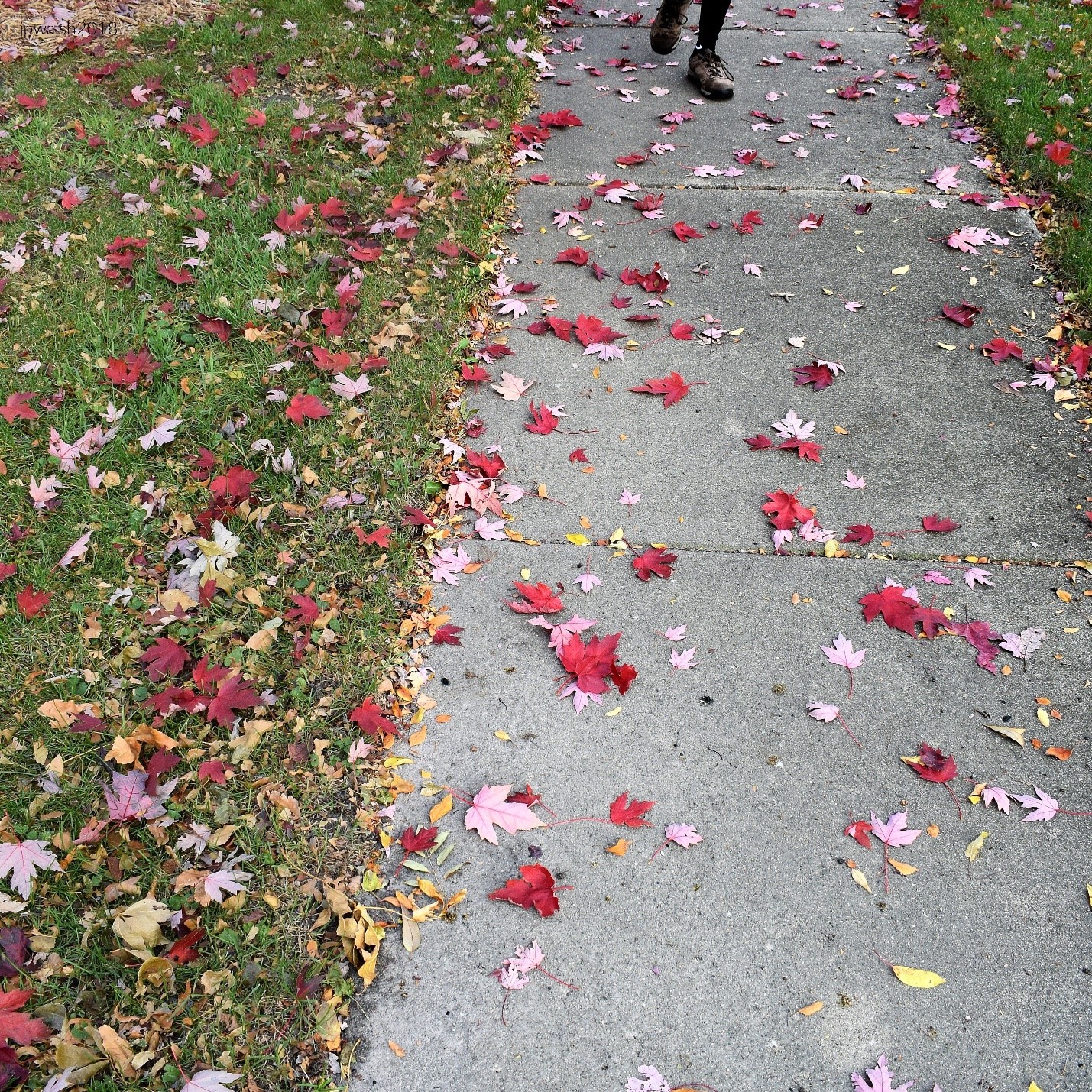
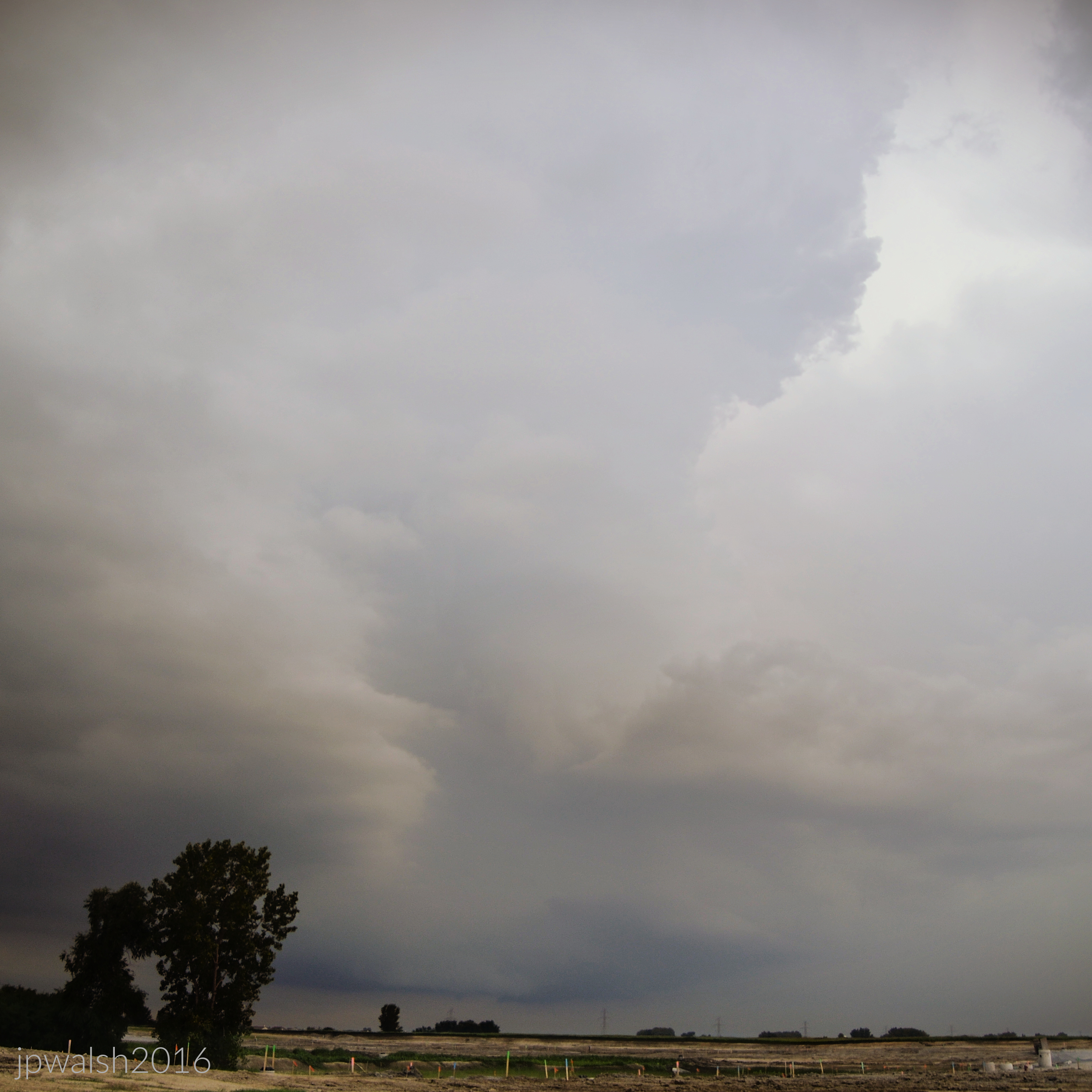
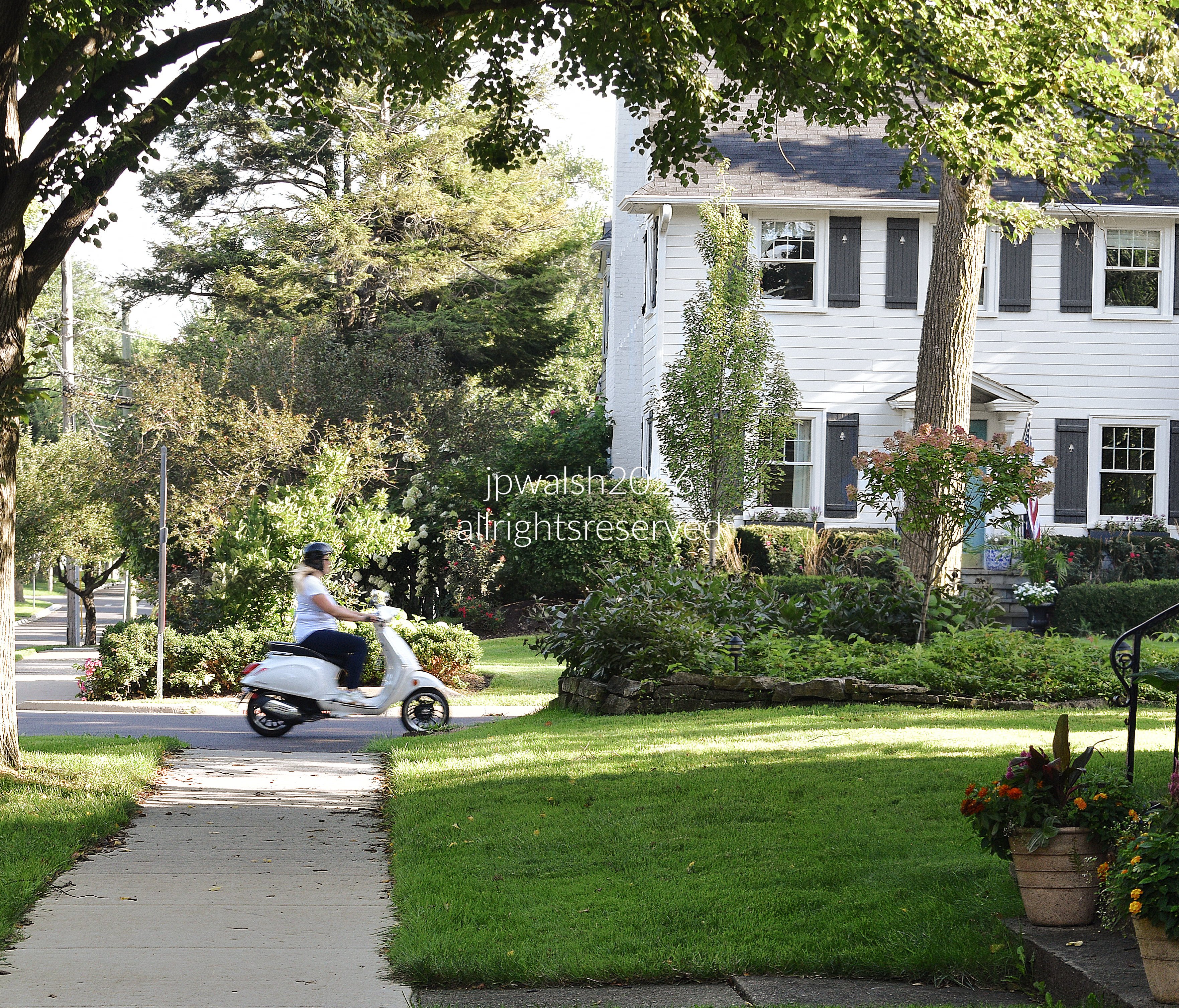
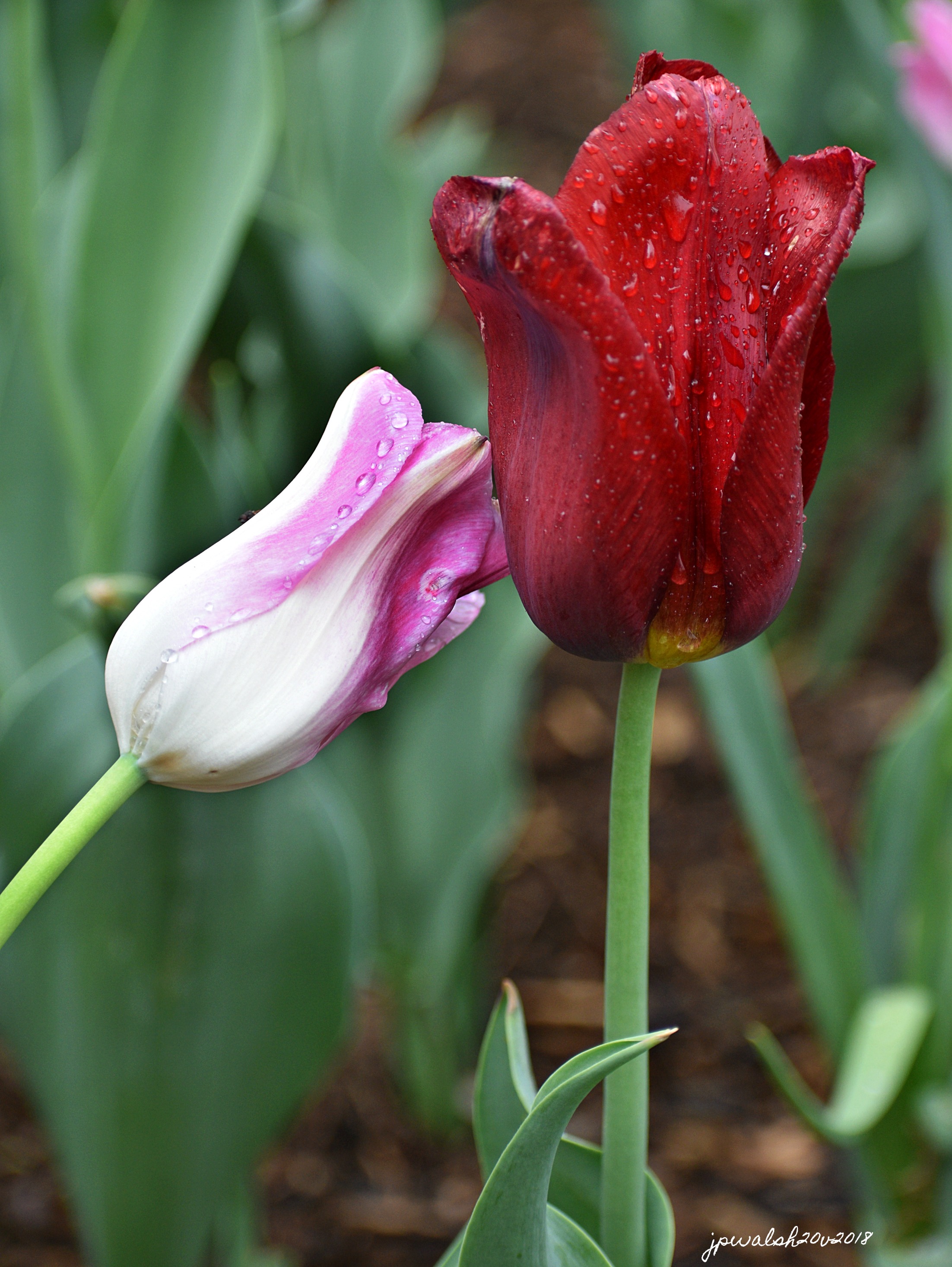
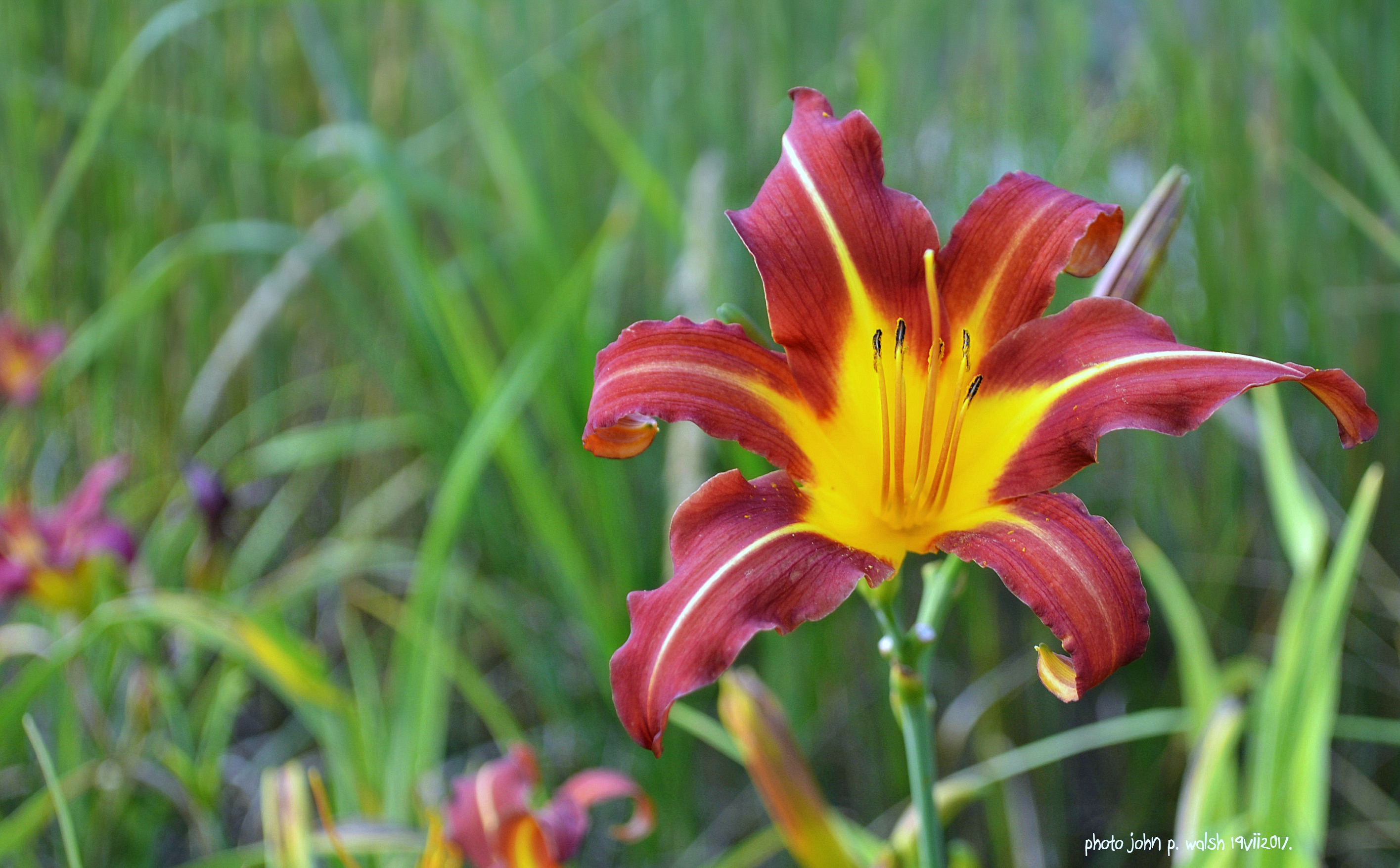
Autumn is nature’s most dramatic display of impermanence. In Fall II, changing leaves, shifting light, and seasonal landscapes become visual reminders that beauty often reaches its fullest expression just before it fades, transforming the everyday landscape into a temporary work of art.
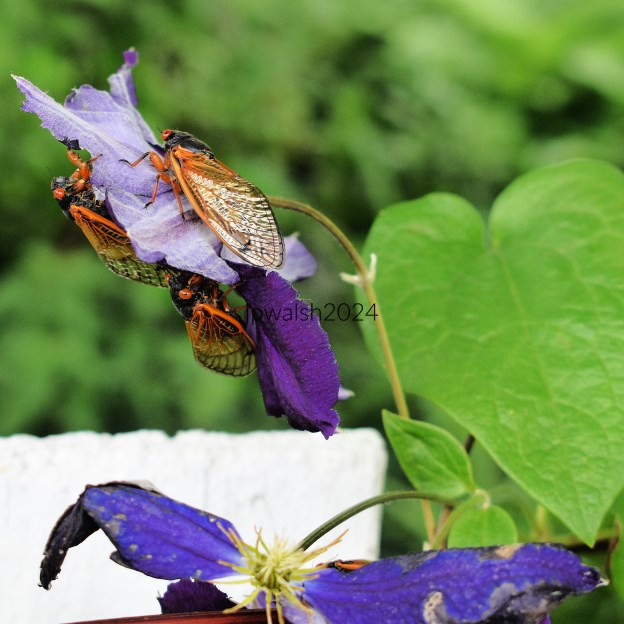
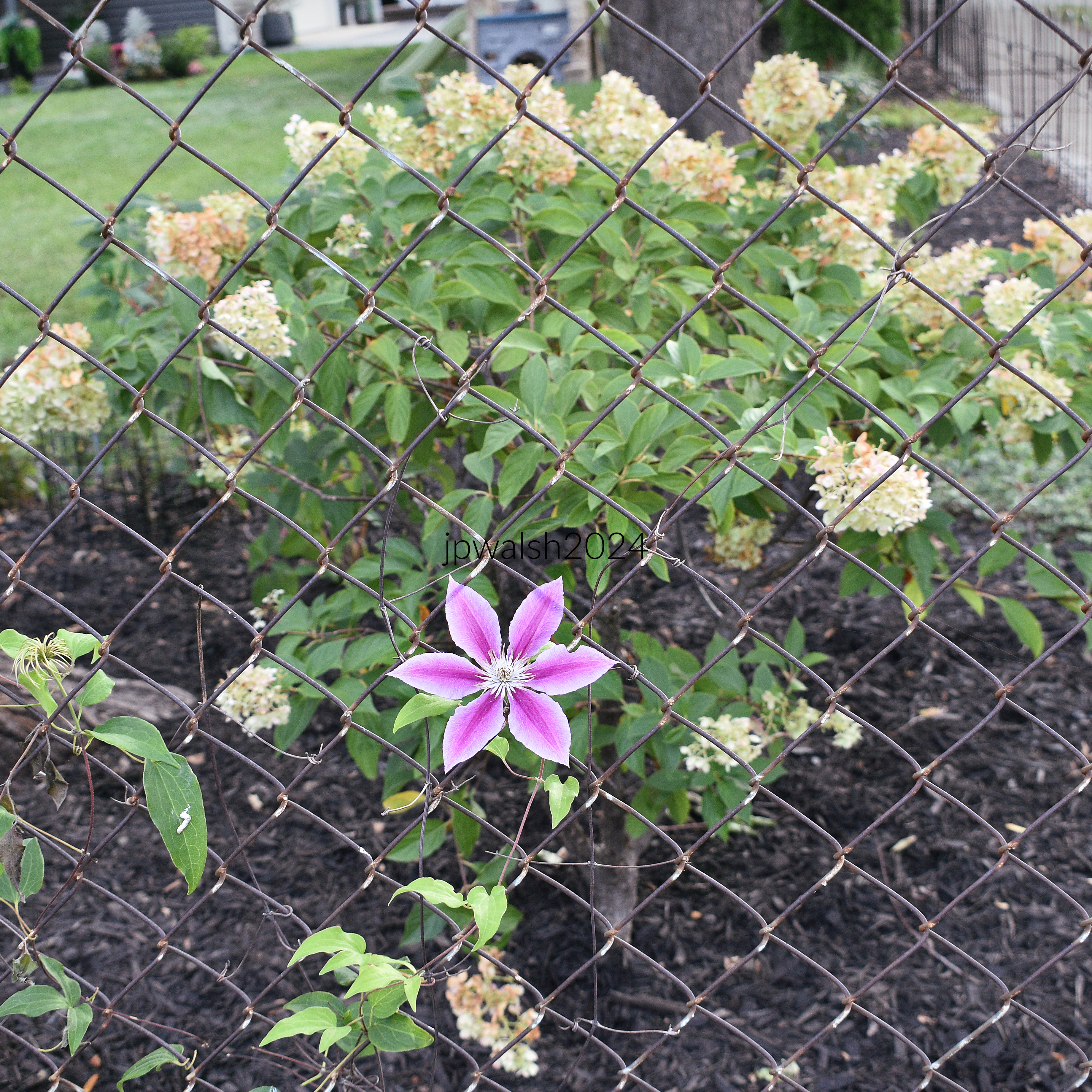
FEATURE Image: Three adult periodical cicadas (Magicicada) clinging to the purple petals of a clematis flower, with the possible legs of a fourth cicada tucked beneath a wilting bloom. During mass emergences, cicadas instinctively climb upward onto whatever plants, fences, or garden flowers are nearby. Climbing higher helps them warm up in the sunlight, stay off the ground away from crawling predators, and launch into flight toward nearby trees to find mates. June 8, 2024 6.87mb 8154
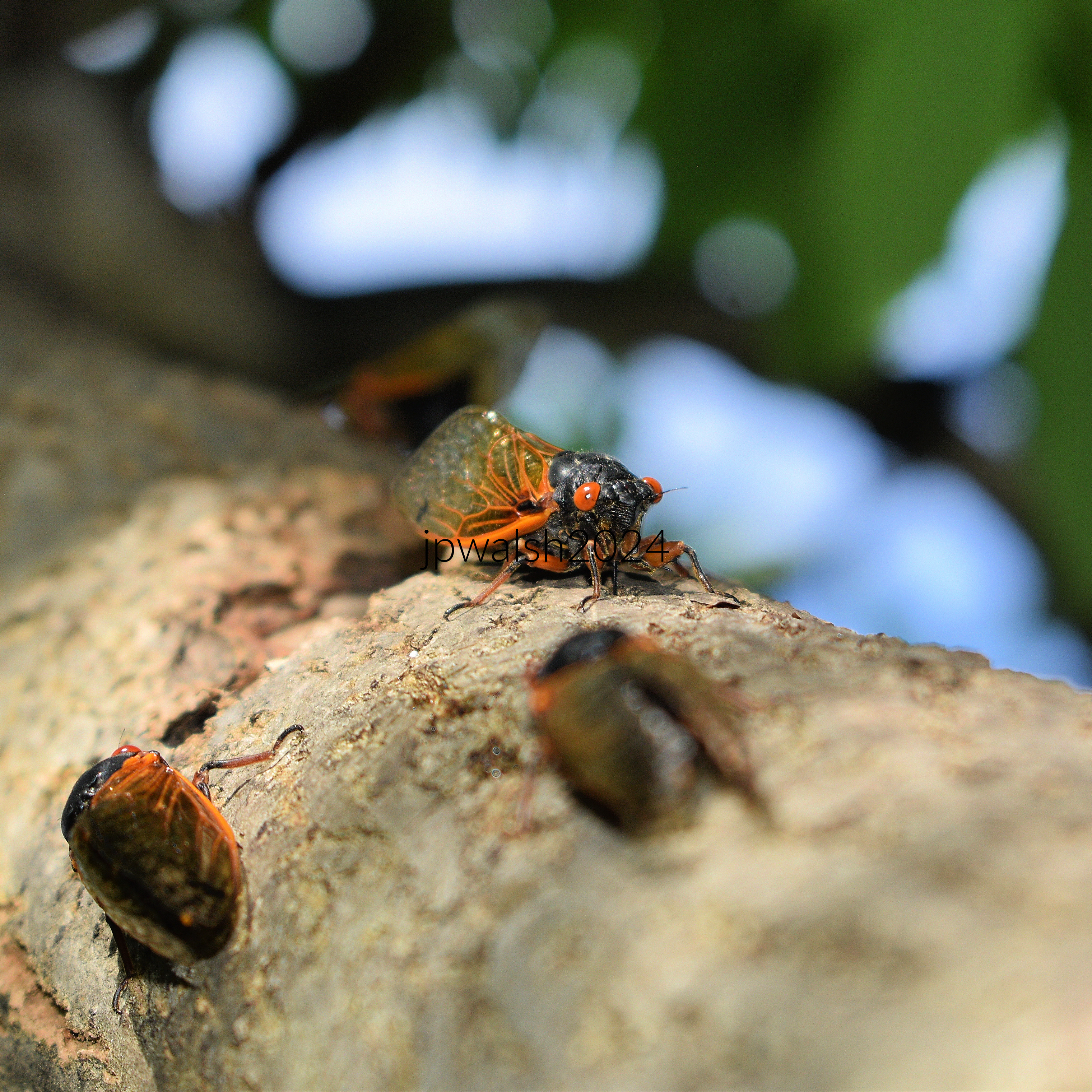
Through photography and historical context, this post documents one of the rarest natural events in North American history: the simultaneous emergence of 17-year Brood XIII and 13-year Brood XIX cicadas in 2024, a biological phenomenon not witnessed since 1803, revealing the extraordinary rhythms of nature that unfold across centuries rather than seasons.
Photographs and text by John P. Walsh.
A Once-in-221-Year Awakening
Since late May 2024, Illinois has been the epicenter of one of the most extraordinary natural events in American history: the emergence of trillions of cicadas whose relentless chorus is expected to continue into July.
The Return of Brood XIII
On cue after seventeen years underground, the Northern Illinois Brood, Brood XIII, erupted from the soil across much of the state. Having spent nearly two decades hidden beneath the earth, these red-eyed insects emerged to mate, lay eggs, and continue one of nature’s most remarkable life cycles.
The Great Southern Brood XIX Emerges
At the same time, another giant brood surfaced across the central United States. Known as Brood XIX, or the Great Southern Brood, these cicadas completed their own lengthy underground development before emerging in vast numbers across a broad swath of the country.
A Historic Convergence
What makes 2024 truly historic is that Broods XIII and XIX are emerging simultaneously. This rare overlap has not occurred since 1803, when Thomas Jefferson was serving as the third President of the United States. More than two centuries later, the descendants of those same broods have returned together, creating a once-in-a-lifetime spectacle for naturalists, photographers, and anyone fortunate enough to witness nature’s ancient timetable in action.
Illinois is the epicenter of 2024’s historic cicada invasion
According to a 2024 publication by the Ohio Biological Survey of “The 2024 Emergence of Periodical Cicada Broods XIII and XIX” by renowned cicada expert Dr. Gene Kritsky, Professor Emeritus of Biology and former Dean of the School of Behavioral and Natural Sciences at Mount St. Joseph University, the Brood XIII emergence extends from the center of the state of Illinois around Springfield and spreads as far north as southern Wisconsin. Brood XIX also extends from around Springfield, Illinois, to points south past Cairo, Illinois. “This is not just a cicada year,” Dr. Kritsky observed, “it’s an historic convergence of Broods XIII and XIX, making it a once-in-a-lifetime experience for enthusiasts and researchers alike.” See- https://www.msj.edu/news/2024/01/dr-gene-kritsky-releases-book-cicada-emergence.html – retrieved June 15, 2024.
The Next Emergence
As trillions of cicadas mate and lay their eggs this year, the buzzing activity will gradually fade and 2024’s broods of adult cicadas die. Their offspring of 2024 will emerge, in the case of Brood XIII, during its next 17 year cycle in 2041.
While the cicada’s life is mostly spent under the soil, they use their legs to emerge from the soil where they molt and mate. Cicadas emerge after the soil temperature is higher than 64 degrees Fahrenheit. Their emergence from the ground turns over large amounts of soil, and after they die their decaying bodies contribute a massive amount of nutrients to the soil. June 15, 2024 79% 7.89 mb 8563
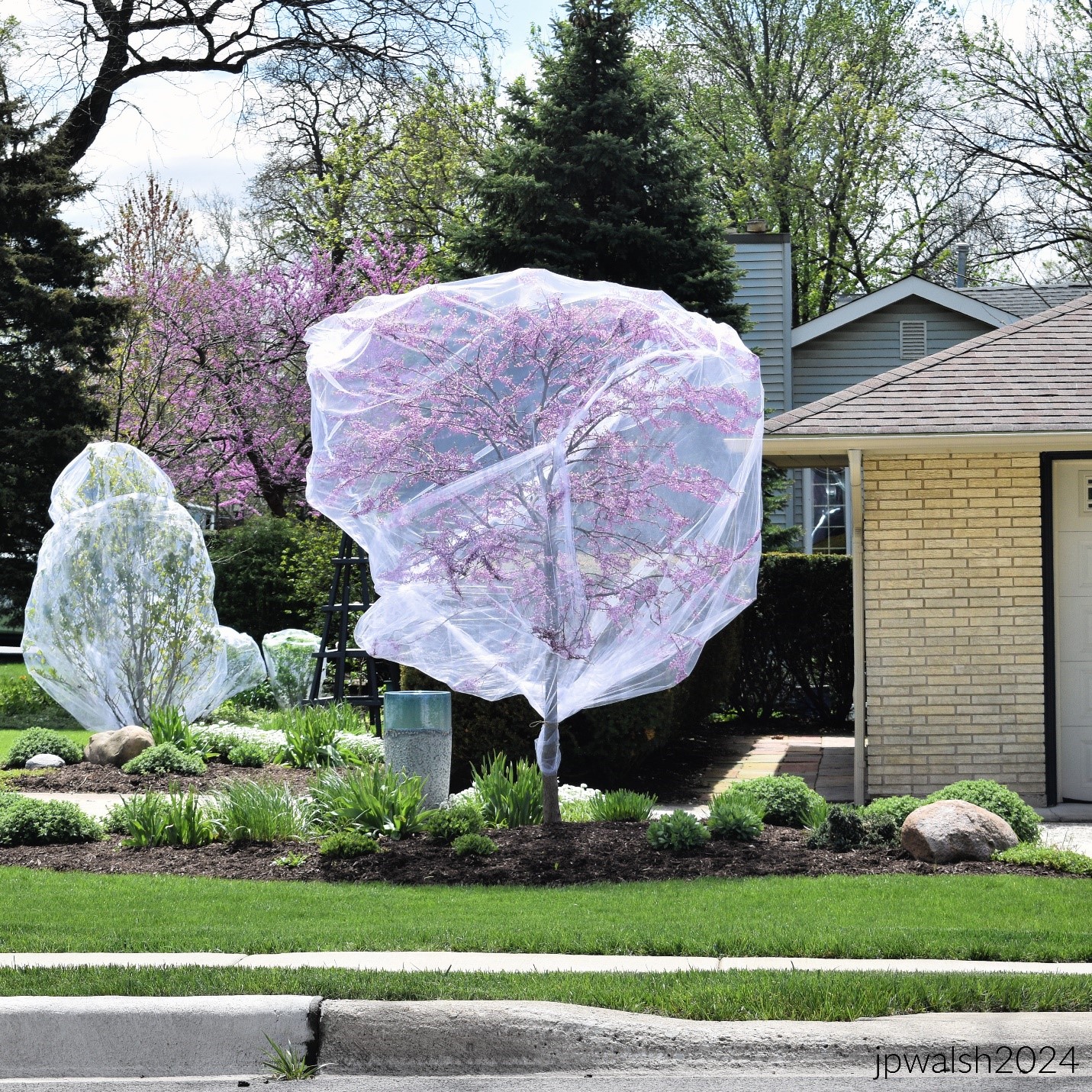
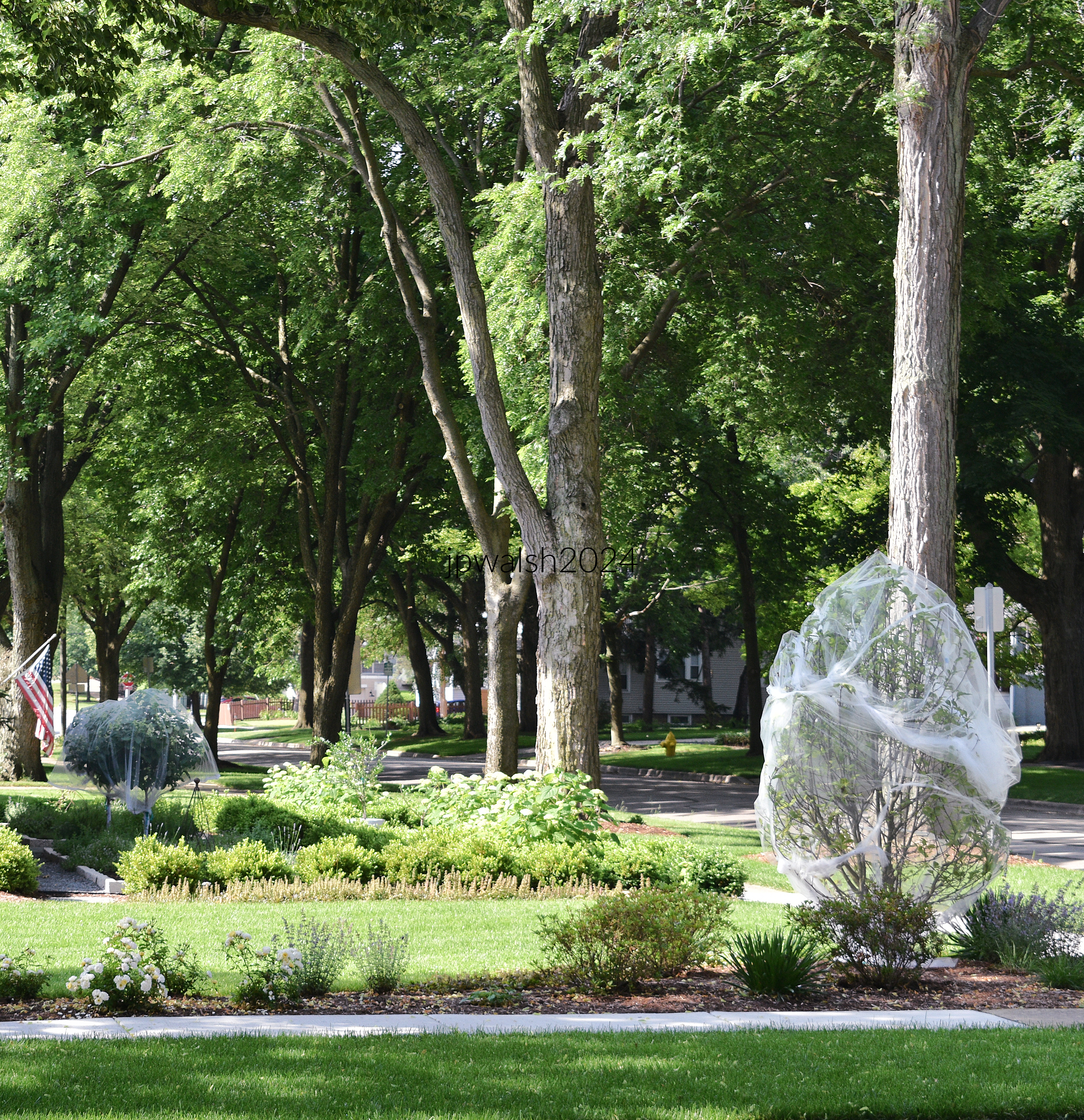
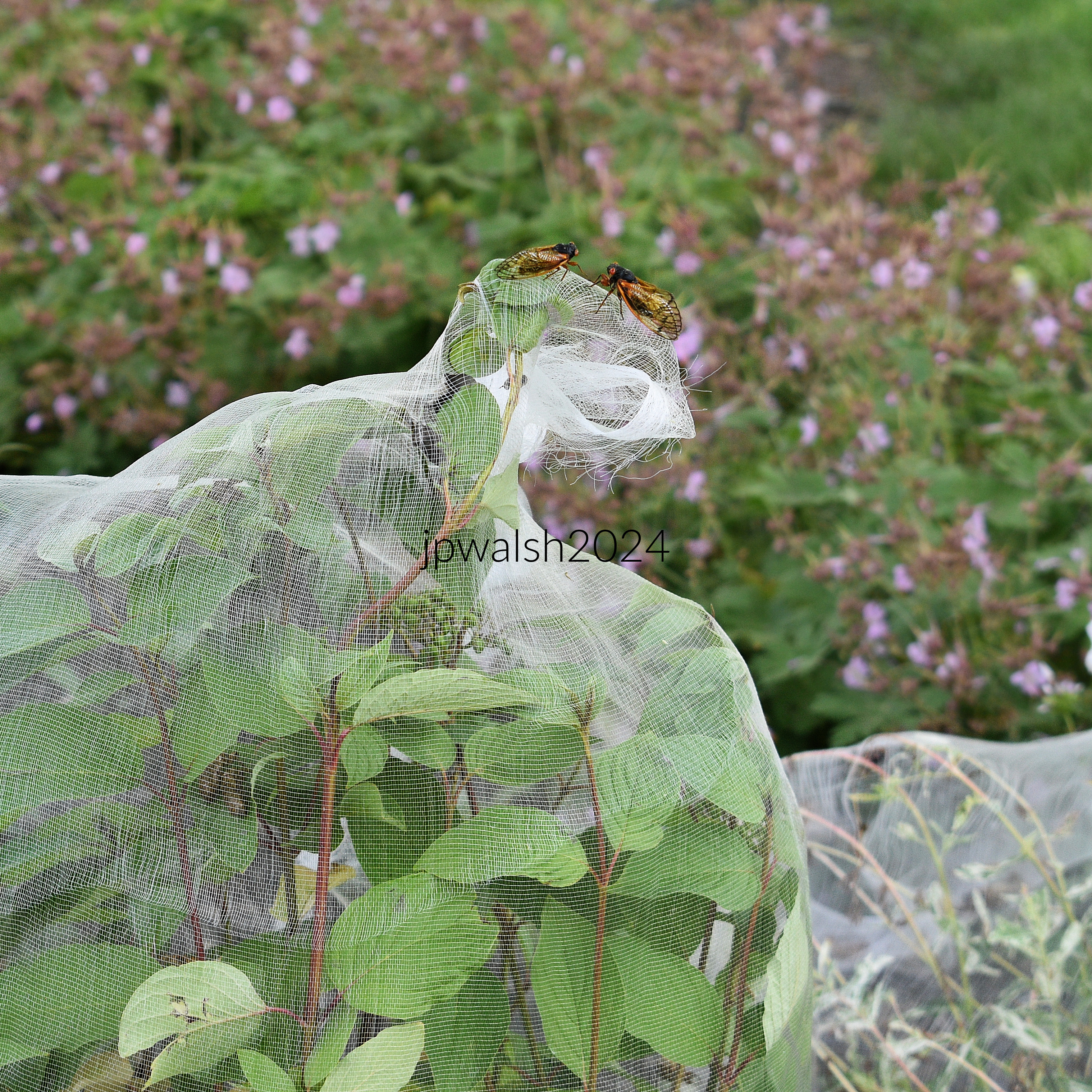
GHOST TREES.Homeowners in Chicago have wrapped their small trees with mesh netting in preperation of the arrival of trillions of molting mating cicadas. The wrapped mesh is to prevent cicadas from damaging young trees. Once cicadas molt and mate, female cicadas lay their fertilized eggs in the bark of trees. April 2024 7.46 mb
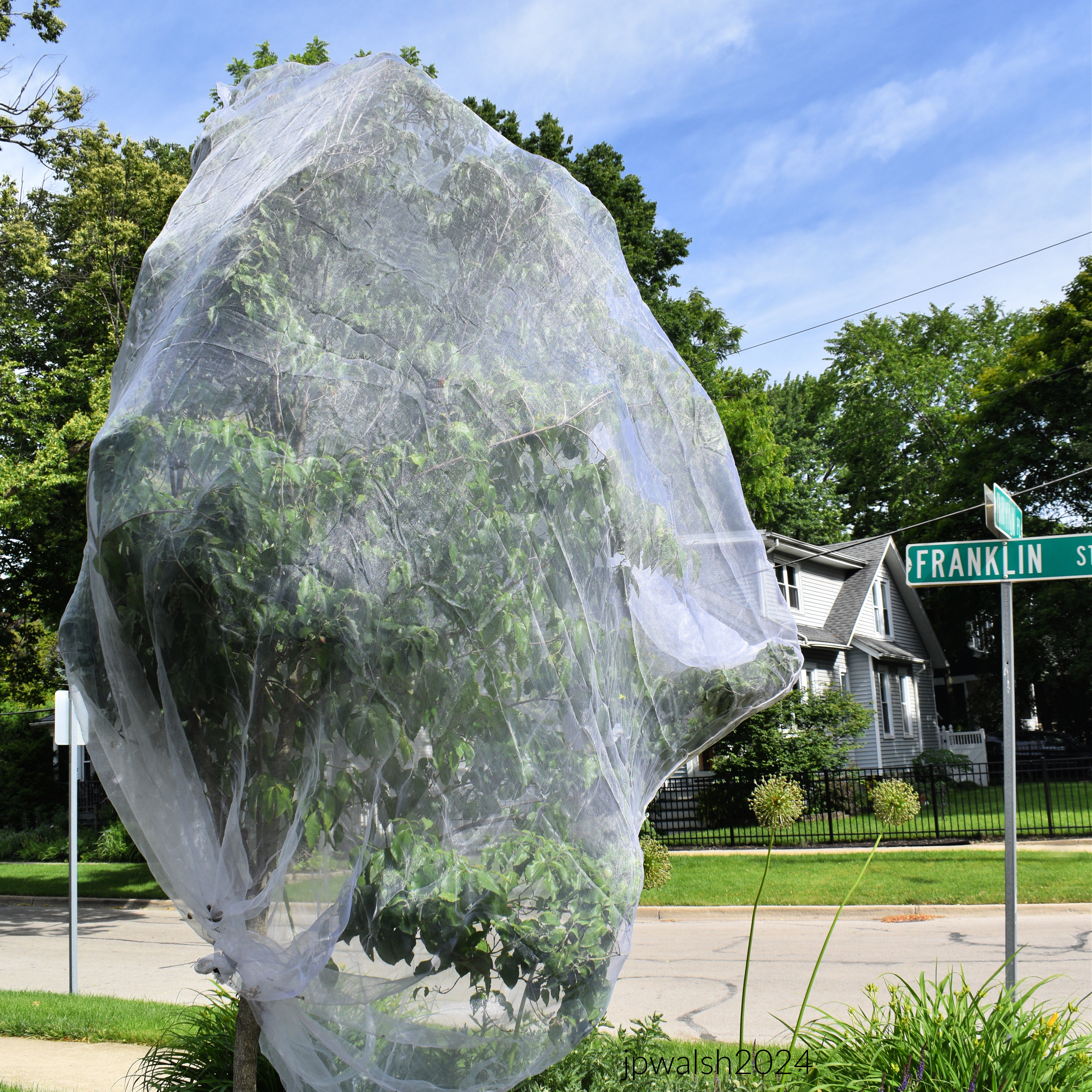
GHOST TREES.Periodical cicada years are quite beneficial to the ecology of the region. Their egg-laying in trees is a natural pruning that results in increased numbers of flowers and fruits in the succeeding years. May 31, 2024 99% 6.92 mb 7779
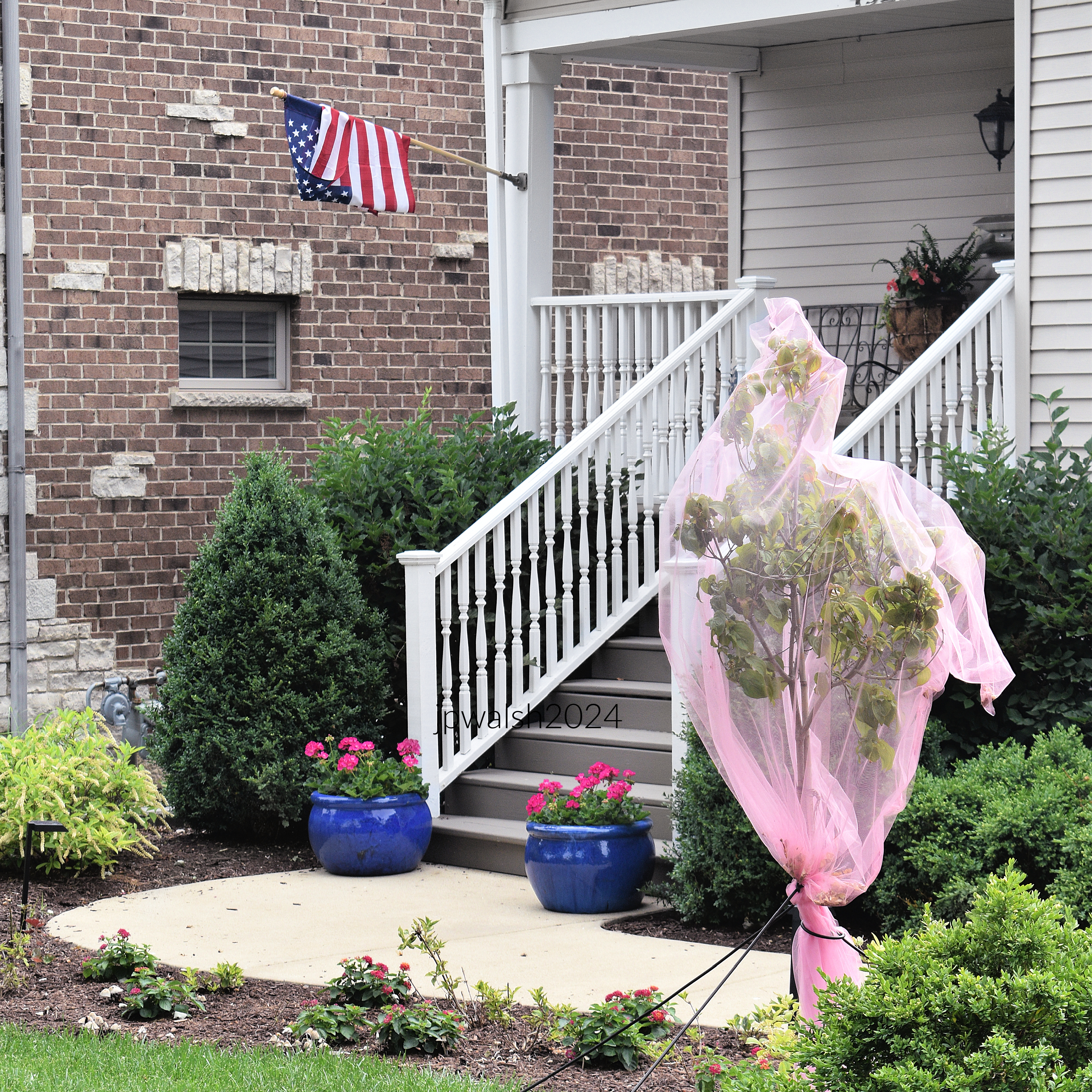
GHOST TREES.June 15, 2024 95% 7.66 mb 8565 (2)
GHOST TREES. June 3, 2024 89% 7.80 mb 7917
GHOST TREES. May 28, 2024 90% 7.69 mb 7588
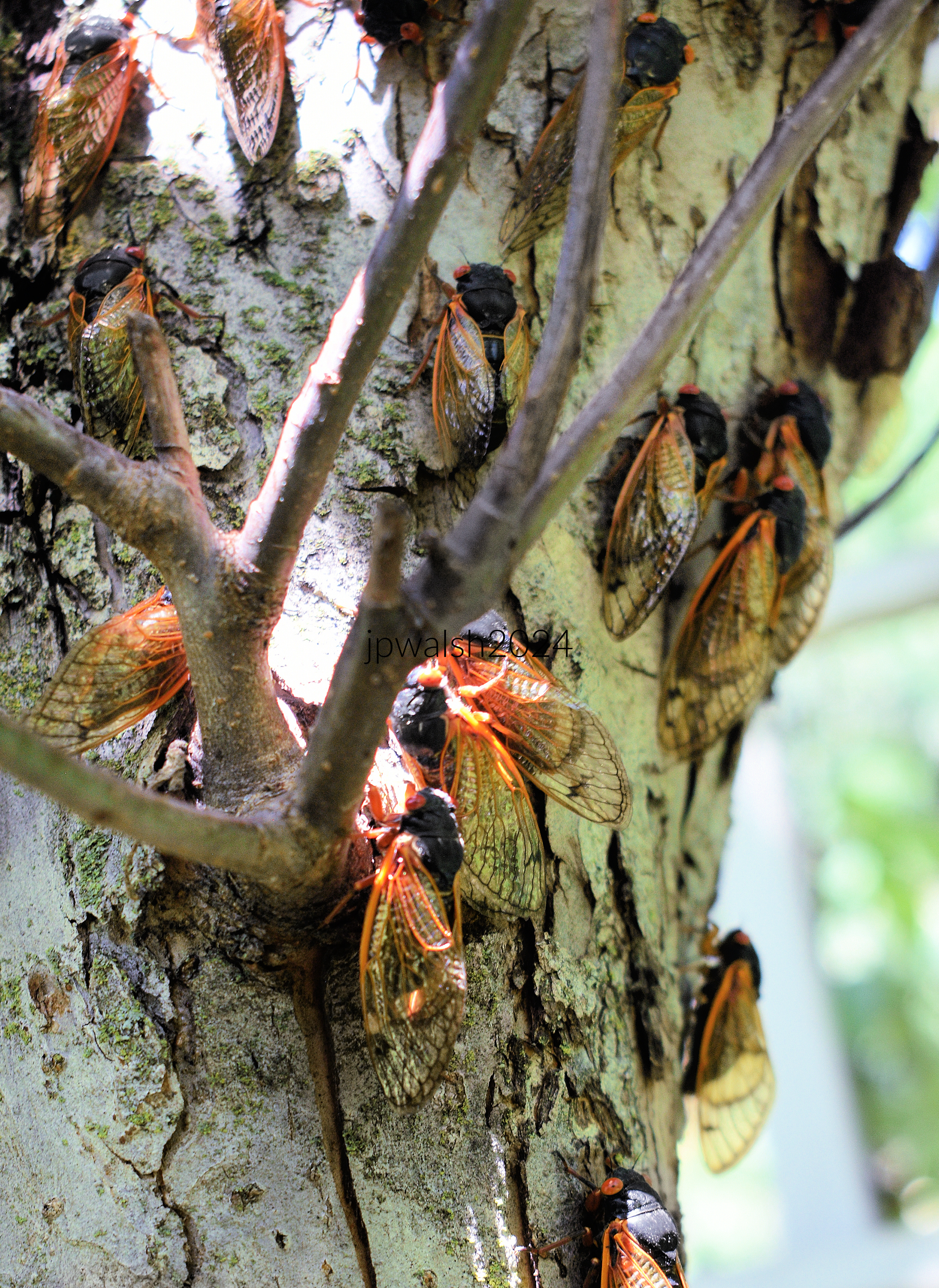
During May and June 2024, the 17-year Northern Illinois Brood XIII emerged in and around Chicago, across northern Illinois and in portions of northwest Indiana, southern Wisconsin and eastern Iowa.
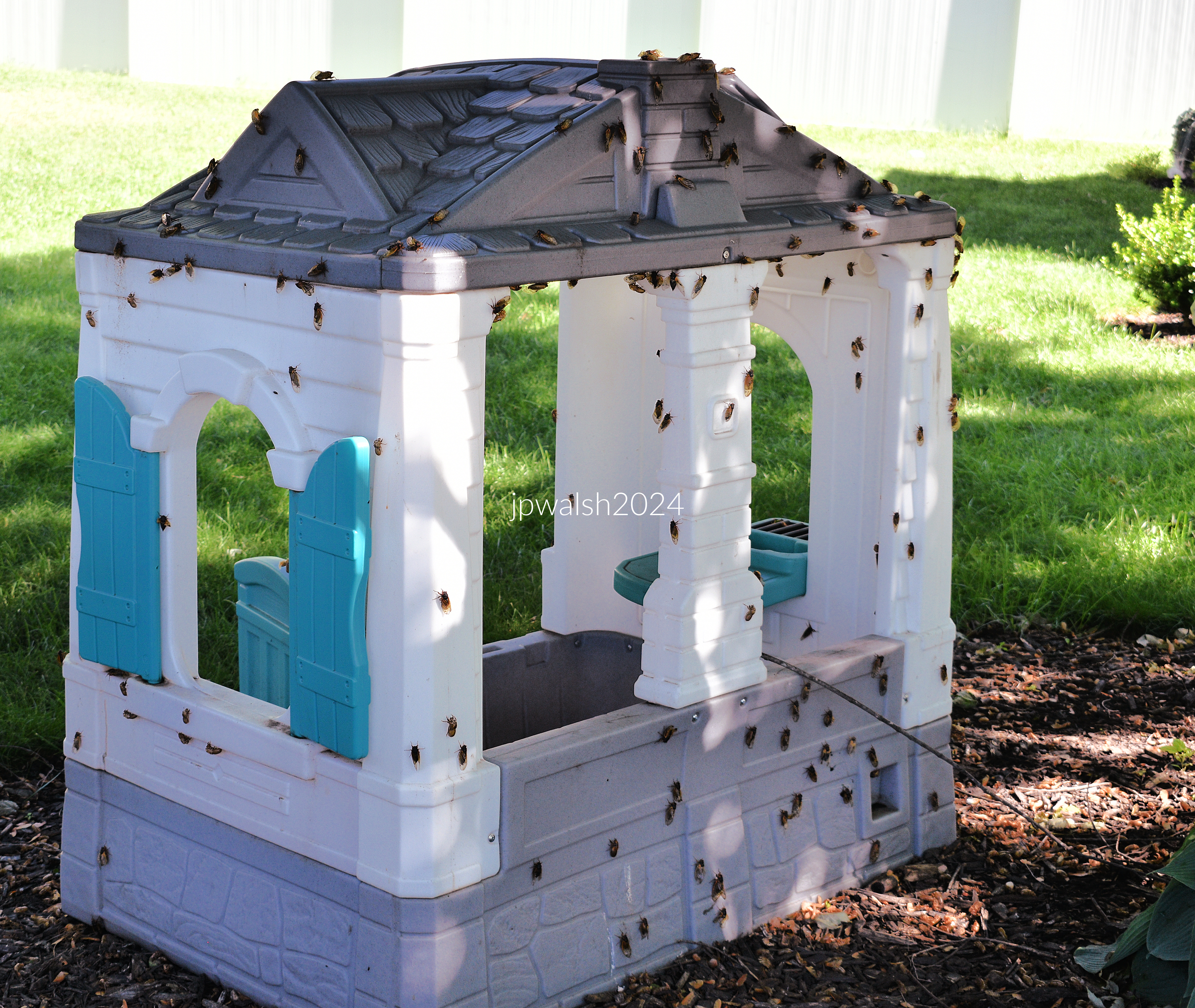
Cicadas converge on a backyard playset. May 28 2024 95% 7.69 mb 7557
Cicadas do not sting or bite, and do not carry diseases.
Waiting Beneath the Surface
Called molting, cicadas emerge from their shell. These broods spend either 13 or 17 years living approximately two feet underground before emerging as wingless nymphs rather than true larvae. As they tunnel upward toward the surface, they wait for the soil temperature at a depth of 8 inches to reach about 64°F (18°C) before emerging, usually at dusk.
The Molting Process
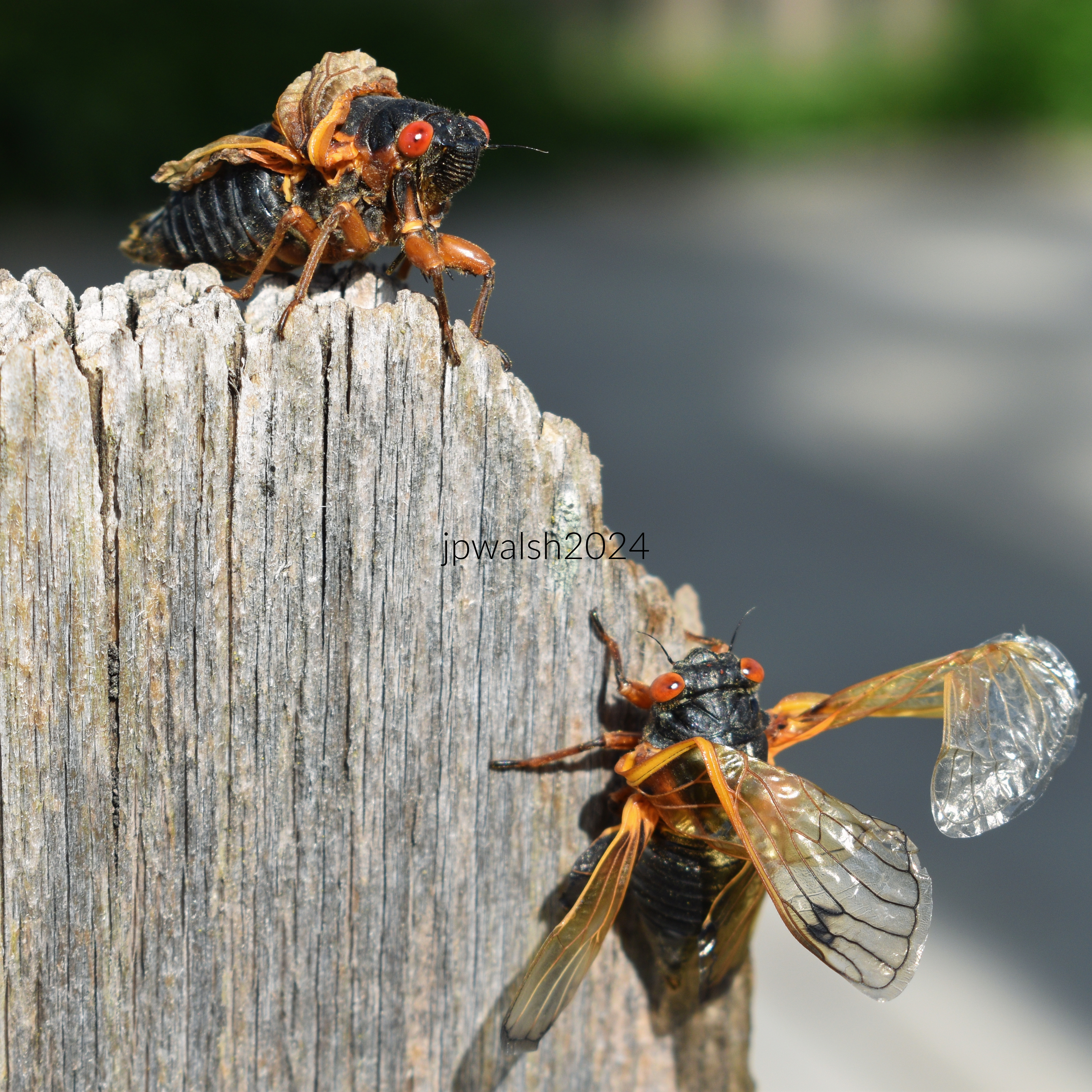
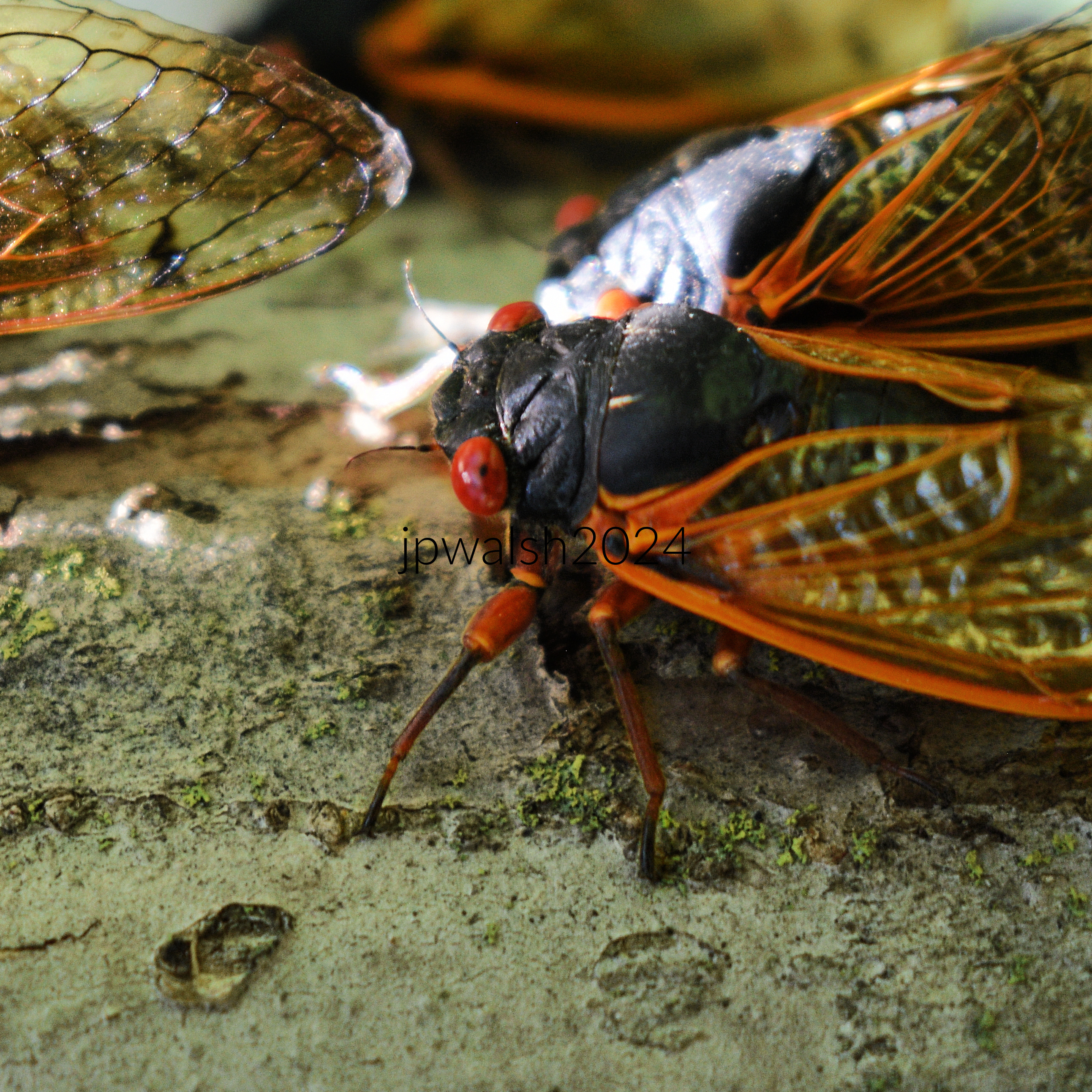
Once above ground, the transformation begins quickly. Most nymphs start molting within an hour of reaching the surface. The empty brown shell, known as an exuvia, preserves the exact shape of the underground nymph that left it behind. The newly emerged adult cicada is still carrying part of its discarded husk, caught in the brief transition between life stages.
Preparing for Flight
Although free of its shell, the insect is not yet fully mature. It takes another four to six days for the cicada’s exoskeleton and delicate wings to darken, harden, and strengthen before it is ready to take flight and join the deafening chorus of millions of other cicadas in the treetops.
May 28 2024 95% 7.67 mb 7667
Cicadas are more closely related to aphids (i.e., black flys) than grasshoppers.
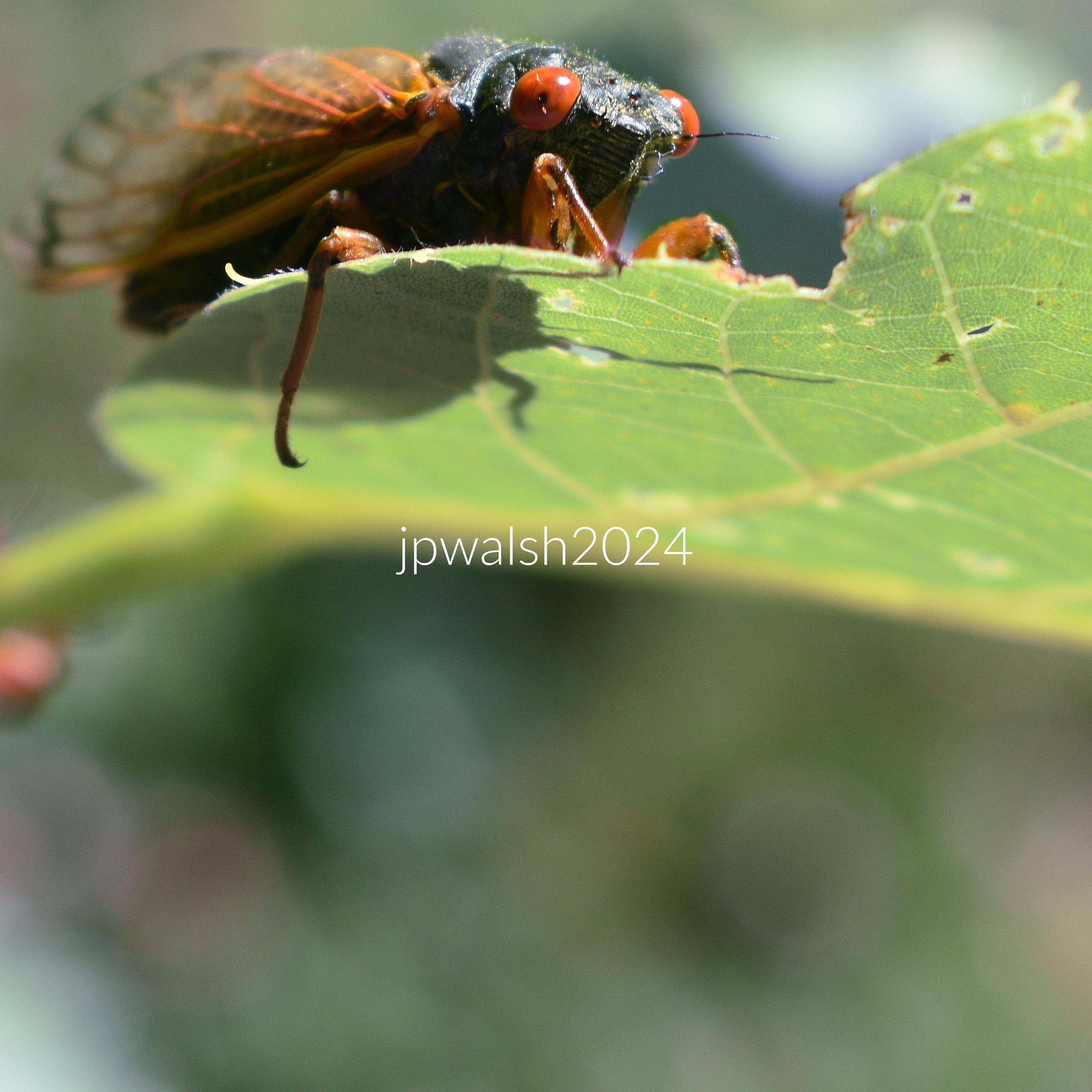
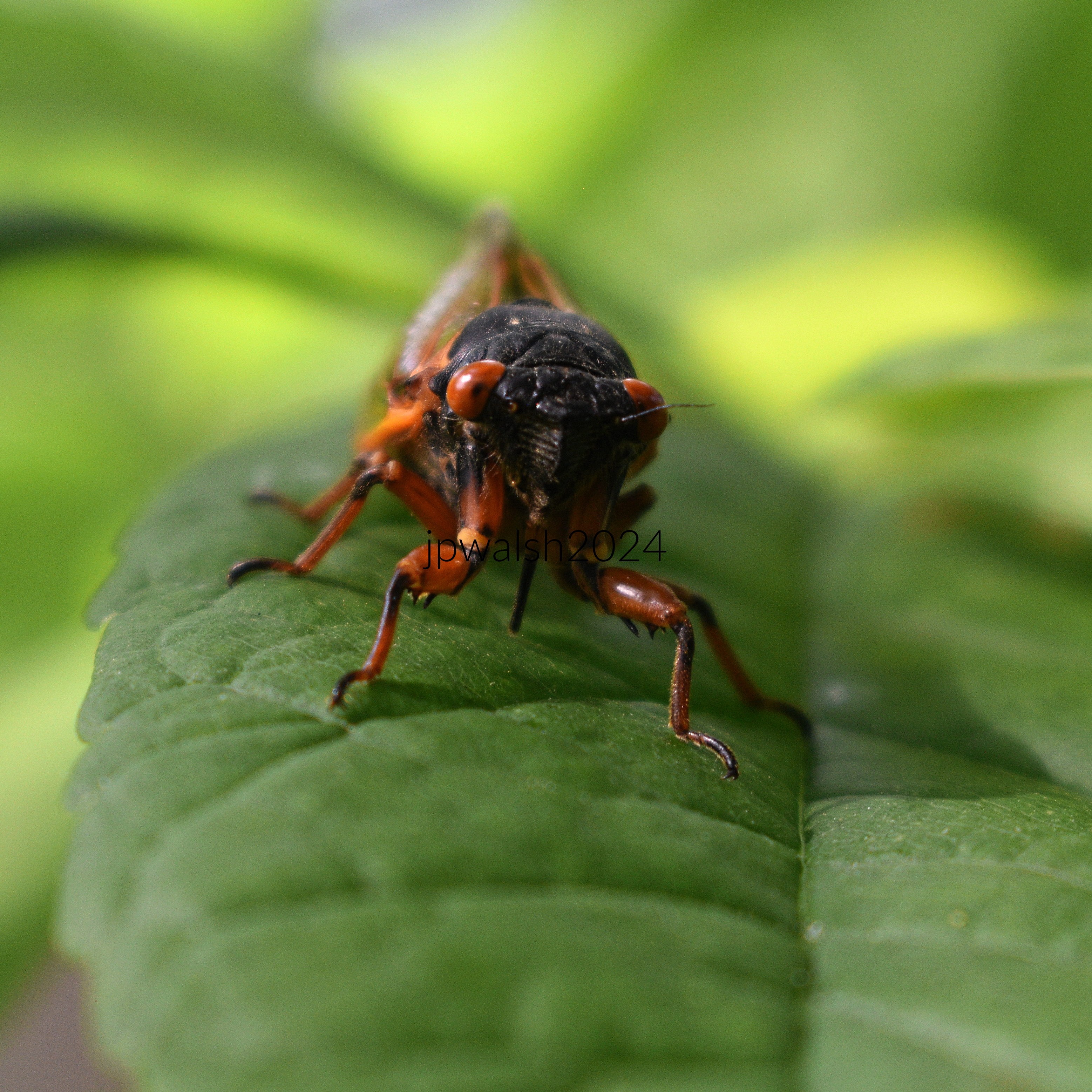
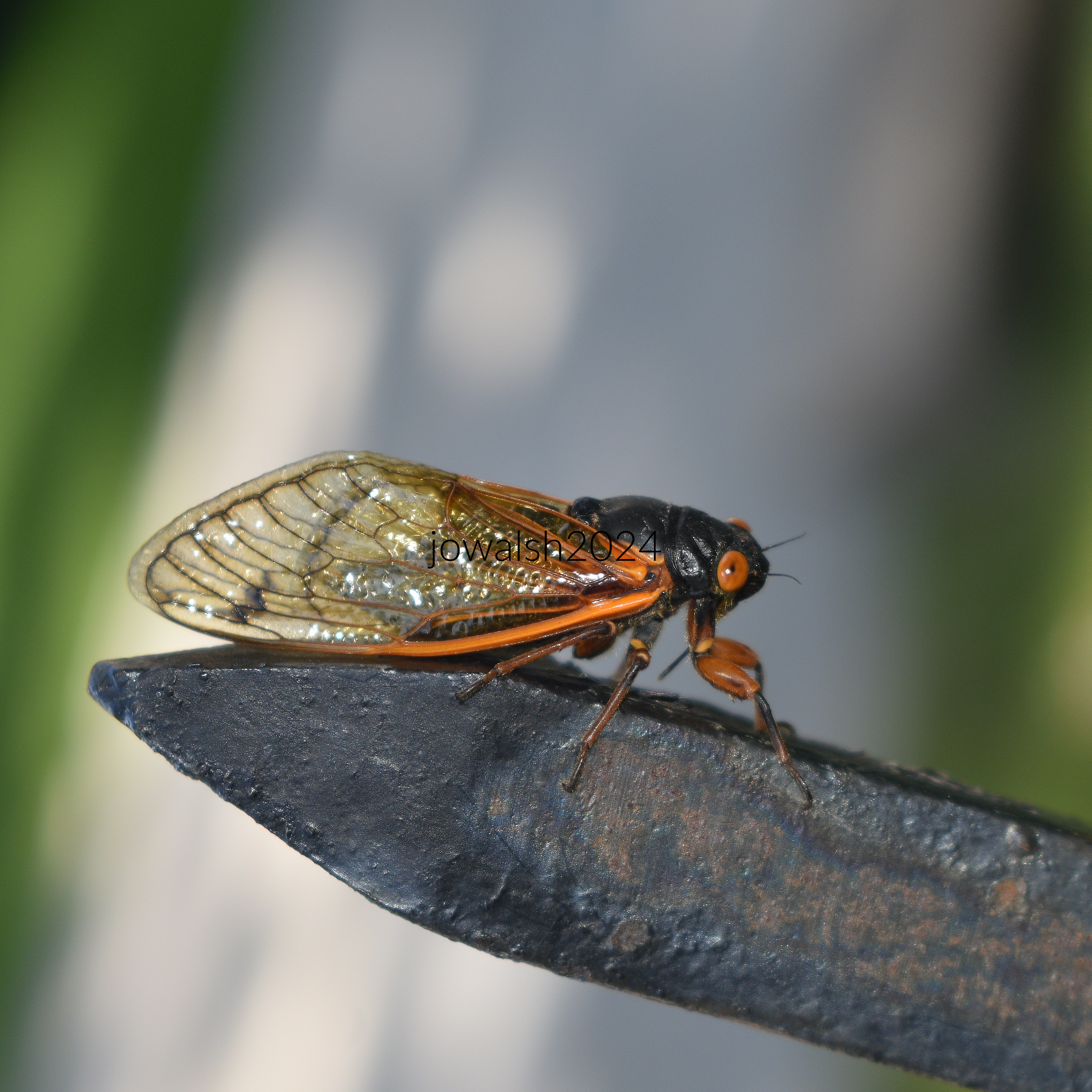
A cicada resting motionless on a weatheredpainted surface, with its five eyes clearly visible. Because their compound eyes bulge outward on the sides of their head, cicadas have nearly a 360-degree field of view. While their vision is blurry and low-resolution—like a grainy mosaic—they are built to detect sudden movement and approaching predators instantly.
Trillions of male cicadas sing through sound-producing structures called tymbals on either side of the abdomen under the wings. Their singing is a mating call to the female.
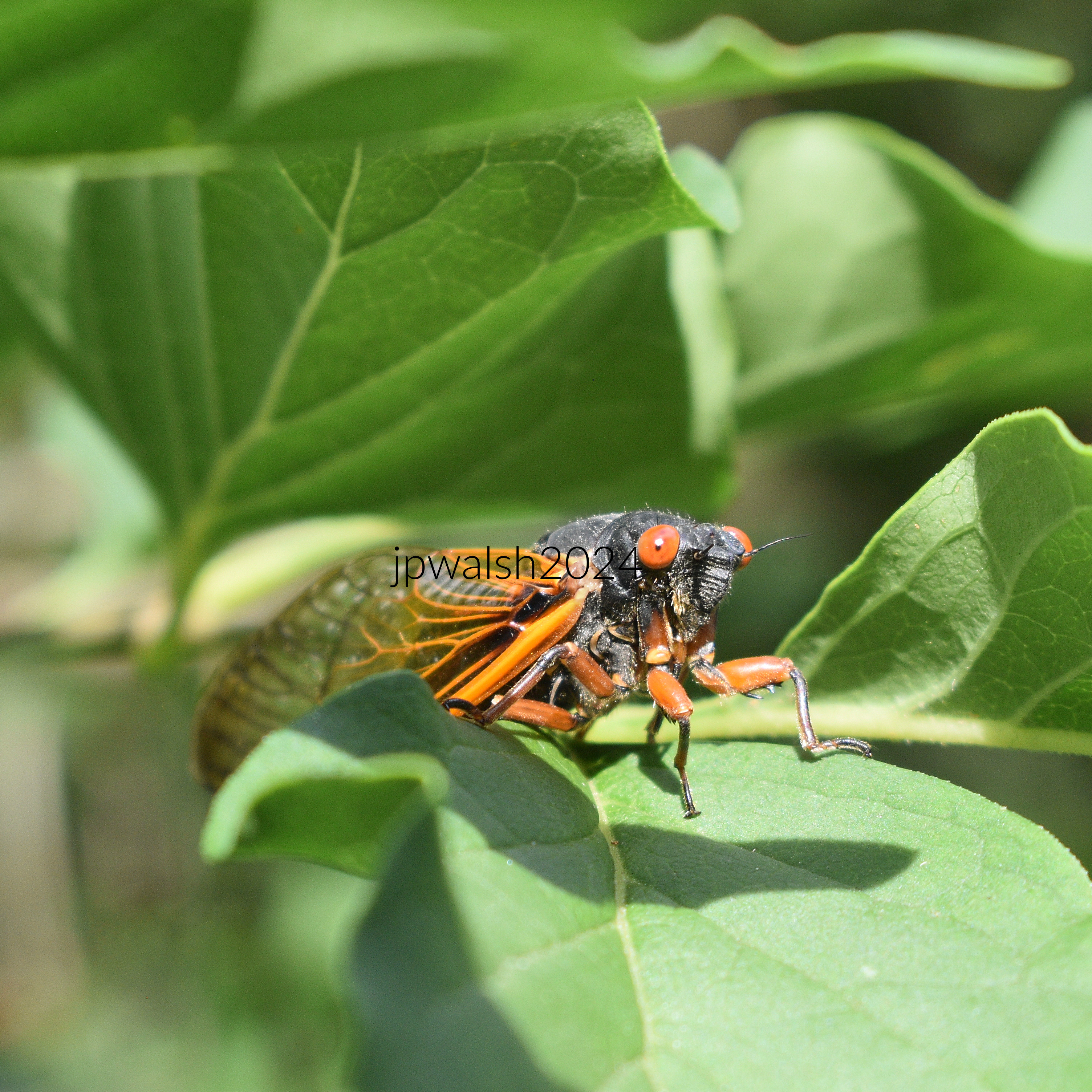
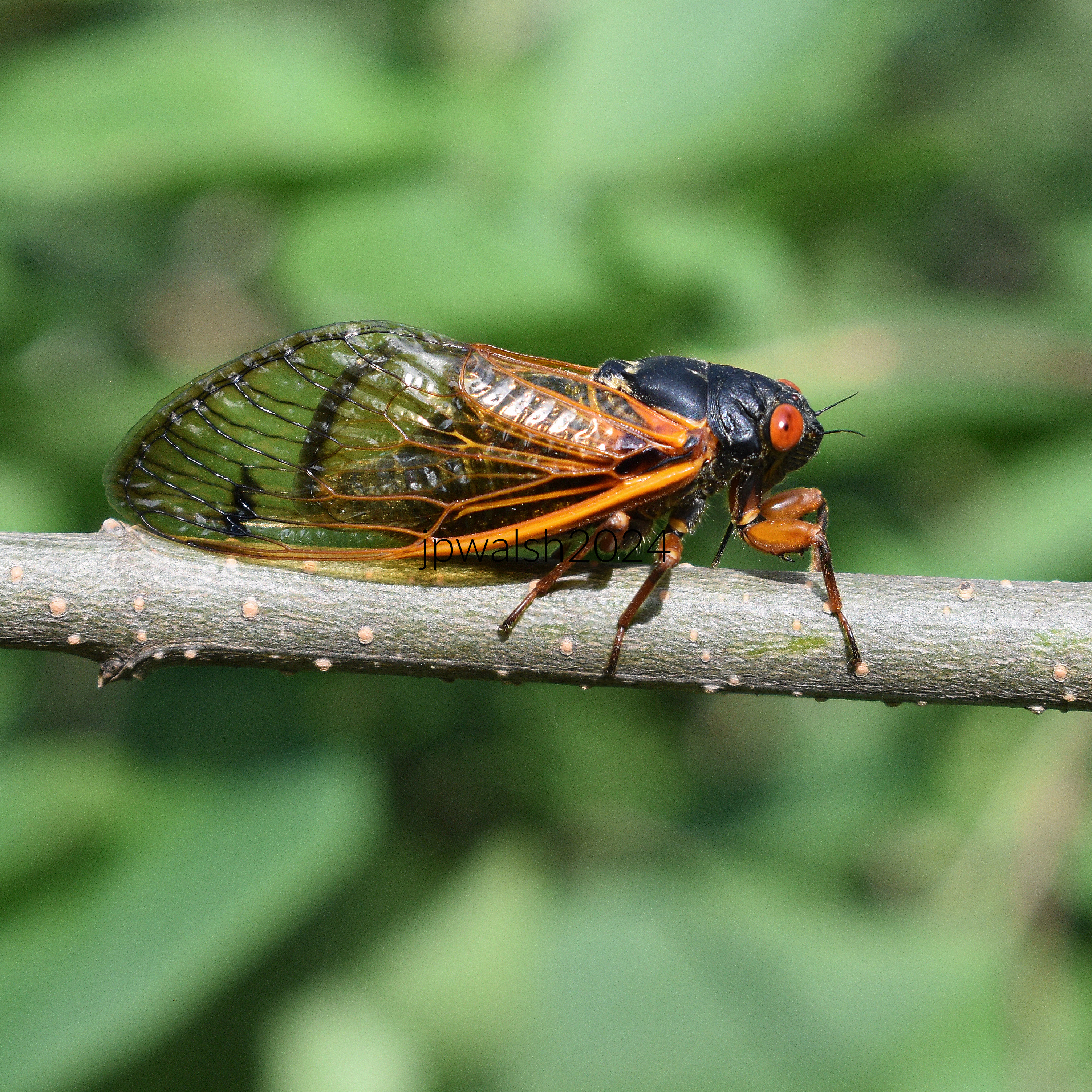
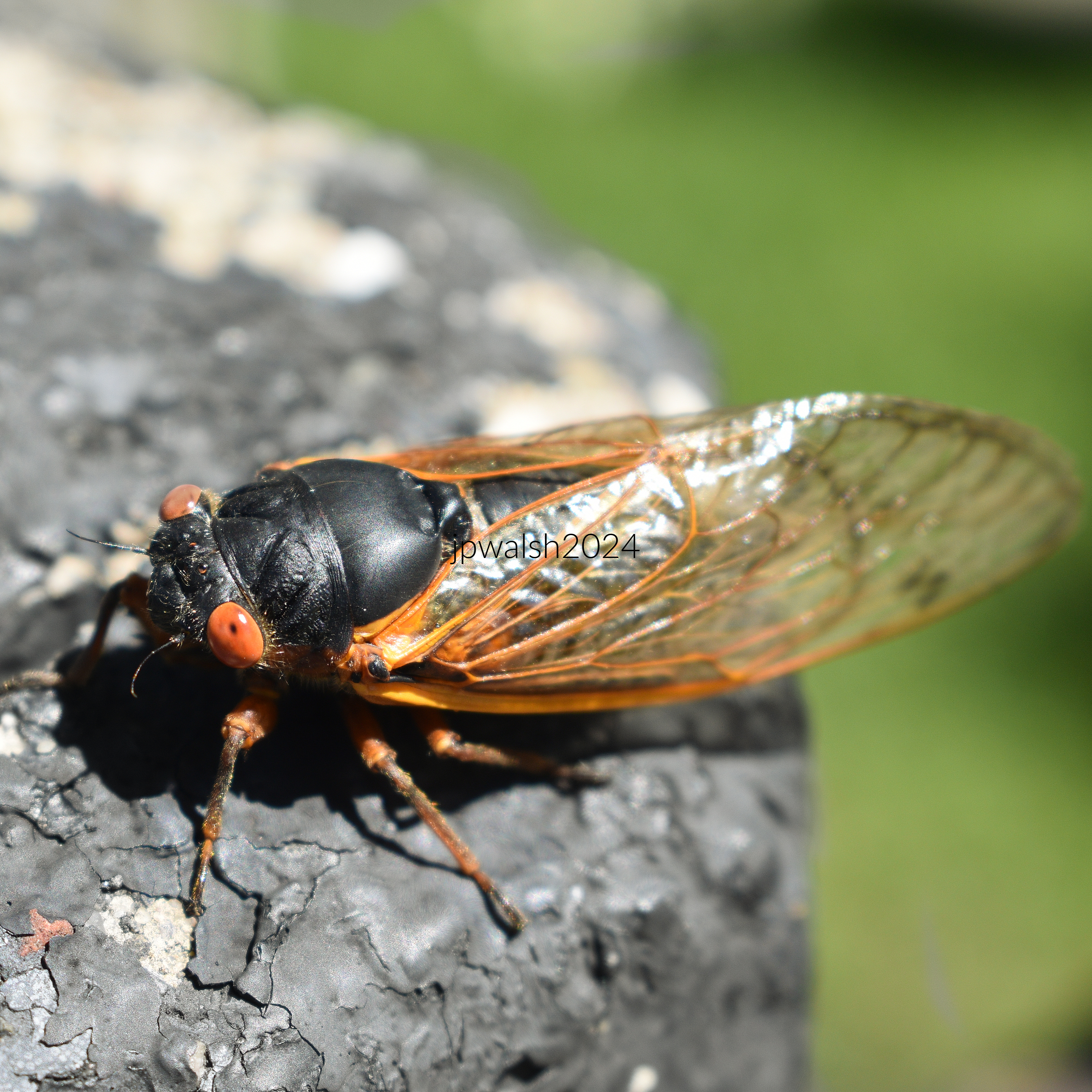
The cicada has bright red-orange compound eyes and orange-banded legs. Its translucent, glassy wings are folded neatly back over its body, displaying prominent amber and orange veins near the base and leading edges. June 7, 2024 4.20mb 8117
May 31, 2024 5.47mb 7700
May 31, 2024 5.03mb 7719
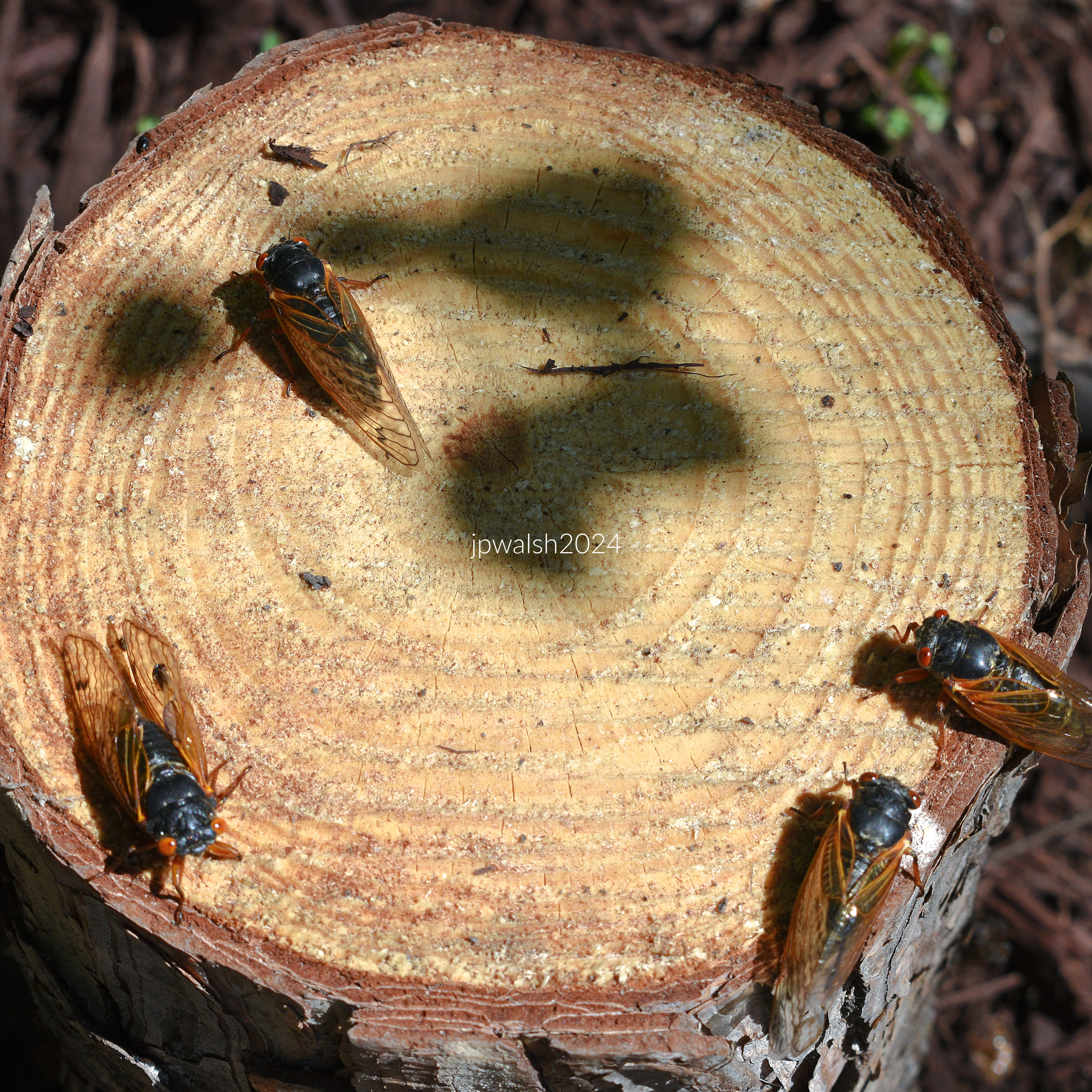
The cicada is perched quietly in direct sunlight on a flat wooden surface, gripping the texture with its clawed, orange-segmented legs. Because insects are cold-blooded, basking in the sun helps raise its body temperature so its wing muscles are warm enough for flight. May 31, 2024 5.80mb 7801
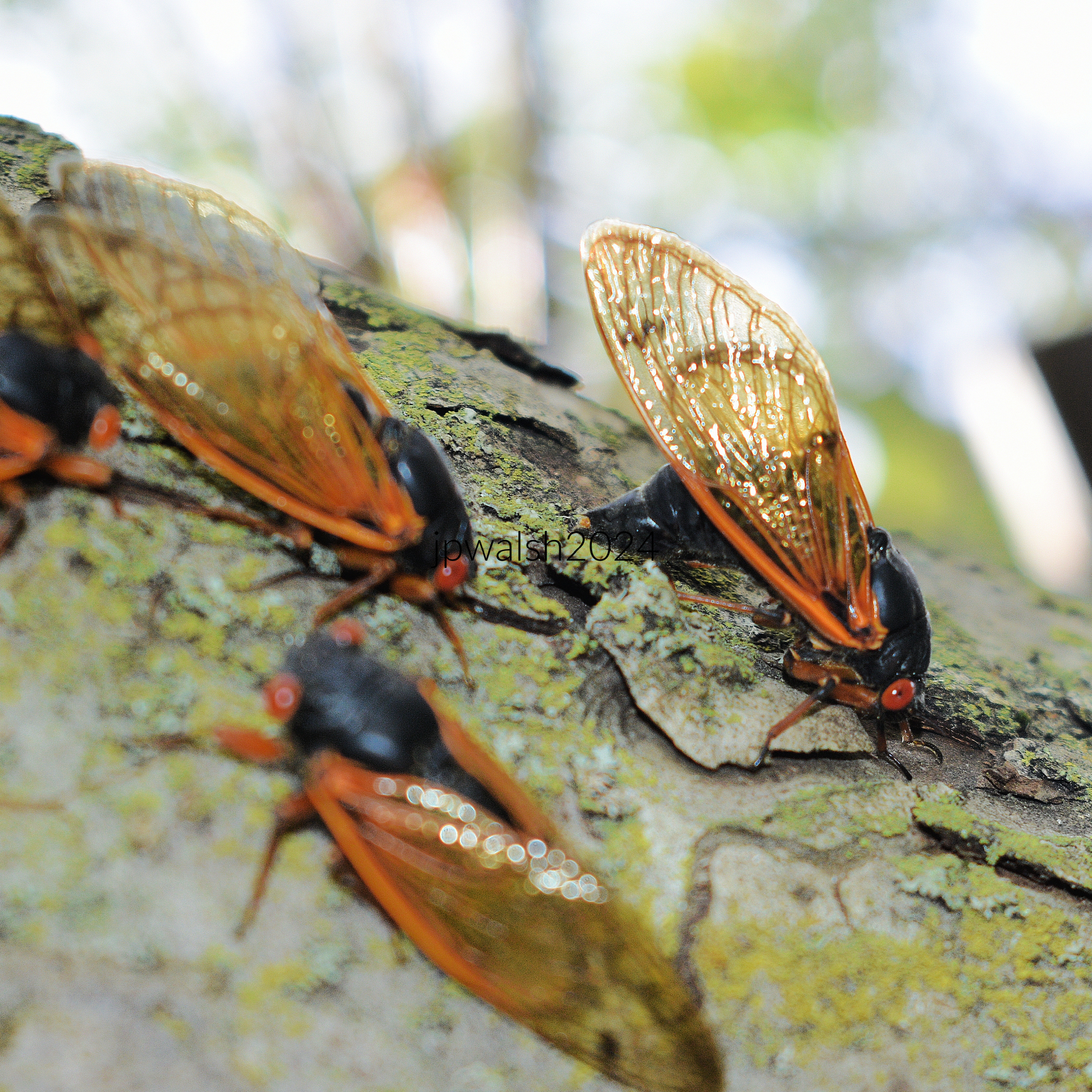
Cicadas resting on dead wood simply to warm up and gather. Adult cicadas lack chewing jaws and feed only by drinking watery plant fluids through a needle-like straw. June 3, 2024 99% 6.40mb 7911
Cicadas do not eat solid food, but do drink fluids to avoid dehydration. They cannot chew leaves, bark, or dead wood. May 28, 2024 2.73mb 7563
Cicadas have a piercing-sucking mouthpart called a rostrum (similar to a hypodermic needle) to drinking sap and watery plant fluids. They do not sleep. Instead, they enter at night a state of torpor at night and during cool, cloudy weather. Because they are cold-blooded, dropping temperatures slow their metabolism, causing them to cling motionless to branches and bark until the morning sun warms their wing muscles back up enough to fly. June 7, 2024 4.84mb 8111
June 10, 2024 7.02mb 8473
An Unexpected Delicacy
Cicadas are edible and have been eaten by people around the world for centuries. Rich in protein, low in fat, and naturally gluten-free, they are often described by foragers as having a mild, nutty flavor reminiscent of shrimp, asparagus, or toasted nuts. After being briefly blanched in boiling water, they can be sautéed with butter and garlic, air-fried with seasonings, added to stir-fries and tacos, or even dipped in chocolate.
A Warning for Shellfish Allergy Sufferers
Not everyone, however, should sample this unusual food. The FDA advises that anyone with allergies to shrimp, crab, lobster, or other shellfish avoid eating cicadas. As arthropods, cicadas contain the same allergenic muscle proteins, including tropomyosin and arginine kinase, that are found in crustaceans and can trigger similar allergic reactions.
What Foragers Should Avoid
There are other reasons to be selective. Because periodical cicadas spend 13 or 17 years underground feeding on fluids from tree roots, they can accumulate traces of lawn chemicals, fertilizers, and other contaminants from the soil. Foragers are also advised to avoid any adult cicada displaying a chalky white or yellowish plug where the back of the abdomen should be. Such insects are infected with the parasitic fungus Massospora, one of the most unusual and disturbing pathogens in the insect world.
Egg-Laying in trees
Cicadas egg-laying in trees. June 7, 2024 99% 6.62 mb 8104
After mating in late May or June, the female uses a sharp, saw-like organ called an ovipositor to slice tiny grooves into slender tree twigs and deposit up to 400 to 600 eggs. About 6 to 10 weeks later—typically in mid-to-late summer—the eggs hatch and the tiny nymphs immediately drop to the ground and burrow into the soil. They survive underground for 13 or 17 years by sucking watery sap from tree roots and living inside protective earthen feeding cells. Newly hatched nymphs are tiny—about the size of a grain of rice or a small ant—and do almost all of their growing underground over the course of 13 or 17 years. June 7, 2024 4.03mb 8094
June 7, 2024 6.12mb 8112
Males gather in large “singing centers” in the treetops to amplify their mating calls, creating a massive acoustic beacon that attracts females from across the neighborhood. June 7, 2024 90% 7.92mb 8088
FEATURE Image: February 2018. Downers Grove, Illinois. 3.05 mb
Mostly Snow, Ice, and Frozen Horizons: Life in the Winter Season explores the stark beauty of quiet landscapes and sheltered moments revealed as meditations on light, atmosphere, and human resilience—highlighting forms, textures, and rhythms of life absent during the rest of the year.
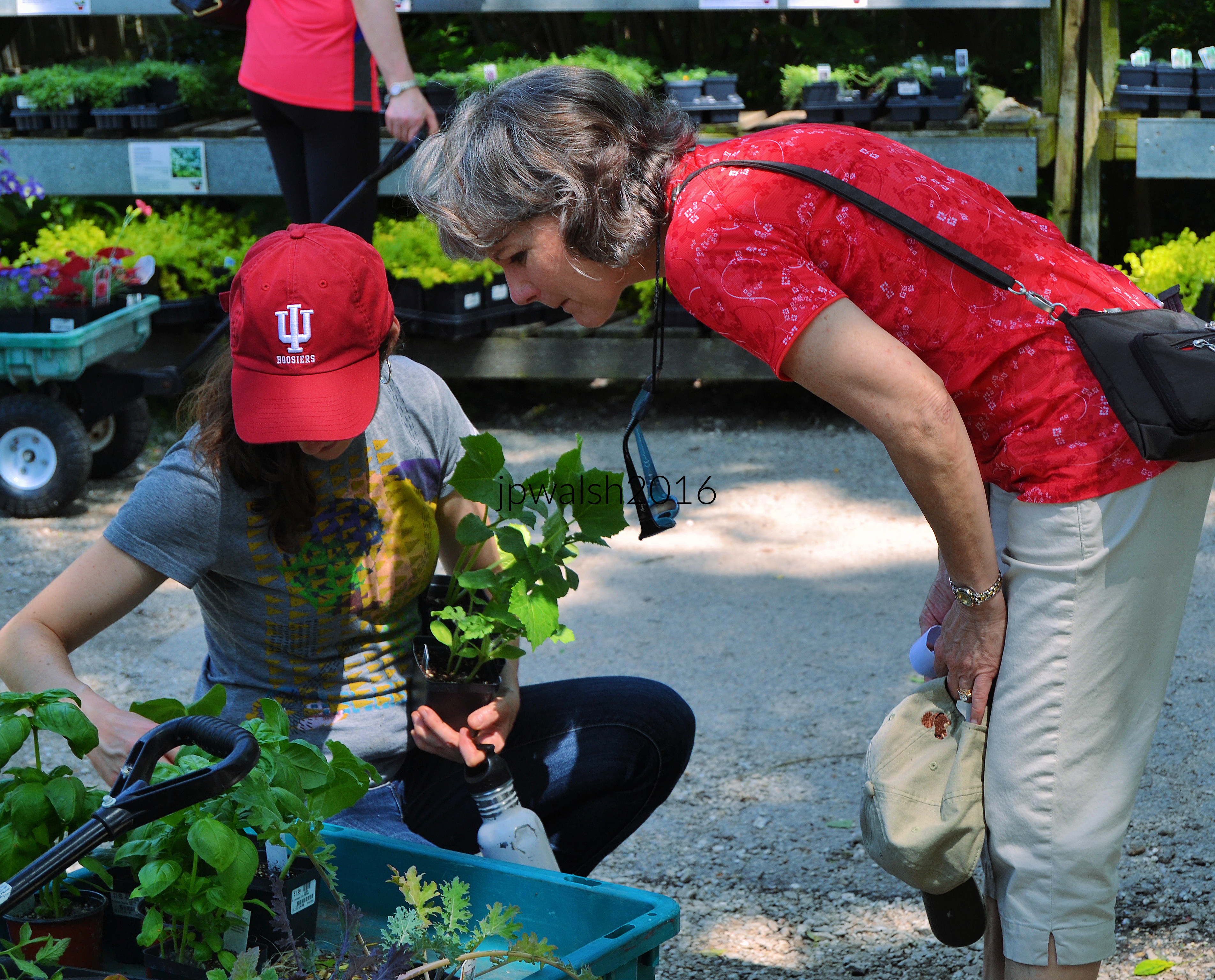
FEATURE image: July 2021. Farmer’s market. Downers Grove, Illinois 7.90 mb 79%
SUMMER: The Beauty of Nature in Full Flower presents summer not simply as a point on the calendar, but as a vibrant sensory experience of light, color, and abundance. Moving throughsweeping and intimate landscapes and public spaces, these photographs capture the natural world at its height, turning everyday scenes into reflections on vitality and seasonal fullness.
“Shoppers pause at the produce stand, comparing squash, beans, and berries under a midmorning canopy.”
July 2021. 3.19mb DSC_8053
“A shaded porch, soft light and a ‘76’ flag stirring above the garden’s early‑summer bloom.”
August 2021. Chicago. 6.62mb DSC_9941 (2)
“Color blocks and bus lines frame the morning market, a grid of tents and movement stitched into the city’s routine.”
July 2026. 94°F (34.4°C) today, with widespread Extreme Heat Warnings in effect. Due to high humidity, the “feels like” temperature soared to as high as 111°F this afternoon.72% 7.76mb DSC_7582 (2)July 2026. 99% 7.36mb DSC_7655
“Where the white fence meets the summer bloom, small flags stir the quiet air, and the garden holds its gentle brightness like a promise kept.”
July 2026. 6.64mb DSC_7662 (1)
“Uncle Sam stands on the porch as late‑morning light thins, a storm massing in the distance and pressing a quiet tension into the air.”
Through photography, flowers and gardens are presented not simply as decorative subjects but as living expressions of beauty, creativity, memory, and renewal, offering a direct and enduring connection between human experience and the natural world.
June 2017.
My entire life I have always enjoyed being around flowers and gardens.
I started taking photographs of them in 2012. With so many other people everywhere, I have always enjoyed visiting and walking among the beautiful fragrances of earth’s bountiful and beautiful flora. Dangling, drooping, shooting straight up, bunches, single stem, of endlessly different shapes, sizes and colors—and places and settings—flowers and gardens embody life, creativity, and beauty. One of my earliest memories of gardens was on a childhood vacation to Jefferson’s Monticello and, in that summer’s heat, being surrounded with the scent of the boxwood shrubs. All these perennials and annuals are definitely worthwhile photographic subjects. To stroll (and bend and scrunch) among nature’s orchestra of leaves, branches, and blooms and photograph them is one of life’s pleasures.
The world of flora contains some of the most distinctive creations on the planet.
Fresh blooms are engaging, shy, forthright and protective. In their season, they exist to proffer their fleeting beauty and fragrance for the spectacular end of reproducing themselves.
I have taken photographs of many other subjects but flowers I return to again and again. It’s because flowers don’t disappoint.
Grace Kelly wrote a book on flowers called My Book of Flowers. “I love walking in the woods, on the trails, along the beaches, ” she said. “I love being part of nature…” This is one of the great things about searching for and finding flora to photograph: whether in the wild, semi-wild, in a nursery, or on the front porch or in the garden, the wonder of their presence leads to an experience of nature in its most vital form.
Grace Kelly became interested in flowers and their arrangements only in the last years of her life. It had been suggested to the American princess in the late 1960’s that as part of the festivities for Monaco’s centennial she might host a flower arranging competition, which she did. Though princess Grace admitted she “was the most ignorant garden president going,” her knowledge of flowers and gardening grew and, if only because of their shared passion for these precious blooms, she met many new friends. I too have found that I have made friends from all over the world because of our mutual love for flowers and the garden. One cannot underestimate flower power!
Most of my photographs of flowers and gardens are shot in the Chicago area.
May 2018. May 2024. May 2018. September 2018.December 2017. Chicago, Garfield Park Conservatory. May 2018. May 2028. May 2018. July 2017.April 2018. May 2018. June 2017. Pre- Civil War Lion House, North Prospect Avenue on North Franklin Place, Milwaukee, Wisconsin. May 2016. Dianthus.
May 2016.
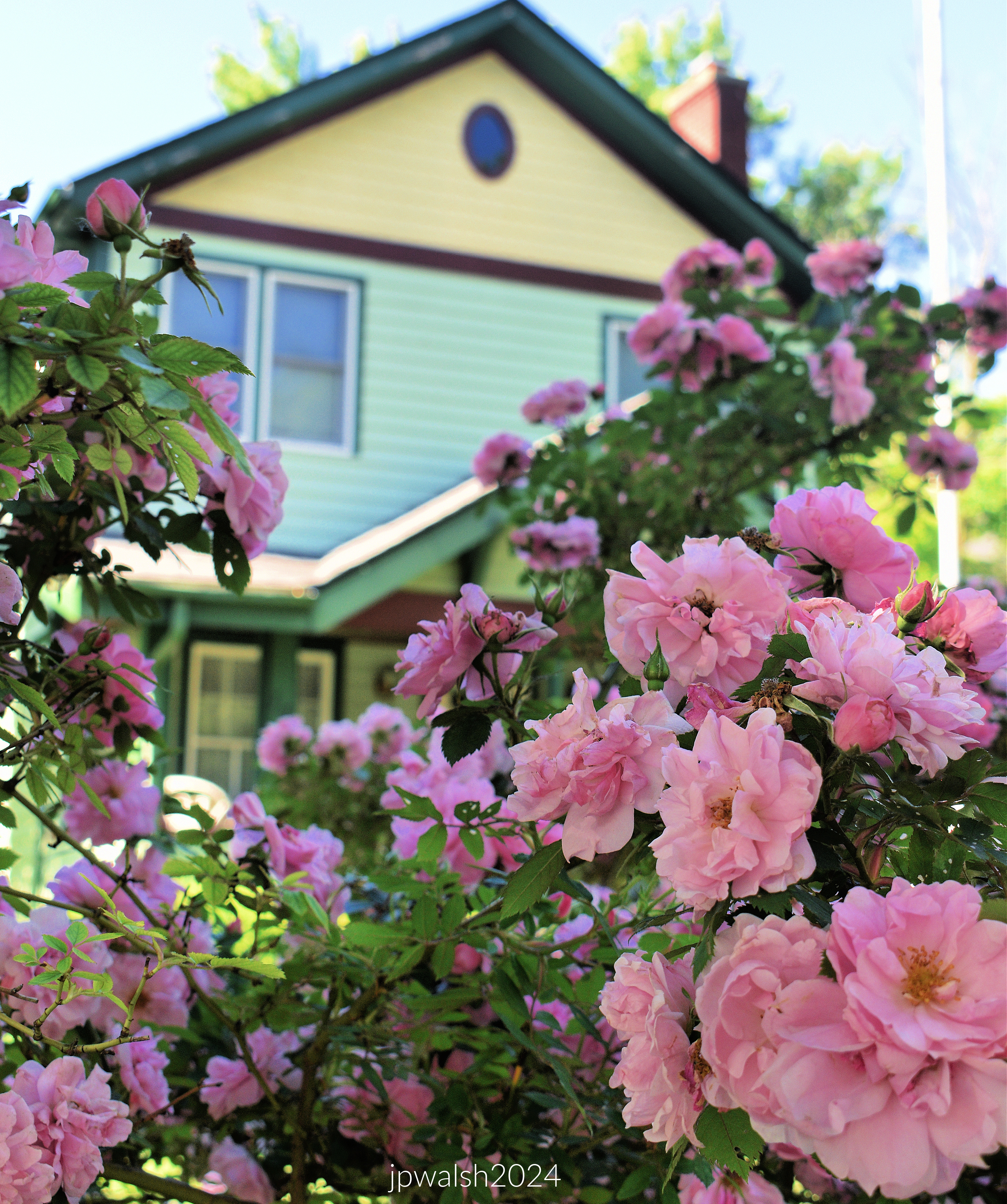
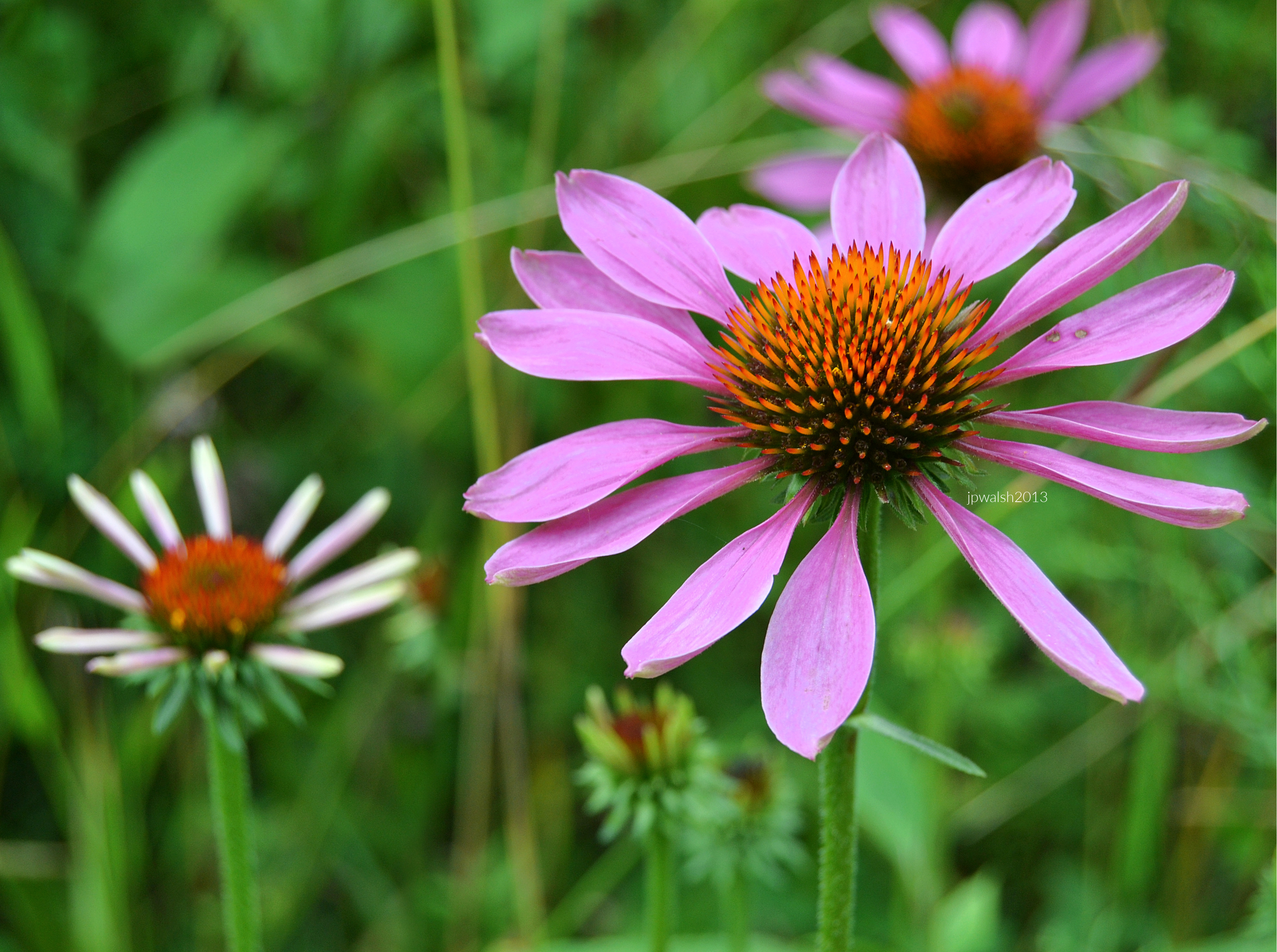
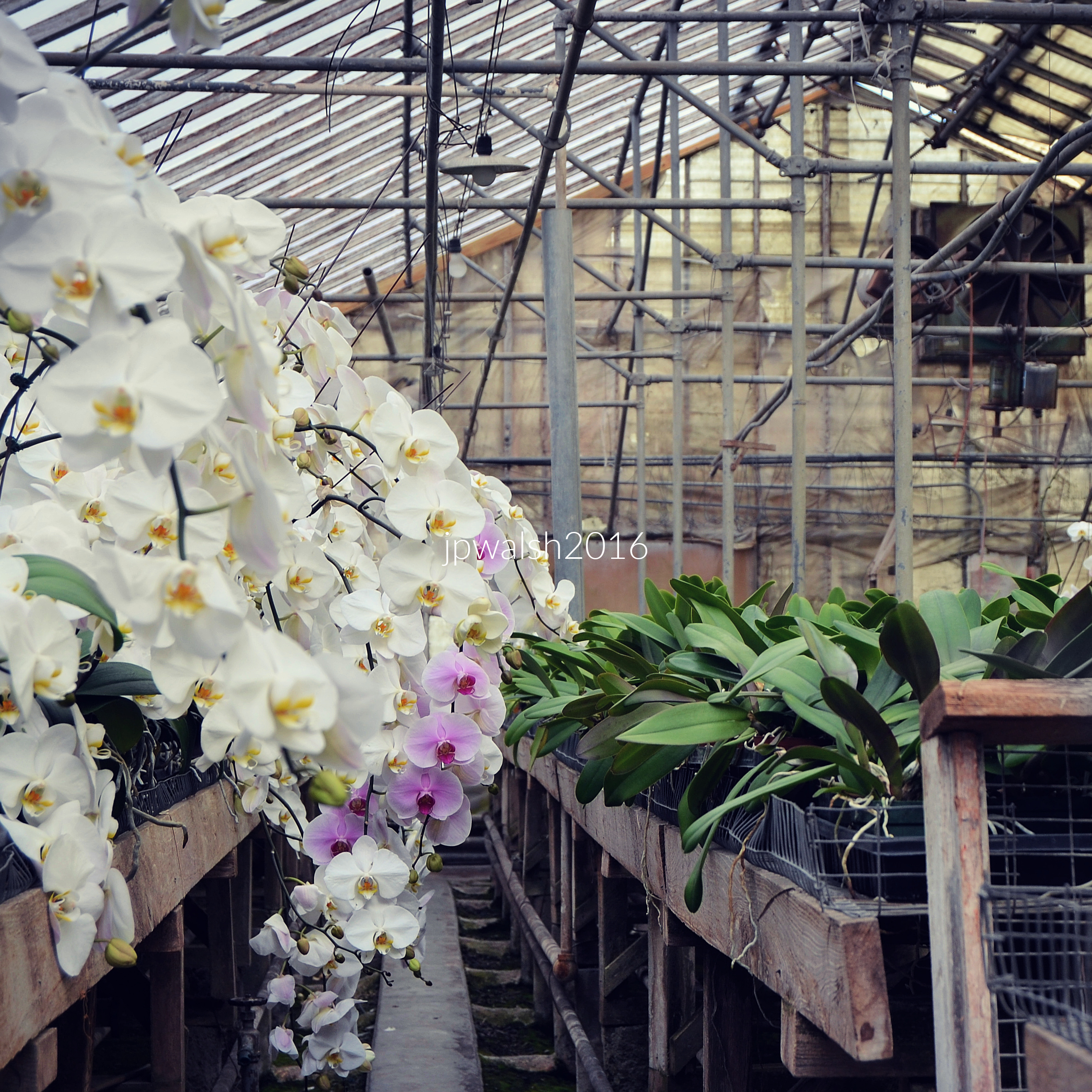
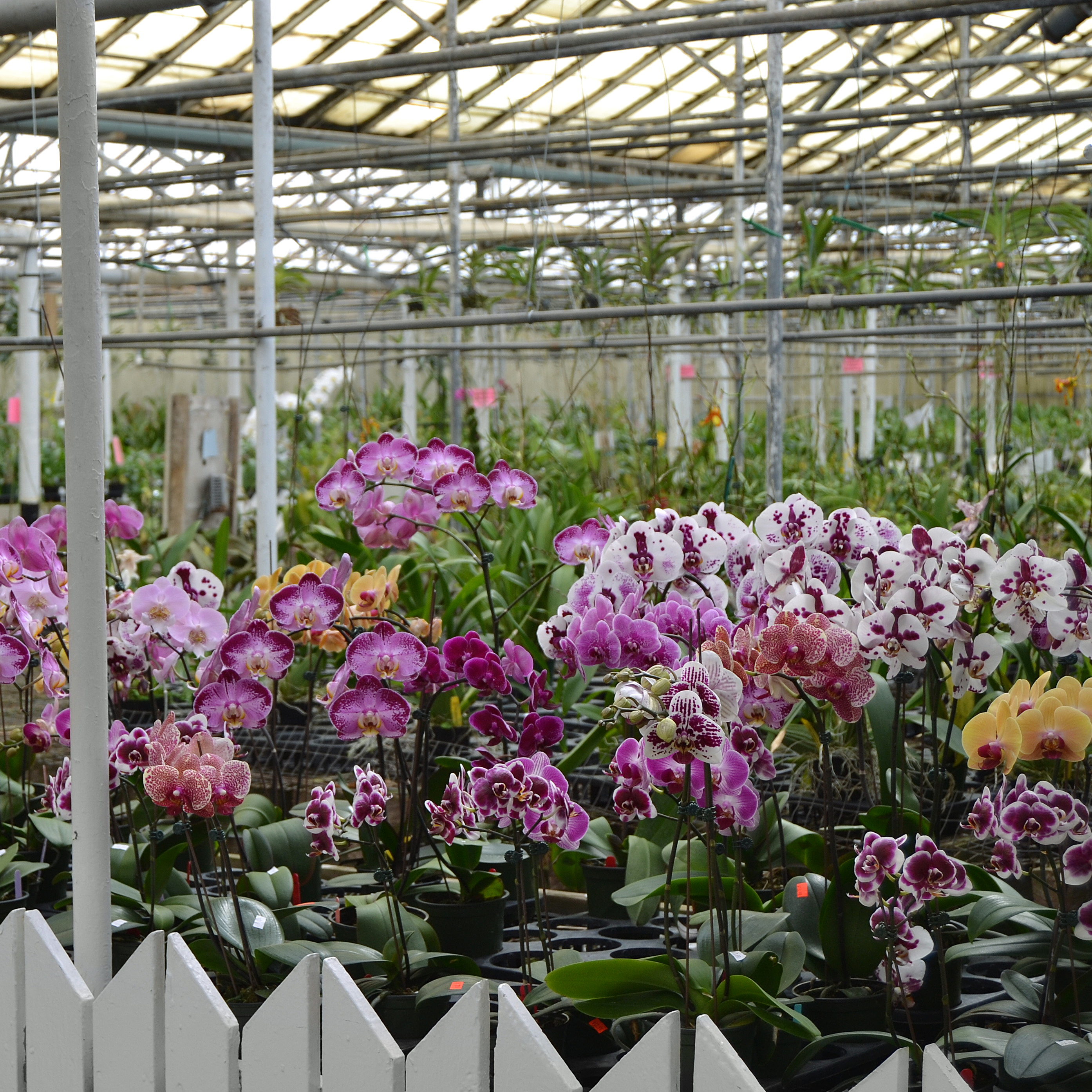
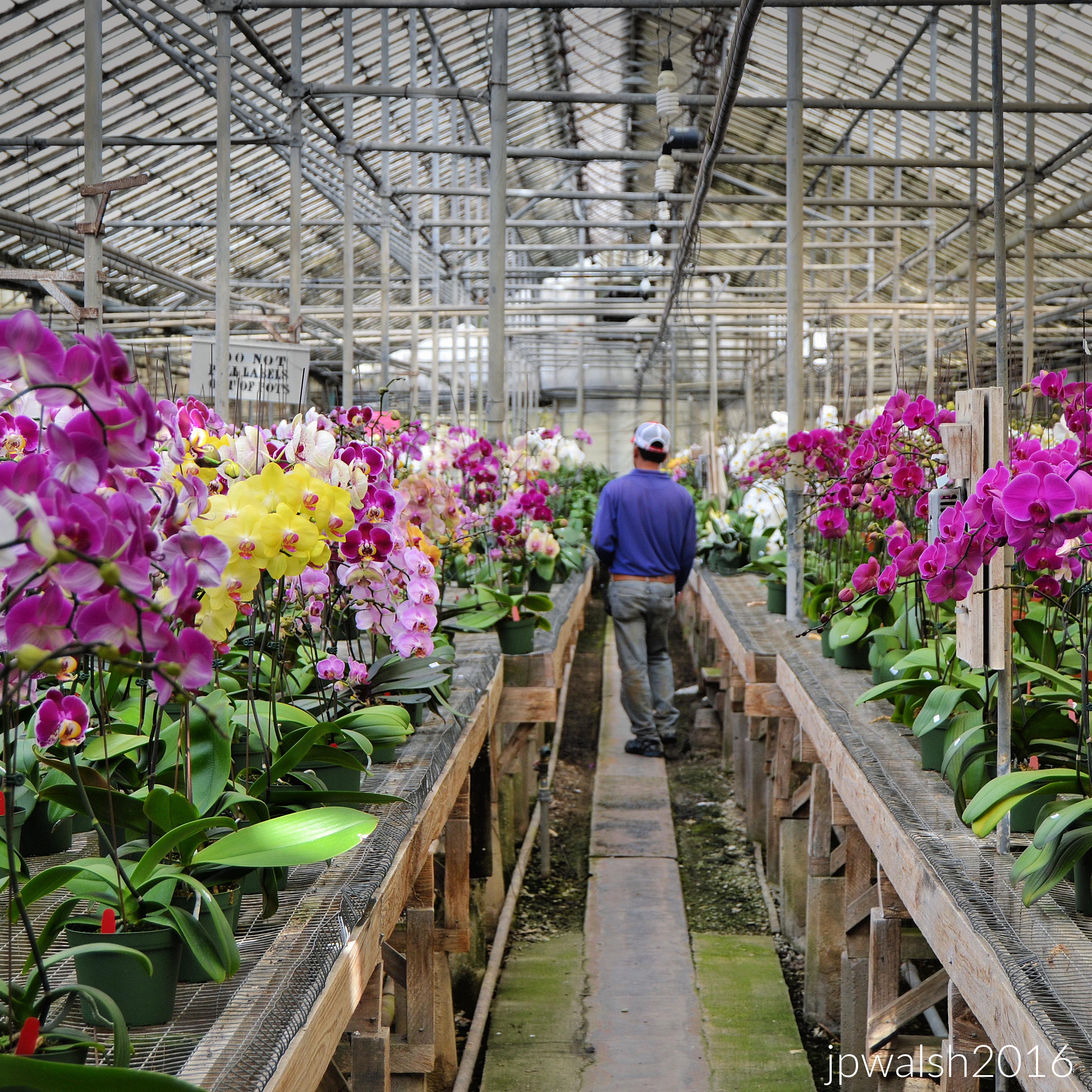
May 2016. “Black Magic” petunia.July 2013. Oak Park, Illinois.July 2013. Hollyhock. May 2018. “Dream Touch” double late tulip. May 2018. “Frederick Douglass” multi-petaled cultivar. Named for Frederick Douglass (1818-1895), American slave, abolitionist leader and author. Developed in 1972 by Richard Americo Fenicchia.March 2018. Wheaton, IL. 99% 7.83 mb _5332 (1)May 2019. Glen Ellyn, Illinois. May 2020.May 2018.May 2018.June 2020. Peony with cicada. May 2018. May 2018. Impatiens. August 2014. Fox River, West Dundee, Illinois. May 2018. Orchids. July 2015. Chicago. Designed and built in 1917 by architect Frank Lloyd Wright, July 2017. Anderson Japanese Gardens. Rockford, Illinois. Chicago Old Town. hydrangeasJuly 2013. Prairie Coreopsis (Coreopsis palmata). Woodridge, Ilinois.August 2013. Purple Cornflower (Echinacea purpurea). West Chicago Prairie.August 2013. Orange sulphur butterfly & wild clover. Water Fall Glen, Lemont, Illinois. September 2016. Ellwood House. Dekalb, IL.August 2016. Richmond, Illinois.August 2021. Lombard, Illinois. August 2021. Lombard, Illinois. August 2015.June 2014. Naperville, Illinois. May 2021. Chicago (State Street). May 2017. June 2022. 7.25mb 99%June 2017. 7.04mb 95%September 2017. 2.68 mbApril 2021 1mbOctober 2016. 4.04 mbSeptember 2022. 6.60 mb 99% (50)August 2017. 7.88mb 78%October 2022. 7.98 mb 76%October 2023. 7.82mb 79%June 2022. Riverside, Illinois. 416 kb 35%May 2023. 7.89mb 74%May 2023. 7.90 mb 66%May 2023. 7.83 mb 90%May 2023. 4.43 mbMay 2023. 7.83 mb 89%May 2023 4.02 mb. The U.S. Congress designated the Friday before Memorial Day as National Poppy Day. According to the American Legion founded by U.S. War Veterans in 1919 following World War I, the red poppy is a nationally recognized symbol of sacrifice worn by Americans since that time to honor those who served and died for our country in all wars. It reminds Americans of the sacrifices made by our veterans while protecting our freedoms. June 2023 7.70mb 88% (60)June 2023. 7.85mb 70%June 2023. 7.78 mb 88%June 2023. 30%July 2023. 7.78mb 76%July 2023. 7.45 mb 99%August 2023. 6.64mbAugust 2023. 7.52mb 99%June 2021. 7.82mb 63%May 2023. 6.93 mb 99%October 2023. 6.98mb (70)November 2023. 5.92mbAugust 2016. 6.62mbAugust 2016. 7.85mb 89%April 2024. 99% 7.29mbApril 2024. 64% 7.74mbApril 2024. 93% 7.78 mbMay 2024. 91% 7.91mbMay 2024. 98% 7.74 mbJuly 2024. 99% 7.06 mb 0143 (1)August 2024. 65% 7.69 mb 0929 (1)September 2024. 7.28mb 1821 (1)September 2024. 7.18 mb 1861 (1)September 2024. 93% 7.81 mb_1879September 2024. 7.23mb _1884 (1)October 2022. 7.43mb_9353September 2024. 95% 7.96 mb_2709June 2024. 99% 7.30 mb 3442September 2024. 5.41mb_2857 copyMay 2016. Chicago (Millennium Park). 7.45mb DSCN2453 (1)August 2016. 5.41mb DSCN3803August 2016. 6.45mb DSCN3784 (1)March 2017. 6.74mb DSCN5474June 2017. 4.64mb DSC_0350April 2025. 7.84mb DSC_9352 (1)April 2025. 99% 7.35 mb DSC_9322May 2025. 87% 7.81mb DSC_1023July 2025. 73% 7.88 mb DSC_3565 (1)October 2025 99% 7.77mb DSC_7122September 2015. Chicago. 5.99mb DSCN1212 (1)December 2015. Chicago. Gen. John Logan Memorial (1897), Grant Park. 1.17mb DSC_0590 (1)May 2016. Lilacia Park designed by Jens Jensen. 3.95mb DSC_0140 (1) May 2016. 2.69 mb DSC_0073 (1)May 2016. 2.85mb DSC_0079 (1)May 2016. 4.32mb DSC_0034 (1)May 2016. 5.47mb DSC_0150 (1)May 2016. 4.75 mb DSC_0065 (1)May 2016. Wheaton, IL. 3.21mb DSC_0389 (1) May 2016. Crest Hill, IL. 4.07mb DSC_0487 (1)May 2016. Naperville. 2.94mb DSC_0596 (2)May 2016. Wheaton (Adams Park). 3.70mb DSC_0617 (1)June 2016. Naperville, IL. 4.62mb DSC_0669 (1)July 2016. Downers Grove, IL. 6.04mb DSC_0494 (1)July 2016. 5.89mb DSC_0687 (1)September 2016. 4.56mb DSC_0448 (1) September 2016. 4.90mb DSC_0690 (2)Oct 2016. Chicago (Old Town). 4.42mb DSC_0932 (1)July 2017. Dayton Bluffs Preserve, Ottawa, IL. 3.84mb DSC_0607 (1)July 2017. Nicholas Conservatory & Gardens, Rockford, IL. 4.17mb tDSC_0789 (1)July 2017. Rockford, IL. 4.28mb Rockford DSC_0795 (1)July 2017. Japanese gardens, Rockford, IL. 6.75mb Rockford DSC_0731 (1)July 2017. 6.58mb DSC_0669 (2)June 2021. Wheaton, IL. 7.44mb DSC_7641July 2017. 2.81mb DSC_0793 (1). “A quiet moment on a summer coneflower, the butterfly’s proboscis reaching into the heart of the bloom.”October 2026 roses 4.42mb DSC_2249 (1)
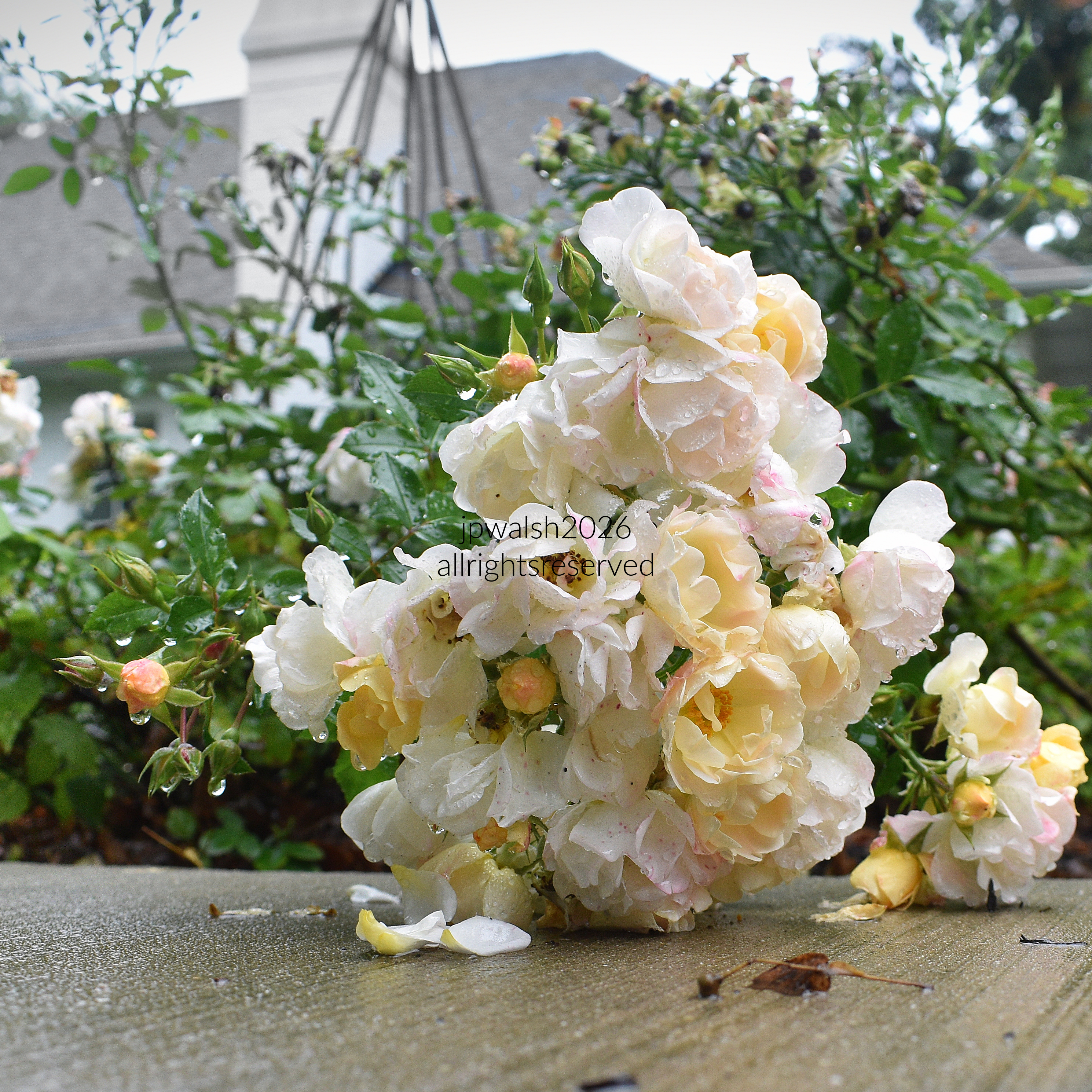
The “Ghislaine de Féligonde” rose was bred in Orléans, France, by the prominent French horticulturist Eugène Turbat in 1914–1915 and officially introduced to the public in 1916. The rose was named by Jean-Claude Nicolas Forestier, a famous landscape architect and director of Paris’s public gardens, who was a close friend of the Féligonde family. He chose to name the new variety after the Count’s two-year-old daughter, Ghislaine, who was born in October 1914. While the real-life Ghislaine grew up, lived a long life, and passed away in 1994, her namesake rose has endured across continents and centuries.
October 2026. 99% 7.56mb DSC_2587
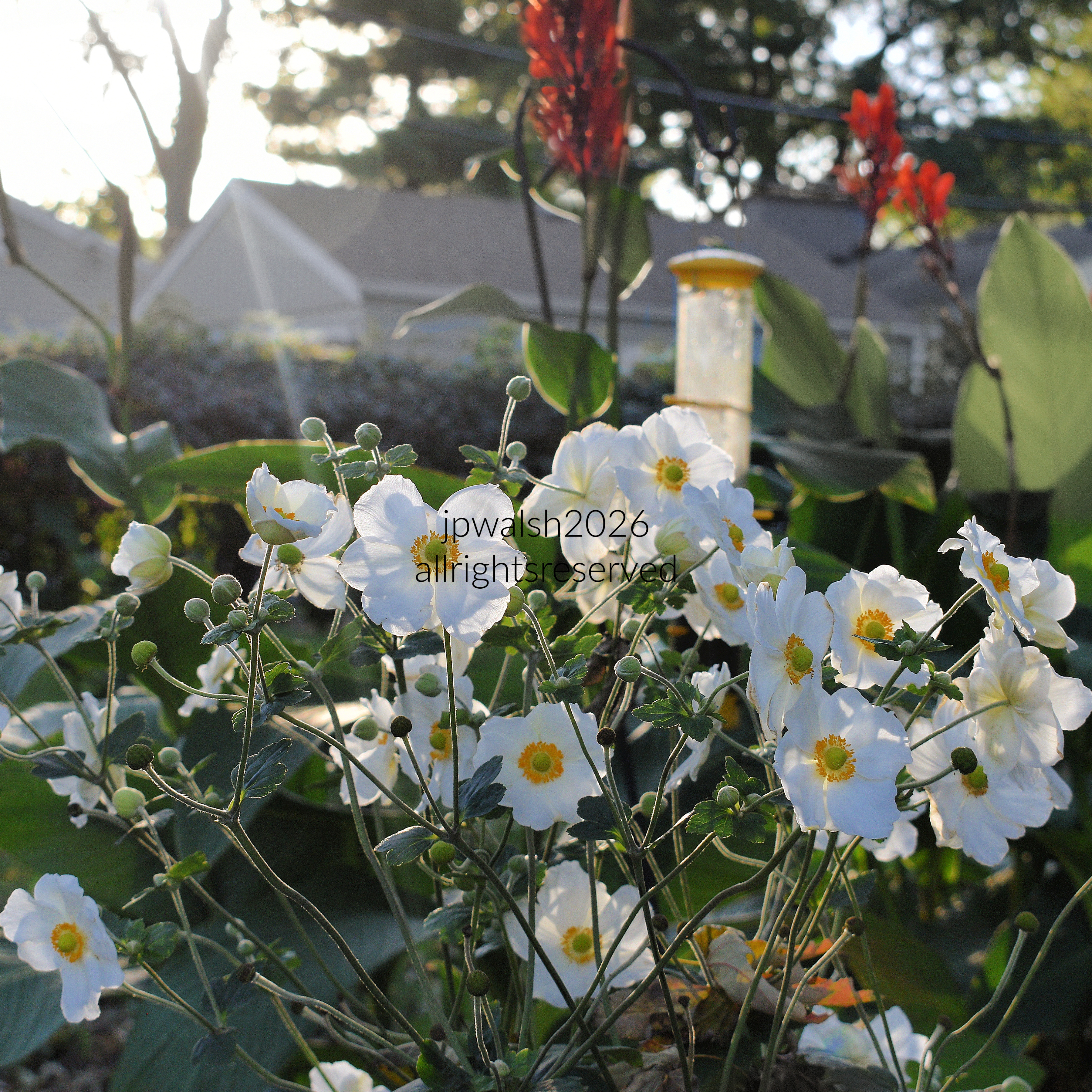
The delicate white flower with a bright yellow ring of stamens is the Japanese Anemone, nicknamed “windflowers” (anemos in Greek means “daughter of the wind”) because of its wiry stems that sway in the slightest breeze. Just as other summer flora fades, the Japanese Anemone emerges as a late-season star, beginning its bloom cycle in August and pushing through until the first winter frost. Though widely associated with Japan, the plant is originally native to central and southwestern China. It was carried along trade routes to Japan, arriving during the Tang Dynasty (618–907 AD). It was brought to the West in the mid 19th century.
October 2026. 7.99mb DSC_4258 (1)
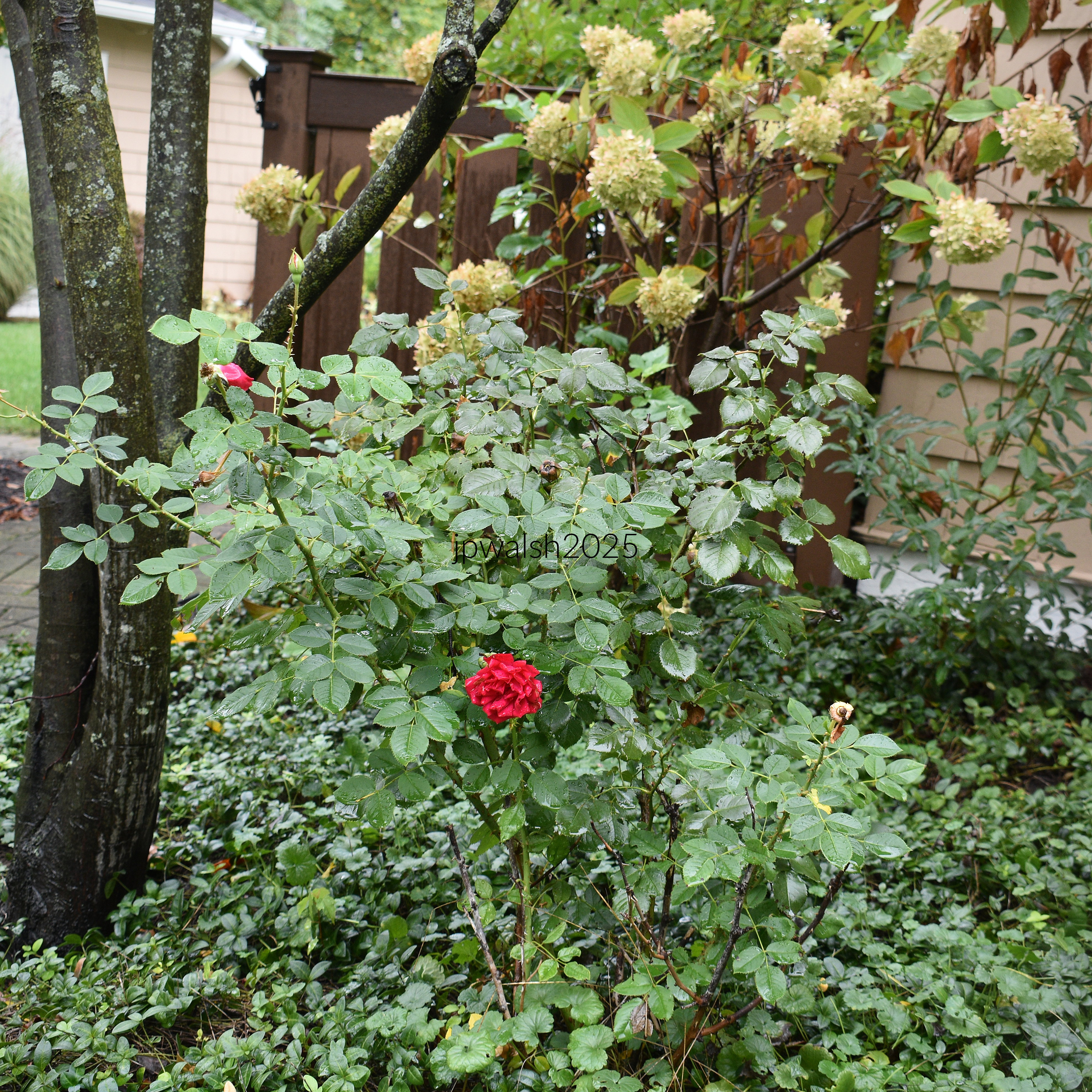
A row of hardy, disease-resistant Double Knock Out® Roses (Rosa ‘Radtko’) lining a landscape pathway. The vibrant cherry-red blooms feature a dense, ruffled, multi-layered cluster of roughly 18 to 25 petals per flower. The cultivar name honors the original breeder, Will Radler (born 1943), a celebrated amateur rosarian from Milwaukee who revolutionized modern landscaping with this low-maintenance family of roses.