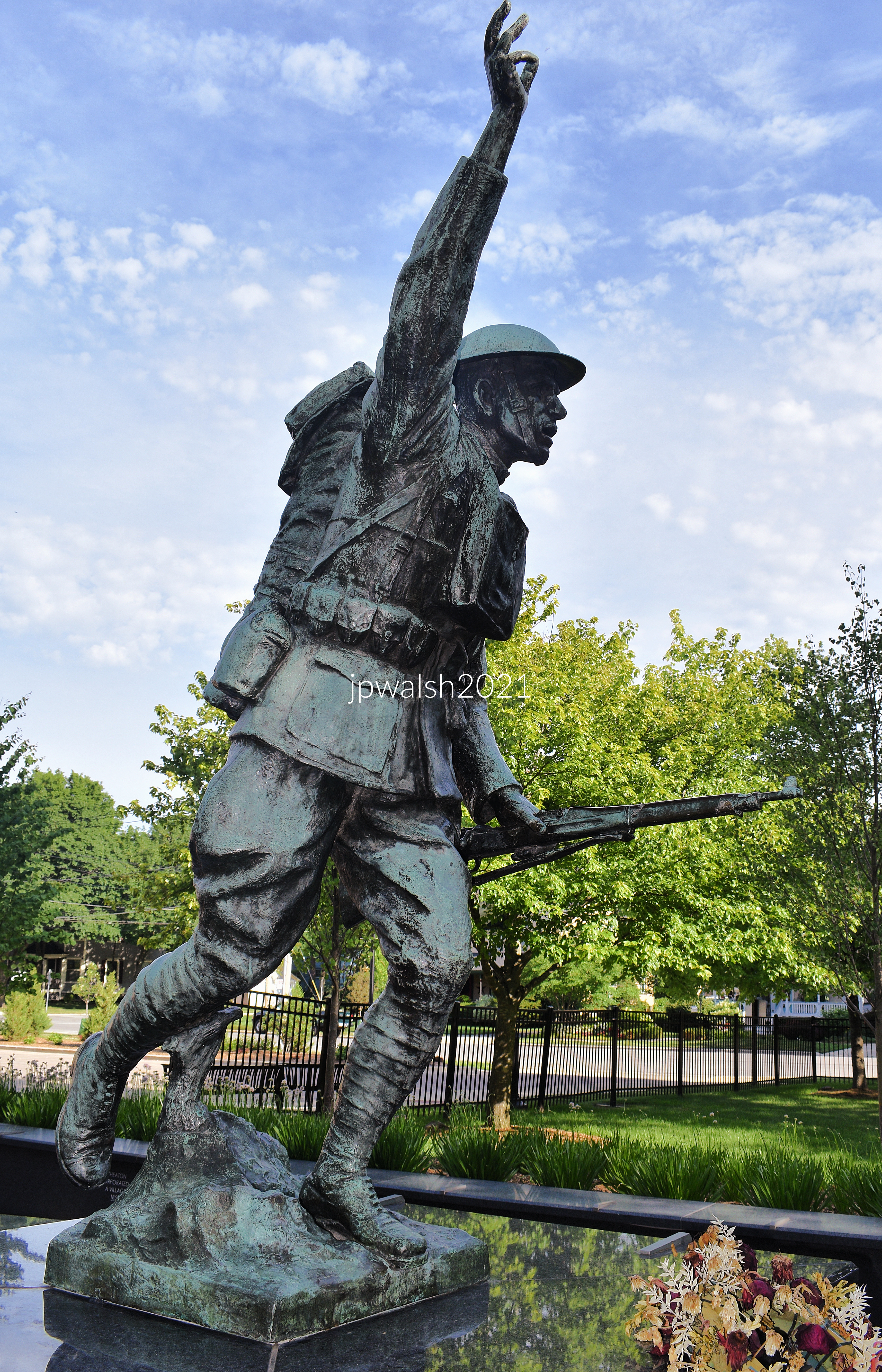
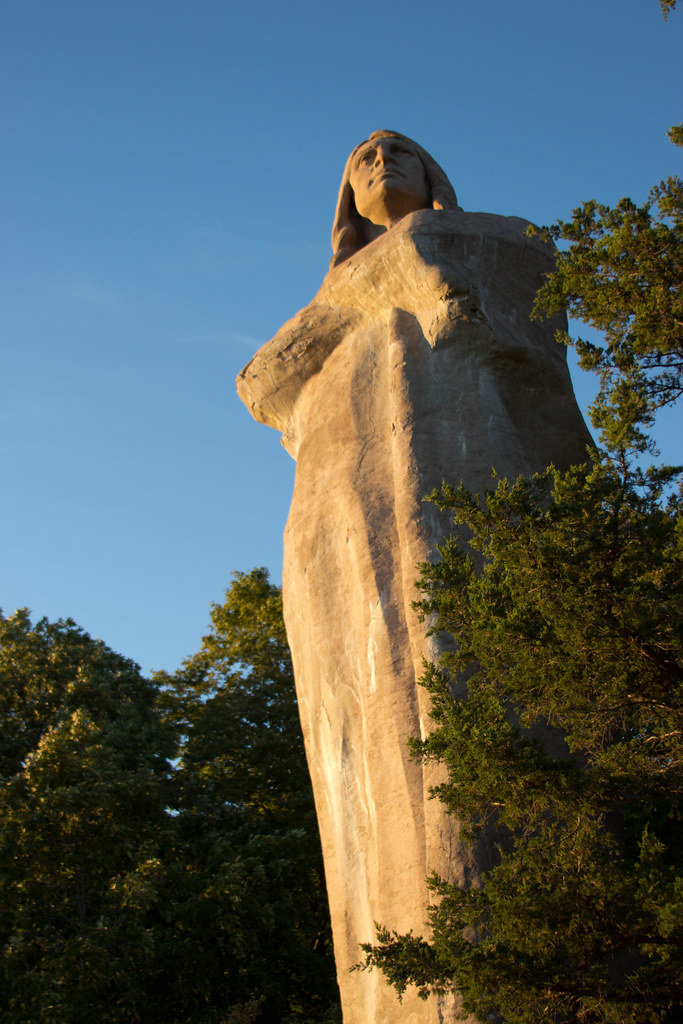
FEATURE image: The large bronze statue was the first major public monument to portray Lincoln as a young adult rather than as president. June 2017. Author’s photograph. 4.70mb.
Leonard Crunelle’s 1930 Capt. A. Lincoln monument in Dixon, Illinois, preserves a largely overlooked chapter of Abraham Lincoln’s life, portraying the future president not as the Great Emancipator or statesman, but as a young frontier militia captain during the Black Hawk War. Set on the historic grounds of Fort Dixon, the statue links Lincoln’s formative military service to the broader transformation of Illinois from frontier wilderness to a rapidly developing state.

Capt. A. Lincoln stands watch over the Rock River in Dixon, Illinois. Unveiled in 1930 on the historic grounds of Fort Dixon, Leonard Crunelle’s statue captures a 23-year-old Lincoln during his frontier deployment in the 1832 Black Hawk War. Enlisting in the Illinois Volunteers on April 21, Lincoln served through consecutive re-enlistments as both a captain and a private before officially mustering out on July 10, 1832. June 2017. Author’s photograph. 8.26mb.
The Changing Illinois Frontier
In the early 1830s, Illinois marked the edge of the American frontier, existing virtually as an untamed wilderness. By the end of the 1820s, treaties with the federal government had forced the expulsion of most Native American tribes from the state’s northern tier, which had been established in 1818.
This displacement rapidly transformed the landscape. A massive wave of Eastern settlers arrived throughout the 1840s and 1850s, bringing ambitious commercial infrastructure in their wake. Driven by newly carved transportation canals and an expansive network of railroads, these projects successfully connected the American Midwest to global markets and sparked an era of industrial prosperity.
Lincoln’s Early Military Service
Abraham Lincoln was 21 years old when he arrived in Illinois in 1830, having moved with his family from Indiana. By 1832, the 23-year-old was living in New Salem when the Black Hawk War erupted. Lincoln enlisted in the Illinois Volunteers on April 21, 1832, near Richland Creek in Sangamon County—roughly halfway between New Salem and Springfield.
The very next day, he mustered into state service 40 miles west at Beardstown on the Illinois River. Standing an imposing 6 feet 4 inches tall, Lincoln was elected captain of his company, a leadership position he later noted left him both surprised and deeply proud.
From Captain to Private
On May 3, 1832, Lincoln officially mustered into U.S. military service near Janesville, Wisconsin. His initial term expired on May 27 in Ottawa, Wisconsin, without Lincoln ever firing a single shot in combat.
Undeterred, he immediately re-enlisted that same afternoon as a private in Captain Iles’ company. When that brief stint concluded, he signed on yet again, serving under Captain Early. Lincoln’s frontier military campaign finally drew to a close on July 10, 1832, when he officially mustered out at Whitewater, Wisconsin.
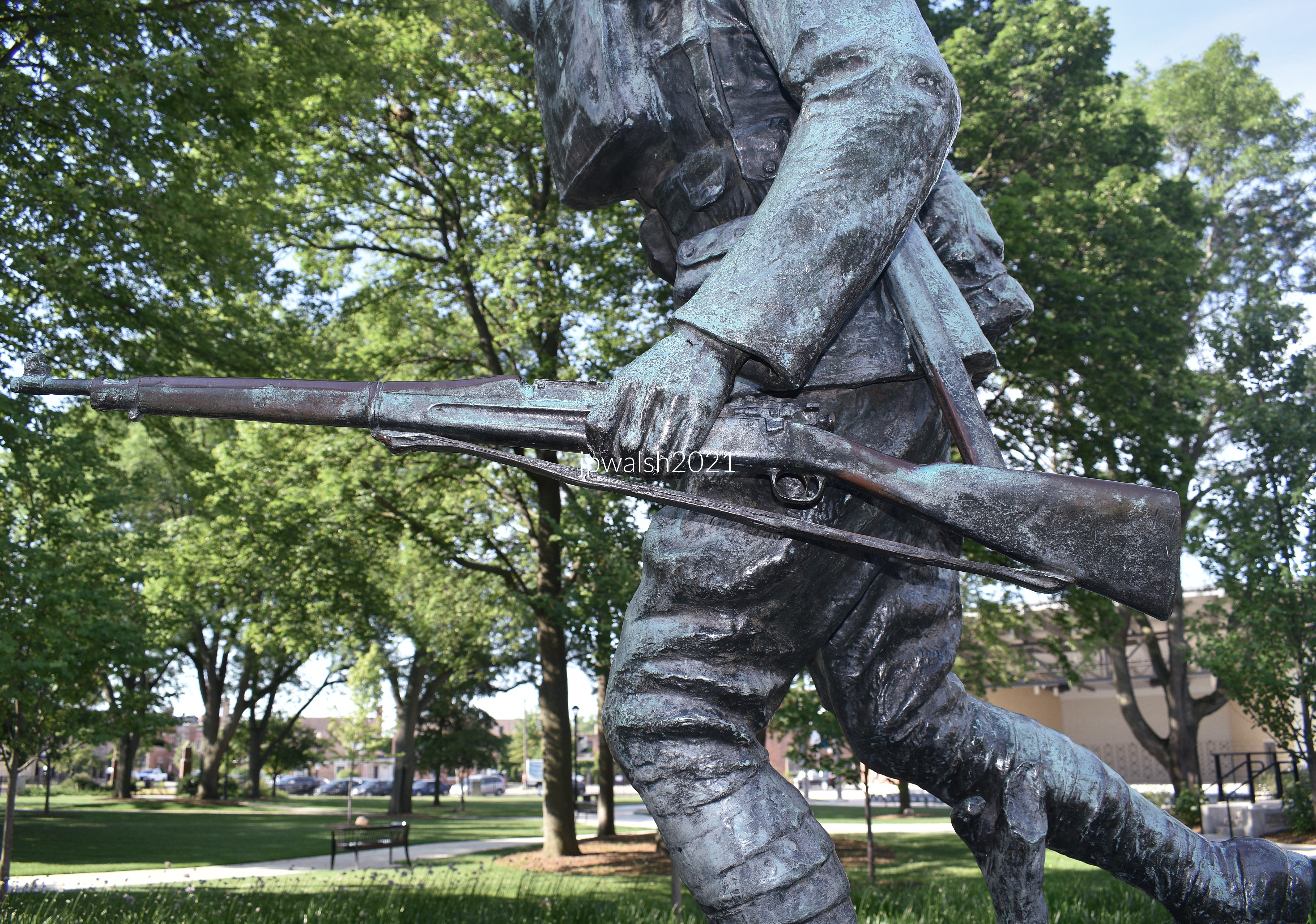
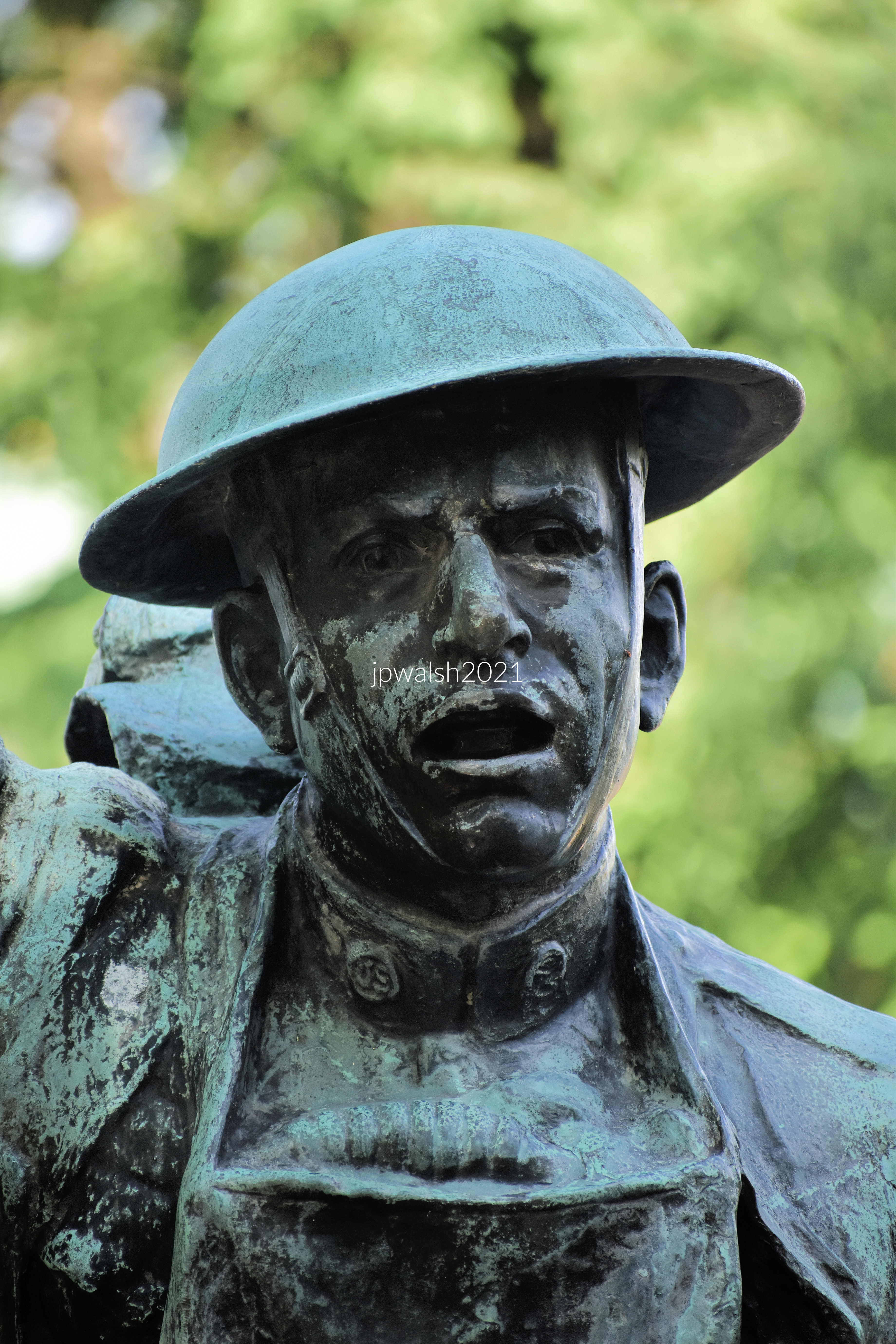
The statue depicts a 23-year-old Abraham Lincoln serving in the Illinois Volunteers during the Black Hawk War of 1832.

Capt. A. Lincoln 1832. Dixon, Illinois. The 6-foot-4-inch Lincoln was elected captain, a position he said he was both surprised and proud to receive. June 2017. Author’s photograph. 6.87mb.
Sculpting the Young President: Leonard Crunelle (1872–1944).
During his deployments, young Lincoln was stationed at Fort Dixon on the Rock River in Lee County, Illinois. Today, that exact historic ground is home to a heroic-sized bronze statue unveiled in late September 1930. The monument was crafted by French-born sculptor Leonard Crunelle (1872–1944).
Located in Dixon, Illinois, the monument stands on the former site of Fort Dixon where Lincoln was stationed.
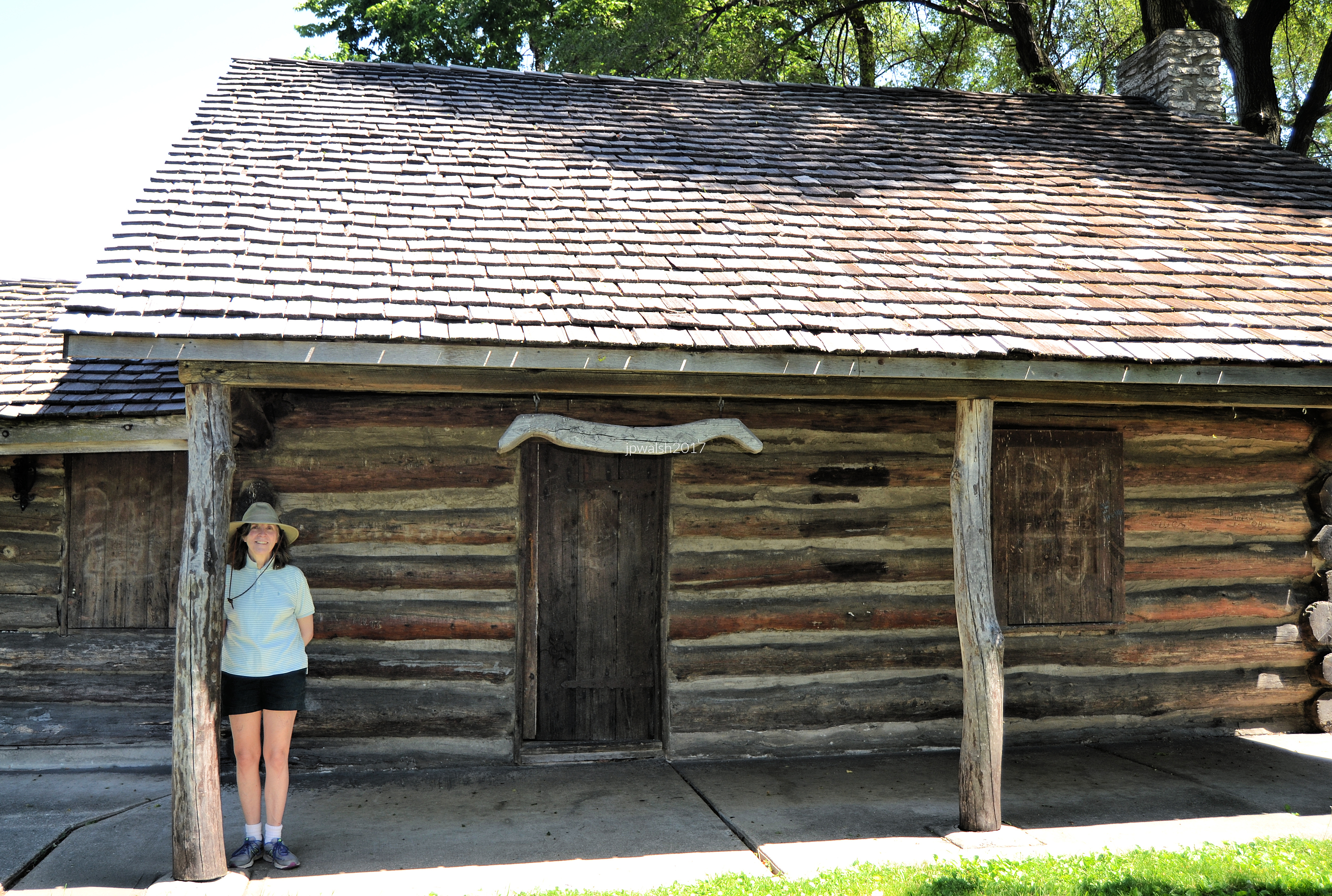
The Old Settlers’ Memorial Log Cabin in Young Captain Lincoln Statue Park on the north bank of the Rock River in Dixon, Illinois. While the cabin itself was built later in 1894 as a collective monument to honor the region’s early pioneers, it stands as a perfect architectural representation of the rugged, hand-hewn log structures that defined the Illinois frontier during the early 1830s. The site holds deep historical significance, as it rests directly on the former grounds of Fort Dixon, where a 23-year-old Abraham Lincoln was stationed a a young volunteer in the Illinois National Guard during the Black Hawk War of 1832. Originally established as a ferry service and trading post by a settler named John “Father” Dixon, the location was rapidly fortified into a military base by General Henry Atkinson in May 1832. It became a critical strategic hub connecting various frontier outposts, temporarily hosting young Abraham Lincoln as well as historical figures such as Winfield Scott, Zachary Taylor, and Jefferson Davis. June 2017. Author’s photograph. 6.75 mb.

View of the Rock River in Dixon, Illinois, from the grounds of Lincoln Statue Park—the former location of Fort Dixon where young Abraham Lincoln served in the state militia. Across the river is the dome of the Lee County Courthouse dome in Dixon, Illinois. PHOTO: “Rock River Fall_03” by markellis_1964 is licensed under CC BY-NC-SA 2.0.
Crunelle’s immigrant family had immigrated to Illinois in 1889, settling in Decatur. While working in the local coal mines, Crunelle began shaping fired clay sculptures. His raw talent eventually caught the attention of prominent American sculptor Lorado Taft, who brought the young artist to Chicago to study at the Art Institute.
Crunelle’s journey from immigrant coal miner to acclaimed Midwestern sculptor under Lorado Taft’s mentorship expanded Lincoln iconography by focusing on a formative but little-depicted period of his life..

The artist Leonard Crunelle (1872–1944) stands with the heroic-sized clay model of Lincoln the Debater in his studio before its 1929 dedication in Freeport, Illinois. The following year, Crunelle sculpted Capt. A. Lincoln for Dixon, Illinois—capturing an even younger portrait of the president. Scaled bronze replicas of both historic masterworks now decorate the interior corridors of Lincoln’s Tomb in Springfield. Public Domain.
Lorado Taft made his Black Hawk statue monument in 1911 in Oregon, Illinois, also on the Rock River about 16 miles upstream from Dixon, Illinois. It is part of the area that saw action during the Black Hawk War in 1832 and led to the complete surrender and expulsion of the last Native American group in Illinois. “Black Hawk (aka ‘The Eternal Indian’)” by Dan Brekke is licensed under CC BY-NC 2.0.
A Milestone in Presidential Iconography
Crunelle’s Capt. A. Lincoln monument stands as a groundbreaking milestone in presidential artwork. While Lincoln frequently expressed pride in his brief military experience during his subsequent legal and political careers, traditional monuments rarely highlighted this era.
Though Crunelle had achieved acclaim for his 1929 statue Lincoln the Debater in Freeport, Illinois, his Dixon monument took a much bolder step backward in time. By capturing a 23-year-old soldier starting his public life, Crunelle introduced an entirely fresh, untapped chapter to the Great Emancipator’s ever-expanding public iconology.

The bronze plaque on the backside of the Capt. A. Lincoln statue base in Dixon, Illinois, details Abraham Lincoln’s 1832 Black Hawk War military record. Erected by the State of Illinois in 1930, the tablet stands on the historic site of the Fort Dixon block house.
The inscription lists the exact dates of Lincoln’s transitions from a volunteer private to an elected Captain, his subsequent re-enlistments under Captains Iles and Early, and his final discharge at Whitewater, Wisconsin. The bottom roster immortalizes the Fort Dixon Memorial Commission, highlighting prominent Illinois figures of the era, including Chicago sculptor Lorado Taft and the monument’s creator, Leonard Crunelle. June 2017. Author’s photograph. 9mb
The site connects frontier history, military service, Native American displacement, and Illinois settlement during a period of profound change.