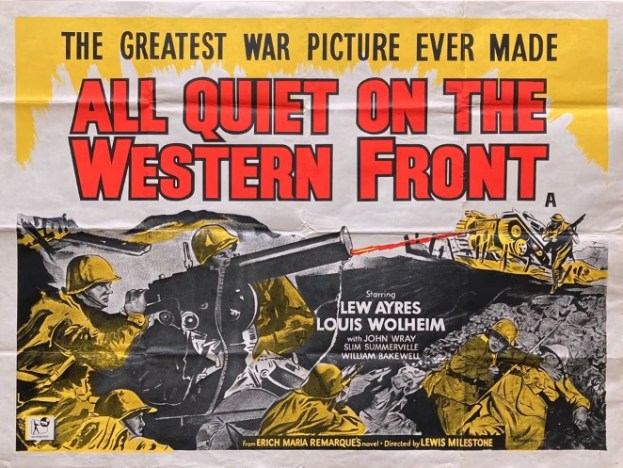

FEATURE Image: A vintage theatrical release poster for All Quiet on the Western Front (1930) captures the bold marketing campaign devised by Universal Pictures and producer Carl Laemmle Jr. to promote a film that challenged Depression-era audiences to view the First World War through the eyes of German soldiers. Across the top, dramatic lettering proclaims it “The Greatest War Picture Ever Made,” while the artwork below immerses viewers in the brutal realities of trench warfare. A striking black-and-white illustration depicts German troops manning a heavy Maxim machine gun amid a shattered, mud-soaked trench system. In the upper right, a tank surges over a trench barrier beneath vivid yellow and red accents as an infantryman takes aim nearby. Elsewhere, a somber scene shows a soldier tending to, or mourning, a fallen comrade amid the devastation of battle. The billing block prominently features stars Lew Ayres and Louis Wolheim, while also emphasizing the film’s prestigious origins with credits to Erich Maria Remarque’s bestselling novel and director Lewis Milestone, underscoring the production’s artistic ambition as well as its emotional power. In addition to Lew Ayres as Paul Bäumer and Louis Wolheim as Kat, the film features John Wray as Himmelstoss, a postman turned tyrannical drill sergeant who torments the young recruits during training, only to confront his own fears at the front. Slim Summerville appears as Tjaden, the always hungry, resourceful soldier whose humor and resilience help sustain the group through the war’s hardships, while William Bakewell portrays Albert Kropp, one of Paul’s closest schoolmates. Public Domain.
All Quiet on the Western Front (1930) shattered romantic myths of war by portraying combat not as a stage for heroism and glory, but as an industrialized tragedy that destroys youth, friendship, innocence, and human dignity. Through the experiences of Paul Bäumer and his fellow soldiers, the film exposes the profound physical and psychological costs of war while affirming the shared humanity of those forced to fight on opposing sides.
By John P. Walsh
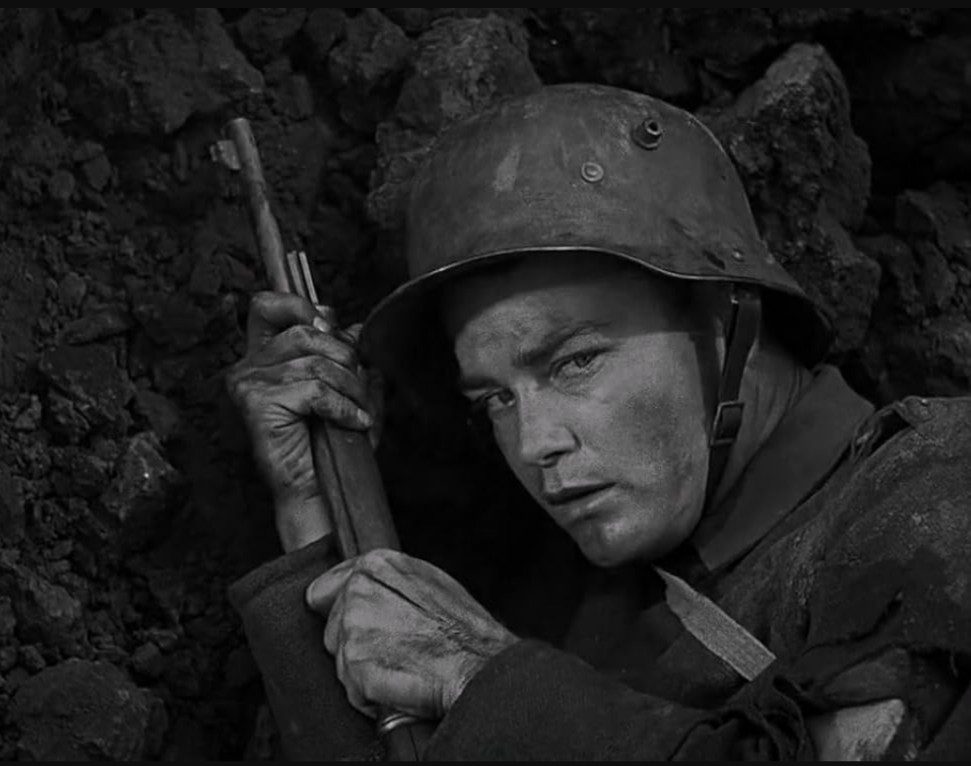
Lew Ayres as Paul Bäumer is the central protagonist; an idealistic German schoolboy who enlists in the army and becomes profoundly disillusioned by the horrific realities of trench warfare. Public Domain.
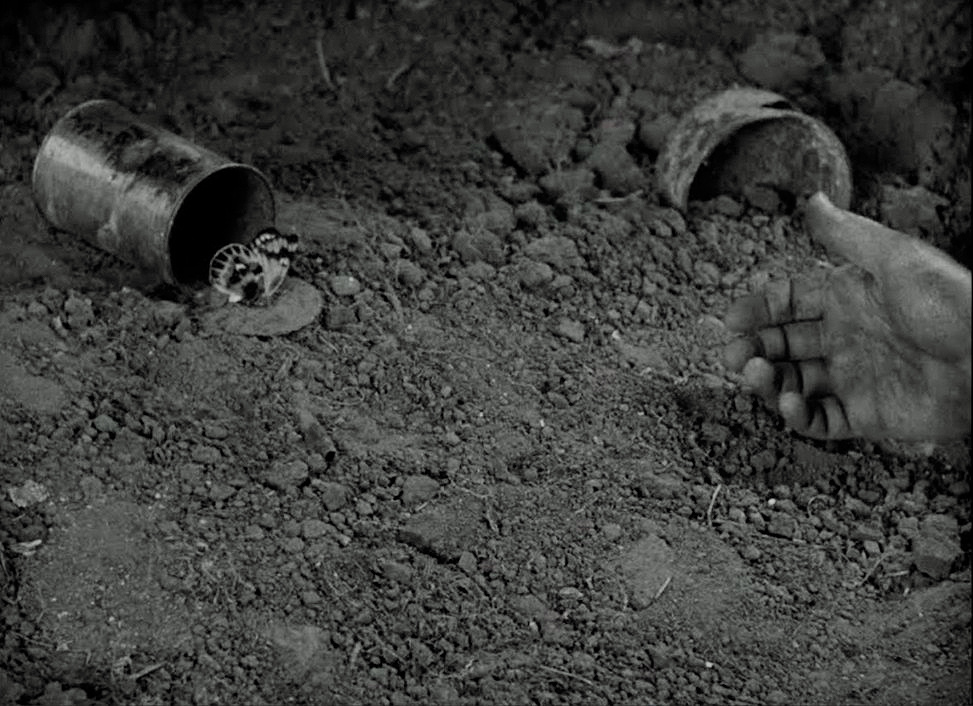
With Kat dead and all of his school friends gone, Paul Bäumer is left utterly alone on the front lines, cut off from the friendships, purpose, and human connections that once sustained him in dire circumstances. Sitting in the uneasy stillness of a trench, he notices a lone butterfly perched just beyond the parapet, a fleeting symbol of beauty and life amid the devastation of war. Drawn to the fragile solo flying creature, Paul reaches out toward it, momentarily forgetting the hard-earned caution that had kept him alive. A sniper’s shot abruptly shatters the silence, and his hand falls limp. In one of cinema’s most haunting endings, Paul’s death underscores the film’s central message: war destroys lives indiscriminately, extinguishing youth, hope, and humanity with tragic indifference.
Origins of a Landmark Film
Based on Erich Maria Remarque’s seminal 1929 novel, the definitive anti-war masterpiece All Quiet on the Western Front was directed by 35-year-old Lewis Milestone and produced by 22-year-old Carl Laemmle Jr., the visionary son of Universal Pictures’ founder.
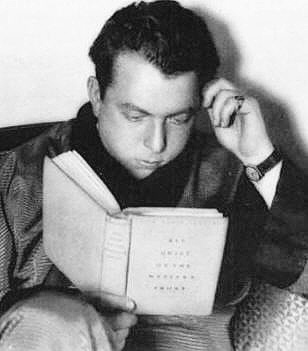
Lewis Milestone, director of All Quiet on the Western Front (1930), is shown deeply absorbed in a copy of Erich Maria Remarque’s landmark anti-war novel, the work that inspired one of cinema’s most influential achievements. Milestone’s adaptation introduced groundbreaking techniques that transformed the depiction of warfare on screen, including pioneering fluid camera movements, rhythmic “symphonic” editing, and a stark, unsentimental realism that conveyed both the physical chaos of battle and its psychological toll. Working at the dawn of the sound era, he also used the new technology of synchronized dialogue and effects to heighten tension and psychological dread, creating an immersive experience that brought audiences closer than ever before to the fear, exhaustion, and trauma endured by ordinary soldiers. The result was a film whose technical innovations and emotional honesty helped redefine the war genre for generations of filmmakers. Public Domain.
From Classroom Patriotism to Boot Camp Reality
On the brink of manhood and fueled by romantic delusions of glory, a class of German schoolboys—led by the sensitive Paul Bäumer (played by Lew Ayres)—is swept up by patriotic fervor and enticed to enlist. Any illusions of grandeur vanish instantly in boot camp, where a ruthless drill instructor barks their new reality: “You will be soldiers—and nothing more.”
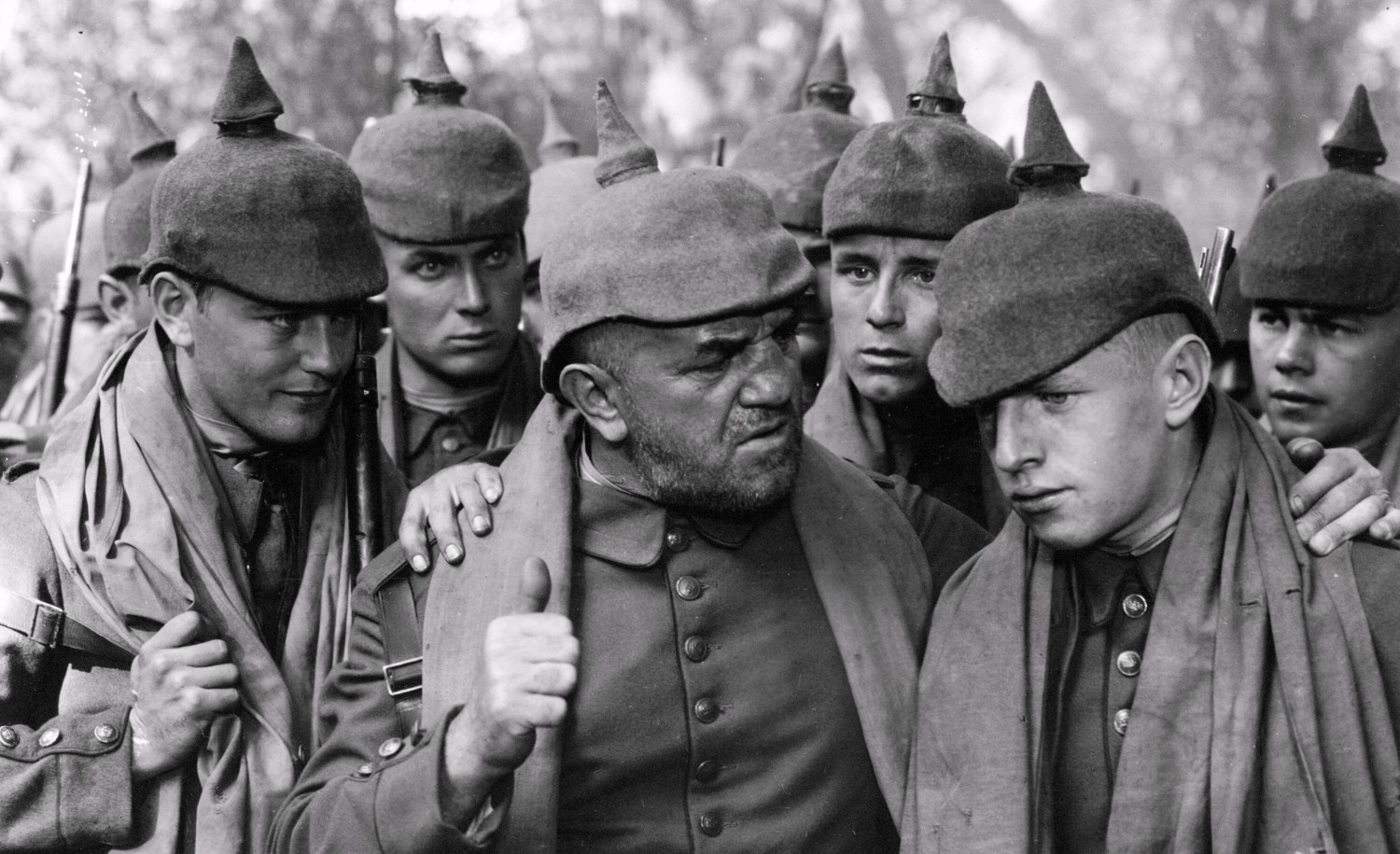
Stanislaus “Kat” Katczinsky (Louis Wolheim), the battle-hardened veteran of All Quiet on the Western Front, gathers with a group of newly arrived schoolboys, including Paul Bäumer (Lew Ayres), standing just to Kat’s left with his eyes cast downward. Acting as mentor and survivor, Kat introduces the young recruits to the harsh realities of life at the front, where practical experience matters far more than patriotic ideals. The image captures one of the film’s central contrasts: Kat’s weathered face, grim expression, and authoritative gesture dominate the scene, while the anxious, smooth-faced boys crowd around him, listening intently as they begin to understand that their romantic notions of war offer little preparation for the brutal world they have entered. Public Domain.
Into the Inferno
When the green recruits arrive at the front lines, they plunge directly into mayhem. The landscape is a claustrophobic nightmare of exploding shells, whizzing bullets, racing horse-drawn ambulances, and relentless rain. The psychological toll begins before they even reach their post when one of the boys is killed, rattling the survivors. On their very first day, the starving recruits are forced to forage for food, bartering with their own cigarettes just to secure a meal.
Life and Death in the Trenches
Life in the trenches is pure horror. In one harrowing sequence, a young soldier is blinded by shrapnel and runs madly into machine-gun fire to his death. The meat-grinder of combat becomes a grim cycle of advances and retreats, where the surviving men hollowly eat the food rations of their slaughtered comrades. In lulls between mortar fire, they debate the absurd geopolitical origins of the war, using dark humor to cope with the pointlessness of their plight. Meanwhile, fresh reinforcements arrive only to be instantly obliterated.
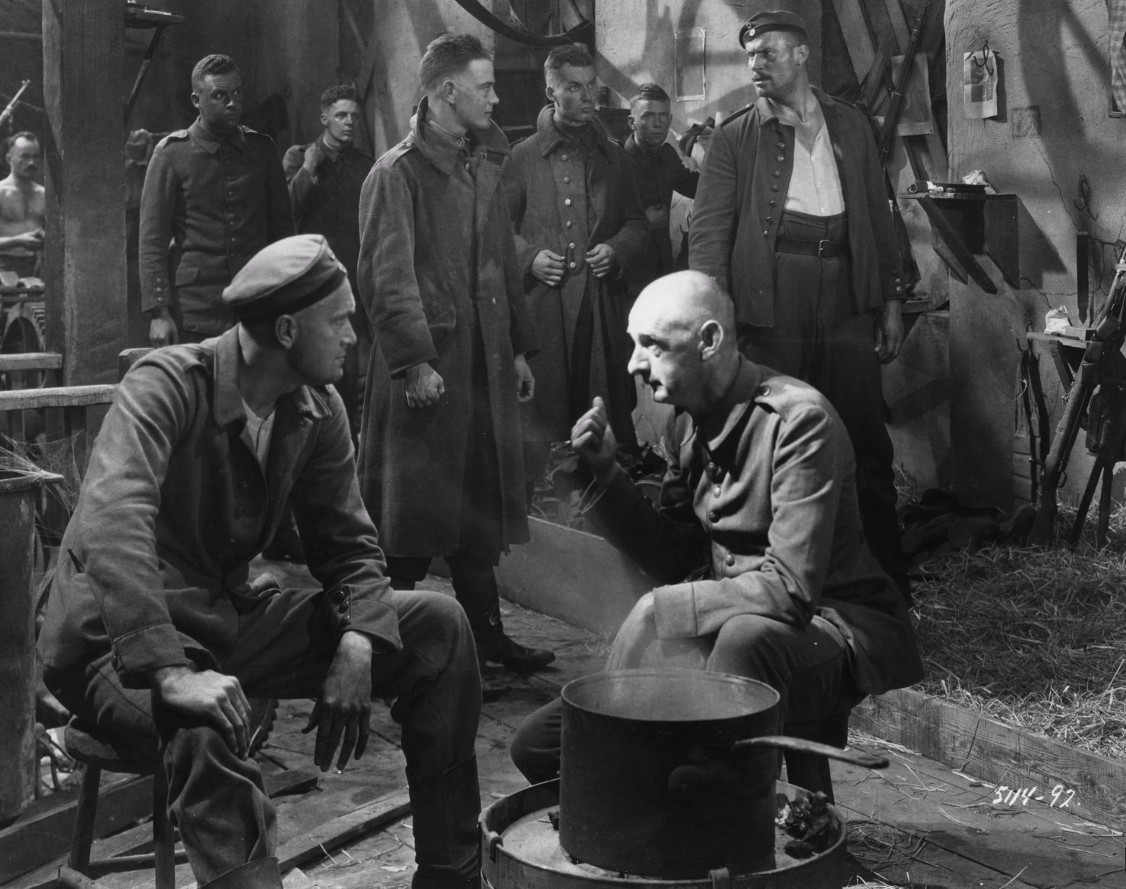
Soldiers converse in a barracks behind the front lines, gathered around a large cooking pot during a rare break from the fighting. In the foreground, Tjaden (Slim Summerville, seated at right) punctuates his argument with a raised fist while addressing a fellow soldier (Harold Goodwin, seated at left). Behind them stand Paul Bäumer (Lew Ayres, in the long greatcoat), Haie Westhus (Richard Alexander, at right with his jacket unbuttoned), and other members of their company, listening closely as the discussion turns to the question of who truly benefits from war. In one of the film’s most memorable exchanges, the soldiers joke that conflicts should be settled by kings and generals fighting each other with clubs instead of sending millions of young men to die. The rustic setting, with its straw bedding, hanging equipment, and makeshift stove, provides a brief but revealing respite from the film’s relentless combat, highlighting the camaraderie, humor, and hard-won wisdom that help the men endure the war. Public Domain.
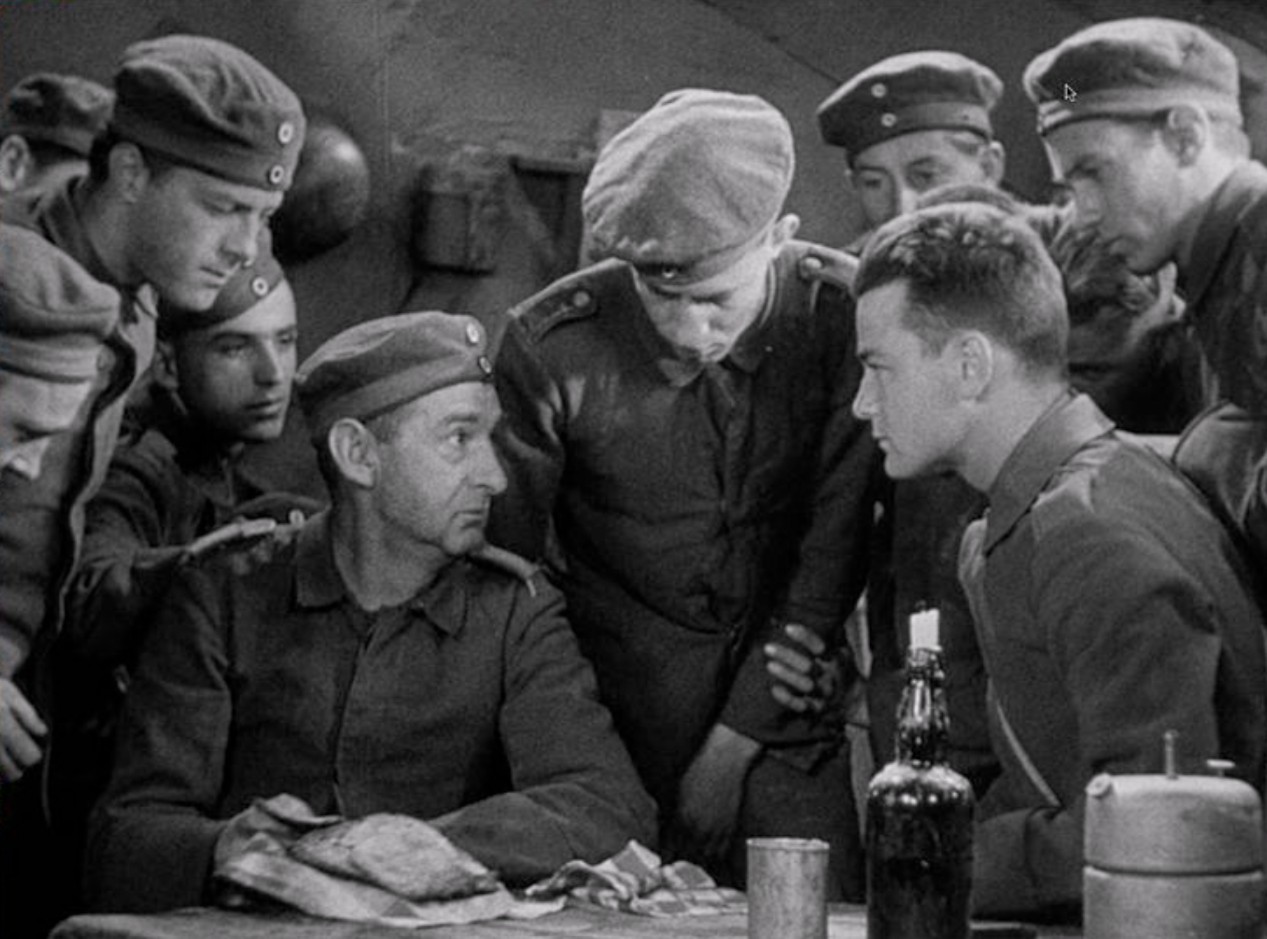
The same group of soldiers during a different break from the front lines. Seated at a table inside a dugout or mess hall, Tjaden (Slim Summerville, seated on the left with a piece of bread or food in front of him) is locked in a tense, focused exchange with Paul Bäumer (Lew Ayres, leaning in from the right). Public Domain.
The Shell-Hole and Paul’s Crisis of Conscience
The film’s emotional apex occurs when Paul mortally wounds a French soldier (Raymond Griffith) in a shell-hole. Trapped with the dying man overnight, Paul is consumed by remorse and futilely tries to save him, weeping bitterly as he begs the dead soldier’s corpse for forgiveness.
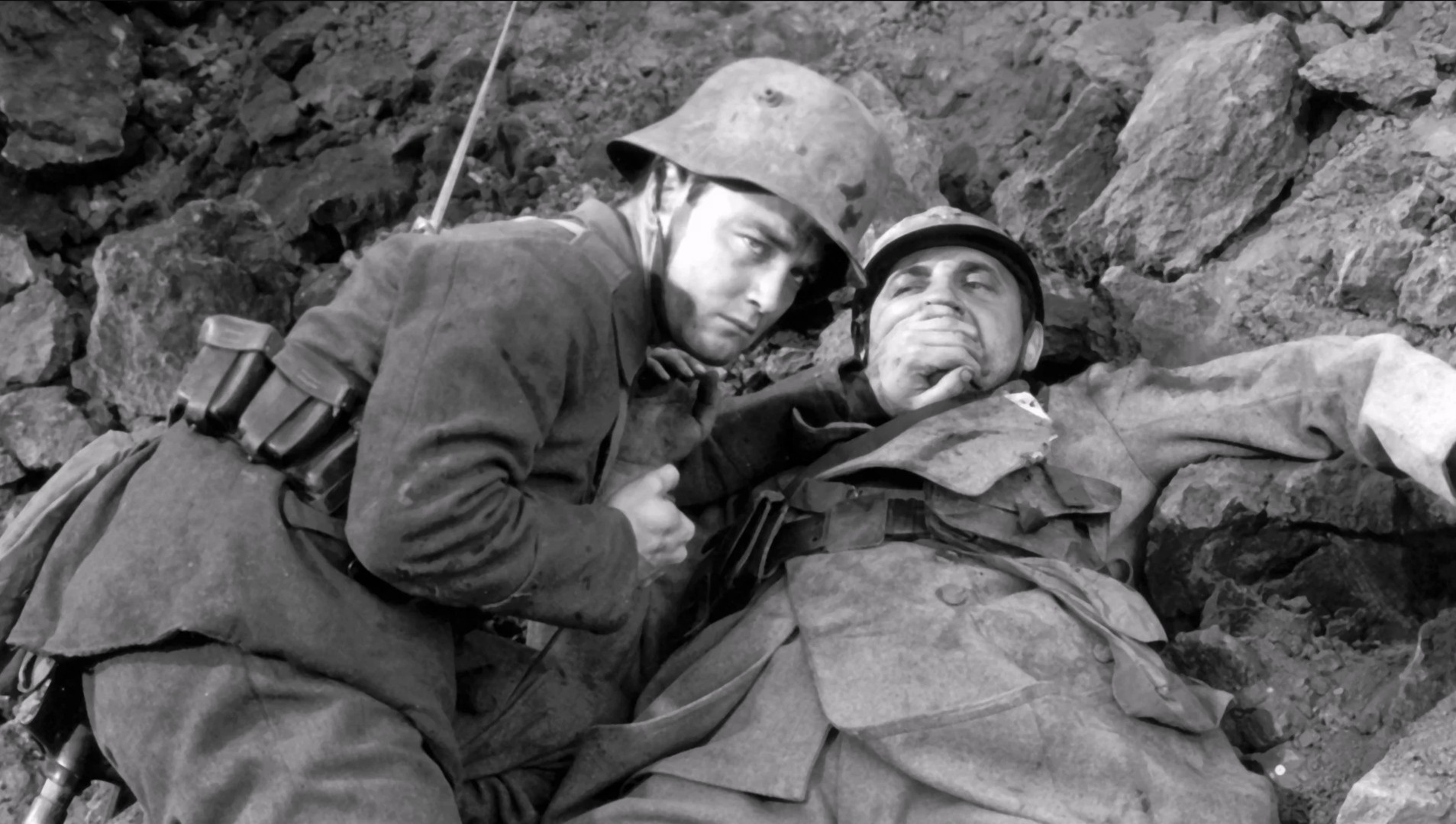
This black-and-white film still captures the agonizing shell-hole sequence, with Paul Bäumer (Lew Ayres) trapped in a bomb crater beside the mortally wounded French soldier Gérard Duval (Raymond Griffith). The episode marks the first time Paul kills a man face-to-face rather than firing blindly from a trench. Having acted out of instinct when Duval suddenly entered the crater, Paul is forced to confront the humanity of his enemy. As the long night unfolds, fear gives way to crushing guilt. Paul desperately tries to save the dying man, bandaging his wound, giving him water, and discovering a photograph of Duval’s wife and daughter. In that moment, the barriers between friend and foe collapse, shattering what remains of Paul’s faith in the war and exposing its tragic human cost. Public Domain.
Wounds, Recovery, and a Return Home
Shortly after being comforted by his comrades, Paul is severely wounded alongside his best friend, Kropp. They are sent to a Catholic hospital where Kropp’s leg is amputated, while Paul is granted a temporary furlough to visit home. Earlier Franz Kemmerich (Ben Alexander) has his leg amputated though he is unaware of it and tragically dies shortly after in the field hospital, famously leaving behind his prized leather boots to Müller.
A Stranger in His Own Country
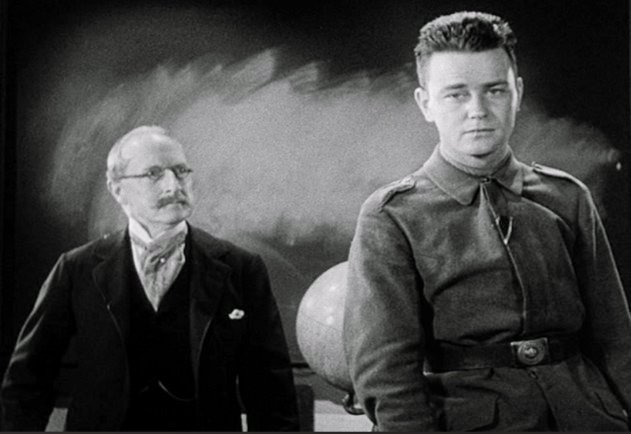
Back in Germany, Paul is profoundly isolated. The civilian populace carries on with daily life, regurgitating hollow government platitudes while remaining completely ignorant of the front-line slaughter. Shocked by this disconnect, Paul visits his old classroom, only to find his former schoolmaster, Porfessor Kantoek (Arnold Lucy) using the exact same propaganda on a new crop of boys. Invited to speak, Paul strips away the myth of heroism, recounting the agonizing deaths of his classmates. Instead of listening, the schoolmaster the schoolmaster leads the brainwashed students to angrily chant to brand Paul a “coward.”
The Front Collapses
Exiled by his experiences, Paul returns to the front to reunite with Kat and his remaining comrades, only to find the line disintegrating. While commiserating about the civilians’ inability to understand the daily violence, an incoming shell abruptly kills Kat, leaving Paul utterly devastated.
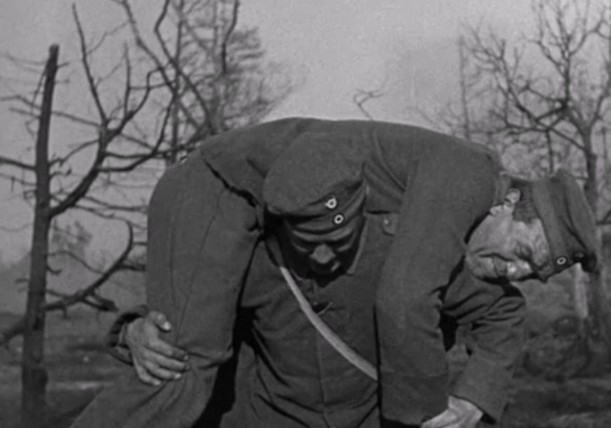
Kat’s death marks the most devastating turning point in All Quiet on the Western Front. By this stage of the war, Stanislaus “Kat” Katczinsky (Louis Wolheim) is the last surviving member of Paul Bäumer’s original circle of friends and the one person who truly understands what they have endured. During a brief lull in the fighting, Kat is wounded in the leg by shrapnel. Determined to save the man who taught him how to survive, Paul Bäumer (Lew Ayres) carries his mentor on his back across the countryside toward a field hospital. Upon arrival, however, Paul learns that Kat is already dead, killed by a second fragment of shrapnel that struck him in the head during the journey. With the loss of his friend, guide, and emotional anchor, Paul is left utterly alone. Kat’s death strips away the last reason to keep fighting and leads directly to the film’s haunting final moments, where Paul reaches toward a butterfly, no longer possessing the hard-earned survival instincts that Kat had spent so long trying to teach him. Public Domain.
The Butterfly
In the film’s iconic final sequence, Paul returns to the trenches on a deceptively quiet day. Catching sight of a solitary butterfly resting just beyond the sandbags, a faint smile crosses his face as he reaches out to touch it. A sudden crack of a sniper’s rifle rings out; Paul’s hand twitches and goes limp. The film closes on a haunting montage of ghost images—the lost generation of schoolboys marching away into a vast cemetery.
Historic Legacy and Academy Awards
Released by Universal Pictures in April 1930, All Quiet on the Western Front cemented its place in cinematic history. Its Russian-born director, Lewis Milestone (born Leib Milstein), took home his second Academy Award for Best Director, having won his first the previous year for Two Arabian Knights. The Chicago-born Laemmle Jr. accepted the Oscar for Outstanding Production, making this unforgettable masterpiece the very first Hollywood film to win both Best Picture and Best Director.
More than a war film, All Quiet on the Western Front is a human tragedy that strips away every illusion of glory to reveal the loneliness, suffering, and waste left in war’s wake.
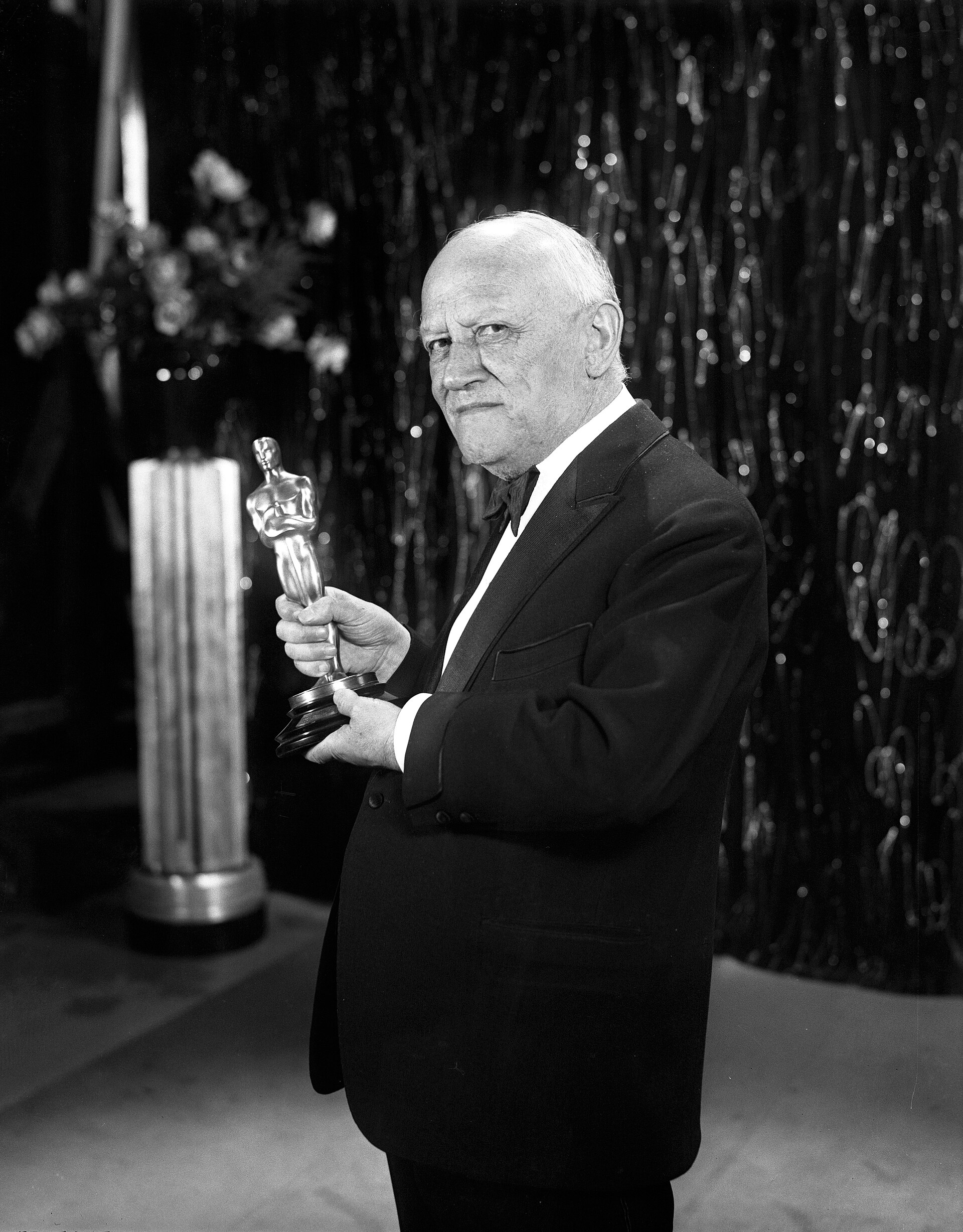
Carl Laemmle Sr., founder and head of Universal Pictures, proudly displays the Academy Award for Outstanding Production won by All Quiet on the Western Front at the 3rd Academy Awards in November 1930. Although the film was produced by his son, Carl Laemmle Jr., Universal’s head of production, the senior Laemmle accepted the statuette on behalf of the studio. The victory marked a major milestone for the early sound era, rewarding a bold and costly adaptation that rejected traditional patriotic war themes in favor of a stark anti-war message. Within weeks, however, the film became the center of an international political firestorm. When All Quiet on the Western Front opened in Berlin in December 1930, Nazi activists led by Joseph Goebbels disrupted screenings, denouncing its portrayal of German soldiers and helping spur a ban in Germany. For Laemmle, a German-born Jewish immigrant, the controversy proved deeply personal. As conditions in Nazi-controlled Europe worsened during the 1930s, he increasingly devoted his resources and influence to assisting Jewish refugees seeking escape. The Oscar he holds in this photograph stands not only as a symbol of cinematic achievement but also as an artifact connected to one of the most consequential cultural and political controversies of the era. Public Domain.
The Cinematic Milestone
The timeless tragedy of All Quiet on the Western Front extended far beyond the theaters of 1930, establishing a legacy that would echo through every major conflict of the next century. While King Vidor’s 1925 silent epic The Big Parade from MGM had previously attempted a non-heroic look at World War I, Lewis Milestone’s adaptation was vastly superior—justifiably called “the most uncompromisingly bleak statement about the nightmare of trench warfare the cinema had ever attempted.”
Humanizing the Enemy
The film’s reputation has endured precisely because of its simple story about a small group of young men who are systematically wiped out, all killed or maimed, by the carnage of war. Coming in the wake of an era where German culture had been in the aftermath of the Great War deemed verboten in America, this simple tale told from the German perspective was deeply affecting. Humanizing moments—such as Paul agonizing in a shell-hole over the French soldier he just stabbed, or reaching out from his trench toward a butterfly only to attract the sniper’s bullet that kills him—forced American audiences to confront the reality that war is hell on both sides.
Censorship and the Second World War
Meanwhile, the story’s fierce anti-war stance proved so dangerous to militaristic regimes that the book was famously burned by the Nazis, and the film was banned in Berlin, condemned in Germany for supposedly demoralizing the nation’s youth as World War II loomed. Yet, as global battlefields shifted, the core message of Remarque’s book and Milestone’s commercial masterpiece remained unshakeable.
Echoes Through Vietnam and the Post-9/11 Era
During the Vietnam War, the film’s stark depiction of a disillusioned youth betrayed by an older generation resonated deeply with a new counterculture protesting an increasingly opaque war. Decades later, amidst the prolonged deployments of the wars in Iraq and Afghanistan, modern audiences and veterans alike found a familiar, painful truth in Paul Bäumer’s struggle—the profound psychological disconnect between the horrors of the front lines and the safe, platitudinous civilian world back home.
An Enduring Cultural Mirror
Whether through Remarque’s prose or Milestone’s lens, All Quiet on the Western Front remains the definitive cultural mirror for the recurring trauma of war, proving that while the technology of combat changes, the hollow myth of glory and the fracturing of a generation’s soul remain tragically identical.
Lewis Milestone’s All Quiet on the Western Front transformed both the war film and the early sound film by combining groundbreaking cinematic techniques with an uncompromising anti-war message, revealing how modern warfare reduces idealistic young men to victims of forces beyond their control.
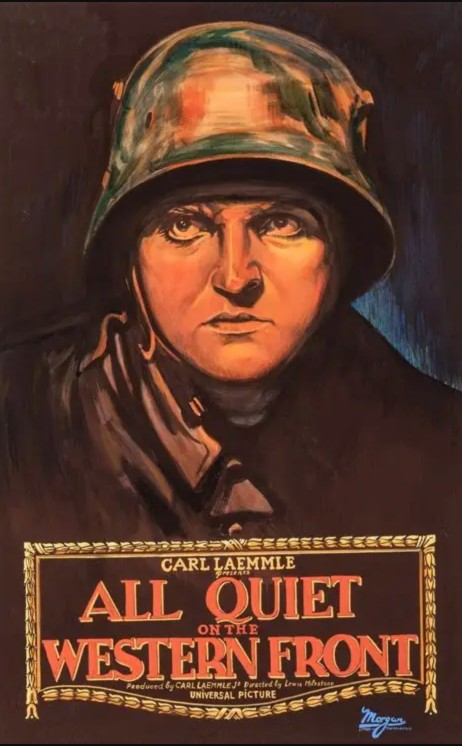
The iconic 1930 theatrical release one-sheet poster for Universal Pictures’ All Quiet on the Western Front, designed by Universal’s legendary art director Karoly Grosz and printed by the Morgan Litho Company. While many viewers assume the painted portrait depicts the film’s star, Lew Ayres, the model for this poster is actually actor Walter Rogers (also credited as Walter Browne Rogers), who played the minor supporting role of Behn—one of Paul Bäumer’s classmates who is killed early in the film. Rogers was photographed in a camouflaged German Stahlhelm (steel helmet) with a haunted, shell-shocked, thousand-yard stare. Universal’s art department felt his expressive, youthful face captured the psychological trauma and universal tragedy of the “lost generation.” Public Domain.
This explanatory article may be periodically updated.