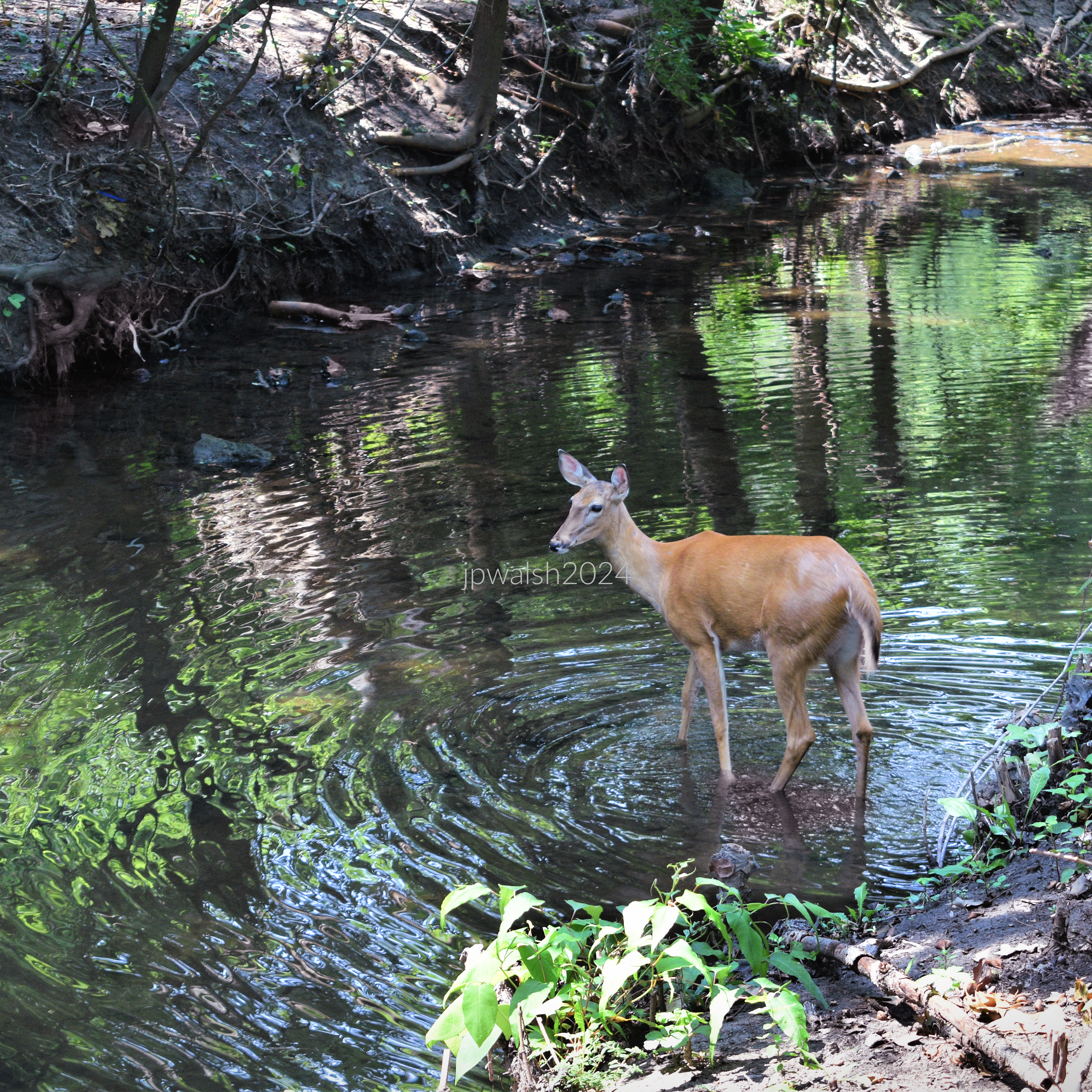
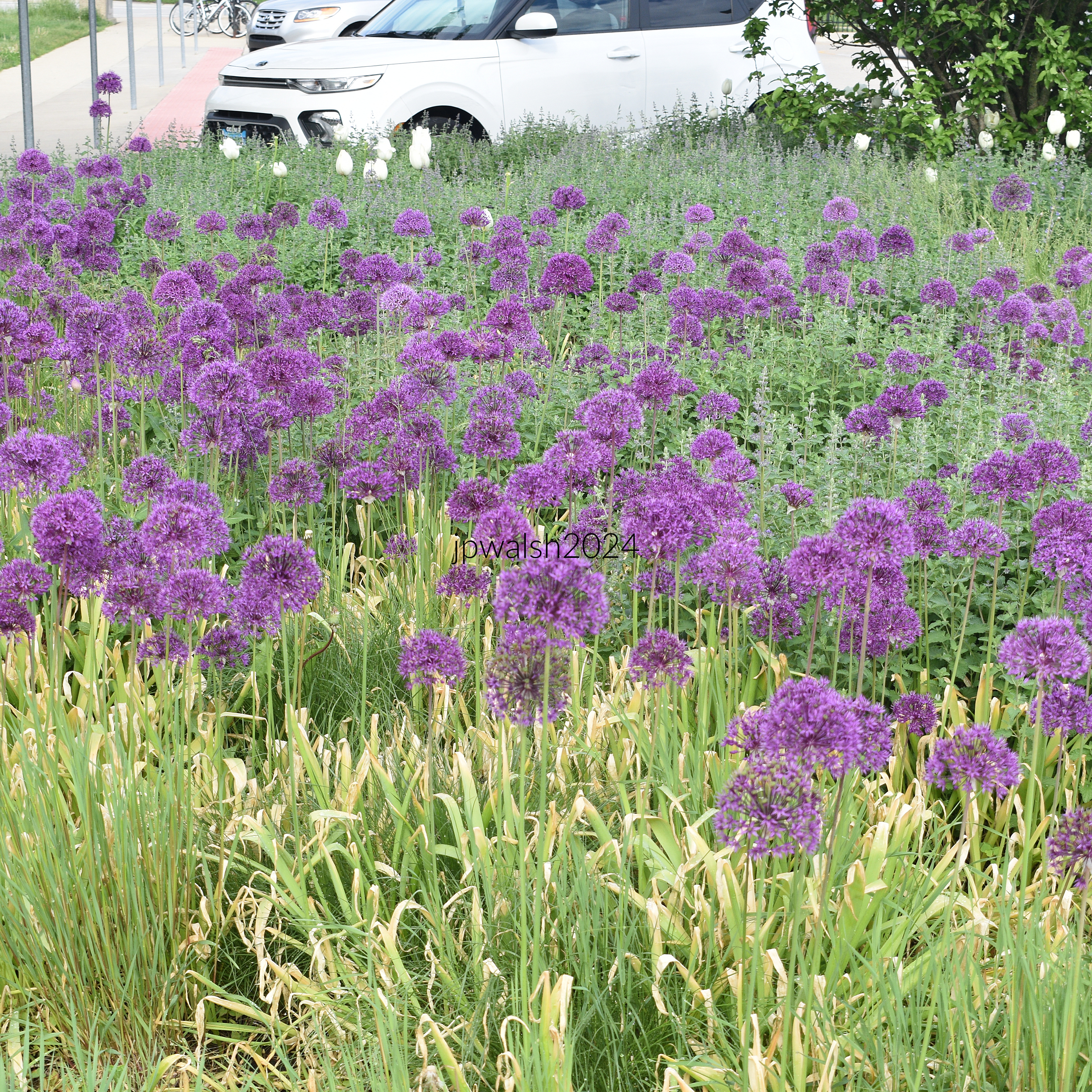
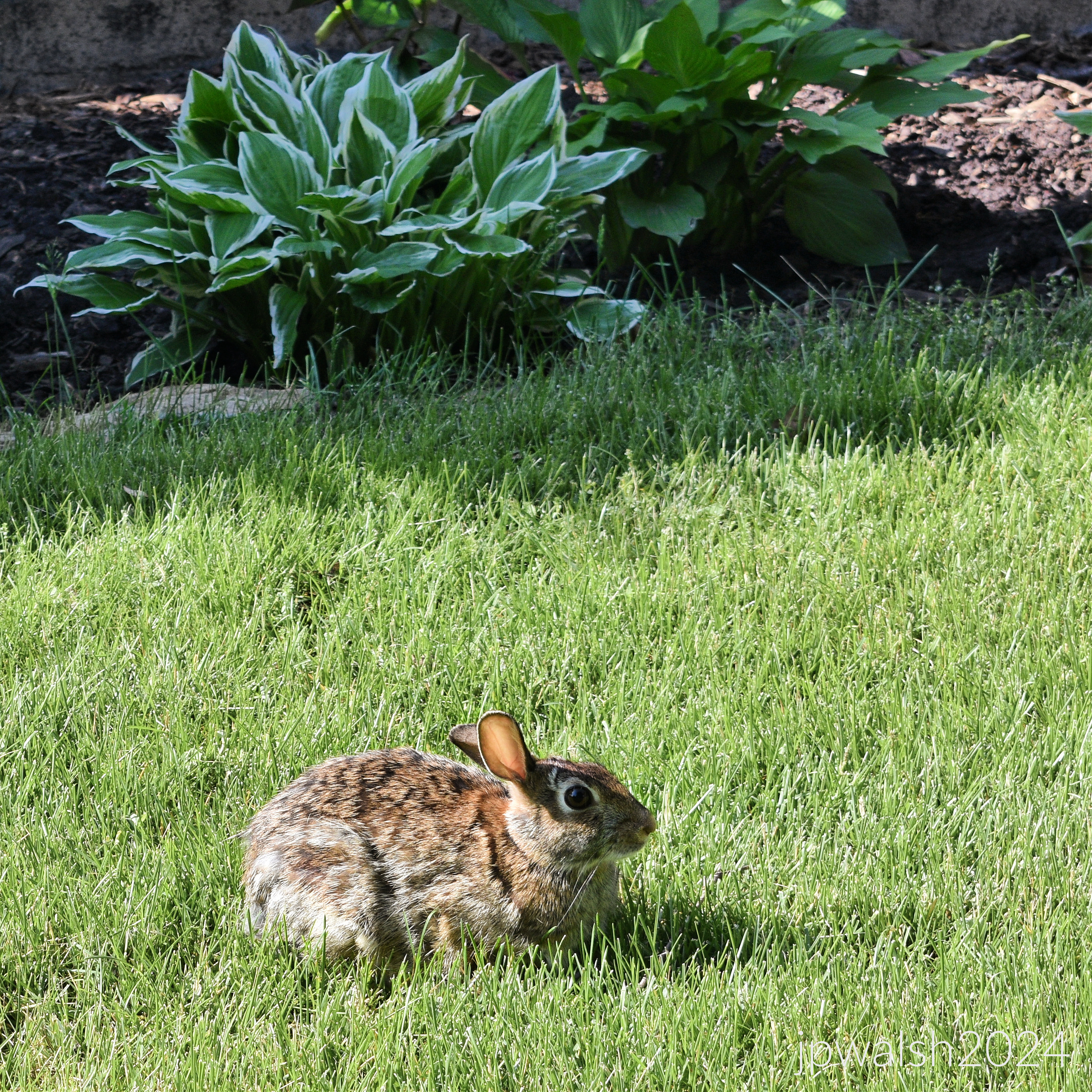
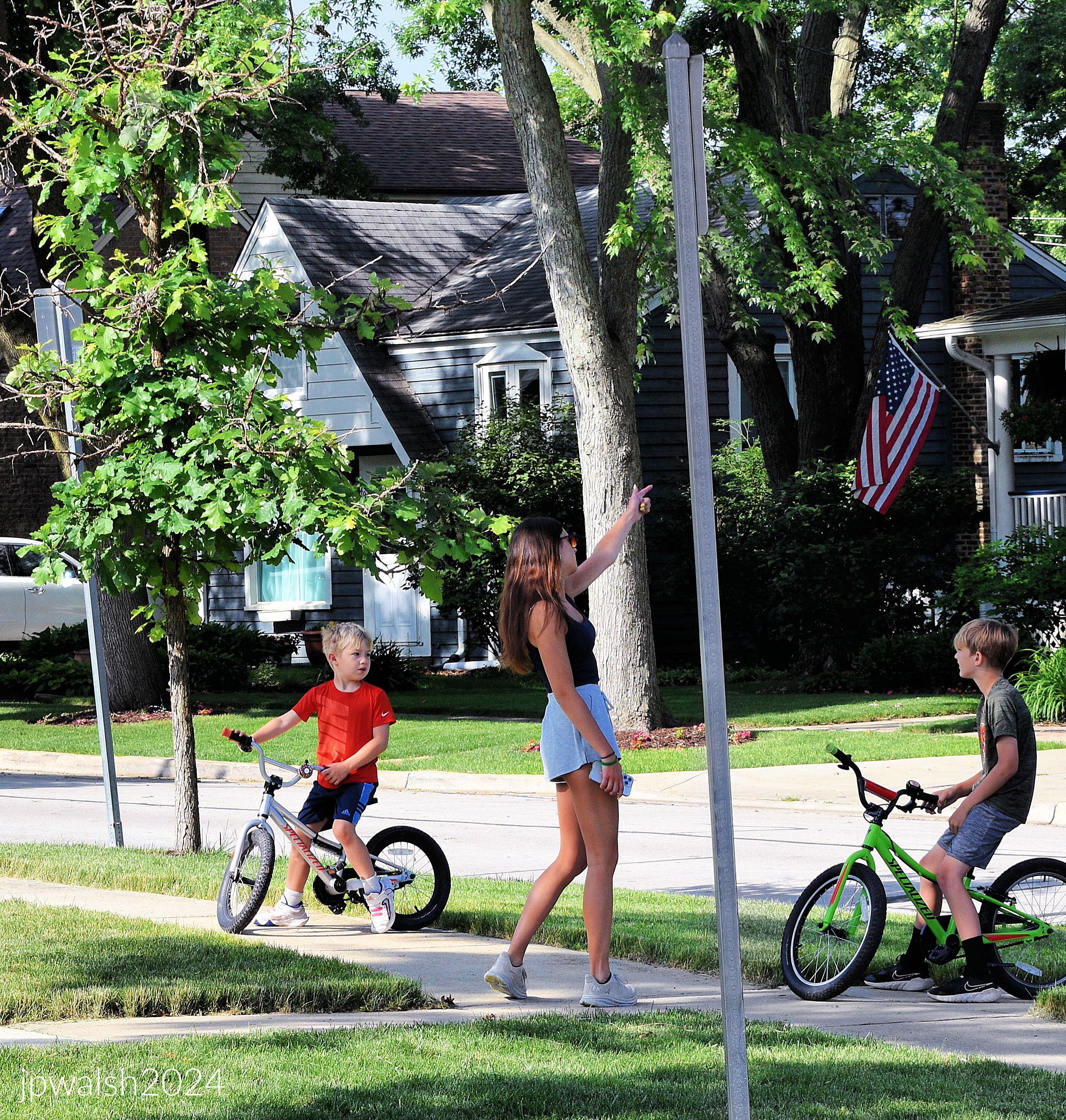
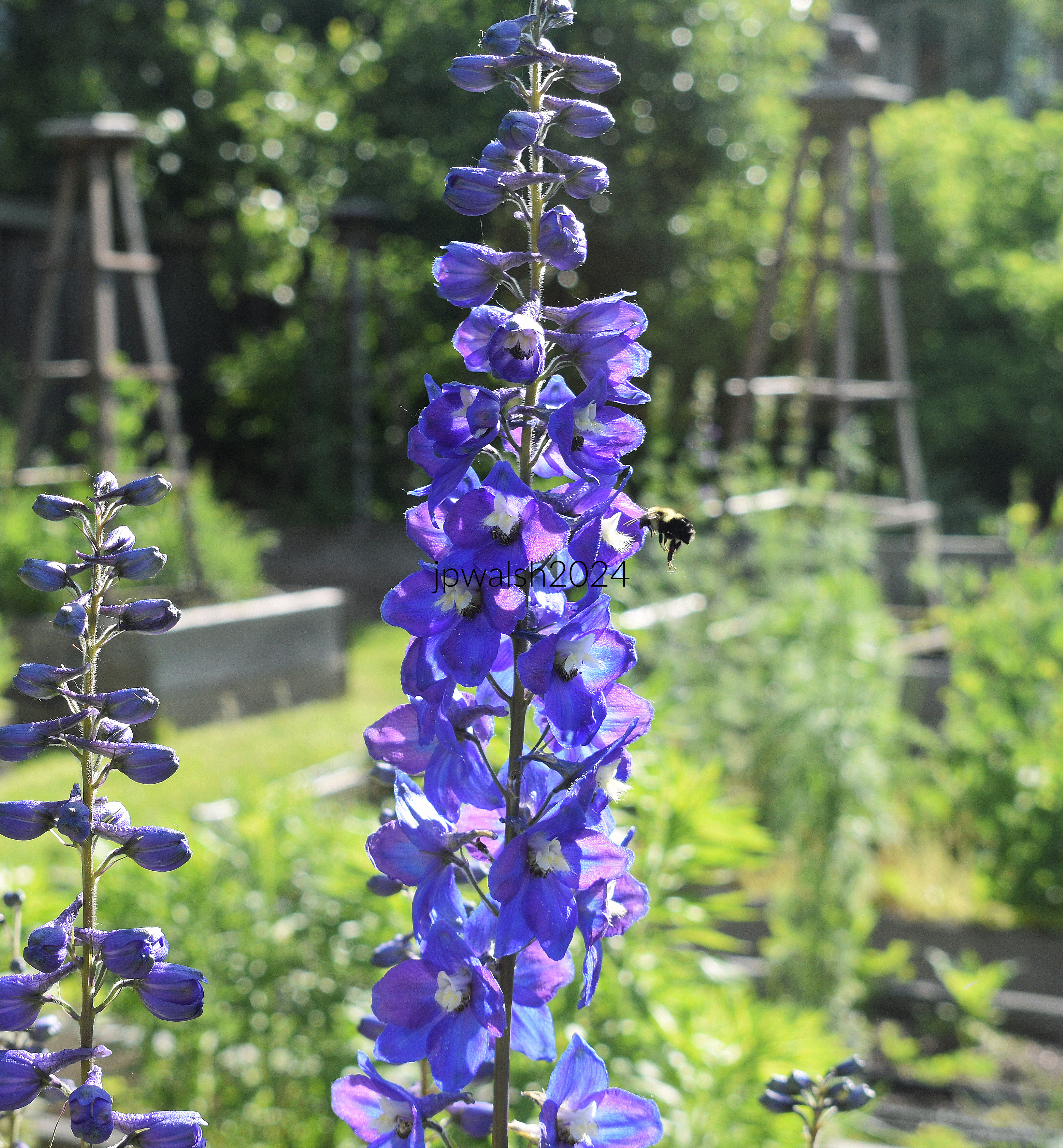
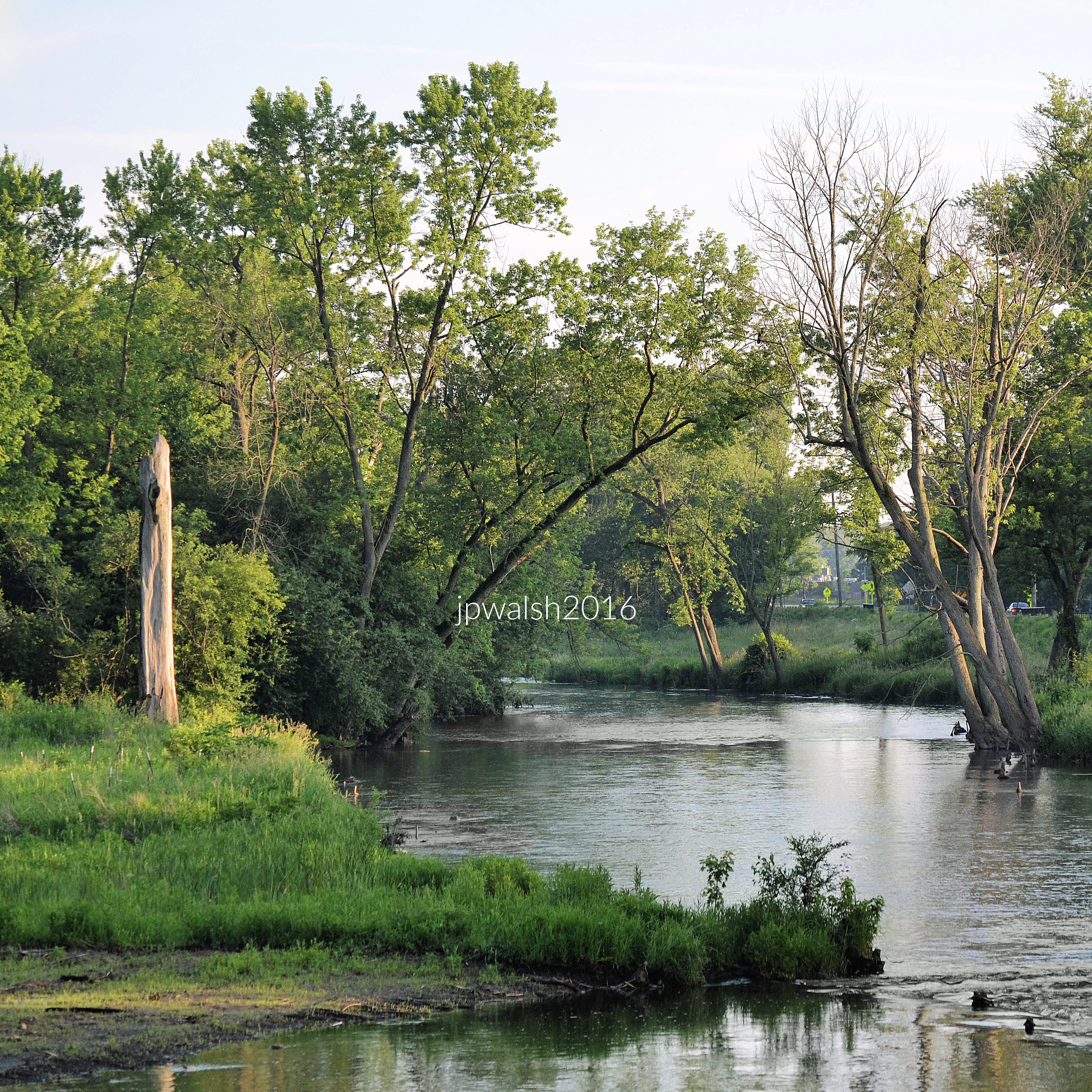
FEATURE Image: July 2024. deer. St. Joseph Creek. 7.62mb 0479 (1)
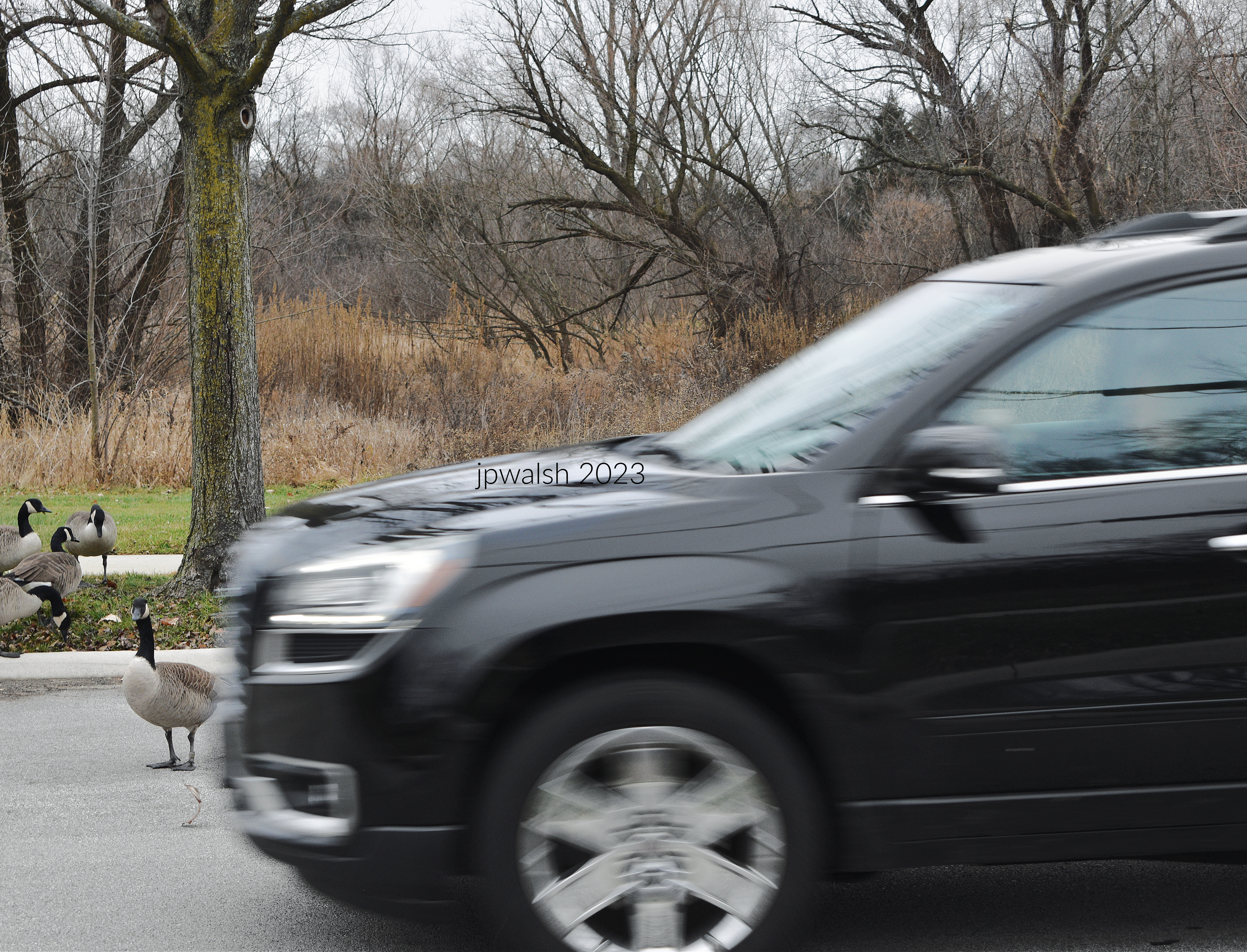
From familiar backyard wildlife to creatures encountered across varied landscapes, this photographic journey through the world of mammals, fish, and birds highlights their remarkable variety—demonstrating how photography serves as both artistic expression and a record of the natural world around us.
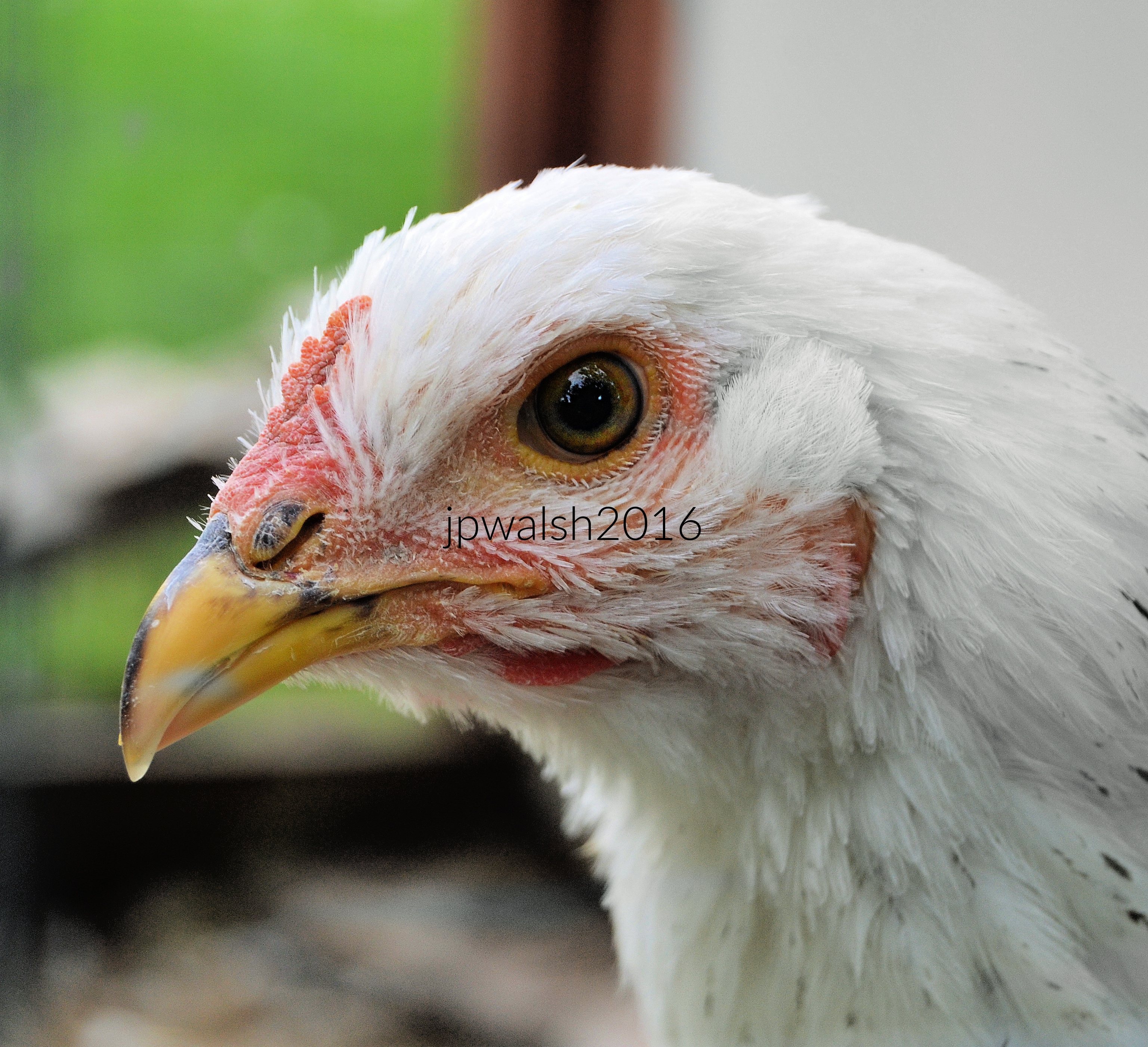
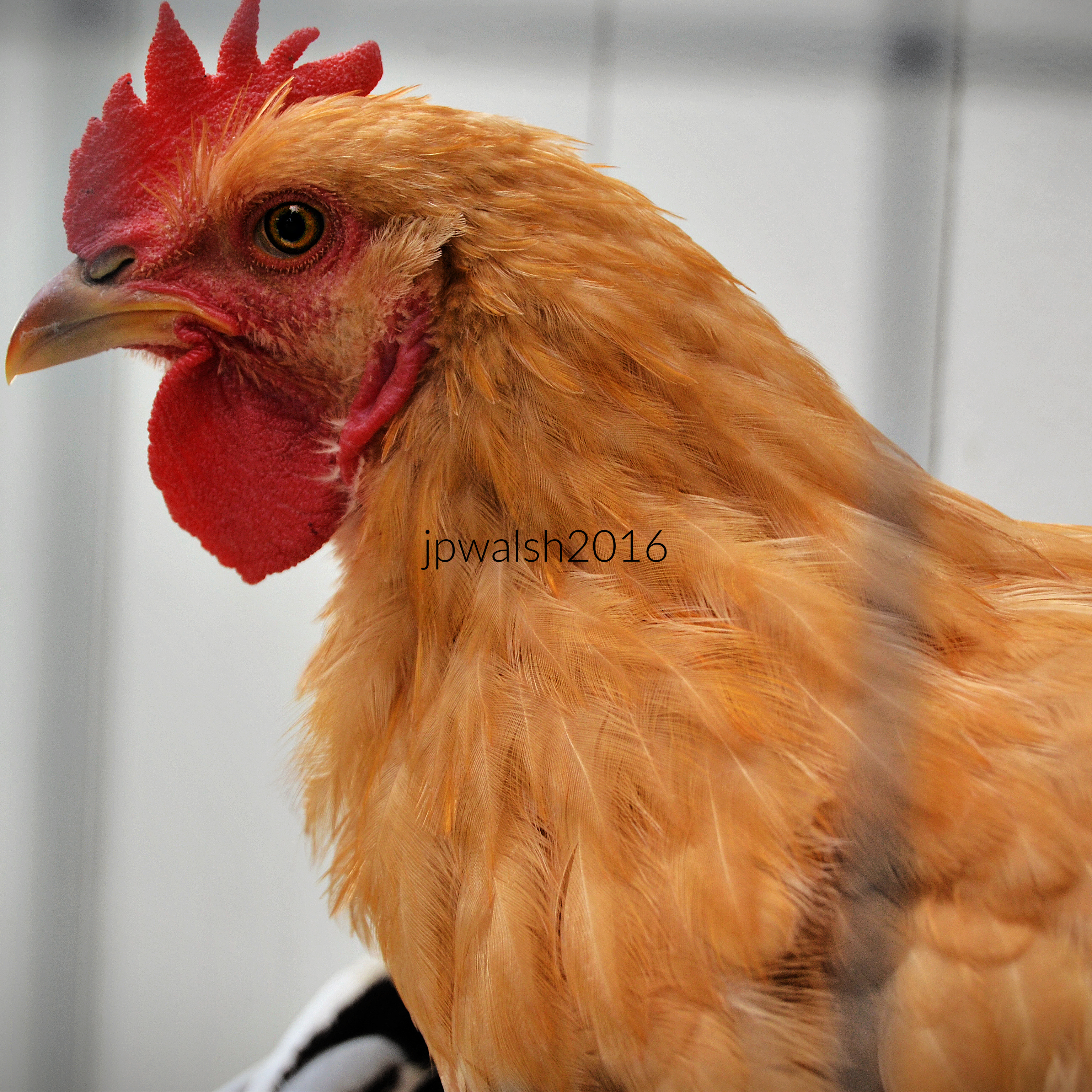
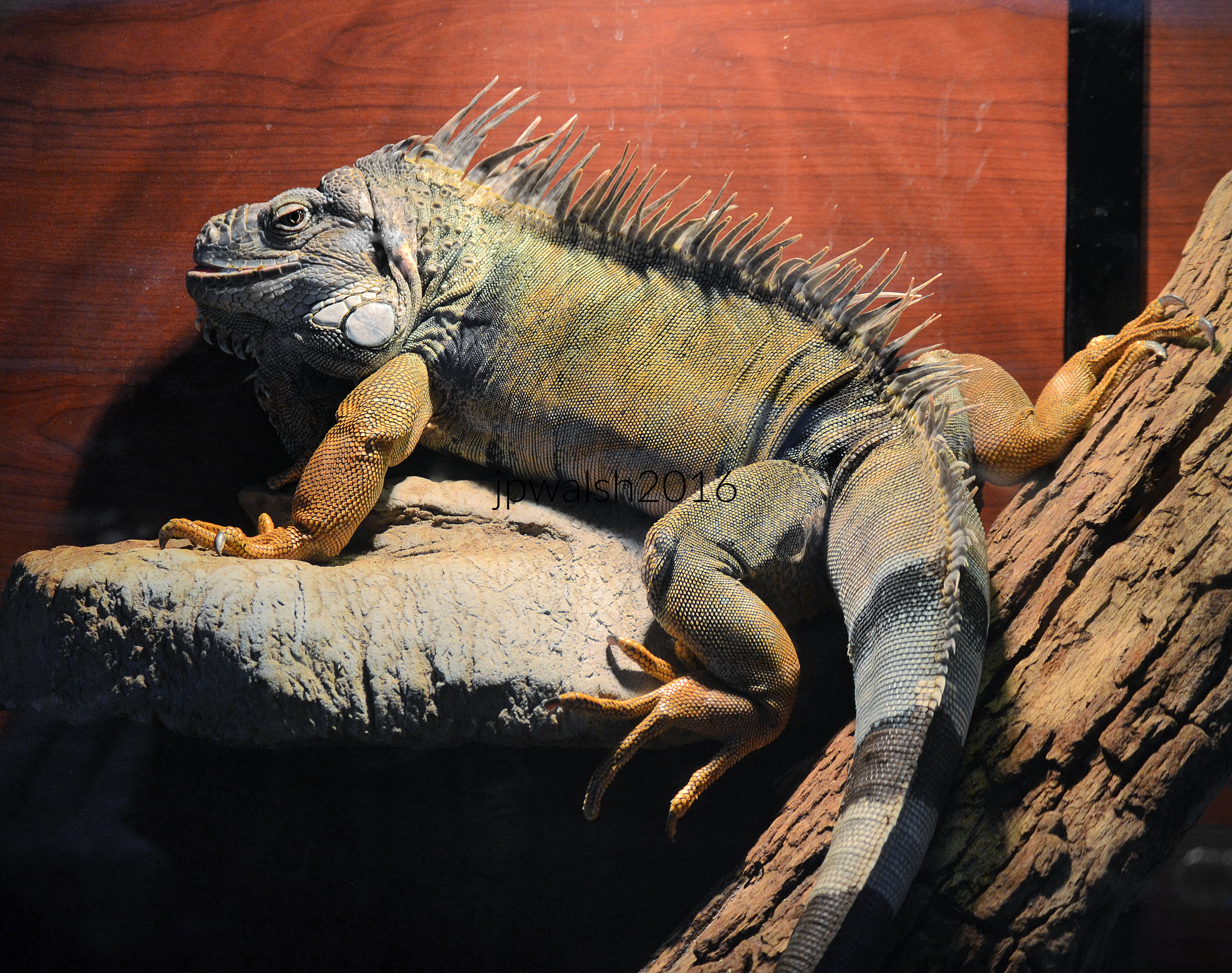
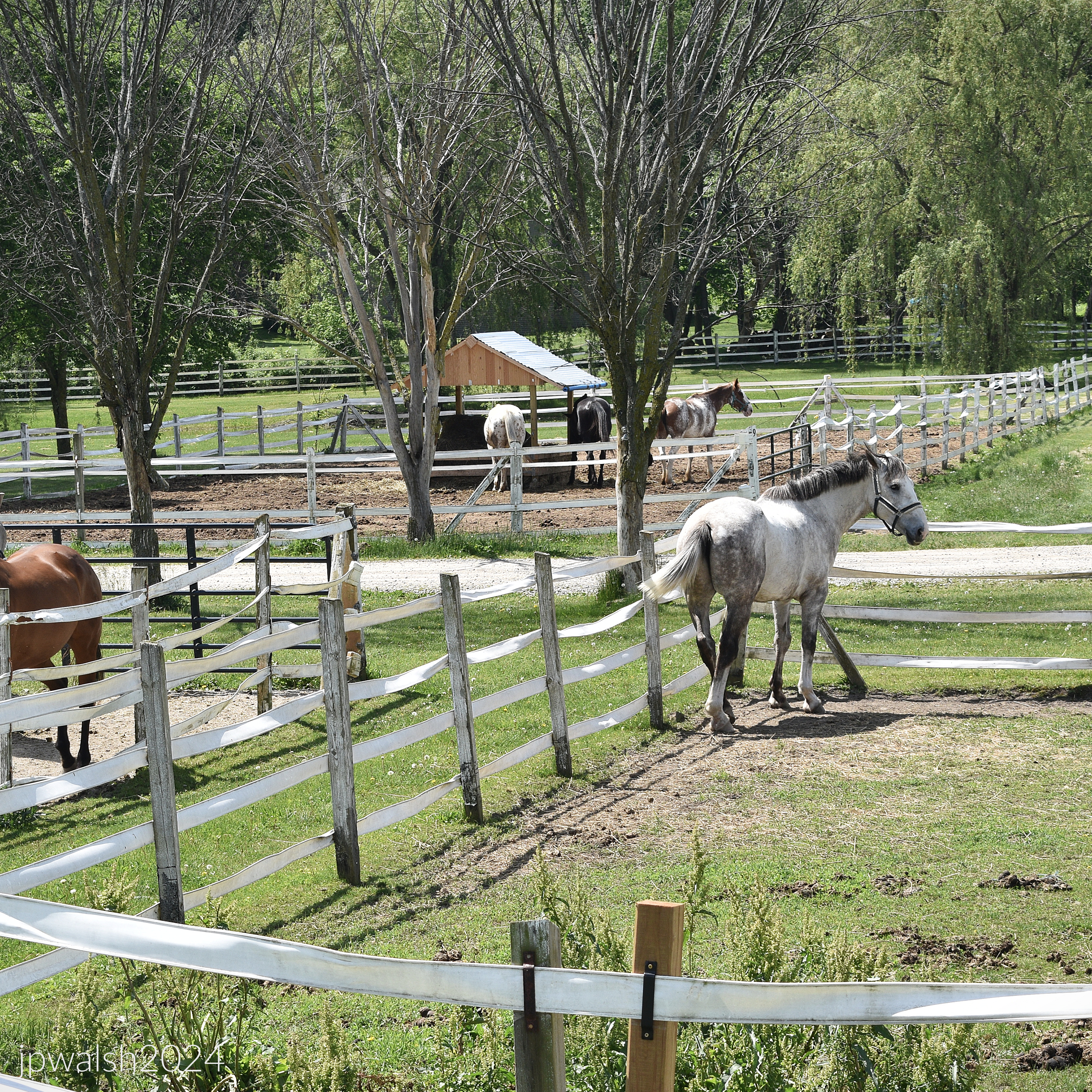
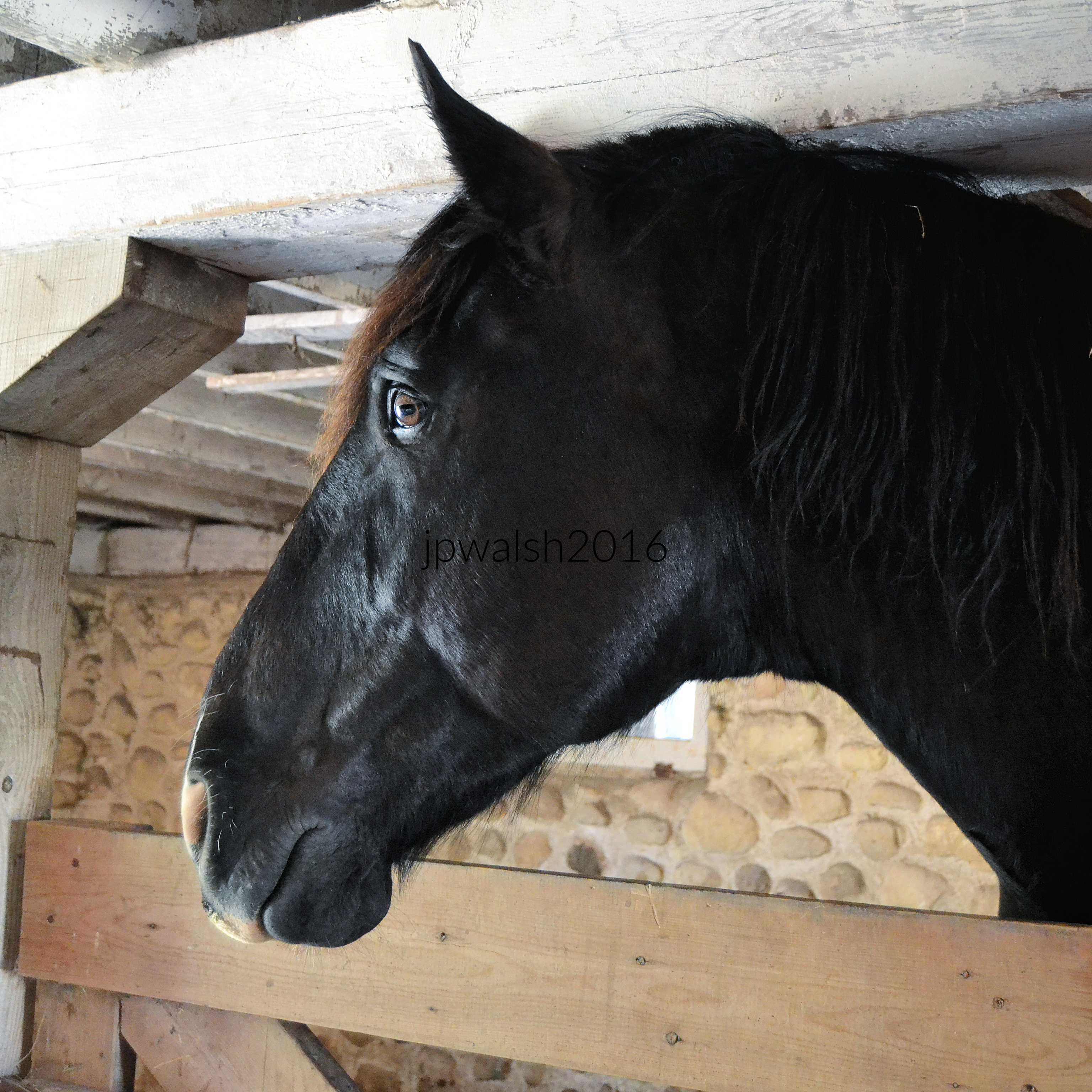
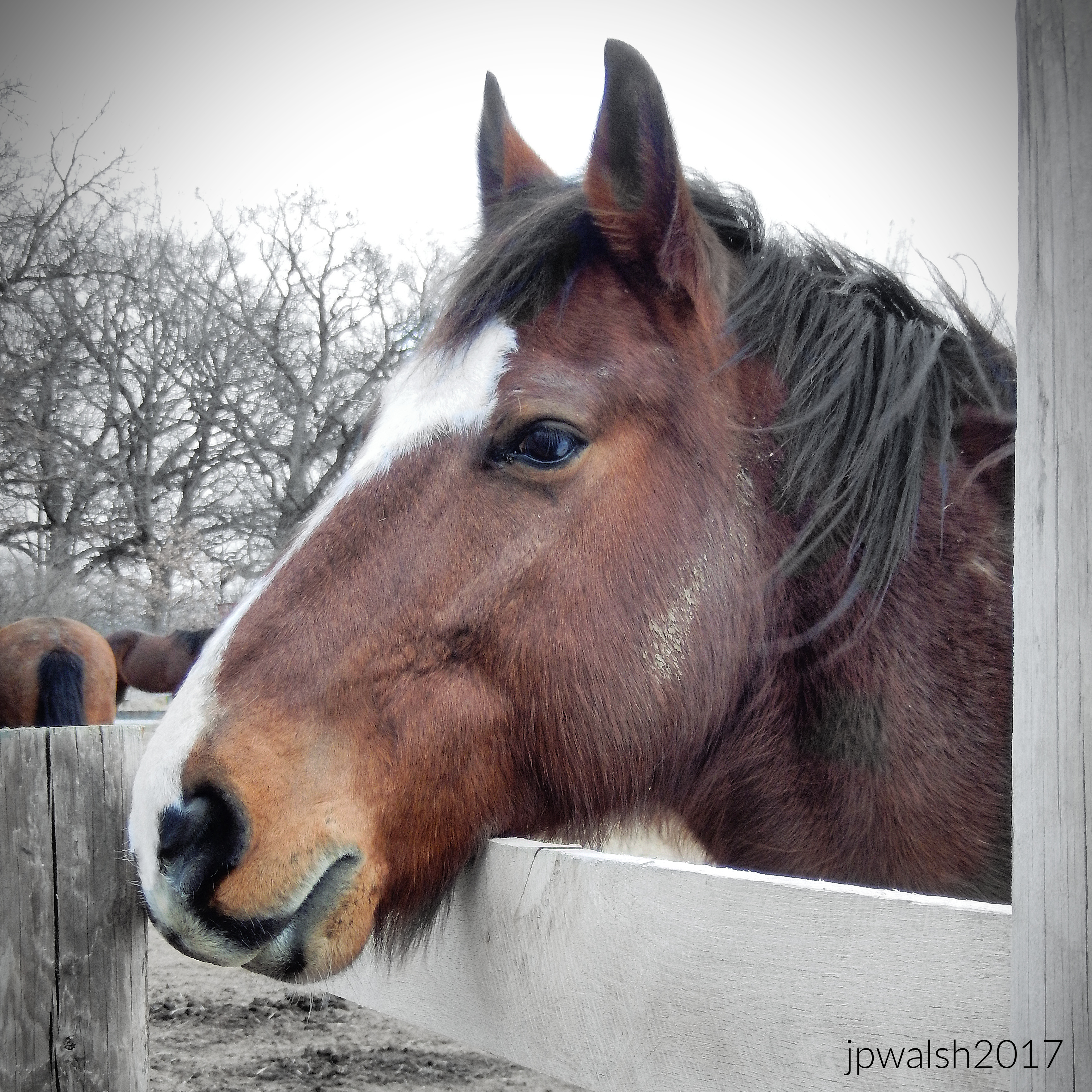
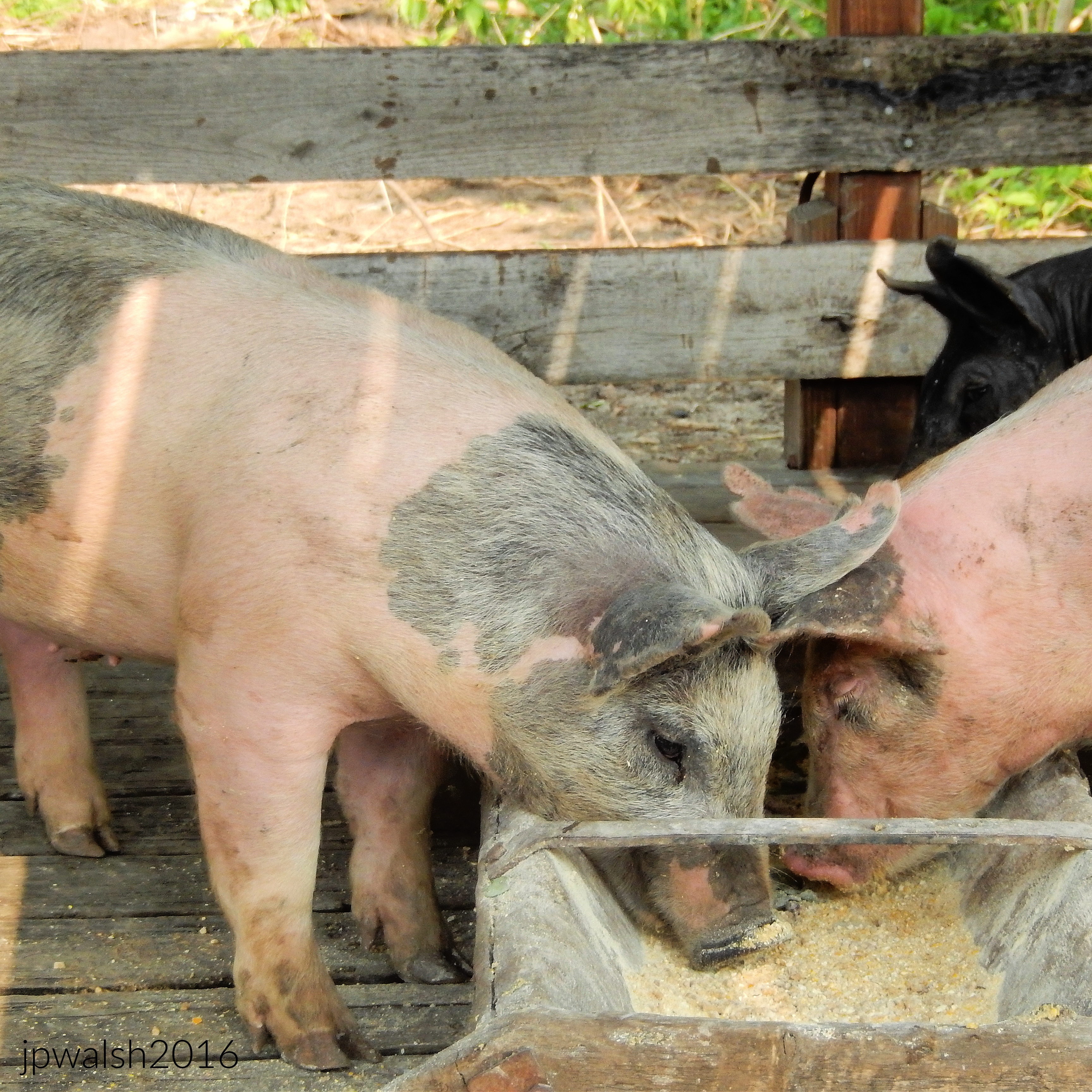
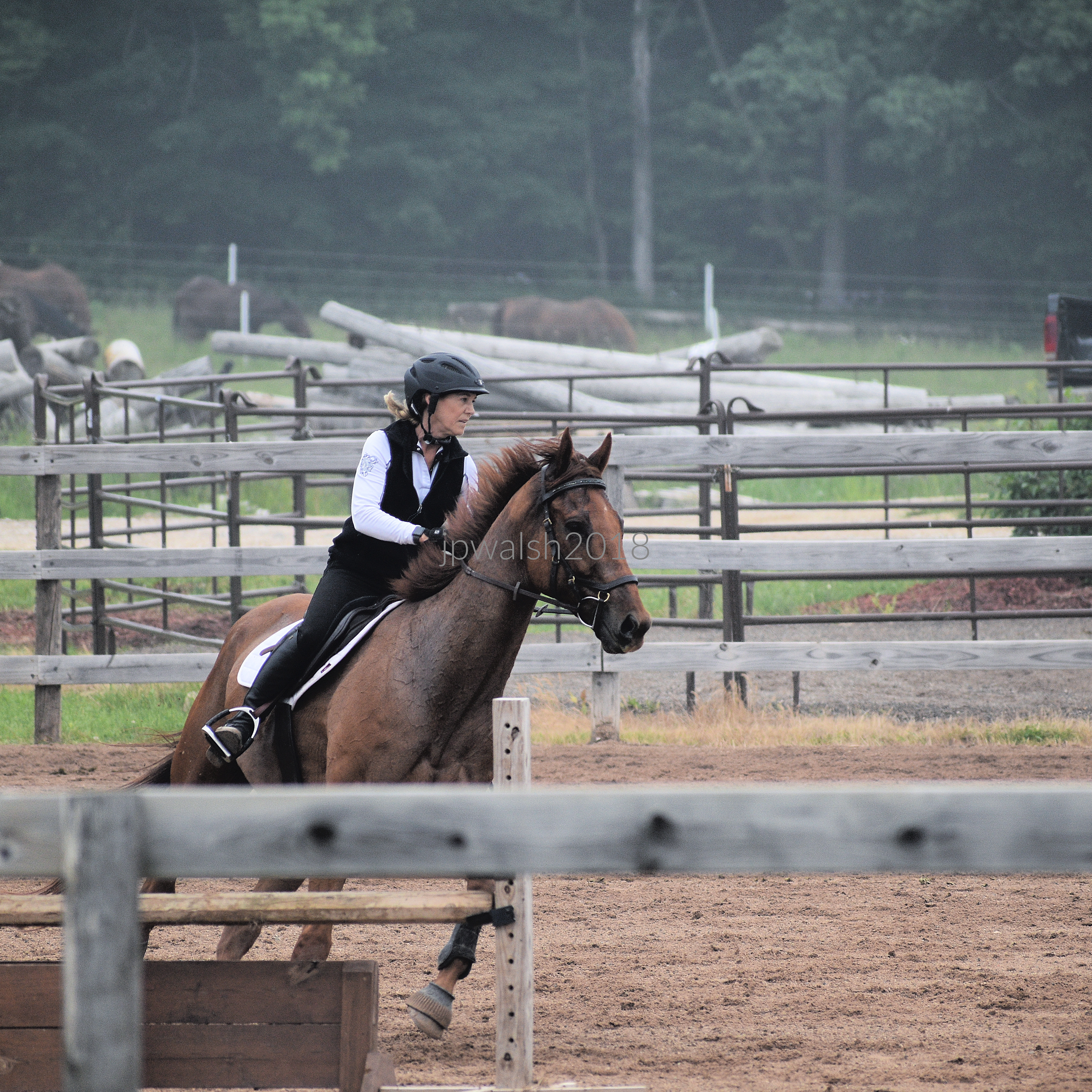
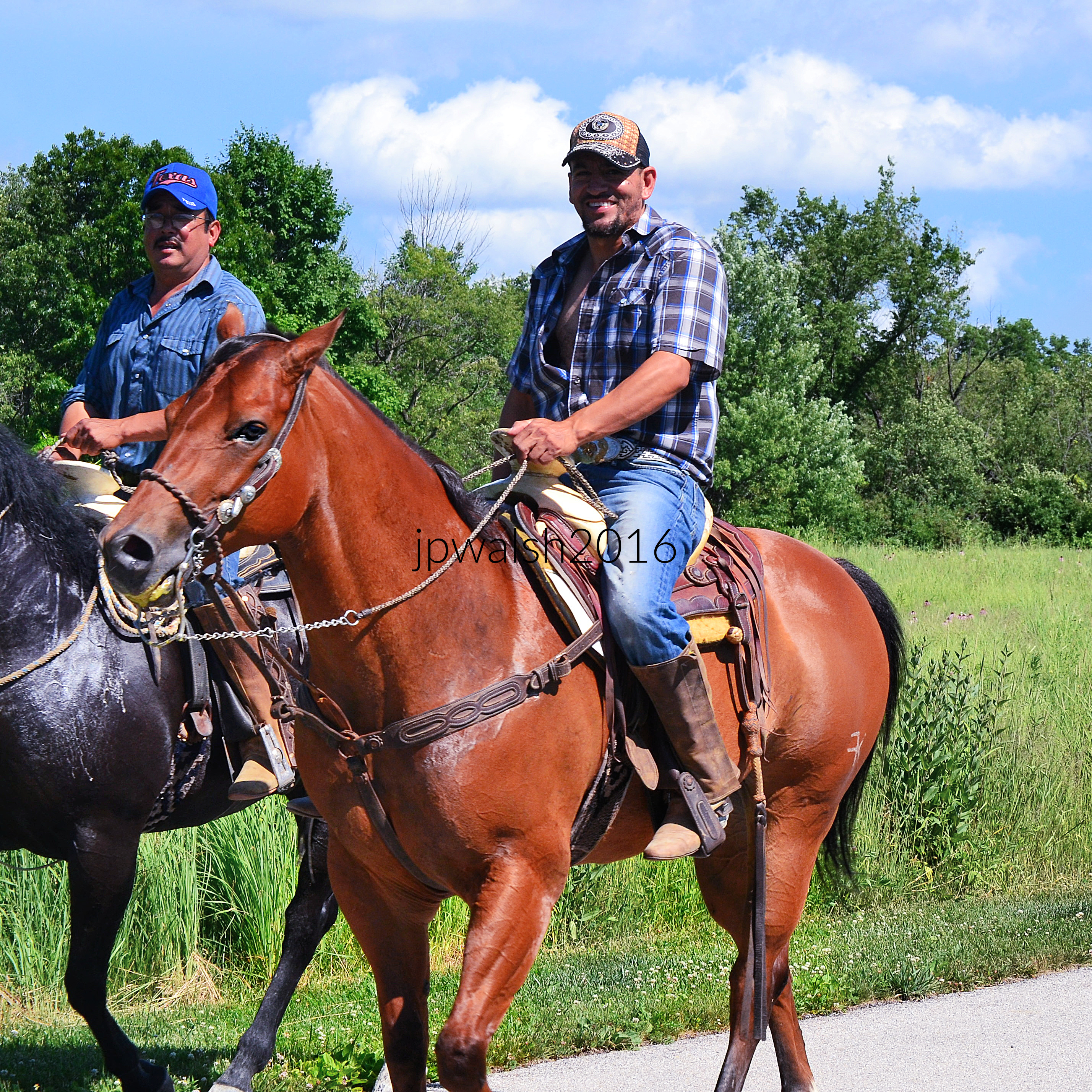
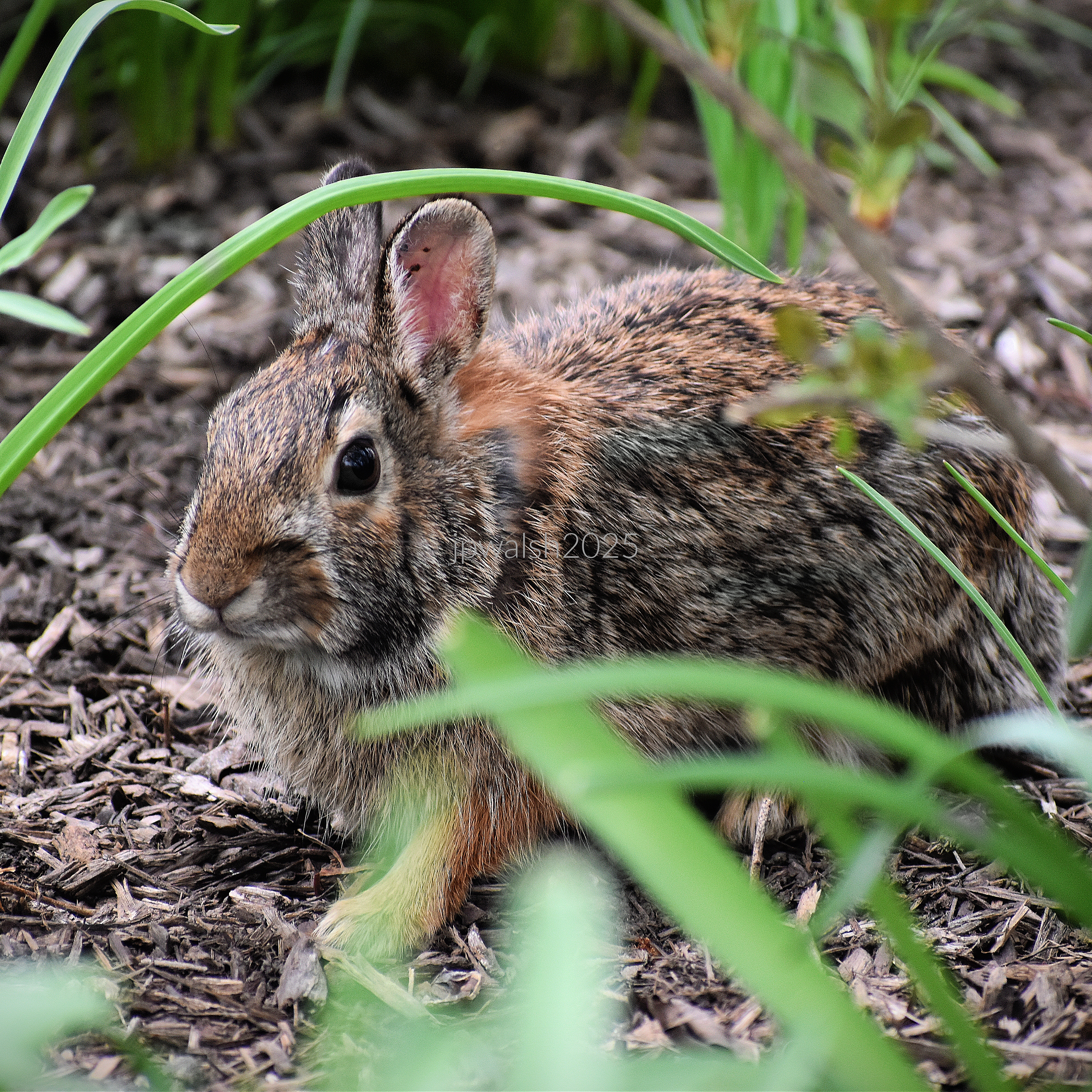
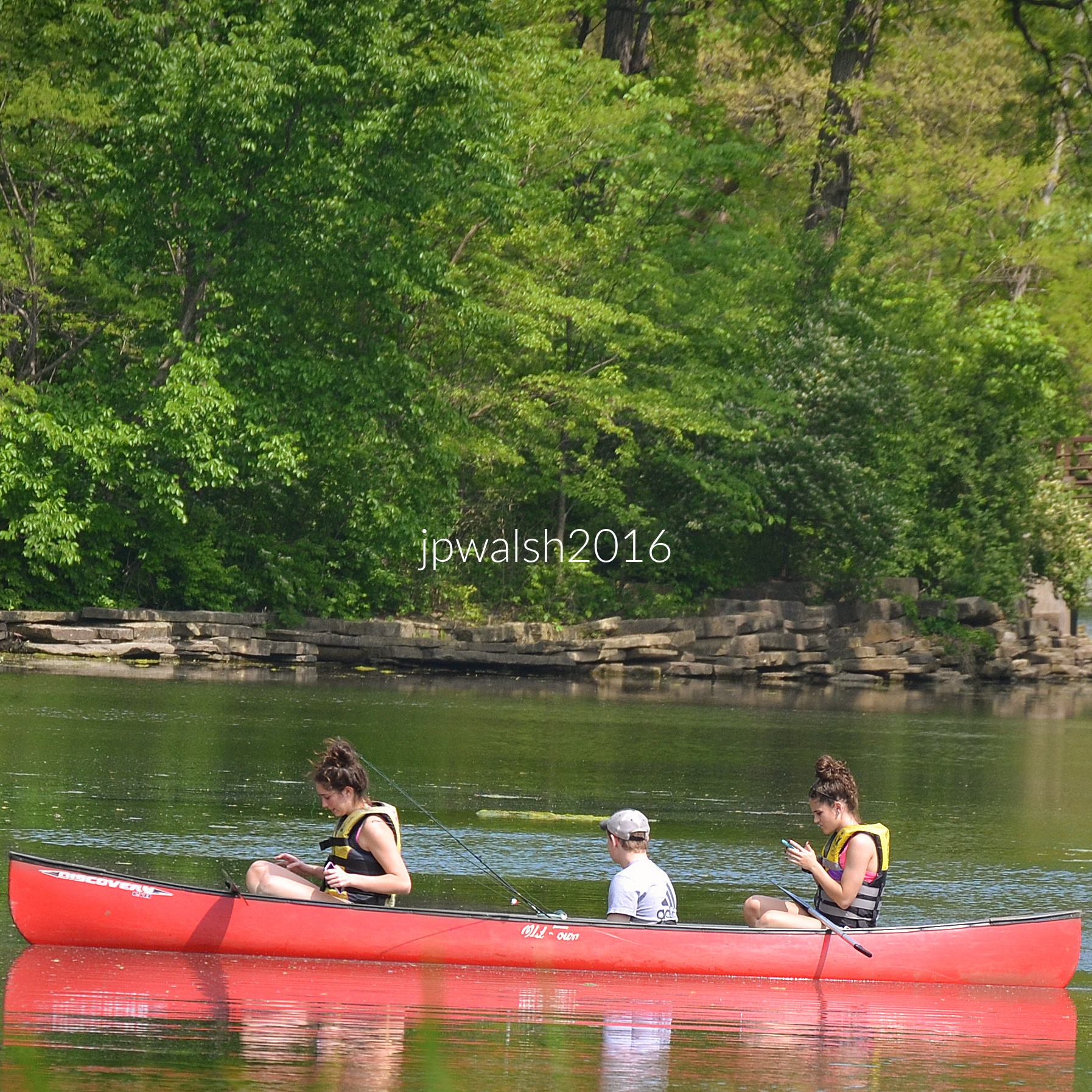
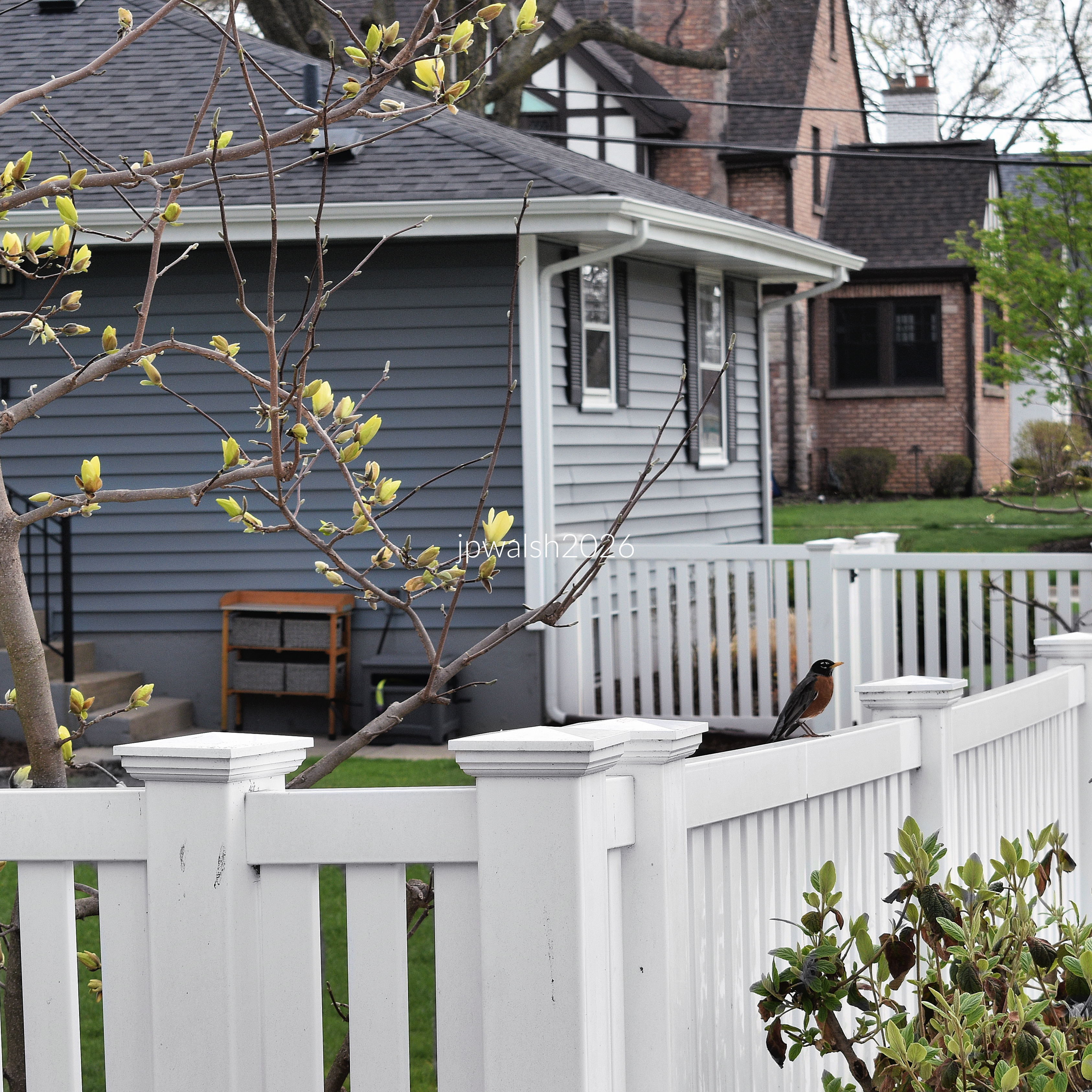
April 2016. wolf. Phillips Park Zoo (Aurora, IL).3.44mb 0162 (1)April 2016. chicken. 3.44mb 0162 (1)August 2016 rooster. 4.52 mb 0235 (1)Aug-2016-3.95mb-0236-April 2016. bald eagles. Phillips Park Zoo (Aurora, IL).2.20mb 0013 (1)July 2015. black-crowned night heron. Oakbrook, IL. 2.32 mbJuly 2015. robin. Darien, IL. 1.96 mbAugust 2017. dog. 3.55 mbApril 2016. green iguana. Phillips Park Zoo (Aurora, IL).8.34 mb 0116April 2016. green iguana. Phillips Park Zoo (Aurora, IL).4.91mb 0103 (1)May 2015. jaguar, Lincoln Park Zoo. 0808July 2016. jaguar, Lincoln Park Zoo. 3.99mb 0519August 2016. rooster. 4.20mb 0252 (1) July 2024. deer. St. Joseph Creek. 7.62mb 0479 (1)May 2024. Horse farm. Kane Co. 93% 7.81mb 6571May 2016. Horse. Kline Creek Farm, DuPage Co. 3.34mb DSC_0273 (1)February 2017. 5.07mb DSCN4884May 2016. Pigs at trough. Kline Creek Farm, West Chicago, IL 5.70mb N2941 (1)August 2016. Barrington, IL. 3.29mb DSC_0755June 2018. Black Star Farm. Cedarburg, WI “A good rider can hear their horse speak, and speak back. A great rider can hear their horse whisper, and whisper back.” 7.69mb DSC_0105June 2016. Timber Ridge, West Chicago, IL. 4.87mb DSC_0081 (1)April 2025. 72% 7.82mb DSC_8357May 2017. 3.23 mb DSC_0462 (1)
FEATURE Image: February 2018. Downers Grove, Illinois. 3.05 mb
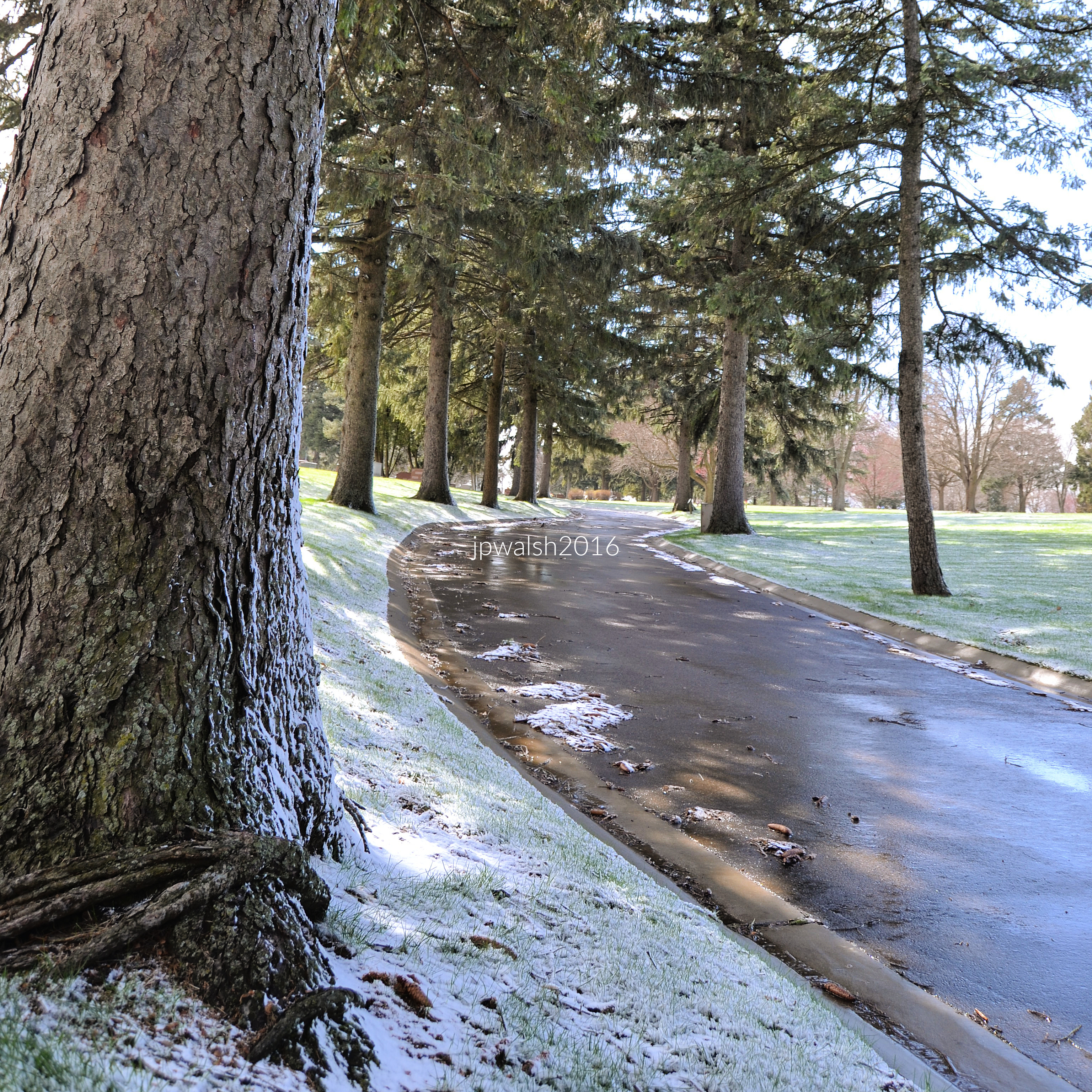
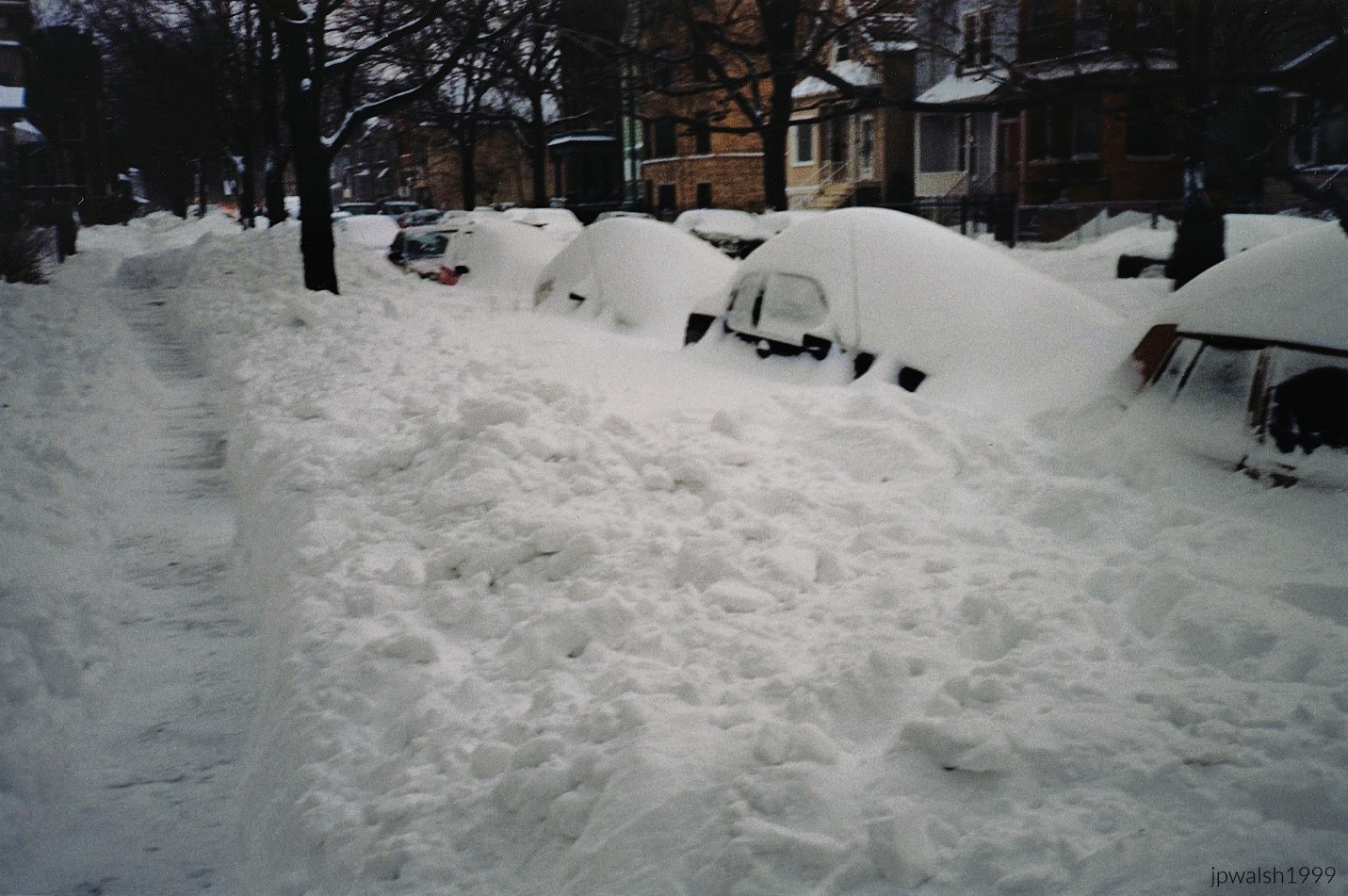
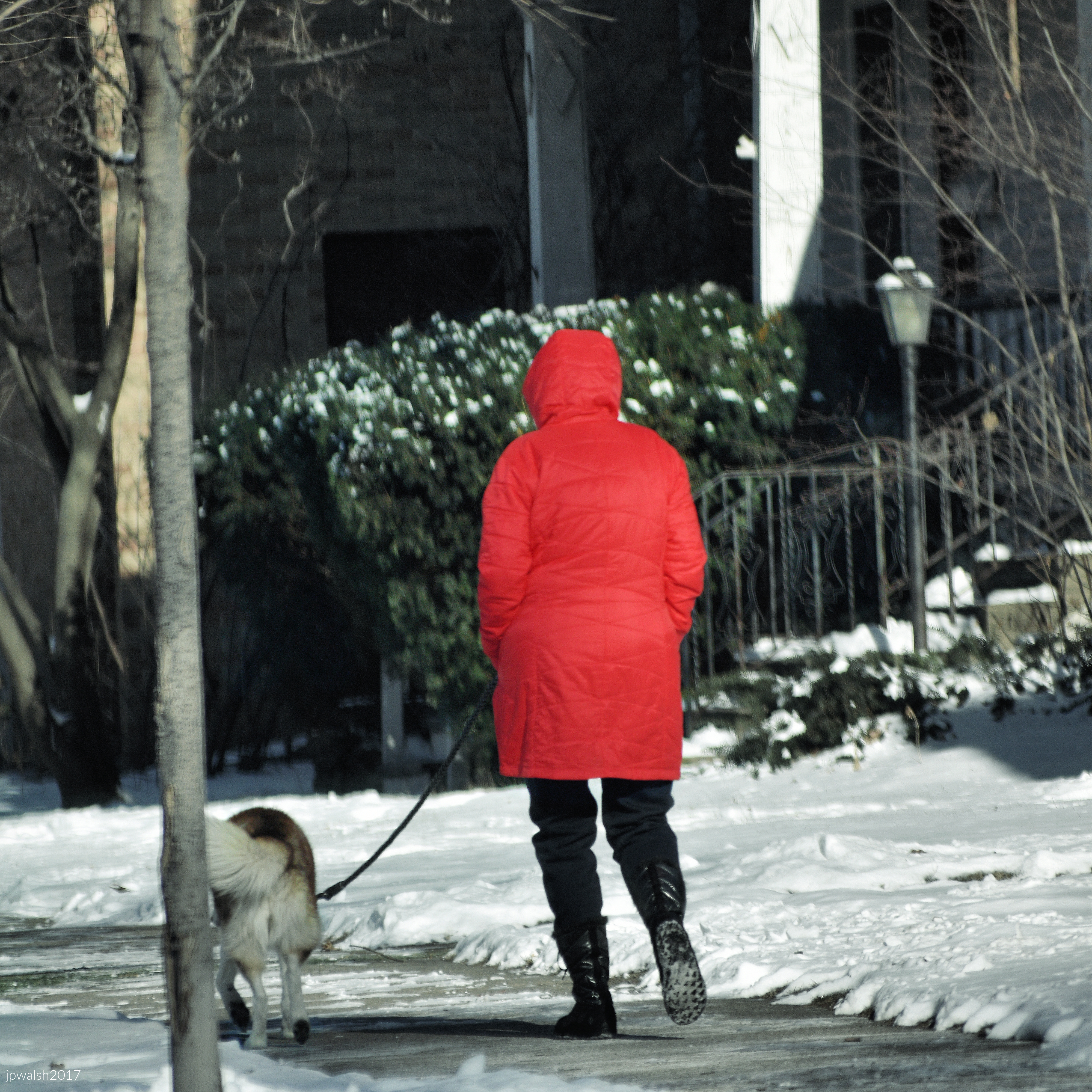
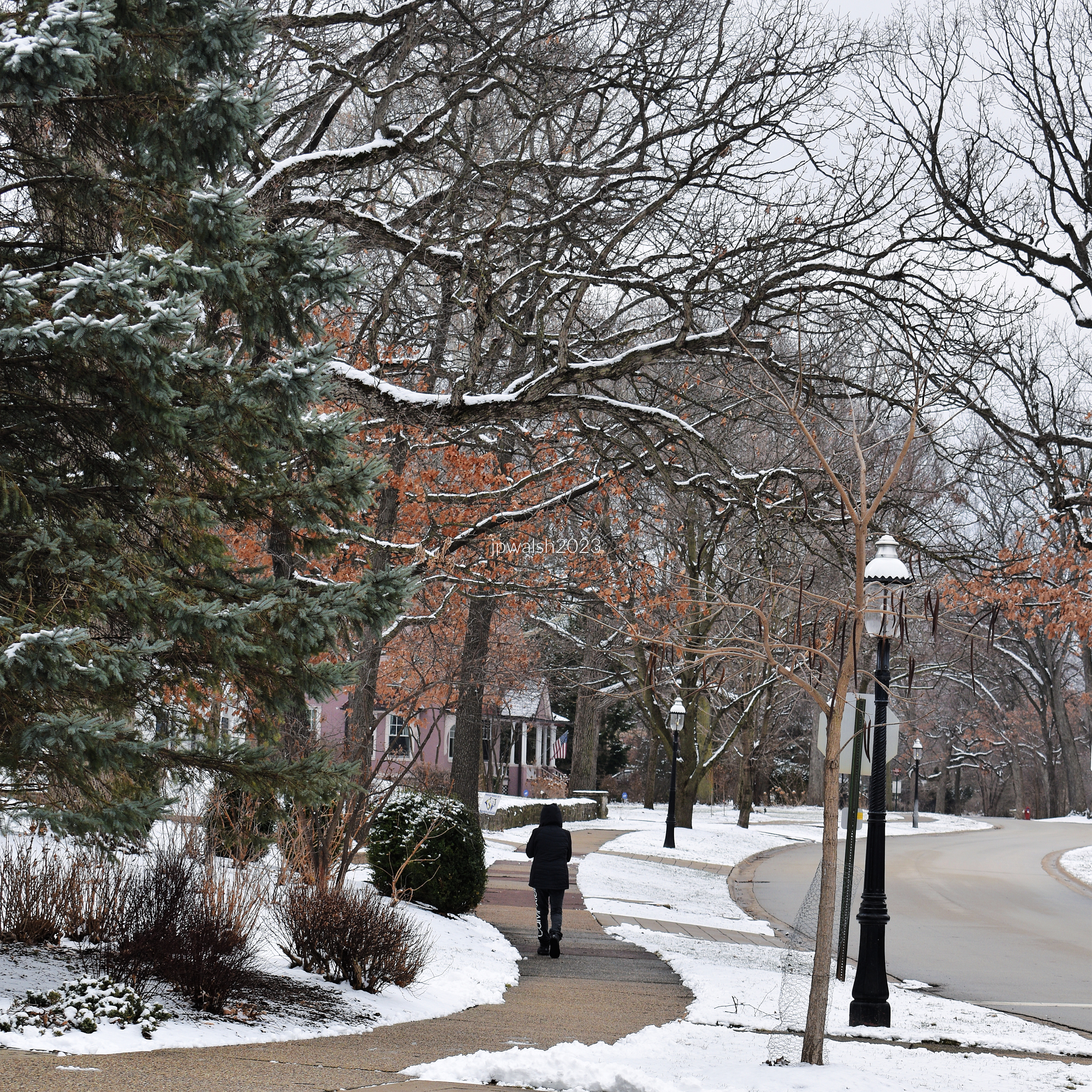
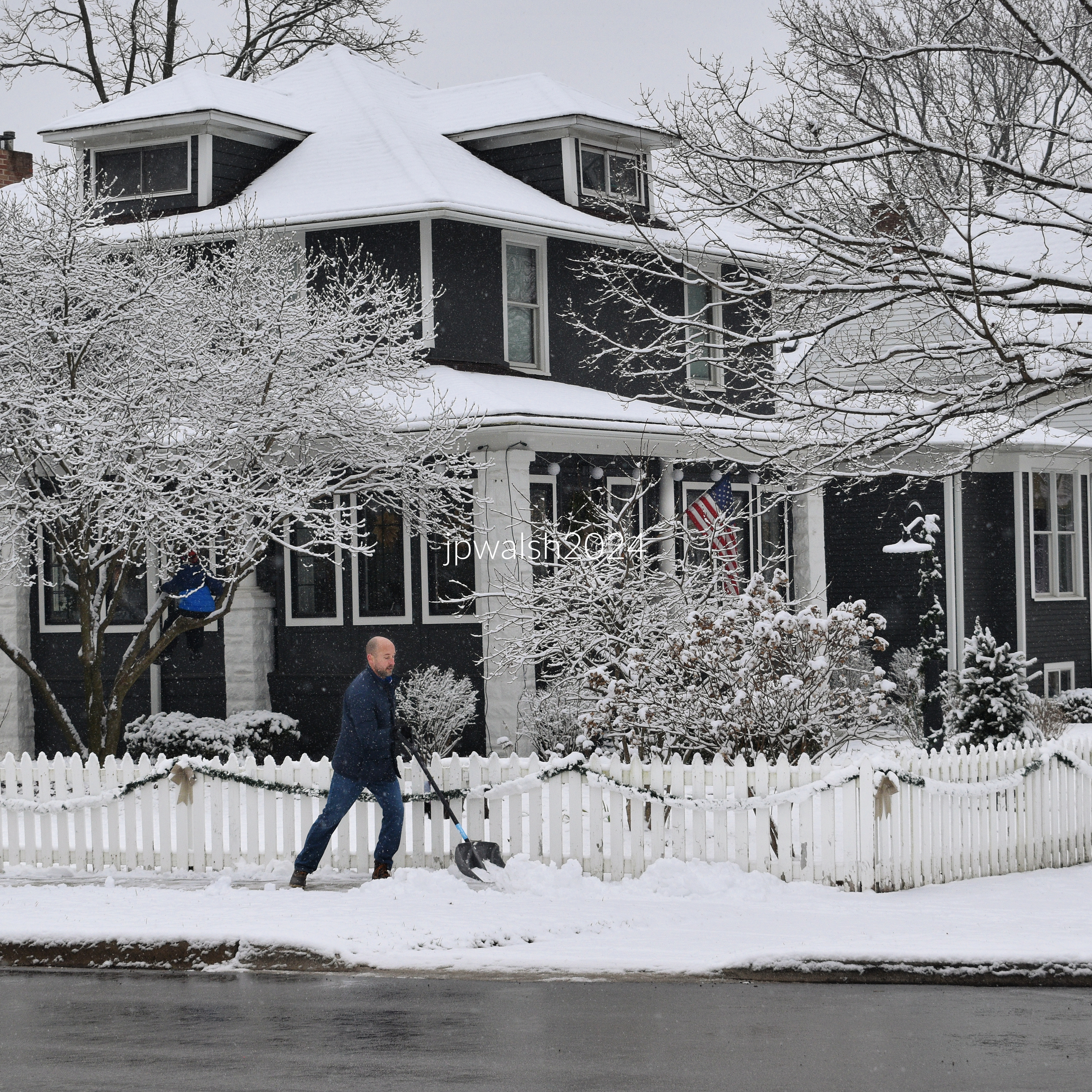
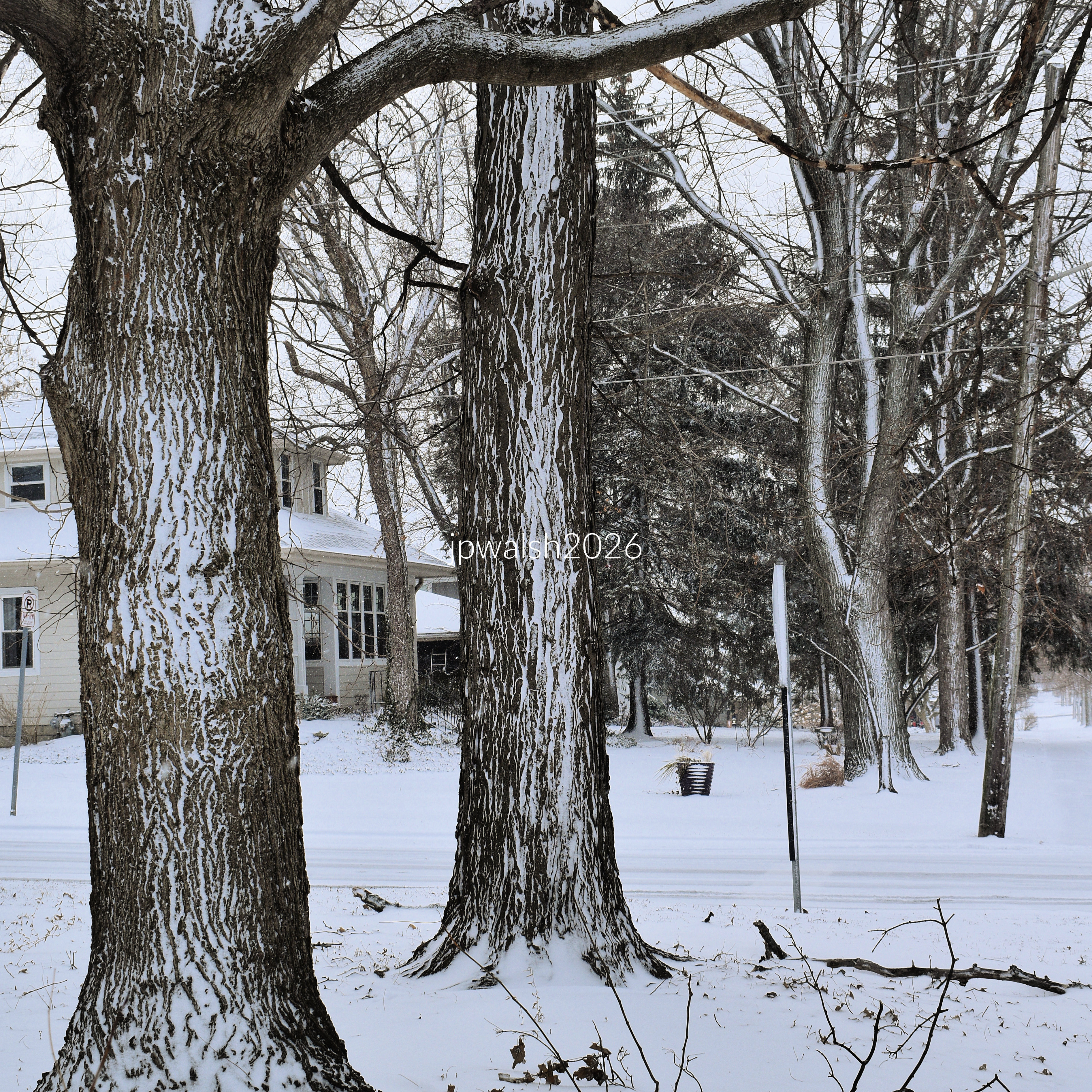
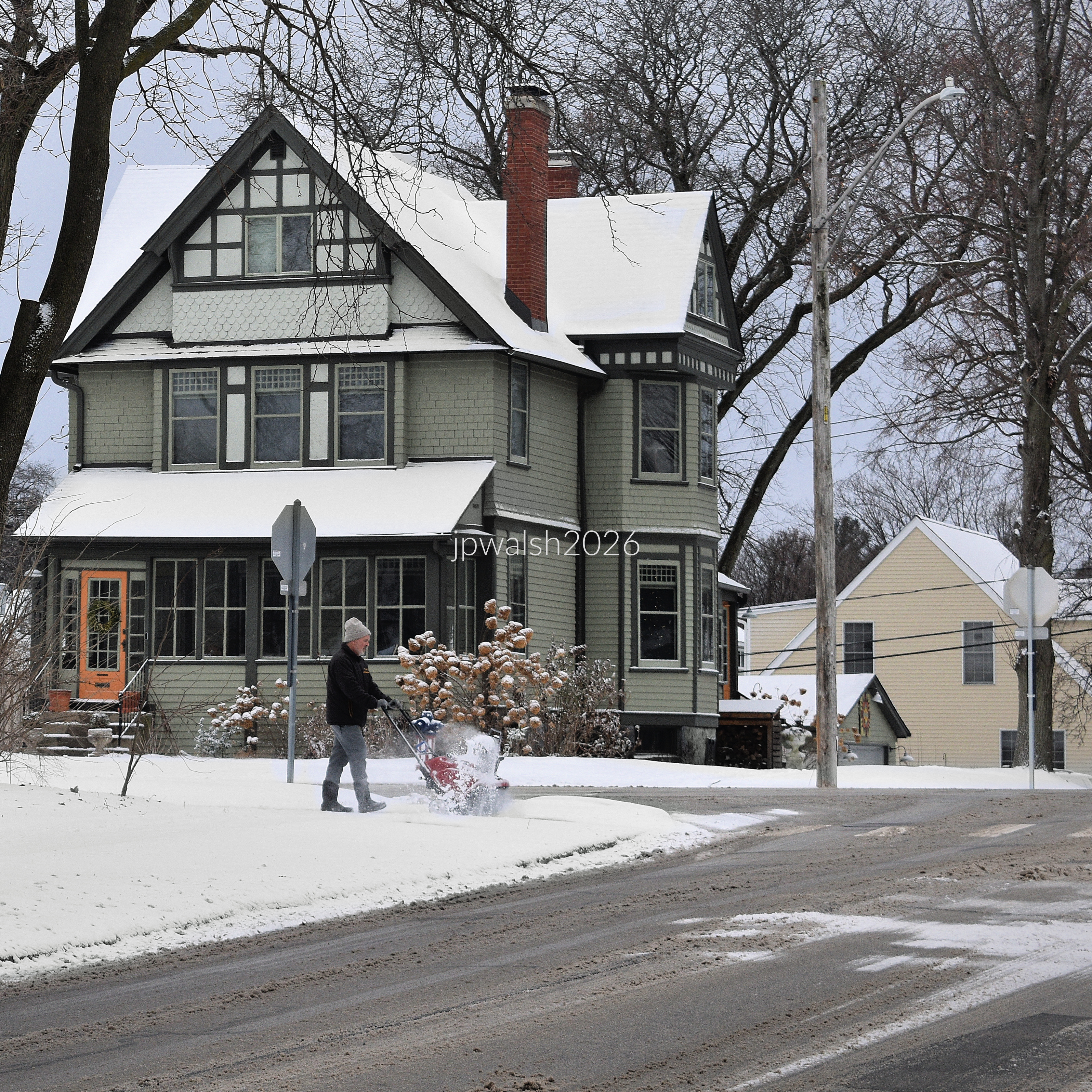
Mostly Snow, Ice, and Frozen Horizons: Life in the Winter Season explores the stark beauty of quiet landscapes and sheltered moments revealed as meditations on light, atmosphere, and human resilience—highlighting forms, textures, and rhythms of life absent during the rest of the year.
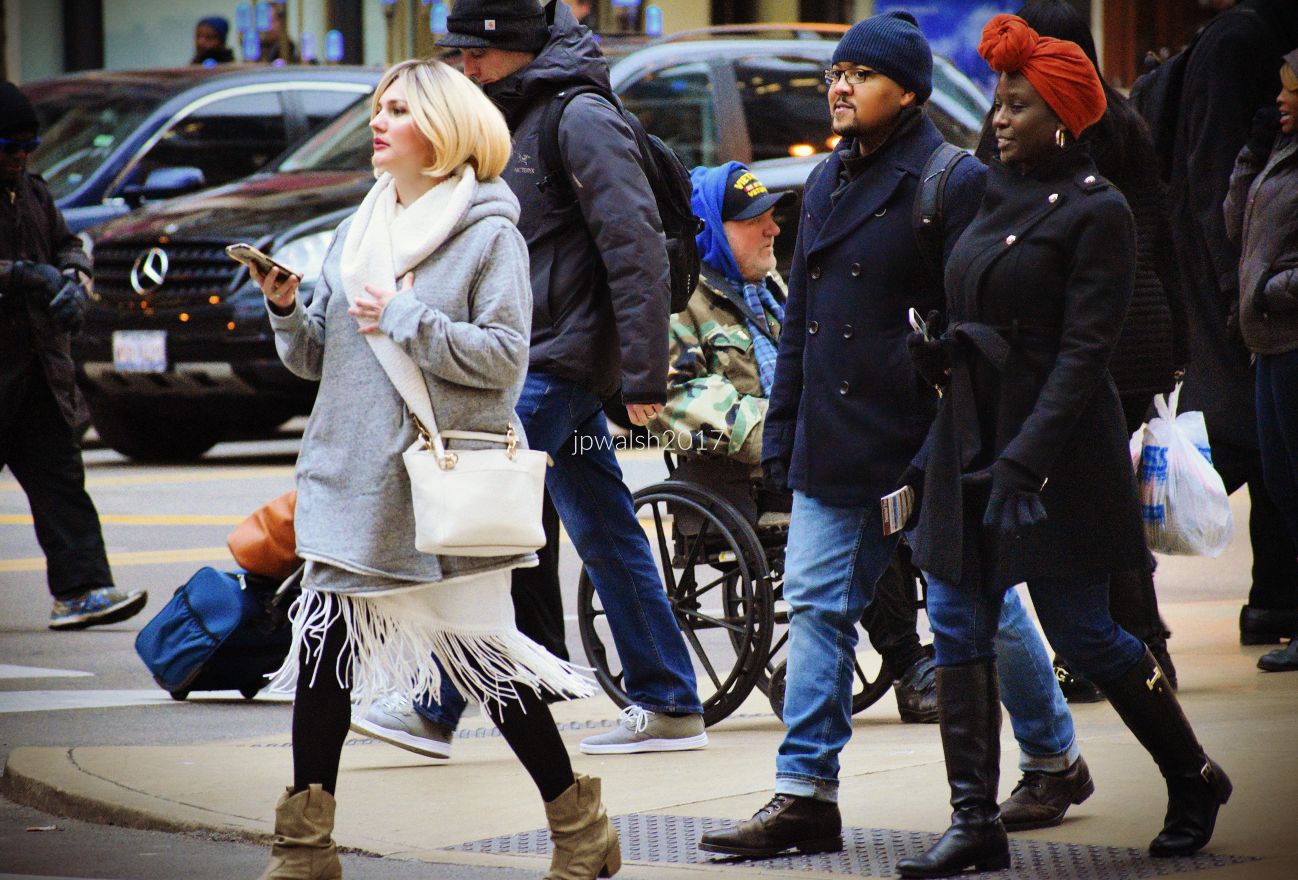
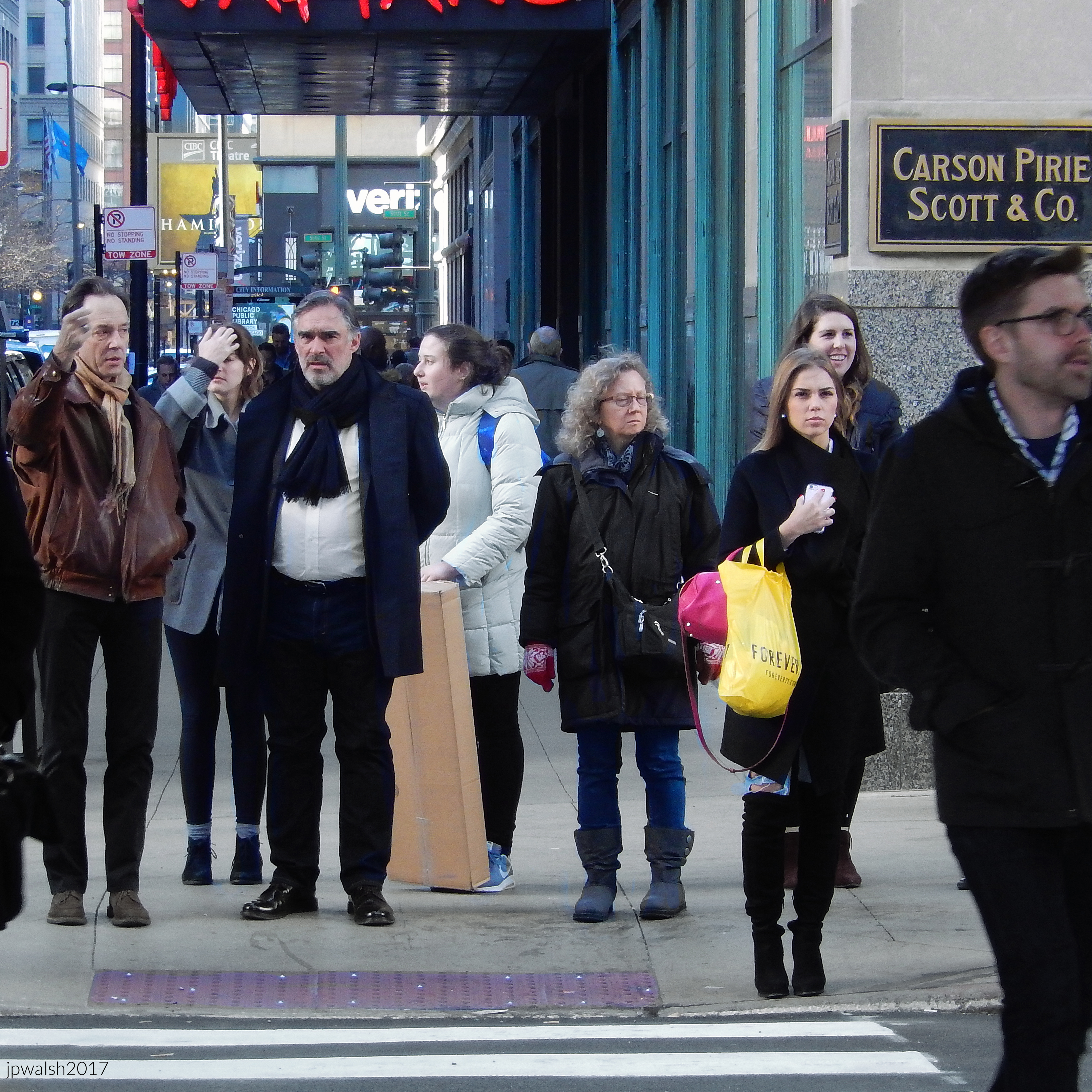
FEATURE Image: November 2017. Michigan-based Saints basketball team visiting in downtown Chicago.
All photographs and text by John P. Walsh.
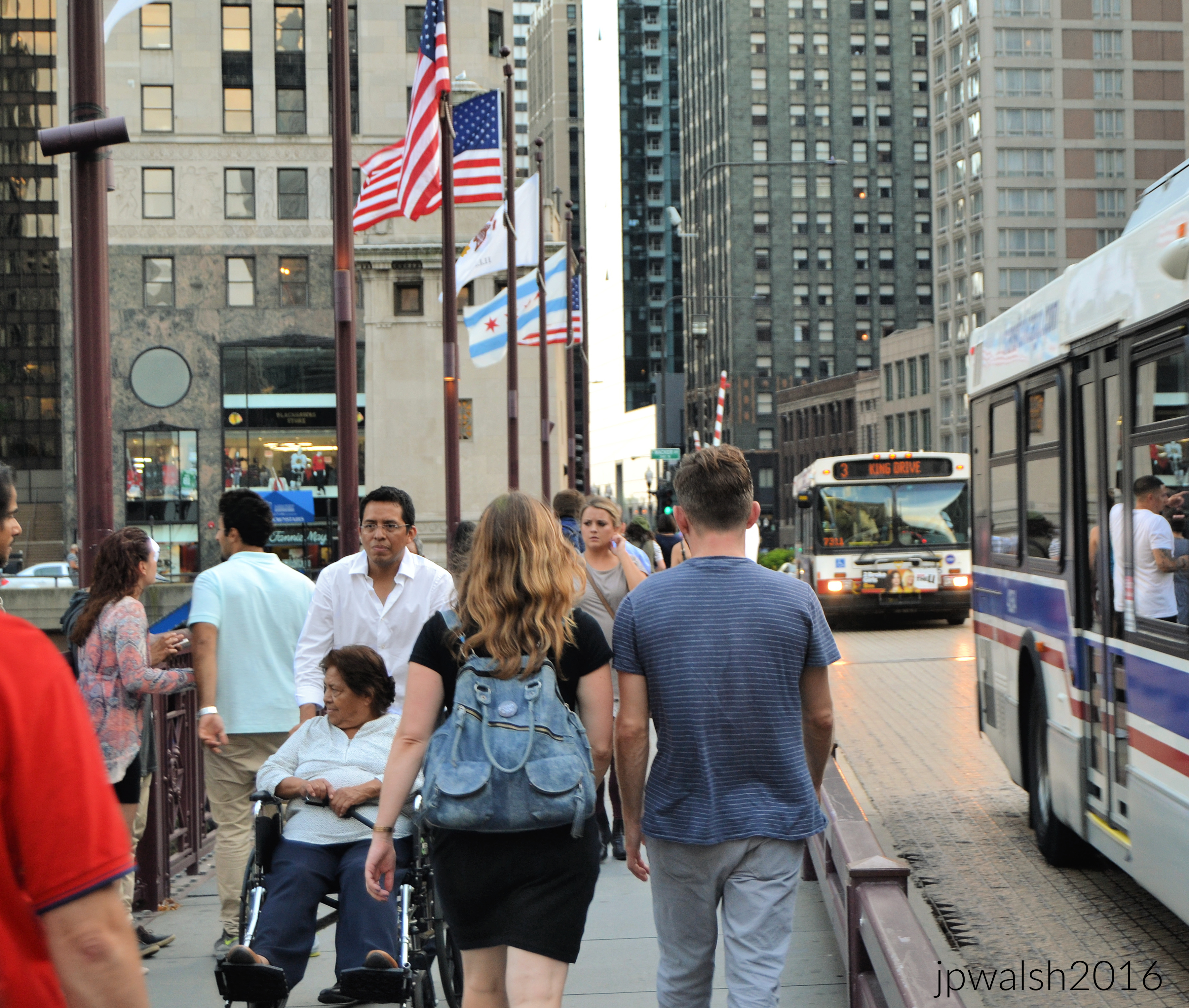
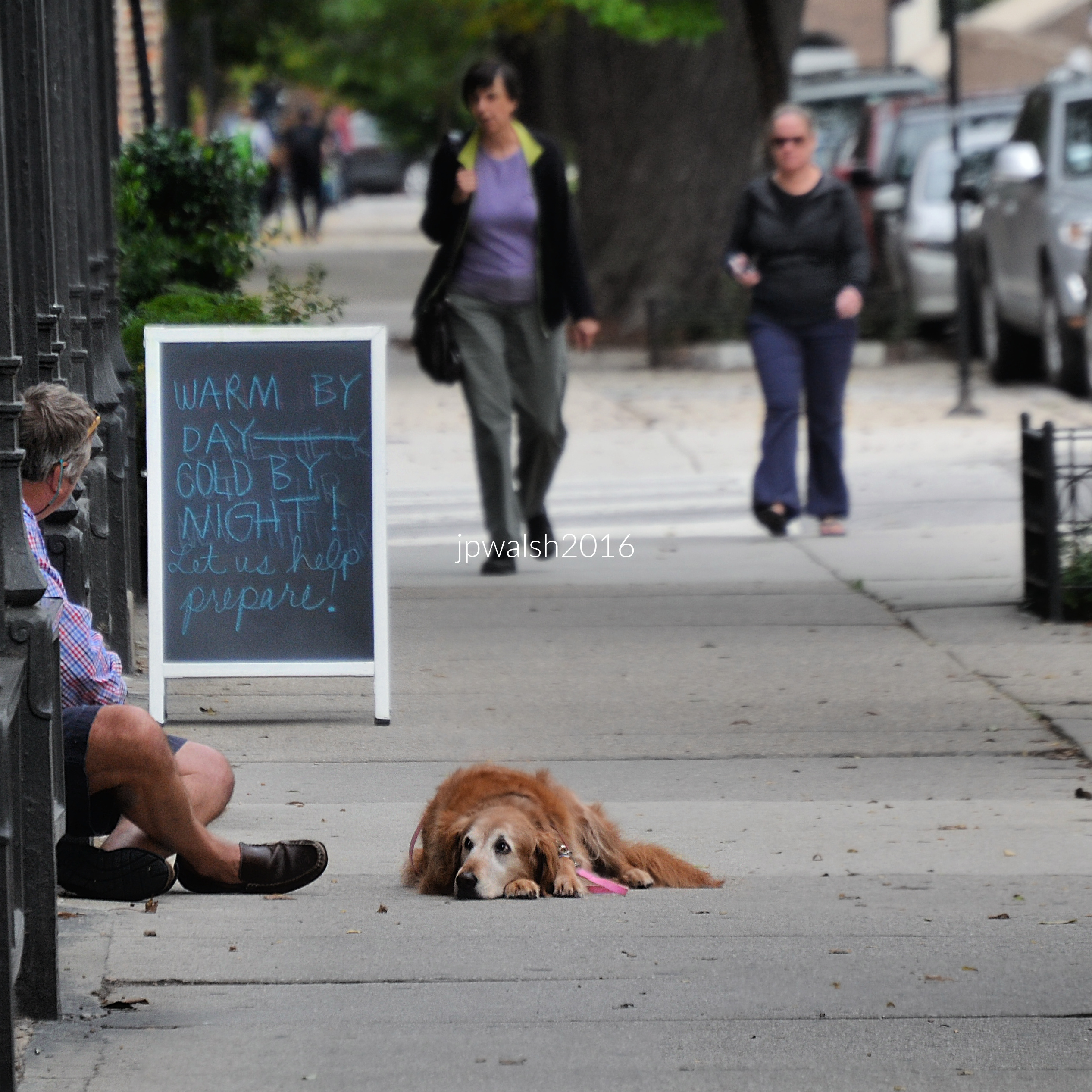
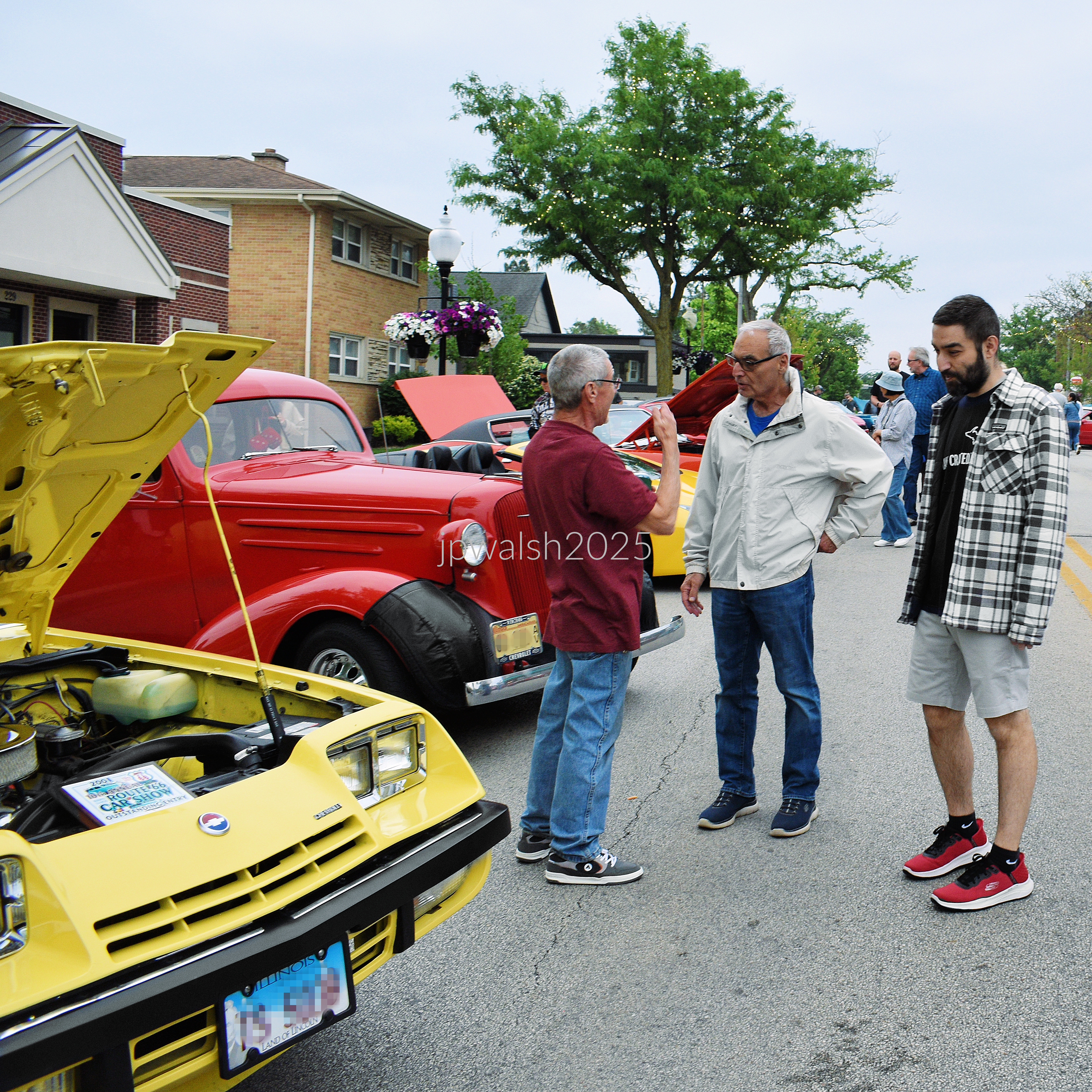
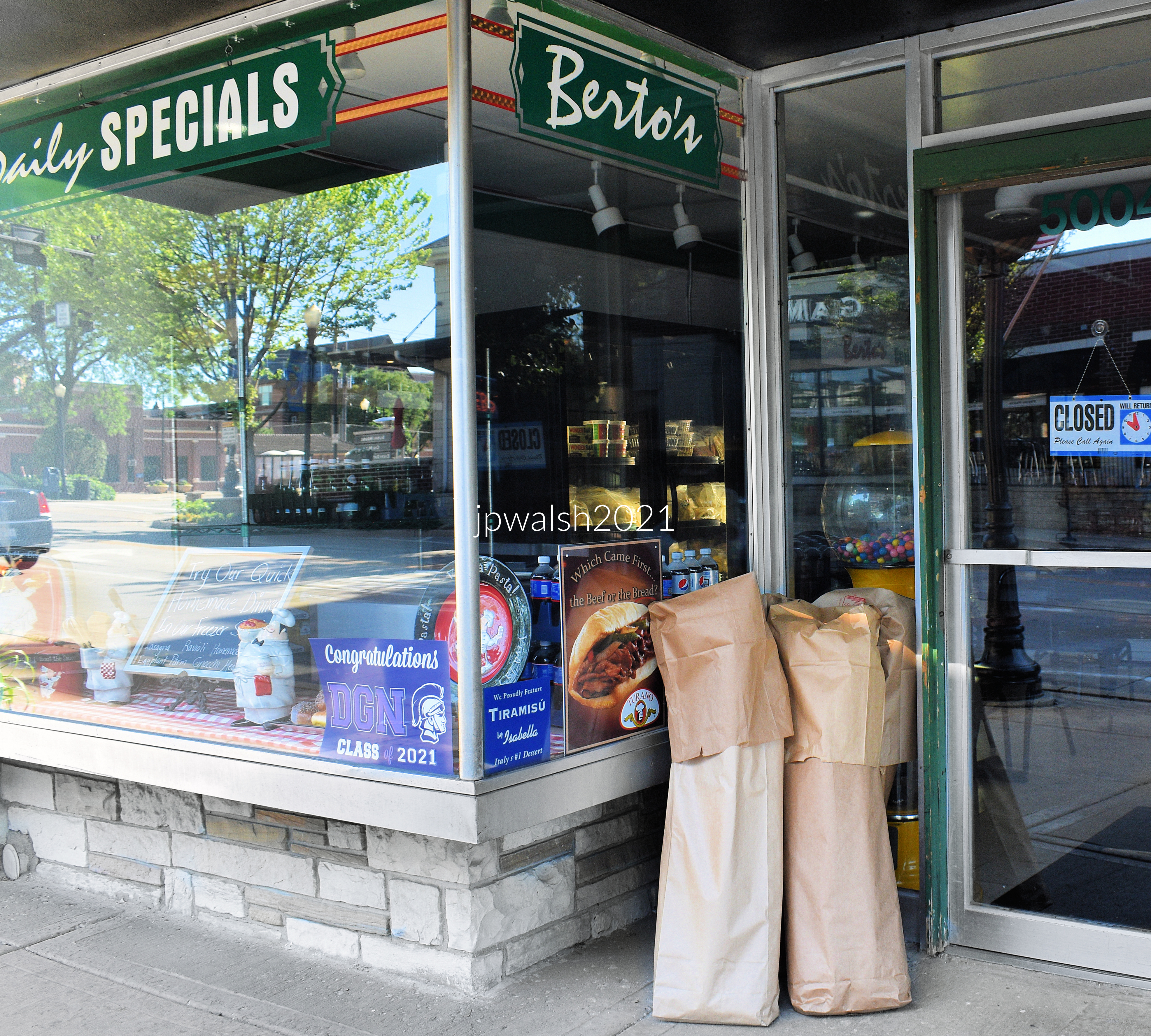
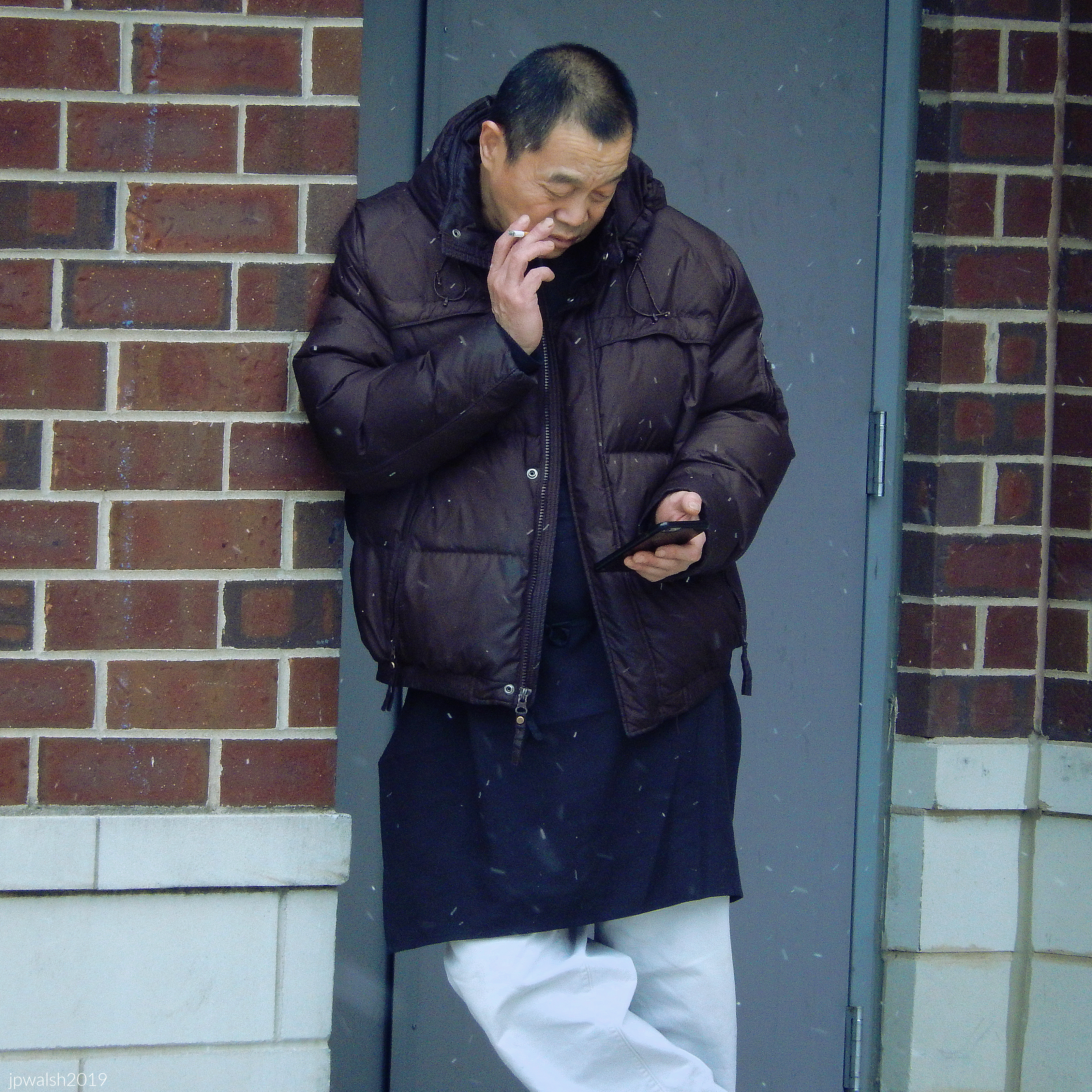
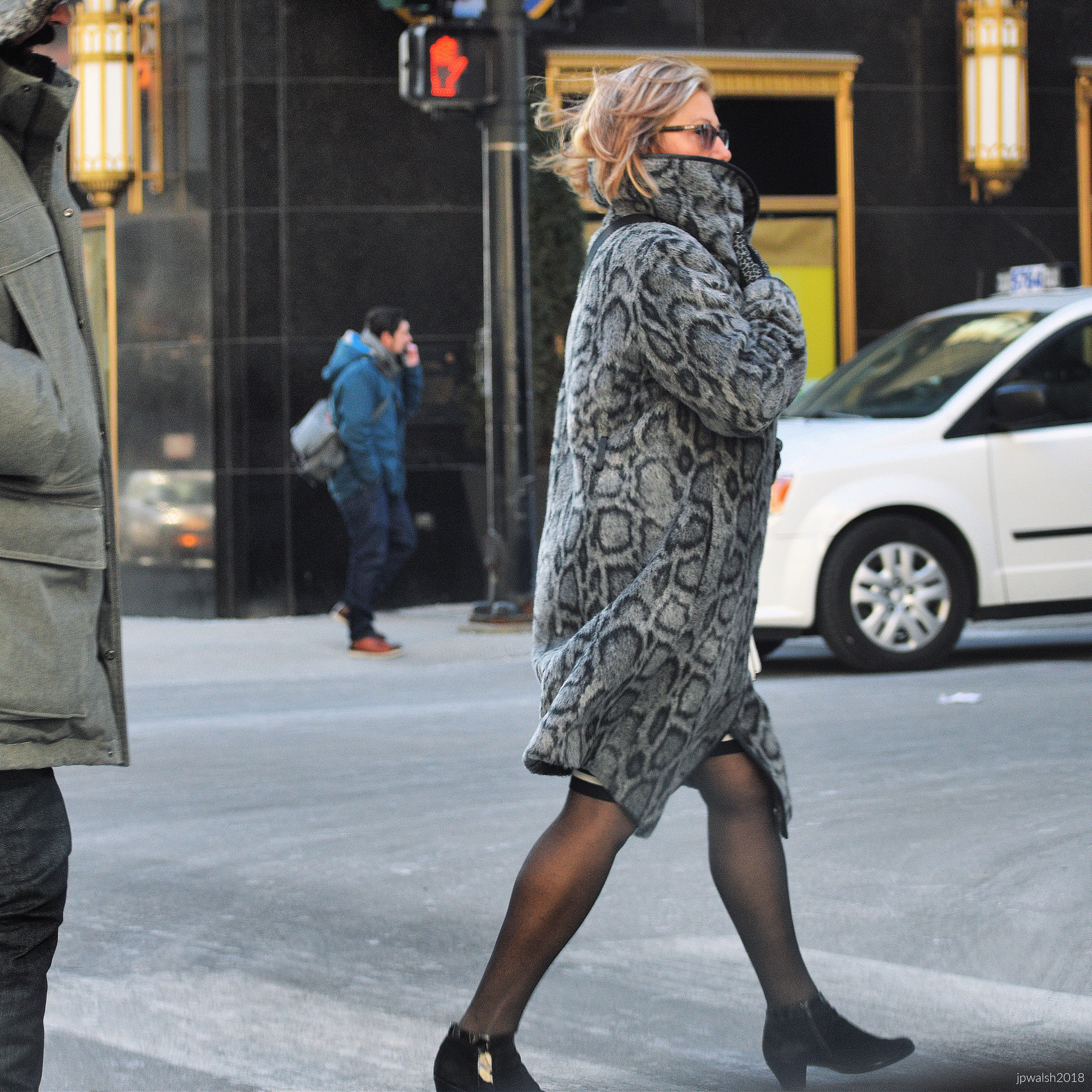
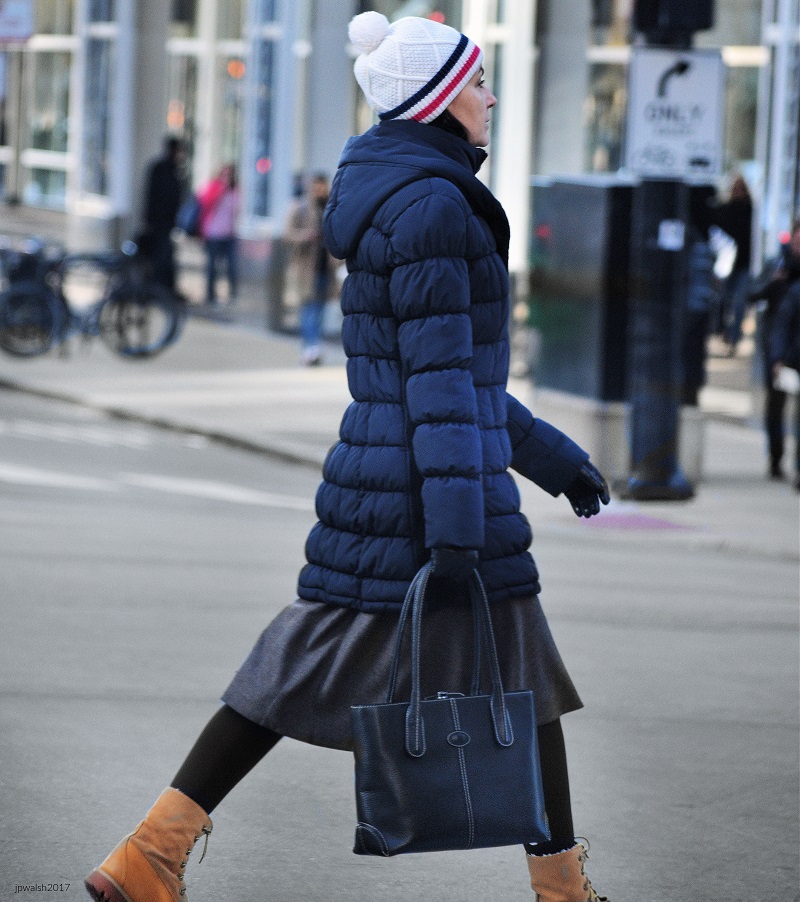
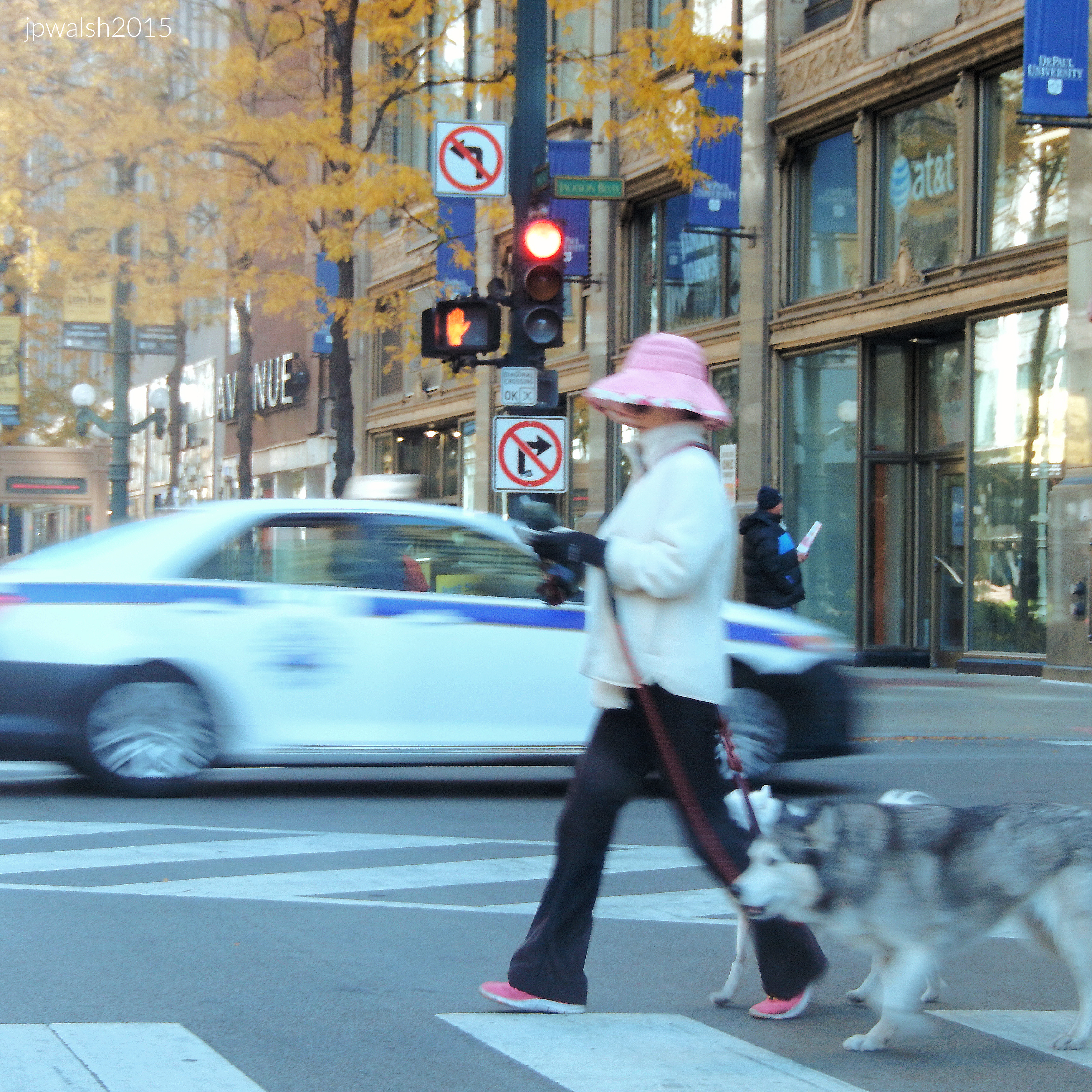
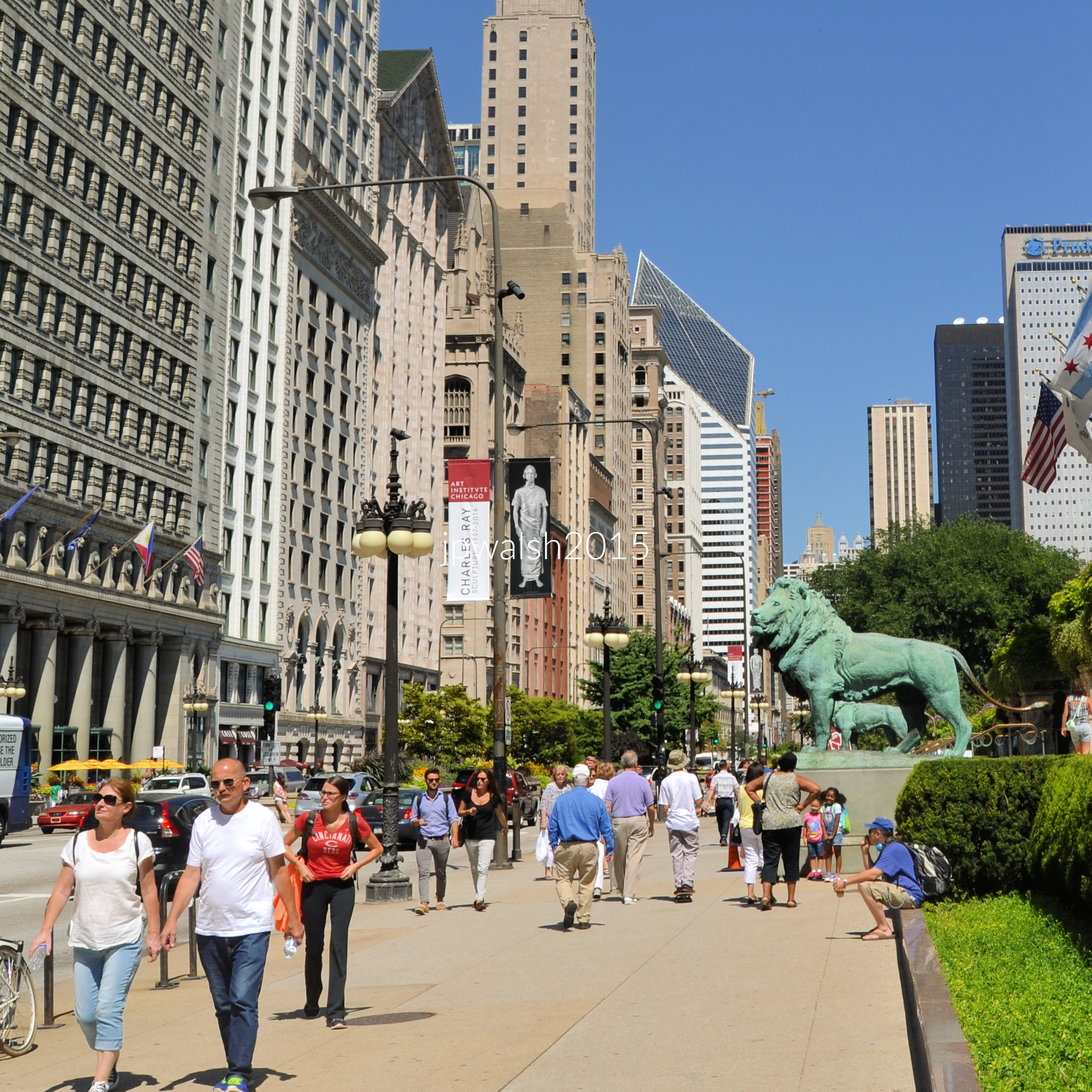
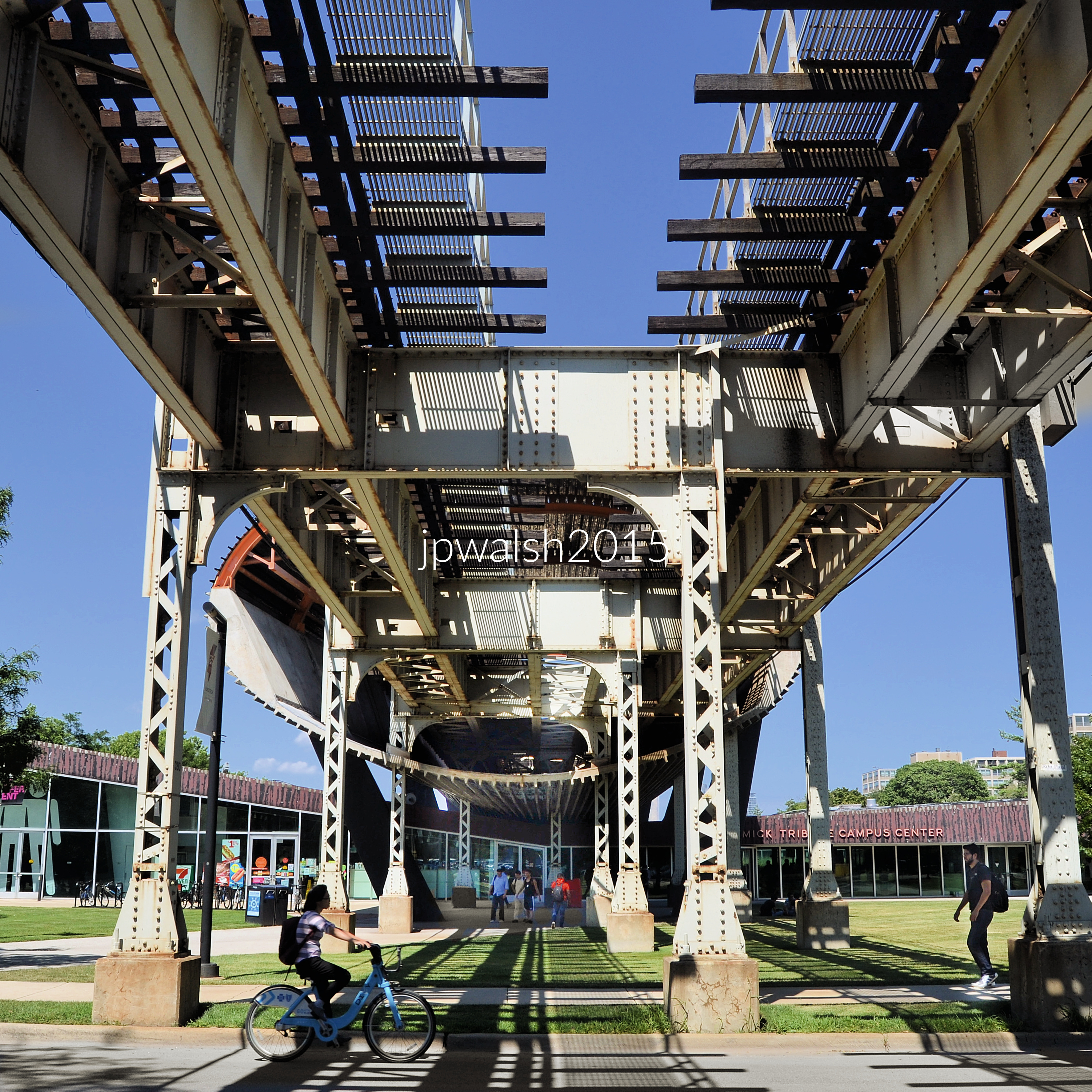
August 2021.July 2016. Chicago. September 2015. Chicago. Michigan Avenue. July 2019. Oakbrook, IL. November 2017. Chicago.June 2022. Chicago. 948 kb 30% July 2018. Downers Grove, Illinois. February 2013. 1.70mb 101_6378 (1)
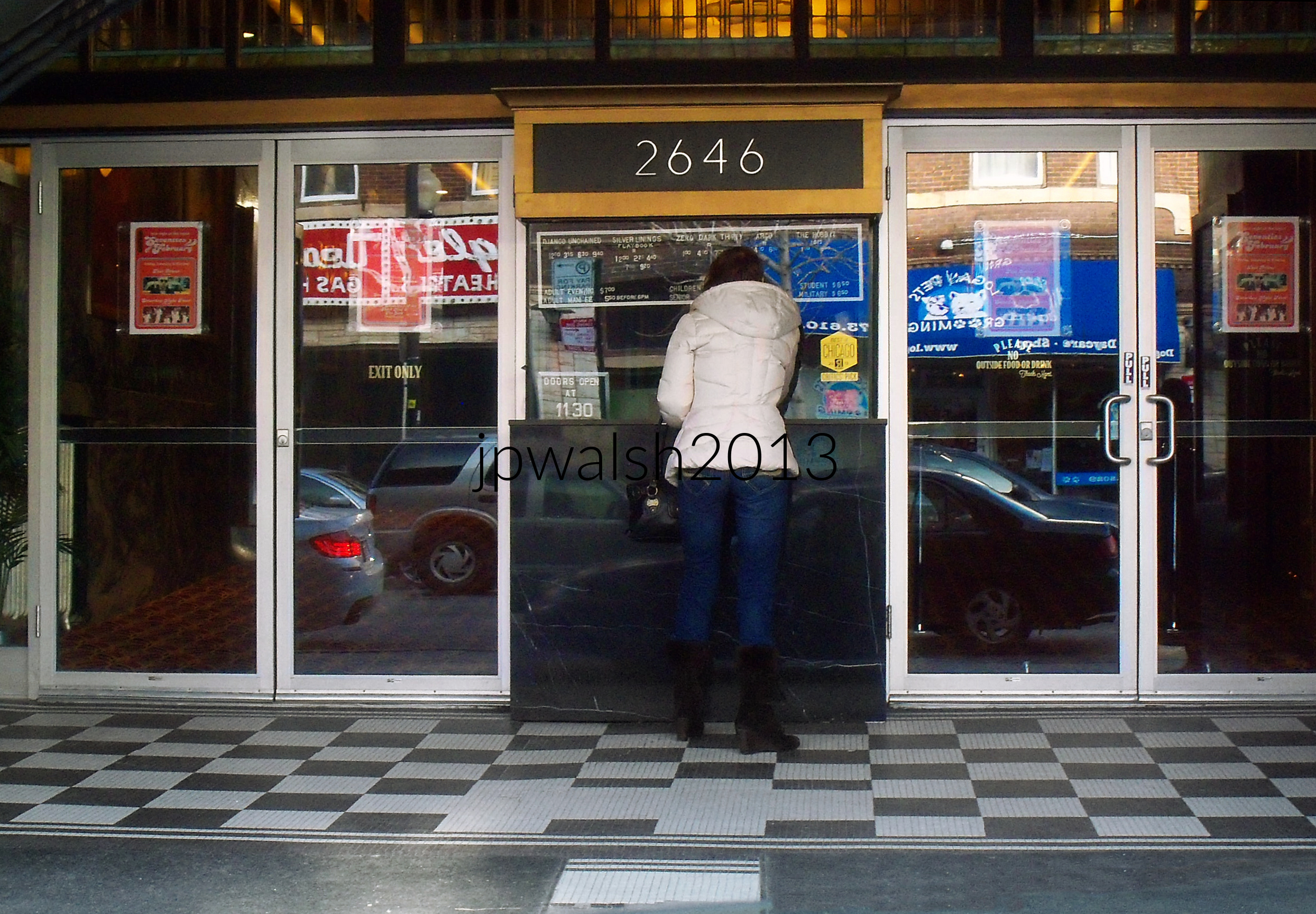
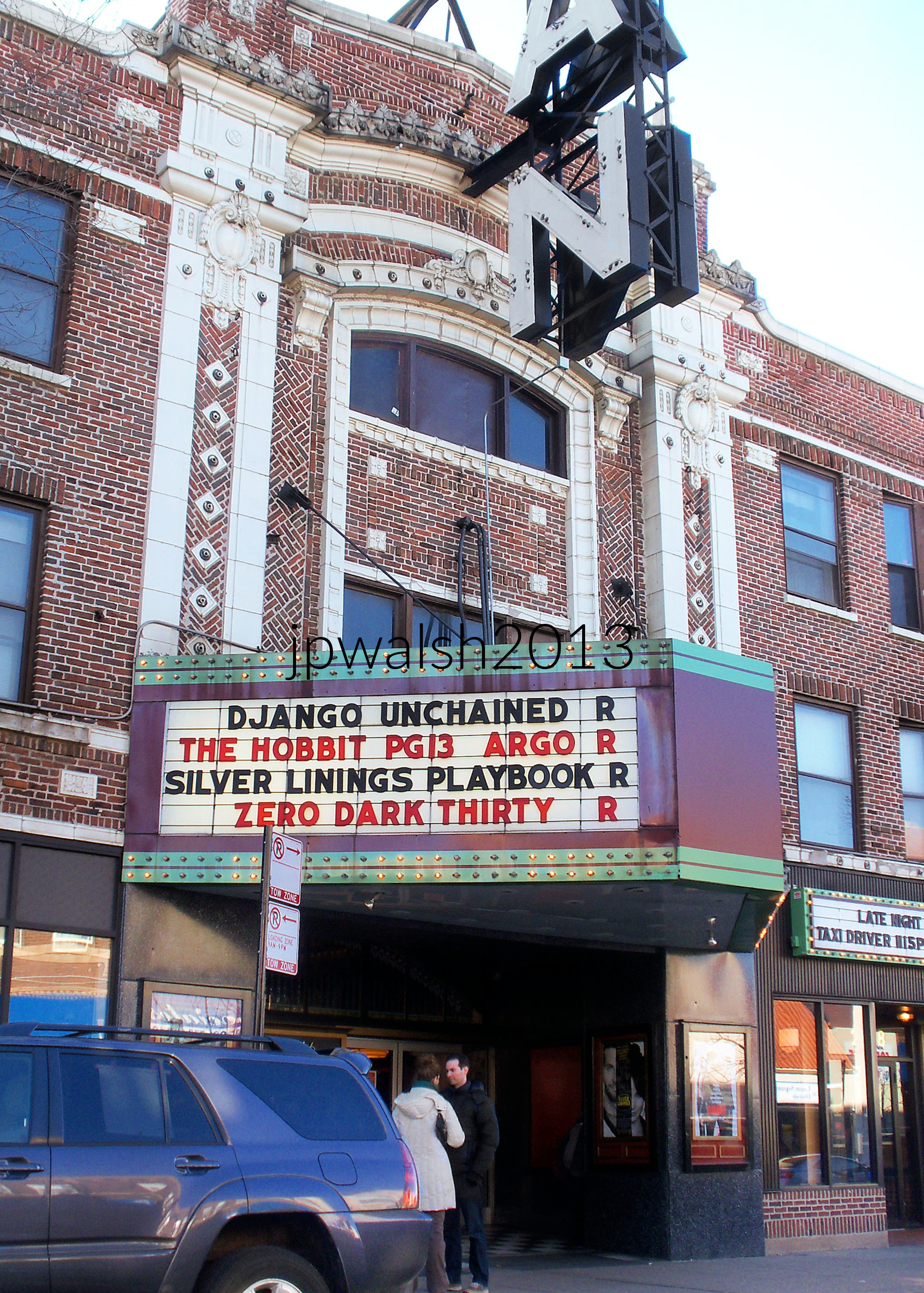
The Logan Theatre at 2646 N. Milwaukee in Chicago opened in November 1915 as The Paramount Theatre. It was operated by Lubliner & Trinz that started operating movie theaters in Chicago around 1914. At their peak, Lubliner & Trinz operated about nineteen theaters and leased or built about 36 theaters until 1934. The Paramount had seating for 988 in orchestra level and was equipped with a Weickhardt organ, based in Milwaukee, Wisconsin. It was renamed the Logan Theatre in 1929 when it was taken over by Essaness, a Chicago-based movie theater chain. The company owned and operated 33 theaters in the Chicago area, including the Pantheon and Biograph theaters. see – Lubliner & Trinz Theater History – The Clark Theater ; Logan Theatre in Chicago, IL – Cinema Treasures – retrieved January 18, 2026.
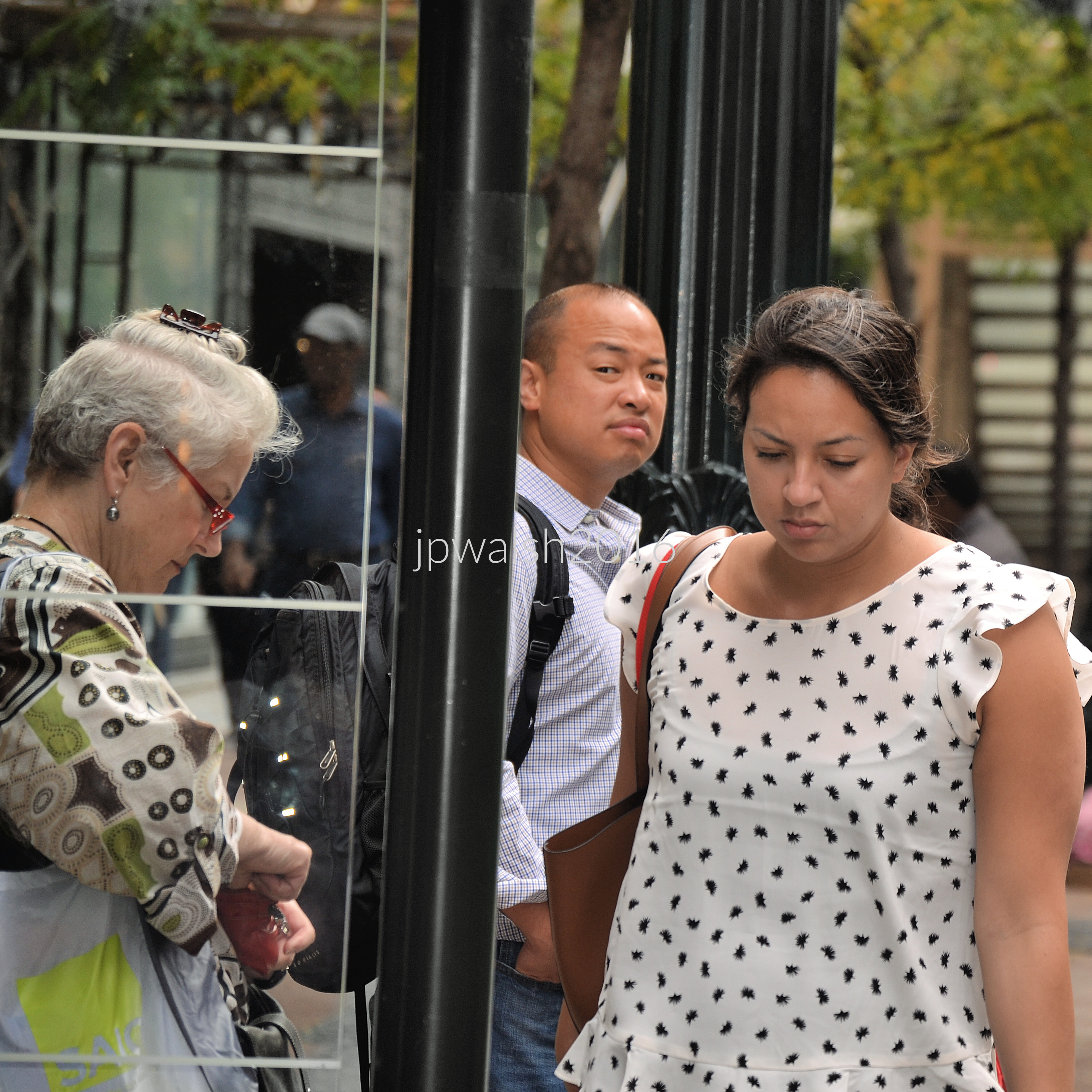
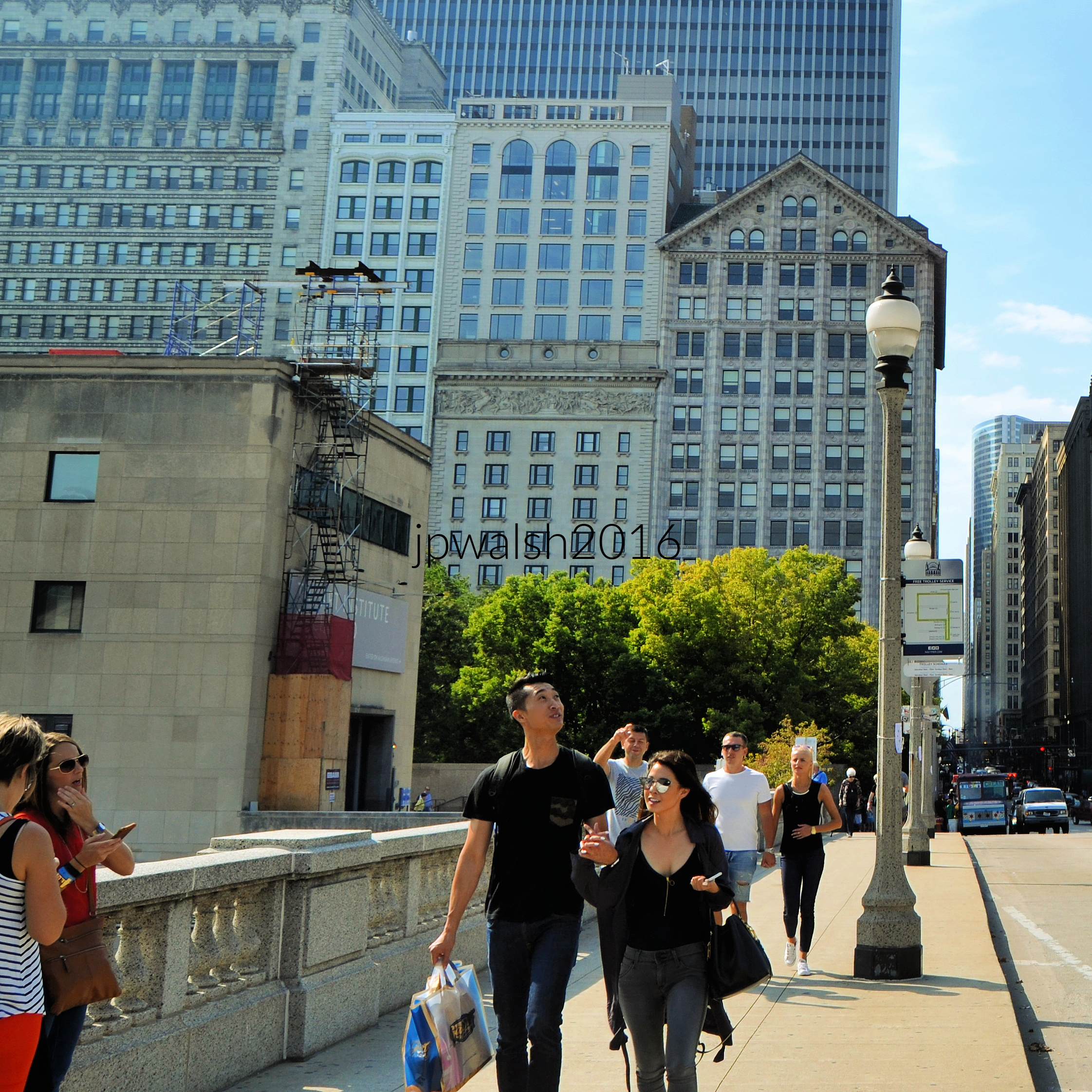
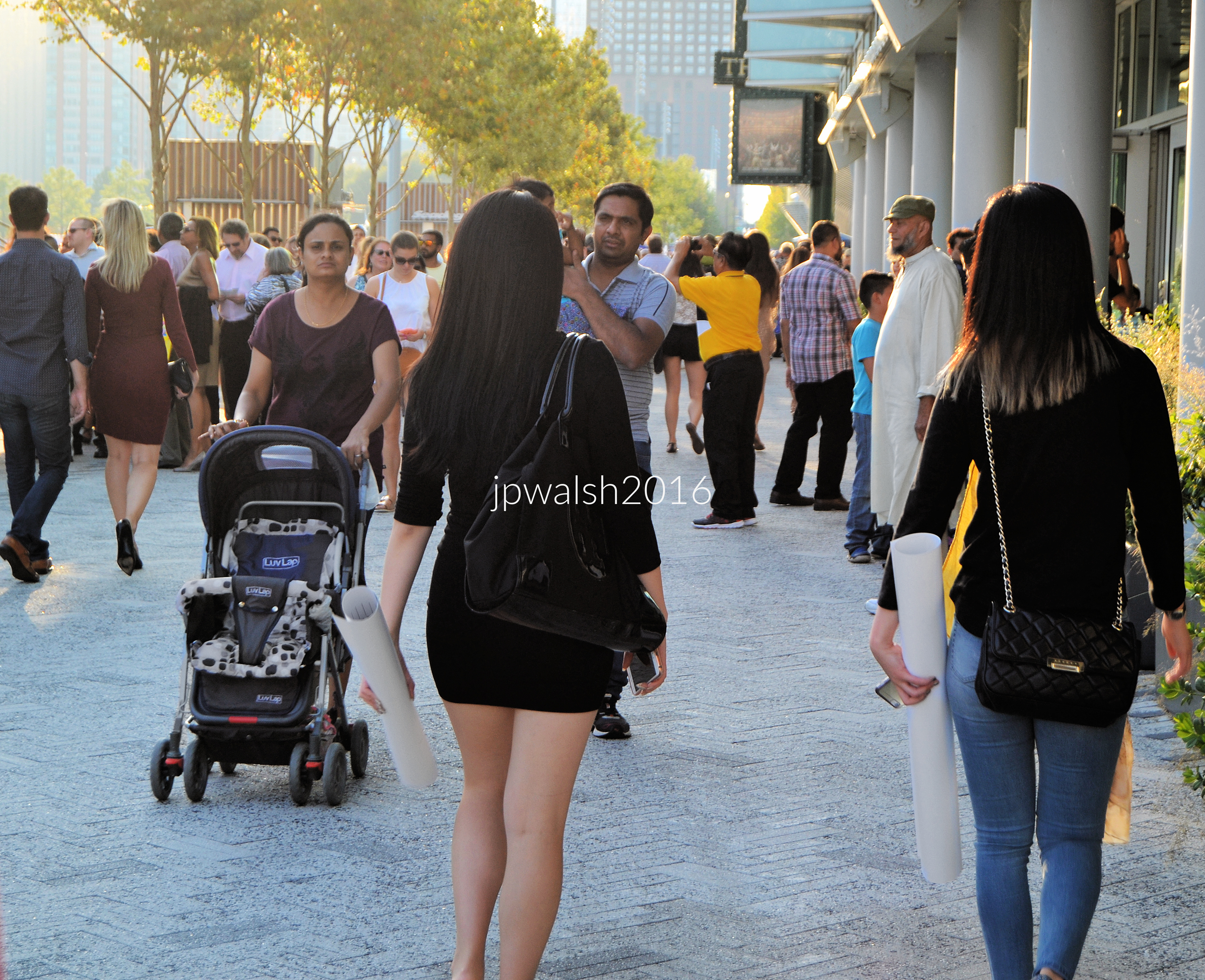
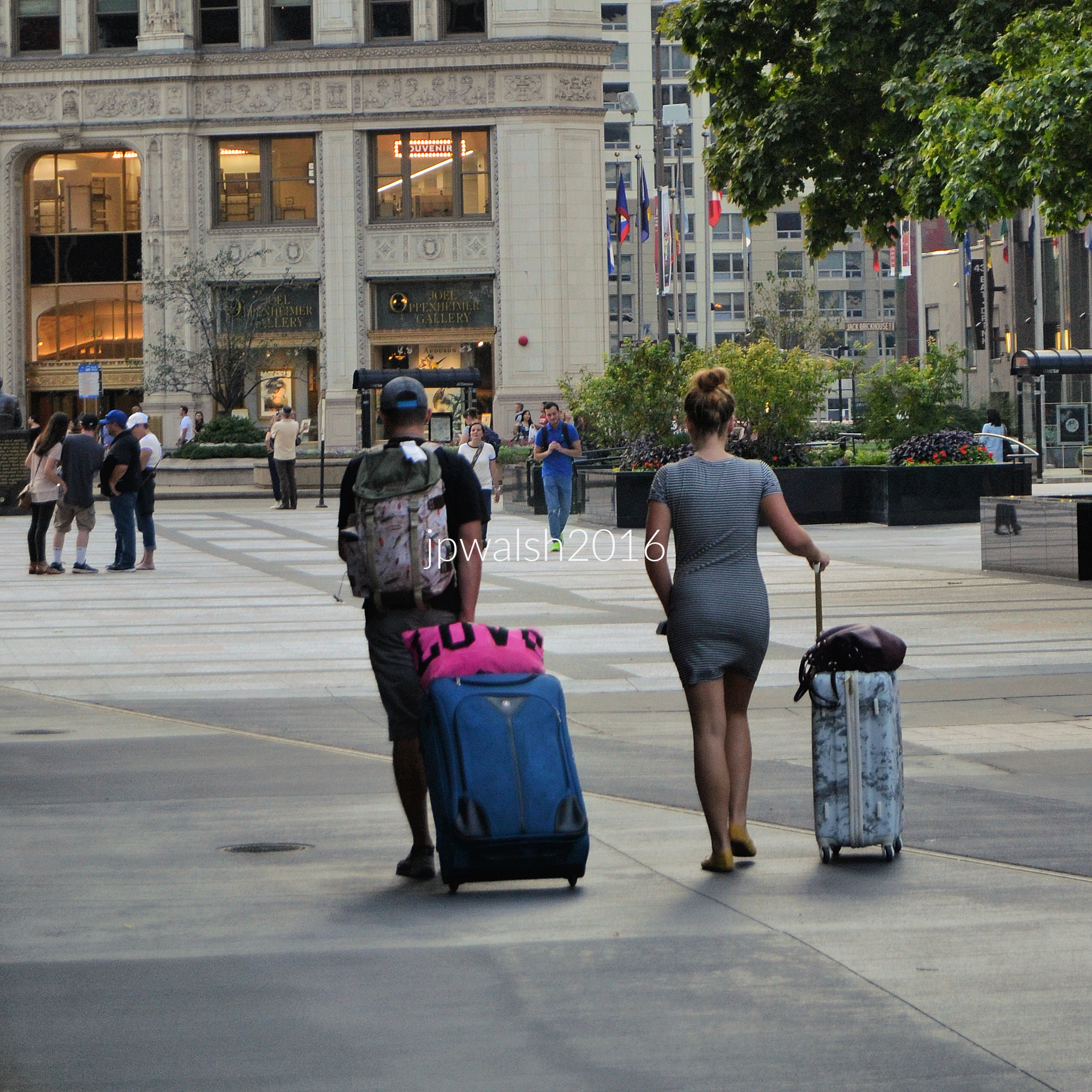
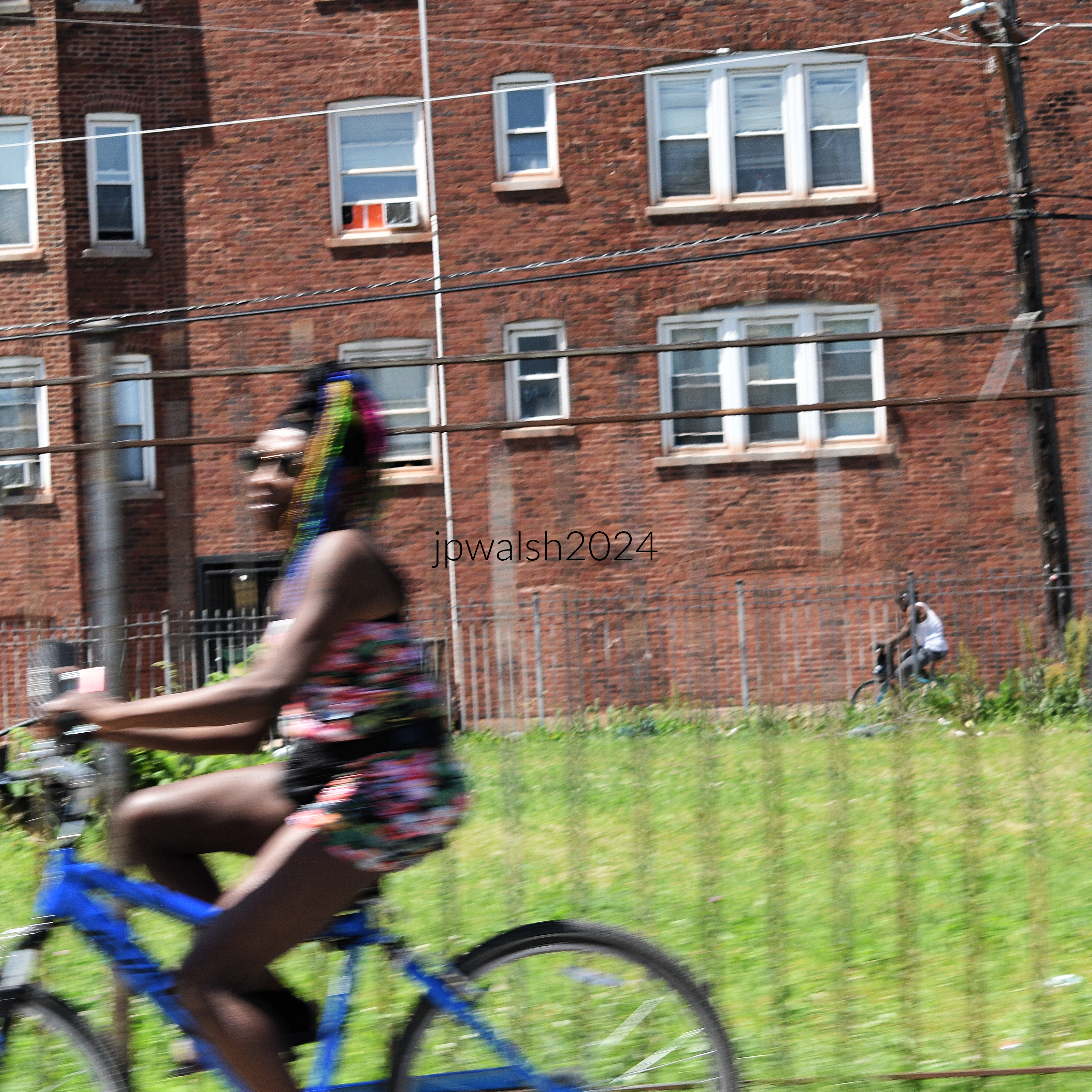
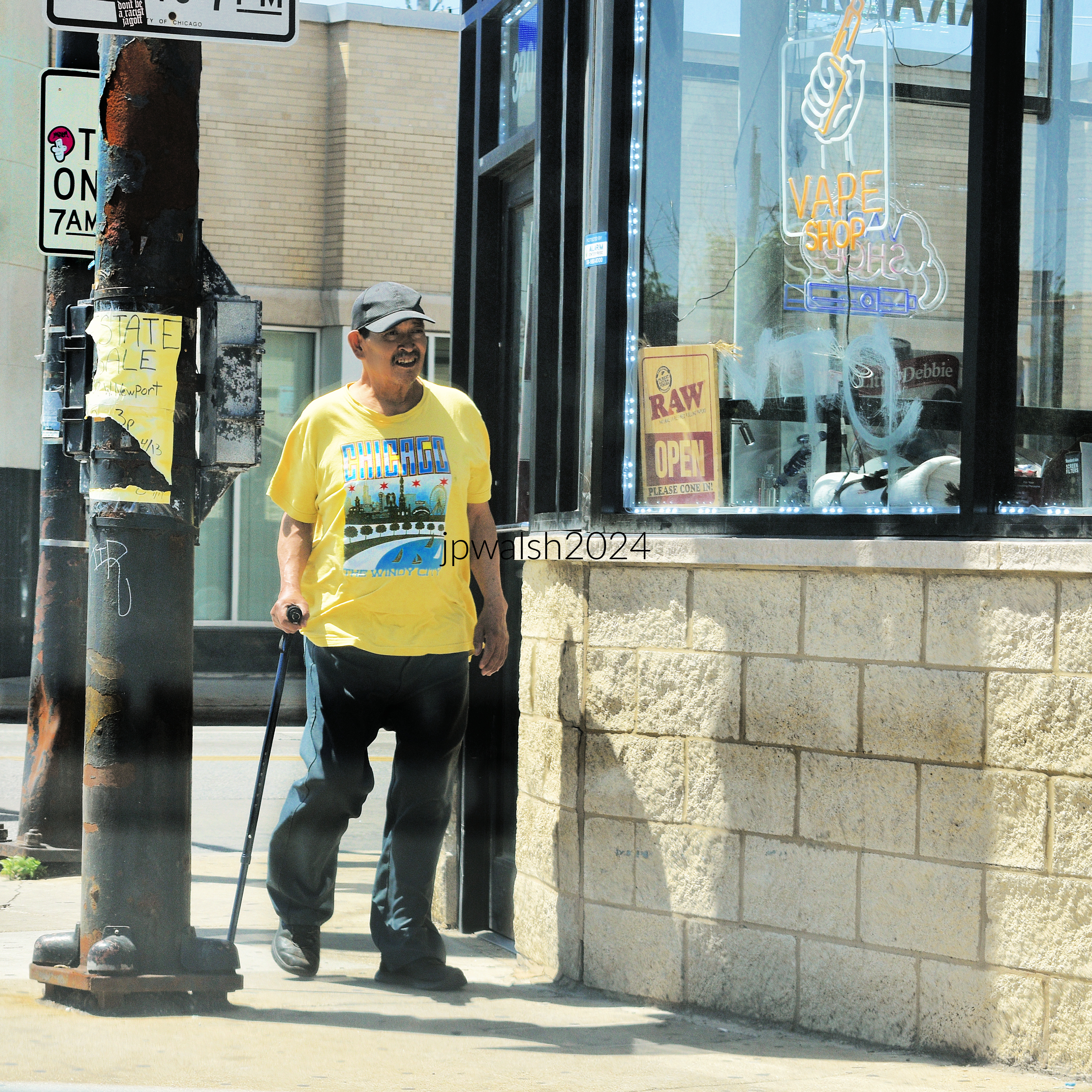
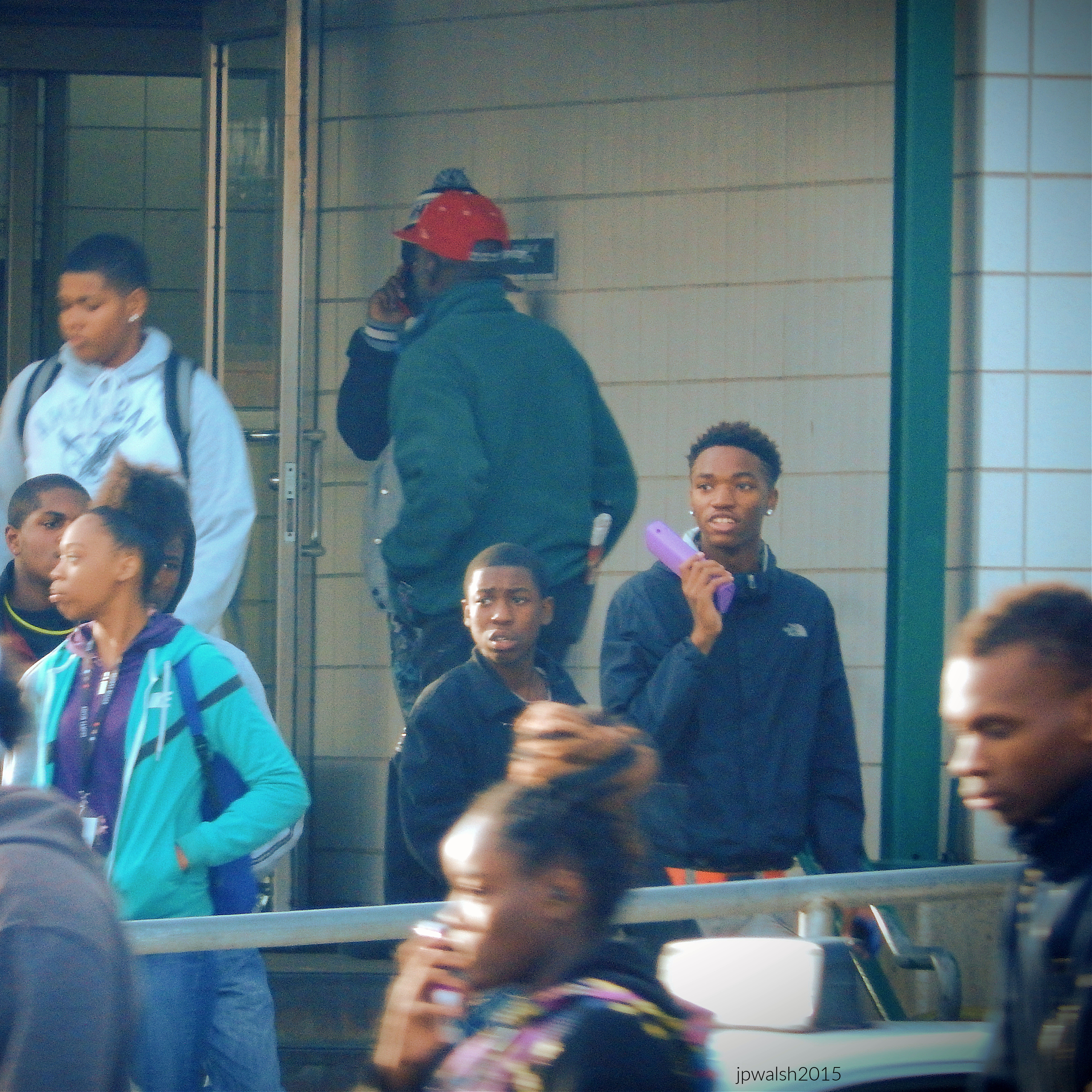
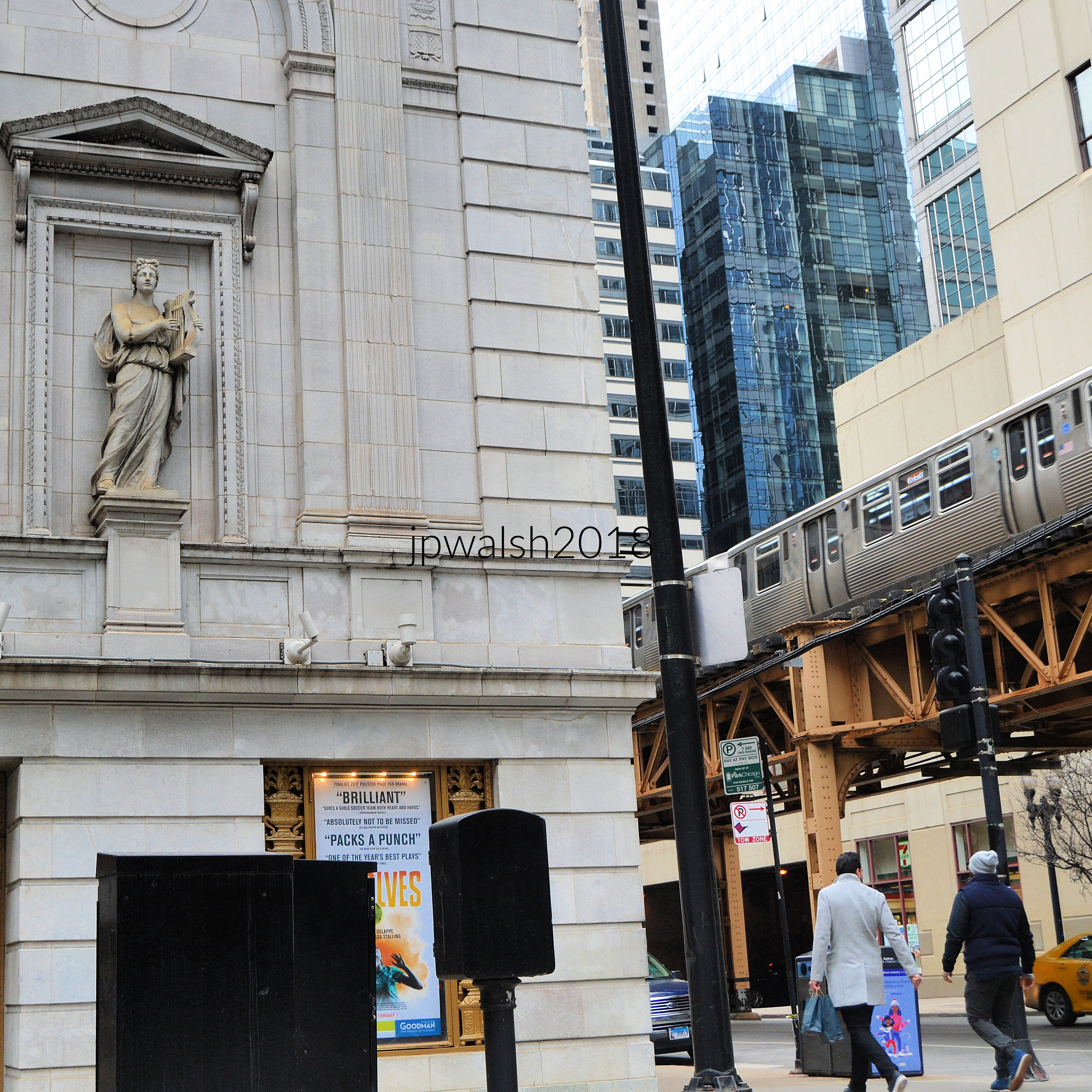
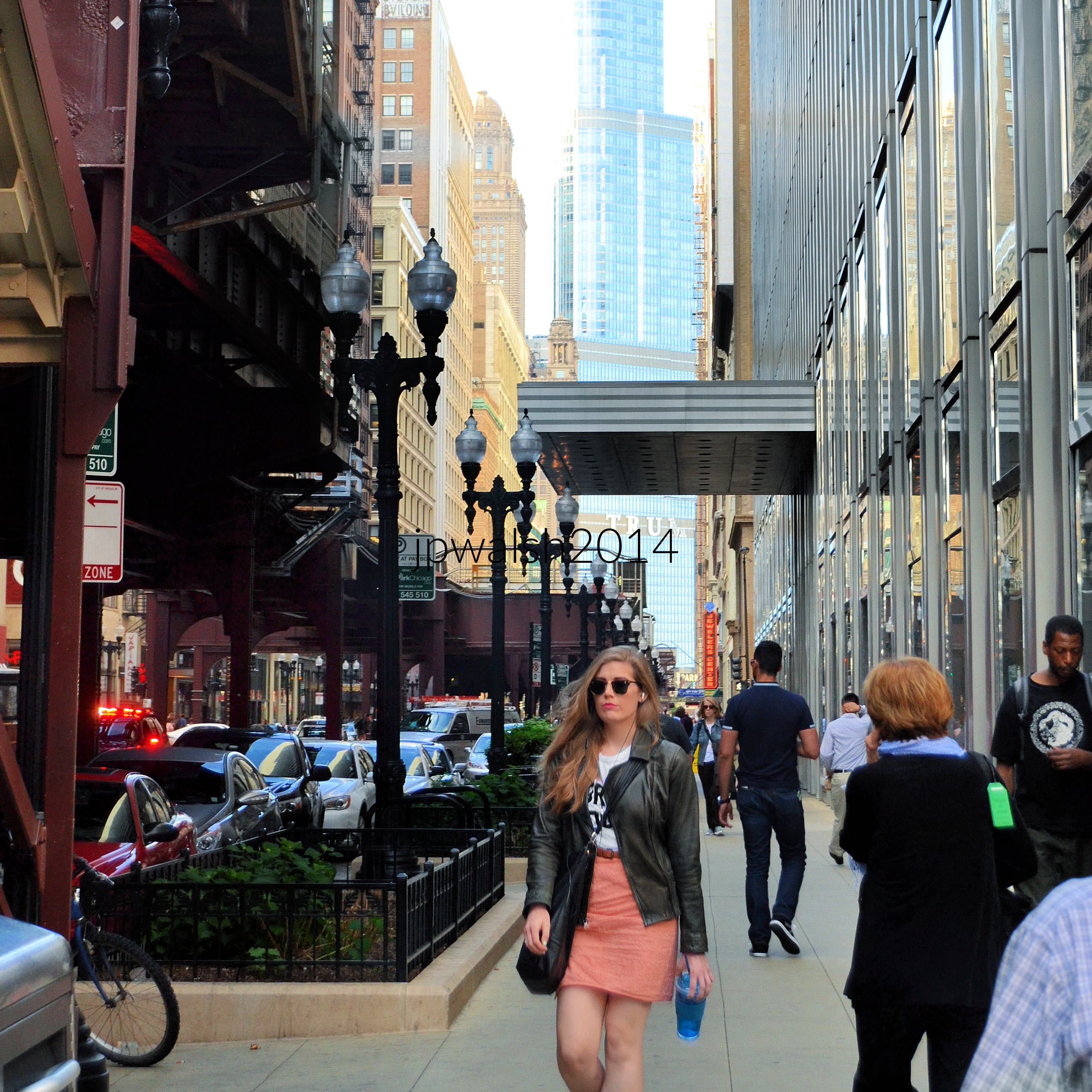
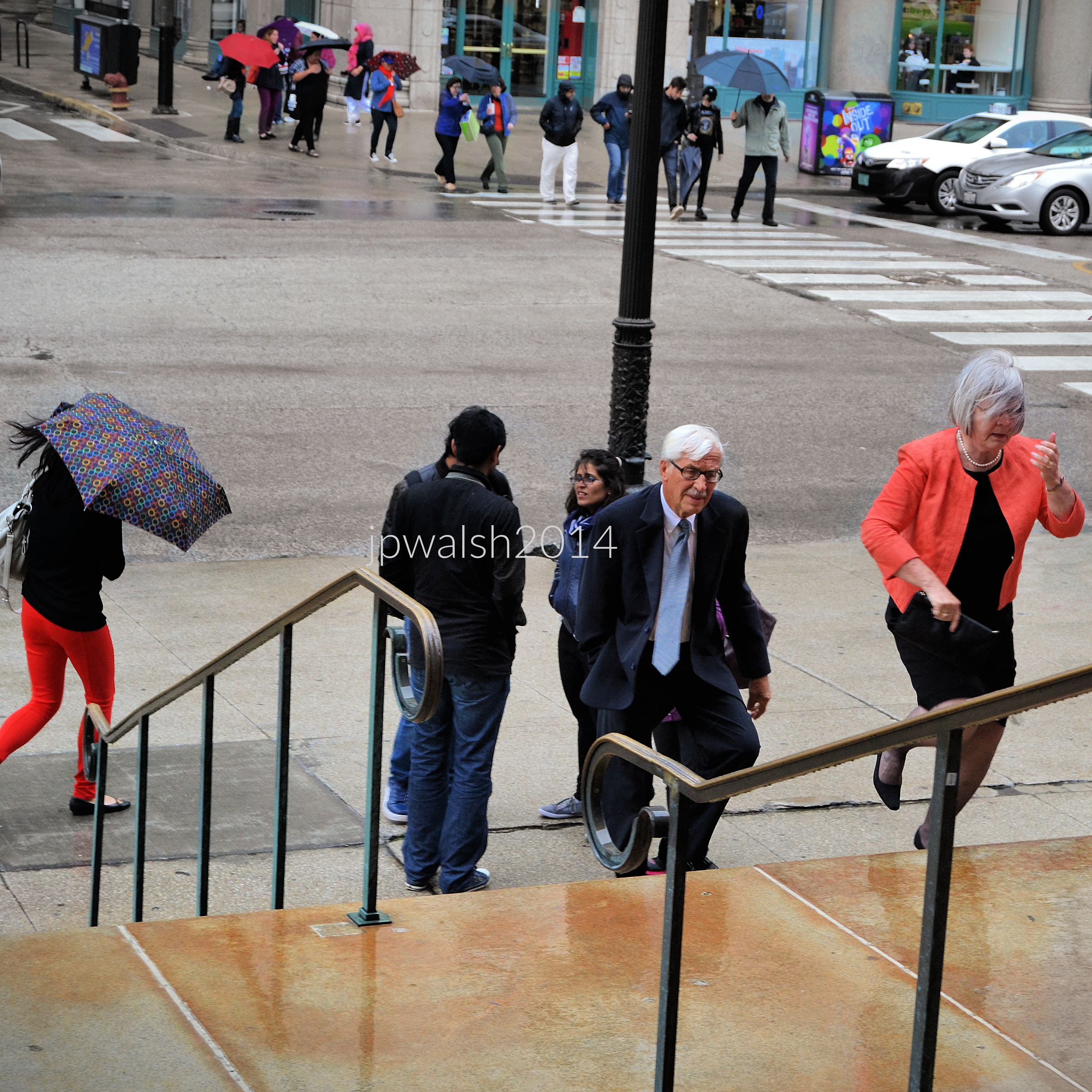
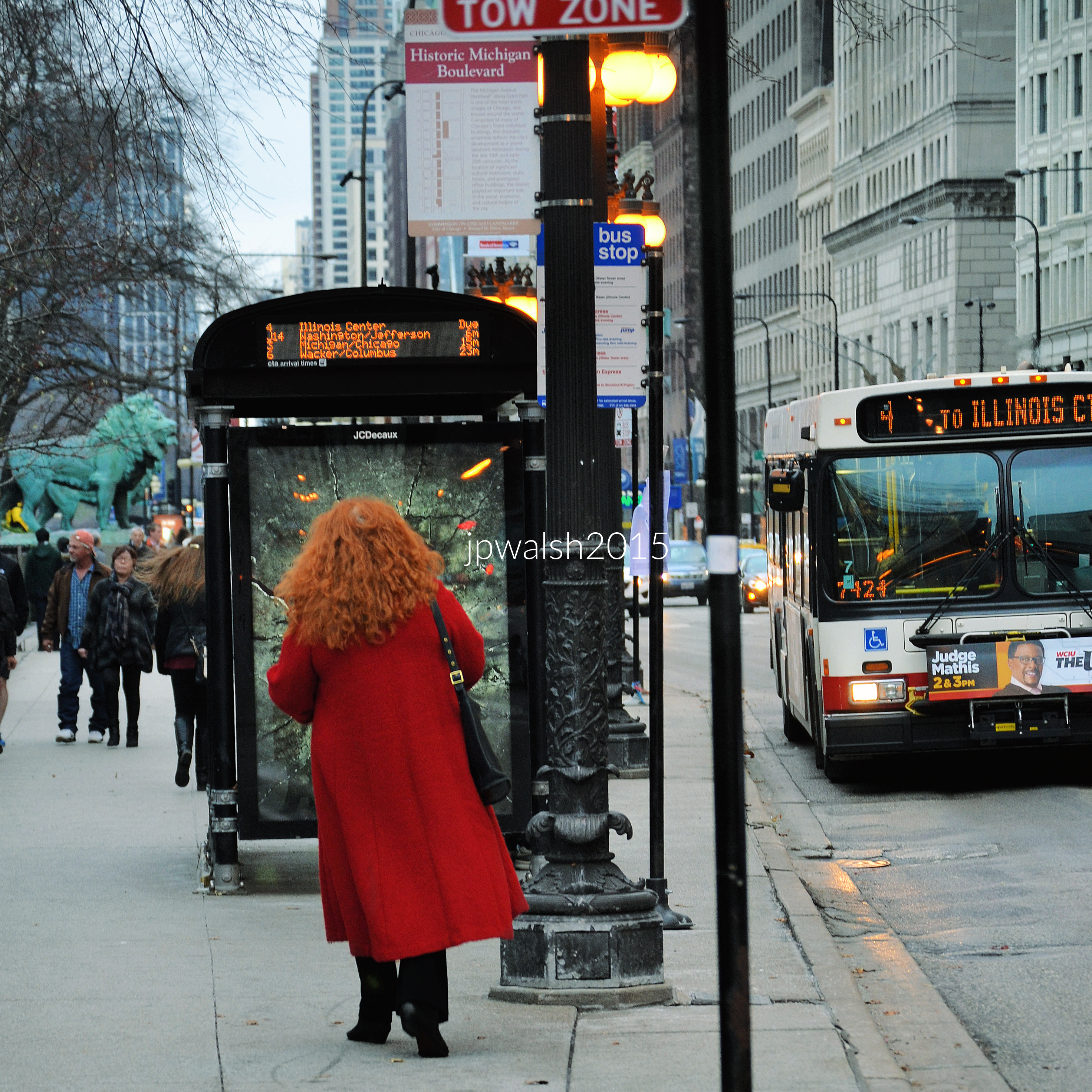
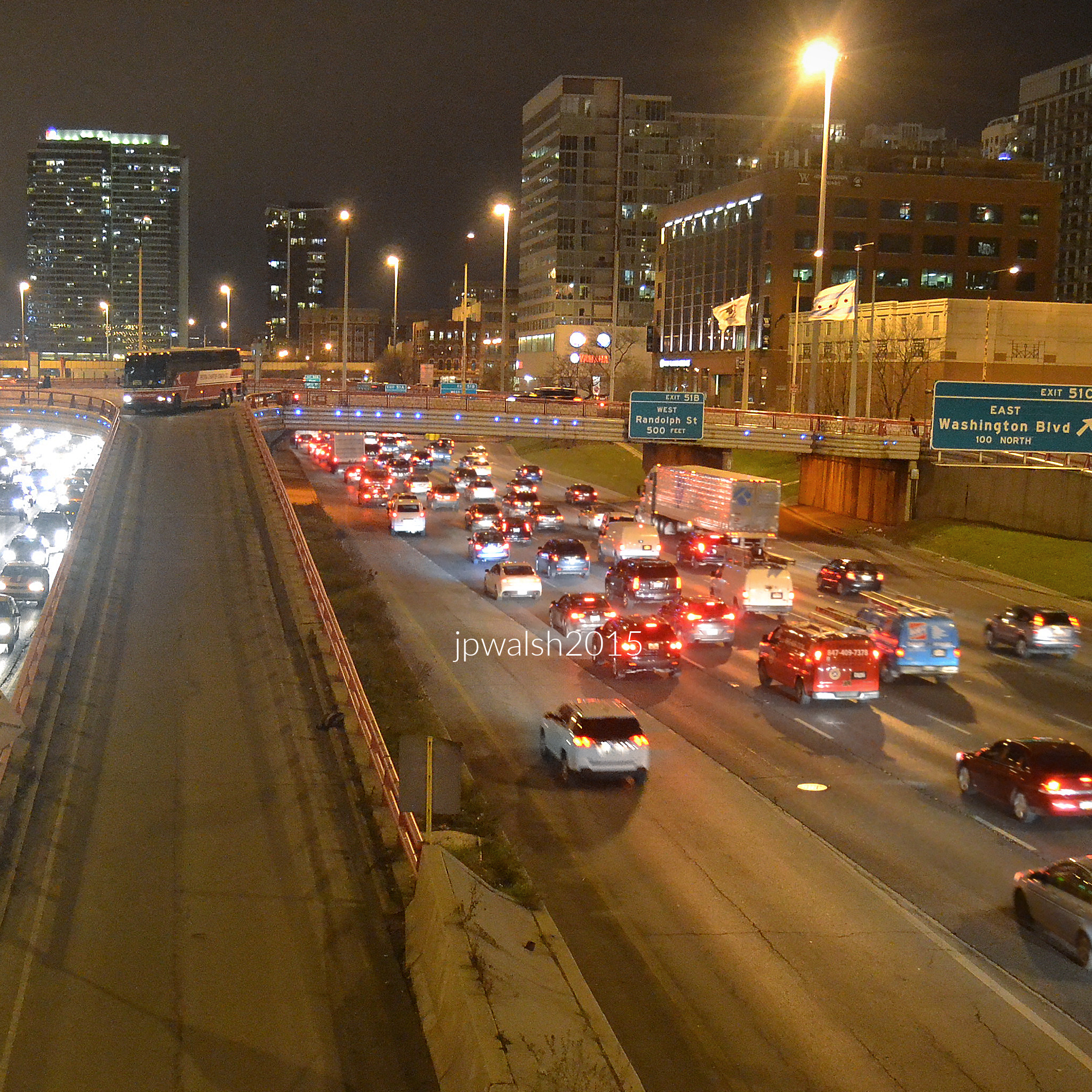
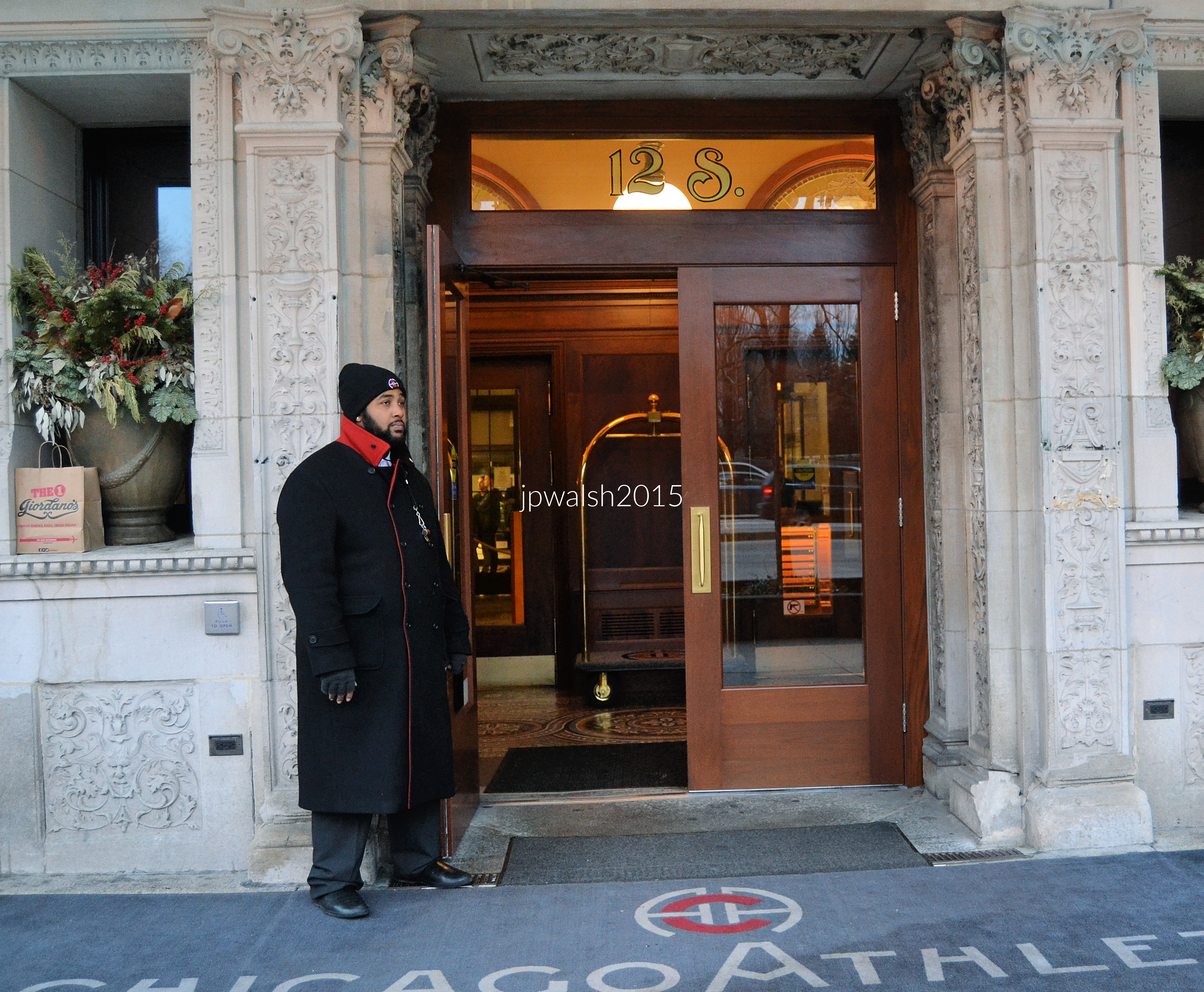
February 2013. 2.48mb 101_6324 (1)October 2017. Chicago. 315kb 20%December 2017 Chicago Downtown. 3.79 mb May 2014. Chicago. Michigan Avenue. July 2016. Chicago.July 2016. Chicago. July 2016. Chicago. July 2015, Chicago. September 2016. Chicago. Navy Pier. October 2016. Chicago. West Loop/East Garfield Park. September 2016. Chicago. Millennium Park. (20)September 2016. Chicago (Grand Boulevard/Bronzeville). Mount Pisgah Missionary Baptist Church, 4600 S. King Drive. Built by German Jewish immigrants whose synagogue was founded in 1861, the neo-Classical building was home to Chicago Sinai Congregation from 1912 until the 1940s. The church moved into the building in 1961. With a commitment to social justice, the church played an instrumental role in bringing Dr. Martin Luther King Jr.’s Southern Christian Leadership Conference to Chicago in the 1960’s. September 2015. Chicago. Navy Pier.May 2019. Downers Grove, IL.June 2020. Downers Grove, IL.June 2018. Milwaukee, WI. June 2014. Chicago. July 2019 Oakbrook, IL. July 2019 Oakbrook, IL.May 2016. Chicago. Magnificent Mile.June 2014. Chicago. North Rush Street. August 2017. Chicago. September 2015. Chicago. 30%September 2015. Chicago. August 2017. Chicago. Old Town. August 2017. Chicago. Downtown. August 2017. Chicago. Downtown. September 2015. Chicago. Downtown.August 2015. Chicago. (40)September 2015. Chicago.1.88 mbJune 2016. Wilmette, IL. June 2019. Oakbrook, IL.October 2017 Chicago. 6.39 mbOctober 2017. Chicago. 3.93 mbDecember 2017. Chicago. 5.87 mbJuly 2016. Chicago. 3.86 mb (50)October 2016. Chicago. Ukrainian Village. 332 kb 27%September 2015. Chicago. 5.02 mbJanuary 2016. Chicago. 4.74 mbJuly 2016. Chicago. 2.60 mbAugust 2021. Chicago. 6.75 mbOctober 2021. Chicago. 3.99mbDecember 2015. Chicago. 1.52 mb 35%October 2015. Chicago. 6.53 mb (70)October 2015. Chicago. 1.21 mb 35%October 2015. Chicago. 1.18 mb 35%October 2015. Chicago. 7.81 mbOctober 2015. Chicago. 6.25 mbMay 2021. Chicago. 7.82 mbJune 2022. Chicago. 4.13 mbJuly 2016. Chicago. 2.23 mbOctober 2015. Chicago. 5.59 mbJuly 2021. Wheaton, IL. 3.92mbMay 2013 4.06mbOctober 2015. Chicago. 5.90 mbJuly 2022. Chicago. 4.17 mbSeptember 2015. Chicago. 25%August 2016. Chicago. 5.07 mbMay 2024. Chicago. 5.82 mbMay 2024 Chicago. 99% 7.12 mbMay 2024. Chicago. 5.75 mb June 2018 852 kb October 2015. Chicago (Garfield Park). 6.80 mb N1733 (1) (2)August 2016. Chicago. 6.21 mb DSC_0507August 2016. Chicago (Logan Square). 6.63 mb DSC_0482 (1)August 2016. Chicago (Pilsen). 3.91mb DSC_0684February 2018. Goodman Theatre, Chicago. Opened in 1922 by New York theatrical producer Sam H. Harris and brothers Archie and Edgar Selwyn, the Harris and Selwyn Theatres were the Chicago home to some of the most famous plays and performers of the Broadway stage. 4.25mb DSC_0897 January 2016. Chicago Lawn (Marquette Park). 7.99mb DSCN2030February 2013. Chicago (Logan Square). 2.85mb101_6385 (1)April 2013. Chicago (Pilsen). 3.58mb 102_0007 (1)April 2013. Chicago (Pilsen). 4.48mb 102_0042 (1)August 2015. Chicago (Edgewater). 2.76mb DSC_0042 (2)August 2015. Chicago. 2.01 mb DSC_0576 (2)August 2015. 3.87mb DSC_0732 (1)June 2014. Chicago. 3.65mb DSC_0407 (1)May 2015. Chicago. 3.67mb DSC_0454 (1)August 2015. Chicago.1.85mb DSC_0958 (1)August 2015. Chicago. 4.32mb DSC_0955 (1)August 2015. Chicago. 7.03mb DSC_0950 (1)August 2015. Chicago. 2.08mb DSC_0526 (3)August 2015. Chicago. 5.71 mb DSC_0479 (1)September 2015. Chicago 3.35mb DSCN1222 (1)October 2015. Chicago. 2.87mb tDSCN1443 (1)October 2015. Chicago. 4.62mb DSC_0117 (2)October 2015. Chicago. 5.81 mb DSCN1680 (1)November 2015. Chicago. DSC_0060 (1)November 2025. Chicago. 2.75mb DSC_0425 (1)December 2015. Chicago. 12 S. Michigan. 4.11mb DSC_0696 (1)
The Chicago Athletic Association (CAA) was a historic men’s club and athletic team based in Chicago, Illinois, formed in 1890 and closed in 2007. The 1893 building was designed by prolific architect Henry Ives Cobb (1859-1931). Transformed into the Chicago Athletic Association Hotel, it opened as a boutique hotel, welcoming the public and preserving its rich history.
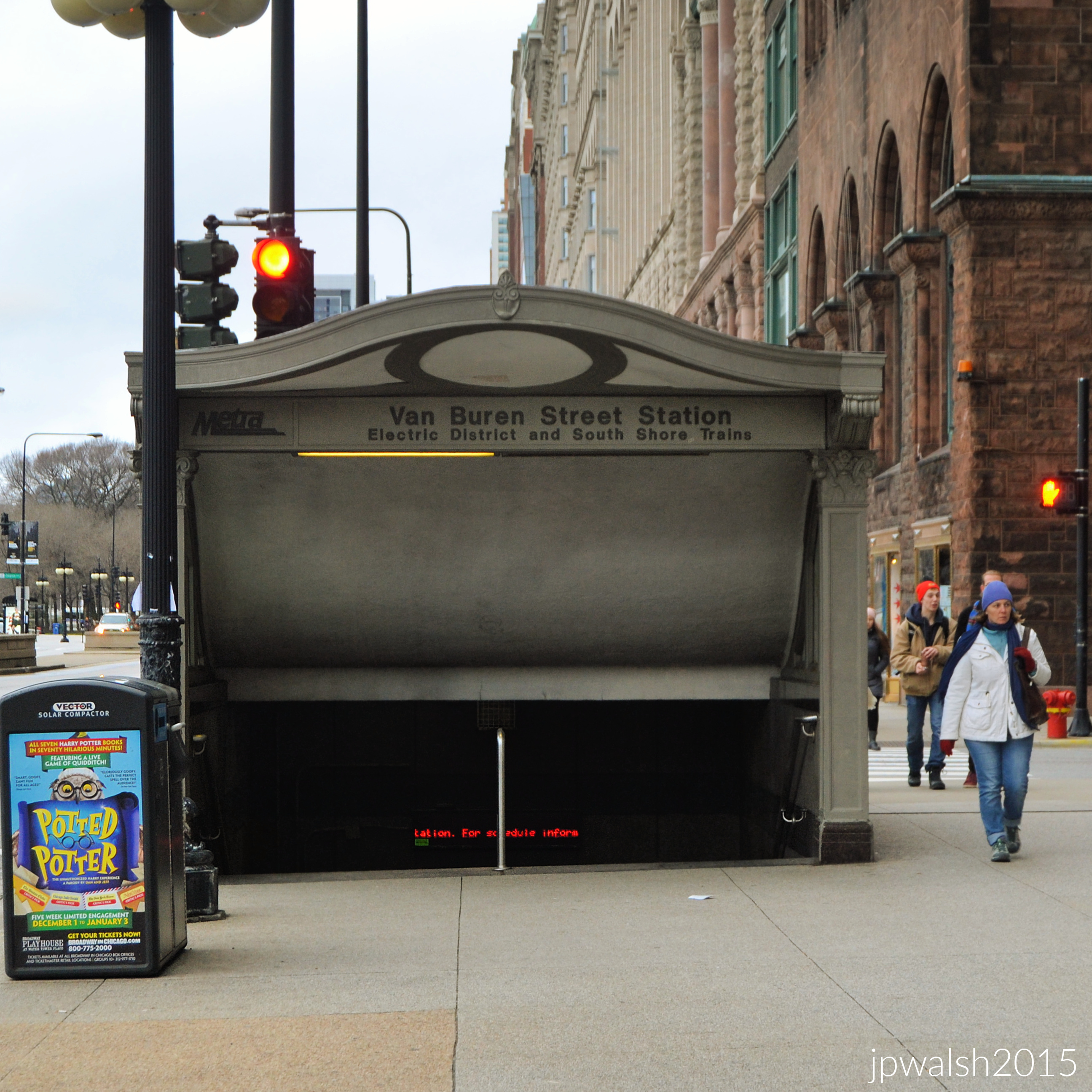
December 2015. Chicago. 1.91mb DSC_0689 (1)
Van Buren Street Station is a commuter rail station in downtown Chicago that serves the Metra Electric Line to University Park, Blue Island, and South Chicago neighborhood and the South Shore Line to Gary and South Bend, Indiana.
From city streets to chance encounters, these photographs reflect an attention to the surprising, the humorous, the historic, and the easily missed details that enrich everyday life and the world around us.
Unglazed ceramic “Perpetual Face” vase and wicker pram. April 2020. 2.35 mb
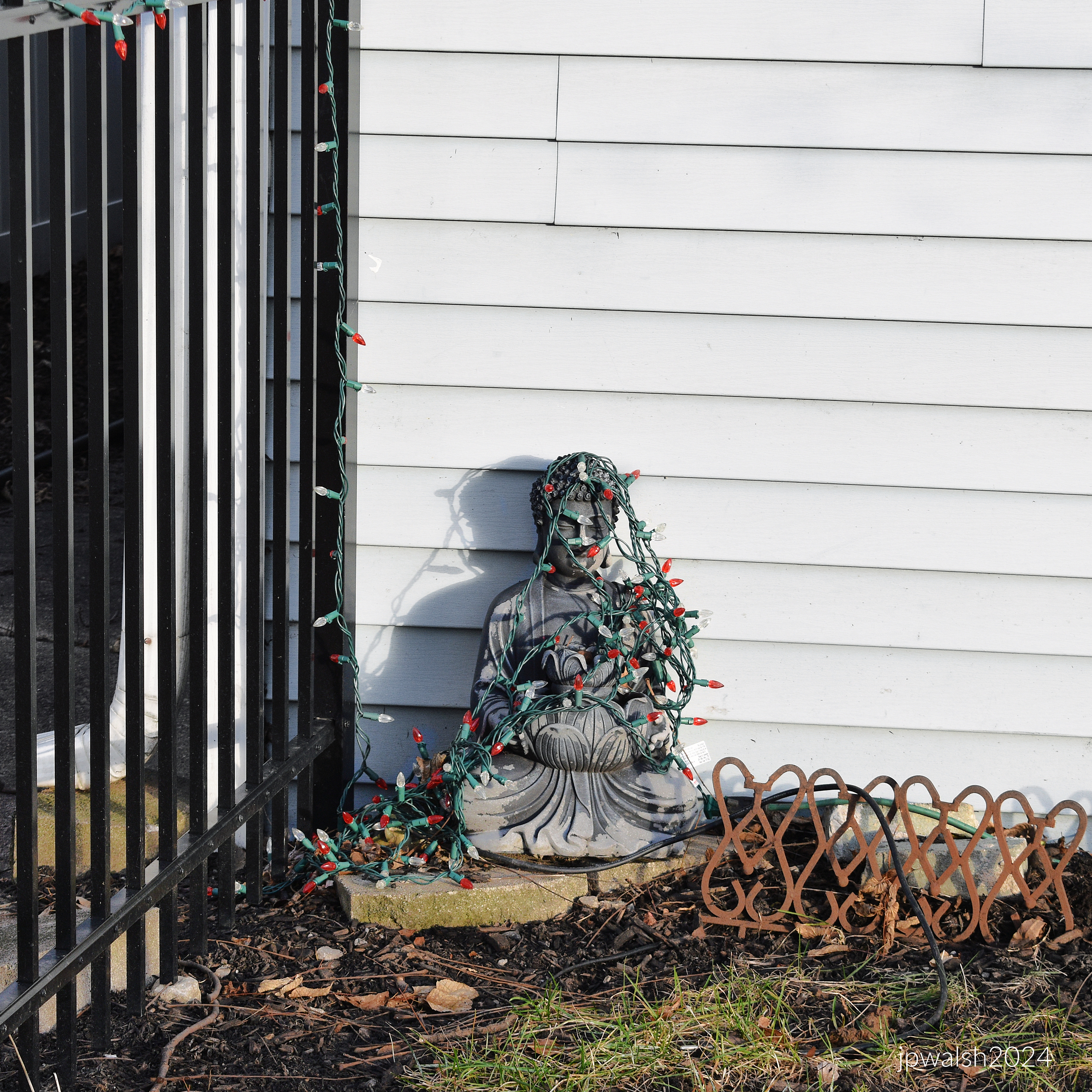
Buddha tangled in Christmas lights. January 2024. 6.33mb.
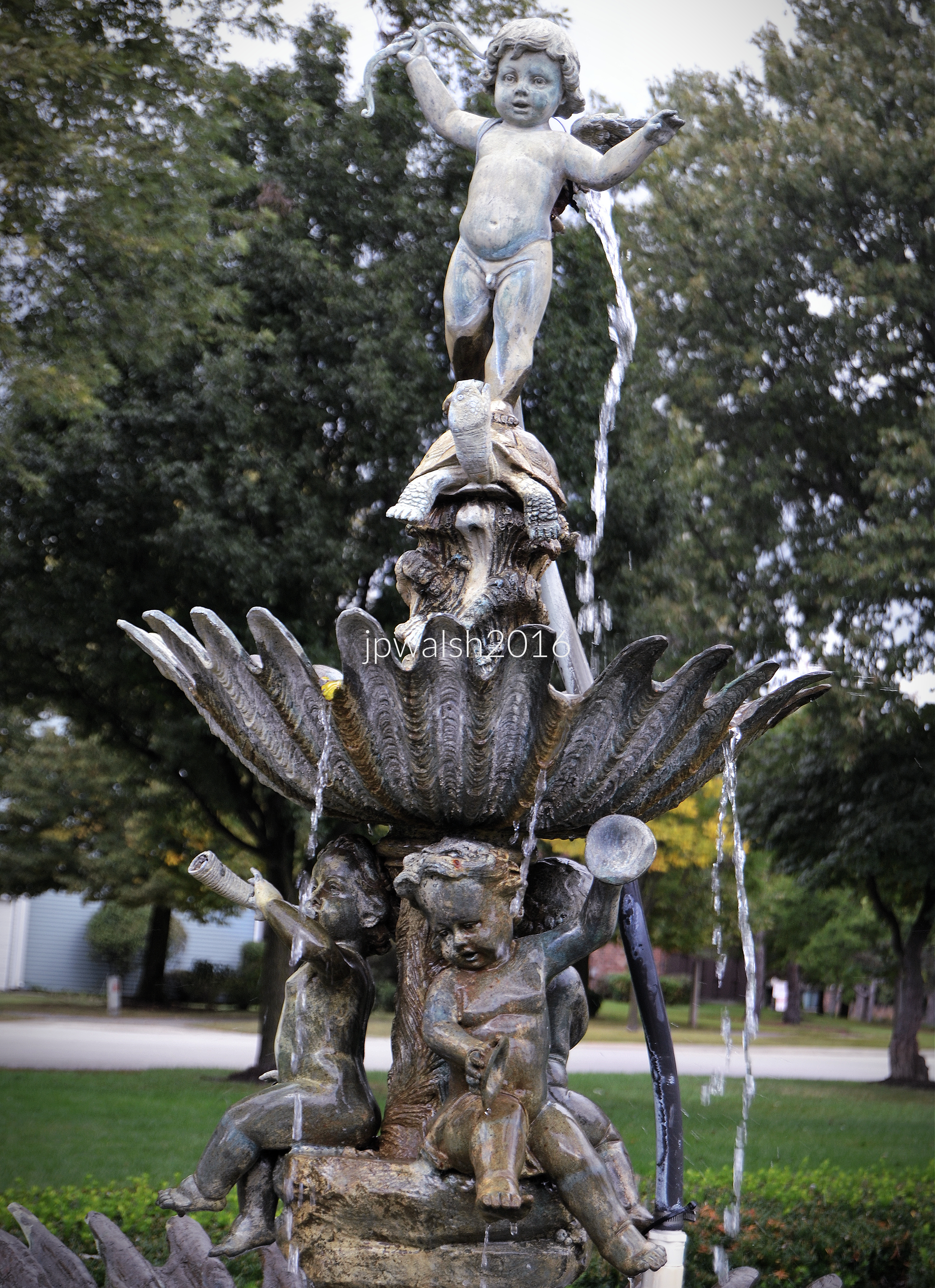
Cherub and Turtle fountain rigged with hardware-store tubing. October 2016. 99% 7.59 mb DSC_0828
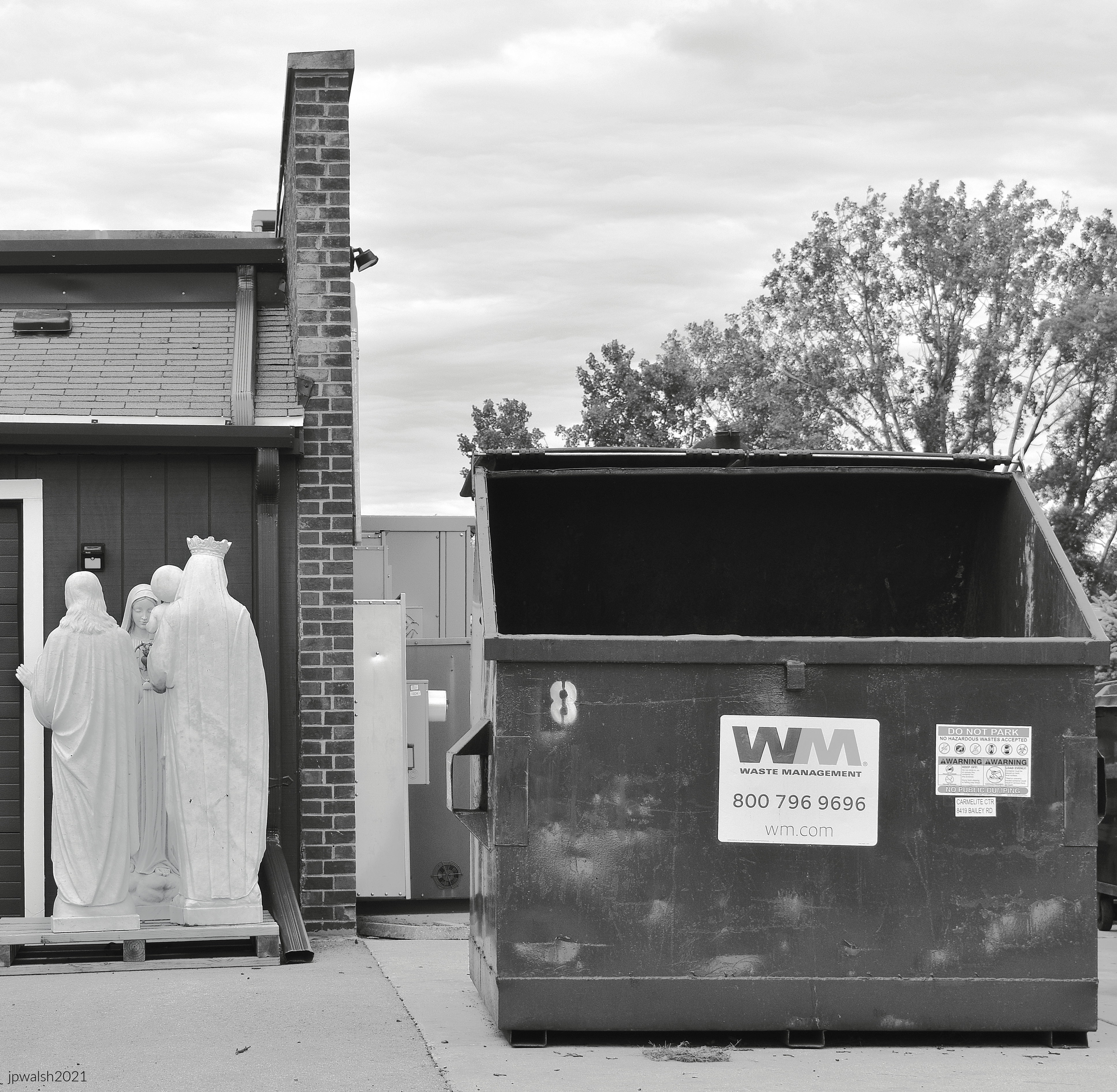
Toppled concrete saint. February 2024. 7.81 mb 99%
clothesline. May 2017. 4.36mb
North-woods hunting lodge taxidermy, vintage brass multi-bulb ceiling chandelier and Space Age memorabilia, utilitarian fluorescent tube lighting, and a spare dining chair stored out of reach. October 2016. 3.21 mb
Dry clean only. June 2016. Wilmette, Illinois. 7.07 mb
May 2018. Wheaton, IL. 4.78 mb
Yellow metal clam-shell lawn chairs and matching miniature yellow side table. March 2018. Naperville, IL. 7.22 mb
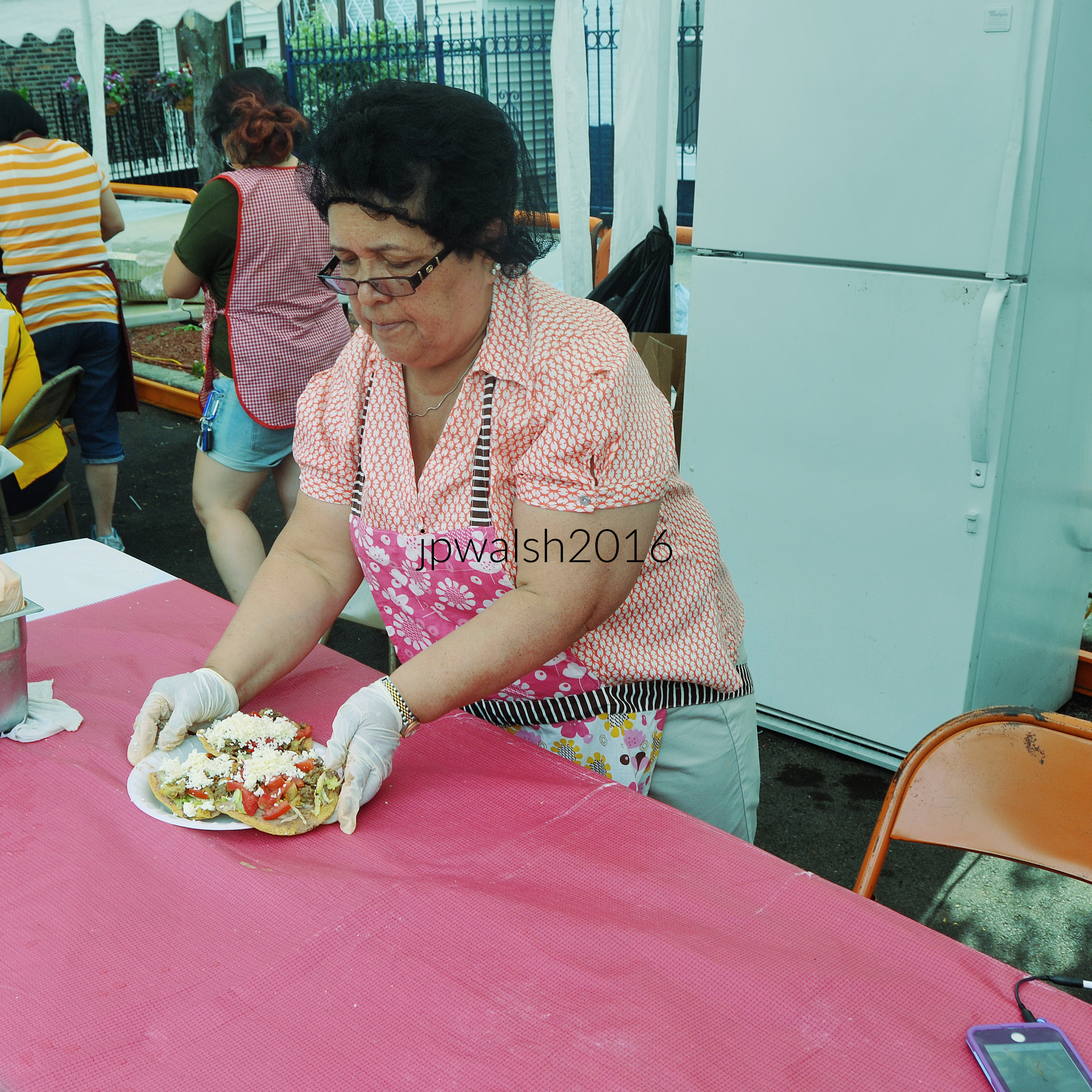
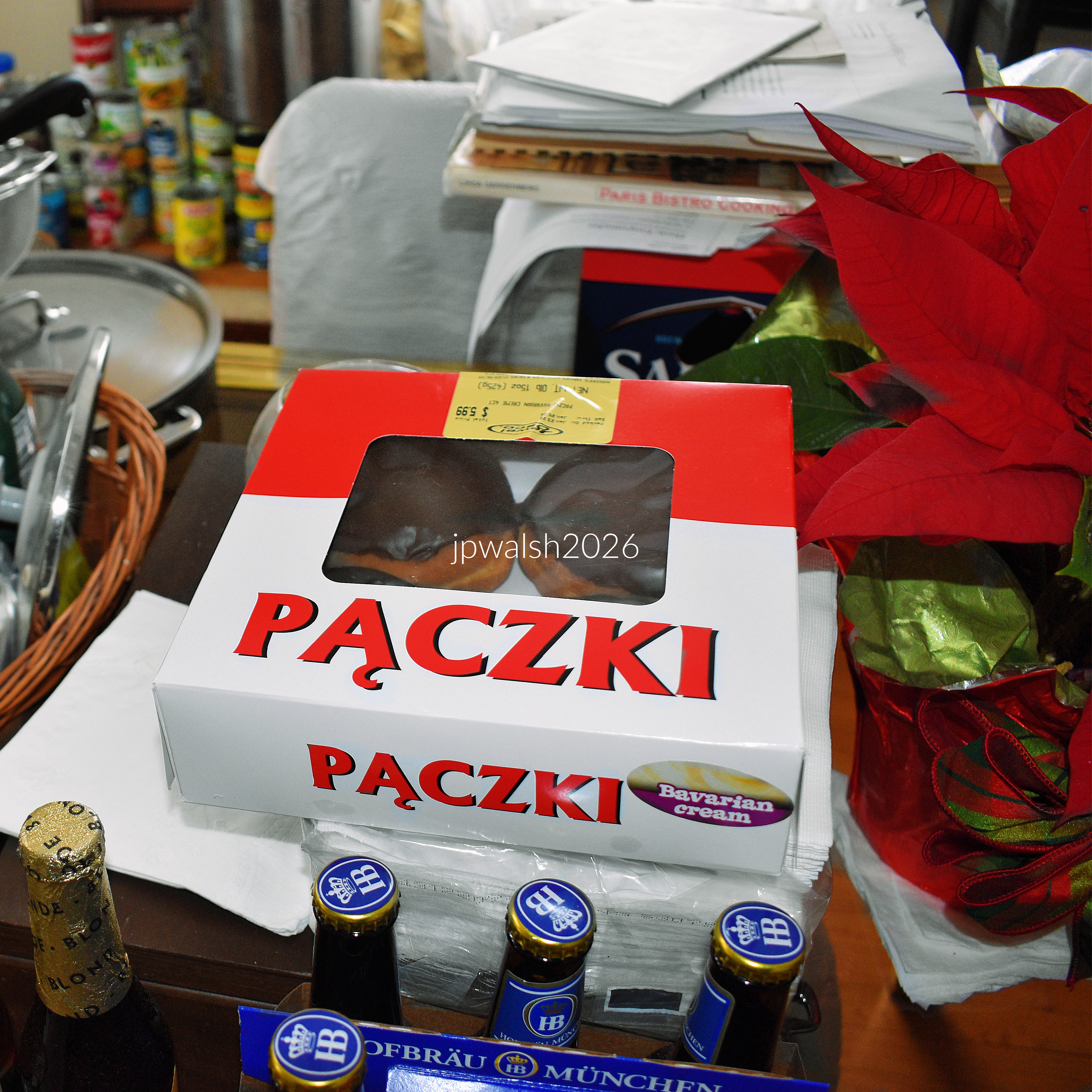
In U.S. cities and states with a large population of Polish and Polish Americans, mainly in the Midwest and Northeast – including Chicago, Milwaukee, Detroit, Toledo, Cleveland, Buffalo, Pittsburgh, Philadelphia/Scranton, New Jersey, Massachusetts and Connecticut – pączki (pronounced “punch-key”) are rich, sweet traditional Polish doughnuts whose tradition stretches back to the Middle Ages. These sweet treats are fried dough filled with flavored creams and fruit jellies and preserves and slathered on top with icings, glazes, or powdered sugar. Pączki are a festive and delicious pre-Lenten indulgence that are notably eaten on Pączki Day which aligns with Mardi Gras (“Fat Tuesday”), the day before Ash Wednesday and the start of Lent, a 40-day period of Christian fasting before Holy Week. Pączki Day is celebrated annually by immigrants and locals alike. In Chicago, with its sizeable Polish population (the largest outside Poland), pączki are eaten in the pre-Lenten season and on both Fat Thursday (the last Thursday before Ash Wednesday) and on Fat Tuesday.
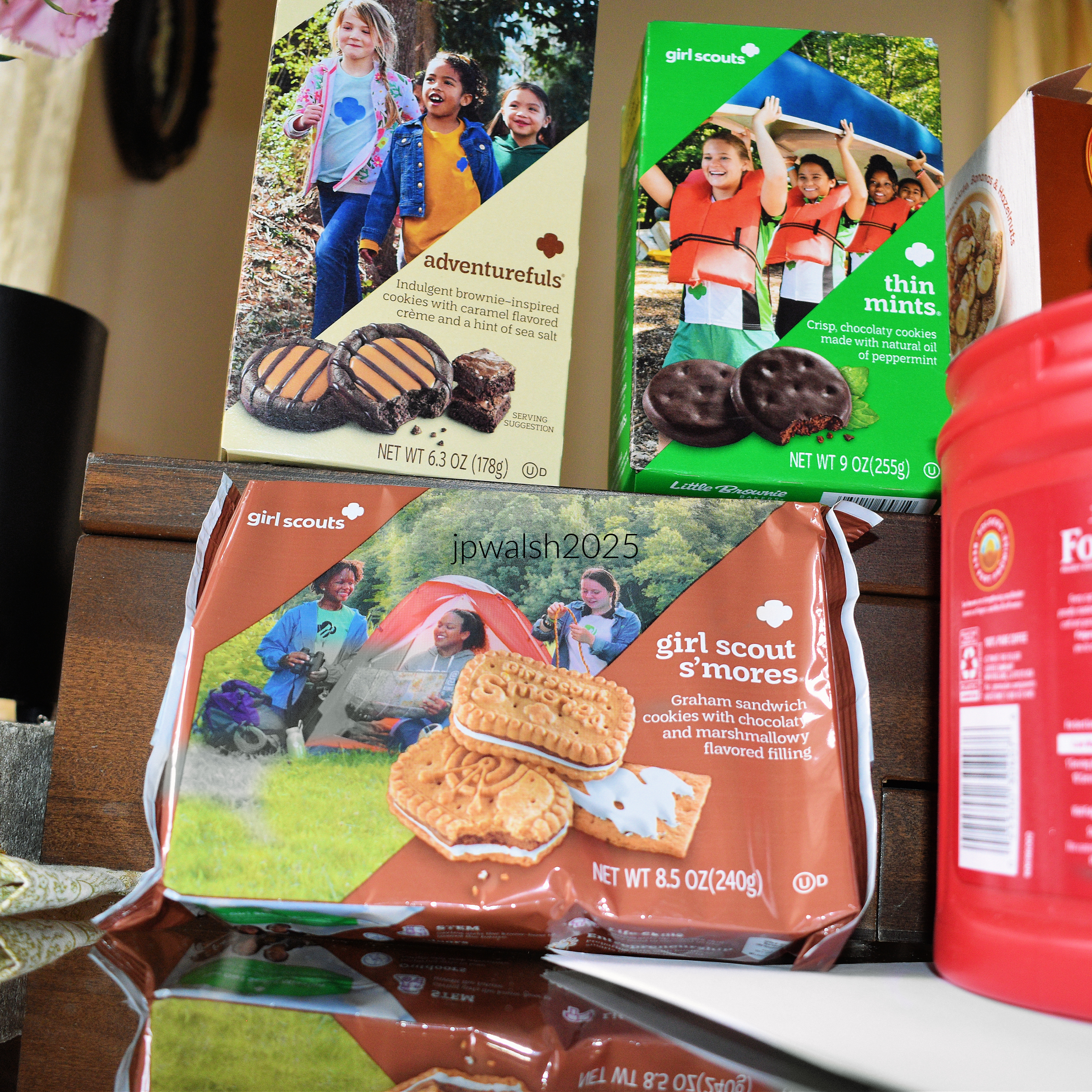
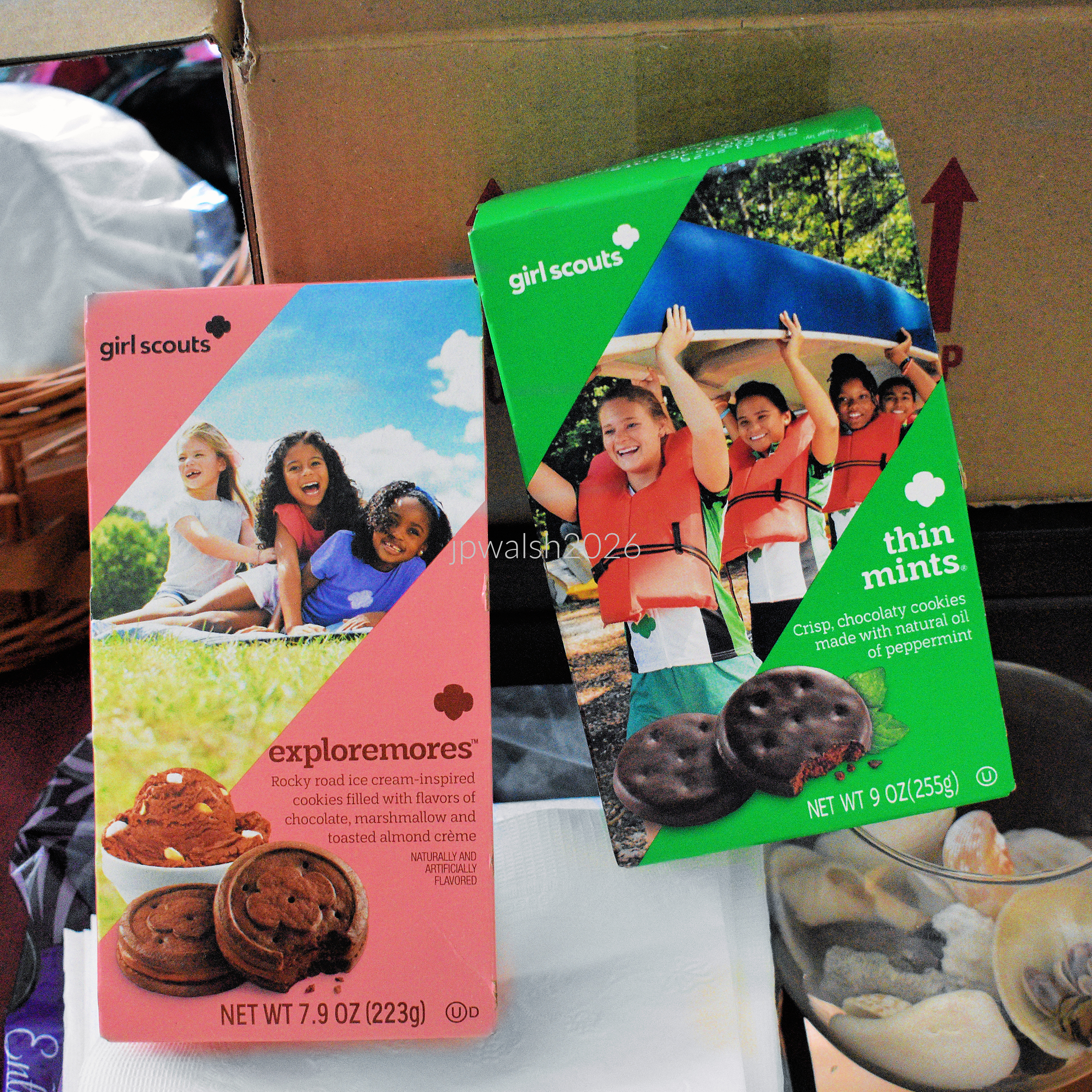
Exploremores are the Girl Scouts’ newest cookie introduced in 2026. Exploremores are cookies with the Rocky Road ice cream-inspired flavors of chocolate, marshmallow, and toasted almond crème. Thin Mints are a classic Girl Scout cookie. They have been selling a version of this cookie for 88 years – since “Cooky-Mints” in 1938. Firmly established as a popular brand by 1951, it was officially named “Thin Mints” in 1959. The oldest, continuously sold, and original style of Girl Scout cookie, is the Shortbread (or Trefoils), introduced in 1934!
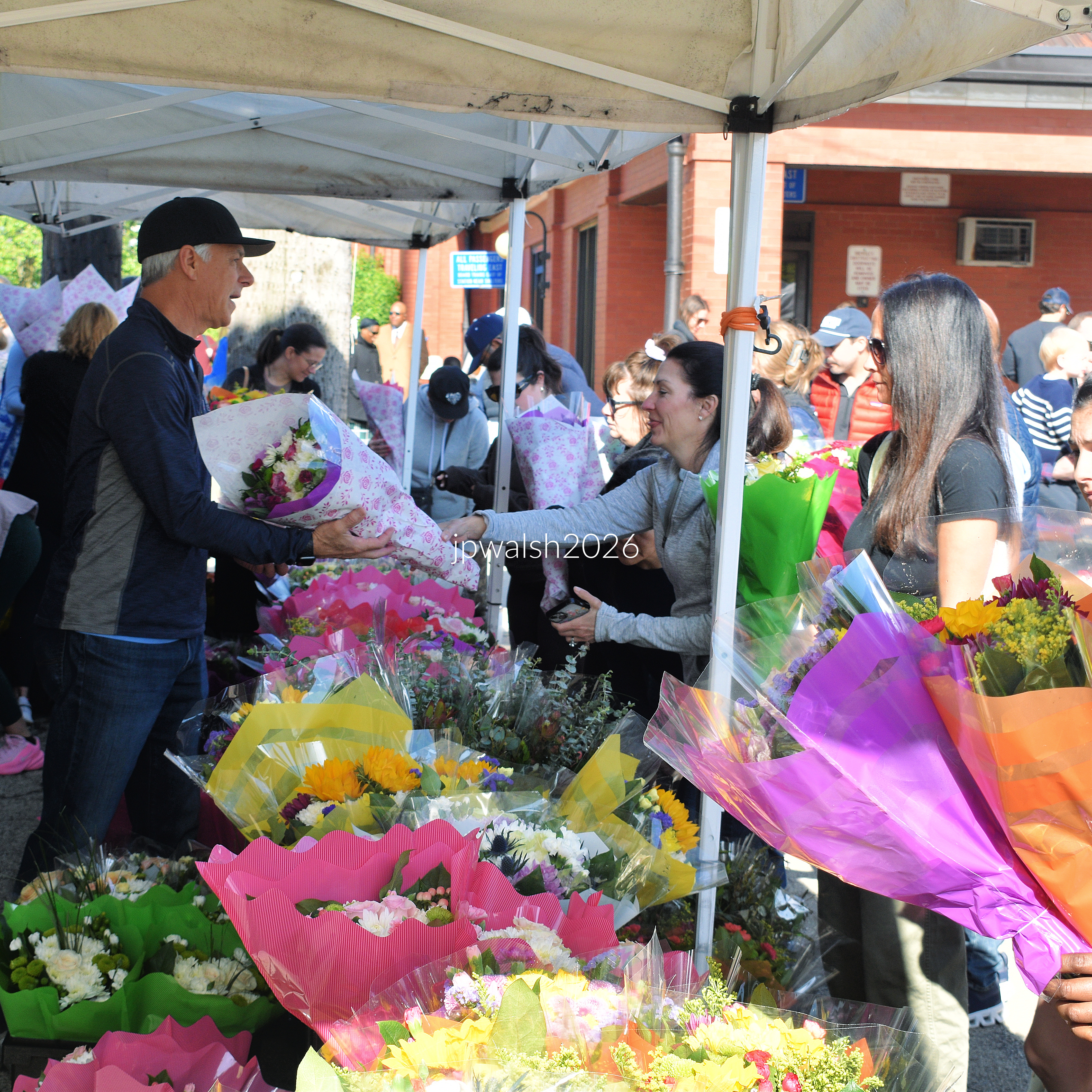
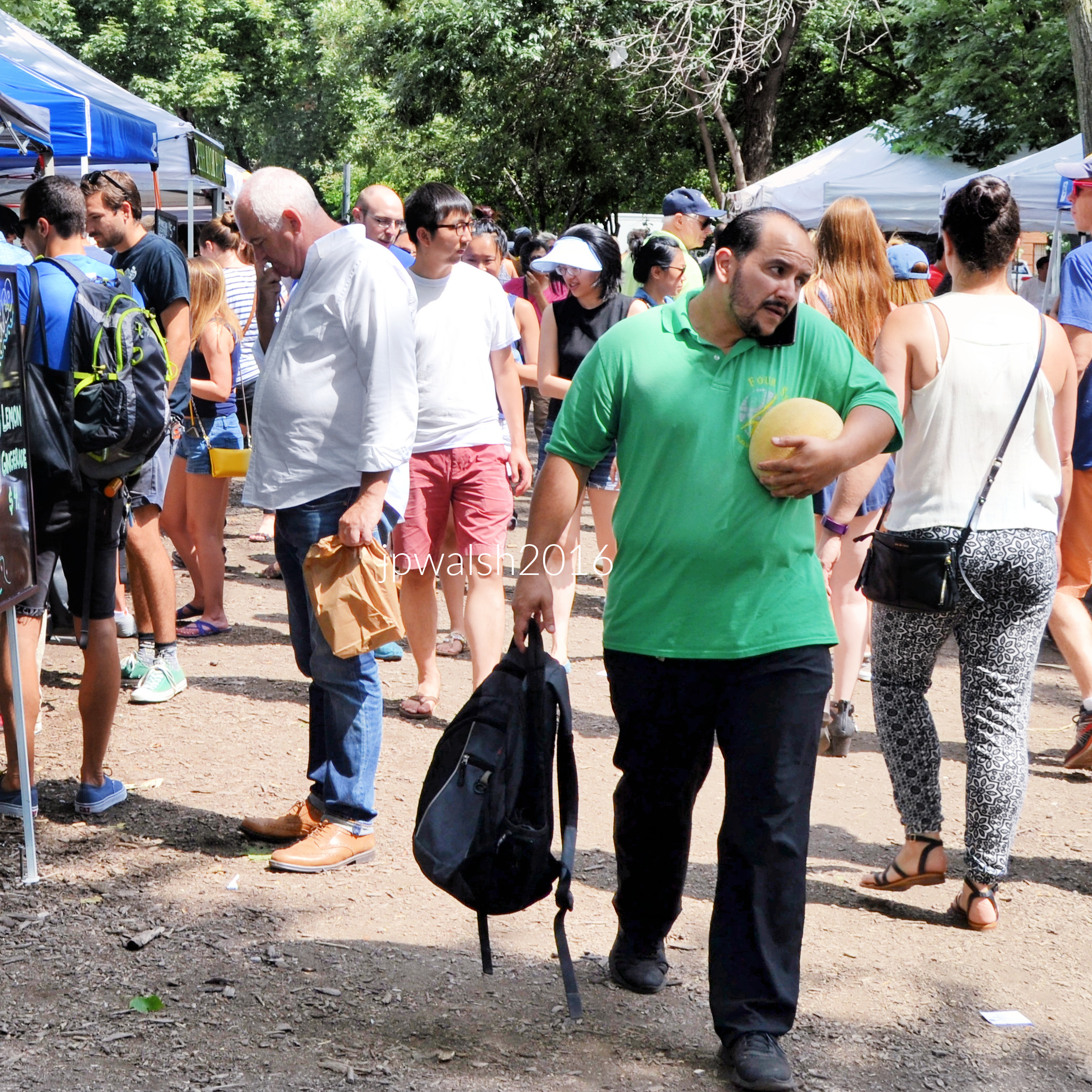
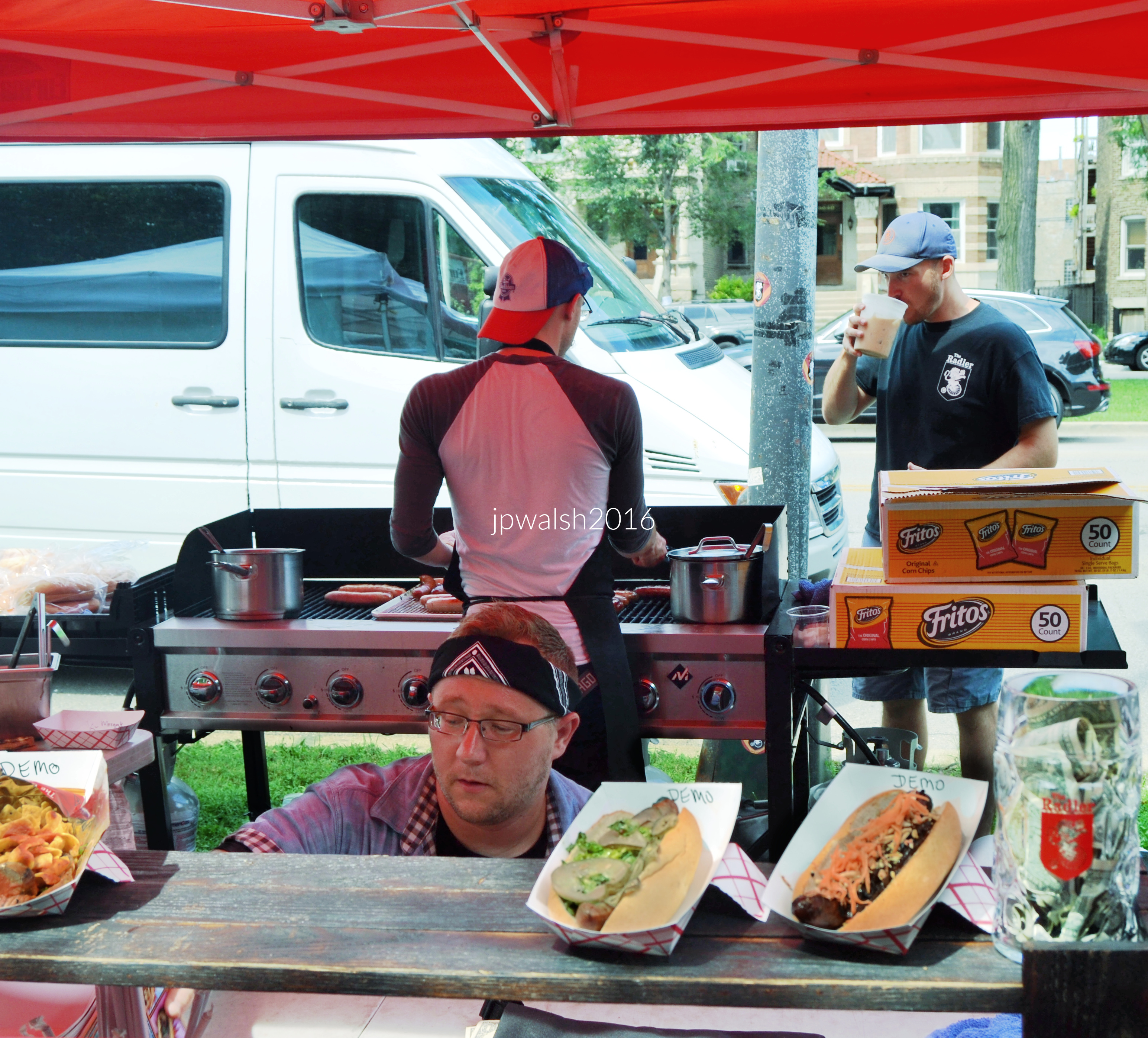
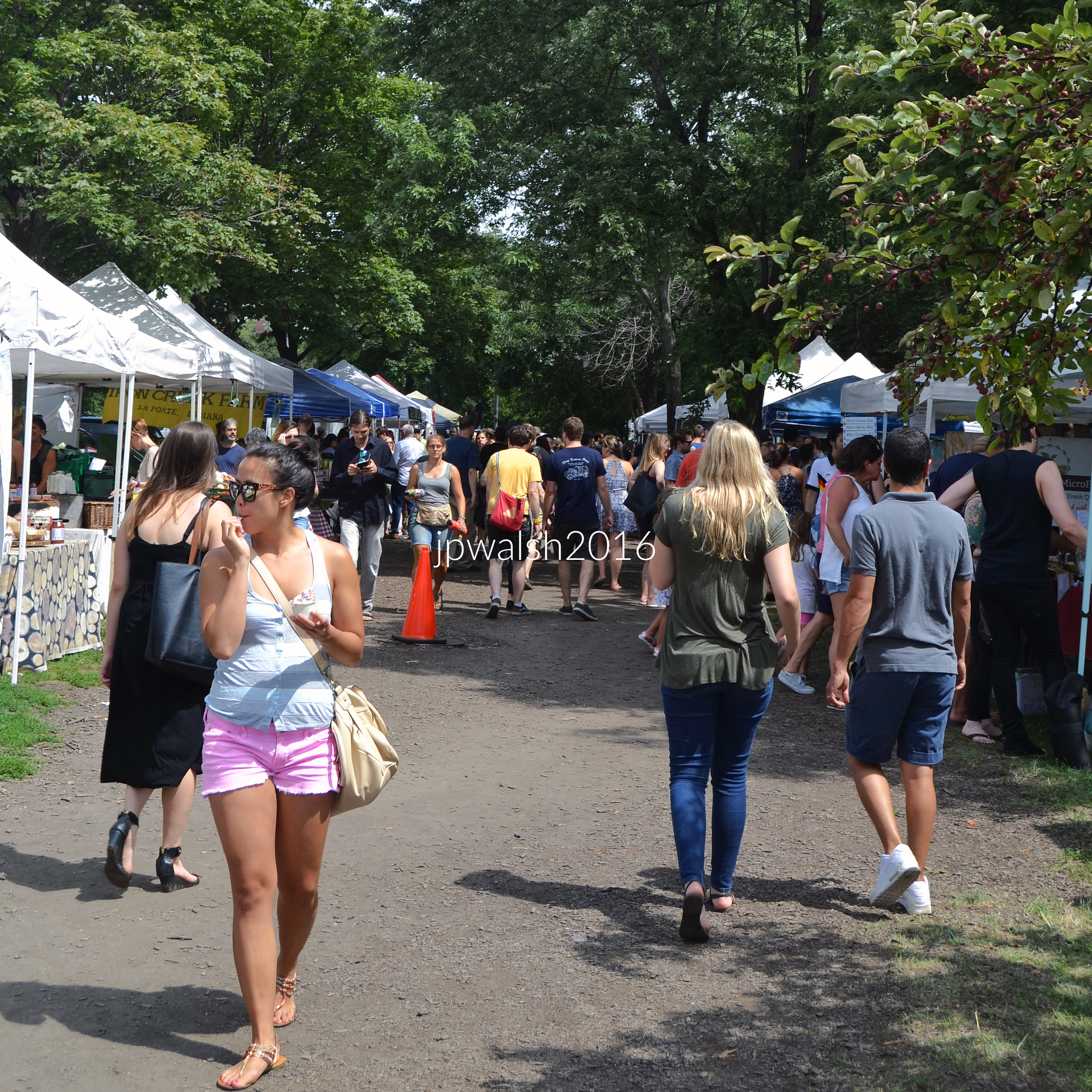
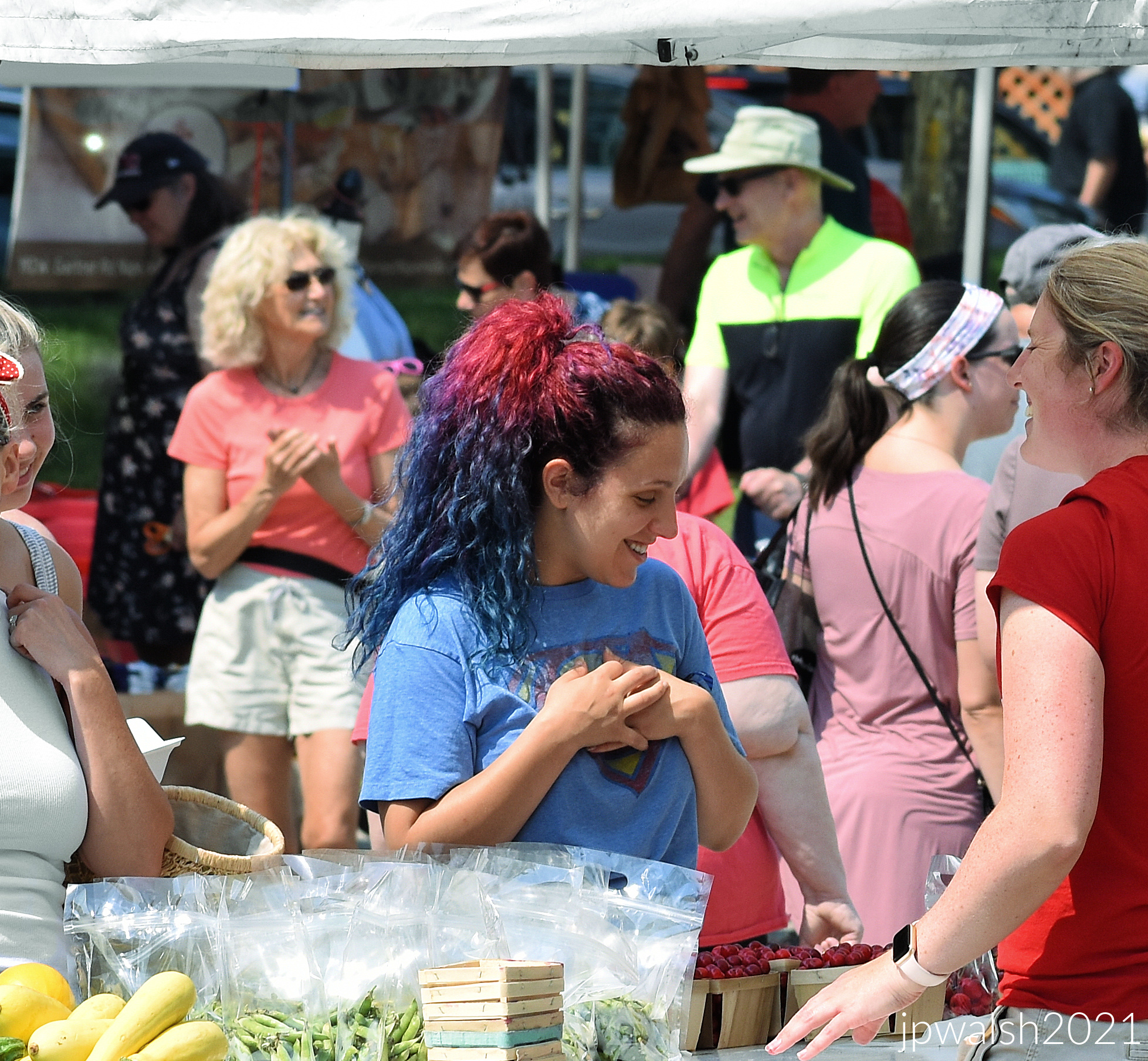
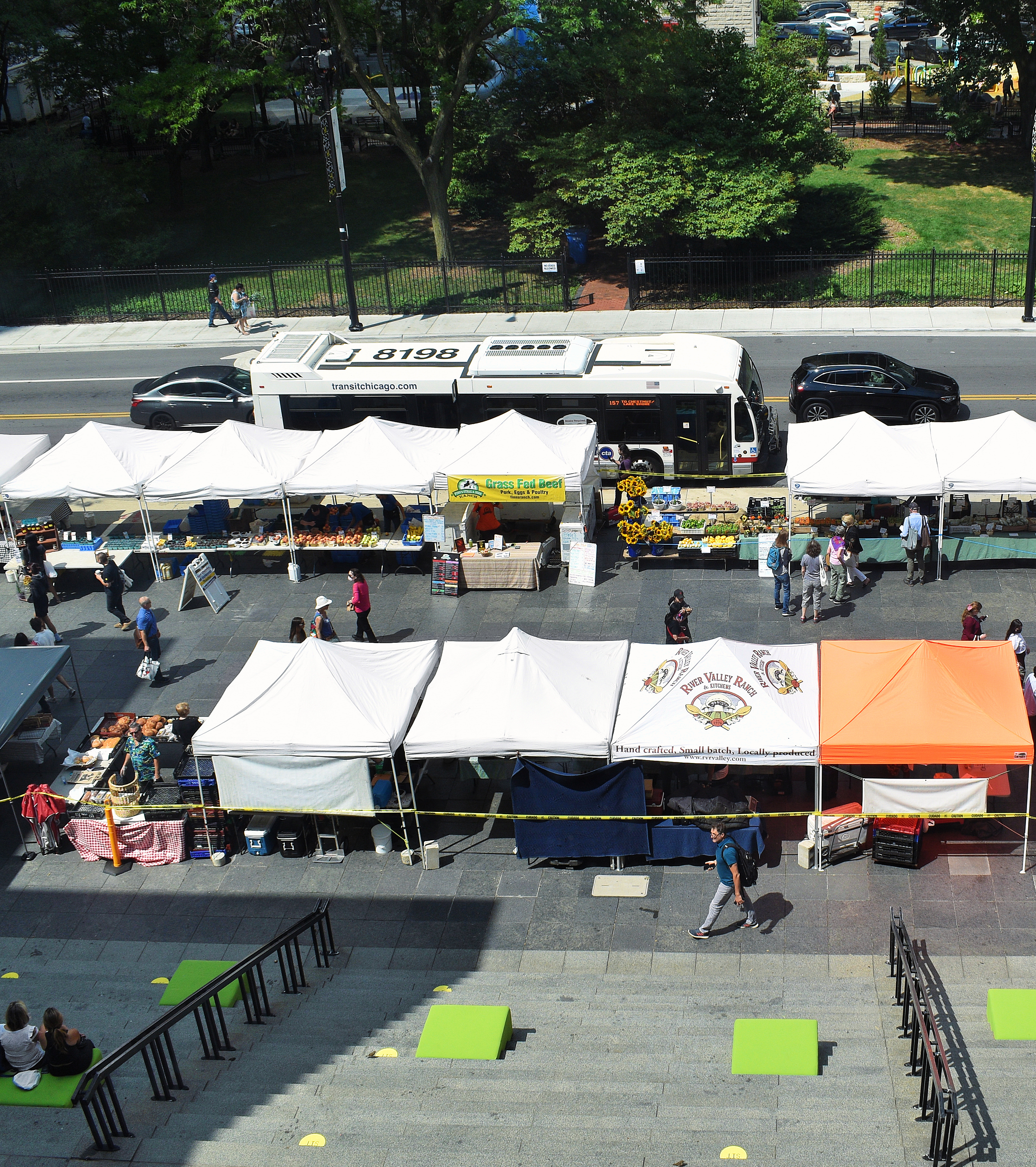
FEATURE image: July 2021. Farmer’s market. Downers Grove, Illinois 7.90 mb 79%
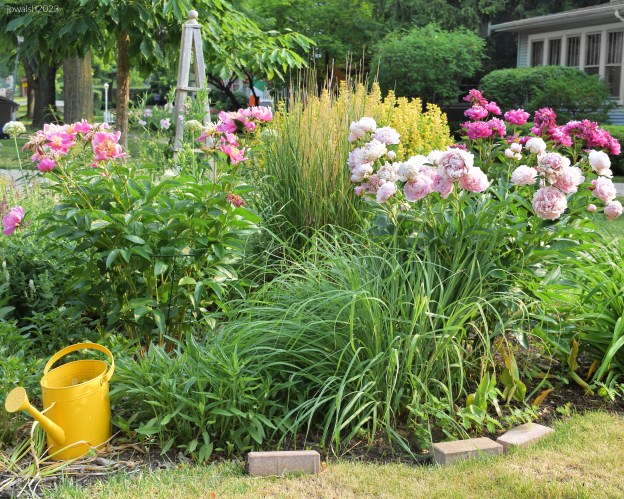
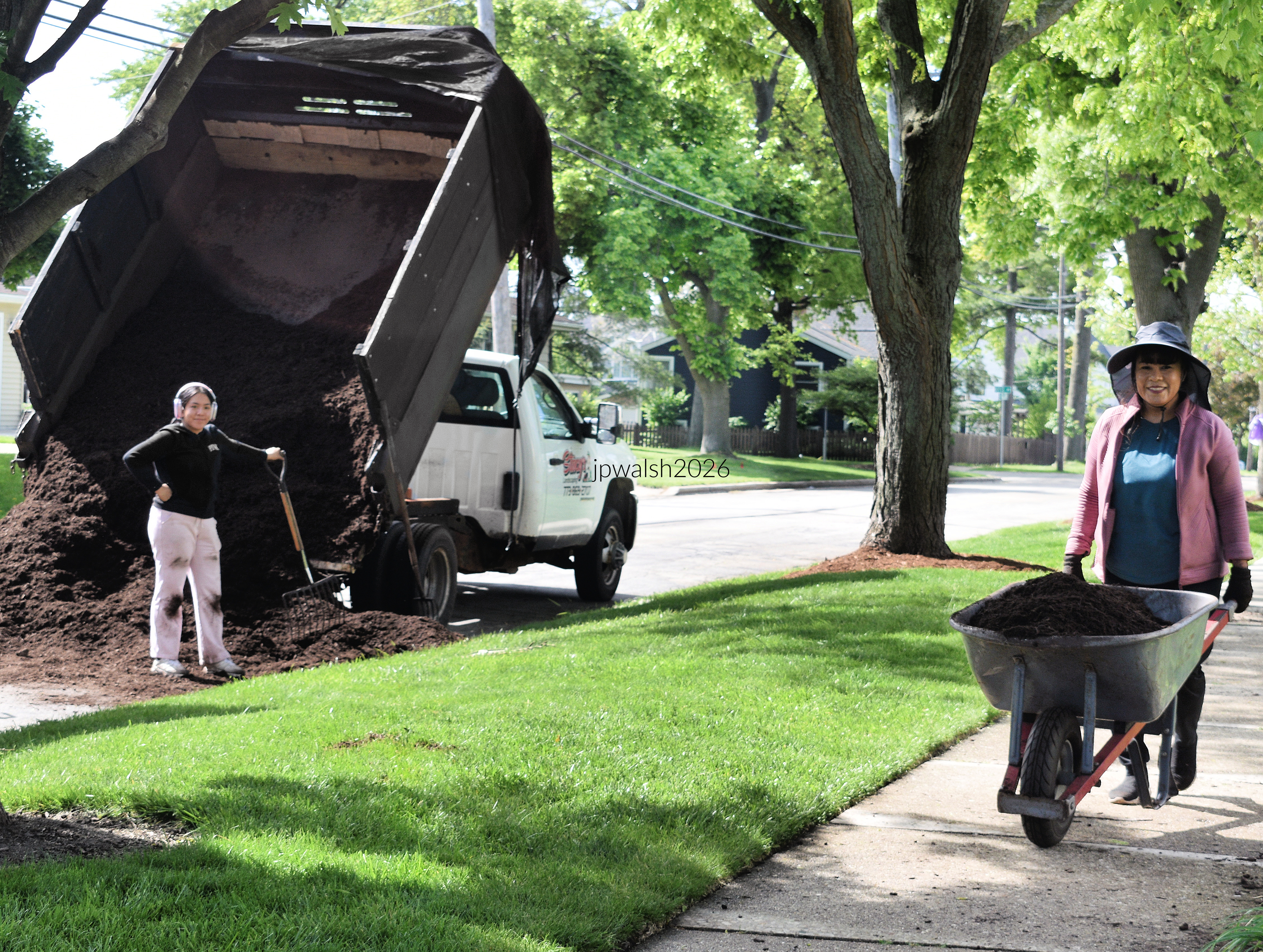
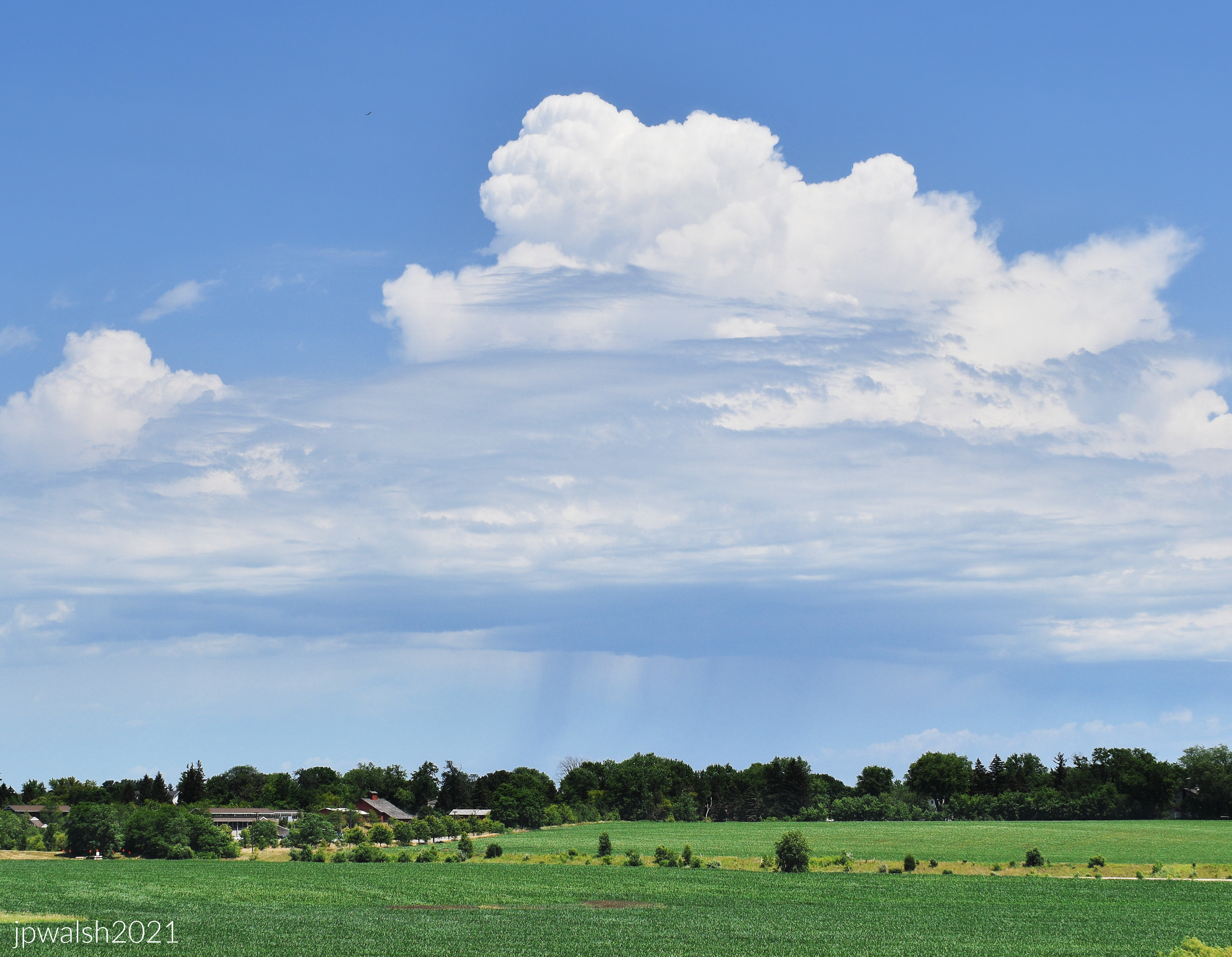
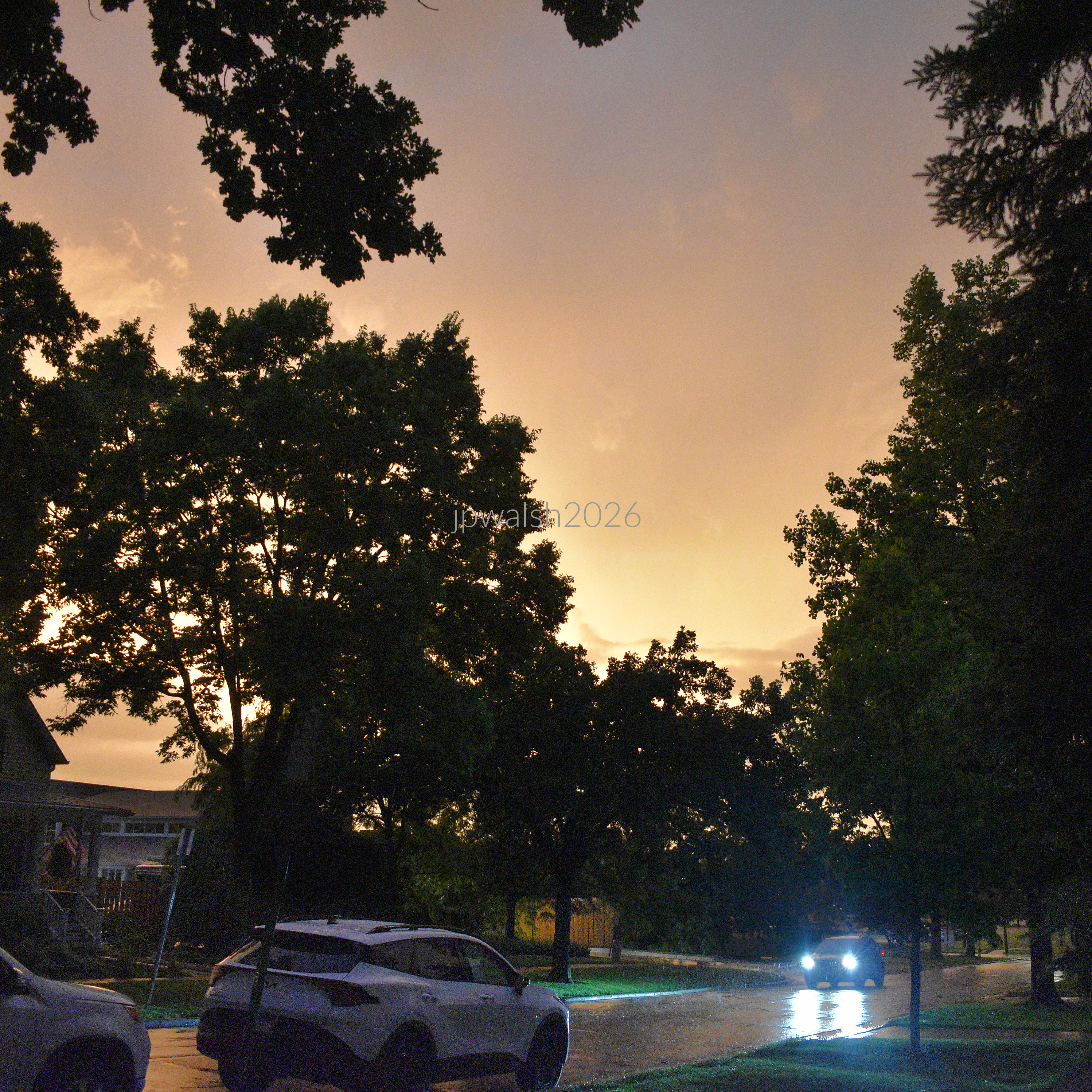
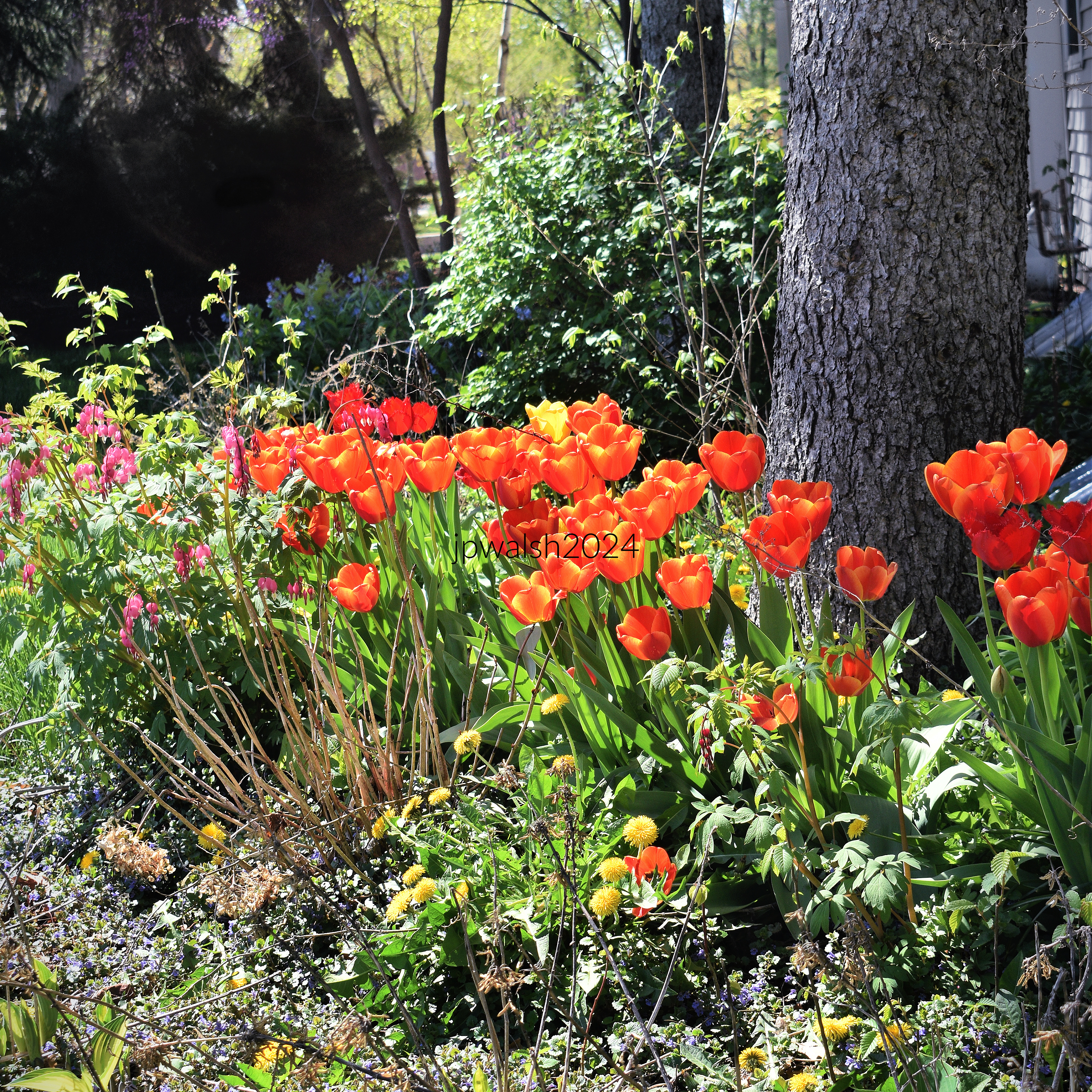
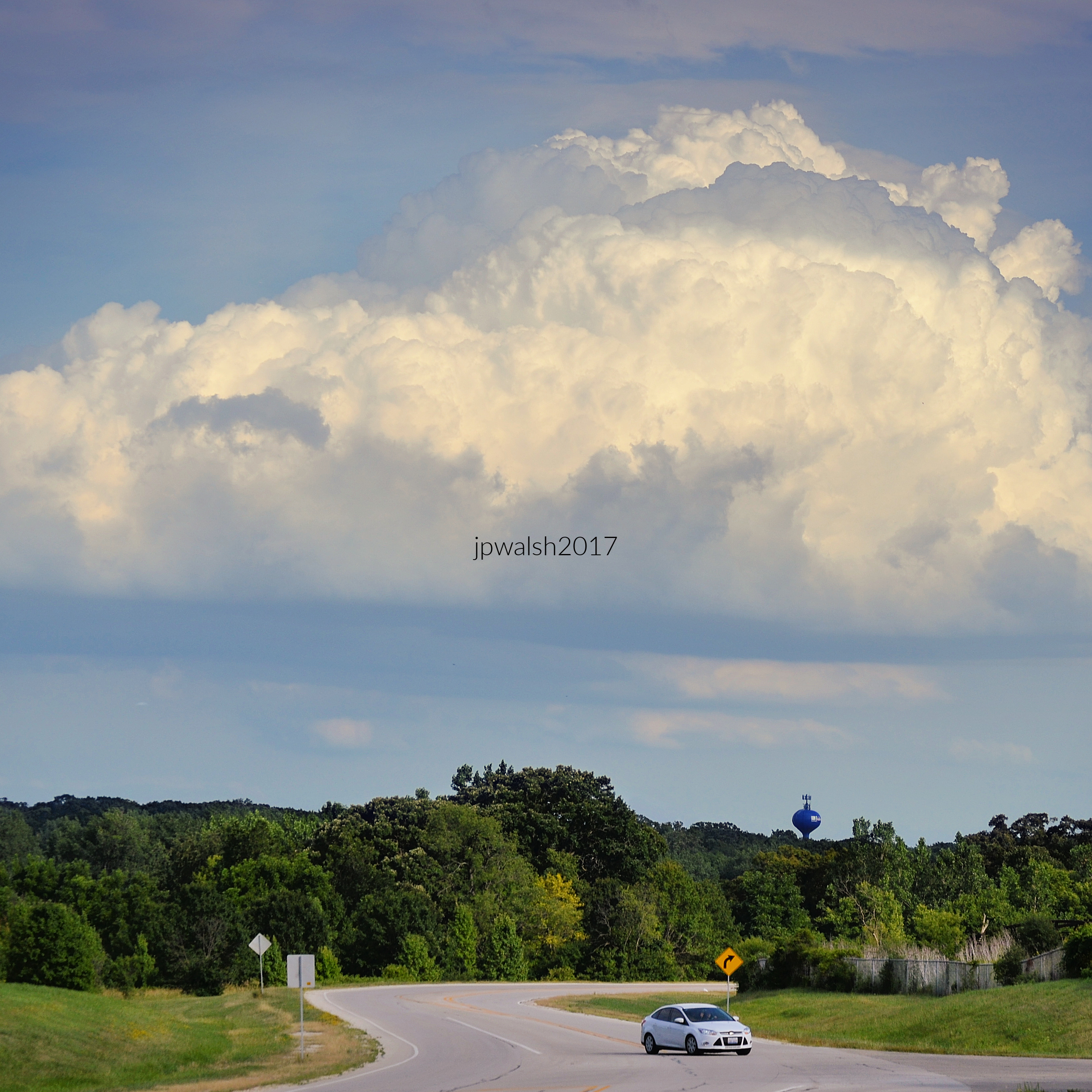
SUMMER: The Beauty of Nature in Full Flower presents summer not simply as a point on the calendar, but as a vibrant sensory experience of light, color, and abundance. Moving throughsweeping and intimate landscapes and public spaces, these photographs capture the natural world at its height, turning everyday scenes into reflections on vitality and seasonal fullness.
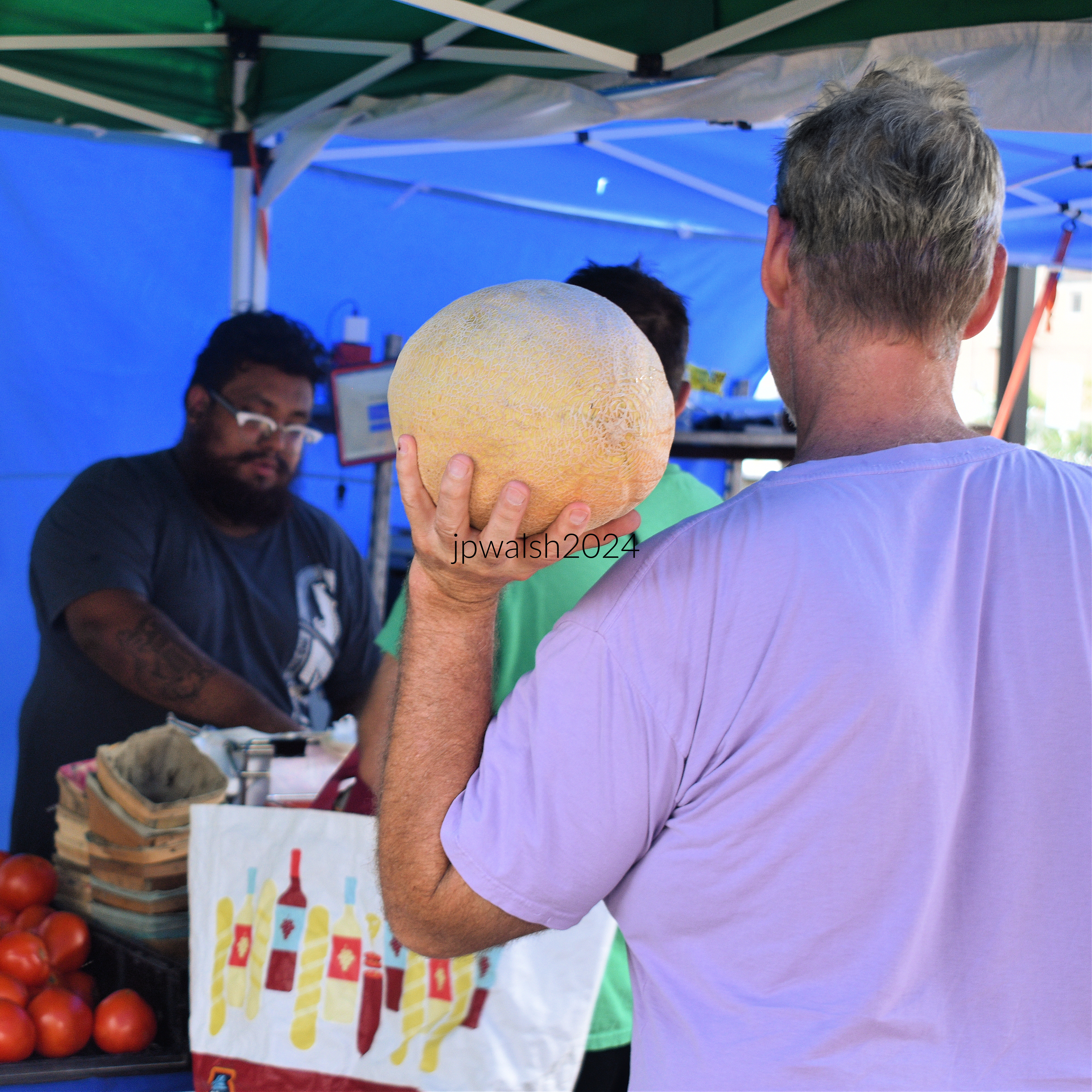
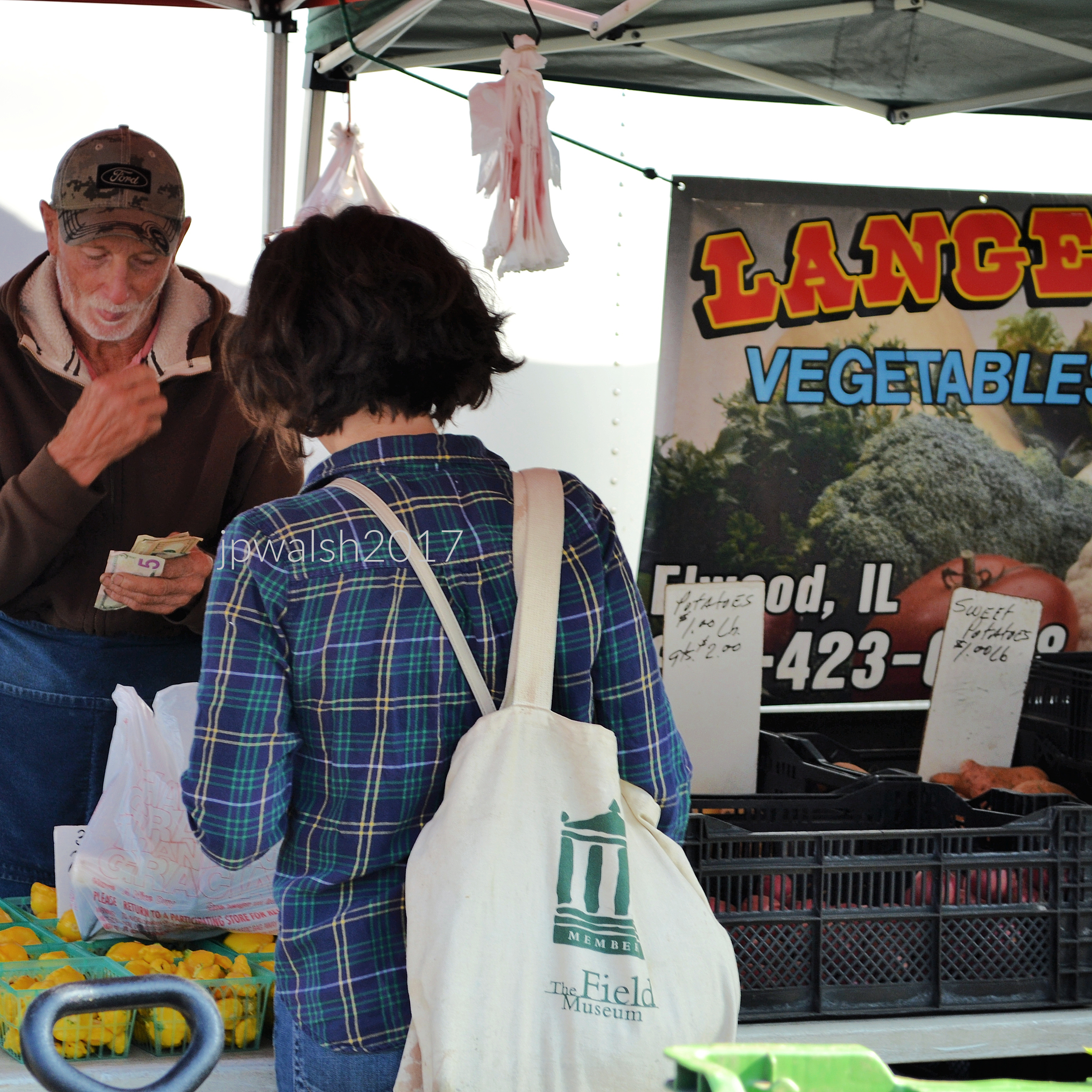
“Shoppers pause at the produce stand, comparing squash, beans, and berries under a midmorning canopy.”
July 2021. 3.19mb DSC_8053
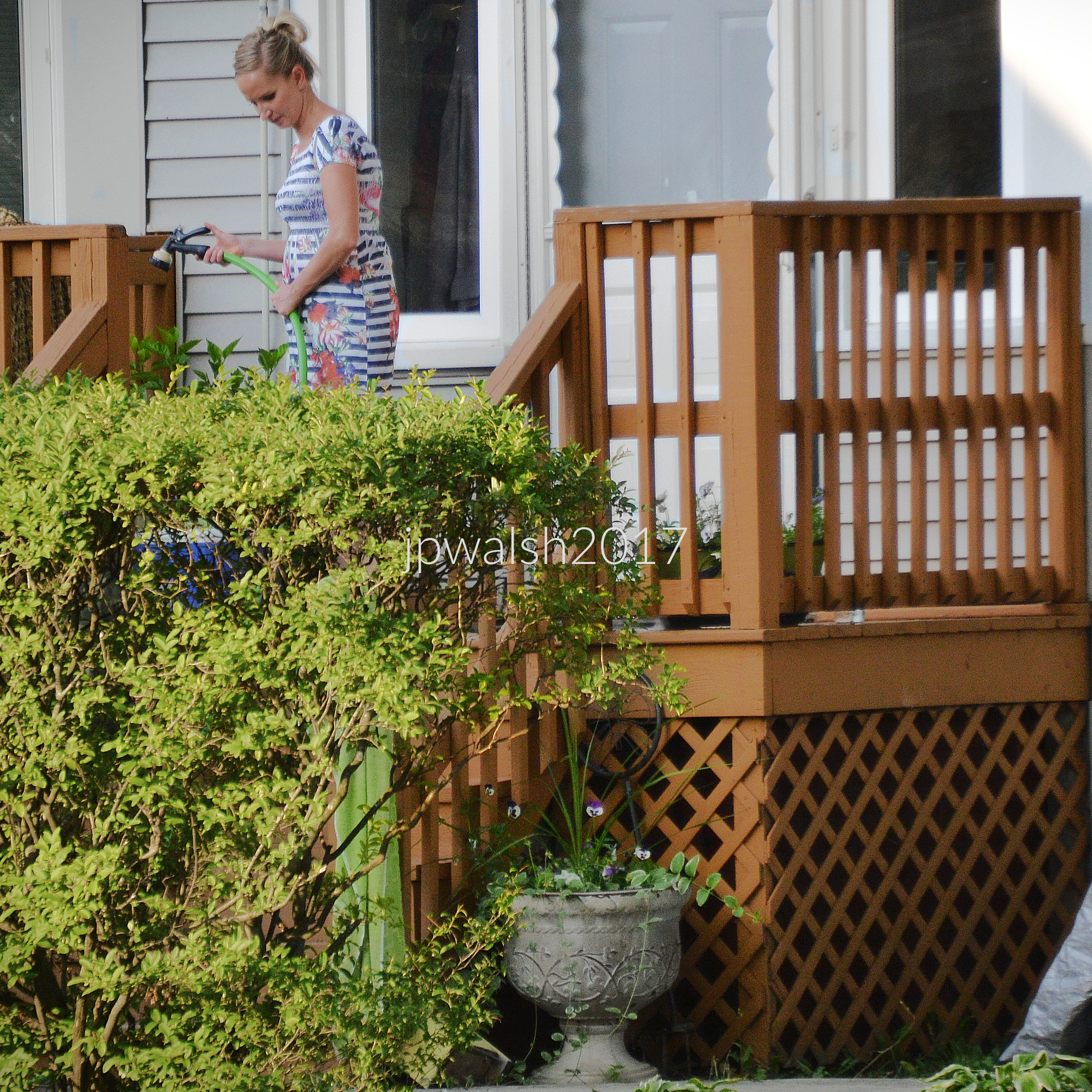
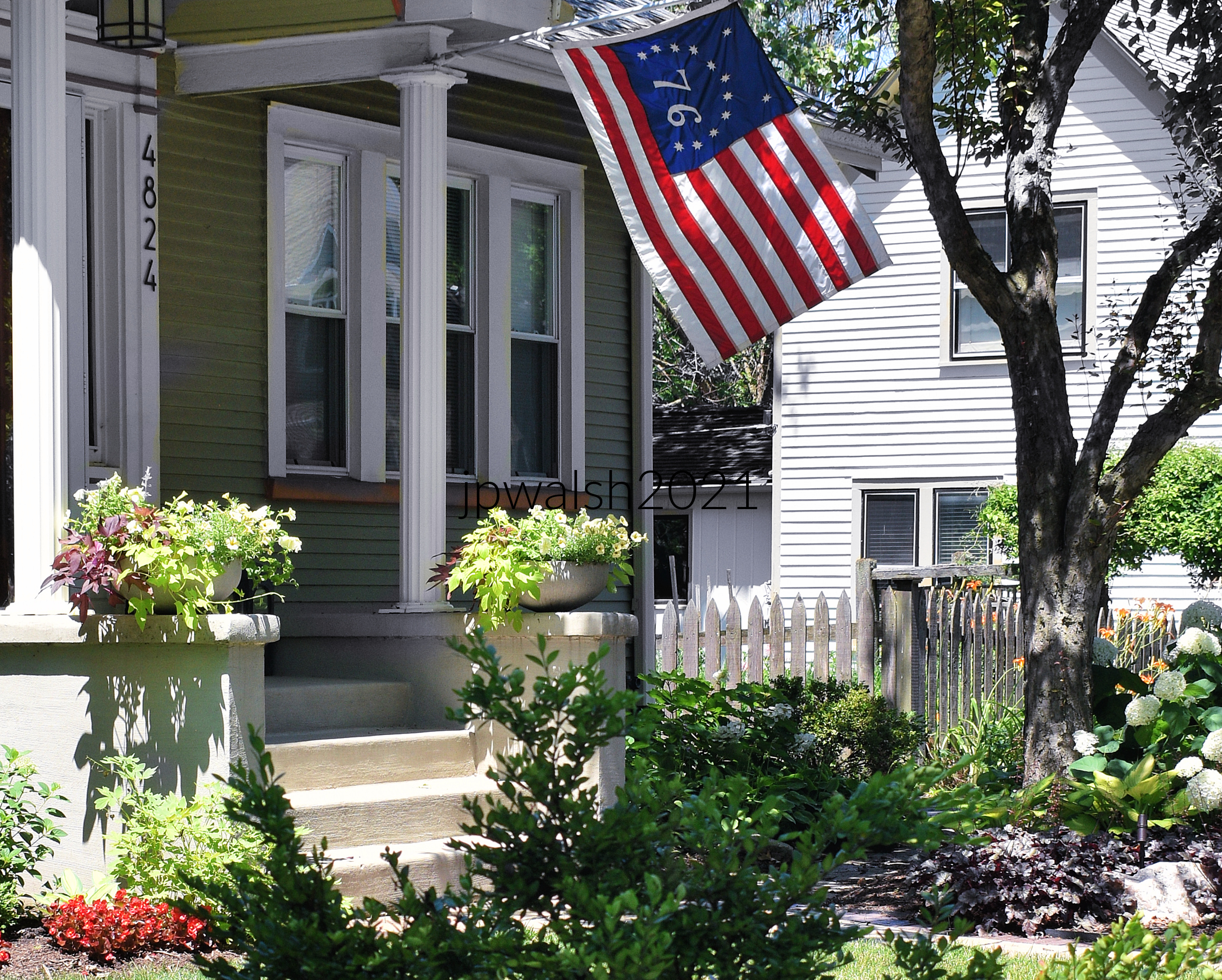
“A shaded porch, soft light and a ‘76’ flag stirring above the garden’s early‑summer bloom.”
August 2021. Chicago. 6.62mb DSC_9941 (2)
“Color blocks and bus lines frame the morning market, a grid of tents and movement stitched into the city’s routine.”
July 2026. 94°F (34.4°C) today, with widespread Extreme Heat Warnings in effect. Due to high humidity, the “feels like” temperature soared to as high as 111°F this afternoon.72% 7.76mb DSC_7582 (2)July 2026. 99% 7.36mb DSC_7655
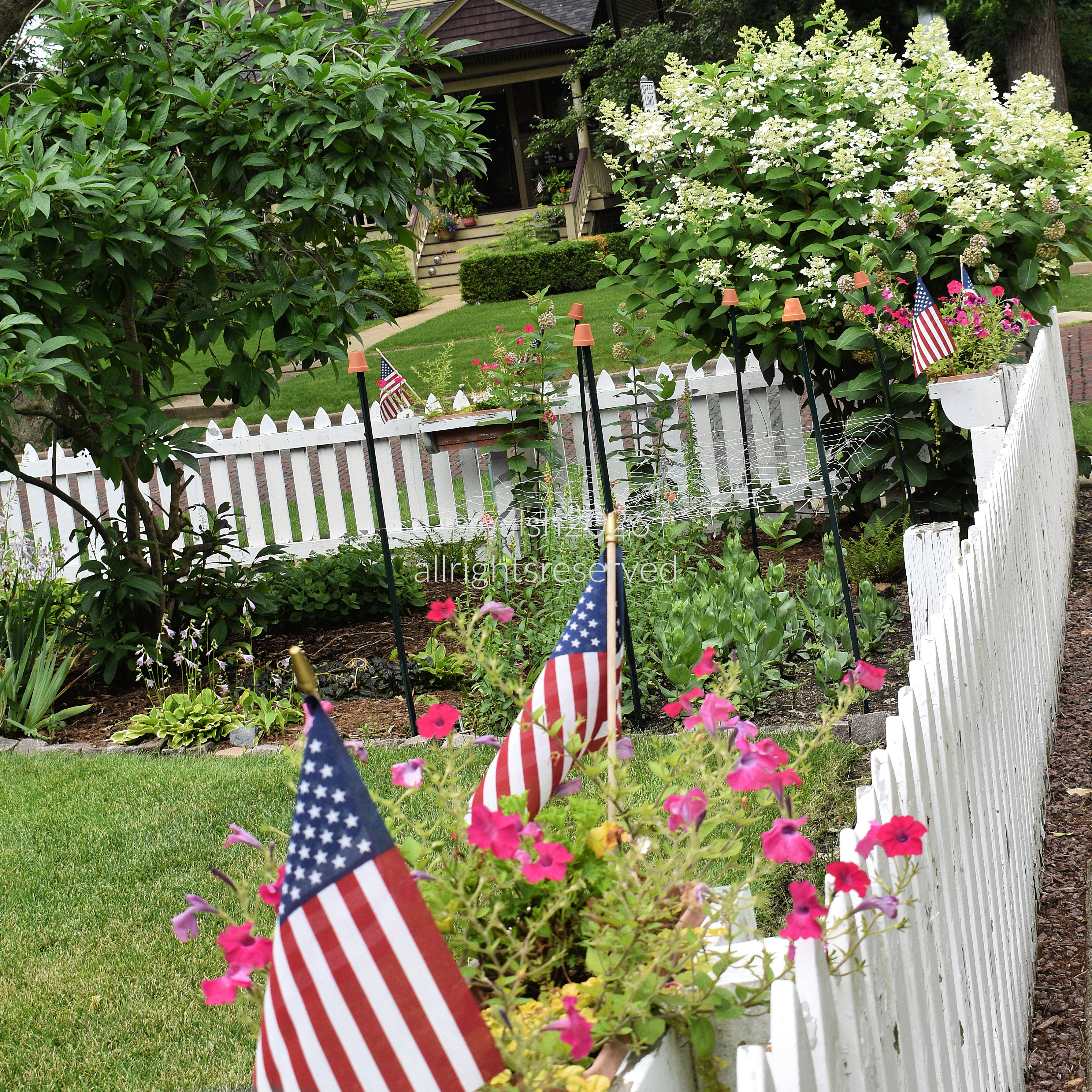
“Where the white fence meets the summer bloom, small flags stir the quiet air, and the garden holds its gentle brightness like a promise kept.”
July 2026. 6.64mb DSC_7662 (1)
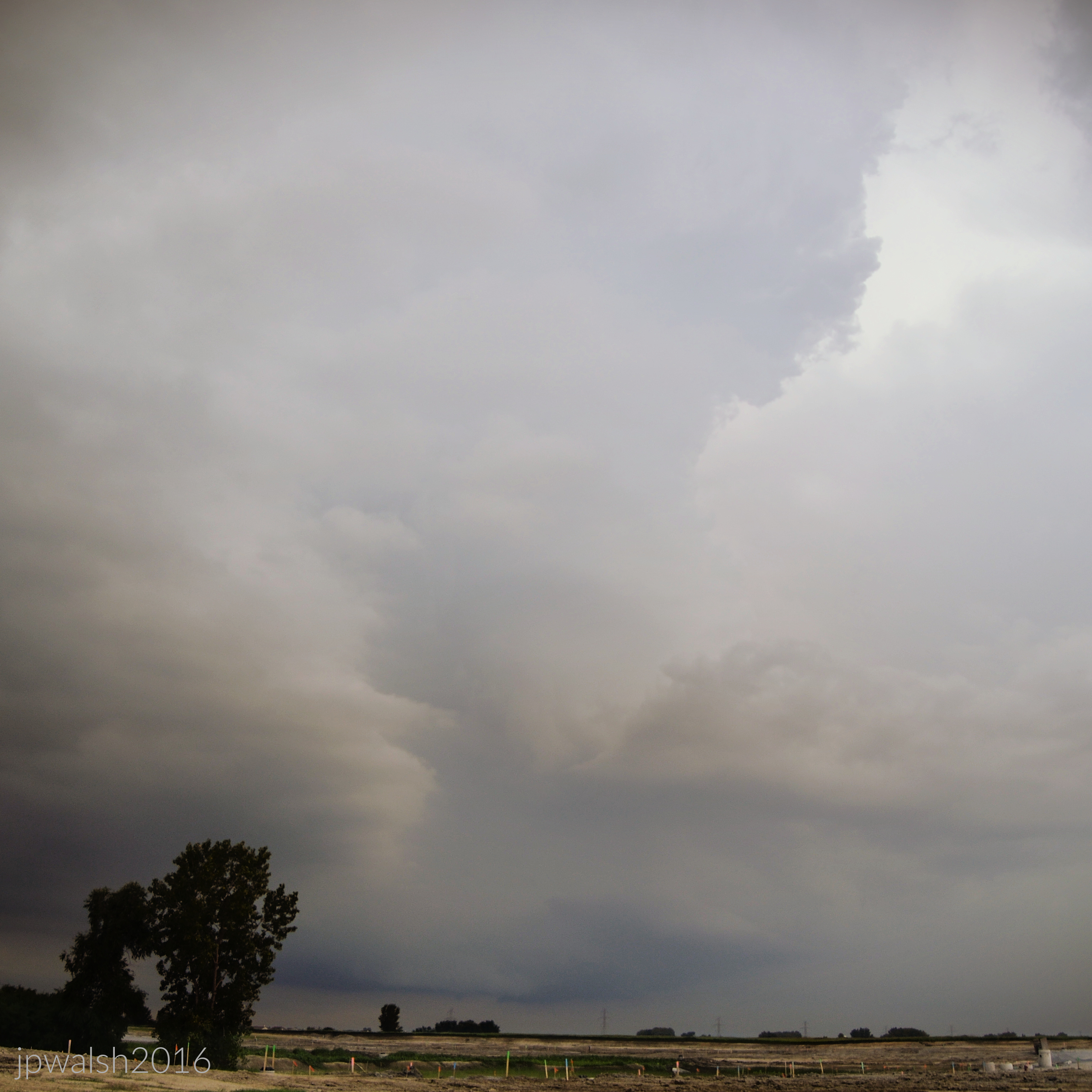
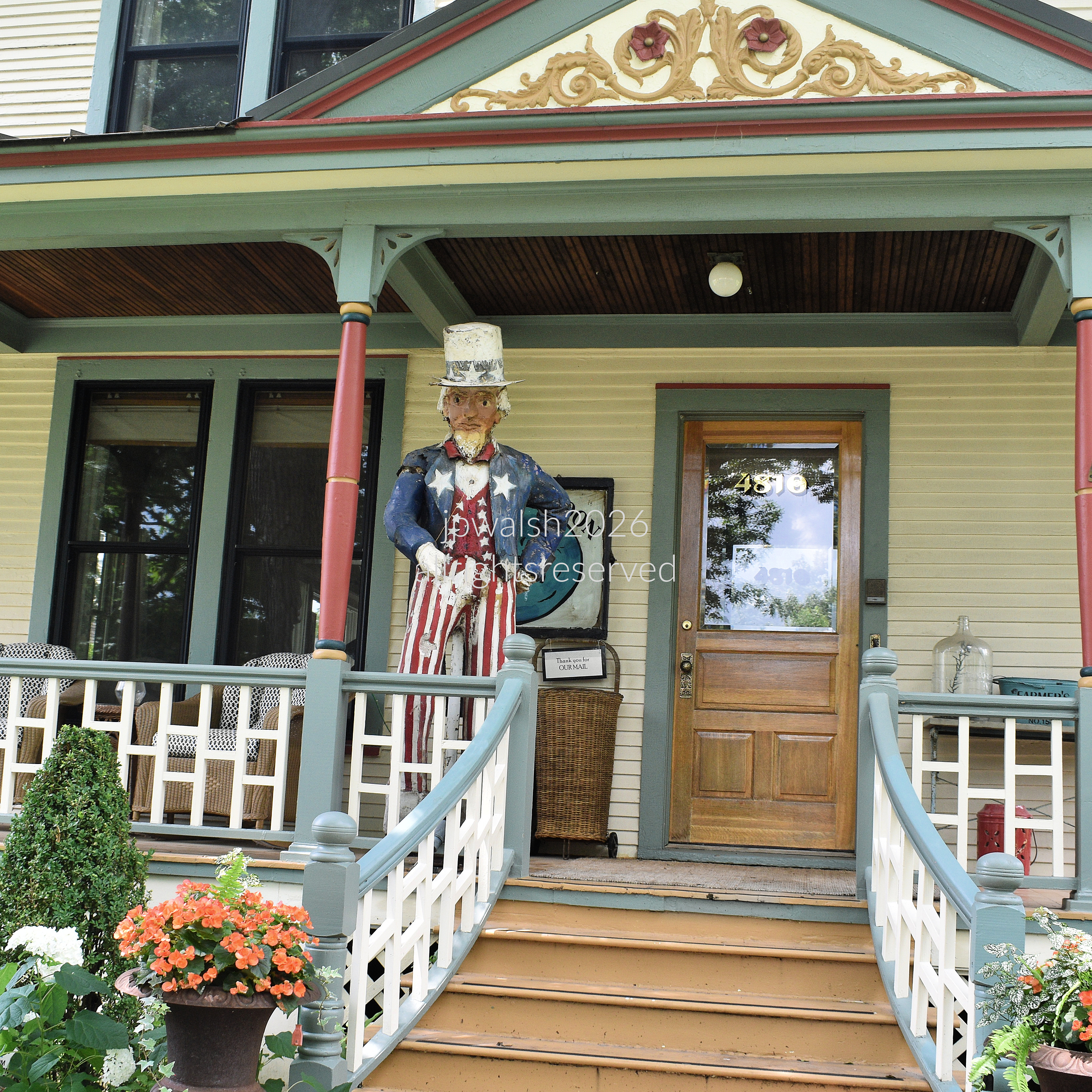
“Uncle Sam stands on the porch as late‑morning light thins, a storm massing in the distance and pressing a quiet tension into the air.”
These photographs from Maui in May 1988 serve as both a personal time capsule and a visual record of an island at a transitional moment, capturing the grandeur of Maui’s volcanic landscapes, the cultural layers of Hawaiian history, and a resort-centered world that in many places has since changed or disappeared. Through nature, architecture, recreation, and everyday travel scenes, the images preserve a Maui that was simultaneously timeless and on the cusp of transformation.
May 1988 — Ka’anapali Beach, Maui, Hawaii. Along the distant shoreline sits the Hyatt Regency Maui Resort and Spa, its low, terraced profile set against the cloud‑laden ridges of the West Maui Mountains (Mauna Kahalawai).
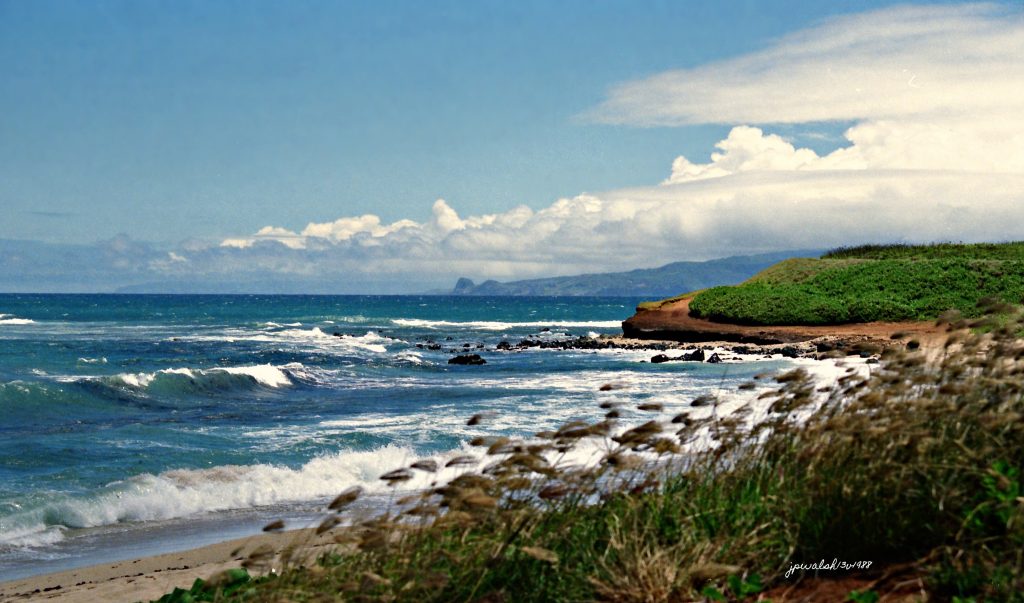
May 1988 —Road to Hana, Maui, Hawaii. The stunning North Shore of Maui at Hoʻokipa Beach Park, a renowned windsurfing destination marking the informal start of the legendary Road to Hāna. This is classic windward Hawaiian coastline, looking west toward the distant West Maui Mountains. Offshore reef systems break the incoming surf into turquoise water capped with white sea foam. The foreground shows a sandy beach edged with native coastal grasses blowing in the wind, while to the right a red‑brown, terraced cliff rises, densely covered in vibrant tropical vegetation. Above, a crisp blue sky is filled with building trade‑wind cumulus clouds.
The Road to Hāna—a world‑famous, 64‑mile scenic highway (Hwy 36 & 360) tracing Maui’s rugged northeastern shore—contains roughly 620 curves and 59 narrow, one‑lane bridges. It passes soaring sea cliffs, black‑sand beaches, bamboo forests, and dozens of cascading roadside waterfalls. Hāna, the small, isolated town at Maui’s eastern tip, was once home to Hawaiian high chiefs and is the birthplace of Queen Kaʻahumanu.
The dramatic landscape rests on dark volcanic rock and coastal shelves of hardened basalt, formed by ancient lava flows from Haleakalā over hundreds of thousands of years. Persistent wave and wind action undercuts the volcanic formations, collapsing sections into sheer sea cliffs or carving flat‑topped coastal terraces. The deep red and orange tones in the exposed cliffside reflect highly weathered, iron‑rich volcanic soils (laterite).
May 1988 —Road to Hana, Maui, Hawaii. This stretch of the scenic highway overlooks Honomanū Bay, an iconic black‑sand coastal cove situated between mile markers 13 and 14 on the Road to Hāna. The bay forms a steep, amphitheater‑like valley where the fresh water of Honomanū Stream meets the Pacific Ocean. It lies along the rugged northeast windward coast of East Maui, roughly halfway between the surf town of Pāʻia and remote Hāna.
The view looks into the deep, lush valley and the massive sea cliffs rising around it, all covered in dense tropical vegetation and native hala trees (Pandanus tectorius). Below, a dark, rocky shoreline frames the cove. Unlike Maui’s sandy swimming beaches, the waters here break heavily over submerged boulders and volcanic reefs, giving the bay its distinctive, rough‑water character.
The portfolio captures iconic natural landmarks including the West Maui Mountains, Road to Hāna, Hoʻokipa Beach, ʻĪao Valley, and the ʻĪao Needle.
May 1988 —Cockatoo, Hyatt Regency Maui, Maui, Hawaii. A woman interacts with an Alba Cockatoo, a large white parrot, as it watches the photographer from its polished brass perch in the lush, resort setting. She wears a vibrant, stylized sailboat motif top as she reaches out to pet the bird. Fitted with feeding bowls and a decorative overhead hoop, the cockatoo sits comfortably on its circular brass stand. Behind them, dense tropical foliage, architectural columns, and a hint of a water feature create the luxury Hawaiian resort atrium backdrop.
Native to the rainforests of Indonesia, these intelligent parrots are widely kept in captivity for their striking appearance and highly social nature. Cockatoos are intensely affectionate “velcro birds,” bonding through long sessions of mutual preening in the wild. This bird’s posture shows complete ease: its crest lies flat, its feathers are lightly fluffed, and its weight is evenly balanced on the perch — all signs of a relaxed, trusting interaction.
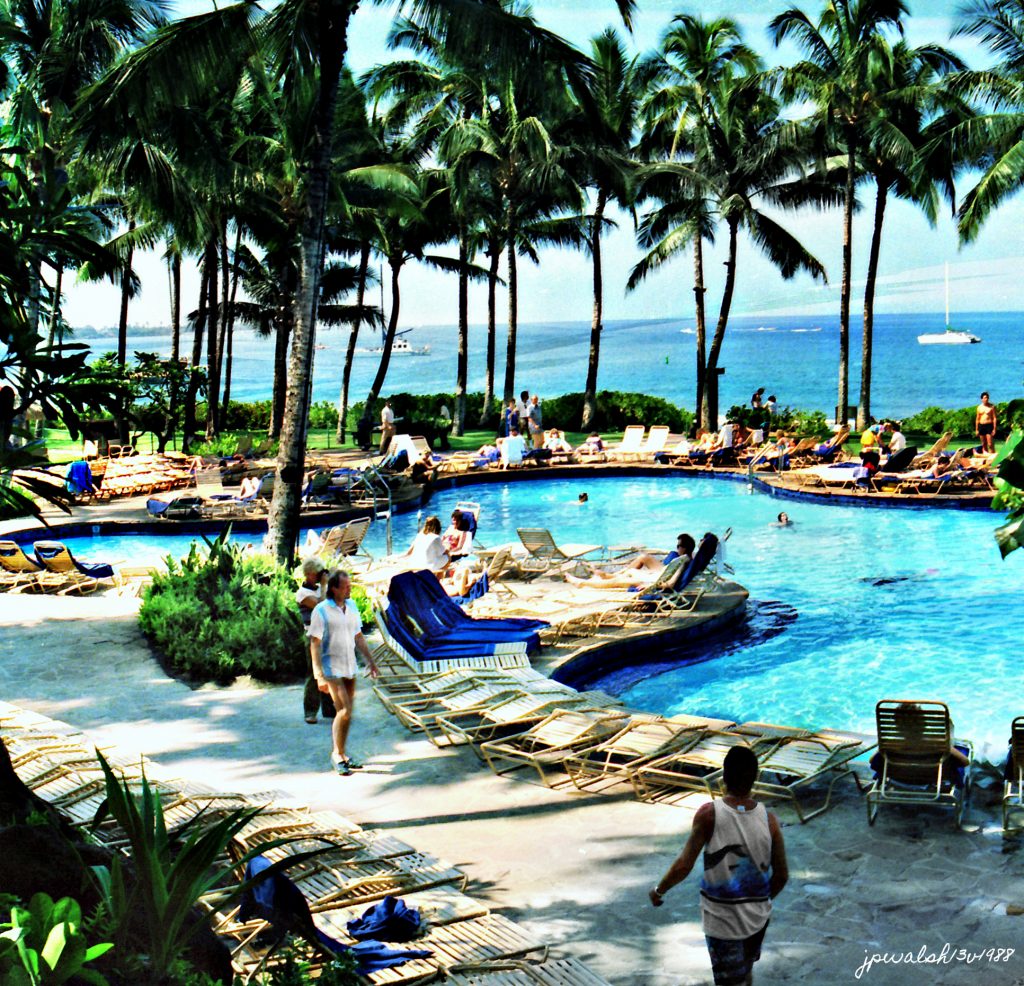
May 1988 —Free Form Pool, Hyatt Regency Maui, Maui, Hawaii. The free‑form swimming pool at the Hyatt Regency Maui Resort and Spa, completed in 1980, remains a central feature of the property, though it has since undergone major modern renovations. Spanning roughly half an acre, the lagoon‑style design was intended to evoke a natural tropical oasis. In its original 1988 configuration shown here, the pool followed a classic winding “paradise lagoon” layout, bordered by volcanic rock, divided by lush island planters, and surrounded by tiered sundecks furnished with vintage woven lounge chairs. When it debuted in 1980, it was celebrated as the largest, most elaborate, and most technologically advanced resort swimming pool in the state of Hawaii.
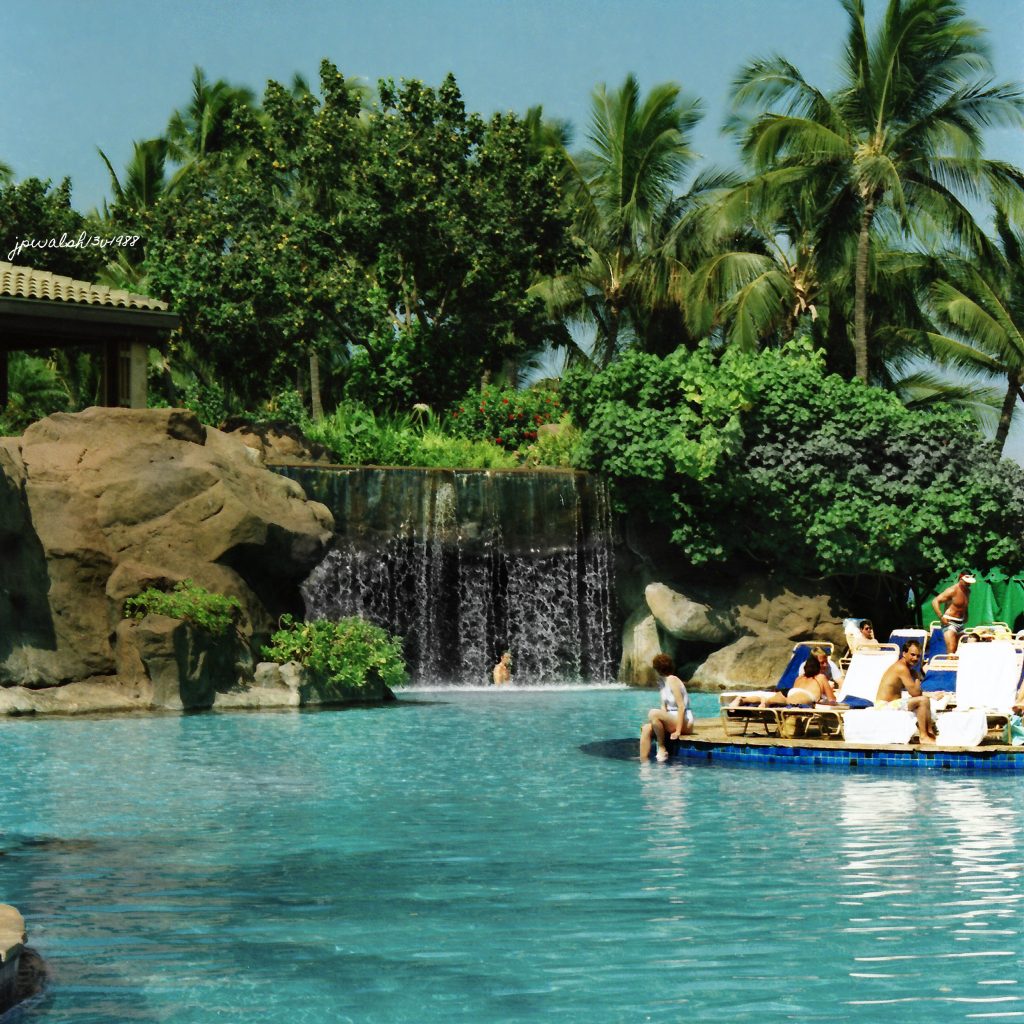
May 1988 —Main Pool, Hyatt Regency Maui, Maui. The photograph shows the western side of the main lagoon pool at the Hyatt Regency Maui Resort and Spa, centered on its defining 10‑foot artificial volcanic‑rock waterfall, once the entryway to the resort’s famous Grotto. Swimming beneath the cascading water led guests into a dark, cavernous man‑made lava‑rock cave housing the iconic Grotto Bar, a shaded swim‑up bar with submerged stools, televisions, and tropical cocktails. The grotto also functioned as a tunnel, allowing swimmers to pass under the rocks and move between the two halves of the expansive pool complex.
Completed in 1980, the pool’s core design philosophy was fantasy‑driven escapism, expressed through waterfalls, caves, and immersive tropical staging. The historic grotto, waterfall, and swim‑up bar have since been fully demolished. In their place now stands a redesigned, expanded open‑air pool layout with a contemporary sundeck and enlarged dining areas — the original 1980s cavern‑like aesthetic entirely gone.
The collection records the height of Maui’s late-1980s resort culture at the Hyatt Regency Maui, including features that have since been altered or removed.j
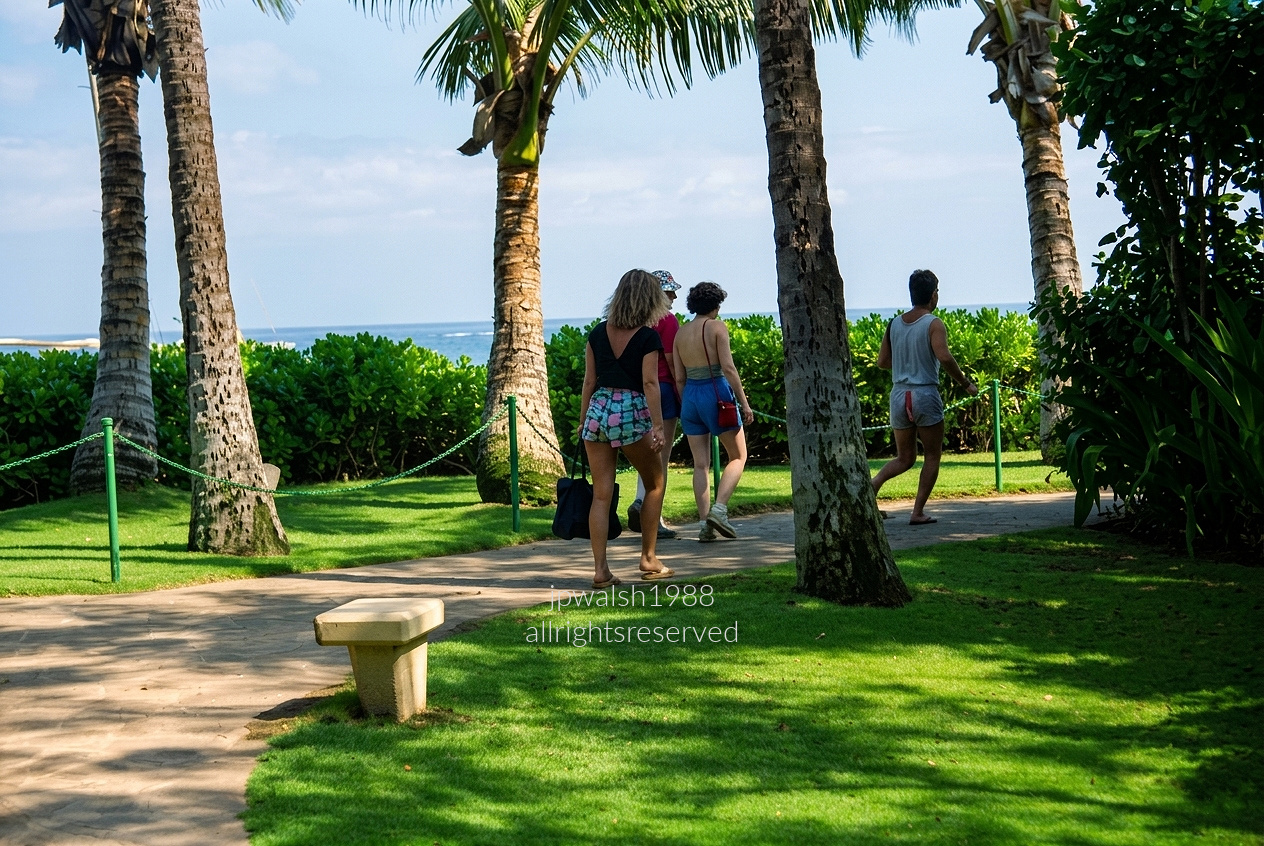
May 1988 — A small group of resort guests walking along the paved Kāʻanapali Beach Walk, the coastal pedestrian path that runs between the ocean and the major beachfront hotels on West Maui. From a shaded lawn, the view looks past tall coconut palms toward the bright Pacific, where sharp sunlight cuts across the grass and the curving walkway. A low concrete bench anchors the foreground, while the vertical palm trunks frame the path and draw the eye toward the travelers.
At the center, a woman in a black top and pastel geometric swimsuit carries a dark canvas beach tote. Beside her, another woman walks in a blue sun‑suit with a red shoulder bag, and ahead of them a man leads the group in a gray 1980s muscle tank and athletic shorts. Beyond the naupaka hedge, the calm blue waters of the ʻAuʻau Channel complete the serene coastal setting.
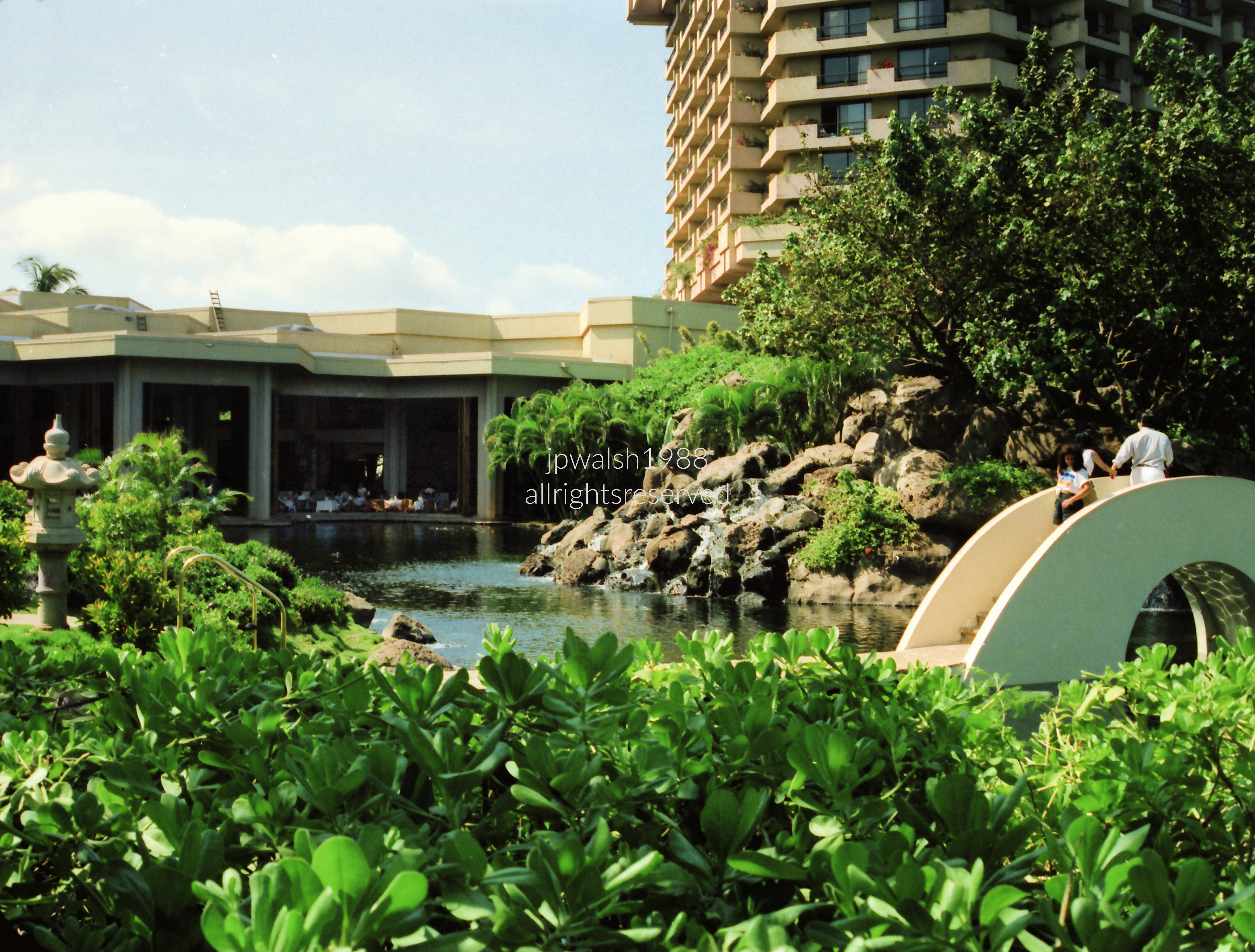
May 1988 — Open‑air Swan Court at the Hyatt Regency Maui Resort and Spa, framed by lush Oriental gardens, cascading rock waterfalls, and a scenic arched footbridge. In 1988, Swan Court operated as a fine‑dining restaurant for dinner and an elegant upscale buffet for breakfast. The space is famous for its absence of traditional exterior walls; tall columns open directly onto a large, manicured lagoon where white and black swans glided beside diners’ tables. The water feature is not a swimming pool but the Swan Lagoon, a deep freshwater habitat designed exclusively for wildlife.
On the far left, a traditional Japanese stone lantern (tōrō) sits in the grass, reinforcing the garden’s Zen aesthetic. The dense green shrubs in the foreground are native Naupaka Kahakai (Scaevola taccada). This architectural layout and its signature scenery remain fully intact and continue to operate today.
Bronze Buddha, Thailand, 19th Century, Maui, Hawaii, May 13, 1988.
Wildlife, tropical gardens, Buddhist sculptures, and resort life illustrate the diverse influences that shaped Maui’s visitor experience.
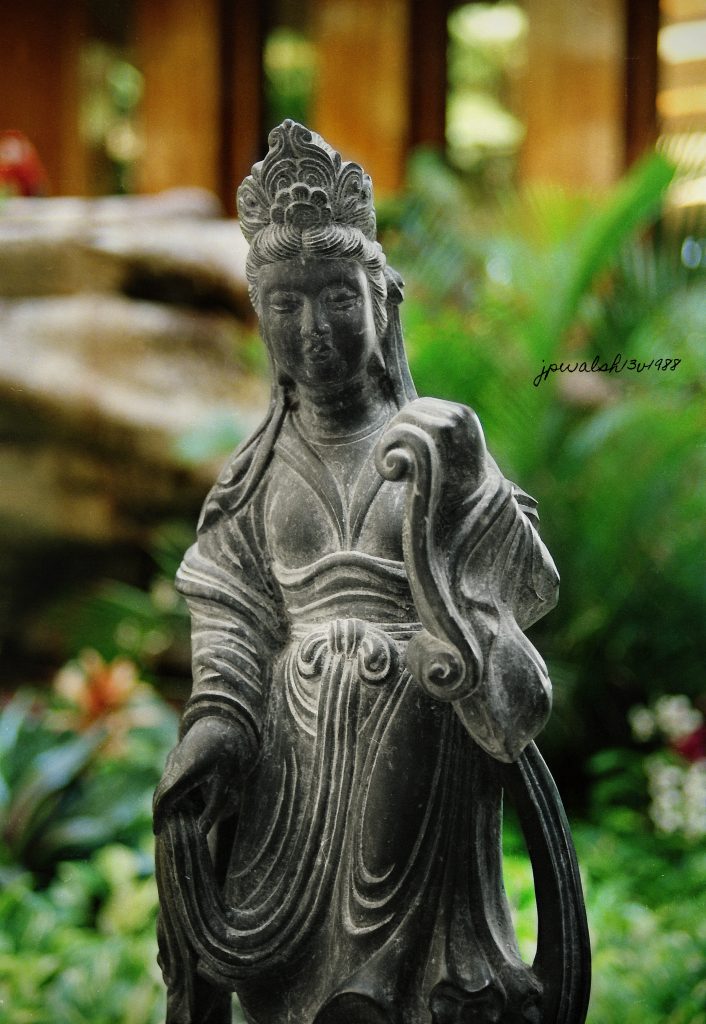
Bodhisattva, Hyatt Regency Maui, Maui, Hawaii, May 13, 1988.
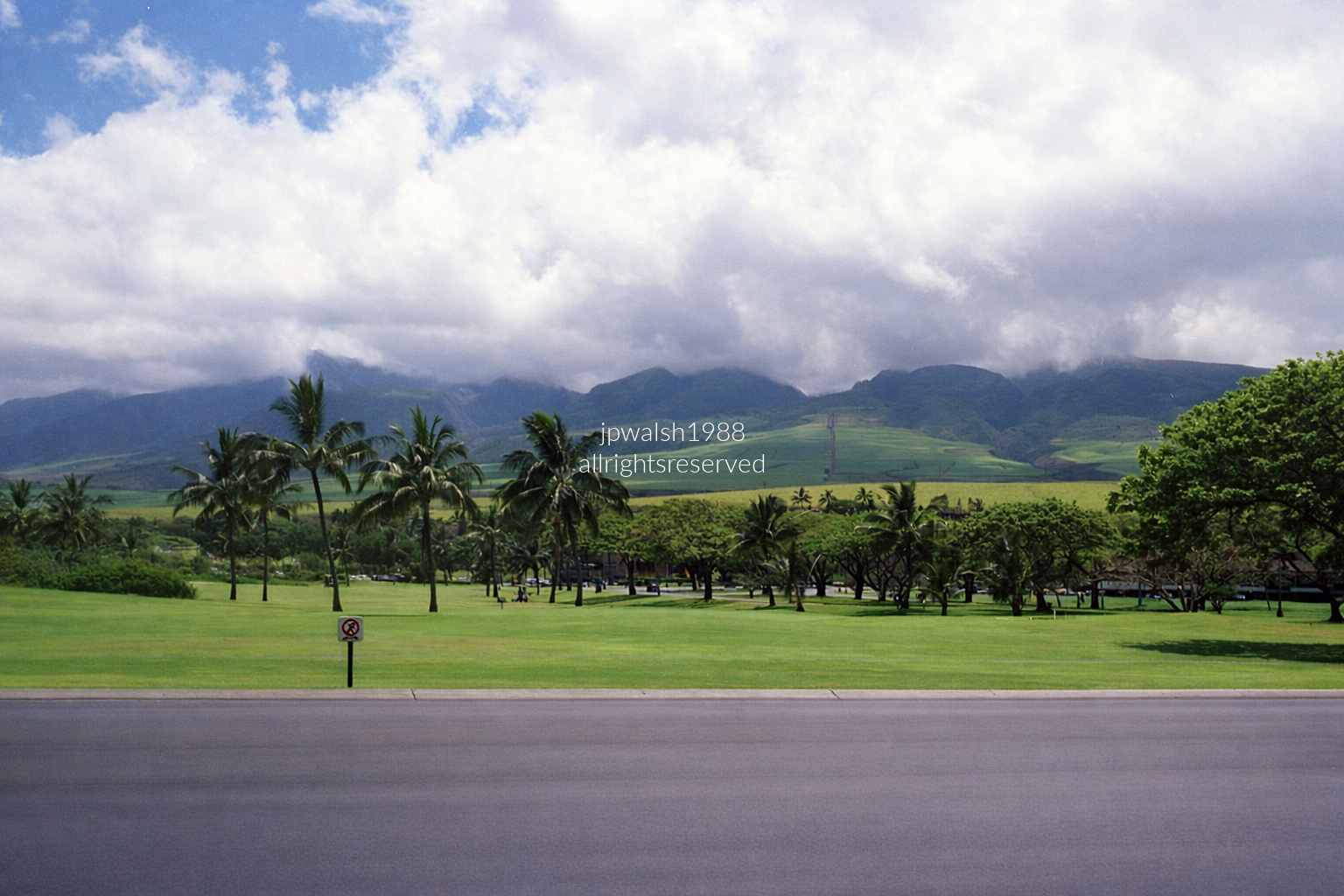
May 1988 — In Kīhei, Maui, the newly opened Silversword Golf Club lay beneath the slopes of Haleakalā. Designed by Bill Newis and completed in 1987, its 18‑hole, par‑71 layout transformed former coastal pasture into a lush, irrigated course of Bermuda grass. Later renamed Elleair Maui Golf Club (1999) and Maui Nui Golf Club (2014), it remains a welcoming, value‑oriented fixture in South Maui’s golf landscape.
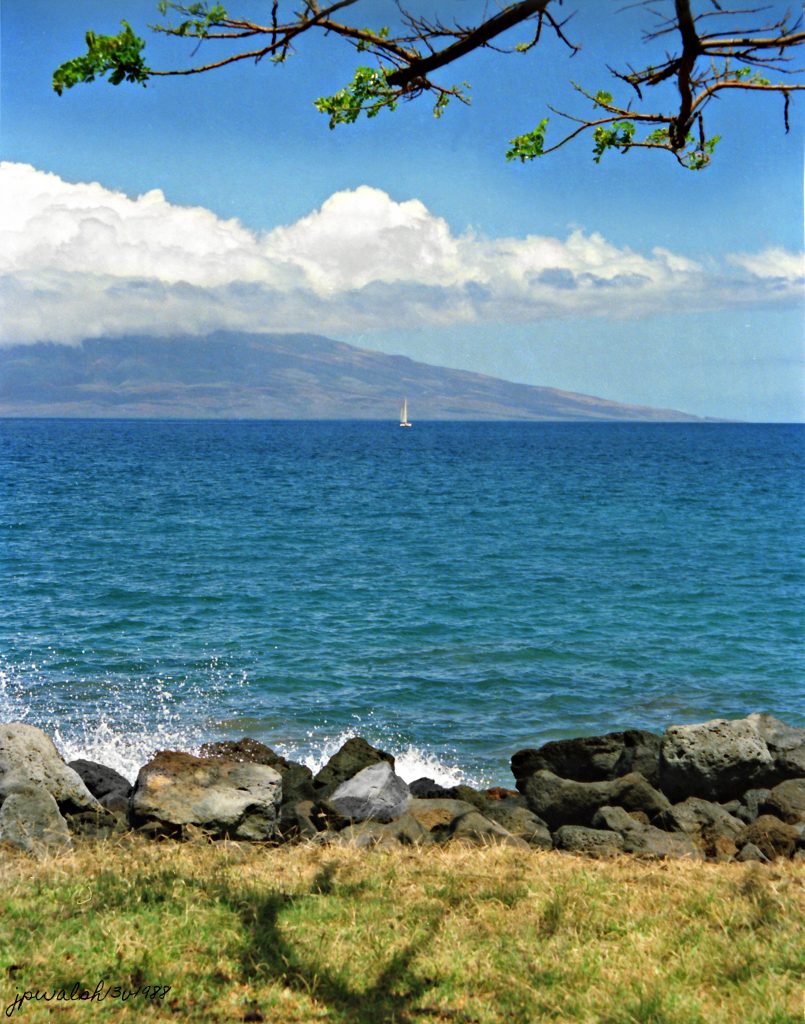
May 1988 — Lahaina Roads, Maui, Hawaii. Scenic view of West Maui’s coast near Lahaina, looking across the ʻAuʻau Channel toward the island of Lānaʻi. A thick blanket of white trade‑wind clouds clings to Lānaʻi’s upper slopes and ridges. The channel’s waters, sheltered by Maui, Lānaʻi, Molokaʻi, and Kahoʻolawe, are famously calm, clear, and blue.
Because of its shallow, warm conditions, this channel forms the core of the Hawaiian Islands Humpback Whale National Marine Sanctuary. The sailboat in the frame moves steadily under the trade winds, capturing the classic, unhurried maritime rhythm of the islands.
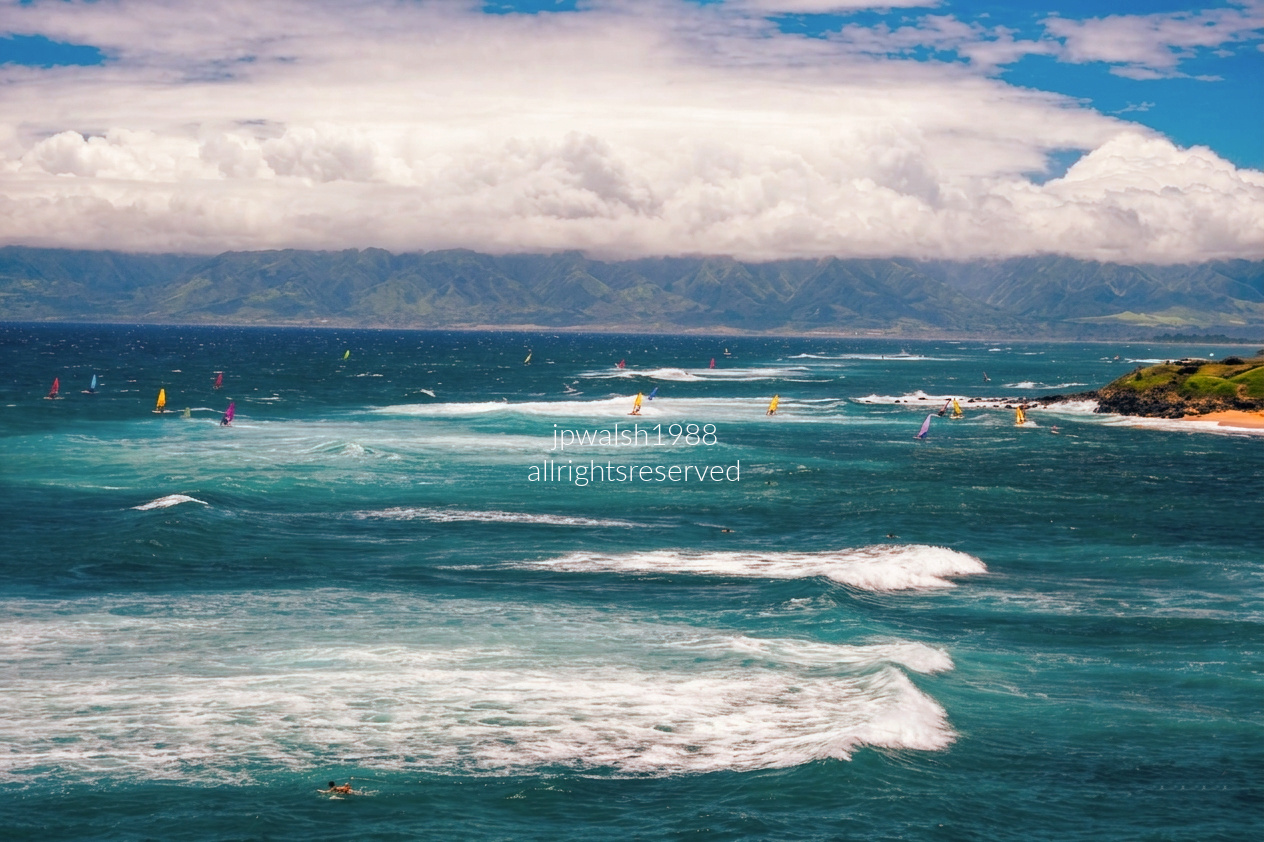
Windsurfing at Hoʻokipa reflects Maui’s status as a global center of the sport during its “Golden Era.”
May 1988 — Hookipa Beach, Wind Surfing, Maui, Hawaii. A classic high‑energy day at Hoʻokipa Beach Park on Maui’s North Shore during the vibrant “Golden Era” of modern windsurfing. Several sailors carve across the deep blue Pacific, with two prominent riders in the mid‑ground carrying bright neon orange and hot‑pink sails — the defining palette of late‑1980s beach culture. Though windsurfing originated in California in the late 1960s, early pioneers brought the sport to Oʻahu in the 1970s. By the mid‑1970s, nomadic watermen migrated to Maui seeking harsher, more radical conditions. In 1979, the sport cemented its competitive presence here with the launch of the annual Aloha Classic. By 1988, Maui had become a major industry hub, home to board shapers, sail designers, and world‑champion athletes such as Robby Naish, who used Hoʻokipa as their personal proving grounds.
The Hawaii Five‑O theme stands as Hawaii’s global musical signature, a burst of energy and cinematic force. Morton Stevens wrote it for the 1968 CBS debut, crafting a relentless rhythm that echoed pounding surf and Honolulu’s growing urban momentum. Its cultural impact was so deep that the University of Hawaii embraced it as an unofficial fight song, sealing its place as a true emblem of island identity and pride.
May 1988 — Ho‘okipa Beach Park, on the North Shore of Maui, Hawaii—a coastal scene alive with motion and color. The photograph captures a balance of human activity and natural power. Several windsurfers cut across deep blue‑green water under strong wind, their yellow, blue, and purple sails flashing against the sea as they navigate the surf zone. Whitecaps break across a series of outer reefs, marking the gusty conditions that make Ho‘okipa globally renowned as a premier destination for professional windsurfing.
In the background a massive, thick blanket of white stratocumulus clouds hovers over the West Maui Mountains. This is a classic Hawaiian weather pattern: moisture‑rich trade winds strike the steep mountain slopes, forcing air upward until it cools and condenses into a persistent cloud wall. Above that dense deck, the sky opens into bright blue with scattered cirrus clouds drifting across.
Kaʻahumanu Church connects Maui’s landscape to the island’s religious, political, and cultural history.
Kaʻahumanu Church (1876), Wailuku, Maui, Hawaii, May 13, 1988.
Origins of the Congregation
The original congregation, organized under Rev. Green in 1832, held its earliest worship meetings in a simple shed.
Queen Kaʻahumanu’s 1832 Visit
In 1832, Queen Kaʻahumanu (1768–1832), the Kuhina Nui of the Hawaiian Kingdom and an early convert to Christianity, visited Maui. At the site of the newly established Kaʻahumanu Church, she observed services led by founding pastor Reverend Jonathan Smith Green (1796–1878). Impressed by the congregation, she asked the Congregationalist mission to name the permanent church structure after her.
Construction of the Present Church (1876)
The current structure—the fourth built on the site—was completed in 1876. It honored Queen Kaʻahumanu’s earlier request and was constructed using native materials in an adaptation of the New England Gothic architectural style brought to Hawaiʻi. The building was executed by Edward Bailey in association with the Wailuku Sugar Company.
Clock and Bell Installation (1884)
The church’s bell and its three clock faces were manufactured by American clockmaker Seth Thomas and transported to Maui in 1884, traveling around Cape Horn.
James Michener’s epic historical novel Hawaii (1959) and its subsequent film, Hawaii (1966):
Real Congregation, Real History
The congregation founded in 1832 under Reverend Jonathan Smith Green directly intersects with the world of James Michener. Green’s early ministry in Hawaiʻi — including his relationship with Queen Kaʻahumanu — provided core historical DNA for Michener’s fictional mission community and the 1966 Hollywood film that came afterward.
From Wailuku to Michener’s Pages
In Hawaii, the zealous Reverend Abner Hale (played by Max von Sydow in the 1966 film) is a composite of early missionaries such as Hiram Bingham and Rev. Green. Hale’s rigid faith, cultural blind spots, and moral intensity all echo the real tensions faced by the first Congregationalist missionaries.
Historical Relationship → Fictional Drama
Just as Rev. Green forged a complicated bond with Queen Kaʻahumanu, Michener mirrors that dynamic through Hale’s emotionally charged relationship with High Chiefess Malama Kanakoa (portrayed in the film by Jocelyne LaGarde). Malama becomes Hale’s most significant royal convert, embodying the collision between traditional Hawaiian culture and Western Christian doctrine — the same cultural fault line the real congregation navigated in the 1830s.
These images preserve a Maui of 1988 where volcanic landscapes, Hawaiian history, resort culture, and everyday island life converged to create a world that in many respects has since passed into history.
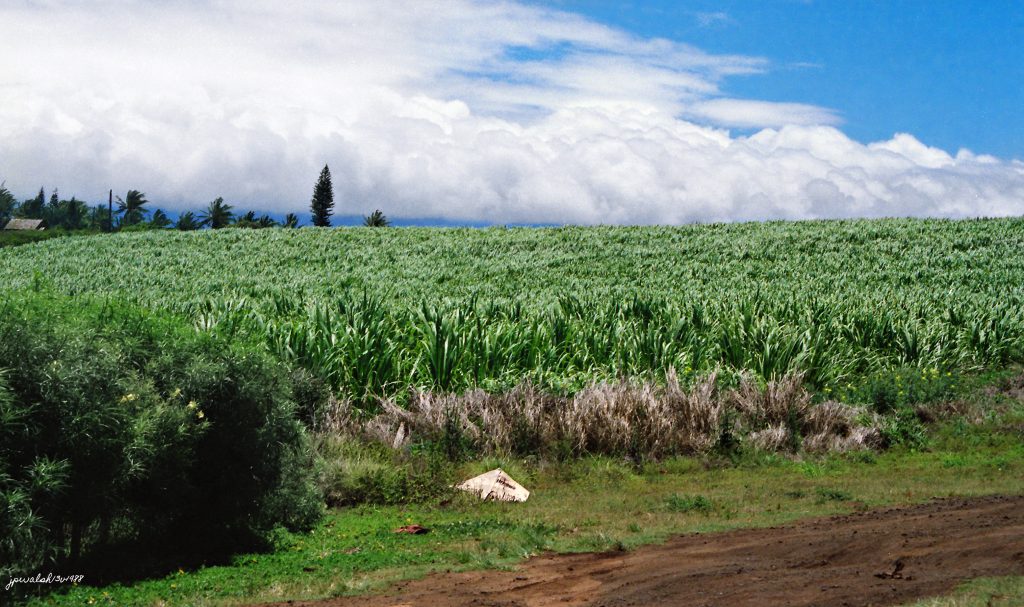
May 1988 — Sugar Cane, Maui, Hawaii. A sprawling sugarcane field in the central valley of Maui, Hawaiʻi. These broad lowlands lie between Maui’s two volcanic shield systems — the West Maui Mountains and Haleakalā — the geography that gives the island its enduring moniker, the “Valley Isle.” The plant shown is Saccharum officinarum (sugarcane), and for more than a century this fertile plain was dominated by its shimmering green expanse.
Commercial sugar production surged in the mid‑19th century under Western business interests. Fields like this were meticulously cultivated and irrigated through massive ditch networks carved into the mountains, then burned to remove leaves before the cane stalks were harvested and hauled to nearby mills such as the one in Pāʻia. Because plantations required immense labor, companies imported workers from China, Portugal, Japan, the Philippines, and Korea — migrations that helped shape Hawaiʻi’s modern multicultural identity.
By 1988, the industry was already in steep global decline. In 2016, the Hawaiian Commercial & Sugar Company (HC&S) shut down operations on Maui, marking the end of commercial sugarcane farming in Hawaiʻi. Today, former fields have been cleared, converted to diversified agriculture, or absorbed by expanding urban development. The photo stands as a nostalgic window into an agricultural era that defined Maui’s landscape for over 175 years.
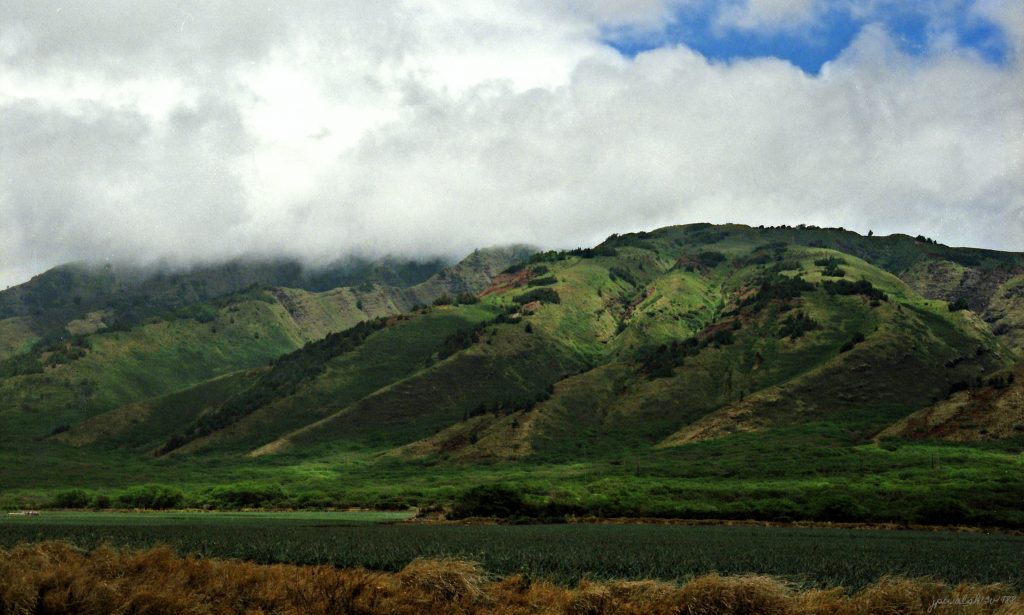
May 1988 — West Maui Mountains, Maui, Hawaii. Lower slopes of the West Maui Mountains near Kapalua on Maui’s northwest coast, looking inland from the Honolua pineapple fields. This perspective faces directly up the ridges of the northwest flank toward the cloud‑shielded high peaks. The uniform green carpet across the valley floor in the foreground consists of commercial pineapple plants, which dominated this region of northwest Maui for more than a century.
The West Maui Mountains — traditionally known as Kahālani or Mauna Kahālāwai (“the house of water”) — form the deeply eroded western massif of the island. The tallest summit, Puʻu Kukui, rises to 5,788 feet and ranks among the wettest places on Earth, receiving over 360 inches of rainfall annually. More than one million years old, Mauna Kahālāwai holds a profound place in Hawaiian history, spirituality, and culture. Tucked within its eastern folds lies ʻĪao Valley, a sacred burial ground for Hawaiian high chiefs and a site central to traditional Hawaiian identity.
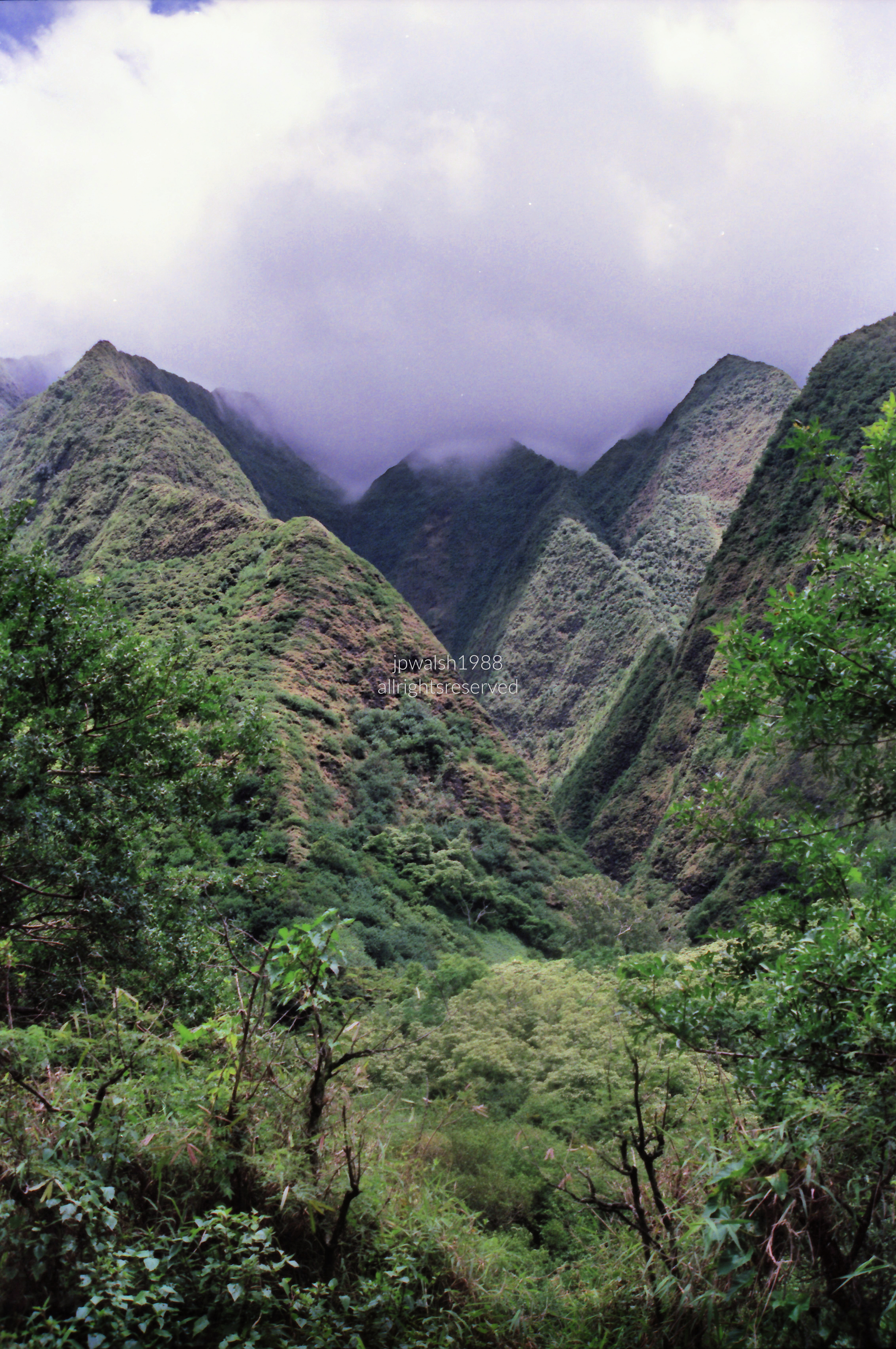
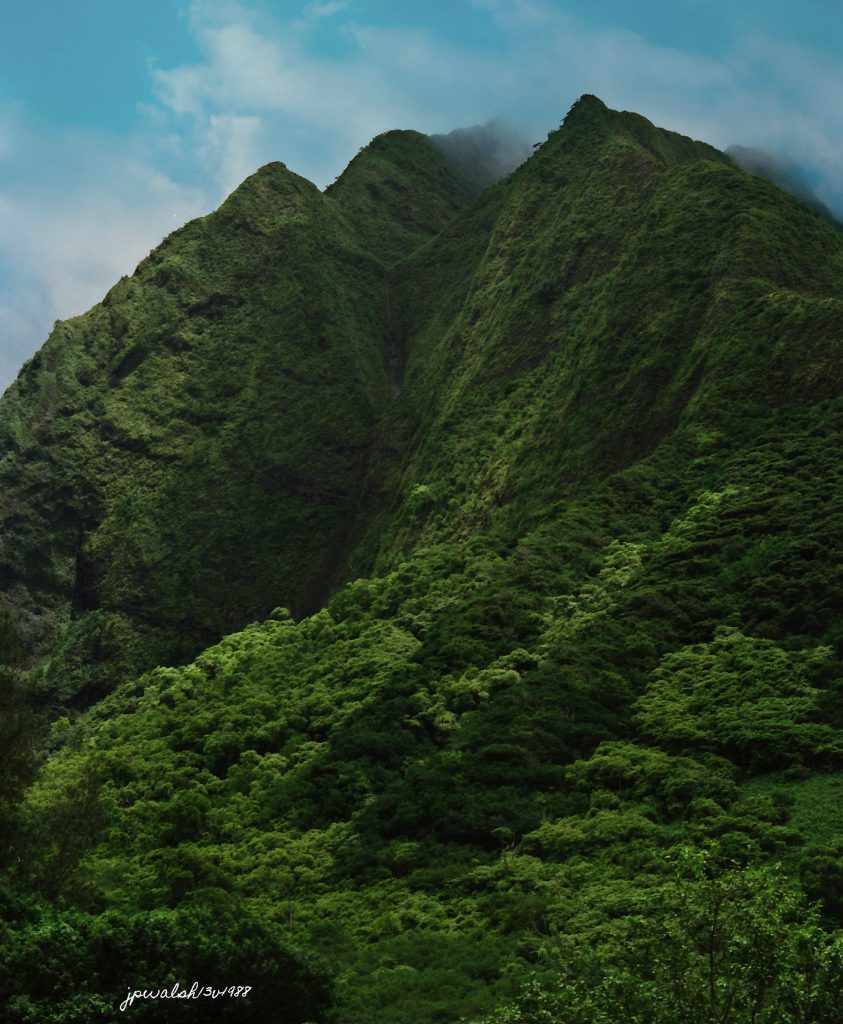
May 1988 — A sweeping view of the immense, sheer caldera walls of the West Maui Mountains (Mauna Kahālāwai), looking deep into the sacred interior of ʻĪao Valley State Monument. The scene highlights the incredibly sharp, razor‑thin ridges — the remaining skeleton of the ancient West Maui volcanic dome after more than a million years of erosion.
The lower slopes form a dense, multi‑tiered carpet of vibrant green vegetation, while low‑hanging trade‑wind clouds and heavy mist tumble over the highest crests. This constant cloud cover acts like a sponge, trapping moisture and feeding the continuous freshwater streams that sustain the island below.
May 1988 — Iao Needle, Iao Valley State Park Monument, Maui, Hawaii. Taken from the banks of the ʻĪao Stream, this view reveals the towering scale of Kūkaʻemoku, the ʻĪao Needle, rising above the lush canopy and rocky streambed of ʻĪao Valley State Monument. Mist‑laden trade‑wind clouds gather over the peaks, evoking the rain‑shrouded atmosphere that continuously feeds this ancient valley.
To Native Hawaiians, ʻĪao Valley is a sacred sanctuary — Wao Akua, the “realm of the gods” — imbued with spiritual power (mana), royalty, and history. The spire, natively named Kūkaʻemoku, represents the phallic stone monument of Kanaloa, god of the ocean, navigation, and life‑giving fresh water. For centuries, the valley served as a secret burial site (heiau) for high chiefs (aliʻi).
Geologically, the ʻĪao Needle is an erosional remnant formed as the ancient West Maui Volcano (Mauna Kahālāwai) built its shield roughly one to two million years ago. Hardened basalt within a volcanic vent pipe resisted erosion while surrounding ridges collapsed under relentless rainfall — leaving this solitary 1,200‑foot spire standing alone above the valley floor.
May 1988 — Self Portrait, Wailuku, Maui, Hawaii. The author is standing on the footbridge spanning the lower ʻĪao Stream at Kepaniwai Park Heritage Gardens, deep within lush ʻĪao Valley. The scene captures the dense, wet, deeply shadowed environment of the windward West Maui Mountains. Behind me, a sheer vertical rock wall rises into a thick canopy of wild tropical plants, climbing taro, and large elephant‑ear ferns. The dark upper background shows how tightly the mountain walls enclose this narrow river valley.
The bridge path leads toward a stone terrace where a woman stands holding a camera case. In the mid‑ground, a swimmer rests near the rocks, reflecting how visitors often used the cold stream pools for wading. The image serves as a personal time capsule — from my white Ralph Lauren polo, gold‑rimmed aviators, and swanky mustache to the woman’s pastel‑teal pants and vintage camera strap — preserving the relaxed resort‑travel fashion of the late 1980s.
May 1988 — A sweeping view of the sheer amphitheater walls of the West Maui Mountains (Mauna Kahālāwai) from deep inside ʻĪao Valley State Monument, just west of Wailuku. The perspective looks straight up at the near‑vertical ridges surrounding the valley floor near the ʻĪao Needle, capturing the dramatic, water‑carved architecture of an ancient volcanic caldera.
The razor‑thin ridges are the exposed skeleton of the old West Maui volcano, shaped by more than a million years of intense erosion. Lush vegetation thrives in this ecosystem, fed by heavy rainfall that collects on the high peaks. Low‑hanging trade‑wind clouds spill over the crests, trapping moisture and generating the freshwater streams that sustain the island below.
Bright, sunlit slopes contrast sharply with dark ravines, creating a powerful, slightly ominous atmosphere that reflects the historic spirit of this sacred valley.
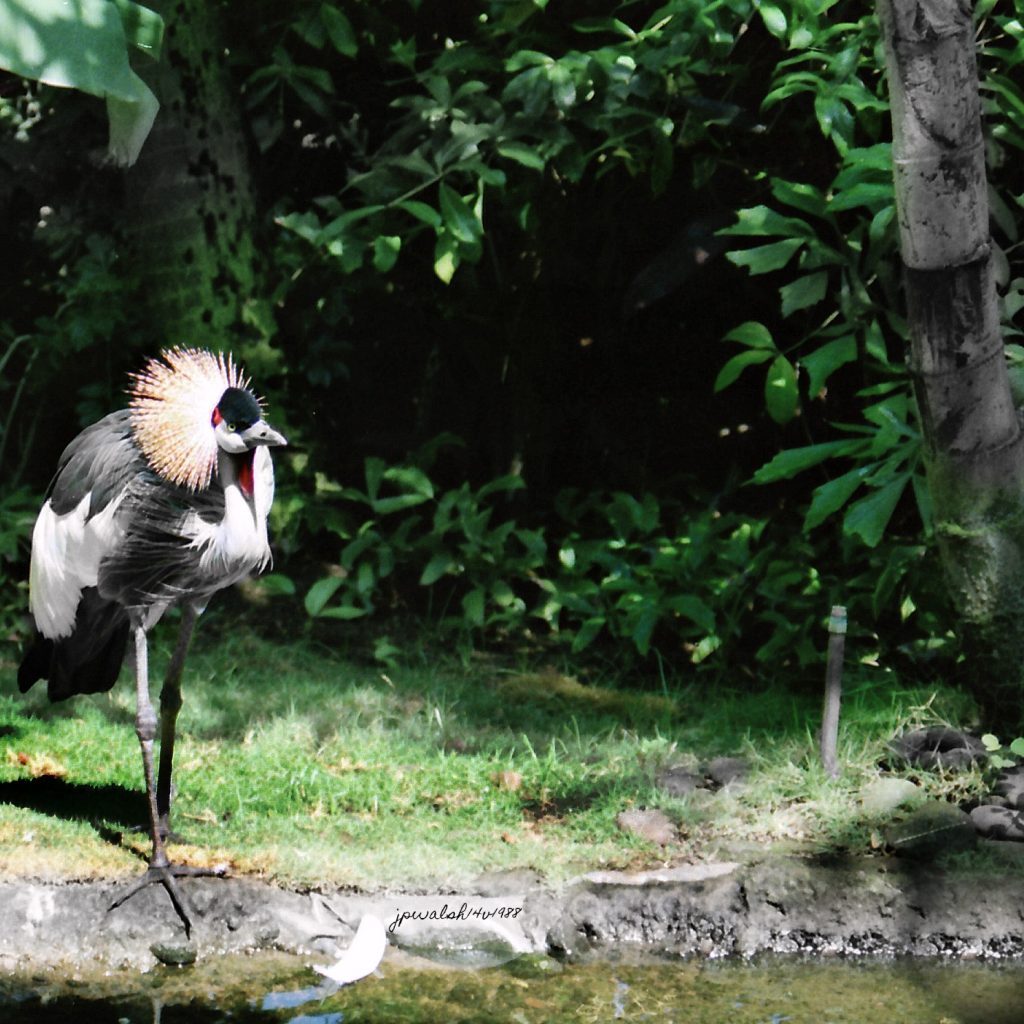
May 1988 — An endangered Black Crowned Crane (Balearica pavonina) resting beside a manicured freshwater pond at the Hyatt Regency Maui Resort and Spa. Native to the savannahs and wetlands of Sub‑Saharan Africa, the species is legally protected, yet its population has sharply declined over recent decades due to severe environmental and human pressures in its home range.
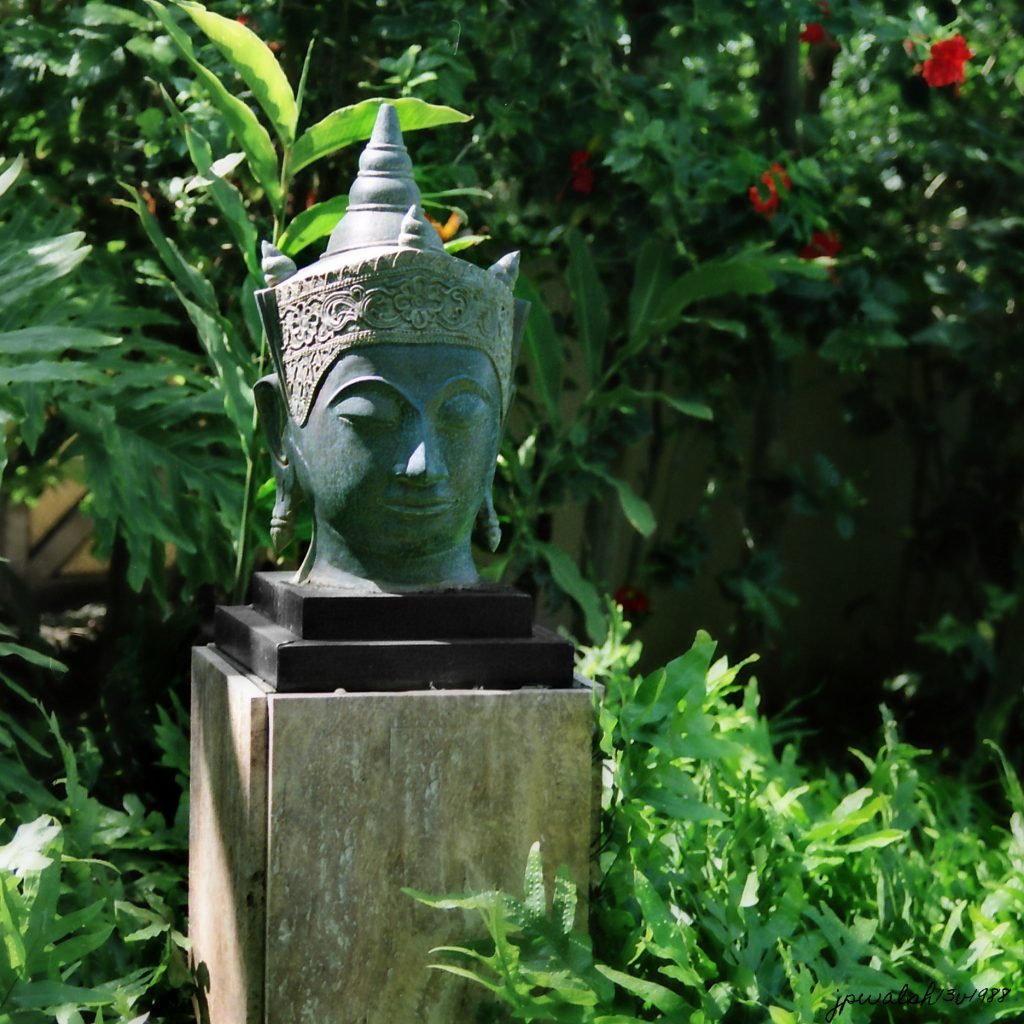
Cambodian Buddha, Maui, Hawaii, May 13, 1988.
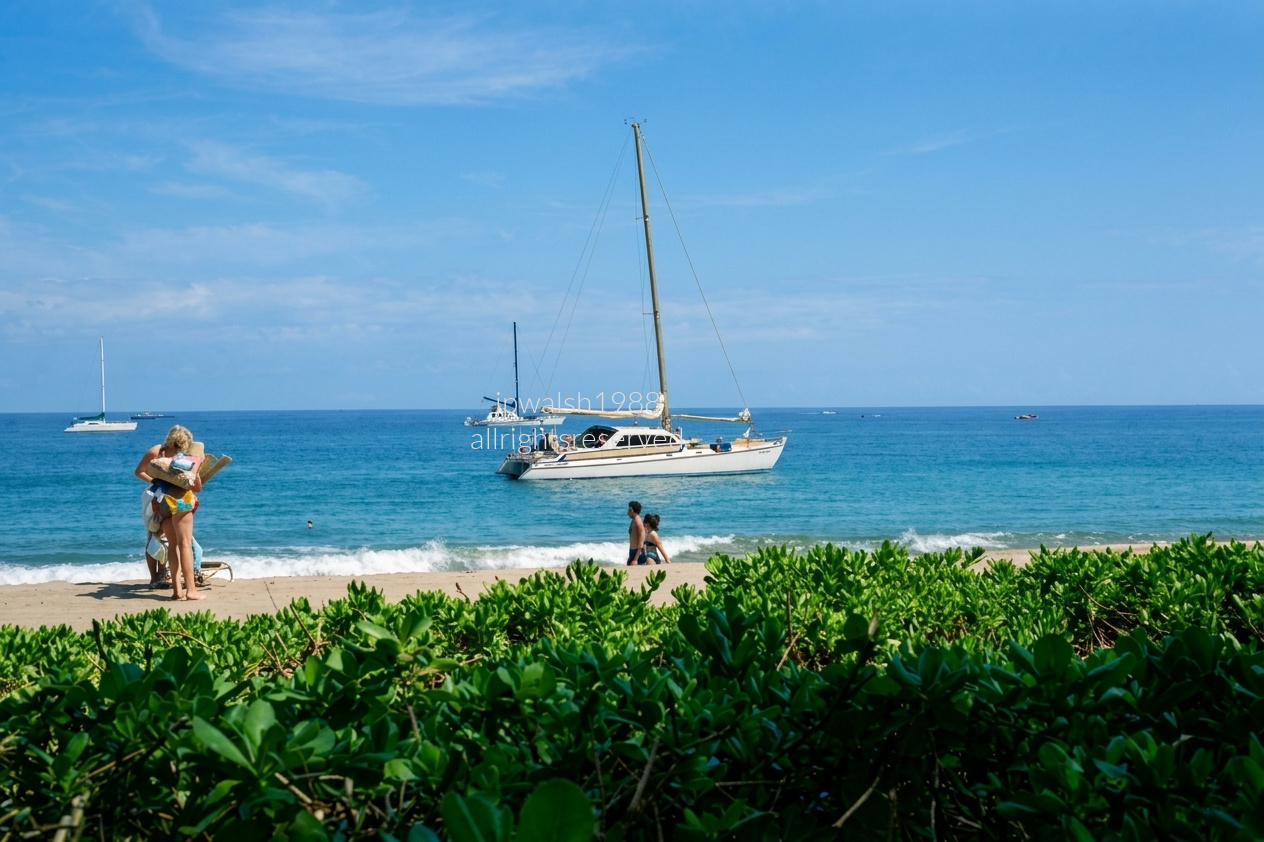
May 1988 — The relaxed, open‑air resort lifestyle that defined West Maui in the late 1980s. Kāʻanapali Beach, on Maui’s west coast, looks out toward the ʻAuʻau Channel, framed by shoreline vegetation along the resort path. Calm waters and anchored catamarans mark the coastal strip fronting major resorts such as the Whaler, the Westin, and the Hyatt Regency Maui. The large white catamaran centered offshore is a classic beach‑loading charter, waiting to pick up passengers directly from the sand — a signature sight at Kāʻanapali.
On the left, a woman in a colorful 1980s swimsuit carries towels and beach gear near a lounge chair. In the center‑right, a couple strolls along the wet sand at the gentle shorebreak. Passengers relax on the deck of the main sailboat, while a small tender crosses the horizon. The foreground is bordered by dense green Beach Naupaka (Scaevola taccada), the salt‑tolerant shrub used by Maui resorts to stabilize dunes and frame their beachfronts.
May 1988 — Evening, Maui, Hawaii. Taken from an upper‑level ocean‑view balcony at the Hyatt Regency Maui Resort and Spa, this photograph is part of a vintage film archive shot by photographer J.P. Walsh during a stay at the newly built Kāʻanapali resort strip in the late 1980s. The camera looks straight out across the ʻAuʻau Channel from the room’s balcony. The silhouettes in the lower third are the tops of mature palm trees and the lush tropical landscaping surrounding the Hyatt’s main oceanfront lagoon pools.
June 2014. Chicago. 3.01 mb _0400July 2016. Chicago. 5.91mb DSC_0939July 2016. Chicago. 2.61 mb DSC_0055June 2018. Chicago. Pilsen. 3.23 mbApril 2013. Chicago (Back of the Yards). 1mb 35%December 2016. Dinkel’s bakery, 3329 N. Lincoln Ave. In business since 1922, Dinkel’s bakery closed in 2022. 25%.June 2018. Chicago. 2.41 mbJune 2018. Chicago. 4.0 mbJuly 2016. Chicago. 360 kb 25%September 2014. Chicago. Chinatown. 1.86 mbJune 2018. Chicago. Chinatown. 7.90 mb 97%August 2015. Chicago. 3.17mb DSC_0948December 2014. Chicago. Gold Coast. 2.53mbAugust 2017. Chicago. 6.75 mbSeptember 2015. Chicago. 4.92 mbSeptember 2013. Chicago. 4.28 mb (10)August 2015. Chicago. 3.40 mb DSC_0353June 2013. Chicago. Little India. 568 kbJune 2013. Chicago. Little India 3.17mb fsb 100_2560 (1)June 2013. Chicago. Little India 4.27 mb 100_2564 (1)June 2013. Chicago. Little India 4.27mb 100B2592 (1)June 2013. Chicago. Little India 3.01 mb 40% 100_2605 (1)June 2013. Chicago. Little India 3.22 mb 100_2572 (1)June 2013. Chicago. Little India2.31mbJune 2013. Chicago. Little India2.23mbJuly 2016. Chicago Loop. 7/2016 1.25 mb (20)September 2015. Chicago. 2.89 mbAugust 2014. Chicago. Adams/Wabash.1.60 mbJanuary 2018. Chicago. Millennium Station. 4.69 mbJune 2019. Oakbrook, IL. 1.79 mbJune 2019. Oakbrook, IL. 2.24 mbJune 2019. Oakbrook, IL. 2.36 mbJune 2019. Oakbrook, IL. 2.59 mbJune 2019. Oakbrook, IL. 1.52 mbMay 2016. Chicago. Michigan Avenue. 1.04 mbDecember 2017. Chicago. Millennium Park. 2.27 mbMay 2016. Chicago. Millennium Park. 4.32 mbJune 2019. Oakbrook, IL. 1.34 mb June 2018. Milwaukee, WI. 748 kbJune 2016. Milwaukee, WI. 2.94 mbOctober 2016. Chicago. Bridgeport. 4.30 mbMay 2015. Chicago. 2.98 mbJuly 2015. Chicago. Reliance Building (1895), State/Washington. 4.53 mbJune 2018. Chicago. United Center Park. 4.30 mbAugust 2016. Chicago. Goose Island. 4.75 mb (40)October 2014. Symphony Center Chicago. 1.94 mbOctober 2014. Symphony Center Chicago. 3.03mb DSC_0071 (1)October 2014. Symphony Center Chicago. 3.39mb DSC_0056 (1)October 2014. Symphony Center Chicago. 4.47mb DSC_0058 (1)February 2018. Chicago. River North. 765 kbMarch 2020. Downers Grove, IL. 2.74 mbMarch 2020. Downers Grove, IL. 3.10 mbMay 2020. Downers Grove, IL. 772 kbMay 2018. Wheaton, IL. 4.11 mbSeptember 2013. Chicago. New East Side. 3.12 mbJune 2019. Oakbrook, IL.1.44 mbJune 2018. Chicago. Chinatown. 8.64 mbSeptember 2015. Chicago. The Loop. 1.76 mb October 2015. Chicago. Rehearsal. 862 kb _0375August 2017. Chicago. 4.07 mbAugust 2015. Chicago. 3.23 mb DSC_0876August 2016. Chicago. Douglas Park, S. 16th Street/W. Kedzie Avenue. 4.15 mb
William C. “Bill” Henry (1935-1992) for which this portion of 16th Street is named, was a 24th Ward Chicago alderman. Ald. Henry put together the coalition of Black and white aldermen to elect Eugene Sawyer (1934-2008) as mayor of the City of Chicago following the sudden death of Harold Washington (1922-1987), the first black mayor elected in Chicago.
Responding to accusations of deal cutting, Ald. Henry declared during the debate in the City Council chamber: “Deals? We was all making deals!” Henry’s constituents voted their alderman out of office for helping Sawyer in preference to Tim Evans, the reform candidate. Ald. Henry passed away from cancer in 1992 at 56 years old. In 2021 Timothy C. Evans is the Chief Judge of the Circuit Court of Cook County.