Tag Archives: #VisualCulture

Golden Halos & Painted Nails: The Photographers Behind Marlene Dietrich, Elizabeth Taylor, and Lana Turner.

FEATURE image: The 1947 Hollywood glamour portrait of Marlene Dietrich, photographed by A.L. “Whitey” Schafer, Paramount Pictures’ head of still photography since 1941. Photo Credit: Photograph by A.L. “Whitey” Schafer / Paramount Pictures (1947). Status: Public Domain. This image is a Hollywood publicity still distributed freely to the press without a copyright notice, subsequently failing to meet statutory registration and renewal requirements under pre-1978 U.S. copyright law.

In the 1930s and 1940s, the Hollywood “glamour machine” relied on innovative studio photographers like A.L. “Whitey” Schafer and László Willinger to systematically transform actresses into larger-than-life, idealized icons.

This portrait of A.L. “Whitey” Schafer dates from about May 1936 and was taken by an unknown photographer. Captured shortly after Schafer’s appointment as head of Columbia Pictures’ still photography department, the image reflects his rising stature within the industry. He had assumed the position at Columbia in 1935 following the death of department chief William Fraker. As was customary for newly promoted studio executives, Schafer sat for a series of professional publicity portraits created by fellow photographers in the studio’s own portrait gallery. The photograph presents Schafer as not merely a technician behind the camera but conveys his personal warmth as one of the key visual architects of Hollywood’s star-making machinery during the studio era. Photo Credit: Photographer Unknown / Columbia Pictures (May 1936). Status: Public Domain. This image is an official studio promotional portrait distributed freely to trade publications and the press without a formal copyright notice or subsequent registration.

Born in in Salt Lake City and growing up in California, A.L. “Whitey” Schafer ran the leading portrait gallery at Columbia in the 1930’s and early 1940’s. His work contributed to the emerging stardom of Rita Hayworth. “Whitey” Schafer was one of Hollywood’s elite studio photographers, becoming head of Paramount’s still photography department in 1941. A visionary technician as well as an accomplished artist, Schafer wrote extensively about photographic lighting and portrait design, publishing his influential manual Portraiture Simplified in 1941. He believed that successful portraiture depended upon disciplined composition, arguing that a portrait was much like a symphony, with every element supporting a single focal point. For Schafer, that center of interest was always the subject’s head, and the highest light in the image should direct the viewer’s eye there.

That philosophy is evident in his celebrated 1947 portrait of Marlene Dietrich, where a carefully placed key light transforms her blonde hair into a radiant halo, separating her from the background and drawing immediate attention to her face. The result is both technically precise and emotionally compelling, demonstrating Schafer’s mastery of the glamour style that defined Hollywood’s Golden Age.

“Whitey” Schafer wrote an important book on glamour photography

Photographer A. L. “Whitey” Schafer started shooting stills in 1923 and continued in that line of work at Columbia Pictures when he moved there in 1932. Personally outgoing, Schafer was appointed head of the still photography department at Columbia in 1935. In the 1940’s Shafer wrote copiously on his craft and advocated for techniques in glamour photography that are seen in this Dietrich color portrait.
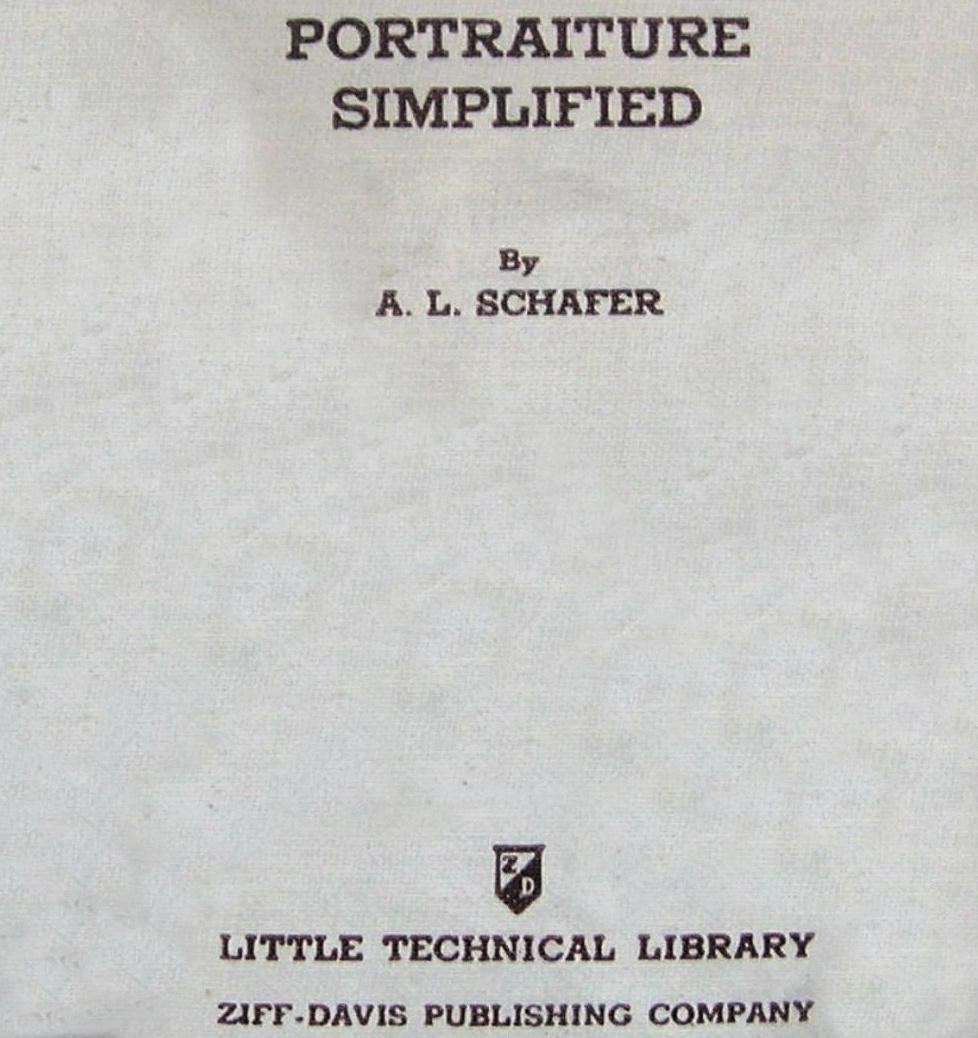
In 1941 Schafer published Portraiture Simplified, a book in which he argues that “portraiture’s purpose is the realization of character realistically.” Among his technical observations Schafer wrote elsewhere that “composing a portrait is comparable to writing a symphony. There must be a center of interest, and in all portraits this naturally must be the head, or your purpose is defeated. Therefore, the highest light should be on the head.” Author’s photograph.

In 1941 Schafer replaced Eugene Richee (1896-1972) as department head of still photography at Paramount Studios. Schafer remained in that position where he photographed the stars until he died at 49 years old in an accident in 1951.

MARLENE DIETRICH
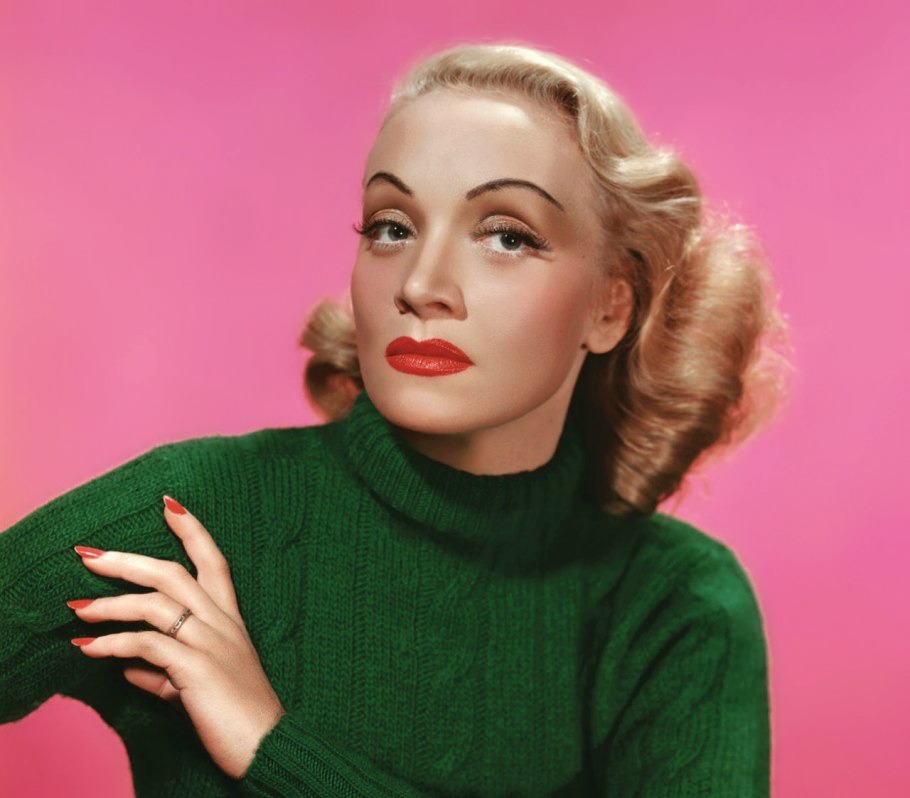
Marlene Dietrich. Paramount, 1947. Photograph by A.L. “Whitey” Schafer. Public Domain.

The 1947 Hollywood glamour portrait of Marlene Dietrich (1901, Berlin – 1992, Paris), photographed by Paramount Pictures’ head of still photography A.L. “Whitey” Schafer, perfectly captures the intersection of postwar studio publicity, advanced color-imaging technology, and the meticulous construction of screen mythology. By 1947, the forty-six-year-old Dietrich was mounting a major cinematic comeback after years devoted to entertaining Allied troops during World War II. The image was created to promote her return film, Golden Earrings (1947), Paramount’s romantic spy thriller so-starring Ray Milland and one of the most important projects of her postwar career.

Produced using the tri-chrome Cabro process to simulate the rich visual impact of Technicolor, the portrait reveals the dramatic reinvention of Dietrich’s screen image. Gone is much of the shadow-drenched femme fatale persona associated with her celebrated 1930s collaborations with director Josef von Sternberg. In its place stands a radiant, golden-haloed blonde wearing a green turtleneck sweater whose precisely penciled arc eyebrows, lifted in a knowing, seductive expression, project confidence and sophistication. High, sculpted cheekbones, luminous skin, and vivid red lipstick matched to her polished fingernails create striking accents of color that reinforce both glamour and modernity.

Historically, the photograph marks a crucial turning point in Dietrich’s career. It demonstrated that her unique screen magnetism could transition seamlessly from the classic black-and-white era into the vibrant color culture of the postwar entertainment industry. At the same time, it remains a textbook example of Schafer’s mastery of Hollywood commercial photography, illustrating how a single carefully engineered image could reposition an established actress not as a fading star, but as a timeless contemporary icon.

The film’s song, “Golden Earrings,” with music by Victor Young (1900-1956) and lyrics by Ray Evans (1915-2007) and Jay Livingston (1915-2001) was sung in the movie by actor Murvyn Vye (1915-1976). It was a hit recording in 1947-48 by Peggy Lee. See- https://digital.library.unt.edu/ark:/67531/metadc1633213/m1/#track/4

1940s blondes

Like other leading ladies in the 1940’s, the Hollywood glamour machine transformed Dietrich into a golden-haloed blond which accentuated her magnificent cheekbones and sultry eyes under penciled-arc eyebrows and painted nails that A.L. “Whitey” Schafer’s color portrait makes evident.

It was also in 1947—the same year that the photograph was made— that Dietrich received the Medal of Freedom. Dietrich called it her life’s proudest achievement.

While Golden Earrings was a decent film, its main purpose was to provide the actress with a job. It led into her next project—the 1948 American romantic comedy A Foreign Affair directed by Billy Wilder. That film made Dietrich a top star again.

From Paramount Pictures, A Foreign Affair is a 1948 American romantic comedy-drama film directed by Billy Wilder. The film made Marlene Dietrich a top star in the post-war years.

Following Dietrich’s meteoric rise at Paramount Pictures starting in 1930 her acting parts later stagnated as film directors —including Josef von Sternberg and others—seemed to use her more as a piece of expensive cinematic scenery than as a serious dramatic actress.

ELIZABETH TAYLOR
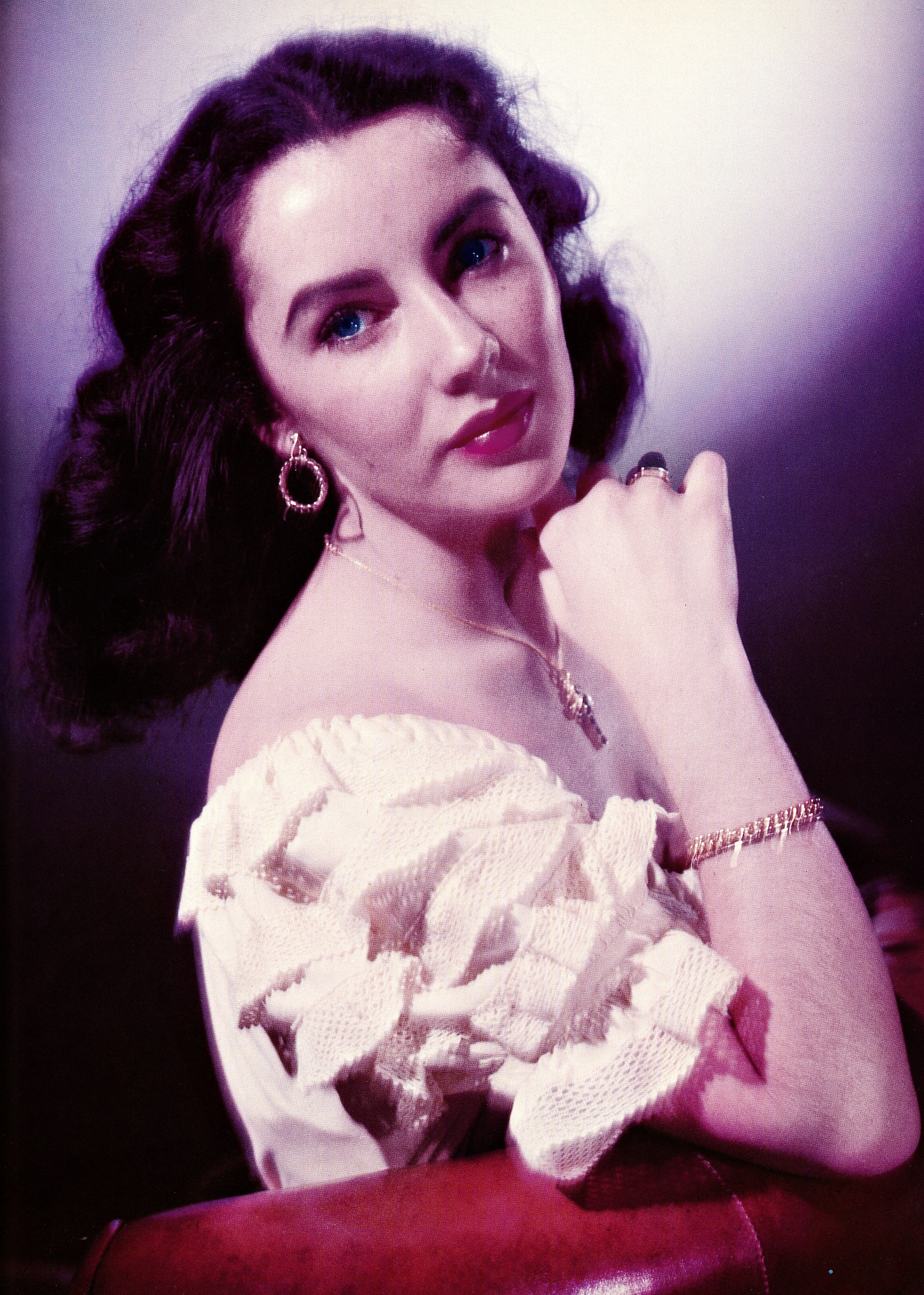
Elizabeth TAYLOR 1949

1949 color portrait of Elizabeth Taylor, taken by photographer Hymie Fink for M-G-M, represents the dawn of her transition from a beloved child star into Hollywood’s definitive adult beauty. Photo Credit: Photograph by Hymie Fink / M-G-M (1949). Status: Public Domain. This image is a Hollywood studio promotional handout distributed widely to the press without a formal copyright notice or subsequent registration under pre-1978 U.S. copyright law.

In 1949, Elizabeth Taylor was only 17 years old, yet she had already spent nearly a decade before the cameras. After making her film debut at age ten, she spent the 1940s under contract to Metro-Goldwyn-Mayer, growing up before the public eye.

By the end of the decade, M-G-M’s powerful publicity machine recognized that Taylor possessed a striking beauty that seemed far beyond her years. Determined to transition her from celebrated child star to adult leading lady, the studio staged a series of glamorous portrait sessions that showcased her most distinctive features. Though not especially known for projecting a warm or gentle personal demeanor, Taylor could be photographed in ways that softened and refined her public image carefully constructed by the studio. Through dramatic lighting, rich color photography, elegant jewelry, and sophisticated gowns, photographers emphasized her legendary violet-blue eyes and luxuriant dark hair, presenting her not as a teenager but as Hollywood’s newest screen beauty.

In 1950 Elizabeth Taylor co-starred in Father of the Bride, M-G-M’s comedy film that was nominated for three Academy Awards. It was directed by Vincente Minnelli.

Portraits such as this one by Hymie Fink were part of a calculated effort to prepare audiences for Taylor’s next chapter. That campaign culminated in her breakthrough adult role as Kay Banks in Vincente Minnelli’s hit comedy Father of the Bride (1950). The young actress whom moviegoers had watched mature on screen was now being introduced as a poised and romantic leading woman, ready to enter a new phase of stardom at the dawn of the 1950s.

By prioritizing high-contrast lighting, bold colorization, and curated personal archetypes over realistic character study, these pioneering still photographers manufactured the enduring, sensuous visual mythology of the Golden Age star.

WHO IS HYMIE FINK? HIS IDENTITY REMAINS A MYSTERY

Who was Elizabeth Taylor’s photographer, Hymie Fink? Was Hymie Fink a studio photographer? Freelancer? Pseudonym for an unknown talent or combination of unknown talents?

Unlike studio heads like Whitey Schafer or László Willinger, Hymie Fink is a mysterious figure in Hollywood history. His name consistently appeared alongside the industry’s biggest stars from the late 1930s until his sudden death in the mid-1950s.

His name appears among the stars starting in the late 1930’s until his death. It was announced by Hedda Hopper when she ended her newspaper gossip column for September 28, 1956, with the epitaph: “Hymie Fink, one of the sweetest men in Hollywood, died of a heart attack on Jane Wyman’s TV set. Hymie photographed every star and every major event in (Hollywood) for twenty-five years.”

Fink was celebrated as an exceptionally warm, ubiquitous presence in the film community. His lens captured Taylor with an intimate, soft, yet vibrant quality that perfectly bridged the gap between raw star power and youthful innocence.
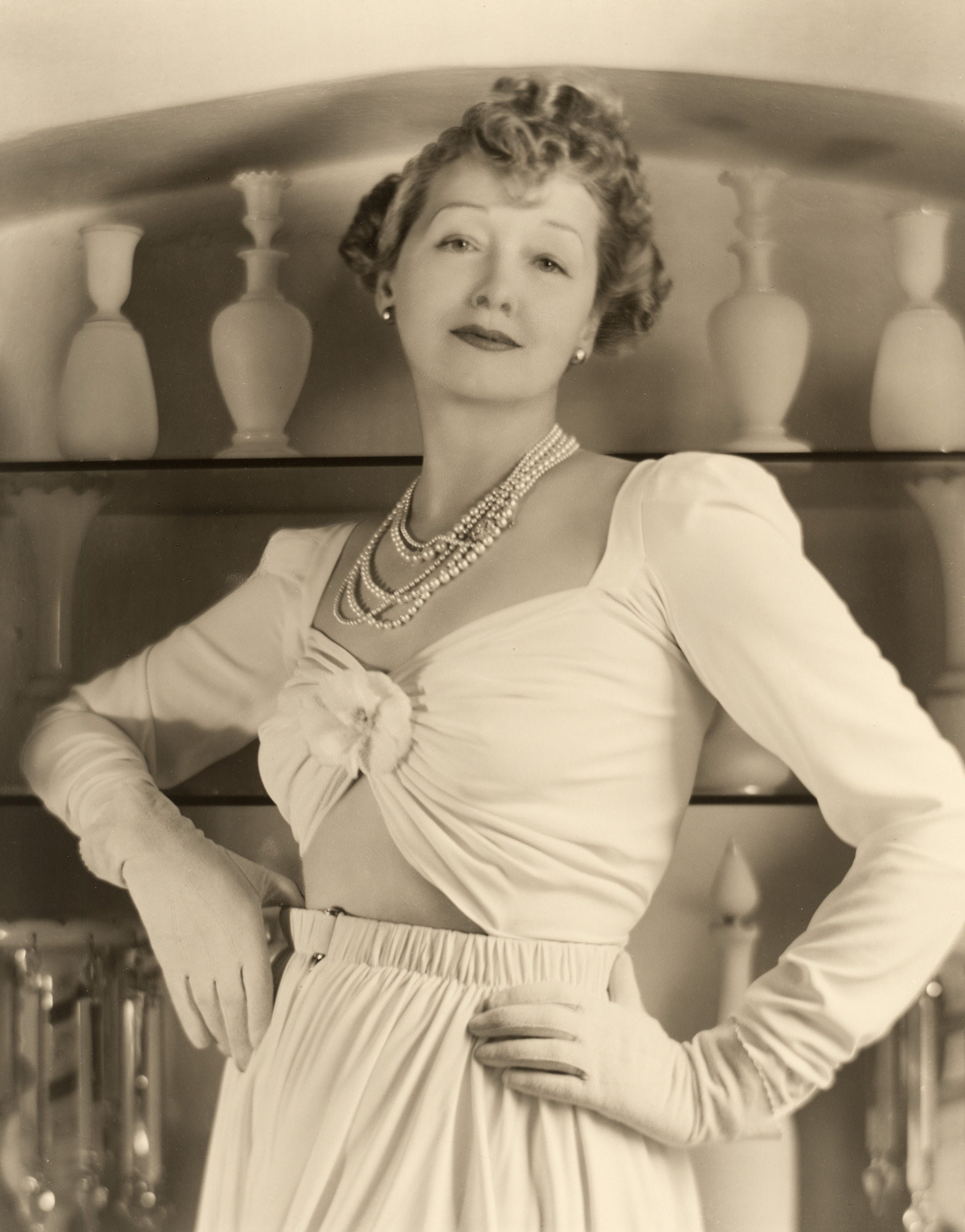
Hedda Hopper (1885-1966) was a powerful voice in Hollywood whose gossip columns were read by tens of millions. PHOTO: “Hedda Hopper” by Baron Adolph de Meyer, 1 Sep 1868 – 6 Jan 1946 is marked with CC0 1.0.

LANA TURNER
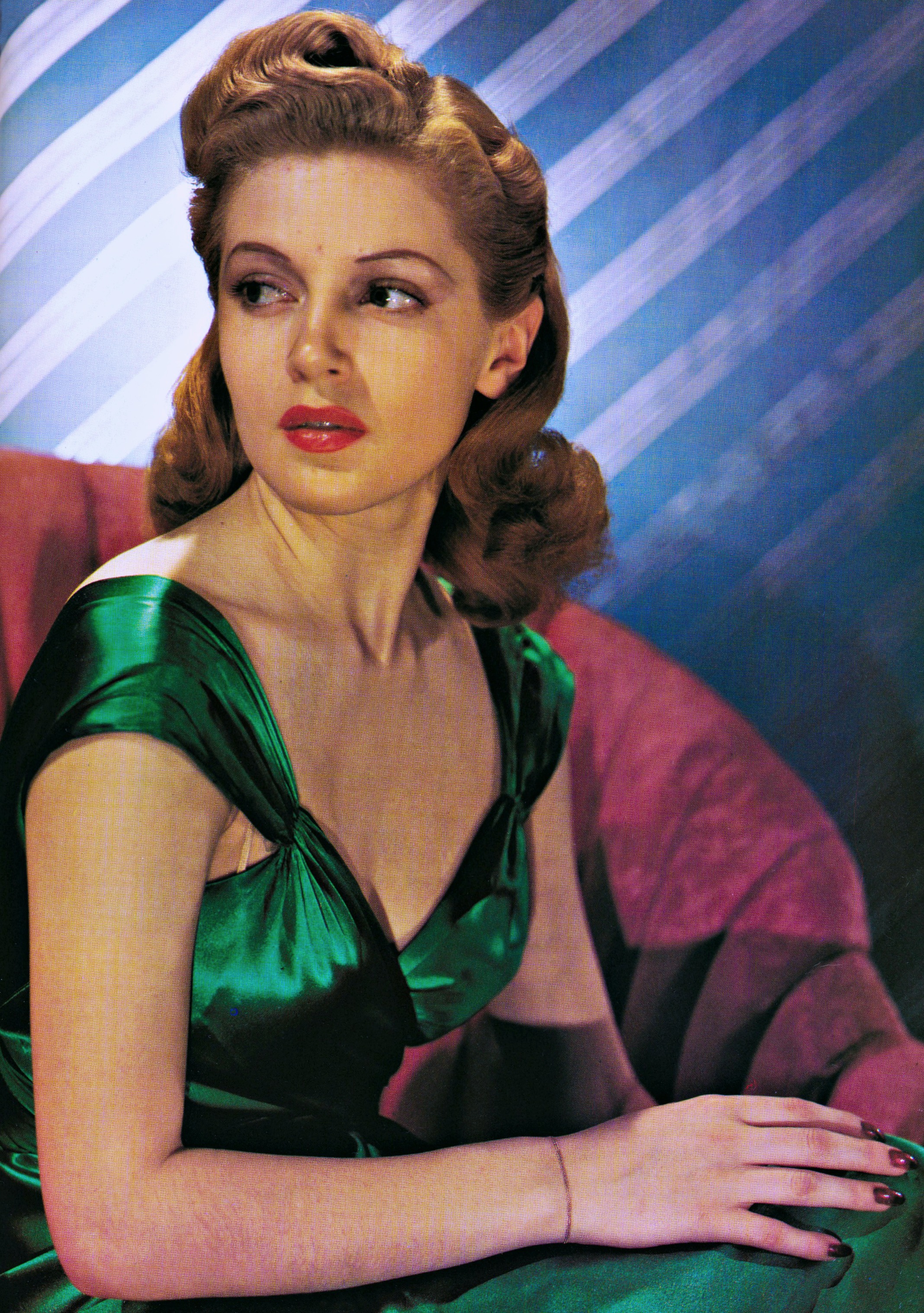
Lana Turner. 1939.

This 1939 color portrait of Lana Turner, taken by Hungarian-born photographer László Willinger for M-G-M, captures a fascinating and brief transitional moment in the actress’s early career before she became a household name. Photo Credit: Photograph by László Willinger / M-G-M (1939). Status: Public Domain. This image is a Hollywood studio promotional handout distributed freely to the press without a formal copyright notice or subsequent registration under pre-1978 U.S. copyright law.

Though pop culture legend remembers Lana Turner as the definitive platinum blonde of the 1940s, this unretouched 1939 photograph catches her at 18 years old as a striking redhead from Idaho named Julia Jean Turner.

Lana Turner had been discovered three years earlier at 15 years old. Her legendary discovery in a malt shop near Hollywood High School where she was a student, has entered the annals of show-biz mythology. After William R. Wilkerson (publisher of The Hollywood Reporter) spotted a 15-year-old Turner at the Top Hat Malt Shop, he referred her directly to legendary actor-turned-talent-agent Zeppo Marx. Marx did not sign her to a film contract himself; instead, he acted as her representative and immediately brought her into an interview with director Mervyn LeRoy. The immediate result of her discovery was a movie contract at Warner Bros. This is where she made her quick, star-making debut in They Won’t Forget (1937) – and audiences didn’t.

“America’s Sweater Sweetheart”

The title of Lana Turner’s first film in 1937 for Warner Brothers was They Won’t Forget. The title proved prophetic for Lana Turner’s Hollywood career as she went on to make over 50 glamorous films, most of them at M-G-M.

Lana Turner was only 16 years old when she made her film debut in a role totaling barely five minutes of screen time. Yet a brief scene of little more than 20 seconds, in which she walked down a sidewalk wearing a tight-fitting sweater and cocked beret, transformed her into an overnight sensation and one of Hollywood’s first modern sex symbols. The impact of that fleeting appearance was so great that gossip columnist Walter Winchell (1897-1972) christened Turner “America’s Sweater Sweetheart.” More importantly, it demonstrated Hollywood’s extraordinary ability to manufacture stardom through a single carefully crafted image. For the next twenty years, numerous actresses would adopt similar wardrobe styles in the hope of achieving the same sudden breakthrough that launched Turner’s career.
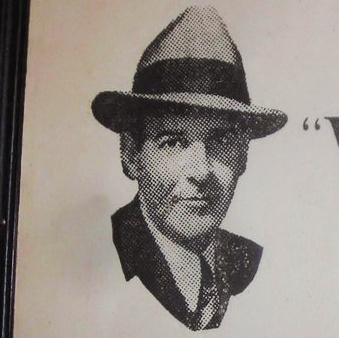
Walter Winchell was an influential newspaper gossip columnist and radio news commentator. PHOTO: “Walters Winchell Julius 1” by Goosefriend is licensed under CC BY 2.0.

László Willinger 

Hungarian-born photographer László Willinger started his professional career in Vienna, Austria. He left Europe for America in 1937 where he joined M-G-M that same year. Soon after, he made his lush shot of 18-year-old Lana Turner in a silky green dress seated on a red divan (or chair) with her head turned and looking to one side with slightly bloodshot eyes.

Willinger’s color portrait of red-headed Lana Turner emphasizes the sensuality of her personality manifested in her full red sensuous lips and painted nails. In 1944, László Willinger left MGM and established his own photography studio in Hollywood. For the next 40 years he successfully practiced his craft among the Hollywood set.
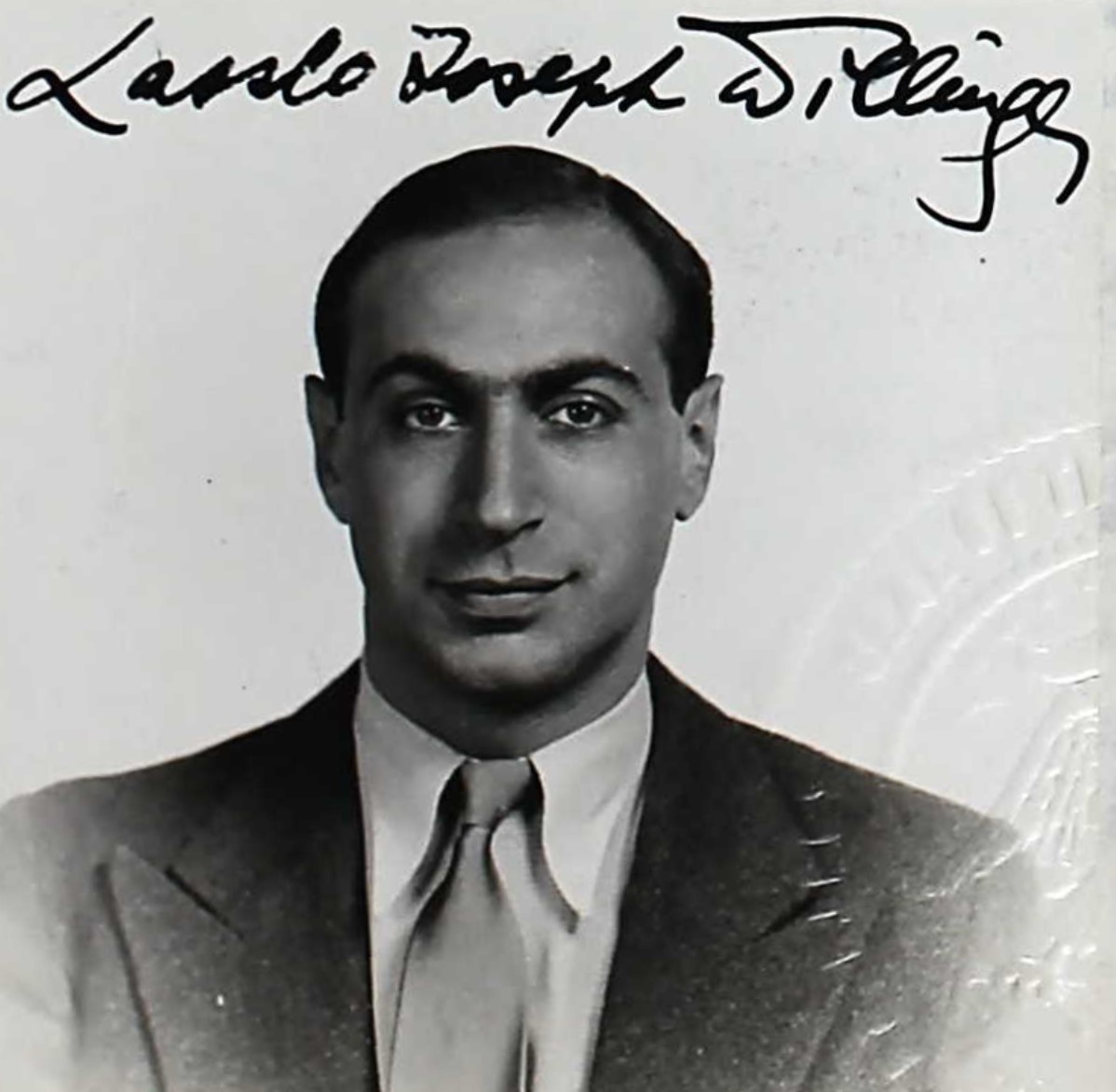
László Willinger’s portrait photography career of film stars and celebrities started in 1937. Public Domain.

New Jean Harlow?

Turner did not arrive at MGM until 1938. When Mervyn LeRoy left Warner Bros. to accept a high-paying executive producer position at Metro-Goldwyn-Mayer, he brought his young protégée right along with him. MGM subsequently bought out her contract, bumped her weekly salary, and began heavily promoting her as their new rising siren. Turner was under contract with M-G-M at this exact moment in 1939 when the studio’s powerful “glamour machine” was actively trying to groom her to become the next Jean Harlow. The star image engineered by Willinger here leans heavily into intense, mature sensuality rather than teenage innocence. Lana Turner followed the sex-bomb script to full force in 1941 when the studio dyed her hair whitish blonde for Ziegfeld Girl. Lana, co-starring with Judy Garland and Hedy Lamarr, stole the show. 

The video features the unforgettable staircase climax from Ziegfeld Girl (1941) that transformed Lana Turner into a top tier M-G-M star as she delivers one of the defining moments of Hollywood melodrama. Turner plays Sheila Regan, a humble department store elevator operator transformed almost overnight into a glamorous star of the Ziegfeld Follies. Yet the success that promises everything ultimately takes everything from her. Drawn into a world of wealth, luxury, and excess, Sheila loses her career, her health, and the love of Gilbert, played by James Stewart. Terminally ill and nearly destitute, she slips away from her sickbed to attend the opening night performance of a friend, watching from the shadows of a theater balcony.

As she prepares to leave, the strains of her signature number, “You Stepped Out of a Dream,” drift through the theater. Bent with exhaustion and grief, Sheila clings to the railing, seemingly defeated. Then instinct takes over. Conditioned by years of performing, she straightens her posture, lifts her chin, and once again becomes the perfect Ziegfeld showgirl. Clad in a stunning black gown and trailing a fur coat behind her, she glides down the grand staircase with breathtaking poise and hypnotic elegance. For a few fleeting moments, the audience sees the star she once was.

But it is her final performance. The instant she reaches the lobby floor, the illusion vanishes. Her failing heart gives out, and she collapses. The scene crystallizes the film’s central message: that fame, when pursued at the expense of love, happiness, and authenticity, can exact a devastating price.

The sequence also proved pivotal in Lana Turner’s real-life career. Her commanding presence during the staircase descent overshadowed even fellow stars Hedy Lamarr and Judy Garland, convincing MGM executives that Turner possessed the screen power of a major leading lady. The moment became one of classic Hollywood’s most celebrated images. For years afterward, whenever Turner entered fashionable nightclubs, orchestras would often greet her by playing “You Stepped Out of a Dream,” forever linking the actress to the role that elevated her into the highest ranks of stardom.
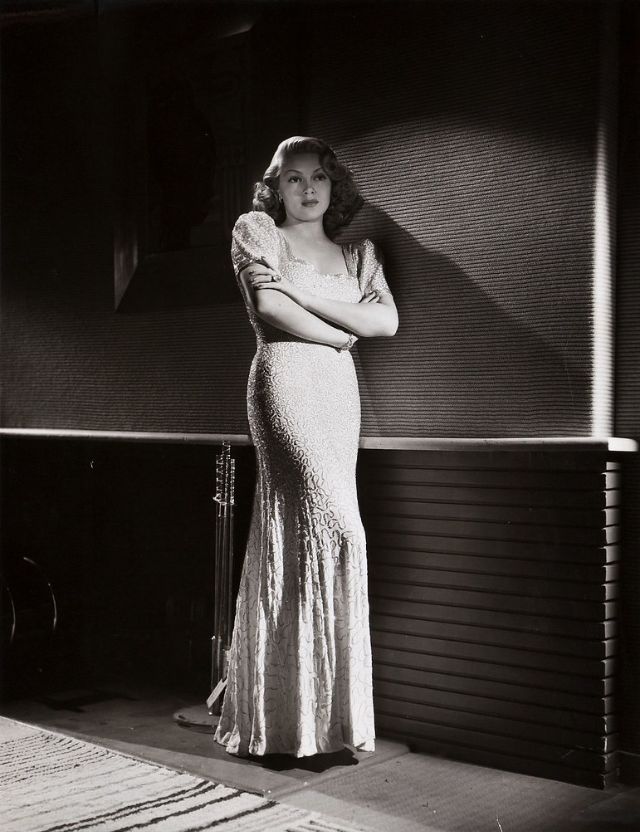
A 1941 black-and-white promotional portrait of Lana Turner, captured by MGM staff photographer Eric Carpenter for the musical drama Ziegfeld Girl, represents a definitive structural pivot in her career. This shot formally buried her old overnight moniker as “America’s Sweater Sweetheart” from her Warner Bros. discovery days. Carpenter treats her body as a living sculpture, cementing a manufactured archetype of smoldering elegance and peak dramatic star power. This is the exact moment Metro-Goldwyn-Mayer fully initiated her transformation into a classic Hollywood goddess. Photo Credit: Photograph by Eric Carpenter / M-G-M (1941). Status: Public Domain. This image is a Hollywood studio promotional handout distributed freely to the press without a formal copyright notice or subsequent registration under pre-1978 U.S. copyright law.

Conclusion

Ultimately, whether using László Willinger’s saturated jewel tones or Eric Carpenter’s sculpted black-and-white shadows, Golden Age Hollywood operated on a singular commercial mandate: manufacturing desire to sell movie tickets. As technologies shifted and public tastes evolved from pre-war vamps to post-war modern sirens, studio titans strategically engineered the changing visual archetypes of Marlene Dietrich, Elizabeth Taylor, and Lana Turner. By leveraging advanced color processes and dramatic gallery lighting, pioneering photographers transformed ordinary talent into untouchable cinematic deities. These meticulously curated glamour portraits did more than just attract eyeballs; they constructed an enduring visual mythology that remains the gold standard of stardom today.


The Painter Who Defined Elizabethan England: Marcus Gheeraerts the Younger (c. 1562-1636) and the Art of Power. Complete signed, dated, documented, inscribed artwork.

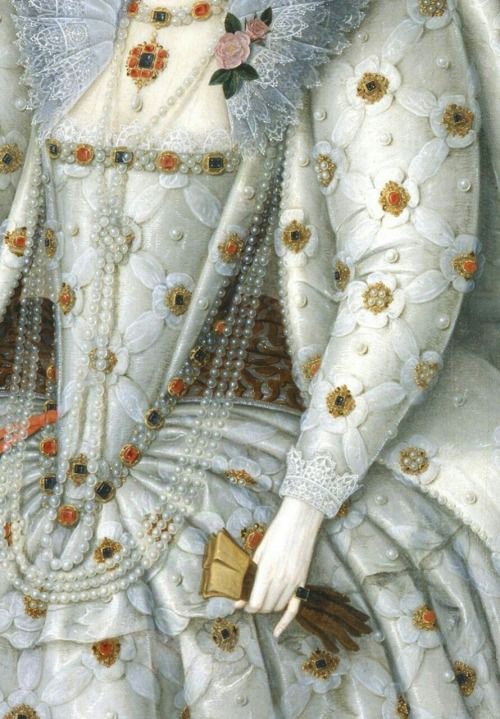
FEATURE image: Detail, Queen Elizabeth I. Ditchley portrait. Marcus Gheeraerts the Younger, 1592.

Marcus Gheeraerts the Younger was one of the most important portrait painters of Elizabethan and early Stuart England, whose innovative artistic style, influential court connections, and penetrating portrayals of political, military, and aristocratic figures helped shape English portraiture during a pivotal era in British history.

Marcus Gheeraerts the Younger, Captain Thomas Lee in Irish Dress, oil on canvas, 1594 (purchased 1980), Tate Britain.

Captain Thomas Lee (c.1551-1601) had his portrait painted by 33-year-old Marcus Gheeraerts the Younger (Bruges, 1561-1636) in London in 1594. Captain Lee was 43 years old and had worked as a military adventurer for English colonization in Ireland since the early 1570’s.

The young artist was the son of Gheeraerts the Elder (c. 1520–c. 1590), a painter and printmaker associated with the Tudor court in the late 1560’s and 1570’s. Fleeing religious persecution in Flanders, Gheeraerts the Elder arrived into England with his 7-year-old son Marcus in 1568. In 1577, Gheeraerts the Elder had likely returned to Flanders.

By 1594, when the portrait of Captain Lee was made, Gheeraerts the Younger was a rising young contemporary artist working in Elizabeth I’s Tudor court.  Sir Roy Strong, the English art historian who served as director of the National Portrait Gallery and the Victoria and Albert Museum in London is unequivocal about Gheeraerts the Younger’s artistic importance to English art history. Strong wrote that Gheeraerts is “the most important artist of quality to work in England in large-scale between (Hans) Eworth (c. 1520 – 1574) and (Anthony) van Dyck (1599-1641).”1 

In addition to a discussion of the early painting of Captain Lee, a complete collection of Marcus Gheeraerts the Younger’s 33 art works– including signed and dated works, documented and dated works, inscribed and dated works, and inscribed and undated works– is included in this post following this introduction.

Social contract: Marriages of court artists in late-16th-century Tudor England

At 22 years old in 1583, Marcus Gheeraerts the Younger’s world in and around London was ideally enclosed by marriage to the sister of talented Tudor court painter John De Critz (c.1555-c.1641). De Critz, like his new brother-in-law Gheeraerts the Younger, was a child expatriate from Flanders to England in 1568.2 

In 1571 Gheeraerts the Elder had married his son’s future wife’s sister, making father and son Gheeraerts also eventually brothers-in law.3 

Over two decades later, in 1602, Gheeraerts the Younger’s sister married the court artist Isaac Oliver (c.1565-1617).4 

This was typical social behavior at the Tudor court where many active artists were connected by ties of marriage, family, and artistic training as well as shared European origin.

In Gheeraerts the Younger’s circle, for instance, John De Critz was apprenticed to the wealthy portrait painter Lucas de Heere (1534-1584) who may also have helped train Gheeraerts the Younger. De Heere – like Gheeraerts the Younger and De Critz – was a religious refugee to England from Flanders.

Isaac Oliver, Gheeraerts the Younger’s other brother-in-law, studied under leading Tudor portrait miniaturist and goldsmith Nicholas Hilliard (c.1547-1619). 5 Roy Strong as Director of the National Portrait Gallery in London links Hilliard to Gheeraerts by way of the supreme artistic quality found in both of these contrasting artists’ masterpieces.6 

One remarkable technical innovation that the young artist applied in his portraits was the use of stretched canvas in place of wood panel that allowed for larger and lighter surface areas on which to paint and more easily transport pictures of the grand gentlemen and ladies of the time.

By way of marriage to an Irish Catholic woman, Captain Thomas Lee became a man of considerable property in Ireland. Captain Lee had separated from his wife by the time of his portrait. The next year -– in 1595 –- Lee married an Englishwoman. Over the decades, Captain Lee’s military reputation became one of an enfant terrible in Ireland which did not mellow over time. Powerful friends looked to explain Thomas’s frequent reckless political and military behavior. It was justified as the occupational hazard of a longtime English soldier in Ireland.

Planning and posing of Captain Lee’s portrait

Lee posed for Gheeraerts when the captain was straight off the battlefield from Ulster chieftain Aodh Mag Uidhir (Hugh Maguire, d. 1600) and in London for delicate negotiations.

To presumably express Thomas’s faithful service to the Crown, the portrait includes a Latin inscription in the tree that refers to Mucius Scaevola (c. 500 BC), an ancient perhaps mythical Roman fighter who remained loyal to Rome even after he was captured by mortal enemies.  

Captain Thomas Lee was related to Sir Henry Lee as paternal half cousins. Sir Henry was Queen Elizabeth I’s Champion for almost 25 years until his retirement in 1590. In that capacity, Henry was the creator of the stunning imagery for her publicly-popular Accession Day festivals that he annually planned. Along with Gheerearts the Younger’s Elizabethan allegorical portrait Lady in Fancy Dress (The Persian Lady) (#30 below) and the Ditchley portrait of Queen Elizabeth I (#31 below) — both painted in the early 1590s — Henry, who remained active and influential in political affairs, may have helped devise the symbolism in Captain Lee’s portrait. The portrait also came from Ditchley, Sir Henry Lee’s timber-framed family house set in the wooded farmsland of north Oxfordshire.

While the painting’s landscape where Captain Lee stands is likely a representation of Ireland’s wild landscape, Henry Lee’s symbolism may provide other subtle and humorous features. 

Troublesome Thomas, for example, stands under an oak, which may refer to Sir Henry’s political protection but also that these trees are prone to dangerous lightning strikes. 

The final seven years of Captain Thomas Lee’s life iterated a legendary standard: at times negotiating with or killing Irish enemies he also served time in prison in Ireland on a charge of treason. Ultimately, Sir Henry could not save his familial junior– in 1601 Thomas faced execution in England for treason against Elizabeth I.

English colonial rule tightens in 17th century Ireland

English power became increasingly absolute in 17th century Ireland.  

In the 1590’s, the Protestant Ascendancy in Ireland believed turning their backs on the mostly Catholic natives was the most effective governing strategy. While an oath of allegiance to the Crown remained law to divest Irish rebels of their property to English rule, it was not vigorously applied until the arrival in 1604 into Ireland of Lord Deputy Arthur Chichester (1563-1625). 

The 1590’s continued to implement England’s new plantation system in Ireland which amounted to confiscating Irish property for English and Scottish settlers. While this provided quick and lucrative rewards for the conquerors, the political situation was not free of ambiguity. English laws were attacked by Irish chiefs seeking protection under older common law.

Protestant settlers had their own uneasy relationship with the English Crown who, in turn, fought a tug of war with an English Parliament.

About half of settlers in Ulster were Presbyterians who were dissenters from the English church which itself was at war with Anglo- and Gaelic Irish Catholics. Moreover, London viewed new Protestant landowners in Ireland –- such as Captain Thomas Lee –- with no less suspicion as despoiled Catholics. The Crown believed that the new Protestant vanguard in Ireland had power to usurp the island’s treasure more readily than pillaged Catholics who could, ironically perhaps, be better disposed to the idea of royal governance.7

While Thomas Lee’s special status is expressed in the painting’s lace embroidery on his rolled-up shirt and inlaid pistol and Northern Italian-made helmet, the Captain is dressed as a common foot-soldier who traveled through Ireland lightly armed. Captain Lee is also, both seriously and humorously, barelegged.

Sir Henry Lee must have been one of Marcus Gheeraerts the Younger’s earliest patrons, as the Ditchley collection had several portraits which can be ascribed to the artist.8

FOOTNOTES:

  1. Strong, Roy, The English Icon: Elizabethan & Jacobean Portraiture, The Paul Mellon Foundation for British Art London Routledge and Kegan Paul Limited New Haven Yale University Press, 1969, p.22.
  2. Ibid. p.259.
  3. Hearn, Karen, Marcus Gheeraerts II: Elizabethan Artist, In Focus (Tate Publishing), 2003, p. 11ff.
  4. Strong, p.269.
  5. Hearn, p.130.
  6. Strong, p.23.
  7. See Roger Chauviré, A Short History of Ireland, New American Library, 1965; T.W. Moody & F.X. Martin, editors, The Course of Irish History, Mercier Press, Cork, 1978; http://www.tate.org.uk/art/artworks/gheeraerts-portrait-of-captain-thomas-lee-t03028 – retrieved May 28, 2017.
  8. The Captain Thomas Lee portrait was first recorded at Ditchley by Vertue in 1725 who noted there a portrait of ‘Lee in Highlanders Habit leggs naked a target & head piece on his left hand his right a spear or pike. Ætatis suae.43.ano.Dni 1594’.

Marcus Gheeraerts the Younger‘s surviving signed, dated, documented, and inscribed works demonstrate both his artistic achievement and his importance as a visual chronicler of Tudor and Jacobean society.

1. SIGNED AND DATED WORKS (8 works):

Louis Frederick, Duke of Württemberg, 1608.

1 – Marcus Gheeraerts The Younger, Louis Frederick, Duke of Württemberg, 1608, oil on canvas, 225.1 x 113.1 cm, St James Palace. Probably painted for James I though first recorded in Charles II’s collection. (Strong 255, The English Icon).

Gheeraerts II painted portraits of several foreign dignitaries on their visits to the English court. Louis Frederick, Duke of Württemberg visited James I in London for three months in the latter part of 1608 and likely the artist produced this work at that time.

Gheeraerts the Younger Wm Camden 1609

2 – Marcus Gheeraerts the Younger, William Camden, 1609, oil of panel,, 76.2.x 58.5 cm, Bodleian Library, Oxford. Given to the Schools by Camden Professor (1622-1647) Degory Whear. (Strong 256).

Gheeraerts the Younger, Lucy Davis. 1623. Private collection.

3 – Marcus Gheeraerts the Younger, Lucy Davis, Countess of Huntingdon, 1623, oil on panel, 76.8 x 62.3 cm, Private Collection. (Strong 257).

Marcus_Gheeraerts_the_Younger_William_Pope,_1st_Earl_of_Downe, 1624

4 – Marcus Gheeraerts the Younger, William Pope, 1st Earl of Downe, 1624, oil on panel, 62.3.x 47.1 cm, Trinity College, University of Oxford. It was presented to Trinity College in 1813 by Henry Kett. (Strong 258).

Gheeraerts the Younger, Elizabeth Cherry, Lady Russell, 1625.

5 – Marcus Gheeraerts the Younger, Elizabeth Cherry, Lady Russell, 1625, oil on canvas, 194.5 x 105.6 cm, The Duke of Bedford. This painting has been at Woburn Abbey since 1625. (Strong 259).

Gheeraerts the Younger Sir William Russell, 1625

6 – Marcus Gheeraerts the Younger, Sir William Russell, 1625, oil on canvas, 195.6 x 111.8 cm, The Duke of Bedford. Always at Woburn Abbey. (Strong 260).

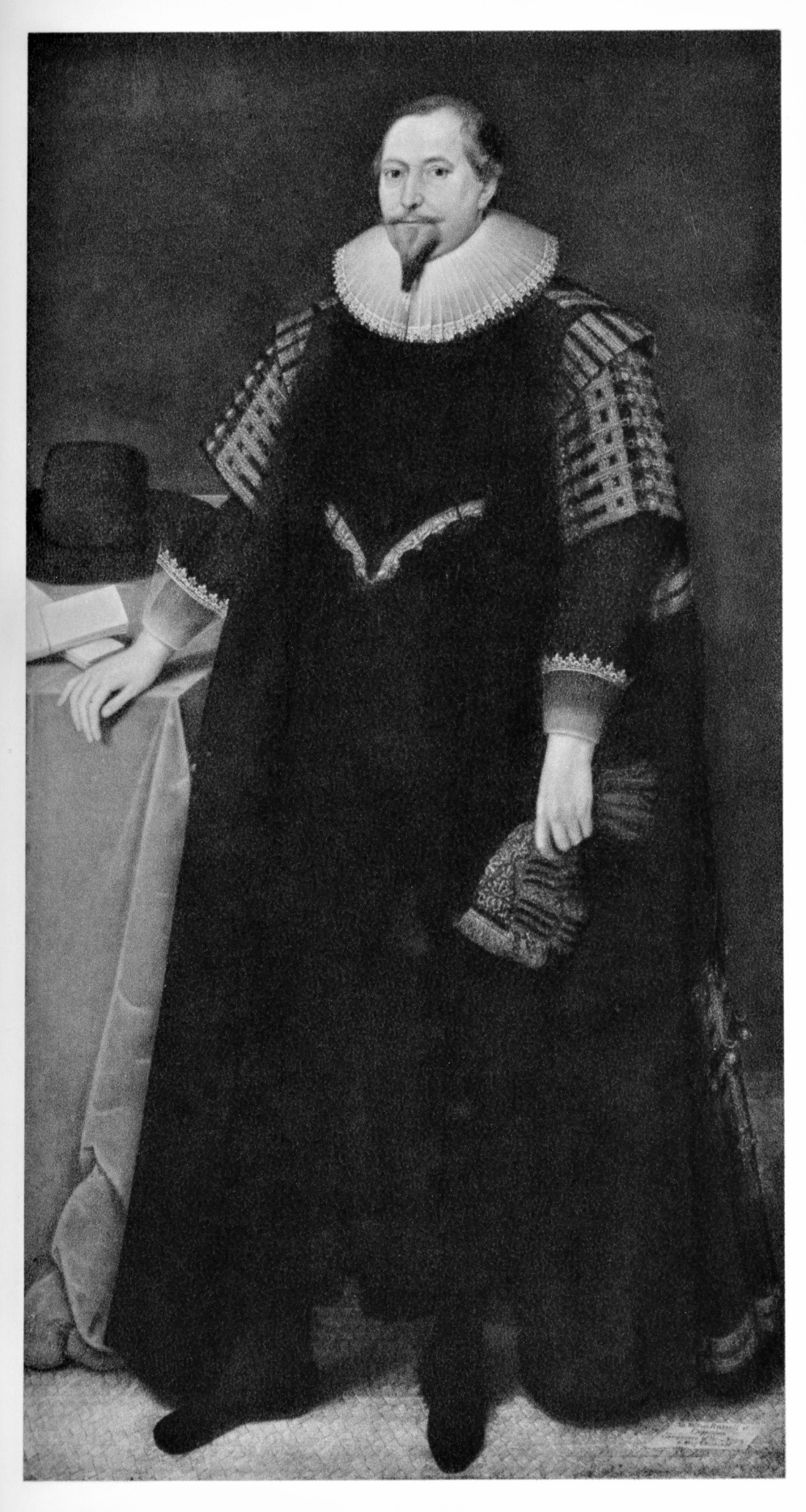
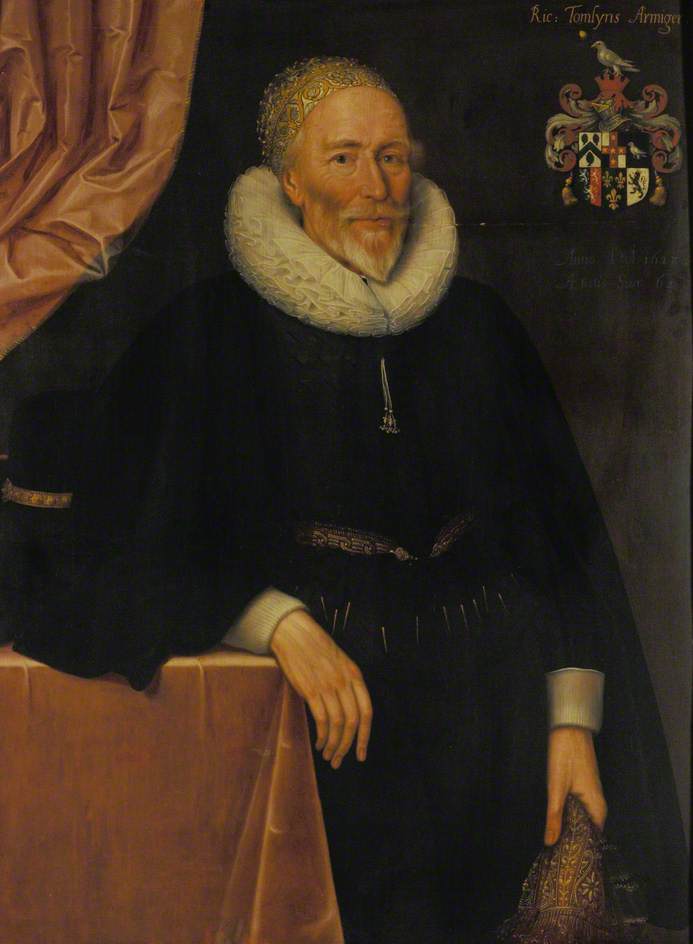
Gheeraerts the Younger, Richard Tomlins, 1628.

7 – Marcus Gheeraerts the Younger, Richard Tomlins, 1628, oil on panel, 111.8 x 83.9 cm. The Bodleian Library, Oxford. It was in the Library in 1759. (Strong 261).

Gheeraerts_Anne_Hale_Mrs_Hoskins

8 – Marcus Gheeraerts the Younger, Anne Hale, Mrs. Hoskins, 1629, oil on panel, 111.8 x 82.7 cm. Jack Hoskins Master, Esq. The painting remains in the family. (Strong 262). 

2. DOCUMENTED AND DATED WORKS (3 works):

Gheeraerts_Barbara_Gamage_with_Six_Children 1596

9 – Marcus Gheeraerts the Younger, Barbara Gamage, Countess of Leicester, and her children, 1596, oil on canvas, 203.2 x 260.3 cm, The Viscount De L’Isle. Always at Penshurst Place near Tonbridge, Kent, 32 miles southeast of London; first recorded 1623. (Strong 263).

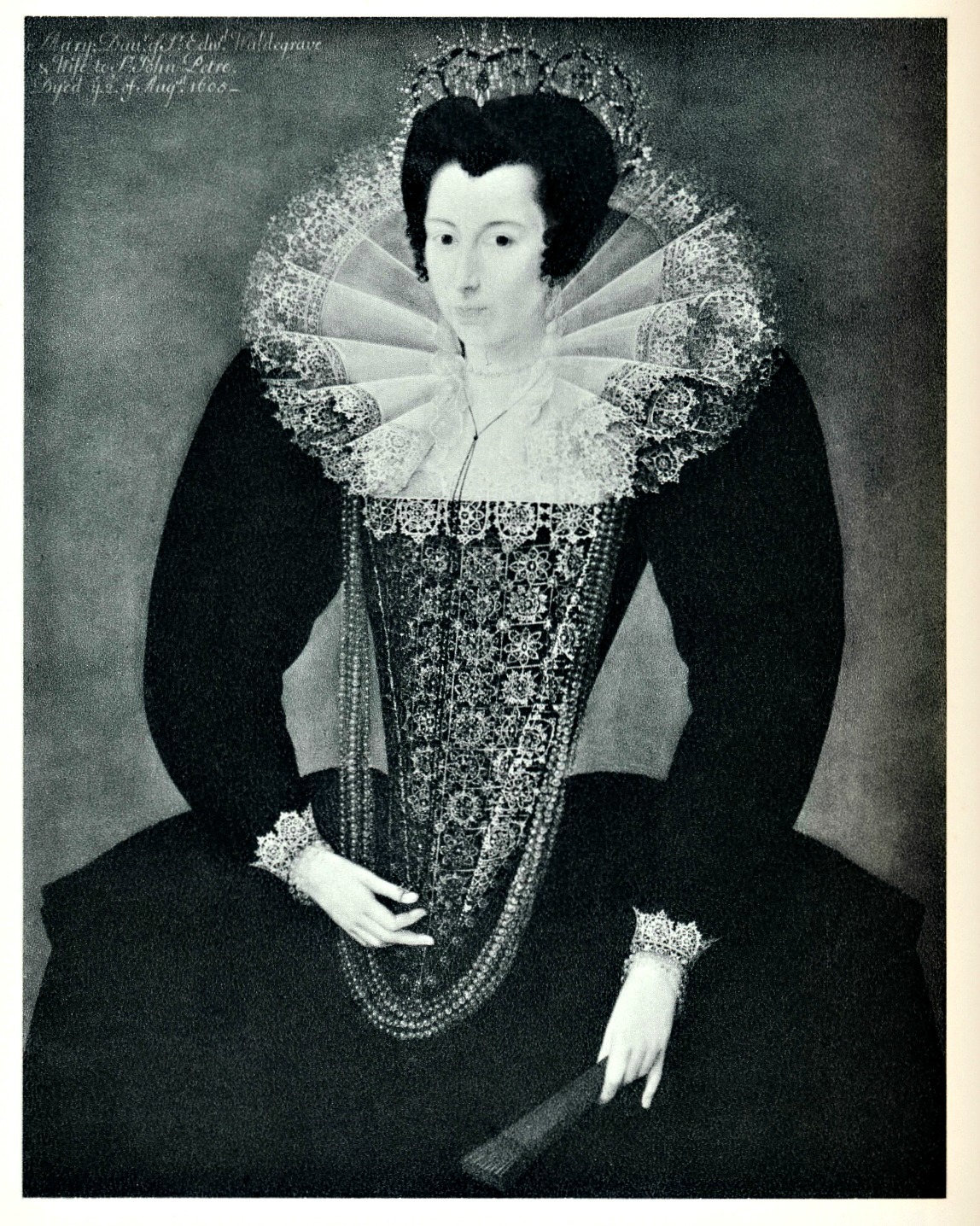
Marcus_Gheeraerts_the_Younger_William_2nd_Lord_Petre

10 – Marcus Gheeraerts the Younger, William, 2nd Lord Petre, 1599, oil on panel. 111.8 x 90.2.cm. The Lord Petre; custody of the Essex County Record Office. (Strong 264).

Marcus Gheeraerts the Younger, Katherine Somerset, Lady Petre, 1599.

11 – Marcus Gheeraerts the Younger, Katherine Somerset, Lady Petre, 1599, oil on panel, 111.8 x 90.2 cm. The Lord Petre. Always at Ingatestone Hall, the 16th century manor of the Barons Petre in Essex, England. Queen Elizabeth I spent several nights there in 1561. (Strong 265).

3. INSCRIBED AND DATED WORKS (18 works):

# 12 800px-Marcus_Gheeraerts_II_-_Portrait_of_Mary_Rogers,_Lady_Harington_-_Google_Art_Project

12 – Marcus Gheeraerts the Younger, Unknown Lady (Mary Rogers, Lady Harington), 1593, oil on panel, 114.3 x 94 cm, Tate (purchased 1974). The identity for the sitter is speculative, although her age (23 years old) is inscribed. It is one of the earliest known portraits by Gheeraerts. (Strong 266).

Unknown Lady (Mary Rogers, Lady Harington), 1593

Detail, Unknown Lady (Mary Rogers, Lady Harington), 1593. The sitter is identified in part by the clothes she wears: the distinctive black and white pattern on her dress heralds the Harington coat of arms. The sitter is 23 years old and her portrait may have been painted in connection with a visit to Kelston (The Harington homestead) in 1592 by Queen Elizabeth. The Latin inscription in the painting reads, “I may neither make nor break” a dramatic phrase whose meaning is no longer clear.

Marcus Gheeraerts the Younger, Captain Thomas Lee in Irish Dress, 1594.

13 – Marcus Gheeraerts the Younger, Captain Thomas Lee in Irish Dress, oil on canvas, 1594 (purchased 1980), Tate Britain. (Strong 267). With detail.

Captain Thomas Lee in Irish Dress, 1594.
si francis drake 001 FIXED

14 – Marcus Gheeraerts the Younger, Sir Francis Drake, oil on canvas, 1594. Versions at National Maritime Museum, Greenwich and Lt.- Col. Sir geirge Tapps-Gervis-Meyrick.

Marcus Gheeraerts the Younger, Unknown Man, 1599.

15 – Marcus Gheeraerts the Younger, Unknown Man (Called the Earl of Southampton), 1599, location unknown. (Strong 269).

Marcus Gheeraerts the Younger, Unknown Lady, 1600.

16 – Marcus Gheeraerts the Younger, Unknown Lady, 1600, oil on panel, The Lord Talbot de Malhide. (Strong 270).

Sir Henry Lee by Marcus Gheeraerts Tate Britain, 1600

17 – Marcus Gheeraerts the Younger, Sir Henry Lee, oil on canvas, 1600, private collection on loan since 2008 to Tate Britain.

Sir Henry Lee (1533–1611), a Tudor Court favorite under Elizabeth I, was appointed as Queen’s Champion and Master of the Armoury. In that capacity, Sir Henry organised the annual public Accession Day festivals in honor of the queen. He commissioned the famous Ditchley portrait of Elizabeth I by Gheeraerts for his house at Ditchley in Oxfordshire. In 1597 he was made a Knight of the Garter and in Gheeraerts’s portrait wears that order’s gold chain and bejeweled medal of St George slaying the dragon. (Strong 271).

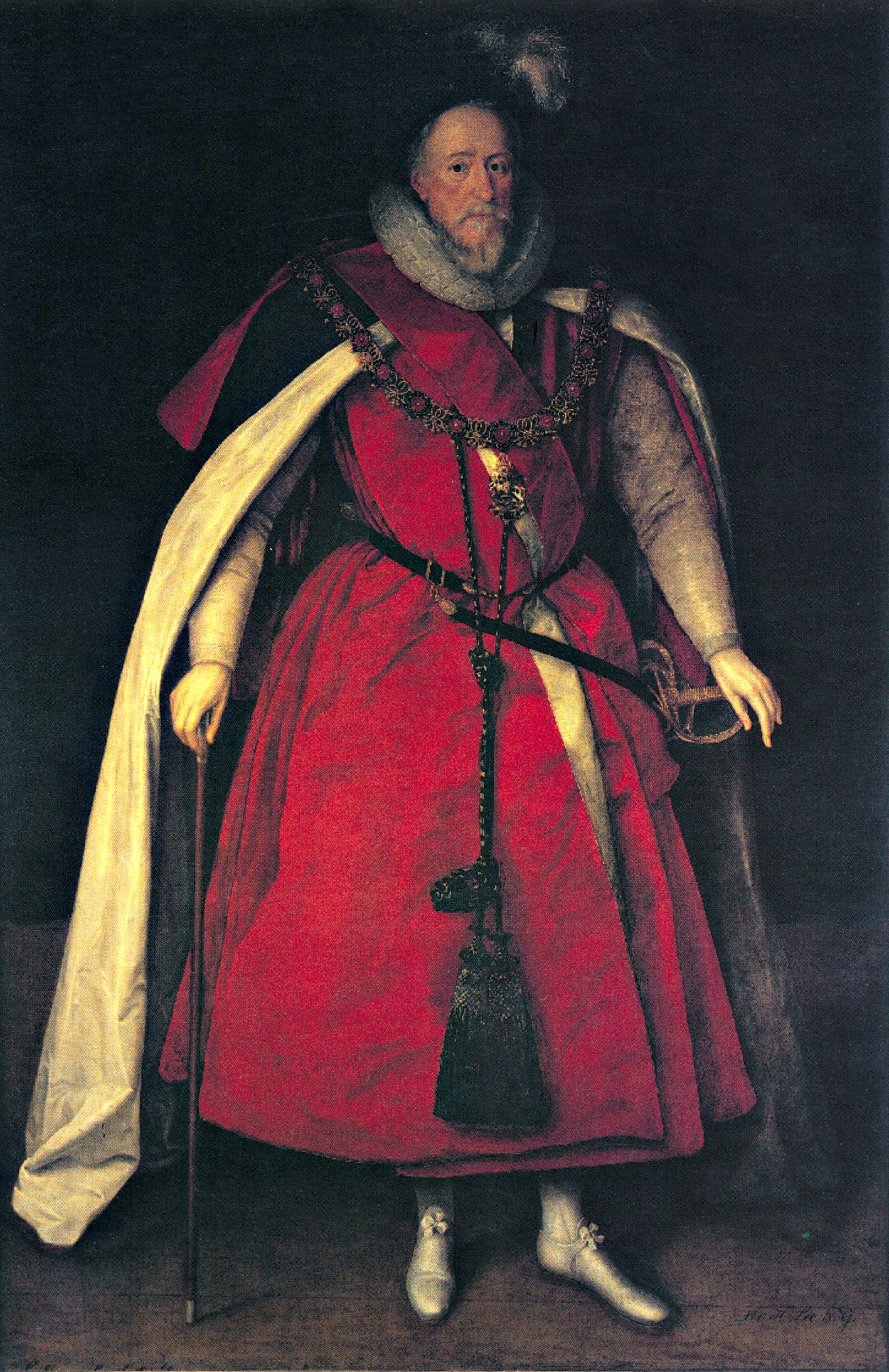
Sir Henry Lee in Garter Robes, 1602.

One of Gheeraerts II’s finest portraits, Sir Henry Lee is a former man of action, whose old head is remarkably shrewd.

Sir Henry Lee in Garter Robes, 1602 (detail).

18 – Marcus Gheeraerts the Younger, Sir Henry Lee in Garter Robes, 1602, oil on canvas, 216.2 x 137.2 cm. Always at Ditchley until 1933. Today at The Armourers & Brasiers’ Company of the City of London. Founded in 1322, the livery company was awarded its first Royal Charter in 1453 from King Henry VI. In 1708 the Armourers joined with the Brasiers and received its current charter from Queen Anne. (Strong 272).

Marcus Gheeraerts the Younger, Christophe de Harlay, Comte de Beaumont, 1605.

19 – Marcus Gheeraerts the Younger, Christophe de Harlay, Comte de Beaumont, 1605, oil on canvas, The Marquess of Salibury.

The Comte de Beaumont was the French ambassador to England at a time when the Kings of England and France were looking in their own ways for a diplomatic solution to the religious controversies in Europe. The painting was made for Robert Cecil, 1st Earl of Salisbury, a politician who had won James I’s trust. (Strong 273).

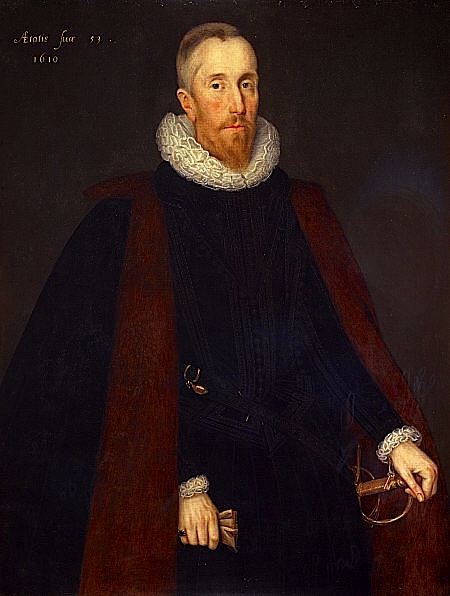
Marcus Gheeraerts the Younger, Alexander Seton 1st Earl of Dunfermline, 1606.

20 – Marcus Gheeraerts the Younger, Alexander Seton 1st Earl of Dunfermline, 1606.

Alexander Seton, 1st Earl of Dunfermline (1555–1622), a Scot, was regarded as one of the finest legal minds of his time. Seton served as Lord President of the Court of Session (top judge) from 1593 to 1604, Lord Chancellor of Scotland (top presiding officer of state) from 1604 to 1622 and Lord High Commissioner to the Scottish Parliament. (Strong 274).

Marcus Gheeraerts the Younger, Anne of Denmark, 1614

21 – Marcus Gheeraerts the Younger, Anne of Denmark, 1614, oil on panel, 109.4 x 87.3 cm, Windsor Castle.

At 15 years old, Anne married the future James I of England in 1589. The Queen consort bore James three children who survived infancy, including the future Charles I (reigned 1625-1649). Once fascinated with his bride, observers regularly noted incidents of marital discord between the dour and ambitious James and his independent and self-indulgent wife. Before she died in 1619 the royal couple led mainly separate lives. (Strong 275).

Gheeraerts the Younger, Ulrik, Duke of Schleswig-Holstein, 1614.

22 – Marcus Gheeraerts the Younger, Ulrik, Duke of Schleswig-Holstein, 1614, oil on canvas, 211.2 x 114.3 cm, The Duke of Bedford.

Prince Ulrik of Denmark, (1578–1624) was the second son of King Frederick II of Denmark and his consort, Sophie of Mecklenburg-Güstrow. As second-born Ulrick bore the merely titular rank of Duke of Holstein and Schleswig although he later became Administrator of Schwerin. After his sister Anne became Queen of England, Ulrik was godfather to Princess Mary. (Strong 276).

Gheeraerts the Younger, Sir John Kennedy, 1614.

23 – Marcus Gheeraerts the Younger, Sir John Kennedy, oil on canvas, 1614, The Duke of Bedford.

Upon James I’s accession, Elizabeth Brydges — Maid of Honour of Queen Elizabeth I — married Sir John Kennedy, one of the king’s Scotch attendants. This occurred at Sudeley Manor in Gloucestershire. Chandos appears to have opposed the match, and it was rumored in early 1604 that Sir John Kennedy had a wife living in Scotland. James I wrote to Chandos (February 19, 1603, or 1604) entreating him to overlook Sir John’s errors because of his own love for his attendant. Elizabeth Brydges apparently left her husband and desired to have the matter legally examined. As late as 1609 the legality of the marriage had yet to be decided. Lord Chandos declined to aid his cousin, and Sir John Kennedy’s wife died deserted and in poverty in 1617. (Strong 277).

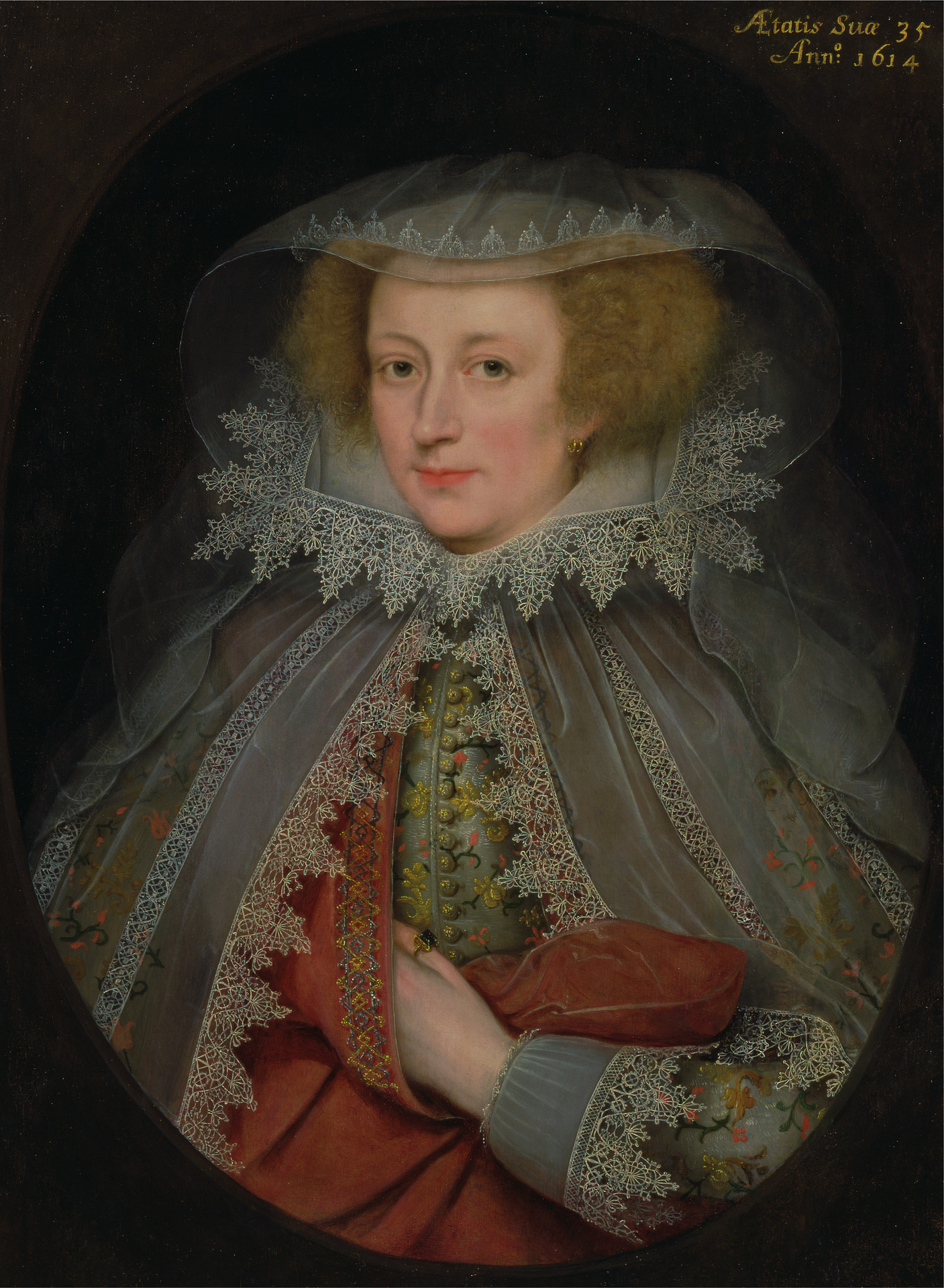
Gheeraerts the Younger, Catherine Killigrew Lady Jermyn, 1614.

24 – Marcus Gheeraerts the Younger, Catherine Killigrew, Lady Jermyn, 1614, oil on panel, 73.7 x 57.2 cm, Yale Center for British Art. (Strong 278). 

Catherine Killigrew was 35 years old when she sat for this portrait. The wife of an MP as well as the mother of three children, Catherine was the daughter of Sir William Killigrew (d. 1622) who was a courtier to Queen Elizabeth I and to King James I. Her father, Sir William, served as Groom of the Privy Chamber. (Strong 278).

Gheeraerts the Younger, Probably Mary (née Throckmorton), Lady Scudamore, oil on panel, 1615.

25 – Marcus Gheeraerts the Younger, probably Mary (née Throckmorton), Lady Scudamore, oil on panel, 1615, 45 in. x 32 1/2 in. (1143 mm x 826 mm), National Portrait Gallery, London, purchased 1859.

The sitter, once wrongly identified as the Countess of Pembroke, is likely Lady Scudamore though about whom little is known. The portrait is likely for the occasion of her son’s marriage (John, later Viscount Scudamore) to Elizabeth Porter of Dauntsey, Wiltshire. The wreath of flower and inscribed motto ‘No Spring Till now,’ suggest the hope that this marriage must have represented within the family. (Strong 279).

Gheeraerts the Younger, Sir Henry Savile, 1621.

26 – Marcus Gheeraerts the Younger, Sir Henry Savile, 1621, 216.2 x 127 cm, Bodleian Library, Oxford. Gift from the sitter’s widow, 1622.

Sir Henry Savile (1549-1622) was an enterprising Bible scholar. When his qualifications did not meet the standards for the role of Provost of Eton, he had Queen Elizabeth I waive the college’s rules for him. As Warden of Merton — a post secured with the help of influential friends — he was unpopular with faculty and students though the college itself flourished. Sir Henry’s brother was a powerful lawyer who helped guide his brother’s career which included knighthood in 1604. (Strong 280).

Gheeraerts the Younger, Sir Henry Savile, 1621.

27 – Marcus Gheeraerts the Younger, Sir Henry Savile, 1621, oil on canvas, 1621, 203.7 x 122 cm, Eton College. A second smaller copy of the Bible scholar and college administrator. (Strong 281).

Gheeraerts the Younger, William Herbert, Earl of Pembroke, 1628.

28 – Marcus Gheeraerts the Younger, William Herbert, Earl of Pembroke, 1628, oil on panel, 68.5 x 48.2 cm, Philip Yorke.

Under King James I, William Herbert, 3rd Earl of Pembroke (1580 –1630), founded Pembroke College, Oxford, in 1624. In 1623 the First Folio of Shakespeare’s plays was dedicated to him and to Philip Herbert, Earl of Montgomery (the later 4th Earl of Pembroke), his brother. A bookish man, the 3rd Earl of Pembroke was engaged to be married three times. The first engagement was to Elizabeth Carey in 1595. Elizabeth was the granddaughter of the Lord Chamberlain who ran Shakespeare’s company. William simply refused to marry her. In 1597 William was engaged a second time. This time it was to Bridget de Vere. As William found her dowry arrangements to be unsatisfactory, negotiations dragged out to a tiresome point where the match became unacceptable. In 1600 William impregnated a mistress at court whom he  refused to marry. The child was born and died soon after. Following this episode, William and the mistress (Mary Fitton) were barred from court. In 1604 William married Mary Talbot. Their children both died in infancy. At the same time, William was having an extra-marital affair with his cousin, Lady Mary Wroth, which produced two illegitimate children. A lively patron of the arts, William Herbert, 3rd Earl of Pembroke died suddenly in 1630 at 50 years old. He is buried in Salisbury Cathedral in the family vault at the foot of the altar. (Strong 282).

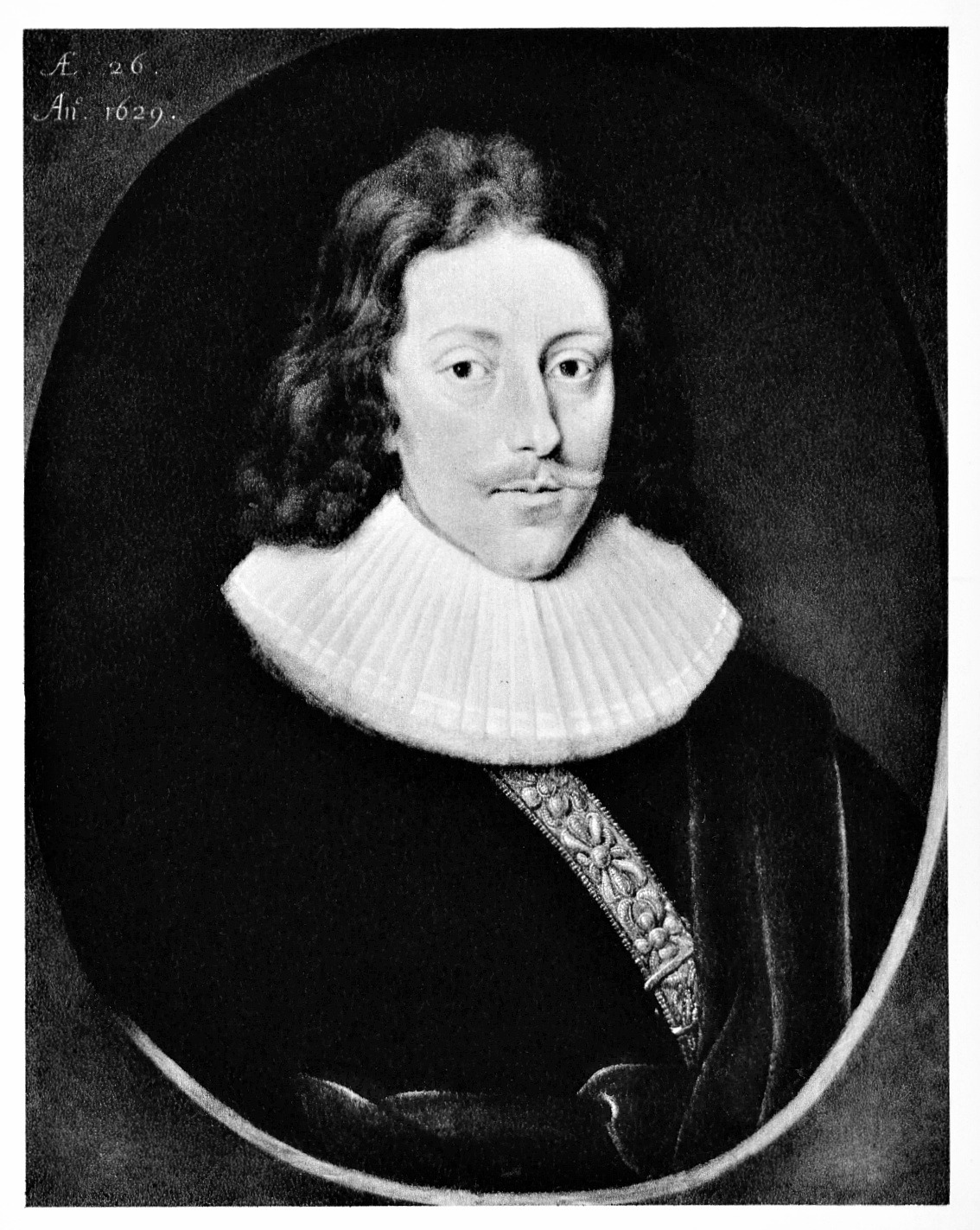
Gheeraerts the Younger, Charles Hoskins, 1629.

29 – Marcus Gheeraerts the Younger, Charles Hoskins, 1629, oil on panel, 66.1 x 52.7 cm, Jack Hoskins Master. Esq. (Strong 283).

Gheeraerts the Younger, Lady in Fancy dress (the Persian Lady), 1590.

30 – Marcus Gheeraerts the Younger, Lady in Fancy Dress (The Persian Lady), 1590s, oil on panel, 216.5 x 135.3 cm, Hampton Court.

First recorded in the collection of Queen Anne but believed to be part of the Royal Collection before that time, in the cartouche the sonnet reads: “The restless swallow fits my restless minde, Instill revivinge still renewinge wronges; her Just complaintes of cruelty unkinde, are all the Musique, that my life prolonges. With pensive thoughtes my weeping Stagg I crowne whose Melancholy teares my cares Expresse; hes Teares in sylence, and my sighes unknowne are all the physicke that my harmes redresse. My only hope was in this goodly tree, which I did plant in love bringe up in care: but all in vaine, for now to late I see the shales be mine, the kernels others are. My Musique may be plaintes, my physique teares If this be all the fruite my love tree beares.” Lady in Fancy Dress is a good example of Elizabethan allegorical portraiture. Importantly, the painting may be related to the Ditchley portrait of Elizabeth I (Strong 285) as well as the portrait of Captain Thomas Lee (Strong 267 ). These three portraits may be connected in some way to the entertainment given by Sir Henry Lee, the Queen’s Master of the Armouries and Champion of the Tilt, when the Queen visited Ditchley in 1592. (Strong 284).

NPG 2561; Queen Elizabeth I ('The Ditchley portrait') by Marcus Gheeraerts the Younger

31 – Marcus Gheeraerts the Younger, Queen Elizabeth I (“The Ditchley Portrait”), oil on canvas, 1592, 95 in. x 60 in. (2413 mm x 1524 mm). National Portrait Gallery, London. Bequeathed by Harold Lee-Dillon, 17th Viscount Dillon, 1932. Queen Elizabeth was nearly 60 years old when this portrait was made. It is traditionally understood to have been painted on the Queen’s visit to Ditchley, the timber-framed family house in north Oxfordshire of Sir Henry Lee (1533-1611). Like John II Walshe (d.1546/7) of Little Sodbury, Gloucestershire, who was the King’s Champion to Elizabeth’s father Henry VIII, Henry Lee served at that standard for Queen Elizabeth from 1570 until his retirement about two years before this painting was made.  Ditchley once provided lodging and access to the royal hunting ground of Wychwood Forest.  (Strong 285). 

ditchley a-elizdetail-1g

Queen Elizabeth I is standing on a map of England. Detail from The Ditchley Portrait of Elizabeth I by Marcus Gheeraerts the Younger in 1592.

ditchley detail fan

Detail of a bejeweled fan in Queen Elizabeth I’s right hand from The Ditchley Portrait of 1592 by Marcus Gheeraerts the Younger. In the decade before The Ditchley Portrait Gheeraerts the Elder, Marcus II’s father, had painted a full- length oil on panel portrait of Elizabeth I. In the ensuing handful of years, practical technical innovation in art is in evidence in the Elizabethan court — the the son’s oil portrait of the same royal personage was able to be produced on canvas on a much larger scale.   

ditchley.detail
ditchley

Detail of the beautiful garment and accessories.

ditchley 800px-queen_elizabeth_i_the_ditchley_portrait_by_marcus_gheeraerts_the_younger

Detail, Queen Elizabeth I. Ditchley portrait. Three fragmentary Latin inscriptions in the painting have been interpreted as: “She gives and does not expect”; “She can, but does not take revenge”; and, “In giving back, she increases.” An inscribed sonnet, whose author is not known, takes the sun as its subject. At some later date the canvas was cut more than 7 centimeters fragmenting the final words of the each line. 

The King’s Champion and the Outlaw: How Sir John Walshe’s Little Sodbury Manor Shielded the English Bible

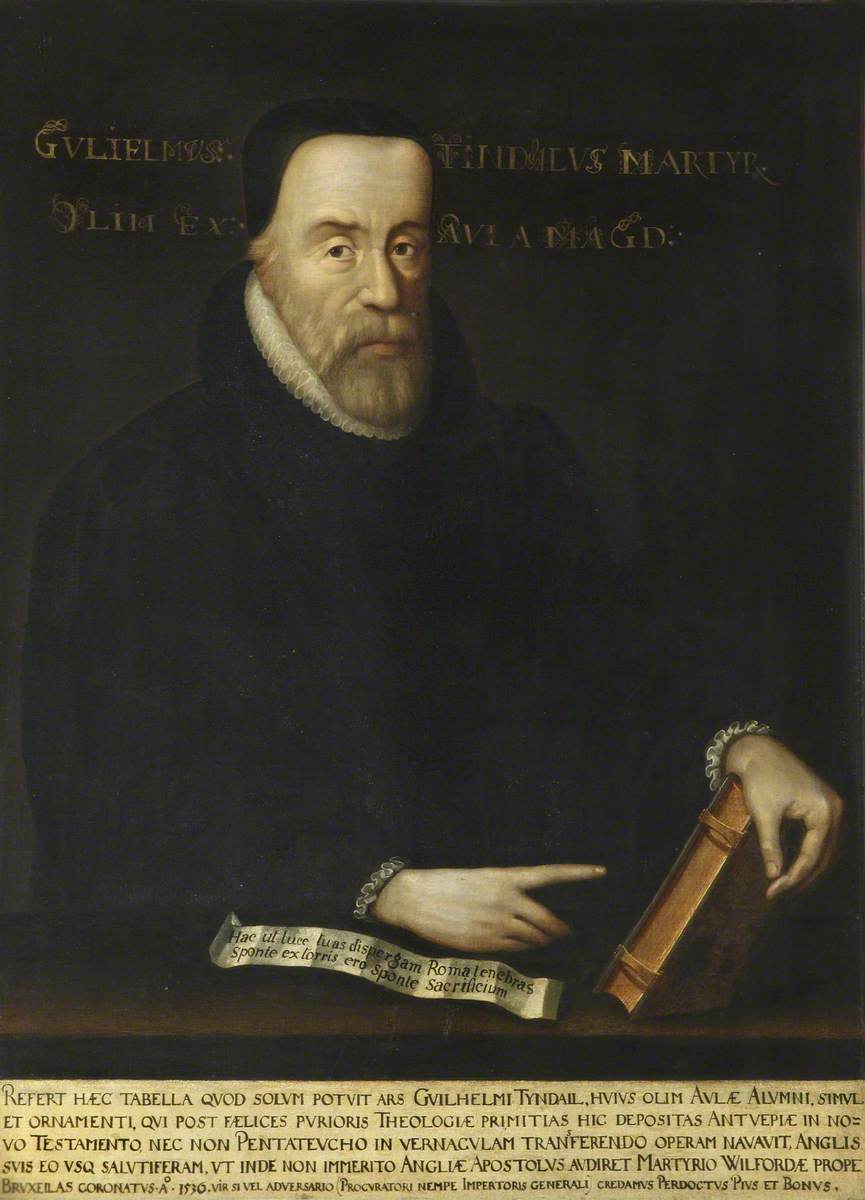
Sir John II Walshe (d. 1546/7) was a prominent English landowner, courtier, and high-ranking local official based at Little Sodbury Manor in Gloucestershire. He is most famous historically for his close connection to King Henry VIII and his early patronage of the famous Bible translator and Catholic priest, William Tyndale. Sir John was a major favorite of the young King Henry VIII and was chosen to serve as the King’s Champion at Henry’s coronation in 1509. Because of his standing, Henry VIII and Queen Anne Boleyn stayed with Walshe at Little Sodbury Manor for two nights during the King’s Second Royal Progress on August 21, 1535. Walshe was a dominant political figure in the county, serving multiple terms as the High Sheriff of Gloucestershire (in 1526, 1530, 1535, and 1540).

Around 1521–22, Sir John Walshe hired a young William Tyndale to serve as the private tutor for his children and as the manor’s chaplain. Walshe frequently hosted local abbots, deacons, and wealthy clergymen at his dining table. Tyndale famously used these dinners to debate the local Catholic elite using scripture, which frequently troubled Walshe and his wife, Lady Anne. Since the Constitutions of Oxford in 1408, the Catholic Church had strictly banned translation of the Bible into the vernacular, fearing it would undermine theology and their authority, breeding social chaos. By translating directly from the original Greek and Hebrew (rather than the Church’s official Latin Vulgate), Tyndale was committing a capital crime. Historical tradition holds that Tyndale began his monumental work translating the Bible from Greek into English right in his bedroom at Walshe’s manor before church hostility forced him to flee to London in 1523.

Words matter, and Tyndale’s choices stirred controversy—as they actively dismantled institutional power structures. Catholic officials—most notably Sir Thomas More—charged that Tyndale used language that fueled already rampant anti-clericalism in England. For example, Tyndale translated Church as “Congregation,” shifting power from the Vatican hierarchy to local people. He also translated Do Penance to “Repentance,” cutting out the need for the Catholic sacramental system of confession. It was during his time living under Walshe’s roof that Tyndale had his historic argument with a local priest and declared: “If God spare my life, ere many years I will cause a boy that driveth the plow shall know more of the scripture than thou dost.” Sir John died around 1546 or 1547, passing the manor down to his son and heir, Maurice Walshe.

unknown artist; William Tyndale (c.1492-1536), Translator of the New Testament and the Pentateuch; Hertford College, University of Oxford; http://www.artuk.org/artworks/william-tyndale-c-14921536-translator-of-the-new-testament-and-the-pentateuch-222112 also: NPG 1592; Called William Tyndale – Portrait – National Portrait Gallery

Tyndale’s fate was far more complex. In 1528, he published The Obedience of a Christian Man, arguing that a king should answer directly to God rather than the Pope. King Henry VIII famously loved the book because it gave him a legal rationale to break away from Rome. However, in 1530, Tyndale published The Practice of Prelates, where he fiercely opposed Henry VIII’s attempt to annul his marriage to Catherine of Aragon. This instantly turned Tyndale into an enemy of the English Crown; Henry VIII declared him a traitor, banned his books, and actively hunted him down. Tyndale spent years in exile, smuggling thousands of English New Testaments into the hands of ordinary folk in England. In 1535, he was betrayed in Antwerp and spent over a year in a Brussels dungeon at Vilvoorde Castle for his religious activities.

Meanwhile, John Walshe’s role was that of a benevolent, high-status buffer. Rather than throwing Tyndale to the wolves, Walshe acted as a protective patron. He and Tyndale mutually agreed that Tyndale must leave Little Sodbury. Walshe gave Tyndale his blessing, provided him with travel funds, and wrote him letters of introduction to influential contacts in London. Even after Tyndale fled England, became an outlaw, and infuriated the King, Walshe’s loyalty did not vanish. Records indicate that both Sir John and Lady Anne Walshe were personally deeply moved by Tyndale’s theology—though made uncomfortable around powerfully connected Catholic guests—so that when Tyndale was in a dungeon near Brussels, they sent funds to support him and made behind-the-scenes diplomatic efforts to secure his release.

Ultimately, Tyndale was executed by Catholic forces in Brussels a little over a year after Thomas More and John Fisher were beheaded in London by Henry VIII. Tyndale’s execution was particularly brutal. First, since he was found guilty of heresy, he was excommunicated. Because he was an ordained priest, he was dressed in his formal vestments and mocked as the executors of 16th-century justice ripped them away, subsequently scraping the holy oil off his hands and fingers to connote that he could no longer say Mass. Tyndale was then tied to a stake and strangled to death by the hangman, who then burned his body. While Sir John Walshe’s status as King’s Champion had bought Tyndale a safe, early window of time to conceptualize his English translation, and gave him the launchpad to take his prohibited, dangerous work to the global stage, Tyndale’s famous last words were a prayer aimed directly at the monarchy: “Lord, open the King of England’s eyes.” Ironically—as is typical when it comes to Henry VIII and power mongers generally—within just three years of his execution, Henry VIII officially authorized the Great Bible to be printed in English and placed in every parish, using Tyndale’s exact work as its foundational core.

Although no painting preserves Walshe’s face, his legacy is preserved through the architecture of Little Sodbury Manor. The grand 15th-century manor house, its Great Hall where the dinner debates took place, and the room traditionally identified as Tyndale’s library still stand intact in Gloucestershire today.


Marcus Gheeraerts the Younger, Sir Henry Lee, 1590s.

32 – Marcus Gheeraerts the Younger, Sir Henry Lee, 1590s, oil on canvas, 117 x 86.4 cm, The Ditchley Foundation. Always at Ditchley.
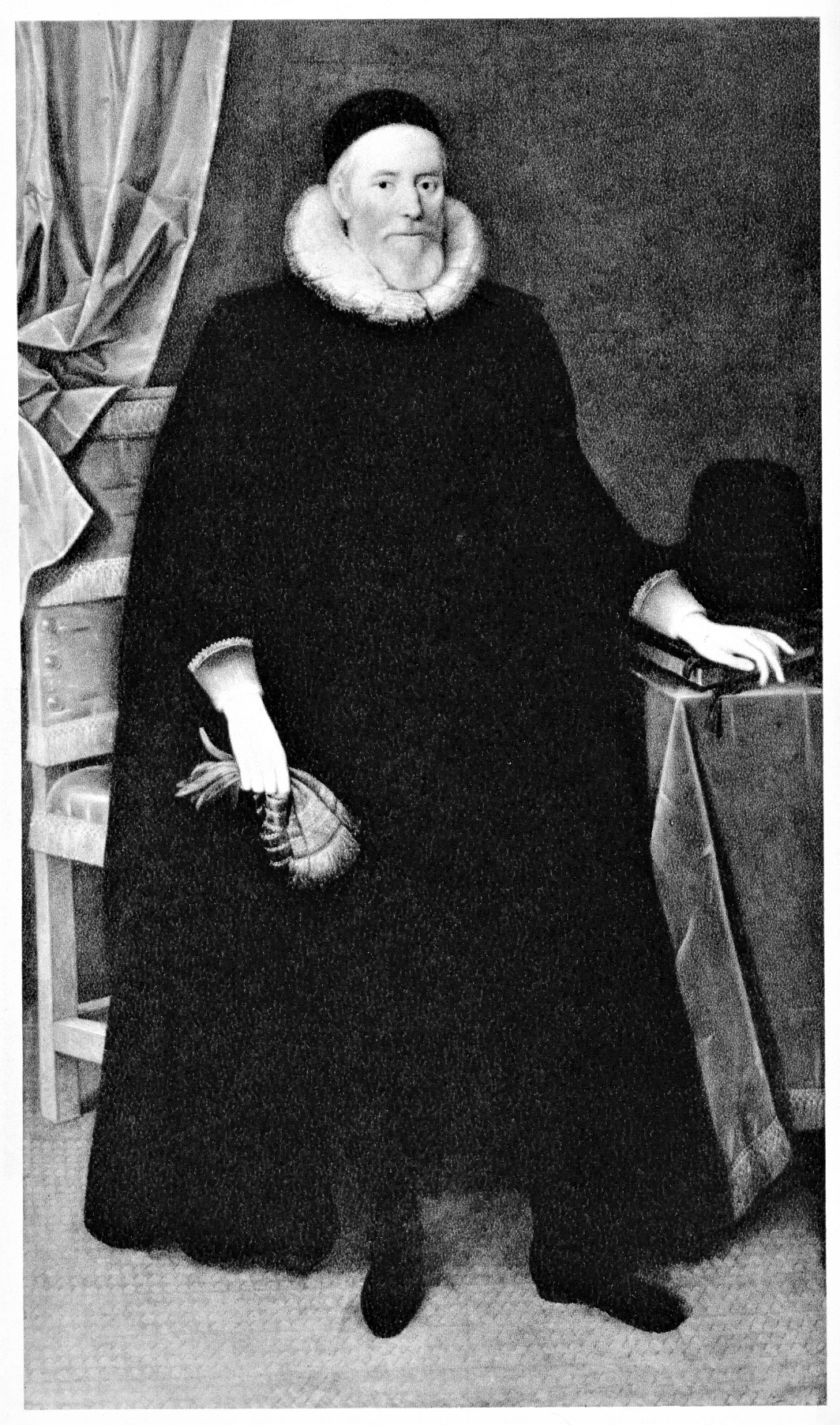
The painting and inscribed verses memoralize an incident where Bevis – Lee’s dog – saved his master’s life. “More faithfull then favoured…” (Strong 286).

Michael Dormer, mid 1590s.

33 – Marcus Gheeraerts the Younger, Michael Dormer, mid 1590s, oil on canvas, 122 x 91.5 cm, J.C. H. Dunlop, Esq. There are Latin inscriptions which surround and are written across the globe and shield. (Strong 287).

The social and cultural world of Sir Henry Lee once again influences the young artist’s portrait of Michael Dormer, who was an Oxfordshire neighbor to Sir Henry. In Dormer’s three-quarter-length portrait, the right hand is posed similarly to Thomas Lee’s portrait. As Captain lee’s portrait is the centerpiece of this post’s explorations,it may be said with Michael Dormer’s this post has traveled full circle around Marcus Gheeraerts II’s verifiable portraiture in Elizabethan and Jacobean England.

Conclusion


Here then concludes the complete collection of Marcus Gheeraerts the Younger’s signed and dated works (Strong 255-262); inscribed and dated works (Strong 266-283); and, inscribed and undated works (Strong 284-287). Not included here are works dated and attributed to the artist (Strong 288-294) and attributed and undated (Strong 295-313). The last group includes several well-known portraits including William Cecil, Lord Burghley, c. 1595, in the National Portrait Gallery (Strong 295) and Robert Devereux, 2nd Earl of Essex, c. 1596, in collection of the Duke of Bedford. (Strong 300).

CAPTION NOTES:

Strong 255 – Hearn, Karen, Marcus Gheeraerts II, Elizabethan Artist (In Focus series), Tate Publishing, 2002, p. 29.

Strong 264 and 265 – http://www.ingatestonehall.com/

Strong 266- http://www.tate.org.uk/art/artworks/gheeraerts-portrait-of-mary-rogers-lady-harington-t01872

Strong 271- http://www.tate.org.uk/art/artworks/gheeraerts-sir-henry-lee-l02883

Strong 272- http://www.armourershall.co.uk/armourers-hall

Strong 277 – http://www.tudorplace.com.ar/BRYDGES.htm#Catherine BRYDGES (C. Bedford)

Strong 278- http://collections.britishart.yale.edu/vufind/Record/1669266

Strong 279 – http://www.npg.org.uk/collections/search/portrait/mw05683/Probably-Mary-ne-Throckmorton-Lady-Scudamore#sitter

Strong 280 – https://artuk.org/discover/artworks/sir-henry-savile-15491622-228559/search/actor:gheeraerts-the-younger-marcus-1561156216351636/view_as/list/page/2;  White, Henry Julian (1906). Merton College, Oxford. pp. 93–94; http://www.historyofparliamentonline.org/volume/1558-1603/member/savile-henry-ii-1549-1622; https://www.oxforduniversityimages.com/results.asp?image=BOD000038-01; https://en.wikipedia.org/wiki/Henry_Savile_(Bible_translator)

Strong 282 – https://en.wikipedia.org/wiki/William_Herbert,_3rd_Earl_of_Pembroke

Strong 284 – https://www.royalcollection.org.uk/collection/406024/portrait-of-an-unknown-woman; https://en.wikipedia.org/wiki/Artists_of_the_Tudor_court; http://www.tate.org.uk/art/artworks/gheeraerts-portrait-of-captain-thomas-lee-t03028; https://en.wikipedia.org/wiki/Thomas_Lee_(army_captain); https://commons.wikimedia.org/wiki/User:PKM/icon4

STRONG 285 – John II Walshe (d.1546/7) of Little Sodbury, Gloucestershire, was King’s Champion at the coronation of Henry VIII in 1509 and was a great favorite of the young king’s. Transactions of the Bristol & Gloucestershire Archaeological Society, Vol.13, 188/9, pp. 1–5, Little Sodbury”. Bgas.org.uk. Archived from the original on March 16, 2012. Retrieved 2012-03-19; Sir H Lee – Butler, Katherine (2015). Music in Elizabethan Court Politics. Woodbridge: Boydell and Brewer. pp. 129–42. ISBN 9781843839811.; Ditchley once provided lodging and access to the royal hunting ground of Wychwood Forest. – timber-framed family house in classic north Oxfordshire wooded farmland, – https://web.archive.org/web/20070404233018/http://www.ditchley.co.uk/page/37/ditchley-park.htm; Inscriptions – http://www.npg.org.uk/collections/search/portrait/mw02079/Queen-Elizabeth-I-The-Ditchley-portrait#description; http://npg.si.edu/exhibit/britons/briton1.htm; Hearn, Karen, Marcus Gheeraerts II, Elizabethan Artist (In Focus series), Tate Publishing, 2002, p. 31.

STRONG 287 – Hearn, Karen, Marcus Gheeraerts II, Elizabethan Artist (In Focus series), Tate Publishing, 2002, p. 24.

Royal Patronage and Popular Life: Francisco de Goya’s First Tapestry Cartoons for the Princes of Asturias, 1775-1778.

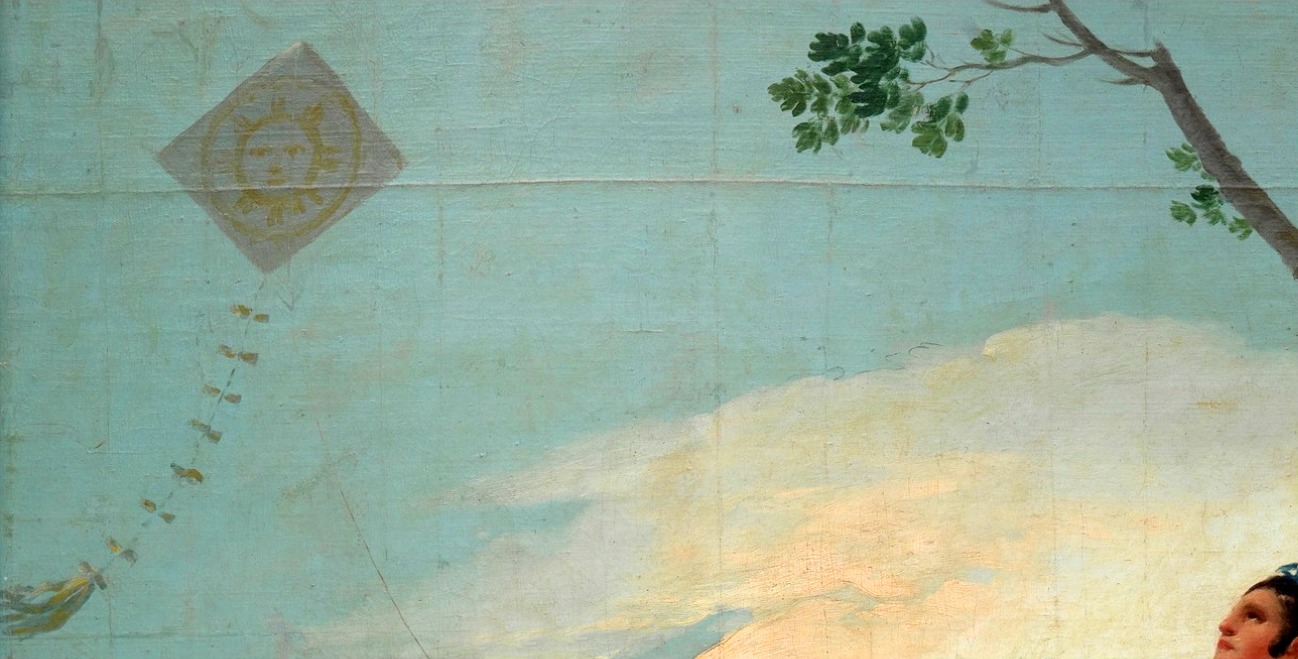
FEATURED image: Francisco de Goya (1746-1828), The Kite (detail), 1777/78. Oil on canvas, 269 x 285 cm.

Francisco de Goya’s first tapestry cartoons for the Princes of Asturias (1775-1778) reveal the young artist at the beginning of his royal career, transforming scenes of everyday Spanish life into sophisticated works of design that celebrated national identity, courtly leisure, and Enlightenment-era ideals, while foreshadowing the artistic genius that would later redefine Spanish painting.

These are a selection of the first two suites of decorative tapestry cartoons (or designs) completed for El Escorial in 1775 and El Palacio Real del Pardo between 1776 and 1778 by Spanish artist Francisco de Goya (1746-1828) .

Both of these palaces were the residences of the future Carlos IV (reigned, 1788-1808) and his wife, Queen consort of Spain, María Luisa de Parma—they are the Prince and Princess of Asturias for whom the artist did these works.

1. DINING ROOM OF THE PRINCES OF ASTURIAS IN SAN LORENZO DE EL ESCORIAL, 1775.

Goya’s first major royal commission was to produce tapestry cartoons for the dining room of the Princes of Asturias, the future Charles IV and Maria Luisa. The series depicts popular Spanish customs, hunting scenes, rural festivities, games, and leisure activities.

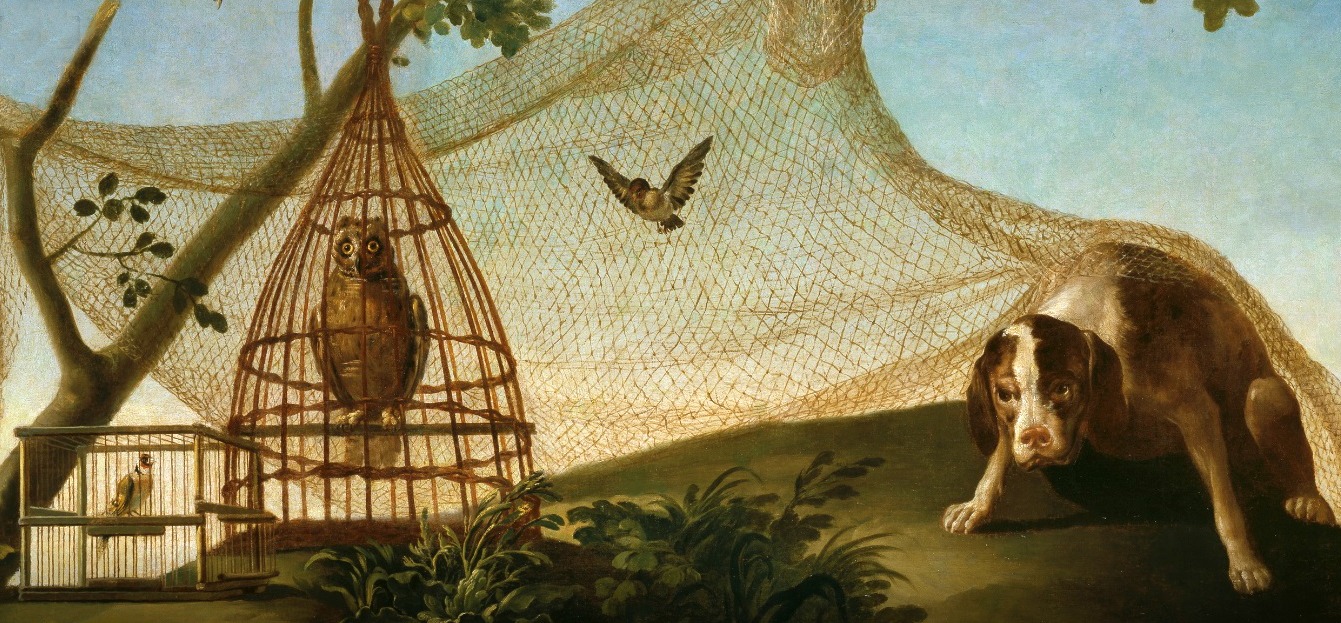
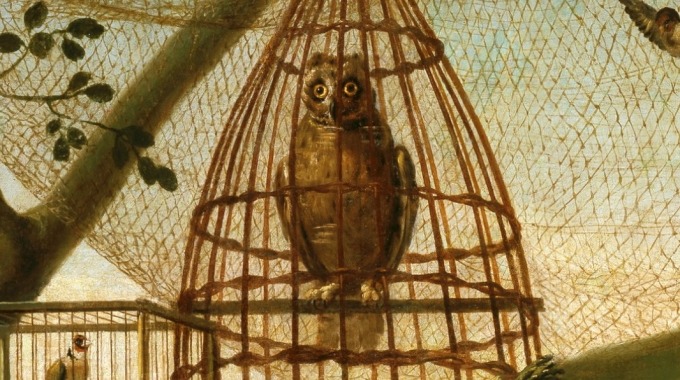
1. Decoy Hunting 1775. Oil on canvas, 112 x 179 cm.

The cartoon called Decoy Hunting is part of the first commission that Goya received for the Royal Tapestry Factory of Santa Bárbara in 1774-1775.

It was part of a series of fourteen tapestries—of which Goya rendered nine of them. They depicted hunting subjects, a keen passion for the Spanish nobility, to hang as decoration in the dining room at El Escorial of the Prince and Princess of Asturias.

Newly arrived to Madrid in January 1775 , Goya completed and submitted his cartoons for this commission between May and October 1775.

untitled6fixed
untitled10fixed

The cartoon called Decoy Hunting is part of the first commission that Goya received for the Royal Tapestry Factory of Santa Bárbara in 1774-1775.

It was part of a series of fourteen tapestries—of which Goya rendered nine of them. They depicted hunting subjects, a keen passion for the Spanish nobility, to hang as decoration in the dining room at El Escorial of the Prince and Princess of Asturias.

Newly arrived to Madrid in January 1775 , Goya completed and submitted his cartoons for this commission between May and October 1775.

2. Dogs on a leash 1775. Oil on canvas, 112 x 174 cm.

This is Goya’s tapestry cartoon of two hunting dogs chained together—one of which sits up and holds a fixed gaze on the viewer—with hunters’ tools on the ground. It is part of a series of decorative tapestries depicting hunting subjects for the new Bourbon rooms installed in 1773 by the architect Juan de Villanueva (1739-1811) at El Escorial.

Goya, newly arrived to Madrid from Zaragoza in 1775, was brought into the project because one of its originators, Ramón Bayeu y Subías (1746-1793), after having completed five of the intended fourteen cartoons by March 1775, was appointed to assist painter Anton Raphael Mengs (1728–1779) at El Palacio Real de Madrid in the execution of several frescoes there. 

Goya rendered the remaining nine cartoons, six of which are included in this blog post.

untitled16fixed2

3. Hunting Party 1775. Oil on canvas, 290 x 226 cm.

Hunting Party is one of the nine cartoons Goya provided for the royal dining room at El Escorial. This cartoon scene displays different types of hunting.

While Goya worked closely with the designs of Ramón and elder brother Francisco Bayeu y Subías (1734-1795), the originators of this project, the young artist placed his own stamp upon the commissioned work.

For instance, in the background, Goya’s sprinting greyhound provides an original and engaging study of how to represent rapid animal movement in a painting.

untitled4fixed

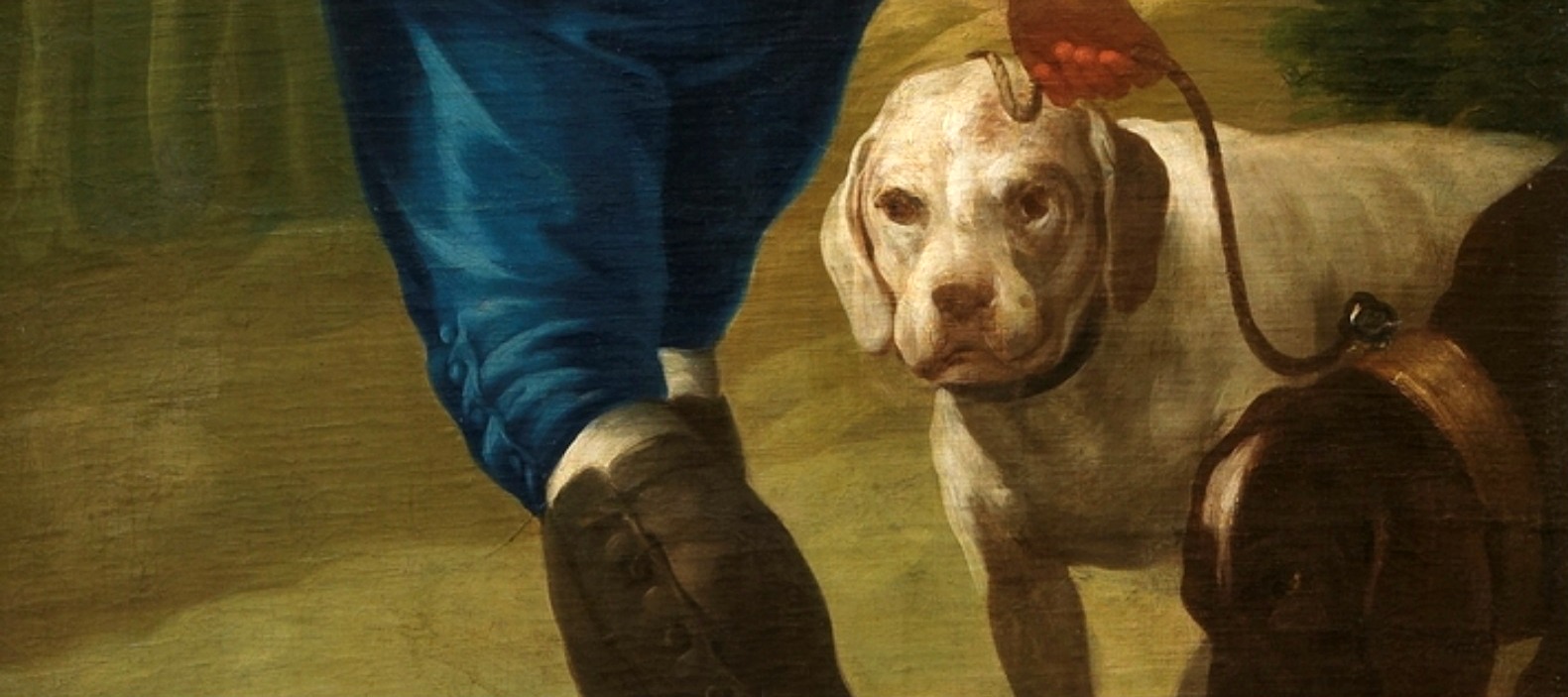
4. Hunter with his Hounds 1775. Oil on canvas, 268 x 67.5 cm.

The two cartoons below called Hunter with his hounds and Hunter Loading his Rifle are paired for a tapestry in El Escorial to hang by a window or door.

The cartoon is notable in part for Goya’s successful rendering of a hunter depicted from the back with a rifle on his shoulder and two leashed dogs — a “modern figure in a landscape.” Goya’s late 18th-century artistic accomplishment became a leading challenge for later 19th century French Impressionists such as Claude Monet (1840-1926) and Pierre-Auguste Renoir (1841-1919) to attempt the same sort of figural art work.

untitled8fixed

5. Hunter loading his Rifle 1775. Oil on canvas, 292 x 50 cm.

Goya’s cartoon is called Hunter loading his rifle. It is paired with Hunter with his hounds. the cartoon depicts a face-forward hunter with a sitting dog who stares at the viewer. In the background are others in the hunting party.

The design is for a dining room tapestry at El Escorial for the future Carlos IV (1748-1819) and his wife, María Luisa de Parma (1751-1819).

untitled9fixed

6. The Angler 1775. Oil on canvas, 289 x 110 cm.

Two activities are represented in this cartoon scene—fishing and hunting. A transition between them is marked by the sports’ different tools that overlap in the middle of the canvas. 

The Angler completed the commission begun in 1774 by Francisco and Ramón Bayeu to prepare a set of fourteen tapestry cartoons for the decoration of the dining room of the future Carlos IV and María Luisa de Parma at El Escorial, of which Goya produced nine of them. 

The theme of hunting was specifically selected to merge with the monarchs’ use of El Escorial in the autumn as a hunting grounds.

Two activities are represented in this cartoon scene—fishing and hunting—with a transition between them marked in the sports’ different tools overlapping in the middle of the canvas. 

The Angler completed the commission begun in 1774 by Francisco and Ramón Bayeu to prepare a set of fourteen tapestry cartoons for the decoration of the dining room of the future Carlos IV and María Luisa de Parma at El Escorial, of which Goya produced nine of them. The theme of hunting was specifically selected to merge with the monarchs’ use of El Escorial in the autumn as a hunting grounds.

2. DINING ROOM OF THE PRINCES OF ASTURIAS IN THE PALACE OF EL PARDO, 1776-1778.

7. The Picnic 1776. Oil on canvas, 271 x 295 cm.

The Picnic is part of Goya’s 10-tapestry decorative cartoon series depicting leisure in the countryside for a dining room tapestry at El Pardo for the Prince and Princess of Asturias.

Notable for its foreground still life, this scene depicts young revelers sitting on the banks of the Manzanares River at Madrid’s periphery.

The Picnic is joined in Goya’s second cartoon series by Dance on the Banks of the Manzanares, A Fight at the Venta Nueva, An Avenue in Andalusia (or The Maja and the cloaked Men), The Drinker, The Parasol, The Kite, The Card Players, Children blowing up a Bladder, and Boys picking Fruit. 

untitled13fixed
untitled12fixed

8. A Fight at the Cock Inn 1777. Oil on canvas, 41.9 x 67.3 cm.

An early draft called El Mesón del Gallo by Goya for his preparatory sketch for the cartoon of A Fight at the New Inn.

Goya’s artistic models for the cartoon range from typical seventeenth century Flemish and Dutch genre scenes to elements of Italian classicism.

The 32-year-old Goya displays a creative edginess in a tapestry that is to hang in the royal house. The artist presents a brutal and ironically humorous scene showing country folk from diverse regions of Spain and of varying social roles using several weapon types to violently contest a card game involving money.

Although created for royal interiors, the series focuses on common people rather than aristocratic subjects. The works represent a transitional moment between Rococo elegance and the more realistic, psychologically complex vision that would characterize Goya’s mature career.

untitled15fixed

9. Dance on the Banks of the Manzanares 1776 – 1777. Oil on canvas, 272 x 295 cm.

The resulting tapestry was to be hung on a wall of the dining room at the Palacio de El Pardo in Madrid for the princes of Asturias. Progressing from his hunting cartoon suite done on behalf of the brothers Bayeu the year or so before, this 10-part series of country life scenes was completely Goya’s own invention.

Goya’s cartoon called Dance on the Banks of the Manzanares depicts a scene of majos and majas (country folk) dancing the seguidillas, a dance that was popular in Madrid and throughout Spain’s Castile region.

The view of the river banks and the figure of the man clapping his hands are composition elements preserved in Goya’s drawing notebook suggesting they were taken from life.

untitled17fixed-2

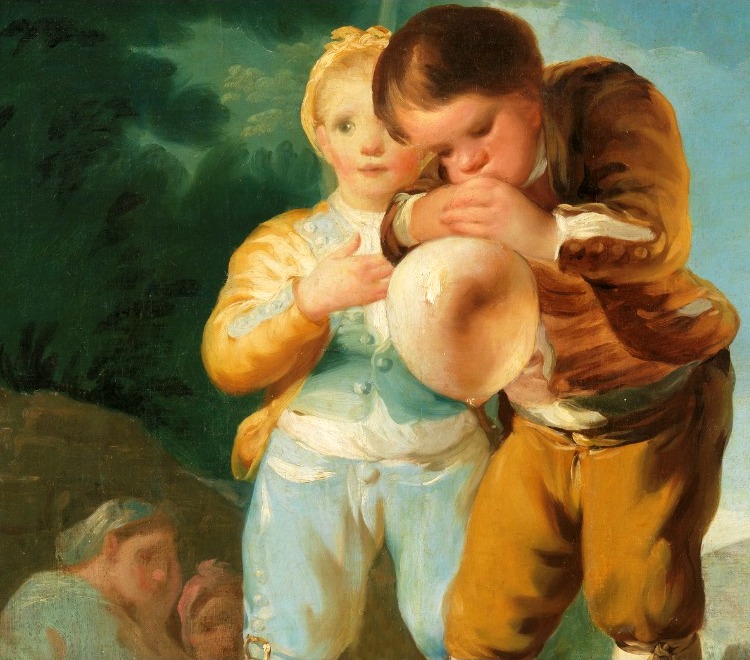
10. Children blowing up a Bladder 1777 – 1778. Oil on canvas, 116 x 124 cm.

The tapestry resulting from this cartoon hung in the dining room of the future Carlos IV and Queen consort María Luisa de Parma in El Palacio de El Pardo in Madrid.

With his cartoon Goya started his childhood scenes in this series of ten tapestries of “country” subjects for the royal house.

In a playful yet dramatic scene, a boy of about 7 years old inflates an animal bladder as his companion awaits the outcome raising one hand to her heart.

Two women seated in the background are perhaps the children’s mothers. One of the women displays a melancholic disposition as she holds a hand to the head while the other looks straight at the viewer.

Bright colors, lively figures, and naturalistic settings distinguish the cartoons from the more formal court art of the period.

untitled18fixed

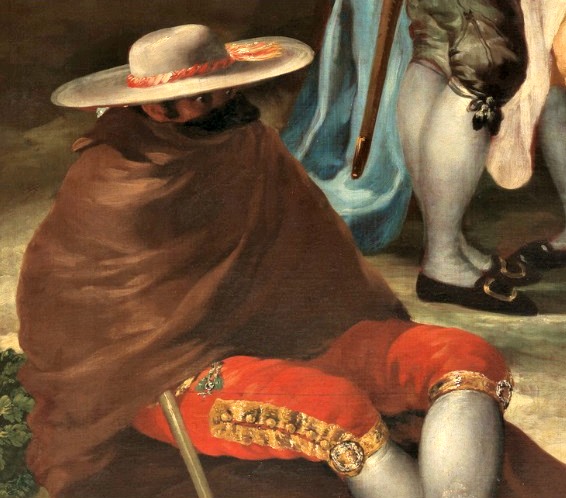
11. An Avenue in Andalusia or The Maja and the cloaked Men 1777. Oil on canvas, 275 x 190 cm.

This tapestry cartoon presents an ostensible love scene of a well-dressed young woman with her companion. in the tapestry factory invoice Goya identified both figures as gitanos, or gypsy people.

The scene is populated with other stealthily dressed figures, perhaps with their own sinister intent, suggesting an undercurrent of jealous spying on the gitano pair.

For a Madrid royal palace’s dining room (El Pardo), Goya considered this scene a fanciful contemporary walk in far-off Andalucia in southern Spain.

untitled21fixed

The tapestry cartoons demonstrate Goya’s ability to blend decorative function with artistic innovation.

untitled20fixed
untitled19fixed

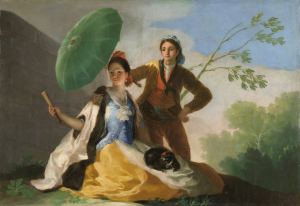
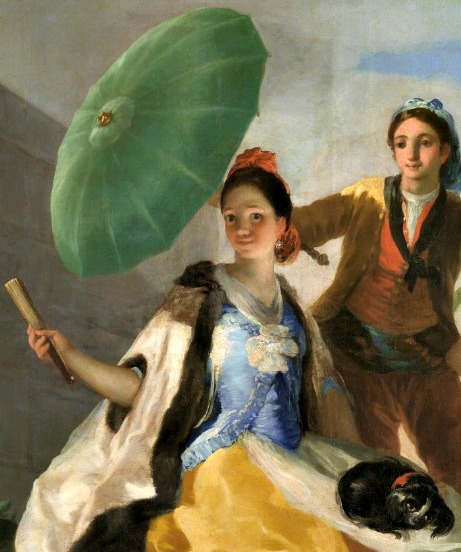
12. The Parasol 1777. Oil on canvas, 104 x 152 cm.

A bottom-to-top perspective view joined to its format indicates that this tapestry cartoon for the El Pardo dining room was intended to decorate an over-arch.

A cortejo holds a green-color parasol to shade an elegant young woman from the Iberian sunshine.

Goya’s cartoon could have possibly been modeled on the work of Jean Ranc (1674–1735), a French portrait painter or on a lunette entitled Vertumnus and Pomano by Italian painter Pontormo (1494-1557).

If it is the Pontormo that inspired Goya then, in this instance, the artist creatively transformed what was an ancient mythological subject into a scene of modern Spanish life.

untitled22fixed-closer

The paintings reflect Enlightenment interest in ordinary life and national culture as these works helped establish Goya’s reputation within the Spanish court.

13. The Kite 1777 – 1778. Oil on canvas, 269 x 285 cm.

In this mid-to-late eighteenth century contemporary scene, possibly drawn from life, Goya describes it as young people who “have gone out to the field to fly a kite.”

A majo is smoking, body splayed upon the ground, sending smoke into the air. In the cartoon’s center three majos fly the popular kite with a sun face on it. One figure holds the spindle, another guides its string, and a third in heroic stance, launches and maintains the kite aloft.

In the background, couples chat and watch the kite’s flight, while a dog sits and looks towards the viewer.

The building in the cartoon’s upper right part has been interpreted as an astronomical observatory, a scientific project popularly spoken of in the days of Carlos III (1716-1788).

untitled23fixed
untitled24fixed
untitled25fixed
untitled26fixed

14. The Drinker 1777. Oil on canvas, 107 x 151 cm.

A cartoon for a tapestry in the dining room in the Palace of El Pardo in Madrid, one of a series of ten made by Goya between 1776 and 1778.

The scene has been interpreted as has been seen as Goya’s allegory of gluttony. A young man drinks from a boot and a boy eats a raw turnip snatched out of a collection of meager vegetables with a round loaf of bread that constitutes the cartoon’s still life.  

These images would be based on characters from a 1554 Spanish novella entitled The Life of Lazarillo de Tormes and of His Fortunes and Adversities. The novella tells the story of a boy named Lazarillo who learns the world’s wiles from a blind beggar with whom he is apprenticed.

The format and bottom-to-top perspective view indicates the modern tapestry cartoon was for an over-window decoration.

untitled28fixed
untitled29fixed

15. Boys picking Fruit 1778. Oil on canvas, 119 x 122 cm.

Boys picking Fruit is another of Goya’s childhood scenes. It is one of four scenes of a set with Children blowing up a Bladder, The Parasol, and The Drinker which hung as overhead decorations in the dining room at El Pardo. 

The joyful and playful cartoon depicts four boys gathered at a tree to shake down its fruit.  It is part of a series of ten tapestry cartoons of “country” subjects—all conserved in the Prado Museum in Madrid—that Goya composed and produced.

untitled30fixed
untitled31fixed

16. The Card Players 1777 – 1778. Oil on canvas, 270 x 167 cm.

To give this scene an appearance of realism, Goya carefully crafted each individual face and unique expression for each figure. These creative details enriches the depiction of country folk cheating and being cheated at cards.

Goya’s accurate study of the contrast of light and shadow enhances his varied colors which works to heighten the scene’s realism.

A group of majos situate themselves in a field as three of them play card. They gather under a man’s cloak placed on a tree branch which shadows them from the sun at siesta.

With gold coins tossed into a hat on the ground by one of the players, the two other majos study their hands, each with an expression of concern.

Darkly humorous, the cartoon revealed to its viewer the accomplices standing behind two players and who are sending signals to a third player about the unsuspecting victims’ cards.

The Card Players concludes Goya’s 10-part cartoon series of scenes of country life for the tapestries in the dining room of El Pardo for the princes of Asturias.

untitled32fixed

CONCLUSION.

Between 1775 and 1792, Goya painted more than 60 cartoons for the Royal Tapestry Factory located in Madrid since 1720. (It moved to its present site by the main train station in the nineteenth century). Like Les Gobelins, an older counterpart in Paris, the Royal Tapestry Factory supplied the Spanish royal court with tapestries which were among the most prestigious objects owned by them.

By the late eighteenth century, large tapestries were hung in palaces mainly for decoration. Goya’s contemporary scenes from that period illuminated newly-built Bourbon rooms at El Escorial and the dining room at El Pardo.

In 1775, that the Prince and Princess of Asturias were hanging tapestry scenes about the hunt—an activity that would become the future Carlos IV’s passion —or about peasant life had been the fashionable choice for the ruling class for around two hundred years already.

For Goya’s designs to display the artist’s playfully sensuous inventions joined with a dark and ironically humorous wit—along with the candid appreciation of the modern scene based on first-hand observation (especially the costumes) as well as using stock social characters doing things that can intelligently impress and amuse a royal audience and their guests—makes these disposable cartoons the more remarkable.

Further, the fact that they were retrieved largely intact from the basement of a Madrid royal palace almost a century after Goya’s death and are now housed in the Prado makes their firsthand study in the 21st century altogether amazing.

SOURCES:

On Goya’s cartoons:

https://www.goyaenelprado.es/obras/lista/?tx_gbgonline_pi1%5Bgocollectionids%5D=5-56;

Goya, Robert Hughes, Knopf, New York, 2003.

On tapestries:

http://www.artic.edu/aic/collections/exhibitions/divineart/usefunctap;

http://www.millefleurstapestries.com/en/history-of-tapestries.