
Upcoming.
Leave a reply


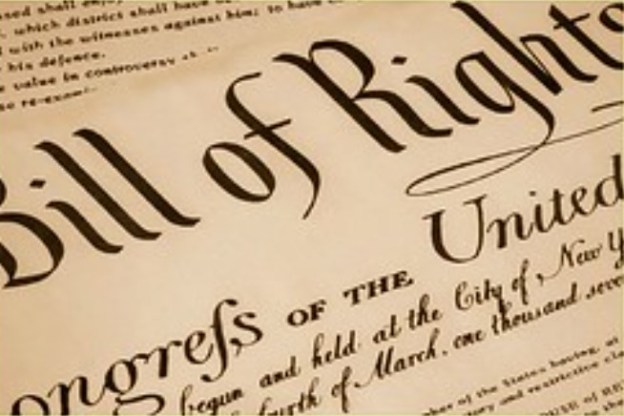
FEATURE Image: “bill of rights day tribute” by Demetrios Georgalas aka brexians is licensed under CC BY-NC-SA 2.0.

In a letter dated September 24, 1963, Lawrence Speiser (1923-1991), Director of the Washington D.C. Office of the American Civil Liberties Union (ACLU) expressed his encouragement and support to the idea of the President of The United States addressing the nation in that auspicious time and place to commemorate that year’s U.S. Bill of Rights week. The Bill of Rights are the first ten amendments to the U.S. Constitution that were created on September 25, 1789 and ratified by the states on December 15, 1791. As the president listed in his remarks, they guarantee individual rights and liberties to every citizen including “freedom of speech, freedom of religion, freedom of the press, the right of assembly and petition, the right of trial by jury, the right to be secure in one’s own home, the protection of due process of law and private property and public trials, and many other things…” President Kennedy agreed to make a two-minute movie trailer for national showing on television and in theaters during “Bill of Rights Week” to be held that year from December 15 to 21.
In his letter, the ACLU Director in Washington, D.C. acknowledged the important relevance of the Bill of Rights in his day as it was when originally written and adopted. Just months since President Kennedy’s June 11, 1963 Civil Rights speech to the nation (https://www.jfklibrary.org/learn/about-jfk/historic-speeches/televised-address-to-the-nation-on-civil-rights – retrieved October 26, 2024) which advocated a fundamental support of the civil rights movement for Black Americans, and less than one month since the March on Washington and Martin Luther King Jr.’s “I Have A Dream” speech delivered from the steps of the Lincoln Memorial in the National Mall, ACLU Director Speiser pointed out to Kennedy’s Press Secretary in his letter the significance of the Bill of Rights to these actions: “Certainly the entire civil rights movement today for fair and equal treatment for Negroes has demonstrated the importance of basic freedoms of speech, press, religion and assembly as well as due process of law in attaining that ideal. The August 28th “March on Washington” was a massive demonstration in the time-honored tradition of a peaceable assembly to petition the government for a redress of grievance.”
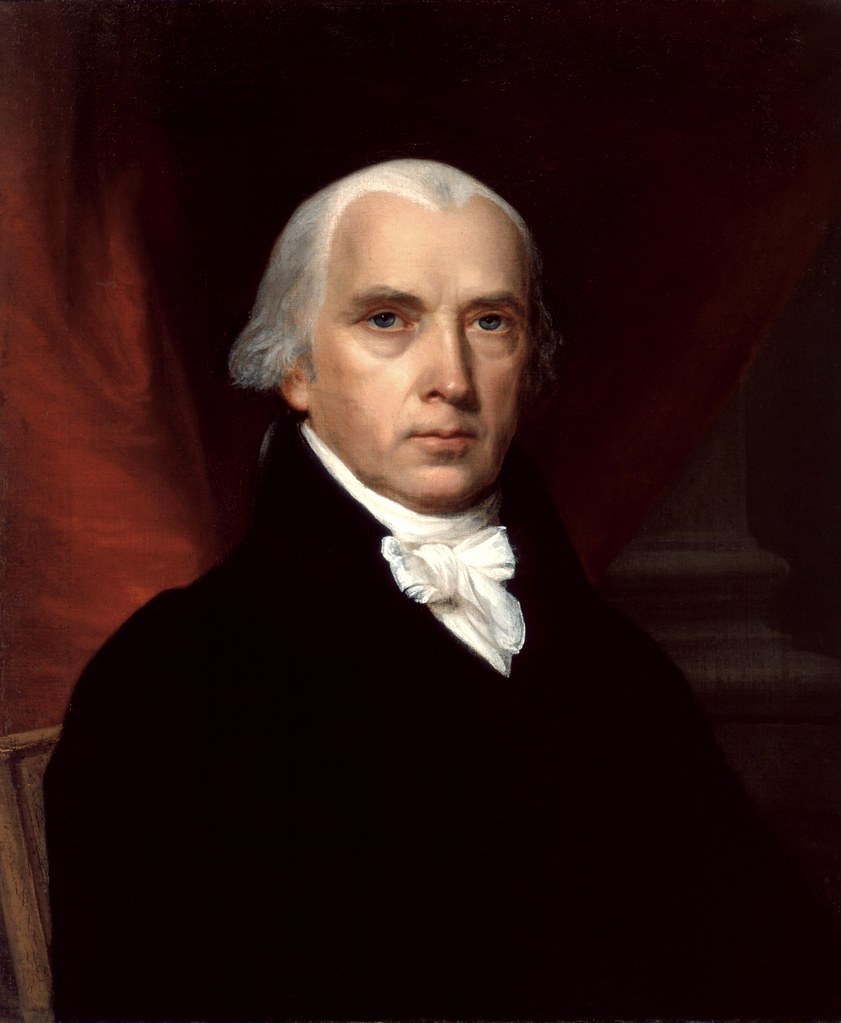
President Kennedy’s remarks from the Oval Office were filmed on November 5, 1963. They were to be broadcast nationwide in December 1963. A little over two weeks after Kennedy made these remarks, the 46-year-old president was assassinated in Dallas, Texas. In President Kennedy’s remarks on Bill of Rights Day he related the history of how the document came to be created and formed: “After the Constitution was written it was felt that while this was an extraordinary document it did not provide the kind of guarantees for our individual liberties that a free country required. Therefore, under the leadership of James Madison, the first 10 amendments were adopted to the Constitution. We call them the Bill of Rights.“
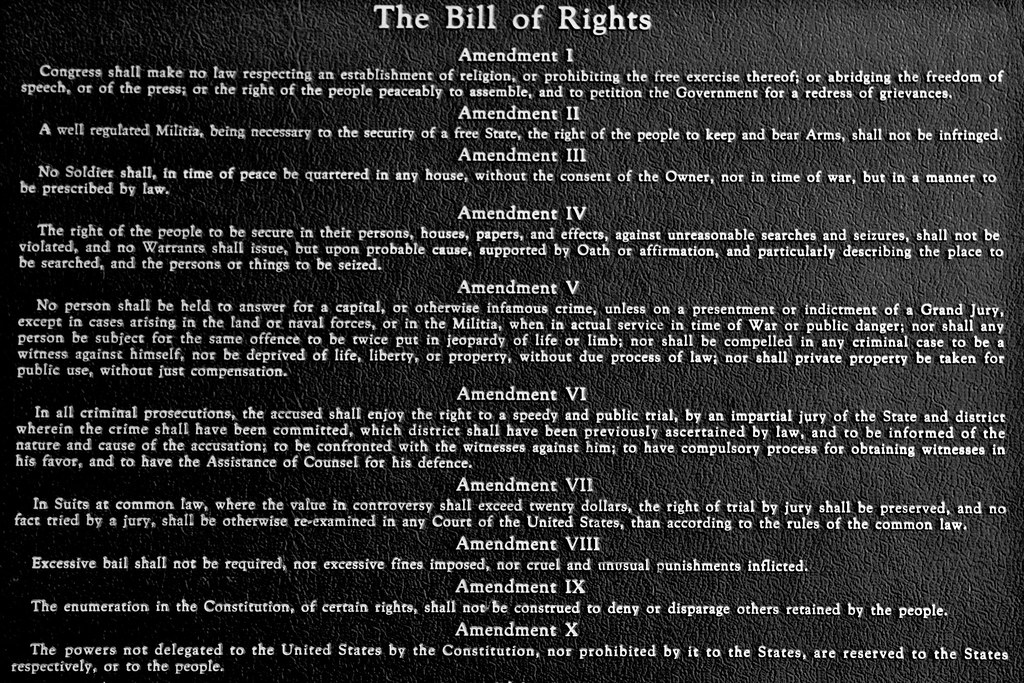
President Kennedy pointed to the document’s profound meaning and relevance in the life of the nation – “We, The People.” Despite, or because of, the many struggles in the nation’s history, the Bill of Rights had proved vital and inseparable to the people in America – and mankind – in their guarantee of the sort of life its citizens seek to live and lead. “My fellow American citizens,” Kennedy said, “…They are the most extraordinary and detailed guarantees of individual liberty that any people on earth now possess. Because of the Bill of Rights, we are guaranteed freedom of speech, freedom of religion, freedom of the press, the right of assembly and petition, the right of trial by jury, the right to be secure in one’s own home, the protection of due process of law and private property and public trials, and many other things that perhaps we take for granted but which we are guaranteed in the United States Constitution…”
“bill of rights day tribute” by Demetrios Georgalas aka brexians is licensed under CC BY-NC-SA 2.0.




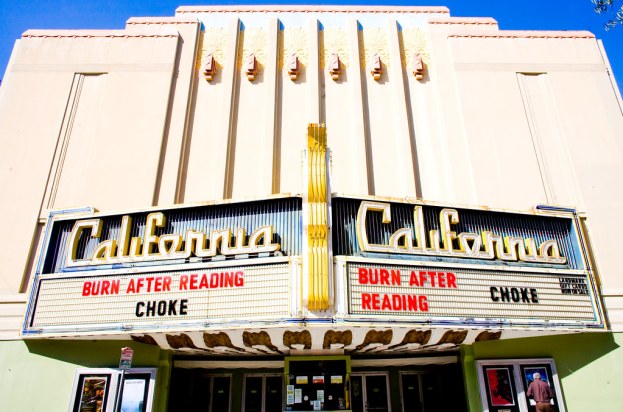
FEATURE Image: “California” by Thomas Hawk is licensed under CC BY-NC 2.0.

California as National Vanguard
San Francisco Democrat and longtime U.S. House Representative Nancy Pelosi recently told Bill Maher on Real Time With Bill Maher (HBO) that California “is always in the lead” and that it is up to the rest of the country whether they choose to “follow that lead.” What the former Speaker said on August 31, 2024 is, in my view, both insightful and essentially correct.
Vice President Kamala Harris, the 2024 Democratic nominee for president, is herself a California native and former state Attorney General and U.S. Senator. Their shared California sensibility—rooted in diversity, demographic change, and a forward‑leaning cultural posture—is not only the state’s history but increasingly the nation’s trajectory.
The California Pattern: A Country Becoming California
It is often said today that “every state is a border state.” One could just as easily say that every state is now a state of California. The demographic, cultural, and political patterns that defined California for more than a century are now unfolding nationwide, whether chosen or not.
This dynamic is not merely demographic. It is historical, psychological, and structural.
L.A. as Prototype: A City Without a Past
In The Big Goodbye: Chinatown and the Last Years of Hollywood (2020), author Sam Wasson cites educator Richard G. Lillard (1909–1990), who chronicled Los Angeles’s explosive development from the 1880s onward. Lillard observed that L.A. was essentially an open‑border town that grew too fast for its own infrastructure.
Wasson also quotes journalist Morrow Mayo (1896–1983), who wrote that Los Angeles had always been a commodity, a place marketed to outsiders as somewhere to come to. When Vice President Harris said “Don’t come, don’t come” in Guatemala in June 2021, the remark can be read through this California lens—a familiar, almost resigned plea from a state that has spent 150 years absorbing wave after wave of newcomers.
Because of this constant churn, Los Angeles—unlike older American cities, and even less so than San Francisco—rarely speaks of its past. It lives in a perpetual present, always turning the page. Where other cities experienced a boom and then settled into normalcy, L.A. is a boomtown permanently in boom mode, with all the visionary energy and strange side effects that come with it.
Migration as California’s Defining Engine
California drew migrants from across the United States in the late 19th and 20th centuries; today it draws them from around the world. Between 2021 and 2024, nearly two million new migrants arrived—roughly 500,000 people every year. With or without adequate infrastructure, this is a massive human boom unmatched by any other state.
Since the 1880s, California has imported people and exported ideas. Increasingly, it is exporting its people as well—along with its political culture, its social norms, and its worldview.
The Spread of the California Model
This is the phenomenon Pelosi alludes to: a California model spreading beyond the state’s borders. The question is not whether the model exists, but whether other states choose to adopt, resist, or adapt it.
The “Californication” of the United States is already underway. The only remaining variables are the degree of acquiescence and the pace at which it unfolds.
The Limits of Reversal
If Donald Trump believes he can halt this momentum by deporting California’s undocumented population—and the undocumented population dispersed across all 50 states, which collectively equals California’s entire population—he faces a monumental challenge. The California state of mind is already planted, already influential, and already attractive to many.
The demographic and cultural forces shaping the country now are the same ones that shaped California long before. The state is not merely a place; it is a template, and the nation is increasingly living inside it.

L.A. as a Lens for the National Experience
It is instructive to look closely at Los Angeles, because its pattern of constant booms mirrors what is now happening across the country. The city’s cycles—rapid growth, sudden reinvention, and equally rapid forgetting—offer a preview of the national experiential trajectory emerging under what might be called California’s literal and cultural leadership.
Boom, Erasure, and the California Condition
As Sam Wasson notes, L.A.’s booms bring an influx of the new that inevitably produces what he calls “destructive erasures” of what came before. This is not an occasional disruption but a perpetual condition—the defining rhythm of a place that never stops remaking itself.
Increasingly, the nation is entering this same mode. The California pattern—constant arrival, constant reinvention, constant shedding of the past—is becoming a national operating system.
A Political Culture Shaped by Perpetual Reinvention
This is the California way that Nancy Pelosi alluded to in her conversation with Bill Maher: a model that other states may choose to follow, consciously or not. The election becomes, in part, a referendum on whether the country embraces this California‑style dynamism, with all its gains and losses.
Even the political “flip‑flops” for which Vice President Harris has been criticized since becoming the Democratic nominee can be read through this lens. They echo a long California tradition of boom and erasure, where rapid change is not an anomaly but a structural feature of the culture she comes from.
California’s Pattern as National Future
Seen this way, Harris’s shifts are not merely tactical or personal—they reflect the deeper California historical pattern of constant adaptation. In a political moment shaped by demographic churn, cultural flux, and rapid realignment, that pattern may be less a liability than a preview of the country’s emerging identity.

Leaving California, Only to Carry It Elsewhere
The irony of the moment is that many Californians who leave the state—seeking relief from its pressures, costs, or pace—may be doing so in vain. In moving to other states, they often bring with them the very cultural, political, and economic sensibilities they hoped to escape. In that sense, they become agents of Californication, extending the state’s influence rather than diminishing it.
A California State of Mind on the Move
This California state of mind—restless, forward‑tilting, boom‑driven—now appears in places far from the Pacific coast. The rapid arrival of newcomers in cities like Springfield, Ohio, or the dramatic demographic and real‑estate shifts in Aurora, Colorado, reflect a broader national pattern: communities experiencing sudden change, rapid growth, and the accompanying sense of disruption that Sam Wasson describes as “destructive erasures.”
These are not uniquely California events. They are California‑style events, unfolding elsewhere.
The Californication of Everywhere U.S.A.
If this pattern has not reached a particular town yet, the logic of national migration and cultural diffusion suggests that it eventually will. The California model—constant influx, constant reinvention, constant shedding of what came before—has become a portable operating system, carried by both longtime Californians and new arrivals who first encountered American life in California.
This is the Californication of Everywhere U.S.A.: a spreading cultural template rather than a geographic one.
A Culture Without a Rearview Mirror
For Angelenos—and for many Californians—the absence of a stable past is not a flaw but a condition of life. The state lives in a perpetual present, defined by booms and erasures so frequent that they rarely register as events. What disappears is forgotten; what arrives becomes temporarily the new normal.
As this sensibility spreads, more of the country begins to resemble California: forward‑leaning, memory‑light, and always in motion.

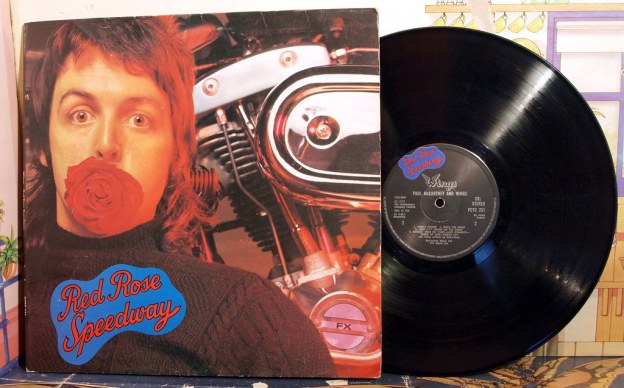


MY LOVE LYRICS:
And when I go away
I know my heart can stay with my love
It’s understood
It’s in the hands of my love
And my love does it good
Whoa, whoa, whoa, whoa
Whoa, whoa, whoa, whoa
My love does it good
And when the cupboard’s bare
I’ll still find something there with my love
It’s understood
It’s everywhere with my love
My love does it good
Whoa, whoa, whoa, whoa
Whoa, whoa, whoa, whoa
My love does it good
Whoa, whoa, I love
Whoa, whoa, my love
Only my love holds the other key to me
Whoa, whoa, I love
Whoa, whoa, my love
Only my love does it good to me
Whoa, whoa, whoa, whoa
Whoa, whoa, whoa, whoa
My love does it good
Don’t ever ask me why
I never say goodbye to my love
It’s understood
It’s everywhere with my love
And my love does it good
Whoa, whoa, whoa, whoa
Whoa, whoa, whoa, whoa
My love does it good
Whoa, whoa, I love
Whoa, whoa, my love
Only my love does it good to me
Whoa, whoa, whoa, whoa
Whoa, whoa, whoa, whoa
“My Love” was recorded by Paul and Linda McCartney in January 1973 and released on March 23 of that year. The single reached no. 1 on June 2, 1973, becoming one of Wings’ early chart‑topping successes. After four straight weeks at no. 1 on the Billboard Hot 100 beginning June 2, 1973, “My Love” finally slipped to no. 2 on June 30. Taking its place was the previous week’s no. 5 single—George Harrison’s “Give Me Love (Give Me Peace on Earth)”—which climbed into the top spot for a one‑week reign.
The song’s signature guitar solo was improvised in the studio by Wings’ new lead guitarist Henry McCullough (1943–2016). Paul, playing electric piano on the track, had envisioned a different solo but chose to trust McCullough’s instinct. Reflecting in 2010, he recalled (quoted in NME): “It was like, ‘Do I believe in this guy?’ And he played the solo on ‘My Love’, which came right out of the blue. And I just thought, Fucking great. And so there were plenty of moments like that where somebody’s skill or feeling would overtake my wishes.”
Paul later noted that the way he had written “My Love”—chord‑based rather than melody‑and‑counterpoint driven—shaped the space McCullough stepped into. The guitarist’s spontaneous solo fit the harmonic structure so naturally that Paul regarded it as a moment when another musician’s creativity elevated the song beyond his original plan.

The lyrics of “My Love” include deliberately ungrammatical phrasing—most famously, “My love does it good.” Paul McCartney knew exactly what he was doing. The line reflects a habit carried over from his Beatles‑era Hamburg days, when he absorbed the syntax of American blues, a tradition rich in mixed or non‑standard grammar. Paul liked the phrase because it sounded like real speech, the way people actually talk rather than the way grammar books prescribe.
McCartney also enjoyed bending grammatical rules simply for the pleasure of it, something the Beatles had done to memorable effect in earlier songs. “My love does it good” functions as a value judgment about the beloved without specifying what “it” is—leaving the meaning open for listeners to fill in themselves.


By the late 1970s, “My Love” had become one of the most frequently covered songs by any former Beatle—second only to George Harrison’s “My Sweet Lord”. During its original chart run, the single slipped from no. 1 to no. 2 on June 30, 1973, just as Harrison’s “Give Me Love (Give Me Peace on Earth)” rose to the top for a one‑week stay, a moment that underscored the commercial strength of both ex‑Beatles in the early 1970s.
For Northern Irish guitarist Henry McCullough (1943–2016), the improvised solo on “My Love” remained the defining achievement of his career. He often described it as his proudest musical moment—a spontaneous, intuitive performance that became central to the song’s identity.
Paul McCartney remembered the session with equal admiration. Looking back in 2016, he noted that “the solo [Henry] played on ‘My Love’ was a classic that he made up on the spot in front of a live orchestra,” a testament to McCullough’s instinct and to Paul’s willingness to let another musician reshape the emotional arc of his song.
SOURCES:
The Lyrics 1956 to the Present, Paul McCartney, Liveright Publishing Corporation, 2023, pp. 349-352.
Levine, Nick (15 June 2016), “Paul McCartney pays tribute to ‘super-talented’ Wings guitarist Henry McCullough”. nme.com. – retrieved September 2, 2024.
https://www.billboard.com/charts/hot-100/1973-06-30/ – retrieved September 1, 2024.
https://www.billboard.com/charts/hot-100/1973-06-23/ – retrieved September 1, 2024.


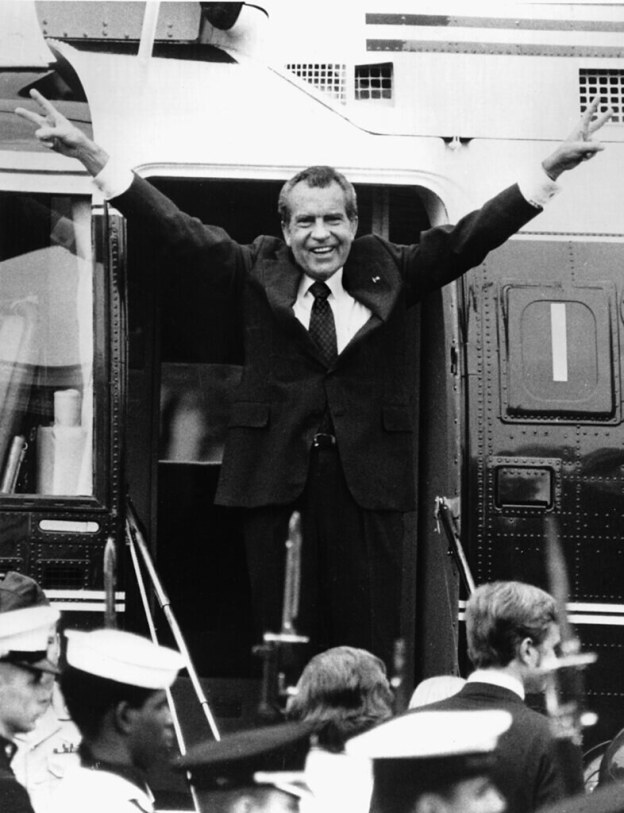
I was on one of my backpacking canoe trips into Quetico Provincial Park in Canada during the week of Nixon’s resignation on August 9, 1974. Up to that point the political theatre in the nation had been stoked to climax. That summer I was one of the first to get and read a copy of Bernstein & Woodward’s All the President’s Men published in June 1974.
Carl Bernstein and Bob Woodward’s All the President’s Men traced the Watergate story from the June 17, 1972 break‑in through the cascading resignations of April 1973 — including Chief of Staff H. R. Haldeman and Domestic Affairs Advisor John Ehrlichman — and culminating in Alexander Butterfield’s July 1973 revelation of the White House taping system. The book reconstructs the political machinery behind the scandal, detailing how two relatively junior reporters uncovered a widening pattern of abuses inside the executive branch. It also pulls back the curtain on the reporting process itself, recounting the behind‑the‑scenes battles over major stories and Woodward’s clandestine meetings with his source, Deep Throat, who helped steer them through a landscape shaped by secrecy, institutional resistance, and the power of the presidency.

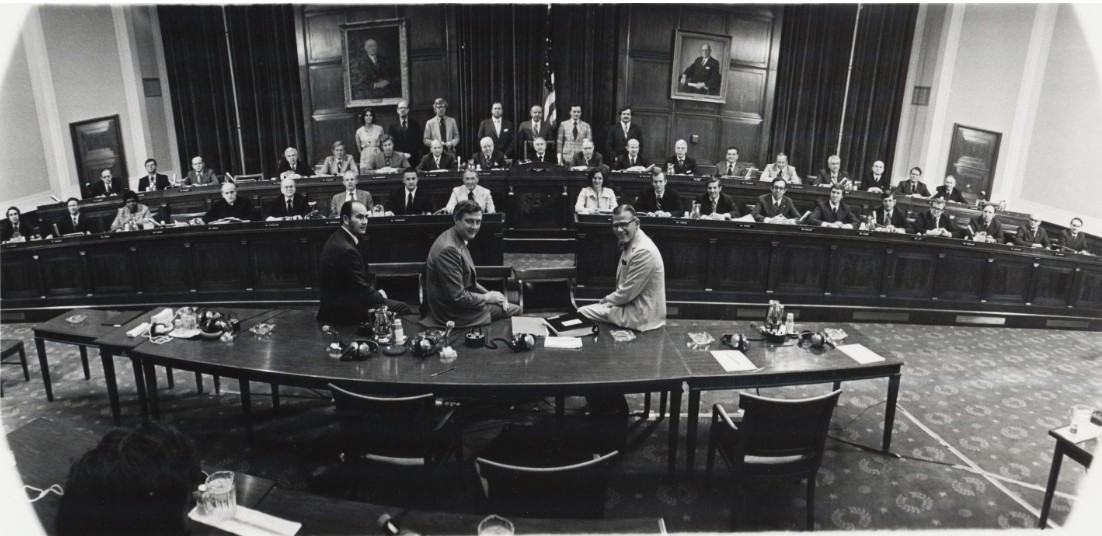
Since it started in May 1974, I had been watching the congressional hearings as well as reading the newspapers mostly that summer on the fight over the White House tapes. On July 24, 1974 the U.S. Supreme Court in an unanimous decision said Nixon had to surrender the tapes and on July 27, 1974 the House Judiciary Committee voted for articles of impeachment of Nixon. This was coming to a head just days before I was getting ready to set out for a week in the wilderness by way of Madison, Wisconsin and Ely, Minnesota.
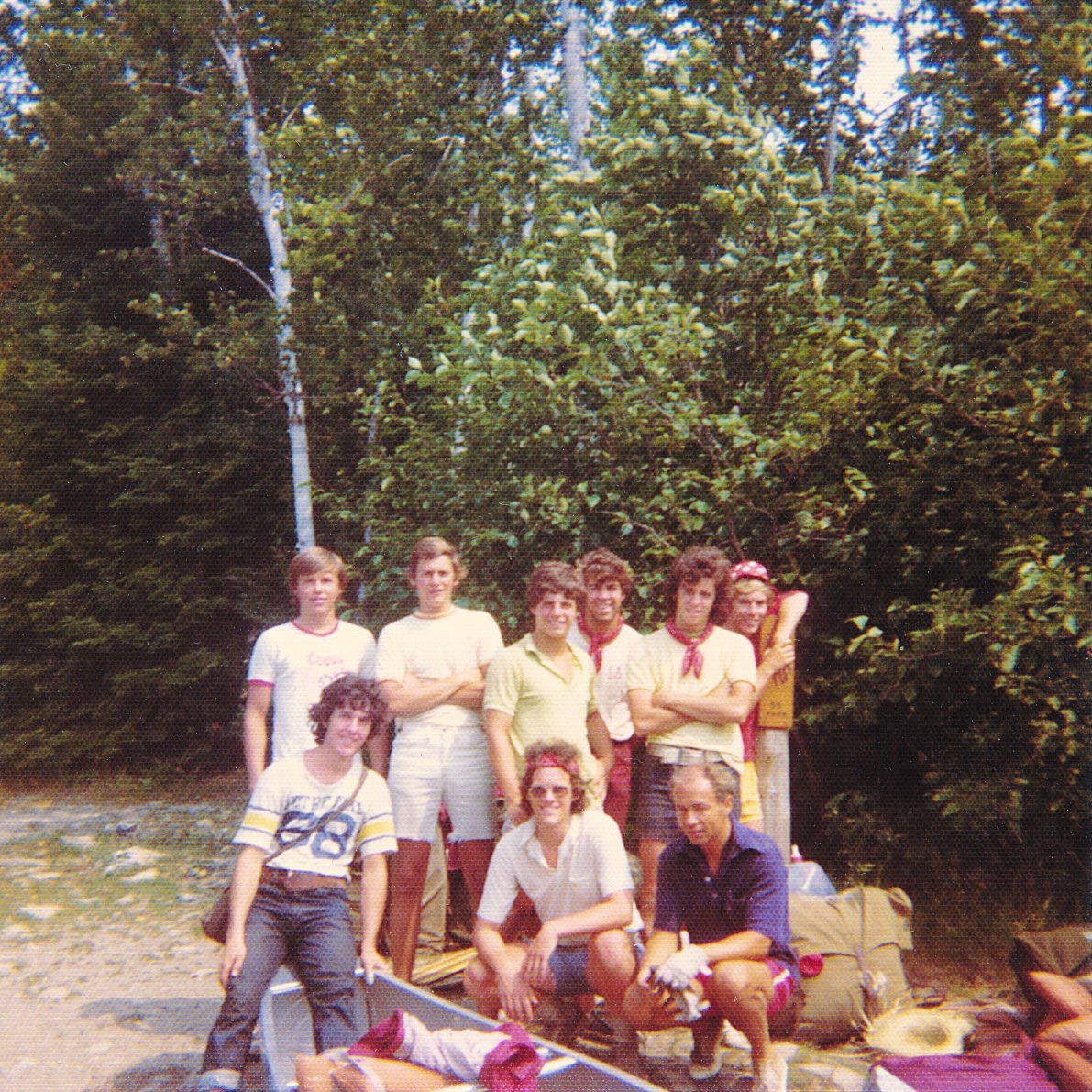

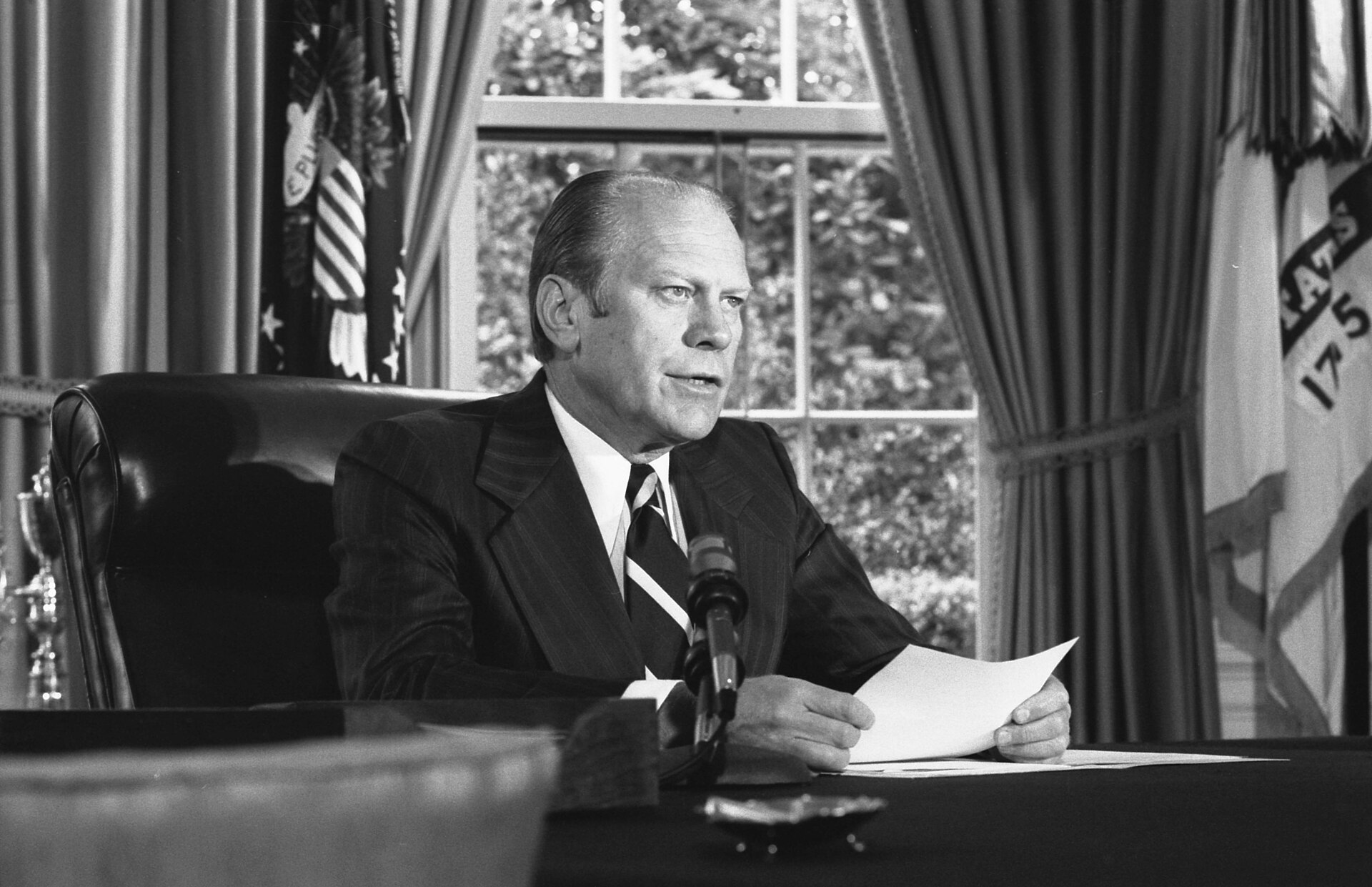
I didn’t see Nixon’s resignation speech when it happened. We were still on the canoe trip, deep in the woods, and the world felt very far away. But the next morning, back at the outfitter’s, a small television was on, and I caught his early‑morning press conference. Even then, I thought Nixon’s tone was maudlin and overwrought — a view I still hold, though with time it’s easier to see how skillfully he staged that final bit of melodrama.
In the days and weeks that followed, after years of political combat at the highest levels of government, the country felt both relieved and strangely unmoored, as if the ground had shifted and no one quite knew what came next. That sense of drifting didn’t last long. When President Ford pardoned Nixon on September 8, 1974, the national mood snapped back into focus. By then school had started again for me, and I was back on the football field, trying to keep track of plays and classes while the country tried to make sense of its own upheaval. Politics, like the season, regrouped quickly. The struggle resumed — loud, messy, determined — as if the nation needed that friction to feel like itself again so to make all right in the world by way of that struggle for it.


FURTHER READING:
How Robert Redford Made ‘All The President’s Men’ Happen – retrieved Septemeber16, 2025.

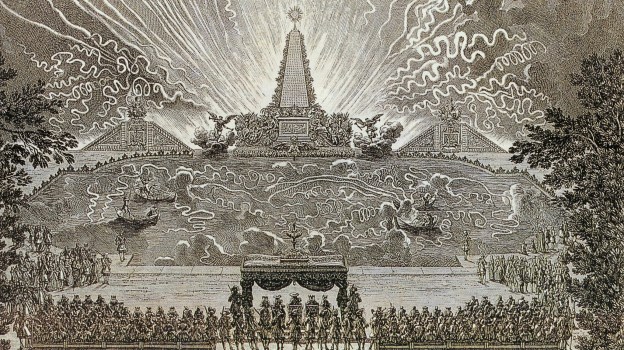
Feature image: 18 août 1674: feu d’artifice sur le Canal, 1676, by French Academy designer and engraver Jean Le Pautre (1618-1682). Flamboyant ephemeral architectures were erected at Versailles for a 17th century summer evening on the Canal that forms the base of elaborate pyrotechnics. Public Domain.
When the French Sun King, Louis XIV (reign, 1638-1715) made his decision to build a palace complex at Versailles, surrounded by the greatest gardens and waterworks the world had ever seen, fireworks (feux d’artifices), were an essential part of the grand entertainments which the king put on for the French court and the thousands of visitors who assembled to celebrate for various special occasions.
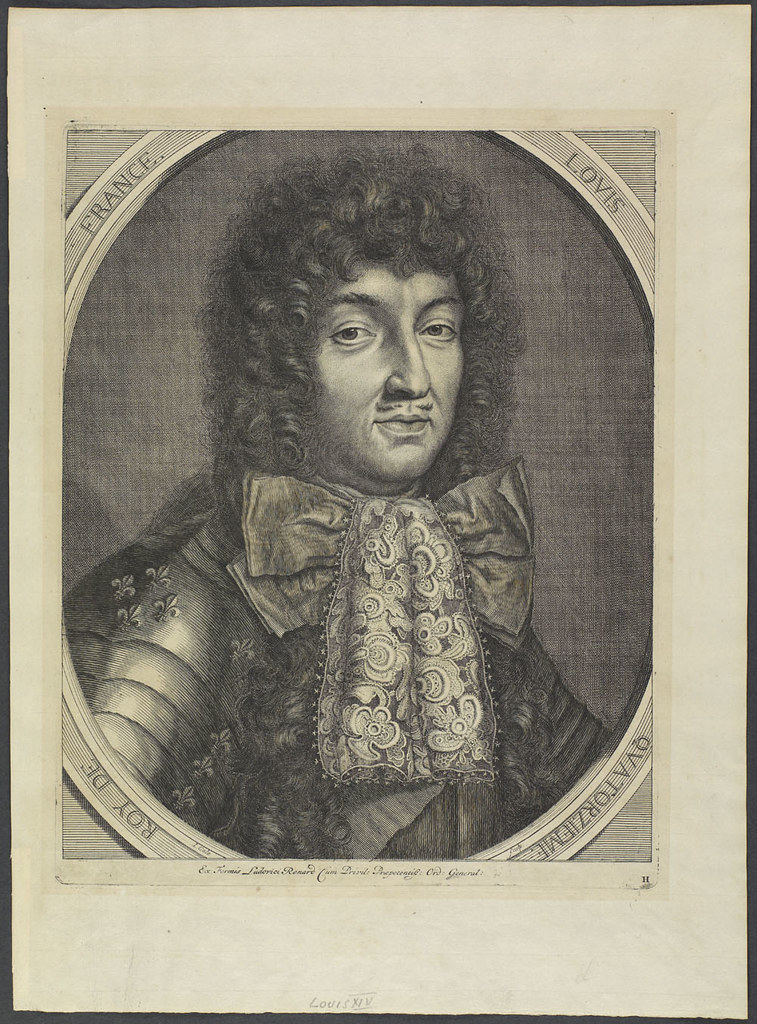
For the next century, Versailles became the premier stage for royal light shows — vast productions of fireworks, illuminations, and night‑time spectacle. Though fireworks were first invented in China, it was Rome that embraced them in the 14th century and launched Europe’s courtly tradition of celebratory rockets. France quickly followed, importing Italian artists, architects, and pyrotechnic masters whose displays soon surpassed anything on the continent.
A key reason Louis XIV moved his court out of cramped Paris and the Louvre was to gain the space required for these grand outdoor entertainments. At Versailles, the king could stage the full range of divertissements du Roi — not only fireworks and illuminations, but elaborate festivals of music, dance, and theater that turned the gardens into a glowing extension of royal power.
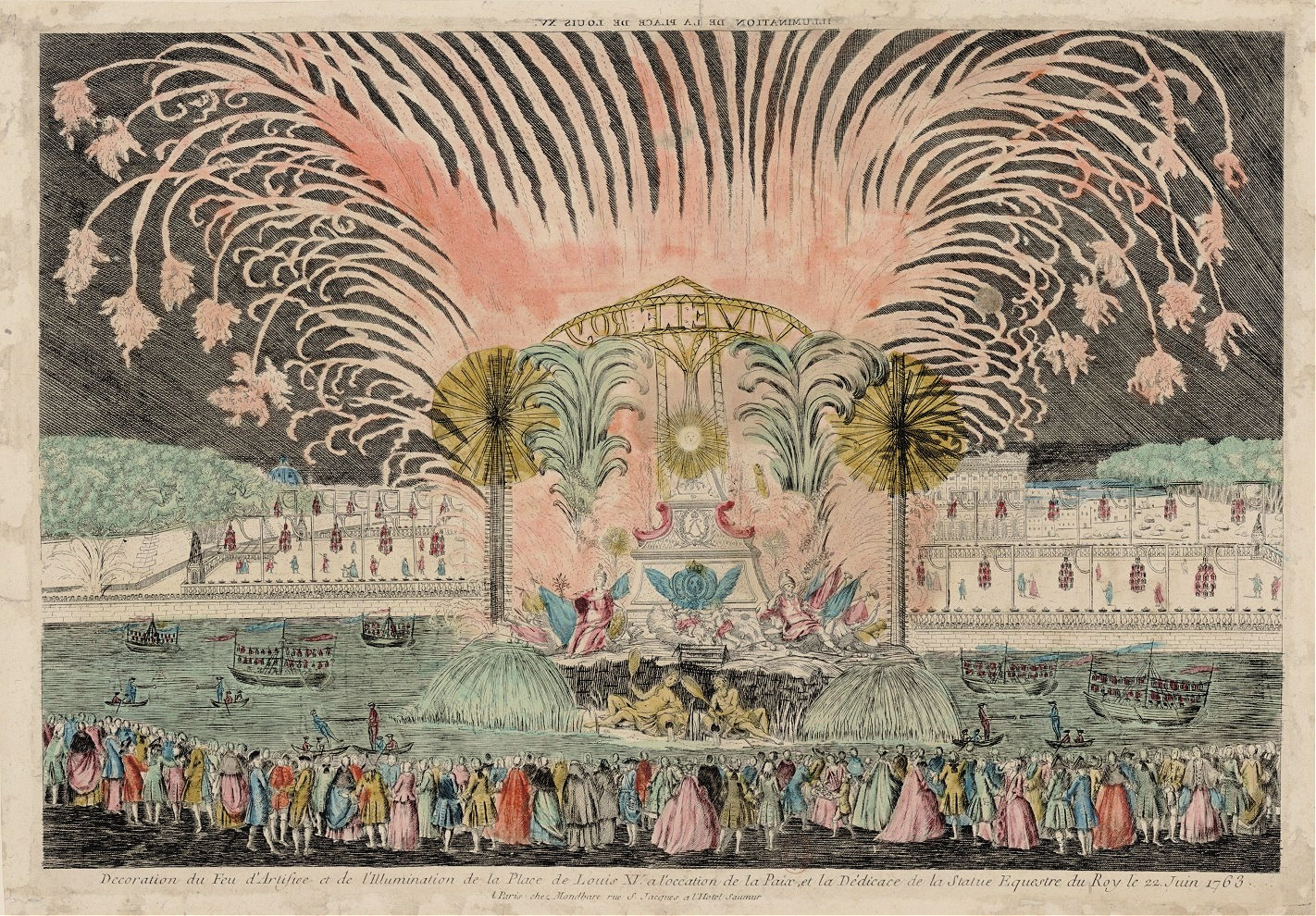
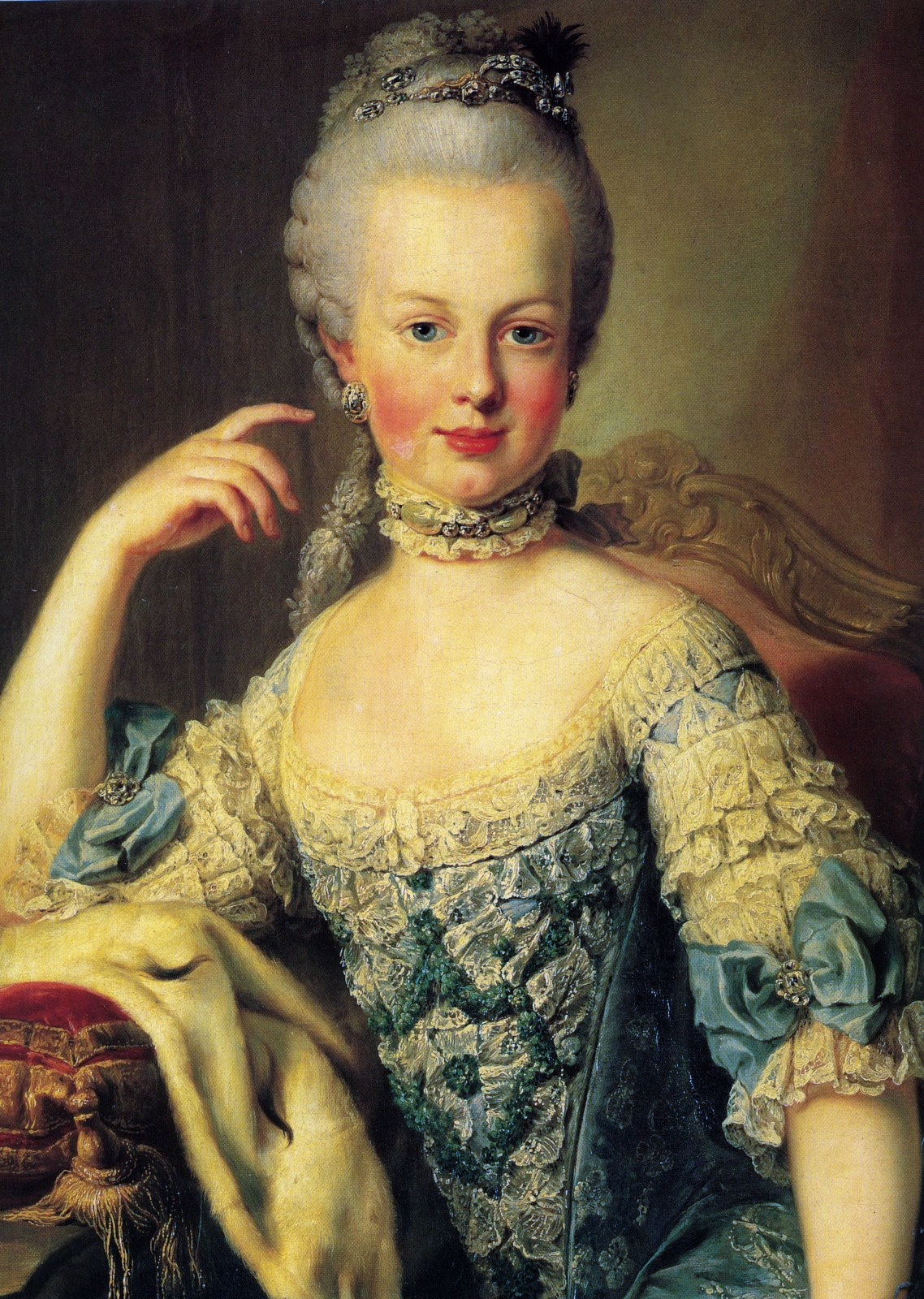
One of Versailles’ most spectacular celebrations came in 1770, when fourteen‑year‑old Marie Antoinette arrived from Austria to marry the heir to the French throne. Louis XV marked the occasion with days of festivities and a guest list numbering in the thousands. The scale was unprecedented: the French Academy of Sciences collaborated with the king’s bureau de Menus‑plaisirs to engineer a display capable of launching 20,000 rockets at once, followed by the coordinated illumination of 15,000 lanterns across the gardens. It was court spectacle elevated to scientific precision — a fusion of dynastic celebration, technological ambition, and the theatrical grandeur that defined Versailles.
Even today, crowds stream to Versailles just west of Paris, gathering to watch cutting‑edge pyrotechnics ignite the night above the palace. The modern displays play off the same elements that once dazzled the Sun King: the vast pools, canals, and fountains that mirror every burst of color and amplify the spectacle across the gardens’ sweeping geometry. In these moments, the waterworks and the fireworks merge into a single theatrical composition — a living continuation of the courtly entertainments that defined Versailles at its height.
SOURCES:
https://www.smh.com.au/entertainment/art-and-design/leading-lights-why-sydneys-nye-fireworks-pale-in-comparison-to-the-pyrotechnics-of-versailles-20161130-gt0dyj.html – retrieved July 11, 2024.
Les Jardins de Versailles, Pierre-André Lablaude, Editions Scala, 1998, pp. 38-39.

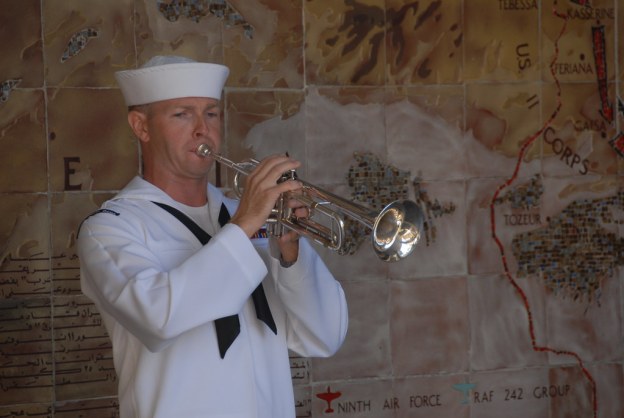
Memorial Day Ceremony – North Africa American Cemetery and Memorial – May 31, 2010. “Memorial Day Ceremony – North Africa American Cemetery and Memorial – May 31, 2010” by US Army Africa is licensed under CC BY 2.0.
The first national observance of Memorial Day occurred on May 30, 1868 following the U.S. Civil War. Commander in Chief John A. Logan of the Grand Army of the Republic issued General Order Number 11 designating May 30 as a day of memorial “for the purpose of strewing with flowers or otherwise decorating the graves of comrades who died in defense of their country during the late rebellion, and whose bodies now lie in almost every city, village, and hamlet churchyard in the land.” (see – https://www.loc.gov/item/today-in-history/may-30/ – retrieved May 27, 2024). It is a day for visiting cemeteries and memorials to mourn the military personnel who died in the line of duty.
Films, music and literature about the people, places and events in history where military personnel as individuals and as a unit are asked to pay the ultimate price and make the greatest sacrifice for freedom are among some of the greatest stories ever told.
Directed by Robert Harmon and adapted by Howard Fast from his novel of the same name, The Crossing stars Jeff Daniels as George Washington.
In December 1776 — barely six months after the Declaration of Independence — Washington’s Continental Army was collapsing. Starved of men, artillery, and supplies, the revolution hung by a thread. So Washington made the most dangerous decision of the war: he would gamble everything on a surprise strike at Trenton, where more than a thousand feared Hessian mercenaries held the town.
To reach them, his exhausted army would have to force a night crossing of the ice‑choked Delaware River and march toward what looked like a hopeless fight. Instead, the attack became the stunning, against‑all‑odds victory Washington had scarcely dared imagine.
Washington’s surprise attack on the Hessian garrison at Trenton on December 26, 1776, produced a stunningly one‑sided American victory. The Continental Army suffered almost no combat losses — none killed in action, two men who froze to death during the night march, and only five wounded, including a young James Monroe, later of Monroe Doctrine fame, who took a musket ball in the shoulder.
The Hessians, by contrast, were effectively destroyed as a fighting force: 22 killed (among them their commander, Colonel Johann Rall), 92 wounded, and about 920 captured.

Directed by Ronald F. Maxwell whose screenplay is based on The Killer Angels, a novel by Michael Shaara, Gettysburg starred an ensemble cast including Martin Sheen, Tom Berenger, Jeff Daniels, Stephen Lang and Sam Elliott.
One of the Union army’s most respected senior commanders during the American Civil War was 42-year-old General John F. Reynolds (John Rothman) who was killed on the first day of the Battle of Gettysburg at the very start of it. Reynolds was in command of the “left wing” of the Army of the Potomac commanded by Gen. George C. Meade and which included the cavalry division of 37-year-old Brig. Gen. John Buford (Sam Elliott).
Buford had occupied the town of Gettysburg, Pennsylvania, with his “headquarters” atop the cupola of the Lutheran seminary. With light defensive lines he resisted superior numbers of Confederate infantry brigades along the Chambersburg Pike who were blind to the Union Army’s smaller numbers because Major General J. E. B. Stuart had gone missing.
When Reynolds’ I Infantry Corps arrived, he rode out ahead, met with Buford, and then accompanied some of his soldiers into the fighting. As Reynolds was supervising the placement of the 2nd Wisconsin, he shouted: “Forward men! Forward for God’s sake! and drive those fellows out of those woods.” At that moment Reynolds was shot by a sniper and fell off his horse to the ground with a mortal wound to the back of the head.
The death of Reynolds impacted his troops and fellow commanders deeply. At that particular moment, they realized that any one leader (and the Union army had been through several at the top), even if he had the necessary zeal, vision, and sense of purpose, would not be enough to win the fight to save the Union. It must be a coordinated effort. Reynolds, by supporting Buford’s decision to set up defensive resistance as well as engaging his infantry, even in death effectively chose Gettysburg as that hallowed battleground for the next three days.
Since Confederate numbers were superior on that first day, Union troops eventually retreated through town and rallied on Cemetery Ridge where General Meade and Maj. Gen. Winfield S. Hancock, with many others, entrenched on the high ground. They faced Confederate Gen. Robert E. Lee (Martin Sheen), and Lieutenant Generals Longstreet, Ewell, and A.P. Hill, among others. In the 1993 film, Confederate Major General Henry Heth is played by Warren Burton who was born and grew up in Chicago and attended The School of the Art Institute of Chicago. Heth was from a coal mining area near Richmond, Virginia.
At the Battle of Gettysburg the two armies suffered between 46,000 and 51,000 casualties. Union casualties amounted to 3,155 killed, 14,531 wounded, and 5,369 captured or missing. Reynolds’ body was immediately transported to his home-town of Lancaster, PA, where he was buried on July 4, 1863. Buford died 5 months later possibly of typhus in Washington, D.C. and was buried at West Point Cemetery in New York. Like Lincoln, Buford was born in Kentucky and grew up in Illinois (Rock Island). His father was a leading politician, but as a Democrat supported Stephen A. Douglas and opposed Abraham Lincoln.

Directed by Lloyd Bacon based on a story by Edward Doherty, Mary C. McCall Jr., and Jules Schermer, The (Fighting) Sullivans starred Anne Baxter, Thomas Mitchell, Selena Royle, Edward Ryan, John Campbell, James Cardwell, John Alvin, George Offerman, Ward Bond and Trudy Marshall.
Released as The Sullivans in 1944, this 20th-Century-Fox drama film tells the true story of five brothers – George, Frank, Matt, Joe and Al Sullivan – who grew up in Waterloo, Iowa, and who were all killed in World War II when their ship, Juneau, was sunk in combat at Guadalcanal in November 1942.
The film is a tearjerker not so much because it is sentimental but that it is honest. The final scene where the naval officer who recruited the five brothers (Ward Bond) comes to the boys’ house to tell the tragic news to their parents (Thomas Mitchell and Selena Royle) and the youngest brother’s widow (Anne Baxter) and mother of his child is one of cinema’s best conveyances of the price paid in a world war that claimed 420,000 American lives.


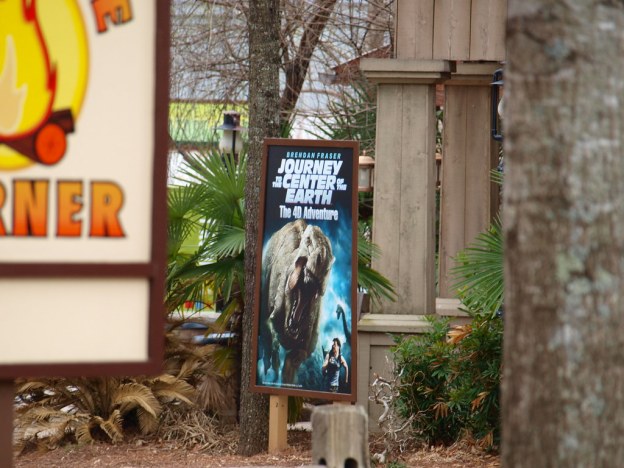
Feature Image: Promotion of a 2008 film adaptation of Journey to the Center of the Earth in 4D. “Journey to the Center of the Earth 4D Movie Sign” by rmanoske is licensed under CC BY-NC-ND 2.0.

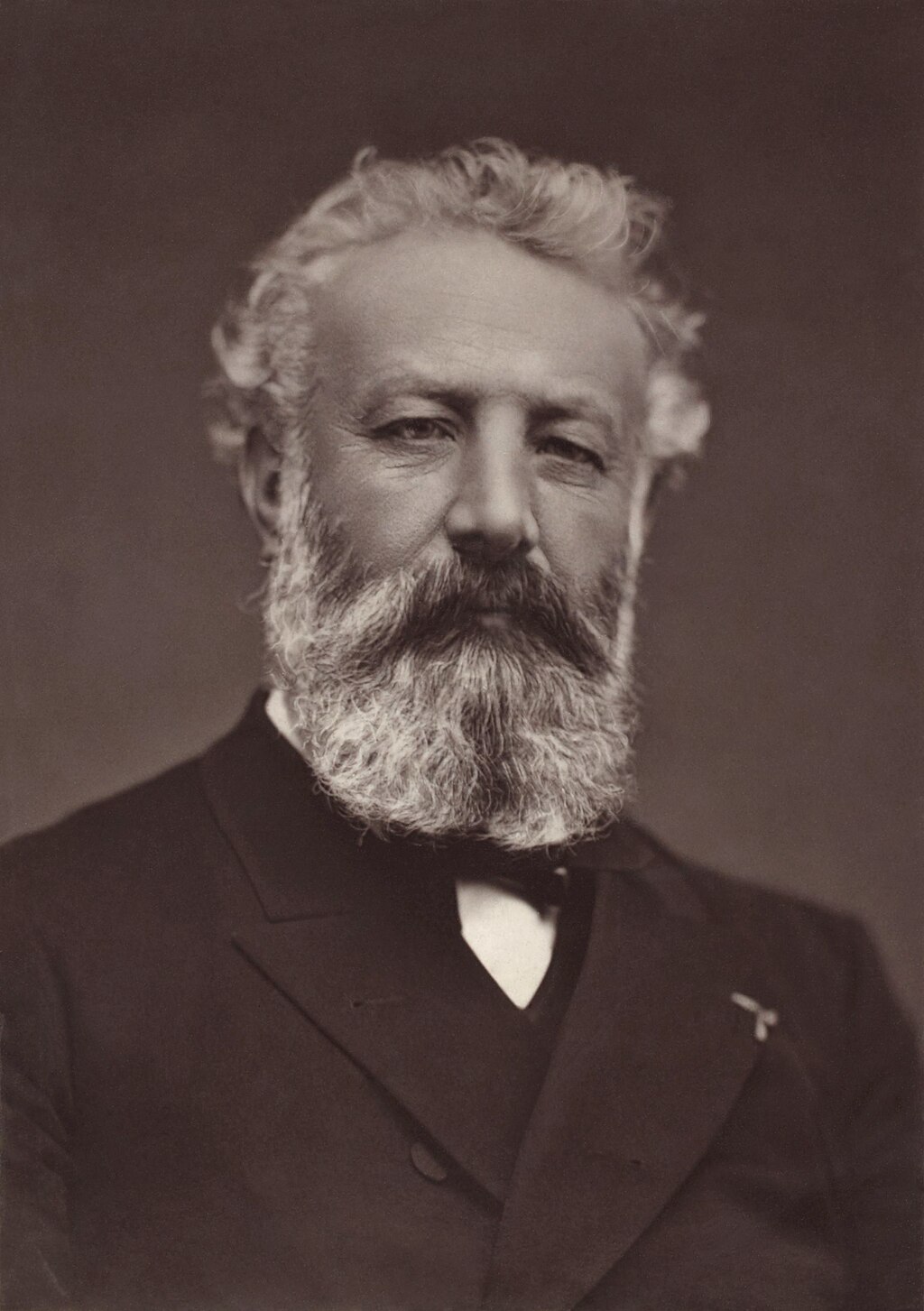
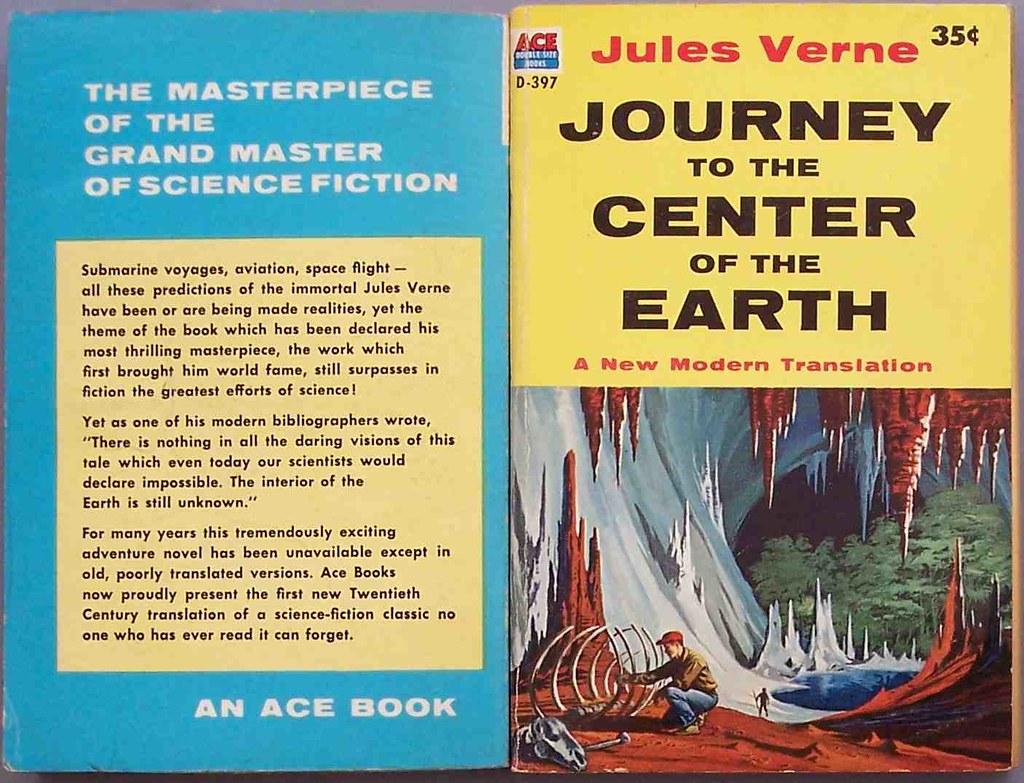
Journey to the Center of the Earth began as a science‑fiction novel published in 1864, 160 years ago, by Jules Verne (1828–1905). Verne’s story follows the fiery German geologist Professor Otto Lidenbrock, his anxious nephew Axel, and their unflappable Icelandic guide Hans Bjelke as they descend into the planet’s interior. Their expedition leads them through vast caverns, prehistoric landscapes, and encounters with living creatures long thought extinct.
Across three centuries, Verne’s subterranean adventure has proven irresistible. The novel has inspired multiple film, television, and radio adaptations, along with theme‑park attractions and reinterpretations that keep its blend of science, imagination, and danger alive for new generations.
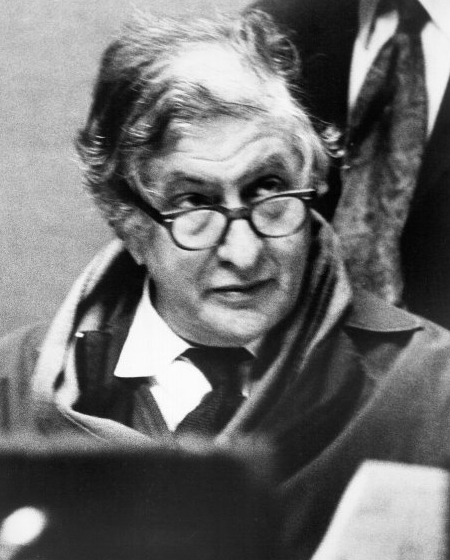
The story has been revisited many times, most famously in the 1959 20th Century‑Fox film starring James Mason, featuring a bold, atmospheric score by Bernard Herrmann. For a new generation, the tale resurfaced as a 1967 Saturday‑morning cartoon series, voiced by Ted Knight, Pat Harrington, and Jane Webb—a nostalgic favorite for many who grew up with weekend television. The enduring appeal of Verne’s adventure was underscored again in 2008, when no fewer than three separate film adaptations of Journey to the Center of the Earth were released. In the wake of the heavy marketing campaign for the high-profile theatrical version starring Brendan Fraser, other studios produced their own versions of the classic subterranean odyssey., including a TV movie and a direct to DVD low budget feature, each capitalizing and offering its own spin on the Jules Verne tale.
Of the three Journey to the Center of the Earth films released in 2008, the standout is easily Eric Brevig’s 4D adventure (below). Starring Brendan Fraser as the professor, Josh Hutcherson as his nephew, and Anita Briem as their guide, Hannah, it follows the spirit of Verne’s 1860s novel with surprising fidelity while delivering a lively, effects‑driven thrill ride.
Most journeys belong to the private realm—scribbled into diaries never meant to be read, then tucked away or forgotten. But some journeys break past the personal and become universal, the kind of adventures where the “I” disappears and larger‑than‑life protagonists take over. Jules Verne’s Journey to the Center of the Earth is one of those classics, a story that leaves the individual behind and invites everyone into its grand, imaginative descent.

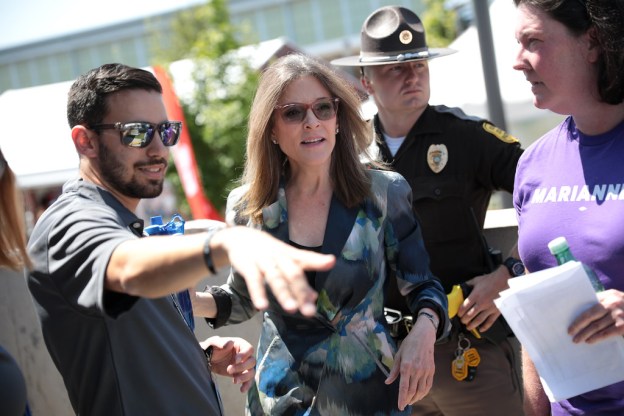
FEATURE Image: Marianne Williamson founded Project Angel Food in Hollywood, California, that prepares and delivers healthy meals to feed people impacted by serious illness, bringing comfort and hope every day. PHOTO: “Marianne Williamson” by Gage Skidmore is licensed under CC BY-SA 2.0.
Marianne Williamson (b. 1952), a Democrat, is running for U.S. president in 2024. She has an interesting biography. For example, Williamson has been active in charity work founding in 1989 Project Angel Food that provides free meals for people too sick to shop and cook for themselves. Sparked in response to a dramatic increase in HIV/AIDS cases in the late 1980s and early 1990’s, Project Angel Food has served its 16 millionth free meal to the sick and infirm in 2023. Within an especially committed and hard-working history, Elizabeth Taylor’s AIDS Foundation gave Project Angel Food its first-ever grant of $150,000 in 1992 and the charity organization obtained its first government grant in 1993. In 1999, Taylor accepted an Angel Award recognizing her impact on increasing awareness of HIV/AIDS at a time in Los Angeles when there were more than 30,000 known cases. In 1998, Marianne Williamson founded the Peace Alliance, a U.S. nonprofit working towards peace building in the U.S. and around the globe. Ms. Williamson is a board member for RESULTS, a nonprofit dedicated to finding long-term solutions to poverty. Ms. Williamson’s candidacy for U.S. President this year (she UNsuspended her campaign this week) should certainly be worth following.

HEADER Image: Chicago, South Loop Skyline, 2013. Photograph by John P. Walsh.
CORRIDORS: The Blog is mostly short blog posts on a variety of subjects of human interest.
CLICK on the header’s LEFT square for the SITE MENU and RIGHT square for SITE ARCHIVES.

This blog is affiliated to my flagship site (HEADER above) CORRIDORS│An Educational Website in the Arts and History. Featuring My Photography and Videos. To visit, CLICK here: http://johnpwalshblog.com/. This ever-growing and dynamic site presents hundreds of posts on topics in the fine & popular arts, performing arts, global/world history, and much, much more.
Thank you for visiting CORRIDORS: The Blog. I look forward to your comments and suggestions. Please visit again soon!
